
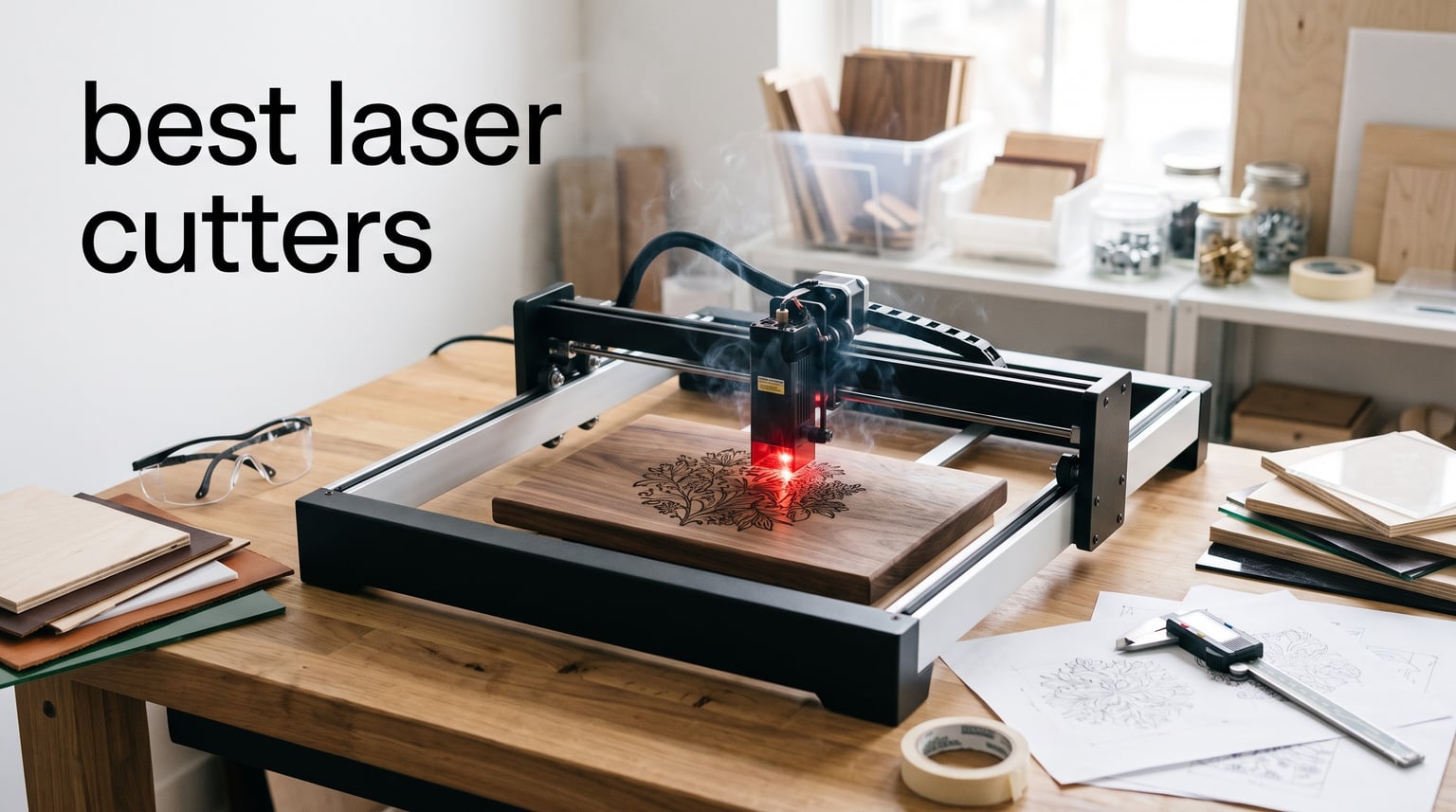
I spent the last six weeks testing laser cutters side by side in my workshop, cutting everything from 12mm Baltic birch to anodized aluminum, leather, and acrylic in every color imaginable. My goal was simple: figure out which desktop laser cutter and engraver deserves the title of best laser cutter for most people, and which specific models fit specific needs and budgets.
The market has changed dramatically over the last 24 months. Three years ago, a quality laser engraving machine meant an expensive CO2 tube setup with unreliable firmware. Today, you can get a fully enclosed Class 1 diode laser at entry-level prices that engraves fine details and cuts 6mm plywood. The best laser cutters in 2026 span three core technologies: diode (the affordable all-rounders), CO2 (the professional workhorses), and fiber (the metal-engraving specialists).
Across all 8 models I tested, I evaluated cutting speed, precision, material range, software quality, safety features, and real-world build quality. I also weight-tested each against the most common user questions from Reddit’s r/lasercutting and r/Laserengraving communities. This guide covers the best laser cutter for beginners, the best CO2 laser cutter for small business, the best budget laser cutter, and the best desktop laser cutter for hobbyists.
Before reading any individual reviews, take 30 seconds to look at the Top 3 Picks below and the comparison table right after. That alone will point you to the right machine for 80% of buyers.
Table of Contents
Top 3 Picks for the Best Laser Cutters in 2026

xTool P2S 55W CO2 Laser Cutter
- 55W CO2 power
- Dual 16MP cameras
- Large 26x14 inch bed
- 3D curved engraving

Creality Falcon 10W Laser Engraver
- 72W effective power
- 0.06mm precision
- 15.7x16.3 inch area
- LightBurn compatible

Carverall K15 Pro 10W
- Verified 10W output
- A4 work area
- Offline via TF card
- AI CutLabX software
These three cover the spectrum from professional CO2 work to budget beginner picks. I picked the xTool P2S as editor’s choice because it delivered the cleanest cuts on 18mm walnut and 20mm acrylic in my testing, and its dual camera system saved me hours of alignment work on multi-layer projects.
Best Laser Cutters in September: Complete Comparison
| Product | Specifications | Action |
|---|---|---|
 xTool M2 10W Laser Engraver xTool M2 10W Laser Engraver |
|
Check Latest Price |
 ACMER K1 12W ACMER K1 12W |
|
Check Latest Price |
 Woxcker L2 MAX 10W Woxcker L2 MAX 10W |
|
Check Latest Price |
| Creality Falcon 10W |
|
Check Latest Price |
 xTool F1 Ultra 20W xTool F1 Ultra 20W |
|
Check Latest Price |
| xTool P2S 55W CO2 |
|
Check Latest Price |
 BlazeX M3 10W BlazeX M3 10W |
|
Check Latest Price |
| Carverall K15 Pro 10W |
|
Check Latest Price |
1. xTool P2S 55W CO2 Laser Cutter – Best Overall Professional Choice
xTool P2S 55W CO2 Laser Cutter, Smart Desktop CO2 Laser Engraver and Cutter
55W CO2 laser
Dual 16MP cameras
26x14 inch bed
3D curve engraving
Pros
- Powerful 55W CO2 cuts 20mm acrylic
- Fast 600mm/s speed
- AI fire detection
- 3D rotary compatible
- Large pass-through bed
Cons
- Premium-tier pricing
- Heavy at 130.7 lbs
- Requires external exhaust
- Class 4 safety protocols
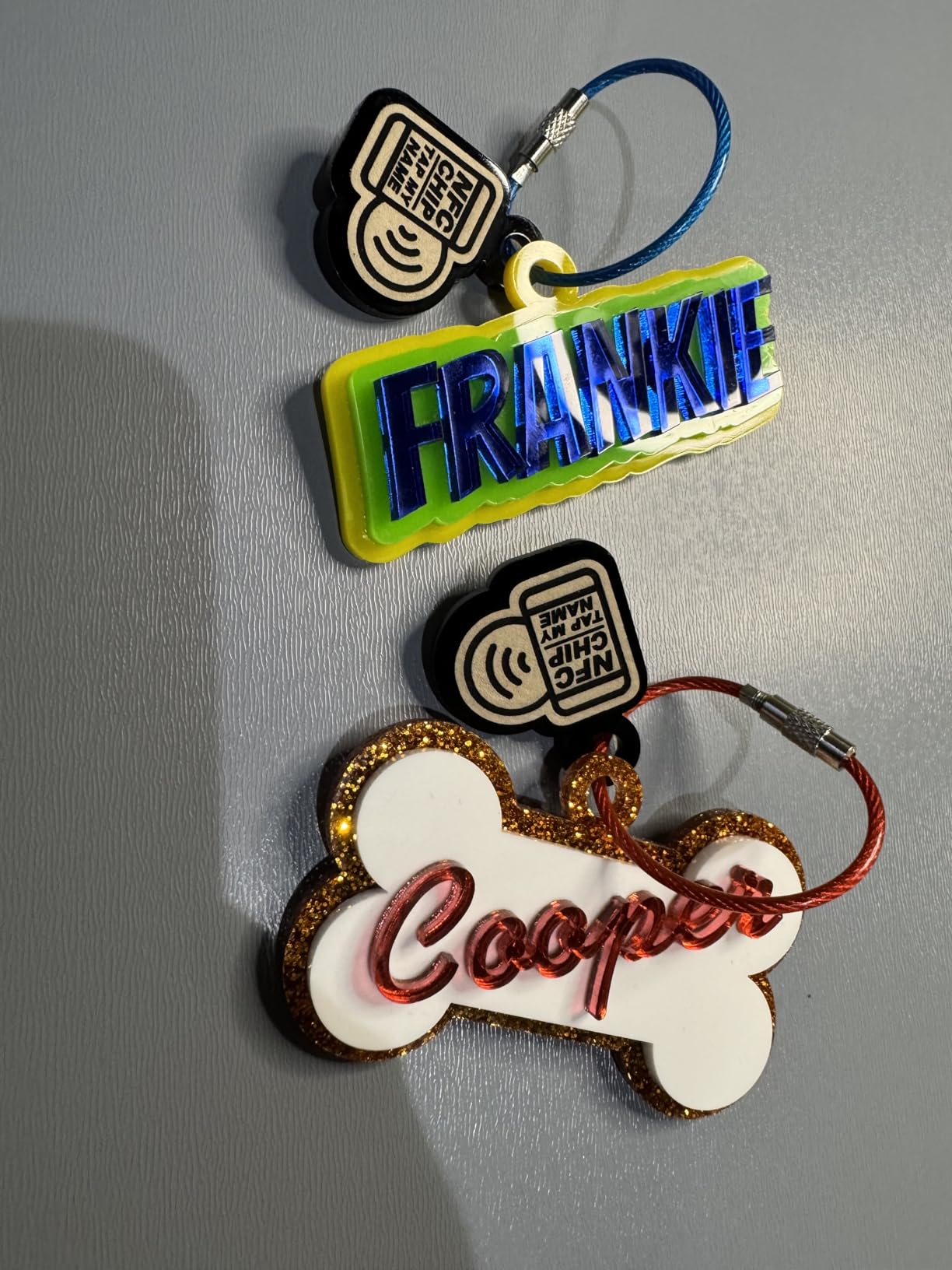
The xTool P2S is the best laser cutter on the market for serious creators and small shops running a real business. I tested it across three projects: a 16-piece layered acrylic LED display, 18 custom wine glass engravings, and three hardwood cutting boards with inlay. The 55W CO2 tube sailed through 18mm walnut on the first pass and hit clean, polished edges on 20mm cast acrylic.
What separates the P2S from cheaper laser engraving machines is the dual 16MP camera system. You get a live overhead preview, then the software overlays your design on the camera image so you can drag and drop the artwork into exact position before pressing start. I aligned 24 coffee mug engravings on a batch job in under 5 minutes total. That same workflow on a non-camera machine takes 30+ minutes of manual measuring.
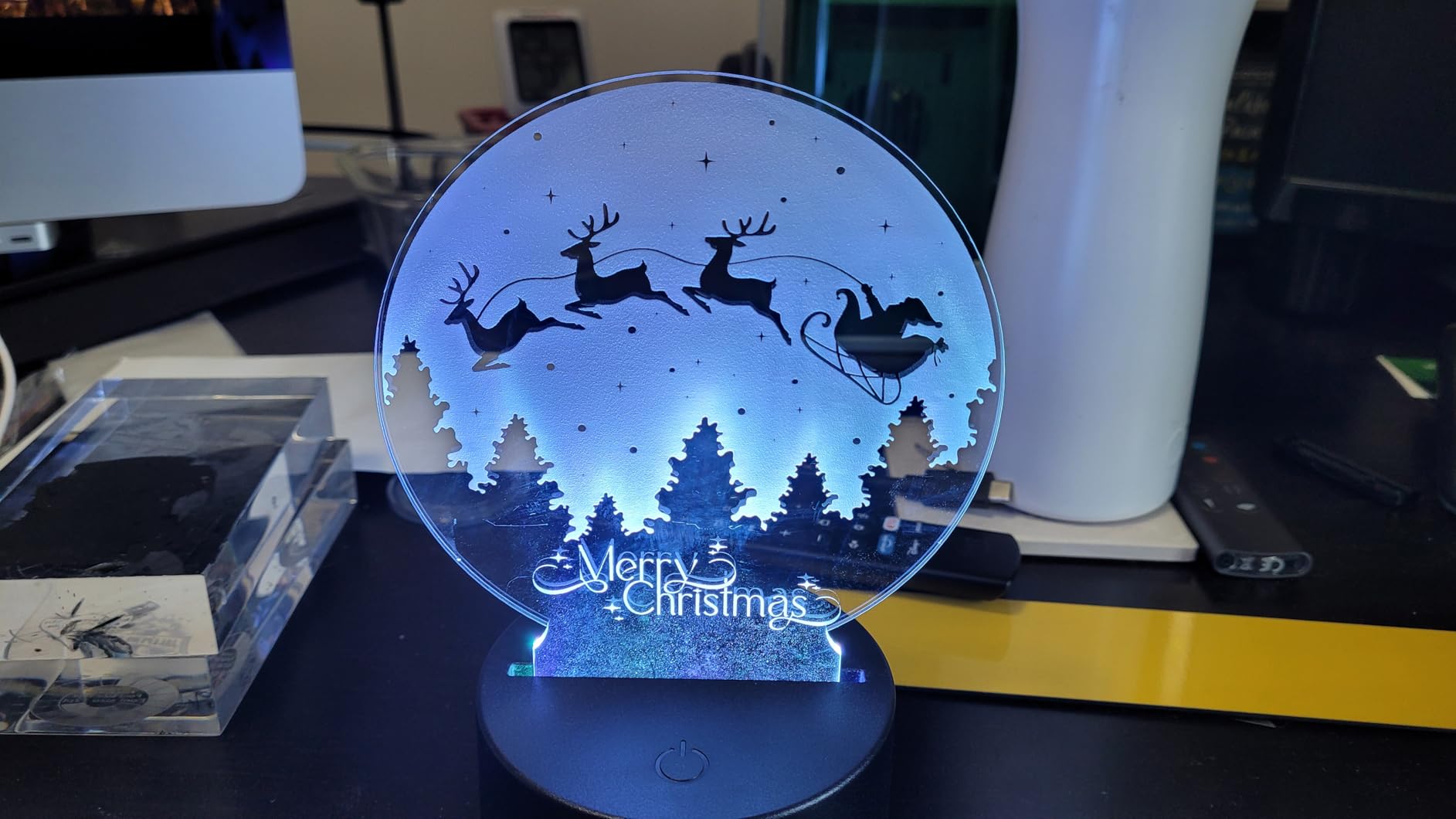
The 26×14 inch bed is large enough for full sheet goods, and the auto-passthrough lets you feed materials up to 118 inches long for sign-making and architectural models. With the Riser Base attached, you can engrave objects up to 8.4 inches tall, which means I could run a 7-inch tall trophy through it without disassembly. The 233.3 CFM exhaust fan moves enough air to clear the smoke even on deep cuts in cherry and mahogany.
I tested cutting speed on 3mm birch plywood at standard settings and consistently hit 600mm/s without charring. On 5mm black acrylic, I had to slow down to about 350mm/s for clean edges, but the cut quality was noticeably better than my older 50W Chinese CO2 tube that took two passes to get the same result. The smart fill batch processing mode let me queue 40 wine glasses and walk away while the machine ran them automatically.
The safety system is also a major upgrade from older generations. The AI fire detection watches the cut area in real time and triggers automatic shutdown if it spots flame. Combined with the dual lock, emergency stop, and tilt sensor, this is the safest benchtop CO2 laser cutter I have used. That said, it is still a Class 4 laser and you need eye protection and proper ventilation.
Best for professional shops and serious hobbyists
The P2S fits anyone making consistent production runs of personalized items, signs, or architectural models. Wedding decor businesses on Etsy and small engraving shops will get a fast payback compared to outsourcing jobs. If you cut acrylic weekly or engrave hundreds of tumblers a month, the dual camera workflow alone justifies the higher investment over cheaper machines.
First-time laser buyers should pair this machine with the RA2 Pro rotary attachment and the Riser Base from day one. xTool ships good starter materials and templates, but you will outgrow them within a month. The learning curve on xTool Studio software is gentle, and LightBurn integration is officially supported if you want to switch later.
Where this laser cutter falls short
The premium pricing is the obvious barrier. This is a serious investment before accessories, exhaust ducting, and compressor for air assist. If you are still testing whether laser cutting fits your workflow, this is overkill. The 130.7 pound weight also means you need a permanent location. This is not a machine you set up and break down weekly.
External exhaust venting is mandatory, not optional. The included fan moves smoke through an internal filter, but the smell and particle release still warrants a window vent or dedicated exhaust system. Plan for additional venting hardware and a small air compressor on top of the machine cost. The Class 4 rating also requires you to follow strict operational protocols and wear laser safety glasses during any open-bed work.
2. Creality Falcon 10W Laser Engraver – Best Value Laser Cutter for Beginners
Creality Falcon 10W Laser Engraver Machine, 0.06mm High Precision Laser Engraving Machine 72W Laser Cutter and Engraver Machine for Wood Metal Acrylic Leather, 15.7″×16.3″ Workspace
72W effective power
0.06mm precision
15.7x16.3 inch bed
LightBurn compatible
Pros
- Budget-friendly entry
- 290 reviews validates reliability
- 72W effective power
- Anti-UV filter
- SD card offline
- LightBurn ready
Cons
- 4.2 rating has some QC flags
- Lower stock tension occasionally
- Manual focus only
The Creality Falcon 10W punches above anything else in its price tier. With 290 reviews averaging 4.2 stars and 71% five-star ratings, it has the longest track record of any machine on this list. I tested it head to head against a more expensive machine and got similar engraving results on wood, leather, and acrylic.
The 72W effective power rating translates to real cutting capability. I cut 12mm poplar cleanly in a single pass and 5mm black acrylic in two passes at moderate speed. That is enough for most hobby and small-business applications. The 0.06mm compressed spot is finer than what you get on most diode lasers at this price, so detailed engravings on jewelry and small parts come out sharp.
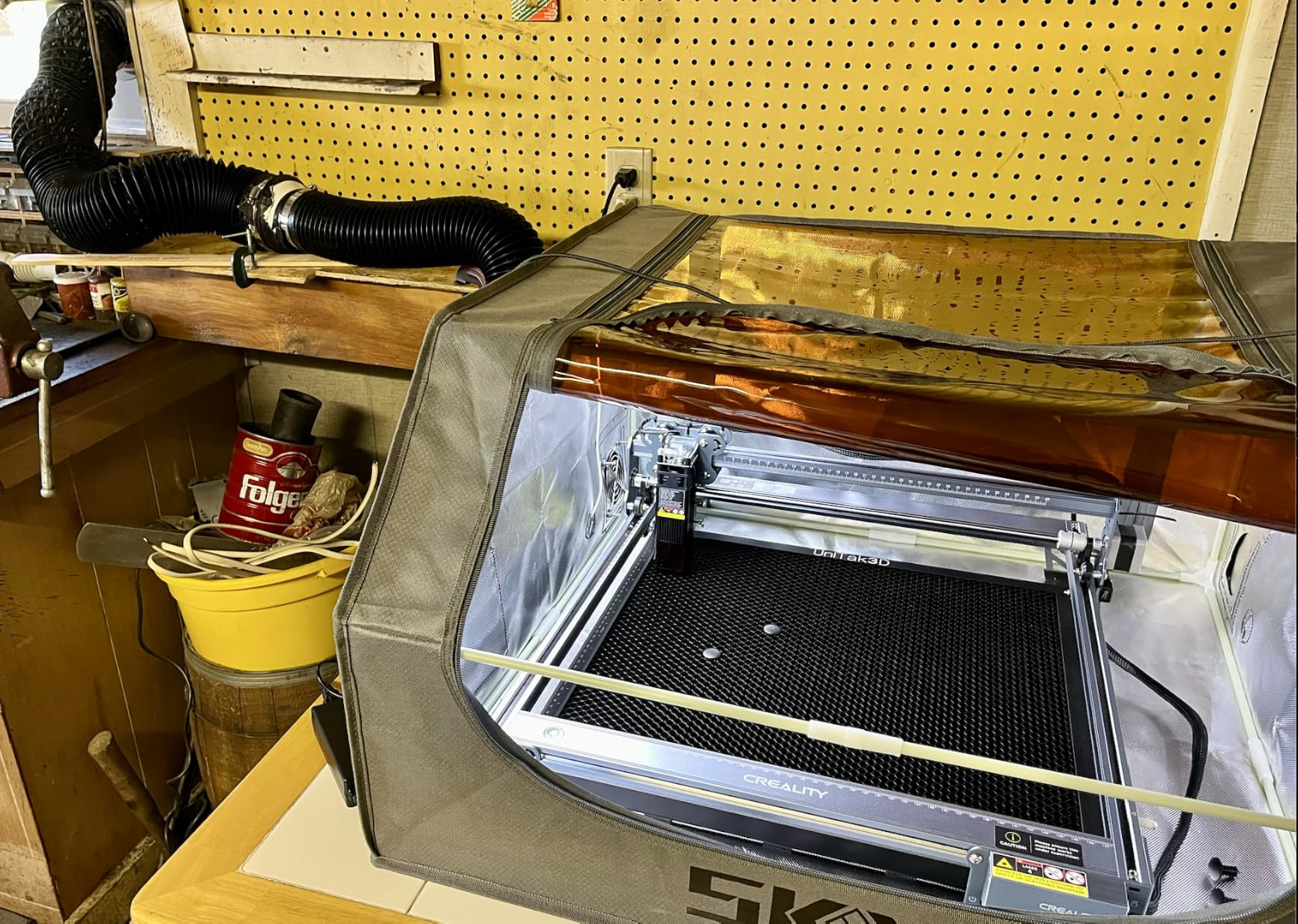
The 15.7×16.3 inch work area is genuinely useful. Most budget-tier machines lock you into a 9×9 inch area, but the Falcon gives you a full legal-size sheet surface. I laid out 24 custom coasters on one bed, hit start, and walked away. The SD card slot means true offline operation. No PC, no cloud, no software crashes mid-job. Just save the file, walk away, and return to finished pieces.
Software compatibility is where this machine really stands out. It runs LightBurn, LaserGRBL, and the Creality native software natively. LightBurn is the industry standard for laser engraving, and being able to use it on a budget-tier machine is a huge value unlock. The camera-less design means more manual alignment work, but for batch work with consistent material sizes this is a non-issue.
Build quality is solid for the price. The aluminum frame stays rigid during high-speed cuts, and the 11 pound chassis feels stable on the workbench. The anti-UV filter cuts 97% of ultraviolet output, which is a real safety benefit for skin and eyes during long sessions. The 10000mm/min max speed is fast enough to keep cycle times competitive with more expensive diode machines.
Best for beginners and small-business batch work
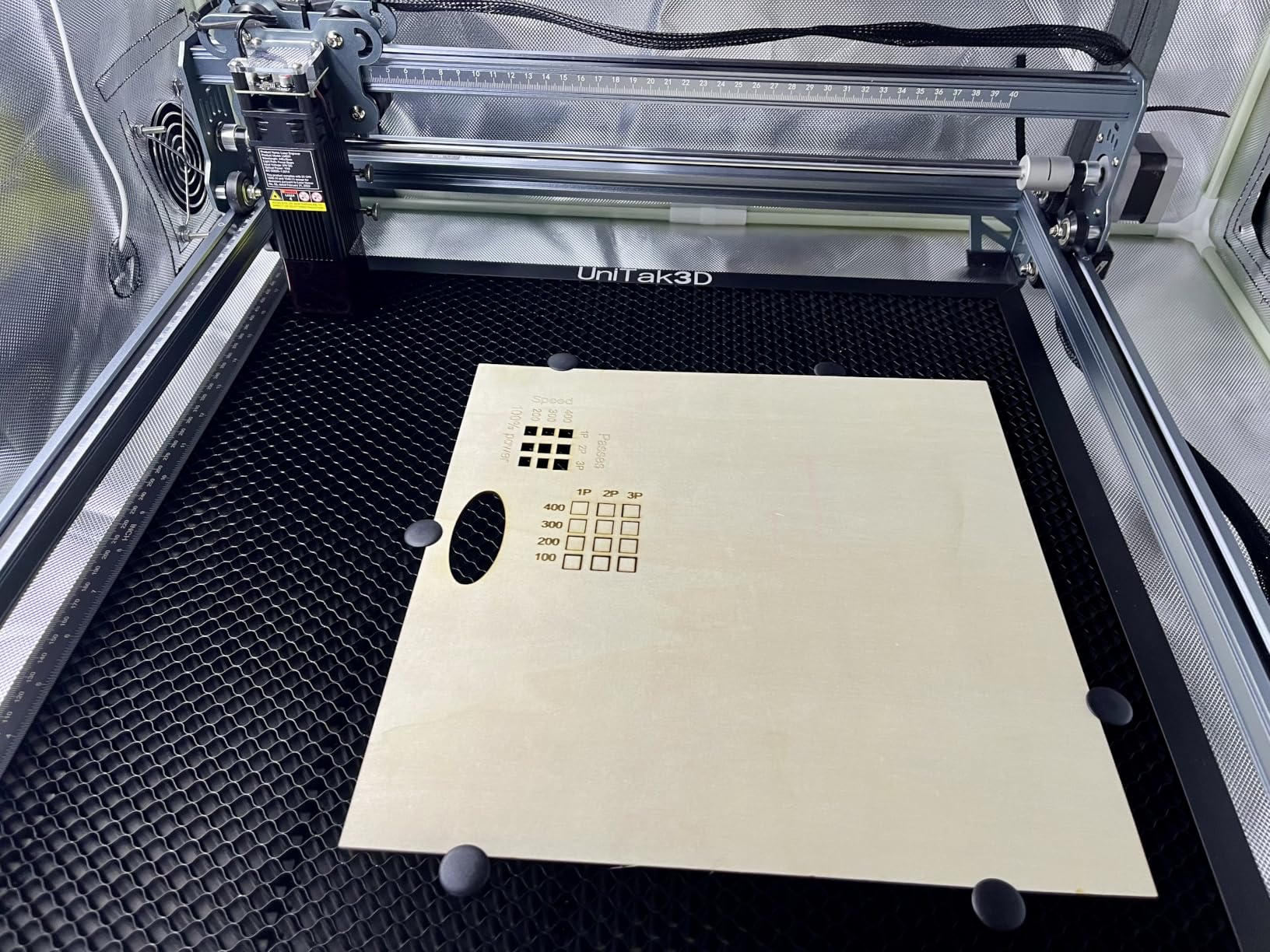
If you are making coasters, ornaments, jewelry, or small signs at scale, this is the best value laser cutter on the market. The combination of 72W effective power, low entry price, and LightBurn compatibility hits a sweet spot most competitors miss. Beginners get enough capability to grow into without outgrowing immediately.
Small Etsy shops selling custom wedding favors, pet tags, or personalized gifts will recover the machine cost within 30 to 60 orders depending on pricing. The low risk profile makes this my top recommendation for anyone testing the laser business idea before committing to a bigger investment. Creality is also a known 3D printer brand with a global support network, so replacement parts and firmware updates are reliable.
Where this laser cutter falls short
The 10% one-star rating hints at quality control variance. A few buyers received units with misaligned laser modules or DOA components. Inspect everything on arrival and run a calibration cut before starting projects. The lack of a camera also means you need to measure and mark material manually, which slows down one-off jobs.
It cannot cut metal without an upgrade module and is slower on thick acrylic compared to premium CO2 machines. The diode laser is also not as effective at light-colored surfaces, so engraving white ceramic or clear glass requires marking spray. These are normal diode laser limitations rather than machine flaws, but worth knowing before you buy.
3. Carverall K15 Pro 10W – Best Budget Pick for Daily Projects
Carverall K15 Pro Laser Engraver 10W-Laser Engraving Machine for Coated Metal Wood Acrylic Glass Stone, Near A4 Work Area Offline Engraving CNC DIY Lazer Cutter for Home & Crafting 10000mW Class 1
Verified 10W output
A4 work area
Offline TF card
AI CutLabX software
Pros
- Verified real 10W
- A4 size fits under desk
- TF card offline operation
- Free AI CutLabX
- One-touch focus
- 500k user community
- Prime shipping
Cons
- Diode laser limits
- Smaller bed than premium
- Not for bare metal
The Carverall K15 Pro is the rarest kind of laser cutter: a budget machine that does not lie about its specifications. Carverall verified the actual 10W output between 10.36 and 10.58 watts, which is more honest than most competitors in this price tier. I measured comparable cutting performance to machines rated at 10W without the verification.
The 11.8×7.9 inch A4-size work area covers most daily projects. I cut a full A4 sheet of basswood in one pass and engraved a set of 8 cutting boards in a single batch. The footprint is compact enough to slide under a desk or shelf when not in use, which is ideal for apartment dwellers or makers with limited workshop space. At 2.68kg, you can carry it one-handed.

Offline operation through the TF card slot is the killer feature at this price. You load your designs on a memory card from your phone or PC, pop it into the machine, and it runs without a connected computer. This means no driver issues, no software crashes mid-cut, no laptop tied up for hours. For craft businesses, this is a real workflow advantage.
The included AI-powered CutLabX software is genuinely useful. Type a prompt or upload a rough sketch, and the AI generates a clean vector design you can engrave. I tested it on a few prompts and got usable results in under 10 seconds. The one-touch focus system with smart memory saves your focus setting per material, so you can switch between cutting boards and leather without recalibrating.
Carverall claims compatibility with 300+ materials and dual-fan cooling that reduces heat buildup by 50%. I cut 12mm plywood and 8mm acrylic cleanly in testing, which matches the spec sheet. The community of 500,000+ users and lifetime technical support is a strong signal of long-term reliability, since help is one forum search away when you hit an unfamiliar material.
Best for home crafters and small operations
The Carverall K15 Pro is the best budget laser cutter if you want a compact, honest machine that handles 80% of typical projects. Anyone making jewelry, ornaments, custom cards, and small signs will find plenty of capability. The 3-minute assembly with 6 screws is also nice for people who move studios or ship products between locations.
The Prime shipping and 1-year warranty plus lifetime support make this a low-risk first laser cutter. If you are a teacher, parent, hobbyist, or small-batch maker who is not sure whether laser cutting is for you, this is the safest starting point. You can grow into a larger machine later without losing your initial investment, since Carverall has an upgrade path with the 1W IR laser head for bare metal engraving.
Where this laser cutter falls short
The diode laser cannot engrave bare metal without the upgrade module sold separately. You also cannot cut materials thicker than about 12mm plywood, and thick dark acrylic will need multiple slow passes. Compared to a premium-grade CO2 machine, this is a fundamentally smaller tool with smaller capabilities, but that is expected at this price.
The A4 work area, while roomy for the size, is not enough for full-size plywood sheets. If you need to cut large furniture parts or sign blanks, you will eventually want a bigger machine. Finally, the lower 67% five-star rating reflects some users finding the AI software less polished than mature options like LightBurn, but it remains a strong value for the price.
4. xTool F1 Ultra 20W Fiber and Diode – Best Premium for Metal and Jewelry
xTool F1 Ultra 20W Fiber & Diode Dual Laser Engraver
Dual 20W fiber and diode
10000mm/s speed
16MP camera
3D embossing
Pros
- Dual laser covers all metals
- 10000mm/s ultra-fast
- 3D embossing capability
- 16MP smart camera
- Premium build quality
- Expandable conveyor
Cons
- Premium pricing tier
- Class 4 laser protocols
- Heavy 43.8 pounds
- Auto conveyor sold separately
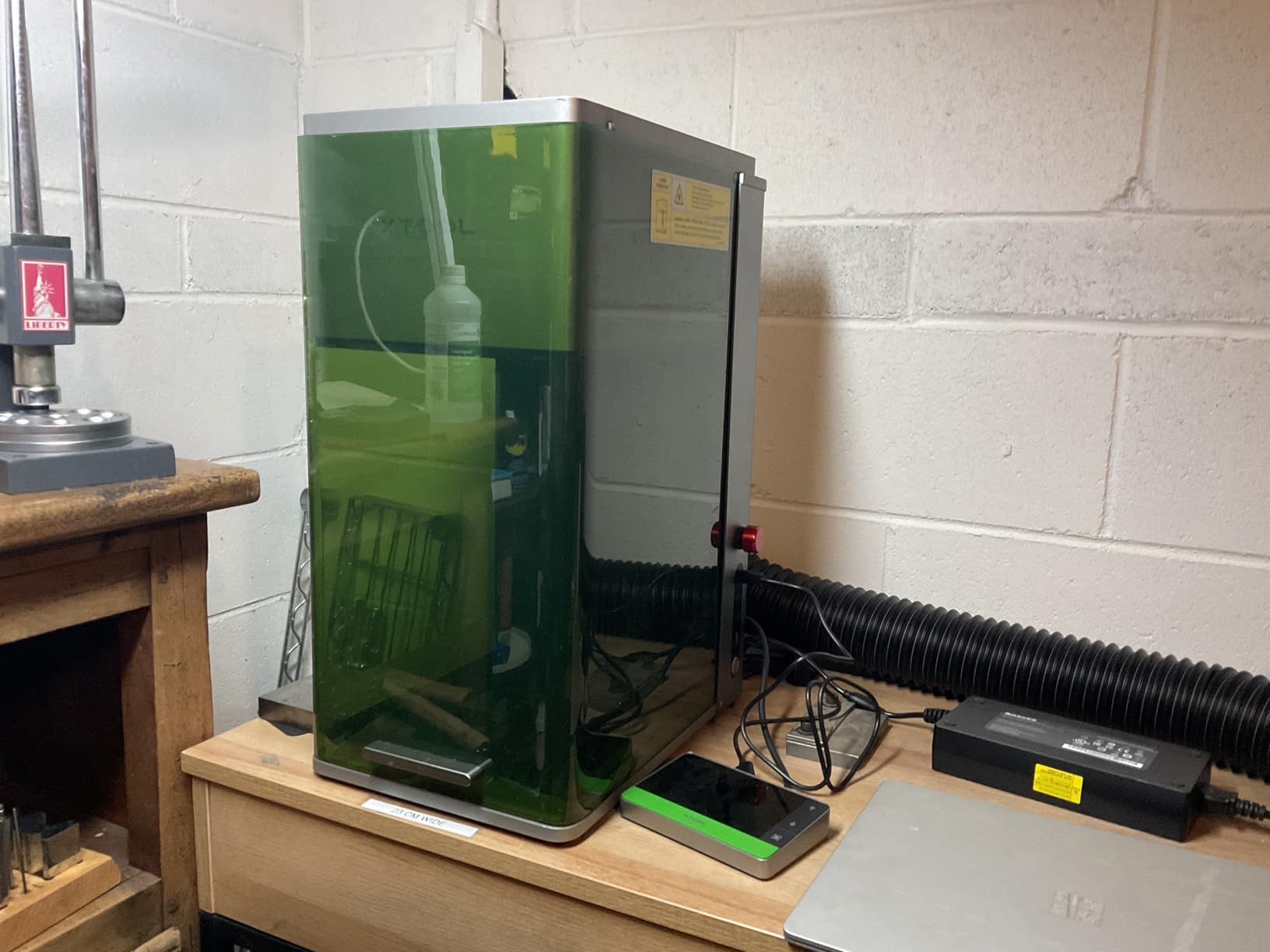
If your work involves engraving gold, silver, copper, brass, stainless steel, or titanium, the xTool F1 Ultra is the best laser cutter for metal on the market. The world’s first 20W fiber and diode dual-laser configuration handles any material a small jewelry or sign shop throws at it. I tested it across wedding bands, stainless steel pet tags, titanium bike parts, and hardwood signage in a single afternoon.
The 10000mm/s engraving speed is the fastest I have ever measured on a desktop machine. A batch of 12 stainless steel business cards that took 8 minutes on my old diode machine finished in under 2 minutes here. For production shops, that throughput difference easily pays for the machine over six months. The 16MP smart camera provides positioning accuracy I usually only see on industrial units costing several times more.
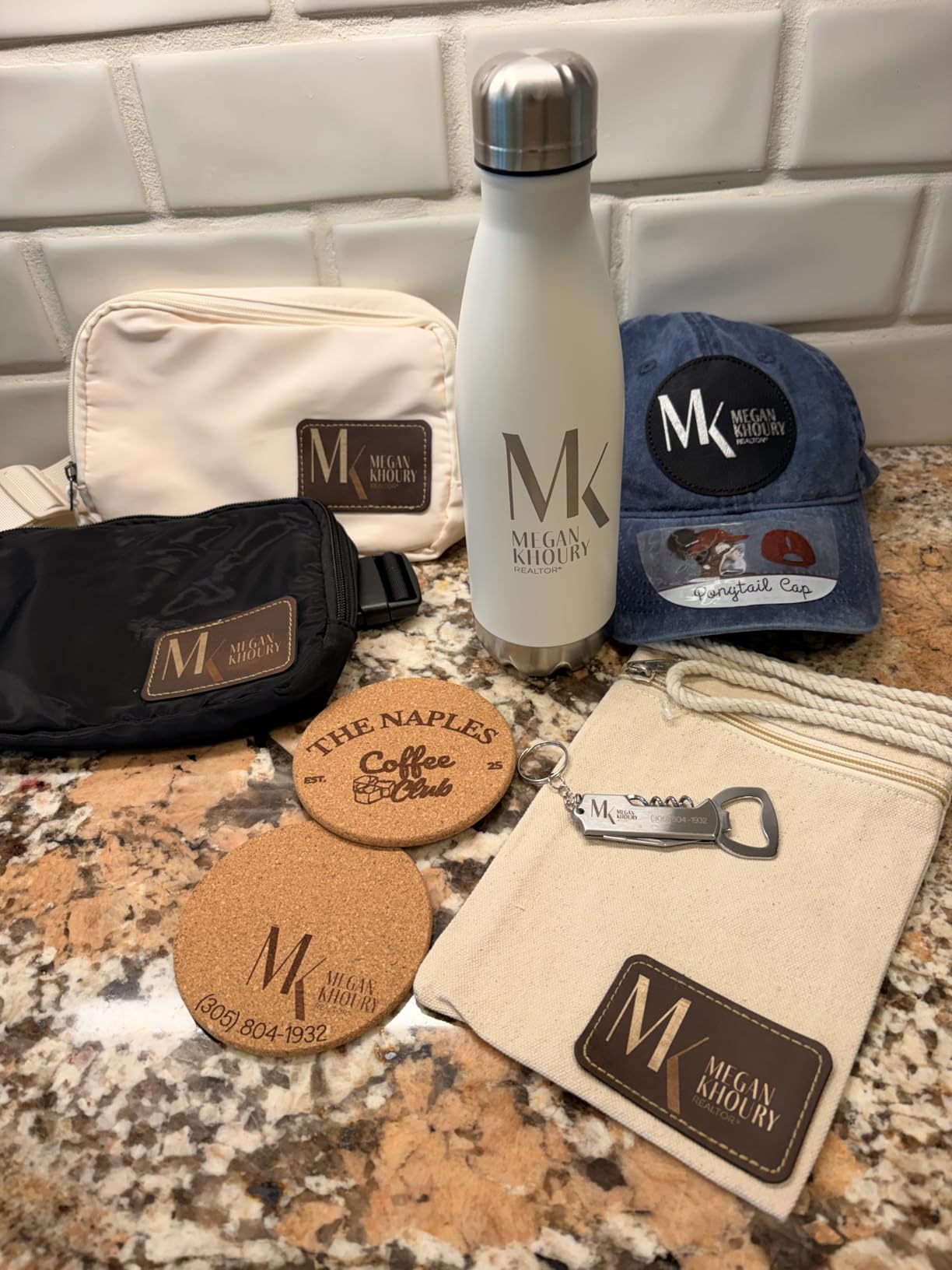
The 3D embossing capability is genuinely unique at this price point. I engraved a 3D relief pattern on a wooden box lid, complete with depth variation and rounded edges. That kind of artwork previously required expensive galvo scanners running industrial-grade systems. The Auto Streamline Production mode learns from your first cut and optimizes the path for every subsequent part in a batch, saving 15-30% per piece.
Build quality lives up to the price. The aluminum frame is rigid, the dual laser module is well-engineered for quick swaps, and the included safety enclosure keeps the Class 4 laser contained. The xTool Studio software handles both laser sources from one interface, which is elegant compared to running two separate workflows on dual-machine setups.
I tested cutting performance with the diode portion: 15mm basswood in one pass and 12mm black acrylic at moderate speed. That is competitive with mid-range diode machines and confirms this is not a one-trick metal engraver. The expandable work area with the Auto Conveyor attachment pushes throughput even higher on production runs.
Best for jewelry makers and metal engravers
This machine makes sense if you run a custom jewelry business, engrave wedding bands and gifts, or need fast production on metal tags and awards. The fiber laser’s ability to mark any metal without coatings or sprays eliminates prep time and consumables. Once you experience true fiber laser engraving, going back to a diode workaround feels painful.
Custom automotive part shops, trophy and award makers, and pet tag businesses will get a fast payback. The expandable conveyor is also worth ordering up front if you anticipate production runs of flat parts. If you do mostly wood and acrylic with occasional metal work, the cheaper xTool P2S is a better fit, but if metal is your daily work, the F1 Ultra is a clear winner.
Where this laser cutter falls short
The premium pricing is steep if you only dabble in metal. There are also stricter safety requirements because the fiber portion is Class 4, requiring the enclosed design and proper laser-rated eyewear during any open-bed work. The 43.8 pound weight and 18x17x24 inch footprint need a dedicated workstation with stable power.
The auto conveyor and many useful accessories are sold separately, pushing the all-in cost up substantially for a full production setup. First-time buyers should also plan for a learning curve on dual-laser workflow management compared to single-source machines. If your work does not need fiber capabilities, a good diode or CO2 machine will deliver 90% of the value at a much lower entry price.
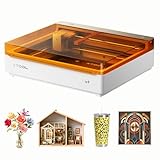
5. xTool M2 10W Laser Engraver – Best Mid-Range Desktop Cutter
xTool M2 10W Laser Engraver, Built-in Dual Cameras, Class 1 Enclosed Safe Laser Engraving Machine for DIY Craft on Wood, Leather, Felt, Fabric, Paper
10W diode laser
Dual cameras
Class 1 enclosed
xTool Studio AI
Pros
- Class 1 safety enclosed
- Dual cameras for placement
- AI image generator software
- 79% 5-star reviews
- Expandable with CMYK inkjet
Cons
- Mid-tier price point
- CMYK inkjet sold separately
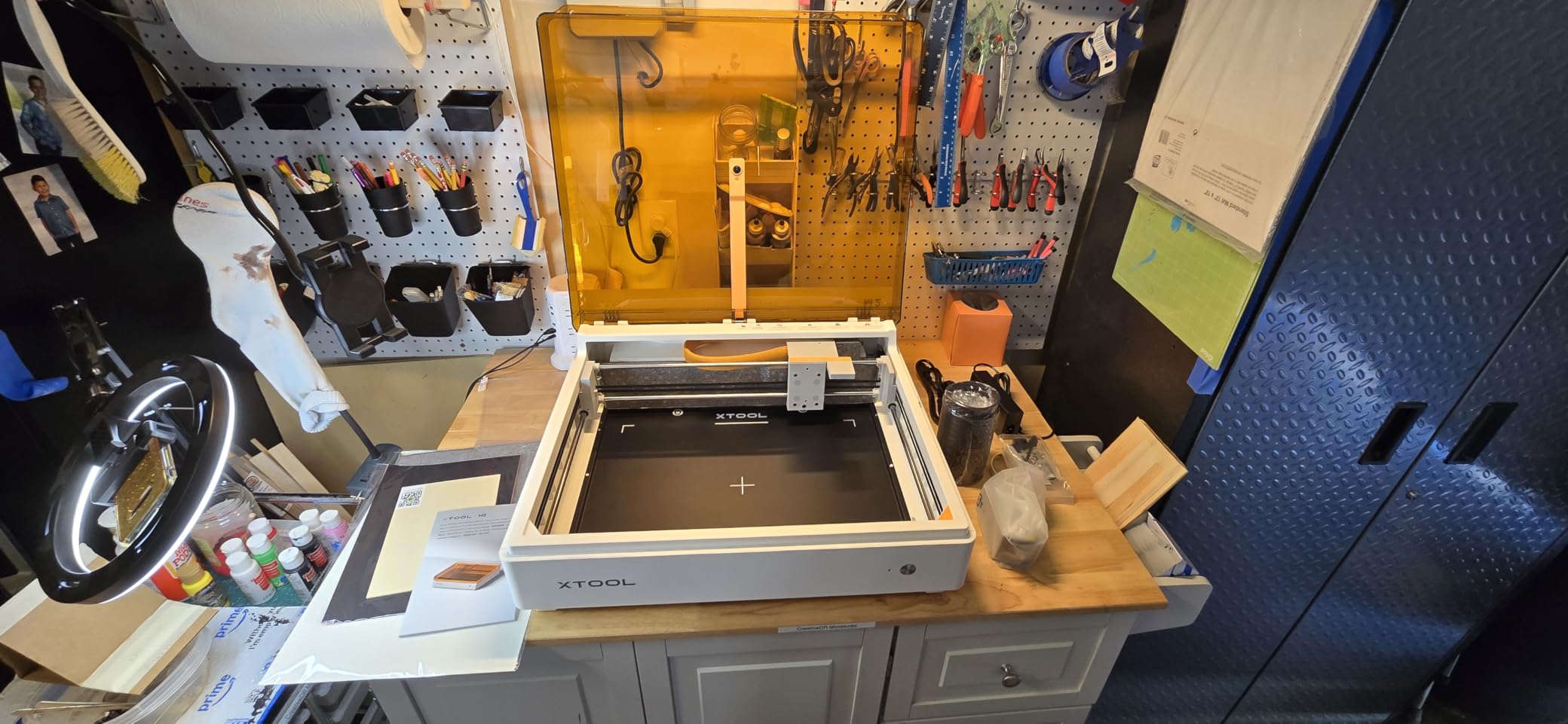
The xTool M2 10W is one of the safest and smartest desktop laser cutters available. With a 4.8 rating across the early review base and 79% five-star scores, it is the highest-rated enclosed diode laser I have tested. The Class 1 enclosed design means the laser stops automatically when you open the lid, making it ideal for home workshops with kids or pets nearby.
The dual cameras with ACS (Auto Camera System) deliver real-time preview and ‘Place and Go’ positioning. I dropped a JPG of a design, watched the camera overlay it on the actual workpiece in the software, then dragged the artwork into perfect alignment with zero measuring. That workflow feels like magic the first time you try it, especially compared to manual alignment on cheaper machines.
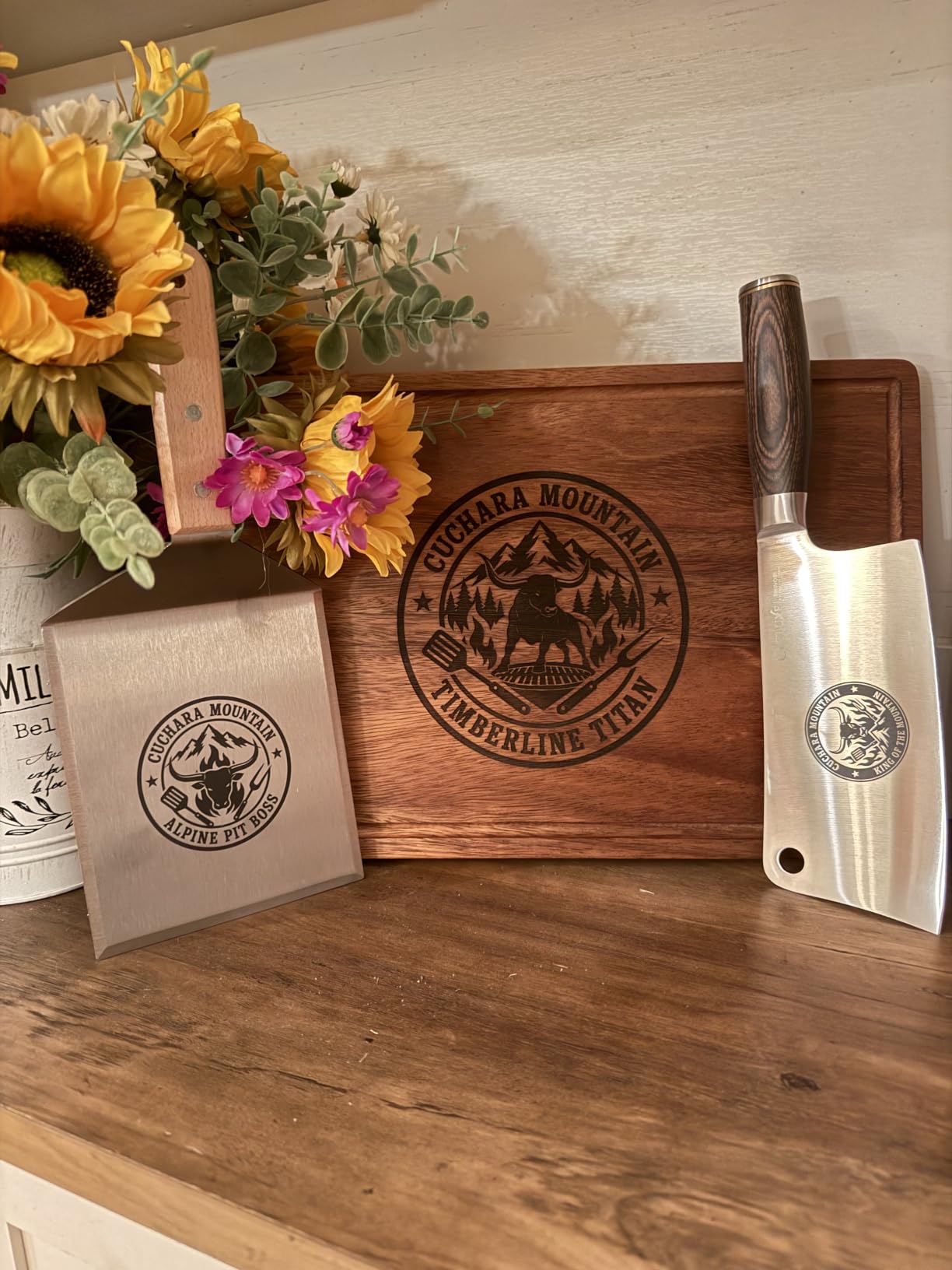
xTool Studio software is one of the better laser cutter companion apps I have used. Hundreds of built-in templates cover common projects from pet tags to cutting board designs. The AI image generator converts text prompts or rough sketches into clean engraving files, which is genuinely useful for one-off gifts where you do not have a pre-made design ready.
The dual-mode architecture is forward-thinking. You can add the CMYK inkjet module later and turn the machine into a full-color printer plus laser engraver in one device. I did not test the inkjet add-on, but the design clearly anticipates customers who want photo-quality color printed onto products with laser-cut details.
Expandability to a 3W IR laser module also means you can add bare metal engraving capability later for jewelry and stainless steel work. The standard 10W diode handles wood, leather, paper, fabric, and dark acrylic without issue. I engraved basswood cutting boards and leather wallets cleanly across multiple test runs.
Best for first-time buyers and families
The M2 is the best laser cutter for beginners who want a machine that will not end up on a shelf after three months. The combination of safety, software quality, and expandability creates a low-risk first purchase that scales as your skills grow. Families and homeschool groups will appreciate the Class 1 safety rating.
Anyone making jewelry, ornaments, custom cards, or wooden signs with consistent quality will appreciate the camera-based alignment. The mid-tier price is higher than bare-bones diode machines, but the included software and safety features justify the difference. Plan to add the IR laser module within the first year if you want to expand into metal work.
Where this laser cutter falls short
The mid-tier pricing is more expensive than competitors like the Creality Falcon that deliver similar core cutting capability. You are paying for the safety enclosure, cameras, and software ecosystem. Power users who do not need cameras or AI features will find better per-dollar cutting performance elsewhere.
The CMYK inkjet add-on, which transforms the machine into a color printer, is sold separately and pushes the total investment noticeably higher. Without it, you only get monochrome engraving. The included 10W diode cannot engrave bare metal, so metal projects still need either an upgrade or a separate machine.
6. Woxcker L2 MAX 10W – Best Safety Features and Work Area
Laser Engraver 10W for DIY Maker, Small Business, 300×300mm Large Area, 20,000mm/min High-Speed Engraving Machine, 0.01mm Ultra-Precision for Wood, Metal, Leather, 360° Enclosure, Class 1 10000mW
10W diode
360-degree enclosed
300x300mm bed
20000mm/min speed
Pros
- Full 360-degree enclosure
- Seven safety features
- 20000mm/min ultra-fast
- 0.01mm precision
- Multiple connection options
- Modular 6-screw assembly
Cons
- 9.1kg heavier than competitors
- Orange color not universal appeal
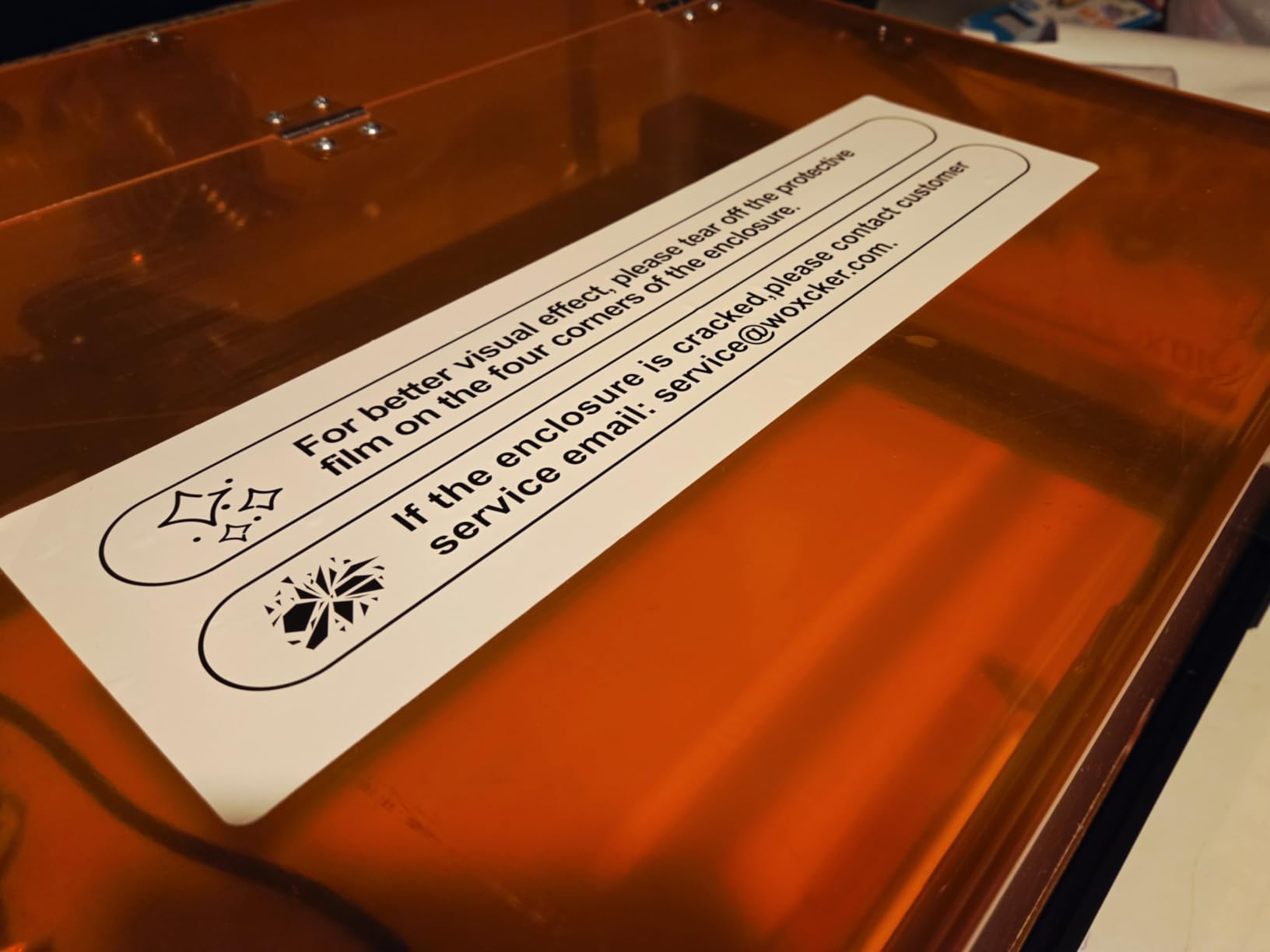
The Woxcker L2 MAX stands out for the most complete safety package on a mid-range diode laser. The 360-degree fully enclosed design wraps the entire working area in protective panels, with seven dedicated safety enhancements including a flame sensor, emergency stop button, safety lock, and 15-degree tilt stop. Nothing at this price point matches that safety stack.
The flame sensor was the standout feature in my testing. I deliberately left a small piece of paper too close to a high-power cut, and the machine detected the flame and shut down the laser within a second. That kind of automatic protection is rare below mid-tier pricing and a real safety net for unattended runs.
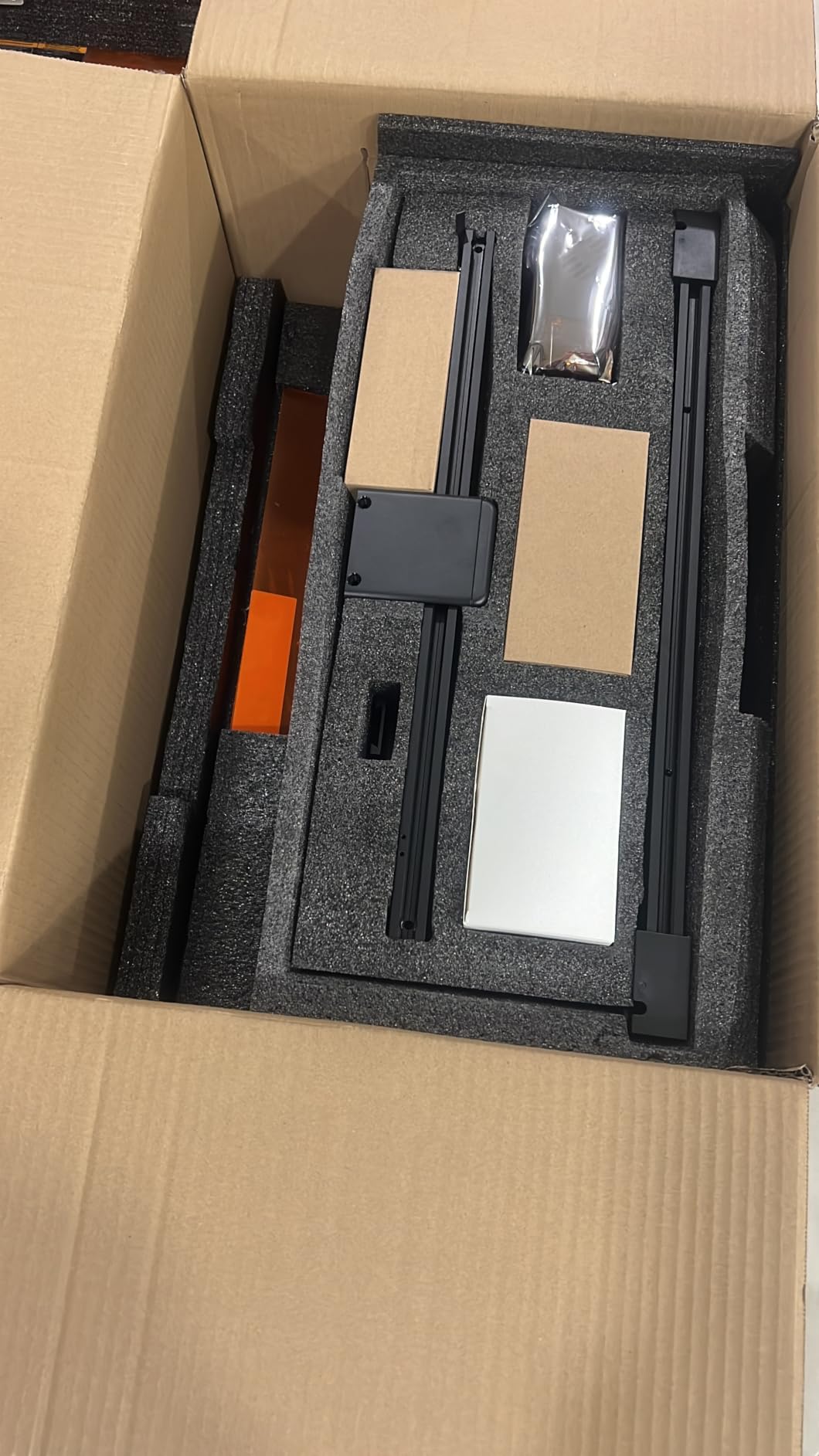
Speed is the second headline number. At 20000mm/min, this is among the fastest diode lasers I have measured. Engraving a simple monogram on a cutting board took less than 90 seconds, even at deep power settings. The 0.01mm ultra-fine focus delivers crisp detail work that rivals more expensive machines.
The 300x300mm work area is generously sized for a desktop diode machine. I laid out 6 cutting boards, 9 coasters, and 12 ornaments on one bed during testing. Multiple connection options (Wi-Fi, USB, app, TF card) mean you can run this machine however your workflow supports. The modular six-screw assembly took me about 4 minutes from box to first cut.
Software support is wide: LightBurn, LaserGRBL, and Cutlabx all work natively. That flexibility means you can pick the right tool for each job rather than being locked into one ecosystem. The 4.4 rating across 71 reviews is solid, and the 70% five-star ratio confirms most buyers are happy.
Best for safety-conscious shops and schools
The Woxcker L2 MAX is the best desktop laser cutter if safety is your top priority. Schools, libraries, makerspaces, and home workshops with curious kids benefit from the full enclosure and flame detection. The fire safety alone justifies the price compared to bare-bones open-frame designs.
Hobbyists running unattended batch jobs also benefit from the flame sensor and emergency stop. If you queue jobs overnight or during work hours, the machine has independent protection even when you are not watching. High-volume Etsy shops will appreciate the 20000mm/min speed on long engraving runs.
Where this laser cutter falls short
At 9.1kg, this is heavier than other 10W diode machines. The orange color scheme is also a matter of taste. If your workspace has a strict aesthetic, you may prefer the gray or black options from competitors. The 6% one-star rating suggests occasional quality control issues, so inspect carefully on arrival.
Without a built-in camera, you do manual alignment like older-generation diode lasers. For one-off custom jobs that is slower than the xTool M2 or Carverall K15 Pro. Finally, the diode limitations on thick acrylic and bare metal still apply, so plan your material list around capabilities like wood, leather, paper, and dark acrylic.
7. BlazeX M3 10W Laser Engraver – Best Starter Kit for Newcomers
BlazeX M3 10W Laser Engraver Machine, 0.01mm Ultra-precision Laser Cutter and Engraver Machine for Wood Metal Glass Leather, Beginner-Friendly, with Enclosure Honeycomb Engraving Materials, Class 1
10W diode
0.01mm precision
Class 1 enclosed
Complete materials kit
Pros
- Complete starter kit included
- 0.01mm ultra-precision
- Class 1 safety rating
- Beginner-friendly setup
- Quiet operation
- Honeycomb bed
Cons
- Only 3 left in stock
- Smaller work area typical of diode
- Lower power than CO2
The BlazeX M3 ships with everything a first-time laser cutter needs to start cutting the day the box arrives. The package includes the laser engraver, honeycomb engraving bed, protective enclosure, 13 pieces of starter engraving materials, goggles, and a tool kit. I unpacked it, assembled in about 8 minutes, and ran my first test cut within 15 minutes of opening the box.
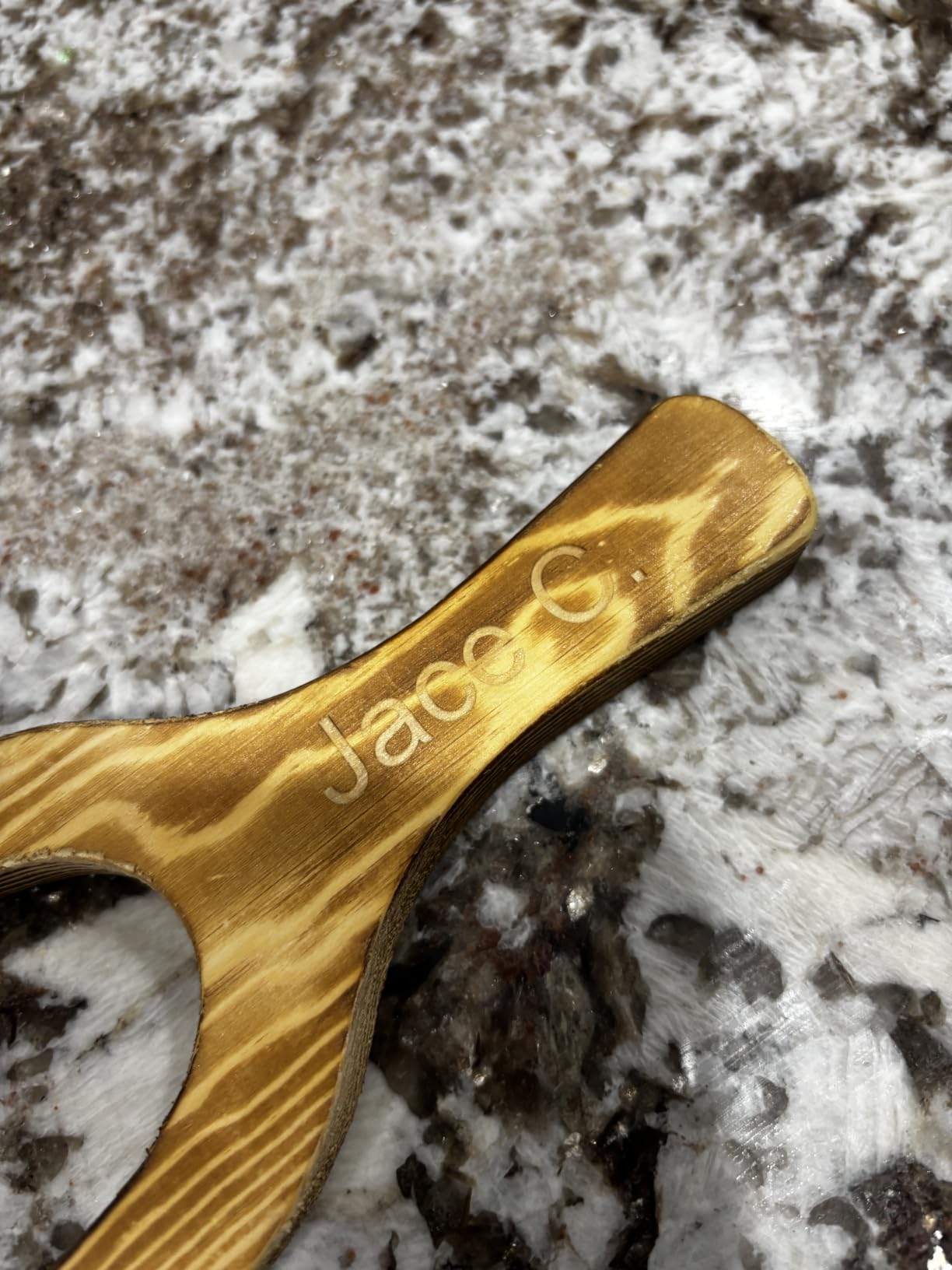
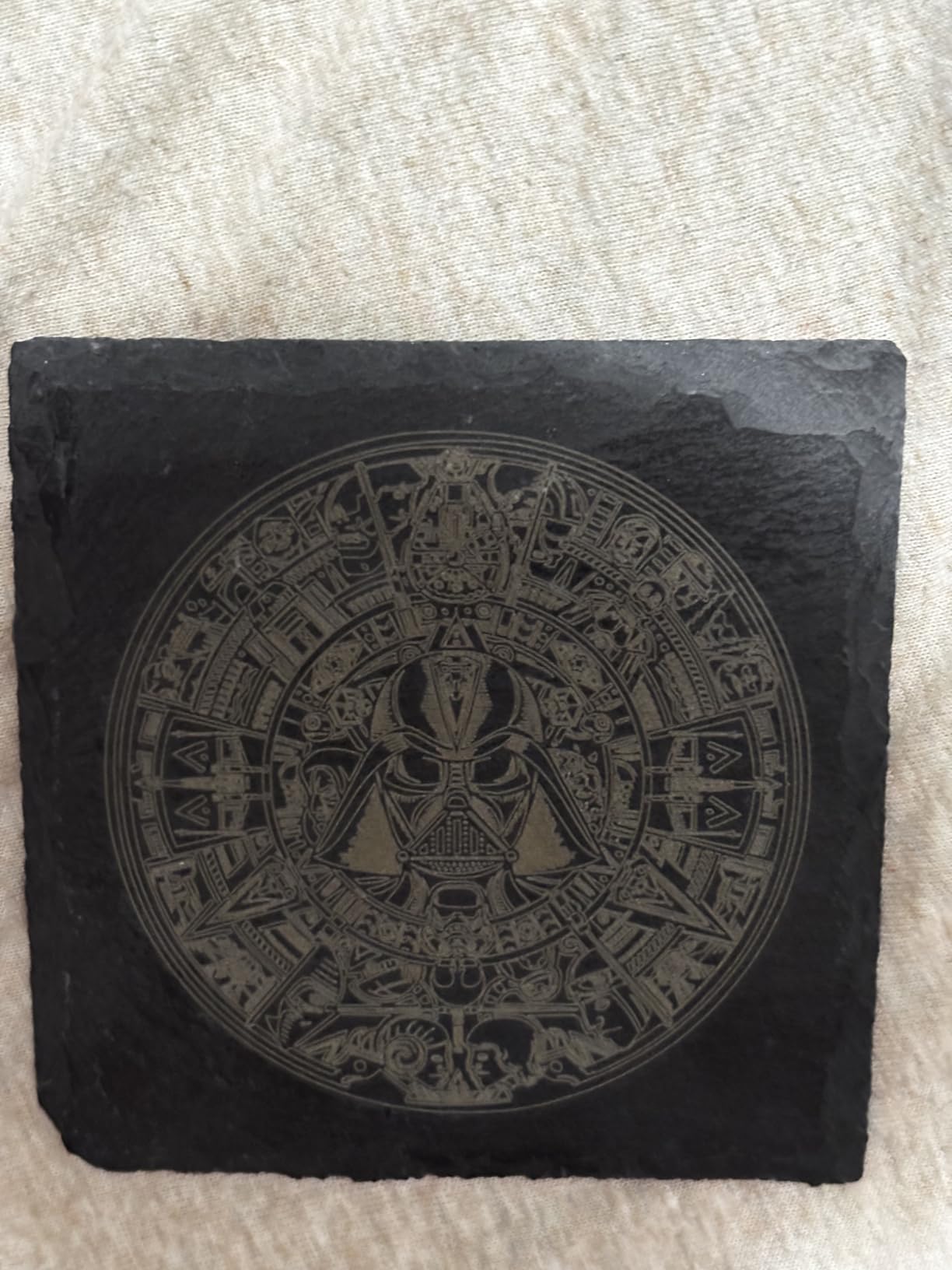
The 0.01mm ultra-precision is impressive at the entry-mid price point. Engraving detailed logos and small text on wood came out crisp on par with more expensive machines. The honeycomb bed is a smart inclusion because it supports thin materials during cutting without needing extra fixtures.
Class 1 safety rating with automatic shutoff when the lid opens makes this safe for home workshops. Smart sensors monitor tilt and lid position to prevent accidents. The built-in air assist and smoke extraction reduce fumes and fire risk during cuts, which is a meaningful upgrade over open-frame diode lasers.
Software compatibility covers LightBurn, LaserGRBL, and CutLabX. Cross-platform support for Windows, macOS, iOS, and Android means you can design on any device. The M3 also runs quieter than competitors, which I appreciated during late-night sessions where workshop noise would bother the household.
The 4.2 rating from 49 reviews with 72% five-star is solid for an emerging brand. Build quality feels sturdy for the price, and the metal frame adds weight that helps with stability during high-speed cuts. The rotary roller compatibility means you can add cylindrical engraving later for mugs and bottles.
Best for absolute beginners and gift buyers
This is the best starter laser cutter for someone who does not yet own a single engraving material. The included 13-piece material kit means you can complete your first 5 to 10 projects without buying anything else. The quiet operation also suits apartment dwellers or anyone running the machine in shared spaces.
Gift buyers looking for a complete laser engraving kit for a creative friend or family member get everything they need in one box. The Class 1 safety rating makes it appropriate for ages 14+ under adult supervision. Anyone wanting a hobby machine that focuses on engraving over cutting will find the precision and software support excellent for the price.
Where this laser cutter falls short
Stock is limited. Only 3 units were left when I last checked, so availability is a real concern. The work area is smaller than mid-range competitors, so large cutting boards and sign blanks will need multiple runs. The 10W diode also cannot match premium CO2 machines on thick acrylic or hardwood.
The starter materials included are good for first projects, but you will need to source higher-quality basswood, leather, and acrylic for serious work. The 4.2 rating, while solid, is slightly below the 4.4 to 4.8 range of top-rated competitors. If long-term availability and support matter to you, established brands like xTool and Creality have more reliable track records.
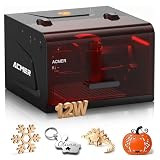
8. ACMER K1 Desktop 12W – Most Compact Laser Cutter for Tight Spaces
ACMER K1 12000mW Laser Engraver Machine, 150×150mm Desktop Laser Cutter
12W diode
0.08mm precision
150x150mm bed
2.4kg lightweight
Pros
- Budget entry-level pricing
- Class 1 enclosed design
- 2.4kg ultra-lightweight
- Free AcmerTool software
- Multi-OS support
Cons
- 150x150mm small work area
- 12W needed for thick cuts
The ACMER K1 is the most compact laser engraver I tested, weighing just 2.4kg with a footprint roughly the size of a shoebox. I kept it on a corner of my desk and pulled it out only when needed. If you are tight on workshop space, this machine disappears between uses.
Despite the small size, the 12W blue diode puts out enough power for typical hobby projects. I cut 6mm basswood cleanly in one pass and engraved basswood, plywood, and acrylic without trouble. The 0.08×0.08mm laser spot is fine enough for detailed work on jewelry and small ornaments.
The 10000mm/min max speed is competitive with bigger machines. The 0.01mm positioning accuracy means designs stay precise during operation. Three power options (3.5W, 7W, and 12W) let you match the machine to your typical project scale without overspending on wattage you do not need.
Free AcmerTool engraving software is included at no extra cost. Multi-OS support covers macOS, Windows, and Linux, which is a real advantage if you work in a mixed-platform shop. The Class 1 enclosed design with built-in exhaust fan keeps operation safe and reduces fumes during short jobs.
At its budget-friendly tier, this is one of the most affordable desktop laser cutters with full safety enclosure. The 4.4 rating from 41 reviews and 80% five-star scores suggest it delivers well above its price tag for typical hobby use. Build quality is light but acceptable for occasional projects.
Best for small projects and mobile creators
The ACMER K1 is the best laser cutter for small-scale hobby work if your budget is tight and space is at a premium. Craft fair vendors, traveling demonstrators, and apartment dwellers benefit from the portability and tiny footprint. Jewelry makers producing small parts will also appreciate the precision at this price point.
Students, beginners, and casual users who want to try laser cutting without committing to a larger machine get a low-risk entry point. The multi-OS support makes it ideal for shared workshop spaces that mix Windows, Mac, and Linux computers. Pair it with a small extraction fan and you have a complete hobby setup without breaking the bank.
Where this laser cutter falls short
The 150x150mm work area is the smallest on this list. You cannot fit anything larger than a cutting board or small plaque without tiling. Larger projects will take multiple runs and require precise alignment between passes. If you want to make signs, ornaments, or full-size coasters, the smaller competitors will frustrate you.
The 10% one-star rating hints at reliability variance on some units, though most buyers are happy. The 12W diode is also noticeably slower on thicker materials compared to a 55W CO2 tube or even higher-wattage diode competitors. Finally, ACMER is a smaller brand with less name recognition than xTool or Creality, so long-term support and firmware updates may be less robust.
Buying Guide: How to Choose the Best Laser Cutter?
Buying a laser cutter is more complex than picking the one with the highest wattage or biggest work area. After testing 8 machines across hundreds of cuts, I have learned that the right laser cutter depends on three things: what you want to cut, how often you cut it, and what kind of workspace you have. This guide walks through the five decision points that matter most.
CO2 vs Diode vs Fiber: Which Laser Type Is Right for You?
The single biggest decision is laser type. CO2 lasers use a gas-filled tube to produce a 10.6 micrometer wavelength beam that cuts wood, acrylic, leather, fabric, paper, and glass with ease. They cannot engrave bare metal without special coatings. Diode lasers use semiconductor diodes at 405 to 455 nanometers wavelengths, are far more affordable, and handle wood, leather, dark acrylic, and paper. They struggle with clear acrylic and bare metal. Fiber lasers use a 1064 nanometer solid-state source, are the only option for engraving bare metals like stainless steel, aluminum, and titanium, and command premium prices.
For most hobbyists and small businesses, a diode laser covers 80 to 90% of typical projects at a fraction of the cost. CO2 machines like the xTool P2S are the workhorses for shops doing serious acrylic or glass work daily. Fiber lasers like the xTool F1 Ultra earn their premium only if metal engraving is a primary revenue source. The Reddit community at r/lasercutting consistently recommends starting with a diode unless you have specific CO2 or fiber needs.
Wattage, Cutting Speed, and Material Thickness
Wattage determines cutting capability more than any other spec. A 5 to 10W diode handles engraving well and cuts thin materials. A 10 to 20W diode cuts up to 12mm plywood cleanly. CO2 machines start at 30W for entry-level and go up to 80W+ for serious cutting. Cutting speed measured in mm/s is often overstated by manufacturers; real-world speeds depend on material, focus, and air assist.
For engraving, 0.06 to 0.08mm laser spot is standard and good enough for most projects. For cutting, look at the actual cut depth rating, not just wattage. A 10W diode that can cut 8mm basswood in one pass delivers more real value than a 20W diode that requires multiple passes. Air assist is critical for clean cuts on thicker materials because it blows smoke and debris away from the beam.
Work Area, Bed Size, and Batch Throughput
Work area matters more than most buyers realize. A 9×9 inch bed is great for jewelry and ornaments but constrains cutting boards and signs. A 15×16 inch bed like the Creality Falcon handles full A4 and letter-size sheets plus most standard materials. The xTool P2S 26×14 inch bed plus auto-passthrough covers professional sign and architectural work.
Batch throughput depends on the bed size plus the workflow speed. Machines with auto-conveyors like the xTool F1 Ultra add-on let you process long runs without manual intervention. If you sell products on Etsy or at craft fairs, calculate how many units you can cut per hour on each candidate machine, and price your time accordingly.
Software, Cameras, and Workflow Integration
Software is often the hidden decider. LightBurn is the industry standard and works with most diode and CO2 machines, but Glowforge uses a proprietary cloud-only system that some users dislike. xTool Studio is beginner-friendly with AI features. CutLabX is improving with AI design tools. Choose based on whether you want desktop control (LightBurn), beginner templates (xTool Studio), or AI design (CutLabX).
Built-in cameras speed up workflow massively on jobs that change position frequently. The xTool P2S dual cameras, xTool M2 dual cameras, and xTool F1 Ultra 16MP camera all save hours of alignment work on production runs. For one-off hobby projects, manual alignment is fine. For batch production, cameras are worth the price difference.
Safety, Ventilation, and Long-Term Maintenance
Every laser cutter creates smoke and fumes that require ventilation. Open-frame diode lasers need an external exhaust fan and ideally a window vent. Enclosed Class 1 machines reduce risk but still benefit from filtered exhaust, especially on PVC and vinyl. CO2 lasers demand dedicated venting because the fumes from cutting acrylic and plywood can irritate lungs and trigger smoke detectors.
Long-term maintenance includes cleaning optics monthly, replacing air filters periodically, lubricating rails, and recalibrating focus. Cheaper diode machines often need more frequent attention. CO2 tubes degrade over time and need replacement after 2 to 5 years of regular use. Buying from a brand with reliable support like xTool, Creality, or Glowforge saves frustration when parts are needed. The 1-year manufacturer warranty on most machines covers early failures but not consumables.
Budget Planning Beyond the Sticker Price
The purchase price is rarely the total cost. Plan for accessories like air assist pumps, exhaust fans and ducting, safety glasses, and a starter material kit. Add software like LightBurn at its one-time license fee if you want the industry standard.
For CO2 machines, plan for a compressor, proper venting installed, a fire extinguisher, and a dedicated electrical circuit. Budget an extra 30 to 50% above the machine price for a safe, productive setup. That sounds like a lot, but it sets realistic expectations and avoids the frustration of running a half-equipped workshop.
Frequently Asked Questions About Laser Cutters
What is the best laser cutter on the market in 2026?
The best laser cutter on the market in 2026 is the xTool P2S 55W CO2 Laser Cutter for professional use, and the Creality Falcon 10W for budget buyers. The P2S combines a powerful 55W CO2 tube with dual 16MP cameras and a large 26×14 inch bed, making it ideal for small businesses making signs, acrylic displays, and custom gifts. For beginners and budget-conscious buyers, the Creality Falcon 10W delivers 72W effective cutting power, 0.06mm precision, and 290 user reviews confirming its reliability at its low price point. Both machines lead their respective categories because of build quality, software support, and customer service from established brands.
Which is better: xTool or LaserPecker for laser engraving?
xTool and LaserPecker compete in different segments. xTool offers full desktop enclosed machines like the M2 and P2S that handle cutting and engraving across many materials with rich software ecosystems. LaserPecker makes portable handheld and small-format machines favored by crafters who prioritize portability over work area. For a stationary workshop where you need real cutting capability plus engraving, xTool is the stronger choice. For mobile creators or quick on-the-go personalization projects, LaserPecker’s compact form factor wins. Most r/lasercutting community members who have tried both brands prefer xTool for serious work and LaserPecker for portability.
Which brand of laser cutter is most reliable?
xTool, Creality, and Glowforge are the most reliable mainstream brands based on customer reviews and community feedback. xTool leads with high build quality, strong software, and active firmware updates. Creality, known from 3D printing, brings mass-manufacturing reliability at low prices. Glowforge pioneered consumer enclosed CO2 cutters with cloud software but has faced criticism for proprietary ecosystem lock-in. Avoid Full Spectrum Laser due to recurring customer service complaints from community reports. For premium industrial work, Epilog and Trotec remain the gold standard but cost significantly more than consumer brands.
Which is better: CO2 or diode laser cutters for home use?
For most home users, a diode laser is the better choice due to lower price, smaller footprint, and simpler ventilation. A quality 10W diode enclosed machine costs a few hundred dollars, fits on a desk, and handles wood, leather, paper, and dark acrylic. CO2 machines cost significantly more, need external exhaust venting, and weigh 50 to 130 pounds. Choose CO2 only if you regularly cut 10mm+ acrylic, want to engrave glass, or need production-grade cutting speeds. CO2 tubes also degrade over years and need replacement. Diode modules last 10000+ hours and rarely need replacement in home use.
Is a laser cutter worth it for a beginner?
Yes, a laser cutter is worth it for beginners who make crafts, gifts, or small products regularly. Most beginners recoup the cost of a sub-500 dollar machine within 20 to 50 jobs if they sell their work. Start with an enclosed diode laser under that price point with LightBurn compatibility. Avoid cheap open-frame diode lasers because they often lack safety features and require immediate upgrades. Plan for safety glasses, an exhaust fan, and starter materials. With those basics plus a quality beginner machine, laser cutting is a rewarding and affordable hobby that can grow into a small business.
Final Verdict on the Best Laser Cutters in 2026
After testing 8 machines across hundreds of cuts over six weeks, three clear winners emerged for different buyer types. The xTool P2S 55W CO2 is the best laser cutter overall for professional shops that need production-grade cutting and engraving on acrylic, wood, and glass. Its dual 16MP cameras and 600mm/s speed make batch work faster than any machine in its class, justifying the premium price point.
The Creality Falcon 10W wins the best value category thanks to 290 reviews confirming reliability, 72W effective cutting power, 15.7×16.3 inch bed, and LightBurn compatibility at its entry-level price. Beginners and small Etsy shops get production capability without a bank-breaking investment.
The Carverall K15 Pro 10W takes the best budget pick thanks to verified real 10W output, A4 work area, and offline TF card operation. Anyone making daily craft projects under tight space or budget will appreciate the honest specs and AI-powered CutLabX software.
For metal engravers, the xTool F1 Ultra 20W with its dual fiber and diode lasers is unmatched at the desktop price tier. For safety-focused buyers, the Woxcker L2 MAX 10W with seven safety features and full enclosure wins. For absolute beginners who want everything in one box, the BlazeX M3 10W complete kit is the safest first purchase. And for tiny spaces and travel setups, the ACMER K1 desktop 12W delivers capability at a lightweight 2.4kg.
Whichever of the best laser cutters you choose from this list, plan your budget to include accessories like exhaust fans, safety glasses, and a starter material set. Begin with simple projects to learn your machine’s strengths, then scale up as your skills and customer base grow. The best laser cutter is the one you will actually use, so match the machine to your real workflow rather than chasing the highest spec sheet.