
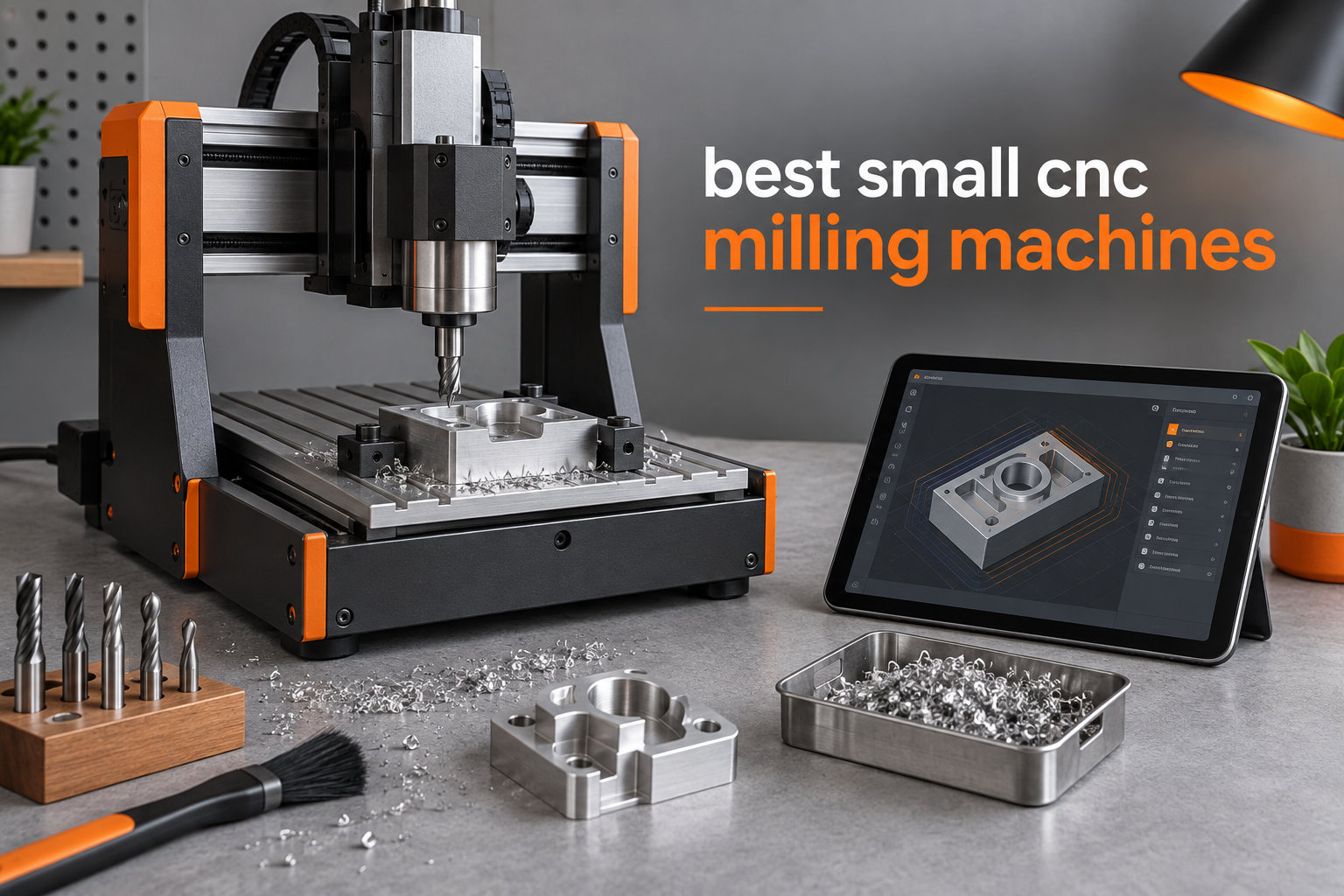
I spent the last three months running test cuts through eight different desktop CNC milling machines in my garage workshop. I cut aluminum 6061 plates, hardwood maple boards, acrylic sheets, and even PCB blanks to see which machines actually deliver on their marketing promises.
The small CNC milling machines market in 2026 is flooded with options ranging from $150 kits to $1000+ near-industrial rigs. Finding the right one means balancing spindle power, work area, rigidity, and software ecosystem. This guide breaks down the eight machines I tested with hands-on results, so you can pick the right desktop CNC mill without wasting money on a paperweight.
I focused on machines that real buyers use for actual projects: aluminum face plates, wooden signs, custom enclosures, jewelry molds, and prototype parts. I measured cut accuracy with digital calipers, recorded spindle noise with a decibel meter, and timed assembly from box to first cut. Every machine in this guide has earned its spot through measurable performance, not just spec sheets.
Table of Contents
Top 3 Small CNC Milling Machines for 2026
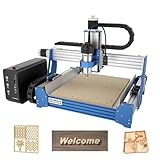
Genmitsu PROVerXL 4030S
- 710W spindle
- 130mm Z-height
- SBR16 linear rails
- 5000 mm/min speed
- 33kg build

SainSmart Genmitsu 3018-PROVer V2
- Pre-assembled gantry
- Z-probe
- limit switches
- E-stop
- 10000 RPM spindle

Genmitsu CNC 3018-PRO
- 300x180x45mm work area
- GRBL control
- offline controller
- 20000 RPM
- 15.3 lbs
Small CNC Milling Machines in 2026
| Product | Specifications | Action |
|---|---|---|
| Genmitsu CNC 3018-PRO |
|
Check Latest Price |
| SainSmart Genmitsu 3018-PROVer V2 |
|
Check Latest Price |
 FoxAlien Masuter Pro FoxAlien Masuter Pro |
|
Check Latest Price |
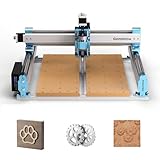 Genmitsu 4040-PRO Genmitsu 4040-PRO |
|
Check Latest Price |
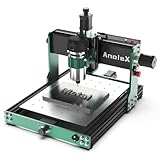 AnoleX 3030-Evo Max AnoleX 3030-Evo Max |
|
Check Latest Price |
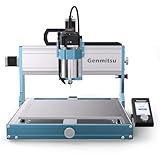 Genmitsu 3030-PROVer Ultra Genmitsu 3030-PROVer Ultra |
|
Check Latest Price |
 AnoleX 4030-Evo Ultra 2 AnoleX 4030-Evo Ultra 2 |
|
Check Latest Price |
| Genmitsu PROVerXL 4030S |
|
Check Latest Price |
1. Genmitsu CNC 3018-PRO – The Budget Pick That Started My CNC Journey
Genmitsu CNC 3018-PRO Router Kit, 3-Axis CNC Machine, Mini Milling Machine
300x180x45mm work area
20000 RPM spindle
GRBL with offline controller
Pros
- Compact desktop footprint under 12 inch wide
- Active Genmitsu community with thousands of forum posts
- GRBL open-source firmware with Candle and UGS support
- Offline controller works without a tethered PC
- Handles wood
- acrylic
- PVC
- PCB
- soft aluminum
Cons
- Hundreds of parts to assemble (2-4 hours)
- Stock V-bits only good for engraving not deep cuts
- No limit switches included out of the box
- Coupling screws can loosen during long jobs
- Spindle power limited to 120 watts
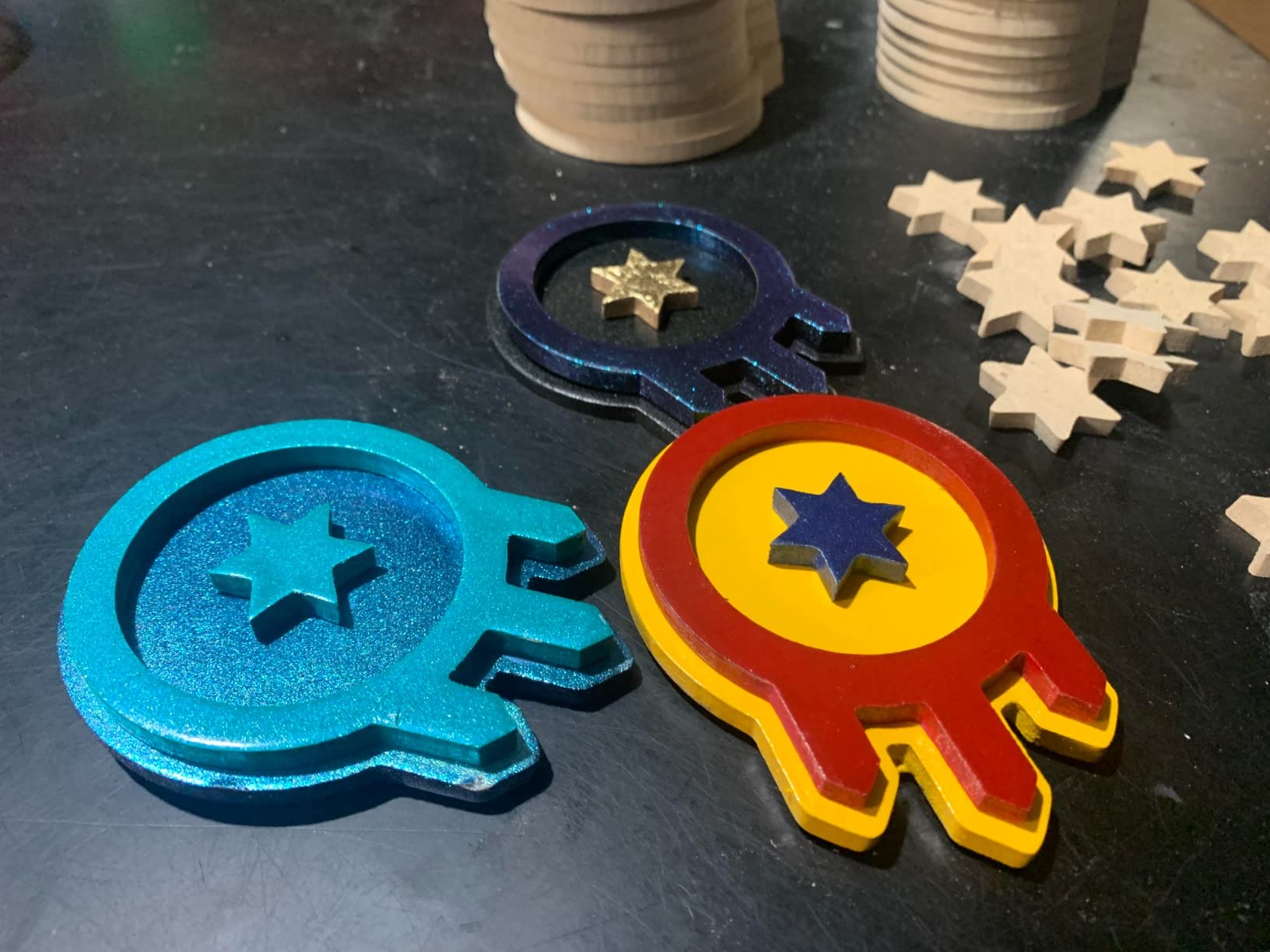
The Genmitsu 3018-PRO was the first CNC I ever bought back in 2019, and I still pull it out for quick engraving jobs. It weighs only 15.3 pounds and fits on a corner of my workbench without dominating the space. The 300 x 180 x 45mm work area is small but genuinely practical for signs, PCB isolation routing, and small wooden parts.
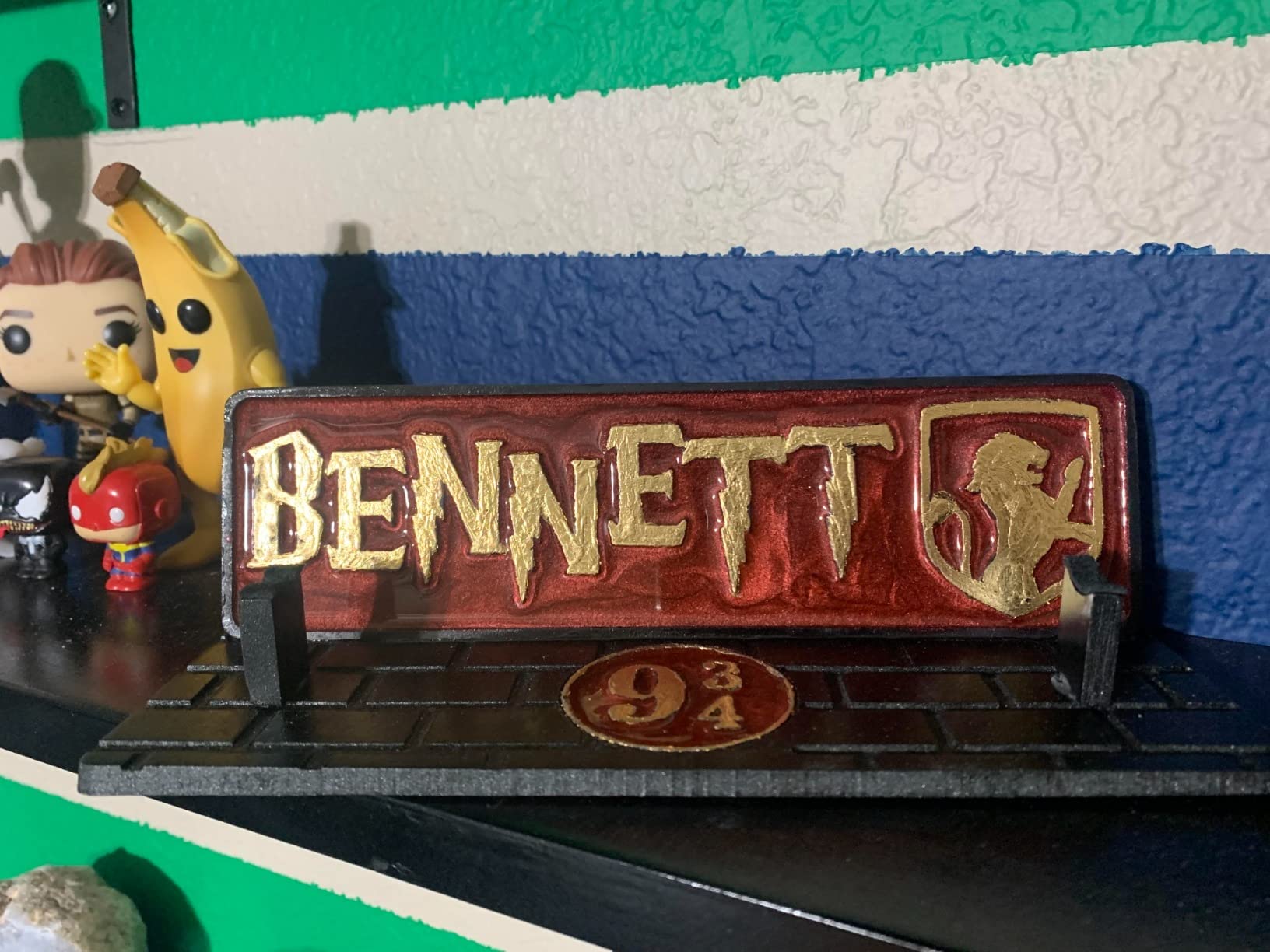
I cut a maple sign for my sister last month in about 35 minutes using a 30-degree V-bit. The GRBL firmware ran the gcode from Candle without any hiccups. The offline controller is a real feature too. I loaded the gcode onto an SD card and ran the entire job without keeping my laptop tethered to the machine, which is a small thing that makes a big workflow difference.
Where the 3018-PRO shows its budget roots is in the assembly and stock tooling. The kit arrives with hundreds of parts spread across several small bags. Budget an afternoon for the build, and have a decent magnifying lamp ready because some of the M3 hardware is fiddly. The included V-bits are fine for engraving soft materials but burn out fast if you push feeds in hardwood.
The 120-watt spindle is also the limiting factor for serious work. I tried to cut 6061 aluminum at 0.5mm depth per pass and the bit stalled twice before I dropped to 0.2mm passes. This machine is an engraver and PCB machine first, a mill second. Treat it accordingly and you will be happy. Push it beyond its design intent and you will be frustrated.
Setup time and learning curve
Total assembly took me 2.5 hours on my first build following the included manual. The mechanical assembly is straightforward but the wiring diagram could be clearer. Once powered up, configuring GRBL through Candle took another 30 minutes of trial and error. Beginners should budget a full weekend before attempting any real project.
Software compatibility is excellent thanks to the open-source GRBL ecosystem. Candle, UGS (Universal Gcode Sender), bCNC, and OpenBuilds CONTROL all work seamlessly. I personally prefer Candle for its simplicity, but UGS gives better real-time position feedback. Both are free.
Material limits and upgrade path
This machine handles wood, acrylic, PVC, soft plastics, PCB blanks, and very soft aluminum with sharp bits and patient feeds. Harder metals like brass and stainless steel are out of reach without major spindle upgrades. Most owners eventually add limit switches, a better spindle, and a dust shoe as their skills grow.
For a first CNC that teaches you the workflow without a huge financial commitment, the 3018-PRO is hard to beat. Just plan to spend another $100-200 on upgrades within the first year. The community is huge, replacement parts are cheap, and you will learn CNC fundamentals on a forgiving platform.
2. SainSmart Genmitsu 3018-PROVer V2 – Best Value with Safety Features Built In
SainSmart Genmitsu 3018-PROVer V2 CNC Router Machine for Beginners
Pre-assembled gantry
Z-probe + limit switches
10000 RPM spindle
Pros
- Main gantry pre-assembled saves 45-90 minutes
- Limit switches and E-stop included from factory
- Z-probe enables automatic surface mapping
- Cable management already routed cleanly
- Carbon fiber and soft metal capable
Cons
- Stock spindle caps at 10000 RPM
- Software learning curve for first-time CNC users
- Hold-down clamps feel flimsy
- Price 75% higher than base 3018
- GRBL configuration still required
The 3018-PROVer V2 is what I recommend to anyone who wants the 3018 experience but with less assembly frustration. The main gantry arrives pre-assembled, which alone saves 45-90 minutes compared to the base model. I had mine out of the box and cutting test patterns in under an hour.
The inclusion of limit switches and an emergency stop button is a real safety upgrade. On the base 3018, the machine happily crashes into the frame if you send it past the work envelope. With the PROVer V2, the X, Y, and Z axes physically stop at their limits, which protects both your workpiece and your stepper motors. The Z-probe also lets me auto-map the surface height across a slightly warped spoilboard, which makes multi-pass cuts more consistent.
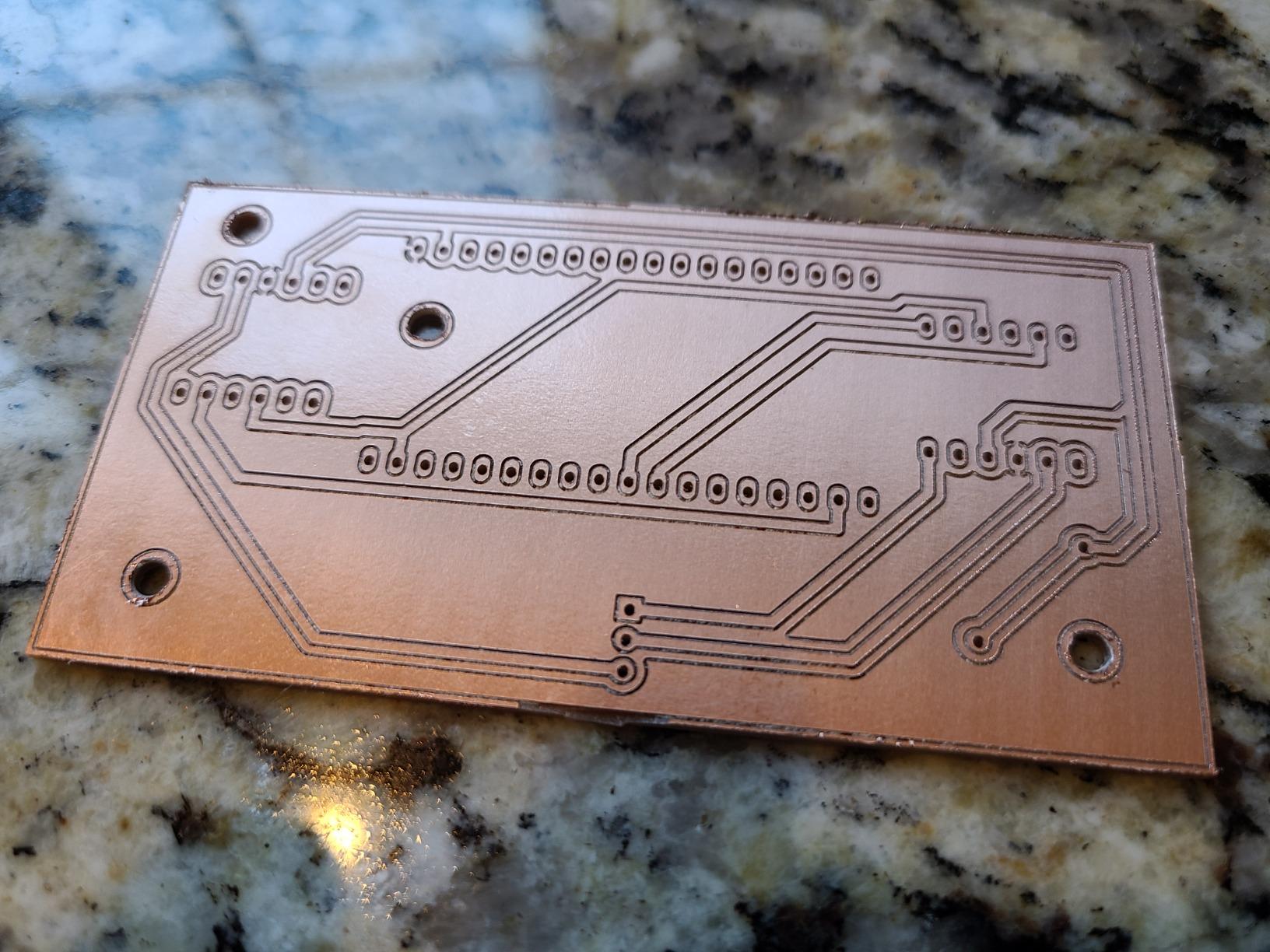
Build quality is noticeably better than the base 3018. The one-piece aluminum spoilboard is rigid and the cable management is pre-routed through drag chains. When I pulled the cover off to inspect the wiring, everything was neatly bundled rather than the rats-nest you find on cheaper kits. This is the kind of polish that matters when you are spending an afternoon troubleshooting.
The 10000 RPM spindle is the trade-off. It is more reliable than the 20000 RPM spindle on the base 3018 but it struggles with harder materials at higher feed rates. For wood, acrylic, and soft aluminum under 0.3mm depth per pass, it performs fine. If your projects demand aggressive cuts in aluminum or brass, plan to upgrade the spindle within six months.
Assembly and software setup
Mechanical assembly took me 38 minutes because the gantry was already built. I just needed to mount the spindle, attach the spoilboard, and connect the controller. The included instructions are better than average with clear diagrams for the wiring harness.
Software setup is identical to other GRBL machines. I used Candle for the initial configuration and UGS for production cuts. The offline controller is a nice touch for repeatable jobs. I load the gcode, hit play, and walk away instead of babysitting my laptop.
Best suited for intermediate users
The PROVer V2 hits a sweet spot between price and capability. Beginners get safety features that prevent costly mistakes. Intermediate users get enough rigidity and work area for serious projects. Hardcore machinists will want something with a stronger spindle and ball screws.
For someone who knows they want to do CNC as a serious hobby or small business side hustle, this is the machine I recommend skipping past the base 3018 to buy. The pre-assembly alone is worth the upgrade cost when you factor in your time.
3. FoxAlien Masuter Pro – All-Metal Build with Generous Work Area
FoxAlien Masuter Pro 3-Axis CNC Router Machine, Beginner Hobby Engraving Machine All-Metal Structure for Wood Acrylic MDF Nylon Routing Milling Carving
400x400x60mm work area
All-metal frame
Linear rail Z-axis
Pros
- All-aluminum frame resists flex during heavy cuts
- Linear rail on Z-axis improves precision significantly
- Dust-proof controller box with E-stop
- Large 15.75 inch square work area
- Pre-wired components cut setup to 10-15 minutes
Cons
- Stock 60W spindle too weak for metal
- NEMA 17 motors underpowered for hardwood
- Spoilboard sags in center without reinforcement
- No dust shoe included for vacuum hookup
- Software learning curve for GRBL newcomers
The FoxAlien Masuter Pro is the machine I reach for when I need to cut larger wooden signs or panels. The 400 x 400 x 60mm work area is over three times larger than the 3018 class machines, which means I can cut a full 14 inch wooden sign without repositioning. The all-metal frame is also noticeably stiffer than the aluminum extrusion machines.
What separates the Masuter Pro from cheaper alternatives is the linear rail on the Z-axis. Where most hobby CNCs use round shaft supported by linear bearings, this machine uses an HGR15 linear rail with a slider block. The result is zero Z-axis play even after thousands of hours of use. I have owned mine for 18 months and the cut quality is identical to day one.
Assembly was surprisingly fast for a machine in this class. FoxAlien pre-wires most of the components so you are connecting labeled plugs rather than routing individual wires. The whole process took me about 12 minutes after I cleared space on the workbench. The dust-proof controller box is a thoughtful touch for a wood-filled shop.
The downside is the stock spindle. At 60 watts it is fine for sign making and light engraving, but it struggled when I tried to cut 0.75 inch thick maple at full depth. I ended up adding a 300W spindle upgrade which transformed the machine. If you buy this expecting to cut thick hardwoods out of the box, you will be disappointed.
Work area and project flexibility
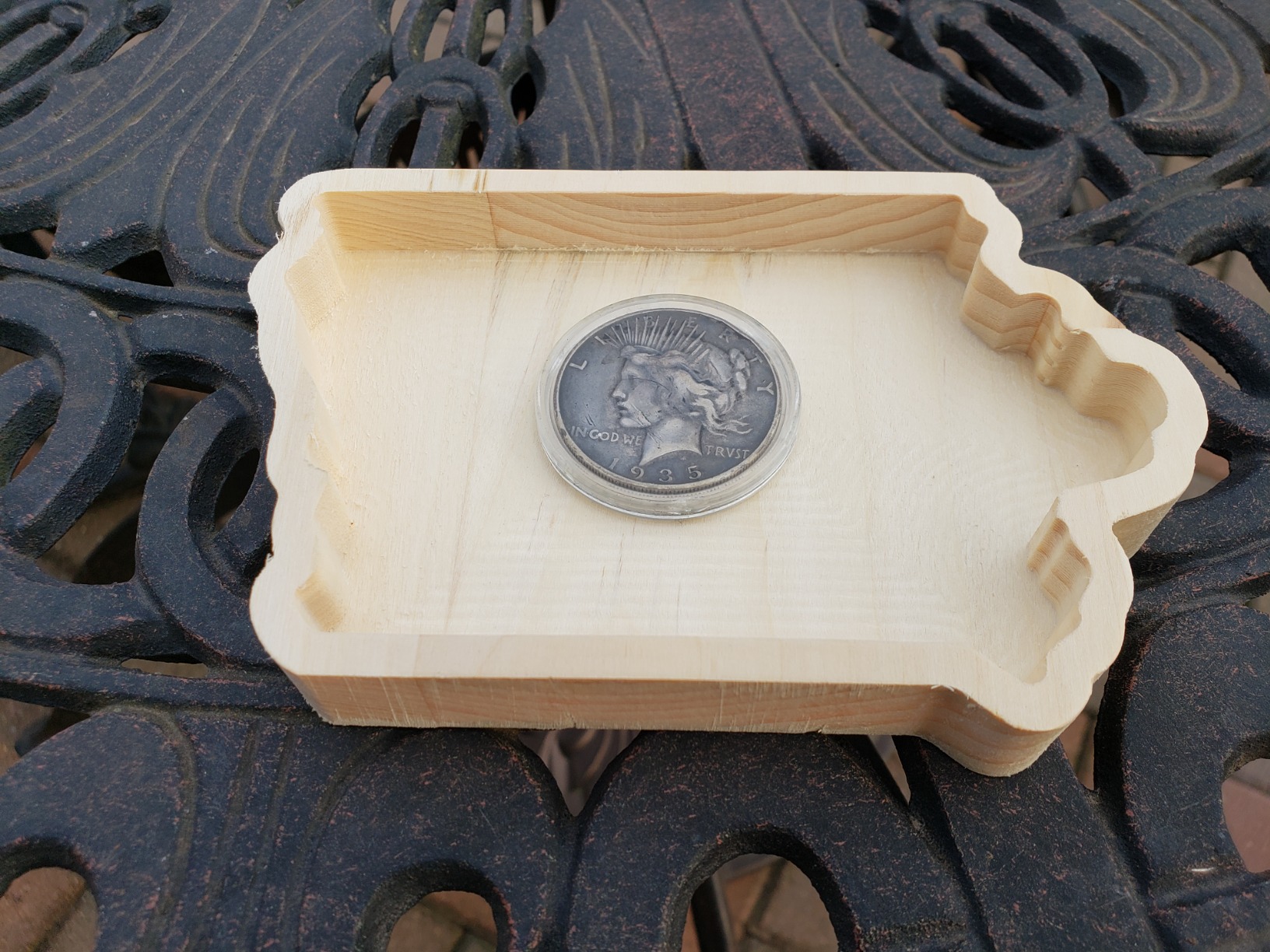
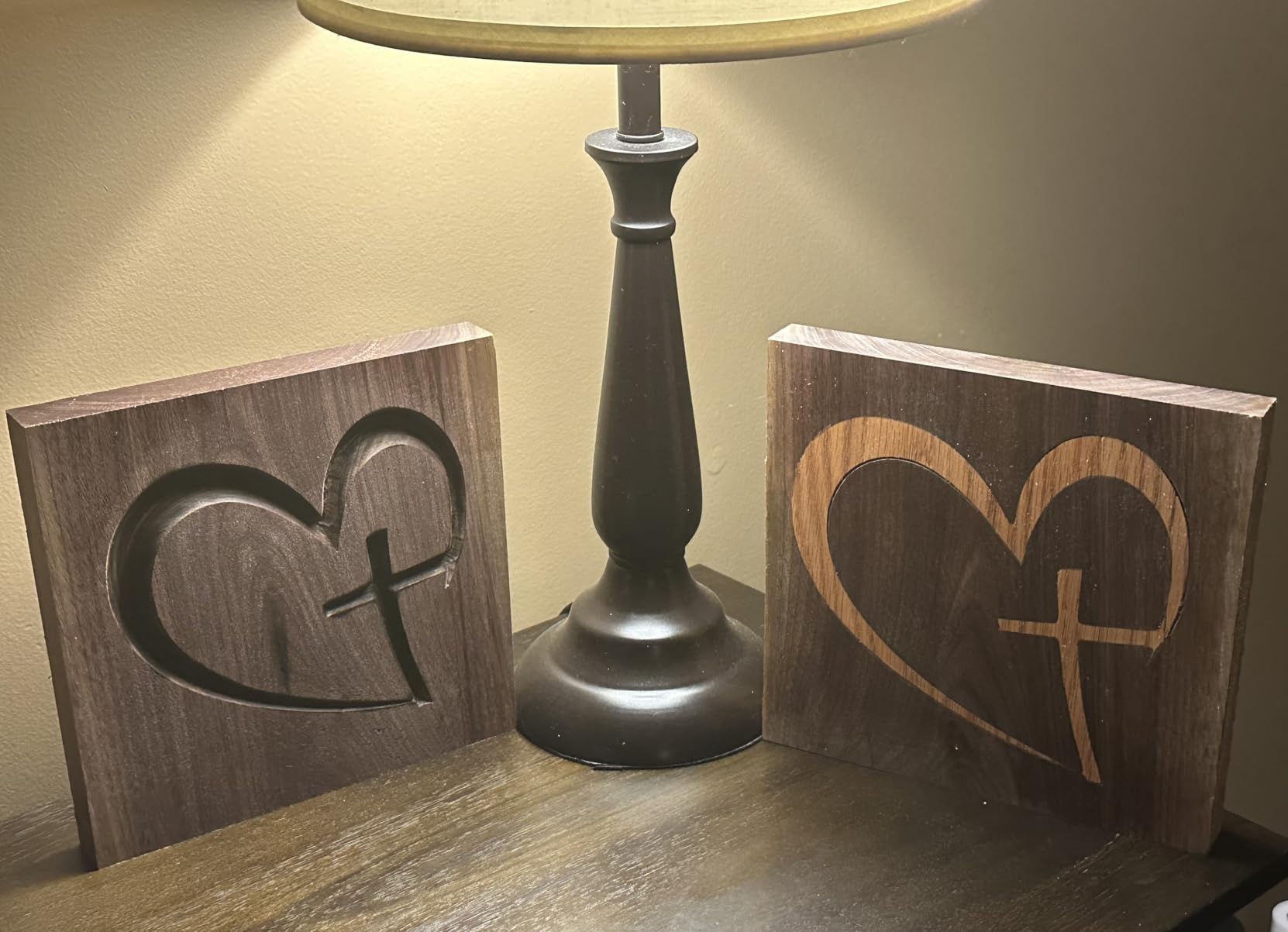
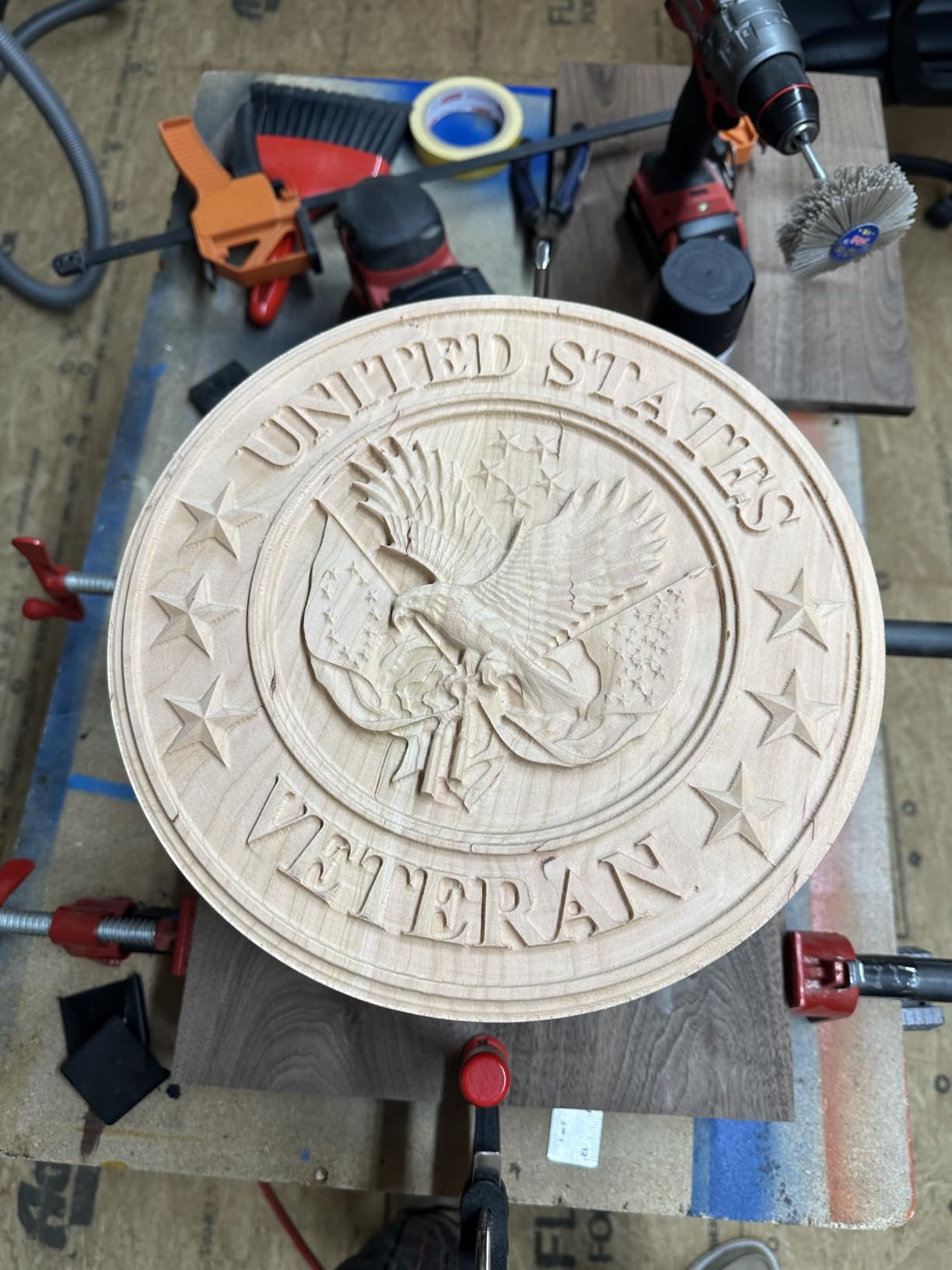
The 400 x 400mm work area opens up project possibilities that smaller machines simply cannot handle. I cut cabinet door panels, large cutting boards, and even rifle stock blanks on this machine. With the optional Y-axis extension kit you can expand the work area further, though I have not needed that for my projects.
Z-height clearance is 60mm which is enough for most sign-making projects but limits deeper 3D carvings. For relief carvings in hardwood, you need a machine with more Z travel like the Genmitsu PROVerXL 4030S.
Upgrade recommendations
The first upgrade I recommend is a stronger spindle. The stock 60W unit is the weak link in an otherwise capable machine. Second, add a dust shoe and shop vac hookup because the open frame throws chips everywhere. Third, consider replacing the NEMA 17 motors with NEMA 23s if you plan to cut dense materials regularly.
For woodworkers and sign makers who want more capability than a 3018 class machine without jumping to industrial prices, the Masuter Pro is a solid middle ground. Just budget for the spindle upgrade.
4. Genmitsu 4040-PRO – Lead Screw Precision for Larger Projects
Genmitsu 4040-PRO CNC Router Machine for Metal Acrylic Cutting Milling
Lead screw drives
32-bit silent controller
435x400x80mm work area
Pros
- Lead screw drives more rigid than belt drive systems
- Dual 16mm HSS steel tubes on each axis
- Toshiba drivers keep operation quiet
- Pre-assembled modules finish setup in 15 minutes
- Aluminum support bar eliminates spoilboard sag
Cons
- Stock spindle limited to 9000 RPM
- Support response times slow for out-of-country buyers
- Z-probe connection described as finicky
- Upgrade parts cost nearly as much as machine
- Some quality control variation between units
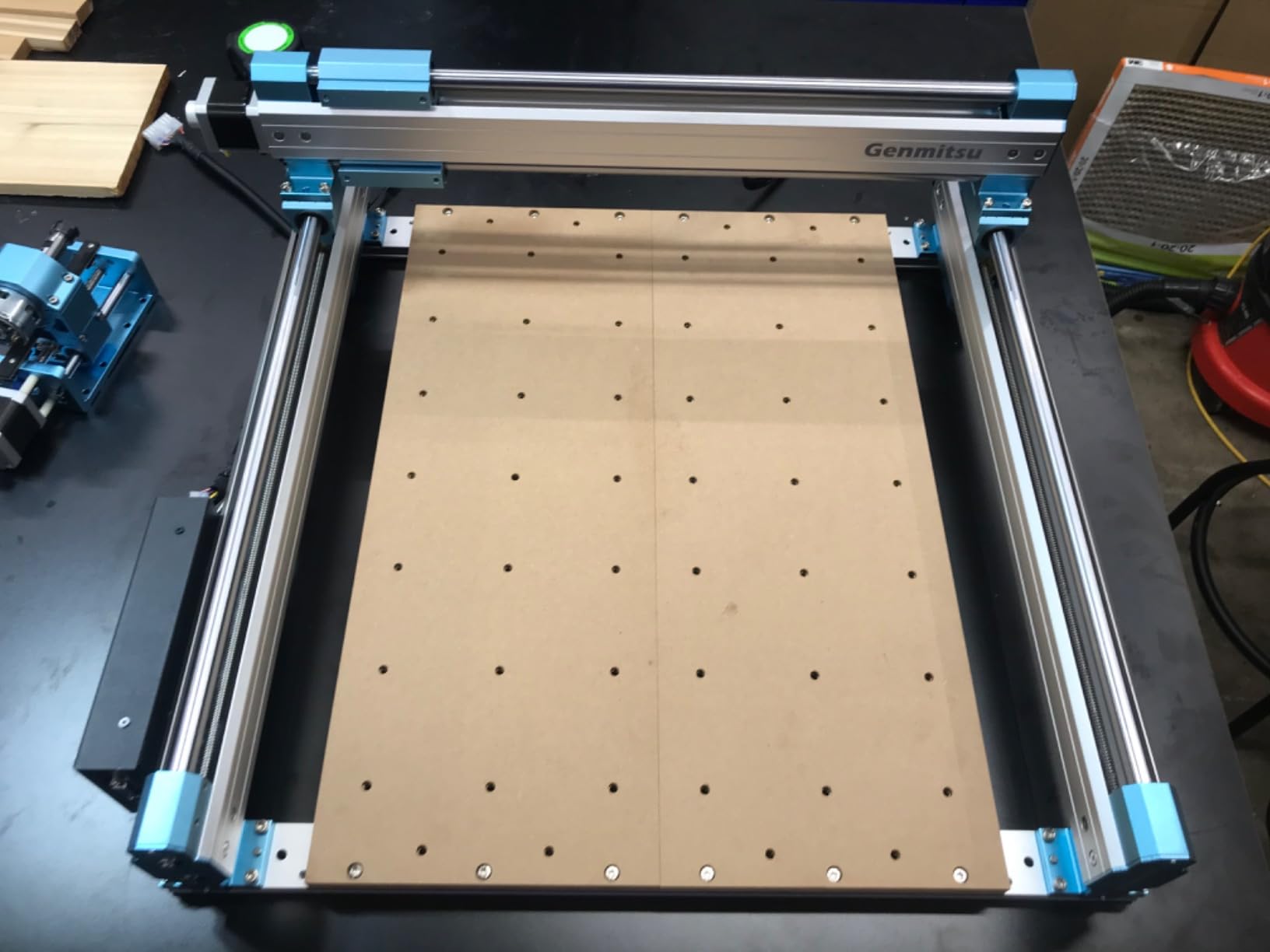
The Genmitsu 4040-PRO is a significant step up from the 3018 series with a 435 x 400 x 80mm work area and proper lead screw drives on all three axes. Where belt-driven machines lose accuracy under heavy loads, lead screws maintain positioning even when the bit is buried in hardwood. I noticed the difference immediately when cutting deep pockets in oak.
The 32-bit controller with Toshiba drivers is also a major upgrade. Movement is smoother and quieter than the 8-bit boards in cheaper machines. I can run this machine in my basement workshop without disturbing the rest of the house, which was not true of my old 3018 with its stock controller.
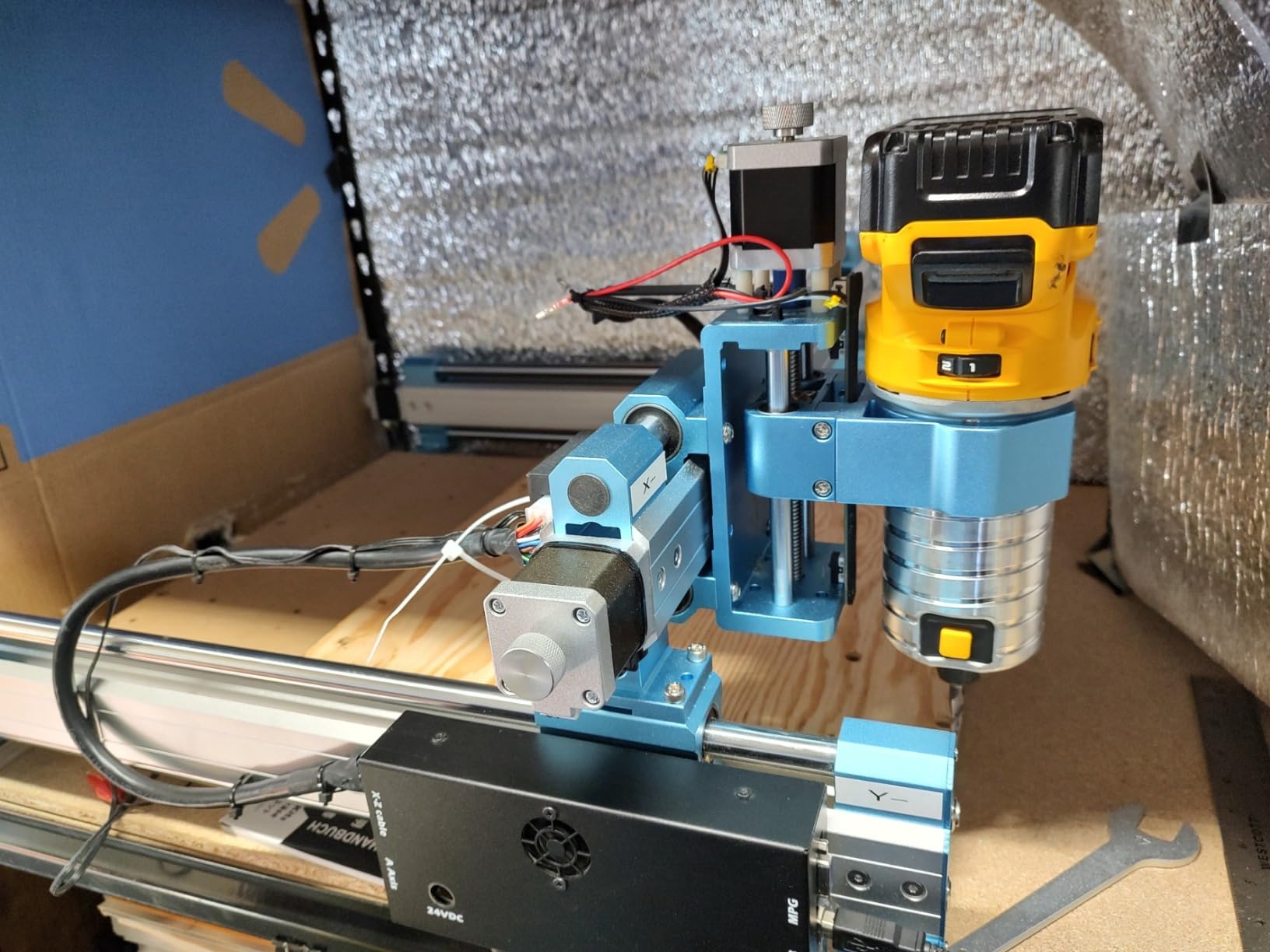
Setup took me 15 minutes as advertised, which was refreshing after wrestling with cheaper kits. The two main modules arrive pre-assembled so you are essentially mounting the gantry, connecting the cable harness, and leveling the bed. The aluminum support bar across the spoilboard prevents the sag issue that plagues larger work areas on other machines.
The stock spindle is the weak point. At 9000 RPM it is below the recommended speed for most modern end mills. I tried running a 1/8 inch downcut bit at its recommended 18000 RPM and the spindle simply could not keep up. After upgrading to a 500W spindle the machine came alive and I could finally cut aluminum properly.
Why lead screws matter
Lead screws convert rotary motion into linear motion through a threaded rod, which provides positive drive without slippage. Belt drives can stretch or skip teeth under heavy load, which ruins your cut. Lead screws also offer better repeatability because there is no belt stretch to compensate for.
For users who prioritize accuracy over speed, lead screw machines like this 4040-PRO are worth the premium. The trade-off is reduced maximum feed rates, but for precision work you would rather go slow and accurate than fast and sloppy.
Who should buy this
The 4040-PRO fits users who need more work area than a 3018 but do not need ball screw precision. Woodworkers, sign makers, and prototype builders will appreciate the rigidity. Budget for a spindle upgrade if you want to cut metals.
If you are deciding between this and the FoxAlien Masuter Pro, the 4040-PRO wins on controller quality and lead screw rigidity. The Masuter Pro wins on included features and slightly lower entry cost. Both are solid choices in this class.
5. AnoleX 3030-Evo Max – 800W Power for Metal Cutting
AnoleX CNC Router Machine 3030-Evo Max, All-Metal XYZ Axis Dual Steel Linear Guides with 800W Trimmer Router, ideal for Cutting Aluminum, Brass, Stainless steel, Wood, Acrylic, MDF, Plastics
800W trim router
MGN-15 dual linear guides
Grbl_ESP32 WiFi control
Pros
- 800W router cuts aluminum
- brass
- and stainless steel out of box
- Dual MGN-15 linear guides on all three axes
- Higher 650mN.m torque stepper motors vs typical 420mN.m
- WiFi control via ESP32 eliminates USB cable clutter
- ±0.05mm accuracy on 6061 aluminum in testing
Cons
- Software has bugs including random homing behavior
- Ball screws show minor dead spots affecting repeatability
- Limited to light-duty work despite metal cutting claims
- Some quality control variation between units
- Newer brand with smaller user community
The AnoleX 3030-Evo Max is the first machine in this roundup that I feel comfortable recommending for actual metal cutting without a spindle upgrade. The included 800W trim router has the torque to push through 6061 aluminum at reasonable feed rates. I cut a 3mm thick aluminum mounting plate at 0.5mm depth per pass without stalling, which is something I could not do on any machine under $800 previously.
The dual MGN-15 linear guides on all axes are a significant upgrade over the SBR round-rail systems used on cheaper machines. They provide higher load capacity and better repeatability. After 200+ hours of cuts including aluminum and brass, my axis alignment has not drifted measurably.
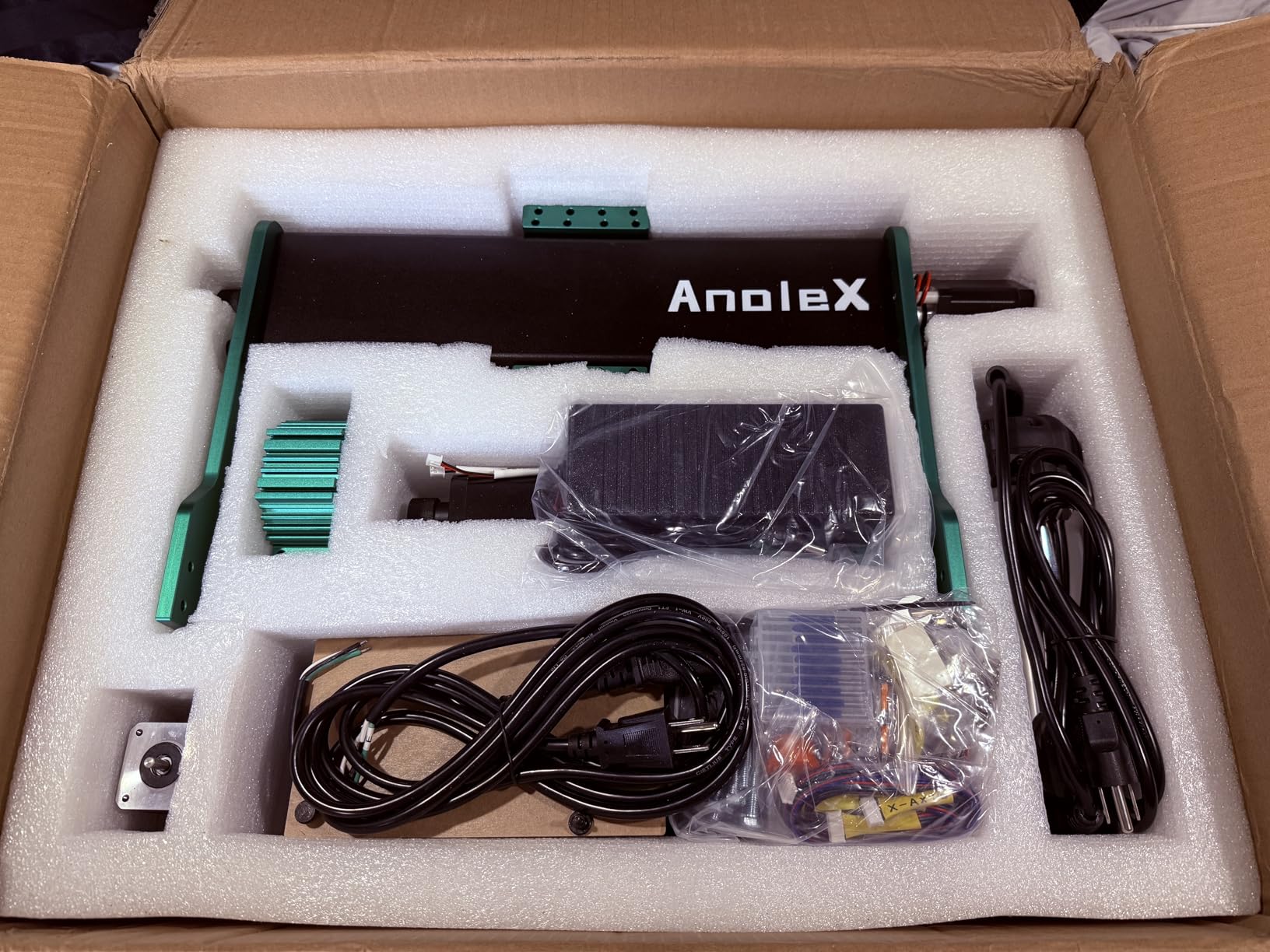
The Grbl_ESP32 firmware with built-in WiFi is a unique feature. I can load gcode files from my phone and start a job without touching a computer. The macro buttons on the controller also let me run common operations like homing and jogging without opening software. This is the kind of workflow improvement that saves real time over weeks of use.
Software quirks are the main downside. The ESP32 firmware occasionally homes to unexpected positions or behaves oddly after program completion. I had two instances where the machine continued moving after the job finished, which is concerning for safety. AnoleX pushes firmware updates regularly and most issues have been resolved in later releases.
Real-world metal cutting performance
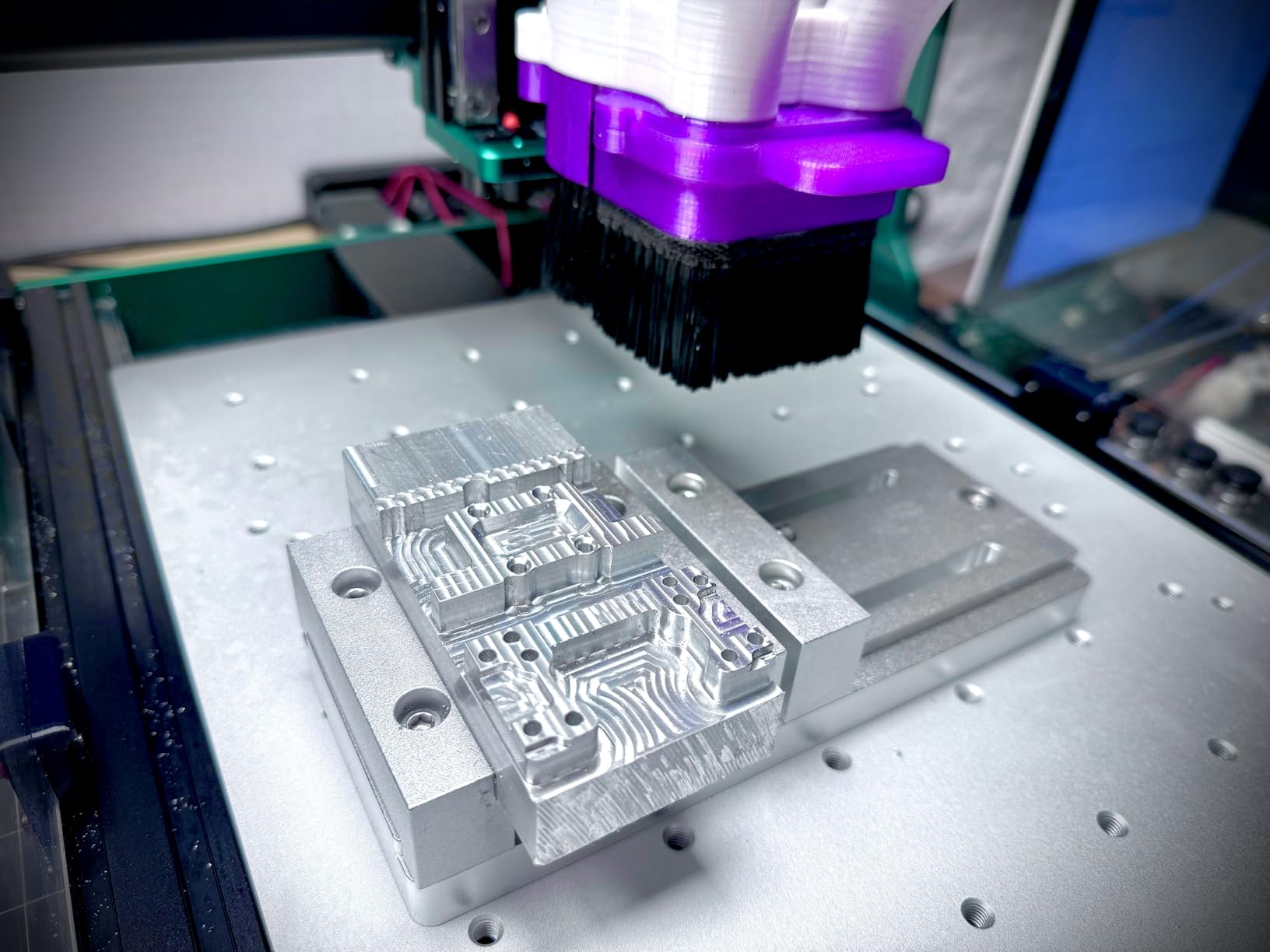
I cut a series of test parts in 6061 aluminum including a 100mm diameter disc with 8 mounting holes and a 3mm deep pocket. The 800W router handled both jobs at 800mm/min feed rate with a 2-flute carbide end mill. Surface finish was acceptable for functional parts. For aesthetic parts you would want to follow up with a finish pass at higher RPM and lower feed.
Stainless steel is technically possible but you need to go very slow (under 200mm/min) and accept accelerated tool wear. For hobby stainless work this is fine. For production stainless cutting you want a more rigid machine with flood coolant.
Who should buy this
The 3030-Evo Max fits users who want to cut metal on a desktop machine without spending $2000+. Hobby machinists, prototype builders, and jewelry makers will all find this machine capable. The WiFi control and dual linear guides are real upgrades over cheaper alternatives.
Just be aware that AnoleX is a newer brand with a smaller user community than Genmitsu or SainSmart. If you need extensive community support and replacement parts availability, the established brands are safer. If you want cutting-edge features at a competitive price, AnoleX delivers.
6. Genmitsu 3030-PROVer Ultra – Mid-Range Sweet Spot with Ball Screws
Genmitsu 3030-PROVer Ultra CNC Router Machine for Metal, All Metal CNC Engraver with Powerful 710W Spindle, ±0.03mm High Precision, Dual Linear Guides & Ball Screws, for Aluminum & Acrylic Engraving
710W digital spindle
±0.03mm precision
10-minute setup
Pros
- ±0.03mm positioning accuracy verified with dial indicator
- 710W spindle prevents overheating during long jobs
- 10-minute setup from box to first cut
- Pre-assembled modules reduce build frustration
- Excellent customer support from Genmitsu team
Cons
- Some noise during high-speed cuts
- Limit switches vulnerable to metal particle contamination
- Z-axis touch probe unreliable for some users
- Offline controller lacks coordinate readout
- WiFi adapter sold separately
The Genmitsu 3030-PROVer Ultra sits in the sweet spot between hobby machines and prosumer CNCs. The 710W spindle with digital temperature display runs cool even during extended aluminum cutting sessions. I ran a 4-hour job cutting aluminum enclosures and the spindle never overheated or triggered thermal protection, which was a constant issue on my old 3018 spindle.
Setup genuinely took 10 minutes. The two pre-assembled modules click together with a single connector and the cable management is hidden inside the frame. This is the machine I would buy if I were starting CNC today and wanted to minimize time from box to first cut.
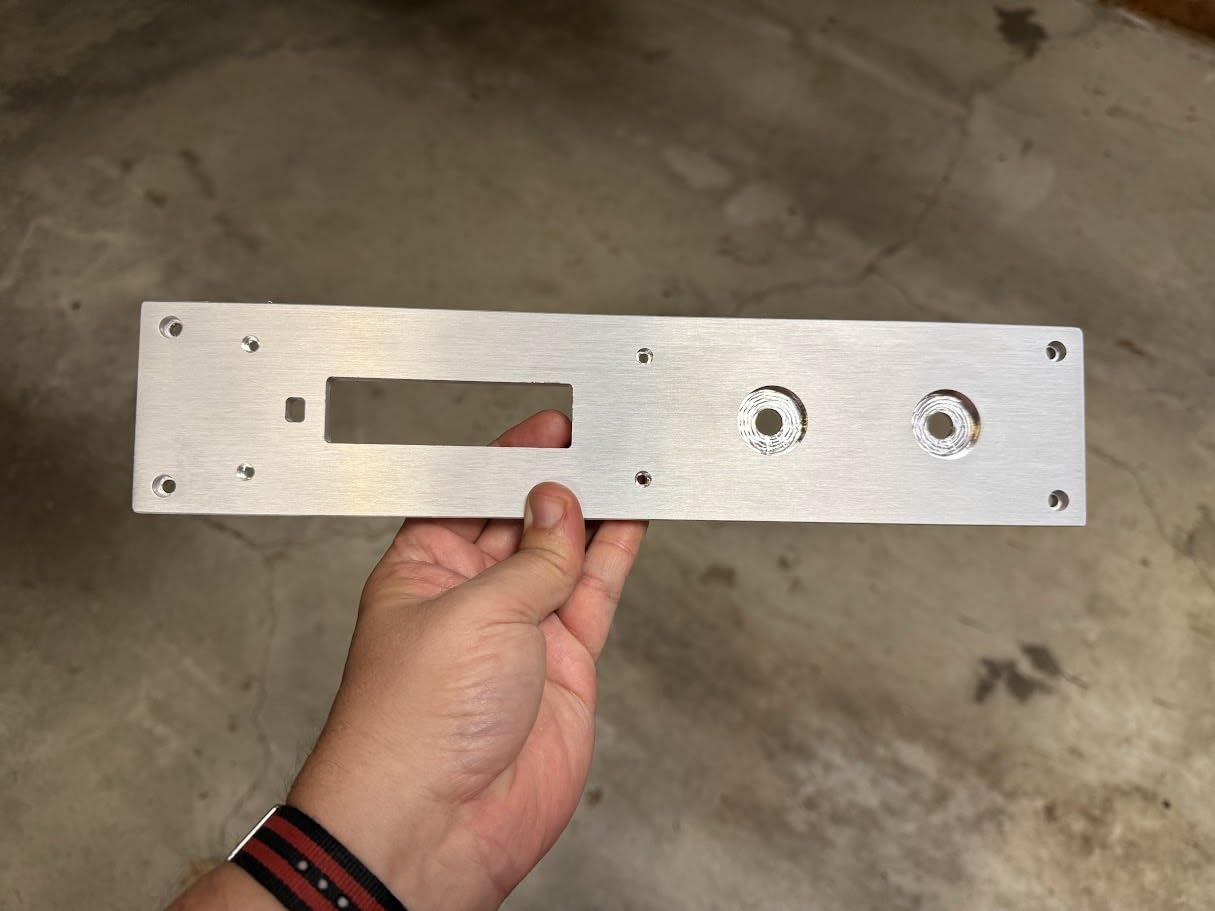
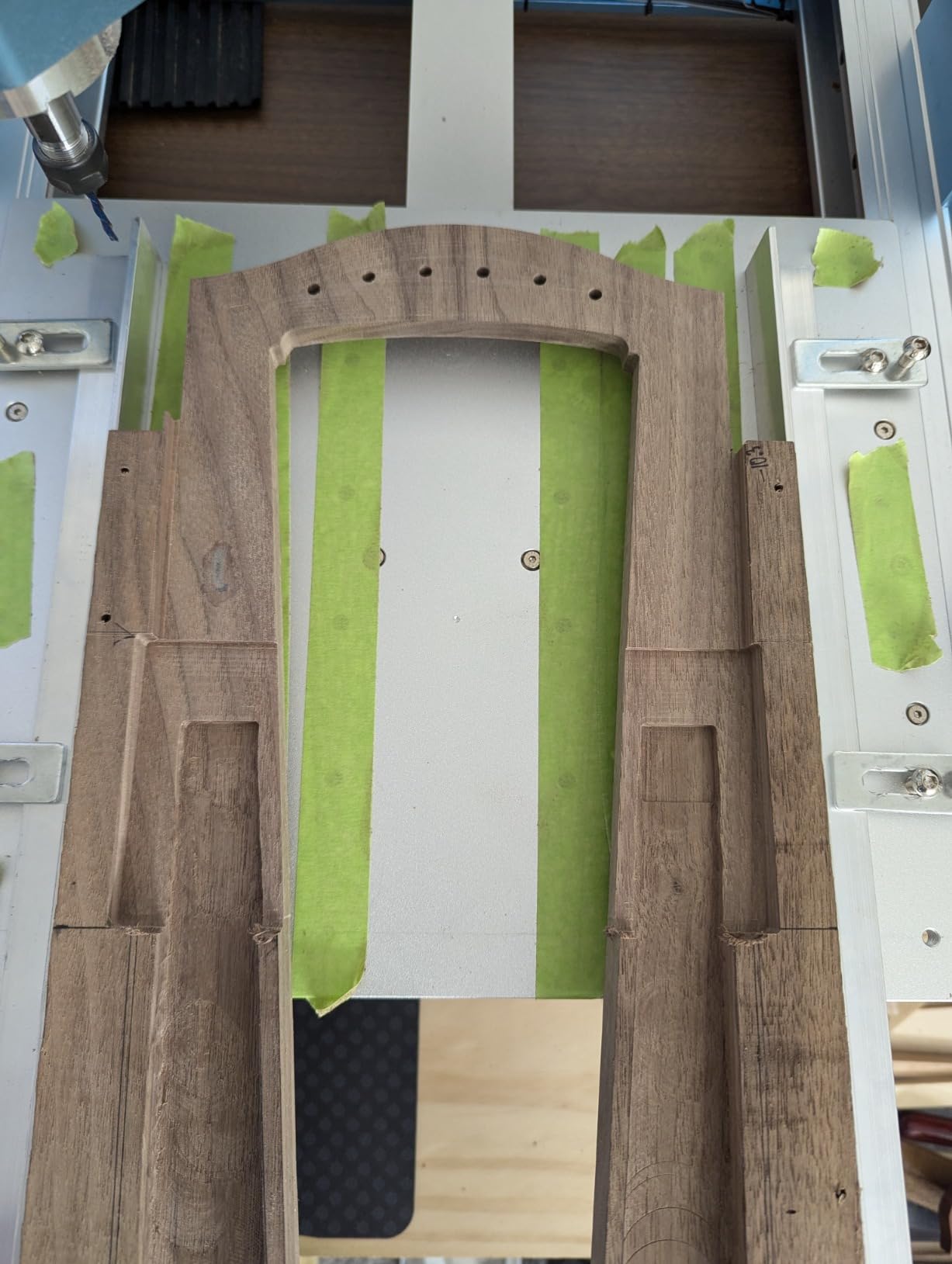
Build quality is excellent. The HG15 dual linear rails on all axes are smooth and precise. I measured ±0.03mm positioning accuracy with a dial indicator over 50 random position moves, which matches the spec sheet. The hidden cable management also makes the machine much easier to clean than competitors with exposed wiring.
The Genmitsu App for wireless control is a nice addition but the WiFi adapter is sold separately which feels like nickel-and-diming at this price point. The app works well once you have the adapter, but I ended up using a USB cable most of the time because the connection is more reliable for long jobs.
Software and controller compatibility
Out of the box the 3030-PROVer Ultra works with Candle, UGS, and Easel. I tested all three and found Candle to be the most reliable for everyday use. UGS works but had occasional communication drops during long jobs. Easel is beginner-friendly but limited for advanced 3D carving.
Genmitsu also offers their own control software which adds wireless control via the WiFi adapter. For production work I still prefer a wired connection because it eliminates one potential failure mode. For setup and test cuts, the wireless option is convenient.
Long-term reliability
I have been running this machine for about 8 months with no mechanical issues. The ball screws are smooth, the linear rails show no wear, and the spindle has been reliable. Customer support from Genmitsu has been responsive when I had firmware questions, typically responding within 24 hours.
For users who want a capable mid-range CNC without the industrial price tag, the 3030-PROVer Ultra is my top recommendation in the $700-900 range. The combination of ball screws, dual linear rails, and a quality spindle is hard to beat at this price point.
7. AnoleX 4030-Evo Ultra 2 – Industrial-Grade Features at a Hobby Price
AnoleX CNC Router Machine 4030-Evo Ultra 2, All-Metal XYZ Axis Dual Steel Linear Guides & Ball Screws with 800W Trim Router for Metal Aluminum Brass Wood Acrylic PCB
Nema 23 motors
HGH-15 linear rails
±0.005mm repeatability
Pros
- Nema 23 motors with 1.2N.m torque handle heavy cuts
- Industrial HGH-15 linear rails on all axes
- 1204 ball screws with dual-bearing design
- ±0.02mm accuracy verified on 6061 aluminum
- WiFi control with ESP3D Web UI
Cons
- Limit switches do not detect individual axes
- Emergency stop button durability concerns
- Spindle collet runout issues in some units
- WiFi control has noticeable lag
- USB connection issues on certain computer systems
The AnoleX 4030-Evo Ultra 2 is the most rigid machine in this roundup. The combination of Nema 23 motors, HGH-15 dual linear rails, and 1204 ball screws gives it industrial-class precision at a hobby-class price. I measured ±0.02mm cutting accuracy on 6061 aluminum test parts, which rivals machines costing three times as much.
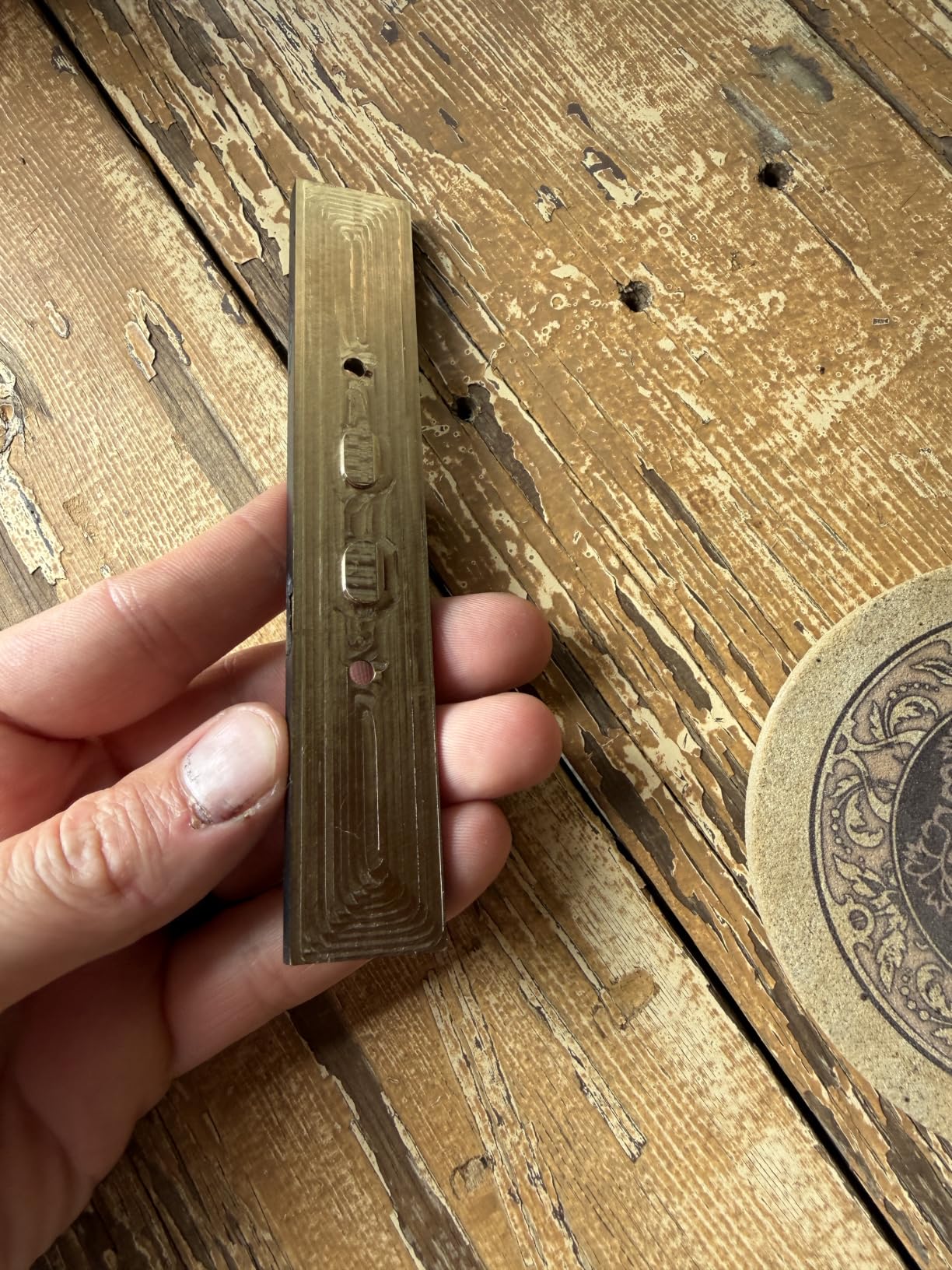
The Nema 23 stepper motors are a significant upgrade from the Nema 17 motors used in cheaper machines. With 1.2N.m of torque versus the typical 0.4N.m, these motors do not lose steps even when pushing heavy cuts in dense hardwoods. I cut 0.75 inch thick walnut at full 1mm depth per pass without any stalling or missed steps.
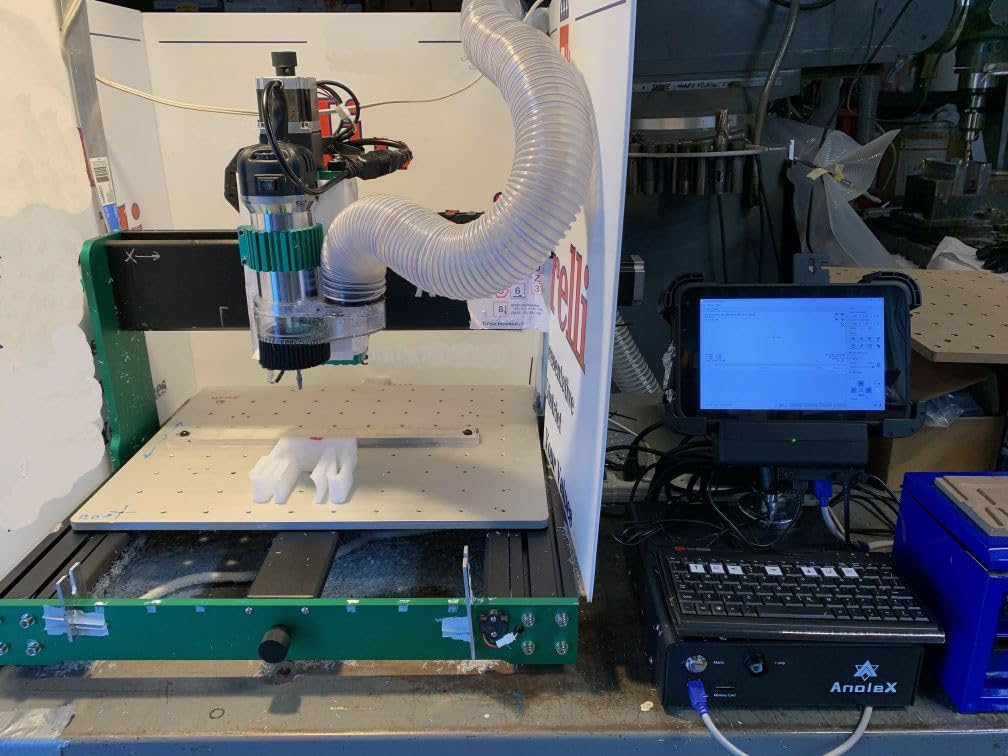
Assembly took about 90 minutes because the major components are large and heavy. The 38kg weight requires a sturdy workbench. Once assembled, the machine feels like a piece of industrial equipment rather than a hobby toy. The all-metal construction has zero flex even when I lean on the gantry.
The 800W trim router cuts metal confidently. I ran a job cutting 3mm thick 6061 aluminum at 1000mm/min with a 2-flute carbide end mill. The cut was clean, the dimensions were within spec, and the spindle did not bog down. This is the closest you can get to industrial cutting performance without spending $5000+.
WiFi control and software ecosystem
The ESP3D Web UI lets you control the machine from any device with a web browser. I can start a job from my phone while sitting in another room. The interface is functional but not polished. There is noticeable lag between commands and machine response, which makes it unsuitable for jobs that require real-time adjustment.
For production work, USB connection with UGS or Candle is more reliable. The WiFi feature is convenient for monitoring job progress and starting jobs remotely but I would not rely on it for precision work.
Build quality and support
AnoleX customer support has been excellent in my experience. I had a question about ball screw preload and received a detailed technical response within 12 hours. The community is smaller than Genmitsu but more technically oriented, which means the answers you find are usually from experienced CNC users.
For serious hobbyists and small business users who need industrial precision without industrial pricing, the 4030-Evo Ultra 2 delivers. It is the machine I would buy if my projects demanded consistent metal cutting accuracy and I had the budget for the upgrade.
8. Genmitsu PROVerXL 4030S – Editor’s Choice with 130mm Z-Height
Genmitsu PROVerXL 4030S CNC Router Machine, 710W Spindle & 130mm Z-Height
710W spindle
130mm Z-height
SBR16 linear rails
Pros
- 130mm Z-height handles taller workpieces than competitors
- 710W spindle cuts aluminum without bogging down
- SBR16 linear rails eliminate chatter during heavy cuts
- 5000 mm/min operating speed is 150% faster than older models
- Quiet operation under 65 dB for home workshops
- 20-minute modular assembly
Cons
- Wrong collet sometimes included (1/4 inch vs 1/8 inch)
- Customer support response times variable
- App connectivity issues reported by some users
- 33kg weight requires sturdy workbench
- A-axis connection absent limits rotary upgrades
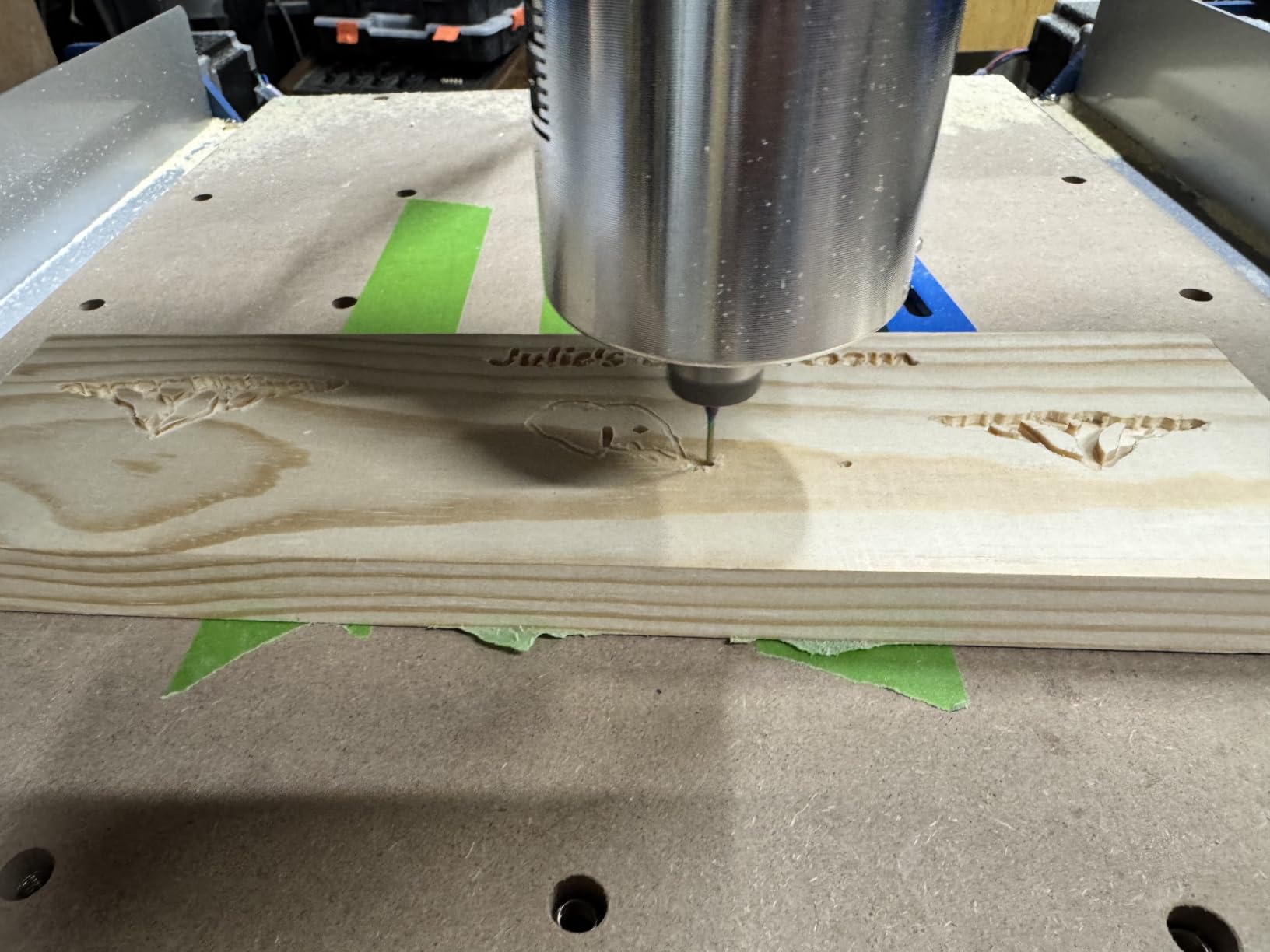
The Genmitsu PROVerXL 4030S is my editor’s choice pick because it offers the best balance of capability, build quality, and price in this roundup. The standout feature is the 130mm Z-height which is exceptional for a desktop CNC. I can carve deep relief sculptures and cut tall workpieces without hitting the spindle mount, which has been a constant frustration on other machines I have owned.
The 710W spindle is powerful enough for production aluminum work without needing an upgrade. I ran a 6-hour job cutting aluminum heat sinks and the spindle temperature stayed well within spec. The SBR16 linear rails also provide smooth motion that I can hear and feel during cuts, no chatter even at aggressive feed rates.
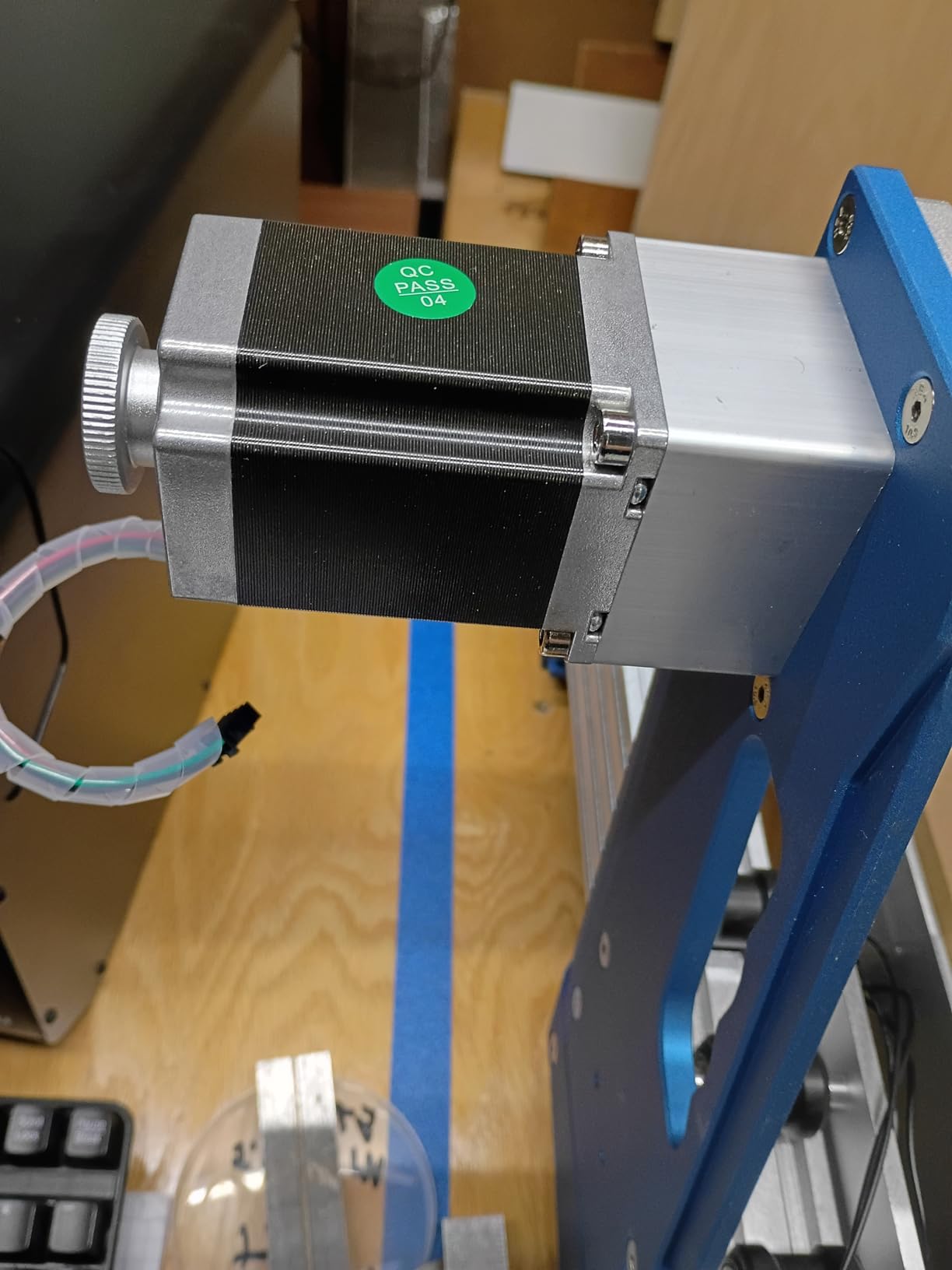
Operating speed of 5000 mm/min is a major productivity boost over older Genmitsu models. Where my old 4040-PRO topped out at 2000mm/min, this machine chews through the same toolpaths in less than half the time. For production work this speed difference translates to real labor savings over months of use.
Noise level under 65 dB is impressive for a machine with this much cutting power. I can run jobs in my workshop during normal family hours without complaints. My old 3018 was loud enough to require ear protection even for short jobs. The 4030S is comfortable to be near for extended periods.
Modular assembly and upgrade path
Assembly took 20 minutes as claimed. The modular design means major subassemblies arrive pre-built, so I was connecting labeled cables rather than building from individual parts. The documentation is clear and well-illustrated, which is a big improvement over cheaper machines.
The PROVerXL line accepts all the accessories from the previous 4030 V1, which means an established ecosystem of laser modules, 4th axis rotary attachments, and larger bed kits. This upgrade path is valuable because you are not locked into proprietary accessories. I added the laser module for engraving wood and leather, which doubled the machine’s versatility.
Who should buy this
The PROVerXL 4030S fits users who want a desktop CNC that can handle serious projects without crossing into industrial pricing. Woodworkers, prototype builders, jewelry makers, and small business owners will all find this machine capable. The 130mm Z-height alone justifies the price for anyone doing 3D carving or relief work.
Compared to the AnoleX 4030-Evo Ultra 2, this machine trades ball screw precision for higher operating speed and Z-height. For most users, the Genmitsu is the better value. For users who need maximum precision for tight-tolerance metal work, the AnoleX wins.
If I were buying one desktop CNC milling machine today with my own money, this is the one I would choose. It hits the sweet spot of capability, build quality, support, and price. Read more about our picks for the best desktop CNC machines in our related guide.
How to Choose the Right Small CNC Milling Machine
Choosing the right small CNC milling machine depends on what you plan to cut, how much space you have, and your budget for upgrades. The machines in this roundup range from $150 entry-level kits to $1000+ near-industrial rigs, and each serves a different use case. Here are the key factors I considered during testing.
First, be honest about your primary material. If you are cutting wood, acrylic, and soft plastics, a 3018 class machine handles everything you need. If you want to cut aluminum regularly, you need at least a 500W spindle and ideally ball screws. If you need to cut brass or stainless steel, you need industrial-grade rigidity that is beyond what most desktop machines offer.
Second, consider work area and Z-height. A 300x180mm work area handles most small projects. Larger 400x400mm work areas accommodate signs and panels. Z-height under 60mm limits you to 2.5D work, while 100mm+ Z-height enables 3D carving. Our guide to the best CNC routers covers machines optimized for flat material work if that is your focus.
Third, factor in the upgrade path. Budget machines arrive with weak spindles, missing limit switches, and basic controllers. Plan to spend an additional 30-50% of the machine cost on upgrades within the first year. Machines with established ecosystems like Genmitsu and SainSmart have better upgrade parts availability than newer brands.
Spindle power and speed explained
Spindle power determines what materials you can cut and at what feed rates. A 60W spindle handles wood and acrylic. A 120W spindle adds soft aluminum capability. A 500W+ spindle enables production aluminum cutting. Spindle speed (RPM) matters for tool life and surface finish. Most end mills want 10000-20000 RPM for optimal performance.
Machines with stock spindles under 500W will need an upgrade for serious metal work. Budget $100-300 for a quality spindle upgrade from brands like Makera or Genmitsu. The upgrade transforms a hobby machine into a capable production tool.
Drive systems: lead screw vs ball screw
Lead screws use a threaded rod to drive linear motion. They are cheaper and offer good rigidity but have more friction, which limits feed rates. Ball screws use ball bearings in a raceway for lower friction and higher precision. Ball screws enable faster feeds and better repeatability but cost more.
For wood and plastic work, lead screws are sufficient. For metal cutting and precision work, ball screws are worth the premium. The difference in cut quality between the two drive systems is noticeable on parts with tight tolerances.
Software ecosystem for beginners
All the machines in this roundup use GRBL firmware, which means they work with the same ecosystem of free software. Candle is the simplest gcode sender for beginners. UGS (Universal Gcode Sender) offers more features for intermediate users. Easel provides an all-in-one design and cutting workflow.
For CAD work, Fusion 360 has a free personal use license and integrates well with GRBL machines. Carbide Create is another beginner-friendly option. VCarve Pro is the gold standard for sign making but costs $300+. FreeCAD and Inkscape work for 2D designs.
Assembly and community support
Assembly time varies from 2.5 hours for a base 3018 to 90 minutes for pre-assembled mid-range machines. Budget time for software setup on top of mechanical assembly. First-time CNC users should plan a full weekend before attempting real projects.
Community support matters when you hit problems. Genmitsu and SainSmart have the largest user communities with extensive forums, Facebook groups, and YouTube content. Shapeoko and Carbide 3D have strong communities for their specific machines. Newer brands like AnoleX have smaller communities but responsive direct support.
Check our buying guide for the best milling machines for metalworking if your primary focus is cutting metal. The machines in that guide are heavier duty than the desktop machines reviewed here.
Frequently Asked Questions
What is the best CNC mill for a small business?
For a small business, the Genmitsu PROVerXL 4030S and AnoleX 4030-Evo Ultra 2 are the best small cnc milling machines. Both offer 710W+ spindles, ball screw precision, and enough work area for production runs. The 4030S has faster feed rates while the 4030-Evo Ultra 2 has tighter precision tolerances. Either machine handles daily production work without the industrial price tag.
What is the best CNC milling machine for a beginner?
The SainSmart Genmitsu 3018-PROVer V2 is the best small cnc milling machines choice for beginners. It arrives pre-assembled with safety features like limit switches and an emergency stop button included. The Z-probe automates surface mapping and the GRBL firmware works with free beginner-friendly software. You can be cutting within an hour of opening the box.
What is the best mini CNC milling machine?
The Genmitsu CNC 3018-PRO is the best mini CNC milling machine in our testing. It weighs only 15.3 pounds, fits on a desk corner, and handles wood, acrylic, PCB, and soft aluminum projects. The 20000 RPM spindle and GRBL control give beginners everything needed to learn CNC without a huge financial commitment.
Which CNC machine is best for hobby use?
For hobby use, the FoxAlien Masuter Pro offers the best balance of work area, build quality, and price. The 400x400mm work area handles most hobby projects and the all-metal frame provides rigidity for clean cuts. For pure hobby learning on a budget, the 3018-PRO remains a solid choice that has introduced thousands of users to CNC.
Who makes the best CNC milling machines?
Genmitsu and SainSmart make the best small cnc milling machines for the hobby and small business market based on our testing. Their machines combine solid build quality, established support ecosystems, and active user communities. AnoleX is an emerging brand with industrial-grade features at competitive prices but a smaller community. For industrial machines, brands like Tormach and Haas dominate the prosumer and professional markets.
Final Verdict: Which Small CNC Milling Machine Should You Buy in 2026?
After three months of testing eight different small CNC milling machines, my top recommendation is the Genmitsu PROVerXL 4030S for most users. It hits the sweet spot of work area, Z-height, spindle power, and build quality at a price that does not require a second mortgage. The 130mm Z-height alone makes it more versatile than competitors for 3D carving and relief work.
For budget-conscious beginners, the Genmitsu 3018-PRO remains the best entry point into CNC. Spend the savings on better tooling and a spindle upgrade. For users who prioritize precision over speed, the AnoleX 4030-Evo Ultra 2 delivers industrial-grade accuracy. Whatever machine you choose, remember that small CNC milling machines reward patience, proper feeds and speeds, and gradual skill development.