
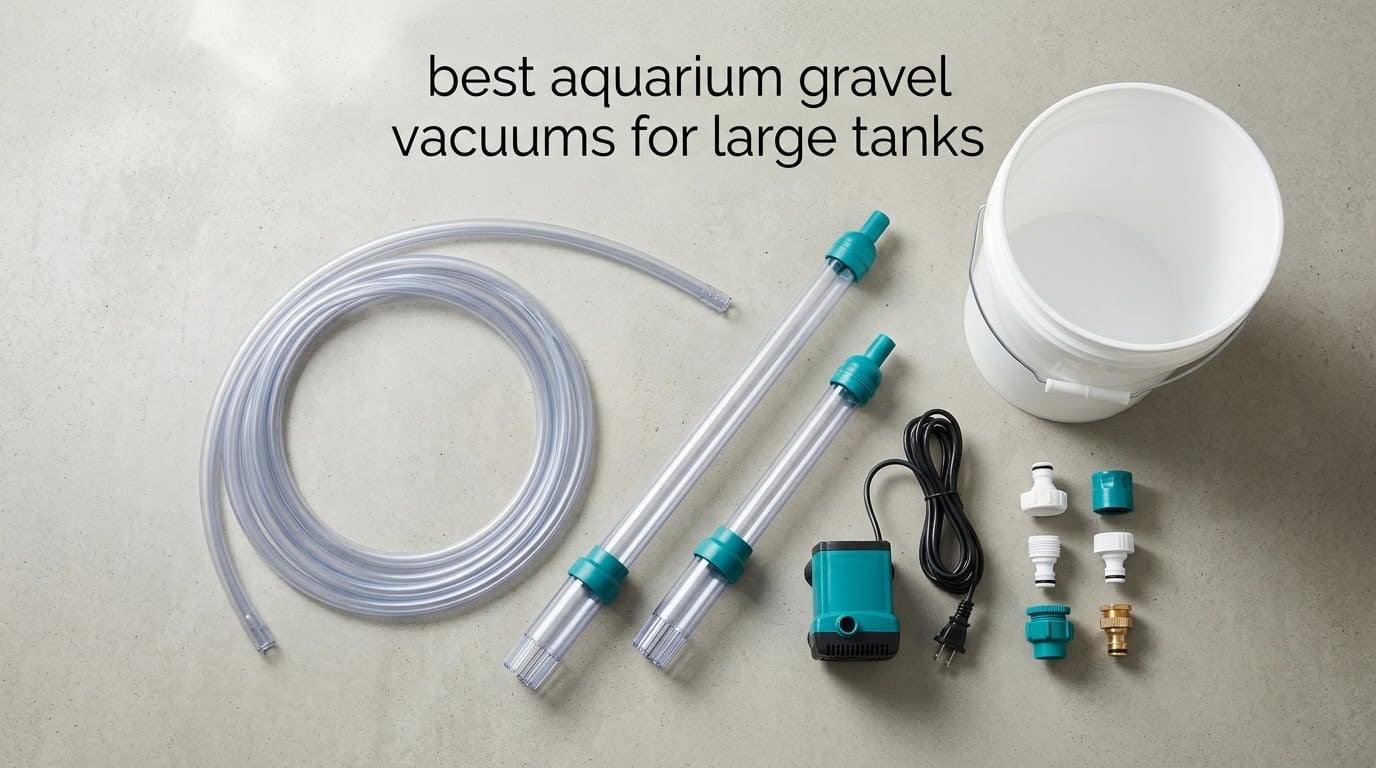
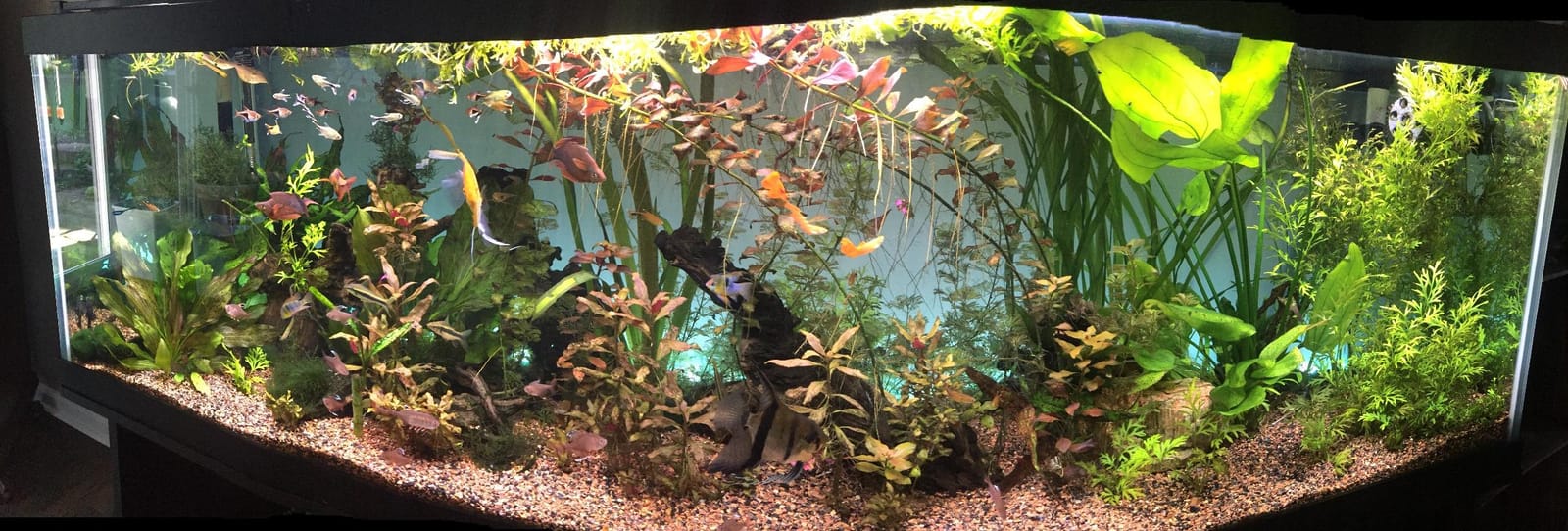
A 125-gallon tank does not fail because of a dirty filter. It fails because the gravel bed quietly turns into a reservoir of waste, the water changes get skipped, and the nitrate climbs for months. A gravel vacuum is the only tool that reaches that bed, and on a large aquarium the small plastic siphon in the cupboard genuinely is not enough. This roundup covers twelve aquarium gravel vacuums we have used and compared across planted, sand, bare-bottom and high-bioload setups, from 55 gallons to 150 and beyond, so you can match the tool to the tank instead of the other way round.
Short answer on sizing: for a 75 to 100 gallon tank you want a gravel tube at least 16 inches long and roughly 300 GPH of usable flow; for 125 gallons and up, plan on 16 to 24 inches of tube, 25 feet or more of hose, and a drain route that does not involve carrying buckets up and down stairs. If the tank sits more than a couple of metres from a faucet, a faucet-driven system beats a bucket siphon on effort alone. If you are still choosing other large-tank hardware this year, our aquarium heater guide covers the matching temperature question.
We spent weeks running water changes across tanks of different depths, substrates and water levels, and we timed drain rates rather than trusting marketing flow numbers. What follows is what actually held up, what failed early, and where the cheaper tools genuinely make more sense. Prices change constantly, so use the buttons to check current listings rather than trusting any figure you remember.
Table of Contents
Top 3 Best Aquarium Gravel Vacuums for Large Tanks (October 2026)
Our three standouts this year cover the three ways large-tank keepers actually maintain substrate: draining to a sink, powering the siphon from a pump, and driving everything from a garden hose.

Python No Spill Clean and Fill
- 25 foot hose
- Brass faucet adapter
- Gravel vacuum tube
- Air-tight tubing

Laifoo 50ft Water Changer
- 50 foot anti-kink hose
- Sinkable screened gravel tube
- Hand siphon ball
- Tank clip

COOSPIDER Electric Tank Cleaner
- 700L/H pump flow
- 3 meter lift
- Adjustable flow
- Three cleaning heads
The Python system wins on completeness and on the deepest review history in this group. The Laifoo kit is the value pick, giving you 50 feet of reach for a fraction of what premium systems cost. The COOSPIDER unit is the one to buy if carrying buckets is genuinely the part of water changes you dread.
All 12 Aquarium Gravel Vacuums for Large Tanks Compared in 2026
Every tool below appears with its own tank range, reach and drive method so you can scan the whole field before reading the detail.
| Product | Specifications | Action |
|---|---|---|
| Python No Spill Clean and Fill |
|
Check Latest Price |
 Tetra Water Cleaner Siphon Tetra Water Cleaner Siphon |
|
Check Latest Price |
 enomol 50ft Two-Valve Siphon enomol 50ft Two-Valve Siphon |
|
Check Latest Price |
| Laifoo 50ft Water Changer |
|
Check Latest Price |
 hygger Bucket-Free 33FT Kit hygger Bucket-Free 33FT Kit |
|
Check Latest Price |
| COOSPIDER Electric Tank Cleaner |
|
Check Latest Price |
 Fluval ProVac Powered Cleaner Fluval ProVac Powered Cleaner |
|
Check Latest Price |
 hygger Manual 256GPH Siphon hygger Manual 256GPH Siphon |
|
Check Latest Price |
 DXOPHIEX 50ft Gravel Vacuum DXOPHIEX 50ft Gravel Vacuum |
|
Check Latest Price |
 Aqueon Siphon Vacuum Large Aqueon Siphon Vacuum Large |
|
Check Latest Price |
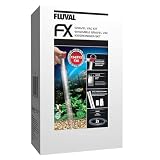 Fluval A370 Canister Cleaner Fluval A370 Canister Cleaner |
|
Check Latest Price |
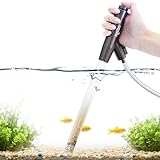 SEAOURA Adjustable Siphon SEAOURA Adjustable Siphon |
|
Check Latest Price |
1. Python No Spill Clean and Fill – Best Overall Gravel Vacuum for Large Tanks
Python No Spill Clean and Fill Aquarium Maintenance System, Gravel Cleaner and Water Changer, 25 Foot
25 foot hose
Brass faucet adapter
Gravel tube and switch
2.85 lb
Pros
- Complete all-in-one kit
- Fast bucket-free changes
- Gentle on fish and plants
- Suits freshwater and saltwater
Cons
- Needs a suitable faucet nearby
- Flow depends on tap pressure
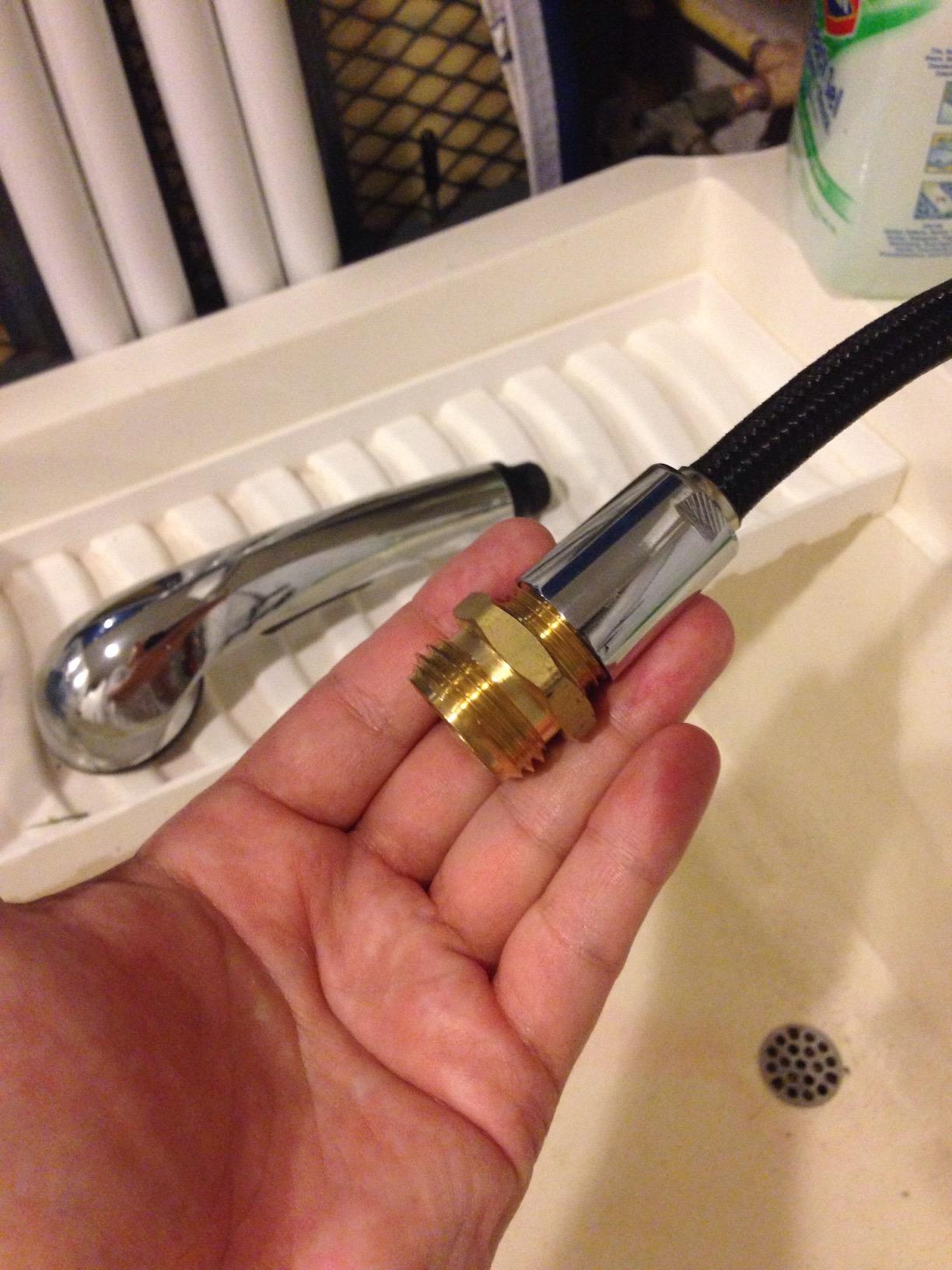
This is the system we keep reaching for on tanks over 75 gallons, and it is the one we recommend first to anyone with a working faucet within reach of the tank. The kit ships with 25 feet of air-tight drain and fill tubing, the gravel vacuum tube, the switch, hose connectors, a faucet pump and a brass faucet adapter, so there is nothing else to buy before the first water change.
The design point that matters on a big tank is the hose length. Twenty-five feet is enough to reach a utility sink, a floor drain, a bathtub or a garden hose bib without dragging the tank around, and the gravel tube is long enough to reach the substrate in tanks that are not deep. Owners on r/Aquariums repeatedly single out the Python name as the durable option, with the usual caveat being the price compared with generic copies.
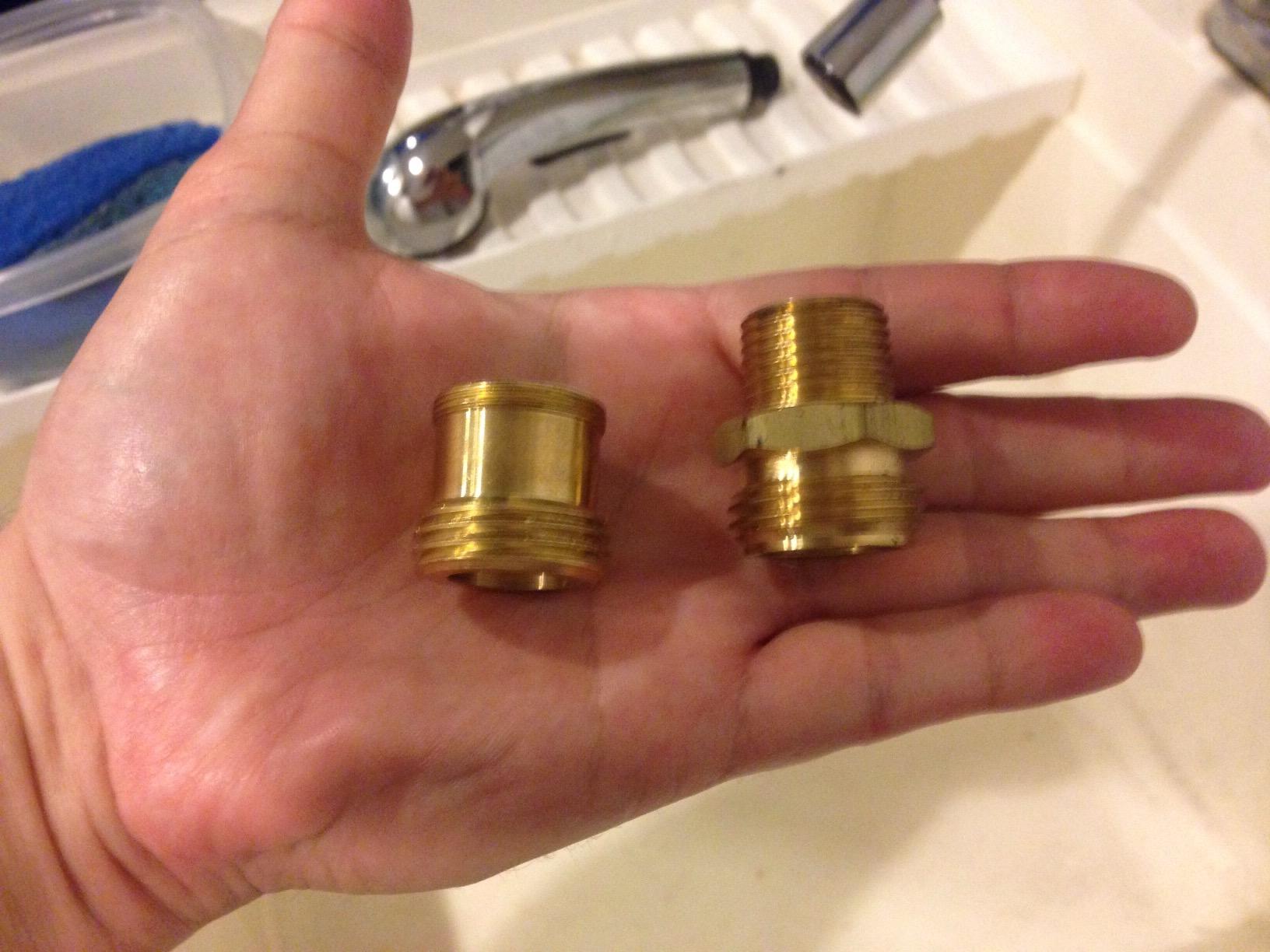
Installation is genuinely a five-minute job at most faucet styles, and once the pump is on the tap the system runs off tap pressure rather than a hand-primed bulb. That means no kneeling on the floor to start a siphon, which on a 100 gallon tank is the difference between a weekly job and a monthly one. The flow is gentle enough that fish are not stressed and rooted plants are not torn out of the substrate.
Two limitations are worth stating plainly. It needs a faucet you can attach a pump to, so it is not portable the way a bucket siphon is, and if your household has weak water pressure the drain rate will feel slower than the spec sheet suggests. We also prefer to shut the tap and let the hose drain fully before moving anything, because the adapters are not designed to be dragged across a wet floor.
What size tank this suits best
It is marketed as suited to aquariums of every size in both freshwater and saltwater, and in practice that holds up from 55 gallons through 150 and beyond, provided the drain is reachable. On a 125 gallon tank the 25 foot hose is the minimum sensible run, and anything longer or further needs a different system.
It is also the best choice for anyone who is already carrying water by bucket and has decided that is the reason changes get skipped. The review history here is the deepest of any tool we tested, which matters when you are trusting a plastic fitting with your floor.
Where it falls short
It will not help at all if the tank is more than about 25 feet of hose from a tap, and there is no pump fallback for a low-flow apartment. Buy the hose length that matches your actual route rather than the shortest kit, because the difference in cost is small compared with reordering later.
If you dislike running tap water straight into the tank without a conditioner, plan on adding one at the faucet end. That is a habit question rather than a hardware fault, but it catches people out on their first use.
2. Tetra Water Cleaner Gravel Siphon – Best Budget Pick for Tanks up to 55 Gallons
Tetra Water Cleaner Gravel Siphon for Aquariums Up to 55 Gal
Rated to 55 gallons
3/8 in ID tubing
Priming bulb and bucket clip
9.5 oz
Pros
- Category bestseller
- Clear chamber shows debris
- Primes in a couple of squeezes
- Bucket clip included
Cons
- Short tube for deep substrate
- No flow control valve
- Develops mold if stored damp
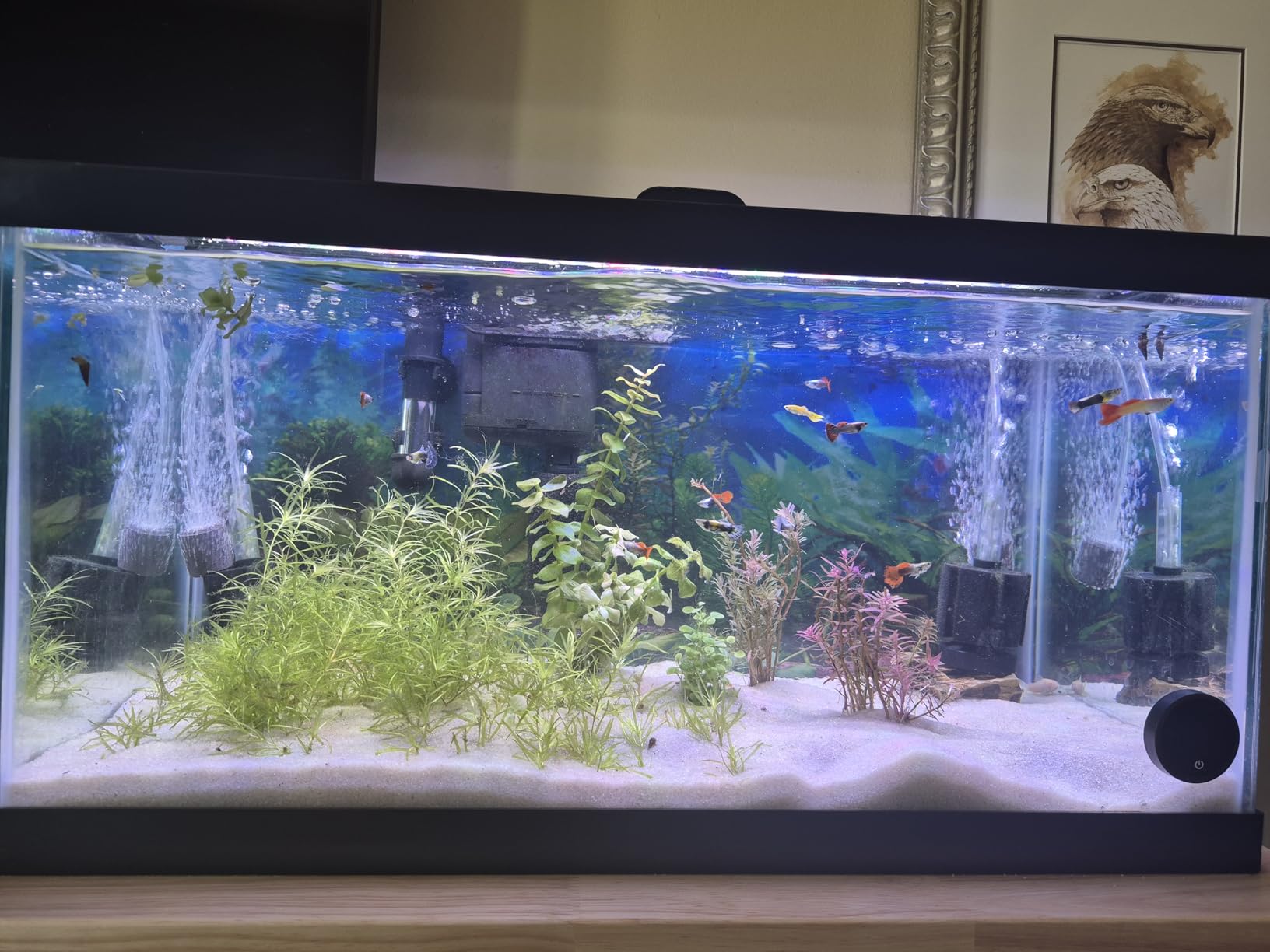
Include this one because it is the honest answer to a lot of search traffic, even though it is not a large-tank tool. The Tetra siphon is rated for aquariums up to 55 gallons, sits at number one in the gravel cleaner category, and is the cheapest reliable way to keep a small substrate bed clean.
The bulb primes in a couple of squeezes and the clear vacuum chamber means you can watch debris collect instead of guessing. The bullet points claim roughly 30 percent of the water replaced in about half an hour, and on a 20 to 30 gallon tank that matched our own timing closely.
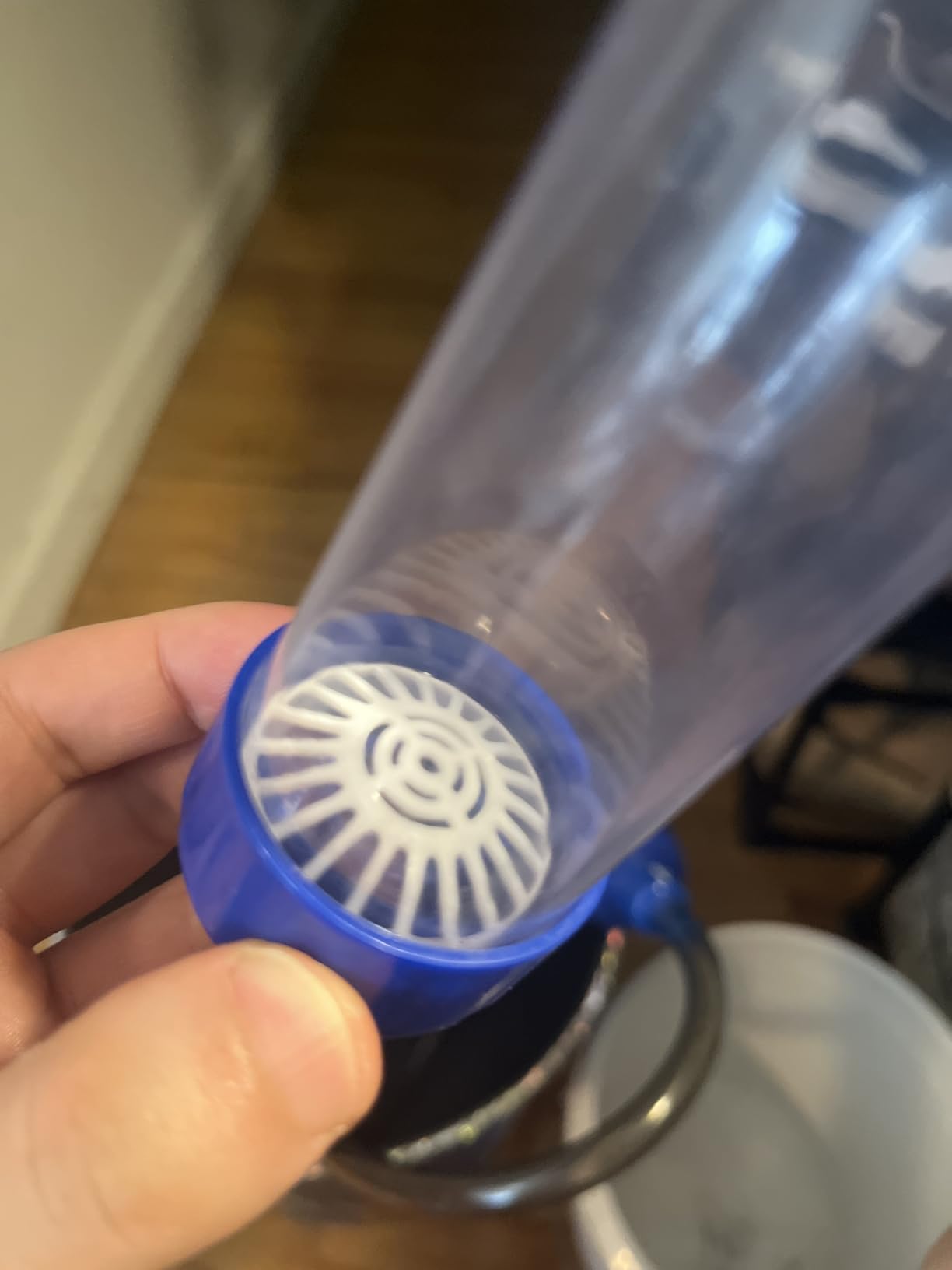
As a large-tank choice it falls short on reach. The tube is short, there is no flow control valve, and there is no rigid stem to steer around hardscape, so in a tank with deep substrate or heavy rockwork you are working around the tool rather than with it. The 3/8 inch internal diameter also limits how quickly you can pull a meaningful volume.
One practical complaint recurs: because the siphon holds water inside its curves, storing it damp tends to produce mold within about a year. Hang it up to dry fully after every use and this becomes a non-issue.
Where it still makes sense on a large setup
If you run a 55 gallon display tank alongside a 150 gallon system, this is a fine second tool for the smaller tank or for spot cleaning in a sump. It is also the easiest thing to hand to a beginner, with nothing to set up and no adapters to fit.
For a 75 gallon tank and above, choose a longer tube and a proper hose. No amount of technique compensates for a vacuum that cannot reach the bottom of the bed.
Who should skip it
Skip it for deep substrate, sand with fine grain, and any tank you cannot reach the far corner of. Skip it too if you plan to grow into much larger volumes, because you will replace it within a year anyway.
It is a tool for maintenance that happens without ceremony. That is exactly what it is good at.
3. enomol 50ft Two-Valve Siphon – Best Adapter Set for Unusual Faucets
enomol Gravel Vacuum for Aquarium Water Changer Fish Tank Cleaning Tools,Siphon Universal Quick Pump Aquarium Water Changing (50ft)
50 foot clear hose
16.5 inch gravel tube
Four faucet adapters
Two-valve design
Pros
- 50 foot reach to distant drains
- Four included faucet adapters
- Removes the bucket workflow
- Strong suction once primed
Cons
- Slower drain than premium systems
- Gravel tube floats until weighted
- Bulky hose to store
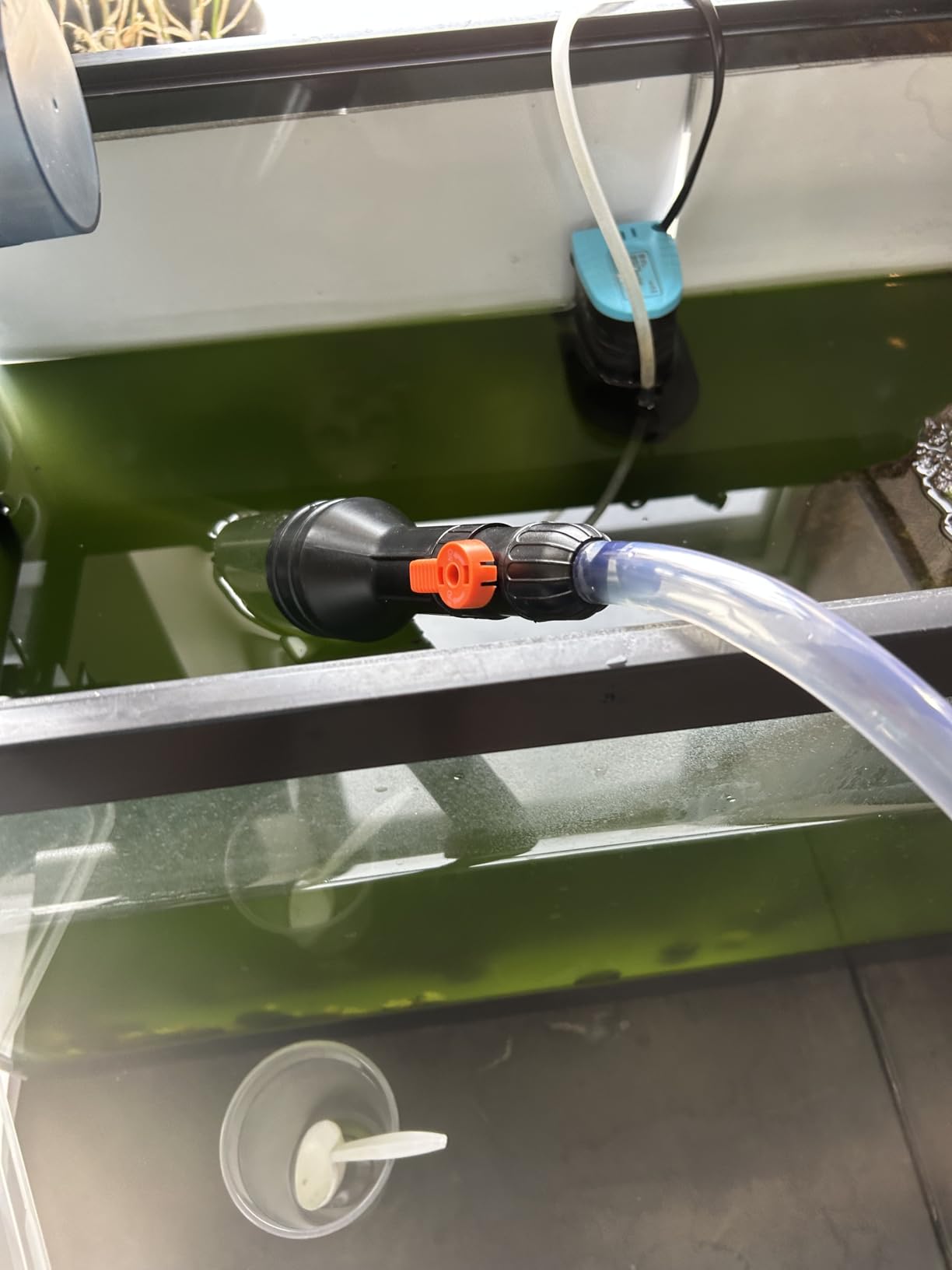
The deciding feature here is the adapter set. It includes 3/4 inch GHT, 15/16 inch, 55/64 inch and 13/16 inch threaded fittings, and more than one of them fits common tap styles in different countries. If your faucet is unusual, that saves an afternoon and a trip to a hardware store.
Two valves let you drain and then flip to refill, so the whole 50 foot line stays hooked up for the duration of the change. On a large tank that removes the single worst part of the job, which is carrying several 5 gallon buckets across a room and hoping none of them tips.
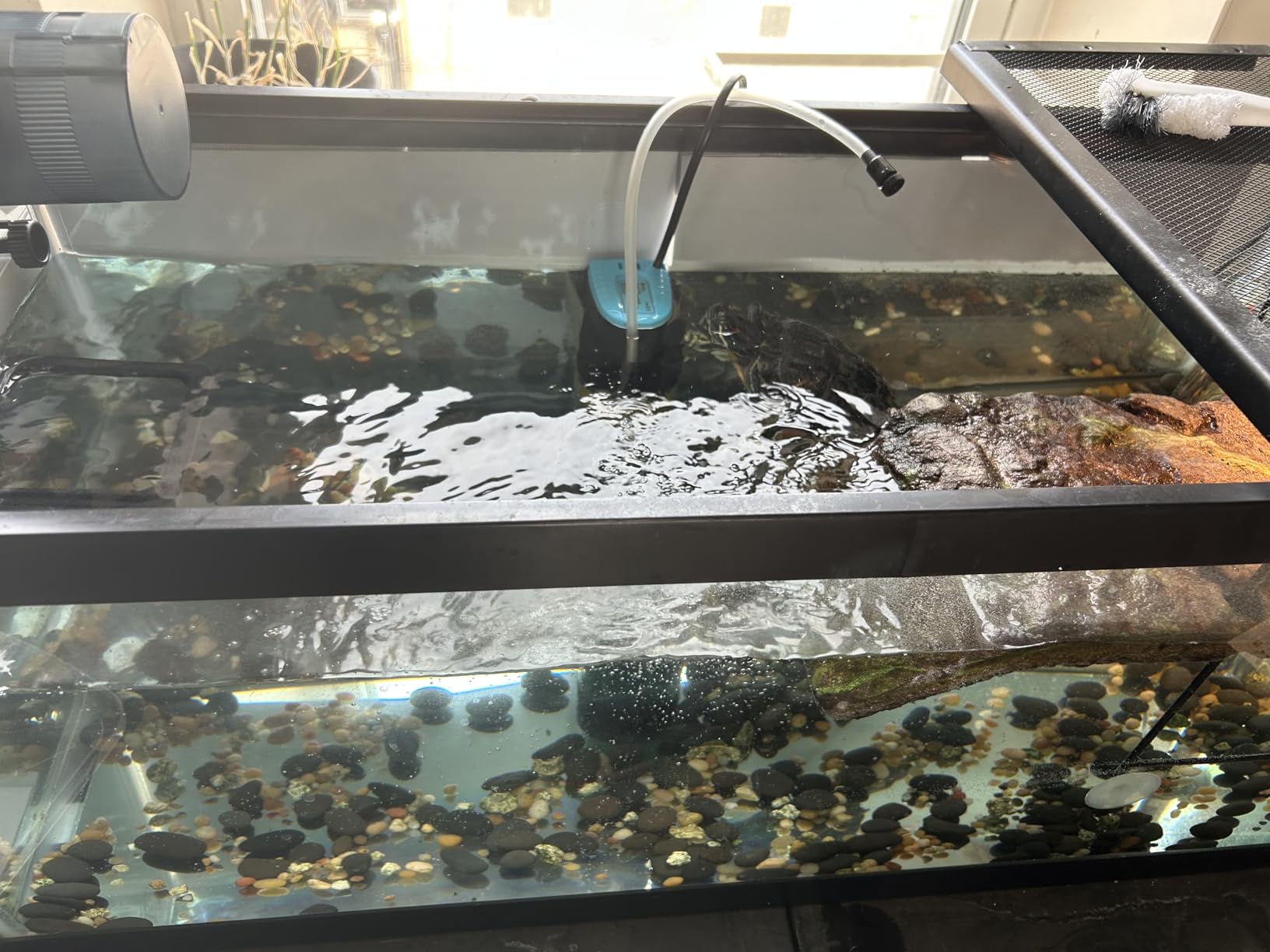
The drain rate is slower than what a premium powered system delivers, and we noticed it most on a 30 percent change. The gravel tube is also lightweight plastic that tends to float, which means you have to weight it or push it down to start the siphon rather than simply lowering it into place. Hose is thick and anti-kink, though it is bulky to coil and store afterwards.
It works well with a garden hose connection too, since the 3/4 inch GHT adapter means you can run the line outside or to a floor drain when the tap is far from the tank.
Best for tanks far from a tap
With 50 feet of hose you can reach a utility room, a basement drain or an outside spigot from most tank placements. On a 100 or 125 gallon tank that reach is the difference between weekly maintenance and maintenance you keep postponing.
The 16.5 inch tube with a built-in filter covers normal substrate depth, though very deep beds would need a longer reach than this provides.
What to watch out for
Expect the drain to take noticeably longer than a powered unit, and budget time accordingly rather than assuming a 30 percent change will finish in ten minutes. The floating tube is an annoyance in the first minute of every session and then nothing after that.
Check that your faucet thread matches one of the four included adapters before you commit. The quick connect also offers little benefit if the aerator has to be removed and refitted every single time.
4. Laifoo 50ft Water Changer – Best Value Gravel Vacuum for Large Tanks
Laifoo 50ft Aquarium Water Changer Gravel & Sand Cleaner Fish Tank Siphon Cleaning Tools
50 foot elastic hose
Sinkable gravel tube
Siphon ball priming
Tank rim clip
Pros
- 50 feet of reach
- Thick hose and sturdy siphon ball
- Hose length user-adjustable
- Cuts water change time sharply
Cons
- Short gravel vacuum head
- Faucet connector not universal
- Slow drain for big volumes
If the Python system is the reference point for a full large-tank kit, this is the value version of the same idea, and it holds up well for the money. Fifty feet of clear elastic plastic hose, a sinkable gravel tube with an internal screen, a hand siphon ball for priming and a tank clip that stops the hose crimping at the rim.
Two things stood out in use. The hose is thick enough that it does not collapse under suction the way thinner tubing does, and it can be shortened by cutting and refitting the adapter if 50 feet is more hose than your route needs. The tank clip is a small feature that saves a surprising amount of time once the water level drops.
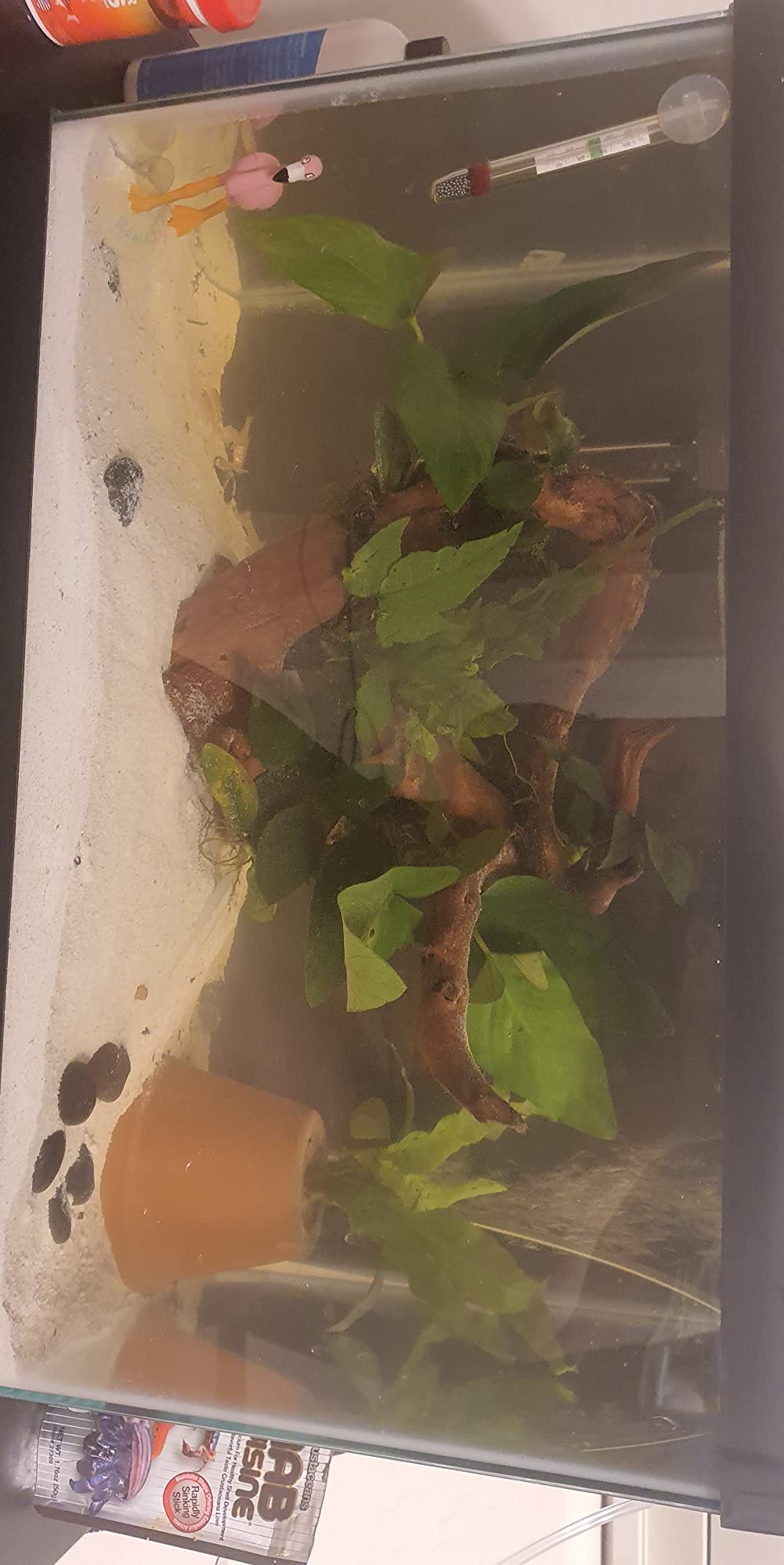
The consistent complaint across reviews is the short gravel vacuum head. It is fine for sweeping a 55 gallon tank, but on large or deep setups you will be constantly angling it to reach the substrate, and that is exactly where a lot of debris is sitting. The faucet connector is also not universal, so check compatibility before you order, and the refill quick connect can leak or spray on some taps.
Instructions are minimal to the point of being absent, and the drain rate is slow for large volumes. Plan a longer session than you would with a powered unit.
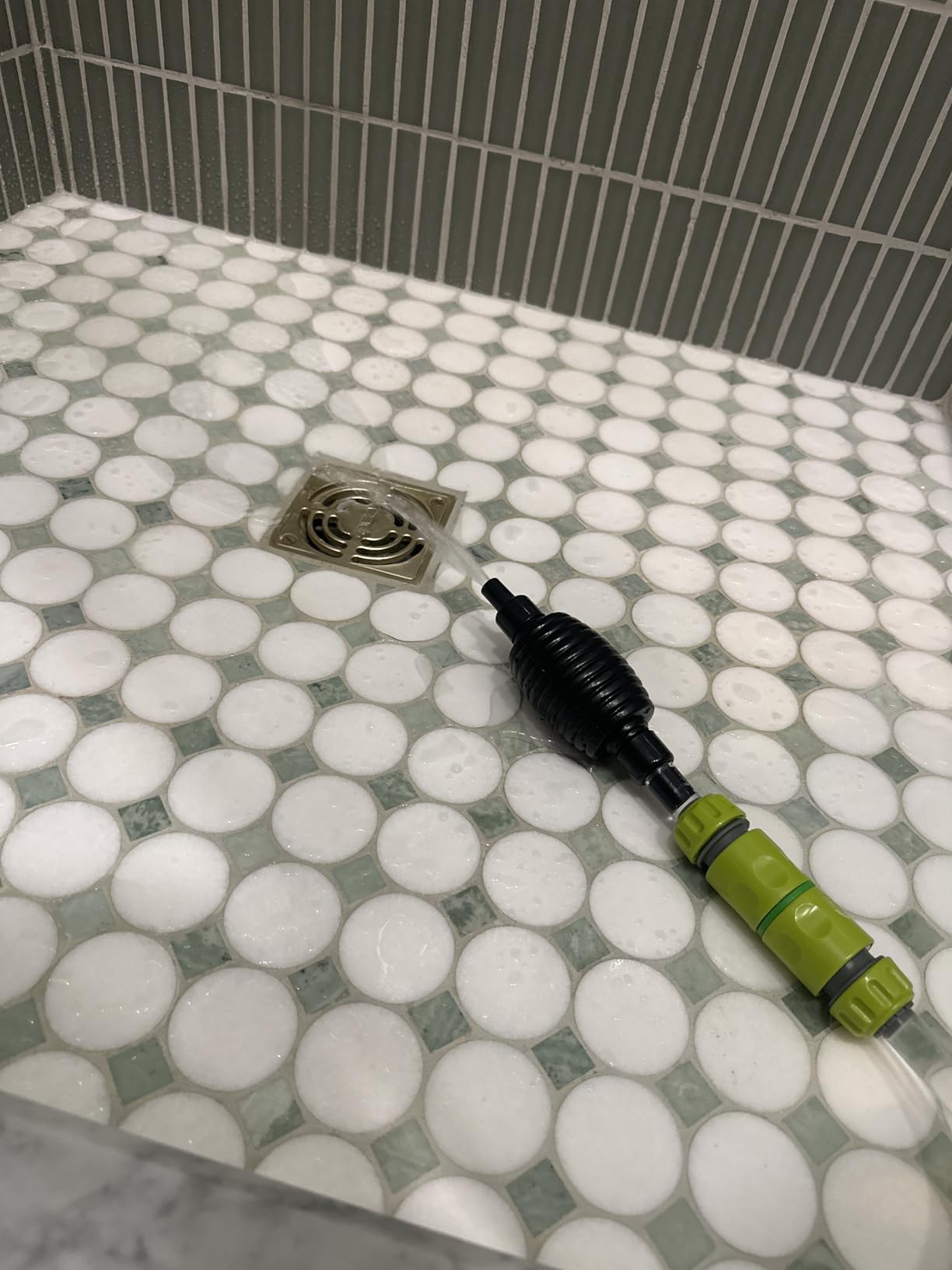
Who this suits
It is a strong pick for anyone with a 75 to 100 gallon tank and a faucet within about 40 feet, especially if that faucet is an older threaded tap rather than a modern recessed-aerator mixer. It suits tubs, garden hoses and distant floor drains equally well.
For anyone running several tanks, the bucket-free workflow is where this earns its place. We would add a longer gravel tube separately if the substrate is deep.
Who should skip it
Skip it on very deep substrate and skip it if your drain needs to finish quickly, because a slow flow rate on a 125 gallon tank adds up. If your tap has an integrated aerator you cannot remove, the connector will not seat properly and you will waste a weekend.
5. hygger Bucket-Free 33FT Kit – Best Brass Hardware for Tap-Driven Setups
hygger Bucket-Free Aquarium Water Change Kit Metal Faucet Connector Fish Tank Vacuum Siphon Gravel Cleaner with Long Hose 33FT Drain & Fill
33 foot vinyl hose
Brass faucet pump
Three metal adapters
Flow valve on gravel tube
Pros
- Brass fittings resist breakage
- Eliminates bucket carrying
- Quick-release connectors
- Three adapter sizes
Cons
- Flow rate depends on tap pressure
- Vacuum head can pop loose and spray
- Weak plastic hose clamp
This kit exists for people who break plastic fittings. The faucet pump is brass, the three included adapters are metal, and that single design choice is why it outlives cheaper versions of the same idea. An on and off valve on the pump controls flow direction, so drain and refill happen without reattaching anything.
There is also an adjustable flow valve on the gravel tube itself, which matters more than it sounds on a planted tank, where full-bore flow will pull debris straight past the plant roots and into the bed. Dialled back, you can work in one corner for a few minutes without the whole substrate shifting.
Also worth noting: 25 foot and 49 foot versions exist alongside the 33 foot model, so you can match the run to your room rather than settling for whatever length is listed. Quick-release connectors make swapping to a garden hose a two-second job.
How it performs in a large tank
Sentiment on this kit is driven almost entirely by household water pressure. In a home with strong tap flow, the drain and vacuum combination is quick and the metal hardware feels like it will last a decade. Where pressure is weak, siphoning feels slow and the connections are more likely to weep.
It handles tanks from 75 up to 125 gallons well, provided the tap is within reach of the hose. It is less useful in a room where the only water source is a bucket.
What to fix before you start
Swap the plastic hose clamp for a metal one. It costs almost nothing and removes the most common failure point we heard about. Also check that your faucet is a threaded style, since the fittings suit hose connections and older taps more than modern recessed aerators.
When you flip the valve, hold the gravel tube end above the rim, because the vacuum connection can pop loose and spray across the floor.
6. COOSPIDER Electric Tank Cleaner – Best Electric Gravel Vacuum for Large Tanks
30-100 Gal Fish Tank Cleaner Vacuum Aquarium Vacuum Gravel Cleaner Electric
Rated 30-100 gallons
700L/H flow
3 meter lift
45 dB operation
Pros
- No buckets or faucet needed
- 700L/H handles big volumes quickly
- Drains to very shallow levels
- Quiet enough for daily use
Cons
- Sock filter needs weekly cleaning and monthly replacement
- Power supply can fail over time
- Short hose reach
Powered cleaning changes the arithmetic on a large tank. There is no hose to route to a sink, no bucket to lift, and no priming step, because the pump does the work the moment you put the head in the water. If you have ever postponed a water change because of the physical effort, this is the category worth looking at.
The pump moves up to 700 litres per hour with a 3 meter lift, which is enough head pressure to keep pulling from the far end of a long tank. The advertised working range starts at a minimum water level of 6.5 inches and pumps down to around 1 inch, which means you can finish a job at the far end of the tank where a manual siphon would stall.
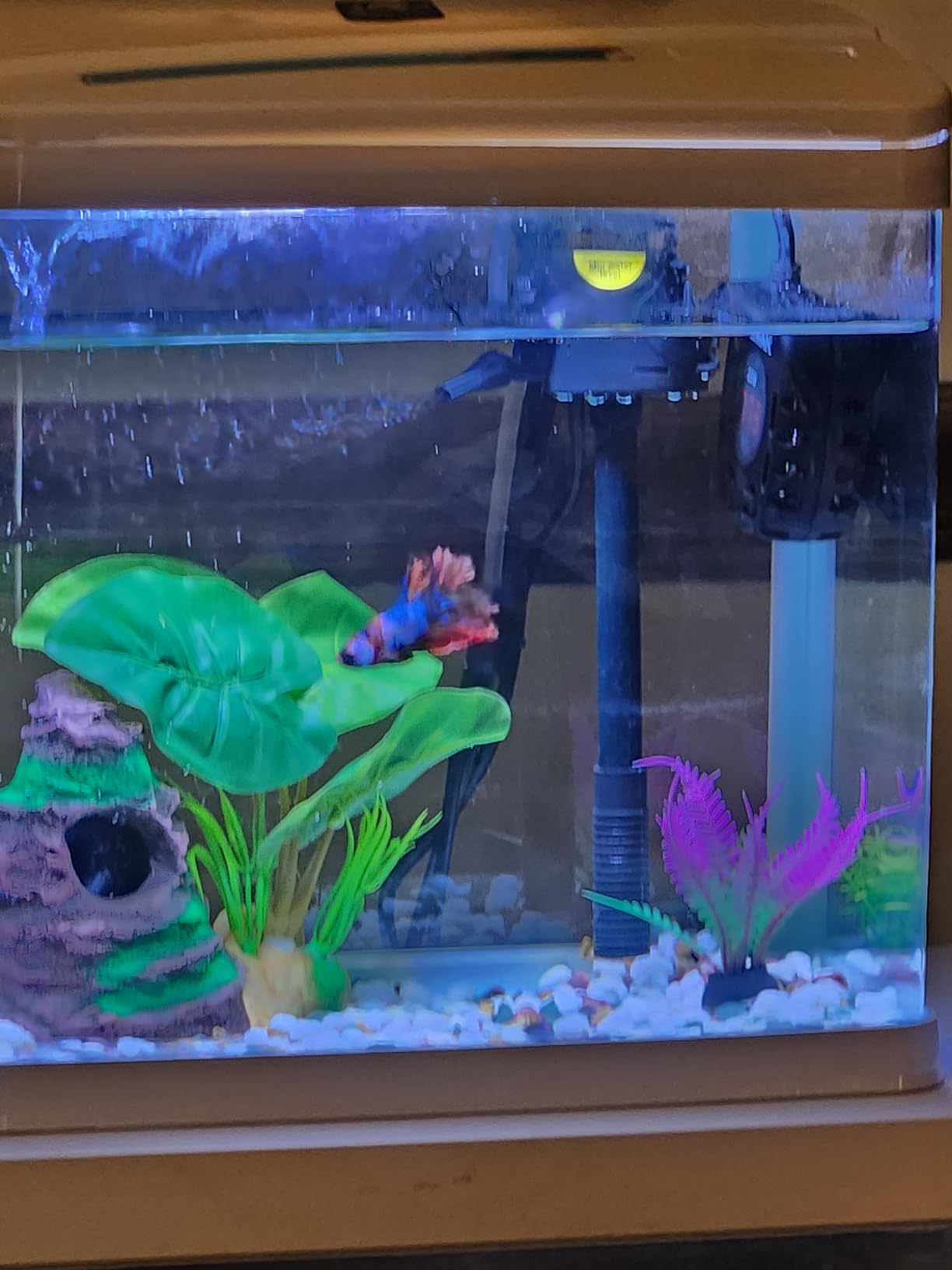
Three interchangeable cleaning heads cover different jobs, and a rotating control on the handle adjusts flow while your hand is wet. Operation noise is listed at 45 dB, which is quiet enough to run in a room where someone is sleeping, unlike a canister filter humming in the background.
The trade-off is consumables. A sock filter traps contaminants and stops dirty water moving back into the tank, and it needs weekly cleaning plus monthly replacement. The electric design also means a power supply and control box that can fail, and a 39.3 inch hose is short compared with the 25 to 50 foot kits.
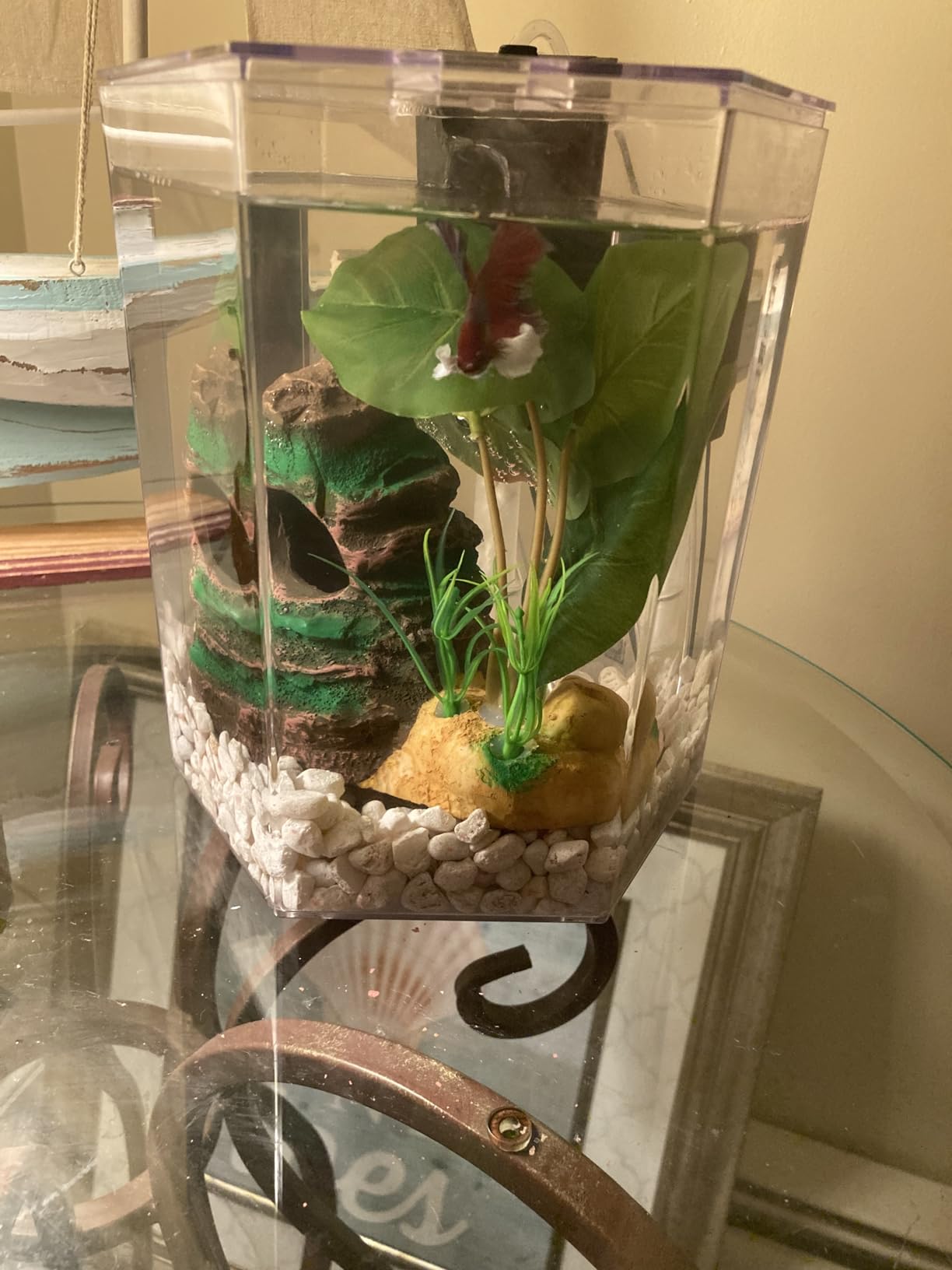
What size tank it really handles
It is rated for 30 to 100 gallon tanks, and that rating is honest for routine weekly changes. For a 125 gallon tank, the flow will handle the volume but you should expect to work in sections rather than trying to move it in one pass.
It is particularly good for a shallow tank or a tank where you only want to clean a 10 percent zone at a time, because it keeps pulling at low water levels. The low-voltage pump design for in-water use is a sensible safety choice around livestock.
Where it falls short
Ongoing filter upkeep is the real cost. If you are the sort of keeper who forgets the monthly replacement, budget for a spare pack or pick a tool that does not need one.
It also does not help with refilling. You still need to put the water back somehow, so most owners pair an electric cleaner with a separate hose for the fill step.
7. Fluval ProVac Powered Cleaner – Best for Lit Deep Corners
Fluval 11077 ProVac Powered Aquarium Gravel Cleaner
Two speeds plus pause
LED spotlight
15.75 in tall
2 year warranty
Pros
- Powered suction needs little effort
- LED reveals dark corners
- Pause button clears trapped gravel
- Quick-release cartridge
Cons
- Lowest average rating in this roundup
- Replacement filter pads sold separately
- Hose sold separately for water changing
The ProVac is the most established powered cleaner in this group, and the feature that keeps it relevant for large tanks is the LED spotlight. Under a heavy canopy, in a deep tank with driftwood, or along the back wall, you simply cannot see the debris you are trying to lift. A built-in light changes the quality of the whole job.
Two speed settings plus a pause button handle the awkward moments. The pause releases gravel that has been sucked into the intake, which otherwise happens every few minutes in a tank with coarse substrate. An extender nozzle adds reach for deeper aquariums, and the whole thing is 15.75 inches tall and weighs just over a pound, so it is easy to hold in one hand for a long session.
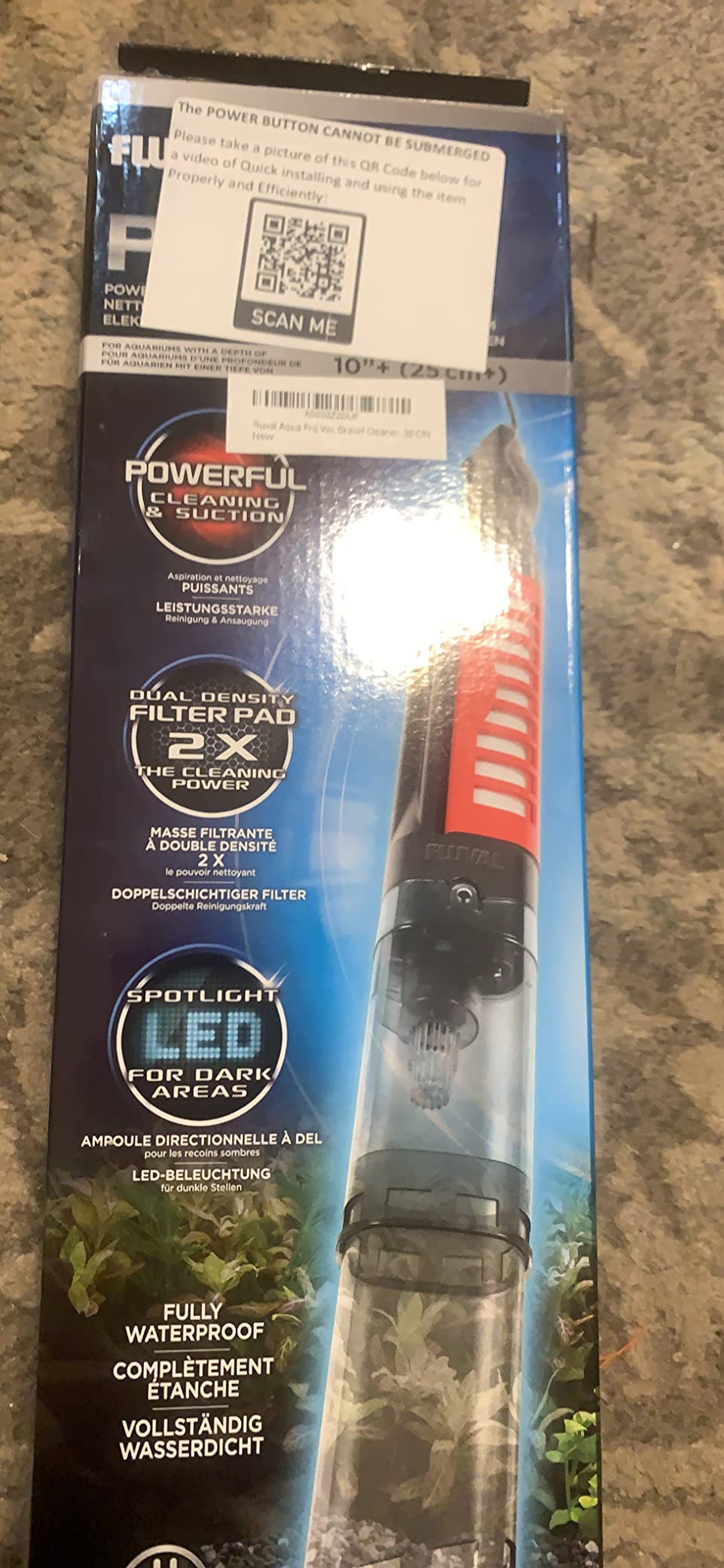
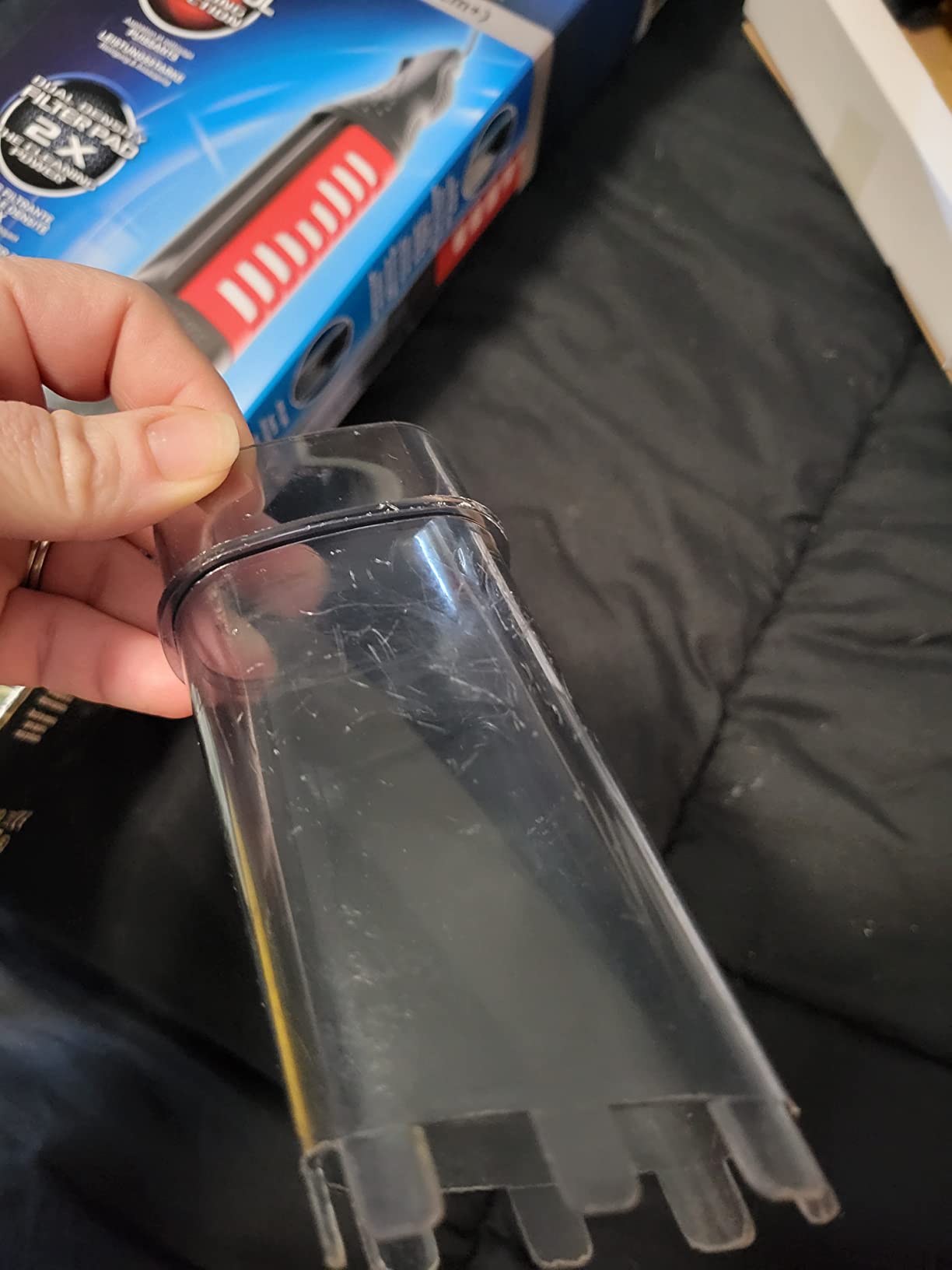
I want to be straight about the rating here. This is the lowest average in the roundup, with 15 percent one-star reviews, and the pattern in those reviews is consistent: the suction and lighting are liked, the power reliability and the recurring cost of filter pads are not. A dual density pad captures large and small particles and the cartridge releases quickly for cleaning, but pads are sold separately under item 11078.
It is also worth knowing the water change adapter needs a hose sold separately, so budget for that if you want this to double as a siphon rather than an in-tank cleaner only.
Where it earns its place
It suits a 75 to 100 gallon planted tank where visibility is the limiting factor, and it is genuinely useful for spot cleaning around thick plant roots without having to plunge a tube into the substrate. The pause function means you can hover, agitate, and lift rather than digging.
For deep corners behind hardscape, the extender nozzle plus the light is a combination no manual siphon in this list matches.
Who should skip it
Skip it if the ongoing cost of replacement pads bothers you, or if you already own a canister filter that can do the job properly. Skip it if you need a genuinely large-volume water change, because a point-source in-tank cleaner is not a drain system.
Check the 2 year limited warranty terms before buying used, since powered units age faster than manual tools.
8. hygger Manual 256GPH Siphon – Best for Siphoning Down to Very Low Water Levels
hygger Manual 256GPH Gravel Vacuum for Aquarium, Run in Seconds Aquarium Gravel Cleaner Low Water Level Water Changer Fish Tank Cleaner with Pinch or Grip Suction Ball Adjustable Length
256GPH rated flow
79 inch PVC hose
Starts at 11 in depth
1.76 lb
Pros
- No electricity and no pump to wear out
- Primes in about three presses
- Siphons to 0.8 inch of water
- Extension tubes splice together
Cons
- 79 inch hose is short for large setups
- Modest drain capacity
- Average 4.0 rating
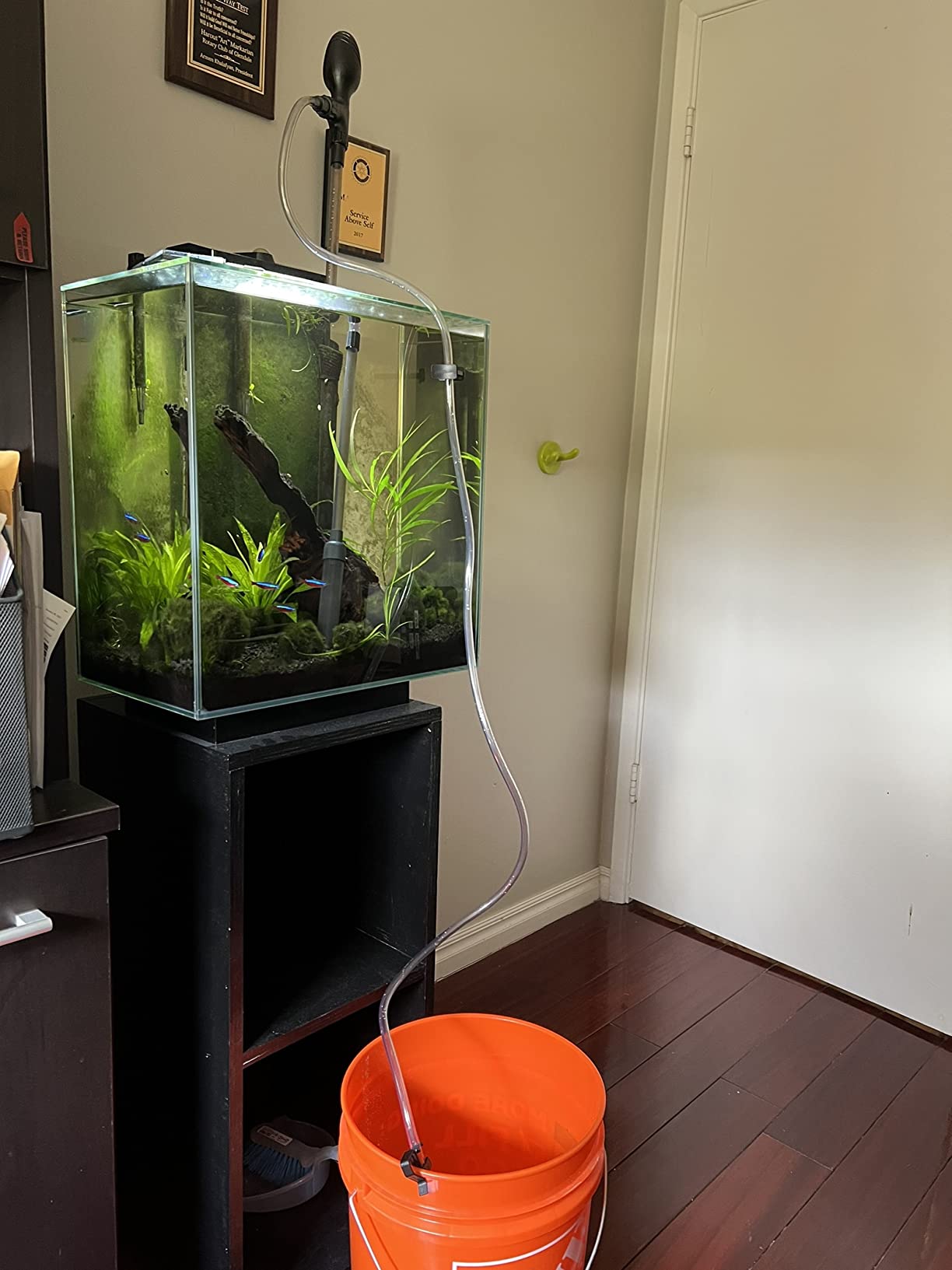
This is the manual answer to the single most common failure in large-tank maintenance, which is that head pressure disappears as the water level drops and a normal siphon simply stops. The first press starts flow at around 11 inches of water and it will keep drawing down to roughly 0.8 inch, so you can clean the substrate at the very end of a long drain instead of leaving that band untouched.
It is manual in the best sense: no power supply, no pump to fail, nothing to service. The EVA ball can be gripped or pinched, which matters once your hands are wet and cold. A built-in filter baffle blocks small fish and gravel, and a duckbill attachment is included for lifting solid waste that a standard head would pass straight over.
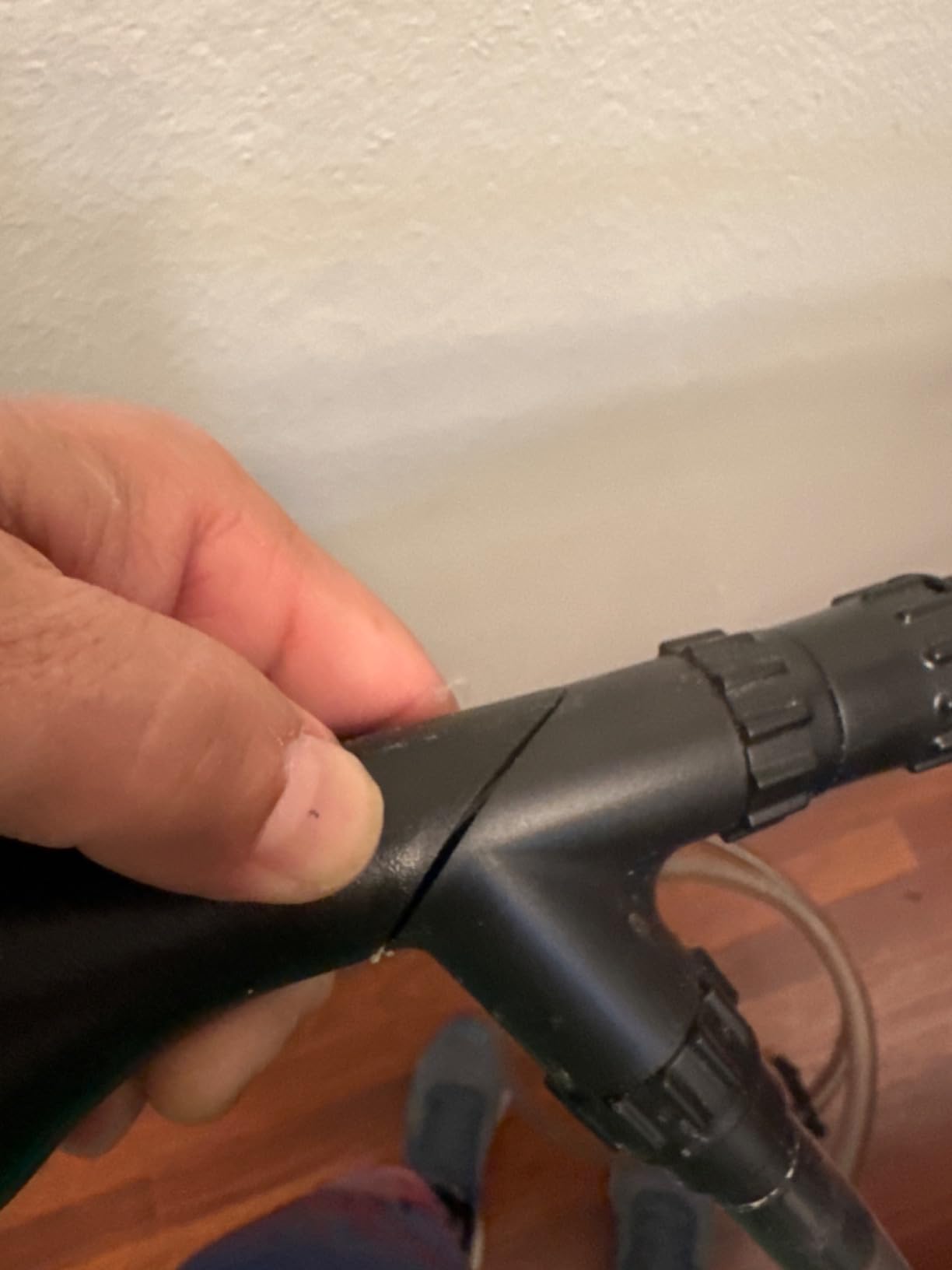
The 79 inch hose is the compromise. That is enough length for a bucket siphon on a 75 gallon tank sitting near a sink, and nowhere near enough for a 100 or 125 gallon tank with a remote drain, which is where the long-hose kits earn their place. Drain capacity is also modest next to a powered unit, so this is a spot-cleaning and finishing tool more than a bulk water changer.
Extension tubes splice together to extend the reach, which helps with depth more than with distance.
Best for shallow and awkward tanks
This is the tool for shallow tanks, high tanks viewed from above, and the last few inches of a large tank where nothing else keeps pulling. The 256GPH rated flow with a flow regulating clamp gives you a gentle setting for sand and a faster one for bare bottom gravel.
For 75 gallon and smaller tanks it is a capable primary vacuum. Reliability is the argument: it will still work in five years.
What to consider first
Measure your actual run to the drain before buying. If it is more than about 8 feet, choose a long-hose faucet system instead. Also check that the 0.8 inch minimum claim matters to you, because on a deep tank you will rarely reach that depth in practice.
Budget for the duckbill head being the attachment you use most, not the one you set aside.
9. DXOPHIEX 50ft Gravel Vacuum – Best for Turtle and Large Bare-Bottom Tanks
DXOPHIEX Gravel Vacuum for Aquarium Fish Tank Siphon, 50 Feet
50 foot hose
19 inch gravel tube
Three brass adapters
Two-valve operation
Pros
- No bucket hauling for drains or refills
- Brass connectors fit sink taps well
- Hose resists kinking
- Quiet non-electric operation
Cons
- Weaker suction than premium systems
- 19 inch tube short for very deep tanks
- Compression joints can blow out at high pressure
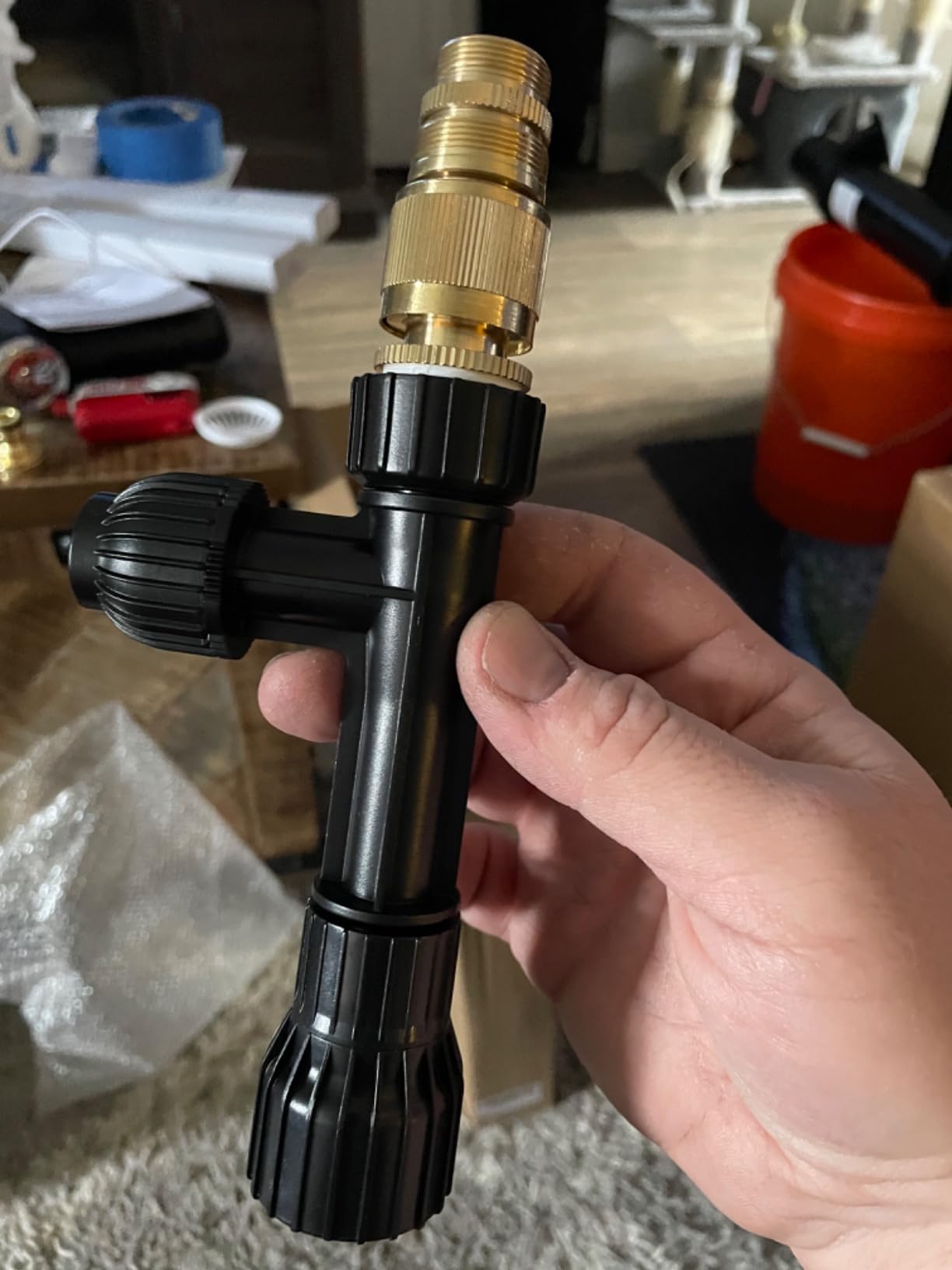
Turtle tanks produce far more solid waste per gallon than fish tanks, and they usually sit on bare bottom or coarse gravel where debris stays visible. This two-valve, 50 foot system handles that load without any power at all, and the three metal faucet adapters plus included waterproof tape cover the common tap configurations.
The 19 inch gravel tube is longer than most of the manual kits here, which means you can reach the substrate in a tank that is taller than you would expect from the dimensions on the box. Operation is silent, which matters if the tank is in a living space, and assembly is tool-free.
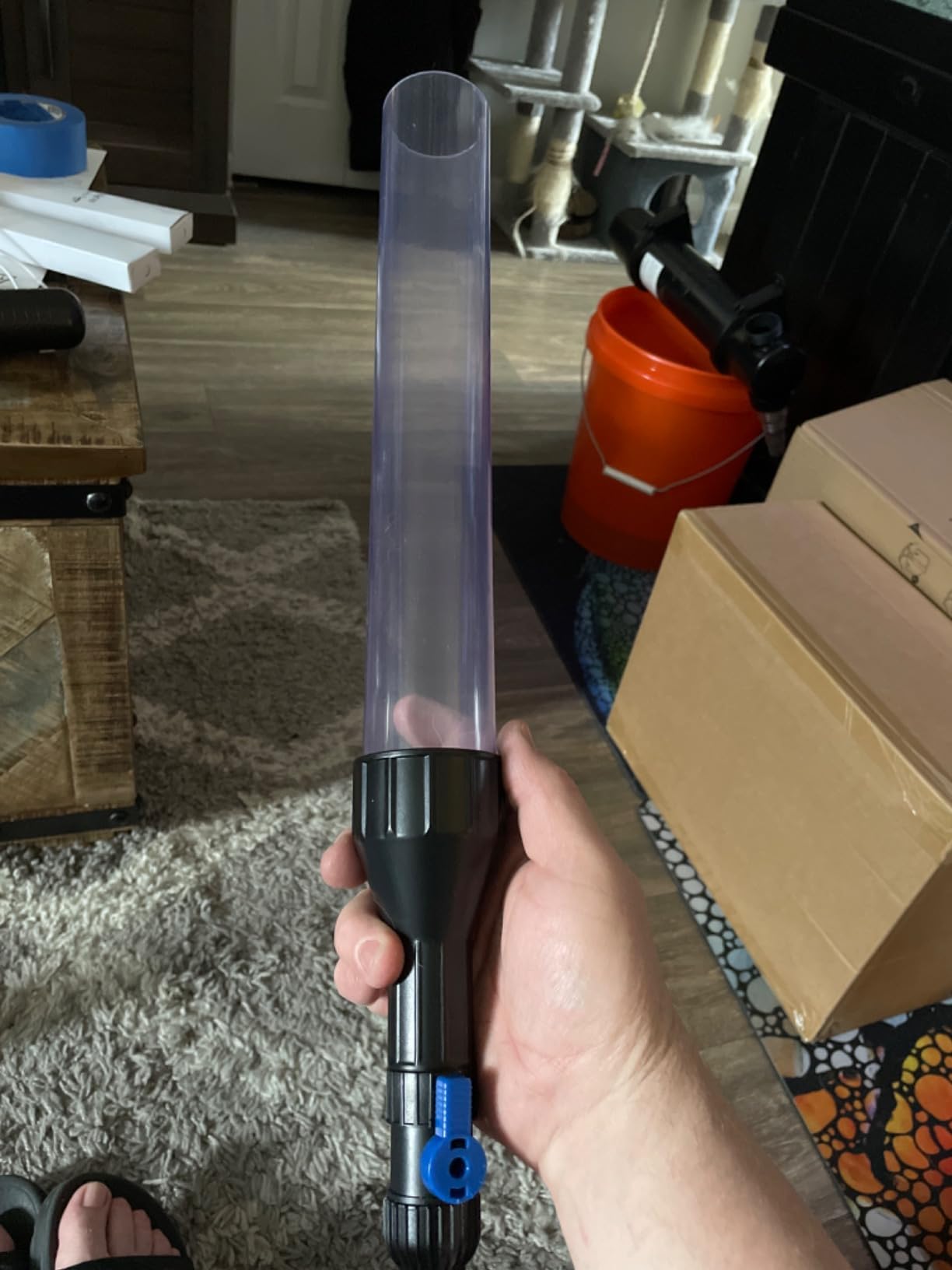
Suction is a step below the premium systems, so the drain rate is slower, and that is the main thing to plan around on a large volume. The 19 inch tube is also not enough for very deep tanks such as 240 gallon setups, where you would need to splice extensions.
One caution on the compression-style connections: under very high household water pressure they can blow out. If your tap runs hard, close the faucet slowly and check the joints before walking away from the tank.
Best use case
It suits a 75 to 125 gallon turtle tank or a large bare-bottom fish tank where you want a long drain run and a refill on the same line. The two-valve switch keeps the whole 50 feet connected, so a 30 percent change is one continuous operation.
For sand tanks, the slower flow is arguably an advantage, because high velocity through fine grain is what causes sand to disappear down the tube.
Where it underperforms
If you want the change finished in the minimum time, this is not the tool. If your tank is deeper than the tube can reach, or your pressure is unusually high, look at a system with a higher-rated pump or stronger connections.
This option has the thinnest review history in the roundup, so treat the long-term durability claims cautiously.
10. Aqueon Siphon Vacuum Large 16 Inch – Best Simple Bucket Siphon for Large Tanks
Aqueon Siphon Vacuum Aquarium Gravel Cleaner, Large – 16 Inches
16 inch intake tube
6 foot hose
Bucket hose clip
1.2 lb
Pros
- Simple and dependable design
- 16 inch tube covers typical substrate depth
- Clip holds the drain line at the bucket
- Cheap way to cover 40 gallons and up
Cons
- Only 6 feet of hose
- Carrying water to and from the faucet
- Repeated strokes needed to prime
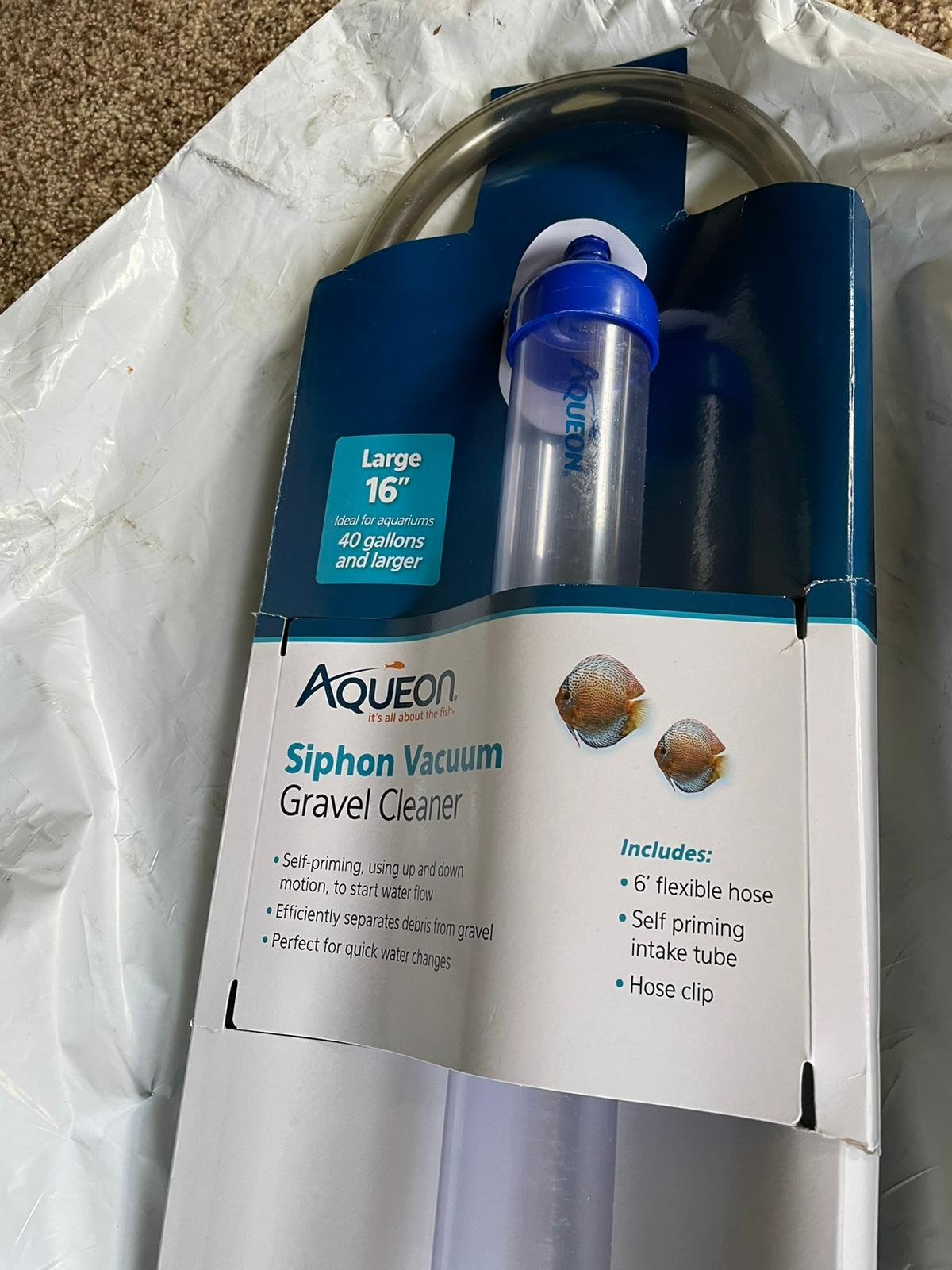
Sometimes the right answer is the boring one. This is a 16 inch intake tube, a 6 foot flexible hose and a hose clip, and it is listed as ideal for aquariums of 40 gallons and larger. There is no pump, no adapters, no priming bulb and nothing to learn.
Starting flow takes repeated up and down strokes rather than a bulb, which takes a moment to get used to. Once it runs, the bucket clip holds the drain line in place at the rim and the whole job is quiet and straightforward. At 1.2 pounds it is easy to control with one hand for a long session.
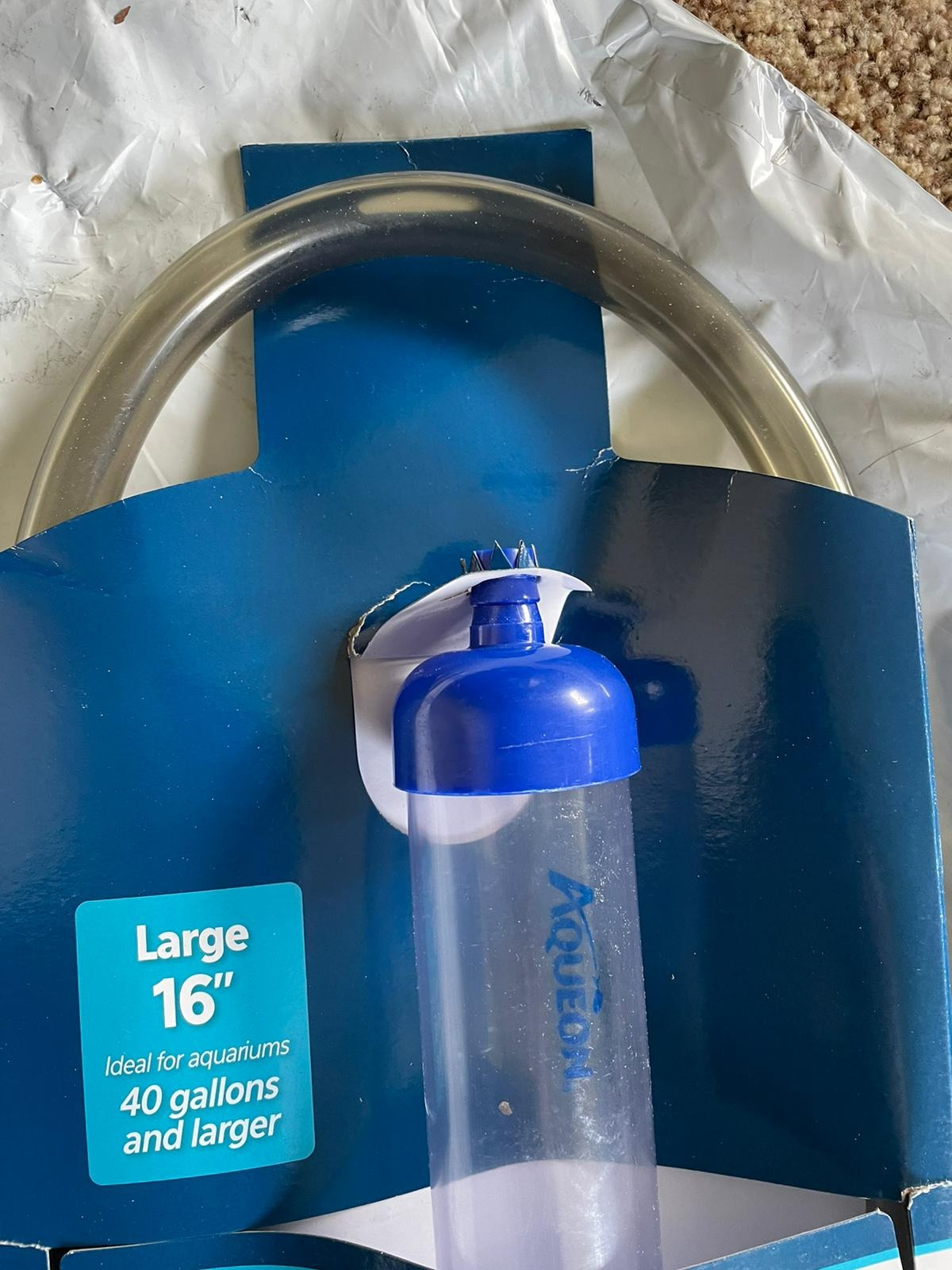
Six feet of hose is the hard limit. The bucket has to sit close to the tank, and every gallon moved means carrying water out and new water back. On a 55 to 75 gallon tank that is a manageable chore; on a 125 gallon tank it is the reason people stop doing water changes.
There is no flow control, so on sand or in a planted tank you slow the flow by kinking the hose rather than by turning anything, which works but is not precise.
Who it works for
It is a good primary tool for a 55 gallon tank, a quarantine tank, and a sump, and it is a sensible first vacuum for anyone learning maintenance. The 16 inch tube is a genuinely useful length that reaches the substrate in most standard tanks without a second extension.
Keep it as a backup even if you buy something bigger, because it always works and never needs a part.
When to move up
Move up as soon as the tank passes roughly 75 gallons or the faucet is more than a few steps away. At that point the effort of buckets becomes the limiting factor, not the tool.
If you keep it, kinking the hose is the standard trick for slowing flow on sand, and the clip keeps the kink in place at the rim.
11. Fluval A370 Canister Gravel Cleaner – Best for Canister Filter Owners
Fluval Gravel Cleaner Kit, A370, Black
Works with FX4 FX5 FX6
Extension tube included
5.2 x 9 x 14.7 in
Freshwater and saltwater
Pros
- Uses the canister pump you already own
- Strong suction for bulky waste
- Filters through aquatic soil without clouding
- Drain hose can pump water back in
Cons
- Requires an FX4 FX5 or FX6 canister
- Filter bags are consumable
- Hoses stiff until warmed in hot water
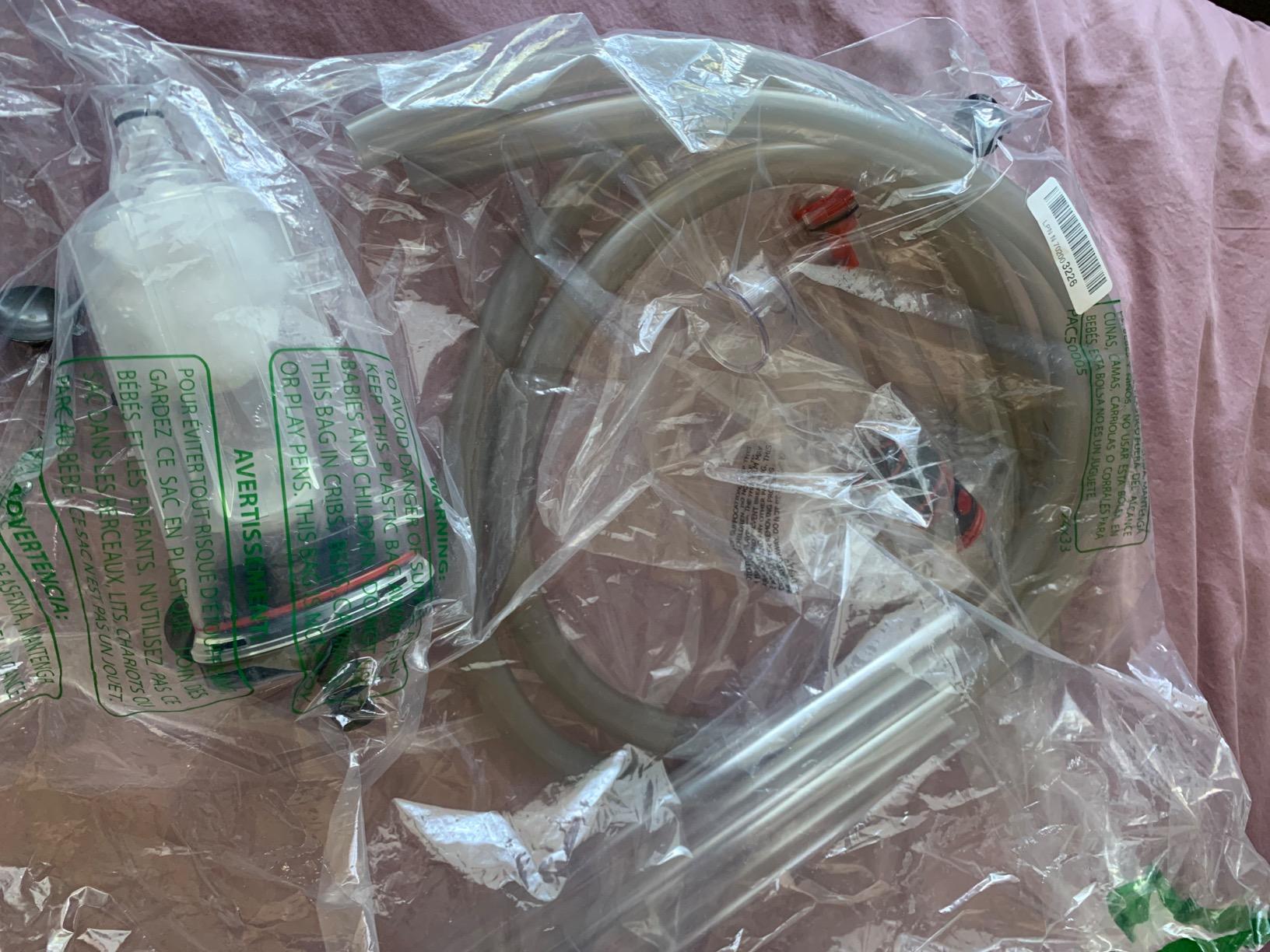
If your large tank already runs on a Fluval FX4, FX5 or FX6 canister, this is the most capable cleaner in the roundup, because it borrows a pump you have already paid for. There is no separate motor, no power supply to fail and no consumable electronics. The canister outlet does the work.
A thumb-operated flow control valve and a gravel guard let you throttle the suction and stop the intake clogging on bulky debris. The included extension tube extends your reach in large tanks, and the integrated filter housing accepts fine and super fine vacuum bags so you can collect the debris you just pulled rather than dispersing it. Reviewers commonly report that it filters through aquatic soil without clouding the water, which is exactly what you want on a planted aquascape.
Two things to know before you buy. The hoses are stiff and hard to manoeuvre until you run hot water over them, so the first session takes some working out. Initial setup runs 10 to 15 minutes, and suction cups and utility valve connections can dislodge if they are not secured properly, which wastes a lot of setup time if you rush it.
Filter bags are a recurring cost, and the whole thing only works if you own a second generation FX canister. It is a specialist tool, not a general one.
Best for aquascapes and turtle tanks
This is the strongest option in the list for bulky waste, which means turtle tanks and high-bioload fish such as plecos. The flow control gives you genuinely precise control, so you can set a low suction and walk the head slowly through a planted bed without pulling up root mass.
On a 100 or 125 gallon tank, the extension tube and the fact that the drain hose can be detached to pump water back in make it a two-tool solution rather than one.
Who should skip it
Skip it if you run a hang-on-back or internal filter, because the compatibility requirement is absolute. Skip it if you dislike consumables or if you want something you can grab and use in thirty seconds rather than a permanent installation.
Test the fit on a dry install first, and warm the hoses before the first real water change.
12. SEAOURA Adjustable Siphon – Best Multi-Head Kit for Delicate Substrate Work
SEAOURA Aquarium Vacuum Gravel Cleaner Adjustable Fish Tank Siphon Cleaner
Four-in-one heads
6 foot hose
Splicable tubes
17 to 35 in overall
Pros
- Starts with a few button presses
- Moderate flow suits careful spot cleaning
- Gravel stays in place
- Extension tubes allow custom length
Cons
- Suction may degrade after a few months
- Scraper is ineffective against algae
- 6 foot hose limits bucket placement
The interesting thing here is that the slower flow is the feature. The rotating regulator on the handle gives you a deliberately moderate stream, which is why owners report that gravel stays in place instead of being drawn through the tube. On a planted tank or a sand bed that is exactly the behaviour you want.
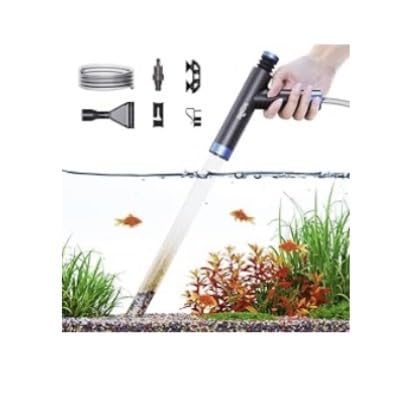
It is a four-in-one: a duckbill waste nozzle for solid fish waste, a sand washing head, a water exchange mode and a glass scraper. Two-stage spliceable extension tubes in 15.74 inch and 33.5 inch lengths give four head configurations from 17 to 35 inches overall, so you can tune the tool to the tank depth rather than buying a fixed length.
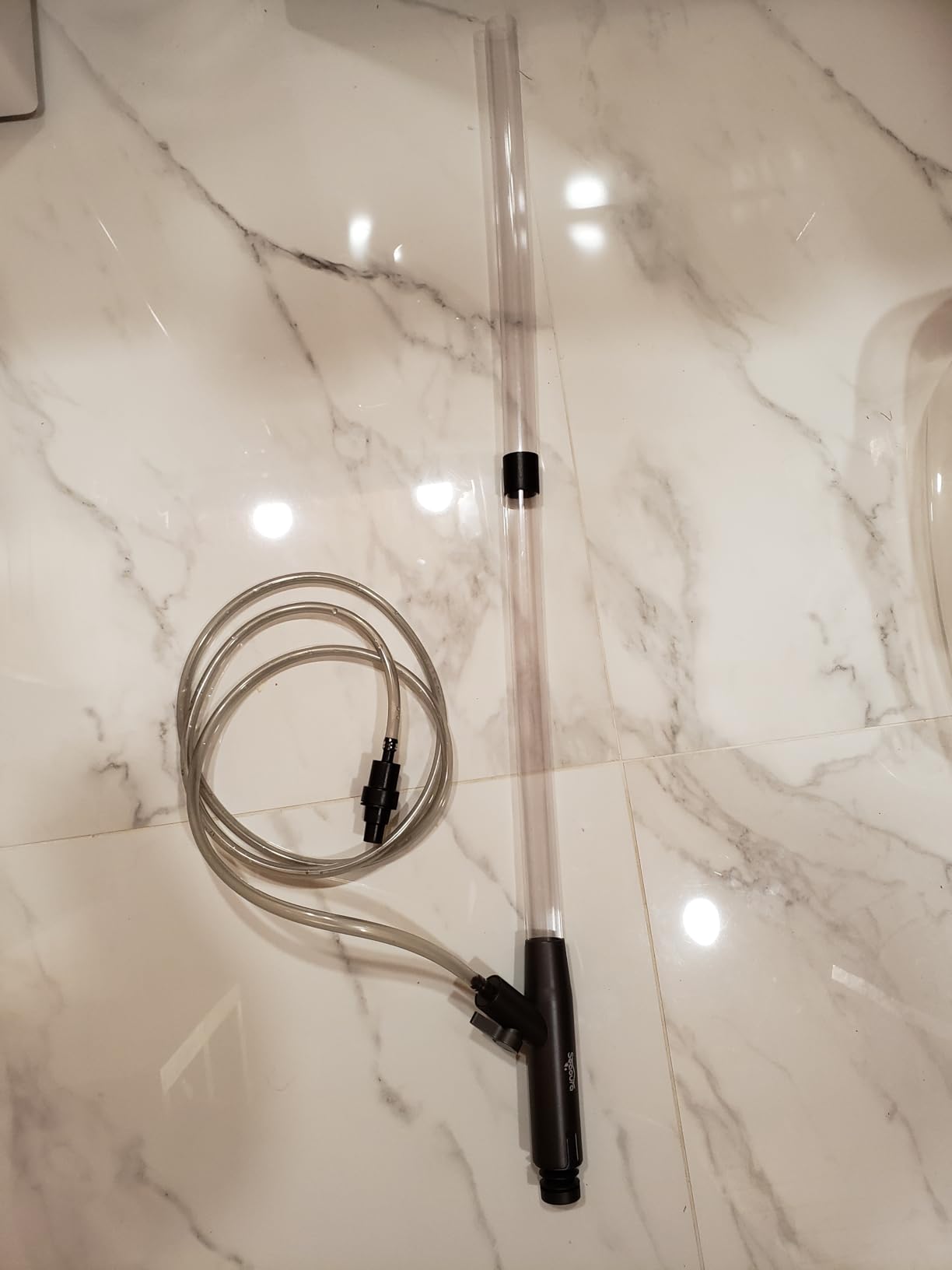
It starts with a few button presses, so there is no hood removal and no mouth-starting the siphon, which some keepers find unpleasant. A bucket clip secures the hose at the rim and prevents splashing as the water level drops.
The durability reports are the concern. Some owners report the pump or suction degrading and failing after a few months of use, and the built-in plastic scraper does very little against algae film, so treat the scraper as a convenience rather than a tool. With 682 reviews and 10 percent one-star, the average sits at 4.0, which reflects a tool that works well while it works.
Best for sand and planted tanks
If you have a fine sand bed, a moderate adjustable flow is safer than a powerful siphon, and the sand washing head is designed for that job. The same applies to an aquascape where you want to clean between plants without disturbing the layout.
Standard-size tubing means you can extend the 6 foot hose easily if your bucket placement is awkward, which partly answers the main limitation.
Where it falls short
It is not a large-volume water changer. With a 6 foot hose and moderate flow, a 30 percent change on a 125 gallon tank is a long session, and this belongs in the 55 to 75 gallon range as a primary tool or as a spot cleaner on anything larger.
Given the reported failure pattern, buy it if you like the head options and replace it if the suction drops, rather than building a maintenance routine around it.
How to Choose a Gravel Vacuum for a Large Tank
The wrong gravel vacuum for a large tank does not look broken. It looks like a maintenance job that keeps getting postponed. Sizing comes down to three numbers: how far the tube has to reach, how far the water has to travel, and how much of it you need to move in a reasonable time.
Match the tube to the depth, not the brand
Measure from the substrate surface to the top of your tank rim, then add a few inches. A 16 inch tube covers most standard tanks with room to spare. A 19 to 24 inch tube is what you need for tall tanks, deep substrate or aquascapes where you are reaching under a canopy, and a splicable extension system is the cheapest way to add reach later.
Deep tanks are where forum complaints about extension tubes popping off come from. If you are buying extensions, buy two shorter ones that butt together rather than one very long tube, because a rigid 24 inch pipe is awkward to control in water. If your tank lives in a garage or outbuilding and you already move loads of gravel around on a regular basis, our gravel bike bikepacking guide covers the gear side of hauling heavy loads over rough ground.
Match the hose to the drain route
Measure the real distance from the tank to the sink, floor drain, bathtub or outside spigot, then add 6 feet for routing around furniture and up to a faucet. Six feet, which several bucket siphons ship with, only works if the bucket sits beside the tank.
For anything over 25 feet, you are looking at a faucet-driven system rather than a bucket siphon. A 33 to 50 foot hose is the range that makes large-tank maintenance bearable, and it is the single biggest upgrade most keepers can make. If your aquarium lives in a large open-plan room or a converted garage, the floor around it takes a beating from buckets and hoses, and our picks for the best robot vacuums for large areas and best robot vacuums for large homes cover keeping that space clean between changes.
Match the flow to the volume you are moving
Rule of thumb: to replace 30 percent of a 125 gallon tank, you are moving roughly 38 gallons. At a comfortable 300 GPH that is about eight minutes of actual draining, plus cleaning time. At 150 GPH it is closer to fifteen minutes of draining before you start cleaning, which is how a 20 minute job becomes an hour.
Below 150 GPH, a manual siphon becomes a chore on a large tank. Above 400 GPH, you want genuine flow control or you will blow the substrate out from between the plants. The tools that hit that middle band are the ones we would actually recommend for 100 gallons and up.
Match the tool to the substrate
Coarse gravel and bare bottom are forgiving. Sand needs a slow, adjustable flow and a wide intake, because fine grains follow the water. Plant substrate and aquascapes need flow control more than they need power, since the aim is to lift debris without moving the layout.
Never plunge the tube into a planted bed. Hover it just above the substrate, agitate the water above the debris, let the current pull it in, then lift before it draws substrate through. A turkey baster works well for puffing debris loose near plant roots. On sand, kinking the hose to restrict flow is the standard technique and it works.
Decide how you will drain before you buy
Bucket siphoning is portable and needs nothing but a bucket, but on a 125 gallon tank you are moving 30 to 40 gallons twice, which is a lot of weight and a lot of spill risk. Faucet-driven systems remove that entirely and take the effort out of the job, at the cost of requiring a suitable tap.
Electric cleaners sit in between: no bucket to carry and no faucet to attach, but consumable filters and a power supply that will eventually fail. Match the choice to how much you will actually use it, because a tool that discourages you from cleaning the bed is worse than a cheaper one you reach for.
Plan for parts before you need them
Manual tools last because there is almost nothing to break. Prime bulbs, siphon balls and thin tubing are the parts that fail first, and they are cheap to replace. Powered units need filter pads or socks on a schedule, and the cost is recurring, so factor it in before choosing one.
Hang manual tools up to dry fully after every use. A siphon that cannot drain its own curves will grow mold inside the tubing within a year, and several owners report exactly that.
Manual vs Electric Gravel Vacuums for Large Tanks
Manual wins on longevity and cost. There is no motor, no power supply and no filter media, so the working parts of a manual siphon are a length of hose, a tube and a ball. If you already have a bucket siphon and a long enough hose, an electric unit is an upgrade in convenience rather than in capability.
Electric wins on effort and reach. A powered unit keeps pulling when the water level drops, which is the moment a manual siphon gives up, and it moves far more water per minute. On a 100 gallon planted tank with debris under hardscape, that is a real difference in how thoroughly you can clean.
Powered canister cleaning sits in a category of its own. If you already run an FX4, FX5 or FX6, borrowing that pump gives you more suction than any electric handheld here, with nothing extra to power.
Forum consensus leans toward the honest middle: most keepers end up with two tools, a manual siphon for substrate work and a powered unit for bulk water changes. That is a reasonable answer for a tank over 100 gallons, and it costs less than buying the wrong single tool and resizing later.
Frequently Asked Questions
What size gravel vacuum do I need for a large aquarium?
For a 75 to 100 gallon tank, look for a gravel tube at least 16 inches long and roughly 300 GPH of usable flow. For 125 gallons and up, plan on 16 to 24 inches of tube, 25 feet or more of hose, and enough drain reach to avoid carrying buckets. Tube length sets how deep you can work, hose length sets how far water travels, and flow rate sets how long the change takes.
Should you vacuum aquarium gravel?
Yes, on any tank with a substrate bed. Fish waste settles between the grains and keeps converting to ammonia and then nitrate, so water changes alone leave the source in place. On a large tank most of the volume is substrate, and vacuuming is the only way to clean it without emptying the whole aquarium. Vacuum weekly during routine water changes.
What aquarium vacuum is best for sand?
Choose a vacuum with an adjustable flow regulator and a wide intake rather than the most powerful one available. Fine grains follow fast water straight into the tube, so restrict flow by kinking the hose or using a flow control valve, hover the intake just above the sand, and agitate the water above the debris. A sand washing head, as included with some siphons, is designed for exactly this.
How much hose do I need for a gravel vacuum?
Measure the real distance from the tank to your sink, drain or outdoor spigot and add about 6 feet for routing. Six feet only works when the bucket sits beside the tank. For 75 gallons and up, 25 feet or more makes bucket siphoning practical, and 33 to 50 foot faucet-driven hoses remove the bucket entirely on larger setups.
How do you siphon aquarium gravel without sucking it up?
Prime the siphon, then hover the intake just above the substrate instead of plunging it in. Agitate the water above the debris so the current draws it in, lift the tube before grains enter the intake, and let the substrate fall back. On planted tanks, use a turkey baster to puff debris loose from between roots. Slow the flow on sand by kinking the hose or using a flow control valve.
Does substrate need to be rinsed before going into a tank?
Rinse gravel or sand thoroughly in a bucket until the water runs clear, and check the pH and hardness of the rinse water against your tap supply. Some substrate additives and plant nutrient powders are intentionally not pre-rinsed, so read the bag before washing. Rinsing removes fine dust and debris that would otherwise cloud the tank and raise the mineral count on day one.
Can I use Dawn dish soap to clean my fish tank?
Do not use dish soap on aquarium glass, decorations or substrate. Surfactants are toxic to fish and the residue is very hard to remove completely. Use plain hot water for glass and hardscape, and a dedicated aquarium-safe cleaner where something stronger is needed. Rinse everything thoroughly and never let soapy water reach the tank.
The Best Aquarium Gravel Vacuum for Large Tanks
The Python No Spill Clean and Fill is our pick for large tanks in 2026, because the 25 foot hose, brass faucet adapter and complete kit remove the two things that actually stop people cleaning big aquariums: no reachable drain and no patience for buckets. Its 8133 reviews give it the deepest owner history in this roundup, which matters for a tool you trust with a wet floor.
Pick by scenario after that. Choose the Laifoo 50ft kit for reach on a tighter budget, the COOSPIDER electric cleaner if buckets are the obstacle, the Fluval A370 if you already run an FX canister, and the hygger 256GPH manual siphon for the last few inches of water where other tools stall.
Whichever one you choose, the habits matter more than the hardware. Vacuum weekly, hover rather than plunge, dry your tools after use, and match the flow to the substrate. Do that and the water changes stop being the reason the tank struggles.