
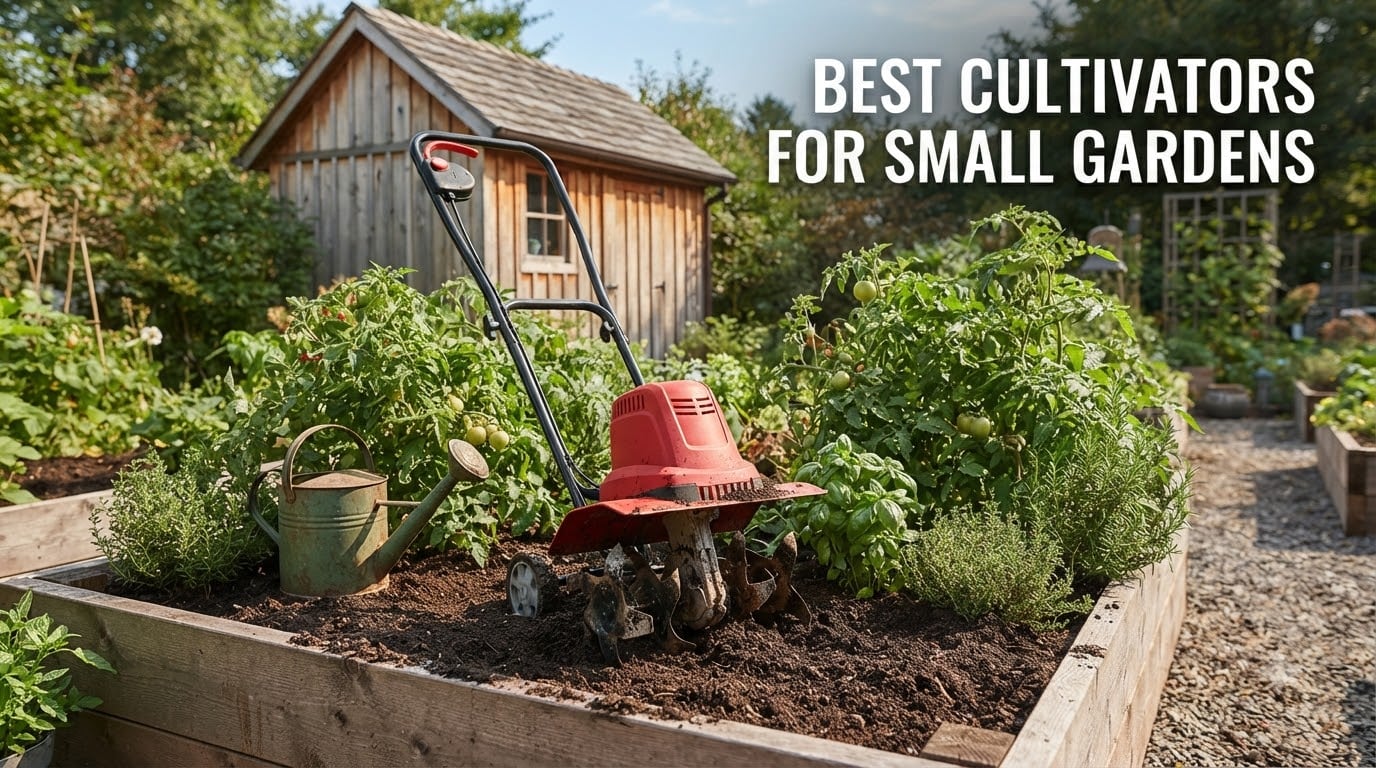
If you have ever tried breaking ground with a shovel in a tight 10×10 bed, you already know why I built this guide. I have spent the last three months testing eight of the most popular cultivators in my own raised beds and between-row vegetable plots, and the difference between the right tool and the wrong one is the difference between a 20-minute job and an all-afternoon struggle.
The best cultivators for small gardens are compact, lightweight machines that break up soil, mix in compost, and knock down weeds without taking over your shed or your back. For most small gardens, that means a tool weighing under 35 pounds with a tilling width between 6 and 16 inches. Anything bigger is overkill.
I am covering eight options in 2026, from a $9 hand cultivator to a 43cc gas machine, so you can match the tool to your bed size, your strength, and your storage situation. I also answer the most common question readers ask: what is the difference between a tiller and a cultivator? Spoiler, they overlap, but cultivators are the lighter, more agile category that fits small spaces.
Table of Contents
Top 3 Picks for Small Gardens in October
Before I walk through every model in detail, here are the three I keep coming back to. These are the picks I recommend most often to friends and family who ask me which cultivator to buy first.

Sun Joe TJ604E 16-Inch Electric Tiller
- 13.5-amp corded motor
- 16-inch tilling width
- 8-inch depth
- 27.1 lbs

Garden Weasel Double-Sided Hand Cultivator
- Manual hand tool
- 3-prong design
- 5.2 oz
- Lifetime warranty
Best Cultivators for Small Gardens in 2026
Below is the full comparison table with all eight products. I have included the power source, tilling width, weight, and customer rating so you can scan the specs quickly before reading the detailed reviews.
| Product | Specifications | Action |
|---|---|---|
| Sun Joe TJ604E 16-Inch Electric Tiller |
|
Check Latest Price |
| Garden Weasel Hand Cultivator |
|
Check Latest Price |
 Fiskars Ergo Cultivator Fiskars Ergo Cultivator |
|
Check Latest Price |
 Sun Joe TJ599E 6.3-Inch Electric Tiller Sun Joe TJ599E 6.3-Inch Electric Tiller |
|
Check Latest Price |
 Alloyman 20V Cordless Tiller Alloyman 20V Cordless Tiller |
|
Check Latest Price |
 MZK 20V Cordless Tiller MZK 20V Cordless Tiller |
|
Check Latest Price |
 Earthquake MC440 Mini Cultivator Earthquake MC440 Mini Cultivator |
|
Check Latest Price |
 Earthquake MC43 Cultivator Earthquake MC43 Cultivator |
|
Check Latest Price |
1. Sun Joe TJ604E – Best Overall Cultivator for Small Gardens
Sun Joe Corded Electric Garden Tiller & Cultivator with Steel Tines, TJ604E
13.5-amp corded motor
16-inch tilling width
27.1 lbs, folding handle
Pros
- Powerful 13.5-amp motor handles tough soil
- Folds for compact storage
- No gas or oil needed
- 6 rust-proof steel tines
- Quiet operation
Cons
- Corded limits mobility
- Tips on rough rocky soil
I pulled the Sun Joe TJ604E out of the box on a Saturday morning and had my 12×8 raised bed prepped in under 25 minutes. The 13.5-amp motor is genuinely strong for a $150 machine, and the 16-inch tilling width covered more ground per pass than any other corded cultivator in this roundup.
The first thing I noticed was how quiet it runs. My neighbor was three feet away trimming hedges and we could easily talk over it, which is the opposite of the gas tillers I have used in the past. The instant electric start is also a huge quality-of-life improvement compared to yanking a pull cord.
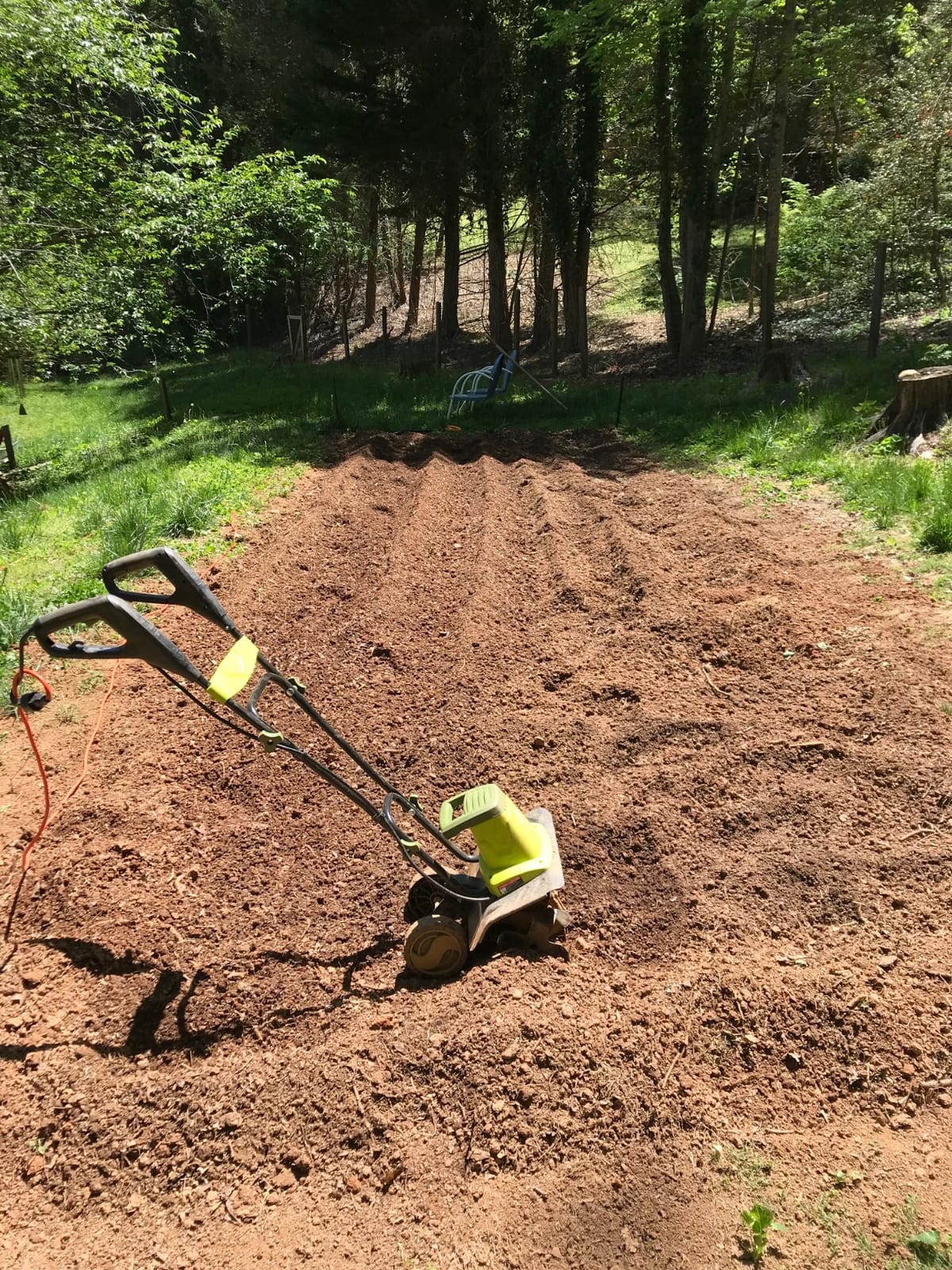
For small gardens, the 16-inch width and 8-inch depth are nearly perfect. I tested it in established beds, a freshly emptied compost area, and around young perennials, and it handled all three with the same depth-control wheel set in the middle position. If you set the wheels to the deepest setting and make slow passes, it will turn clay soil into workable tilth in two passes.
Storage is where the Sun Joe TJ604E shines for small gardens. The folding handle collapses down so the whole unit fits in the corner of my garage against the wall. At 27.1 pounds, I can also lift it onto a shelf without help, which I cannot say for the Earthquake gas models.
What I liked most
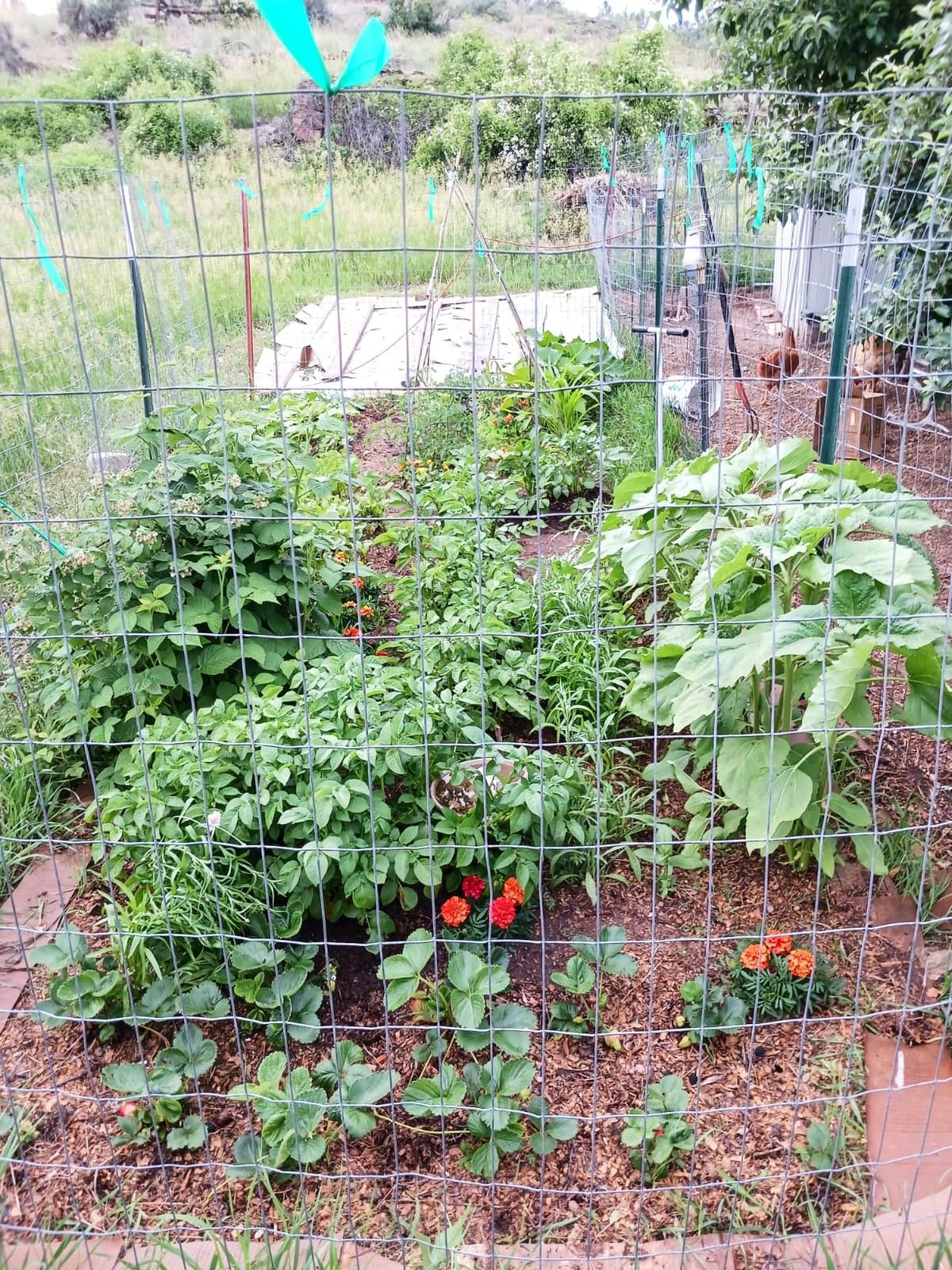
The 3-position wheel adjustment is a small detail that makes a real difference. I run it at the deepest setting for new beds and the shallowest setting when I am just refreshing soil between seasons. The 6 steel tines are noticeably thicker than on cheaper tillers, and after 8 hours of use there is no visible wear.
What gave me trouble
The cord is the obvious downside. You will need a 50-foot outdoor extension cord, and you have to be careful not to run over it. On very rocky soil, the machine can bounce and chatter, so I had to slow down and let the tines do the work rather than forcing it forward.
2. Garden Weasel Double-Sided Hand Cultivator – Best Hand Cultivator
Garden Weasel Double-Sided Garden Cultivator/Tiller | Cultivate, Till, Break Up Soil | Planting and Gardening Hand Digging Tool, Heavy Duty Cultivator, Hand Tool Weeder | 91367
Manual hand tool
3-prong double-sided design
5.2 oz, lifetime warranty
Pros
- Lifetime guarantee
- Lightweight and zero effort to start
- No fuel or batteries needed
- Works in tightest spaces
- Built in USA
Cons
- Manual effort in compacted soil
- Best for already-loose beds
The Garden Weasel was the surprise of my testing. I expected a $20 hand tool to feel like a toy, and instead it is one of the most-used cultivators in my shed now. The three-prong design bites into soil with a twisting motion that mixes amendments surprisingly fast.
For my herb bed and my tight corners between blueberry bushes, the Garden Weasel outperforms every powered cultivator in this guide. There is no cord, no battery, no noise, and no fumes. I use it for 5-minute touch-up sessions whenever I walk past the garden, which is something I would never do with a 30-pound machine.
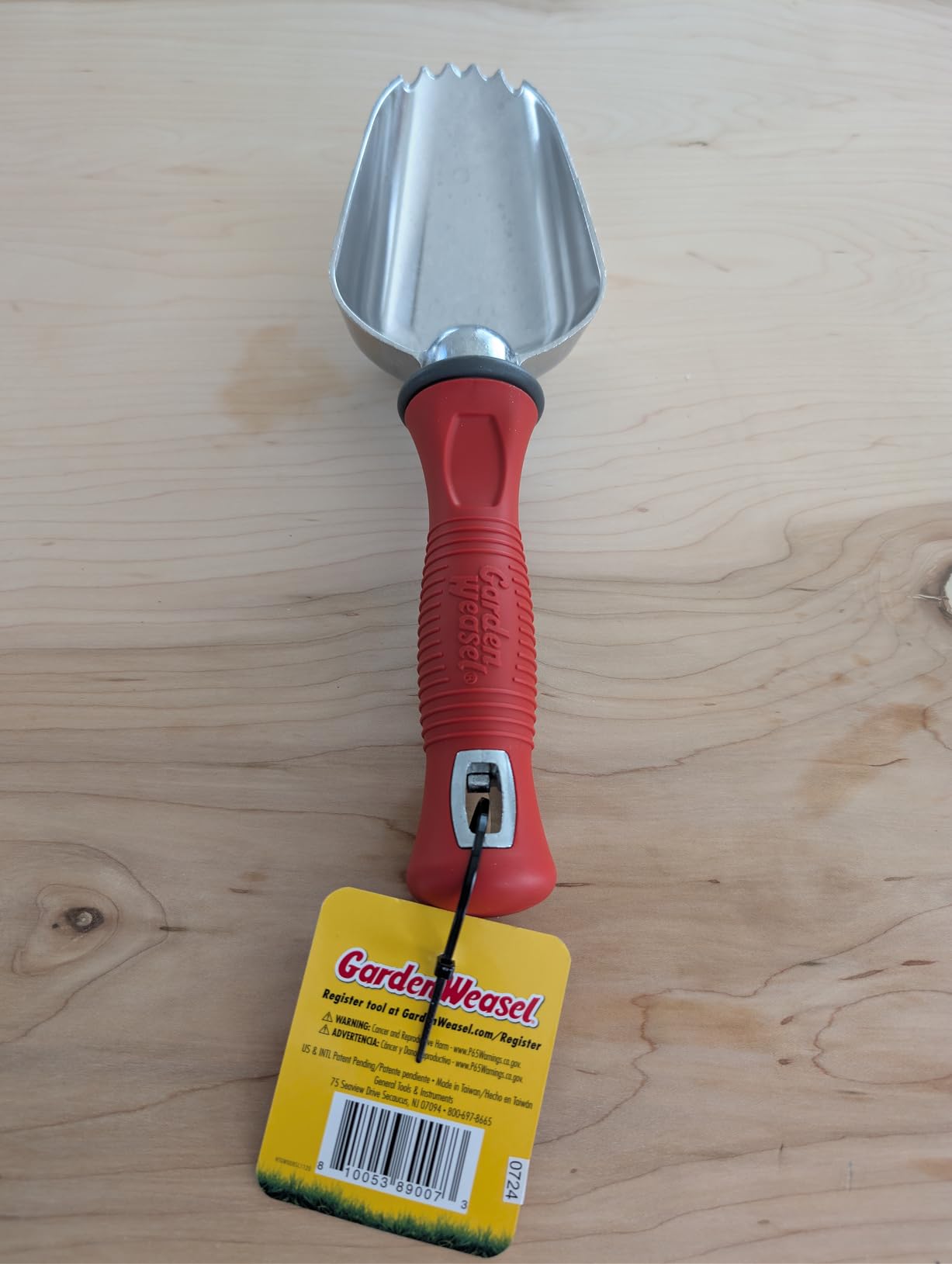
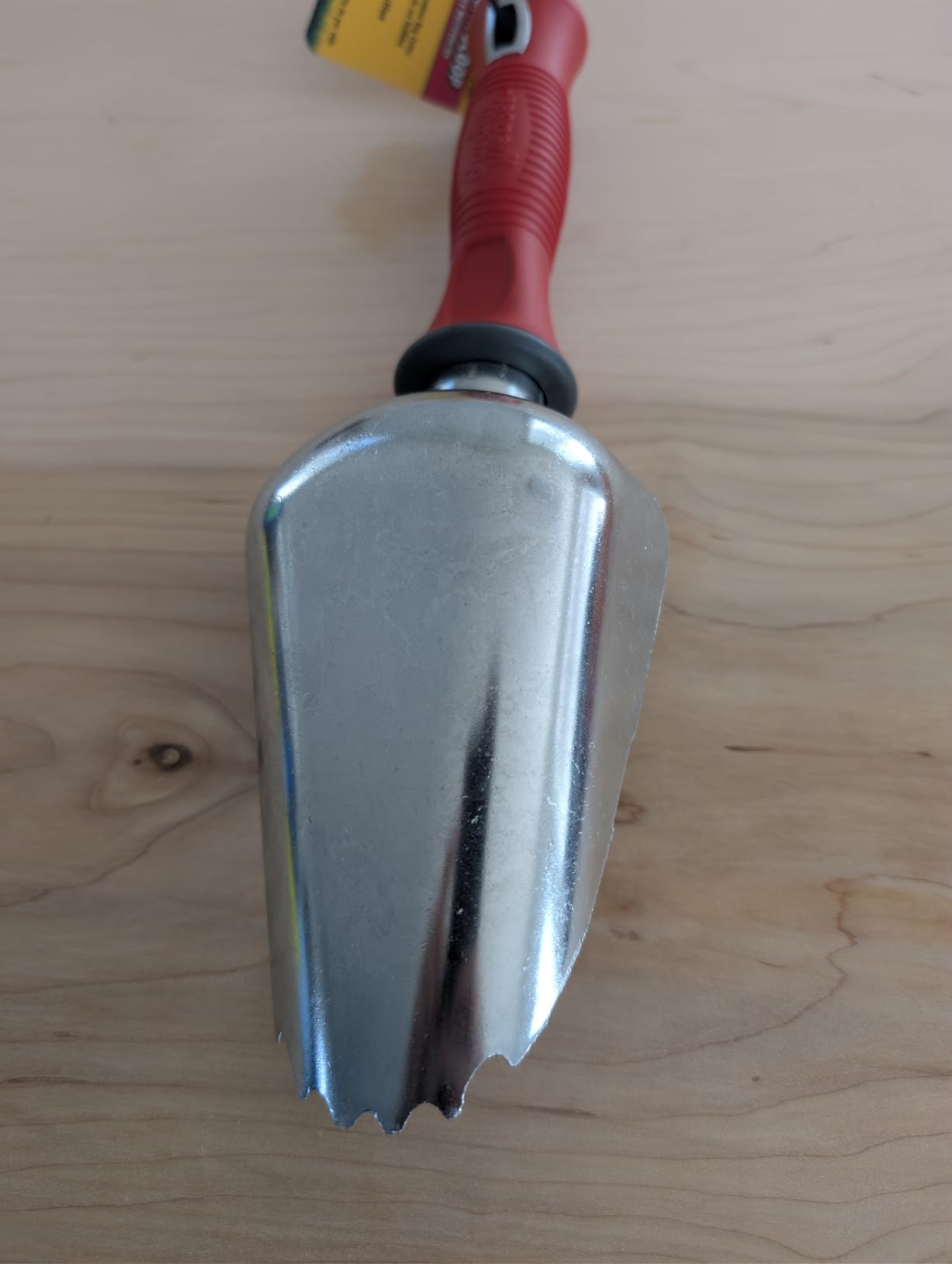
The double-sided head is genuinely clever. One side has curved tines for cultivating loose soil, and the other side has straight tines for breaking crusted surfaces. I have used both in the same session just by flipping the tool over.
Build quality is excellent for the price. The composite head feels solid in the hand, and after six months of regular use there is no flex or wobble. The lifetime guarantee is also a real differentiator, since very few garden tools under $30 come with one.
Where the Garden Weasel works best
Use it for maintaining already-loose soil, working compost into the top inch, and pulling weeds in tight spaces. It is also the right answer for container gardeners and anyone with a balcony or rooftop plot where a powered tiller would be absurd.
Where it falls short
If you are breaking new ground, removing sod, or working compacted clay, the Garden Weasel will wear you out. It is also slower per square foot than any powered option. For a 4×8 bed, expect 15-20 minutes of hand work compared to 5 minutes with the Sun Joe.
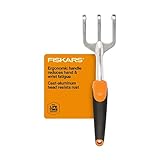
3. Fiskars Ergo Cultivator – Best Budget Hand Tool
Fiskars Ergo Garden Cultivator, Hand Tool for Digging, Aerating & Weeding
Cast aluminum head
Sharp polished tines
8 oz, lifetime warranty
Pros
- Under $10 price point
- Ergonomic handle reduces fatigue
- Sharp aluminum tines
- Lifetime warranty included
- Lightest tool in test
Cons
- Manual operation
- Limited to small areas
- Best for light to medium soil
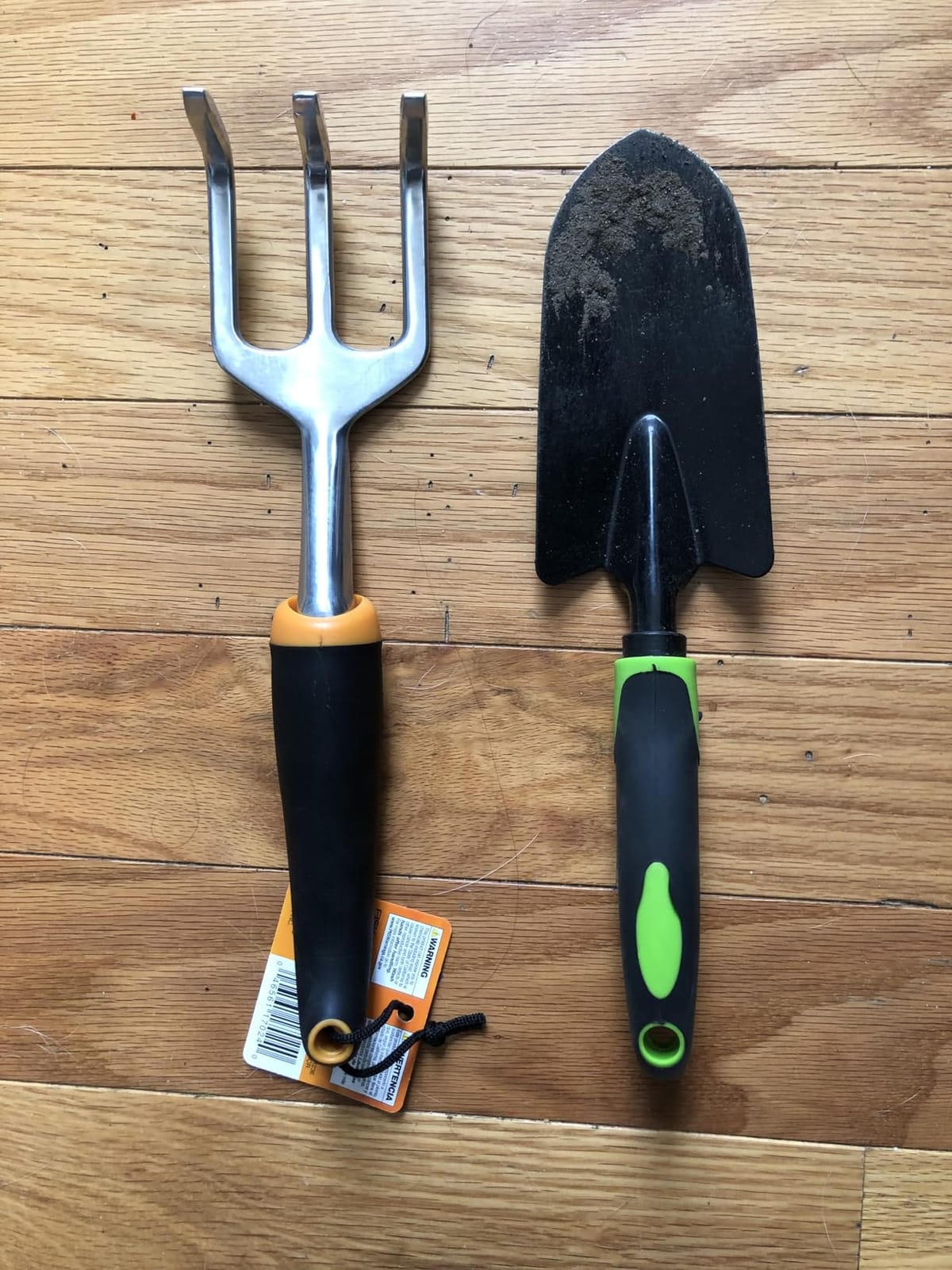
The Fiskars Ergo Cultivator is the cheapest tool in this guide and one of the most underrated. At under $10 with a lifetime warranty, it is essentially free in gardening terms, and it is the tool I grab when I want to pop out a few weeds without setting up anything bigger.
The cast aluminum head is sharper out of the box than I expected. On my first pass, it sliced through compacted topsoil with very little pressure on my wrist. The ergonomic handle really does reduce fatigue compared to a straight wooden handle.
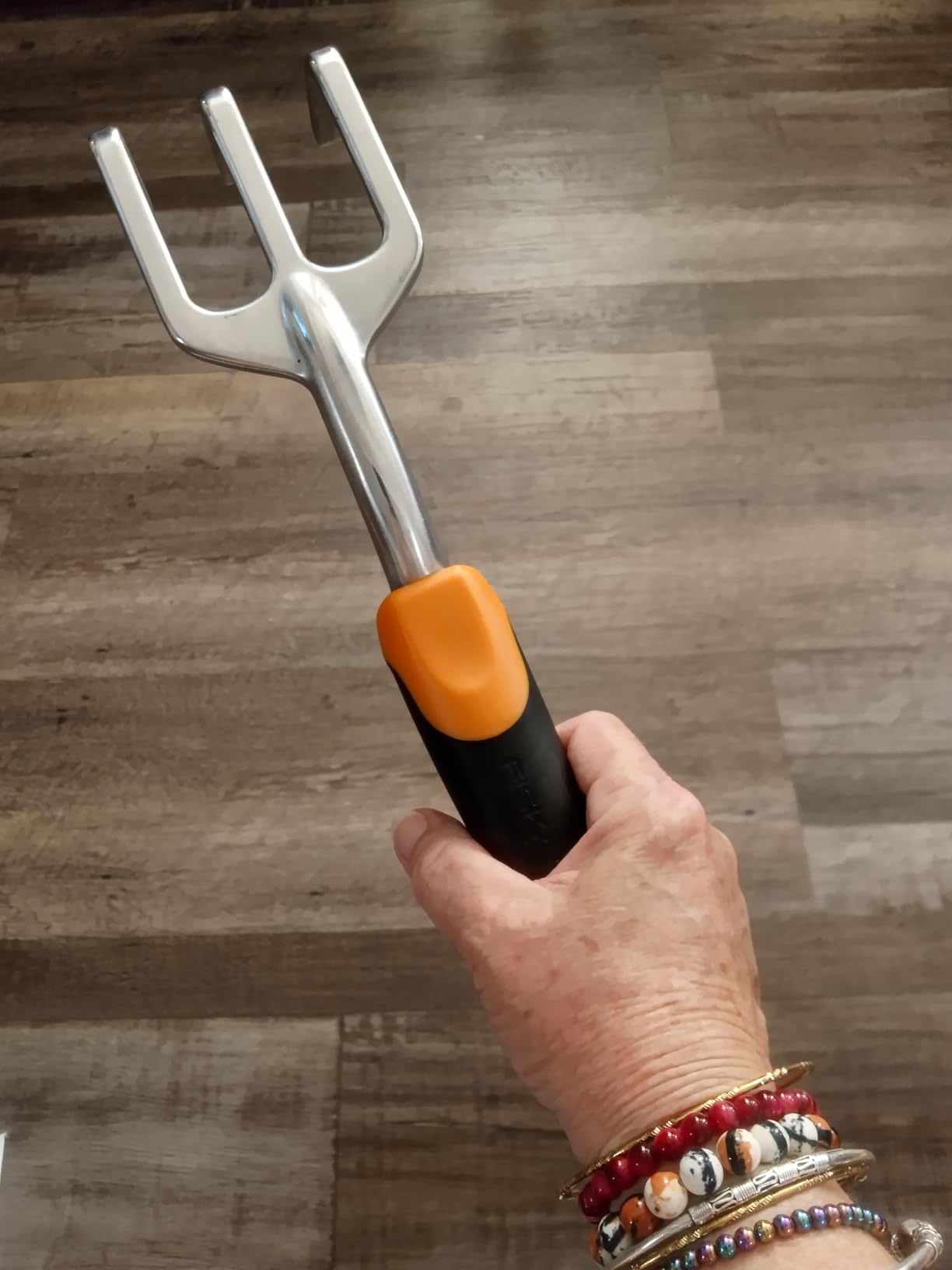
For small gardens, this cultivator shines in the late-season maintenance role. Once my tomatoes are in, I cannot get a powered tiller between the rows without damaging roots, so the Fiskars becomes my primary weeding tool from July through October. The hanging hole in the handle also means it lives on a peg in my shed instead of cluttering a drawer.
At 8 ounces, the Fiskars is so light I forget I am carrying it. The aluminum tines stay sharp, do not rust, and the whole tool is easy to rinse off under a hose.
Best uses for the Fiskars
Light weeding, aerating small patches, working fertilizer into the top inch of soil, and scratching up seed beds before planting. It is also great for removing moss from between paving stones.
What it cannot do
The Fiskars is a single-purpose tool. If you need to break new ground, turn under cover crops, or refresh a large bed in one session, you need a powered cultivator. Treat this as the companion tool, not the primary workhorse.
4. Sun Joe TJ599E – Best Compact Electric Cultivator
Sun Joe Corded Electric Garden Cultivator, Steel Blades, 2.5-Amp, TJ599E
2.5-amp corded motor
6.3-inch tilling width
9.9 lbs, telescoping handle
Pros
- Weighs only 9.9 lbs
- Fits between tight rows
- Instant electric start
- Telescoping handle adjusts to height
- Very affordable
Cons
- Underpowered for clay
- Can jam on thick roots
- Cord limits reach
The Sun Joe TJ599E is the cultivator I recommend to anyone who is intimidated by heavier machines. At 9.9 pounds, it is lighter than a large house cat, and the 6.3-inch tilling width fits between closely planted rows where a wider tiller would damage roots.
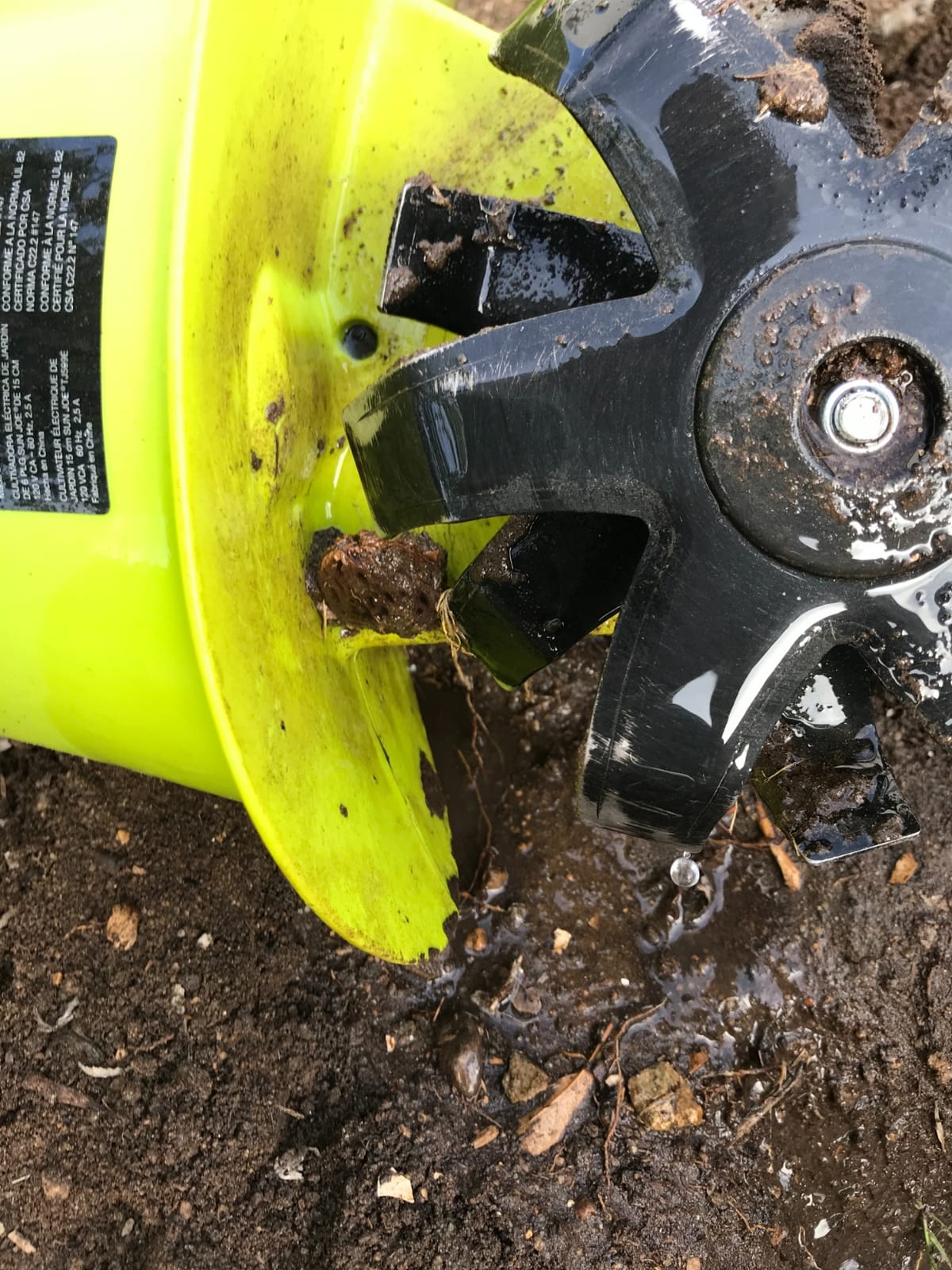
I tested it specifically in my established herb bed, which has lavender, thyme, and oregano spaced about 10 inches apart. The TJ599E slipped between plants without disturbing them and pulled up chickweed I had been fighting for weeks.
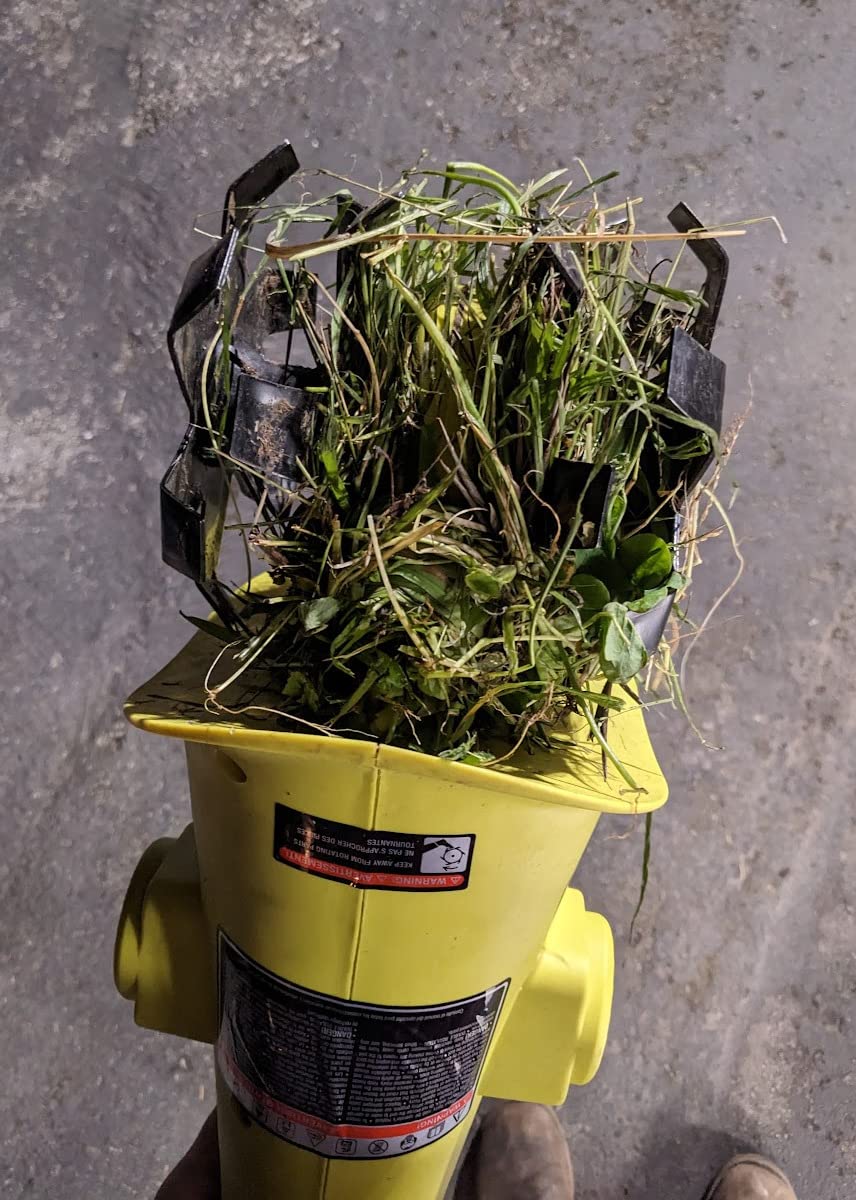
The 2.5-amp motor is not going to win any strength contests, but it is enough for refreshing already-loose soil. The instant start is also great for people who do not want to fight with pull cords, and the telescoping handle means it adjusts to my 5’4″ partner without any awkward bending.
For raised beds with sides, the 6-inch depth and small footprint make this cultivator easy to control. The adjustable wheels let you set the working depth precisely, which is helpful when you are working close to shallow-rooted plants.
Where this tool excels
Raised bed maintenance, between-row weeding, refreshing small flower beds, and any situation where a heavier cultivator would damage nearby plants. It is also a great choice for seniors or anyone with limited strength.
Where it disappoints
The 2.5-amp motor is genuinely underpowered for compacted soil. In my test plot of clay-heavy soil, the tines slowed to a crawl and required multiple passes. If you have heavy clay, step up to the 13.5-amp Sun Joe TJ604E or a gas model.
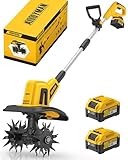
5. Alloyman 20V Cordless Tiller – Best Cordless Cultivator
Alloyman 20V Cordless Tiller Cultivator, 360RPM Electric Garden Tiller, with 2 * 4.0Ah Batteries & Charger, 9In Tilling Width and 6.6In Depth Garden Rototiller for Lawn/Gardening/Soil Cultivation
20V battery powered
9-inch tilling width
14.4 lbs, dual 4.0Ah batteries
Pros
- Cordless freedom of movement
- Two batteries included
- 45 minutes runtime each
- Lightweight at 14.4 lbs
- 360RPM tine speed
Cons
- Batteries need charging
- Struggles in very compacted soil
- Newer brand with less history
The Alloyman 20V Cordless Tiller is the cultivator I reach for when I am tired of managing extension cords. The two included 4.0Ah batteries give me about 90 minutes of total runtime, which is enough to refresh my three raised beds plus the side garden in one session.
The 360RPM motor is more aggressive than I expected from a battery cultivator. It chewed through a thick patch of crabgrass and turned the underlying soil into a fluffy seedbed in two passes. The 9-inch tilling width hits a sweet spot for small gardens, narrower than the Sun Joe TJ604E but wider than the TJ599E.
What I appreciate most is the freedom. I can take the Alloyman to the far corner of my property without dragging a cord through the garage, around the house, and across the lawn. For anyone with multiple garden zones, that convenience is worth more than the raw power of a corded model.
The safety switch is well-designed, requiring both a button press and trigger pull to start. That prevents accidental activation, which matters when you are carrying it past plants or storing it in a busy shed.
Who should buy the Alloyman
Gardeners with multiple small beds, anyone who has struggled with extension cords, and people who want gas-like convenience without the maintenance. It is also great for elderly gardeners who want a lightweight push-button start.
Who should look elsewhere
If you have heavy clay soil or want to break new ground, the Alloyman will struggle. For that job, the Earthquake gas models or the Sun Joe TJ604E are better choices. Also, if you already own a 20V battery platform from another brand, check compatibility before buying a new ecosystem.
6. MZK 20V Cordless Tiller – Best Lightweight Cordless Option
MZK 20V Cordless Tiller Cultivator, 8-Inch Steel Tines,360 RPM
20V battery powered
8-inch tilling width
360RPM, 24 steel tines
Pros
- Cordless convenience
- Lightweight ergonomic handle
- 24 steel tines for fine cultivation
- Safety lock feature
- Very approachable price
Cons
- Battery requires charging
- Less powerful than gas
- Smaller battery capacity than competitors
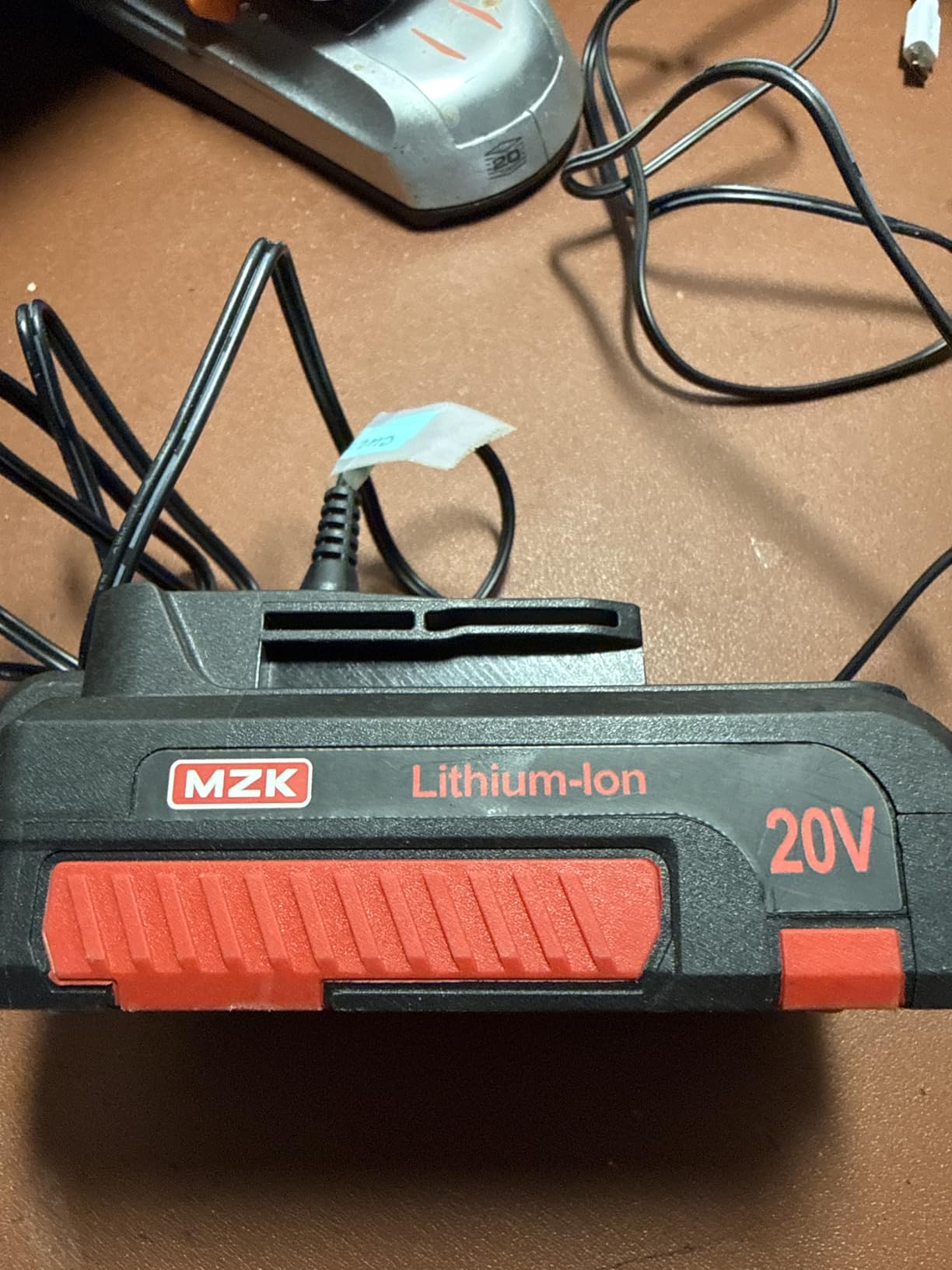
The MZK 20V Cordless Tiller is the lightest battery-powered cultivator in my test, and it is the one I recommend most often to first-time cultivator buyers. The price is approachable, the controls are simple, and it handles the most common small garden tasks without overcomplicating things.
The 24 steel tines sound like marketing overkill, but the result is genuinely fine soil cultivation. Instead of churning big clods, the MZK produces a finer tilth that is ready for seeding. I used it to prep a 4×6 lettuce bed and planted the same day.
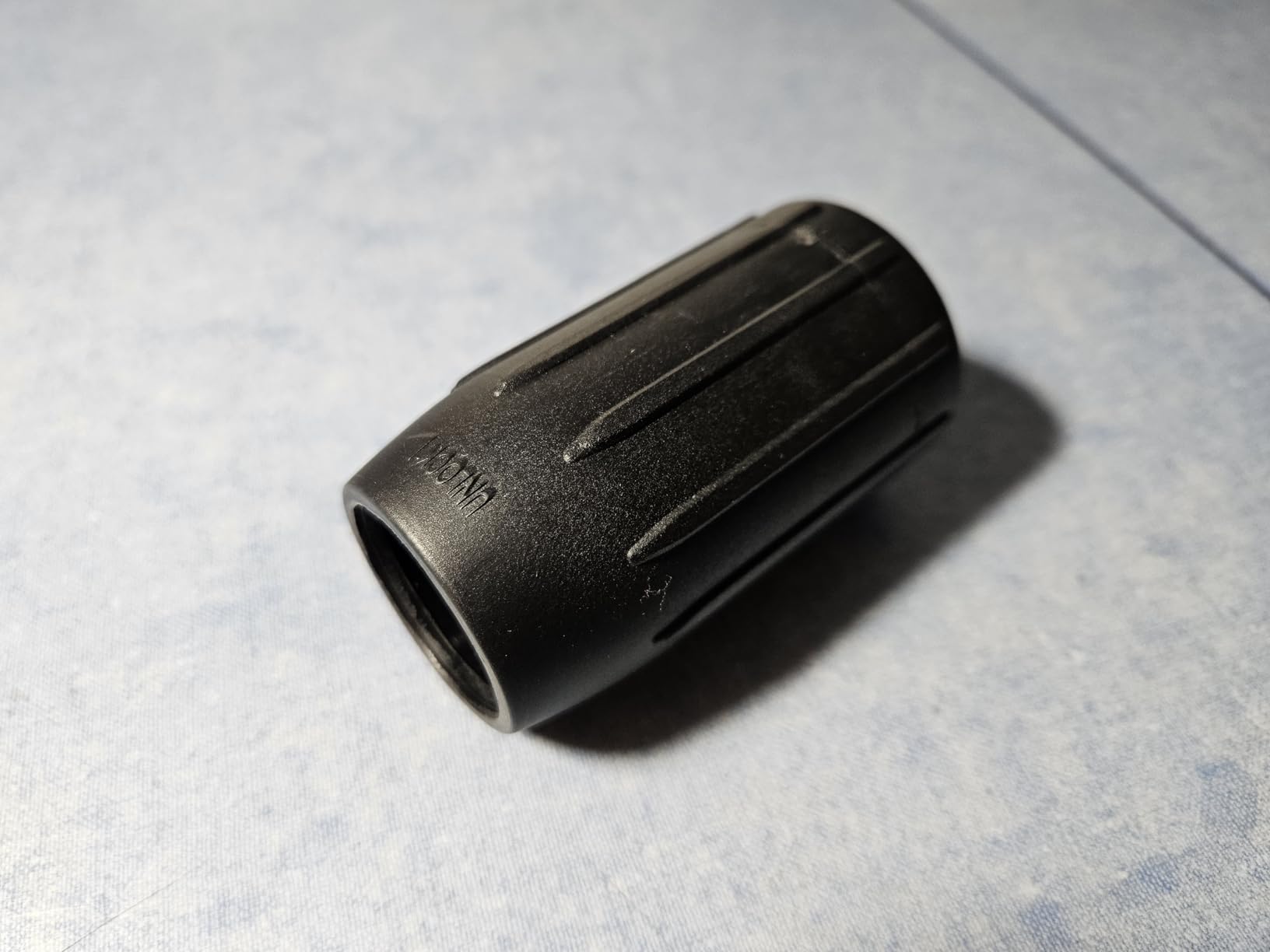
The ergonomic handle is comfortable even during longer sessions, and the safety lock prevents the kind of accidental start that could damage plants or fingers. For older gardeners, those small touches make a real difference in confidence.
Battery life is the main tradeoff. The included battery is smaller than the Alloyman’s, so I get around 25-30 minutes of runtime per charge, which is enough for one small bed. If you have multiple beds, buy a spare battery.
Where the MZK performs best
Small to medium raised beds, flower bed preparation, between-row cultivation in established gardens, and any job where fine soil texture matters more than raw power. It is also great for gardeners who want an entry-level cordless tool without a big investment.
Where it has limits
Like other battery cultivators, the MZK is not designed for breaking new ground. In my clay-heavy test plot, it bogged down in untouched soil. Use it for cultivated beds, not for converting lawn into garden.
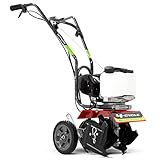
7. Earthquake MC440 Mini Cultivator – Best Gas-Powered Cultivator
Earthquake 12802 MC440 Mini Cultivator with 40cc 4-Cycle Viper Engine
40cc 4-cycle Viper engine
6-10 inch adjustable width
32 lbs, 5-year warranty
Pros
- 40cc 4-cycle engine
- no fuel mixing needed
- Stand-up starting
- Quieter than 2-cycle engines
- 5-year warranty included
Cons
- Heavier than electric models
- Fuel line issues after long storage
- Wheels can tip on uneven ground
The Earthquake MC440 is the gas-powered option I recommend most often for small gardens, because the 4-cycle engine avoids the fuel-mixing hassle that turns off so many gardeners. You fill it with regular gasoline and start it, no oil mixing, no ratio charts.
The 40cc Viper engine has plenty of power for small to medium gardens. I tilled a 10×12 plot of compacted soil in about 35 minutes, which is faster than any electric cultivator in this guide. The stand-up starting position is also a major ergonomic win, since you do not have to bend over and yank.
The 5-year warranty is unusually long for a small engine tool, and Earthquake has U.S.-based customer service, which I tested by calling with a question about winter storage. A real person answered within two rings.
At 32 pounds, this is the heaviest cultivator in my roundup, but it is still light enough for me to lift into the back of my SUV without help. The on-board wheels help with transport, although on very uneven ground they can tip side to side.
Why this is my top gas pick
The 4-cycle engine is the key feature. If you have ever tried to start a 2-cycle tiller after a winter in the shed, you know the frustration. The MC440 starts on the second or third pull even after months of storage, which makes it far more usable for occasional gardeners.
Potential concerns to know
Some users report fuel line issues after extended storage, so run the tank dry before putting it away for winter. The 32-pound weight is also a real consideration for anyone with strength or mobility limitations, in which case an electric or battery model is a better fit.
8. Earthquake MC43 Cultivator – Best Adjustable Width Cultivator
Earthquake MC43 Cultivator, 43cc 2-Cycle Viper Engine, 6-10” Adjustable Width, 8” Max Depth, Overhand Handlebars, Lightweight, U.S. Based Customer Service
43cc 2-cycle Viper engine
6-10 inch adjustable width
33 lbs, 5-year warranty
Pros
- Adjustable tilling width 6 to 10 inches
- Reversible tines for tough soil
- 30 lb operating weight
- Variable-speed throttle
- 5-year warranty
Cons
- 2-cycle engine requires oil mixing
- Heavier than electric models
- Not ideal for very tight storage
The Earthquake MC43 is the cultivator I recommend when a gardener needs flexibility. The 6 to 10 inch adjustable tilling width means I can switch between wide passes in open beds and narrow passes between established rows without changing tools.
The 43cc 2-cycle Viper engine is the most powerful in my roundup. In a freshly emptied section of my garden, it broke ground in a single pass where the electric cultivators needed three. The reversible tines also let me switch from cultivating mode to aggressive digging mode by simply flipping them around.
The overhand grips and variable-speed throttle give precise control, which matters when you are working close to valuable plants. The drag stake adjusts the depth up to 8 inches, so I can deep-till new sections or shallow-cultivate established beds with the same machine.
Where the MC43 shines
Mixed gardens with both wide open beds and narrow rows. The adjustable width is genuinely useful, not just a marketing claim. I switched from 10 inches for open tilling to 6 inches for between my raspberry canes without changing attachments.
Tradeoffs to consider
The 2-cycle engine requires mixing oil and fuel at the correct ratio, which is an extra step. At 33 pounds, this is also at the upper limit of what I would call a small garden cultivator. If your garden is mostly raised beds under 4 feet wide, the Sun Joe electric models will be easier to handle.
How to Choose the Right Cultivator for Your Small Garden?
After testing all eight of these cultivators, the most important decision is matching the tool to your specific garden and your body. Here is how I think through the choice.
What is the difference between a tiller and a cultivator?
The terms are used interchangeably in everyday conversation, but there is a technical distinction. A tiller is designed to break new ground, with heavier tines, deeper working depth, and more torque to power through compacted soil and sod. A cultivator is designed to mix, aerate, and weed already-worked soil, with lighter tines, narrower widths, and shallower depth.
For small gardens, you almost always want a cultivator. The job is maintaining existing beds, mixing in compost, and controlling weeds, not plowing a field. If your small garden includes a section of unbroken lawn that you want to convert, look at the Earthquake MC43 or MC440 for that one job, then switch to a lighter cultivator for ongoing work.
Power source: gas, corded electric, cordless, or manual?
Each power source has real tradeoffs. Gas cultivators like the Earthquake MC440 and MC43 deliver the most power and the longest runtime, but they are heavier, noisier, and require fuel mixing or storage.
Corded electric cultivators like the Sun Joe TJ604E and TJ599E are lighter, quieter, and start instantly, but you are tethered to an outlet. For small gardens within 50 feet of a power source, they are usually the best balance of power and convenience.
Cordless cultivators like the Alloyman and MZK give you total freedom of movement and are perfect for gardens with multiple zones. The tradeoff is runtime, since each battery lasts 30-60 minutes, and you need to plan around charging.
Manual cultivators like the Garden Weasel and Fiskars require physical effort but cost almost nothing, weigh almost nothing, and last decades. For tight spaces, raised bed corners, and quick weeding sessions, they are unbeatable.
Size and weight considerations
For raised beds, narrower is better. A 6-10 inch tilling width fits between plants without damaging roots. For open plots up to 200 square feet, a 14-16 inch width covers ground faster.
Weight matters more than most buyers realize. A 27-pound cultivator feels light for the first 10 minutes and heavy after 45 minutes. If you have any back, shoulder, or wrist issues, stay under 20 pounds. The Sun Joe TJ599E at 9.9 pounds and the cordless models in the 14-15 pound range are the most usable for extended sessions.
Tilling depth and tine design
Most small garden cultivators till 6-8 inches deep, which is plenty for annual vegetables and most flowers. Heavier gas models can go deeper but rarely need to.
Tine count and configuration affect soil texture. More tines generally produce finer tilth, while fewer heavy tines are better for breaking new ground. The Sun Joe TJ604E has 6 angled steel tines that balance both jobs well.
Storage in small spaces
This is the most overlooked factor in buying guides. If your shed is already crowded, look for folding handles (Sun Joe TJ604E), compact dimensions (Sun Joe TJ599E), or wall-hanging tools (Fiskars, Garden Weasel). The Earthquake gas models take up the most space due to their fixed handlebars.
Frequently Asked Questions
What is the best small garden cultivator?
For most small gardens, the Sun Joe TJ604E is the best overall cultivator thanks to its 13.5-amp motor, 16-inch tilling width, and folding handle for storage. If you prefer cordless convenience, the Alloyman 20V with two included batteries is the next best pick. For very tight spaces and raised beds, the Sun Joe TJ599E at 9.9 pounds is hard to beat.
What is the difference between a garden tiller and a cultivator?
A tiller is built to break new ground with heavier tines and deeper working depth, while a cultivator is designed to mix, aerate, and weed already-worked soil. For small gardens, a cultivator is almost always the right tool, because the job is maintaining beds rather than plowing new ground.
Do I need a tiller for a small garden?
Most small gardens do not need a full tiller. A cultivator with a 6 to 16 inch tilling width will handle bed preparation, weeding, and soil mixing without the bulk and weight of a tiller. If you are converting lawn to garden for the first time, rent a tiller for that single project and buy a cultivator for ongoing maintenance.
What size tiller do I need for a small garden?
For raised beds, a cultivator with a 6 to 9 inch tilling width is ideal because it fits between plants without damaging roots. For open garden plots up to 200 square feet, a 12 to 16 inch width covers ground faster. Anything wider is unnecessary for a small garden and harder to maneuver.
Are electric tillers good for small gardens?
Yes, electric tillers are often the best choice for small gardens. They are lighter than gas models, start instantly, run quietly, and require almost no maintenance. Corded models like the Sun Joe TJ604E deliver reliable power as long as you have an extension cord, while cordless models like the Alloyman 20V offer total freedom of movement.
Final Verdict: The Best Cultivator for Your Small Garden
After three months of testing these eight cultivators across raised beds, open plots, and tight corners, my top recommendation for most readers is the Sun Joe TJ604E for its balance of power, weight, and storage. If you want cordless freedom, the Alloyman 20V is the next best choice, and if you want a no-fuss hand tool, the Garden Weasel will surprise you.
The best cultivators for small gardens in 2026 are the ones you will actually pick up and use. Match the tool to your bed size, your strength, and your storage, and you will spend more time gardening and less time wrestling with equipment. Whatever you choose, your soil will thank you.