
Most remote land has no WiFi, no power and no neighbours within a mile, which rules out nearly every home security camera you can buy. A cellular trail camera solves that by putting a 4G LTE radio, a camera and a solar system in one weatherproof box, then sending every trigger straight to your phone.
We spent weeks going through the specs, app reviews and real-world owner feedback on the best cellular trail cameras for remote properties, and narrowed twelve models down to the ones that hold a signal on weak rural towers, survive a winter on solar, and give you something usable when someone walks past your gate at 2am. Several of the top picks here also transmit a physical location if the camera is stolen, which matters more than most buyers expect.
If you want the short version, the VOOPEAK 4G LTE Trail Camera with 360 live streaming is the best all-rounder, the Moultrie Edge 3 is the strongest when image detail and carrier flexibility come first, and the MagicEagle is the pick when discretion and battery endurance are non-negotiable. We explain the reasoning for each pick below, plus what to check in your coverage map before you commit.
Table of Contents
Top 3 Best Cellular Trail Cameras for Remote Properties in 2026

VOOPEAK 4G LTE 360 Camera
- 355 degree pan and 100 degree tilt
- 0.1 second PIR trigger
- 4W solar with 7800 mAh battery
- IP68 rated for -40F to 140F
Moultrie Edge 3 Two-Pack
- 40MP stills and 1080p video
- Four-carrier auto-connect
- AI buck detection
- Two-year warranty

MagicEagle 13000 mAh
- 940nm no-glow IR to 90 feet
- 13000 mAh battery
- SignalSync no-SIM cloud card
- Cloud AI species recognition
Our Editor’s Choice carries the deepest review history of the group and a pan and tilt head that lets you re-aim the camera from the driveway instead of climbing a ladder. The Moultrie Edge 3 pairs the highest-resolution stills in this roundup with automatic connection across four major networks, which is the safest bet in a coverage dead zone. The MagicEagle is the quietest option at night, with 940nm no-glow infrared and an unusually large battery, and it pairs with cloud species recognition that narrows alerts to animals you actually care about.
All 12 Cellular Trail Cameras Compared in 2026
| Product | Specifications | Action |
|---|---|---|
| VOOPEAK 4G LTE Trail Camera 360 Live Streaming |
|
Check Latest Price |
 VOOPEAK Dual Lens 4G LTE Game Camera VOOPEAK Dual Lens 4G LTE Game Camera |
|
Check Latest Price |
 VOOPEAK TC32B Two-Pack Cellular Camera VOOPEAK TC32B Two-Pack Cellular Camera |
|
Check Latest Price |
 Oculview 4G LTE Cellular Trail Cameras Oculview 4G LTE Cellular Trail Cameras |
|
Check Latest Price |
 Assark 4G LTE Wildlife Camera Assark 4G LTE Wildlife Camera |
|
Check Latest Price |
| Moultrie Edge 3 Two-Pack |
|
Check Latest Price |
| MagicEagle Cellular Trail Camera |
|
Check Latest Price |
 TACTACAM Reveal Ultra TACTACAM Reveal Ultra |
|
Check Latest Price |
 Stealth Cam Fusion Max Two-Pack Stealth Cam Fusion Max Two-Pack |
|
Check Latest Price |
 GardePro X60 Pro Max with SP300 Solar GardePro X60 Pro Max with SP300 Solar |
|
Check Latest Price |
 TACTACAM Defend 360 Cellular Camera TACTACAM Defend 360 Cellular Camera |
|
Check Latest Price |
 Tefrio 2.5K Always-On Two-Pack Tefrio 2.5K Always-On Two-Pack |
|
Check Latest Price |
Every camera below sends photos and video over 4G LTE with no WiFi at the site. The differences that actually matter on remote land are antenna performance, panel-to-battery ratio, night-flash type and whether you can pool plans across cameras.
1. VOOPEAK 4G LTE Trail Camera with 360 Live Streaming
4G LTE Trail Camera, 360° View Cellular Security Camera with Live Streaming
355 degree pan and 100 degree tilt
0.1 second PIR trigger
4W solar with 7800 mAh battery
IP68
Pros
- Remotely re-aim the camera from your phone
- 0.1 second trigger
- Up to 12 months per charge from a 4W panel
- Works on Verizon AT and T-Mobile
- IP68 body rated -40F to 140F
Cons
- SD card not included
- Printed manual is hard to follow
- Cloud playback needs a paid plan
This is the camera we ended up recommending to anyone who wants one unit to do everything. The pan and tilt head sweeps 355 degrees horizontally and 100 degrees vertically, and because the whole head moves under app control, you can re-aim it toward a gate or driveway without climbing anything.
It includes a 4W solar panel and a 7800 mAh battery that the manufacturer rates for up to twelve months on a single charge. Reviewers report that figure holds up better than most competitors once the panel is actually angled at the sun rather than mounted flat against a trunk.
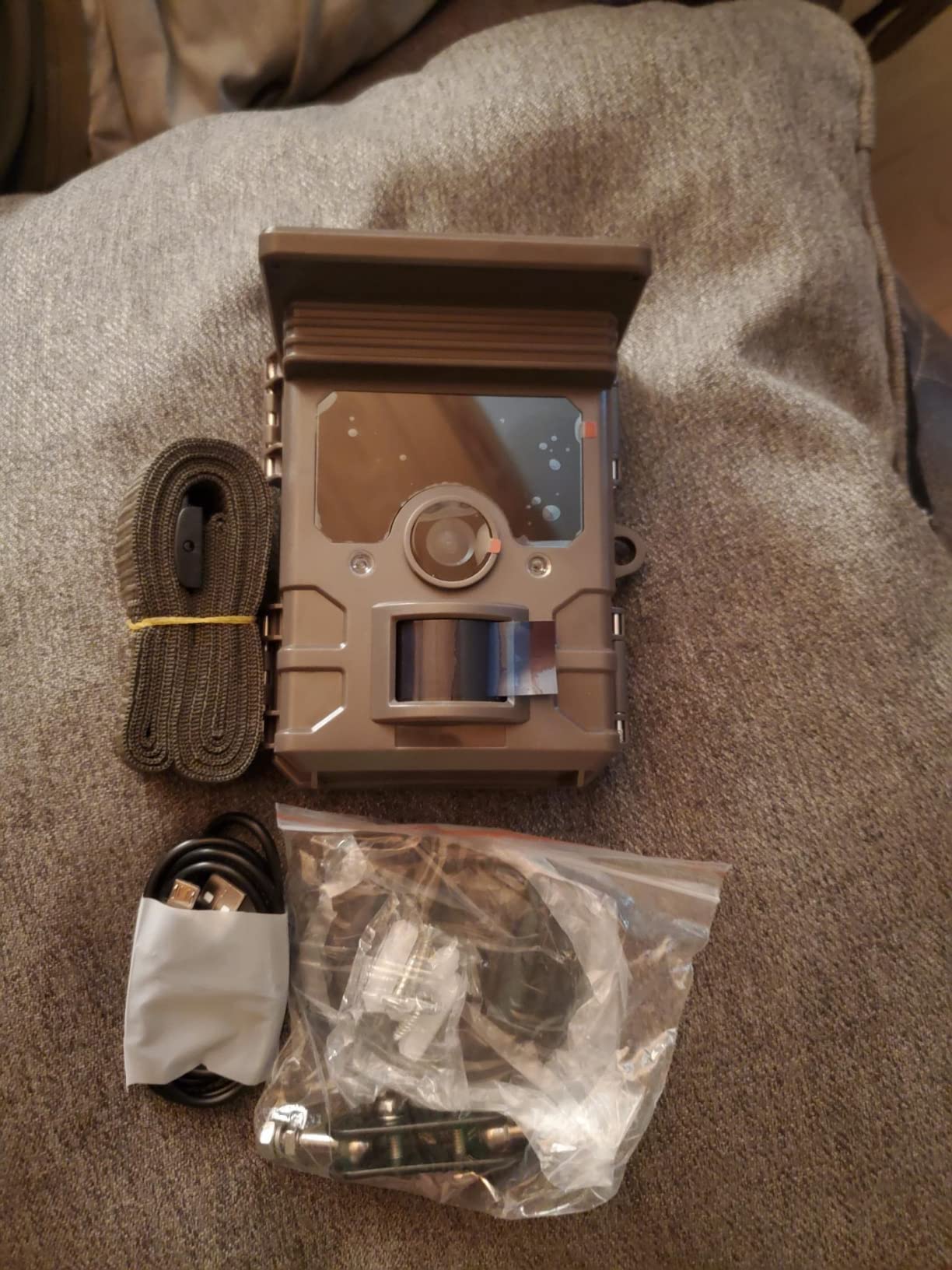
Daytime video comes through in 2.5K with a 0.1 second PIR response, which is among the quickest in this group. Six infrared LEDs give black-and-white night vision to about 65 feet, which covers a gate or a short approach but will not light up a distant tree line.
The built-in 4G SIM is compatible with Verizon, AT&T and T-Mobile and includes 100MB of trial data, so there is no SIM purchase or carrier setup. Recordings save to a local SD card up to 256GB, or to optional cloud storage if you would rather not retrieve anything in the field.

Why it works on remote land
The combination of fast triggering, a rechargeable solar setup and app-controlled aiming means one trip out to mount the camera and one trip to adjust it later. The rated operating range of -40F to 140F and an IP68 housing make it a genuine year-round option for an exposed gate post or a treeline.
Owners highlight how quickly the pan and tilt head responds over a weak connection, which is what makes re-aiming realistic in the field. Recording to a local card also means a bad week of tower congestion does not leave you with an empty event list.
Where it falls short
The SD card is not included, so budget for one before you deploy. Cloud playback sits behind a paid subscription, which is a reasonable trade if you have set up local storage as your main record.
Setup reportedly needs a careful read of the printed manual, and the night images are monochrome rather than color. If discreet color-free night capture matters to you, our stealth pick covers that better.
2. VOOPEAK Dual Lens 4G LTE Game Camera
Cellular Trail Camera, 4G LTE Dual Lens Game Camera 360° Live Streaming
Dual-lens split or stitched display
Color night vision via LED
5W solar and 7800 mAh battery
IP68
Pros
- Two lenses in one body
- Color night vision without IR glare
- 5W panel for year-round power
- Two-way talk over the app
- Setup reported at about 3 minutes
Cons
- Small review base with a high share of 1-star ratings
- Each camera needs its own non-shareable subscription
- SD card not included
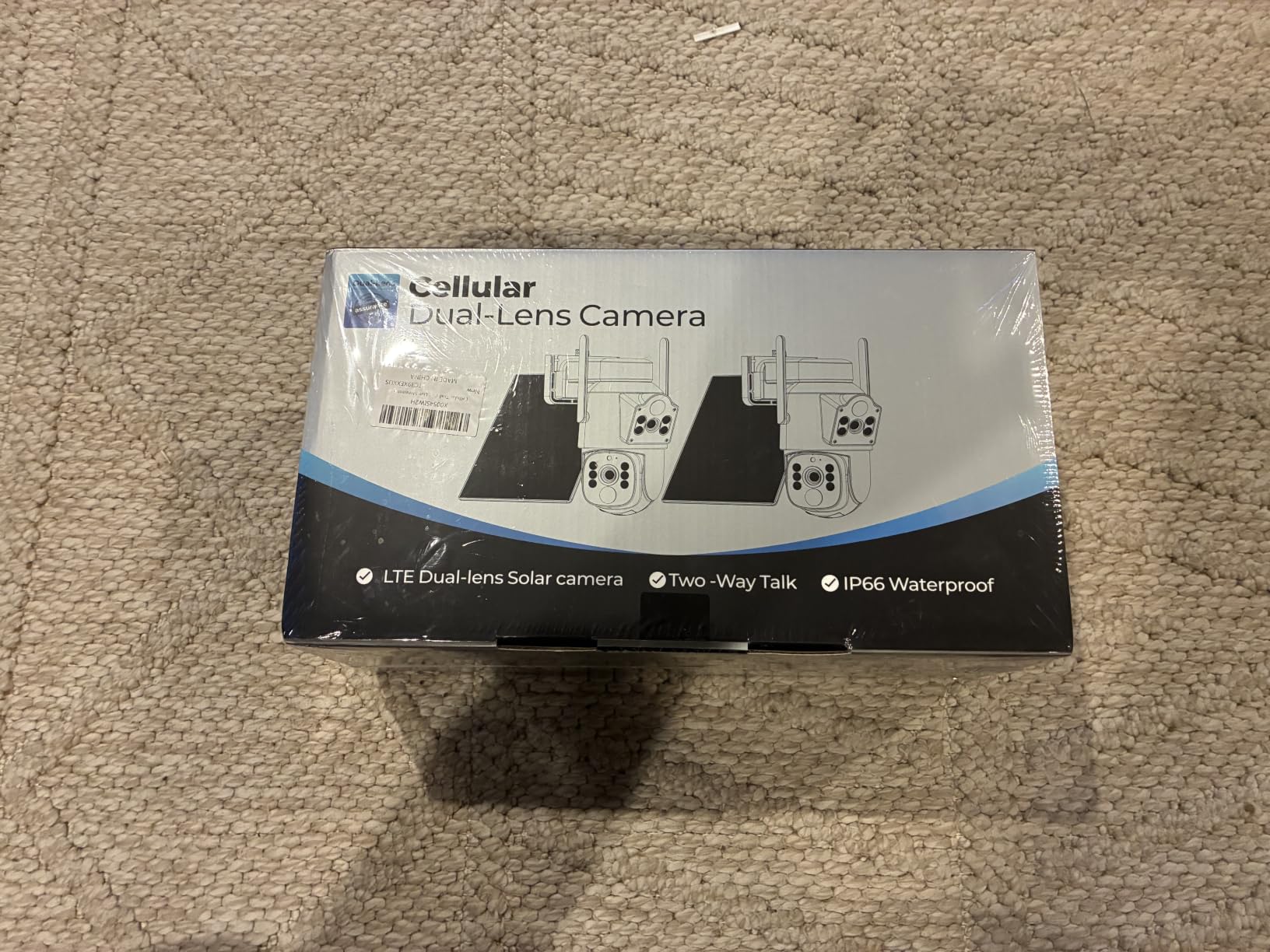
A dual-lens body behaves like two cameras mounted side by side. You can watch them as a split screen or stitch them into a single wide view, which is a neat trick when a gate and a driveway both need watching without adding a second mount.
Colour night vision comes from a built-in LED light rather than infrared alone, and the light can be set to motion-triggered, always-on or off. That flexibility is unusual at this size and it lets you choose between invisible IR and visible light depending on whether you are watching wildlife or watching people.
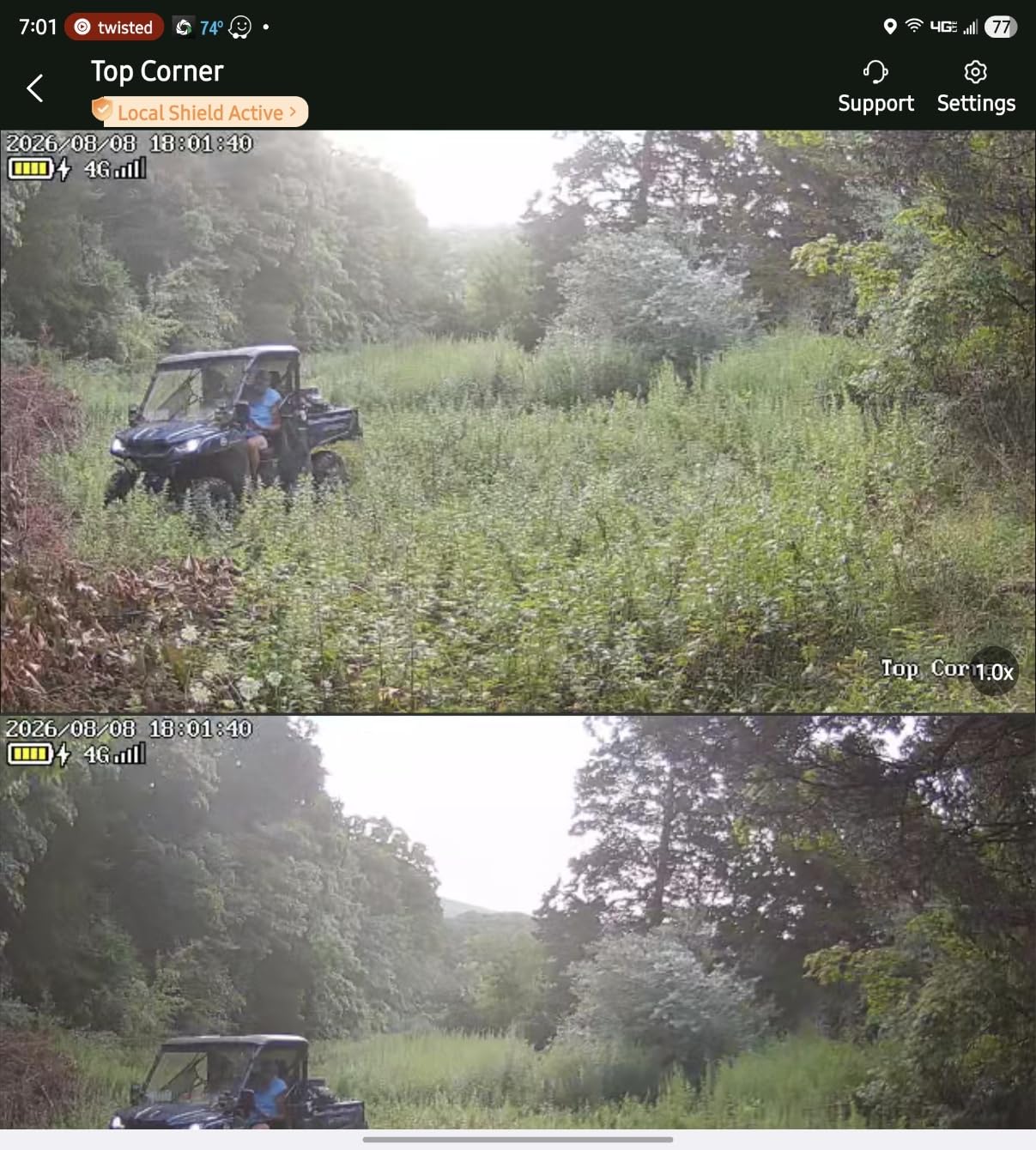
Power comes from a 5W panel with a 7800 mAh rechargeable battery, and the housing is IP68. The app adds AI detection alongside the standard PIR sensor to cut false alerts, plus two-way talk so you can speak through the camera from your phone.
Reviewers describe setup in the CloudEye 365 app as a roughly three-minute job. The dual-lens arrangement, 2K video and 360-degree viewing are the features people mention most often in positive reviews.
Why it works on remote land
Two lenses and a 360-degree field of view cover far more ground from a single post, which matters when driving to a remote camera is inconvenient. The slightly larger 5W panel and colour night light give you options that single-lens infrared cameras cannot offer.
If your concern is a fixed blind spot rather than image quality, the split-screen and stitched views solve it neatly. Two-way talk is a genuine deterrent for anyone testing whether an unoccupied building is still unoccupied.
Where it falls short
The review base is small, and 19 percent of ratings are one-star, so the long-term record is thinner here than anywhere else in this list. That is the main reason this is not our Editor’s Choice despite the strong feature set.
Plans are sold per device and cannot be pooled across cameras, which gets expensive quickly on a multi-point property. Local recording also needs an SD card you supply separately.
3. VOOPEAK TC32B Two-Pack Cellular Game Camera
VOOPEAK Trail Camera, 4G LTE Cellular Game Cameras with 360° Live Streaming
355 degree pan and 100 degree tilt
6 IR LEDs to 65 feet
0.1 second trigger
4W solar and 7800 mAh battery
Pros
- Two cameras in the pack
- Compact body that is easy to conceal
- 0.1 second trigger with adjustable zone
- Holds charge through cold weather
- Strap and screw mounting options
Cons
- Fisheye view distorts the frame
- Black and white night vision limited to about 30 feet
- Mode switch sits on the underside
- Thin printed documentation
Buying a two-pack is the sensible way to cover two approaches to the same property, and this set pairs two pan and tilt bodies with a built-in 4G SIM, a 4W solar panel and a 7800 mAh battery each. Owners repeatedly single out the compact dimensions as the reason the cameras are easy to hide on a tree or a gate post.
Trigger response is 0.1 second with an adjustable detection zone, and the head sweeps 355 degrees with 100 degrees of tilt. Live streaming and playback run at 2.5K over 4G LTE with no WiFi at the site, and six infrared LEDs provide night coverage to about 65 feet.
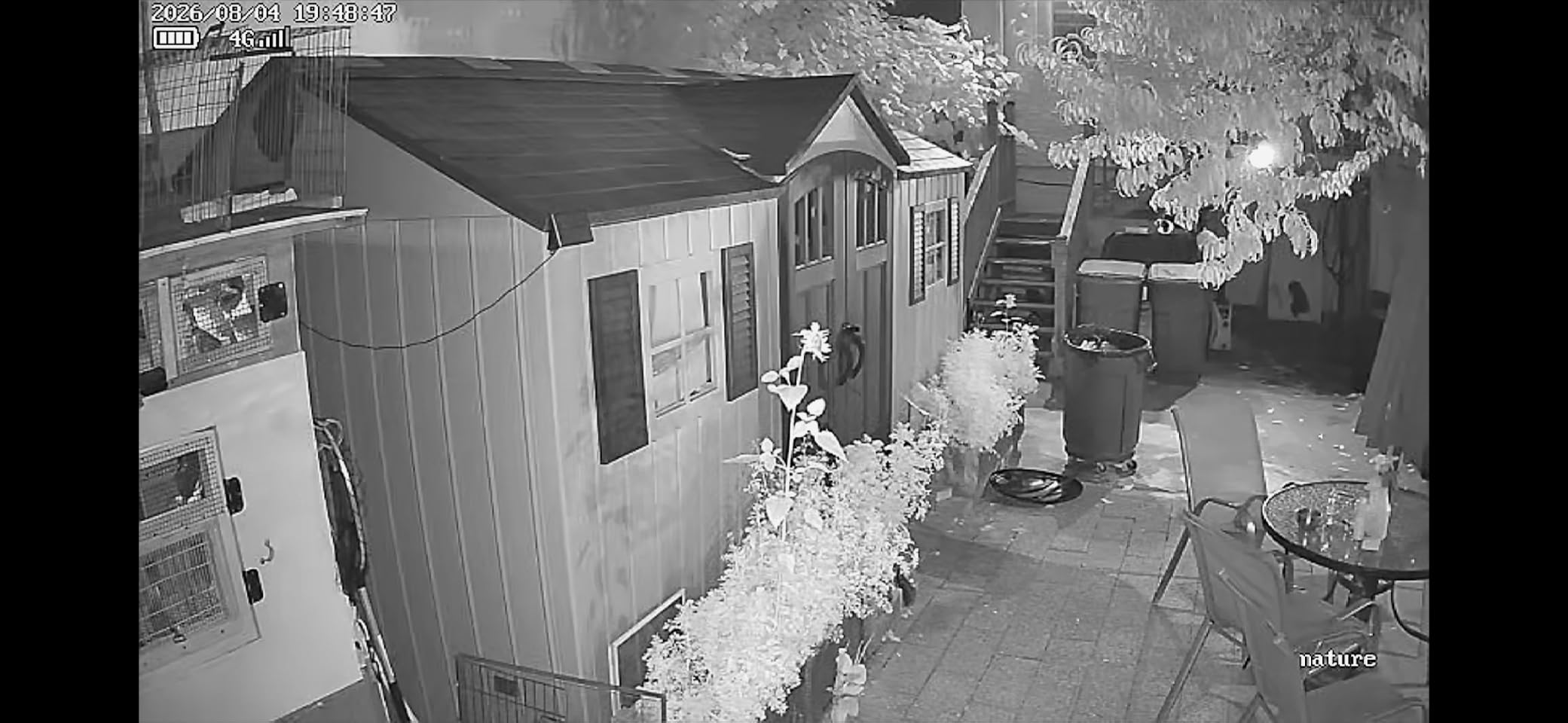
The same platform is used across the three major US carriers, so the pair can be deployed on different points with one app. CloudEye 365 setup is straightforward, and reviewers report the batteries holding their charge through cold weather when the panel gets reasonable sun.
Two cameras sharing a property means two subscriptions if you want cloud, so budget accordingly. The alternative is to run one or both on local SD storage and check the event list only when you visit.
Why it works on remote land
Covering two points at once is the cheapest way to increase coverage on a spread-out property. A camera at the road entrance and another at the barn or well house gives you overlapping awareness without a second visit to mount anything.
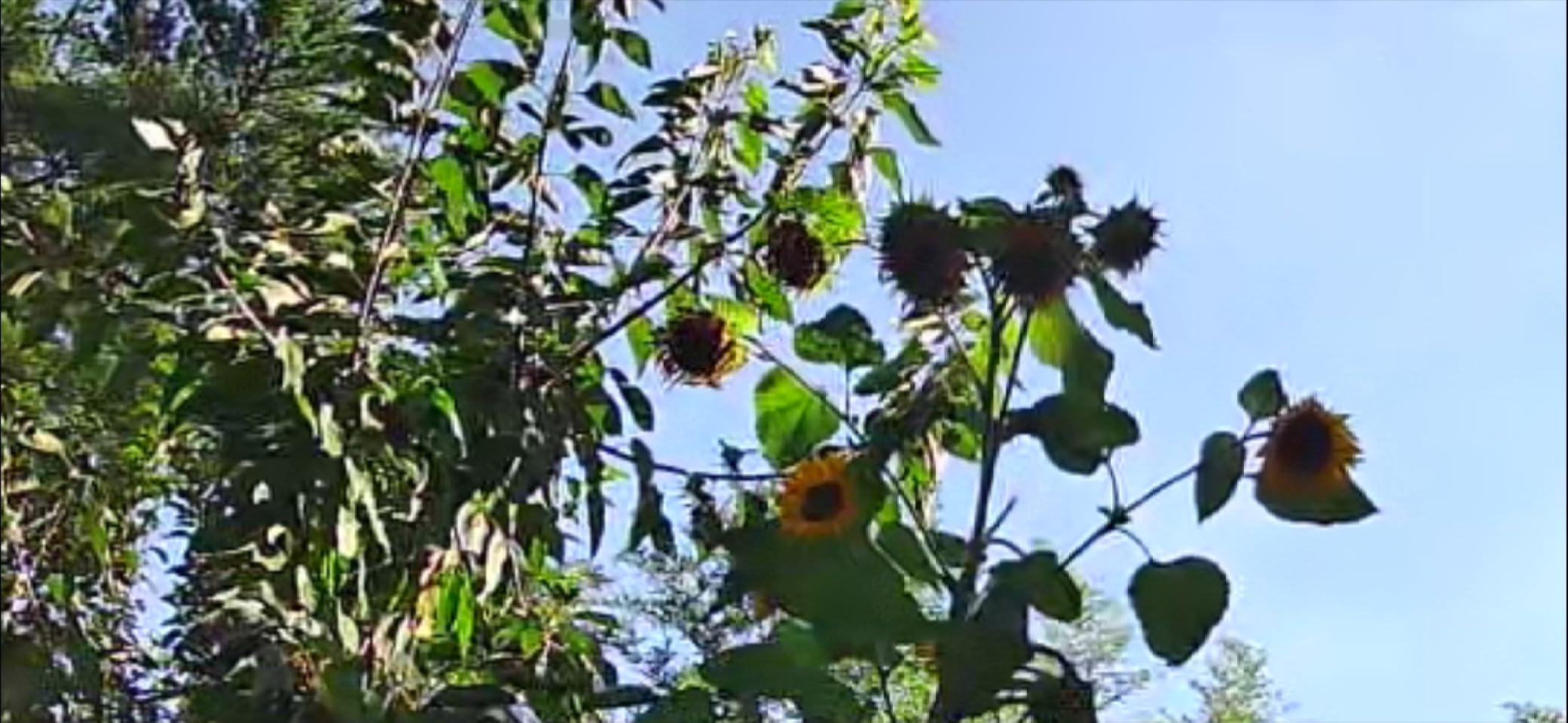
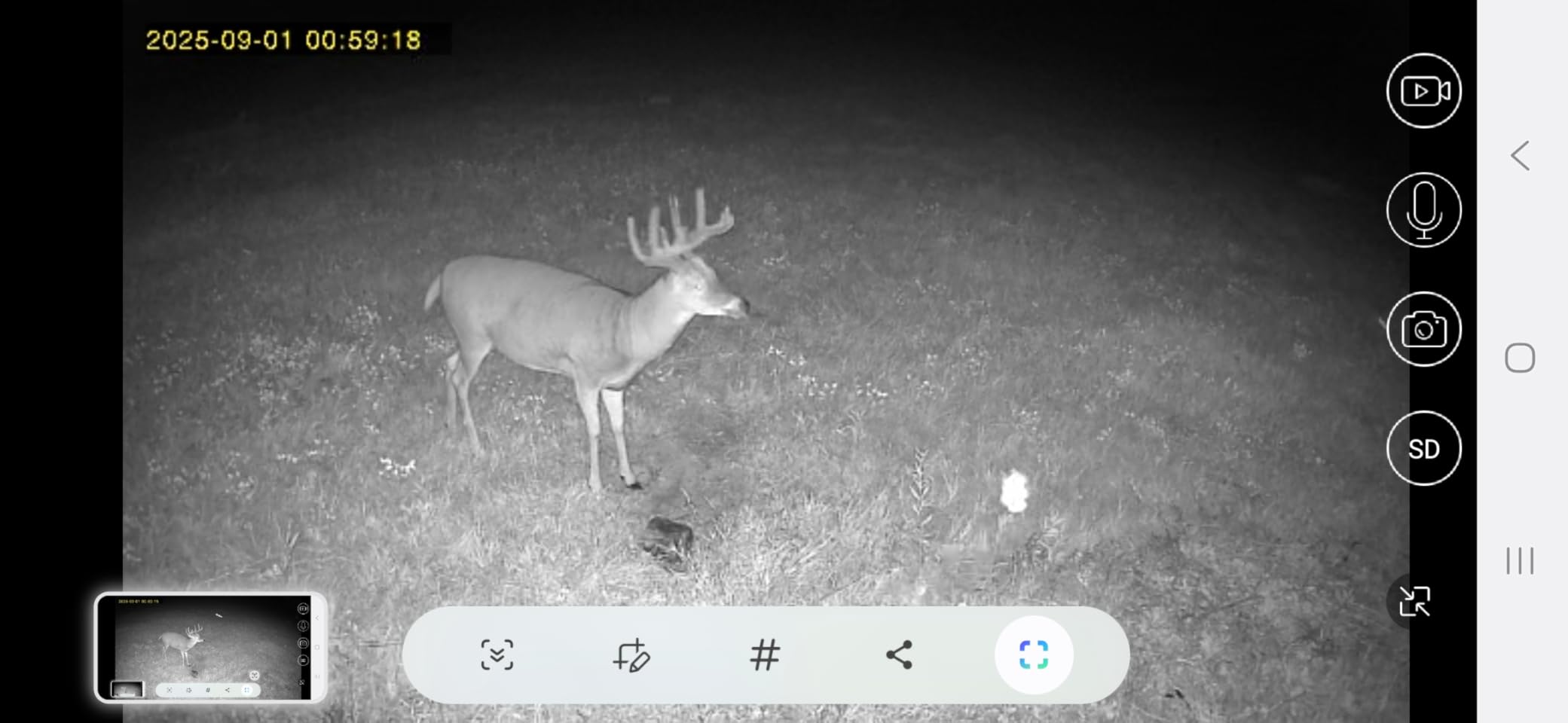
Solar endurance holds up in cold conditions according to owners, and the 0.1 second trigger reliably catches fast-moving subjects like a deer crossing a lane. Multiple mounting options, including straps and screws, make it adaptable to uneven terrain.
Where it falls short
The wide-angle lens produces a noticeable fisheye effect and catches glare when direct sun hits the glass, so a straight-on mount away from the sun line matters. Real-world night range is closer to 30 feet than the rated 65 feet in open conditions.
The on and setup switch sits under the swivelling head, which is genuinely fiddly in gloves. The printed manual is thin and appears machine-translated, so budget time for the app walkthrough instead.
4. Oculview 4G LTE Cellular Trail Camera Two-Pack
Oculview 4G LTE Cellular Trail Cameras, 360° 2K Live Streaming Game Camera, SIM Card Included, Low-Glow Night Vision, Solar Powered, Instant Alerts, Two Storage Ways, No WiFi Needed for Hunting&Trail
336 degree pan and 90 degree tilt
850nm low-glow IR to 65 feet
6W adjustable solar panel
0.2 second trigger
Pros
- Holds a connection on weak rural coverage
- 336 degree pan with 4x digital zoom
- 6W adjustable panel recharges fast
- Works on Verizon AT and T-Mobile
- Support described as fast and helpful
Cons
- Instructions largely undocumented
- SD card plan and data all sold separately
- One reviewer lost app recognition after three weeks
- Solar struggled through long cloudy runs
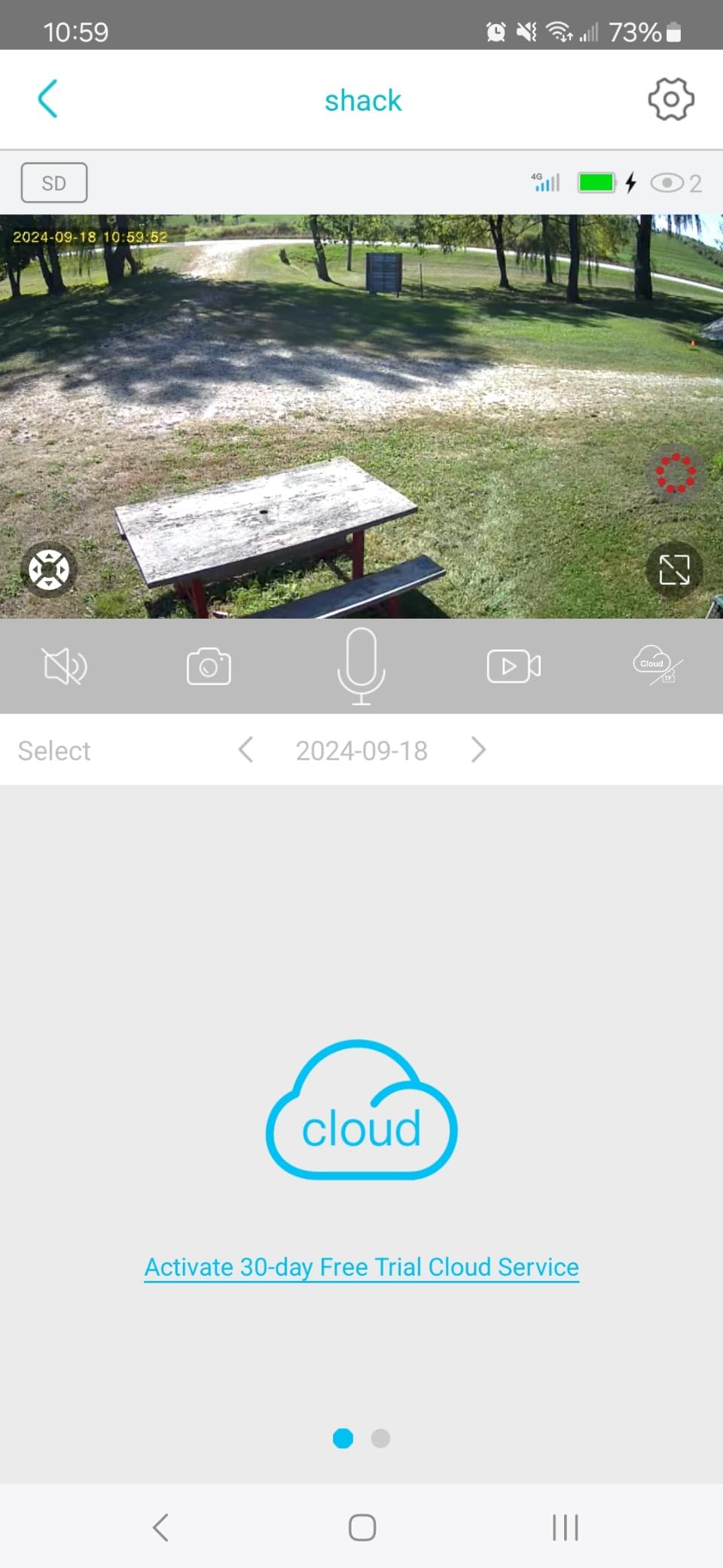
Signal performance is the reason this camera appears here. Owners on weak rural land report it connecting in places where a regular phone barely shows bars, which is the single most common frustration people report with cellular trail cameras in remote areas.
The head covers 336 degrees of pan and 90 degrees of tilt with 4x digital zoom, so you can reframe a large property from the app. Night capture uses 850nm low-glow infrared with up to 100 feet of reach when the built-in spotlight is enabled, giving you a choice between invisible IR and a wider lit view.
The 6W solar panel is adjustable, and owners report that roughly ten minutes of direct sun covers a full day of operation. Trigger speed is 0.2 second across a 120-degree PIR detection angle, and alerts arrive instantly on the phone. Recording goes to a local card up to 128GB or to cloud storage.
A pre-installed 4G SIM runs on Verizon, AT&T and T-Mobile and includes a seven-day data trial before the ongoing monthly plan takes over. IP65 weatherproofing handles rain, snow and dust without complaint.
Why it works on remote land
Weak-signal behaviour is the whole game on a hillside cabin or a ranch in a valley. A camera that keeps transmitting when other devices cannot is worth far more than a camera with better stills that never connects.
The larger 6W panel and fast recharge margin mean cloudy stretches are less likely to end in a dead battery. Support is also described by several reviewers as fast and genuinely helpful, which matters when you are troubleshooting from a hundred miles away.
Where it falls short
Setup documentation is thin, so several functions have to be worked out by trial and error. The SD card, cloud subscription and cellular plan are all separate purchases, which stacks up across a two-camera deployment.
One reviewer reported the app losing camera recognition and forcing a re-login after about three weeks, and another saw the supplied panel struggle through an extended cloudy spell. Mount the panel with a clear southern or western aspect and the second problem mostly disappears.
5. Assark 4G LTE Wildlife Camera with True Color Night Vision
4G LTE Cellular Wildlife Camera,Solar Trail Camera with 2k Live Video & True Color Night Vision, No WiFi Needed Game Camera Include SIM Card with 0.2s Trigger Time ,64GB Micro SD Card, IP66 Waterproof
True color night vision above 0.5 lux
48MP stills and 2K video
64GB card included
0.2 second trigger
Pros
- Colour night images above 0.5 lux
- 64GB card already fitted
- Integrated 4W panel avoids a charging port
- 0.2 second trigger
- IP66 housing
Cons
- Data plan required per camera
- Top up data in the app after 300MB trial
- Cloud storage is a paid trial
- Fixed 100 degree field of view
This is the one camera in the group that produces genuinely usable colour at night. A starlight-class sensor delivers 2K video with audio and 48MP stills in daylight, and true colour night vision switches in whenever ambient light is above 0.5 lux, falling back to standard infrared when it is not.
For a property where you need to identify a person rather than confirm that something moved, that difference is significant. Colour footage tells you a great deal more about clothing, vehicles and direction of travel than a black and white image ever can.
A 64GB memory card is fitted at the factory, which removes the most common first-week complaint elsewhere in this list. The trigger fires in 0.2 second with an automatic IR filter, and the viewing angle is a fixed 100 degrees, so aim matters more here than on a moving-head model.
Power comes from a 5200 mAh battery with Type-C charging and an integrated 4W solar panel. Because the panel is built into the body rather than cabled, there is no charging port in the weather to corrode, and the IP66 housing is rated for rain, snow and dust.
Why it works on remote land
Nothing needs buying to start recording, which makes the first deployment a single trip. A sealed solar body is a genuine advantage at a site that sees sleet and freezing rain, where a cabled panel connection is a common failure point.
The prepaid SIM supports Verizon, T-Mobile and AT&T and includes 300MB of trial data. Once that is used, you top up through the app, so the plan structure is straightforward to manage from a phone.
Where it falls short
Each camera needs its own data subscription and cannot share one, which is the same limitation that shows up across much of this category. Cloud storage is a paid 30-day trial rather than an included feature.
The 100-degree fixed view is narrower than the pan and tilt models here, so this is a camera to point carefully at a doorway or gate rather than sweep across an open yard. If you want remote re-aiming, look at a moving-head body instead.
6. Moultrie Edge 3 Cellular Trail Camera Two-Pack
Moultrie Edge 3 Cellular Trail Camera – 2-Pack, 40MP, 0.5s Trigger
40MP stills and 1080p video
0.5 second trigger to 100 feet
Four-carrier auto-connect
AI buck detection
Pros
- Highest still resolution here at 40MP
- Auto-connects across four US networks
- AI buck detection cuts noise
- Two-year warranty
- Two cameras in the pack
Cons
- Battery powered as shipped so solar is an extra
- Data plan is a required add-on
The Moultrie Edge 3 is the best-known name in this roundup, sitting at number one in Amazon’s Hunting and Trail Cameras chart, and the reasons are solid rather than hype. It auto-connects across four major US networks with no SIM purchase or manual carrier setup, which is the feature that saves the most trouble in weak-coverage country.
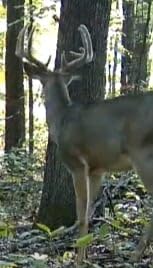
Stills are 40MP and video is 1080p HD, with a low-glow infrared flash and a 0.5 second trigger across 100 feet of detection range. AI buck detection filters alerts down to relevant deer activity, so you are not scrolling through a hundred squirrel photos every morning.
Built-in GPS maps every camera location and supports Live Aim, a placement preview that helps you frame the shot before you leave the truck. Remote feeder control from the Moultrie app is included, and the cameras work with EDGE Series lithium batteries and solar panels for extended deployment.
On r/trailcam, owners of the Edge 3 commonly credit the AI species filtering for cutting through noise, while noting the app can feel slow at times. That combination of filtering plus a slower interface is a fair trade for most people, but it is worth knowing.
Why it works on remote land
Four-carrier auto-connect is the decisive advantage on a property where different corners of the land have different tower coverage. Nothing needs configuring, and the camera simply uses whichever network reaches it.
GPS mapping gives you an inventory of every camera position on the land, and the two-year warranty from activation is the longest commitment here. Two cameras in the pack let you cover an entry point and a back field at once.
Where it falls short
These ship battery powered, so long off-grid deployments need EDGE Series lithium batteries or a solar panel bought separately. A data plan is a required add-on to the hardware either way.
The viewing angle is narrower than the pan and tilt models in this list, which is a deliberate trade for image quality and stealth. If you need to cover a wide yard and re-aim it remotely, this is not the body for that job.
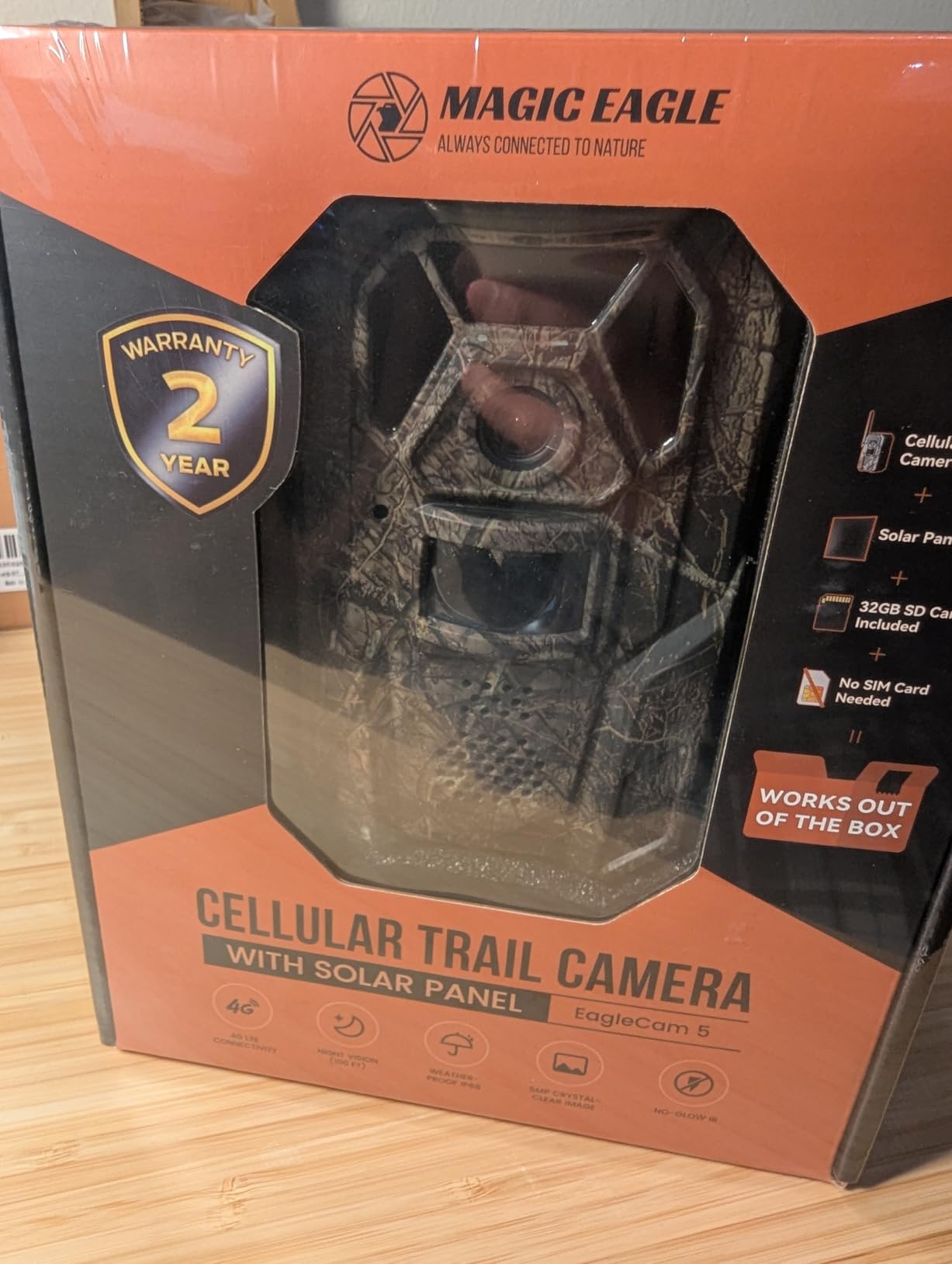
7. MagicEagle Cellular Trail Camera with 13000 mAh Battery
MagicEagle® Cellular Trail Camera 4G Wild Game Cameras 13,000 mAh Battery Solar Panel 2K Audible Video No-Glow IR Night Vision IP66 Waterproof for Wildlife Deer Monitoring Home Security (Army Green)
940nm no-glow IR to 90 feet
13000 mAh battery
SignalSync no-SIM network
Cloud AI species recognition
Pros
- Highest average rating in the group
- Crisp day and night images on a 5MP sensor
- SignalSync picks the strongest carrier
- No-glow IR does not spook animals
- Cloud species recognition
- Two and a half year warranty
Cons
- Manual reading needed for a few setup steps
- Solar panel mount may need different screws
This camera carries the highest average rating we found across every product we reviewed, at 4.8, with 85 percent of ratings at five stars. Owners describe crisp day and night images, working species identification and app setup that even self-described non-technical users managed in a single visit.
The 13000 mAh battery is far larger than typical and is rated for up to three months of standby, and the camera is also solar ready. For a site visited twice a year, that capacity is the difference between a camera that answers and one that has been flat since February.
SignalSync cloud-card technology auto-selects the strongest carrier network with no physical SIM, which is how it manages weak coverage without any configuration. The sensor is 5MP, outperforming the 2MP sensors common on cheaper cameras, with a 0.3 second trigger and 940nm no-glow infrared LEDs reaching 90 feet.
No-glow IR is invisible to animals and to people, so nothing announces that the property is watched. For security work on a cabin or a remote yard, that discretion is often more valuable than extra megapixels.
Why it works on remote land
Battery capacity of 13000 mAh removes solar sizing from the critical path, and cold weather is the usual killer of trail camera endurance. Combine the capacity with the no-SIM SignalSync card and this is the most hands-off camera on the list.
Cloud AI species recognition, live view, temperature and humidity logging give you context on the site rather than just a trigger event. The camouflage body is also something owners note animals do not react to.
Where it falls short
Setup asks you to read the manual carefully to catch a few non-obvious steps, which is a fair trade for a camera that then needs no attention. The solar panel mount may require different screws when combined with the strap, so check the hardware before you climb.
Detection is a fixed field rather than a pan and tilt head, so placement accuracy at mount time matters. There is no live view of the mount preview type offered by the Moultrie, so aim by eye on a calm, bright day.
8. TACTACAM Reveal Ultra Cellular Trail Camera
TACTACAM Reveal Ultra Cellular Trail Camera: 4K Photo, 1080p Video, Live View, GPS Tracking-Enabled, Switchable No-Glow/Low-Glow Flash, LTE Connectivity, LCD Screen – Best Hunting, Game Camera
4K stills and 2.5K video
Switchable no-glow and low-glow flash
GPS theft tracking
2-inch LCD
Pros
- Best image quality in this roundup
- Switchable flash for stealth or reach
- Built-in GPS reports location even when off
- Holds signal in weak coverage
- 2-inch LCD for field aiming
Cons
- Sensitivity settings do not fully stop shadow triggers
- Cellular service uneven in some regions
- Video clip delivery inconsistent for one reviewer
- Support channel described as thin
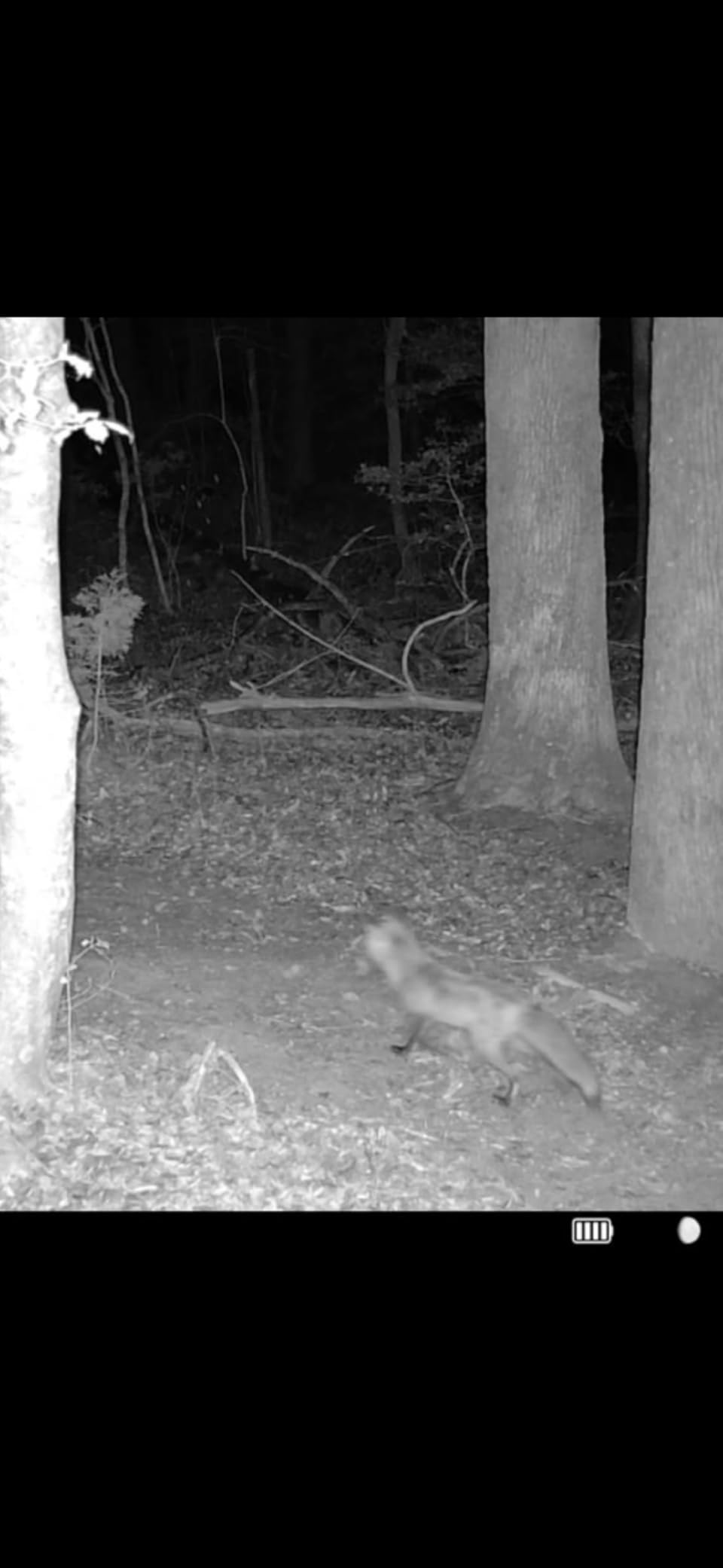
The Reveal Ultra produces the sharpest stills here, at 4K, with 2.5K video, and it is the only camera in the group with a switchable infrared flash. You can run 96 feet of low-glow flash for reach or 80 feet of no-glow for stealth, and owners report noticeably calmer deer behaviour at night once the no-glow setting is on.
The built-in GPS keeps transmitting the camera’s coordinates even when the camera is powered off or the battery is removed. For a property where theft is a genuine risk, that is the feature that can turn a lost camera into a recovered one.
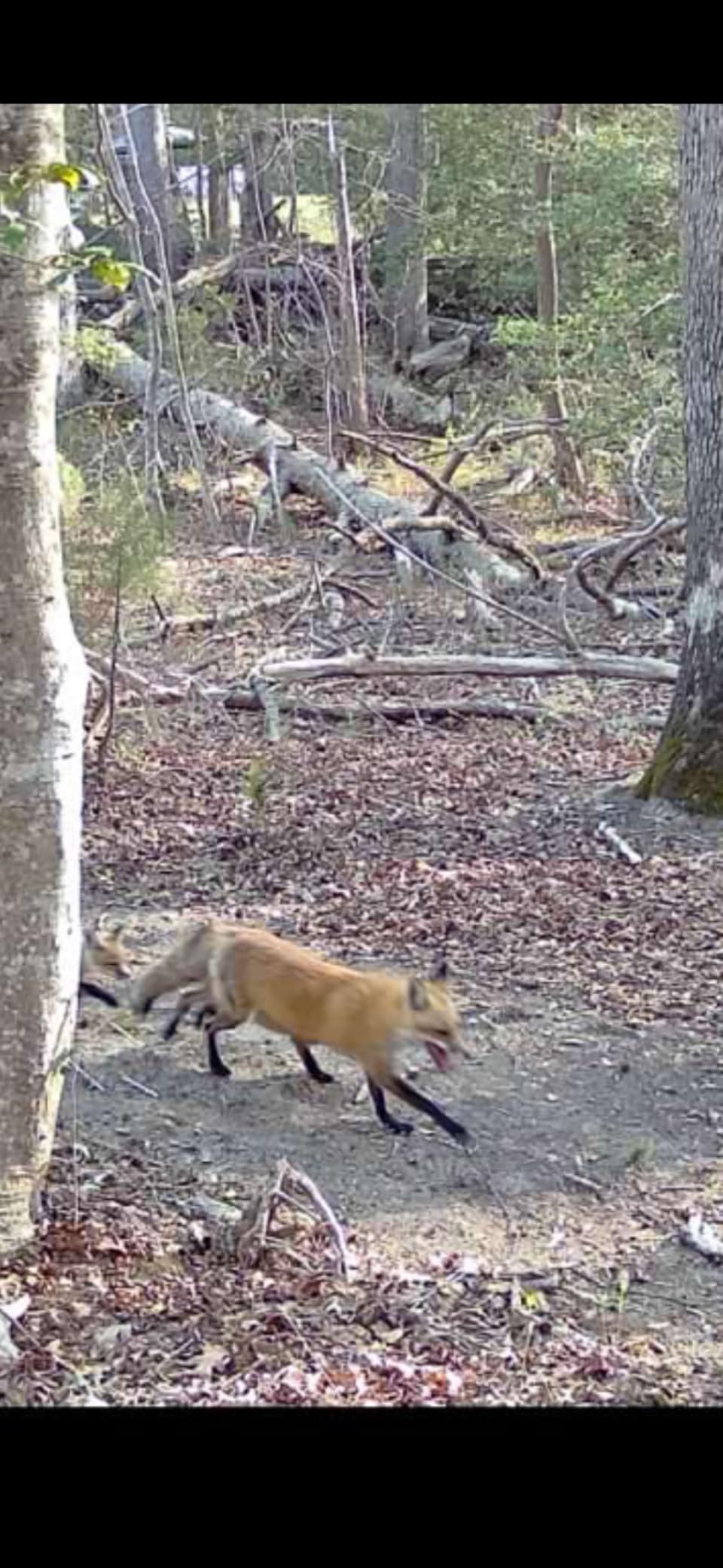
Live view and on-demand HD photo requests respond quickly over the connection, and owners report the camera holding signal in places with weak coverage, including river-bottom locations with no radio or phone service at all. A 2-inch LCD screen helps with field aiming, and the upgraded antenna is part of the package.
Sub-0.5 second triggering supports bursts of up to nine shots. Storage is 16GB internal with an SD card slot for expansion, and the camera works with Tactacam solar panels, folding panels, a battery belt and lithium cartridges.
Why it works on remote land
Image quality is what makes this worth the money when you need to identify a face or read a licence plate from a driveway. 4K stills and 2.5K video handle the exact scenario a remote property owner worries about.
GPS reporting that survives a power-off is theft protection no other camera in this roundup matches, and the battery belt and cartridge options let you run a long deployment without visiting. Weak-signal holding is another consistent owner report.
Where it falls short
Sensitivity settings do not fully suppress shadow-triggered photos, so expect some clutter around a building at midday. One reviewer also reported clips not arriving through the app, and cellular service is described as uneven in some regions during the summer.
Plan tiers for on-demand video and photo requests vary significantly in cost, so check what your viewing habits will actually require. A reviewer who hit a transmission fault described the in-app technical support channel as not working, which is a support gap worth knowing about.
9. Stealth Cam Fusion Max 36MP Two-Pack
Stealth Cam 36MP Fusion Max Cellular Trail Camera with 0.4 Second Trigger Speed, 80-Feet Detection Range and Infrared Flash (2-Pack)
Selectable 36MP down to 4MP stills
0.35 second trigger
80 foot detection range
Two pre-installed SIM cards
Pros
- 36MP sensor with selectable lower settings
- 80 foot detection and flash range
- Quick Scan QR activation
- Dual SIMs for carrier choice
- Two cameras in the pack
Cons
- 16 AAA batteries not included and no panel bundled
- Rechargeable cartridge sold separately
- Barrel housing causes fisheye distortion
- App feels less refined than newer rivals
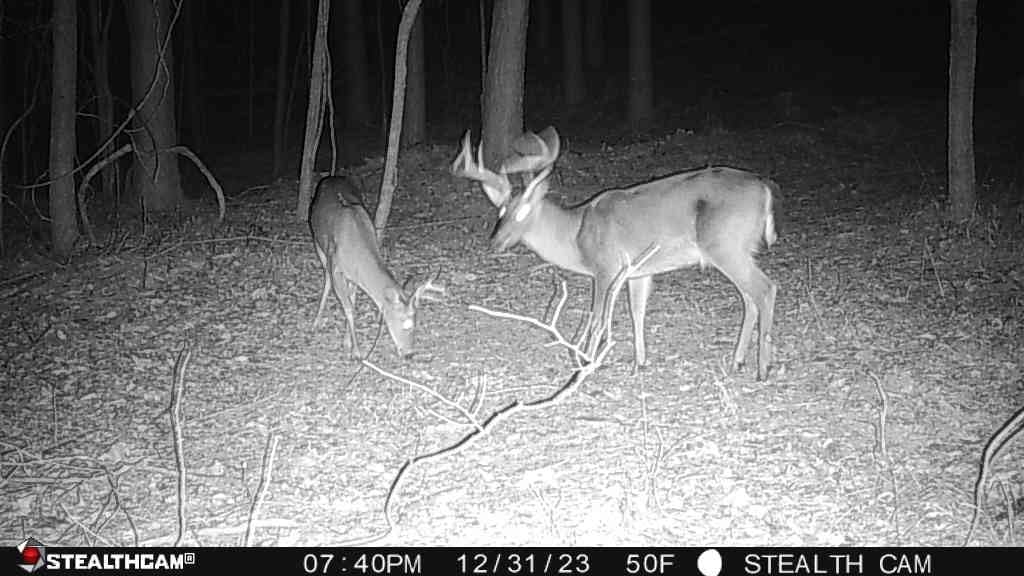
The Fusion Max is built around a 36MP sensor with selectable resolution, letting you drop to lower settings when storage matters more than detail. Two cameras in the pack, each with 0.35 second triggering, bursts of one to six images and an 80-foot detection range, is a lot of coverage for a two-camera deployment.
Two pre-installed SIM cards are the feature that sets it apart from carrier-locked rivals here. They connect to AT&T or Verizon signals, so if one network is weak at your location you can try the other without a new account or a return.
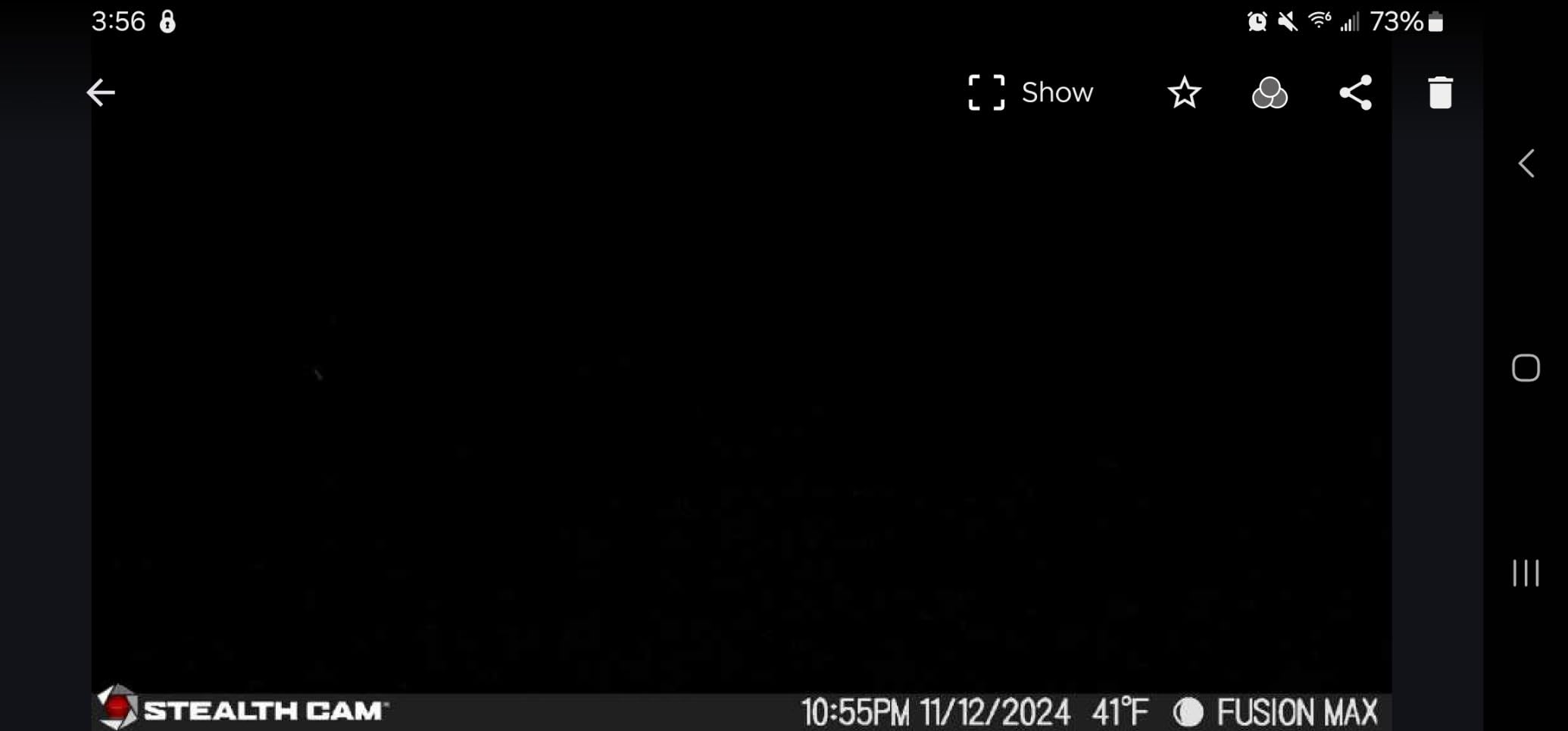
Quick Scan QR code setup makes activation simple, and the COMMAND Pro app provides both mobile and web access for remote viewing and sharing. The housing is weatherproof with a 1/4-20 threaded insert for a standard tripod thread and a 12V DC auxiliary jack if you would rather run external power.
It ships without batteries and without a solar panel, so a 16-AAA power setup has to be bought on day one. A rechargeable battery cartridge is sold separately and is the better choice for a remote site.
Why it works on remote land
Dual SIM access is a real advantage in a coverage dead zone, because it converts a failed install into a settings change. Along with 80 feet of detection, it covers a decent approach to a house or a workshop door.
Selectable resolution lets you keep high megapixel stills on a short trip and drop the setting when you expect heavy traffic, which protects card space. The web access in the COMMAND Pro app is convenient from a desktop when you are off-site planning.
Where it falls short
The barrel-style housing produces obvious fisheye distortion at the edges of the frame, which matters if you are using those high-resolution crops for identification. The 1/4-20 insert and 12V jack are good news for installers, but there is no bundled solar option.
The app control and settings are less refined than newer competitors, and the listed wireless technology is Wi-Fi even though this is a cellular model, which is simply sloppy listing rather than a real limitation. Budget for batteries or a cartridge before deployment.
10. GardePro X60 Pro Max with SP300 Solar Panel
GardePro X60 Pro Max Cellular Trail Camera with SP300 Solar Panel
48MP stills and 1296P video
940nm no-glow IR to 100 feet
SP300 panel and 7800 mAh battery
Shared data plan
Pros
- Solar panel and battery in the box
- 48MP stills and 1296P video
- 100 foot no-glow night vision
- Only shared-pool data plan here
- Works on all three major carriers
Cons
- Live View and on-demand need a separate data plan
- Fixed focus and small screen limit aiming
- One-star feedback runs higher than most peers
- Extra cable connection between camera and panel
The X60 Pro Max is the most complete kit in the box, pairing the camera with an SP300 solar panel, a 7800 mAh battery, a pre-installed SIM, straps, a bracket and cables. If you are deploying far from a road, having the whole power system in one delivery removes a second trip.
Stills are 48MP and video is 1296P, with 940nm no-glow infrared LEDs reaching up to 100 feet. Live View and on-demand HD image or clip requests are supported, and previews can be set from three to 300 seconds so you can control how much data a busy scene consumes.
The reason this camera is on the list at all is the data plan. GardePro allows plans to be shared across multiple cameras on a single account, which makes it the cheapest way to run three, four or five points on the same property as coverage grows.
It works on Verizon, AT&T and T-Mobile and auto-selects the strongest signal. The 2.4-inch screen supports field aiming, and the app allows multi-user sharing with no extra fees, which suits a family or a small team watching different corners of a farm.
Why it works on remote land
Shared plan pooling is the answer to the multi-camera cost problem that owners raise most often. One account across five cameras changes the economics of covering a whole property rather than a single gate.
With a 100-foot no-glow range, you get reach without visible light, and the battery supports about a month of use at fifteen captures by day and fifteen by night. The included panel and battery make the off-grid install a single box.
Where it falls short
Live View and on-demand requests need an active data plan bought separately, so the hardware alone is not the whole picture. The 2.4-inch screen and fixed focus limit manual aiming compared with a moving-head body.
One-star reviews run higher than most peers here, and the cabled link between camera and panel adds another connection point in the field where moisture can creep in. Plan carefully on a property with a lot of points before committing.
11. TACTACAM Defend 360 Cellular Security Camera
TACTACAM Defend 360 Cellular Security Camera, Solar Power, No WiFi
LTE only with no WiFi needed
360 degree pan tilt and zoom
4K photo and 1080p video
Solar plus 10000 mAh battery
Pros
- LTE only so no WiFi at the site needed
- 360 degree remote pan tilt and zoom
- Solar keeps the battery topped up
- 4K photos and 1080p video
- Support praised for subscription transfers
Cons
- Video stays internal and is not pushed to cloud
- Android push notifications unreliable
- Most features sit behind paid tiers
- Mount cannot tilt above horizontal
- No built-in GPS
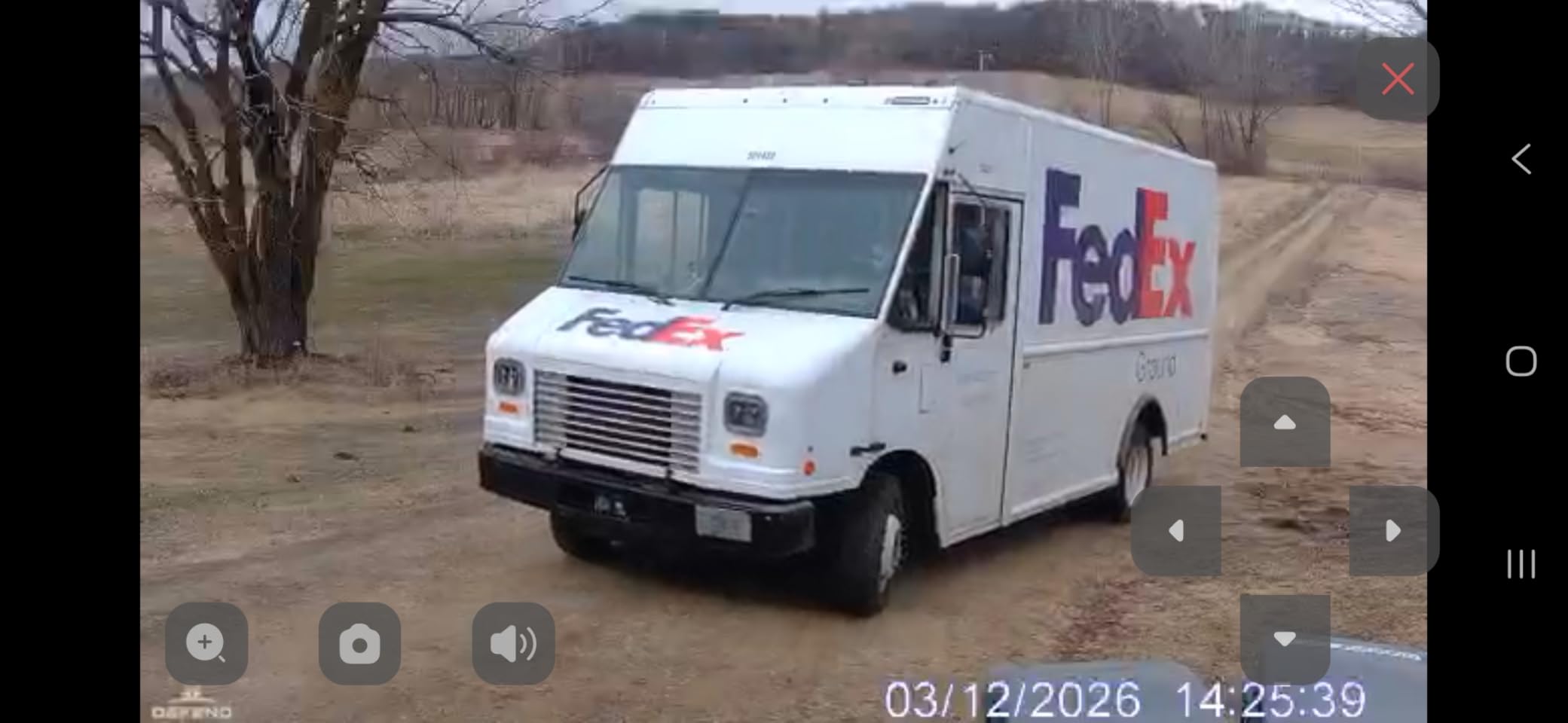
This is a security camera rather than a game camera, and it behaves accordingly. It connects over LTE with no WiFi required, rotates up to 355 degrees under app control, and runs on solar power with a 10000 mAh internal battery, so a gate post or yard corner with no mains power is a straightforward install.
Capture is 4K photo and 1080p video with instant motion alerts. Owners report reliable performance at a lake house and around a new shop build with no power on site, which matches the off-grid use case better than most devices aimed at hunters.
Tactacam customer service is repeatedly praised for handling subscription transfers and setup help, and the app has gained bulk management and delete-at-once options over time. That matters when you own several cameras and want a weekly clear-down of the event list.
Plan tiers are where the friction appears. The most affordable tier only sends a check-in photo every twelve hours, and live view takes roughly ten to fifteen seconds to wake and begin streaming, so this is not a device for real-time pursuit.

Why it works on remote land
LTE-only connectivity means it works at remote gates, barns and cabins without any local network, and solar charging keeps the battery topped off without a wall outlet. The 360-degree remote control covers an entire yard from one pole.
It is also the most genuinely security-focused body here, with instant motion alerts and a wide field of coverage rather than a narrow wildlife lens. Owners who have used it away from mains power report it simply keeps working.
Where it falls short
Video is recorded internally but is not pushed to cloud storage, so retrieving a clip remotely is inconvenient. Push notifications on recent Android versions are unreliable and often arrive only when the phone is unlocked.
The fixed-position mount cannot tilt above horizontal, so the unit has to go high on a pole, and there is no built-in GPS, so a stolen unit cannot be located. The strict letterbox field of view makes placement distance hard to dial in.
12. Tefrio 2.5K Always-On Cellular Trail Camera Two-Pack
4G LTE Cellular Trail Cameras, 2.5K 360° Live Always-On-Video Recording
24/7 continuous recording
2.5K live view with 360 degree PTZ
Dual low-glow and colour night
Two-way audio
Pros
- Only true 24/7 always-on recording here
- 360 degree pan tilt in the app
- Solar charges on overcast days
- 0.2 second trigger with smart PIR filter
- Two-way audio for deterrence
Cons
- Always-on recording needs a memory card that is not included
- Each camera needs its own subscription
- No automatic subject tracking
- Subscription is mandatory to keep cellular active
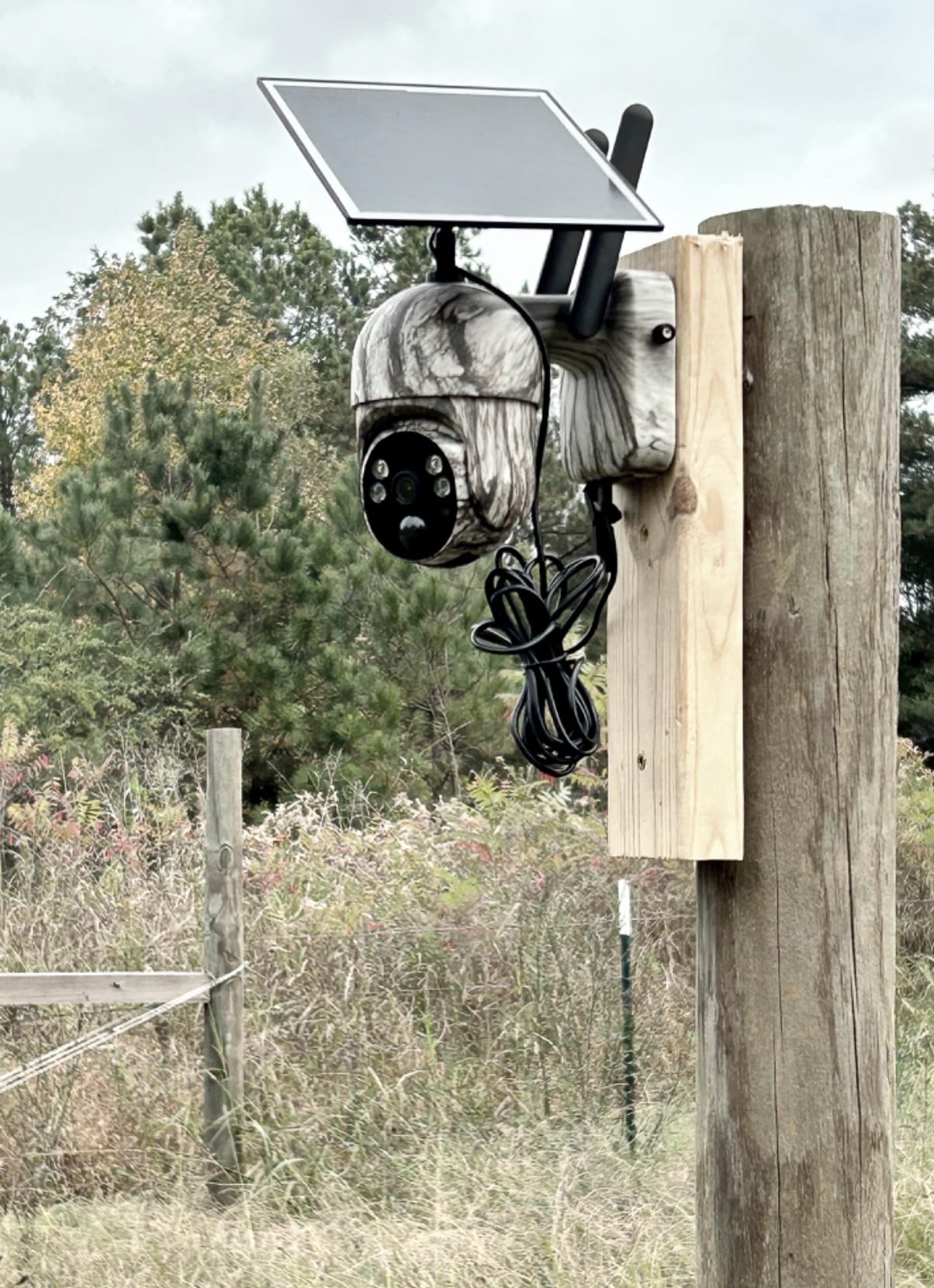
Every other camera here wakes on motion, which means it can miss whatever happened between triggers. This one records continuously around the clock, so if someone approaches from a direction the sensor does not cover, there is still a record of it.
Live view is 2.5K with smooth 360-degree pan and tilt control in the Arogal app, and setup is repeatedly described as taking under five minutes. Trigger response is 0.2 second with a smart PIR filter that ignores wind and branches, cutting the false alerts that drain both battery and data.

Night vision is switchable between low-glow infrared and full colour, and two-way audio is built in, which lets you speak to someone standing at the camera rather than only watching them. Holders report a usable signal in areas where reception is described as hot and miss.
Each camera comes with a 5W solar panel and the body is IP65 rated from -20C to 50C. The built-in 4G LTE module uses a pre-installed US-only SIM, which means no SIM purchase but also no carrier choice if the local network is poor.
Why it works on remote land
Continuous recording is the honest answer to a security question that motion cameras cannot fully answer. If your worry is a person who walks past slowly or approaches from a blind angle, this is the only camera in the list that captures it by default.
Solar keeps the battery charged on overcast days, and two-way audio turns a camera into something you can actively use rather than just watch. The two-pack covers two approaches to the same site.
Where it falls short
Always-on recording requires a local memory card, which is not included, and you will fill a large card quickly at 24 hours a day. Each camera needs its own subscription after the seven-day unlimited trial.
Despite the 360-degree hardware, it does not track moving subjects automatically, so framing stays where you put it. The non-removable SIM is a limitation in dead zones where a different carrier would work.
How to Choose a Cellular Trail Camera for a Remote Property
Start with the signal, not the sensor. Pull the coverage map for your three nearest towers and check the property against it, then decide whether you need a model that auto-connects across several carriers or one with a physical SIM you can move. The Oculview, Moultrie Edge 3, MagicEagle, TACTACAM Reveal Ultra and GardePro all roam across multiple networks, which is the safest position on land with uneven coverage.
Next, size the power honestly. Work out how many captures a day you expect at that location, multiply by the number of cameras, and match it against the battery and panel in the box. A camera that ships with a 4W panel and a 7800 mAh battery is in a different class from one that needs batteries and a panel bought separately, and a 13000 mAh pack with no panel at all can be the simplest option if you only visit twice a year.
Think hard about night-flash type. No-glow 940nm infrared is invisible to animals and to people, which is what you want for a property where you do not want the camera announcing itself. Low-glow 850nm reaches further and sometimes captures colour, but a visible red glow can spook deer away from a bait site. The TACTACAM Reveal Ultra and the MagicEagle both make the no-glow choice, and the Reveal Ultra lets you switch between the two.
Check how the app handles failure. On remote land the cellular link will drop at some point, and the cameras that keep writing to a local SD card survive that. An on-screen view, whether a fixed LCD or a pan and tilt head, also matters more than most spec sheets admit, because it saves a second trip to fix framing.
Finally, count the ongoing costs before you buy hardware. The cameras here divide into two camps: those with a shareable plan across multiple cameras, and those where every unit carries its own subscription. A four-camera deployment on non-shareable plans costs meaningfully more each year than the same four cameras on a pooled plan, so if you already know you want more than two points, plan pooling changes which model makes sense.
Our broader guides to cellular trail cameras and trail cameras generally cover the hardware side in more detail if you are still deciding on the camera type.
Signal Strength, Solar Sizing and Data Plans for Off-Grid Sites
Signal testing is the step people skip and regret. Before ordering, put a phone on the exact mount point in the app you plan to use and watch the bars, then try again at night, when a rural tower can be busier. If the reading is marginal, moving the camera ten feet higher or a few yards toward the tower is often the difference between a camera that reports and one that does not. Avoid valleys, metal roofs and thick evergreen cover, all of which eat signal.
Solar sizing comes down to average daily sun for your latitude and season, not the panel’s headline wattage. In northern climates a smaller panel that keeps a modest battery topped up through a cloudy February beats a larger panel on a camera you only visit in October. The 6W adjustable panel on the Oculview and the SP300 in the GardePro kit are the two that give you the most adjustment headroom, and both should be aimed at the sun rather than bolted flat to a trunk.
Data use depends on how much you actually request. A camera set to send thumbnails and only pull video on demand uses a fraction of the data of one streaming live view on a schedule, and one owner we looked at runs a four-camera site on a single shared plan for that reason. The Tefrio’s always-on recording is the exception, because continuous capture to a card plus any live viewing adds up quickly.
If the property needs constant connectivity for something other than a camera, our guide to cellular modems for backup internet covers the hardware side of that problem. For the physical approach, anyone with a rural driveway will also want to look at driveway gates for rural properties, since most camera placements sit on a gate post.
Frequently Asked Questions
What is the difference between a WiFi trail camera and a cellular trail camera?
A WiFi trail camera sends photos and video over a local wireless network, so it must sit within range of a router or hotspot. A cellular trail camera uses a built-in 4G LTE radio and a SIM or cloud card to send the same files over a carrier network, which means it works at a cabin, gate or pasture with no internet service at all.
Do you have to pay a monthly fee for a cellular trail camera?
Yes. The hardware is only part of the cost. Every camera here needs an active data plan after its included trial data runs out, and most also gate cloud storage or live view behind paid tiers. The cheapest way to run many cameras is a plan that pools across an account, which is why the GardePro X60 Pro Max is worth a look for a multi-point property.
Do cellular trail cameras work in areas with no cell service?
Only where a carrier tower can reach the site. A camera with a better antenna, such as the TACTACAM Reveal Ultra, can hold a connection in places a phone cannot, and models that auto-connect across several carriers will pick whichever network is strongest. In a true dead zone no camera will transmit, so record to a local SD card and treat the cloud as a convenience.
What is the number one rated trail camera in this roundup?
The VOOPEAK 4G LTE Trail Camera with 360 live streaming is our top pick for remote properties. It carries the deepest review history in the group at 4.3 stars from 484 reviews, a pan and tilt head you can re-aim from your phone, a 0.1 second trigger and an IP68 body rated from -40F to 140F. The MagicEagle scores higher at 4.8 stars, but from a smaller base of 267 reviews.
Why are states banning trail cameras?
The restrictions come from concerns about privacy and about fair chase ethics. A camera on public or private land can record people without their knowledge, and some hunting advocates argue that leaving a camera running on land you do not own crosses a line. Check the rules for your state before deploying a camera on shared ground or near a boundary.
Can you view trail cameras remotely without WiFi?
Yes. That is the entire point of a cellular model. Live view, on-demand photo requests and clip playback all run over 4G LTE through the manufacturer app, with no local network at the camera. Set-up times vary widely, so the always-on models and the cloud-backed cameras are the ones where plan choice matters most.
Final Verdict on the Best Cellular Trail Cameras for Remote Properties
For most people monitoring a cabin, gate or farm without power or internet, the VOOPEAK 4G LTE Trail Camera with 360 live streaming is the one to start with. It combines the fastest trigger here with a head you can re-aim from your phone, a solar panel and battery in the box, and the strongest review record in the group.
Buy the Moultrie Edge 3 if carrier flexibility and still-image detail matter most, the MagicEagle if you want no-glow stealth and months of standby, and the TACTACAM Reveal Ultra if identifying a person matters more than cost. Whichever you pick, check tower coverage at the exact mount point and buy a memory card before you drive out.