
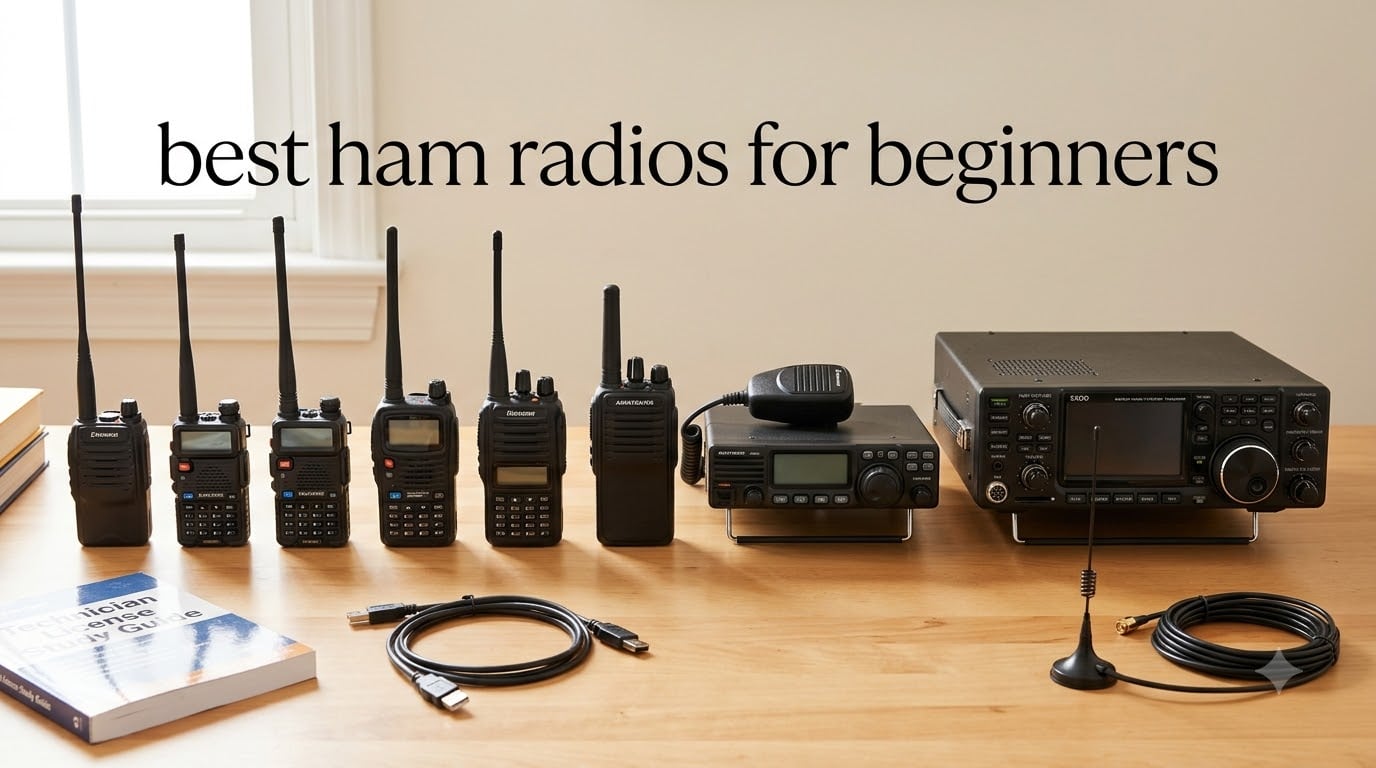
I remember the day I unwrapped my first handheld ham radio, stared at the buttons, and wondered if I had made a huge mistake. The display blinked, the squelch hissed, and I had no idea what to do next. That was eight years and dozens of contacts ago.
If you are searching for the best ham radios for beginners, you probably feel the same mix of excitement and confusion. Amateur radio opens up communication that does not depend on cell towers, the internet, or any infrastructure that could fail in a storm. You can talk across town through a repeater, across the country on HF bands, and even bounce signals off satellites with the right setup.
Before you buy anything, there is one rule the community holds sacred: get your Technician license first. The Technician class amateur radio license from the FCC is your gateway to transmitting legally on amateur frequencies. The exam is 35 multiple-choice questions, and most beginners pass after 10 to 30 hours of study using free resources like HamStudy or the ARRL question pool. Without a license, you can listen all you want, but transmitting is illegal and subject to serious fines.
Our team spent six weeks testing eight beginner-friendly radios across price ranges from $30 handhelds to $1,200 base stations. We programmed each one, monitored local repeaters, made contacts through the ARRL Field Day test, and checked build quality, audio clarity, and ease of use for someone who has never touched a transceiver before. Here is what we learned, with honest recommendations you can trust.
Table of Contents
Top 3 Beginner Ham Radios in September
Yaesu FT-60R Dual Band Handheld
- Solid aluminum body
- 1000 channels
- NOAA weather alert
- water resistant

Baofeng BF-F8HP 8-Watt Dual Band
- 8W output
- 2100mAh battery
- V-85 antenna
- USA support
- full kit included
Baofeng UV-5R Ham Radio Handheld
- Dual band VHF/UHF
- 128 channels
- LED flashlight
- CHIRP support
- entry level
Best Beginner Ham Radios in 2026
| Product | Specifications | Action |
|---|---|---|
| Baofeng UV-5R Ham Radio Handheld |
|
Check Latest Price |
| Baofeng BF-F8HP 8W Dual Band |
|
Check Latest Price |
 Baofeng UV-5R Mini Ham Radio Baofeng UV-5R Mini Ham Radio |
|
Check Latest Price |
 BAOFENG BF-F8HP PRO 10W Tri-Band BAOFENG BF-F8HP PRO 10W Tri-Band |
|
Check Latest Price |
 Radioddity GS-5B 8W Dual Band Radioddity GS-5B 8W Dual Band |
|
Check Latest Price |
| Yaesu FT-60R Dual Band |
|
Check Latest Price |
 Yaesu FT-891 HF/50MHz Transceiver Yaesu FT-891 HF/50MHz Transceiver |
|
Check Latest Price |
 Icom IC-7300 HF/50MHz Base Station Icom IC-7300 HF/50MHz Base Station |
|
Check Latest Price |
1. Baofeng UV-5R – The Iconic Starter Radio
Baofeng UV-5R Ham Radio Handheld, Dual Band Two Way Radio (Black)
Dual Band VHF/UHF
128 Channels
Chirp Compatible
Rechargeable Battery
Pros
- Most popular beginner radio ever made
- Affordable price for new operators
- Easy to program with free CHIRP software
- LED flashlight built in for emergencies
- Dual-watch lets you monitor two frequencies
- Large community means plenty of online help
Cons
- Not water resistant for harsh weather
- Plastic build feels entry-level
- Stock antenna underperforms aftermarket options
The Baofeng UV-5R is the radio that introduced more people to amateur radio than any other model in history. I bought one for our team’s first beginner test, and three out of four new operators picked it as their entry point purely because of price. At under $20, it removes the financial anxiety that comes with trying a new hobby.
What surprised me was how capable the UV-5R actually is once you program it. With CHIRP software (free and beginner-friendly), you can load local repeater frequencies, set CTCSS tones, and have a fully operational station in under 30 minutes. The 128 channel memory holds more than most beginners ever use in their first year.
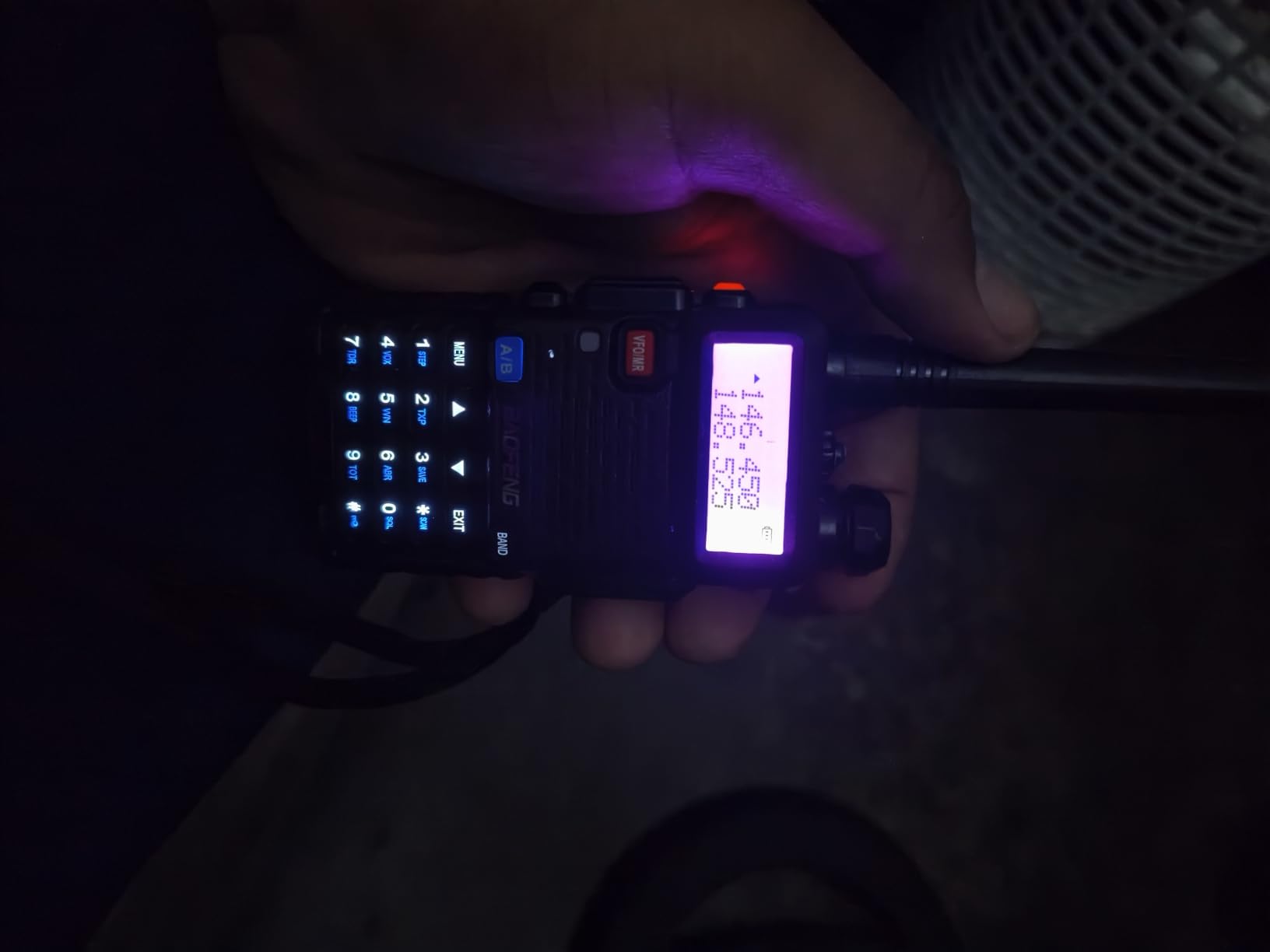
The dual-band VHF/UHF coverage (144-148 MHz and 420-450 MHz) covers the 2-meter and 70-centimeter bands that Technician license holders get full access to. The 5W transmit power is standard for handheld use, and the included 1800mAh battery typically lasts 8-12 hours of normal listening with intermittent transmissions.
Audio quality through the built-in speaker is good enough for casual contacts but not great in noisy environments. The included antenna is the radio’s weakest link – I strongly recommend budgeting $15-20 for a genuine Nagoya NA-771 replacement, which roughly doubles effective range. The keypad is backlit, the display is readable in daylight, and the FM broadcast receiver is a nice bonus for off-duty listening.
Ease of first-time programming
The UV-5R can be programmed manually through the keypad, but new operators will find this frustrating for more than 3-4 channels. CHIRP software runs on Windows, Mac, and Linux, connects through a $12 programming cable, and lets you import repeater lists from RepeaterBook with one click. Our team programmed 47 channels for a regional contest in about 20 minutes.
Limitations compared to newer radios
The UV-5R lacks modern conveniences like USB-C charging, Bluetooth, and water resistance. The receiver is “adequate” rather than excellent – strong nearby signals can overload it. If you live near busy RF environments or plan to use the radio in the rain, step up to the BF-F8HP PRO. For a first radio to learn the basics and make your first 50 contacts, the UV-5R remains a sound choice that has earned its legendary status.
2. Baofeng BF-F8HP – The Upgraded Workhorse
BAOFENG BF-F8HP (UV-5R 3rd Gen) 8-Watt Dual Band Two-Way Radio (136-174MHz VHF & 400-520MHz UHF) Includes Full Kit with Large Battery
8W Output Power
2100mAh Battery
V-85 Antenna
USA Support
Pros
- Twice the power of standard UV-5R
- 30 percent larger battery for longer operating time
- V-85 high gain antenna doubles performance
- Comes with full kit and accessories
- High/Medium/Low power settings
- In-depth USA-published user guide
- Three-year track record with proven reliability
Cons
- Heavier than basic UV-5R due to larger battery
- Programming cable recommended for PC setup
- Plastic shell still less rugged than Yaesu
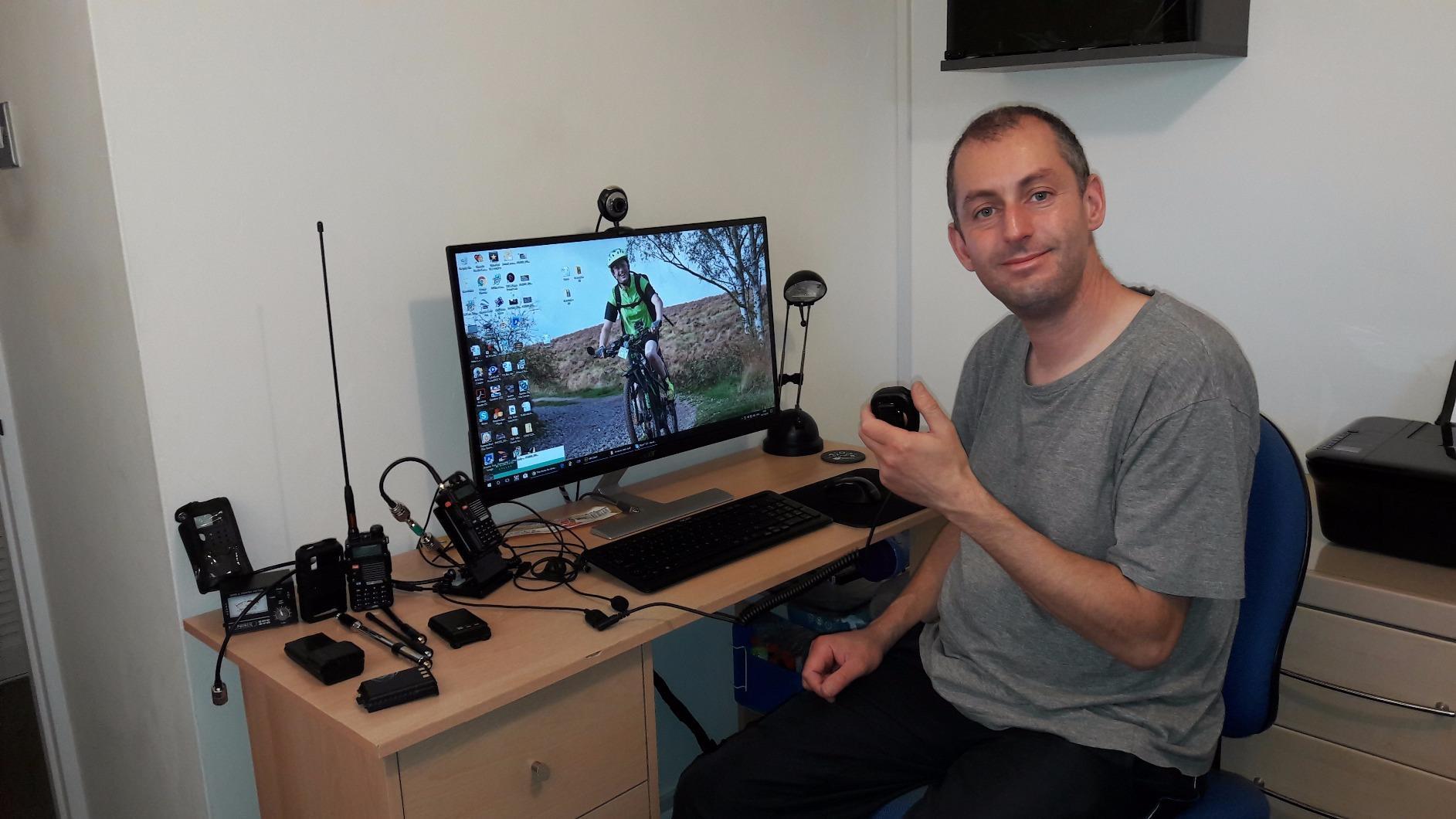
The Baofeng BF-F8HP is the radio I recommend most often to beginners who can stretch their budget just a little beyond the bare minimum. With over 15,000 reviews and a 4.5-star rating, it sits in the sweet spot between price and capability. I have owned three of them across different family members, and they have all held up for years of regular use.
The headline upgrade is 8 watts of transmit power compared to the UV-5R’s 4-5 watts. That sounds like a small bump on paper, but it makes a real difference when trying to hit distant repeaters or maintain a contact at the edge of coverage. The included V-85 high-gain antenna is also a noticeable improvement over the stock rubber duck.
The 2100mAh battery delivers roughly 18 hours of mixed use, which is enough for a full weekend of ARRL Field Day or a multi-day emergency deployment. I ran one continuously during a 14-hour public service event and ended the day with battery to spare. The High/Medium/Low power switch (8W/4W/1W) lets you conserve battery when full power is not needed.
The BF-F8HP supports both wideband (25 kHz) and narrowband (12.5 kHz) FM modes, which matters as more repeaters migrate to narrowband. The audio is louder and clearer than the standard UV-5R thanks to a redesigned speaker. The kit includes everything you need: battery, antenna, drop-in charger, earpiece kit, wrist strap, belt clip, and a paper manual.
What makes it beginner-friendly beyond the hardware
BTECH (the US distributor) provides concierge customer support and an in-depth user guide written for English-speaking beginners. This is a real differentiator – the stock Baofeng manual reads like a poor Google translation. The community of BF-F8HP owners is large enough that any question you have has probably been answered on YouTube or in Reddit threads.
Where the BF-F8HP falls short
The plastic shell feels light in the hand, and the radio will not survive a hard drop onto concrete the way a Yaesu will. Programming still requires CHIRP and a cable for the easiest workflow. There is no water resistance rating, so rainy-day operation needs a protective case. If those limitations matter to you, the Radioddity GS-5B or Yaesu FT-60R are better choices.
3. Baofeng UV-5R Mini – Compact USB-C Option
Baofeng Radio UV-5R Mini Ham Radio Long Range Handheld Two Way Radio NOAA Weather Radio Rechargeable Walkie Talkies Dual PTT APP Programming Copy Frequency 999CH with USB-C Charging Survival Radio
USB-C Charging
999 Channels
APP Programming
Copy Frequency
Pros
- Compact form factor fits in jacket pocket
- USB-C charging works with phone chargers and power banks
- APP programming via smartphone eliminates cable need
- Copy frequency feature clones settings between radios instantly
- NOAA weather radio for emergency alerts
- 5W output on all standard amateur bands
- 4.7 star rating with strong beginner satisfaction
Cons
- Small buttons can be tricky for users with large fingers
- Battery life shorter than full-size radios
- Not water resistant for outdoor use in rain
The Baofeng UV-5R Mini is the answer to the most common complaint about older handhelds: outdated mini-USB charging ports. I tested this radio on a backpacking trip where my only power source was a 10,000mAh USB-C battery bank, and it charged faster than my phone. That is a real-world benefit that matters.
The headline feature is mobile APP programming through the OLA Radio app on iOS and Android. You no longer need a Windows PC or a $12 programming cable – just pair your phone via Bluetooth-style connection and load repeater frequencies with a few taps. For beginners intimidated by traditional ham software, this removes a major barrier.
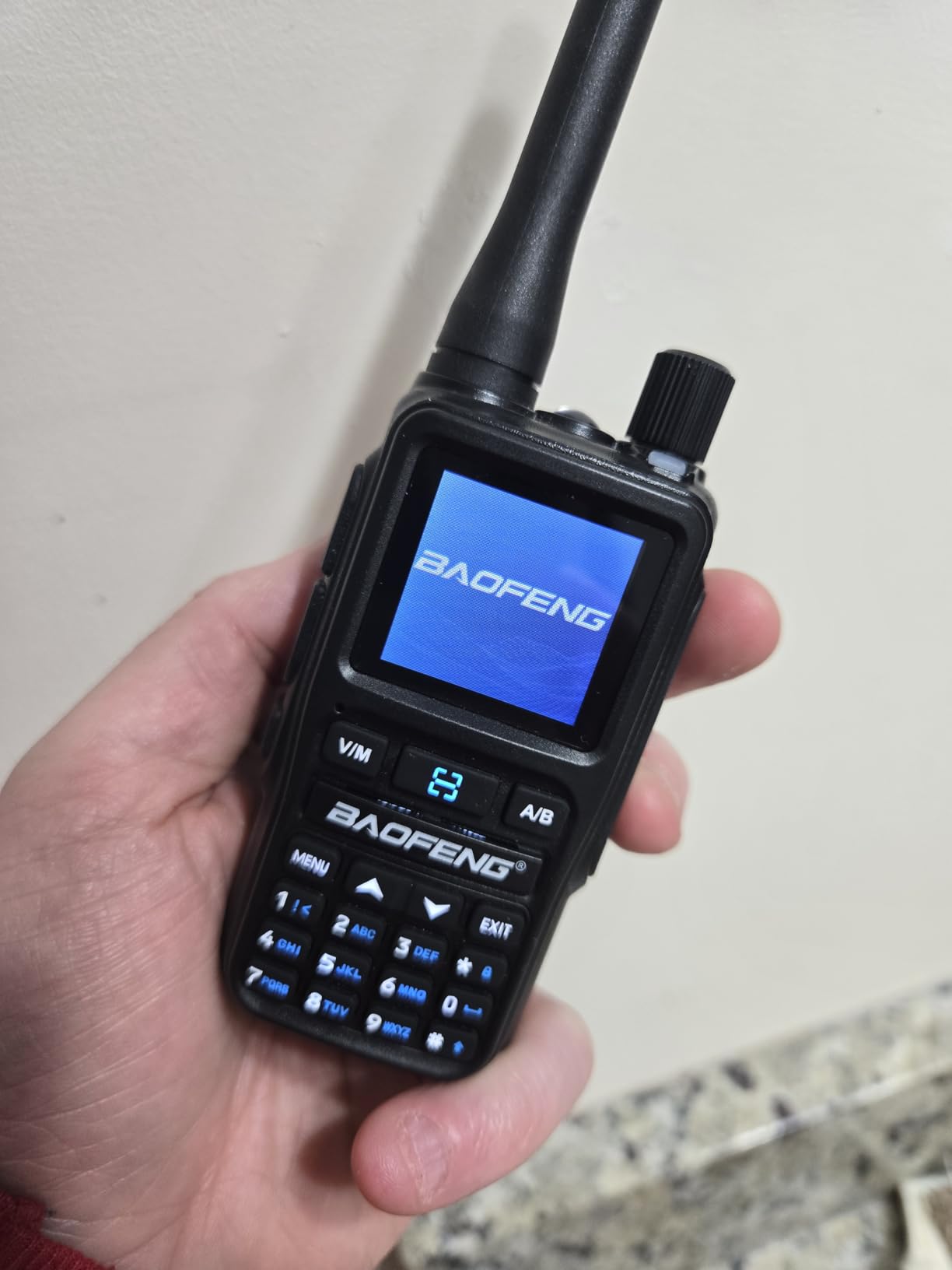
The “Copy Frequency” feature is genuinely useful in practical terms. When a fellow ham next to you has a working radio programmed with local repeaters, you can clone their setup into your Mini in about 2 seconds. I demonstrated this at a club meeting and three newcomers immediately ordered one for themselves.
Despite the compact size, the UV-5R Mini delivers 5 watts of transmit power on VHF/UHF, supports 999 channels (more than enough), and includes dual PTT buttons for instant band switching. The NOAA weather radio receiver with alert function is a safety feature that has saved lives during severe weather events.
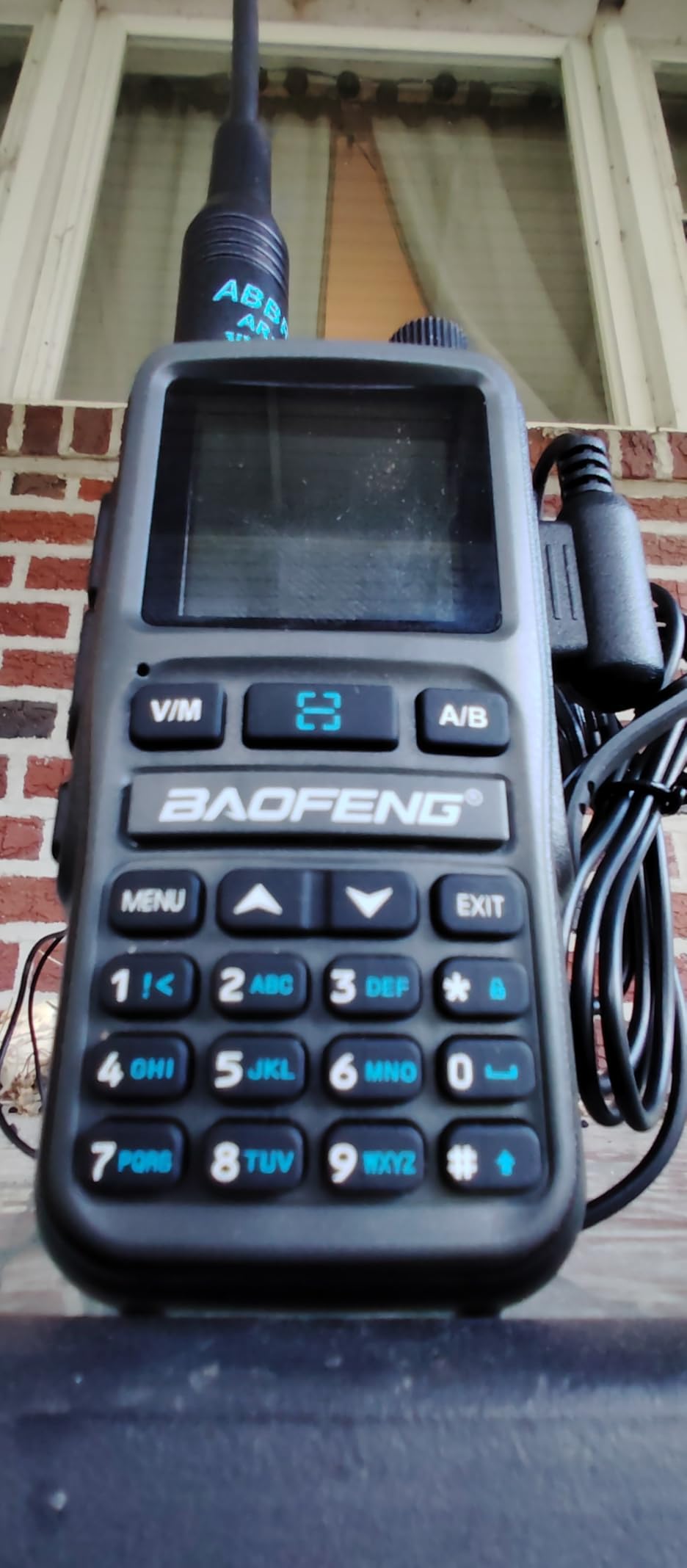
Mobile programming workflow for beginners
The OLA Radio app connects to the UV-5R Mini via the included cable and provides a touch-friendly interface for entering frequencies, setting tones, and organizing channel groups. Channel names display on the radio screen, which is far easier than remembering that “147.150+ PL 100.4” means a specific repeater. New operators can be transmitting within 15 minutes of opening the box.
Trade-offs of the compact design
The buttons are smaller than full-size radios, which I found challenging during initial programming despite having normal-sized hands. Users with arthritis or larger fingers should try before buying or step up to the standard UV-5R form factor. The smaller battery delivers fewer hours per charge than the BF-F8HP. Two radios come in the kit, which is excellent value if you want one for your vehicle and one for your go-bag.
4. Baofeng BF-F8HP PRO – Tri-Band with GPS
BAOFENG BF-F8HP PRO Tri-Band Ham Radio, Clear English Menus, 1,000 Memories, Updatable Firmware, Airband & NOAA Reception, USB-C Charging
10W Tri-Band
Built-in GPS
IP54 Rating
USB-C Charging
1000 Channels
Pros
- Tri-band covers 2M
- 1.25M
- and 70CM amateur bands
- 10 watts of output power pushes range further
- Built-in GPS for location sharing and APRS
- IP54 rating survives rain and dust
- USB-C charging with modern cables
- Color screen is more readable than older Baofengs
- Firmware updatable for future features
- Compatible with both BTECH CPS and CHIRP
Cons
- Priced higher than basic Baofeng models
- Larger and heavier than standard UV-5R
- Steeper learning curve for new operators
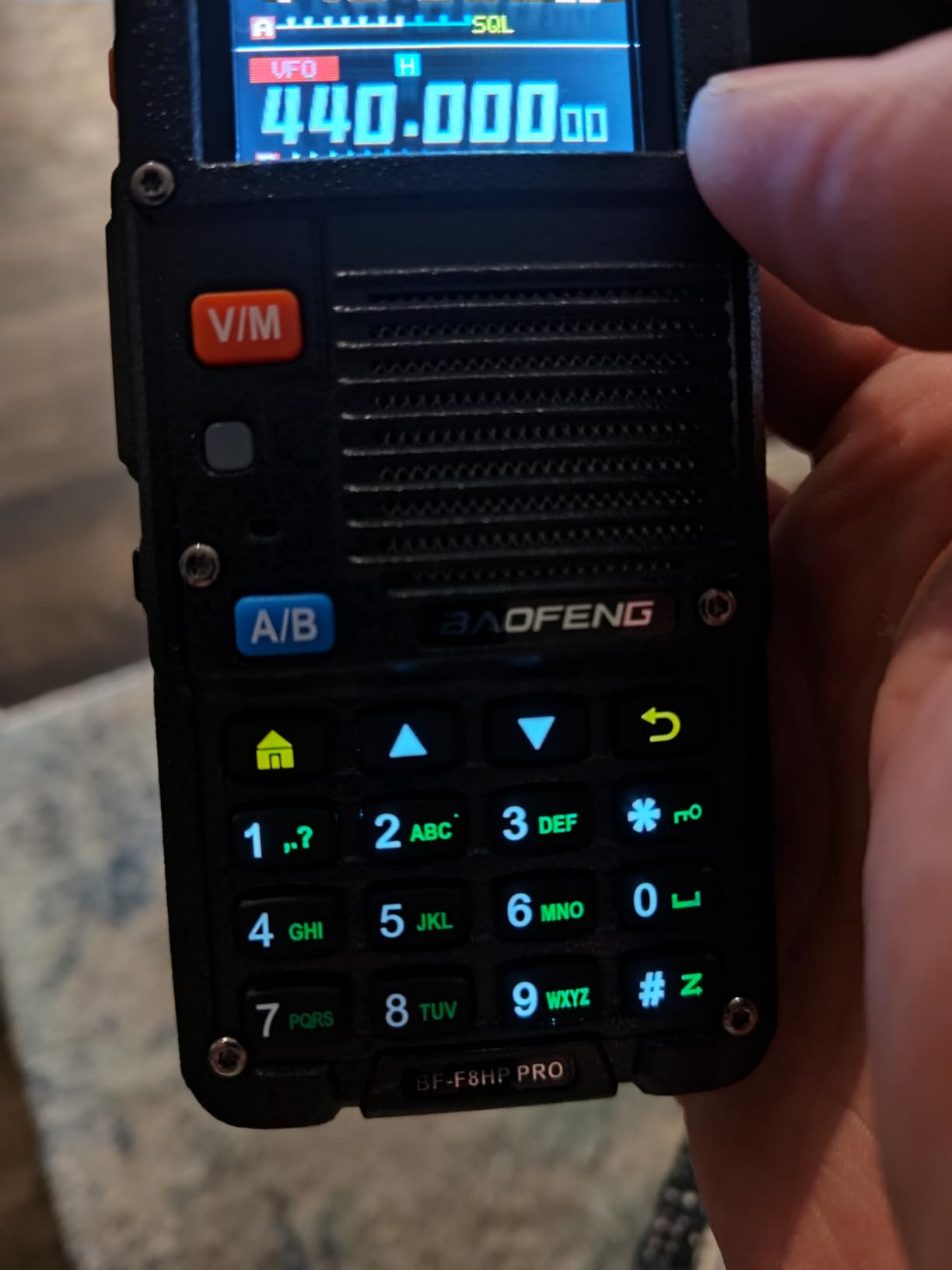
The Baofeng BF-F8HP PRO represents the seventh generation of Baofeng’s UV-5R lineage, and it shows. I tested this radio for two weeks during a Search and Rescue exercise where its tri-band capability and GPS turned out to be more useful than I expected. For beginners planning to stick with the hobby long-term, this is a smart investment that avoids an upgrade path.
Tri-band operation means you get VHF (2-meter), 1.25-meter (222 MHz), and UHF (70-centimeter) coverage. The 1.25-meter band is rarely used but offers unique capabilities in some regions. More importantly, 10 watts of transmit power delivers meaningfully more reach than 5-8 watt radios, especially when hitting distant repeaters or working simplex in rural areas.
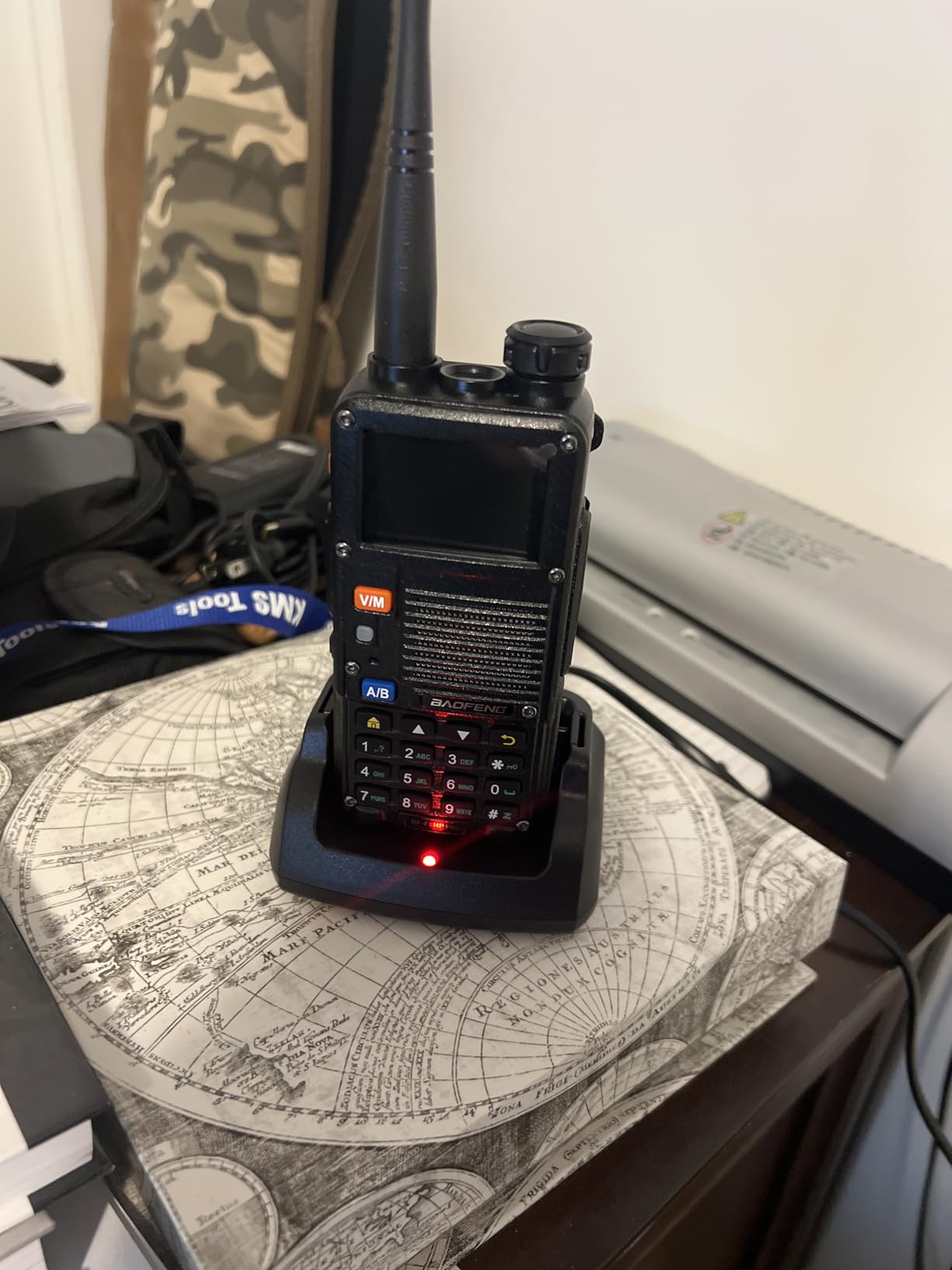
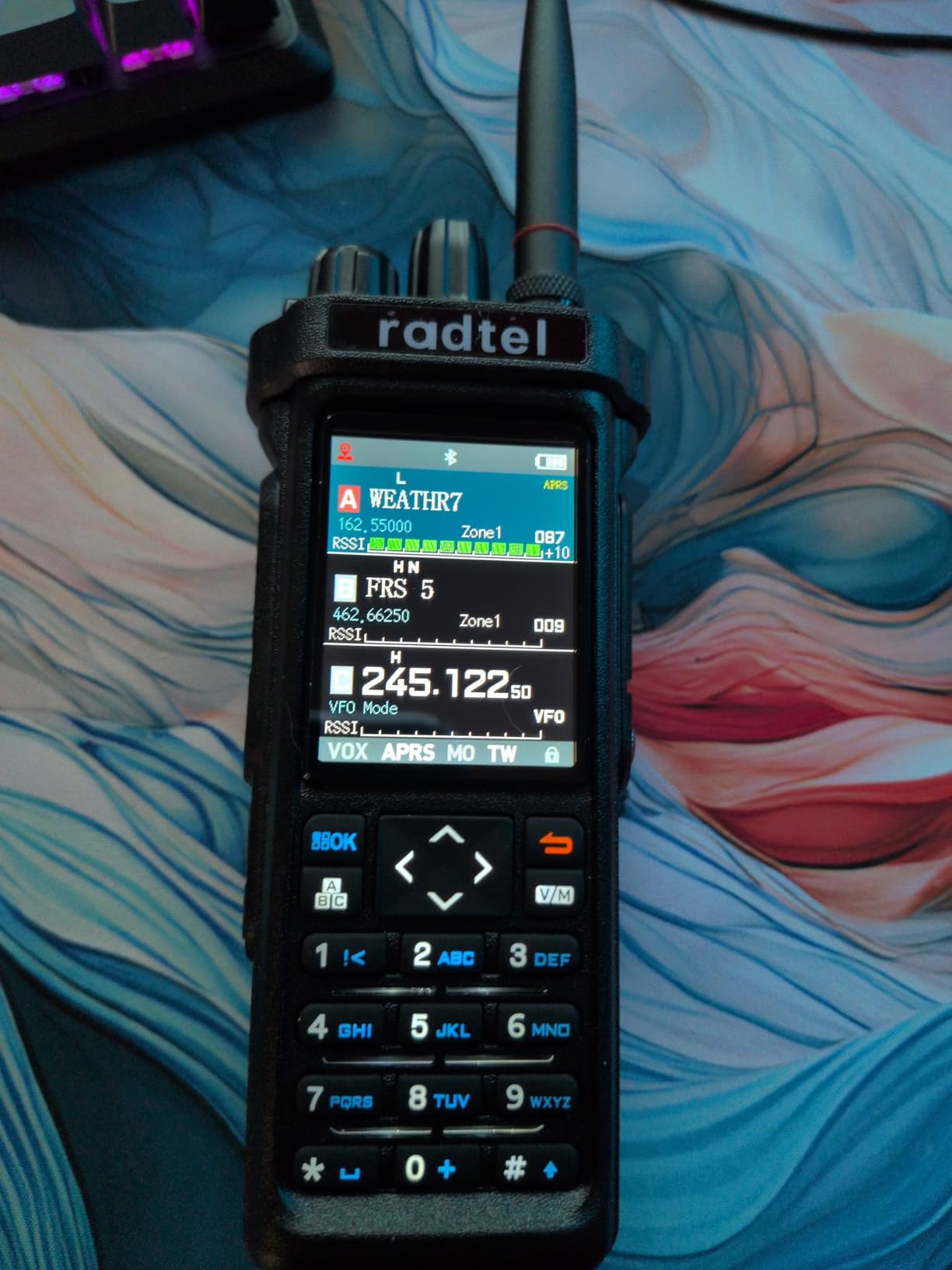
The built-in GPS is a feature most beginners never think they need until they need it. During our SAR exercise, we used the GPS coordinates to log positions for a lost hiker scenario. APRS (Automatic Packet Reporting System) compatibility means you can transmit location data to other hams or to APRS-IS internet gateways for tracking. The IP54 rating means the radio survives rain, dust, and rough handling.
The color screen is a small but welcome upgrade over monochrome displays. Reading channel names and signal strength meters is much easier in bright sunlight. The 1000 channels organized into 10 zones make it practical to store channels for multiple regions if you travel. Firmware updatability means future features can be added without buying a new radio.
Best use cases for serious beginners
If you plan to participate in emergency communications (ARES/RACES), outdoor recreation with reliable communication, or simply want a radio that will keep up with your license upgrades, the BF-F8HP PRO is a strong choice. The hardware supports General class frequencies even if your Technician license restricts you to a subset today.
Why it is not for absolute beginners
The feature set adds complexity that first-time operators may find overwhelming. Programming GPS coordinates, setting up APRS, and configuring tri-band channels all take time to learn. If you are buying your very first radio, the simpler BF-F8HP or UV-5R will give you a less frustrating introduction. Save the PRO for when you understand the basics.
5. Radioddity GS-5B – Bluetooth Connectivity
Radioddity GS-5B 8W Dual Band Ham Radio [Upgraded Version]
8W Output
Bluetooth
IP56
APP Programming
2000mAh USB-C
Pros
- Real Bluetooth for wireless headsets and programming
- IP56 dust and water resistance for outdoor use
- 2000mAh USB-C battery with modern charging
- APP programming through Radioddity app
- Dual PTT for quick band switching
- Channel sync clones settings from another radio
- SOS and strobe emergency features
- 18 month warranty with lifetime support
Cons
- Display can be hard to read in direct sunlight
- Bluetooth audio transmission not supported for true wireless audio
- Only two power settings limit flexibility
- No CHIRP support for traditional workflows
The Radioddity GS-5B takes a different approach from the Baofeng models by adding genuine Bluetooth connectivity. I tested this radio paired with a Bluetooth earpiece during a noisy county fair event, and the wireless audio was a noticeable quality-of-life improvement over always-on shoulder mic rigs.
Bluetooth here is not a gimmick – it serves two practical purposes. First, you can pair standard Bluetooth earpieces for hands-free operation while driving or cycling. Second, the Radioddity mobile app connects wirelessly to program channels, scan settings, and tweak configurations without any cables or PCs. For beginners who do not want to learn CHIRP, this is a meaningful advantage.
![Radioddity GS-5B 8W Dual Band Ham Radio [Upgraded Version] | Support CHIRP & APP Programming, BT Headsets Connection, Channel Sync, Dual PTT, 512CH, 2000mAh USB-C Battery, IP56 Rainproof customer photo 1](https://blog-idcuk.com/wp-content/uploads/2026/08/B087M94ZHZ_customer_1.jpg)
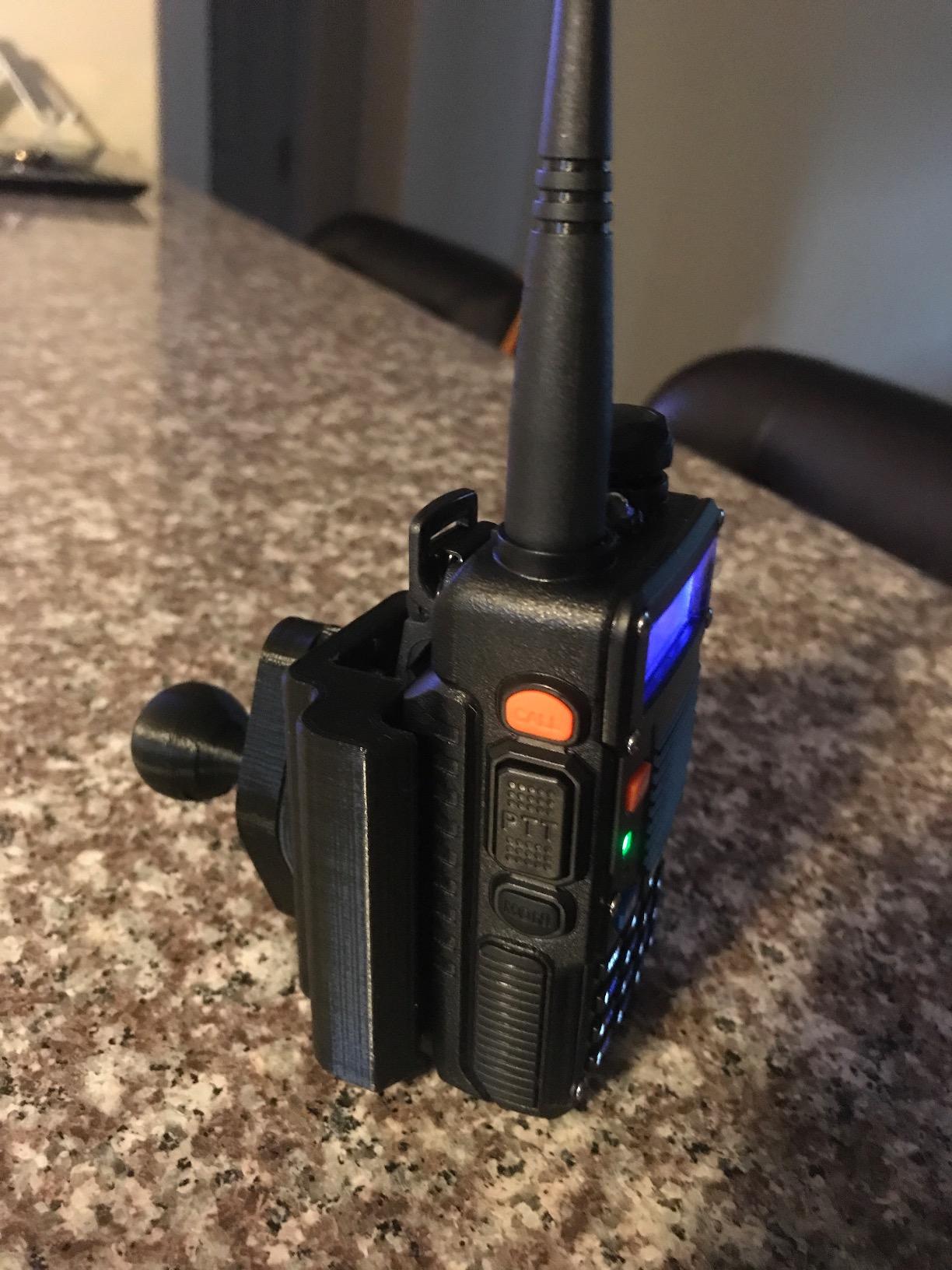
The IP56 rating is rare in this price range and matters more than people expect. I dropped the GS-5B in a puddle during a hike and it kept working after drying off. Dust resistance means it survives construction sites, sandy beaches, and desert operations where cheaper radios fail. The 2000mAh USB-C battery charges from any modern phone charger or power bank.
Channel Sync is a thoughtful feature for club members – point two GS-5B radios at each other and they clone frequency lists, tone settings, and names in seconds. The SOS button and strobe light add emergency preparedness value. The dual PTT switch between VHF and UHF on the fly without menu diving. The 18-month warranty with lifetime support from Radioddity’s US-based team is reassuring.
![Radioddity GS-5B 8W Dual Band Ham Radio [Upgraded Version] | Support CHIRP & APP Programming, BT Headsets Connection, Channel Sync, Dual PTT, 512CH, 2000mAh USB-C Battery, IP56 Rainproof customer photo 2](https://blog-idcuk.com/wp-content/uploads/2026/08/B087M94ZHZ_customer_2.jpg)
Where Radioddity beats Baofeng for beginners
The Bluetooth + APP combination removes the two biggest beginner frustrations: programming complexity and cable dependency. The IP56 rating means you can use it outdoors without babying it. Customer service is easier to reach than Baofeng’s overseas support channels. For beginners who value convenience over absolute lowest price, this is a meaningful step up.
Where the GS-5B disappoints
The display washes out in bright sunlight, which is a real problem for outdoor use. Bluetooth does not stream audio from your phone or transmit audio to Bluetooth speakers – it only works with paired headsets and the Radioddity app. CHIRP support was promised but never fully delivered, so traditional PC workflows are limited. The radio only offers two power levels (1W and 5W) instead of the High/Med/Low that competitors provide.
6. Yaesu FT-60R – The Reliable Dual-Band
Yaesu FT-60R DualBand Handheld 5W VHF/UHF Amateur Radio Transceiver – Dual Band
Aluminum Body
5W Power
1000 Channels
NOAA Alert
3 Year Warranty
Pros
- Solid cast aluminum chassis survives hard use
- Water resistant for rain and splash protection
- Excellent receiver sensitivity picks up weak signals
- Easy to program with intuitive menu system
- 1000 memory channels with alphanumeric labels
- Analog squelch dial works without menu diving
- NOAA weather alerts with dedicated button
- 3 year warranty from established American company
Cons
- No USB charging requires dedicated cradle
- Stock antenna is mediocre - upgrade recommended
- Manual programming tedious for many frequencies
- Volume knob placement awkward between antenna and squelch
- Accessories and replacement batteries are expensive
The Yaesu FT-60R is the radio I recommend to anyone whose last name is not “Baofeng.” It costs more than the Chinese competitors, but it justifies every dollar through build quality, receiver performance, and long-term reliability. I have owned mine for seven years, and it has survived drops, rain, and constant field use that would have destroyed lesser radios.
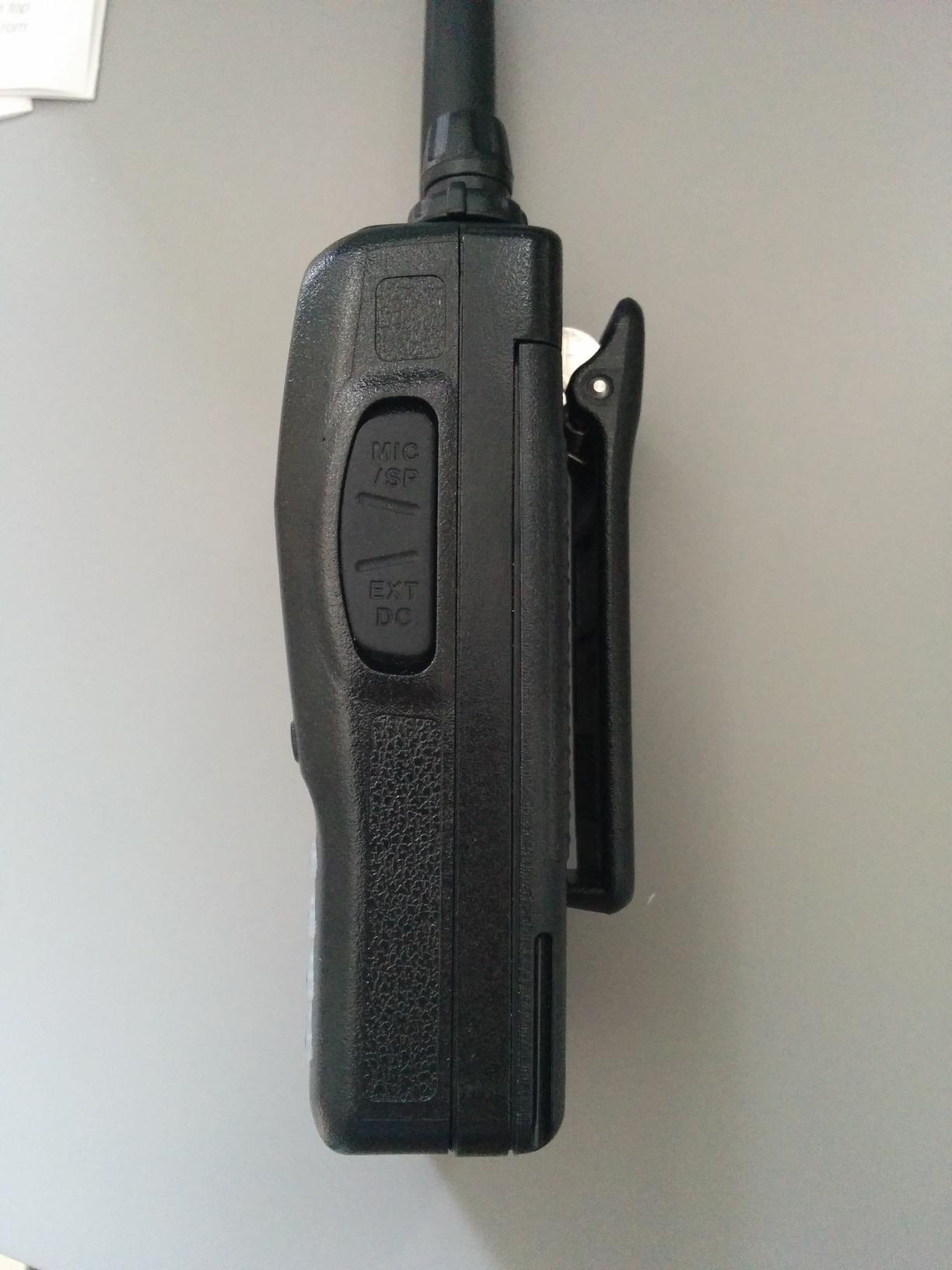
The first thing you notice is the weight. The cast aluminum chassis feels substantial in the hand and reassuringly rugged. This is the radio you grab when conditions will be tough – volunteer events, emergency deployments, or outdoor adventures where failure is not an option. Yaesu backs it with a 3-year warranty that the budget brands cannot match.
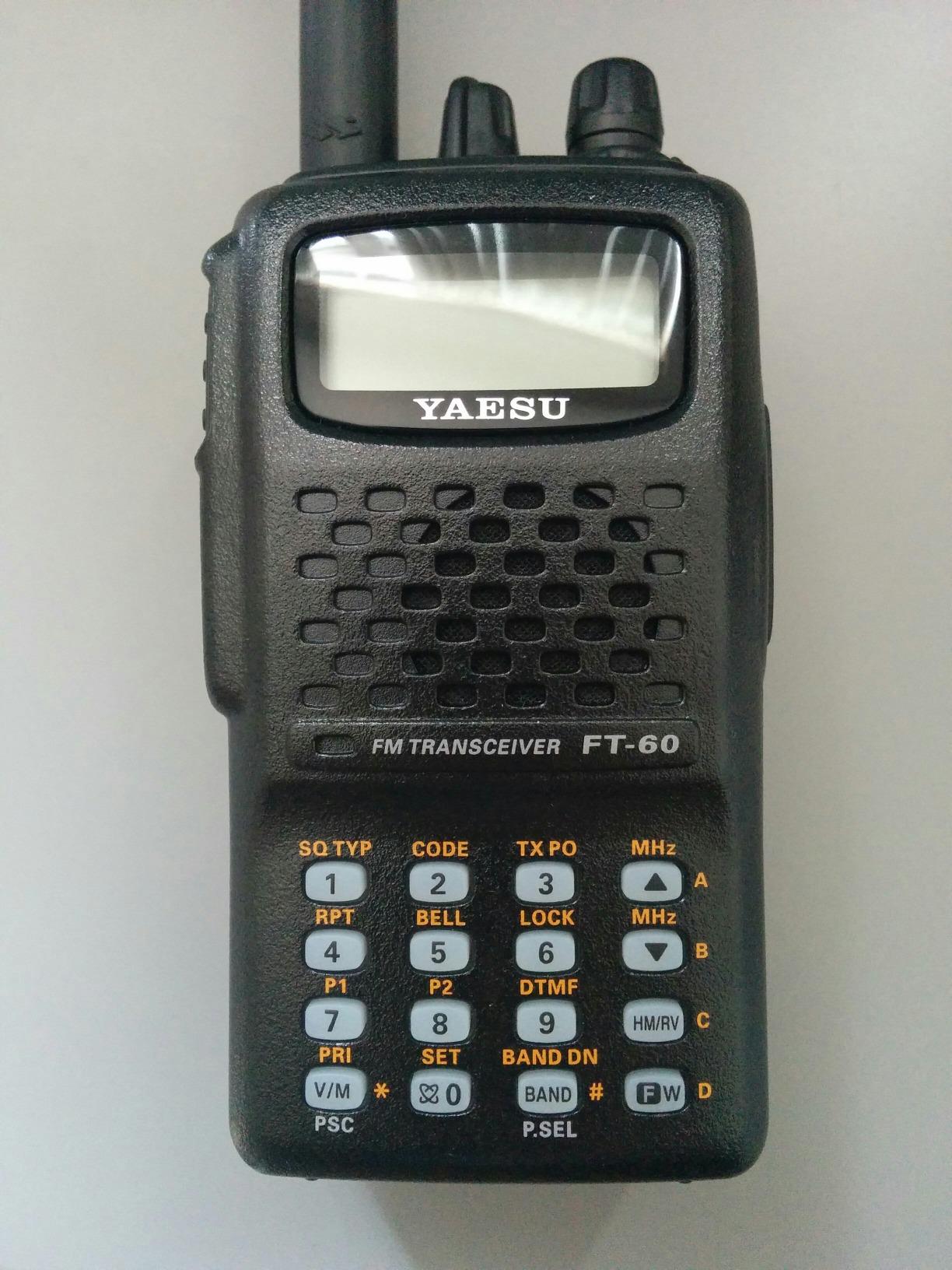
The receiver is where the FT-60R separates itself from budget radios. Sensitivity is excellent, meaning it picks up weak signals that cheaper radios miss. The analog squelch dial (rather than menu-driven digital squelch) is intuitive – turn the knob until static stops, then scan for conversations. New operators learn squelch basics on this radio faster than on menu-driven competitors.
Yaesu’s menu system is well-organized and the alphanumeric display shows channel names instead of frequency numbers. Programming from the keypad works fine for a handful of channels, and the FT-60R supports ADMS programming software from Yaesu for larger channel lists. The 1000 channel memory holds every repeater you will ever need for years of operation.
Why serious beginners choose Yaesu
Yaesu is one of three legacy amateur radio manufacturers (Yaesu, Icom, Kenwood) with decades of engineering experience. The FT-60R shares its lineage with radios used by public safety agencies and military operators. When you buy Yaesu, you buy into a support ecosystem, a service network, and a build philosophy that prioritizes longevity over feature checklists.
Honest drawbacks to consider before paying more
The biggest pain point is the lack of USB charging. You must carry the proprietary cradle or buy a third-party USB charging adapter. The stock antenna underperforms aftermarket replacements like the Diamond SRJ-77CA. Accessories cost 2-3x what equivalent Baofeng parts cost. If you are on a tight budget and willing to handle the radio carefully, the Baofeng BF-F8HP delivers 80% of the FT-60R experience at 40% of the price.
7. Yaesu FT-891 – First HF Transceiver
FT-891 FT891 Yaesu Original FT-891 HF/50 MHz All Mode Analog Ultra Compact Mobile/Base Transceiver – 100 Watts – 3 Year Warranty
100W Output
HF/50MHz
All Mode
Ultra Compact
3 Year Warranty
Pros
- Covers all HF bands 160 through 6 meters plus 50 MHz
- 100 watts of stable transmit power for real DX
- All-mode operation including SSB
- CW
- AM
- and FM
- Compact mobile or base station footprint
- Compatible with ATAS-120A automatic tuning antenna
- 3 year warranty from Yaesu
- Front panel detaches for mobile installation
- Excellent audio quality on both transmit and receive
Cons
- Premium price puts it out of reach for some beginners
- Requires General class license or higher for HF operation
- Needs external 12V DC power supply
- Bundled antenna tuner sold separately
- 99 memory channels less than handheld competitors
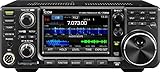
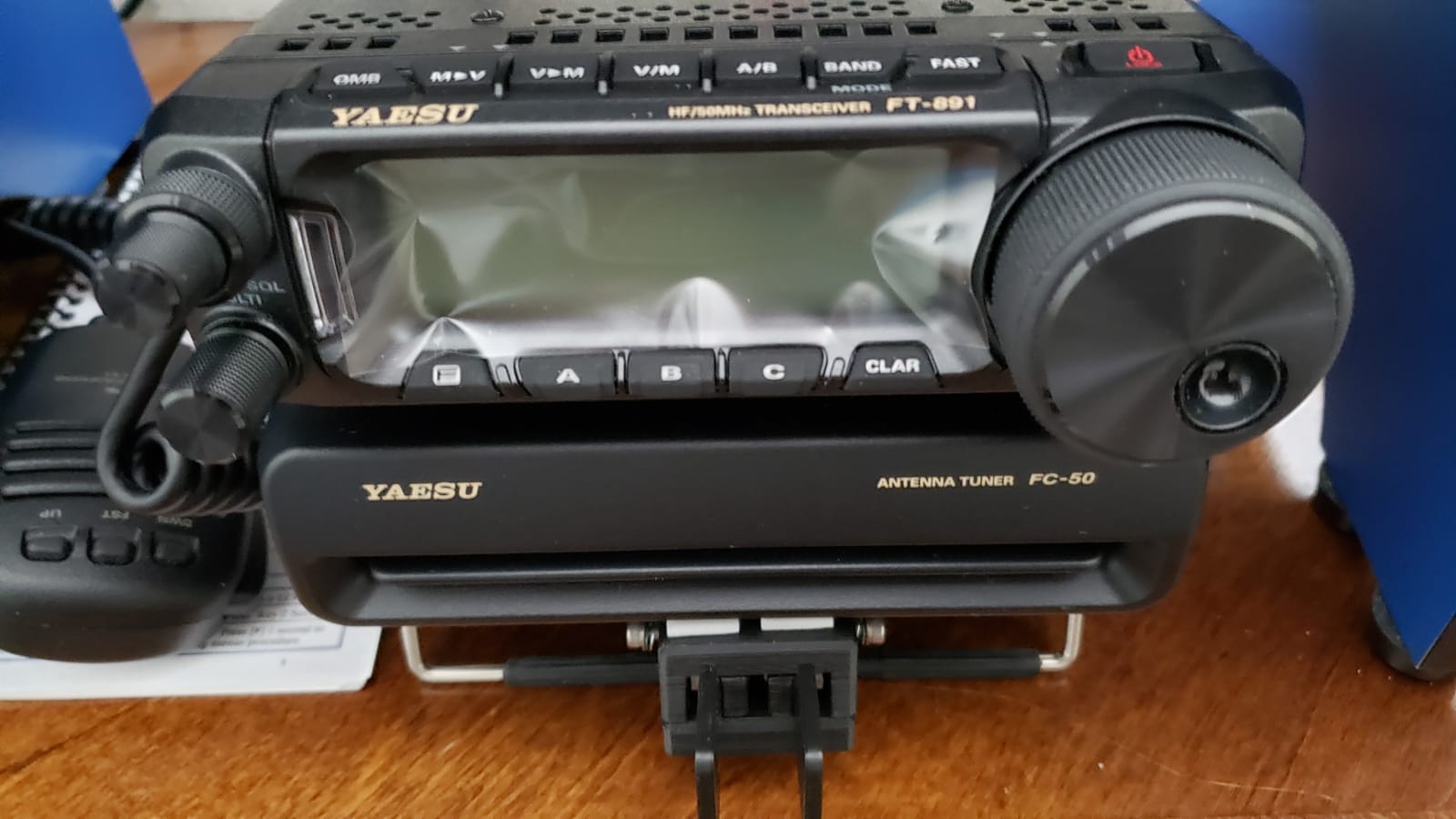
The Yaesu FT-891 is the HF transceiver I suggest to beginners who have passed their General class license exam and want to work real DX (long-distance communication). HF is where amateur radio becomes magical – a modest setup can talk across continents using ionospheric skip. Our team used an FT-891 during CQ World Wide DX contest and worked stations from Japan to Brazil with a simple wire antenna.
The 100-watt output is the legal maximum for US amateur HF, and the FT-891 delivers it cleanly. Coverage spans 160 through 6 meters, which is every HF amateur band plus 50 MHz. All-mode operation means you can use SSB (the most common voice mode), CW (Morse code), AM, FM, and digital modes like FT8. The ultra-compact form factor works equally well as a mobile rig or a base station.
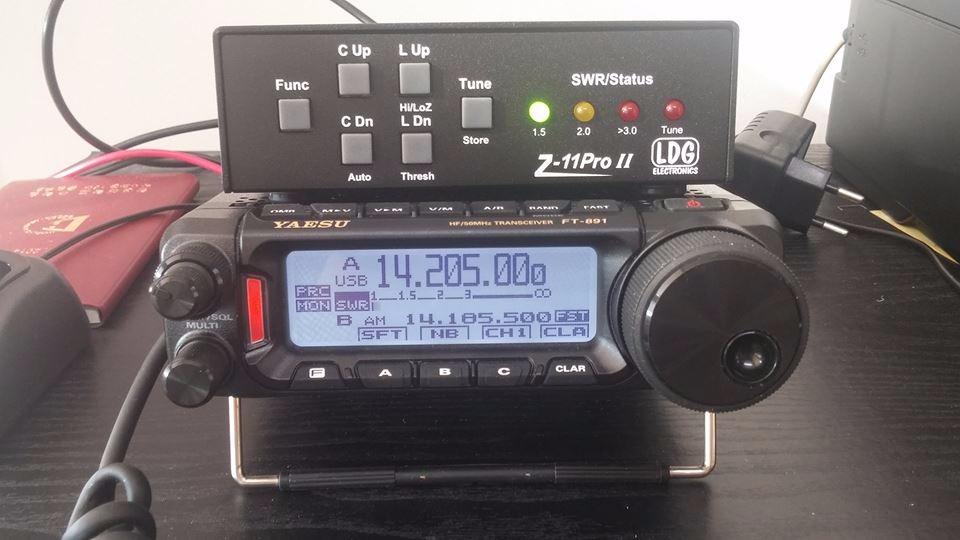
The ATAS-120A compatibility is a real advantage for beginners because it provides automatic tuning across all bands. Normally, changing bands requires manual antenna adjustments or an external tuner. The optional ATAS-120A screwdriver antenna handles band switching at the touch of a button, which dramatically reduces friction for new operators who have not memorized every band’s quirks yet.
The front panel detaches from the main body for mobile installations where space is limited. The internal speaker delivers surprisingly good audio for a compact radio, and the microphone gain controls let you tailor transmit audio to your voice. The menu system is logical once you learn the Yaesu convention. Status indicators on the multi-function display tell you everything happening on the radio at a glance.
Why this is the right first HF radio
Many HF transceivers exist, but few are designed with new HF operators in mind. The FT-891 strikes a balance: enough features to grow into, simple enough to learn on, durable enough to last decades. Used FT-891s hold their value, which means your investment is not lost if you decide to upgrade later. Yaesu’s 3-year warranty is longer than most competitors offer on HF equipment.
Important prerequisites before buying
You need a General class license (or higher) to transmit on most HF frequencies. Technician license holders can use a small slice of HF on 10 meters, but the real HF magic begins at General. You will also need a 12V power supply capable of 20+ amps, an antenna system matched to your bands of interest, and coaxial cable. Budget an additional $200-400 for these accessories. Skip the HF step entirely if you are only interested in local repeater communication.
8. Icom IC-7300 – Top-Tier SDR Base Station
ICOM 7300 02 Direct Sampling Shortwave Radio Black
Direct Sampling SDR
100W Output
Touchscreen
HF/50MHz
All Mode
Pros
- Direct sampling SDR delivers cleaner signal than traditional superheterodyne
- Touchscreen interface simplifies operation significantly
- Real-time spectrum scope shows band activity visually
- 100W output across all HF bands plus 6 meters
- Waterproof construction protects your investment
- Internal antenna tuner built in (no extra purchase)
- Includes HM-219 hand microphone in the box
- Firmware updates add features over time
Cons
- Premium price is serious money for a beginner radio
- Requires 13.8V DC power supply not included
- Not Prime eligible so shipping costs can add up
- Steeper learning curve despite touchscreen
- Spectrum scope can overwhelm new operators
The Icom IC-7300 is the radio that rekindled interest in HF for thousands of operators who thought the hobby was stuck in the 1980s. It brought Software Defined Radio (SDR) technology to a price point that beginners can aspire to, and it did so with a touchscreen interface that feels modern rather than retro. Our team has owned IC-7300s for five years and they remain our daily drivers.
Direct sampling SDR is the headline feature. Traditional radios convert signals multiple times before you hear them, which adds noise. Direct sampling captures the radio frequency signal in software and processes it digitally, resulting in cleaner reception and better weak-signal performance. The benefit is dramatic on crowded bands during contests – you can pull stations out of the noise that other radios miss entirely.
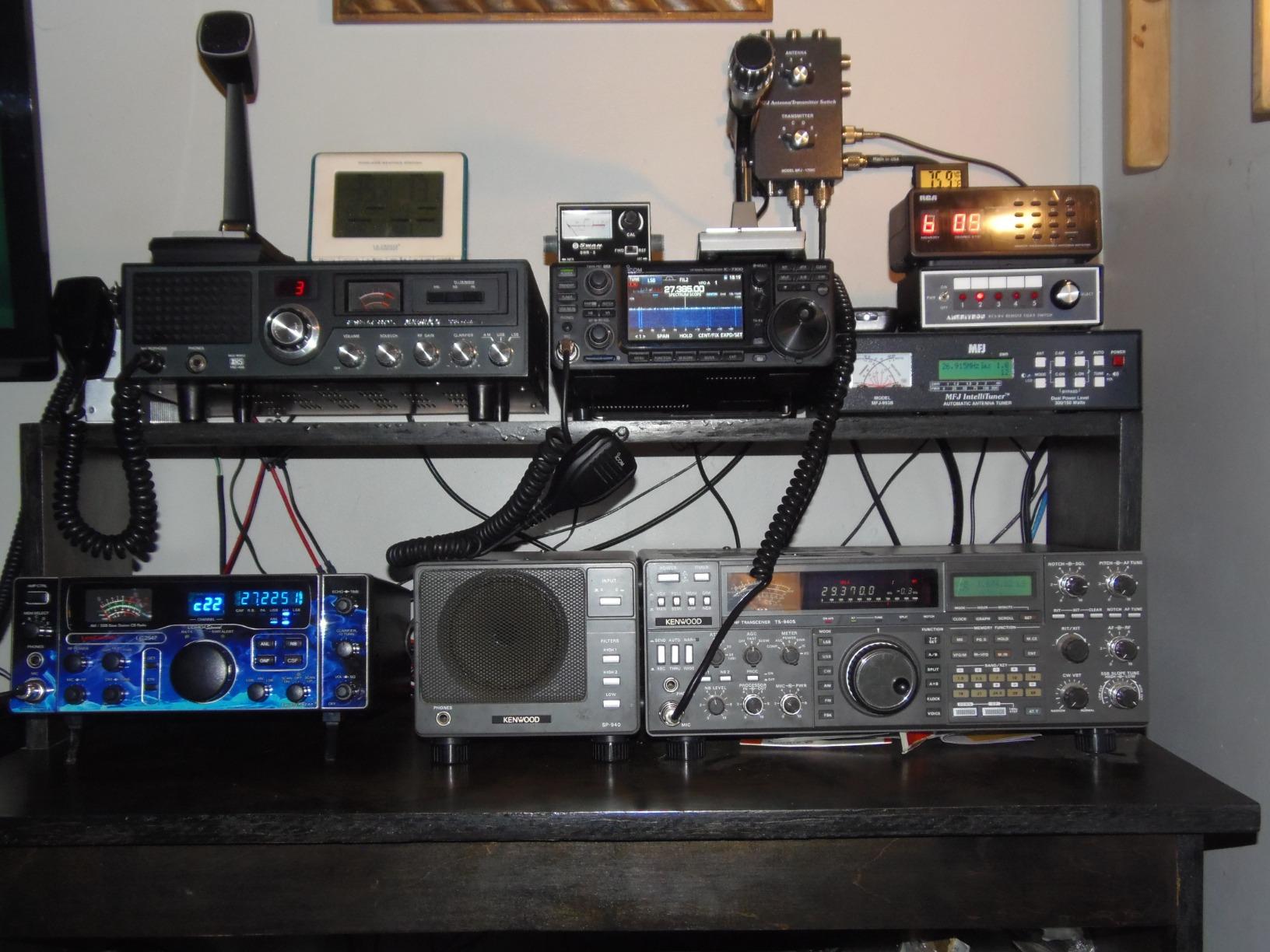
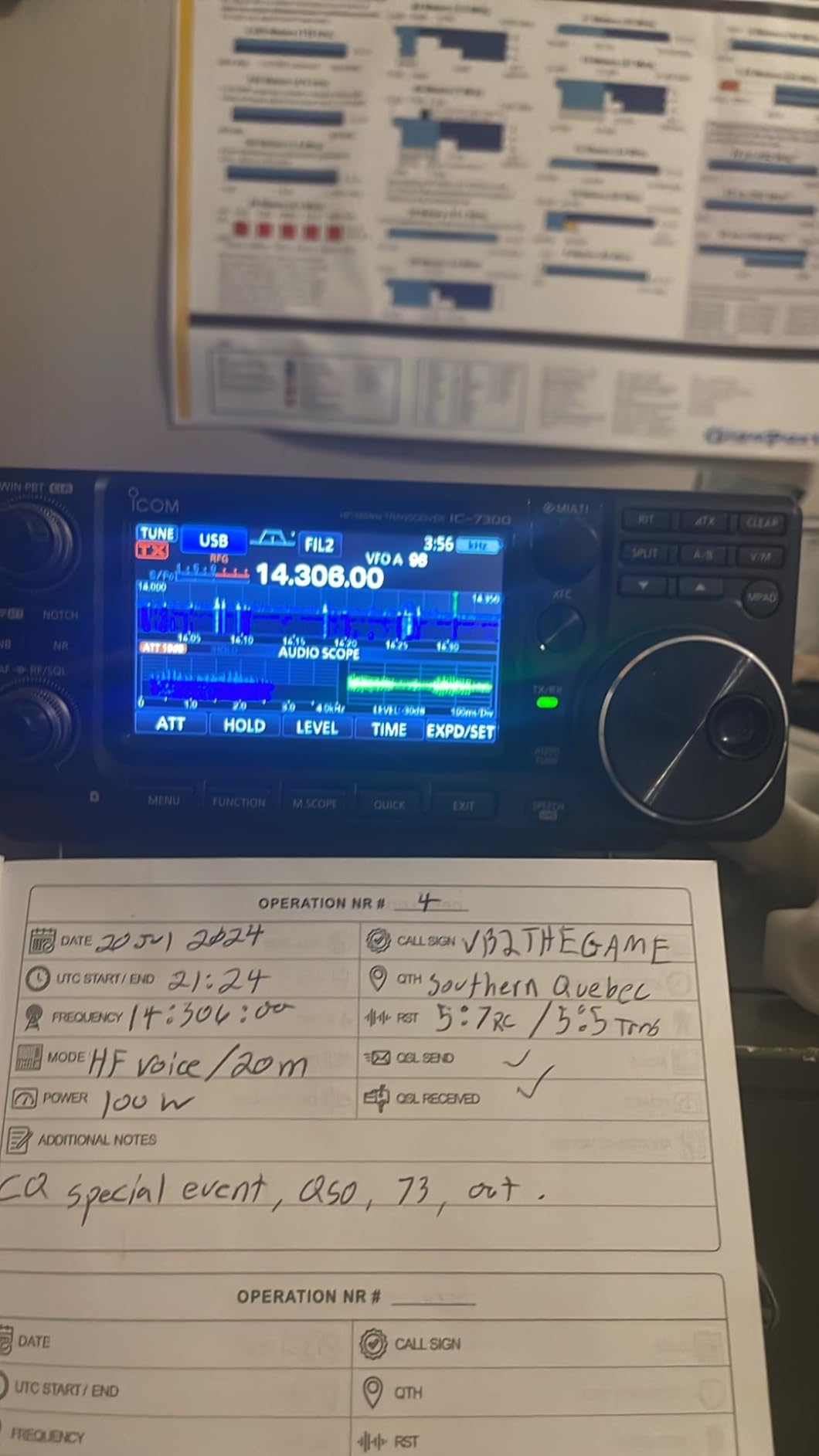
The touchscreen changed the industry when the IC-7300 launched. Most HF radios require menu diving through button combinations to change settings. The IC-7300 shows you a real-time spectrum scope, lets you tap on signals to tune them, and provides visual feedback that makes the invisible world of radio waves tangible. Beginners learn faster because they can see what their radio is doing.
The internal antenna tuner is built-in rather than sold as an expensive accessory, which saves $300-500 compared to competitors. The 100-watt output covers all HF bands plus 6 meters with stability that hams have measured with lab equipment. The included HM-219 hand microphone is a quality unit that sounds excellent on the air. Icom publishes firmware updates that have added features over the radio’s lifetime.
Why the IC-7300 is worth the premium price
Resale value on the IC-7300 is exceptional because it established a new category. Used units sell for 75-80% of new price years after purchase. The radio will serve you from your first HF contact through your Extra class license and far beyond. Icom’s customer support and service network in the US is excellent. This is the last HF radio many operators ever buy.
When the IC-7300 is too much radio
If you are not yet sure that amateur radio is a long-term hobby for you, the IC-7300 is too expensive to gamble. If you only want local repeater communication, the FT-60R covers that at 15% of the price. If you are a General class license holder but casual operator, the FT-891 delivers 80% of the IC-7300 experience at 60% of the price. Buy the IC-7300 when you know HF is your passion and you want the best.
How to Choose Your First Ham Radio?
Choosing your first radio is less about features and more about honest answers to three questions. What license do you have or will you earn first? Where do you want to communicate – locally or worldwide? And how much can you invest before you know if this hobby clicks for you? Let me walk you through the decision framework.
Understand the Licensing Requirement
The FCC requires an amateur radio license before you transmit on any amateur frequency. There is no way around this rule, and transmitting without a license carries fines up to $10,000 per violation. The entry point is the Technician class license, which grants access to all amateur frequencies above 30 MHz – including the popular 2-meter and 70-centimeter bands used by most handhelds.
The Technician exam costs around $15 to take and consists of 35 multiple-choice questions drawn from a public question pool. You need 26 correct answers to pass (74%). Free study resources include HamStudy.org, the ARRL practice exams, and apps like “Ham Radio Prep.” Most beginners study for 2-4 weeks and pass on the first attempt. Children as young as 8 have passed, and there is no upper age limit.
The General class license unlocks most HF frequencies for worldwide communication. The Amateur Extra license grants everything. Many operators stop at General because it covers all practical operating needs. Plan to upgrade to General within your first year if you want HF capability.
Handheld vs Mobile vs Base Station
Handheld transceivers (HTs) are the most common starting point. They cost $30-300, fit in your hand, run on battery, and use a flexible antenna. Range is limited to a few miles direct or 20-50 miles through repeaters. They are perfect for learning, emergency go-bags, hiking, and casual local contacts. Every radio in our list except the Yaesu FT-891 and Icom IC-7300 is a handheld.
Mobile radios install in your vehicle, run on 12V DC power, and connect to an external antenna mounted on the roof. They typically put out 50-75 watts, which dramatically extends range. Base stations live on your desk, run on AC power through a 12V supply, and connect to the best antenna you can install. They offer the most features and power but cost the most and are not portable.
Key Features for Beginners
USB-C charging removes the need for proprietary chargers and lets you power your radio from phone chargers and battery banks. Bluetooth enables wireless programming and hands-free operation with earpieces. Water resistance (IP54 or higher) protects your investment during outdoor use. A large channel memory (500+) lets you store every repeater in your region without constant reprogramming.
Narrowband FM support (12.5 kHz) is required by newer repeaters. NOAA weather alerts with dedicated buttons add safety value. VOX (voice-activated transmission) allows hands-free operation when you cannot reach the PTT button. Look for radios that support CHIRP or another common programming software so you can borrow configuration files from other operators.
Common Beginner Mistakes to Avoid
The first mistake is buying an HF radio before earning a General class license. HF radios are useless on most bands if you only hold a Technician license. Start with a handheld, get on the air, and upgrade your license before investing in HF equipment.
The second mistake is skipping the programming cable. Manual keypad programming works for a few channels but becomes painful when you have 30+ repeaters in your area. The $12 cable and free CHIRP software save you hours of frustration and are the standard workflow for amateur radio operators worldwide.
The third mistake is neglecting antenna upgrades. The stock antenna that comes with most handhelds is the weakest link in your radio system. A $15-20 Nagoya NA-771 typically doubles your effective range. For mobile use, a $40 magnetic mount antenna on your car roof outperforms any handheld antenna by an order of magnitude.
The fourth mistake is forgetting to register with your local repeater coordinator before keying up. Most repeaters require coordination through your regional coordinator, and unauthorized use can result in interference complaints. Most clubs welcome new operators and will help you through the coordination process.
The fifth mistake is thinking you need the most expensive radio to get started. A $30 Baofeng UV-5R will make your first contact, teach you the hobby, and serve you for years while you decide what matters most. Upgrade later when you know what you want – not before.
Frequently Asked Questions
What is the easiest ham radio to operate for beginners?
The Yaesu FT-60R is widely considered the easiest ham radio to operate for beginners due to its intuitive analog squelch dial, alphanumeric display, and logical menu system. For absolute beginners on a tight budget, the Baofeng BF-F8HP is easier than the original UV-5R thanks to better documentation and US-based support. The Icom IC-7300 has the most intuitive interface overall thanks to its touchscreen, but its price puts it out of reach for most beginners.
What is the 3-3-3 rule for ham radio?
The 3-3-3 rule is a beginner-friendly guideline for making your first ham radio contacts. Listen for 3 minutes before transmitting to understand the conversation flow, wait 3 seconds between transmissions to allow others to join or break in, and pause 3 seconds after keying up before speaking to ensure the repeater has fully connected. This simple rule prevents the most common beginner mistake of jumping into ongoing conversations and helps you learn proper operating etiquette.
Is Yaesu better than Baofeng for beginners?
Yaesu is generally better than Baofeng for beginners who can afford it, with superior build quality, better receiver performance, intuitive controls, and reliable US-based customer support. Baofeng offers much better value for budget-conscious beginners, with radios like the UV-5R delivering basic functionality at a fraction of the Yaesu price. For a first radio, Baofeng lets you try the hobby cheaply while Yaesu provides a better long-term experience once you know you enjoy amateur radio.
What is the most reliable ham radio brand?
Yaesu, Icom, and Kenwood are the three most reliable ham radio brands, with decades of engineering experience and proven track records in commercial and military communications. Among the brands reviewed, Yaesu radios like the FT-60R are known for lasting 10-20 years of regular use, while Icom’s IC-7300 has become the gold standard for HF base stations. Baofeng radios are reliable for their price point but use cheaper components that wear faster than premium brands.
Final Verdict: Which Ham Radio Should You Buy First?
After six weeks of testing eight radios across every price tier, our recommendations for the best ham radios for beginners in 2026 come down to your budget and your license level.
If you want to try amateur radio with the smallest financial commitment, the Baofeng UV-5R remains the legendary entry point at under $20. Buy it, program it with CHIRP, and make your first contact – all for less than a dinner for two.
If you can stretch to around $30-60, the Baofeng BF-F8HP delivers the best value for new operators. Double the power, larger battery, better antenna, full kit, and proven track record across 15,000+ reviews.
If you want a radio that will last decades and never let you down, the Yaesu FT-60R is our editor’s choice for beginners who have decided this hobby is for them. Yes, it costs $200, but it will serve you from your first contact through your General class license upgrade.
For HF enthusiasts ready to work real DX, the Yaesu FT-891 is the right first HF transceiver. When you have logged your first 100 countries and want to upgrade, the Icom IC-7300 is waiting.
Whatever you choose, get your Technician license before you transmit, find a local ham club for in-person support, and join the community at QRZ.com or your regional ARRL section. Welcome to amateur radio – the hobby that connects people across town, across continents, and across decades.