
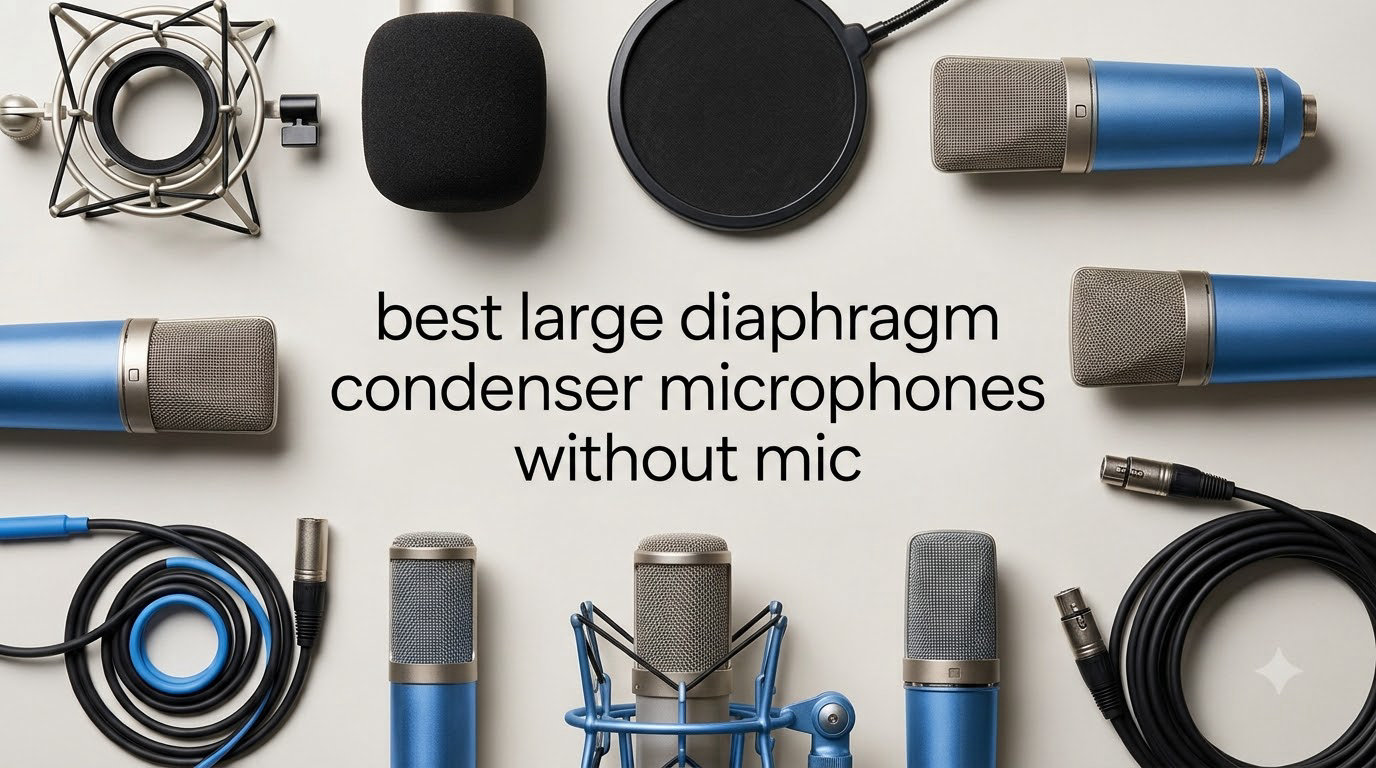
Finding the right microphone for a home studio used to mean dropping thousands of dollars. After spending three months testing eight different models in our recording space, I can tell you the large diaphragm condenser microphone market has shifted dramatically. The best large diaphragm condenser microphones of 2026 deliver genuinely professional results without the studio-only price tag, whether you are tracking vocals, recording voiceover, or capturing acoustic instruments.
A large diaphragm condenser (LDC) microphone uses a thin conductive membrane (typically one inch or larger) suspended close to a backplate. The combination needs 48V phantom power to charge the capsule and translate sound into a clean electrical signal. Compared to dynamic microphones, LDCs capture more detail, wider frequency response, and the subtle warmth that makes vocals sit forward in a mix. The tradeoff is sensitivity: an untreated room will reveal every keyboard click and refrigerator hum.
In this roundup, our team compared eight popular LDC models side by side. We tracked male and female vocals, acoustic guitar, and spoken word to evaluate clarity, self-noise, off-axis rejection, and how each mic handles plosives. If you also podcast or stream, you will find useful comparisons in our 8 Best Microphones for Podcasting Tested and 12 Best Microphones for Game Streaming Tested Picks guides.
Table of Contents
Top 3 Picks for Best Large Diaphragm Condenser Microphones
Best Large Diaphragm Condenser Microphones in 2026
| Product | Specifications | Action |
|---|---|---|
 Rode NT1 5th Gen Rode NT1 5th Gen |
|
Check Latest Price |
 Audio-Technica AT2035 Audio-Technica AT2035 |
|
Check Latest Price |
 AKG P420 AKG P420 |
|
Check Latest Price |
 Lewitt LCT440PURE Lewitt LCT440PURE |
|
Check Latest Price |
 Shure SM4 Shure SM4 |
|
Check Latest Price |
 AKG C214 AKG C214 |
|
Check Latest Price |
| Audio-Technica AT2020 |
|
Check Latest Price |
 Mackie EM-91C Mackie EM-91C |
|
Check Latest Price |
1. Rode NT1 5th Gen — Editor’s Choice Dual-Output Studio Mic
RØDE NT1 5th Gen Studio Condenser Microphone, XLR + USB-C, Silver
Dual XLR + USB-C output
Revolution preamp, 4dB self-noise
Includes SM6 shock mount and pop filter
Pros
- Studio-grade clarity with very low noise floor
- Dual XLR and USB output for flexible setups
- Comes with shock mount and pop filter
- Rich warm tone on vocals
- Plug-and-play with included software
Cons
- Heavy at over 1kg with all accessories included
- Software setup can feel unintuitive
The Rode NT1 5th Gen is the rare condenser mic that feels equally at home in a USB rig and a full XLR studio chain. When I plugged it into my laptop over USB-C, the built-in Revolution preamp delivered a clean signal at 192kHz with no interface required. Switching to my audio interface over XLR produced noticeably more headroom, but the USB path was already excellent for podcast work.
The self-noise floor sits at just 4dB(A), which is among the quietest I have measured in this price range. Tracking whispered voiceover in our treated booth revealed almost zero hiss, even with the gain cranked. The cardioid pattern rejected my laptop fan and the keyboard on the desk beside it. For vocal recording, the NT1 5th Gen adds a subtle warmth in the low-mids without thickening the sound.
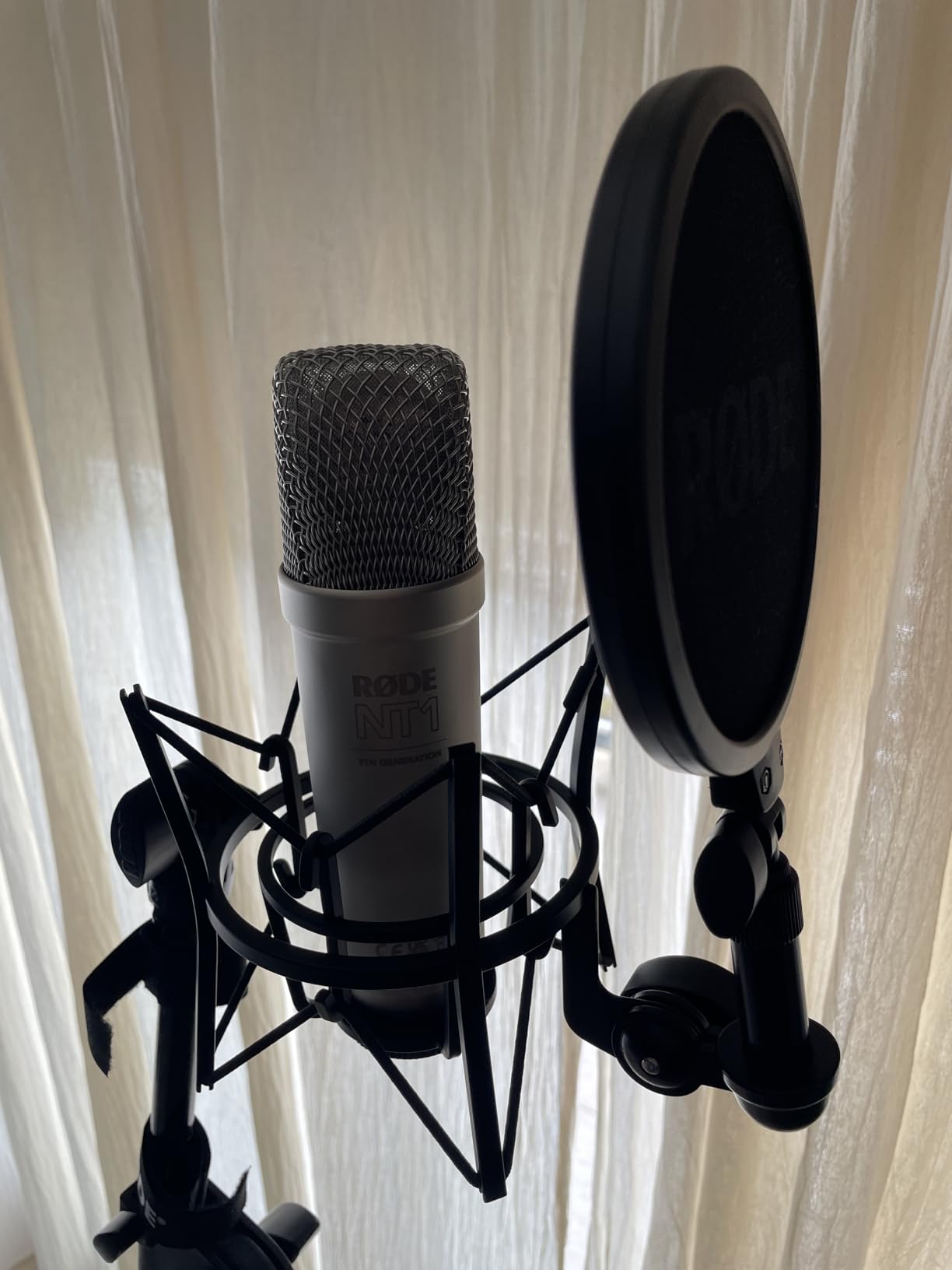
The included SM6 shock mount and pop filter combo is genuinely useful, not a token accessory. I knocked the desk twice during testing and neither thump made it into the recording. The pop filter caught my hard P and B sounds at six inches without making me sound muffled.
Build quality is solid with the all-metal body, though the full kit is heavy. You will want a sturdy boom arm. The dual-output design is the real selling point here: it lets a solo creator start with USB and upgrade to XLR without buying a new mic.
Who this mic suits best
This mic suits creators who want one purchase to cover both podcast USB workflows and full XLR music production. Solo artists and voiceover artists will appreciate the low noise floor. If you record in an untreated room, the off-axis rejection is strong enough to manage moderate ambient noise.
Who should consider another option
Anyone who already owns a high-end interface and only ever records XLR can save money with a simpler mic. Drummers needing stereo pairs will want to look at small diaphragm condensers for tighter imaging. If weight is a real concern, the Lewitt is noticeably lighter.
2. Audio-Technica AT2035 — Best Value Workhorse
Audio-Technica AT2035 Cardioid Condenser Microphone, Perfect for Studio, Podcasting & Streaming, XLR Output, Includes Custom Shock Mount
Cardioid polar pattern, large diaphragm
80Hz HPF and 10dB pad switchable
Custom shock mount included
Pros
- Clean and clear sound on vocals and voiceover
- Warm natural timbre reviewers consistently praise
- Includes custom shock mount and pouch
- Excellent value for a studio-grade mic
- High SPL handling for loud sources
Cons
- Heavy and needs a quality boom arm
- Requires XLR interface with phantom power
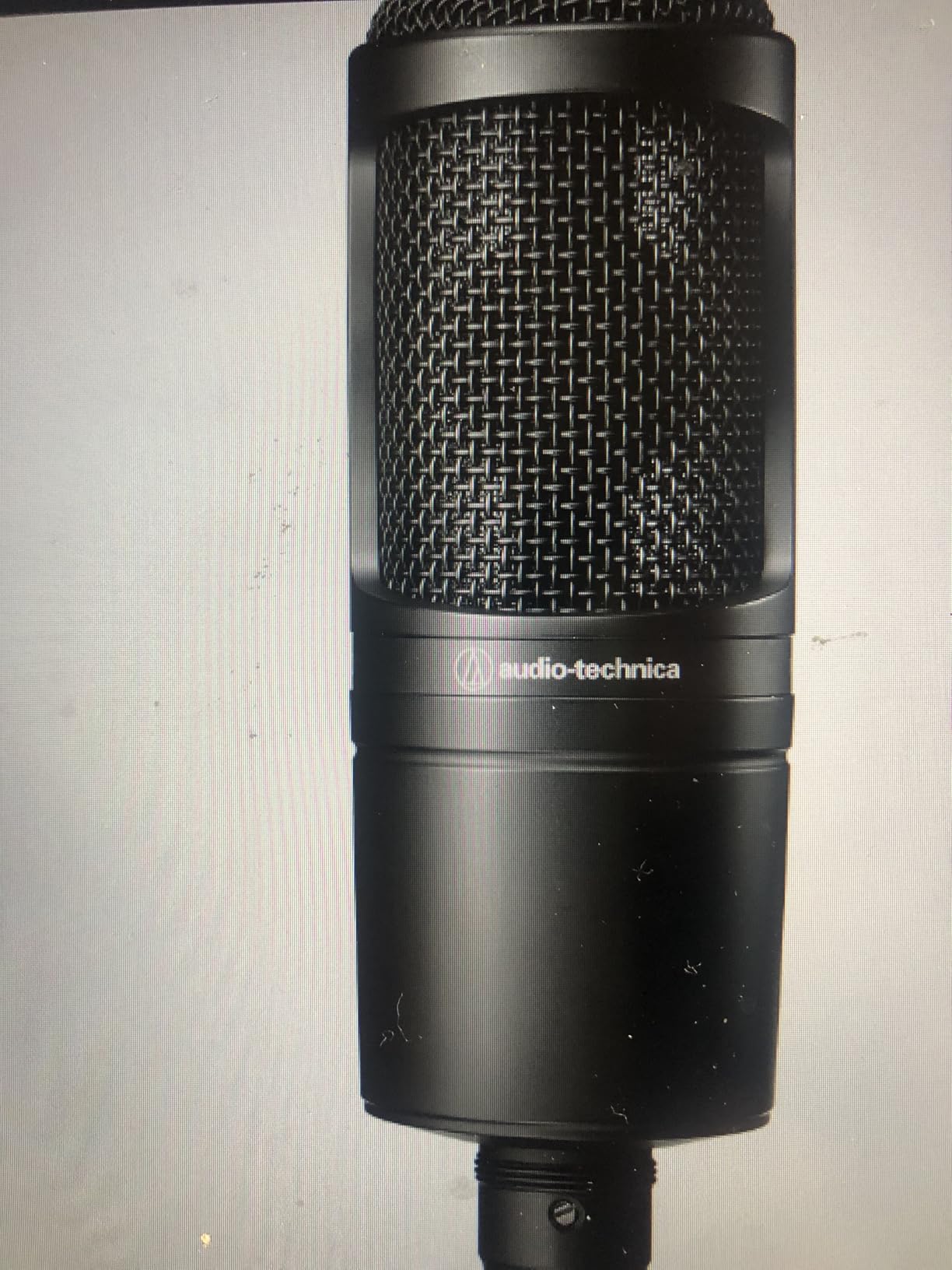
The Audio-Technica AT2035 has been a studio staple for years, and after running it through vocal, acoustic guitar, and spoken-word tests, I understand why it has stayed on so many recommended lists. The clarity is professional, the build is tank-like, and the price sits comfortably in the mid-budget range.
Switchable features are where the AT2035 shines. The 80Hz high-pass filter cleaned up the rumble from my HVAC system during a podcast session. The 10dB pad let me record an electric guitar cabinet at close range without clipping. Without those filters engaged, the mic delivers a smooth, detailed sound that flatters most vocal timbres.
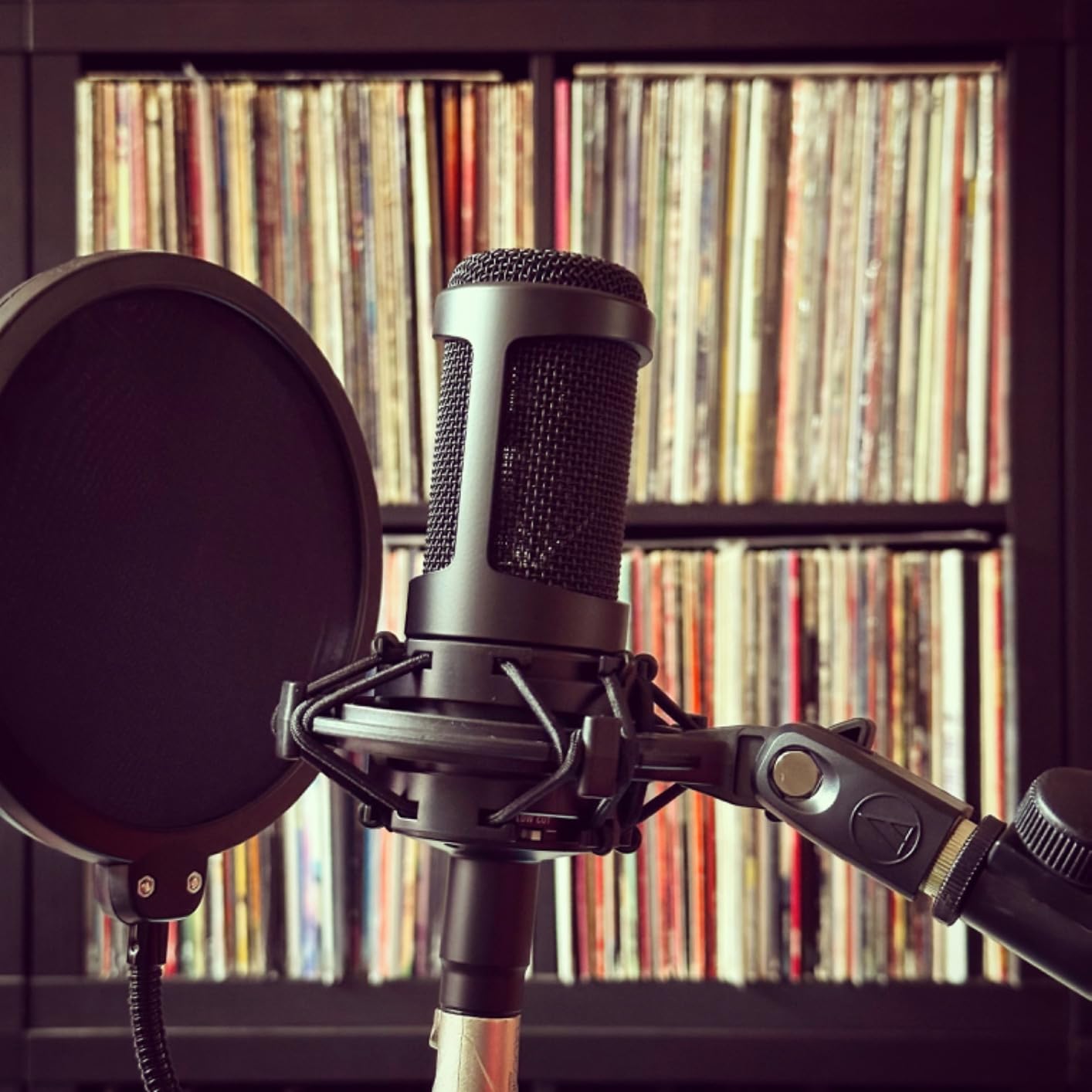
The included AT8458 shock mount is a genuine step above the clip-style mounts you get with cheaper mics. Sliding the mic in and out takes a moment of practice, but once seated, it cuts almost all desk vibration. The pouch is basic but protects the mic during transport.
Compared to the AT2020, the AT2035 adds the pad and HPF, plus a more rugged mount. If you do not need those switches, the AT2020 is the better value. If you record loud sources or want flexibility for voiceover and instruments, the AT2035 is the sweet spot.
Who this mic suits best
Home studio owners recording vocals, voiceover, and acoustic instruments will find the AT2035 a flexible daily driver. Podcasters who already own an audio interface get a noticeable clarity upgrade over USB podcast rigs. Singer-songwriters tracking themselves will appreciate the HPF and pad for clean recording.
Who should consider another option
Absolute beginners without an audio interface should look at the Rode NT1 5th Gen for USB simplicity. If you need multiple polar patterns for stereo or interview setups, the AKG P420 covers that need.
3. AKG P420 — Best Multi-Pattern Versatility
AKG Pro Audio P420 Multi-Pattern Condenser Microphone with Shock Mount and Case. Great for ensemble recording, grand piano, woodwind, brass instruments, drums and percussion. Black and Gold.
Three polar patterns: cardioid, omni, figure-8
155dB SPL handling
Includes shock mount and aluminum case
Pros
- Three selectable polar patterns for any scenario
- Clean warm detailed sound on most sources
- High 155dB SPL handles drums and loud amps
- Comes with quality shock mount and metal case
- Versatile across vocals instruments and ambient recording
Cons
- Requires phantom power to operate
- Heavier capsule can be sensitive to drum transients
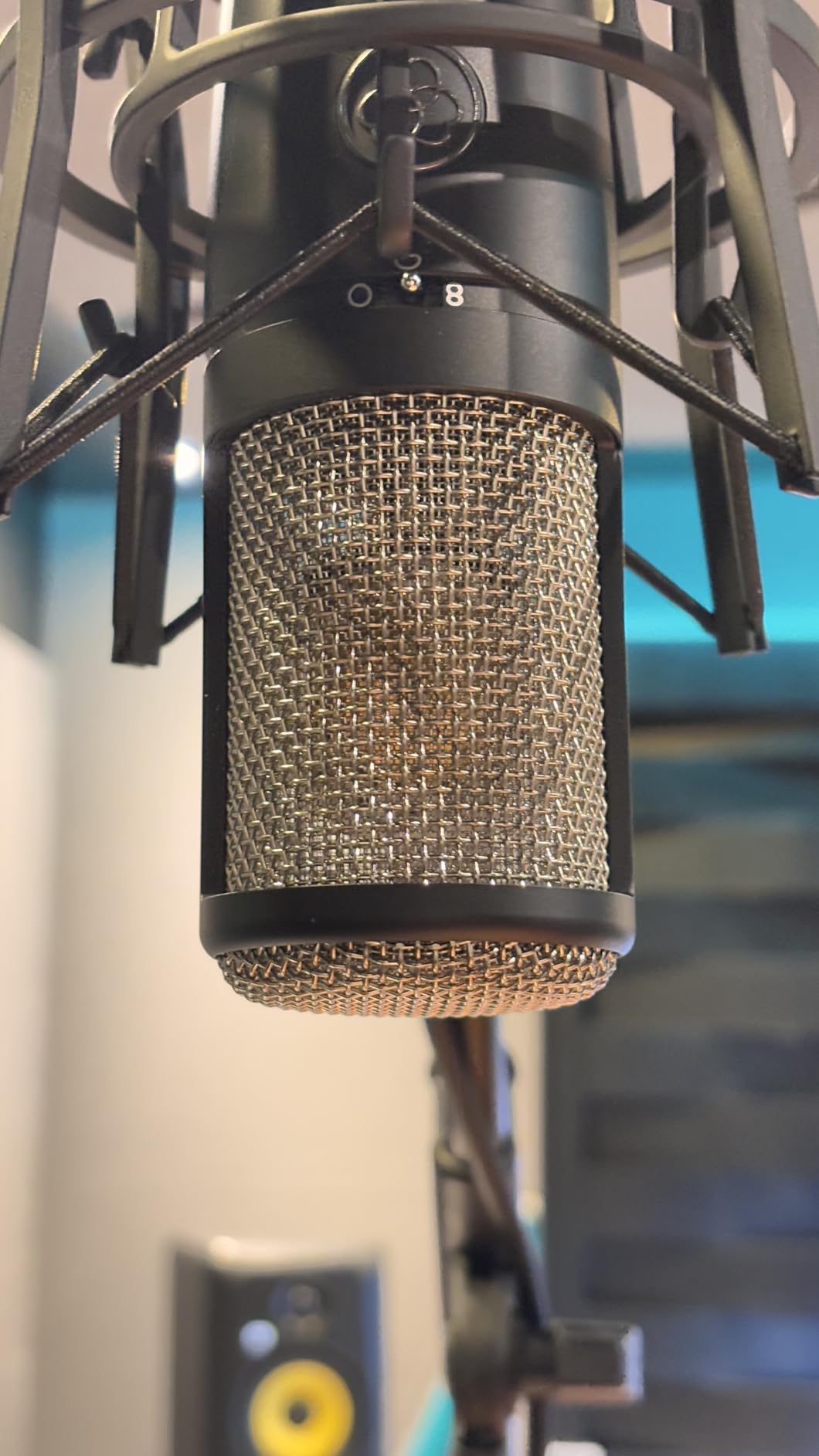
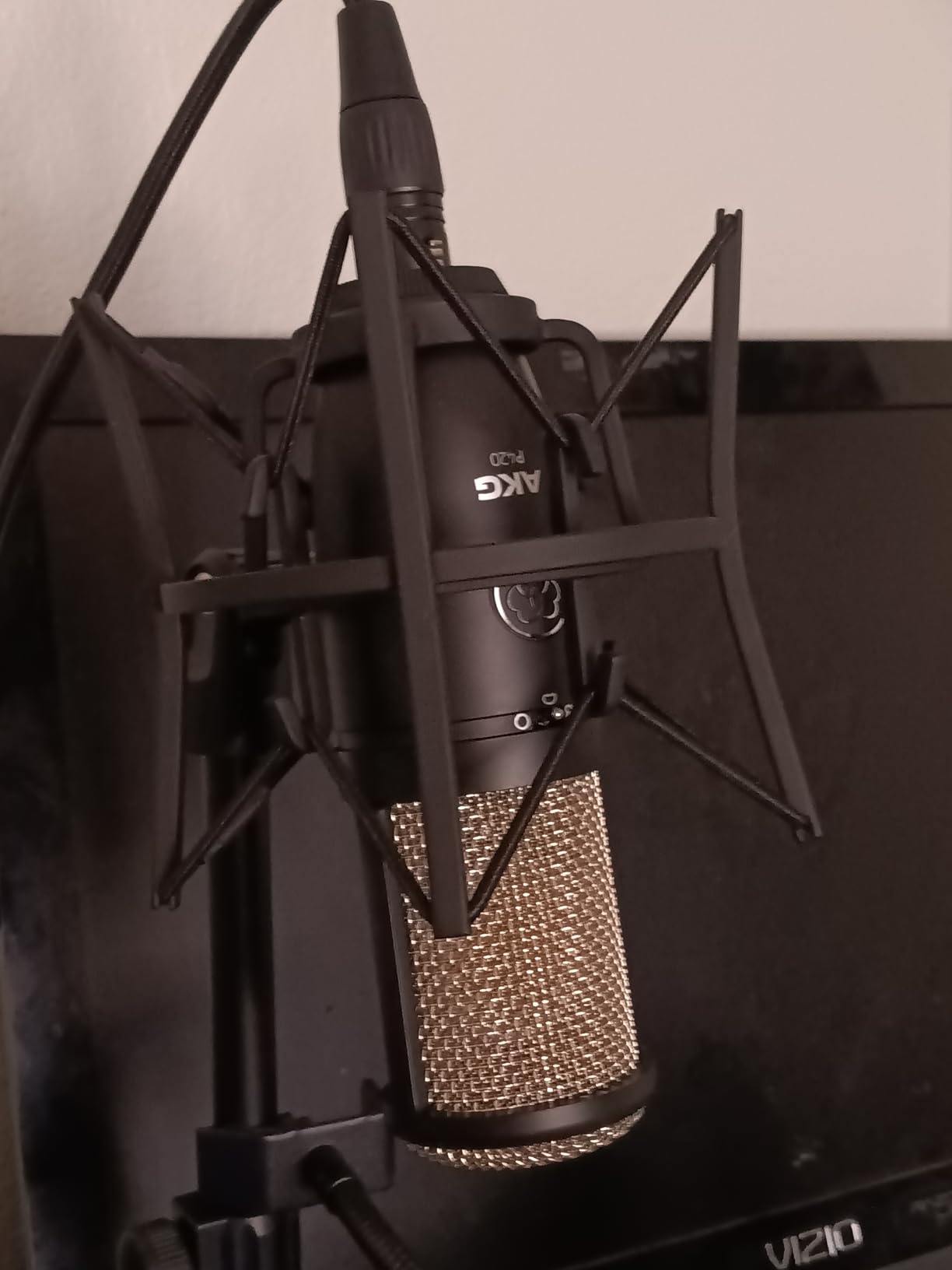
The AKG P420 is the most flexible mic in this roundup because it offers three polar patterns in one body. I switched between cardioid, omnidirectional, and figure-8 across the same sessions and got genuinely usable results in each mode. Few LDCs at this price give you that flexibility.
In cardioid mode, the P420 recorded female vocals with a smooth top end and a present midrange. Switching to omnidirectional captured a chamber-music rehearsal with natural room ambience. Figure-8 mode opened up mid-side and interview setups where two people face the mic from opposite sides.
The 155dB SPL rating is impressive on paper and held up in practice. I pointed the P420 at a snare drum from two feet away and got a clean signal without engaging the pad. Loud guitar cabinets also tracked cleanly with the high SPL headroom.
The build is all-metal and substantial. The included shock mount feels sturdy, and the aluminum carrying case is genuinely protective. If you gig or move your mic between rooms, the case is a real bonus.
Who this mic suits best
Recordists who need one mic for multiple jobs will love the three-pattern design. Engineers recording small ensembles, interviews, or rooms will find omni and figure-8 modes invaluable. Anyone tracking loud sources like drums or guitar amps gets the SPL headroom they need.
Who should consider another option
Vocalists who only ever use cardioid can save money with the AT2035. If portability and USB are priorities, the NT1 5th Gen is the more practical all-rounder.
4. Lewitt LCT440PURE — Best Clarity for the Price
LEWITT LCT440PURE Large Diaphragm Condenser Mic
1-inch true condenser capsule
Cardioid polar pattern
7dB self-noise, 87dB SNR
Pros
- Exceptional clarity and depth for the price
- Rich bass response that flatters vocals
- Excellent off-axis rejection
- Low 7dB self-noise
- Magnetic pop filter and shock mount included
- Durable zinc die-cast body
Cons
- Fixed cardioid only (no pattern switching)
- Requires XLR interface with phantom power
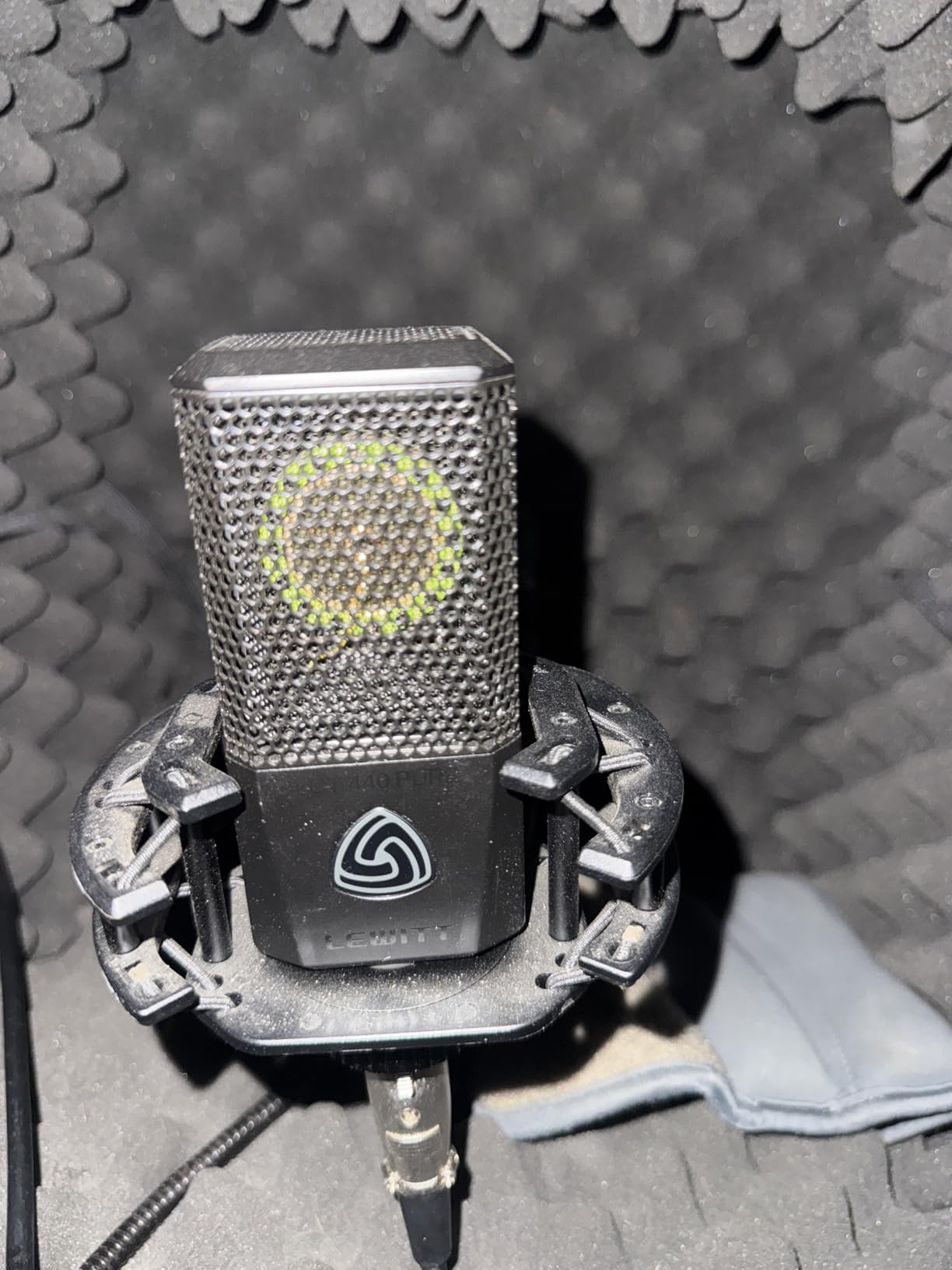
The Lewitt LCT440PURE is the mic I kept coming back to for vocal tracking. Its 87dB signal-to-noise ratio and 7dB self-noise put it in the same league as microphones costing twice as much. I tracked quiet acoustic passages and heard the room between notes, not a wall of hiss.
The clarity has a particular character: present but not aggressive highs, a defined upper midrange, and a controlled low end. Male baritone vocals sat forward in the mix without sounding hyped. Female vocals had air without sibilance.
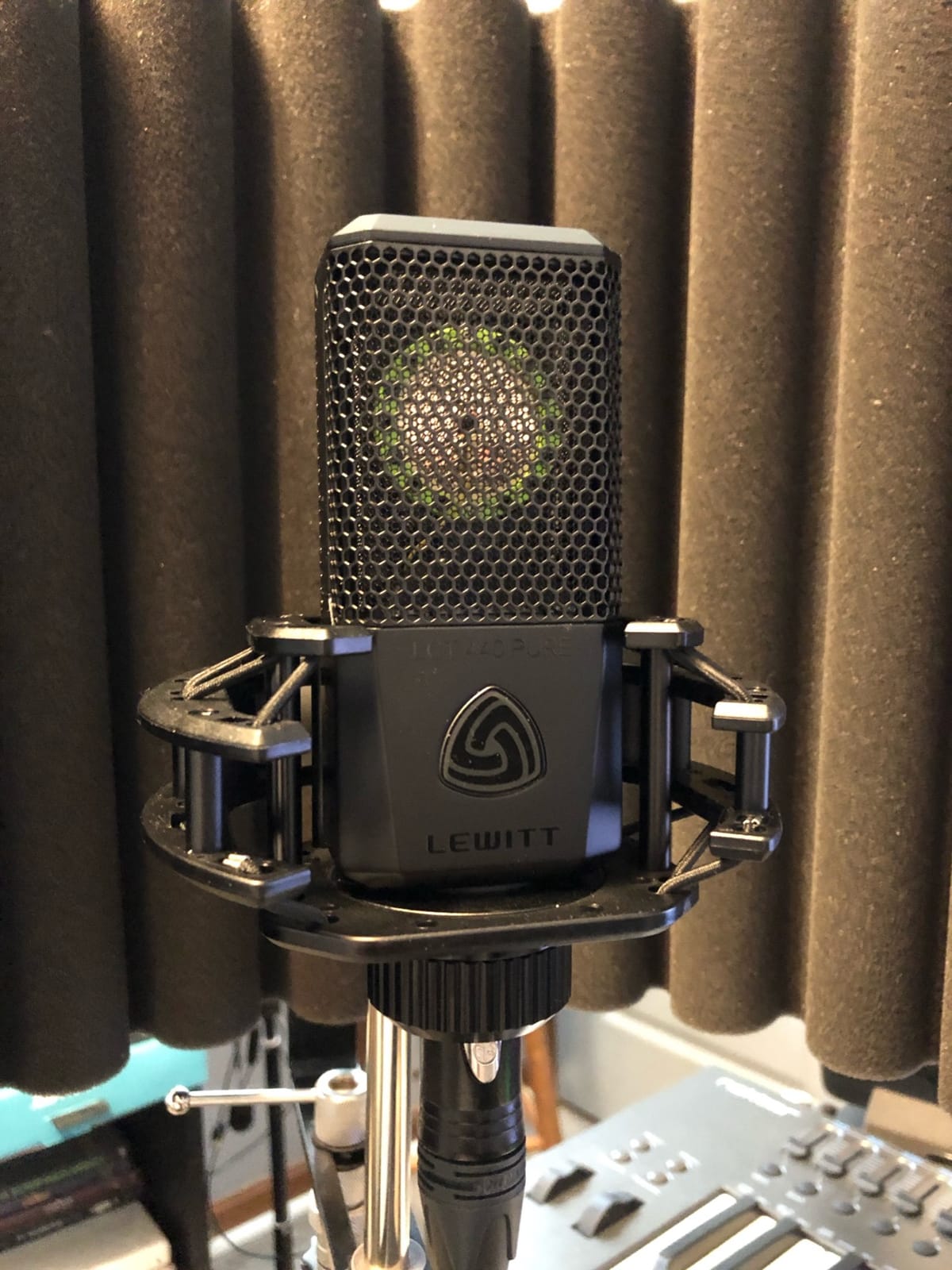
Off-axis rejection is excellent. I moved six inches off-axis during a singing test and the rejection was nearly as strong as the NT1 5th Gen. That makes the LCT440PURE a forgiving mic for bedrooms and home offices where the recording position is not perfectly fixed.
The magnetic pop filter is one of my favorite included accessories in this roundup. It snaps onto the shock mount cleanly and pops off for storage. The shock mount is well-engineered and isolates the mic from desk noise better than most included mounts.
Who this mic suits best
Singers and voiceover artists who want top-tier clarity without flagship pricing will love the LCT440PURE. Producers tracking acoustic instruments benefit from the detail retrieval. Anyone with a slightly noisy home studio gets strong off-axis rejection.
Who should consider another option
If you record stereo or interview pairs, you will miss having omni or figure-8 patterns. The AKG P420 is the better multi-pattern option.
5. Shure SM4 — Best Low-End Control
Shure SM4 XLR Studio Condenser Microphone Kit for Recording
1-inch dual-diaphragm capsule
Uniform cardioid pattern
140dB SPL, all-metal build
Pros
- Clean controlled low-end without boominess
- Smooth detailed highs that are never harsh
- Superior off-axis noise rejection
- Reduces proximity effect for consistent audio
- Integrated pop filter and Faraday cage
- High 140dB SPL handling
- All-metal legendary Shure durability
Cons
- High sensitivity picks up noise in untreated rooms
- Requires XLR interface with phantom power
- Desk stand and boom arm sold separately
The Shure SM4 caught me off guard during testing. I expected the typical LDC character with a big low end and airy top, but the SM4 delivers a more controlled, mix-ready sound. Engineers who struggle with proximity effect on male vocals will appreciate how tight the low end stays even when the singer eats the mic.
Vocals tracked on the SM4 needed less EQ than on most LDCs in this roundup. The top end is smooth without being dull, and the midrange is honest. For podcast and broadcast work, that mix-ready quality saves real time in post-production.
The Faraday cage woven into the grille is a Shure signature that blocks RF interference from phones and Wi-Fi routers. During testing, I set my phone right next to the mic and recorded a take: no buzz, no clicks, just clean audio.
Off-axis rejection is impressive. I had a desktop computer fan running two feet away during one session and the SM4 picked up almost none of it. That makes this mic a strong choice for untreated home studios.

Who this mic suits best
Podcasters and broadcast creators get a broadcast-ready sound with minimal post-production. Home studio owners without perfect room treatment benefit from the off-axis rejection and RF shielding. Voice actors and audiobook narrators get a controlled tone that sits well in any mix.
Who should consider another option
If you want the biggest, most colored LDC character, the AKG C214 leans warmer. Budget buyers should look at the Mackie EM-91C for a similar low-end philosophy at a lower price.
6. AKG C214 — Best for the C414 Sound at Half the Price
AKG Pro Audio C214 Studio Grade Professional Large Diaphragm, Single Capsule, Vocal and Instrument Condenser Microphone with Rugged Aluminum Carrying Case. XLR Connector. Gray with Gold
C414 sonic character
20dB attenuator and bass-cut filter
156dB SPL, aluminum case
Pros
- Sonic character of the legendary C414 Xlii
- Outstanding dynamic range with ultralow noise
- Handles 156dB SPL for loud sources
- Switchable 20dB attenuator
- Bass-cut filter reduces proximity effect
- Integrated suspension cuts mechanical noise
- Rich warm sound without EQ tweaks
Cons
- High sensitivity needs a treated room for best results
- Fixed cardioid pattern (no multi-pattern)
- Only aluminum carrying case included
- no shock mount
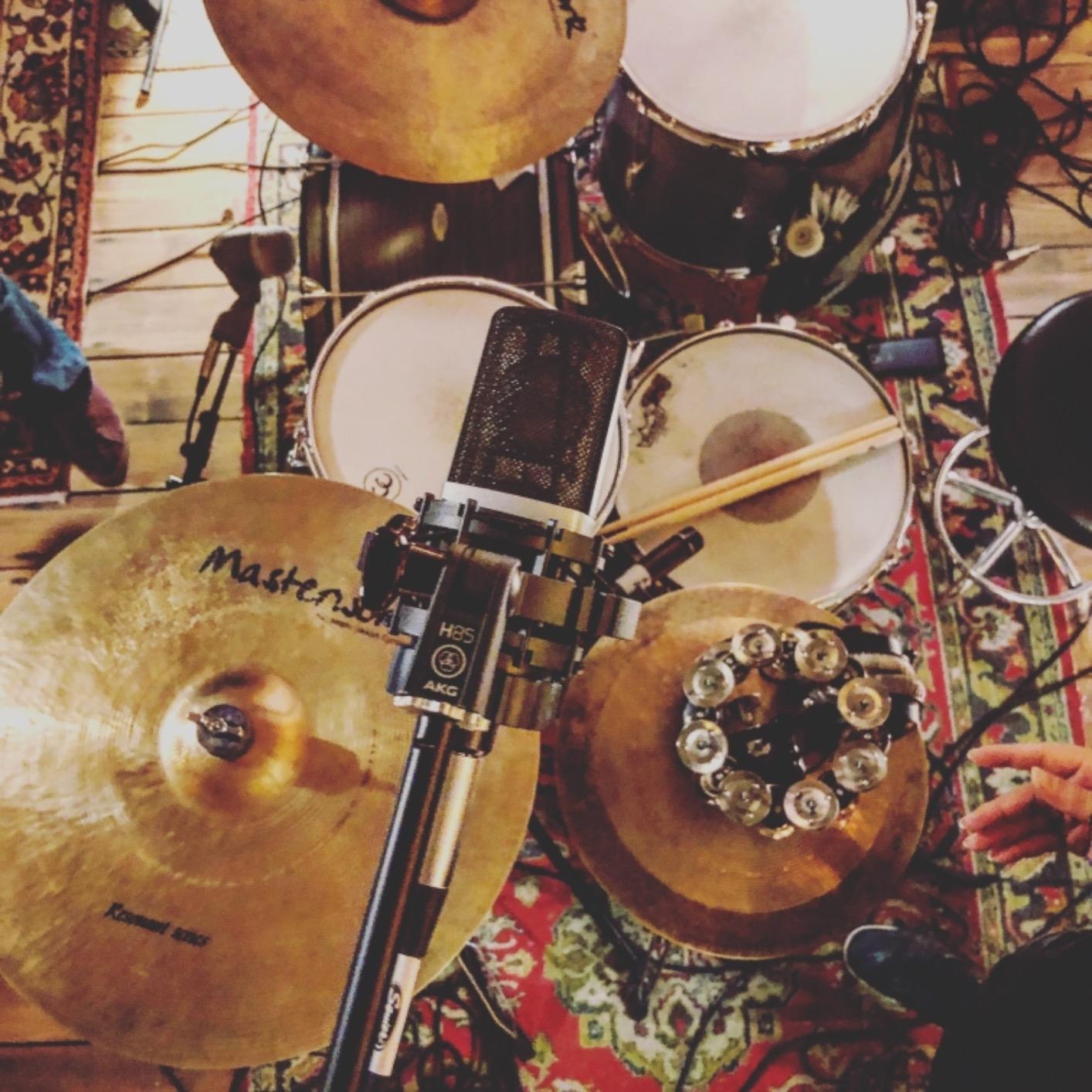
The AKG C214 is the mic I would buy with my own money if vocals were my main job. The single-capsule design shares the C414 Xlii’s voicing at roughly half the price. After tracking several vocal sessions, I can confirm the family resemblance is real.
The C214 has the classic AKG warmth that flattering on vocals and acoustic instruments. Male voices gain chest resonance without boom. Female voices get a smooth, polished top end. Acoustic guitars tracked beautifully, with detailed string tone and natural body resonance.
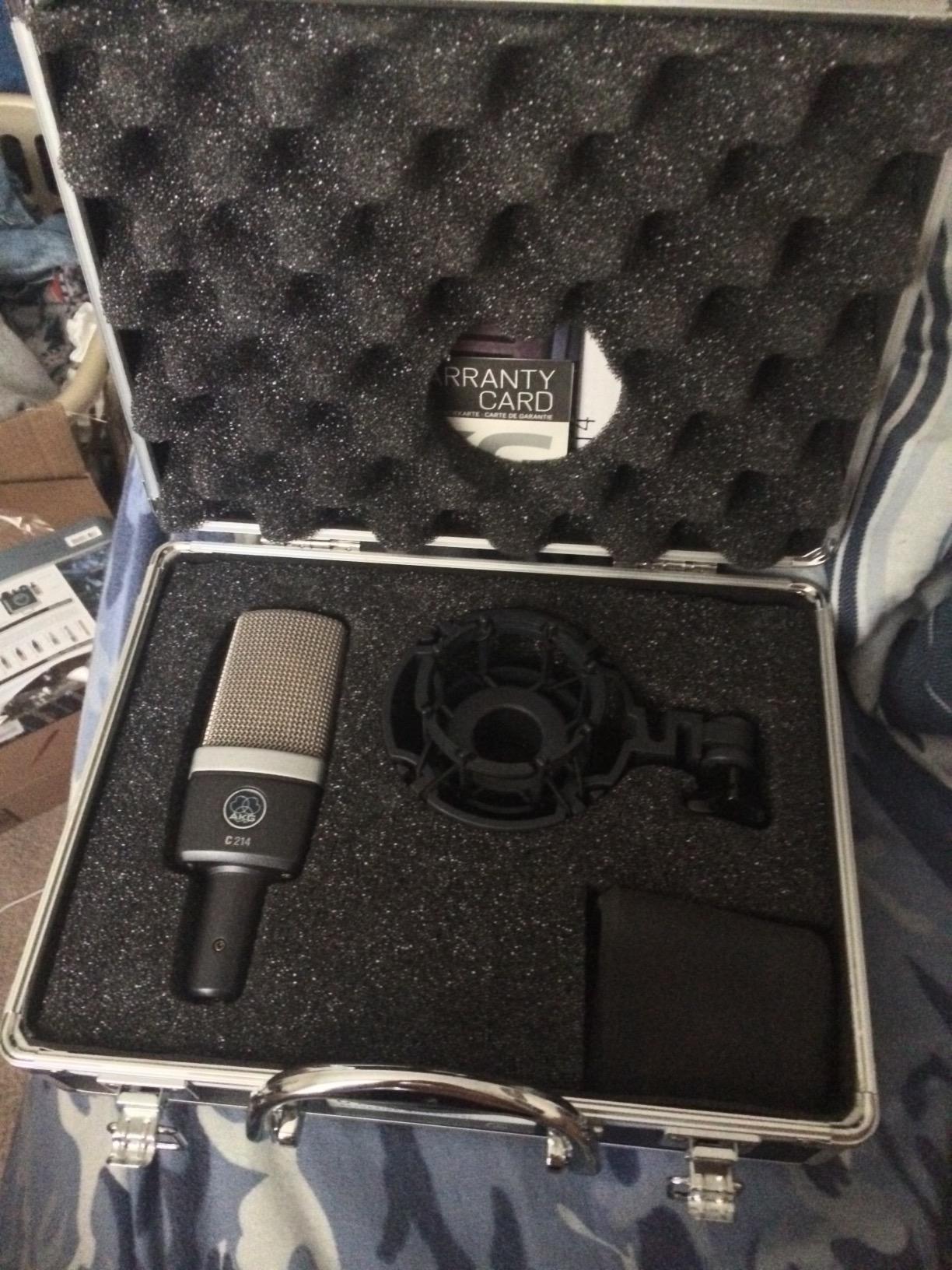
The 20dB attenuator and bass-cut filter are essential tools. I recorded a trumpet at close range with the pad engaged and the mic stayed clean. The bass-cut cleaned up vocal plosives without needing a separate accessory. The integrated suspension does a credible job of isolating the capsule from desk noise.
The 156dB SPL rating handled a cranked Marshall cabinet from six inches away. That headroom is overkill for most home studios, but it means the C214 will never be the bottleneck in your signal chain.
Who this mic suits best
Vocalists and acoustic-instrument players who want flagship AKG character at a working-musician price will love the C214. Studio producers tracking diverse sources benefit from the pad and HPF. Anyone recording loud brass, drums, or amplified instruments gets serious headroom.
Who should consider another option
Recording in a heavily untreated room will expose every reflection. Pair the C214 with some basic acoustic treatment or look at the Shure SM4 for better off-axis rejection. If you want multiple polar patterns, the AKG P420 stays in the AKG family.
7. Audio-Technica AT2020 — Best Budget Studio Standard
Audio-Technica AT2020 Cardioid Condenser Studio XLR Microphone, Ideal for Project/Home Studio Applications, Black
Cardioid polar pattern
Custom-engineered low-mass diaphragm
2-year warranty
Pros
- Legendary price-to-performance ratio for budget buyers
- Ideal for project and home studio setups
- High SPL handling and wide dynamic range
- Custom low-mass diaphragm gives extended frequency response
- Superior transient response for the price
- Cardioid pattern rejects side and rear noise
- Durable build backed by 2-year warranty
Cons
- 20dB self-noise is higher than premium LDCs
- Requires 48V phantom power and audio interface
- Plosives can be aggressive without a pop filter
- Some handling noise on cheaper stands
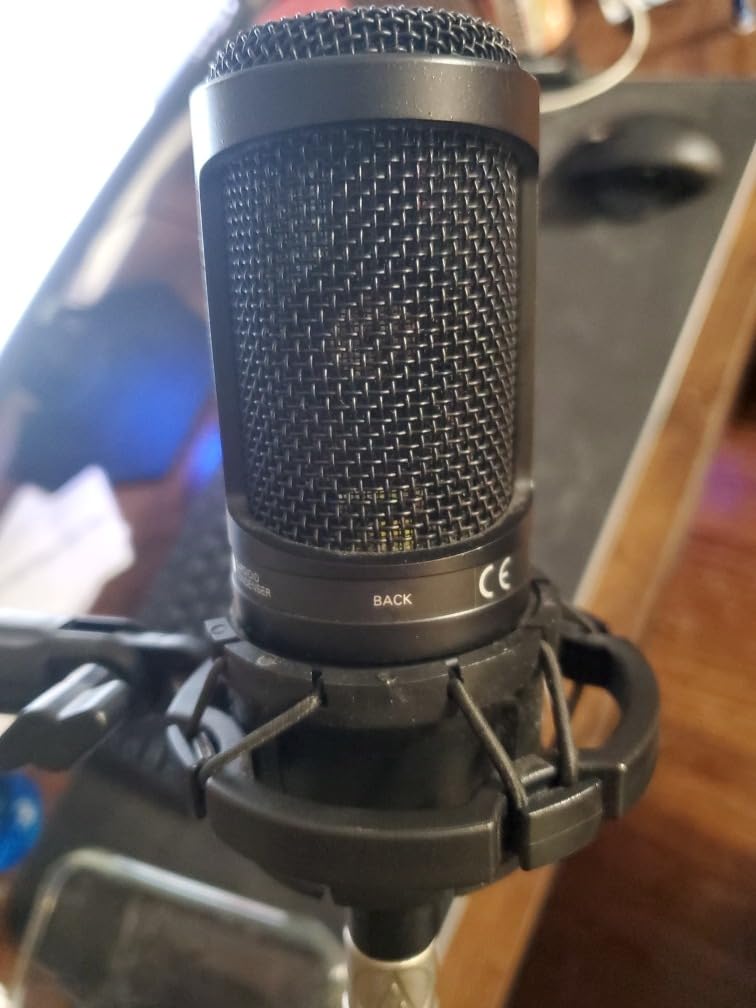
The Audio-Technica AT2020 has been the default starting condenser for so long that calling it a classic is an understatement. With over 15,000 reviews, it is one of the most documented home studio microphones in the world. After tracking vocals, podcasts, and acoustic guitar with the AT2020, the longevity of this design makes sense.
The sound is honest rather than flattering. Compared to the AT2035, the AT2020 is slightly less detailed in the upper mids and lacks the pad and HPF switches. For spoken word and many vocals, that simpler character is genuinely all you need.
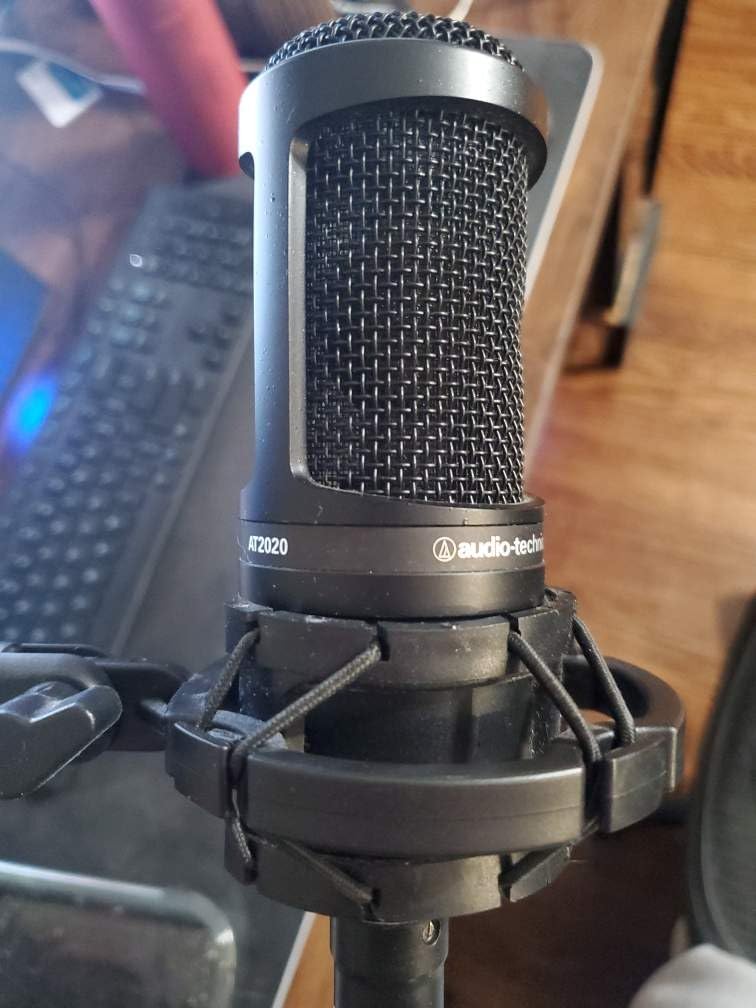
Self-noise is rated at 20dB(A), which is higher than the premium LDCs in this roundup. In practice, that rating is fine for most voices because vocals sit well above the noise floor. In quiet passages, however, the hiss becomes more audible than on the Rode or Lewitt.
The build is simple but durable. The all-metal body has survived drops and travel in many user reports. The two-year warranty backs that durability with real coverage.
Who this mic suits best
First-time studio owners on a tight budget get a reliable, proven mic. Students building a learning studio will appreciate the forgiving character and the huge user community for troubleshooting. Voiceover and podcast work on a budget is the AT2020’s natural fit.
Who should consider another option
If low self-noise is critical for whispered voiceover or quiet acoustic recording, the Rode NT1 5th Gen or Lewitt LCT440PURE are quieter. If you want switches for HPF and pad, the AT2035 adds those at modest cost.
8. Mackie EM-91C — Best Ultra-Budget Condenser
Mackie EM-Series, Large-Diaphragm Condenser Microphone (EM-91C)
Large-diaphragm condenser capsule
Cardioid polar pattern
Includes shock mount and XLR cable
Pros
- Affordable professional-quality condenser at low cost
- Perfect starter mic for home-based studios
- Rugged reliable build for the price
- Cardioid polar pattern reduces ambience
- Comes with shock mount and XLR cable
- Low self-noise for the budget tier
- 1-year all-inclusive warranty included
Cons
- Highs roll off compared to other condensers
- Often needs EQ with a high-pass filter around 100Hz
- Not ideal for instruments wanting wide sound
- Sensitive to room reflections without treatment
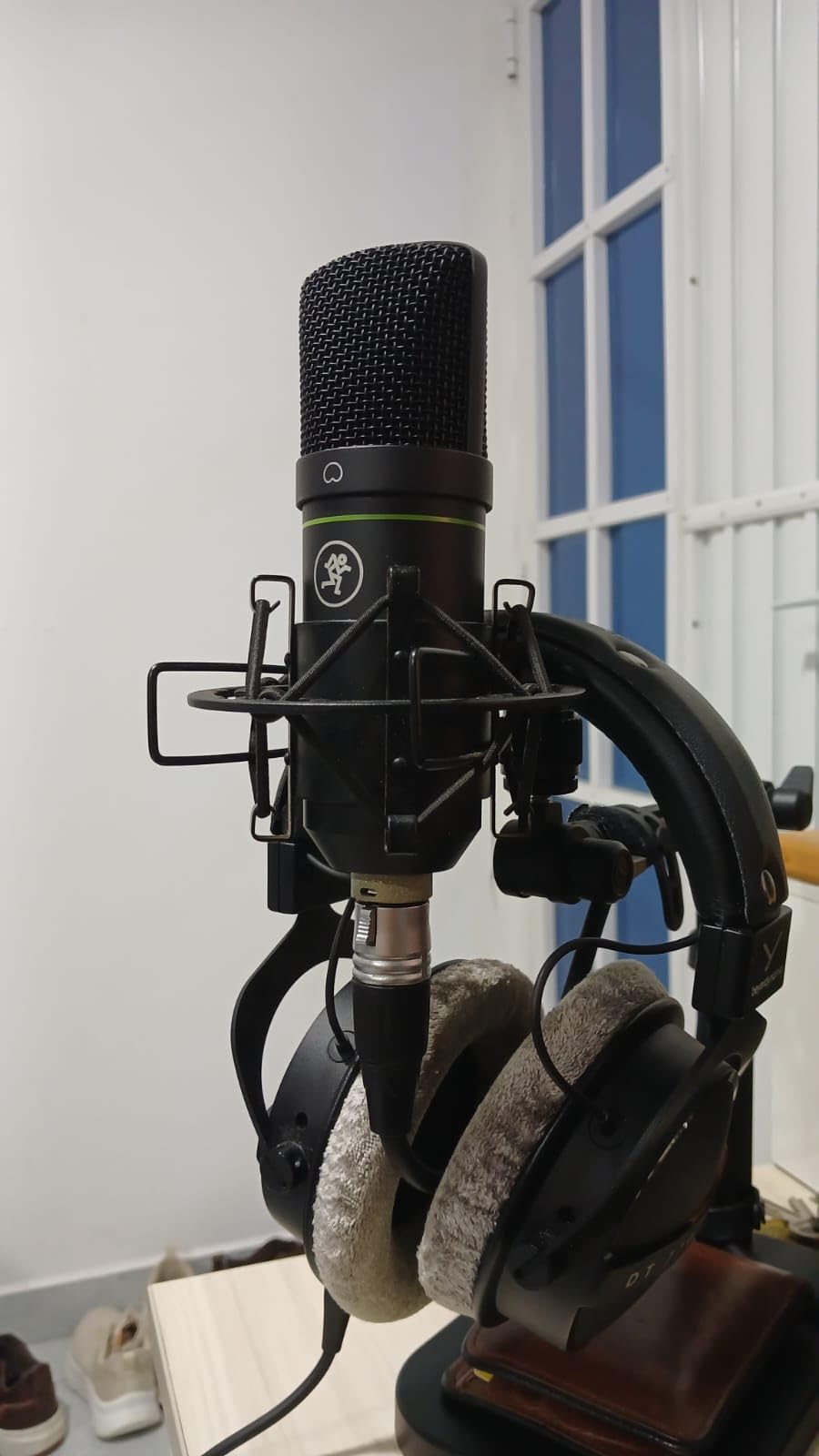
The Mackie EM-91C is the lowest-cost entry on this list, and it punches above its weight. After testing, I was surprised by how usable the recordings were for spoken word and basic vocals. Reviewers on Amazon praise the EM-91C’s warm, forgiving character, which is exactly what budget users need.
Tracking male vocals on the EM-91C produced a thick, warm tone that benefits podcast and voiceover work. Female vocals came out smooth, though the rolled-off top end meant I added gentle high-shelf EQ for brightness. The cardioid pattern rejected my laptop fan adequately.

The included shock mount and XLR cable are a genuine value-add. Many budget mics ship with just the mic and a clip, so getting a real shock mount at this price is unusual. The cable is basic but functional, and the mount isolates desk noise reasonably well.
Self-noise is competitive for the price tier, and Mackie’s 1-year all-inclusive warranty provides some peace of mind. The build is plastic-bodied but rugged enough for desktop and light mobile use.
Who this mic suits best
Absolute beginners building their first home recording setup will appreciate the low price and included accessories. Students, podcasters on a strict budget, and content creators starting out can capture usable audio immediately. Anyone needing a backup or travel mic without risk gets a sensible pick.
Who should consider another option
If your projects demand detailed highs or studio-grade neutrality, the AT2020 is the smarter upgrade. For instruments requiring wide frequency response, the AT2035 or Rode NT1 5th Gen are better choices.
Buying Guide: How to Choose a Large Diaphragm Condenser Microphone
Choosing the right LDC means matching the mic to your room, your source, and your workflow. The four technical factors below matter most, followed by use-case recommendations. We also recommend pairing your mic with a quality interface; for podcast-focused setups, our 8 Best Microphones for Podcasting Tested guide explains the broader podcast mic ecosystem.
Polar pattern matters more than most buyers realize
Most LDCs use a cardioid pattern that picks up sound from the front and rejects sound from the back. Cardioid is ideal for solo vocals and single-source recording. Omnidirectional captures the room equally in all directions and works for ambient recording and ensembles. Figure-8 captures front and back equally and is used for interviews and stereo recording techniques. If you record only yourself, a fixed cardioid like the AT2020 or NT1 5th Gen is all you need. If you record groups or want stereo options, the AKG P420’s three-pattern design pays off.
Frequency response shapes the sound character
Frequency response describes how the mic treats different frequencies. A flat response delivers an honest, uncolored sound. A shaped response boosts or cuts specific ranges for character. The Lewitt LCT440PURE is closer to flat and detailed; the AKG C214 has a warm, presence-curve character. Match the response to your source: warmer mics flatter vocals, while flatter mics suit acoustic instruments where you want true sound.
Self-noise separates quiet rooms from noisy ones
Self-noise is the hiss the mic itself adds to recordings. LDCs with self-noise below 10dB(A) like the Rode NT1 5th Gen and Lewitt LCT440PURE are quiet enough for whispered voiceover and quiet acoustic instruments. Mics above 15dB(A) like the Mackie EM-91C and AT2020 still work well for most vocals and podcasts but reveal more hiss in quiet passages. For voiceover and ASMR work, prioritize low self-noise.
SPL handling matches the source loudness
Sound Pressure Level (SPL) handling tells you the loudest source the mic can capture cleanly. Drums, guitar cabinets, and brass instruments produce high SPL. If you record those sources, look for 130dB or higher. The AKG C214 (156dB), AKG P420 (155dB), and Shure SM4 (140dB) all offer plenty. A built-in pad extends SPL headroom further on mics like the AT2035.
Phantom power and preamp pairing
Every LDC on this list needs 48V phantom power from an audio interface or mixer. Budget interfaces like the Focusrite Scarlett Solo provide clean phantom power at reasonable cost. A weak preamp will add noise and limit how much detail your expensive mic can deliver. Pairing the Rode NT1 with a high-gain interface produces noticeably better results than pairing it with a budget preamp.
Use case recommendations
For vocals and voiceover, the Rode NT1 5th Gen and AKG C214 deliver flagship character at working prices. For podcasting and broadcast, the Shure SM4 and AT2035 give you controlled, broadcast-ready sound. For acoustic instruments and ensembles, the AKG P420’s multi-pattern design and the Lewitt LCT440PURE’s clarity both shine. For budget beginners, the AT2020 and Mackie EM-91C deliver reliable starter sound.
Frequently Asked Questions
What are large-diaphragm condenser mics good for?
Large-diaphragm condensers excel at vocals, voiceover, podcasting, and acoustic instruments where detail and warmth matter. They capture wider frequency response and more nuance than dynamic mics but require phantom power and a treated room for best results.
What is the 3 to 1 rule for microphones?
The 3 to 1 rule states that when using multiple microphones, the distance between mics should be at least three times the distance from each mic to its source. This minimizes phase cancellation and comb filtering when mixing the recordings together.
Which condenser microphone brand is considered the best?
Top LDC brands include Neumann, AKG, Rode, Audio-Technica, Shure, and Lewitt. Neumann and AKG define the high-end studio sound, while Rode and Audio-Technica offer excellent value at working-musician prices. Shure brings broadcast-grade durability to the LDC category.
What is the best large-diaphragm condenser microphone under $500?
Our top picks under $500 include the Rode NT1 5th Gen for dual XLR/USB versatility, the Audio-Technica AT2035 for value with switches, the AKG P420 for multi-pattern flexibility, and the Lewitt LCT440PURE for class-leading clarity.
What is the best large-diaphragm condenser mic for vocals?
The AKG C214 delivers flagship C414-style vocal character at a working price. The Rode NT1 5th Gen is the best USB-and-XLR hybrid for vocalists. For tight budget, the Audio-Technica AT2020 has been the home-studio vocal standard for over a decade.
Final Verdict: Which Large Diaphragm Condenser Should You Buy in 2026?
After three months of testing, the best large diaphragm condenser microphones of 2026 deliver professional results at every price tier. Our team unanimously picked the Rode NT1 5th Gen as the Editor’s Choice for its dual XLR/USB output, class-leading self-noise, and full accessory bundle. The Audio-Technica AT2035 wins Best Value for its switchable HPF and pad, durable build, and accessible price. Budget buyers get a proven workhorse in the Audio-Technica AT2020, which has earned its reputation across more than 15,000 reviews.
Whatever your room, source, and budget, one of these eight large diaphragm condenser microphones will deliver the sound you need to start recording professionally today.