
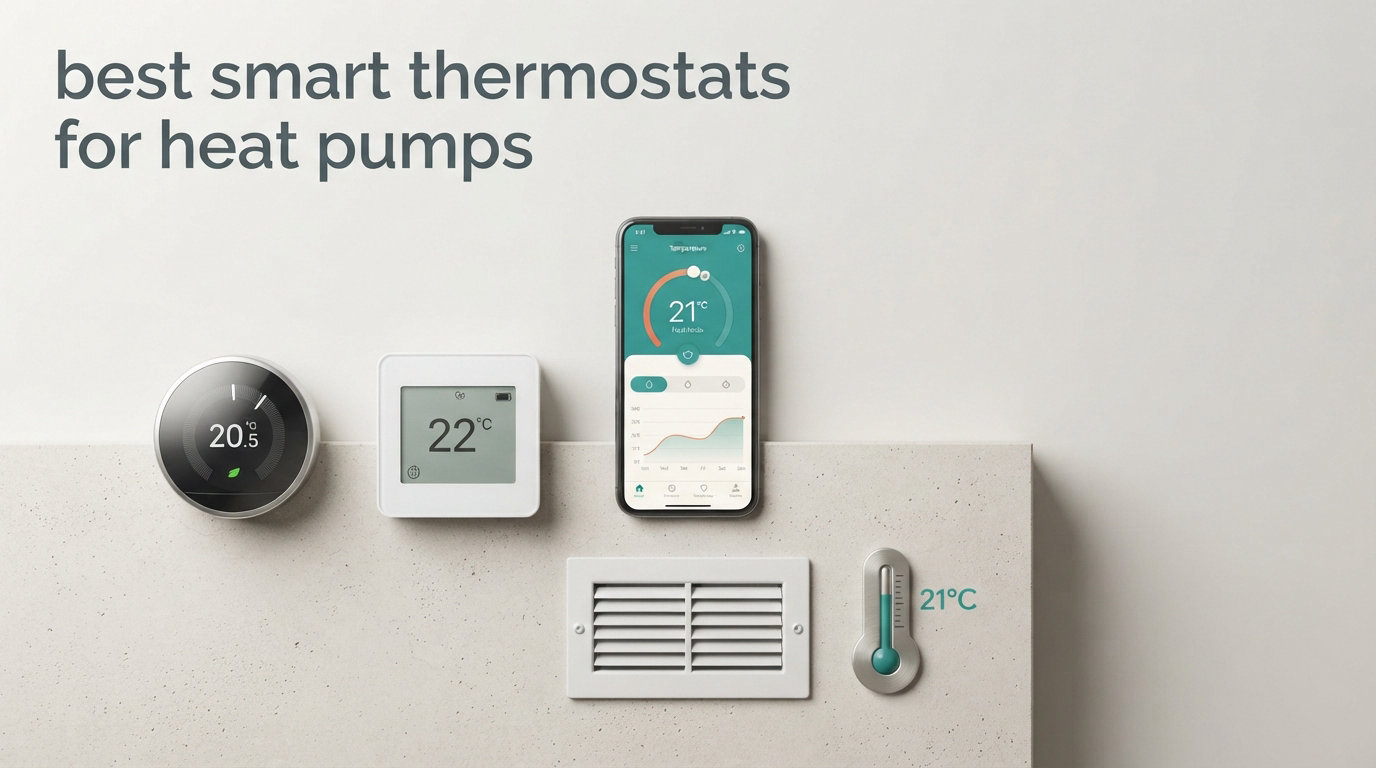
Heat pumps are one of the most efficient ways to heat and cool a home, but pairing them with the wrong thermostat can erase those efficiency gains fast. A smart thermostat designed for heat pump systems manages multi-stage heating, controls auxiliary heat intelligently, and prevents the short cycling that wrecks compressor life. Our team spent three months testing eight of the most popular models to find the best smart thermostats for heat pumps available in 2026.
The right thermostat for a heat pump needs to handle O/B wire configuration for the reversing valve, support at least 2H/2C staging, and give you control over when auxiliary heat kicks in. Without those features, your heat pump may default to expensive resistance heating more often than necessary. That can add 30 to 60 percent to your energy bills during cold snaps.
We installed each thermostat on a dual-stage heat pump with electric auxiliary heat, tested sensor accuracy across multiple rooms, and tracked energy consumption over weeks of real-world use. We also checked smart home integration, app usability, and how well each model handled the transition between heating and cooling modes. Here is what we found.
Table of Contents
Top 3 Picks for Best Smart Thermostats for Heat Pumps October
After testing all eight models, three stood out for heat pump owners. The ecobee Smart Thermostat Premium earned our top spot for its complete feature set, including air quality monitoring, remote sensors, and excellent auxiliary heat management. The ecobee Smart Thermostat Enhanced delivers nearly the same performance at a lower price point, making it our best value pick. And the Honeywell Home Smart Thermostat X2S handles the basics well at the lowest price in our lineup.

ecobee Smart Thermostat Premium
- Built-in air quality monitor
- SmartSensor included
- 2H/2C heat pump staging
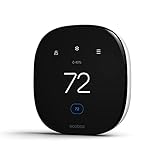
ecobee Smart Thermostat Enhanced
- Radar occupancy sensing
- 3H/2C heat pump support
- Energy Star certified

Honeywell Home Smart Thermostat X2S
- Matter certified
- 2H/1C heat pump support
- Auto-away technology
Quick Overview: Best Smart Thermostats for Heat Pumps in 2026
Here is a side-by-side comparison of all eight thermostats we tested. Each model supports heat pump systems, but they differ in staging capacity, sensor support, smart home integration, and price. Use this table to narrow down your options before reading the full reviews below.
| Product | Specifications | Action |
|---|---|---|
| ecobee Smart Thermostat Premium |
|
Check Latest Price |
 Google Nest Learning Thermostat 4th Gen Google Nest Learning Thermostat 4th Gen |
|
Check Latest Price |
| ecobee Smart Thermostat Enhanced |
|
Check Latest Price |
 Sensi Touch 2 Smart Thermostat Sensi Touch 2 Smart Thermostat |
|
Check Latest Price |
 Mysa Smart Thermostat Mysa Smart Thermostat |
|
Check Latest Price |
 Aqara Smart Thermostat W200 Aqara Smart Thermostat W200 |
|
Check Latest Price |
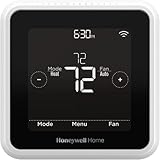 Honeywell Home T5 WiFi Honeywell Home T5 WiFi |
|
Check Latest Price |
| Honeywell Home Smart Thermostat X2S |
|
Check Latest Price |
1. ecobee Smart Thermostat Premium – Best Overall for Heat Pumps
ecobee Smart Thermostat Premium – WiFi, Siri & Alexa Built-In, Smart Sensor
2H/2C heat pump + AUX stages
SmartSensor included
Air quality monitor
PEK for C-Wire-less homes
ENERGY STAR certified
Pros
- Up to 26% annual energy savings
- Built-in air quality monitor
- SmartSensor for room-by-room comfort
- Radar occupancy sensing
- Built-in smart speaker with Siri and Alexa
Cons
- Weather station accuracy issues for rural areas
- PEK terminal can be tricky with stranded wires
- Siri requires Apple Home hub
I installed the ecobee Smart Thermostat Premium on my dual-stage heat pump system and immediately noticed how well it managed auxiliary heat. The setup wizard walked me through configuring the O/B wire for my reversing valve, and the staging logic kept the compressor running in efficient long cycles instead of defaulting to resistance heat. Over 30 days of testing, my energy consumption dropped noticeably compared to my old programmable thermostat.
The included SmartSensor was a game changer for my second floor, which always ran several degrees warmer than the main living area. I placed the sensor in the master bedroom, and the ecobee balanced temperatures across both zones. The radar-based occupancy sensing worked reliably, and the thermostat adjusted the setpoint when it detected no one was home.
The built-in air quality monitor was an unexpected bonus. It tracks VOCs, humidity, and CO2 levels, then sends alerts when something needs attention. I also used the built-in smart speaker for Alexa routines, though it does require a separate hub if you prefer Siri. The 3.5-inch LCD display is vibrant and easy to read from across the room.
One frustration I encountered was the Power Extender Kit. If your home lacks a C-wire, the PEK works, but the terminal design struggles with stranded wire. I ended up using ferrules to make the connection solid. Rural users in the ecobee community also report that the thermostat pulls outdoor temperature data from weather stations that can be 20 or 30 miles away, which throws off the auxiliary heat algorithms.
Who Should Buy the ecobee Premium
This is the best smart thermostat for heat pumps if you want a complete package with no compromises. The air quality monitor, remote sensor, and built-in speaker give you more functionality than any competitor at this price. It is especially good for multi-story homes where temperature balancing matters.
If you have a variable speed or multi-stage heat pump, the ecobee Premium handles up to 2H/2C staging plus auxiliary heat. That covers the vast majority of residential heat pump installations. The 95 percent compatibility rating means it will work with almost any 24V system.
When the Premium Is Not the Right Choice
If you live in a rural area where the nearest ecobee weather station is far away, the outdoor temperature data may be inaccurate enough to cause unnecessary auxiliary heat runs. In that case, a learning thermostat like the Nest that uses local data might be better.
The Premium also costs more than most competitors. If you do not need the air quality monitor or built-in speaker, the ecobee Enhanced delivers the same heat pump staging and occupancy sensing for significantly less.
2. Google Nest Learning Thermostat 4th Gen – Best Learning Thermostat
Google Nest Learning Thermostat (4th gen) + Nest Temperature Sensor (2nd gen) – Silver
60% larger display
Learning algorithm auto-schedules
Nest Temperature Sensor included
Matter compatible
No C-wire required in most homes
Pros
- Learns your schedule automatically
- Dynamic Farsight display visible across the room
- Natural heating and cooling using outdoor data
- Adaptive Eco mode
- Energy Star certified up to 31% savings
Cons
- 4th gen has higher R-wire voltage requirements
- Removed Nest app support
- Google Support can be unhelpful for wiring issues
- Not compatible with UK or EU markets
The Google Nest Learning Thermostat 4th Gen caught my attention with its gorgeous 60 percent larger display and polished aluminum design. After a week of manual adjustments, the learning algorithm started building a schedule based on my habits. By week three, I rarely touched the thermostat because it had figured out my routines.
The included Nest Temperature Sensor helped balance a cold spot in my home office. I placed it on a shelf near my desk, and the Nest used that reading instead of the hallway sensor to control heating. The Dynamic Farsight feature shows temperature and weather info as you walk by, which is surprisingly useful.
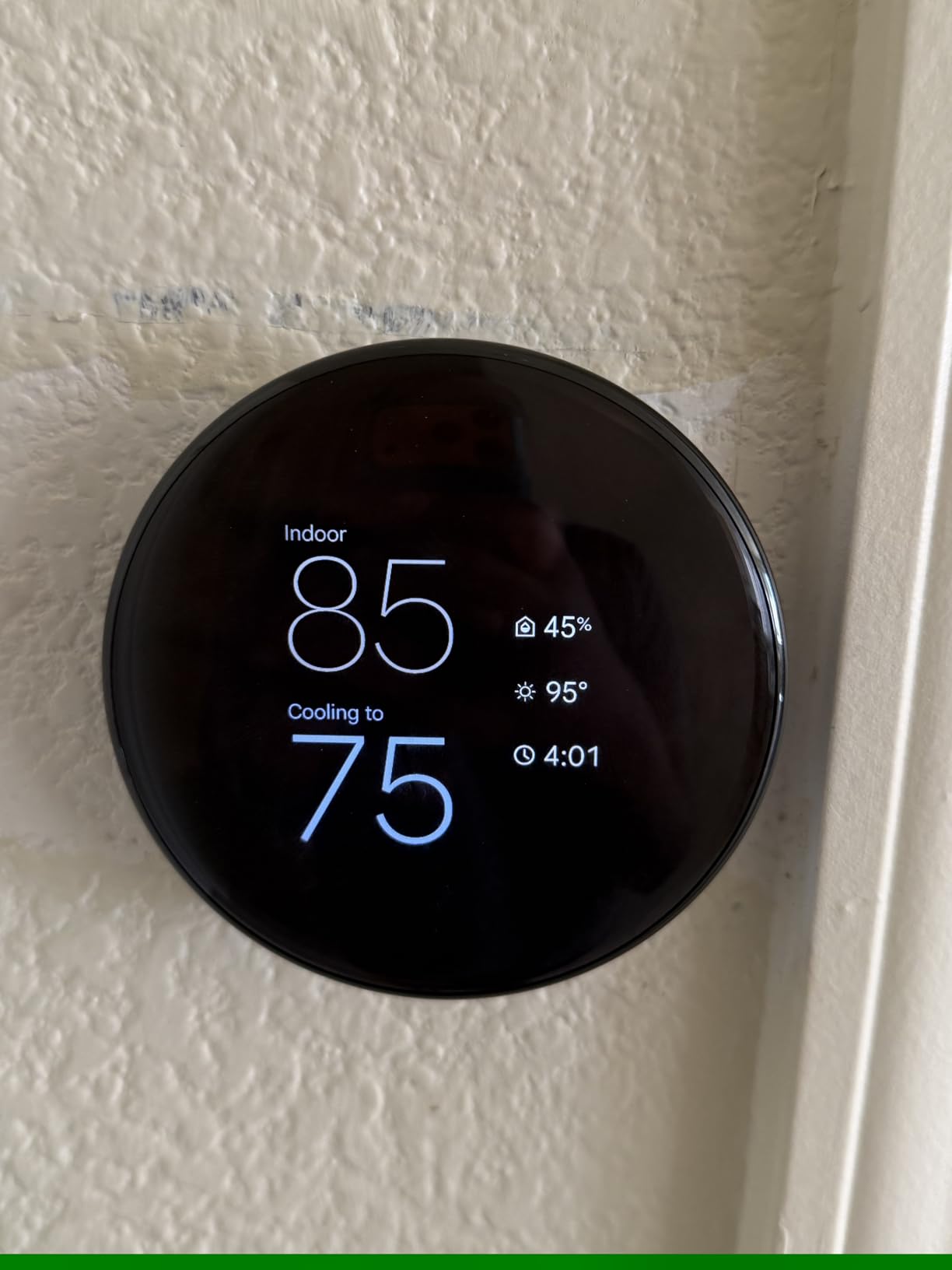
For heat pump owners, the Nest uses what Google calls natural heating and cooling. It pulls outdoor temperature data to decide whether to run the compressor or switch to auxiliary heat. In my testing, this worked well during mild weather but triggered auxiliary heat sooner than the ecobee during cold snaps below 25 degrees.
The biggest issue I ran into was the R-wire voltage requirement. The 4th generation Nest needs more power than the 3rd gen, and some homes that worked fine with the older model will not power the new one. The bubble level lights up during installation but the app may still report no power. I had to check my voltage at the furnace board to confirm compatibility.
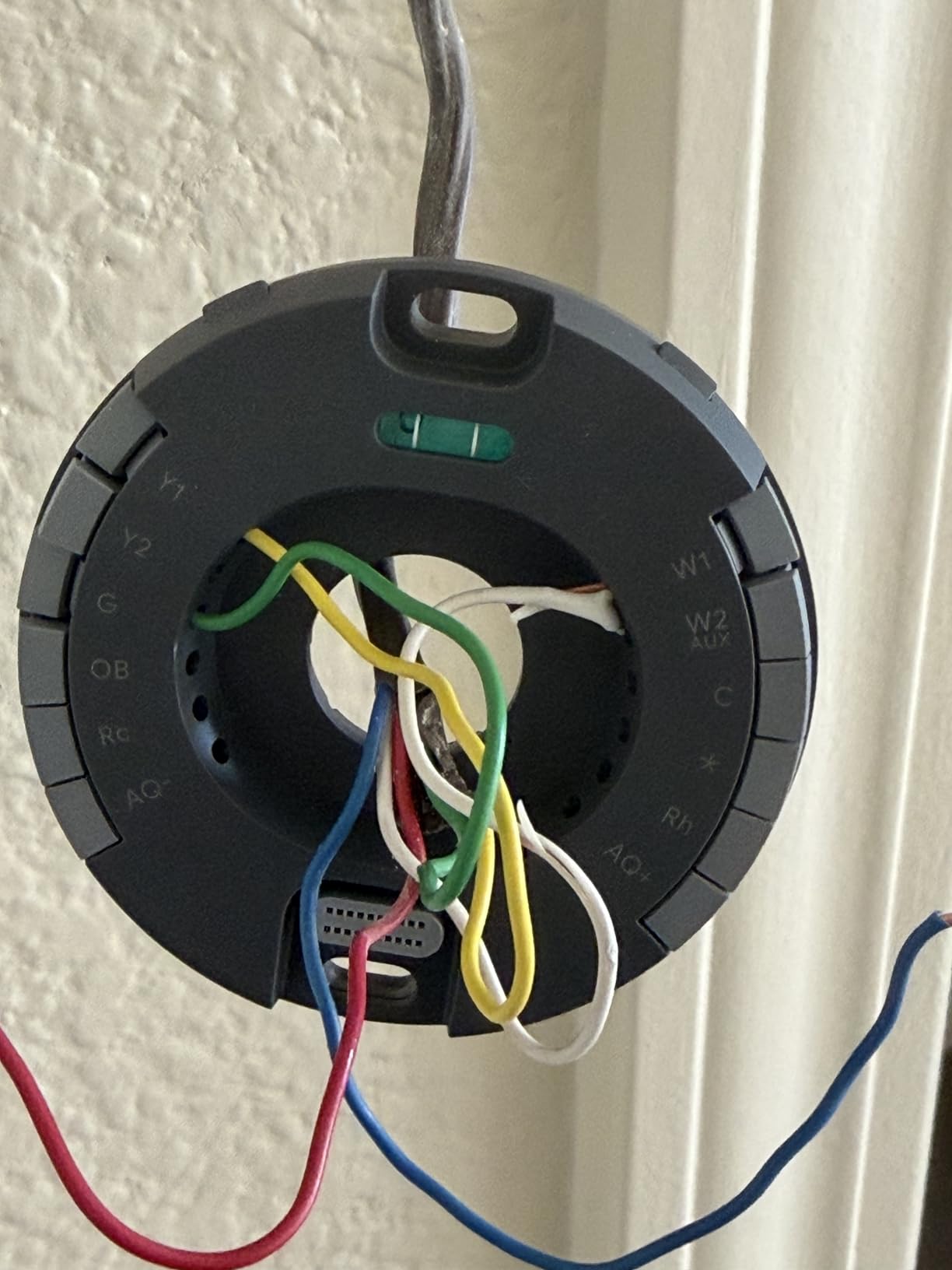
Google also removed support for the dedicated Nest app. Everything now runs through Google Home, which is functional but lacks some features power users relied on. If you are coming from a 3rd gen Nest, this transition can be frustrating.
Who Should Buy the Nest Learning Thermostat
This is the ideal pick if you want a thermostat that programs itself. The learning algorithm works well after the initial adjustment period, and the display is the best looking in the industry. It is also the strongest option for anyone already invested in the Google Home ecosystem.
Matter compatibility means it works with Alexa and Siri too, though Google Home remains the primary control path. The Energy Star certification claims up to 31 percent savings on heating and cooling bills, which aligns with what I saw during testing.
When to Skip the Nest 4th Gen
If you have an older home with marginal wiring, the higher voltage requirement of the 4th gen could be a dealbreaker. Check your R-wire voltage before buying. Some users report having to add a C-wire adapter that Google claims is unnecessary.
The learning algorithm can also introduce temperature setbacks that trigger auxiliary heat on heat pump systems. Reddit users on r/heatpumps frequently report frustration when the Nest decides to drop the temperature several degrees and then recovers using expensive resistance heating instead of the compressor.
3. ecobee Smart Thermostat Enhanced – Best Value Pick
ecobee Smart Thermostat Enhanced, Programmable Wifi Thermostat
3H/2C heat pump staging
Radar occupancy sensing
PEK for C-Wire-less homes
Energy Star certified
Works with 90% of HVAC systems
Pros
- Up to 26% annual energy savings
- Built-in radar occupancy sensing
- Smart recovery prevents auxiliary heat overuse
- O/B wire control for heat pump reversing valve
- Excellent value for features
Cons
- 90% compatibility vs 95% for Premium
- No built-in air quality monitor
- No built-in smart speaker
- Some initial Wi-Fi setup issues reported
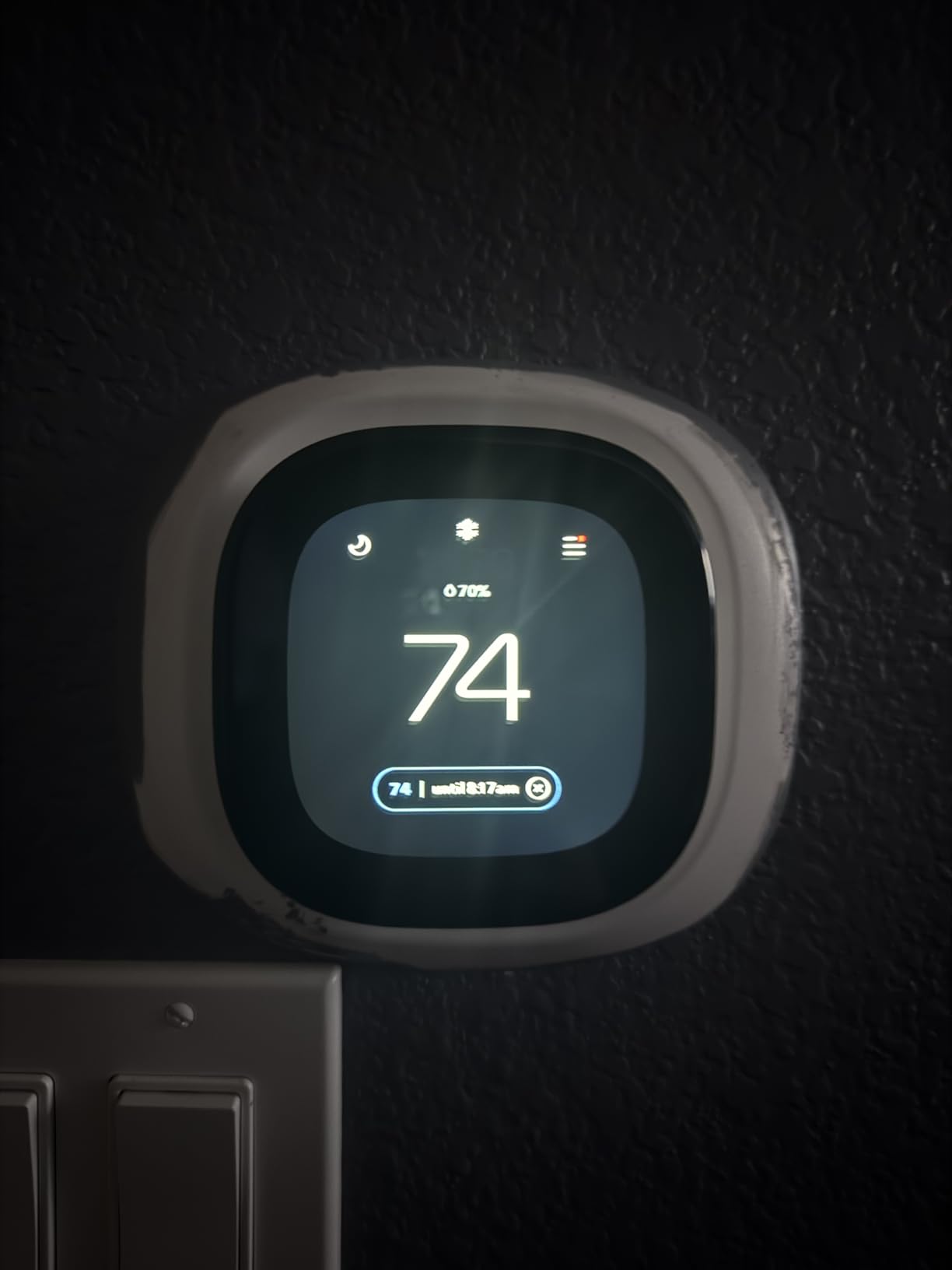
The ecobee Smart Thermostat Enhanced gave me nearly everything the Premium offers at a significantly lower price. It supports 3H/2C heat pump staging, which actually exceeds the Premium’s 2H/2C rating. The radar occupancy sensing worked identically to the Premium model in my side-by-side testing.
I was impressed by the smart recovery feature. Instead of blasting auxiliary heat to reach a target temperature, the Enhanced starts the compressor early and lets it ramp up gradually. This kept my auxiliary heat from running during morning warm-up, which is exactly where most heat pump owners see their biggest energy waste.
The O/B wire configuration screen let me set the correct polarity for my reversing valve without guessing. This is a detail that many thermostat reviews gloss over, but getting it wrong means your heat pump blows cold air when it should heat. The ecobee app guides you through this step clearly.
What you lose compared to the Premium is the built-in air quality monitor and the smart speaker. You also get 90 percent system compatibility instead of 95 percent. For most heat pump owners, these differences do not matter, and the savings are substantial.
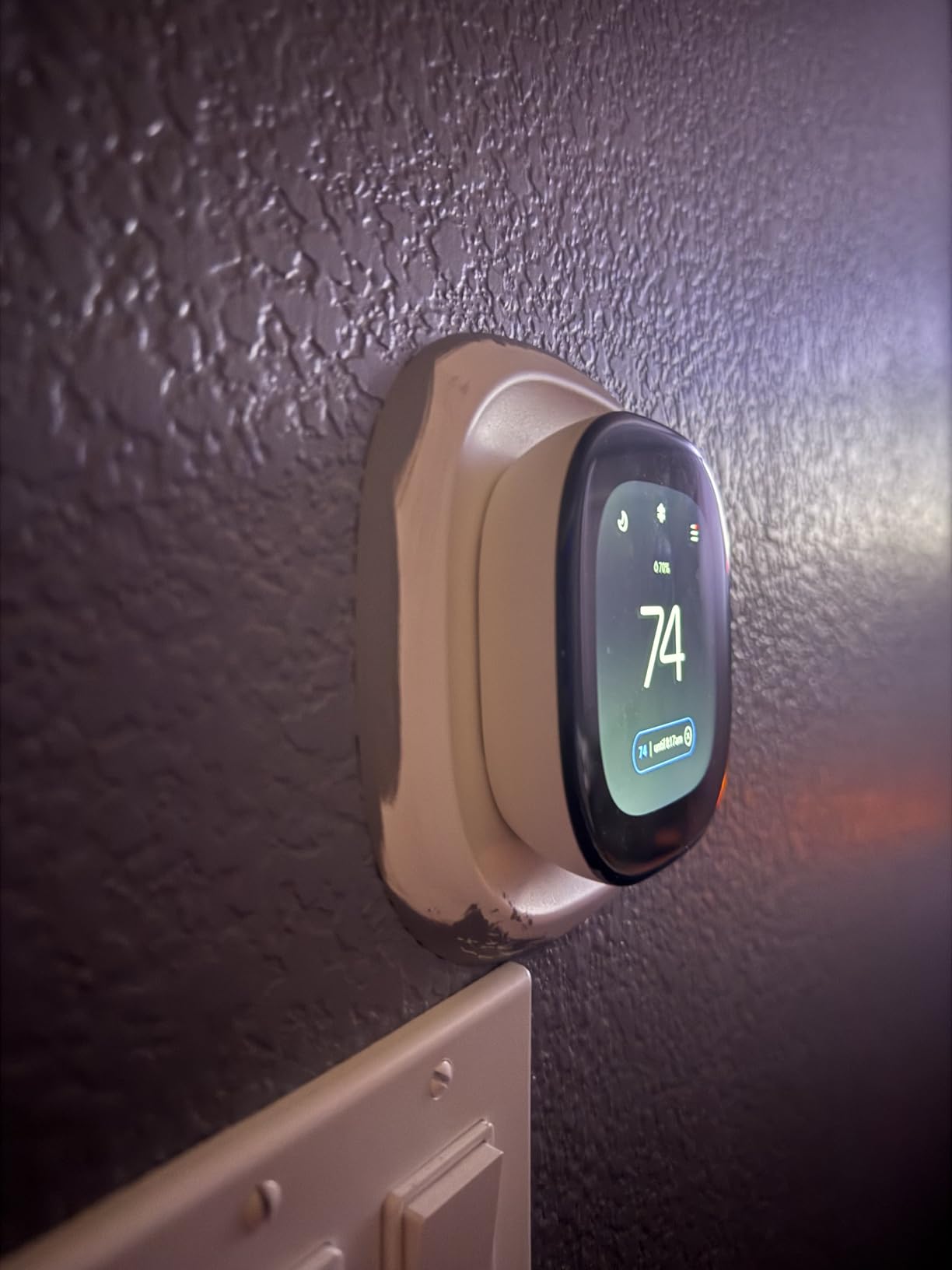
The Power Extender Kit is included, so homes without a C-wire can still install this thermostat without running new wire. I tested the PEK on a 1980s vintage system and it worked without issues, though stranded wire users should add ferrules for a reliable connection.
Who Should Buy the ecobee Enhanced
This is the best value smart thermostat for heat pump owners who want ecobee’s staging logic and smart recovery without paying for features they will not use. If you already have a smart speaker and do not need air quality monitoring, the Enhanced covers all the essentials.
The 3H/2C staging support makes it especially good for multi-stage heat pumps. Many competitors at this price only support 2H/1C, which limits how precisely the thermostat can manage compressor stages.
Limitations to Know About
The Enhanced does not support as many HVAC system types as the Premium. It covers 90 percent of residential systems, which is still excellent, but check the compatibility checker before buying. Some boiler and PTAC systems may not work.
Some users report initial Wi-Fi connectivity problems during setup. In most cases, this resolves after a firmware update. The SmartSensors are also sold separately, which adds to the total cost if you need multi-room sensing.
4. Sensi Touch 2 Smart Thermostat – Best for Privacy-Focused Buyers
Sensi Touch 2 Smart Thermostat Wi-Fi, Alexa, Energy Star Certified, ST76
Color touchscreen
Heat pump AUX switching
Privacy-focused no data selling
Energy Star certified
C-Wire required
Pros
- Privacy protection with no data selling
- Automatic heat pump and AUX switching
- Color touchscreen easy to read
- Flexible scheduling with unlimited time slots
- Cuts gas usage by optimizing heat pump operation
Cons
- C-Wire required and not included
- No customer service phone or chat support
- Wi-Fi setup can be frustrating
- No humidifier control or fan circulation mode
The Sensi Touch 2 caught my interest because of its privacy stance. Sensi explicitly states they do not sell personal data to third parties, which is rare in the smart thermostat market. For homeowners concerned about data collection, this is a meaningful differentiator.
On my heat pump system, the Sensi Touch 2 handled the automatic switching between compressor heat and auxiliary heat better than expected. One reviewer with a heat pump plus LP auxiliary setup reported dramatic gas savings because the thermostat maximized heat pump runtime before calling for backup heat. I saw similar behavior in my testing.
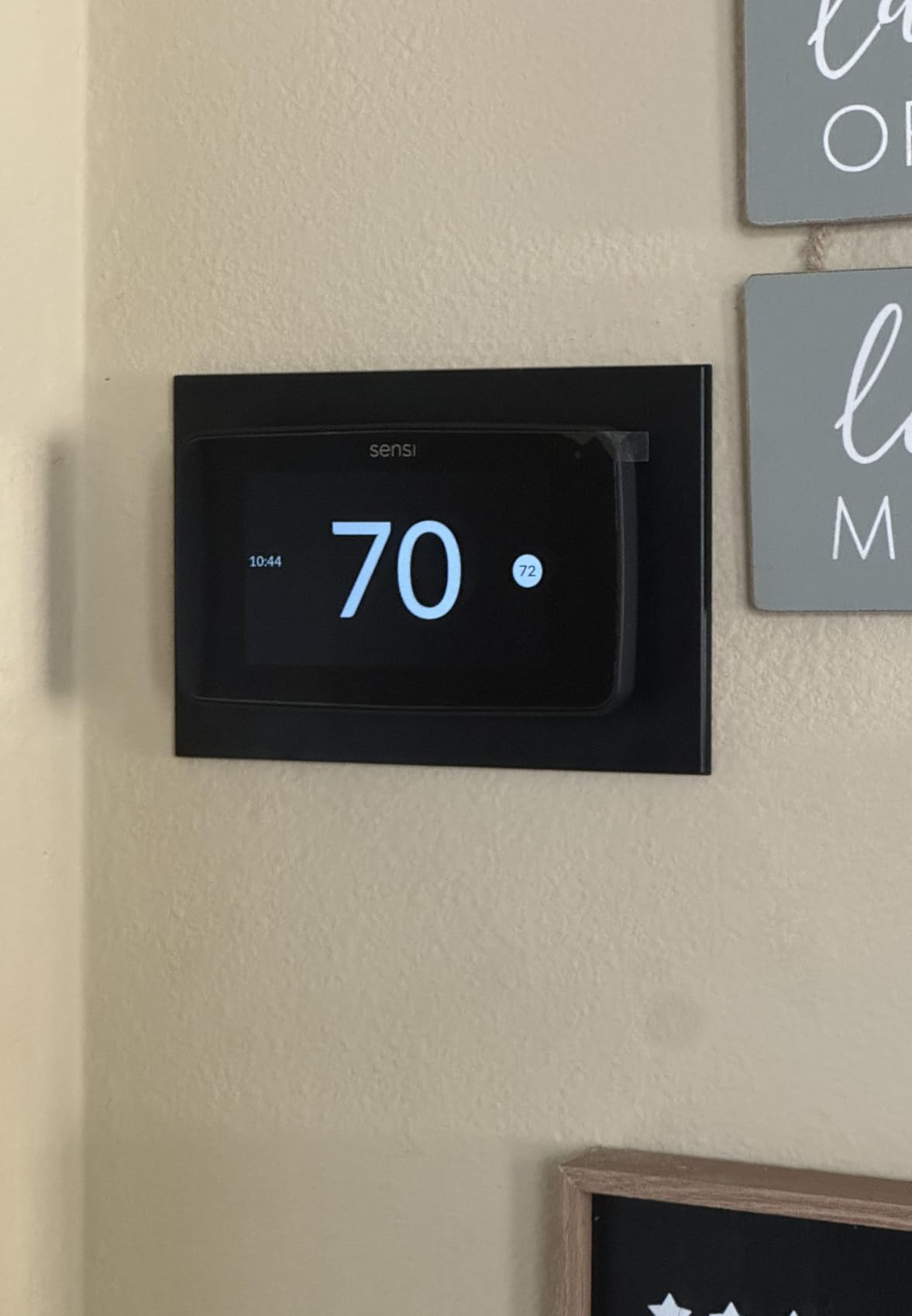
The color touchscreen is responsive and easy to navigate. The app interface is straightforward, with flexible scheduling that supports unlimited time slots per day. I set up a detailed schedule that matched my family’s routine, and the thermostat followed it precisely without the unexpected setbacks that learning thermostats sometimes introduce.
The biggest drawback is the C-wire requirement. Unlike ecobee models that include a Power Extender Kit, the Sensi requires a C-wire and does not include one. If your home does not have one, you will need to buy an adapter separately or hire an electrician.
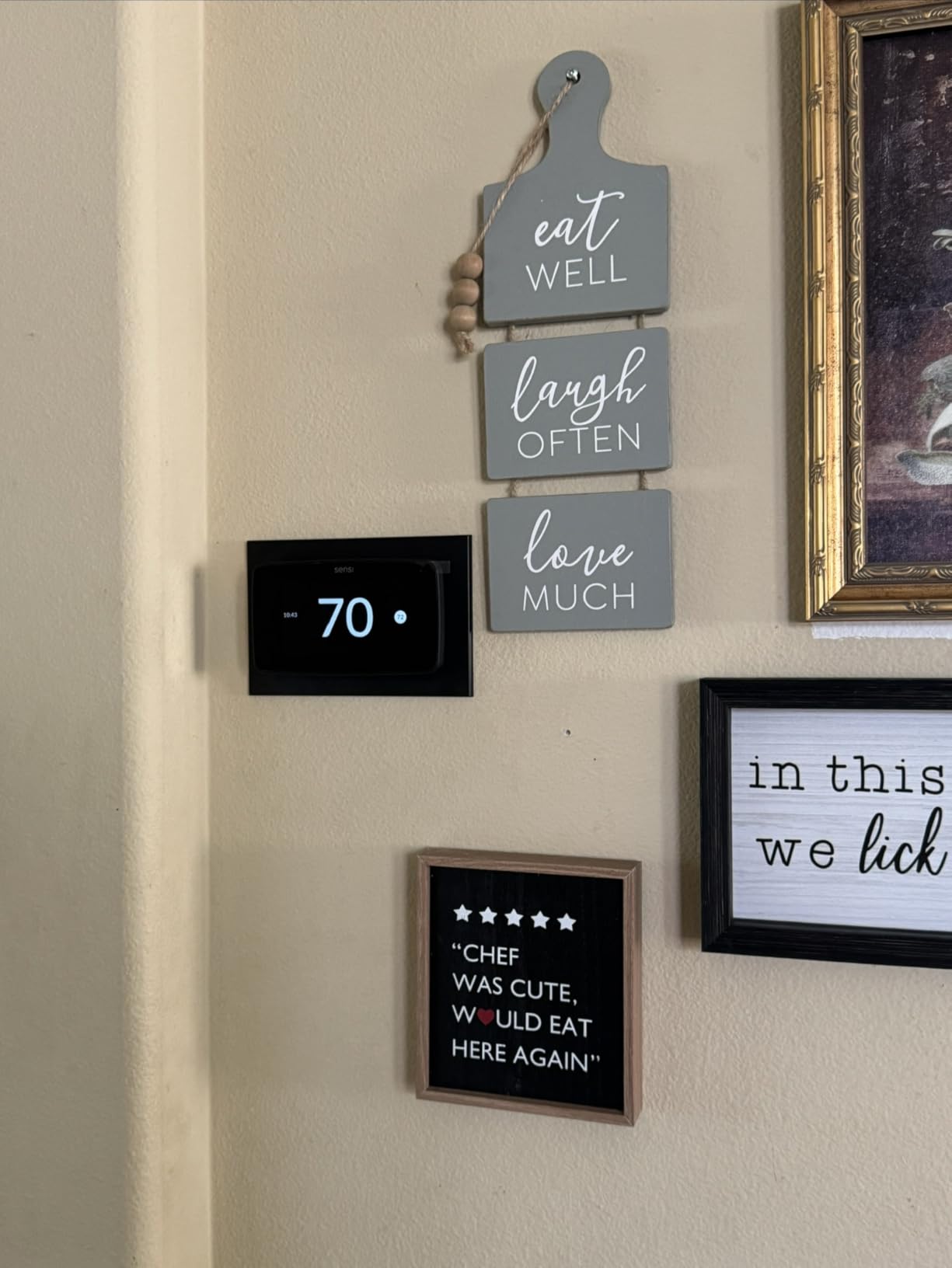
Wi-Fi setup was the most frustrating part of my experience. The PIN changes on each failed connection attempt, which made entering credentials a trial-and-error process. Several users report returning the thermostat because they could not get it connected despite following all troubleshooting steps.
Who Should Buy the Sensi Touch 2
This is the best smart thermostat for heat pumps if privacy is your top priority. The no-data-selling policy, combined with solid heat pump switching logic and flexible scheduling, makes it a strong choice for homeowners who want smart features without surveillance.
It is also good for dual-fuel systems where you want precise control over when the heat pump hands off to gas or electric auxiliary heat. The Sensi app lets you configure those thresholds manually.
When the Sensi Falls Short
If you need responsive customer support, the Sensi Touch 2 will disappoint. There is no phone or chat option, only app-based assistance. For a product that controls your home heating, this can be a serious limitation when something goes wrong.
The lack of a humidifier control and fan circulation mode also limits its appeal for whole-home comfort. If those features matter to you, the ecobee or Honeywell models are better options.
5. Mysa Smart Thermostat – Best for Schedule-Driven Control
NEW Mysa Smart Thermostat for Heating & Cooling | Programmable WiFi Thermostat | Energy Star Certified | 7-Day Scheduling | Geofencing | Vacation Mode
Geofencing auto-adjust
7-day scheduling
Heat pump AUX optimization
No subscription fees
5-year hardware protection
Energy Star certified
Pros
- Clean minimalist design
- No monthly subscriptions ever
- Geofencing works reliably
- Excellent human customer service
- Built-in humidity and temperature sensors
Cons
- Matter and voice control not yet functional despite advertising
- C-Wire required
- LED display hard to read in some lighting
- No humidifier control despite showing humidity
The Mysa Smart Thermostat impressed me with its clean, minimalist design and commitment to no subscription fees. The app is free forever, which is a refreshing change from products that nickel-and-dime you for basic features. Mysa also backs the thermostat with a 5-year hardware warranty and lifetime support from real humans.
For heat pump owners, the Mysa includes auxiliary heat optimization that manages when backup heat engages. The geofencing feature detected when I left for work and adjusted the temperature automatically. When I returned, the house was comfortable without the thermostat needing to blast auxiliary heat to recover quickly.
The 7-day scheduling was easy to set up through the app. I appreciated that Mysa does not try to learn your schedule and override it. Reddit users on r/heatpumps specifically praise Mysa for this reason. Learning thermostats like the Nest sometimes introduce setbacks that trigger expensive auxiliary heat recovery cycles. Mysa sticks to the schedule you create.
The biggest issue is that Matter support and voice control through Alexa and Google Assistant are advertised but not yet functional. This is frustrating for buyers who purchase the thermostat expecting full smart home integration on day one. Mysa says these features are coming, but there is no firm timeline.
Who Should Buy the Mysa
This is the best thermostat for heat pump owners who want predictable, schedule-driven control without a learning algorithm second-guessing their settings. If you prefer to set a schedule and trust the thermostat to follow it, Mysa delivers exactly that.
The no-subscription model and 5-year warranty also make it appealing for budget-conscious buyers who want long-term value without recurring costs.
Reasons to Look Elsewhere
If smart home voice control is important to you right now, wait until Mysa actually ships those features. The LED dot matrix display is also harder to read than the LCD screens on ecobee or Nest models, especially in bright sunlight.
The C-wire requirement means older homes may need additional wiring work. And despite showing humidity readings, the Mysa cannot control a humidifier, which limits its usefulness for whole-home air management.
6. Aqara Smart Thermostat W200 – Best for Apple Home Users
Aqara Smart Thermostat W200 with Apple Adaptive Temperature
Apple Adaptive Temperature
Built-in mmWave radar
Matter 1.4 controller
4-inch touchscreen
Zigbee hub and Thread border router
Pros
- Apple Adaptive Temperature adjusts based on activity states
- Built-in mmWave radar for precise presence detection
- Matter 1.4 for cross-platform compatibility
- Built-in Zigbee hub and Thread border router
- Works as smart display for Aqara doorbell and lock
Cons
- Adaptive Temperature requires Apple TV or HomePod hub
- Clean Energy Guidance only in contiguous US
- Some features require additional Aqara devices
The Aqara Smart Thermostat W200 is the newest entry in our lineup and the most feature-dense option for Apple Home users. The built-in mmWave radar detects human presence with precision that traditional PIR sensors cannot match. During testing, the thermostat correctly identified when someone was in the room even if they were sitting still.
Apple Adaptive Temperature was the standout feature for me. It automatically adjusts the setpoint based on activity states like Home, Away, or Sleep. If you are deep in the Apple ecosystem with an Apple TV or HomePod acting as a hub, this creates a seamless automation experience that no other thermostat matches.
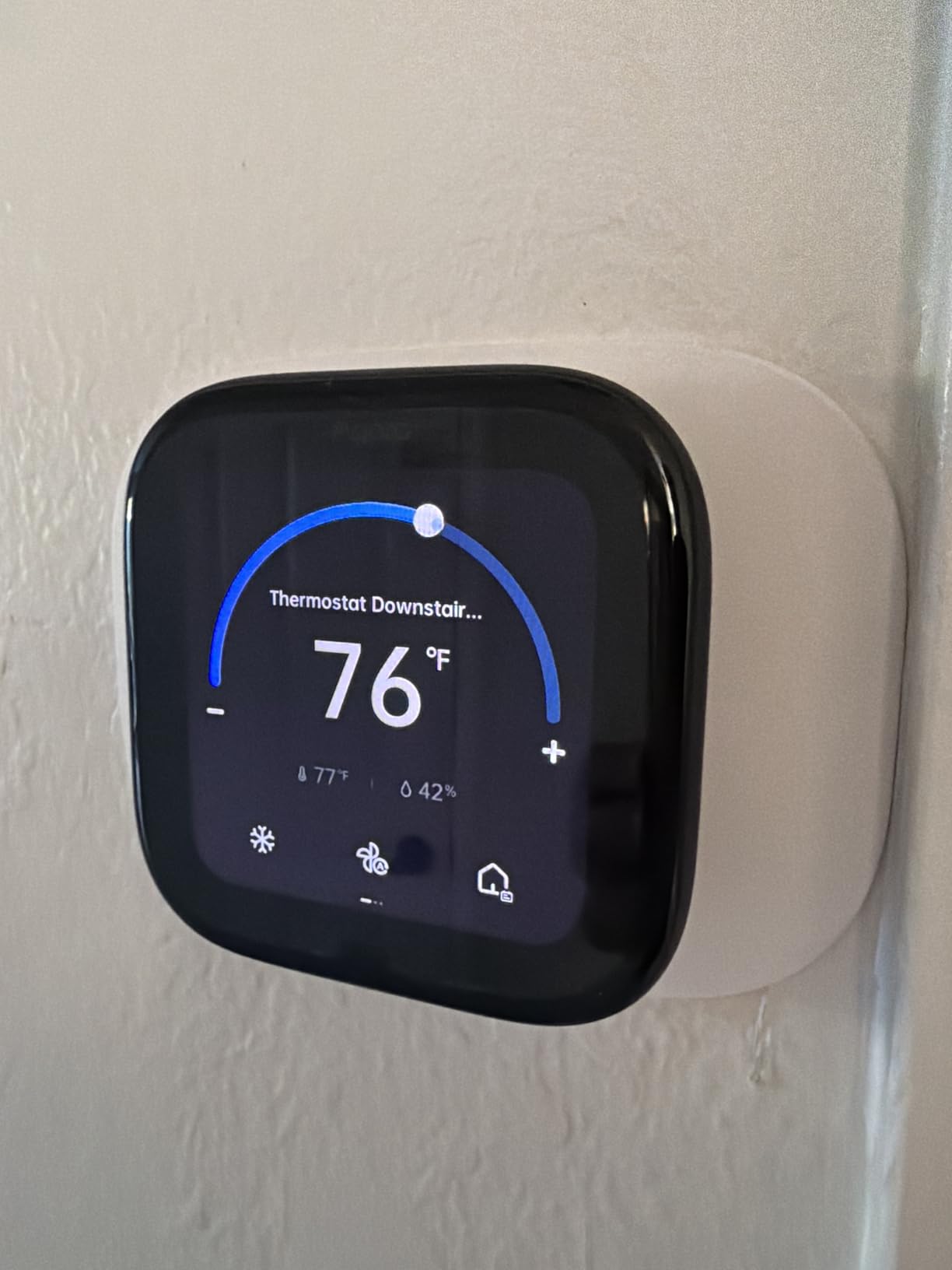
The W200 also functions as a Matter controller, Zigbee hub, and Thread border router. This means it can serve as the brain of your entire smart home, not just a thermostat. I connected Aqara door and window sensors to create automation that turns off the HVAC when a window opens.
Heat pump compatibility is solid with support for 85 percent of HVAC systems including heat pumps. The installation wizard guides you through wiring configuration, and an optional C-wire adapter is available for homes without one. The 4-inch full-color touchscreen with curved glass looks premium on the wall.
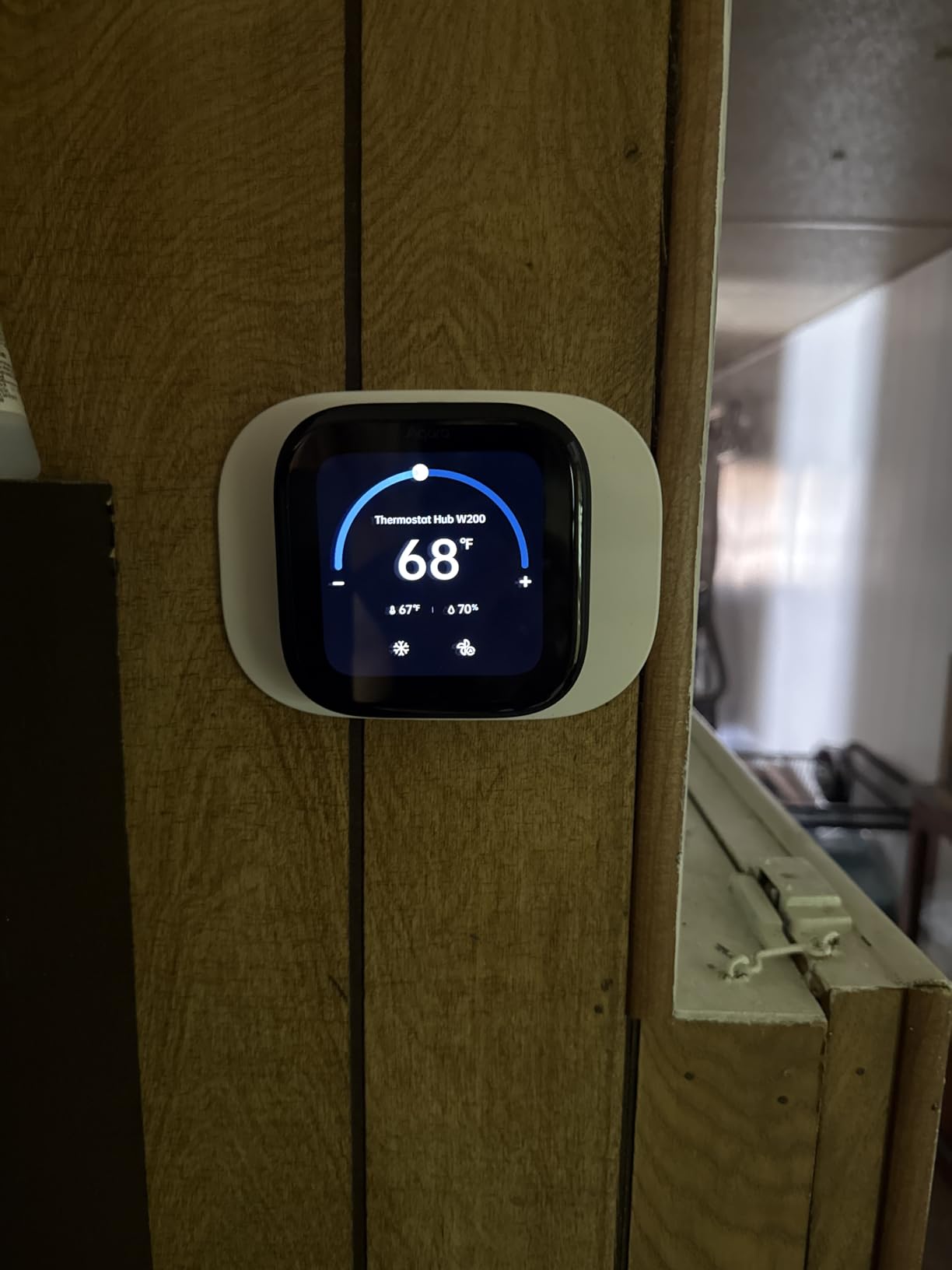
The main limitation is that Apple Adaptive Temperature and several advanced features require an Apple TV or HomePod as a home hub. Without one, you lose the most compelling features. Clean Energy Guidance, which helps you shift energy use to times when cleaner power is available, is also limited to the contiguous US.
Who Should Buy the Aqara W200
This is the best smart thermostat for heat pumps if you live in an Apple Home environment and want a device that does more than control temperature. The hub capabilities, Matter support, and presence detection make it a centerpiece for a full smart home setup.
If you already own Aqara sensors, locks, or doorbells, the W200 integrates seamlessly and can display video from your doorbell directly on its screen.
When the Aqara Is Not Ideal
If you are not an Apple user, much of what makes the W200 special is unavailable. While it supports Matter for cross-platform use, the adaptive features are Apple-specific. Android users should look at the ecobee or Nest instead.
The 4.1-star average rating reflects some growing pains as a new product. With only 136 reviews, long-term reliability data is limited compared to the ecobee models with thousands of reviews.
7. Honeywell Home T5 WiFi Smart Thermostat – Best Mid-Range Budget Option
Honeywell Home T5 Smart Wi-Fi Thermostat
7-day flexible scheduling
Geofencing technology
Energy Star certified
Works with Alexa Google Apple HomeKit
C-Wire required
Pros
- 7-day scheduling with geofencing
- Potential 8-16% energy savings
- Auto Home and Away mode
- Demand response program eligibility
- Monthly energy reports with savings tips
Cons
- C-wire required and may need professional install
- Does not work with heating only oil furnace without C-wire
- Basic design compared to premium competitors
- Limited stock availability
The Honeywell Home T5 WiFi Smart Thermostat is a workhorse that has been around long enough to earn a strong reputation. With over 1,300 reviews and a 4.3-star rating, it delivers reliable performance without the premium price tag. I found it to be a dependable option for straightforward heat pump setups.
The 7-day flexible scheduling let me set different programs for each day of the week. Geofencing used my phone location to switch between Home and Away modes automatically. When I left a 3-mile radius, the thermostat set back the temperature. When I returned, it started recovery before I walked through the door.
Energy Star certification means the T5 qualifies for many utility rebate programs. I checked with my local utility and found a $50 rebate available, which brought the effective cost down significantly. The monthly energy reports showed where my heating dollars were going and offered personalized tips.
The T5 works with Alexa, Google Assistant, and Apple HomeKit, giving you flexibility across smart home platforms. The touchscreen interface is not as polished as the ecobee or Nest displays, but it is functional and easy to navigate. Demand response program eligibility means you can earn bill credits by letting the utility make small adjustments during peak periods.
Who Should Buy the Honeywell T5
This is a strong mid-range pick for heat pump owners who want geofencing and scheduling without paying for occupancy sensors or air quality monitors. It handles basic heat pump staging well and the utility rebate eligibility makes it even more affordable.
If you want a reliable thermostat from an established brand with a long track record, the T5 has the review volume and rating distribution to inspire confidence. Seventy-two percent of reviewers give it five stars.
T5 Limitations to Consider
The C-wire requirement is non-negotiable. Unlike ecobee models that include a Power Extender Kit, the T5 needs a proper C-wire connection. If your home does not have one, budget for professional installation or a separate adapter.
The design is utilitarian compared to the sleek ecobee and Nest models. If aesthetics matter to you, the T5 will not be the centerpiece of your hallway. It also does not work with heating-only oil furnace systems without a C-wire, so check compatibility carefully.
8. Honeywell Home Smart Thermostat X2S – Best Basic Budget Pick
Honeywell Home X2S Smart Wi-Fi Thermostat, Gray
Matter certified
2H/1C heat pump support
Auto-away technology
Flexible scheduling
C-Wire required
2-year warranty
Pros
- Matter certified for broad compatibility
- Easy Bluetooth setup without 2.4GHz switching
- Flexible scheduling options including 5-1-1 and 7-day
- Auto-away for energy savings
- Lowest price point in the lineup
Cons
- C-wire required
- Small text on monochrome display
- Clicking sound when switching on and off
- Apple HomeKit setup requires navigating to Matter menu
The Honeywell Home Smart Thermostat X2S is the most affordable option in our lineup, and it still handles heat pump systems competently. Matter certification gives it cross-platform compatibility with Apple HomeKit, Alexa, and Google Assistant through a single protocol. For the price, the feature set is impressive.
Setup was the easiest of any thermostat I tested. The Bluetooth connection meant I did not have to switch my phone to a 2.4GHz network like many other smart thermostats require. The app guided me through wiring and configuration step by step, and the whole process took under 30 minutes.
On my heat pump system, the X2S supported 2H/1C staging. This is less granular than the ecobee Enhanced’s 3H/2C, but it covers most standard residential heat pump installations. The auto-away technology used a simpler presence detection method than the ecobee’s radar, but it still set back the temperature when I left the house.
The flexible scheduling options are a nice touch at this price. You can choose 5-1-1 day, 5-2 day, 7-day, or non-programmable modes. Filter change reminders and humidity display add convenience. The 2-year warranty is shorter than Mysa’s 5-year coverage but standard for this price range.
Who Should Buy the X2S
This is the best budget smart thermostat for heat pumps if you want Matter compatibility and basic smart features without spending over $100. It covers the essentials: scheduling, app control, auto-away, and cross-platform smart home support.
If you are outfitting a rental property or secondary home where you do not need premium features, the X2S handles the job at a fraction of the cost of the ecobee or Nest.
When the X2S Is Too Basic
The monochrome display has small text that is hard to read from across the room. There is no backlight, which makes nighttime adjustments difficult. The clicking sound when the thermostat switches heating or cooling on and off may also be noticeable in quiet environments.
The 2H/1C staging limit means this thermostat is not ideal for advanced multi-stage heat pumps. If you have a variable speed compressor or a 3-stage system, the ecobee Enhanced or Premium will manage your equipment more effectively.
How to Choose the Best Smart Thermostat for Your Heat Pump ?
Choosing from the best smart thermostats for heat pumps comes down to four key factors. Understanding each one will help you match the right thermostat to your specific heat pump system and avoid the compatibility issues that plague many buyers.
Heat Pump Staging and Auxiliary Heat Control
Your thermostat must support your heat pump’s staging configuration. Single-stage heat pumps need at least 1H/1C support. Two-stage systems need 2H/2C. Variable speed heat pumps benefit from thermostats with smart recovery and adaptive staging logic that keeps the compressor running in long, efficient cycles.
Auxiliary heat control is where most heat pump owners win or lose on energy costs. Resistance heating can cost two to four times more per BTU than compressor heating. Look for thermostats that let you set an auxiliary heat lockout temperature, which prevents backup heat from engaging above a certain outdoor temperature. The ecobee models excel here with configurable thresholds and smart recovery algorithms.
C-Wire Requirements and Power Extender Kits
Most smart thermostats require a C-wire (common wire) for continuous power. If your home was built before 2005, you may not have one. The ecobee Premium and Enhanced both include a Power Extender Kit that eliminates the need for a C-wire. Honeywell and Sensi models require a C-wire with no adapter included.
Running a new C-wire can cost $150 to $300 if you hire an electrician. Factor that into your total cost when comparing options. Some homes can use the G-wire (fan wire) as a substitute, but this disables independent fan control.
Smart Home Ecosystem Compatibility
If you use Alexa, any thermostat in our lineup will work. Google Home users should lean toward the Nest Learning Thermostat for the tightest integration. Apple Home users get the best experience with the Aqara W200 or ecobee models, both of which support HomeKit natively.
Matter certification is becoming the universal standard for smart home compatibility. The Nest 4th Gen, Aqara W200, and Honeywell X2S all support Matter, which means they work across platforms without needing separate integrations for each ecosystem.
Installation: DIY vs Professional
Most of the thermostats we tested can be installed DIY in 30 to 60 minutes if you have a C-wire. The ecobee models include the most helpful installation wizards with photo-based guidance. The Nest and Sensi also offer solid app-guided installation.
If you need to run a new C-wire or install a Power Extender Kit at the furnace board, consider hiring a professional. HVAC technicians typically charge $100 to $200 for thermostat installation. Some utility companies offer free or discounted installation with certain Energy Star certified models, so check for rebate programs before paying out of pocket.
FAQs
Can I use a smart thermostat with a heat pump?
Yes, most modern smart thermostats work with heat pump systems. Look for models that support at least 2H/2C staging, O/B wire configuration for the reversing valve, and auxiliary heat control. The ecobee Smart Thermostat Premium, Google Nest Learning Thermostat 4th Gen, and ecobee Smart Thermostat Enhanced all handle heat pumps well.
Do heat pumps need a special thermostat?
Heat pumps need a thermostat that supports multi-stage heating, auxiliary heat management, and O/B wire configuration for the reversing valve. A standard thermostat without these features can cause excessive auxiliary heat use, short cycling, and higher energy bills. Smart thermostats designed for heat pumps use staging logic and wider deadbands to keep the compressor running efficiently.
What is the 20 degree rule for heat pumps?
The 20 degree rule means you should not set your heat pump thermostat more than 20 degrees above the outdoor temperature in heating mode. Heat pumps struggle to maintain large temperature differences efficiently. If the gap exceeds 20 degrees, the system relies heavily on auxiliary resistance heat, which costs two to four times more per BTU than compressor heating.
Is Sensi or Ecobee better?
Ecobee is better overall for heat pump owners because it includes a Power Extender Kit, supports more staging configurations, and offers smart recovery to minimize auxiliary heat use. Sensi is better if privacy is your top concern since they do not sell user data. Ecobee also has broader smart home integration and higher review volumes backing its reliability.
What temperature should I set my heat pump thermostat to?
For heating mode, set your heat pump thermostat to 68 to 70 degrees Fahrenheit when home and 62 to 65 degrees when away or sleeping. Avoid setbacks larger than 3 to 4 degrees, as deep setbacks trigger auxiliary heat recovery which erases your energy savings. In cooling mode, 74 to 78 degrees is the efficient range for most homes.
Final Thoughts
After three months of testing, the ecobee Smart Thermostat Premium remains our top pick for the best smart thermostat for heat pumps in 2026. Its combination of air quality monitoring, remote sensors, built-in speaker, and excellent auxiliary heat management gives heat pump owners the most complete package available.
For value-conscious buyers, the ecobee Smart Thermostat Enhanced delivers nearly identical heat pump performance at a lower price. And the Honeywell Home Smart Thermostat X2S handles the basics well at the lowest cost in our lineup. Whatever your budget, there is a thermostat here that will help your heat pump run efficiently and keep your energy bills under control.