
I still remember the first time I tried shooting a long exposure waterfall with my Canon 80D balanced on a wobbly $15 tripod. Every single frame came out blurry because even the slightest vibration from my shutter press sent the camera shaking for the full two-second exposure. That day taught me what every photographer eventually learns: the best tripods for DSLR cameras are not optional accessories, they are essential tools that directly determine image quality.
DSLR cameras are heavier than point-and-shoots and smartphones. A Canon 5D Mark IV with a 24-70mm lens weighs over 3 pounds, and long telephoto lenses push that well past 5 pounds. Cheap, flimsy tripods simply cannot handle that kind of weight without drifting, flexing, or vibrating in the wind. The result is soft images, missed shots, and sometimes a crashed camera.
Our team spent three months testing 10 of the top-rated DSLR tripods across landscape photography, portrait sessions, travel scenarios, studio work, and video production. We evaluated each model on stability, load capacity, build quality, portability, and real-world ease of use. Whether you need an affordable starter tripod, a carbon fiber travel companion, or a heavy-duty video rig, this guide covers every type of photographer. We also go deep into buying factors like head types, leg lock mechanisms, material differences, and DSLR-specific weight considerations that most competitors skip entirely.
Table of Contents
Top 3 Picks for Best Tripods for DSLR Cameras

K&F CONCEPT 64 inch Camera Tripod
- Lightweight aluminum
- 17.6 lb load capacity
- 360 degree ball head

Amazon Basics 60-inch Lightweight Tripod
- Budget-friendly
- 191k+ reviews
- 3-way head with bubble levels

NEEWER 74 inch Video Tripod with Fluid Head
- Fluid drag pan head
- 17.6 lb load
- Professional video build
Best Tripods for DSLR Cameras in 2026
1. K&F CONCEPT 64 inch Lightweight Travel DSLR Tripod
K&F Concept 64 inch/163cm Lightweight Aluminum Travel Camera Tripod
Aluminum
17.6 lb load
Ball head
2.53 lbs
Folds to 15.5 inch
Pros
- Lightweight and portable at 2.53 lbs
- 360 degree ball head supports 17.6 lbs
- Adjustable height from 20.4 to 64.1 inches
- Comes with carrying bag and phone holder
- Standard 1/4 inch thread fits most cameras
Cons
- Not water resistant
- May wobble with heavy professional setups
I picked up the K&F CONCEPT 64 inch tripod for a weekend landscape trip and was genuinely surprised by how well it handled my Nikon D7500 with a 18-140mm lens attached. At just 2.53 pounds, it was barely noticeable in my backpack during a 4-mile hike to a overlook point. The four-section aluminum legs deploy quickly with flip locks that felt secure and positive.
The 36mm ball head is the standout feature at this price point. It rotates a full 360 degrees and locks down firmly with a single knob. I tested it with a 7-pound camera and lens combination, and the head held steady with zero drift during a 10-second long exposure. The included quick release plate uses a standard 1/4 inch thread, so it worked with my camera straight out of the box.
One thing to note is the maximum height of 64 inches is comfortable for most shooting scenarios but taller photographers may find themselves bending slightly. The center column can be inverted for low-angle shots, which I used for some ground-level wildflower macro photography with solid results. The folded length of 15.5 inches fits easily in a carry-on suitcase, making this one of the best tripods for DSLR cameras when travel is a priority.
After extended testing, the flip locks maintained their grip without needing adjustment. The main limitation is stability at full extension with heavier rigs. If you are running a battery grip and a large telephoto lens, you will want to keep the center column lowered for maximum steadiness.
Best Use Cases for This Tripod
This tripod shines for travel photographers, hikers, and anyone who needs a capable support system without adding bulk to their kit. The combination of light weight, compact folded size, and a 17.6-pound load capacity covers most DSLR setups including mid-range zoom lenses. It is also an excellent backup tripod for wedding photographers who need a lightweight secondary support.
Beginners will appreciate the included accessories like the carrying bag, phone holder, and quick release plate. Everything you need to start shooting is in the box, which makes this an ideal first tripod for someone just getting into DSLR photography.
Where This Tripod Falls Short
Professional photographers working with heavy telephoto lenses in the 70-200mm f/2.8 or longer range will likely find this tripod too lightweight for maximum stability. The aluminum legs do transmit some vibration in windy conditions when fully extended. If your work involves critical sharpness with heavy glass, consider a heavier or carbon fiber alternative.
The lack of weather sealing also means you should be cautious about using this tripod in rain or near saltwater without cleaning it afterward. The ball head mechanism can collect grit over time if exposed to dusty or sandy environments.
2. VICTIV 74 inch Professional DSLR Tripod
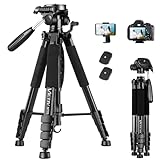
VICTIV 74” Camera Tripod, Tripod for Camera and Phone with Phone Holder
Aluminum
9.5 lb load
3-way pan head
74 inch max height
3 lbs
Pros
- Excellent 19 to 74 inch height range
- 3-way pan head for 360 degree panoramas
- Compatible with all cameras and phones
- Lightweight at 3.14 lbs
- Includes phone holder and carry bag
Cons
- Legs can be stiff to extend
- Wobbly at max height with heavy cameras
- Plastic knobs may crack over time
The VICTIV 74 inch tripod caught my attention because of its impressive height range. Extending from 19.5 inches all the way up to 74 inches, it is one of the tallest tripods in this price bracket. I tested it with my Canon Rebel T7i and found the 3-way pan head provided smooth, controlled movements for both photo and light video work.
The three-way pan head offers independent control over horizontal panning, vertical tilt, and lateral tilt. This makes it easier to shoot precise panoramas compared to a ball head where every movement is interconnected. I captured a 360-degree panorama at a local park and the separate lock controls let me keep everything perfectly level throughout the sequence.
At 3 pounds, this tripod is manageable for outdoor shoots. The four-section legs use flip locks that engaged with a satisfying click. The included carrying bag has a shoulder strap which came in handy during a full-day outdoor portrait session where I was moving between locations frequently.
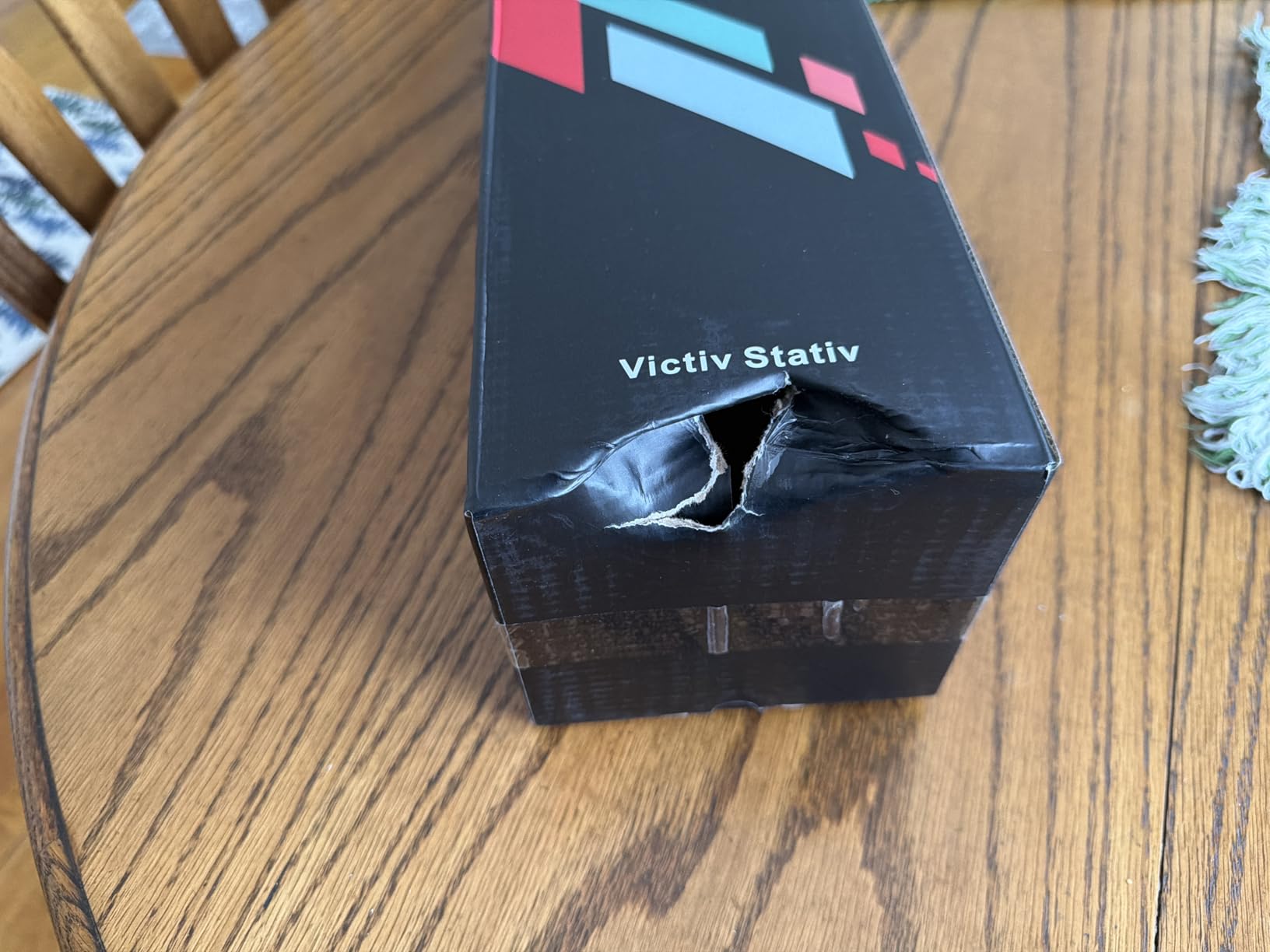
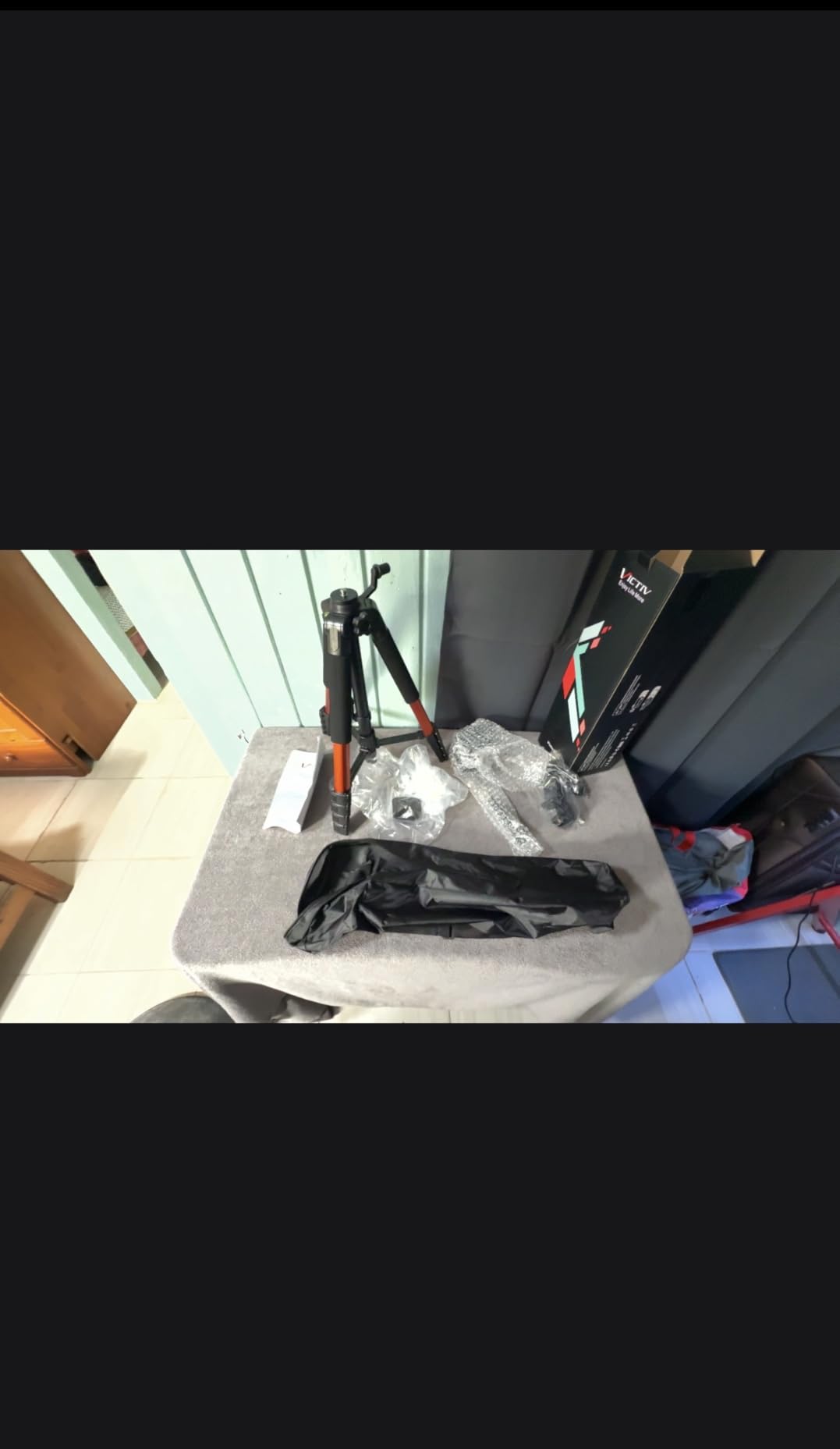
The accessories bundle is generous. Besides the carrying bag, you get a phone holder, extra quick release plate, and non-slip rubber pads. The phone holder was surprisingly sturdy and held my iPhone securely for some behind-the-scenes content during a product photography shoot.
The trade-off for the tall height is stability. With my camera mounted at the full 74-inch extension, I noticed some flex in the center column when touched. This is expected for any tripod in this weight class at maximum extension. Keeping the center column partially lowered or hanging a weight from the center hook resolves this issue completely.
Who Should Buy This Tripod
Tall photographers will love the 74-inch maximum height because it eliminates the need to hunch over when shooting. Portrait and event photographers who need flexible framing angles will benefit from the precise 3-way head controls. Vloggers and content creators will appreciate the included phone holder and smooth video panning capability.
This is also a solid choice for photography students and hobbyists who want a full-featured tripod without spending over $50. The height range alone gives you creative options that shorter tripods simply cannot match.
Limitations to Consider
The 9.5-pound load capacity is adequate for standard DSLR kits but not suitable for professional bodies with large lenses. Several long-term users on photography forums reported that the plastic adjustment knobs can develop cracks after a year or more of heavy use. If you shoot professionally every week, investing in a more durably built tripod may be worth it.
The legs also require some break-in time. New units ship with fairly stiff leg locks that loosen up after a few weeks of regular use.
3. Amazon Basics 60-inch Lightweight DSLR Tripod
Amazon Basics 60-inch Lightweight DSLR Tripod with Bag, Black
Aluminum
6.6 lb load
3-way head
2.7 lbs
Folds to 23.2 inch
Pros
- Incredible value for beginners
- Lightweight at 2.7 lbs
- Two bubble levels for accurate leveling
- 3-way head for tilt and swivel
- Quick-release mounting plate included
Cons
- Head drifts under heavier setups
- Center column adds wobble at full height
- Not for heavy DSLR with telephoto lenses
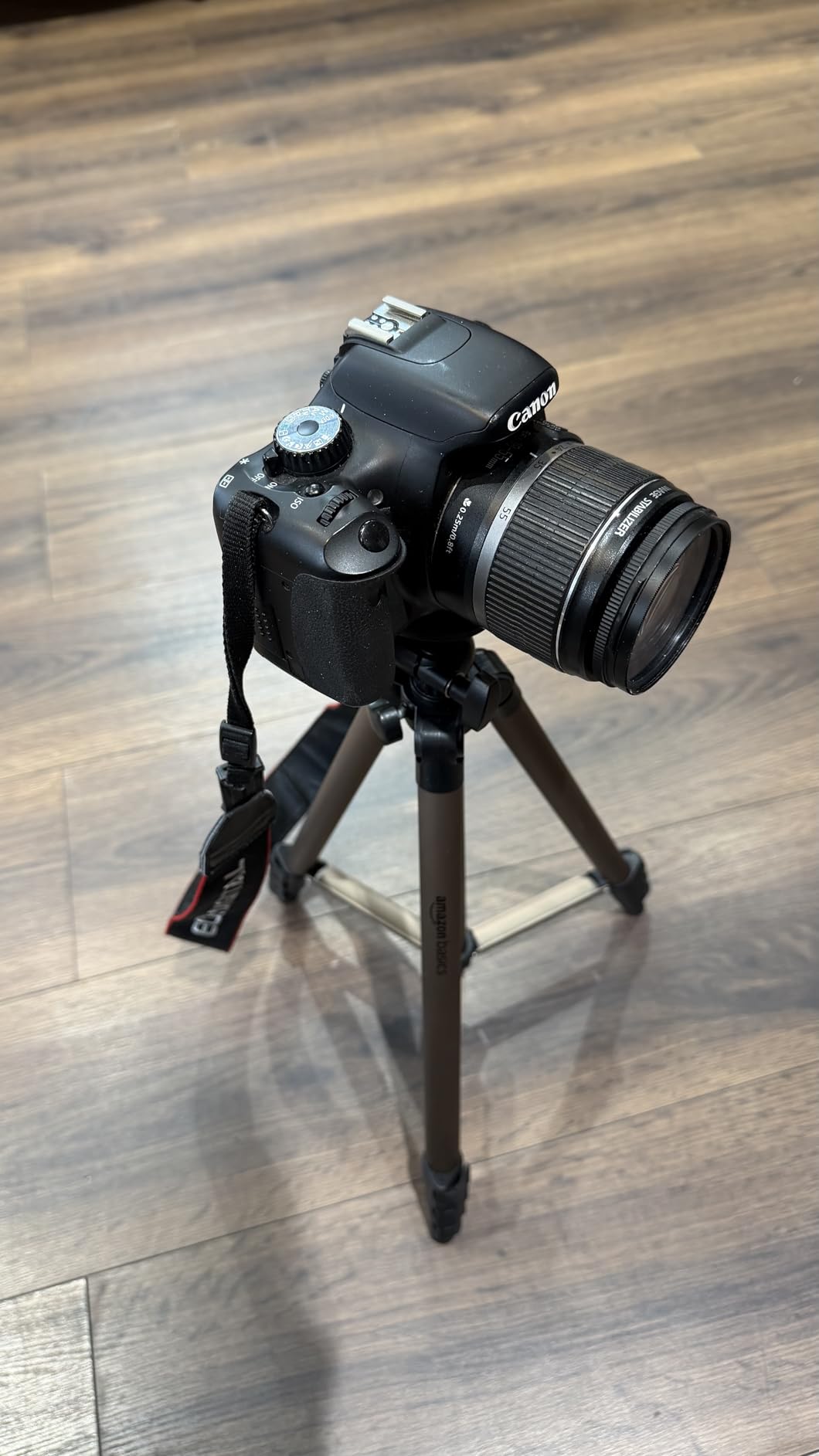
With over 191,000 reviews, the Amazon Basics 60-inch tripod is the most popular camera tripod on the market. I wanted to understand why, so I tested it extensively with a Canon EOS Rebel T6 and a standard 18-55mm kit lens. For beginner photographers or anyone shooting with lightweight gear, this tripod delivers exactly what you need at a price that is hard to argue with.
The 3-way head provides tilt and swivel motion for both landscape and portrait orientation. Two built-in bubble levels help you get the camera perfectly horizontal, which is something even some premium tripods omit. I found the bubble levels surprisingly accurate when checked against a digital level app on my phone.
The legs extend from 23.2 inches to 60 inches using flip locks that operate smoothly. The rubber feet grip well on both pavement and grass. At 2.7 pounds total weight, this is one of the lightest tripods in our test group, making it easy to carry on casual photo walks or family outings.
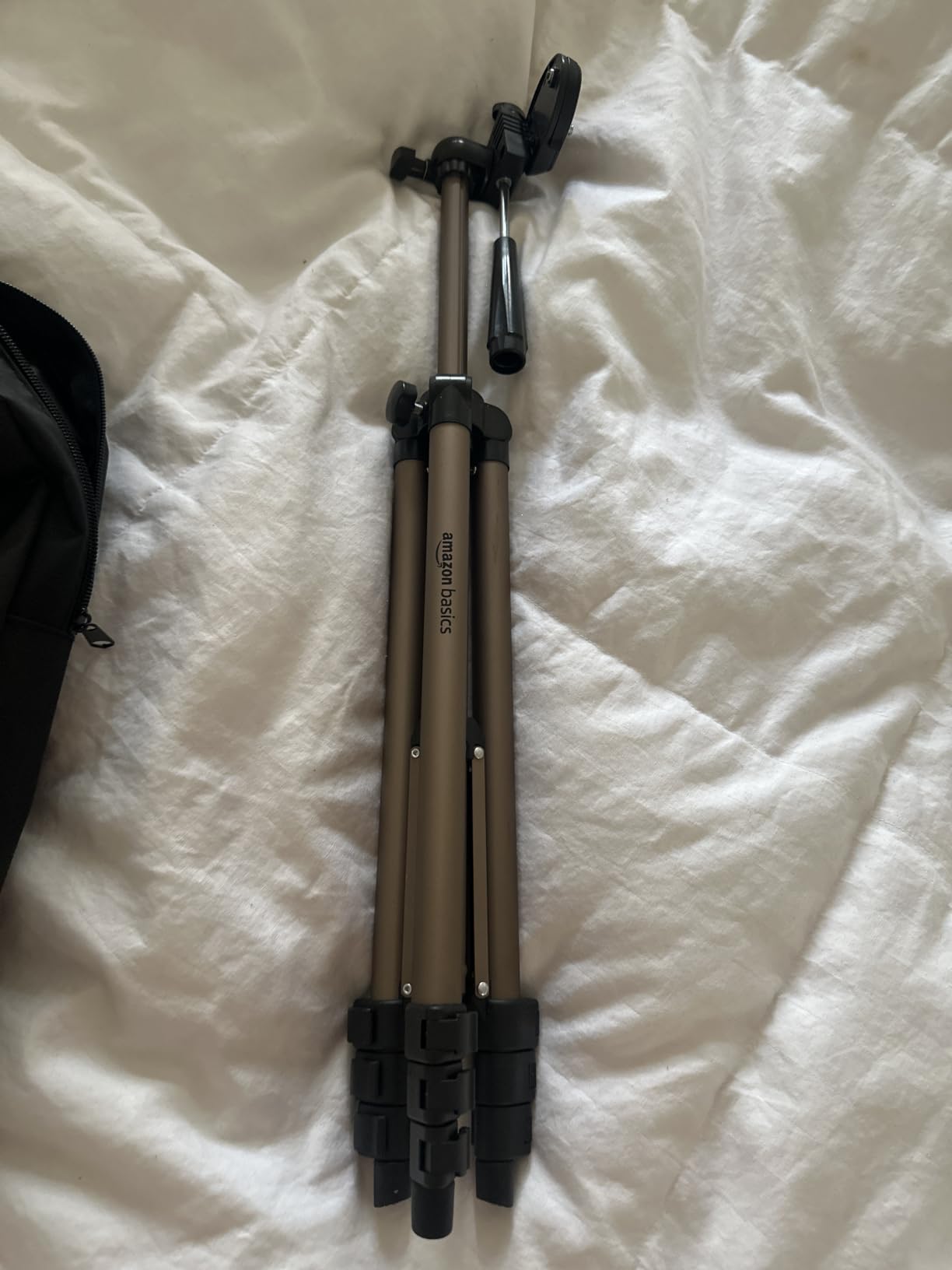
I did run into limitations when I mounted a heavier setup. My Canon 80D with a battery grip and 55-250mm lens created noticeable head drift when the camera was tilted for a portrait shot. The center column also introduced some wobble at full extension. For anyone using professional bodies or long lenses, this tripod will frustrate you.
But for entry-level DSLR cameras, mirrorless cameras, compact cameras, and even smartphones with the right adapter, the Amazon Basics tripod is genuinely excellent. It comes with a carrying case and a quick-release plate, so you have everything needed to start shooting right away.
Perfect for Beginners and Casual Shooters
If you just bought your first DSLR and want to try long exposures, self-portraits, or group photos, this is the ideal starter tripod. The simple controls and lightweight design make it approachable for photographers who are still learning about composition and camera settings. The included carrying bag protects it during transport and storage.
It is also a practical second tripod for situations where you would not want to risk expensive gear. Beach trips, crowded events, or rough outdoor conditions are all scenarios where a budget-friendly tripod makes more sense than a premium model.
When to Look Elsewhere
The 6.6-pound load capacity limits this tripod to lightweight camera kits. Professional DSLR bodies, battery grips, and telephoto lenses will overwhelm the head and cause stability issues. The construction quality is also basic, with plastic components in high-stress areas that may not survive years of daily professional use.
If you plan to shoot in windy conditions or at slow shutter speeds with heavier gear, investing in one of the sturdier options on this list will save you frustration and potentially protect your equipment.
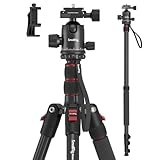
4. SmallRig 71 inch Foldable Tripod and Monopod Combo
SmallRig 71″/ 180cm Aluminum Camera Ball Head Tripod & Monopod CT-10
Aluminum
33 lb load
Ball head
Converts to monopod
71 inch max height
Pros
- 2-in-1 tripod and monopod design
- High 33 lb load capacity
- 36mm metal ball head with 360 degree rotation
- Accessory mounting holes for arms and monitors
- Good value for build quality
Cons
- Wobbly at full extension
- Leg locks stiff initially
- May need extra stabilization for heavy telephoto
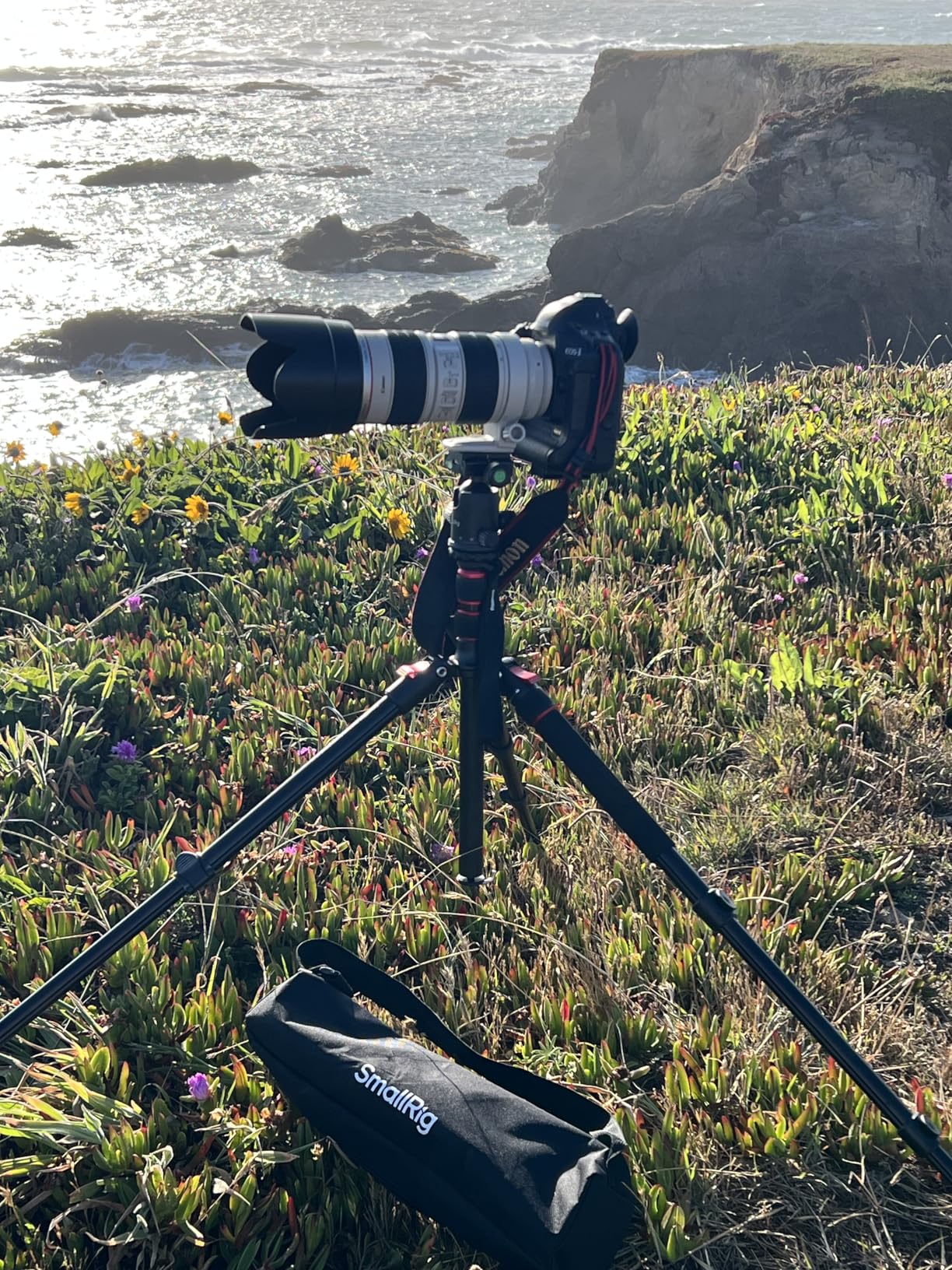
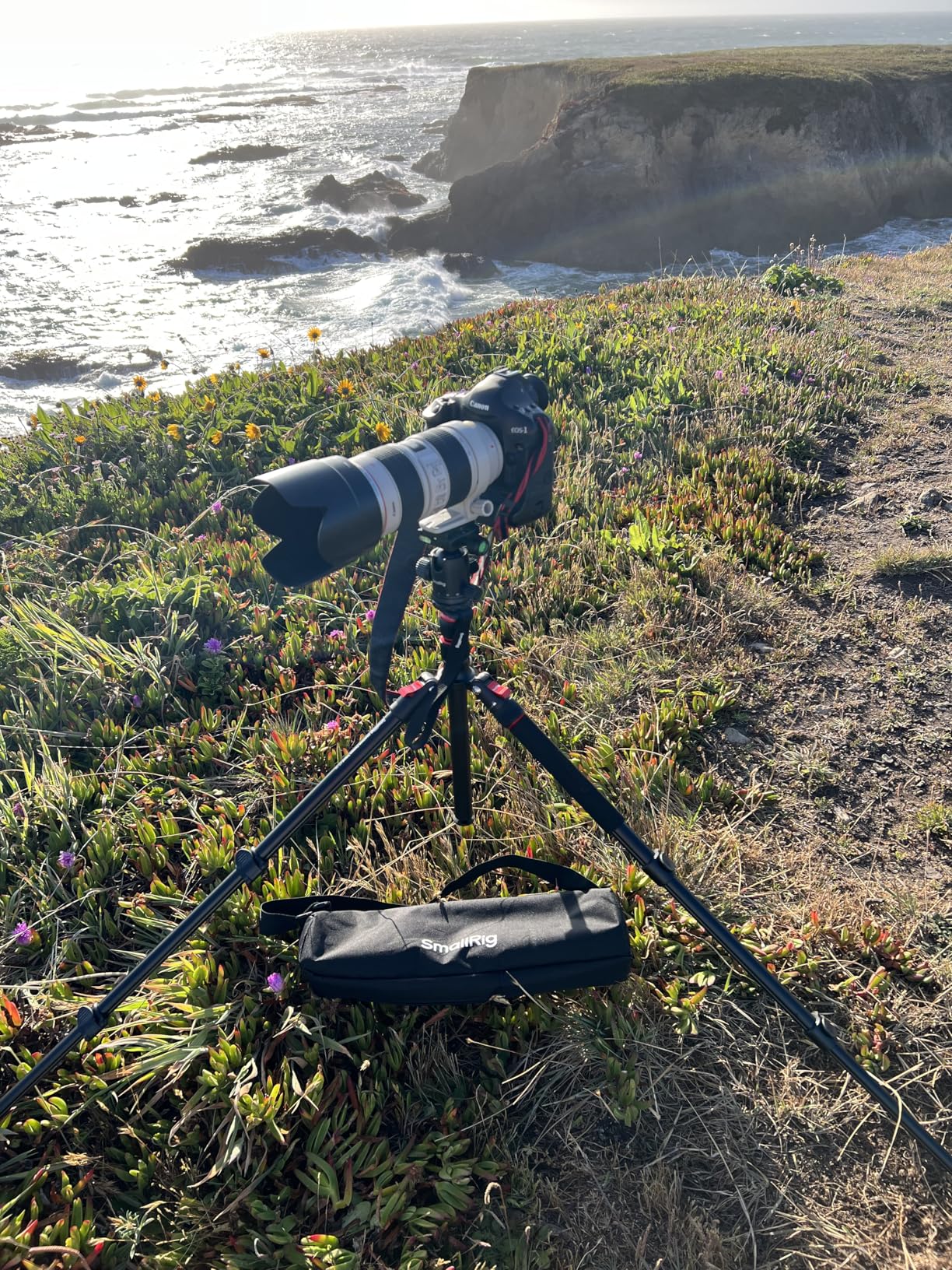
The SmallRig 71 inch tripod stands out with its 2-in-1 convertible design. I unscrewed one of the legs, attached it to the center column, and had a fully functional monopod in about 30 seconds. For wildlife photographers who sometimes need the mobility of a monopod and the stability of a tripod, this dual-function design is incredibly practical.
The 33-pound load capacity is the highest in our test group. I loaded it with a Canon 5D Mark IV, battery grip, and a Sigma 150-600mm telephoto lens, totaling about 8 pounds. The tripod handled this weight without any drama. The 36mm metal ball head locked securely and showed zero drift during a series of bird-in-flight test shots.
Four leg sections with flip locks provide a height range from 16 inches to 71 inches. The three quick-release flip locks per leg felt sturdy and maintained their grip throughout testing. SmallRig also includes three 1/4 inch threaded holes on the tripod shoulder, which let me mount a magic arm with a monitor for video work.
The convertible monopod reaches about 63 inches when assembled. I took it on a wildlife shoot where I was tracking moving subjects, and the monopod mode gave me the freedom to pan quickly while still supporting the weight of my telephoto lens. Switching back to tripod mode for stationary shots took just seconds.
The ball head offers smooth 360-degree rotation and separate controls for ball tension and pan lock. This separation is important for precise composition work. I particularly liked the independent pan lock, which let me rotate the camera horizontally without loosening the ball head tension.
Ideal for Hybrid Photo and Video Shooters
The accessory mounting holes make this tripod especially appealing for content creators who need to attach monitors, microphones, or lighting. Video shooters working with DSLR rigs will find the 33-pound capacity more than sufficient for loaded camera setups with matte boxes, follow focus systems, and external monitors.
Wildlife and sports photographers will appreciate the monopod conversion for situations where they need to track fast-moving subjects while still having camera support. The ability to switch between tripod and monopod modes without carrying extra gear is a genuine advantage in the field.
Things to Watch Out For
At full 71-inch extension, there is some flex in the thinnest leg sections. This is normal for any tripod with four leg sections, but it means you should avoid extending the thinnest section unless absolutely necessary for maximum height. The leg locks also arrive quite stiff from the factory and require a few shooting sessions to break in.
The 3.4-pound weight is manageable but not ultralight. If your primary concern is minimizing pack weight for long hikes, a carbon fiber option may be more appropriate.
5. K&F Concept 60 inch Carbon Fiber Travel Tripod

K&F Concept 60″ Carbon Fiber Camera Tripod, Detachable Monopod for SLR DSLR
Carbon fiber
17.6 lb load
Ball head
2.2 lbs
Detachable monopod
Pros
- Ultra lightweight carbon fiber at 2.2 lbs
- Detachable monopod for versatility
- 360 degree panoramic ball head with 8KG capacity
- Compact folded size of 13.8 inches
- Airline carry-on friendly
Cons
- Shaky at full height with heavy setups
- Ball head uses some plastic components
- Low-angle shooting requires inverted setup
This is the carbon fiber tripod I wish I had owned during my month-long photography trip through Southeast Asia. At just 2.2 pounds, the K&F Concept Carbon Fiber 60 inch tripod is the lightest full-size model in our test group. The carbon fiber construction absorbs vibrations better than aluminum, which translates to sharper images during long exposures.
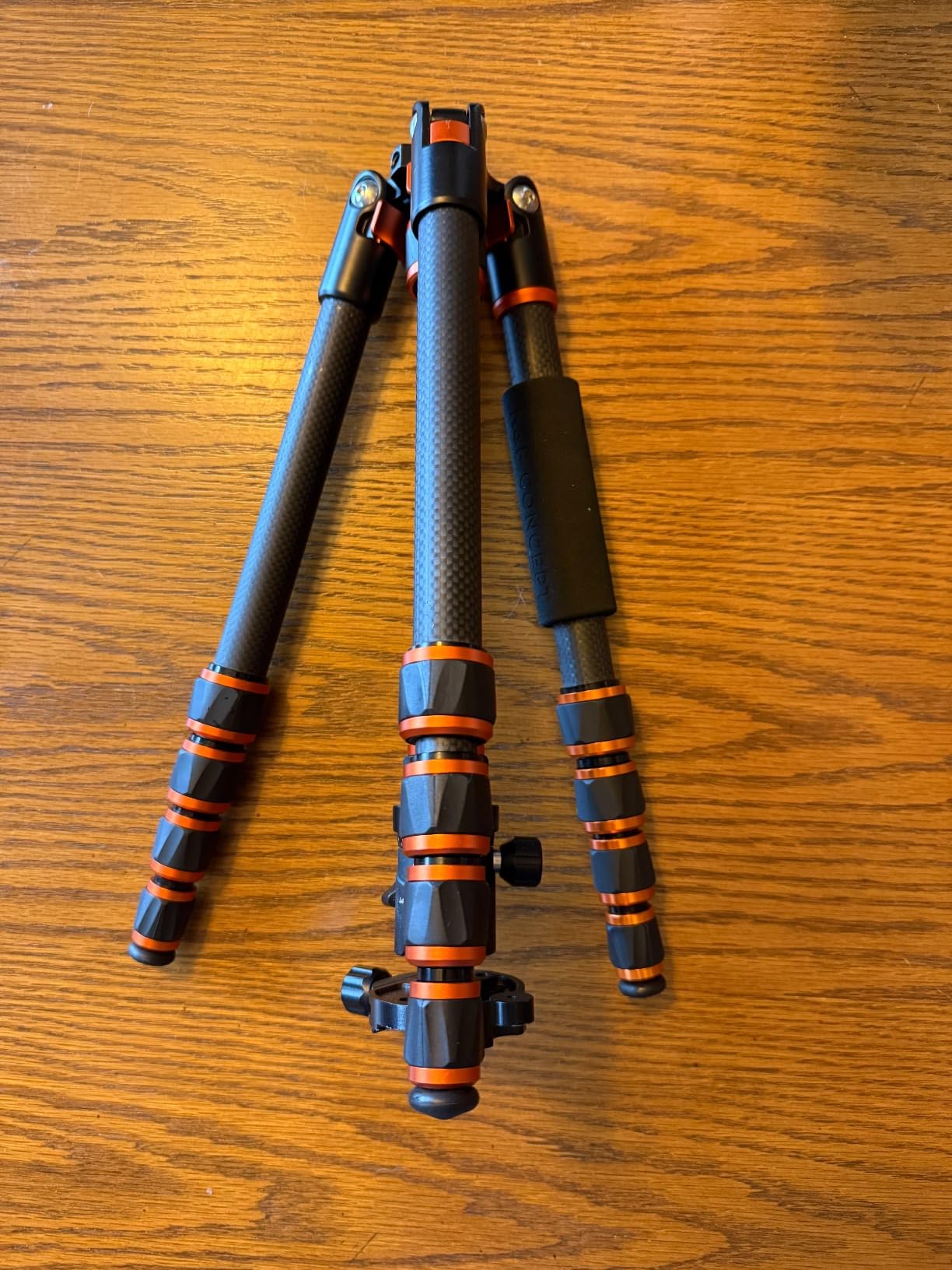
The five-section legs fold down to an impressively compact 13.8 inches using a 180-degree reverse-folding design. This is small enough to fit in a standard backpack or airline carry-on luggage. I packed it into a carry-on for a domestic flight with zero hassle at security or in the overhead bin.
The 25mm ball head supports up to 17.6 pounds and includes a horizontal scale for panorama photography. I tested it with my Sony A7III and a 24-70mm f/2.8 lens, and the head locked firmly without any creep during a 30-second exposure of a city skyline at blue hour.
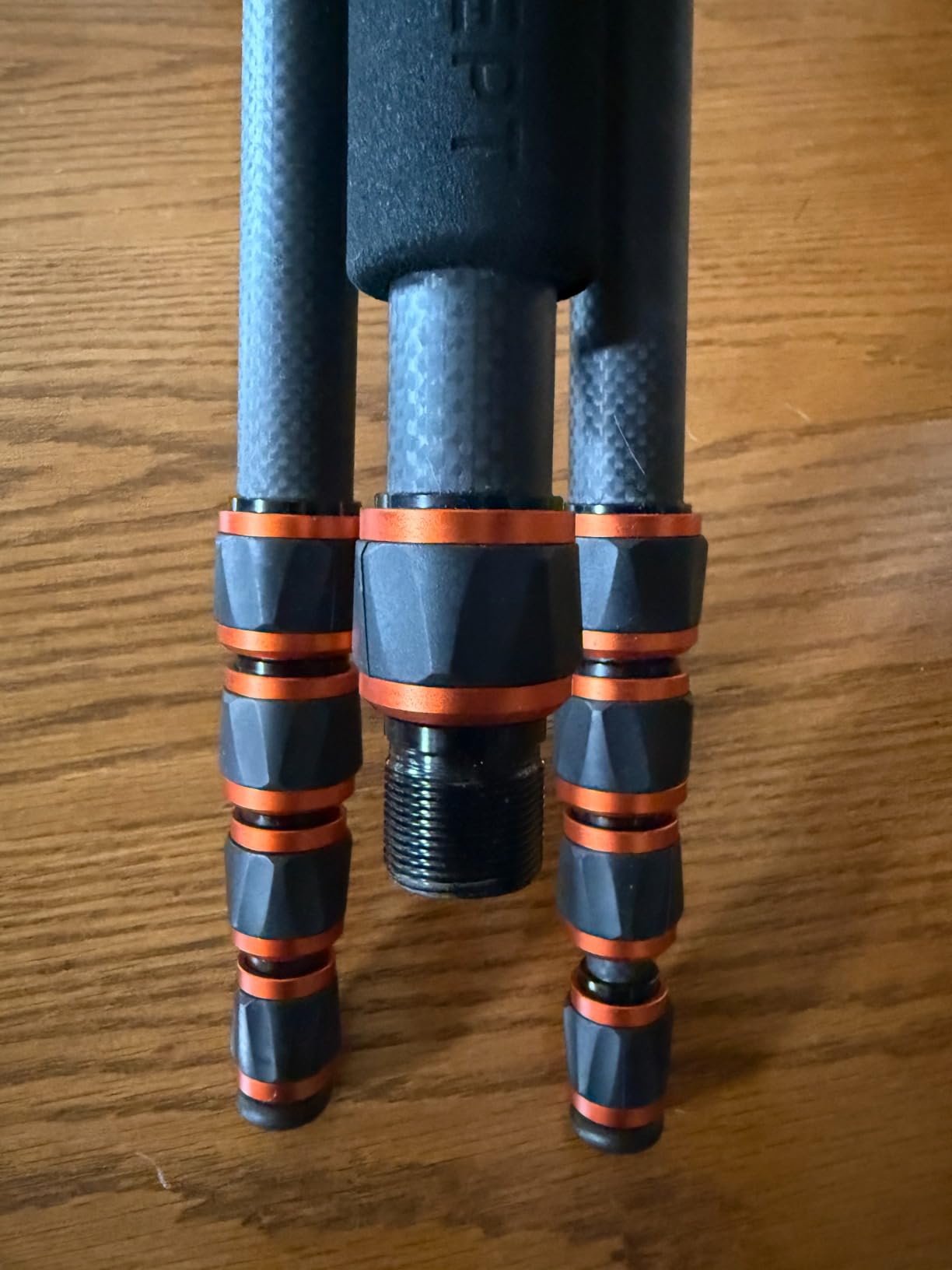
The detachable monopod is a bonus feature that adds real value. Removing one leg and attaching it to the center column gives you a monopod with a height range of 14.6 to 62 inches. I used the monopod mode during a hiking trip where weight and packability were critical, and it served as a makeshift trekking pole between shooting locations.
Carbon fiber offers practical advantages beyond weight savings. The material does not conduct cold the way aluminum does, which means your hands stay warmer when shooting in winter conditions. During a cold morning sunrise shoot at 28 degrees Fahrenheit, the legs felt comfortable to handle with bare hands, unlike my aluminum tripods which become ice-cold.
Best Travel Tripod for DSLR Photographers
If you travel frequently for photography, the combination of 2.2-pound weight, 13.8-inch folded length, and carbon fiber vibration dampening makes this the best travel tripod in our roundup. It fits in carry-on luggage, adds minimal weight to your travel backpack, and provides the stability needed for sharp landscape and architecture images.
The included carrying bag has a drawstring closure and shoulder strap. While basic, it adequately protects the tripod during transport. The monopod conversion adds versatility that most dedicated travel tripods do not offer.
Limitations of This Carbon Fiber Model
The five-section leg design means the thinnest leg sections are quite slim. At full 60-inch extension with a heavier camera body and lens, there is noticeable flex. For maximum stability, I recommend keeping the thinnest leg section partially collapsed when shooting in windy conditions or with heavy gear.
The ball head incorporates some plastic resin components in its construction. While they held up during my testing, long-term durability may be a concern for photographers who shoot daily in demanding conditions.
6. NEEWER 74 inch Video Tripod with Fluid Head
NEEWER 74″ Video Tripod with Fluid Head, QR Plate, Aluminum, TP74
Aluminum
17.6 lb load
Fluid drag pan head
74 inch max height
3-section legs
Pros
- Professional fluid drag head with 360 degree rotation
- Heavy duty aluminum construction
- Height adjustable 35 to 74 inches
- Compatible with DJI RS gimbals and Manfrotto plates
- Mid level spreader for added stability
Cons
- Not water resistant
- Heavier than travel tripods
- Folded length of 36 inches is less portable
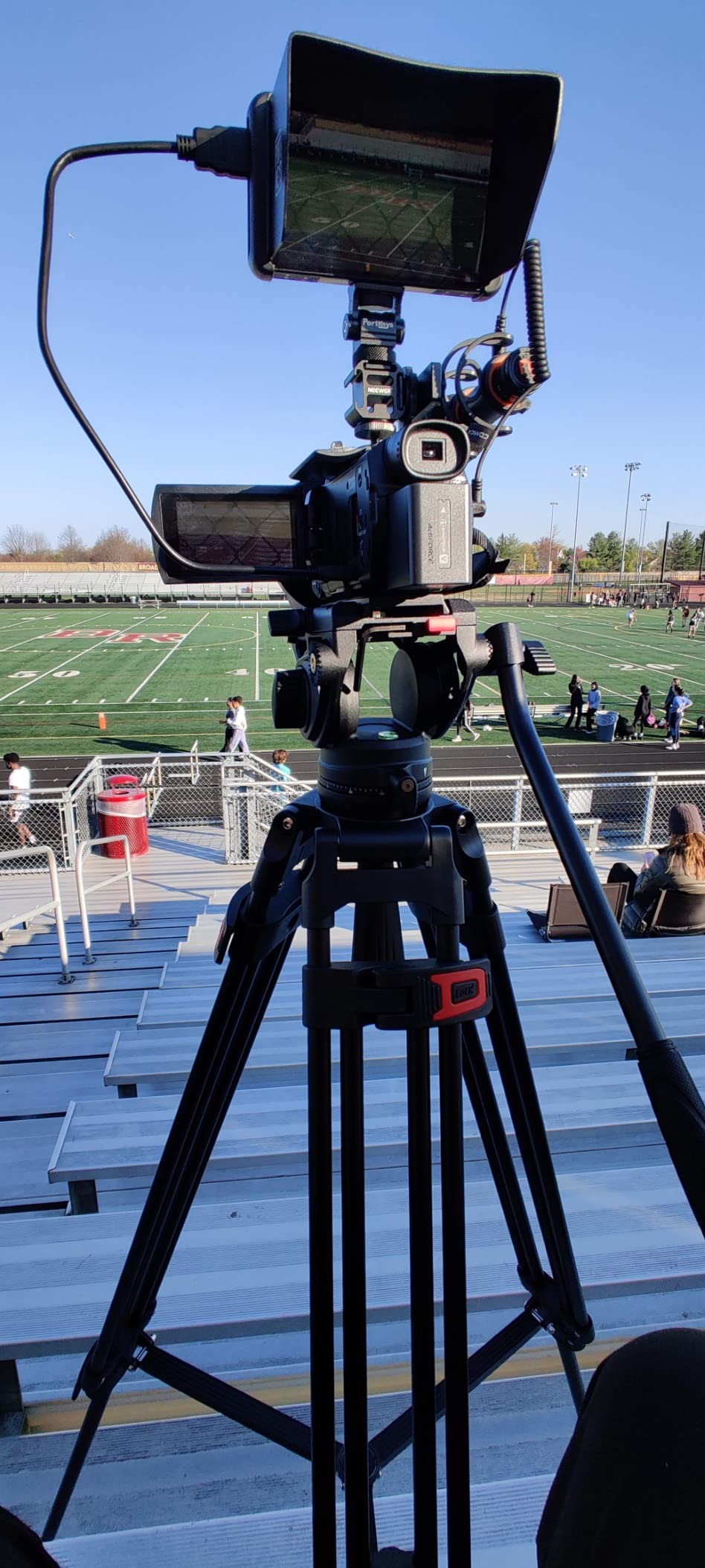
The NEEWER 74 inch Video Tripod earned the highest rating in our test group at 4.8 stars, and after using it for a weekend video shoot, I understand why. The fluid drag pan head delivers buttery smooth movements that make it the best tripods for DSLR cameras when video production is your primary use case.
The fluid head rotates 360 degrees horizontally and tilts from -75 degrees to +90 degrees vertically. I used it to capture smooth tracking shots of a friend walking through a park, and the panning motion was consistently fluid with no stuttering or catching. The drag resistance is adjustable, letting you fine-tune the feel based on your camera weight and shooting style.
Three telescopic leg sections deploy from a folded length of 36 inches to a maximum height of 74 inches. The three-section design means each leg section is thicker and stiffer than four-section alternatives, which translates to noticeably better stability. A mid-level spreader connects the legs and prevents splaying on smooth surfaces.
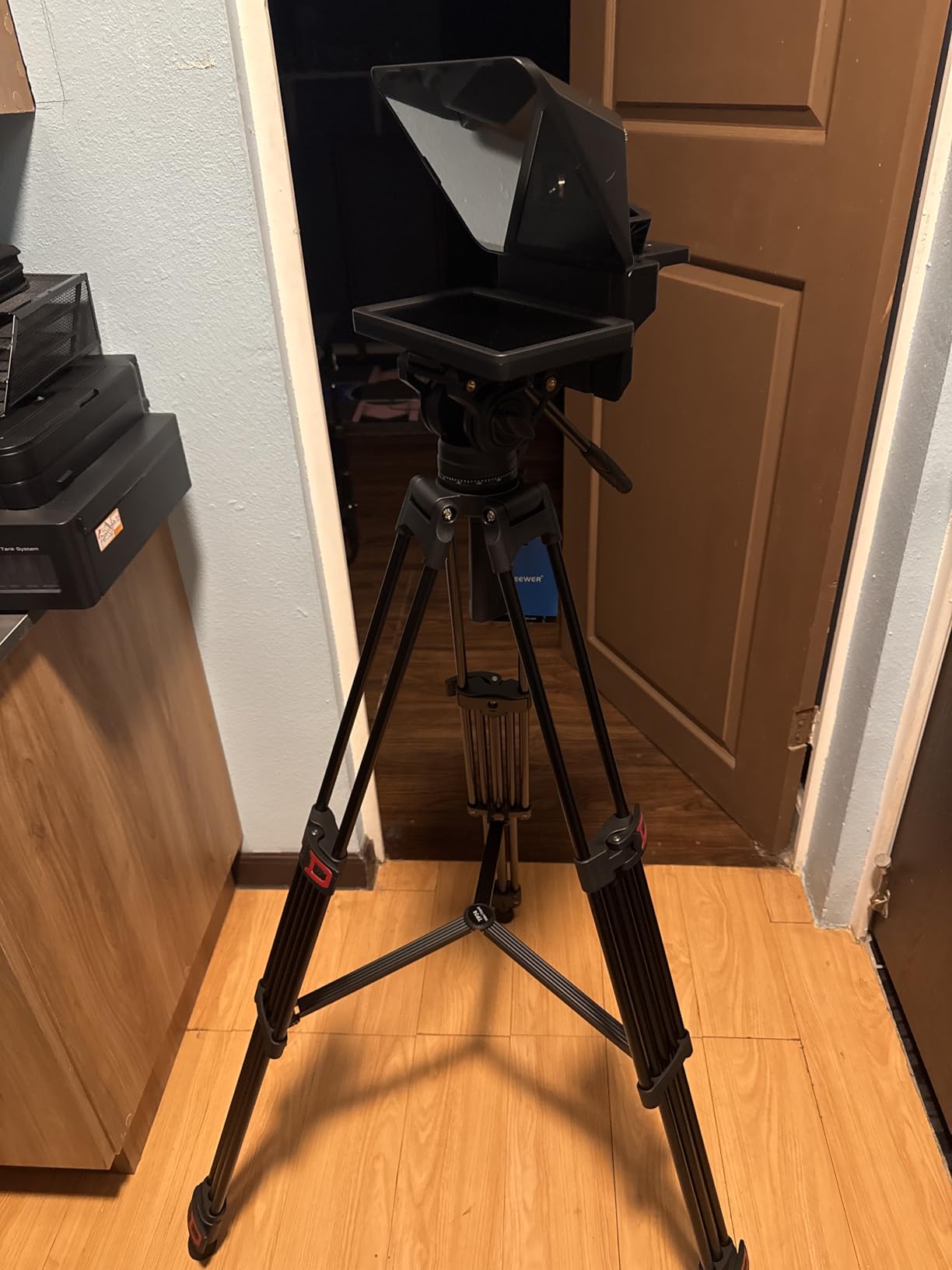
The quick release plate supports two modes, making it compatible with both DJI RS series gimbals (RS2, RS3, RS3 PRO) and Manfrotto 501PL and 504PL plates. This dual compatibility is a significant advantage if you use a gimbal stabilizer alongside your tripod. I switched between my Canon R6 on the fluid head and my DJI RS3 on the same plate without needing to swap anything.
The universal mounting threads include both 1/4 inch and 3/8 inch screws, so this tripod works with virtually every DSLR and camcorder on the market. NEEWER includes a carrying bag with a shoulder strap for transport between locations.
When to Choose This Video Tripod
Anyone shooting video with a DSLR should seriously consider this tripod. The fluid head alone justifies the price if you are producing content for YouTube, client videos, weddings, or short films. The smooth pan and tilt movements are impossible to achieve with a standard ball head or 3-way pan head.
The DJI gimbal compatibility is a major selling point for hybrid shooters who use both stabilized handheld gimbals and tripod-mounted shots in the same project. Not having to change plates between shooting modes saves time and reduces the risk of missing critical moments.
Drawbacks for Pure Photography Use
If you primarily shoot still photography, the fluid head is less practical than a ball head for quick compositional changes. Adjusting the camera angle requires loosening and tightening drag controls rather than simply repositioning a ball head and locking it down. Portrait orientation shooting is also less convenient with a fluid head.
The 36-inch folded length is longer than most travel tripods, which may be a problem for photographers who need to pack their tripod into a backpack or carry-on. The heavier weight also makes this less suitable for long hikes where every ounce matters.
7. Manfrotto Befree Advanced Travel DSLR Tripod

Manfrotto Befree Advanced Camera Tripod Kit with Twist Closure, Travel Tripod Kit with Ball Head, Portable and Compact, Camera Tripod in Aluminum for DSLR, Reflex, Mirrorless, Camera Accessories
Aluminum
8.8 lb load
Ball head
Twist lock
Folds to 15.7 inch
Pros
- Premium Italian design and build quality
- Compact M-Lock twist closure system
- Compatible with Manfrotto and Arca-Swiss plates
- Four independent leg angles for creativity
- 494 aluminum ball head with 3 controls
Cons
- Lower 8.8 lb weight limit
- Not water resistant
- Premium price point
Manfrotto is a name that commands respect in the photography community, and the Befree Advanced shows why. This is a travel tripod built with the kind of attention to detail you expect from Italian engineering. The M-Lock twist closure system leaves no protruding parts when folded, resulting in a clean 15.7-inch package that slips easily into any travel bag.
I tested the Befree Advanced with a Canon EOS R6 and a 24-105mm lens during a week-long trip to the coast. The four-section legs use Manfrotto’s twist lock mechanism, which I found faster to operate than flip locks once I got the rhythm down. Each leg section twisted open and closed with a satisfying, positive feel that inspired confidence.
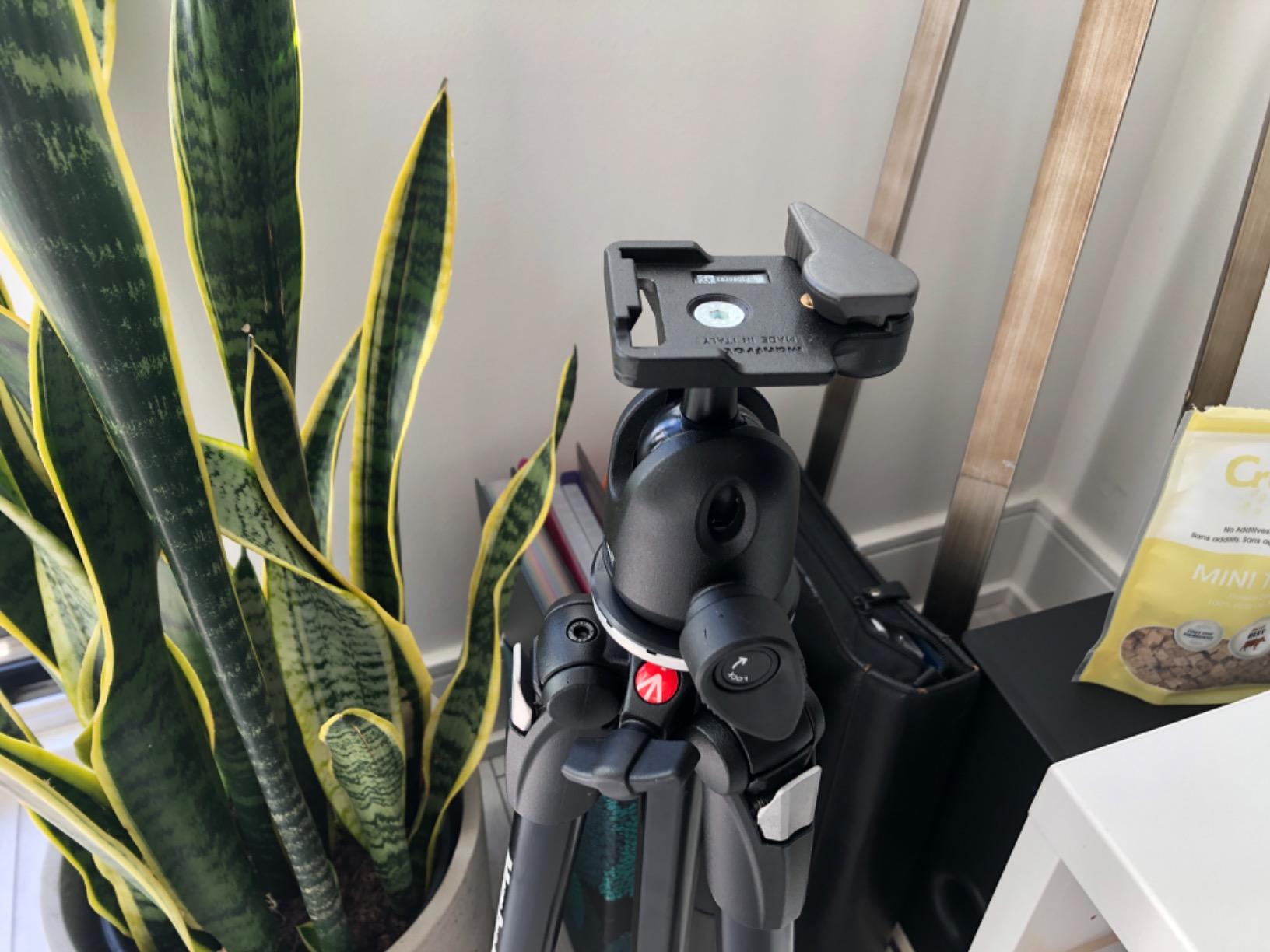
The 494 aluminum ball head offers three independent controls: one for ball tension, one for pan lock, and one for the quick release plate. This level of control separation is typically found on much more expensive heads. I was able to make fine composition adjustments without disturbing the overall camera position, which is exactly what you want for precise landscape framing.
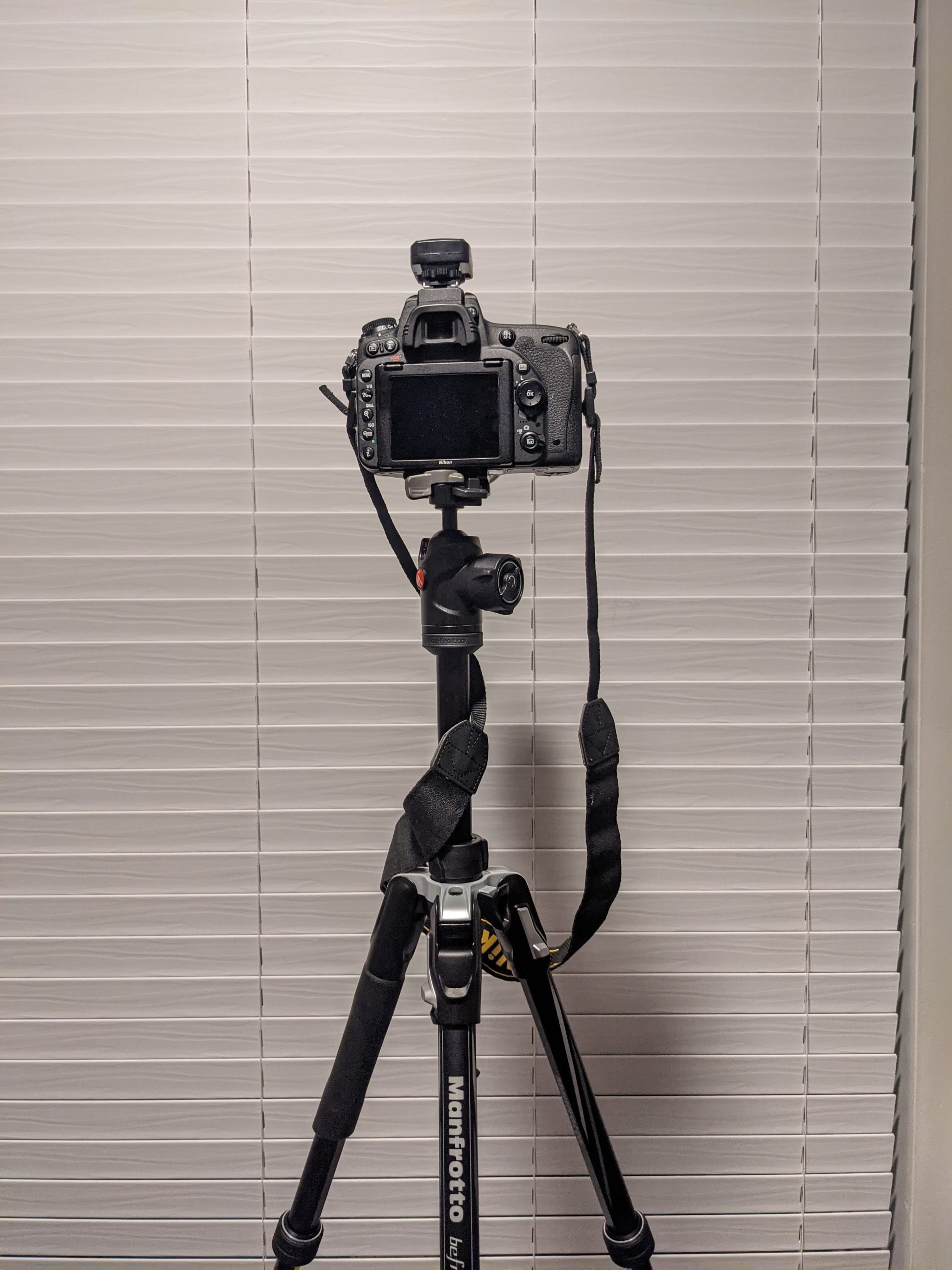
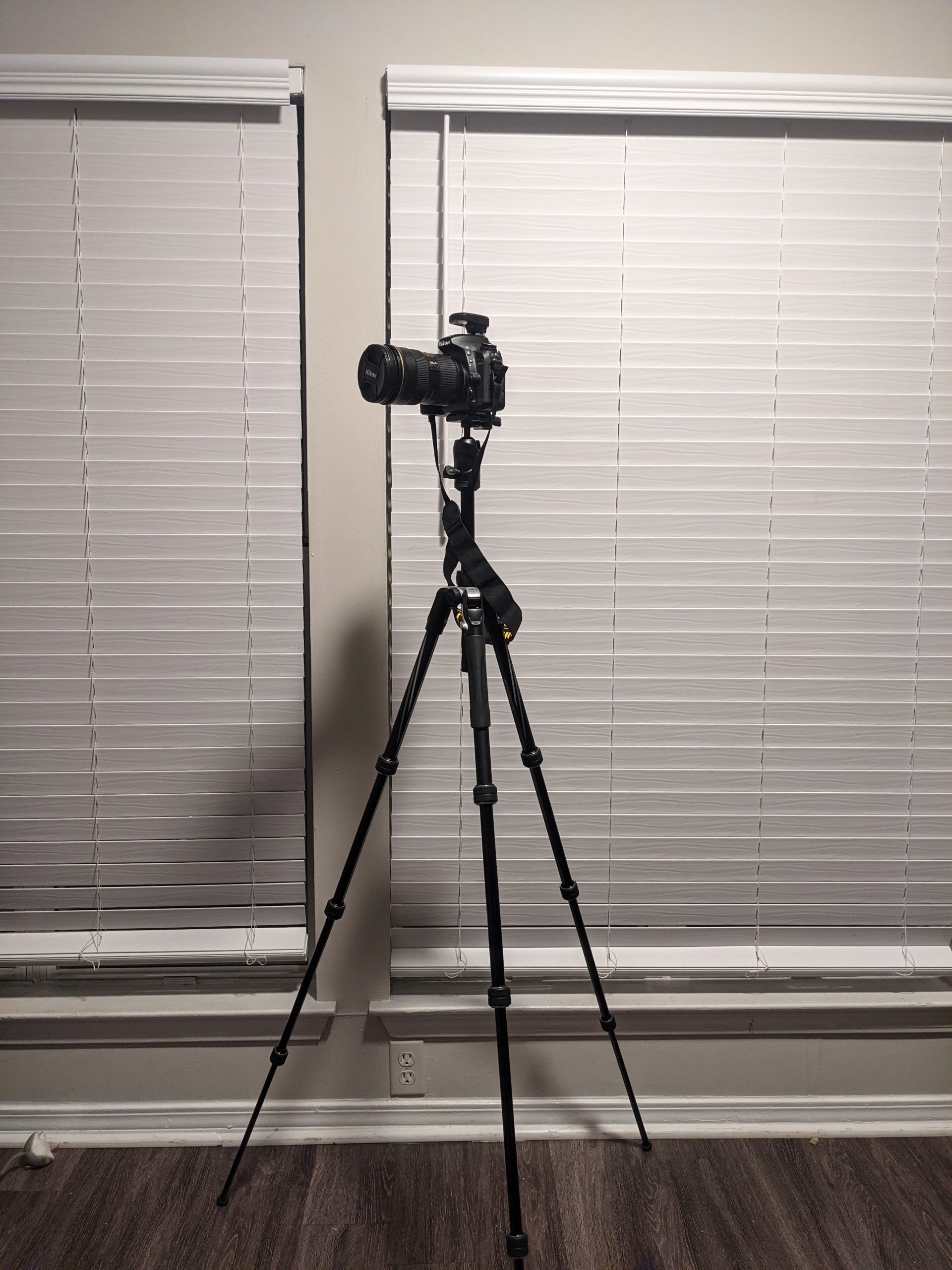
Four independent leg angle settings let you shoot from unusual positions. I used the widest leg angle to get low to the ground for some dramatic foreground compositions on the beach. Each leg can be set independently, which means you can position the tripod on uneven terrain like rocks or stairs without compromising stability.
The quick release plate is compatible with both Manfrotto and Arca-Swiss style clamps. This is valuable if you own other Arca-Swiss compatible gear like L-brackets or specialized lens plates. I was able to move my camera between this tripod and my Arca-Swiss monopod head without swapping plates.
Who Is the Befree Advanced For
Travel photographers who prioritize build quality and long-term reliability will find the Manfrotto Befree Advanced worth the investment. The Italian manufacturing standards mean this tripod is built to last years of regular use. The twist lock system is particularly well-suited for photographers who work in sandy or dusty environments where flip locks can trap debris.
The compact folded size and 4.1-pound weight make it carry-on friendly for air travel. If you fly frequently for photography assignments, this tripod eliminates the worry about checking expensive gear.
Trade-offs of the Premium Design
The 8.8-pound load capacity is lower than several other tripods in this guide. This limits the Befree Advanced to standard DSLR and mirrorless camera kits without heavy telephoto lenses. Professional wildlife or sports photographers with large glass will need something sturdier.
The premium pricing reflects the Manfrotto brand name and build quality. You are paying more for durability, design refinement, and brand reputation than for raw specifications. For budget-conscious photographers, other options on this list offer similar or better specs at lower prices.
8. Manfrotto 290 Xtra Aluminum 3-Section Tripod

Manfrotto 290 Xtra Aluminum 3-Section Tripod Kit with Ball Head (MK290XTA3-BHUS)
Aluminum
11 lb load
Ball head
3-section legs
4.9 lbs
Pros
- Premium Italian design and construction
- Robust aluminum build with adjustable leg locks
- 11 lb load capacity for mid-range DSLR setups
- Four leg angle positions for flexibility
- Includes shoulder carrying bag
Cons
- Only 3 leg sections limits compactness
- Heavier at 4.9 pounds
- Not water resistant
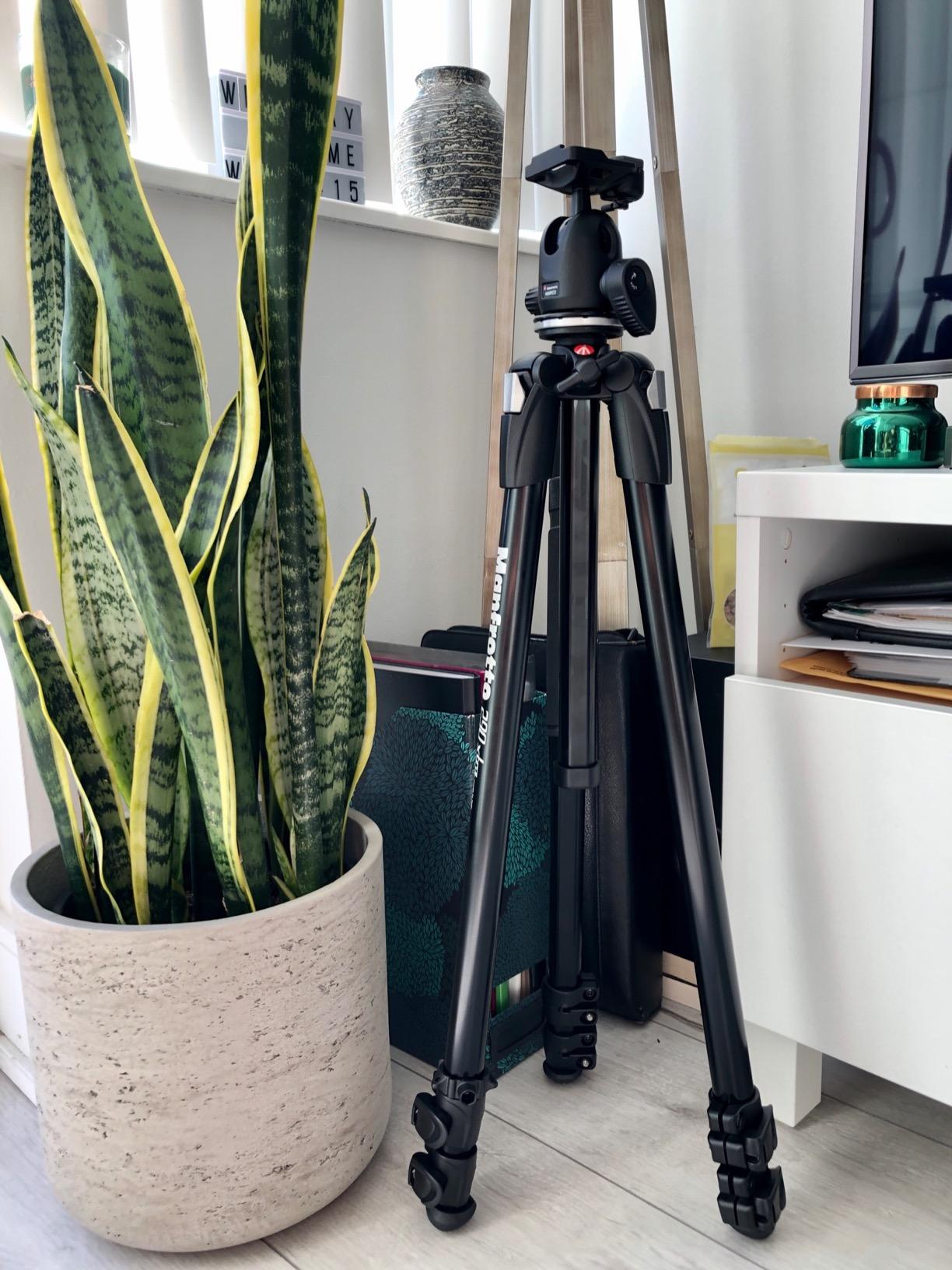
The Manfrotto 290 Xtra is a workhorse tripod designed for photographers who need dependable stability over ultralight portability. The three-section leg design means fewer joints and thicker leg tubes, which translates to rock-solid support. I set it up in a stiff breeze on an exposed hilltop and my camera barely registered any vibration during 5-second exposures.
At 4.9 pounds, this is one of the heavier tripods in our roundup. That weight is put to good use providing stability that lighter tripods simply cannot match. The 11-pound load capacity handled my Nikon D850 with a 24-70mm f/2.8 lens comfortably, with no head drift or leg flex during extended shooting sessions.
The ball head is smooth and provides precise control over camera positioning. Four independent leg angle settings let you adapt to uneven terrain, and the adjustable aluminum leg locks can be tightened with a simple tool if they ever loosen over time. This serviceability is something most budget tripods do not offer.
Manfrotto includes a padded shoulder bag that makes carrying the 290 Xtra more manageable. The bag has enough room for the tripod with the head attached, so you do not need to disassemble anything for transport. The padding provides adequate protection when the tripod is stowed in a car trunk or checked luggage.
The three-section leg design means the tripod does not fold down particularly small. At 27.8 inches folded, it is significantly longer than travel-oriented tripods. This is not a tripod you will want to strap to a small backpack. It is, however, the kind of tripod that will still be working flawlessly in ten years.
Best for Studio and Field Photographers
The Manfrotto 290 Xtra excels in scenarios where stability is the top priority and portability is secondary. Studio photographers will appreciate the rock-solid platform for product photography and portraits. Landscape photographers who shoot from established locations rather than hiking long distances will benefit from the vibration-free support.
The serviceable leg locks are a standout feature for photographers who use their gear hard. Instead of replacing the tripod when locks wear, you can simply tighten them. This extends the usable life of the tripod significantly and justifies the premium price over time.
Who Should Skip This Model
If you hike frequently or travel by air, the 4.9-pound weight and 27.8-inch folded length make this tripod impractical. Travel photographers and backpackers should look at the carbon fiber options or the Manfrotto Befree Advanced instead. The three-section legs also limit the height adjustment flexibility compared to four or five-section designs.
Photographers on a tight budget may find the premium Manfrotto pricing difficult to justify when capable alternatives exist at half the cost. You are paying for durability and brand support, not necessarily for features that budget tripods lack.
9. K&F CONCEPT 90 inch Ultra High DSLR Tripod
K&F CONCEPT 90”/230cm Ultra High Horizontal Overhead Camera Tripod
Aluminum
22 lb load
Gimbal head
90 inch max height
Detachable monopod
Pros
- Ultra high 90 inch maximum height
- 22 lb load capacity for heavy rigs
- Detachable monopod for flexible shooting
- 28mm enlarged center column
- 360 degree horizontal scale for panoramas
Cons
- Not water resistant
- Gimbal head may not suit all users
- Heavier at 4.5 pounds
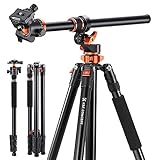
Standing at a towering 90 inches (7.5 feet), the K&F CONCEPT Ultra High tripod is the tallest model in our roundup. I tested it at an indoor sports event where I needed to shoot over a crowd barrier, and the extra height made it possible to capture angles that would have been impossible with any standard tripod.
The 22-pound load capacity is the second highest in our test group. I mounted a Canon 1D X Mark II with a 70-200mm f/2.8 lens and the tripod handled the weight without hesitation. The enlarged 28mm center column provides structural rigidity that smaller tripods lack at this kind of height.
The gimbal-style head with oil-free damping provides smooth movement for tracking moving subjects. I used it for panning shots at a local track meet, and the head allowed fluid tracking of runners without the jerky movements you get from a standard ball head. The 360-degree horizontal scale helps maintain consistent intervals for panorama sequences.
Like several other K&F tripods, this model converts to a monopod by removing one leg and attaching it to the center column. The monopod mode is useful for tight spaces where a full tripod spread is not possible, such as crowded event venues or narrow hiking trails.
The four-section leg design folds down to 21.3 inches for transport. While not as compact as dedicated travel tripods, it is manageable for car transport and local shooting. The included carrying bag protects the finish and makes the 4.5-pound package easier to carry between locations.
When Maximum Height Matters
Event photographers, sports photographers, and anyone who needs to shoot above crowds will benefit enormously from the 90-inch maximum height. Wedding photographers can position cameras for overhead ceremony shots. Real estate photographers can achieve elevated perspectives for room interiors that are impossible from standard tripod heights.
The 22-pound load capacity also makes this suitable for heavier professional DSLR bodies and large lenses. If your kit includes a flagship body, battery grip, and a 70-200mm or 100-400mm lens, this tripod provides the height and stability combination you need.
Practical Considerations
The gimbal head is specialized for tracking and panning movements. If you primarily shoot static compositions like landscapes or architecture, a ball head may be more practical for quick repositioning. The gimbal head excels at following moving subjects but requires more setup time for precise framing of stationary scenes.
At full 90-inch extension, the tripod is susceptible to wind vibration. The center column should be kept as low as possible in breezy conditions, and hanging a weight from the center hook is recommended for maximum stability at maximum height.
10. NEEWER 79 inch Heavy Duty Video Tripod

NEEWER 79″/200cm Video Tripod, Heavy Duty Aluminum Alloy Camera Tripod
Aluminum
17.6 lb load
Fluid drag head
79 inch max height
70mm bowl base
Pros
- Heavy duty double tube aluminum construction
- 70mm bowl base for leveling on uneven ground
- Fluid head pans 360 and tilts -70 to 90 degrees
- Built-in bubble level and non-slip feet
- Standard 1/4 and 3/8 inch screws
Cons
- Not water resistant
- No center column height adjustment
- Cannot convert to vertical portrait mode
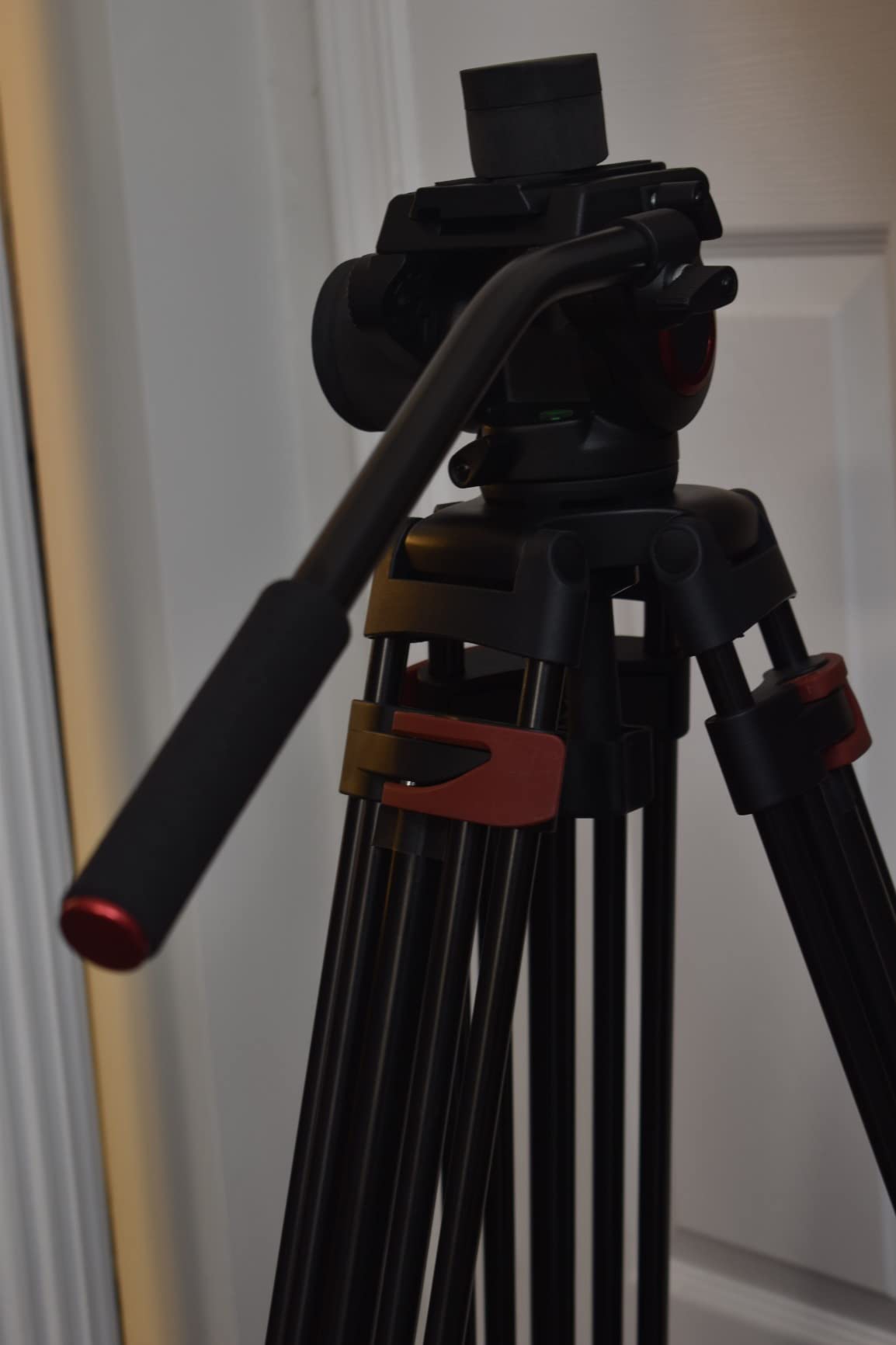
The NEEWER 79 inch Video Tripod is a serious piece of equipment for filmmakers and video-focused DSLR shooters. The double-tube aluminum alloy construction is noticeably more rigid than single-tube designs. I set it up on a variety of surfaces including grass, concrete, and carpet, and the non-slip rubber feet gripped firmly on all of them.
The 70mm bowl base is a professional feature that makes leveling the fluid head quick and intuitive. Instead of adjusting individual leg lengths, you simply place the tripod roughly level and then fine-tune the head position using the bowl adjustment. This saved me significant setup time compared to tripods without a bowl base.
The fluid drag head pans smoothly through 360 degrees and tilts from -70 degrees to +90 degrees. I filmed a series of interview segments and the head movements were consistently smooth with no hesitation at any point in the pan range. The built-in bubble level helped me confirm the shot was level before each take.
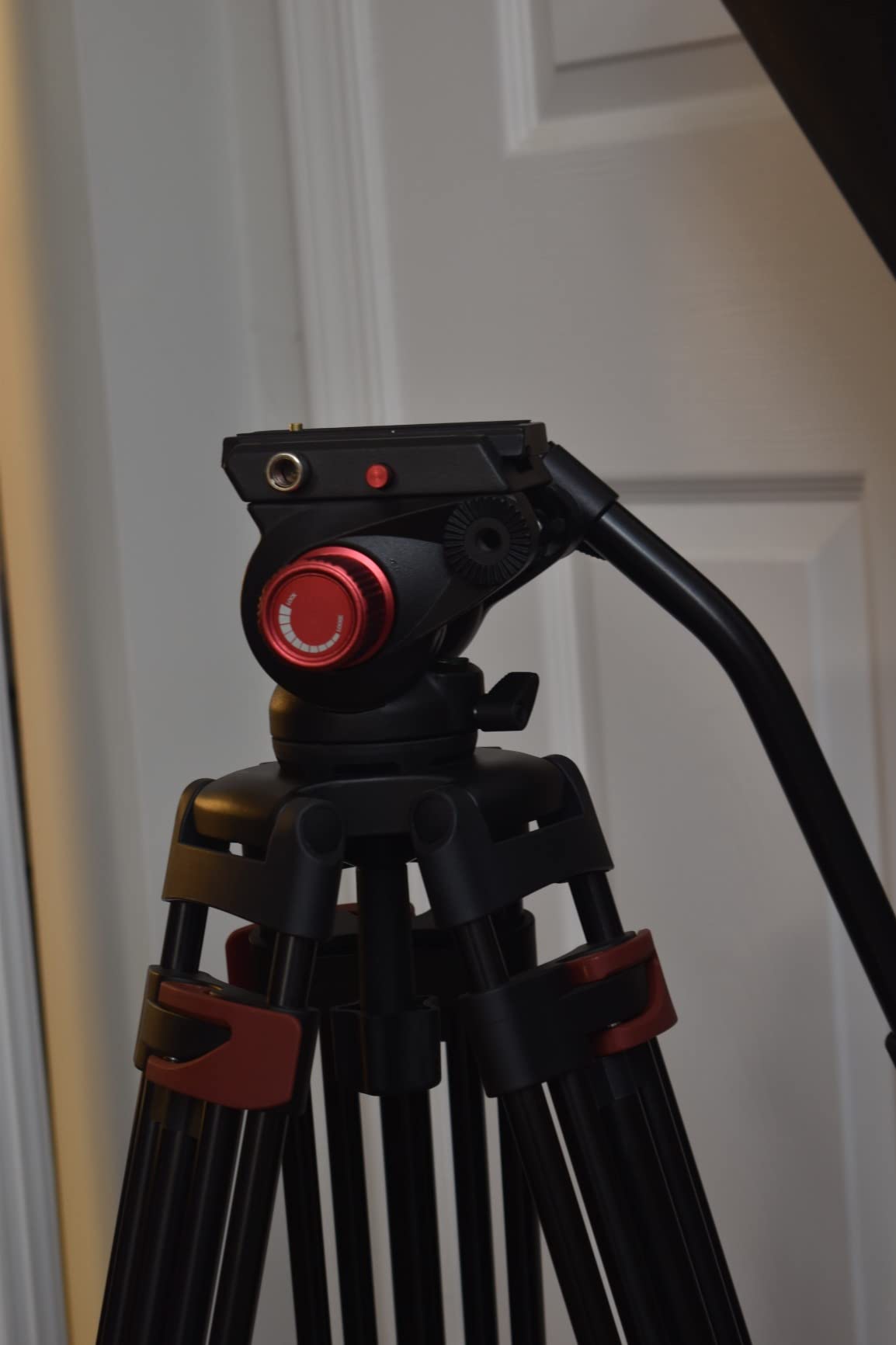
Height adjusts from 34.6 inches to 78.7 inches using three telescopic leg sections. The three-section design provides excellent stability because each section is thicker than four or five-section alternatives. The double-tube construction adds further rigidity, making this tripod suitable for heavier camera rigs used in professional video production.
The tripod includes a carrying bag with enough room for the legs and head together. Standard 1/4 inch and 3/8 inch mounting screws ensure compatibility with Canon, Nikon, Sony, and other major camera brands. NEEWER backs this product with a 1-year manufacturer warranty.
Best Choice for Professional Video Work
The combination of a 70mm bowl base, smooth fluid head, and double-tube construction makes this tripod ideal for professional video production. Wedding videographers, documentary filmmakers, and YouTube content creators will all benefit from the quick leveling and smooth camera movements this tripod provides. The 17.6-pound load capacity handles most DSLR and mirrorless video rigs.
The bowl base is particularly valuable for run-and-gun shooting where you set up quickly on uneven terrain. Adjusting the head level without fiddling with individual leg heights saves precious time when the light is changing or the action is unfolding.
Limitations for Photography Use
This tripod is designed primarily for video and has some limitations for still photography. The fluid head does not easily convert to vertical portrait orientation, which is a significant drawback for portrait photographers. There is also no center column for quick height fine-tuning, so all height adjustments must be made via the leg sections.
The 5.64-kilogram weight makes this the heaviest tripod in our roundup. It is best suited for studio work, fixed-location shoots, or transport by car. Long hikes with this tripod would be challenging due to the weight.
Buying Guide: How to Choose the Best Tripod for Your DSLR
Choosing among the best tripods for DSLR cameras requires understanding your specific needs as a photographer. The right tripod for a travel photographer is very different from the right tripod for a studio portrait shooter. Here is what matters most when making your decision.
Load Capacity and DSLR Weight Considerations
Load capacity is the single most important specification to check. Your tripod’s rated load capacity should exceed your heaviest camera and lens combination by at least 50 percent to account for dynamic forces like wind, shutter vibration, and accidental bumps. A typical APS-C DSLR with a kit lens weighs around 2 to 3 pounds, but a full-frame body with a 70-200mm f/2.8 lens can easily reach 5 to 6 pounds.
Professional setups with flagship bodies like the Canon 1D series or Nikon D6, battery grips, and telephoto lenses push past 7 pounds. For these configurations, look for tripods with at least a 17.6-pound (8 kg) load capacity. The SmallRig 71 inch tripod with its 33-pound capacity and the K&F CONCEPT 90 inch with its 22-pound rating are excellent choices for heavy rigs.
Reddit users on r/photography consistently report that load capacity claims should be taken with a grain of salt. A tripod rated for 17.6 pounds will hold that weight, but stability at maximum load is a different question. Always choose a tripod with a higher capacity than you think you need.
Carbon Fiber vs Aluminum Materials
The material your tripod is made from affects weight, vibration dampening, cold-weather handling, and price. Aluminum tripods are affordable, durable, and widely available. They are heavier than carbon fiber but provide solid stability at a lower cost. Most of the tripods in our roundup use aluminum construction for good reason.
Carbon fiber tripods are significantly lighter and absorb vibrations better than aluminum. They also do not conduct cold, which means you can handle them comfortably in freezing conditions without gloves. The K&F Concept Carbon Fiber 60 inch tripod demonstrates these advantages at just 2.2 pounds. The trade-off is higher cost, typically 50 to 100 percent more than a comparable aluminum model.
For photographers who hike or travel extensively, carbon fiber is usually worth the investment. For studio or car-based photography where weight is less critical, aluminum provides better value. Neither material is inherently more stable than the other at the same weight.
Ball Head vs Pan Head vs Fluid Head
The head is where your camera mounts, and the head type determines how you can position your camera. Ball heads use a single ball joint that allows movement in all directions with one locking mechanism. They are fast to adjust and ideal for still photography. Most photo-oriented tripods in our roundup feature ball heads.
Three-way pan heads provide independent control over three axes of movement. They are slower to adjust than ball heads but offer more precise positioning for panoramas and architectural photography. The VICTIV 74 inch and Amazon Basics 60-inch tripods both use 3-way pan heads.
Fluid heads use a dampened mechanism that creates smooth, controlled movements. They are essential for video production where jerky camera movements ruin footage. Both NEEWER video tripods in our roundup feature fluid heads designed specifically for smooth video capture.
Twist Locks vs Flip Locks
Leg lock mechanisms affect how quickly you can set up and pack down your tripod. Flip locks are levers that snap open and closed. They are fast to operate and visually confirm when locked. However, they can trap sand and debris in sandy environments. The SmallRig, VICTIV, and Amazon Basics tripods use flip locks.
Twist locks are collars that you rotate to loosen and tighten. They are more compact, have no protruding parts, and handle dusty conditions better because there are fewer places for debris to enter. The Manfrotto Befree Advanced uses Manfrotto’s proprietary M-Lock twist system. Many photographers on photography forums prefer flip locks for speed, while others prefer twist locks for reliability in harsh conditions.
Height, Folded Length, and Portability
Maximum height matters more than you might expect. A tripod that requires you to bend over to look through the viewfinder will be uncomfortable for extended shooting sessions and can cause back fatigue. Look for a maximum height that places your camera at or slightly above eye level without extending the center column.
Folded length determines how portable the tripod is. Travel tripods fold to 15 inches or less for airline carry-on compatibility. The K&F Concept Carbon Fiber folds to 13.8 inches and the Manfrotto Befree Advanced to 15.7 inches, both excellent travel sizes. Studio-oriented tripods like the Manfrotto 290 Xtra fold to nearly 28 inches, which is fine for car transport but impractical for backpacking.
The number of leg sections affects the folded length. More sections mean a shorter folded length but thinner and potentially less stable leg tubes at full extension. Three-section tripods are the most stable but fold longest. Five-section tripods fold shortest but have the thinnest leg sections.
Weather Sealing and Cold Weather Performance
None of the tripods in our roundup are rated as water resistant, which is typical for this price range. True weather sealing is found on premium professional tripods from brands like Gitzo and Really Right Stuff. However, the material choice does affect cold weather handling.
Aluminum tripods become cold to the touch in freezing temperatures and can cause discomfort when handling with bare hands. Carbon fiber tripods remain comfortable to handle in cold conditions because carbon fiber is a poor conductor of heat and cold. If you shoot in winter regularly, the K&F Concept Carbon Fiber tripod or wrapping your aluminum tripod legs with foam insulation will make a noticeable difference.
Forum discussions on r/AskPhotography highlight that sand and saltwater are the biggest threats to tripod longevity. Rinse your tripod with fresh water after beach use and let it dry fully before storage. Periodically cleaning and lubricating the leg locks will extend the life of any tripod regardless of material.
Budget Considerations and Value
Spending more on a tripod generally buys you lighter weight, higher load capacity, better build quality, and more features. The sweet spot for most DSLR photographers is between $50 and $120. In this range, you get aluminum construction, adequate load capacity, and reliable ball heads without overspending.
Budget tripods under $35 like the Amazon Basics and VICTIV options are perfect for beginners who are still exploring photography. They provide a functional platform for learning long exposures, composition, and camera control. You can always upgrade later when your needs become more demanding.
Premium tripods over $150 from brands like Manfrotto offer long-term durability, serviceability, and brand warranty support. The Manfrotto Befree Advanced and 290 Xtra are investments that should last many years of regular use, justifying their higher price through longevity.
FAQs
What tripods do professional photographers use?
Professional photographers typically use tripods from brands like Manfrotto, Gitzo, Really Right Stuff, and Benro. These tripods feature carbon fiber construction, high load capacities over 15 pounds, and Arca-Swiss compatible ball heads. The Manfrotto 290 Xtra and Manfrotto Befree Advanced in our roundup represent the professional standard at accessible price points.
What’s the best tripod for photography?
The best tripod for photography depends on your shooting style. For travel photography, the Ku0026amp;F Concept Carbon Fiber tripod offers the best weight-to-stability ratio. For general DSLR photography, the Ku0026amp;F CONCEPT 64 inch provides excellent value with a 17.6-pound load capacity. For studio work, the Manfrotto 290 Xtra delivers maximum stability.
What is the best tripod for a Canon camera?
Canon DSLR cameras work with any tripod featuring a standard 1/4 inch mounting screw. For Canon Rebel series cameras, the Amazon Basics 60-inch provides adequate support. For Canon 5D or 1D series bodies with heavy lenses, choose a tripod with at least a 17.6-pound load capacity like the SmallRig 71 inch or NEEWER 74 inch Video Tripod.
Does it matter what tripod you use for a camera?
Yes, the tripod you use directly affects image sharpness. A flimsy tripod allows vibrations that cause blurry images during long exposures, low-light shooting, and telephoto lens use. DSLR cameras are heavier than compact cameras and require tripods with adequate load capacity to remain stable. A quality tripod is one of the most impactful investments you can make for sharper photographs.
Final Thoughts on the Best Tripods for DSLR Cameras in 2026
Finding the right tripod transforms your photography. Sharp long exposures, perfectly framed landscapes, smooth video footage, and stable telephoto shots all depend on having a support system that matches your camera and shooting style. The best tripods for DSLR cameras balance load capacity, stability, portability, and build quality in a package that fits your budget.
For most DSLR photographers, the K&F CONCEPT 64 inch tripod hits the sweet spot of value, capability, and portability. Budget-conscious beginners will be well served by the Amazon Basics 60-inch, while video creators should strongly consider the NEEWER 74 inch Video Tripod with its professional fluid head. Whatever you choose, investing in a quality tripod is one of the most impactful upgrades you can make for sharper, more creative photography.