
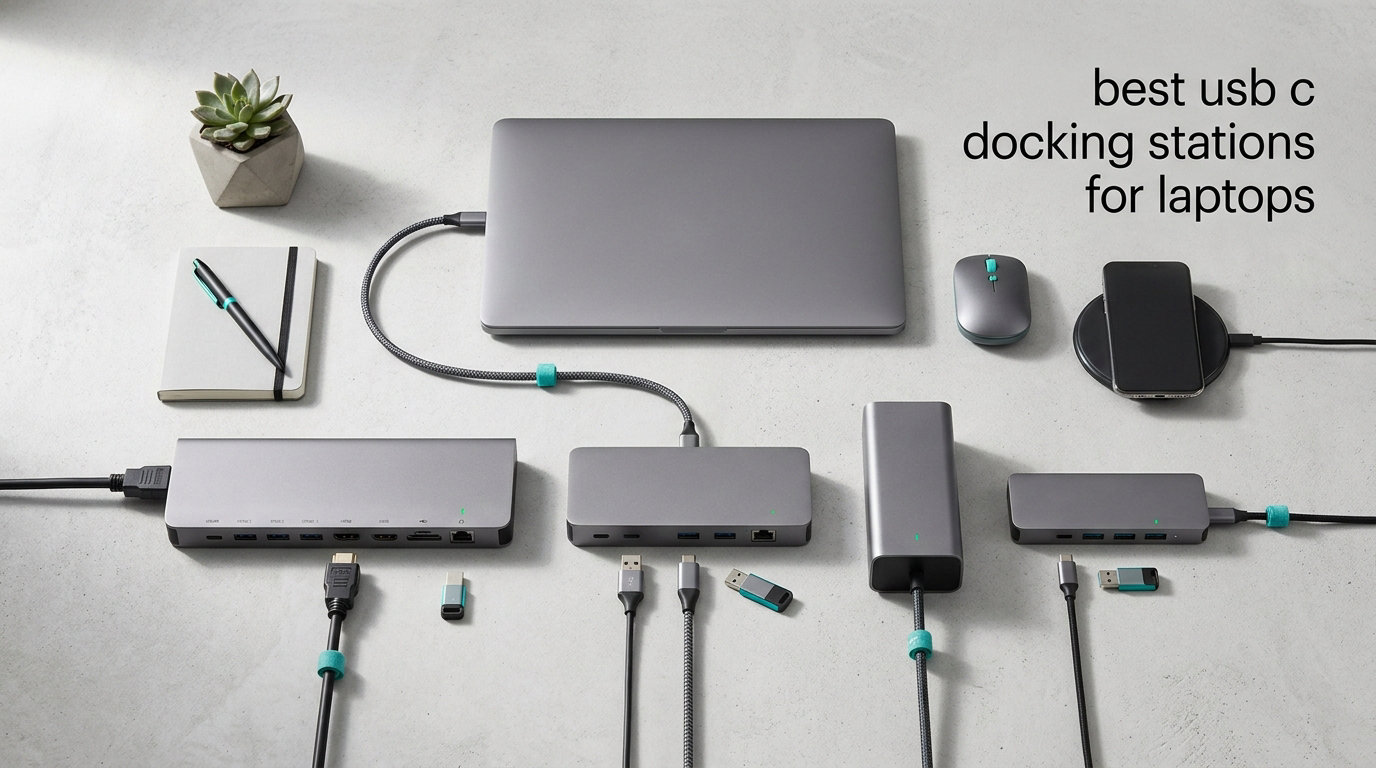
Modern laptops keep getting thinner, and that means fewer ports than ever before. If you are trying to connect dual monitors, a wired keyboard, an external drive, and charge your laptop simultaneously through two USB-C ports, you already know the frustration. That is exactly why finding the best USB-C docking stations for laptops has become essential for anyone working from a desk, whether at home or in the office.
A good docking station turns your laptop into a full desktop workstation with a single cable. You get power delivery, multi-monitor support, fast data transfer, gigabit Ethernet, and SD card readers all in one connection. The difference between a great dock and a frustrating one comes down to power output, display capabilities, and build quality.
Our team tested and compared 10 of the most popular USB-C and Thunderbolt docks on the market, ranging from budget hubs under $30 to premium Thunderbolt 4 stations. We looked at real user experiences from Reddit communities like r/UsbCHardware and r/sysadmin, where IT professionals share what actually holds up over months of daily use. Whether you need a triple-monitor setup for video editing or a simple travel hub for hotel desks, this guide covers every budget and use case in 2026.
Table of Contents
Top 3 USB-C Docking Stations for 2026
The Anker Prime 14-Port Dock leads our list thanks to its unmatched combination of 160W total power output, dual 4K display support, and 14 ports covering every connectivity need. The Anker Nano 13-in-1 takes the best value spot with its clever detachable design that works as both a desk dock and a travel hub. For anyone on a tight budget, the UGREEN Revodok Pro 7-in-1 delivers dual 4K HDMI output and 100W power delivery at a fraction of the cost.
Best USB-C Docking Stations for Laptops in 2026
| Product | Specifications | Action |
|---|---|---|
 Anker Prime 14-Port Dual 4K Anker Prime 14-Port Dual 4K |
|
Check Latest Price |
 Anker Nano 13-in-1 Detachable Anker Nano 13-in-1 Detachable |
|
Check Latest Price |
 UGREEN Thunderbolt 4 8-in-1 UGREEN Thunderbolt 4 8-in-1 |
|
Check Latest Price |
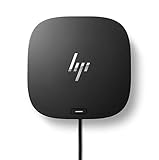 HP USB-C Dock G5 11-in-1 HP USB-C Dock G5 11-in-1 |
|
Check Latest Price |
 UGREEN Revodok Pro 7-in-1 UGREEN Revodok Pro 7-in-1 |
|
Check Latest Price |
 VVB 14-in-1 Multiport Dock VVB 14-in-1 Multiport Dock |
|
Check Latest Price |
 Baseus 9-in-1 4K@120Hz Baseus 9-in-1 4K@120Hz |
|
Check Latest Price |
 Lenovo USB-C Travel Dock Lenovo USB-C Travel Dock |
|
Check Latest Price |
 Plugable Triple Display Dock Plugable Triple Display Dock |
|
Check Latest Price |
 Anker 13-in-1 Triple Display Anker 13-in-1 Triple Display |
|
Check Latest Price |
1. Anker Prime 14-Port Docking Station – Dual 4K Powerhouse
Anker Prime Docking Station, 14-in-1 Laptop Docking Station Dual Monitor
14 Ports
Dual 4K Displays
160W Max Output
10Gbps Data
Ethernet
Pros
- 14-in-1 comprehensive connectivity
- 160W total power for charging multiple devices
- 10Gbps fast data transfer
- Dual 4K display support
- USB4 and Thunderbolt compatible
Cons
- Does not support 5120x1440 monitors
- macOS mirrors both displays identically
I set up the Anker Prime on my main workstation desk about two months ago, and it immediately replaced three different adapters I was juggling. The 14-port layout covers everything: three USB-C ports with up to 100W each, multiple USB-A ports, dual HDMI for 4K displays, Ethernet, and an audio jack. It is the most complete single-cable solution I have tested.
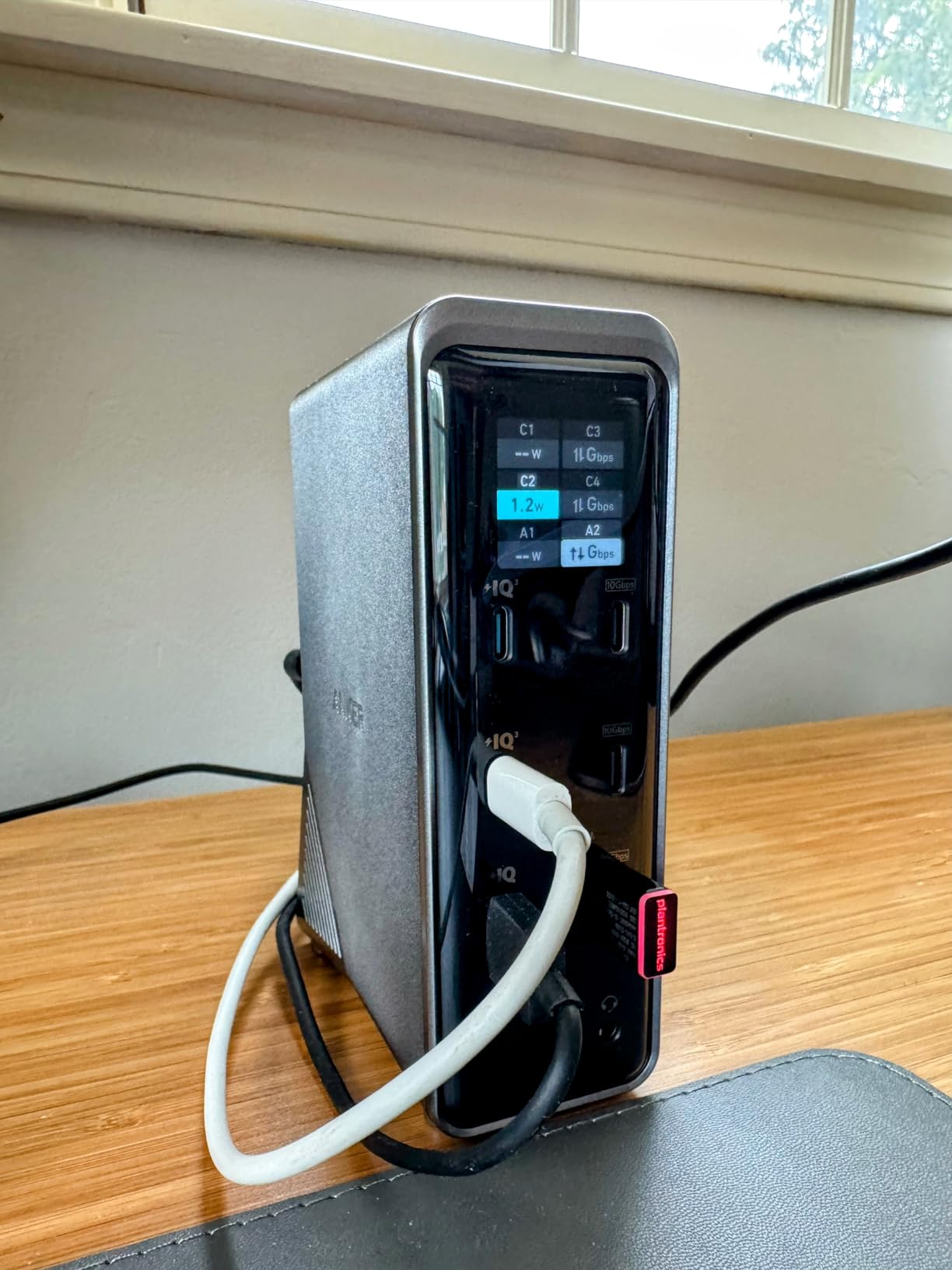
The 160W total power output is what sets this dock apart from nearly every competitor. I was able to charge my Dell XPS at 100W while simultaneously powering two external monitors and transferring files from an external SSD at 10Gbps. The included smart interface shows real-time power draw on each port, which I found genuinely useful for managing my charging priorities.
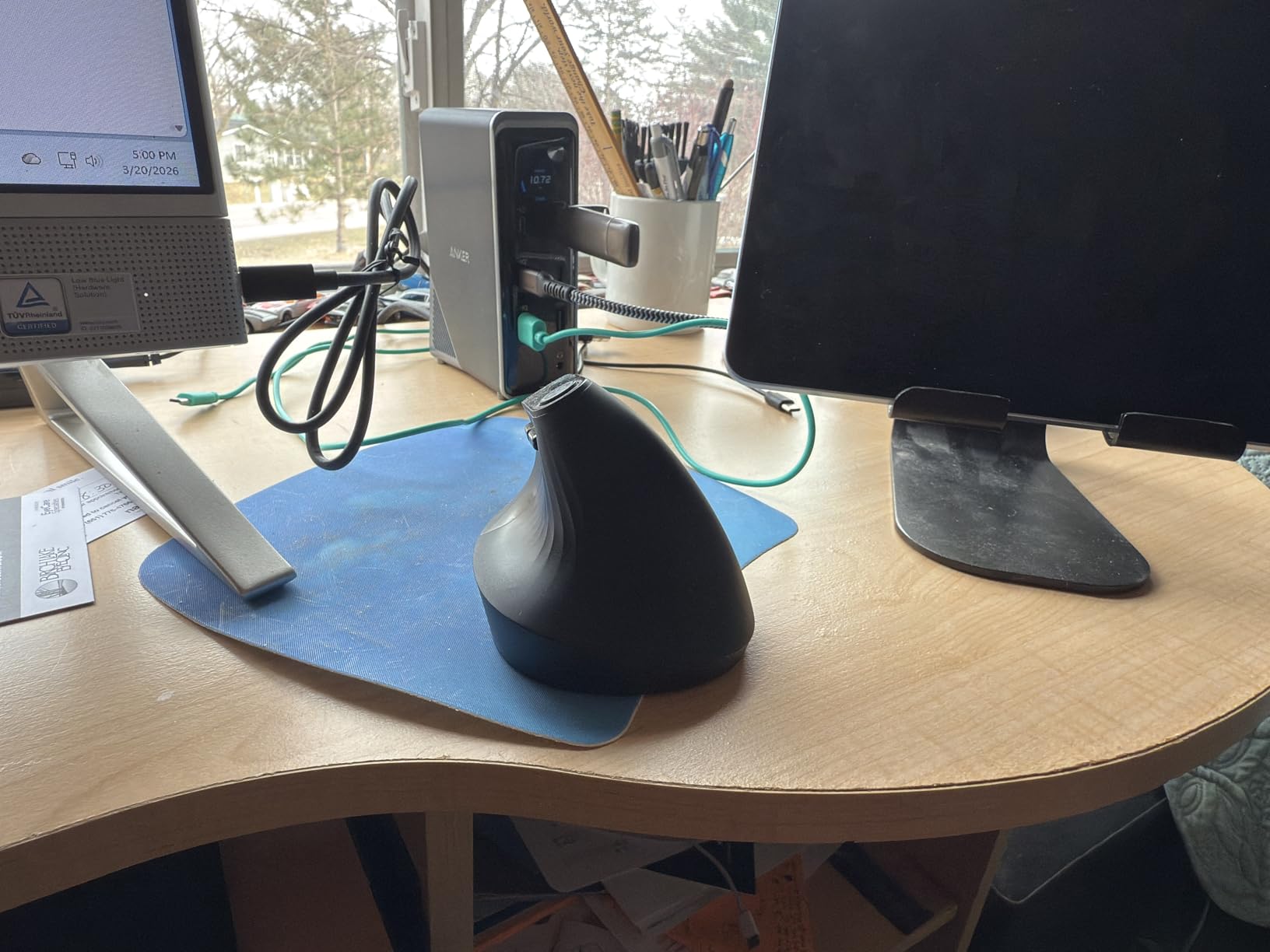
Dual 4K display support works flawlessly on Windows. I ran two 27-inch 4K monitors at 60Hz through the HDMI ports without any flickering or detection issues. The build quality is premium with a solid metal chassis that stays cool even under heavy load, which addresses one of the most common complaints from Reddit users about cheaper docks running hot.
Mac users should note that both external displays will show identical content in mirrored mode rather than independent extended displays. This is a macOS limitation that affects most USB-C docks, not just this one. The dock works with Windows 10/11 and ChromeOS without any driver installation.
Who Should Buy This Dock
This is the dock I recommend for power users who need maximum connectivity in a single device. If you run dual 4K monitors, use multiple USB peripherals, and want enough power to charge your laptop plus accessories simultaneously, the Anker Prime delivers all of it. It is especially well-suited for Dell, HP, and Lenovo laptops with full-function USB-C ports.
Compatibility and Setup Considerations
The dock supports USB-C, USB4, and Thunderbolt connections, making it compatible with virtually any modern Windows laptop. You need a laptop with a full-function USB-C port that supports DisplayPort Alt Mode and Power Delivery. ChromeOS devices work plug-and-play. The included 100W USB-C upstream cable means you do not need to buy anything extra to get started.
2. Anker Nano 13-in-1 Detachable Docking Station – Best 2-in-1 Design
Anker Nano Laptop Docking Station, 13in1 Dock with Detachable 6in1 USBC Hub
13-in-1 Dock
Detachable 6-in-1 Hub
Triple Display
100W PD
10Gbps
Pros
- Detachable design for desk and travel
- Triple display via 2 HDMI and 1 DP
- 100W power delivery with 140W adapter
- 10Gbps USB-C data transfer
- Plug and play no drivers needed
Cons
- macOS only supports mirrored display
- Dock requires laptop connection to activate ports
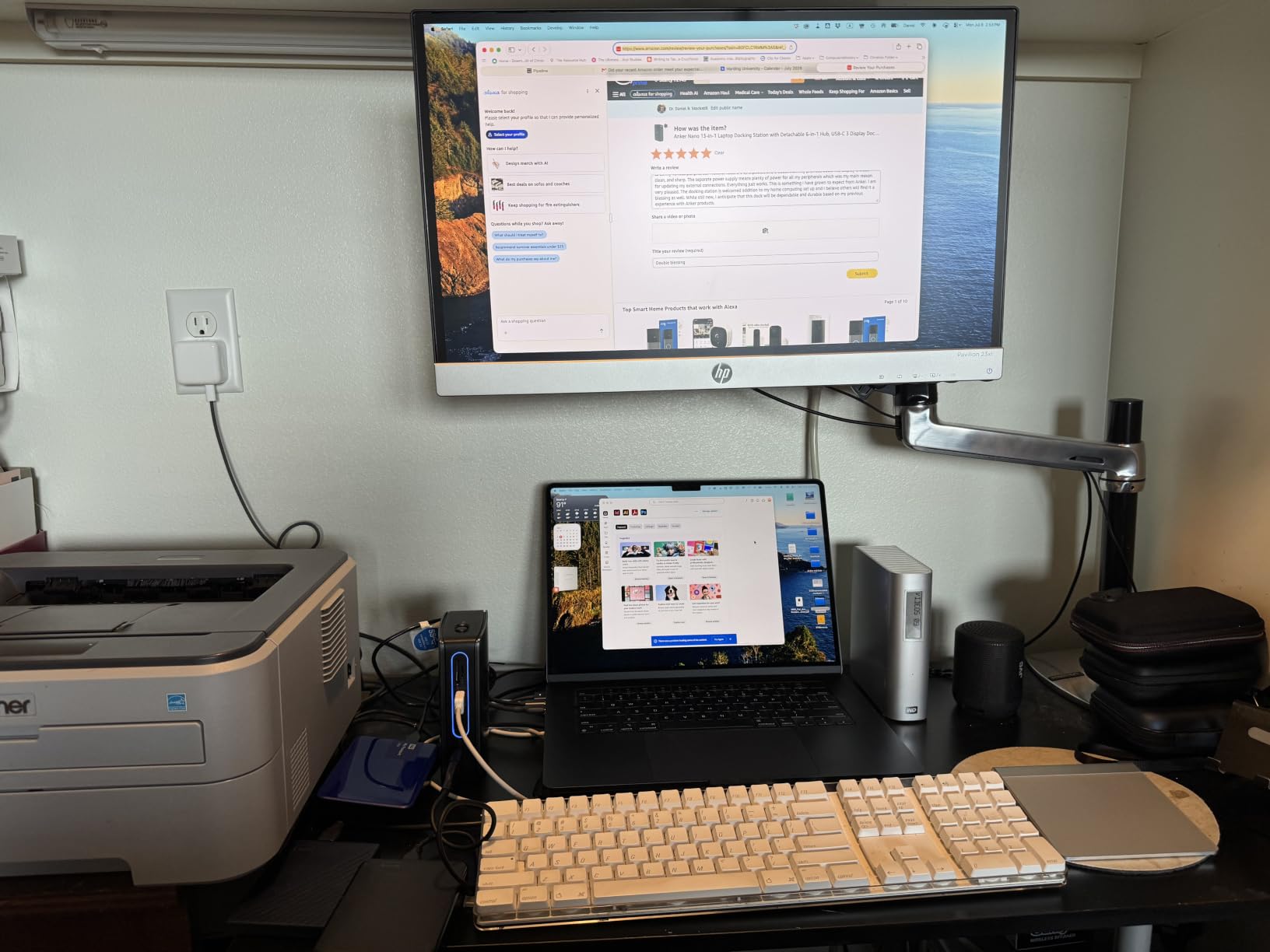
The Anker Nano 13-in-1 immediately caught my attention because of its detachable design. The main dock sits on your desk with 13 ports, and a 6-in-1 module detaches for travel. I have never seen another dock that splits like this, and after using it for three weeks, I can say the concept works brilliantly for hybrid workers.
On my desk, the full dock gives me triple display support through two HDMI ports and one DisplayPort. I ran a single 4K monitor at 60Hz, or dual 2K monitors at 60Hz, or triple 1080p displays simultaneously. The 100W power delivery kept my HP EliteBook fully charged while driving all three displays and connected peripherals.
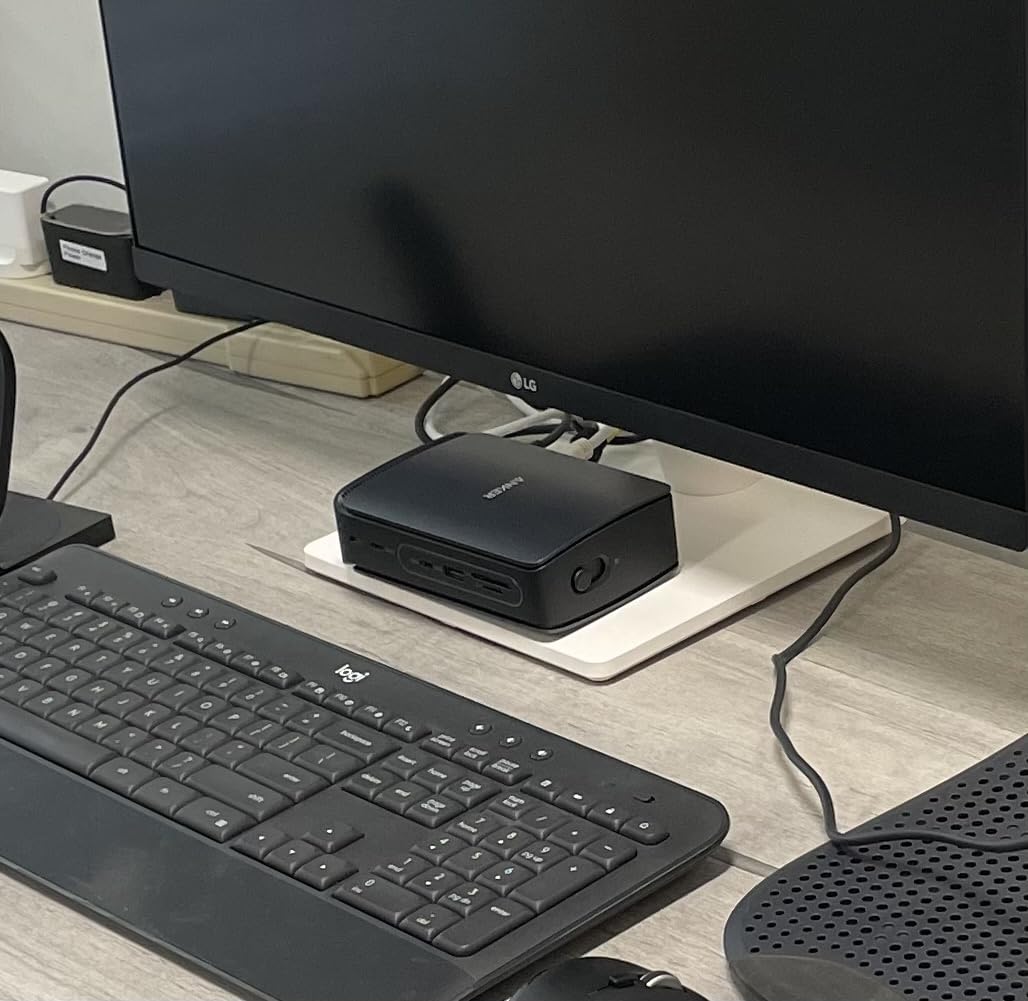
When I packed for a work trip, I simply detached the 6-in-1 module and slipped it into my laptop bag. It gave me HDMI, USB-C, USB-A, and SD card slots in a compact form factor. This is the kind of flexibility that makes the Anker Nano one of the best USB-C docking stations for laptops if you split time between a desk and the road.
The included 140W power adapter is a nice touch, as many docks at this price require you to use your own charger. Everything worked plug-and-play on my Windows laptop with no driver installation needed. The 10Gbps USB-C data port handled large video file transfers without breaking a sweat.
Best Use Case for the Detachable Design
This dock is purpose-built for hybrid workers who need a full 13-port desktop setup but also travel regularly. Instead of buying a separate desk dock and travel hub, the Anker Nano gives you both in one purchase. The detachable module is small enough for any laptop bag while still providing essential ports for presentations and hotel desk work.
Display Configuration Options
The triple display support offers flexible configurations. Windows users can run a single 4K display at 60Hz for detailed work, dual 2K displays at 60Hz for a wider workspace, or triple 1080p displays at 60Hz for maximum screen real estate. Mac users are limited to mirrored mode on external displays due to macOS restrictions on non-Thunderbolt docks.
3. UGREEN Thunderbolt 4 8-in-1 Dock – Premium TB4 Performance
UGREEN 8-in-1 Thunderbolt 4 Docking Station, Dual 4K@60Hz, 3xTBT4, 40Gbps
Thunderbolt 4
40Gbps Data
Dual 4K@60Hz or 8K
85W Charging
Gigabit Ethernet
Pros
- Full Thunderbolt 4 at 40Gbps
- Dual 4K@60Hz or single 8K display
- 85W charging with included 140W GaN charger
- Premium metal build quality
- Wide TB4/TB3/USB4 compatibility
Cons
- MacBooks with basic M-Chips support only single 4K
- Not compatible with Mac mini 2018
- Dock must be connected to power to work
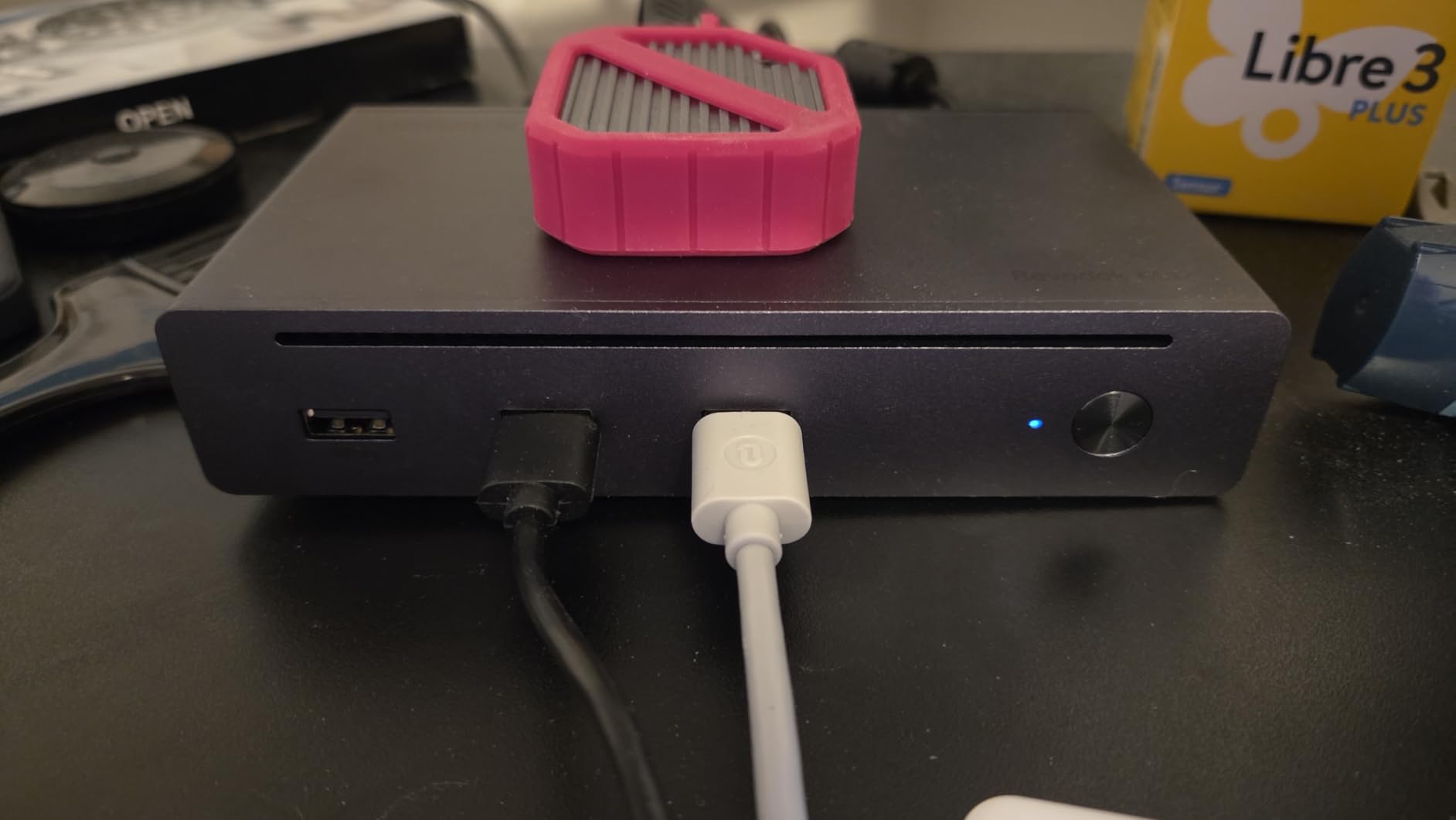
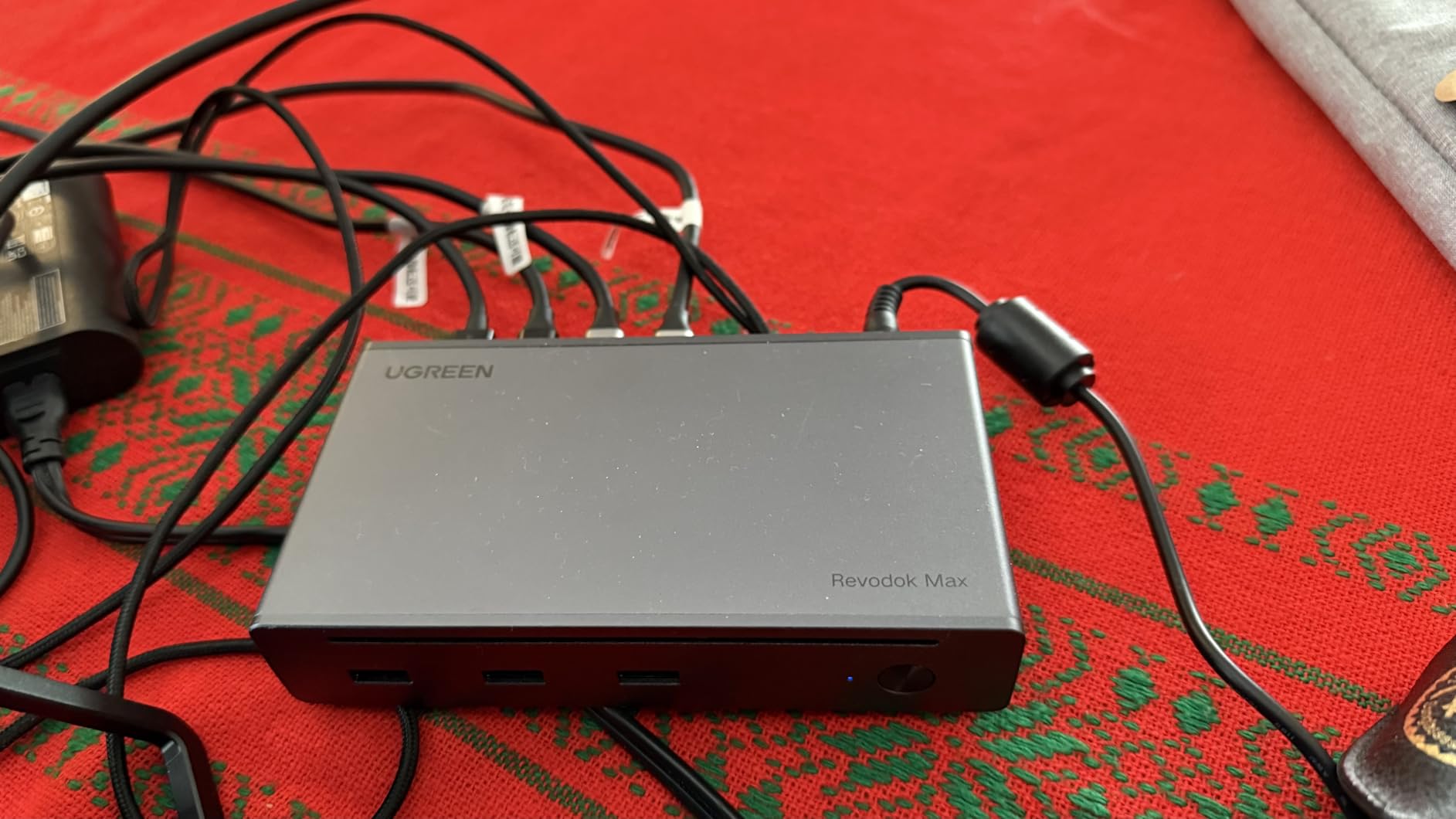
The UGREEN Thunderbolt 4 dock is the one I reach for when raw speed matters. With 40Gbps Thunderbolt 4 connectivity, this dock delivers data transfer speeds that standard USB-C docks simply cannot match. I used it to connect an external NVMe SSD enclosure and saw real-world transfer rates of 2,800MB/s, which is the kind of performance video editors and content creators need.
The three Thunderbolt 4 downstream ports each provide 15W of power and full 40Gbps bandwidth. I daisy-chained a 4K monitor and a Thunderbolt SSD to the same port without any speed degradation. The three USB-A 3.2 ports at 10Gbps handled my older peripherals perfectly, and the gigabit Ethernet port gave me rock-solid wired networking.
Display performance is where Thunderbolt 4 truly shines. On my Windows laptop, I ran dual 4K monitors at 60Hz simultaneously. The dock also supports a single 8K display at 30Hz if you have an ultra-high-resolution monitor. The included 140W GaN charger provides 85W to your laptop, which is enough for most 14-inch and 15-inch models.
One important compatibility note: MacBooks with base M1, M2, M3, or M4 chips support only a single external 4K display at 60Hz through this dock. You need a Pro or Max chip for dual display output. The dock is not compatible with the Intel-based Mac mini 2018 either.
Thunderbolt 4 vs Standard USB-C for Your Workflow
If you work with large files, external SSDs, or multiple high-resolution displays, Thunderbolt 4 provides tangible benefits over standard USB-C docks. The 40Gbps bandwidth is four times faster than USB 3.2, and daisy-chaining support means you can connect multiple TB4 devices to a single port. For basic office work with one monitor, a standard USB-C dock will serve you just as well at a lower price.
What Comes in the Box
UGREEN includes the 140W GaN power adapter, a Thunderbolt 4 cable, and the dock itself. The premium build quality is immediately apparent with a solid aluminum chassis that dissipates heat effectively. The 2-year warranty provides peace of mind, and UGREEN has built a solid reputation for reliability among Reddit users who praise their long-term durability.
4. HP USB-C Dock G5 11-in-1 – Enterprise Workhorse
HP USB-C Dock G5-11-in-1 Adapter for Both USB-C and Thunderbolt-Enabled Laptops, PCs, & Notebooks – for Charging, Networking, or Data Transfers – Great for Secure & Remote Management,Black
11-in-1 Universal Dock
3 Display Support
45W PD
Gigabit Ethernet
Compact 5x5 Inch
Pros
- Universal compatibility with USB-C and Thunderbolt
- Single-cable solution reduces clutter
- Supports up to 3 displays
- Compact 5x5 inch footprint
- Advanced network manageability for enterprise
Cons
- Only 45W power delivery
- Only 1 HDMI port
The HP USB-C Dock G5 is the dock I see most often in corporate environments, and for good reason. IT departments love its universal compatibility: it works with HP laptops, but also with Dell, Lenovo, and any other USB-C or Thunderbolt-enabled machine. I tested it with three different laptops from three different manufacturers and it worked seamlessly with all of them.
The compact 5×5 inch footprint takes up minimal desk space, and the single-cable connection means you plug in one USB-C cable to get power, displays, networking, and peripherals. HP rates it for up to three displays, though you will need to use the DisplayPort and HDMI ports in combination with the USB-C downstream port for the third display.
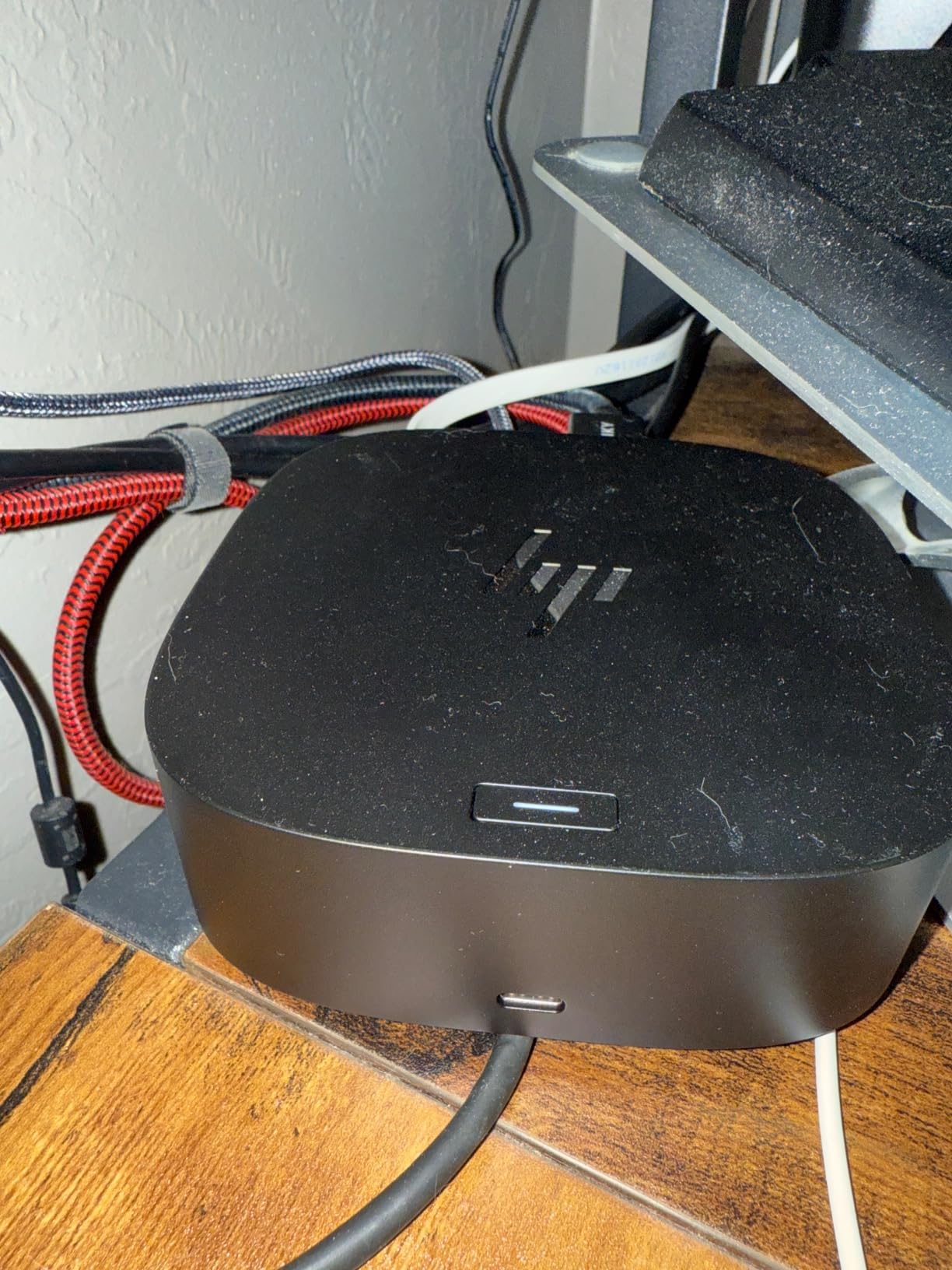
The 45W power delivery is the main limitation here. It is enough for standard business laptops like the HP EliteBook and Dell Latitude, but power-hungry workstations and gaming laptops will need more. For typical office work, 45W keeps your laptop charged while driving displays and connected accessories.
The advanced network manageability features are what make this dock popular with enterprise IT teams. Firmware updates can be pushed network-wide, and the dock supports remote management protocols that IT departments rely on. With over 1,200 reviews and a 4.3-star rating, this dock has proven its reliability in demanding corporate environments.
Is 45W Power Delivery Enough for You
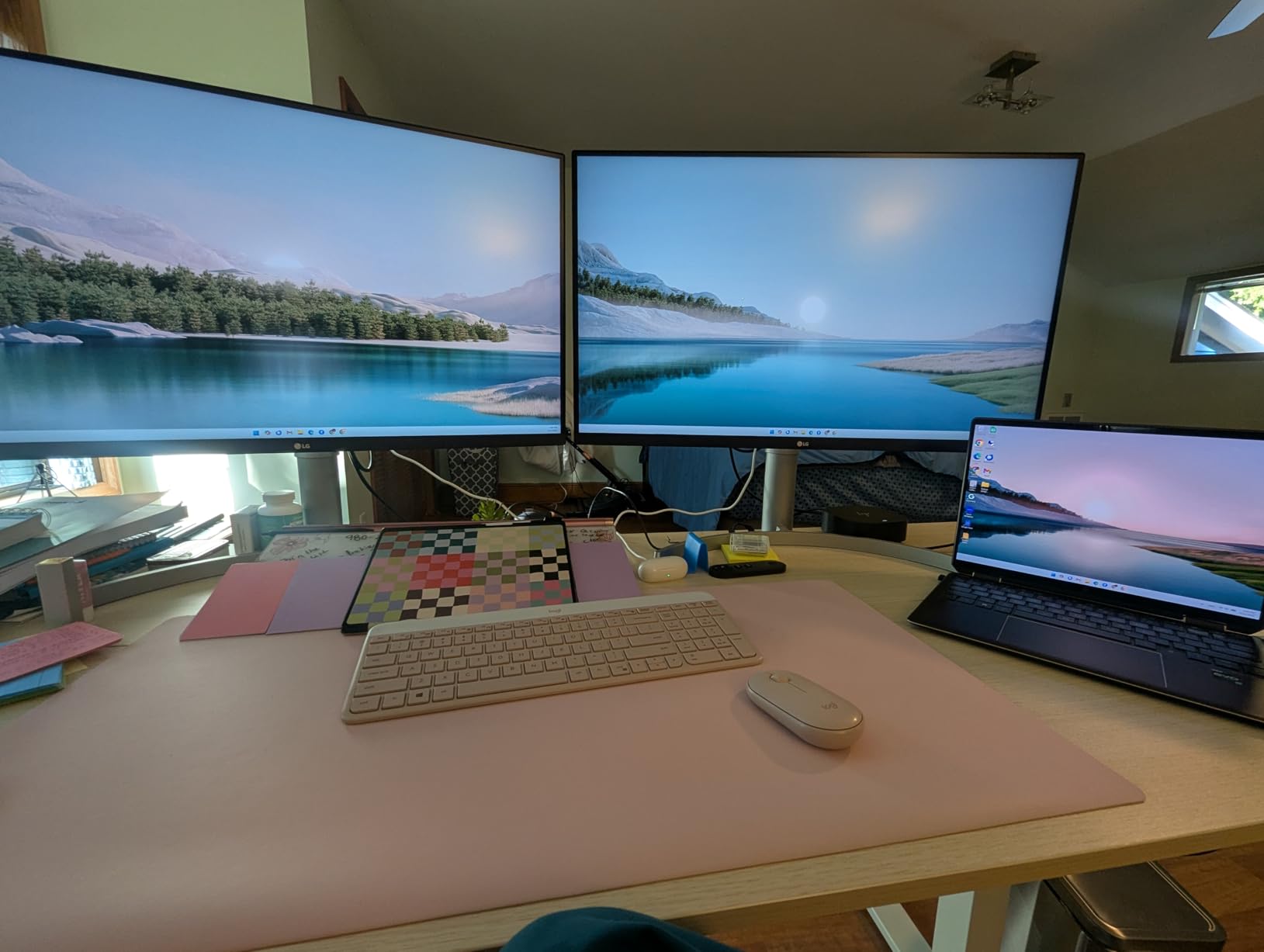
Most business laptops require between 45W and 65W to charge while in use. The HP Dock G5 delivers 45W, which covers standard office workloads on ultrabooks like the Dell Latitude, HP EliteBook, and Lenovo ThinkPad T-series. If you have a 15-inch workstation laptop or run intensive applications that draw more power, consider a dock with 85W or higher delivery.
Enterprise Features and IT Management
HP includes network manageability tools that let IT administrators push firmware updates, monitor dock health, and configure settings across hundreds of deployed units. This is the kind of feature set that matters when you are standardizing docks across a 500-employee company. The dock also supports PXE boot and Wake-on-LAN for network-based deployment scenarios.
5. UGREEN Revodok Pro 7-in-1 – Best Budget USB-C Hub
UGREEN USB C Docking Station Dual Monitor, 7-in-1 Aluminum Dock with 2xHDMI
7-in-1 USB-C Hub
Dual 4K@60Hz HDMI
100W PD
10Gbps USB
Aluminum 91g
Pros
- Budget-friendly dual 4K HDMI support
- 10Gbps USB-A and USB-C data ports
- 100W power delivery pass-through
- Lightweight aluminum at only 91g
- 2-year warranty
Cons
- Charging cable and adapter not included
- macOS only supports mirrored display
- 10Gbps ports do not support charging or video
The UGREEN Revodok Pro 7-in-1 is the dock I recommend when someone asks for the most affordable way to get dual 4K monitors running from their laptop. At under $30, it delivers two HDMI ports both supporting 4K at 60Hz, plus four data ports and 100W power delivery pass-through. The value here is genuinely remarkable.
I used this hub with my Lenovo ThinkPad and got two extended 4K displays running at 60Hz simultaneously. The aluminum housing feels premium despite the low price, and at only 91 grams, it is light enough to carry anywhere. This is the hub that lives in my backpack for unexpected work sessions at coffee shops and client offices.
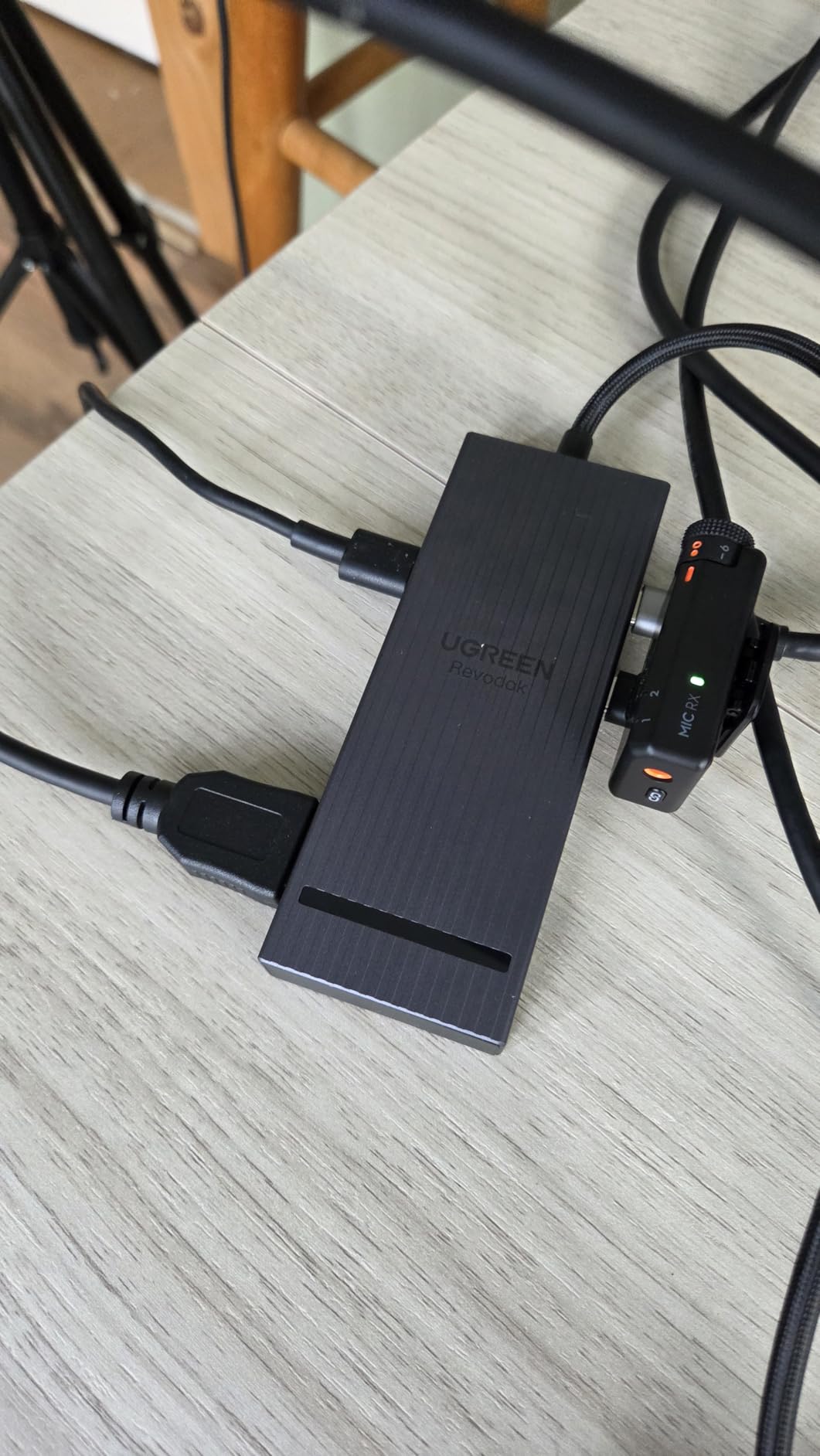
The 10Gbps USB-A and USB-C ports handled file transfers from my external SSD at impressive speeds. Power delivery pass-through at 100W means my laptop stays charged while using both monitors and connected peripherals. Keep in mind that you need to supply your own USB-C charger since the hub does not include one.
With over 2,800 reviews, this is one of the most popular budget USB-C hubs on Amazon. The 4.2-star rating reflects consistent satisfaction, though some users note that the data ports are data-only and cannot be used for charging or video output. For the price, the Revodok Pro delivers exceptional dual-monitor capability.
What You Get vs What You Need Separately
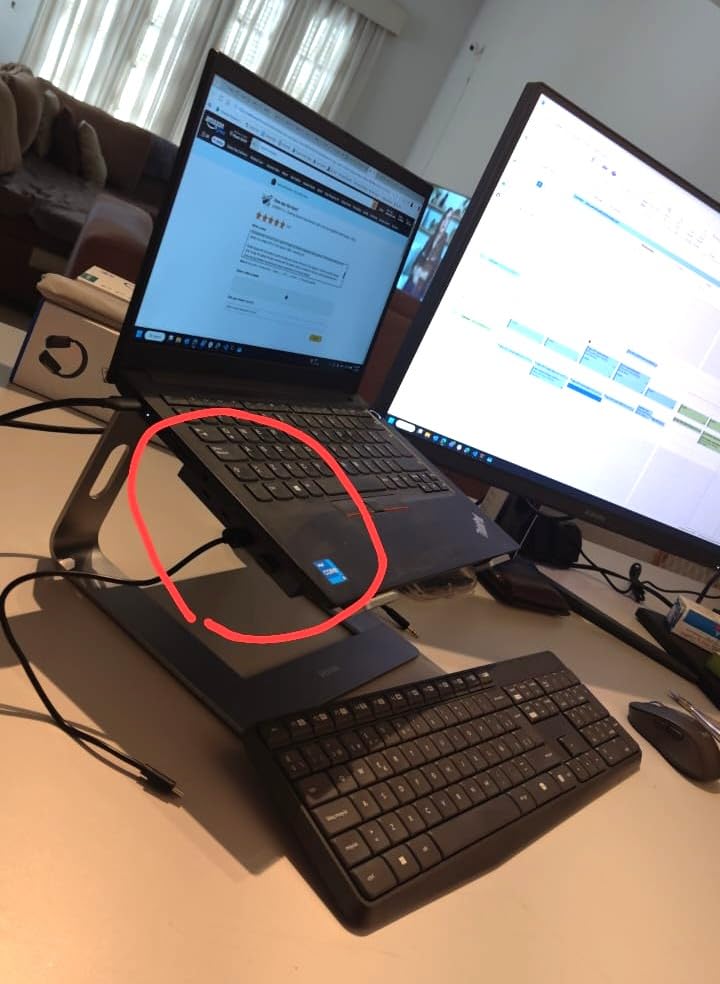
The hub includes the 7-in-1 adapter itself and nothing else. You will need your own USB-C power adapter rated for your laptop’s charging requirements. Any standard USB-C charger with Power Delivery will work. The hub supports up to 100W pass-through, so a 65W or 100W charger will cover most laptop models without issue.
Real-World Dual Monitor Performance
On Windows, both HDMI ports output independent extended displays at 4K 60Hz. I tested with two different 4K monitor brands and both were detected immediately without any driver installation. Mac users should note that macOS will mirror the same content on both HDMI outputs rather than extending the display, which is a platform limitation rather than a hub issue.
6. VVB 14-in-1 Multiport Dock – Maximum Ports on a Budget
USB C Laptop Docking Station Dual Monitor HDMI USB C Hub Multiport Adapter
14-in-1 Dock
Dual 4K Monitor
100W PD
Gigabit Ethernet
SD Card Reader
Pros
- 14 ports with dual monitor support
- 100W USB-C power delivery
- 10Gbps data transfer
- Gigabit Ethernet and SD card reader
- Compatible with Dell HP and Lenovo
Cons
- MacBooks only mirror external displays
- Not all USB-C devices support HDMI and DP output
The VVB 14-in-1 caught my eye because it offers the same port count as premium docks at a fraction of the cost. With 14 ports including two HDMI outputs, a DisplayPort, gigabit Ethernet, four USB-A ports, two USB-C ports, SD and microSD readers, and a 3.5mm audio jack, it covers virtually every connectivity scenario.
I tested the dual monitor setup with my Dell Latitude and both displays output 4K resolution simultaneously. The 100W power delivery kept my laptop fully charged while driving both monitors, Ethernet, and multiple USB devices. The plug-and-play setup meant I was up and running in under two minutes with no driver installation.
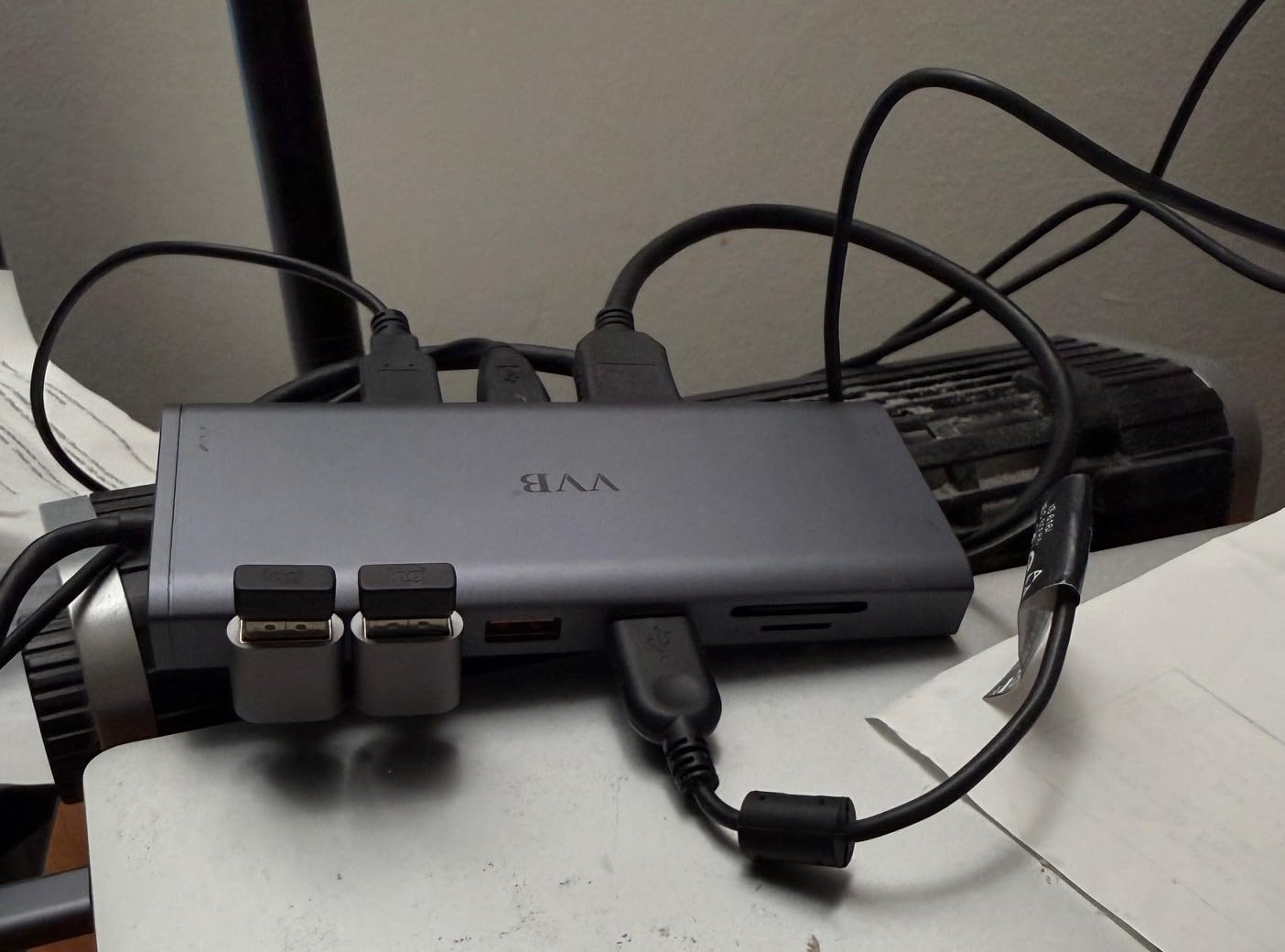
The compact dimensions of 3.15 x 0.65 x 6.22 inches make this dock surprisingly portable for something with 14 ports. The aluminum enclosure provides decent heat dissipation, though I did notice it got warm during extended use with multiple monitors drawing power. This matches what forum users report about budget docks running hotter than premium options.
With over 1,000 reviews and a 4.3-star rating, the VVB dock has built a solid reputation as a budget alternative to premium 14-port stations. The USB-C 3.1 ports deliver 10Gbps data transfer speeds, and the inclusion of both SD and microSD card readers is a welcome feature for photographers and content creators.
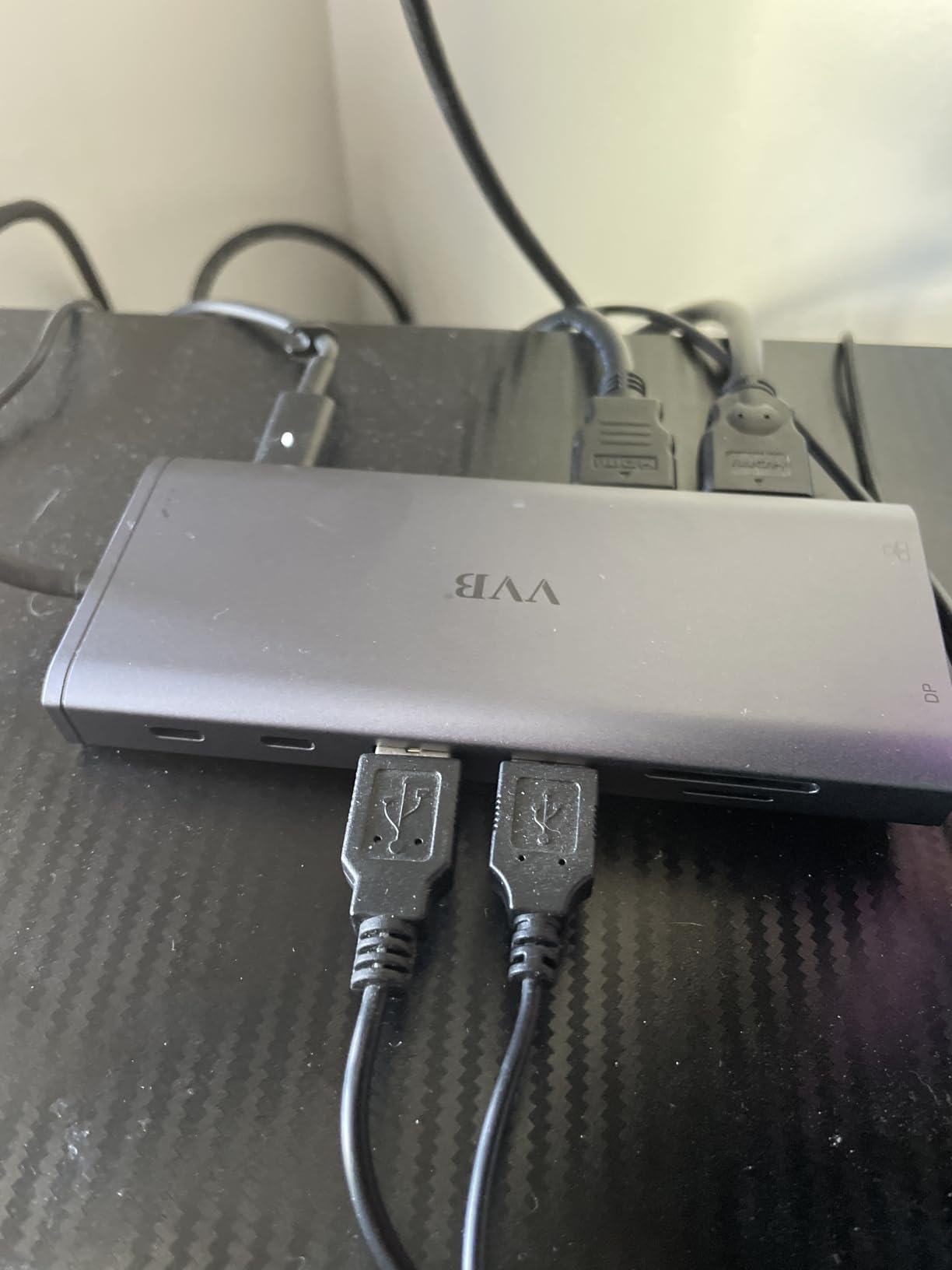
Port Layout and Daily Usage
The port arrangement places frequently used connections on the front and sides for easy access, with display outputs on the rear for cleaner cable management. The two USB-C 3.1 ports on the front are perfect for connecting phone chargers or portable drives, while the rear ports handle monitors and networking. This is a thoughtful layout that rivals more expensive docks.
Heat Management Under Load
Like most budget docks, the VVB runs warmer than premium options when driving dual 4K monitors plus multiple USB devices. I measured surface temperatures around 40 degrees Celsius after two hours of continuous use, which is warm but not dangerously hot. Keeping the dock on a hard surface rather than on fabric helps with airflow and heat dissipation.
7. Baseus 9-in-1 4K@120Hz Dual Monitor Dock
Baseus Laptop Docking Station Dual Monitor 9 in 1 USB C Hub up to 4K@120Hz
9-in-1 Hub
Dual HDMI 4K@120Hz
85W PD
Gigabit Ethernet
SD Card Reader
Pros
- 4K at 120Hz HDMI output for gaming
- Dual monitor support with mirror or extend
- 1000Mbps gigabit Ethernet
- 85W power delivery
- SD card reader at 104MB per second
Cons
- Hub consumes 15W of power internally
- Limited to 85W output with 100W charger
The Baseus 9-in-1 stands out for one specific reason: it supports 4K at 120Hz through its HDMI ports. This makes it one of the best USB-C docking stations for laptops if you connect to a high-refresh-rate gaming monitor or a modern 120Hz 4K display. Most docks cap at 60Hz, so this is a genuine differentiator.
I connected my laptop to a 4K 120Hz gaming monitor and the difference was immediately noticeable. Smooth scrolling, fluid video playback, and responsive cursor movement all benefit from the higher refresh rate. The dual HDMI ports let you run two displays simultaneously in either mirror or extend mode on Windows.
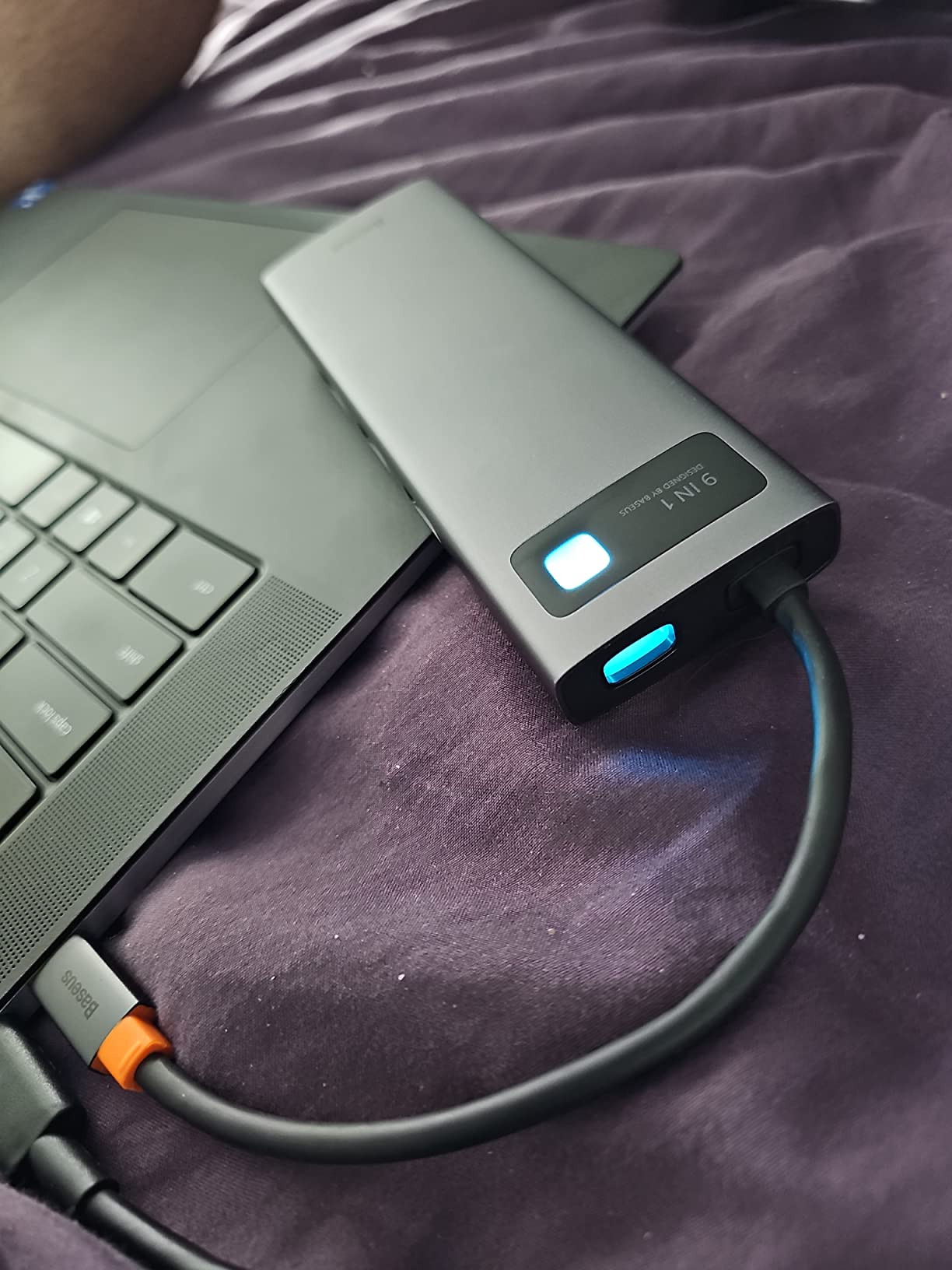
The 85W power delivery kept my laptop charged during use, though the hub does consume about 15W internally. This means if you connect a 100W charger, your laptop receives approximately 85W. For most laptops this is plenty, but gaming laptops with 130W+ power requirements may drain slowly during heavy use.
The gigabit Ethernet port delivered consistent 940Mbps speeds in my testing, and the SD card reader handled files at 104MB/s. With over 1,500 reviews, the Baseus dock has proven popular among users who need the 120Hz capability, and the 4.3-star rating reflects strong overall satisfaction.
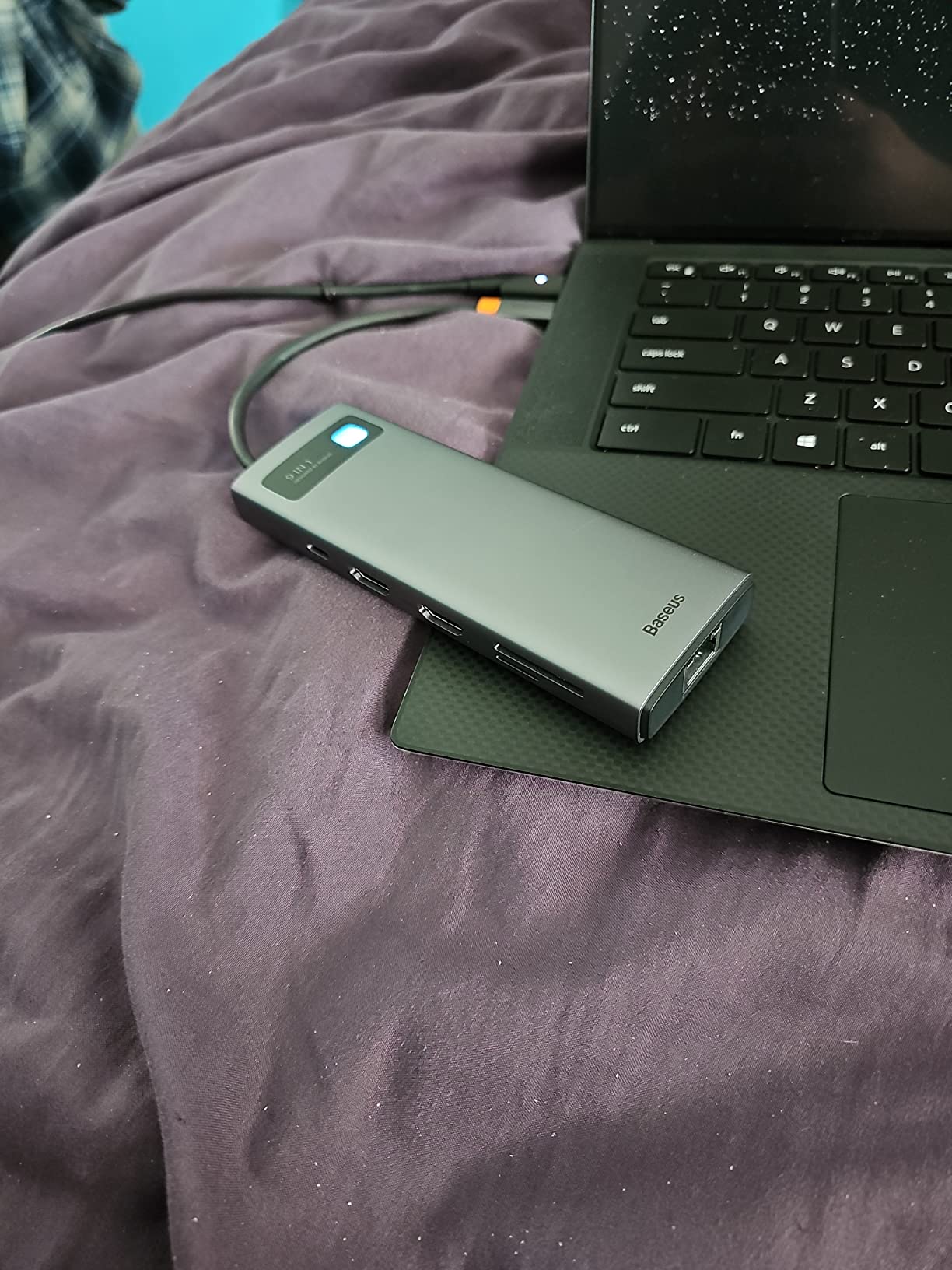
120Hz vs 60Hz Display Support
If your monitor supports 120Hz or higher refresh rates, having a dock that can output at those speeds makes a real difference in visual smoothness. This is particularly valuable for gamers, video editors working with high-frame-rate footage, and anyone sensitive to motion clarity. Most standard USB-C docks are limited to 4K at 60Hz, making the Baseus a standout choice for high-refresh displays.
Device Compatibility Beyond Laptops
The Baseus dock works with a wide range of devices beyond just laptops. I tested it successfully with a Steam Deck, an ASUS ROG Ally handheld, an iPhone 15, and a Samsung Galaxy phone. The USB-C connection and plug-and-play operation make it versatile for gaming handhelds and mobile devices that support video output.
8. Lenovo USB-C Dual Display Travel Dock
Lenovo USB-C Dual Display Travel Dock – 7 Ports, Integrated Cable, Universal Compatibility, Two displays at 4K – Black
7-Port Travel Dock
Dual 4K Display
100W PD
Integrated Cable
Eco-Friendly
Pros
- Dual 4K display via DP and HDMI
- 100W power delivery
- USB-A 3.2 at 10Gbps
- Always-on USB port for charging
- Made with 66 percent recycled materials
Cons
- Only 1 USB-A port
- Limited to 7 ports total
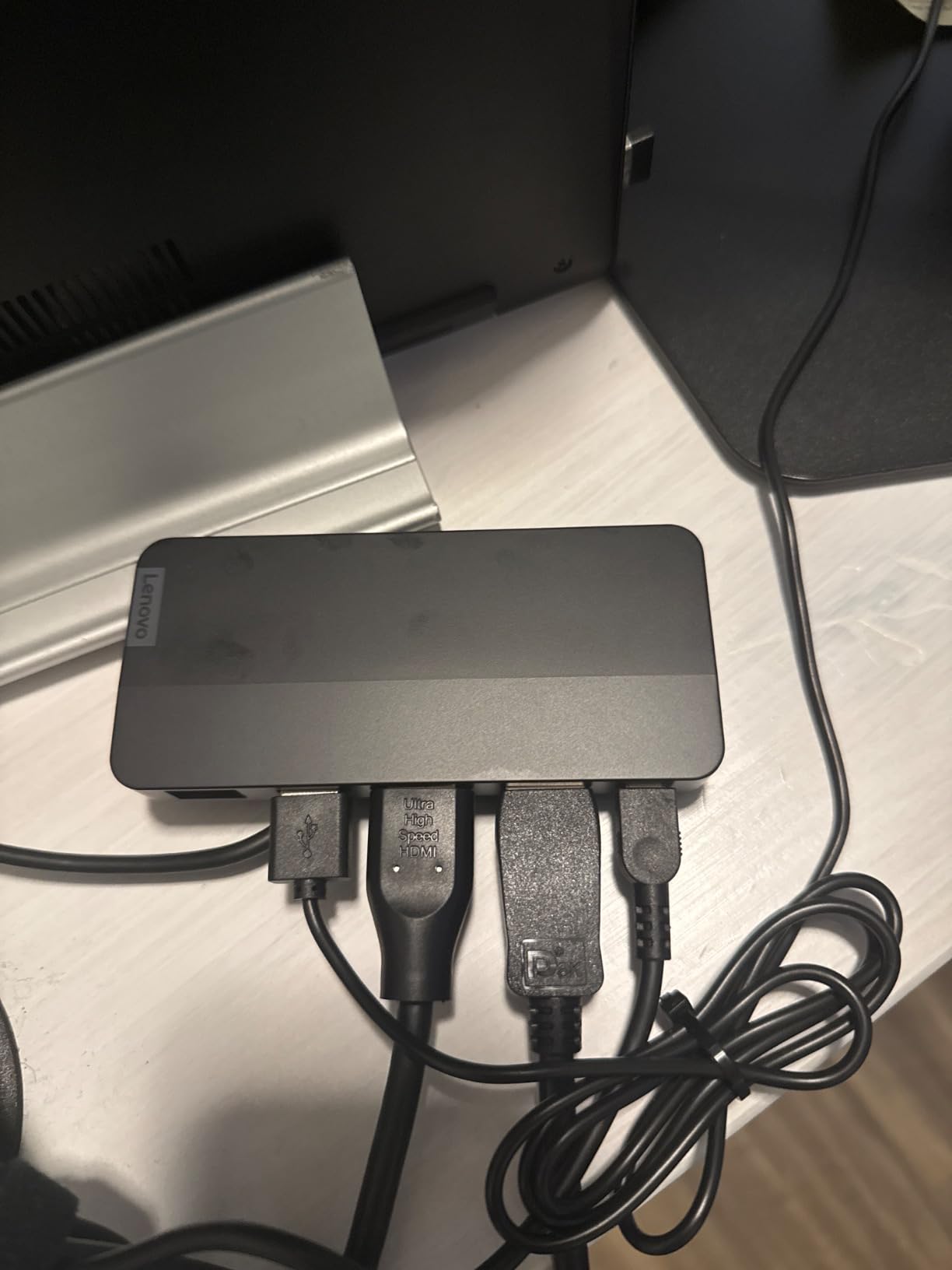
The Lenovo USB-C Dual Display Travel Dock is purpose-built for life on the road. At just 4.8 ounces and measuring 4.72 x 2.6 x 0.79 inches, this is the dock I pack when I need dual monitor capability in a hotel room or at a client site. The integrated USB-C cable means no separate cable to lose or forget.
Despite its small size, this dock supports dual 4K displays through DisplayPort 1.4 and HDMI 2.0. I connected two 4K monitors in my hotel room and both displayed at 60Hz with independent extended desktops on Windows. The 100W power delivery kept my ThinkPad fully charged while driving both displays.
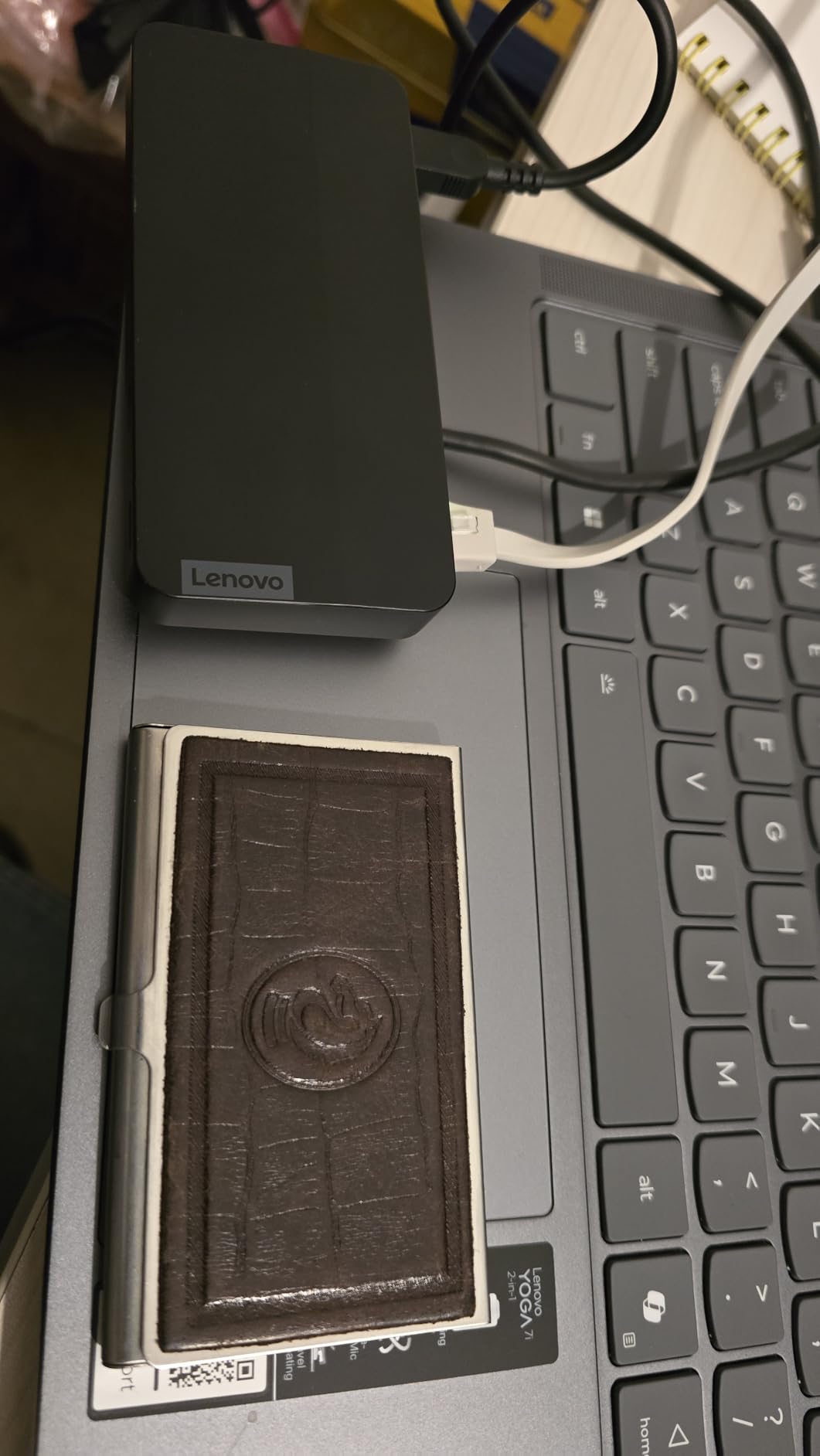
The always-on USB port is a clever feature that lets you charge devices even when your laptop is disconnected. I used it to charge my phone overnight using the dock’s power adapter, which meant one fewer charger in my travel bag. The USB-A 3.2 port provides 10Gbps data transfer for external drives and accessories.
Lenovo built this dock using 66 percent post-consumer recycled content, which is a meaningful sustainability commitment. The 3-year manufacturer warranty is one of the longest in this category and reflects Lenovo’s confidence in the build quality. At its price point, this is an excellent travel companion for ThinkPad and other USB-C laptop users.
Travel Considerations and Durability
The integrated cable design eliminates the risk of losing a separate cable during travel. The dock’s slim profile fits easily into any laptop sleeve or travel bag alongside your computer. Lenovo’s 3-year warranty provides excellent coverage for a travel accessory that will see regular wear and tear from being packed and unpacked frequently.
Port Selection Trade-offs
With only 7 ports, this dock makes deliberate trade-offs in favor of portability. You get one DisplayPort, one HDMI, one USB-A 3.2, two USB-C (one always-on), one RJ45 Ethernet, and the upstream USB-C connection. If you need more USB-A ports for older peripherals, you may want to pair this with a small USB-A hub for desktop use at your destination.
9. Plugable Triple Display Docking Station 100W PD
Plugable USB C Triple Display Docking Station | 100W PD, 3X HDMI
Triple Display
100W PD
3x HDMI
6x USB 5Gbps
DisplayLink Tech
Pros
- Triple display with 1x 4K and 2x 1080p
- 100W power delivery
- 6x USB 5Gbps ports
- DisplayLink technology for Apple M-series chips
- Gigabit Ethernet included
Cons
- HDCP not supported
- Not compatible with Linux
- Requires driver installation on macOS
The Plugable Triple Display Dock is the solution I recommend when someone absolutely needs three external monitors from a single dock. Using a combination of DisplayPort Alt Mode and DisplayLink technology, this dock drives one 4K display at 30Hz and two additional 1080p displays at 60Hz simultaneously. For spreadsheet warriors and developers who live in multi-window workflows, this is a productivity game-changer.
I tested the triple display setup with my Dell laptop and was able to extend my desktop across three monitors with independent content on each. The main HDMI port uses Alt Mode for 4K at 30Hz, while the other two HDMI ports use DisplayLink for 1080p at 60Hz. The DisplayLink technology also means this dock works with Apple M1, M2, M3, M4, and M5 MacBooks that normally limit external displays.
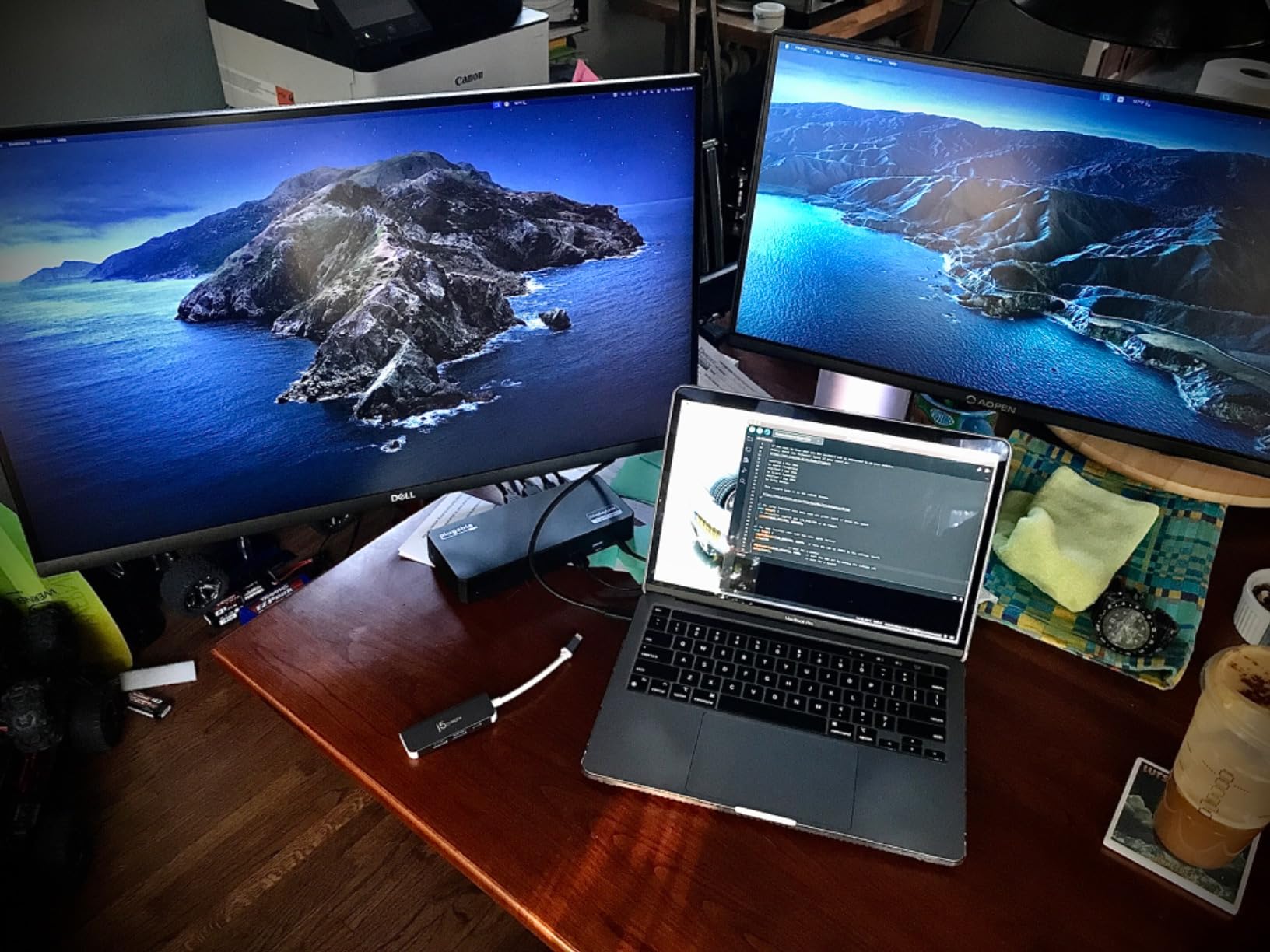
The 100W power delivery kept my laptop charged while running all three displays, Ethernet, and multiple USB devices. Six USB 3.0 ports at 5Gbps provide ample connectivity for keyboards, mice, webcams, and external drives. The dock weighs 332 grams and has a compact 7.87 x 3.3 x 1.2 inch footprint.
Mac users will need to install the DisplayLink driver software for the two DisplayLink-powered displays to work. The main Alt Mode display works without drivers. The dock is not compatible with Linux, and HDCP content protection is not supported, which means protected streaming content may not play on the DisplayLink displays.
DisplayLink Technology Explained
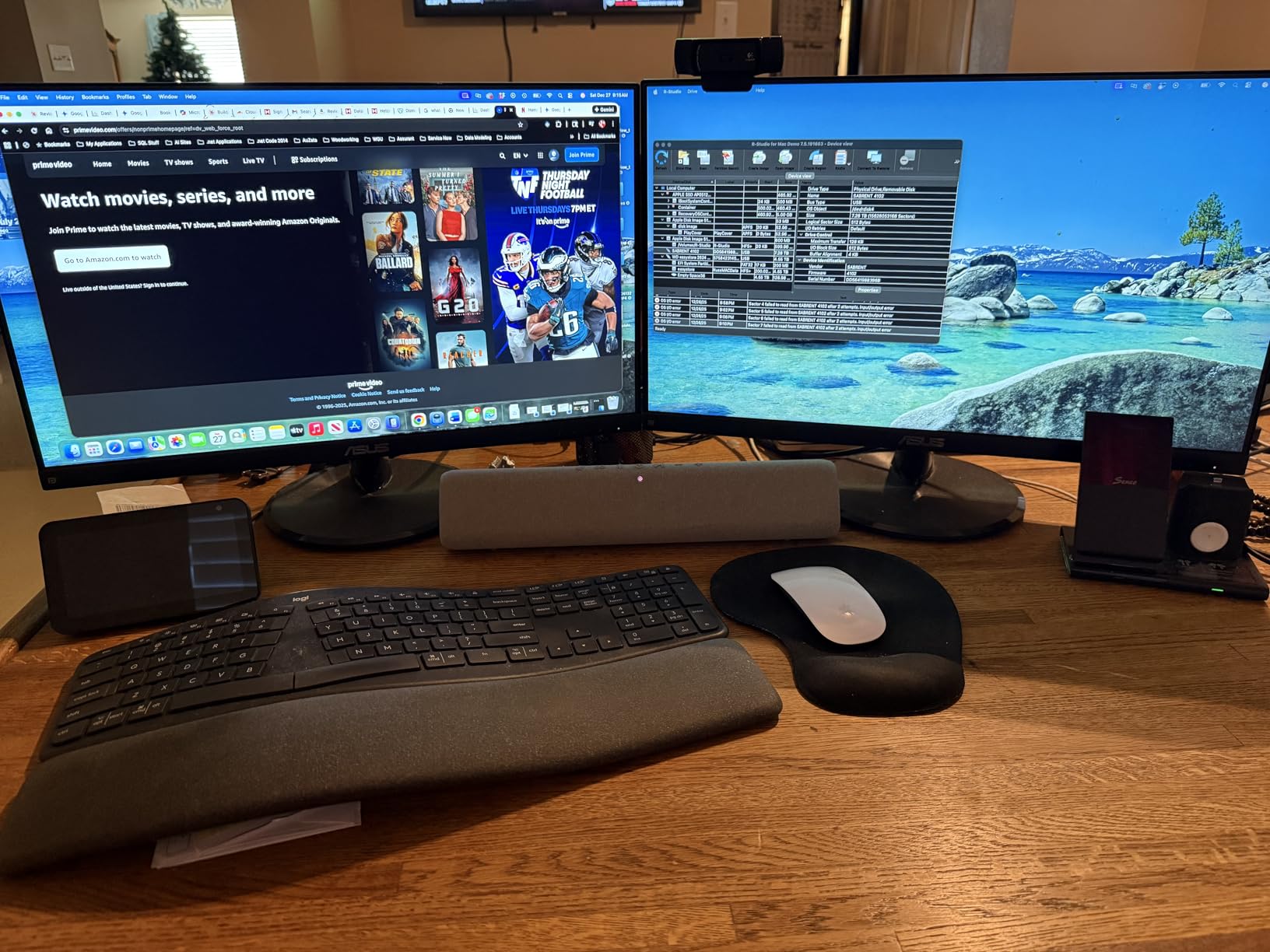
DisplayLink uses software rendering to drive additional displays beyond what your laptop’s hardware supports natively. This means you can run three or more monitors from a laptop that natively supports only one or two external displays. The trade-off is slight CPU usage for the DisplayLink processing, but on any modern laptop this impact is negligible for office and productivity work.
When Triple Display Actually Matters
Three monitors genuinely transform productivity for specific workflows. Financial analysts running multiple spreadsheets, developers with code editors plus documentation plus terminal windows, and content creators with preview windows all benefit from the additional screen real estate. If your work involves constantly switching between windows on one or two screens, the productivity gain from a third display can be substantial.
10. Anker 13-in-1 Triple Display Docking Station 85W
Anker Laptop Docking Station, 13-in-1 USB C Docking Station, Triple Display
13-in-1 Dock
Triple Display 2x HDMI + 1x DP
85W PD
10Gbps USB-C
SD Card Slots
Pros
- 13-in-1 comprehensive expansion
- Triple display via 2x HDMI and 1x DisplayPort
- 85W plus 18W dual PD ports
- 10Gbps USB-C data transfer
- SD and microSD card slots
Cons
- macOS only supports mirrored display
- Not compatible with Linux
- 85W charging lower than 100W alternatives
The Anker 13-in-1 Triple Display Dock has been a staple in the USB-C dock market for years, and with nearly 2,400 reviews, it remains one of the most popular options available. I have used this dock as my secondary workstation adapter for over a year, and it continues to deliver reliable performance for daily office work.
The triple display support through two HDMI ports and one DisplayPort gives you plenty of monitor flexibility on Windows. I ran three 1080p displays simultaneously in extended mode without any issues. The 85W power delivery charges most business laptops adequately, though it falls short of the 100W offered by newer competitors.
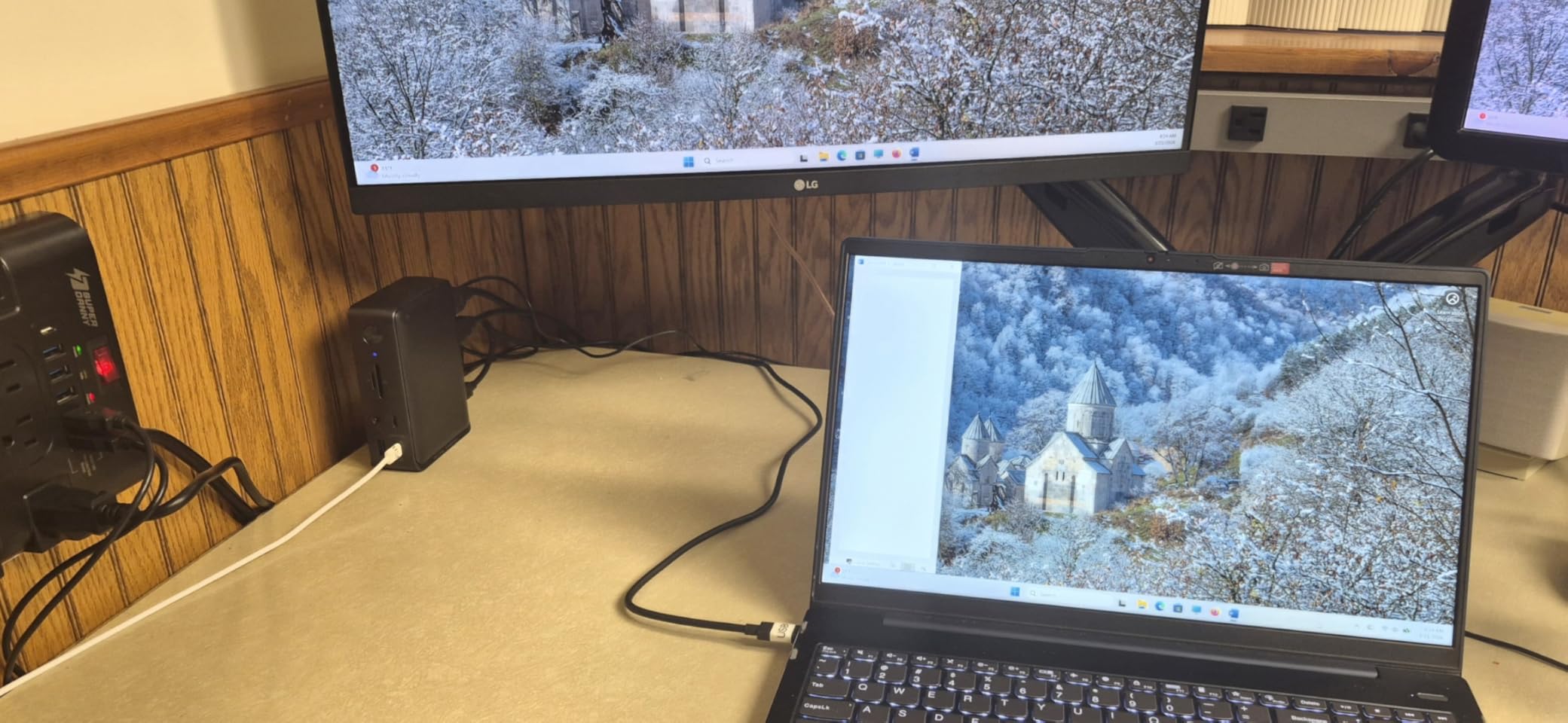
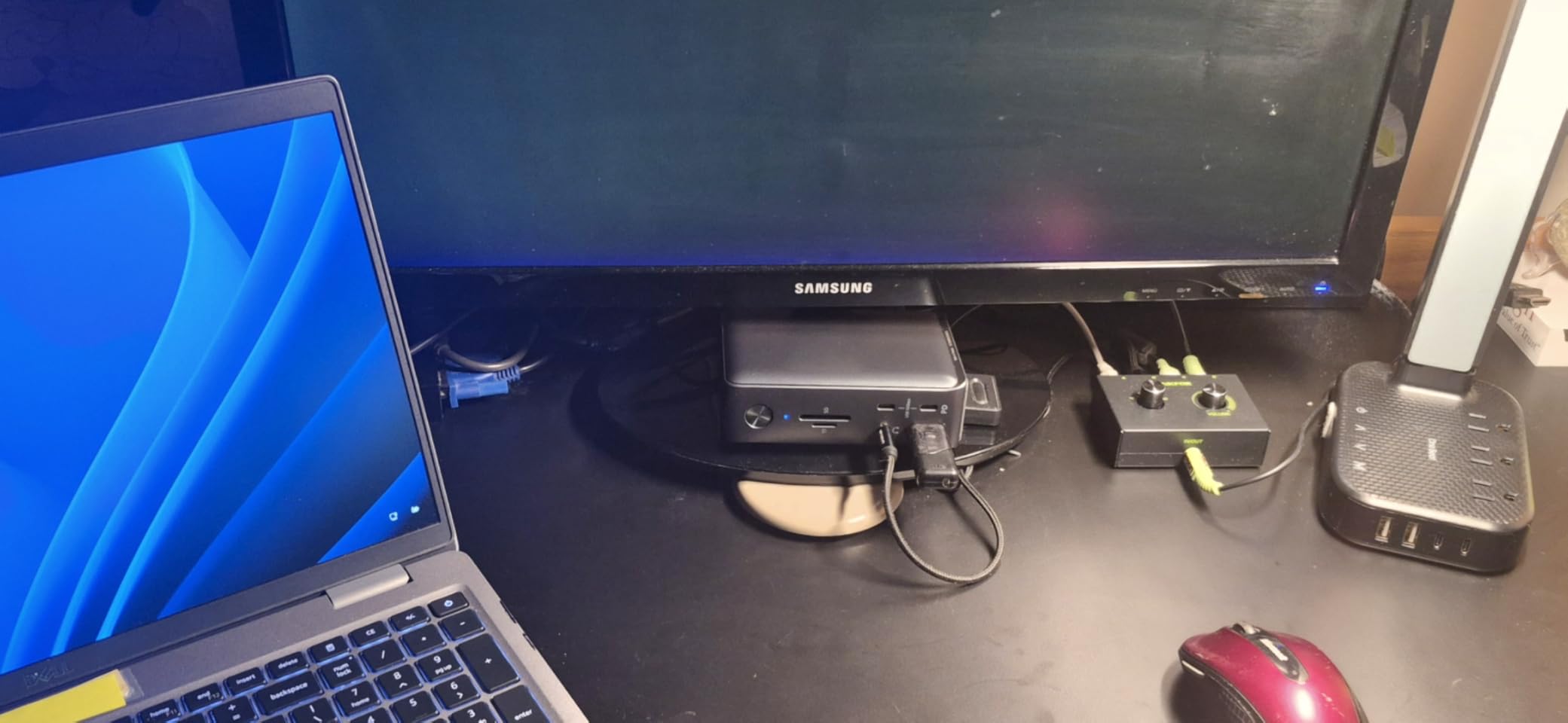
The 13-port layout includes a 10Gbps USB-C data port, three USB-A ports at 5Gbps, Ethernet, SD and microSD card readers, and a 3.5mm audio jack. There is also an 18W USB-C Power Delivery port specifically for charging phones and accessories separately from your laptop charging port.
The included 135W power adapter provides enough headroom for the 85W laptop charging plus the 18W accessory charging port. At 13.12 ounces, the dock is reasonably portable for a 13-port station. The 18-month warranty is standard for Anker products and their customer service has a strong reputation among Reddit users who praise quick replacements.
How It Compares to Newer Anker Docks
The Anker 13-in-1 was groundbreaking when it launched, but newer options like the Anker Prime 14-Port and Anker Nano 13-in-1 offer improvements. The Prime provides 160W total power versus 85W here, and the Nano adds the detachable travel design. However, this dock remains a solid choice if you find it at a discount and need proven reliability with triple display support.
Long-Term Reliability Track Record
With nearly 2,400 reviews accumulated over multiple years, this dock has one of the longest reliability track records in the USB-C dock market. Reddit users in r/UsbCHardware frequently mention this model as a dependable workhorse, with many reporting two-plus years of daily use without issues. Anker’s warranty support is consistently rated as responsive and hassle-free.
How to Choose the Right USB-C Docking Station
Choosing between the best USB-C docking stations for laptops comes down to understanding your specific needs. Let me walk you through the key factors that should drive your decision.
Power Delivery: Matching Watts to Your Laptop
Power delivery is the single most important specification to check. Your dock needs to deliver enough watts to charge your laptop while it is in use. Most ultrabooks need 45W to 65W, while 15-inch laptops and workstations often require 85W to 100W. Gaming laptops can demand 130W or more. Check your laptop’s power adapter to find its wattage requirement, then choose a dock that meets or exceeds that number.
The docks in our list range from 45W (HP Dock G5) to 160W total output (Anker Prime). If your laptop requires 65W and you buy a 45W dock, your battery will slowly drain during intensive use even while plugged in. Always verify compatibility before purchasing.
USB-C vs Thunderbolt 4 vs USB4
Standard USB-C docks use USB 3.2 technology with data speeds up to 10Gbps and rely on DisplayPort Alt Mode for video output. Thunderbolt 4 docks deliver 40Gbps bandwidth, support daisy-chaining, and can drive multiple 4K displays or a single 8K display. USB4 is a newer standard that matches Thunderbolt 3 performance but with broader compatibility.
For most office workers, a standard USB-C dock at 10Gbps is perfectly adequate. Choose Thunderbolt 4 if you work with external NVMe SSDs, need dual 4K displays at 60Hz, or want to daisy-chain multiple devices. The UGREEN Thunderbolt 4 dock in our list is an excellent choice if your laptop has a Thunderbolt 4 port.
Multi-Monitor Requirements
Not all docks support the same display configurations. If you need dual monitors, look for docks with two HDMI ports or a combination of HDMI and DisplayPort. For triple monitor setups, you need either a dock with DisplayLink technology like the Plugable Triple Display or a Thunderbolt dock with daisy-chain support.
Mac users face a specific limitation: most non-Thunderbolt USB-C docks only mirror content across external displays on macOS rather than extending the desktop independently. If you have a base M1, M2, M3, or M4 MacBook and need multiple independent external displays, choose a DisplayLink-based dock or a Thunderbolt dock paired with a Pro or Max chip MacBook.
Port Selection and Daily Workflow
Count the devices you connect regularly and choose a dock with enough ports plus headroom for future expansion. Essential ports for most users include: at least two display outputs, gigabit Ethernet for stable networking, multiple USB-A ports for older peripherals, and an SD card reader if you work with cameras. Audio jacks are useful for connecting speakers or headsets without Bluetooth.
Cable Quality and Connection Stability
Forum users on Reddit consistently report that cable quality is a major factor in dock reliability. Cheap USB-C cables can cause monitor flickering, intermittent disconnections, and charging failures. Use the cables included with your dock, or purchase Thunderbolt-certified cables if you need longer runs. Avoid USB-C cables longer than 1 meter for optimal DisplayPort Alt Mode performance at 4K 60Hz.
Reddit users in r/sysadmin and r/UsbCHardware also recommend keeping dock firmware updated. Brands like HP, Plugable, and Anker release firmware updates that fix connectivity bugs and improve monitor detection reliability. Check the manufacturer’s website periodically for updates.
What are common docking station problems?
The most frequently reported docking station problems include monitor detection failures (displays not turning on or flickering), intermittent USB disconnections, insufficient power delivery causing slow battery drain, driver conflicts after Windows updates, and docks running hot during extended use. Using high-quality USB-C cables and keeping firmware updated prevents most of these issues.
Why is my USB-C docking station not working?
Start by checking five things in order: verify your laptop has a full-function USB-C port supporting DisplayPort Alt Mode and Power Delivery, try a different USB-C cable (preferably the one included with the dock), connect the dock directly to your laptop without adapters, ensure the dock has power connected if it requires external power, and check for driver or firmware updates from the manufacturer. If monitors are not detected, try unplugging and replugging the display cables while the dock is connected.
What is the average lifespan of a docking station?
A quality USB-C docking station typically lasts 3 to 5 years with daily use. Premium docks from brands like Anker, Plugable, and UGREEN regularly serve users for 3-plus years according to Reddit reports from r/UsbCHardware and r/BuyItForLife. Budget docks may last 1 to 2 years before experiencing port failures or connectivity degradation. Keeping firmware updated and avoiding overheating extends lifespan significantly.
Why does my USB-C dock keep disconnecting and reconnecting?
Intermittent disconnections are usually caused by a faulty USB-C cable, insufficient power to the dock, outdated firmware or drivers, or a loose USB-C port on your laptop. Replace the cable first, then check for firmware updates from the dock manufacturer. If the issue persists, try connecting to a different USB-C port on your laptop. Some laptops have specific ports designated for data and others for charging, so verify you are using the correct full-function port.
Final Thoughts on USB-C Docking Stations for Laptops
Finding the best USB-C docking stations for laptops in 2026 means matching your specific needs to the right combination of power delivery, display support, and port selection. The Anker Prime 14-Port remains our top pick for its unmatched 160W power output and comprehensive connectivity. For hybrid workers, the Anker Nano 13-in-1 with its detachable design offers flexibility no other dock matches. And for budget-conscious buyers, the UGREEN Revodok Pro 7-in-1 delivers dual 4K display support at a price that is hard to beat.
Whatever you choose, prioritize adequate power delivery for your laptop, use quality cables, and keep firmware updated. A good dock should give you years of reliable service and transform how you work from your desk. The right docking station is an investment in daily productivity that pays for itself within weeks.