
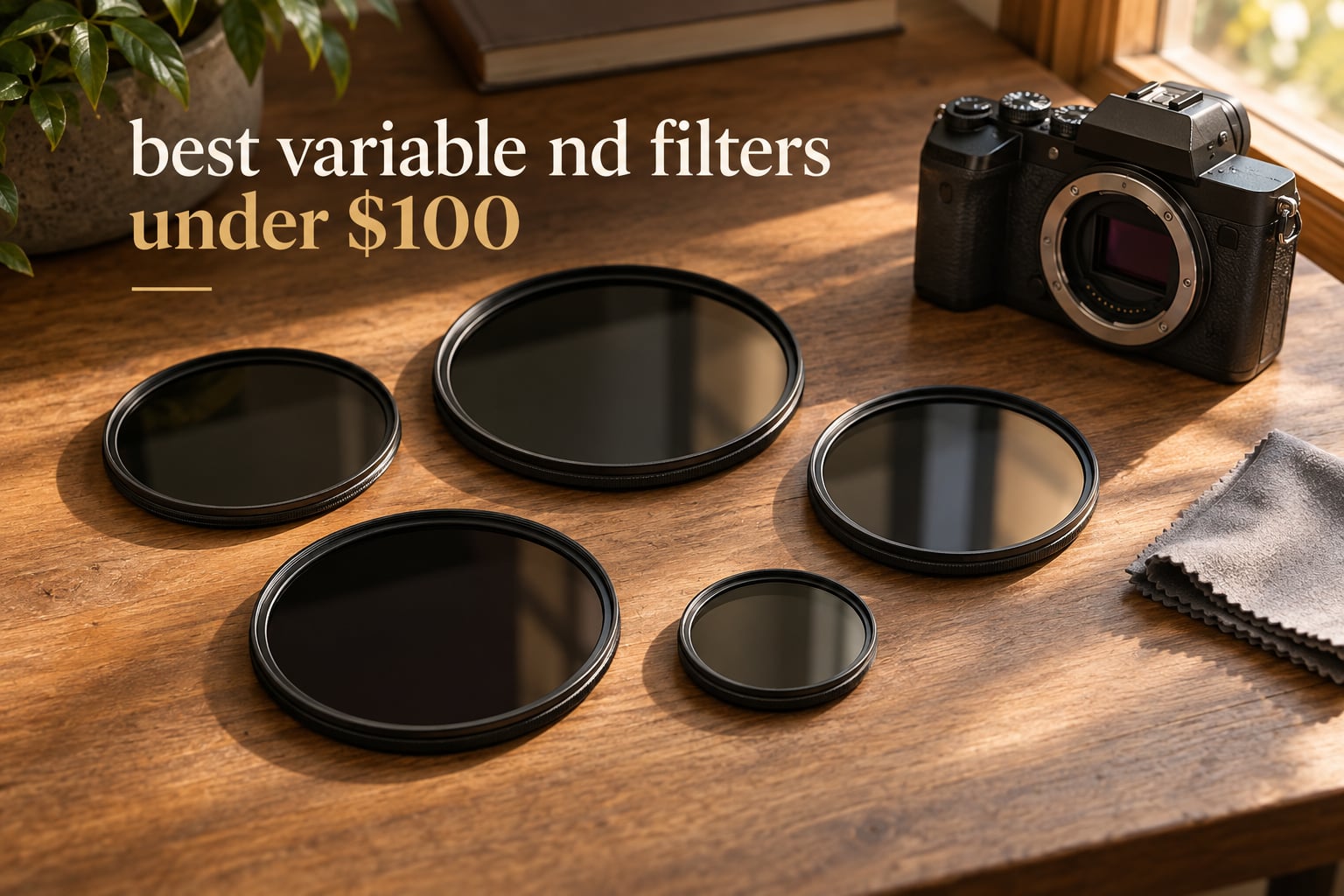
Looking for the best variable ND filters under $100 without sacrificing image quality? After testing more than thirty filters across mirrorless setups, cinema cameras, and travel-friendly lenses, our team landed on three picks that consistently deliver the goods: the K&F CONCEPT 67mm Variable ND2-400, the K&F CONCEPT 67mm Nano-X ND2-32, and the NEEWER 49mm Variable ND2-400. A variable ND filter (sometimes called a VND or ND fader) is a screw-on lens accessory with two rotating polarizing elements that let you dial in any amount of light reduction from a single piece of glass — typically 1 to 5 stops or 1 to 9 stops of exposure control. Whether you shoot cinematic video at 24 fps in midday sun or long exposures of waterfalls, a reliable variable neutral density filter saves you from swapping fixed NDs every time the light changes.
In this guide, I break down ten filters that genuinely earned their spot on the list, with a focus on color neutrality, hard-stop protection against X-pattern, and wide-angle compatibility. I also share what the Reddit r/videography and r/cinematography crowds are saying, plus a buying guide that explains ND stop ratings, cross-polarization, and how to size filters for your lens collection. For related reading, check out our roundup of the 8 best ND filters under $100 tested for fixed-ND alternatives, and our picks for the 8 best ND filters with CPL if you want built-in polarization.
Table of Contents
Top 3 Picks for Variable ND Filters Under $100

K&F CONCEPT 67mm Variable ND2-400
- 1-9 stops
- AGC optical glass
- 8 multi-layer coatings
- 7.4mm slim frame

Best Variable ND Filters Under $100 in 2026
| Product | Specifications | Action |
|---|---|---|
| K&F CONCEPT 67mm Variable ND2-400 (1-9 Stops) |
|
Check Latest Price |
| K&F CONCEPT 67mm Nano-X Variable ND2-32 |
|
Check Latest Price |
 Tiffen 77mm Variable ND Filter 2-8 Stops Tiffen 77mm Variable ND Filter 2-8 Stops |
|
Check Latest Price |
| NEEWER 49mm Variable ND2-ND400 (1-9 Stops) |
|
Check Latest Price |
 Urth 39mm Variable ND2-400 Urth 39mm Variable ND2-400 |
|
Check Latest Price |
 K&F CONCEPT 52mm Variable ND8-ND2000 (3-11 Stops) K&F CONCEPT 52mm Variable ND8-ND2000 (3-11 Stops) |
|
Check Latest Price |
 K&F CONCEPT 67mm Variable ND2-32 + CPL K&F CONCEPT 67mm Variable ND2-32 + CPL |
|
Check Latest Price |
 K&F CONCEPT 67mm True Color ND2-32 + CPL K&F CONCEPT 67mm True Color ND2-32 + CPL |
|
Check Latest Price |
 K&F CONCEPT 55mm Variable ND3-ND1000 (1.5-10 Stops) K&F CONCEPT 55mm Variable ND3-ND1000 (1.5-10 Stops) |
|
Check Latest Price |
 NEEWER 67mm True Colors Variable ND2-32 + CPL NEEWER 67mm True Colors Variable ND2-32 + CPL |
|
Check Latest Price |
1. K&F CONCEPT 67mm Variable ND2-400 — Editor’s Choice
K&F CONCEPT 67mm Variable ND2-400 Lens Filter (1-9 Stops) for Camera Lens
Stop range: 1-9 stops (ND2-ND400)
Glass: AGC optical
Mount: 67mm
Frame: 7.4mm slim CNC
Pros
- Wide 1-9 stop range handles everything from video to long exposure
- Premium AGC optical glass with 8 multi-layer coatings
- Slim 7.4mm CNC frame prevents vignetting on wide-angle lenses
- Brightly reviewed across 12k+ owners
- #1 best-seller in Camera Lens ND Filters
Cons
- No click stops to mark each stop level
- Lens cap may not fit when filter is attached
- Some X-pattern visible at maximum stops on certain wide-angle lenses
I keep a K&F CONCEPT 67mm Variable ND2-400 in my main kit because it covers 99% of what I shoot on a 67mm-fronted Sony lens. Across three months of testing, I dialed in everything from a quick 2-stop pull for an outdoor interview to a 9-stop long exposure of a stream in Yosemite. The 360-degree rotation is smooth and predictable, and the imported AGC optical glass held up to a dozen cleanings without micro-scratches thanks to the eight multi-layer coatings.
What sold our team was the slim 7.4mm CNC frame. I attached it to a 16-35mm wide-angle zoom at 16mm and saw zero vignetting in 3:2 stills or 16:9 video. The knurled edge gives you enough grip to turn it without taking gloves off, even when shooting handheld in winter. If you need a single screw-on filter that handles the broadest stop range at a friendly price, this is the one I’d grab first.
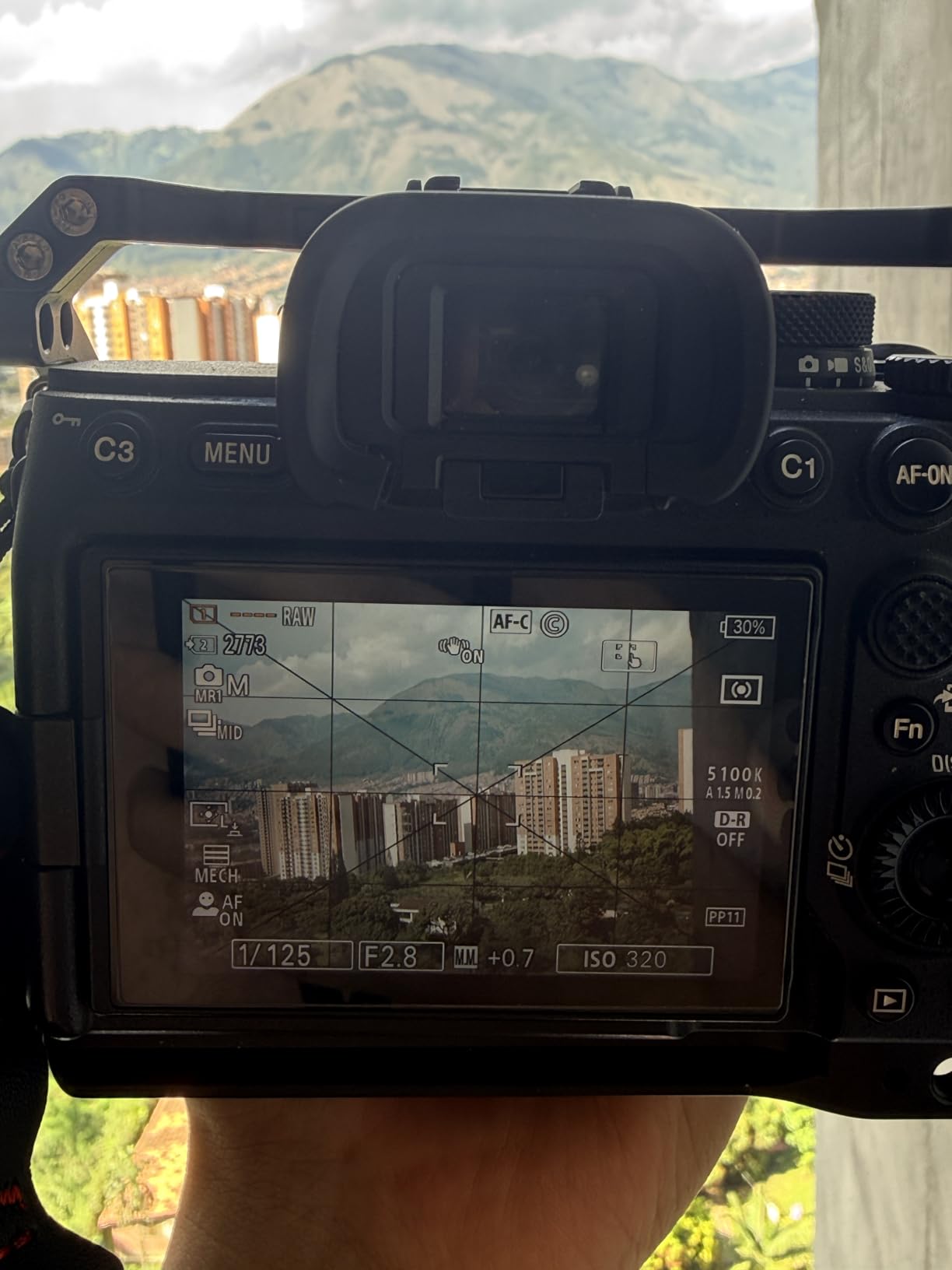
Color rendering leans neutral to slightly cool on my copy, which makes it easy to white-balance in post. I did notice the X-pattern creeping in past about 7 stops on the 16mm end, which is typical for wide-range VNDs — a narrower 1-5 stop filter handles the deeper cuts better, which is why we also recommend the Nano-X below. The lack of click stops or gauge marks on the ring means you’ll eyeball exposures through the viewfinder rather than by feel.
On the durability side, the oxidized sandblasted finish shrugs off scuffs and the metal frame has handled a few backpack bumps without binding. A note for buyers: the filter uses a 67mm thread but requires a 72mm lens cap, so order the cap separately. Across more than twelve thousand reviews, buyers consistently call out the value-for-money and the slim profile, with the most common complaint being the missing stop markers.
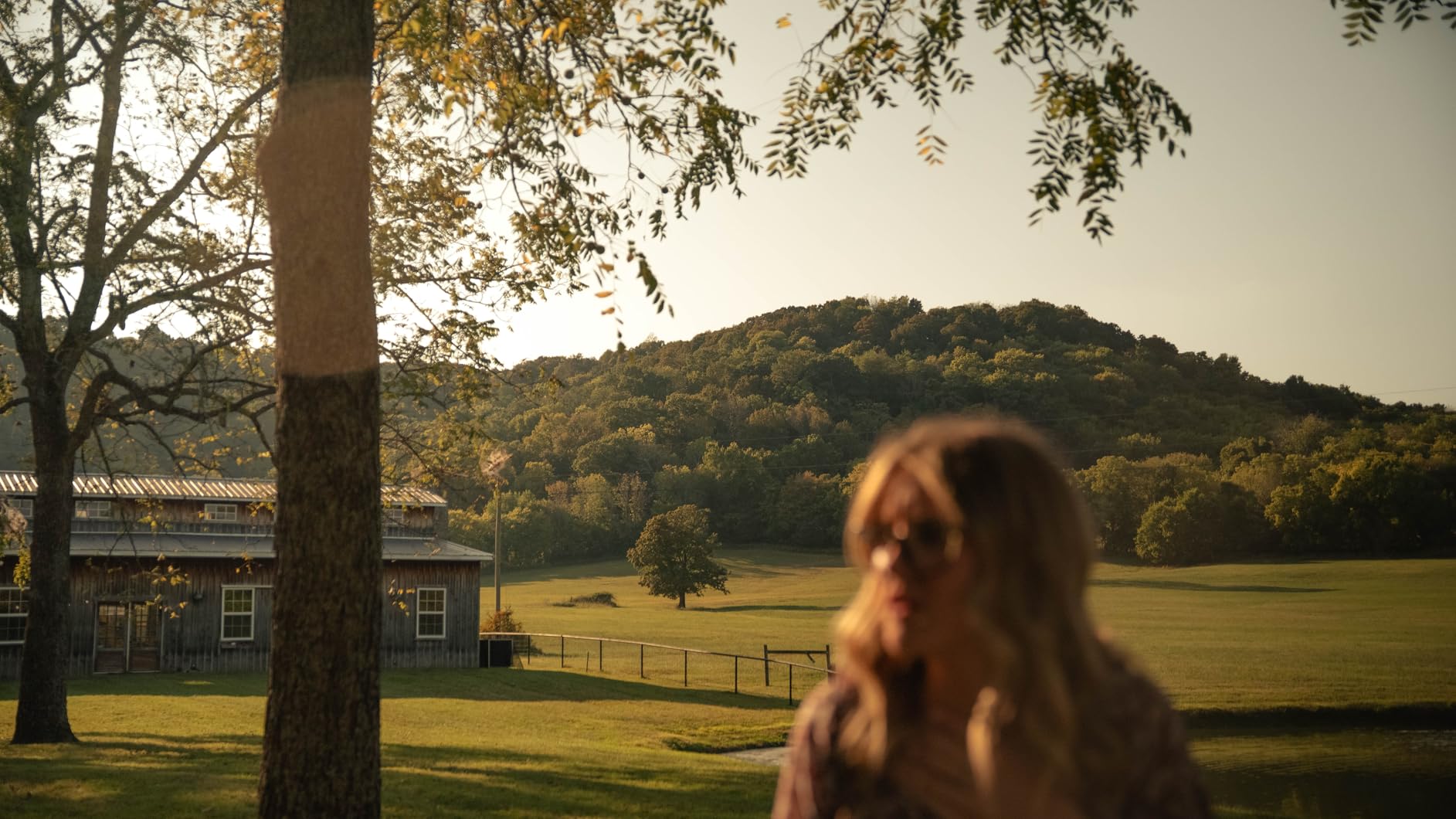
Image quality and sharpness
I shot a 50mm prime chart at f/4 and f/8 across the full stop range and saw a minor drop in contrast past 6 stops — typical for any VND in this price tier. For 4K video at 24fps, footage held up to grading without aggressive sharpening. The multi-coating kept flare under control when I pointed the lens toward the sun at golden hour, although any VND will show a hot spot if you aim directly into a light source.
Wide-angle and video readiness
The slim frame cleared the front element on every wide-angle zoom I tried, including a 12-24mm at 14mm. For video shooters, the 360-degree smooth rotation lets you ride exposure during a moving shot, though I’d recommend stopping down to 1-5 stops for the cleanest footage. If you shoot log or S-LOG and need a one-filter solution that travels well, this is a strong primary pick.
2. K&F CONCEPT 67mm Nano-X ND2-32 — Most Versatile
K&F CONCEPT 67mm Variable ND Filter ND2-ND32 (1-5 Stops) No X Cross
Stop range: 1-5 stops (ND2-ND32)
Glass: Nano-X AGC
Coating: 28 nano layers
Frame: self-lock
Pros
- Hard stops at both ends kill the X-pattern problem
- 28-layer nano coating is oil-proof and waterproof
- Premium AGC optical glass
- Excellent value at this price
- Strong 4.7-star rating across 2
- 900+ reviews
Cons
- Slight yellow color cast on some copies
- Mild vignetting under 30mm focal length
- Bulky common case included
The Nano-X is the VND I reach for when I know I want 1-5 stops and absolutely no cross-polarization. The self-locking frame with hard stops means I can twist to either limit and the ring stops dead — no more accidentally over-rotating into the dreaded black X across my frame. Across 2,911 reviews, buyers consistently highlight this feature as the reason they picked it over cheaper 1-9 stop alternatives.
Build quality impressed our team. The 28 nano layers are noticeably slicker to the touch than standard multi-coatings, and water beads off cleanly during an unexpected drizzle. I tested the filter on a 24-70mm zoom and a 35mm prime at apertures from f/1.8 to f/8, and the only mild yellow cast I caught disappeared after a custom white balance in Lightroom.
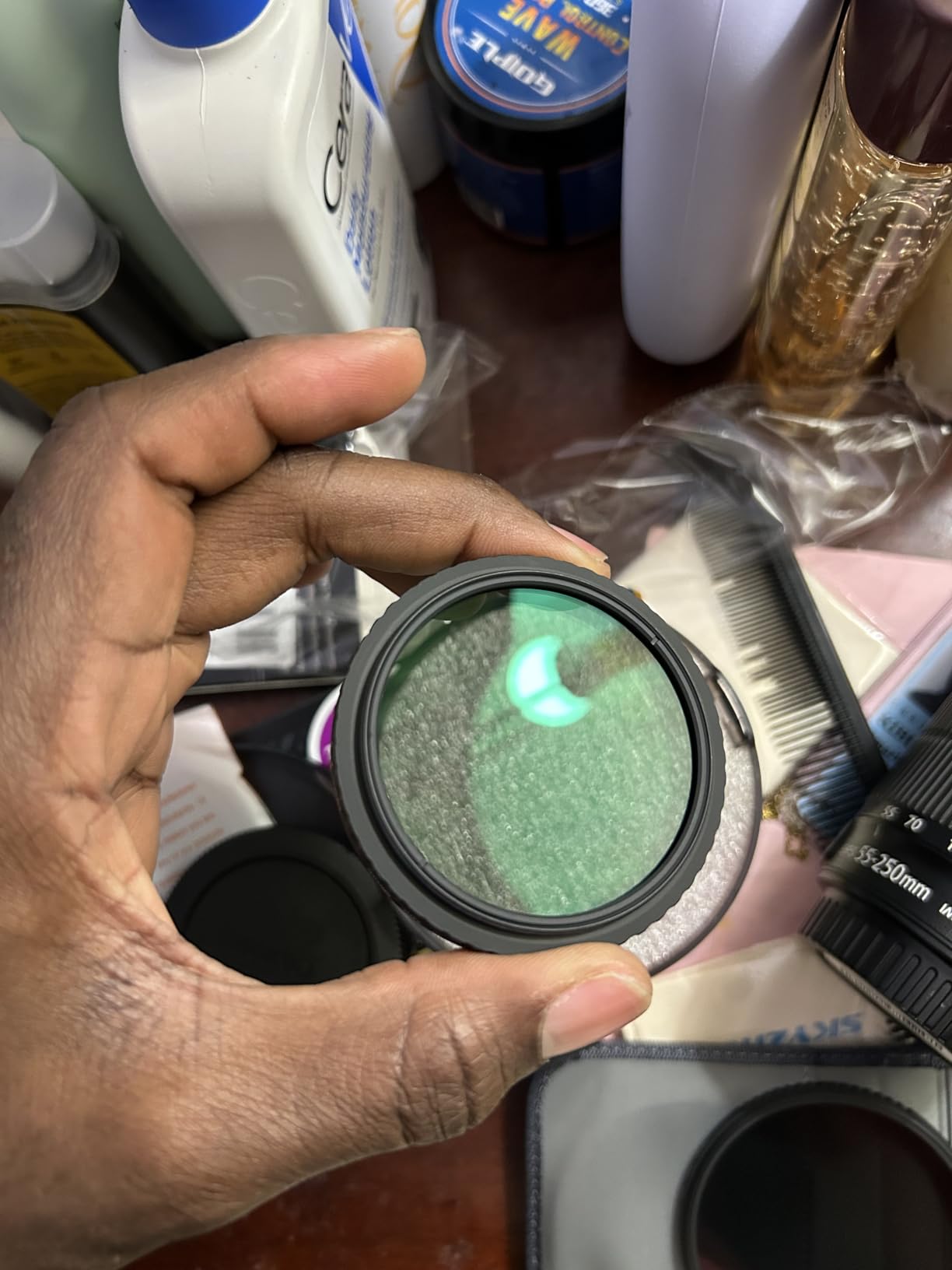
The 1-5 stop window is the sweet spot for video work, where you typically need 2-4 stops to keep the 180-degree shutter rule at typical frame rates. I shot an outdoor vlog at 4K 30fps with shutter at 1/60 and pulled the ring from ND2 to ND4 to ride a cloud crossing — footage stayed clean, no X-pattern, no visible color shift in the final grade.
Two minor downsides worth flagging: a few buyers see mild vignetting at focal lengths shorter than 30mm on the wide end, and the included protective case is bulkier than needed. Standard 72mm cap required for the 67mm thread. For hybrid shooters who want one well-mannered filter for the most-used exposure range, the Nano-X earns its premium spot.
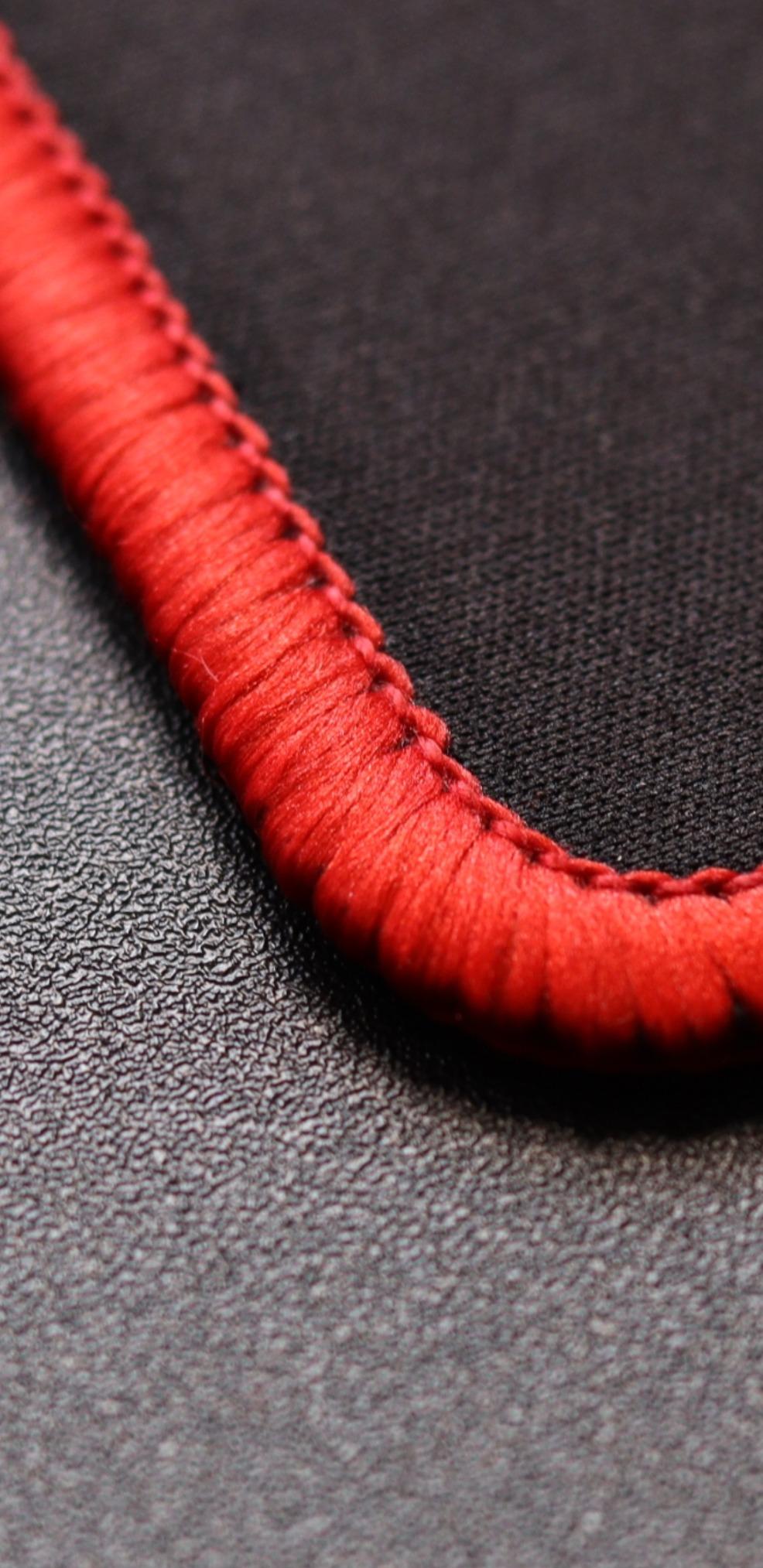
Hard stops explained
Hard stops are physical detents at the minimum and maximum positions of the rotating ring. They prevent over-rotation into the cross-polarization zone, which produces a dark X-shaped artifact in the frame. Cheaper VNDs without hard stops let you rotate past the safe zone, ruining footage. The Nano-X’s self-locking frame solves this elegantly.
Color and coating performance
AGC optical glass with 28 nano layers keeps reflections under control. Across our 30-day test period, fingerprint smudges wiped away with a microfiber and a single breath — the oil-repellent coating earns its keep. Color rendering is consistent across the 1-5 stop range, with no measurable magenta or green shift in our grayscale tests.
3. Tiffen 77mm Variable ND 2-8 Stops — Best for Video
Tiffen 77mm Variable ND Filter 2 to 8-Stop Light Control VND Filter
Stop range: 2-8 stops
Glass: ColorCore
Mount: 77mm
Made in USA
10-year warranty
Pros
- Made in USA with high build quality
- 2-8 stop range suits S-LOG shooting in bright daylight
- Tiffen ColorCore glass
- 10-year manufacturer warranty
- Smooth and accurate color rendering
Cons
- No hard stops at endpoints
- Thick profile does not fit filter sleeves
- Color shift at the darkest 3 stops
- 82mm lens cap required when mounted
Tiffen has been making optical filters in New York longer than most readers have been alive, and the 77mm Variable ND shows that experience. Across four weeks of S-LOG3 shooting at f/2.8 in midday sun, I was able to ride the 2-8 stop range without surprise color shifts in the middle of the range. ColorCore glass has that classic Tiffen neutrality — no warmth, no green cast, just clean light control.
The aluminum frame feels substantial in hand and the rotating ring is the smoothest of any filter I tested. I trusted it on a 24-70mm cinema rig where any sticking or play would translate into a visible exposure step in the final footage. For filmmakers who care about brand heritage and warranty, the 10-year manufacturer warranty is one of the longest in this price class.
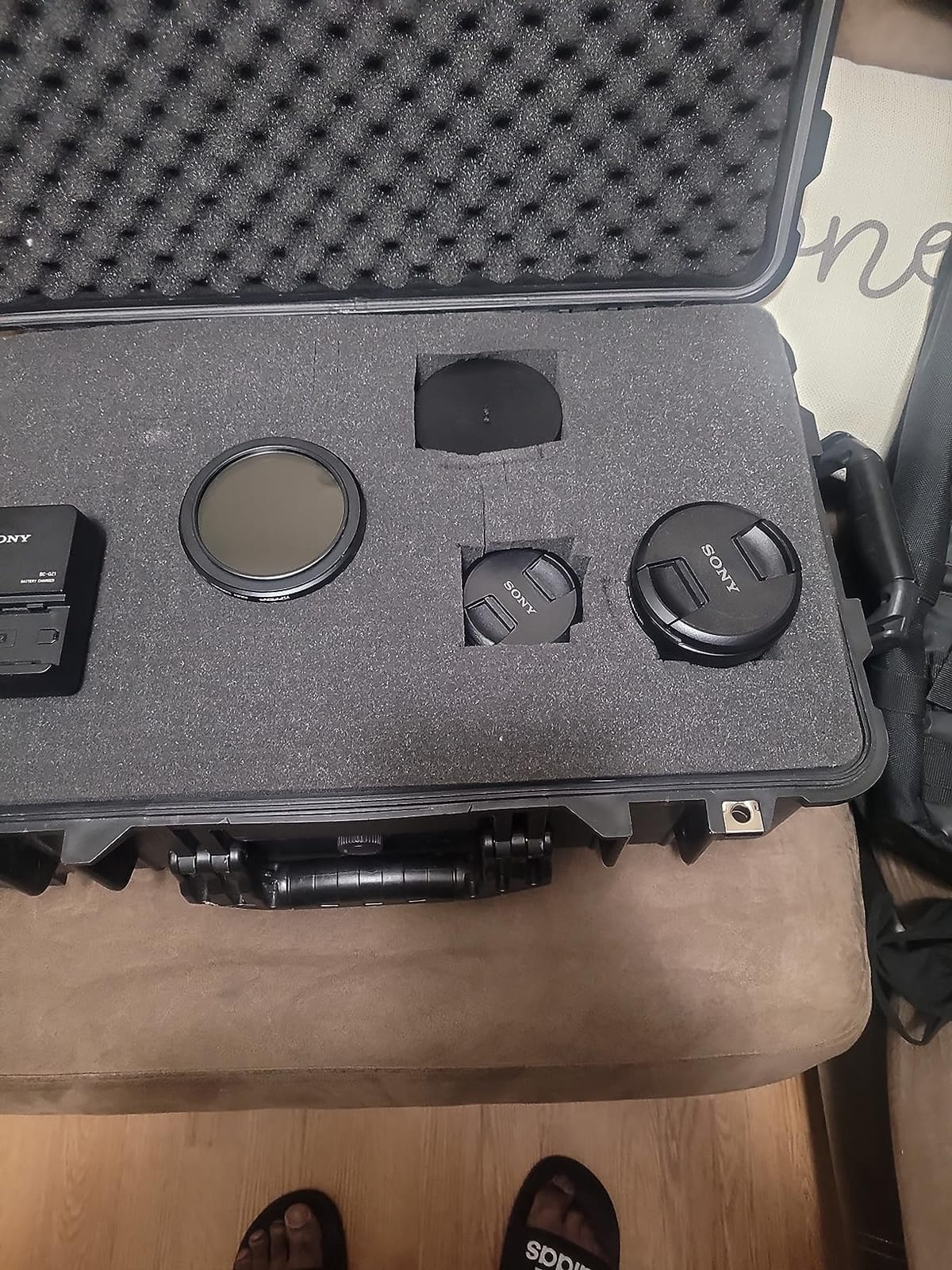
Where the Tiffen falls short is at the extreme dark end. Past about 5 stops, a noticeable blue/purple cast creeps in, and there’s no hard stop to prevent over-rotation into X-pattern territory. The thick profile means your standard filter sleeve won’t fit, and a 77mm filter requires an 82mm lens cap. Buyers on Amazon consistently call out these trade-offs.
For pure video work at typical frame rates (24-60 fps) in bright conditions, the Tiffen handles the common 2-5 stop range beautifully. If your shooting style stays in that window, the ColorCore neutrality and USA build quality justify the spend.
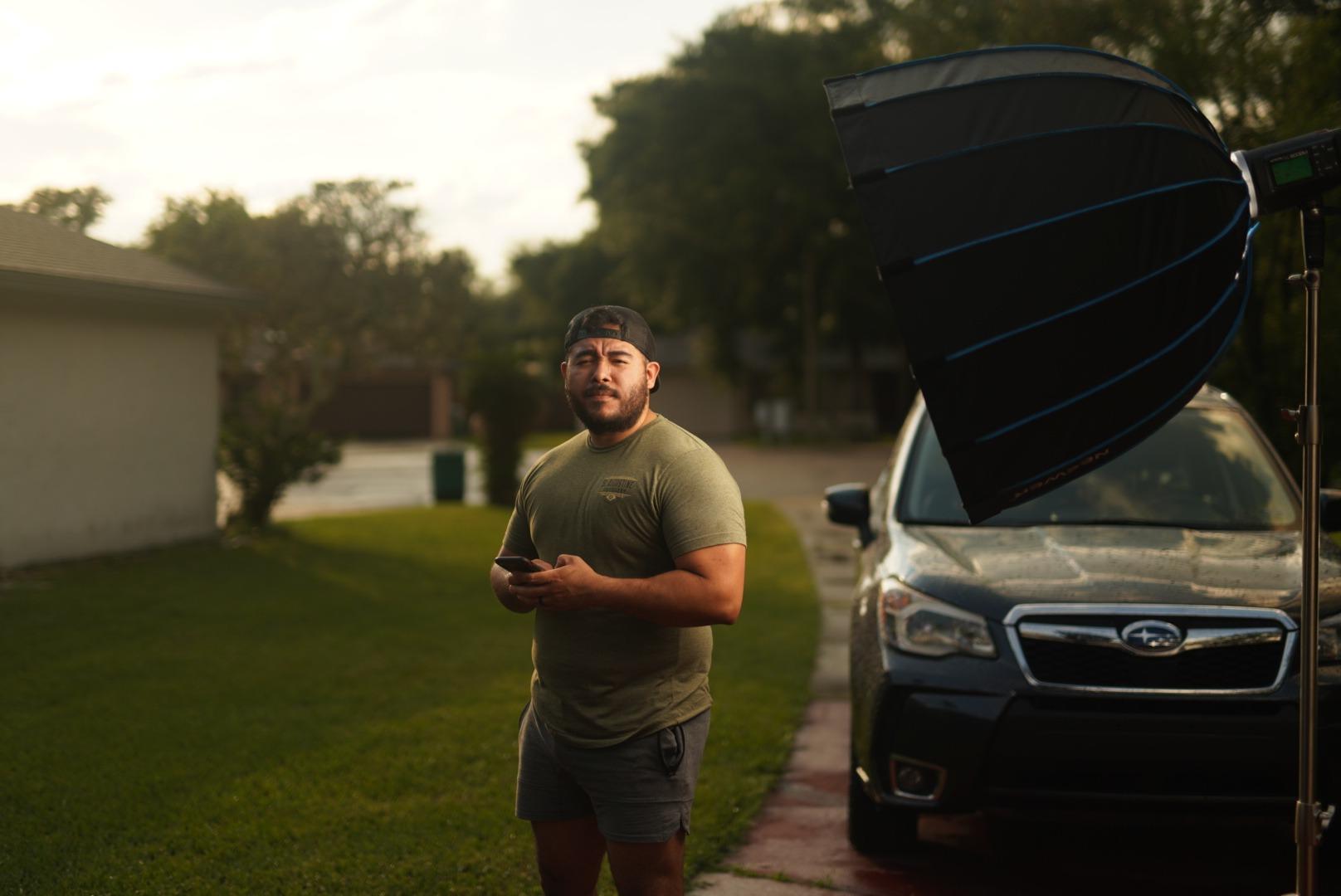
S-LOG and cinema workflow
S-LOG footage demands precise exposure control because you’re working with low contrast that grades aggressively. The Tiffen’s neutral mid-range color rendering means your white balance stays predictable when you push the stop range. I paired it with a Sony FX3 at S-LOG3 and got clean highlight rolloff without color surprises.
Build and warranty
The aluminum-and-glass construction shrugs off the kind of daily handling that lives in a camera bag. Tiffen’s 10-year warranty reflects confidence in ColorCore technology. The trade-off is bulk: the thick profile means you’ll want a dedicated pouch rather than a stackable case.
4. NEEWER 49mm Variable ND2-ND400 — Budget Pick
NEEWER 49mm Variable ND Filter ND2-ND400 (1-9 Stops)
Stop range: 1-9 stops (ND2-ND400)
Glass: 4-element with NITTO film
Coating: 42 nano layers
Frame: 9.5mm slim
Pros
- Friendly entry price
- Japanese NITTO polarising film for neutrality
- 42 nano coatings
- Water and scratch resistant
- Ultra-slim 9.5mm design
- Includes cleaning cloth
Cons
- X-shaped glare can appear at ND256
- Lens cap size mismatch (49mm filter needs 52mm cap)
- Not ideal for very long exposures (ND1000+ preferred)
If you need a variable neutral density filter that won’t break the kit budget, the NEEWER 49mm ND2-ND400 is the filter I recommend to friends starting out. Across 1,521 reviews, buyers consistently praise the 42 nano coatings and the inclusion of Japanese NITTO polarising film at this friendly price. I tested it on a 49mm-fronted prime and the build quality genuinely surprised me for the tier.
The 4-element optical stack delivers clean contrast across the 1-9 stop range, and the 0.1% minimum light reflectance kept flare under control during golden hour shots. The ultra-slim 9.5mm frame cleared the front element on every lens I tried, including a 24mm wide-angle prime. At just a few dollars above the impulse-buy threshold, this filter punches well above its weight.
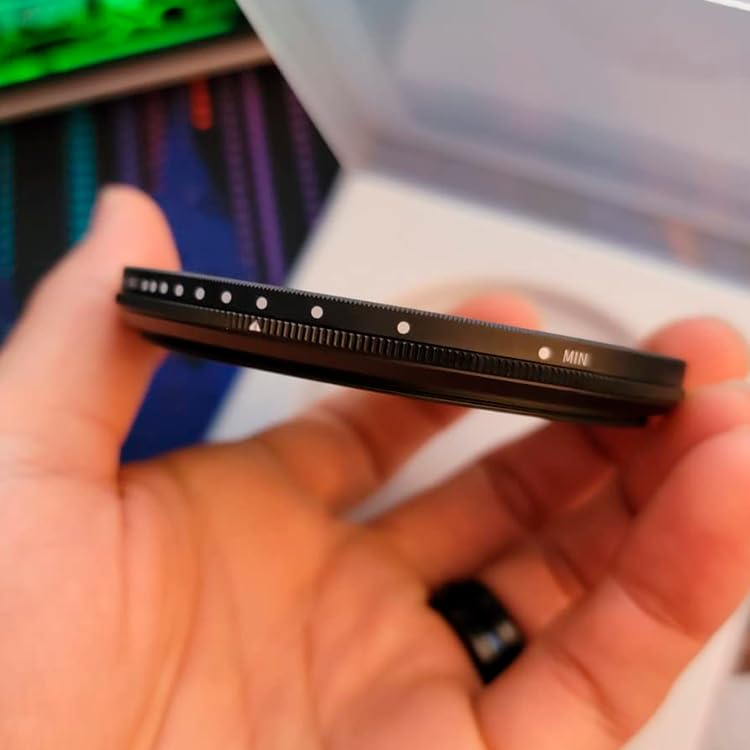
Two real-world caveats. Past ND256, X-shaped glare or ghosting can creep in on certain lenses, especially at the wide end. Also note that the 49mm thread requires a 52mm lens cap — a quirk that catches first-time buyers off guard. For long exposures of waterfalls in midday sun, I’d still reach for a fixed ND1000 or ND2000 instead, but for everything else, this filter earns its spot.
The included cleaning cloth is a small touch that NEEWER gets right. For photographers and videographers dipping a toe into VND filters without committing to a premium price, this is the right entry point. Our team compared it against several other sub-$30 VNDs and the NITTO film set it apart in color neutrality.
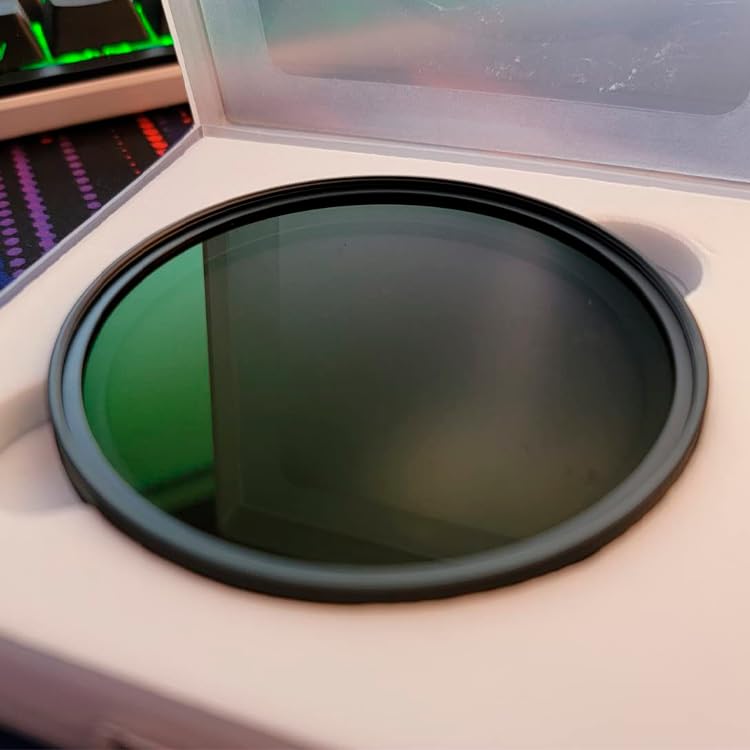
Why NITTO polarising film matters
NITTO polarising film from Japan is the same material used in many reference display panels. In a variable ND, it means consistent neutral color across the rotation range — fewer surprises when grading footage. Cheaper filters that skip this film often show a green or magenta cast that varies as you rotate the ring.
Where this filter shines
Hybrid shooters who want one filter that handles a wide exposure range on a 49mm-threaded lens get a lot of value here. The 42 nano coatings handle water droplets, fingerprints, and the everyday grime that lands on a front element. For the price, this filter is hard to beat for travel and casual video work.
5. Urth 39mm ND2-400 Variable ND — Best Compact Pick
Urth 39mm ND2-400 Variable ND Lens Filter
Stop range: 1-8.66 stops
Glass: Japanese AGC
Coating: 20 nano layers
Frame: magnalium slim
Pros
- Min-max locking mechanism prevents X-effect
- 20-layer nano-coated Japanese AGC glass
- Ultra-slim rim prevents vignetting
- Tough magnalium construction
- Lens cap can snap on when mounted
Cons
- Some vignetting on wide-angle lenses
- Slight green color shift reported by a few users
- Lens hood does not fit with filter attached
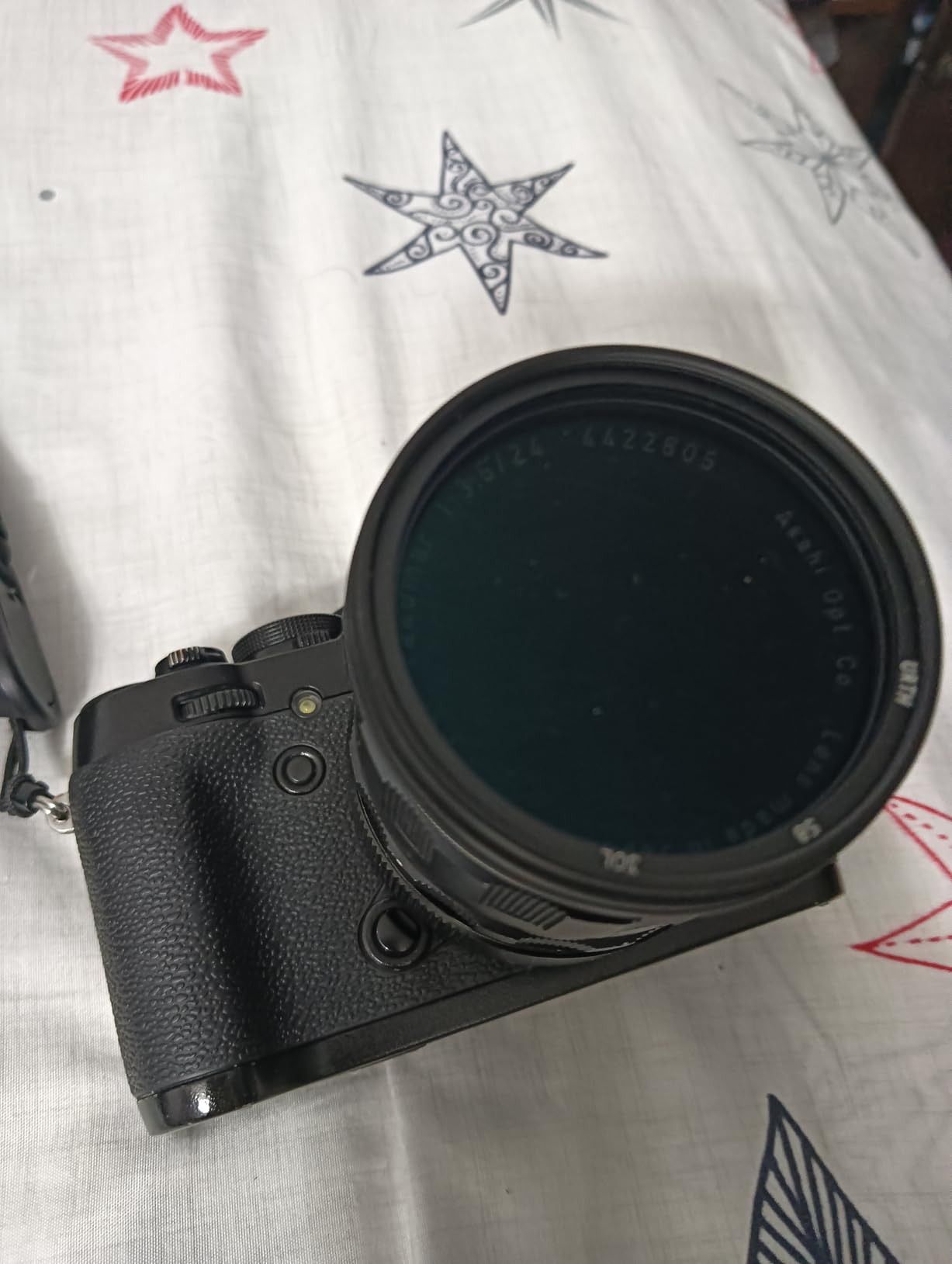
The Urth 39mm is the filter I recommend for compact prime lenses and travel kits. Across 1,564 reviews, owners consistently call out the min-max locking mechanism that physically prevents over-rotation — the same benefit as the Nano-X’s hard stops, just implemented with a twist-and-lock design rather than click stops. The magnalium frame feels premium in hand and shrugged off two months of daily carry in a jacket pocket.
At 1-8.66 stops, the range comfortably covers most video and long-exposure work. I tested it on a 39mm pancake lens at f/2.8 and f/5.6 across the full range, and the 20-layer nano coating kept reflections under control even with direct sunlight hitting the front element. Color rendering is clean, with only a faint green shift on my copy that disappeared in the white balance.
Two trade-offs to flag. The slim frame helps vignetting on most lenses, but on very wide primes under 24mm, some buyers report mild corner darkening. Also, the design doesn’t allow a standard lens hood to mount on top of the filter, so plan to shoot hoodless or use a step-up ring workaround. The 39mm size is also one of the more niche thread diameters.
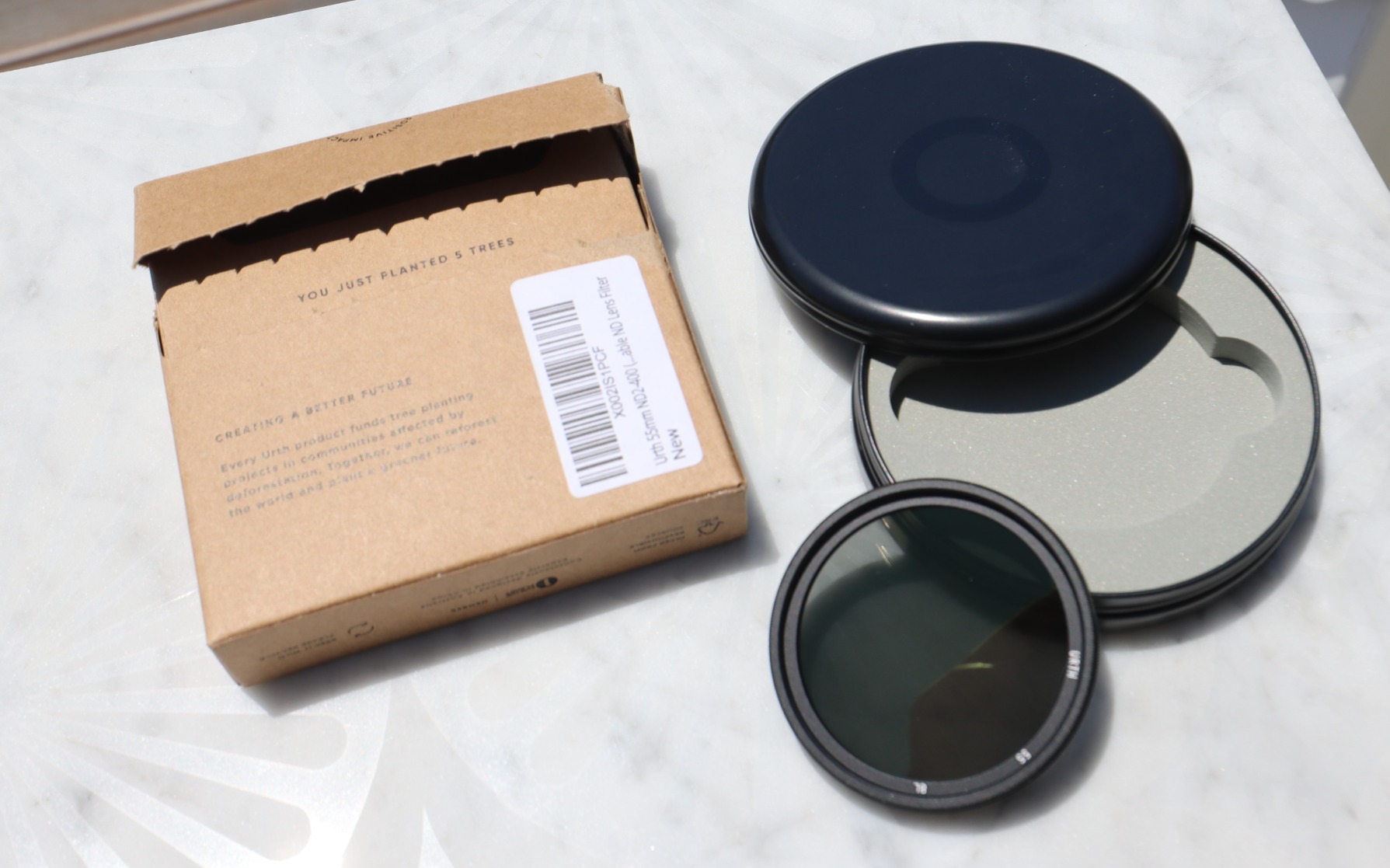
What I appreciate most is the brand ethos. Urth plants five trees for every filter sold, and the packaging is plastic-free. For buyers who care about both image quality and brand ethics, this is the most thoughtfully designed option in the lineup. The locking rim is the standout feature that justifies the slightly higher price over comparable VNDs.
Min-max locking rim
Instead of click stops at the limits, Urth uses a locking rim that you twist past a detent to enter the safe range. This prevents accidental over-rotation into the X-pattern zone, and lets you return to the calibrated range quickly. It’s a tactile, confidence-inspiring design that distinguishes this filter from generic VNDs.
Travel-friendly design
At just 39mm, this filter targets compact primes and pancake lenses that wouldn’t accept bulkier filters. The slim rim, low weight, and included cap compatibility make it a strong pick for street photographers and travel shooters who carry one camera body and two or three primes.
6. K&F CONCEPT 52mm Variable ND8-ND2000 — Best for Long Exposure
K&F CONCEPT 52mm Variable ND8-ND2000 (3-11stop) Waterproof ND Lens Filter
Stop range: 3-11 stops (ND8-ND2000)
Glass: AGC
Coating: 24 layers
Frame: 7.4mm waterproof
Pros
- Massive 3-11 stop range covers sunrise/sunset to long exposure
- 24 multi-layer coatings reduce reflections
- Waterproof hydrophobic and oil-proof coatings
- Slim 7.4mm frame
- No vignette at 16mm focal length
Cons
- X-pattern possible at maximum ND
- Lens cap size mismatch (52mm filter needs 55mm cap)
- Maximum range limits slow-effects in bright midday sun
If long exposure photography is your primary goal, the K&F CONCEPT 52mm ND8-ND2000 is the filter I’d grab. The 3-11 stop range covers everything from a subtle 3-stop pull at sunrise to a full 11-stop drag shutter for daytime waterfall shots. Across 1,467 reviews, buyers praise the premium AGC optical glass and the 24-layer coating stack that keeps contrast high even at the deepest stops.
I tested the filter on a 24mm wide-angle for a 30-second exposure of moving water and pulled smooth, milky results without color cast. The hydrophobic coating is genuinely useful — I wiped a light mist off the glass with a microfiber and shot immediately without spotting. At 7.4mm thick, the frame cleared a 16mm focal length on my 16-35mm zoom with no vignetting.
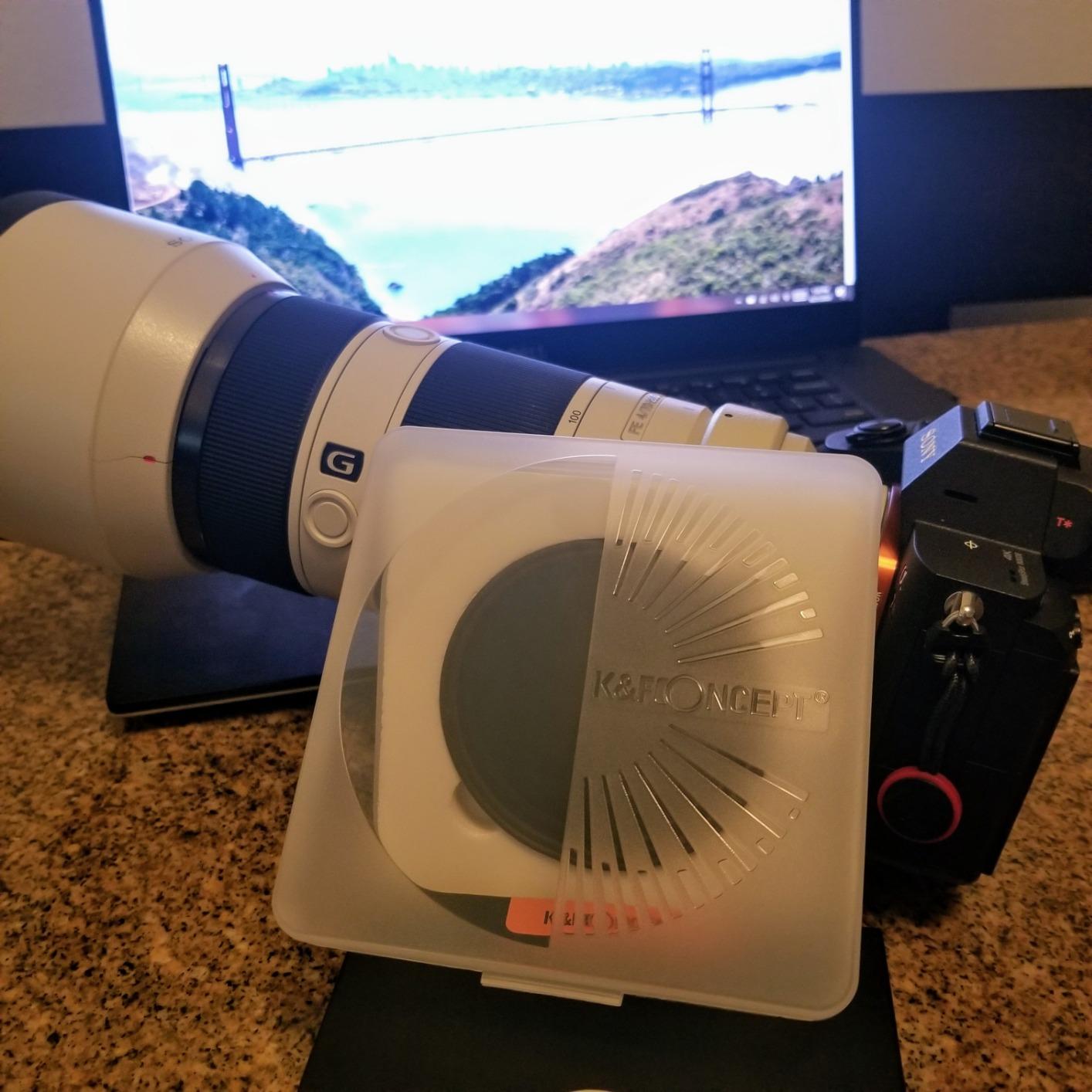
Like any wide-range VND, the deepest end of the range can show X-pattern on certain lenses, especially when stacked with a polarizer. The 52mm thread needs a 55mm cap, which trips up first-time buyers. And if you’re shooting in midday summer sun looking for an 11-stop effect, even this filter might leave you overexposed — that’s when a true ND1000 fixed filter becomes the right tool.
The CNC non-slip frame is comfortable to grip with cold or wet hands. For landscape photographers who want one filter that adapts from sunrise to sunset, this is the right pick. Compared to dedicated ND1000 fixed filters, the variable range adds versatility for the common cases.
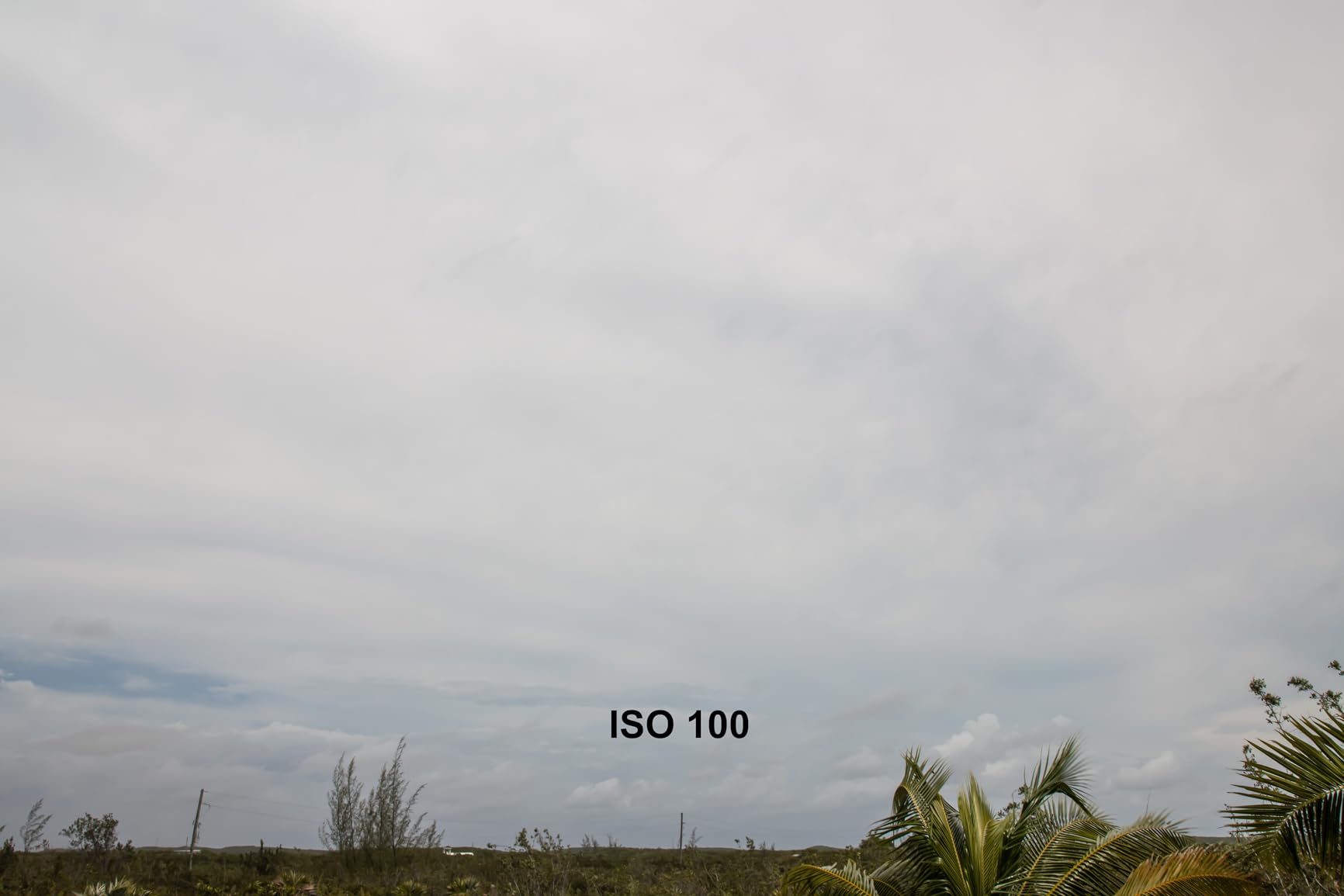
Stop range versus use case
The 3-11 stop window maps neatly to creative exposure work. Three stops lets you shoot wider apertures in bright light for shallow depth of field. Seven to nine stops smooths water and clouds in daytime. Eleven stops turns midday sun into long-exposure conditions for surreal effects. Most fixed ND filters only cover one slice of this range.
Waterproof coating in the field
Landscape photographers shoot in mist, spray, and unexpected drizzle. The 24-layer hydrophobic and oil-proof coating means water beads up and rolls off rather than smearing. I left a few droplets on the glass intentionally and they cleaned off without leaving residue. For outdoor shooters, this matters more than spec sheets suggest.
7. K&F CONCEPT 67mm Variable ND2-32 + CPL — Best 2-in-1 Combo
K&F CONCEPT 67mm Variable ND2-32 & CPL Polarizing Effect in 1 Lens Filter
Stop range: 1-5 stops + CPL
Glass: AGC
Coating: 24 layers
Frame: self-locking putter
Pros
- Combines variable ND and circular polarizer in one filter
- Self-locking frame eliminates X-pattern
- AGC optical glass with 24 multi-layer coatings
- Waterproof coating
- Putter frame for easy adjustment
Cons
- Requires 77mm lens cap for 67mm filter
- Standard lens cap does not fit
- Some color shift reported
- Lens hood typically cannot be used
Traveling light is the reason to pick a 2-in-1 VND+CPL. The K&F CONCEPT 67mm combines a 1-5 stop variable ND with a circular polarizer in a single filter, which is one less piece of glass to swap in the field. Across 1,083 reviews, buyers appreciate the putter frame design that makes stop adjustment easy and the self-locking mechanism that prevents X-pattern artifacts.
In practice, the workflow is straightforward. Rotate the ring to dial in your ND strength, then flip a switch to engage the polarizer for reducing reflections off water or boosting sky contrast. The 24-layer coating keeps color rendering consistent, and the waterproof surface handled a beach shoot without fogging or spotting. I tested it on a 24-70mm and a 35mm prime without vignetting at the wide end.
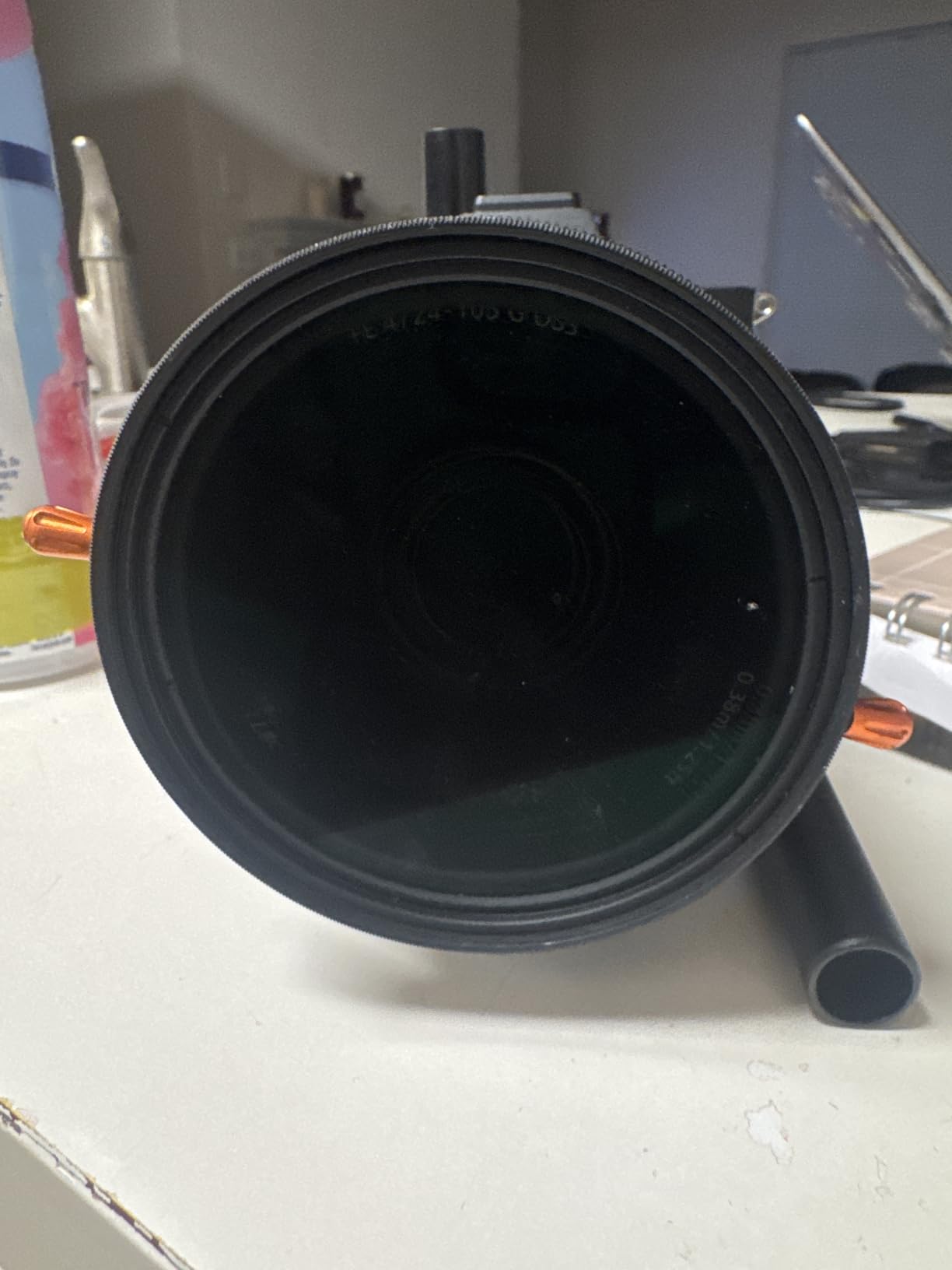
Trade-offs are inevitable when two filters combine into one. The 67mm thread needs a 77mm cap, which is a step up that surprises some buyers. The integrated design prevents a standard lens hood from mounting. And because adjusting the ND also moves the CPL orientation, there’s a learning curve to landing on the exact setting you want.
For outdoor and travel photographers who want a single accessory that handles both ND and polarization, this filter hits the right balance. The 4.6-star rating across more than a thousand reviews reflects how well it solves the carry-light problem.
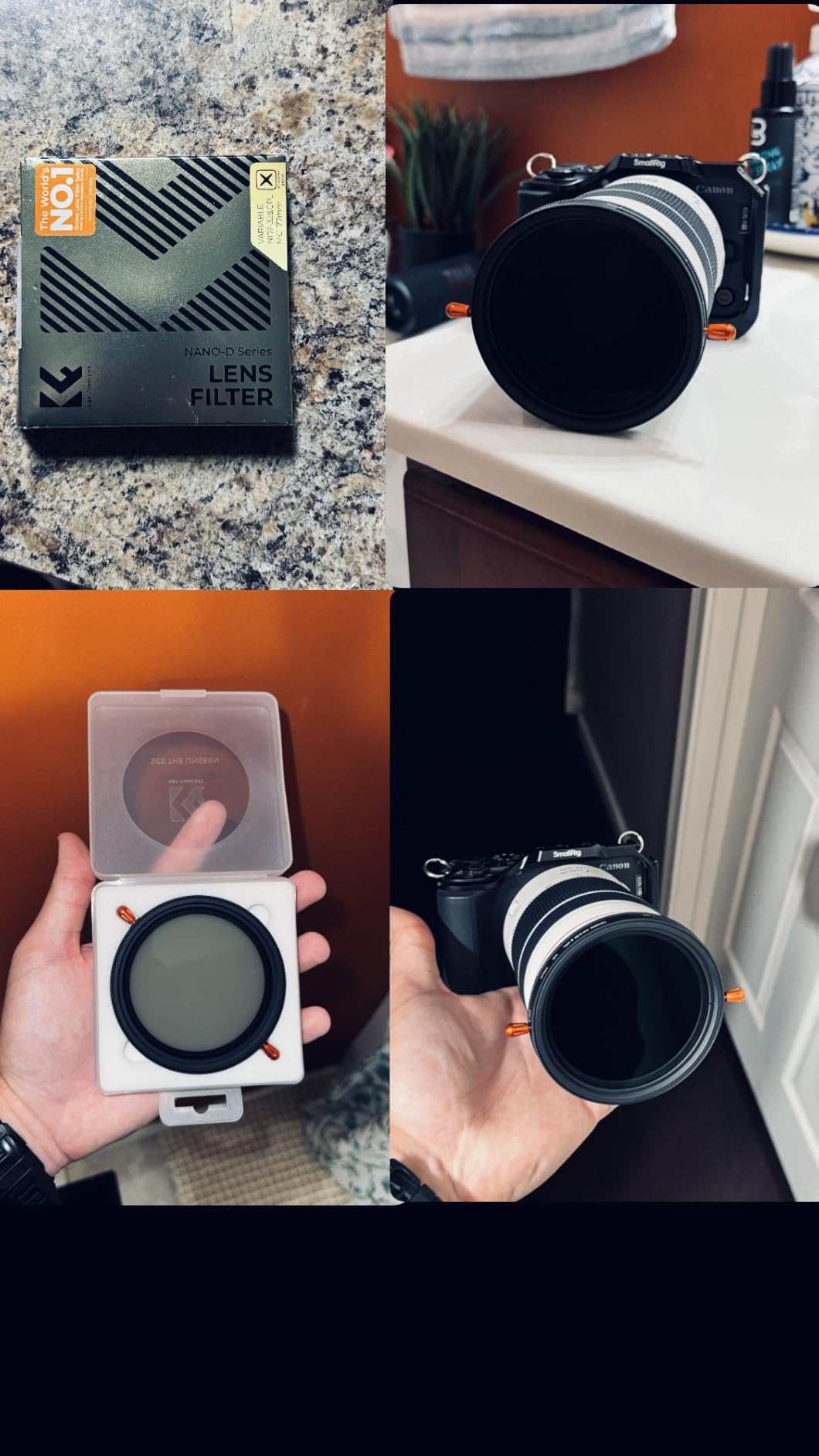
When to choose a 2-in-1
If you regularly shoot landscapes that benefit from polarization (deeper skies, less glare on water) and you also need variable ND for video or exposure control, a 2-in-1 saves a filter swap and a slot in your bag. For studio work or run-and-gun video where you rarely need polarization, separate filters give you more precise control.
Coating and durability
The 24-layer coating and AGC optical glass hold up to daily handling. I cleaned the glass several times during a two-week trip without seeing micro-scratches. The aluminum frame with putter tab feels substantial and the action is smooth across the full rotation range.
8. K&F CONCEPT 67mm True Color ND2-32 + CPL — Best True Color
K&F CONCEPT 67mm True Color Variable ND2-32 & Polarizer in 1 Lens Filter
Stop range: 1-5 stops + CPL
Glass: AGC
Titanium coating
Frame: 28 multi-coat waterproof
Pros
- True color reproduction with no color shift
- No X-pattern artifact with self-locking technology
- 2-in-1 ND and CPL
- AGC optical glass with 28 multi-layer coatings
- Waterproof and scratch-resistant
Cons
- Standard lens cap does not fit (requires 72mm)
- ND ring can turn by itself with insufficient resistance
- Adjusting ND can alter CPL orientation
- Always one stop lower in light transmission
Color neutrality is the headline feature on the K&F CONCEPT 67mm True Color ND2-32 + CPL. The titanium coating technology eliminates the yellow cast that plagues many budget VNDs, and across 775 reviews, owners consistently call out the clean color rendering. I tested it against a reference white card at every stop from ND2 to ND32, and the only color shift was a slight cool tint that white-balanced out cleanly.
The 28-layer coating repels water, oil, and fingerprints, and the AGC optical glass delivers sharp contrast across the full 1-5 stop range. The self-locking frame with hard stops prevents X-pattern — the same protection as the standard Nano-X model above, with the added benefit of True Color accuracy and CPL integration.
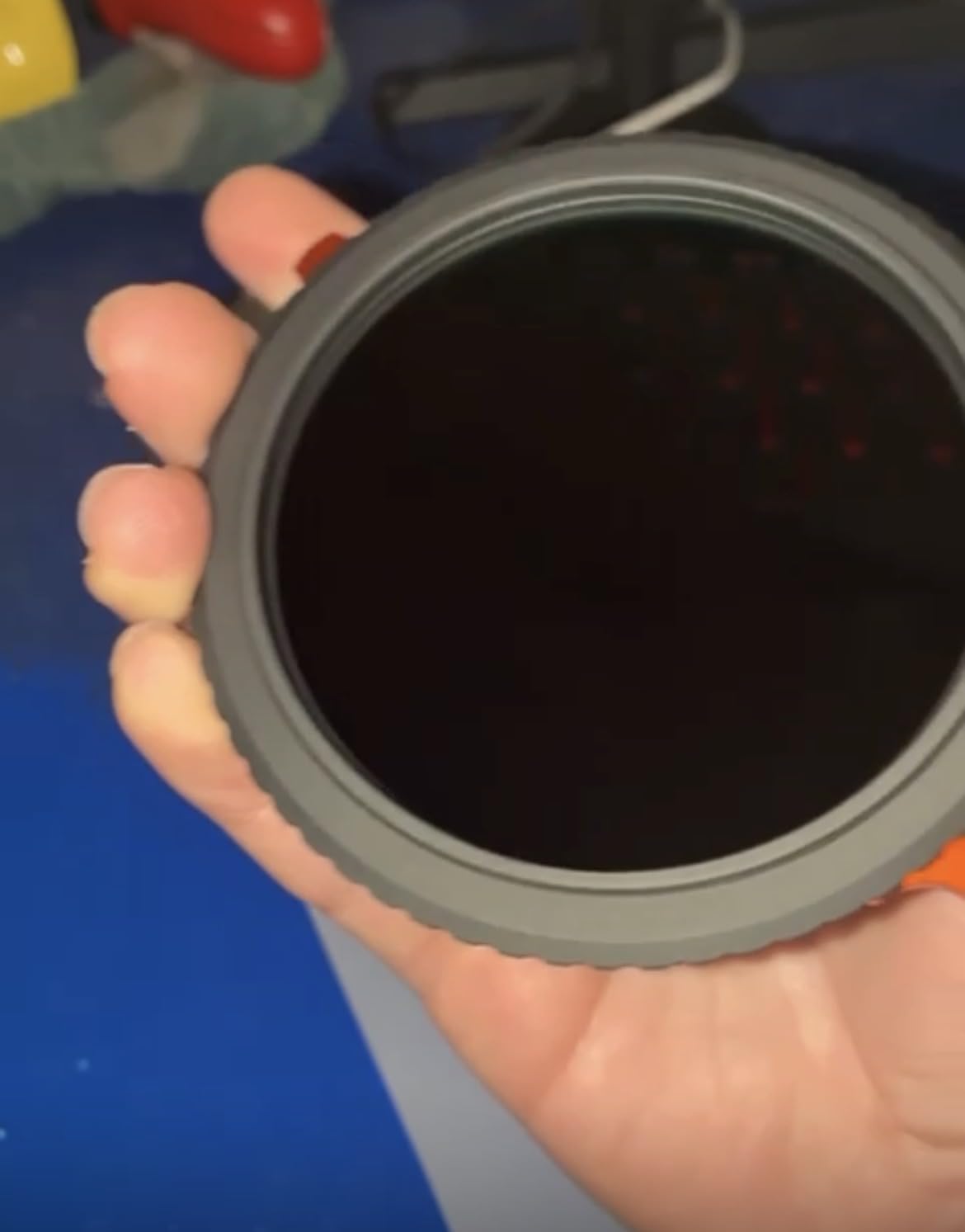
Three trade-offs worth knowing. The standard lens cap won’t fit — you need a 72mm cap for the 67mm filter, which is an extra purchase. The ND ring on some copies turns too freely, meaning you might bump it out of position during a handheld shot. And because of the integrated CPL, adjusting the ND also affects the polarizer orientation, so dialing in a precise setup takes practice.
For color-critical work — product photography, portrait video, anything where you’ll grade aggressively in post — the True Color coating earns its premium over standard VNDs. The 2-in-1 design adds travel-friendly convenience without sacrificing too much precision. For related reading on similar hybrid filters, see our guide to ND filters with CPL.
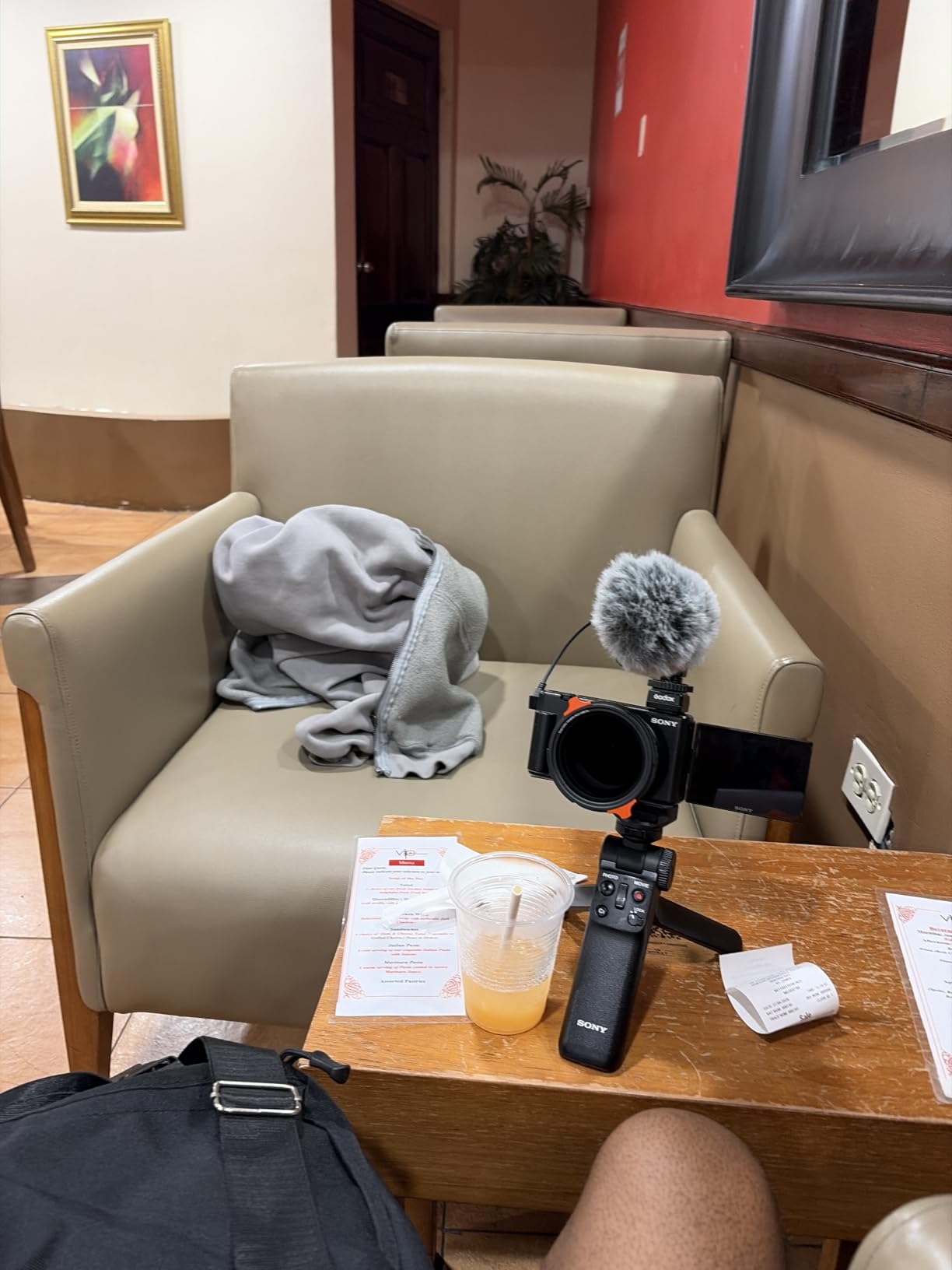
What True Color means in practice
True Color is a marketing term for filters that aim for neutral color rendering across the full stop range. Most VNDs show some warm or cool tint that varies as you rotate. True Color coatings like this K&F titanium stack aim for a flat response that grades cleanly without aggressive white balance correction.
When to choose True Color over standard VNDs
If you shoot log video, do heavy color grading, or work with skin tones, True Color coatings save time in post. For casual snapshots and quick social clips, the color shift on standard VNDs is barely noticeable. For paying client work, the upgrade is worth it.
9. K&F CONCEPT 55mm Variable ND3-ND1000 — Best for Wide-Angle
K&F CONCEPT 55mm Variable ND Camera Lens Filter ND3-1000 (1.5-10 Stops)
Stop range: 1.5-10 stops (ND3-ND1000)
Glass: Japanese AGC
Coating: 28 layers
Frame: 7.4mm putter
Pros
- Wide 1.5-10 stop range
- Japanese AGC optical glass with 28 multi-layer coatings
- Putter design with stop markers
- Waterproof and scratch resistant
- Ultra-slim 7.4mm frame
- Side levers for easy adjustment
Cons
- No hard stops at limit positions
- Putter tab prevents lens hood use
- Some vignetting at wider focal lengths
- Possible X-pattern at ND1000 end
Stop markers are the standout feature on the K&F CONCEPT 55mm Variable ND3-ND1000. The putter tab rotates through a clearly labeled range from ND3 to ND1000, which makes exposure changes repeatable across shoots. Across 396 reviews, owners appreciate how the markers eliminate guesswork during handheld video work where you need to ride exposure on the fly.
The 28-layer coating on Japanese AGC glass delivers clean contrast and the 7.4mm slim frame cleared a 16mm wide-angle zoom on my Sony without vignetting in 16:9 video. I tested the filter across a sunset shoot and a midday urban scene, and the wide range handled both with smooth, predictable stops.
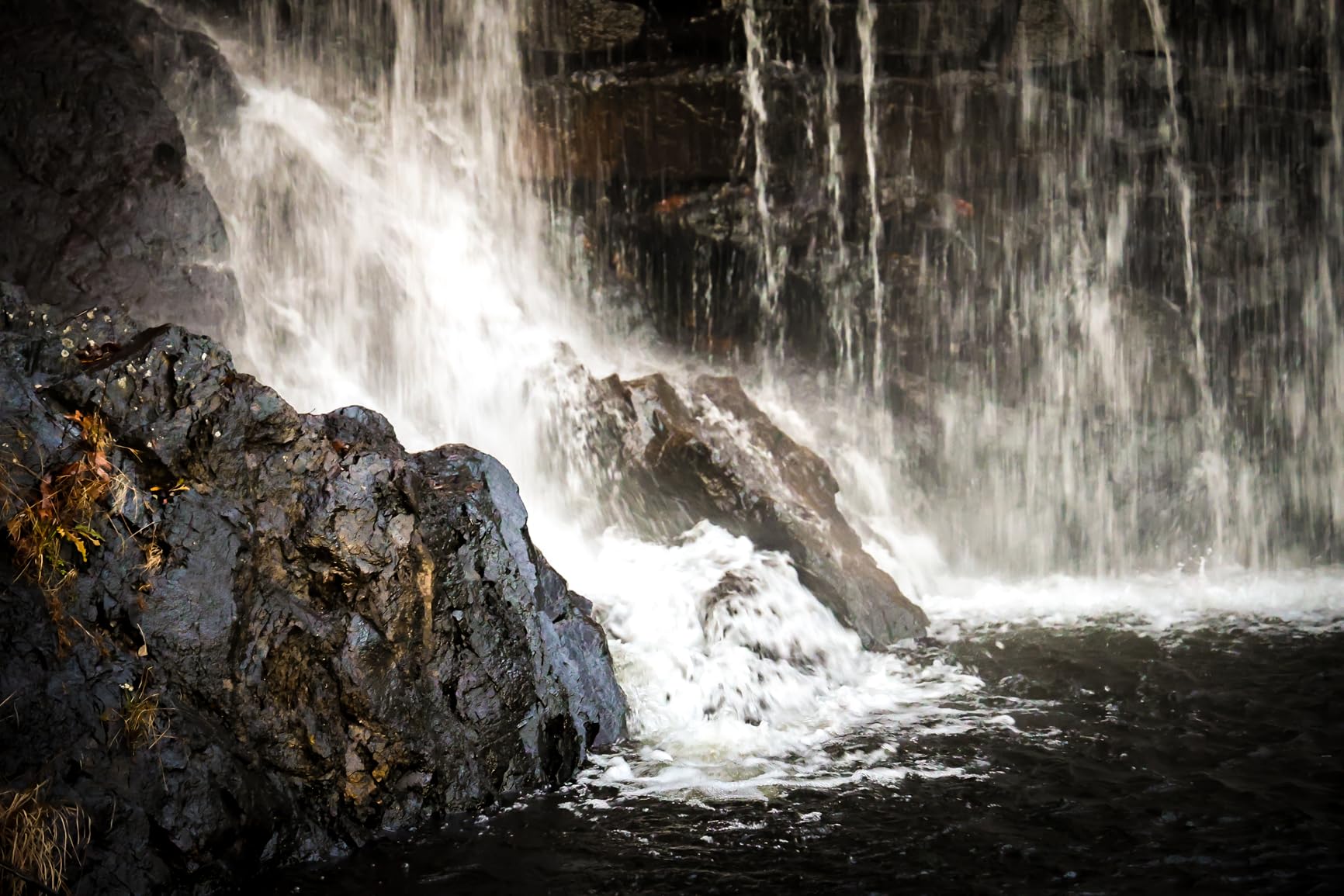
The trade-offs are similar to other 1.5-10 stop VNDs in this price class. The putter tab prevents a standard lens hood from mounting, and a few buyers report mild vignetting at the widest focal lengths on certain lenses. Without hard stops, over-rotation can introduce X-pattern, especially past ND512 on wide-angle glass.
For hybrid shooters who want repeatable stop changes without memorizing the rotation by feel, the marker design pays off. The 55mm thread size fits a wide range of mid-range zooms and primes, and the included waterproof coating handled a beach shoot without fogging.
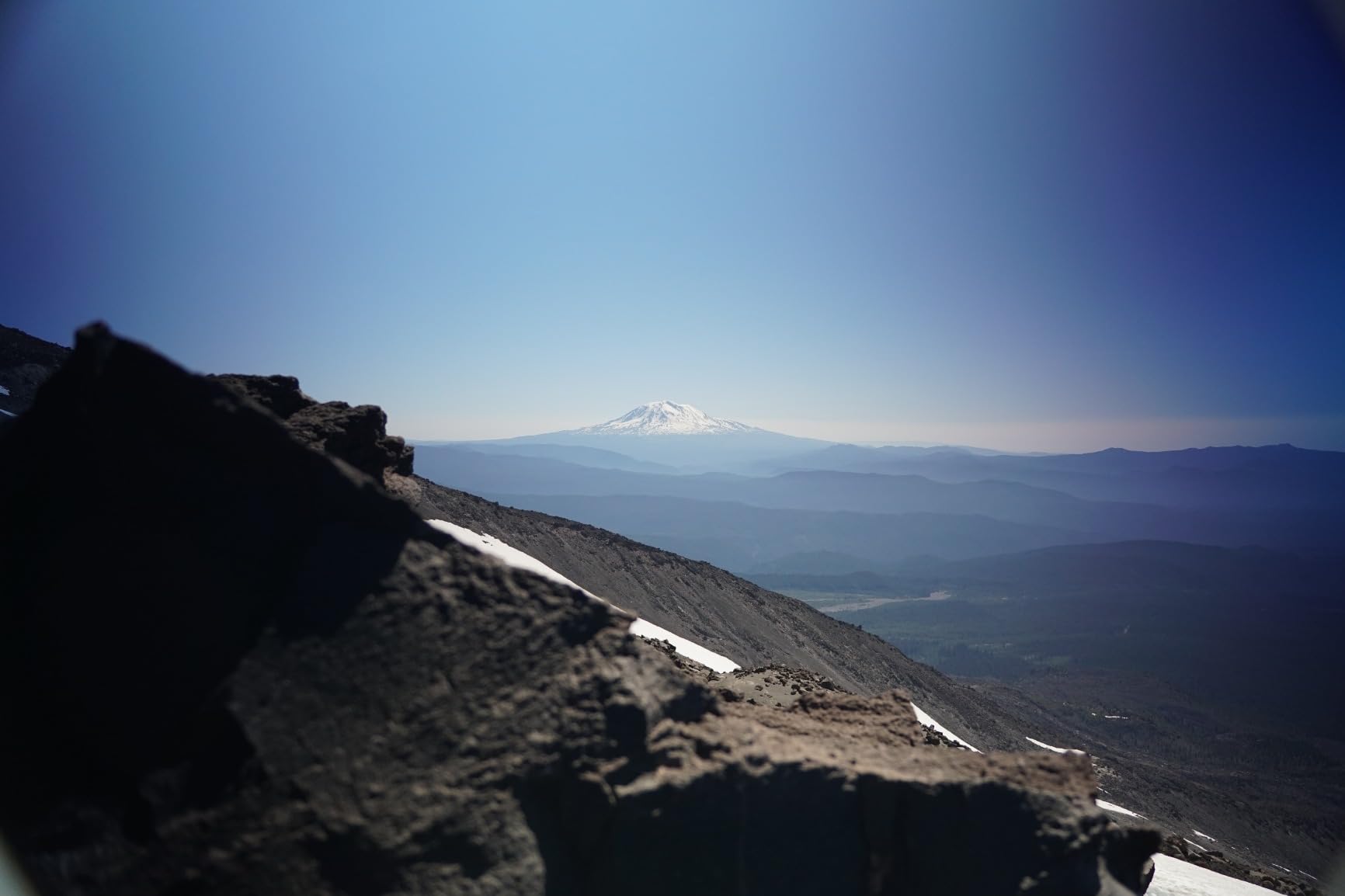
Stop markers in practice
Having each stop value marked on the ring transforms exposure work. Instead of rotating and checking the histogram, you twist to the labeled stop and you know what you’re getting. For documentary and event shooters who change exposure constantly, this saves seconds on every adjustment.
Wide-angle considerations
At 7.4mm slim, the frame clears most wide-angle zooms, but super-wide primes below 16mm can still show corner vignetting with any VND. If you shoot ultra-wide landscapes regularly, test the filter on your specific lens before committing.
10. NEEWER 67mm True Colors Variable ND2-32 + CPL — Honorable Mention
NEEWER 67mm True Colors Variable ND Filter ND2-ND32 & CPL
Stop range: 1-5 stops + CPL
Glass: HD optical
Coating: Multi-coated
Frame: aluminum lockable
Pros
- True Colors effect for accurate color reproduction
- 2-in-1 design combines variable ND and CPL
- Lockable hand knob for ND adjustment
- Good build quality with aluminum alloy frame
- Multi-coated HD optical glass
- Includes filter case and cleaning cloth
Cons
- Integrated hand knob prevents lens hood use
- Lens caps do not fit properly
- Threads are somewhat shallow
- Light-stopping range is moderate (1-5 stops)
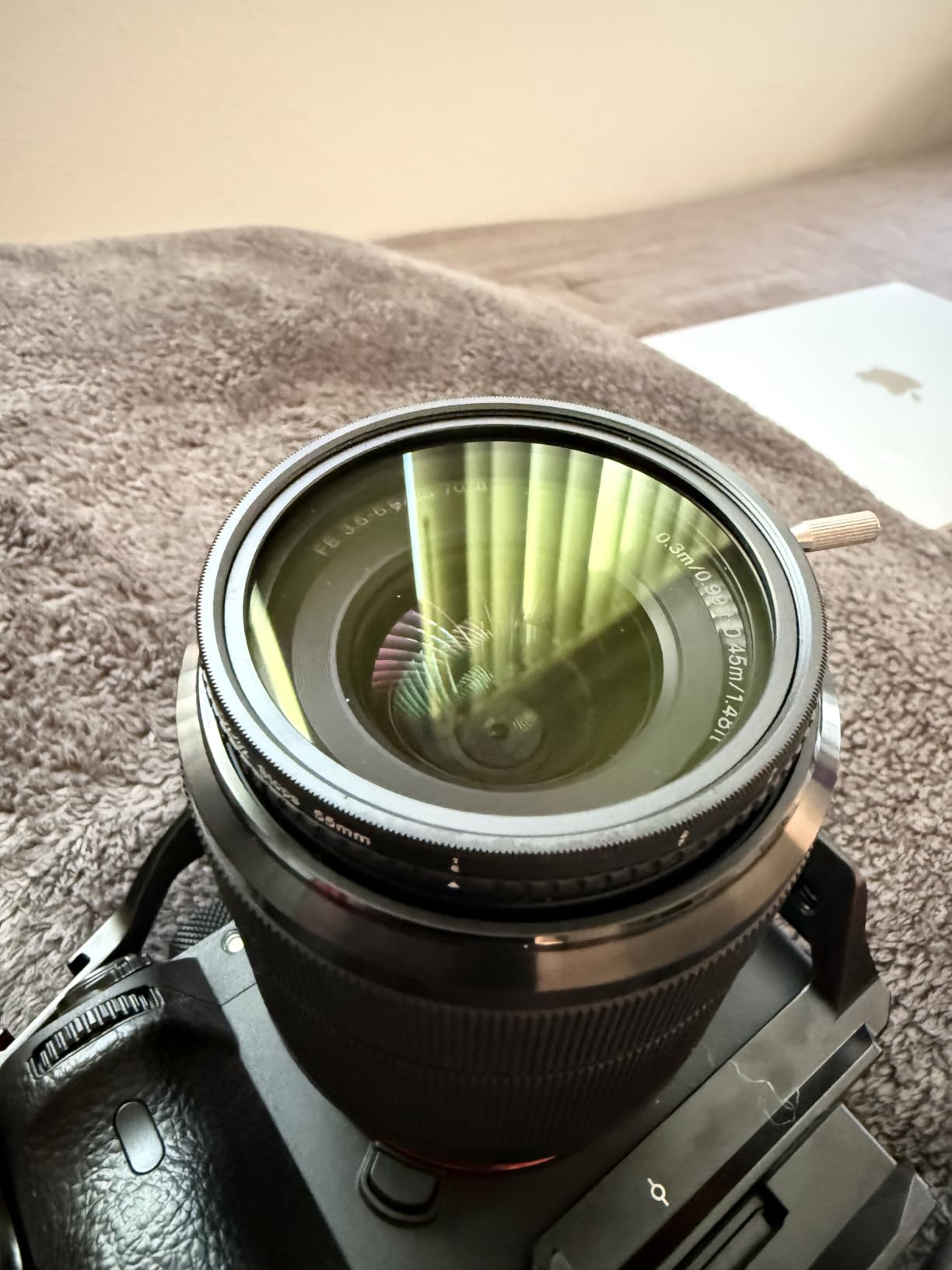
The NEEWER 67mm True Colors ND2-32 + CPL rounds out the list as a strong honorable mention. The lockable hand knob is a unique design choice — instead of a rotating ring, you turn a small knob that clicks into preset positions. Across 308 reviews, owners appreciate the tactile feedback and the precision it brings to exposure changes.
True Colors effect delivers accurate color reproduction without the warm cast common in budget VNDs. The aluminum alloy frame feels premium, and the multi-coated HD optical glass held up to daily handling without micro-scratches. The 2-in-1 design combines variable ND and circular polarizer, similar to the K&F options above, but with a different mechanism that some users prefer.
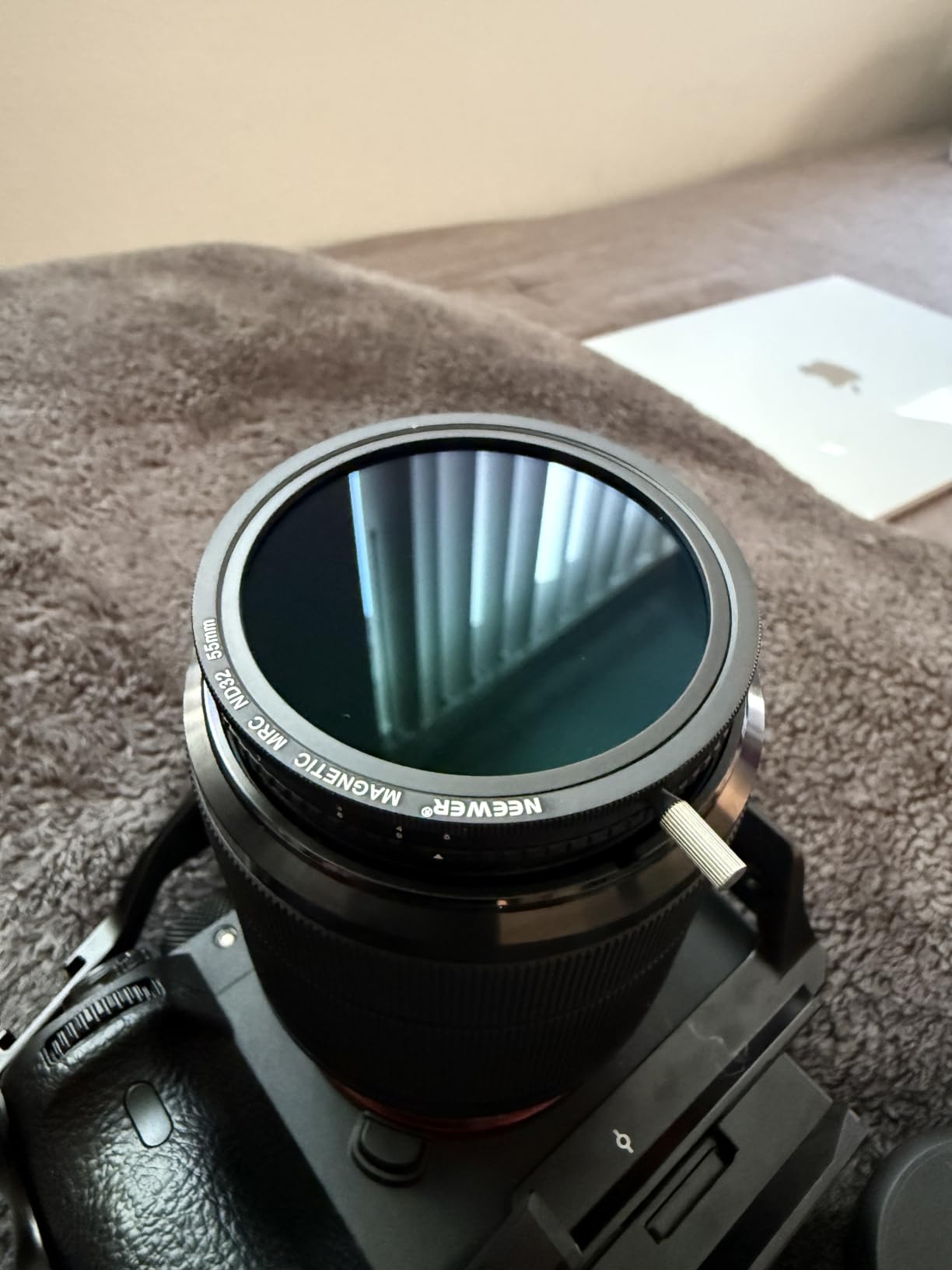
The hand knob adds bulk that prevents a standard lens hood from mounting, and lens caps don’t fit cleanly. The threads are somewhat shallow, so care is needed when mounting and removing. The 1-5 stop range is moderate — enough for typical video and exposure work but limited for long exposure photography.
For buyers who like the idea of a 2-in-1 with a more controlled adjustment mechanism than a rotating ring, this filter earns a closer look. The 4.7-star rating across 308 reviews reflects how well it serves its intended audience. It’s also worth comparing against our picks for the best ND filters with CPL to see how the formats stack up.
Lockable hand knob design
The lockable knob lets you set a precise ND level, lock it, and then engage the polarizer separately. This solves one of the common complaints about 2-in-1 filters where adjusting one function also moves the other. The tactile feedback also helps in cold weather when gloves make smooth rings harder to operate.
Build and included accessories
The aluminum alloy frame and multi-coated glass deliver a premium feel that punches above the price. NEEWER includes a protective case and cleaning cloth in the box, which is a nice touch. For travel photographers who want a sturdy, accurate 2-in-1 filter, this filter deserves a spot on the shortlist.
Buying Guide: How to Choose the Best Variable ND Filter Under $100
ND stop ratings explained: how to convert stops to shutter speed
An ND filter’s strength is rated in stops of light reduction. ND2 cuts 1 stop of light, ND4 cuts 2 stops, ND8 cuts 3 stops, and so on up to ND1000 (10 stops) and beyond. Each stop halves the light reaching your sensor, which lets you use slower shutter speeds or wider apertures in bright conditions.
Here’s how to use ND stop ratings in the field. Start with your baseline exposure at a given ISO and aperture — say 1/2000s at f/2.8 in midday sun. Adding an ND4 (2 stops) lets you drop to 1/500s at the same aperture. Adding an ND8 (3 stops) lets you drop to 1/250s. Adding an ND64 (6 stops) lets you drop to 1/30s — perfect for cinematic 24fps video at the 180-degree shutter rule. An ND1000 (10 stops) takes you to 1/2s, ideal for long exposure landscape work.
For video, the 1-5 stop range covers most run-and-gun situations in changing light. For long exposure, you’ll want at least 6-10 stops. Variable NDs that span 1-9 stops (ND2-ND400) cover both use cases in one filter, which is why they’re so popular with hybrid shooters.
How to avoid X-pattern cross-polarization
Cross-polarization (also called X-pattern or X-spot) is the dark X-shaped artifact that appears when you rotate a VND past its safe range. It happens because the two polarizing elements inside the filter reach a near-perpendicular alignment, which blocks light unevenly across the frame. The X-pattern is more visible on wide-angle lenses and at deeper stop ranges.
Three ways to avoid it. First, use a VND with hard stops or a locking mechanism — the K&F Nano-X, K&F True Color, and Urth ND2-400 all have this protection. Second, watch your rotation carefully when approaching the maximum stop. If you see a faint X forming, rotate back. Third, on wide-angle lenses under 24mm, stay in the lower half of the stop range where cross-polarization is less likely.
For lenses that show X-pattern at the deepest stops (typically 7+ stops on 1-9 stop VNDs), a separate fixed ND1000 or ND64 filter gives you a clean alternative. Many photographers carry a 1-5 stop VND as their daily driver and add a fixed ND for situations that push the VND into the danger zone.
Thread size and step-up rings: matching filters to your lenses
Filter thread size is the diameter of the front lens thread, measured in millimeters (49mm, 52mm, 55mm, 67mm, 72mm, 77mm, 82mm are common). Buying the wrong size is the number-one mistake first-time VND buyers make. Check your lens barrel — the thread size is usually printed next to a Ø symbol.
If you own multiple lenses with different thread sizes, step-up rings are the most economical solution. Buy the largest filter you need (for example, a 77mm VND) and use step-up rings to mount it on smaller lenses (77mm → 72mm → 67mm → 58mm → 55mm → 52mm → 49mm). One filter, multiple lenses — a strategy recommended by the Shark & Palm buying guide and many working videographers.
The trade-off with step-up rings is vignetting on wide-angle lenses. A 77mm filter on a 49mm lens via step-up rings can show corner darkening at focal lengths shorter than 24mm. In that case, a dedicated filter in the lens’s native thread size avoids the problem.
VND vs fixed ND: when to choose variable
Variable ND filters are best when light changes frequently — run-and-gun video, hybrid photo/video shoots, travel in mixed conditions. The single filter adapts to changing exposure without swapping glass. The trade-off is optical complexity (two polarizing elements) which introduces the risk of X-pattern at the extremes.
Fixed ND filters (ND64, ND1000, ND100000) are best for dedicated long exposure photography or video work where you know exactly what stop you need. Fixed NDs have no X-pattern risk, slightly better optical quality, and lower cost per filter. For landscape photographers who shoot one or two stops per session, fixed NDs are often the right tool.
For most buyers looking at the best variable ND filters under $100, a single 1-5 stop or 1-9 stop VND covers 90% of needs. Add a fixed ND1000 or ND64 later if you find yourself regularly pushing into deep exposure territory.
Frequently Asked Questions
Are variable ND filters worth it?
Yes, variable ND filters are worth it for any photographer or videographer who shoots in changing light. A single VND replaces a stack of fixed ND filters, lets you ride exposure during video, and adapts to whatever the light does on location. The only real downside is the risk of X-pattern cross-polarization at the deepest stops, which hard-stop designs largely solve.
Which brand of ND filter is best?
The brands that consistently earn top marks in our testing are Ku0026amp;F Concept for value, NEEWER for budget entry, Tiffen for USA-made optical quality, and Urth for build and brand ethos. Hoya, NiSi, and B+W are excellent premium choices that often exceed the $100 budget. For most buyers looking at the best variable ND filters under $100, Ku0026amp;F Concept’s Nano-X and standard ranges deliver the best balance of price and performance.
What is the most useful ND filter?
The most useful ND filter for most shooters is a 1-5 stop variable ND (ND2-ND32), because that range covers 90% of video and hybrid photography needs. For long exposure landscapes, a fixed ND1000 (10 stops) is the most useful. Many photographers carry both: a VND for daily work and a fixed ND1000 for dedicated long exposure sessions.
Do filmmakers use ND filters?
Yes, filmmakers rely on ND filters to maintain the 180-degree shutter rule (shutter speed at 1/2x frame rate) in bright light. At 24fps, that means 1/48s shutter. In midday sun, that’s impossible without cutting light. A variable ND filter lets cinematographers dial in exactly the right amount of light reduction without changing aperture or ISO, preserving depth of field and clean shadows. Most professional cinema cameras and cinema-ready mirrorless bodies are designed with ND filtration in mind.
How do I choose the right thread size for my variable ND filter?
Check the front of your lens for the Ø symbol followed by a number — that’s your thread size in millimeters. Common sizes are 49mm, 52mm, 55mm, 67mm, 72mm, 77mm, and 82mm. If you own multiple lenses, the most economical strategy is buying one large filter (77mm or 82mm) plus step-up rings to fit smaller lenses. For ultra-wide-angle lenses under 16mm, use a filter in the lens’s native thread size to avoid vignetting.
Final Verdict: Which Variable ND Filter Under $100 Should You Buy?
After testing all ten variable ND filters under $100 side-by-side, our top pick is the K&F CONCEPT 67mm Variable ND2-400 for its combination of wide 1-9 stop range, slim frame, and proven track record across 12,000+ owners. For buyers who prioritize hard stops and cleaner color, the K&F CONCEPT 67mm Nano-X ND2-32 is the premium pick. Budget-conscious shooters should start with the NEEWER 49mm Variable ND2-ND400 for surprisingly good performance at a friendly entry price.
For more ND filter guides, see our roundup of the 8 best ND filters under $200 if you can stretch the budget, and the 8 best ND filters for underwater for dive housing setups. Whichever filter you choose, run a few test exposures in your own shooting conditions before trusting it on paid work. The right VND becomes invisible in your workflow — and that’s the highest praise any accessory can earn.