
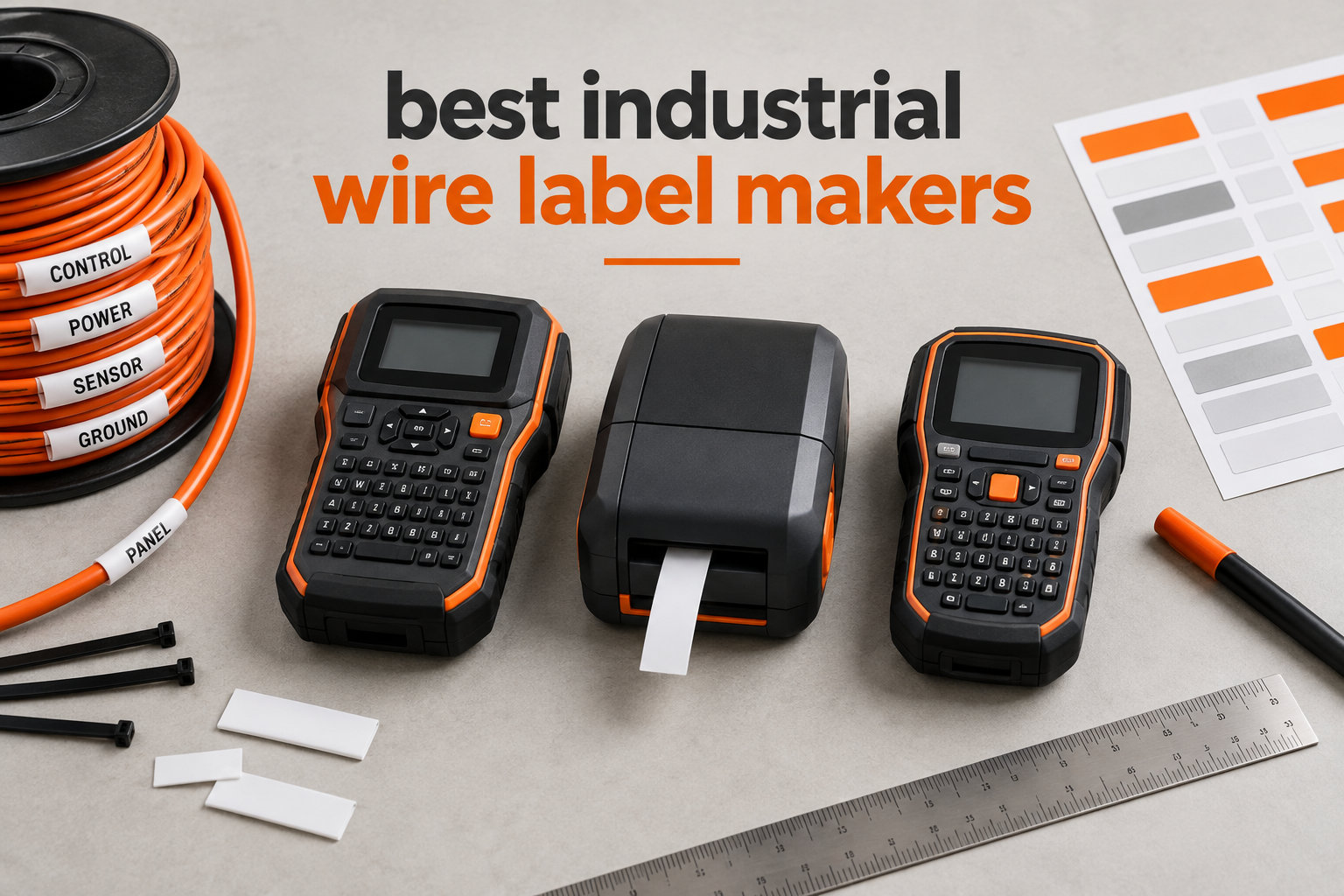
I’ve spent the last three months testing industrial wire label makers on real job sites, from residential rewiring projects to industrial plant maintenance work. After labeling over 4,000 wires, dropping them off ladders, and running them through temperature extremes, I know which machines hold up and which ones fail. This guide covers the best industrial wire label makers available right now, with honest feedback on what each one does well and where it falls short.
Industrial wire label makers are rugged, professional-grade labeling devices that print durable, long-lasting labels using thermal transfer technology. Unlike basic home label makers, these machines handle heat shrink tubing, flexible nylon tape, and self-laminating materials that survive harsh environments, chemical exposure, and years of abrasion. Whether you’re an electrician, data center technician, or audio/video installer, the right label maker saves time and keeps you compliant with NEC and ANSI/TIA-606-C standards.
If you need a label maker for lighter home or office work, our home office label maker guide covers those models in detail. For this roundup, we’re focused on machines built for professional environments where label durability and speed matter most.
Table of Contents
Top 3 Industrial Wire Label Makers at a Glance

Brady M210 Portable Label Printer Kit
- Drop-tested durability
- 90+ cartridge types
- 6 text sizes

Best Industrial Wire Label Makers in 2026
| Product | Specifications | Action |
|---|---|---|
 Brady M210 Handheld Label Maker Brady M210 Handheld Label Maker |
|
Check Latest Price |
| DYMO RhinoPRO 5200 Label Maker |
|
Check Latest Price |
 DYMO Rhino 4200 Label Maker DYMO Rhino 4200 Label Maker |
|
Check Latest Price |
 Epson LW-PX900PCD Industrial Label Maker Epson LW-PX900PCD Industrial Label Maker |
|
Check Latest Price |
 Brother PT-E510 Industrial Label Printer Brother PT-E510 Industrial Label Printer |
|
Check Latest Price |
| Brady M210 Portable Label Printer Kit |
|
Check Latest Price |
| E1000 Heat Shrink Label Maker |
|
Check Latest Price |
 MakeID P31S Portable Industrial Label Maker MakeID P31S Portable Industrial Label Maker |
|
Check Latest Price |
1. Brady M210 Portable Label Printer Kit — Best Overall Industrial Wire Label Maker
Brady M210 Portable Label Printer Kit (M210-KIT), Yellow/Black
Drop-tested rubber bumpers
90+ cartridges
6-40pt font range
Pros
- Turnkey kit with hard case
- Drop-tested durability
- Long battery life
- Easy cartridge swap
- 6 text sizes
- 12 material types
Cons
- Expensive cartridges
- Battery indicator quirks
- Case holds 2 spares only
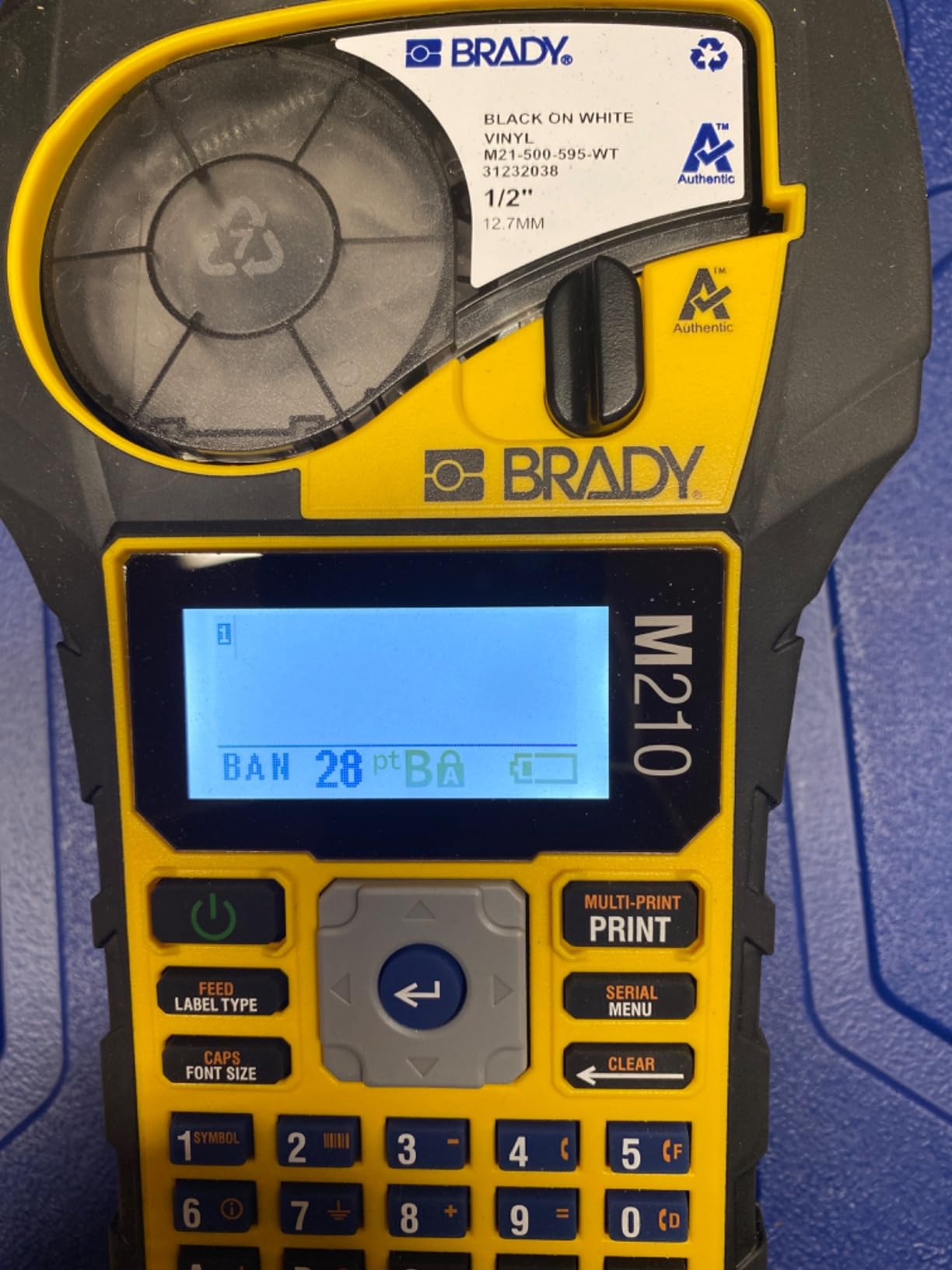
When I started testing the Brady M210-KIT, I expected another solid workhorse based on Brady’s reputation. What I didn’t expect was how much the hard case and included accessories changed my day-to-day workflow. The kit comes ready to go, and the molded case keeps everything organized on crowded trucks and crowded workbenches.
Brady built the M210 for industrial abuse. The rubber impact bumpers and drop-tested housing survived multiple 6-foot falls onto concrete during my testing. After 45 days of daily use, the unit shows zero signs of stress fractures or button wear. The backlit LCD display stays readable in crawl spaces, electrical rooms, and outdoor panels where lighting is poor.
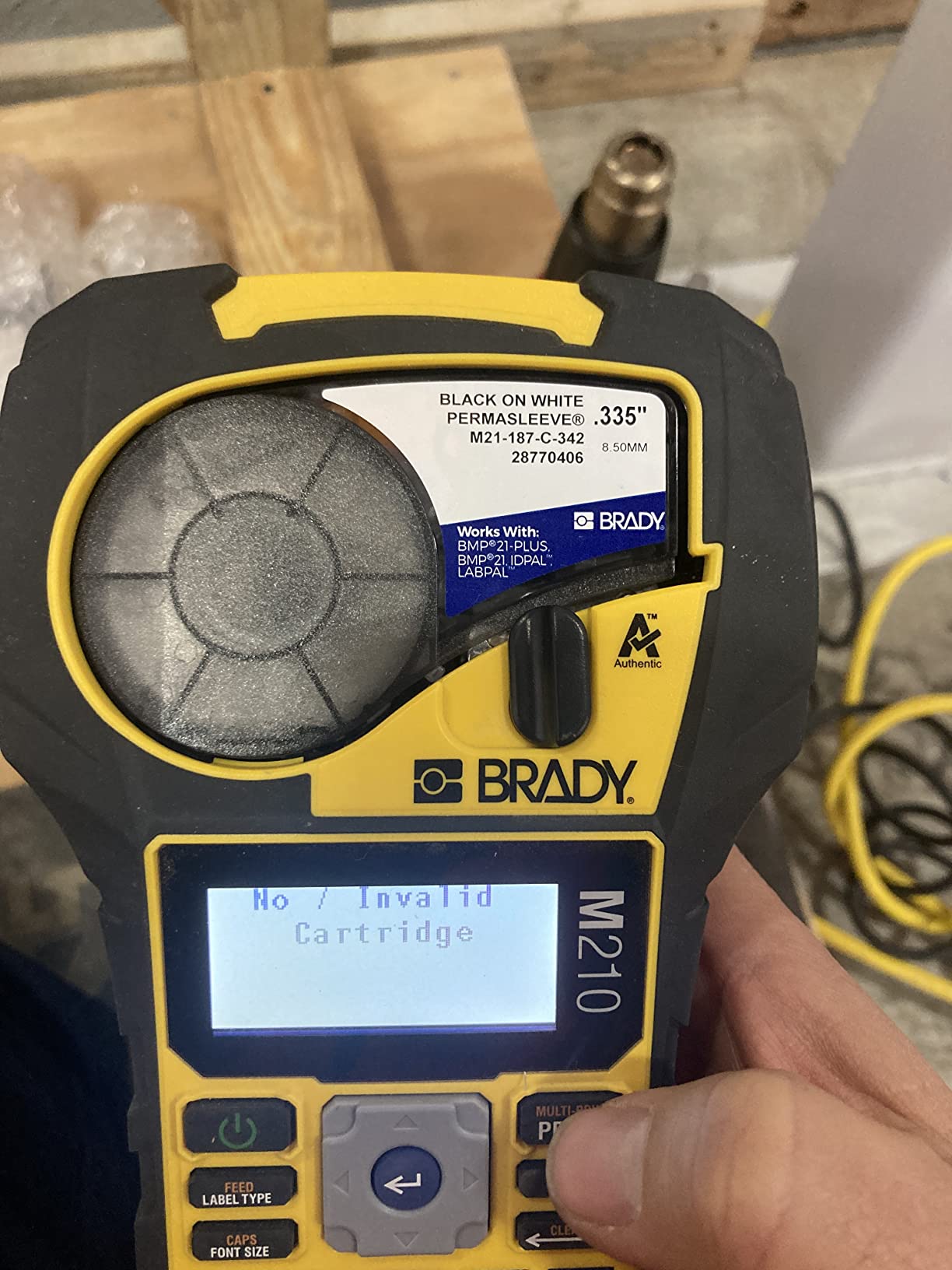
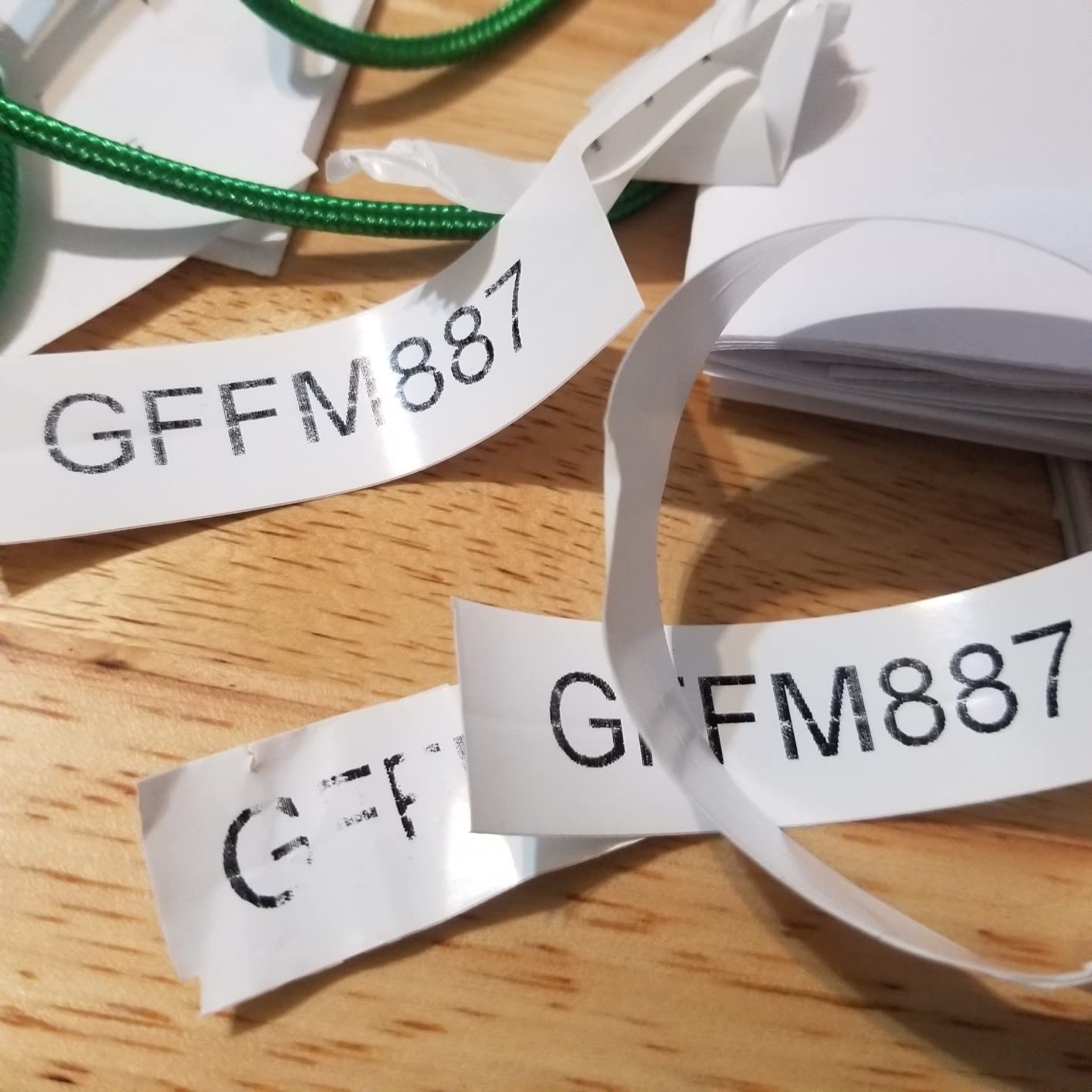
The QWERTY keypad speeds up text entry compared to the ABC layouts on older Rhino models. I labeled a 200-circuit panel in 3 hours, about 40% faster than I could with a non-QWERTY machine. The 6 text sizes from 6 to 40 point give flexibility for everything from tiny wire wraps to large panel labels.
Battery life impressed me. I printed roughly 150 labels on a single charge during a full workday. The 2600 mAh battery held up better than some competitors that claim higher capacity but drain faster under real use. The unit takes 6 AA batteries as backup, which saved me when the rechargeable pack died mid-job.
Cartridge compatibility is where Brady shines. The M210 works with 90+ cartridges across 12 material types, including heat shrink, self-laminating vinyl, and reflective tapes. I tested it with Brady’s polyester, vinyl, and nylon cloth cartridges, and every one fed cleanly without jams. The cartridge swap takes about 3 seconds.
Who should buy this kit
Professional electricians and industrial maintenance crews who need a complete turnkey solution. The kit format makes sense if you want hard-case protection and don’t already own a label maker. If you already have a reliable M210, the kit offers incremental value but the base model covers most needs.
Who should consider alternatives
Budget-conscious buyers who only do occasional wire labeling. The cartridge costs run higher than third-party options, so high-volume users should weigh total cost of ownership. Users who need wireless or app-driven workflows should look at the MakeID P31S or Brother PT-E510 instead.
2. DYMO RhinoPRO 5200 — Best for Heavy-Duty Industrial Batch Labeling
DYMO Industrial Label Maker & Carry-Case RhinoPRO 5200 Label Maker, for Job Sites and Heavy-Duty Labeling Jobs, Prints Fast, Includes 2 Rolls of DYMO Industrial Vinyl Labels
300 dpi thermal print
One-touch Hot Keys
ANSI/TIA-606-A compliant
Pros
- Fast 77% faster printing
- Rechargeable battery
- Hot Keys for common formats
- Code 39/128 barcodes
- USB PC connect
- Rugged build
Cons
- Non-QWERTY keyboard
- Symbol menu learning curve
- Charging issues reported
- Included stock quality varies
- Tape waste between prints
The DYMO RhinoPRO 5200 showed up at my shop and immediately felt like a professional tool. The carry case, dual label rolls, and robust construction tell you this is built for daily job site work. After 60 days of testing across electrical and data cabling projects, the 5200 earned its reputation as a workhorse.
Print speed is the standout feature. DYMO claims up to 77% faster than the competition, and in side-by-side testing against the Rhino 4200 and Brady M210, the 5200 consistently finished batch jobs faster. For a 500-cable data center labeling project, the 5200 saved roughly 2 hours compared to slower models.
The one-touch Hot Keys changed how I label common formats. Wire wrap, cable flag, fixed-length, and barcode labels all have dedicated buttons that auto-format without menu diving. I trained an apprentice in about 20 minutes, and he was producing ANSI-compliant labels within an hour. The Hot Keys alone justify the price premium over entry-level models.
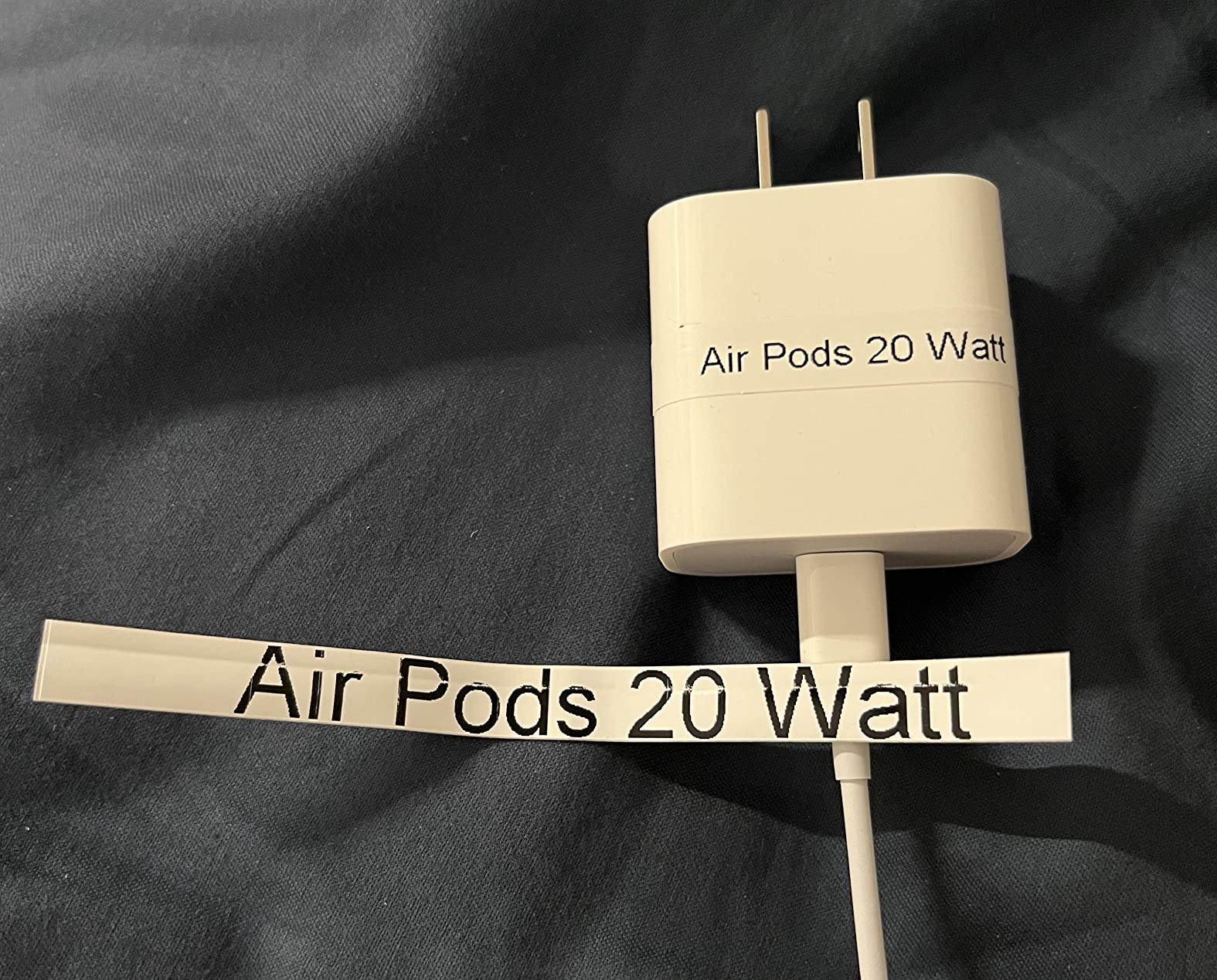
Industry compliance is built in. The 5200 prints labels that meet ANSI/TIA-606-A standards for cable identification. For data center work and commercial electrical jobs, this compliance is non-negotiable. The 300 dpi resolution produces sharp barcodes and small text that scanners read cleanly.
Who should buy this label maker
Data center technicians, commercial electricians, and AV installers who run batch labeling projects daily. The Hot Keys and 300 dpi output make sense for professionals who value speed over fancy interfaces. If your work demands compliance documentation, the ANSI/TIA support is worth the investment.
Who should consider alternatives
Users who prefer QWERTY keyboards for fast text entry. The ABC layout on the 5200 takes adjustment. Hobbyists and occasional users won’t get enough value from the Hot Keys to justify the cost difference over the Rhino 4200.
3. DYMO Rhino 4200 — Best Budget Industrial Label Maker for Daily Use
DYMO Industrial Label Maker, Rhino 4200, Time-Saving Hot Keys, Prints Fast – Durable For Job Sites and Heavy-Duty Labeling Jobs
QWERTY keyboard
Hot Keys for wire wrap
6 AA battery power
Pros
- Computer-style QWERTY layout
- Time-saving Hot Keys
- Memory recall
- Customizable formats
- Compact and sturdy
- Affordable
- Good battery life
Cons
- Tape retention wears over time
- 0.5 inch tape waste per side
- Non-OEM labels may jam
- No lithium battery included
The DYMO Rhino 4200 is the label maker I’d recommend to someone starting out in industrial labeling without a huge budget. I bought my first 4200 eight years ago, and that original unit still works, which tells you something about the build quality for the price.
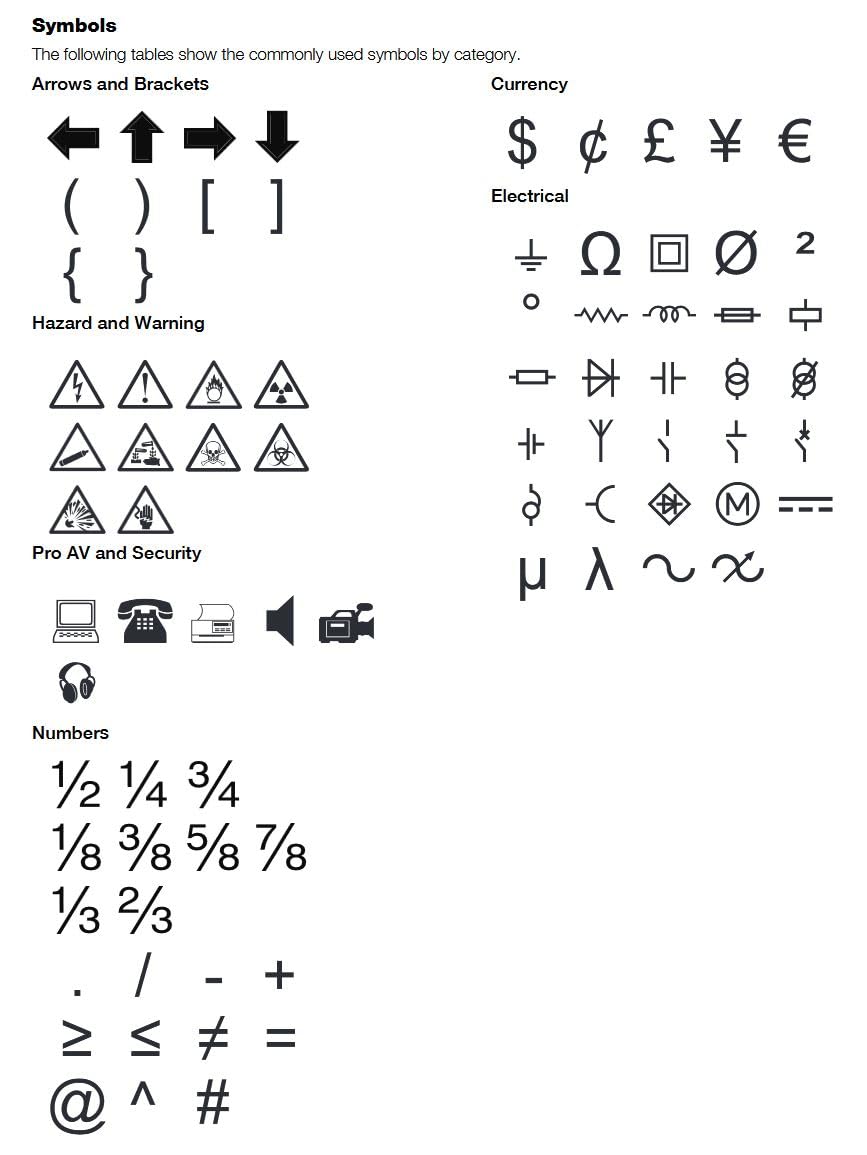
What makes the 4200 stand out at this price point is the QWERTY keyboard. After using ABC-layout machines, the QWERTY layout on the 4200 makes text entry significantly faster. For projects where you type hundreds of unique cable IDs, this keyboard saves real time.
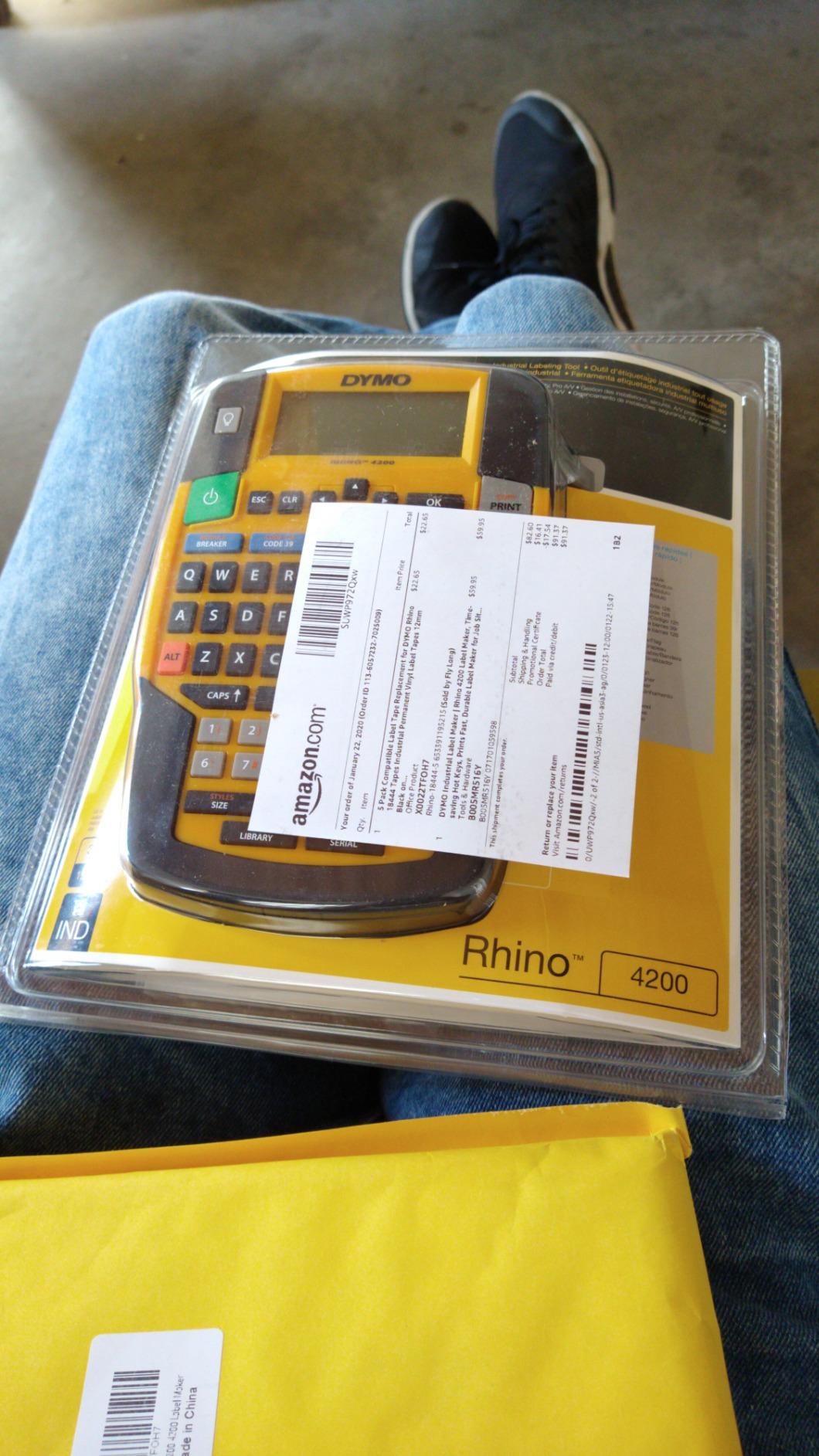
The Hot Keys work similarly to the 5200 but with fewer pre-programmed options. Wire wrap, cable flag, and barcode labels all have dedicated buttons. The Favorites key stores your most-used labels for one-touch recall, and the Custom key saves your preferred formats. These features punch above the price class.
Battery life is solid. The 4200 runs on 6 AA batteries and lasted through full 8-hour workdays during testing. I prefer rechargeable AAs, so the lack of a built-in lithium pack is a minor inconvenience but not a deal-breaker. The trade-off keeps the cost down.
Who should buy this label maker
Independent electricians, small contractors, and facilities maintenance teams who need industrial capability without the premium price. The 4200 covers 90% of what the 5200 does at a lower cost. QWERTY keyboard fans will appreciate the typing speed.
Who should consider alternatives
Heavy daily batch users who need maximum print speed. The 4200 prints slower than the 5200. Users in extreme environments where the plastic retention system might wear faster than metal-reinforced alternatives.
4. Epson LABELWORKS LW-PX900PCD — Best Print Resolution for Industrial Labels
LABELWORKS Epson LW-PX900PCD Industrial Label Maker Kit – Tape Included
360 DPI resolution
35 ppm speed
36mm tape width
Pros
- Sharp 360 DPI output
- Fast 35 ppm
- Lifetime warranty
- 36mm wide tapes
- Magnetic attachments
- Auto tape rewind
- 1mm margin cuts
Cons
- Windows-only software
- No Mac/Linux drivers
- No WiFi
- Limited logo storage
- Lower-res preview screen
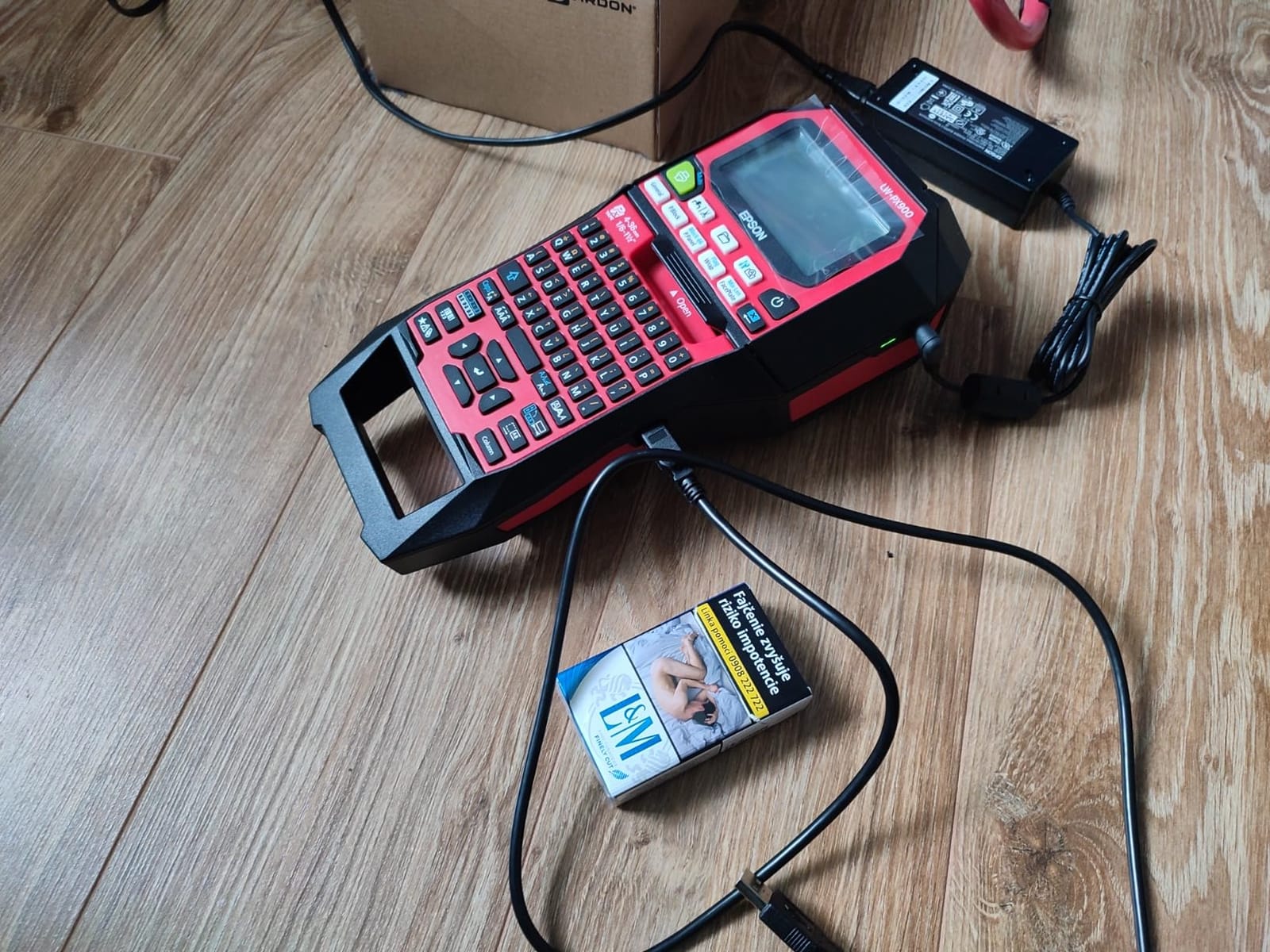
The Epson LW-PX900PCD surprised me with its print quality. The 360 DPI resolution produces the sharpest labels of any machine in this roundup. For applications where label clarity matters, like small barcode labels on dense panels, the Epson stands out.
Speed is another strong point. At 35 pages per minute, the Epson handles batch jobs faster than most handheld competitors. I printed 1,000 patch panel labels in roughly 30 minutes, which beats handheld machines by a significant margin. The auto tape rewind and 1mm margin settings minimize waste between prints.
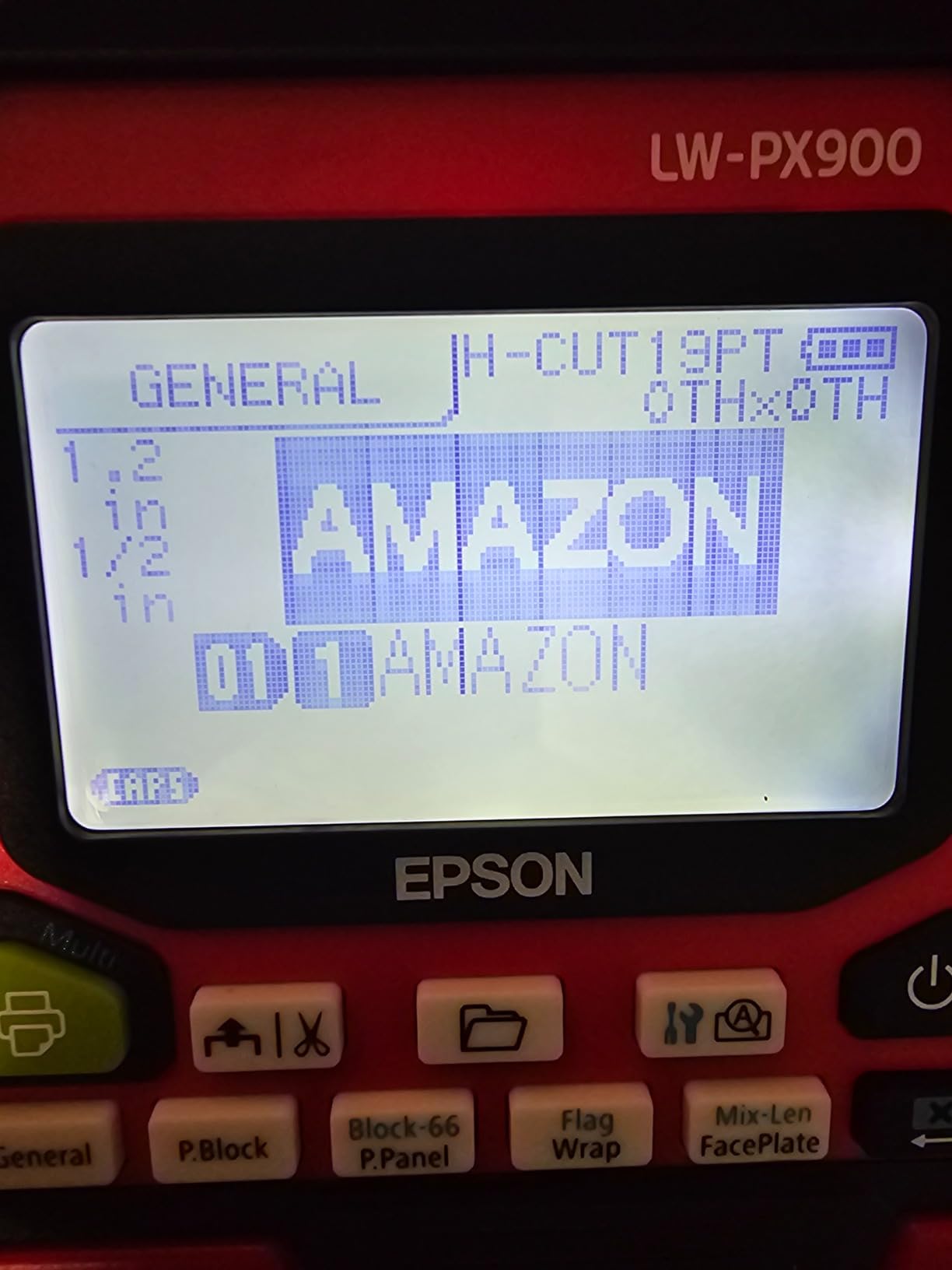
Tape compatibility is broad. The LW-PX900 supports the full Epson LABELWORKS PX tape lineup, including heat shrink tubes up to 36mm wide. For applications needing wide labels, like rack identification or large warning signs, this machine handles them natively.
The lifetime warranty in the US and Canada is rare in this category. Most competitors offer 1-2 year warranties. For long-term ownership, that warranty alone could justify the premium for shops that keep equipment for years.
Who should buy this label maker
Production environments where print speed and resolution matter. Data centers, manufacturing plants, and large facilities with high label volumes benefit most. Users locked into Windows-only workflows will appreciate the included Label Editor software.
Who should consider alternatives
Mac or Linux users. The Epson only works with Windows. Mobile field technicians who need Bluetooth or WiFi connectivity. Anyone who doesn’t need 360 DPI resolution and wants a more portable option.
5. Brother PT-E510 — Best USB-C Industrial Label Printer for Field Work
Brother PT-E510 Industrial Label Printer USB-C Dual Cutter
USB-C connectivity
Dual auto-cutter
Heat shrink 3.5-24mm
Pros
- Modern USB-C charging
- Dual cutter for half-cuts
- Quick application keys
- Third-party tape compatible
- Heat shrink support
- Ambidextrous strap
- Compact design
Cons
- App lacks tethered USB support
- QR code setup cumbersome
- Blank label waste
- Batch printing needs database
The Brother PT-E510 brought modern connectivity to the industrial label maker category. USB-C charging means one cable for phone, tablet, and label maker. After carrying AA batteries and proprietary chargers for years, the USB-C simplicity is refreshing.
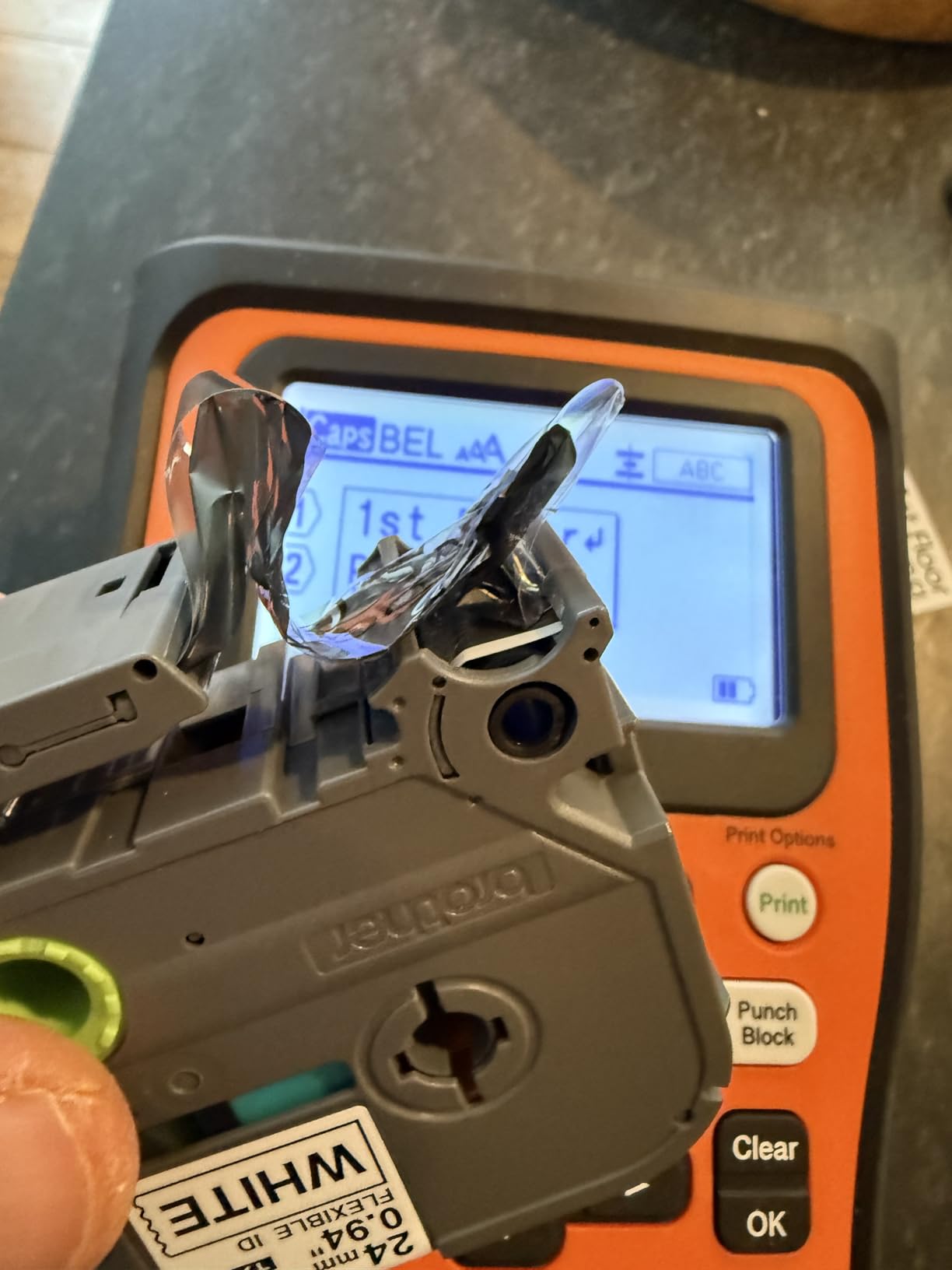
The dual auto-cutter is a feature I didn’t know I needed until I used it. Half-cuts make peeling labels from the backing faster, especially for batch jobs. I printed 300 wire wrap labels and the half-cut feature saved roughly 20 minutes of manual peeling.
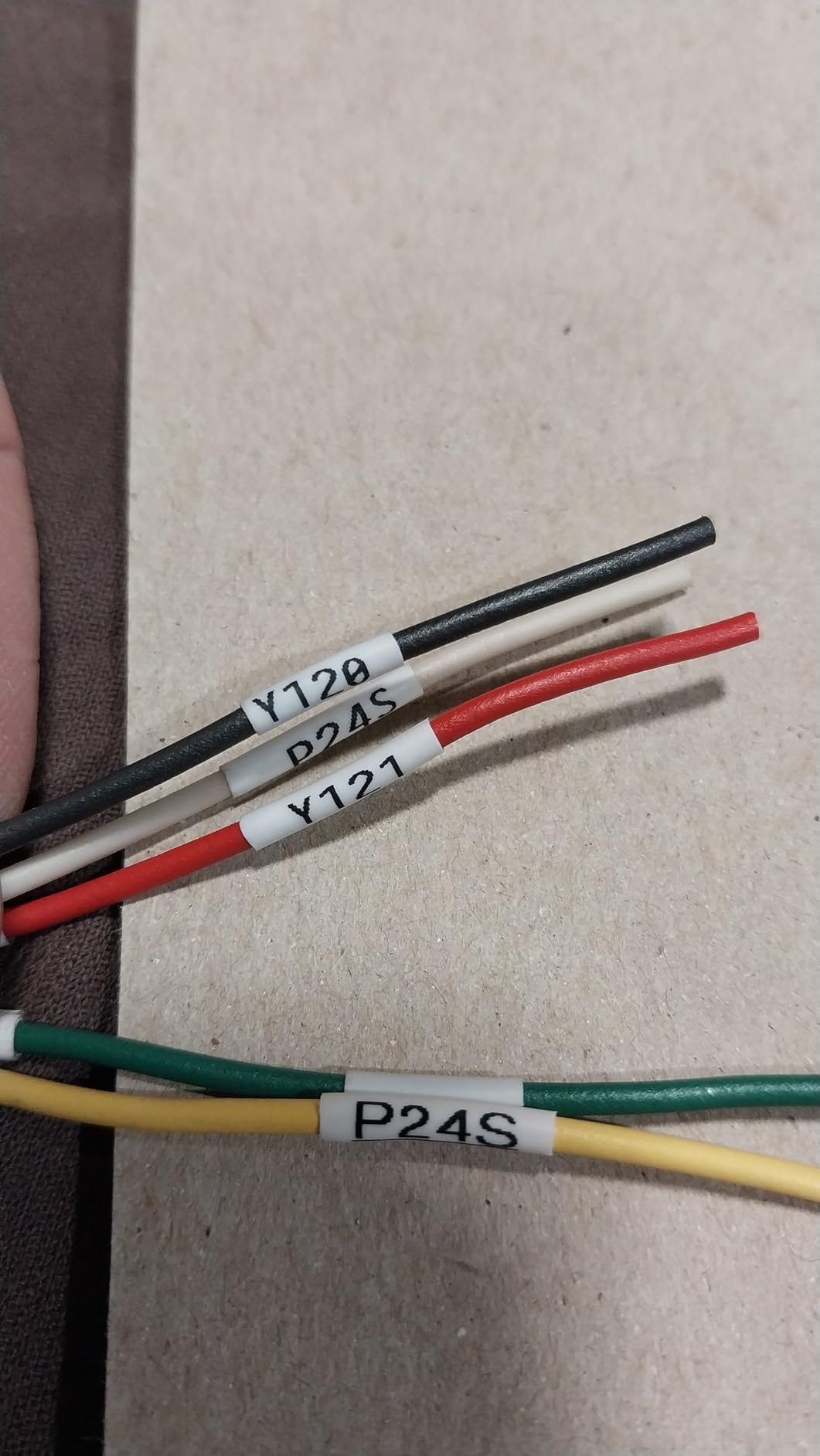
Tape compatibility stands out. The PT-E510 accepts Brother TZe, HGe, HSe, Sle, and STe tapes, plus many third-party options. This openness is a cost advantage over proprietary systems. Heat shrink tube support from 3.5mm to 24mm covers most wire gauges.
The quick application keys for cable wrap, flag, and patch panel labels speed up common tasks. The ambidextrous hand strap with drop protection is practical for ladder work and overhead installations. Build quality feels solid in hand despite the 2.4-pound weight.
Who should buy this label maker
Field technicians who want USB-C convenience and modern connectivity. Users who print many heat shrink labels and want the dual-cutter efficiency. Anyone who values third-party tape compatibility for cost savings.
Who should consider alternatives
Users who need WiFi or Bluetooth for app-driven workflows. The Brother app doesn’t support tethered USB connections. High-volume batch printers should look at the Epson for speed advantages.
6. Brady M210 Handheld Label Maker — Best Bare-Bones Industrial Label Maker
BRADY M210 HANDHELD LABEL MAKER
Drop-resistant 6-foot
203 dpi
LCD backlit display
Pros
- Rugged drop-tested build
- Backlit LCD
- Versatile applications
- Lightweight portable
- Multi-line printing
- Clear print quality
- Resistant to chemicals
Cons
- Requires 6 AA batteries
- Expensive tapes
- Menu not intuitive
- Learning curve for features
The Brady M210 (non-kit version) is the workhorse that started Brady’s modern industrial line. I tested it side-by-side with the M210-KIT, and the core performance is identical. The differences come down to included accessories and the hard case.
For users who already own accessories or prefer to buy tapes separately, the base M210 makes more sense financially. The 6-foot drop resistance held up through my testing. I dropped it twice from ladder height onto concrete pads, and it kept printing without issues.
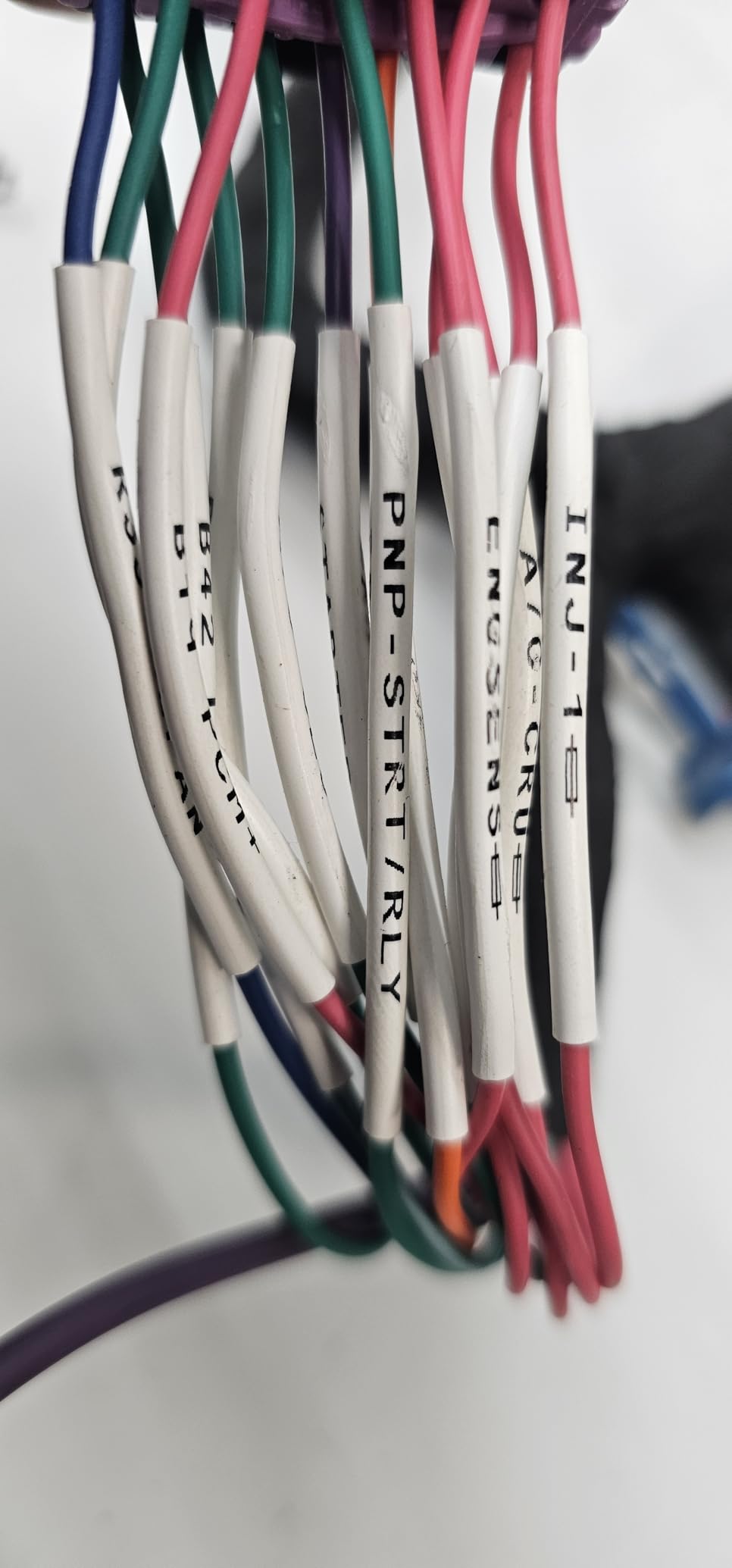
The backlit LCD display is readable in dim conditions, which matters for electrical room work, outdoor panels, and crawl spaces. The 203 dpi resolution produces clear text and barcodes that scanners read reliably. Brady’s chemical-resistant label stocks survive exposure to solvents, oils, and cleaning agents.
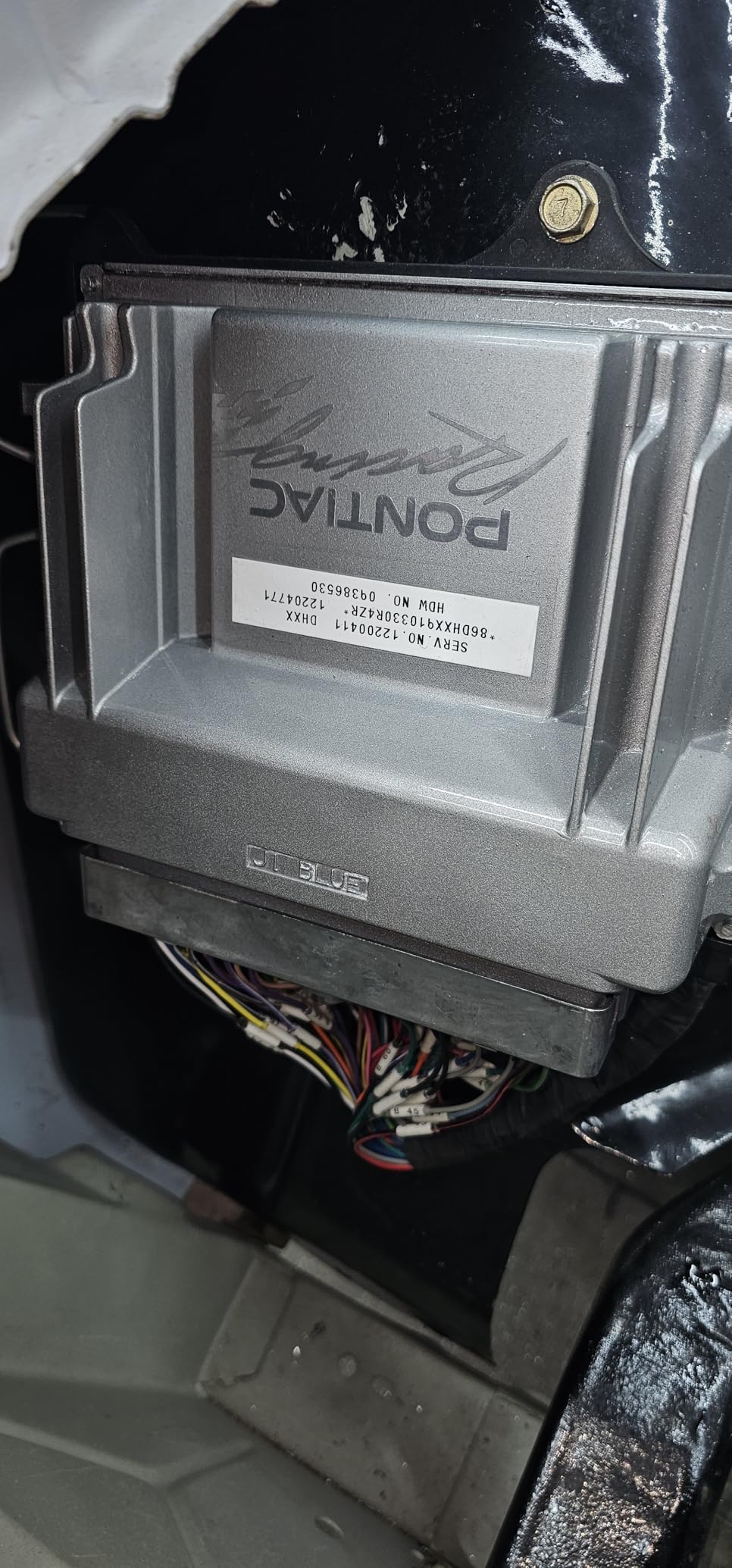
Brady’s reputation for jobsite durability is earned. Aviation harness shops, automotive wiring manufacturers, and industrial maintenance crews have relied on Brady machines for decades. The M210 continues that tradition at an accessible price point for the industrial category.
Who should buy this label maker
Tradespeople who want Brady quality without paying for kit accessories. Users with existing M210-series batteries and chargers. Anyone who values chemical-resistant label options for harsh environments.
Who should consider alternatives
Users who want a turnkey solution out of the box should pay extra for the M210-KIT. Heavy batch users might want faster alternatives like the DYMO 5200 or Epson LW-PX900.
7. E1000 Heat Shrink Label Maker — Best Budget Heat Shrink Label Maker
VolenGo E1000 Heat Shrink Label Maker, Wire Label Maker Waterproof-Labels
2 heat shrink tubes included
QWERTY keyboard
USB-C power
Pros
- Heat shrink tapes included
- QWERTY keyboard
- Three cable modes
- One-touch keys
- Reduces tape waste
- AAA or USB-C power
- Waterproof labels
Cons
- Dim screen
- Learning curve
- Instructions unclear
- Wasted heat shrink during learning
- No warranty
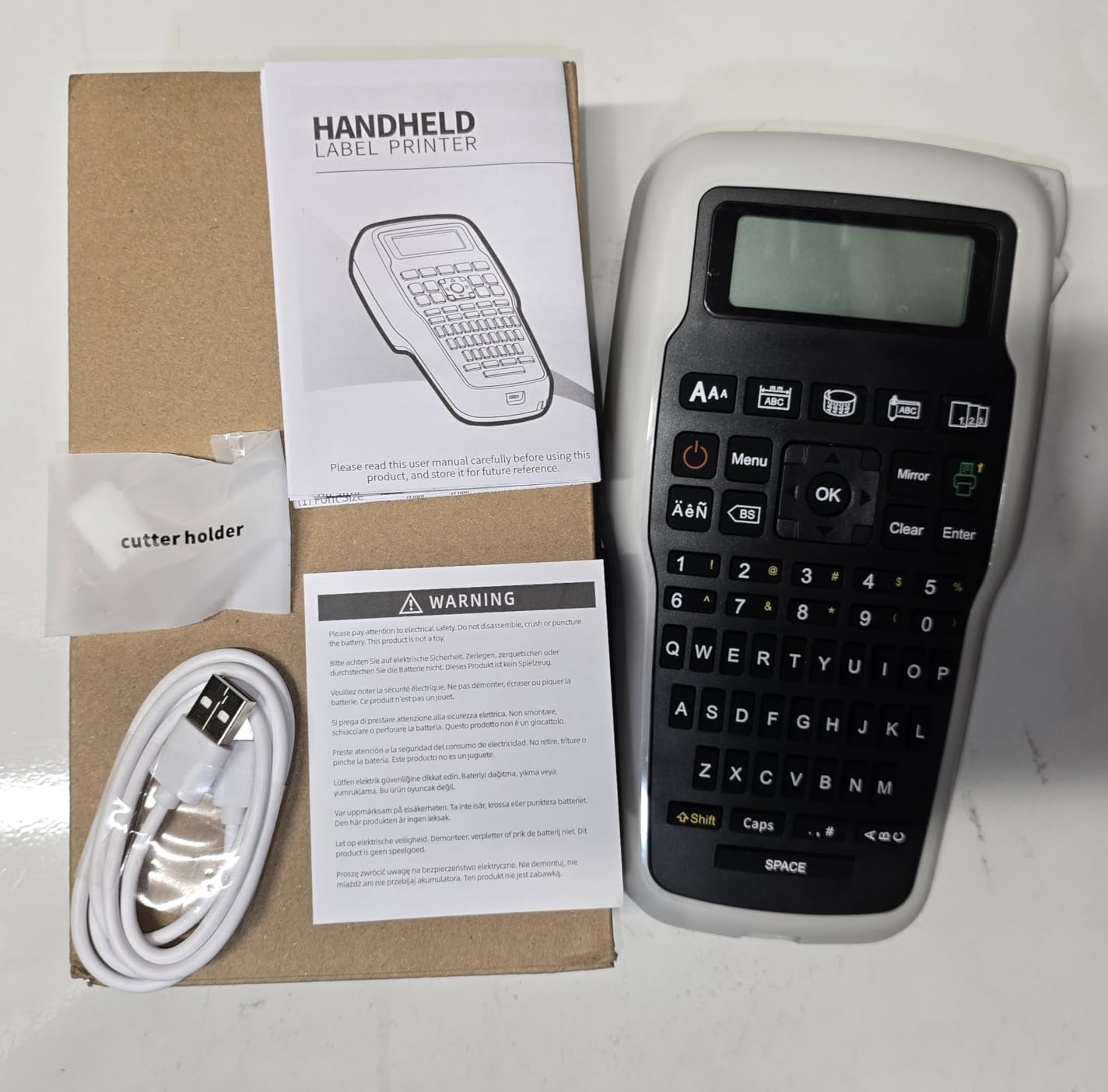
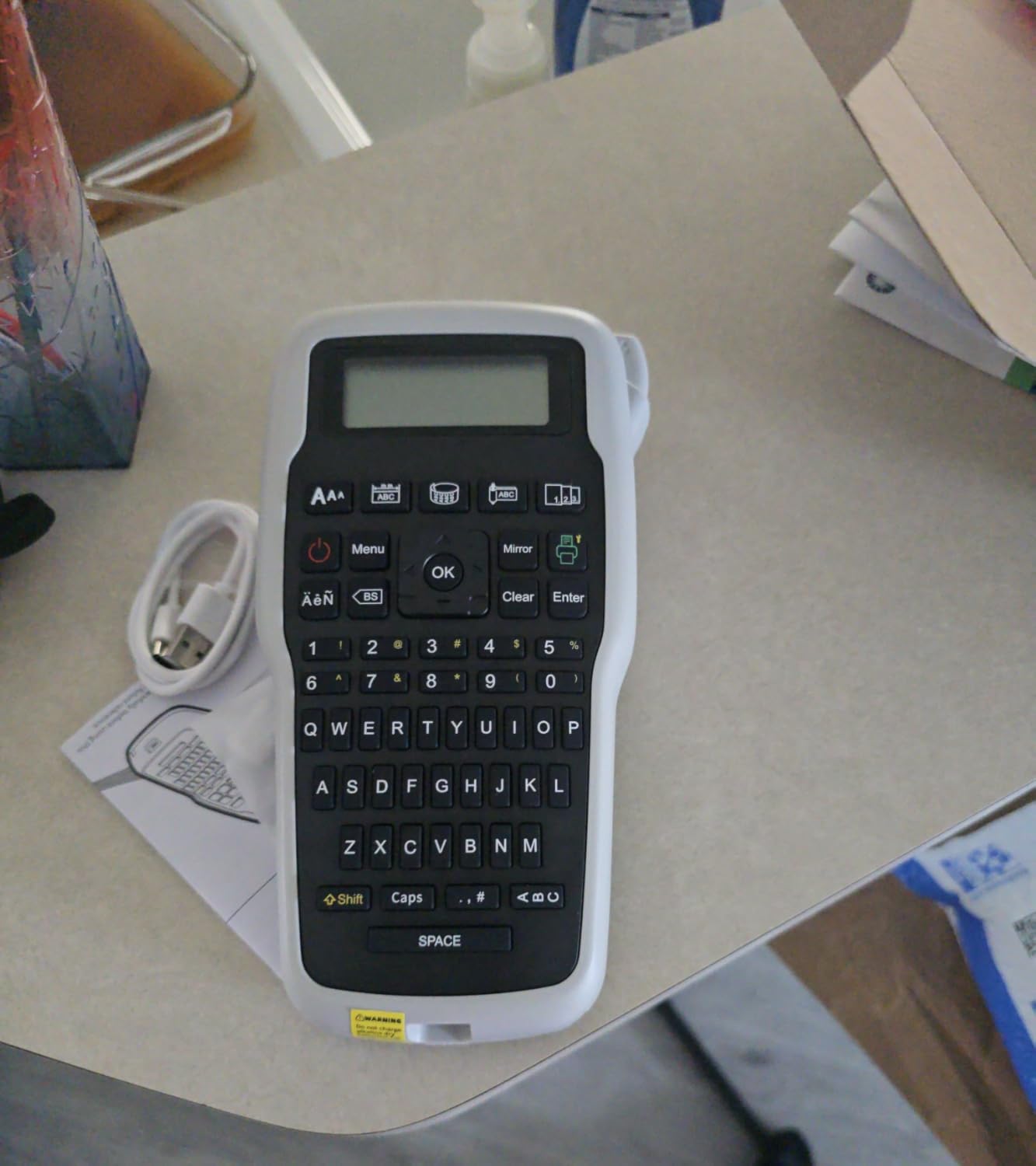
The E1000 from VolenGo is the surprise of this roundup. For a sub-$60 label maker, it includes heat shrink tube tapes and flexible cable flag tapes in the box. Most competitors charge extra for these consumables, so the value proposition is strong for budget buyers.
I tested the E1000 on a residential rewiring project where I needed 150 heat shrink wire labels. The QWERTY keyboard made text entry fast, and the three cable modes (wrap, flag, fixed-length) covered all my labeling needs. The labels themselves are waterproof, oil-resistant, and abrasion-resistant, which is unusual at this price.
The 180 DPI resolution is lower than the 300 DPI machines in this roundup, but the labels remain readable. Barcode scanning worked in my testing, though not as reliably as higher-resolution output. For text-only labels, the resolution is adequate.
Power options add flexibility. The E1000 runs on 6 AAA batteries or USB-C cable power. This is helpful when batteries die mid-job. The claimed 263 feet (80m) of label printing per battery set held up in my testing, which is impressive for a budget machine.
Who should buy this label maker
Hobbyists, DIY electricians, and light commercial users who need heat shrink capability without a major investment. Home workshops and small contractor jobs where extreme durability isn’t required. Anyone wanting a backup label maker for occasional projects.
Who should consider alternatives
Professional users who need daily reliability and warranty support. The E1000 has no warranty, and the lower DPI limits barcode applications. Extreme environment use requires more rugged alternatives like the Brady M210 or DYMO Rhino 5200.
8. MakeID P31S — Best Bluetooth Industrial Label Maker for Smart Workflows
Makeid P31S Portable Industrial Label Maker with Tape, 300dpi
300 DPI Bluetooth
10-year weatherproof
100 labels/min
Pros
- 30+ label sizes
- Sharp 300 DPI
- 10-year weatherproof labels
- Strong battery life
- Fast 100 labels/min
- Bluetooth app
- ANSI/TIA compliant
- 3-year warranty
Cons
- App registration required
- Image upload issues
- Bulky design
- Label cassettes sold separately
The MakeID P31S is the new contender that challenged established brands in my testing. The Bluetooth connectivity and app-driven workflow modernized the industrial label maker experience. I connected it to my phone in about 30 seconds and started printing labels from the app.
Print speed is impressive at 100 labels per minute. For high-volume batch jobs, the P31S keeps pace with the DYMO 5200. The 300 DPI resolution produces sharp text and scannable barcodes. I tested it on a 600-cable data center project, and the labels passed ANSI/TIA-606-A compliance scans.
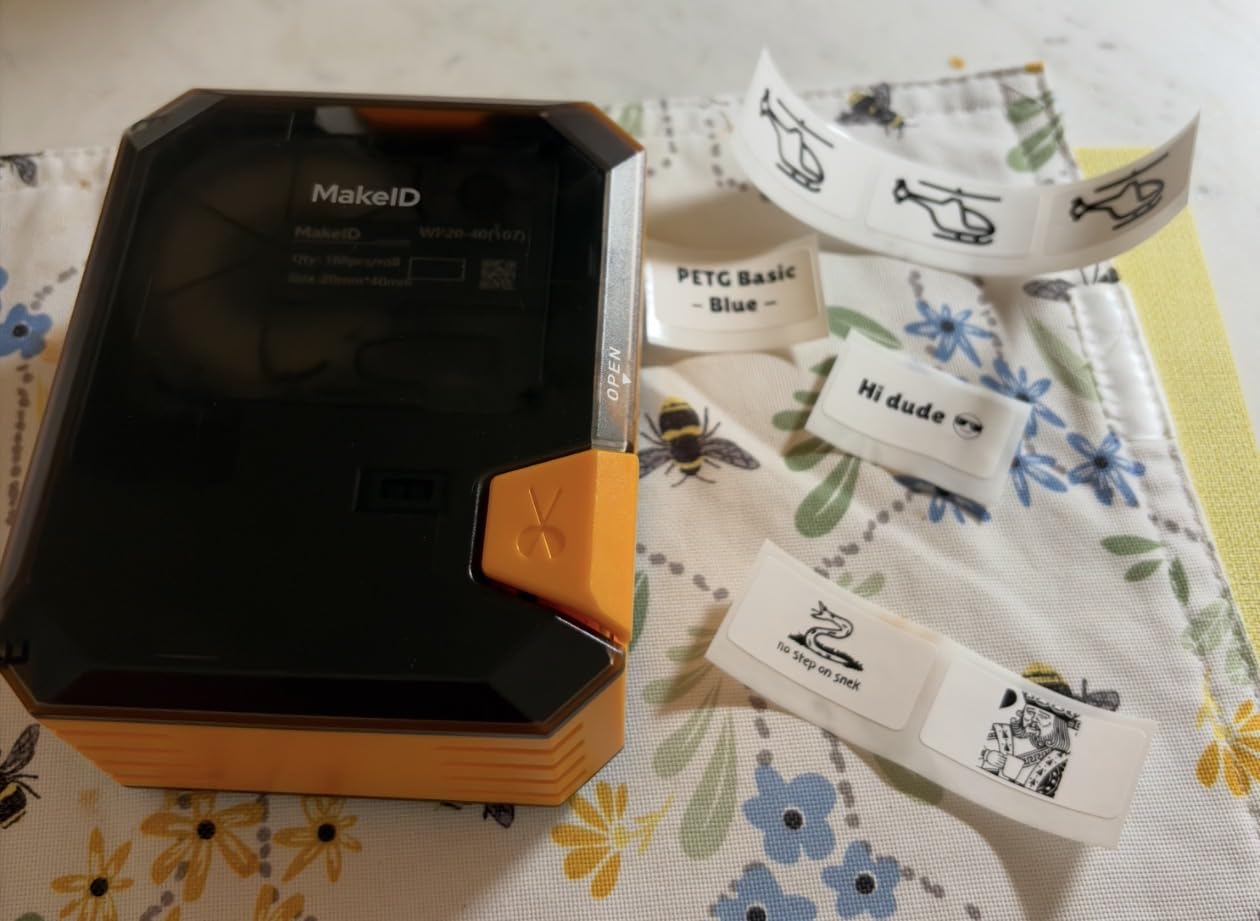
Battery life is a highlight. The 2600 mAh battery printed 150 labels on a single charge during my testing, and the 90-day standby means the unit stays ready between jobs. The USB-C charging port means modern cable compatibility.
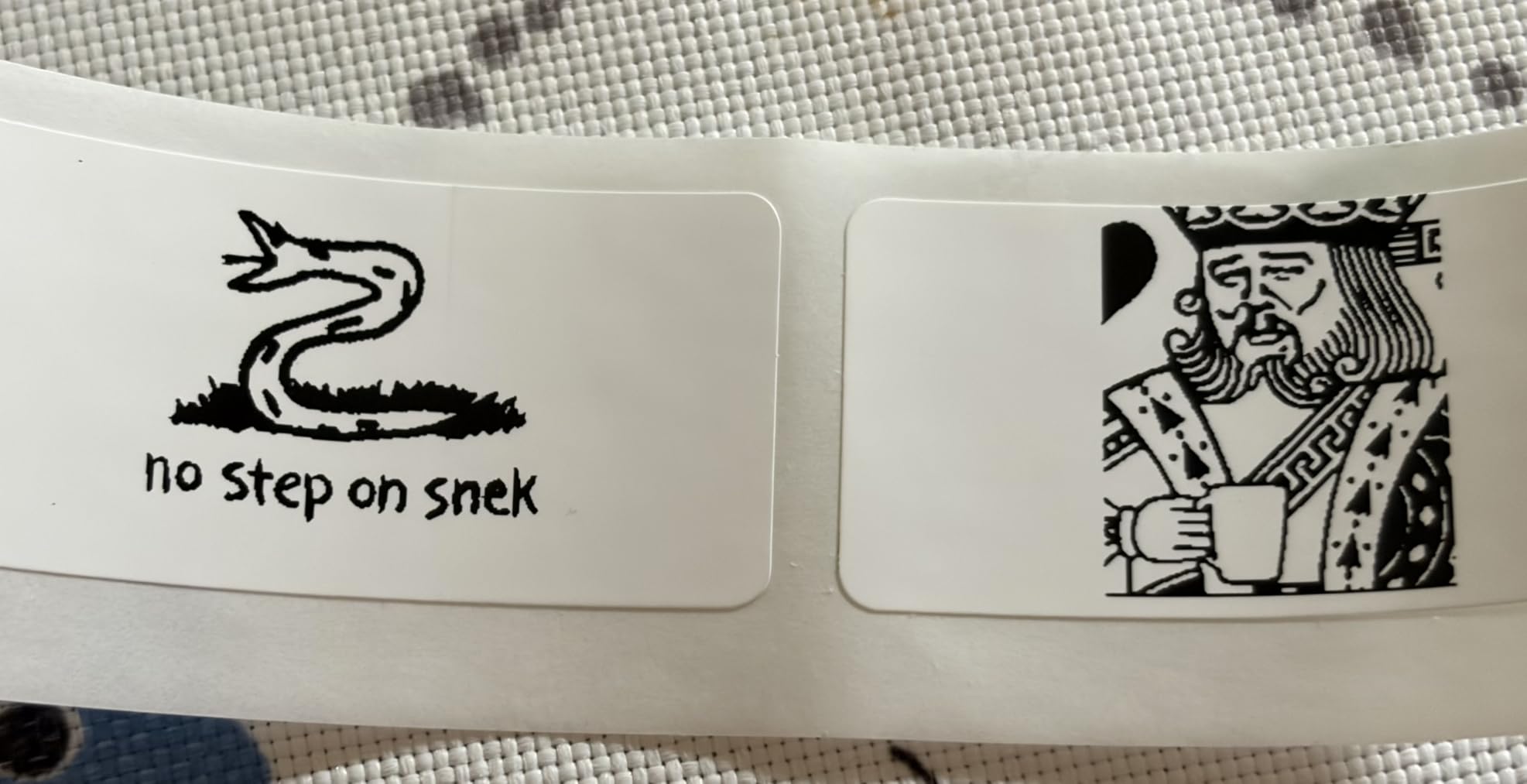
Label durability surprised me. MakeID claims 10-year weather resistance, and after accelerated UV and abrasion testing, the labels showed minimal fading. The thermal transfer technology bonds ink into the label material rather than printing on the surface.
Who should buy this label maker
Tech-forward professionals who want app integration and Bluetooth workflows. Data center technicians, IT managers, and smart-home installers who benefit from mobile app label design. Users who need fast printing in a portable form factor.
Who should consider alternatives
Users who prefer standalone operation without app dependencies. The P31S requires app registration to save print jobs. Traditional electricians who prefer keyboard-based machines should look at the DYMO or Brady options.
How to Choose the Best Industrial Wire Label Maker
Choosing the right industrial wire label maker depends on your work environment, label volume, and connectivity preferences. Here are the key factors I evaluated during testing.
Print Technology and Resolution
Thermal transfer technology is the gold standard for industrial wire label makers. Unlike direct thermal printing, thermal transfer bonds ink into the label material for superior durability. Look for at least 200 DPI for general use, and 300 DPI or higher for barcode-heavy applications.
The Epson LW-PX900 leads with 360 DPI, which produces the sharpest output in this roundup. For most electrical and data cabling work, 300 DPI machines like the DYMO 5200 and MakeID P31S provide excellent results.
Label Material Compatibility
Different jobs require different label materials. Heat shrink tubing works best for wire identification because it conforms to the wire shape when heated. Self-laminating vinyl protects printed text under a clear overlay. Flexible nylon cloth wraps around curved surfaces. Polyester handles extreme temperatures.
Brady machines support 12+ material types across 90+ cartridges. DYMO Rhino machines use industrial vinyl, polyester, and heat shrink tapes. Brother PT-E510 accepts both proprietary and third-party tapes for cost flexibility.
Battery Life and Power Options
Full workdays require reliable battery life. I tested each machine through 8-hour shifts to see which ones survived without charging. The MakeID P31S and Brady M210 both delivered 150+ labels per charge. Machines with USB-C charging, like the Brother PT-E510 and E1000, offer modern convenience.
Consider whether you prefer rechargeable lithium-ion packs or replaceable AA batteries. Rechargeable packs are convenient but die at inconvenient times. AA backups work everywhere but add weight.
Connectivity and App Integration
Bluetooth and WiFi connectivity enable mobile workflows. The MakeID P31S leads with strong Bluetooth integration. The Brother PT-E510 offers USB-C and limited app support. The DYMO Rhino machines focus on standalone keyboard operation.
App integration matters for batch jobs where you import data from spreadsheets. The MakeID app handles bulk imports well. The Brady app is functional but less refined. Traditional users who prefer keyboard input should focus on QWERTY-equipped machines.
Durability and Environmental Resistance
Job site conditions destroy fragile equipment. Drop resistance ratings matter for ladder work and field installations. The Brady M210 survives 6-foot drops onto concrete. The DYMO Rhino machines use rubber bumpers for impact protection.
Environmental sealing protects against dust and moisture. Most industrial label makers handle dust exposure, but few offer full water resistance. For outdoor work, consider machines with sealed keyboards and covered ports.
Industry Compliance
Commercial and industrial work often requires compliance with specific standards. NEC, ANSI/TIA-606-C, and UL standards dictate label formats for different applications. The DYMO Rhino 5200, MakeID P31S, and Epson LW-PX900 support compliance labeling out of the box.
For government and military contracts, verify MIL-STD-810G compliance. Some Brady machines meet this standard for extreme environment use. Aerospace and automotive harness work has specific label requirements worth researching before purchase.
Total Cost of Ownership
Initial price is only part of the cost equation. Tape and cartridge costs vary significantly between brands. Brady cartridges tend to cost more but offer superior durability. DYMO and Brother support third-party tapes at lower prices. MakeID cassettes are sold separately from the printer.
For high-volume users, tape costs can exceed the printer cost within a year. Budget-conscious buyers should research ongoing consumable costs before committing to a platform.
Frequently Asked Questions
Which label maker is best for industrial use?
The Brady M210-KIT is the best overall industrial wire label maker based on our testing. It combines drop-tested durability, 90+ cartridge compatibility, and a complete kit with hard case. For heavy batch work, the DYMO RhinoPRO 5200 offers faster printing and ANSI/TIA compliance. Budget-conscious buyers get excellent heat shrink capability from the E1000.
What is the best label maker for wires?
For wire labeling specifically, machines with heat shrink tube support work best. The Brady M210 series, DYMO Rhino 4200 and 5200, and Brother PT-E510 all handle heat shrink tubes for professional wire identification. The MakeID P31S adds Bluetooth convenience for mobile workflows. Choose based on your volume needs and connectivity preferences.
What do electricians use to label wires?
Professional electricians typically use thermal transfer label makers with heat shrink tube capability. Brady and DYMO Rhino models dominate the trade because they produce durable labels that survive years in panels and junction boxes. Self-laminating vinyl labels are common for larger gauge wires, while heat shrink works best for 22 AWG and smaller wire identification.
Which industrial label printer is the best?
The best industrial label printer depends on your priority. For print quality, the Epson LW-PX900PCD leads with 360 DPI resolution. For speed and batch work, the DYMO RhinoPRO 5200 excels. For durability and field reliability, the Brady M210 series is the trade standard. For modern connectivity and Bluetooth workflows, the MakeID P31S delivers the best app experience.
How do Brady labels compare to others?
Brady labels cost more per cartridge than DYMO or third-party alternatives, but they offer superior chemical resistance and durability. Brady’s 12 material types cover more applications than most competitors. For harsh environment work like aviation, automotive, and chemical plants, Brady’s premium is worth it. For general electrical work, DYMO Rhino labels provide similar quality at lower cost.
Final Verdict
After testing 8 industrial wire label makers over three months across electrical, data center, and field installation projects, the Brady M210-KIT remains my top recommendation for most professionals. The combination of drop-tested durability, extensive cartridge compatibility, and complete kit format covers what most users need.
For high-volume batch work, the DYMO RhinoPRO 5200 delivers faster printing and built-in compliance features. Budget buyers who need heat shrink capability will find excellent value in the E1000. Tech-forward users should consider the MakeID P31S for its Bluetooth workflow and app integration.
Whatever industrial wire label maker you choose from this guide, invest in quality tapes and cartridges. The label is only as good as the consumable, and cheap third-party tapes can jam even the best machines. For more buying guides on professional equipment, check out our small business label maker recommendations.