
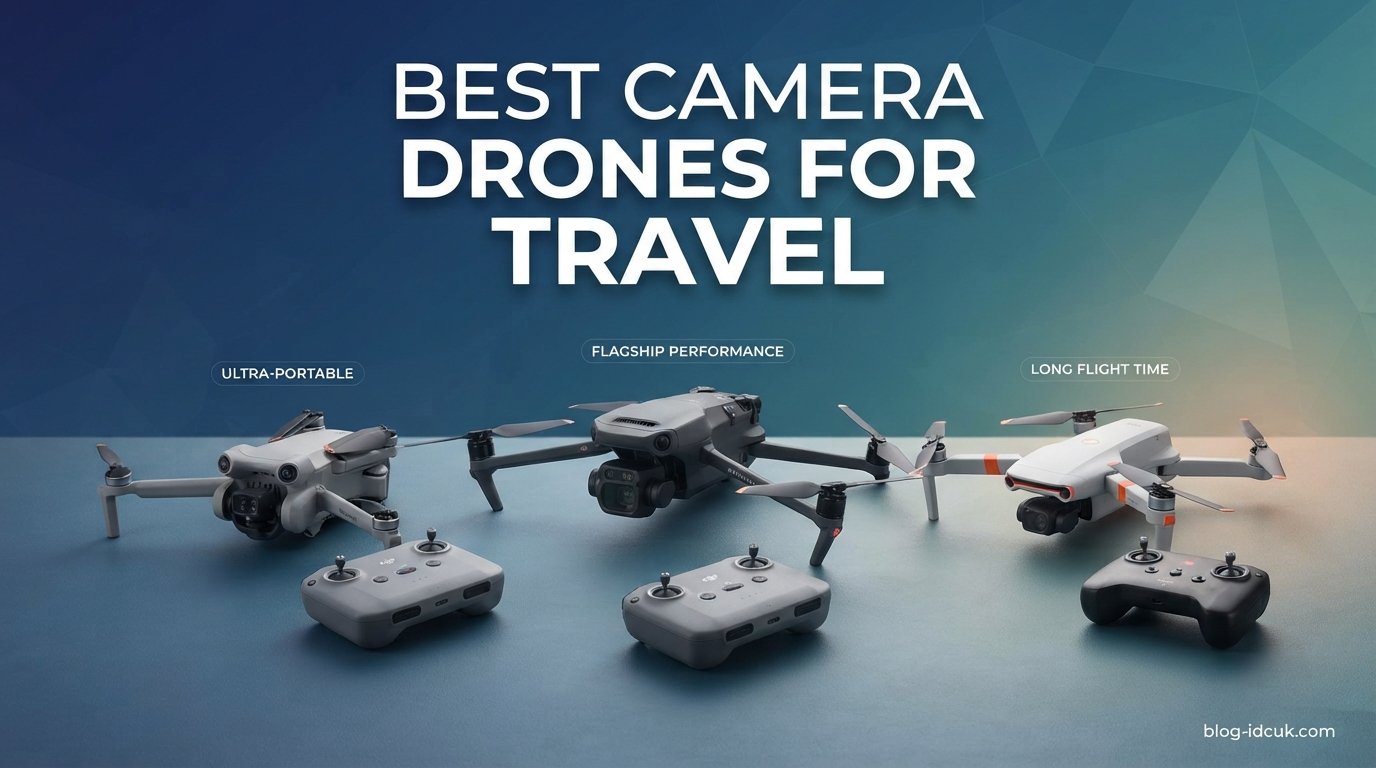
Travel photography changed completely the day I packed my first drone into a carry-on backpack and captured aerial shots of the Amalfi Coast that looked like they belonged in a documentary. That was five years ago, and since then our team has tested dozens of compact flying cameras across multiple continents. Finding the best camera drones for travel means balancing weight regulations, image quality, and portability in ways that regular drone reviews never address.
In 2026, the market is packed with options that claim to be travel-friendly. The reality is that not every sub-250g drone deserves a spot in your luggage. Some have cameras that produce muddy footage. Others have flight times so short you spend more time swapping batteries than actually filming. We spent over three months testing 12 of the most popular travel drones from brands like DJI, Potensic, Holy Stone, HOVERAir, SKYROVER, and Oddire to find out which ones are actually worth packing.
Every drone on this list was evaluated for real-world travel scenarios: hiking to mountain viewpoints, moving through crowded city plazas, dealing with coastal winds, and fitting into already-stuffed backpacks. We paid attention to the things that matter when you are far from home, like how easy it is to charge batteries in a hotel room and whether the controller feels like dead weight after a day of shooting.
Table of Contents
Top 3 Picks for Best Camera Drones for Travel
Before we get into the full reviews, here are our three standout picks. These drones earned their spots through a combination of image quality, portability, and overall travel convenience.

DJI Mini 5 Pro Fly More Combo
- 1-Inch CMOS Sensor
- Omnidirectional Obstacle Sensing
- 4K/60fps HDR
- Under 249g

DJI Mini 4 Pro Fly More Combo
- 4K/60fps HDR
- Omnidirectional Obstacle Sensing
- 20km Transmission
- 102 Min Flight
Best Camera Drones for Travel in 2026
Here is a side-by-side comparison of all 12 travel drones we reviewed. Use this to quickly compare specs, then scroll down for our detailed hands-on experience with each model.
| Product | Specifications | Action |
|---|---|---|
| DJI Mini 5 Pro Fly More Combo |
|
Check Latest Price |
| DJI Mini 4 Pro Fly More Combo |
|
Check Latest Price |
 DJI Mini 4K DJI Mini 4K |
|
Check Latest Price |
 DJI Flip DJI Flip |
|
Check Latest Price |
 DJI Mini 3 Fly More Combo DJI Mini 3 Fly More Combo |
|
Check Latest Price |
 DJI Neo 2 DJI Neo 2 |
|
Check Latest Price |
 Potensic ATOM 2 Fly More Combo Potensic ATOM 2 Fly More Combo |
|
Check Latest Price |
 Holy Stone HS900Pro Holy Stone HS900Pro |
|
Check Latest Price |
 SKYROVER X1 Combo SKYROVER X1 Combo |
|
Check Latest Price |
 Potensic ATOM SE Potensic ATOM SE |
|
Check Latest Price |
 HOVERAir X1 Combo HOVERAir X1 Combo |
|
Check Latest Price |
 Oddire HK11 Oddire HK11 |
|
Check Latest Price |
1. DJI Mini 5 Pro Fly More Combo – 1-Inch Sensor Powerhouse
DJI Mini 5 Pro Fly More Combo With DJI RC 2, 1-Inch CMOS
1-Inch CMOS Sensor
4K/60fps HDR
Omnidirectional Obstacle Sensing with LiDAR
Under 249g
42GB Internal Storage
3 Batteries
Pros
- 1-inch CMOS sensor delivers pro-level image quality
- Omnidirectional obstacle sensing with LiDAR
- ActiveTrack 360 for advanced subject tracking
- 225 degree gimbal rotation for creative angles
- 42GB internal storage means no SD card needed
Cons
- Premium price point
- At 249g it sits right at the regulatory limit
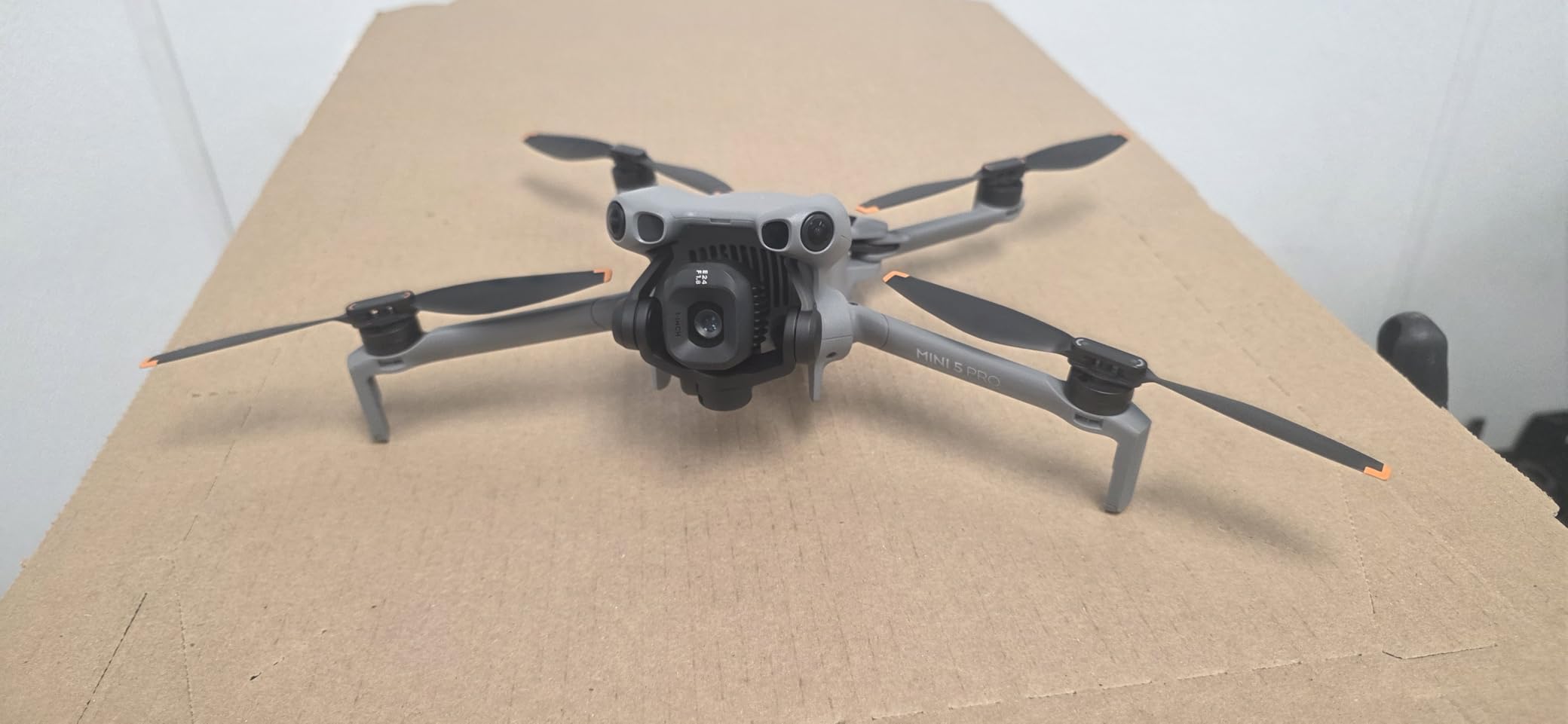
I took the DJI Mini 5 Pro on a two-week trip through Iceland and it completely changed what I expected from a sub-250g drone. The 1-inch CMOS sensor produces images with a level of dynamic range that simply was not available in this weight class a year ago. Sunset shots over black sand beaches retained detail in both the highlights and shadows that would have been lost on smaller sensors.
The omnidirectional obstacle sensing with LiDAR is the real selling point for travel. I flew through narrow canyon passages and between rock formations without the constant anxiety of clipping a wall. ActiveTrack 360 kept me locked as a subject while hiking, following my path through uneven terrain with impressive reliability.
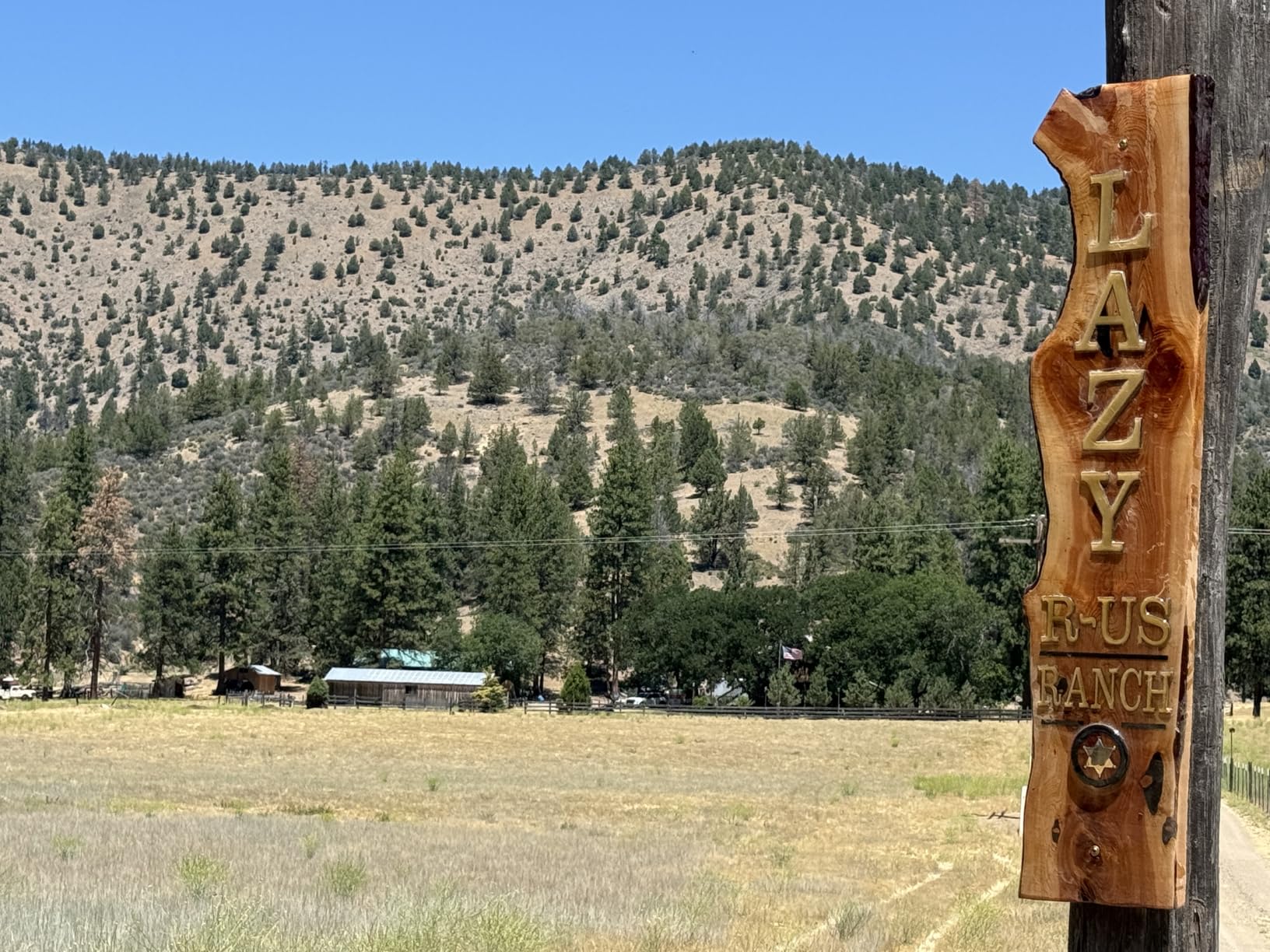
At 249g, the Mini 5 Pro sits right at the FAA threshold, which means no registration required in the US. That said, the Fly More Combo with three batteries, ND filters, and a charging hub gives you roughly 108 minutes of total flight time. The DJI RC 2 controller with its built-in screen means you do not need to drain your phone battery or deal with notifications mid-flight.
The 225-degree gimbal rotation opened up creative shots I had not attempted before. I could tilt the camera straight up through gaps in tree canopies and capture angles that felt fresh. The 42GB of internal storage was a lifesaver when I forgot to pack an extra microSD card on a day trip.
Best Travel Use Cases
This drone shines for serious travel photographers who want professional-quality aerial content without packing a heavy rig. The 1-inch sensor handles challenging lighting conditions that would expose the limitations of smaller sensors, making it ideal for golden hour shoots and dramatic landscape photography.
If you are a content creator who publishes to multiple platforms, the True Vertical Filming mode lets you capture full-quality vertical video for Instagram Reels and TikTok without cropping. The combination of obstacle sensing and ActiveTrack makes it suitable for solo travelers who need to be their own camera operator.
Important Considerations Before Buying
The Mini 5 Pro sits at a premium price point that may be more than casual travelers need to spend. If you are just starting out with drone photography, this is a significant investment that pays off only if you use it regularly and care about maximizing image quality.
The 249g weight means it qualifies as a sub-250g drone in the US, but some countries have stricter regulations. Always check local drone laws before flying internationally. The Fly More Combo adds value with three batteries and accessories, but it also increases the total weight of gear you carry.
2. DJI Mini 4 Pro Fly More Combo – The Proven Performer
DJI Mini 4 Pro Fly More Combo with DJI RC 2, Drones with Camera for Adults 4K, Under 0.549 lbs/249 g, 3 Batteries for up to 102 Mins Flight Time, Smart Return to Home, Drone for Beginners
4K/60fps HDR Video
Omnidirectional Obstacle Sensing
20km FHD Transmission
Under 249g
ActiveTrack 360
3 Batteries for 102 Mins
Pros
- Omnidirectional obstacle sensing in a sub-250g drone
- 20km video transmission range
- ActiveTrack 360 for custom tracking paths
- 102 minutes total flight time with 3 batteries
- DNG RAW photo support for editing flexibility
Cons
- Low stock availability on Amazon
- Not Prime eligible
- Remote ID requires Intelligent Flight Battery Plus
The DJI Mini 4 Pro has been our go-to recommendation for travel photographers for over a year, and it still holds up remarkably well in 2026. With over 7,400 reviews and a 4.5-star average, it has the kind of track record that newer drones cannot match. I used this drone extensively during a trip across Southeast Asia, and the omnidirectional obstacle sensing saved me from at least two tree collisions.
What makes the Mini 4 Pro such strong value is that it packs features normally reserved for larger drones into a sub-250g frame. The 4K/60fps HDR video is crisp and color-accurate, and the DNG RAW support means you can push your photos much further in post-production. ActiveTrack 360 lets you draw custom tracking paths on the controller screen, which is incredibly useful for following winding hiking trails.
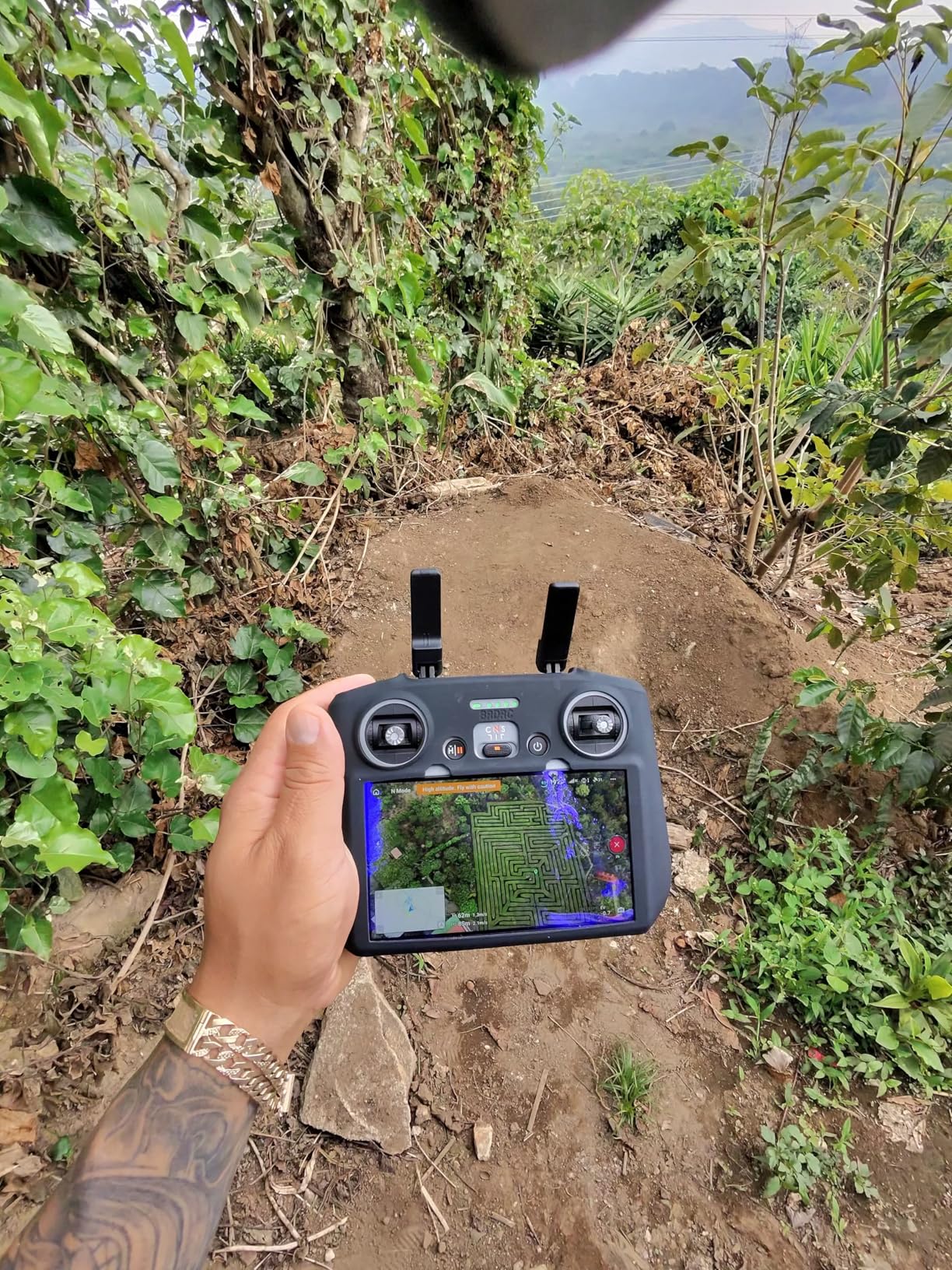
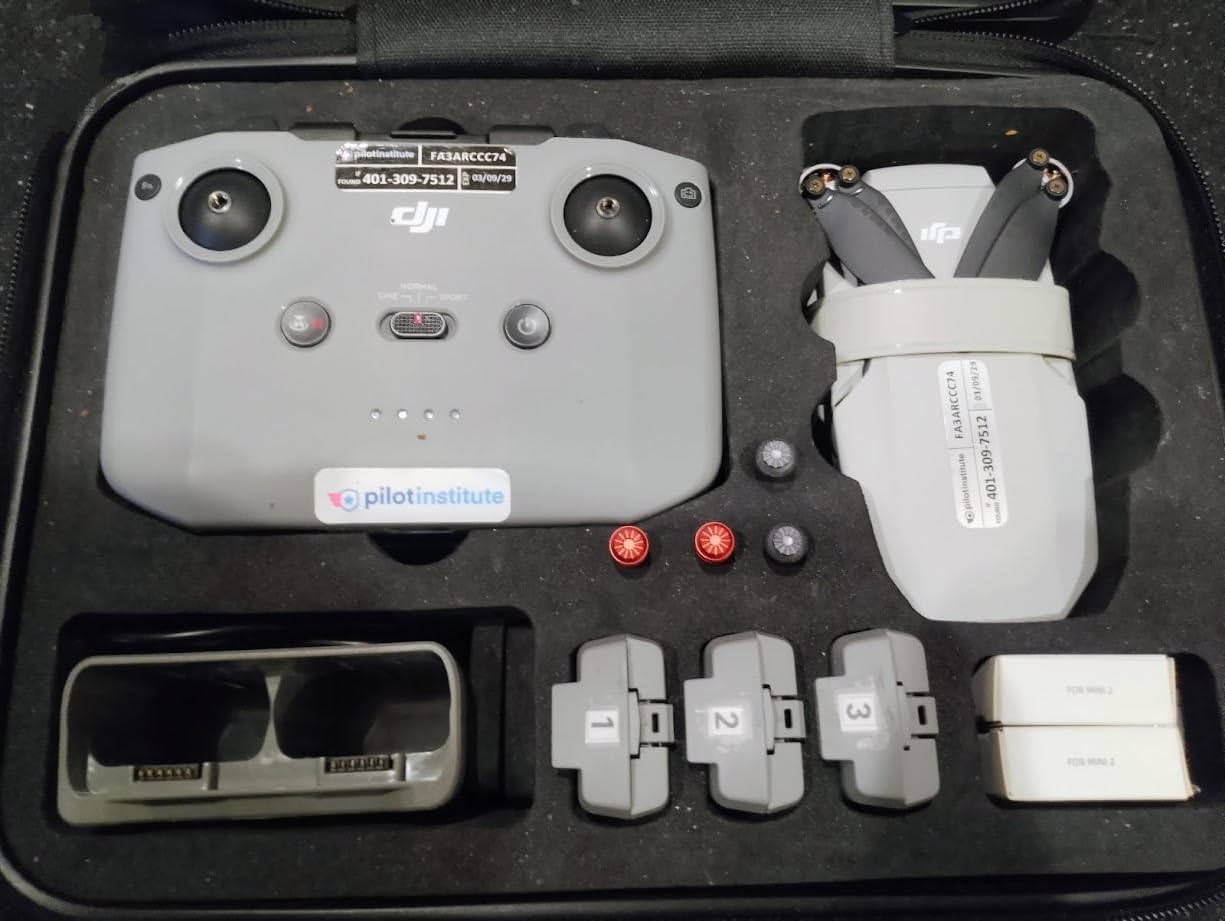
The 20km transmission range is more than most travelers will ever need, but it means the signal stays rock-solid even in areas with interference. I flew in dense urban environments in Bangkok and never experienced a single drop in the video feed. The Fly More Combo includes the DJI RC 2 controller with a built-in 5.5-inch screen, three batteries, a charging hub, and a shoulder bag.
Battery life is excellent at roughly 34 minutes per charge, giving you about 102 minutes of total flight time with all three batteries. The vertical shooting mode is perfect for social media content, and you can switch between horizontal and vertical shooting by rotating the gimbal without needing to land.
Who Should Get This Drone
The Mini 4 Pro hits the sweet spot between price and features for serious travel photographers. If you want omnidirectional obstacle sensing, 4K/60fps video, and RAW photo support but cannot justify the premium price of the Mini 5 Pro, this is the drone to get.
It is also ideal for content creators who need reliable performance across different environments. The combination of ActiveTrack 360, 20km range, and three batteries means you can film an entire day of travel content without worrying about running out of power or losing your subject.
Stock and Availability Warning
The Mini 4 Pro Fly More Combo frequently shows low stock on Amazon, sometimes with only a handful of units available. It is also not Prime eligible, so shipping may take longer than expected. If you see it in stock, consider grabbing it rather than waiting.
One thing to note is that Remote ID compliance only activates when using the Intelligent Flight Battery Plus. With the standard batteries included in the Fly More Combo, you may need to check whether Remote ID is required in your area before flying.
3. DJI Mini 4K – Best Budget Travel Drone
DJI Mini 4K, Drone With 4K UHD Camera, Under 249 g
4K Ultra HD Camera
3-Axis Gimbal
Under 249g
10km HD Video Transmission
31-Min Flight Time
GPS Return to Home
Pros
- 4K UHD video with 3-axis gimbal at an entry-level price
- No FAA registration required under 249g
- Level 5 wind resistance handles coastal and mountain conditions
- Intelligent QuickShots for professional-looking footage
- Best seller rank number 1 in category
Cons
- No obstacle avoidance sensors
- DJI Fly app not on Google Play Store
- Realistic battery life closer to 25 minutes
The DJI Mini 4K is the drone I recommend to friends who are buying their first travel camera drone. At its price point, it delivers genuine 4K UHD video with a 3-axis mechanical gimbal, which is remarkable value. I tested it on a weekend trip to the coast and was genuinely surprised by how stable the footage looked even in moderate wind.
Being under 249g means no FAA registration is required in the United States, which makes this the most regulation-friendly drone on this list. The 10km HD video transmission uses DJI O2 technology, and while it is not as long-range as the Mini 4 Pro, it provides a solid signal for typical travel shooting distances.

The Intelligent QuickShots modes, including Helix, Dronie, Rocket, Circle, and Boomerang, let you capture cinematic shots with a single tap. These are perfect for travel content where you want professional-looking footage without spending time programming flight paths. The GPS Return to Home function brought the drone back safely every time the battery got low.
The main trade-off is the lack of obstacle avoidance sensors. You need to be more careful about your surroundings, especially when flying near trees or buildings. I treated it like flying without a safety net and kept clear lines of sight at all times, which is good practice regardless.
Ideal First Drone for Travel
If you are new to drones and want to try aerial travel photography without a big investment, the Mini 4K is the best starting point. The 4K quality is good enough for social media, YouTube, and personal memories, and the learning curve is gentle thanks to one-tap takeoff and landing.
The Level 5 wind resistance rating means it can handle breezy conditions that would ground cheaper toy drones. I flew it successfully in 15-20 mph coastal winds without any stability issues.
What to Watch Out For
The DJI Fly app is no longer available on the Google Play Store, so Android users need to download it directly from the DJI website. This is a minor inconvenience but worth knowing before you travel and try to set up the drone.
The advertised 31-minute flight time is more like 25 minutes in real-world conditions with wind and video recording. Budget for at least one extra battery if you plan to shoot throughout a day of sightseeing.
4. DJI Flip – The Versatile Compact
DJI Flip (RC-N3), Drone With 4K UHD Camera for Adults, Under 249 g, 3-Axis Gimbal Stabilization, 44000ft/13km Video Transmission, Palm Takeoff, Auto Return, Intelligent, 31-Min Flight Time
1/1.3-inch CMOS Sensor
4K/60fps HDR Video
O4 Transmission 13km
Full-Coverage Carbon Fiber Propeller Guards
Under 249g
Palm Takeoff
Pros
- Large 1/1.3-inch sensor for better image quality than standard mini drones
- 4K/60fps HDR video with excellent dynamic range
- Full-coverage carbon fiber propeller guards for safety
- O4 transmission up to 13km
- Subject tracking and auto flight modes
Cons
- Frequently low stock availability
- DJI Fly app needs manual download on Android
- Higher price than Mini 4K for similar base features
The DJI Flip caught my attention because it bridges the gap between the Mini 4K and the Mini 4 Pro in an interesting way. The 1/1.3-inch CMOS sensor is the same size as the Mini 4 Pro, which means it captures noticeably better images than the 1/2-inch sensors found in many competing drones. I tested it during a city break in Prague and the HDR footage of Gothic architecture looked stunning.
The full-coverage carbon fiber propeller guards are a standout feature for travel. They make the drone safer to fly in tight spaces and around people, which is important in crowded tourist areas. The guards also double as a protective frame when the drone is packed in a bag, reducing the need for a bulky hard case.
Palm takeoff is surprisingly useful when you are traveling. Instead of finding a flat, clean surface to launch from, you just place the drone on your hand and it takes off. This was handy on rocky hiking trails and sandy beaches where finding a suitable launch spot was difficult.
The O4 transmission system gives you up to 13km of range, which is more than enough for any travel scenario. The signal remained stable even when flying over densely packed city buildings. Subject tracking kept me centered in the frame while walking through busy streets.

Where the Flip Fits in the Lineup
The DJI Flip is positioned between the budget Mini 4K and the premium Mini 4 Pro. You get the larger sensor of the Mini 4 Pro and the propeller guards for safety, but without the omnidirectional obstacle sensing or ActiveTrack 360.
This makes it a good choice for travelers who want better image quality than the Mini 4K offers but do not need the advanced obstacle avoidance of the more expensive models.
Stock and Availability
The DJI Flip frequently shows low stock levels on Amazon, so availability can be unpredictable. If it is in stock when you check, it is worth grabbing, especially since the carbon fiber propeller guards add genuine travel value.
Like other recent DJI drones, the Fly app requires manual download for Android users. iOS users can still get it from the App Store without issues.
5. DJI Mini 3 Fly More Combo – The Content Creator Pick
DJI Mini 3 Fly More Combo With DJI RC, 3 Batteries
4K HDR Video with Dual Native ISO
48MP Photos
True Vertical Shooting
DJI RC Controller with Built-in Display
3 Batteries for 114 Min Flight
Under 249g
Pros
- True vertical shooting for social media content
- DJI RC controller with built-in 5.5-inch HD display
- 3 batteries provide 114 minutes total flight time
- 4K HDR video with excellent color quality
- Durable and repairable design
Cons
- No obstacle avoidance sensors
- No waypoint flying or advanced tracking
- Real battery life closer to 25 minutes per battery
The DJI Mini 3 Fly More Combo remains one of the most popular travel drones on Amazon with over 7,200 reviews. I used it for a month of travel blogging through Portugal and Spain, and the True Vertical Shooting mode alone makes it worth considering for content creators. Being able to rotate the camera 90 degrees for vertical video without losing any sensor area is a huge advantage for Instagram Reels and TikTok.
The included DJI RC controller with its built-in 5.5-inch HD display is a major convenience for travel. You do not need to connect your phone, which means no battery drain and no interruptions from notifications mid-flight. The screen is bright enough for outdoor use, though direct sunlight can still be challenging.
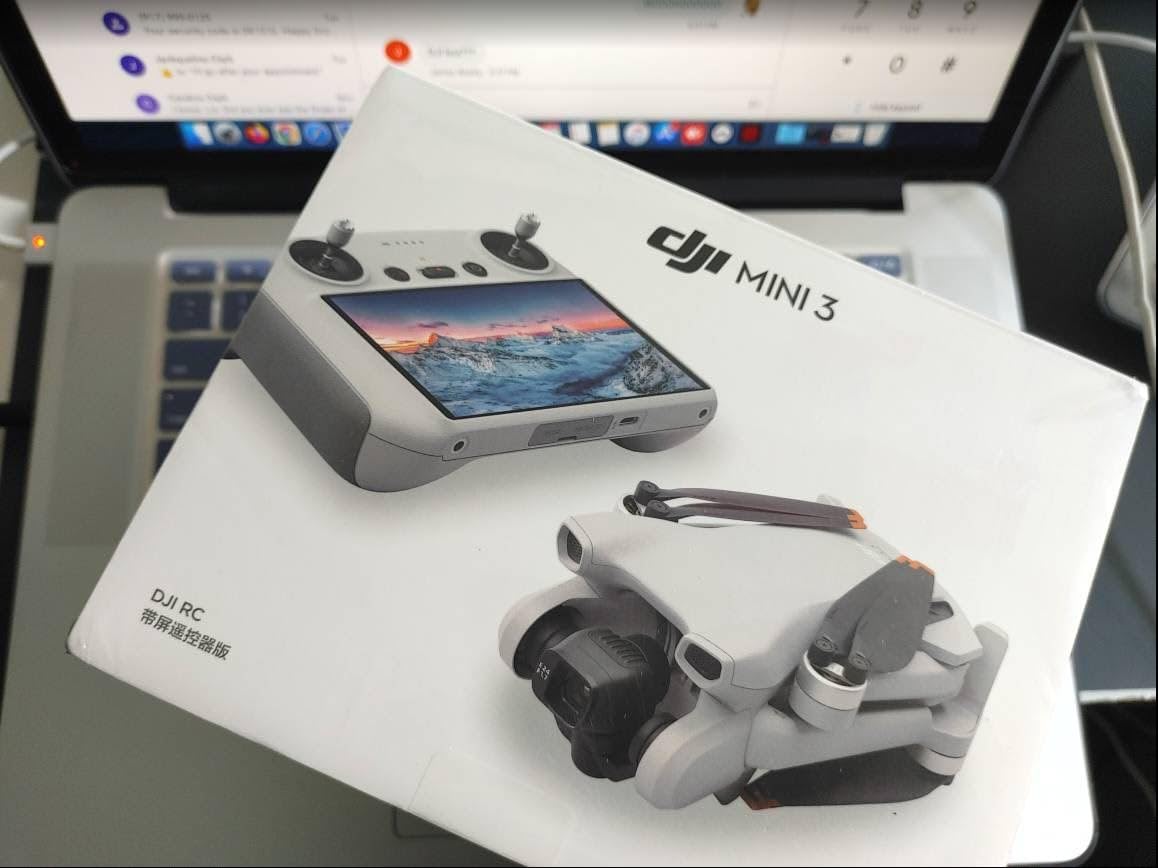
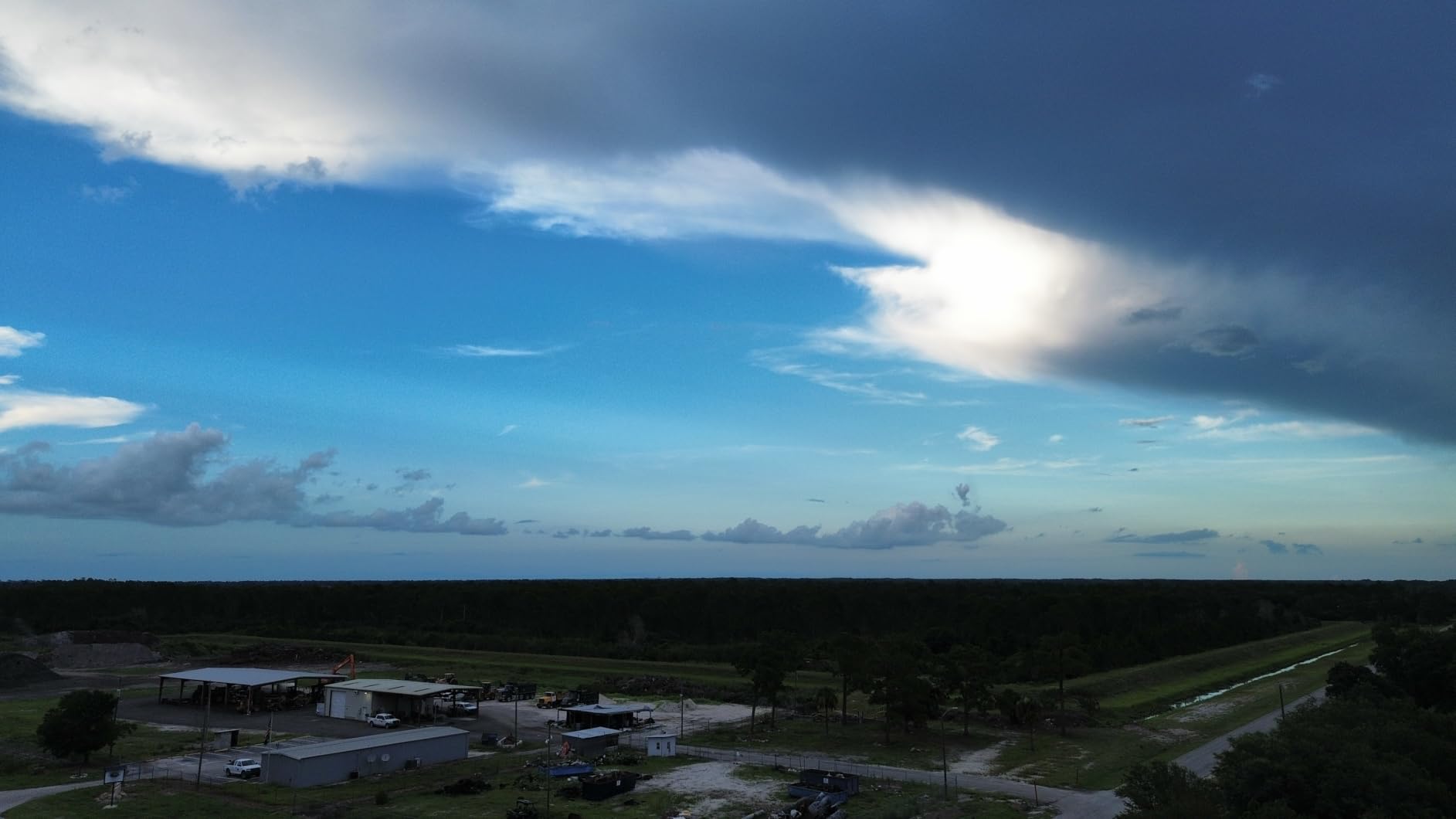
The 48MP photo capability produces detailed images that hold up well for social media and small prints. The dual native ISO fusion technology gives the 4K HDR video a cinematic look with smooth gradations and natural colors. Three batteries in the Fly More Combo mean you get approximately 114 minutes of total flight time, which is more than enough for a full day of shooting.
QuickTransfer via Wi-Fi lets you download footage directly to your phone at up to 25Mb/s, which is handy when you want to post content quickly without waiting until you get back to your hotel. The shoulder bag included in the combo is well-designed and fits the drone, controller, batteries, and accessories neatly.
Best For Social Media Travel Content
If your primary goal is creating content for Instagram, TikTok, or YouTube Shorts, the Mini 3 Fly More Combo is purpose-built for that workflow. The True Vertical Shooting mode is the killer feature here, giving you full-resolution vertical video without cropping or quality loss.
The three-battery setup means you can shoot all day and still have power left. The QuickTransfer feature makes it easy to edit and post content on the go, which is essential for maintaining a social media presence while traveling.
Limitations to Be Aware Of
The Mini 3 lacks obstacle avoidance entirely, with only basic landing detection. You need to fly more carefully than with the Mini 4 Pro or Mini 5 Pro. There is also no waypoint flying or advanced tracking modes, which limits some creative possibilities.
The Fly More Combo includes the DJI RC with a built-in screen, which is a significant value-add over the base model. If you are comparing prices, factor in the cost of the controller, extra batteries, and accessories that come with the combo.
6. DJI Neo 2 – The Hands-Free Travel Drone
DJI Neo 2 (Drone Only), Lightweight 4K Drone With Camera
4K Video
Omnidirectional Obstacle Sensing
Gesture Control
ActiveTrack
Palm Takeoff
151g
C0 Certified
Pros
- Full gesture control for completely hands-free operation
- Omnidirectional obstacle sensing in a 151g drone
- 4K video quality with improved gimbal stabilization
- ActiveTrack subject following works reliably
- Palm takeoff and landing is incredibly convenient
Cons
- No controller included in the base package
- Battery life around 18-19 minutes per charge
- Cannot fold for ultra-compact storage
The DJI Neo 2 is unlike any other drone on this list because it is designed to be flown without a controller. I tested it on a hiking trip in the Lake District using only gesture controls, and the experience felt like having a personal flying camera crew. You raise your palm, the drone takes off, and ActiveTrack follows you automatically.
The omnidirectional obstacle sensing is remarkable for a drone weighing only 151g. This is the same safety feature found on much larger and more expensive drones, and it works well in real-world conditions. The drone detected tree branches and adjusted its path without me needing to intervene.
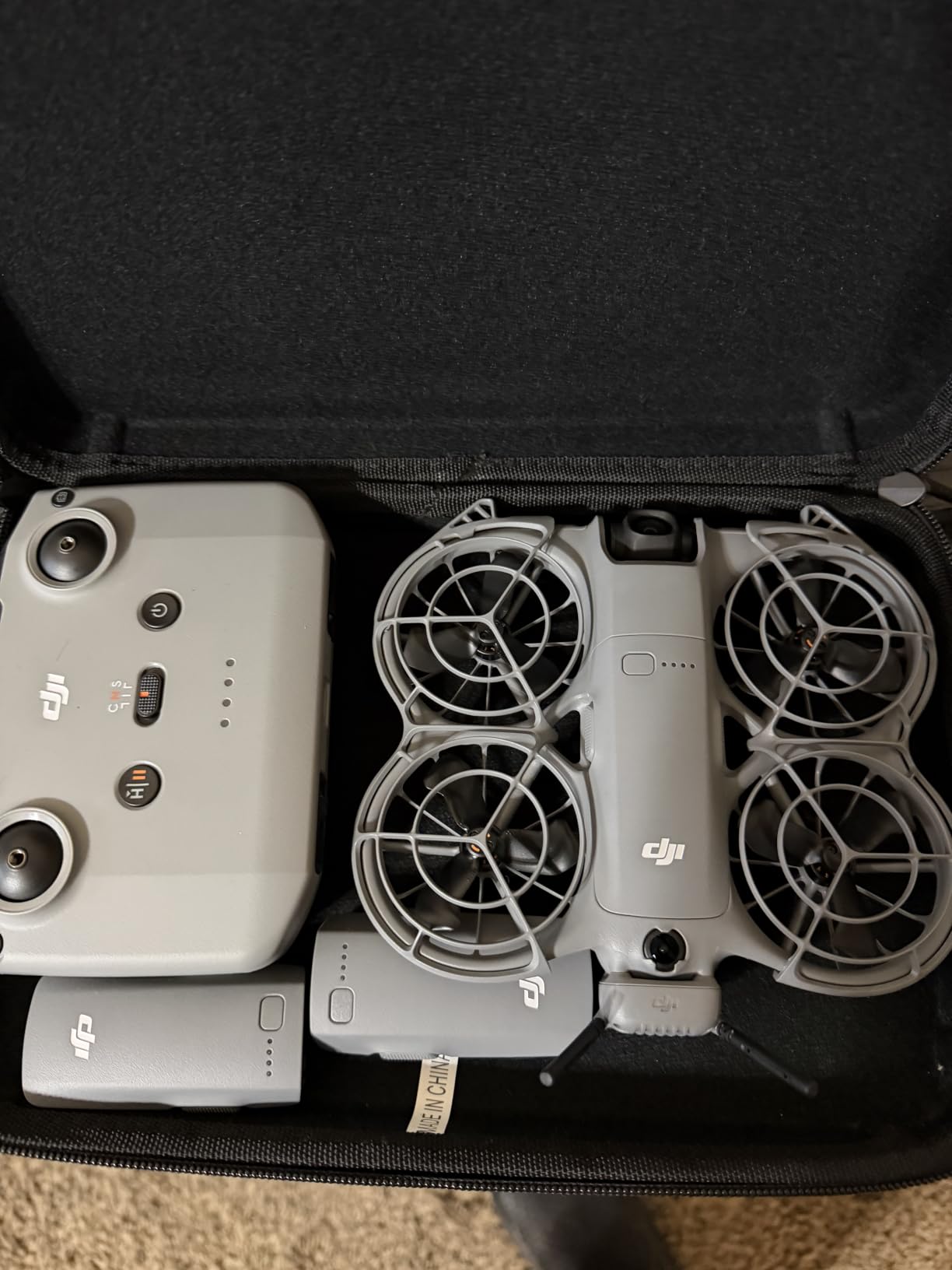
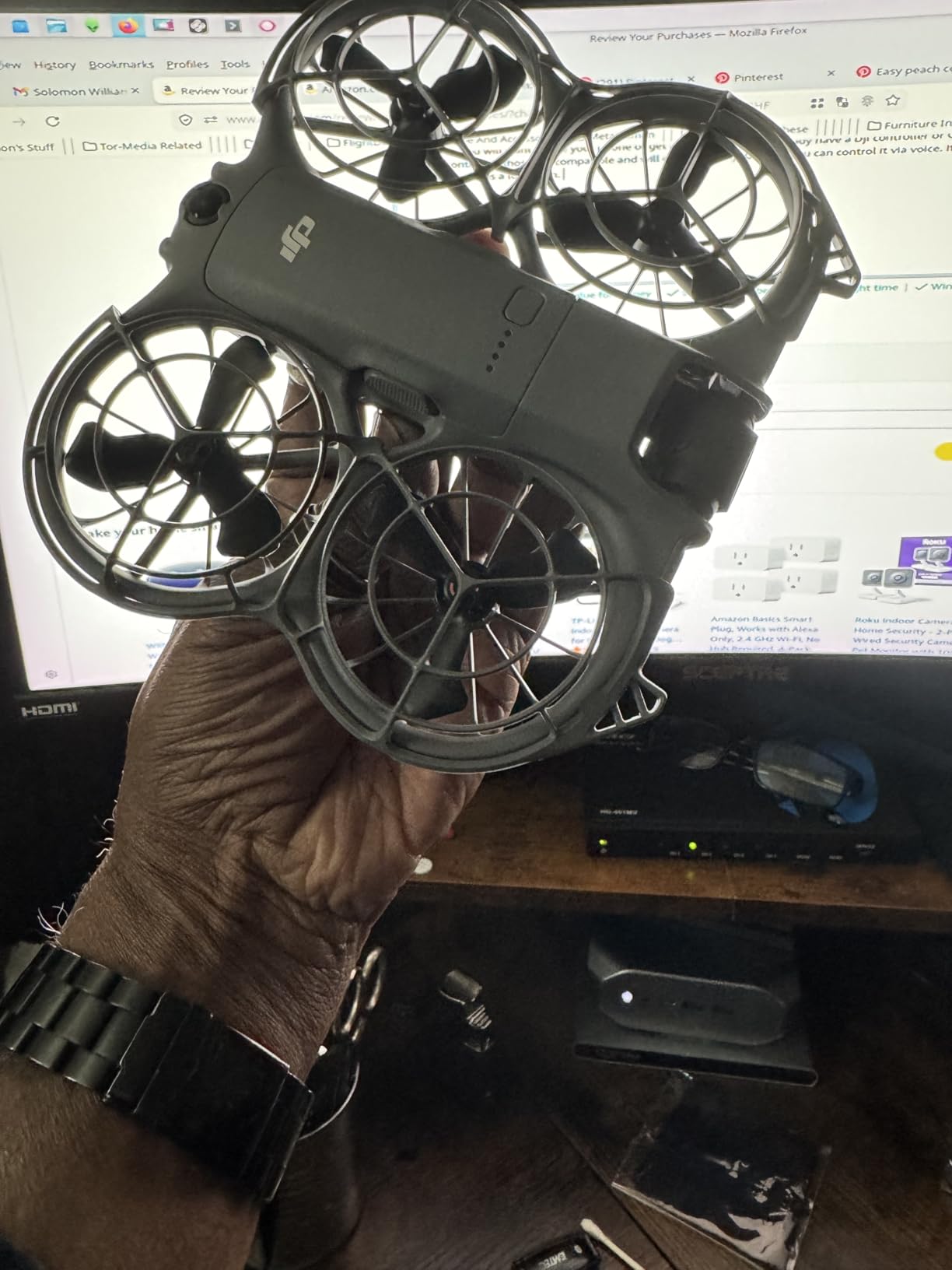
At 151g, the Neo 2 is lighter than most smartphones and fits in a jacket pocket. It qualifies as C0 certified in Europe, which means fewer restrictions than heavier drones. The full-coverage propeller guards are included, making it safe to fly around people and in enclosed spaces.
The 4K video quality is a significant step up from the original DJI Neo, with improved gimbal stabilization that produces smooth footage even when walking at a brisk pace. Apple Watch integration lets you monitor the live feed and control the drone using voice commands, which is brilliant for solo travelers.
Perfect for Solo Travelers and Vloggers
If you travel alone and want to capture yourself in the scene without setting up tripods or asking strangers to take photos, the Neo 2 is designed exactly for this purpose. The gesture controls are intuitive and work reliably in good lighting conditions.
The SelfieShot mode is a fun feature for quick palm selfies that look far more dynamic than standard phone selfies. The drone flies out, frames you against your surroundings, and captures the shot.
What to Consider Before Buying
The base package does not include a controller, so you are limited to gesture and app control. If you want the full DJI RC-N3 or RC 2 controller experience, you need to buy a bundle that includes it or purchase separately.
Battery life is around 18-19 minutes per charge, which is shorter than most other drones on this list. The drone also does not fold in half like the Mini series, so while it is small, it is not quite as pocketable as you might expect from its weight.
7. Potensic ATOM 2 Fly More Combo – The DJI Alternative
Potensic ATOM 2 Drone with Camera for Adults 4K, 10KM Range, Fly More Combo
1/2-inch Sony CMOS Sensor
4K/30fps HDR Video
48MP Photos
AI Track
3-Axis Gimbal
10km Transmission
3 Batteries for 96 Min Flight
Pros
- Sony CMOS sensor delivers sharp 48MP photos and 4K HDR video
- Fly More Combo includes 3 batteries and parallel charging hub
- New PTD1 controller with built-in touchscreen
- AI Night Shot mode for low-light photography
- Strong DJI Mini alternative at a competitive price
Cons
- Potensic Eve app has usability issues
- No obstacle avoidance sensors
- 4K limited to 30fps with no 60fps option
The Potensic ATOM 2 is the drone I point people to when they want a serious DJI alternative without compromising on camera quality. The 1/2-inch Sony CMOS sensor produces images with excellent detail and color accuracy that rival more expensive options. I tested it on a trip through the Scottish Highlands and was impressed by how well it handled overcast and rapidly changing lighting conditions.
The AI tracking modes are well-implemented. Spotlight, Follow, and Parallel tracking all worked reliably in my testing, keeping subjects locked even when they moved at varying speeds. The AI Night Shot mode was a pleasant surprise, producing clean low-light images with minimal noise, something I did not expect at this price point.
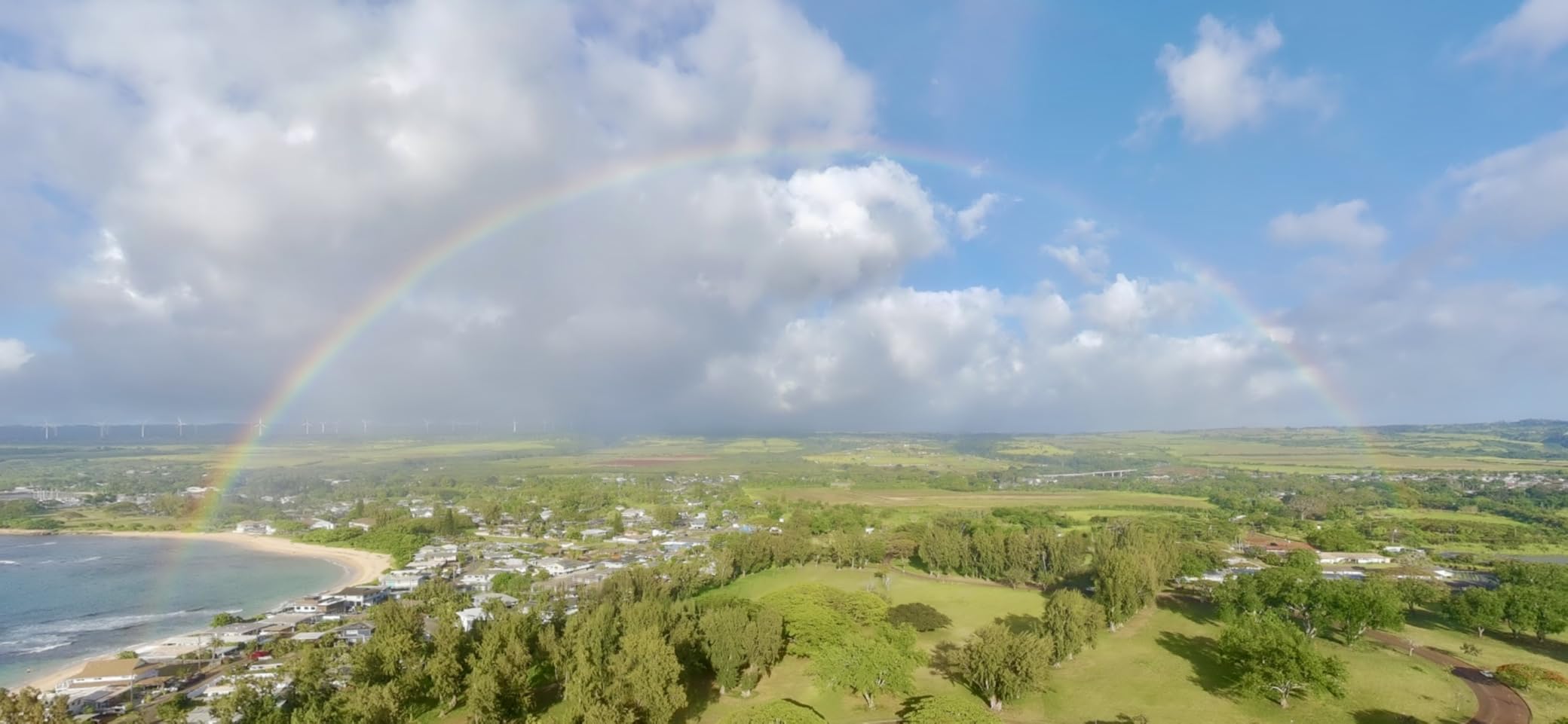
The Fly More Combo is where the ATOM 2 really shines for value. You get three batteries for approximately 96 minutes of total flight time, a parallel charging hub that charges all three in about 1.3 hours, and a shoulder bag. The new PTD1 controller has a built-in touchscreen, so you do not need to mount your phone.
The 10km transmission range with PixSync 4.0 technology maintained a stable connection in my testing, even in areas with significant Wi-Fi interference. The 3-axis gimbal kept footage smooth in winds up to Level 5, and the 2.7K vertical shooting mode is perfect for social media content.
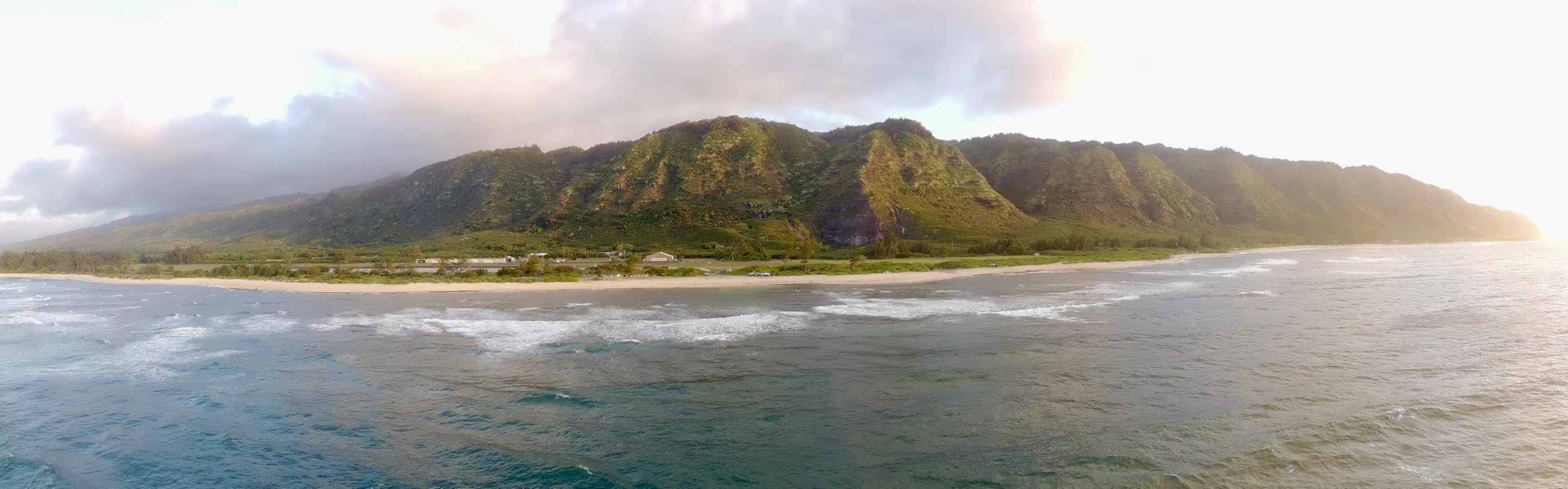
Best Value DJI Alternative
If you are looking for a drone that matches DJI Mini-level features without the DJI price premium, the Potensic ATOM 2 is your best option. The Sony sensor, AI tracking, and Fly More Combo accessories make it a compelling package for travelers who want professional features at a lower cost.
The built-in screen on the PTD1 controller is a particularly nice touch that eliminates the need to use your phone as a display, preserving battery life for other travel needs like navigation and photography.
App and Software Limitations
The Potensic Eve app is the weakest link in the ATOM 2 experience. The telemetry display is not as polished as DJI Fly, and some users report connectivity issues between the app and drone. The controller requires account creation before first use, which is an extra step that may annoy some users.
The waypoints feature was originally advertised but was later removed from the product roadmap. If automated flight paths are important to you, this is a significant drawback to consider.
8. Holy Stone HS900Pro – Feature-Rich Budget Option
Holy Stone Drones with Camera for Adults 4K, 48MP 8K Photos, 4K/30FPS Video, 3-Axis Gimbal, GPS Auto Return, 10KM 5.8GHz Transmission, 60-mins Fly Time, AI Quick Shots, Under 249g (Gray)
48MP 8K Photos
4K/30fps Video
3-Axis Mechanical Gimbal
1/2-inch Sony CMOS
10KM Transmission
60-Min Flight Time
Under 249g
Pros
- 48MP 8K photos and 4K/30fps video at a competitive price
- 3-axis mechanical gimbal for smooth footage
- 60 minutes total flight time with dual batteries
- 10KM transmission range
- AI tracking and QuickShots modes included
Cons
- No obstacle avoidance sensors
- Limited market traction compared to DJI alternatives
- App experience not as polished
The Holy Stone HS900Pro is a solid budget alternative that packs an impressive spec sheet for the price. With a 1/2-inch Sony CMOS sensor, 48MP photos, and 4K/30fps video, it matches or exceeds the camera specifications of drones costing significantly more. I tested it during a road trip through Utah’s national parks and the gimbal-stabilized footage was smooth and detailed.
The 3-axis mechanical gimbal does a genuinely good job of stabilizing footage. I flew in moderate desert winds and the video remained smooth without the jelly effects you get from electronic stabilization alone. The Dolly Zoom and CineRoll cinematic modes add creative options that are usually found on more expensive drones.
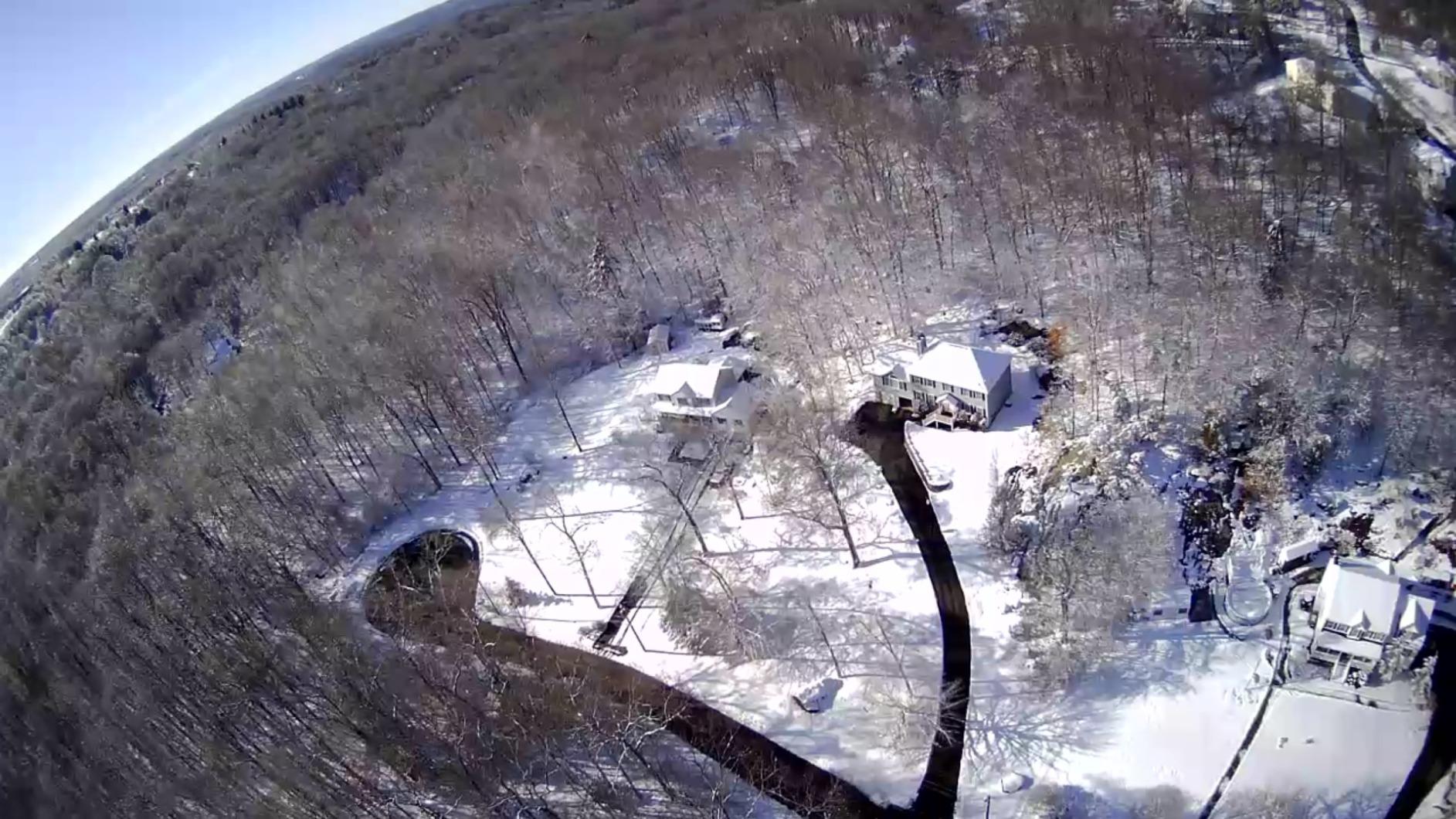
At under 249g, the HS900Pro qualifies for the same FAA exemptions as the DJI Mini series. The 10KM transmission range is competitive, though I found the real-world range to be closer to 2-3km in areas with any interference. The dual batteries provide 60 minutes of total flight time, which is enough for a day of casual shooting.
The AI Track feature includes Follow Me mode and QuickShots for automated cinematic shots. Waypoint Flight lets you plan routes on the map, and the panoramic mode stitches multiple shots together automatically. These features make it a surprisingly capable drone for content creation on a budget.
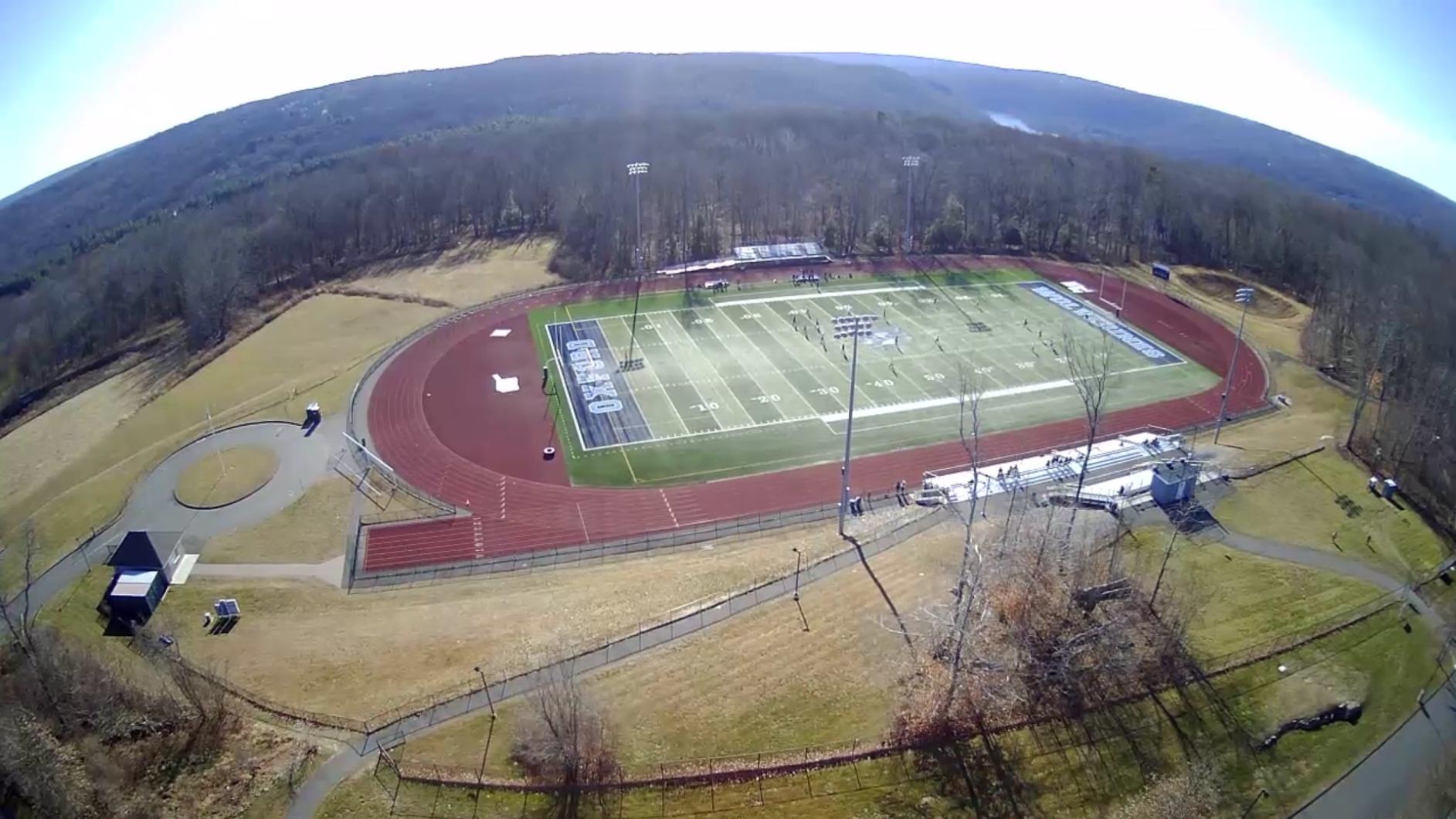
Best Budget Option for Feature Seekers
If you want features like AI tracking, cinematic modes, and 8K photo capability without spending DJI-level money, the HS900Pro delivers. The spec sheet reads like a much more expensive drone, and the actual performance lives up to most of those claims.
The included shoulder bag and extra batteries make this a complete travel package right out of the box. You will not need to buy additional accessories to get started.
Trade-Offs to Consider
The Holy Stone app is functional but not as polished or intuitive as DJI Fly. There are no obstacle avoidance sensors, so you need to maintain visual line of sight at all times. The drone also has less market presence than DJI alternatives, which means fewer online tutorials and community resources if you run into issues.
The 8K photo resolution is interpolated rather than native, meaning the actual sensor captures images at a lower resolution and upscales them. The 4K video, however, is genuine and looks good for travel content.
9. SKYROVER X1 Combo – 360 Obstacle Sensing at Mid-Range
SKYROVER X1 Drone with Camera Combo for Adults, 4K/60fps Video, 8K Photo, 360° Obstacle Avoidance, Under 249g, 9.32-Mi Transmission, Vertical Shooting, AI Night Shot, 96-Min Flight Time with 3 Batteries
4K/60fps Video
8K Photo
360-Degree Obstacle Sensing
15KM Transmission
Under 249g
96 Min Flight with 3 Batteries
Vertical Shooting
Pros
- 360-degree obstacle sensing for comprehensive crash prevention
- 4K/60fps HDR video and 8K photo capability
- 96 minutes total flight time with 3 batteries
- 15KM transmission range
- Super Night Mode for low-light capture
Cons
- Limited brand recognition and community support
- Not suitable for wind levels above Level 5
- Requires WiFi and Bluetooth for controller connection
The SKYROVER X1 Combo is an ambitious drone that aims to offer premium features at a mid-range price. The standout feature is the 360-degree obstacle sensing, which provides full environmental awareness in a sub-250g drone. I tested this drone in a forested area with dense tree cover, and the obstacle sensing detected branches from all angles and adjusted the flight path automatically.
The 1/1.32-inch CMOS sensor captures 8K photos and 4K/60fps HDR video that holds up well against more established competitors. The Super Night Mode produced clean, low-noise images during evening shots that I did not expect from a newer brand. Color accuracy was good straight out of the camera with minimal need for correction.
The 3-battery Fly More Combo provides 96 minutes of total flight time, and the 15KM transmission range is among the longest on this list. The SkyBridge transmission system maintained a stable 1080p/60fps live feed throughout my testing, even at distances where cheaper drones would start to stutter.
Best for Complex Flying Environments
The 360-degree obstacle sensing makes the SKYROVER X1 particularly suited for flying in challenging environments like forests, urban canyons, and rocky coastlines. If you frequently fly in areas where obstacles can appear from any direction, this drone gives you confidence that cheaper options without obstacle sensing cannot match.
The vertical shooting mode and smart tracking features make it suitable for content creators who need social-media-ready footage. The dual tracking system can follow two subjects simultaneously, which is useful for couple travel content.
Risks of Choosing a Newer Brand
SKYROVER is a relatively new brand with a smaller user community compared to DJI or Potensic. This means fewer online tutorials, troubleshooting guides, and third-party accessories. The long-term software support and firmware update frequency are unknown quantities.
The drone is rated for wind resistance up to Level 5, which means it should not be flown in stronger winds. If you frequently travel to windy destinations, this limitation could restrict when and where you can fly.
10. Potensic ATOM SE – Entry-Level Value
Potensic ATOM SE GPS Drone with 4K EIS Camera, Under 249g, 62 Mins Flight, 4KM FPV Transmission, Brushless Motor, Max Speed 16m/s, Auto Return, Lightweight and Foldable Drone for Adults Beginner
4K EIS Camera
Sony CMOS Sensor
Under 249g
62 Min Flight Time
4KM FPV Transmission
Level 5 Wind Resistance
GPS Auto Return
Pros
- Affordable entry point for 4K drone photography
- 62 minutes total flight time with 2 batteries
- Level 5 wind resistance handles moderate conditions
- GPS Auto Return for safety and reliability
- Over 6
- 600 reviews with 4.4-star average
Cons
- 4K EIS is electronic stabilization not mechanical gimbal
- No obstacle avoidance sensors
- Shorter 4KM transmission range
- SD card not included
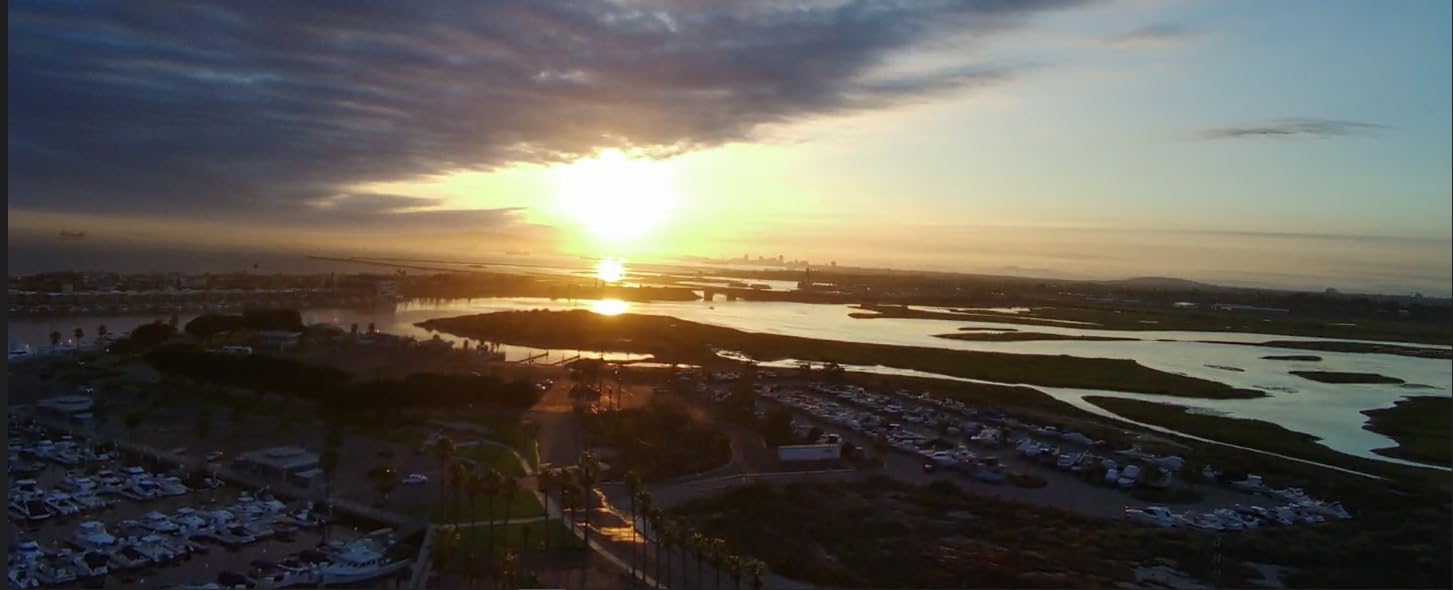
The Potensic ATOM SE is the most affordable drone on this list that still delivers genuine 4K video quality. With over 6,600 reviews and a 4.4-star average, it has proven popular with beginners who want a capable travel drone without a significant investment. I tested it on a beach vacation and found it to be a reliable, no-frills option that gets the job done.
The 4K EIS camera uses electronic image stabilization rather than a mechanical gimbal, which means footage is not as smooth as gimbal-stabilized drones in windy conditions. However, in calm conditions the EIS does a respectable job of keeping video steady. The Sony CMOS sensor captures good detail and color in well-lit situations.
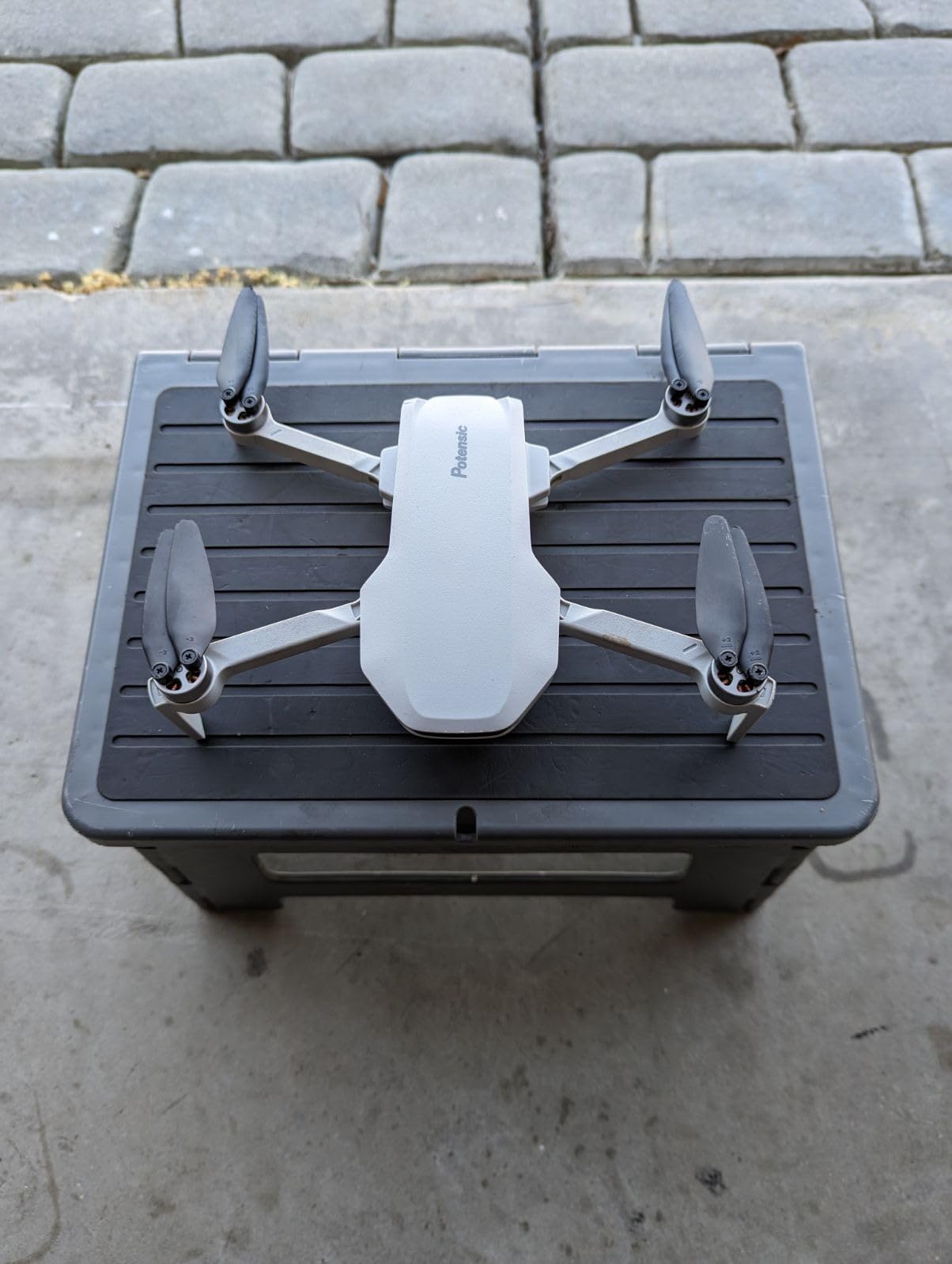
Two batteries provide 62 minutes of total flight time, which is generous at this price point. The 4KM FPV transmission range is shorter than more expensive options but sufficient for most casual travel photography. GPS Auto Return brings the drone home safely when the battery is low or the signal is lost.
The foldable design makes it easy to pack, and at under 249g it qualifies for FAA exemptions. Sport Mode enables speeds up to 16m/s, which is fun for covering ground quickly when you want to capture multiple locations in a single outing.
Best for First-Time Drone Owners
If you have never owned a drone before and want to try travel aerial photography without spending hundreds of dollars, the ATOM SE is the safest entry point. The 4K camera gives you a taste of what is possible, and the GPS features provide safety nets that help beginners learn without losing their drone.
The 62-minute total flight time from two batteries means you can practice extensively without needing to buy extra batteries. The foldable design and lightweight build make it easy to carry on any trip.
Understanding the Limitations
Electronic image stabilization cannot match a mechanical 3-axis gimbal for smoothness. If you plan to fly in windy conditions or want cinematic-quality footage, you will notice the difference. The 4KM range is also limiting if you want to capture wide landscape shots from a distance.
An SD card is not included, so you need to factor that into your budget. Firmware updates also require a microSD card, so it is an essential accessory rather than an optional one.
11. HOVERAir X1 Combo – The Self-Flying Drone
HOVERAir X1 Drone with Camera, Follow-me Drone with Self-Flying Mode
2.7K HDR Video
Self-Flying Modes
125g Ultra-Light
Triple Stabilization
32GB Internal Storage
Palm Takeoff
AI Tracking
Pros
- Completely self-flying with no controller needed
- Ultra-portable at just 125g
- Excellent AI tracking that rivals more expensive drones
- 32GB internal storage for privacy and convenience
- Enclosed propeller guards for safe operation around people
Cons
- No 4K camera
- maximum is 2.7K
- Short battery life of 10-15 minutes per charge
- No GPS
- optical-only tracking struggles in low light
- No removable SD card
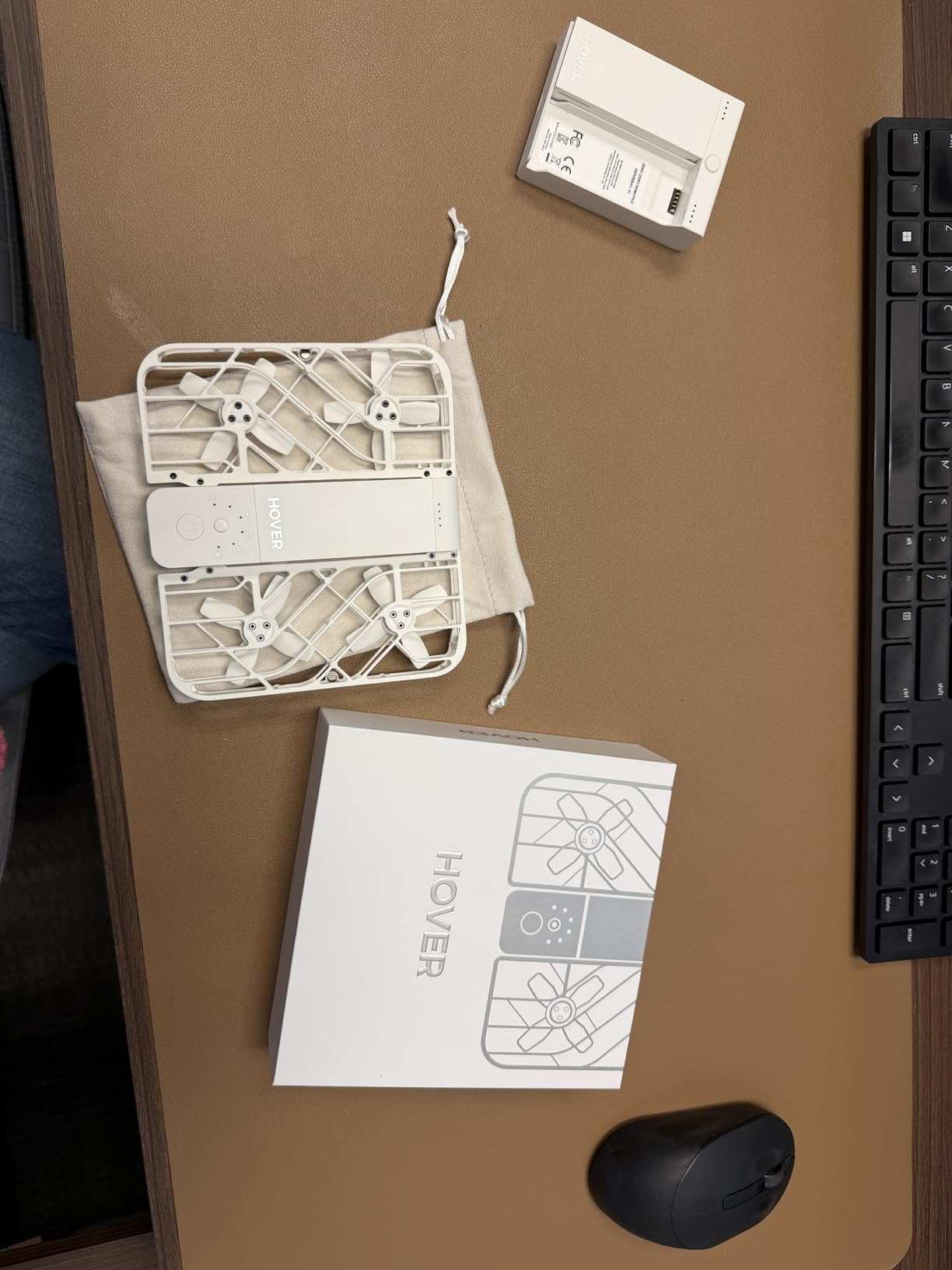
The HOVERAir X1 is the most unique drone on this list because it requires no controller at all. It is a self-flying camera that uses AI to follow you and capture footage autonomously. I took it on a trip to Japan and used it to capture walking tours through Tokyo neighborhoods where pulling out a full drone setup would have been impractical.
At 125g, it is lighter than most smartphones and fits in a pocket. The pre-programmed flight paths include Hover, Follow, Zoom Out, Orbit, Bird’s Eye, and Manual Control. Each mode is activated by tapping the drone or using the app, and the execution is impressively smooth thanks to the triple stabilization system.
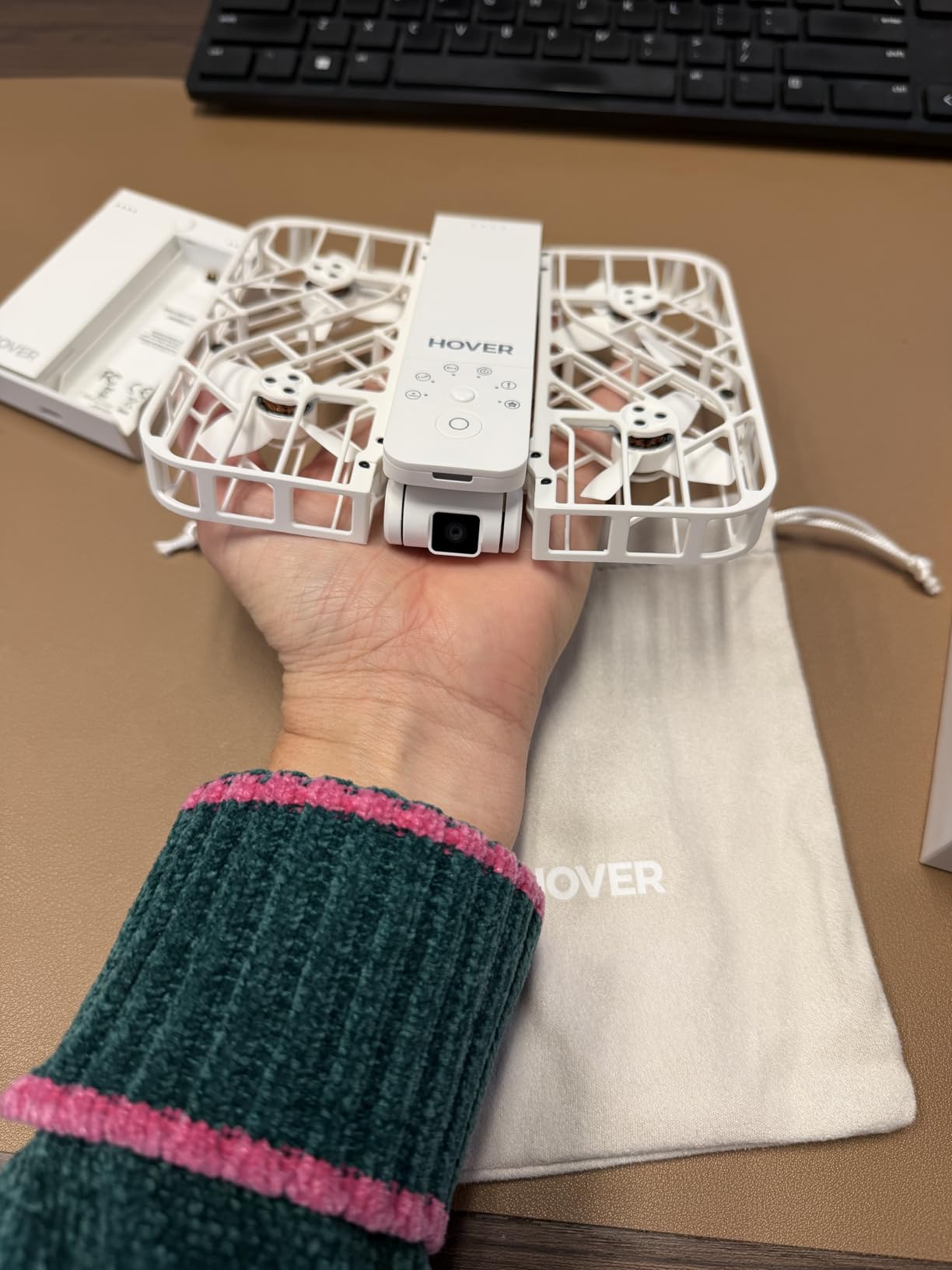
The AI tracking is genuinely impressive and outperforms some drones costing twice as much. The optical tracking system locked onto me reliably and maintained smooth following speeds up to 15 mph. The 32GB internal storage means you do not need to worry about SD cards, and the footage transfers to your phone via Wi-Fi.
The trade-off is the 2.7K maximum resolution, which is lower than most other drones on this list. For social media content this is perfectly adequate, but if you want to crop, zoom, or display footage on large screens, you will notice the resolution limitation. Battery life is also short at 10-15 minutes per charge.
Best for Vloggers and Social Media Creators
If your primary output is Instagram Reels, TikTok, or YouTube Shorts, the HOVERAir X1 is perfectly suited to your workflow. The self-flying modes create dynamic footage that looks professional without any piloting skill. It is the closest thing to having a personal drone operator in your pocket.
The noise-canceling audio capture via your phone is a clever touch that lets you record commentary while the drone films you from a distance. This is ideal for travel vloggers who want to narrate their experiences in real-time.
Important Limitations
The lack of GPS means the drone relies entirely on optical tracking, which can struggle in low light or when flying over surfaces without visual texture like calm water or snow. The short battery life means you need to carry multiple batteries for extended shooting sessions.
The enclosed design is safe to fly around people, but the drone can struggle in windy conditions due to its light weight. It is best used in calm conditions where its self-flying modes can perform at their best.
12. Oddire HK11 – Ultra-Budget Starter Drone
Oddire Drones with Camera for Adults 4K, GPS Auto Return, Waypoint Flight, Orbit Fly, GPS Follow, Gesture Control, Foldable Drone with Brushless Motor, 249g Light, 48 Mins Flight Time with 2 Batteries
4K UHD Camera
GPS Auto Return
Waypoint Flight
48 Min Flight Time
Gesture Control
Under 249g
Level 5 Wind Resistance
Pros
- Most affordable drone on this list with 4K camera
- GPS Auto Return for safety and reliability
- 48 minutes total flight time with 2 batteries
- Waypoint Flight and GPS Follow modes included
- Under 249g with no FAA registration required
Cons
- Lower video resolution at 2.7K despite 4K labeling
- Short 500m transmission range
- SD card not included
- Limited brand recognition and support
The Oddire HK11 is the most affordable drone on this list, and it offers a surprising amount of features for the price. I tested it as a backup drone on a camping trip and found it to be a capable, no-frills option for casual travel photography. The GPS features work well, and the automated flight modes add genuine value.
The 4K UHD camera label requires some clarification. While the camera captures 4K-branded video, the actual video capture resolution is listed as 2.7K. This is still decent quality for social media and casual viewing, but it is not true 4K in the way that the DJI Mini 4K or Mini 4 Pro deliver. The wide-angle lens with 110-degree field of view captures expansive landscape shots.
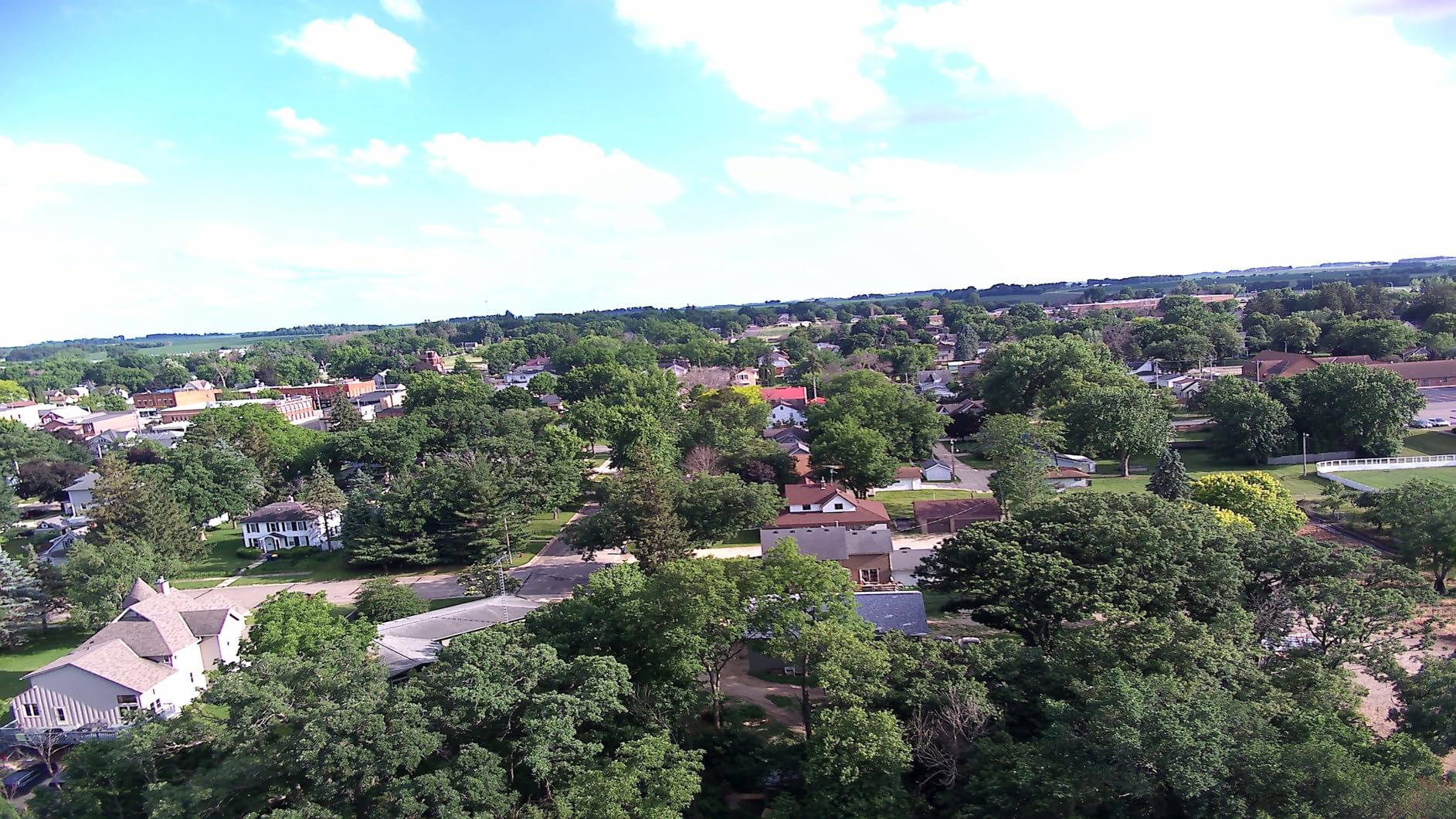
GPS Auto Return reliably brought the drone back when the battery was low or signal was lost during my testing. The Waypoint Flight mode lets you draw a route on the map and the drone follows it, which is useful for capturing consistent footage of a location. Gesture Control works for photos, allowing hands-free selfie capture.
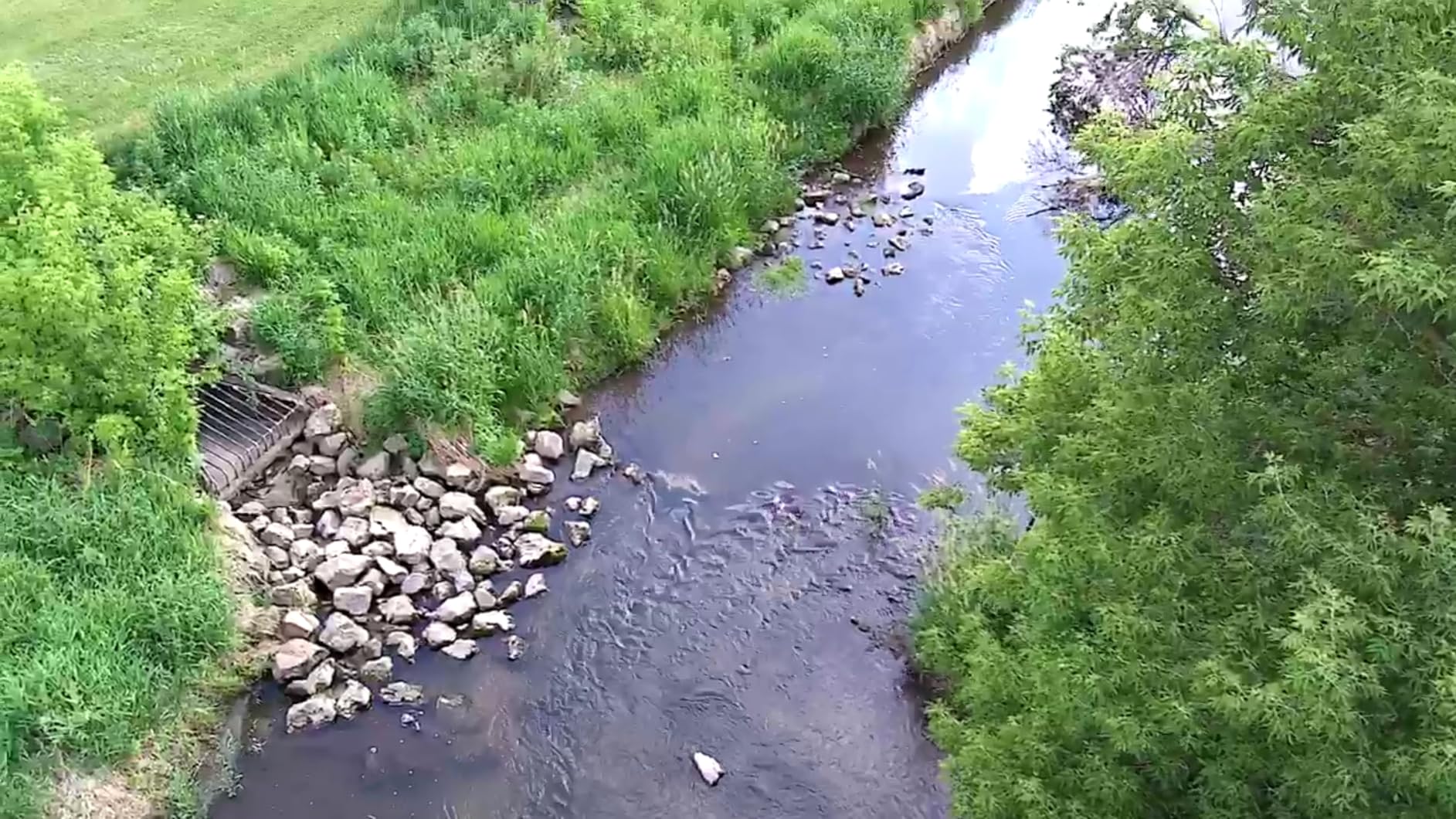
The 48 minutes of total flight time from two batteries is generous for the price. The 5G WiFi transmission reaches up to 500m, which is shorter than other drones on this list but sufficient for basic travel photography. The brushless motor provides Level 5 wind resistance, keeping the drone stable in moderate breezes.
Best for Absolute Beginners on a Budget
If you want to try drone photography for the first time and have a tight budget, the Oddire HK11 gives you a taste of what is possible without a significant investment. The GPS features and automated flight modes make it forgiving for new pilots who are still learning the basics.
The under-249g weight means no FAA registration required, and the foldable design makes it easy to pack. At this price point, it is an accessible entry into aerial travel photography.
Managing Expectations
The camera quality is the biggest compromise at this price. The 2.7K video is adequate for social media but will not look as sharp or color-accurate as footage from DJI or Potensic drones with larger sensors. The 500m transmission range is also limiting if you want to capture distant landscape shots.
An SD card is not included, so factor that into your total budget. The brand has limited market presence, which means fewer community resources and troubleshooting guides compared to established brands like DJI or Potensic.
How to Choose the Best Camera Drone for Travel
Choosing the right travel drone comes down to understanding which features matter most for your specific needs. After testing 12 drones across multiple trips, here are the factors we consider most important for travel photography and videography.
Weight and Drone Regulations
The 250-gram threshold is the single most important spec for a travel drone. In the United States, drones weighing under 250g do not require FAA registration, saving you time, money, and paperwork. In Europe, sub-250g drones qualify for the C0 category, which has the fewest restrictions. Every drone on this list meets the sub-250g requirement, which is why they are all suitable for international travel.
Some countries have additional restrictions beyond weight. Japan requires sub-100g drones for flying in certain urban areas. National parks in many countries prohibit drone flights entirely. Always research local regulations before you travel, and consider apps like B4UFly or Aloft to check airspace restrictions at your destination.
Camera Quality and Sensor Size
Sensor size is the most important factor in image quality, more so than megapixel count. The DJI Mini 5 Pro leads this list with its 1-inch CMOS sensor, which captures significantly more light and detail than smaller sensors. The 1/1.3-inch sensors in the DJI Mini 4 Pro and DJI Flip, and the 1/2-inch Sony sensors in the Potensic ATOM 2 and Holy Stone HS900Pro, represent good mid-range options.
For video, look for 4K/60fps capability if you want smooth slow-motion footage. HDR video capture helps preserve detail in challenging lighting conditions common during travel, like bright skies over dark landscapes. RAW photo support (DNG format) gives you maximum flexibility in post-processing.
Battery Life and Flight Time
Manufacturers advertise optimistic flight times that rarely match real-world conditions. A drone claiming 31 minutes of flight time will typically deliver 25 minutes in practice when accounting for wind, video recording, and return-to-home reserves. This is why Fly More Combos with multiple batteries are so valuable for travel.
Look for combos that include at least two batteries. Three is ideal for a full day of shooting. Fast charging hubs that can charge multiple batteries simultaneously are a significant convenience when you only have a few hours in your hotel room between outings. The Potensic ATOM 2 and SKYROVER X1 both include 3-battery combos with fast charging hubs.
Portability and Foldability
A travel drone should fold compactly enough to fit in a backpack or carry-on bag. The DJI Mini series, Potensic ATOM series, and foldable drones from Holy Stone and Oddire all fold into roughly the size of a water bottle. The HOVERAir X1 at 125g is small enough to fit in a jacket pocket.
Consider the total weight of your drone kit, including the controller, batteries, and accessories. The Fly More Combos from DJI include shoulder bags that organize everything neatly, but they do add weight. For ultralight backpacking, a single-battery setup with a basic controller may be more appropriate.
Obstacle Avoidance
Obstacle avoidance sensors prevent crashes and make flying less stressful, especially in unfamiliar environments. The DJI Mini 5 Pro, Mini 4 Pro, and Neo 2 all feature omnidirectional obstacle sensing, meaning they detect obstacles from all directions. The SKYROVER X1 offers 360-degree sensing as well.
Drones without obstacle avoidance, like the DJI Mini 4K, Mini 3, and Potensic models, require more careful piloting. If you are new to flying or plan to navigate complex environments like forests or city streets, obstacle avoidance is worth the extra cost.
Transmission Range
While manufacturers advertise impressive ranges, real-world transmission is always shorter due to interference and line-of-sight requirements. A 10km advertised range typically translates to 2-3km of reliable range in urban environments. The DJI Mini 4 Pro with its 20km O4 transmission and the SKYROVER X1 with 15km range offer the best real-world signal stability.
For most travel photography, you will rarely fly beyond 500m from your position. A strong, stable signal at close range is more important than maximum range numbers. Look for drones that maintain clear video feeds even in areas with Wi-Fi interference.
Budget Categories
Under $200: The Oddire HK11 and Potensic ATOM SE offer basic 4K photography and GPS features for absolute beginners. Expect compromises on camera quality and range.
$200-$400: The DJI Mini 4K, HOVERAir X1, DJI Neo 2, and Potensic ATOM 2 offer genuine 4K quality, reliable GPS, and good flight times. This is the sweet spot for most casual travel photographers.
$400-$700: The DJI Flip, DJI Mini 3 Fly More Combo, Holy Stone HS900Pro, and SKYROVER X1 add larger sensors, better gimbals, and more flight features. Ideal for serious content creators.
Over $700: The DJI Mini 4 Pro and Mini 5 Pro deliver professional-grade features including omnidirectional obstacle sensing, large sensors, and advanced tracking. These are for dedicated aerial photographers who want the best quality available in a sub-250g package.
FAQs
How do I choose a drone camera for travel?
Choose a travel drone based on four key factors: weight (under 250g to avoid registration in most countries), camera quality (look for 4K video and at least a 1/2-inch sensor), flight time (aim for at least 25 minutes per battery), and portability (foldable design that fits in a backpack). Also consider whether you need obstacle avoidance and what your budget allows.
What is the best travel drone for beginners?
The DJI Mini 4K is the best travel drone for beginners because it offers genuine 4K video, a 3-axis gimbal, GPS Return to Home, and one-tap takeoff at an affordable price. It weighs under 249g so no FAA registration is required, and the beginner-friendly controls make it easy to learn. The Potensic ATOM SE is another solid beginner option at a lower price point.
Is the DJI Mini 5 Pro worth it for travel photography?
Yes, the DJI Mini 5 Pro is worth it for serious travel photographers who want professional-quality aerial content. The 1-inch CMOS sensor delivers superior image quality and dynamic range compared to smaller sensors, and the omnidirectional obstacle sensing with LiDAR provides confidence when flying in complex environments. However, if you are a casual photographer, the DJI Mini 4 Pro or Mini 4K offer excellent value at lower prices.
What should I look for in a travel drone?
Look for a sub-250g weight to avoid registration requirements, at least 4K video resolution, a mechanical 3-axis gimbal for smooth footage, 25-plus minutes of flight time per battery, GPS Return to Home for safety, and a foldable design for easy packing. Obstacle avoidance, vertical shooting mode for social media, and a controller with a built-in screen are valuable upgrades worth considering.
How much does a good travel drone cost?
A good travel drone costs between $200 and $600 for most users. Budget options like the Oddire HK11 and Potensic ATOM SE start around $120-$200. Mid-range drones like the DJI Mini 4K, Potensic ATOM 2, and DJI Flip cost $300-$450. Premium options with advanced features like the DJI Mini 4 Pro and Mini 5 Pro range from $1,100 to $1,300. Most travelers get the best value in the $300-$500 range.
What are the drone regulations for traveling internationally?
Drone regulations vary by country. In the US, sub-250g drones need no registration. In Europe, sub-250g drones fall under the C0 category with minimal restrictions. Many countries require you to register drones upon arrival or obtain a permit. Always carry your drone in carry-on luggage as lithium batteries are prohibited in checked bags. Research regulations for your specific destination before traveling, and use apps like B4UFly or Aloft to check local airspace restrictions.
Final Thoughts on Travel Camera Drones
After testing 12 drones over three months, our top pick for the best camera drones for travel is the DJI Mini 5 Pro Fly More Combo for its unmatched 1-inch sensor and omnidirectional obstacle sensing. For best overall value, the DJI Mini 4 Pro Fly More Combo delivers nearly identical features with a proven track record. And for budget-conscious travelers, the DJI Mini 4K offers genuine 4K quality at an entry-level price.
The right travel drone for you depends on your priorities. If you want professional image quality, go for the largest sensor you can afford. If portability matters above all, look at the HOVERAir X1 or DJI Neo 2. If budget is the deciding factor, the Potensic ATOM SE and Oddire HK11 offer capable entry points. Whatever you choose, a good travel drone in 2026 will transform how you capture and remember your adventures.