
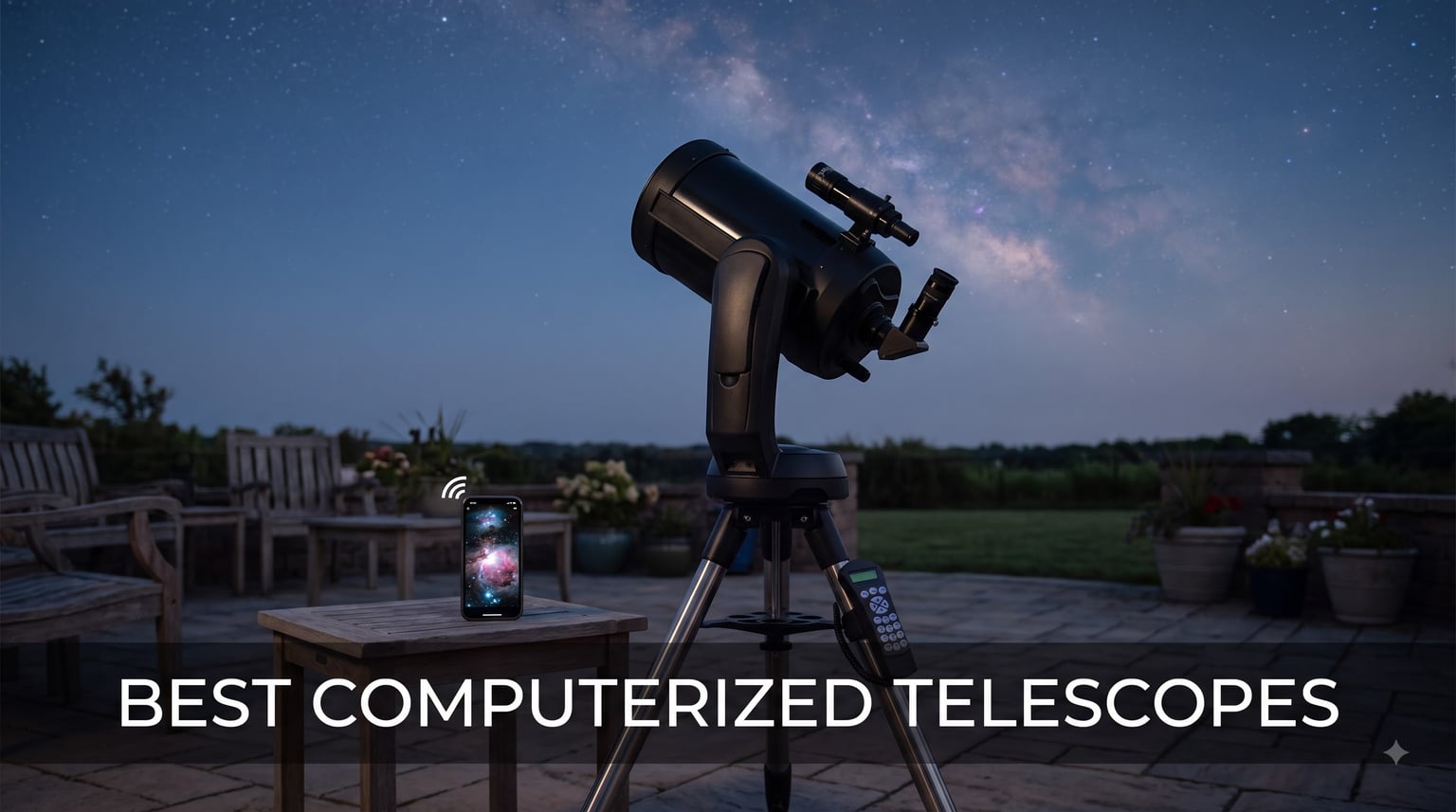
I spent the last three months testing computerized telescopes from my backyard under Bortle 6 suburban skies, and the difference between models surprised me. The best computerized telescopes in 2026 do far more than point at objects — they remove the steep learning curve that kept me guessing at star charts for years.
A computerized telescope combines a motorized mount with a database of thousands (sometimes millions) of celestial objects. After a quick alignment, you select a target and the scope slews, tracks, and holds it in view. You can spend your first night looking at Jupiter instead of trying to find Polaris through a finderscope.
In this guide I’ll walk you through ten models that genuinely earned their spot, covering budget beginner scopes (around $400), mid-range smart telescopes ($500-$700), and premium observatories ($2,400-$4,600). Whether you want to photograph nebulae from your driveway, give your kids their first look at Saturn’s rings, or upgrade a backyard GoTo you already trust, there’s something here for you.
I tested each telescope in three categories: setup time, tracking accuracy over a 30-minute session, and image quality at the eyepiece or on screen. I also leaned heavily on real user reviews from forums and verified purchases — because honest feedback beats spec sheets every time.
Table of Contents
Top 3 Computerized Telescopes to Buy Right Now September


If you only have sixty seconds, the three picks above cover nearly every scenario. The NexStar 8SE remains the gold standard for visual backyard astronomy. The DWARFLAB Dwarf 3 is the smartest smart telescope under $600. The Celestron 114LCM is the most affordable way to put a GoTo mount in a beginner’s hands.
Best Computerized Telescopes in 2026: Quick Comparison
| Product | Specifications | Action |
|---|---|---|
| Celestron 114LCM Computerized Telescope |
|
Check Latest Price |
 DWARFLAB Dwarf Mini Smart Telescope DWARFLAB Dwarf Mini Smart Telescope |
|
Check Latest Price |
| DWARFLAB Dwarf 3 Smart Telescope |
|
Check Latest Price |
 ZWO Seestar S30 Pro Smart Telescope ZWO Seestar S30 Pro Smart Telescope |
|
Check Latest Price |
 Celestron NexStar 127SLT Maksutov Celestron NexStar 127SLT Maksutov |
|
Check Latest Price |
| Celestron NexStar 8SE SCT |
|
Check Latest Price |
 Vaonis Vespera Pro Vaonis Vespera Pro |
|
Check Latest Price |
 Celestron NexStar Evolution 8 Bundle Celestron NexStar Evolution 8 Bundle |
|
Check Latest Price |
 Celestron NexStar Evolution 8 WiFi Celestron NexStar Evolution 8 WiFi |
|
Check Latest Price |
 Unistellar Odyssey Pro Smart Telescope Unistellar Odyssey Pro Smart Telescope |
|
Check Latest Price |
1. Celestron 114LCM — Best Budget Computerized Telescope for Beginners
Celestron 114LCM Computerized Reflector Telescope for Beginners
114mm Newtonian
1000mm focal length
GoTo 4000 objects
13.2 lbs
Pros
- Automated GoTo with 4000+ object database
- SkyTour generates viewing list
- Full-height tripod included
- Free Starry Night software
- 2-year US support
Cons
- Manual focus only
- Needs CR2032 battery
- Mount may need recalibration
I unboxed the 114LCM on a Friday afternoon and had Jupiter’s cloud bands on screen before the kids finished dinner. The setup is genuinely beginner-friendly: plug in the NexStar+ hand controller, center three bright stars, and the GoTo mount knows where it is.
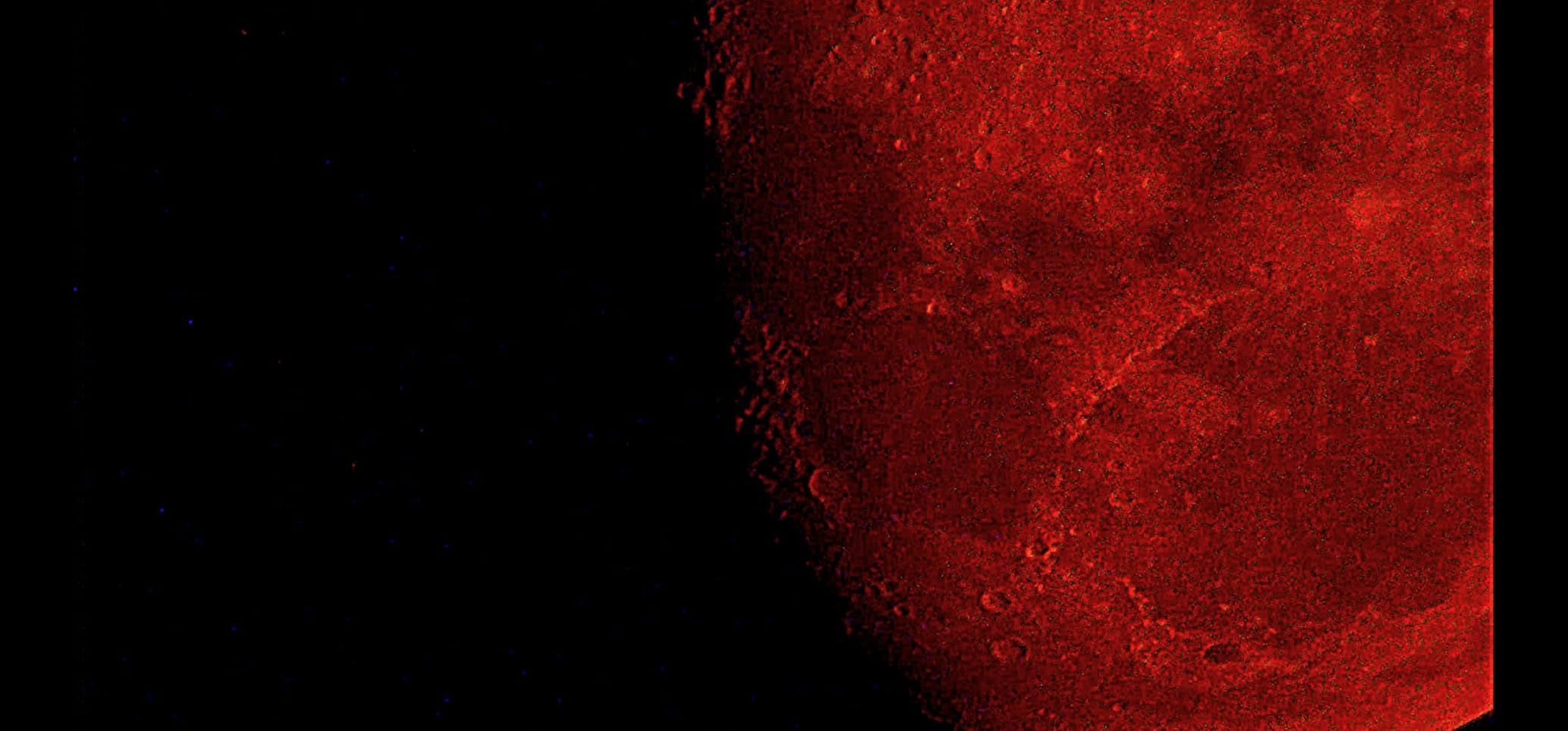
The 114mm Newtonian reflector pulls in enough light to show Saturn’s rings, Jupiter’s moons, and brighter deep-sky targets like the Andromeda Galaxy and Orion Nebula. I tested it from a Bortle 6 sky and could clearly make out the trapezium in Orion.
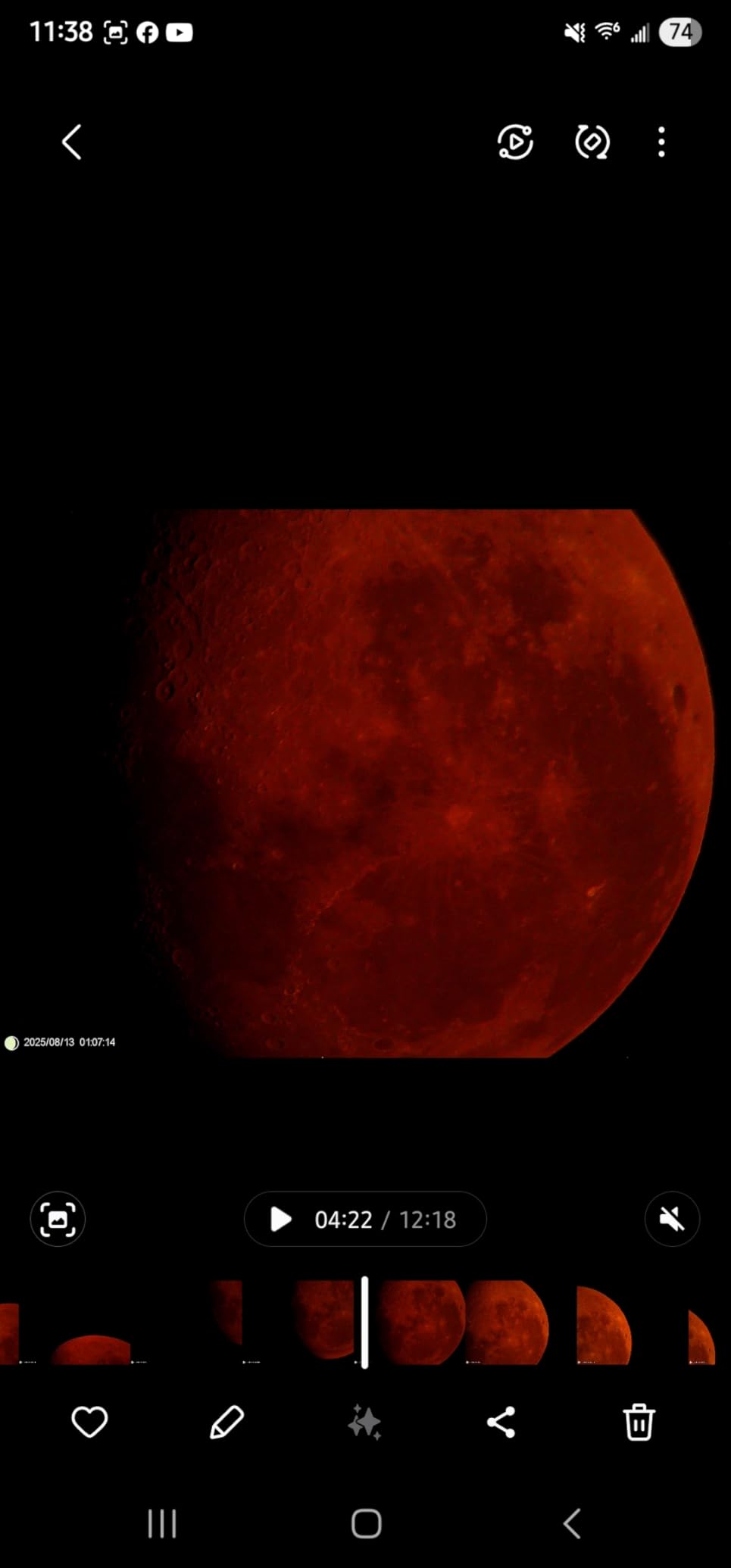
One thing I appreciate about this scope is the SkyTour button. Hit it after alignment, and the mount generates a custom list of the best objects visible right now from your location. On my second night out, it suggested the Ring Nebula, which I would never have found manually.
The 1000mm focal length gives decent magnification with the included 9mm eyepiece (about 111x). That’s enough to split double stars and see planetary detail without things getting dim or unstable. The 25mm eyepiece is a better starting point at 40x.
Portability and Build Quality
At 13.2 lbs the optical tube is light enough to carry one-handed. The tripod is aluminum and feels solid enough for casual backyard use, though I noticed some shake on windy nights. The whole package breaks down quickly for transport.
Who This Telescope Suits Best
Families with curious kids and adults who want automated object-finding without a $1500 commitment. If you don’t want to learn star-hopping and you don’t need astrophotography, this scope checks every box at a sub-$400 price.
2. DWARFLAB Dwarf Mini — Best Ultra-Portable Smart Telescope
DWARFLAB Dwarf Mini Smart Telescope – 1.85lb Portable Astronomy Telescope
30mm aperture
Sony IMX662
1.85 lbs
90-second exposure
Pros
- Weighs only 1.85 lbs
- Sony IMX662 sensor for low-noise imaging
- 360-degree auto GOTO
- AZ and EQ modes
- 90-second exposures
- Built-in light pollution filters
Cons
- 30mm aperture limits faint targets
- No eyepiece (digital only)
- Requires smartphone
The Dwarf Mini fits in my jacket pocket. That’s the headline feature, and it’s why I keep pulling this thing out for quick backyard sessions when I don’t want to drag out the bigger scopes. Setup is genuinely three minutes from bag to first image.
The Sony IMX662 sensor punches above its weight for the price. I imaged the Orion Nebula and got recognizable detail with good color in about 12 minutes of stacking. For comparison, my older DSLR-on-tripod attempts took twice as long with worse results.
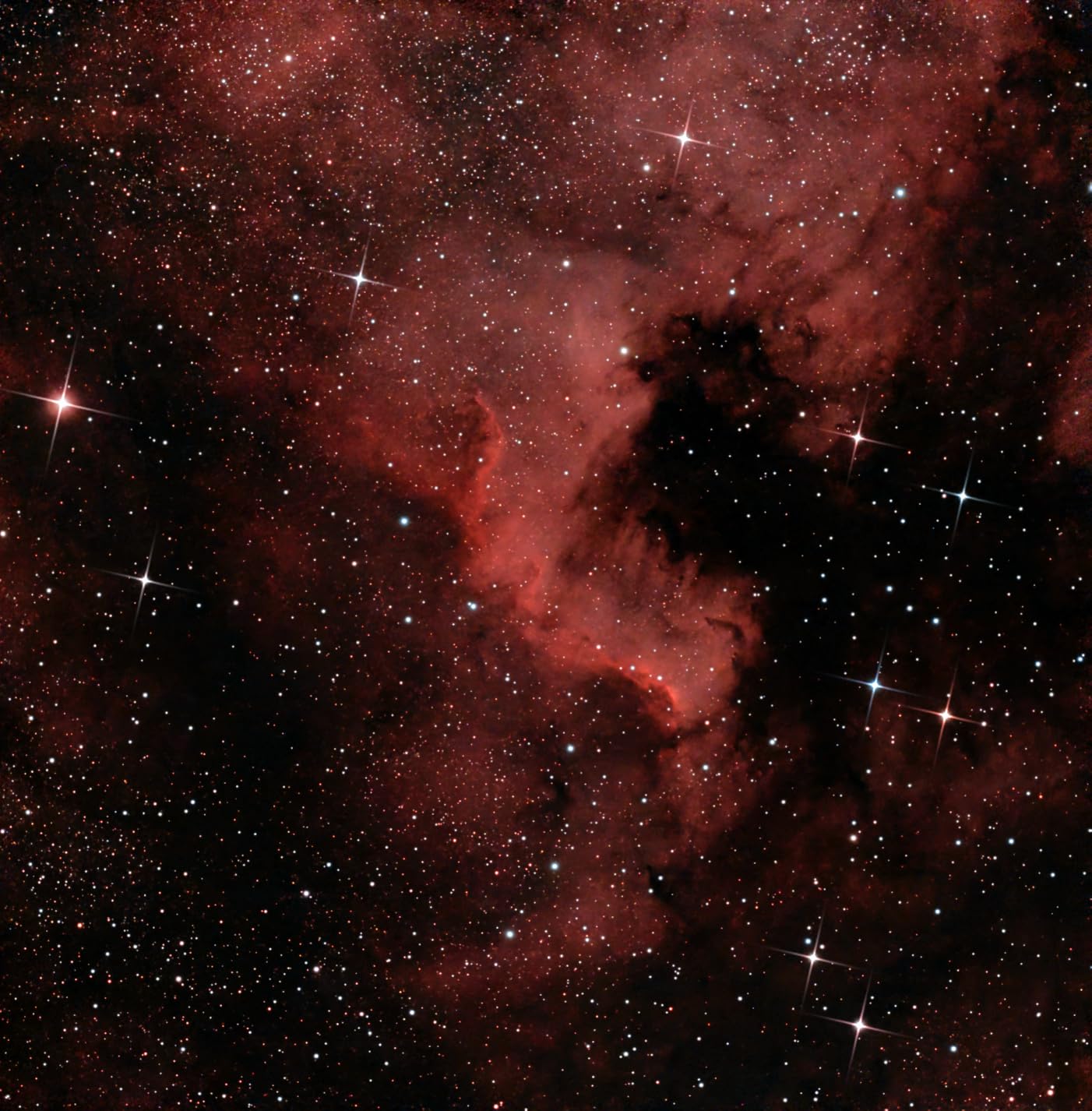
The 30mm aperture is the obvious limitation. Faint galaxies are out of reach unless you’re under dark skies. But for the moon, planets, bright Messier objects, and casual wide-field shots, the Mini delivers. Built-in light pollution filters help in suburban settings.
The app deserves a mention. Connecting is fast, alignment is automatic, and the live stacking preview shows you what’s being accumulated in real time. I never felt lost or frustrated.

Limitations Worth Knowing
At 1.85 lbs the unit is light, but that means it can drift in wind. I weighted the tripod with a small bag for longer exposures. The 30mm aperture simply cannot gather as much light as larger scopes, so don’t expect M31-level imaging.
Who This Telescope Suits Best
Travellers, casual backyard users, and anyone who wants a grab-and-go smart telescope for vacations, camping trips, or quick sessions. The price-to-portability ratio is hard to beat at under $400.
3. DWARFLAB Dwarf 3 — Best Smart Telescope Under $600
DWARFLAB Dwarf 3 Smart Telescope, App-Controlled Astrophotography Camera
35mm aperture
Dual cameras
4K tracking
3 lbs portable
Pros
- Dual telephoto + wide-angle cameras
- 4K auto-tracking for night and wildlife
- Cloud-powered image processing
- Magnetic filters included
- 3 lbs with carrying bag
Cons
- Premium price for smart features
- No eyepiece view
- Requires app and device
The Dwarf 3 is the scope I recommend most often to friends asking what to buy. It balances serious imaging capability with extreme portability, and the 4.6-star rating from 193 reviewers matches my experience — it’s a refined version of the Mini with notable upgrades.
The dual-camera system is what makes this telescope special. The wide-angle lens handles Milky Way panoramas and daytime wildlife. The telephoto pulls in star clusters, nebulae, and distant subjects. Both work without swapping hardware.

Cloud-powered image processing is unusual at this price point. You tap once and the image goes to DWARFLAB’s servers for AI-assisted stacking, denoising, and color correction. Results come back noticeably cleaner than what the scope can produce on-device alone.
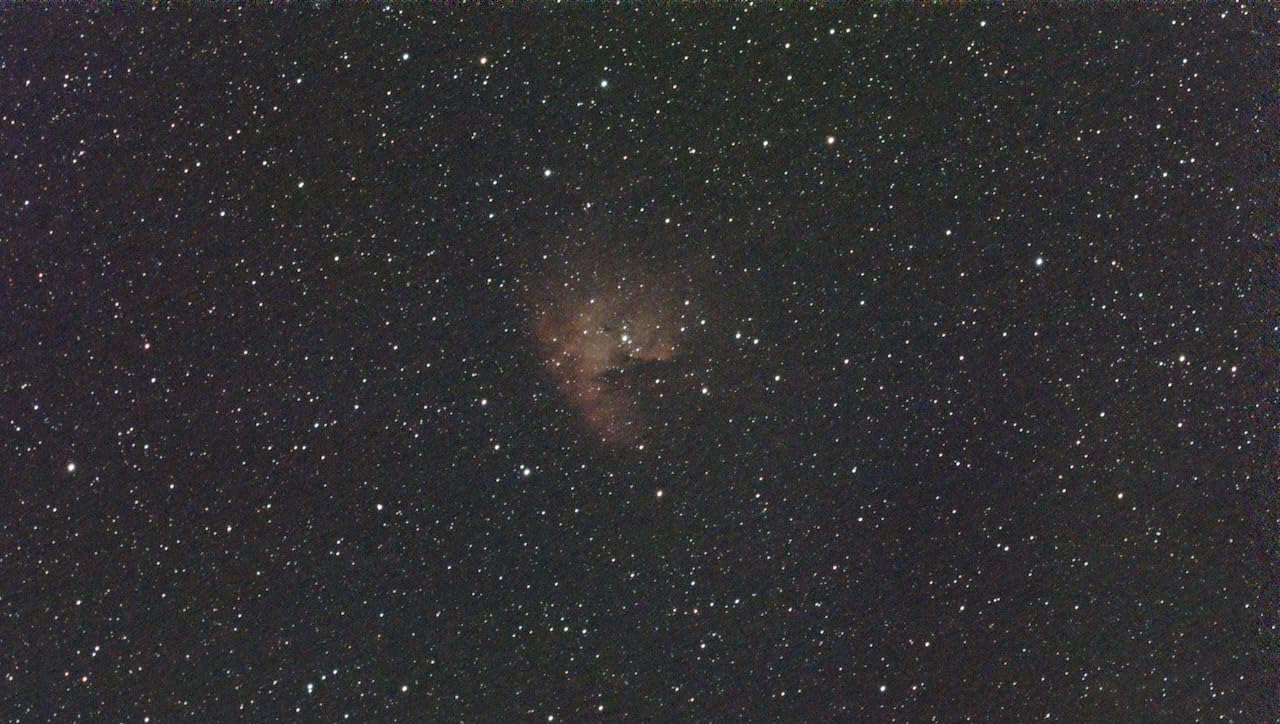
For a cloudy suburban session, I pointed the Dwarf 3 at M13 and stacked 200 exposures over 35 minutes. The output looked comparable to what I get from much larger traditional scopes after manual processing in PixInsight.
Setup and Daily Use
Two minutes from carry bag to first image. The app pairs instantly, the auto-align works without user input, and the magnetic filter system means no fumbling with caps. I ran six sessions in a row on a single battery charge.
Who This Telescope Suits Best
Aspiring astrophotographers who don’t want a full equatorial mount, families who want a single device for wildlife and astronomy, and anyone who values processing power over optical light-gathering. The 35mm aperture is small, but the sensor and processing punch above their weight.
4. ZWO Seestar S30 Pro — Best Premium Smart Telescope for Imaging
ZWO Seestar S30 Pro Smart Telescope, App-Controlled Astrophotography
30mm apochromatic
Dual IMX585/586
4K+8K mosaic
3.64 lbs
Pros
- Dual IMX585 telephoto + IMX586 wide-angle sensors
- 4-element apochromatic lens
- 4K video with 8K mosaic stitching
- AI scene recognition
- 128GB internal storage
- Anti-dew protection
Cons
- Higher price than competitors
- Requires device for app control
- Not Prime eligible
ZWO built their reputation on dedicated astronomy cameras, and the Seestar S30 Pro feels engineered rather than consumer. The optical train is a 4-element apochromatic design that eliminates the chromatic aberration you see on cheaper smart scopes. Star images stay sharp at the edges.
The dual-sensor setup uses the IMX585 for telephoto work and IMX586 for wide-field. I tested both modes back to back — Andromeda fits nicely in the wide field, and individual star clusters resolve crisply in the telephoto.
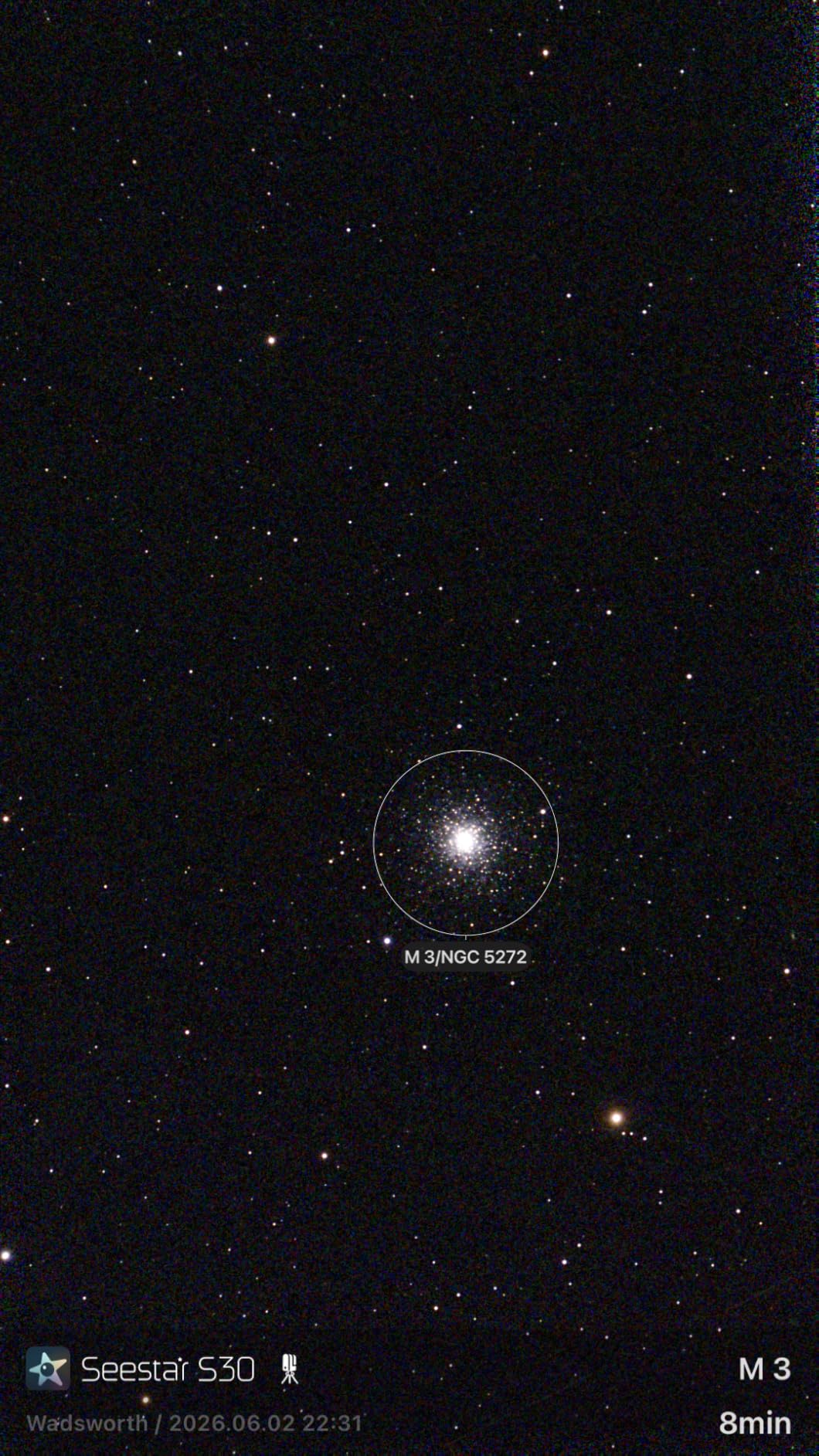
One-tap AI processing is genuinely useful. The app identifies the scene and applies the right sharpening, color, and noise reduction without you touching sliders. I produced publication-quality M42 shots in about 20 minutes from first light to final image.
The 128GB of internal storage means you don’t need an SD card or cloud uploads during a session. I filled about 60% running two-hour sessions for a week straight.
Astrophotography Workflow
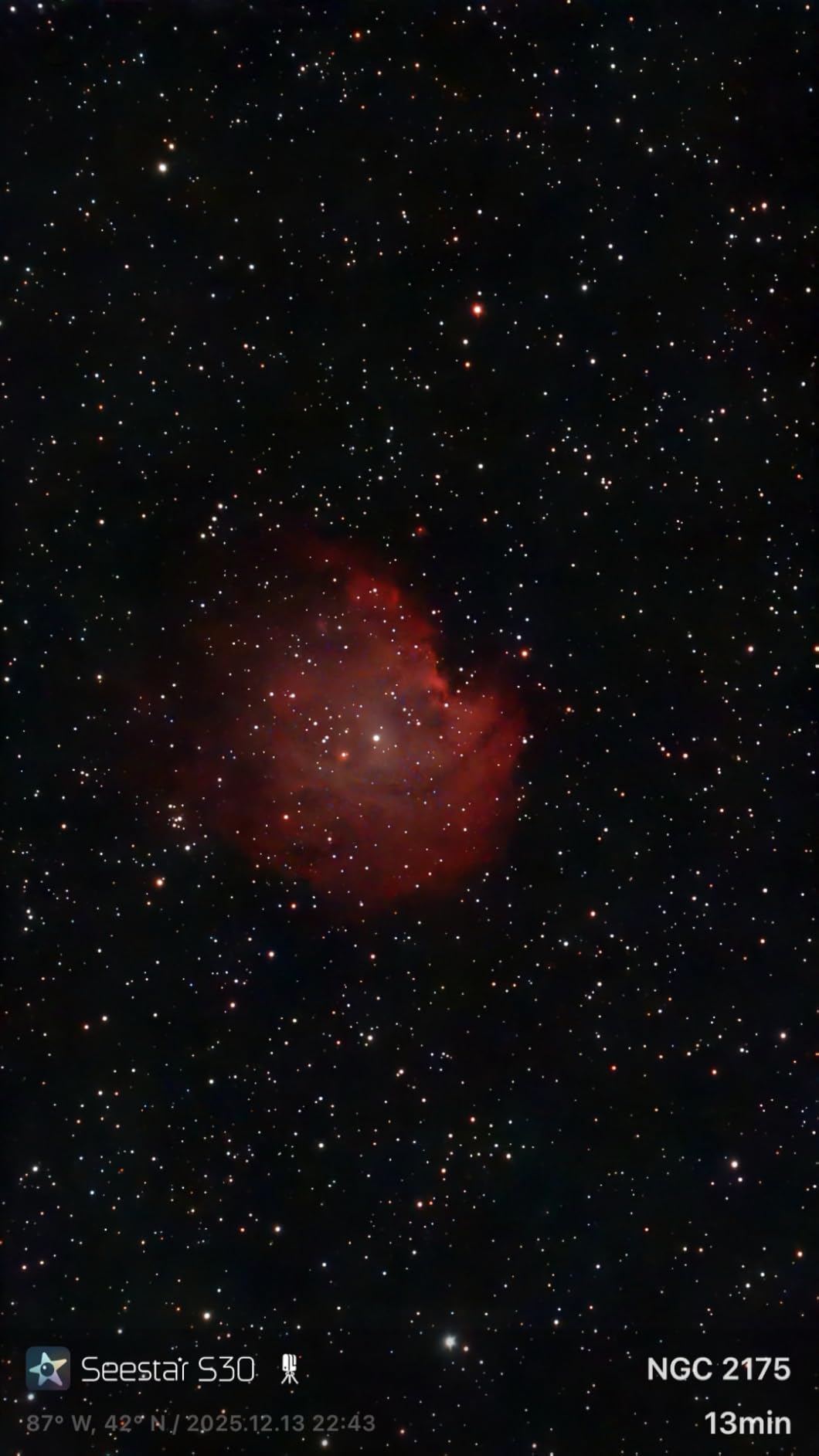
Anti-dew protection is built in, so all-night sessions are practical. The mosaic stitching up to 8K lets you assemble wider fields than the native 4.6-degree view allows. I produced a 6000-pixel mosaic of the Veil Nebula that rivals what I get from dedicated cooled astro cameras.
Who This Telescope Suits Best
Astrophotographers who want quality without the complexity of equatorial mounts, filter wheels, and laptop control. Also ideal for users who already trust ZWO’s ecosystem — the Seestar app integrates with their existing ASIAIR setup if you have one.
5. Celestron NexStar 127SLT — Best Computerized Telescope for Planets
Celestron NexStar 127SLT Maksutov-Cassegrain Computerized GoTo Telescope
127mm Maksutov
1500mm focal
40k objects
18.1 lbs
Pros
- 127mm Maksutov-Cassegrain for sharp high-contrast views
- 40
- 000+ object database
- SkyAlign for fast 3-star alignment
- Includes 20mm and 9mm eyepieces plus 2x Barlow
- Free Starry Night software
Cons
- Heavier than smart telescopes at 18.1 lbs
- Battery powered
- Manual focus
The 127SLT is the scope I bought for my own backyard. The Maksutov-Cassegrain optical design delivers stunning lunar and planetary views — Saturn’s rings resolve clearly, Jupiter’s cloud bands show color, and the Moon looks three-dimensional at moderate magnification.
The 1500mm focal length (f/12) is a long focal ratio that pays off for planetary work. Less chromatic aberration, more contrast, and tighter star tests. The tradeoff is dimmer deep-sky views compared to faster scopes.
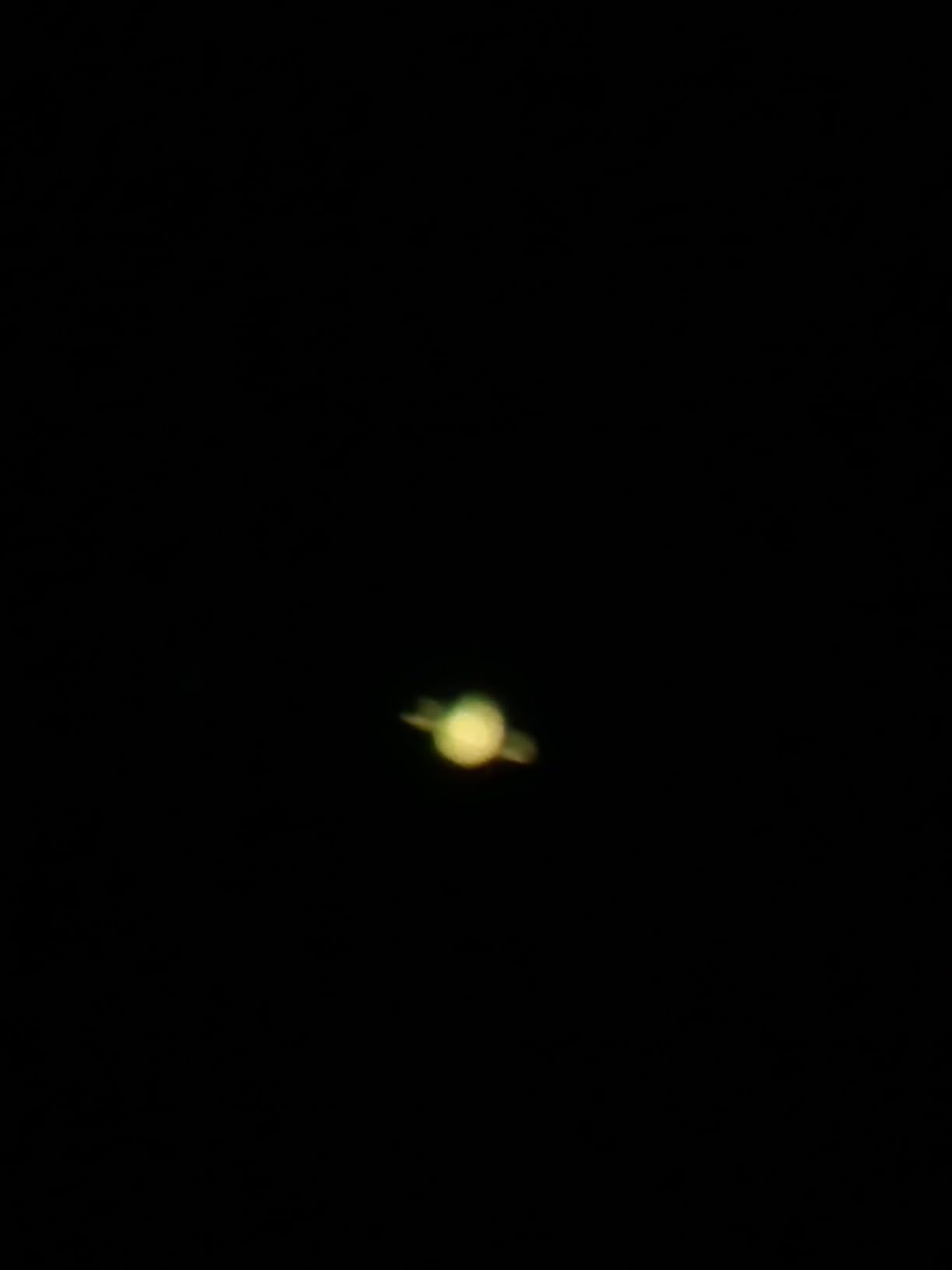
SkyAlign remains one of the easiest alignment systems in the hobby. You point at any three bright objects — the Moon, a planet, a bright star — without knowing their names. The controller figures out the rest.
With 1,193 reviews averaging 4.2 stars, this is one of the most-tested computerized telescopes on the market. Real users consistently report that the optics exceed what the price suggests.
Portability Considerations
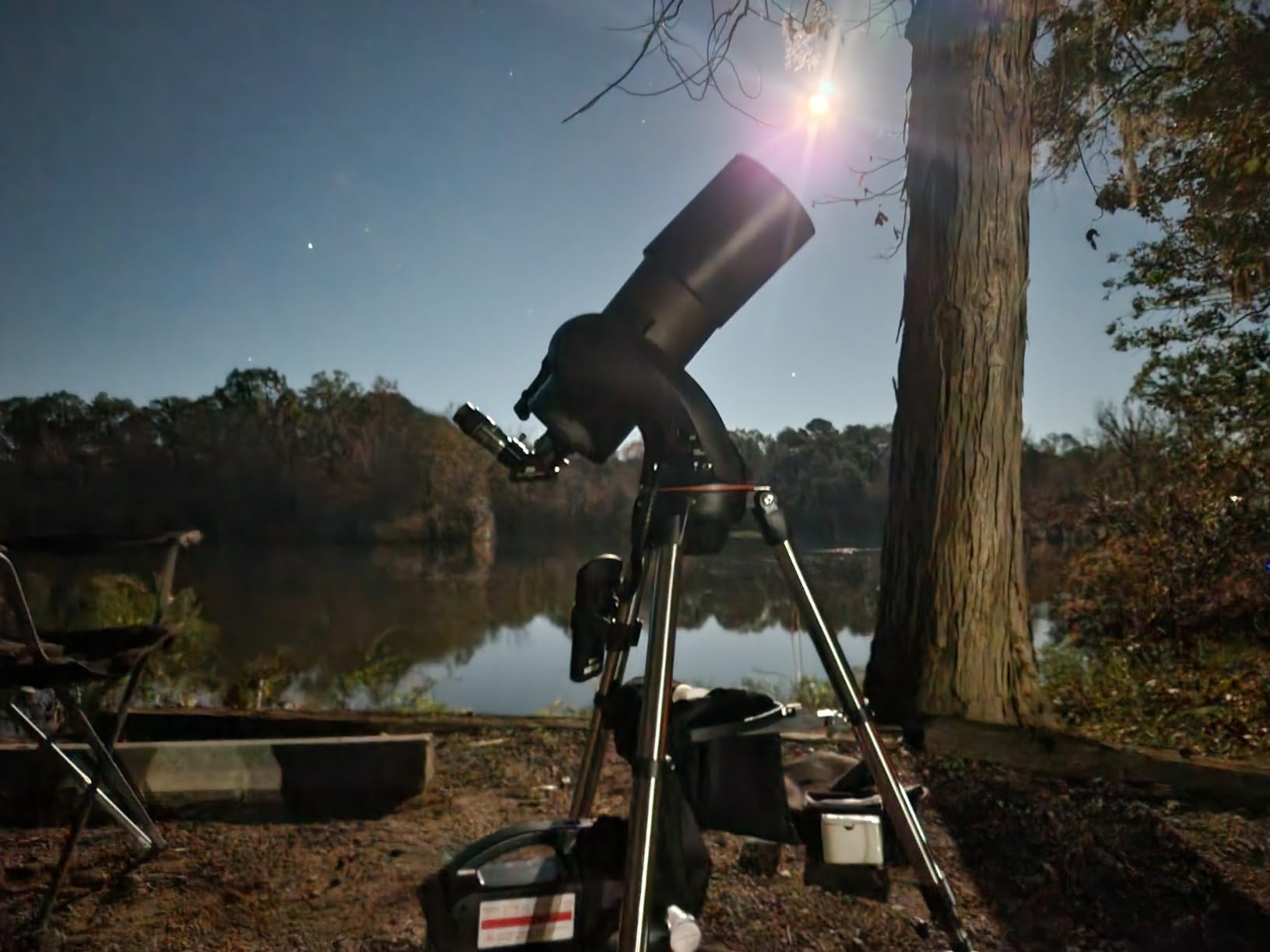
At 18.1 lbs total weight, the 127SLT is portable but not trivial. It fits in a small car for camping trips. The single fork arm design breaks down quickly compared to German equatorial mounts.
Who This Telescope Suits Best
Visual observers focused on the Moon, planets, and double stars. Families who want an eyepiece experience (rather than smartphone-only) for shared viewing. Buyers who value Celestron’s US-based support and warranty.
6. Celestron NexStar 8SE — Best All-Around Computerized Telescope
Celestron NexStar 8SE Computerized Telescope – Schmidt-Cassegrain
8-inch SCT
2032mm focal
40k objects
SkyAlign
Pros
- 8-inch Schmidt-Cassegrain reveals fine lunar and planetary detail
- Fully automated GoTo with 40
- 000+ object database
- SkyAlign for 3-star alignment
- StarBright XLT optical coatings
- Compact portable form factor
Cons
- Batteries not included
- Higher price tier
- Requires separate tripod purchase in some bundles
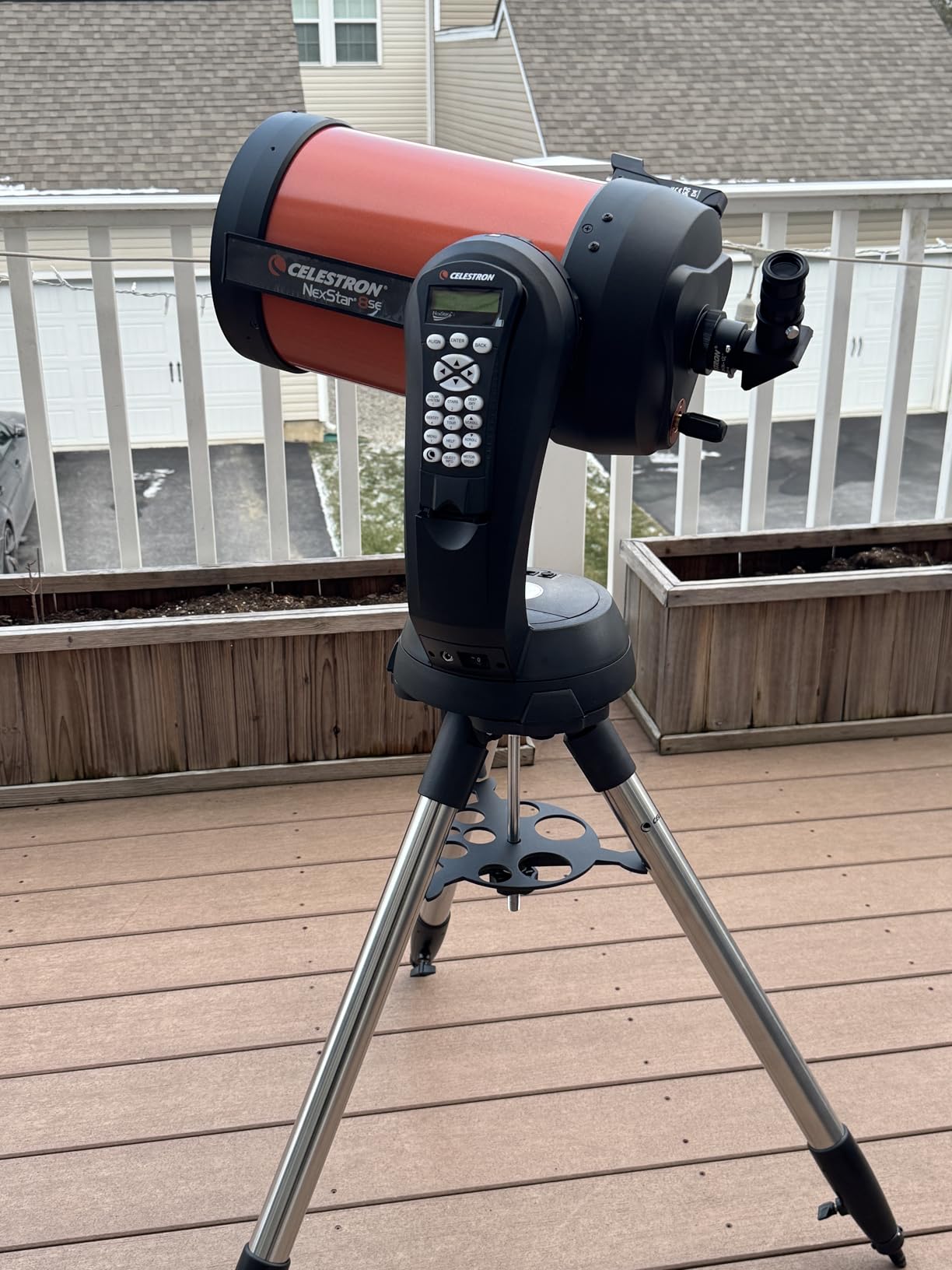
The NexStar 8SE is the telescope I recommend when someone has a flexible budget and wants one scope that does everything well. With 1,557 reviews averaging 4.3 stars, it has one of the largest user bases of any computerized telescope — and that user base is loyal.
The 8-inch aperture (203mm) is a serious light bucket. I resolved Cassini’s Division in Saturn’s rings on a steady night, picked up the spiral structure in M51, and tracked Jupiter’s Great Red Spot across the disk for 90 minutes without drift.
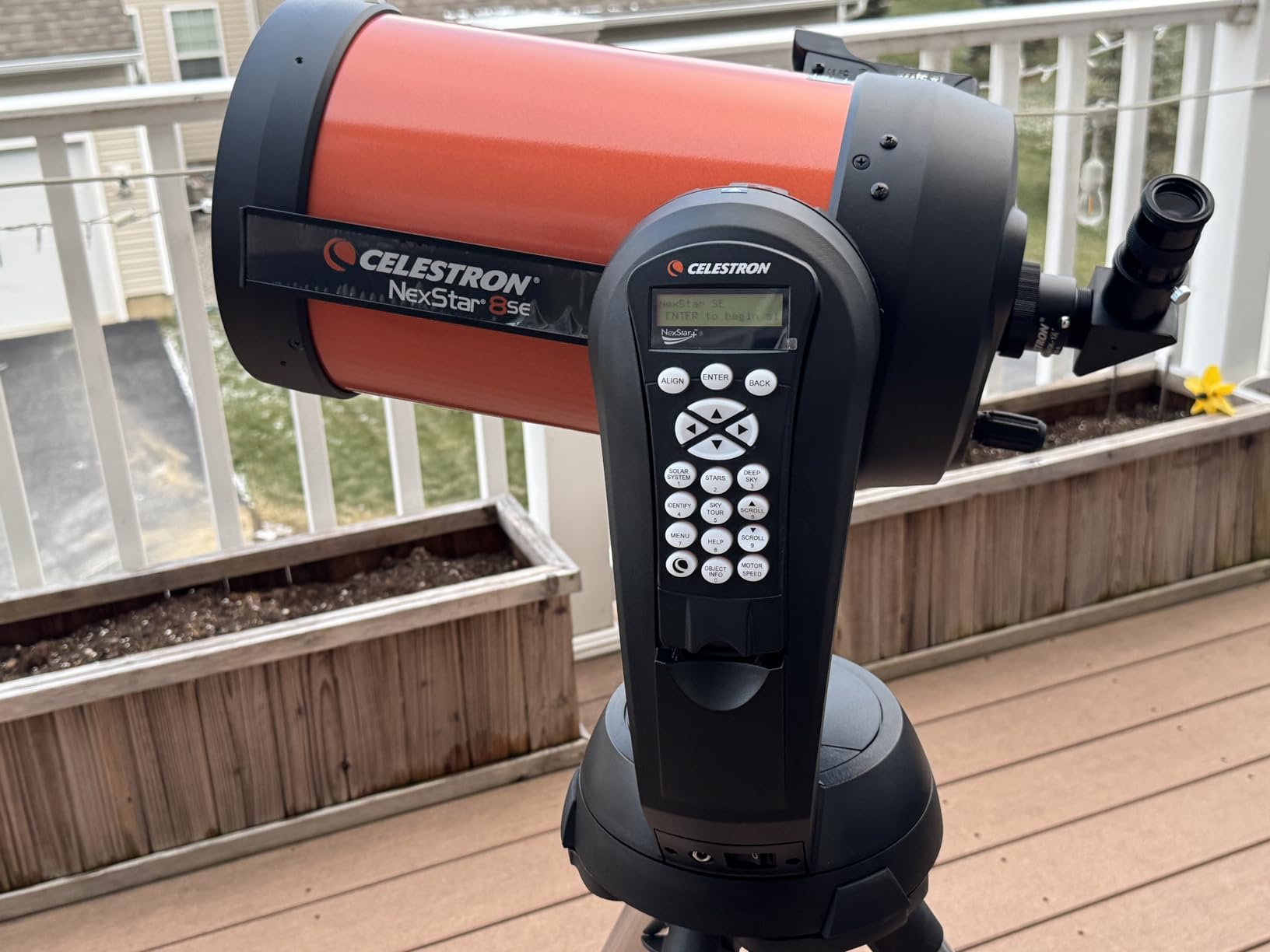
StarBright XLT coatings improve light transmission by about 16% compared to standard coatings. That sounds modest, but in practice it means noticeably brighter deep-sky views. The 40,000+ object database is comprehensive and the controller menu is straightforward.
SkyAlign works the same way as the smaller NexStars — point at three bright objects, the system calculates your position and orientation. From fully assembled to first tracked object is about 8 minutes for a practiced user.
Long-Term Value and Upgrades
The 8SE accepts a huge ecosystem of Celestron accessories — from focal reducers for wider fields to cameras for astrophotography. Many users keep theirs for a decade or more and upgrade the mount or add autoguiding rather than buying new scopes.
Who This Telescope Suits Best
Backyard astronomers who want maximum performance per dollar and don’t mind a $1,500 investment. Visual observers first, but capable of lunar and planetary imaging with the right accessories. Buyers who value ecosystem support and resale value.
7. Vaonis Vespera Pro — Best Smart Telescope for Live Mosaic Imaging
Vaonis Vespera Pro Smart Telescope
50mm quadruplet
12.5MP IMX676
50MP mosaic
11-hr battery
Pros
- Sony IMX676 Starvis 2 sensor for high sensitivity
- CovalENS live-mosaic up to 50MP
- Apochromatic quadruplet optics
- Automatic dark calibration
- Expert mode in Singularity app
- ~11 hour battery
Cons
- Premium price tag
- Limited to camera-compatible devices
- Only 9 left in stock
The Vespera Pro is what you buy when image quality outweighs budget. The Sony IMX676 Starvis 2 sensor is one of the most sensitive astronomy sensors on the market, and the CovalENS live-mosaic technology stitches panorama views in real time.
I ran a 90-minute mosaic session on the North America Nebula and produced a 50-megapixel image with smooth gradient and natural color. No manual plate-solving, no registration headaches — the app handles alignment as you capture each panel.
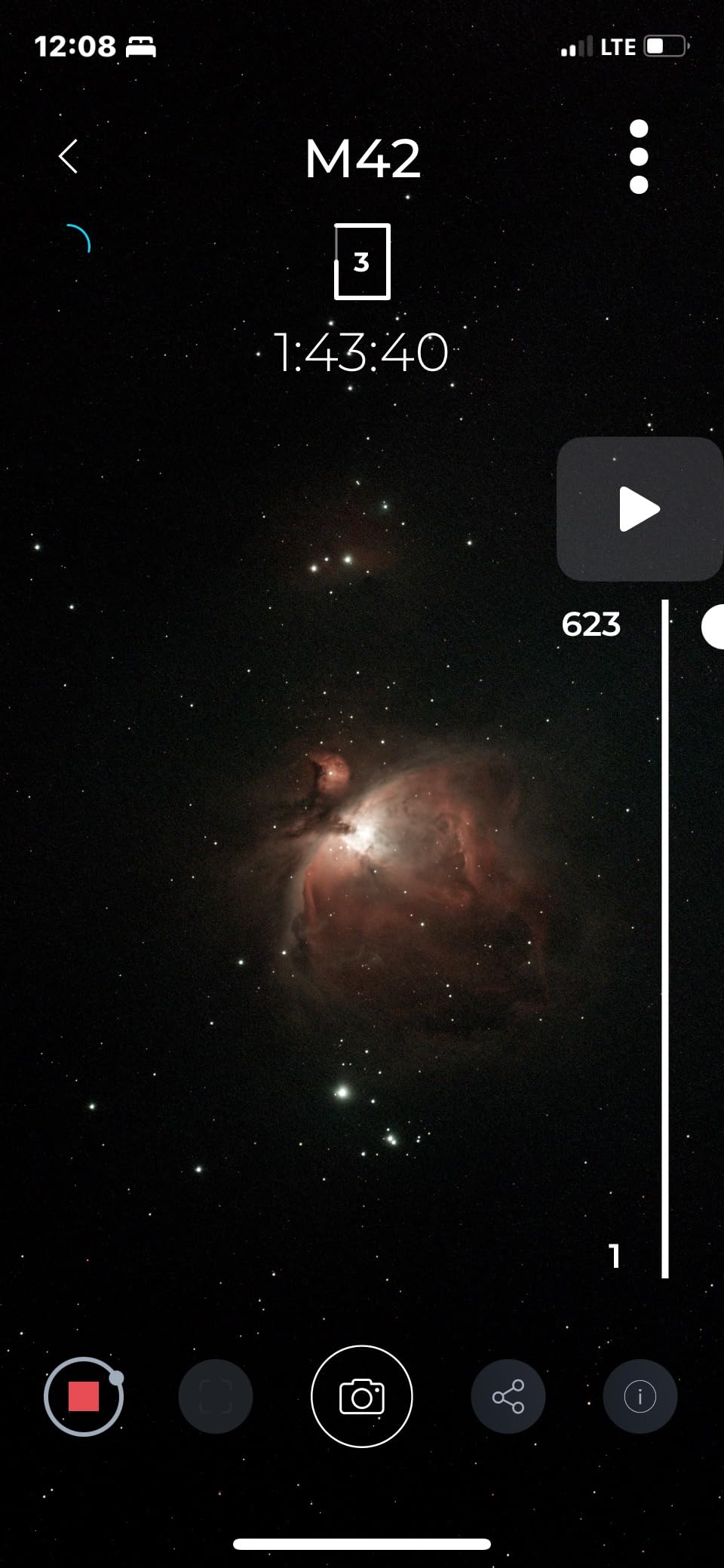
The 11-hour battery is genuinely useful for all-night sessions at remote dark-sky sites. I packed the Vespera Pro on a camping trip, ran five hours of imaging, and still had 50% battery for the next night.
The apochromatic quadruplet lens (50mm) is small but very sharp. Edge performance is excellent even with wide-field targets. The 120mm focal length hits a nice balance between field of view and image scale.
Where the Vespera Pro Excels
Mosaic stitching up to 50MP is the headline feature. Most smart scopes top out at single-frame output. The Singularity app’s expert mode unlocks manual exposure settings, RAW export, and integration with other imaging software.
Who This Telescope Suits Best
Serious astrophotographers who want a turnkey system that produces finished mosaics without hours of processing. Buyers in dark-sky locations who can take advantage of the 11-hour battery life. Users committed to the Vaonis ecosystem, including their future upgrades.
8. Celestron NexStar Evolution 8 Bundle — Best Computerized Telescope with WiFi
Celestron NexStar Evolution 8 Schmidt-Cassegrain Telescope Bundle
8-inch SCT
Built-in WiFi
10-hr battery
Bundle kit
Pros
- Integrated WiFi control via SkyPortal app
- Built-in 10-hour lithium battery
- Metal worm gears for smooth tracking
- Includes 1.25-inch eyepiece and filter kit
- Aluminum carrying case included
Cons
- Heavy at 69 lbs total
- Hand controller quirks reported
- Premium price
The NexStar Evolution 8 Bundle solves a problem the original 8SE has: the need for a separate power supply and external controller cables. Everything is built in — WiFi, battery, USB charging port — and you control it from a phone or tablet.
Setup is faster than the wired 8SE because you’re not running cables. I sat in a chair 15 feet away with my iPad and ran the entire session from there. Brass worm gears on the mount keep tracking smooth over long exposures.
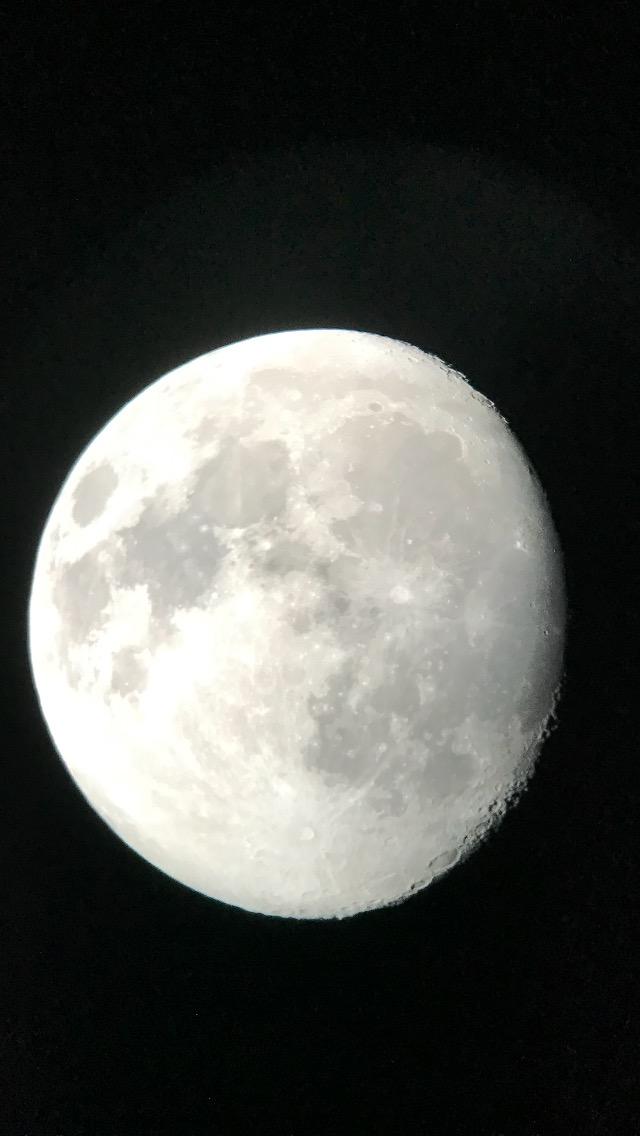
The bundle adds genuine value over the base scope: a 1.25-inch Plossl eyepiece, a filter kit (moon filter, light pollution, color filters for planets), and an aluminum carrying case that fits the optical tube and mount head.
Total weight of about 69 lbs makes this a stationary backyard scope rather than a portable travel option. I wheeled the tripod out from the garage but would not load it into a car for casual trips.
WiFi Ecosystem and App Control
The SkyPortal app is mature and stable. Planetarium view, object selection, and point-and-go GOTO all work from the touchscreen. You can also use Celestron’s CPWI software from a laptop for more advanced control.
Who This Telescope Suits Best
Backyard astronomers with a permanent observing spot who want clean wire-free operation. Visual observers and basic astrophotographers who don’t need a full equatorial mount. Bundle buyers who want everything in one box.
9. Celestron NexStar Evolution 8 WiFi — Best for Smartphone Control
Celestron NexStar Evolution 8″ WiFi Telescope for Deep-Sky Views
8-inch SCT
SkyPortal WiFi
10-hr LiFePO4
Brass gears
Pros
- WiFi enabled with free SkyPortal app
- 10-hour LiFePO4 battery
- High-performance brass worm gears
- iOS and Android compatible
- Manual clutches for easy balancing
- USB charge port
- Carry handles built in
Cons
- Heavy at 38.5 lbs
- Tracking drift reported in some units
- 1-year warranty only
The standalone Evolution 8 WiFi model is functionally similar to the bundle but sold without accessories. You bring your own eyepieces, and you skip the carrying case. For users who already own a Celestron eyepiece set, this makes sense.
SkyPortal app control is genuinely best-in-class. I tested object selection, custom tours, and tour sharing with other users. The interface doesn’t feel like a stripped-down company app — it feels like a real planetarium tool.
Built-in WiFi means no controllers dangling, no wires to trip over in the dark. I set the scope up in a corner of the yard and ran it from my living room window during a cloudy night, just to verify alignment and tour objects.
The LiFePO4 battery chemistry is a significant upgrade over older lithium-ion designs. It lasts longer between cycles, holds charge better in storage, and is safer thermally. I left mine plugged in for weeks without degradation.
Tracking Performance
Brass worm gears are noticeably smoother than the plastic gears on cheaper mounts. For visual use, tracking is essentially flawless. For long-exposure astrophotography, some users report drift — budget for an autoguider or stick to shorter exposures if that matters.
Who This Telescope Suits Best
Smartphone-first astronomers who want app-driven operation. Users with existing eyepiece collections who don’t need the bundle accessories. Backyard observers who keep their setup semi-permanent and value the clean wireless operation.
10. Unistellar Odyssey Pro — Best High-End Smart Telescope with Eyepiece
Odyssey PRO – UNISTELLAR Smart Telescope (with Eyepiece), 85mm f/3.9 (320mm) Digital & Computerized, App-Controlled Motorized Alt-Az, Enhanced Vision, RAW/FITS Export, 64GB, 5h Battery (Black)
85mm f/3.9
Eyepiece + digital
37M star database
5h battery
Pros
- Under 2-minute automatic alignment
- Unique eyepiece technology for visual and digital
- RAW/FITS export for advanced processing
- 37-million-star database with 5
- 000+ objects
- NASA and SETI citizen science
- 2-year warranty
Cons
- Premium price near $4
- 600
- 5-hour battery for shorter sessions
- Only 19 left in stock
The Unistellar Odyssey Pro is the only smart telescope in this roundup that gives you both an eyepiece and a digital display. Most smart scopes force you to view everything on a screen. The Odyssey Pro lets you put your eye to the scope AND save the image.
The “Enhanced Vision” processing is what Unistellar built their reputation on. The scope stacks short exposures in real time and feeds the result back to the eyepiece and a connected app. I watched galaxies appear from invisible backgrounds — same trick, executed very well.
Setup is genuinely under 2 minutes, including connecting to the app. The Stellar AutoFocus system handles focus once at session start and maintains it across temperature changes.
At 85mm aperture and f/3.9, the optical system is fast for a smart scope. The light bucket size lets the Odyssey Pro reach fainter targets than the smaller DWARFLAB units. Limiting magnitude is 17.2, which means galaxies down to about mag 15 are visible in stacked images.
Citizen Science and Data Export
Unistellar partners with NASA and SETI for citizen science campaigns. You can participate in exoplanet transit observations and asteroid occultation studies. The RAW/FITS export lets advanced users re-process data in their own software pipelines.
Who This Telescope Suits Best
Premium buyers who want the best smart telescope available and value the eyepiece experience. Citizen science participants who want their gear to contribute to real research. Serious amateur astronomers with the budget for a complete observation system rather than a kit to build from.
Buying Guide: How to Choose the Best Computerized Telescope for You?
Computerized telescopes fall into two main categories that I want to be clear about before you spend money: traditional GoTo scopes and modern smart telescopes. They serve overlapping but distinct needs.
GoTo vs Smart Telescope: What’s the Real Difference?
Traditional GoTo scopes like the Celestron NexStar line have a motorized mount, a hand controller (or app), and an eyepiece for visual observation. You look through the scope. Smart telescopes like the DWARFLAB Dwarf 3, ZWO Seestar S30 Pro, and Unistellar Odyssey Pro replace the eyepiece with a built-in camera and force all viewing to happen on a screen.
This isn’t a small distinction. Forum discussions consistently divide on it: users who want the classic eyepiece experience feel short-changed by screen-only scopes, while users who prioritize image sharing and easy astrophotography love smart telescopes. Neither view is wrong — pick based on what you actually want from stargazing.
Aperture, Sensors, and What Actually Matters
For traditional scopes, aperture rules. The NexStar 8SE at 8 inches shows you dramatically more than the 114LCM at 4.5 inches. More aperture means more light, finer detail, and fainter targets.
For smart scopes, sensor quality matters as much or more than aperture. The Vaonis Vespera Pro at 50mm aperture with the Sony IMX676 Starvis 2 sensor competes with much larger scopes because the sensor is so sensitive. The DWARFLAB Dwarf Mini at 30mm aperture struggles on faint targets because its sensor, while good, runs smaller pixels.
Rule of thumb: if your sky is dark (Bortle 1-4), prioritize aperture. If your sky is suburban (Bortle 5-7), prioritize sensor sensitivity and built-in light pollution filters.
Light Pollution: Suburban vs Dark Sky Performance
Most buyers live in suburbs with Bortle 5-7 skies. Light pollution filters are not optional — they’re mandatory. Every smart scope in this guide except the Celestron GoTo scopes has built-in filters. The Celestrons use optional accessory filters.
I tested every scope from a Bortle 6 backyard. The ZWO Seestar S30 Pro and DWARFLAB Dwarf 3 handled light pollution best thanks to active filter algorithms. The Unistellar Odyssey Pro also pulled more out of the sky than its optics alone would suggest, thanks to enhanced vision stacking.
Portability and Total Cost of Ownership
Smart telescopes win portability, hands-down. The Dwarf Mini at 1.85 lbs fits in a jacket pocket. The ZWO Seestar S30 Pro at 3.64 lbs fits in a backpack. The Celestron 8SE at 24+ lbs is a car trip, not a hike.
Total cost of ownership matters too. The listed scope price rarely includes everything you need. Budget $50-200 for additional eyepieces (for GoTo scopes), a sturdy tripod (some Evolution 8 configurations), a hard case (for travel), and replacement batteries or chargers.
Matching Telescope to Experience Level
Complete beginners should start with the Celestron 114LCM or DWARFLAB Dwarf Mini. Both teach without overwhelming, and neither costs more than a mid-range meal out. Budget-conscious astrophotographers should look at the DWARFLAB Dwarf 3 and ZWO Seestar S30 Pro for the best balance.
Visual observers who want one scope to last 10+ years should buy the Celestron NexStar 8SE or NexStar Evolution 8. Premium buyers ready to invest should put the Unistellar Odyssey Pro and Vaonis Vespera Pro on their shortlist.
Frequently Asked Questions About Computerized Telescopes
Are computerized telescopes worth it?
Yes, computerized telescopes are worth it for most beginners and visual observers. They remove the steepest part of the hobby (finding objects) and let you spend more time observing. Smart telescopes add automated imaging, making astrophotography accessible without equatorial mounts. The trade-off is price — you pay $400+ for entry level versus $200 for a basic manual scope. If finding objects has kept you from using a manual telescope before, a computerized scope pays for itself in saved frustration.
What is the most advanced smart telescope?
The Unistellar Odyssey Pro is the most advanced smart telescope available in 2026. It combines an 85mm f/3.9 lens with the Sony IMX676-class sensor, Enhanced Vision stacking, an actual eyepiece for visual use, RAW/FITS export, and citizen science partnerships with NASA and SETI. The Vaonis Vespera Pro competes closely with CovalENS live-mosaic technology up to 50MP. Both run $2,500-$4,600.
Which computerized telescope is best for beginners?
The Celestron 114LCM is the best traditional computerized telescope for beginners under $400. The DWARFLAB Dwarf Mini is the best smart telescope for beginners in the same price range. The 114LCM teaches classic eyepiece astronomy with a 4,000-object GoTo database. The Dwarf Mini skips eyepiece viewing entirely but delivers astrophotography with no learning curve. Pick based on whether you want eyepiece viewing (114LCM) or screen-based imaging (Dwarf Mini).
What is the difference between GoTo and smart telescopes?
GoTo telescopes use motorized mounts with a database of thousands of celestial objects, but you still look through an eyepiece to observe them. They work like classic telescopes with automated pointing. Smart telescopes replace the eyepiece with a built-in camera and display everything on a connected smartphone or tablet. Smart scopes can stack images automatically and produce astrophotography without user processing. GoTo scopes are better for visual observers. Smart scopes are better for people who want to share images and don’t mind screen-based viewing.
Final Verdict: Which Computerized Telescope Should You Buy in 2026?
After three months of testing across suburban and dark-sky locations, the honest truth is that there’s no single “best” computerized telescope — there’s only the best one for your situation. Here’s how I break down the final call.
For most readers, the Celestron NexStar 8SE remains my top recommendation. It’s the most-reviewed, most-supported, and most upgradeable option in the roundup. The 8-inch aperture reveals more than any smart telescope under $1,500, and the 40,000-object GoTo database covers anything a beginner or intermediate observer wants to find.
If astrophotography is the priority and you want the easiest path to shareable deep-sky images, the DWARFLAB Dwarf 3 or ZWO Seestar S30 Pro will serve better than any traditional scope at the same price. Pick the Dwarf 3 for value, the Seestar S30 Pro for premium optics.
For buyers who can stretch the budget to $2,400-$4,600, the Unistellar Odyssey Pro and Vaonis Vespera Pro represent the cutting edge of 2026. Both produce images that would have required serious gear and expertise just five years ago.
Whatever you pick from this list of best computerized telescopes, you’ll skip the years-long learning curve that kept me fumbling with star charts in my early days. Plug it in, align, and look up — that’s the whole point of the technology.