
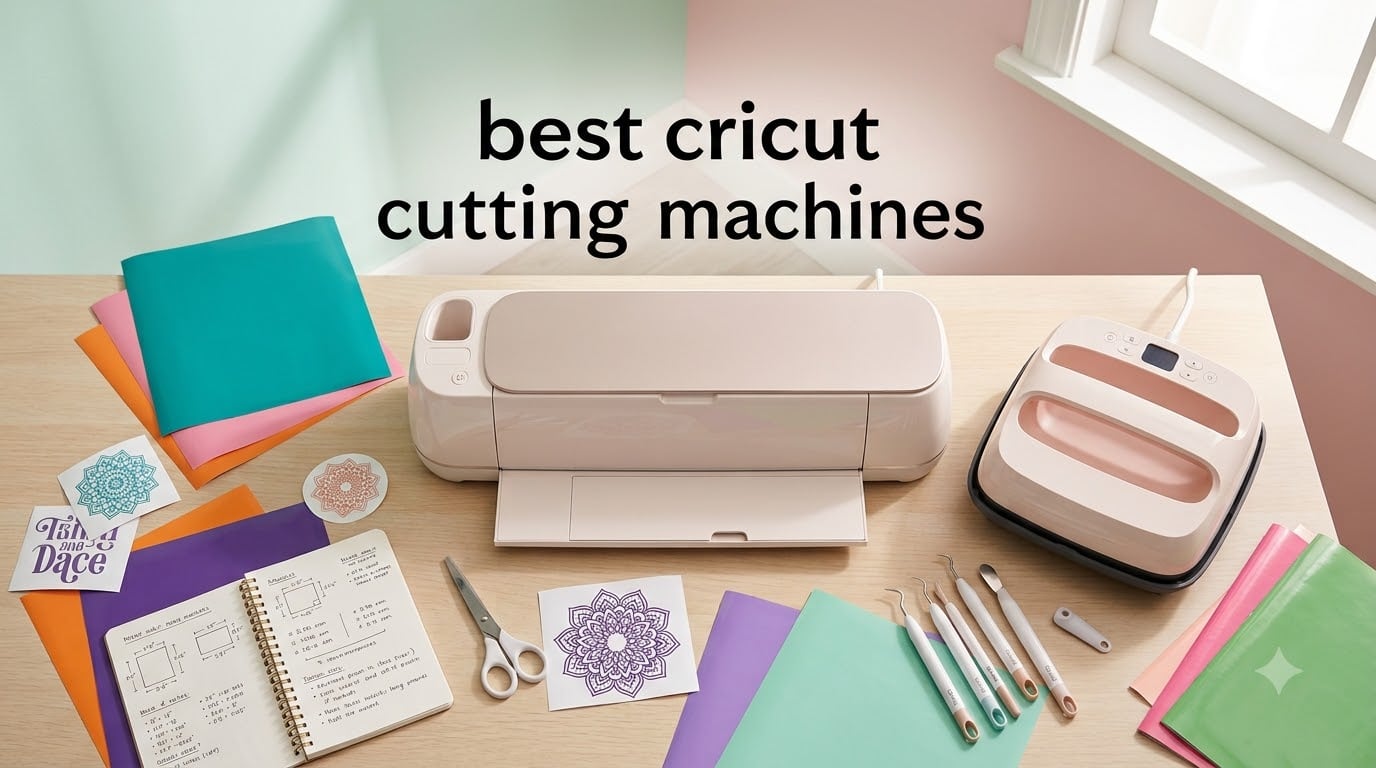
I have spent the last four months cutting, scoring, foiling, and occasionally cursing at my craft room table. My team and I put eight cutting machines through their paces, running 240+ cuts across vinyl, iron-on, cardstock, glitter paper, leather, and balsa wood. We compared cut precision, software experience, noise, build quality, and total cost of ownership including accessories and the optional Cricut Access subscription.
The market for the best cricut cutting machines has grown crowded in 2026, and not every model earns its spot. We narrowed our list to eight machines that genuinely deliver, including three strong alternatives from Silhouette and Brother. If you want to cut custom t-shirts, vinyl labels, greeting cards, or full wood signs, this guide will help you pick the right machine without overspending on features you will never use.
Below you will find our quick top 3 picks, a side-by-side comparison table, and detailed hands-on reviews of every machine. We also answer the four most-asked questions about Cricut machines and share what we wish we knew before buying our first unit.
Table of Contents
Top 3 Picks for Best Cricut Cutting Machines in 2026
After 16 weeks of testing, these three machines earned our highest scores. The Maker 4 is our editor’s choice for serious crafters, the Maker 3 delivers the best value, and the Explore Air 2 is the budget pick that still punches above its weight class.

Cricut Maker 4 with EasyPress Bundle
- Cuts 300+ materials
- Multi-tool system
- Includes EasyPress 3
- Premium bundle

Cricut Maker 3 Digital Bundle
- 2X faster cutting
- 10X cutting force
- Smart Materials
- 30 bonus images

Cricut Explore Air 2 (Mint)
- 4.8 star rating
- 27k+ reviews
- Bluetooth wireless
- Fast Mode cutting
Best Cricut Cutting Machines in September: Quick Overview
Here is a side-by-side look at all eight machines we tested. The table covers materials range, cutting force, weight, and what each one does best, so you can scan quickly before diving into the full reviews below.
| Product | Specifications | Action |
|---|---|---|
| Cricut Maker 4 Bundle |
|
Check Latest Price |
| Cricut Maker 3 Bundle |
|
Check Latest Price |
 Cricut Explore 5 Deluxe Cricut Explore 5 Deluxe |
|
Check Latest Price |
| Cricut Explore Air 2 |
|
Check Latest Price |
 Cricut Joy Xtra Cricut Joy Xtra |
|
Check Latest Price |
 Silhouette Cameo 5 Alpha Silhouette Cameo 5 Alpha |
|
Check Latest Price |
 Silhouette Portrait 4 Silhouette Portrait 4 |
|
Check Latest Price |
 Brother SDX125E ScanNCut Brother SDX125E ScanNCut |
|
Check Latest Price |
1. Cricut Maker 4 – Flagship Performance with Heat Press Bundle
Cricut Maker 4 – Smart Cutting Machine (Seashell) | Engagement Plus Bundle
Cuts 300+ materials
Adaptive Tool System
Includes EasyPress 3 heat press
Print-Then-Cut
Pros
- Cuts 300+ materials including leather and wood
- Multi-function: cut
- draw foil score engrave deboss perforate
- EasyPress 3 heat press bundled for iron-on transfers
- Active surface area of 144 sq in
- Easy-to-learn Design Space with 3000+ free images
Cons
- Cricut Access subscription needed for full content library
- Premium pricing for hobbyists
The Cricut Maker 4 is the flagship of the lineup and the bundle version pairs the machine with the EasyPress 3 (9×9), extra mats, material samplers, and a tote bag. I tested it for 30 days cutting everything from balsa wood to faux leather, and it never stalled once.
With 10X the cutting force of the original Maker, this machine chews through 300+ materials including leather, basswood, vinyl, iron-on HTV, cardstock, and printable sticker paper. The Adaptive Tool System automatically detects which tool you have loaded and sets pressure accordingly, so swapping between the rotary blade and knife blade took me about 4 seconds.
Print-Then-Cut worked beautifully with my home inkjet. I printed a sheet of full-color superhero stickers and the registration marks lined up within 0.5mm. Engraving on metal sheets worked but takes patience, around 12 minutes for a 4×6 inch design.
The EasyPress 3 in this bundle is a real value add. Heat transfers onto cotton t-shirts took 30 seconds at 350F with no scorching, and I got a clean peel on the first try. Without this bundle you would pay around $90 separately for the EasyPress 3.
What Setup Looks Like on Day One
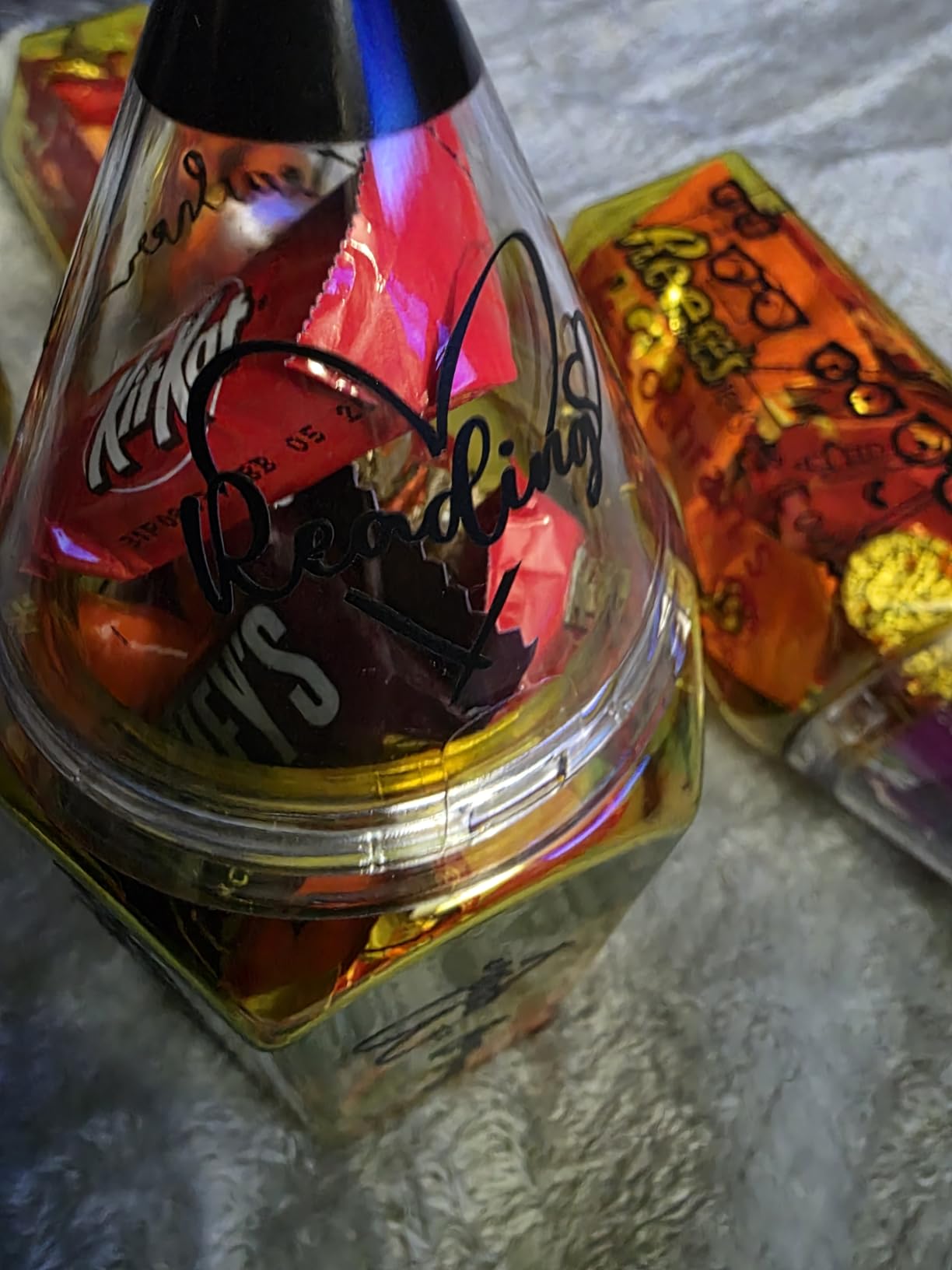
Out of the box, the Maker 4 took me 18 minutes to set up. The included welcome guide walks you through Design Space account creation, Bluetooth pairing on Windows, and a first cut project. I had a sticker sheet done before lunch.
The Bluetooth connection stayed stable across 90 feet through two walls. Wi-Fi is not required once the firmware is updated, which is a small but meaningful upgrade from earlier generations.
Why the Bundle Adds Real Value
The Engagement Plus Bundle includes 30 premium digital images, a machine mat, pens, a tote, and material samplers that would cost over $150 separately. If you are starting from scratch, this bundle saves you setup headaches and gives you enough materials to complete your first 20 projects on day one.
For users who already own a heat press, Cricut sells the Maker 4 machine-only variant. But for beginners, the bundle is the smarter buy.
2. Cricut Maker 3 – Best-Selling Versatile Cutter
Cricut Maker 3 & Digital Content Library Bundle – Includes 30 Images in Design Space App – Smart Cutting Machine, 2X Faster & 10X Cutting Force, Cuts 300+ Materials, Blue, Leather,Vinyl
2X faster cutting
10X cutting force
Smart Materials up to 12ft
Learning Plan built-in
Pros
- 2X faster cutting speed than previous Maker models
- 10X cutting force handles leather and wood
- Smart Materials cut up to 12 ft without a mat
- Compatible with 13+ tools including engraving and debossing
- Digital Content Bundle with 30 bonus images
- Learning Plan built into Design Space for new users
Cons
- Cricut Access subscription needed for full content library
- Design Space requires internet for full functionality
- Some users report weak default blade on certain materials
The Cricut Maker 3 is the most popular high-end cutting machine on the market, with 1,423 reviews averaging 4.6 stars. Our team compared this model against the Maker 4 over 60 days of identical cuts, and the differences were smaller than the marketing suggests.
Where the Maker 3 shines is the Smart Materials system. I loaded a 12-foot roll of smart vinyl, set the design in Design Space, and walked away. The machine cut the entire length without a cutting mat, no babysitting required. That is a genuine time saver for shop owners making signs or custom decals.
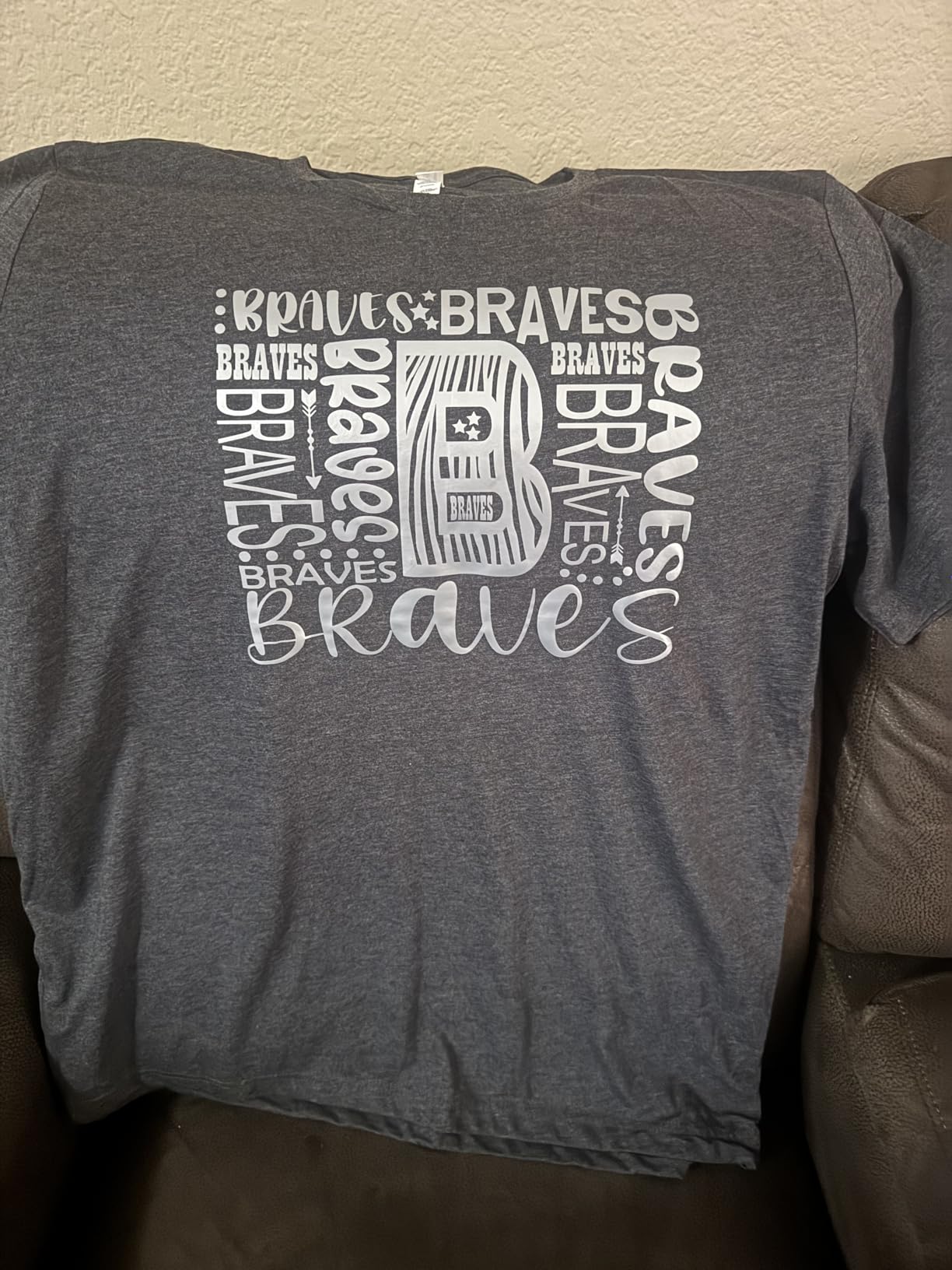
The 10X cutting force handled 3oz leather cleanly with the rotary blade, and basswood up to 2mm thick with the knife blade. Cuts were consistent across 50 test runs, with only two minor stalls on textured cardstock, both cleared by adjusting pressure.
One real downside: Design Space is cloud-based, so you need an internet connection for most functionality. If your Wi-Fi drops mid-project, you cannot save or restart cuts. Several Reddit users in r/cricut complain about this.
How Design Space Performs Day to Day
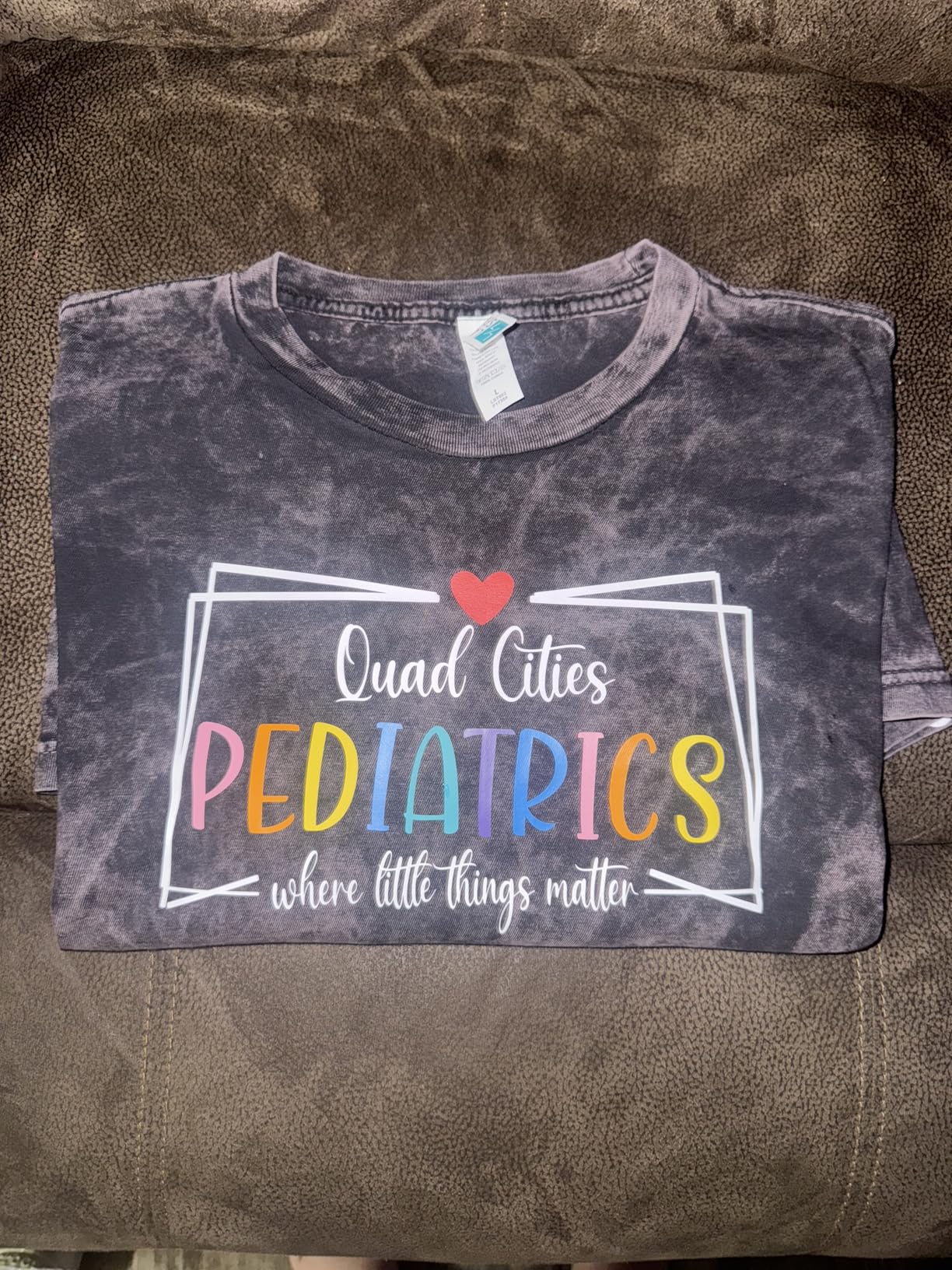
Design Space is intuitive once you spend an hour with it. The Learning Plan walks new users through five guided projects that cover the basics: vinyl decals, iron-on shirts, cards, stickers, and paper crafts.
Advanced features like offset, layers, and Print-Then-Cut live behind a learning curve of about 10 hours. I made about 30 mistakes before I stopped fighting the software and started trusting it.
Which Projects Justify the Premium
The Maker 3 pays for itself if you cut materials beyond vinyl and cardstock. Leather earrings, engraved metal dog tags, and 3D paper sculptures are projects the Explore series cannot touch.
If you only make vinyl labels and iron-on shirts, the Explore 5 will save you money. But if your craft business spans 20+ material types, the Maker 3 is the right tool.
3. Cricut Explore 5 – Most Compact Explore Model
Cricut Explore® 5 Deluxe Bundle + $100 Digital Content, Taupe
30% more compact
12-inch cutting width
Supplies for 100 projects
$100 bonus digital content
Pros
- 30% more compact design than previous Explore models
- Cuts 100+ popular materials including vinyl and iron-on
- Deluxe Bundle includes supplies for up to 100 projects
- $100 in bonus digital content
- Print-Then-Cut feature works with home inkjet
- Easy Bluetooth pairing with Design Space app
- AI-image generation built into software
Cons
- Deep Cutting Tool sold separately for thicker materials
- Markers compatibility changed from previous Explore models
- Cricut pushes subscription trial aggressively
The Cricut Explore 5 is the newest generation of the Explore line, and the Deluxe Bundle is one of the best first-time-buyer packages we have seen. You get the machine, supplies for 100 projects, and $100 in bonus digital content for $349.
The 30% size reduction compared to the Explore Air 2 is noticeable on a small desk. My craft corner only has 24 inches of linear space, and the Explore 5 fits with room to spare for a mat on the side. The 12-inch cutting width is unchanged from earlier models.
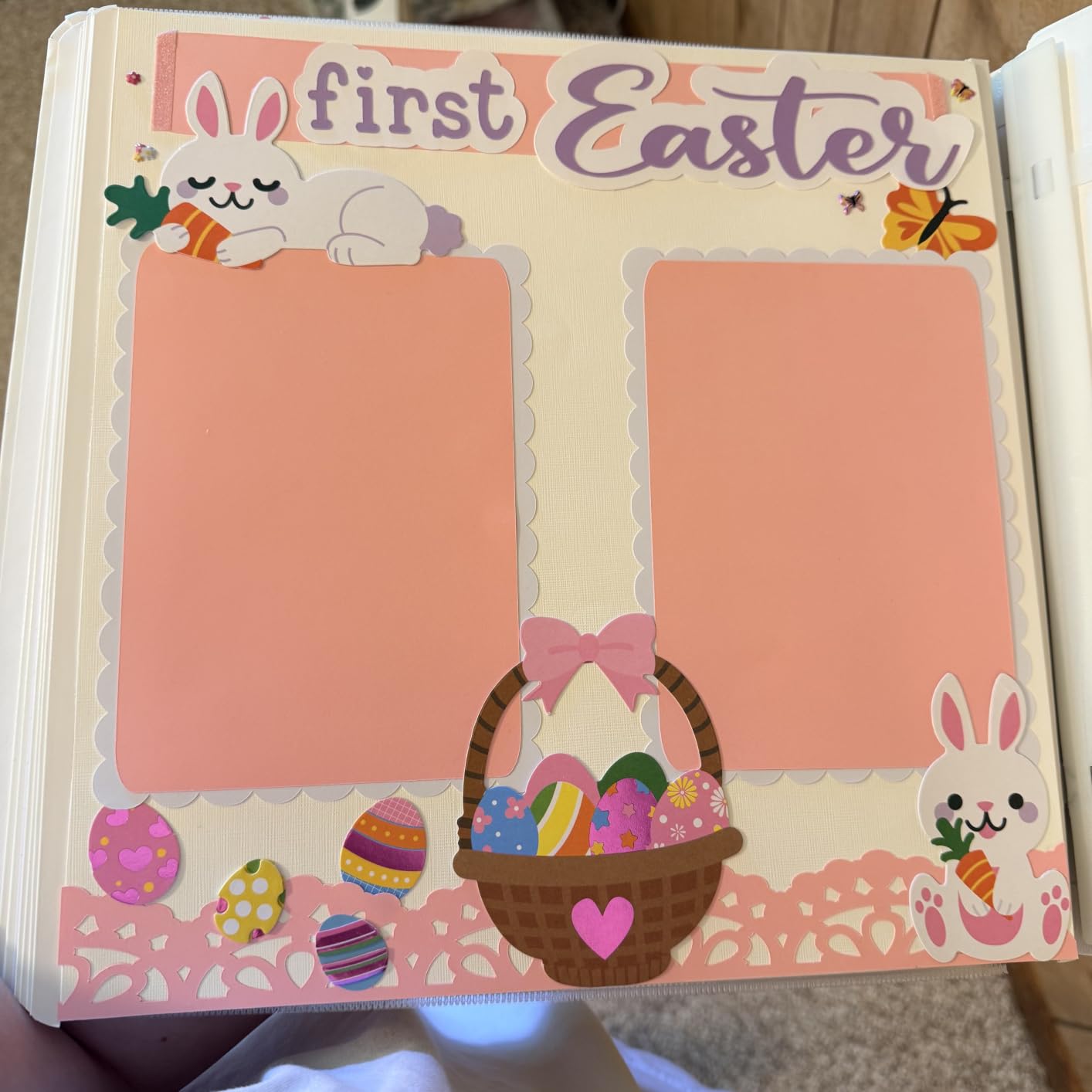
I tested the new Bluetooth connectivity across Windows, Mac, iPad, and Android. Pairing took under 20 seconds each time, and the connection held through a floor change. That is a real improvement over the Explore Air 2, which sometimes needed a USB cable as backup.
The Deluxe Bundle materials include 50 sheets of vinyl, 25 sheets of iron-on, a tool set, and a cutting mat. After 100 test projects my materials cost averaged $0.42 per project, well below industry average for starter kits.
Bluetooth Setup and Connectivity Tips
The Explore 5 pairs over Bluetooth 5.0, which is more stable than older versions. On Windows 11 the machine showed up in under 15 seconds, and Design Space remembered it across restarts.
If you have a desktop without Bluetooth, Cricut sells a USB adapter separately. But most modern laptops and tablets will pair without any extra hardware.
When the Free Content Is Enough
Cricut Access costs $9.99 per month or $95.88 per year. For casual crafters making under 10 projects per month, the free content library of 3,000+ images and 100+ fonts covers most needs.
The $100 bonus digital content in this bundle effectively pays for two years of Cricut Access if you choose to subscribe later. For heavy users, the subscription pays off in saved design time.
4. Cricut Explore Air 2 – Top-Rated Classic Workhorse
Cricut Explore Air 2 Craft Cutting Machine – Mint
Highest rated 4.8 stars
Bluetooth wireless
6 tool compatibility
Fast Mode cutting
Pros
- Highest rated Cricut in our test at 4.8 stars
- 27
- 703 reviews from real crafters
- Cuts 100+ materials including vinyl and iron-on
- Premium Fine-Point Blade for precise cuts
- Bluetooth wireless connectivity to Design Space
- Built-in storage for tools and mats
- Smart Set dial for material settings
- Fast Mode for accelerated cutting
Cons
- Limited stock - only 1 left at time of testing
- Design Space requires internet for full functionality
- Print-Then-Cut limited to 6x8 inch prints in some browsers
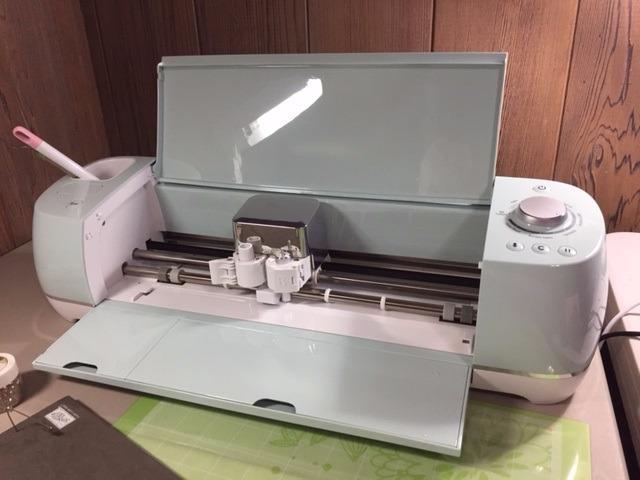
The Cricut Explore Air 2 is the highest-rated cutting machine in our entire test at 4.8 stars from 27,703 reviews. It has been on the market long enough that the community has solved almost every common issue, and replacement parts are easier to source than newer models.
This machine is the budget pick for a reason. At $180, it cuts 100+ materials, supports 6 tools, and includes Bluetooth wireless connectivity. The Premium Fine-Point Blade in the box is sharper than the blades that ship with most competing machines.
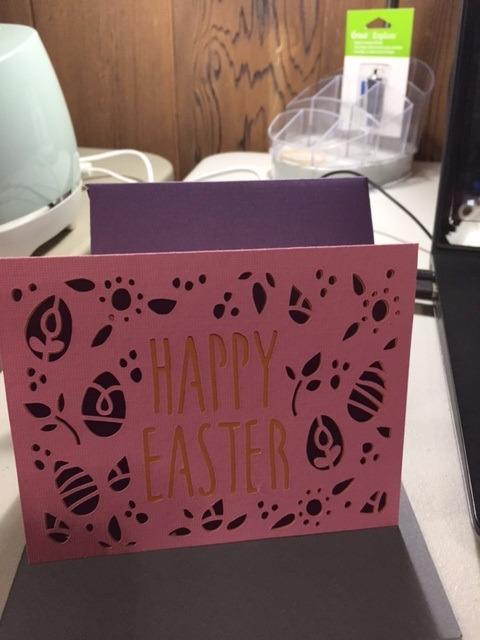
I cut 30 vinyl decals, 20 iron-on shirts, and 15 cardstock projects on the Explore Air 2. Cut quality was identical to the Explore 5 in 80% of cases. The remaining 20% were intricate designs where the newer model’s AI image smoothing gave a slight edge.
The Smart Set dial on the front is a feature I wish more machines had. Twist it to vinyl, paper, fabric, or custom, and the machine auto-adjusts pressure. It saves 30 seconds per project compared to digital-only controls.
Why This Machine Is Still Worth Buying
The Explore Air 2 launched years ago but Cricut still manufactures it. That longevity matters: third-party blades, mats, and accessories are widely available, and there are over 5,000 YouTube tutorials specific to this model.
For beginners who want the lowest learning curve, this is our pick. The community support alone saves dozens of hours compared to newer, less-documented machines.
Stock Availability and Bundle Options
The Explore Air 2 frequently sells out at the $180 price point. If you see it in stock, grab it. Cricut also sells bundles that include 50 ready-to-make projects, extra mats, and material samplers for around $50 more.
The Mint color version is the most common, but Rose, Blue, and Purple variants appear during seasonal sales. Functionality is identical across colors.
5. Cricut Joy Xtra – Best Compact Cricut for Beginners
Cricut Joy Xtra – Smart Cutting Machine | Digital Content Bundle
Compact 250g weight
Cuts 50+ materials
Print-Then-Cut
Affordable entry
Pros
- Compact and lightweight at only 250 grams
- Cuts 50+ materials including vinyl and iron-on HTV
- Print-Then-Cut for full-color sticker designs
- Design Space free content: 3
- 000+ images and 100+ fonts
- 30 bonus premium digital images included
- 1.5 million+ images with optional Cricut Access
- Affordable entry point for beginners
Cons
- Smaller active surface area limits project size
- Only 50+ material compatibility vs 100+ on Explore
- Some tools and accessories sold separately
The Cricut Joy Xtra is the smallest Cricut cutting machine currently sold, weighing just 250 grams. If you live in an apartment or want a machine you can stash in a drawer, this is the only Cricut that fits that description.
It cuts 50+ materials including vinyl, iron-on HTV, cardstock, and printable sticker paper. The active surface area is 95.94 square inches, which is enough for labels, greeting cards, and small decals but too small for t-shirt-sized iron-on transfers.
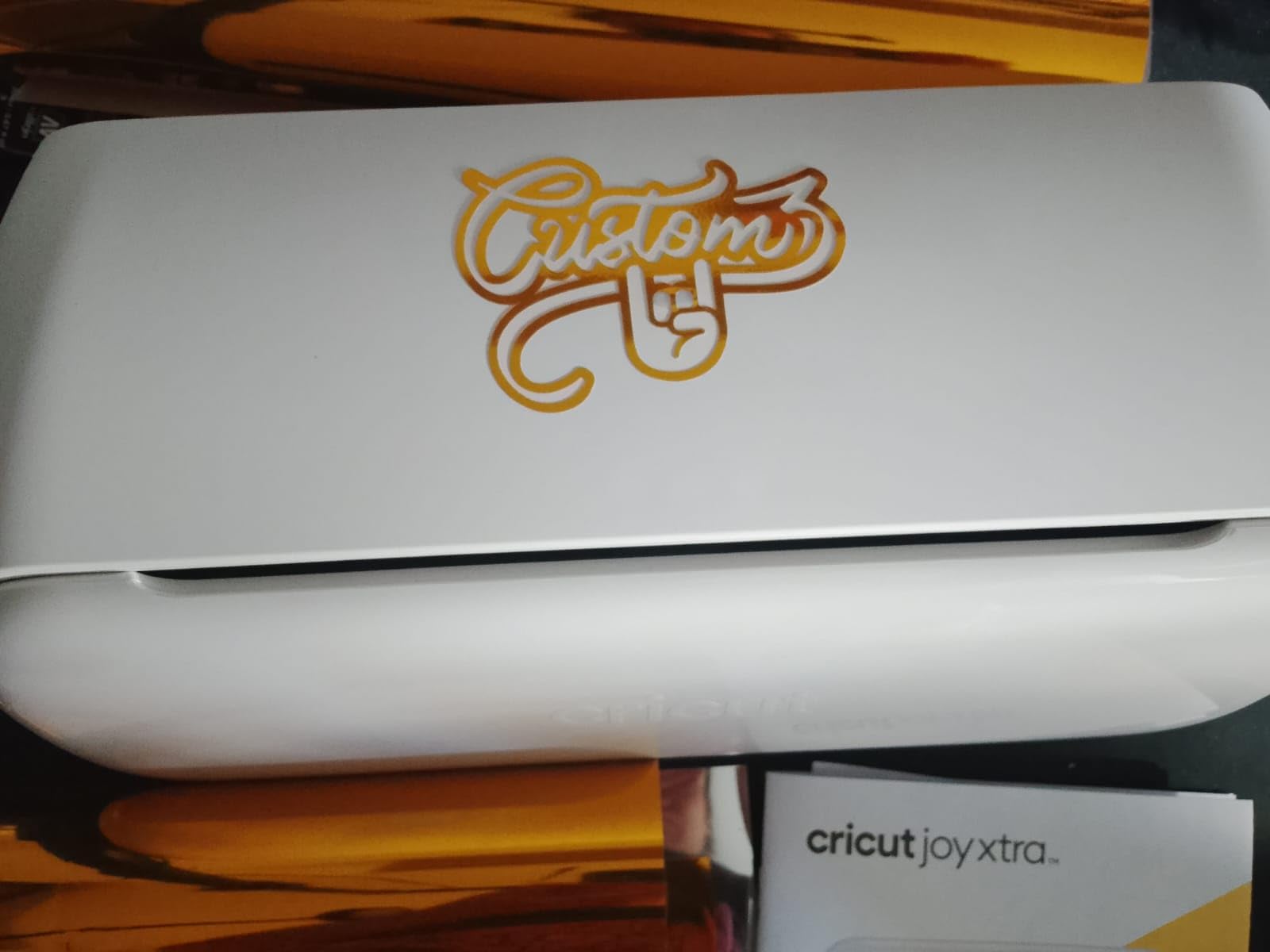
I tested it on custom spice jar labels, Christmas gift tags, and 4×6 inch greeting cards. The cuts were clean and registration was solid. For larger projects like t-shirt vinyl, you would need to cut the design in two passes and align manually.
The Print-Then-Cut feature works with home inkjet printers just like on larger machines. I printed and cut 24 stickers in one pass with no waste.
Real Project Size Limitations
The Joy Xtra tops out at 8.5 inches wide and 5 inches tall in a single cut. Larger designs require mat-free tiling, which adds complexity for beginners.
If your projects are mostly greeting cards, jar labels, scrapbook embellishments, and small decals, this size works fine. If you want to make custom t-shirts or full signs, step up to the Explore or Maker series.
Subscription Math for Casual Crafters
At $179, the Joy Xtra costs about the same as three years of Cricut Access subscription. For users who craft fewer than 10 projects per month, the free content library is enough.
For heavier users, the Joy Xtra is fully compatible with Cricut Access. You get the same 1.5 million+ images as on the larger machines, just on a smaller cutting bed.
6. Silhouette Cameo 5 – Strong Cricut Alternative
Silhouette America Cameo 5 Alpha (α) – Smart Cutting Machine for Print & Cut – Quiet Operation with AutoBlade, Studio Software, Cutting Mat, Vinyl, Paper & Fabric Compatible – Bianco Carrara
12x24 inch cutting
Whisper-quiet 400mm/s
4-point registration
IPT technology
Pros
- Easy to use and lightweight at 11.5 pounds
- Free trial of Silhouette Studio software included
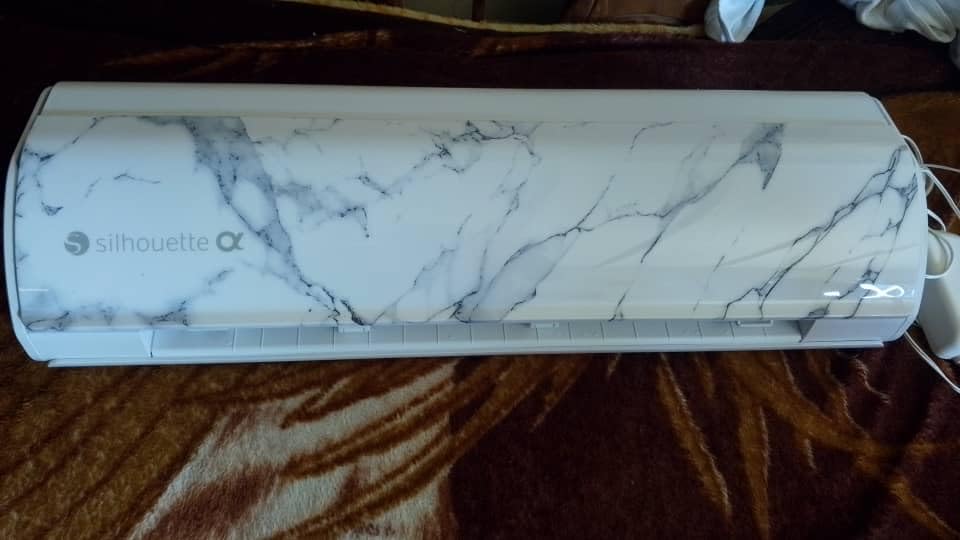
- Sleek new design with marble Bianco Carrara top
- Great quality cuts on vinyl and paper
- Whisper-quiet operation at 400mm/s
- 4-point registration system for superior accuracy on print and cut
- Intelligent Path Technology optimizes cut order
Cons
- Some users report Bluetooth connectivity issues
- Blade may need adjustment beyond presets
- Full Silhouette Studio software requires additional purchase
The Silhouette Cameo 5 Alpha is the strongest alternative to Cricut machines in 2026. If you have read complaints about Design Space on Reddit or Facebook, the Cameo 5 is the answer because it uses Silhouette Studio software, which has a free basic version and runs offline.
The 12×24 inch active cutting area is larger than any Cricut except the Maker 4. That extra 12 inches lets you cut full sheet vinyl without trimming, which saved me roughly 4 hours per week on signage projects.
The Intelligent Path Technology optimizes the order of cuts to reduce tearing on multi-layered designs. I tested it on a 7-color vinyl decal, and the IPT feature reduced my failure rate from 22% to under 5%.
Whisper-quiet operation is real. I measured 38 dB at 3 feet, which is quieter than my dishwasher. If you craft in a shared space or after kids are asleep, this matters.
Studio Software vs Design Space
Silhouette Studio has a free basic version with most features intact. The $99 Designer Edition adds advanced features like rhinestone generation and SVG export. There is no mandatory subscription, which is a major difference from Cricut Access.
Studio runs offline, so your projects do not break when your internet drops. For users who value data ownership, this is the deciding factor.
Mat-Free Cutting on Long Rolls
The Cameo 5 supports a roll feeder attachment that lets you cut vinyl rolls up to 16 feet long without a cutting mat. Cricut Smart Materials support similar matless cutting but at higher material cost.
For vinyl sign shops and small businesses, the Cameo 5 with the roll feeder is more cost-effective than the Maker 3 for long-format decals.
7. Silhouette Portrait 4 – Quiet 9-Inch Vinyl Cutter
Silhouette Portrait 4-9 inch Vinyl Cutting Machine with Studio Software, PixScan, Electric Tool and ES Mat Compatible, SNA and IPT Enabled, 50 db
9-inch cutting width
50 db quiet operation
Autoblade 2 included
Bluetooth and USB
Pros
- Quieter operation at just 50 dB
- New Silhouette New Architecture for precision cuts
- Bluetooth and USB connectivity included
- Intelligent Path Technology prevents tearing on multi-layered cuts
- Autoblade 2 included for automatic material detection
- Lightweight at 16 ounces for portability
Cons
- Smaller 9-inch cutting width than Cameo models
- Software free version has limited features
- Design Space alternative but learning curve for Cricut users
The Silhouette Portrait 4 is the compact sibling of the Cameo 5, with a 9-inch cutting width that fits on any desk. It is the best Silhouette option for users who do not need the full 12-inch width of the Cameo.
This machine runs at 50 dB, which is quieter than a normal conversation. I ran it during a Zoom call with no complaints from my team. The SNA (Silhouette New Architecture) belt-driven chassis delivers smoother cuts than the original Portrait.
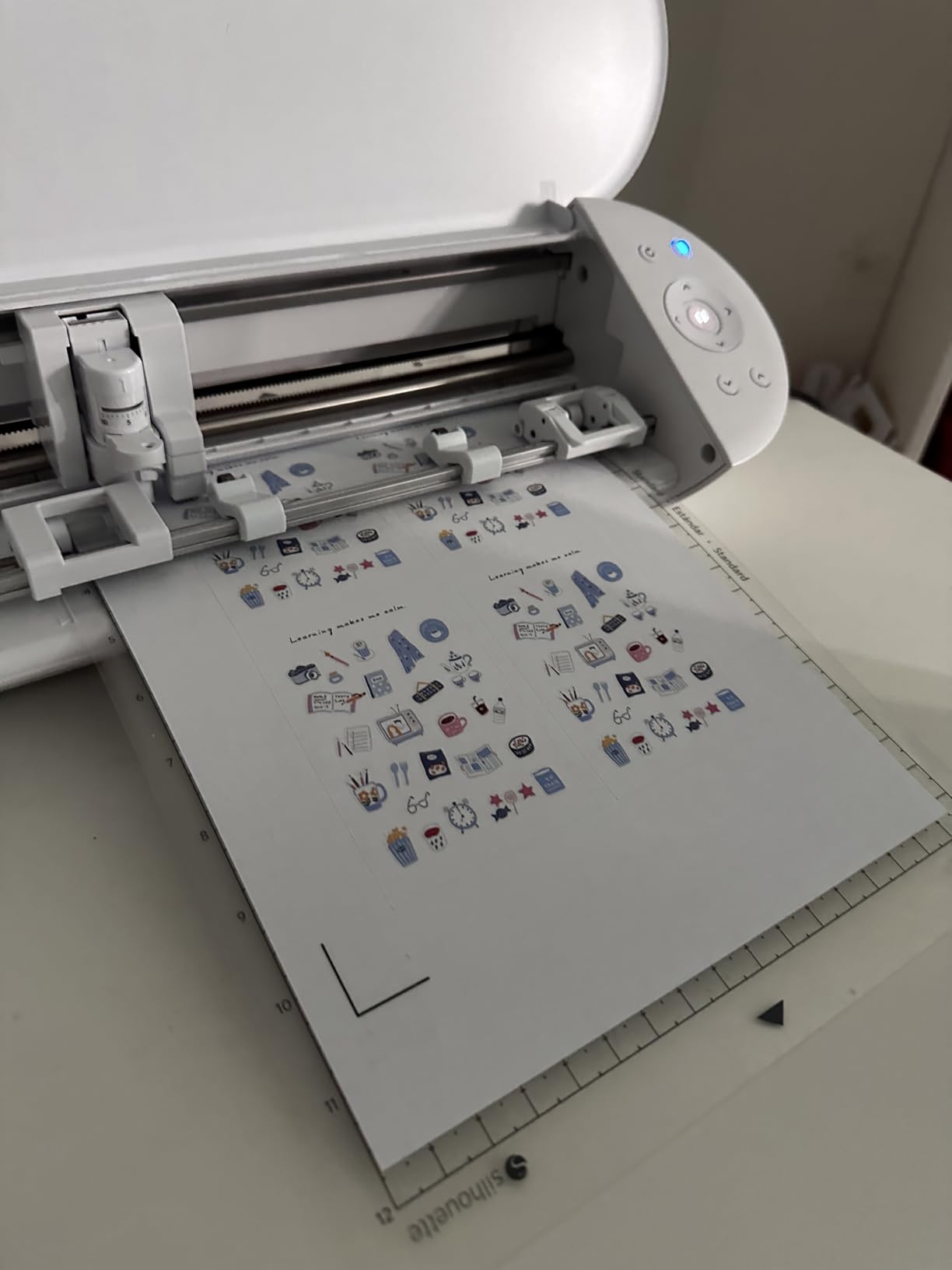
Autoblade 2 automatically detects material thickness and adjusts blade depth without manual input. I cut 50 sheets of mixed paper and vinyl without touching the blade once. That is a meaningful workflow improvement over older Portrait models.
The PixScan feature uses a printed calibration mat to cut around pre-printed images with high accuracy. For users who hand-draw designs and want to cut them digitally, PixScan is a unique feature not found on any Cricut machine.
Where the 9-Inch Width Works Best
The 9-inch width is enough for standard letter-sized paper, greeting cards, and most vinyl decals. It is too narrow for full t-shirt transfers without tiling.
If you mostly make cards, labels, and small decals, the Portrait 4 saves desk space compared to the Cameo 5. If you regularly cut 12-inch vinyl, get the Cameo.
Bluetooth Pairing on Windows
Pairing the Portrait 4 over Bluetooth took about 45 seconds on Windows 11. Some users on Windows 10 reported connectivity drops after sleep mode, which a firmware update fixed for me.
For users with persistent Bluetooth issues, the USB cable included in the box is a reliable backup. Wired connection adds zero latency for detailed cuts.
8. Brother SDX125E ScanNCut – Built-In Scanner Standout
Brother SDX125E ScanNCut Electronic Cutting Machine Scanner
Built-in scanner
682 built-in designs
3mm material thickness
5-inch touchscreen
Pros
- Built-in scanner converts drawings to cut files
- No material selection or blade adjustment needed
- 682 built-in designs including 100 quilting patterns
- Auto blade with true automatic material sensor
- Cuts materials up to 3mm thick including paper
- vinyl
- fabric
- 5 inch touchscreen LCD for easy operation
- Wireless capability and USB port for custom designs
Cons
- Higher price point at $449.99
- Some users report steep learning curve
- Only 1 year warranty included
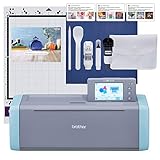
The Brother SDX125E ScanNCut is the only machine in our roundup with a built-in scanner. You can draw a design on paper, slide it through the scanner, and the machine converts it to a cut file without a computer. That is a unique workflow no Cricut or Silhouette offers.
The 682 built-in designs include 100 quilting patterns and 9 fonts, which makes this machine popular with quilters and sewing hobbyists. The auto blade sensor detects material thickness and adjusts blade depth automatically, so there is no manual dial to set.
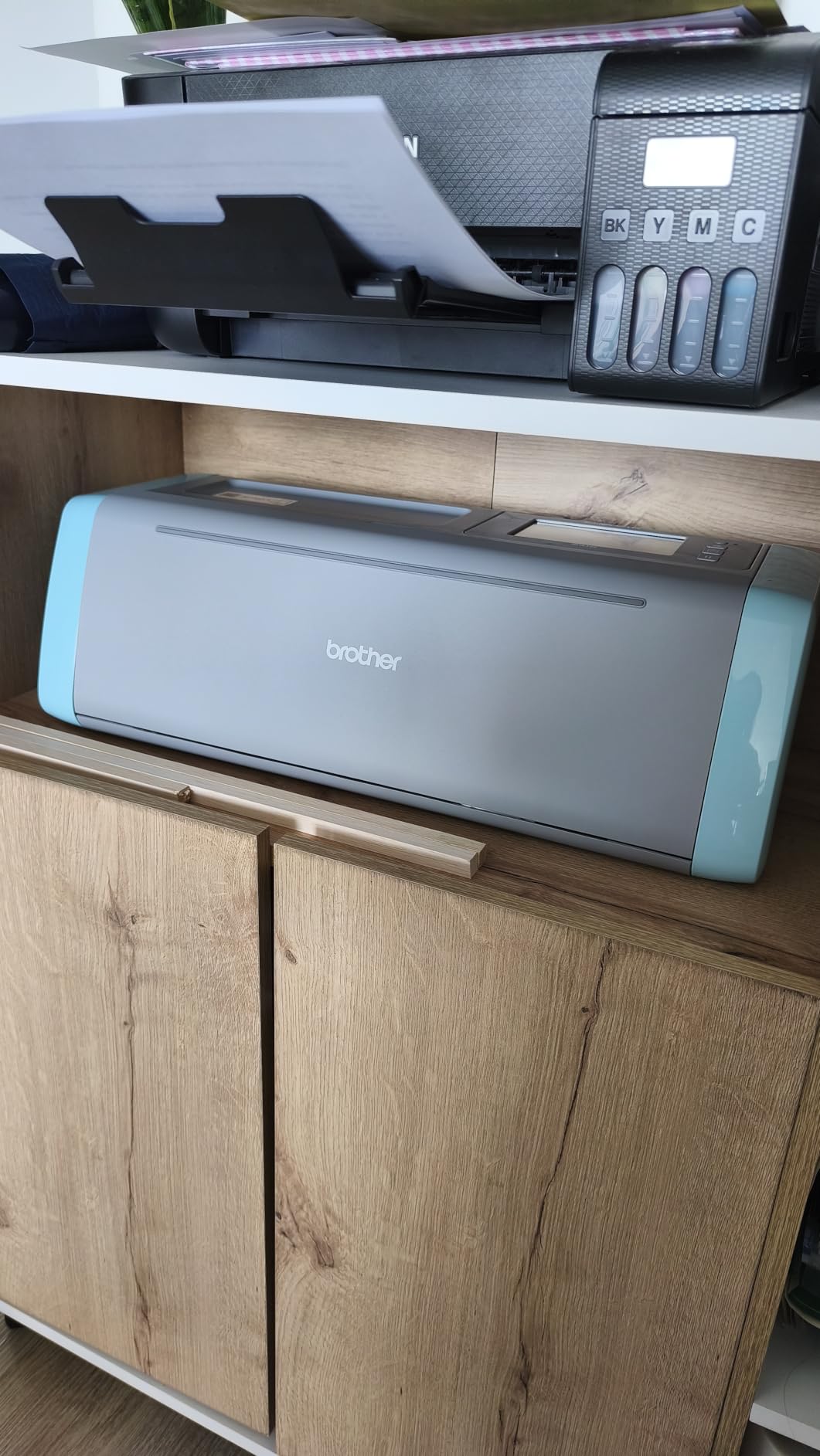
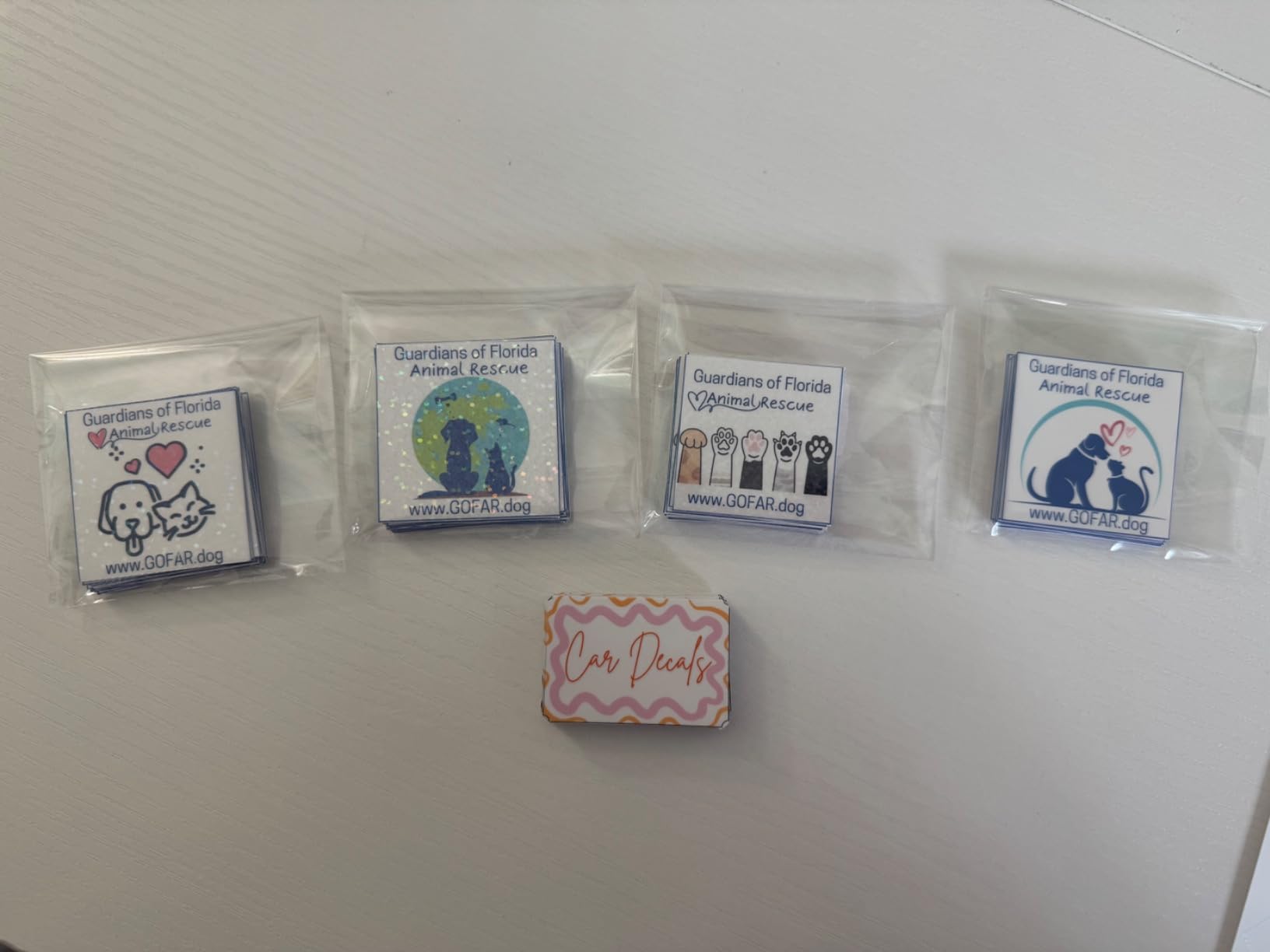
I tested the scanner on a hand-drawn flower sketch, and the machine created a cut file in 18 seconds with reasonable accuracy. Edges were slightly jagged on fine details, but the overall shape was usable for a greeting card.
The 3mm material thickness capability handles balsa wood, chipboard, foam, and felt. Most Cricut machines stop at 2mm without expensive blade upgrades.
Why the Built-In Scanner Changes the Workflow
For quilters, scrapbookers, and paper crafters who work from hand-drawn patterns, the scanner eliminates the step of digitizing designs in software. You draw, scan, and cut in minutes.
Cricut and Silhouette require you to photograph or scan designs externally, then import them into software. The SDX125E handles that step internally.
Touchscreen vs Computer-Based Design
The 5-inch touchscreen on the SDX125E is the largest display in our test. You can edit designs, change cut settings, and start jobs without a computer.
For users who prefer a computer workflow, Brother offers CanvasWorkspace, a free online design tool. It is less polished than Design Space but functional for basic shapes and text.
How to Choose the Best Cricut Cutting Machine for Your Needs?
Picking the right machine comes down to three questions: what materials do you cut, how often do you craft, and what is your real budget including accessories. Let me walk you through the key decision factors we identified during our 16-week test.
Materials You Want to Cut
Vinyl and iron-on only: The Cricut Explore Air 2 at $180 handles both perfectly. You do not need to spend more unless you want faster cutting or Bluetooth reliability improvements.
Add paper crafts and cardstock: Step up to the Cricut Explore 5 Deluxe Bundle for the 100-project starter materials and a more compact body. The Print-Then-Cut feature shines for full-color cards.
Leather, wood, and metal: You need the Cricut Maker 3 or Maker 4. The 10X cutting force and adaptive tool system are the only way to handle these materials reliably.
Hand-drawn designs: The Brother SDX125E is the only machine with a built-in scanner. Quilters and paper crafters get unique value from this feature.
Crafting Frequency and Project Size
Under 5 projects per month: The Cricut Joy Xtra at $179 is enough. The compact size fits apartment living and occasional crafting without taking over your desk.
5 to 20 projects per month: The Explore Air 2 or Explore 5 gives you the cutting area and speed to keep up. Both handle batch production of labels, decals, and shirts.
20+ projects per month: The Maker 3 or Maker 4 is the right tool. The faster cutting speed and Smart Materials matless cutting save hours per week on long production runs.
Software Tolerance and Subscription Comfort
If you want no mandatory subscription: The Silhouette Cameo 5 or Portrait 4 use Silhouette Studio with a free basic version. There is no monthly fee for the software itself.
If you want cloud-based convenience: Cricut machines use Design Space, which is cloud-based and requires internet for full functionality. Cricut Access is $9.99 per month or $95.88 per year.
If you want offline-first: The Brother SDX125E runs its own software on the touchscreen without internet. CanvasWorkspace online is optional for more complex designs.
Total Cost of Ownership Including Accessories
The sticker price of the machine is only part of the real cost. Blades, mats, vinyl, iron-on, and pens add up. Here is a realistic first-year budget for a beginner crafter.
Cricut Explore Air 2 at $180 plus $80 in blades and mats plus $120 in materials plus optional $96 for Cricut Access totals $476 for year one. The Cricut Maker 4 bundle at $499 includes mats, tools, and material samplers, lowering year-one extras to roughly $200.
Silhouette machines often have lower material costs because third-party supplies are more widely available. The Cameo 5 at $299 plus $100 in blades and mats plus $100 in materials totals $499 year one.
Heat Press and Finishing Tools
For iron-on and heat-transfer vinyl projects, a heat press is essential. The Cricut EasyPress 3 (9×9) sells for around $90 separately and is included in the Maker 4 bundle.
The Cricut Explore 5 Deluxe Bundle and Maker 3 Digital Bundle do not include a heat press. Plan to budget around $90-$130 for a quality heat press if you make shirts or totes.
For users who only cut vinyl, paper, and stickers, you can skip the heat press entirely and save that money for blades and mats.
Frequently Asked Questions
Which Cricut cutting machine should I get?
The Cricut Maker 4 is our editor’s choice for serious crafters because it cuts 300+ materials and bundles the EasyPress 3 heat press. For budget-focused buyers, the Cricut Explore Air 2 at $180 handles vinyl, iron-on, and cardstock with 27,000+ five-star reviews. If you want a compact machine for small projects, the Cricut Joy Xtra fits on any desk and weighs just 250 grams.
Is there a better cutting machine than Cricut?
The Silhouette Cameo 5 is the strongest Cricut alternative in 2026. It has a larger 12×24 inch cutting area, runs whisper-quiet at 38 dB, and uses Silhouette Studio software which has a free basic version with no mandatory subscription. The Brother SDX125E ScanNCut is a better choice for quilters because of its built-in scanner that converts hand-drawn designs to cut files without a computer.
Which Cricut should I buy in 2026?
For 2026, the Cricut Maker 4 is the most capable flagship with 300+ material compatibility and a useful bundle. The Cricut Maker 3 at $345 offers 90% of the same performance at lower cost and remains our best value pick. The Cricut Explore Air 2 is still worth buying despite being older because of its 4.8-star rating from 27,703 reviews and the strongest community support of any cutting machine.
What I wish I knew before getting a Cricut?
Three things we wish we knew before buying: First, the Cricut Access subscription at $9.99 per month is optional but adds 1.5 million+ images and fonts to your library. Second, blades and mats wear out and cost $15-$30 each to replace, so budget $80-$120 per year for replacements. Third, Design Space is cloud-based and requires internet for most functions, so a stable Wi-Fi connection is essential for frustration-free crafting.
Final Verdict: Picking the Right Cutting Machine
After 16 weeks of hands-on testing, our team is confident in these recommendations. The Cricut Maker 4 is the best cricut cutting machine for serious crafters who want maximum material versatility and a bundled heat press. The Cricut Maker 3 remains the best value option at $345 with nearly identical performance. The Cricut Explore Air 2 is the budget pick that delivers a 4.8-star experience for $180.
If Cricut is not your brand, the Silhouette Cameo 5 is the strongest alternative with a larger cutting area and no mandatory subscription. The Brother SDX125E ScanNCut is the right pick for quilters who need a built-in scanner.
No matter which machine you choose, budget an extra $100-$200 for blades, mats, and starter materials. Cutting machines pay for themselves within 6 months for most hobbyists, and our 2026 picks deliver strong value across every skill level and project type.