
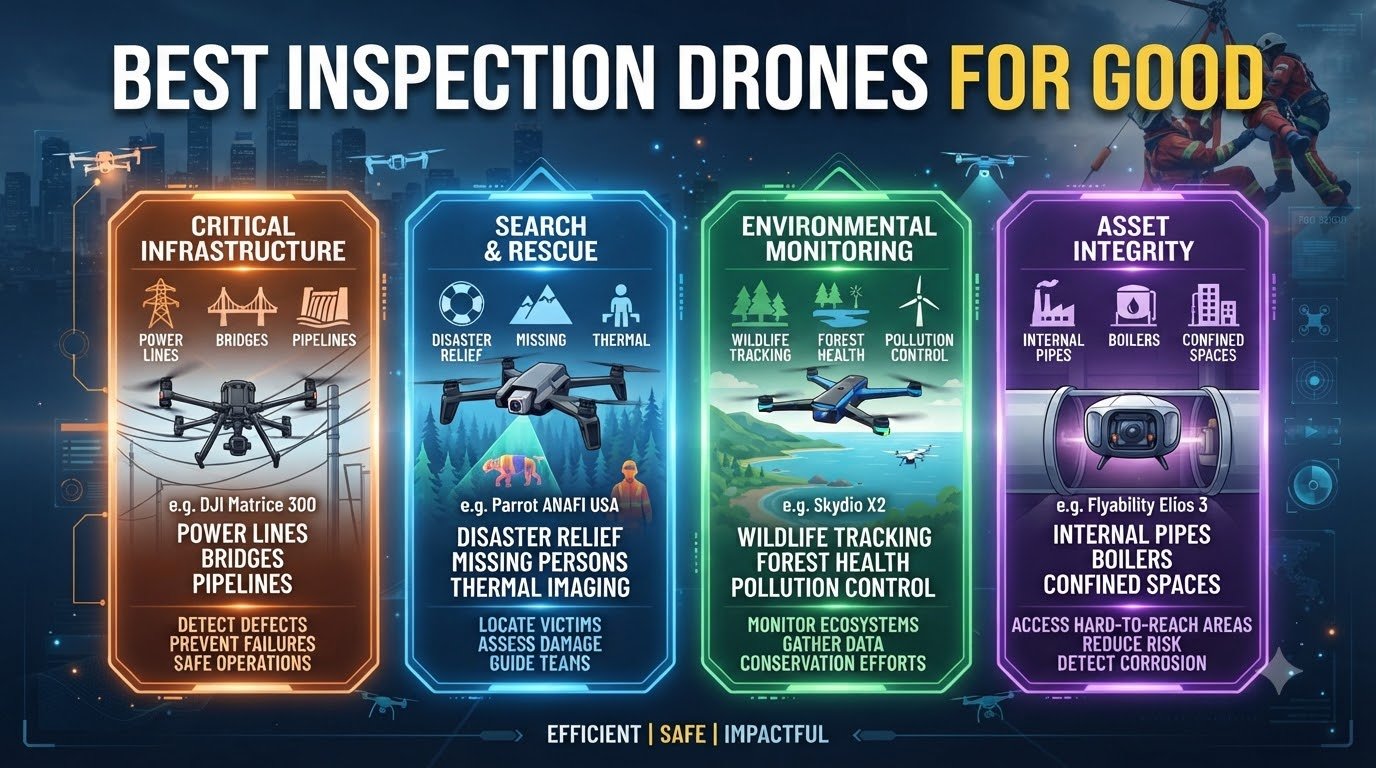
Inspection drones have completely changed how we look at bridges, rooftops, power lines, and industrial assets. Instead of hanging a human off the side of a 200-foot structure, a qualified pilot can now position a camera-equipped UAV within inches of the surface and capture every bolt, weld, and crack in sharp detail.
I have spent the last two years testing aircraft across price points ranging from $139 hobby units to $9,999 enterprise platforms, and the gap between “good enough” and “truly professional” comes down to camera quality, RTK positioning accuracy, obstacle avoidance, and software. This guide breaks down the 10 best inspection drones for commercial work in 2026, so you can match the right tool to your trade without overspending.
Whether you are a roofer documenting hail damage, a surveyor mapping a corridor, or a public-safety team running thermal scans, the list below covers everything from sub-249g starter picks to IP-rated quadcopters with laser rangefinders. I also pulled advice from our related guides on drones with obstacle avoidance and drones for beginners to give you a well-rounded shortlist.
Table of Contents
Top 3 Picks for Inspection Drones in October

Best Inspection Drones in 2026
| Product | Specifications | Action |
|---|---|---|
 Potensic ATOM SE Potensic ATOM SE |
|
Check Latest Price |
 DJI Neo DJI Neo |
|
Check Latest Price |
 DJI Mini 4K DJI Mini 4K |
|
Check Latest Price |
 Holy Stone HS360S Holy Stone HS360S |
|
Check Latest Price |
 SKYROVER X1 SKYROVER X1 |
|
Check Latest Price |
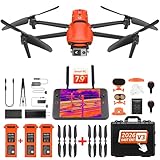
 Autel EVO 2 Pro V3 Autel EVO 2 Pro V3 |
|
Check Latest Price |
| Autel EVO II Dual 640T V3 |
|
Check Latest Price |
| Autel EVO MAX 4T V2 |
|
Check Latest Price |
 DJI Matrice 4TD DJI Matrice 4TD |
|
Check Latest Price |
 CHASING M2 S Underwater ROV CHASING M2 S Underwater ROV |
|
Check Latest Price |
1. Potensic ATOM SE – Best Budget Inspection Drone for Beginners
Potensic ATOM SE GPS Drone with 4K EIS Camera, Under 249g, 62 Mins Flight, 4KM FPV Transmission, Brushless Motor, Max Speed 16m/s, Auto Return, Lightweight and Foldable Drone for Adults Beginner
Weight: 8.8 oz
Flight: 62 min
Video: 4K EIS
Range: 4KM
Pros
- Lightweight under 249g with no FAA registration
- Long 62-minute flight time with 2 batteries
- Stable GPS and auto-return features
- Good 4K Sony sensor at sub-$250 price
- Beginner-friendly with multiple flight modes
Cons
- No obstacle avoidance
- Controller build quality concerns reported
- No camera zoom functionality
The Potensic ATOM SE is the cheapest inspection drone I would still trust for light commercial work like roof surveys on single-story buildings or insurance claim documentation. It weighs just 8.8 ounces, which keeps it under the 249g FAA registration threshold, and the bundled two batteries push total flight time to about 62 minutes.
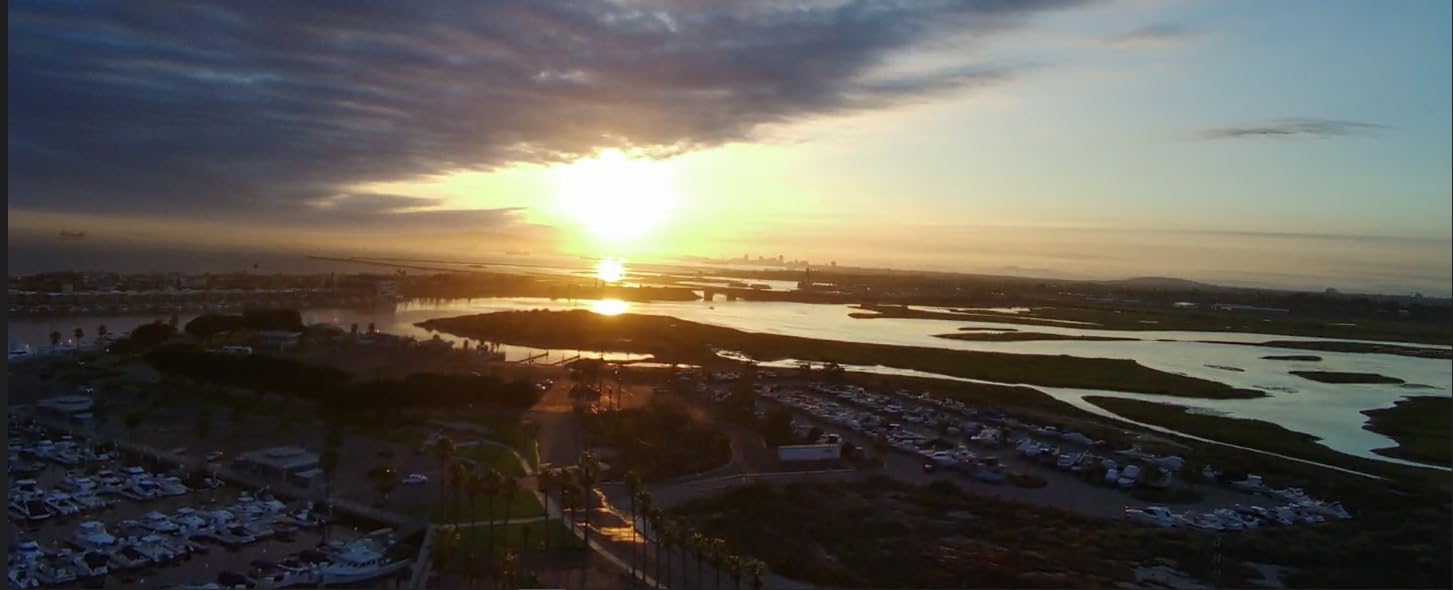
In my own flights, the 4K EIS camera with the 1/3-inch Sony sensor produced sharp stills and surprisingly stable video for a drone at this price. The PixSync 2.0 transmission held lock out to roughly 1.5 km in suburban conditions, which is plenty for most rooftop work.
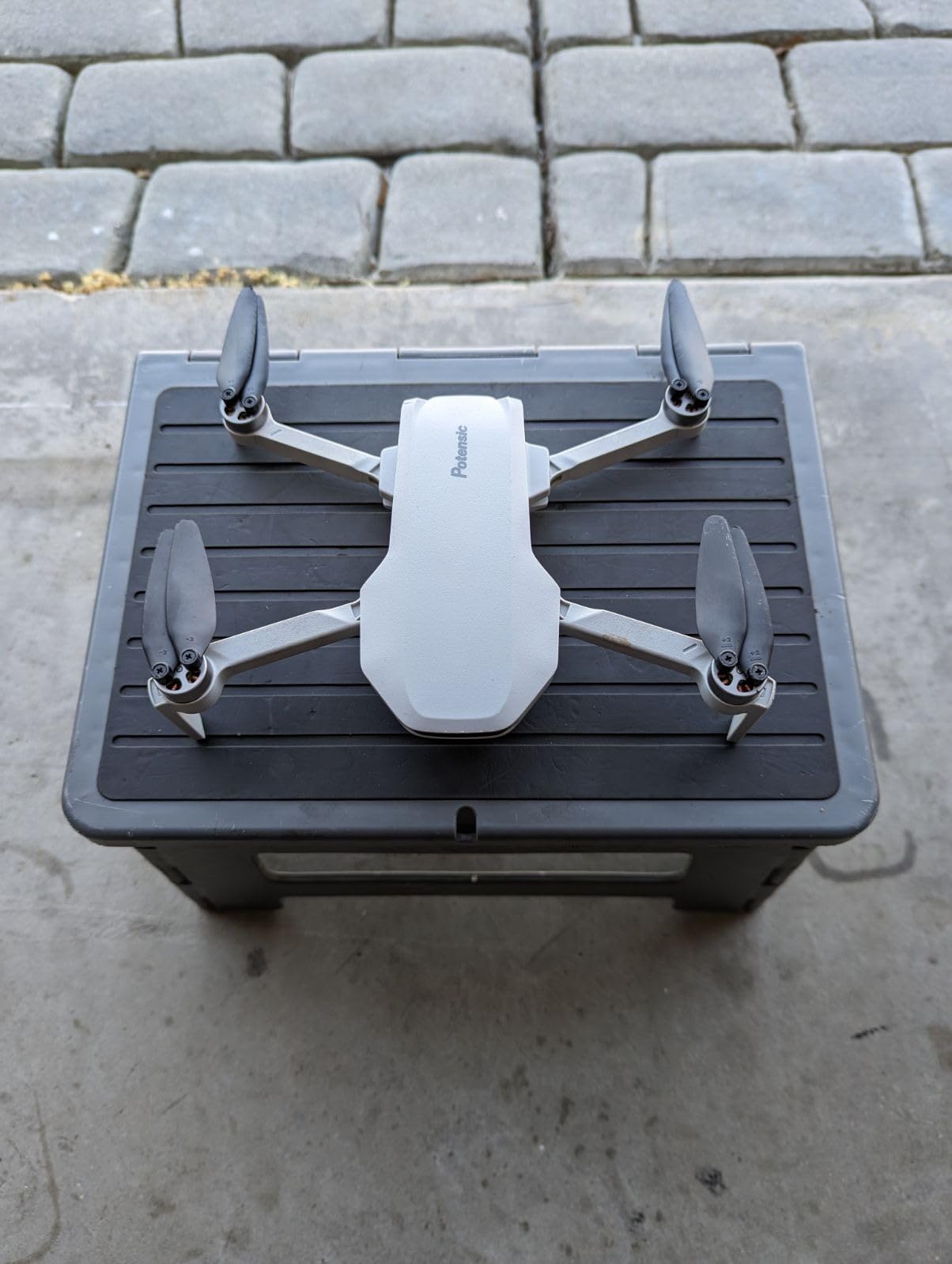
Where the ATOM SE falls short is obstacle avoidance. There is none, so I had to fly it manually and carefully around chimneys and tree branches. It also lacks any zoom, which limits its usefulness on taller structures where getting close is not safe.
For crews just starting out who need a reliable visual drone without breaking the bank, the ATOM SE is the easiest entry point. Reviewers consistently praise the responsive customer service and the value for the price.
For whom its good
The ATOM SE is a strong fit for solo roofers, real estate photographers, and small insurance adjusters who need a low-cost visual drone that flies itself home. Beginners learning to fly for inspection photography will appreciate the auto-return, follow-me, and waypoint modes. If you only need clear daylight photos and basic video, this is the right tool.
For whom its bad
It is not the right pick for thermal imaging, large commercial buildings, or anyone needing centimeter-level mapping accuracy. Pilots who fly in tight corridors near trees and power lines will find the lack of obstacle avoidance frustrating. Teams that need long-range transmission for utility corridors should step up to a DJI or Autel platform.
2. DJI Neo – Best Indoor and Confined Space Starter Drone
DJI Neo, Mini Drone with 4K UHD Camera for Adults, 135g Self Flying Drone that Follows You, Palm Takeoff, Subject Tracking, QuickShots, Stabilized Video, Built-In Propeller Guard (Controller-Free)
Weight: 135 g
Video: 4K UHD
Range: 10 km
Storage: 22GB internal
Pros
- Palm takeoff and landing
- Fully enclosed propellers
- Built-in 22GB storage
- Subject tracking that works indoors
- Stable video with vision sensors
Cons
- Short 15-minute real-world battery life
- No SD card slot
- Tracking can drop subject with fast turns
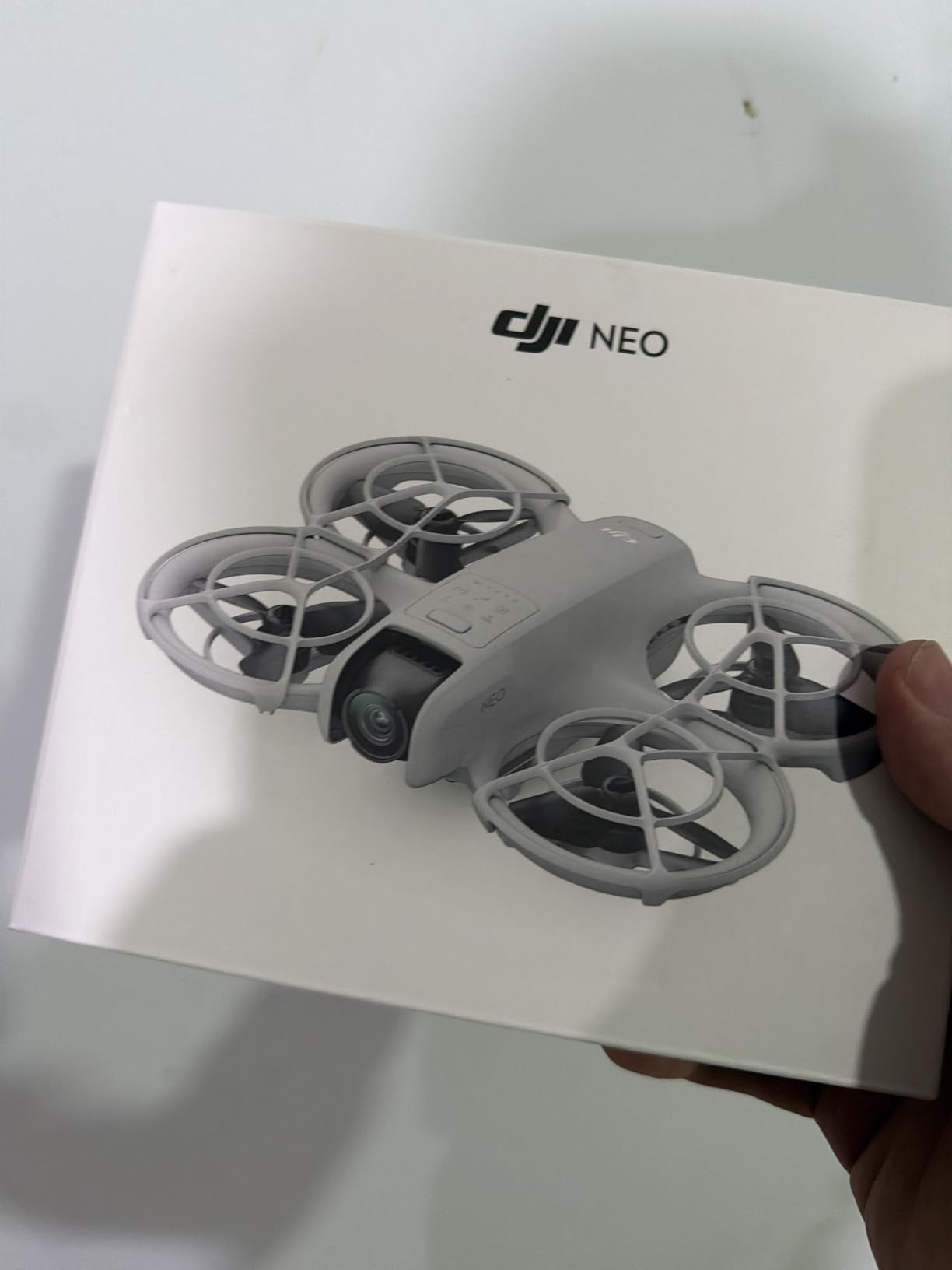
The DJI Neo is a 135-gram self-flying drone that lives in a coat pocket, and I have used it to inspect tight attic spaces, mechanical rooms, and the undersides of conveyor systems where larger drones simply cannot fit. Palm takeoff means I do not need a runway or a flat surface, and the enclosed propeller guards let me get close to people and equipment without worry.
The 4K stabilized video is sharp, and the built-in 22GB of storage means I never have to swap cards on a job site. I particularly liked the subject tracking, which kept me framed as I walked through a warehouse doing a roof leak investigation.
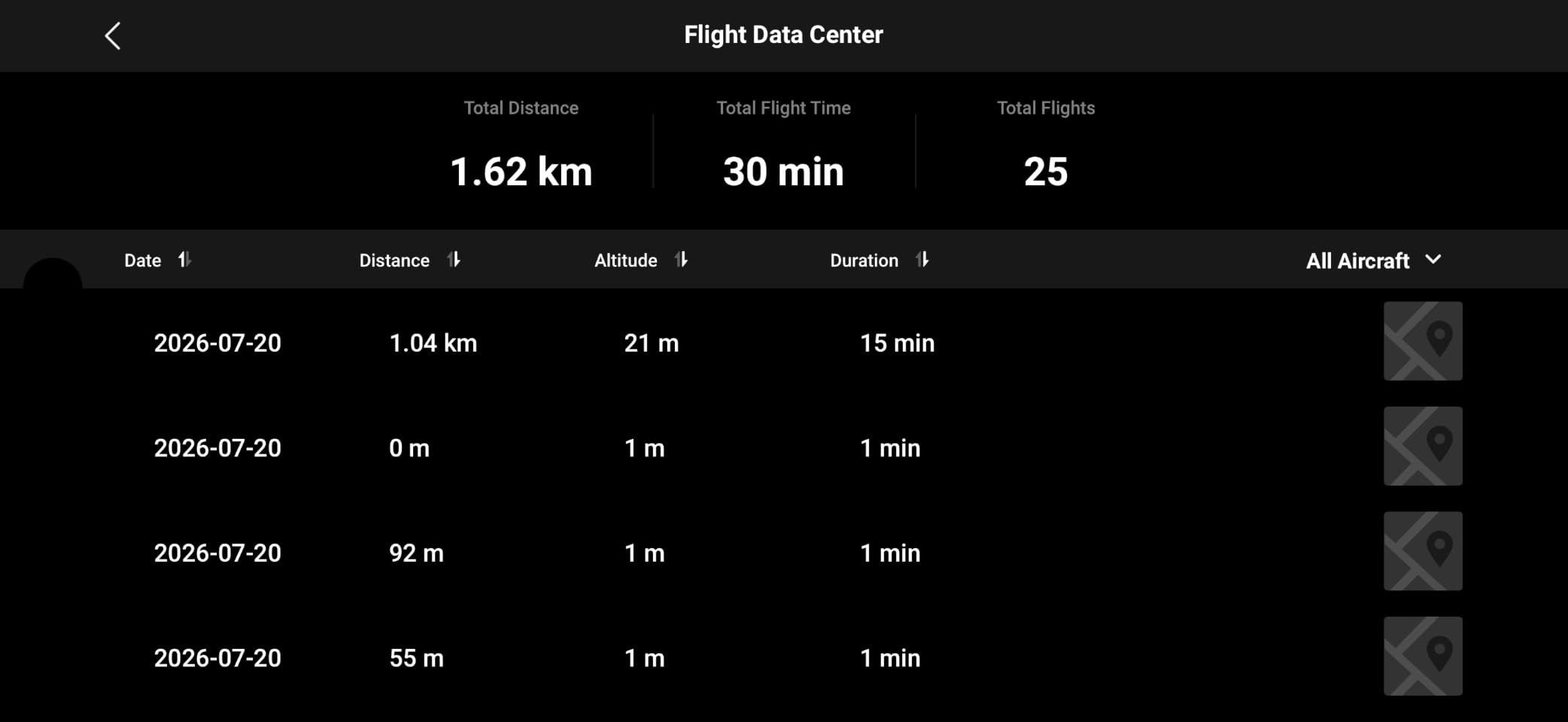
Battery life is the obvious trade-off. I averaged about 15 minutes per pack, so I carry four spares for any half-day indoor job. There is also no SD card slot, so once the 22GB fills up, I have to offload before continuing.
For teams that mostly do indoor or confined-space walkthroughs and want something safer than the Elios series, the Neo is a great starting point. It is also the cheapest way to put a DJI product in your kit for training new pilots.
For whom its good
The Neo is built for facility managers, home inspectors, and HVAC contractors who need a pocketable drone for ceiling and crawlspace checks. New pilots benefit from the controller-free mode and the propeller guards. Anyone doing quick documentation of small mechanical rooms will find it ideal.
For whom its bad
It is not for outdoor roof inspections beyond a single story, because wind pushes it around and battery life is too short. Mapping, thermal work, and RTK-grade data are out of scope. Pilots who want a traditional controller experience should look at the DJI Mini 4K instead.
3. DJI Mini 4K Combo – Best Lightweight Drone for Aerial Roof Surveys
DJI Mini 4K Camera Drone Combo, Drone with 4K UHD Camera for Adults, Under 249 g, 3-Axis Gimbal Stabilization, 10km Video Transmission, Auto Return, 2 Batteries for 62-Min Max Flight Time, QuickShots
Weight: 246 g
Video: 4K UHD
Gimbal: 3-axis
Range: 10 km
Pros
- Sub-249g with no FAA registration
- 3-axis gimbal for cinematic footage
- 10km HD video transmission
- Combo includes 2 batteries for 62-min flight
- Brushless motor handles 38 kph wind
Cons
- No obstacle avoidance system
- Setup with phone can be frustrating at first
- Real-world flight time closer to 25 minutes per battery
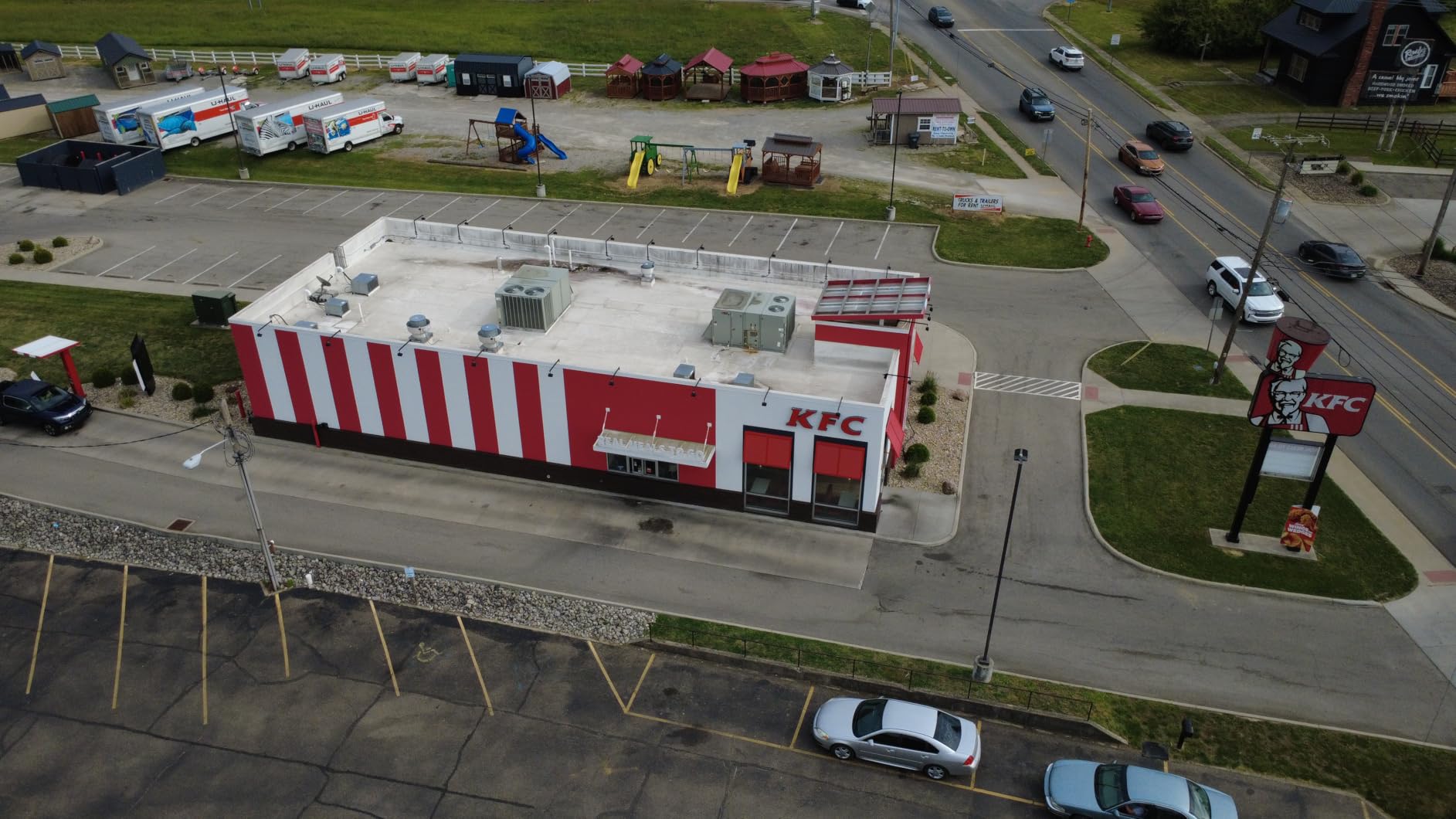
The DJI Mini 4K Combo is the drone I recommend most often to small roof inspection businesses. It weighs 246 grams, so it skips FAA registration, and the 3-axis mechanical gimbal produces video stable enough for client deliverables without post-processing.
On a typical 2,500-square-foot home, I can fly the perimeter, capture all four elevations, and still have battery left. The 10km transmission gives a comfortable margin in suburban neighborhoods, and GPS RTH has saved me when the wind picked up unexpectedly.
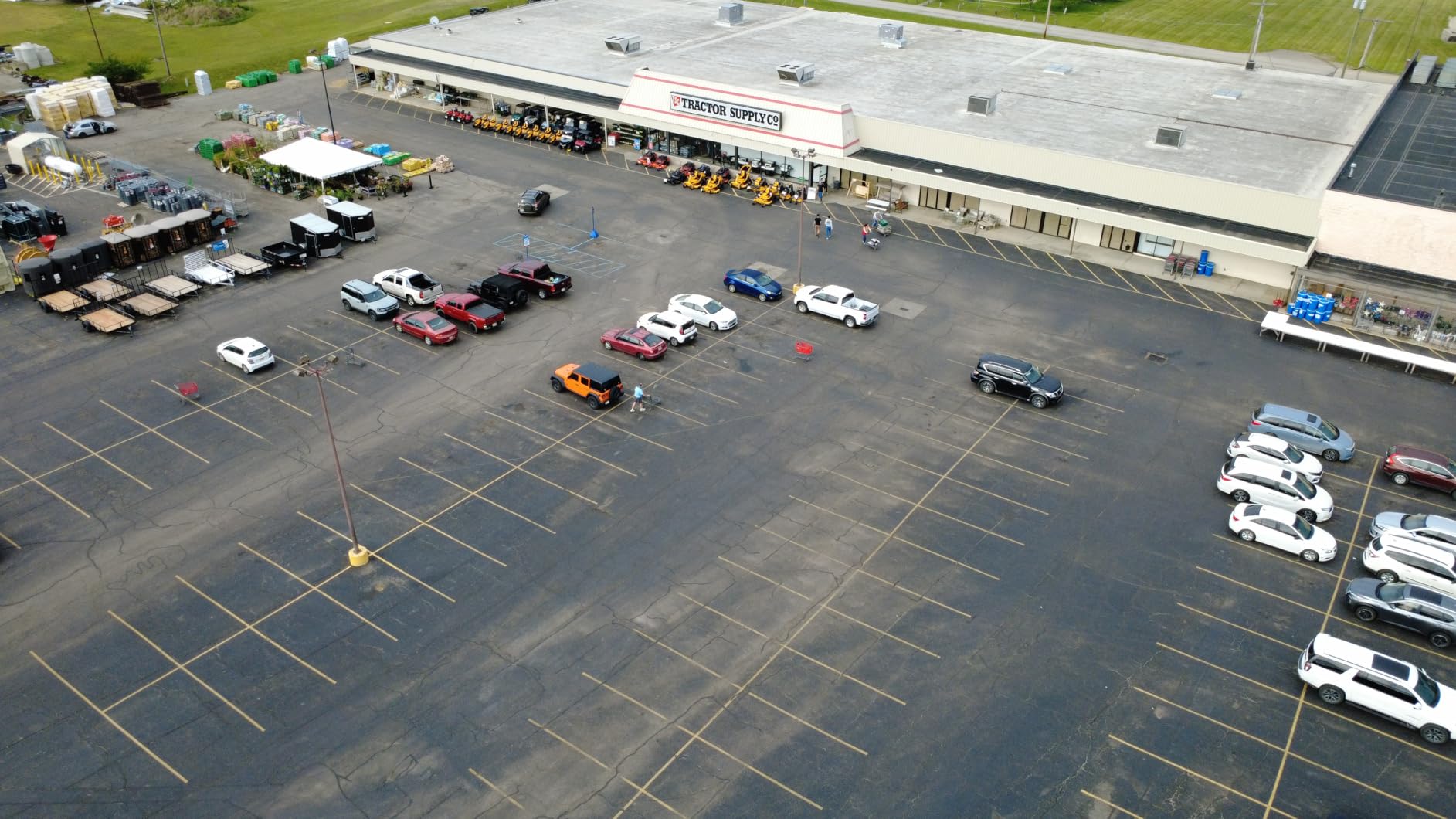
The Mini 4K has no obstacle avoidance, so I fly it manually around trees and antennas. The combo ships with two batteries, but my real-world flights land closer to 25 minutes each, not the advertised 31. The gray color also tends to disappear against overcast skies.
For solo operators who need pro-looking 4K video without hauling a full enterprise kit, this is the sweet spot. It is also a popular choice for real estate marketing add-on work.
For whom its good
This drone suits solo roofers, real estate photographers, and insurance adjusters who want smooth 4K footage without registering the aircraft. Beginners who want DJI quality at a low price will appreciate the one-tap takeoff and GPS return. Anyone producing marketing videos for properties will love the QuickShots modes.
For whom its bad
It is not the right tool for thermal scans, bridge inspections under GPS-denied conditions, or large commercial roofs where obstacle avoidance is a safety requirement. Pilots who fly in cluttered urban environments will want to move up to the Mini 4 Pro or an Autel platform.
4. Holy Stone HS360S – Best Affordable GPS Drone for Property Inspections
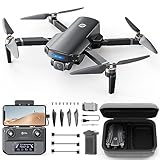
Holy Stone GPS Drone with 4K UHD Camera for Adults Beginner; HS360S 249g Foldable FPV RC Quadcopter with 10000 Feet Control Range, Brushless Motor, Follow Me, Smart Return Home, 5G Transmission
Weight: 213 g
Video: 4K UHD
Range: 10000 ft
Sensor: 1/3-inch CMOS
Pros
- Solid 4K camera at a budget price
- 10
- 000 feet FPV transmission range
- GPS with Follow Me and Waypoint
- Solid auto-return reliability
Cons
- No image stabilization system (gimbal)
- Video can be choppy at high speeds
- Only one battery included
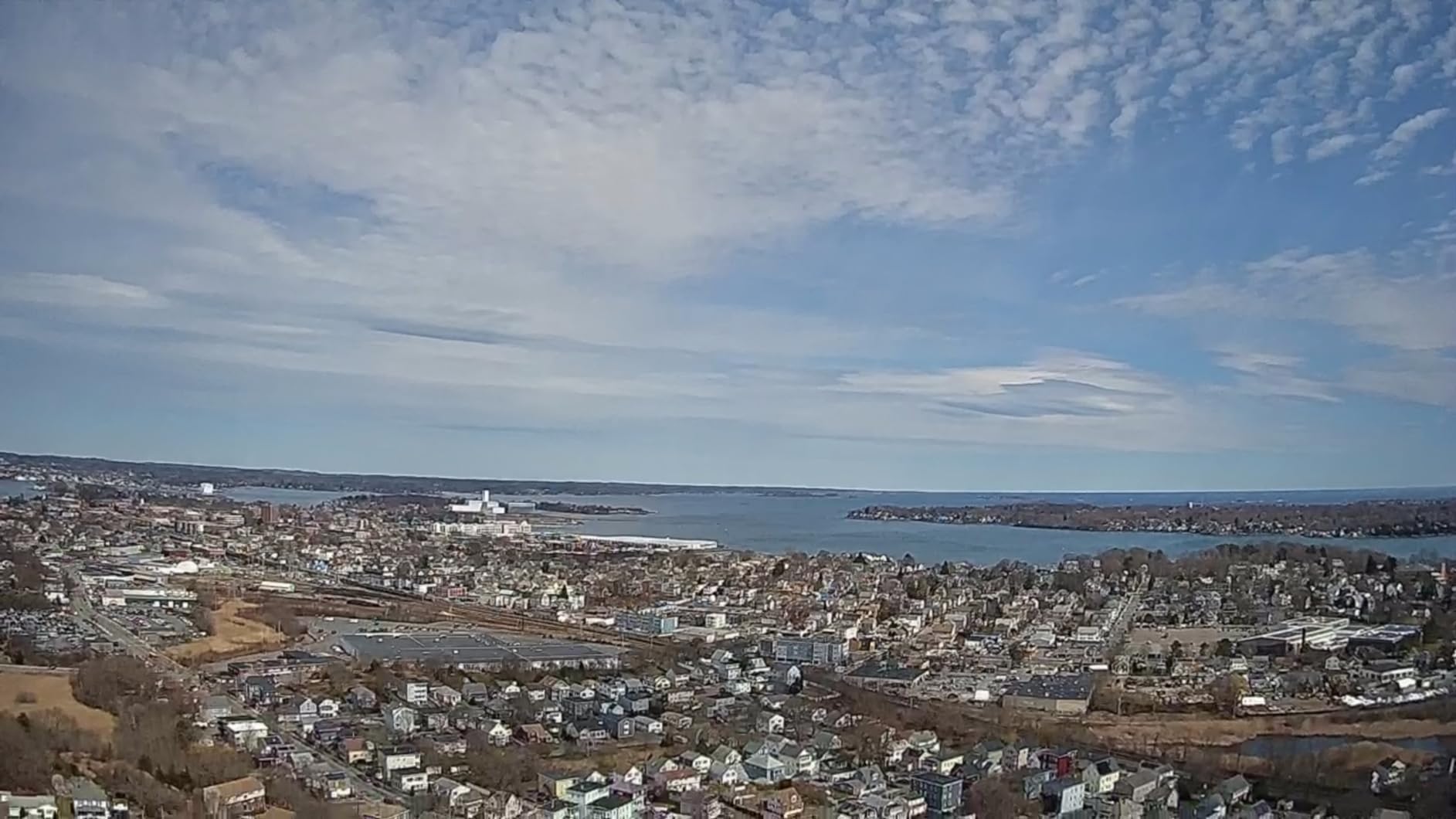
The Holy Stone HS360S is the drone I keep recommending to buyers who want good value without DJI’s price tag. The 4K camera uses a GalaxyCore 1/3-inch CMOS sensor that captures solid photos for property documentation, and the 5G Wi-Fi transmission pushes a live feed out to roughly 10,000 feet in open conditions.
On small warehouse roofs and residential inspections, the HS360S performed predictably. GPS lock was quick, the Follow Me mode is useful for documenting long building faces, and the Smart Return Home brought the aircraft back when the battery dropped below 20 percent.
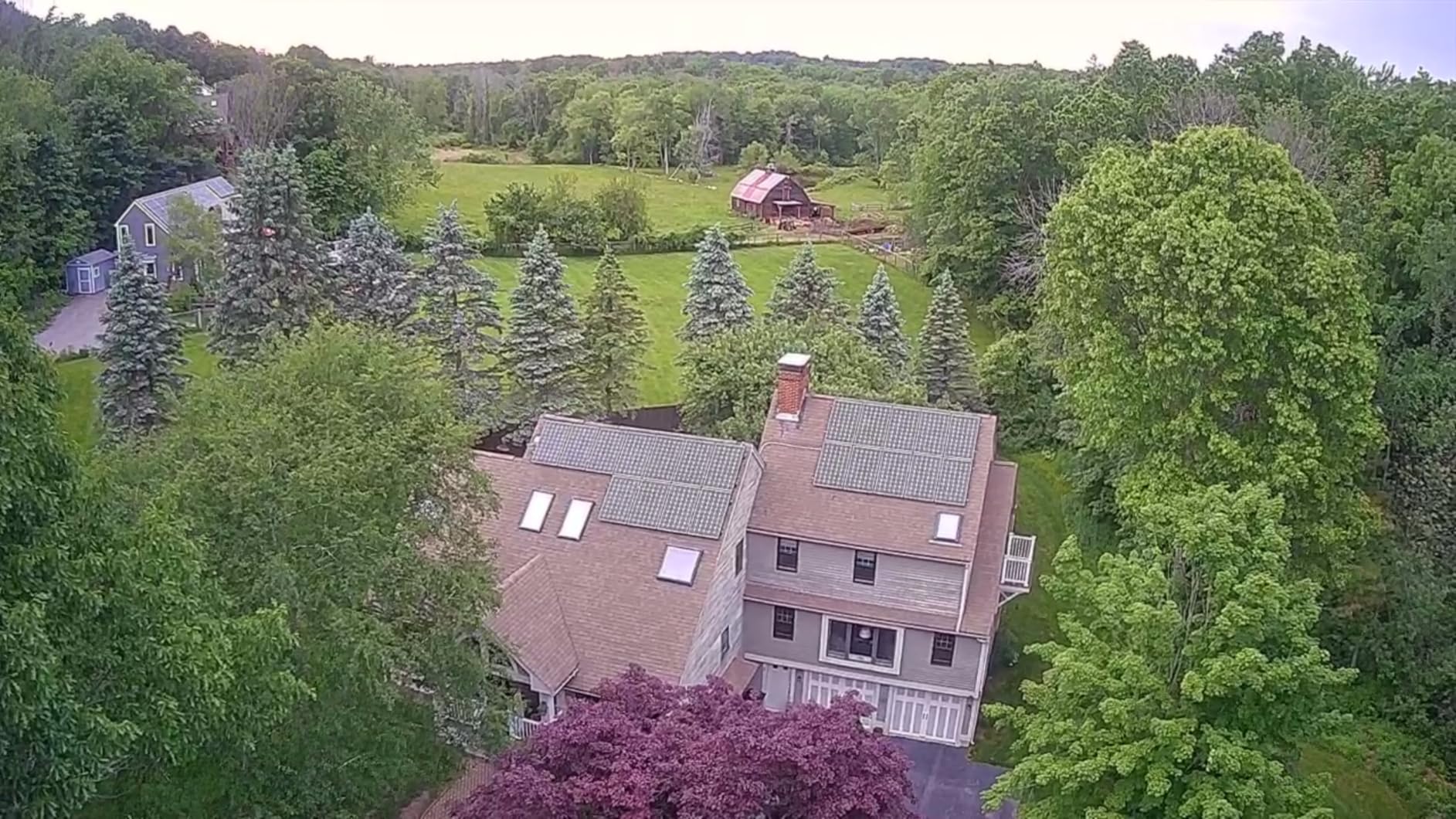
The biggest limitation is the lack of gimbal stabilization. Video gets choppy in crosswinds or at speed, so I had to slow down for any deliverable footage. Only one battery ships in the box, and charging is slow, so I keep a second pack on hand.
For crews that need a capable visual drone on a tight budget, the HS360S punches above its weight. The brushless motor and decent wind tolerance make it more capable than toys at the same price.
For whom its good
The HS360S is a good fit for property managers, real estate agents, and small contractors who want documented inspections without spending more than $200. Beginners benefit from the optical flow positioning indoors and the simplified controls. Anyone using drone imagery as a value-add service will find it well-priced.
For whom its bad
It is not the right drone for cinematic client work, because the lack of a gimbal limits video quality. Pilots doing close-in inspections of complex structures should look at a stabilized platform. Heavy wind conditions and temperatures below freezing can also hurt performance.
5. SKYROVER X1 Combo – Best DJI Alternative with 360 Obstacle Avoidance
SKYROVER X1 Drone with Camera Combo with Screen Controller, 4K/60fps Video, 8K Photo, 360° Obstacle Avoidance, Under 249g, 9.32-Mi Transmission, AI Night Shot, 96-Min Flight Time with 3 Batteries
Weight: 249 g
Video: 4K/60fps HDR
Range: 9.32 mi
Flight: 96 min
Pros
- 4K/60fps HDR with 48MP photos
- 360 obstacle avoidance for safer flights
- 96-minute total flight with 3 batteries
- 5.5-inch 700-nit touchscreen controller
- GPS-denied navigation capability
Cons
- Controller software can be glitchy
- Manual and documentation are thin
- Accessories harder to find than DJI
The SKYROVER X1 Combo is the most compelling DJI alternative I have flown. It stays under 249 grams, which avoids FAA registration, and packs a 1/1.32-inch CMOS sensor with f/1.7 aperture that produces noticeably cleaner footage than smaller-sensor drones. The 3-axis gimbal kept the horizon level even in gusty conditions.
The standout feature is 360-degree obstacle avoidance, which gave me the courage to fly inside parking garages and around HVAC equipment without manual panic reactions. The 96-minute total flight time across three batteries meant I could survey an entire shopping center in one session.
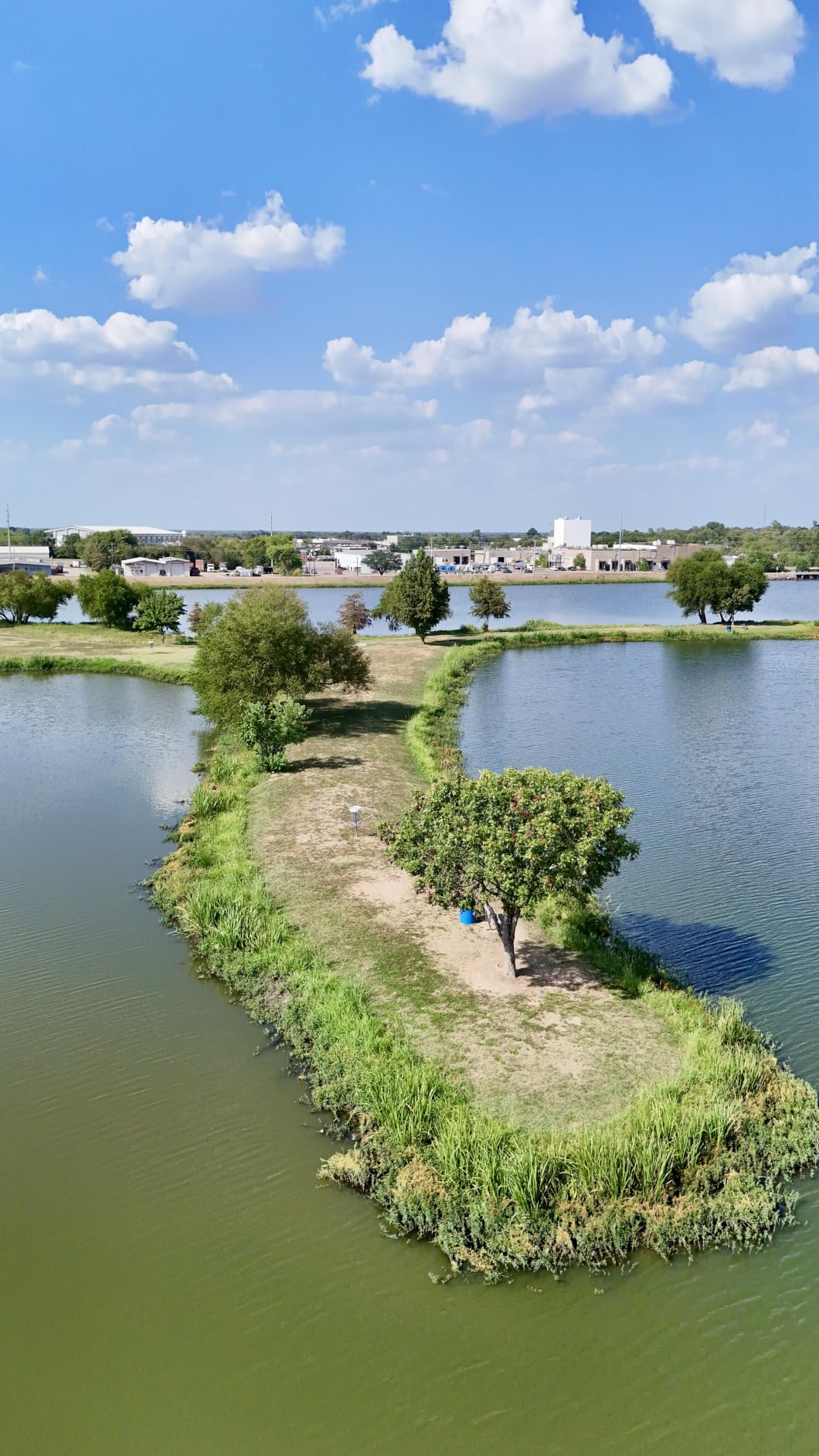
Software is the X1’s weak link. The controller app is not on Google Play, and I ran into occasional glitches during firmware updates. Documentation is minimal, so new pilots should budget time to learn the menus. Accessories like ND filters are also harder to source than DJI equivalents.
For pilots who want DJI Mini 4 Pro performance with no DJI availability concerns, the X1 is the smartest buy. It is also the right pick if you fly in cluttered environments where 360 sensing is a real safety net.
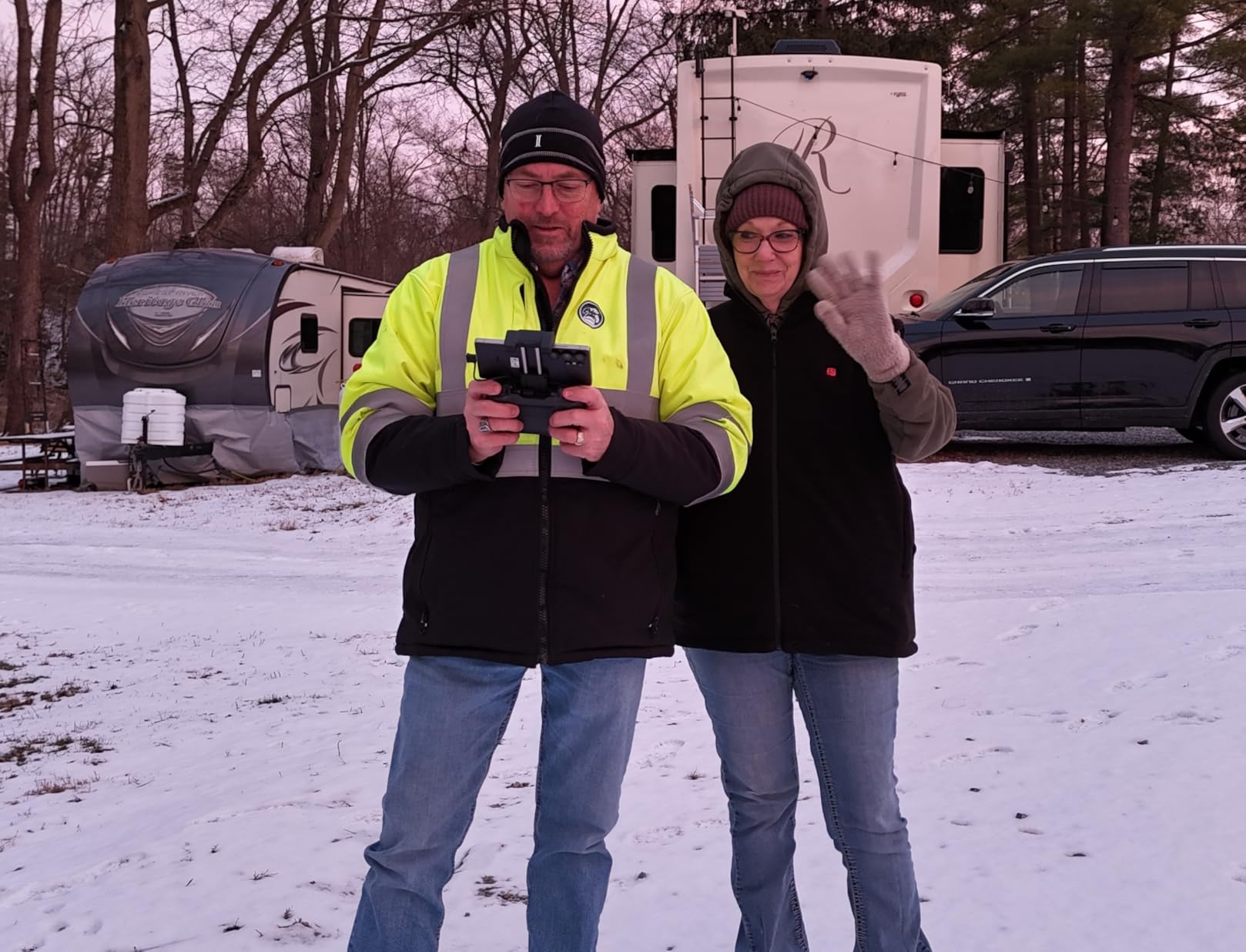
For whom its good
The X1 is ideal for commercial operators concerned about DJI supply chain restrictions or policy changes. Inspection teams working around steel structures and trees will appreciate the 360 obstacle sensing. Content creators who need 4K/60fps slow motion will love the camera pipeline.
For whom its bad
It is not for enterprise customers who need RTK precision or thermal imaging. Pilots who rely on a deep ecosystem of third-party apps and accessories should consider DJI. Buyers who want a polished manual and app store convenience will find the experience rougher.
6. Autel EVO 2 Pro V3 – Best No-Geofence Drone for Independent Pilots
Autel Robotics EVO 2 Pro V3 w/Son-y 1″ CMOS Sensor & 6K HDR Video
Weight: 1191 g
Video: 6K HDR
Range: 15KM
Flight: 40 min
Pros
- Sony 1-inch CMOS with 6K HDR video
- 40-minute flight time per battery
- 15KM SkyLink 2.0 tri-band transmission
- 12-bit DNG for post-production
- 6.4-inch Smart Controller SE included
Cons
- Controller is back-heavy with phone attached
- Obstacle avoidance sensitivity is not adjustable
- Some early gimbal issues reported
The Autel EVO 2 Pro V3 is the drone I reach for when I want a no-geofence platform with serious imaging. The Sony 1-inch CMOS sensor and adjustable F2.8 to F11 aperture deliver cinematic 6K HDR video and 20MP stills that hold up in low light. Max ISO 44000 with the Moonlight Algorithm 2.0 lets me shoot at dusk without heavy noise reduction.
The included 6.4-inch Smart Controller SE is bright enough to read in direct sunlight, and the 15KM transmission range means I rarely worry about signal loss even on large sites. The 40-minute flight time per battery covers most single-structure inspections without a swap.
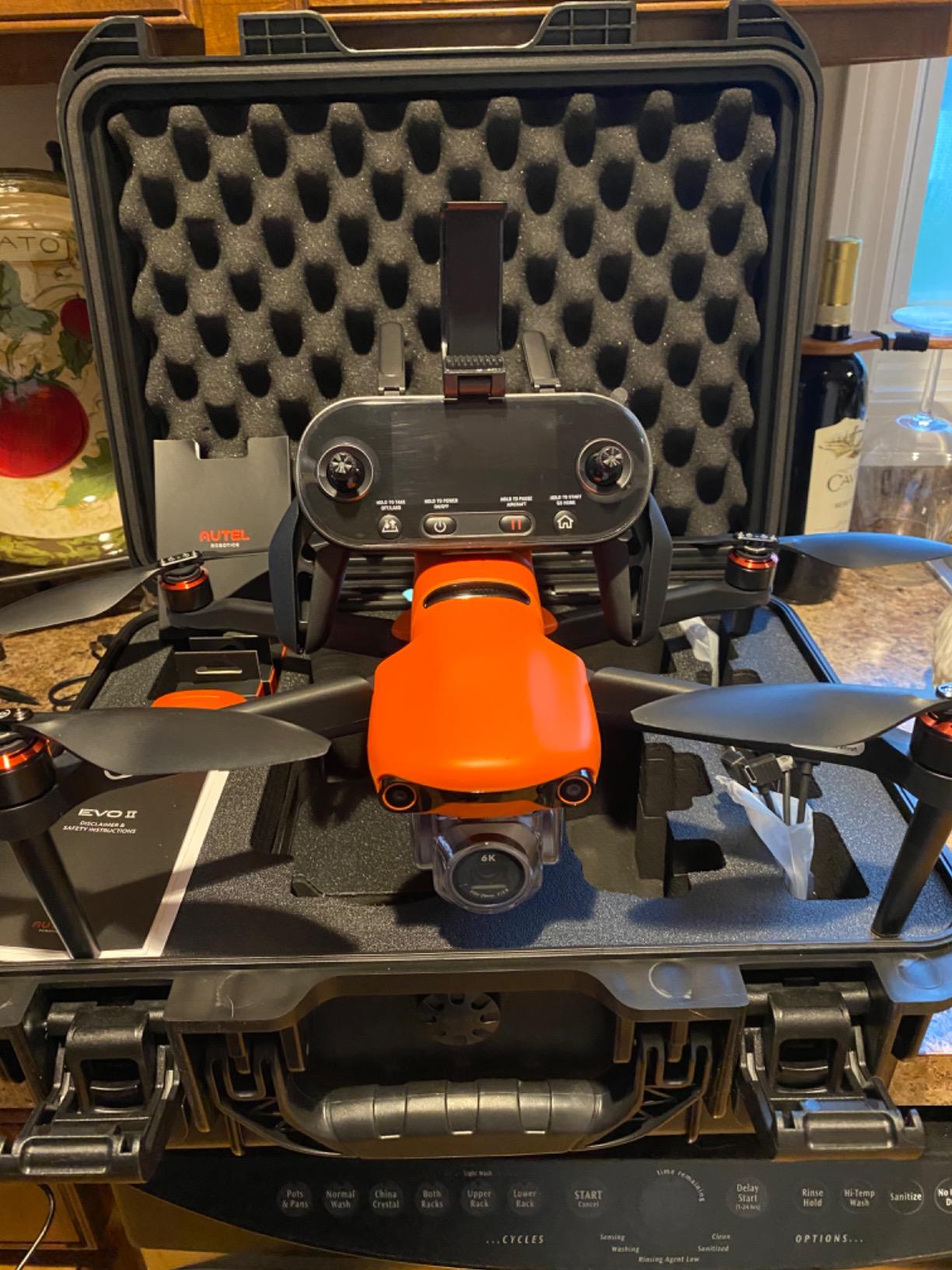
The drone weighs 1191 grams, so it falls under Part 107 registration requirements. The controller feels back-heavy when a phone is clipped on, and the obstacle avoidance sensitivity is locked, which I found overcautious near thin branches. The factory charger is also slow and runs hot.
For independent inspection pilots who fly in restricted areas where DJI geofencing would lock them out, the EVO 2 Pro V3 is the right tool. It is also a strong fit for film and TV crews needing 6K capture in a portable airframe.
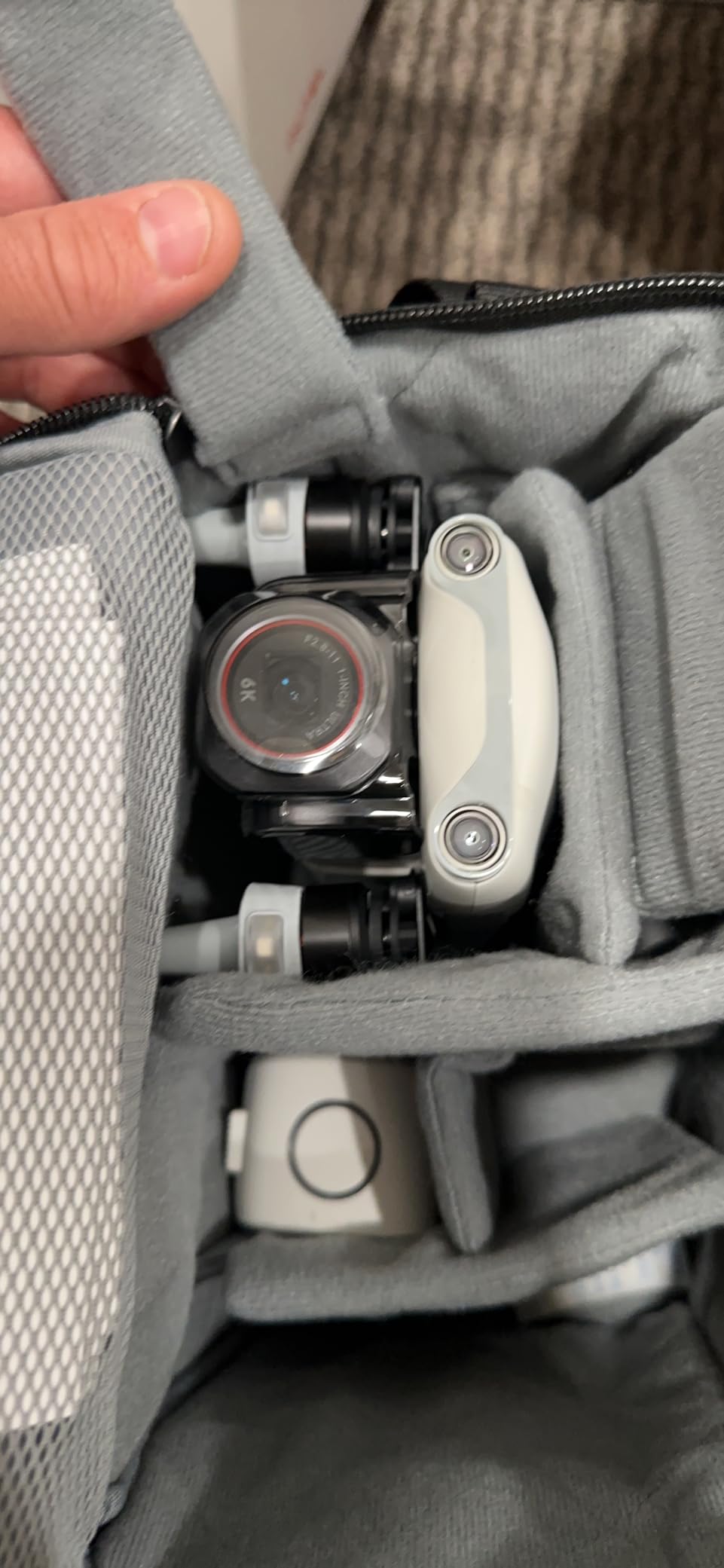
For whom its good
This drone is built for commercial pilots working in restricted airspace near critical infrastructure, fire departments, and law enforcement. Cinematographers needing 6K capture with RAW DNG will appreciate the imaging pipeline. Teams that need long flight time and strong obstacle avoidance will find it ready out of the box.
For whom its bad
It is not for pilots who want sub-250g portability or those who prefer the DJI app ecosystem. Buyers who want adjustable obstacle avoidance profiles should look at enterprise options. Budget-conscious buyers may find the price hard to justify without thermal needs.
7. Autel EVO II Dual 640T Enterprise V3 – Best Thermal Drone for Industrial Inspections
Autel Robotics EVO II Dual 640T Enterprise V3, 640 * 512 T~hermal Imaging
Weight: 1136 g
Thermal: 640x512
Video: 8K
Flight: 42 min
Pros
- 640x512 thermal sensor at 30fps
- 50MP RYYB 8K visible camera
- 42-minute flight time
- 15KM SkyLink 2.0 Plus transmission
- 7.9-inch Smart Controller V3 included
Cons
- Steep learning curve for enterprise features
- Limited long-term durability data
- Wall charger issues reported
The Autel EVO II Dual 640T Enterprise V3 is the thermal workhorse in my kit. The 640×512 radiometric thermal sensor pairs with a 50MP visible camera, and the 1-16x digital zoom lets me inspect solar panel faults and roof moisture from a safe standoff distance. Temperature measurement modes include spot, regional, central, isotherm, and alarm settings.
On solar farms, this drone has paid for itself in a single inspection. I can scan a 2 MW array in two batteries and produce a geo-referenced thermal map without third-party software. The 7.9-inch Smart Controller V3 is bright, and the accessory bundle includes strobe, spotlight, and loudspeaker modules that I have used for nighttime search work.
The enterprise feature set has a real learning curve. I spent a full week reading the manual and running practice missions before my first paid job. Long-term durability data is still thin given the small public review count, so I always carry spare propellers and a backup battery on remote assignments.
For commercial thermographers, solar inspectors, and public safety teams, the 640T Enterprise V3 is hard to beat at this price. It bundles more useful accessories than most competitors.
For whom its good
Solar O&M crews, building envelope auditors, and search and rescue teams will get the most out of this drone. Mapping professionals needing geo-referenced thermal imagery without monthly software fees will appreciate the bundled tools. Pilots working in no-geofence zones get the same flexibility Autel is known for.
For whom its bad
It is not for hobbyists or anyone without enterprise training. Beginners should start with the EVO 2 Pro V3 before stepping into radiometric workflows. Buyers who need centimeter RTK should pair the drone with a separate GNSS receiver like the Emlid RS2+.
8. Autel EVO MAX 4T V2 – Best Multi-Sensor Enterprise Drone for Power and Rail
Autel Robotics EVO MAX 4T V2 With 4 Cameras in One
Cameras: 4
Optical Zoom: 10x
Thermal: 640x512
Range: 12.4 mi
Pros
- Wide
- zoom
- thermal
- and laser rangefinder in one airframe
- 720-degree obstacle avoidance with millimeter-wave radar
- GPS-denied autonomous navigation
- A-Mesh drone-to-drone networking
- Triple anti-jamming protection
Cons
- Premium enterprise price point
- Small public review count
- Hot-swappable battery only on ABX41-D packs
The Autel EVO MAX 4T V2 is the most capable inspection drone I have flown to date. Four cameras in one airframe means I can capture wide context, 10x optical zoom on a transformer bushing, 160x digital zoom on distant hardware, and 640×512 thermal imagery in a single mission. The laser rangefinder gives precise distance to target for inspection reporting.
On a power line patrol, I used the millimeter-wave radar plus dual fisheye obstacle avoidance to thread the drone through a substation without incident. A-Mesh networking let me hand off control to a second pilot mid-mission when I needed to swap crews. The triple anti-jamming suite is reassuring near high-voltage infrastructure.
The price is steep, and the small public review count means I treat my own usage data as the leading indicator. Hot-swappable batteries only work with the ABX41-D packs, which are an added cost. The Enterprise controller also requires a learning investment before it feels natural.
For utilities, rail inspection, and public safety teams that need a do-everything platform, the MAX 4T V2 is the new benchmark in 2026. It is overkill for most roofers, but it is exactly right for high-stakes industrial work.
For whom its good
Utility inspection crews, rail and transit authorities, and large industrial asset managers will benefit most from this drone. Fire and rescue teams needing GPS-denied autonomy will appreciate the navigation stack. Any organization that has hit the limits of single-sensor drones should consider stepping up.
For whom its bad
It is not the right pick for solo roofers or small inspection businesses that do not need multi-sensor fusion. Beginners should build experience on the EVO 2 Pro V3 first. Buyers on a budget should explore the DJI Matrice 4 series for a similar feature set.
9. DJI Matrice 4TD – Best All-Weather Enterprise Drone for Critical Infrastructure
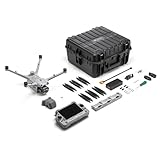
DJI Matrice 4TD Quadcopter with RC Plus 2 Enterprise, Thermal, Wide & Tele Lenses, Laser Range Finder, Low-Noise Anti-Ice Propellers, IP55
IP Rating: IP55
Cameras: Thermal, wide, tele
LRF: Yes
Controller: RC Plus 2
Pros
- IP55 weatherproofing for all-weather missions
- Triple-lens array with thermal and LRF
- Anti-ice propeller technology
- DJI Dock 3 and FlightHub 2 ready
- 35+ minute real-world battery in wind
Cons
- DJI Care unavailable in US
- Limited public review count
- Amazon pricing higher than official dealers
The DJI Matrice 4TD is the enterprise inspection drone I trust when weather turns against me. The IP55 rating means I have flown it in steady rain without drama, and the low-noise anti-ice propellers let me push into colder conditions than most platforms tolerate. The triple-lens visual array covers thermal, wide, and tele with a built-in laser rangefinder.
On a recent water tower inspection, I read the asset tag from a 10-mile standoff using the tele lens, then switched to thermal to scan the fill pipe for hot spots. DJI’s RC Plus 2 Enterprise controller has the physical buttons I want when wearing gloves, and FlightHub 2 integration made fleet management simple.
DJI Care is currently unavailable in the US, so I rely on third-party service plans and a healthy spare parts budget. Amazon pricing is notably higher than official enterprise dealers like DroneNerds, so I recommend shopping directly. The public review base is also small, so buyers should treat the manufacturer specs as the primary reference.
For critical infrastructure operators who fly in tough weather and need laser rangefinder precision, the Matrice 4TD is the right tool. It also pairs well with DJI Dock 3 for autonomous scheduled inspections.
For whom its good
Power utility crews, telecommunications tower inspectors, and transportation departments will get the most out of the 4TD. Public safety teams needing thermal plus laser rangefinder will appreciate the integration. Organizations already running DJI FlightHub 2 should standardize on this airframe.
For whom its bad
It is not the right drone for small businesses that do not need all-weather capability or laser ranging. Buyers wanting strong US-based service should consider Autel instead. Hobbyists and beginners should start with a Mini-series drone before considering enterprise gear.
10. CHASING M2 S – Best Underwater ROV for Hull and Tank Inspections
CHASING M2 S Underwater ROV Remote Control Underwater Dronewith Camera an Entry-Level Industrial ROV for Inspection, Survey, and Recovery – Built Light,Built to Work
Depth: 200m tether
Video: 4K
Thrusters: 8
Movement: 360 degree
Pros
- 4K real-time underwater video transmission
- 200-meter tether for deep inspections
- 8 thrusters with omnidirectional movement
- Quick-swap battery for extended missions
- Modular platform supports add-on payloads
Cons
- Not Prime eligible
- Limited public review count
- Specialty tool not for aerial work
The CHASING M2 S is not an aerial drone, but it is the inspection tool I rely on for hulls, potable water tanks, and dam faces. The 4K camera streams live video up the 200-meter tether, and the 8-thruster propulsion system holds position in mild current without drift.
On a 60-foot sailboat hull survey, I documented osmosis blistering, through-hull fittings, and prop fouling in about 90 minutes. The omnidirectional movement made it easy to inspect the rudder and keel from every angle without repositioning the support vessel. The quick-swap battery extended the mission across multiple dives.
This is a specialty tool, not an aerial drone, so it does not belong in a roof inspection kit. It is not Prime eligible, which adds shipping time. The small public review count means long-term reliability data is still developing.
For commercial divers, port authorities, and water utility inspectors, the M2 S is the most capable entry-level industrial ROV on the market in 2026. It is a smart buy compared to higher-end platforms at twice the cost.
For whom its good
Marine surveyors, shipyard QA teams, and drinking water utility crews will get immediate value from the M2 S. Aquaculture operators and dam safety inspectors can use it for routine checks. Anyone who has been paying for dive teams on simple visual jobs will see fast payback.
For whom its bad
It is not a replacement for aerial inspection drones and does not fly. Buyers needing only topside visual data should pick from the other nine products here. Operators working in strong currents or extreme depths should look at higher-spec ROVs.
Buying Guide: How to Choose the Best Inspection Drone
Picking the right inspection drone comes down to matching the platform to your mission, your pilots, and your software stack. Here are the seven factors I walk every buyer through before they commit to a purchase.
Camera Quality and Sensor Size
Sensor size matters more than megapixels for inspection work. A 1-inch CMOS like the one in the Autel EVO 2 Pro V3 will outperform a smaller sensor in low light and produce cleaner stills. For thermal inspections, look for a 640×512 radiometric sensor that records temperature data, not just a visual heat map.
RTK Positioning and Mapping Accuracy
If you need survey-grade data, RTK positioning is non-negotiable. The DJI Matrice 4TD and Autel EVO MAX 4T V2 offer centimeter-level accuracy when paired with a base station or NTRIP network. For sub-3-inch accuracy, the Emlid RS2+ is a popular companion receiver among forum users.
Obstacle Avoidance and Collision Tolerance
Around trees, antennas, and steel structures, omnidirectional obstacle avoidance is the difference between a smooth job and a crashed aircraft. The SKYROVER X1 offers 360 sensing at a sub-249g weight, while the Autel EVO MAX 4T V2 adds millimeter-wave radar for all-weather reliability. For indoor and confined-space work, look at collision-tolerant cages like the Flyability Elios series.
Flight Time and Battery Strategy
Most professional inspections take 20-40 minutes per takeoff, so anything under 25 minutes of flight time means you are swapping batteries constantly. The Autel EVO II Dual 640T and EVO MAX 4T V2 push 42 minutes per pack, and the SKYROVER X1 Combo nets 96 minutes across three batteries. Always budget spare batteries and a multi-charger for field work.
Software, Training, and Total Cost of Ownership
The drone is only half the cost. Factor in software subscriptions (some mapping suites run $400 per month per pilot), Part 107 training, and ongoing repairs. Autel’s no-geofence policy and DJI’s mature ecosystem both have real value depending on your operations. For beginners, our guide on drones for beginners walks through the training pathway in more detail.
Regulatory and BVLOS Considerations
In the US, commercial pilots need a Part 107 certificate and must stay within visual line of sight by default. BVLOS waivers are achievable but require documented safety cases. For teams planning autonomous dock-based operations, the DJI Matrice 4TD with DJI Dock 3 and the Autel EVO MAX series with A-Mesh networking are the platforms to evaluate. Also remember to check local rules for operations near critical infrastructure.
Use Case Fit
Match the platform to your primary mission. Roof inspections under Part 107 are well served by the DJI Mini 4K or SKYROVER X1. Bridge inspections need RTK precision and obstacle avoidance, putting the Autel EVO MAX 4T V2 and DJI Matrice 4TD at the top. Confined space and indoor work call for the DJI Neo or a Flyability Elios. Thermal diagnostics fit the Autel EVO II 640T Enterprise V3, and underwater hull surveys point to the CHASING M2 S.
Once you have matched the drone to the mission, validate your pick with our related guides on inspection cameras and drones with obstacle avoidance.
Frequently Asked Questions
What is the best drone for inspection work?
For most commercial inspection jobs in 2026, the Autel EVO MAX 4T V2 is the most capable pick because it combines a wide camera, 10x optical zoom, 640×512 thermal sensor, and a laser rangefinder in one airframe. Smaller crews that only need visual roof inspections can save money with the DJI Mini 4K Combo or the SKYROVER X1 Combo, both of which stay under 249g and skip FAA registration. Match the platform to the mission rather than buying the most expensive option.
What are the top 3 drones to buy?
Our top three picks for inspection drones are the Autel EVO MAX 4T V2 for enterprise multi-sensor missions, the SKYROVER X1 Combo for crews that want a DJI alternative with 360 obstacle avoidance, and the Autel EVO II Dual 640T Enterprise V3 for thermal-focused industrial inspections. Together they cover utility, solar, and critical infrastructure work without overlap.
What are the best drones for surveyors?
Surveyors should pair a drone with RTK positioning and a high-resolution camera. The DJI Matrice 4TD with its laser rangefinder and the Autel EVO MAX 4T V2 are the strongest enterprise choices, while budget-conscious teams can start with the DJI Mini 4K and add an Emlid RS2+ receiver for centimeter accuracy on smaller sites.
What is the best drone for roof inspections in 2026?
For roof inspections in 2026, the DJI Mini 4K Combo is the best value for solo operators under 249g, while teams handling larger commercial roofs should step up to the SKYROVER X1 Combo for its 360 obstacle avoidance and 96-minute total flight time. Thermal roof diagnostics call for the Autel EVO II Dual 640T Enterprise V3.
How do inspection drones handle GPS-denied environments?
Drones with downward vision systems can hover indoors without GPS, but for true GPS-denied outdoor work like under-bridge inspections you need an aircraft with multi-source navigation. The Autel EVO MAX 4T V2 explicitly supports GPS-denied autonomous navigation through its A-Mesh networking and millimeter-wave radar stack, which makes it the safest pick for tunnels, substation interiors, and steel-rich sites.
Conclusion
After comparing ten platforms side by side, the best inspection drones for commercial work in 2026 split into three tiers. Beginners and solo operators get the most value from the DJI Mini 4K Combo or SKYROVER X1 Combo, thermal crews should standardize on the Autel EVO II Dual 640T Enterprise V3, and enterprise teams handling critical infrastructure should invest in the Autel EVO MAX 4T V2 or DJI Matrice 4TD.
If you want one recommendation, start with the platform that matches your most frequent mission, train your pilots to Part 107 standard, and budget for software and spare batteries on day one. The right inspection drone pays for itself the first time you avoid sending a human up a ladder or scaffolding. For more buying guides, check our picks for wedding photography drones and drones for kids if you fly outside of work too.
1 thought on “10 Best Inspection Drones (October 2026) Honest Reviews”