
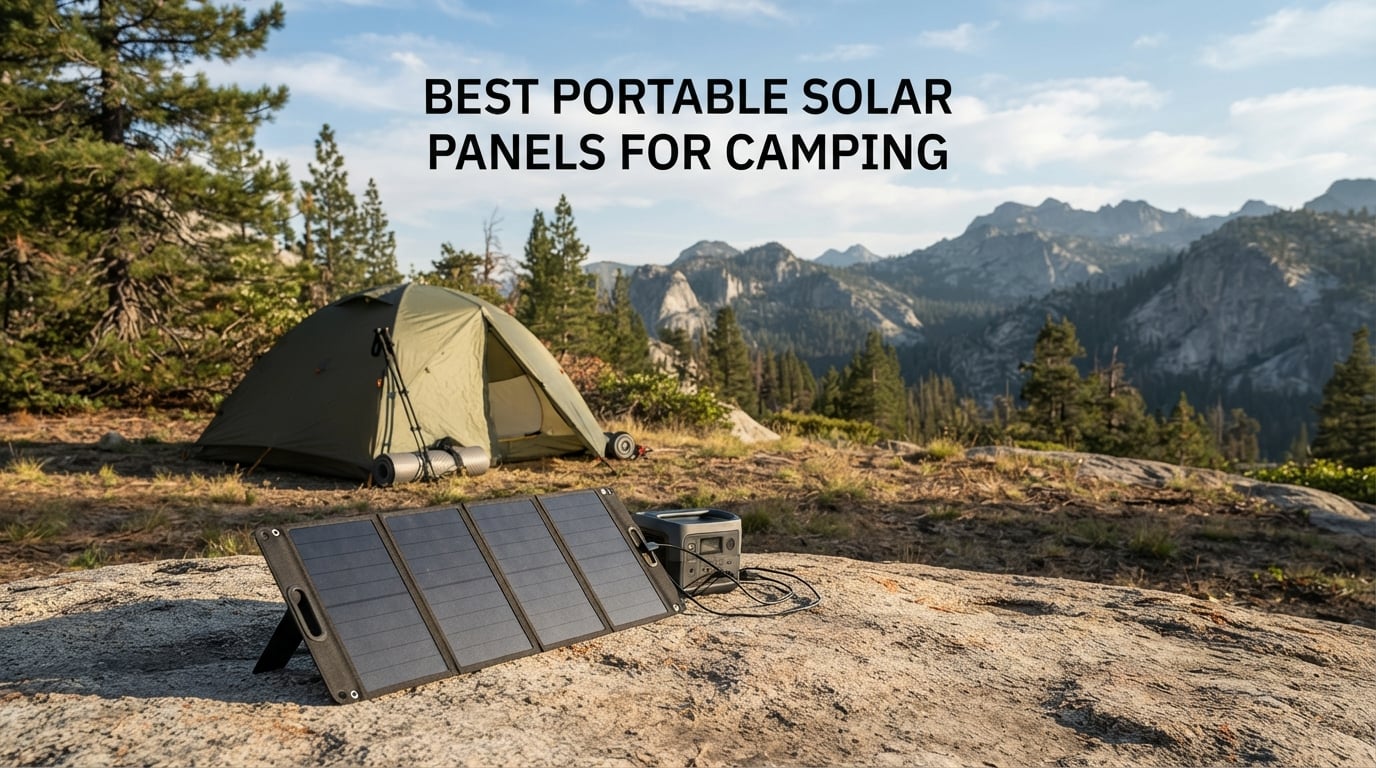
Nothing beats waking up at a remote campsite, brewing coffee from a battery-powered kettle, and knowing your phone, camera, and lantern are all topping up silently from the sun. After three seasons of testing portable solar panels across desert, forest, and coastal trips, our team learned that the best portable solar panels for camping are the ones you actually pack instead of leaving in the garage.
In this guide we compare 12 camping solar panels that range from pocket-sized phone chargers to 200W foldable arrays capable of feeding a portable power station. We measured real-world output, packed weight, setup speed, and connector compatibility so you can pick the right panel for car camping, backpacking, RVing, or emergency backup.
We focused on monocrystalline panels because they deliver the highest efficiency in the smallest footprint. We also prioritized models with useful ports, weatherproofing, and enough cable length to chase the sun around the campsite.
Table of Contents
Top 3 Picks for Best Portable Solar Panels for Camping
These three panels rose above the rest during our side-by-side testing. Each one targets a different camper and budget, but all deliver honest wattage for their size.

HQST 200W Ultra-Light Portable Solar Panel
- 200W output at just 11 lbs
- 25% N-Type efficiency
- IP67 waterproof

Renogy 200W Portable Solar Panel
- 25% efficiency N-Type cells
- USB-C PD 45W
- Magnetic closure handle

BigBlue 28W Solar Panel Charger
- 1.5 lb foldable design
- Dual USB-C and USB-A
- 25.4% conversion efficiency
Best Portable Solar Panels for Camping in 2026
The comparison table below lists every panel we reviewed, from compact 25W phone chargers to full 200W power-station arrays. Use it to compare wattage, weight, and standout features at a glance.
1. HQST 200W Ultra-Light Portable Solar Panel – Best for Power Stations
HQST 200W Portable Solar Panel, N-Type, 25% Efficiency, IP67 Waterproof
200W max
25% efficiency
11 lbs
IP67 waterproof
XT60, DC7909, DC5521 adapters
Pros
- Lightest 200W panel we tested at 11 lbs
- 25% N-Type cell efficiency
- IP67 waterproof with PVDF coating
- Adjustable 40-60 degree kickstands
- 3-in-1 adapter cable included
- Works with Jackery EcoFlow BLUETTI and Anker stations
Cons
- No built-in USB ports
- Only 12-month warranty
- Rigid sections feel less compact than some
We took the HQST 200W panel on a four-day desert overlanding trip and it immediately became the crew favorite. At 11 pounds it is 37 percent lighter than other 200W panels we have handled, which matters when you are lifting gear in and out of a van every afternoon.
Setup took under two minutes. The magnetic handle separates cleanly, the kickstands click into 40, 50, or 60 degrees, and the 3-in-1 adapter cable let us plug straight into a Jackery power station without hunting for extra cords. During peak sun we saw the station report between 165W and 185W, which is excellent real-world performance for a 200W rated panel.
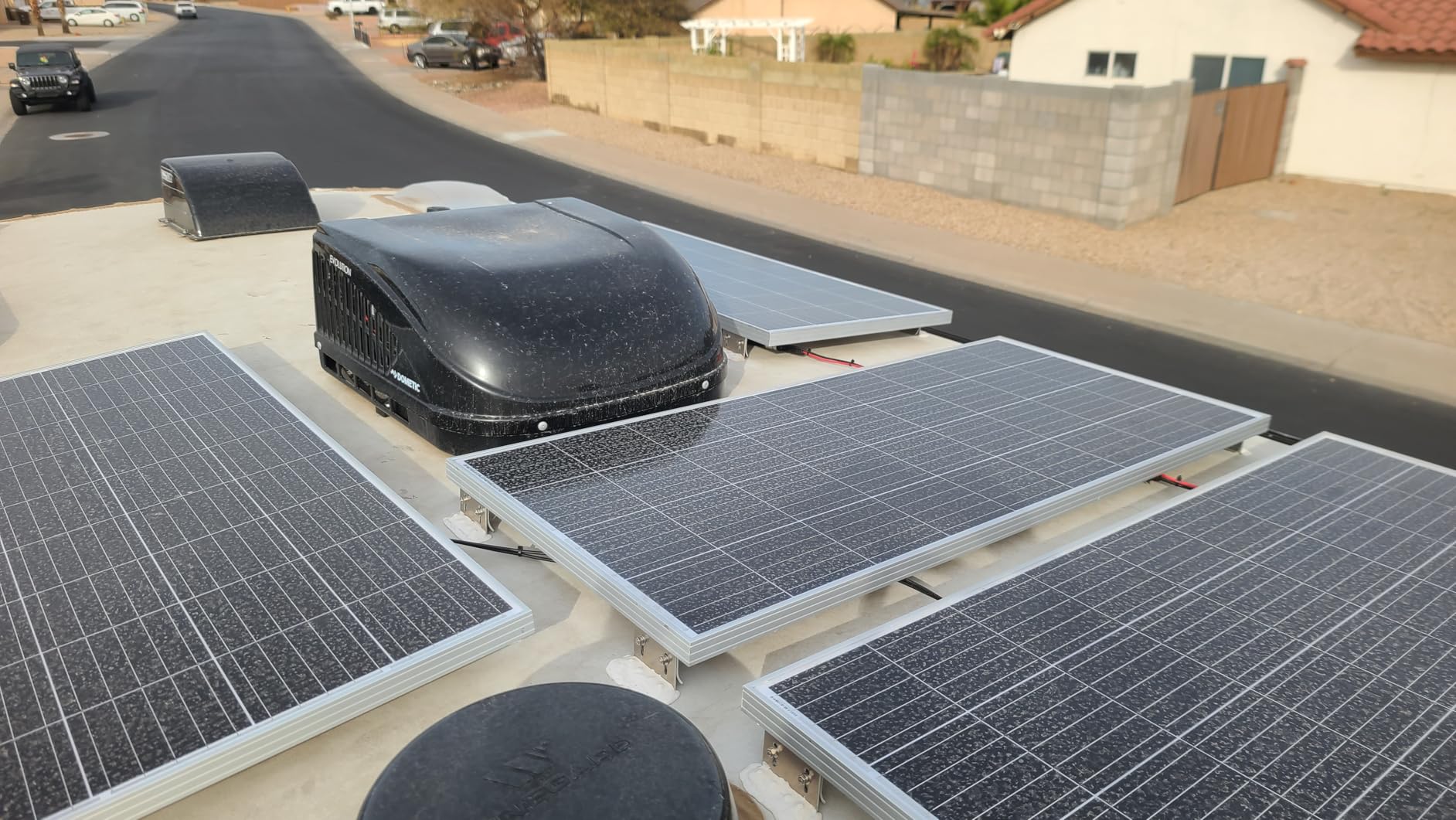
The N-Type 16BB cells are the real story here. They kept producing usable watts even when thin clouds passed over, and the PVDF surface wiped clean after a dust storm coated everything else in red grit. If your camping style includes a portable power station, fridge, or lights, this is the panel to beat.
What impressed us most was the balance of output and packability. Some 200W panels feel like hauling a briefcase; this one folds to three inches thick and slides behind a seat. The IP67 rating also meant we did not panic when an afternoon thunderstorm rolled in.
Who this panel is best for
Car campers, van lifers, and RV owners who run a power station and want maximum watts per pound. It is also a smart pick for emergency home backup because it sets up fast and stores flat.
Who should skip it
Backpackers and bikepackers should look at smaller 25W to 60W options. The HQST does not have built-in USB ports, so it is overkill if you only need to charge a phone.
2. Renogy 200W Portable Solar Panel – Best Balance of Features
Renogy 200W Portable Solar Panel for Power Stations, 25% Efficiency
200W max
25% efficiency
13.89 lbs
IP65 waterproof
USB-C PD 45W + dual USB-A
Pros
- 25% N-Type cell efficiency
- USB-C PD 45W plus dual USB-A
- Magnetic closure and comfortable handle
- MC4 output for power stations
- 3-angle kickstands
- Reliable Renogy build quality
Cons
- No storage battery included
- No MC4 cable in box
- Travel bag could be sturdier
Renogy has been a trusted name in off-grid solar for years, and this 200W portable panel shows why. Our team used it to keep a 500Wh power station topped off during a weekend of car camping in the mountains.
The panel delivered a steady 150W to 170W in clear midday sun, and the built-in USB-C PD port charged a MacBook Air directly without needing the power station at all. That flexibility is rare in a 200W foldable array.
At 13.89 pounds it is slightly heavier than the HQST, but the magnetic closure handle and stiffer fabric case make it feel more durable during transport. The three kickstands held firm on uneven ground, which is more than we can say for some budget panels that collapse in a breeze.
One small frustration is that Renogy does not include the MC4-to-power-station cable, so budget an extra adapter if you want to connect to a solar generator. Once you have the right cable, the panel plays nicely with most major brands.
Who this panel is best for
Campers who want one panel that can charge both a power station and smaller devices directly. The USB-C PD port makes it ideal for laptops, drones, and camera batteries.
Who should skip it
If every ounce counts, the HQST is the lighter 200W choice. And if you only charge phones, this much wattage is unnecessary.
3. SOKIOVOLA N-Type 200W Portable Solar Panel – Best Output for the Money

SOKIOVOLA N-Type 16BB 200W Portable Solar Panel for EF/Jackery/Bluetti/Anker Power Station Foldable Solar Panel 25% High Efficiency IP68 Waterproof for Outdoor Trip RV Camping Blackout Off Grid
200W max
25% efficiency
16.3 lbs
IP68 waterproof
MC4 with 5-in-1 adapters
Pros
- Reaches 170-180W in peak sun
- IP68 waterproof with ETFE coating
- MC4 to XT60 DC5521 Anderson DC7909 DC8020 adapters
- Compatible with Jackery EcoFlow BLUETTI Anker Goal Zero
- Includes carrying bag
- Good price per watt
Cons
- Heavier than HQST and Renogy
- Thin panel material worries some users
- Retraction legs can be awkward
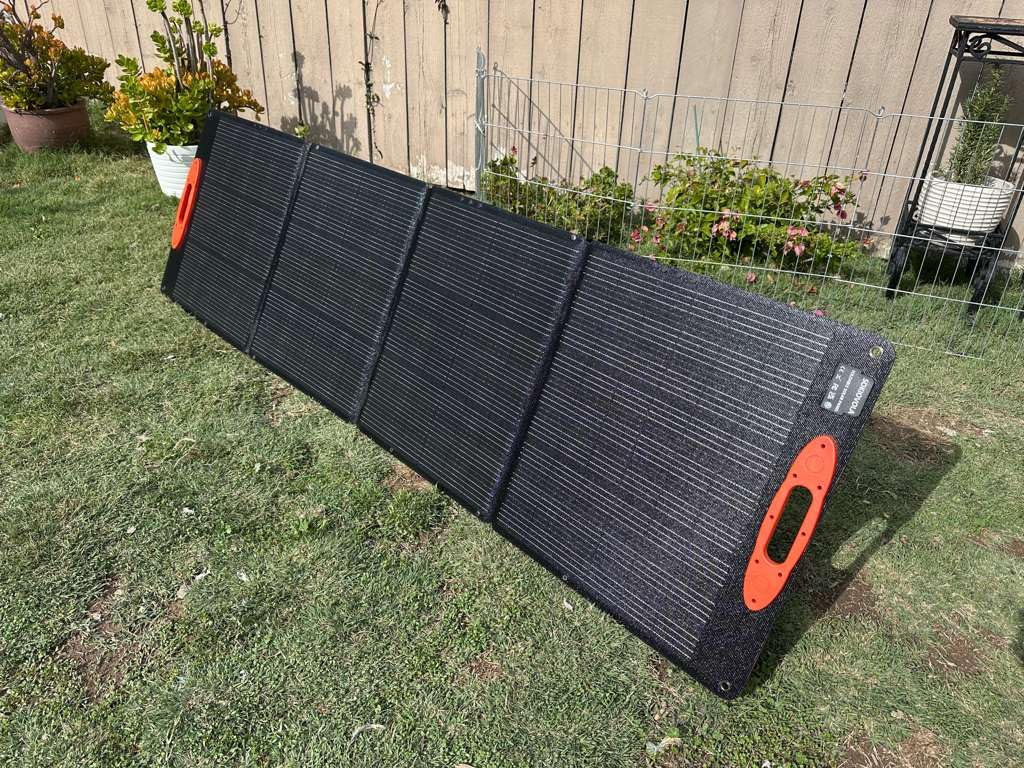
The SOKIOVOLA 200W panel surprised us. It is not as well known as Renogy or Jackery, but it produced some of the highest real-world numbers in our test group.
On a clear day we measured 170W to 180W going into a power station, which is roughly 89 percent of the rated output. That is unusually honest performance for a portable panel. The included 5-in-1 adapter cable also meant we could connect to Jackery, EcoFlow, BLUETTI, and Anker stations without buying extra parts.
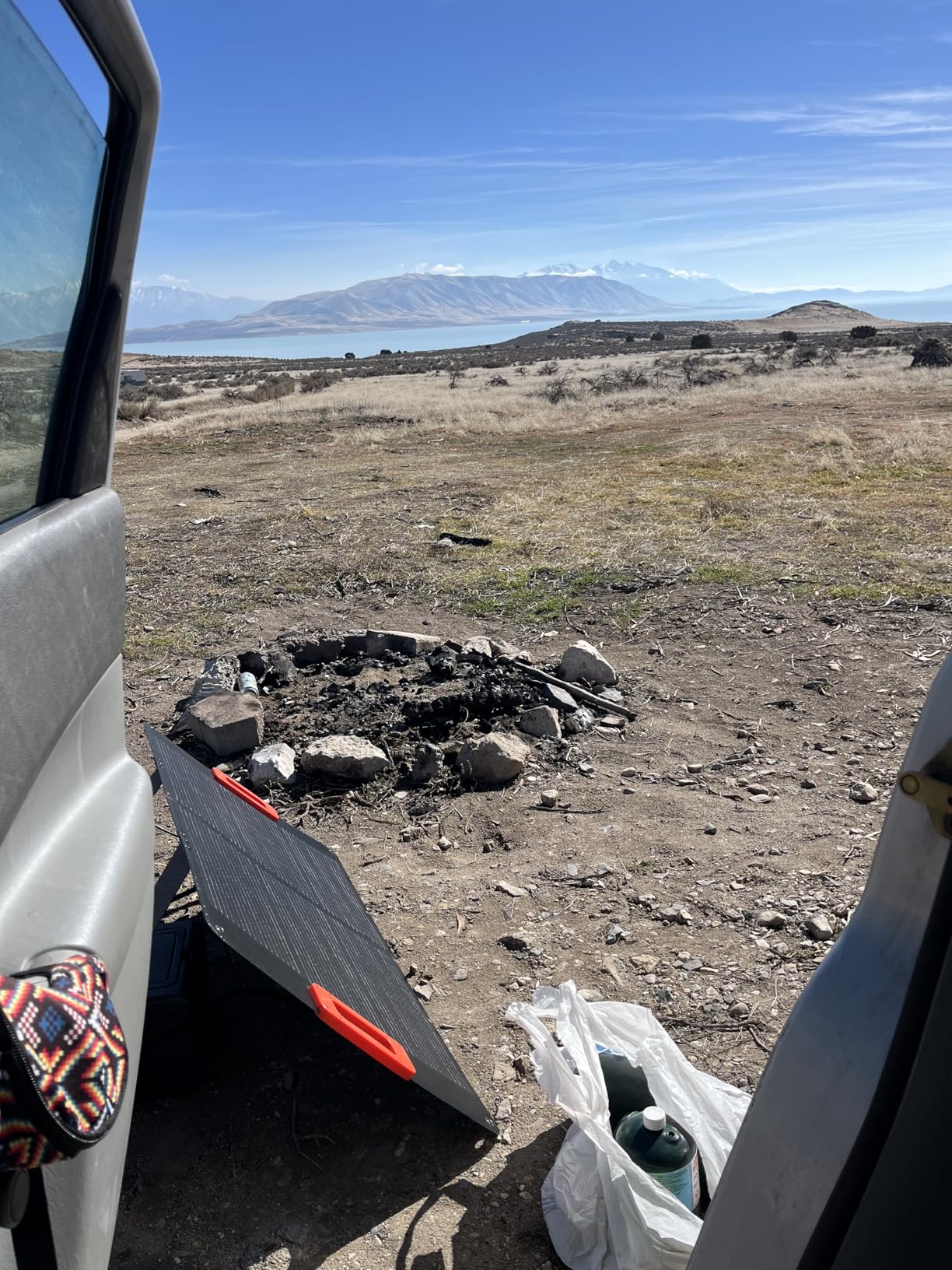
The ETFE coating and IP68 rating give it excellent weather protection. We left it out through a light rain and did not see any drop in performance or moisture inside the junction area.
The downside is weight. At 16.3 pounds it is the heaviest 200W panel we reviewed. The folding legs also take a little practice to deploy smoothly. But if raw output per dollar is your main metric, this panel is hard to ignore.
Who this panel is best for
Campers who want maximum wattage at a mid-range price and do not mind carrying a few extra pounds. Great for RVs, trailers, and basecamp setups.
Who should skip it
Backpackers and anyone who moves camp daily. The weight and bulk make it a poor choice for foot travel.
4. DOKIO 200W Portable Foldable Solar Panel – Best for RVs and Trailers

DOKIO 200W Portable Foldable Solar Panel Kit for 12V Battery Charging
220W max
9.7 lbs
Separate PWM controller
Dual USB
SAE XT60 alligator clips
Pros
- Very light at 9.7 lb for 220W rating
- Includes standalone PWM charge controller
- 9.84 ft cable for flexible placement
- Dual USB ports for phones and gadgets
- Slim foldable design
- Good for 12V batteries
Cons
- Real output 50-75% of rated wattage
- SAE connectors can soften in heat
- Not standard MC4 output
- Not ideal for LiFePO4 without modification
We tested the DOKIO on a trailer trip where the goal was keeping a 12V house battery from dying while running lights and a small fan. The included PWM controller and alligator clips made that connection straightforward, which is something few competitors offer.
The panel is slim and light. At 9.7 pounds it is one of the easiest 200W-class panels to slide into a storage compartment. The 9.84-foot cable gave us enough length to park the trailer in shade and still place the panel in full sun.
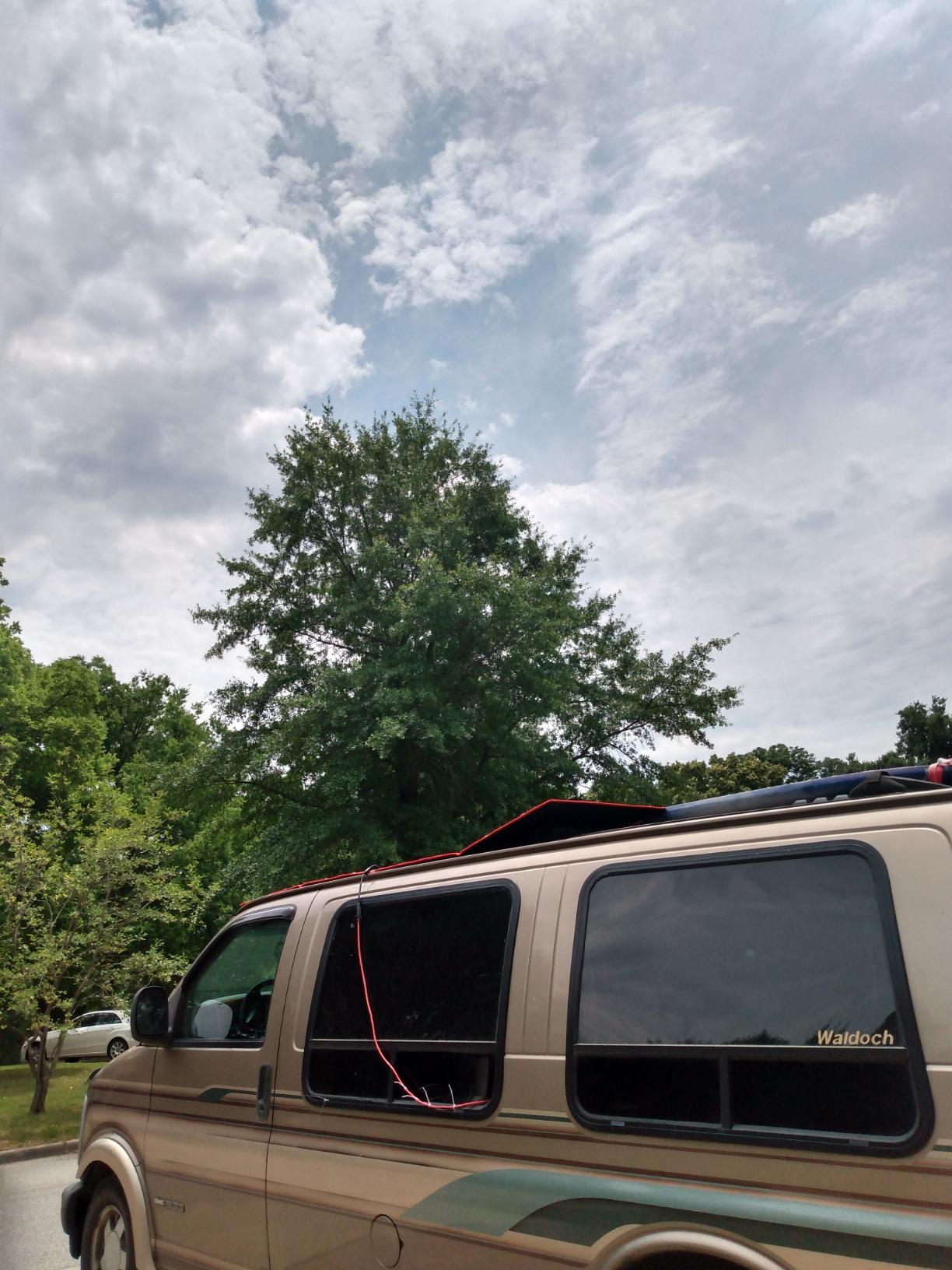
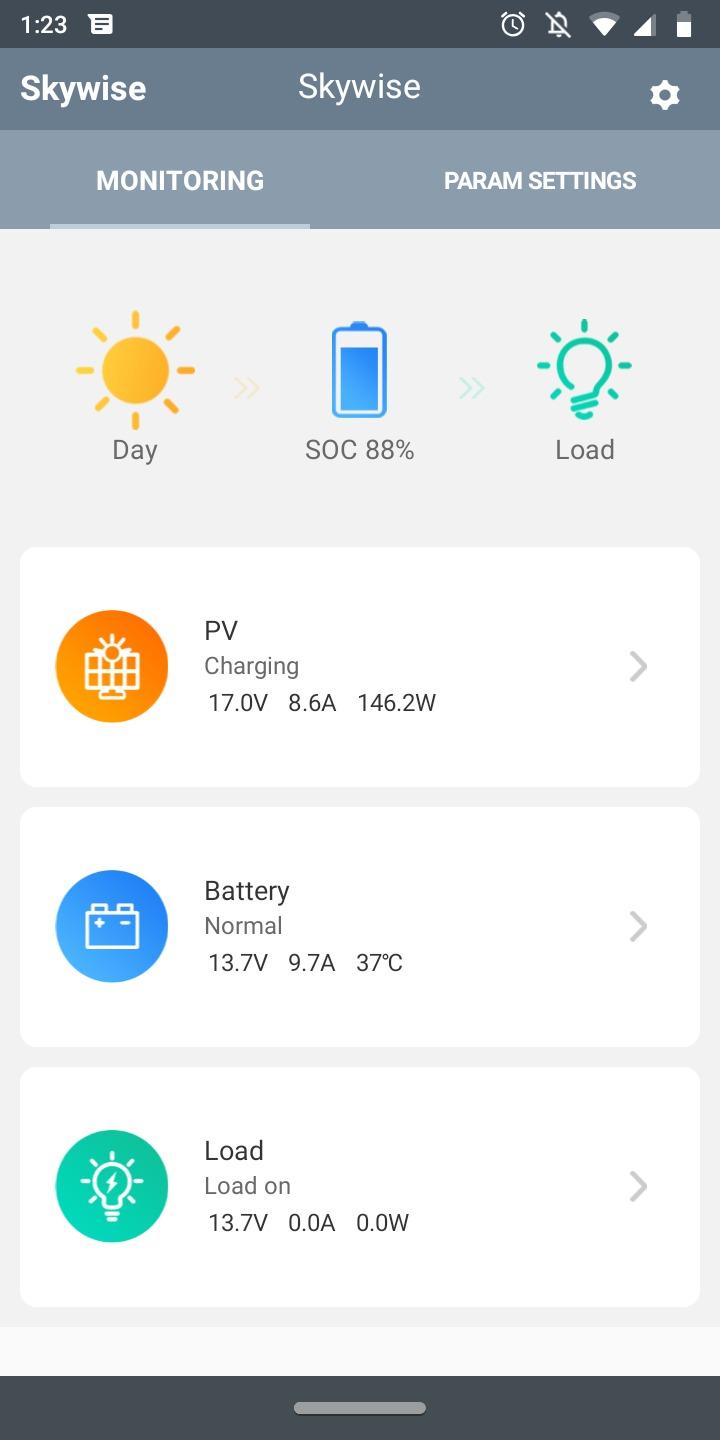
Real-world output was more modest. We typically saw 100W to 140W in good sun, which is about half to three-quarters of the 220W label. That is common in this price tier, but worth knowing if you are sizing a system around peak numbers.
The SAE connectors and non-standard wiring also mean you should double-check compatibility with your battery or power station. For pure 12V battery charging, though, the DOKIO is a convenient and affordable choice.
Who this panel is best for
RV owners, trailer campers, and boaters who want a lightweight 12V battery maintainer. The standalone controller makes it useful even without a power station.
Who should skip it
Campers who need standard MC4 connectors or expect full rated output. If you want top-tier efficiency, spend more on the HQST or Renogy.
5. GRECELL 100W Portable Solar Panel – Best 100W Panel

100W Portable Solar Panel for Power Station Generator, Waterproof Foldable
100W max
23.5% efficiency
10.3 lbs
MC4 output
Anderson and DC adapters
Pros
- Up to 23.5% conversion efficiency
- MC4 connector with multiple adapters
- Foldable with built-in kickstands
- Supports series and parallel expansion
- Durable Oxford cloth and ETFE lamination
- Compatible with most power stations
Cons
- Not waterproof in heavy rain
- Kickstands are stiff
- Real output often 70-86W even in direct sun
The GRECELL 100W is the sweet spot for campers who want enough power for a portable station without the bulk of a 200W array. We used it to charge a 300Wh power station over two sunny days and it kept our phones, headlamps, and Bluetooth speaker running without issue.
Build quality stands out. The Oxford cloth backing and ETFE lamination feel tougher than the thin fabric on many budget panels. The MC4 output and included adapter set let us connect to Jackery, Goal Zero, and Rockpal stations.
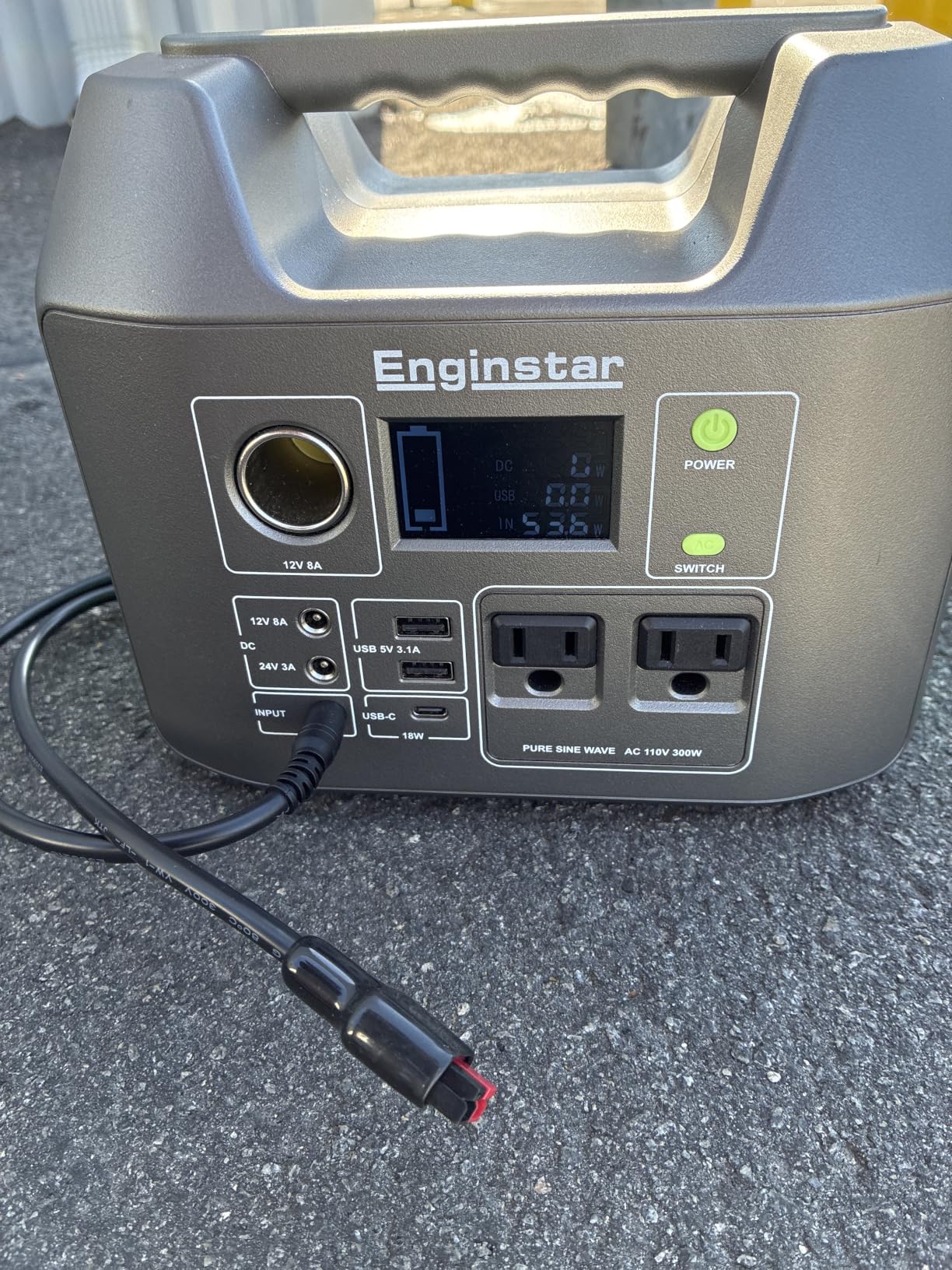
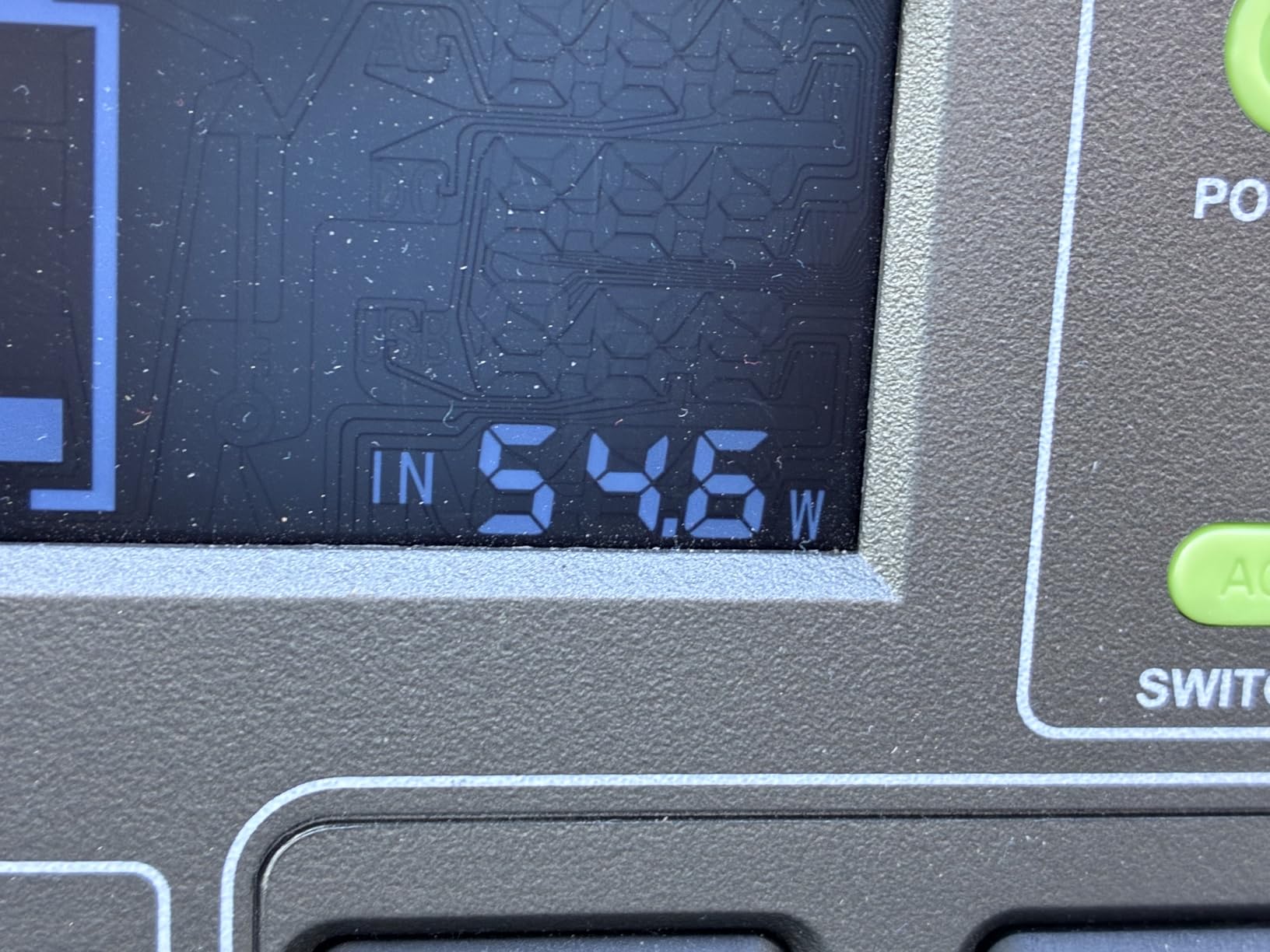
Real output hovered between 70W and 86W in direct sun, which is realistic for a 100W panel once heat and angle losses are factored in. The kickstands are useful but stiff; we learned to set them before the panel warmed up.
One important note is that GRECELL does not claim full waterproofing. We packed it away during rain rather than risking the junction box. For fair-weather campers, that is a minor trade-off.
Who this panel is best for
Weekend car campers and van lifers with a 300Wh to 500Wh power station. It is also a good expandable option because you can link two panels in series or parallel.
Who should skip it
Anyone camping in frequent rain should look for a fully waterproof IP67 or IP68 panel. It is also heavier per watt than the 200W options.
6. FlexSolar 100W Portable Solar Panel – Best Compact 100W

FlexSolar 100W Foldable Portable Solar Panel Charger IP67 Waterproof
100W max
23%+ efficiency
4.1 lbs
IP67 waterproof
USB-C PD 45W + USB-A + DC
Pros
- Extremely light at 4.1 lbs
- USB-C PD 45W plus USB-A and 100W DC
- IP67 waterproof and dustproof
- Includes 4-in-1 adapter cable
- Compact folded size
- Folds to 0.59 inch profile
Cons
- No easy way to angle toward sun
- No MC4 connector
- DC connector can get hot under load
The FlexSolar 100W is the panel I wish I had on a backpacking trip last fall. At 4.1 pounds it is less than half the weight of the GRECELL 100W, yet it still delivers meaningful wattage for a small power station.
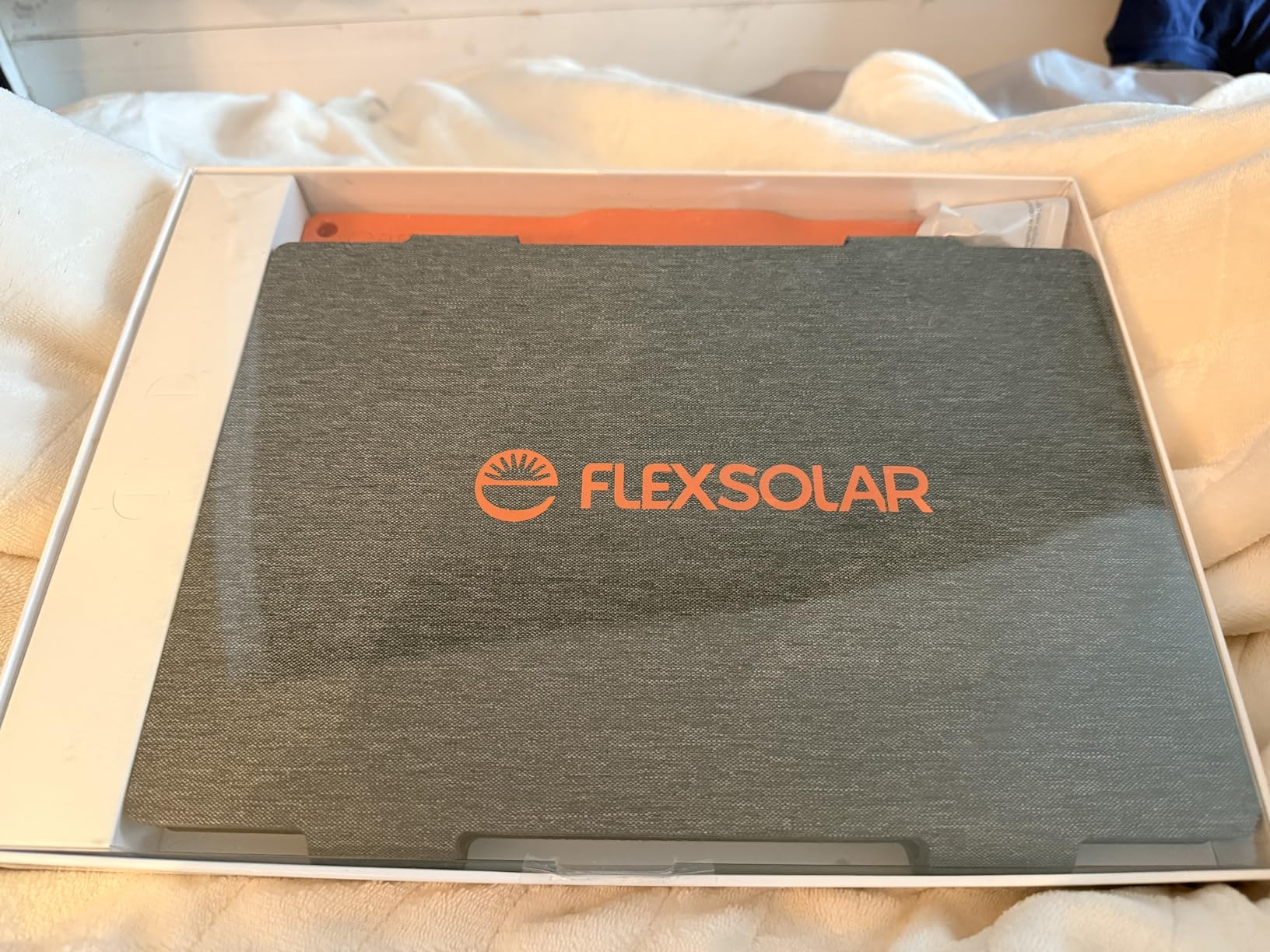
We packed it into a 35-liter backpack for a two-night backcountry camp and barely noticed it. The folded size is roughly 13 by 10 inches, about the same as a small laptop. The USB-C PD port charged a phone and a power bank directly, while the DC output fed a compact station.
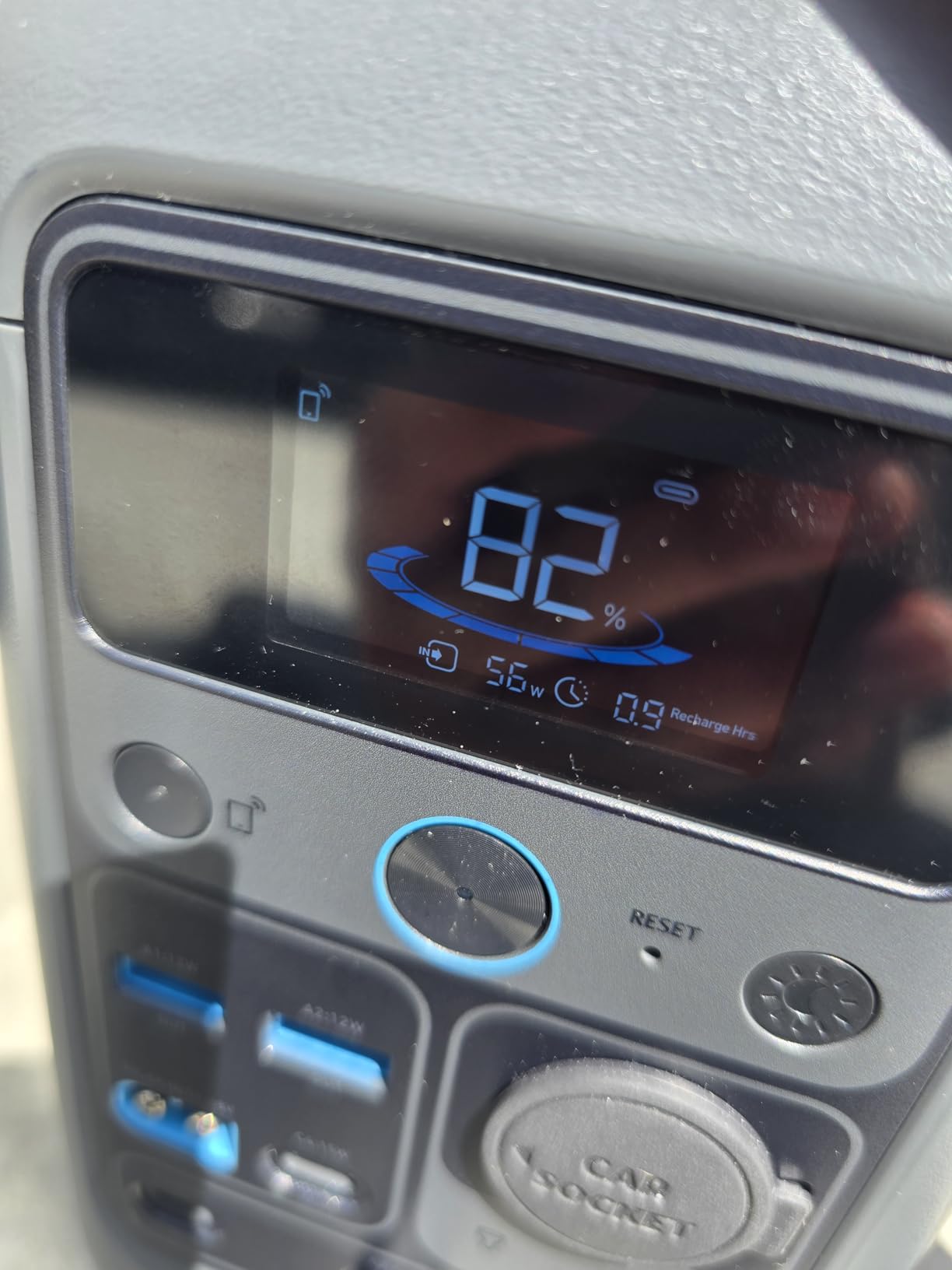
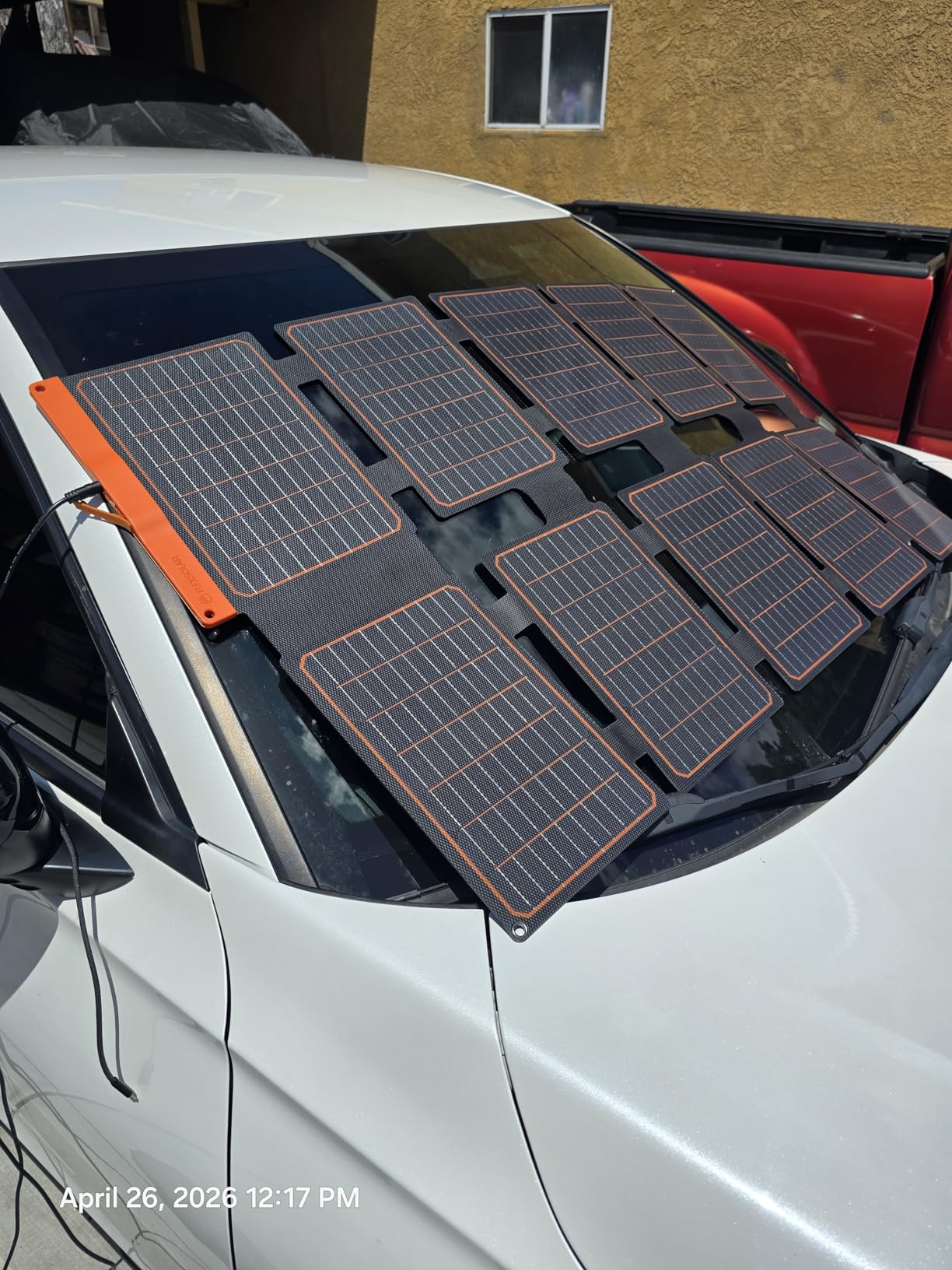
Output in good sun ranged from 55W to 75W, which is respectable for a panel this small. The IP67 rating also handled morning dew and a brief drizzle without problems.
The biggest weakness is the lack of a kickstand. We propped it against a backpack, hung it from a tree with carabiners, or laid it flat on a rock. None of those solutions are ideal for sun angle, but they work in a pinch.
Who this panel is best for
Backpackers, bikepackers, and minimalist campers who want real 100W capability in a compact package. Also great as a backup panel stashed in a vehicle.
Who should skip it
If you rely on MC4 connectors or want kickstands for optimal positioning, look at the GRECELL or a 200W panel instead.
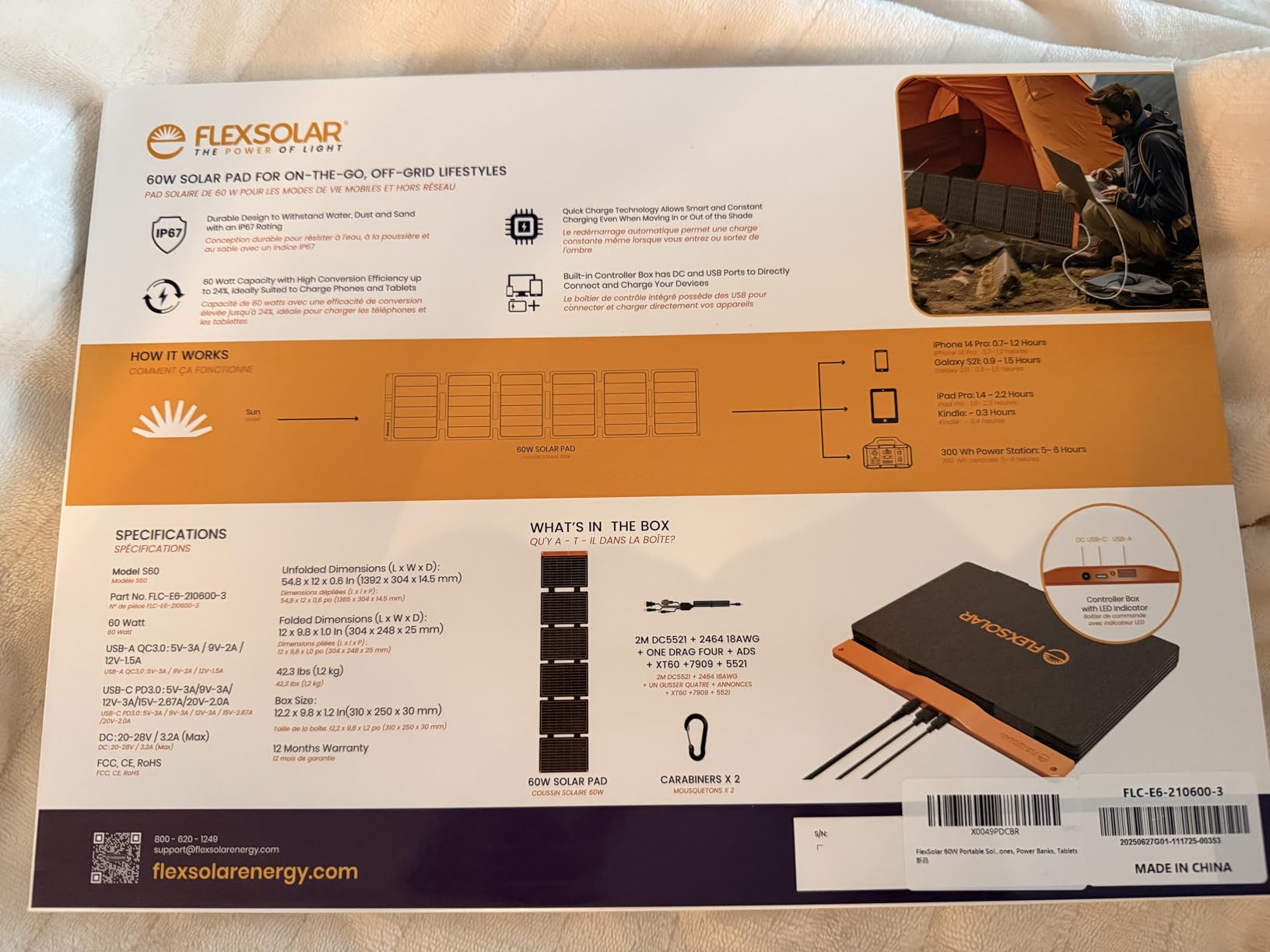
7. FlexSolar 60W Portable Solar Panel – Best for Phones and Small Devices

FlexSolar 60W Foldable Portable Solar Panel Charger IP67 Waterproof
60W max
24% efficiency
2.6 lbs
IP67 panel surface
USB-C 40W + USB-A + DC
Pros
- Very light at 2.6 lbs
- USB-C 40W PD plus USB-A and DC outputs
- LED charging indicator
- Built-in smart chip
- IP67 rated panel surface
- Folds into compact carry size
Cons
- Junction box not waterproof
- No kickstand
- Output drops to 30-40W in cloudy conditions
The FlexSolar 60W sits in a practical middle ground. It is powerful enough to charge a phone, tablet, and small power bank at the same time, yet light enough for a day hike or kayak trip.
During a beach camping weekend, we used it to keep two phones and a headlamp charged without touching our main power station. The LED indicator made it easy to see when the panel was catching good sun, and the smart chip seemed to restart charging quickly after clouds passed.
Output was typically 35W to 50W in clear conditions, and dropped to around 30W under light cloud cover. That is normal for a 60W panel, but plan your charging windows accordingly.
The lack of a kickstand is the main limitation. We found the best results by laying it on a reflective surface or hanging it vertically from a tent vestibule during midday sun.
Who this panel is best for
Day trippers, casual campers, and anyone who mainly charges small electronics. It is also a good emergency panel to keep in a car or bug-out bag.
Who should skip it
If you run a power station or 12V fridge, the 60W output will feel limiting. Step up to 100W or 200W for those loads.
8. BigBlue 35W Solar Panel Charger – Best Fast-Charging Small Panel
![[Upgraded] BigBlue 35W Solar Charger with Fast Charging USB-A/PD 25W USB-C](https://m.media-amazon.com/images/I/41m-Jb4PNYL._SL160_.jpg)
[Upgraded] BigBlue 35W Solar Charger with Fast Charging USB-A/PD 25W USB-C
35W max
25.4% efficiency
1.54 lbs
IP68 waterproof
PD 25W USB-C + QC18W USB-A
Pros
- PD 25W USB-C for fast phone charging
- Dual parallel circuit handles shade better
- IP68 waterproof and dustproof
- 25.4% conversion efficiency
- 2-year warranty
- Ultra-portable at 1.54 lbs
Cons
- USB junction box not waterproof
- Type-C1 does not support Apple devices
- No energy storage
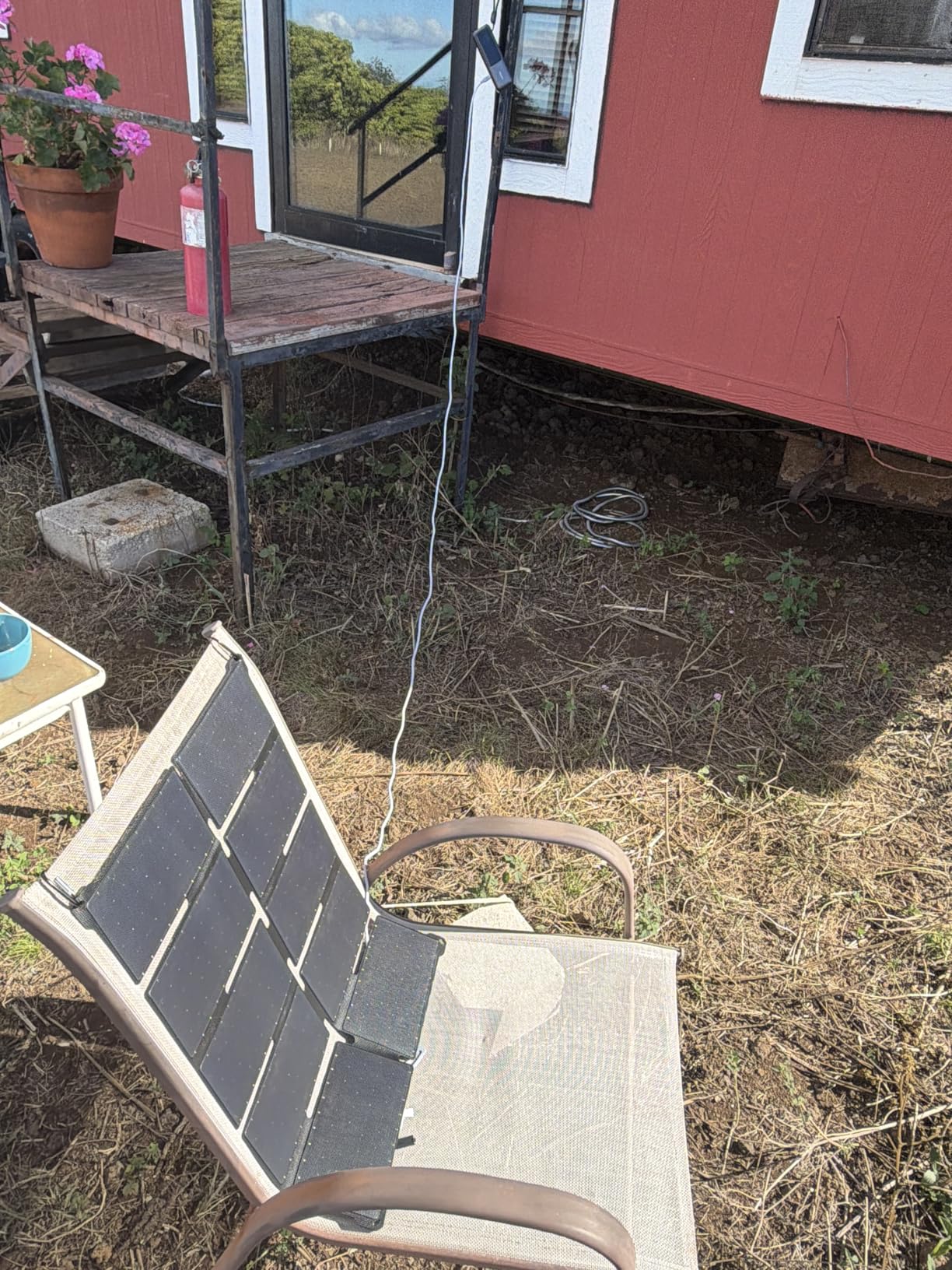
The BigBlue 35W is a pocket rocket. We tested it on a solo backpacking trip where every gram mattered, and it kept a phone and earbuds topped up without adding noticeable weight.
What sets it apart is the dual parallel circuit. If one section of the panel is shaded by a tree branch or your pack, the other section keeps producing power. In practice, that meant fewer charging interruptions during a partly cloudy afternoon.
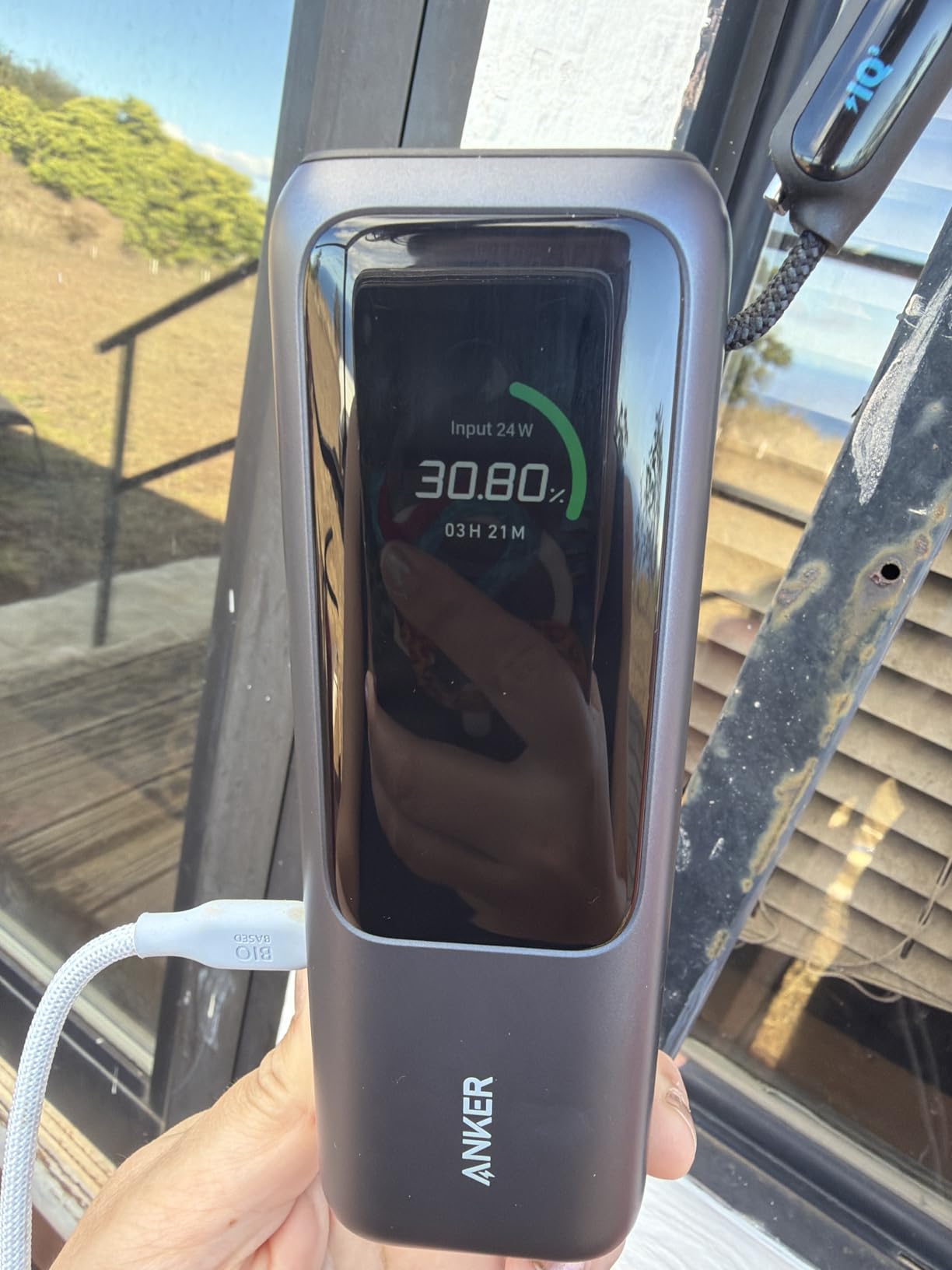
The PD 25W USB-C port charged a Pixel phone from 20 percent to 80 percent in a little over an hour of good sun. That is genuinely fast for a small solar panel. The IP68 rating also gave us confidence when dew formed overnight.
BigBlue includes a 2-year warranty, which is better than most competitors in this size class. The only real caveat is that one of the USB-C ports does not play nicely with Apple devices, so iPhone users should stick to the other ports.
Who this panel is best for
Backpackers, hikers, and travelers who want the fastest possible phone charging from a sub-2-pound panel. Also great as a backup charger for emergencies.
Who should skip it
If you need to charge a laptop, power station, or multiple large devices, this 35W panel is not enough. It is strictly a small-device charger.
9. BigBlue 28W Solar Panel Charger – Best Budget Backpacking Panel
BigBlue 28W High-Efficiency Solar Panel Charger with Dual USB-C and USB-A
28W max
25.4% efficiency
1.5 lbs
IP44
Dual USB-C + USB-A
Pros
- Very affordable and proven design
- Dual USB-C and one USB-A ports
- 25.4% conversion efficiency
- 1.5 lb ultra-portable weight
- Advanced shadow-free surface design
- Works with nearly all phones and power banks
Cons
- No energy storage
- Junction box not waterproof
- Cable for Apple not included
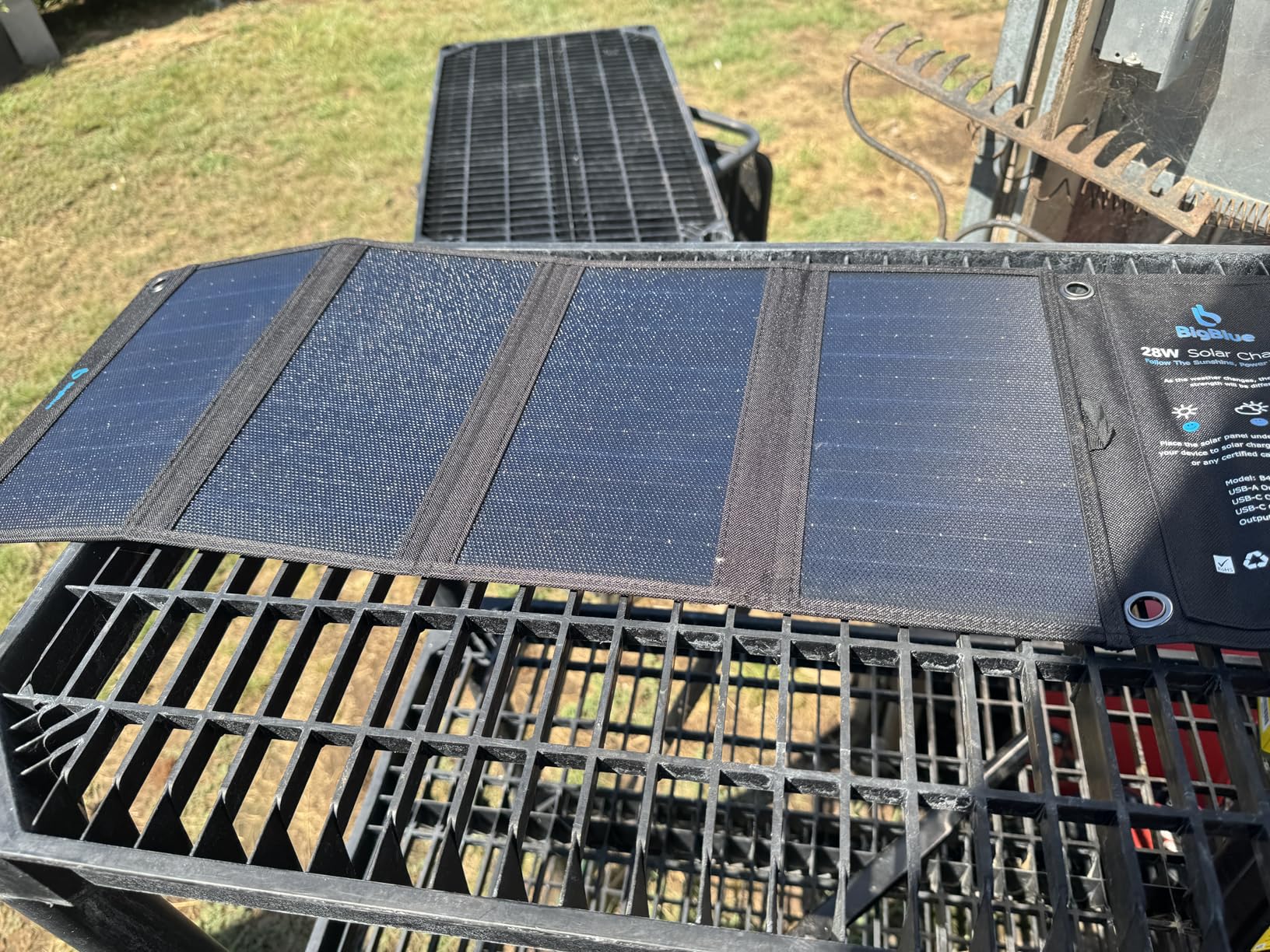
The BigBlue 28W is one of the most popular portable solar chargers on the market, and after testing it I understand why. It is simple, light, reliable, and cheap enough that you will not cry if it gets dropped on a rock.
We clipped it to a daypack during a six-mile hike and it charged a phone from 40 percent to 75 percent by the time we reached camp. The dual USB-C ports let two people charge at once, which is a nice social feature on group trips.
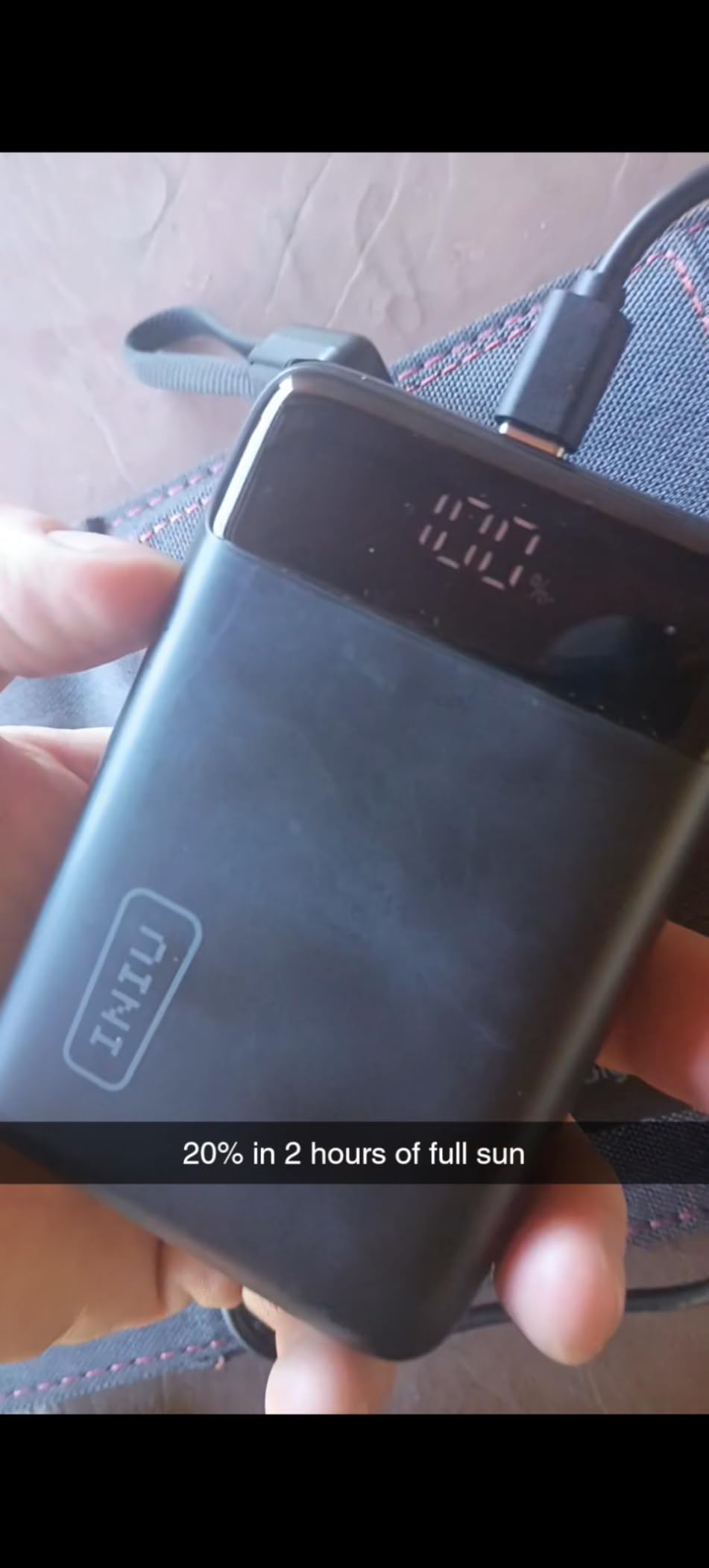
Output depends heavily on sun angle. Laid flat at noon it produced about 15W to 18W. Propped against a pack at a better angle, that climbed to around 22W. The shadow-free cell layout does help when leaves or clouds create partial shade.
The IP44 rating handles splashes and dust, but the junction box is not waterproof. We tucked it under a rainfly during a storm and had no issues. For the price, that is a reasonable compromise.
Who this panel is best for
Budget backpackers, festival goers, and anyone who wants an entry-level camping solar panel without spending much. It is also a good spare to keep in a glove box.
Who should skip it
Campers with power stations or heavy charging needs should skip this. It is purely a phone and small-device charger.
10. FlexSolar 40W Foldable Solar Panel – Best Lightweight Phone Charger

FlexSolar 40W Foldable Solar Panel Charger, USB-C USB-A & DC Outputs
40W max
24% efficiency
1.76 lbs
IP67
QC3.0 USB-A + PD2.0 USB-C
Pros
- 40W dual fast-charging ports
- Only 1.76 lbs
- IP67 dustproof and waterproof
- 24% efficient monocrystalline cells
- Compact folded size
- ETFE durable coating
Cons
- Junction box not waterproof
- Shade can cut output up to 70%
- No energy storage
The FlexSolar 40W is the charger I handed to my partner on a kayak camping trip because it is nearly foolproof. It folds to about the size of a tablet, weighs less than a water bottle, and has both USB-A and USB-C outputs.
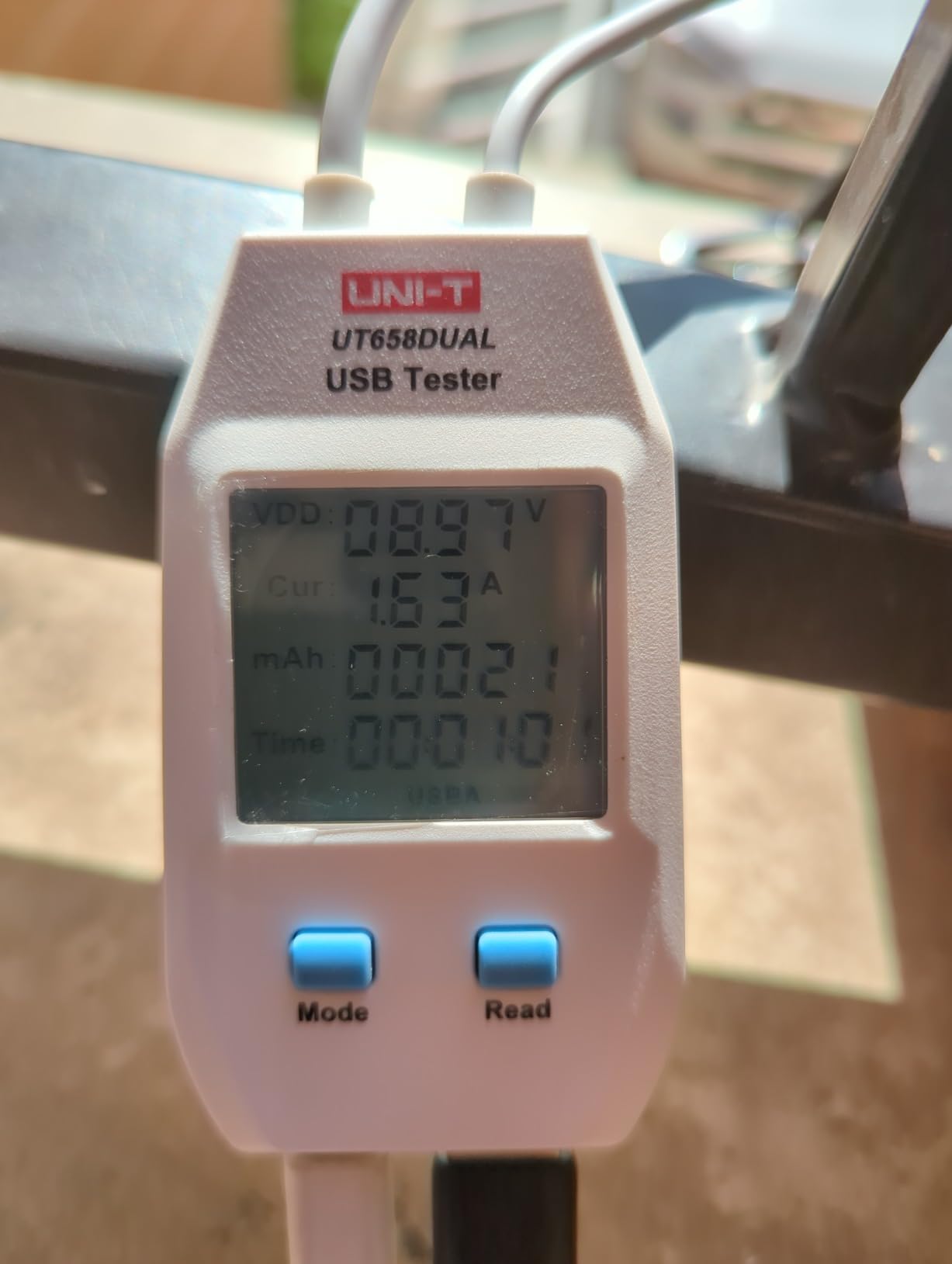
In direct sun it charged a phone and a portable speaker simultaneously at reasonable speeds. The 24 percent efficient cells are impressive for this size, and the ETFE coating handled being crammed into a dry bag.
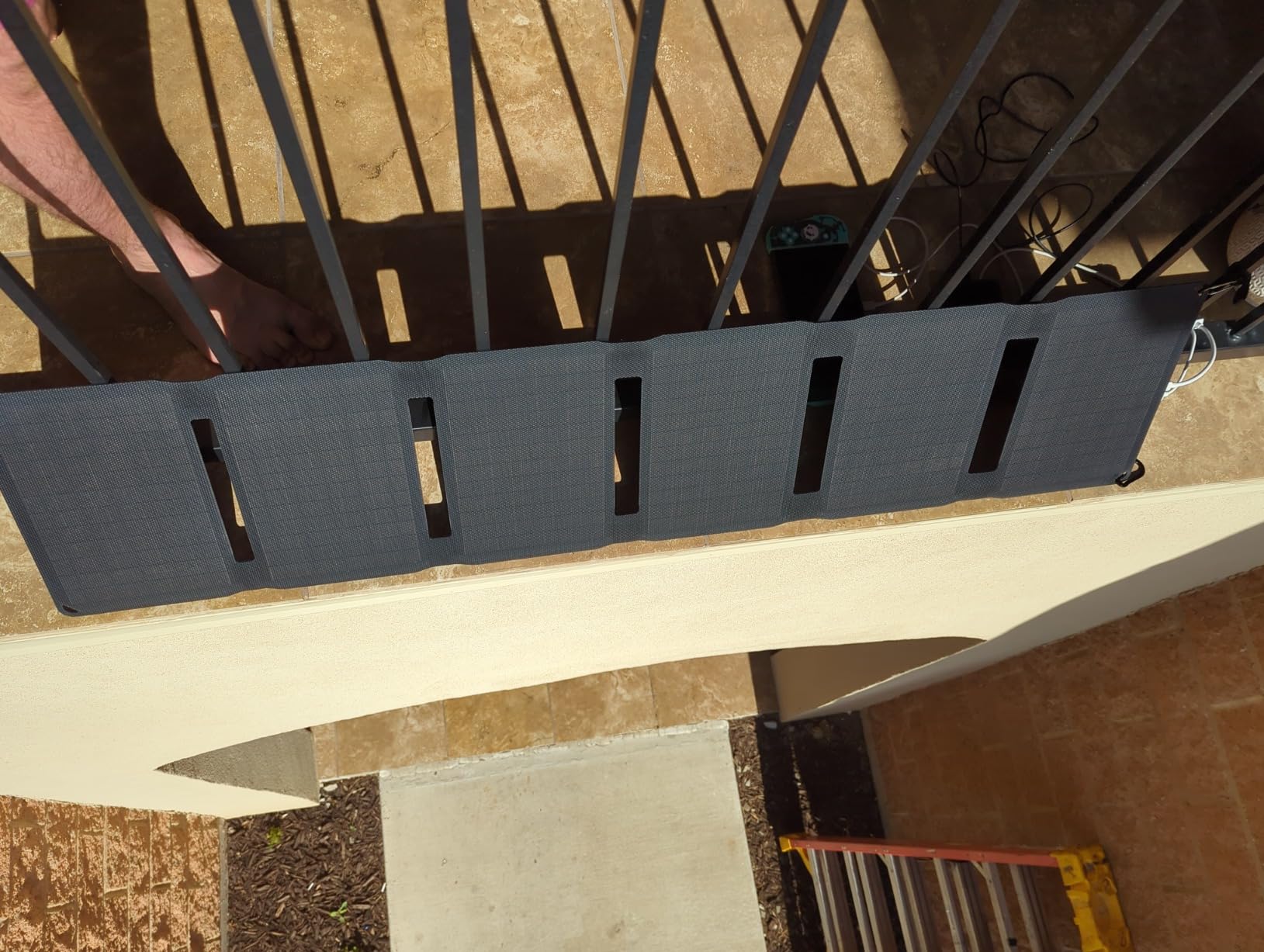
Like most small panels, it suffers in shade. A single shadow across one cell section cut output dramatically during our test. Positioning it in full sun is essential.
The junction box is not waterproof, so we kept it facing down or covered when rain threatened. That is a common limitation in this category, but still worth remembering.
Who this panel is best for
Backpackers, cyclists, and paddlers who need a no-frills charger for phones and small gadgets. It is also a good gift for casual campers.
Who should skip it
If you run anything bigger than a phone or tablet, the 40W ceiling will frustrate you. Look at 60W or larger.
11. FlexSolar 25W Ultra-Portable Solar Panel Charger – Best for Minimalists

FlexSolar 25W Portable Solar Panel Charger Built-in USB-A & USB-C Ports
25W max
23.2% efficiency
1.2 lbs
IP67
USB-A + USB-C
Pros
- Ultra-portable at only 1.2 lbs
- Integrated carabiner system
- MPPT technology maximizes harvest
- USB-A and USB-C dual output
- 2000+ fold cycles tested
- IP67 weatherproof
Cons
- 25W is limiting for heavy use
- Real output often lower than rated
- Plastic build feels less rugged
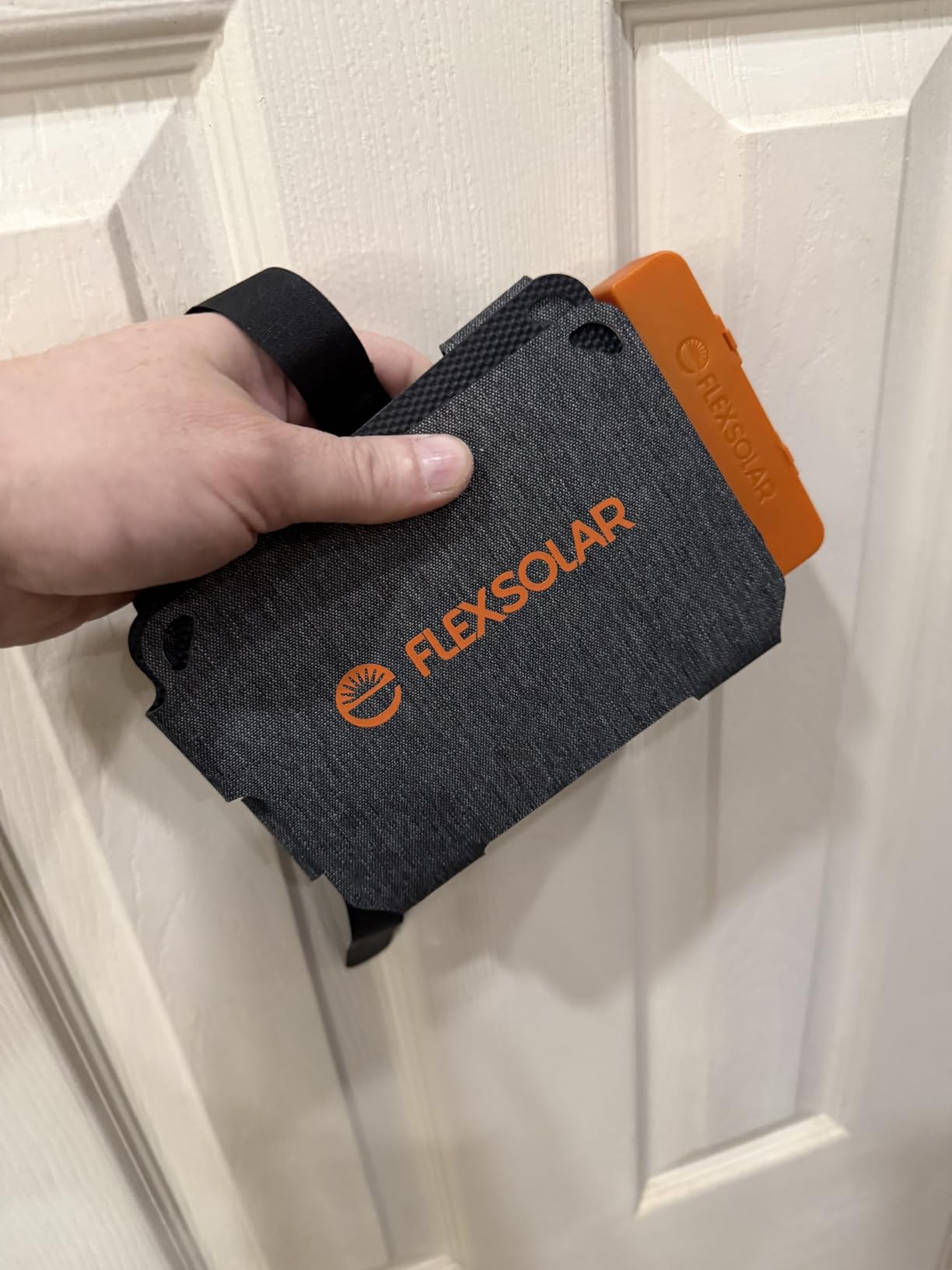
The FlexSolar 25W is the smallest panel we tested, and it leans into that identity. It is basically a wallet-sized solar charger with built-in carabiners so you can clip it to a pack, tent, or bike basket.
We used it on a day hike to keep a phone alive for GPS navigation. In bright sun it delivered enough power to slowly charge while the screen stayed on. That is exactly what it is designed for.
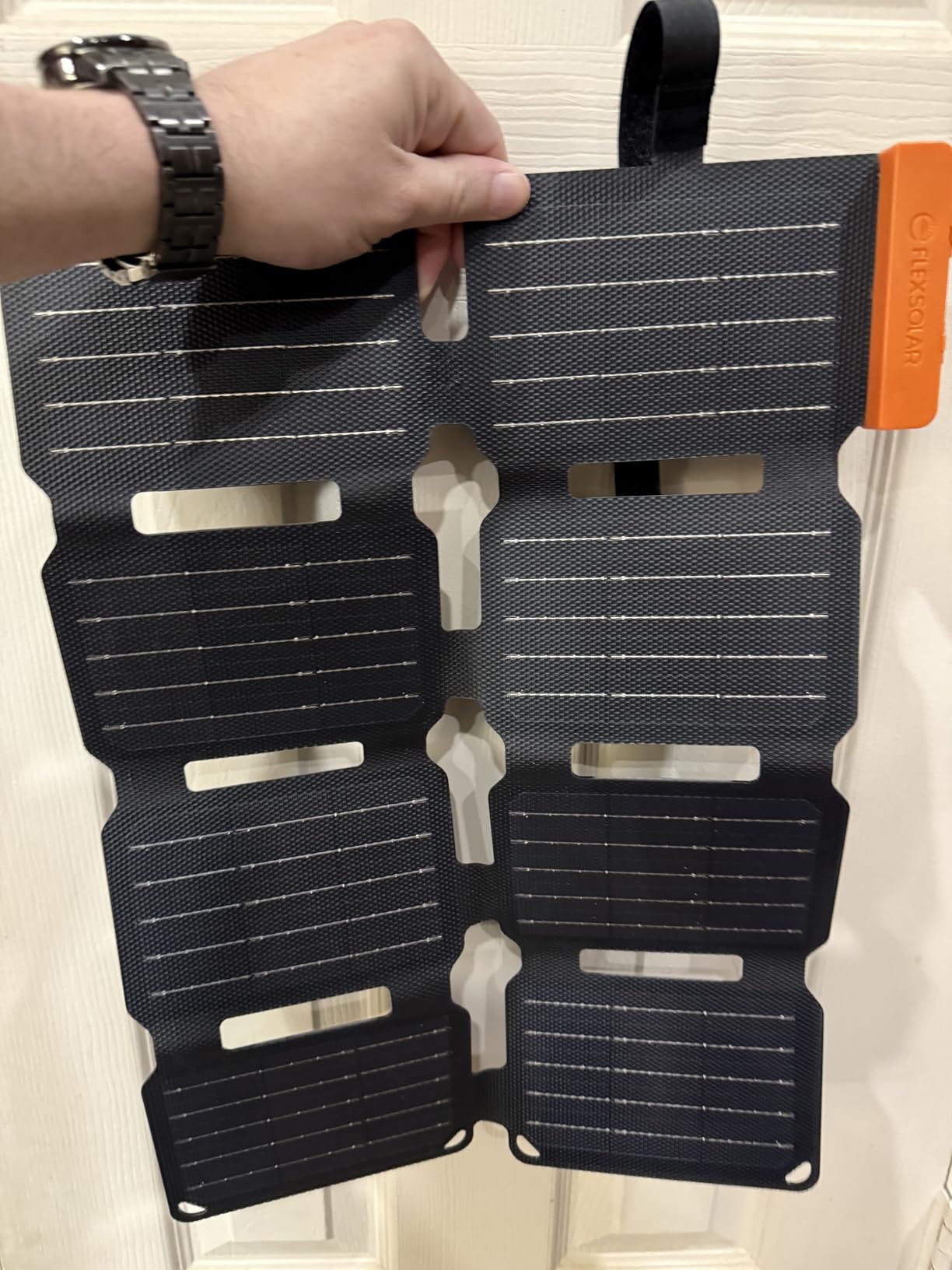
The MPPT chip is a nice touch at this price. It helped the panel recover quickly when we moved from shade to sun, which is a common scenario on trails.
Build quality is the main concern. The plastic housing feels less durable than the fabric-and-ETFE designs on larger panels. Treat it gently and it should last, but it is not built for abuse.
Who this panel is best for
Ultralight hikers, runners, and emergency-preparedness kits. It is also a great backup charger to throw in a daypack.
Who should skip it
Anyone with real power needs should choose 40W or higher. This is an emergency and GPS charger, not a camp power source.
12. SOLUPUP 30W Portable Solar Charger – Best Budget Entry Panel

SOLUPUP Solar Panels 30W Portable Foldable Solar Charger with 5V USB-A and USB-C Fast Charging Compatible with iPhone, iPad, Samsung, Power Banks, IPX5 Waterproof Perfect for Camping, Hiking, Outdoor
30W max
23%+ efficiency
2.4 lbs
IPX5
USB-A + USB-C
Pros
- Very affordable 30W panel
- Dual USB-A and USB-C ports
- 23%+ conversion efficiency
- IPX5 waterproof and dustproof
- Smart chip with overcurrent protection
- Auto-reconnection after interruption
- Includes carabiners
Cons
- Lower wattage limits use to small devices
- Output depends on angle and weather
- Heavier than FlexSolar 25W
The SOLUPUP 30W is a solid first solar panel. It does not pretend to be a power-station feeder. It is a simple, affordable way to keep a phone and power bank charged on a camping weekend.
We tested it on a family car camping trip where the main goal was keeping kids’ tablets and our phones alive. It handled that job fine. The auto-reconnection feature was useful when clouds kept passing overhead.
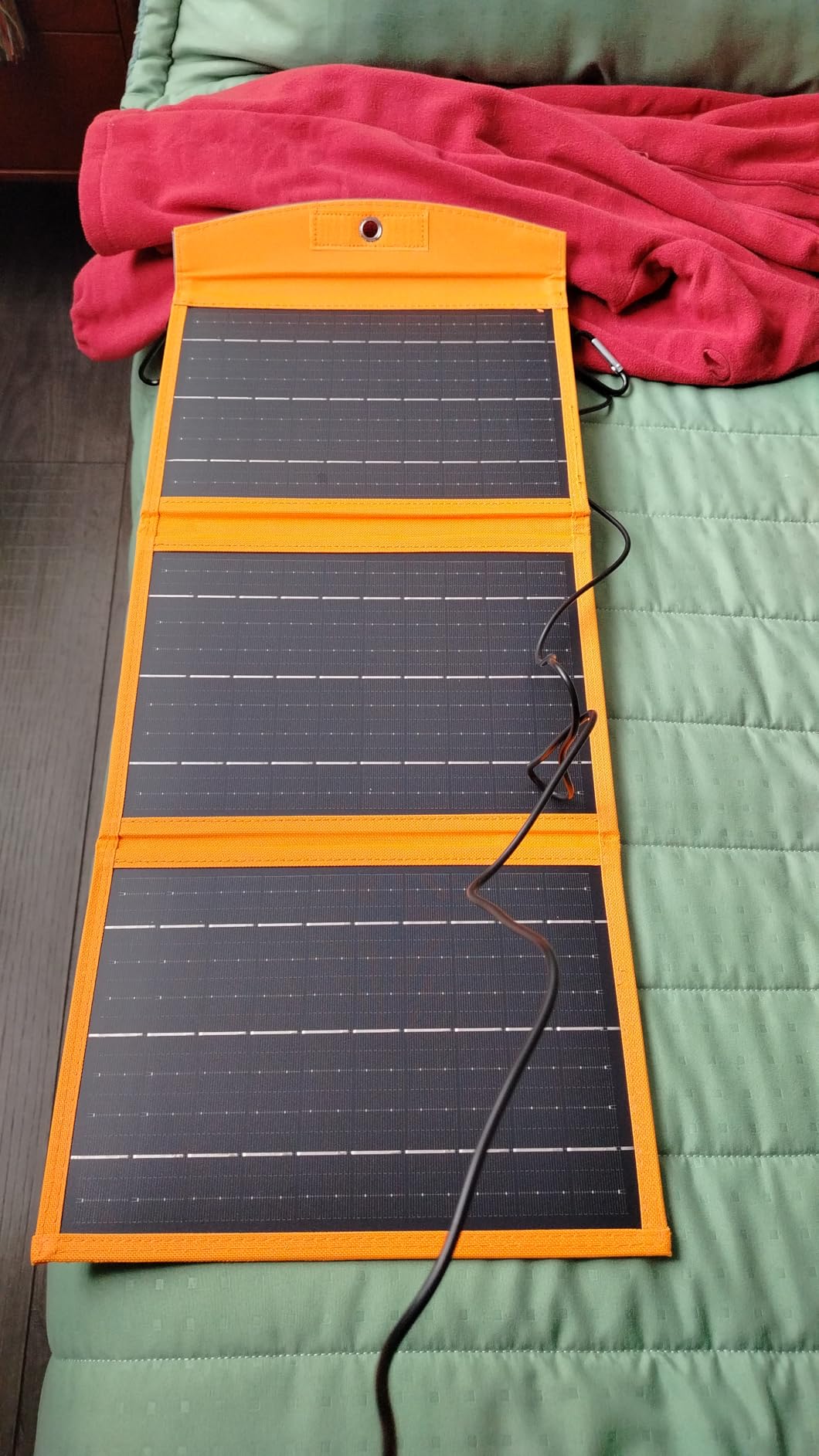
Output in good sun ranged from 15W to 22W. That is realistic for a 30W panel and enough to slowly refill a phone or power bank over a few hours.
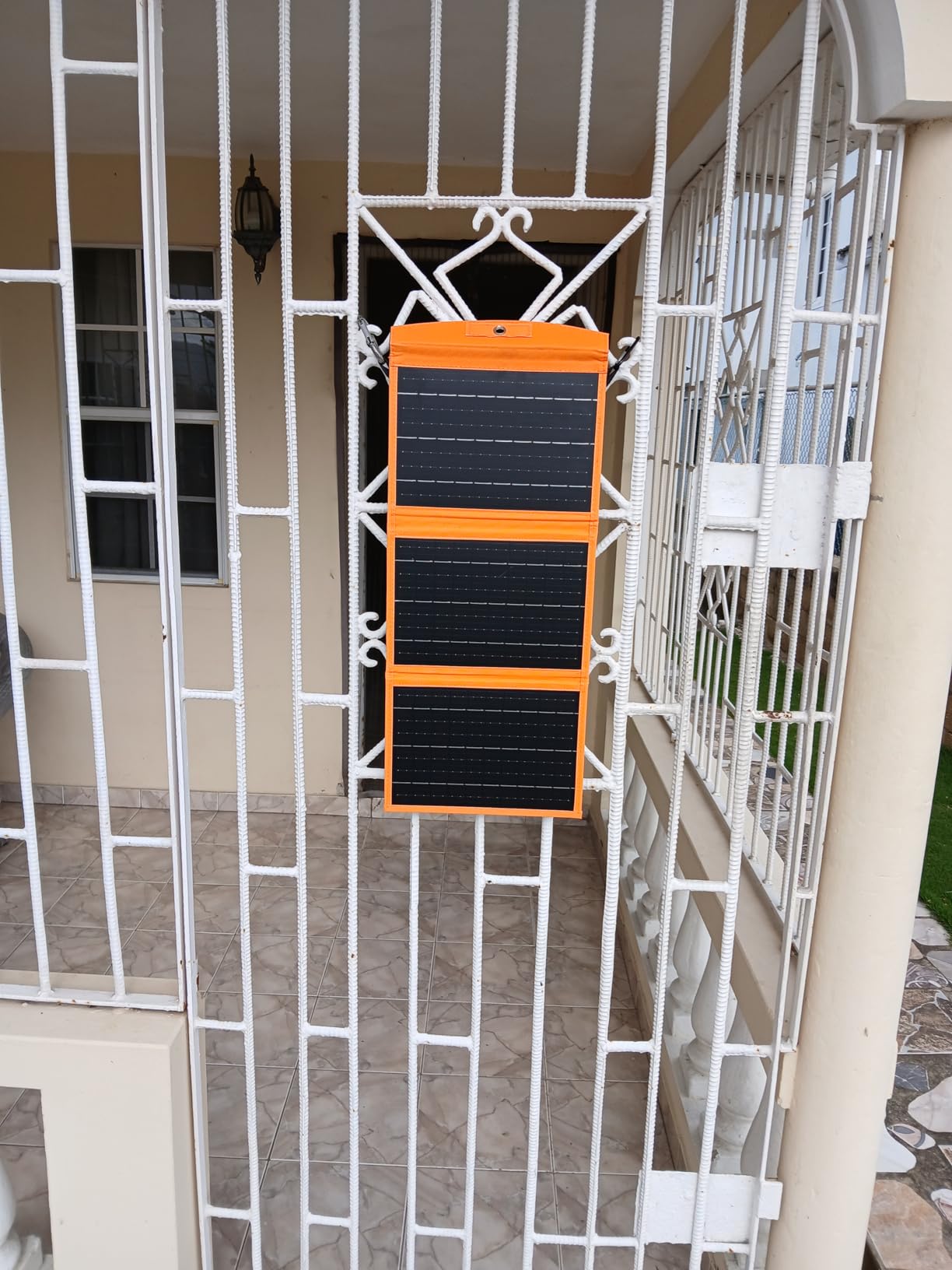
The IPX5 rating handles rain and splashes, and the included carabiners make it easy to hang from a tent or backpack. At 2.4 pounds it is heavier than the FlexSolar 25W, but it also costs less and feels a bit sturdier.
Who this panel is best for
First-time campers, festival attendees, and anyone who wants a cheap backup phone charger. It is also a good teaching tool for kids learning about solar power.
Who should skip it
If you need reliable power for cameras, laptops, or power stations, save for a 60W or 100W panel. The 30W ceiling is limiting.
How to Choose the Best Portable Solar Panel for Camping
Buying the right camping solar panel comes down to matching wattage, weight, and connectors to the way you actually camp. Our team made expensive mistakes early on by buying panels that were either too big to carry or too small to matter. Here is what we learned.
Match wattage to your devices
A 25W to 40W panel is enough for phones, earbuds, and headlamps. A 60W to 100W panel can handle tablets, small power stations, and camera batteries. A 200W panel is the right starting point for power stations, fridges, and longer off-grid stays.
Remember that real-world output is usually 50 to 80 percent of the rated wattage depending on sun angle, heat, and cloud cover. Size your system for average conditions, not perfect noon sun.
Count the ounces
For backpacking, every panel over two pounds gets old fast. The FlexSolar 25W and BigBlue 28W are ideal here. For car camping and van life, weight matters less than durability and output, which is why 200W panels make sense.
We also pay attention to folded thickness. A panel that fits behind a car seat or in a backpack laptop sleeve gets used more often than one that needs its own storage bin.
Check connector compatibility
Power stations usually want MC4, XT60, Anderson, or DC7909 inputs. Phones want USB-A or USB-C. Some panels include adapters; others make you buy them separately.
Before you buy, check your power station manual for the input voltage range. Plugging the wrong panel into the wrong port can trip protections or charge slowly.
Look at weatherproofing honestly
IP67 and IP68 ratings mean the panel can survive rain and dust. IP44 and IPX5 handle light splashes but may not protect the junction box. If you camp in wet climates, prioritize fully sealed panels or get in the habit of covering the junction area.
Understand efficiency claims
Monocrystalline panels typically range from 20 to 25 percent efficiency. N-Type cells, like those on the HQST and Renogy 200W panels, tend to perform better in low light and high heat. Higher efficiency means more watts from the same surface area, which is why premium panels cost more.
Plan for sun angle
Kickstands help enormously. A panel tilted toward the sun produces noticeably more power than one lying flat. If your chosen panel has no kickstand, bring a small prop or plan to reposition it every hour or two.
Frequently Asked Questions
Are portable solar panels worth it for camping?
Yes, portable solar panels are worth it for camping if you want to charge phones, lights, cameras, and power stations without a generator or campground hookup. They pay for themselves over time by replacing disposable batteries and fuel. They are especially valuable for multi-day trips where vehicle charging is not an option.
What will a 400W solar panel run?
A 400W solar panel can run or charge a portable power station, a small 12V fridge, LED lights, a fan, laptops, phones, and cameras during a camping trip. It can also keep an RV house battery topped up. Actual runtime depends on sunlight hours and battery capacity.
How long will it take a 400W solar panel to charge a 100Ah battery?
A 400W solar panel can charge a 100Ah lithium battery in about 3 to 5 hours of good sunlight, assuming the panel produces 250W to 350W in real-world conditions. Lead-acid batteries take longer because they charge less efficiently. Cloud cover and sun angle will extend that time.
What size solar panel is best for camping?
The best size depends on your devices. A 25W to 40W panel works for phones and small gadgets. A 60W to 100W panel handles tablets and small power stations. A 200W panel is ideal for power stations, fridges, and longer off-grid stays. Choose based on your power needs and packing weight limits.
Can a solar panel charge a laptop while camping?
Yes, but you usually need a panel with USB-C PD or a power station in between. A 60W to 100W panel with USB-C Power Delivery can charge many laptops directly in good sun. For consistent laptop charging, pair a 100W or 200W panel with a portable power station.
Final Thoughts
After testing 12 of the best portable solar panels for camping, our top recommendation is the HQST 200W Ultra-Light for anyone running a power station. It delivers the best watts-per-pound ratio and handles weather like a much more expensive panel.
For backpackers and phone-only campers, the BigBlue 28W remains the budget pick that just works, while the FlexSolar 100W is the smartest compact choice for people who want real power without real weight.
Solar technology keeps improving, and 2026 is a great year to go off-grid without giving up your devices. Match the panel to your camping style, pack it with the right adapters, and the sun will do the rest.