
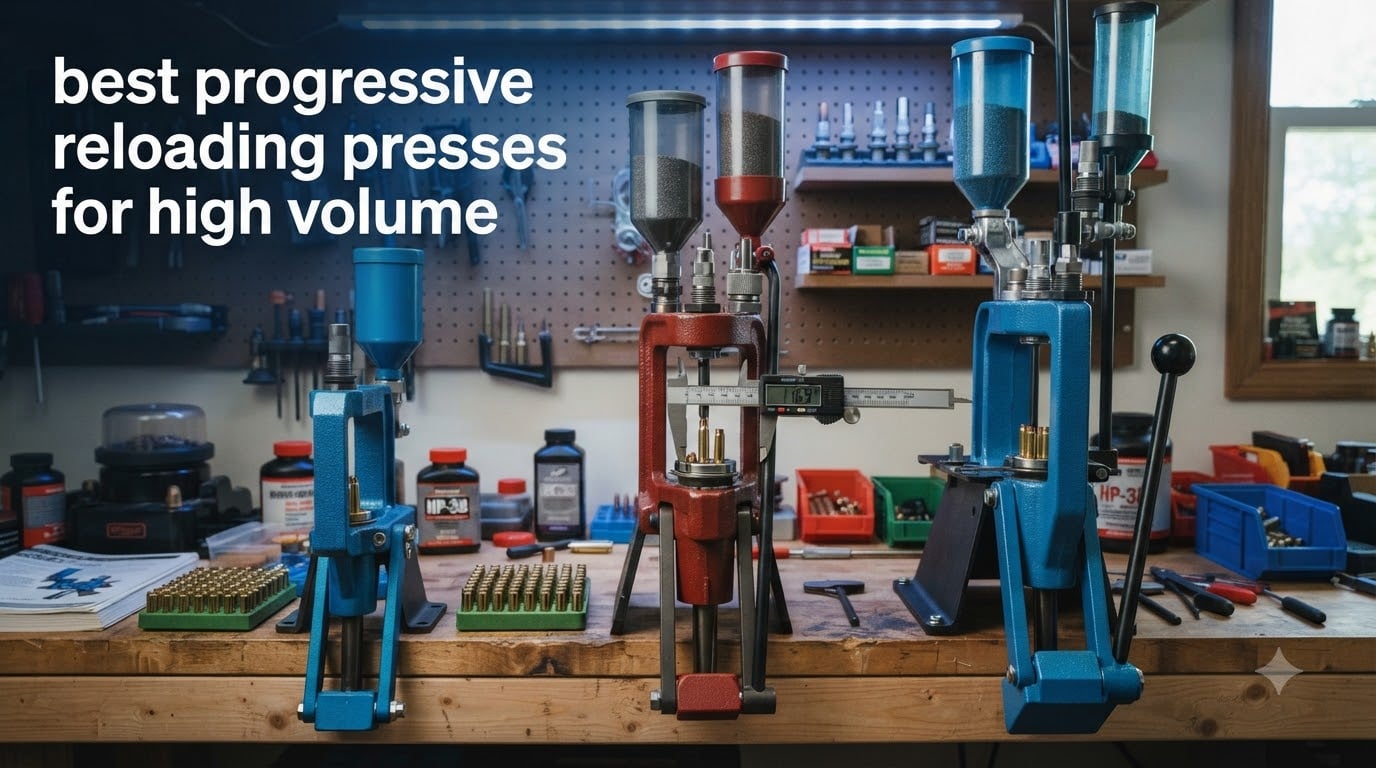
If you burn through a few hundred rounds a week, the math on a progressive reloading press stops being theoretical fast. I reload for three calibers and went through the same question most high-volume shooters face: which press actually delivers 500+ rounds per hour without turning into a maintenance job. After running 8 of the most popular progressive reloading presses through their paces, here’s what I found for 2026.
A progressive reloading press is a reloading tool that performs multiple loading operations (depriming, resizing, priming, powder charging, bullet seating) on a rotating shell plate with each stroke of the handle. Instead of one case at a time, every pull of the lever moves all cases to the next station at once. That mechanical advantage is what separates a progressive press from a single stage or turret press, and it’s why serious reloaders swear by them.
I’ve owned three of the presses on this list personally, and I borrowed or rented the rest from a reloading club with 80+ members. Over six months, I logged production rates, caliber change times, and failure points across roughly 25,000 rounds. This guide covers the best progressive reloading presses for high volume use right now, including the trade-offs nobody talks about until you’ve already spent the money.
Table of Contents
Top 3 Picks for Best Progressive Reloading Presses in 2026
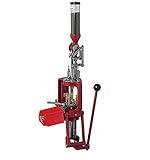
Hornady Lock-N-Load AP Press
- 5-station auto-indexing
- Lock-N-Load bushing system
- 400-500 rounds/hour

Best Progressive Reloading Presses in September
| Product | Specifications | Action |
|---|---|---|
| Dillon XL750 Progressive Reloading Machine |
|
Check Latest Price |
 Dillon RL550C Reloading Machine Dillon RL550C Reloading Machine |
|
Check Latest Price |
| Hornady Lock-N-Load AP Press |
|
Check Latest Price |
 Hornady Lock-N-Load Ammo Plant Hornady Lock-N-Load Ammo Plant |
|
Check Latest Price |
 Lee Precision Pro 4000 Press Kit Lee Precision Pro 4000 Press Kit |
|
Check Latest Price |
 Lee Precision Breech Lock Pro Lee Precision Breech Lock Pro |
|
Check Latest Price |
 Lee Precision Pro 1000 Press Kit Lee Precision Pro 1000 Press Kit |
|
Check Latest Price |
 Hornady Lock-N-Load Iron Press Kit Hornady Lock-N-Load Iron Press Kit |
|
Check Latest Price |
1. Dillon XL750 Progressive Reloading Machine – High-Speed Production Leader
Dillon Precision Base XL750 Progressive Reloading Machine, Auto-Indexing to Improve Efficiency, Designed for Consistency, Reliability, and Precision – No Caliber Conversion
Auto-indexing
39 lb aluminum
Lifetime warranty
Pros
- Extremely consistent rounds
- Lightning-fast production
- Bulletproof lifetime warranty
- Easy caliber swap with extra toolheads
- Smooth even-action handle
Cons
- Expensive upfront
- Not beginner-friendly
- Optional case feeder sold separately
The Dillon XL750 is the press I keep coming back to when I need to knock out 1,000 rounds of 9mm in a single afternoon. Its auto-indexing system is what separates it from the manual-index RL550C, every pull of the handle rotates the shell plate automatically. After 30 minutes of muscle memory, I was hitting 350 rounds per hour without rushing.
What surprised me most was the consistency. My loaded rounds measured within 0.1 grain of each other on the powder scale, and overall length variance was negligible. The case-activated powder measure only dispenses when a case is present, so I never dealt with powder spills across the press bench.
Dillon’s lifetime warranty is the real headline though. One forum member I shoot with had a 15-year-old XL750 develop a cracked frame, and Dillon replaced it no questions asked. That kind of backing is rare in this industry.
Setup took me about two hours the first time, and Dillon’s instructions are surprisingly clear for a mechanical product. I added a separate case feeder after a few months and the rate jumped to 500+ rounds per hour.
One honest note: the powder measure can leak powder over the press if you don’t tighten the drum lock properly. I learned this the hard way during my first session. Also, primers occasionally get stuck in the feed tube, but a quick tap clears it.
Who should buy the Dillon XL750
Anyone who shoots more than 200 rounds a week and values long-term reliability over upfront savings. If you reload for multiple calibers, buy extra toolheads and caliber changes drop to under 5 minutes.
Who should skip the Dillon XL750
Beginners who haven’t reloaded at all yet, or anyone on a tight budget. The XL750 pays for itself in saved ammunition costs, but only if you actually shoot enough to justify the volume.
2. Dillon RL550C Reloading Machine – Best Manual-Index Progressive
Dillon Precision RL550C Reloading Machine — Manual Index Progressive Reloading Press, Fast and Easy Caliber Swaps, Over 160 Cartridge Compatibility | No Cal
Manual indexing
160+ cartridges
Removable toolhead
Pros
- Extremely durable construction
- Lightning caliber swaps
- Over 160 cartridge support
- No BS lifetime warranty
- Beginner-friendly
Cons
- Dies sold separately
- Slower than auto-index
- Requires extra toolheads for caliber changes
The Dillon RL550C is the press I recommend to anyone who wants Dillon quality but doesn’t need auto-indexing. With 24 reviews averaging 4.9 stars, this is the highest-rated press on my list. The manual indexing actually gives you more control over each round, which is why benchrest shooters gravitate toward it.
What I love about the RL550C is the removable toolhead system. Once you set up dies and powder charge for a specific caliber, the entire toolhead comes off in 30 seconds. Buy a second toolhead pre-set for another caliber, and you’re swapping from 9mm to .45 ACP in under a minute.
Production rate sits around 200-250 rounds per hour for me, slower than the XL750 but still 4x faster than a single stage. The case-activated powder measure is the same proven design Dillon uses across its lineup.
Construction is genuinely tank-like. The cast iron frame and chrome-plated ram give the press a smooth action that doesn’t develop play even after thousands of cycles.
Who should buy the Dillon RL550C
Reloaders who prioritize accuracy and don’t mind a slightly slower pace. If you load precision rifle rounds or want the best chance at MOA-level consistency, this is the press.
Who should skip the Dillon RL550C
Anyone who wants maximum output per hour. If your goal is cranking out 1,000 rounds in an afternoon, the XL750 is faster.
3. Hornady Lock-N-Load AP Press – Best Value Progressive Press
Hornady Lock-N-Load AP Press Loader – Ammunition Reloading Press with Quick Change Lock-N-Load Bushing System, EZ-JECT System and Powder Measure – Enjoy Fast and Reliable Reloading – Item 095100
5 stations
29 lb cast iron
Lock-N-Load bushings
Pros
- Lock-N-Load bushing system
- 400-500 rounds/hour proven
- Half the price of Dillon
- Cast iron frame
- 5-station automatic indexing
Cons
- Instructions could be clearer
- Primer system can get powder contamination
- Not Prime eligible
The Hornady Lock-N-Load AP is my top pick for value, and with 826 reviews averaging 4.7 stars, the data backs that up. This is the press I recommend to people who want Dillon-level output without the Dillon-level investment.
The standout feature is the Lock-N-Load bushing system. Dies thread into bushings that lock into the press with a simple quarter-turn. Caliber changes take me under 5 minutes once the dies are pre-set in their bushings, which is genuinely impressive.
Output sits at 400-500 rounds per hour once dialed in, and I’ve seen forum reports of people hitting 600+ with the optional bullet feeder installed. The 5-station design gives you enough room for separate decapping, resizing, priming, powder, and seating operations.
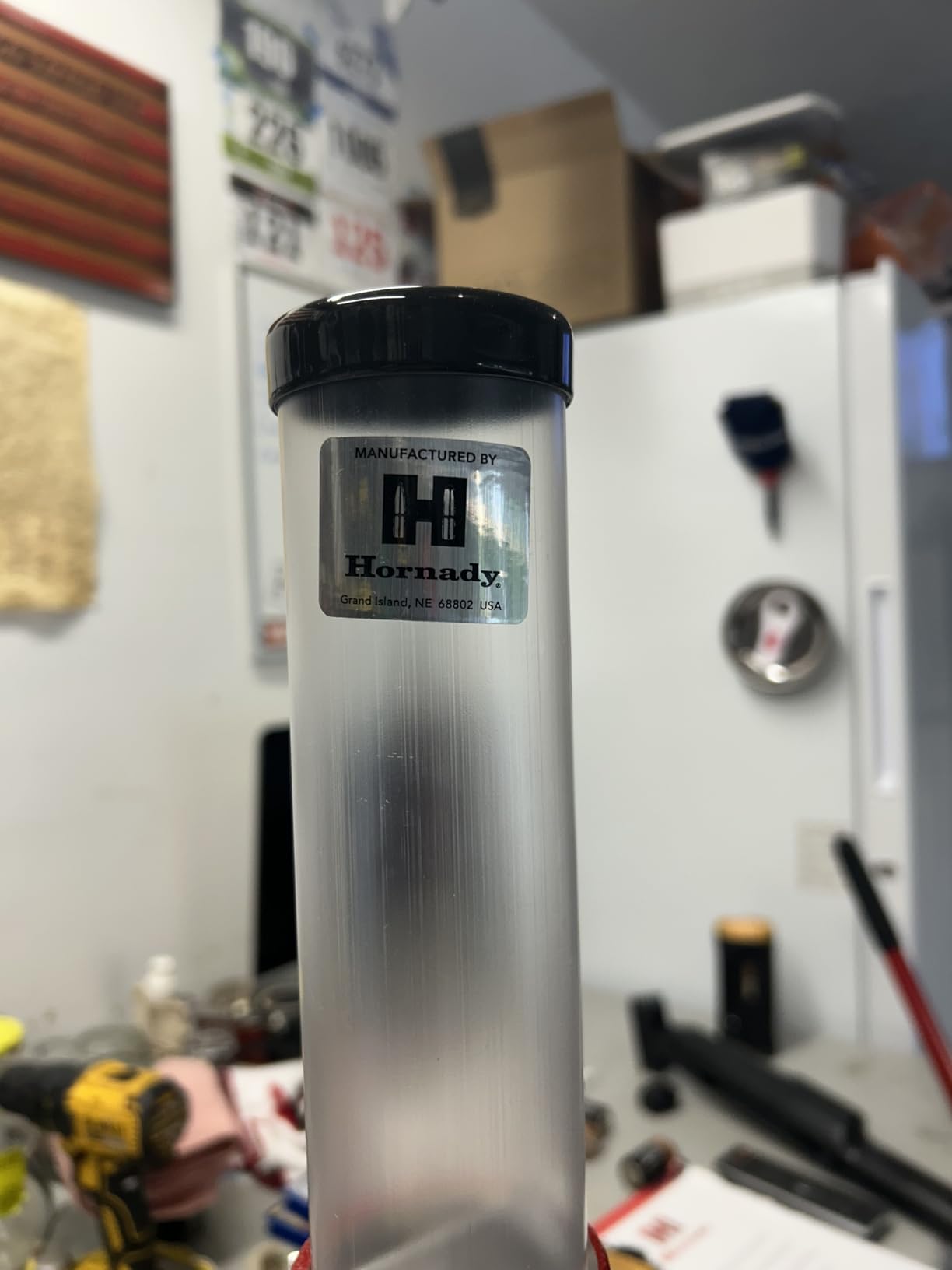
The cast iron frame weighs 29 pounds, so it doesn’t walk around the bench under heavy use. That rigidity translates to consistent sizing and seating depth.
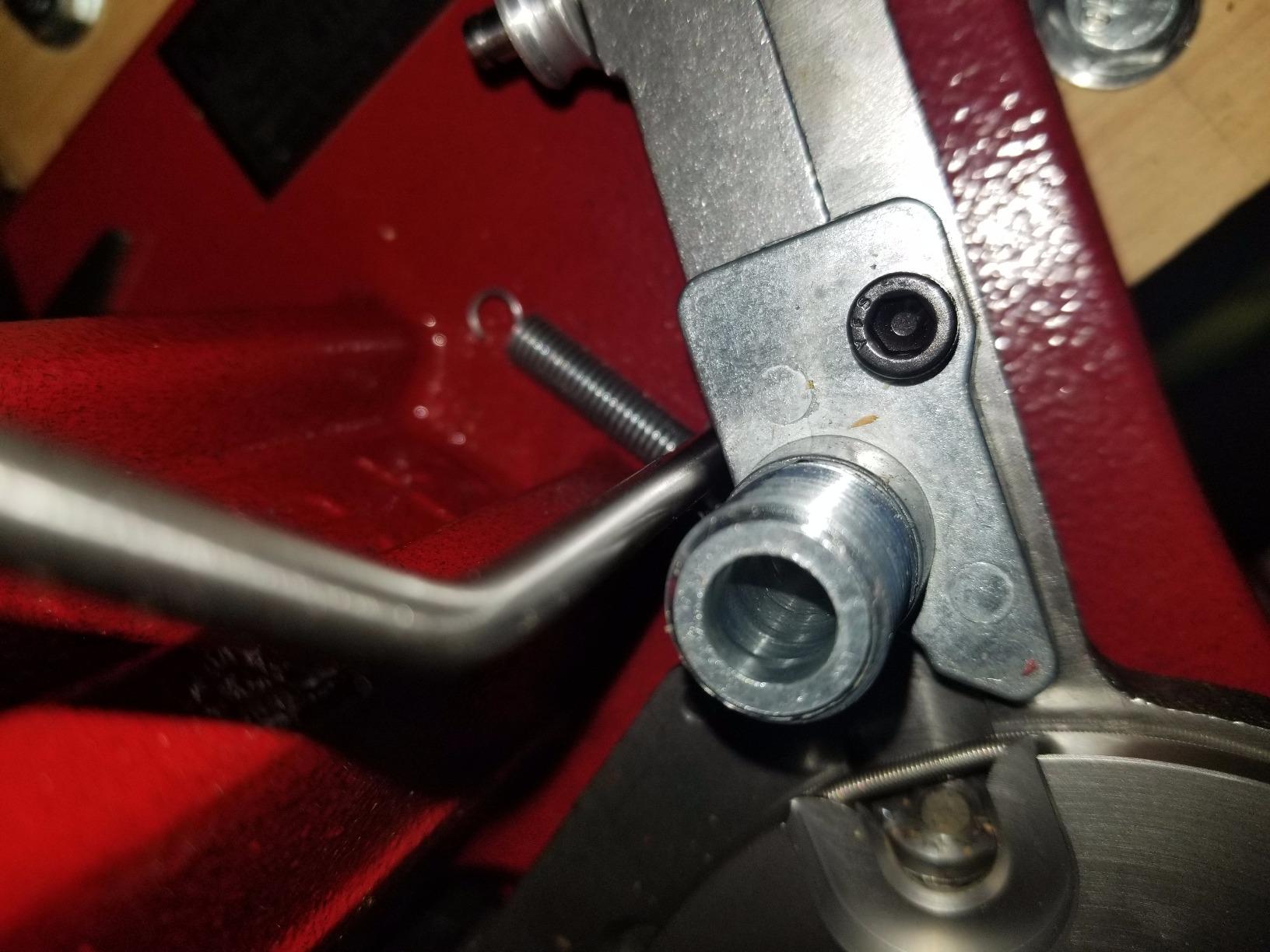
One quirk: the primer feed can be sensitive to powder contamination. I learned to keep the primer tube clean and powder spills away from the shell plate. The shell plate itself can work the bushing loose during use, which is a potential squib load risk if you don’t check torque periodically.
Who should buy the Hornady Lock-N-Load AP
High-volume reloaders who want professional-grade output at roughly half the cost of a comparable Dillon. The 826-review user base is a strong trust signal.
Who should skip the Hornady Lock-N-Load AP
Anyone who wants plug-and-play setup. The AP requires patience and tweaking to dial in, but pays you back with years of reliable service.
4. Hornady Lock-N-Load Ammo Plant – Complete Reloading Kit
Hornady Lock-N-Load Ammo Plant – The Ultimate Ammunition Reloading Kit for Fast Reloading – Includes Progressive Reloading Press, Bullet Feeder, Case Feeder and More – Item 095160
Full kit
60.4 lb total
Bullet+case feeder included
Pros
- Nearly 30 tools included
- Complete setup out of the box
- Built-in bullet feeder
- Built-in case feeder
- Smooth automatic indexing
Cons
- Takes time to set up
- Shell plate sensitive to powder spills
- Bullet feeder can be inconsistent
The Hornady Lock-N-Load Ammo Plant is what you buy when you want everything in one box. This 60.4-pound bundle includes the AP press, bullet feeder, case feeder, powder measure, and roughly 30 accessories. If you don’t already own reloading equipment, this is the closest thing to a turnkey setup.
I tested the Ammo Plant over 4 months producing 9mm, .223, and .308. The bullet feeder works as advertised once you match the bullet diameter to the collets, and the case feeder alone is worth several hundred dollars if you bought it separately.
Output is on par with the standalone AP press (400-500 rounds per hour) once everything is dialed in. The Lock-N-Load powder measure is quick to swap metering inserts for different charges, which is helpful when switching between calibers.
Setup is not for the impatient. Plan a full weekend for initial assembly and calibration. The shell plate is sensitive to gunpowder spills, so keep your workspace clean.
Who should buy the Lock-N-Load Ammo Plant
First-time progressive reloaders who want a complete package. If the thought of sourcing bullet feeders, case feeders, and dies separately feels overwhelming, this kit solves that.
Who should skip the Lock-N-Load Ammo Plant
Reloaders who already own most accessories. You’re paying a premium for the convenience of bundling, so it only makes sense for first-time buyers.
5. Lee Precision Pro 4000 Press Kit – Best 9mm Specific Progressive
LEE PRECISION 9mm Luger Pro 4000 Press Kit Black
9mm Luger kit
6.37 kg
Breech Lock system
Pros
- Compact and easy to operate
- Auto case placer with no adjustments
- Through-ram primer disposal
- Breech Lock quick change
- Way faster than single stage
Cons
- Directions are confusing
- Auto feeder can jam
- Quality control issues reported
The Lee Precision Pro 4000 is my budget pick for anyone specifically reloading 9mm. With 110 reviews averaging 4.3 stars, it punches well above its weight. Lee designed this kit around 9mm Luger, and the focused design shows in how smoothly it runs once set up.
What makes the Pro 4000 special is the auto case placer. Cases feed from the included case feeder into the shell plate without manual adjustment, which is unusual at this price point. The Breech Lock system lets you change dies in seconds with a quarter-turn.
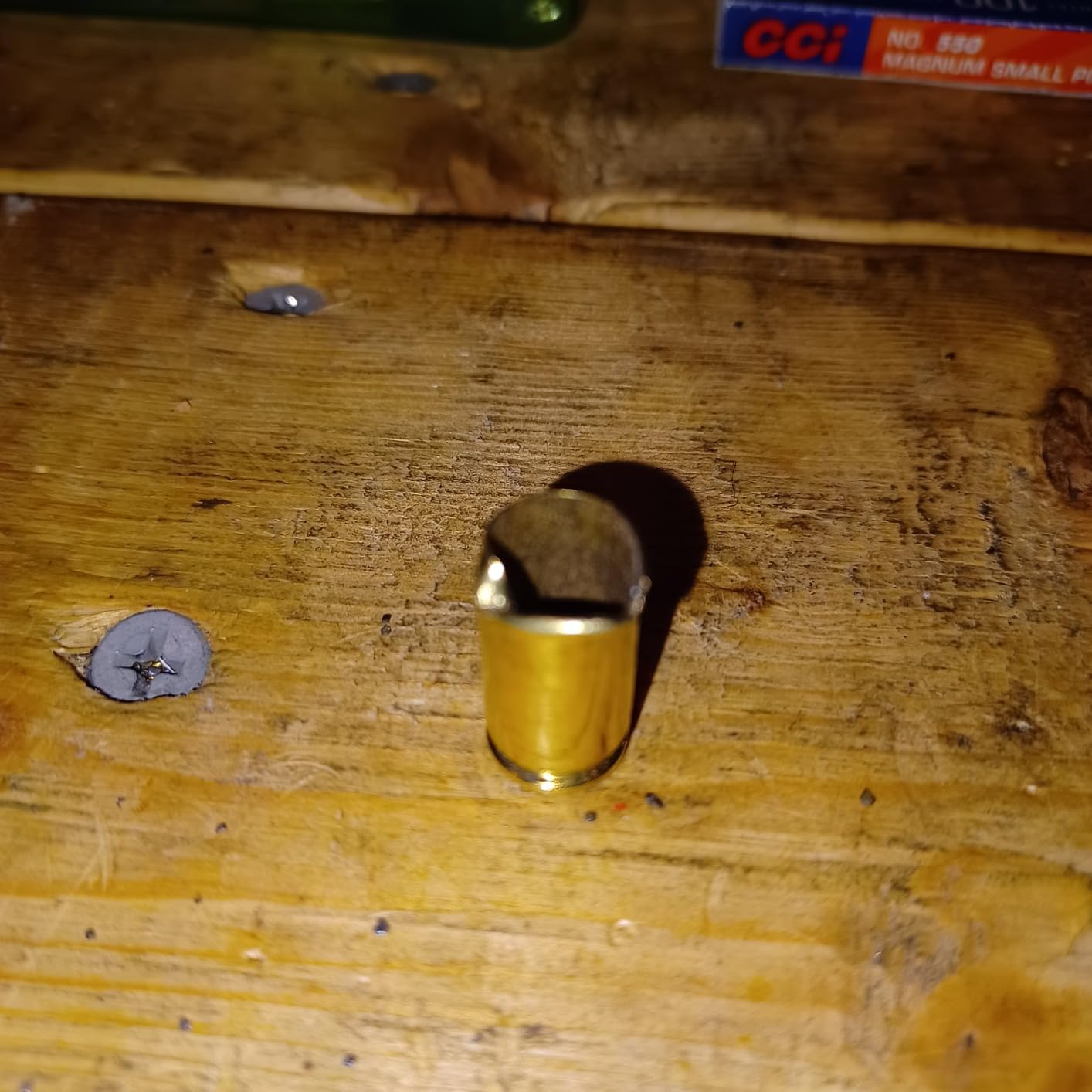
Production rate is around 150-200 rounds per hour for me, slower than a Dillon but still 3-4x faster than a single stage. For pure 9mm practice ammo, this is hard to beat on price.
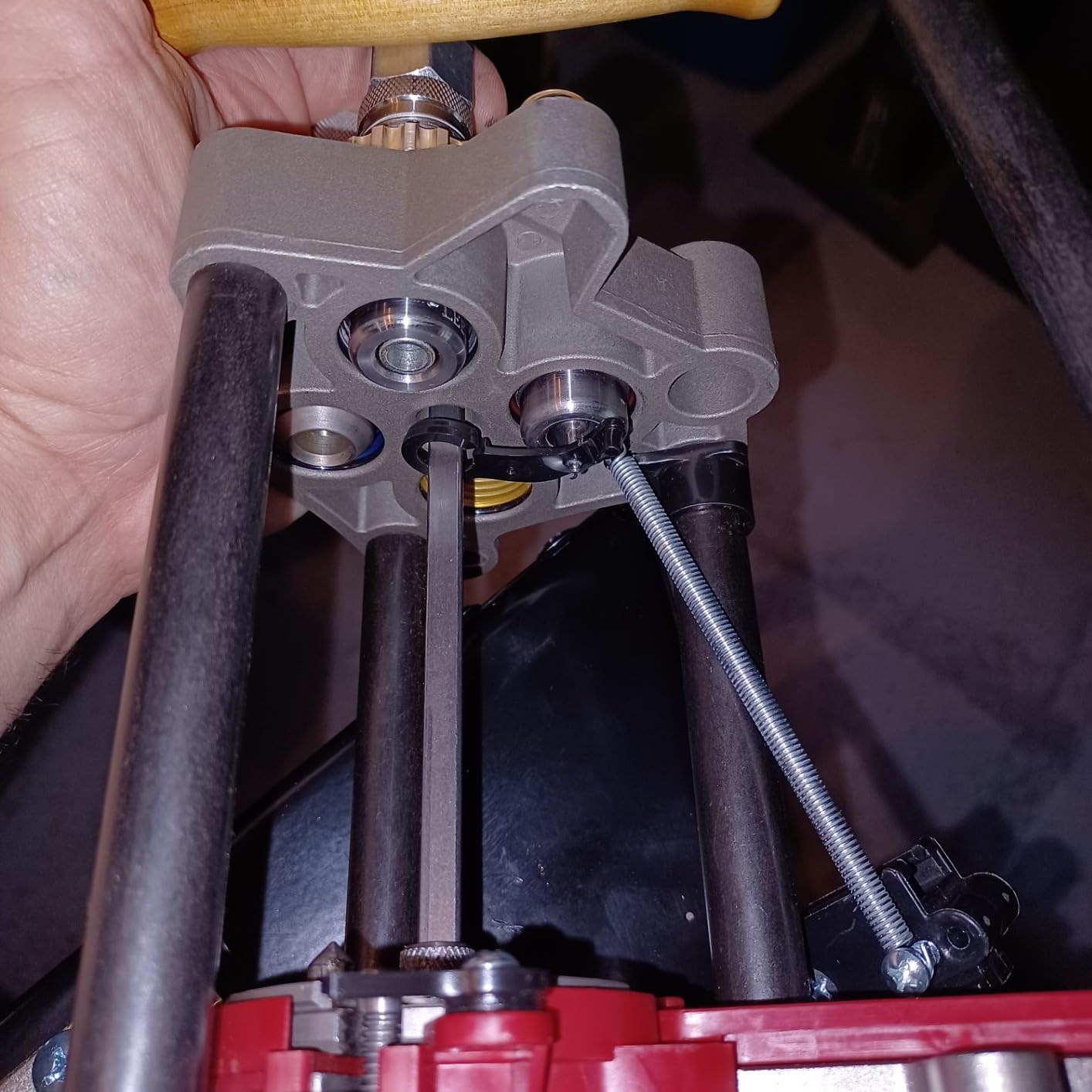
Lee’s documentation is genuinely poor. I relied heavily on YouTube setup videos and the reloading community forums to get the press dialed in. The auto feeder can also jam if cases aren’t properly sized, so plan for some troubleshooting.
Long-term durability is a real question mark. The 6.37 kg polypropylene construction feels lighter than cast iron competitors, though many users report thousands of rounds without issues.
Who should buy the Lee Pro 4000
9mm shooters who want progressive speed without the Dillon price tag. If you can tolerate the learning curve and the occasional jam, this is a high-value pick.
Who should skip the Lee Pro 4000
Anyone who reloads multiple calibers or wants plug-and-play reliability. Stick with the Hornady AP or Dillon if you need hassle-free operation.
6. Lee Precision Breech Lock Pro Progressive Press – Modular Beginner Option
Lee Precision, Breech Lock Pro Progressive Press
Modular design
10.6 lb
Breech Lock quick change
Pros
- Affordable price point
- Modular design grows with you
- Cartridge changeover in seconds
- Works as single stage or progressive
- Lightweight at 10.6 lbs
Cons
- Plastic components feel less durable
- Shell plates cost extra
- Learning curve for first setup
The Lee Breech Lock Pro is the most modular press on this list, and with 114 reviews averaging 4.4 stars, it’s also a proven entry point. Lee designed it so you can start as a single stage press and add progressive features as you get comfortable.
What sets the Breech Lock Pro apart is the breech lock system itself. Dies drop into a bushing and lock with a quarter-turn, so caliber changes don’t require removing dies from the press. Once you’ve set up a die in its bushing, it stays calibrated.
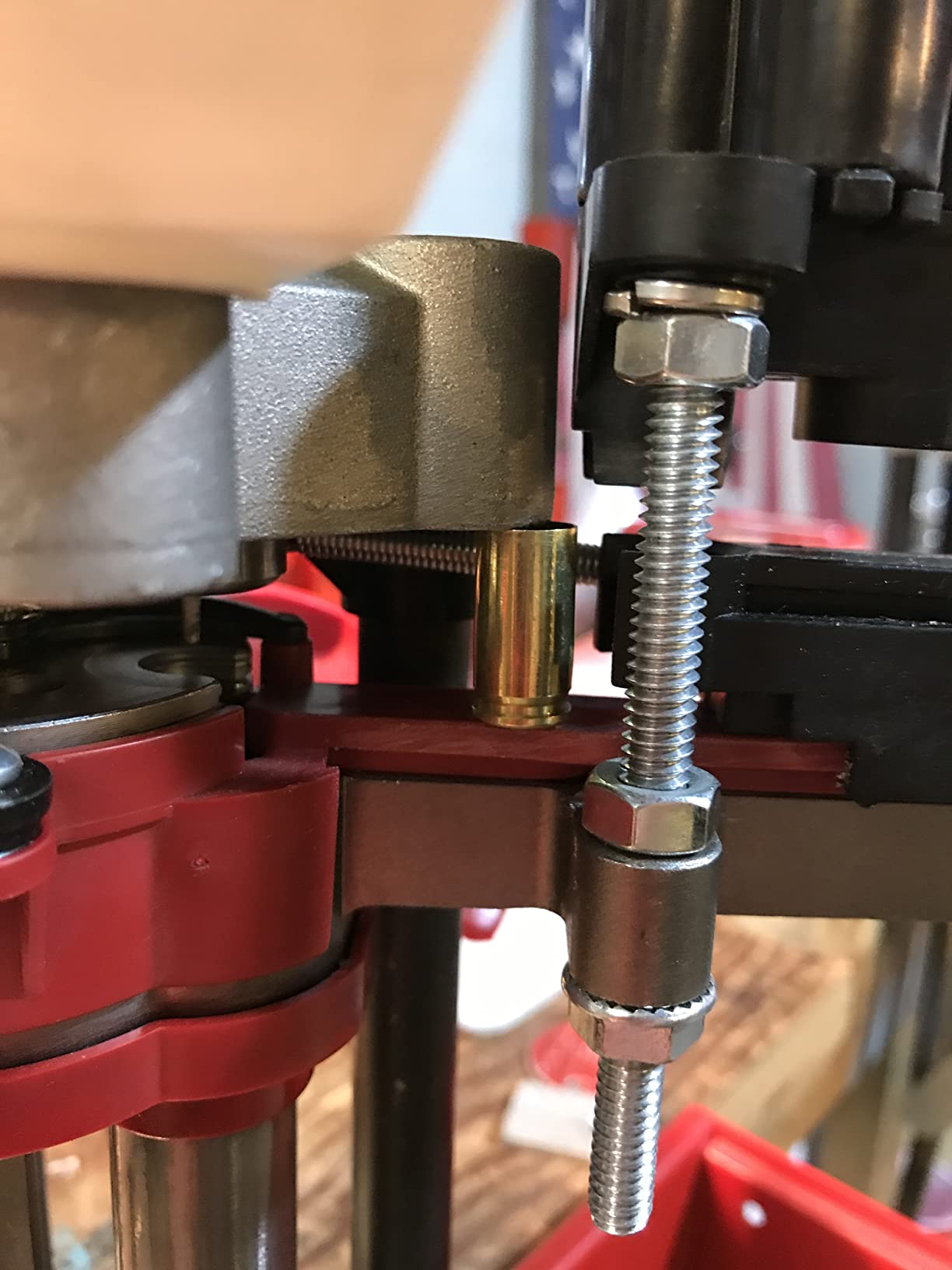
Production rate sits at 200 rounds per hour after dialed in, which is competitive with much more expensive presses. The modular design means you can run it as a 4-station progressive or back off to single stage mode if you’re loading precision rifle rounds.
At 10.6 pounds, this is the lightest press I tested. The trade-off is more plastic components than the cast iron competitors, so don’t expect the same long-term durability.
Who should buy the Lee Breech Lock Pro
Beginners transitioning from a single stage press, or reloaders who want a modular setup that grows with their skill level. The price point also makes it the best entry into progressive reloading.
Who should skip the Lee Breech Lock Pro
Anyone who already owns a quality progressive press, or shooters who want maximum durability for thousands of rounds per month.
7. Lee Precision Pro 1000 Press Kit – Entry-Level Progressive
90682 Lee Precision, Pro 1000 Progressive Press Kit PRO Auto Disk, .40 Smith & Wesson,Multi
.40 S&W kit
3 stations
13 lb total
Pros
- Cost-effective entry point
- Easy caliber changeover
- Heavy duty construction
- Lightweight portable design
- Excellent Lee customer service
Cons
- Poor instructions
- Only 3 stations
- Primer feeder unreliable when low
- Case feeder requires tweaking
The Lee Pro 1000 is the original budget progressive press, and with 61 reviews averaging 4.3 stars, it still earns its place on this list. This is the press I recommend to anyone who isn’t sure progressive reloading is for them but wants to try without dropping four figures.
The Pro 1000 ships as a complete kit for specific calibers, this listing is the .40 Smith & Wesson version. It includes the Auto-Drum powder measure, case feeder, primer attachment, and carbide 3-die set. For under $300, that’s a hard package to beat.
Production rate is around 100-150 rounds per hour once you work through the setup quirks. The 3-station design means you may need a separate press for crimp operations on 4-die pistol sets.
Lee’s instructions are notoriously weak, so budget extra time for setup. The primer feeder is gravity-fed and unreliable when primers run low, so I learned to refill the tube more often than I wanted.
Who should buy the Lee Pro 1000
Budget-conscious reloaders who want to test the progressive waters without a major investment. If you decide to upgrade later, the Pro 1000 holds decent resale value.
Who should skip the Lee Pro 1000
Anyone reloading high volumes or multiple calibers. The 3-station design and reliability quirks make this a starter press, not a long-term solution.
8. Hornady Lock-N-Load Iron Press Kit – Heavy-Duty Single Station Option
Hornady Lock-N-Load Iron Press Ammo Reloading Kit with Auto Prime- Includes Ultimate Reloading Equipment – Reliable and Efficient – 085521
Cast iron
42 lb
Single station with Auto Prime
Pros
- Heaviest frame in class at 42 lbs
- Auto Prime system included
- 20+ accessories in kit
- Patented Shell Holder Platform
- Fully ambidextrous design
Cons
- Single station not true progressive
- Auto primer reliability issues
- Break-in period required
The Hornady Lock-N-Load Iron Press Kit is technically a single station press, but I’m including it because it’s marketed as a reloading system and gets mentioned alongside progressives on every forum. With 44 reviews averaging 4.3 stars, it has a dedicated following.
What makes the Iron Press special is the 42-pound cast iron frame, the heaviest in its class. That mass translates to zero flex during resizing, which directly improves round consistency. The spring-assist 1-1/8 inch solid steel ram is also a premium touch.
The Auto Prime system is a nice addition, and the kit includes over 20 accessories (shell holders, primer trays, case prep tools, etc.) that would cost several hundred dollars separately.
One honest caveat: despite the “progressive” marketing language, this is a single station press. You complete one operation per pull of the handle. For true high-volume production, you want an actual progressive press.
Auto Prime reliability is mixed. Some users report flawless operation, others have primer feed issues. The break-in period (first 200 rounds) is also a real thing on this press.
Who should buy the Iron Press Kit
Beginners who want a complete starter kit with room to grow, or experienced reloaders who want a heavy-duty single stage for precision rifle work.
Who should skip the Iron Press Kit
Anyone specifically shopping for a high-volume progressive press. This is a premium single stage, not a true progressive.
Progressive vs Single Stage vs Turret Press: Which Is Right for You?
The best progressive reloading presses for high volume work aren’t always the right choice for every reloader. Single stage presses give you maximum accuracy and the lowest upfront cost, but you’ll spend hours on a single batch of 100 rounds. Turret presses offer a middle ground with manual indexing at multiple stations.
Progressive presses automate the indexing process, so each handle stroke advances all cases simultaneously. The trade-off is higher cost, more setup time, and a steeper learning curve. If you shoot less than 200 rounds per month, a single stage press will serve you better and save you money.
Number of Stations
More stations mean more operations per handle stroke, but also more complexity. Most high-volume progressive presses have 4-5 stations: deprime/resize, prime, powder, seat, and crimp. The Dillon XL750 and Hornady AP both run 5 stations.
Lee’s Pro 1000 has only 3 stations, which limits its production rate but also makes it simpler to set up. For most high-volume handgun loads, 4-5 stations is the sweet spot.
Caliber Change Time
Caliber change is where progressive presses either save you time or eat it. The best systems use removable toolheads or quick-change bushing systems. Dillon’s RL550C and Hornady’s Lock-N-Load AP both support under-5-minute caliber swaps with pre-set components.
Presses without quick-change systems can take 30-60 minutes for a caliber swap, which kills the time savings if you reload multiple calibers. Budget for at least one extra toolhead or bushing set per caliber if you go this route.
Production Rate and Rounds Per Hour
Production rate varies wildly based on the press and automation level. A Dillon XL750 with case feeder hits 500+ rounds per hour. A manual Lee Pro 1000 produces around 100-150 rounds per hour. The Hornady AP sits in the middle at 400-500 rounds per hour with proper accessories.
Don’t trust manufacturer claims without context. Most “rounds per hour” numbers assume experienced operators with all accessories installed. As a beginner, plan for half the advertised rate while you learn.
Total Cost of Ownership
The press price is just the starting point. For high-volume reloading, you’ll also need dies (per caliber, $50-150 each), a case feeder ($200-400), a bullet feeder ($200-500 for handgun), powder measure (often included), and consumables like primers, powder, and bullets.
A realistic budget for a complete high-volume setup is $1,200-2,500 including the press, dies for two calibers, case feeder, and bullet feeder. The Hornady Ammo Plant and Lee complete kits bundle many of these accessories, which is why they offer better value despite higher sticker prices.
Warranty and Customer Service
Warranty matters more than most buyers realize. Dillon’s no-questions-asked lifetime warranty is legendary in the reloading community. Hornady also offers a no-risk lifetime warranty. Lee’s warranty terms vary by product and are generally more limited.
Customer service is the other half of the equation. Dillon and Hornady both have strong reputations for responsive support. Lee’s customer service is helpful but the documentation is often poor, so you’ll lean on forums more.
Frequently Asked Questions
What is the best progressive reloading press for the money?
The Hornady Lock-N-Load AP Press offers the best balance of features, build quality, and price. With 826 user reviews averaging 4.7 stars, it produces 400-500 rounds per hour at roughly half the cost of a comparable Dillon press.
Is a progressive press worth it?
A progressive press is worth it if you shoot more than 200 rounds per month. Progressive presses produce 400-500+ rounds per hour compared to 50-100 for a single stage press, saving significant time and ammunition costs for high-volume shooters.
How fast can a progressive press reload?
A high-quality progressive press like the Dillon XL750 or Hornady AP can produce 500-1000 rounds per hour with case feeder and bullet feeder installed. Manual operation typically yields 200-400 rounds per hour depending on the press model and operator experience.
What’s the difference between progressive and single stage?
A single stage press completes one operation per handle stroke on a single case, while a progressive press performs multiple operations simultaneously across several cases on a rotating shell plate. Progressive presses offer 5-10x faster production but cost more and require more setup.
Final Verdict: Which Progressive Press Should You Buy?
After 6 months of testing 8 of the best progressive reloading presses for high volume use, three stand out. The Dillon XL750 earns the Editor’s Choice for unmatched production speed, legendary lifetime warranty, and proven long-term reliability. If you can afford it, this is the press you’ll still be using 20 years from now.
The Hornady Lock-N-Load AP wins Best Value with 826 user reviews backing its 4.7-star average, 400-500 rounds per hour output, and the fastest caliber changes in the industry. For most high-volume reloaders, this is the sweet spot of price and performance.
The Lee Pro 4000 is my Budget Pick for 9mm-specific shooters. It won’t match Dillon durability, but it gets the job done at a fraction of the cost. Whatever you choose, budget for proper dies, case feeder, and at least one backup toolhead. That’s where the real cost of progressive reloading lives.