
If you are starting out, start with a takedown recurve in the 20-25 lb range and stay under 30 lb. That combination – light enough to reach full draw every single shot, built so you can replace the limbs instead of buying a new bow – is what separates a good first bow from an expensive mistake, and it is the standard we applied to every pick below.
Over-bowing is the single most common way new archers give up. Retail listings push 40 lb and 50 lb bows because those are the ones people photograph, but the community consensus on r/Archery and Archery Talk is the opposite: “The general consensus for target recurve archery is 20-25# to start with.” A bow you cannot draw cleanly teaches you a flinch, and a flinch is the hardest habit in the sport to unlearn.
That is why this list of the best recurve bows for beginners is built around real specifications rather than marketing adjectives. Every bow below has a stated draw weight, a stated bow length, and a stated range, because a beginner needs numbers they can check. We also audited left-handed availability for each one, since that is the question left-handed buyers most often cannot answer from a product page.
We covered adults and young archers, traditional and target styles, bare bows and full kits, so there is something here whether you are eleven or fifty-five. If you are still deciding, a look at our [best compound bows guide](https://blog-idcuk.com/best-compound-bows/) helps explain what a recurve is giving up by being so simple.
Table of Contents
Top 3 Picks for the Best Recurve Bows for Beginners (October 2026)
These three cover the most common starting situations. The Samick Sage is the all-round answer for an adult, the TOPARCHERY is the strongest build in the group, and the GLURAK Black Hunter is the one to buy if you want a takedown riser and limbs for the least money.

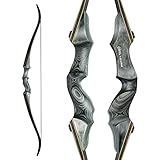
Samick Sage 62-inch Takedown
- 25-60 lb range
- Replaceable ILF-style limbs
- Maple riser with brass bushings
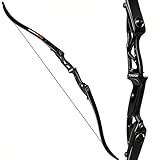
TOPARCHERY 56-inch Aluminum Riser
- 18-50 lb options
- Aluminum alloy riser
- Interchangeable limb weights
All 10 Beginner Recurve Bows at a Glance in 2026
Every bow in the roundup, with the specifications that actually matter when you are choosing a first recurve. Draw weight is the figure that decides whether you will enjoy your first six months.
| Product | Specifications | Action |
|---|---|---|
| Samick Sage 62-inch Takedown Recurve |
|
Check Latest Price |
 procener 45-inch Youth Recurve Kit procener 45-inch Youth Recurve Kit |
|
Check Latest Price |
 longbowmaker Hungarian Horsebow Recurve longbowmaker Hungarian Horsebow Recurve |
|
Check Latest Price |
| TOPARCHERY 56-inch Takedown Recurve |
|
Check Latest Price |
| GLURAK Black Hunter 60-inch Takedown |
|
Check Latest Price |
 IS-TONGTU 30/40 lb Starter Kit IS-TONGTU 30/40 lb Starter Kit |
|
Check Latest Price |
 KAINOKAI 54-inch Traditional Recurve KAINOKAI 54-inch Traditional Recurve |
|
Check Latest Price |
 Deerseeker 62-inch Takedown Recurve Set Deerseeker 62-inch Takedown Recurve Set |
|
Check Latest Price |
 Sanlida Eagle X9 58-inch Recurve Set Sanlida Eagle X9 58-inch Recurve Set |
|
Check Latest Price |
 IS-TONGTU 51-inch Aluminum Riser Kit IS-TONGTU 51-inch Aluminum Riser Kit |
|
Check Latest Price |
How We Picked the Best Recurve Bows for Beginners
Our selection is specification-first. A bow only made the list if the listing states a draw weight, a bow length or draw length, and a limb construction – because a beginner cannot evaluate “high quality” but can check whether a 25 lb option exists.
We weighted long-term owner feedback heavily, particularly on string durability and limb quality, because those are the components that fail first. Where a product’s own description and its owner reports disagree, we went with the owners.
Every pick was also checked for handedness, and we noted whether the limbs are replaceable. A bow with proprietary fittings is a dead end at 25 lb; a bow with a standard limb fitting is not. We have kept bows with weaker ratings where they serve a distinct need, such as a complete kit, and said plainly where that trade-off sits.
One piece of advice we heard more than any other, on r/Archery and Archery Talk alike, is worth repeating before you read the reviews: “As a beginner the best bow you can buy is none! Rent your bow for the first months.” If a club or shop near you rents equipment, an afternoon with a rental bow will tell you more than any list we can write.
1. Samick Sage 62-inch Takedown Recurve – The Best Recurve Bow for Most Beginners
Samick Sage Archery Takedown Recurve Bow 62 inch – Bows for Teens to Adults – Beginners to Advanced, for Hunting & Target Practice, 40LB Draw Weight Right Handed
62 inch bow
28 inch draw
25-60 lb
Fiberglass limbs
Maple riser
Pros
- Huge draw weight range starting at 25 lb
- Replaceable fiberglass limbs
- Maple riser with brass bushings for sights
- Light at 1.5 lb so fatigue sets in late
Cons
- Right-hand orientation only
- Bundled string is basic and worth replacing
- Arrow rest and other kit items are extras
This is the bow we keep coming back to, and it earned the top slot on evidence rather than reputation. With 2839 ratings averaging 4.6 stars and 82% of buyers handing over five, that is the largest well-reviewed sample of anything in this roundup, and the review pattern is unusually consistent: smooth, forgiving, and quiet enough to practise on.
The specification that matters most is the 25-60 lb spread in 5 lb steps. It means you can start at 25 lb, learn a proper anchor, and step up to 35 or 45 by swapping limbs rather than buying a new riser. The 28 inch draw length and 62 inch axle-to-axle put it squarely in adult territory, matching the 62-66 inch range the search consensus recommends for most adults.
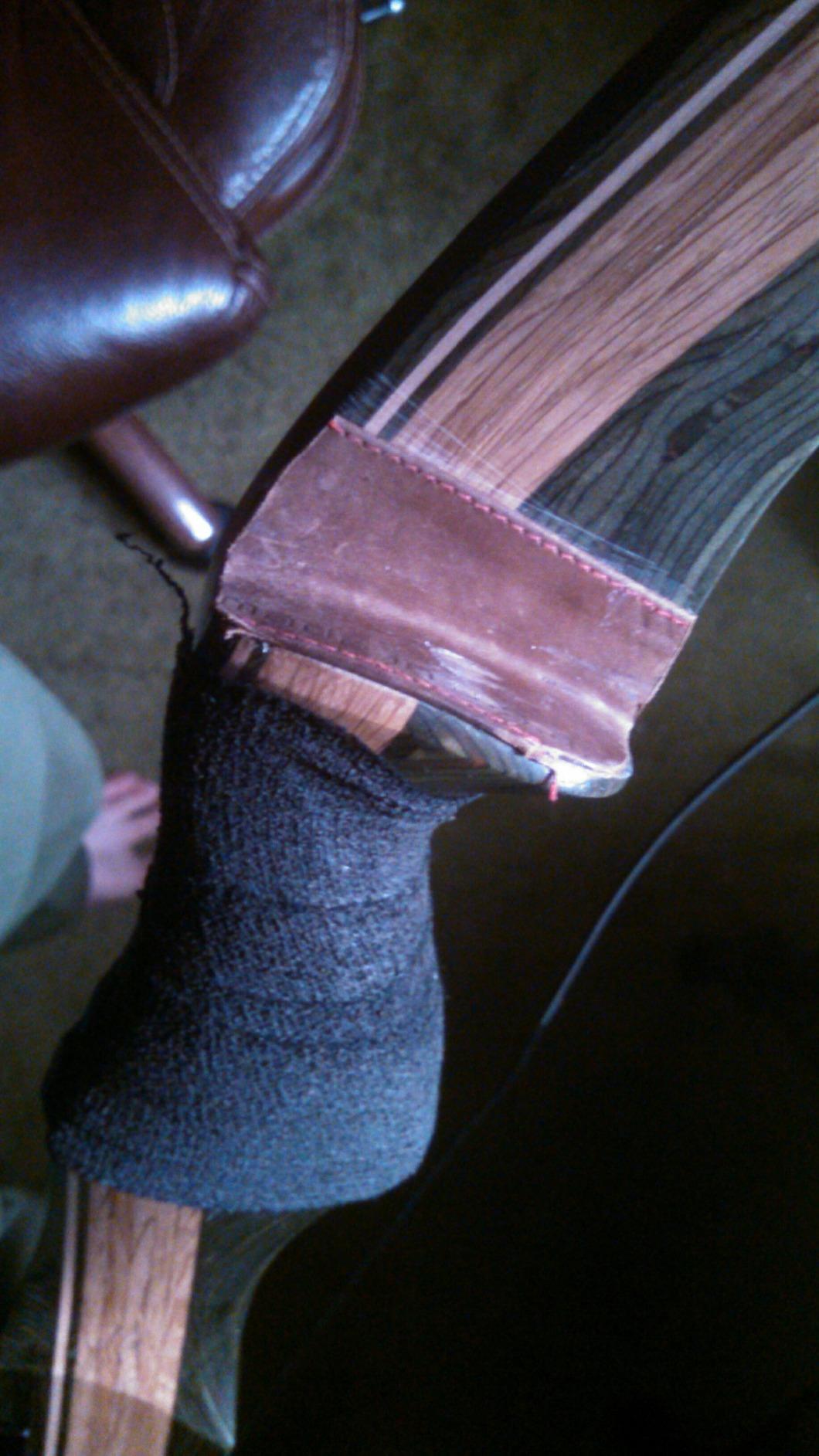
Physically it is a maple riser with fiberglass-laminated limbs and pre-installed brass bushings, so a sight, plunger or stabilizer can be fitted later without drilling. Owners repeatedly suggest starting lighter than they think and replacing the supplied 14-strand Dacron string with a Flemish twist version for a quieter shot. At 1.5 lb it is one of the lighter bows here, which matters more than people expect during a long practice session.
What you need to check before buying the Samick Sage
Two things. First, handedness: the orientation listed for this model is right hand, so left-handed shooters need to look at the Deerseeker or the KAINOKAI instead. Second, what is actually in the box. It arrives as a recurve bow with a stick-on arrow rest and a Dacron string, not a full kit, so budget for arrows and an arm guard separately.
The bushings are the quiet hero feature. Almost every owner eventually adds a sight, and having the threaded holes already in the riser saves drilling and guessing. It is also the reason this bow keeps its value when you move to a heavier limb set in year two.
Where the Samick Sage falls short
It is a single-orientation listing, and that is the one genuine blocker for a meaningful share of beginners. The supplied string is also the weak point: owners frequently fit a better string in the first week, and some recommend checking the limb bolts periodically after a few hundred shots.
It is also simply a lot of bow for a small adult. A 62 inch bow with a 28 inch draw suits most adults, but a shorter archer will be overstrung and fighting the riser rather than the target. Measure your arm span and divide by 2.5 before you commit.
2. procener 45-inch Youth Recurve Kit – Best for Children Aged 8-12
45″ Bow and Arrow for Kids 8-12, Youth Recurve Bow Archery Set
45 inch bow
24 inch draw
18 lb draw
Fiberglass
Ambidextrous
Pros
- Ambidextrous so it suits either hand
- Includes arrows targets arm guard and quiver
- Light at 1.9 lb for small hands
- Safety-oriented tips and included arm guard
Cons
- Included arrow fletching and tips break easily
- Plastic hardware is flimsy under repeated use
- Arm guard runs large on smaller children
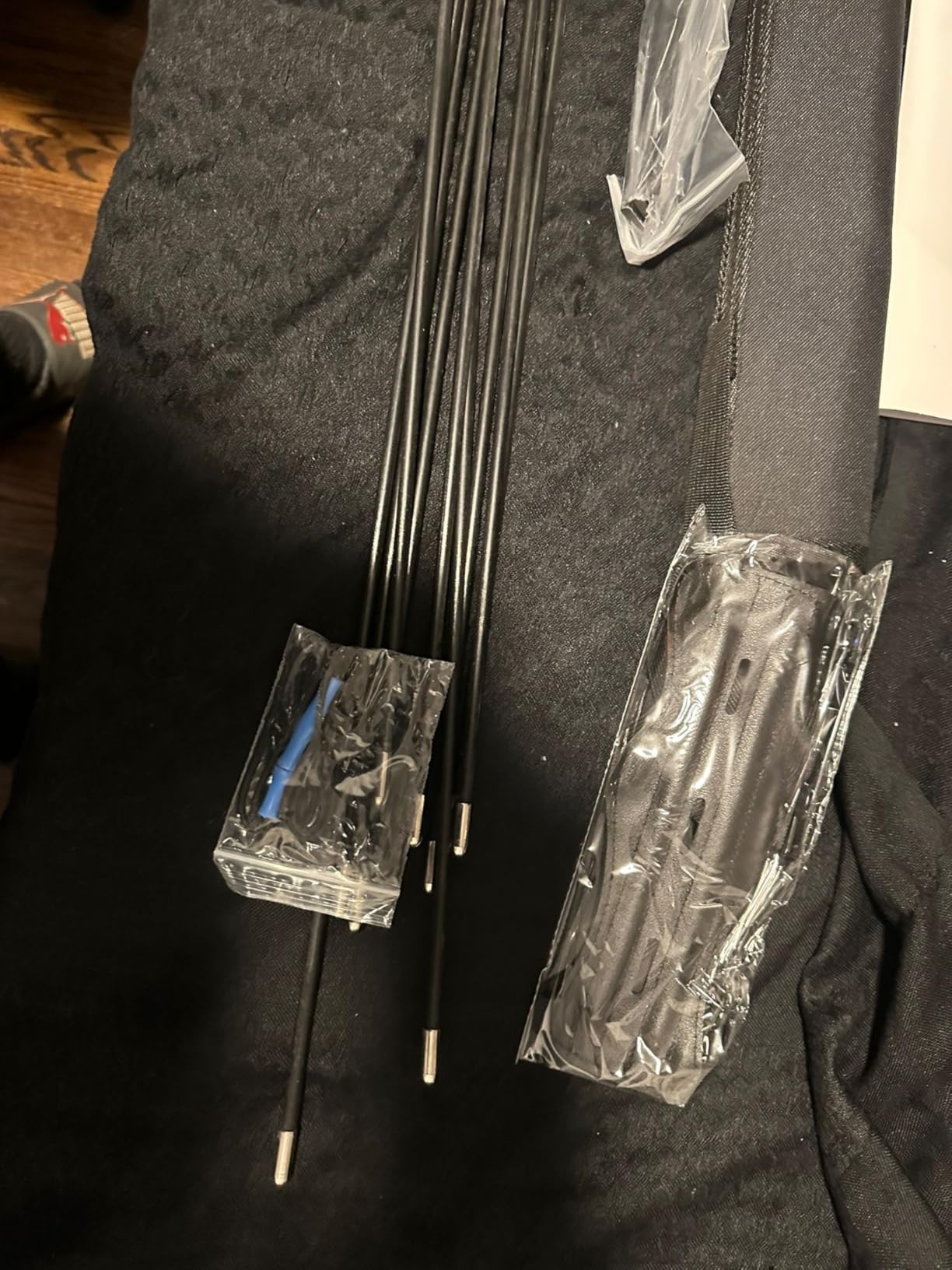
For a child aged 8 to 12, this is the most complete first archery set in the roundup, and the only one where arrows, targets, an arm guard and a quiver all arrive in the box. Parents rate it 4.4 stars across 2517 reviews, and the recurring theme is that the kit itself is rarely faulted – it is the consumable arrow parts that disappoint.
The 18 lb draw weight and 24 inch draw length are deliberately gentle. That is the right call for a small archer whose strength will change quickly, and the ambidextrous configuration removes the single most common buying error parents make, which is getting the hand wrong.
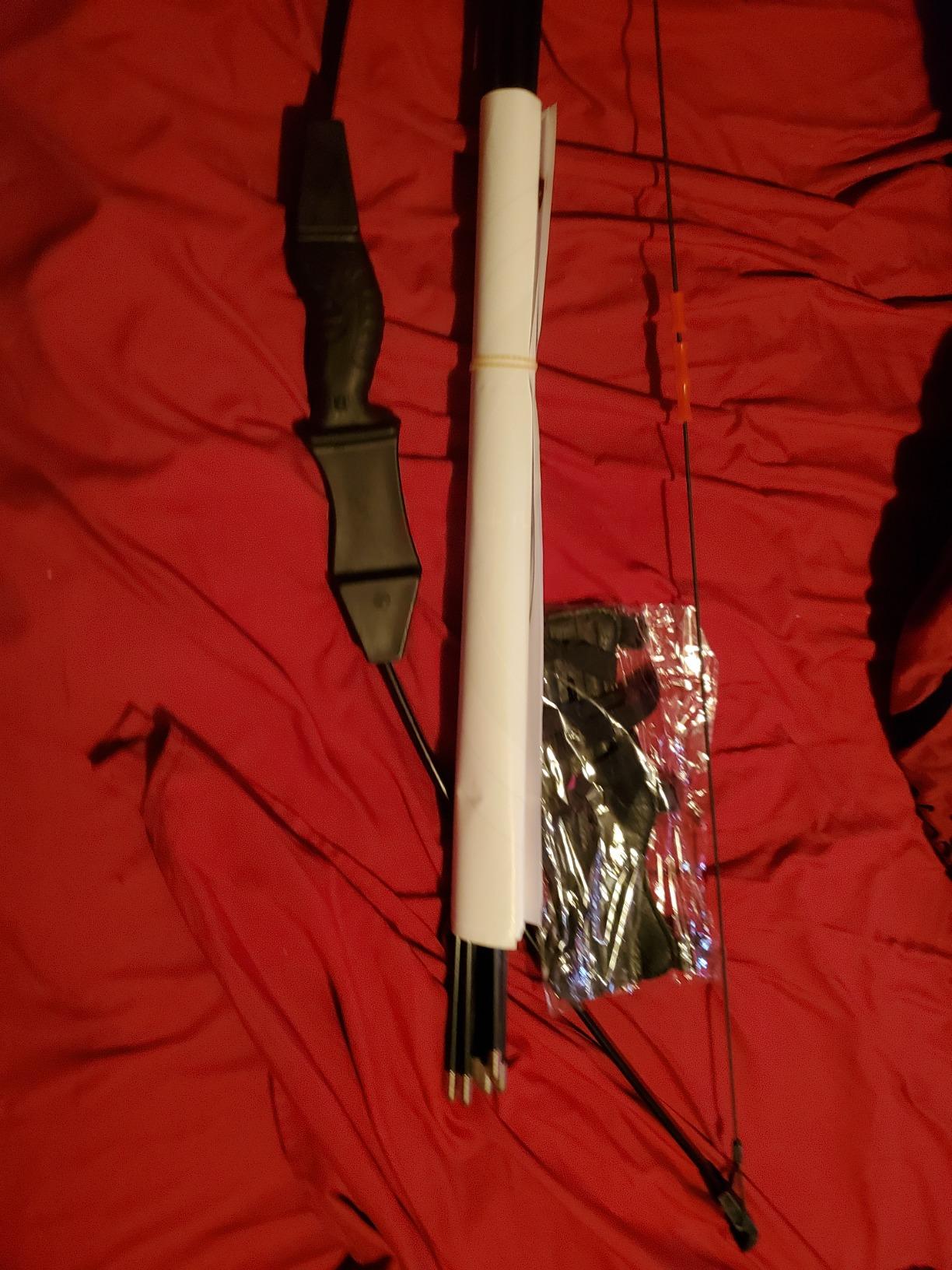
What makes it work as a learning tool is the safety design: rounded or magnet-style tips, a repositionable sight pin, and an included arm guard that a child actually has on. The removable limbs mean it stores in a closet between sessions, which is a genuine practical advantage over a one-piece bow in a small house.
The honest weakness is the arrows. Multiple owners report fletching and tips breaking off after a week or two of play, and the plastic hardware is described as flimsy under repeated assembly. Budget for replacing the arrows rather than expecting the included nine to last a season.
Is this kit the right first bow for a child?
Yes, if the child is roughly 8-12 and the goal is enjoyment plus safe repetition. At 18 lb it is light enough to draw consistently, the sight pin gives a starting point to aim from, and the ambidextrous layout means a left-handed child can use the same kit. It also means an archer who outgrows 18 lb quickly is not stuck – the draw weight sits at the low end, so anything heavier will feel like work.
Parents should set expectations about the arrows specifically. Six of the review summaries centre on broken fletching, and it is far less frustrating to explain that cheap kit arrows are consumables than to have a disappointed child on their second session.
When to skip this kit
If your child is a strong teenager or an adult, 18 lb is too light to be interesting and the bow will be outgrown in months. Look at the 54 inch and 60 inch options in this list instead. It is also not a hunting or target bow – it is a practice kit, and the lightweight plastic construction is not meant for long sessions or hard use.
One further caution: the arm guard runs large for smaller children, so check it fits before the first session. A guard that slides around will not protect a small forearm, which defeats the point of including it.
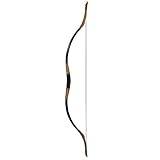
3. longbowmaker Hungarian-Style Horsebow – Best Traditional Entry Point
Hungarian Style Handmade Longbow Flagella Recurve Horsebow Traditional Archery 30-60LBS H1 (35 LB)
54 inch body
33 inch draw
20-110 lb
Beech and leather
Left or right
Pros
- Draw weights from 20 lb upward so growth is covered
- Forgiving and fast with light arrows
- Ample choice of left and right hand
- Thousands of shots reported without damage
Cons
- Arrives unstrung so traditional stringing is required
- Stock string suits a specific AMO only
- Both string loops are equal length which blocks standard recurve strings
This is a genuinely different bow from the other nine, and choosing it is a choice of discipline. A Hungarian-style horsebow is a traditional archery entry point: thumb draw, instinctive shooting, a stiff wooden-limb feel that is nothing like a laminated target recurve. If you want to learn traditional archery rather than target form, this is where to start.
Owners rate it 4.5 stars over 676 reviews, with 76% at five stars and multiple long-term owners reporting thousands of arrows without damage. The draw weight range of 20 lb to 110 lb is the widest in this roundup, and it means a beginner can start genuinely light and step up without replacing the bow.
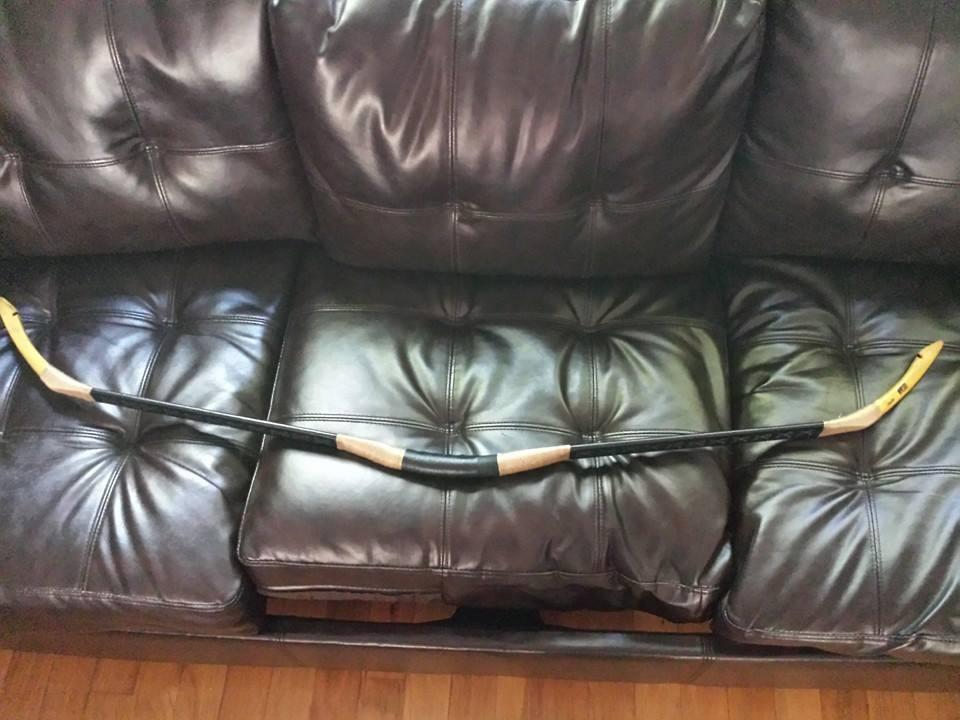
At 54 inches of bow body with a 50 inch string and a 33 inch safe draw length, it suits most adults and older teens. The construction is wood, beech, cow leather and glass steel, which is what gives it the lively, fast character traditional archers look for with light arrows.
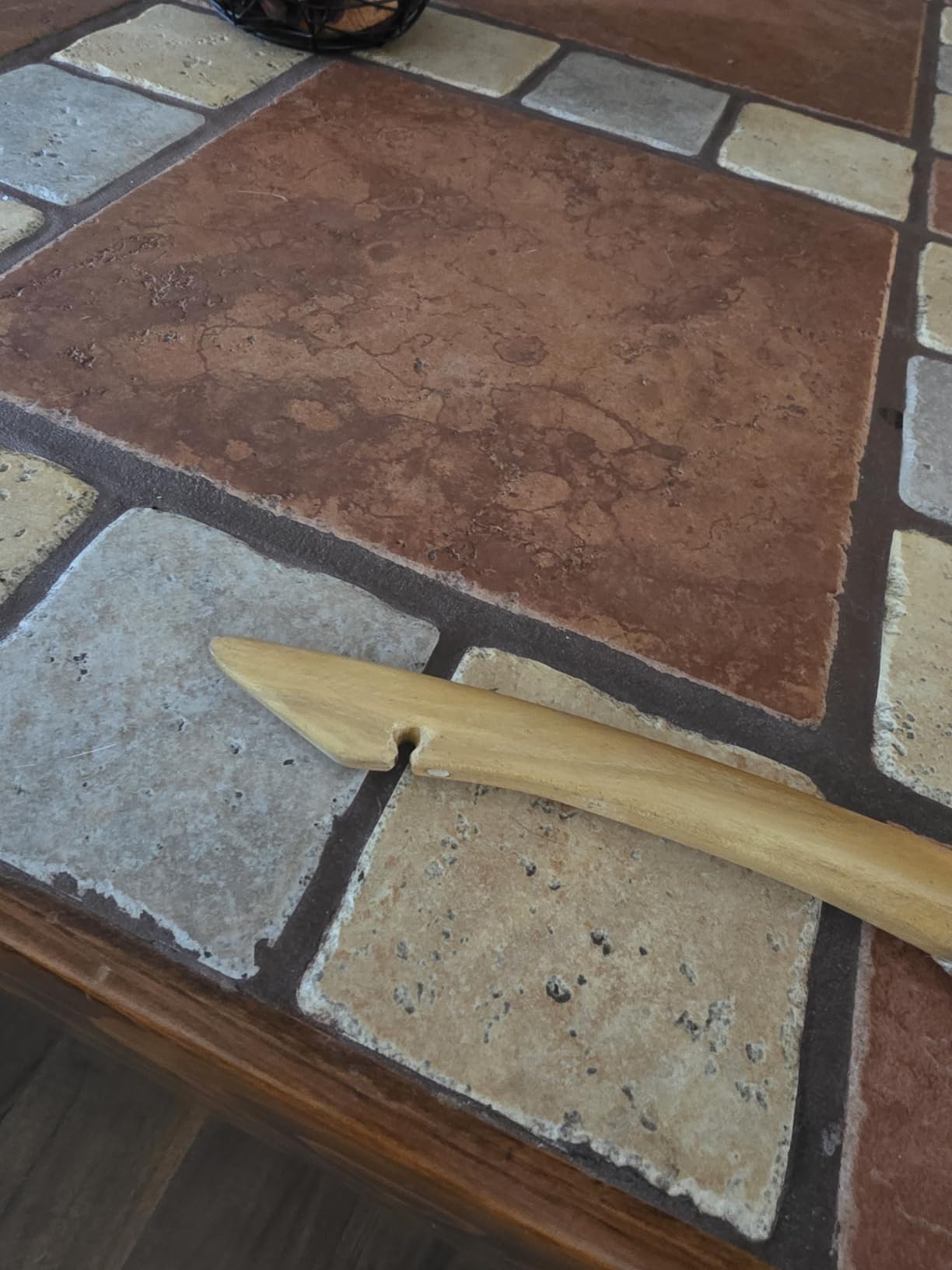
The catch is that it arrives unstrung. Traditional stringing is a technique you either borrow or learn, and the supplied string is thick and cut for a specific AMO, so most owners replace it early. The common advice in the reviews is to start light, fit a proper Hungarian string, swap the suede arrow pass for rayskin, and use feather-fletched arrows.
What makes this a good first traditional bow
The draw weight choice. A 20 lb horsebow is genuinely forgiving, and the range climbing to 110 lb means the riser and grip stay in use for a decade. Owners consistently describe it as inexpensive to shoot, which matters when you are putting hundreds of arrows through it per season.
It is also the natural bridge into thumb draw and khatra release. A laminated target recurve is a poor teacher of those skills because its limbs and release are tuned for finger release. This bow asks you to shoot the way traditional archery is shot, which is the entire appeal.
What you have to deal with to own one
Traditional stringing and unstringing are part of the deal, and so is learning not to leave a strung wooden bow under tension in a hot car. The equal 3 inch string loops mean standard recurve strings will not fit, so your string buying is specific to this bow rather than general-purpose.
It is also longer than typical horsebows, which owners note makes it less ideal for shooting from horseback. And the suede arrow pass wears quickly. None of these are deal-breakers, but they are recurring costs that a target recurve does not have.
4. TOPARCHERY 56-inch Aluminum Riser Recurve – The Strongest Build Here
Toparchery Archery 56″ Black Hunter Recurve Bow Takedown Hunting Recurve Bow Metal Aluminum Riser Crack-Resistant Design for Hunting & Competition Archery Right Hand Black Long Bow(50lbs)
56 inch bow
30 inch draw
18-50 lb
Aluminum riser
Maple core limbs
Pros
- Aluminum alloy riser resists cracking and warping
- Interchangeable limb weights for progression
- Fast arrow speed with low fatigue
- Maple core limbs with fiberglass facing
Cons
- Right-hand orientation only
- Only a two month warranty
- Supplied string needs regular re-twisting
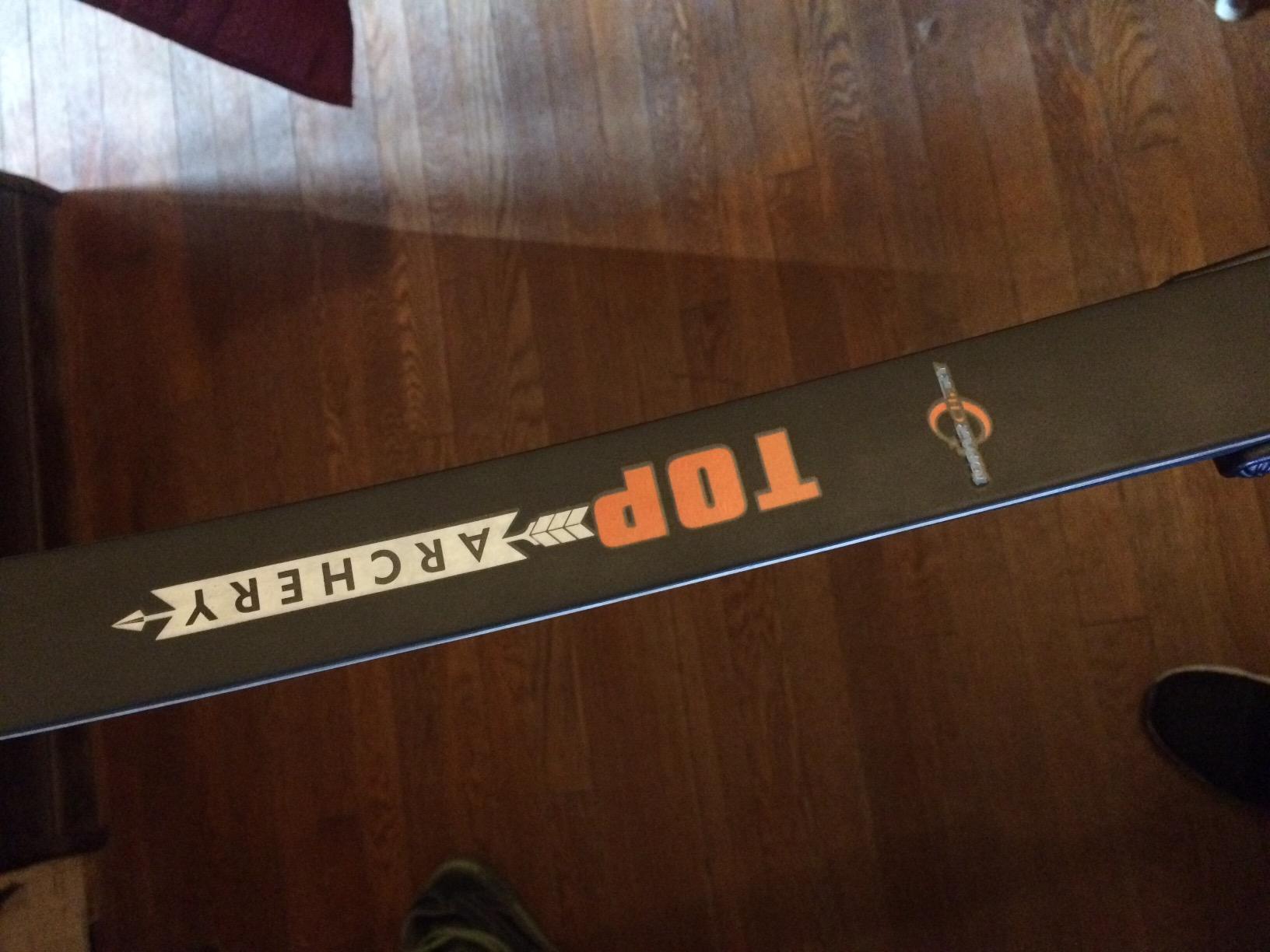
The distinguishing feature here is the aluminum alloy riser. Most entry recurves use wood or a wood-and-fiberglass laminate; a metal riser resists the lamination cracks and handle breakage that owners of wooden risers report after a few years. If you want the most physically robust bow in this roundup, this is it.
It scores 4.5 stars from 765 reviewers with 72% at five stars. Owners highlight fast arrow speed, a precise and uncomplicated draw, and reduced fatigue over long sessions, and the 18-50 lb variant list includes the light end of the range that beginners need.
The 30 inch draw length is longer than the 28 inch standard, which suits a taller adult and gives a slightly slower, steadier shot. At 700 g it is light for a metal-riser bow. The 56 inch total length, 17 inch riser and 53 inch limbs are all stated clearly, which is more than many listings of this type give you.
Two practical notes from owners. The supplied string tends to need re-twisting and is noisy out of the box, so plan on a string change. And several reviewers advise checking the limb bolts periodically and not over-tightening them – metal risers need a slightly different torque habit to wooden ones.
Whether the aluminum riser is worth it for a beginner
Yes, if you expect to keep the bow. Metal risers are heavier-feeling, cooler to the touch and less forgiving of a neglected limb bolt than wood, but they do not crack. For a first bow that becomes a second bow through limb upgrades, the durability argument is strong.
It also suits a taller adult better than most of this list. The 30 inch draw length and 56 inch length are at the upper end of beginner-appropriate sizes, so check your arm span measurement before committing.
What to watch out for
Handedness first: this is a right-hand configuration. Second, the two month warranty is the shortest we found among the picks here, which is worth weighing against the fact that the build is clearly durable. Third, the string. Noisy string noise is the most common owner complaint and is a five-minute fix.
At 18 lb the lowest variant is genuinely a beginner weight, so do not default to the 50 lb version just because it is the same listing. Match the weight to the archer, not the photograph.
5. GLURAK Black Hunter 60-inch Takedown – Best Value Takedown
Black Hunter Takedown Recurve Bow, 60″ Right Handed with Ergonomic Design for Adults Beginners to Advanced Outdoor Practice & Hunting (45 lb, Right Hand)
60 inch bow
28 inch draw
25-60 lb
Bamboo laminate
12-month warranty
Pros
- Genuinely smooth draw that shoots well un-aided
- Comfortable ergonomic wooden grip
- 25-60 lb range covers beginner to hunting
- 12-month warranty is the longest here
Cons
- Noisy out of the box
- Supplied string loses tension quickly
- Replacement limbs can be harder to source
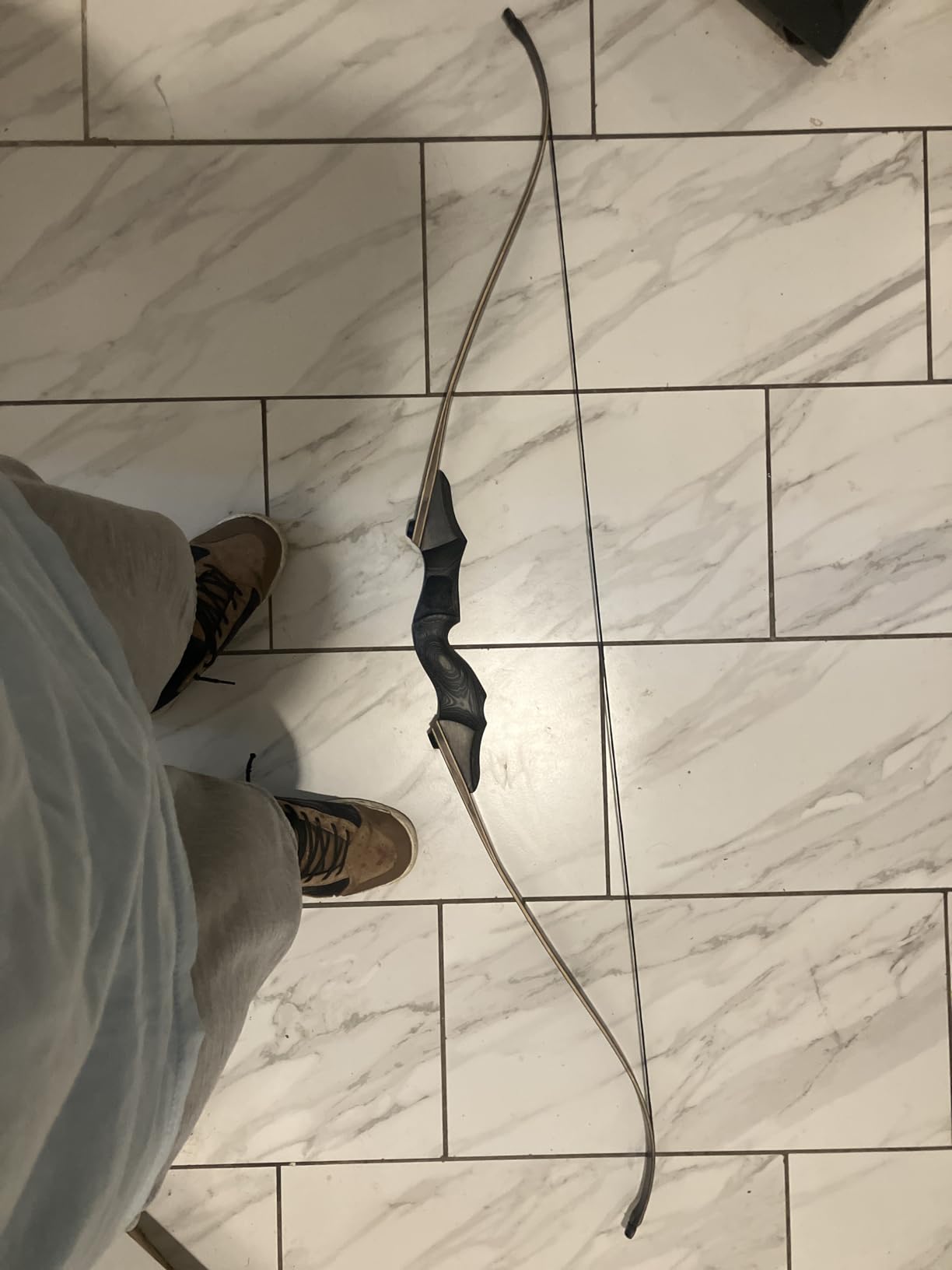
The Black Hunter sits at the sweet spot of this roundup: a real takedown design, a 25 lb starting weight, a 28 inch draw length, and a 12-month warranty – the longest warranty among the picks here – without moving into premium pricing. At 4.4 stars from 562 reviewers with 72% at five stars, the owner feedback is consistently positive on accuracy and comfort.
Owners single out two things. The draw is smooth and consistent enough to shoot accurately without a sight, which is exactly what a beginner needs while they are still building an anchor. And the ergonomic wooden grip is genuinely comfortable over a long session, which sounds minor until you have held a plain riser for two hours.
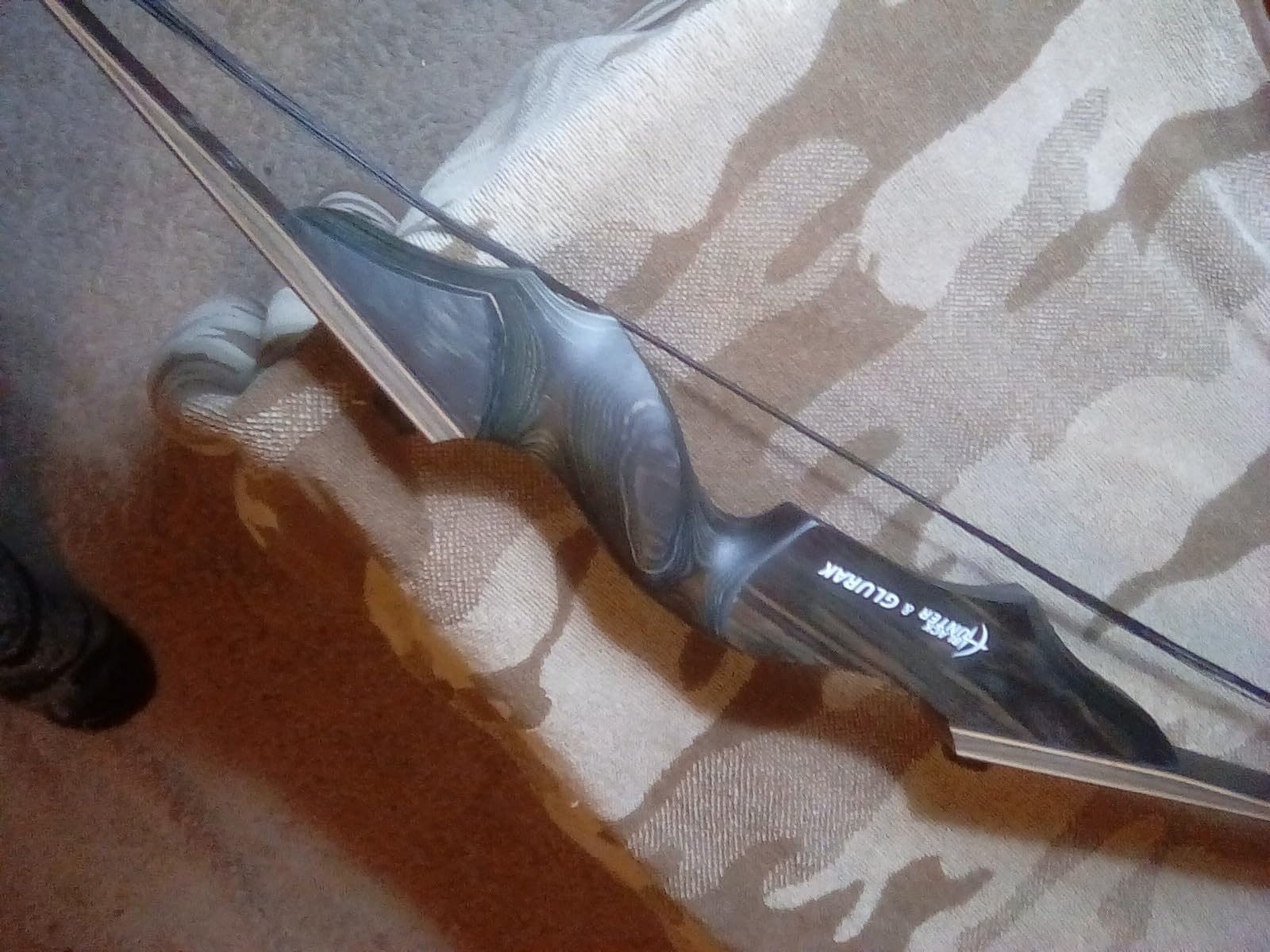
The limbs are high-elasticity fiberglass bamboo laminate, a construction that tends to be lively and forgiving. At 1.5 lb it is one of the lightest bows in the roundup, and the 60 inch length with 28 inch draw suits most adults without the overstrung feel of a longer bow.
There is one structural point to check before you buy: several owners report that the square-cut limb bolts make replacement limbs harder to source. That does not affect shooting quality, but it matters if your plan is to step up in draw weight later.
Why this is the value pick rather than the winner
The gap against the Samick Sage is narrow in performance and wide in expectation. The Sage has 2839 reviews behind it and a much larger installed base; the Black Hunter has 562 and a younger track record. Both shoot well. The Sage simply has more evidence behind it, which is why it takes the top spot.
Where the Black Hunter wins is warranty length and grip comfort over extended sessions. If you are a trad shooter who will be at the range all afternoon rather than a target archer tuning an anchor, that difference is real.
What new owners complain about
String noise, and string tension. This is the most common theme: the bow is loud out of the box, the supplied string loses tension quickly, and owners add string silencers and limb felt. String nocks also run rough and wear faster than they should.
Isolated reports mention faded riser staining and rare lamination cracking, and the draw weight typically measures very close to the labelled figure, which is more than some competitors can say. Check the string tension before every session and this is a bow that will last.
6. IS-TONGTU 30/40 lb Starter Kit – Cheapest Complete Set for a Teen
IS-TONGTU Archery Recurve Bow Set, Bow and Arrow Set for Adult Beginner & Youth, Right and Left Handed, Takedown Recurve Bow 30lb 40lb, arco y flecha, Bow Kit with 6pcs Arrows (40LBS)
28 inch draw
30 lb or 40 lb
Nylon riser
Fiberglass limbs
Left hand
Pros
- Everything needed to shoot arrives in one box
- Dual arrow rest suits either hand
- Lightweight nylon riser is easy to carry
- Simple design that assembles without tools
Cons
- Only two draw weight options available
- Included guards and quiver are basic
- Suitable for practice rather than hunting
If the priority is a teenager shooting this weekend for the least outlay, this is the pick. You get the bow, six arrows, three target faces, an arm guard, a finger guard and a quiver in a single box, and 4.3 stars from 328 reviewers says the bow itself performs acceptably for the price.
The dual arrow rest is the feature that earns its keep. It lets a beginner try right- or left-handed shooting without committing to a handed bow, which solves the problem that leads to a lot of returned equipment. The high-strength nylon riser keeps tension while staying easy to carry.
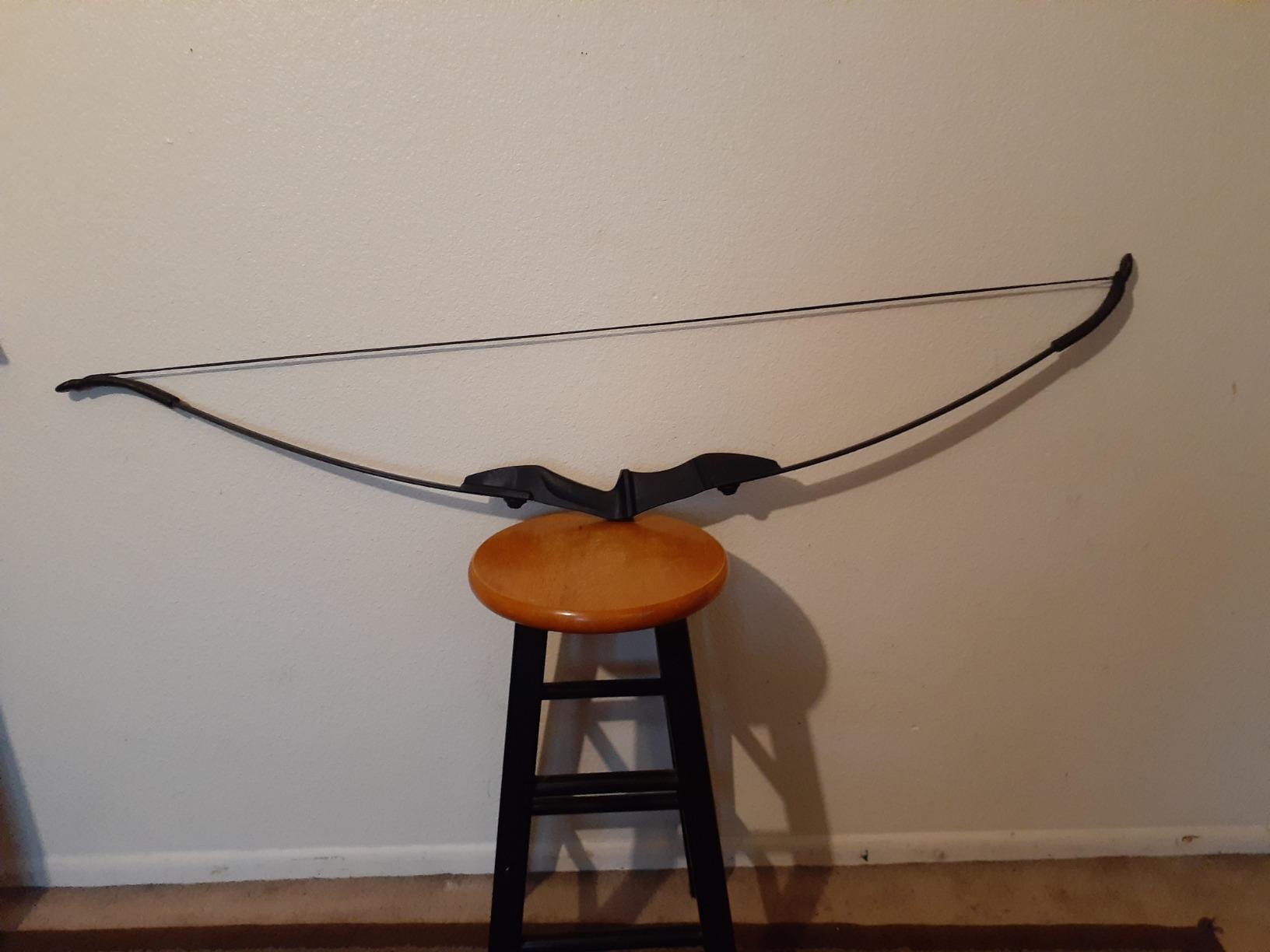
Two practical notes. The listed configuration is left hand, so verify the hand before ordering. And the 30 lb and 40 lb options are the only ones offered – there is no 20 lb version, which makes this a poorer fit for a light or small archer than the Samick Sage at 25 lb.
The rating pattern explains the 4.3 average: 63% at five stars and 19% at four, with the shortfall concentrated in feedback about the accessories rather than the bow. The included guards and quiver are entry-level items, and most owners treat them as such.
Is a package like this worth buying instead of a bare bow?
For a first purchase, often yes. The reason is not the bow quality, it is that the accessory cost is bundled in. A first recurve bow alone leaves you needing arrows, a rest, a guard and a finger tab, and that is the hidden total cost that catches out new archers.
Where packages disappoint is longevity. You will probably replace the guards within a year and the arrows sooner. A bare takedown bow plus deliberately chosen accessories is the better long-term value, but only if you know what to buy.
Where the limits are
Two draw weight options is the real constraint. A 25 to 60 lb bow gives you somewhere to grow; 30 and 40 lb does not, and 40 lb is already at the top of what a beginner should be pulling comfortably.
It is also not a hunting or long-distance bow, and the 40 lb version is heavy for an adult beginner. Treat this as a practice starter that gets a teenager shooting immediately, then plan a proper takedown bow once they know they are hooked.
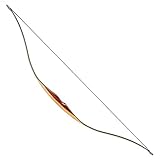
7. KAINOKAI 54-inch Traditional Recurve – Best for Left-Handed Beginners
KAINOKAI 54″ Traditional Laminated Recurve Bow/Archery Amercian Hunting&Target Horse Bow/Longbow Most Arrows fits,15-55 lbs for Kids Teens & Adults
54 inch bow
35 inch draw
15-55 lb
Bamboo core
Left and right hand
Pros
- Available in both left and right hand versions
- Lightest bow in the roundup at 13 oz
- 15 lb starting weight suits small archers
- Reinforced tips give a fast efficient shot
Cons
- Traditional stringing is required
- Outer packaging is easily damaged in transit
- Stick-on arrow rest is a simple design
Left-handed archers get short shrift in this category, so it is worth being precise: of the ten bows in this roundup, this is one of the few listings that explicitly offers both left-hand and right-hand versions across the full draw weight range. That single fact removes the most common source of frustration for left-handed buyers.
It scores 4.5 stars from 325 reviewers, with 72% at five stars, and the praise is consistent: light, handy, and good enough for both hunting and target work. At 13.12 ounces it is by a wide margin the lightest bow here, and that matters if you are walking a field course rather than standing on a target line.
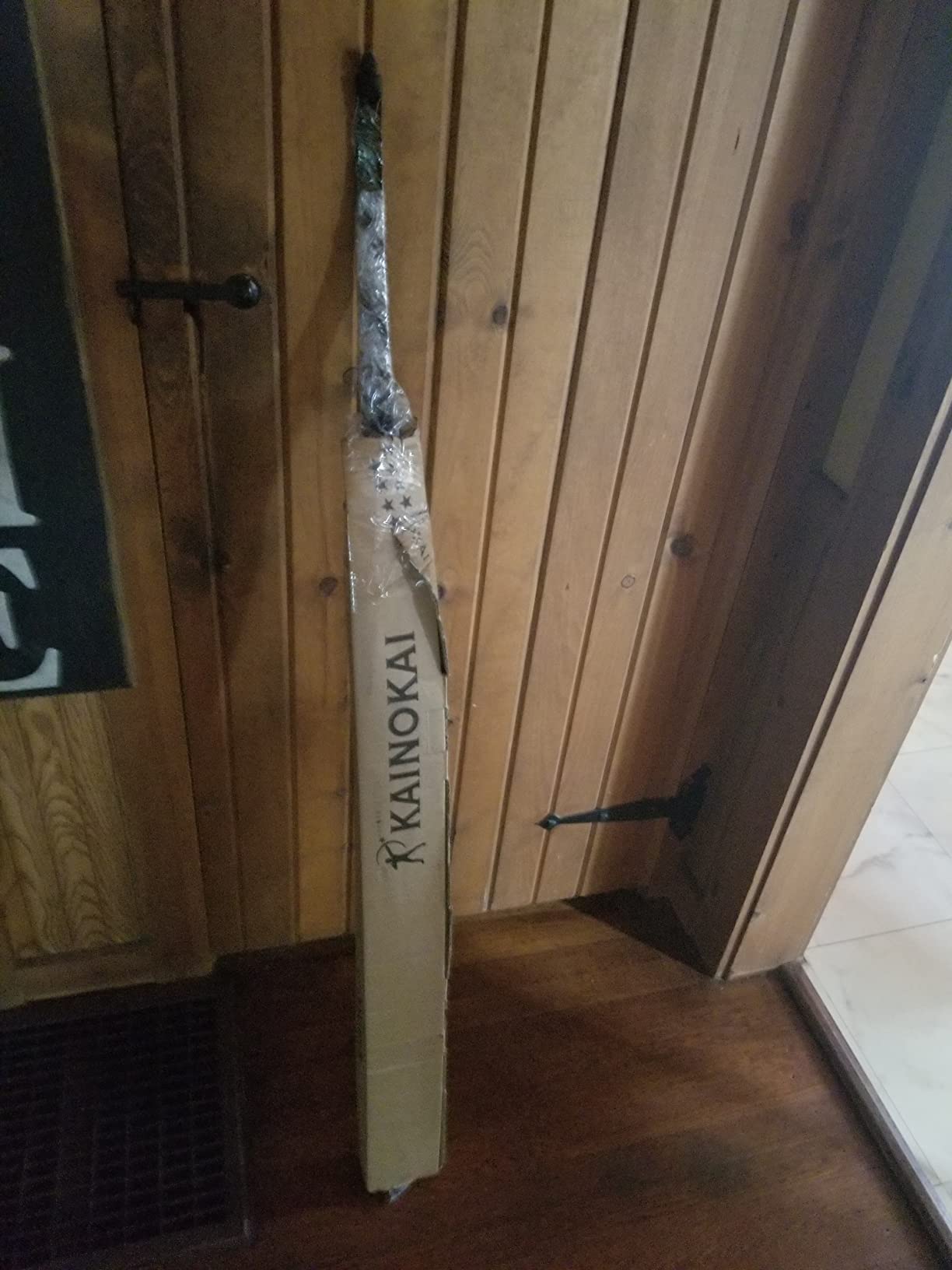
The limbs are bamboo core with fiberglass lamination and reinforced tips, which is a construction that resists splitting and produces a lively shot. Draw weights run from 15 lb to 55 lb in 5 lb increments, and the 15 lb end makes it viable for smaller archers who would find a 25 lb bow heavy.
The 35 inch draw length is the longest in the roundup. That suits a tall adult and a traditional release, and it is a poor match for a small archer or anyone with a short arm span. Measure before ordering, and pick the hand variant carefully at checkout because the poundage is bundled into the variant selection.
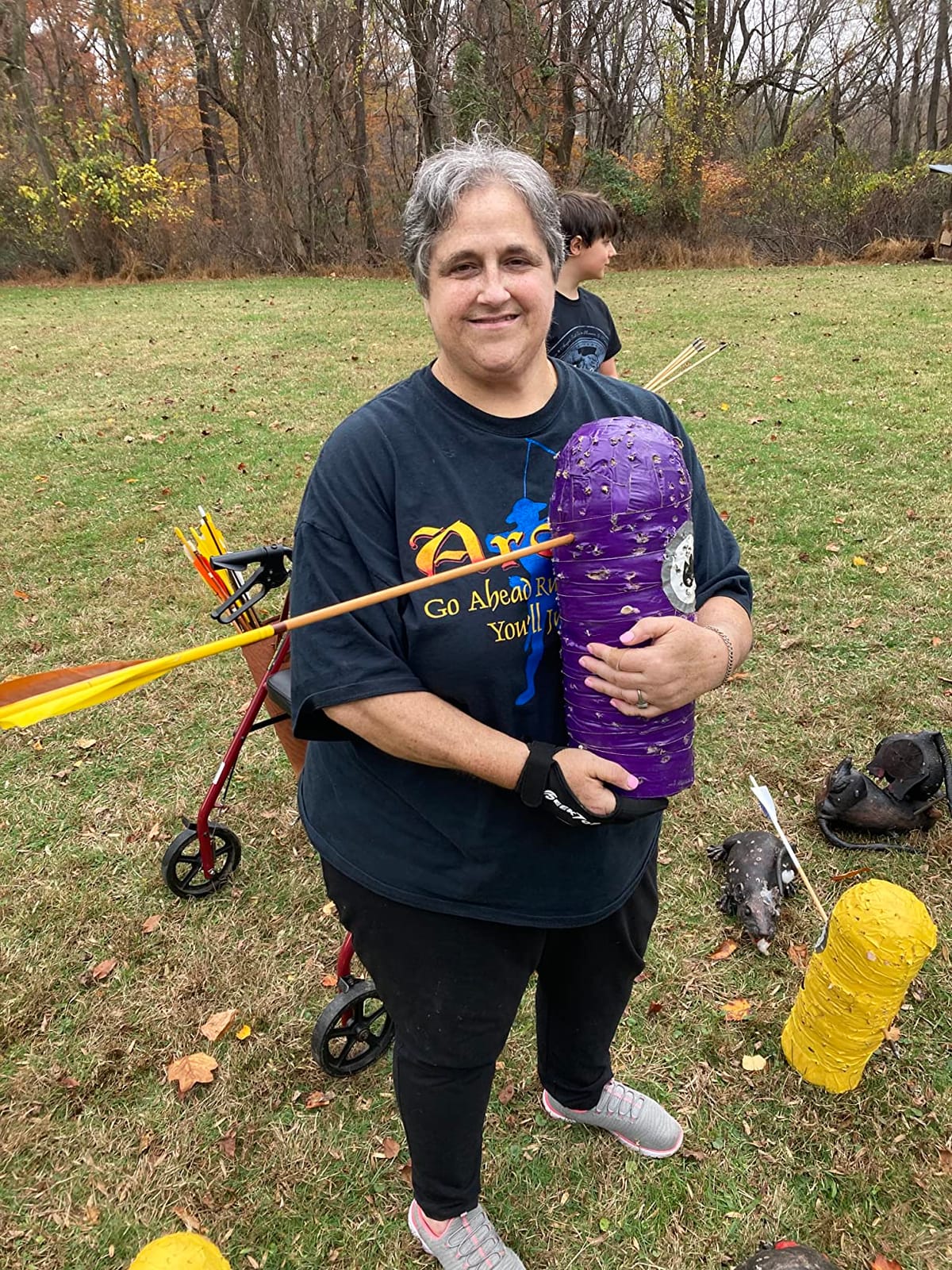
Why handedness should decide your shortlist
For a right-handed archer, handedness is a footnote. For a left-handed archer it is a screening criterion, because listings frequently show a right-hand photograph and describe the bow ambiguously. Filter your options by hand first, then compare within what remains.
This bow passes that filter with room to spare, and the traditional 14-strand Dyneema string is a higher-quality component than the Dacron supplied with most entry bows. A Dyneema string also stretches less, which means fewer re-twisting sessions.
What to know before you commit
Traditional stringing is required and the bow should be unstrung after use. That is a habit to learn, not a defect, but beginners who leave a wooden bow strung under tension in a hot vehicle will warp it.
Two smaller issues. The stick-on arrow rest is a simple design that some owners upgrade, and the outer box is easily scuffed in transit, so inspect the limbs on arrival. Neither affects shooting; both are worth knowing before the bow arrives.
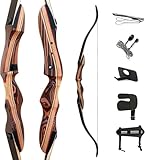
8. Deerseeker 62-inch Takedown Recurve Set – Best Complete Kit for an Adult
Deerseeker Archery 62″ Takedown Recurve Bow Set with Right Hand & Left-Handed Riser Laminated Limbs 20-60 lbs for Adults & Youth, Archery Practice & Bow Hunting (45 lb, Right Hand)
62 inch bow
28 inch draw
20-60 lb
Dymond wood riser
1 year warranty
Pros
- 20 lb starting weight covers small adults and teens
- 20-60 lb range spans beginner to hunting
- Pre-installed threaded bushings for accessories
- One-year manufacturer guarantee
Cons
- Included plastic arm guard is too small at higher weights
- Bundled finger tab is thin and its loop slips
- Supplied arrow rest is basic plastic
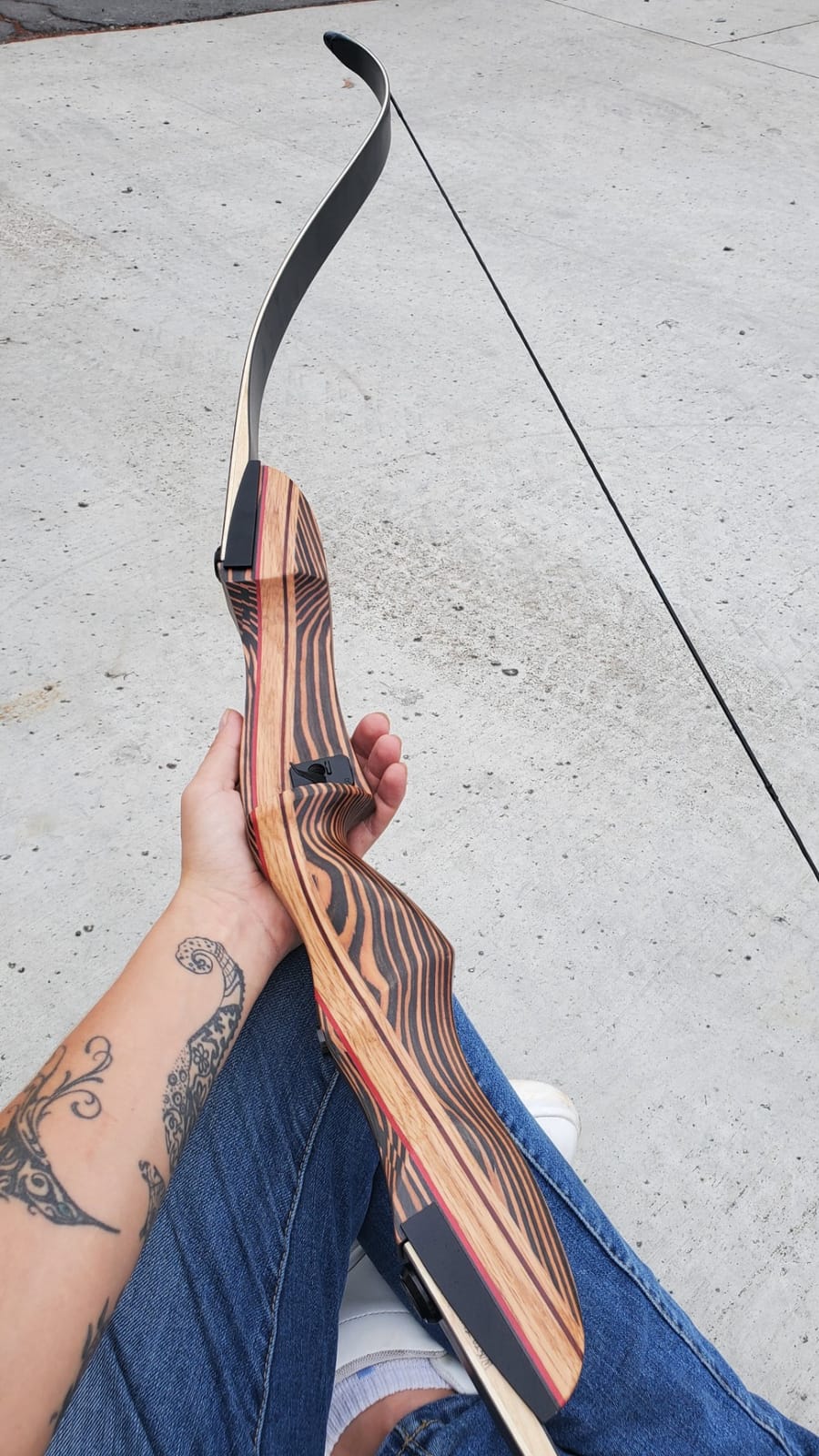
This is the closest thing to a complete answer in the roundup, because the box contains the bow, stringer tool, finger tab, arm guard, arrow rest and an Allen key, backed by a one-year manufacturer guarantee. It rates 4.6 stars from 285 reviewers, and the owner feedback praises build quality more than almost anything else in this price bracket.
Reviewers with experience describe it as unusually well-built, with strong multi-laminate fiberglass and maple limbs on a Dymond wood riser and groups forming at 17-25 yards once form settles. The pre-installed threaded bushings and aluminium limb pockets mean accessories can be added without any modification.
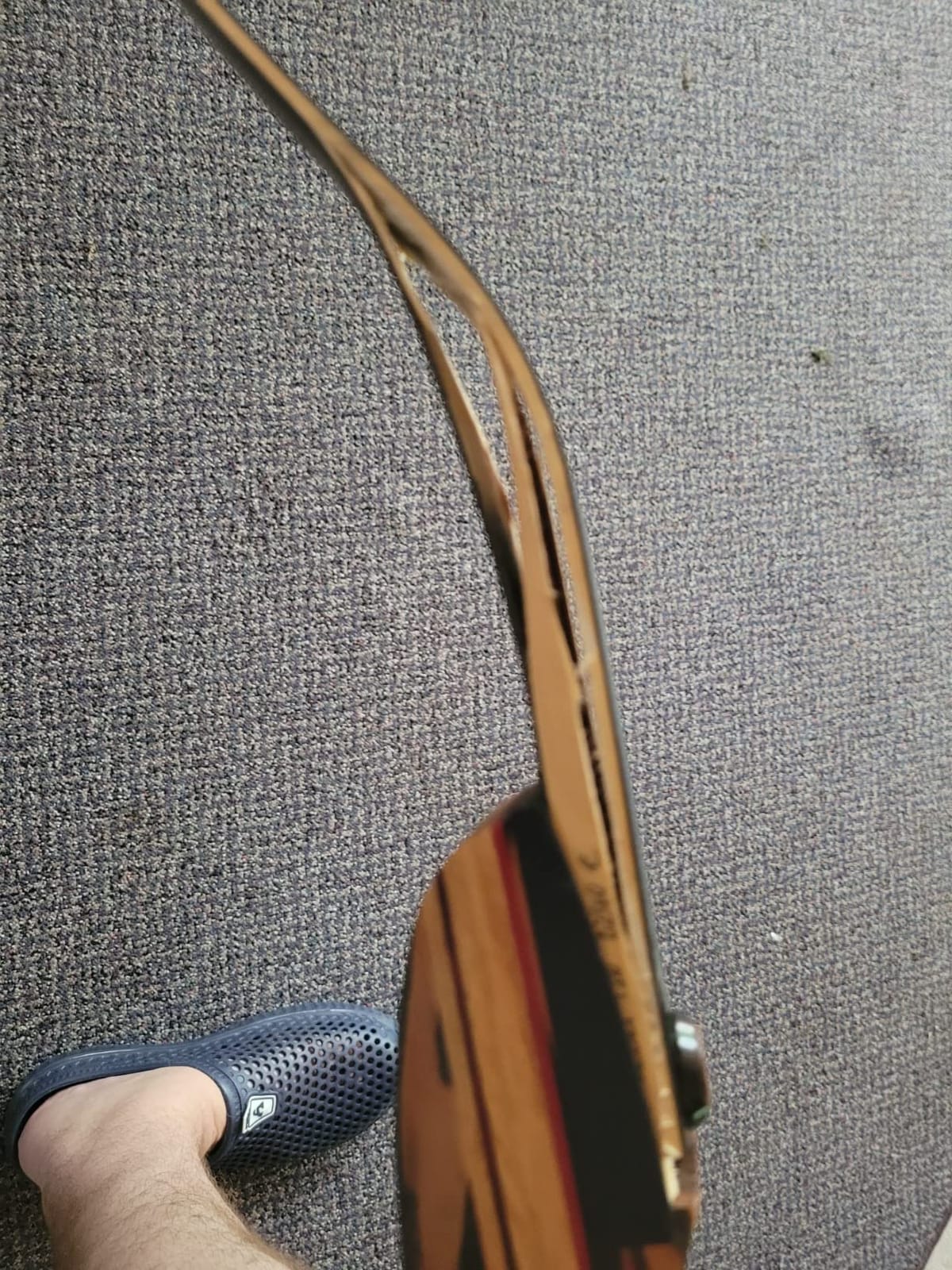
The 20-60 lb range is the standout specification. A 20 lb variant is genuinely available, which makes this the only takedown bow in the list with an entry weight low enough for a smaller adult or an older teenager, and the top end covers hunting weights on the same riser.
The high-quality stringer tool is a small detail that owners mention often, because most kits include a flimsy one. On assembly, note that the instruction pamphlet is sparse, and a few beginners fitted limbs backwards as a result. If in doubt, match the limb curve to the riser contour.
Does the kit actually save money?
On the first month, yes. The bundled arm guard, finger tab, arrow rest and stringer tool remove four separate purchases, and the stringer tool alone is a worthwhile item. The saving shrinks fast, because most owners replace the arm guard and finger tab within the first few months anyway.
Plan on replacing the bundled plastic arm guard and finger tab early, particularly if you move above 35 lb, where the guard is described as too small and the tab too thin. The bow itself is the part worth keeping.
What owners flag as problems
Accessory quality is the honest answer, and it comes up in nearly every summary. The arm guard runs small, the finger tab loop slips, the arrow rest is thin plastic with some breakage reports, and the bow is noisy without string silencers.
It is also a right-hand configuration. Left-handed archers should read the next section’s note on the Deerseeker variants before assuming otherwise, and note that the sparse instructions are the single most avoidable beginner mistake with this bow.
9. Sanlida Eagle X9 58-inch Recurve Set – Best for Progression Toward Hunting
Sanlida Eagle X9 New 58” RTH Standard Hunting Recurve Bow and Arrow Set for Adults and Hunters, Wooden Takedown Recurve Bows Package for Outdoor, Hunting and Practice (35 Lbs, Right Hand)
58 inch bow
28 inch draw
25-60 lb
Wood riser
Limited lifetime warranty
Pros
- 25-60 lb range covers beginner through hunting weights
- Wood riser with a smooth light grip
- Very little stacking even at heavy poundages
- Limited lifetime warranty on registration
Cons
- Included carbon arrow fletching breaks after few shots
- Supplied dacron string frays and sheds
- Occasional warped limbs reported on arrival
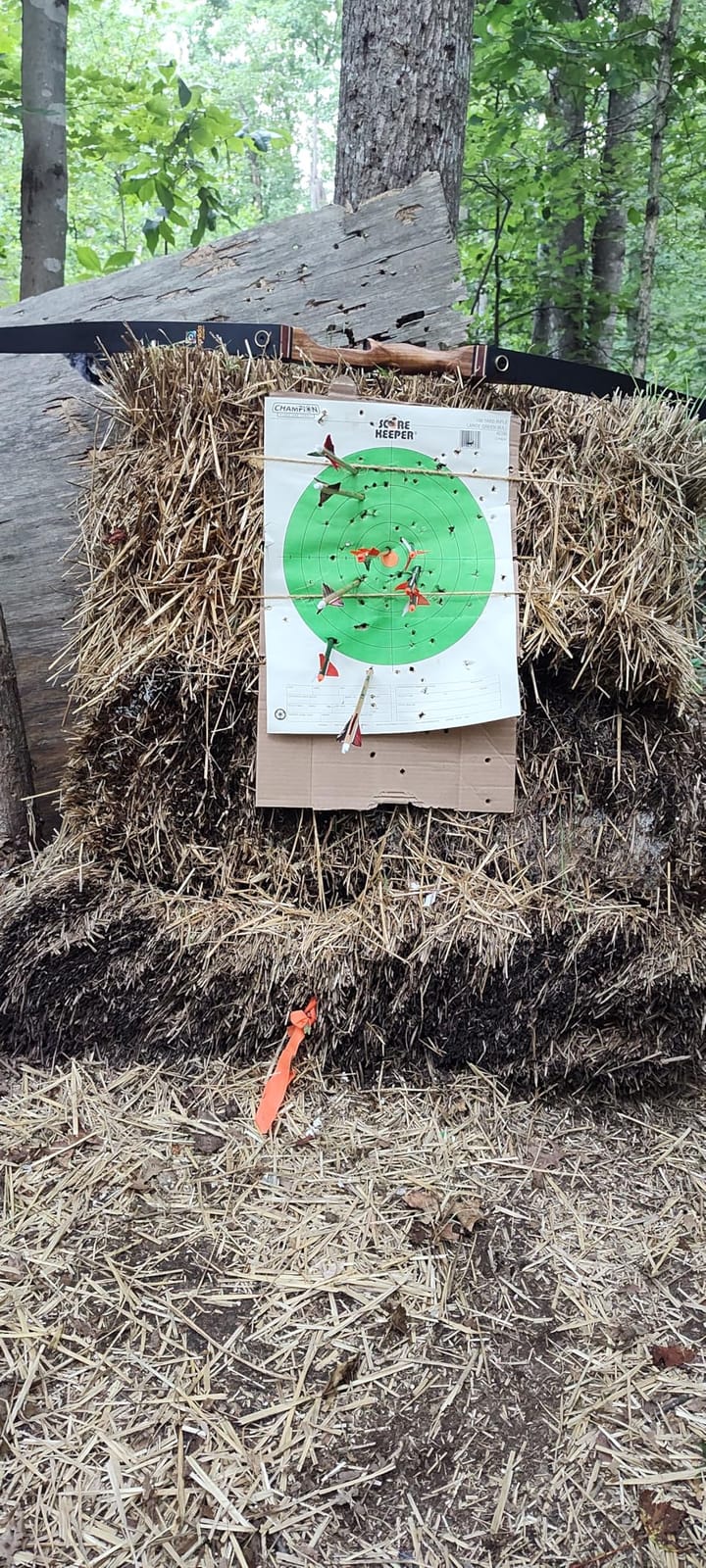
The Eagle X9 is the pick if you are convinced now that you will end up hunting, because its 25-60 lb range in 5 lb increments covers the whole progression on one riser. Owners with decades of experience place it near the top of budget traditional bows, rating it 4.5 stars from 253 reviewers with 74% at five.
Two specifications stand out. The 54 inch string and 8.25 to 9 inch brace height put it in conventional target geometry, and the multi-layer maple core limbs with Bakelite tips hold up well under heavy draw. Reviewers note very little stacking even with a canted draw at heavier poundages, which is a sign of a well-balanced limb profile.
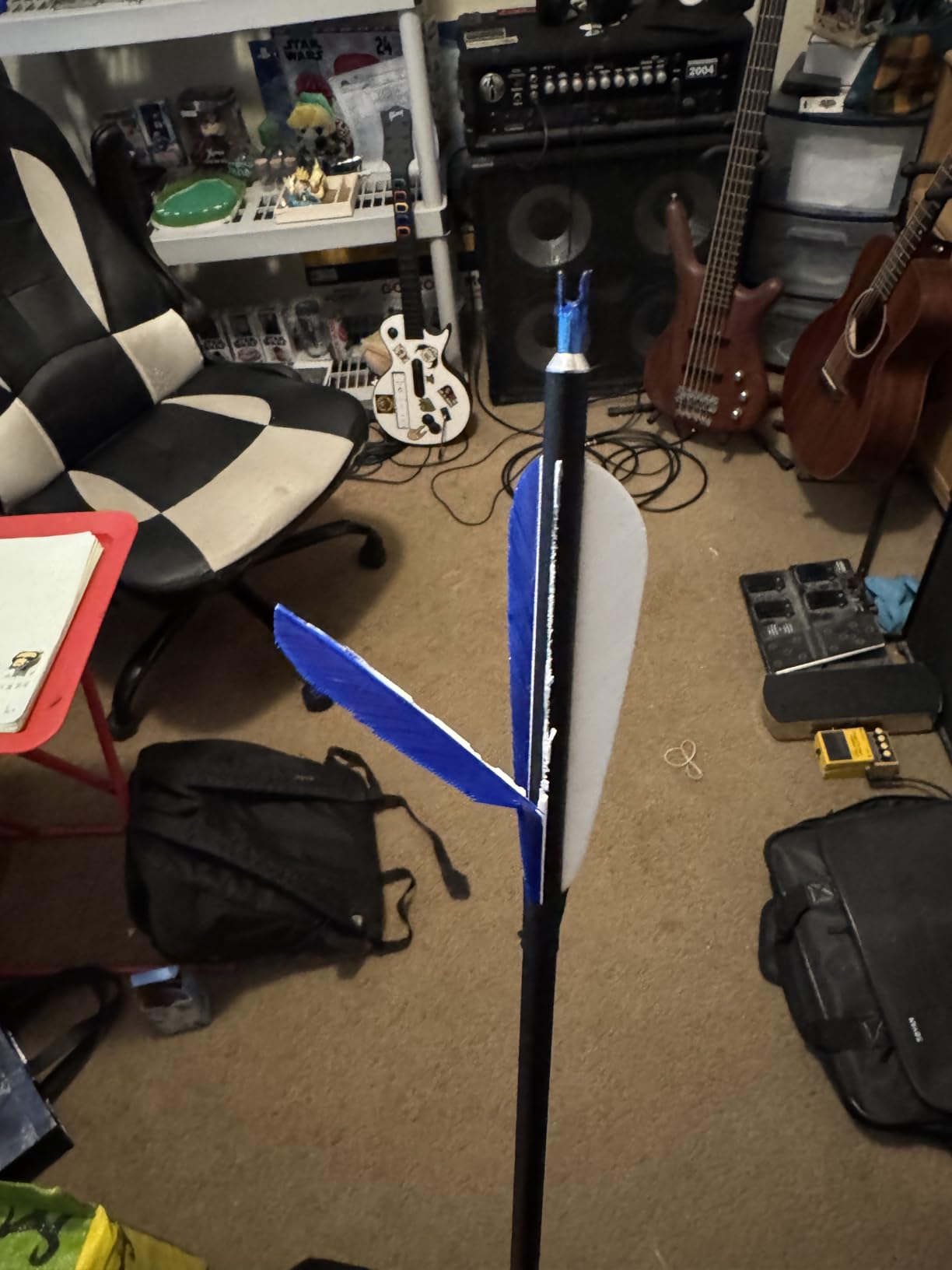
The kit is unusually complete for the money: stringer, leather arrow rest, arm guard, finger glove, rabbit fur dampers, quiver, an Allen wrench and six carbon arrows. The fur dampeners in particular reduce string noise substantially once you get past the first session.
At 2.2 lb it is heavier than the laminate bows here, and that weight is the point – it is built like a hunting bow rather than a target practice bow. The riser finish and grip quality draw repeated praise from experienced archers.
Is this a beginner bow or a step-up bow?
It is a 25-60 lb bow, and at 25 lb it is perfectly usable for a beginner. But the accessory package and the weight suggest a buyer who intends to move upward quickly, so most of the owner feedback we read comes from archers already stepping into hunting weights.
If your plan is target shooting at 20-25 lb for a year first, the lighter laminate options in this list will be more pleasant to hold. If your plan includes deer, this saves you a riser purchase later.
What to check on arrival and after
Inspect the limbs immediately. A small number of buyers reported warped limbs on arrival, and that is worth returning rather than shooting around. The supplied 16-strand dacron string also frays and sheds, so most owners replace it with a different string early.
The included carbon arrow fletching breaks after relatively few shots, which is a consumable cost, not a fault. And the bundled wrist guard is described as uncomfortable enough that it gets replaced. The limited lifetime warranty applies with online registration, so register the bow.
10. IS-TONGTU 51-inch Aluminum Riser Kit – Widest Gear Bundle in the Roundup
IS-TONGTU Archery Recurve Bow and Arrow Set for Adults, Archery Hunting Long Bow Set for Adults Beginner & Youth, Takedown Recurve Bow 30lb 40lb 50lb Kit with Arrow Sight & Rest & 12 Arrows
51 inch bow
29 inch draw
30-50 lb
Hollow aluminum riser
Right hand
Pros
- Hollow aluminum riser resists breaking
- Bundle includes sight brush rest 12 arrows and targets
- Matte black finish and ergonomic design
- Multiple draw weights available
Cons
- Lowest average rating in the group at 4.2
- Entry-level guards and arrow rest
- Right hand only and needs some setup tuning
We are including this last because its bundle is the most complete in the roundup: bow, 12 arrows, a brush arrow rest, an arrow sight, finger guard, arm guard, quiver, three target papers and a stringer tool. For a teen who wants everything at once, there is no longer shopping list. At 4.2 stars from 240 reviews, it has the lowest average here, and the reason is worth reading.
Owners appreciate the amount of gear and the hollow aluminium alloy riser, which is lighter and resists breaking compared with wood. The rating spread tells the story: 59% at five stars but 7% at two stars, a wider spread than any other product in this roundup, with most of the negative feedback landing on accessory durability and setup.
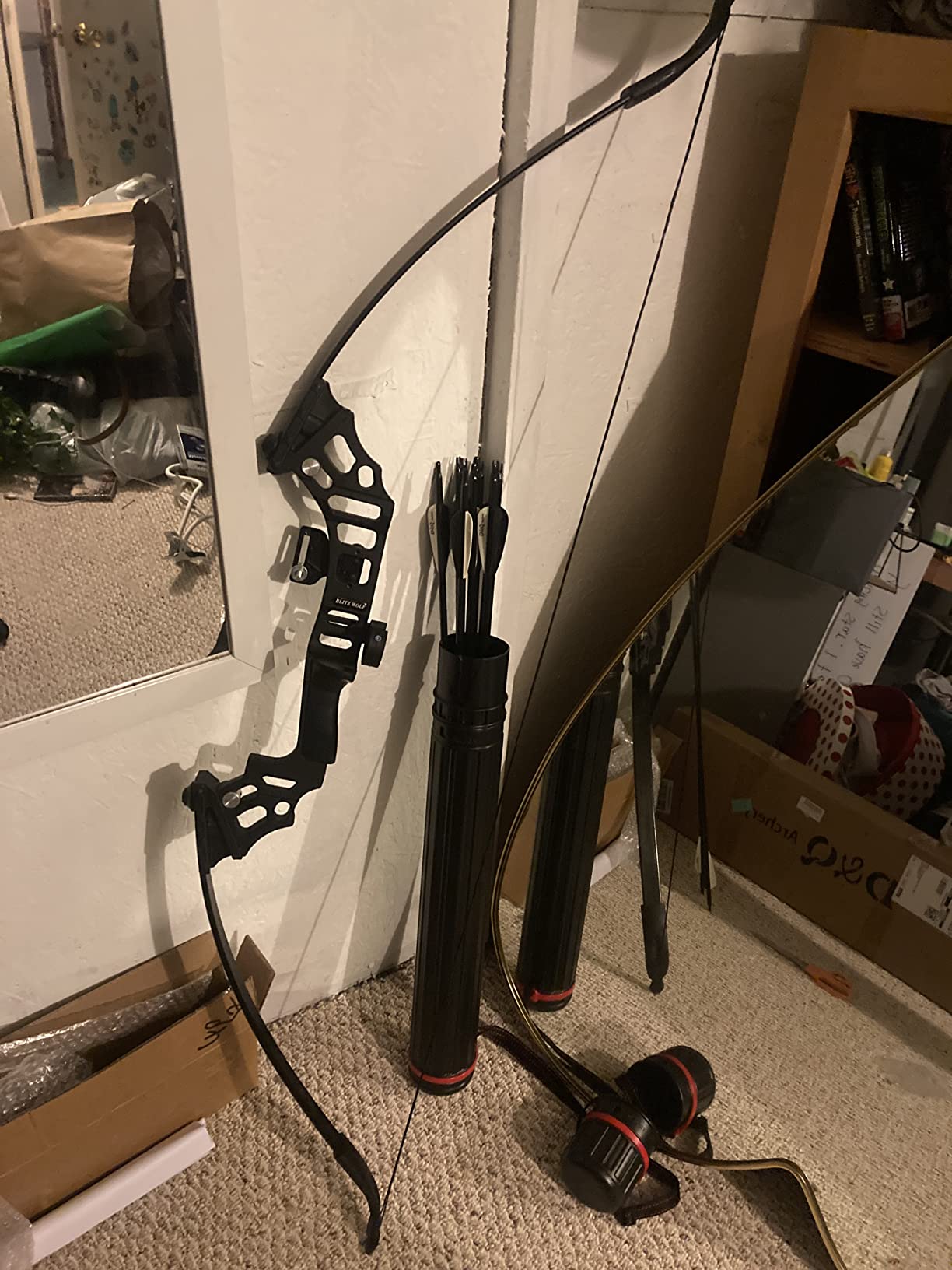
Specification-wise it is well documented: 51 inch bow length, 21 inch riser, 31.5 inch arrows, and a maximum draw length of 29 inches. Draw weights are offered at 30, 40 and 50 lb with an aluminium alloy riser and fiberglass limbs. The 30 lb variant is the sensible one for a beginner.
It is worth being straight that this set asks for more setup than the others. The riser needs some tuning before use, the assembly is not entirely plug-and-play, and the 51 inch length is short enough that a tall adult may be understrung at 28 inches of draw.
Who should actually buy this kit?
A teenager, or an adult who wants a sight and targets in the same purchase and has no local archery shop to visit. If you can assemble a kit deliberately, you will get a better first bow for less. If you cannot, the bundled parts cover the gap and the 30 lb version is a reasonable place to start.
It is also the pick if a bow that will not crack matters more to you than refinement. A hollow aluminium riser paired with fiberglass limbs is a durable combination, and several owners report the bow outlasting their expectations.
Why it sits at the bottom of the ranking
Two reasons, both about the accessories rather than the bow. The guards and brush rest are described as entry-level, and the assembly and riser tuning requirement is a genuine barrier for the exact person this kit is aimed at – someone who has never set up a bow before.
It is also right hand only. If you are left handed, cross it off your list rather than working around it, and look at the KAINOKAI instead, which is offered in both hands across its full weight range.
What Draw Weight Should a Beginner Start With?
Start at 20-25 lb and do not go above 30 lb for your first bow. The reason is form rather than strength: a bow you can only half-draw teaches you to anchor short, and anchoring short is the single hardest habit to correct later. Forum consensus is consistent on this, and it is the one piece of advice we would give before any brand recommendation.
Move up in stages rather than jumps. A sensible roadmap is 20-25 lb for your first few months, 30-35 lb once you are anchoring consistently at full draw, and 45-60 lb only when you are moving toward hunting or field use. Most archers reach 30 lb within six to twelve months of regular practice, and the timeline is less important than the anchor being clean at every weight.
Body weight is a poor guide. A common forum shortcut is to take your weight in pounds and use roughly one tenth of it as a comfortable ceiling, but the more useful question is simple: can you draw it and hold it, aiming, without your bow arm shaking? If not, it is too heavy.
For children, keep them at or below 15-20 lb until their strength and stature clearly support more, and expect to move them up as they grow rather than starting high. A 54 to 60 inch bow with 15-25 lb limbs covers most archers between the ages of roughly eight and fourteen.
Takedown vs One-Piece: Why the Design Matters Most
Choose a takedown bow. A takedown recurve separates into a riser and two limbs, so you can change the draw weight by unscrewing two bolts rather than buying a whole new bow. That single feature is what makes the 25 lb to 60 lb and 20 lb to 60 lb ranges on several picks above genuinely useful rather than decorative.
One-piece bows are simpler, cheaper and arguably more traditional, and for a pure traditional archer the uninterrupted riser and limb is a legitimate choice. For a beginner, though, the ability to start light and progress is worth more than the aesthetic, and every takedown bow in this roundup can be re-limbed within its own weight range.
The cost of a takedown is that the limb bolts need checking periodically, especially on metal risers. Owners on the TOPARCHERY and GLURAK specifically advise not over-tightening them and inspecting before each session. Five minutes of maintenance per month removes the risk entirely.
ILF vs Proprietary Limbs: The Detail That Decides Your Second Bow
ILF – the International Limb Fitting – is the universal standard limb-to-riser interface used across most manufacturers. A proprietary fitting locks you into one brand’s limbs, usually at a higher price, with no resale or cross-compatibility value.
For a first bow, the practical question is whether the riser accepts standard ILF limbs. Several bows in this roundup use ILF-compatible bolt patterns, and owners of the Samick Sage in particular report replacing limbs and progressing in weight through the same riser. Where a bow uses a non-standard pattern, as owners of the GLURAK note with its square-cut limb bolts, sourcing a replacement later becomes harder.
You do not need to understand the machining. Ask one question before you buy: can I fit any ILF limb to this riser? If the answer is no, buy a different riser.
Bow Length, Draw Length and Getting the Size Right
Measure your arm span, stretch your arms out flat, and divide the result by 2.5. That number is your draw length, and it points to the bow length that suits you: a 28 inch draw length corresponds to a 62 inch bow, 26 inches to a 60 inch bow, 24 inches to a 54 inch bow, and a 22 inch draw length to a shorter youth bow.
A bow that is too long will feel overstrung and the string will sit low against your face. A bow that is too short will feel cramped, with nowhere to put the string hand. As a rough rule for adults, the 62 to 66 inch range fits most people, and shorter bows suit younger or smaller archers.
Note that a 35 inch draw length, as offered on the KAINOKAI in this roundup, is a traditional-archery length rather than a target length. It is not a mistake, but it is a deliberate choice of shooting style, and it will not suit a beginner practising a modern target anchor.
Left-Handed Availability: What We Found
Left-handed availability is genuinely thinner, and this is the recurring complaint in every archery forum thread on the subject. Buyers report thin availability, ambiguous hand descriptions on product pages, and the frustration of having to special order.
Across the ten picks here, the listings that explicitly state left-hand availability are the procener youth kit, described as ambidextrous, the KAINOKAI 54 inch, offered in left and right hand across its full weight range, and the longbowmaker horsebow, listed for both hands. Several others are right-hand configurations in the listing we reviewed, including the Samick Sage, the TOPARCHERY, the Deerseeker and the IS-TONGTU 51 inch kit.
Our advice is to filter by hand first, then compare. Do not rely on a product photograph to tell you which hand a bow is built for, and if a listing is ambiguous, ask the manufacturer before ordering rather than after.
Traditional, Target or Olympic: Which Bow Are You Actually Choosing?
This is the first question in most beginner archery threads, and it is worth answering before you buy. A traditional or barewood-style recurve is shot with a thumb draw and an instinctive release, often without a sight. A target recurve is shot with three under the arrow, a sight, and a stabilised, repeatable anchor. An Olympic recurve is a lighter, faster, longer-limbed target bow.
None of those is the correct answer on its own. What matters is that you are not expecting a 58 inch target recurve to teach you thumb draw, and that you are not buying a horsebow for anchor practice. Most beginners end up at a takedown target recurve because it is the most forgiving place to learn form.
For a recreational weekend archer, any of the bows in this roundup will work. For a child under about fourteen, a shorter youth bow with a sight is the fastest route to a satisfying first session.
How Far Does a Recurve Bow Shoot?
A 40 lb traditional recurve with a light arrow typically carries roughly 150 to 200 yards, though arrow weight, bow length and arrow speed make the real figure vary widely. That is enough for target practice and for deer at sensible distances, but it is not a long-range bow.
The beginner implication matters more than the yardage. A 40 lb is already at the upper end of what a new archer should be pulling, so if you are reading about 40 lb ranges, you are reading about a bow for your second or third season, not your first.
Compound bows travel much further at the same effort, which is the trade-off you accept when you choose a recurve. In return you get a bow that is quiet, simple to maintain, mechanically simple to understand and entirely satisfying to shoot.
What Else You Need to Shoot: The Real First-Kit Cost
The bow is the smallest part of a first archery kit. Beyond it you need a dozen arrows cut to your draw length, an arrow rest, an arm guard, a finger tab or glove, a target, and ideally a few lessons.
The accessories most often missed are the arm guard and the finger tab. String slap at release causes real forearm bruising, and raw bowstrings will take the skin off a beginner’s drawing fingers within a session or two. Neither is a comfort purchase, and both should be bought before the first practice rather than after the first injury.
Lessons and club membership are the other hidden cost, and they buy more than any bow on this page. An experienced archer will correct a bad anchor in ten minutes that a book cannot. If you can rent equipment at a club, do that first, and buy once you know what suits your hands.
Bows sold as packages bundle most of this list, which is why the two kit options in this roundup appear where they do. Just budget for replacing the consumables – kit arrows, basic guards and the supplied string are the parts that give out first.
Once you know what a new sport kit runs to, our [best bodyboards for beginners](https://blog-idcuk.com/best-bodyboards-for-beginners/) and [best snowmobiles for beginners](https://blog-idcuk.com/best-snowmobiles-for-beginners/) breakdowns cover the same question – what the headline number leaves out – for a different sport.
Safety Basics Every New Archer Needs
Finger protection is not optional. A bare hand drawing a bow string will blister and then bleed, and a beginner who cannot hold the string cannot anchor. Buy a finger tab or a glove on the same day you buy the bow.
An arm guard prevents string slap, which is the sharp pain of the string striking your forearm at release. It gets worse as draw weight increases, so an archer who is fine at 20 lb will need one at 40 lb.
Only draw an arrow you intend to shoot, and only at a target. Dry-firing a bow – drawing and releasing with no arrow – is a common way beginners damage limbs and risers, and it can injure your fingers. Treat every loaded bow as though it will be fired.
Know your safe zone. The bow is only dangerous to the archer, but a drawn recurve with a loose limb tip is dangerous to everyone standing near the target line, which is why range etiquette matters from day one.
And do not aim at anything without knowing what is behind it. The archery tag on an arrow tail, a bright colour on your target face and a clear shot line solve most beginner range problems before they happen.
Your Upgrade Path: From 25 lb to Hunting Weight
Your first bow should not be your last, and the cheapest way to plan that is to buy a takedown riser now. Most of the bows in this roundup can be re-limbed, so your progression runs through limbs rather than risers.
Stage one, 20-25 lb, lasts as long as it takes to anchor consistently. Stage two, 30-35 lb, typically arrives somewhere between six and twelve months in, once full draw is automatic. Stage three, 40-60 lb, is a hunting and field decision and should not be made for speed.
Between stages, the gear changes too. A sight and a stabiliser make sense once you are shooting at 30 lb and beyond. A release aid is worth considering if you have sensitive fingers. None of that is needed on day one, and buying it early is the most common wasted expense in the sport.
If you are not sure which stage you should be at, rent a bow and measure how comfortably you draw it. That single afternoon removes more uncertainty than any guide, including this one.
Frequently Asked Questions
What weight recurve bow should I start with?
Start at 20-25 lb and stay under 30 lb for your first bow. The reason is form rather than strength: a bow you cannot draw cleanly teaches you to anchor short, and that habit is the hardest to correct later. Most archers move up to 30-35 lb after six to twelve months of regular practice, and only step to 40-60 lb when they are shooting toward hunting or field distances. Buy a takedown bow so you can change limbs rather than buy a new bow.
What is the best draw weight for a beginner recurve bow?
For most adult beginners the answer is 20-25 lb, and for children 15-20 lb. Bow length matters as much as weight, and a heavier bow is usually a sign that the archer has chosen a hunting weight rather than a learning weight. The useful test is simple: can you draw it, hold it at full draw with the string touching your nose, and aim without your bow arm shaking? If not, the bow is too heavy regardless of what the label says.
What is the best archery bow for a beginner adult?
A takedown recurve in the 20-25 lb range with replaceable limbs is the best archery bow for a beginner adult. The Samick Sage 62 inch is our top pick because it offers a 25-60 lb range in 5 lb steps, a 28 inch draw length, a maple riser with pre-installed brass bushings, and interchangeable limbs so you can progress without a new riser. A 60 to 62 inch bow suits most adult arm spans, which you can check by dividing your arm span by 2.5.
How hard is it to pull back a 50 pound recurve bow?
A 50 lb recurve is a hunting weight, not a beginner weight, and most new archers cannot draw it consistently enough to shoot accurately. Pulling that weight also invites a flinch and strains the shoulder, elbow and forearm, which is how people build bad habits they carry for years. Begin at 20-25 lb, anchor cleanly at full draw, then step up to 30-35 lb before you consider anything heavier. If you want hunting power now, a compound bow serves that purpose better.
Can I upgrade recurve bow limbs?
Yes, on a takedown bow, and that is the main reason to buy one. Limbs unscrew from the riser at two bolts, so you can change the draw weight of the same bow as your strength grows. Check the fitting before you buy: ILF, the International Limb Fitting, is the universal standard and lets you fit limbs from many manufacturers, while a proprietary fitting restricts you to one brand at a higher cost. If a riser will not take standard ILF limbs, choose a different riser.
Final Thoughts on Choosing Your First Recurve Bow
The best recurve bows for beginners share three traits: a takedown design, a starting draw weight between 20 and 25 lb, and a bow length that matches your arm span. Get those three right in 2026 and almost any of the ten bows above will serve you well for years.
Our pick is the Samick Sage 62-inch takedown. It has the widest evidence base in this roundup, a 25-60 lb limb range that lets you grow without a new riser, and pre-installed bushings for the sights you will add later. For a left-handed archer, the KAINOKAI 54 inch is the one to shortlist first, and for a child, the procener youth kit solves everything in one box.
Do one thing before you order: rent a bow at a local club for an afternoon. Hold a few, draw them, and see which one your hands like. That single session will do more for you than any roundup, including this one.