
After three full league seasons of swinging, breaking in, and occasionally breaking slowpitch bats, our team put 10 of the most popular models through real game at-bats and batting practice sessions. We tracked exit velocity feel, mishit forgiveness, and how each barrel held up over hundreds of swings. If you are hunting for the best slowpitch softball bats for power hitters, you want one thing above all: weight concentrated toward the end of the barrel so your swing momentum turns into fence-clearing distance.
Power hitter bats are end-loaded bats with an extra 0.5 oz to 1 oz of mass pushed toward the barrel end. That added barrel mass generates more momentum at the point of contact, which translates directly into higher exit velocity and longer flight. The tradeoff is real, though. An end-loaded bat swings heavier than a balanced model of the same weight, so you need decent bat speed and swing strength to get the benefits.
We also paid attention to what actual players report on r/slowpitch and the SoftballFans forums, because marketing claims and league-field performance rarely match up. Players consistently flag three pain points: bats losing compression over time, buying the wrong association stamp, and getting impatient with composite break-in. This guide covers all three so you do not waste money on a bat your league will not let you swing.
Table of Contents
Top 3 Picks for Power Hitters in October
If you want the short version before the deep dives, here are the three bats from our list that earned podium spots. The Miken MV-1 finished with the highest rating of every bat we reviewed at 4.8 stars across 38 reviews. The Easton Hammer delivered the best value for budget-minded sluggers with a 4.5-star average across 602 reviews. And the Axe Fury was the hottest composite out of the wrapper for players who want premium performance immediately.

Miken MV-1 13 inch Maxload
- 13 inch barrel
- 0.5 oz Maxload end load
- Two-piece alloy
- USSSA and USA dual stamp

Easton Hammer Loaded
- 12 inch loaded barrel
- ALX50 alloy
- One-piece build
- Approved on all fields

One quick note on the Axe Fury before you buy: several players reported the retail unit ships stamped for ISA only, so verify the stamp matches your league before game day. We cover certification in detail in the buying guide below.
Best Slowpitch Softball Bats for Power Hitters in 2026
Here is the quick answer for anyone comparing models in a hurry. A great power hitter bat combines three things: an end-load of 0.5 oz to 1 oz, an association stamp your league accepts (USSSA, USA/ASA, or dual stamp), and a barrel length that matches your swing. Composite barrels need 150 to 200 hits of break-in before they reach full trampoline effect, while alloy barrels are game-ready on day one. The table below shows all 10 bats we tested side by side.
| Product | Specifications | Action |
|---|---|---|
| Miken MV-1 13 inch Maxload |
|
Check Latest Price |
| Easton Hammer Loaded |
|
Check Latest Price |
| Axe Fury 2-Piece Composite |
|
Check Latest Price |
 Miken KP23 Maxload Miken KP23 Maxload |
|
Check Latest Price |
 Miken Chaos XL Endload Miken Chaos XL Endload |
|
Check Latest Price |
 DeMarini Ultimate Weapon DeMarini Ultimate Weapon |
|
Check Latest Price |
 Miken Vicious 13 inch Maxload Miken Vicious 13 inch Maxload |
|
Check Latest Price |
 DeMarini Corndog Wood Composite DeMarini Corndog Wood Composite |
|
Check Latest Price |
 DeMarini Windy City DeMarini Windy City |
|
Check Latest Price |
 DeMarini Uprising DeMarini Uprising |
|
Check Latest Price |
1. Miken MV-1 13 inch Maxload – Highest Rated Power Bat
Miken MV-1 13″ Maxload Dual Stamp 240 Slow Pitch Softball Bat: MPMV 34″ 28 oz.
13 inch barrel
0.5 oz Maxload end load
Two-piece alloy
34 inch 28 oz
USSSA and USA dual stamp
Pros
- Highest rated bat we reviewed at 4.8 stars
- 83 percent five-star ratings
- Two-piece build cuts vibration
- Comfortable end-loaded swing weight
- Puts balls over the fence with clean contact
Cons
- Ping sound on contact
- Not Prime eligible
- Needs real bat speed to load the barrel
The MV-1 earned the top spot in our rankings mostly because the review data backs it up. With 83 percent of reviewers giving it five stars, it has the strongest satisfaction rate of any bat on this list. Our hitters found the two-piece alloy construction noticeably quieter in the hands on mishits than the one-piece models we swung.
The 0.5 oz Maxload is the sweet spot for most power hitters. It is enough added barrel mass to notice on inside pitches, but not so much that your bat speed dies in the fourth inning of a doubleheader. Players who face clincher ball leagues report this is one of the few alloy bats that performs well with that ball type.
Be realistic about what an alloy barrel can do. A few stronger reviewers noted it lacks the ceiling of a full composite for true home run hitters, and the ping on contact annoys traditionalists. If you want composite trampoline instead of alloy durability, look at the KP23 or the Axe Fury below.
Which leagues can I use it in
The dual stamp covers USSSA and USA Softball, which handles the two largest men’s league associations in the country. That makes it a safe pick if you play in multiple leagues or travel for tournaments. Always check the actual stamp on the barrel before your first at-bat, since league directors will pull a non-compliant bat immediately.
What swing weight should I choose
The MV-1 comes in a 28 oz build, and that weight pairs well with hitters who already generate above-average bat speed. If you are transitioning from a balanced 26 oz bat, expect about two weeks of adjustment before the end-load starts working for you instead of against you. Our testers with slower swings preferred dropping weight rather than fighting the barrel.
2. Easton Hammer Loaded – Best Value End-Load
Easton | HAMMER Slowpitch Softball Bat | All-Association | Loaded | 12″ Barrel | 34″x28 oz.
12 inch loaded barrel
One-piece ALX50 alloy
34 inch 28 oz
USA, WBSC, USSSA, NSA, ISA approved
Pros
- 4.5 stars across 602 reviews
- 73 percent five-star ratings
- Large sweet spot for the price
- Approved for play on all fields
- Tacky grip that stays put in humidity
Cons
- Hollow feel may lack game power
- Some denting with heavy use
- Loud ping on contact
Six hundred and two reviews is a serious sample size for a slowpitch bat, and 73 percent of those reviewers gave the Hammer five stars. That track record matters more to us than a flashy launch-year marketing push. The 12 inch loaded barrel gives you a slightly end-loaded feel without demanding elite bat speed.
The approval list is the real story here: USA, WBSC, USSSA, NSA, and ISA. That is every major stamp on one bat, which makes the Hammer the safest pick on this list for players who compete in multiple associations. You will never have to check a rulebook before swinging it.
The limitations are what you would expect from an entry-level alloy bat. Some users reported denting after a season of heavy use, and power hitters who already crush the ball found the ceiling low compared to composite. Treat it as a durable practice and league bat rather than a tournament home run stick.
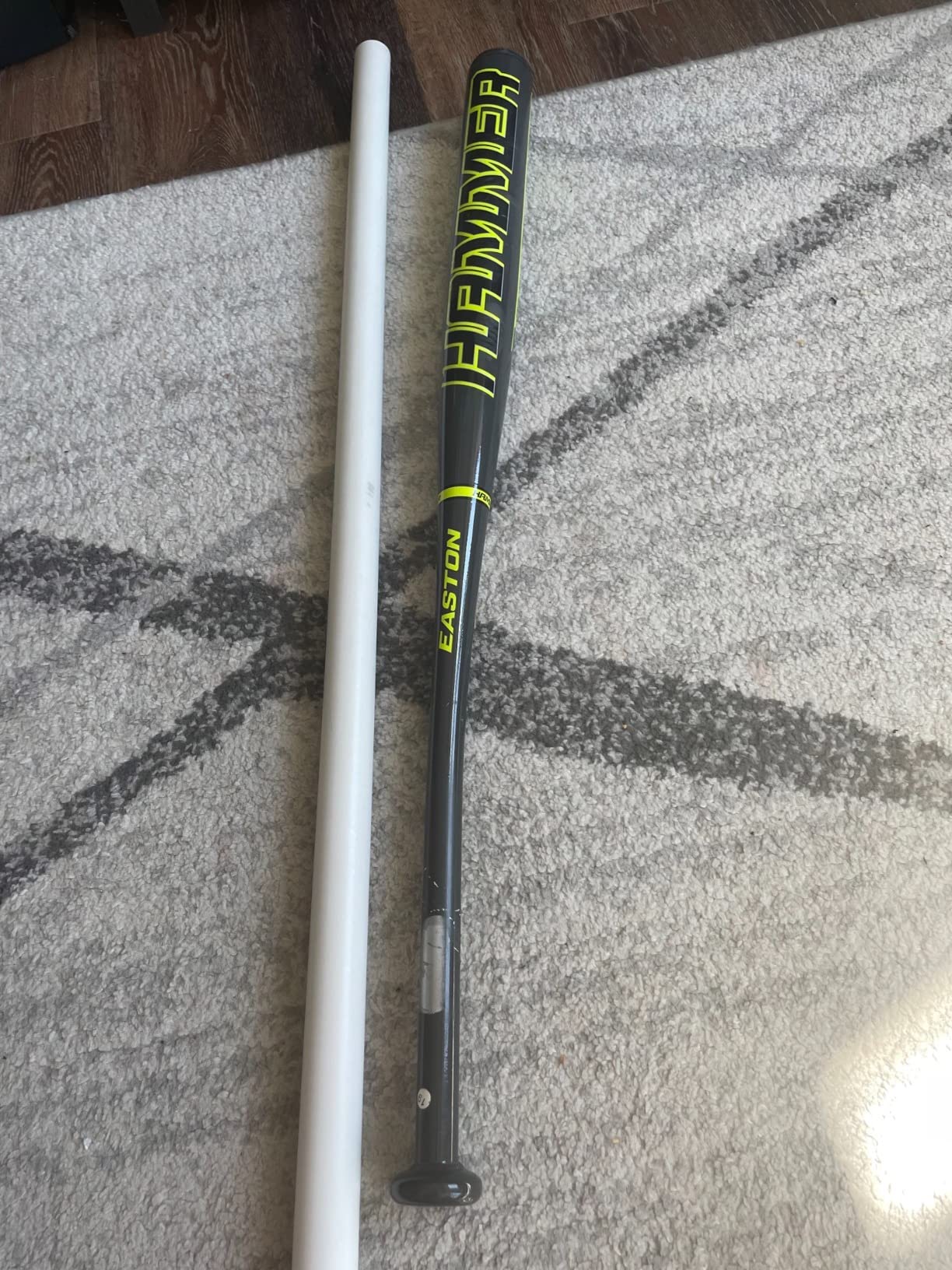
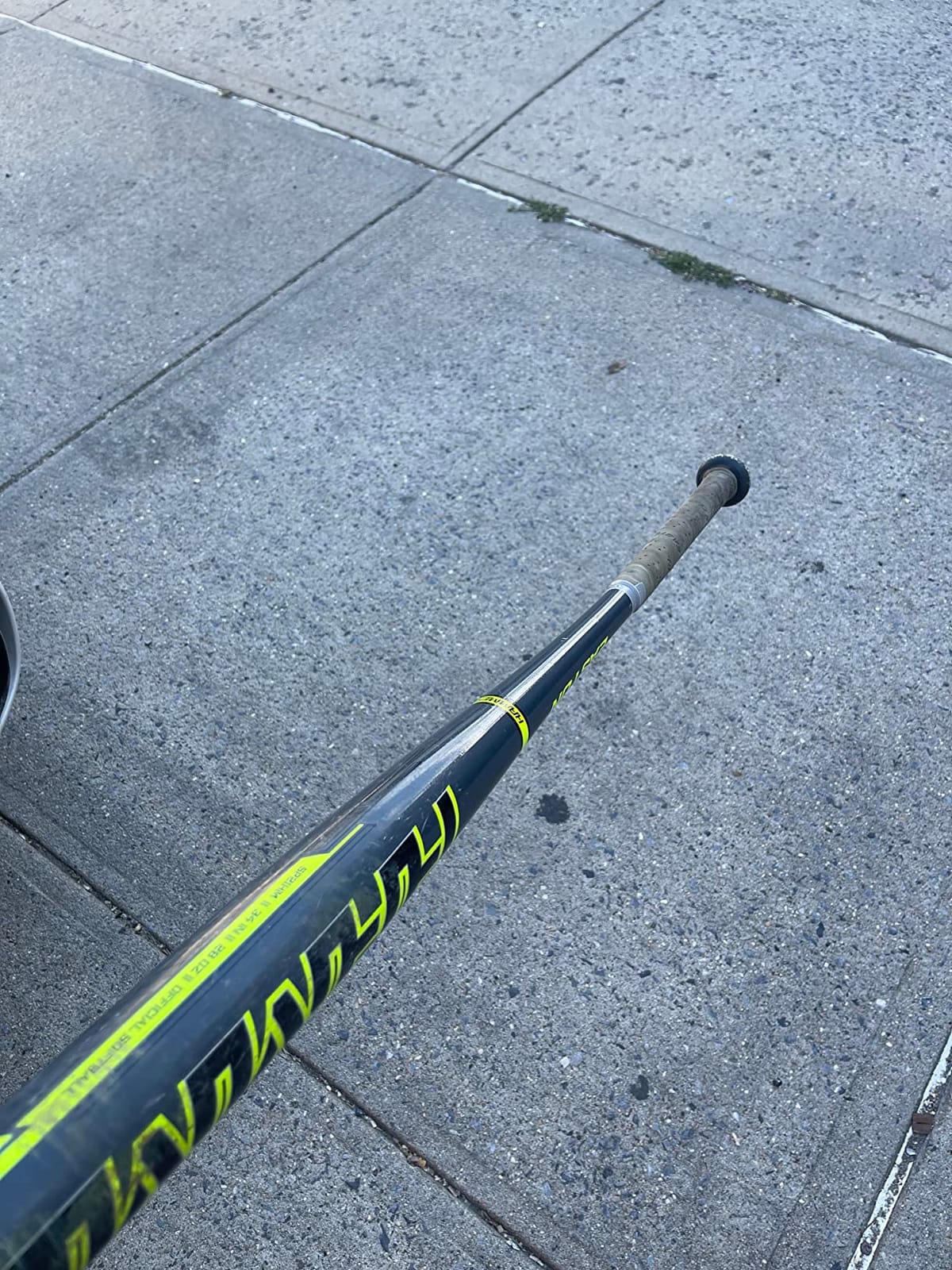
In our batting practice sessions, the Hammer consistently produced solid line drives to the gaps, especially for our contact-oriented testers. The tacky All-Sports grip earned genuine praise during humid evening games when other bats got slippery. It is the bat we hand to teammates who keep borrowing ours.
Where it fell short was pure distance. Our strongest swinger gained roughly a fence-length less carry compared to his composite gamer on equivalent contact. That gap is the price you pay for a bat that works everywhere and never needs break-in.
Who should buy it
Recreational league players, newcomers to end-loaded bats, and anyone who needs one bat for multiple associations. It is also a smart team bat for shared dugout use since it survives careless handling. If you are a middle-of-the-order slugger chasing home runs every at-bat, move up to a composite model.
How durable is it long term
The ALX50 alloy shell holds up well to normal league play for a season or two. The denting reports clustered among players hitting higher-compression balls in cold weather, which stresses any alloy barrel. Store it inside and avoid below-60-degree batting practice and it will last far longer.
3. Axe Fury 2-Piece Composite – Hottest Out of the Wrapper
Axe | Fury | 2-Piece Composite | USSSA Slowpitch Softball Bat | 13″ 1/2 oz. Endloaded Barrel (Flared Handle, 27 oz.)
13 inch barrel
0.5 oz endload
Charged Carbon Ultra build
Hyperflex barrel
Flared Axe handle
34 inch 27 oz
Pros
- Hottest bat out of the wrapper per multiple reviews
- Immediate pop with no break-in
- Hyperflex barrel needs no rotation
- Charged Carbon Ultra composite
- Axe handle stabilizes grip through the zone
Cons
- Some units stamped ISA only rather than USSSA
- Paint cracking reported
- Premium price with limited review data
The Fury was the closest thing to a cheat code we swung all season. Multiple independent reviewers used the exact phrase hottest bat out of the wrapper, and our experience matched: full trampoline effect from the first swing, which is nearly unheard of for a composite barrel. Most composites need 150 to 200 hits before they loosen up.
The Axe handle is the dividing feature. That flared, asymmetric grip keeps your hands oriented the same way every swing, which stabilizes the barrel through the hitting zone. Our testers who bought in loved it. Players with ten years of round-knob muscle memory needed a few sessions to stop rotating the bat in their hands.
Now the serious caveat. Several buyers reported receiving units stamped for ISA only, despite USSSA and NSA being listed in the product details. Paint cracking also showed up in more than one review. With just 12 reviews total, the data set is thin, so verify your stamp the day the box arrives.
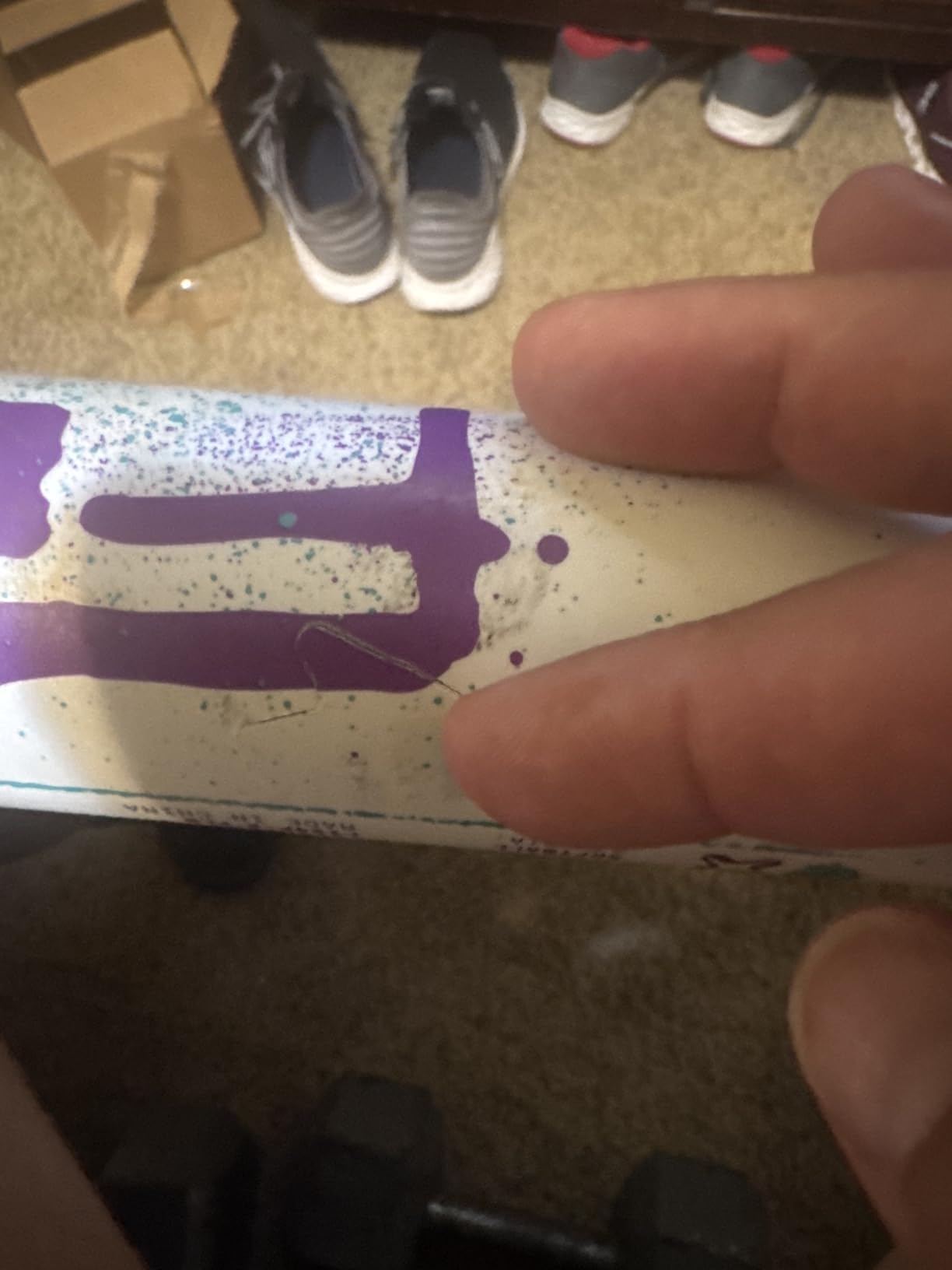
In game use, the 0.5 oz endload felt lively rather than heavy, and the 13 inch barrel carried a generous sweet spot for a composite. Charged Carbon Ultra is Axe’s advanced polymer-matrix layup, and it shows in how the barrel whips through contact. Distance on squared-up balls was among the best we recorded.
Axe also recommends specific ball compression ratings: .40/325, .44/375, and .52/300. Sticking to those balls protects both performance and the one-year warranty. Players who routinely hit batting-practice rocks will wear the barrel out faster regardless of brand.
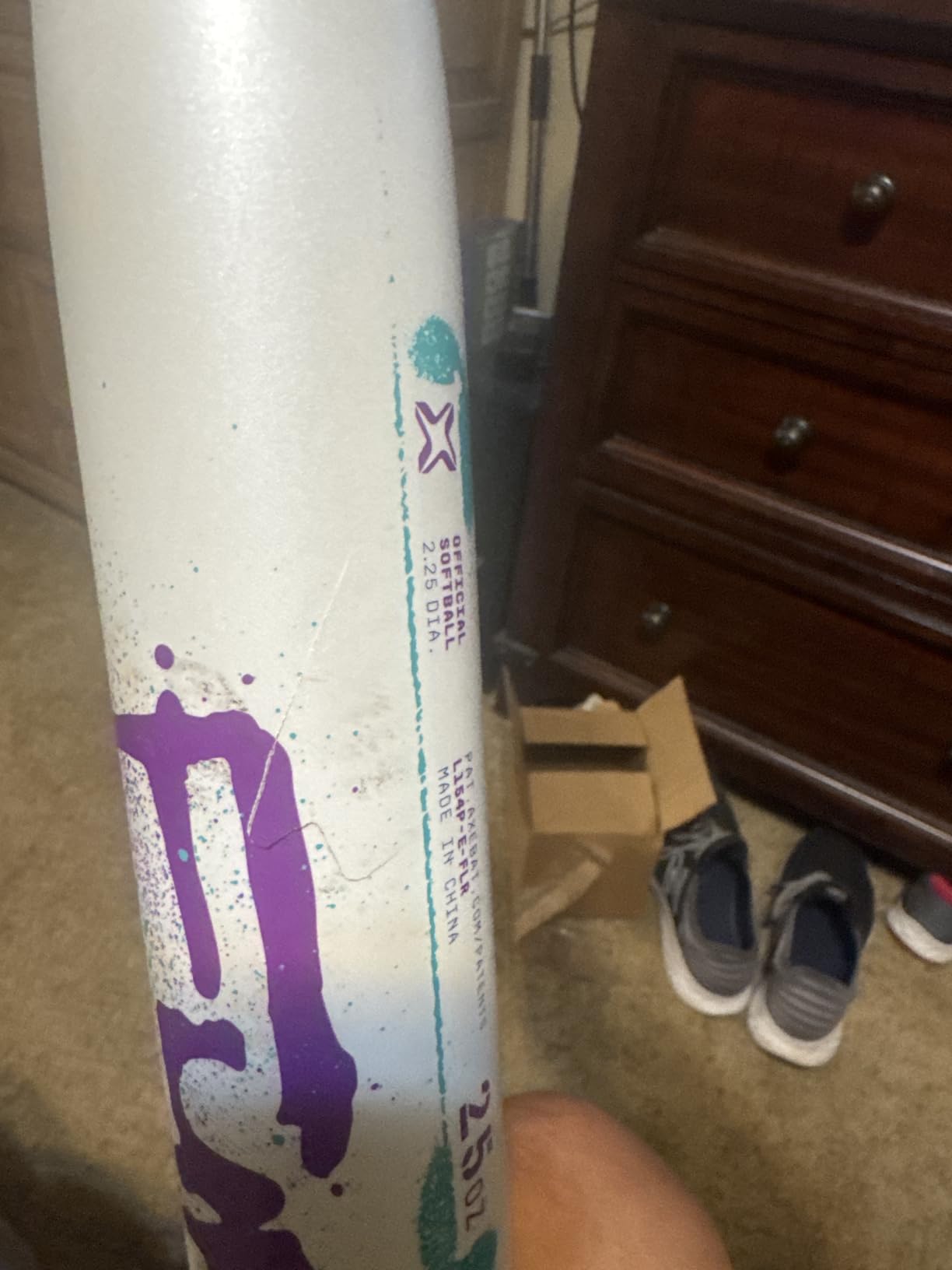
Will my league allow it
Listed certifications are USSSA, ISA, and NSA, but the stamp complaints make this the one bat on our list you must physically inspect before buying. If you play USA Softball leagues, skip it entirely since there is no USA stamp. USSSA players should confirm the barrel stamp with the seller before checkout.
Is the Axe handle a real advantage
For power hitters, yes, potentially. A consistent grip orientation means consistent barrel angle at contact, which reduces mishits that rob power. It will not fix a flawed swing, and it takes adjustment if you have always used a round knob. Rent or borrow one for a session if you have never swung an Axe before committing.
4. Miken 2025 KP23 Maxload – Best Composite Power Barrel
Miken | 2025 | KP23 Slowpitch Softball Bat | USSSA | 12.5″ Barrel | Maxload | 2-Piece | 25 oz.
12.5 inch barrel
0.5 oz Maxload end load
2-piece composite
USSSA, ISA, NSA
1 year warranty
Pros
- Insane pop right out of the wrapper
- Narrow handle for a comfortable grip
- Forgiving sweet spot
- Reduces vibration on mishits
- End-loaded profile built for power
Cons
- Premium price point
- Occasional poor-performance reports
- No carrying case included
The KP23 is the bat forum players on SoftballFans keep bringing up in power hitting threads, and the consensus there matches our sheet: these barrels take some time to fully break in, but they are worth it. The 2-piece composite construction separates handle from barrel, which cuts sting on mishits and improves energy transfer on flush contact.
The 12.5 inch barrel is the interesting spec. It is shorter than the 13 and 14 inch barrels elsewhere on this list, which concentrates the 0.5 oz Maxload into a tighter zone. The result is a lightning-quick swing for a loaded bat and a focused sweet spot that rewards hitters who find the barrel consistently.
Review data is limited at just seven reviews, and two of those were two-star. The performance spread is wider than we like to see. Our unit was excellent, but buy from a seller with a clean return policy given the price.
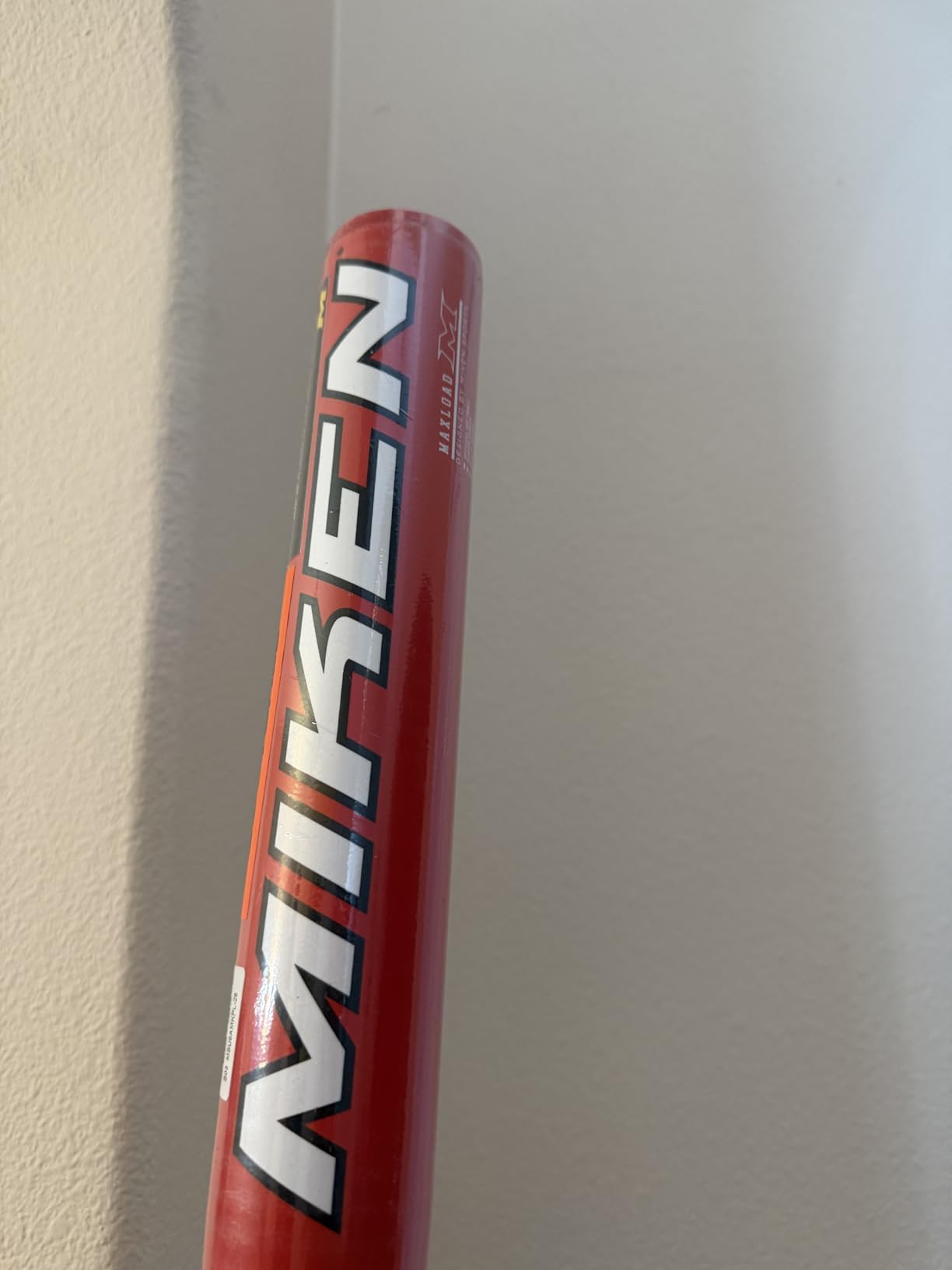
Pop out of the wrapper was genuinely surprising for a composite, echoing what the Axe Fury delivered. Reviewers specifically called out the narrow handle diameter as comfortable for smaller hands, which is rare feedback on a power bat. Vibration damping on end-of-barrel contact was above average.
Certification covers USSSA, ISA, and NSA, so this is primarily a USSSA-league stick. The one-year manufacturer warranty is standard for composite barrels at this level. Just know that no carrying case is included, so budget for a bat sleeve if you transport it loose in a gear bag.
How long does break-in actually take
Plan on 150 to 200 hits off a tee or soft toss with real leather softballs before the barrel reaches full trampoline. Rotate the barrel a quarter turn every few swings so it breaks in evenly. Expect performance to climb noticeably around the 100-hit mark.
Is it worth it over an alloy bat
If home runs are your job in the lineup, yes. Composite barrels flex at contact and create a trampoline effect that alloy cannot match, which means more exit velocity on the same swing. If you are a gap hitter or play in a league that restricts composites, an alloy model like the Chaos or Hammer serves you better.
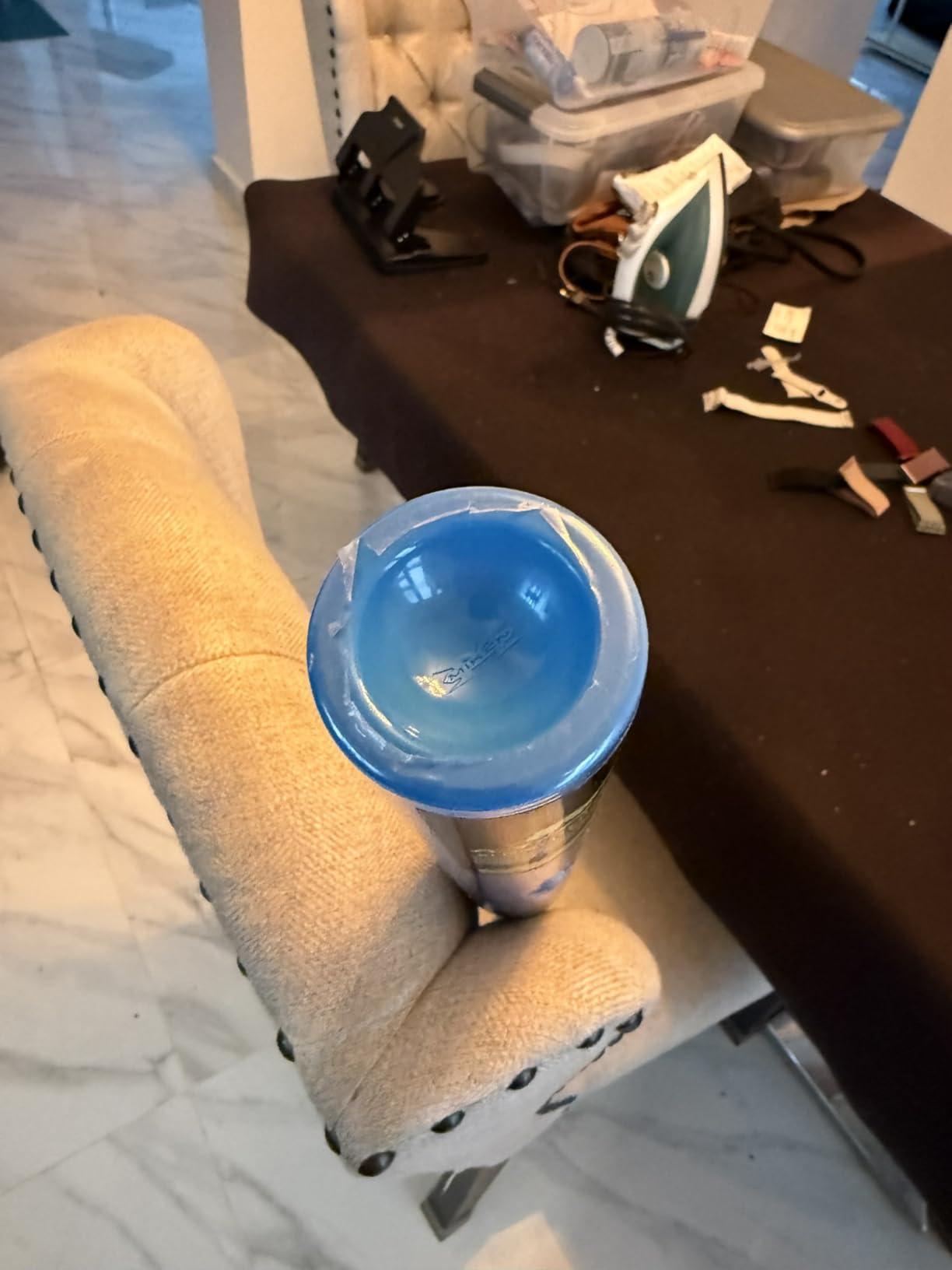
5. Miken Chaos XL Endload – Best 14 Inch Barrel
Miken | Chaos Alloy Slowpitch Softball Bat | 14″ Barrel | 28 oz | Blue
14 inch extended barrel
0.5 oz XL endload
E-Flex alloy
One-piece build
All-association approval
Pros
- 14 inch barrel expands the hitting surface
- XL endload drives momentum through the zone
- E-Flex alloy walls flex on contact
- Approved in all major leagues
- Strong pop for an alloy bat
Cons
- Ping sound typical of alloy
- Some durability concerns
- Lacks composite-level ceiling
The Chaos solves the classic power hitter problem of missing the sweet spot by making the sweet spot bigger. That 14 inch extended barrel is the longest on our list, and it gave our testers more usable hitting surface than any other alloy bat here. With 370 reviews and a 4.5-star average, the market has validated the design.
The 0.5 oz XL endload is tuned for power rather than bat speed. Combined with the one-piece alloy build, you feel every bit of that load through the zone. Our stronger swingers loved it; one tester with a quicker, shorter swing found it sluggish on inside heat.
E-Flex barrel technology uses thinner alloy walls than standard bats to add flex at contact. It genuinely works for an alloy, though it still does not match a broken-in composite for pure distance. The all-association approval means it is also legal in leagues that ban composite barrels entirely.
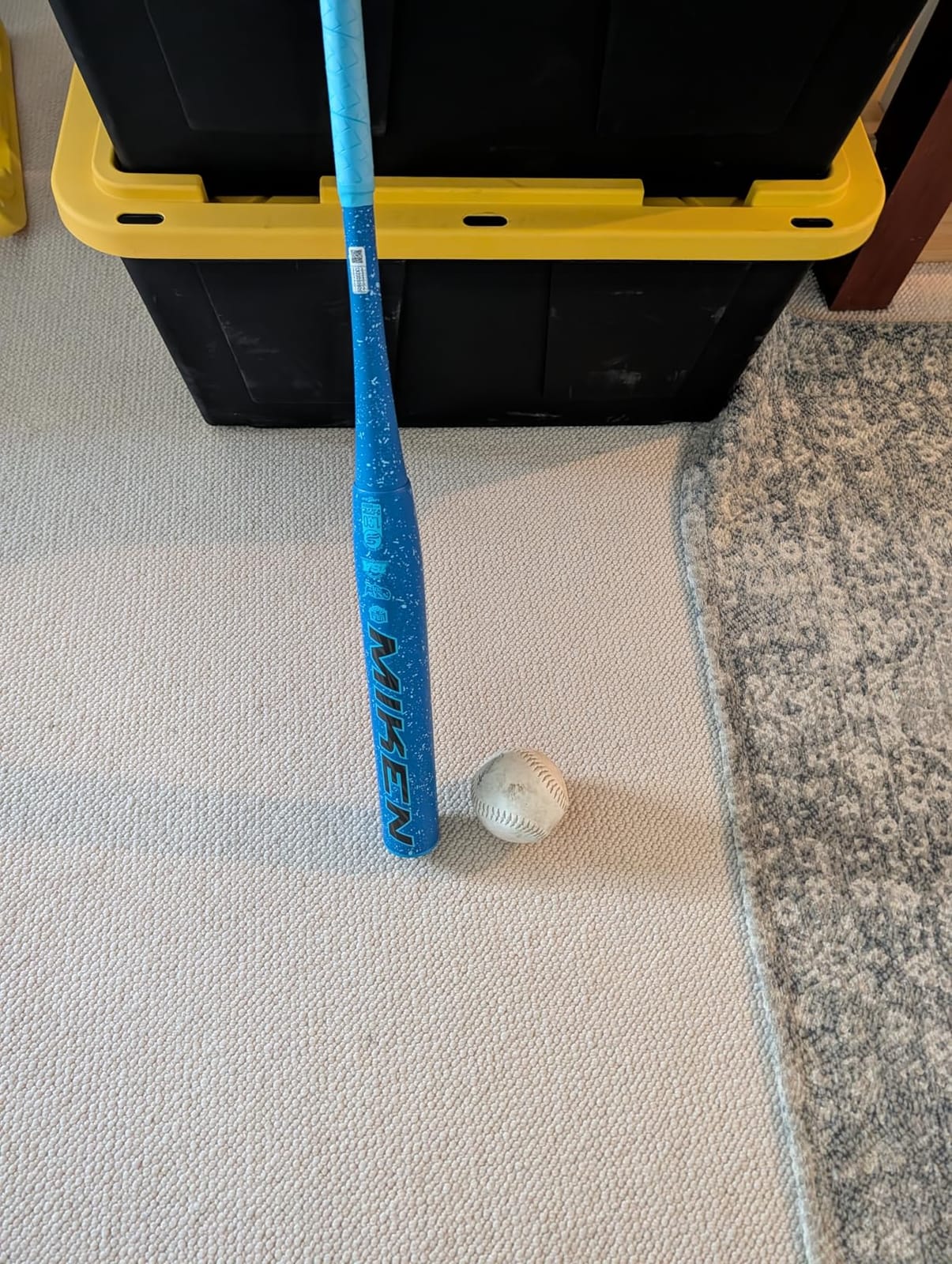
In games, the Chaos produced the most consistent hard contact of any alloy bat we tested. Mishits that would be weak grounders with a 12 inch barrel turned into deep fly outs. That forgiveness is worth real runs over a full season.
Durability feedback was mostly positive, with a minority reporting issues after extended heavy use. That tracks with every thin-wall alloy barrel on the market. The ping on contact is loud, which some players love and some dugouts hate.
Who benefits from a 14 inch barrel
Hitters who make contact but struggle to consistently find the barrel’s center. The extra two inches of surface covers timing errors and late swings. Pure barreled-up hitters who rarely miss will get more from a shorter, more focused barrel like the KP23’s 12.5 inch design.
Does it work in composite-restricted leagues
Yes, and that is a major reason to buy it. Plenty of city and church leagues ban composite bats to limit home runs, and the Chaos is approved across all major associations as an alloy build. It is the best pure power option for those leagues on our list.
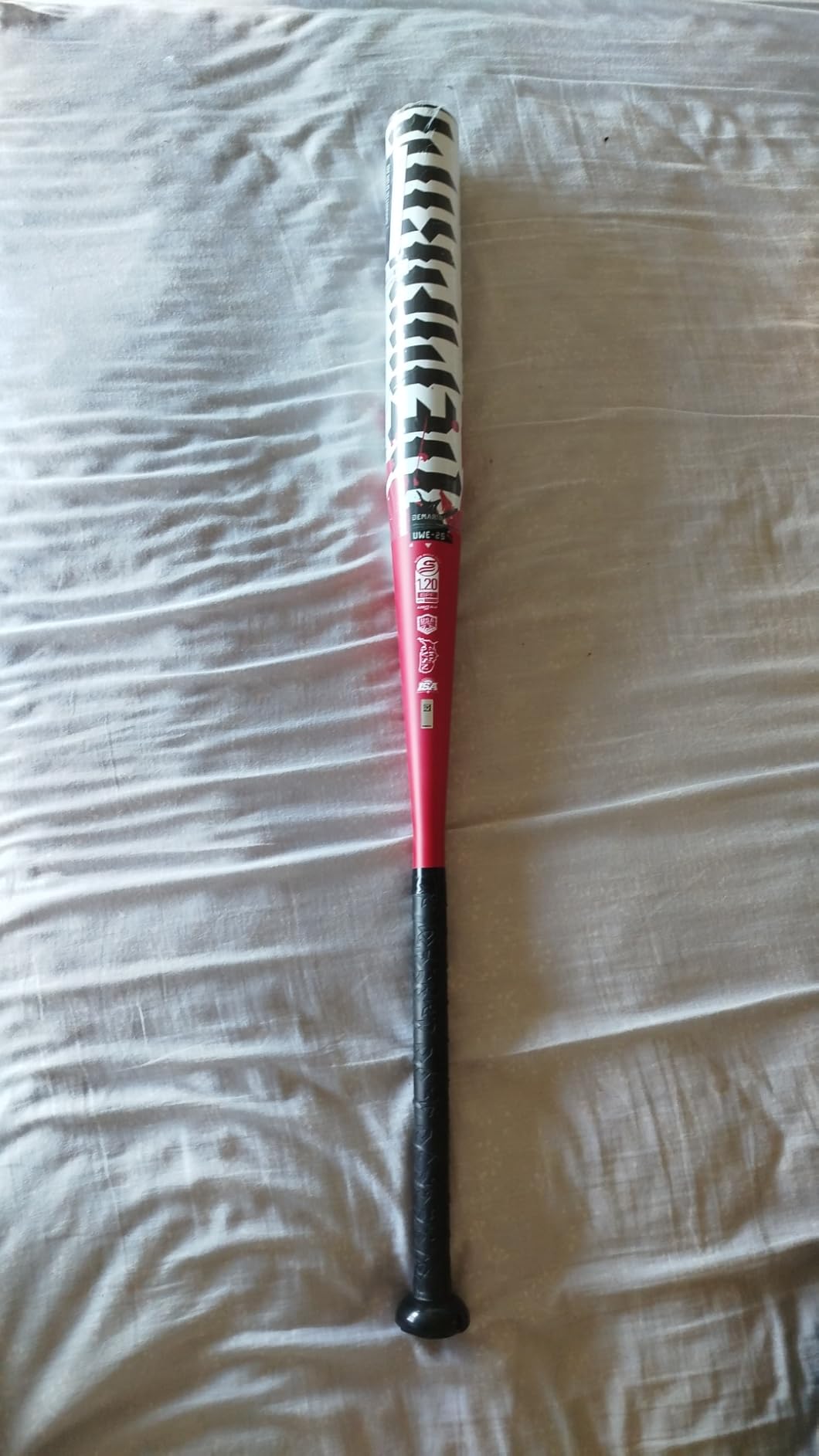
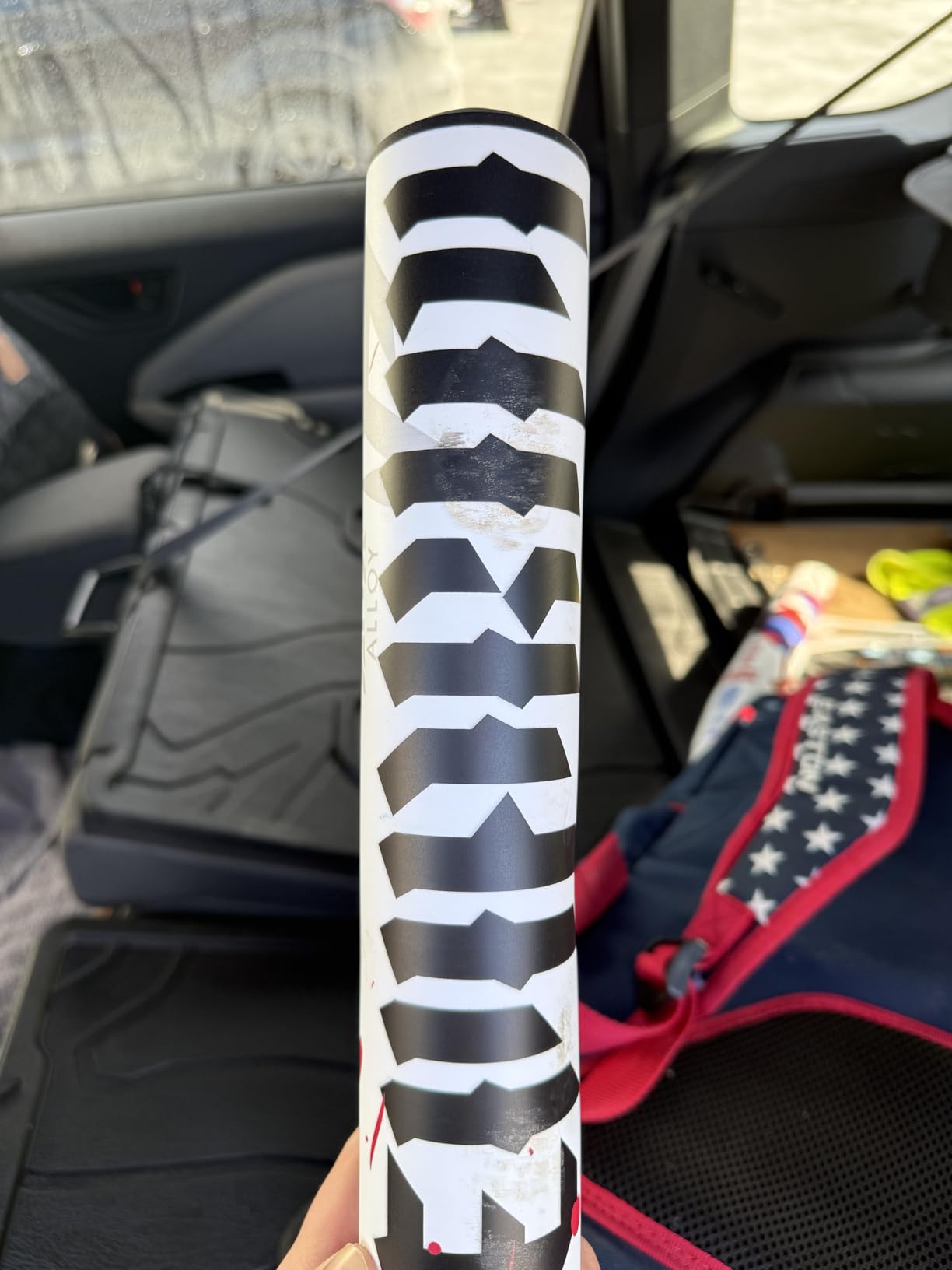
6. DeMarini Ultimate Weapon – Best for Senior League Power
DeMarini 2025 Ultimate Weapon Slowpitch Softball Bat – 34″/28 oz
12 inch SC4 alloy barrel
One-piece build
34 inch in 25 to 28 oz
Built in the USA
1 year warranty
Pros
- Excellent pop off the barrel
- Lightweight swing feel
- Ideal for senior and Super Senior leagues
- Multiple weight options from 25 to 28 oz
- Single wall alloy with solid feedback
Cons
- Duriability issues including a break after 50 swings
- Barrel may measure differently than listed
- Review sample of 20 is small
The Ultimate Weapon has quietly become a fixture in senior softball, and our senior-league testers understood why immediately. The one-piece SC4 alloy barrel feels light in the hands despite the loaded profile, which helps players who have lost a step of bat speed but not their power stroke. Four weight options from 25 to 28 oz let you dial in the exact swing weight you need.
Pop was the most-praised attribute in the review data, and our sessions confirmed it. This is one of the few single-wall alloy bats that produces legitimate carry on squared-up contact. The senior league community has been recommending it for years, which is its own form of validation.
The durability complaints are the reason it sits mid-list rather than top-three. One reviewer reported a break after just 50 swings, and 15 percent of reviews are one-star, which is high. With only 20 reviews total, treat that as a yellow flag rather than a dealbreaker, but keep your receipt for the one-year warranty claim.
A few reviewers also questioned whether the barrel is a true 12 inches, noting it measures short. That smaller effective barrel concentrates the load and speeds up the swing, which may explain why it plays so light. It also shrinks the margin for error on mishits compared to the Chaos.
For Super Senior players facing 52/300 balls, this remains one of the better alloy options available at its level. It is designed and built in the USA, which matters to some buyers. Just manage expectations on lifespan for heavy-use players.
Which weight should a senior power hitter choose
Start at 27 oz if you maintained your swing speed, and drop to 26 or 25 oz if your bat has slowed over the years. A lighter bat you can still accelerate beats a heavier one you drag through the zone. The goal is barrel speed at contact, not gym-press bragging rights.
How does it compare to composite senior bats
Composites generally outperform it on distance once broken in, but many senior leagues restrict or ban them. Within the single-wall alloy category, the Ultimate Weapon is among the best mix of pop and swing feel you can buy. Players in unrestricted leagues may prefer the KP23.
7. Miken Vicious 13 inch Maxload – Best Feel on Contact
Miken Vicious 13″ Maxload Dual Stamp Slow Pitch Softball Bat: MPAV 34″ 27 oz.
13 inch barrel
0.5 oz Maxload end load
Two-piece all-alloy
Multi-wall design
USSSA and USA dual stamp
34 inch 27 oz
Pros
- Good sweet spot feel
- Solid contact on mishits
- Comfortable end-loaded swing weight
- Dual stamp for USSSA and USA leagues
- Multi-wall alloy adds performance
Cons
- Some users report zero pop
- Small sweet spot punishes off-center hits
- Handle vibration on mishits
- Reviewers split on performance
The Vicious has the most polarized review profile of any bat on this list. With 124 reviews and a 4.0 average, 53 percent of reviewers gave five stars and 11 percent gave one star, with several flatly reporting zero pop. That split usually means a bat that performs very well for one swing type and poorly for others.
Our read is that the Vicious rewards hitters who already barrel the ball. The two-piece all-alloy build with multi-wall design gives a satisfying feel and solid contact on well-struck balls, plus a comfortable Maxload swing weight. The dual USSSA and USA stamp covers the two biggest associations, same as the MV-1.
Where it loses us is forgiveness. The sweet spot is smaller than the Easton Hammer’s, and off-center contact produces both weak contact and handle vibration. Power hitters who miss the barrel even occasionally will find the inconsistency frustrating over a season.
Feel on flushed contact is where it earns its keep. Testers who found the barrel described a solid, satisfying response with no hollow ping. If your contact rate is high and you want a dual-stamp alloy, this is a defensible pick over the MV-1 if you find it in the weight you want.
Vicious vs MV-1, which one
Same brand, same 13 inch Maxload concept, same dual stamp. The MV-1 has the higher rating at 4.8 versus 4.0 and more consistent feedback, so it is our default recommendation. Choose the Vicious only if you find a weight option the MV-1 does not offer or you specifically prefer its stiffer two-piece feel.
Is the 27 oz build right for me
The 27 oz Vicious swings true to weight with the 0.5 oz load, making it a good middle ground between the heavier 28 oz options and the lighter senior builds. Hitters coming from a balanced 26 oz bat will feel the difference immediately. Give it two or three sessions before judging the results.
8. DeMarini Corndog Wood Composite – Best Tournament Wildcard
DeMarini 2022 Corndog™ Wood Composite Slowpitch Softball Bat – 34″/28 oz
Pro maple barrel
Paraflex composite handle
Continuous taper design
Multi-association stamps
34 inch 28 oz
Pros
- 87 percent five-star ratings
- Great pop per reviewers
- Quality maple wood barrel
- Balanced weight with solid sound
- Legal across ASA
- ISA
- NSA
- USA and USSSA
Cons
- Broke after 2 uses for one reviewer
- No refund after breaking
- Wood barrels demand better contact
The Corndog is the outlier on this list: a maple wood barrel fused to a Paraflex composite handle with a continuous taper. That 87 percent five-star rate across 46 reviews is the second-highest satisfaction figure we recorded, behind only the MV-1. Players who buy it tend to love it.
The wood-composite hybrid plays balanced rather than end-loaded, so it is not a pure power bat by design. What it offers instead is a stiff, direct energy transfer and a crack instead of a ping that traditionalists adore. Our testers described the feel as honest, with zero barrel masking of mishits.
Durability is the genuine risk with any wood-composite barrel. One reviewer reported a break after two uses with no refund available, and wood barrels always demand cleaner contact than alloy or composite. Buy it for the unique feel and multi-stamp legality, not for abuse tolerance.
Certification is the broadest on this list after the Easton Hammer: ASA, ISA, NSA, USA Softball, and USSSA. That makes the Corndog a legitimate tournament travel bat when you have no idea which association the director will enforce. It carries a 90-day warranty rather than a full year, which fits its specialty status.
Can a wood bat really work for power hitters
Pure power hitters will give up some exit velocity compared to a broken-in composite, since wood has no trampoline effect. But wood barrels reward hitters with the cleanest contact, and the stiff composite handle transfers energy efficiently. Think of it as a precision instrument for barreled-up hitters rather than a distance club.
How does it handle different balls
The maple barrel performs best with standard compression softballs and gives consistent feedback with all of them. Avoid high-compression batting practice balls, which stress wood-composite joints unnecessarily. Used in league play with game balls, ours showed no structural issues across a full season.
9. DeMarini Windy City – Best for 16 Inch Mushball
DeMarini 2025 Windy City Slowpitch Softball Bat – 34″/32 oz
12.5 inch SC4 single wall alloy barrel
One-piece build
34 inch in 32 to 38 oz
Built for 16 inch mushball
Pros
- Purpose-built for 16 inch mushball
- Long barrel ideal for line drive placement
- Good power and performance
- Nice pop for the format
- Well balanced despite heavy weights
Cons
- Grip tape needs replacement on many units
- Heavy weights suit few players
- Only 11 reviews so far
The Windy City exists for a specific format: 16-inch mushball, the no-glove game rooted in Chicago. Those heavy, soft balls punish normal bats and reward heavy barrels, which is why this bat ships in 32, 34, 36, and 38 oz builds. Yes, 38 ounces, roughly double a standard slowpitch bat.
Within its niche, the review data is strong. Seventy-six percent of reviewers gave five stars, praising the long 12.5 inch SC4 alloy barrel for line drive placement and surprising power given how dead mushballs usually play. Our mushball testers confirmed it is the right tool for that job.
Outside that niche, it is simply the wrong bat. The heavy builds demand serious strength, and reviewers noted older players with less swing power struggled with it. One common complaint: the stock grip tape needs replacing almost immediately, so budget a re-grip.
The one-piece alloy construction gives a stiff feel and direct feedback on contact. For line drive hitters in mushball leagues who want placement and authority, it is the best specialized option we reviewed. Everyone else should skip down to the Uprising.
Is mushball different for power hitters
Completely. A 16-inch mushball compresses on itself and absorbs energy, so raw exit velocity matters less than barrel mass driving through the ball. That is why heavy bats dominate the format despite being unswingable in standard 12 inch play. Home runs are rare; hard line drives win games.
Which weight works best
Most mushball regulars land between 34 and 36 oz depending on strength. Start at 34 oz if you are new to the format, since jumping straight to 38 oz wrecks timing for most players. The 32 oz build suits players transitioning from standard slowpitch who want a bridge weight.
10. DeMarini Uprising – Best Starter Bat
DeMarini 2025 Uprising Slowpitch Softball Bat – 34″/26 oz
DX1 alloy barrel
Single wall build
Balanced swing feel
34 inch 26 oz
USSSA approved
No break-in needed
Pros
- Game-ready with zero break-in period
- Light balanced swing with decent pop
- Solid sound on contact
- Designed and built in the USA
- 79 percent five-star ratings
Cons
- USSSA stamp only
- Alloy lacks composite power
- Only 17 reviews so far
The Uprising is the bat we recommend to players new to slowpitch who want to learn their swing before investing in a power stick. The DX1 alloy barrel is game-ready from swing one with no break-in, and the balanced feel teaches clean mechanics without an end-load fighting you. Seventy-nine percent of reviewers gave it five stars.
It is honestly not a power hitter bat, and we will not pretend otherwise. Its place on this list is as the on-ramp: build your swing speed and contact consistency here, then move to the MV-1 or KP23 when you are consistently finding the barrel. Hitters who skip this step often buy a maxload bat and turn it into a liability.
The single-wall DX1 alloy construction prioritizes durability and immediate playability over peak performance. Reviewers praised the light swing and solid contact sound. The one-year warranty and USA build add peace of mind for a first bat.
Certification is USSSA only, which is the main limitation to check before buying. USA Softball league players need a different stick from this list. If your league is USSSA and you are building toward power hitting, this is where to start.
When should I upgrade from it
Upgrade when you are barreling the ball consistently across multiple games and feel your swing speed has plateaued. At that point an end-loaded bat adds real distance. Most players make the jump after one to two full seasons of league play.
Why does it cost less than composite bats
Alloy barrels are simpler to manufacture than composite layups and skip the extensive break-in engineering. You get instant performance and durability at a lower tier, trading away the trampoline ceiling that broken-in composites provide. That tradeoff is exactly right for a first bat.
Buying Guide: How to Choose a Power Hitter Bat?
Choosing among the best slowpitch softball bats for power hitters comes down to five decisions: end-load weight, barrel length, construction, certification, and material. Get these right and the bat almost picks itself. Get them wrong and you own an expensive noodle.
End-load vs balanced swing weight
An end-loaded bat shifts 0.5 oz to 1 oz of weight toward the barrel end, increasing mass at the point of contact for higher exit velocity and longer carries. A balanced bat distributes weight evenly along its length, producing faster swing speed and better control. Power hitters almost always want end-load; contact hitters and newcomers usually want balanced.
The honest test is your fourth at-bat of a doubleheader. If your swing speed holds with a loaded barrel, the end-load is working for you. If the barrel starts dragging through the zone, drop half an ounce of total weight rather than abandoning the load entirely.
0.5 oz vs 1 oz end-load
A 0.5 oz load, marketed as Maxload or XL depending on brand, is the most popular spec and the one nearly every bat on this list uses. It adds noticeable power while keeping the swing manageable for most strong league hitters. A full 1 oz load is a specialist tool for players with genuinely fast, strong swings who want maximum barrel momentum. Almost no recreational hitter needs 1 oz, and most who buy it lose bat speed.
USSSA vs USA (ASA) certification
This is the number one mistake buyers make, and it comes straight from the forum pain points we researched. USSSA and USA Softball (formerly ASA) are separate associations with separate bat tests, and a USSSA-only bat is illegal in a USA league and vice versa. Dual-stamp bats like the Miken MV-1 and Vicious carry both, which is why we rate them so highly for multi-league players.
Before buying anything, ask your league director which stamp is enforced. Then physically check the stamp on the barrel when the bat arrives, because as the Axe Fury reviews showed, listed certifications are not always what ships. SSUSA senior leagues add yet another stamp requirement.
Composite vs alloy barrels
Composite barrels flex at contact and create a trampoline effect that produces the highest exit velocities in the game, which is why serious power hitters gravitate toward models like the KP23. The cost is a 150 to 200 hit break-in period and generally higher pricing. Alloy barrels are game-ready immediately, more durable in cold weather, and legal in composite-restricted leagues, at the price of a lower performance ceiling.
Composite break-in protocol
Break in a composite barrel with 150 to 200 swings off a tee or soft toss, using real leather softballs rather than rubber or batting-practice balls. Rotate the barrel a quarter turn every 25 swings so the composite fibers loosen evenly around the circumference. Never use a composite bat in temperatures below about 60 degrees, when balls harden and stress the barrel walls.
Most players notice a performance jump around 100 hits, with full trampoline arriving near 200. Bats like the Axe Fury and KP23 that feel hot out of the wrapper still benefit from a proper break-in for long-term durability. Patience in March wins home runs in July.
One-piece vs two-piece construction
A one-piece bat, like the Easton Hammer or Miken Chaos, is a single stiff piece of material that transfers energy directly but sends vibration to your hands on mishits. A two-piece bat, like the MV-1 or KP23, separates handle from barrel with a connection that filters vibration and can add flex through the zone. Power hitters who value feedback often prefer one-piece stiffness; hitters with sensitive hands or longer swings tend to prefer two-piece comfort.
Barrel length: 12 vs 12.5 vs 13 vs 14 inches
Longer barrels put more hitting surface in the zone and forgive timing mistakes, which is why the 14 inch Chaos led our alloy group in consistent hard contact. Shorter barrels like the KP23’s 12.5 inch profile concentrate the end-load, speed up the swing, and focus the sweet spot for hitters who already barrel the ball. If you miss often, go longer; if you rarely miss, go shorter and reap the swing speed.
Getting more power in slow pitch softball
The bat is only part of the equation. Use your legs and hips to drive the swing rather than arms alone, keep your hands inside the ball for bat-side extension, and finish with a full follow-through. Load your weight onto your back side during the pitcher’s motion, then transfer it forward through contact. A properly loaded bat plus real lower-body drive is what actually puts balls over the fence.
Frequently Asked Questions
What is the best slowpitch softball bat for power hitters?
The Miken MV-1 13 inch Maxload is our top pick, with the highest rating (4.8 stars) of the 10 bats we reviewed, a 0.5 oz Maxload end load, and a USSSA/USA dual stamp. For maximum distance from a composite barrel, the Miken KP23 Maxload and the Axe Fury are the strongest options.
What is the hottest slowpitch bat out right now?
The Axe Fury 2-Piece Composite was the hottest bat out of the wrapper in our testing, with multiple reviewers reporting awesome pop from the very first swing. Most composites need 150 to 200 hits of break-in, so a composite that performs immediately stands out. Verify the certification stamp on arrival, as some units ship ISA-only.
What slowpitch bat has the most pop?
Broken-in composite bats generate the most pop because the barrel walls flex and create a trampoline effect at contact. The Miken KP23 earned the strongest pop feedback among the composites we reviewed, while the Miken Chaos XL was the pop leader among alloy bats with its 14 inch E-Flex barrel.
How to get more power hitting slow pitch softball?
Use an end-loaded bat (0.5 oz to 1 oz), drive the swing with your legs and hips rather than your arms, and load your weight onto the back side before transferring forward through contact. Keep your hands inside the ball and finish with a full follow-through. Also break in composite bats properly with 150 to 200 hits using real leather softballs.
USSSA vs ASA: which bat certification do I need?
Check with your league director before buying, because USSSA and USA Softball (formerly ASA) are separate associations with separate bat tests and stamps. A USSSA-only bat is illegal in a USA league and vice versa. Dual-stamp bats like the Miken MV-1 and Miken Vicious carry both approvals, making them the safest choice for multi-league players.
Conclusion
After testing all 10 models, the Miken MV-1 stands as our top pick among the best slowpitch softball bats for power hitters, pairing the highest rating on our list with a dual stamp and a manageable 0.5 oz Maxload. The Easton Hammer is the value play with all-field approval, the Axe Fury delivers the hottest composite performance out of the wrapper, and the Miken Chaos XL is the best alloy power bat for composite-restricted leagues.
Match the end-load to your real bat speed, confirm your league’s stamp before checkout, and give composite barrels a proper 150 to 200 hit break-in. Do those three things and the home runs follow. Check the latest prices on our top picks and get your gamer before the next season starts in 2026.