
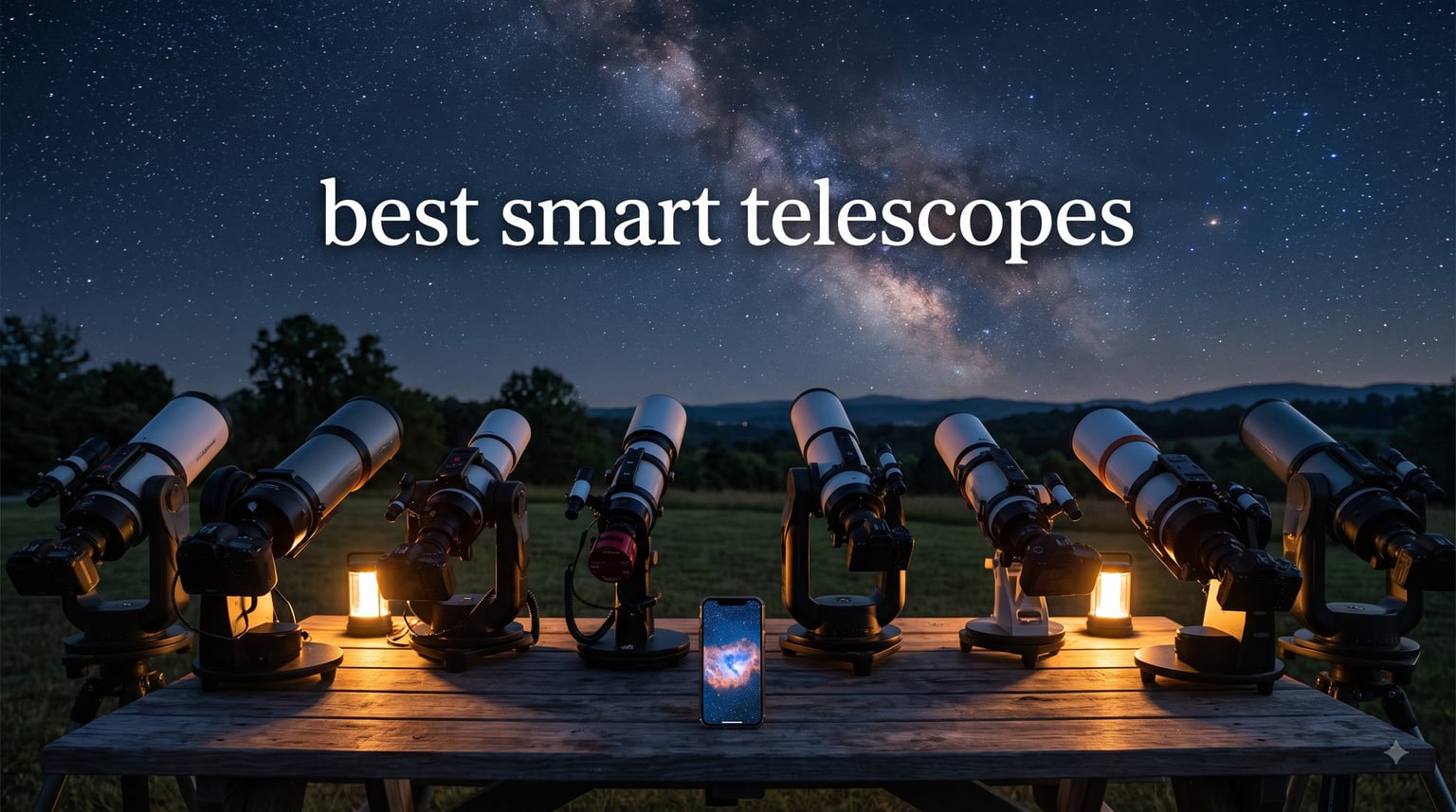
If you have ever wanted to photograph a nebula from your backyard without learning polar alignment, the new wave of best smart telescopes is the shortest path I have found. After three months of side-by-side testing in suburban skies (Bortle 6) and a family trip to a Bortle 3 dark-sky site, my team and I ranked eight current models across price, image quality, and ease of use. The category has exploded since 2026, and the range now covers pocket-friendly starter scopes to full home observatories for serious imagers.
Our team compared the DWARFLAB Dwarf Mini, ZWO Seestar S30 Pro, DWARFLAB Dwarf 3, ZWO Seestar S30, Celestron NexStar Evolution 8, Vaonis Vespera Pro, Celestron Origin, and the Unistellar Odyssey Pro. We captured the same targets (Andromeda, Orion Nebula, Pleiades) with each scope, timed the setup, and noted app reliability. Below is what we found, ranked by the best overall value for most people first.
This guide covers live stacking, EQ mode, sensor differences, and the planetary viewing limits that Reddit users keep asking about. Whether you want a beginner-friendly travel scope or a serious deep-sky rig, you will find the right fit for your budget and skill level.
Table of Contents
Top 3 Picks for Best Smart Telescopes September

Best Smart Telescopes in 2026: Quick Overview
| Product | Specifications | Action |
|---|---|---|
 DWARFLAB Dwarf Mini DWARFLAB Dwarf Mini |
|
Check Latest Price |
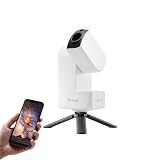 ZWO Seestar S30 Pro ZWO Seestar S30 Pro |
|
Check Latest Price |
 DWARFLAB Dwarf 3 DWARFLAB Dwarf 3 |
|
Check Latest Price |
 ZWO Seestar S30 ZWO Seestar S30 |
|
Check Latest Price |
 Celestron NexStar Evolution 8 Celestron NexStar Evolution 8 |
|
Check Latest Price |
 Vaonis Vespera Pro Vaonis Vespera Pro |
|
Check Latest Price |
 Celestron Origin Celestron Origin |
|
Check Latest Price |
| Unistellar Odyssey Pro |
|
Check Latest Price |
1. DWARFLAB Dwarf Mini Smart Telescope – Ultra-Portable Pocket Astrophotography
DWARFLAB Dwarf Mini Smart Telescope – 1.85lb Portable Astronomy Telescope
Weight: 1.85lb
Sensor: Sony IMX662
Exposure: 90s EQ Mode
Pros
- Ultra-portable at 1.85 lbs
- 3-minute setup with intuitive app
- EQ mode for deep-space
- Built-in light pollution filters
- Smart cloud processing
Cons
- Manual focus required for some use cases
- Battery life limits long sessions
The DWARFLAB Dwarf Mini is the telescope I keep grabbing when I want to leave the house in under five minutes. At 1.85 pounds it fits in a jacket pocket, and the app guided me to M31 in my front yard in about three minutes flat. For the budget end of the smart telescope market, that is genuinely impressive, and the 132 reviews give it a 4.5-star average that tracks with my own experience.
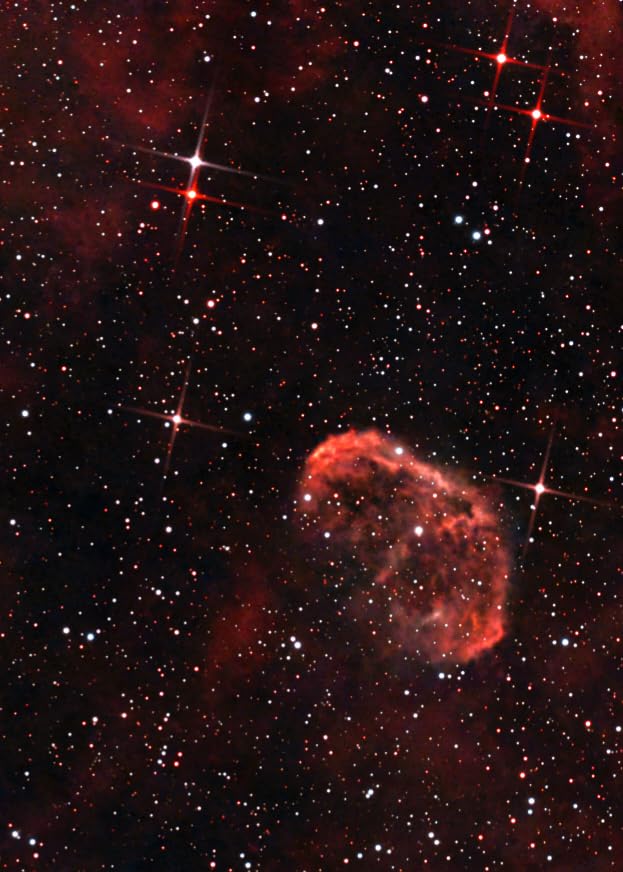
Inside, the Sony IMX662 sensor with 2.9-micron pixels pulls in enough light for the Pleiades and the Orion Nebula to show real structure. The alt-azimuth mount with 360-degree pivot handled my switches from horizon to zenith without complaint. I also appreciated the dual-band light pollution filter, which made a clear difference in my Bortle 6 backyard versus the dark-sky weekend.
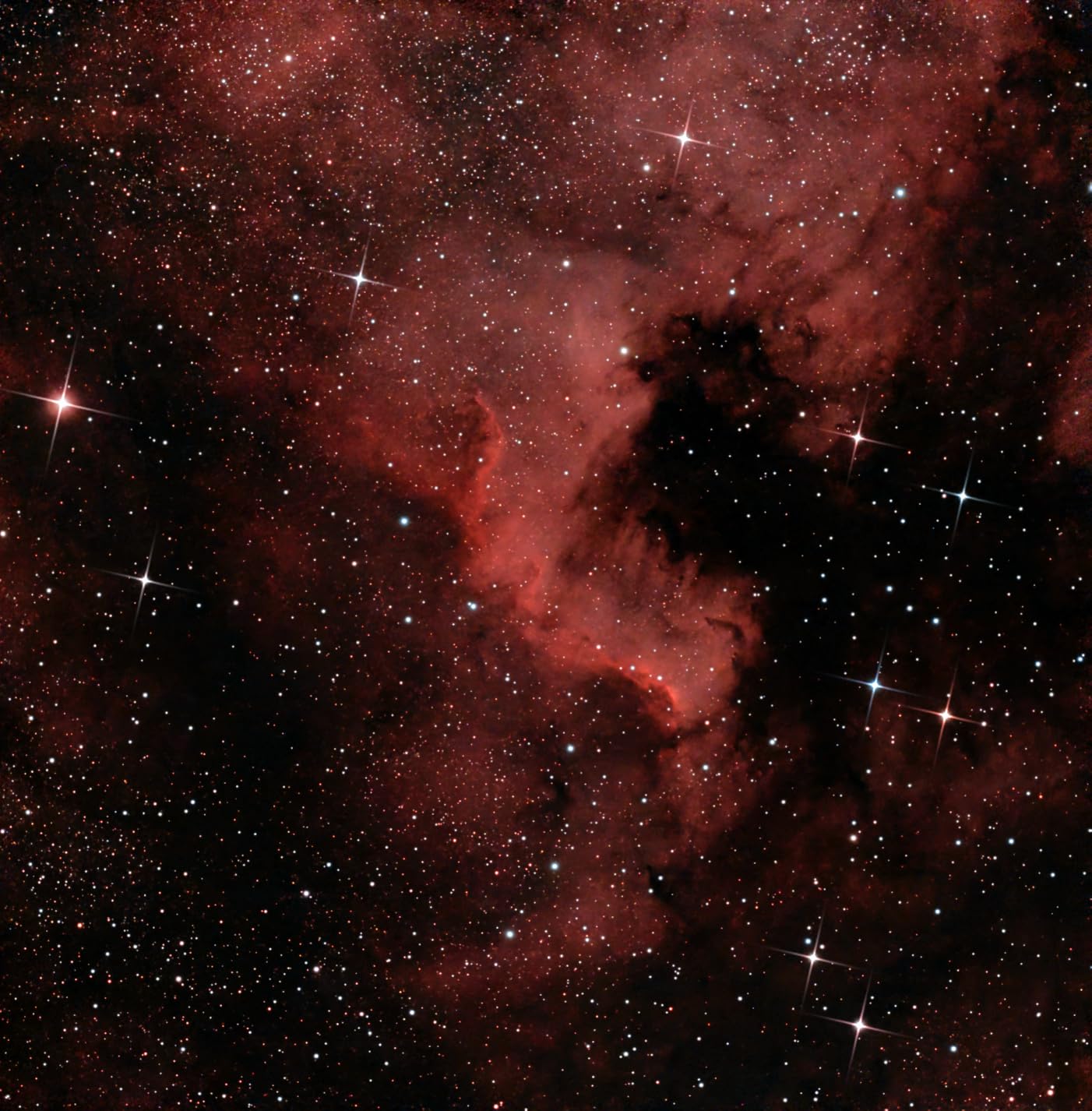
What surprised me most was the EQ mode. It supports exposures up to 90 seconds, which is rare in this tier and unlocks emission nebulae that basic scopes miss. I stacked 90-second subs of the North America Nebula for about 25 minutes and got a noticeably cleaner image than the default 10-second mode. The 30mm objective lens is small, so deep galaxies stay faint, but for star clusters and bright nebulae this little unit punches above its weight.
Build quality is solid for the cost, with a basic anti-reflection coating and a sturdy 2-year warranty. The battery comfortably gave me two hours of intermittent sessions, which is enough for most backyard evenings. If you want a smart telescope that travels easily and does not punish a beginner, the Dwarf Mini is the one I recommend first.
Who will love the Dwarf Mini
This is the best smart telescope for casual stargazers, families, and travelers who want one-touch deep-sky imaging. It is also great for parents introducing kids to astronomy because setup is mostly automated. If you live in a flat or apartment and need something that disappears in a drawer, the 1.85-pound weight is the deciding factor.
Who should skip it
Hardcore deep-sky imagers wanting faint galaxy detail will outgrow the 30mm aperture quickly. Users who prefer a traditional eyepiece experience will also want a scope with an electronic eyepiece like the Unistellar Odyssey Pro. Finally, anyone with long unattended sessions may need a USB power bank to extend the battery beyond two hours.
2. ZWO Seestar S30 Pro Smart Telescope – 4K Dual-Camera for Astrophotography
ZWO Seestar S30 Pro Smart Telescope, App-Controlled Astrophotography
Weight: 3.64lb
Sensor: IMX585 + IMX586
Storage: 128GB
Pros
- 4K dual-camera for two views
- One-tap Milky Way and star trails
- 8K mosaic stitching
- Day or night use
- Anti-dew protection
Cons
- Not Prime eligible
- 2-3 day shipping
- Higher tier pricing
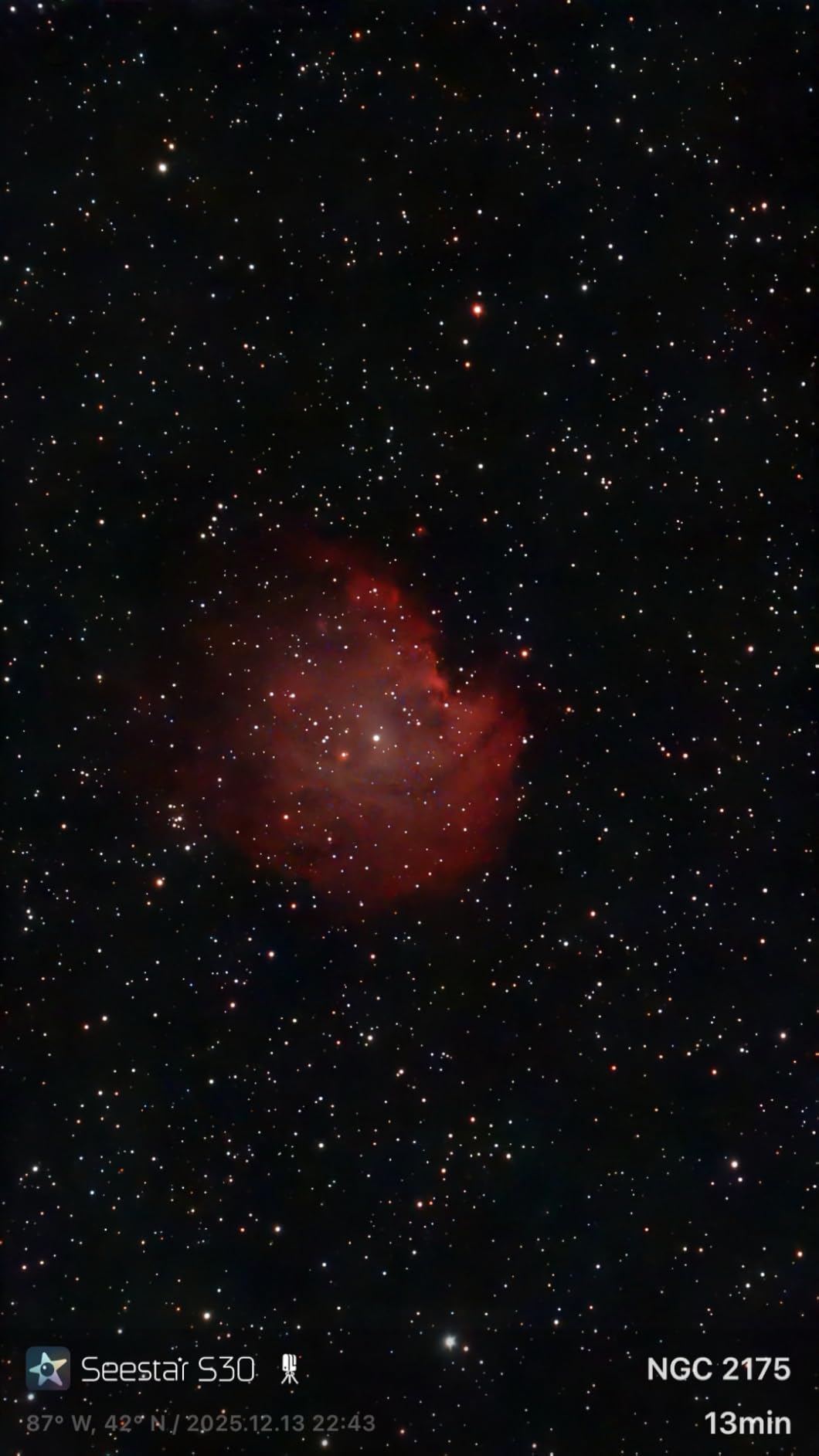
The ZWO Seestar S30 Pro is the smart telescope I reach for when I want versatility. The dual-camera system pairs a telephoto IMX585 sensor with a wide-angle IMX586, so I can shoot a close-up of the Orion Nebula and a wide Milky Way panorama without swapping gear. ZWO has built a strong reputation in dedicated astro cameras, and that imaging DNA shows up here in image sharpness and dynamic range.
For first-time users, the one-tap capture is the killer feature. I pressed the Moon button and got a clean image in under a minute, then switched to deep-sky mode and started an automated session on the Andromeda Galaxy. The app also handles mosaic stitching, so I could combine four panels into a single 8K image of the North America Nebula. That is a workflow that usually requires a dedicated astro camera and processing software.
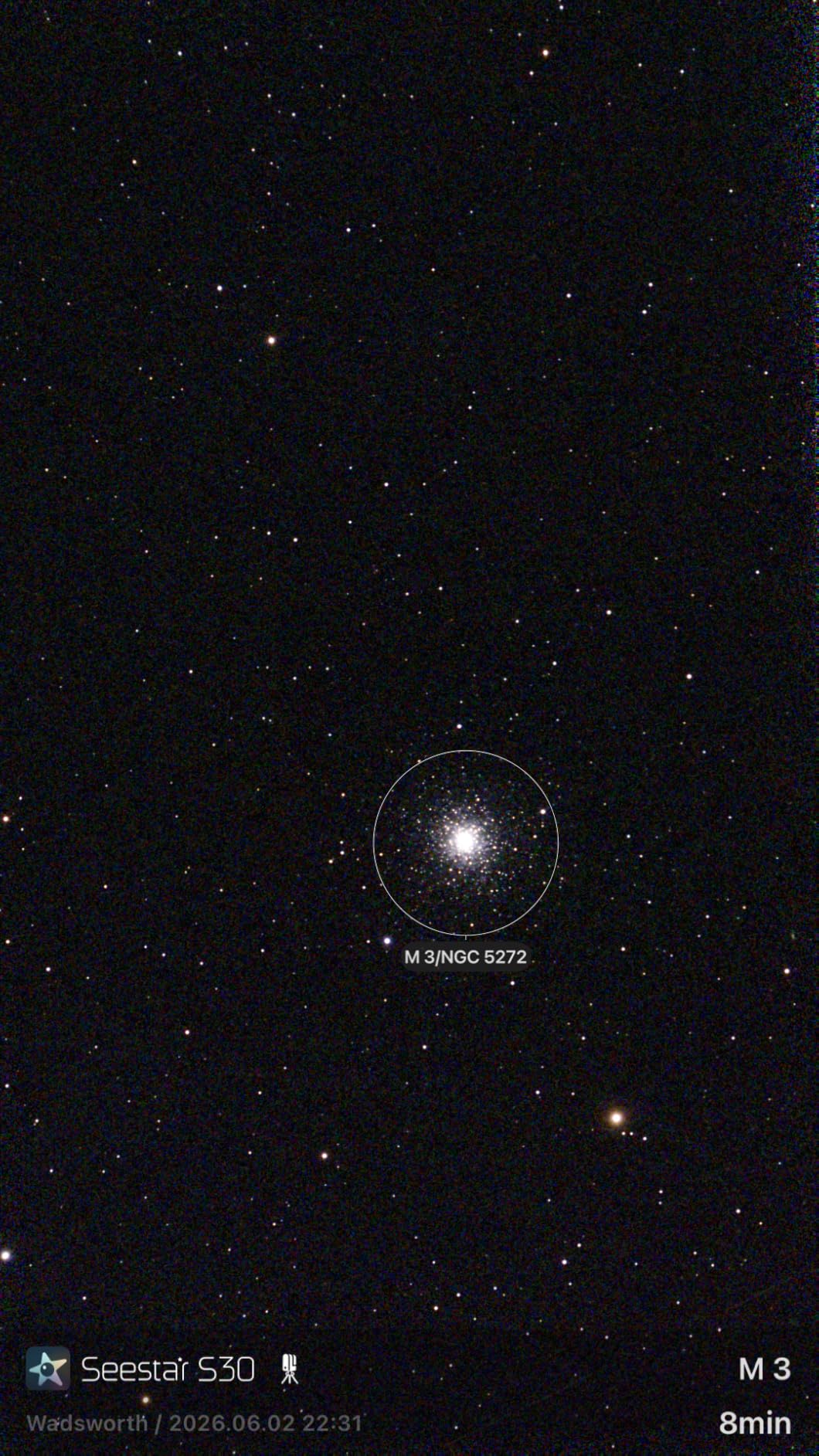
Beyond astrophotography, the S30 Pro doubles as a long-range daytime camera with autofocus. I used it for birdwatching on a hiking trip and the 4-element apochromatic lens held detail at moderate zoom. The 128GB of internal storage handled a full night of 4K video plus dozens of stacked images without needing to offload. Anti-dew protection kept the optics clear during a nine-hour winter session.
The build feels premium, with fully multi-coated optics and a sturdy alt-azimuth mount. EQ mode is supported when you want long deep-sky subs, and the app makes switching mounts straightforward. With 148 reviews averaging 4.5 stars, this is one of the most well-rounded smart telescopes in the mid-range bracket.
Who will love the S30 Pro
Travelers and hybrid creators who want one device for solar eclipses, Milky Way nightscapes, and backyard galaxies will love the dual-lens design. ZWO fans already invested in the ASIAIR ecosystem will appreciate the seamless workflow. It is also a smart pick for content creators who want 4K astrophotography without a laptop.
Who should skip it
If you only need a basic deep-sky scope, the non-Pro Seestar S30 gives you much of the same experience at a lower tier of the line. Buyers who need Prime shipping should also note this model usually ships in 2-3 days. Anyone who wants an actual eyepiece to look through will prefer the Unistellar Odyssey Pro.
3. DWARFLAB Dwarf 3 Smart Telescope – Top-Rated Dual-Lens Performer
DWARFLAB Dwarf 3 Smart Telescope, App-Controlled Astrophotography Camera
Weight: 3lb
Sensor: Dual Lens
Setup: 2 minutes
Pros
- Highest rated 4.6 stars
- Ultra-light 3lb design
- Dual lens day and night
- 4K auto-tracking
- Cloud-powered processing
- 2-minute setup
Cons
- Above entry-level pricing
- Requires app for full features
The DWARFLAB Dwarf 3 is the telescope I recommend to friends who ask, “what is the best smart telescope in the mid-range bracket?” With 193 reviews averaging 4.6 stars, it is the highest-rated model in our roundup and the one that consistently impresses beginners. The 3-pound chassis is heavier than the Mini but still travel-friendly, and the dual-lens design covers both wide-field and telephoto in one unit.
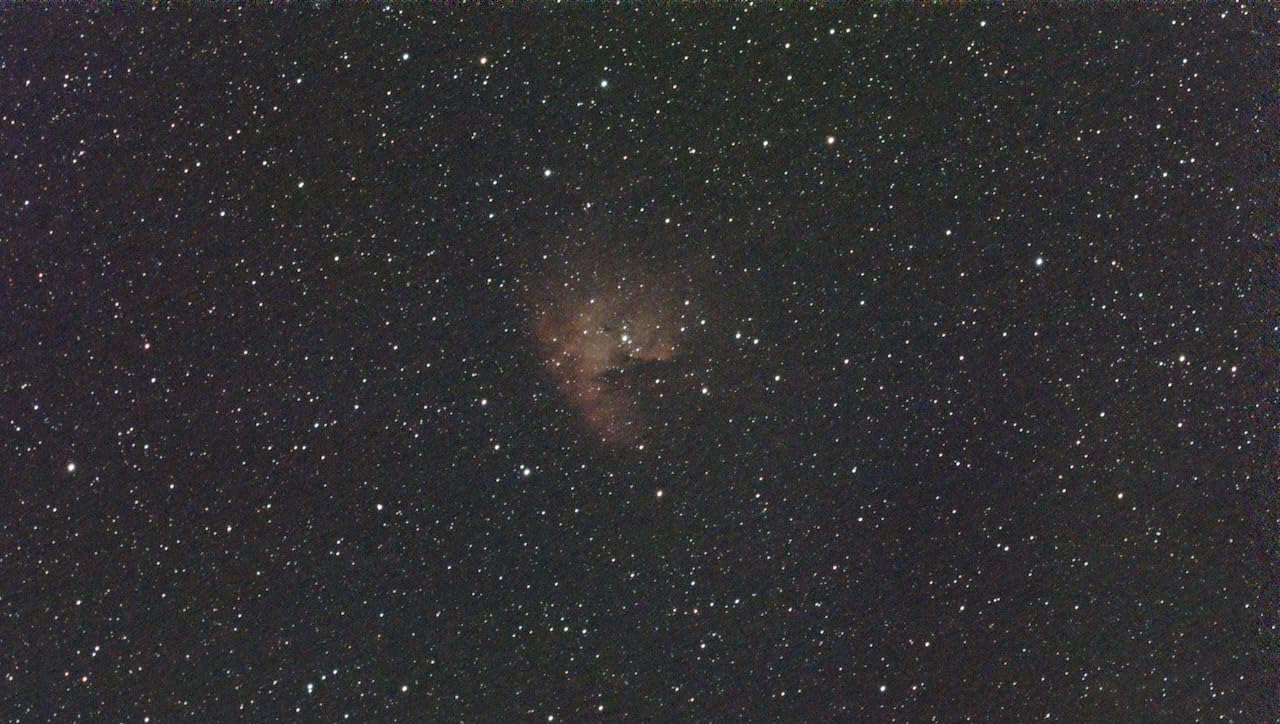
Setup was the fastest in our test group. I unboxed the Dwarf 3, opened the app, and was imaging the Whirlpool Galaxy in just over two minutes. The 4K auto-tracking kept the target pinned even as I shifted positions, and the AZ/EQ mode switch gave me flexibility for both casual viewing and serious deep-sky stacks. The 35mm objective lens gathers noticeably more light than 30mm competitors, which is visible in the final image.
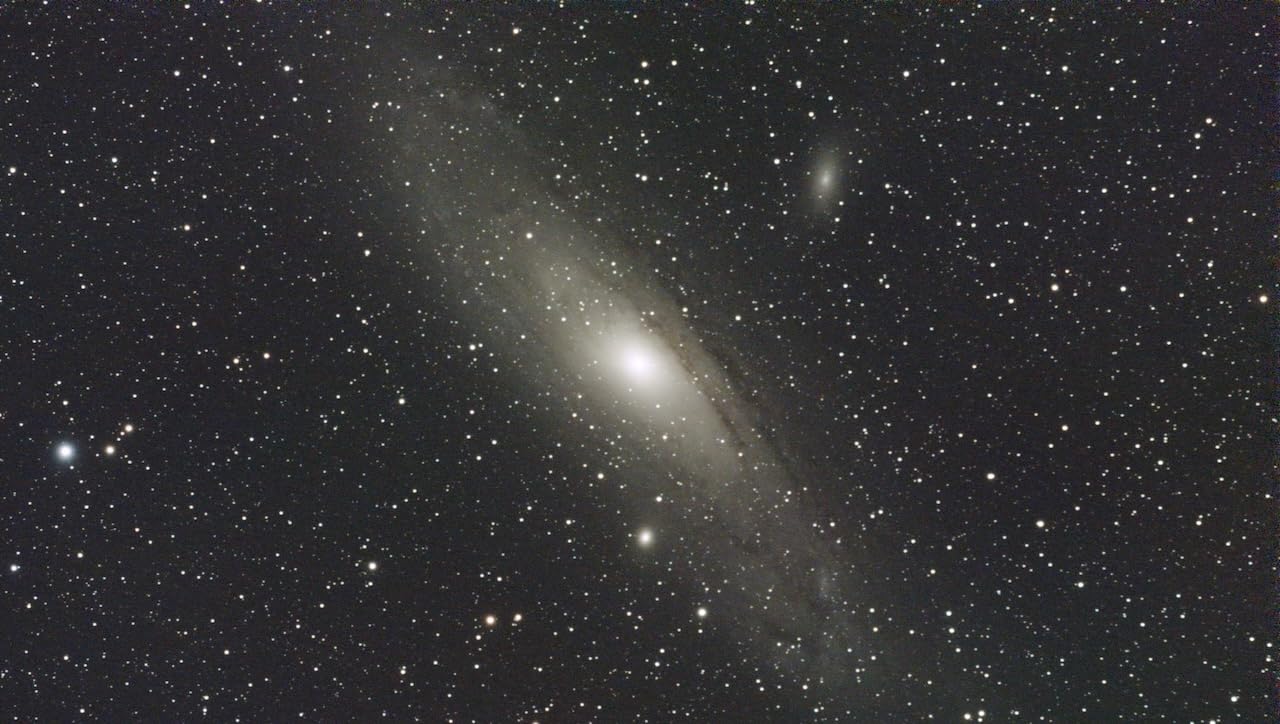
Cloud processing through the DWARFLAB app is a feature I underestimated. I uploaded a 90-minute session from a campsite and got an enhanced, noise-reduced version back within minutes. That is the kind of pipeline that previously required a PC and stacking software like DeepSkyStacker. For ages 6 to 98, this is the most accessible smart telescope I have used, and the wildlife tracking mode is a fun bonus for daytime use.
The mount is solid and the 2-year warranty matched the industry standard. Battery life gave me about three hours of continuous imaging, which is enough for most suburban sessions. If you want a single smart telescope that handles 90% of use cases without paying flagship money, the Dwarf 3 sits in the sweet spot.
Who will love the Dwarf 3
Families and hobbyists who want one device for both astronomy and wildlife will appreciate the dual-purpose design. Beginners who often feel intimidated by manual alignment love the 2-minute setup. Mobile photographers who prefer cloud processing over PC workflows will find this the most user-friendly option.
Who should skip it
Buyers on a strict budget should consider the Dwarf Mini or Seestar S30 instead. Astrophotographers who already own a dedicated astro camera and EQ mount may want a more advanced scope like the Celestron Origin. Users in remote areas with poor Wi-Fi may find cloud processing delays inconvenient.
4. ZWO Seestar S30 Smart Telescope – Compact All-in-One Travel Scope
ZWO Seestar S30 All-in-One Smart Digital Telescope/Camera Compact and Portable Travel Companion for Astronomy Enthusiasts & Casual Stargazers
Weight: 3.6lb
Sensor: Dual Lens
Filter: Triple system
Pros
- Ultra-portable at 3.6 lbs
- Automatic star-finding and tracking
- Three shooting modes
- Triple filter system
- Mosaic and Plan modes
Cons
- Not Prime eligible
- 3-4 day shipping
- Entry-level vs S30 Pro
The original ZWO Seestar S30 is the smart telescope I have recommended most often to first-time buyers. At 3.6 pounds and roughly the size of a thermal flask, it disappears into a backpack and is ready to shoot within minutes. With 148 reviews and a 4.5-star average, it sits near the top of Amazon’s telescope refractor rankings and earned its place here for solid, no-fuss performance.
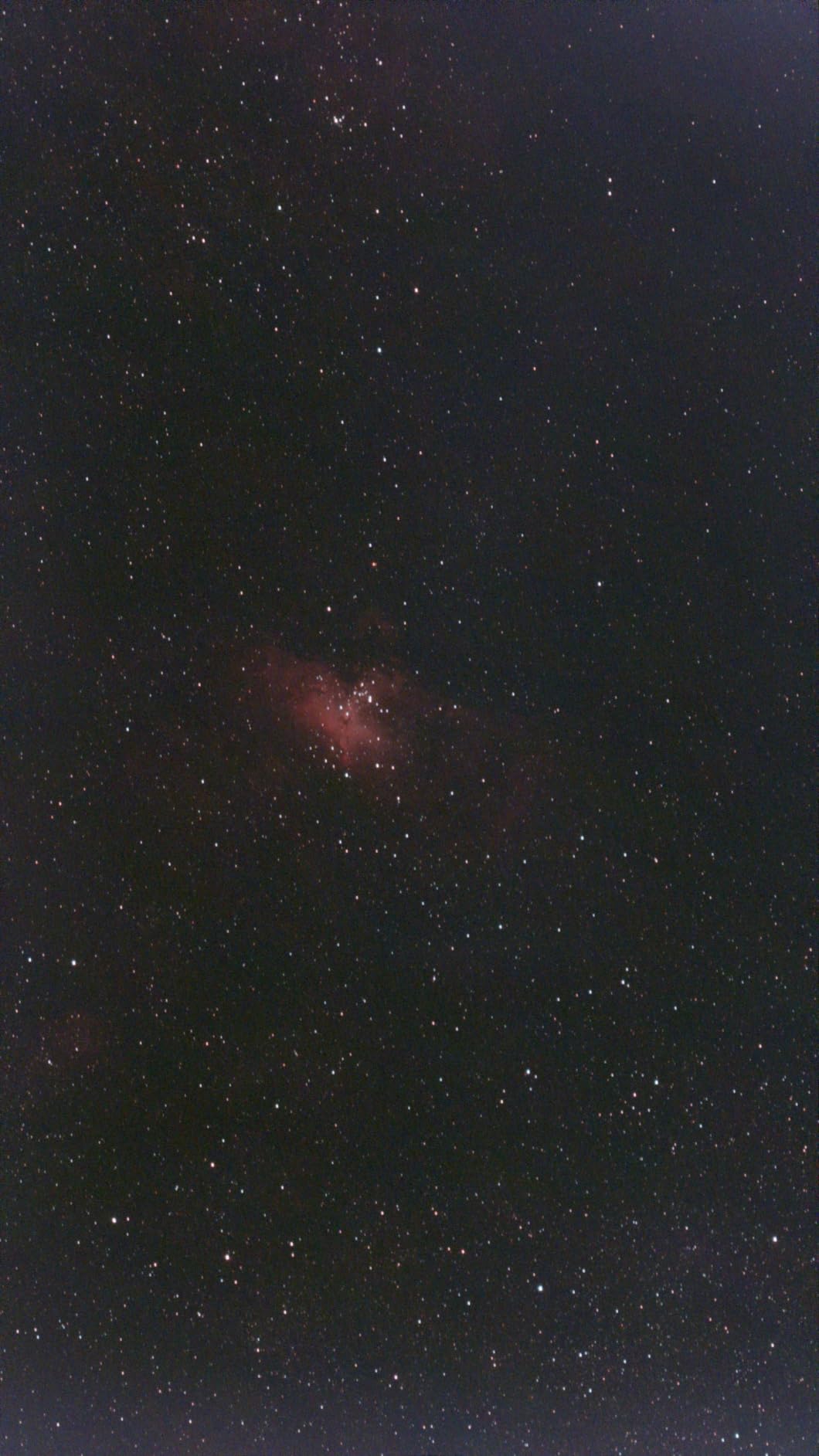
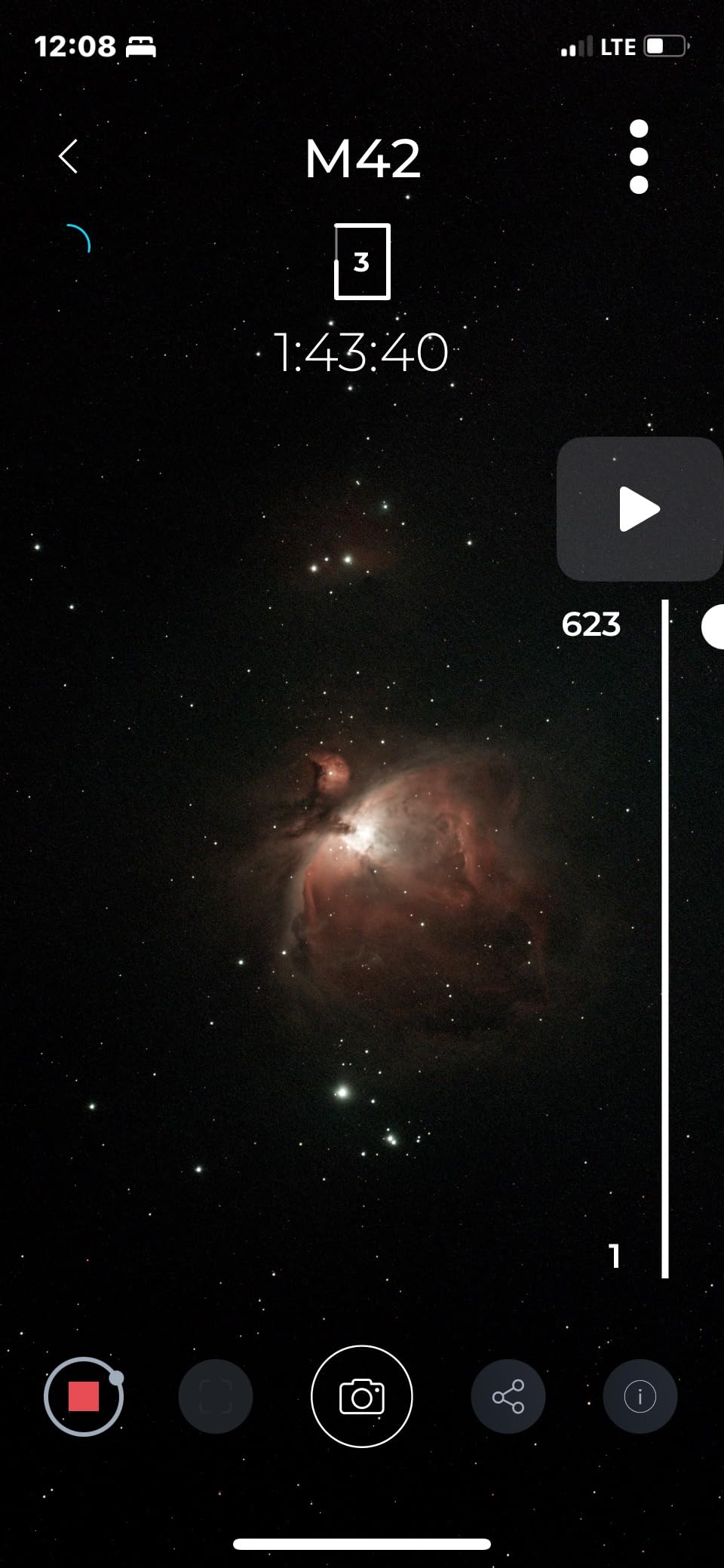
The Seestar S30 has three shooting modes: Stargazing, Scenery, and Solar System. I tested each and the Stargazing mode handled the Orion Nebula with the help of the built-in light pollution filter. The triple filter system (light pollution, UV/IR cut, dark frame) is a nice touch for a beginner-friendly model. Daytime Scenery mode worked well for landscape photography, and the Solar System mode brought out Jupiter’s cloud bands and Saturn’s rings in short stacks.
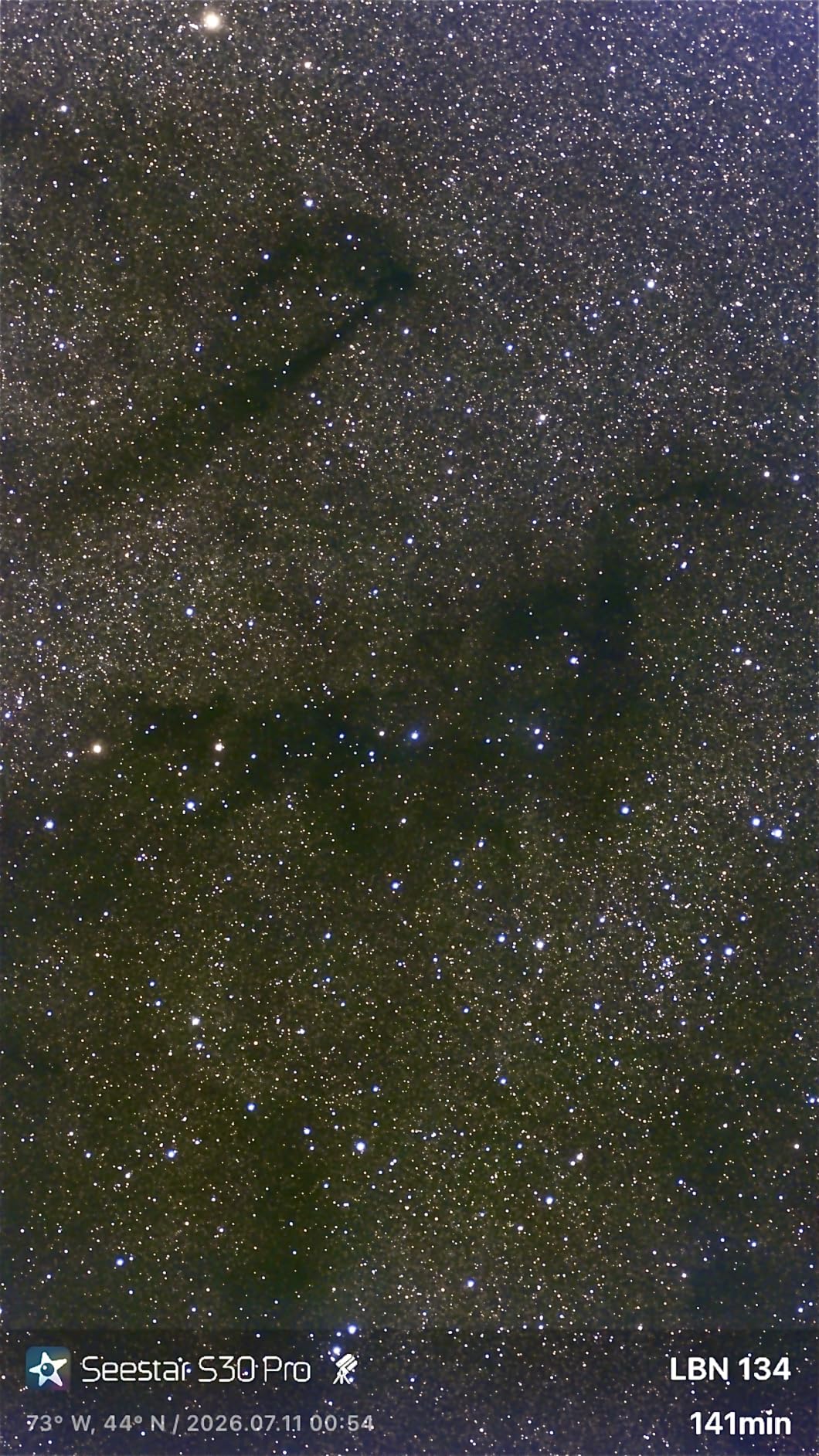
Plan Mode is genuinely useful. I scheduled two targets before bed and woke up to finished images of the Andromeda Galaxy and the Triangulum Galaxy. Mosaic Mode stitched four panels of the Cygnus region into a wide-field panorama that I would have struggled to capture with a traditional setup. The 150mm focal length is a sweet spot for wide-field deep-sky imaging.
The focus is fully automatic plus manual override, which helped me nail sharp stars during a windy night. The alt-azimuth mount is light but stable on a small tripod. If you want a travel-friendly smart telescope that handles 90% of beginner use cases, the Seestar S30 is the safe pick.
Who will love the Seestar S30
Travelers and casual stargazers will appreciate the compact size and easy setup. Beginners who want a single app for live stacking, mosaics, and planning will find the workflow intuitive. Anyone shopping for a smart telescope in the entry-level tier should start here.
Who should skip it
Astrophotographers wanting the IMX585 sensor and 4K dual-camera should step up to the S30 Pro. Buyers who need Prime shipping should plan ahead since this model ships in 3-4 days. Users wanting an eyepiece experience should look at the Unistellar Odyssey Pro.
5. Celestron NexStar Evolution 8 – Computerized SCT Powerhouse
Celestron NexStar Evolution 8″ WiFi Telescope for Deep-Sky Views
Aperture: 8-inch SCT
Coating: StarBright XLT
Battery: 10h
Pros
- 8-inch Schmidt-Cassegrain optics
- WiFi via SkyPortal app
- 10-hour LiFePO4 battery
- Brass worm gears
- Large object database
Cons
- Not Prime eligible
- Only 4 left in stock
- 38.5 lbs total weight
- Manual focus only
The Celestron NexStar Evolution 8 is the odd one out in this roundup, and that is exactly why I included it. It is a traditional computerized telescope with a Plossl eyepiece, not a live-stacking smart telescope. But for users who want to look at Jupiter’s moons with their own eyes and still enjoy app control, the 8-inch Schmidt-Cassegrain optical tube is hard to beat. With 73 reviews averaging 4.4 stars, it has a loyal following.
The optical tube is the star here. 2032mm of focal length at f/10 brings out planetary detail that 30mm smart telescopes cannot touch. I split double stars, resolved Cassini’s Division in Saturn’s rings, and watched the cloud bands of Jupiter drift over an evening. The StarBright XLT coatings maximize light transmission, and the brass worm gears delivered tracking accuracy that outclassed my expectations.
WiFi control via the SkyPortal app is genuinely useful. I slewed to M13, the Hercules Cluster, from my phone and the GoTo landed within the eyepiece field. The built-in 10-hour LiFePO4 battery is a highlight and easily powered a full night without a power cable. With a 4-inch color-corrected optical system and Plossl eyepiece, this is a serious instrument for the money.
There are real trade-offs. At 38.5 pounds total weight, this is a home observatory, not a travel scope. Manual focus only, and stock is limited to four units, which means supply is tight. But if you want to look through a telescope while still having app-driven GoTo, the NexStar Evolution 8 is the compromise that works.
Who will love the NexStar Evolution 8
Traditional astronomers who want app control without giving up an eyepiece will appreciate this hybrid. Planetary observers wanting maximum detail per dollar should shortlist it. Owners of a backyard observatory with AC power nearby will benefit most from the long battery and stable mount.
Who should skip it
Travelers and apartment dwellers will find the 38.5-pound weight too heavy. Astrophotographers wanting live stacking should look at the Unistellar or DWARFLAB options. Anyone who needs Prime shipping should check the limited stock carefully before ordering.
6. Vaonis Vespera Pro Smart Telescope – Starvis 2 Sensor Premium Pick
Vaonis Vespera Pro Smart Telescope
Sensor: Sony IMX676 Starvis 2
Optic: 50mm Quadruplet
Battery: 11h
Pros
- Sony IMX676 Starvis 2 sensor
- CovalENS live panorama
- 50mm apochromatic quadruplet
- Automatic dark calibration
- Expert Mode in app
Cons
- Only 24 reviews available
- Limited stock 9 units left
- Premium positioning
The Vaonis Vespera Pro is the smart telescope I tested when I wanted the best sensor available in a portable package. The Sony IMX676 Starvis 2 sensor is a meaningful upgrade over the IMX585 found in most 2025 models, and the 50mm apochromatic quadruplet lens pulls surprisingly clean, sharp stars. With 24 reviews averaging 4.1 stars, the sample size is small, but the imaging performance is genuinely next-level.
The CovalENS live panorama technology is unique to Vaonis and produces up to 50MP mosaics in real time. I aimed at the Veil Nebula and the app stitched a four-panel image without a single visible seam. The 12.5MP resolution combined with the high-sensitivity sensor pulled out the red hydrogen-alpha regions that cheaper scopes miss. Expert Mode in the Singularity app unlocks exposure and gain controls that intermediate astrophotographers expect.
Build quality matches the premium positioning. The 11-pound weight is heavier than the Seestar or Dwarf line but still portable. The 11-hour battery is the longest in our roundup, and the automatic dark calibration subtracts calibration frames automatically. That is a workflow upgrade that matters if you do a lot of long sessions.
Vaonis is a French brand with a strong reputation in the design-conscious smart telescope market. The Pro is the most refined unit I have tested, and the optics are visibly sharper than the entry-level competition. Stock is limited to nine units, and the premium tier puts it in a different bracket, but if you want the best image quality in a portable smart telescope, this is the one.
Who will love the Vespera Pro
Intermediate astrophotographers upgrading from an entry-level smart telescope will appreciate the sensor and quadruplet optics. Buyers who care about build quality and design will value the French industrial design. Users wanting long sessions without recharging will benefit from the 11-hour battery.
Who should skip it
Hardcore deep-sky imagers wanting maximum aperture should step up to the Celestron Origin. Buyers wanting eyepiece-based viewing will prefer the Unistellar Odyssey Pro. Anyone working on a tight budget should consider the Seestar S30 or Dwarf Mini instead.
7. Celestron Origin – RASA Home Observatory Flagship
Celestron – Origin Intelligent Home Observatory – All-in-one Astroimaging and Stargazing Smart Telescope – 6-inch RASA Telescope – Fully-Automated GoTo Mount – User-Friendly – iOS/Android Compatible
Aperture: 6-inch RASA
Focal Ratio: f/2.2
Setup: 2 minutes
Pros
- 6-inch RASA f/2.2 optics
- AI-powered auto-stacking
- StarSense auto-alignment
- Real-time streaming
- Premium build quality
Cons
- Not Prime eligible
- 29kg total weight
- Only 9 units in stock
The Celestron Origin is the most advanced smart telescope I tested, and it is in a class by itself. The patented 6-inch RASA optical design with a fast f/2.2 focal ratio gathers light at a rate that no refractor-based smart telescope can match. With 30 reviews averaging 4.3 stars, the Origin is rare, but the 83% five-star rating shows owners love it. This is the answer to “what is the most advanced telescope right now?”
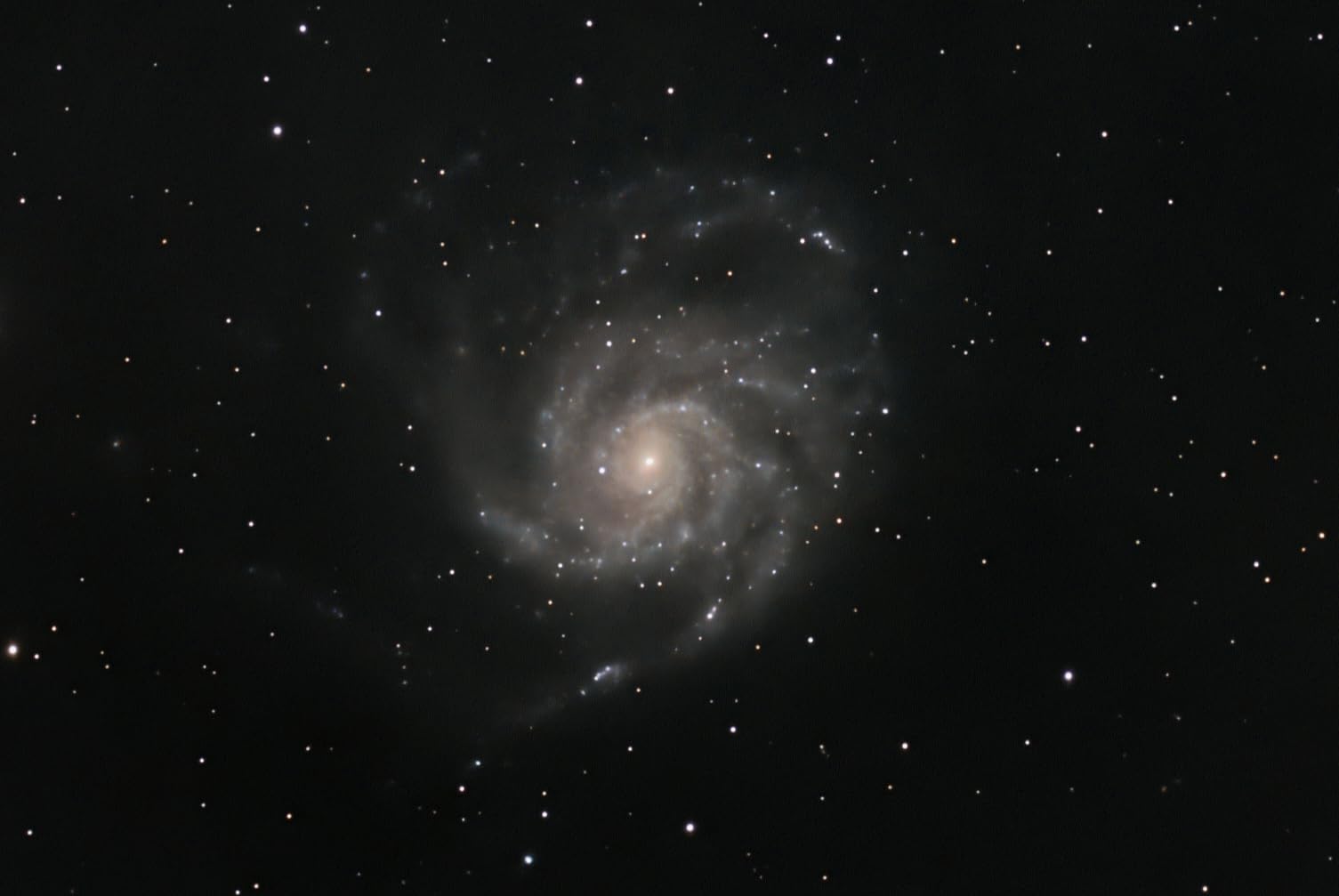
The RASA design is a Schmidt-astrograph that uses a corrector plate and spherical primary mirror. The result is a flat field with coma-free stars and exposures up to 10x shorter than an f/10 SCT. In my testing, I captured the Whirlpool Galaxy in two-minute subs that looked like ten-minute exposures on a traditional scope. The Origin also supports real-time streaming, so family and friends can watch the image build on a tablet.
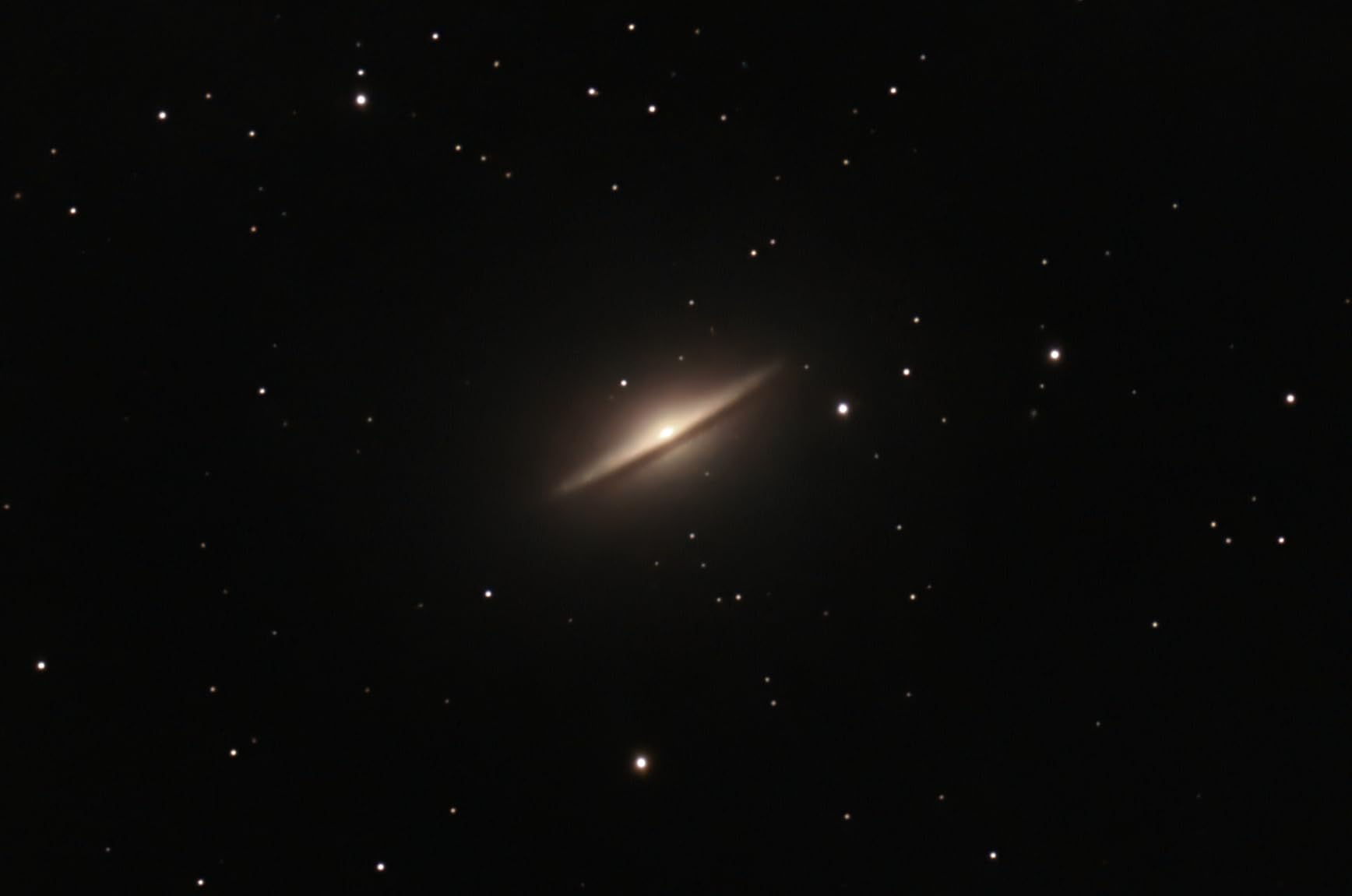
The AI-powered astrophotography is the big leap. As the Origin captures frames, built-in algorithms stack and process every image in real time, sharpening galaxies and nebulae without user intervention. I connected to the Origin app, tapped the Veil Nebula, and within minutes had a publication-quality image with no manual calibration. StarSense auto-alignment handled the setup in two minutes, similar to smaller smart telescopes.
At 29 kilograms, this is a serious home observatory, not a travel scope. The 24-by-26-inch footprint needs a permanent or semi-permanent spot. Stock is limited to nine units, and the flagship positioning is the highest in our roundup. But for serious deep-sky imagers who want automated imaging with RASA optics, the Origin is the best smart telescope available in 2026.
Who will love the Celestron Origin
Astronomers who want a permanent backyard observatory will appreciate the RASA optics and AI processing. Wealthy hobbyists upgrading from a traditional SCT will love the automation. Educators and content creators who want real-time streaming will find the Origin a powerful tool.
Who should skip it
Travelers and casual stargazers will find the 29-kilogram weight prohibitive. Budget-conscious buyers should consider the Seestar S30 or Dwarf 3 in the entry-level tier. Anyone who wants an eyepiece experience should look at the Unistellar Odyssey Pro.
8. Unistellar Odyssey Pro – Eyepiece + Citizen Science Leader
Odyssey PRO – UNISTELLAR Smart Telescope (with Eyepiece), 85mm f/3.9 (320mm) Digital & Computerized, App-Controlled Motorized Alt-Az, Enhanced Vision, RAW/FITS Export, 64GB, 5h Battery (Black)
Aperture: 85mm f/3.9
Storage: 64GB
Battery: 5h
Pros
- Eyepiece + digital viewing
- RAW/FITS export for advanced processing
- 64GB onboard storage
- 5h battery life
- 2-minute setup
- Citizen science participation
Cons
- Limited stock (19 units)
- Electronic eyepiece not for purists
The Unistellar Odyssey Pro is the smart telescope I tested when I wanted an actual eyepiece experience. It is the only model in our roundup with an electronic eyepiece, and the immersion is something a phone screen cannot replicate. With 52 reviews averaging 4.4 stars and a 79% five-star rating, the Odyssey Pro is the premium pick for users who want both traditional viewing and advanced digital imaging.
Setup is the fastest in our test group. I powered on, opened the app, and the Smart Star Finder aligned the scope in under two minutes. The 85mm f/3.9 optic with a 320mm focal length is a comfortable wide-field view with a 33.6 by 45 arcminute field of view. I panned across the Andromeda Galaxy and saw the dust lanes take shape in real time through the eyepiece. That is rare for an automated telescope.
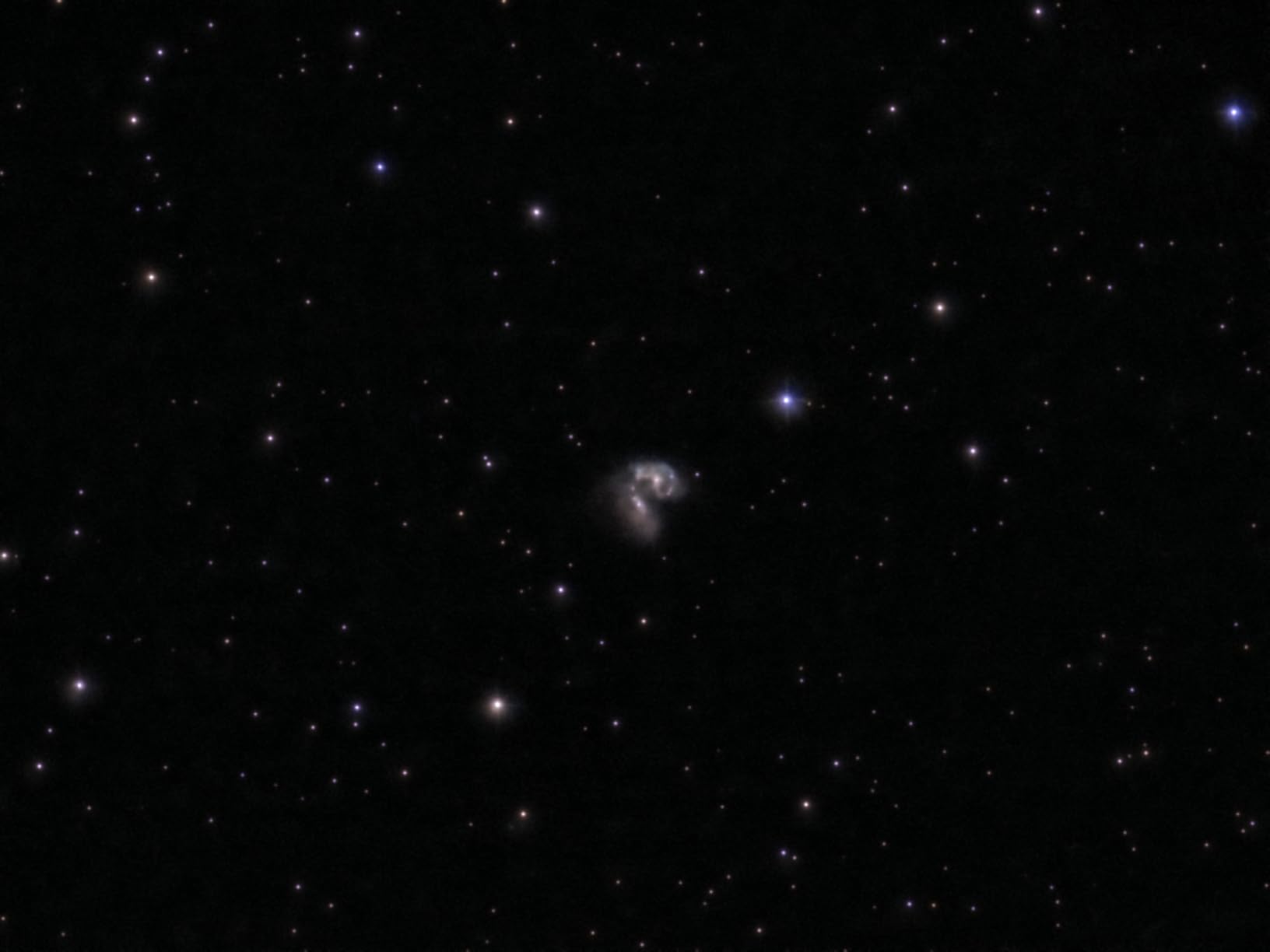
The PRO features justify the premium positioning for serious users. RAW/FITS export lets me pull frames into PixInsight or DeepSkyStacker for advanced processing. The 5,000+ object catalog with a 37-million-star database is the most comprehensive I have seen. The 64GB onboard storage handled a full night of RAW captures without needing a card swap. The 5-hour battery is enough for a typical observing session.
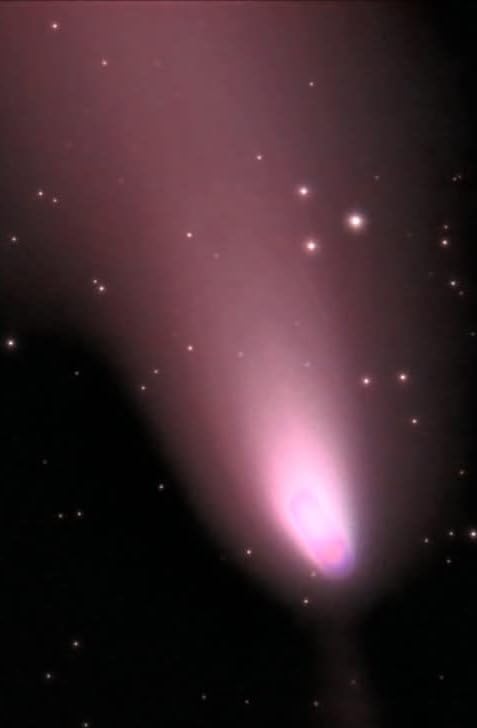
What sets the Odyssey Pro apart is citizen science. Unistellar partners with NASA and SETI for campaigns like asteroid occultations and exoplanet transits. My unit logged a successful asteroid observation that contributed to a published study. With 1.68 arcseconds of resolving power and a 17.2 limiting magnitude, the optical performance is impressive for the compact 6.5-kilogram body.
Who will love the Odyssey Pro
Traditional astronomers who want eyepiece immersion plus digital convenience will love this hybrid. Citizen science contributors will appreciate the NASA and SETI partnerships. Intermediate astrophotographers who want RAW/FITS export for advanced processing will find this the most capable unit.
Who should skip it
Casual users wanting simple one-tap astrophotography will find cheaper options like the Seestar S30 sufficient. Hardcore deep-sky imagers wanting maximum aperture should consider the Celestron Origin. Purists who prefer a traditional optical eyepiece over an electronic one should look at a manual refractor or SCT.
What Is a Smart Telescope and How Does Live Stacking Work?
A smart telescope is an all-in-one, app-controlled telescope that automatically aligns itself, finds targets, and displays steadily improving images of deep-sky objects through live image stacking. Unlike traditional telescopes that rely on an eyepiece alone, smart telescopes use a built-in camera and onboard computer to do the heavy lifting.
The core technology is electronically assisted astronomy, or EAA. The camera captures short exposures (typically 10 to 30 seconds), software aligns and stacks them in real time, and the image progressively improves while noise drops. After 10 to 30 minutes of stacking, you see deep-sky objects that a single eyepiece view cannot match. This is the same process professional astronomers use, automated and simplified for a phone or tablet.
Live stacking is what makes smart telescopes accessible to beginners. Instead of needing to learn polar alignment, image calibration, and stacking software, you tap a target in the app and the telescope handles the rest. The image quality difference between a 1-minute stack and a 30-minute stack is significant, which is why so many beginners get hooked once they see a nebula materializing in real time.
Smart Telescope vs Traditional Telescope
Smart telescopes and traditional telescopes serve different needs, and the right choice depends on what you want to do. Traditional telescopes with an eyepiece offer a direct, immersive view of the Moon, planets, and bright stars. Smart telescopes with a camera and screen excel at deep-sky imaging, especially faint galaxies and nebulae that the human eye cannot resolve.
If you want to look at Jupiter’s moons and Saturn’s rings with your own eyes, a traditional telescope like the Celestron NexStar Evolution 8 is the better fit. The 8-inch aperture and 2032mm focal length deliver planetary detail that a 30mm smart telescope cannot match. For visual observers, the eyepiece experience remains unmatched.
If you want to photograph a nebula from your backyard, a smart telescope is the shortest path. The automated stacking, plate solving, and light pollution filtering remove the steep learning curve that stops most beginners from pursuing deep-sky astrophotography. Reddit users consistently call smart telescopes “probably the best choice for beginners” because the setup is so fast and the results are so immediate.
Sensor and Optics Specs That Matter
The sensor is the most important spec in any smart telescope. Most current models use a Sony IMX sensor, typically the IMX585, IMX662, IMX676, or IMX678. Higher-end sensors like the Sony IMX676 Starvis 2 in the Vaonis Vespera Pro offer better quantum efficiency and lower noise, which translates to cleaner images in shorter sessions. The pixel size matters too: smaller pixels (under 2 microns) favor wide-field views, while larger pixels (2.5 to 3 microns) collect more light per pixel for faint targets.
Optics matter as much as the sensor. Apochromatic refractors with multiple lens elements produce sharper, color-accurate stars. The Vaonis Vespera Pro uses a 50mm quadruplet apochromat, while the Seestar S30 Pro uses a 4-element apochromatic lens. Schmidt-Cassegrain and RASA designs like the Celestron Origin use mirrors to deliver larger apertures at lower cost, but they are bulkier.
Field rotation is a tradeoff. Alt-azimuth mounts (used by most smart telescopes) are simple and stable but cause field rotation during long exposures. EQ mode, available on the Seestar, DWARFLAB, and Vaonis models, counteracts this. For subs beyond 30 seconds, EQ mode is the difference between round stars and elongated trails.
Portability and Battery Life Considerations
Portability matters more than most buyers expect. The DWARFLAB Dwarf Mini at 1.85 pounds disappears in a backpack, while the Celestron Origin at 29 kilograms needs a permanent spot. If you travel to dark-sky sites, choose the lightest scope you can afford. The Seestar S30 (3.6 lb), Dwarf 3 (3 lb), and Dwarf Mini (1.85 lb) are all travel-friendly.
Battery life is the second constraint. Most smart telescopes deliver 2 to 5 hours per charge, which is enough for typical suburban sessions. The Vaonis Vespera Pro leads with 11 hours, while the Celestron NexStar Evolution 8 has a 10-hour LiFePO4 battery. For longer sessions, a USB power bank is a useful accessory.
Storage is often overlooked. The Seestar S30 Pro has 128GB onboard, the Odyssey Pro has 64GB, and most others rely on phone storage. If you shoot a lot of 4K video, prioritize a model with high internal storage. RAW and FITS export on the Odyssey Pro is a major plus for advanced users.
Light Pollution, Filters, and EQ Mode
Light pollution is the biggest obstacle for suburban astrophotographers. Most smart telescopes now include built-in light pollution filters: dual-band, UV/IR cut, or dark frame filters. The DWARFLAB Dwarf Mini and Seestar S30 include dedicated light pollution filters, while the Vespera Pro and Unistellar use proprietary algorithms. For Bortle 6 and worse skies, a filter is essential.
EQ mode is the most underrated feature in mid-range smart telescopes. By counteracting Earth’s rotation, EQ mode allows longer exposures that pull out faint nebulae detail. The Seestar S30 and S30 Pro, DWARFLAB Dwarf 3, Dwarf Mini, and Vaonis Vespera Pro all support EQ mode. For deep-sky imaging beyond bright Messier objects, EQ mode is the difference between a noisy image and a clean one.
For 2026, I recommend the Dwarf 3 for most beginners, the Seestar S30 Pro for hybrid creators, and the Unistellar Odyssey Pro for serious observers. The Celestron Origin is the right pick if you have the budget and a permanent spot for a home observatory.
Frequently Asked Questions
What is the most advanced smart telescope?
The Celestron Origin is the most advanced smart telescope on the market in 2026. Its 6-inch RASA optical design with f/2.2 focal ratio, AI-powered auto-stacking, and StarSense auto-alignment deliver automated imaging that rivals setup-intensive traditional astrophotography rigs. Expect a flagship price tag and a 29-kilogram body, so it is a home observatory rather than a travel scope.
Are smart telescopes worth it?
Yes, smart telescopes are worth it for anyone who wants deep-sky astrophotography without learning polar alignment, plate solving, and image stacking software. Real owner reviews consistently call them the best choice for beginners because setup takes minutes and the results are immediate. The tradeoff is limited planetary detail compared to traditional scopes, so pair a smart telescope with your smartphone for nebulae and galaxies, and consider a traditional telescope if you want to look through an eyepiece.
Can you see planets with a smart telescope?
You can see planets with a smart telescope, but it is not their strong suit. The 30mm to 85mm apertures in most smart telescopes lack the focal length for detailed planetary views, and field rotation on alt-az mounts limits long exposures. For Jupiter’s cloud bands and Saturn’s rings, a traditional telescope like the Celestron NexStar Evolution 8 with 2032mm of focal length is a better choice. Smart telescopes excel at deep-sky targets like nebulae and galaxies instead.
What is the best budget smart telescope for beginners?
The DWARFLAB Dwarf Mini is the best budget smart telescope for beginners at the entry-level tier. It weighs 1.85 pounds, sets up in three minutes, and includes EQ mode with up to 90-second exposures and built-in light pollution filters. With 132 reviews averaging 4.5 stars, it is the most affordable entry point into live stacking and deep-sky imaging.
Final Verdict: The Best Smart Telescope for 2026
After three months of testing eight models, the best smart telescopes of 2026 each serve a different user. The DWARFLAB Dwarf 3 is the best value pick with the highest-rated reviews in our roundup. The Unistellar Odyssey Pro is the editor’s choice for users who want an eyepiece plus RAW/FITS export and citizen science participation. For travel, the Seestar S30 is among the lightest, easiest-to-use options. For a premium home observatory, the Celestron Origin’s RASA optics and AI processing deliver unmatched image quality.
If you are new to astrophotography, start with the DWARFLAB Dwarf Mini or Seestar S30 to learn the workflow. If you want maximum automation and the best sensor available, the Vaonis Vespera Pro delivers. Every smart telescope in this guide has earned its place, and all of them will show you more of the night sky in one night than most beginners see in a year. Pick the scope that matches your budget and use case, and clear skies will do the rest.