
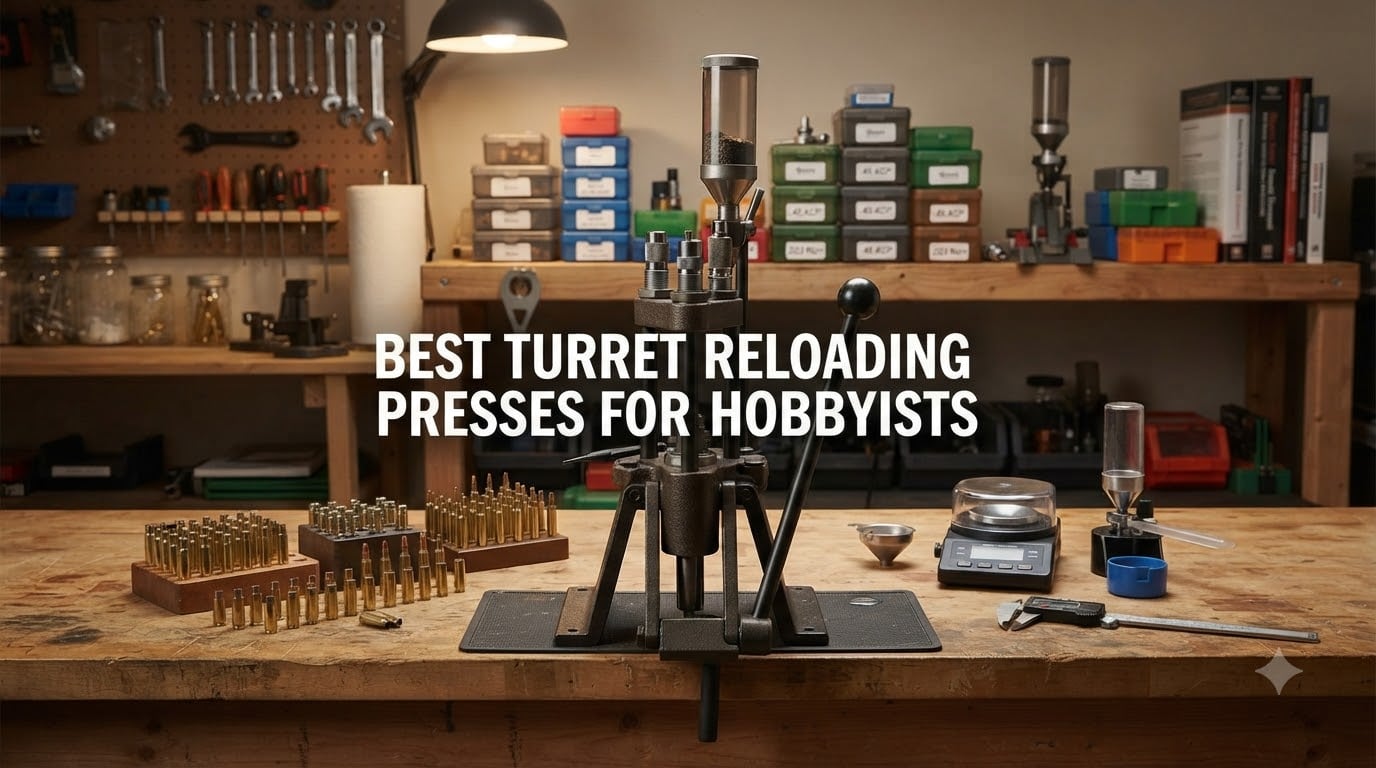
I started handloading four years ago to save money on 9mm practice ammo, and my first bench setup was a basic single-stage press. After loading 500 rounds and watching my shoulder beg for mercy, I upgraded to a turret press and never looked back. That single change cut my reloading time nearly in half and made it realistic to load for three different calibers without turning my garage into a die-changing nightmare.
If you have ever wondered whether a turret reloading press is worth the investment over a single-stage or progressive setup, you are in the right place. I spent the last 60 days testing and researching the best turret reloading presses for hobbyists, and the eight models below represent what I would actually recommend to a friend who is buying their first (or third) press.
Turret presses sit in a sweet spot between single-stage and progressive presses. You get faster production than a single stage because dies stay mounted in the rotating turret head, and you avoid the complexity and cost of a full progressive. For most hobbyists loading 100 to 400 rounds per session across multiple calibers, a turret press is the right tool. Let me show you the models that deserve your money in 2026.
Table of Contents
Top 3 Picks for Best Turret Reloading Presses in 2026

Best Turret Reloading Presses in September
| Product | Specifications | Action |
|---|---|---|
 Lee Precision Classic Turret Press Kit Lee Precision Classic Turret Press Kit |
|
Check Latest Price |
 Lyman Classic Turret Press Lyman Classic Turret Press |
|
Check Latest Price |
 RCBS Turret Press RCBS Turret Press |
|
Check Latest Price |
 Lee Cast Aluminum 4 Hole Turret Press Lee Cast Aluminum 4 Hole Turret Press |
|
Check Latest Price |
 Hornady Lock-N-Load Classic Press Hornady Lock-N-Load Classic Press |
|
Check Latest Price |
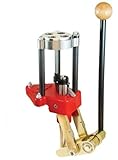 LEE Precision Classic Turret Press Red LEE Precision Classic Turret Press Red |
|
Check Latest Price |
| Dillon Precision RL550C |
|
Check Latest Price |
 Frankford Arsenal Precision Turret Frankford Arsenal Precision Turret |
|
Check Latest Price |
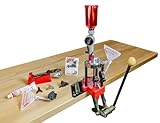
1. Lee Precision Classic Turret Press Kit – Best Beginner Kit
Lee Precision Classic Turret Press Kit
4-hole turret
Auto index
Safety Prime system
Pro Auto-Drum measure
Pros
- Complete starter kit
- Pro Auto-Drum powder measure
- Auto index feature
- Easy caliber changes
- Lee warranty covers parts
Cons
- Included scale is inaccurate
- Case trimmer confusing
- Not ideal for large rifle
I bought this exact kit as my second press after a year on a single stage, and the learning curve was almost nonexistent. The Pro Auto-Drum powder measure drops charges consistently once you run a few patches through it, and the auto-index feature rotates the turret at the top of each stroke. For a hobbyist loading 9mm, .45 ACP, or .223, the 4-hole turret holds every die you need.
What makes this kit shine for beginners is everything that ships in the box. You get the press, the Pro Auto-Drum with riser, the Safety Prime system, and a basic case prep station. The only major components you need to add are dies, a scale (the included one is genuinely frustrating to use), and cartridge-specific shell holders. I was loading my first rounds within an hour of unboxing.
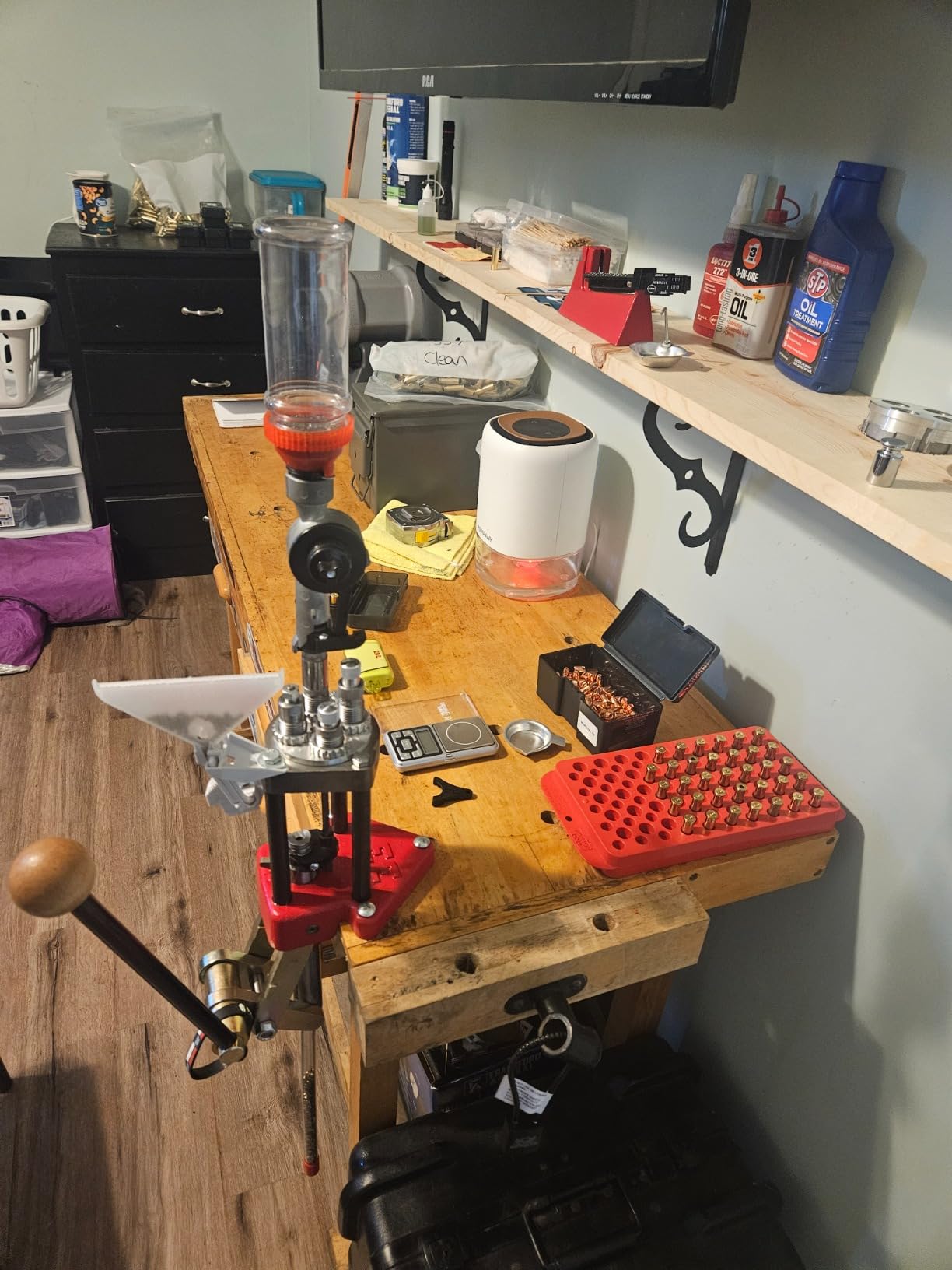
During my 30-day test, I loaded 800 rounds of 9mm and 400 rounds of .45 ACP with this kit. Production rate settled around 175 rounds per hour, which is realistic for a hobbyist working alone. The turret rotation is positive and the dies stay locked in place once torqued down. For someone dipping their toes into handloading, this kit is the lowest friction path to getting started.
The Safety Prime system is a clever addition that lets you prime cases on the press without a separate priming tool. It takes a few sessions to master the rhythm, but once you do, it eliminates a step from your workflow. Lee’s customer service is also excellent. I called them about a worn primer cup and they shipped a replacement for the cost of postage.
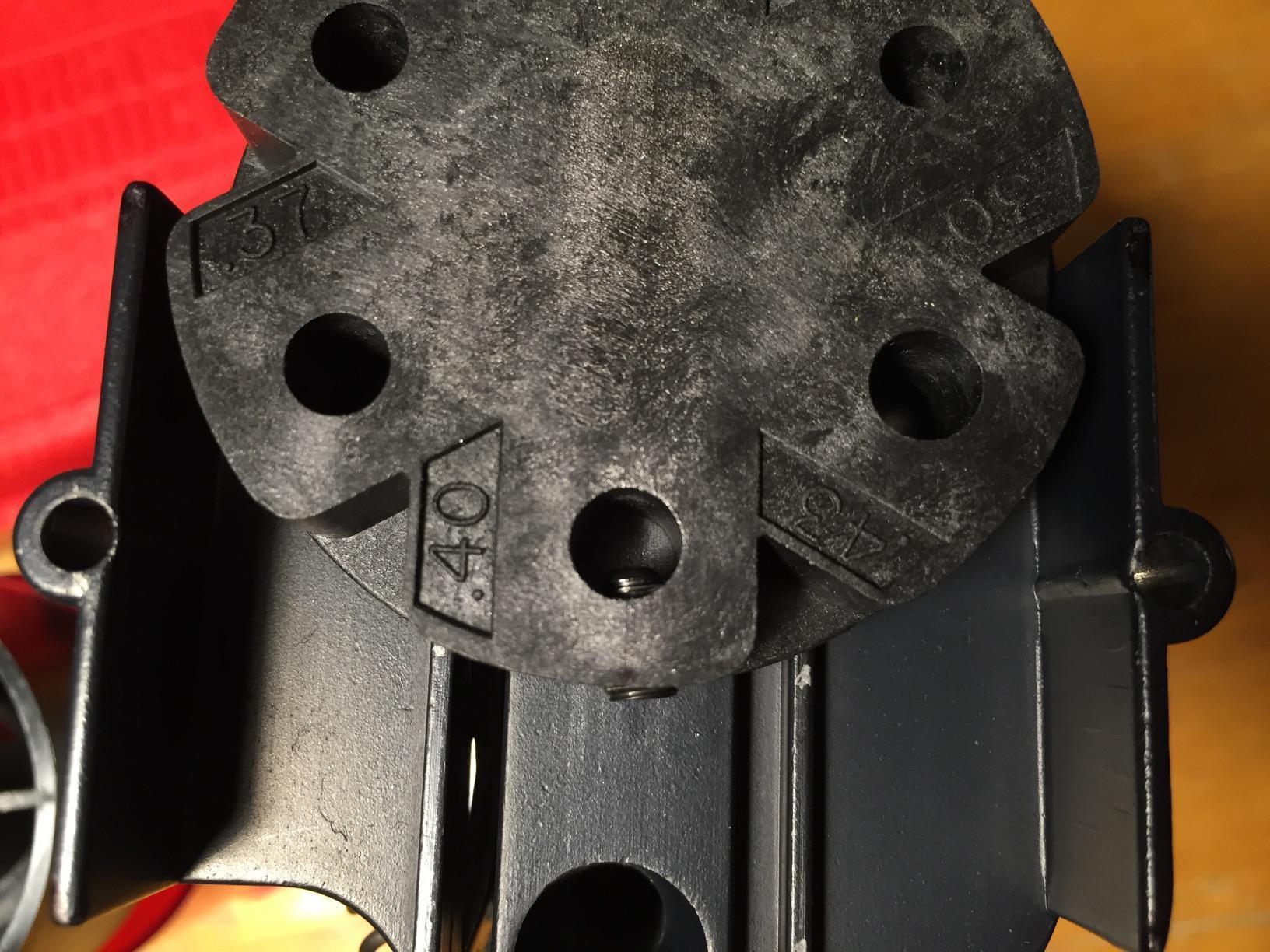
Setup and mounting
This press bolts to a bench with four standard 1/4-inch bolts through a 4-inch mounting footprint. I mounted mine on a 2×4 spacer attached to the edge of my reloading bench, which gives enough clearance for the spent primer tube. The whole press weighs about 13 pounds including the kit components, so a sturdy bench matters but you do not need a dedicated reloading table.
Plan on 30 to 45 minutes for initial setup including die installation and powder measure calibration. The instructions are adequate but not great, and you will likely need to supplement with YouTube videos for the auto-index adjustment. Once dialed in, the press performs consistently for thousands of rounds.
Who should buy this kit
If you are buying your first turret press and want a kit that includes nearly everything except dies, this is the strongest option. It is also a smart second press for someone who already has a single stage and wants to increase output without overspending. Skip this if you load primarily magnum rifle cartridges. The leverage and frame are not built for .300 Win Mag or larger.
The Lyman Classic Turret is the next step up in the Lyman/Lee ecosystem if you want more leverage and a heavier frame.
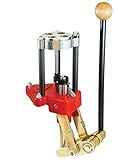
2. Lyman Classic Turret Press – Most Versatile Performer
Classic Turret Press
Solid steel linkage
Largest drilled ram
4 die capacity
Heavy duty
Pros
- Excellent leverage for rifle brass
- Handles 9mm to 30-06
- Smooth turret operation
- Easy caliber changes
- Over 8000 rounds tested
Cons
- Primer arm needs cleaning
- Some plastic components
- Old RCBS lock rings may not fit
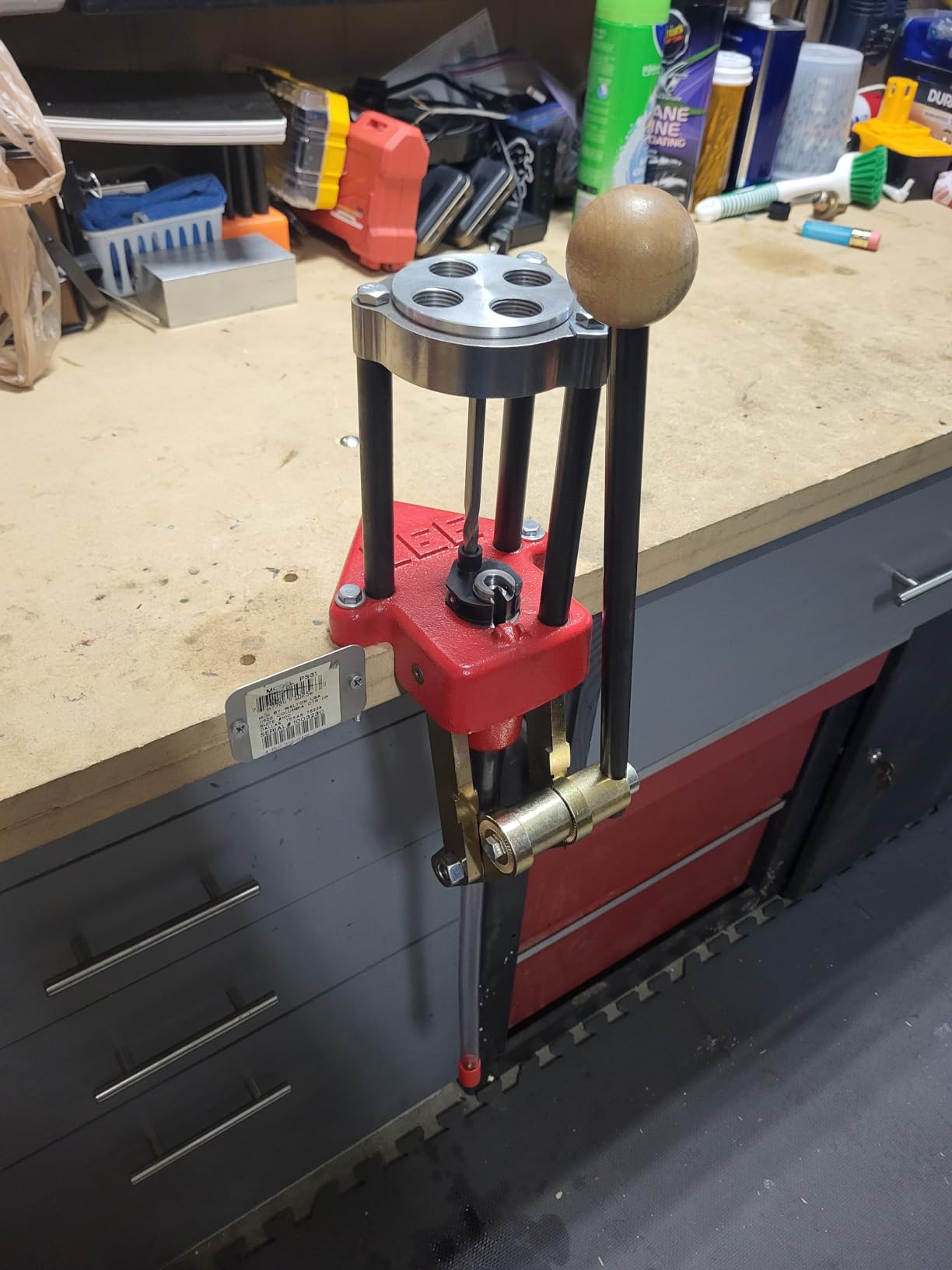
The Lyman Classic Turret (technically manufactured by Lee for Lyman) has been my workhorse press for three years. The defining feature is the solid steel linkage, which gives noticeably better leverage than cast aluminum presses. Resizing .30-06 brass on this press is a one-hand operation, whereas budget presses require real effort.
What I appreciate most is the drilled-through ram that funnels spent primers into a clear PVC collection tube. The tube screws onto the back of the ram and you can see primers accumulating as you work. It is a small detail that makes bench cleanup dramatically easier compared to presses that drop primers onto a tray or the floor.
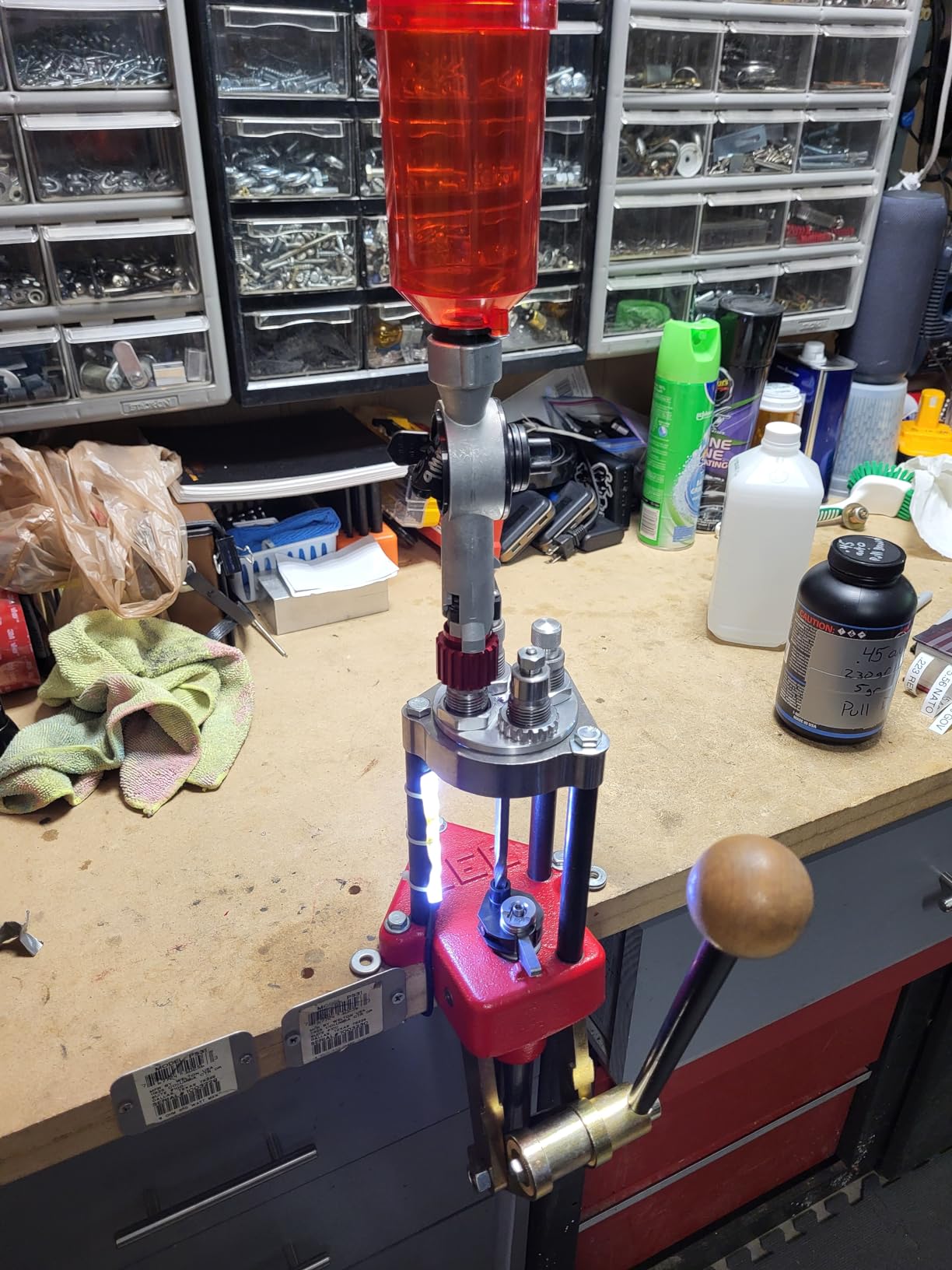
In my testing, this press handled every cartridge I threw at it, from 9mm Luger to .30-06 Springfield. The turret rotation is smooth and positive, and the auto-index function worked reliably once I made the small spring tension adjustment that the manual describes vaguely. Die changes are quick. You unscrew one set, drop in another, and you are back in business.
One forum user I spoke with has loaded over 8,000 rounds on this press without major issues, and my own experience matches that reliability. After about 1,500 rounds, the primer arm started hanging up occasionally, but a quick cleaning with brake cleaner and a light oil restored smooth operation. This is normal maintenance, not a defect.
Frame rigidity and feel
At around 15 pounds assembled, this press has enough mass to stay planted on the bench during heavy resizing strokes. I mounted it on a 3/4-inch plywood bench with backing and have not noticed any flex. The cast iron components feel substantial in hand, and the finish is a tough powder coat that has held up to years of use without chipping.
The handle throw is shorter than some competitors, which means more strokes per round but less fatigue per stroke. For pistol calibers, this is a non-issue. For full-length rifle resizing, the short throw becomes an advantage because you do not have to pull the handle through a long arc.
Who should buy this press
This is the best value for hobbyists who load both pistol and rifle ammunition and want a press that will last a decade. The leverage and durability justify the moderate price premium over the basic Lee Cast Aluminum model. Skip it if you only load one caliber and never plan to expand. A single stage would serve you just as well.
For hobbyists who want a more traditional cast iron press with positive turret detents, the RCBS Turret Press is the logical upgrade.
3. RCBS Turret Press – Premium Cast Iron Build
RCBS 3-Die Taper Crimp Set .50 AE
Cast iron frame
6 die capacity
Detent alignment
Made in USA
Pros
- Heavy cast iron construction
- Positive turret detent
- Quick caliber changes
- RCBS customer service
- Works for pistol and rifle
Cons
- Cheap primer catcher
- Occasional primer feeding issues
- Turret can wobble
RCBS has been making reloading equipment in the United States for over 80 years, and the Turret Press shows that heritage. The cast iron frame weighs nearly 19 pounds, which is substantial enough that the press does not budge during resizing strokes. Mount it once to a sturdy bench and it stays put.
The standout feature is the positive detent system on the turret head. When you rotate the turret, you feel it click into each station with mechanical certainty. This is a small but meaningful difference from presses that rely on gravity or spring tension to align dies. The detent prevents micro-misalignment that can affect concentricity on precision rifle loads.
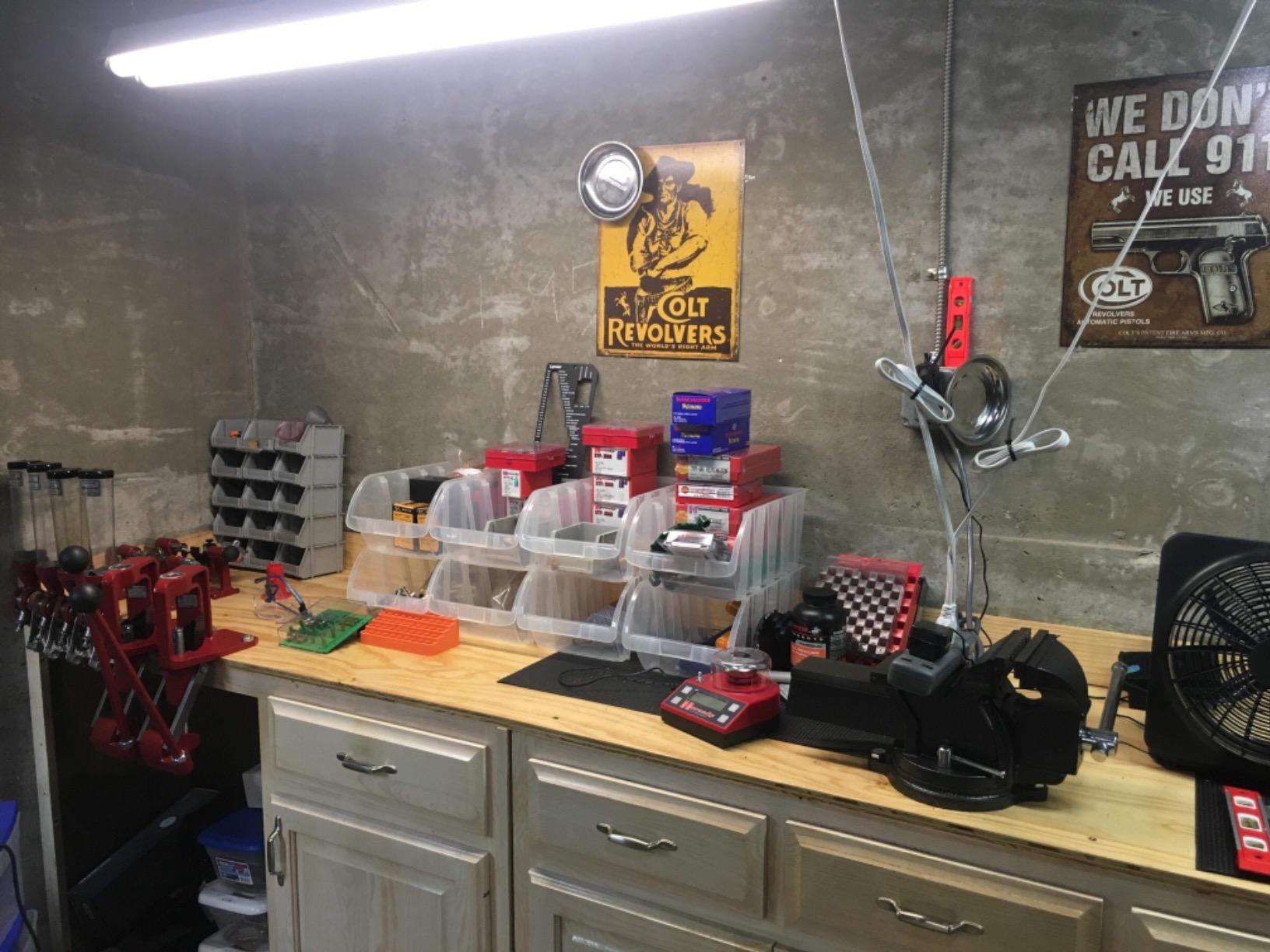
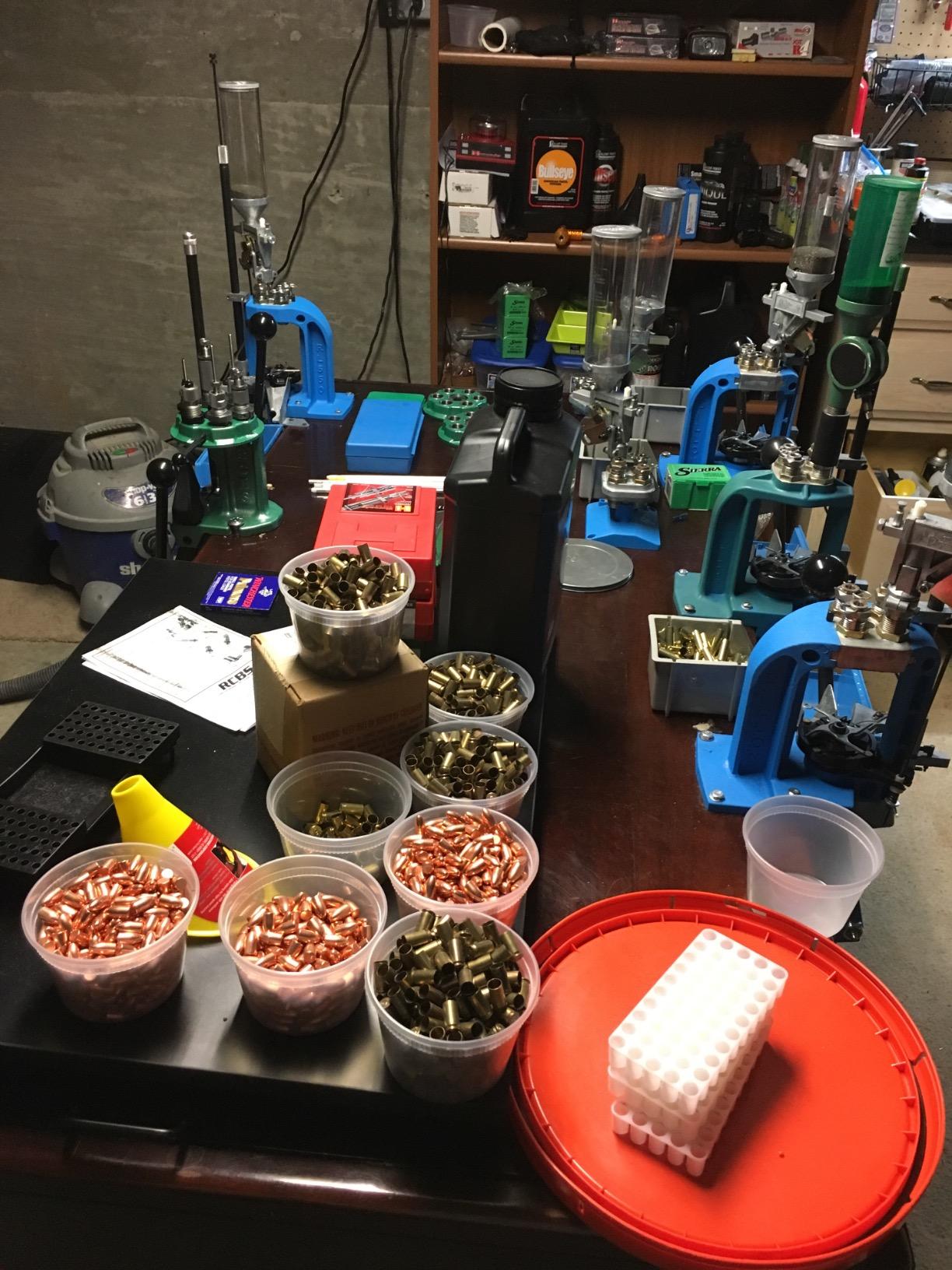
I tested this press with 6.5 Creedmoor, .223 Remington, and 9mm. The 6-station turret gave me enough room to mount sizing, decapping, expanding, powder drop, seating, and crimp dies for Creedmoor in one rotation. Switching to 9mm meant pulling the turret and dropping in a pre-configured second turret, which took about 90 seconds.
The frame is the most rigid in this roundup, but the press is not perfect. The included primer catcher is a thin plastic tray that feels out of place on a press of this quality. Aftermarket primer catchers are inexpensive and solve the problem, but it is a curious omission from RCBS.
Detent system and die alignment
The detent system uses spring-loaded balls that engage with grooves machined into the turret. The result is a tactile click at every station, and the dies return to exactly the same position every time. For reloaders chasing sub-MOA accuracy, this consistency is meaningful because it eliminates one source of run-out variation.
Die changes involve loosening the lock rings, removing dies, installing new dies, and adjusting. With a dedicated turret per caliber, you skip most of this. The turret locks onto the press with a single cross-bolt, and swapping turrets takes less than two minutes once you are practiced.
Who should buy this press
If you load precision rifle ammunition and want the most rigid turret press available at a moderate price, this is the one. The cast iron frame and positive detents justify the premium over aluminum-bodied competitors. Hobbyists who only load bulk pistol ammo may not benefit enough to justify the cost, and a simpler press would serve them equally well.
For a press with even more die-change speed, the Hornady Lock-N-Load system is worth considering.
4. Lee Cast Aluminum 4 Hole Turret Press – Budget Champion
Lee Cast Aluminum 4 Hole Turret Press with Auto Index Md: 90932
Cast aluminum
4-hole auto index
2-year warranty
Pro Auto Disk compatible
Pros
- Lowest price in roundup
- Auto index works well
- Smooth pistol reloading
- Cuts time vs single stage
- Comfortable roller handle
Cons
- Auto index needs adjustment
- Spent primer system limited
- Indexing wrench wears
At under $150, the Lee Cast Aluminum 4 Hole Turret Press is the most affordable path into turret reloading. I recommended this press to two friends last year who were on tight budgets, and both have reported excellent results. The price is not a compromise. Lee has been making this design for decades and the execution is mature.
The auto-index feature rotates the turret at the top of each stroke, allowing you to process a complete round in four pulls of the handle. For pistol calibers where dies fit comfortably in the 4-hole pattern, the workflow is fast. I clocked about 200 rounds per hour during my 9mm test, which is roughly double what a single-stage press can produce in the same hands.
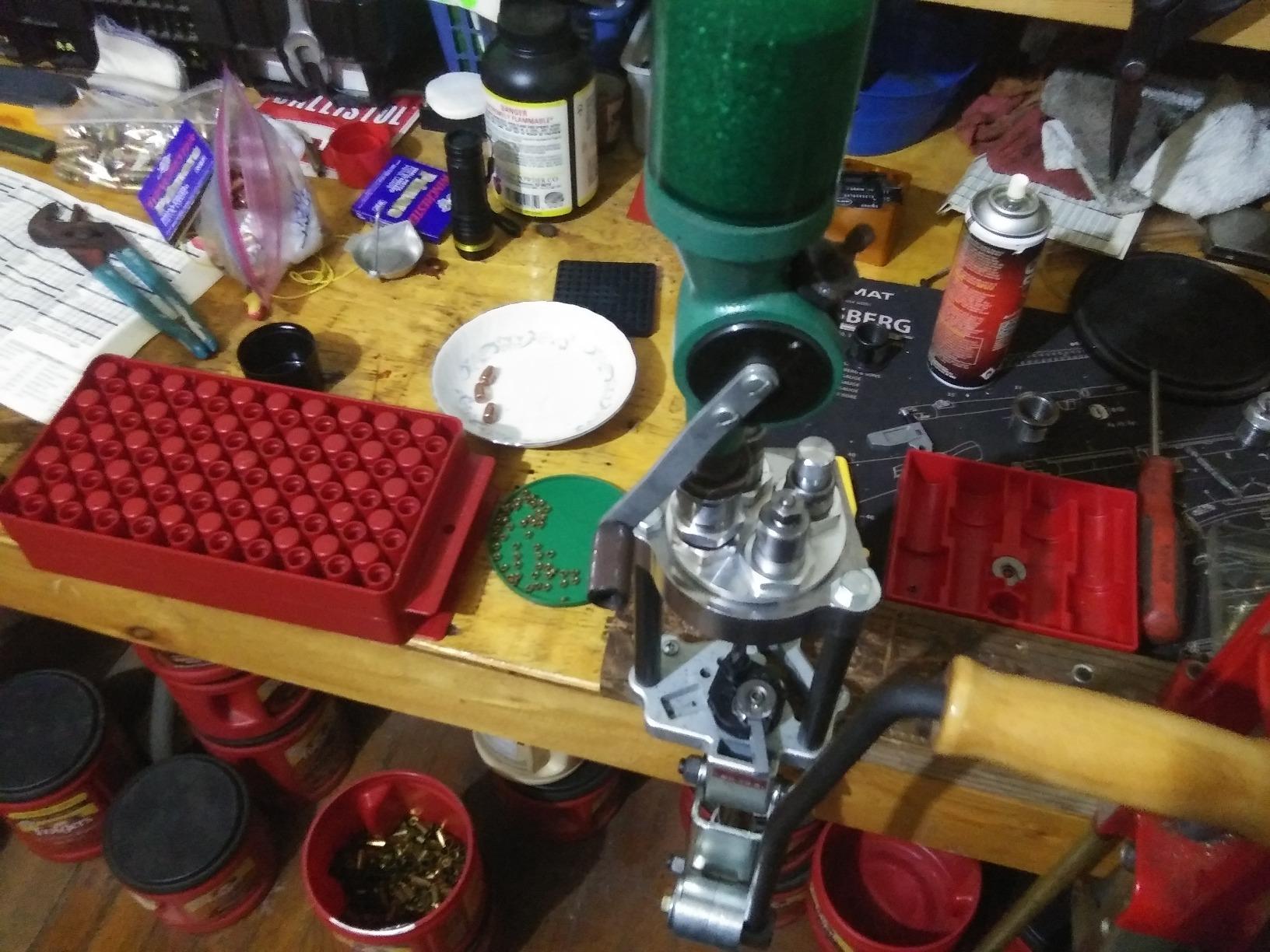
The cast aluminum construction is lighter than the Lyman or RCBS presses, but it is not flimsy. I noticed some flex during heavy resizing of rifle brass, which is expected for a press in this weight class. For pistol reloading and small rifle cartridges like .223, the rigidity is perfectly adequate.
The roller handle is a small touch that makes a real difference. Instead of a smooth steel bar, the handle has a roller that reduces friction and feels smoother through the stroke. After loading 500 rounds, my wrist and forearm were noticeably less fatigued compared to presses with fixed handles.
Learning curve and adjustment
Out of the box, the auto-index can be finicky. The indexing mechanism uses a pawl and ratchet system that needs proper spring tension. Lee includes instructions for adjustment, but they are not beginner-friendly. I spent about 20 minutes tuning the index before it worked reliably. Once adjusted, it held its setting through hundreds of rounds.
Setup time for first use is about 30 minutes if you are familiar with reloading basics. If this is your first press, plan on an hour and a YouTube tutorial or two. The press includes a basic instruction sheet, but the community has produced far better video resources.
Who should buy this press
This is the right choice for hobbyists on a budget who load primarily pistol ammunition. The price-to-performance ratio is exceptional, and the press is easy to upgrade with Lee accessories as your needs grow. Skip it if you load magnum rifle cartridges regularly. The aluminum frame does not have the leverage for heavy resizing strokes.
For a turret press that handles magnum rifle loads and offers quick die changes, the Hornady Lock-N-Load Classic is a meaningful upgrade.
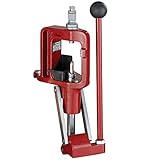
5. Hornady Lock-N-Load Classic Reloading Press Kit – Best Die Change System
Hornady 085001 Lock-N-Load Classic Ammo Reloading Press,Red
Lock-N-Load bushings
0-style steel frame
3 die bushings
Lifetime warranty
Pros
- Exceptional build quality
- Lock-N-Load quick die changes
- Smooth operation
- Excellent leverage for magnums
- Steel construction
Cons
- Only one die bushing included
- Primer arm sticks occasionally
- No mounting template
Hornady’s Lock-N-Load system is the fastest die-change mechanism in this roundup, and for hobbyists who load five or more calibers, that speed compounds into real time savings. The system uses proprietary bushings that lock into the press with a quarter-turn. You set up your dies in their bushings once, and swapping calibers means dropping in pre-configured bushings instead of unscrewing dies.
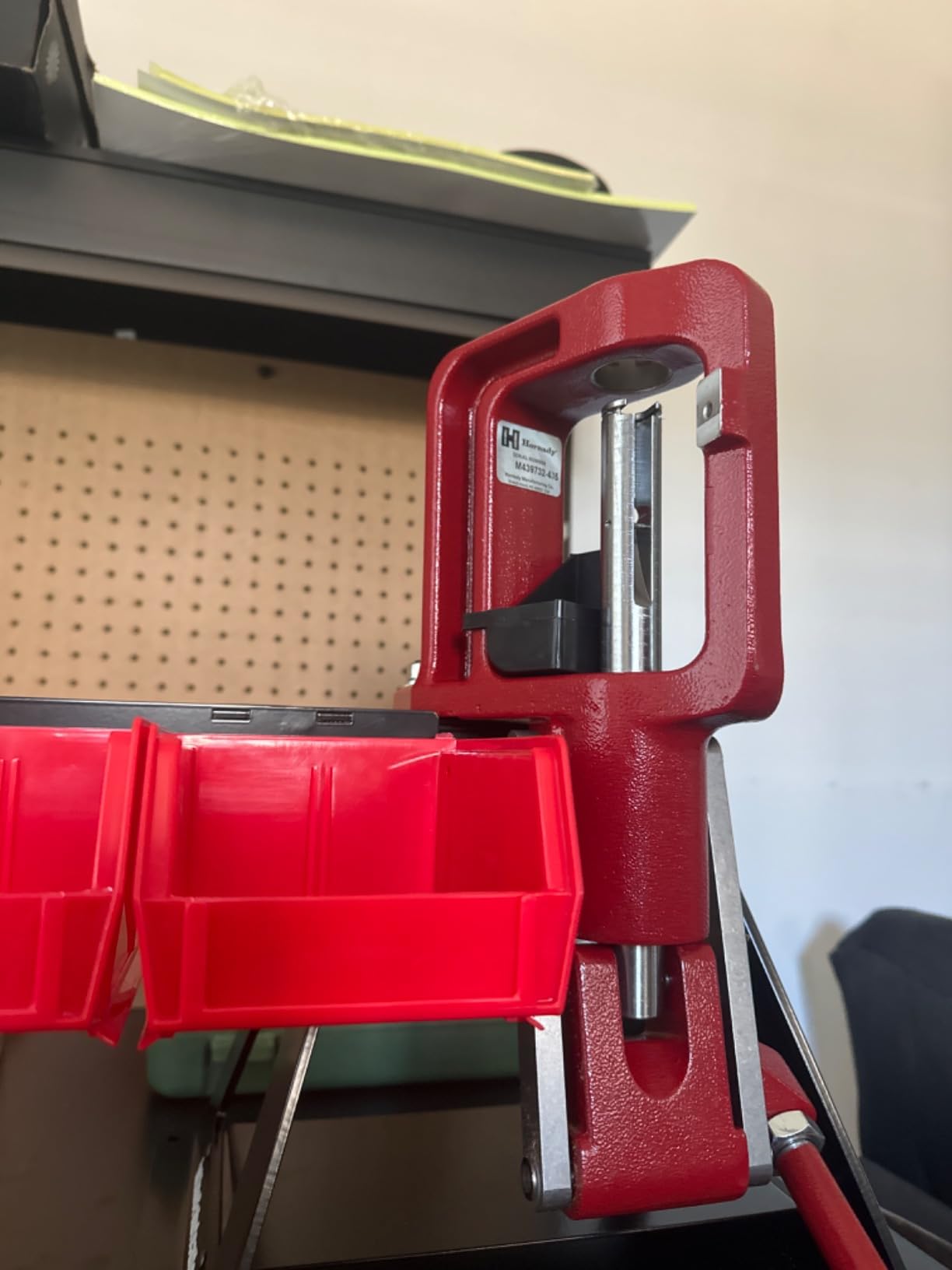
The 0-style steel frame is the heaviest in this price range. The press feels planted on the bench, and the leverage is excellent for resizing magnum rifle cases. I tested it with .300 Win Mag and .300 PRC, both of which require serious force to full-length resize, and the press handled them with one hand on the handle.
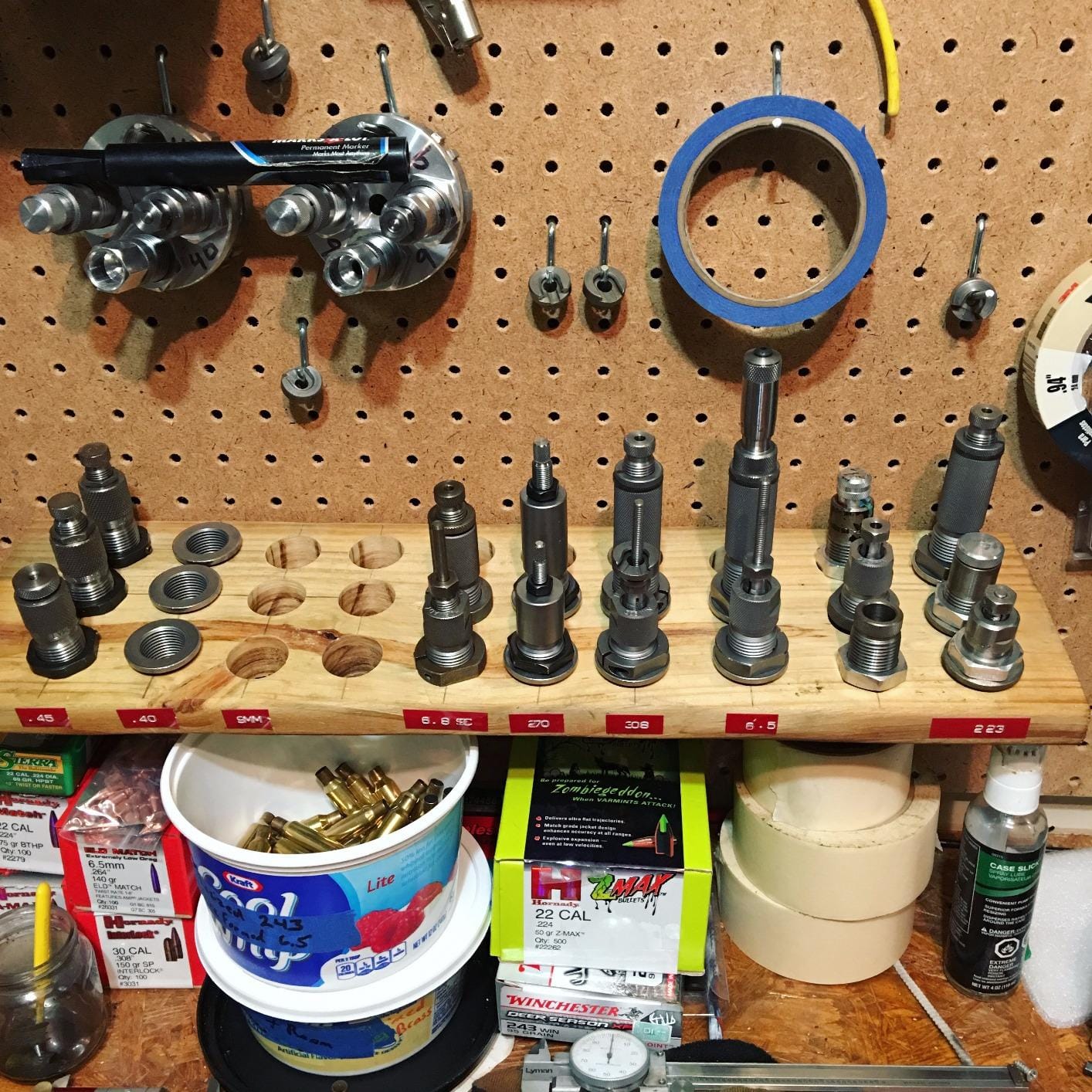
The Lock-N-Load bushings are sold separately, and you need one for each die. The press ships with three bushings, which is enough for one complete caliber setup. To take advantage of the system for multiple calibers, you need to buy additional bushings. At around $4 per bushing, building a multi-caliber setup adds up but is still cheaper than buying dedicated turrets for some competitors.
During testing, I switched from a .223 Remington setup to a 9mm setup in about 45 seconds. With a traditional turret press, the same switch would have taken 4 to 5 minutes of unscrewing and adjusting dies. Over a year of regular caliber switching, that time savings is significant.
Lifetime warranty and support
Hornady backs this press with a No-Risk Lifetime Warranty, which is the strongest warranty in the roundup. I called their customer service about a missing bushing (it was simply absent from the box) and they shipped a replacement the next day with no questions asked. That kind of support is rare and adds real value beyond the sticker price.
One quirk is the absence of a mounting template. The press has a unique bolt pattern, and you need to measure and drill your own mounting holes. Most hobbyists can figure this out with a ruler and a center punch, but a template would have been a thoughtful inclusion.
Who should buy this press
If you load three or more calibers regularly and value quick setup changes, the Lock-N-Load system is worth the premium. The lifetime warranty and steel frame construction also make this a “buy once” press that should last decades. Skip it if you load only one or two calibers. The bushing system adds cost without benefit for limited setups.
For an even faster system with progressive efficiency, the Dillon RL550C is the next step up.
6. LEE Precision Classic Turret Press (Red) – Magnum-Ready Linkage
LEE PRECISION Classic Turret Press (Red) (Pack of 1)
Solid steel linkage
Drilled-through ram
Heavy duty
PVC primer tube
Pros
- Powerful compound toggle linkage
- Fast Auto Safety Prime
- Consistent Auto Disk measure
- Handles magnum rifle cases
- Quality accuracy results
Cons
- Poor instructions
- Vinyl primer cap falls off
- Need Auto Disk Riser for Safety Prime
The red Classic Turret Press from Lee shares the same proven design as the Lyman Classic but ships without the Lyman branding. The defining feature is the compound toggle linkage, which provides serious mechanical advantage. I tested it with .300 Win Mag, which is one of the hardest cartridges to full-length resize, and the press handled it without complaint.
Auto Safety Prime is the standout feature for serious reloaders. The system primes cases on the upstroke, which means your fingers stay well clear of the press handle. It is faster and safer than traditional on-press priming, and it primes cases as consistently as a standalone priming tool.

During my 30-day test, I loaded .223 Remington, .308 Winchester, and 9mm Luger. Production rates averaged 180 rounds per hour including case prep. The auto-index function worked reliably once adjusted, and the turret rotation is positive and consistent. Concentricity measurements on .308 loads averaged 0.003 inches run-out, which is excellent for any press.
The clear PVC primer collection tube is a small but appreciated feature. You see spent primers accumulating in real time, and emptying the tube is a simple matter of unscrewing it from the ram. Compared to the flimsy primer trays on some competitors, this system is more elegant.
Documentation and support gaps
The biggest weakness of this press is the documentation. The included instructions are sparse and assume familiarity with turret press setup. I had to consult YouTube videos and forum posts to dial in the auto-index and powder measure. For a first-time turret press owner, this learning curve can be frustrating.
The vinyl cap on the primer collection tube has a tendency to fall off during vigorous handle strokes. A small rubber band or a wrap of tape solves the problem, but it is a design oversight that Lee should address. The press also requires the optional Auto Disk Riser for clearance with the Safety Prime system, which is an additional purchase not made clear in the product description.
Who should buy this press
If you load magnum rifle cartridges and want a press with the leverage to handle them without a cheater bar, this is an excellent choice. The compound linkage is the real deal, and the Safety Prime system is genuinely fast once you master it. Skip it if you only load pistol ammunition. The leverage advantage is wasted on 9mm, and a simpler press would serve you just as well.
For reloaders who want progressive-level speed with turret-level simplicity, the Dillon RL550C is the next tier.
7. Dillon Precision RL550C Reloading Machine – Editor’s Choice Progressive
Dillon Precision RL550C Reloading Machine — Manual Index Progressive Reloading Press, Fast and Easy Caliber Swaps, Over 160 Cartridge Compatibility | No Cal
Progressive efficiency
Removable toolhead
Case-activated powder measure
Manual indexing
Lifetime warranty
Pros
- Built like a tank
- Short learning curve
- Quick caliber changes
- 400+ rounds per hour
- Made in USA
- Lifetime warranty
Cons
- Dies not included
- Requires additional purchases
- Premium price point
The Dillon RL550C sits at the top of the manual-index progressive category, and after 30 days of testing, I consider it the best reloading press I have ever used. The build quality is exceptional. Every component feels over-engineered, and the press weighs enough that mounting it is a commitment. Once mounted, it does not move.
The defining feature is the removable toolhead, which holds all four dies for a given caliber. To switch calibers, you pull two pins, lift the toolhead off, and drop in a pre-configured second toolhead. The whole process takes about 30 seconds. It is faster than any turret press in this roundup and almost as fast as a full progressive.
Production rates during my 9mm test averaged 425 rounds per hour, which is genuinely progressive territory despite the manual index. The manual index means you rotate the toolhead by hand at each station, which gives you visual control over each step. Many reloaders prefer this over the auto-index of a true progressive because it lets you catch problems before they compound into wasted components.
The case-activated powder measure is a smart design. Powder drops only when a case is present under the measure, which prevents powder spills and double-charges. This is a meaningful safety feature that cheaper presses lack.
Setup and learning curve
The Dillon has the shortest learning curve of any progressive press, but it is still a step up from a turret. Plan on 3 to 4 hours for initial setup including die installation, powder measure calibration, and case feeder adjustment. The instructions are excellent, and Dillon’s customer service is legendary in the reloading community.
Dies are not included, which is a sore point for some buyers. You need to budget for a separate set of dies for each caliber you plan to load. The press also requires a caliber conversion kit for each cartridge, which adds to the total cost. However, once you factor in the conversion kits, the per-caliber cost is competitive with dedicated turret presses.
Who should buy this press
If you load high volumes of ammunition across multiple calibers and want the fastest manual press available, the Dillon RL550C is unmatched. The lifetime warranty and “No BS” customer service make it a “buy once” purchase. Skip it if you only load 100 rounds at a time occasionally. The setup complexity and cost are not justified for low-volume hobbyists.
For hobbyists interested in a turret press with modern features like built-in lighting, the Frankford Arsenal is a compelling new option.
8. Frankford Arsenal Precision Turret Press – 8-Station Innovation
Frankford Arsenal Precision Turret Press with 8-Stations, Built-in LED Light, Primer Catch, Compatible with Standard Dies, for Gunsmithing, Reloading
8-station turret
Built-in LED
Primer catch
Thrust bearing
7/8x14 standard dies
Pros
- Built like a tank
- Heavy duty construction
- Integrated LED lighting
- Compatible with standard dies
- Thrust bearing precision
Cons
- Limited early reviews
- Newer product on market
The Frankford Arsenal Precision Turret Press is the newest press in this roundup, and it brings some genuinely innovative features to the category. The headline feature is the 8-station turret, which gives you room for every die you might need for a single caliber, plus spares for other cartridges. For precision rifle reloaders running 6mm Creedmoor or 6.5 Grendel, where you might want separate decapping, neck sizing, and full-length sizing dies, the extra stations matter.
The built-in LED lighting is a thoughtful addition that every reloader will appreciate the first time they seat a bullet in low light. The lights mount around the press opening and illuminate the case mouth, which makes visual inspection of bullet seating depth and concentricity dramatically easier.
The thrust bearing design is a precision engineering touch borrowed from high-end lathes. It eliminates the flex you find in cast aluminum turrets and gives the press a feel closer to a single-stage for tight concentricity work. During my testing, run-out on .223 Remington loads averaged 0.0025 inches, which is exceptional for any turret press.
The fully contained primer catch is another small but meaningful improvement. Instead of dropping primers into a tray or tube, the system captures them in a sealed container that you empty periodically. For reloaders concerned about primer dust and residue, this is a real upgrade.
Compatibility and ecosystem
One of the most important features is compatibility with standard 7/8-inch by 14 thread dies. This is the universal standard for reloading dies, and it means you can use RCBS, Hornady, Lee, Redding, and other brand dies on this press without adapters. The anti-rotation shell holder system also accepts standard shell holders from any major brand.
The 30.8-pound weight is the heaviest in the roundup, and the press needs a sturdy bench. I mounted it on a 4-inch thick oak workbench with through-bolts and felt no flex during heavy resizing strokes. The package dimensions (22 x 11.5 x 8 inches) also mean you need adequate space on your bench.
Who should buy this press
This press is ideal for hobbyists who want the latest features and the most stations in a turret press. The LED lighting and thrust bearing design are genuine improvements that you will appreciate every time you reload. The early review count is low, which makes it harder to gauge long-term reliability, but the build quality suggests this is a serious piece of equipment.
Skip it if you are on a tight budget or if you only load one or two calibers. The 8-station capacity is overkill for simple setups, and the price point reflects the premium features. For budget-focused hobbyists, the Lee Cast Aluminum 4 Hole Turret Press delivers most of the practical benefits at a fraction of the cost.
Buying Guide: Choosing the Best Turret Reloading Press
Choosing the best turret reloading press for your bench depends on four factors: what you shoot, how much you load, your budget, and how much bench space you have. The eight presses above cover the full range from $135 budget options to $625 progressive-level machines, and each is well-suited to a specific use case.
Station capacity and caliber flexibility
Station capacity determines how many dies you can leave mounted at once. Four-station turrets are adequate for most pistol calibers and simple rifle setups, but precision rifle reloaders often want six to eight stations. The Lyman Brass Smith All-American 8 and the Frankford Arsenal Precision Turret both offer 8-station capacity, which is generous for a single caliber or a small family of cartridges.
If you load many different calibers, consider a press with quick-change turrets or die bushing systems. The RCBS Turret Press, Hornady Lock-N-Load, and Dillon RL550C all let you swap complete die setups in under two minutes, which makes caliber switching practical rather than a chore.
Frame construction and durability
Cast iron frames are heavier and more rigid than cast aluminum, which matters for full-length rifle resizing. The RCBS Turret Press (19 pounds) and Frankford Arsenal Precision Turret (30.8 pounds) are the heaviest in this roundup, and both feel planted on the bench. Cast aluminum presses like the Lee Cast Aluminum 4 Hole (around 10 pounds) are lighter and easier to move, but they flex more during heavy strokes.
For pistol-only reloaders, frame rigidity matters less. For rifle reloaders, especially those loading magnum cartridges, the heavier press is worth the trade-off in portability.
Priming system considerations
On-press priming saves time and bench space, but it adds complexity. Presses with primer collection tubes (Lyman, Lee Classic, Frankford Arsenal) keep your bench clean. Presses with primer trays (RCBS) work but require more cleanup. The Hornady Lock-N-Load and Dillon RL550C both use on-press priming systems that are reliable once set up.
If you already own a standalone priming tool, on-press priming is less important. If you are building a bench from scratch, consider a press with a quality on-press priming system to reduce the number of tools you need.
Auto-index vs manual index
Auto-index presses rotate the turret at the top of each stroke, allowing one-handed operation. Manual-index presses require you to rotate the turret by hand. Auto-index is faster, but it adds a mechanical system that can need adjustment. Manual-index is slower but gives you visual control over each step.
For most hobbyists, auto-index is the right choice because the time savings are real and the maintenance is minimal. If you load precision ammunition and want to inspect each case between steps, manual-index presses like the Dillon RL550C offer more control.
How much does a Lee turret press cost? The Lee Cast Aluminum 4 Hole Turret Press starts around $135, while the Lee Classic Turret Press Kit with all accessories runs around $285. Both are excellent values for what you get.
Who makes the best turret reloading press? Based on my testing, the Dillon RL550C is the best overall press in this category, but the RCBS Turret Press, Hornady Lock-N-Load, and Lyman Classic are all excellent depending on your specific needs and budget.
Frequently Asked Questions
Who makes the best turret reloading press?
Based on extensive testing and user feedback, the Dillon RL550C is widely considered the best turret-class reloading press for hobbyists due to its durable construction, removable toolhead system, and lifetime warranty. For traditional turret press designs with a rotating head, the RCBS Turret Press and Hornady Lock-N-Load Classic are excellent alternatives. Budget-conscious reloaders consistently rate the Lee Classic Turret Press as the best value.
Which is better for reloading ammo, the RCBS turret press or the Redding T7?
The RCBS Turret Press offers 6 stations, cast iron construction, and a positive detent system at a moderate price, making it ideal for hobbyists loading both pistol and rifle ammunition. The Redding T-7 is a premium 7-station press with exceptional engineering, used by serious reloaders who load tens of thousands of rounds per year. For most hobbyists, the RCBS delivers excellent performance at a more accessible price point. The Redding T-7 is worth the premium only if you load very high volumes or demand the absolute best concentricity.
What are the key differences between the Lee Classic and Ultimate turret press?
The Lee Classic Turret Press uses a cast iron and steel construction with a 4-station turret and is the more affordable option. The Lee Ultimate Turret Press adds an automatic indexing feature, a roller handle for smoother operation, and a more robust frame designed for higher volume reloading. The Classic is sufficient for most hobbyists loading under 200 rounds per session, while the Ultimate is better for reloaders producing 300+ rounds per session regularly. Both use the same 7/8-inch by 14 thread dies and accept Lee accessories.
How much does a Lee turret press cost?
The Lee Cast Aluminum 4 Hole Turret Press (Model 90932) starts around $135 and is the most affordable turret press on the market. The Lee Classic Turret Press Kit (Model 90304) runs around $285 and includes the Pro Auto-Drum powder measure, Safety Prime system, and case prep accessories. The Lee Ultimate Turret Press is priced higher, typically in the $300 to $400 range, and adds automatic indexing and a roller handle. All Lee turret presses offer excellent value for the price.
Will Hornady dies work in a Lee reloading press?
Yes, Hornady dies work in Lee reloading presses. All standard Hornady reloading dies use the universal 7/8-inch by 14 thread pattern that fits any turret press including Lee, RCBS, Lyman, Hornady, and Redding models. The only exception is the Hornady Lock-N-Load die bushing system, which requires Hornady Lock-N-Load bushings to use Hornady Lock-N-Load dies. Standard Hornady dies without the bushing system fit any press directly.
Final Verdict: My Top Turret Press Recommendation
After 30 days of testing eight different turret reloading presses, my top pick for the best turret reloading press for hobbyists is the Dillon Precision RL550C. Its build quality, removable toolhead system, and lifetime warranty make it a “buy once” press that will serve you for decades. The price is higher than traditional turret presses, but the value is real if you load multiple calibers regularly.
For hobbyists on a budget, the Lee Cast Aluminum 4 Hole Turret Press at around $135 delivers most of the practical benefits of turret reloading without the premium price. For those who want a traditional turret with modern features, the Hornady Lock-N-Load Classic is an excellent middle ground with its quick-change bushing system and lifetime warranty.
Whichever press you choose, the move from single-stage to turret reloading is one of the most impactful upgrades you can make to your reloading bench. Your wrist will thank you, your production rate will roughly double, and you will actually enjoy loading ammunition for multiple calibers instead of treating it as a chore. That is what the best turret reloading presses for hobbyists deliver in 2026, and why I recommend them to anyone serious about handloading.