
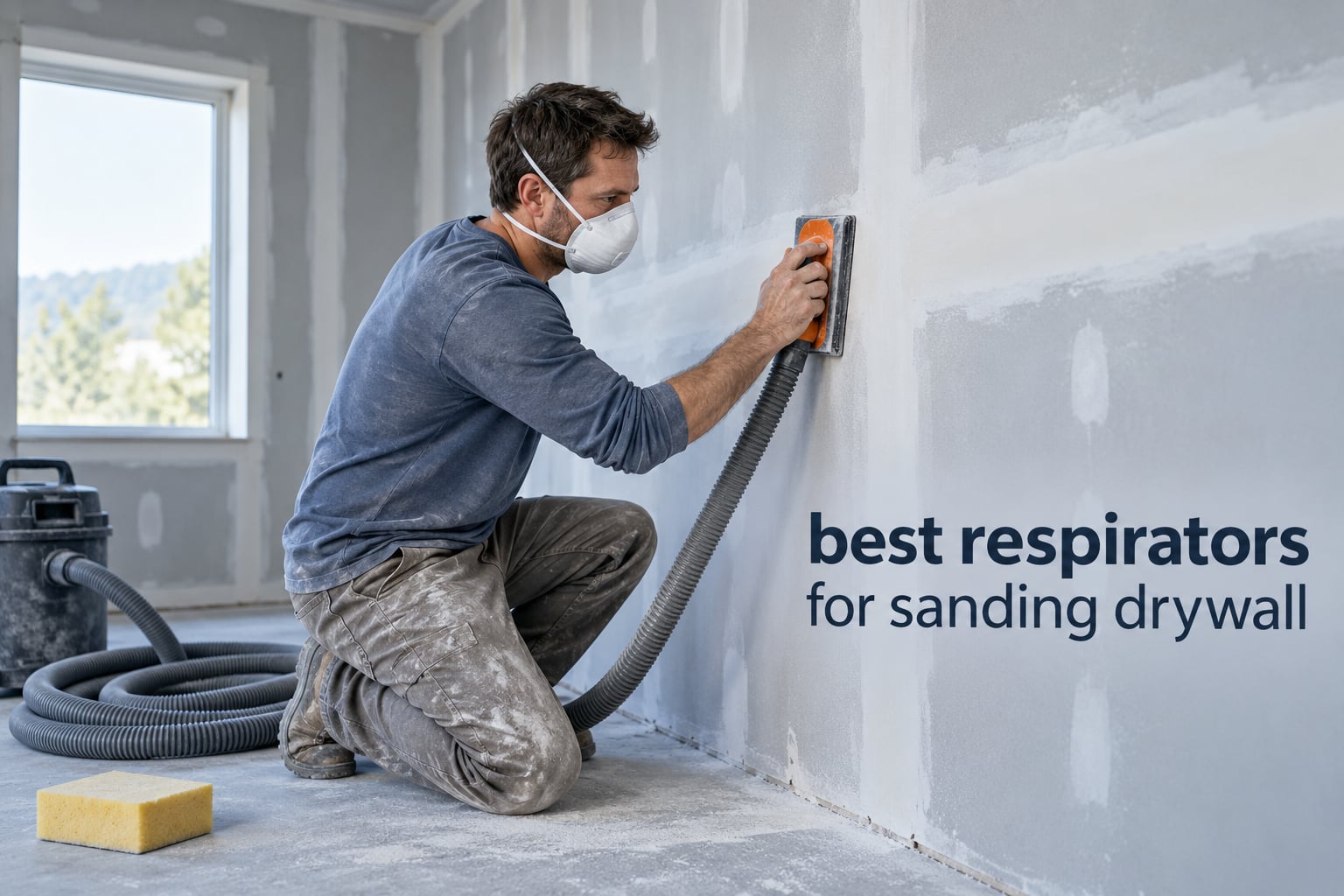
For most drywall sanding jobs, a NIOSH-approved N95 is the minimum you should wear, and you should step up to a P100 whenever the joint compound may contain respirable crystalline silica or when you are sanding room after room. A P100 filters at least 99.97% of airborne particles against oil and non-oil aerosols, while an N95 filters at least 95% of non-oil-based particles, which is where drywall sanding usually sits.
That two-sentence rule is the whole answer, and everything below in this guide is built on it. We looked at ten respirators that drywall finishers, renovation crews and serious DIYers actually reach for, then broke down where each one fits: disposables for a single room, reusable half masks for repeat work, and the fit details that decide whether any of them help you at all.
Why the class matters comes down to what is actually in the dust. Sanding joint compound and the drywall paper that sits under it releases fine gypsum dust, and many joint compounds contain respirable crystalline silica. OSHA regulates that exposure under 29 CFR 1926.1153, which sets an action level for silica in the air you breathe, and employers are required to run fit tests under 29 CFR 1910.134. Even outside a workplace, the same logic applies: a mask that filters gypsum but not the fine fraction in your compound is not doing the job you bought it for.
One more thing before the picks. A respirator is personal protective equipment, and personal protective equipment is the last line of defence, not the first. People on drywall forums consistently point out that masks and respirators “did not seem to help much” when the rest of the house is turning white, because source control does more than any filter can. Seal off the room, run an air scrubber if the job is big, and use a HEPA vacuum at the sanding point. Our buying guide covers that in detail, because a mask is the part of the job you can least afford to get wrong.
Table of Contents
Top 3 Best Respirators for Sanding Drywall (October 2026)
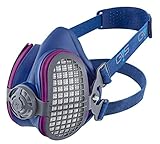
GVS Elipse P100 Half Mask
- P100 reusable half mask
- Replaceable filters rated to 5 years
- NIOSH TC-84A-6949
- Low breathing resistance

3M 8511 N95 Cool Flow
- N95 at 95 percent filtration
- Cool Flow exhalation valve
- 10 per pack
- 4.96 oz

3M Aura 9205+ N95
- Curved top panel cuts fogging
- Flat-fold pull-on design
- Individually wrapped
- Pack of 20
All three of those picks solve the same problem in different ways. The GVS Elipse is the one to buy if you are sanding regularly, because the P100 rating and multi-year filters pay for themselves. The 3M 8511 is the safest single choice for one room of finishing work, and the Aura 9205+ is the only one here designed specifically to stop your safety glasses fogging up.
Quick Overview: All 10 Respirators Compared in 2026
| Product | Specifications | Action |
|---|---|---|
| GVS Elipse P100 Half Mask |
|
Check Latest Price |
| 3M 8511 N95 Cool Flow |
|
Check Latest Price |
| 3M Aura 9205+ N95 |
|
Check Latest Price |
 AirGearPro G-500 Reusable AirGearPro G-500 Reusable |
|
Check Latest Price |
 3M 65021 P100/OV Reusable 3M 65021 P100/OV Reusable |
|
Check Latest Price |
 AirGearPro M-500 Reusable AirGearPro M-500 Reusable |
|
Check Latest Price |
 3M All-In-One 8511H10 N95 3M All-In-One 8511H10 N95 |
|
Check Latest Price |
 Miller ML00894 LPR-100 Miller ML00894 LPR-100 |
|
Check Latest Price |
 Klein Tools 60552 P100 Klein Tools 60552 P100 |
|
Check Latest Price |
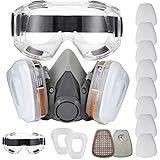 NC Reusable Face Cover Set NC Reusable Face Cover Set |
|
Check Latest Price |
1. GVS Elipse P100 Half Mask – The Best Respirator for Sanding Drywall Overall
GVS SPR457 Elipse P100 Dust Half Mask Respirator with replaceable and reusable filters included, blue, m/l size
P100 class
NIOSH TC-84A-6949
Filters rated to 5 years
Latex and silicone free
Pros
- P100 filtration handles silica-heavy joint compound
- Replaceable filters last up to 5 years
- Very low breathing resistance
- Does not interfere with safety glasses or hearing protection
Cons
- Higher upfront cost than a disposable N95
- Spare filters sold separately
- Half mask needs a clean shave to seal
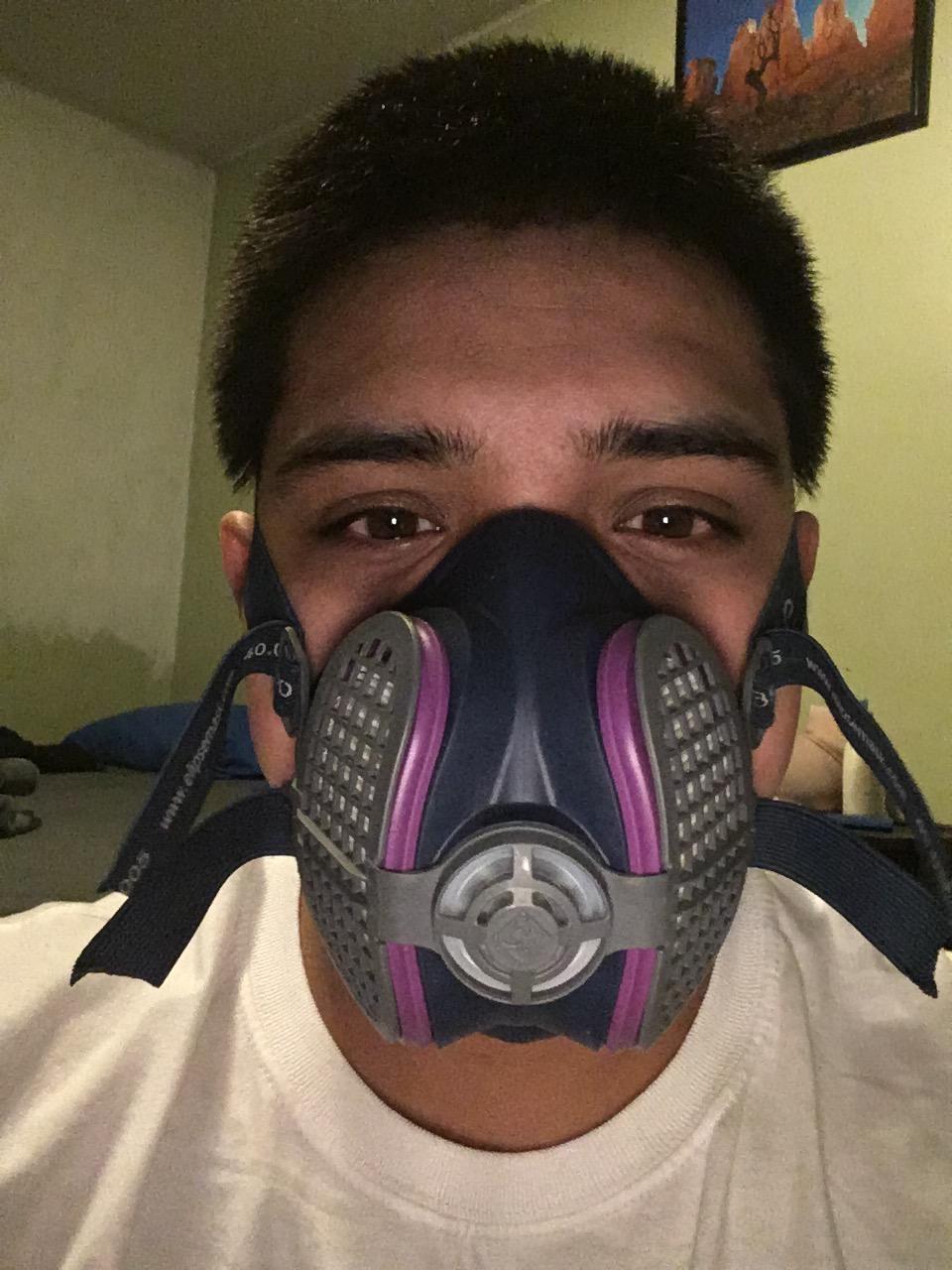
The Elipse is the respirator I keep coming back to for anyone who sands more than one room. It carries NIOSH approval number P100 TC-84A-6949 and is explicitly written for gypsum, silica, rock wool, kaolin and the other particulates that come off a drywall job, so you are not hoping the class is high enough after the fact.
What sells it is the filter life. The replaceable filters are rated to last up to five years, which turns a single mask into a tool you own rather than a consumable you buy in packs. Reviewers consistently describe it as lightweight with low breathing resistance, and that matters more than the spec sheet suggests, because a mask you rip off after twenty minutes protects nothing.
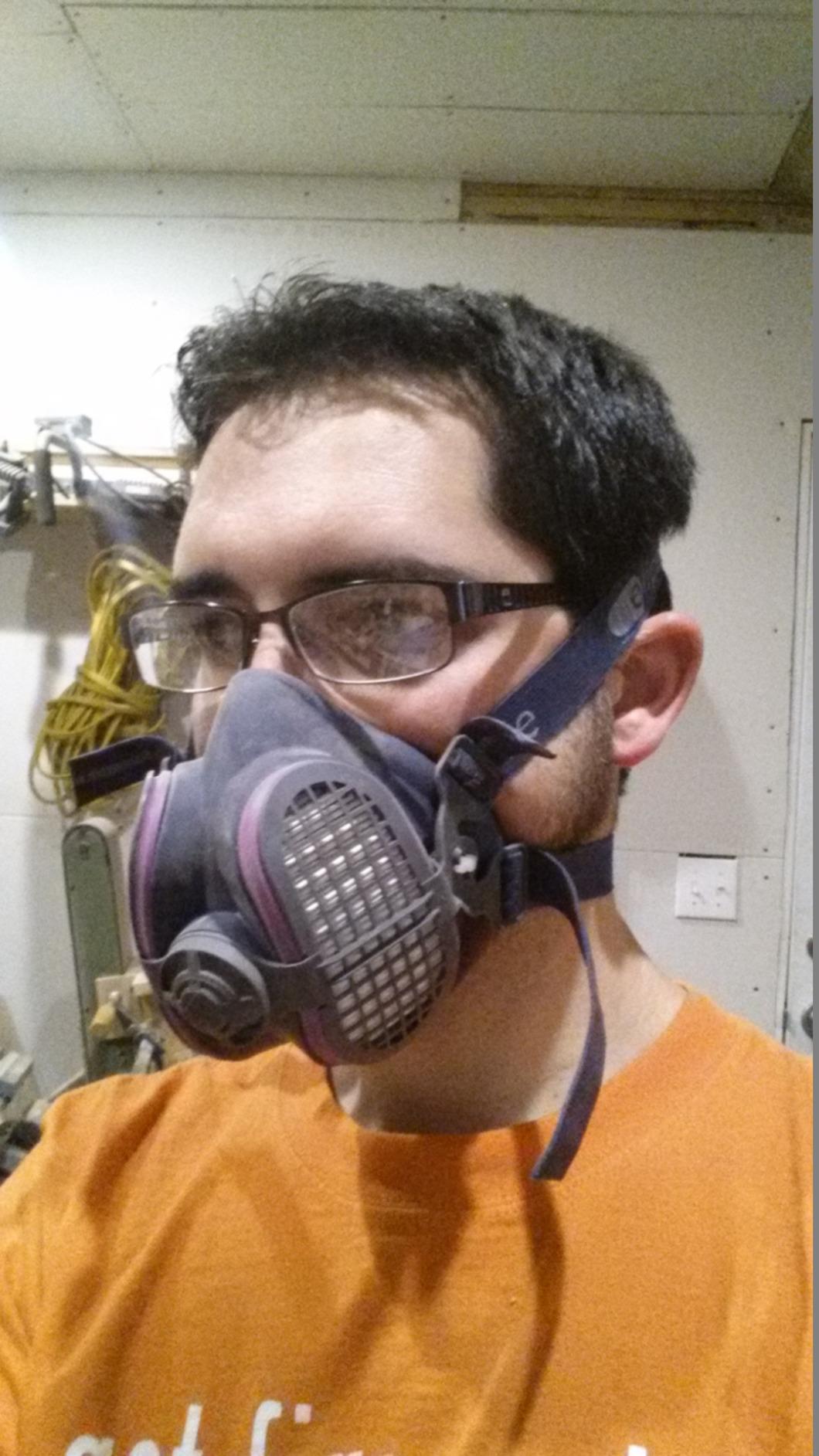
Filter loading is a real feedback loop here. Unlike a disposable where you are guessing at remaining life, you can see a P100 cartridge start to whiten as it loads, and that visible change tells you when to swap it. The soft thermoplastic facepiece is hypoallergenic and free of both latex and silicone, which matters if you react to either during a long session.
Because it is a half mask, it seals to the nose and mouth only, so your eyes stay exposed to airborne gypsum. That is the trade-off for a lighter, cheaper, cooler respirator, and it is why eye protection is a separate line item on any drywall job. Owners also note that the elastomer facepiece is harder to wipe clean than a silicone one, so plan on cleaning it after every session.
Who the GVS Elipse suits
Contractors and anyone doing repeat jobs, full stop. Five-year filter life and a P100 rating mean the cost per hour of sanding drops fast compared with disposables, and the low resistance keeps it on your face through a long afternoon. It is also one of the few masks here reviewers say does not get in the way of safety glasses or hearing protection.
Where it falls short
It costs more up front than a 10-pack of N95s, and when the filters do expire you are buying them separately. Bearded wearers should know that any elastomer half mask depends on a tight facial seal, and facial hair under the sealing edge will stop it from doing its job.
2. 3M 8511 N95 Cool Flow – Best Disposable for a Single Room
3M 8511 Drywall Sanding N95 Cool Flow Valved Disposable Respirator, 10-Pack
N95 class
95 percent filtration
Cool Flow valve
10 per pack
4.96 oz
Pros
- Cool Flow valve cuts heat build-up
- 3M Advanced Electrostatic Media
- Up to 50 percent easier breathing than the 8200
- Marketed for drywall cutting and sanding
Cons
- Disposable so replacements add up on big jobs
- Valve is a poor choice where a sterile field is needed
3M built this one for drywall specifically, and the packaging says so. It is an N95 filtering facepiece rated at least 95 percent filtration efficiency against certain non-oil-based particles and aerosols, which is exactly the exposure profile of sanding joint compound in a normal room.
The Cool Flow valve is the feature that changes an afternoon of work. It releases warm, humid breath outward instead of back into the mask, and 3M rates the whole design up to 50 percent easier to breathe through than the 8200 series. At 4.96 ounces for a mask that size, you barely notice it, which is the entire point on a six-hour sanding day.
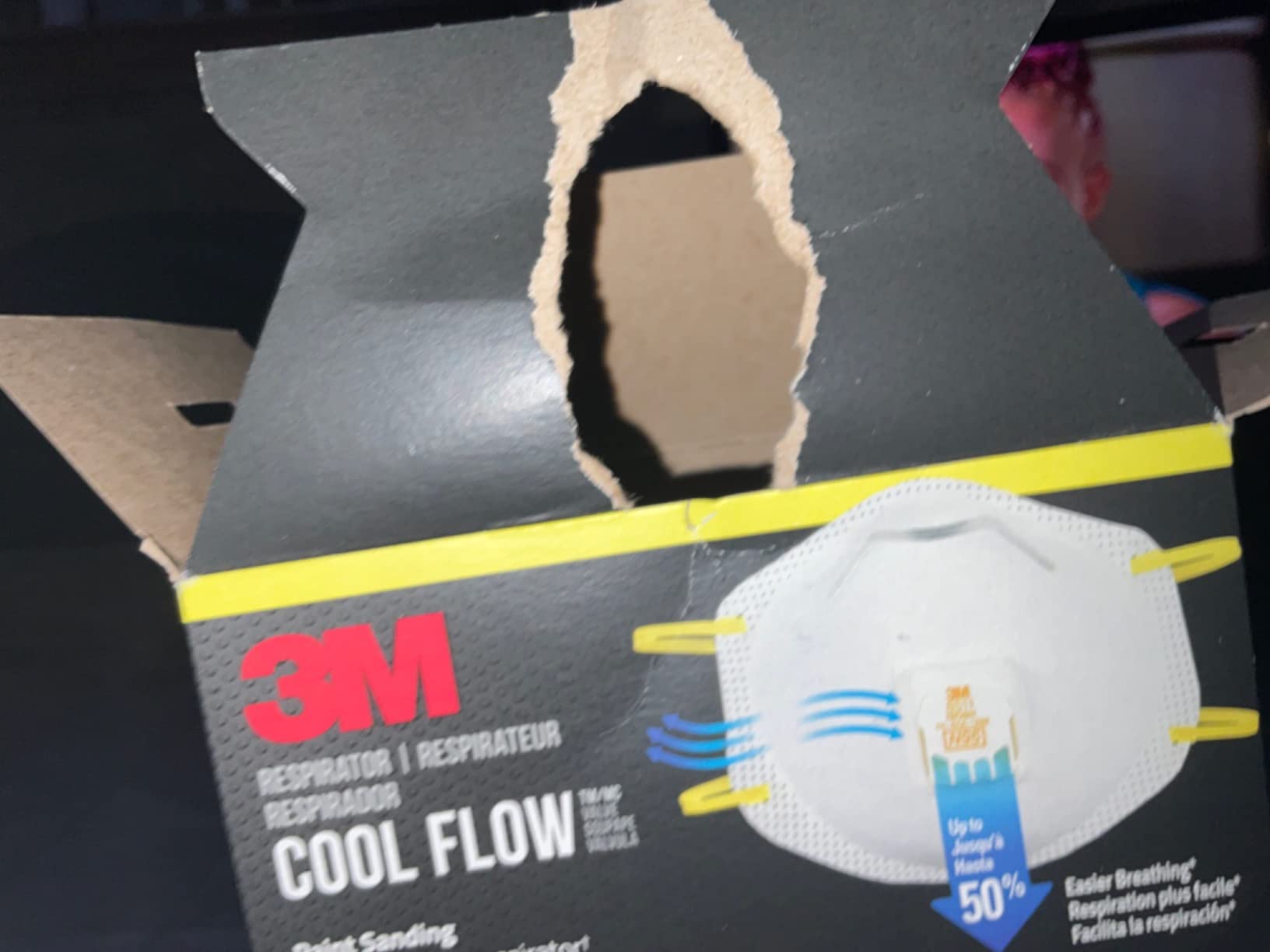
Reviewers zero in on the adjustable M-noseclip as the difference between a mask that seals and one that does not. Combined with stretchable braided headbands and a soft inner layer, it holds a consistent seal across a long session, and the review breakdown backs that up: 83 percent of ratings are five-star with only 3 percent at one star.
Two practical notes. Because the media is electrostatic, it works best while the mask is dry, and a mask soaked through with sweat after a hot afternoon is worth replacing rather than reusing. And the valve vents unfiltered air, which is a genuine problem in healthcare settings but irrelevant in a renovation.
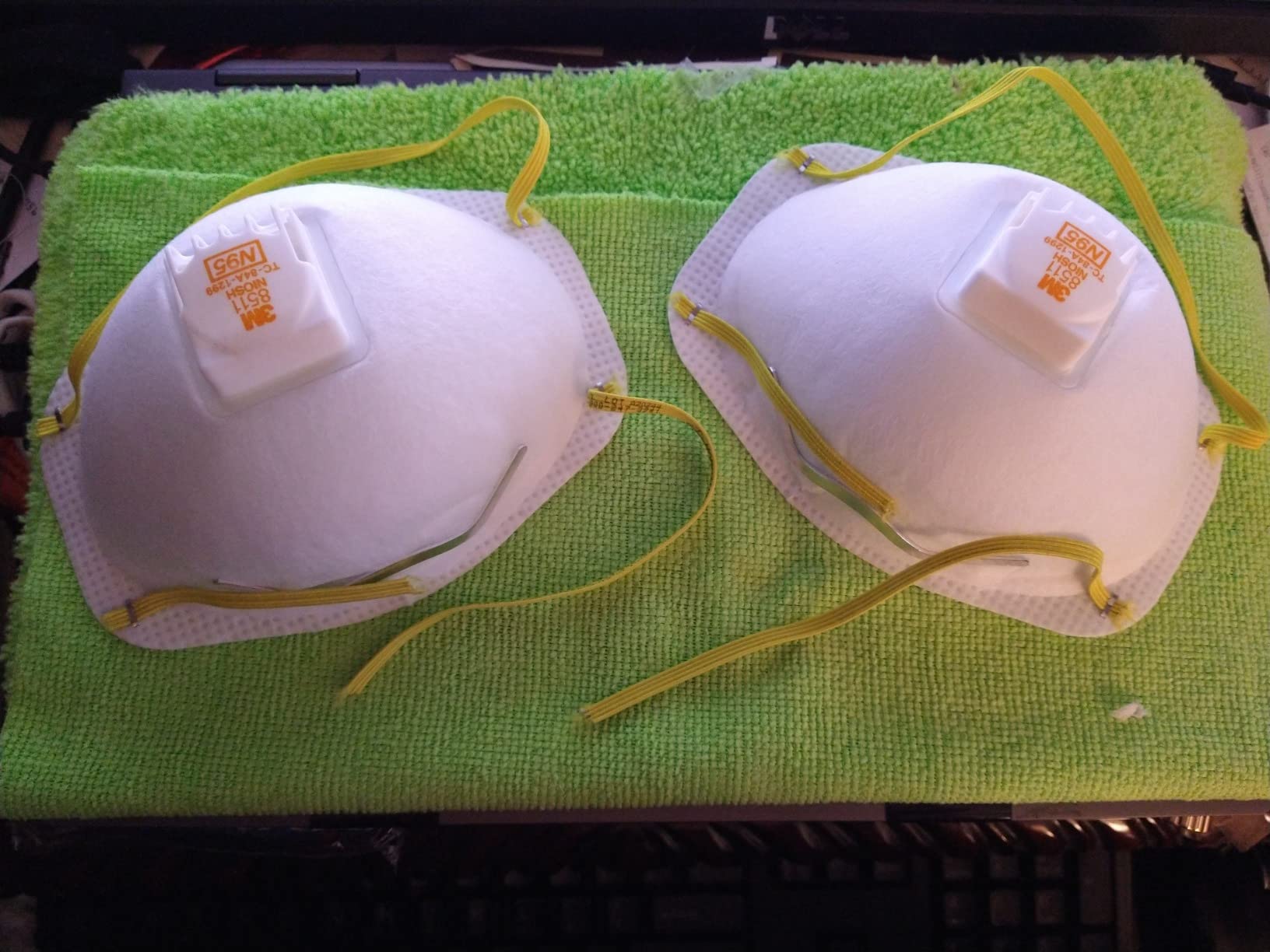
Who the 3M 8511 suits
DIYers finishing a single room, or anyone who wants a drywall-specific N95 without researching filter classes. The ten-pack format gives you spares for the moments when a mask gets soaked, dropped or torn on a stud, and the Cool Flow valve keeps heat from building up as fast as an unvalved mask.
Where it falls short
It is disposable, so a professional finishing two or three rooms a week generates constant replacement demand. And it protects your lungs, not your eyes, so you still need safety glasses and a plan for the dust that leaves the room.
3. 3M Aura 9205+ N95 – Best Respirator for Drywall Sanding If You Wear Glasses
3M™ Aura™ N95 Particulate Respirator, 9205PH-20-DC, Pack of 20 Respirators
N95 class
Flat-fold 3-panel
APF of 10
20 per pack
Pros
- Curved top panel reduces eyewear fogging
- Flat-fold design packs compactly
- Individually wrapped for storage
- Accommodates a wide range of face shapes
Cons
- Chin seal can slip when talking or moving
- Straps feel stiff to some wearers
- Some notice an odor out of the pack
Fogging glasses is the single most common complaint we saw from people who sand drywall in a half mask, and it is the reason people take the mask off. The Aura 9205+ attacks it directly with a curved top panel that sits below the sightline, so warm breath is directed down and away from your lenses rather than straight into them.
It is also the most thoroughly reviewed respirator in this roundup, with close to 12,000 ratings and an assigned protection factor of 10 noted in the listing. The flat-fold three-panel structure means it lives in a pocket or tool bag without being crushed, and each respirator is individually wrapped, so the ones in your bag stay clean.
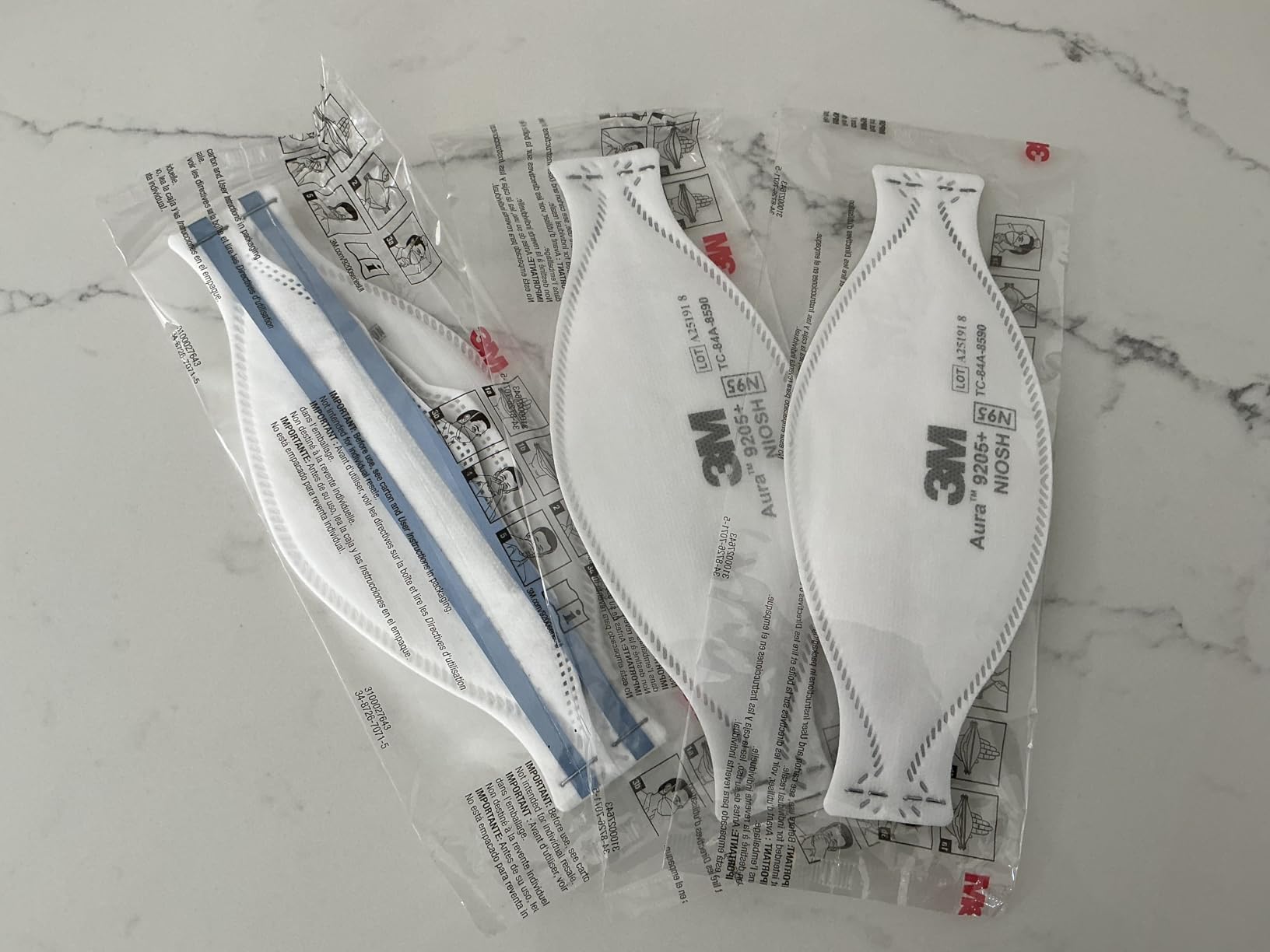
On comfort, reviewers single out breathability as better than elastomeric half masks, which is a meaningful upgrade when you are wearing it for hours. The advanced electret media filters airborne particles while staying easy to breathe through, and the design is listed for grinding, sanding, sweeping and bagging, all of which show up on a drywall site.
The recurring gripe is the seal slipping at the chin when you talk or turn your head, and a strap texture some people find stiff or rubbery. Reviewers also mention an initial odor out of the packaging that fades after a few uses. None of these are filtration issues, but they are the reasons a handful of people settle on a different mask.
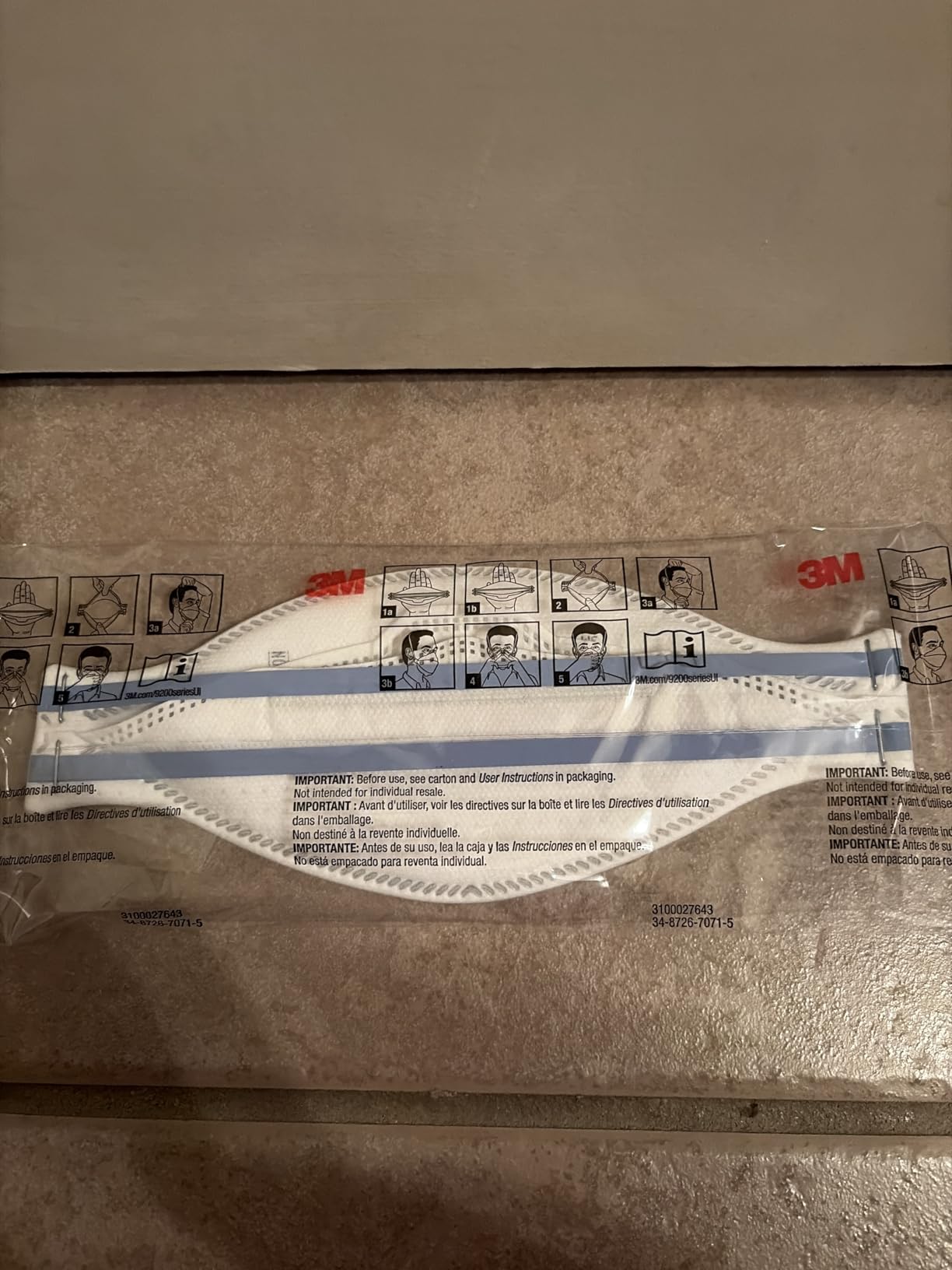
Who the Aura 9205+ suits
Anyone who wears prescription or safety glasses and plans to spend more than an hour in a mask. The anti-fog panel, the wide face-shape accommodation and the flat-fold portability make it the easiest N95 to commit to wearing all day, and a twenty pack keeps a full supply in the van or job box.
Where it falls short
It is a cup-style N95 with no valve, so it runs warmer than the 8511 during heavy sanding. It also protects your lungs only, and the chin seal needs tightening if you move around a lot while wearing it.
4. AirGearPro G-500 Reusable Respirator – Best Complete Kit for Painting and Sanding
AirGearPro G-500 Reusable Respirator Mask with A1P2 Vapor & Dust Filters
A1P2 dual filtration
P2 filter blocks 98 percent
92 g
2 year warranty
Pros
- Kit includes mask
- goggles
- ear plugs
- bag and spare fittings
- Filters visibly load with dust
- Soft silicone face seal avoids irritation
- Easy filter changes
Cons
- CE certified rather than NIOSH approved
- Can run warm in extended use
- Included goggles fog with prescription lenses
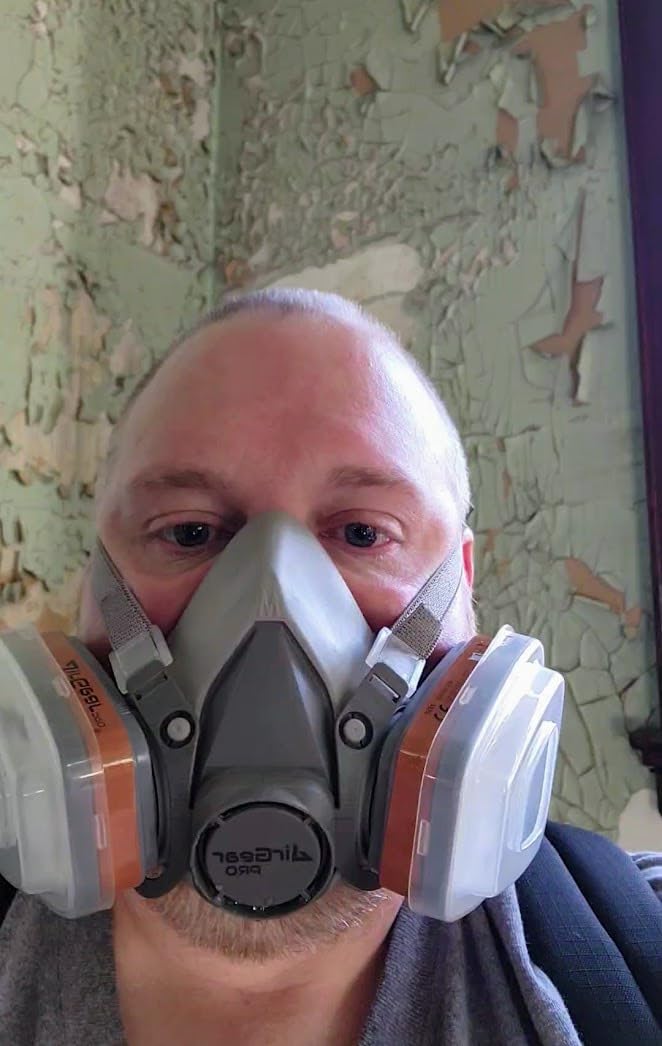
The G-500 is the package deal. You get the reusable half mask, organic vapour cartridges, dust filters, safety goggles, ear plugs, a storage bag and a manual in one box, which covers most of the personal protective equipment a drywall and painting job needs in a single purchase.
Filtration is dual: the organic gas cartridges handle vapours with boiling points above 65 degrees Celsius, and the P2 dust filter captures at least 98 percent of airborne particles. That combination suits a room that is part sanding and part patching, where you are dealing with compound dust and the smell of wet materials at the same time.
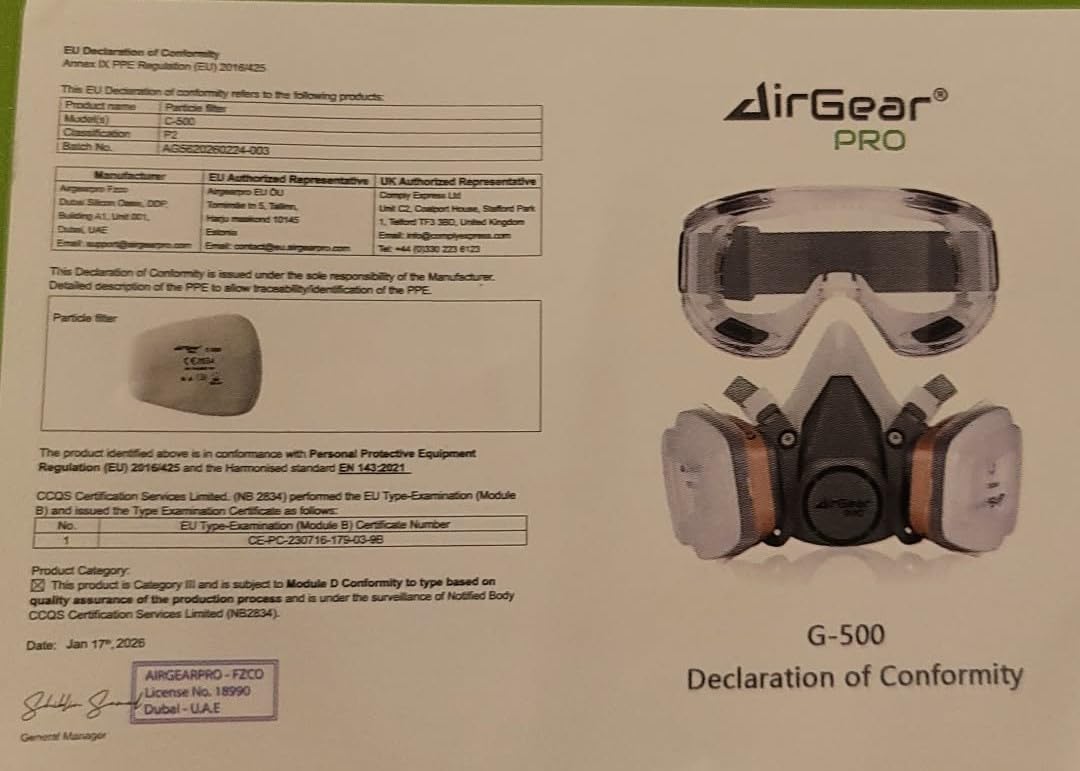
What reviewers appreciate most is the visible feedback from the dust filters. You can see them load, which tells you the mask is working and when they need changing, and a second set of fittings means you are not stuck. The soft silicone gasket also avoids the pressure marks and irritation that show up after a full shift on an elastomer facepiece.
Two caveats to be honest about. This is CE certified rather than NIOSH approved, so it does not carry the TC-84A approval number that workplace respiratory protection programs require, and some wearers report the face seal running less tight on certain face shapes. The included goggles can also fog when worn over prescription glasses.
Who the G-500 suits
DIYers who want one box to cover sanding, patching and painting rather than a separate respirator for each task. At 92 grams with adjustable elastic straps, it is light enough for extended wear, and the two-year warranty gives some reassurance on a reusable design.
Where it falls short
If you need documented NIOSH approval for a workplace program, this does not provide it. And the goggles it ships with are a bonus rather than a solution for people who already wear prescription glasses, where fogging tends to return.
5. 3M 65021 P100/OV Reusable Respirator – Best When You Want P100 Protection and Odour Reduction
3M OV/P100 Odor/Particulate Multipurpose Respirator 65021, Medium
P100 plus organic vapor
NIOSH approved
Reusable half mask
Medium size
Pros
- P100 rating exceeds the N95 baseline for heavy dust
- Organic vapor cartridges reduce smells from stains and sealants
- Reusable body cuts consumable cost
- 85 percent of ratings are five-star
Cons
- Replacement cartridges add ongoing cost
- Bulkier than a disposable for quick jobs
- Medium and larger sizing only
The 65021 pairs a P100 particulate rating with organic vapour cartridges on a NIOSH-approved reusable half mask, and it currently ranks first in Amazon’s Reusable Respirators category. That combination is the interesting part: pure dust protection is the priority when you are sanding, but the cartridges also reduce odour from stains, varnishes, coatings and sealants that follow the sanding.
For a property that is being refinished top to bottom, that dual protection means one mask covers sanding day and varnishing day. The 85 percent five-star share is the highest in this group, and reviewers point to the durability of the mask body as much as the filtration.
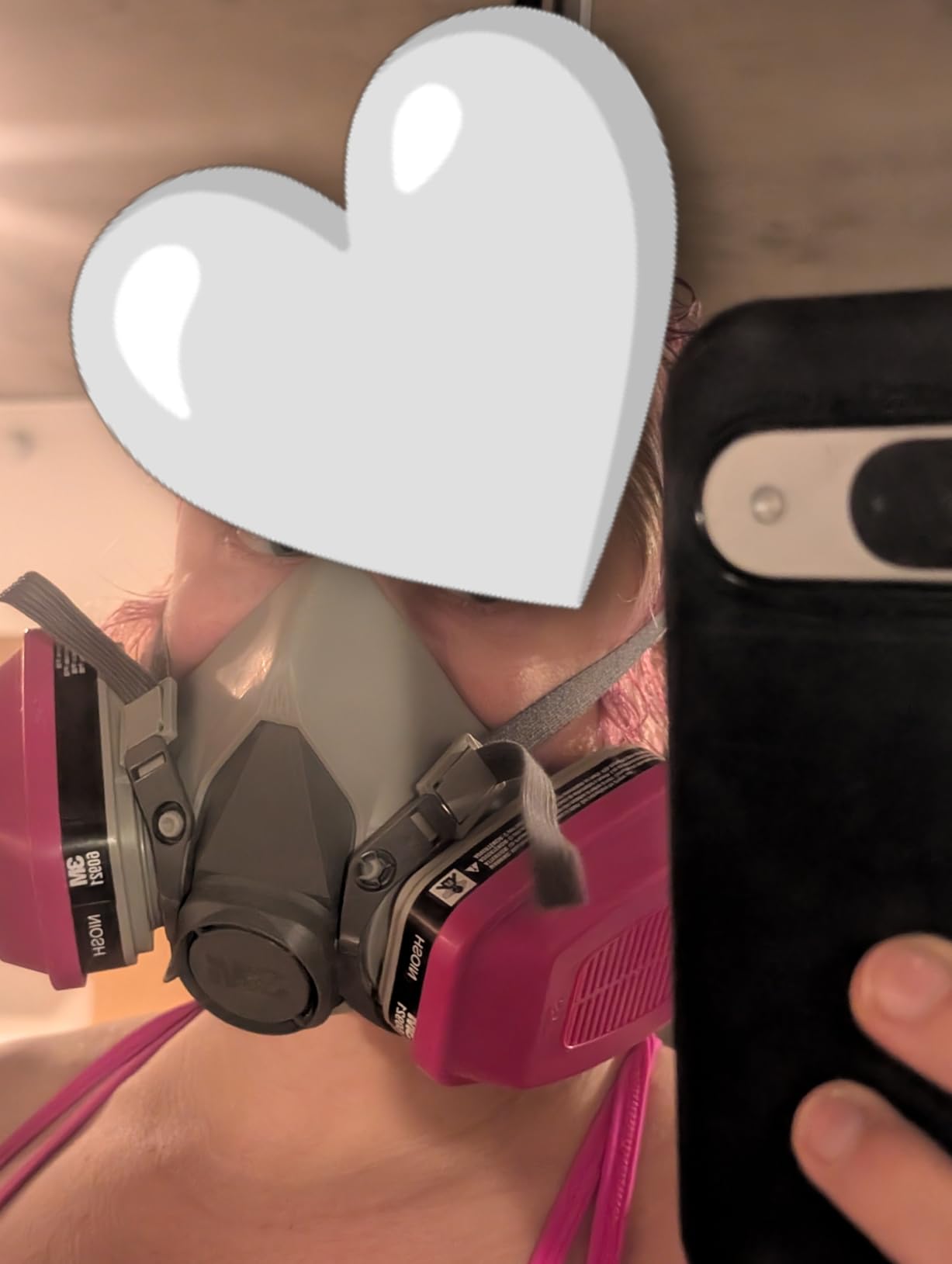
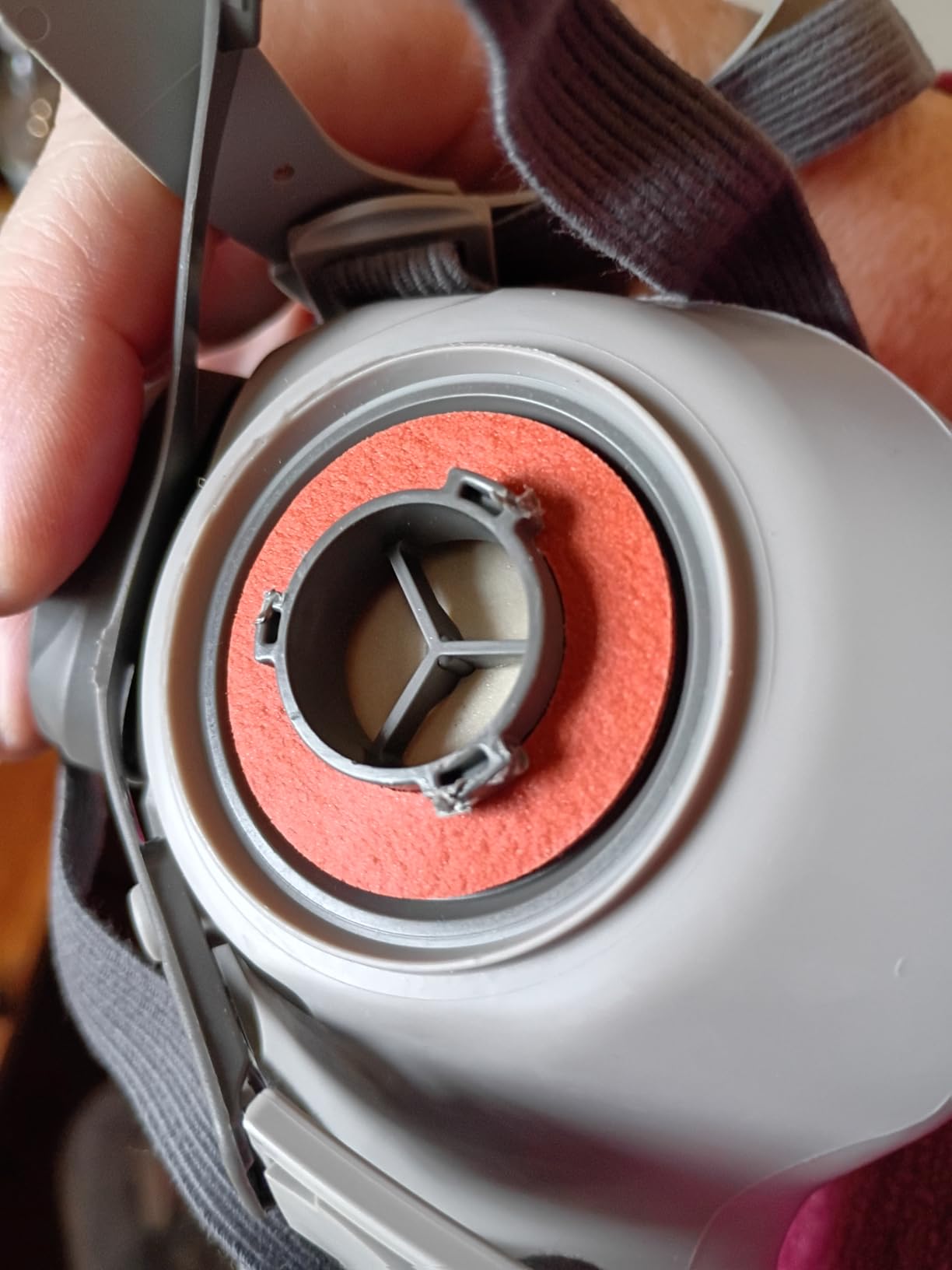
What you are buying is a tool rather than a consumable. The mask body stays in service, and only the P100/OV cartridges need replacing, which spreads the cost across jobs. P100 is rated for heavy drywall dust exposure, so it is a step above the N95 disposables on paper as well as in practice.
The practical downsides are size and cost. It is bulkier than a disposable N95, which is annoying for quick patch jobs, and replacement cartridges are an ongoing expense you have to budget for. It is also offered in medium and larger sizes, so users with small faces may find the seal less than ideal.
Who the 65021 suits
Renovators whose work runs from dusty compound sanding into sealing and finishing coats, and anyone who wants a documented NIOSH-approved reusable mask. Medium sizing fits a wide range of adults, which makes it an easier fit than the small/medium options further down this list.
Where it falls short
Replacement P100/OV cartridges are an extra ongoing cost, and the bulk is noticeable when you only need a mask for ten minutes of touch-up work. Small-face users should look elsewhere for sizing.
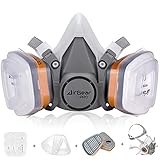
6. AirGearPro M-500 Reusable Respirator – Best for Fine Sanding Dust and Woodworking
AirGearPro M-500 Reusable Respirator Mask with Filters | Ideal for Painting, Woodworking, Construction, Sanding, Spraying
A1P2 dual filtration
P2 blocks 95 percent
92 g
2 year warranty
Pros
- Reviewers report normal breathing compared with many half masks
- Effective on fine debris from 80 to 5000 grit
- Two-strap harness is quick on and off
- Replacement filters are inexpensive
Cons
- Seal does not fit equally tight on every face
- May not fully mask heavy paint odour
- New rubber can carry an initial odour
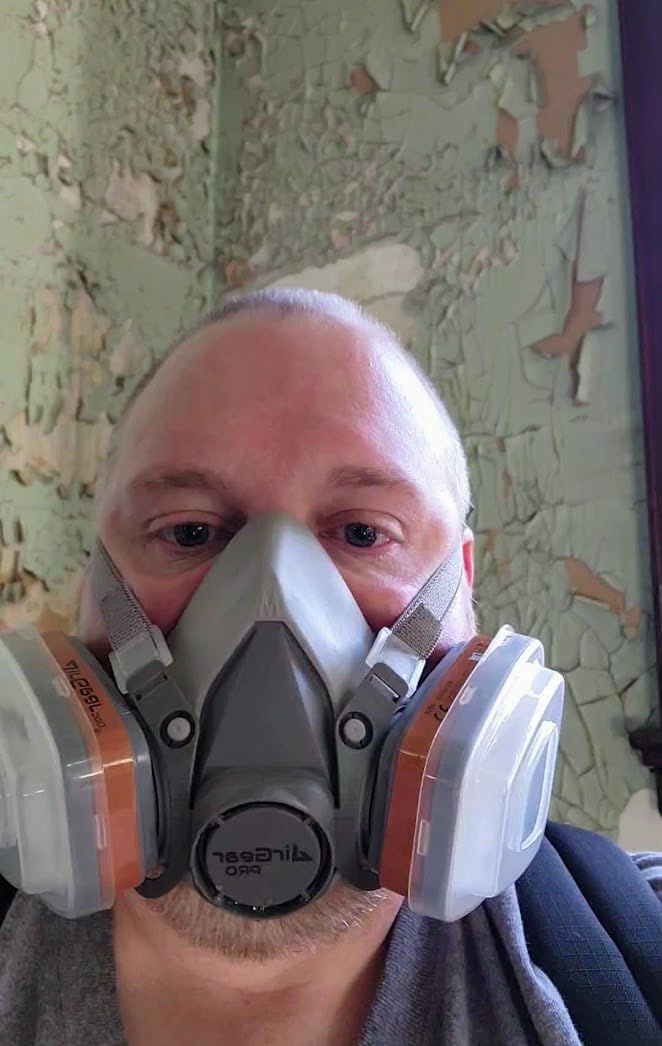
The M-500 is the sibling of the G-500 without the goggles, and it focuses purely on airflow. Reviewers repeatedly describe being able to breathe normally compared with many other half-mask respirators, which is the difference between keeping a mask on for a full afternoon and taking it off halfway through.
Filtration is A1P2: organic gas cartridges for vapours above 65 degrees Celsius, plus a P2 dust filter that captures at least 95 percent of airborne particles. That is roughly N95 dust performance with vapour handling added, and reviewers report it handling fine debris right down from 80 to 5000 grit.
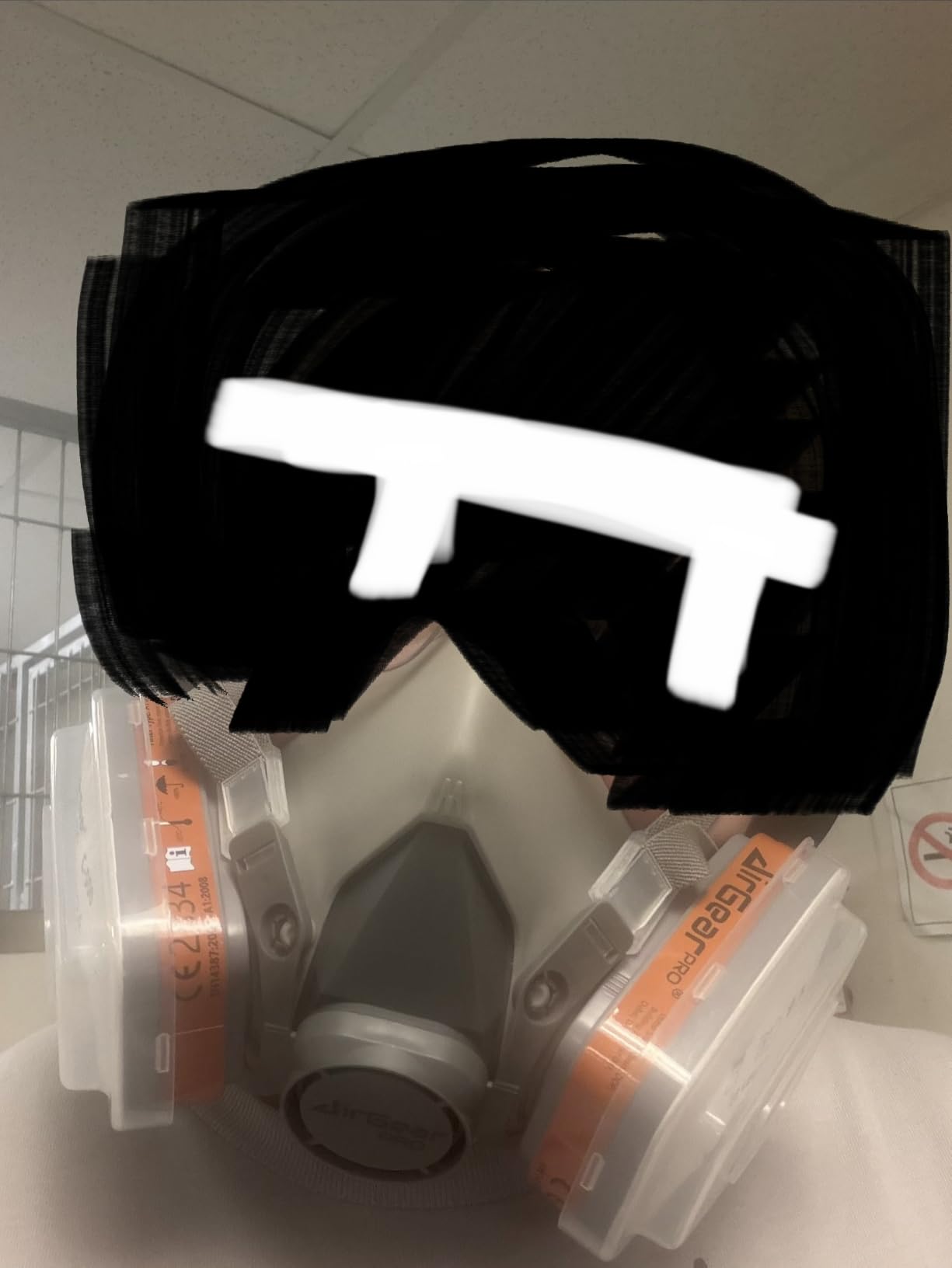
At 92 grams with a two-strap head and neck harness using simple plastic clips, it goes on and comes off fast, which matters when you are moving between rooms or lifting the mask to talk to someone. Replaceable filters extend the service life, and reviewers note they are inexpensive and use less plastic than some alternatives.
The recurring complaint is fit. Some face shapes get a looser seal than others, and there are reports of the mask not fully handling strong paint odour. New rubber also carries a smell that needs airing out. If you cannot get a consistent seal, a certified half mask in your exact size is the safer path.
Who the M-500 suits
People who move between drywall, woodworking and general site work and want one reusable mask that breathes freely. The two-strap harness is convenient for anyone who takes the mask on and off repeatedly during a shift.
Where it falls short
It is CE certified rather than NIOSH approved, so it is not documented for a formal workplace program. The seal is not equally tight for every face, and odour reduction is limited when paint or solvent fumes are heavy.
7. 3M All-In-One 8511H10 N95 – Most Popular Disposable in This Roundup
3M All-In-One Respirator, Best for Sanding, Fiberglass, Drywall, Painting, N95, Exhalation Valve Helps Direct Exhaled Air Downward, Relief From Dusts And Certain Particles, 10-Pack
N95 class
95 percent filtration
Downward vent valve
10 per pack
4.96 oz
Pros
- Largest review base in the group at more than 7000 ratings
- Vent directs exhaled air down and away from the face
- Explicitly marketed for sanding drywall and fiberglass
- Soft inner material for extended wear
Cons
- Disposable so replacements are continuous
- Hook-and-loop strap is less adjustable than dual headbands
This is the all-in-one version of the same idea as the 8511, and it has the widest following of anything in this list, with more than 7,000 ratings. It is an N95 with at least 95 percent filtration efficiency, sold as the general-purpose choice for sanding, drywall cutting, fiberglass insulation, sweeping and dusting.
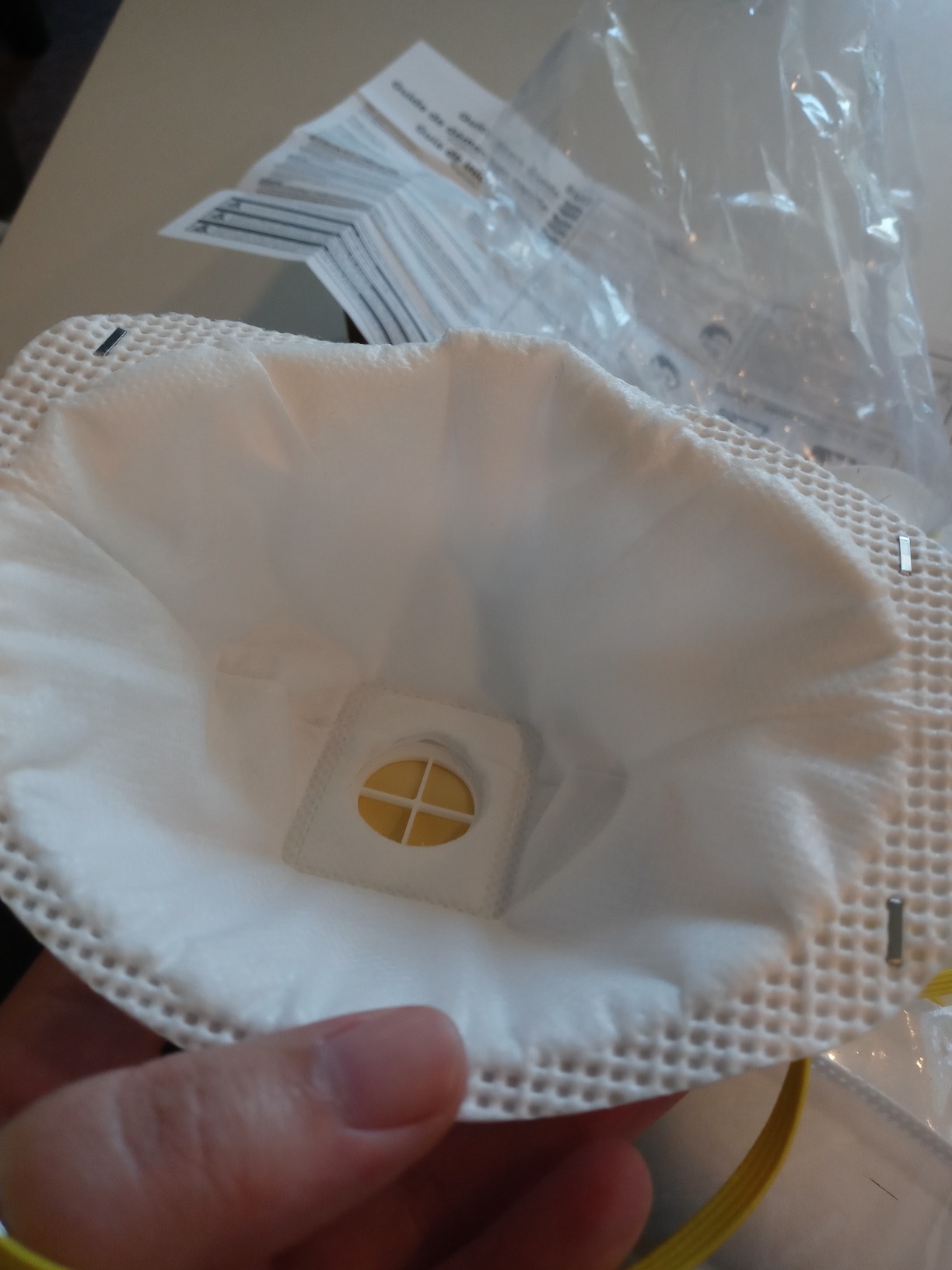
The distinguishing feature is the exhalation valve, which directs warm breath downward away from the face. That is why reviewers single it out for keeping glasses clearer, and it works alongside the same 3M Advanced Electrostatic Media and adjustable M-noseclip used across the range.
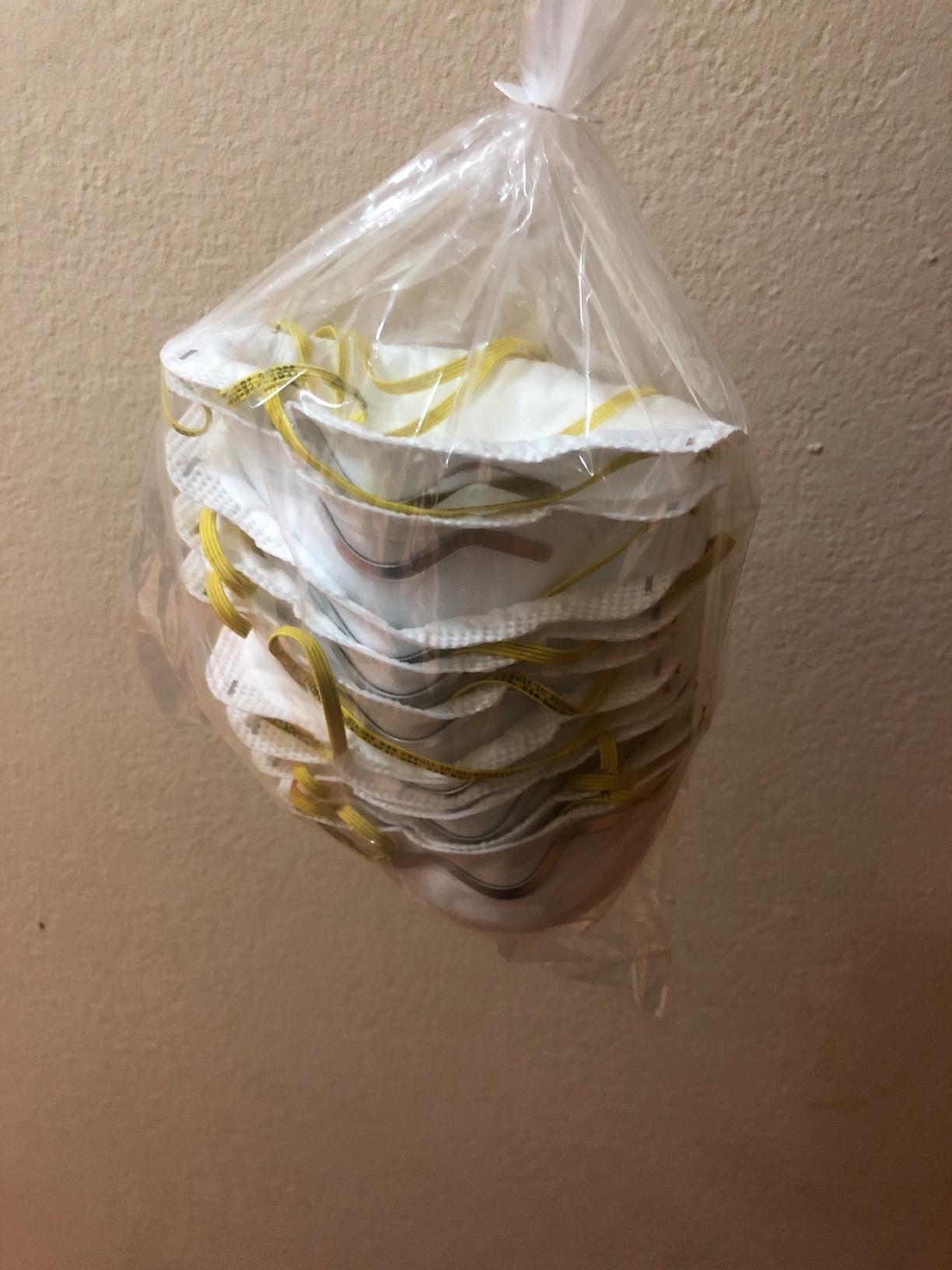
At 4.96 ounces with a soft inner layer, it is built for long jobs, and the listing describes the lightweight design as intended for extended wear. Seventy-four percent of ratings are five-star, with a 4.5 average overall, which points to steady rather than exceptional performance.
The main criticisms are structural. Being disposable means continuous replacement for regular work, and the hook-and-loop strap is less adjustable than the dual braided headbands on the 8511, so the fit takes more fiddling to dial in for some faces.
Who the 8511H10 suits
Occasional DIYers and anyone who wants a general-purpose dust mask that also handles fiberglass and general site sweeping. The downward vent is the pick for anyone whose glasses fog with an unvalved N95 but who does not want a reusable mask.
Where it falls short
It is disposable, so costs accumulate quickly on repeat jobs. The strap adjustability is the weakest point, and it is a cup design without the curved top panel that the Aura uses to fight fogging.
8. Miller ML00894 LPR-100 – Best for Smaller Faces and Low Clearance Spaces
Miller ML00894 Lpr-100 Respirator W/Filters, Small/Medium
LPR-100 half mask
Filters included
Small/medium size
Made in the USA
Pros
- Fits under most welding helmets in tight spaces
- Large non-return exhaust valve reduces fatigue
- Small/medium sizing suits smaller faces
- Filters supplied in the kit
Cons
- Small/medium will not fit larger faces
- Non-return valve is not for filtered air environments
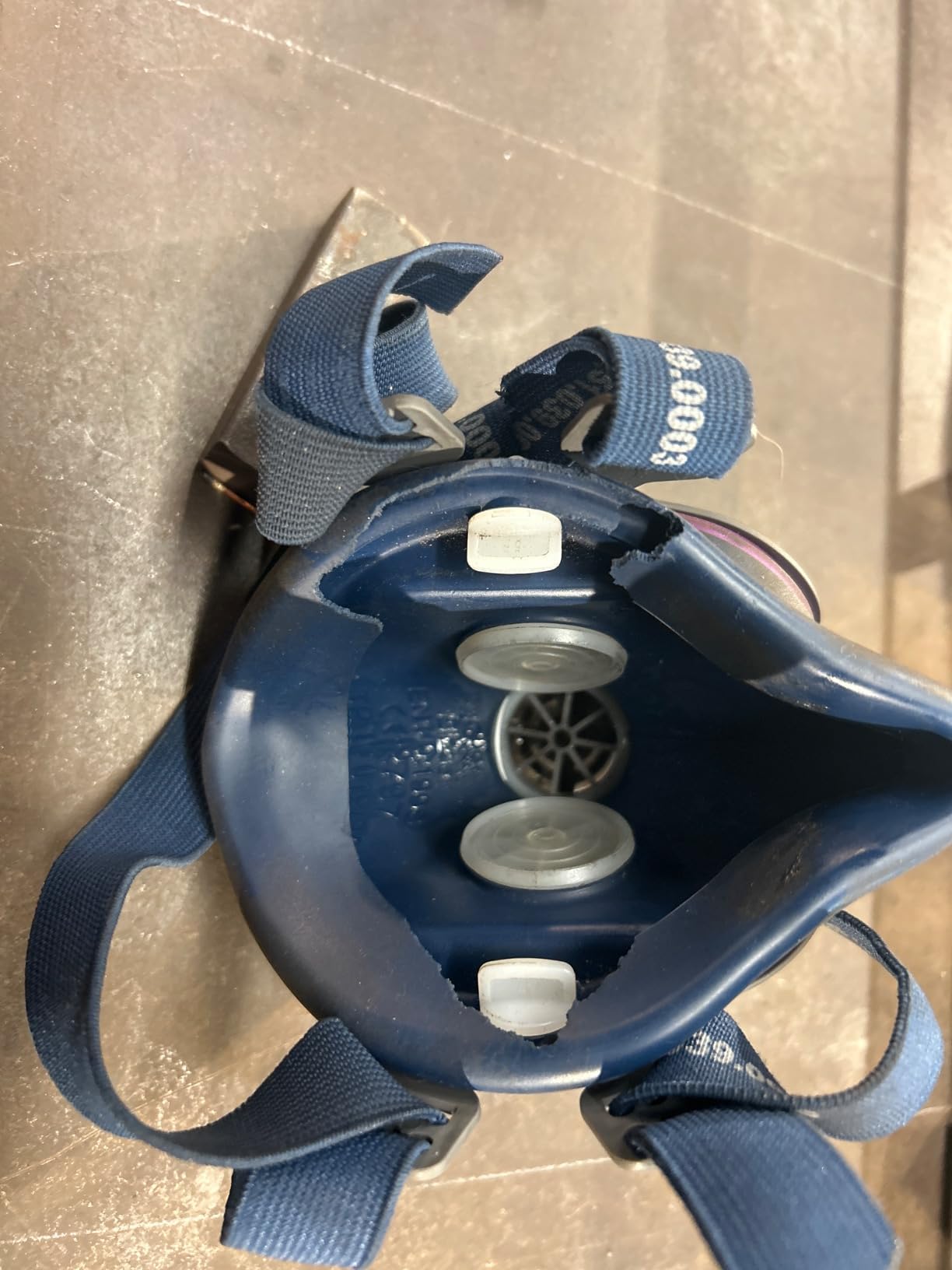
Most half masks come in medium or large, which is a genuine problem if your face is smaller. The Miller ML00894 is built small/medium, and reviewers with smaller faces report that it is one of the few that actually seals for them rather than gapping at the cheeks.
The second reason to like it is clearance. It fits under most welding helmets, which sounds irrelevant to drywall until you are finishing a tight corner or working up near a ceiling where you are constantly changing posture. A mask that does not force you to lift your head and lose sight of the joint is a real ergonomic win.
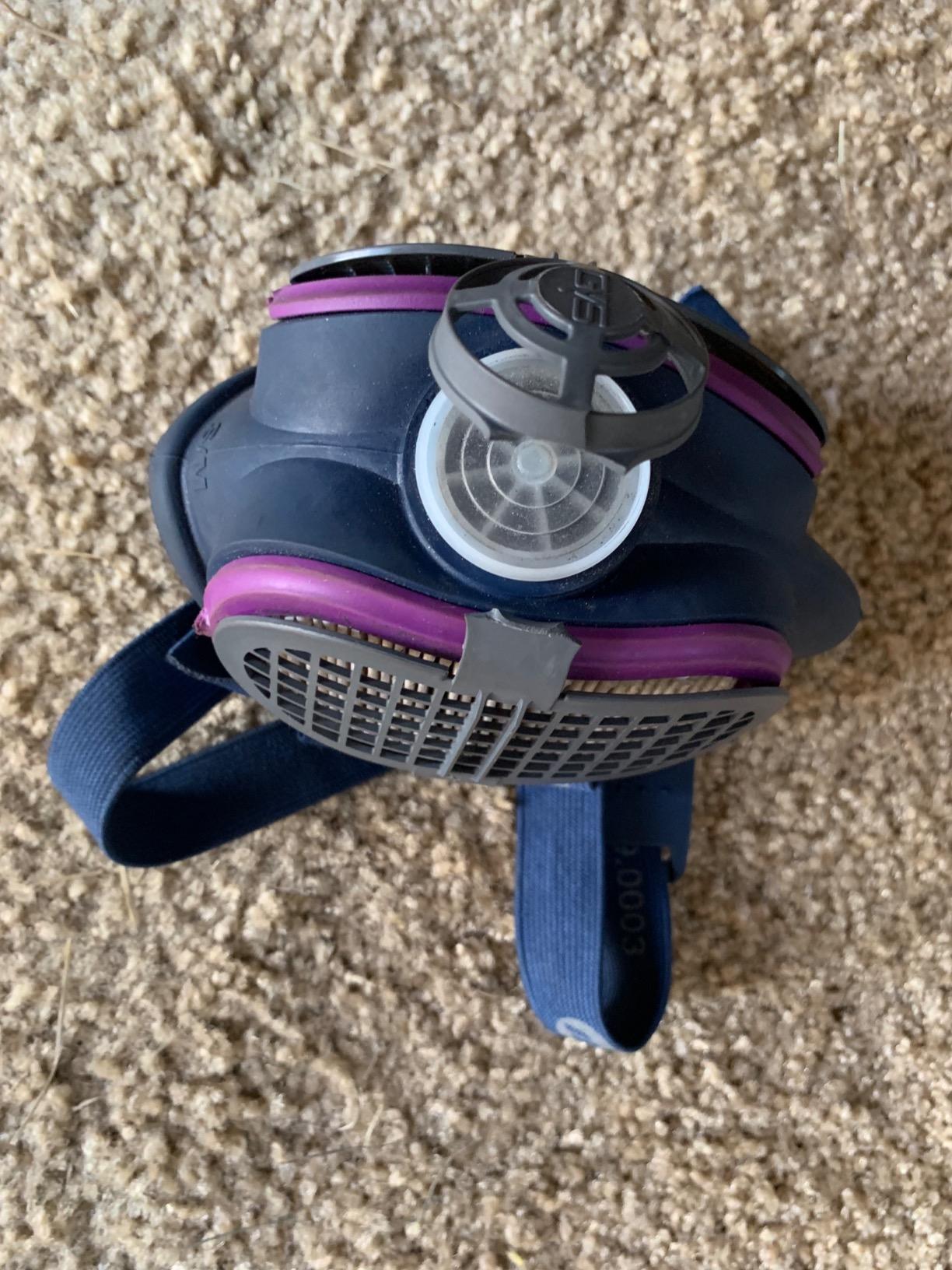
The large non-return exhaust valve is the comfort story here, reducing fatigue over long sanding sessions, and 78 percent of ratings are five-star. Filters are included in the kit, so you are not unboxing a bare facepiece and then hunting for cartridges.
The limitation is simple and important: the small/medium sizing will not accommodate larger faces, and a respirator that does not seal provides no protection at all. The non-return exhaust design also means this is not the mask to use in any environment requiring filtered air supply.
Who the ML00894 suits
Smaller-faced wearers who find medium and large half masks gap, and anyone working in confined or low-clearance areas where a low-profile mask matters. The supplied filters and Made in the USA construction add to the appeal for a workshop tool.
Where it falls short
It is the sizing mirror image of the 65021, so anyone with a larger face should pass. It is also a P100-class unit without the organic vapour cartridges, which is fine for compound dust but not for solvent-heavy work.
9. Klein Tools 60552 P100 Half Mask – Best for Fit Testing and Bearded Wearers
Klein Tools 60552 Reusable P100 Half-Mask Respirator with Replaceable Filters for Dust, Metal Fumes, and Oil Mist, M/L
NIOSH P100 rated
Downward valve
Sample port
6.4 oz
Pros
- Push-in fit check confirms the seal in seconds
- Built-in sample port supports formal fit testing
- Downward valve stops safety glasses fogging
- Comfortable fit reported by bearded wearers
Cons
- Replacement P100 filters sold separately
- Elastomer body is heavier and harder to clean
- Smallest review base in the group
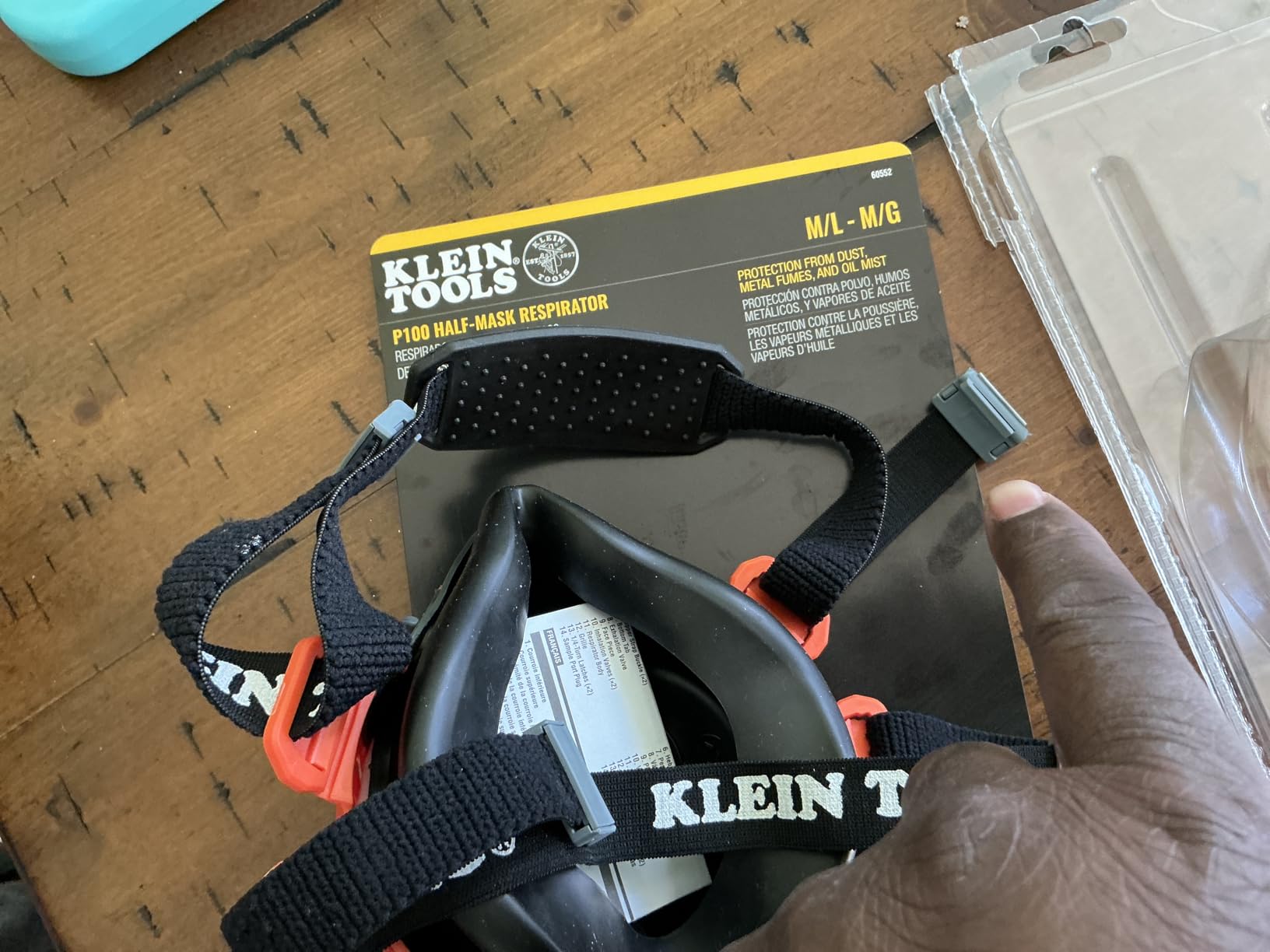
The Klein 60552 is the one to look at if you are serious about fit rather than just about comfort. It has a push-in fit check mechanism, so you can confirm the face seal in a few seconds before a dusty job, and a built-in sample port that supports a non-destructive fit test rather than leaving you to guess.
It is NIOSH P100 rated against dust, metal fumes and oil mist, which makes it a slightly broader tool than drywall-only masks. The low-profile design is meant to minimise interference with safety eyewear, and the downward-facing exhalation valve is aimed squarely at the fogging problem.
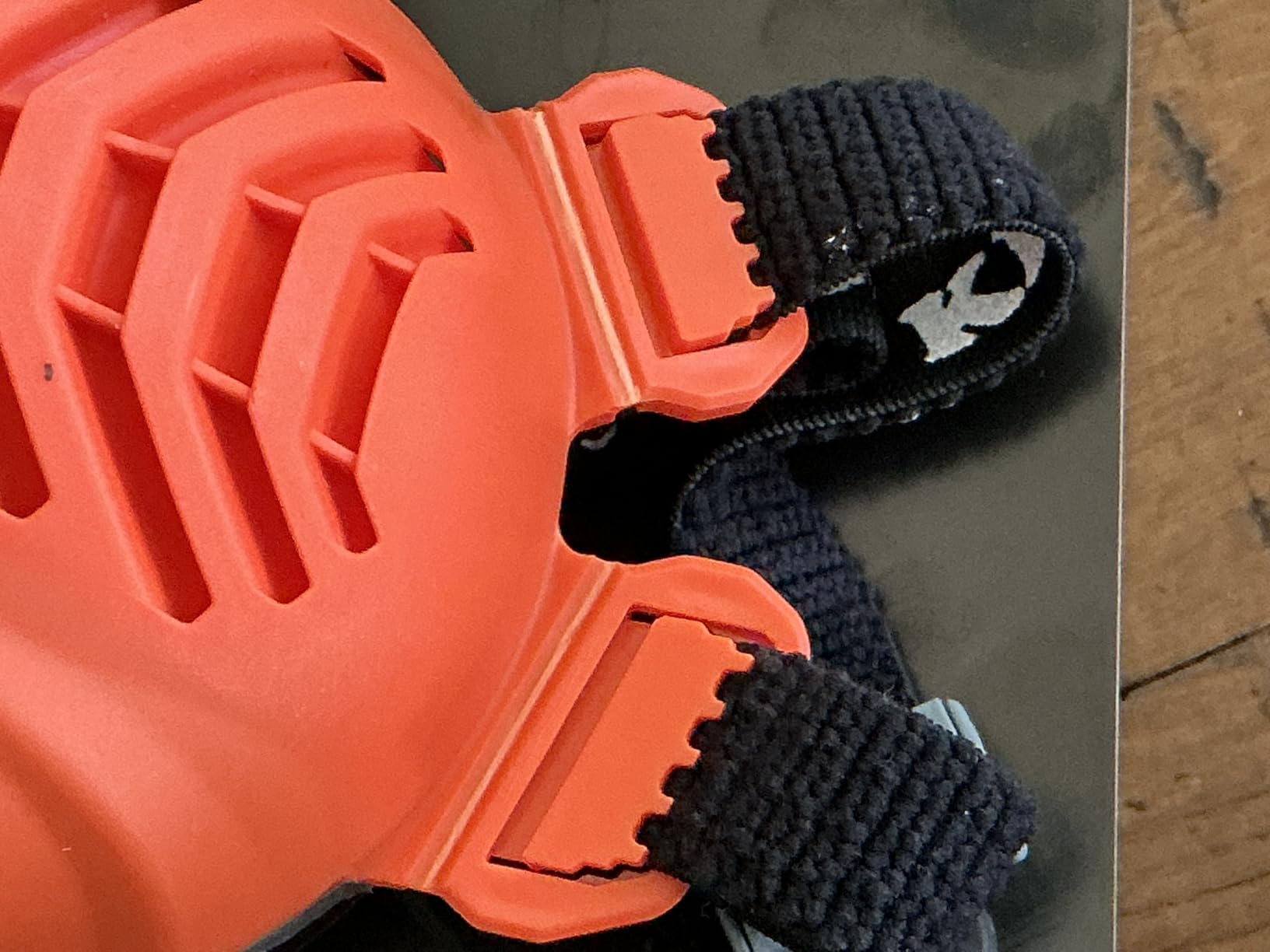
Tool-free strap adjustment lets you dial the fit without hunting for a screwdriver, and there are reports of a comfortable seal even from bearded wearers, which is not a minor point given how much that matters for elastomer half masks. Filters are the low-profile replaceable P100 type, sold separately under catalogue number 60554.
Two things temper the recommendation. It is 6.4 ounces, heavier than the disposables here, and the thermoplastic elastomer body is harder to clean than silicone. It also has the smallest review base of the ten, at 184 ratings, so you have less long-term owner data to lean on.
Who the Klein 60552 suits
Anyone who wants an objective check that the mask seals rather than a hopeful one. The push-in fit check takes seconds, the sample port supports formal testing, and the downward valve keeps safety glasses clear during long sanding sessions.
Where it falls short
It is the heaviest half mask in this roundup and the hardest to clean. Replacement P100 filters are a separate purchase, and the thin long-term owner record means you are trusting the design more than a large body of user feedback.
10. NC Reusable Face Cover Set with Glasses – Best Budget Starter Set for Occasional Sanding
NC Reusable Face Cover Set with Glasses for Gas, Painting, Dust, Machine Polishing, Organic Vapors with Filter Cotton, Staining,Car Spraying,Sanding &Cutting, DIY and Other Work Protection
Reusable silicone half mask
Safety glasses included
8 cotton filters
2 caps
Pros
- Soft food-grade silicone facepiece
- Breathable eye protection with minimal fogging
- Eight spare cotton filters extend the useful life
- Good fit and seal for spraying and sanding
Cons
- Not certified to NIOSH or CE standards
- Cotton media needs frequent replacement
- Lighter construction than certified half masks
This is the budget entry, and the box is generous for what it is: a reusable silicone half face cover, a pair of safety glasses, eight cotton filters and two caps. The silicone facepiece is soft against the skin, and reviewers like the eye protection for fogging less than separate goggles worn with a mask.
The stated filtration claims are dual, blocking 97 percent of organic vapours, gases, fumes, pollen and dust. Two-fold elastic headbands adjust the fit, and the included filter supply means you are not buying consumables separately on day one.
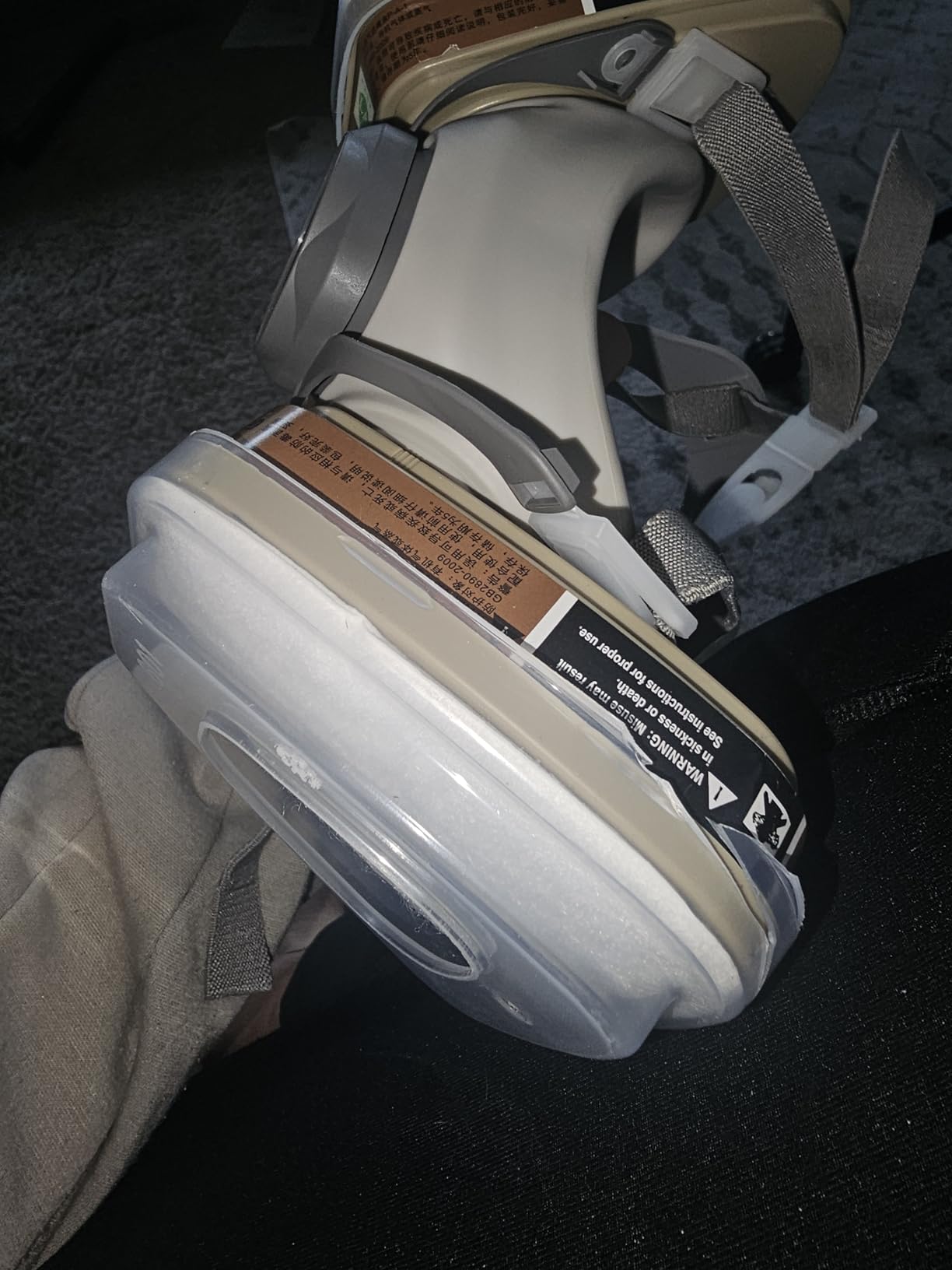
Here is the honest limitation, and it is a big one: this mask is not certified to NIOSH or CE standards. That means it is not documented for professional job sites or any workplace respiratory protection program, and the cotton filter media needs replacing far more often than a P100 cartridge. We include it because it suits a weekend touch-up, not because it belongs in a contractor’s kit.
The construction is also lighter than a certified elastomeric half mask, so the seal is less consistent under heavy loads. If you are sanding in a house with other people in it, spend the extra money on a NIOSH-approved model.
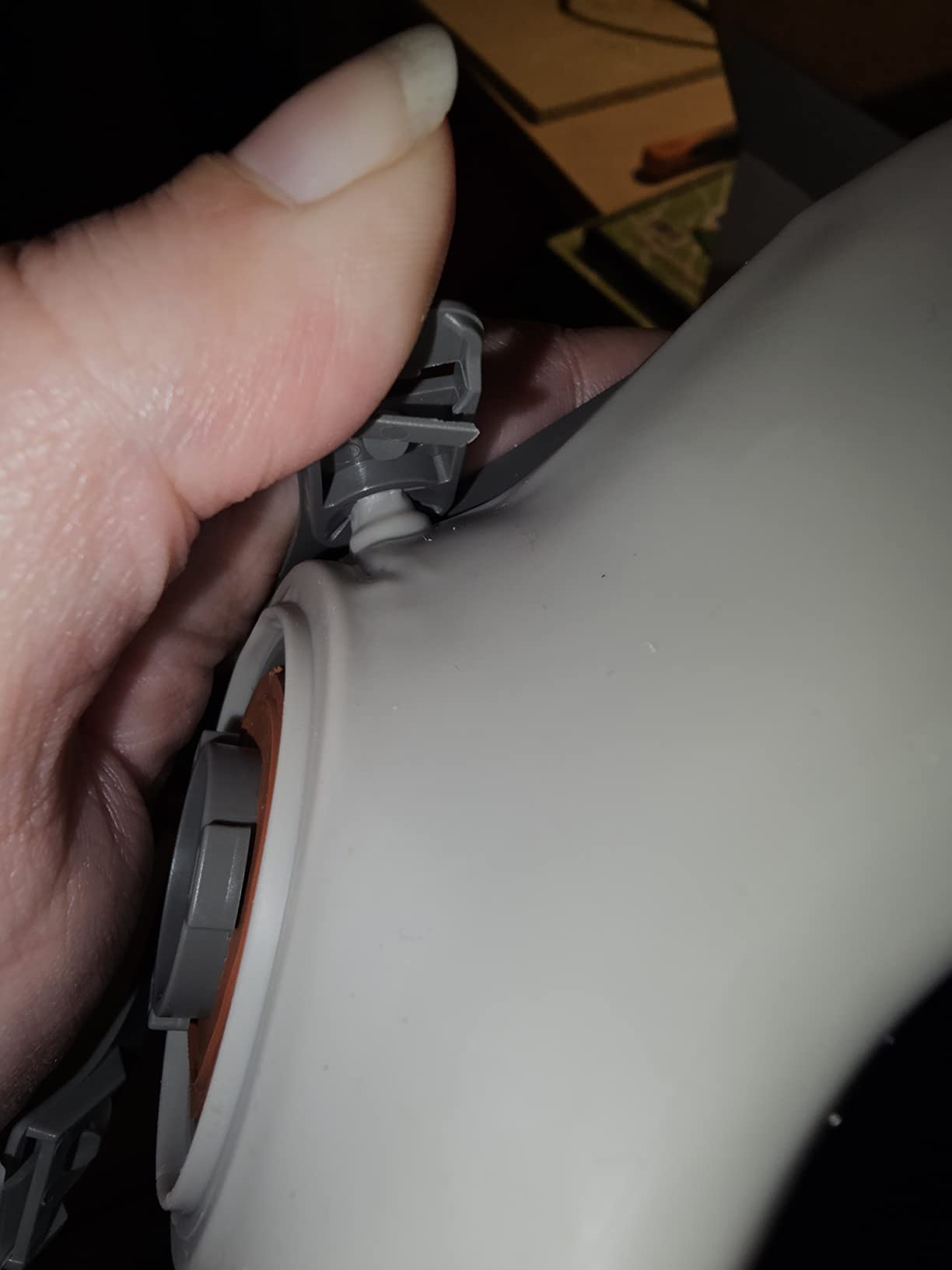
Who the NC set suits
Occasional DIYers doing a small repair job who want a mask and eye protection in the same box without fuss. The soft silicone facepiece and low fogging make it comfortable for short bursts of sanding and spraying.
Where it falls short
It is not certified to NIOSH or CE, so it does not meet formal workplace or professional requirements. The cotton filters need frequent replacement, and the lighter build does not hold a consistent seal across face shapes.
How to Choose a Respirator for Drywall Sanding
N95 vs P100 vs N99 vs KN95: which filtration class do you need?
Class matters more than brand. An N95 filters at least 95 percent of non-oil-based particles, which is the correct rating for pure gypsum dust. A P100 filters at least 99.97 percent, and because the P rating applies to both oil and non-oil aerosols, it is the safer choice whenever silica content is uncertain or you sand repeatedly.
N99 sits between the two at 99 percent filtration, and KN95 is a separate category that is not interchangeable. KN95 masks are certified to a Chinese standard, not to NIOSH under 42 CFR Part 84, so they carry no approval number and do not satisfy workplace requirements. A mask that only says N95-style without a TC-84A number tells you nothing about who tested it.
Half-mask or full-facepiece?
A half-mask seals to the nose and mouth only, so your eyes stay exposed to airborne gypsum and to compound that splatters. A full facepiece covers the eyes as well, which removes the separate safety glasses requirement and takes the fogging problem away entirely, but it costs more, weighs more and traps more heat.
For a single room of DIY finishing, a half mask plus safety glasses is the sensible pairing. Full facepieces start to make sense when you are doing heavy repeated work, working in a space where eye protection is otherwise mandated, or dealing with material that irritates eyes. The half-mask models in this roundup are all designed to clear low-profile eyewear, with the Klein and Aura going furthest to solve fogging.
How to fit test and seal check in five steps
Formal fit testing under 29 CFR 1910.134 is a workplace requirement, and you can approximate the logic at home. First, check the NIOSH approval number is printed on the mask, usually as TC-84A followed by digits. Second, place it on your face and pull the straps so the metal nose clip or moulded nose section settles into a comfortable position.
Third, cover the filter area with your hands and breathe in gently. If you feel air leaking around the edges, the seal is failing. Fourth, exhale slowly and check the same edges for outward leakage. Fifth, wear the mask for fifteen minutes and repeat the check, because comfort and breathing patterns change once you settle in. Any mask that fails at any step is the wrong mask for your face, no matter what class it is rated.
Facial hair matters here more than most product pages admit. A beard or stubble under the sealing edge on any elastomer or TPE facepiece will break the seal, and no amount of strap adjustment fixes it. Glasses can be worn with the models here, but check that the frame does not sit across the sealing surface.
Disposable or reusable: the break-even point
Disposables are simpler and there is no maintenance, which makes them the right call for a few hours of work a year. Reusables win once you are masking regularly, because the body lasts years and only the filters are consumable. The GVS Elipse makes the arithmetic clearest, with filters rated to five years against a P100 rating.
Consider also the hidden cost of disposables in sweat. People on drywall forums report replacing masks several times per room once they are soaked through during heavy sanding, so the real consumption rate is often higher than one mask per session. A reusable that stays comfortable for a full afternoon can genuinely use fewer filters than the disposables you throw away to escape the heat.
Dust control beyond the respirator
Five steps cut the dust before it reaches your lungs. Hang plastic sheeting across doorways and seal the edges with tape to isolate the room. Run a negative air machine or air scrubber to pull dust into a HEPA unit and keep the air moving out. Attach a HEPA vacuum directly to the sanding tool if your sander supports it, or vacuum constantly with a shop vac fitted for fine dust.
Wet sanding the surface, or misting the compound before working it, keeps airborne dust to a minimum. And wear eye protection in addition to the respirator, because a half mask does nothing for your eyes. Popcorn ceiling texture is the one exception to all of this guidance: if it predates the 1980s in your home, treat it as a possible asbestos job and get it assessed before disturbing it.
Frequently Asked Questions
Is P100 or N95 better?
P100 is better for drywall sanding. It filters at least 99.97 percent of airborne particles, including oil-based aerosols, while an N95 filters at least 95 percent of non-oil-based particles. For a single DIY room of pure gypsum dust an N95 is sufficient, but step up to P100 when joint compound may contain respirable crystalline silica, when you sand room after room, or when you want a reusable mask with replaceable filters.
Is N95 good enough for drywall dust?
Yes, for most single-room sanding jobs an NIOSH-approved N95 is the correct minimum. It filters at least 95 percent of non-oil-based particles, which covers gypsum dust from joint compound. It becomes marginal when the compound is known to contain respirable crystalline silica, when you are doing repeat work over many hours, or when silica control falls under OSHA 29 CFR 1926.1153 in a workplace setting. Those cases call for P100.
What kind of respirator do I need for sanding drywall?
A NIOSH-approved half-mask respirator is what most people need: an N95 for occasional work on clean gypsum dust, a P100 for repeated sanding or suspected silica. Choose a valved model for long sessions to reduce heat, a low-profile design if you wear safety glasses, and add separate eye protection because a half mask leaves the eyes exposed. Full facepieces are worth considering for heavy repeat work where eye protection is already mandatory.
How long does drywall dust stay in your lungs?
The fraction of drywall dust fine enough to reach the gas exchange regions of the lung is called respirable particulate, and it stays there rather than clearing quickly. Some of it is cleared by the body’s own processes over days, but repeated exposure builds a cumulative load, and respirable crystalline silica exposure is associated with silicosis and other chronic lung damage. That is why control at the source and a correctly rated respirator both matter.
How bad is it to sand drywall without a mask?
It is a real exposure risk, and the risk scales with how much dust you create and for how long. Fine gypsum and any crystalline silica in the compound get past the nose and throat into the lungs, where repeated exposure causes cumulative damage. A cheap non-certified dust mask blocks only the coarse fraction and lets the respirable fraction through. Respiratory protection should be the last line of defence, not the first: sealing the room, running an air scrubber and using a HEPA vacuum at the sander reduce what you breathe in the first place.
Final Verdict
For most people, the best respirator for sanding drywall in 2026 is the GVS Elipse P100, because a P100 rating plus multi-year replaceable filters makes it the cheapest protection per hour of work if you sand regularly. If you are doing one room, the 3M 8511 N95 gives you the drywall-specific design, a Cool Flow valve and a ten-pack at a level most people can justify.
Pick the 3M Aura 9205+ instead if you wear glasses and the fogging would push you to take the mask off. Whatever you choose, seal the room, run the air across the job and fit check before you switch the sander on, because the best respirators for sanding drywall is the one that stays on your face for the whole job.