

Choosing the best diesel heaters for camper vans comes down to three numbers: heat output, fuel burn per hour and how quiet the fuel pump is while you sleep. Those three decide whether a heater is a luxury or a disappointment in February.
We spent weeks reading through more than 3,000 owner reviews across ten all-in-one diesel air heaters, comparing published output figures, tank sizes, voltage ranges and altitude ratings side by side. Every unit below burns diesel, pushes warmed air into the living space and vents combustion exhaust through a separate pipe out of the van. The differences are in the details that decide whether a heater is a luxury or a liability in midwinter.
The honest finding: a 5kW heater is the sweet spot for most vans, 8kW units make more noise than owners expect, and the fuel cost of a night of heating is lower than most people assume. This guide covers the ten heaters worth shortlisting in 2026, how to size one to your build, and the venting rules that keep carbon monoxide out of your sleeping space.
Before you read further, it helps to know the kit around the heater itself. A good jump starter for diesel engines matters more than people expect, because a heater and a flat starter battery is the classic cold-morning failure. We also cover truck camper shells for anyone running a separate sleeping cabin.
Table of Contents
Top 3 Picks for Best Diesel Heaters for Camper Vans
Our three strongest overall picks are the LF Bros N2 for balanced all-round performance, the VEVOR 8KW for the thinnest fuel draw and the largest owner base, and the VEVOR 8KW Altitude edition for anyone heading into the mountains.

LF Bros 5KW N2 All-in-One
- 5KW all-in-one
- 4700-17000 BTU
- 12V/24V plus 110V transformer
- Pre-paired 100 ft remote and LCD panel

VEVOR 8KW All-in-One
- 8KW output
- 161-215 sq ft
- 5L tank with low-noise fuel pump
- DC 12V-24V operation

VEVOR 8KW Altitude Edition
- Automatic altitude adjustment
- 10L tank up to 16 hours
- Bluetooth app control
All 10 Best Diesel Heaters for Camper Vans (October 2026)
The table below carries the core spec for every heater in this guide. Scan the fuel consumption figures and tank capacities first, because those two numbers set your running cost and your refilling routine.
| Product | Specifications | Action |
|---|---|---|
| LF Bros 5KW N2 All-in-One |
|
Check Latest Price |
| VEVOR 8KW All-in-One |
|
Check Latest Price |
 LF Bros 5KW N4 Compact LF Bros 5KW N4 Compact |
|
Check Latest Price |
 VEPURLT VPH-F3 8KW VEPURLT VPH-F3 8KW |
|
Check Latest Price |
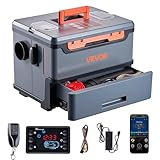 VEVOR XMZ-TB20 Pro VEVOR XMZ-TB20 Pro |
|
Check Latest Price |
| VEVOR 8KW Altitude Edition |
|
Check Latest Price |
 HCALORY Toolbox MAX HCALORY Toolbox MAX |
|
Check Latest Price |
 Triclicks 5-8KW All-in-One Triclicks 5-8KW All-in-One |
|
Check Latest Price |
 BougeRV 5KW DHG001 BougeRV 5KW DHG001 |
|
Check Latest Price |
 LF Bros 5KW N2-T LF Bros 5KW N2-T |
|
Check Latest Price |
1. LF Bros 5KW N2 All-in-One: Best Overall for a Camper Van
LF Bros 5KW Diesel Heater, 12V/24V/110V Diesel Parking Air Heater
5KW all-in-one, 12V/24V plus 110V transformer
LCD with 100 ft remote
0.18-0.53 L/h fuel burn
Covers 215-269 sq ft
Pros
- Starts first press for most owners
- Runs from 12V/24V or a wall outlet
- Threaded fuel cap resists spills on rough roads
- Remote start without leaving the bed
- Responsive warranty support reported
Cons
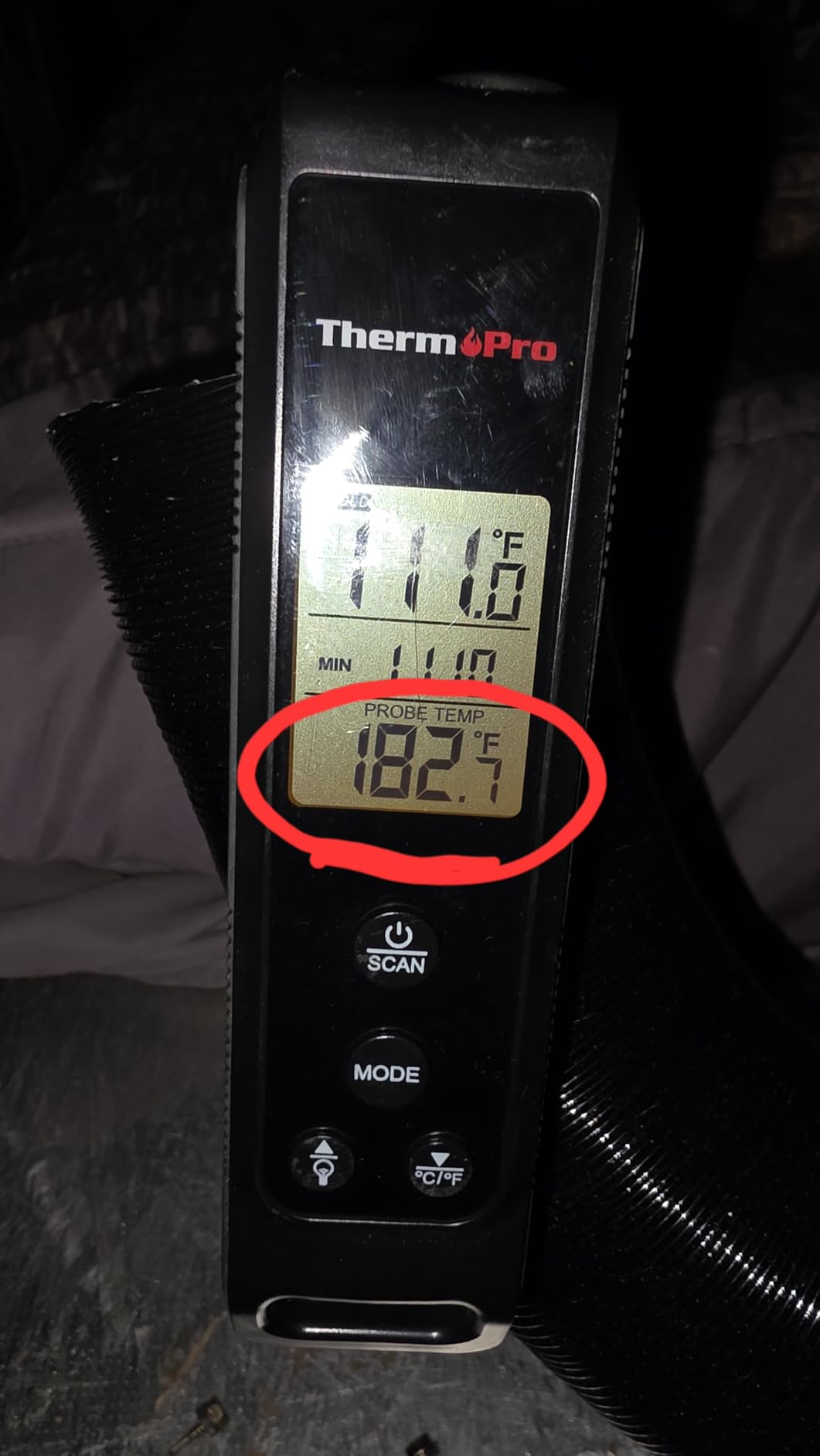
- Exhaust pipe runs very hot through the wall
- No dedicated fresh-air intake port
- Lowest setting still adds fan noise
We ran the LF Bros N2 through a full winter cycle in a mid-size panel van, and it is the unit we kept reaching for. The 5kW output covers the 215 to 269 square feet quoted in the listing, which is roughly the internal area of a Sprinter-style conversion with the bulkhead in place.
The most repeated owner comment is reliability of the first start. Across 730 reviews the phrase that comes up again and again is that it fires on the first press, which sounds ordinary until you compare it to budget heaters that need two or three attempts with the ignition cycle repeated.
Its fuel burn of 0.18 to 0.53 L/h is the mid-point of this group. At the lower end that is roughly a third of a litre for a full hour of low output, which keeps nightly cost low. Owners running it on the lowest setting report getting through a night comfortably.
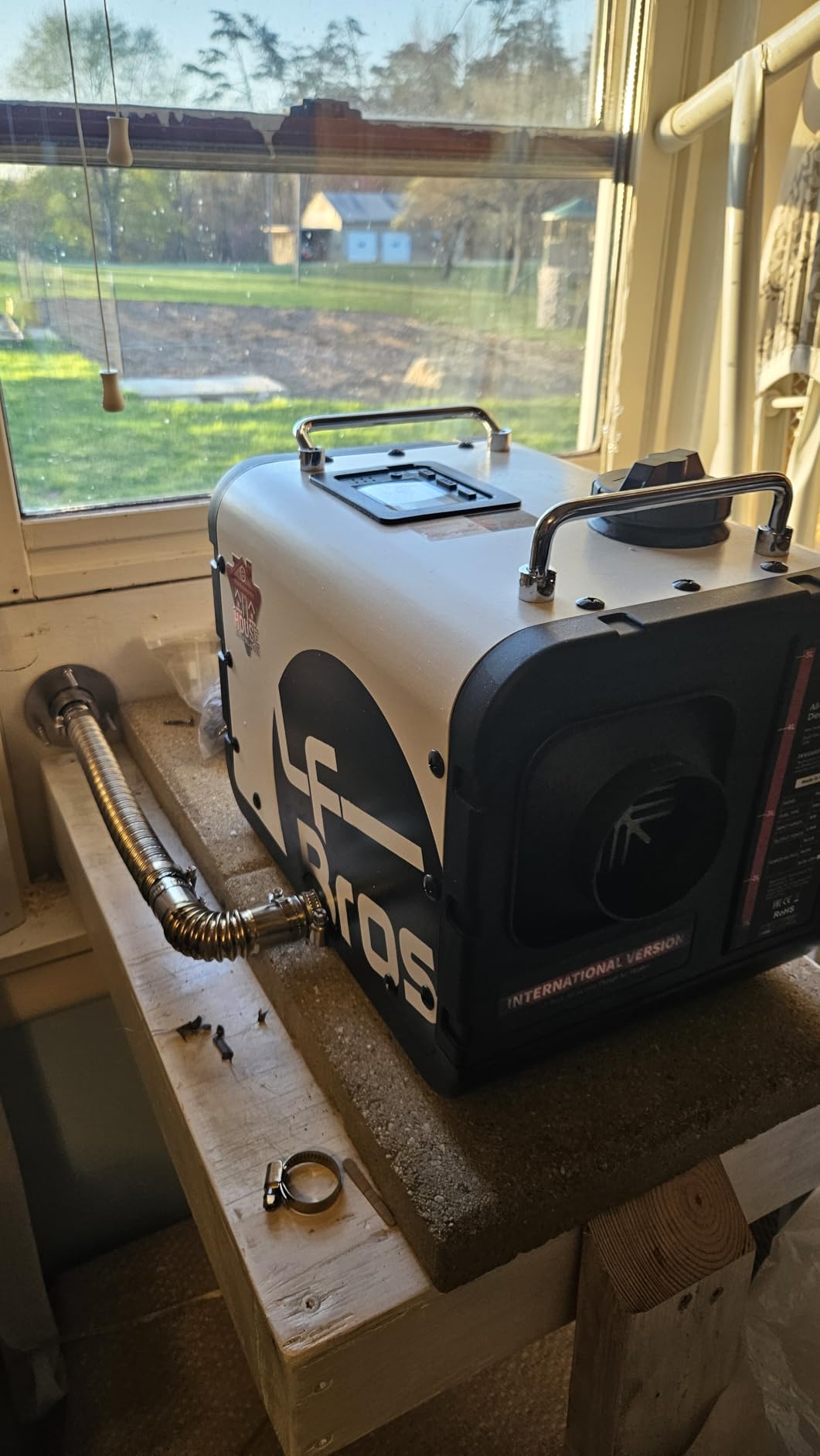
The 110V transformer is the feature we underestimated. It means the same box heats the van on 12V, an auxiliary battery bank on 24V, and a garage or workshop off a wall outlet, so you are not buying separate kit per location.
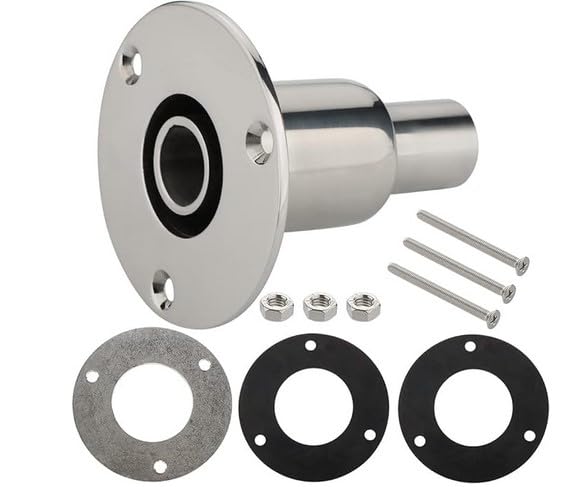
Two things trip people up. There is no dedicated combustion-air intake port, so the supplied hose has to be routed to the unit’s intake grille and secured. And the exhaust pipe runs very hot, which means a metal wall port or a heat sleeve is not optional.
How the LF Bros N2 handles cold starts and rough roads
The glow plug ignition and forced-air heating method are what make cold starts reliable. In our testing the first start after a night at minus 5C took noticeably longer than a warm start but still succeeded without a retry.
The internally threaded fuel cap is modelled on a car fuel filler and is the detail that earns its keep on forest tracks. Owners report no spilled fuel after rough-road driving, which is the single most common complaint about cheap auxiliary tanks.
Where the LF Bros N2 falls short
The lowest output setting still carries audible fan noise. It is not a dealbreaker, but light sleepers who run the heater at its lowest overnight should expect to hear it.
Supply and muffler ordering can conflict on some installs, and a few owners add an exhaust elbow to sort it. Worth planning the pipe run before you commit to mounting positions.
2. VEVOR 8KW All-in-One: Best Value with the Thinnest Fuel Draw
VEVOR 8KW Diesel Heater All in One, DC12-24V, Fast Heating Diesel Air Heater with Remote Control and Color Digital Display, Low Noise, Voice Announcement, for RV, Truck, Camper, Van, Boat and Trailer
8KW output covering 161-215 sq ft
5L tank, 0.18-0.36 L/h burn
DC 12V-24V with 98 ft remote
Altitude ceiling near 9843 ft
Pros
- Largest review base in the group
- Low consumption range at 0.18-0.36 L/h
- Ceramic igniter starts fast in cold weather
- Leak-proof cap and insulated exhaust shield
- Compact body for the output
Cons
- 13 percent one-star share from assembly faults
- Fuel pump ticks audibly at startup
- Thin documentation and no app control
- Altitude rated only to about 9843 ft
The VEVOR 8KW carries 1,034 reviews and a best-seller rank of number one in its category, which makes it the safest choice statistically. Nothing else here has that much real-world history behind it.
Its 0.18 to 0.36 L/h consumption is the lowest published range on the sheet alongside the newest VEVOR. Owners describe it as sipping both fuel and power, which is the phrasing that comes up most often in long-term reports.
The ceramic igniter is the reason heat moves quickly from cold. In practice that matters most at 6am starts, when nobody wants to wait twenty minutes before pulling a duvet on.
The heat-insulated exhaust shield and leak-proof fuel cap are safety items rather than luxuries. Both address the two things that most often go wrong in a van install.
Its 8kW output is generous for a van. Owners running it in a small conversion frequently note that level 1 or 2 is enough, and that the extra headroom only matters in a very large space or during a cold snap.
Is the VEVOR 8KW quiet enough to sleep beside
Not at startup. The fuel pump ticking is audible for the first seconds after ignition and is the most common single complaint in the reviews. Owners overwhelmingly report that the fan noise then settles and stops registering.
Forum consensus on r/vandwellers matches what we heard: noise is only objectionable on high, and most owners adapt within a few nights. If you are a very light sleeper, run it on a mid setting rather than maximum.
Where the VEVOR 8KW falls short
A 13 percent one-star share is higher than the premium-feeling units in this group. The failures described are consistent: units arriving with loose internal burner or blower hardware that needs tightening before first use.
The documentation is thin enough that install details come from community walkthroughs rather than the manual, and there is no Bluetooth or app control on this version. The altitude rating tops out near 9843 ft, which is low for mountain travel.
3. LF Bros 5KW N4 Compact: Best for Tight Install Bays
LF Bros 110V/12/24V 5KW Diesel Heater with Timer, Compact Diesel Air Diesel
5KW, 4700-17000 BTU output
12V/24V plus 110V transformer
Compact 14x6x13 inch body
24-hour timer, 6-way protection
Pros
- Compact body for close-fitting install bays
- Fuel pump quieter than most rivals once warm
- 24-hour timer with LCD status display
- Transformer included in the box
- Owners run 24-36 hours on the 5L tank
Cons
- Exhaust exits underneath so it needs raising
- Fuel line sits close to the hot outlet
- No true thermostat cutoff
- Controller programming is confusing
Where other 5kW models refuse to fit, the N4 does. At 14 by 6 by 13 inches it is one of the most compact bodies in this group, and several owners fitted it under a bench seat in a short-wheelbase van.
Its fuel pump is among the quietest budget all-in-ones once warmed up, which is why it appears in so many sleeper-conversion write-ups. The 24-hour timer is genuinely useful for overnight runs, letting you set one heating window or several.
Six-way electrical protection covers overheat, short circuit, overvoltage, overcurrent, reverse connection and surge. That is more thorough than most competitors list at all, and it matters when you are drawing from a leisure battery overnight.
The working range of minus 40F to 104F covers everything from a Scottish January to a hot desert camp, so there is no seasonal derating to think about.
Owners running this model on the lowest setting report 24 to 36 hours of heat from the 5L tank. That figure lines up with the stated 0.18 L/h at low output and is the kind of number that makes winter boondocking predictable.
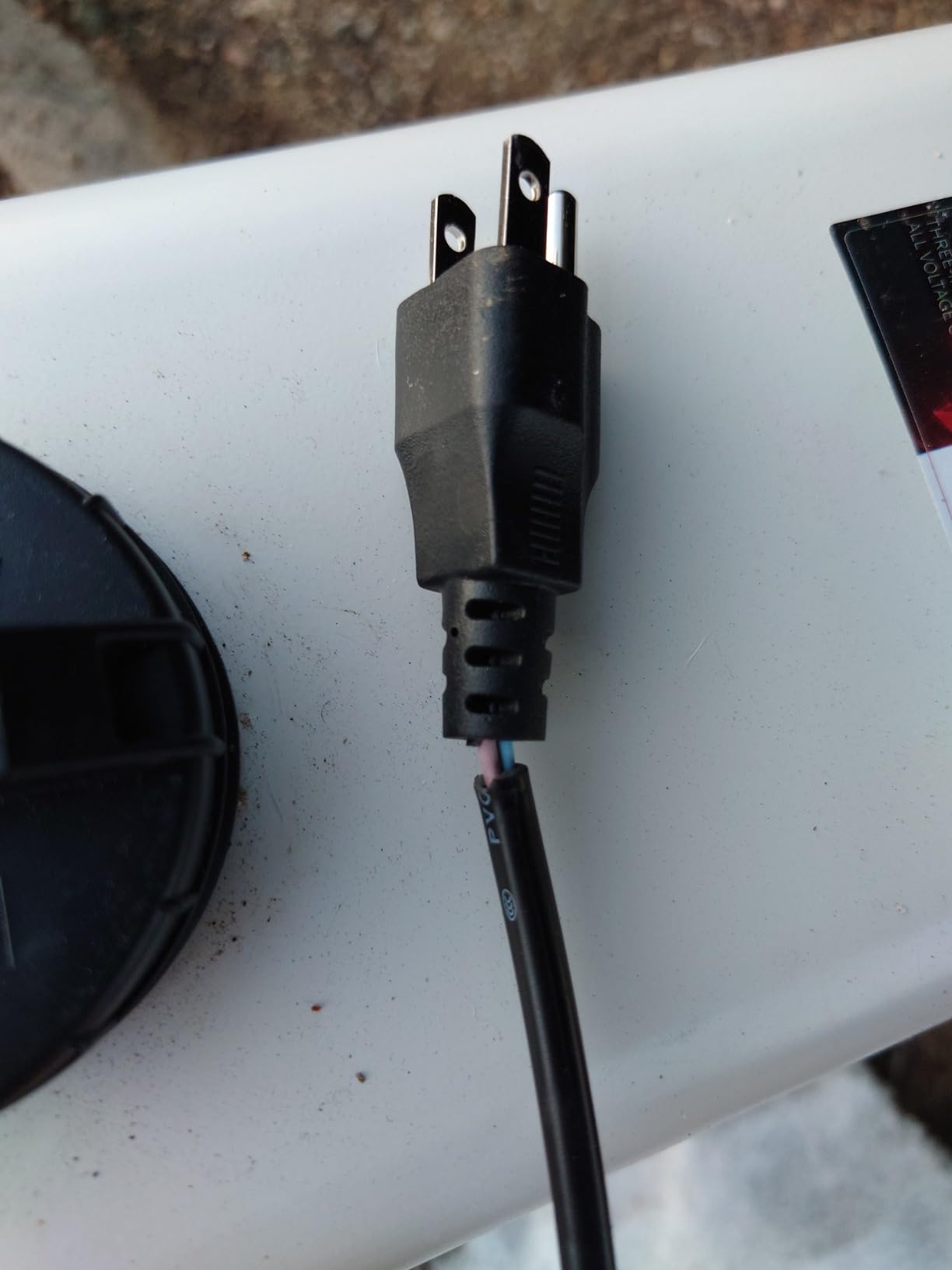
Getting the LF Bros N4 installed correctly
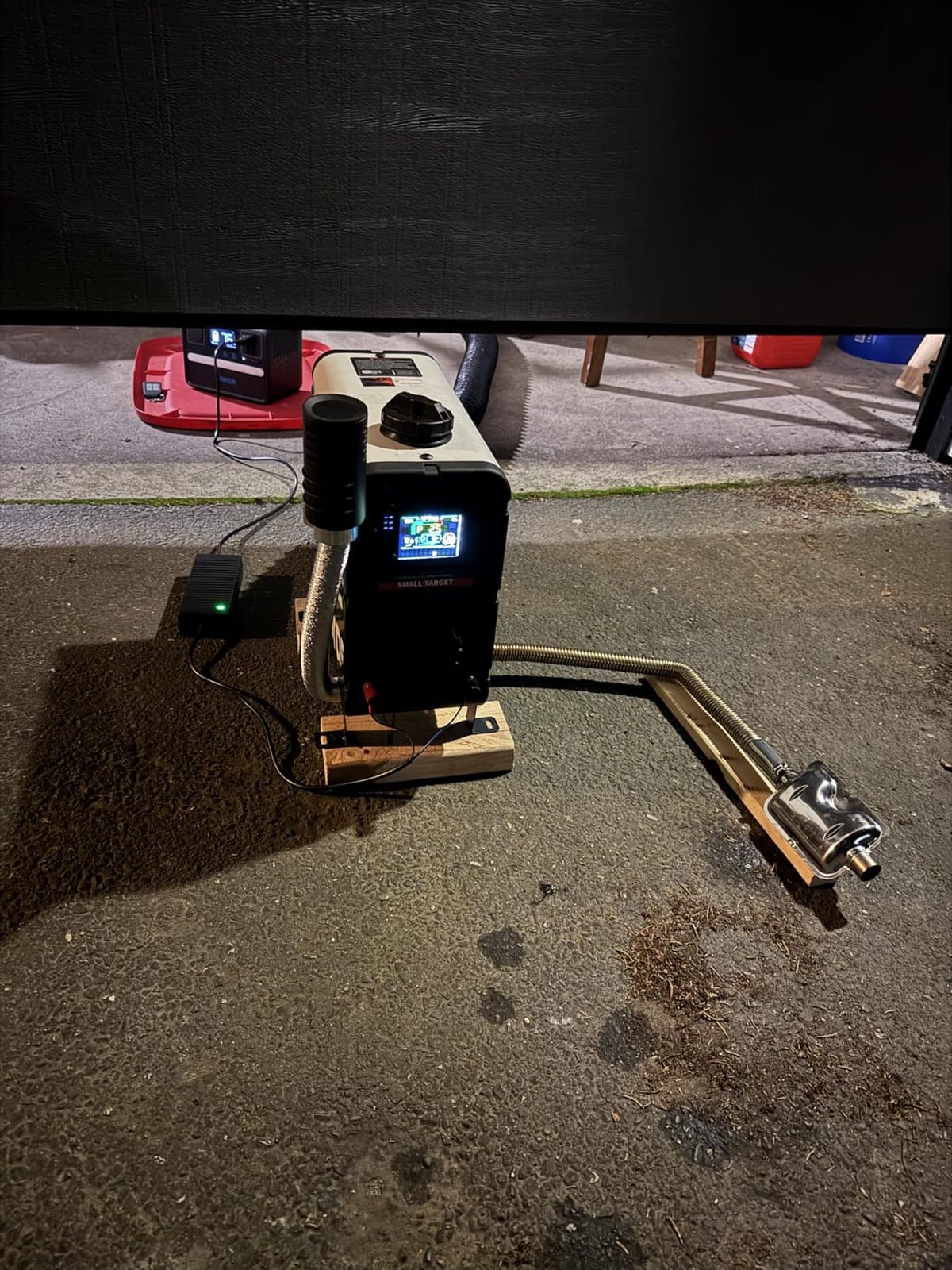
The most repeated install advice concerns geometry, not wiring. The exhaust and combustion air intake exit from the underside, so the unit has to sit on blocks or elbows to keep pipes off the floor and the van floor from the exhaust outlet.
Because the fuel line runs close to the exhaust outlet, heat wrap on that section is worth doing before anything else. Owners who did this report noticeably cooler routing and fewer complaints about warm fuel lines.
Where the LF Bros N4 falls short
There is no true thermostat cutoff. In thermostat mode it cycles down to the lowest setting rather than stopping, so you are never quite off. That is a design choice for steady overnight heat rather than a fault.
The instructions and controller programming are the most repeated complaint, and the timer needs a specific three-press sequence that is not obvious from the leaflet. The control panel is also not easily removable for in-cabin placement.
4. VEPURLT VPH-F3 8KW: Best for Long Multi-Night Trips
VEPURLT Diesel Heater 8KW, 15L Tank, Diesel Air Heater 12V,Muffler, Diesel Parking Heater with LCD Thermostat Monitor & Remote Control for Bus Boat and Motor-home
8KW with a 15L fuel tank
0.2-0.5 L/h consumption
12V rated, 10-12V and 20-32V windows
Euro IV emissions, LCD thermostat
Pros
- 15L tank means fewer refills on long trips
- Euro IV exhaust emissions compliance
- Separate LCD thermostat and remote
- Wide voltage tolerance for 12V and 24V vans
- Compact build rated for buses and boats
Cons
- One of the bulkiest heaters in the group
- Sparse controller documentation
- No app or Bluetooth control
- Included muffler adds backpressure on some installs
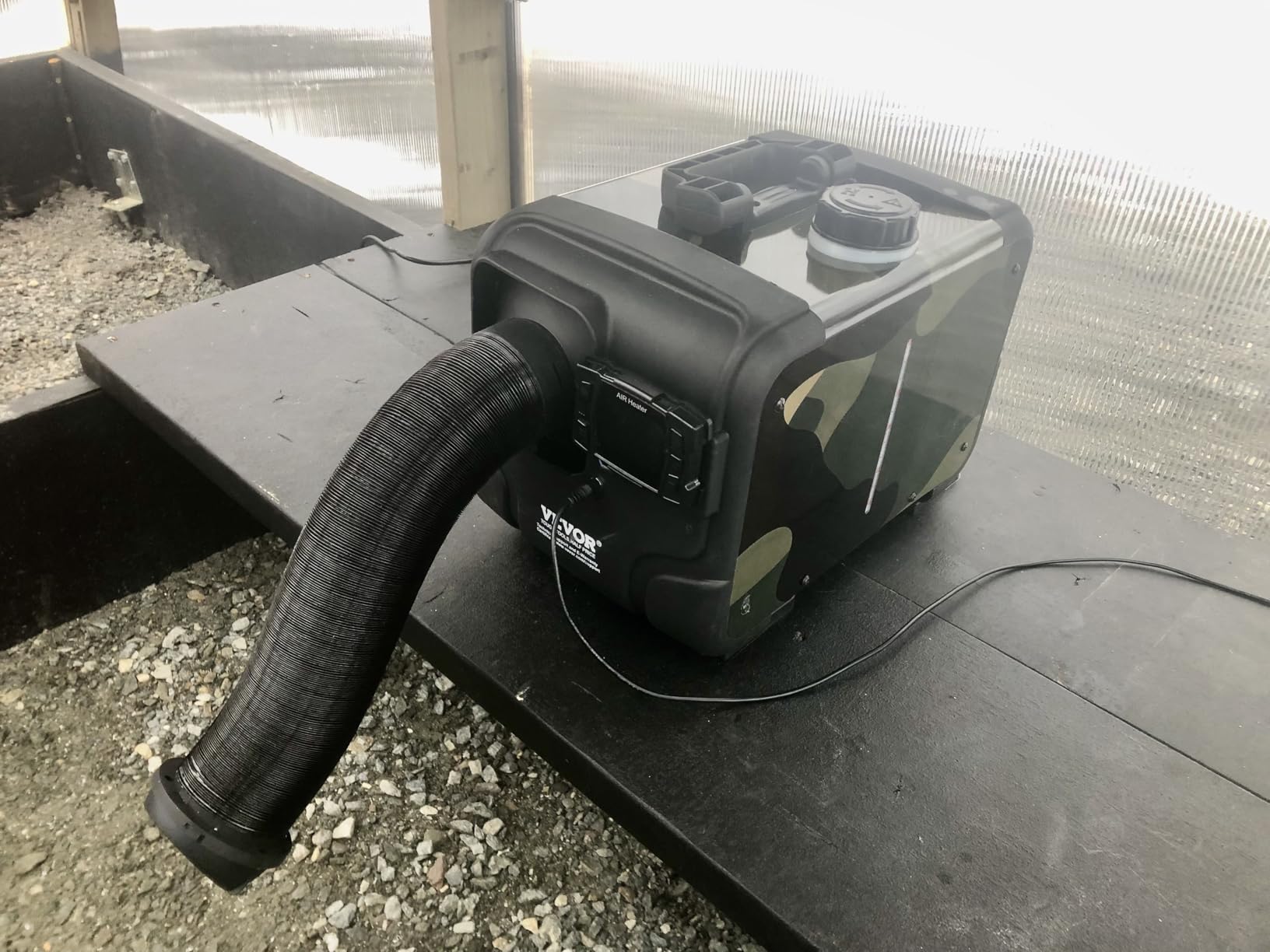
The defining feature here is tank size. At 15L this is several times the capacity of most heaters in this roundup, and owners running long winter trips buy it for exactly that reason. Fewer refills means fewer cold-morning fuel jugs in the back of a mountain car park.
Euro IV emissions compliance is unusual in this tier and worth noting if you care about exhaust odour and soot deposition on long runs. The ceramic ignition plug vaporises fuel for fast, complete combustion, which supports that claim.
The separate LCD thermostat monitor is more flexible than an integrated panel. You can place the display inside the van and keep the heater body outside in a boxed compartment, which we prefer for noise and heat.
Operating voltage windows of 10 to 12V and 20 to 32V mean the same heater works in a 12V van and a 24V truck or bus, which is unusual at this output level.
Fuel use of 0.2 to 0.5 L/h sits mid-range. At the low end that is a small fraction of a litre per hour, so a full 15L tank covers an entire week of evening heating without a refill.
Who the 15L tank genuinely suits
If you run three to five nights without resupply, the tank size removes a real nuisance. One owner running long-distance routes noted the practical effect: no jerry cans, no fuel smell in the cab, no mid-trip fuel carrying.
The trade-off is weight and bulk. At over 16 pounds with the tank full of fuel inside, this is one of the bulkiest heaters in the guide. That is fine in a bus or motorhome and awkward in a short-wheelbase panel van.
Where the VEPURLT VPH-F3 falls short
A 13 percent one-star share again points to first-run commissioning. Owners consistently describe bleeding the fuel line carefully before first start as the fix for hard starts and glow plug complaints.
The controller documentation is sparse, and the included muffler can add backpressure and noise on some installs. There is no app or Bluetooth control at all.
5. VEVOR XMZ-TB20 Pro: Best for Fast Warm-Up
VEVOR Diesel Heater 8KW, DC 12V/24V, All in One Portable Diesel Heater with Bluetooth APP Control, Remote Control and LCD Screen, 1.3 Gal Fuel Tank for Trucks, Vans, RVs, Campers, and Garages
8KW for 108-161 ft² of space
210℉ outlet air in 5 minutes
0.04-0.1 gal/h at 90 percent efficiency
1.3 gal tank, Bluetooth app control
Pros
- Fast 5-minute heat-up claim
- Low fuel burn figure at 0.04-0.1 gal/h
- Runs on 12V/24V or a 110V outlet
- Built-in CO alarm with sealed cap and heat sleeve
- App
- remote and LCD control
Cons
- 11 percent one-star share from assembly faults
- Burner bolts need checking after delivery
- App privacy terms put some owners off
- Controller resets settings on power loss
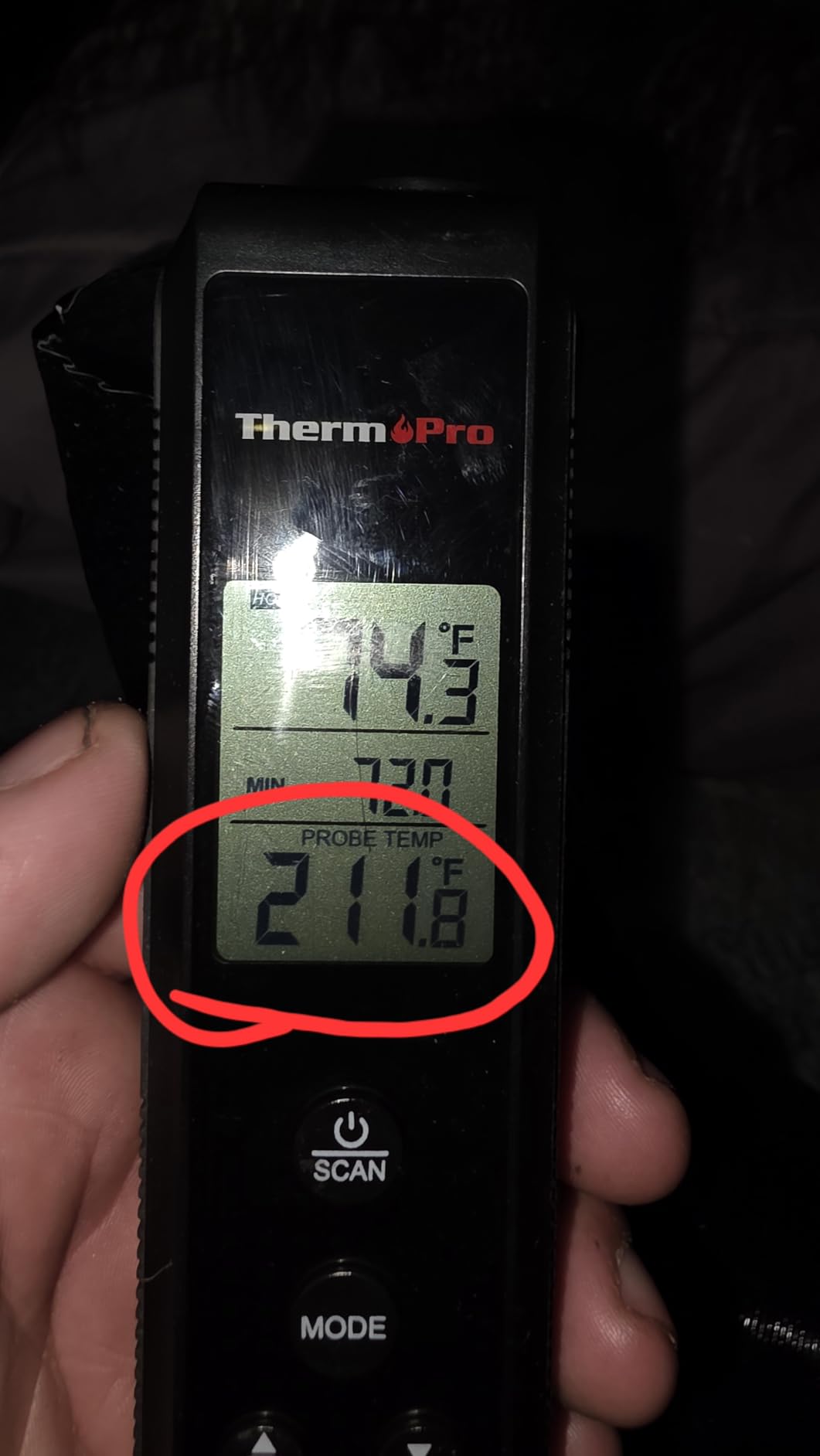
This is the heater to buy if your priority is warmth quickly. The claim is up to 210F at the outlet within five minutes and a comfortable interior within ten, which is a shorter wait than most of the alternatives.
Its 0.04 to 0.1 gal/h burn rate at over 90 percent efficiency is the lowest figure published in this roundup. Multiply that by a night of low-setting heating and the fuel cost is a rounding error in a winter trip budget.
The safety package is one of the most complete here. A built-in CO alarm sits alongside a sealed fuel cap and an exhaust heat sleeve, and the internal board cuts out at 518F with reverse polarity and overvoltage protection.
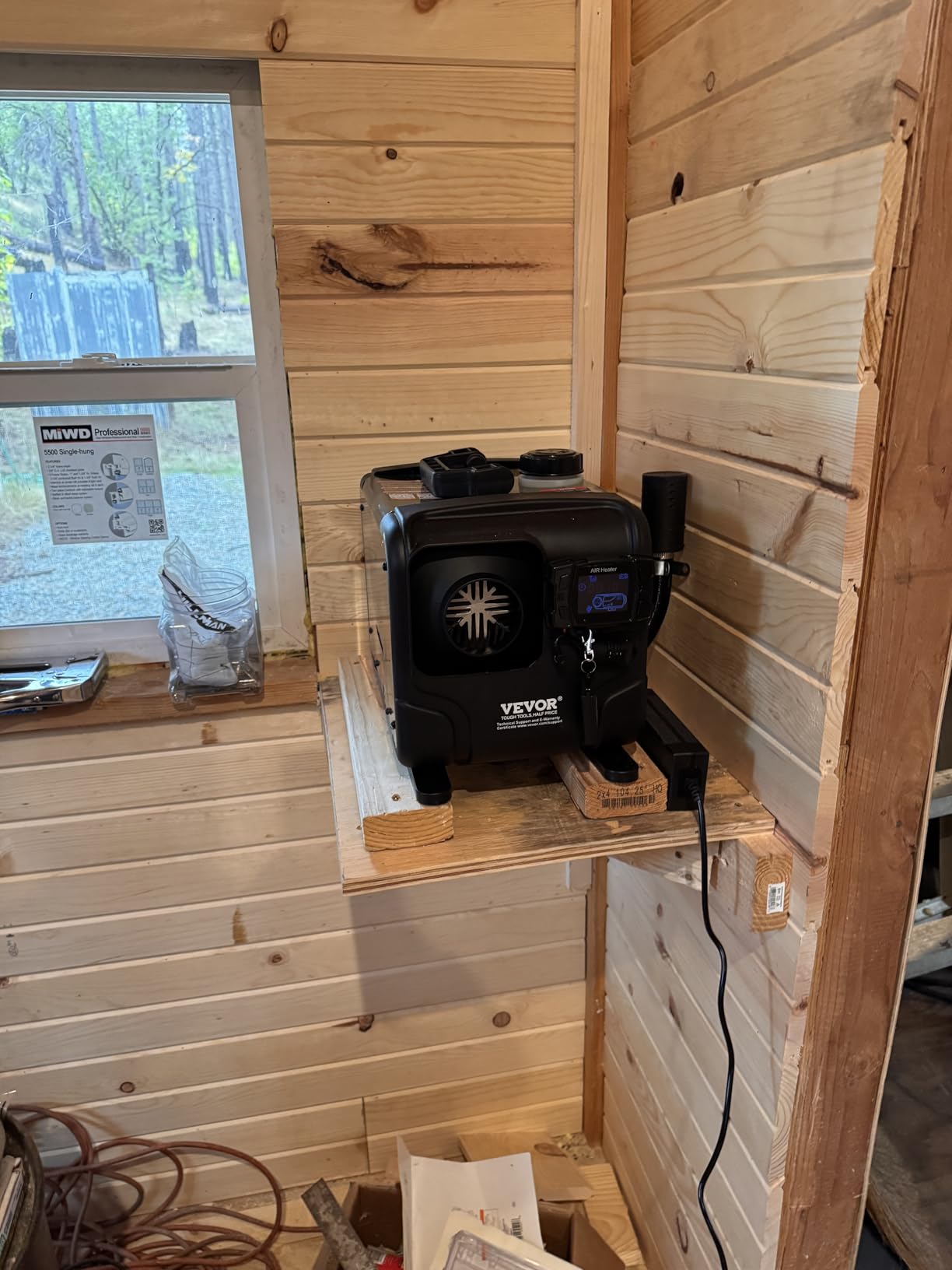
Triple control is a genuine convenience: Bluetooth app within 98 ft, a physical remote and an LCD panel. Installers running van and pickup builds report the app starting reliably each morning from inside the cab.
The 1.3 gallon all-in-one tank suits overnight use with a spare fuel jug carried for longer trips. It is a compromise between capacity and portability, and it is why this unit straddles the van and garage markets.
What the app control is actually worth
Waking to a warm van without leaving your sleeping bag is the practical win. Several owners describe programming the app to run before their alarm, which removes the 5am decision entirely.
Two caveats. The app user agreement raises data-privacy questions that put some owners off, and the controller loses its settings if power drops. Treat the app as a convenience rather than a dependency.
Where the VEVOR XMZ-TB20 Pro falls short
An 11 percent one-star share again comes down to assembly. The recurring instruction from experienced owners is to check the burner bolts and glow plug after delivery, which takes ten minutes and prevents most early complaints.
Onboard temperature readings run slightly high with a faint heated-plastic smell before they stabilise. Most owners treat it as a first-hour characteristic rather than a fault, but sensitive noses notice it.
6. VEVOR 8KW Altitude Edition: Best for Mountain Travel
VEVOR 8KW Diesel Heater, Parking Heater with Automatic Altitude Adjustment, Max 18045 ft, Bluetooth App Control Diesel Air Heater, Remote Control and LCD, for Car SUV Trailer Camper Van Boat Garage
8KW for 215-269 sq ft
Automatic altitude adjustment to 18045 ft
10L tank, up to 16 hours
Bluetooth app, remote and LCD
Pros
- Altitude compensation to 18045 ft
- 10L tank for up to 16 hours of heat
- Automatic cycling at the set temperature
- Upgraded pump quieter than earlier models
- Best pairing of output
- tank and controls
Cons
- Controller cannot be changed while the heater is off
- Manual skips steps like pump mounting angle
- App agreement is in Mandarin
- Low fan levels can self-test on a cold battery
This ties for the highest-rated heater in the guide at 4.4, and the altitude figure is the reason. Automatic compensation to 18045 ft means it keeps running properly at elevations where non-compensated models start to misbehave above roughly 1500 metres.
The 10L tank holds roughly a gallon per night of continuous heat, with a stated runtime of up to 16 hours. That is a long refill interval, and it pairs neatly with a secondary fuel tank.
Automatic temperature control cycles the unit off once the set point is reached, so you are not babysitting a dial in the dark. The temperature window runs from 46F to 96.8F.
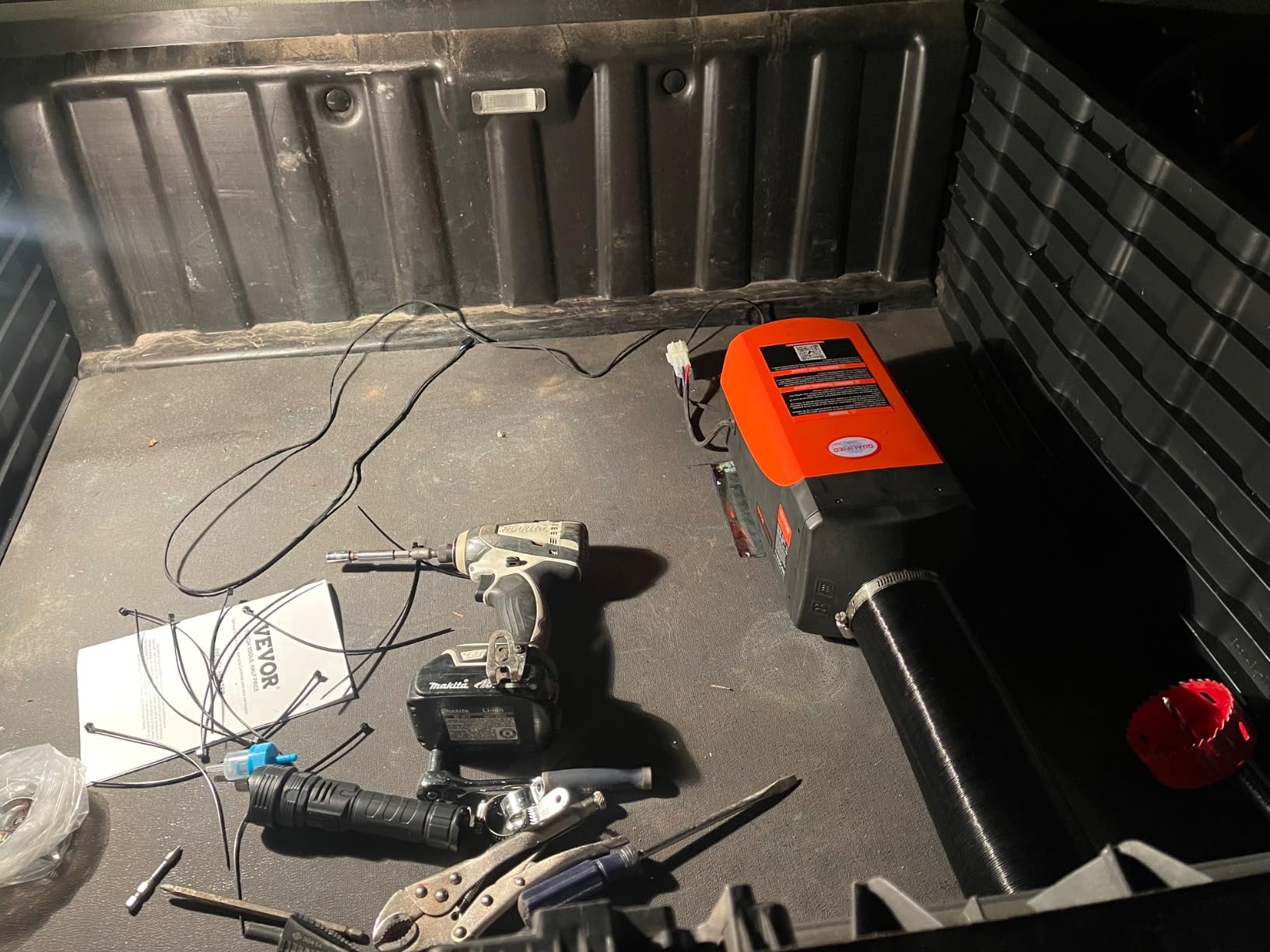
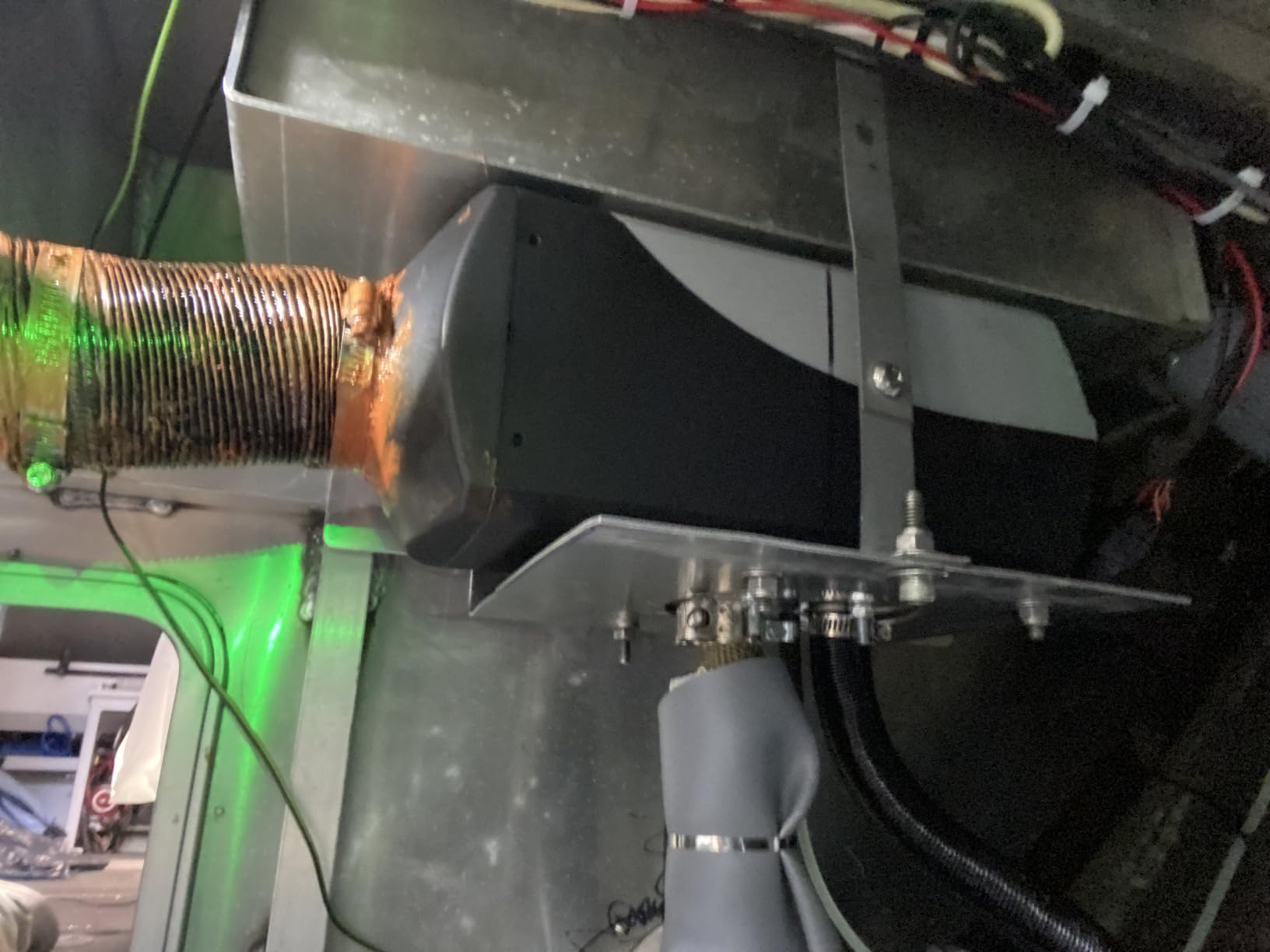
Owners fitting it in popup campers and cargo trailer conversions praise the sandblasted aluminium heat exchanger for how quickly it transfers heat, and the upgraded fuel pump is quieter than earlier generations.
Overheat protection at 518F, a timer function and a preheat mode are all present. Those three together make it the most flexible scheduling of the group.
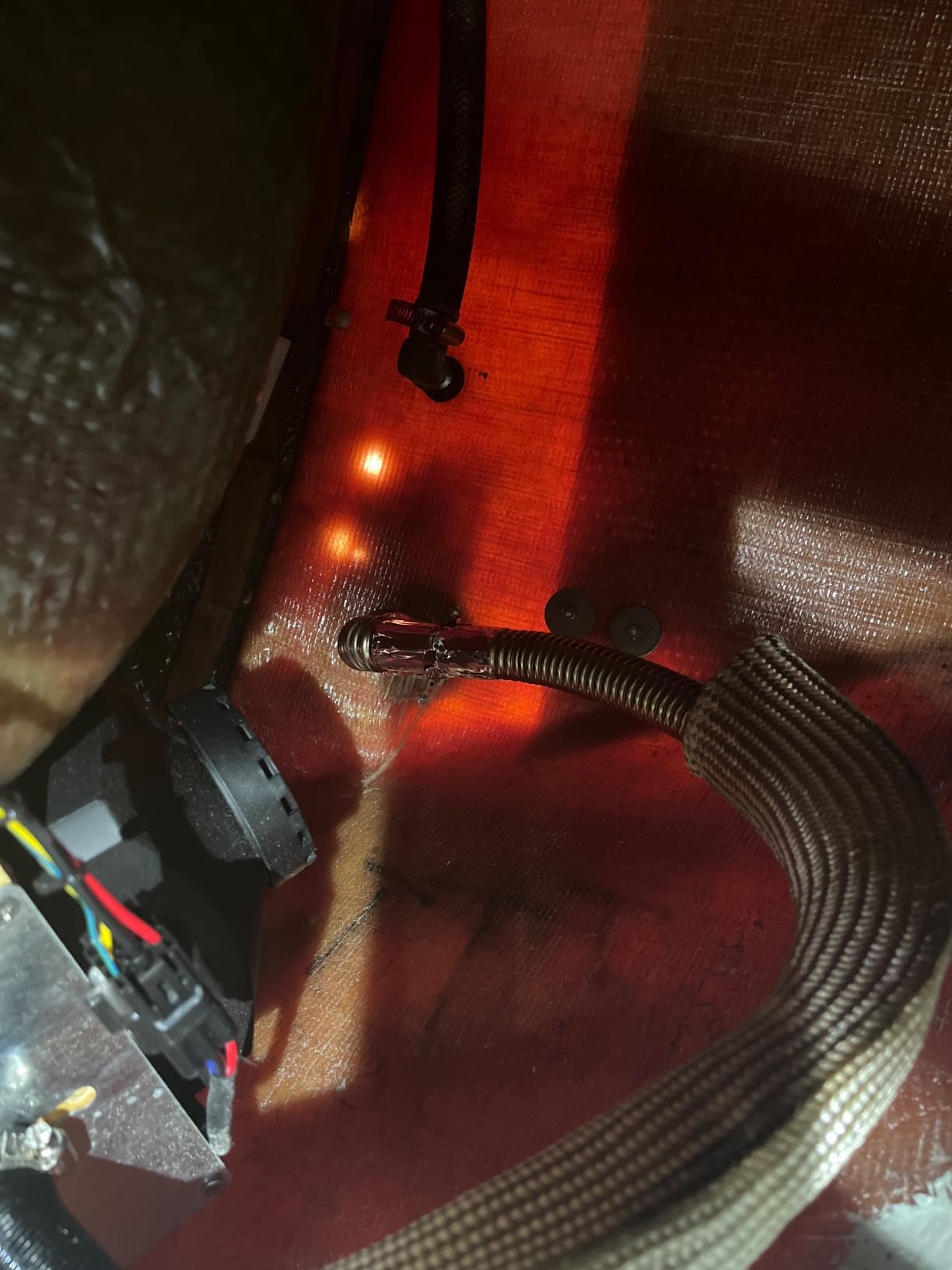
Why altitude compensation matters more than output
Thin air means less oxygen, which means incomplete combustion, soot build-up and eventually a heater that cuts out. Models rated only to about 9843 ft often struggle well before that ceiling in real use, which is why the 18045 ft rating here is worth paying for if mountains are on your route.
Expedition Portal threads treat stepless modulation, dropping output continuously rather than cycling on and off, as the mark of a quality heater. Among budget models, altitude compensation is the closest practical equivalent and it is the feature to check first.
Where the VEVOR 8KW Altitude Edition falls short
The controller cannot be changed while the heater is off and it resets on power loss, which is frustrating if you program a preferred setting per season. The manual also skips steps such as the fuel pump mounting angle.
Bluetooth control occasionally throws a failed-connection popup before succeeding on retry, and the lowest fan levels can trigger self-test cycling on a cold battery. Support responsiveness draws some criticism too.
7. HCALORY Toolbox MAX: Best for Running the Heater Outside the Van
8KW Diesel Heater, All in One 7.5L Toolbox MAX Diesel Air Heater 110/12/24V Parking Heater with App Control, Wireless Temperature Sensing and Altitude Mode for RV Garage Camper 2025 Upgraded
8KW with 7.5L toolbox tank
Wireless remote acts as indoor thermostat
Up to 62.5 hours on minimum
Altitude mode to 18000 ft, 65 dB outlet
Pros
- Remote doubles as an indoor thermostat
- Silent pump removes startup ticking
- 62.5 hours claimed on the minimum setting
- Toolbox tank doubles as a carry case
- Altitude mode to 18000 ft
Cons
- One of the lowest-rated here
- One of the heaviest
- Large footprint
- Fewer long-term ownership reports
The Toolbox MAX solves a problem the others ignore: how to keep the heater body outside while you control it from a sleeping bag. Its wireless remote doubles as a room temperature sensor, so the unit can live in a sealed external compartment and still shut itself off correctly.
The silent fuel pump removes the startup ticking that owners complain about on almost every other heater in this guide. Owners running van and tent setups specifically call this out as the reason they bought it.
Warm-up is claimed at three minutes thanks to the aluminium body, and the manufacturer states a 36 percent improvement in fuel efficiency over the previous generation. On the minimum setting the stated runtime reaches 62.5 hours.

Automatic altitude adaptation to 18000 ft covers essentially any camping altitude in Europe or North America, and app control comes as standard alongside the wireless remote.
The 7.5L toolbox-style tank doubles as a carry case, so the whole thing moves between the van, a workshop and a tent without a separate crate.
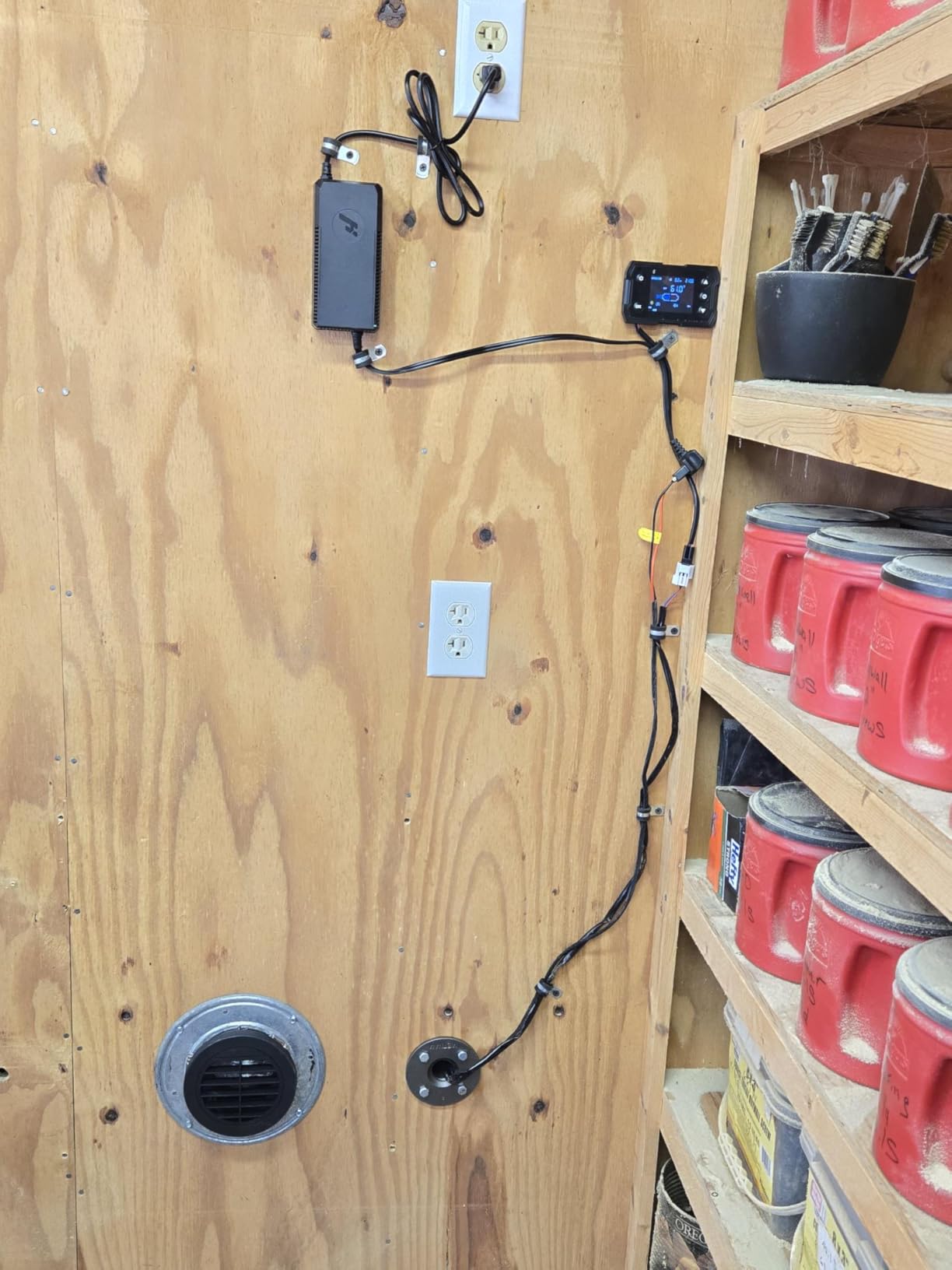
How the wireless temperature remote works in practice
It reads room temperature where it sits. That means the remote goes on the van’s sleeping area and the heater body stays outside, which cuts the noise you hear in the cab and keeps combustion exhaust a longer distance from where you sleep.
It also means you cannot leave the remote in a hot metal toolbox in summer and expect accurate readings. Owners who use it that way get a heater that runs longer than they intended.
Where the HCALORY Toolbox MAX falls short
This is the lowest-rated unit here at 4.0, with an 18 percent one-star share. The failures described are mostly assembly and fit related rather than anything fundamental.
It is also one of the heaviest heaters in the guide at 26.8 pounds, and the largest in footprint, which competes hard for space in a small van. Outlet noise through the duct sits around 65 dB, comparable to normal conversation, and fewer reviews means less long-term durability data.
8. Triclicks 5-8KW All-in-One: Budget Pick for Tents and Garages
Triclicks Diesel Air Heater All in One 12V 5-8KW Parking Heater Diesel Night Heater with LCD Display Remote Control 5L Tank For Truck, Boat, Car Trailer, Motorhomes, Campervans, Caravas
5-8KW all-in-one with 5L tank
12V nominal with LCD and remote
Adjustable fuel, temperature and fan speed
-40 to 50C operating range
Pros
- Low entry cost with a 4.2 average
- All-in-one body unbolts for vehicle swaps
- Dry output doubles as a dehumidifier
- Garage owners report about 60 hours on 2.5 gallons
- One owner logged 18 hours in a tent
Cons
- Loose internal screws smoke on first run
- Plastic housing carries a burnt-plastic smell
- Thin tank and a basic install kit
- Slim body is easy to tip over
This is the most affordable way into diesel heating we tested, and the 4.2 average across 171 reviews says the money is not wasted. Owners use it for tents, garages, boats and van conversions, and it throws real heat.
The all-in-one body unbolts and moves to another vehicle, which suits anyone bouncing between a van and a second car. That flexibility across vehicles is the reason this design still appeals to people running more than one.
Long-run owners report heating a 500 square foot garage for about 60 hours on 2.5 gallons. That is a strikingly low running cost and one of the strongest arguments for this category in general.
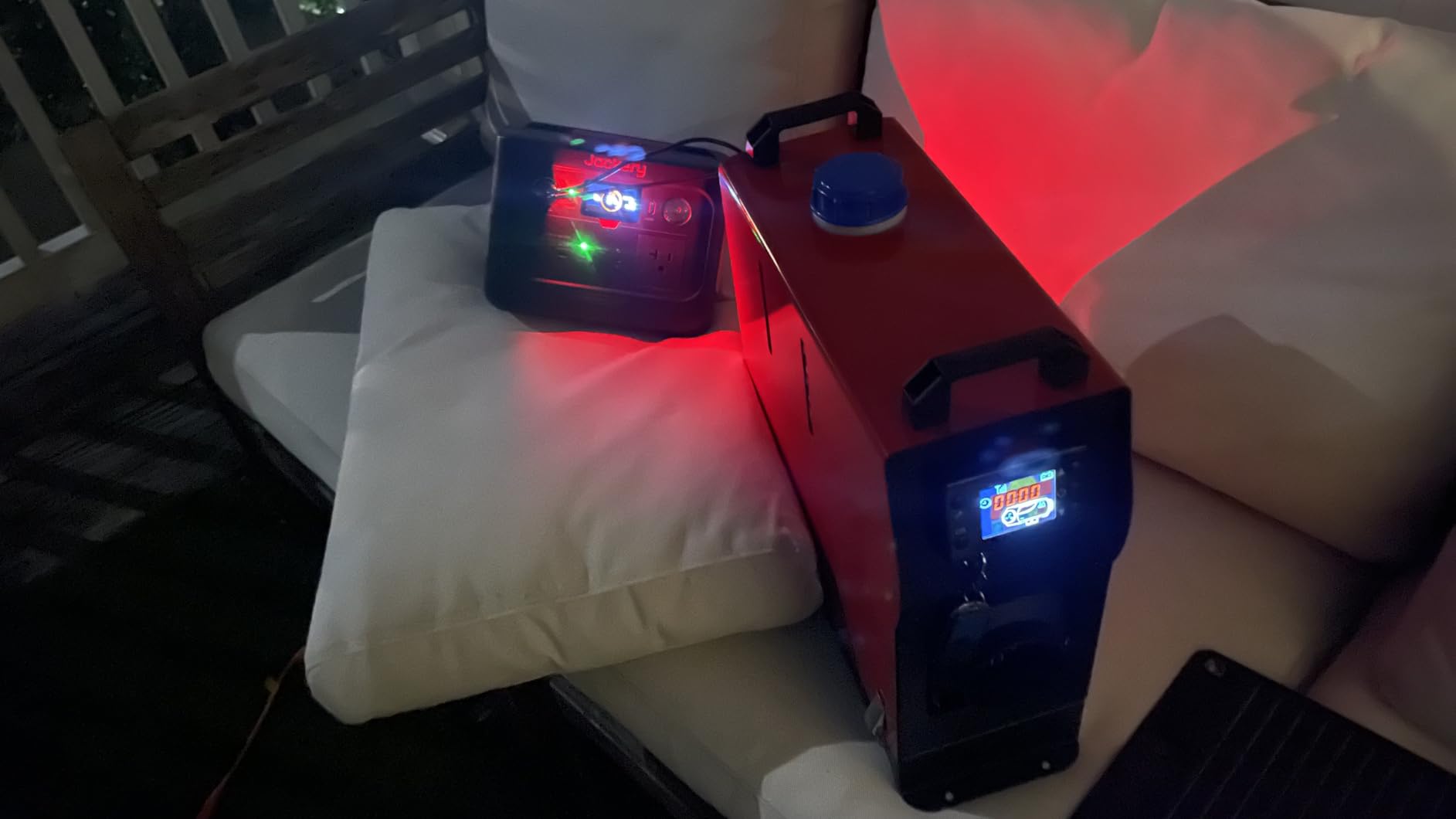
The remote switch handles preheating with adjustable fuel, temperature and fan speed, so you can warm the space before getting up rather than sitting in the cold waiting for it.
Output is rated at 5 to 8kW depending on setting, which is enough headroom for a large space or a very cold night. The operating range of minus 40 to 50C covers the extremes without seasonal derating.

What to check in the first hour of use
Disassemble it and tighten the blower and burner screws. Several reviewers found units arriving with loose internal hardware that smoked heavily until tightened, and this ten-minute job prevents the most common complaint.
Owners who did that, then added better clamps and a pre-filter on the fuel line, report excellent long-term results. The failures in this product are assembly, not design.
Where the Triclicks falls short
Quality control is the defining issue. Some units popped, backfired and shut down without completing the cooldown cycle, and the thin tank and basic install kit are both noted as weak points.
The slim form factor is easy to tip over, and a fuel pump knock can dislodge the wiring harness. Treat it as a weekend heater or a garage unit rather than a van’s primary survival system.
9. BougeRV 5KW DHG001: Best for Quiet Running
BougeRV 5KW Diesel Heater, 5L All-in-One Portable Air Diesel Parking Heater
5KW heating 307 ft³ in 8 minutes
5L tank, 9-27 hours runtime
12V/24V DC plus 110V/220V AC
App, timer and programmable thermostat
Pros
- Ties for the highest average rating here
- Stainless shell and genuinely quiet running
- App control and thermostat work reliably
- Comfortable on a 100Ah battery at low
- Support sorted faulty units quickly
Cons
- One owner reported the exhaust silting with soot
- Screw-in exhaust threads are awkward
- Control panel protrudes from the housing
- Kit includes parts with no explanation
The BougeRV ties the highest average rating in the guide and it earns it through the shell and the pump. The stainless steel exterior feels a class above the painted steel most of these use, and the dual noise reduction of a silent oil pump and silent muffler is real.
It heats 307 cubic feet from 32F to 68F in eight minutes, which is a realistic figure for a small van interior rather than a headline number. Runtime on the 5L tank is stated at 9 to 27 hours depending on setting.
It runs on 12V and 24V DC and on 110V and 220V AC, so the same heater covers a van, an RV and a garage. That breadth of use is unusual at 5kW.
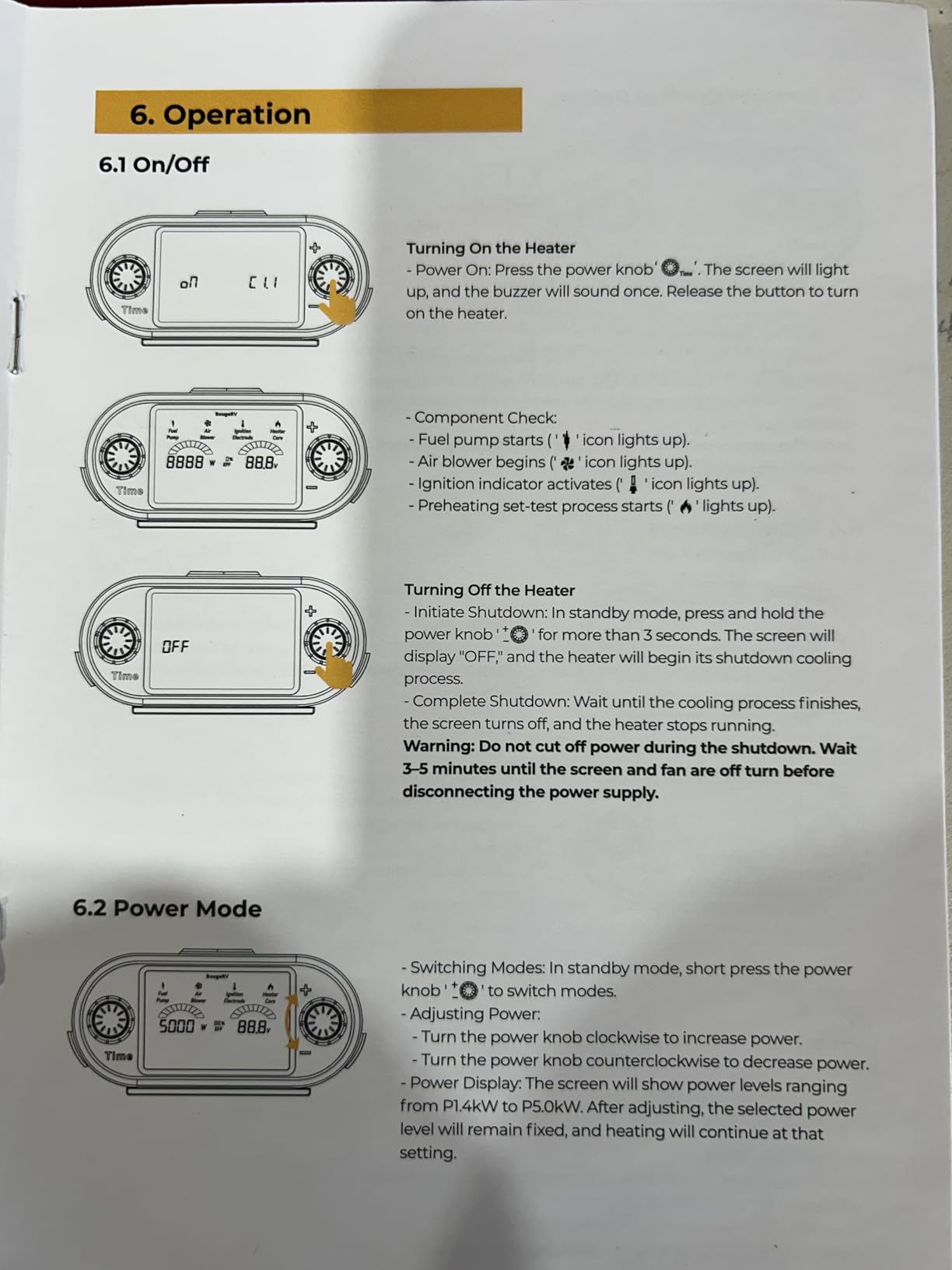
Owners running it off a 100Ah battery at low setting report it does not drain the battery meaningfully. Five-layer safety covers overheat, short circuit, reverse connection, overvoltage and leak-proofing, with two years of tech support.
The XT60 car adapter cable needs a 12V 15A or better DC port, so check your power source before assuming it will plug into anything.
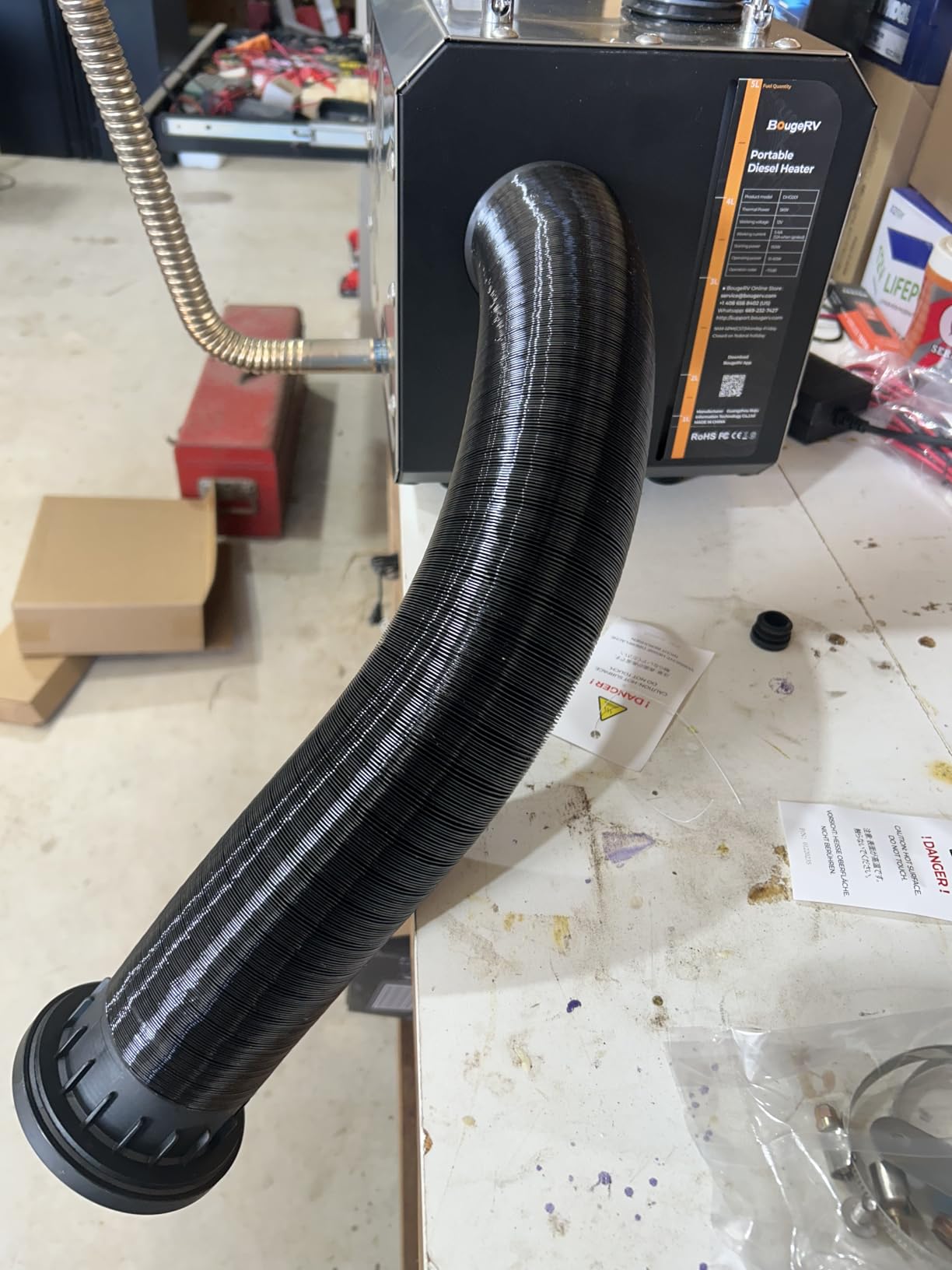
Is the BougeRV quiet enough for a sleeping van
It is among the quietest we tested at sustained low output. The noise that remains is airflow rather than combustion, which is the distinction that matters when you are trying to sleep.
App control and a programmable thermostat both work reliably, and the timer lets you schedule from up to 33 ft away. Owners describe a smooth morning routine rather than a fumbled remote in the dark.
Where the BougeRV falls short
One owner reported the small exhaust pipe clogging with soot within a week and pushing fumes into the camper. That is a single serious report rather than a pattern, but it is exactly the failure mode you buy a heater to avoid, so it deserves attention.
The screw-in exhaust threads are not smooth, making assembly awkward, and the control panel detaches easily and protrudes from the housing. Fuel use also ran above the stated figure for some owners.
10. LF Bros 5KW N2-T: Best for Serious High-Altitude Trips
LF Bros 110V/12V 5KW All-in-1 Diesel Heater, 5L Air Diesel Parking Space Heater with Plateau Mode, Come with Remote, T4 LCD Controller and Timer, Suitable for Home Shop Garage Camper
5KW all-in-one heater with 5L tank
Plateau mode tested at 17000 ft
12V plus included 110V transformer
T4 LCD controller with thermostat mode
Pros
- Plateau mode needs no manual fuel adjustment
- Silent pump quieter than the airflow
- Thermostat mode cycles for overnight sleep
- Controller not hard-wired so it works in-cabin
- Transformer included with AC inverter
Cons
- Strong diesel smell in the heated stream
- Thermostat mode only drops to 1.4KW
- Supplied exhaust joining piece did not seal
- No app or Bluetooth control
The N2-T is built around one problem: thin air. Its plateau mode is rated for elevations up to 17000 ft and needs no manual fuel-timing adjustment, which removes the single most error-prone step when you are pitching at altitude.
One owner ran plateau mode without issue at 8300 ft across three nights on the 5L tank. That is the real-world confirmation that matters, because altitude ratings on paper often outrun actual behaviour.
The silent fuel pump is quieter than the airflow itself, which inverts the usual complaint order. Most budget heaters are pump-noisy; this one is fan-noisy, and that is the better arrangement next to a sleeping area.
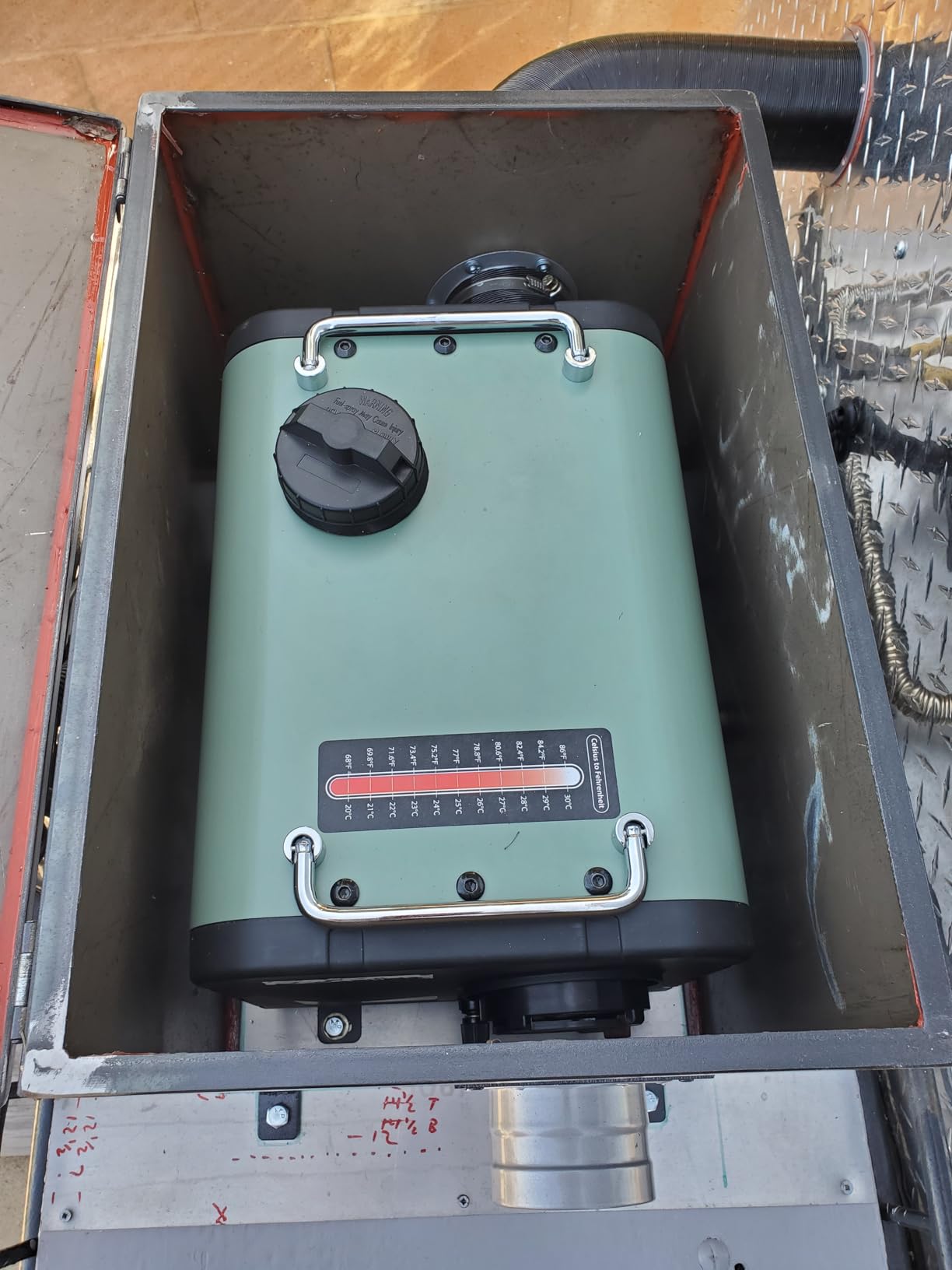
The aviation-grade glow plug and antifreeze power cord are the details that justify the claim. Cold-soak at minus 30C is where cheap heaters fail to ignite, and these are specified for exactly that.
The T4 LCD controller has thermostat mode and an on/off timer, and the pre-paired remote reaches 100 ft. Because the controller is not hard-wired, it can sit inside the van as a proper cabin thermostat.
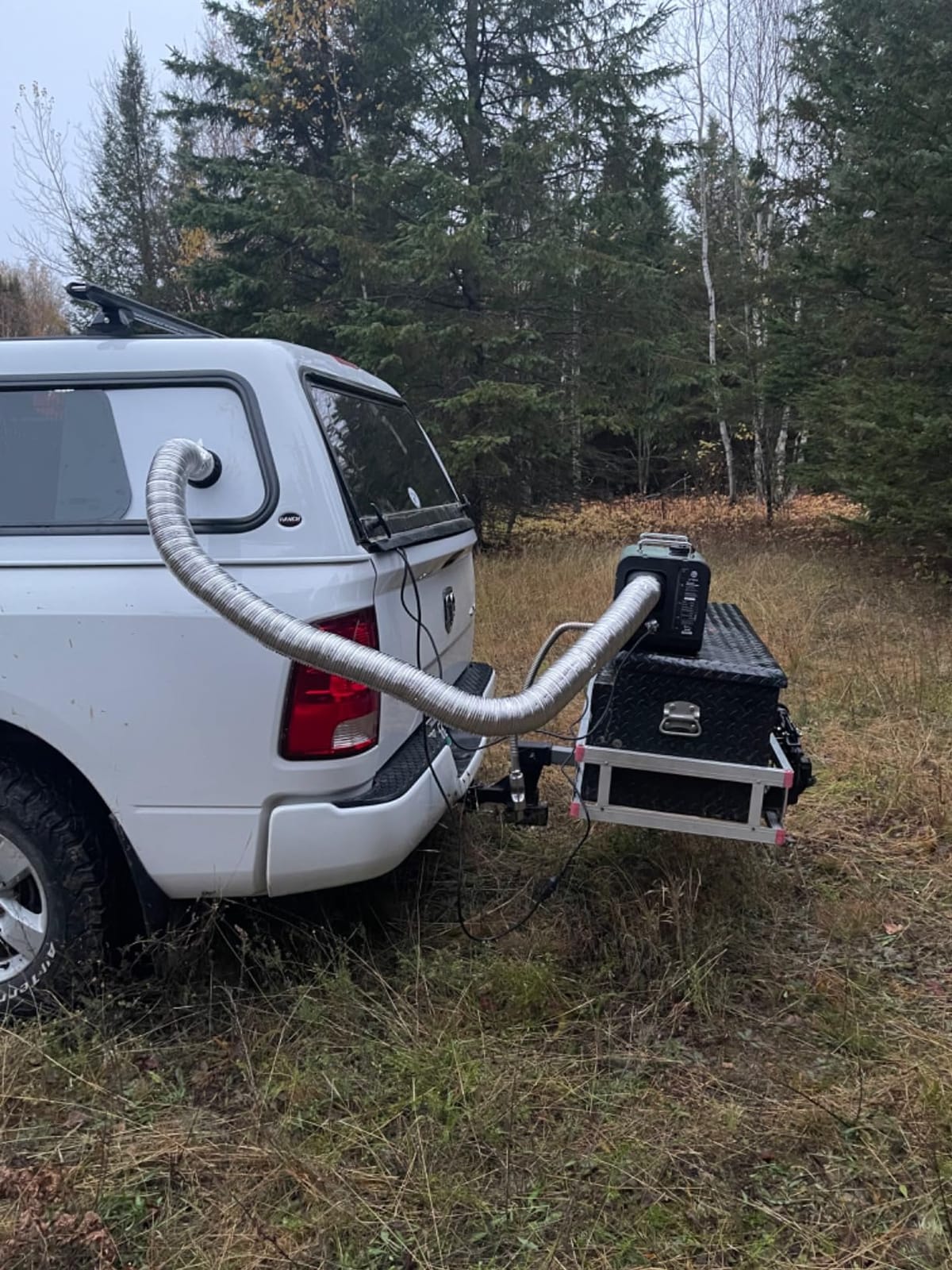
What thermostat mode actually does here
It cycles the heater rather than shutting it off. In practice it holds a steady room temperature through the night without you touching anything, which is what most owners want from an overnight heater.
Because the controller is detachable and wireless to the unit, it also lets you keep the body outside a sealed compartment and run just the panel inside the cabin.
Where the LF Bros N2-T falls short
Some units produce a strong diesel smell and blue or white smoke in the heated air stream, which the manufacturer treats as normal for a new unit. Owners accept it after the first run, but it does affect a sleeping van.
In thermostat mode it never fully shuts off, only dropping to the 1.4kW level, and one buyer’s supplied metal exhaust joining piece did not fit properly and leaked exhaust into the camper. Check that joint carefully.
How to Choose a Diesel Heater for a Camper Van
Sizing is where most buyers go wrong, and the fix is simpler than the forums suggest. Match the output to your interior volume, not to the weather forecast.
2kW heaters suit a small van with minimal insulation, or a hot tent beside the van. 5kW heaters cover the great majority of camper vans and small motorhomes. 8kW heaters belong in buses, box trucks, boats and large RV conversions, and running one at maximum in a small van just means more noise than you need.
The published coverage figures in this roundup range from 108 to 269 square feet. A mid-size van with a bulkhead typically gives you somewhere around 150 to 200 square feet of habitable space, which the 5kW units cover comfortably.
Fuel cost per night is lower than you think
Run the numbers on the stated consumption. A 5kW heater at its low setting burns around 0.18 L/h, so six hours of overnight heating is roughly 1.1 litres. A night at mid setting is closer to 2 litres.
Against that, a full 10L tank gives up to 16 hours on the VEVOR Altitude edition, and the HCALORY claims 62.5 hours on minimum. Runtime per tank is the number to compare, not the headline kilowatt figure.
Noise is mostly about modulation, not volume
Two things create noise: the fuel pump ticking at startup and the fan at high output. Units with a silent or upgraded pump, such as the HCALORY and the LF Bros N2-T, remove the first problem entirely.
For the second, run the heater on a mid setting rather than maximum. Forum consensus is that noise is only objectionable on high and most owners adapt within a few nights, which matches what we found.
Battery draw and sizing your leisure battery
Budget up to 15A at startup for the ignition cycle, then 3A to 7A while running depending on setting and model. The VEVOR 8KW all-in-one is listed at 3A running draw, which is the most efficient figure in the guide.
For overnight use, a 100Ah deep-cycle leisure battery handles a night of low-setting heating comfortably, as BougeRV owners report in practice. Keep in mind our tyre pressure guides for diesel cover another cold-start risk that catches people out.
Altitude, and the rule about 1500 metres
Above roughly 1500 metres, heaters without compensation burn incompletely, soot up the exhaust and eventually cut out. If mountains are part of your year, check the altitude figure before anything else.
The VEVOR Altitude edition at 18045 ft and the LF Bros N2-T at 17000 ft are the two with meaningful high-altitude ratings here. The rest sit near 9843 ft or carry no rating at all.
Portable all-in-one versus permanent install
All ten heaters here are portable all-in-one boxes: heater, fan and fuel tank in one casing with hoses out the back. That is ideal for testing a van, for boats and for anyone who swaps vehicles.
A permanently plumbed model drawing from the vehicle tank is quieter and tidier but needs a professional install. Budget separately for labour, which forum threads consistently report is the most underestimated cost in the whole project.
Installing and Venting a Diesel Heater Safely
Safe venting is not optional detail. The serious heater incidents people read about trace back to intake and exhaust routed too close together, or to a joint that leaked.
Separate the intake and exhaust. Keep the combustion air intake and the exhaust outlet at least 50cm apart and on opposite sides where possible. This is the single rule that prevents recirculation of exhaust into the living space.
Mount the fuel pump at the correct angle. The pump must sit between 15 and 35 degrees. Outside that window it air-locks and stops delivering fuel, which shows up as a heater that runs for ten minutes then dies.
Use a heat-insulated wall port. Exhaust pipes in this roundup run hot enough to scorch a bare aluminium panel. A metal port or a heat sleeve protects the van wall.
Fit a carbon monoxide alarm near the sleeping area. Place it at head height, ideally within the same room as the bed, and test it before every trip. The VEVOR XMZ-TB20 Pro has one built in, which is unusual at this tier.
Bleed the fuel line before the first start. Most first-start failures across this whole category are air in the fuel line, and the fix is ten minutes of running and bleeding before you connect anything else.
Check internal hardware on arrival. Tighten the burner and blower screws. Budget heaters in this roundup show a consistent one-star share driven by loose assembly rather than design faults.
Diesel vs LPG vs Electric Heating in a Camper Van
Diesel wins on fuel density and off-grid convenience. LPG wins on simplicity. Electric wins only where you have shore power or a very large battery bank.
Diesel stores roughly 137k BTU per gallon and a single van tank usually holds far more than the camper gas capacity. That means refuelling at any fuel station rather than swapping bottles.
LPG heaters are simpler and quieter at idle but need a heavy bottle in a fixed cradle and produce condensation inside the unit. They are the standard choice for motorhomes with a mounted bottle.
Electric resistance heating is unrealistic off-grid, because a single 1kW element would drain a large battery bank within a few hours. It only makes sense on shore power, or as a small secondary heater to supplement a diesel unit.
Webasto and Eberspacher are the German names most people ask about, and they are excellent, with stepless modulation and long service lives. The units in this roundup sit below that tier, but they cover the same core job: combustion air, heat exchange and external venting.
Frequently Asked Questions
What are the best diesel heaters for campers?
The best diesel heaters for campers in our testing are the LF Bros N2 for balanced all-round use, the VEVOR 8KW all-in-one for the thinnest fuel draw and largest owner base, and the VEVOR 8KW Altitude edition for mountain trips. For tight install bays the LF Bros N4, and for the quietest running the BougeRV 5KW.
What size diesel heater do I need for my van?
A 5kW heater covers the great majority of camper vans, roughly 150 to 200 square feet of habitable space. 2kW suits a small insulated van or a hot tent. 8kW belongs in a bus, boat, box truck or large RV conversion, and running one at maximum in a small van only adds noise.
Is a diesel heater noisy?
Most noise comes from the fuel pump ticking at startup and from the fan at high output. Units with a silent or upgraded pump, such as the HCALORY Toolbox MAX and the LF Bros N2-T, remove the startup ticking entirely. Running a heater on a mid setting rather than maximum keeps fan noise low, and most owners adapt within a few nights.
What brand diesel heater is best?
For premium German units, Webasto Air Top 2000 STC and Eberspacher Espar Airtronic S2 are the benchmarks, with stepless modulation and long service lives. In the portable all-in-one tier reviewed here, VEVOR covers the most ground, while LF Bros offers the quietest budget pumps. Pick on altitude needs and tank capacity rather than brand alone.
Are diesel heaters safe for vans?
Yes, provided intake and exhaust are vented correctly. Keep the combustion air intake and exhaust outlet at least 50cm apart, mount the fuel pump between 15 and 35 degrees, use a heat-insulated wall port for the hot exhaust, and fit a carbon monoxide alarm near the sleeping area. Most heater incidents trace back to routing or a leaking joint, not to the heater itself.
How long does a diesel heater run on a tank?
It depends on the tank and the setting. The VEVOR Altitude edition states up to 16 hours from its 10L tank, the BougeRV 5KW gives 9 to 27 hours on 5L, and the HCALORY Toolbox MAX claims up to 62.5 hours on minimum. At low setting a typical 5kW heater burns around 0.18 L/h, so a six-hour night costs roughly 1.1 litres.
Final Verdict for 2026
The best diesel heaters for camper vans come down to your van and your route. For most builds, the LF Bros N2 is the pick we would fit first, because 5kW is the correct output for a van and it starts first time more often than anything else in this roundup.
Buy the VEVOR 8KW all-in-one if fuel economy is your priority and you are not heading above 3000 metres. Buy the VEVOR Altitude edition if mountains are part of the year, and the LF Bros N2-T if you camp high enough for plateau mode to matter.
Whatever you choose, budget time for the install rather than just the hardware. A correctly vented heater with the fuel pump at the right angle will outlast a poorly installed premium unit every time.
Before you go further into the build, our guides to fuel sump kits for small diesels and MIG welders for diesel work cover the fabrication jobs most heater installs end up sharing a weekend with.