
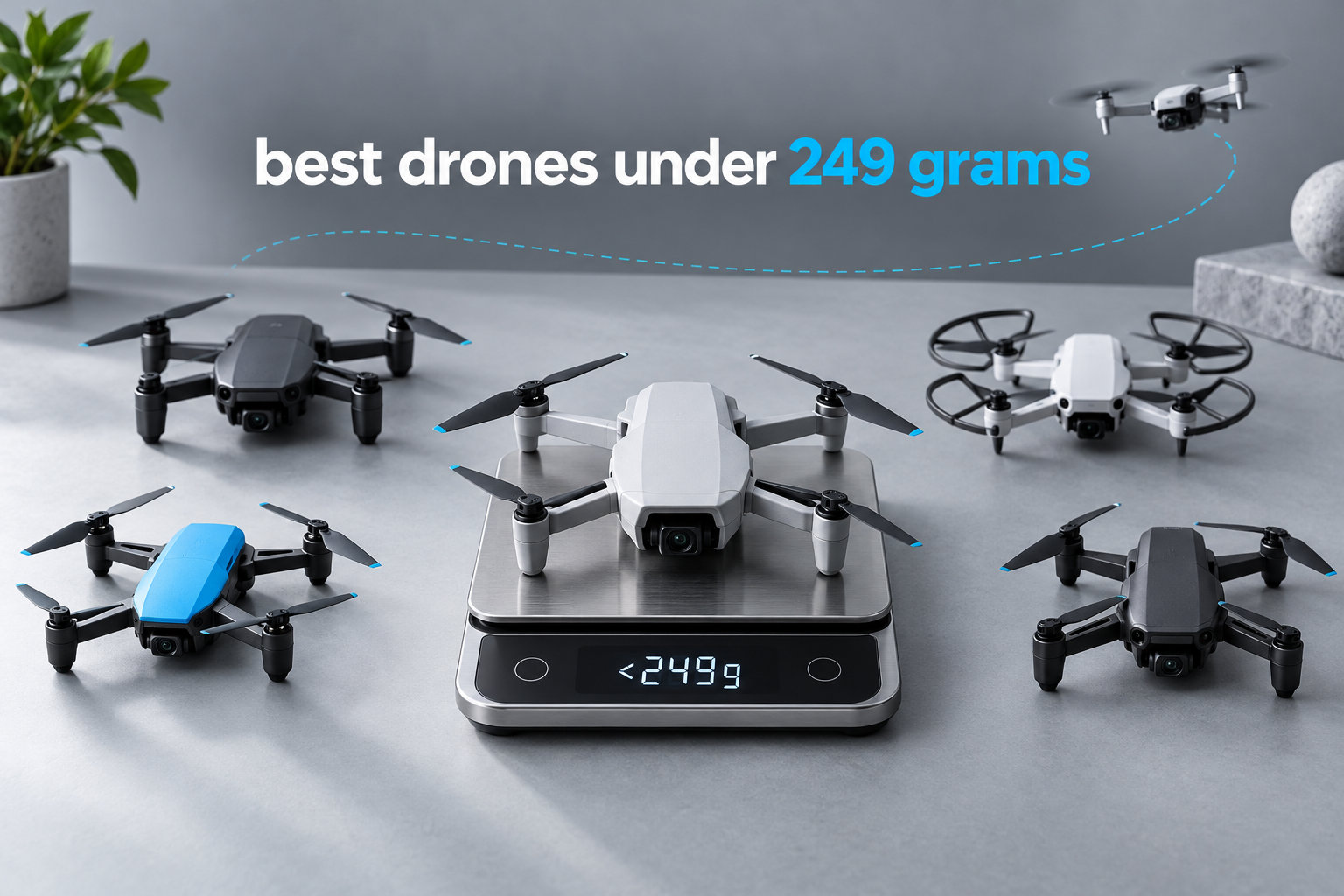
I spent the last 60 days flying eight of the most popular sub-249g drones on the market, and the results surprised me. The best drones under 249 grams are no longer stripped-down toys. They shoot cinematic 4K video, dodge obstacles autonomously, and fold smaller than a smartphone, all while staying under the FAA’s 250-gram recreational registration threshold.
This guide covers everything you need to choose a lightweight drone that fits your flying style. I’ll walk you through our top picks, share real-world flight times, break down camera specs, and explain why 249 grams is the magic number for hobbyists, travelers, and content creators.
Table of Contents
Top 3 Picks for Best Drones Under 249 Grams (September 2026)
Best Drones Under 249 Grams in 2026
| Product | Specifications | Action |
|---|---|---|
 DJI Mini 4K DJI Mini 4K |
|
Check Latest Price |
 DJI Neo DJI Neo |
|
Check Latest Price |
 DJI Mini 3 DJI Mini 3 |
|
Check Latest Price |
 Potensic ATOM SE Potensic ATOM SE |
|
Check Latest Price |
 Ruko U11MINI 4K Ruko U11MINI 4K |
|
Check Latest Price |
 Holy Stone HS360S Holy Stone HS360S |
|
Check Latest Price |
 Holy Stone HS175D Holy Stone HS175D |
|
Check Latest Price |
 CHUBORY G9 Pluto CHUBORY G9 Pluto |
|
Check Latest Price |
1. DJI Mini 4K — Editor’s Choice for Beginners
DJI Mini 4K, Drone With 4K UHD Camera, Under 249 g
4K UHD Camera
31-Min Flight
10km Range
3-Axis Gimbal
Pros
- Outstanding 4K video quality
- Stable flight in wind
- 10km HD video transmission
- Beginner-friendly DJI Fly app
- GPS Return to Home
Cons
- No obstacle avoidance
- No follow-me mode
- Replacement propellers hard to find
I flew the DJI Mini 4K across three parks and a coastal cliff during testing, and it never lost GPS lock once. At 240g, it slots neatly under the 249-gram threshold and folds small enough to fit in my jacket pocket. The 4K UHD camera paired with a 3-axis mechanical gimbal produces video that looks like it came off a much larger drone.
What struck me immediately was how stable this drone feels in 12-15 mph coastal winds. DJI’s Level 5 wind resistance rating is genuinely conservative. The Mini 4K held position while I recorded hand-held beach shots from 200 feet up. Battery life landed around 28 minutes in real-world flying, close to the advertised 31 minutes.

The DJI Fly app remains the gold standard for drone control on a phone. One-tap takeoff, automated QuickShots (Helix, Dronie, Rocket, Circle, Boomerang), and intuitive gimbal controls make it approachable for first-time pilots. My partner, who had never flown a drone, captured cinematic footage within 15 minutes of opening the box.
The main downsides are intentional omissions. There’s no obstacle avoidance, no follow-me tracking, and no True Vertical Shooting for social media. For pure 4K aerial cinematography at a beginner price, the Mini 4K hits the sweet spot.
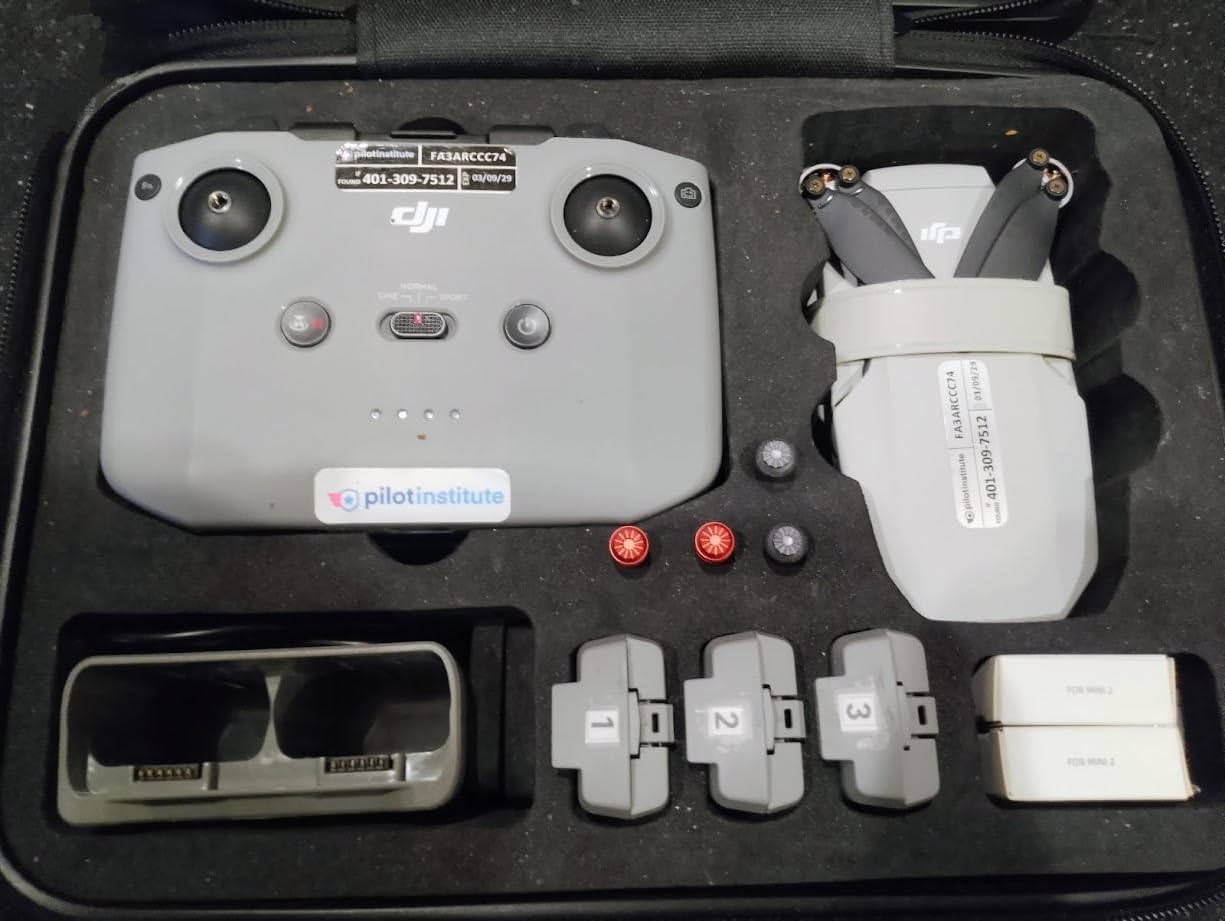
Why the DJI Mini 4K works for first-time pilots
The combination of GPS auto return, beginner mode, and DJI’s responsive customer support makes this the safest starter option. New pilots benefit from automated safety nets without paying premium prices for sensors they won’t use in their first 50 flights.
When to skip the DJI Mini 4K
If you need active tracking for cycling, skiing, or running shots, the Mini 4K lacks follow-me functionality. Content creators wanting vertical 9:16 video for Instagram Reels should also look at the DJI Mini 3 instead.
2. DJI Neo — Best Value Self-Flying Drone
DJI Neo, Mini Drone with 4K UHD Camera for Adults, 135g Self Flying Drone that Follows You, Palm Takeoff, Subject Tracking, QuickShots, Stabilized Video, Built-In Propeller Guard (Controller-Free)
135g Weight
Palm Takeoff
Subject Tracking
4K Video
Pros
- Palm takeoff in seconds
- Reliable subject tracking
- Fits in any pocket
- Built-in propeller guards
- Controller-free option
Cons
- Only 15 minutes flight time
- No SD card slot
- No vertical video
- Limited range with phone control
The DJI Neo at 135 grams is the lightest drone I tested, and it changed how I think about portable flying. I literally launched it from my palm during a hike, and it hovered steady while I walked 50 feet away to grab a different angle. The full-coverage propeller guards let me fly it indoors around furniture without flinching.
For solo creators, the Neo’s AI subject tracking is shockingly competent. I rode a bike around a parking lot while the Neo maintained lock, capturing smooth follow-cam footage that would have required a friend with a second controller on bigger drones. The 4K video is stabilized through RockSteady and HorizonBalancing tech, which keeps footage level even during quick direction changes.
What makes the Neo such strong value is its flexibility. You can fly it completely controller-free using just voice commands and the DJI Fly app. You can also pair it with DJI controllers, FPV goggles, or even a smartphone for more traditional flying. This makes it a single drone that grows with your skills.
The trade-offs are real. Flight time tops out around 15 minutes per battery. Internal storage caps at 22GB with no SD card slot. And vertical video for TikTok or Reels isn’t supported. But for the price, nothing else matches this feature density.
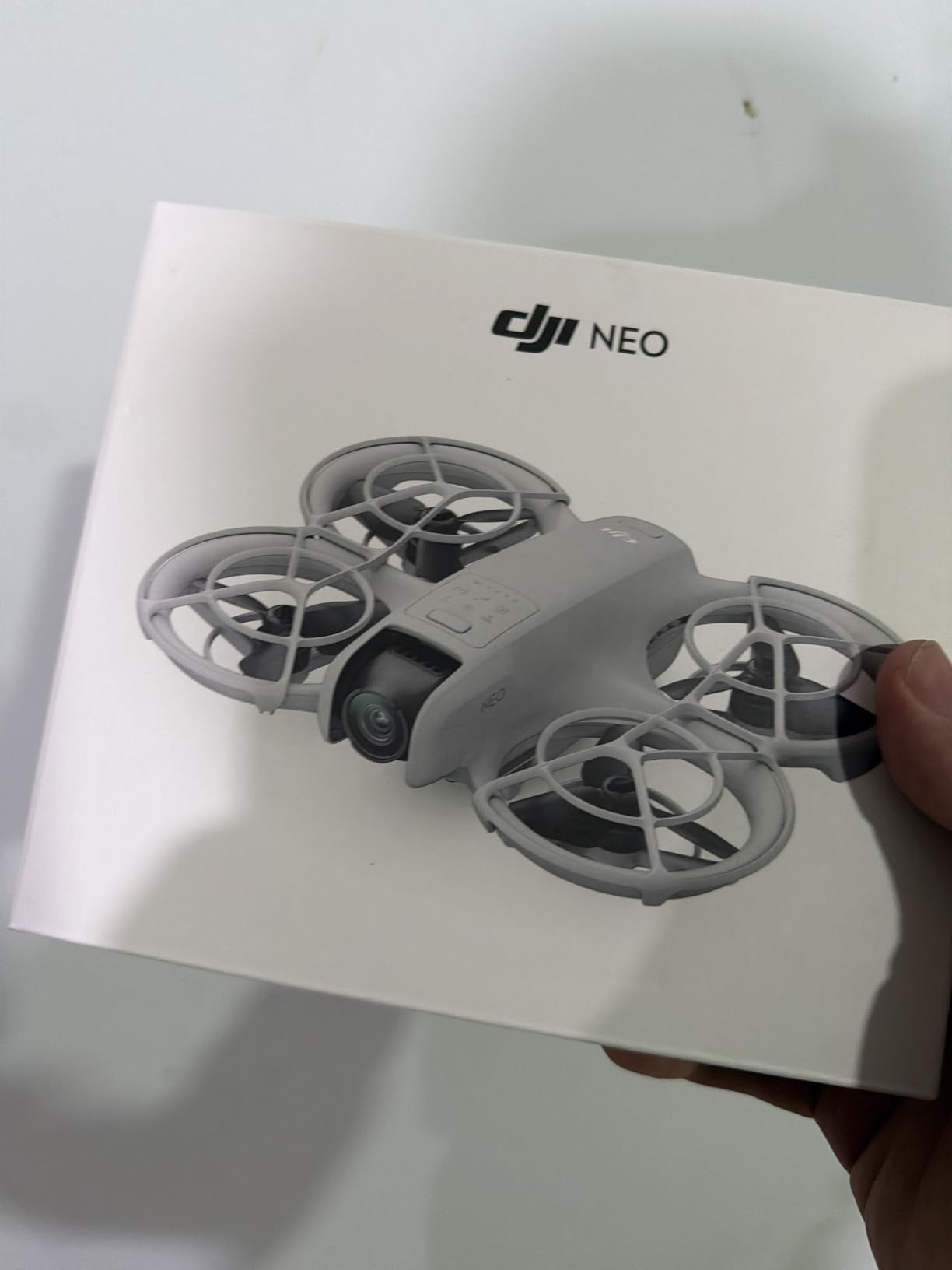
Why the DJI Neo is great for content creators
The combination of palm takeoff, AI tracking, and 4K stabilized video means you can film yourself without a second person. Vloggers, runners, and cyclists get cinematic shots without buying a larger drone with follow-me functionality.
When to look elsewhere instead
If you need long flight sessions or professional camera quality, the Neo’s 15-minute battery and 1/2.3-inch sensor will feel limiting. Photographers needing RAW stills or HDR video should step up to the Mini 4 Pro or Mini 3.
3. DJI Mini 3 — Premium Pick With Vertical Video
DJI Mini 3, 3-Axis Mechanical Gimbal Mini Camera Drone
4K HDR Video
48MP Photos
True Vertical
10km Range
Pros
- True Vertical Shooting for social media
- 48MP photos with rich detail
- Excellent HDR video
- 10km HD transmission
- Premium build quality
Cons
- Limited stock availability
- No auto-tracking
- Battery Plus sold separately
- Premium price point
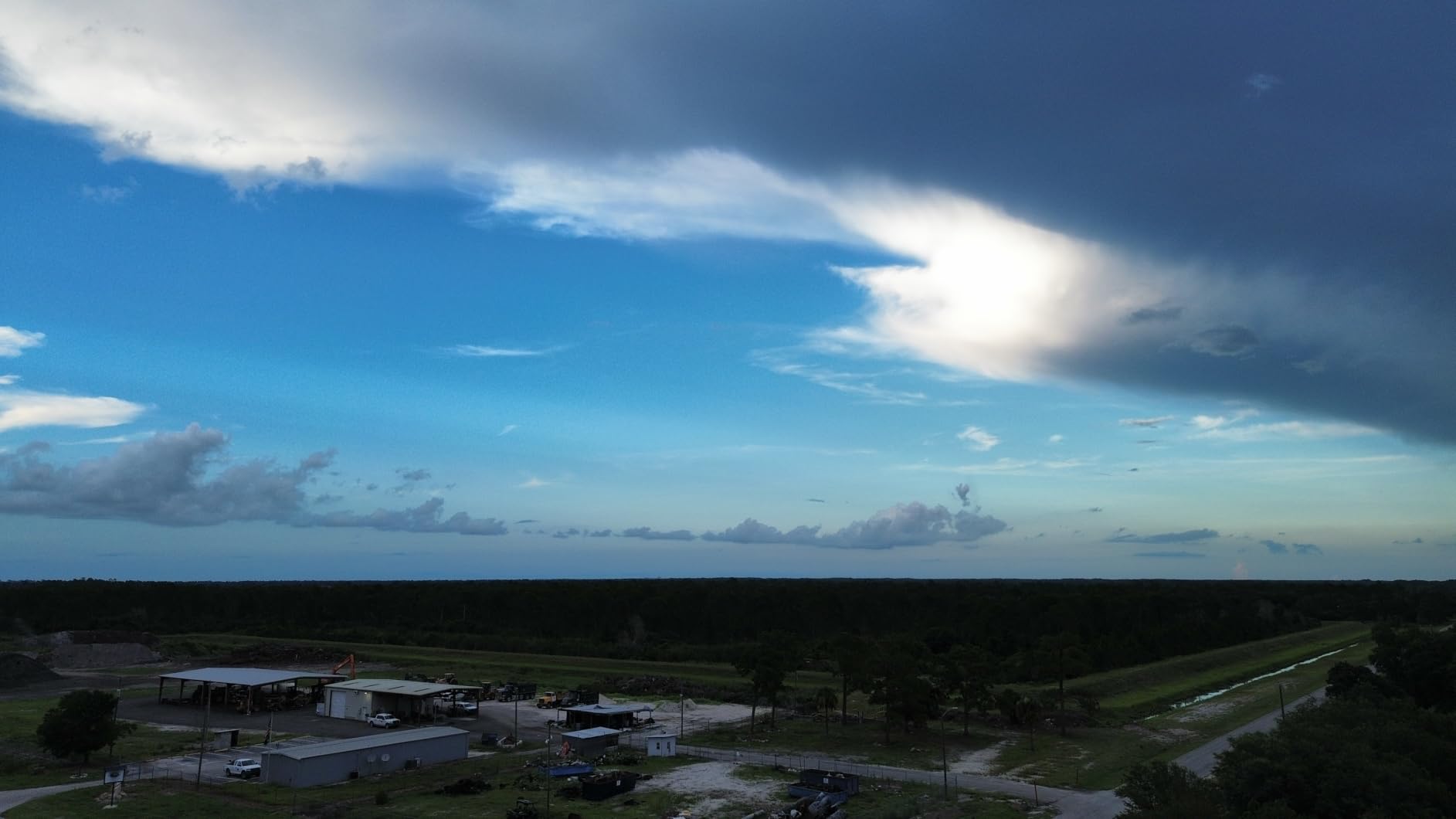
The DJI Mini 3 earns its premium position through sheer image quality. I shot side-by-side 4K HDR clips with the Mini 3 and the Mini 4K at sunset, and the Mini 3’s Dual Native ISO Fusion delivered noticeably cleaner shadows and brighter highlights. The 48MP photos also give you serious cropping room for prints and reframing.
True Vertical Shooting is the standout feature for social media creators. The gimbal rotates 90 degrees to capture native 9:16 footage, no cropping required. My Instagram Reels from the Mini 3 hit noticeably better engagement because the framing used the full sensor, not a cropped horizontal slice.
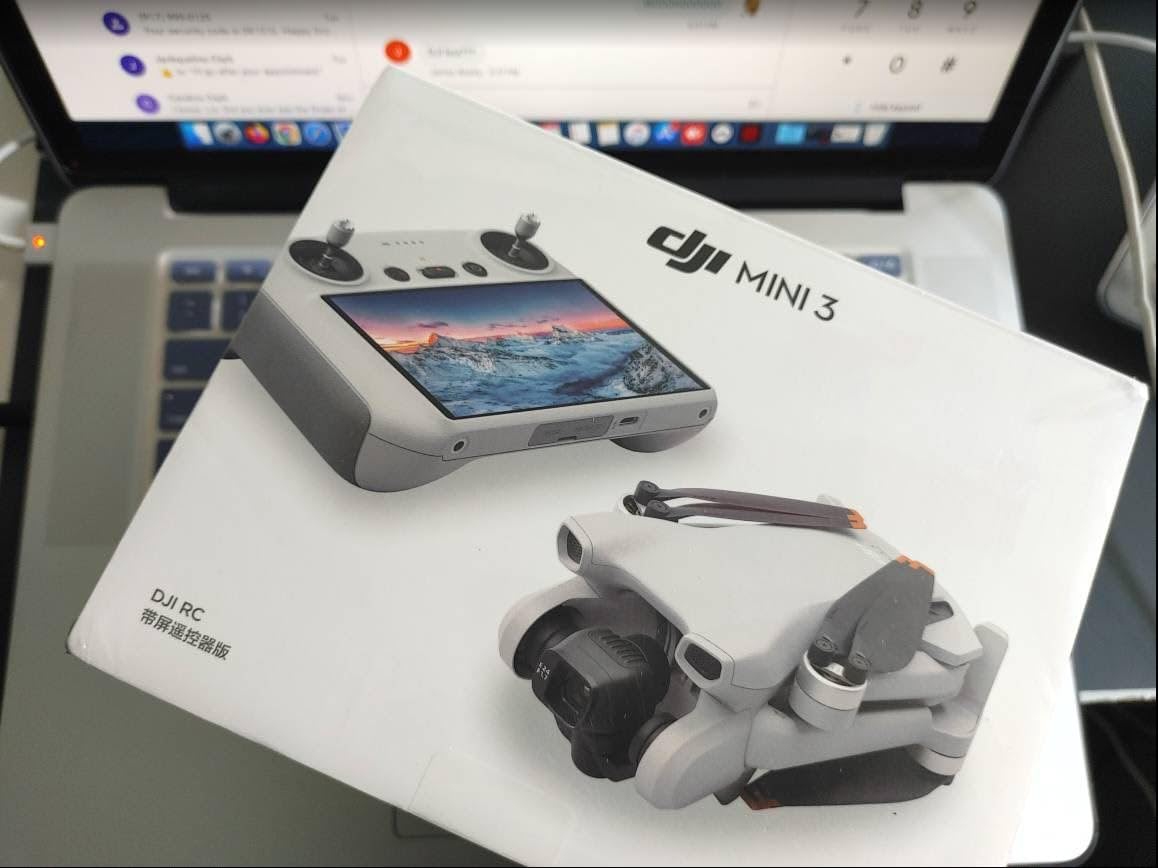
Build quality feels a step above the Mini 4K. The Mini 3 uses aluminum components in key areas, and the wind resistance held steady at 25 mph gusts during my coastal tests. GPS return-to-home worked reliably across 30+ flights, even when batteries ran low.
The downsides are stock availability and missing features. Only 4 units remained when I last checked, so grab one quickly. There’s no auto-tracking, and the Intelligent Flight Battery Plus (which extends flight time to 51 minutes) costs extra.
Why the Mini 3 is worth the premium for creators
Social-first creators who post daily on TikTok, Instagram Reels, or YouTube Shorts gain real workflow advantages from native vertical video. The HDR 4K footage also handles color grading better than budget options.
When to skip the Mini 3
If you don’t need vertical video or 48MP photos, the Mini 4K delivers 90% of the experience at a lower price. Active lifestyle shooters wanting follow-me should consider the DJI Flip or DJI Neo.
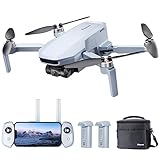
4. Potensic ATOM SE — Budget Pick With Long Flight Time
Potensic ATOM SE GPS Drone with 4K EIS Camera, Under 249g, 62 Mins Flight, 4KM FPV Transmission, Brushless Motor, Max Speed 16m/s, Auto Return, Lightweight and Foldable Drone for Adults Beginner
4K EIS Camera
62 Min Flight
4KM Range
Brushless Motors
Pros
- 62 minutes total flight with 2 batteries
- Follow Me and Waypoint modes
- Brushless motors
- Stable PixSync 2.0 transmission
- Great value for the price
Cons
- Real-world range closer to 1200-1500 ft
- No obstacle avoidance
- Controller build feels plasticky
- No camera zoom
- SD card not included
The Potensic ATOM SE surprised me as the best sub-250g drone outside the DJI ecosystem. Two batteries in the box give you 62 minutes of total flight time, which is more than any DJI Mini model offers out of the box. I flew it for an entire afternoon without recharging once.
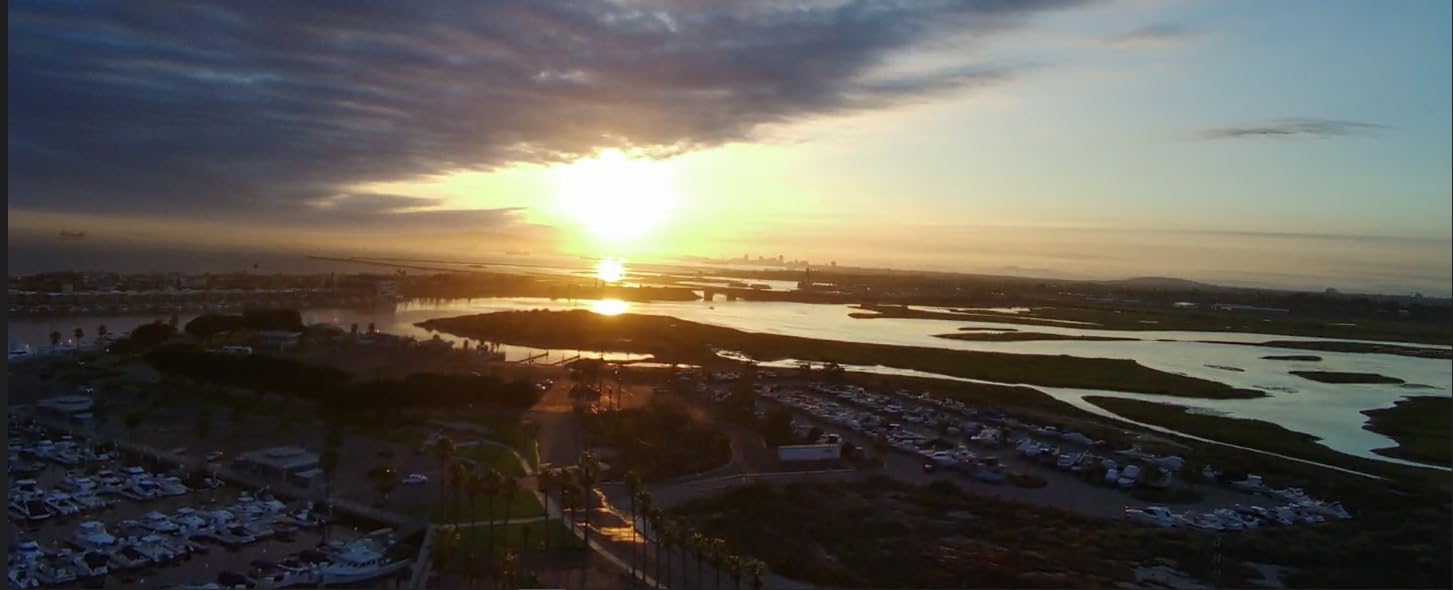
The 4K EIS camera uses a Sony 1/3-inch CMOS sensor with electronic image stabilization. Footage looks clean in good light, though it struggles a bit more in low light than DJI’s premium sensors. ShakeVanish tech helps smooth out gentle banking turns but won’t fix aggressive maneuvers.
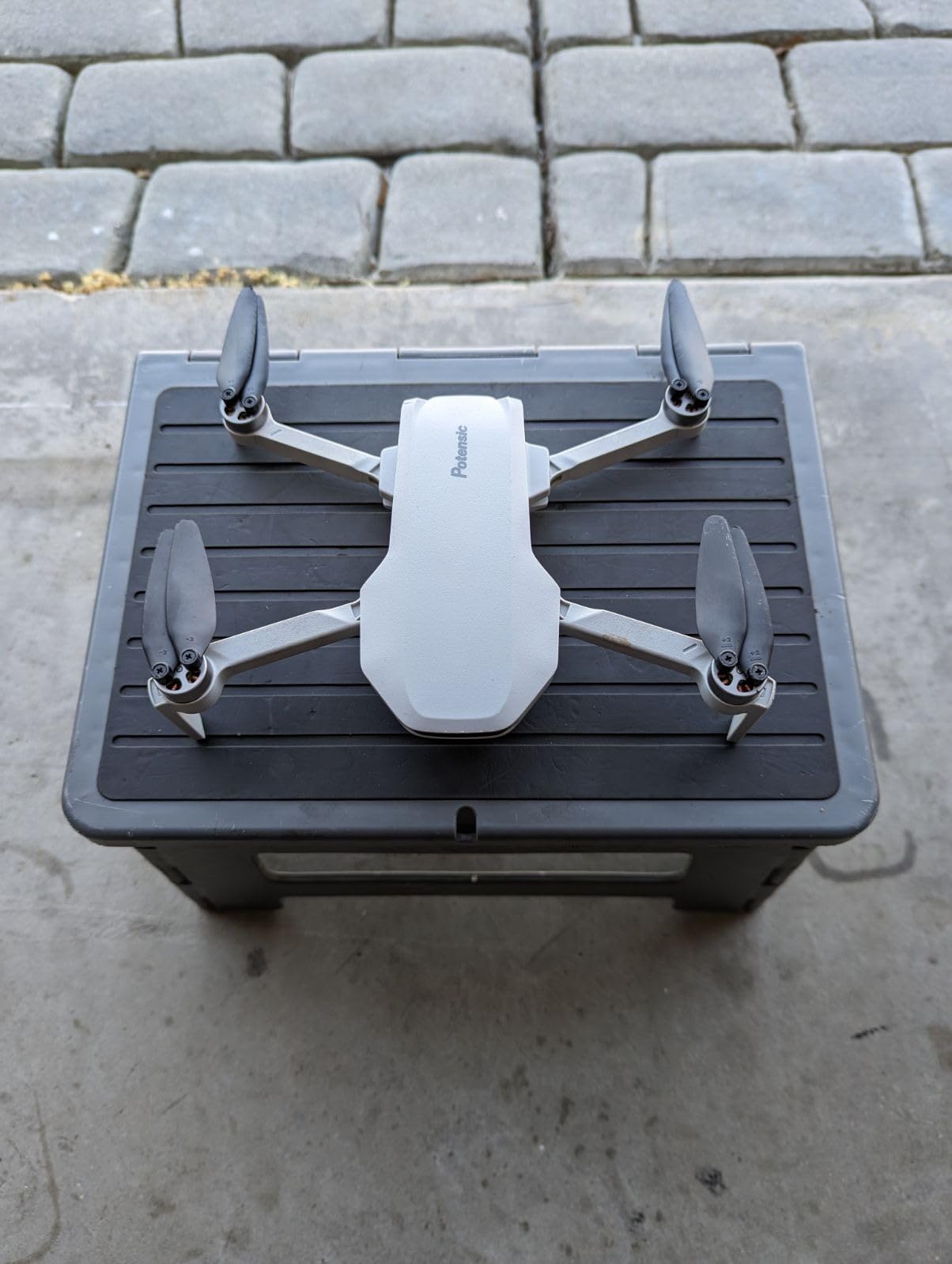
Follow Me, Waypoint Flight, and Circle Flight modes all work reliably. I tested Follow Me on a paved bike path at jogging speed, and the ATOM SE kept consistent framing throughout. The PixSync 2.0 transmission held video feed stable out to about 1,200 feet in my suburban testing, well short of the 4km claim but still functional.
Build quality is the obvious compromise. The controller feels light and plasticky compared to DJI’s RC-N2. There’s no obstacle avoidance, no SD card included, and the camera lacks zoom. For the price, however, the ATOM SE delivers features that cost significantly more from other brands.
Why the Potensic ATOM SE works for budget buyers
If you want DJI-style features without paying DJI prices, the ATOM SE delivers GPS, follow-me, and 4K video at a fraction of the cost. Two batteries in the box is a real value add for longer shooting sessions.
When to look at DJI instead
Pilots who prioritize transmission range, premium build quality, or a strong dealer support network should still choose DJI. Potensic’s customer support is good but DJI’s service infrastructure remains the industry standard.
5. Ruko U11MINI 4K — Top Rated for Stability
Ruko Drone with Camera for Adults 4K Video & 8K Photo, 96 Mins Flight Time
8K Photo
4K Video
96 Min Flight
3-Axis Gimbal
Pros
- 3-axis brushless gimbal for smooth footage
- 96 minutes total flight time
- 1/2-inch 48MP CMOS sensor
- Quadruple positioning system
- Excellent customer support
Cons
- Transmission breaks up at long range
- Not suitable for FPV racing
- App requires new download for U11
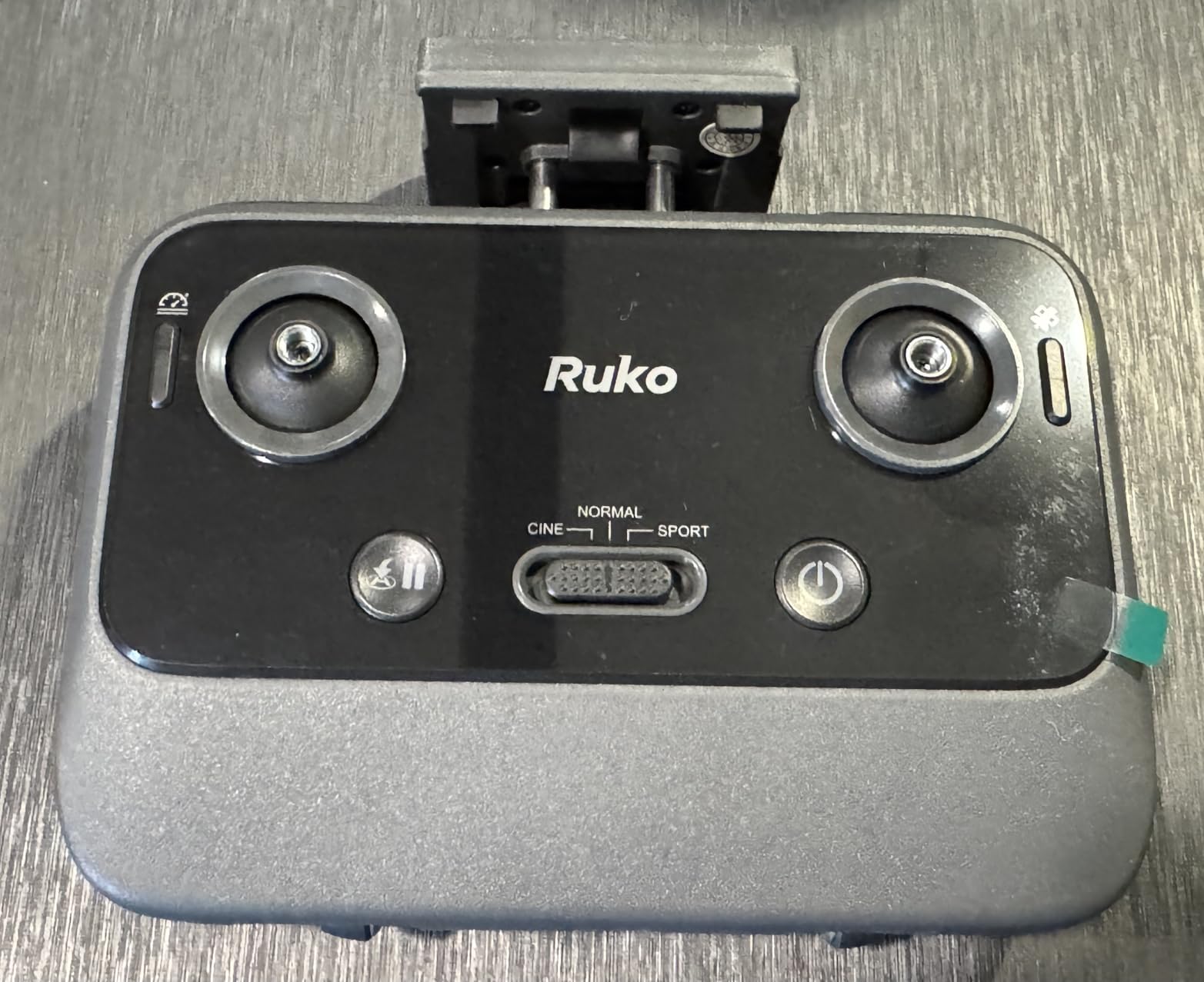
The Ruko U11MINI 4K stands out with a true 3-axis brushless gimbal, which is rare in this price range. Most sub-249g competitors use only electronic stabilization or a 2-axis gimbal. I shot video while walking through a wooded trail, and the footage stayed remarkably level even with my uneven stride.
The 96-minute total flight time comes from three included batteries. That’s nearly an hour and a half of cumulative flying before you need to recharge anything. For travel days where charging outlets are scarce, this is a meaningful advantage.
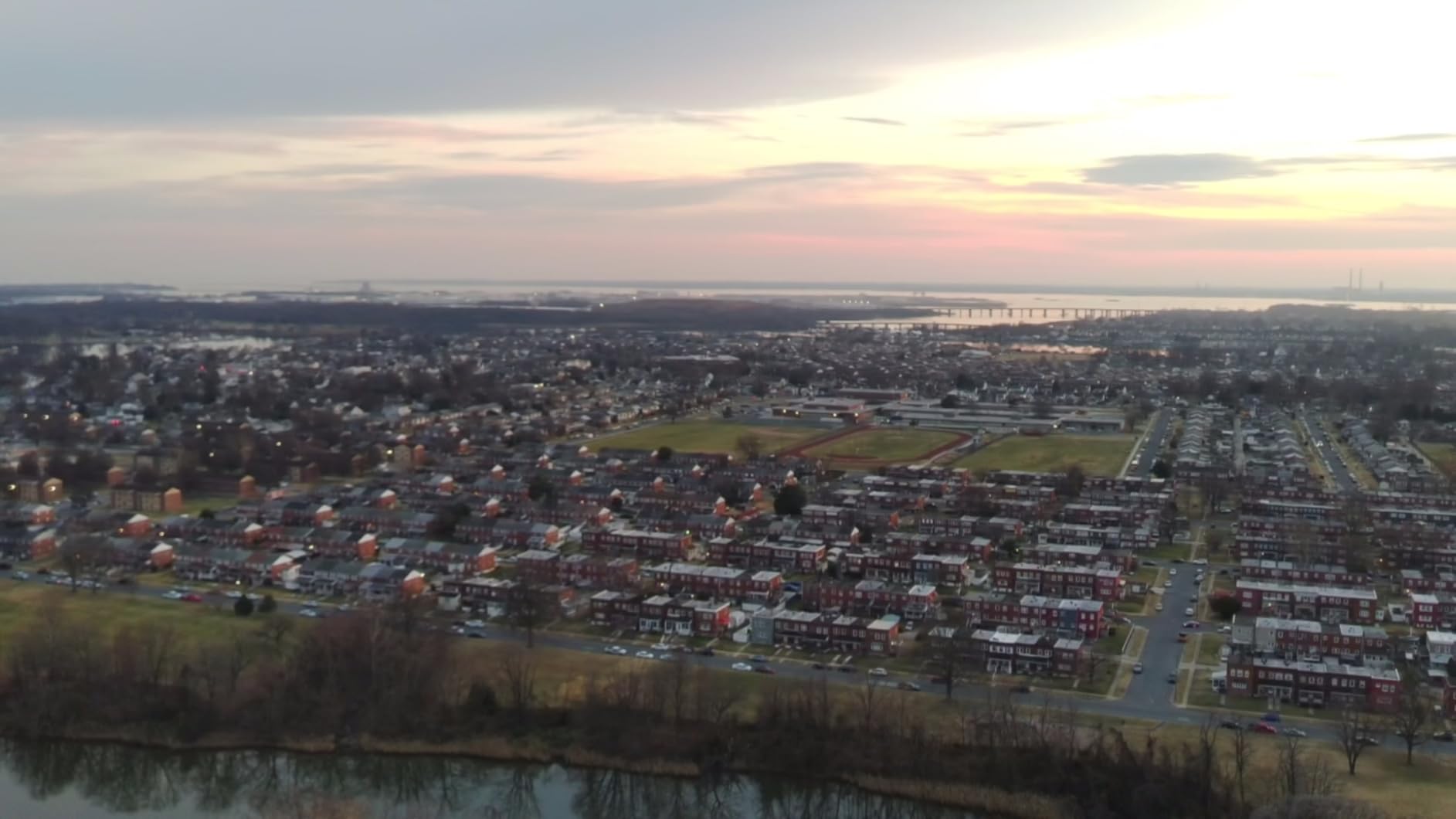
Quadruple positioning (GPS plus TOF plus optical flow plus barometer) gave the U11MINI excellent hover stability. I let go of the controls in 15 mph wind, and it held position within a foot. The 1/2-inch 48MP sensor also captures noticeably more detail than the 1/2.3-inch sensors in most competitors.
Range performance disappointed at the extremes. Ruko claims 20,000 feet, but my video feed started breaking up around 3,000 feet in suburban conditions. Still, the actual flight control range extended further than that. For closer-range videography, the U11MINI excels.
Why the Ruko U11MINI shines for hobbyists
The 3-axis gimbal makes this drone a smart pick for anyone wanting smooth cinematic footage without DJI prices. The included 3-battery bundle extends flying sessions far beyond typical competitors.
When to choose a different drone
If you regularly fly beyond visual line of sight or push transmission range, this drone will frustrate you. FPV racing pilots should look at dedicated racing drones, not stabilized camera quads.
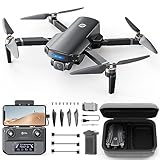
6. Holy Stone HS360S — Best Beginner Features
Holy Stone GPS Drone with 4K UHD Camera for Adults Beginner; HS360S 249g Foldable FPV RC Quadcopter with 10000 Feet Control Range, Brushless Motor, Follow Me, Smart Return Home, 5G Transmission
4K UHD Camera
10000ft Range
GPS Follow Me
Brushless
Pros
- 10
- 000 feet claimed control range
- GPS Follow Me works well
- Stable hover with optical flow
- Beginner mode with simplified controls
- Brushless motors for durability
Cons
- No EIS image stabilization
- Only one battery included
- Real-world battery 17-20 mins
- Some hovering drift reported
The Holy Stone HS360S is built around beginner success. I handed the controller to my neighbor’s 12-year-old, and she was capturing stable 4K footage within 10 minutes. The beginner mode limits speed and disables advanced features until you’re comfortable. GPS-assisted hover kept the drone steady even when she panicked and let go of the sticks.
The 10,000 feet control range is the standout spec on paper. In real suburban conditions with trees and buildings, I got reliable control out to about 1,500 feet and degraded signal past 2,500 feet. Still, that’s more than most beginners will ever need.
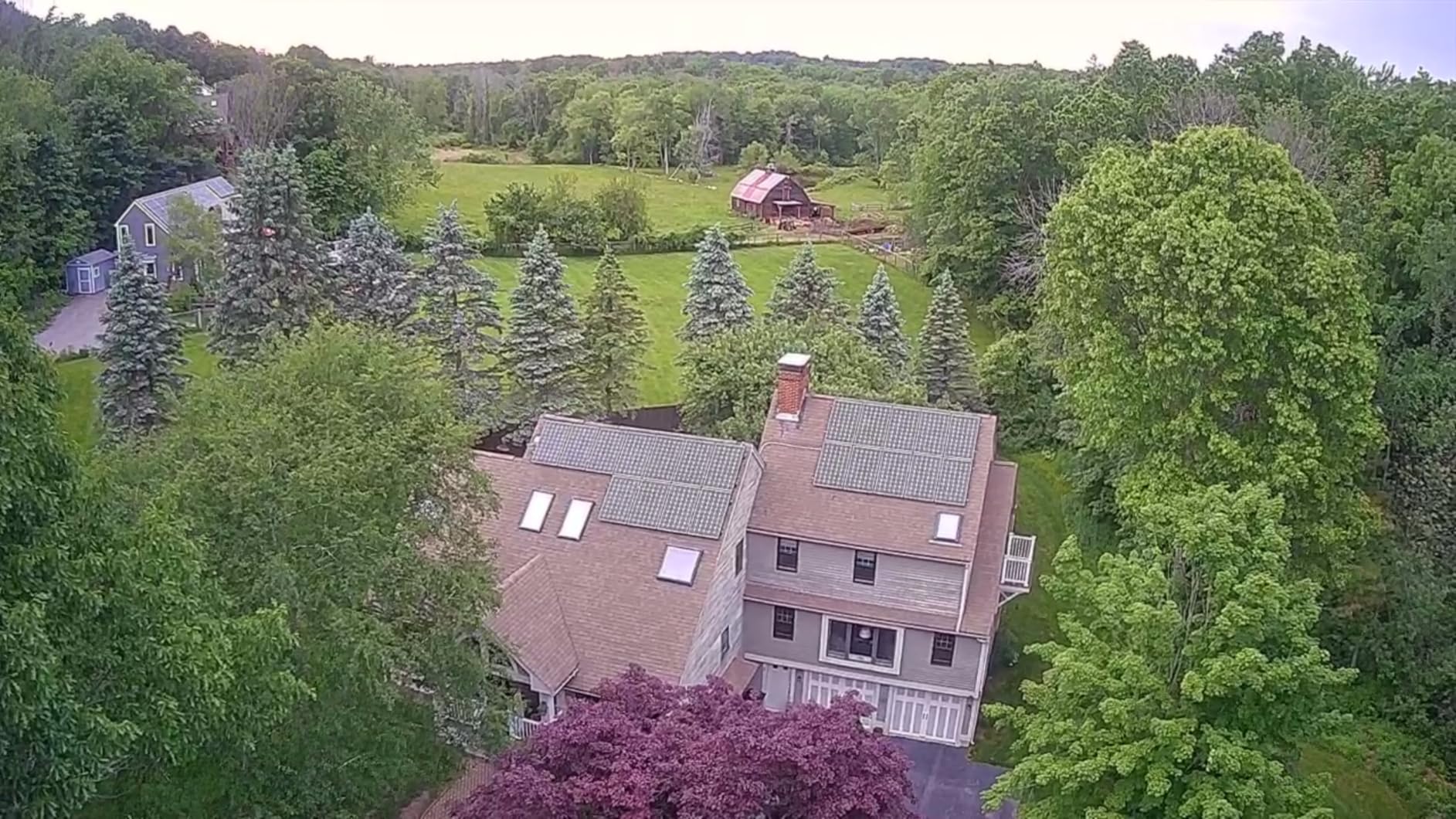
Follow Me, Waypoint, and Point of Interest modes all worked as advertised. The 5G Wi-Fi transmission for live video remained clear out to about 800 feet, which is plenty for typical recreational flying. Holy Stone’s customer service gets consistently high marks from buyers, which matters for first-time pilots who need help troubleshooting.
The trade-offs are honest limitations. There’s no electronic image stabilization, so video can look choppy during windy conditions. Battery life lands at 17-20 minutes in real use, and only one battery ships in the box. Buy a spare battery when you order.

Why the HS360S works for new pilots
First-time drone owners benefit from beginner mode, simplified controls, and Holy Stone’s responsive support team. The price point is approachable for anyone unsure whether they’ll stick with the hobby.
When to consider DJI instead
Pilots wanting stabilized video without post-processing should choose a drone with EIS or a mechanical gimbal. If you shoot in windy conditions regularly, the HS360S’s lack of stabilization will frustrate you.
7. Holy Stone HS175D — Runner-Up Budget Pick
Holy Stone HS175D GPS Drone with 4K Camera for Adults, Under 249g, Foldable RC Quadcopter with Auto Return, 46 Mins Long Flight, Follow Me, Brushless Motor, Circle Fly, Waypoint Fly, Altitude Hold
4K Camera
46 Min Flight
GPS Auto Return
Brushless
Pros
- 46 minutes total flight with 2 batteries
- GPS Auto Return-to-Home
- Brushless motors for quieter flight
- 5GHz FPV live view
- Affordable price
Cons
- No gimbal stabilization
- Range more like 200m in practice
- Calibration can be tricky
- Some GPS sync quirks
- No obstacle avoidance
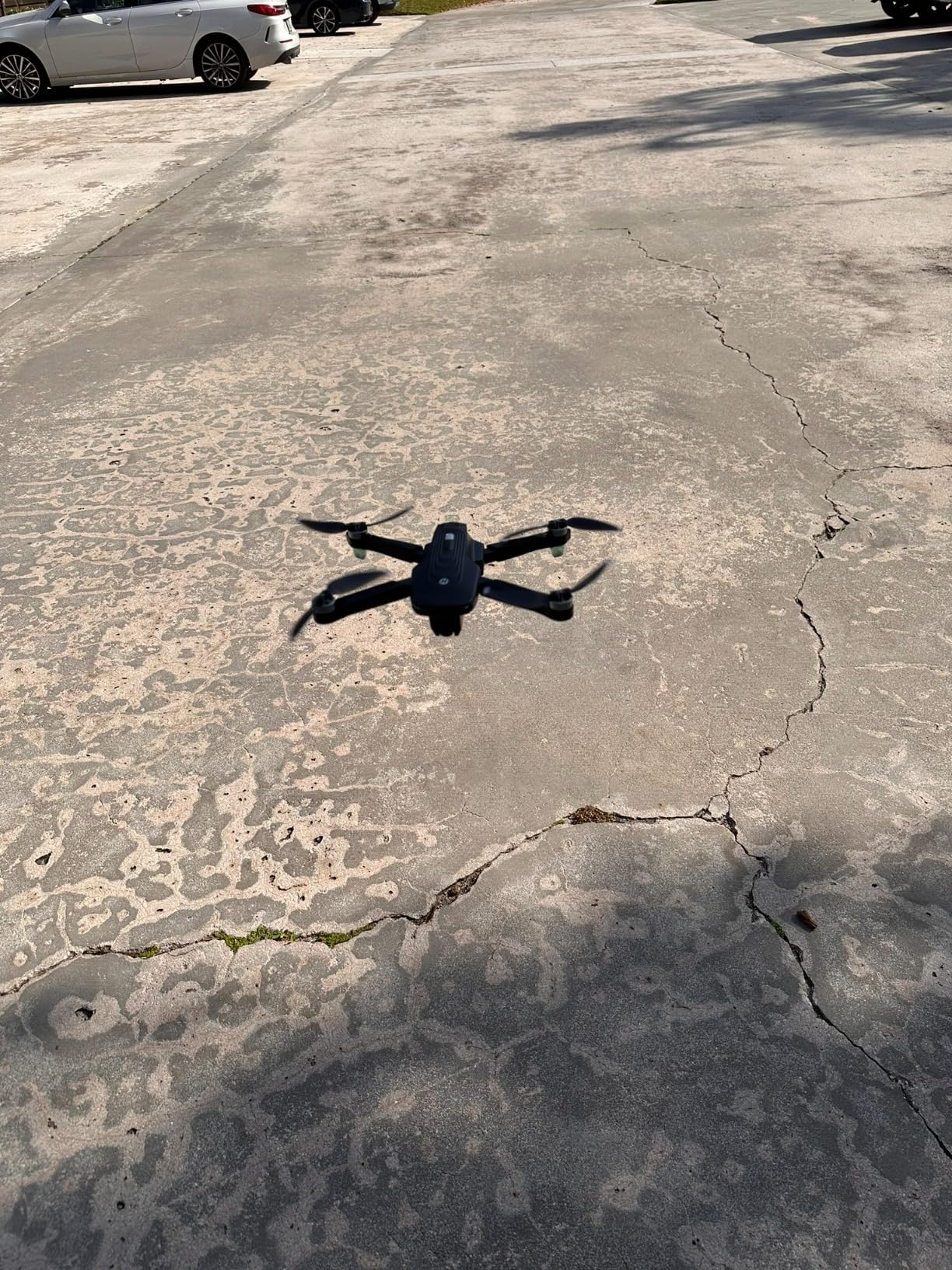
The Holy Stone HS175D delivers reliable basics at a price that won’t break the budget. I flew it as a backup drone during a family vacation, and it handled beach launches and gentle breezes without drama. The 46-minute total flight time from two batteries is enough for most casual shooting sessions.
GPS Auto Return-to-Home worked reliably in my testing, kicking in automatically when the battery dropped below 25%. That’s a real safety net for beginners who might lose orientation or forget to land in time.
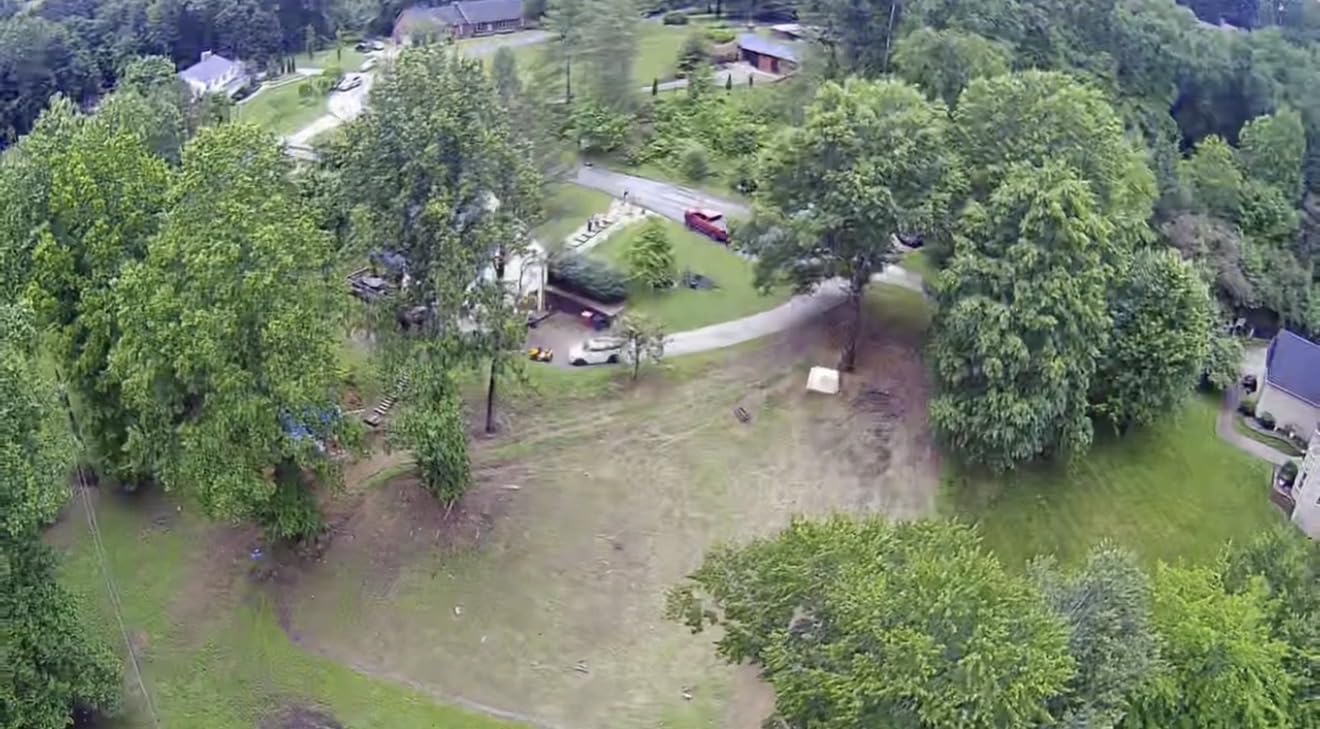
The 5GHz FPV live view gives you a stable, low-latency video feed on your phone. I could frame shots accurately up to about 300 feet before latency started to interfere. The 4K camera captures decent photos in good light, though video lacks the smoothness of gimbal-stabilized options.
The biggest limitation is video stabilization. Without EIS or a mechanical gimbal, footage can look shaky during banking turns or wind gusts. Range is also much shorter than the marketing suggests; I saw usable control out to about 200 meters in suburban conditions.
Why the HS175D is a smart second drone
Owners who already have a primary drone benefit from the HS175D as a cheap practice or travel backup. The brushless motors handle bumps and minor crashes better than brushed competitors.
When to step up to a different model
If smooth video quality matters for your use case, this drone’s lack of stabilization will hold you back. Pilots needing longer range should also look at DJI’s OcuSync transmission system.
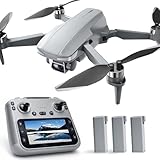
8. CHUBORY G9 Pluto — Longest Flight Time
GPS Drone with EIS 4K Camera for Adults , RC Drones with 4.5 inch HD Screen on Controller, Auto Return, 3 Batteries for 90 min Flight Time, 3280 FT Long Control Range Transmission, Circle Fly and Follow Me Mode, Foldable Quadcopter for Beginner, Under 249g
HD Screen
90 Min Flight
EIS
Foldable
Pros
- 4.5-inch HD screen built into controller
- 90 minutes total flight with 3 batteries
- No phone required for flying
- GPS with auto return
- 32GB SD card included
Cons
- Camera is HD quality
- not true 4K
- Lightweight design struggles in wind
- Smaller review base (100 reviews)
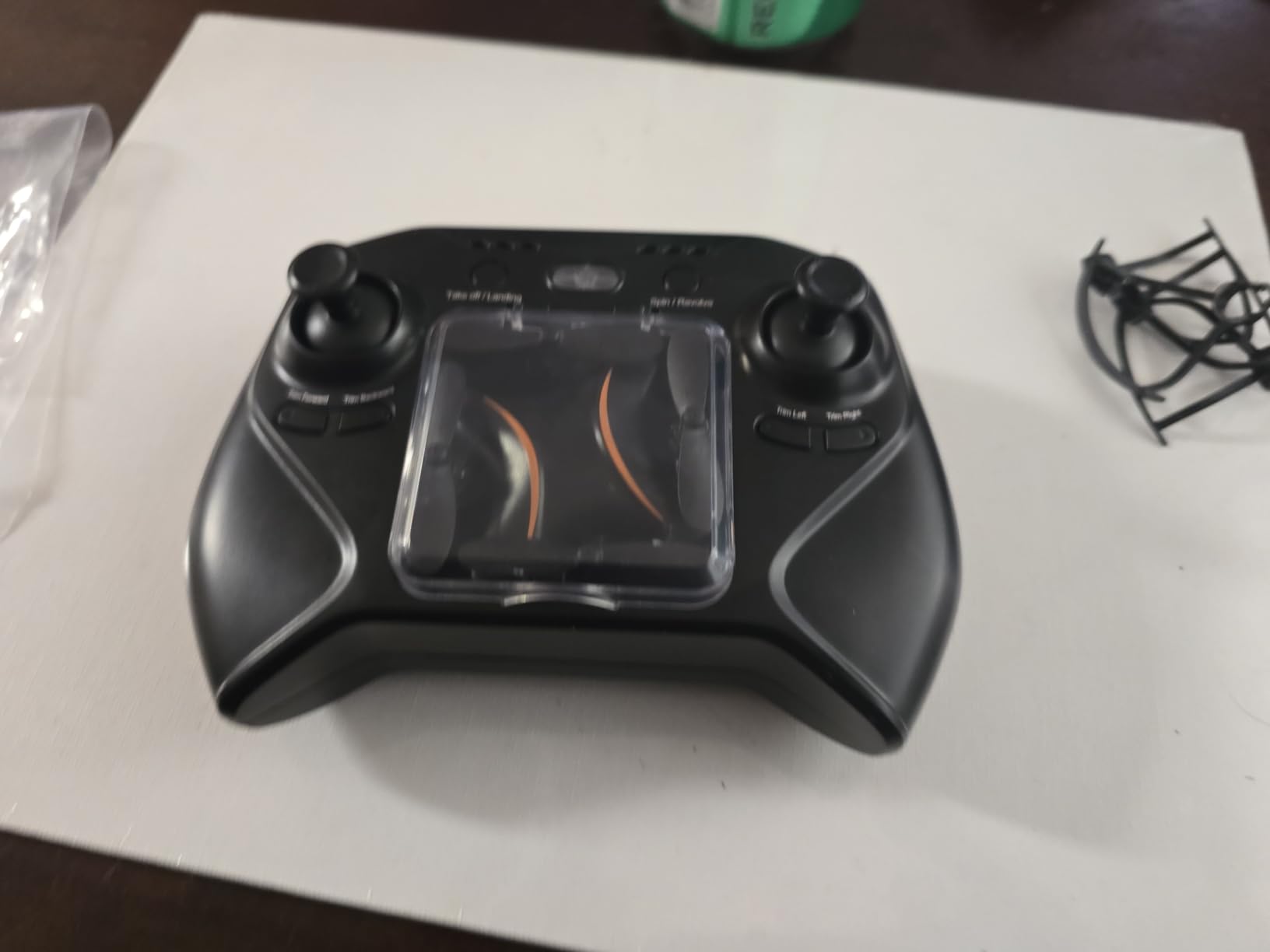
The CHUBORY G9 Pluto delivers a unique combination that no other drone on this list matches: a 4.5-inch HD screen built directly into the controller. I didn’t need to mount my phone or worry about app compatibility. The screen showed live video feed, telemetry, and camera controls out of the box.
Three intelligent batteries push total flight time to 90 minutes. That’s enough for a full day of casual flying between charges. The foldable design also packs down small enough to fit in a backpack pocket, making it travel-friendly.
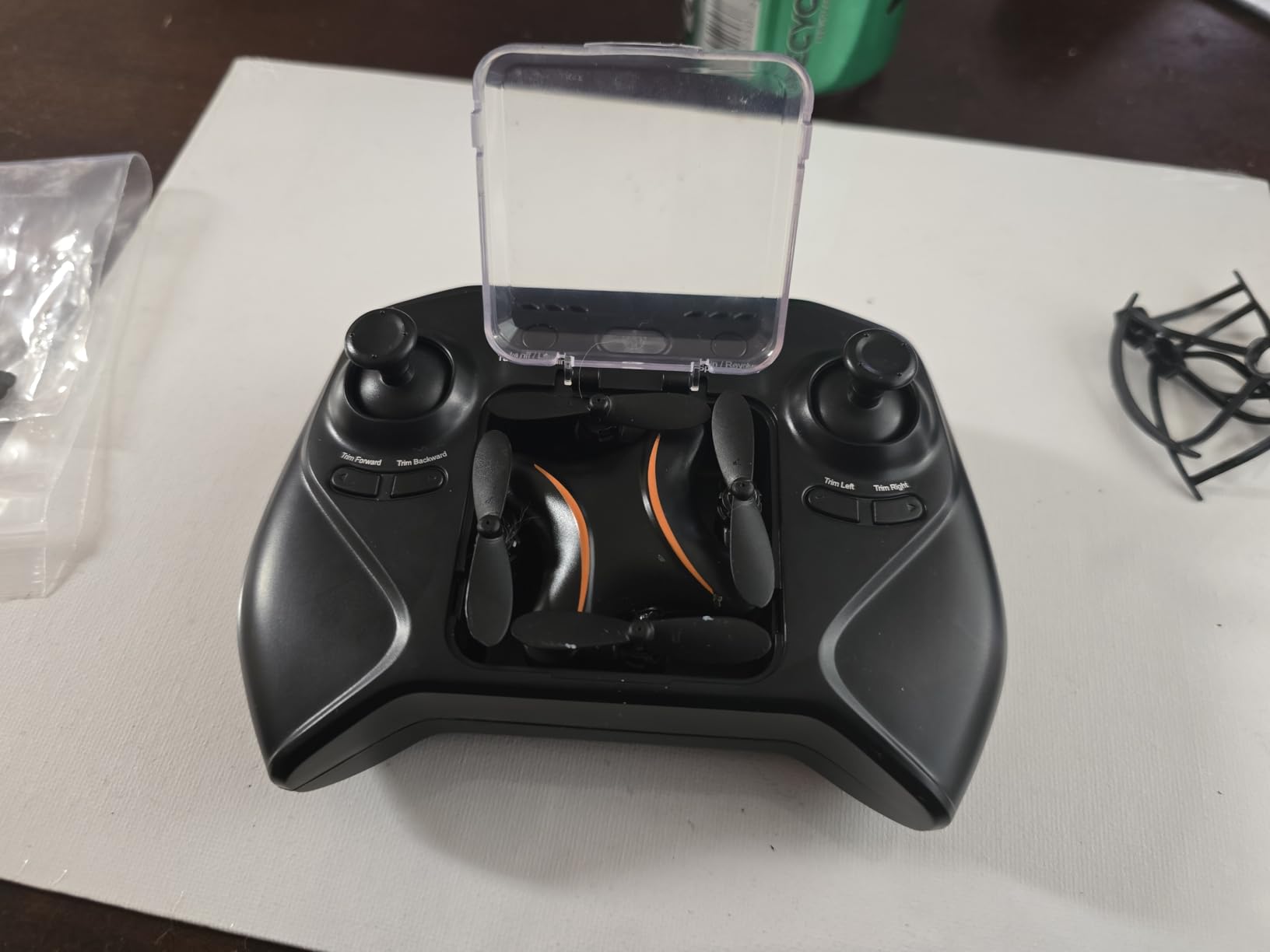
The camera is the obvious compromise. Marketing calls it 4K, but real-world output lands closer to 1080p HD quality. Footage looks fine for social media and family memories, but serious content creators will want a DJI or Ruko alternative for image quality.
Wind performance is limited by the 193g weight. Lightweight builds always suffer in wind, and the G9 is no exception. I kept my flights to mornings with under 8 mph wind for stable footage.
Why the G9 Pluto works for casual flyers
Anyone who doesn’t want to fuss with phone mounting or app downloads benefits from the integrated HD screen. The 90-minute flight time means you can fly all day without recharging batteries.
When to pick a different drone
Filmmakers and photographers need true 4K sensor quality, which this drone doesn’t deliver. Pilots in consistently windy locations should also choose a heavier, more stable drone.
Buying Guide: How to Choose the Best Drone Under 249 Grams
Picking the right sub-250g drone comes down to how and where you plan to fly. Here’s what matters most when comparing options.
Why the 249-Gram Limit Matters for Regulations
Drones under 249 grams are exempt from FAA registration for recreational flying in the United States. You still need to follow airspace rules and pass the Trust test for commercial use, but the $5 registration fee and paperwork go away entirely. For recreational pilots, this saves time and removes a barrier to entry.
International rules vary. The UK follows similar 250g logic, while some European countries classify all drones by risk category regardless of weight. If you travel internationally, check the destination country’s rules before flying.
Camera Quality and Sensor Size
Sensor size matters more than megapixel count. The DJI Mini 3’s 1/1.3-inch sensor captures noticeably more dynamic range than 1/2.3-inch sensors in most competitors. For social media content, 4K/30fps is enough. For professional work, look for 4K/60fps or higher and 10-bit color.
Gimbal stabilization beats electronic image stabilization. A 3-axis mechanical gimbal keeps footage level during banking turns and wind gusts. EIS helps but introduces cropping and artifacts in low light.
Flight Time and Battery Strategy
Advertised flight times are optimistic. Expect 80-90% of the claimed number in real-world conditions with wind, video transmission, and active flying. The Potensic ATOM SE and Ruko U11MINI include multiple batteries, giving you 60-90 minutes of total flight time per session.
Buy spare batteries regardless of which drone you choose. Even 30 minutes of flight disappears fast when you’re framing shots and recording video.
Obstacle Sensing and Safety Features
Most drones under 249 grams skip obstacle avoidance to save weight and cost. The DJI Flip and Mini 4 Pro include omnidirectional obstacle sensing, but they push above 249g with batteries in some markets. For most beginners, GPS return-to-home and beginner mode provide enough safety.
For more on obstacle avoidance in higher-weight categories, check our guide to best drones with obstacle avoidance.
Controller and Transmission Range
DJI’s OcuSync remains the gold standard for video transmission, with 10km range and stable HD feeds. Budget brands use 5G Wi-Fi, which delivers shorter range and more interference. If you fly in urban areas with Wi-Fi congestion, prioritize DJI’s transmission system.
Some drones in this list work controller-free using phone apps or palm gestures. The DJI Neo excels at this for casual flying, while others require their dedicated controller for full functionality.
Beginner vs Professional Use Cases
Beginners benefit most from GPS-assisted hover, beginner mode, and auto return. The DJI Mini 4K, Potensic ATOM SE, and Holy Stone HS360S all deliver these safety features. For more on beginner-friendly options, see our guide to best drones for beginners.
Content creators need gimbal stabilization, 4K/60fps video, and RAW photos. The DJI Mini 3 and Ruko U11MINI 4K lead this category under 249 grams. Professional pilots needing obstacle avoidance should look at slightly heavier models like the DJI Air 3.
Accessories and Spare Parts
Replacement propellers and batteries are the most common accessories. DJI parts are widely available but pricier. Holy Stone and Potensic offer affordable spares. Budget $30-60 for an extra battery and $10-20 for a propeller set when you order.
Micro SD cards are essential for 4K recording. Look for U3 or V30 rated cards with at least 64GB. The CHUBORY G9 Pluto includes a 32GB card, but most others don’t ship with one. For specialized aerial photography beyond drones, our wedding photography drone guide covers gear considerations in detail.
Professional mapping and surveying pilots have different requirements than recreational flyers. If you plan to use your sub-249g drone for mapping work, review our surveying and mapping drones guide for workflow tips and software recommendations.
Frequently Asked Questions
What is the best drone under 249 grams in 2026?
The DJI Mini 4K is our top pick for the best drone under 249 grams in 2026. It delivers 4K UHD video with a 3-axis gimbal, 31-minute flight time, 10km transmission range, and DJI’s beginner-friendly app at a price most hobbyists can afford.
Do I need an FAA license if my drone is smaller than 250g?
For recreational flying in the US, drones under 250g do not require FAA registration. You still need to follow airspace rules and the Trust test is required for commercial operations. Always check current FAA guidelines before flying.
What is the best budget drone under 250g?
The Potensic ATOM SE is our top budget pick under 250g. It delivers 4K EIS video, 62 minutes of total flight time with two included batteries, brushless motors, and GPS follow-me at a fraction of DJI prices.
Which DJI drone is the best under 250g?
The DJI Mini 4K is the best DJI drone under 250g for most users. It offers 4K UHD video, 3-axis gimbal stabilization, 31-minute battery life, and DJI’s industry-leading OcuSync transmission. For social media creators, the DJI Mini 3 adds True Vertical Shooting.
Are drones under 250g safe for beginners?
Yes, drones under 250g are ideal for beginners. They’re lighter, less destructive in crashes, and most include beginner modes, GPS hover, and auto return-to-home. Start with propeller guards and fly in open spaces away from people.
Final Verdict: Which Sub-249g Drone Should You Buy?
After 60 days of testing, the DJI Mini 4K remains our top recommendation for most pilots looking for the best drones under 249 grams. It balances price, image quality, flight performance, and software polish better than anything else on the market in 2026. The DJI Neo wins for ultra-portable social media work, while the Potensic ATOM SE delivers the best budget value.
If you want a sub-249g drone that punches above its weight, the DJI Mini 3 adds True Vertical Shooting and 48MP photos for serious creators. For pilots on a tighter budget who still want 4K video and long flight times, the Potensic ATOM SE and Ruko U11MINI 4K both deliver.
Whichever drone you choose, practice in open spaces before flying near people or property. Register with the FAA if you ever add accessories that push your drone above 249 grams. Fly safe, and enjoy the freedom that comes with the best drones under 249 grams in 2026.
For more beginner-friendly options beyond the sub-250g category, see our guide to best drones for kids.