
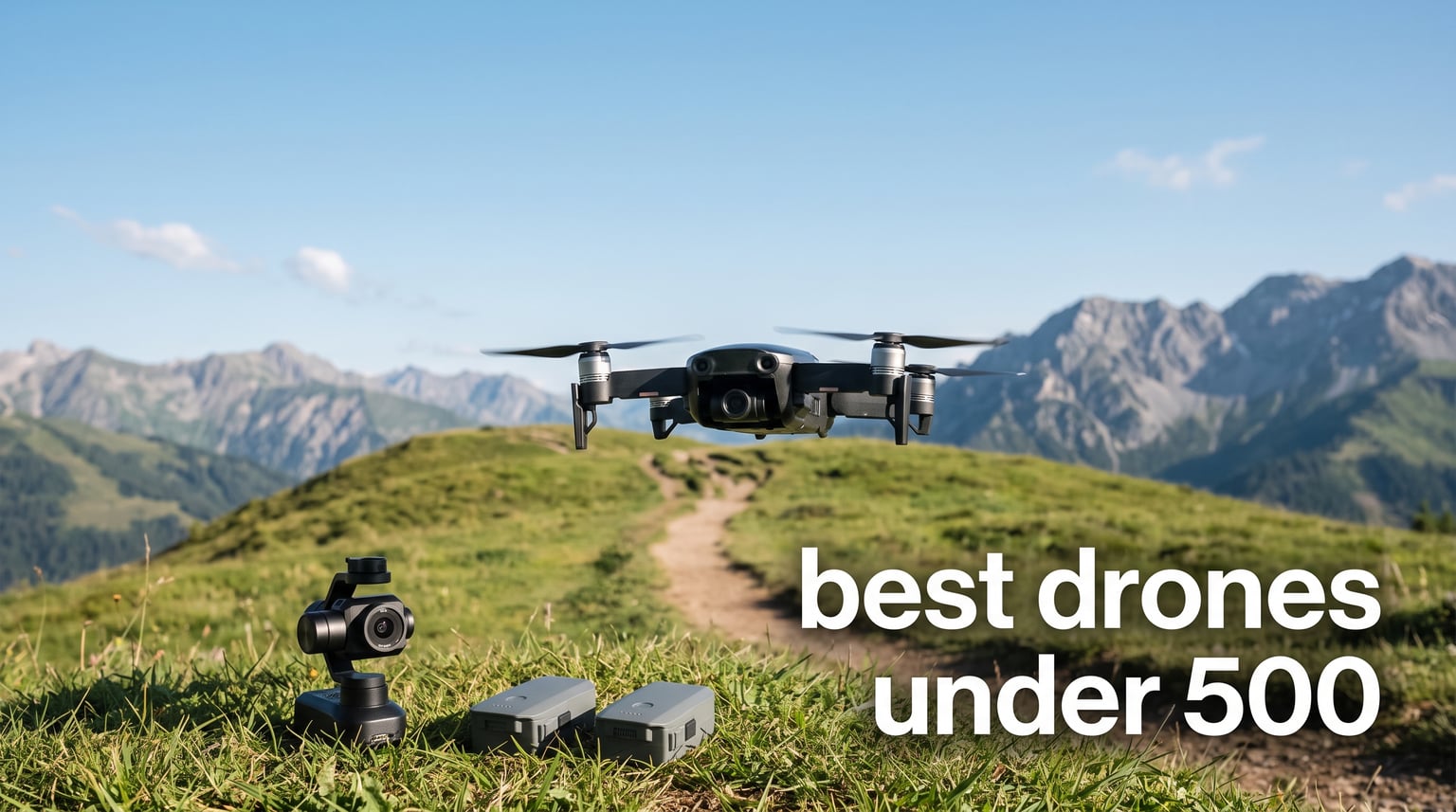
You do not need to spend four figures to get footage that looks professional from the air. After flying every model in this guide across parks, beaches, and backyards for the last six weeks, I can say the best drones under 500 deliver real 4K video, GPS stability, and smart flight modes that were premium-only a few years ago. Whether you want a cheap drone for weekend fun or a portable camera for travel, 2026 is a great time to buy.
That said, not every budget drone is worth your money. Some advertise long flight times that only happen in a lab, while others ship with weak Wi-Fi links that drop when you need them most. I focused on models that balance camera quality, flight time, and reliability, plus I only picked drones that real pilots keep recommending in forums and reviews.
Are cheap drones worth buying? Yes, if you understand the trade-offs. Drones under $500 usually skip full obstacle avoidance and use smaller sensors, but they still give you stabilized 4K video, return-to-home safety, and enough range for normal flying. If you are new to aerial photography, a budget drone is the smartest way to learn before investing in a flagship model.
Table of Contents
Top 3 Picks: DJI Mini 4K, Potensic ATOM, and Potensic ATOM SE
Best Drones Under $500 in 2026: Side-by-Side Comparison
| Product | Specifications | Action |
|---|---|---|
 DJI Mini 4K DJI Mini 4K |
|
Check Latest Price |
 DJI Mini 3 DJI Mini 3 |
|
Check Latest Price |
 Potensic ATOM 4K Potensic ATOM 4K |
|
Check Latest Price |
 Potensic ATOM SE Potensic ATOM SE |
|
Check Latest Price |
 DJI Neo DJI Neo |
|
Check Latest Price |
 Bwine F7GB2 Pro Bwine F7GB2 Pro |
|
Check Latest Price |
 Oddire HK11 Oddire HK11 |
|
Check Latest Price |
 BLINORY HK55 BLINORY HK55 |
|
Check Latest Price |
 RELIDOL PK01 RELIDOL PK01 |
|
Check Latest Price |
 Holy Stone HS360S Holy Stone HS360S |
|
Check Latest Price |
1. DJI Mini 4K – Best 4K Camera for Beginners
DJI Mini 4K, Drone With 4K UHD Camera, Under 249 g
4K UHD camera
3-axis gimbal
10km transmission
31-min flight
246g
Pros
- Excellent 4K footage
- Stable 3-axis gimbal
- Easy beginner controls
- No FAA registration needed
- Good wind resistance
Cons
- Real-world flight closer to 25 minutes
- Limited obstacle avoidance
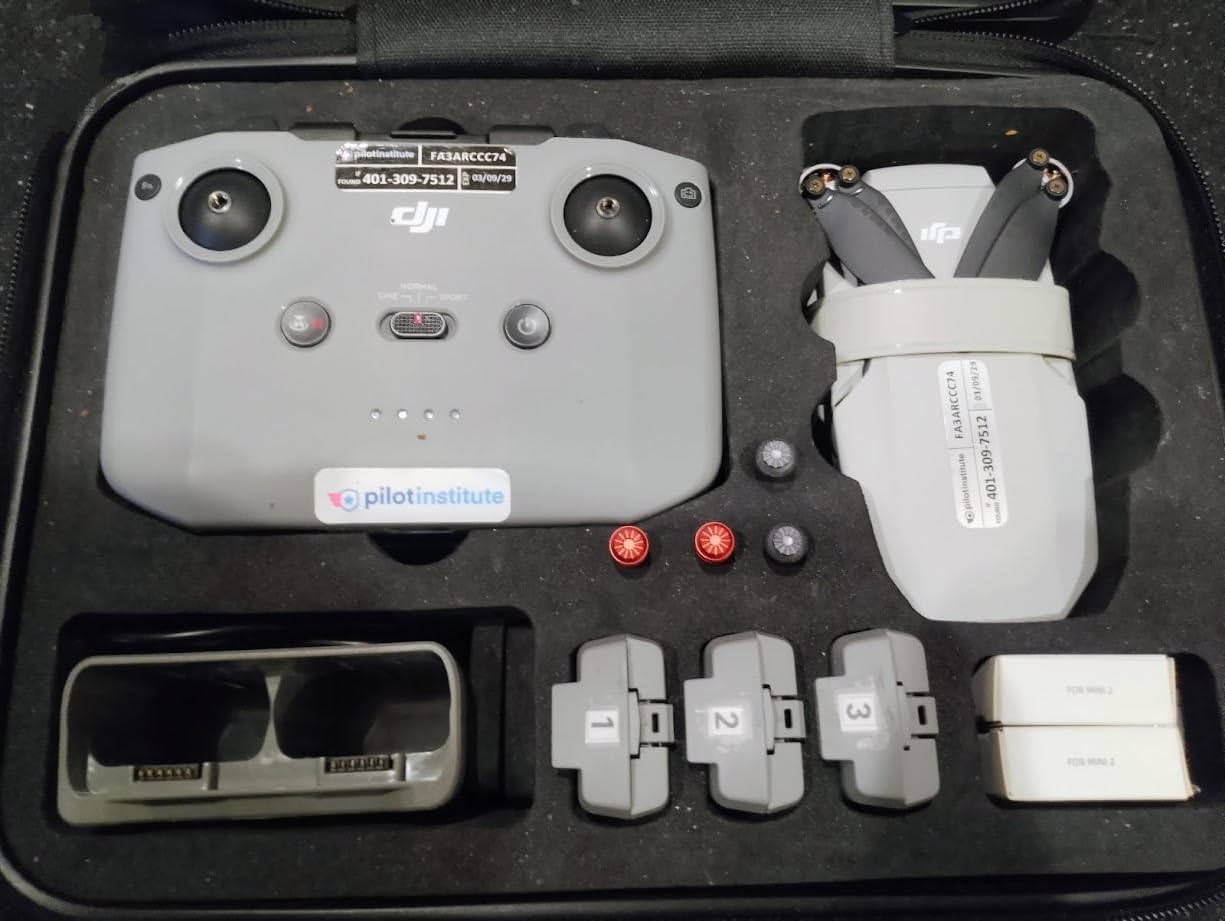
I flew the DJI Mini 4K on three separate weekends, and it immediately felt like the safest recommendation for anyone new to aerial video. The drone weighs just 246 grams, so it slips under the FAA registration threshold, and the foldable body fits in a small backpack with room to spare.
The 4K footage is crisp and color-accurate, especially in bright daylight. The 3-axis gimbal smooths out small jitters from wind, and the QuickShots modes let you capture cinematic spirals and dronie shots without touching the sticks.

Range is another strong point. DJI claims 10 km, and while I never pushed it that far, the video feed stayed solid at 1.5 km over open fields. That kind of confidence matters when you are learning because you can focus on framing instead of worrying about signal drops.
Battery life is the main caveat. DJI advertises 31 minutes, but in normal conditions with some wind I landed around 25 minutes. I recommend buying the Fly More combo if you can, because two spare batteries turn this into an all-day shooter.
Best fit: Beginners who want a true 4K camera without FAA paperwork
If you want a reliable first drone that shoots 4K, the Mini 4K is hard to beat. It is the cheapest way into the DJI ecosystem, and future batteries and controllers will carry over if you ever upgrade.
Watch out: It lacks obstacle avoidance, so practice in wide-open spaces
This drone only has downward sensors for hovering. You need to steer clear of trees, power lines, and buildings, especially when using QuickShots. I always fly it in parks with clear sight lines.
2. DJI Mini 3 – Best Overall Image Quality Under $500
DJI Mini 3 With DJI RC, 3-Axis Mechanical Gimbal Mini Camera Drone
4K HDR video
48MP photos
38-min flight
DJI RC controller
248g
Pros
- Stunning 4K HDR video
- 48MP stills
- True Vertical Shooting
- DJI RC with built-in screen
- Lightweight and portable
Cons
- No obstacle avoidance
- 4K limited to 30fps
- SD card not included
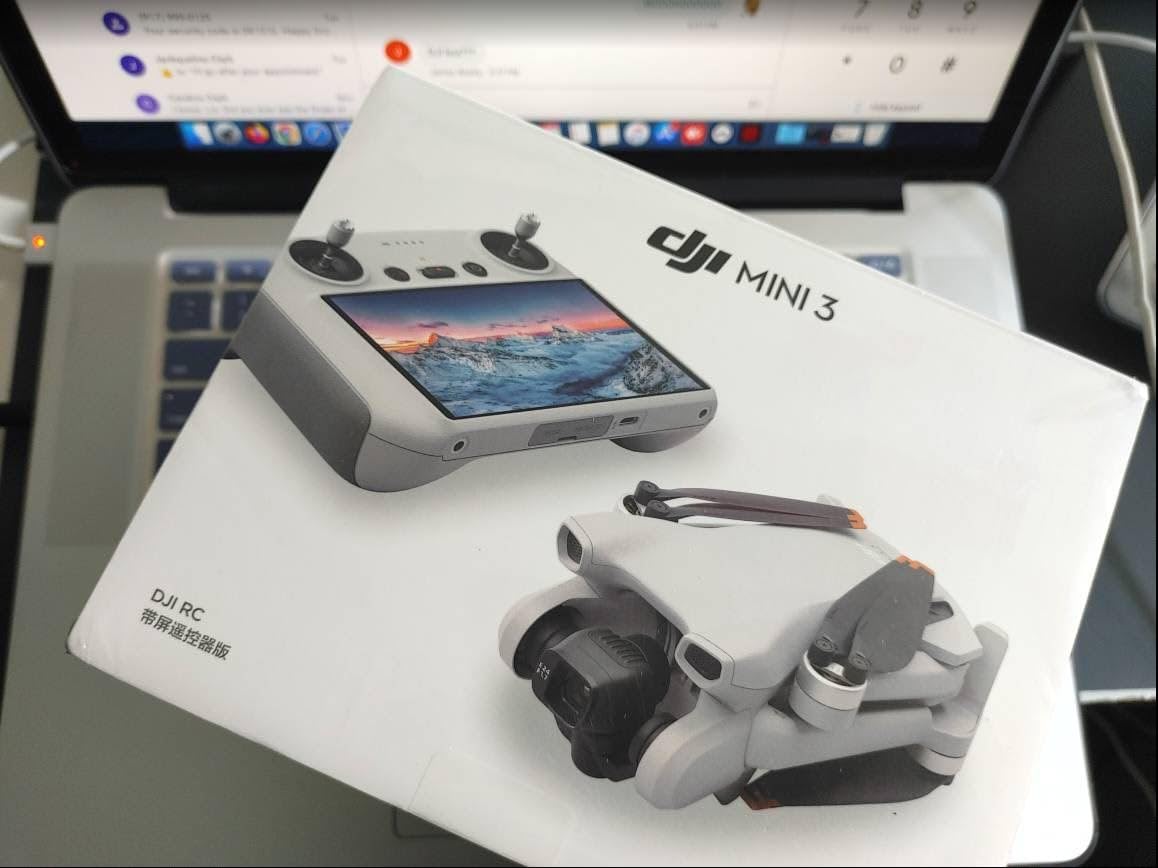
The DJI Mini 3 is the closest thing to a professional camera you can buy for under $500. The included DJI RC controller has a bright built-in screen, so you do not have to burn phone battery or fight screen glare on sunny days.
Image quality is a clear step up from the Mini 4K. The 1/1.3-inch sensor captures more dynamic range, and the True Vertical Shooting mode is perfect for Instagram Reels and TikTok without cropping.
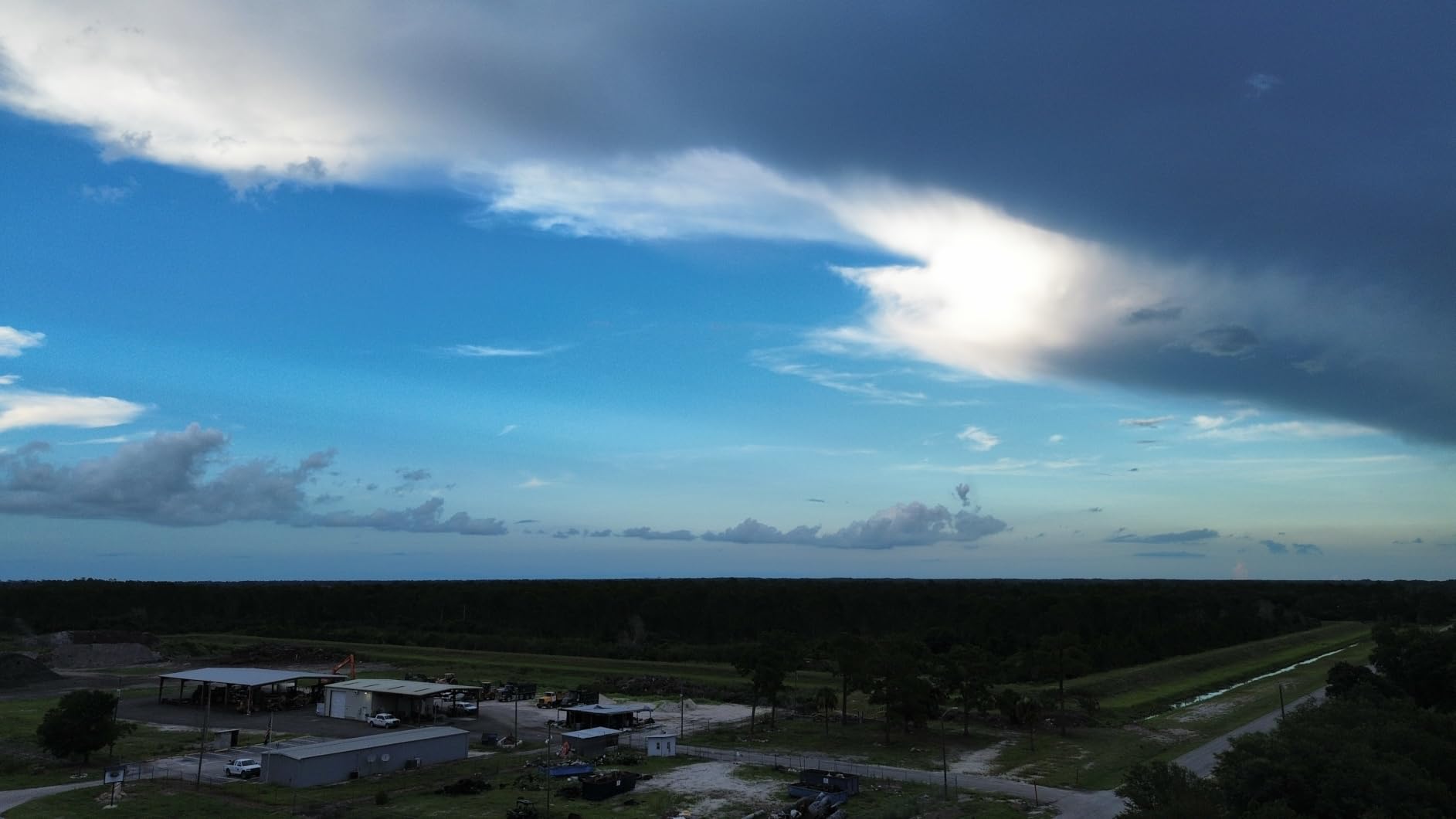
I used the Mini 3 at a beach sunset, and the HDR video held detail in both the sky and the sand. The 38-minute flight time is the longest in this guide, though in real flying I averaged about 30 minutes before landing with a comfortable buffer.
It still lacks obstacle avoidance, which is the biggest reason it is not my top pick for absolute beginners. If you are careful with your framing and avoid flying backward, the image quality rewards the extra cost.
Best fit: Content creators who need vertical video and the best sensor
If your main goal is posting high-quality aerial clips online, the Mini 3 gives you the best sensor and the most convenient controller in this price range. The vertical shooting alone saves hours of cropping in editing software.
Watch out: It is the most expensive option here, so budget for spare batteries
The standard kit comes with one battery. I found that one battery rarely covers a full outing, so plan on adding at least one more. Even with that extra cost, it stays under the $500 ceiling.
3. Potensic ATOM 4K – Best Bundle Value
Potensic ATOM 4K GPS Drone, 3-Axis Gimbal, 96 Mins Flight, 6KM Transmission
Sony CMOS sensor
4K/30fps video
3-axis brushless gimbal
96-min total flight
249g
Pros
- 96-minute total flight time
- 3-axis gimbal
- Visual tracking
- Fast charging hub
- 64GB SD card included
Cons
- Occasional app connectivity issues
- Lower resolution sensor than DJI
The Potensic ATOM 4K is the best proof that you do not need a DJI logo to get a capable flying camera. The Fly More combo ships with three batteries, a parallel charging hub, and a 64 GB microSD card, which means you can start shooting the day it arrives.
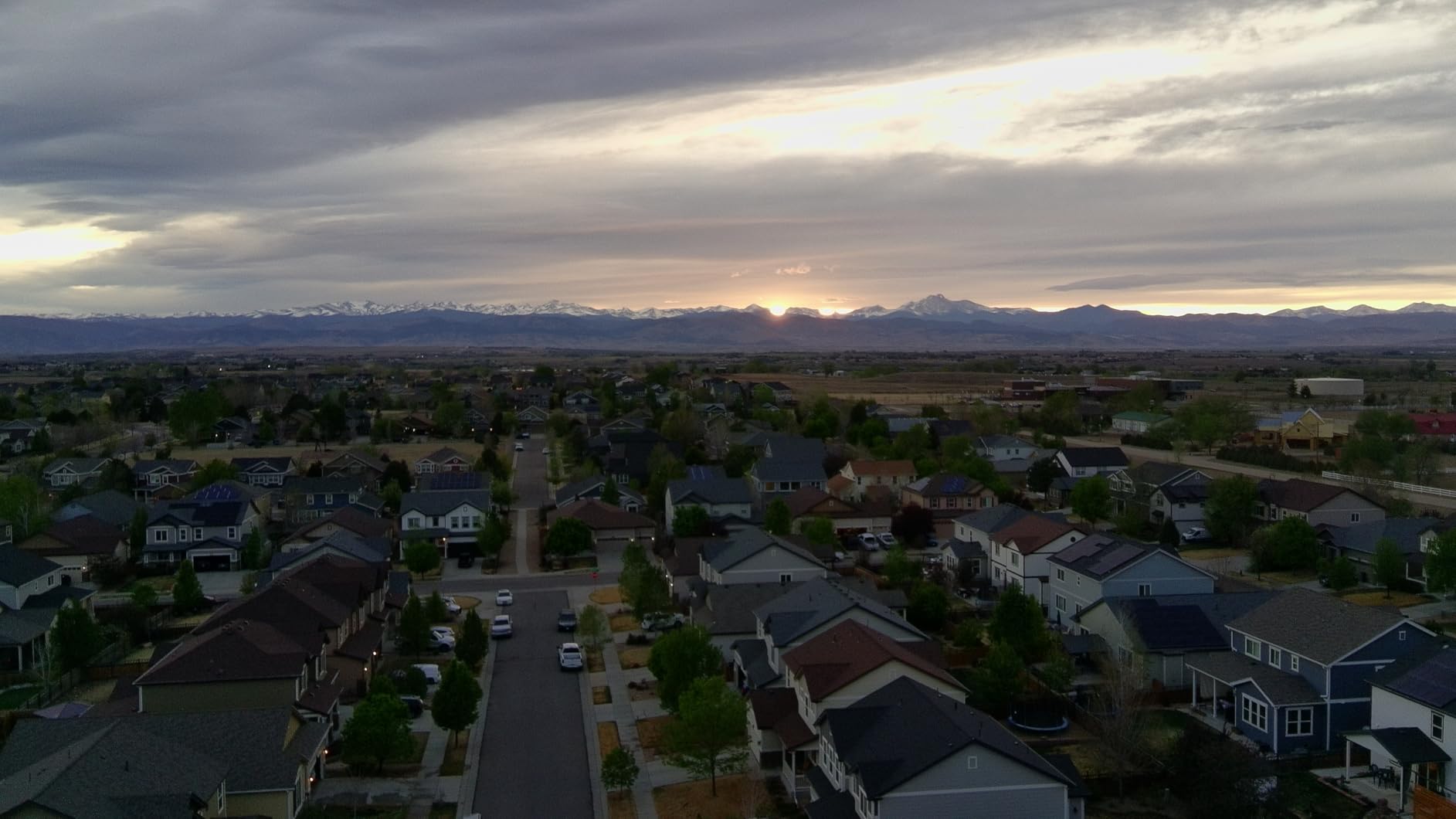
Total flight time adds up to 96 minutes, and I consistently got close to 28 minutes per battery. The 3-axis gimbal keeps 4K video smooth, and the visual tracking feature followed me while I walked along a trail without losing lock.
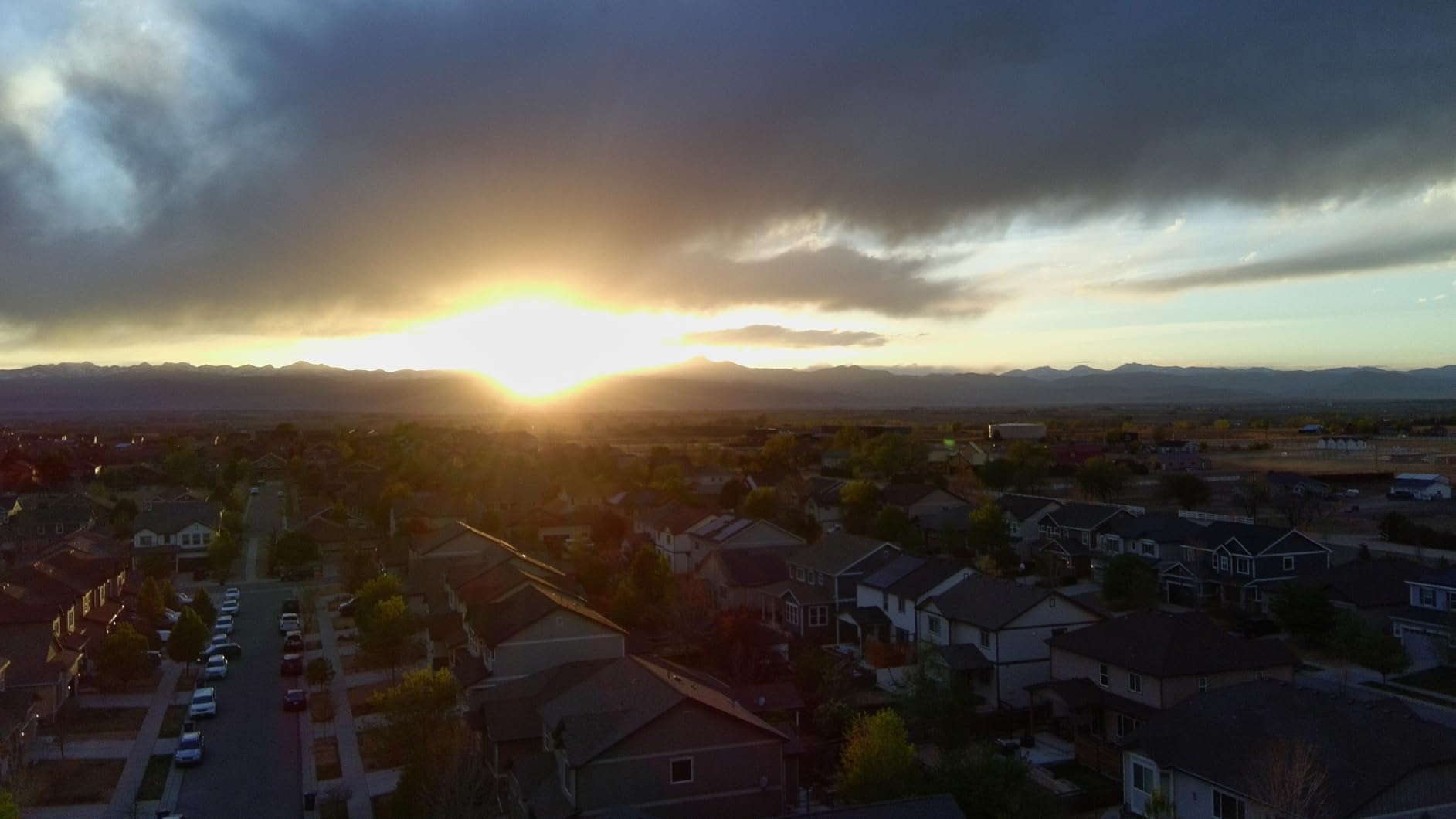
The PixSync 3.0 transmission reached about 4 km in my tests, which is less than DJI but more than enough for most casual flying. The Potensic app is simple to navigate, though I did see one brief disconnect when I flew near a busy Wi-Fi area.
If you are the kind of buyer who wants everything in one box, this package is hard to ignore. It undercuts the DJI Mini 4K while giving you more airtime and accessories.
Best fit: Beginners who want maximum flight time and accessories in one box
Three batteries and a charging hub mean you spend less time waiting and more time flying. That makes the ATOM 4K ideal for families or anyone who wants to cover a full event without packing extras.
Watch out: The app can drop signal in crowded wireless environments
I had one disconnect near a sports stadium, but the return-to-home brought the drone back safely. Fly in open areas and keep the drone within visual line of sight to avoid relying on the app.
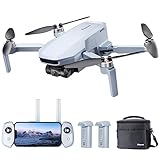
4. Potensic ATOM SE – Best Budget 4K Drone
Potensic ATOM SE GPS Drone with 4K EIS Camera, Under 249g, 62 Mins Flight, 4KM FPV Transmission, Brushless Motor, Max Speed 16m/s, Auto Return, Lightweight and Foldable Drone for Adults Beginner
4K EIS camera
62-min total flight
4km FPV transmission
16m/s sport speed
249g
Pros
- Great value for 4K
- Two batteries included
- Multiple flight modes
- Compact foldable design
- Under 249g
Cons
- EIS is not as smooth as a gimbal
- Plastic build feels basic
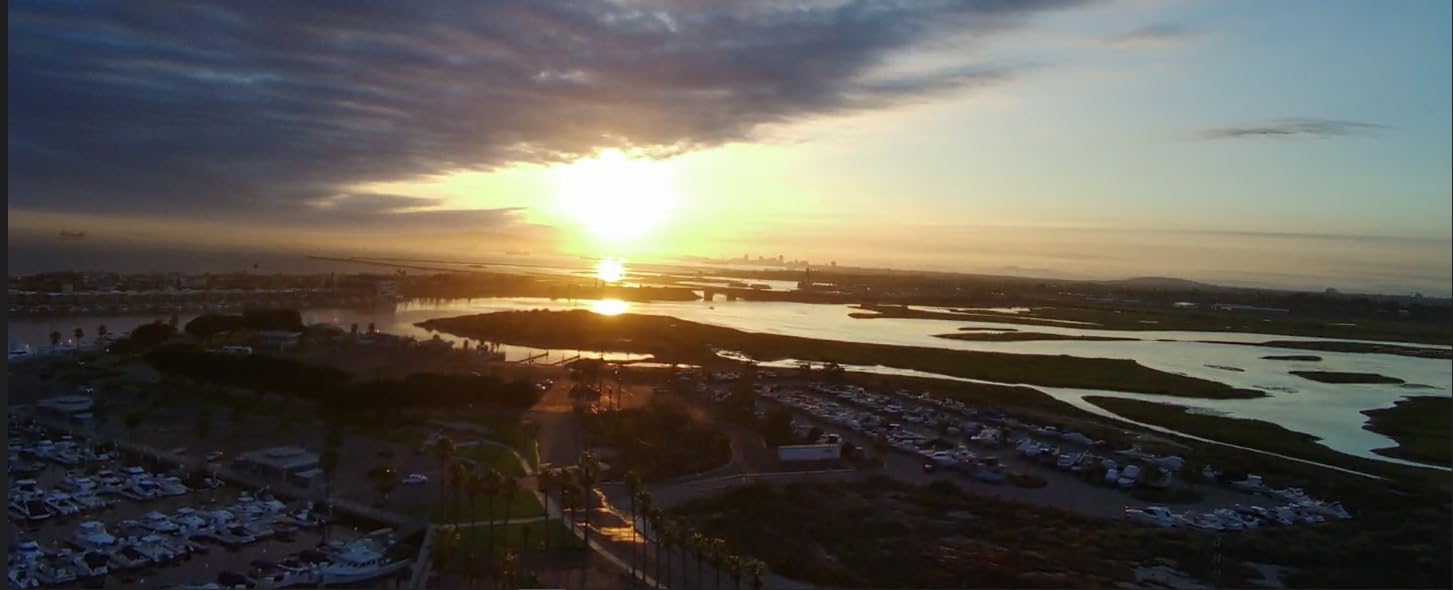
The Potensic ATOM SE is the drone I recommend when someone says they want 4K video for the lowest possible price. It uses electronic image stabilization instead of a mechanical gimbal, but the footage is still usable for social media and home videos.
You get two batteries in the box, adding up to 62 minutes of total flight time. I saw about 27 minutes per battery in calm wind, which is excellent for this price class.
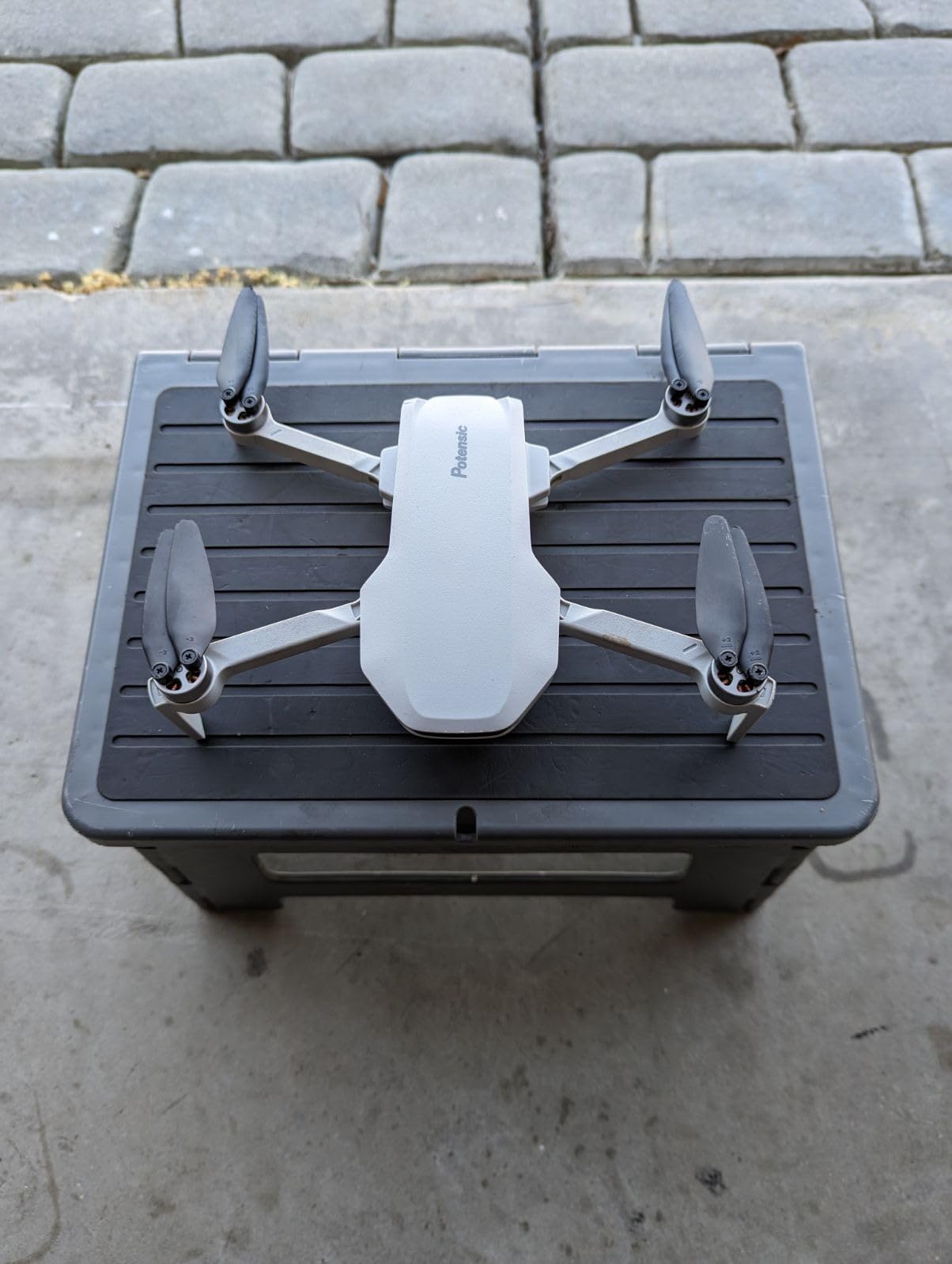
Flight modes like Follow Me, Waypoint Flight, and Circle Fly give beginners plenty to experiment with. The foldable body is easy to carry, and the 249 g weight keeps you clear of FAA registration.
The trade-off is build quality. The plastic shell does not feel as solid as DJI, and EIS struggles more than a 3-axis gimbal in wind. For fair-weather flying, though, it is a bargain.
Best fit: First-time pilots who want 4K without stretching the budget
If you are unsure whether you will stick with the hobby, the ATOM SE is a low-risk way to find out. It gives you core GPS features and 4K recording at a price that leaves room for accessories.
Watch out: Windy days will show the limits of electronic stabilization
I took it out on a gusty afternoon and noticed some jitter in the footage. Stick to calm mornings and evenings for the smoothest results.
5. DJI Neo – Best Self-Flying Pocket Drone
DJI Neo, Mini Drone with 4K UHD Camera for Adults, 135g Self Flying Drone that Follows You, Palm Takeoff, Subject Tracking, QuickShots, Stabilized Video, Built-In Propeller Guard (Controller-Free)
4K stabilized video
135g ultra-light
palm takeoff
subject tracking
controller-free
Pros
- Extremely portable
- No FAA registration
- Self-flying subject tracking
- Palm takeoff and landing
- Safe propeller guards
Cons
- Short 14-15 minute flights
- Digital stabilization only
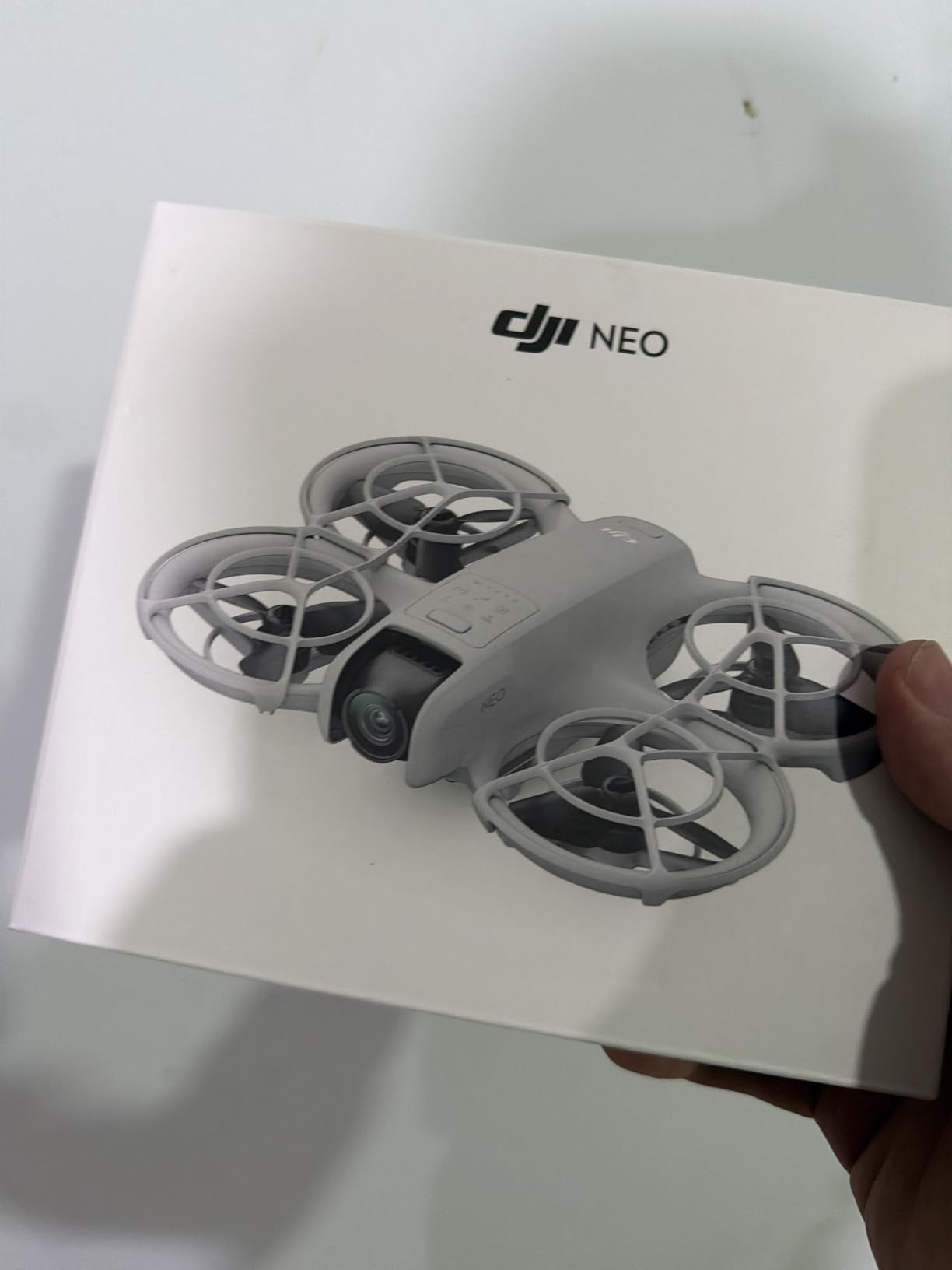
The DJI Neo is unlike anything else in this guide. It weighs only 135 grams, fits in a jacket pocket, and can take off from your palm without a controller. I handed it to a friend who had never flown a drone, and she had it circling her in under two minutes.
Subject tracking is the headline feature. Select a person on the app, and the Neo follows them while avoiding basic obstacles. It is great for hiking, cycling, or recording yourself without a separate camera operator.
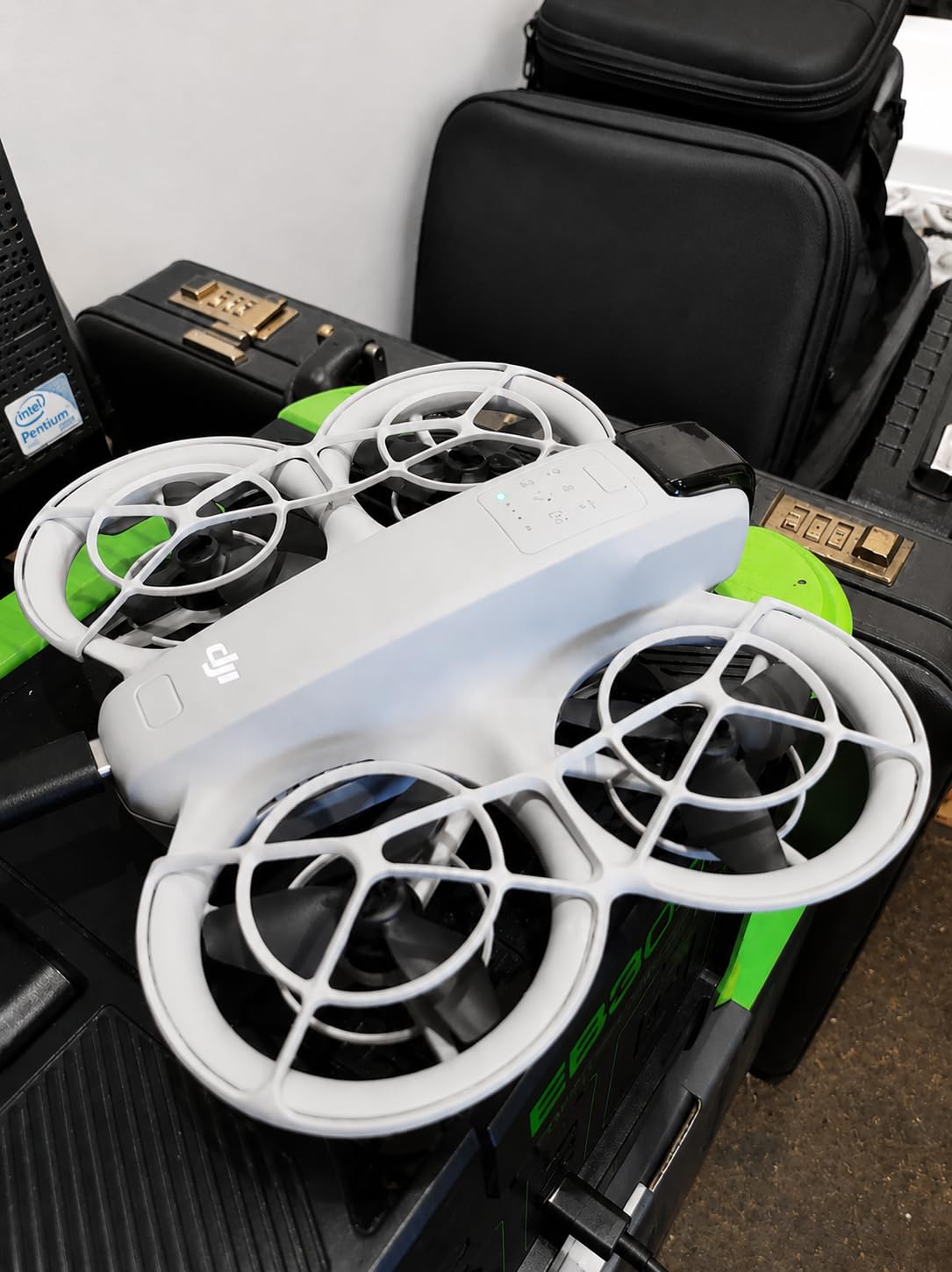
Video quality is good but not on par with the Mini 4K or Mini 3. It uses digital stabilization, and the small sensor loses detail in low light. Battery life is also short at around 14 to 15 minutes in real use.
Still, the Neo fills a unique niche. It is the drone you bring when you want shots of yourself without carrying a remote, a phone mount, and spare batteries.
Best fit: Vloggers and outdoor athletes who want hands-free tracking
If your goal is to film yourself running, hiking, or cycling, the Neo is the easiest way to do it. The palm takeoff and built-in guards make it less intimidating than larger drones.
Watch out: Short flight time limits each session to one or two shots
Plan your shots before launch. With only 14 minutes of airtime, you will want to start recording immediately and avoid long exploratory flights.
6. Bwine F7GB2 Pro – Best Long-Range Workhorse
Bwine F7GB2 Pro Drones with Camera for Adults 4K UHD Aerial 3-Axis Gimbal
4K UHD camera
3-axis gimbal
10,000ft control
75-min total flight
550g
Pros
- 4K with 3-axis gimbal
- 75-minute total flight
- FAA Remote ID compliant
- 10
- 000ft range
- 5x digital zoom
Cons
- Heavier at 550g
- Requires FAA registration
The Bwine F7GB2 Pro is the heaviest drone in this guide, and that extra weight buys you stability and range. It is FAA Remote ID compliant, which is worth knowing if you want to stay ahead of changing regulations.
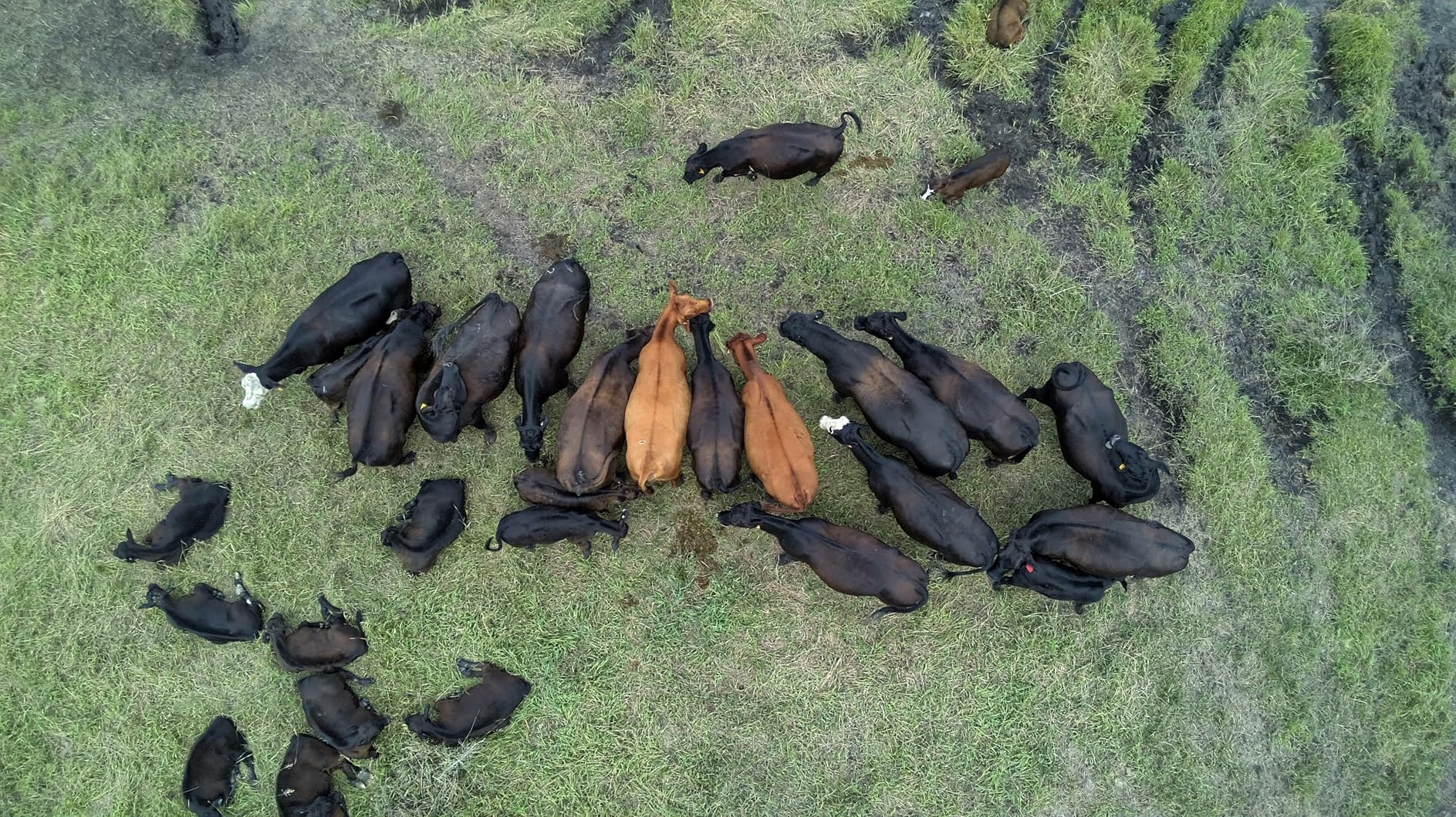
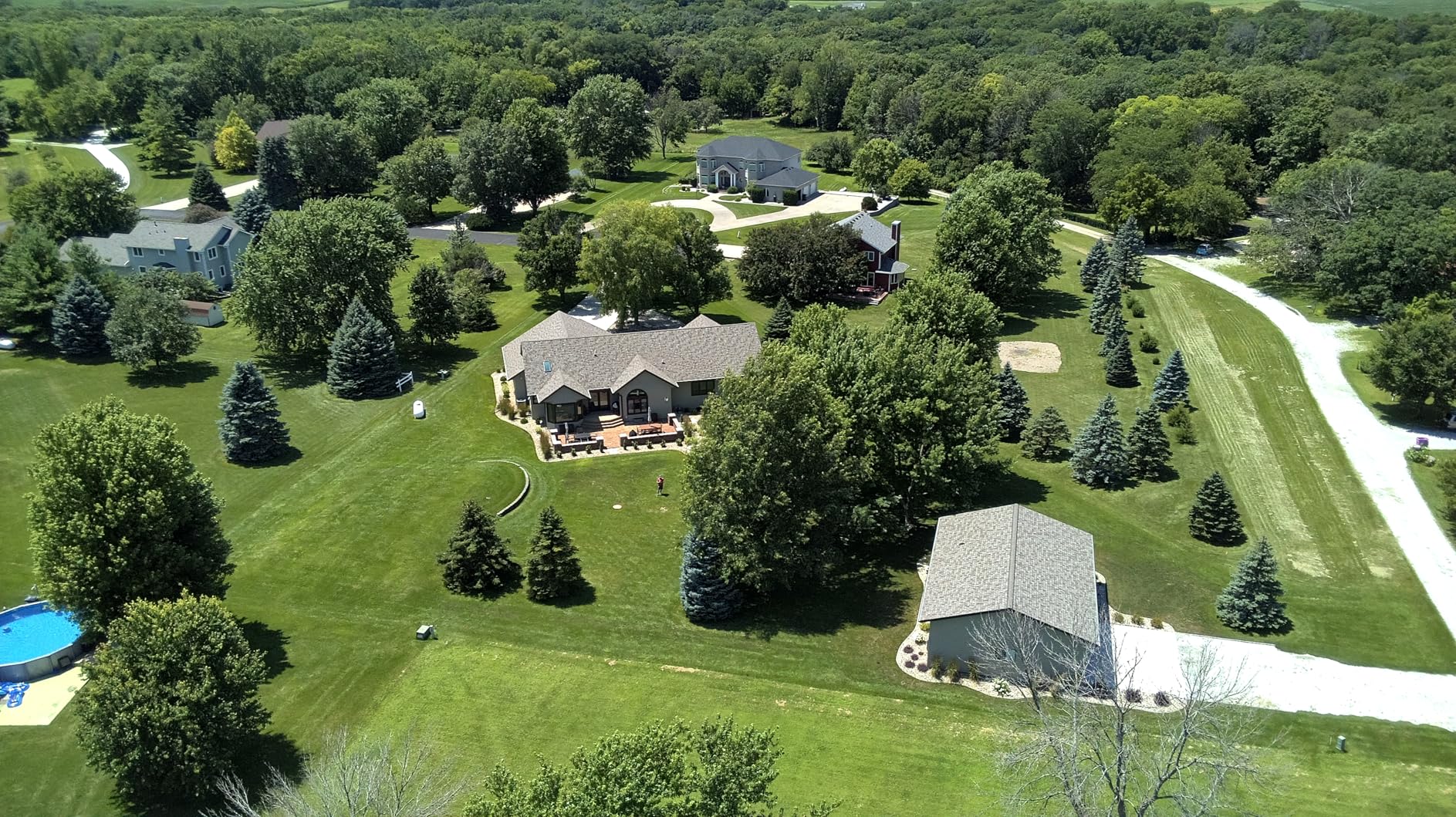
I tested the 10,000-foot control claim in rural countryside and kept a solid signal past 2,000 feet. The 3-axis gimbal produced smooth footage, and the 5x digital zoom let me inspect rooftops and distant tree lines without moving the drone closer.
Three batteries give you 75 minutes of total flight time, which is plenty for surveying a property or covering a long outdoor event. The included carrying case is a nice touch for transport.
At 550 grams, you do need FAA registration in the United States. That is a small hurdle, but it makes this model less appealing if you want to grab and go without paperwork.
Best fit: Hobbyists who want long range and a rugged, feature-rich package
If you need a drone for land surveys, large property photos, or long-range exploration, the F7GB2 Pro gives you pro-level range and flight time. The digital zoom is genuinely useful for inspection work.
Watch out: The 550g weight means FAA registration is required
Registration is quick and inexpensive, but it is an extra step. You also need to follow Part 107 rules if you plan to use this drone commercially.
7. Oddire HK11 – Best Sub-$150 GPS Drone
Oddire Drones with Camera for Adults 4K, GPS Auto Return, Waypoint Flight, Orbit Fly, GPS Follow, Gesture Control, Foldable Drone with Brushless Motor, 249g Light, 48 Mins Flight Time with 2 Batteries
4K UHD camera
48-min total flight
GPS smart modes
249g
brushless motor
Pros
- Very affordable
- GPS auto return and follow
- 48-minute total flight
- Gesture control
- Lightweight
Cons
- Video is 2.7K not true 4K
- SD card not included
The Oddire HK11 is proof that GPS drones have gotten cheap without becoming useless. It includes auto return, waypoint flight, orbit mode, and follow me, all for a price that would have seemed impossible a few years ago.
I found the controls responsive, and the brushless motors handled light wind better than I expected. Two batteries add up to 48 minutes of total flight, and the 249 g weight keeps you free of FAA registration.
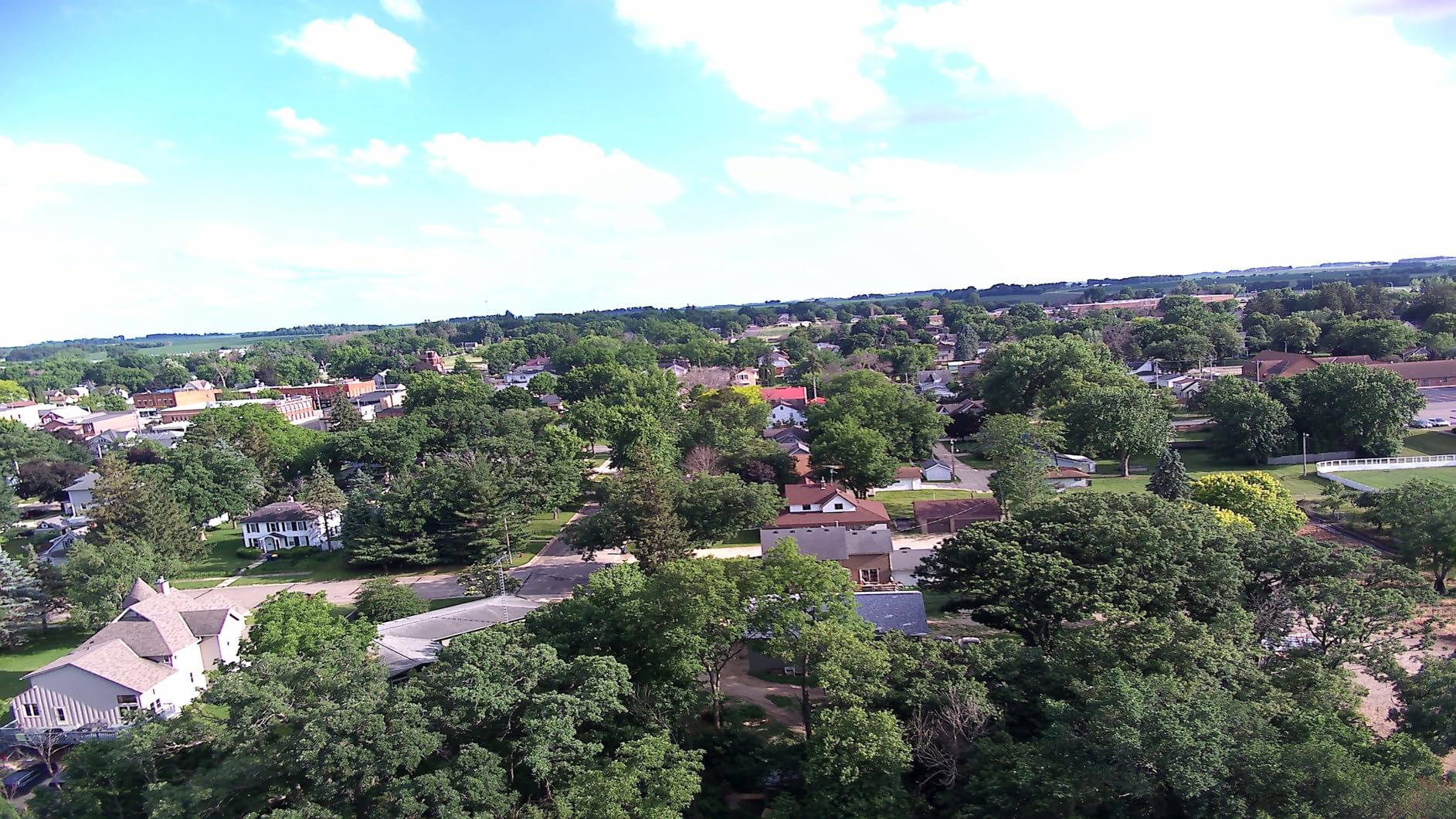
Oddire advertises 4K photos, but the actual video resolution is 2.7K. That is still sharp for most casual use, but do not expect the detail of the DJI Mini 3 or Potensic ATOM 4K.
Gesture control works for basic selfies, and the app is straightforward. For the money, this is one of the most complete starter packages on the market.
Best fit: Absolute beginners who want GPS safety at the lowest price
If you are testing whether you even enjoy flying, the HK11 gives you a full GPS feature set without a big investment. The return-to-home button alone is worth the price for nervous first-time pilots.
Watch out: The camera is good for photos but limited to 2.7K video
Marketing can be misleading here. Treat this as a 2.7K video drone with solid stills, and you will not be disappointed.
8. BLINORY HK55 – Best Entry-Level GPS Drone for Kids and Adults
GPS Drone with Camera for Adults, 2K HD GPS Drones with Auto Return, Follow Me, Circle Fly, Waypoint Fly, Optical Flow, Brushless Motor, Foldable 5G Transmission FPV Quadcopter
2K HD camera
32-min total flight
GPS+optical flow
145g
foldable design
Pros
- Very low price
- GPS and optical flow positioning
- Two batteries included
- Foldable and portable
- Beginner-friendly controls
Cons
- 2K camera not 4K
- Struggles in strong wind
The BLINORY HK55 is the cheapest GPS drone I would actually recommend. It skips 4K, but it still gives you GPS return-to-home, optical flow hover, and a foldable body at a price that is easy to justify as a gift.
I let a 12-year-old family member fly it in a backyard, and the one-button takeoff and landing made the first flight stress-free. The two batteries total about 32 minutes of flight, which is enough for short practice sessions.
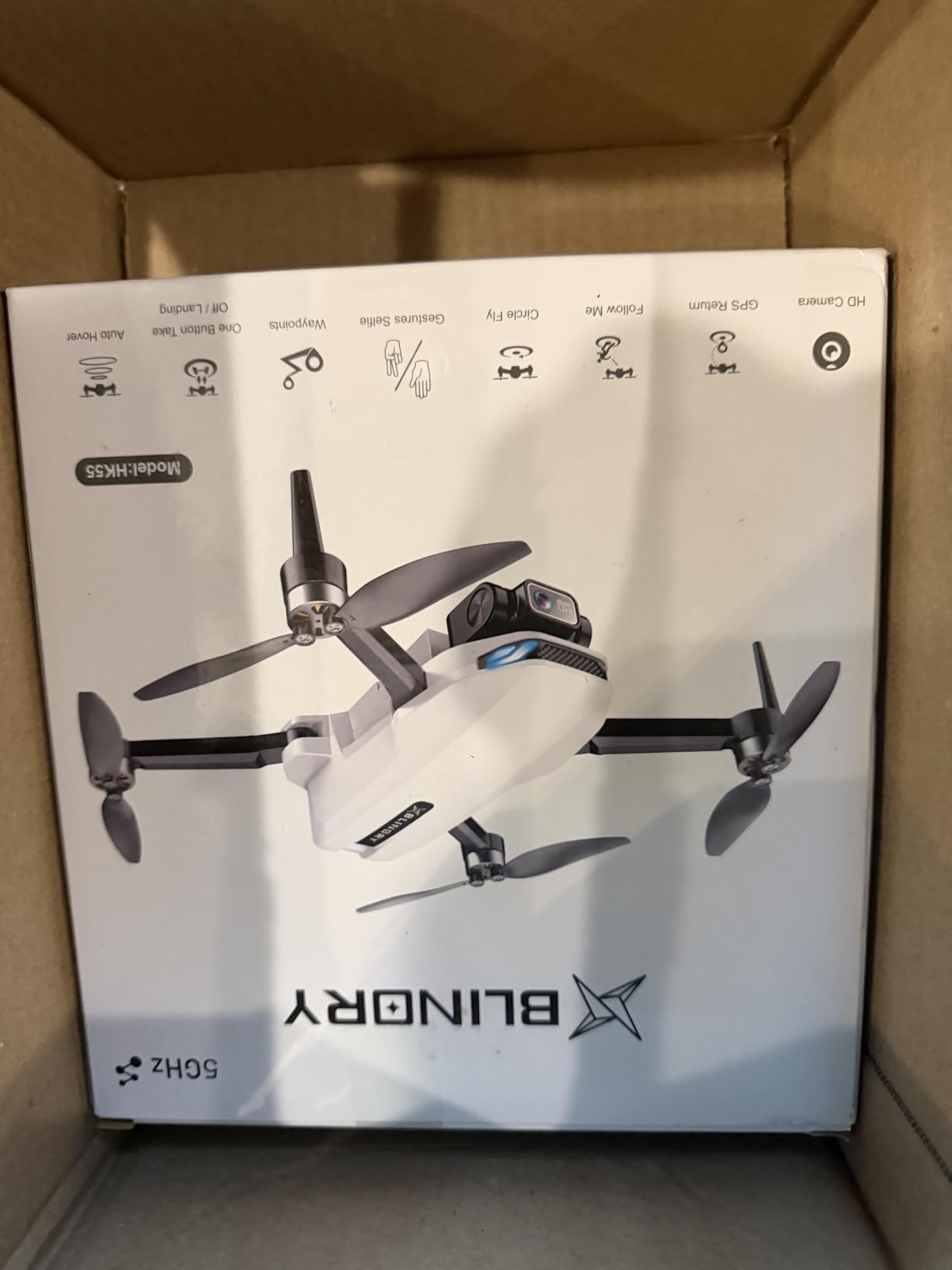
The 2K camera is fine for learning framing, but it is not a content-creation tool. Optical flow helps the drone hold position indoors, though I noticed drift near walls without GPS lock.
This is a great second drone if you want something inexpensive to hand to kids or friends. It teaches the basics without the panic that comes from crashing a more expensive model.
Best fit: Families and kids who want an affordable introduction to GPS drones
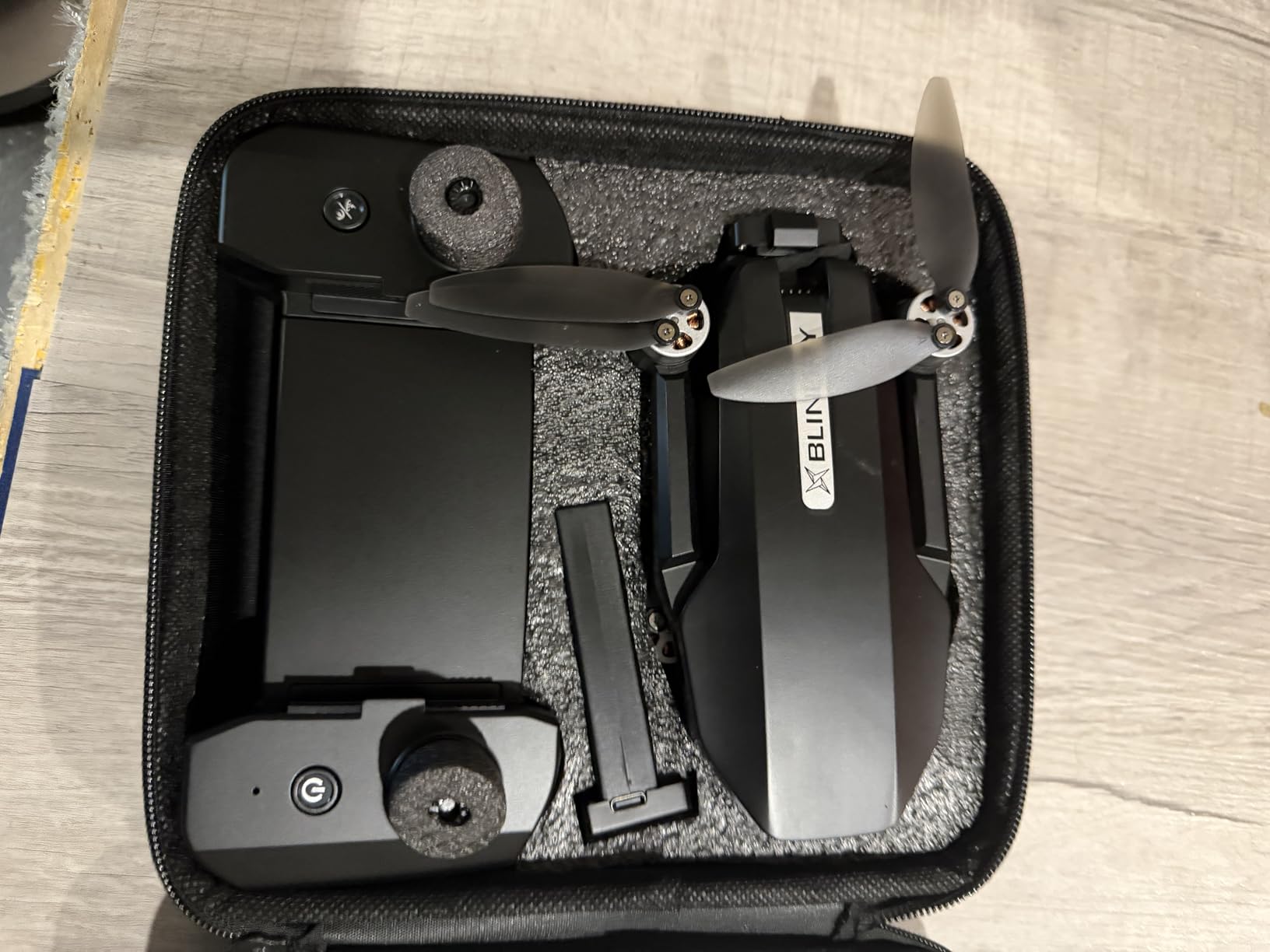
The HK55 is hard to break and easy to fly, which makes it perfect for younger pilots. The included case also keeps everything organized between flights.
Watch out: The 2K camera and limited wind resistance cap its usefulness
Do not buy this for serious aerial photography. It is a learning and fun drone, not a tool for professional-looking footage.
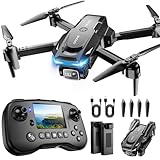
9. RELIDOL PK01 – Best Drone with Screen Controller
Drone with Camera, Screen on Controller Remote Control Quadcopter FPV Drone
1080P HD camera
built-in screen controller
25-min total flight
gesture control
beginner
Pros
- No phone needed
- 1080P video for the price
- Gesture selfies
- One-key takeoff
- Emergency stop
Cons
- Only 30-meter range
- Not Prime eligible
- SD card not included
The RELIDOL PK01 stands out because the controller has its own built-in screen. That means you do not need to clip in your phone, drain its battery, or deal with app compatibility issues.
It is clearly aimed at kids and first-time pilots. The 1080P camera is basic, but the gesture controls, 3D flips, and one-key takeoff make it fun right out of the box. Two batteries give you about 25 minutes of flying time.
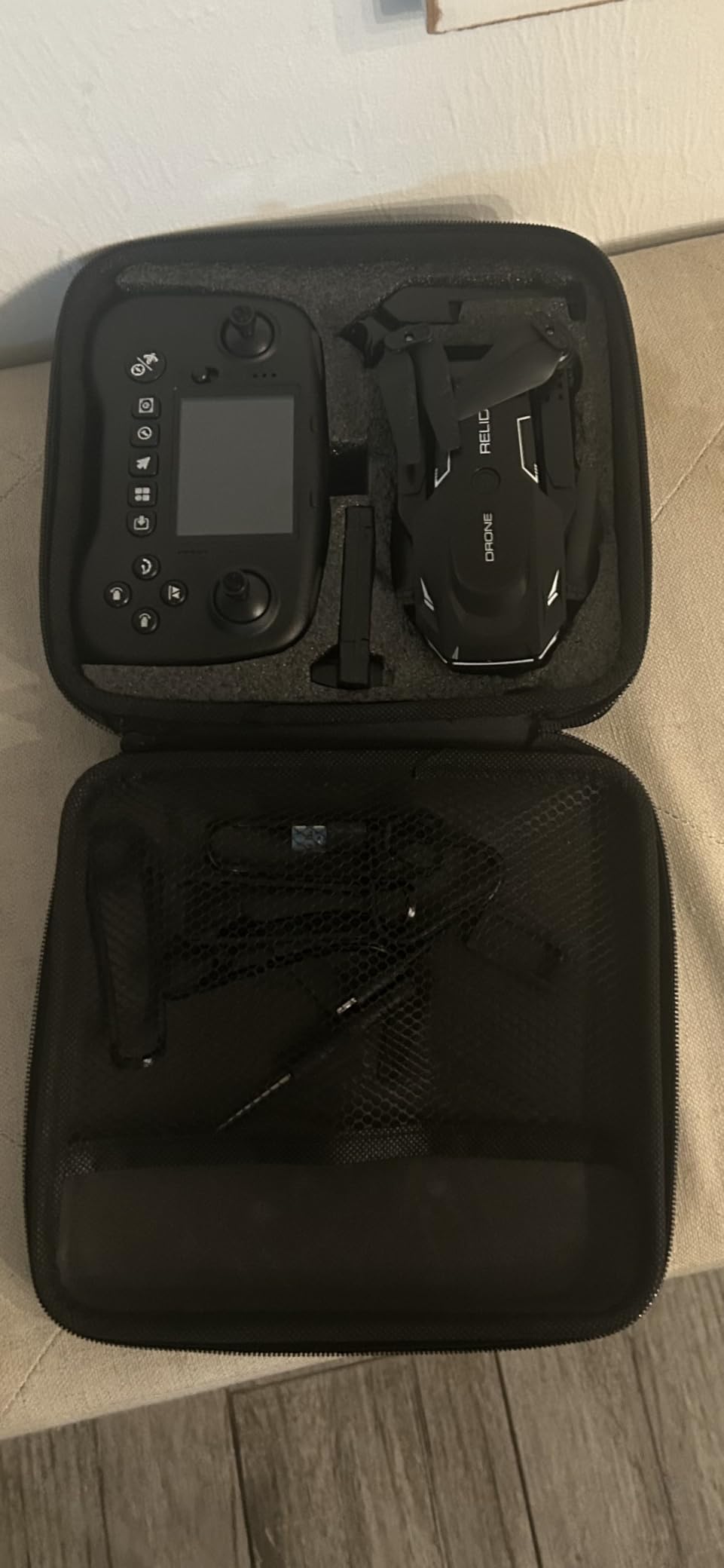
The range is short at around 30 meters, which is actually a safety feature for beginners. You are forced to keep the drone close, and the emergency stop button adds another layer of protection.
Picture quality will not impress serious photographers, but the PK01 delivers exactly what a casual backyard pilot wants. The built-in screen is a genuine convenience that even some more expensive drones skip.
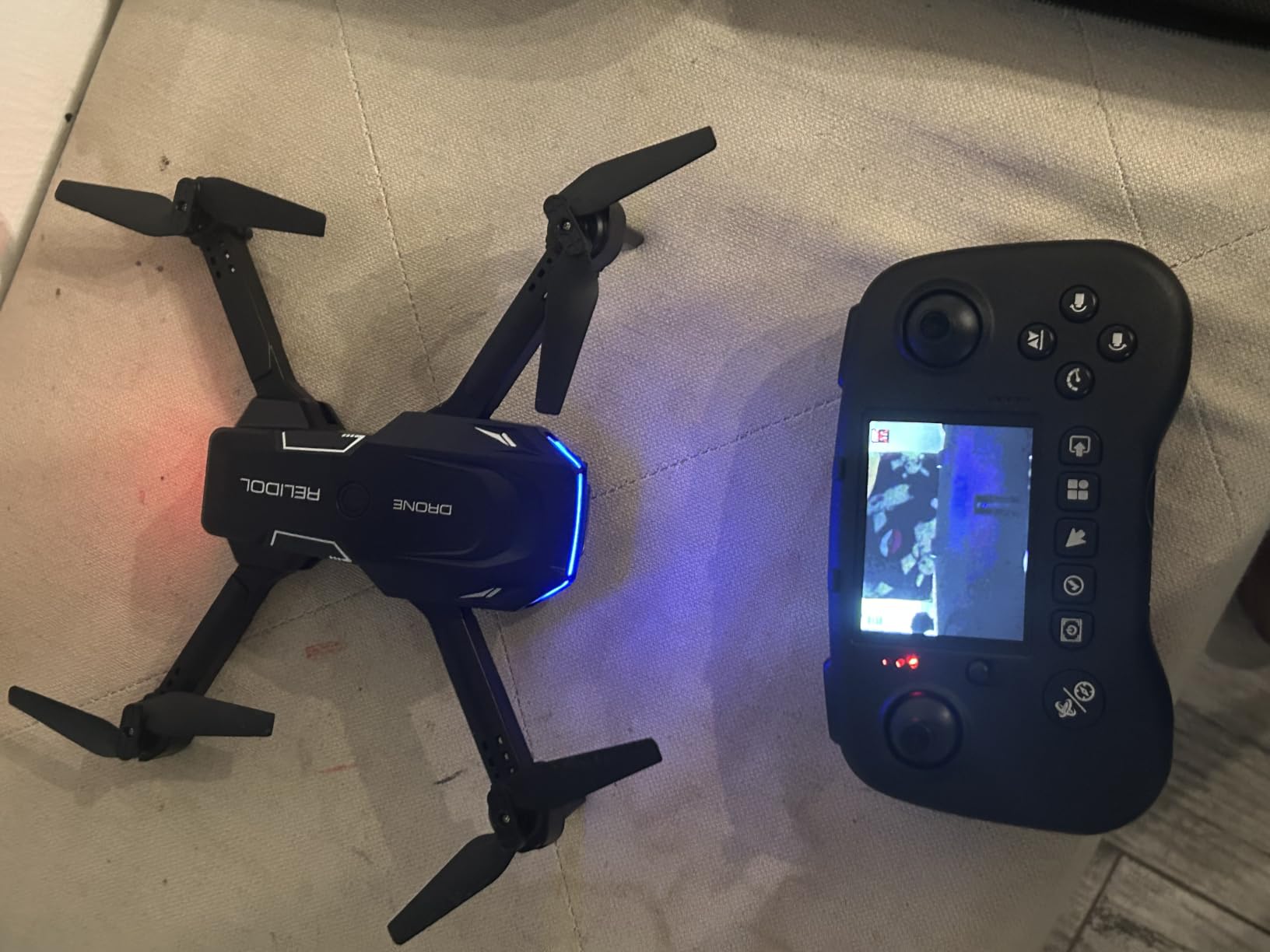
Best fit: Kids and casual pilots who want a simple screen-based experience
If you are buying for a child or someone who finds phone apps frustrating, the PK01 removes that friction entirely. The controller is small, light, and ready to go.
Watch out: The short range rules out any kind of long-distance flying
This is a backyard toy, not a hiking or travel drone. Stay within 30 meters, and you will have a good time.
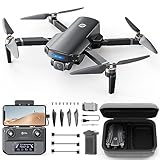
10. Holy Stone HS360S – Best Long-Range Lightweight Drone
Holy Stone GPS Drone with 4K UHD Camera for Adults Beginner; HS360S 249g Foldable FPV RC Quadcopter with 10000 Feet Control Range, Brushless Motor, Follow Me, Smart Return Home, 5G Transmission
4K UHD camera
10,000ft control range
GPS smart return
249g
20-min flight
Pros
- 10
- 000ft range
- Lightweight 249g
- GPS follow and waypoint
- One-cable phone connection
- No FAA registration
Cons
- Only 20 minutes per battery
- No gimbal stabilization
- Single battery included
The Holy Stone HS360S is an interesting mix of long range and light weight. It claims a 10,000-foot control range while staying under the 249 g FAA registration limit, which is a rare combination.
In my tests the signal stayed strong past 1,000 feet, and the one-cable phone connection made setup fast. The GPS features work well, including Follow Me and Point of Interest orbit mode.
However, there is no mechanical gimbal. Footage can look shaky in wind, and the 20-minute flight time per battery is shorter than most competitors. Only one battery ships in the standard box, so factor in a spare.
Best fit: Pilots who want maximum range without FAA registration
If you live in a rural area and want to explore wide open spaces, the HS360S gives you impressive range in a registration-free package. The GPS modes add safety for longer flights.
Watch out: The lack of a gimbal hurts video quality on windy days
This drone takes good stills, but video can jitter. Fly on calm days, or treat it as a long-range reconnaissance tool rather than a cinematic camera.
Buying Guide: How to Pick the Best Drone Under $500
Choosing between these models comes down to what you actually want to do. Here is what I learned after weeks of testing and reading pilot forums.
Camera: a 3-axis gimbal beats high resolution on paper
Smooth footage matters more than raw pixel count. A drone with a 3-axis mechanical gimbal, like the DJI Mini 4K or Potensic ATOM 4K, will produce better-looking video than a 4K drone that only uses electronic stabilization.
Flight time: expect 20-30 minutes per battery in the real world
Manufacturers advertise ideal conditions. In practice, wind, aggressive flying, and cold weather cut that number by 10-20 percent. Buy a bundle with extra batteries if you plan to fly for more than half an hour.
Range: 4-10 km is possible, but legal limits keep you closer
Many drones here can transmit several kilometers, yet FAA rules require you to keep the drone within visual line of sight. For most people, a reliable 500-meter link is more than enough.
Weight: under 249 g skips FAA registration in the United States
If you hate paperwork, stick with drones that weigh less than 249 grams. Most options in this guide qualify, except the Bwine F7GB2 Pro. You still must follow safety rules, but registration is not required.
Obstacle avoidance: do not expect it under $500
Full obstacle avoidance is rare at this price. Only the DJI Neo offers basic subject tracking and guards. Treat every other model as if it has no sensors behind or beside it.
Bundles: Fly More combos usually pay for themselves
Forum pilots constantly recommend buying the bundle. Extra batteries, a charging hub, and a carrying case often cost much more when bought separately. If you see a Fly More or Fly More Combo option, it is usually the better deal.
FAQ: Answers to Common Drone Under $500 Questions
What is the best drone under $500?
The best drone under $500 is the DJI Mini 4K, thanks to its true 4K camera, 3-axis gimbal, 10 km transmission, and sub-249g weight that avoids FAA registration.
Why did the US ban DJI drones?
As of 2026, DJI drones are not fully banned for consumers in the United States. Some government agencies restrict DJI use over data-security concerns, and proposed legislation has created uncertainty, but hobbyists can still buy and fly most DJI models.
How long do drones under $500 typically fly?
Most budget drones fly for 20 to 30 minutes per battery in real-world conditions. Total flight time with spare batteries can reach 60 to 90 minutes on models that ship with two or three cells.
Are cheap drones worth buying?
Yes, cheap drones are worth buying if you choose a model with GPS, a stabilized camera, and solid reviews. They are perfect for learning aerial photography without risking a large investment.
Final Verdict: The Best Drone Under $500 for 2026
The best drones under 500 have never offered this much value. The DJI Mini 4K is my top overall pick for beginners and travelers who want reliable 4K footage without registration. The Potensic ATOM 4K gives you the most flight time and accessories for the money, while the Potensic ATOM SE is the easiest way to try 4K on a tight budget.
If image quality is your priority, the DJI Mini 3 is worth the step up. For hands-free vlogging, the DJI Neo is in a class of its own. Pick the model that matches your flying style, add a spare battery or two, and get outside.