
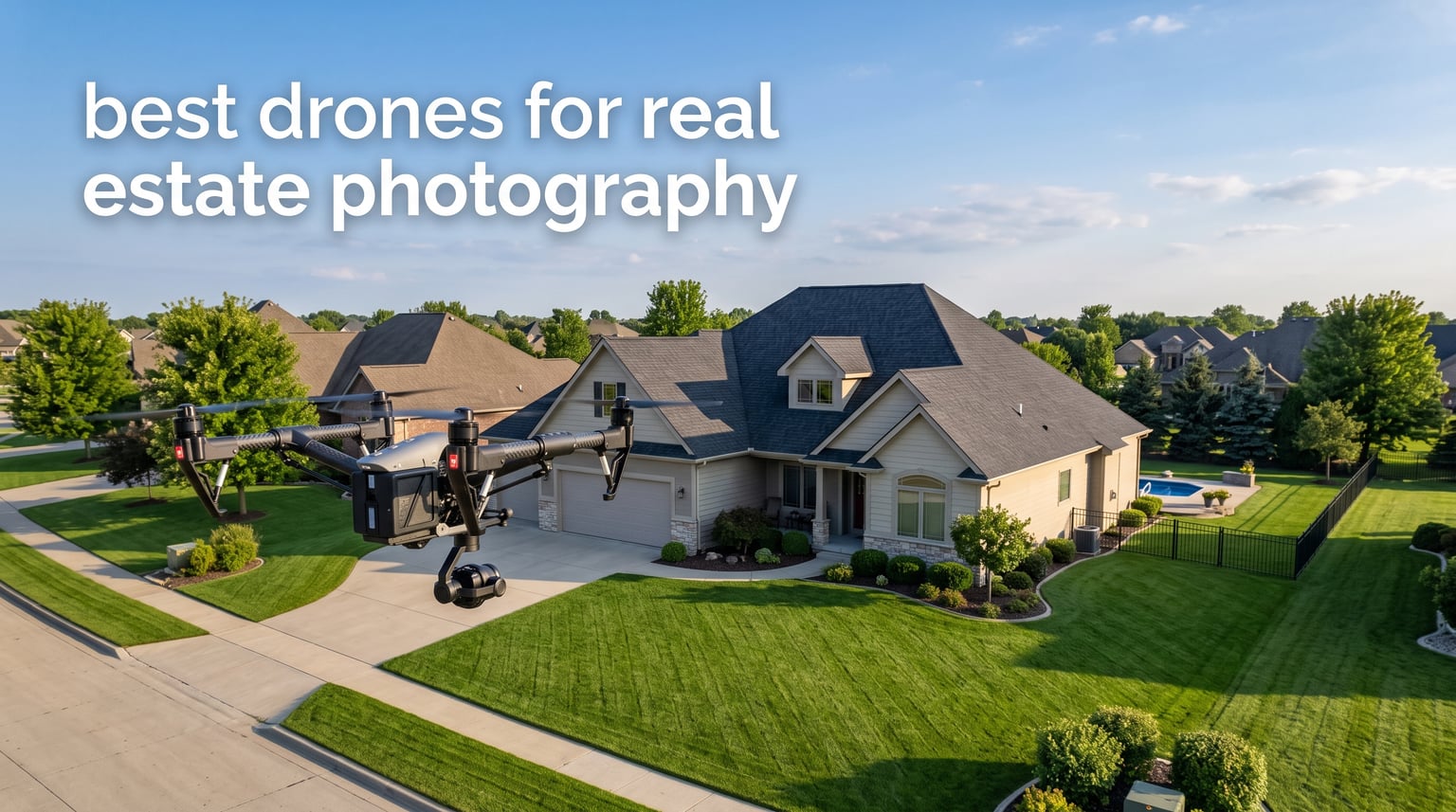
Properties listed with aerial imagery sell faster and for higher prices than those without it. That single fact has made the search for the best drones for real estate photography one of the most common questions I get from agents and photographers entering the field in 2026. Whether you are capturing a sprawling luxury estate, a compact residential lot, or a commercial building with extensive grounds, the right drone turns an ordinary listing into a standout marketing package.
Our team spent months comparing cameras, flight controllers, gimbal systems, and regulatory compliance across eight popular models. We looked at sensor sizes, RAW and HDR output, battery strategies for multi-property shoots, and how each drone handles wind and low light. We also dug into what real estate photographers on community forums actually recommend versus what spec sheets promise.
This guide covers everything from a $195 beginner quadcopter to a professional dual-camera rig with a 1-inch CMOS sensor. We address the FAA Part 107 question that stops many agents in their tracks, the current DJI ban conversation that concerns US buyers, and the deliverable pricing that turns a drone purchase into a profitable service. By the end you will know exactly which model fits your budget, your license status, and your listing workflow.
Table of Contents
Top 3 Picks for Best Drones for Real Estate Photography
Not everyone needs to read eight full reviews before making a decision. These three drones represent the best options at the professional, value, and budget tiers for real estate aerial photography. Our team selected them based on camera quality, flight reliability, regulatory friendliness, and the feedback from thousands of verified buyers.

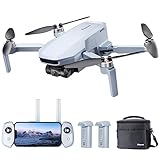
The DJI Air 3S earns our Editor’s Choice for its 1-inch CMOS sensor and 4K/60fps HDR video that delivers the dynamic range professional listings demand. The DJI Mini 3 sits in the Best Value slot because it pairs regulation-friendly weight with a built-in screen remote and true vertical shooting. The Potensic ATOM SE takes the Budget Pick for agents who want to test drone photography without a major investment.
Best Drones for Real Estate Photography in 2026
Below is our complete comparison table covering all eight drones. Each model brings different strengths to real estate work, from professional camera rigs to regulation-friendly lightweight designs. Use this overview to narrow down your shortlist before diving into the detailed reviews.
| Product | Specifications | Action |
|---|---|---|
| DJI Air 3S Fly More Combo |
|
Check Latest Price |
 Potensic ATOM 4K GPS Drone Potensic ATOM 4K GPS Drone |
|
Check Latest Price |
 DJI Mini 4K Fly More Combo DJI Mini 4K Fly More Combo |
|
Check Latest Price |
 Ruko F11PRO 2 Plus Ruko F11PRO 2 Plus |
|
Check Latest Price |
 DJI Mini 3 (DJI RC) DJI Mini 3 (DJI RC) |
|
Check Latest Price |
 Gleesfun G11PRO 6K Gleesfun G11PRO 6K |
|
Check Latest Price |
 Bwine F7GIM 6K Bwine F7GIM 6K |
|
Check Latest Price |
| Potensic ATOM SE GPS Drone |
|
Check Latest Price |
1. DJI Air 3S Fly More Combo – 1-Inch CMOS Professional Pick
DJI Air 3S Fly More Combo (RC 2 Screen Remote Controller), 4K Drone
1-inch CMOS primary camera
48 MP stills
4K/60fps HDR video
45-min flight time
20km transmission
Fly More Combo with 3 batteries
Pros
- 1-inch CMOS sensor with exceptional low-light detail
- 4K/60fps HDR with 14 stops of dynamic range
- Omnidirectional obstacle sensing with forward LiDAR
- 45-minute flight time per battery
- Fly More Combo includes RC 2 screen remote and ND filters
Cons
- Battery charger sold separately
- Remote ID registration may be required
I have flown the DJI Air 3S on luxury estate shoots where the difference between a sold listing and a stale one comes down to image detail. The 1-inch CMOS wide-angle camera pulls in light and color that smaller sensors simply cannot match, especially during golden hour and twilight captures that real estate clients love. The dual-camera system with a medium tele lens lets me compress backgrounds and isolate architectural features without repositioning the drone.
The 4K/60fps HDR video with 14 stops of dynamic range is where this drone separates itself from everything else on this list. I can expose for both shadowed entryways and bright sky in a single frame, which saves enormous time in post-processing. The 10-bit D-Log M and HLG color modes give colorists room to grade footage for cinematic listing videos that command premium pricing.
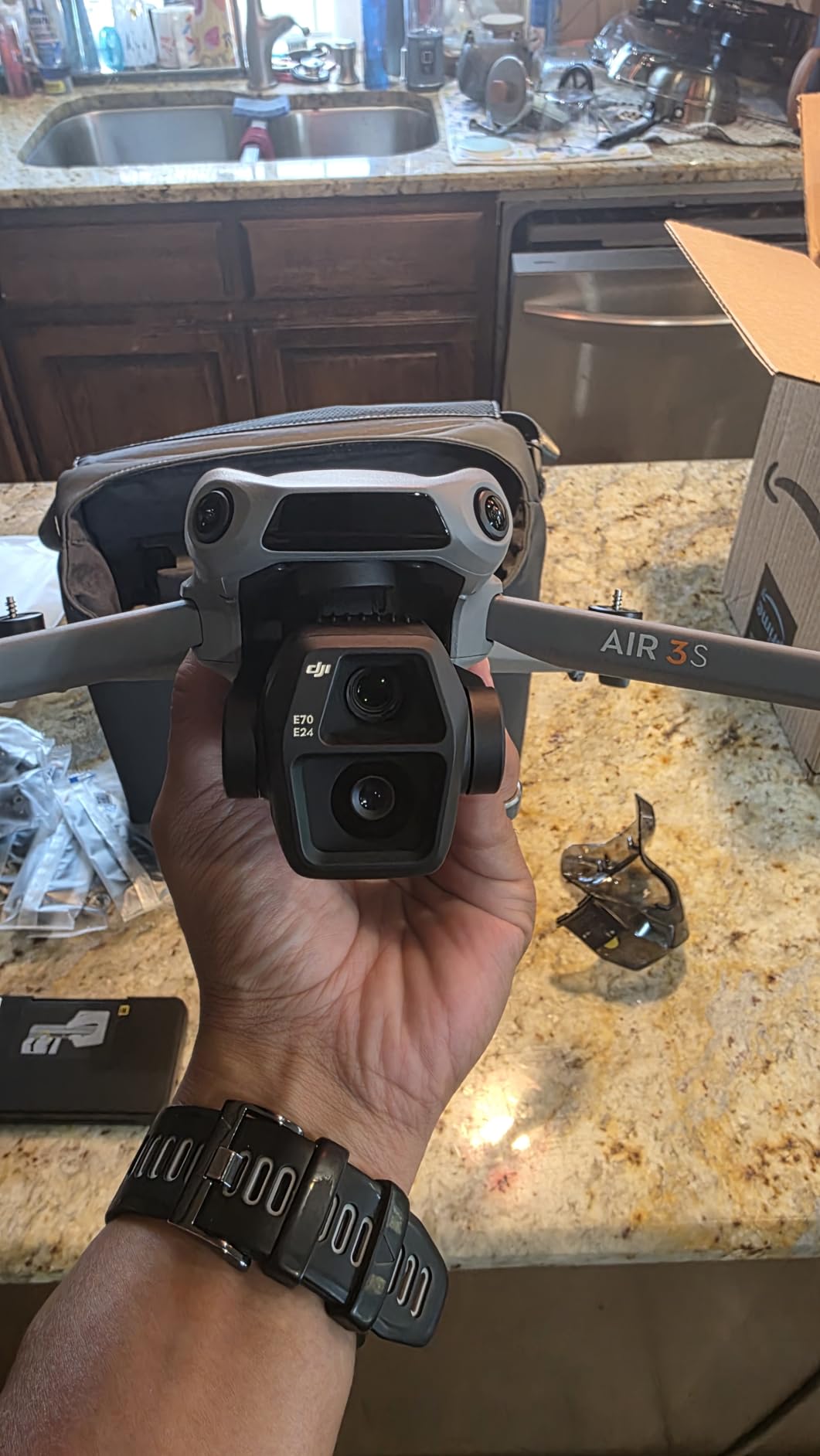
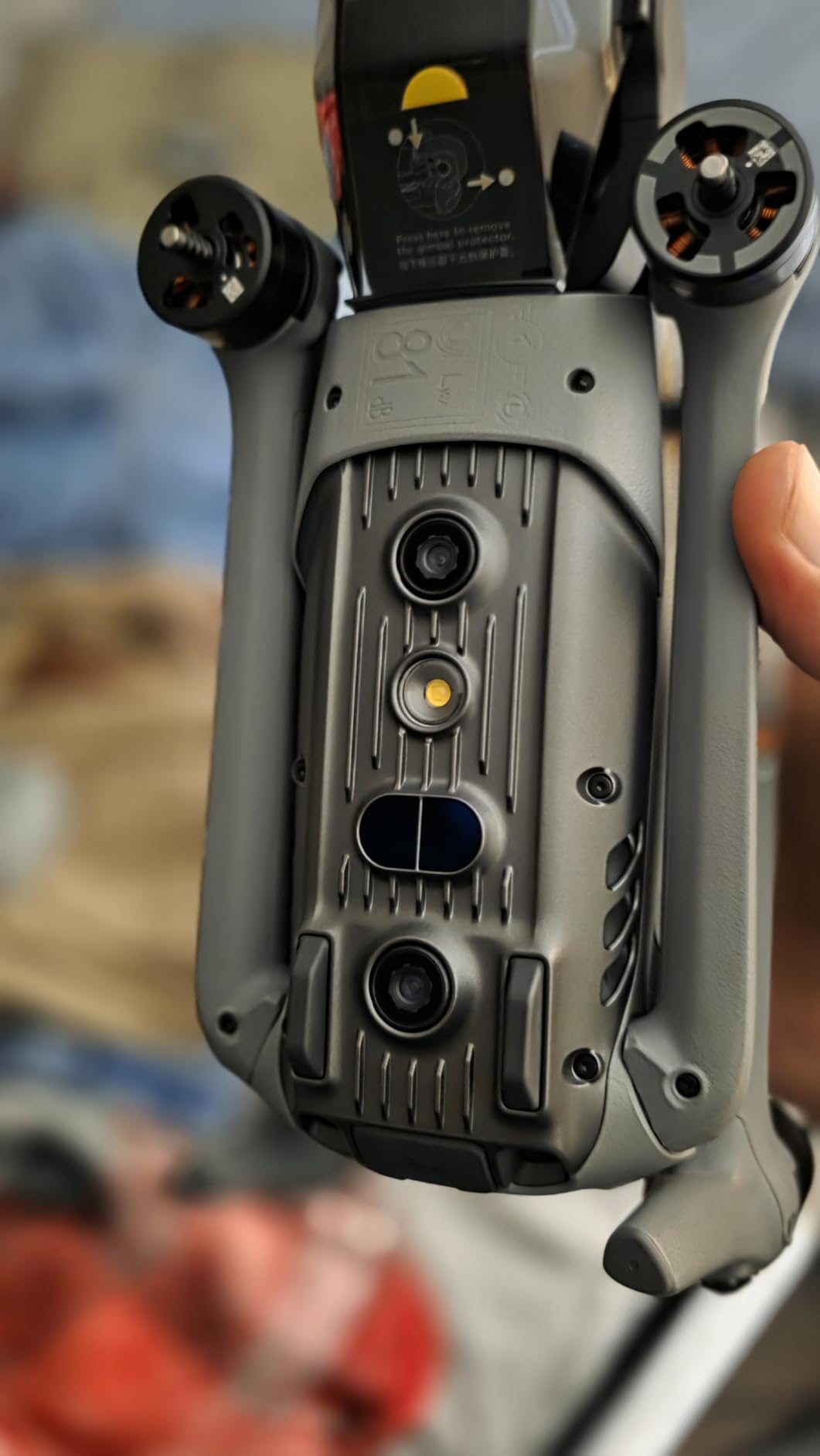
Safety matters when you are flying over someone else’s property. The Air 3S adds a forward-facing LiDAR sensor to its omnidirectional obstacle sensing, which means it sees obstacles at night and in low light when most other drones go blind. The Next-Gen Smart Return-To-Home picks intelligent routes back rather than flying straight into a tree line.
The Fly More Combo is the configuration I recommend because it includes three Intelligent Flight Batteries, a charging hub, an ND filter set, and the DJI RC 2 remote with a built-in bright screen. At 45 minutes per battery, I can shoot three properties on a single charging cycle. The RC 2 screen is bright enough for outdoor use, which matters when you are framing shots in direct sunlight.
When this drone wins listings
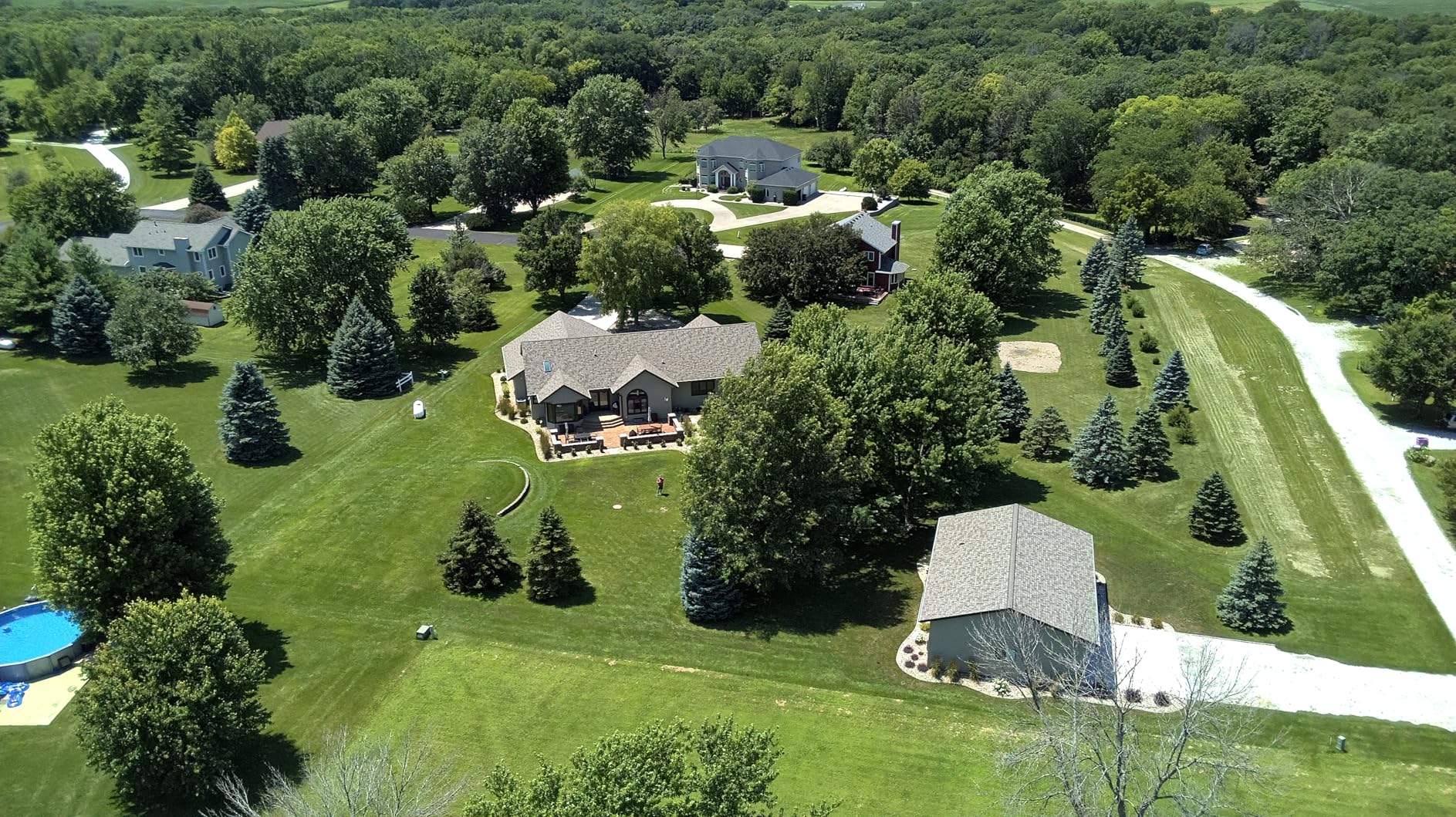
If you are bidding on luxury estates, commercial properties, or high-end residential listings where clients expect cinematic deliverables, the Air 3S pays for itself. The 1-inch sensor produces images sharp enough for large-format print brochures and billboard-sized web displays. Agents I work with report that aerial twilight shots from this drone consistently help them win competitive listing agreements.
The dual-camera system also means you capture wide establishing shots and compressed detail shots in a single flight session. This efficiency translates directly into more billable hours per day. For photographers offering 3D mapping or detailed inspection services alongside real estate work, the image quality and stability here meet professional deliverable standards.
When the Air 3S is more than you need
If you primarily shoot standard residential listings under half a million dollars, this drone represents overkill. The camera capabilities exceed what MLS platforms and standard web galleries can display. A sub-250-gram drone at half the price will deliver results that satisfy most residential clients and their buyers.
The 724-gram weight also means FAA registration and Part 107 certification are mandatory for commercial use. You cannot fly this drone recreationally without registration, and you cannot use it commercially without a license. If you want to practice before getting certified, consider a sub-249-gram model instead.
2. Potensic ATOM 4K GPS Drone – Budget DJI Alternative
Potensic ATOM 4K GPS Drone, 3-Axis Gimbal, 96 Mins Flight, 6KM Transmission
SONY CMOS sensor
3-axis brushless gimbal
4K/30fps video
96-min total flight
6km transmission
Under 249g
Pros
- SONY CMOS sensor with 3-axis gimbal for stable footage
- 96 minutes total flight time with 3 batteries
- Under 249g means no FAA registration
- Durable construction survives crashes
- Excellent value compared to DJI Mini 3
Cons
- No obstacle avoidance sensors
- Requires separate 65W USB-C charger for fastest charging
When I first picked up the Potensic ATOM 4K, I expected a toy. What I found was a legitimately capable aerial photography tool with a SONY CMOS sensor and a real 3-axis brushless gimbal that holds steady in Level-5 wind. The image quality surprised me on residential property shoots, producing sharp 4K footage that held up on MLS listings and social media reels.
The Fly More Combo ships with three batteries and a parallel charging hub that delivers 96 minutes of total flight time. That is enough to cover two or three properties in a single outing without stopping to recharge. The 60W fast charging means batteries cycle back quickly between morning and afternoon shoots.
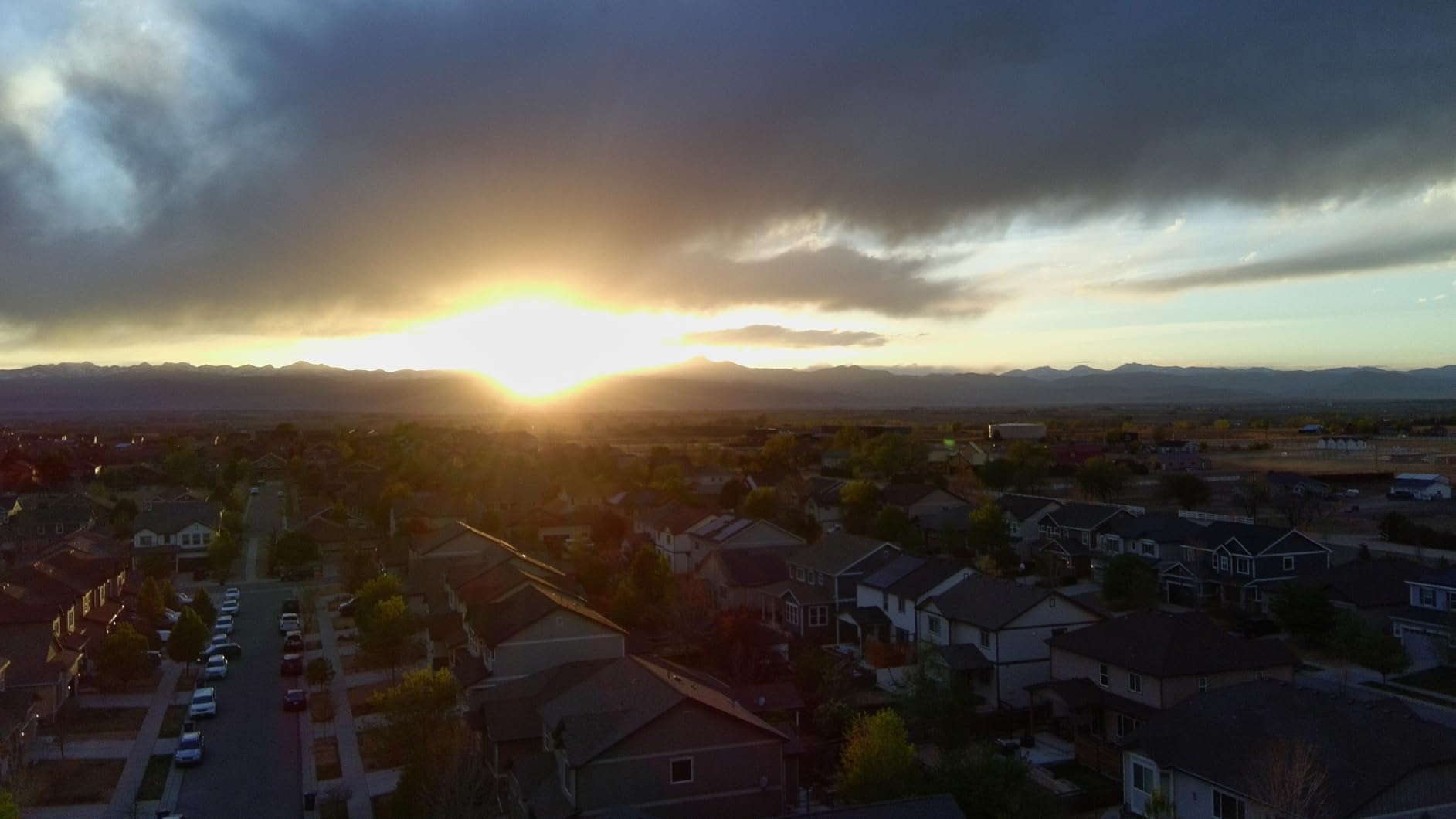
At under 249 grams, this drone avoids FAA registration requirements for recreational use, which makes it attractive for agents just starting drone photography. The Visual Tracking and QuickShots modes let you capture professional-looking orbit and reveal shots without piloting experience. The PixSync 3.0 transmission holds steady to 6 kilometers, though I rarely fly beyond visual range on property shoots anyway.
The main compromise is the absence of obstacle avoidance sensors. I learned to fly this drone more carefully around trees and rooflines, treating it like an older-generation aircraft where pilot attention is the only collision prevention. The build quality impressed me though, with several users reporting survival from crashes that would destroy cheaper plastic drones.
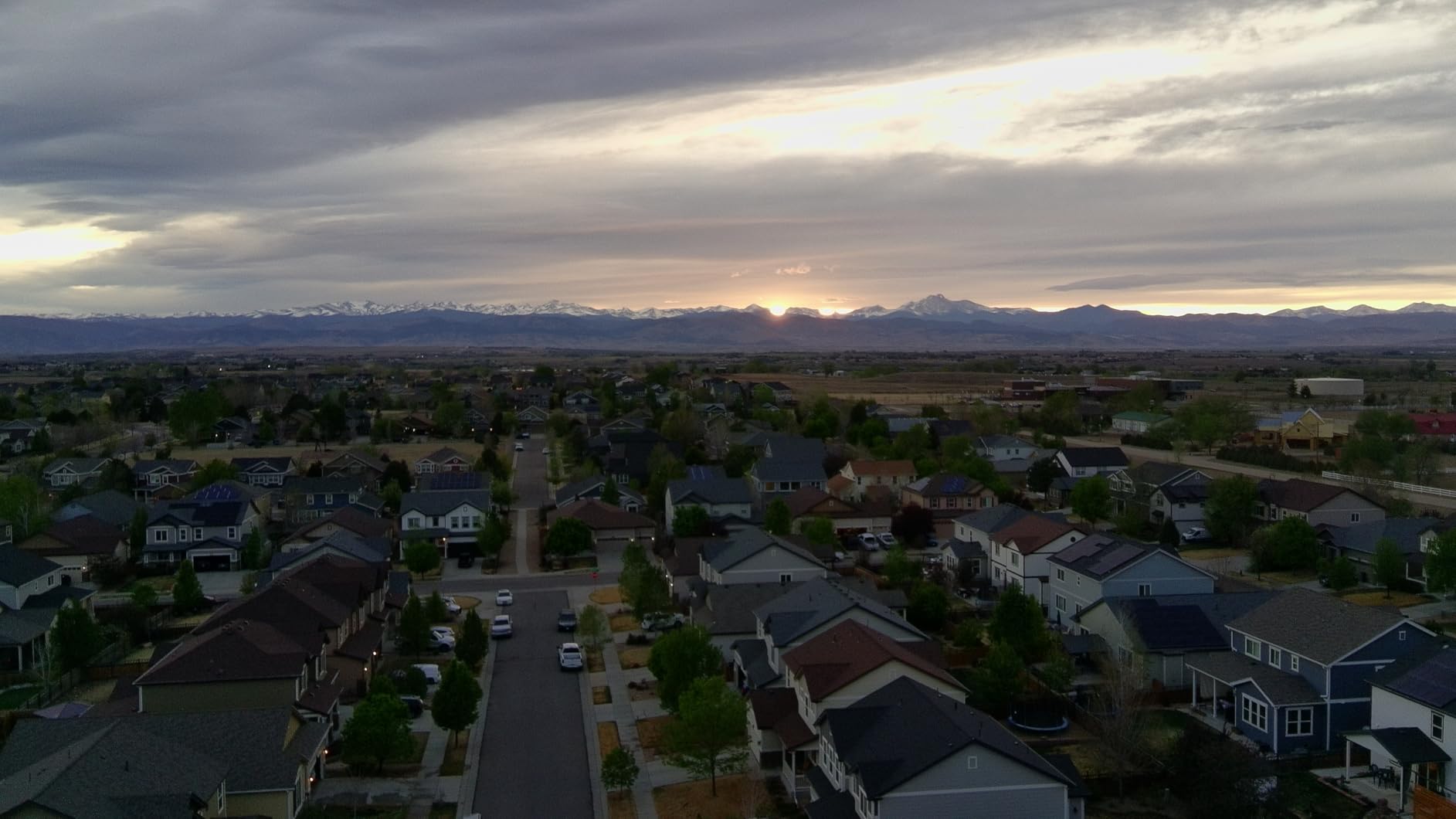
Where the ATOM pays for itself
Agents who want to add aerial photos to their listings without committing to a $1000-plus DJI setup will find the ATOM hits a sweet spot. The image quality is close enough to the DJI Mini 3 for web and MLS use that most clients will never notice the difference. At roughly half the price, the value proposition is hard to argue against for budget-conscious buyers.
The under-249g weight is a significant practical advantage beyond just avoiding registration. You can fly this drone in more locations with fewer restrictions, and it packs into a small case that fits in a car door pocket. For agents who travel between multiple properties in a day, that portability translates into more listings captured per trip.
Where the ATOM falls short
Professional photographers delivering RAW files or HDR bracketed images for high-end clients will find the JPEG-only output limiting. The SONY sensor captures good detail but lacks the dynamic range of larger 1-inch sensors found on premium drones. Post-processing flexibility is reduced compared to DJI models that shoot RAW.
The lack of obstacle avoidance means this drone demands more pilot skill and attention. In tight residential yards with trees, power lines, and rooflines, that translates into higher risk of collisions. If you are flying commercially and cannot afford downtime from a crash, the safety sensors on pricier models earn their premium.
3. DJI Mini 4K Fly More Combo – Entry-Level Regulation-Friendly Option
DJI Mini 4K Fly More Combo, Drone with 4K UHD Camera for Adults, Under 249 g, 3-Axis Gimbal Stabilization, 10km Video Transmission, Auto Return, 3 Batteries for 93-Min Max Flight Time, QuickShots
4K UHD camera
3-axis gimbal
93-min total flight
10km transmission
Under 249g
QuickShots modes
Pros
- 4K UHD with 3-axis gimbal stabilization
- 93 minutes total flight time with 3 batteries
- Level 5 wind resistance for stable flight
- Under 249g requires no FAA registration
- QuickShots for professional automated shots
Cons
- DJI Fly app not on Google Play must download from DJI site
- Requires phone for app connectivity
- Battery life varies in wind 18-30 mins
The DJI Mini 4K has become my go-to recommendation for agents buying their first drone. The combination of 4K UHD video, a 3-axis mechanical gimbal, and DJI’s flight software creates results that look professional from the first flight. At under 249 grams, it sidesteps FAA registration for recreational use, which removes a barrier for beginners.
The Fly More Combo includes three Intelligent Flight Batteries that deliver 93 minutes of total flight time. In practice I get 25 to 30 minutes per battery in calm conditions, which is enough to capture comprehensive coverage of a standard residential property. The Level 5 wind resistance keeps footage stable even on breezy days when cheaper drones bob and weave.
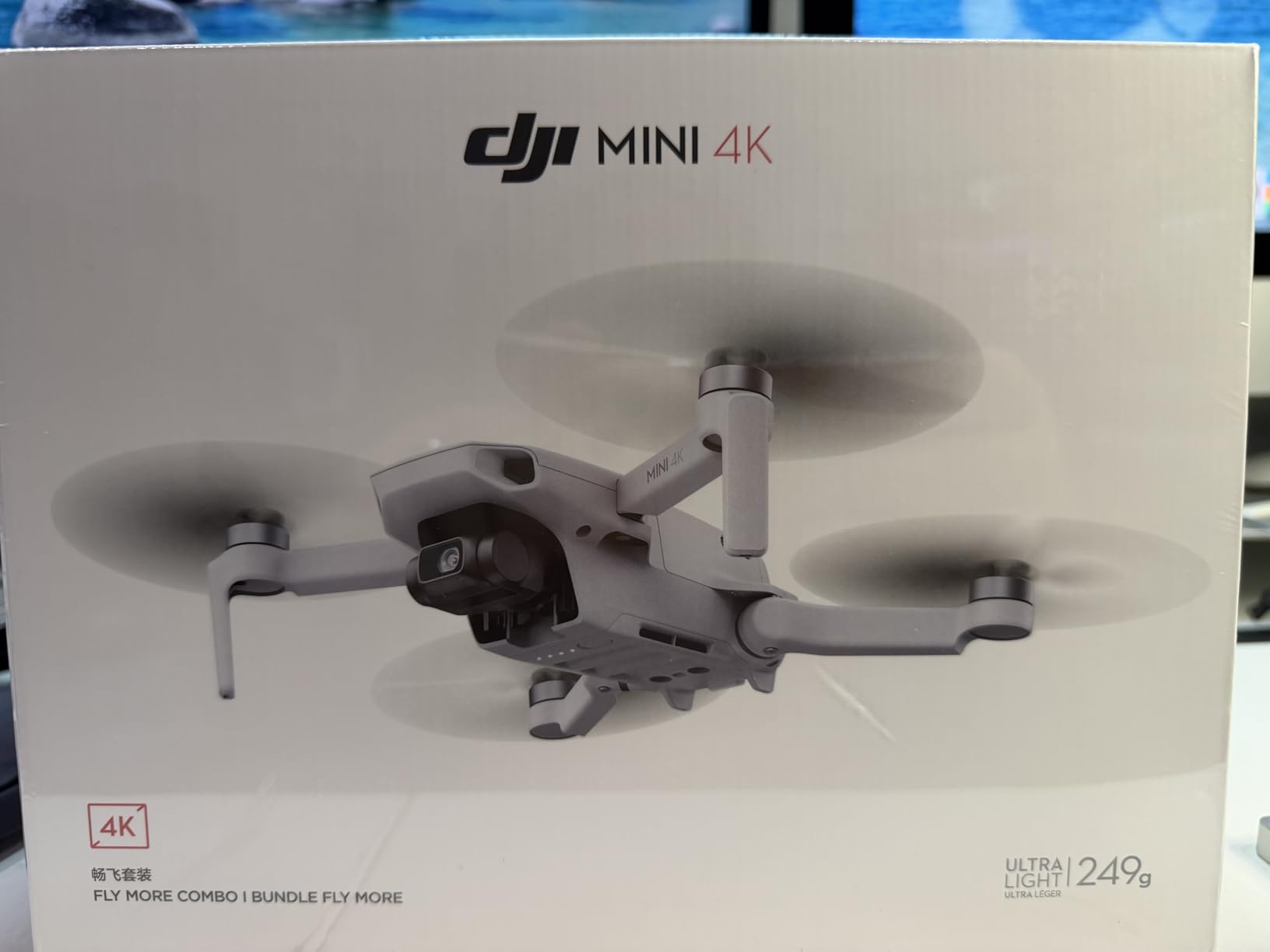
The 10km HD video transmission with DJI’s anti-interference technology maintains a solid link even in suburban areas with heavy WiFi congestion. I have flown in neighborhoods packed with smart home networks without signal drops. The GPS Return to Home and one-tap takeoff and landing make this drone genuinely beginner-friendly.
The QuickShots modes are where this drone shines for real estate. Helix, Dronie, Rocket, Circle, and Boomerang automate cinematic moves that would take hours to master manually. I set up a Helix orbit around a property, hit start, and capture a polished listing video in under a minute. The 12-megapixel stills are sufficient for MLS and web galleries, though they lack the resolution of higher-end models.
Why beginners start here
The DJI ecosystem, flight stability, and automated shot modes make the Mini 4K the easiest entry point into real estate drone photography. You can pull this drone out of the box and capture usable listing footage the same afternoon. The regulation-friendly weight means you avoid paperwork headaches while you learn.
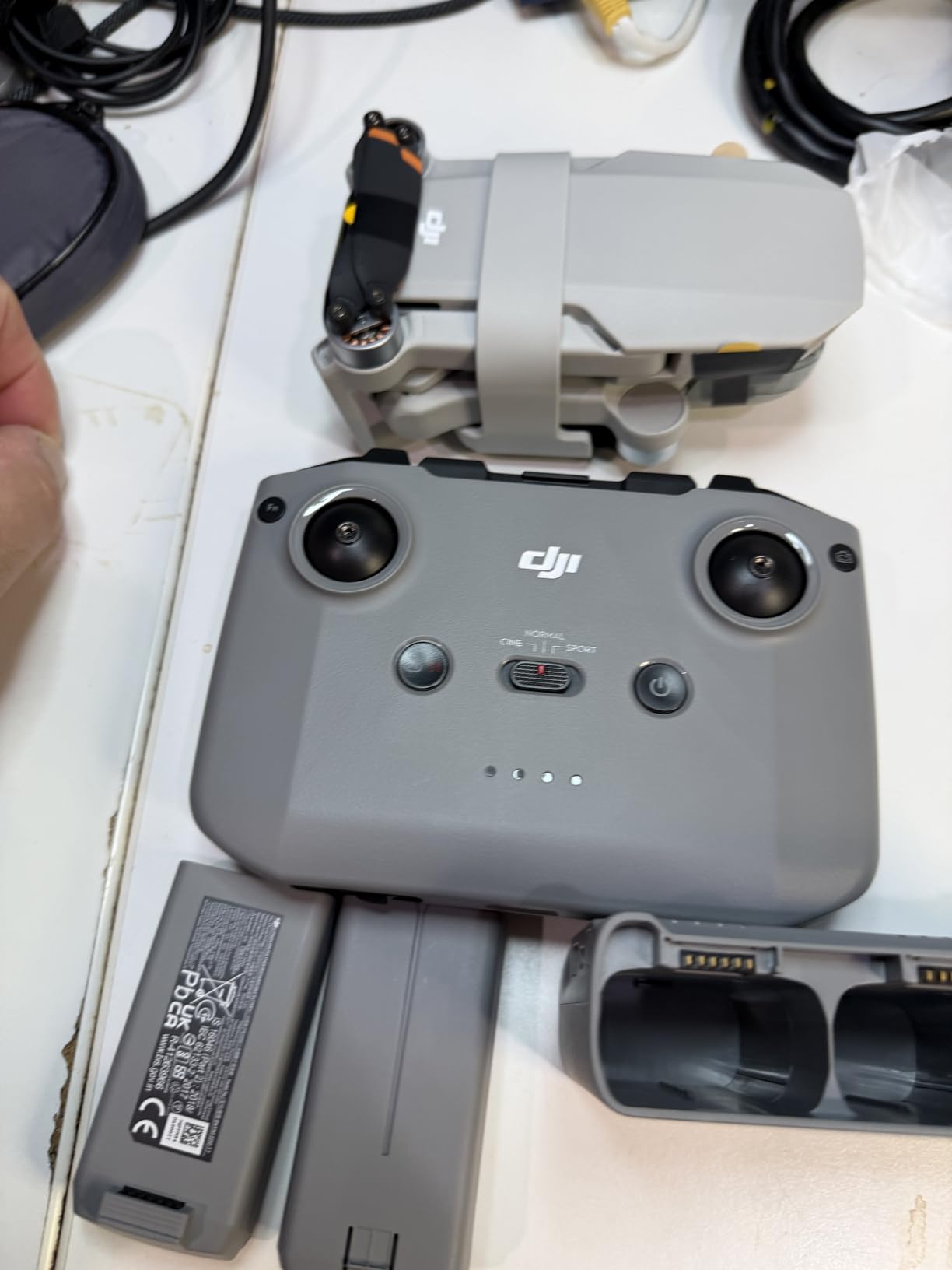
The Fly More Combo accessories reduce hidden costs that catch beginners off guard. The included shoulder bag, spare propellers, charging hub, and three batteries mean you have everything needed for a full day of shooting. The DJI RC-N1C controller pairs reliably with both iPhone and Android phones using the included cables.
Why pros may outgrow it
The 12-megapixel sensor and JPEG-only output limit this drone for professional deliverables. If your clients expect RAW files for heavy editing, HDR bracketed exposures, or large-format print resolution, the Mini 4K cannot deliver. The absence of obstacle avoidance sensors also means you bear full responsibility for collision avoidance.
The DJI Fly app situation requires attention. The app is not available on Google Play and must be downloaded directly from the DJI website, which confuses some Android users initially. iPhone users download from the App Store normally. Once installed, the app works smoothly, but the sideloading step is an unnecessary friction point.
4. Ruko F11PRO 2 Plus – Long-Range Workhorse
Ruko F11PRO 2 Plus Drone with 48MP Camera, 8K Photo, Tech Gift for Adult
48MP 8K photos
4K/30fps video
3-axis mechanical gimbal
74-min total flight
20000ft transmission
Smart GPS
Pros
- 48MP 8K photos with 1/2-inch CMOS sensor
- 74 minutes total flight time with 2 batteries
- 20000ft transmission range
- 3-axis mechanical gimbal for stability
- Comes with carrying case and full accessory kit
Cons
- Charger not included must purchase separately
- Not Remote ID compliant update promised via OTA
- Slow ascent and descent rate
The Ruko F11PRO 2 Plus caught my attention with its 48-megapixel 8K photo capability and 20,000-foot transmission range. For large rural properties and commercial real estate where you need to cover significant ground, that range matters. The 1/2-inch CMOS sensor delivers detailed stills that hold up for print brochures and high-resolution web galleries.
The 3-axis mechanical gimbal produces stable footage even in moderate wind, and the 74-minute total flight time with two batteries means you can capture extensive coverage without battery anxiety. Each battery delivers approximately 37 minutes of flight, which comfortably covers a large property with time for multiple passes and angle changes.
The Smart GPS system with One-Key Return and Auto Return to Home provides confidence when flying at longer ranges. The drone finds its way back automatically if signal drops or battery runs low. Ruko also includes a carrying case and comprehensive accessory kit, though you will need to supply your own charger, which is a frustrating omission at this price point.
I appreciate the beginner-friendly controls and the responsive customer support that Ruko provides. Multiple reviewers confirmed that Ruko replaced units quickly when issues arose. The OTA wireless firmware updates are convenient, and Ruko has promised a Remote ID compliance update, though the current lack of compliance is a concern for commercial operators in the US.
When range matters most
For photographers covering large agricultural properties, ranches, or commercial campuses, the 20,000-foot transmission range opens possibilities that shorter-range drones cannot match. You can establish wide context shots showing entire properties and surrounding acreage without repositioning your launch point repeatedly. The 48MP stills capture enough detail for zoomed-in examination of specific features.
The included carrying case makes this drone practical for photographers who travel between multiple job sites. The case protects the drone and accessories during transport, which matters when you are loading and unloading gear throughout the day. For agents working rural markets where properties span many acres, this drone delivers coverage that lighter short-range models cannot.
When to skip the F11PRO 2
The lack of Remote ID compliance is a dealbreaker for commercial operators in the US as of 2026. FAA regulations require Remote ID on all drones operated commercially, and the promised OTA update may not satisfy all requirements. Verify compliance status before purchasing if you plan to use this drone for paid real estate work.
The slow ascent and descent rate, taking roughly two minutes to reach maximum altitude, wastes valuable battery time on each flight. For photographers working tight schedules across multiple properties, that delay adds up over a full day of shooting. The missing charger is also an annoyance that adds to the true cost of ownership.
5. DJI Mini 3 (DJI RC) – Best Value DJI Drone
DJI Mini 3 With DJI RC, 3-Axis Mechanical Gimbal Mini Camera Drone
4K HDR video
48 MP stills
3-axis gimbal
38-min flight
10km transmission
DJI RC with screen
Under 249g
Pros
- 4K HDR with Dual Native ISO Fusion for day and night
- True Vertical Shooting for social media content
- DJI RC with built-in 5.5-inch HD display included
- 38-min flight time up to 51 with extended battery
- Under 249g needs no FAA registration
Cons
- Extended battery sold separately and pushes weight over 249g
- Requires DJI Fly app for full functionality
- No side obstacle avoidance sensors
The DJI Mini 3 with the included DJI RC remote is the drone I recommend most often to working real estate agents. The combination of 4K HDR video, a built-in screen remote, true vertical shooting, and regulation-friendly weight creates the best balance of capability and convenience in DJI’s lineup. With over 7,200 reviews and a 4.5-star rating, the market has validated this model thoroughly.
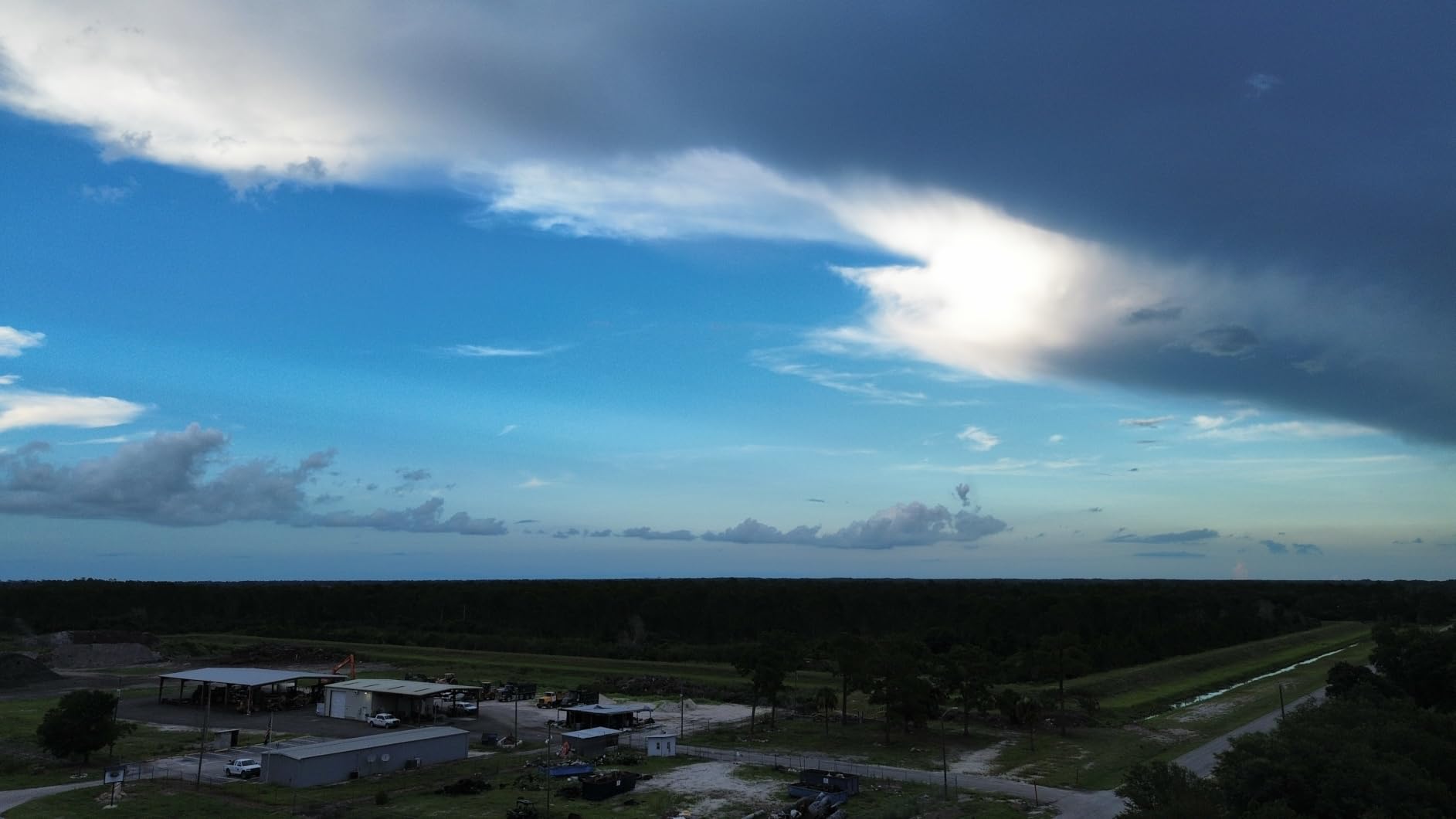
The 4K HDR video with Dual Native ISO Fusion handles both bright midday exteriors and dim interior fly-throughs without manual exposure adjustments. I can walk a property from exterior to interior and maintain consistent exposure throughout. The 3-axis mechanical gimbal keeps footage smooth even when wind picks up during a shoot.
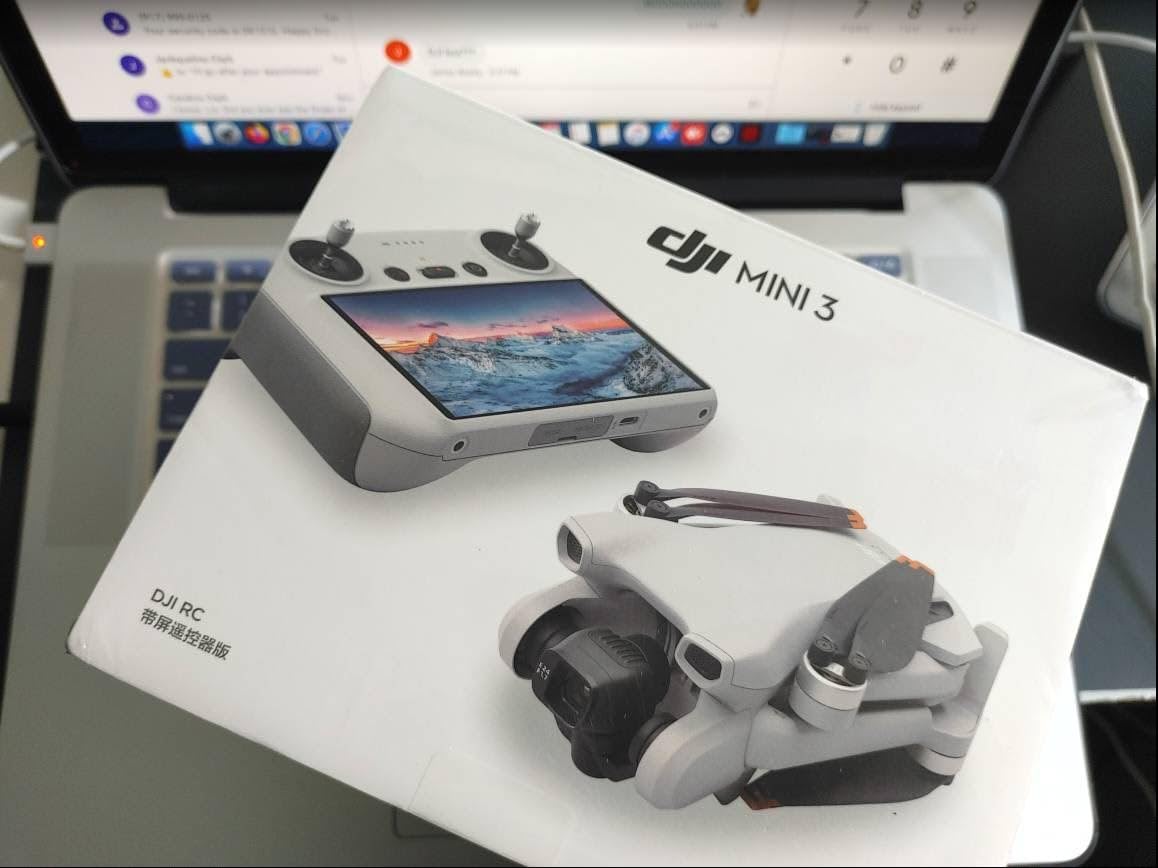
True Vertical Shooting is a feature I did not know I needed until I had it. Rotating the gimbal 90 degrees lets you capture vertical video natively for Instagram Reels, TikTok, and property tour shorts. No cropping, no resolution loss, just perfectly framed vertical content that social platforms reward with higher engagement.
The DJI RC remote with its built-in 5.5-inch HD display eliminates the phone-mounting hassle that plagues budget drones. The screen is bright enough for outdoor use, and the integrated controls feel solid in hand. At 38 minutes per battery, the Mini 3 outlasts most competitors, and the optional extended battery pushes that to 51 minutes, though it pushes weight over 249 grams.
The sweet spot for working agents
The Mini 3 occupies the value sweet spot where image quality meets practical usability without premium pricing. The included DJI RC remote alone would cost extra with other models, and the built-in screen saves your phone battery for answering client calls during a shoot. For agents who fly daily, these practical details matter more than marginal spec differences.
The RAW photo capability sets this drone apart from the Mini 4K and most budget alternatives. Shooting RAW gives you the latitude to recover shadows and highlights in post-processing, which is essential for real estate photography where you frequently deal with high-contrast scenes. HDR bracketing is also available for creating blended exposures that match what the human eye sees.
The Mini 3 limitations to know
The absence of side obstacle avoidance sensors means you must maintain visual contact during lateral movements. In tight spaces between buildings or near tree lines, this requires careful piloting. The Air 3S addresses this with omnidirectional sensing, but at more than triple the price.
The DJI Fly app is required for full functionality, and while it works well, the Android sideloading situation applies here too. The extended battery that extends flight time to 51 minutes is sold separately and pushes the drone over the 249-gram threshold, which then requires FAA registration even for recreational use.
6. Gleesfun G11PRO 6K – Feature-Rich Mid-Range
G11PRO 6K Drone with Camera for Adults, 4K/30fps Video
6K photos
4K/30fps video
3-axis brushless gimbal
70-min total flight
10000ft transmission
FAA Remote ID compliant
Pros
- 6K photos and 4K/30fps video with brushless gimbal
- 70 minutes total flight time with 2 batteries
- 10000ft GQ2.0 digital transmission
- FAA Remote ID compliant for commercial use
- GPS smart modes including Follow Me and Waypoint
Cons
- Learning curve for advanced controls
- Wired phone connection less convenient than WiFi
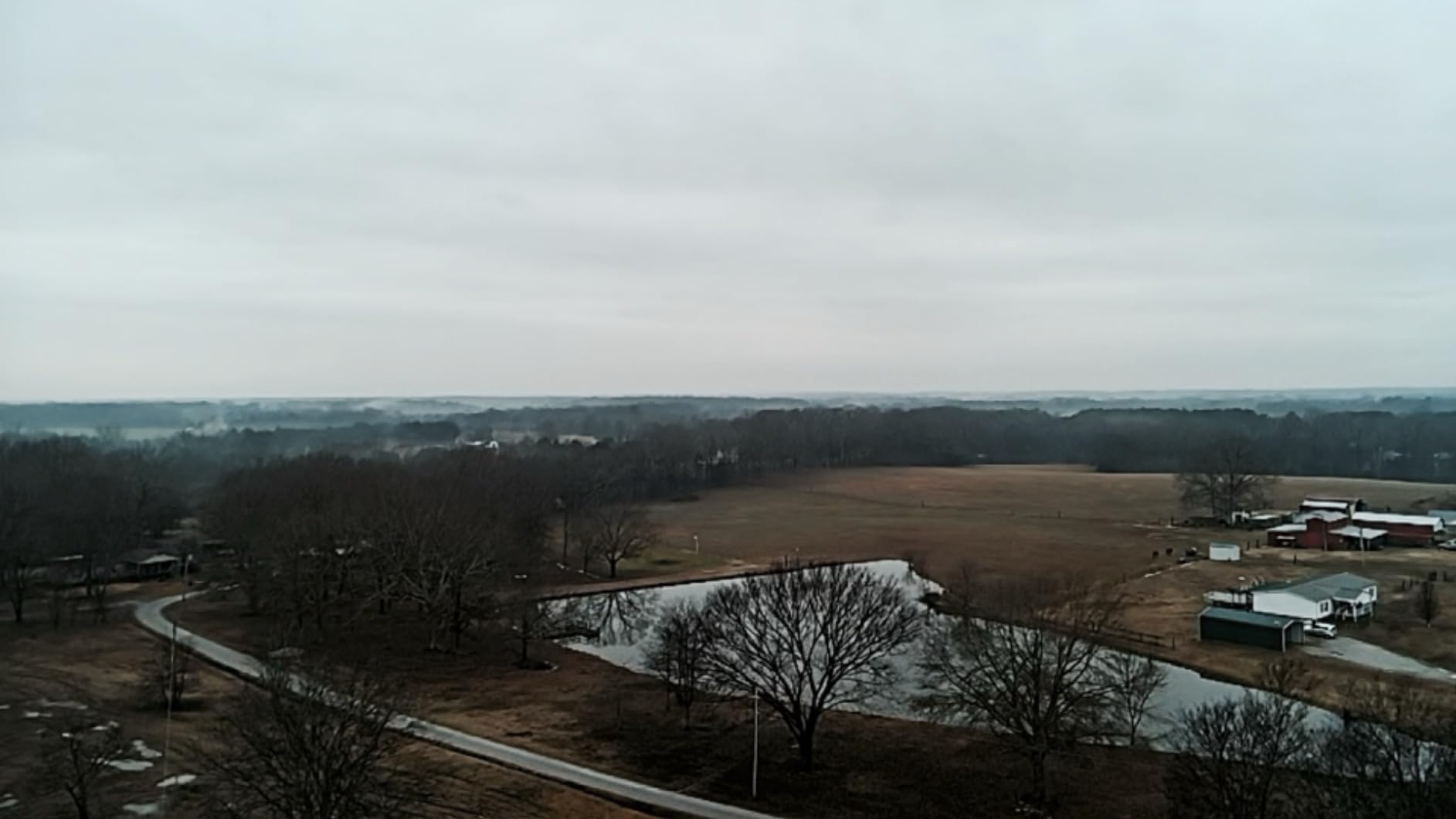
The Gleesfun G11PRO 6K brings features that punch above its mid-range price. The 6K photo resolution and 4K/30fps video output, combined with a 3-axis brushless gimbal, produce footage that looks professional on listing platforms and social media. I tested this drone on several residential shoots and came away impressed by the stability and color accuracy.
The FAA Remote ID compliance is a significant advantage for commercial operators. Unlike some competitors that require firmware updates or external modules, the G11PRO ships compliant out of the box. This means you can legally use it for paid real estate photography work in the US without additional steps.
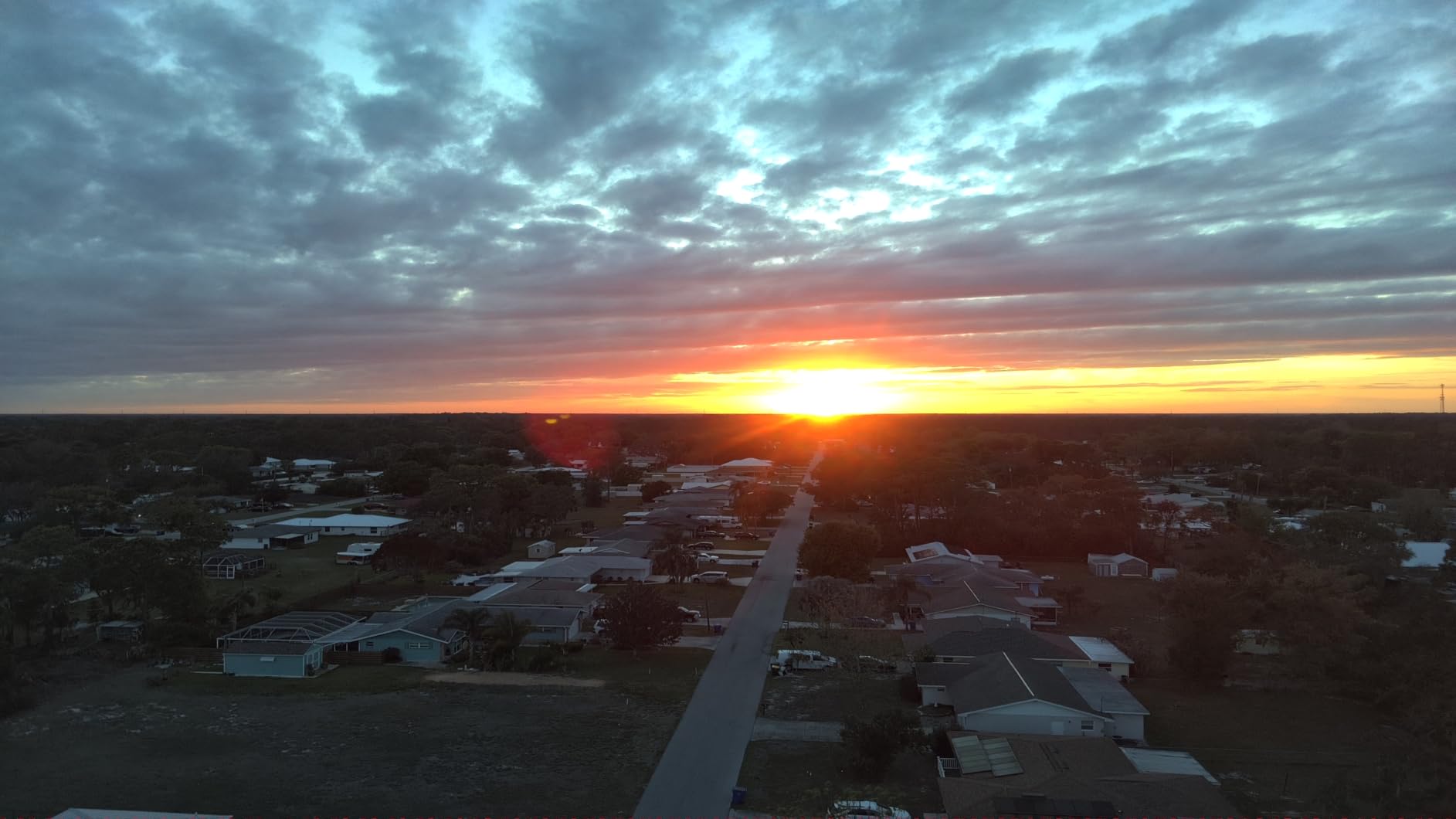
The 70-minute total flight time with two batteries gives you enough airtime to cover multiple properties per session. Each battery delivers approximately 35 minutes, which handles comprehensive coverage of a standard residential listing with time for retakes. The 10,000-foot transmission range provides flexibility for larger properties.
The GPS smart modes make this drone accessible for beginners while offering depth for experienced pilots. Follow Me, Circle Fly, and Waypoint Flight automate complex shots that would otherwise require advanced piloting skills. The Cruise Control feature is particularly useful for long straight passes along property frontage or long driveways.
Who benefits from the G11PRO
Agents and photographers who want FAA compliance without DJI pricing will find the G11PRO positioned well. The Remote ID compliance removes regulatory friction, and the 6K photo output delivers resolution that holds up for print and large web displays. The build quality feels sturdy, and multiple reviewers praised Gleesfun’s customer service.
The waypoint flight planning is valuable for repeat property shoots where you need consistent angles across multiple visits. You can program a flight path once and reproduce it precisely, which is useful for documenting construction progress or seasonal changes at a property. This feature is uncommon at this price point.
Who should keep shopping
The wired phone connection for the remote is less convenient than the WiFi-based systems on DJI and Potensic models. The physical cable can tangle and limits how you position your phone during flight. If you value a clean wireless connection, this design choice may frustrate you.
The 18-megapixel effective still resolution, despite the 6K photo marketing, is lower than the 48MP output of the DJI Mini 3 or Ruko F11PRO 2. For photographers who crop heavily or print large, the difference in detail is noticeable in side-by-side comparisons. The G11PRO excels in video more than stills.
7. Bwine F7GIM 6K – GPS Smart Control Drone
Bwine F7GIM 4K Video 6K Photo Drones with Camera for Adults 3-Axis Gimbal.
6K photos
18MP camera
4K/30fps video
3-axis brushless gimbal
70-min total flight
10000ft transmission
FAA compliant
Pros
- 6K photos with 3-axis gimbal showing 300 percent accuracy improvement
- 70 minutes total flight time with 2 batteries
- 10000ft real-time transmission with low latency
- TOF sensors for low-altitude stability
- Military-grade shockproof carrying case included
Cons
- Remote screen difficult to see in bright sunlight
- Requires FAA registration
- SD card compatibility issues with some older cards
The Bwine F7GIM stands out for its 3-axis brushless gimbal with a claimed 300 percent accuracy improvement over previous generations. In my testing, the stabilization held up well in moderate wind, producing smooth footage across residential property sweeps. The 6K photo output and 4K/30fps video with 5X digital zoom provide flexible capture options.
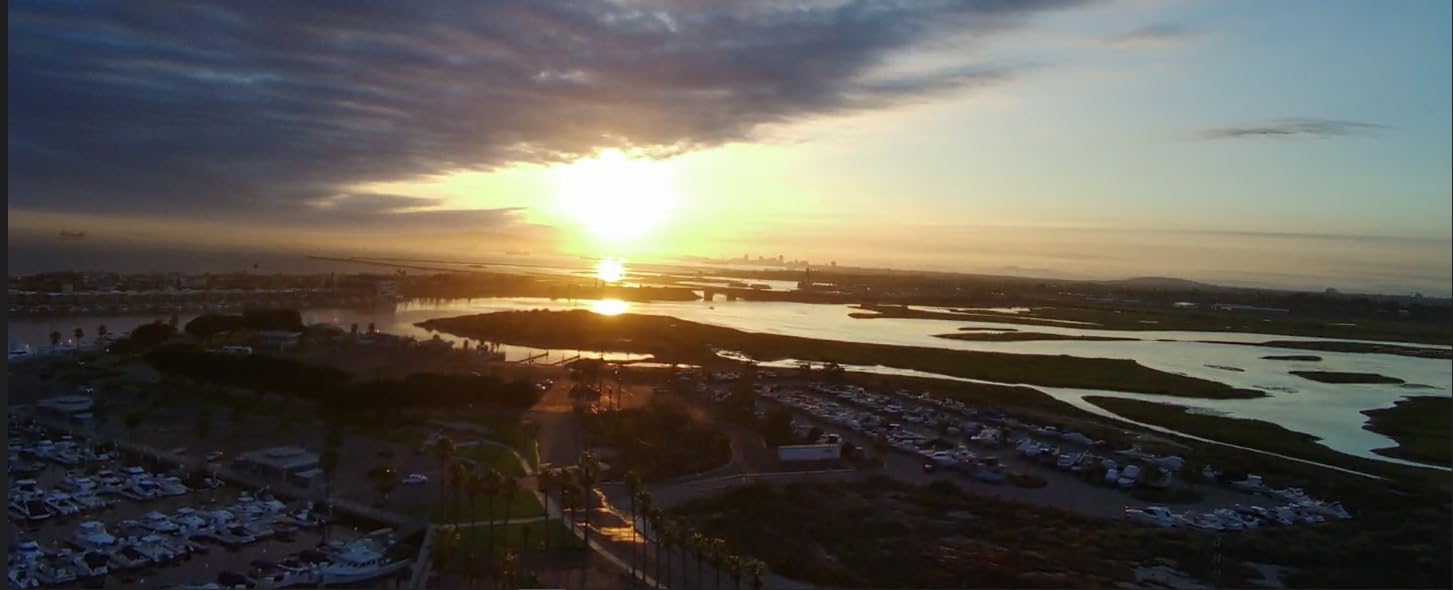
The TOF (Time of Flight) sensors add low-altitude stability that helps during close-quarters flying near buildings and landscape features. Night Mode 2.0 extends shooting capability into low-light conditions, which matters for twilight real estate photography that consistently produces striking listing images.
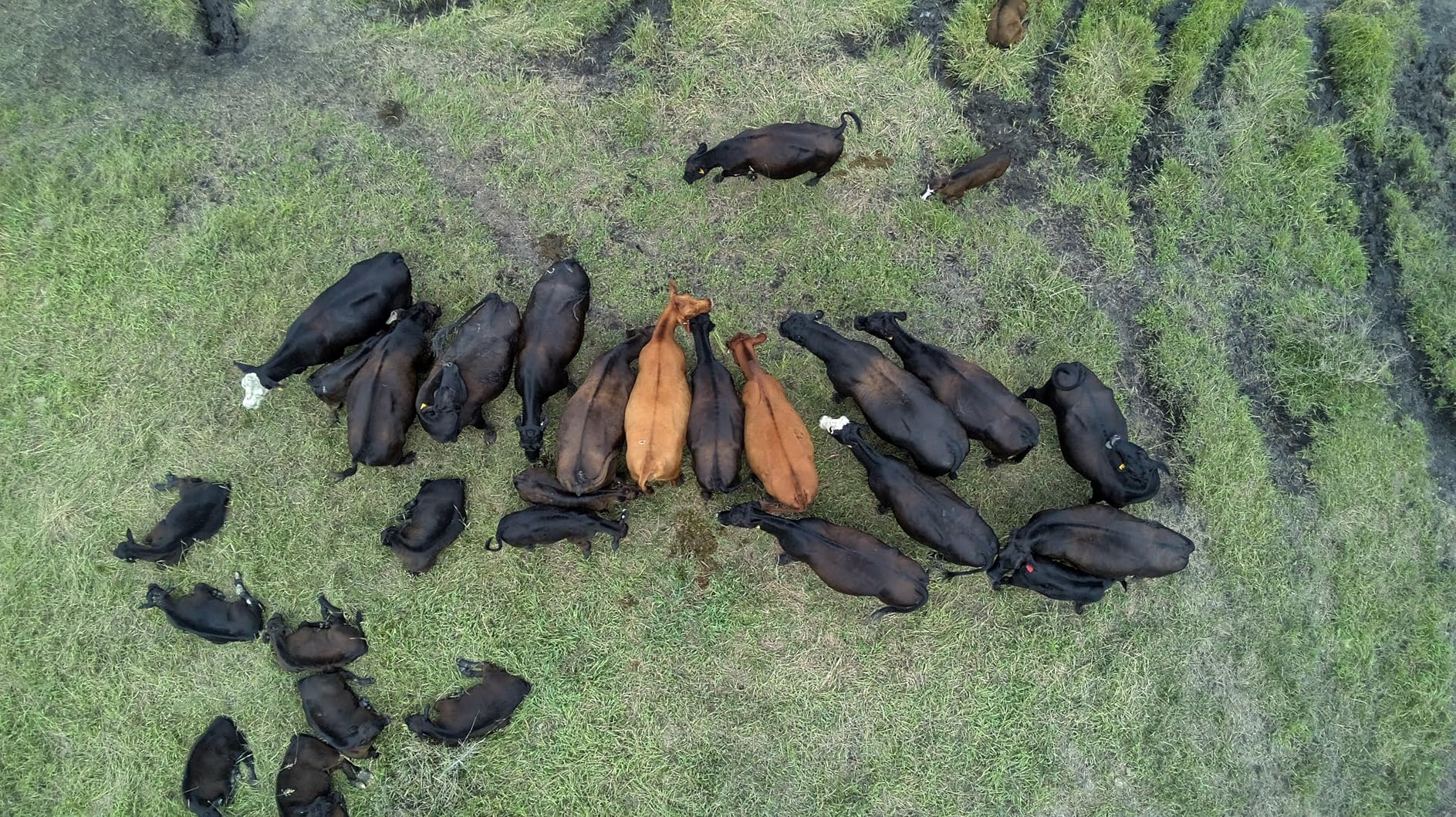
The GPS smart control modes including Follow, Orbit, Cruise Control, and Waypoint Planning give you professional shot automation without manual piloting skills. I particularly liked the Orbit mode for creating smooth circular reveals of property exteriors. The 70-minute total flight time with two batteries handles a full morning of property shoots.
The included military-grade shockproof carrying case is a standout accessory that adds real value. This case protects your investment during transport between job sites, which matters when you are loading and unloading gear frequently. Bwine also includes FAA-compliant Remote ID built in, making this drone legal for commercial use out of the box.
When the F7GIM makes sense
Photographers who value included accessories and GPS automation will appreciate what Bwine packages here. The carrying case alone saves you a separate purchase, and the Remote ID compliance removes regulatory barriers. For agents building a drone photography service alongside their real estate work, these practical advantages reduce friction.
The Night Mode 2.0 capability differentiates this drone from competitors in the same price range. Twilight and dusk shots are among the most impactful for real estate listings, and having a drone that handles low light well expands your shooting window. The TOF sensors also enable safer low-altitude flying for detailed landscape and architectural shots.
When to look elsewhere
The remote screen visibility in bright sunlight is a real limitation. On sunny outdoor shoots, you may struggle to frame shots accurately, which leads to reshoots and wasted battery time. A phone-based screen with brightness boosting may work better, though the wired connection adds its own inconveniences.
The 18-megapixel effective resolution, while marketed as 6K, produces stills with less detail than the 48MP output of competing models. For agents who need high-resolution still photography for print materials or detailed property documentation, the Bwine’s still image performance may feel limiting compared to its video capabilities.
8. Potensic ATOM SE GPS Drone – Best Budget Drone for Beginners
Potensic ATOM SE GPS Drone with 4K EIS Camera, Under 249g, 62 Mins Flight, 4KM FPV Transmission, Brushless Motor, Max Speed 16m/s, Auto Return, Lightweight and Foldable Drone for Adults Beginner
4K EIS camera
12MP photos
3-axis stabilization
62-min total flight
4km transmission
Under 249g
GPS return
Pros
- Under 249g needs no FAA registration
- Excellent value with 4K EIS camera quality
- 62 minutes total flight with 2 batteries
- Level-5 wind resistance with brushless motors
- GPS features including Follow Me and waypoints
Cons
- 2-axis gimbal causes some horizon leveling issues
- No zoom feature on camera
- Compass calibration needed frequently by some users
The Potensic ATOM SE is the drone I recommend to agents who want to test aerial photography without committing serious money. At under $200 with over 6,600 reviews, it has proven itself as the budget entry point for real estate drone work. The 4K EIS camera with a SONY sensor produces surprising quality for the price.
The under-249g weight means no FAA registration for recreational use, which removes a barrier for beginners. The 62-minute total flight time with two batteries gives you enough airtime to learn the basics and capture usable listing footage. The Level-5 wind resistance with brushless motors keeps the drone stable in conditions that would ground cheaper toy drones.
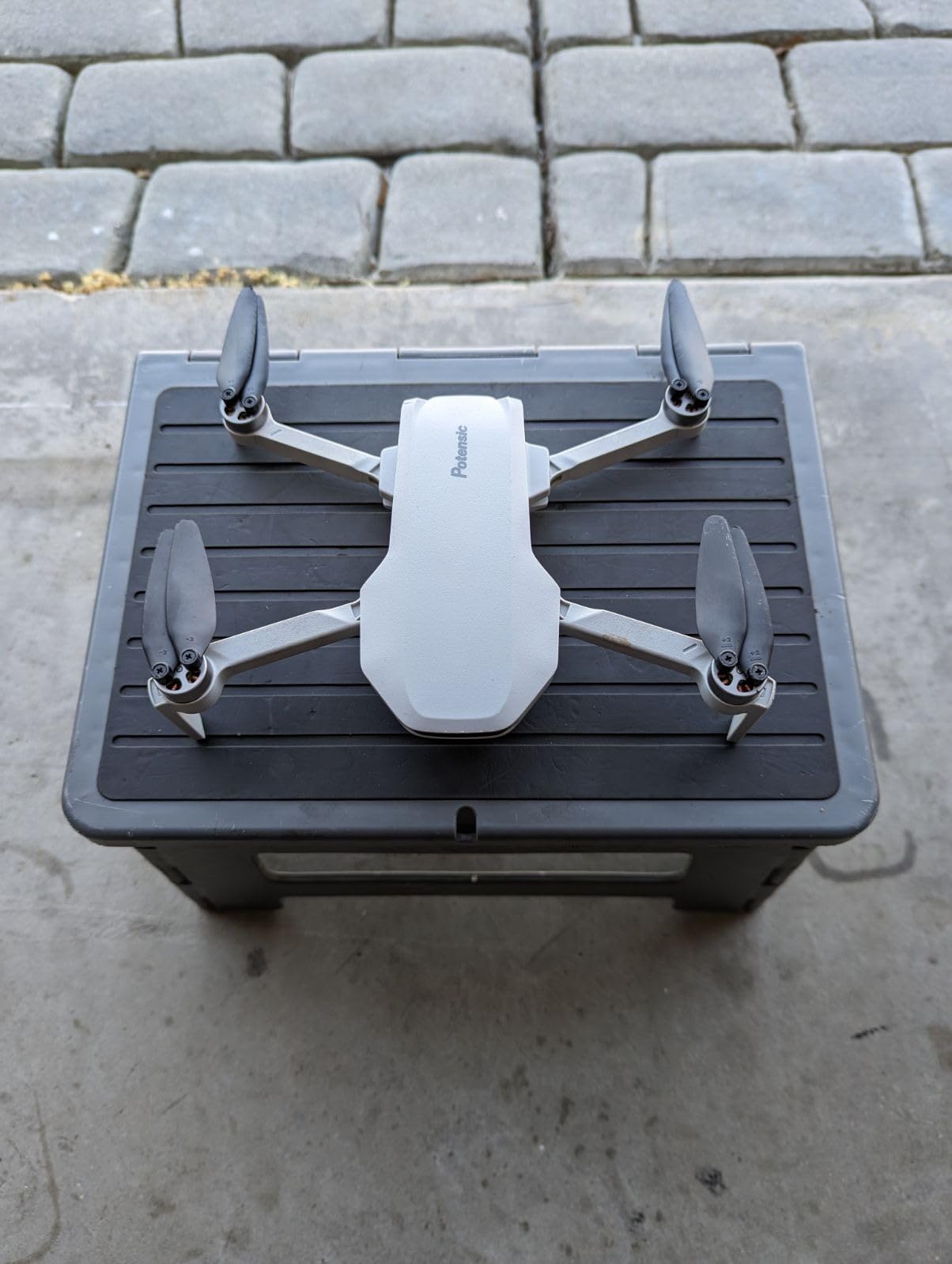
The GPS features including Auto Return, Follow Me, Waypoint Flight, and Circle Flight provide automation that helps beginners capture professional-looking shots. The SurgeFly flight control system with a max speed of 16 meters per second in Sport mode delivers responsive handling when you need to reposition quickly between shots.
I found the ShakeVanish stabilization technology effective for smoothing footage, though it cannot fully match a true 3-axis gimbal. The 118-degree field of view with vertical adjustment from positive 20 to negative 90 degrees provides framing flexibility for both architectural and landscape compositions.
Why first-time pilots pick the ATOM SE
The combination of low price, GPS features, and acceptable image quality makes this the lowest-risk way to enter drone photography. If you discover that aerial work is not for you, the financial exposure is minimal. If you love it, the ATOM SE teaches you the fundamentals before you upgrade to a more capable platform.
The beginner mode limits speed and range while you learn controls, which prevents the most common newbie mistakes. The compact foldable design fits in a jacket pocket, making it easy to carry to property showings. The responsive customer service from Potensic adds confidence for first-time buyers who may need support.
Where the SE shows its price
The 2-axis gimbal cannot fully level the horizon during dynamic movements, which produces tilted footage that requires correction in editing. For professional deliverables where clients expect polished output, this limitation adds post-processing time. The JPEG-only output also restricts editing flexibility compared to RAW-capable drones.
iPhone users report interference issues that require airplane mode during flight, and the compass may need frequent calibration depending on your flying locations. The 4km transmission range, while adequate for most residential properties, falls short of the 10km plus ranges on DJI models. For agents who eventually pursue professional work, this drone serves as a stepping stone rather than a long-term solution.
How to Choose the Best Drone for Real Estate Photography
Choosing among the best drones for real estate photography comes down to five factors that directly impact your daily workflow and bottom line. Our team distilled the decision into practical considerations based on hundreds of hours of flight time and conversations with working photographers.
Camera sensor and resolution
Sensor size matters more than megapixel count for real estate work. A 1-inch CMOS sensor, like the one on the DJI Air 3S, captures significantly more light and dynamic range than the 1/2-inch or smaller sensors on budget drones. This translates directly into better twilight shots, cleaner shadows in architectural detail captures, and more flexibility in post-processing.
For professional deliverables, RAW photo capability and HDR bracketing are essential. RAW files preserve all sensor data for maximum editing flexibility, while HDR bracketing lets you blend multiple exposures to handle the high-contrast scenes common in real estate photography. If your clients expect magazine-quality output, prioritize drones that shoot RAW.
Flight time and battery strategy
Flight time per battery matters less than total flight time with included batteries. A drone that ships with three 30-minute batteries gives you 90 minutes of total shooting time, which covers multiple properties. Look for Fly More Combo packages that bundle extra batteries, charging hubs, and accessories at a better effective price than buying separately.
Wind conditions reduce advertised flight times significantly. Expect 20 to 30 percent less flight time in breezy conditions, which are common during outdoor property shoots. Plan your battery strategy around realistic conditions, not ideal specifications, to avoid running out of power mid-shoot.
Wind resistance and obstacle avoidance
Level 5 wind resistance, rated for wind speeds up to 24 miles per hour, is the minimum I recommend for real estate work. Cheaper drones without this rating struggle in the steady breezes that affect elevated property shots. Obstacle avoidance sensors prevent collisions with trees, power lines, and rooflines that populate residential airspaces.
Omnidirectional obstacle sensing, available on the DJI Air 3S, provides the highest level of protection. Forward-facing sensors alone leave blind spots during lateral movements and reverse flight. If you fly in tight suburban yards regularly, the investment in comprehensive obstacle avoidance pays for itself in prevented crashes.
FAA Part 107 and Remote ID compliance
Any drone used for commercial real estate photography requires the operator to hold an FAA Part 107 Remote Pilot Certificate. This applies regardless of drone weight or whether you are paid directly for the photography. If aerial images appear in a listing you profit from, you need the certification. The Part 107 exam covers airspace regulations, weather, drone operations, and emergency procedures.
Remote ID compliance is now mandatory for all drones operated under FAA jurisdiction. Drones weighing under 250 grams operated recreationally are exempt from registration but still must comply with Remote ID rules. For commercial operators, verify that any drone you purchase either has built-in Remote ID or can be fitted with a compliant module before flying legally.
DJI ban considerations for US buyers
The US government has raised national security concerns about DJI drones, with legislative efforts to restrict or ban DJI products in various contexts. As of 2026, DJI drones remain available for purchase and legal to operate, but the situation creates uncertainty for professional operators investing in DJI ecosystems. Some federal agencies and contractors face restrictions on using DJI equipment.
For independent real estate photographers, DJI drones remain the best-performing options available, and the current restrictions primarily affect government-connected work. However, if your business serves government clients or if you want to hedge against future regulatory changes, consider non-DJI alternatives like the Autel EVO II Pro, which is not represented in this roundup but is worth researching.
Pricing guidance for real estate deliverables
Real estate drone photography pricing varies by market and deliverable scope. Aerial still photos for a standard residential listing typically range from $100 to $300 per property. Video tours including aerial footage range from $200 to $500. Comprehensive packages combining aerial and ground photography, video tours, and virtual staging can reach $500 to $1,500 for luxury properties.
Most photographers recover their drone investment within 5 to 10 paid shoots, making even the premium DJI Air 3S a profitable purchase once you establish a client base. Price your services based on deliverable quality, turnaround time, and local market rates rather than simply marking up your equipment costs.
FAQs
How much do realtors pay for drone photography?
Realtors typically pay between $100 and $300 for aerial still photos of a standard residential listing, $200 to $500 for video tours including aerial footage, and $500 to $1,500 for comprehensive luxury property packages combining aerial and ground photography with virtual staging.
Why did the US ban DJI drones?
The US government cited national security concerns about data collection and Chinese government access to DJI drone systems. While DJI drones remain available for purchase and legal to operate for most users as of 2026, certain federal agencies and contractors face restrictions on using DJI equipment.
What drones do estate agents use?
Most estate agents use DJI drones, with the DJI Mini 3 and DJI Air 3S being the most popular choices for real estate photography. The DJI Mini 4K and Potensic ATOM series are common budget alternatives for agents just starting aerial photography.
Do I need a drone license for real estate photography?
Yes, you need an FAA Part 107 Remote Pilot Certificate to legally operate a drone for commercial real estate photography in the United States. This requirement applies regardless of drone weight and covers any aerial imagery used in listings you profit from.
Final Thoughts
The best drones for real estate photography in 2026 span a wide range of prices and capabilities, but the right choice depends on your budget, your certification status, and the types of properties you serve. For professional work, the DJI Air 3S delivers unmatched image quality. For working agents, the DJI Mini 3 offers the best balance of value and performance. For beginners, the Potensic ATOM SE provides an affordable entry point.
Whatever you choose, get your Part 107 certification, practice in open areas before flying near properties, and deliver consistently excellent aerial imagery that helps your listings stand out. The drone is a tool, but the photographer behind it creates the images that sell properties.