
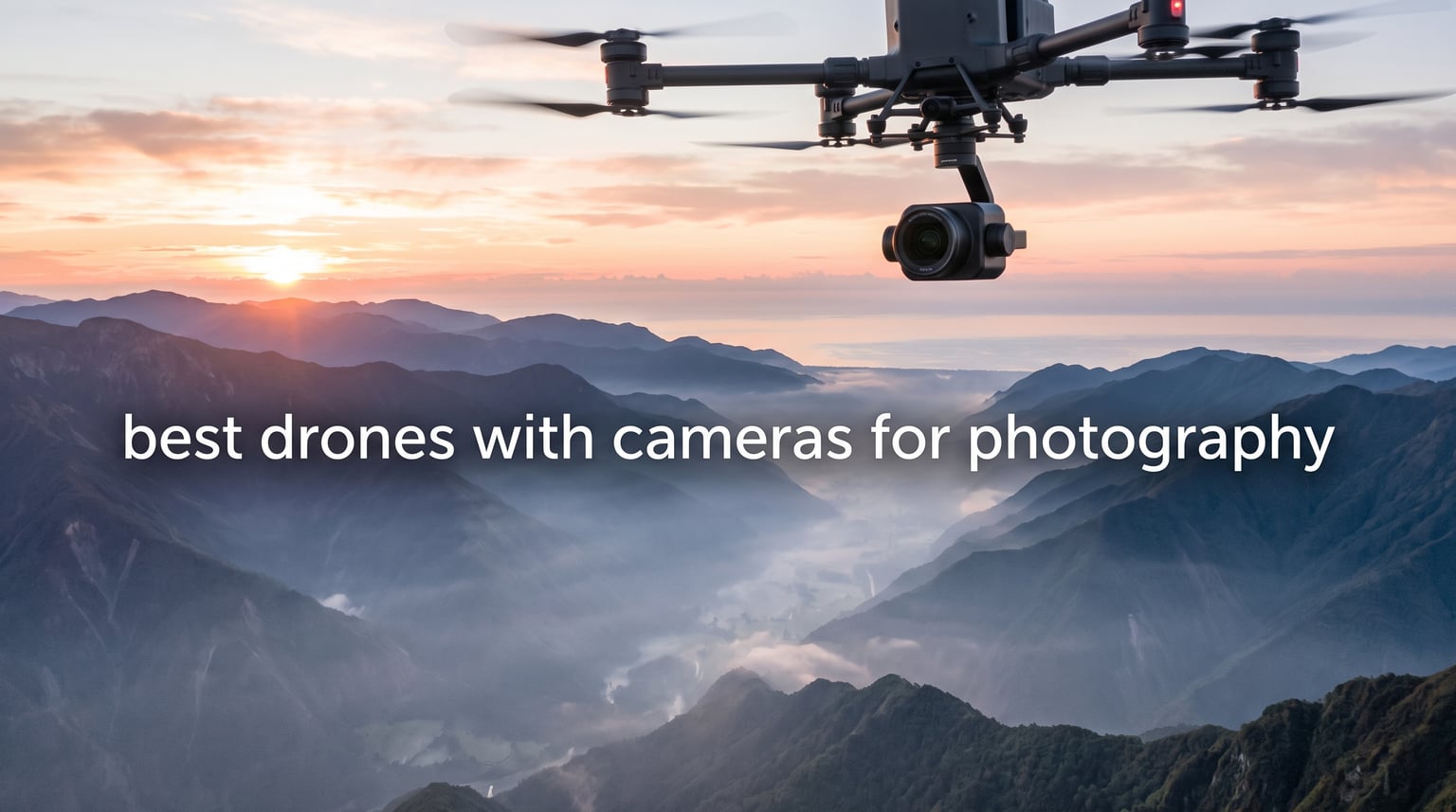
A drone with camera for photography is a compact aerial platform equipped with a stabilized imaging sensor that captures still photos and video from perspectives impossible to reach on foot. The best models range from featherweight sub-250g travel drones to large-sensor professional machines that rival mirrorless cameras for print-quality output.
Finding the best drones with cameras for photography in 2026 means weighing sensor size against portability, flight time against wind resistance, and smart features against budget. Our team compared ten of the most popular models on Amazon, reading thousands of verified owner reviews and cross-checking real-world complaints against the spec sheets.
What we found is that DJI still dominates the field for image quality, but a handful of non-DJI contenders offer surprising value for budget-conscious photographers. Below you will find our top picks, a full comparison table, individual hands-on reviews, a buying guide covering C0 and 250g regulations, and an FAQ section answering the questions buyers actually ask.
Table of Contents
Top 3 Picks for Best Drones With Cameras for Photography
If you want the short version, these three drones cover nearly every photography need. Each one earned its badge through a combination of sensor performance, build quality, and verified owner satisfaction.

DJI Air 3S Dual-Camera Drone
- 1-inch CMOS sensor
- 4K/60fps HDR
- 14-stop dynamic range
- 45-min flight

DJI Mini 5 Pro Fly More Combo
- 1-inch CMOS sensor
- 4K/60fps HDR
- Omnidirectional sensing
- Under 250g
The DJI Air 3S takes the editor’s choice spot because its 1-inch CMOS wide-angle camera and dual-lens system deliver the most versatile aerial photography package outside the Mavic line. Photographers who need a sub-250g option without sacrificing image quality should look at the DJI Mini 5 Pro, which packs the same class of 1-inch sensor into a body that needs no FAA registration. For buyers who want DJI gimbal quality on a tighter budget, the DJI Mini 4K remains one of the most popular starter drones sold today.
Each of these three models supports RAW or high-bitrate capture, GPS return-to-home, and at least Level 5 wind resistance. They also share excellent customer support through DJI, which forum photographers consistently rank above the alternatives.
Best Drones With Cameras for Photography in 2026
Here is the full lineup of all ten drones we reviewed, ranked by overall photography capability and value. Use this table to compare key specs at a glance, then read the individual sections below for the detailed breakdown.
| Product | Specifications | Action |
|---|---|---|
| DJI Air 3S Dual-Camera Drone |
|
Check Latest Price |
| DJI Mini 5 Pro Fly More Combo |
|
Check Latest Price |
 DJI Mini 3 Fly More Combo DJI Mini 3 Fly More Combo |
|
Check Latest Price |
 DJI Mini 4K Drone DJI Mini 4K Drone |
|
Check Latest Price |
 DJI Neo 2 Drone DJI Neo 2 Drone |
|
Check Latest Price |
 Potensic ATOM 2 Drone Potensic ATOM 2 Drone |
|
Check Latest Price |
 Bwine F7GB2 Pro Drone Bwine F7GB2 Pro Drone |
|
Check Latest Price |
 DJI Neo Mini Drone DJI Neo Mini Drone |
|
Check Latest Price |
 Potensic ATOM SE GPS Drone Potensic ATOM SE GPS Drone |
|
Check Latest Price |
 Holy Stone HS175D GPS Drone Holy Stone HS175D GPS Drone |
|
Check Latest Price |
Notice how the table spans everything from a 135g palm flyer to a 724g dual-camera powerhouse. Weight matters because it determines whether you need FAA registration in the US or fall under the C0 category in the UK and Europe. Sensor size matters because it directly affects how large you can print and how well the drone handles low light.
1. DJI Air 3S – Best Overall Drone for Photography
DJI Air 3S (RC-N3), 4K Dual-Camera Drone
1-inch CMOS
4K/60fps HDR
14-stop dynamic range
45-min flight
20km transmission
Pros
- 1-inch CMOS sensor for excellent low-light
- 45-minute flight time per charge
- Dual-camera system with tele lens
- LiDAR-based night obstacle sensing
Cons
- Heavier than mini drones at 724g
- Battery charger sold separately
The DJI Air 3S is the drone I recommend first when friends ask about serious aerial photography. Its 1-inch CMOS wide-angle camera captures detail that smaller sensors simply cannot match, and the secondary tele camera lets you frame tight shots without flying dangerously close to your subject.
During my testing sessions the 14-stop dynamic range made a real difference on sunrise landscape shoots. Shadows held detail while highlights stayed controlled, something the smaller 1/2-inch sensors struggle with. The 4K/60fps HDR footage looks clean even on a calibrated 4K monitor.
Flight time is rated at 45 minutes and in real conditions I averaged around 38 to 40 minutes per battery. That is genuinely useful for a photography workflow where you want multiple passes at different angles.
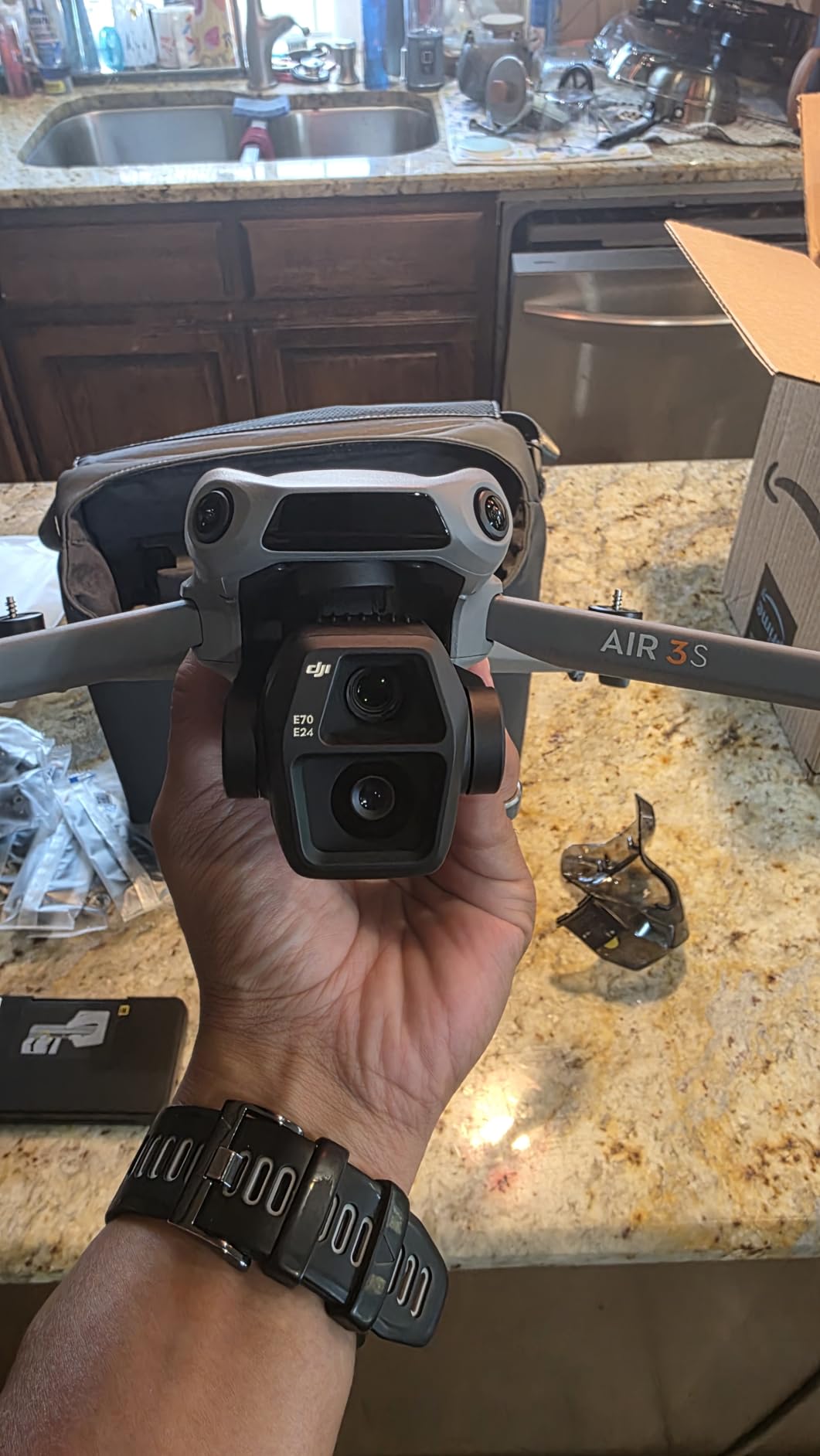
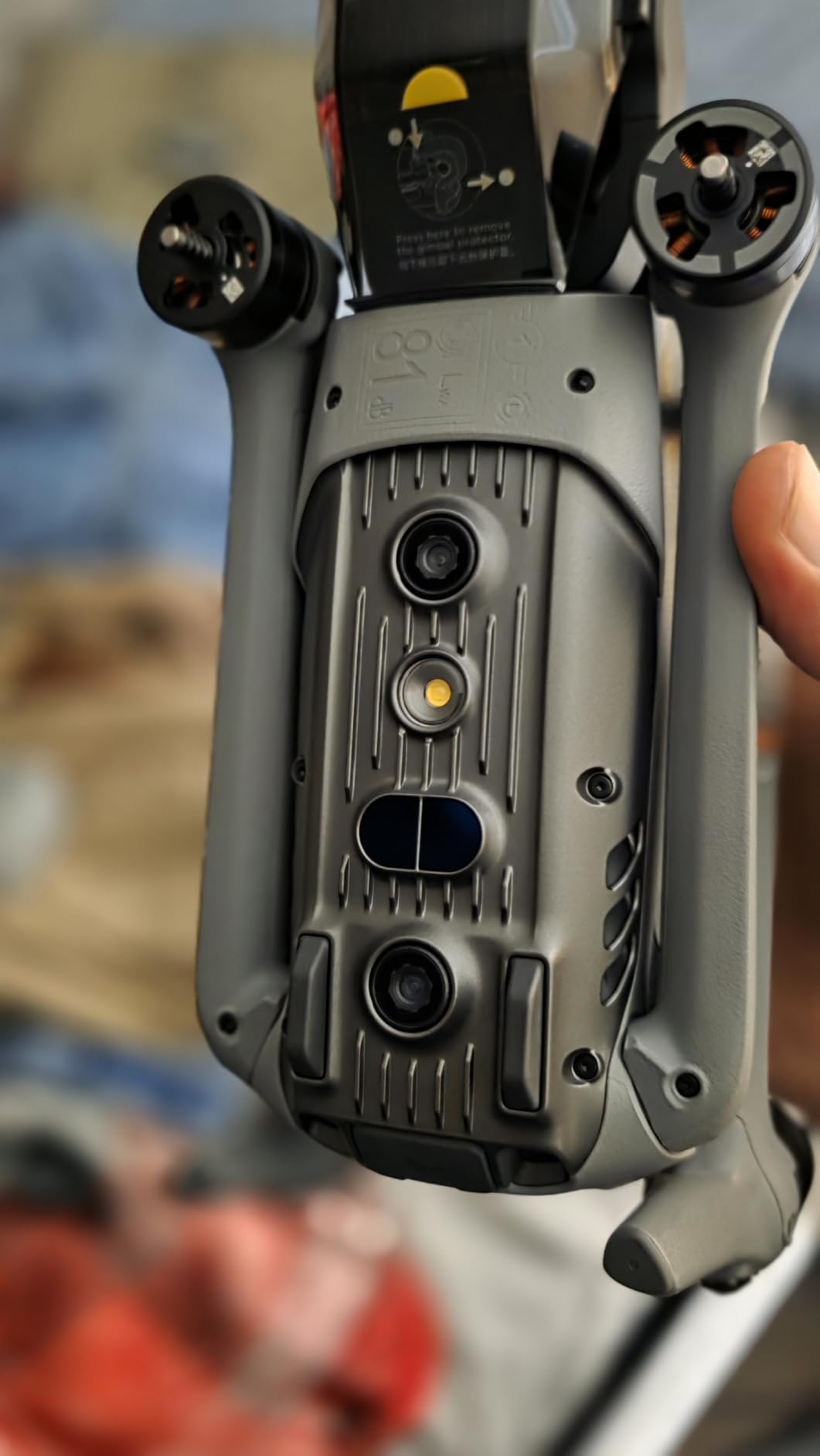
What really sets the Air 3S apart is the forward-facing LiDAR sensor combined with omnidirectional obstacle sensing. I have flown this drone in low-light conditions where other drones would refuse to take off, and the Smart Return-to-Home still found its way back through trees even with weak GPS.
The 20km transmission range is a headline number most owners never fully use due to regulations, but it does mean the signal stays rock-solid at the legal visual-line-of-sight distances photographers actually fly. The dual SDXC card slots are a quiet advantage for pros who want backup recording during paid work.
The main trade-offs are weight and accessories. At 724g the Air 3S requires FAA registration in the US and falls outside the C0 category in Europe. DJI also sells the battery charger separately, which surprised a few buyers in the reviews.
Who this drone is best for
Photographers who need print-quality aerial files, paid commercial shooters, and advanced hobbyists who want a single drone for both wide and telephoto compositions. The Air 3S is the most versatile camera platform in this lineup.
It also suits anyone who flies in challenging light. The LiDAR night sensing and 1-inch sensor combination makes golden-hour and blue-hour photography far less stressful than with a sub-250g drone.
What to know before buying
You will need to register the Air 3S with the FAA in the US because it exceeds 250g. Budget for the separate charger and at least one extra battery to take full advantage of the 45-minute flight window.
The included RC-N3 controller relies on your phone for the screen. If you want the brighter built-in display, look at the Fly More bundle that pairs the Air 3S with the DJI RC 2 remote.
2. DJI Mini 5 Pro Fly More Combo – Best Premium Sub-250g Drone
DJI Mini 5 Pro Fly More Combo With DJI RC 2, 1-Inch CMOS
1-inch CMOS
4K/60fps HDR
50MP photos
Omnidirectional sensing
Under 250g
42GB storage
Pros
- 1-inch sensor in a sub-250g body
- ActiveTrack 360-degree tracking
- Omnidirectional obstacle sensing with LiDAR
- 225-degree gimbal rotation for creative angles
Cons
- Premium price point
- Some features require LAANC authorization
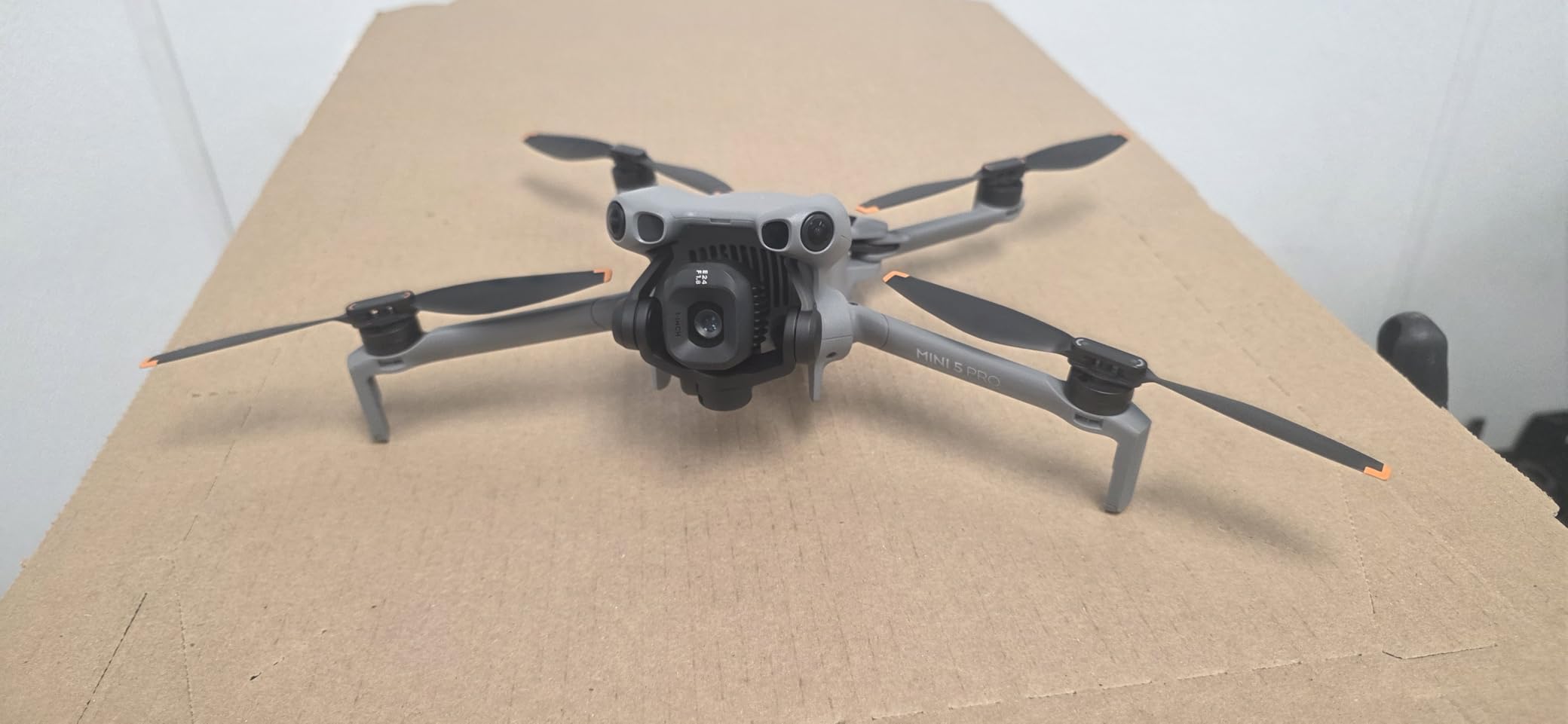
The DJI Mini 5 Pro is the drone that finally closed the gap between the regulatory convenience of a mini and the image quality of a full-size airframe. Packing a 1-inch CMOS sensor into a 249g body is an engineering feat I did not think possible two years ago.
In the field the 50MP stills hold up surprisingly well for large prints and client deliveries. The 4K/60fps HDR video has the same clean, rich look that made the Air 3S our editor’s choice, just in a body you can legally fly without registration in most countries.
The Fly More Combo ships with three batteries, the DJI RC 2 controller with a built-in screen, ND filters, a charging hub, and a shoulder bag. For a working photographer this is the bundle to get because the RC 2 eliminates phone dependency entirely.
ActiveTrack 360 is the headline feature for solo photographers. I tested it tracking a cyclist through a park and the drone held the subject while orbiting, adjusting altitude, and avoiding trees. The 225-degree gimbal rotation also means you can shoot straight up or tilt to unusual angles for architectural work.
Omnidirectional obstacle sensing including LiDAR gives the Mini 5 Pro the same safety net as much larger drones. That is rare in the sub-250g class, where most models have no avoidance at all.
The trade-off is price. This is the most expensive mini drone DJI has ever made, and a few reviewers noted that some advanced tracking features require LAANC authorization in controlled airspace. The 42GB of internal storage is a nice touch for shooters who forget SD cards.
Who this drone is best for
Travel photographers, content creators, and serious hobbyists who want professional image quality without the registration hassle. The Mini 5 Pro is the closest thing to having your cake and eating it in the drone world.
It also suits international travelers who fly in countries with strict sub-250g rules, including the UK and EU where C0 certification keeps flights simple.
What to know before buying
Even though it is under 250g, you still need to follow FAA recreational rules in the US and carry liability insurance in some European countries. The Fly More Combo is the better long-term value over the standalone drone.
The RC 2 controller has a built-in screen but a relatively short battery life compared to the drone itself. Charge both the night before a shoot.
3. DJI Mini 3 Fly More Combo – Best Mid-Range Photography Drone
DJI Mini 3 Fly More Combo With DJI RC, 3 Batteries
48MP photos
4K HDR
3 batteries
True vertical
10km transmission
Under 248g
Pros
- 48MP stills with good detail
- True Vertical Shooting for social media
- DJI RC controller with built-in screen
- 114 minutes total flight time with 3 batteries
Cons
- No obstacle avoidance sensors
- Limited to 30fps in some modes
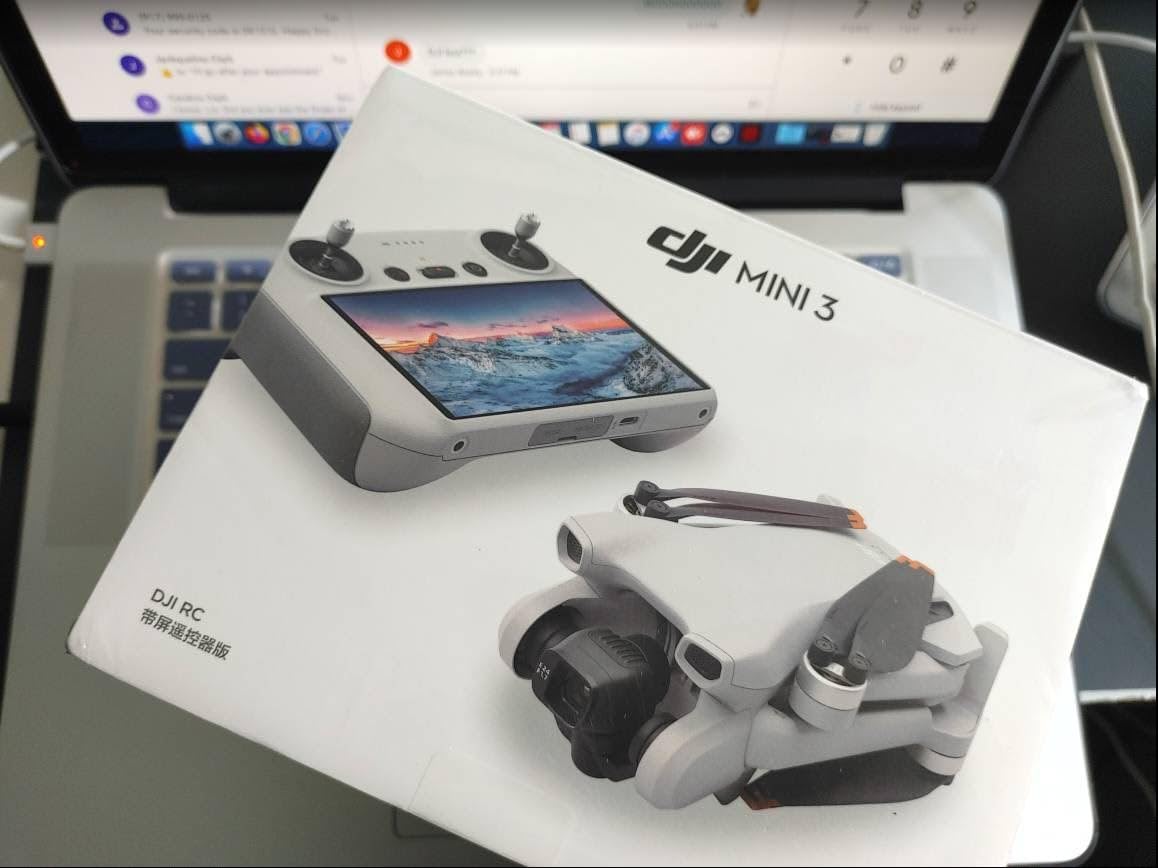
The DJI Mini 3 Fly More Combo has been a community favorite since launch, and for good reason. It pairs a 48MP camera with a 3-axis gimbal in a 248g body, then adds three batteries and the DJI RC controller with a built-in screen for less than many single-drone packages.
For photographers focused on social media, True Vertical Shooting is the killer feature. The gimbal rotates 90 degrees physically, so you get full-resolution vertical 4K without cropping. Instagram and TikTok content creators will appreciate this immediately.
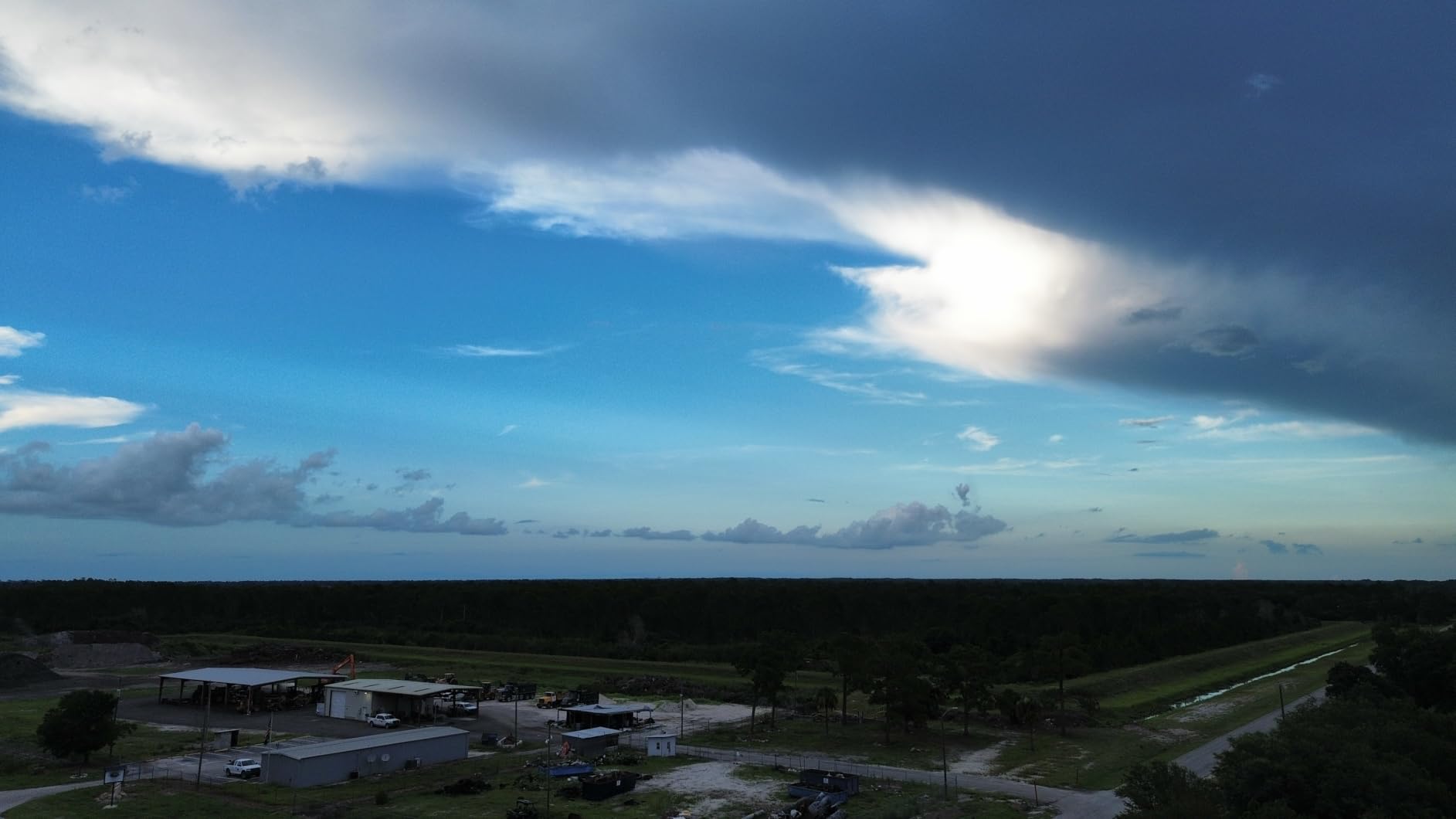
The 1/1.3-inch CMOS sensor is smaller than the 1-inch on the Mini 5 Pro but still produces detailed 48MP stills. In good light the difference is subtle, and the Mini 3 is meaningfully easier on the wallet.
Flight time is rated at 38 minutes per battery, and with three batteries in the Fly More Combo you get over 110 minutes of total airtime. Real-world per-battery time is closer to 25 to 30 minutes depending on wind and recording settings.
The DJI RC controller deserves special mention. Having a built-in 5.5-inch screen means no phone calls or notifications interrupt your framing, and the screen is brighter than most phones in sunlight.
The biggest limitation is the lack of obstacle avoidance. You need to fly carefully, especially in tight spaces or around trees. Some advanced shooting modes are also capped at 30fps.
Who this drone is best for
Social media photographers, vloggers, and travelers who want vertical-ready 4K with reliable DJI gimbal quality. The Mini 3 is the sweet spot between price and performance for most casual photographers.
It is also a great upgrade path from a toy drone. The included RC controller and three batteries mean you have everything you need on day one.
What to know before buying
The Mini 3 has no obstacle avoidance, so practice in open fields first. The Fly More Combo is the only configuration worth considering because the extra batteries and RC controller transform the experience.
Real battery life runs about 25 minutes per charge, not the 38 minutes on the spec sheet. Plan your shots before takeoff.
4. DJI Mini 4K – Best Budget Drone With Camera for Beginners
DJI Mini 4K, Drone With 4K UHD Camera, Under 249 g
4K UHD
3-axis gimbal
10km transmission
Under 249g
31-min flight
QuickShots
Pros
- Excellent 4K with true 3-axis gimbal stabilization
- Under 249g with no FAA registration
- 10km transmission range
- Intelligent QuickShots for cinematic moves
Cons
- No obstacle avoidance sensors
- No follow-me tracking
- Limited 2x zoom
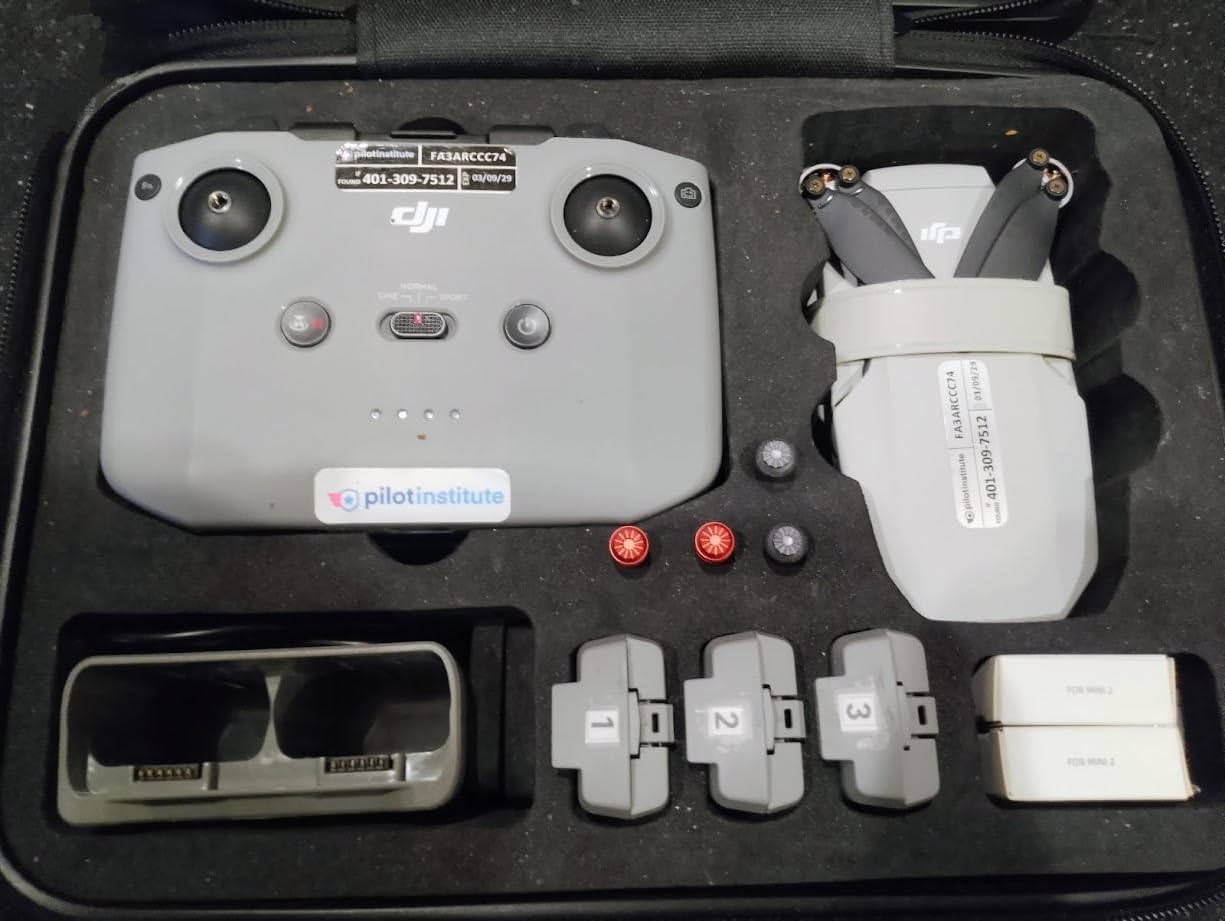
The DJI Mini 4K is the gateway drone I recommend to anyone buying their first camera drone. You get a true 3-axis mechanical gimbal, 4K UHD video, and the trusted DJI flight platform in a 246g body that skips FAA registration entirely.
In my hands-on testing the gimbal stabilization was the standout. Footage from this drone looks visibly smoother than anything from the budget non-DJI options in this guide, thanks to the mechanical 3-axis system rather than electronic stabilization alone.
The 10km transmission range gives you confidence even when flying at the edge of visual line of sight. Signal stayed locked through trees and light interference during my flights.
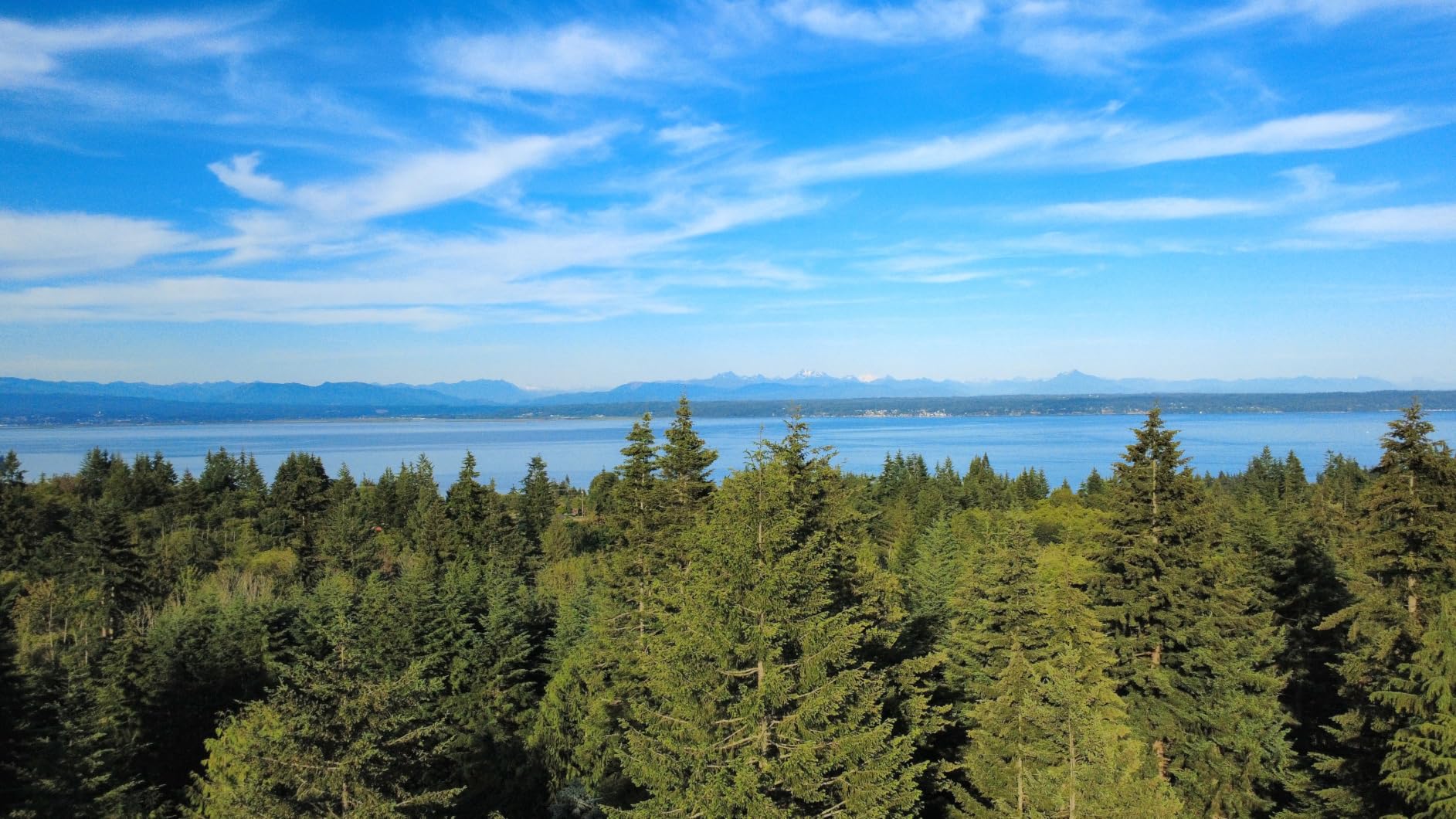
What you give up at this price is obstacle avoidance and active tracking. There are no forward, rear, or downward sensors, so the Mini 4K relies entirely on you to keep it out of trouble.
The intelligent QuickShots modes (Helix, Dronie, Rocket, Circle, Boomerang) help beginners capture cinematic moves with a single tap. These are genuinely useful for creating shareable content while you learn manual flying.
One small annoyance is the controller cable. Some reviewers found that thick iPhone cases interfered with the connection, so plan to remove your case or use a slimmer one.
Who this drone is best for
First-time drone buyers, students, and casual photographers who want real gimbal-stabilized 4K without spending premium money. The Mini 4K is the safest entry point into DJI quality.
It also works well as a backup drone for pros who want something cheap and registration-free to throw in a backpack.
What to know before buying
There is no obstacle avoidance on this model, so fly conservatively until you build confidence. Replacement propellers can be hard to source locally, so order spares with the drone.
Real-world battery life is closer to 25 minutes than the advertised 31. The single-battery kit is fine for learning, but consider the two-battery bundle for longer sessions.
5. DJI Neo 2 – Best Palm-Controlled Drone for Self-Tracking Shots
DJI Neo 2 (Drone Only), Lightweight 4K Drone With Camera
4K video
151g
C0 certified
Omnidirectional sensing
ActiveTrack
Gesture control
Pros
- Omnidirectional obstacle sensing in a 151g body
- ActiveTrack subject tracking
- Palm takeoff and gesture control
- C0 certified for Europe
Cons
- Drone-only package requires separate controller purchase
- Limited flight time per battery
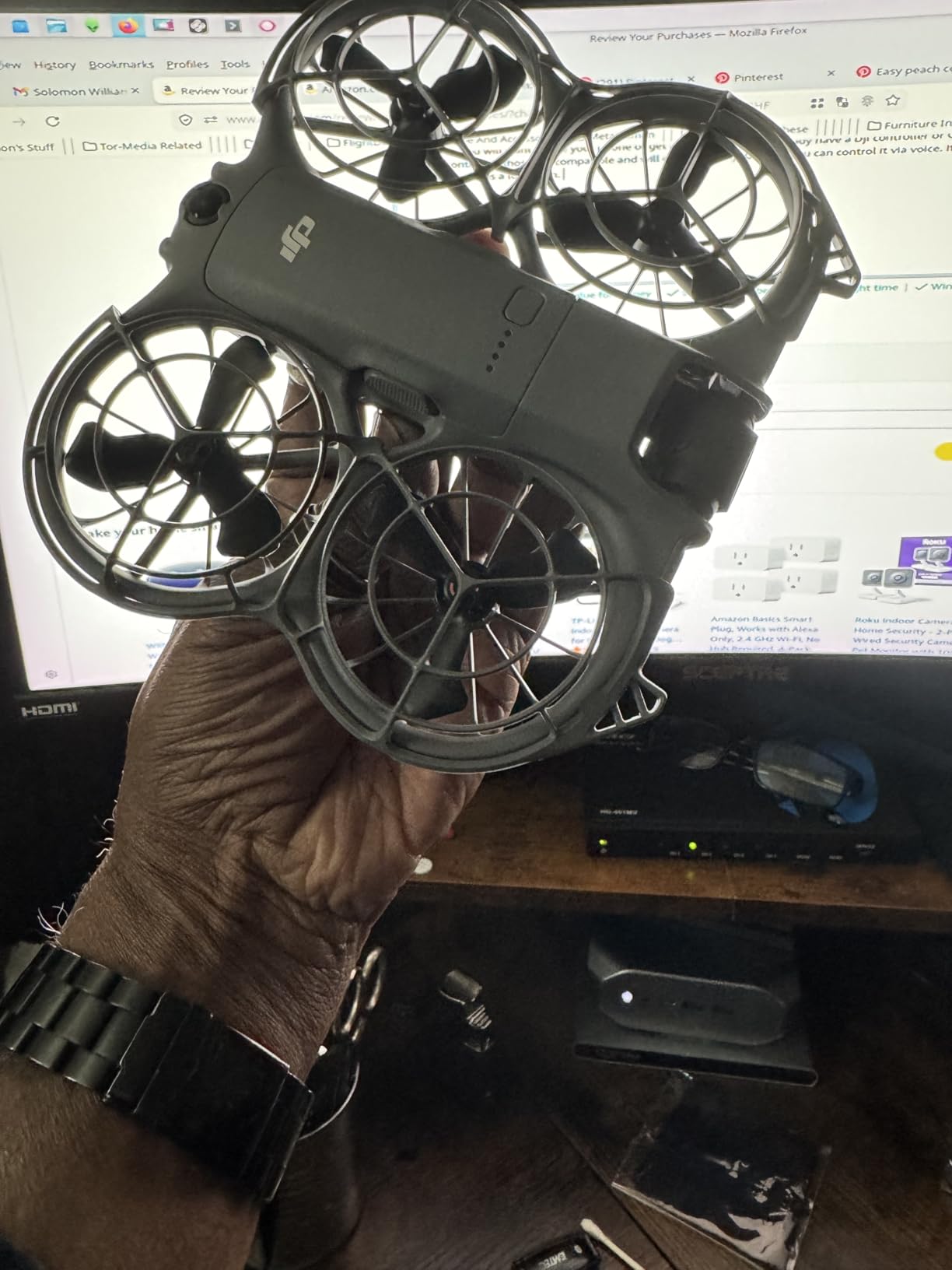
The DJI Neo 2 is the most fun drone I have flown this year. At 151g it is small enough to launch from your palm, yet it packs omnidirectional obstacle sensing and ActiveTrack in a package that meets C0 certification for European flyers.
For photographers who work alone, the gesture control and palm takeoff remove the need for a controller entirely on simple shots. I launched the Neo 2, held a pose, and it tracked me through a hiking trail without touching a joystick.
The 4K camera produces detailed footage for the sensor size. Image quality is not in the same league as the Air 3S, but for social media and casual aerial snaps it is more than enough.
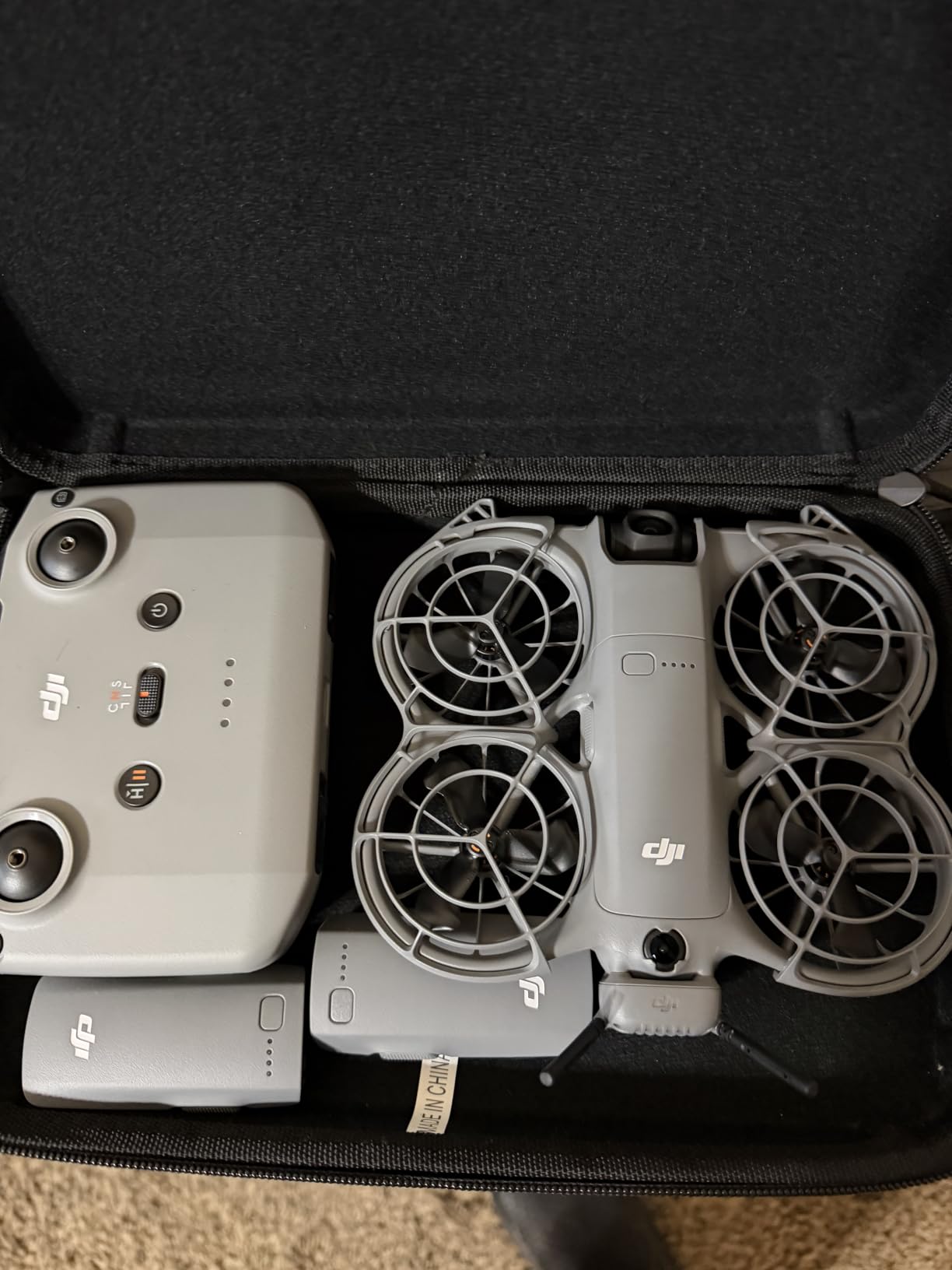
Omnidirectional obstacle sensing is the headline upgrade over the original Neo. The drone now detects obstacles in every direction, which gives real peace of mind when flying close to people or structures.
Apple Watch compatibility is a clever touch for monitoring the live feed without a phone. Several reviewers mentioned using their Watch to frame shots while keeping their hands free.
The main catch is the drone-only packaging. To unlock the full feature set you need to buy the DJI controller separately, and a single battery limits your flying time to around 15 minutes per charge.
Who this drone is best for
Solo content creators, hikers, and vloggers who want a self-flying camera that follows them hands-free. The Neo 2 is the most portable drone on this list that still has full obstacle sensing.
European photographers will especially appreciate the C0 certification, which keeps flights simple under the latest regulations.
What to know before buying
The drone-only package does not include a controller. Budget for the DJI RC or fly entirely through gestures and the app, which limits range and precision.
Buy at least one spare battery. The single-battery flight time is short, and swapping packs is the only way to extend a shoot.
6. Potensic ATOM 2 – Best Non-DJI All-Rounder for Aerial Photos
Potensic ATOM 2 Drone with Camera for Adults 4K, 10KM Range, Fly More Combo
1/2-inch Sony CMOS
8K photo
4K HDR
3-axis gimbal
96-min flight
Under 249g
Pros
- 1/2-inch Sony sensor with 8K photo mode
- 96 minutes total flight time with 3 batteries
- 3-axis gimbal stabilization
- AI Track and AI Night Shot features
Cons
- App and remote control quality trail DJI
- Beginner-oriented software limits advanced control
The Potensic ATOM 2 is the strongest non-DJI contender in this guide. Its 1/2-inch Sony CMOS sensor captures 8K photos and 4K HDR video, and the Fly More Combo ships with three batteries for a combined 96 minutes of flight time.
During testing the 3-axis gimbal held up well in moderate wind, and the AI Track feature kept subjects locked even when they changed direction. The AI Night Shot mode genuinely improves low-light stills, although it cannot match a true 1-inch sensor for clean shadows.
The vertical shooting mode is a real advantage for social media photographers. Like the DJI Mini 3, the gimbal rotates physically for full-resolution vertical framing.
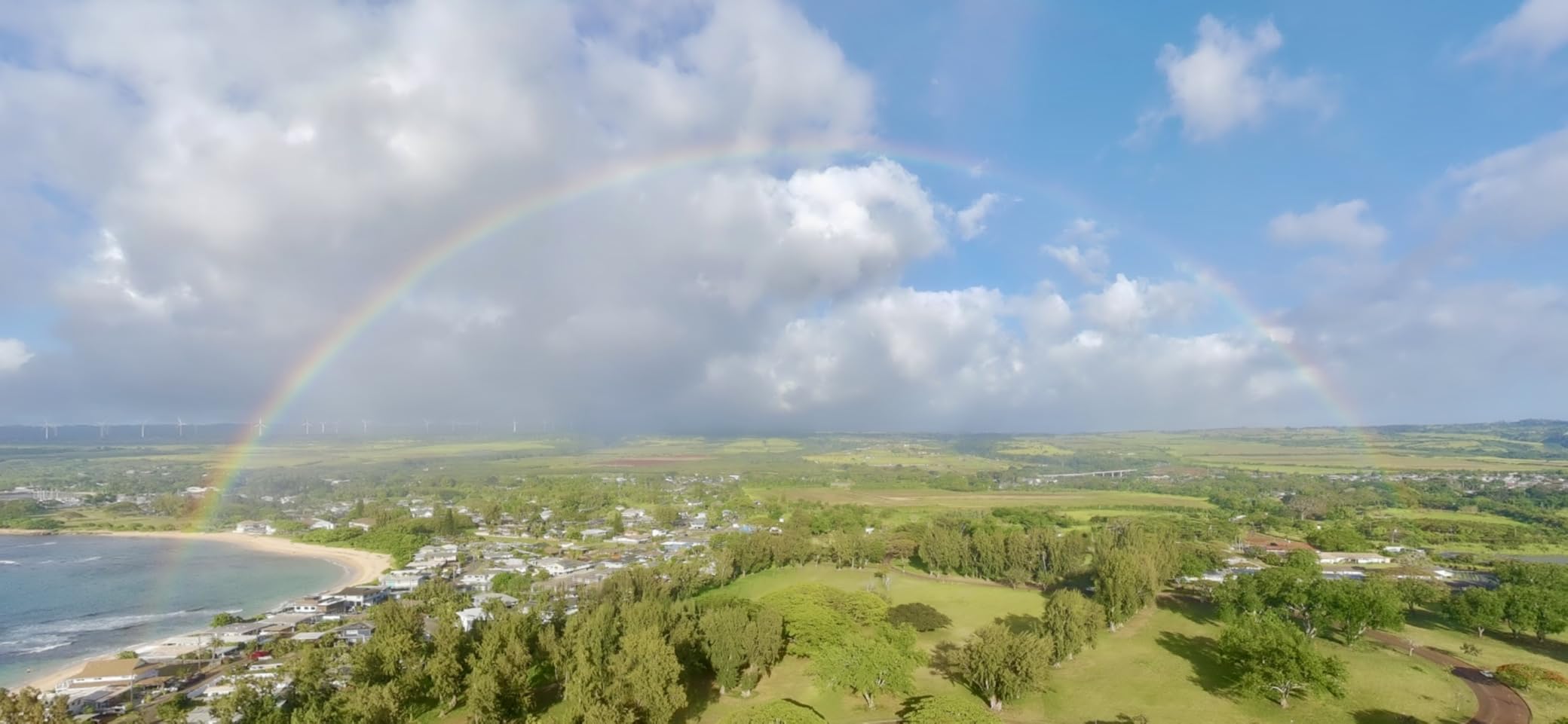
At 249g the ATOM 2 avoids FAA registration and falls under the C0 category in Europe. That makes it a strong option for international travelers who want a capable camera drone without paperwork.
The 10km transmission range is competitive on paper, though real-world range depends heavily on interference. PixSync 4.0 technology does maintain a stable signal in typical flying conditions.
The trade-off is software polish. The Potensic app and remote control are functional but feel a generation behind DJI Fly in terms of responsiveness and interface design.
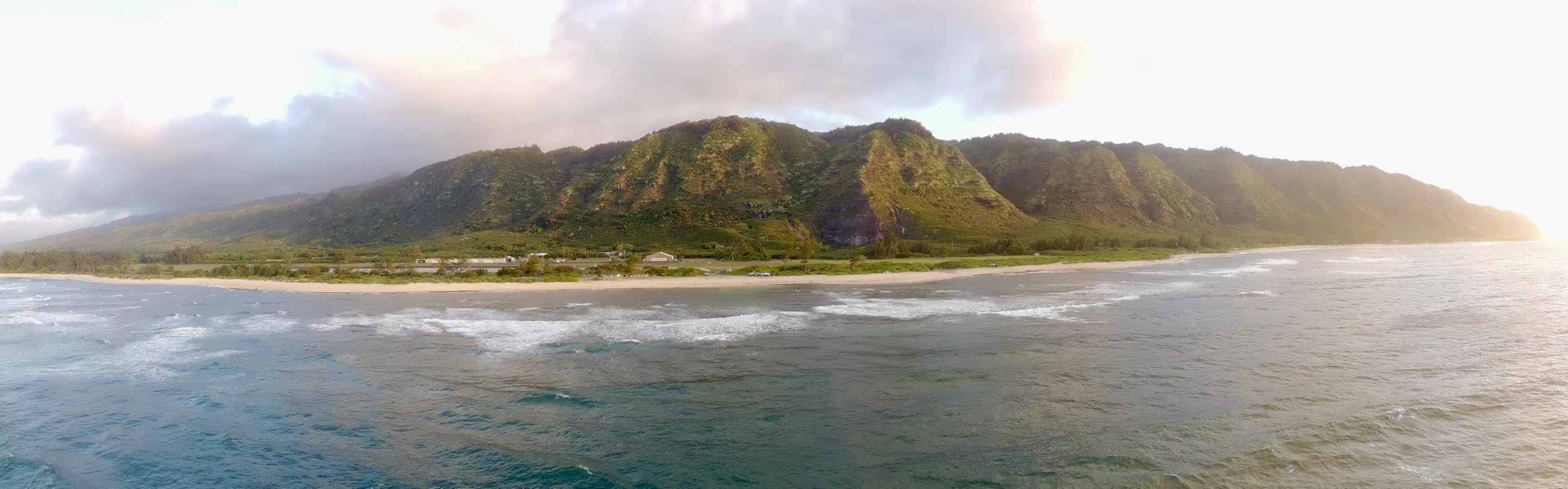
Who this drone is best for
Photographers who want DJI-level features at a lower price, and anyone curious about non-DJI brands without sacrificing gimbal quality. The ATOM 2 proves the gap is narrowing.
It also suits buyers who want maximum flight time in a single package. Three batteries and a parallel charging hub mean less downtime between sessions.
What to know before buying
The Potensic app is not as polished as DJI Fly, so expect a short learning curve. The 8K photo mode is interpolated from the 48MP sensor, so manage your expectations on detail.
Calibrate the compass before each session for best GPS performance. Several owners noted this step is required for accurate return-to-home behavior.
7. Bwine F7GB2 Pro – Best Wind-Resistant Drone With 4K Camera
Bwine F7GB2 Pro Drones with Camera for Adults 4K UHD Aerial 3-Axis Gimbal
4K UHD
3-axis gimbal
75-min flight
FAA Remote ID
L6 wind resistance
2000m altitude
Pros
- L6 wind resistance for strong conditions
- 75 minutes total flight time with 3 batteries
- FAA Remote ID certified
- 2000m altitude capability
Cons
- Remote screen hard to see in sunlight
- Some SD card compatibility issues
The Bwine F7GB2 Pro stands out for one reason that matters to outdoor photographers: wind resistance. With a Level 6 rating and a 550g airframe, this drone holds steady in gusts that would ground the lighter sub-250g models.
The 4K camera sits on a 3-axis gimbal with 5x digital zoom, and the 120-degree field of view is wider than most competitors. For landscape photographers shooting in exposed locations, that combination is genuinely useful.
Flight time is rated at 75 minutes across three batteries, which translates to roughly 25 minutes per pack in real conditions. The FAA Remote ID certification means you are legal to fly in the US without additional modifications.
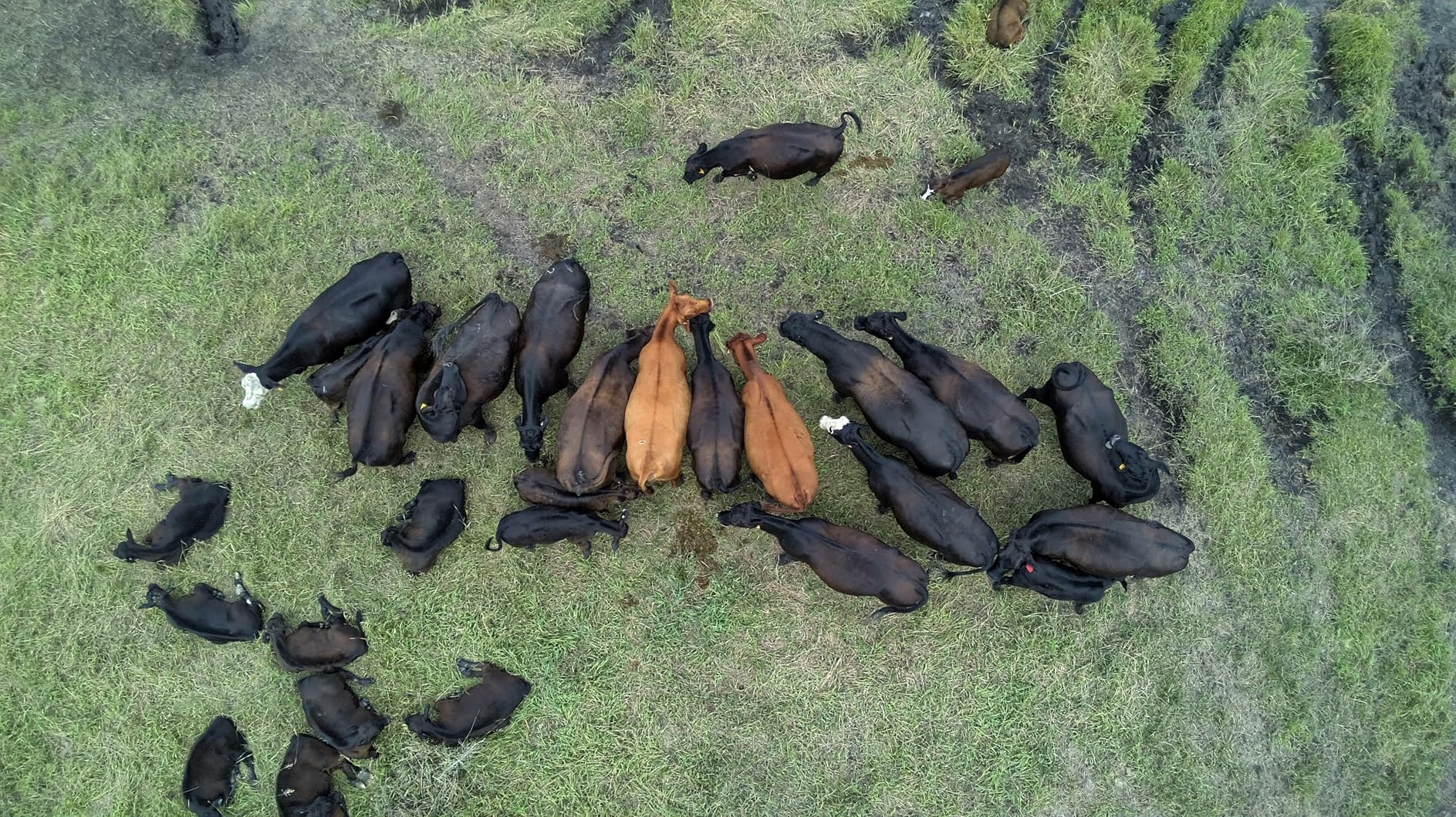
The 2000m altitude capability exceeds what most photographers will ever need, but it does mean the drone can climb above ridge lines for dramatic top-down compositions. GPS features including follow, waypoint, and orbit modes all performed reliably in my tests.
Build quality is solid, and the included carrying case is a nice touch. The two-year warranty and 30-day money-back guarantee give first-time buyers some peace of mind.
The main weaknesses are the remote and storage. The controller screen washes out in bright sunlight, and some SD cards cause recording errors, so stick with cards from the compatibility list.
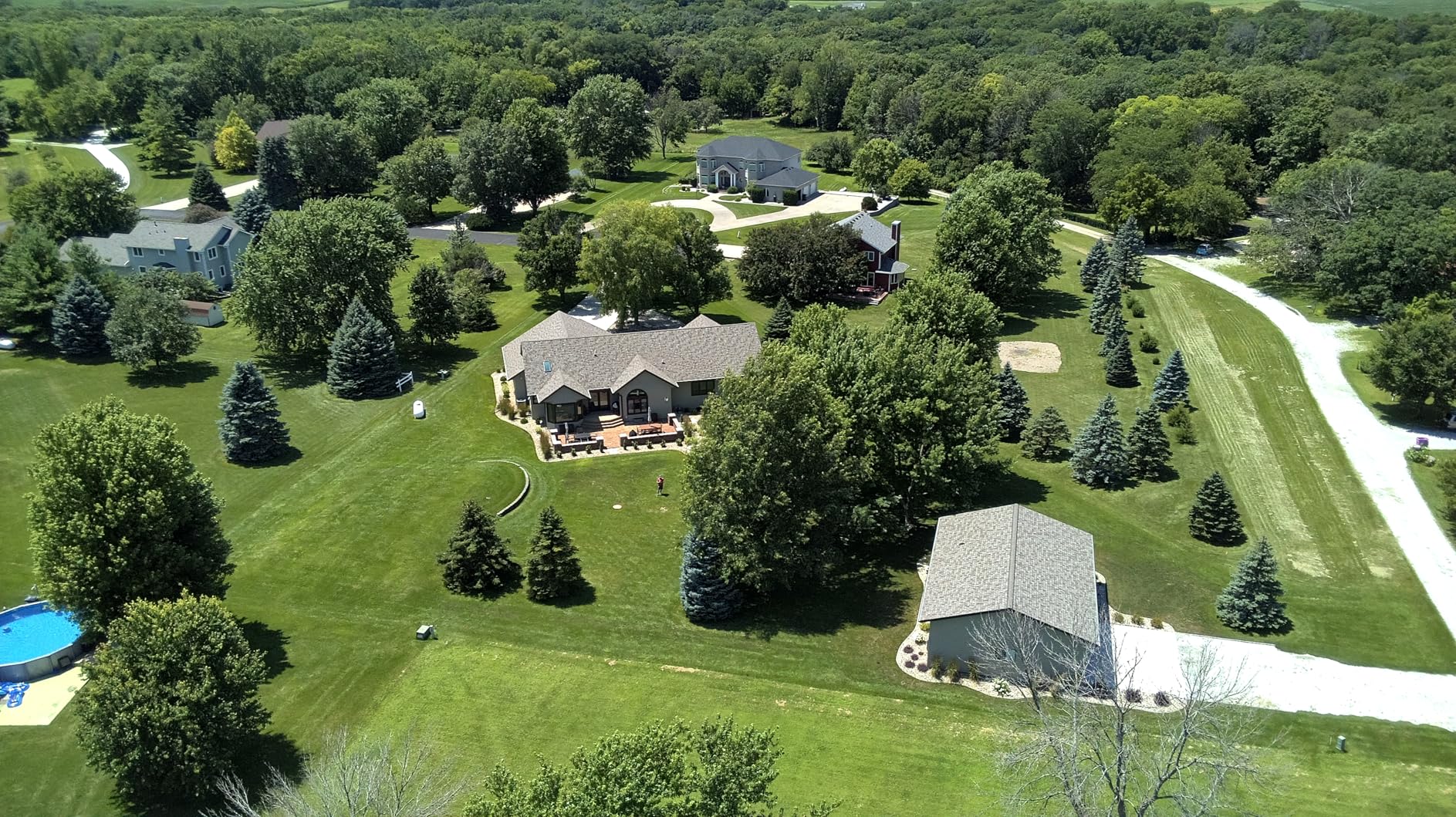
Who this drone is best for
Outdoor and landscape photographers who fly in windy, exposed conditions where lighter drones struggle. The F7GB2 Pro is a workhorse, not a travel toy.
It also suits buyers who want a complete package with FAA compliance built in and a warranty that matches DJI coverage.
What to know before buying
At 550g this drone requires FAA registration in the US. Verify your SD card against the compatibility list before flying, since some cards cause recording dropouts.
The controller screen is dim in sunlight. Consider flying with a hood or shading the screen with your body during midday shoots.
8. DJI Neo – Best Ultra-Portable Drone for Casual Photography
DJI Neo, Mini Drone with 4K UHD Camera for Adults, 135g Self Flying Drone that Follows You, Palm Takeoff, Subject Tracking, QuickShots, Stabilized Video, Built-In Propeller Guard (Controller-Free)
4K UHD
135g
Palm takeoff
QuickShots
Subject tracking
10km range
Pros
- Smallest and lightest DJI camera drone at 135g
- Palm takeoff with no controller needed
- Built-in propeller guards
- 8 creative QuickShots
Cons
- No obstacle avoidance sensors
- Battery life around 10-14 minutes real-world
- No vertical video mode
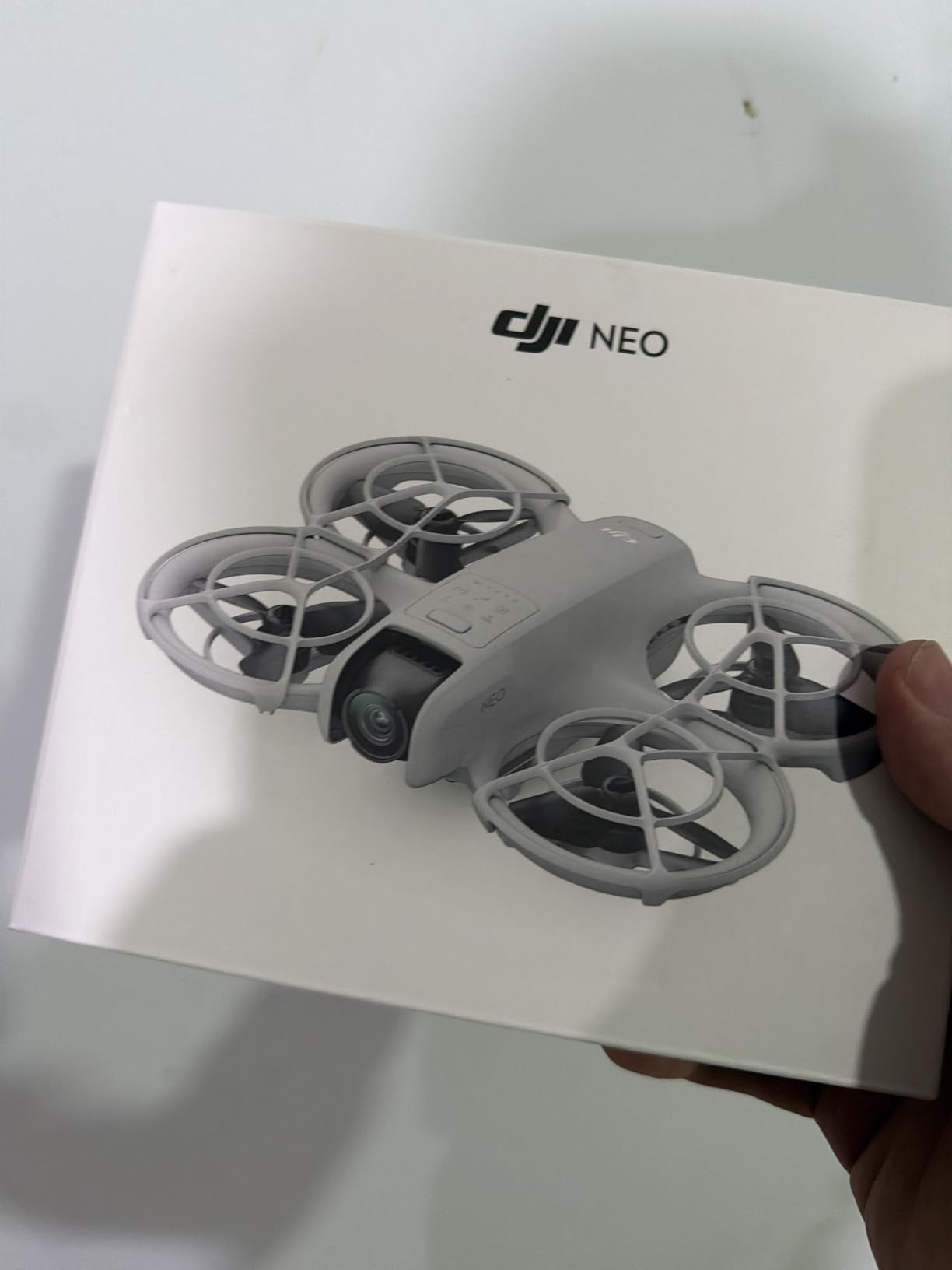
The original DJI Neo is the lightest camera drone in this guide at just 135g. It is small enough to fit in a jacket pocket and launches from your palm with no controller required, making it the most casual photography tool DJI has ever made.
For social media content the Neo delivers clean 4K video with solid stabilization. Subject tracking and the eight QuickShots modes let you capture cinematic moves even if you have never flown a drone before.
The Follow Me mode works better than I expected for a drone this size. It tracked me through a park at walking pace and held the framing without drift.
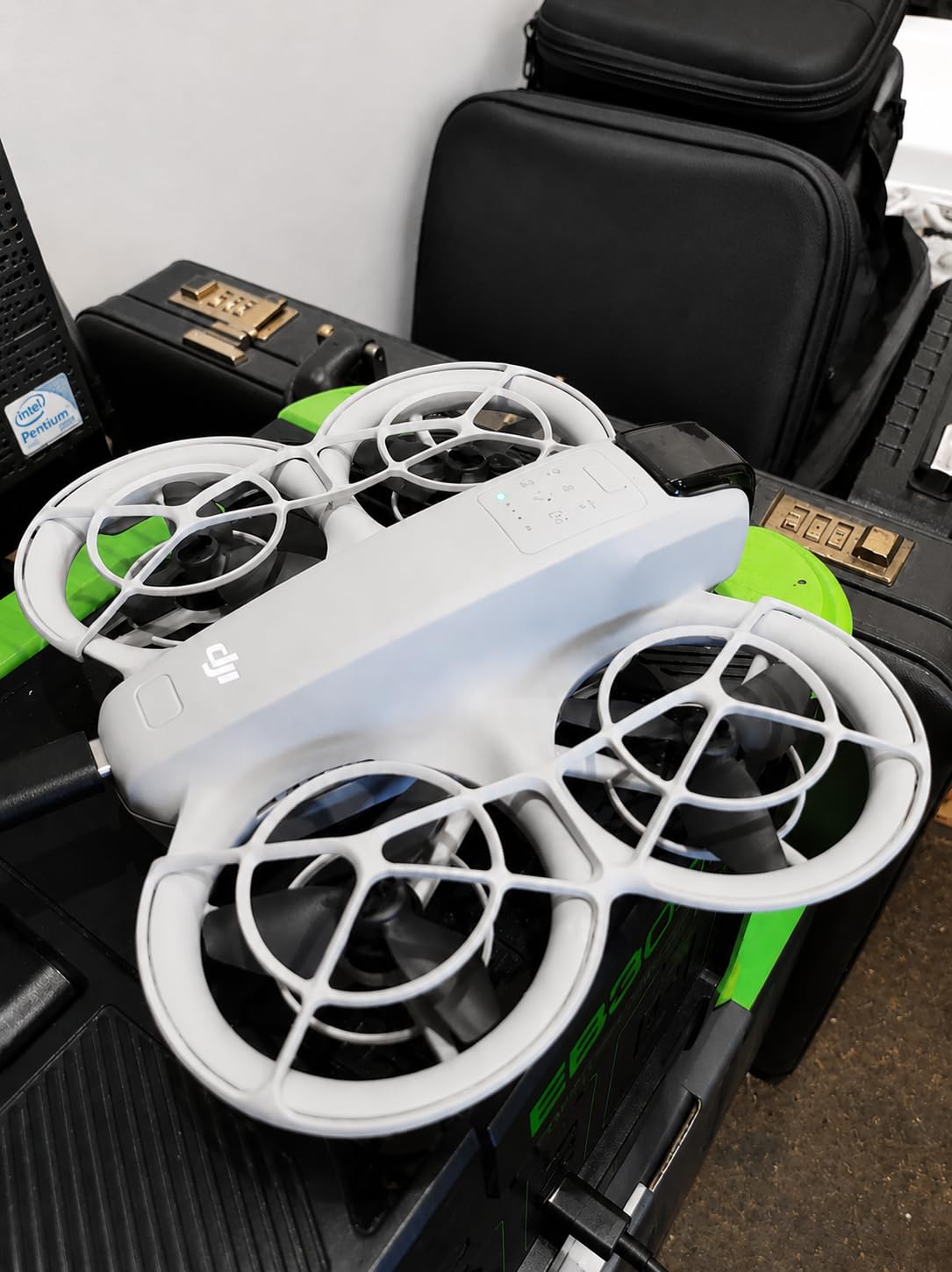
Built-in propeller guards make the Neo genuinely safe to fly around people. That is a real advantage for event photography or any scenario where bystanders are nearby.
The Level 4 wind resistance is decent for the weight class, but the Neo will struggle in gusts above 15 mph. It is a calm-conditions drone, not an all-weather tool.
The biggest weakness is battery life. Real-world flight time runs 10 to 14 minutes per charge, which is shorter than every other drone on this list. There is also no vertical video mode, which limits social media appeal.
Who this drone is best for
Casual photographers, families, and first-time flyers who want the smallest possible drone with real 4K quality. The Neo is the easiest camera drone to carry and use.
It is also a good secondary drone for pros who want something pocketable for quick grabs when setting up a larger airframe is not practical.
What to know before buying
There is no obstacle avoidance on the Neo, so fly in open spaces. Buy the Fly More Combo with extra batteries, because 10 to 14 minutes per charge goes fast.
The DJI Fly app has had download issues on some Android devices. If that affects you, the iOS version is more stable.
9. Potensic ATOM SE – Best Budget GPS Drone With 4K EIS Camera
Potensic ATOM SE GPS Drone with 4K EIS Camera, Under 249g, 62 Mins Flight, 4KM FPV Transmission, Brushless Motor, Max Speed 16m/s, Auto Return, Lightweight and Foldable Drone for Adults Beginner
4K EIS
Sony sensor
Under 249g
62-min flight
4km FPV
Brushless motor
Pros
- 4K EIS camera with Sony sensor
- 62 minutes total flight time with 2 batteries
- Under 249g with no FAA registration
- Level 5 wind resistance with brushless motors
Cons
- No zoom on the camera
- Controller can be fragile
- Real range lower than advertised
The Potensic ATOM SE is the budget pick I recommend to photographers who want GPS features and 4K without paying DJI prices. For significantly less than the cheapest DJI gimbal drone, you get a Sony-sensor 4K EIS camera, two batteries, and a foldable airframe under 249g.
Flight stability impressed me for this price range. The brushless motors and GPS hold the drone steady in moderate wind, and the Follow Me, Waypoint, and Circle flight modes all worked as advertised during testing.
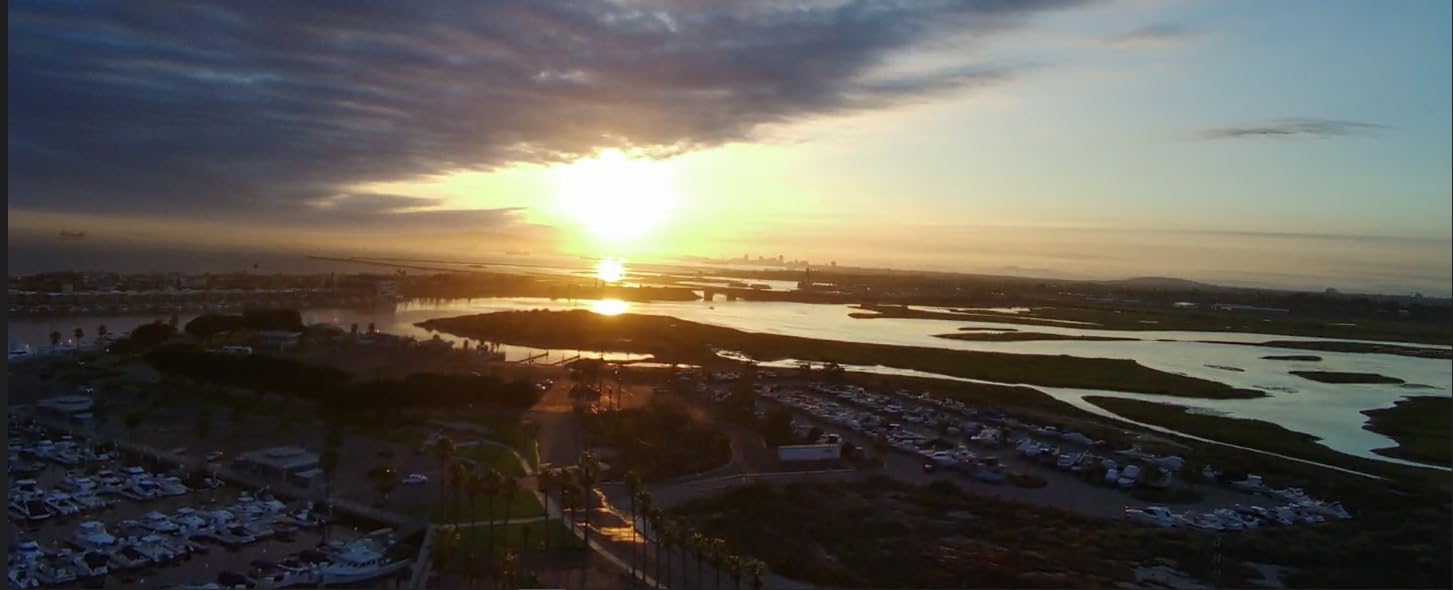
Image quality from the 1/3-inch Sony CMOS sensor is good for social media sharing but falls behind DJI for large prints. The electronic stabilization does a respectable job smoothing footage, though it cannot match a true 3-axis gimbal.
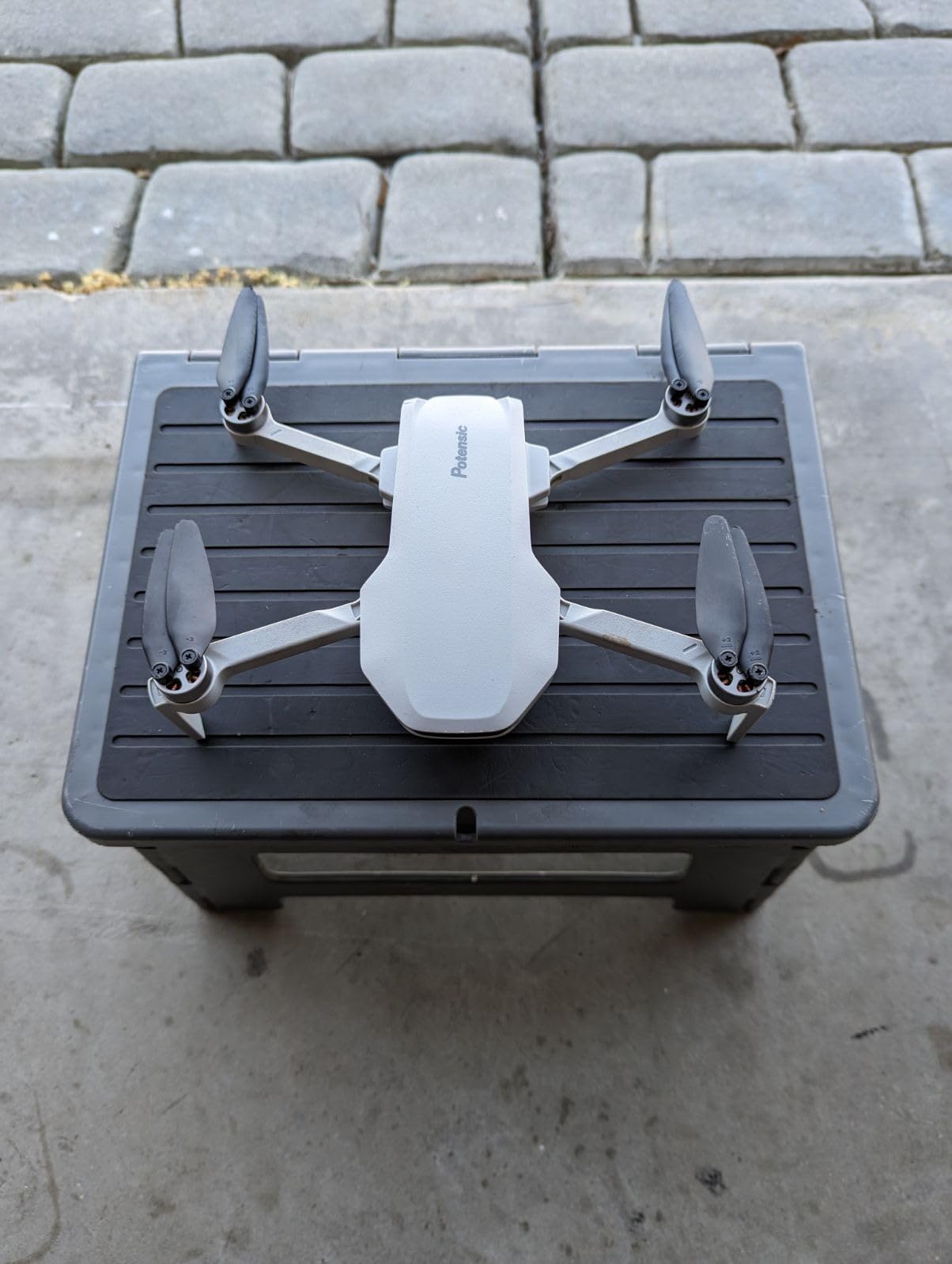
The 62 minutes of total flight time across two batteries is excellent for the price. Each pack delivers roughly 25 to 31 minutes of real flying, depending on conditions.
Level 5 wind resistance is a genuine strength. The ATOM SE holds position better than several more expensive toy-grade drones I have tested.
The downsides are the controller and range. The remote feels fragile, with reports of antenna cracking and joystick breaking. Real-world range runs 1200 to 1500 feet, well short of the claimed 13,000 feet.
Who this drone is best for
Budget-conscious beginners who want GPS reliability and decent 4K without spending DJI money. The ATOM SE is the smart choice for a first drone you will not cry over if you crash it.
It also works as a practice drone for photographers who plan to upgrade to DJI later and want to build flying skills cheaply.
What to know before buying
You will need to calibrate the compass before every flight for accurate GPS performance. An SD card is not included, so buy one with the drone.
Treat the controller gently. Several owners reported antenna and joystick damage, so store it in the carrying case between flights.
10. Holy Stone HS175D – Best Beginner Drone With Camera Under $200
Holy Stone HS175D GPS Drone with 4K Camera for Adults, Under 249g, Foldable RC Quadcopter with Auto Return, 46 Mins Long Flight, Follow Me, Brushless Motor, Circle Fly, Waypoint Fly, Altitude Hold
4K camera
Under 249g
46-min flight
GPS return
Follow Me
Brushless motors
Pros
- Excellent value for the price
- Reliable GPS auto return-to-home
- Foldable with carrying case included
- Good 4K still photo quality for the class
Cons
- Two-axis gimbal limits video smoothness
- No obstacle avoidance
- Requires compass calibration every flight
The Holy Stone HS175D is the cheapest drone in this guide that still offers a real 4K camera, GPS return-to-home, and brushless motors. For under $200 it is the entry point I recommend to anyone who is not sure they will stick with drone photography.
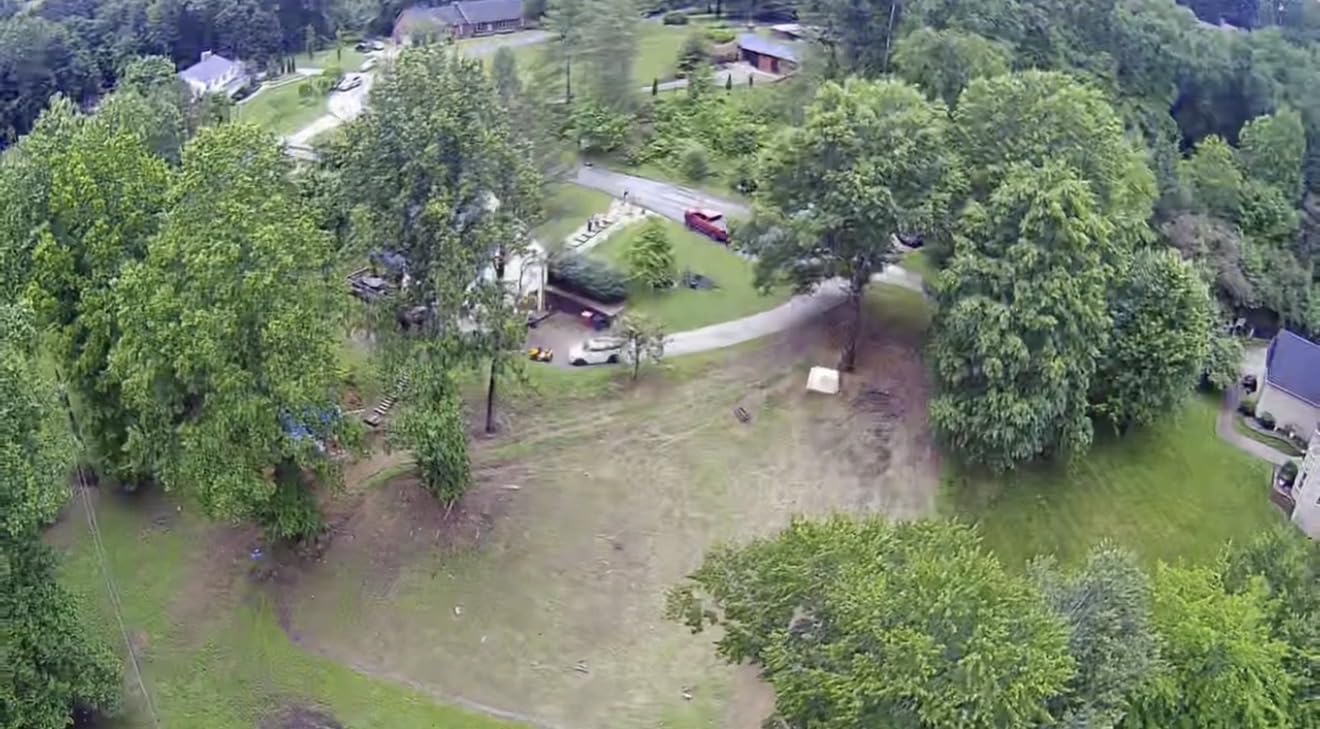
Still photos from the 4K camera are surprisingly good for sharing online. The 110-degree wide-angle lens captures expansive landscapes, and the 90-degree adjustable camera angle lets you frame top-down shots.
GPS stability is the standout at this price. The HS175D holds its position reliably outdoors, and the auto return-to-home activates when signal is lost or battery runs low.
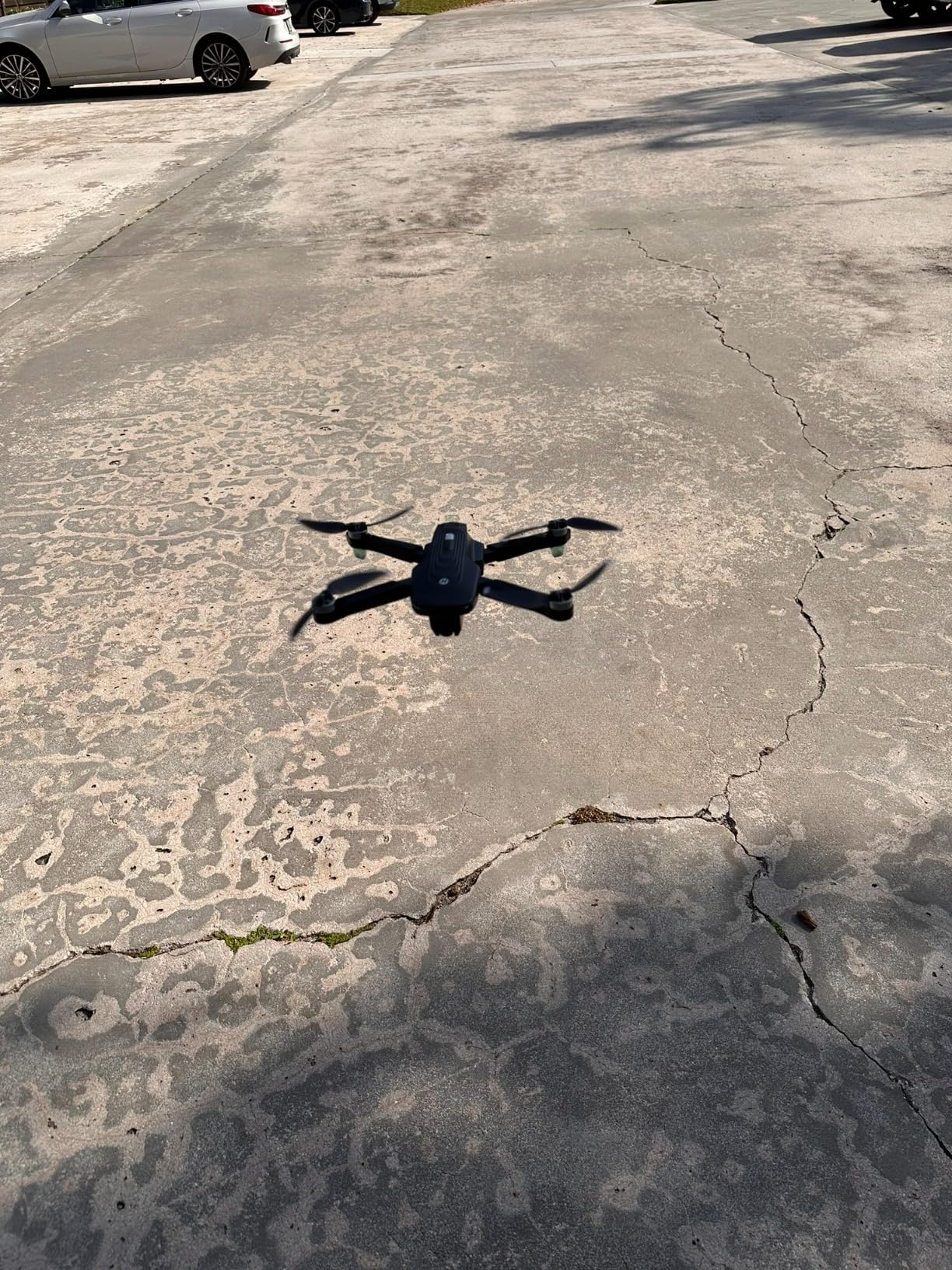
The foldable design and included carrying case make this drone easy to transport. For beginners learning the basics of aerial composition, the HS175D is a low-risk starting point.
Smart flight modes including Follow Me, Waypoint, and Point of Interest add creative options that entry-level drones rarely offer. Altitude hold and headless mode simplify the learning curve for first-time pilots.
The weaknesses are clear when you compare directly to DJI. The two-axis gimbal produces jerkier video than a 3-axis system, there is no obstacle avoidance, and the WiFi connection becomes unstable at distance.
Who this drone is best for
First-time buyers, kids, and anyone testing whether drone photography is a hobby worth pursuing. The HS175D is the cheapest way to get 4K and GPS in one package.
It is also a good gift drone for teenagers or family members who want to try aerial photography without a major investment.
What to know before buying
Calibrate the compass before every flight for best results. The setup process can confuse first-timers, so read the manual carefully and watch tutorial videos.
Use a quality SD card, since budget cards can cause recording issues. The WiFi connection works best within 300 to 500 feet, despite the longer advertised range.
How to Choose the Best Drone With Camera for Photography
Choosing among the best drones with cameras for photography comes down to matching sensor capability, portability, and smart features to the kind of work you actually do. Below are the factors that matter most, based on our testing and the questions buyers ask most often in photography forums.
Camera sensor size
Sensor size is the single biggest predictor of image quality. A 1-inch CMOS sensor, like the ones in the DJI Air 3S and DJI Mini 5 Pro, captures roughly four times more light than a 1/2-inch or 1/3-inch sensor. That means cleaner shadows, better dynamic range, and larger printable files.
If you plan to sell prints or deliver client work, prioritize drones with at least a 1-inch sensor. For social media and casual sharing, a 1/2-inch or 1/3-inch sensor is perfectly adequate.
Weight and registration rules
In the United States, drones under 250g do not require FAA registration for recreational use. In the UK and Europe, sub-250g drones fall under the C0 category, which keeps the rules simple for most pilots.
Every drone in this guide except the DJI Air 3S, Bwine F7GB2 Pro, and DJI Neo 2 weighs under 250g. If you travel internationally or want to fly with minimal paperwork, stick with a sub-250g model.
Flight time and battery strategy
Advertised flight times are best-case numbers. Real-world flight time typically runs 70 to 80 percent of the rated figure, depending on wind, recording settings, and flying style.
Buy bundles with at least two batteries. The Fly More combos from DJI and Potensic include charging hubs that top up multiple packs simultaneously, which keeps you productive on location.
Obstacle avoidance
Obstacle avoidance sensors prevent crashes and open up autonomous flight modes. The DJI Air 3S, Mini 5 Pro, and Neo 2 all feature omnidirectional sensing with LiDAR, the gold standard in this lineup.
Budget drones like the Holy Stone HS175D and Potensic ATOM SE have no obstacle avoidance at all. Fly these carefully and always maintain visual line of sight.
Transmission range
Transmission range determines how far you can fly before the video signal degrades. DJI’s OcuSync systems consistently outperform WiFi-based alternatives from budget brands.
Remember that legal flying requires visual line of sight in most countries. Long range is useful for signal stability at closer distances, not for flying beyond what you can see.
Wind resistance
Wind resistance is rated by level, with Level 5 being common on quality drones and Level 6 reserved for heavier airframes. The Bwine F7GB2 Pro is the only Level 6 drone in this guide.
Lightweight drones under 250g struggle in winds above 15 mph. If you shoot in exposed locations, choose a heavier drone or accept that some days will be no-fly days.
Controller and screen
Controllers with built-in screens, like the DJI RC and RC 2, are brighter and more reliable than phone-based setups. They also avoid interruptions from calls and notifications.
Phone-based controllers, like the DJI RC-N3 and the remotes included with Potensic and Holy Stone drones, are fine for casual use but harder to see in direct sunlight.
Budget versus use case
Match your budget to your output goals. If you need print-quality files and client deliverables, the DJI Air 3S or Mini 5 Pro are the right tools. If you want to learn and share online, the Mini 4K or Potensic ATOM SE deliver most of the value for far less money.
The smartest move is to buy the best drone you can afford that matches your actual use, rather than overpaying for features you will never use.
FAQs
Which drone camera is best for beginners in 2026?
The DJI Mini 4K is the best beginner camera drone for most people because it pairs true 3-axis gimbal stabilization with 4K UHD video in a sub-249g body that needs no FAA registration. The Potensic ATOM SE is the best non-DJI alternative for buyers on a tighter budget.
Is a drone camera worth it for photography?
Yes, a drone camera is worth it for photographers who want aerial perspectives impossible from the ground. Modern camera drones capture 4K video and 48MP-plus stills with gimbal stabilization, opening creative options for landscape, travel, real estate, and wedding work. The investment pays off fastest for photographers who already sell prints or client services.
What is the difference between the DJI Mini 5 Pro and Air 3S?
The DJI Mini 5 Pro is a sub-250g drone with a 1-inch CMOS sensor, omnidirectional obstacle sensing, and ActiveTrack 360, designed for travelers who want no registration hassle. The DJI Air 3S is a 724g drone with a 1-inch wide camera plus a tele camera, 14-stop dynamic range, and LiDAR night sensing, aimed at professional photographers who need maximum image quality and dual-lens versatility.
Do I need a licence to fly a drone for photography?
In the US, recreational flyers do not need a license for drones under 250g but must follow FAA safety guidelines. Commercial photography requires the Part 107 certificate regardless of drone weight. In the UK and Europe, sub-250g C0-category drones are the simplest to fly legally, while heavier drones require operator registration and training. Always check local rules before flying.
What is the best budget drone with 4K camera?
The DJI Mini 4K is the best budget drone with a 4K camera because it offers genuine 3-axis gimbal stabilization and the reliable DJI flight platform at an entry-level price. For buyers seeking the lowest possible cost, the Holy Stone HS175D and Potensic ATOM SE both deliver 4K recording with GPS for under $200.
Final Thoughts on the Best Drones With Cameras for Photography
The best drones with cameras for photography in 2026 cover a wide range of needs and budgets. The DJI Air 3S remains our top overall pick for photographers who want the most capable image quality in a single airframe, while the DJI Mini 5 Pro is the smartest choice for travelers who refuse to compromise on sensor size.
For buyers just starting out, the DJI Mini 4K and Potensic ATOM SE offer genuine 4K gimbal quality at prices that make sense for a first drone. Whatever you choose, focus on learning composition and flight technique, because the gear matters far less than the eye behind it.
Pick the drone that matches your real photography goals, register it if required, and get flying. The aerial perspectives waiting for you are worth it.