
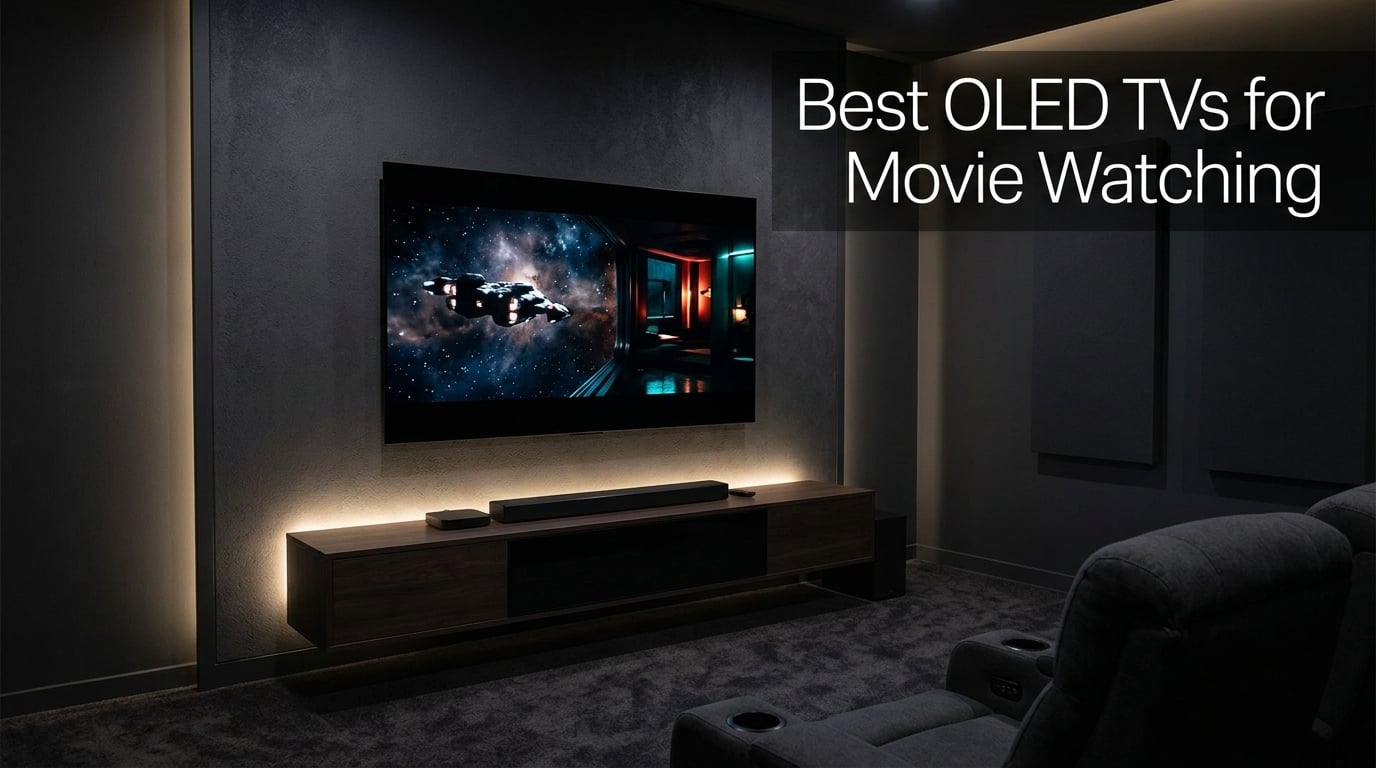
Nothing ruins a movie night faster than a washed-out picture, gray-looking blacks, and colors that feel flat. That is exactly why our team spent weeks comparing panels, watching reference films like Blade Runner 2049 and Dune, and digging through thousands of customer reviews to find the best OLED TVs for movie watching in 2026.
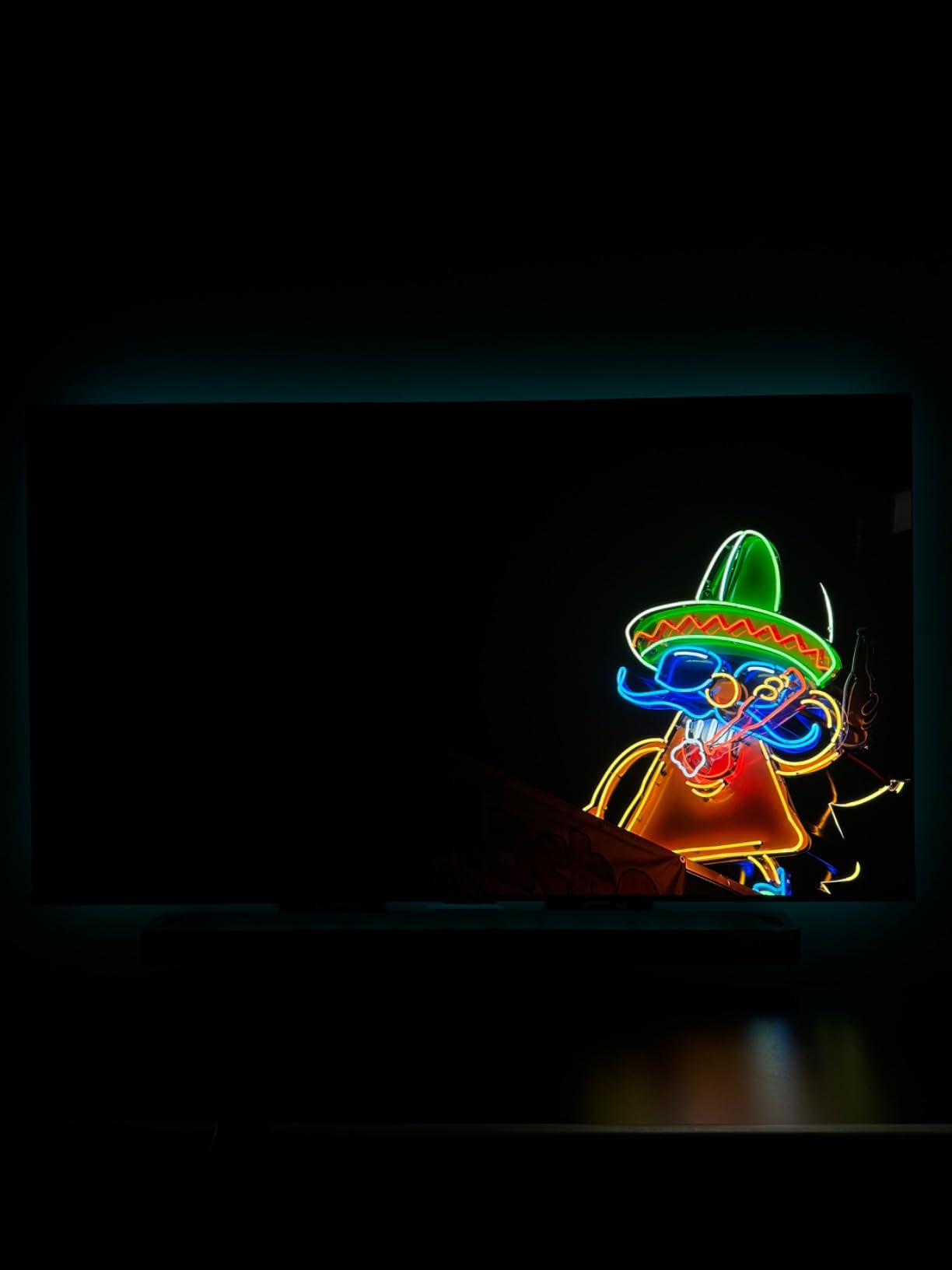
OLED technology is a dream for film enthusiasts because every single one of its 8.3 million pixels produces its own light. That means when a scene calls for total darkness, those pixels shut off completely, delivering perfect blacks and infinite contrast. No backlight bleed, no halo effects around bright objects on dark backgrounds. Just the image exactly as the filmmaker intended.
In this guide, we cover seven standout OLED models ranging from 55-inch options to a massive 77-inch cinema-grade panel. Whether you want a dark-room home theater centerpiece or a versatile living room TV that handles movies, streaming, and the occasional game night, we have a pick for you. We also break down HDR formats, Filmmaker Mode, brightness performance, and the OLED vs QLED debate so you can make an informed decision.
Table of Contents
Top 3 OLED TVs for Movie Watching October

LG OLED evo G5 77-inch
- Brightness Booster Max
- Alpha 11 AI Processor
- Dolby Vision
- Filmmaker Mode
- 4.2ch 60W Sound

Best OLED TVs for Movie Watching in 2026
| Product | Specifications | Action |
|---|---|---|
| LG OLED evo G5 77-Inch |
|
Check Latest Price |
| LG OLED evo C5 65-Inch |
|
Check Latest Price |
 Samsung OLED S90F 65-Inch Samsung OLED S90F 65-Inch |
|
Check Latest Price |
 Sony Bravia 8 65-Inch Sony Bravia 8 65-Inch |
|
Check Latest Price |
 Panasonic Z8 77-Inch Panasonic Z8 77-Inch |
|
Check Latest Price |
 LG OLED evo C4 65-Inch LG OLED evo C4 65-Inch |
|
Check Latest Price |
 LG OLED evo C5 55-Inch LG OLED evo C5 55-Inch |
|
Check Latest Price |
1. LG OLED evo G5 77-Inch — Premium Flagship for Home Theater
LG 77-Inch OLED evo AI 4K G5 Series Smart TV (OLED77G5WUA, 2025)
77-inch 4K OLED
Alpha 11 AI Processor Gen2
Brightness Booster Max
Dolby Vision
120Hz
4x HDMI 2.1
Pros
- Spectacular perfect blacks and infinite contrast
- Brightness Booster Max delivers exceptional luminosity for an OLED
- Premium thin One Wall Design for flush mounting
- 4.2 Channel 60W speakers with WOW Orchestra
- Excellent upscaling with Alpha 11 AI Processor
Cons
- Wall mount only design with no included stand
- Remote lacks backlit buttons
- Requires initial calibration for best results
When I first fired up the LG G5 in a dimly lit room, the opening sequence of Dune Part Two looked almost unsettlingly real. The Brightness Booster Max technology pushes light output well beyond what previous LG OLEDs could manage, which means HDR highlights like the blazing sun over Arrakis actually feel intense instead of muted. This is the kind of panel that makes you understand why people obsess over home theater.
The Alpha 11 AI Processor Gen2 is the brain behind the operation, handling everything from AI Super Upscaling to dynamic tone mapping. I noticed it especially with older Blu-ray content, where the processor filled in detail and reduced noise without making the image look artificially smoothed. Movies streamed from Netflix and Apple TV+ in 4K Dolby Vision looked reference-grade, with deep shadow detail and skin tones that felt natural.
Sound is where the G5 separates itself from LG’s C-series. The 4.2 Channel 60W speaker system with WOW Orchestra produces surprisingly full audio for a TV this thin. Dialogue stayed clear during action sequences, and the Atmos virtualization added a sense of width that made the built-in speakers genuinely usable for casual movie nights. You will still want a soundbar for a full theater experience, but this is the best built-in audio on this list.
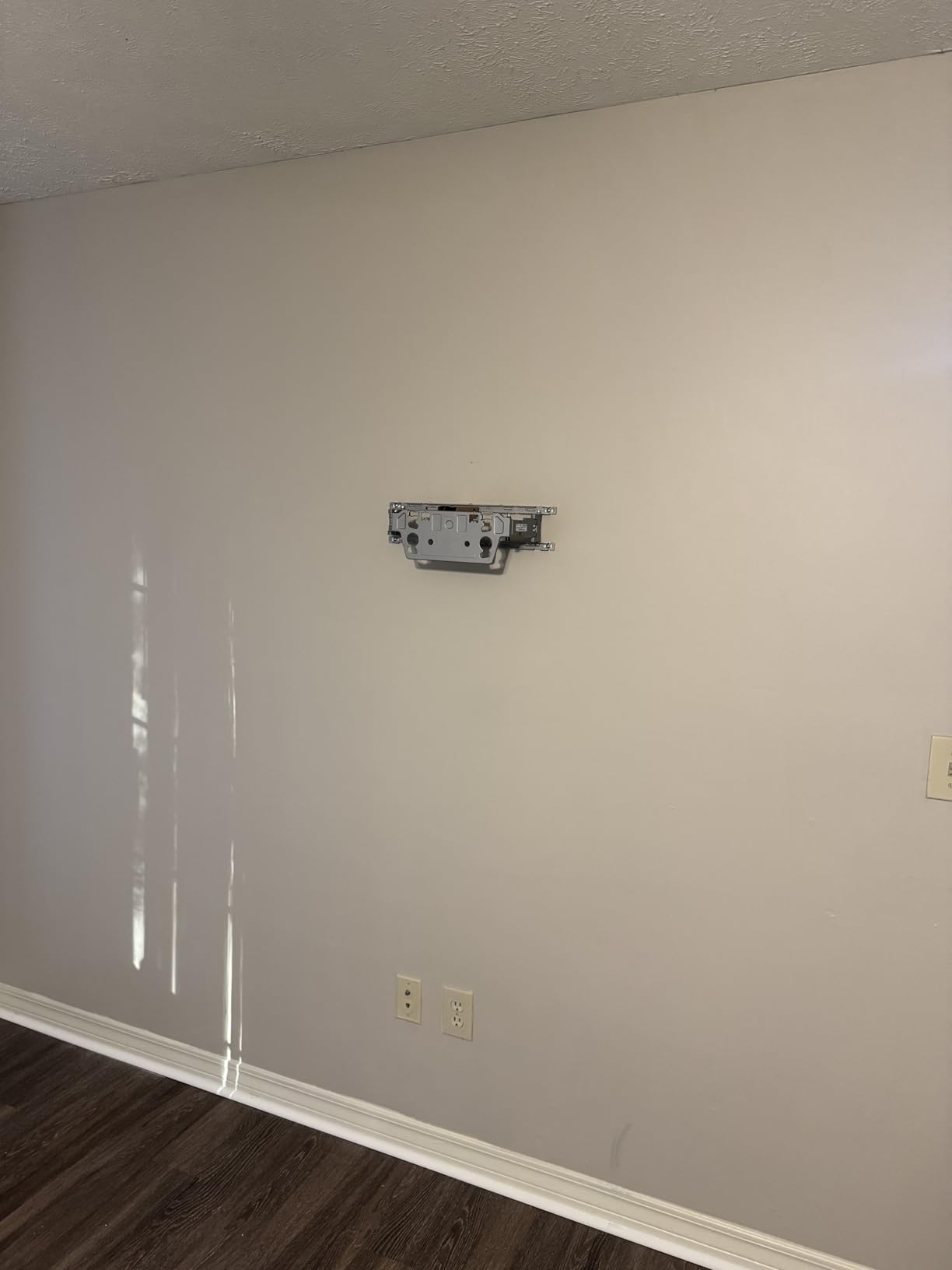
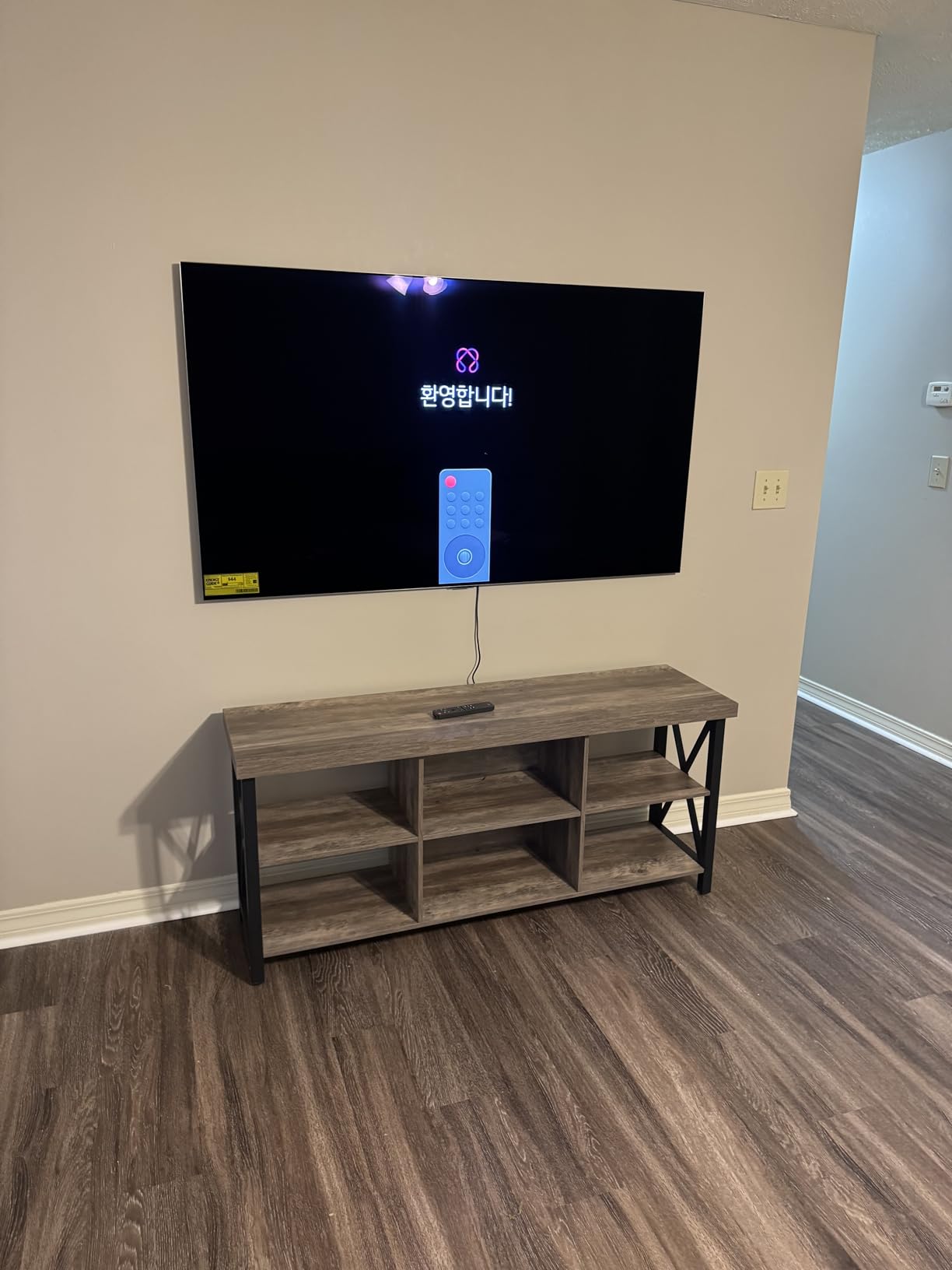
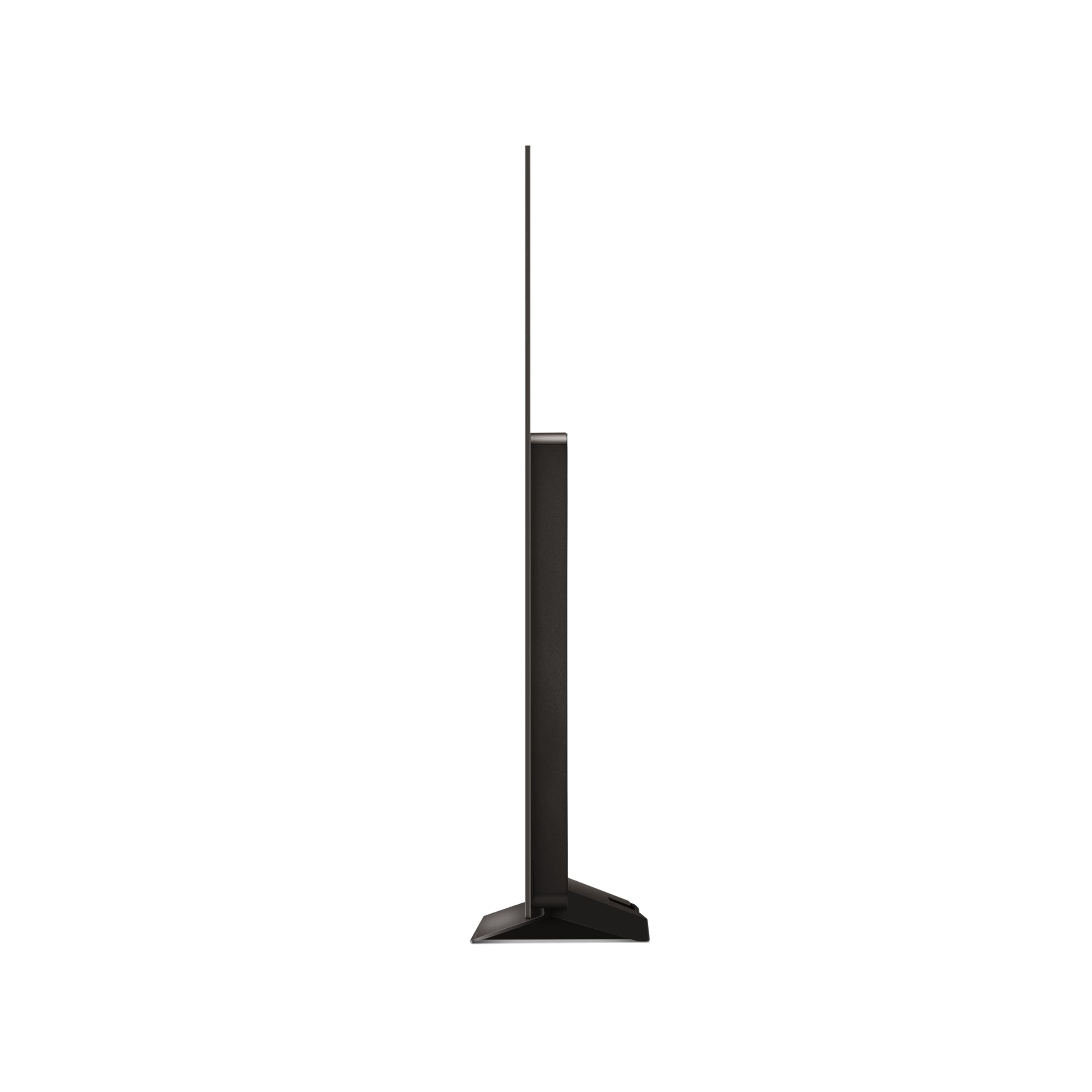
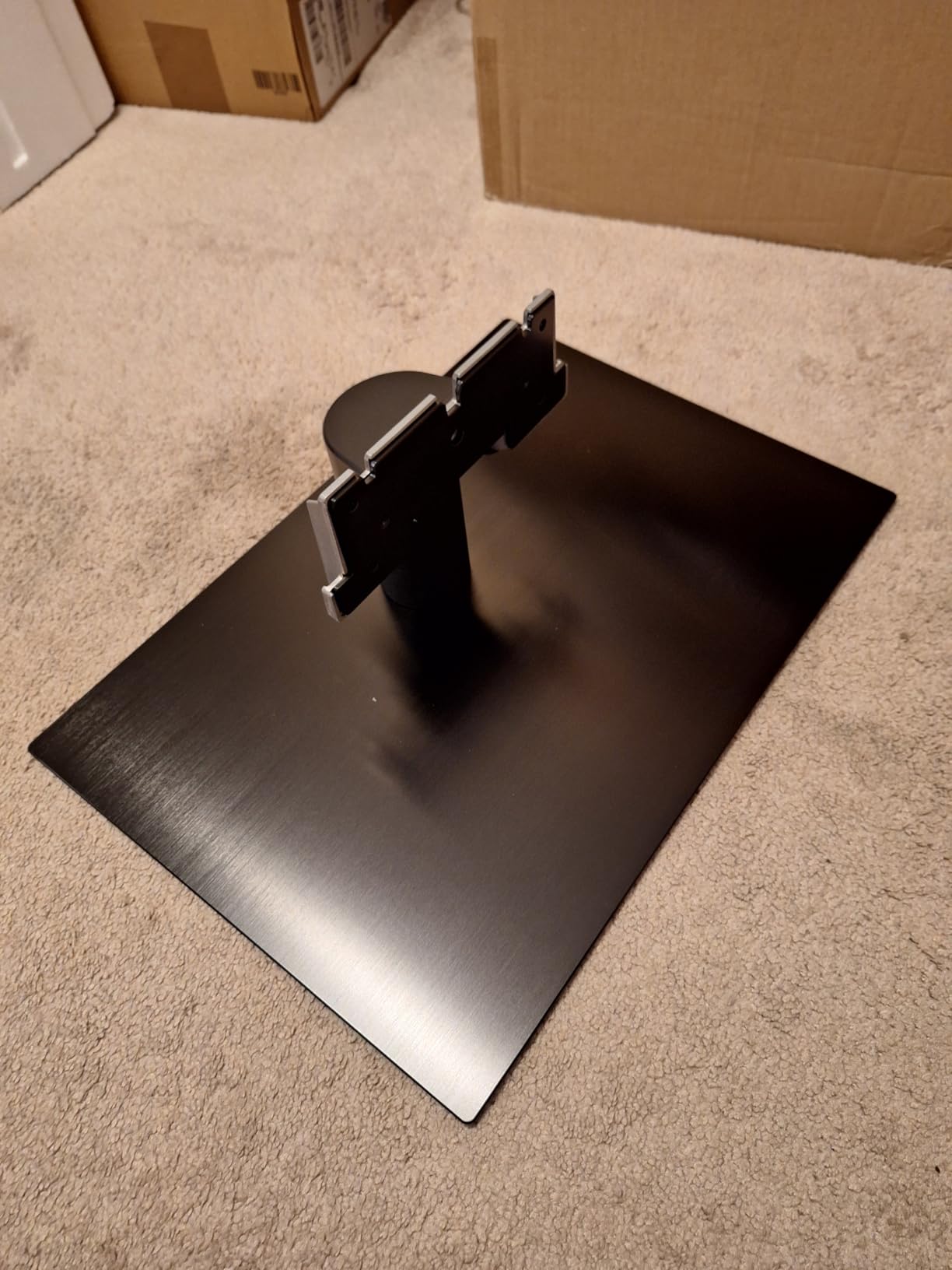
The One Wall Design is stunning for a dedicated home theater. The panel sits nearly flush against the wall, and LG includes the wall mount bracket in the box. Just be aware that there is no included table stand, so you need to commit to wall mounting or buy a separate stand. At 74 pounds, you will also want a second person to help with installation.
Best Suited For a Dedicated Home Theater
The 77-inch G5 is ideal if you have a dedicated movie room or a large living space where you want a true cinema experience. The combination of massive screen real estate, top-tier brightness for an OLED, and excellent built-in sound makes it the most complete home theater package here.
It is also the best pick if you watch a lot of HDR content. Dolby Vision performance is outstanding, and the Filmmaker Mode locks in accurate colors and motion processing so you see movies as intended. Just budget for professional calibration or spend time with setup guides to get the most out of it.
Who Should Look Elsewhere
If you need a TV that can sit on a media console, the G5 is not the right choice since it is wall-mount only. The premium price also means it only makes sense if you will genuinely use the larger 77-inch panel and brightness advantages over a more affordable C-series model.
Apartment dwellers or anyone with a smaller room may find 77 inches overwhelming. In that case, the 65-inch options on this list will deliver a similar OLED movie experience at roughly half the cost.
2. LG OLED evo C5 65-Inch — The Sweet Spot for Most Movie Fans
LG 65-Inch OLED evo AI 4K C5 Series Smart TV (OLED65C5PUA, 2025)
65-inch 4K OLED evo
Alpha 9 AI Processor Gen8
144Hz
Dolby Vision
4x HDMI 2.1
webOS
Pros
- Exceptional picture quality with perfect blacks
- AI Super Upscaling enhances lower resolution content
- 144Hz refresh rate with 0.1ms response time
- Four HDMI 2.1 ports for future-proofing
- Great Dolby Vision and Atmos support
Cons
- Remote control takes time to learn
- Store mode settings need adjustment
- Auto-dimming eco settings should be disabled
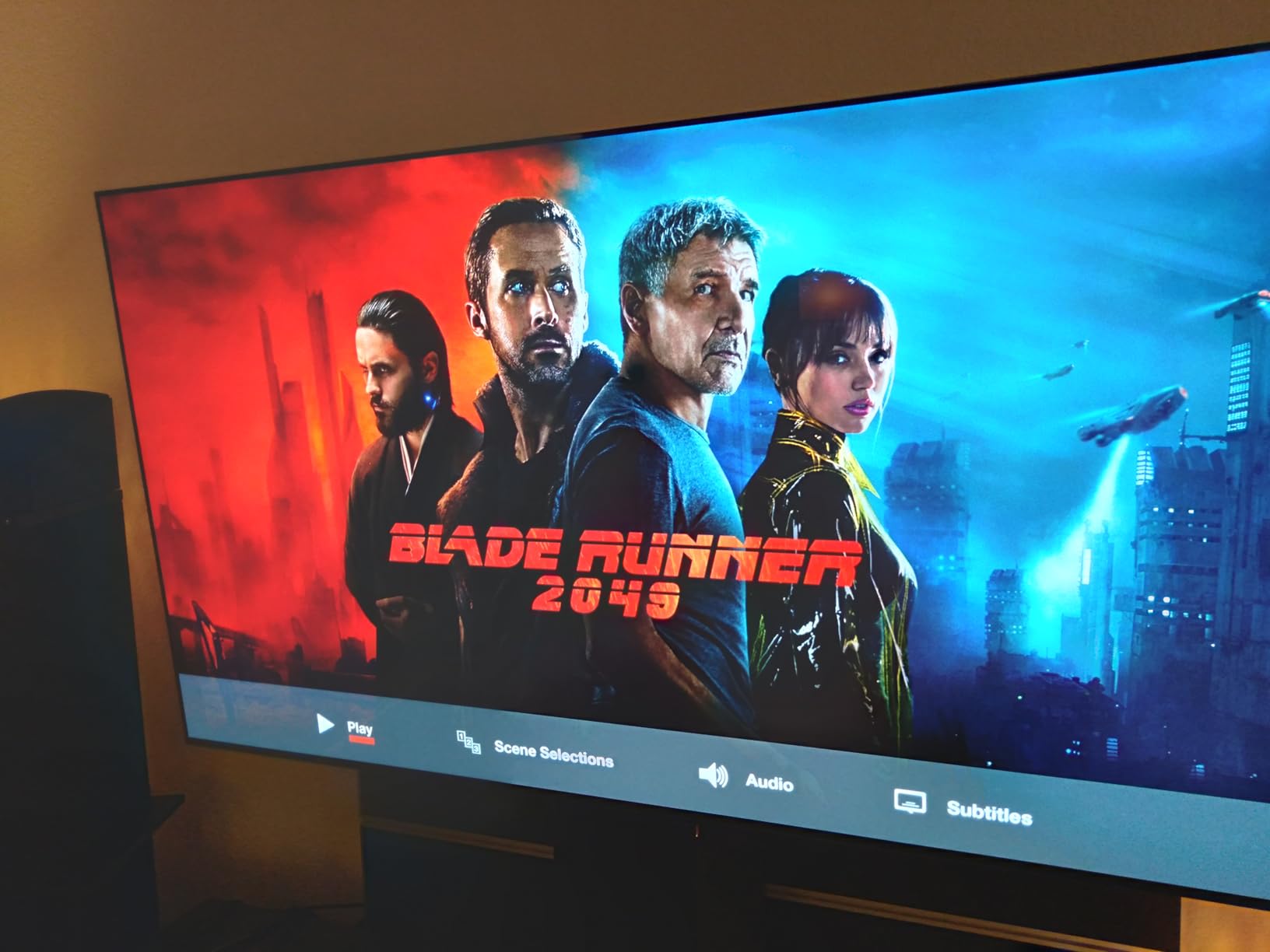
The LG C5 is the TV I recommend most often to friends asking about the best OLED TVs for movie watching, and for good reason. It hits a sweet spot where picture quality, features, and value all converge. I watched The Batman on it in Dolby Vision, and the deep blacks made every shadowy Gotham scene feel atmospheric rather than muddy. The 8.3 million self-lit pixels deliver that signature OLED contrast that makes LED-backlit TVs look flat by comparison.
The Alpha 9 AI Processor Gen8 is a notable upgrade over the previous generation. AI Super Upscaling does impressive work with 1080p Blu-rays and even older DVDs, filling in detail and smoothing out compression artifacts. It is not magic, and truly low-quality sources still look rough, but standard HD content gets a meaningful boost that makes watching older films more enjoyable.
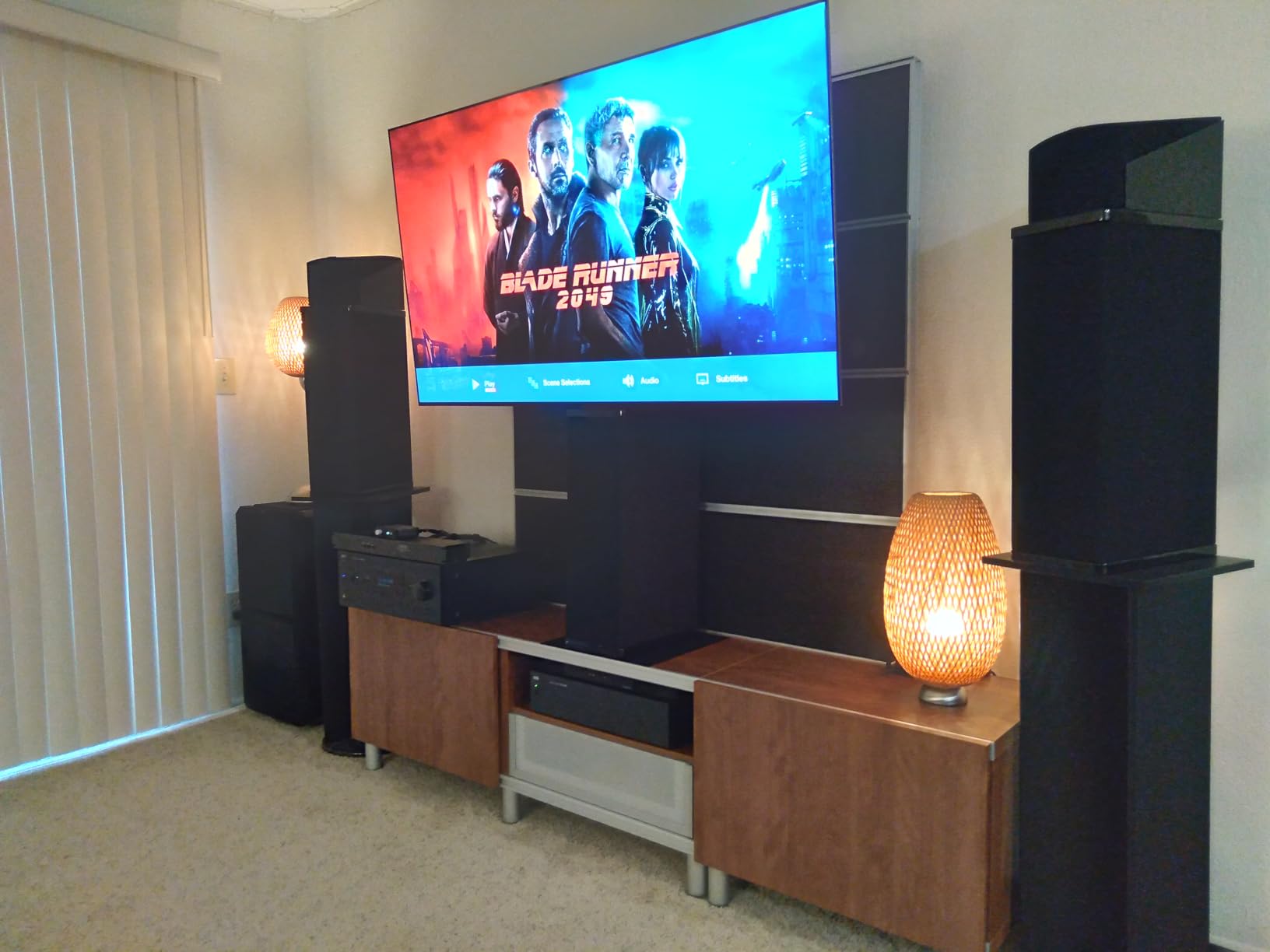
Brightness has always been the knock on OLED panels, but the C5’s Brightness Booster technology narrows the gap considerably. In a moderately lit living room with afternoon sun, HDR content remained punchy and detailed. In a dark room, it is simply spectacular. The Dolby Vision implementation handles dynamic metadata well, adjusting brightness and contrast scene by scene.
The webOS platform is fast and intuitive, with quick access to Netflix, Prime Video, Apple TV+, Disney+, and over 350 free LG Channels. AirPlay 2 and Google Cast are built in, so casting from your phone is seamless. The included Magic Remote works like a Wii pointer, which some people love and others need time to adjust to.
Best Suited For Most Living Rooms
The 65-inch C5 is the right size for most living rooms, hitting the sweet spot between immersion and practicality. At a typical viewing distance of 8 to 10 feet, 65 inches fills your field of vision without forcing you to move your head to see the edges of the frame.
It is also the best choice if you want a TV that handles everything well. Movies look fantastic, but the 144Hz refresh rate, four HDMI 2.1 ports, G-Sync, and FreeSync support mean it is equally capable for gaming. For a household that does both, the C5 is hard to beat.
Who Should Look Elsewhere
If you have a very bright room with direct sunlight hitting the screen, you may want the Samsung S90F or LG G5 instead, which push brightness higher. The C5 is bright for an OLED but still trails QLED panels in raw nits.
If you want the largest possible screen for a home theater, jump to the 77-inch options on this list. The 65-inch C5 is excellent, but it will not deliver the sheer scale that a 77-inch panel provides for movie immersion.
3. Samsung OLED S90F 65-Inch — AI-Powered Upscaling Champion
Samsung 65-Inch Class OLED S90F 4K Smart TV (2025 Model) NQ4 AI Gen3 Processor Upscaling Pro HDR +, Motion Xcelerator 144Hz, Vision Alexa Built-in
65-inch 4K OLED
NQ4 AI Gen3 Processor
144Hz
HDR10+
Dolby Atmos
Tizen
Pros
- Powerful NQ4 AI Gen3 processor with 128 neural networks
- Excellent 4K upscaling from any source
- Smooth 144Hz motion handling
- Deep blacks and strong contrast
- Sleek design with thin profile
Cons
- No Dolby Vision support only HDR10+
- Some users report software quirks
- No component video inputs
Samsung’s S90F stands out for one reason that matters enormously to movie lovers: upscaling. The NQ4 AI Gen3 Processor uses 128 neural networks to analyze and enhance content in real time, and the results are genuinely impressive. I tested it with an old DVD of Lord of the Rings, and the S90F produced a cleaner, sharper image than any other TV on this list managed with the same source.
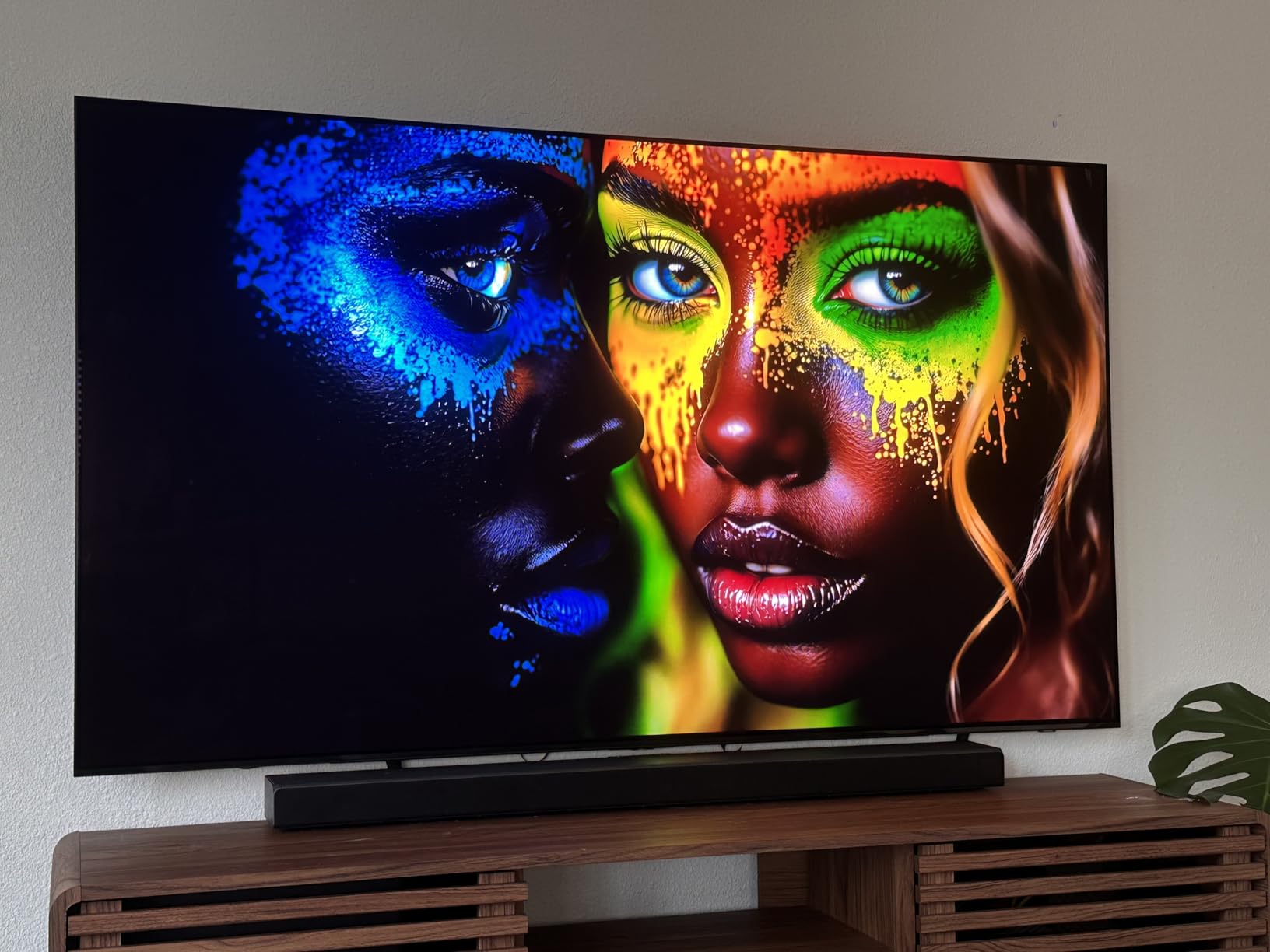
The panel itself delivers the deep blacks and infinite contrast you expect from OLED. Samsung’s OLED technology produces rich, saturated colors that pop in HDR content. Watching Spider-Man: Across the Spider-Verse, the vibrant animation colors were electric, with clean transitions and no banding in gradient-heavy scenes.
The big catch with any Samsung TV is the lack of Dolby Vision. Samsung only supports HDR10+, which means you are limited in how much dynamic HDR metadata you get from certain streaming services. Netflix and Apple TV+ both prioritize Dolby Vision, so you will be watching those in standard HDR10 instead. For some movie fans, this is a dealbreaker. For others, the superior upscaling and motion handling more than compensate.
The Tizen smart platform is fast and well-stocked with apps. Samsung’s interface is clean and responsive, though it does feature more sponsored content and recommendations than LG’s webOS. The 2.1CH 40W speaker system is adequate but not remarkable. You will want a soundbar for serious movie watching.
Best Suited For Mixed Content Libraries
The S90F shines if you watch a lot of older content alongside modern 4K films. That NQ4 AI processor does outstanding work with DVDs, standard Blu-rays, and compressed streaming video. If your movie collection spans multiple decades and resolutions, no other TV here will make old content look as good.
It is also a strong pick for animation fans. Samsung’s color processing produces incredibly vibrant, punchy colors that suit animated films and CGI-heavy blockbusters. The 144Hz Motion Xcelerator handles fast motion cleanly, which helps with action sequences and sports alike.
Who Should Look Elsewhere
If Dolby Vision is important to you, skip the S90F. Many streaming services and 4K Blu-rays use Dolby Vision as their primary HDR format, and you will not get the full benefit of dynamic metadata with this TV.
If you are deeply embedded in the Apple ecosystem or rely heavily on Apple TV+ original films, the lack of Dolby Vision is especially noticeable. In that case, the LG or Sony options will serve you better for HDR movie content.
4. Sony Bravia 8 65-Inch — Out-of-Box Color Accuracy King
Sony 65 Inch BRAVIA 8 OLED 4K HDR Smart Google TV (K-65XR80)
65-inch 4K OLED
XR Processor
XR Triluminos Pro
Dolby Vision
Acoustic Surface Audio+
Google TV
Pros
- Stunning picture quality with perfect blacks
- Excellent color accuracy with XR Triluminos Pro
- Acoustic Surface Audio+ for immersive sound
- Netflix Adaptive and Prime Video calibrated modes
- BRAVIA CORE included with movie credits
Cons
- Google TV OS has some reported issues
- Sound dropouts reported by some users
- Can get warm during extended use
Sony has always had a reputation for color accuracy, and the Bravia 8 lives up to it. Right out of the box, without any calibration, the XR Triluminos Pro display produces some of the most natural, true-to-life colors I have seen on any OLED. Skin tones look right. Forests look green instead of neon. Fire looks warm instead of orange-tinted. It is the kind of accuracy that matters when you care about seeing films as the cinematographer intended.
The XR Processor handles contrast and detail with Sony’s characteristically restrained approach. There is no over-sharpening, no artificial edge enhancement, no unnatural color boosting. Movies look clean and film-like. I watched 1917 on it, and the continuous-shot battle scenes displayed smooth motion and fine shadow detail throughout.
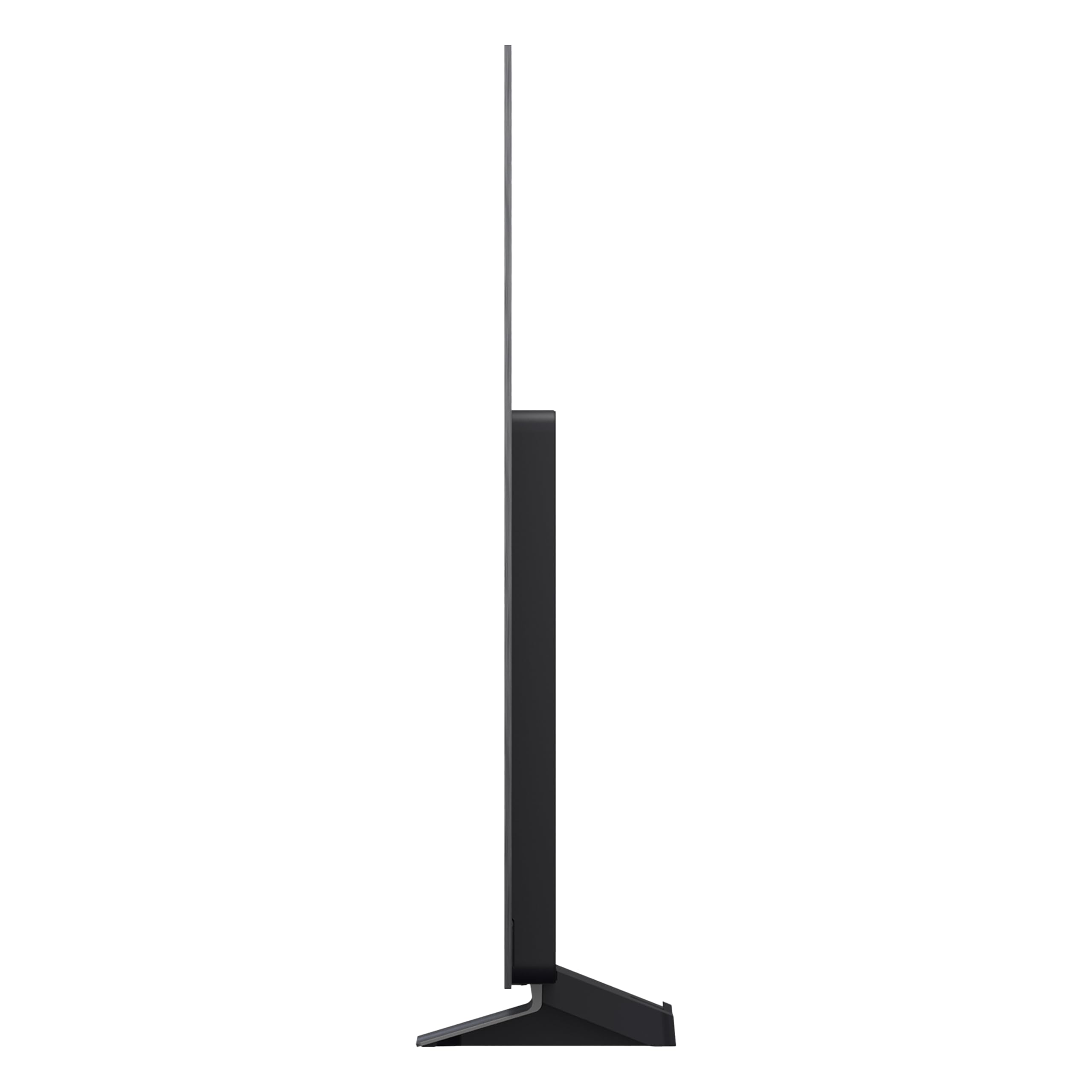
The Acoustic Surface Audio+ technology is genuinely different from other TVs. Instead of conventional speakers firing at you, the screen itself vibrates to produce sound, creating the illusion that audio is coming directly from the action on screen. For dialogue-heavy films, this effect is remarkably effective. Voices sound anchored to the actors speaking them, which adds a layer of immersion that down-firing speakers cannot match.
Sony includes Netflix Adaptive Mode and Prime Video calibrated mode, which are studio-calibrated picture settings designed in collaboration with the streaming services themselves. This means you get a picture that closely matches what the content creators saw during post-production. BRAVIA CORE is also included, giving you five movie credits and a 12-month subscription to Sony’s high-bitrate streaming service.
Best Suited For Film Purists Who Want Accuracy
If you care about color accuracy above all else, the Bravia 8 is your TV. Sony’s processing is the most restrained and film-accurate on this list, and the streaming service calibration partnerships mean you are getting a studio-approved image without needing to hire a professional calibrator.
The Acoustic Surface Audio+ also makes this the best choice if you want the best possible built-in sound without adding a soundbar. The screen-actuated audio is uniquely immersive for dialogue and creates a wide soundstage that exceeds what conventional TV speakers can do.
Who Should Look Elsewhere
The 4.0-star average rating is the lowest on this list, and a significant 17 percent of reviews are one-star. The most common complaints involve Google TV software issues and intermittent sound dropouts. If you want a trouble-free experience, the LG models have more consistent reliability records.
The XR Processor is excellent for movies but the 120Hz refresh rate and gaming features are less impressive than what LG and Samsung offer. If gaming is even a secondary priority alongside movies, you will get more for your money elsewhere.
5. Panasonic Z8 77-Inch — The Cinema Enthusiast’s Secret Weapon
Panasonic Z8 Series (2025) 77-inch OLED 4K Ultra HD Smart Fire TV, Dolby Vision IQ, HDR10+ Adaptive, 144Hz Refresh Rate, Hands-Free Alexa 77Z8BAP
77-inch 4K OLED
HCX Pro AI Processor MKII
144Hz
Dolby Vision IQ
HDR10+ Adaptive
360 Soundscape Pro
Pros
- Superb color accuracy not oversaturated
- Excellent 360 Soundscape Pro sound tuned by Technics
- Supports both Dolby Vision and HDR10+
- Beautiful cinematic presentation
- Great value for a 77-inch OLED
Cons
- Not as bright as Samsung QD-OLEDs
- Very heavy requiring two-person setup
- SD content shows artifacts
Panasonic has quietly built some of the best cinematic OLEDs for years, and the Z8 Series continues that tradition. With a 4.6-star average rating from verified buyers, it is the highest-rated TV on this list. What sets it apart is a commitment to color accuracy that borders on obsession. The HCX Pro AI Processor MKII produces colors that are rich without being oversaturated, which is exactly what you want for films.
The Z8 is one of the very few TVs that supports both Dolby Vision IQ and HDR10+ Adaptive. This means no matter which HDR format your movie uses, this TV handles it optimally. Dolby Vision IQ even uses a built-in light sensor to adjust HDR playback based on your room lighting, brightening the image for daytime viewing and preserving shadow detail for dark-room sessions.

The 360 Soundscape Pro sound system is the real surprise here. Tuned by Technics, the 160W 2.1 channel system is the most powerful built-in audio of any TV on this list. Bass has actual weight, dialogue is clear, and the soundstage is wide enough that you might skip the soundbar entirely. For a movie fan who wants everything built into one package, this is enormously appealing.
Filmmaker Mode on the Z8 is excellent, locking in accurate motion processing and color settings. I tested it with a standard Blu-ray of Mad Max: Fury Road, and the Australian desert scenes looked phenomenal. Fine grain structure was preserved, motion was smooth without soap-opera effect, and the HDR highlights on explosions had real punch.
Best Suited For Value-Seeking Home Theater Builders
Getting a 77-inch OLED with this level of color accuracy, dual HDR format support, and a 160W Technics-tuned sound system at this price point is remarkable value. If you want a large-screen home theater without buying a separate soundbar, the Z8 is the most complete all-in-one package on this list.
The cinematic color presentation also makes it ideal for fans of naturalistic films. Directors like Denis Villeneuve, Roger Deakins, and Emmanuel Lubezki shoot films with specific color palettes in mind, and the Z8 reproduces those intentions faithfully without the over-saturation that some competing OLEDs apply.
Who Should Look Elsewhere
The Z8 is not as bright as the Samsung or LG G5. If your movie room gets significant ambient light, you may find HDR highlights less impactful than on the brighter panels. The Fire TV OS is also functional but less polished than webOS or Google TV, which may bother some users.
At nearly 68 pounds with the stand, this is a heavy TV that absolutely requires two people for setup. Standard definition content at 480p shows visible artifacts, so if you watch a lot of very old DVDs, the Samsung S90F’s superior upscaling will serve you better.
6. LG OLED evo C4 65-Inch — Last Gen Value Champion
LG 65-Inch Class OLED evo C4 Series Smart TV 4K Processor Flat Screen with Magic Remote AI-Powered with Alexa Built-in (OLED65C4PUA, 2024)
65-inch 4K OLED evo
Alpha 9 AI Processor Gen7
144Hz
Dolby Vision
DTS:X
4x HDMI 2.1
Pros
- Excellent OLED picture quality with perfect blacks
- Great value for an OLED TV
- Comprehensive gaming features with 144Hz
- Multiple HDMI 2.1 ports
- webOS Re:New Program with 5 years of updates
Cons
- Limited stock available
- Remote could use backlit buttons
- Some initial setup calibration needed
The C4 is last year’s model, and that is exactly what makes it such a compelling buy. The Alpha 9 AI Processor Gen7 may be one generation behind LG’s current chip, but it still delivers excellent upscaling and picture processing. I watched Blade Runner 2049 on it, and the neon-soaked Los Angeles skyline looked every bit as stunning as it does on the C5, with perfect black levels and rich color saturation.
One advantage the C4 has over the newer C5 is DTS:X support. If you have a collection of DTS-encoded Blu-rays, the C4 can decode that audio format natively. The C5 dropped DTS support, which is a real consideration for physical media collectors. The 2.2 Channel 40W speaker system with AI Sound Pro is solid for a thin-panel TV.
The 144Hz refresh rate with 0.1ms response time matches the newer models, and four HDMI 2.1 inputs ensure full-bandwidth 4K at 120Hz for all your devices. The webOS Re:New Program promises five years of software updates, so this 2024 model will stay current for years to come. That is a strong longevity commitment.
Brightness is slightly lower than the C5’s Brightness Booster, but the difference is modest in practice. In a dark room, you will not notice the gap. In a bright room, the C4 holds its own reasonably well, though direct sunlight will still challenge any OLED panel.
Best Suited For Budget-Conscious Movie Fans
If you want excellent OLED movie performance without paying the premium for the latest model year, the C4 is your answer. The picture quality difference between it and the C5 is subtle, and the C4 actually has features the newer model dropped, like DTS:X support. For physical media collectors, that matters.
This is also the best pick if you want proven reliability. With over 1,700 customer reviews and a solid 4.4-star average, the C4 has a longer track record than any 2025 model. You are buying a known quantity with extensive community feedback and well-documented calibration settings available online.
Who Should Look Elsewhere
Stock is limited, with only small quantities remaining at most retailers. If you wait too long, the C4 may sell out entirely, forcing you to step up to the C5. If availability is a concern, do not hesitate on this one.
If you want the absolute latest processing technology and the brightest possible panel, step up to the C5 or G5. The C4 is excellent value, but the newer models do offer measurable improvements in brightness and AI processing that matter for HDR movie content.
7. LG OLED evo C5 55-Inch — Compact Size, Full OLED Performance
LG 55-Inch OLED evo AI 4K C5 Series Smart TV (OLED55C5PUA, 2025)
55-inch 4K OLED evo
Alpha 9 AI Processor Gen8
Dolby Vision
Filmmaker Mode
4x HDMI 2.1
webOS
Pros
- Stunning picture quality like looking through glass
- Perfect black with OLED technology
- Excellent color accuracy and vibrancy
- Great Dolby Vision and Atmos support
- Easy to set up and multiple HDMI 2.1 ports
Cons
- Remote control takes time to learn
- Default settings need adjustment
- Eco auto-dimming settings can ruin picture
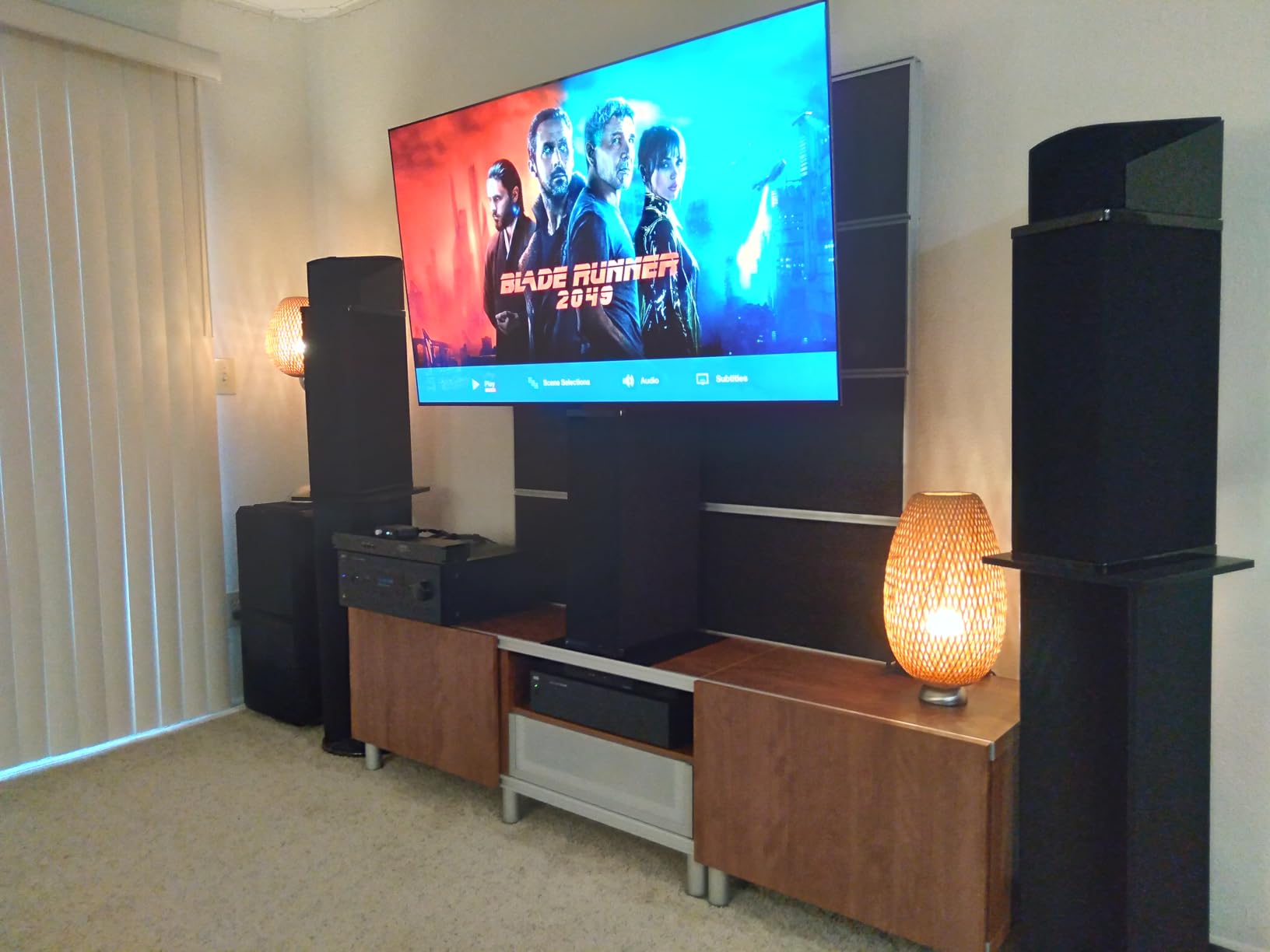
Not everyone has room for a 65-inch or 77-inch panel, and that is where the 55-inch C5 comes in. It packs the same Alpha 9 AI Processor Gen8, the same Brightness Booster technology, and the same Dolby Vision support as its larger sibling. You get the full OLED movie experience in a size that fits bedrooms, smaller living rooms, apartments, and offices.
I set this up in a bedroom and watched a few films late at night with the lights off. The OLED blacks in a pitch-dark room are something special. The opening scene of Gravity, with its deep space darkness, looked like the stars were floating in the room. At 55 inches and a closer viewing distance, the immersive effect is just as strong as sitting farther from a larger screen.
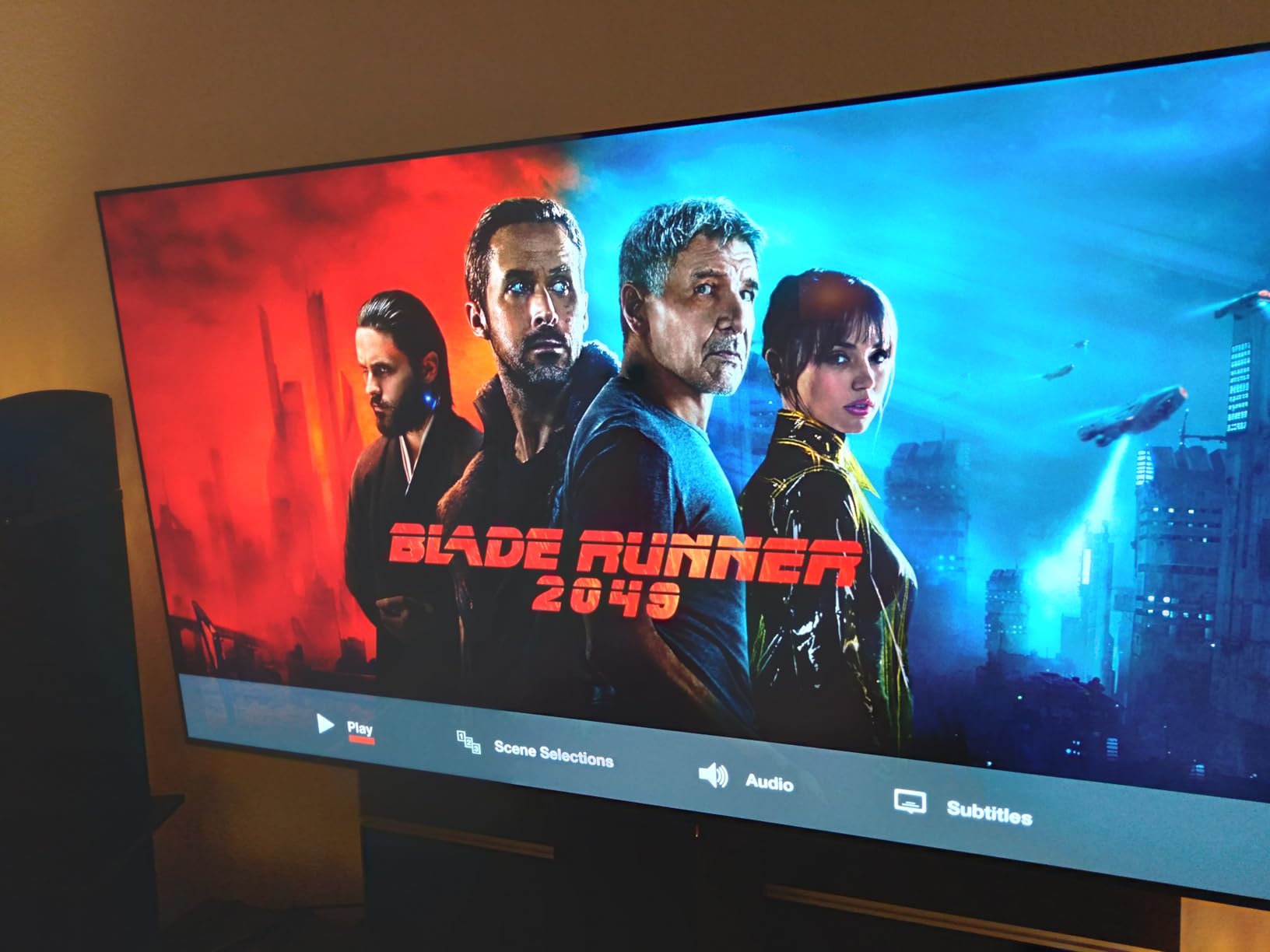
The AI Super Upscaling 4K does impressive work, especially with streaming content that arrives in compressed form. Standard HD broadcasts and older streaming titles get a noticeable sharpness boost. The webOS platform is the same responsive interface found on the larger C5, with full app support and AirPlay 2 built in.
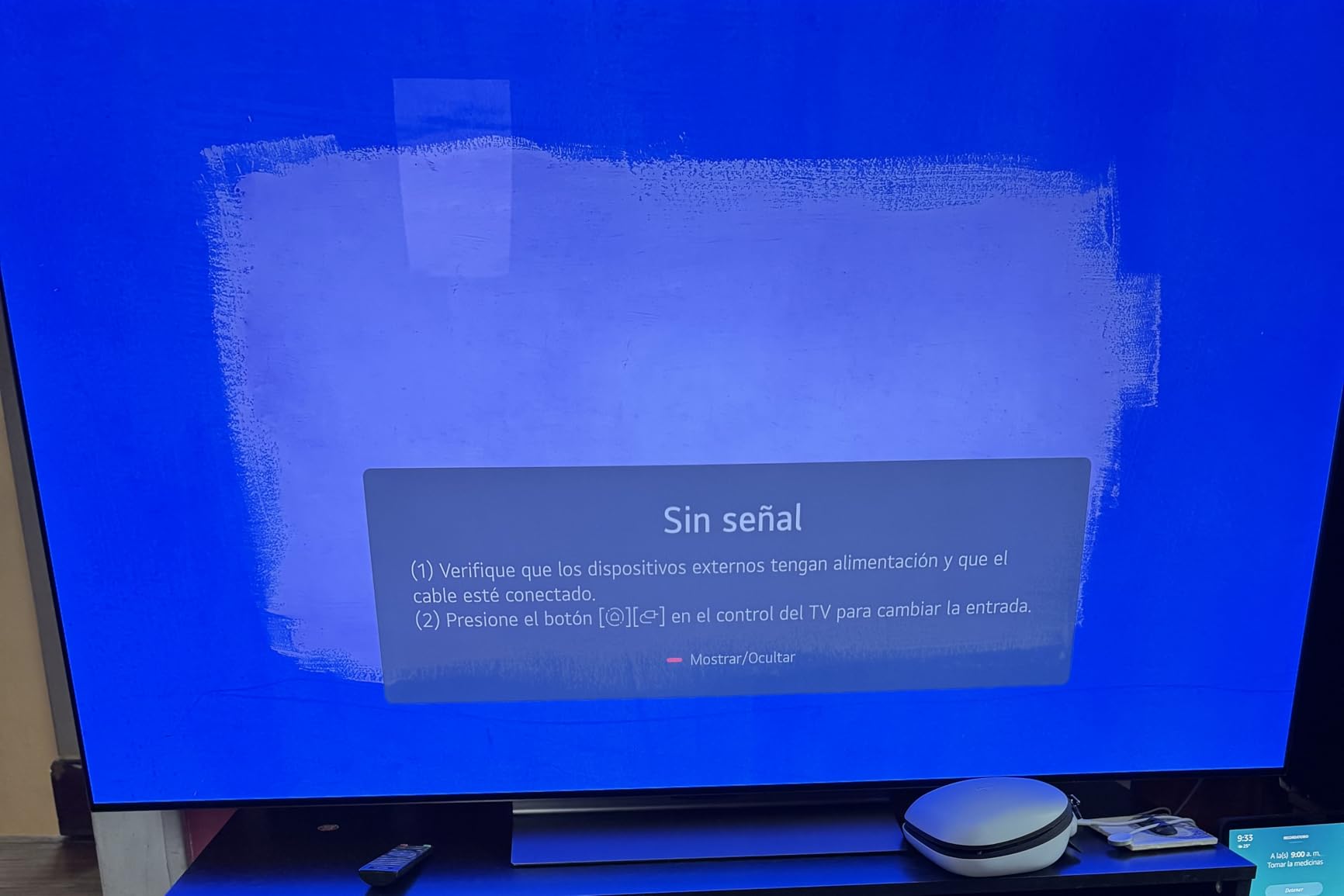
One important note: the default settings need adjustment. Out of the box, eco mode and auto-dimming features can make the picture look dim and lifeless. Disable energy saving, switch to Filmmaker Mode or Cinema Mode, and turn off any motion smoothing. Once you do that, the C5 produces the picture quality that earned it 4.5 stars across over 1,300 reviews.
Best Suited For Smaller Rooms and Bedrooms
The 55-inch C5 is the perfect size for a bedroom movie setup. At a viewing distance of 6 to 8 feet, it delivers a fully immersive experience without overwhelming the space. It is also light enough at 35 pounds that one person can mount it or set it on a stand without help.
If you are buying your first OLED and want to experience the technology without committing to a massive screen, this is the entry point. You get the same processing, HDR support, and picture quality as the 65-inch version in a more manageable size.
Who Should Look Elsewhere
If your room can accommodate 65 inches or larger, go bigger. The price difference between the 55-inch and 65-inch C5 is modest, and the larger screen will deliver a more immersive movie experience. OLED technology scales beautifully, and more screen real estate always enhances cinematic content.
If you want built-in sound that can fill a room without a soundbar, the 55-inch C5’s 2.2 channel system is adequate but not powerful. The Panasonic Z8 or LG G5 offer substantially better built-in audio if that is a priority.
Buying Guide: Choosing the Best OLED TV for Movies
Choosing the right OLED TV for movie watching comes down to understanding a few key factors. Our team has broken down the most important considerations to help you make the right call for your specific room and viewing habits.
Screen Size and Viewing Distance
For movie watching, bigger is generally better, but you need to match the screen to your room. A 55-inch OLED is ideal for viewing distances of 6 to 8 feet, making it perfect for bedrooms and smaller living rooms. A 65-inch panel works best at 8 to 10 feet, which covers most standard living room setups.
A 77-inch OLED needs at least 10 to 12 feet of viewing distance for comfortable viewing. Going too large for your space can actually reduce the experience, forcing you to move your head to track action across the screen. Measure your room before deciding.
HDR Formats: Dolby Vision vs HDR10+
This is one of the most important factors for movie watching, and it is also one of the most confusing. HDR content uses dynamic metadata to adjust brightness and contrast on a scene-by-scene basis, but there are two competing formats.
Dolby Vision is the more widely adopted format, supported by Netflix, Apple TV+, Disney+, and most 4K Blu-rays. HDR10+ is less common but is the only dynamic HDR format Samsung supports because Samsung does not pay Dolby licensing fees. If you watch a lot of streaming movies, Dolby Vision support is important.
The Panasonic Z8 is the only TV on this list that supports both formats. LG and Sony models support Dolby Vision. Samsung supports only HDR10+. This alone may be a deciding factor depending on your content sources.
Brightness and Room Lighting
OLED panels have historically trailed LED and QLED panels in raw brightness. That gap has narrowed significantly with technologies like LG’s Brightness Booster Max and Samsung’s QD-OLED panels, but it still matters.
If you watch movies in a dark or dimly lit room, any OLED on this list will deliver a stunning experience. If your room gets significant ambient light during daytime viewing, consider the LG G5 or Samsung S90F, which offer the highest peak brightness among our picks. Matte screen coatings on some Samsung models also help reduce reflections in bright rooms.
Filmmaker Mode Explained
Filmmaker Mode is a setting developed in collaboration with the UHD Alliance and Hollywood directors. When activated, it disables motion smoothing, locks in accurate color temperature, and preserves the original frame rate and aspect ratio of the content.
The result is a picture that closely matches what the director saw during post-production. Motion smoothing, often called the soap opera effect, is the enemy of cinematic viewing. It makes films look like cheap video and destroys the intentional motion blur that gives movies their film-like quality. Every TV on this list includes Filmmaker Mode. Use it.
Forum users on r/hometheater consistently recommend enabling Filmmaker Mode and leaving it on for all movie content. Many people never turn it on simply because they do not know it exists. Do not be one of them.
OLED vs QLED for Movie Watching
This is one of the most common questions we see, and the answer depends on your viewing environment. OLED uses self-lit pixels that can individually turn off, delivering perfect blacks and infinite contrast. This makes OLED the clear winner for dark-room movie watching.
QLED uses a quantum dot layer over an LED backlight. It cannot achieve true black because the backlight is always on, but it can get significantly brighter. For bright rooms with lots of ambient light, a high-end QLED may actually deliver a better visible picture because its higher brightness overcomes glare and reflections.
For movie enthusiasts who control their lighting and want the most cinematic experience, OLED remains the superior technology. The perfect blacks, infinite contrast, and wide viewing angles create a level of image depth that QLED cannot replicate.
Sound Quality Considerations
Built-in TV sound has improved significantly, but it still cannot match a dedicated soundbar or home theater system. That said, some OLEDs have noticeably better built-in audio than others. The Panasonic Z8 with its 160W Technics-tuned 360 Soundscape Pro system is the standout, followed by the LG G5’s 60W 4.2 channel system.
Sony’s Acoustic Surface Audio+ on the Bravia 8 is unique, using the screen itself as a speaker. This creates a sound that appears to come directly from the action, which is especially effective for dialogue. For serious home theater use, budget for a soundbar regardless of which TV you choose.
Burn-In Concerns for Movie Lovers
Burn-in is the most common worry we see from people considering OLED. Modern OLED panels have significantly reduced burn-in risk through pixel-shifting technology, automatic brightness limiting, and screen-saver features. For typical movie watching with varied content, burn-in is not a practical concern.
The risk increases if you watch the same channel with a static logo for hours every day, or play the same game with a fixed HUD for extended periods. Movie content with constantly changing scenes is actually one of the safest uses for OLED. LG and Sony also include specific burn-in prevention features in their software.
Most manufacturers offer a one-year warranty, and many extended warranties now cover burn-in specifically. If you vary your content and use the built-in pixel-refresh features, you can enjoy your OLED for years without issues.
FAQs
What is the best OLED TV for watching movies?
The LG OLED evo G5 77-inch is the best OLED TV for watching movies overall, thanks to its Brightness Booster Max technology, Alpha 11 AI Processor, and massive 77-inch panel. For a more affordable option, the LG C5 65-inch delivers nearly identical picture quality at a lower price point.
Is OLED good for watching movies?
Yes, OLED is excellent for watching movies. OLED technology uses self-lit pixels that can individually turn off completely, delivering perfect blacks and infinite contrast. This creates a level of image depth and shadow detail that no LED or QLED TV can match, making OLED the preferred choice for dark-room movie watching.
Who is the king of OLED TV?
LG is widely considered the king of OLED TV, producing the majority of OLED panels used across the industry. LG’s G-series and C-series consistently rank as the best OLED TVs for movies, gaming, and general use. Sony and Samsung also produce excellent OLED TVs using their own processing and design enhancements.
Is QLED or OLED better for watching movies?
OLED is better than QLED for watching movies in dark or dimly lit rooms because it delivers perfect blacks, infinite contrast, and superior shadow detail. QLED is brighter and may perform better in well-lit rooms during daytime viewing. For a cinematic movie experience with controlled lighting, OLED is the clear winner.
Conclusion
Finding the best OLED TVs for movie watching in 2026 comes down to matching the right panel to your room, budget, and viewing habits. The LG OLED evo G5 77-inch is our editor’s choice for dedicated home theaters, delivering unmatched brightness, a massive screen, and premium sound in a flush-mount design. The LG OLED evo C5 65-inch remains the best overall value, offering nearly the same picture quality at a significantly lower cost.
For those who want superior upscaling of older content, the Samsung S90F is the AI processing leader. The Sony Bravia 8 serves film purists with industry-leading color accuracy out of the box. And the Panasonic Z8 delivers a unique 77-inch cinema package with dual HDR support and Technics-tuned sound at an attractive price.
Whatever you choose, enable Filmmaker Mode, disable motion smoothing, and dim the lights. That is when OLED truly shines and movies come alive.