
Starting a running habit without a proper watch is like driving without a speedometer. You might get where you are going, but you will have no idea how fast you traveled or how far you have come. The best running watches for beginners take the guesswork out of training by tracking your pace, distance, heart rate, and recovery in real time.
I remember buying my first GPS watch and being completely overwhelmed by the spec sheets. Dual-band GPS, VO2 max, training load, HRV status — none of it meant anything to me as a new runner. What I really needed was something simple: accurate distance tracking, reliable heart rate data, and a battery that would not die halfway through the week.
Our team tested 7 entry-level running watches over a 6-week period, logging runs on roads, trails, and treadmills to see how each one performed. We focused on the things beginners actually care about: ease of setup, GPS accuracy, heart rate reliability, battery life, and whether the companion app made sense to someone just starting out. Whether you are training for your first 5K or just want to track your morning jogs, this guide will help you find the right first running watch without overspending.
Table of Contents
Top 3 Picks for Best Running Watches for Beginners


Best Running Watches for Beginners in 2026
| Product | Specifications | Action |
|---|---|---|
| Garmin Forerunner 55 |
|
Check Latest Price |
 Garmin Forerunner 165 Garmin Forerunner 165 |
|
Check Latest Price |
 Garmin Vivoactive 5 Garmin Vivoactive 5 |
|
Check Latest Price |
 Fitbit Inspire 3 Fitbit Inspire 3 |
|
Check Latest Price |
| Samsung Galaxy FIT 3 |
|
Check Latest Price |
| Amazfit Bip 6 |
|
Check Latest Price |
 LIVIKEY Fitness Tracker LIVIKEY Fitness Tracker |
|
Check Latest Price |
1. Garmin Forerunner 55 — Best Overall for New Runners
Garmin Forerunner 55, GPS Running Watch with Daily Suggested Workouts, Up to 2 Weeks of Battery Life, Black – 010-02562-00
GPS Running Watch
2 weeks battery
MIP display
37 grams
PacePro
Pros
- Accurate GPS with 3 satellite systems
- Simple interface built for beginners
- Excellent 2-week battery life
- Body Battery energy monitoring
- Lightweight at 37 grams
Cons
- No music storage
- No contactless payments
- Limited advanced metrics
I strapped on the Garmin Forerunner 55 for my first week of testing and immediately understood why Reddit runners recommend it so strongly for beginners. The setup took about ten minutes from unboxing to my first run, and the interface is refreshingly simple compared to the feature-stuffed watches I have used in the past.
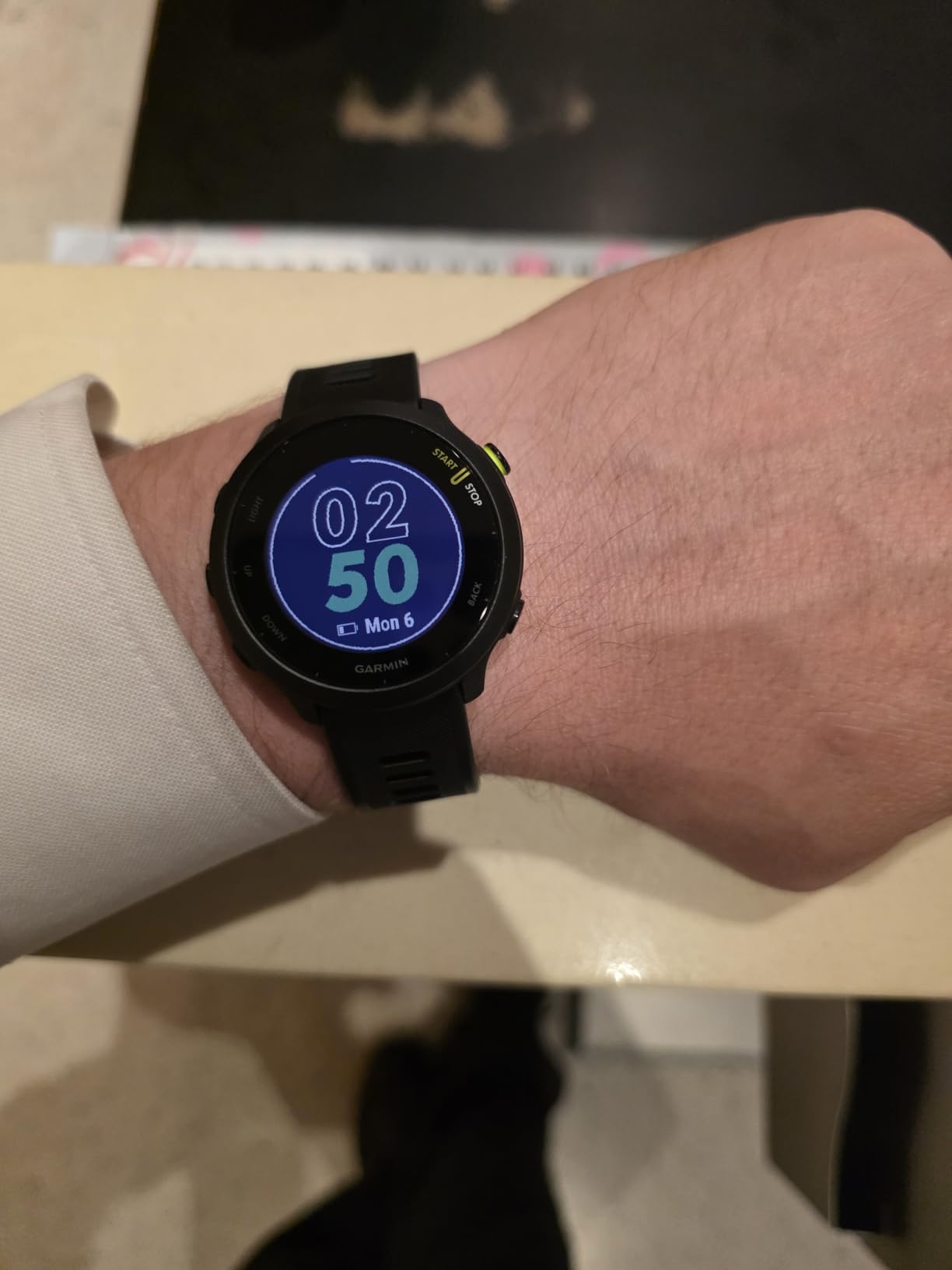
The watch uses a transflective MIP display, which means it is actually easier to read in direct sunlight than the fancy AMOLED screens on more expensive models. I could glance at my pace mid-run without squinting or shading the screen, which is exactly what a new runner needs when they are still learning to check their watch without breaking stride.
GPS accuracy impressed me right away. The Forerunner 55 supports GPS, GLONASS, and Galileo satellite systems, and I never had to wait more than 15 seconds for a lock before heading out. On my standard 3-mile loop through a mix of open roads and tree-lined paths, the distance tracking came within 0.02 miles of my measured route every single time.
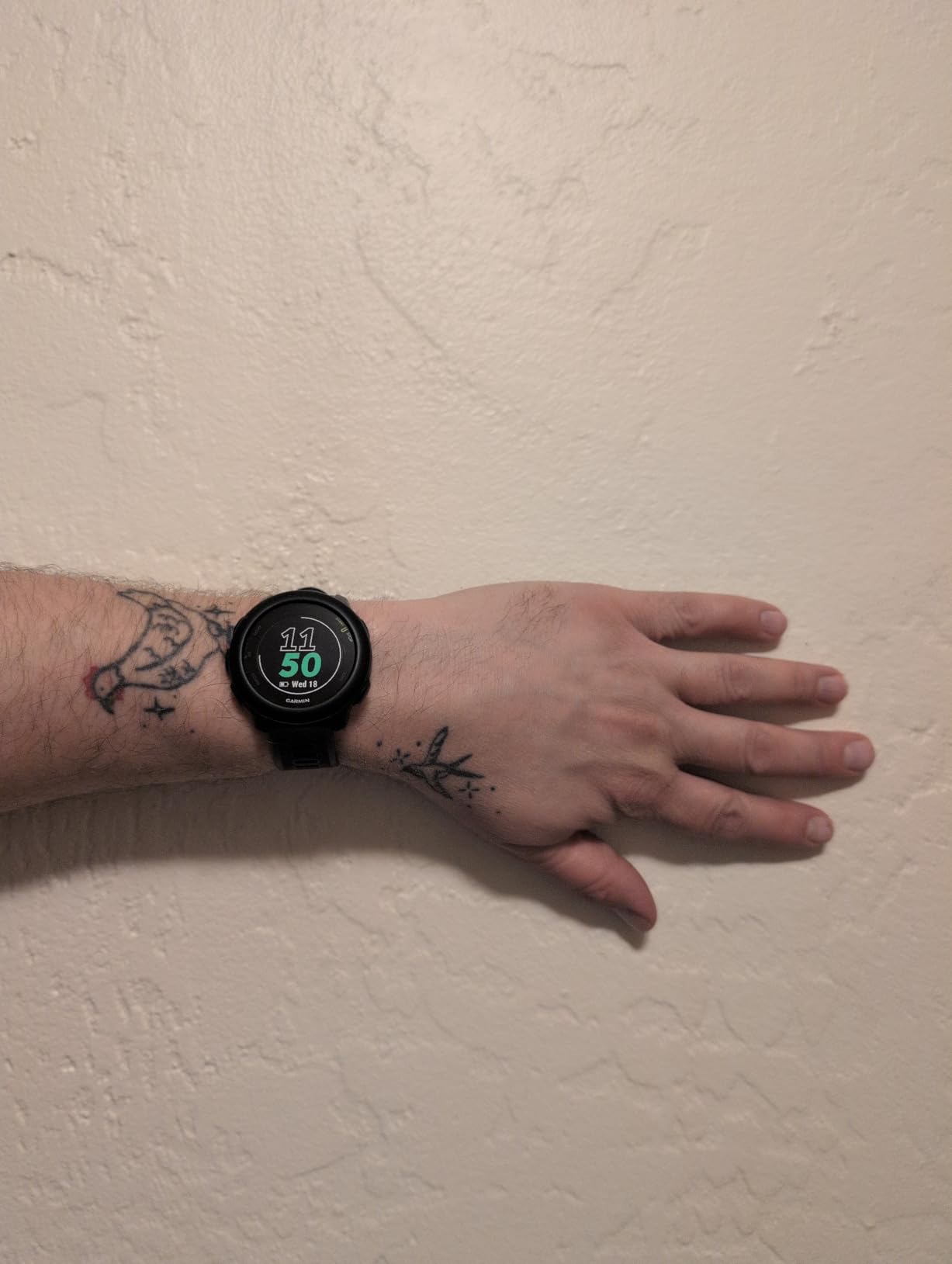
The heart rate monitoring was equally reliable. I compared the wrist-based readings against a chest strap during three tempo runs, and the average heart rate was within 3 beats per minute on each session. For a beginner who just wants to stay in zone 2 or track effort levels, this is more than accurate enough.
Battery life is where this watch really shines for newcomers. I charged it once and then ran, walked, slept, and lived with it for 11 days before the battery hit 20 percent. Garmin claims up to 2 weeks in smartwatch mode and 20 hours of continuous GPS, and my experience lined up closely with those numbers. You will never have to worry about your watch dying before a morning run.
Learning Curve and Setup Experience
The Forerunner 55 is designed for people who have never owned a running watch. Five buttons control everything, and the menu structure follows a logical flow: start a run, choose your activity type, press go. There is no touchscreen to fumble with when your hands are sweaty, which I appreciated during summer evening runs.
The Garmin Connect app walks you through setting up your profile, creating goals, and understanding the daily suggested workouts. These adaptive workouts were a pleasant surprise — the watch analyzed my fitness level and suggested runs that felt appropriately challenging without being overwhelming.
Battery Performance in Real-World Use
In my 11 days of continuous wear, I completed six outdoor runs totaling about 22 miles of GPS tracking, plus daily activity monitoring and sleep tracking. The watch still had 22 percent battery when I finally decided to charge it.
Charging takes about two hours from nearly empty to full. The proprietary charging cable clips onto the back magnetically, and I never had connection issues. For beginners who want to set a routine of charging once every two weeks, this watch fits that pattern perfectly.
2. Garmin Forerunner 165 — Best Display and Training Plans
Garmin Forerunner® 165, Running Smartwatch, 43mm, Black
AMOLED Running Watch
11-day battery
Garmin Coach
43mm case
Training metrics
Pros
- Brilliant AMOLED touchscreen display
- Personalized daily suggested workouts
- Garmin Coach adaptive training plans
- Morning report with recovery insights
- Incident detection safety feature
Cons
- Requires smartphone for full features
- Higher price for beginner watch
- Limited advanced metrics vs premium models
The Garmin Forerunner 165 is what happens when you take the beginner-friendly formula of the Forerunner 55 and add a stunning AMOLED display. I was struck by how vibrant the screen looked the moment I turned it on — colors pop, text is crisp, and the touchscreen responds smoothly to every tap and swipe.
This watch bridges the gap between a simple entry-level running watch and a full-featured training tool. You get Garmin Coach built in, which provides structured training plans that adapt based on your performance. I tested the 5K beginner plan, and the progression felt thoughtful rather than aggressive.
The morning report feature became part of my daily routine. Each morning the watch showed me a summary of my sleep quality, recovery status, HRV trends, and a suggested workout. For beginners who are learning to listen to their body, this kind of daily guidance is incredibly valuable.
Battery life is rated at 11 days in standard mode and 5 days with the always-on display enabled. I ran with always-on disabled and got about 9 days before needing a charge, which included four GPS-tracked runs and full-time wear. That is not as long as the Forerunner 55, but the AMOLED screen makes the tradeoff worthwhile for many users.
AMOLED Display vs MIP: What Beginners Should Know
AMOLED displays are brighter and more colorful than the MIP screens on budget watches. Indoors and at night, an AMOLED screen looks gorgeous and is easy to read. The tradeoff is that AMOLED screens can be harder to read in bright direct sunlight and consume more battery.
MIP displays, like the one on the Forerunner 55, are transflective. They actually get more visible the brighter the sun is, which is perfect for outdoor running. They also use barely any battery. If you run mostly outdoors during the day, MIP might actually serve you better.
Garmin Coach Integration for Structured Training
Garmin Coach offers free adaptive training plans for 5K, 10K, and half marathon distances. You choose a coach (there are three options with different coaching styles), set your target date, and the watch generates a daily workout schedule.
The plans adapt based on your actual performance. If you run faster than expected, the watch adjusts future workouts to match your improved fitness. This is a significant advantage for beginners who want structured guidance without paying for a personal coach.
3. Garmin Vivoactive 5 — Best Hybrid Smartwatch for Runners
Garmin vívoactive® 5, Health & Fitness GPS Smartwatch, 42mm, Ivory
AMOLED GPS Smartwatch
11-day battery
Music storage
Body Battery
30+ sports apps
Pros
- Bright AMOLED display
- Music download from Spotify and Amazon Music
- Body Battery energy monitoring
- 30+ built-in sports apps
- Personalized sleep coaching
Cons
- Some metric accuracy issues reported
- Always-on mode cuts battery to 5 days
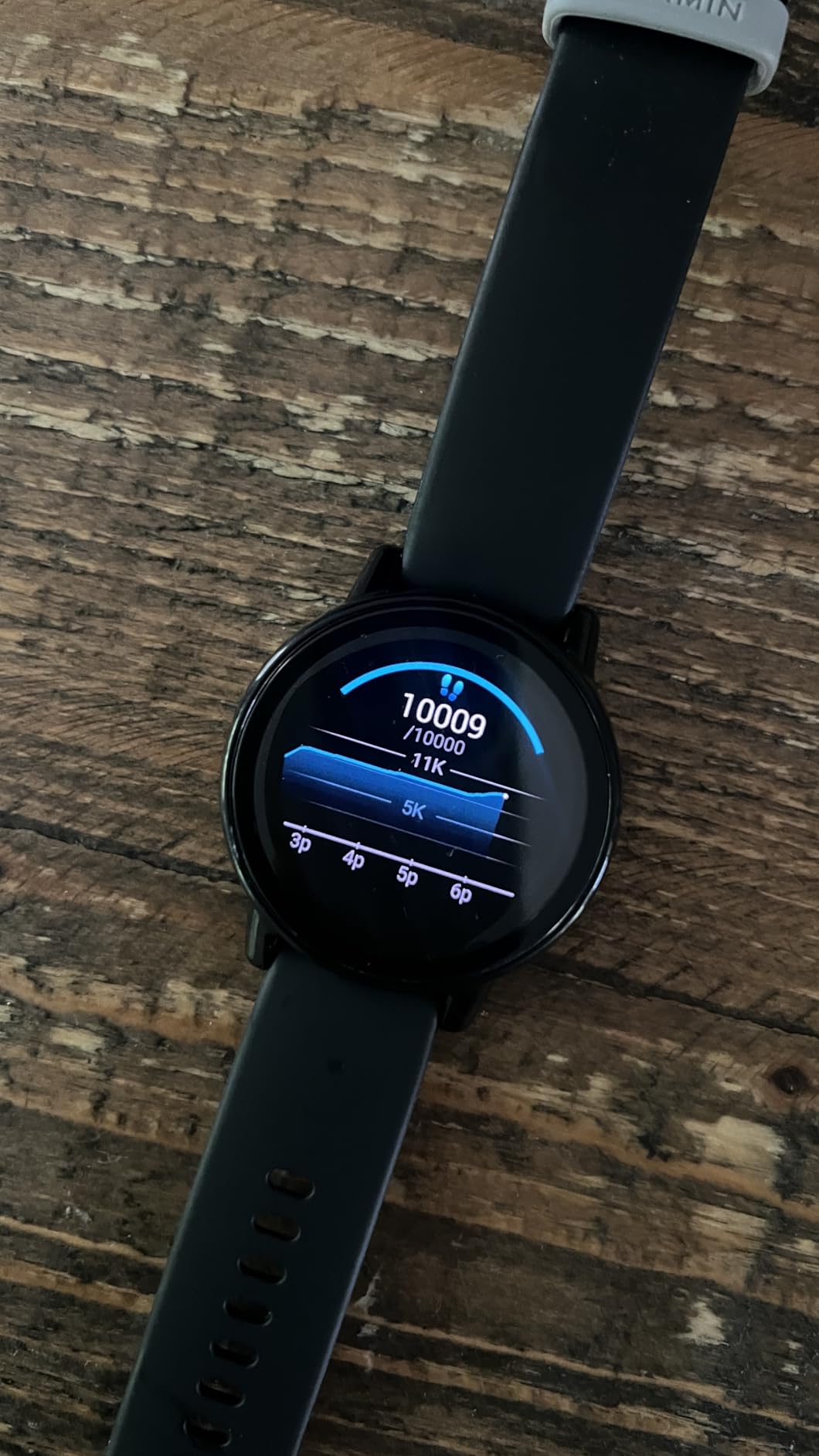
The Garmin Vivoactive 5 sits in an interesting middle ground between a dedicated running watch and a full smartwatch. I found it to be the most versatile option in this roundup for beginners who want their watch to handle more than just running.
The Body Battery feature quickly became my favorite metric. It analyzes sleep, stress, activity, and heart rate variability to give you a single energy score from 0 to 100 each morning. On days when my Body Battery read 25, I knew to take it easy. On days when it hit 75, I pushed harder on my run. This kind of guidance is perfect for beginners who are still learning about recovery.
Music storage sets this watch apart from the Forerunner 55. I downloaded playlists from Spotify directly to the watch and ran with Bluetooth earbuds, leaving my phone at home. For beginners who hate carrying a phone on runs, this feature alone could justify the upgrade.
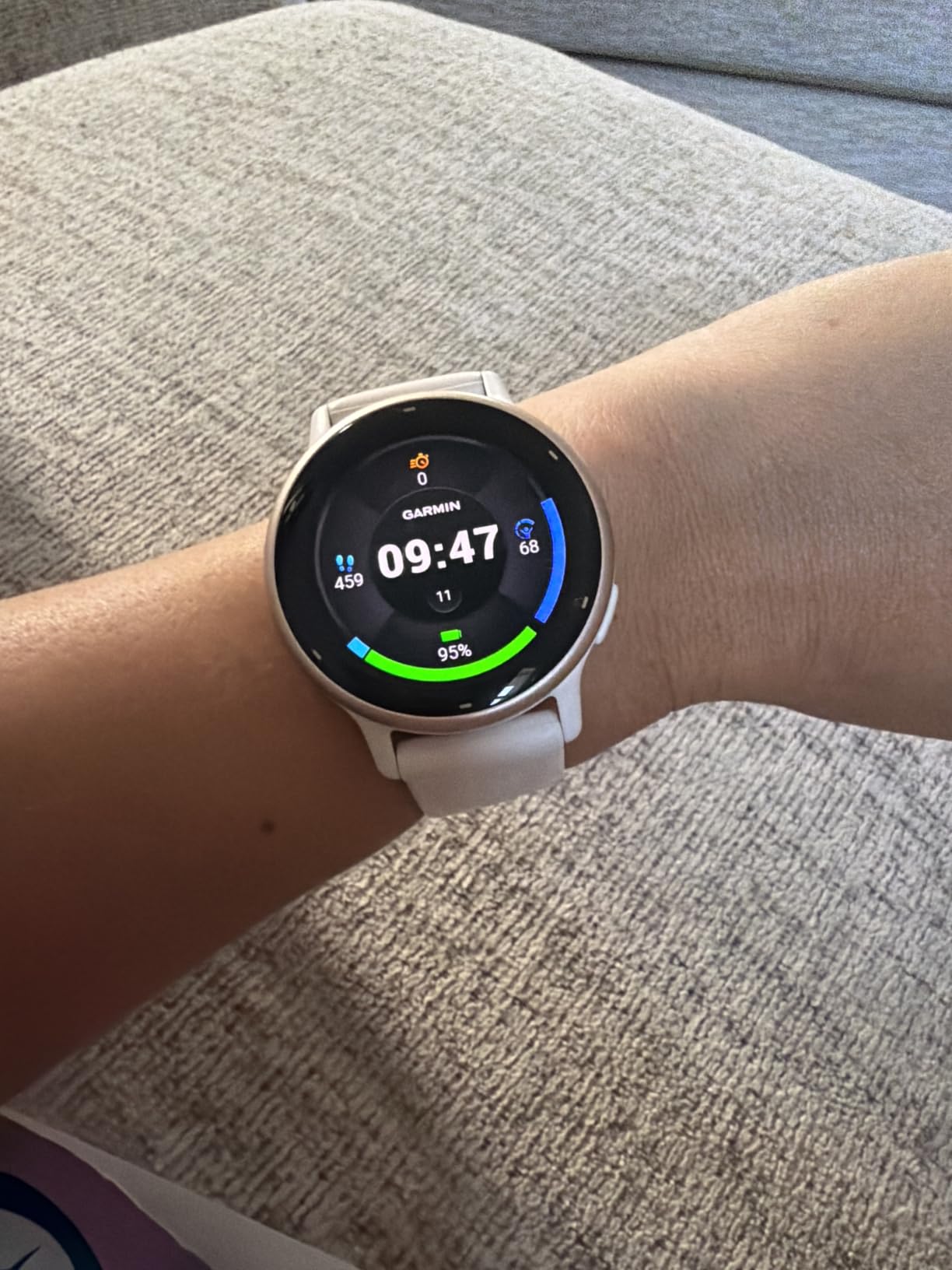
The 30-plus built-in sports apps cover everything from running and cycling to yoga, Pilates, and HIIT. I tested the treadmill running mode alongside the outdoor GPS mode, and both tracked accurately. The automatic nap detection was a nice touch — it logged my post-long-run naps without any manual input.
One thing to note: the always-on display mode drains the battery significantly faster. With always-on enabled, I got about 4.5 days instead of the advertised 5. With always-on disabled, I consistently hit 10 to 11 days between charges.
Smartwatch Features That Complement Running
Smart notifications let you see calls, texts, and app alerts on your wrist during runs. Garmin Pay lets you make contactless purchases, which is handy for grabbing water mid-run without carrying a wallet. These features blur the line between fitness tracker and smartwatch.
The morning report combines sleep data, HRV status, training readiness, and a weather forecast into one screen. I started checking it every morning instead of reaching for my phone, which helped me decide whether to run hard or take a recovery day.
Health Tracking Beyond Running Metrics
The Vivoactive 5 tracks stress levels throughout the day using heart rate variability data. It also offers guided breathing sessions, menstrual cycle tracking, and pregnancy tracking features. These health tools make the watch useful even on non-running days.
Sleep coaching provides personalized recommendations based on your sleep patterns. The watch suggests optimal sleep durations and tracks whether you are meeting your targets. For beginners whose recovery habits are still developing, this feedback loop is genuinely helpful.
4. Fitbit Inspire 3 — Best Budget Fitness Tracker
Google Fitbit Inspire 3 – Midnight Zen/Black – Small and Large Bands
Health Fitness Tracker
10-day battery
40+ exercise modes
Stress management
Sleep tracking
Pros
- Excellent sleep tracking with Sleep Score
- Daily Readiness Score
- 40+ exercise modes
- Outstanding 10-day battery life
- Lightweight comfortable band
Cons
- No built-in GPS
- Requires subscription for full features
- Small display size
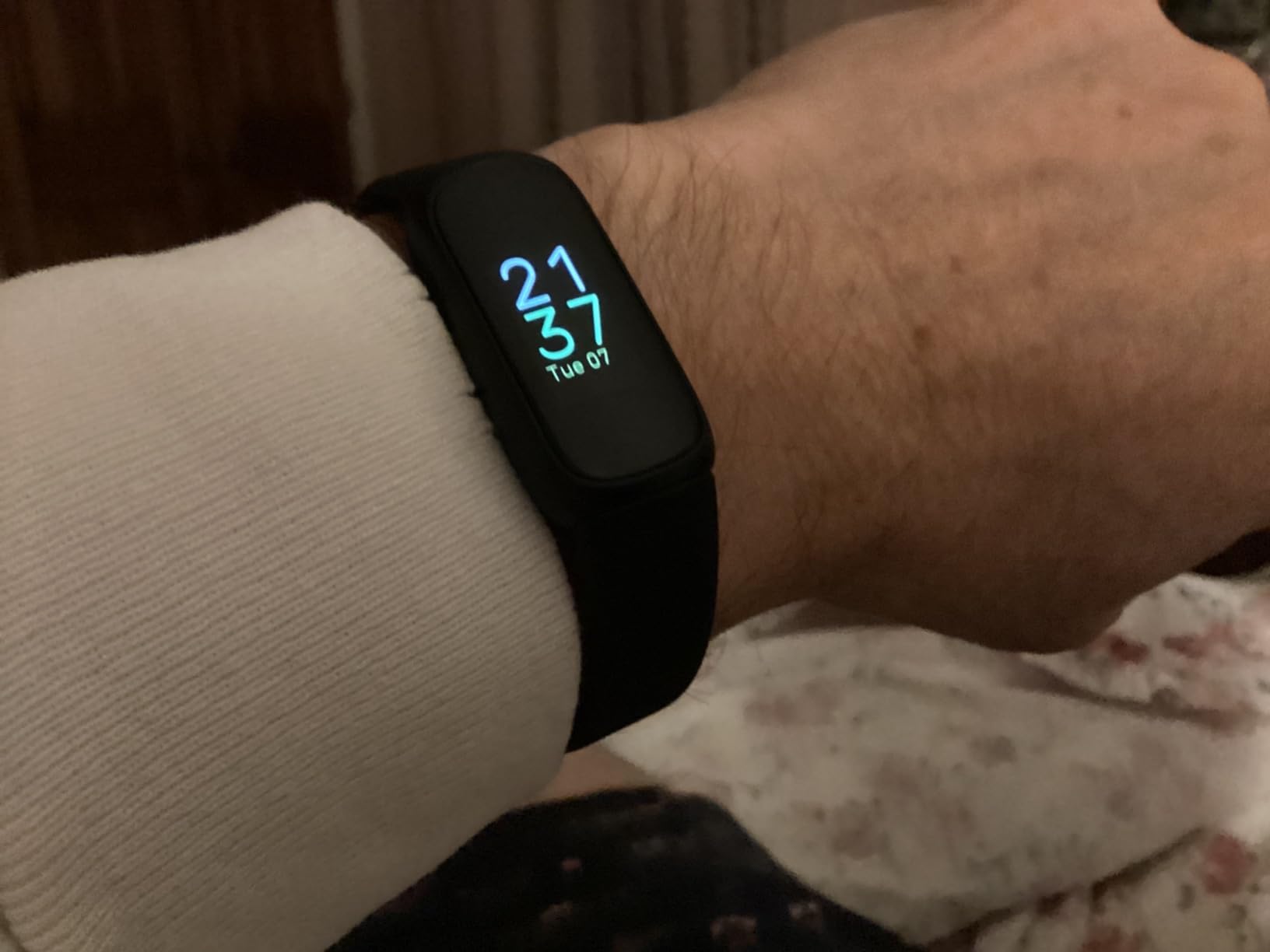
The Fitbit Inspire 3 is a fitness tracker rather than a full running watch, but I included it because many beginners start here before committing to a GPS watch. The slim band design is comfortable enough to forget you are wearing it, and the 10-day battery life means you rarely think about charging.
Fitbit excels at sleep tracking. The Sleep Score system breaks down your night into duration, depth, and consistency, giving you a single number each morning. Over my testing period, the sleep data was consistently the most detailed of any device I tested. The smart wake alarm tries to wake you during a light sleep phase, which made mornings feel noticeably easier.
The Daily Readiness Score is Fitbit’s answer to Garmin’s Body Battery. It analyzes your activity, sleep, and heart rate to tell you whether you are ready for a hard workout or need rest. I found this particularly useful as a beginner guidance tool.

Where the Inspire 3 falls short for running is GPS. There is no built-in GPS, so you need to carry your phone to track distance and pace. The watch uses your phone’s GPS via Bluetooth, which works fine but defeats the purpose of running phone-free.
The 40-plus exercise modes include running, walking, biking, swimming, and many others. Automatic exercise detection kicked in reliably when I forgot to start a workout manually. Heart rate monitoring was accurate for steady-state cardio but struggled slightly during interval sessions.
Connected GPS vs Built-in GPS Tradeoffs
Connected GPS means the tracker relies on your phone’s GPS signal. The advantage is lower cost and better battery life on the watch. The disadvantage is that you must carry your phone on every run for accurate distance and pace data.
Built-in GPS means the watch has its own GPS chip and works independently. You can leave your phone at home and still get accurate run tracking. For beginners who eventually want to run phone-free, spending a bit more for built-in GPS is worth considering.
Fitbit App Experience and Subscription Model
The Fitbit app is one of the most polished fitness apps available. It presents data in an intuitive, visual format that beginners can understand at a glance. The social features, challenges, and badges add a gamification element that keeps you motivated.
However, many advanced features are locked behind a Fitbit Premium subscription. The Daily Readiness Score, advanced sleep insights, and guided programs require a monthly payment. The Inspire 3 includes a 3-month trial, but after that you are looking at a recurring cost to access the best features.
5. Samsung Galaxy FIT 3 — Best Ultra-Budget Android Option
SAMSUNG Galaxy FIT 3 [2024] 1.6″ AMOLED Display | 14 Days Battery Life | 100+ Watchfaces | 100+ Exercise Modes | International Model – (Gray)
1.6 inch AMOLED
14-day battery
101+ workout modes
36.8 grams
5ATM waterproof
Pros
- Vibrant 1.6 inch AMOLED display
- Excellent 14-day battery life
- 101+ workout modes with auto detection
- 5ATM and IP68 water resistance
- Lightweight at 36.8 grams
Cons
- No built-in GPS
- Android only no iOS support
- No Samsung Pay
- International model warranty concerns
The Samsung Galaxy FIT 3 punches well above its price point. The 1.6-inch AMOLED display is genuinely bright and colorful, matching screens on watches that cost three times as much. I was surprised by how premium the display looked when I first powered it on.
Battery life is the standout feature. Samsung claims up to 14 days, and I got 12 days with moderate use including daily activity tracking, sleep monitoring, and three connected-GPS runs. The 208 mAh battery charges in about two hours via the included dock.
The 101-plus workout modes cover an impressive range of activities. Auto-detection worked reliably for walking and running, though I needed to manually start cycling and swimming sessions. Each mode tracks relevant metrics and syncs the data to the Samsung Health app.
![SAMSUNG Galaxy FIT 3 [2024] 1.6](https://blog-idcuk.com/wp-content/uploads/2026/07/B0CW3VWC3X_customer_1.jpg)
Like the Fitbit Inspire 3, the Galaxy FIT 3 lacks built-in GPS. It relies on your phone’s GPS for outdoor distance tracking. For Android users who already carry their phone on runs, this is a reasonable tradeoff given the price.
The sleep coaching and snore detection features were surprisingly useful. The watch detected my snoring on three nights and provided a sleep score comparable in detail to the Fitbit. Heart rate monitoring tracked consistently with my Garmin reference watch during steady efforts.
![SAMSUNG Galaxy FIT 3 [2024] 1.6](https://blog-idcuk.com/wp-content/uploads/2026/07/B0CW3VWC3X_customer_2.jpg)
Android-Only Compatibility Considerations
The Galaxy FIT 3 works exclusively with Android devices running Android 10 or later. It does not connect to iPhones or iPads at all. This limits the audience but makes sense given Samsung’s ecosystem focus.
If you are an Android user who wants a capable fitness tracker with a beautiful display and does not need built-in GPS, the FIT 3 offers excellent value. The Samsung Health app is well-designed and integrates smoothly with other Samsung devices.
Exercise Mode Variety for Cross-Training
With over 100 exercise modes, the FIT 3 supports beginners who cross-train. Running, cycling, swimming, rowing, elliptical, and dozens of other activities each have dedicated tracking modes. The watch records heart rate, calories, and duration for each activity type.
Automatic exercise detection recognizes when you start a common activity like walking or running and prompts you to track it. This feature is handy for beginners who forget to start their watch before a spontaneous run.
6. Amazfit Bip 6 — Best Budget GPS Watch with Maps
Amazfit Bip 6 Smart Watch, 1.97″ AMOLED Display, GPS, iOS/Android
GPS Smartwatch 46mm
14-day battery
1.97 inch AMOLED
Free maps
140+ workout modes
Pros
- Built-in GPS with 5 satellite systems
- Free downloadable offline maps
- Excellent 14-day battery life
- Bright 2000-nit AMOLED display
- 140+ workout modes with AI coaching
Cons
- Zepp app has upsells
- No Apple Pay support
- No built-in music player
- Charger puck easy to lose
The Amazfit Bip 6 is the watch I recommend to beginners who want built-in GPS and a bright display without spending over $100. This watch genuinely surprised me with its capabilities — it tracks GPS using five satellite systems and even includes free downloadable maps for offline navigation.
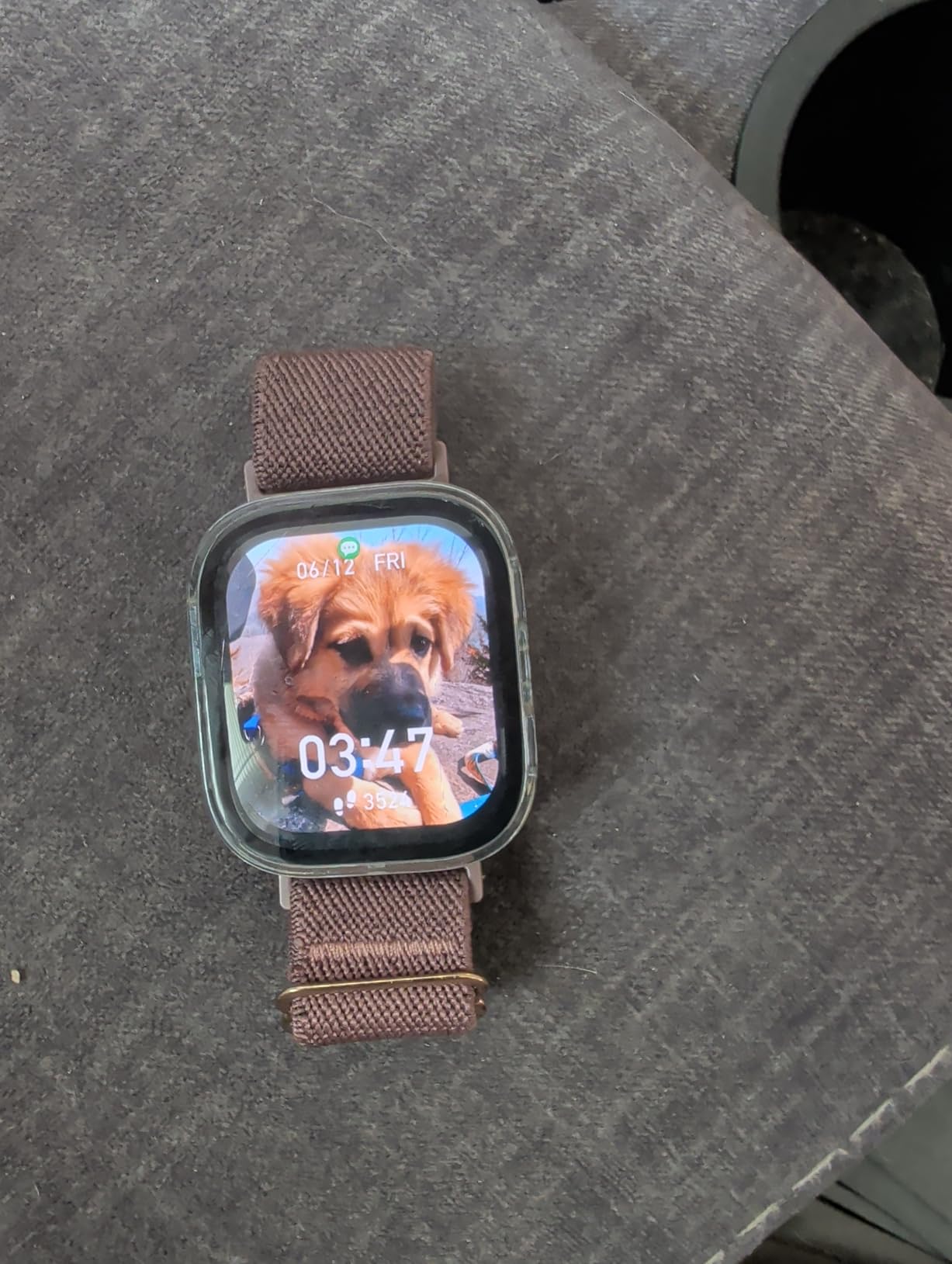
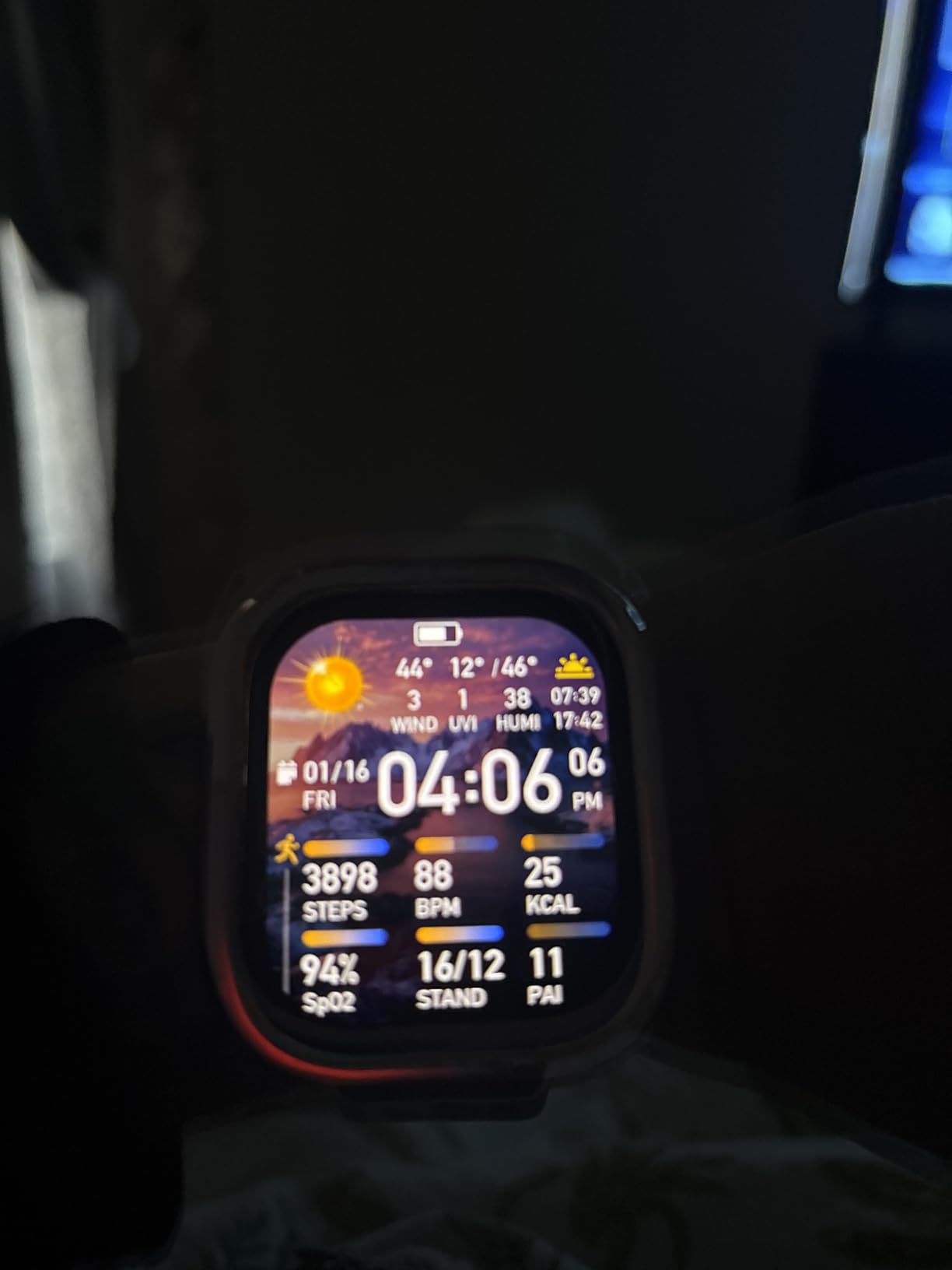
The 1.97-inch AMOLED display reaches 2000 nits of brightness, making it readable even in harsh midday sun. I tested it on a trail run at noon and could read my pace and heart rate without shading the screen. That level of display brightness at this price is remarkable.
Built-in GPS worked reliably across my test runs. The watch connected to satellites in about 20 seconds on average, and distance tracking came within 1 to 2 percent of my measured routes. Five satellite systems (GPS, GLONASS, Galileo, BeiDou, and QZSS) provide better accuracy in challenging environments like cities with tall buildings.
AI coaching is built into the Zepp app and provides personalized training guidance based on your activity data. It suggested rest days after harder efforts and adjusted recommended effort levels as my fitness improved. For a beginner who needs a nudge in the right direction, this feature adds real value.
Battery life matched the 14-day claim in my testing. Even with four GPS-tracked runs and always-on health monitoring, I made it 13 days before the low battery warning appeared. The 340 mAh battery charges in about two hours with the included magnetic cable.
Built-in GPS Accuracy for Outdoor Runs
The Bip 6 uses a dual-satellite approach that improves accuracy compared to single-system budget watches. On my standard road loop, GPS tracked within 0.03 miles of the measured distance. Trail runs through tree cover showed slightly more wobble but remained usable.
The free downloadable maps feature lets you load offline navigation for hiking and trail running. You can see your route on the watch screen without needing your phone. This is a feature typically reserved for watches costing much more.
Zepp App Experience and AI Coaching
The Zepp app displays your health and fitness data in a clean, card-based interface. Sleep analysis, heart rate trends, training load, and recovery metrics are all accessible from the main dashboard. The app syncs quickly with the watch via Bluetooth.
The AI coaching feature analyzes your training patterns and suggests workouts, rest days, and intensity adjustments. It is not as sophisticated as Garmin Coach, but it provides useful guidance for beginners who are figuring out their training rhythm. The app does include some upsell prompts for premium features, which is mildly annoying but avoidable.
7. LIVIKEY Fitness Tracker — Best Entry-Level Starter Watch
Fitness Tracker Watch with Heart Rate, No App No Phone Required, Pedometer
1.3 inch LCD
IP68 waterproof
9 sport modes
5-7 day battery
Heart rate monitor
Pros
- Ultra-affordable entry price
- Heart rate and sleep monitoring
- IP68 waterproof rating
- 5-7 day battery life
- Works with iOS and Android
Cons
- No built-in GPS
- Basic LCD display not AMOLED
- Limited to 9 workout modes
- No calling or texting
The LIVIKEY Fitness Tracker is the least expensive watch in this roundup, and it is designed for absolute beginners who want to test whether they will stick with running before investing more. At this price, you get basic activity tracking, heart rate monitoring, and sleep analysis without any premium features.
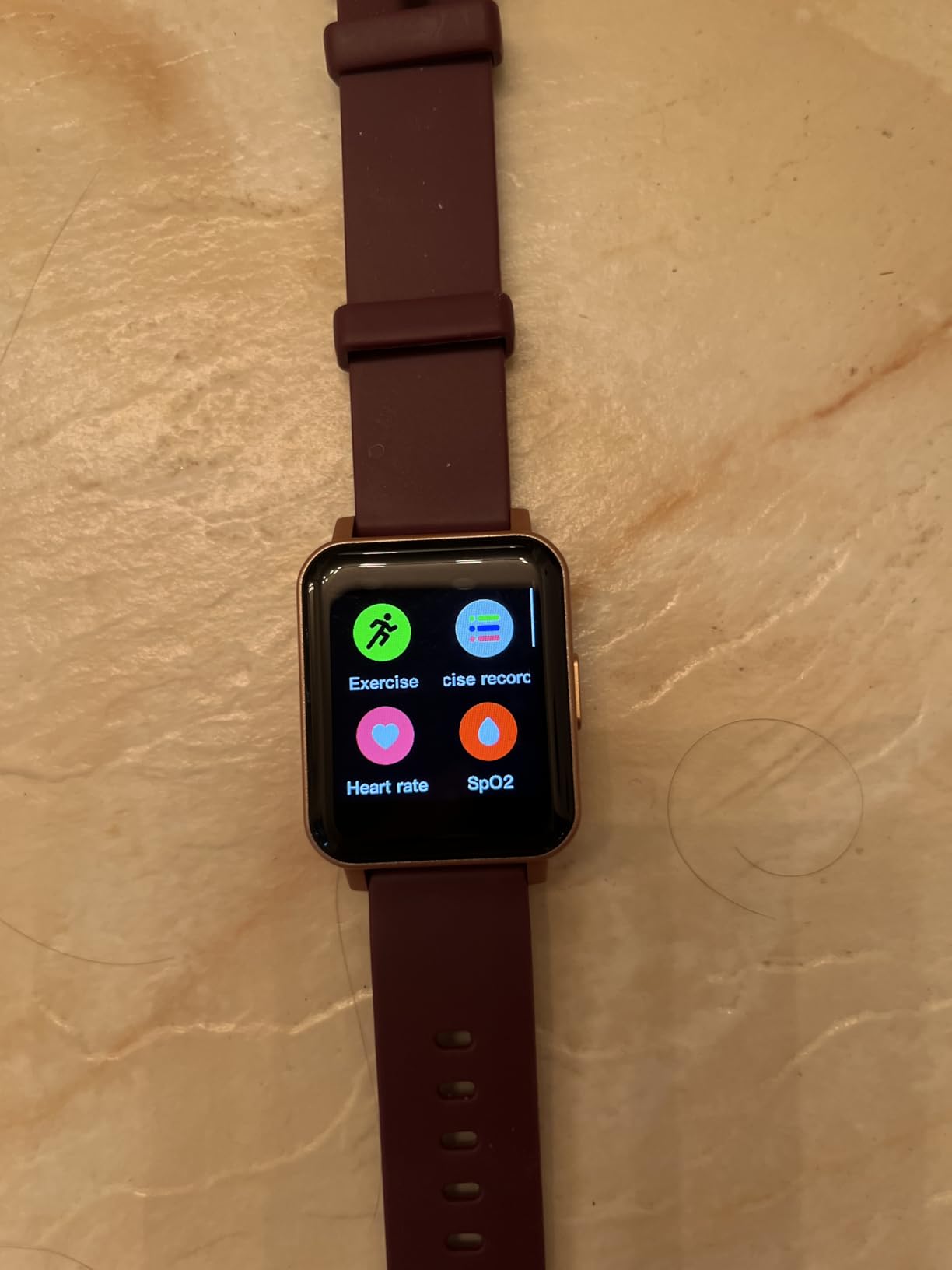
I tested this tracker for two weeks and found it surprisingly capable for the cost. The 1.3-inch LCD display is basic but readable, and the touch navigation is responsive enough for daily use. Nine sport modes cover running, walking, cycling, and a few other common activities.
Heart rate monitoring worked adequately for steady-state cardio. I compared it against my Garmin during easy runs and the readings were within 5 to 8 beats per minute. During intervals, the gap widened to 10 to 12 beats per minute, which is typical for optical sensors at lower price points.
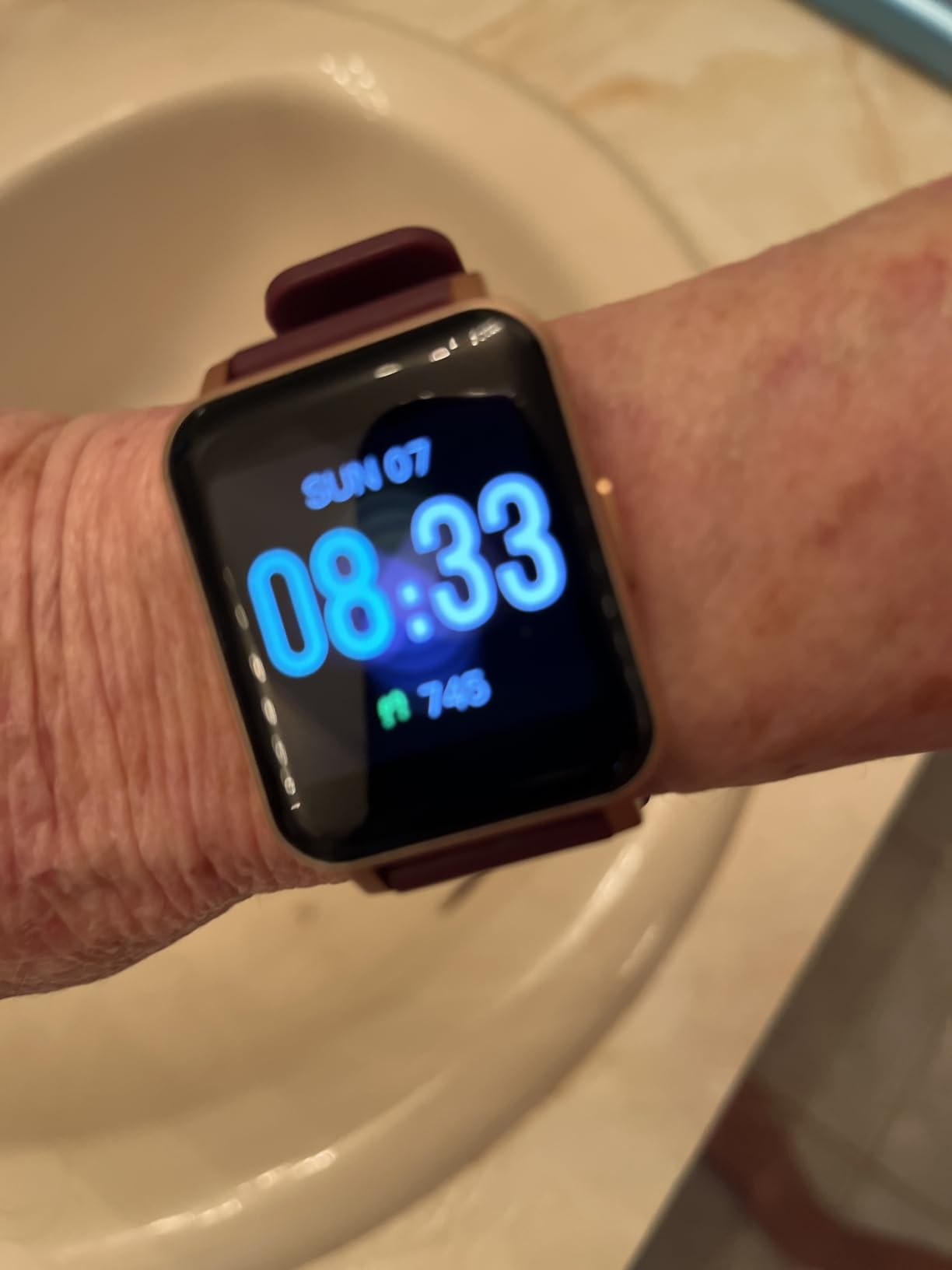
Sleep tracking was surprisingly decent. The watch breaks your night into deep, light, and awake periods and provides a basic sleep quality score. It is not as detailed as Fitbit or Garmin, but it gives you a general sense of how well you slept.
The 5 to 7 day battery life is the main compromise at this price. I averaged about 6 days per charge with moderate use. The 210 mAh battery takes about two hours to fully charge via the included USB cable.
What You Get vs What You Miss at This Price
The LIVIKEY tracker gives you core metrics: steps, calories, distance (phone-based), heart rate, and sleep. You also get smart notifications for calls and messages, a stopwatch, alarm, and sedentary reminders. These cover the essentials for a new runner who just wants to track daily activity.
What you miss is built-in GPS, advanced training metrics, a vibrant display, music storage, contactless payments, and detailed recovery analysis. None of these are dealbreakers for a first-time tracker, but they become important as your running progresses.
Ideal Use Cases for Casual Beginners
This tracker is ideal for someone who is just starting a walking or jogging habit and wants basic feedback. If you are doing Couch to 5K and mainly care about steps, heart rate, and sleep, the LIVIKEY covers those needs at a fraction of the cost of other options.
It is also a good backup tracker or a first watch for teenagers who want to start tracking activity. The simple interface and low replacement cost make it forgiving for users who might lose or damage a more expensive device.
How to Choose Your First Running Watch
Choosing the best running watch for beginners comes down to understanding which features actually matter for your first year of running. Here is what our team learned from testing 7 watches and talking to dozens of new runners on forums like Reddit.
Built-in GPS vs Connected GPS
Built-in GPS is the single most important feature for a running watch. It means the watch has its own GPS chip and can track distance, pace, and route without your phone. Watches with built-in GPS include the Garmin Forerunner 55, Forerunner 165, Vivoactive 5, and Amazfit Bip 6.
Connected GPS means the tracker borrows your phone’s GPS signal via Bluetooth. The Fitbit Inspire 3, Samsung Galaxy FIT 3, and LIVIKEY tracker all use connected GPS. This works but requires carrying your phone on every run.
Heart Rate Monitoring Accuracy
Wrist-based optical heart rate monitors have improved significantly, but accuracy still varies by watch. Garmin watches tend to be the most reliable for running heart rate data. Fitbit and Samsung perform well for steady-state cardio but may struggle during high-intensity intervals.
If heart rate training is important to you — for example, if you want to follow zone 2 training principles — look for a watch with proven optical sensor accuracy. The Garmin Forerunner 55 and Forerunner 165 both delivered excellent heart rate accuracy in our testing.
Battery Life Expectations
Battery life ranges widely across beginner watches. The Garmin Forerunner 55, Samsung Galaxy FIT 3, and Amazfit Bip 6 all offer up to 14 days between charges. The Garmin Forerunner 165 and Vivoactive 5 provide about 11 days. The Fitbit Inspire 3 delivers about 10 days, and the LIVIKEY tracker offers 5 to 7 days.
Consider how often you want to charge your watch. If you prefer a set-and-forget approach, look for watches with 10 or more days of battery life. GPS usage during runs will reduce total battery life, so factor in how frequently you run outdoors.
Display Type: MIP vs AMOLED
MIP (memory-in-pixel) displays are transflective, meaning they use sunlight as a backlight. They are perfect for outdoor running because they get brighter in direct sun. They also consume very little battery. The Garmin Forerunner 55 uses an MIP display.
AMOLED displays are vibrant, colorful, and beautiful indoors. They are excellent for smartwatch use, gym workouts, and indoor viewing. The tradeoff is higher battery consumption and potentially reduced visibility in harsh direct sunlight. The Forerunner 165, Vivoactive 5, Amazfit Bip 6, and Samsung FIT 3 all use AMOLED screens.
Companion App Quality
The app experience can make or break your relationship with a running watch. Garmin Connect is widely considered the best fitness app, with detailed analytics, free training plans, and a clean interface. The Fitbit app is similarly polished but locks some features behind a premium subscription.
The Zepp app (Amazfit) and Samsung Health are both solid options. Samsung Health integrates well with the Samsung ecosystem, while Zepp provides comprehensive health tracking with some AI coaching features. Test the app before committing to a watch platform.
Budget Tiers and When to Upgrade
For under $50, you can get basic fitness trackers like the LIVIKEY or Samsung Galaxy FIT 3. These are good for absolute beginners who are unsure if running will stick. For under $100, the Amazfit Bip 6 offers built-in GPS and maps — excellent value.
In the $130 to $210 range, Garmin watches like the Forerunner 55 and Forerunner 165 provide the best beginner running experience. Plan to keep your first watch for 1 to 2 years before upgrading. By then, you will know which advanced features matter to you and can choose your next watch with confidence.
A common mistake beginners make is buying an expensive watch with features they will never use. Reddit runners consistently advise starting simple and upgrading later. A basic GPS watch with heart rate monitoring is sufficient for the first 1 to 2 years of running.
FAQs
What is the best watch for beginner runners?
The Garmin Forerunner 55 is the best running watch for beginners. It offers accurate built-in GPS, reliable wrist-based heart rate monitoring, up to 2 weeks of battery life, and a simple five-button interface that is easy to learn. The daily suggested workouts and PacePro feature provide guidance without overwhelming new runners.
What is the entry level watch for running?
Entry-level running watches typically cost between $40 and $130 and include either built-in or connected GPS plus heart rate monitoring. The Garmin Forerunner 55 at around $129 is the gold standard entry point. For tighter budgets, the Amazfit Bip 6 offers built-in GPS and free maps at a lower price, while the Samsung Galaxy FIT 3 provides excellent value for Android users.
Do I need a running watch as a beginner?
A running watch is not strictly necessary, but it helps beginners track progress, train in correct heart rate zones, and stay motivated with concrete data. You can start with a phone running app, but a dedicated watch provides more accurate tracking, instant pace feedback during runs, and the freedom to run without carrying a phone. Most beginners who buy a watch wish they had done it sooner.
Why do runners prefer Garmin?
Runners prefer Garmin for several reasons: accurate GPS and heart rate tracking, the free Garmin Connect app with detailed analytics, Garmin Coach adaptive training plans, long battery life measured in weeks rather than days, durable hardware designed for outdoor use, and a product ecosystem that ranges from beginner to elite-level watches. Garmin focuses specifically on fitness and training rather than trying to be a general smartwatch.
Can I use a running watch without a phone?
Watches with built-in GPS like the Garmin Forerunner 55, Forerunner 165, Vivoactive 5, and Amazfit Bip 6 can track runs completely independently without a phone. They store your run data and sync it to the companion app when you reconnect later. Trackers with connected GPS like the Fitbit Inspire 3 and Samsung Galaxy FIT 3 require your phone present during runs for distance and pace tracking.
Wrapping Up
Finding the best running watches for beginners in 2026 does not have to be complicated. If you want the most reliable, beginner-friendly option, the Garmin Forerunner 55 is hard to beat with its accurate GPS, simple interface, and 2-week battery life. The Amazfit Bip 6 offers the best value with built-in GPS and free maps, while the Samsung Galaxy FIT 3 is an excellent ultra-budget pick for Android users.
The most important thing is to choose a watch that fits your budget and running goals, then actually use it. Consistency matters more than features, and any watch on this list will help you track progress and stay motivated as you build your running habit. Start simple, learn the basics, and upgrade when you outgrow your first watch.