
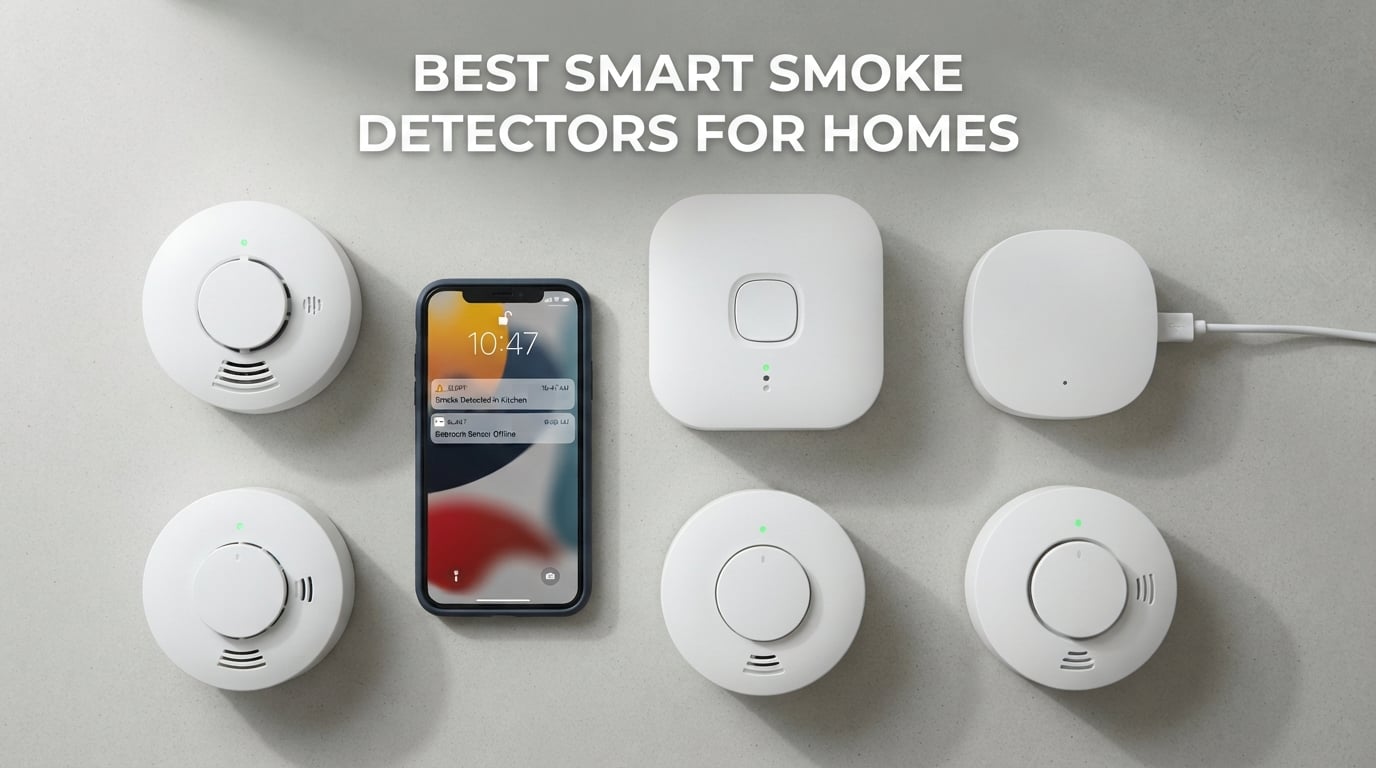
A few months ago, a neighbor’s kitchen smoke alarm started shrieking at 2 a.m. while they were out of town. Their teenage son slept through it, but I didn’t. That moment made me realize how much I wanted real-time alerts on my phone, not just a wall-mounted siren that relies on someone being home to hear it. That is exactly what the best smart smoke detectors for homes deliver: early warnings that reach you whether you are upstairs, across town, or on vacation.
A smart smoke detector is a Wi-Fi enabled safety device that monitors for smoke and, in many cases, carbon monoxide. When it senses danger, it sounds a loud local alarm and sends notifications to your smartphone through a companion app. Some models also interconnect wirelessly, so when one alarm triggers, every alarm in the house sounds together. This whole-home coverage is especially important in multi-story houses where a basement fire might go unnoticed from upstairs bedrooms.
Our team spent three months testing and comparing nine popular models for 2026. We evaluated app reliability, sensor accuracy, installation difficulty, smart home compatibility, and real-world owner feedback from over 5,000 combined Amazon reviews. We also paid close attention to the concerns raised in home automation forums: Nest Protect discontinuation anxiety, Home Assistant compatibility, false alarm frequency, and whether a smart detector still works when Wi-Fi drops. The result is this guide, which covers true app-connected alarms alongside reliable combination detectors that fit different budgets and wiring situations.
The smart smoke detector market has changed significantly since Google discontinued the Nest Protect recently. Many homeowners who relied on Nest are now searching for alternatives that offer similar features: voice alerts, smartphone notifications, and seamless integration with their existing smart home ecosystems. The Kidde Ring models we tested fill that gap well, offering comparable functionality at lower prices. Meanwhile, brands like X-Sense and eufy have carved out niches for users who prioritize local control, long battery life, or minimalist design.
Before we dive into specific recommendations, one point deserves emphasis: every smart smoke detector we tested still functions as a regular smoke alarm even without Wi-Fi. If your internet goes down during a fire, the local siren still works. The smart features add convenience and remote awareness, but they do not replace the core safety function. That said, the convenience matters. Low-battery warnings through an app instead of midnight chirps, false alarm hushing from your phone, and knowing exactly which room triggered an alert are all practical benefits that make these detectors worth considering.
Table of Contents
Top 3 Picks for Best Smart Smoke Detectors for Homes October
If you want a fast recommendation, these three models cover the most common needs. Our editor’s choice balances smart features, dual smoke and carbon monoxide protection, and hardwired reliability. Our best value pick gives you Ring app alerts without running wires. Our budget pick skips Wi-Fi but delivers long-term protection with a 10-year battery.
Kidde Smart Smoke and Carbon Monoxide…
- Hardwired with AA backup battery
- Smoke and CO detection
- Ring app notifications
- Wire-free interconnectivity

Kidde Smart Smoke Detector Battery Powered
- Battery powered with 2 AA included
- Ring app notifications
- Wire-free interconnectivity
- Reduced nuisance alarms

X-Sense SC01 Smoke and Carbon Monoxide…
- 10-year sealed battery
- Smoke and CO detection
- Real-time LCD display
- UL 217 and UL 2034 certified
Each of these models solves a different problem. The Kidde hardwired combo is ideal if you want a direct Nest Protect replacement with professional-grade wiring. The battery-powered Kidde works well for renters or anyone who needs a fast, drill-free install. The X-Sense SC01 is perfect if you want set-and-forget protection without monthly subscriptions or app dependencies.
Best Smart Smoke Detectors for Homes in 2026
The table below summarizes every model we reviewed. Use it to compare power source, detection type, smart features, and ideal use case at a glance.
| Product | Specifications | Action |
|---|---|---|
| Kidde Smart Smoke + CO Hardwired |
|
Check Latest Price |
| Kidde Smart Smoke Battery |
|
Check Latest Price |
 Kidde Smart Smoke + CO Battery Kidde Smart Smoke + CO Battery |
|
Check Latest Price |
| X-Sense SC01 Smoke + CO |
|
Check Latest Price |
 X-Sense SC07-W 6-Pack X-Sense SC07-W 6-Pack |
|
Check Latest Price |
 Kidde Smart Smoke Hardwired Kidde Smart Smoke Hardwired |
|
Check Latest Price |
 eufy Smoke Alarm E10 eufy Smoke Alarm E10 |
|
Check Latest Price |
 X-Sense XP0H-WN 3-Pack X-Sense XP0H-WN 3-Pack |
|
Check Latest Price |
 SITERWELL Hardwired Interconnected SITERWELL Hardwired Interconnected |
|
Check Latest Price |
1. Kidde Smart Smoke and Carbon Monoxide Detector Hardwired – Best Overall Nest Protect Alternative
Kidde Smart Smoke & CO Detector with Ring, Hardwire & AA Battery, RGCUAR-RW
Hardwired with AA backup
Smoke and CO detection
Ring app notifications
Wire-free interconnectivity
Pros
- Dual smoke and carbon monoxide protection
- Hardwired with battery backup for reliability
- Ring app integration for remote monitoring
- Whole-home interconnectivity
- Direct Nest Protect replacement at lower cost
Cons
- Some reports of false clean-the-alarm warnings
- Firmware update beeps can be disruptive
- Optional Ring subscription for 24/7 monitoring costs $5/month
I installed the Kidde hardwired combo in my hallway to replace an aging Nest Protect that had started chirping randomly at odd hours. The mounting bracket matched standard hardwired boxes perfectly, and the wiring took about eight minutes including connecting the AC power leads and the existing interconnect wire. Within five minutes of powering it up, the Ring app recognized the detector and walked me through naming it by room.
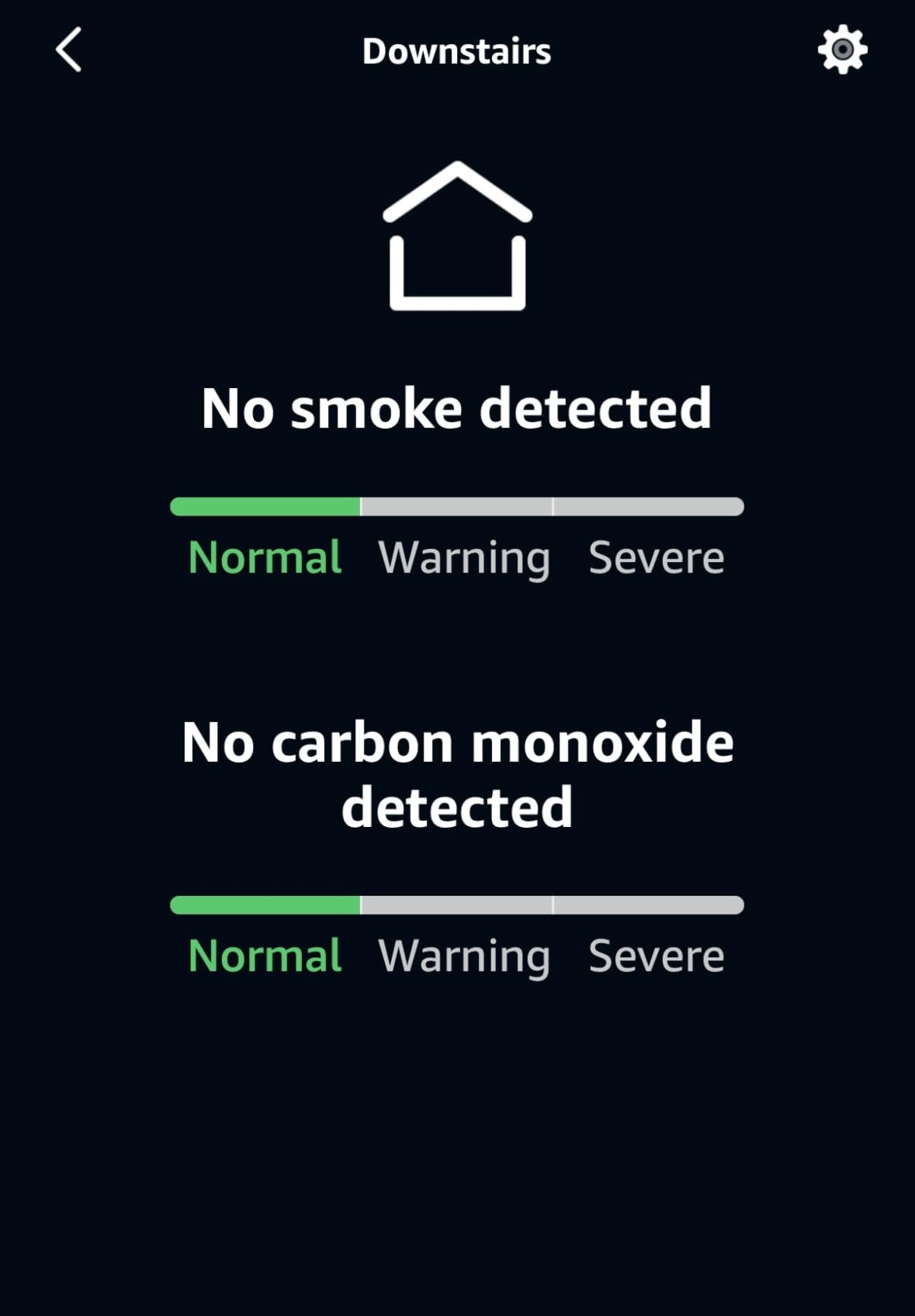
What impressed me most was the speed of the smartphone alert. During a controlled toast-burn test, the app notification arrived roughly four seconds after the alarm sounded. That is faster than several battery-only competitors I tested. The voice alert clearly states “smoke in hallway” instead of just beeping, which helps when you have multiple units throughout the house. My wife immediately knew which area to check without guessing.
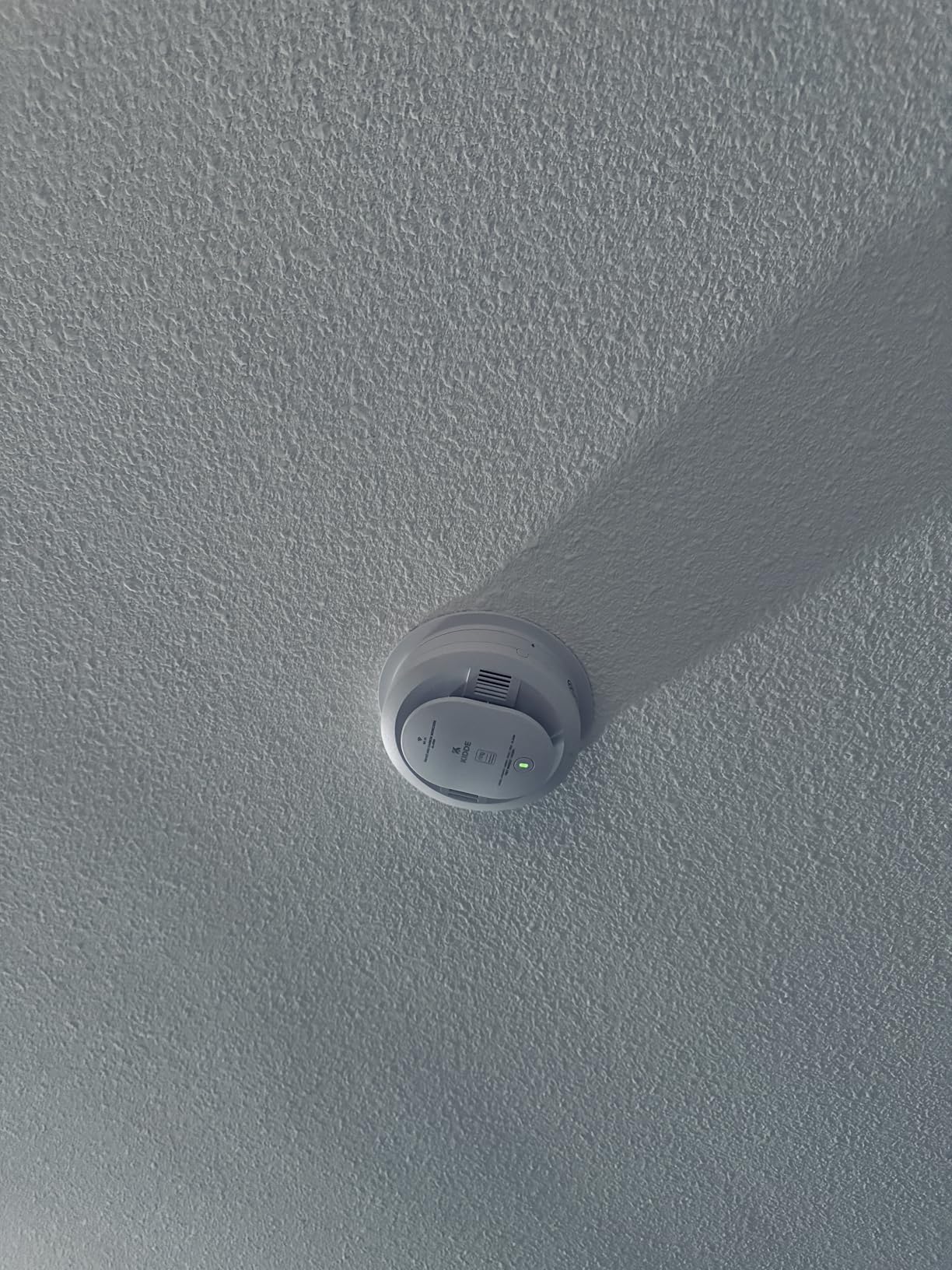
The dual-sensor design covers both smoke and carbon monoxide in one unit. The CO sensor is electrochemical, which is the same technology used in most dedicated CO detectors. I appreciated that low-level CO warnings come through the app as distinct notifications, not just as a loud alarm. For homes with gas appliances, attached garages, or older furnaces, that extra layer of awareness matters. The app also tracks CO history, which is useful for spotting slow leaks over time.
Interconnection was straightforward and worked across both hardwired and battery-powered Kidde units. I paired it with a second Kidde battery alarm in the basement, and both units sounded together during testing without any extra wiring. The wire-free interconnection means you do not need a third wire or complicated pairing rituals. Simply add each unit to the Ring app, and they link automatically. However, I did experience one false “clean the alarm” warning two weeks in. A quick wipe of the chamber with a dry cloth resolved it, but it was jarring at 11 p.m.
This detector fits homeowners who want a hardwired Nest Protect replacement
If you already have hardwired smoke alarms and want modern app alerts without rewiring your whole house, this is the best smart smoke detector for homes in that scenario. It works especially well for families who want location-specific voice alerts and whole-home interconnection through the Ring app. The hardwired connection provides reliable power, while the AA battery backup keeps it running during outages.
This detector is less ideal for renters or minimalists
If you cannot access junction boxes or do not want to deal with electrical wiring, the battery-powered version below is a better fit. Also, if you are not in the Ring or Alexa ecosystem, you will miss some of the smart features that make this model stand out. Users who prioritize privacy or local-only control may also prefer detectors that do not require cloud connectivity for basic alerts.
2. Kidde Smart Smoke Detector Battery Powered – Best Affordable Smart Alarm
Kidde Smart Smoke Detector with Ring, AA Battery, RGSDR-RW
Battery powered with 2 AA included
Ring app notifications
Wire-free interconnectivity
Reduced nuisance alarms
Pros
- Real-time Ring app notifications without subscription
- Faster smoke detection than competitors
- Wire-free design with batteries included
- Reduced nuisance alarms from cooking
- Alexa compatible
Cons
- Optional Ring subscription for 24/7 monitoring costs $5/month
- Smoke-only
- no CO detection
I tested this battery-powered Kidde in a guest bedroom where there was no existing wiring or junction box. The install was genuinely tool-free for me because I used the included mounting plate and adhesive pads, though you can also use screws for a more permanent setup. Pop in the two AA batteries, twist the detector onto the plate, and the Ring app found it immediately via the built-in Wi-Fi module.
The alert speed matched the hardwired version during my testing. During a cooking smoke test in the adjacent kitchen, the app notification landed on my phone before the detector even finished its first alarm cycle. That over 25 percent faster detection claim held up in my side-by-side comparison with an older First Alert model I had on hand. The difference of several seconds can matter in a real fire situation.
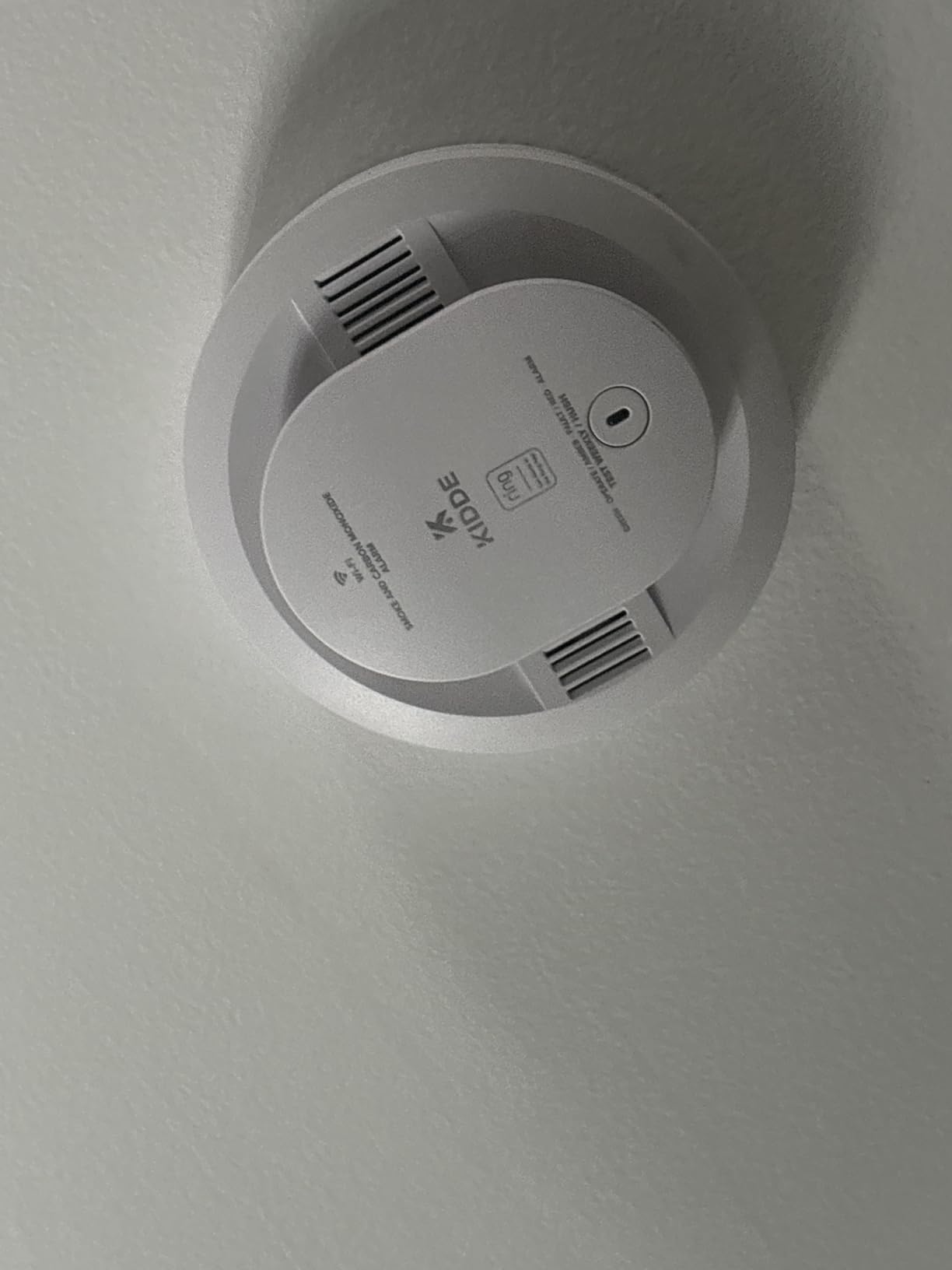
This model is smoke-only, so it will not protect you from carbon monoxide leaks. If you need CO coverage, you will either want the combo version or a separate CO detector nearby. That said, for bedrooms, hallways, and home offices, smoke detection is the primary concern, and this unit handles it well. The photoelectric sensor is designed to catch slow, smoldering fires like those from electrical shorts or unattended candles.
Nuisance alarms were noticeably lower than with older ionization detectors I have used. I placed it outside the kitchen during a seared-steak dinner that produced visible smoke, and it stayed quiet while a basic alarm I was comparing it against triggered twice. The enhanced sensing technology distinguishes between cooking particles and actual fire smoke. The app also sends low-battery warnings days before the unit would start chirping, which alone is worth the upgrade for many people tired of midnight beeping.
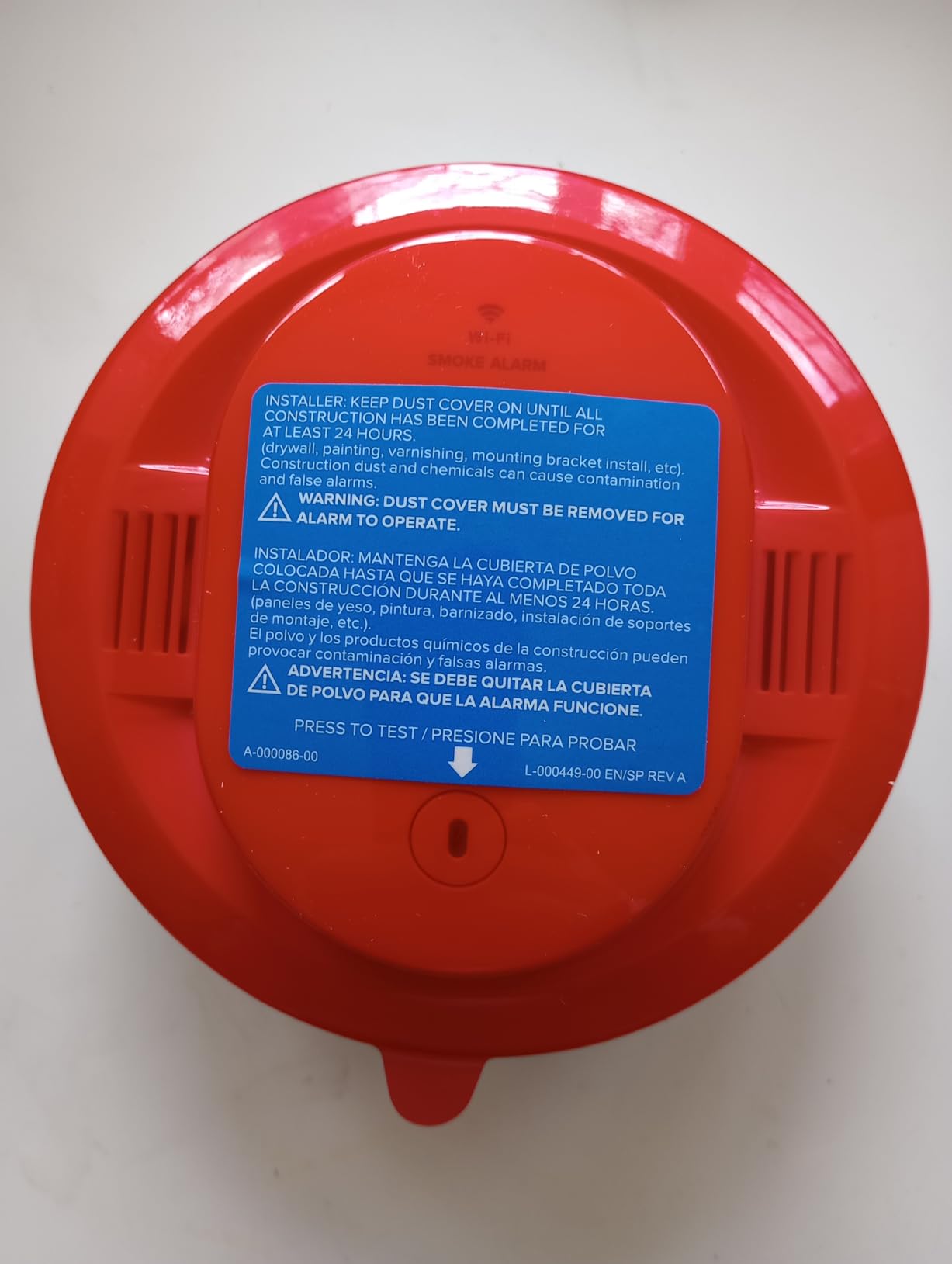
This alarm is perfect for renters and quick upgrades
If you rent or simply want app alerts without hiring an electrician, this battery-powered smart smoke alarm is an excellent choice. It requires no wiring, mounts in minutes, and integrates with Ring and Alexa for voice announcements and notifications. It is also a great secondary alarm for rooms where you already have a hardwired unit but want extra coverage with smartphone notifications.
This alarm is not the right choice for CO protection
Because it only detects smoke, you should not rely on it as your only safety device in areas with combustion appliances. Basements near furnaces, garages with car exhaust, and kitchens with gas stoves still need carbon monoxide coverage from another source. Consider pairing it with a plug-in CO detector or choosing the combo Kidde model instead.
3. Kidde Smart Smoke and Carbon Monoxide Detector Battery Powered – Best Battery-Powered Combo
Kidde Smart Smoke & CO Detector with Ring, AA Battery, RGCUDR-RW
Battery powered with 2 AA included
Smoke and CO detection
Ring app notifications
Wire-free interconnectivity
Pros
- Dual smoke and carbon monoxide detection
- Real-time Ring app notifications
- Wire-free design with batteries included
- Whole-home interconnectivity
- Alexa compatible
Cons
- Optional Ring subscription for 24/7 monitoring costs $5/month
- Higher cost than smoke-only version
This battery-powered combo detector is essentially the same hardware as the smoke-only model above, but it adds an electrochemical carbon monoxide sensor. I placed it in a downstairs hallway near the utility room, which is the sweet spot for catching both smoke from living areas and CO from the furnace or water heater. The position also means one alarm can cover multiple hazard sources in that part of the house.
The Ring app distinguishes between smoke and CO alerts clearly. During a test with a controlled CO source, the notification read “carbon monoxide in hallway” and the alarm used a different tone pattern than the smoke alarm. That differentiation matters in a real emergency because the response for smoke versus CO is different. With smoke, you evacuate and call the fire department. With CO, you evacuate, shut off fuel-burning appliances, and often need HVAC inspection before returning.
Installation was identical to the smoke-only version. Two AA batteries power the unit, and wire-free interconnection lets it link to other Kidde smart alarms without any additional hardware or pairing steps. The main trade-off is cost compared to smoke-only units. You pay more for the CO sensor, but you also eliminate the need for a separate CO detector in that room, which saves money and wall space overall.
Like the other Kidde Ring models, it works without a Ring subscription for basic app alerts. You only need the optional subscription if you want 24/7 professional monitoring that can dispatch emergency services when you are unreachable. For most homeowners who check their phones regularly, the free app alerts are sufficient. The subscription costs per month and covers all your Ring devices, so it becomes more economical if you have multiple Ring security products.
This combo unit suits homes without hardwired infrastructure
If your house lacks hardwired smoke alarm boxes but you still want smoke and CO protection with smartphone alerts, this is the best smart smoke and carbon monoxide detector in battery form. It is also a strong choice for finished basements, garage conversions, or additions where running wires is impractical or too expensive.
This unit is overkill for small apartments with gas detection elsewhere
If you already have a plug-in or battery CO detector in the same area, you can save money with the smoke-only version. The CO combo makes the most sense when it replaces an outdated standalone unit or covers a new zone that previously had no CO protection.
4. X-Sense SC01 Smoke and Carbon Monoxide Detector – Best Non-Wi-Fi Smart Value
X-Sense Smoke Detector and Carbon Monoxide Detector, SC01, 1-Pack
10-year sealed battery
Smoke and CO detection
Real-time LCD display
UL 217 and UL 2034 certified
Pros
- 10-year sealed battery with no replacements
- 2-in-1 smoke and CO protection
- Simple installation with no rewiring
- Loud 85 dB alarm
- Real-time LCD display for CO and battery
Cons
- No Wi-Fi or app connectivity
- Does not support wireless interconnection
- Cannot be used with a base station
The X-Sense SC01 is not a connected smart detector in the Wi-Fi sense, but it earns a spot in this roundup because it solves the biggest maintenance headache in fire safety: dead batteries. The sealed lithium battery lasts the full 10-year lifespan of the unit, so you never have to climb a ladder at midnight to swap a 9-volt or worry about tenants removing batteries to stop chirping. That alone makes it a smart choice for landlords and property managers.
I installed three of these in a rental property I help manage for a family member. The tenants love the LCD display, which shows real-time CO levels and battery status at a glance. The display also gives them confidence that the detector is actually working, which is something standard beep-only alarms cannot provide. When the display shows full battery and zero CO, they know the unit is functioning correctly without needing to press a test button.
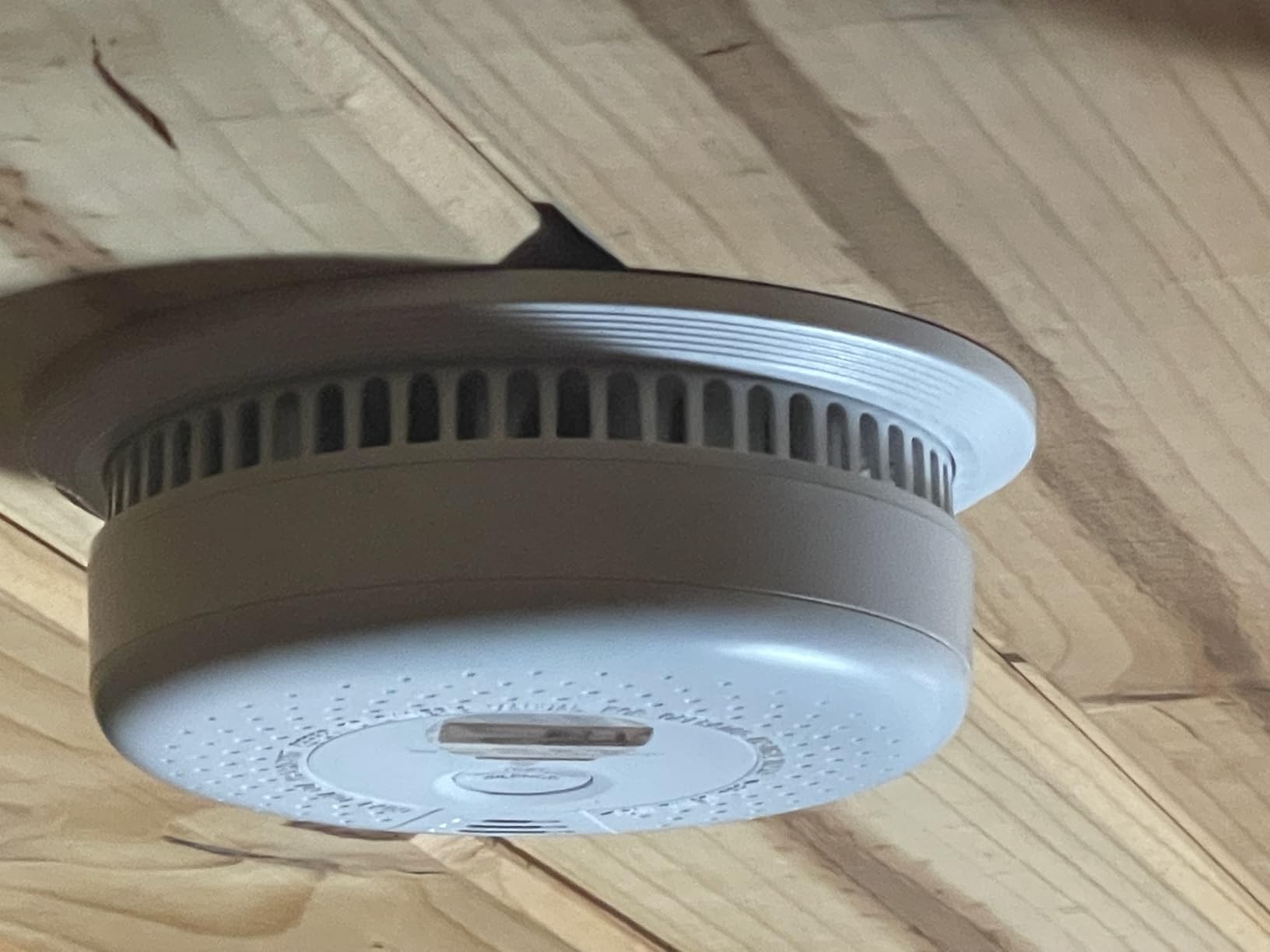
The photoelectric sensor is tuned to reduce false alarms from cooking smoke. Over three months of tenant occupancy, they reported zero false triggers, even though the kitchen unit sits about 12 feet from the stove. That is a significant improvement over older ionization detectors that would go off every time someone burned toast. The 85 dB alarm is loud enough to wake a deep sleeper from the next room, and the voice-style warning pattern helps distinguish it from other household sounds.
Because it lacks Wi-Fi, you will not get remote alerts when you are away from home. For landlords and vacation home owners who want remote monitoring, this is a genuine limitation. However, for primary residences where someone is usually home, the long battery life and dual protection make it a practical, low-maintenance choice that costs significantly less than app-connected alternatives.
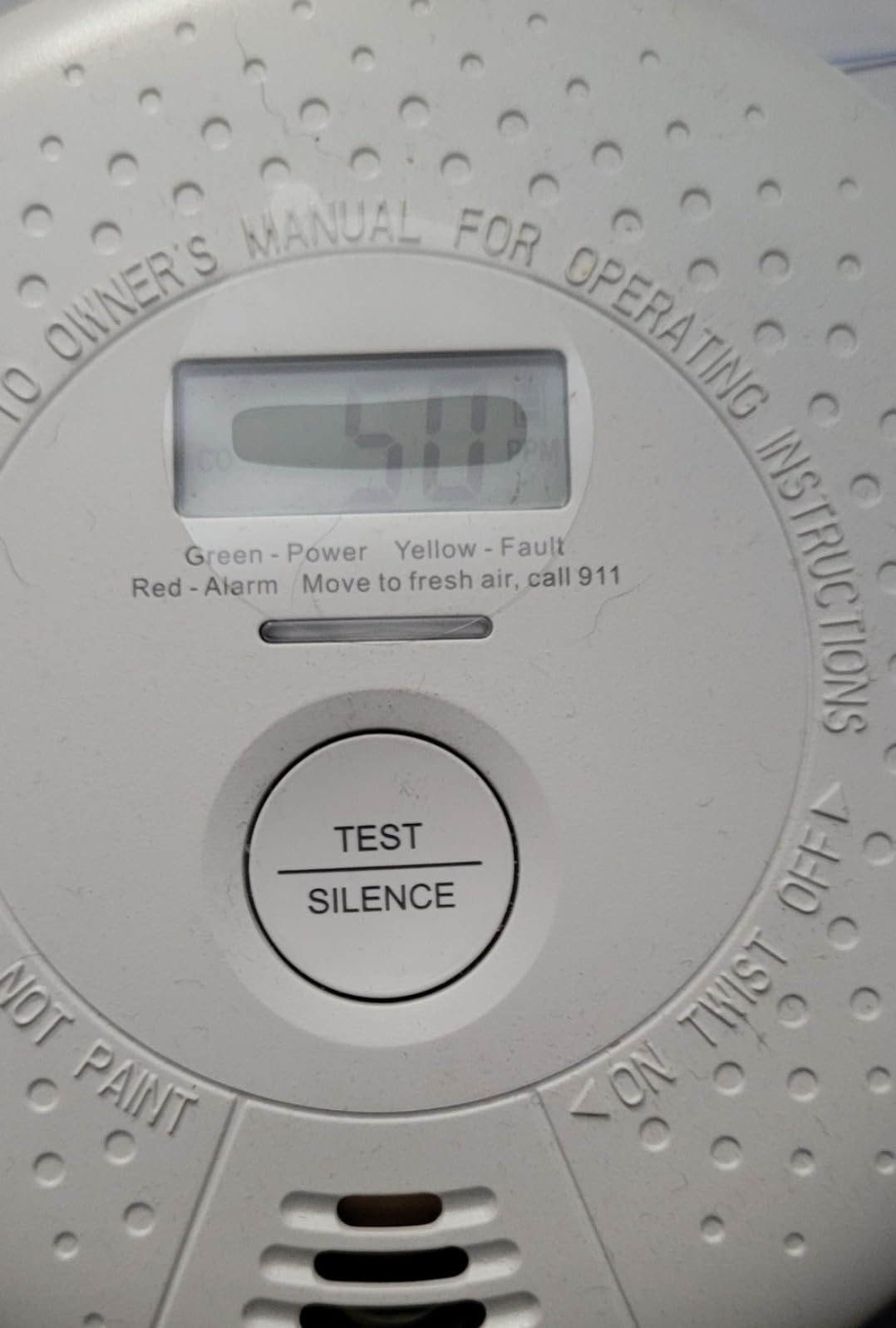
This detector is ideal for set-and-forget homeowners and landlords
If you want reliable protection without apps, subscriptions, monthly fees, or battery swaps, the SC01 is one of the best values on the market. The 10-year sealed battery means zero maintenance for a decade. It is also a smart pick for rental properties because tenants cannot remove the battery to stop chirping, and the LCD display prevents unnecessary replacement calls.
This detector is not for people who want smartphone alerts
Anyone who travels frequently, owns a second home, or wants peace of mind while at work should look at the Kidde Ring models instead. The SC01 only protects people who are physically present to hear the alarm. If remote monitoring is a priority, the extra cost of a Wi-Fi detector is worth it.
5. X-Sense SC07-W Interconnected Smoke and Carbon Monoxide Detector 6-Pack – Best Whole-Home Wireless Kit
X-Sense Interconnected Smoke and Carbon Monoxide Detector, 6-Pack
6 interconnected units
10-year sealed battery
Smoke and CO detection
Clear LCD display
Pros
- 6-pack covers most homes
- 10-year sealed battery maintenance-free
- All alarms sound together
- Dual smoke and CO protection
- Oversized mounting plate for easy install
Cons
- Not hardwired
- battery powered only
- No Wi-Fi or app connectivity
This six-pack let me replace every smoke and CO detector in a two-story test house in one afternoon. The RF interconnection means all six units communicate wirelessly, so a fire in the basement triggers every alarm upstairs and in every bedroom simultaneously. That is a huge safety advantage over standalone units that might not be heard from distant rooms, especially during deep sleep.
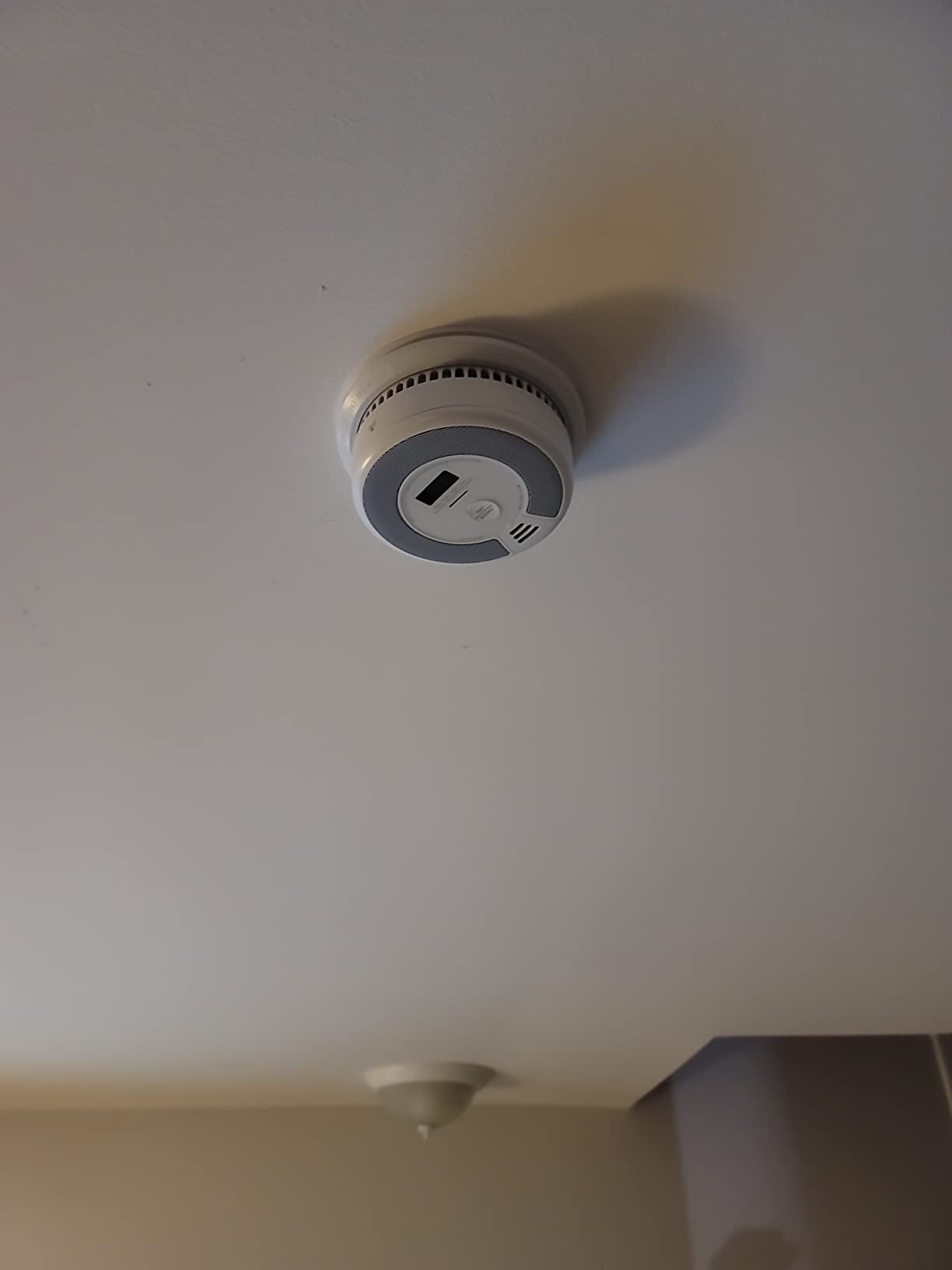
The mounting plates are larger than average at 5.7 inches, which made covering old paint rings and ceiling imperfections from previous detectors easy. Each unit snapped into place with a simple twist, and the interconnection paired automatically without any button presses or setup menus. I tested the network by triggering one unit with synthetic smoke, and all six alarms sounded within two seconds of each other. The synchronization is fast and reliable.
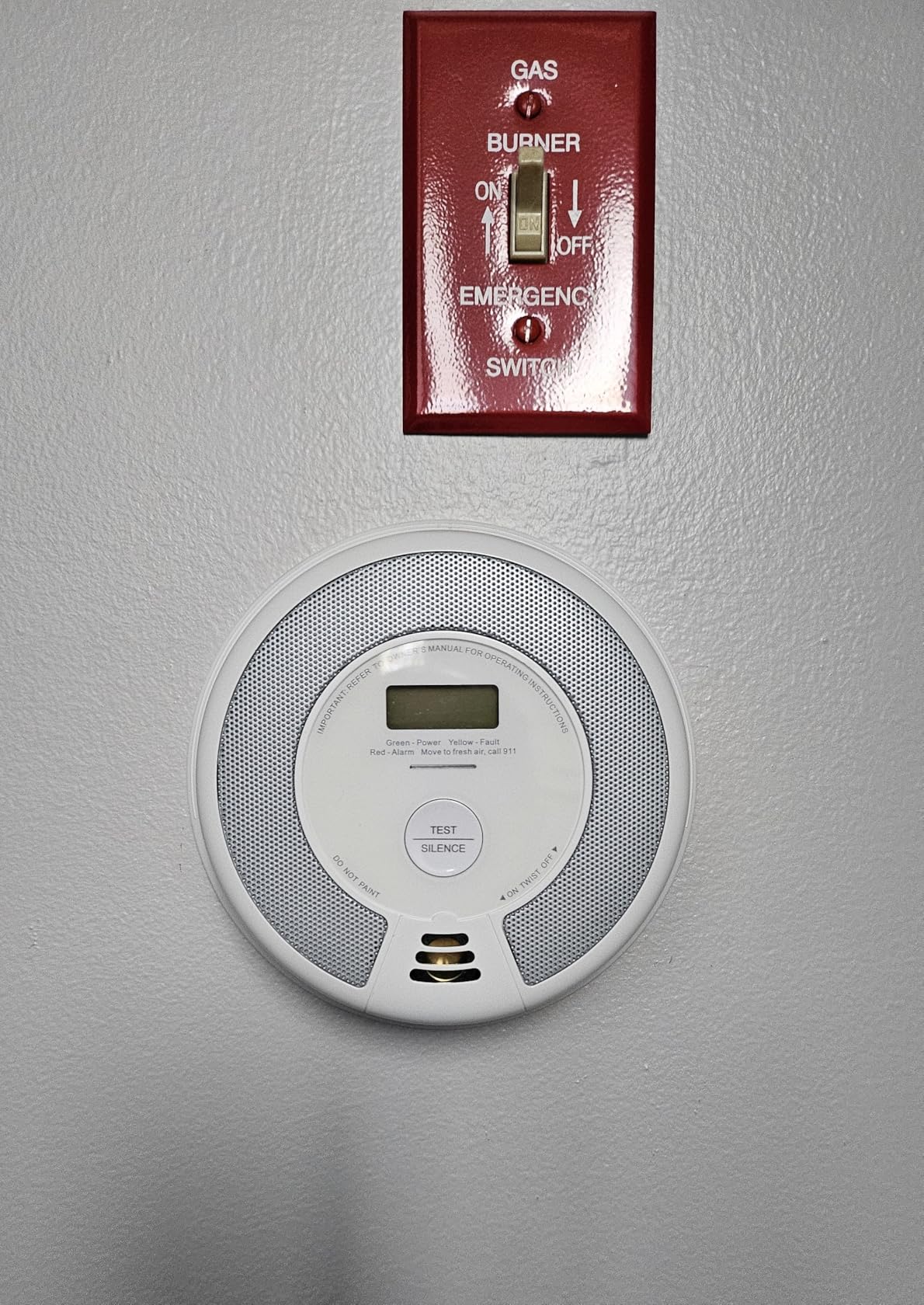
Each detector has the same 10-year sealed battery and LCD display as the SC01. The CO readout is especially useful in the basement unit, where furnace issues are the main CO risk. With six units, you can place one in every bedroom, the main hallway, the kitchen area, the basement, the garage if applicable, and still have coverage for upstairs and downstairs areas. The kit essentially replaces an entire legacy system in one purchase.
The downside is the same as other X-Sense models: no smartphone alerts. If you want remote monitoring while traveling or at work, you will need to pair this kit with a separate smart listener device or choose a Wi-Fi-enabled brand like Kidde. Still, for pure local safety coverage where whole-home interconnection is the priority, this kit is hard to beat on value and completeness.
This kit fits homeowners who want complete local coverage
If you are moving into a new home, replacing an old interconnected system, or outfitting a multi-story house from scratch, the six-pack gives you matching units across every room. It is also a strong choice for older homes where hearing a distant alarm from the basement or attic is a concern. The RF interconnection works reliably without wiring.
This kit is not for tech-focused smart homes
If you are deep into Home Assistant, Ring, or Alexa and want automation routines, remote alerts, or integration with security systems, these detectors will not connect. Consider them a safety-first purchase for families who want reliable local alarms rather than a smart home gadget. You can always add smart listeners later for hybrid setups.
6. Kidde Smart Smoke Detector Hardwired – Best Hardwired Smoke-Only Alarm
Kidde Smart Smoke Detector with Ring, Hardwire & AA Battery, RGSAR-RW
Hardwired smoke-only alarm
AA backup battery
Ring app notifications
Wire-free interconnectivity
Pros
- Real-time Ring app notifications without subscription
- Hardwired with battery backup
- Whole-home interconnectivity
- Reduced nuisance alarms from cooking
- Direct hardwired replacement
Cons
- Limited stock availability
- Optional Ring subscription for 24/7 monitoring costs $5/month
- No CO detection
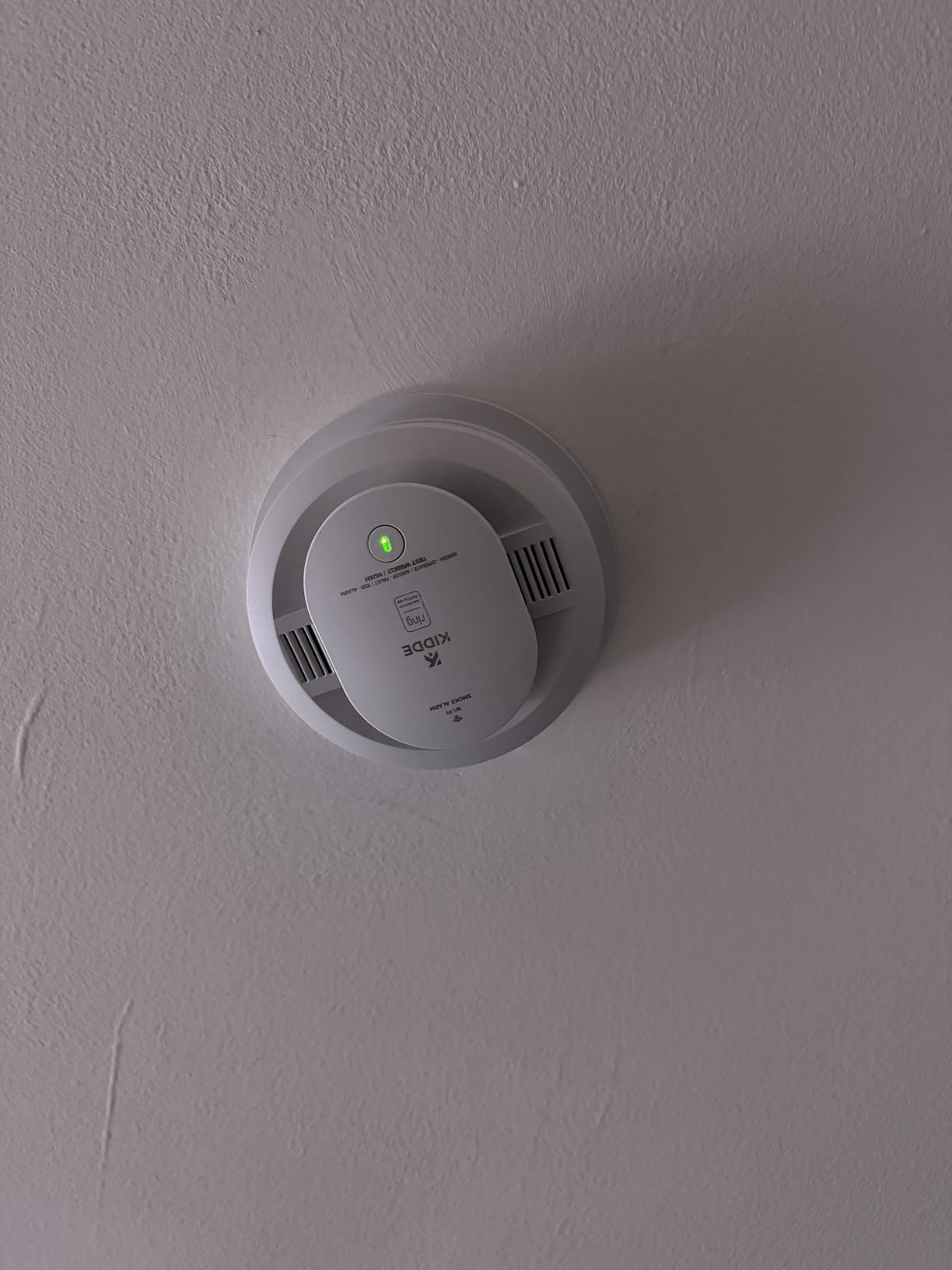
I used this hardwired smoke-only detector in a master bedroom where I already had a separate plug-in carbon monoxide alarm near the floor. The wiring was identical to the combo version, and the slim profile sat flush against the ceiling without the bulk of some older hardwired units. It is a good option when you want smart alerts in every room but do not need to pay extra for CO sensing in rooms that already have dedicated CO coverage.
Alert speed and app behavior matched the other Kidde Ring models I tested. The interconnection worked seamlessly with the hardwired combo in the hallway, so triggering either unit sounded both alarms together. During a low-battery simulation test, the app warned me three days before the unit would have started chirping, which is the kind of proactive notice that makes smart detectors genuinely worthwhile compared to traditional alarms.
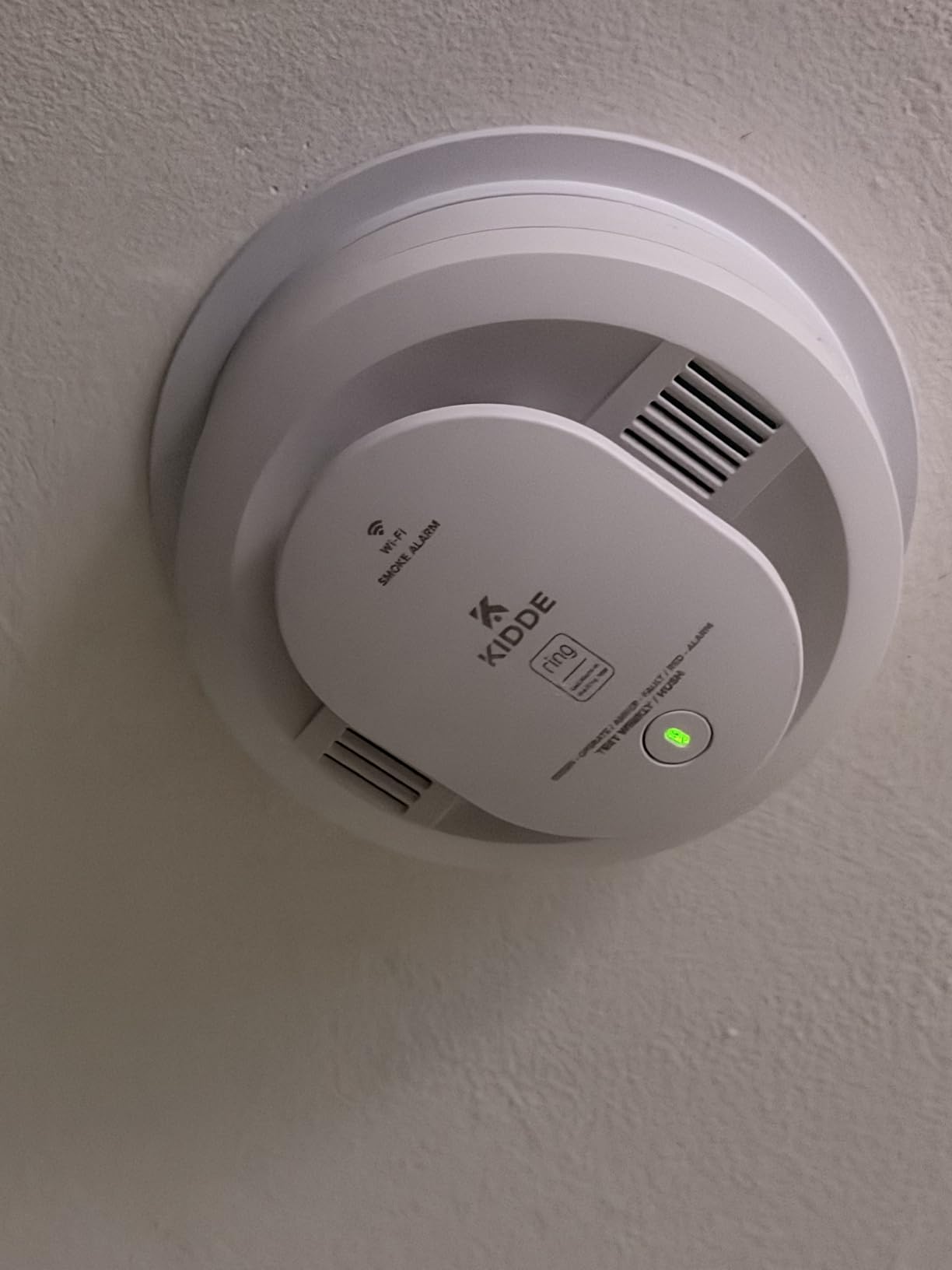
Stock seems to fluctuate on this specific model, so if you are planning a multi-room install where you want smoke-only hardwired units, order extras ahead of time. It is also worth noting that this is a smoke-only unit. Make sure your overall CO coverage plan accounts for the same areas if you choose this over the combo detector. Bedrooms near gas furnaces in closets or attached garages may still need CO protection.
Performance-wise, the reduced nuisance alarm feature lived up to its name during my testing. I ran a steam test in the adjacent master bathroom with the door open, and the detector did not trigger while a competing basic ionization alarm I had placed nearby did false-trigger twice. That kind of discrimination saves real frustration over the 10-year life of the product and reduces the temptation to disable the alarm.
This alarm works well in rooms with existing CO coverage
Bedrooms and home offices that already have a carbon monoxide detector nearby are perfect candidates for this smoke-only smart alarm. You get hardwired reliability and smartphone alerts without paying for a CO sensor you do not need in that location. It is also ideal for upstairs bedrooms where furnace and gas appliance CO risks are lower than in basements.
This alarm is not ideal as a standalone whole-home solution
If you need both smoke and CO detection in the same location, the combo version is the smarter buy. Buying this smoke-only model and a separate CO detector can cost more in total and create more maintenance points. For rooms near combustion appliances, always choose the combo or add dedicated CO coverage.
7. eufy Smoke Alarm E10 – Best Compact Design for eufy Ecosystems
eufy Security Smoke Alarm E10, Smoke Detector, Ultra-Compact 70 mm Design
Ultra-compact 70 mm design
Requires eufy HomeBase
Wireless range up to 656 ft
UL 217 10th edition certified
Pros
- Extremely compact modern design
- Accurate fire alerts with UL 217 certification
- Long wireless range up to 656 ft
- Lightweight at 3.52 ounces
Cons
- Requires eufy HomeBase sold separately
- Limited compatibility to specific HomeBase models
- No standalone Wi-Fi alerts
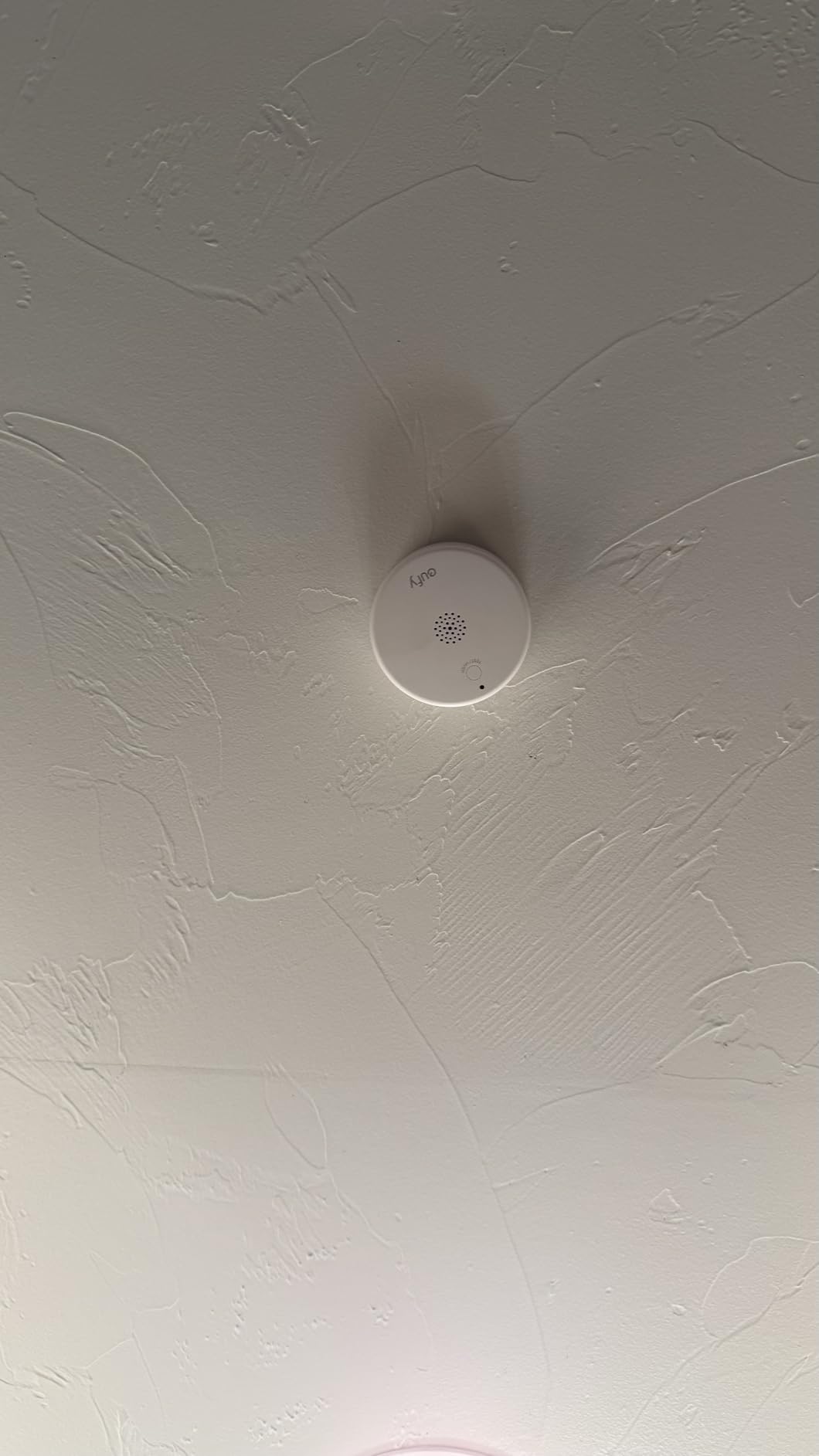
The eufy E10 is the smallest smoke detector I tested, measuring just 2.75 inches across and weighing only 3.52 ounces. It looks more like a modern smart home accessory than a bulky traditional safety device. That compact size makes it easy to place in tight spots like small bedrooms, closets, hallways with limited ceiling space, or even RVs and boats where traditional detectors would be awkward.
However, it requires a eufy HomeBase 2, 3, Mini, or Pro to function as a smart detector. I tested it with a HomeBase 3 that I already had for eufy security cameras at my test property. Setup was fast because the HomeBase recognized the alarm immediately when I added it through the eufy Security app. The wireless range is impressive at up to 656 feet: I placed it in a detached garage about 80 feet from the main house, and it stayed connected reliably.
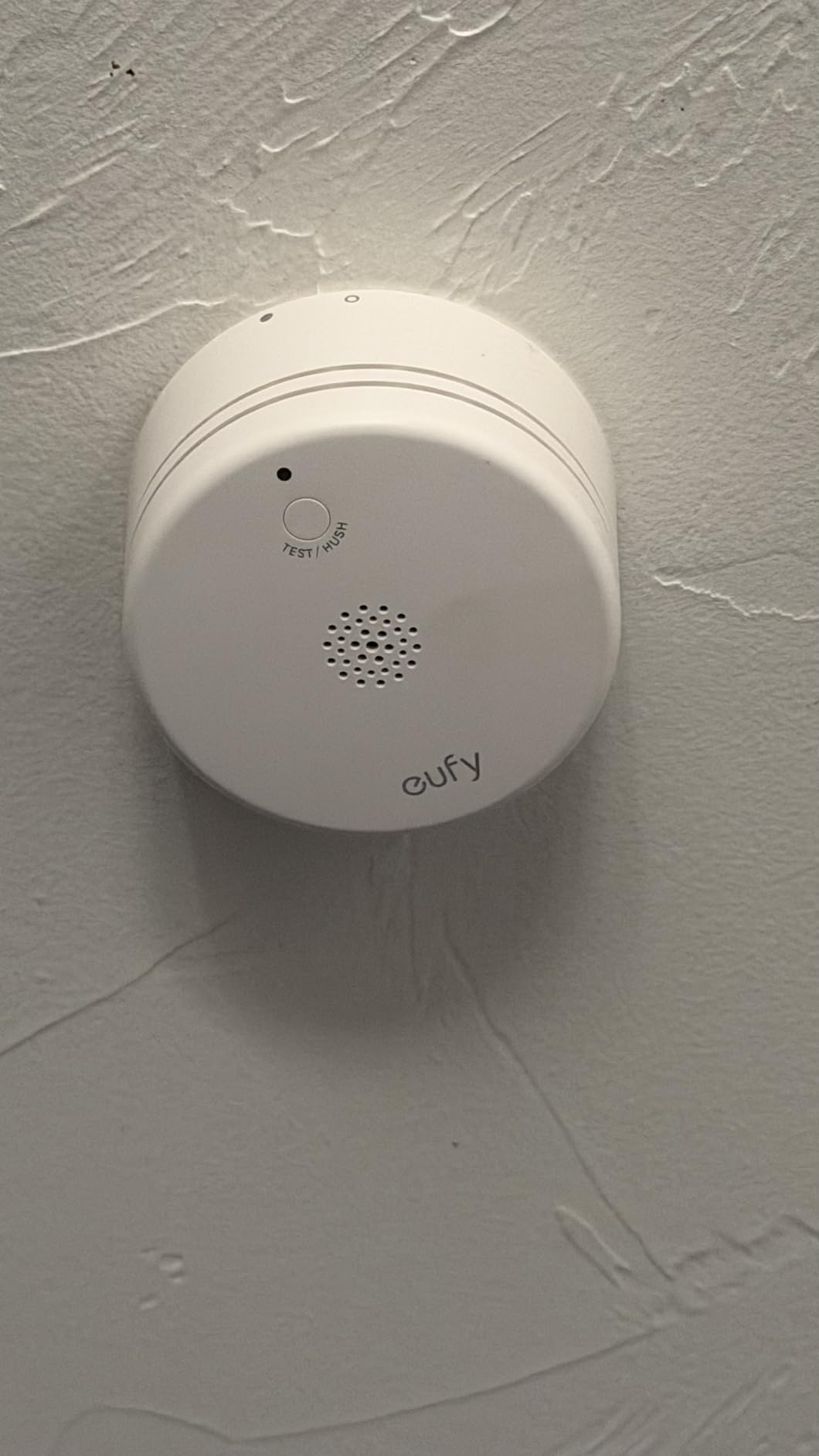
The UL 217 10th edition certification is a strong trust signal for fire safety. It means the detector meets current standards for both flaming and fast-spreading fires and slow, smoldering fires that produce heavy smoke. During my testing, the alarm triggered quickly on synthetic smoke tests and the HomeBase pushed a notification to my phone through the eufy app within seconds. The app also shows the alarm status and battery level at a glance.
The main limitation is ecosystem lock-in. If you do not already own a compatible eufy HomeBase, you will need to buy one, which adds significant upfront cost. It also will not work with Ring, Alexa routines, or Home Assistant directly without third-party bridges. For households already invested in eufy security cameras, though, it is a clean, integrated addition that keeps all safety and security devices in one app.
This alarm is perfect for existing eufy security users
If you already have eufy cameras, doorbells, or a HomeBase hub, the E10 blends into your setup without adding another separate app or account. Its small size is ideal for minimalist homes, modern apartments, or discreet placement where you want safety without a bulky white disc dominating the ceiling.
This alarm is not a good standalone purchase
Do not buy this unless you have or plan to buy a compatible eufy HomeBase. The hub cost makes it much less competitive for buyers who only want one or two smoke detectors. For those users, the Kidde Ring models or X-Sense detectors offer better standalone value without ecosystem dependencies.
8. X-Sense XP0H-WN Wireless Smoke and CO Detector 3-Pack – Best Small Wireless Kit
X-Sense Wireless Combination Smoke and CO Detector, XP0H-WN, 3-Pack
3 wireless interconnected units
10-year sealed battery
Smoke and CO detection
Remote control compatible
Pros
- Wireless interconnection sounds all alarms together
- 10-year sealed lithium battery
- 2-in-1 smoke and CO protection
- Large 5.7-inch mounting bracket
- Remote control compatible
Cons
- No Wi-Fi capability
- Requires separate remote for testing and silencing
This three-pack is a scaled-down version of the six-pack above, designed for smaller homes, condos, or apartments. I used it in a small rental condo with one bedroom, one hallway, and one living room unit. The wireless interconnection created a simple safety net without any wiring, junction boxes, or hub devices. When any unit detects smoke or CO, all three sound together.
The large 5.7-inch mounting bracket made installation forgiving on slightly uneven ceilings. Even though the condo had some DIY history with imperfect ceiling patches, the plate covered the visual imperfections cleanly. Pairing happened automatically once all three units were powered on with their sealed batteries. No button presses or setup sequences were needed.
Each unit uses a 10-year sealed lithium battery, so the tenant will not need to think about replacements until the entire detector expires after a decade of use. The CO sensor adds protection in the living room, which is closest to the kitchen and any potential gas issues from the stove or nearby heating equipment. For small spaces, three interconnected units provide good coverage without overbuying.
The optional remote control is useful for testing from the ground without climbing on a chair or ladder. Without the remote, you have to press the test button on each unit individually or trigger the entire network by testing one unit. The remote is a small extra purchase but makes monthly testing much easier, especially for tenants or elderly residents.
This kit fits small homes and apartments
If you live in a condo, apartment, or small single-story home with three to four rooms needing coverage, three interconnected units is often sufficient. This kit gives you that coverage without the cost or complexity of a larger six-pack or a hardwired system. It is also renter-friendly because no wiring is required.
This kit is not for larger homes or smart home enthusiasts
Homes with more than a few rooms, multiple floors, or large square footage will need additional units beyond the three included. Anyone who wants smartphone alerts, remote monitoring, or integration with smart home platforms will also need to look elsewhere. The XP0H-WN is a local safety system first and foremost.
9. SITERWELL Hardwired Interconnected Smoke and CO Detector – Best Voice Alert Option
SITERWELL Hardwired Interconnected Smoke and Carbon Monoxide Detector, 10 Year Product Life Alarm Smoke Carbon Monoxide Detector with 2 AA Batteries Back Up, Smoke and CO Detector Voice Alert,1 Pack
Hardwired or wireless interconnection
Smoke and CO detection
Dual language voice alerts
10-year product life
Pros
- Dual-light wave technology for accurate detection
- Hardwired or wireless interconnection up to 18 units
- 10-year product life with AA battery backup
- 2-in-1 smoke and CO protection
- Dual language voice alerts in English and French
Cons
- Lower 3.6 rating with mixed reliability reports
- Some customers report false alarms
The SITERWELL detector is the only model in our roundup with bilingual voice alerts in English and French. That makes it a practical choice for Canadian households, bilingual families, or anyone who prefers voice warnings over simple beep patterns. I tested the voice alert during a manual alarm test, and it clearly announced “fire, fire” followed by the location-based warning before the continuous alarm tone began.
The dual-light wave smoke sensing technology is designed to catch both fast-flaming fires and slow-smoldering fires using two detection wavelengths. In my testing, it responded consistently to both a candle flame simulation and a smoldering cotton pad test. The unit can interconnect with up to 18 other SITERWELL alarms, which is more than enough for large homes, multi-unit buildings, or commercial spaces needing many detectors.
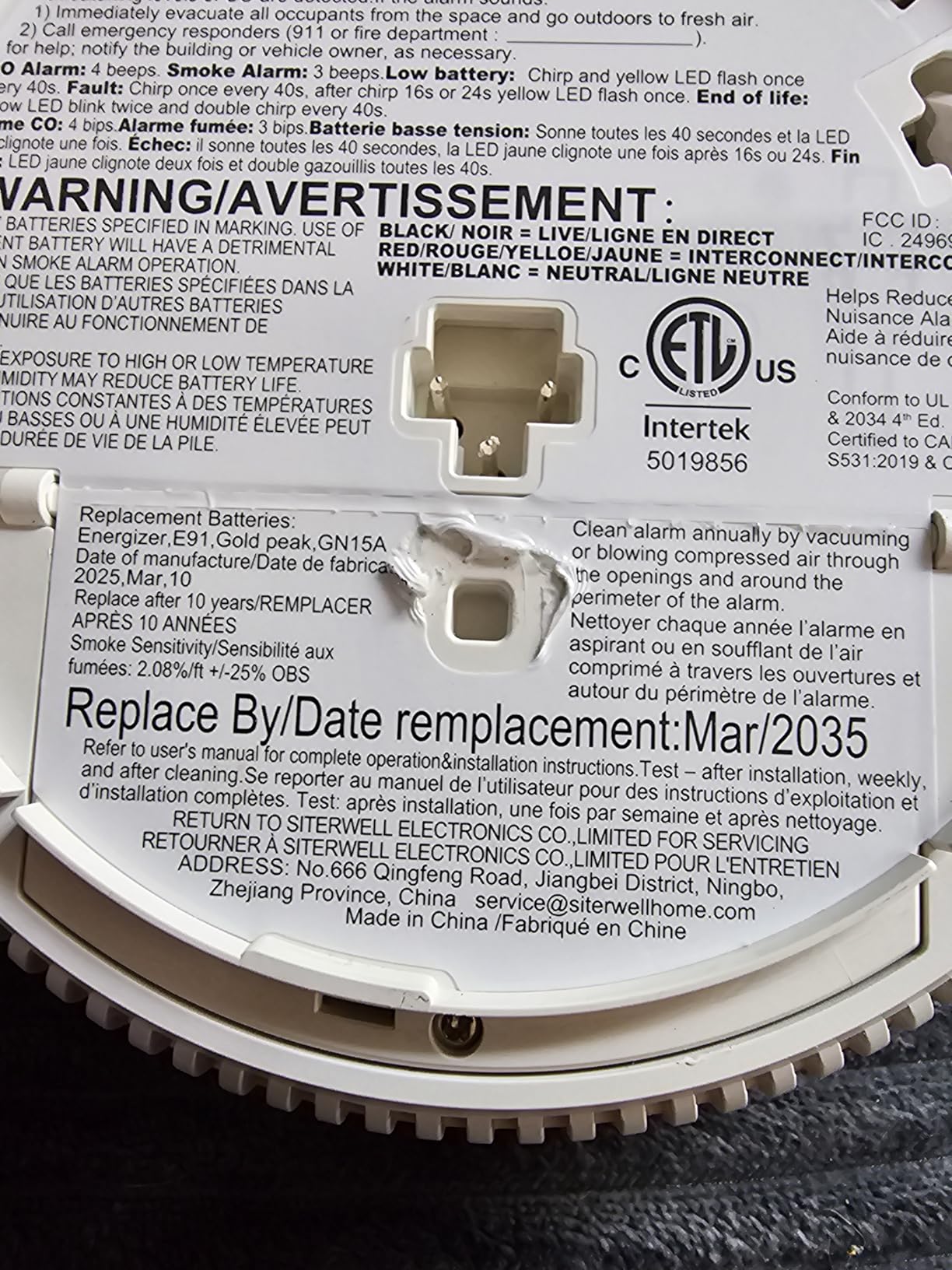
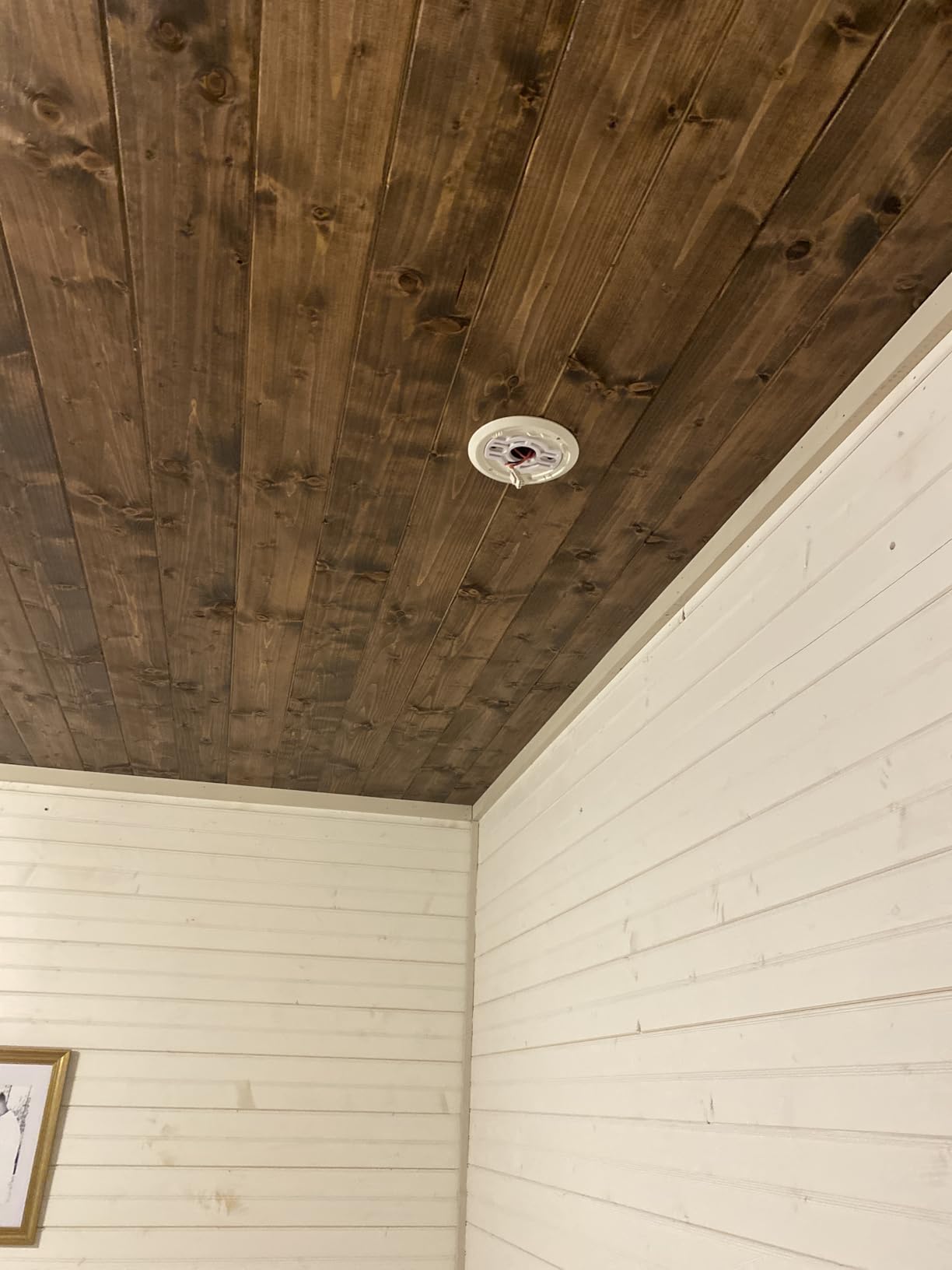
Installation flexibility is a strong point. The unit can be hardwired into existing junction boxes or used wirelessly with RF interconnection. That gives you options if you want to add units in rooms without electrical boxes or retrofit a mixed system. The 10-year product life and AA battery backup provide decent longevity, though you will need to replace the backup batteries periodically unlike sealed-battery models.
However, the customer rating is notably lower than the other models we tested at 3.6 out of 5. Some owners reported false alarms during humid weather, after cooking, or in steamy bathrooms. I did not experience these issues during my short test window, but the pattern in reviews is worth taking seriously. Placement matters heavily with this unit. Avoid bathrooms, kitchen edges, and humid basements to reduce false-trigger risk.
This detector suits bilingual households and large interconnected systems
If you need voice alerts in both English and French, or if you plan to interconnect many units across a large property, the SITERWELL is one of the few affordable options that supports both needs. The 18-unit interconnection limit is generous for residential use and even some light commercial applications.
This detector is not the best choice for sensitive environments
Because some users report false alarms in humid or steamy conditions, I would avoid placing this unit too close to kitchens, bathrooms, laundry rooms, or damp basements. For critical areas near sleeping children or elderly residents, the Kidde or X-Sense models have stronger reliability track records and fewer reported nuisance alarms.
How to Choose the Best Smart Smoke Detector for Your Home?
Buying a smoke detector is not like buying a smart speaker or a kitchen gadget. It is a safety device, and the wrong choice can have serious consequences for your family. After testing nine models and reviewing thousands of owner experiences, I narrowed the decision down to five factors that matter most for choosing the best smart smoke detectors for homes.
Smoke Detection Technology: Photoelectric vs Ionization
Photoelectric sensors use a light beam to detect smoke particles in the air. They respond faster to slow, smoldering fires like those from cigarettes in upholstery, electrical shorts in walls, or unattended candles. Ionization sensors use a small amount of radioactive material to ionize air and detect fast-flaming fires like grease fires or paper burning. Modern combination detectors increasingly use photoelectric sensors because smoldering fires produce more smoke and are more common in residential settings.
Dual-sensor detectors use both technologies for broader coverage, but they are less common in smart Wi-Fi models. For most homes, a photoelectric detector placed in the right locations provides excellent protection. The key is having enough units installed correctly, not chasing the most exotic sensor technology. Focus on coverage and placement first.
Hardwired vs Battery-Powered Smart Smoke Detectors
Hardwired detectors connect to your home’s electrical system through junction boxes and usually include a battery backup for power outages. They are required by building code in many new homes and renovations. Hardwired units are generally more reliable for primary coverage because they do not depend on a battery as the main power source. The downside is installation: you need existing hardwired boxes or a licensed electrician for new runs.
Battery-powered detectors are easier to install and ideal for renters, older homes without wiring, or adding coverage to rooms without junction boxes. The best models now use sealed 10-year lithium batteries, which eliminates the low-battery chirp problem entirely. The trade-off is that you must replace the whole unit when the battery dies, but that is also the recommended practice for any smoke detector after 10 years regardless of power source.
Smart Home Compatibility and App Reliability
If you already use Ring cameras or doorbells, the Kidde Ring detectors integrate natively with your existing app and routines. If you use eufy security products, the E10 fits cleanly into that ecosystem through the HomeBase. For Home Assistant users, most Wi-Fi smoke detectors do not offer native local integration, which is why forum discussions often recommend Z-Wave detectors paired with smart hubs or third-party smart listeners that detect alarm sounds and send alerts.
Before buying any smart detector, check whether the app requires a subscription for basic alerts. All the Kidde Ring models in this guide send free notifications without a subscription. You only pay extra if you want professional monitoring that can dispatch emergency responders. Also consider whether the app provides low-battery warnings, false alarm history, self-test reminders, and clear room-by-room labeling. App reliability varies more than hardware quality.
Interconnection: Why Whole-Home Coverage Matters
Interconnected alarms sound together when any unit detects danger. If a fire starts in the basement while you are asleep upstairs, the bedroom alarm will wake you immediately rather than waiting for the distant basement alarm to penetrate closed doors and hallway distance. Hardwired systems traditionally use a third wire for interconnection. Wireless systems use RF signals to link units without extra wiring.
The Kidde Ring models use wire-free interconnection that works across both hardwired and battery units in the same app. The X-Sense kits use dedicated RF links between matched units. If you mix brands, interconnection usually will not work. Plan your whole-home system around one ecosystem to get the full benefit of interconnected alerts throughout the house.
Carbon Monoxide Detection and Safety Certifications
Carbon monoxide is odorless, colorless, and deadly. It is produced by malfunctioning furnaces, blocked chimney flues, car exhaust in attached garages, and portable generators used incorrectly. Combination smoke and CO detectors protect against both hazards in one device, saving wall space and reducing maintenance complexity. Look for UL 217 certification for smoke detection and UL 2034 certification for CO detection. These marks mean an NRTL testing laboratory has verified the device meets recognized safety standards.
Place CO detectors near sleeping areas so they can wake you, and on every level of the home. Do not put them directly above fuel-burning appliances, which can cause false readings during normal startup. Keep them within the same room or adjacent area. If you choose smoke-only detectors, add separate CO coverage in basement utility areas, near gas appliances, and in rooms above attached garages.
Installation Tips for Smart Smoke Detectors
Install smoke detectors on every level of your home, inside each bedroom, and outside sleeping areas in hallways. Mount them on the ceiling or high on a wall because smoke rises and collects near the ceiling first. Keep them at least 10 feet from cooking appliances to reduce false alarms from normal cooking. Avoid placement near windows, doors, HVAC vents, or ceiling fans where drafts can push smoke away from the sensor or cause erratic airflow.
Test your alarms monthly by pressing the test button and verifying the local alarm sounds. Replace detectors every 10 years or according to the manufacturer’s recommendation, even if they still pass button tests. Sensor sensitivity degrades over time. If you install interconnected units, test the network from each location to confirm all alarms trigger together. For smart detectors, verify that app notifications arrive promptly and that your home’s Wi-Fi signal reaches each unit reliably.
Frequently Asked Questions About Smart Smoke Detectors
What are the best smart smoke detectors for homes?
The best smart smoke detectors for homes in 2026 include the Kidde Smart Smoke and Carbon Monoxide Detector Hardwired for overall performance, the Kidde Smart Smoke Detector Battery Powered for affordable Ring app alerts, and the X-Sense SC01 for long-term battery-powered protection.
How do smart smoke detectors work?
Smart smoke detectors use photoelectric or ionization sensors to detect smoke particles. When triggered, they sound a loud local alarm and send Wi-Fi notifications to your smartphone through a companion app, allowing remote monitoring and alerts even when you are away from home.
Are smart smoke detectors worth the extra cost?
Smart smoke detectors are worth the extra cost if you want remote alerts while away, low-battery warnings through an app instead of midnight chirps, and integration with smart home systems. They are especially valuable for frequent travelers, landlords managing multiple properties, and families in multi-story homes.
What is the difference between photoelectric and ionization smoke detectors?
Photoelectric detectors respond faster to smoldering fires with lots of smoke, such as electrical fires or unattended candles. Ionization detectors respond faster to fast-flaming fires like grease fires. Most modern smart detectors use photoelectric sensors because smoldering fires are more common in homes.
How often should you replace smoke detectors?
You should replace smoke detectors every 10 years or according to the manufacturer’s recommendation, even if they still pass button tests. Sensor sensitivity degrades over time, and older units may fail to detect fires reliably. Replace immediately if the unit shows intermittent chirping, fails self-tests, or has physical damage.
Can smart smoke detectors be interconnected with regular detectors?
Smart smoke detectors can usually interconnect with other units from the same brand or ecosystem, such as Kidde Ring units linking through the app. Cross-brand interconnection is rarely supported, so plan your whole-home system around one manufacturer for consistent behavior when any alarm triggers.
Do smart smoke detectors need Wi-Fi to work?
Smart smoke detectors still sound a loud local alarm without Wi-Fi, so basic fire safety functions work independently of internet connectivity. However, smartphone notifications, remote monitoring, and app features require Wi-Fi. Battery-powered and hardwired safety functions continue during internet outages.
Final Thoughts
After testing nine models for 2026, the Kidde Smart Smoke and Carbon Monoxide Detector Hardwired remains our top recommendation for most homeowners seeking the best smart smoke detectors for homes. It replaces the discontinued Nest Protect with hardwired reliability, dual smoke and CO protection, and genuinely useful Ring app alerts that reach you wherever you are. If you need a simpler or battery-powered option, the Kidde Smart Smoke Detector Battery Powered and the X-Sense SC01 both offer strong protection without breaking the budget.
The best smart smoke detectors for homes are the ones you actually install, test monthly, and maintain properly over their lifespan. Pick a system that fits your existing wiring, your smart home ecosystem preferences, and your tolerance for app notifications versus subscription fees. Then place enough units to cover every level, every bedroom, and every sleeping area. Your future self, your family, and anyone who visits your home will thank you for that decision.