
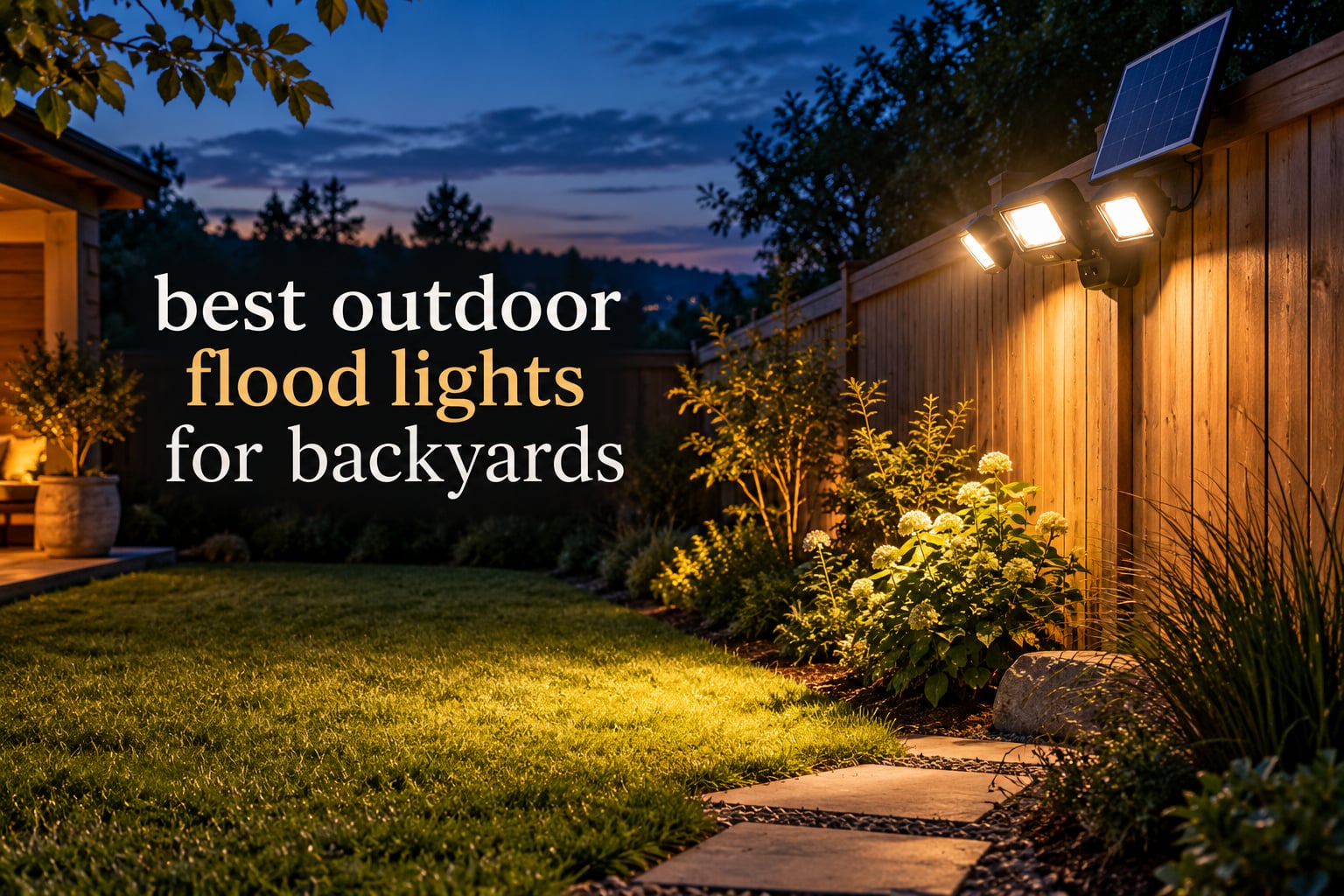
A backyard flood light is a broad-beamed fixture built to wash a large outdoor area with light rather than to point at one spot. If you have been searching for the best outdoor flood lights for backyards, the hard part is not finding fixtures, it is filtering out the ones that will not survive three winters, that advertise a lumen number you will never see, or that light up your neighbor’s kitchen window instead of your deck.
We compared 12 of the highest-reviewed outdoor flood lights currently on the market across solar, plug-in corded and hardwired power sources, then sorted them by the things that actually matter in a backyard: measured brightness, motion detection reach, weather sealing, beam width, and what the fixture is made of. This guide covers everything from solar panels in shaded yards to junction box wiring and color temperature choices for a deck or a driveway.
One number anchors most of these decisions. For general yard and deck lighting, plan on roughly 700 to 1,300 lumens per fixture. For security lighting where you want movement visible from the house, target 1,200 to 2,000 lumens, and go higher for a driveway or a side gate. Anything beyond about 7,000 lumens is rarely needed for a residential backyard unless you are lighting a court, a workshop yard or a large open lot.
If your patio already needs atmosphere rather than illumination, our picks for outdoor string lights for patios pair well with the flood fixtures recommended here. And if the yard is really an outdoor living space rather than a security zone, the best outdoor pizza ovens for backyards guide covers the other half of that setup.
Table of Contents
Top 3 Best Outdoor Flood Lights for Backyards (October 2026)

Tuffenough Solar 3-Head
- 2500 lm
- 3 adjustable heads
- 270 degree PIR to 26 ft
- 1800mAh battery
- IP65

LEPOWER 7000 lm Motion Light
- 7000 lm at 58W
- 72 ft detection
- aluminum body
- 1/5/10 min timer
- ETL and FCC listed

Onforu 75W 3-Head Flood
- 7000 lm at 75W
- 270 degree coverage
- die-cast aluminum
- IP65
- switch controlled
The Tuffenough is our editor’s choice because it does the most with the least fuss: no wiring, no electrician, three aimable heads and a detection arc wide enough to see a side gate. The LEPOWER is the pick if you already have a junction box and want the longest motion reach on a hardwired fixture, and the Onforu 75W is the simplest way to flood a whole yard with one switch.
All 12 Outdoor Flood Lights Compared in 2026
| Product | Specifications | Action |
|---|---|---|
| Tuffenough Solar 3-Head 2500 lm |
|
Check Latest Price |
| LEPOWER 7000 lm Motion Sensor |
|
Check Latest Price |
 MIHANI Solar 2500 lm 2-Pack MIHANI Solar 2500 lm 2-Pack |
|
Check Latest Price |
 LYWALT Solar 3000 lm 4-Head LYWALT Solar 3000 lm 4-Head |
|
Check Latest Price |
| Onforu 75W 7000 lm 3-Head |
|
Check Latest Price |
 daphino Solar 2500 lm 2-Pack daphino Solar 2500 lm 2-Pack |
|
Check Latest Price |
 LUTEC 32W 3500 lm 4-Mode LUTEC 32W 3500 lm 4-Mode |
|
Check Latest Price |
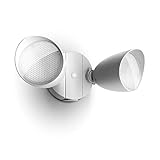 LUTEC 6222W 3500 lm Dual-Head LUTEC 6222W 3500 lm Dual-Head |
|
Check Latest Price |
 LUTEC 72W 7500 lm 3-Head LUTEC 72W 7500 lm 3-Head |
|
Check Latest Price |
 MELPO 8000 lm RGB 4-Pack MELPO 8000 lm RGB 4-Pack |
|
Check Latest Price |
 TECKNET Solar 4200 lm 2-Pack TECKNET Solar 4200 lm 2-Pack |
|
Check Latest Price |
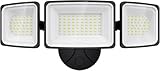 Onforu 150W 15000 lm 3-Head Onforu 150W 15000 lm 3-Head |
|
Check Latest Price |
Everything in the list above is rated IP65 or better, which is the minimum we would accept for a fixture that sees rain directly. Brightness ranges from 2,500 lumens on the entry-level solar models to 15,000 lumens on the high-output hardwired unit, and that gap matters more than any other spec when you plan coverage.
1. Tuffenough Solar 2500 lm 3-Head Flood Light – Best Overall
Tuffenough Solar Outdoor Lights 2500LM 210 LED Security Lights with Remote Control,3 Heads Motion Sensor Lights, IP65 Waterproof,270° Wide Angle Flood Wall Lights with 3 Modes(2 Packs)
2500 lm
210 LEDs at 6500K
Solar, 1800mAh battery
270 degree PIR to 26 ft
IP65, 350 g
Pros
- 2500 lm from 210 LEDs covers a yard or driveway
- Three lighting modes switchable without rewiring
- 270 degree detection at 26 ft sensing distance
- No wiring and no batteries to buy
- IP65 housing rated for rain and snow
Cons
- Solar panel must sit in direct sunlight or runtime drops
- ABS plastic housing feels less solid than aluminum
- Button control only in some variants of this pack
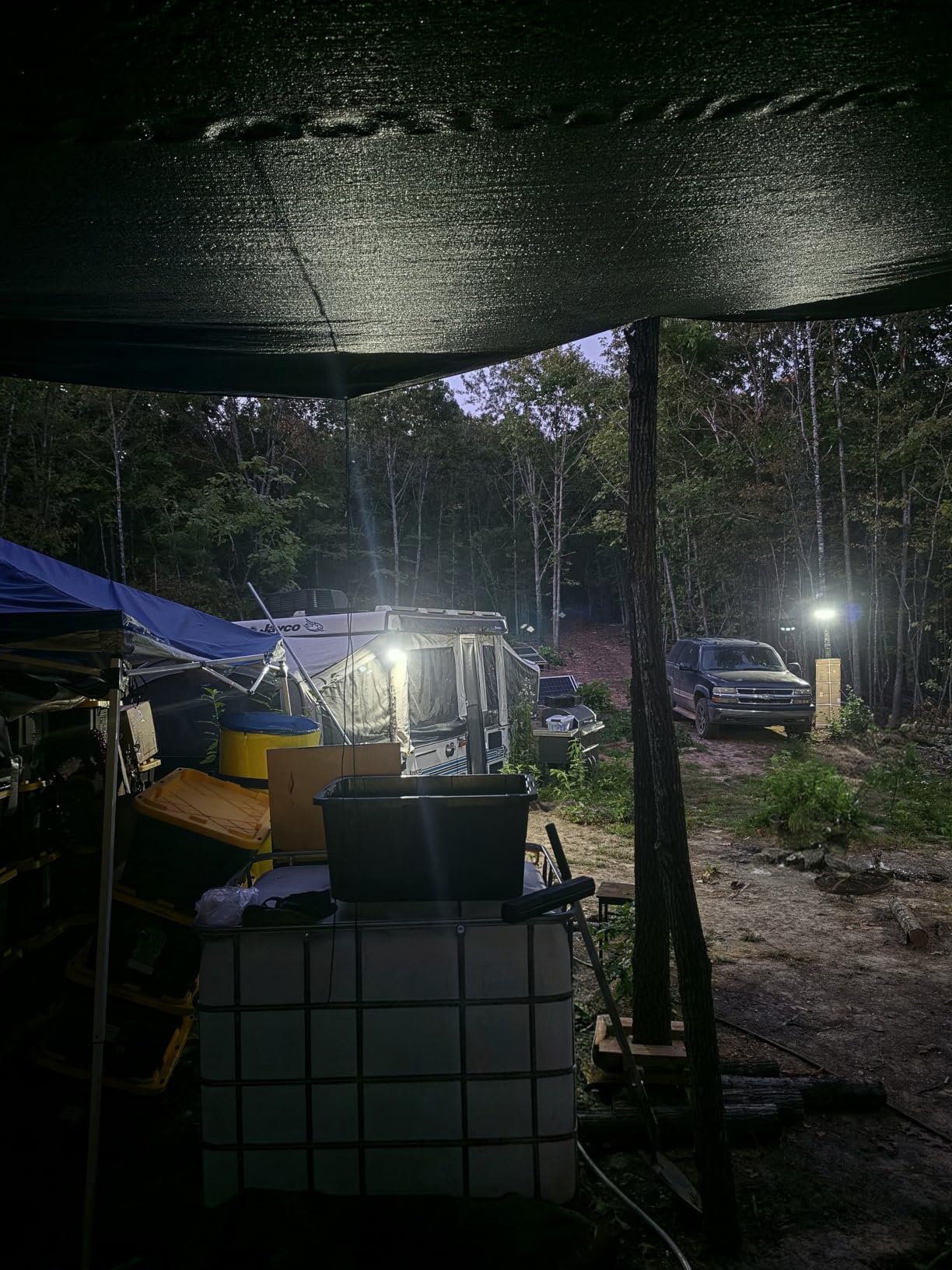
This is the light we come back to for most backyards. Two heads on the fence, one covering the lawn, one angled down at the gate, and the whole back of the house lights up in about a second when something crosses the yard. With 41,000-plus reviews behind it, it is also the fixture with the most real-world installation photos we could cross-check, and the failure pattern in those photos is remarkably consistent: it works well when the panel gets sun.
The three modes matter more than the spec sheet suggests. Motion-only is the security setting, the always-on setting is what you want for a party, and the middle setting is the compromise most people actually settle on. Owners on r/HomeImprovement repeatedly say they stopped using the brightest mode within a week because it lit up the whole neighborhood and did nothing for their own yard.
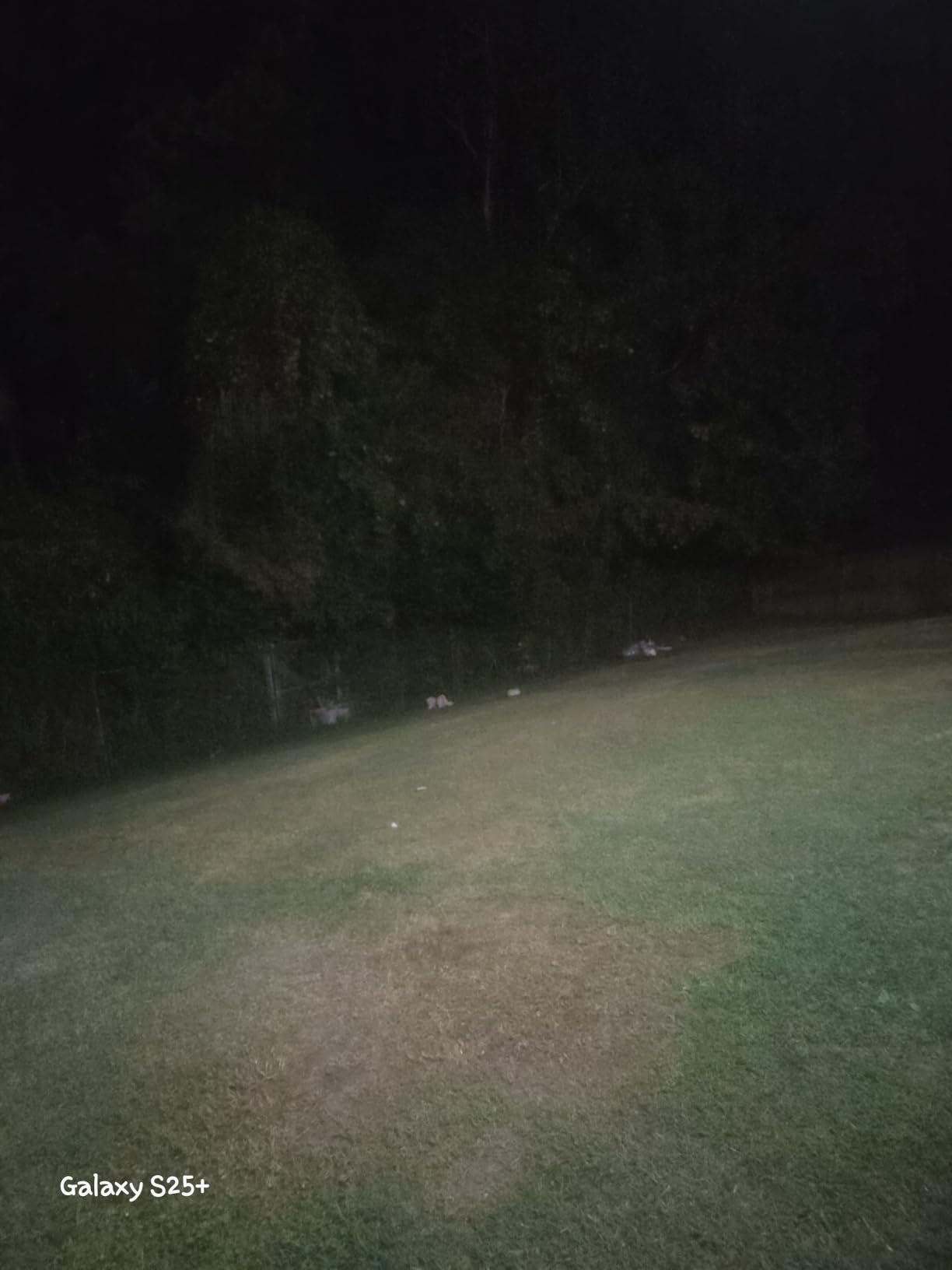
Detection is 270 degrees wide with a 26 ft sensing distance, which covers a typical side yard from a corner mount. That reach is honest and uninflated, which is refreshing in a category where the numbers are often aspirational.
The one thing to plan around is placement. The panel needs several hours of direct sun, so a north-facing fence or a spot under a tree canopy will shorten runtime even if the listing claims the same 1800mAh battery. If your only mounting spot is shaded, a corded model is a better long-term answer than a solar one.
What to check before you mount it
Decide which of the three heads points where before you drill. The middle head usually carries the PIR sensor on these designs, so blocking it with a bracket angle or aiming it into a wall will kill detection entirely.
Run the manual on/off button test at dusk with the panel facing the sky. If the light stays dim on the first night, leave the switch off for a full day of charging rather than assuming the unit is faulty.
Where it falls short
The ABS plastic body will fade and become brittle in a few years of direct sun, and it does not dissipate heat the way an aluminum housing does. On a wall in full southern exposure in summer, expect the plastic to outlast the electronics only just.
There is no physical wall-switch control. Because the light is entirely self-contained, it turns itself on at dusk, and if you want it off while you are on the deck, you walk to the unit and press a button.
2. LEPOWER 7000 lm LED Security Light – Best Hardwired Motion Sensor
LEPOWER LED Security Light Motion Sensor Outdoor Lights, Easy to Install
7000 lm at 58W
Hardwired aluminum
72 ft range at 180 deg
1, 5 and 10 min timer
ETL listed
Pros
- 7000 lm output from a 58W draw
- 72 ft detection across a 180 degree arc
- Aluminum body dissipates heat and resists corrosion
- Adjustable heads and sensor for precise aiming
- ETL and FCC listed for electrical safety
Cons
- Hardwired install needs a junction box and basic electrical work
- Full output can be harsh for neighbors at night
- Large wall footprint versus a compact two-head fixture
When the yard is large and the wall already has a box, this is the fixture. Seventy-two feet of detection from a single unit is the longest reach in the group, and owners on r/homedefense consistently pick long-throw sensors over wide-arc ones for covering a back fence line or a driveway apron.
The 1, 5 and 10 minute on-time settings are the detail people miss. The default is often too short, and a longer setting is the difference between a light that catches someone walking past and one that stays on long enough for you to get to the back door.
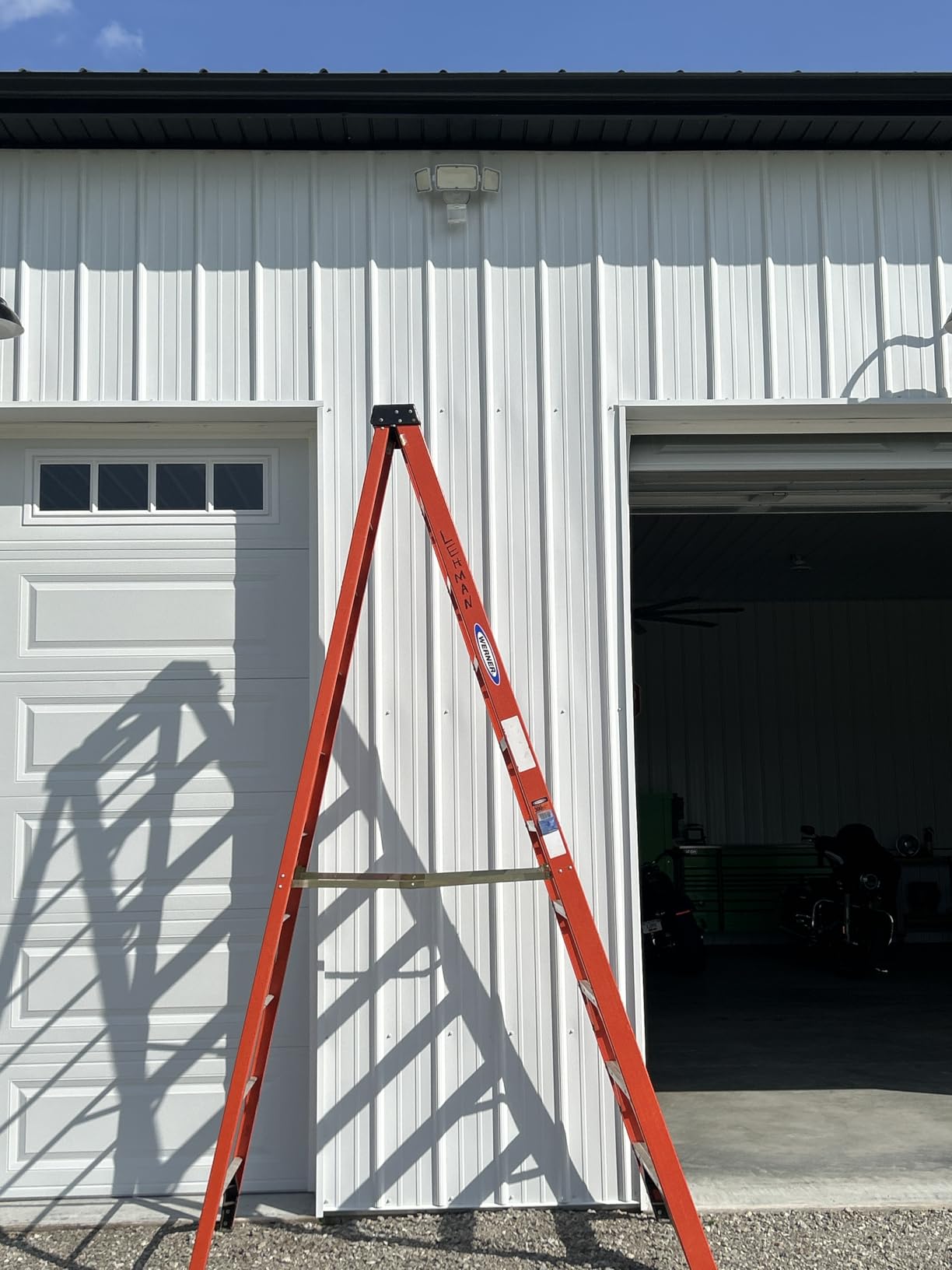
At 58W for 7000 lumens, this is one of the more efficient fixtures here, and the aluminum body handles the heat that efficiency still produces. The included crossbar, EVA gasket, wire nuts and screws mean the install is one box, three wires and about twenty minutes with a screwdriver and a voltage tester.
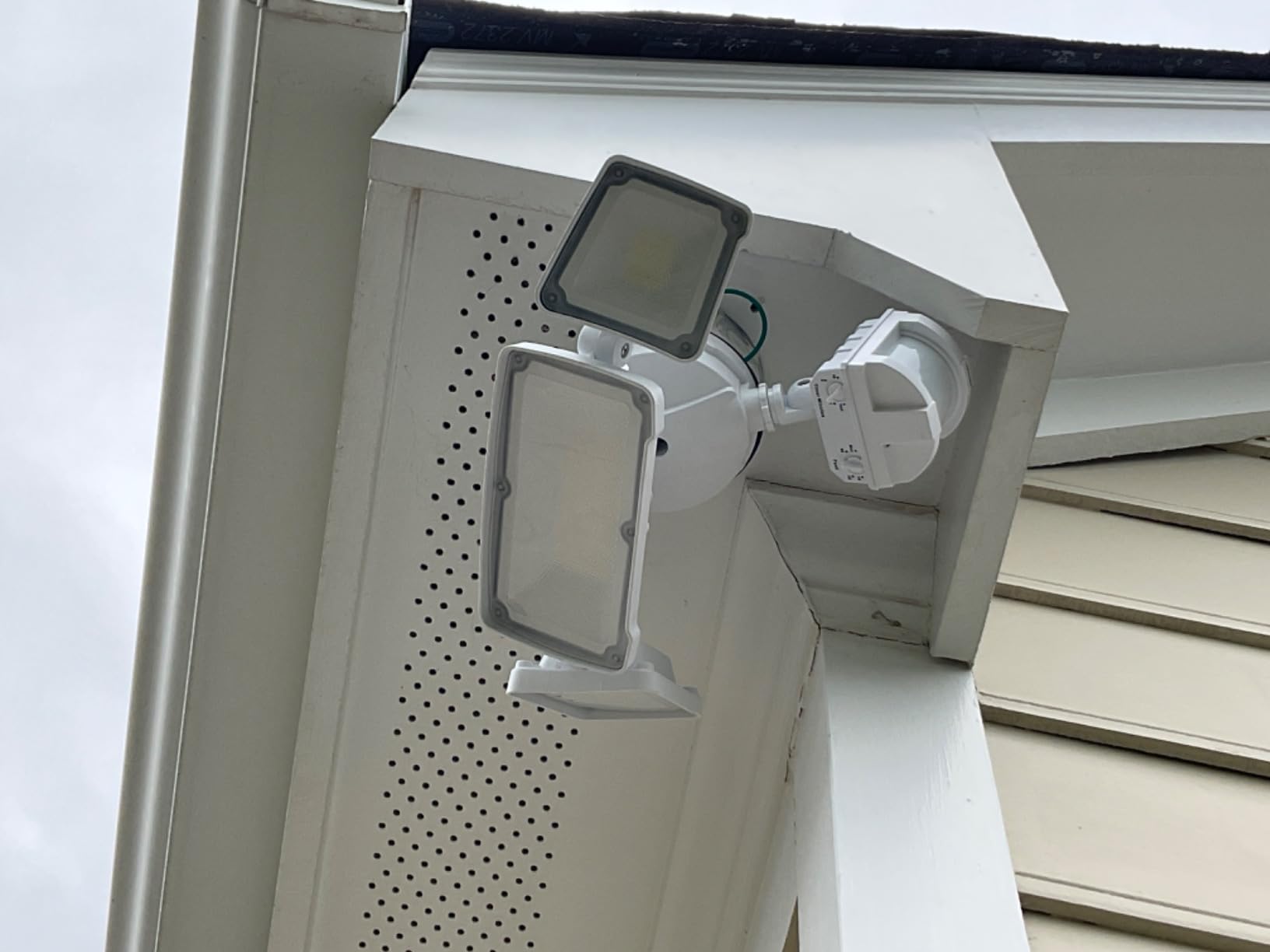
One electrical note from installers: pair it with a 4 inch junction box as the manufacturer specifies. A shallow box is the most common reason the wire nuts end up pinched behind the housing.
What to check before you mount it
Look at where the 72 ft arc actually lands from your wall. A sensor with that reach mounted too low will see the street, not the yard, so height and aim matter as much as the range figure.
Confirm the on-time setting you want before you walk the ladder. A ten-minute setting in a quiet yard means the light stays on for a long stretch after any small trigger.
Where it falls short
This is hardwired only. If your mounting spot has no existing box and no easy route back to one, the installation cost can exceed the fixture price several times over, which is the loudest complaint we found about hardwired lights in general.
At full output the beam is genuinely intense. Aim it down and slightly outward rather than straight across, and you get the security benefit without the glare that starts neighbor complaints.
3. MIHANI Solar 2500 lm 3-Head 2-Pack – Best Budget Pick
MIHANI Solar Flood Lights Outdoor, 2500LM Motion Sensor Security Lights with 270° Wide Angle, IP65 Waterproof, 3 Heads Solar Outdoor Lights for Patio, Yard, House, Garage (Non-Remote, 2 Pack)
2500 lm at 6500K
Solar, 2-pack
PIR to 30 ft at 180 deg
30 percent conversion panel
IP65, 0.93 kg
Pros
- 2500 lm at an entry-level price point
- Tempered glass panel at 30 percent conversion charges faster
- 270 degree coverage with 30 ft detection
- Three modes including a full constant-on setting
- Screws and expansion anchors included
Cons
- No remote in this non-remote variant
- ABS plastic body is less durable than aluminum
- Runtime depends heavily on direct sun on the panel
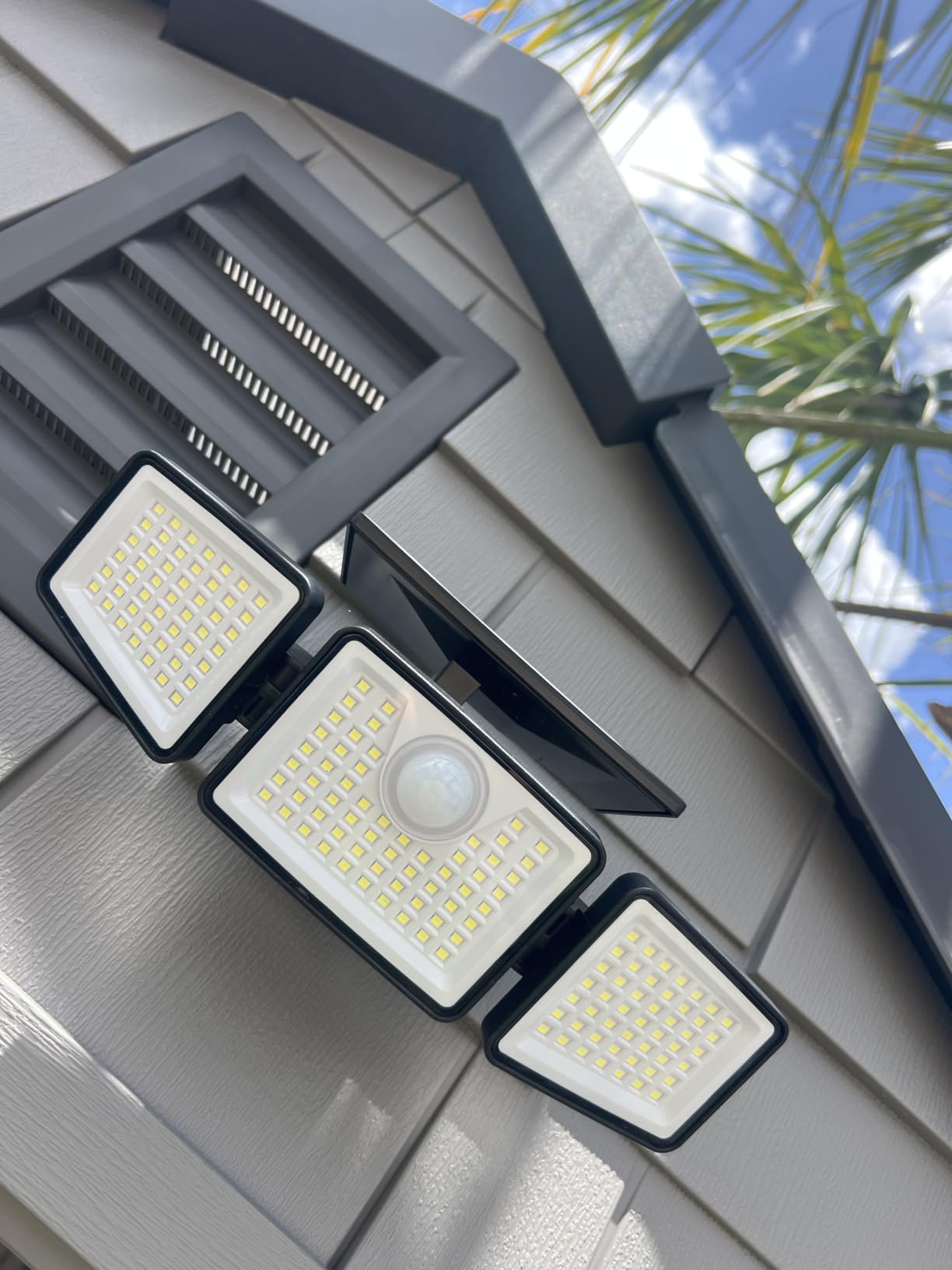
Two of these on opposite corners of a fence will cover a mid-sized backyard for less than the cost of one hardwired fixture, which makes this the practical pick when you want coverage on a budget. Reviewers regularly describe the light output as genuinely bright rather than merely adequate, which is not what we expected at this tier.
The tempered glass solar panel is the differentiator. Glass panels resist corrosion and cold-weather cracking better than the plastic panels used on cheaper models, and reviewers in northern states mention fewer charging complaints than they have with other solar lights in the same category.
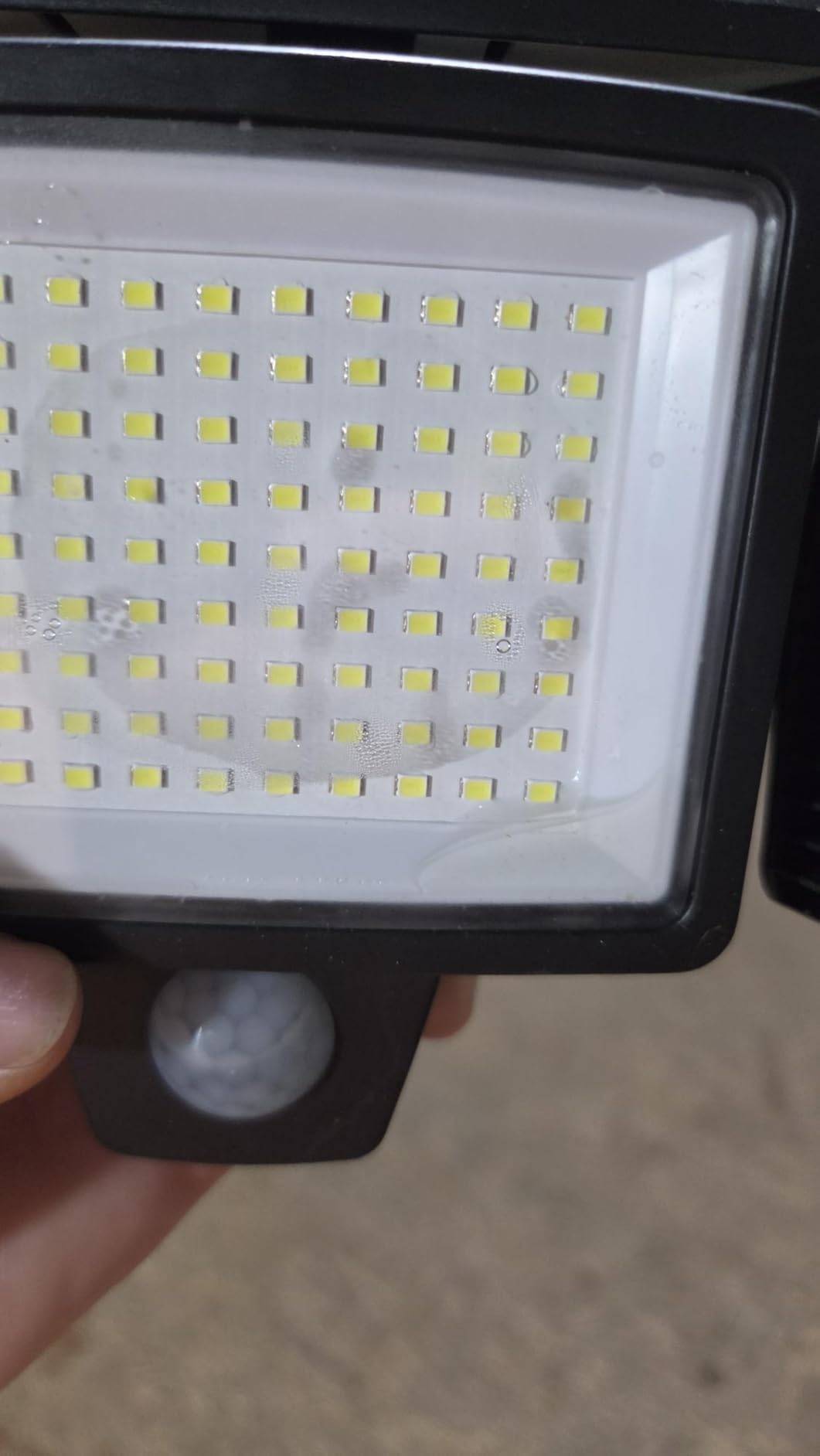
Three modes are cycled with the protected button on the body: motion bright, always on, and a smart dim standby that keeps a low glow all night and boosts on movement. That standby mode is the one most owners end up using permanently, because it deters animals without lighting up the entire street.
Detection reaches 30 ft within a 180 degree arc, which is a wider sweep than most of the solar units here and enough to catch a gate or a shed corner.
What to check before you mount it
Buy the two-pack only if both units can get sun. Two lights on opposite walls, one in shade, gives you one bright light and one disappointing one, which is the most common complaint pattern we saw for this style of solar pack.
Plan where the button is before you mount. With no remote, switching modes means climbing a ladder, and on a two-pack you will do it often while you are tuning the setup.
Where it falls short
The housing is ABS, so it is the part most likely to look tired after a few seasons. Sun-bleached plastic on a black fixture reads as a neglected yard rather than a deliberate one.
Like the other solar picks, output drops sharply in a shaded yard. If the only available wall faces north or sits under a mature tree, budget for a corded light instead of expecting this to perform year-round.
4. LYWALT Solar 3000 lm 4-Head Flood Light – Best for Wide Coverage
LYWALT Solar Outdoor Lights – 3000LM 188 LED Motion Sensor Outdoor Lights, 4 Heads Security Light,IP65 Waterproof, Easy Install,270°Wide Angle Flood Wall Light with 3 Modes for Backyard Yard
3000 lm from 188 LEDs
Solar, four adjustable heads
Dual PIR to 40 ft
2500mAh battery
IP65
Pros
- Highest solar lumen output in this group
- Dual PIR sensors extend detection to 40 ft
- 35 percent conversion panel charges faster
- Four independently adjustable heads
- 8-hour low-brightness all-night mode
Cons
- Full output can be too bright for close neighbors
- Tight space around the base makes the screw hard to reach
- Always-on mode runs a fixed 8 hours then cuts out
Four heads is the difference between covering a yard and covering a yard plus a driveway. Owners mount this high on a two-story wall and angle two heads down and two out, and the photos from buyers consistently show even coverage rather than one hot spot and a dark corner.
The dual PIR sensors give 40 ft of detection, which is the longest solar range here and close to what the hardwired fixtures offer. For a rural property with a long side yard, that reach is worth more than raw brightness.
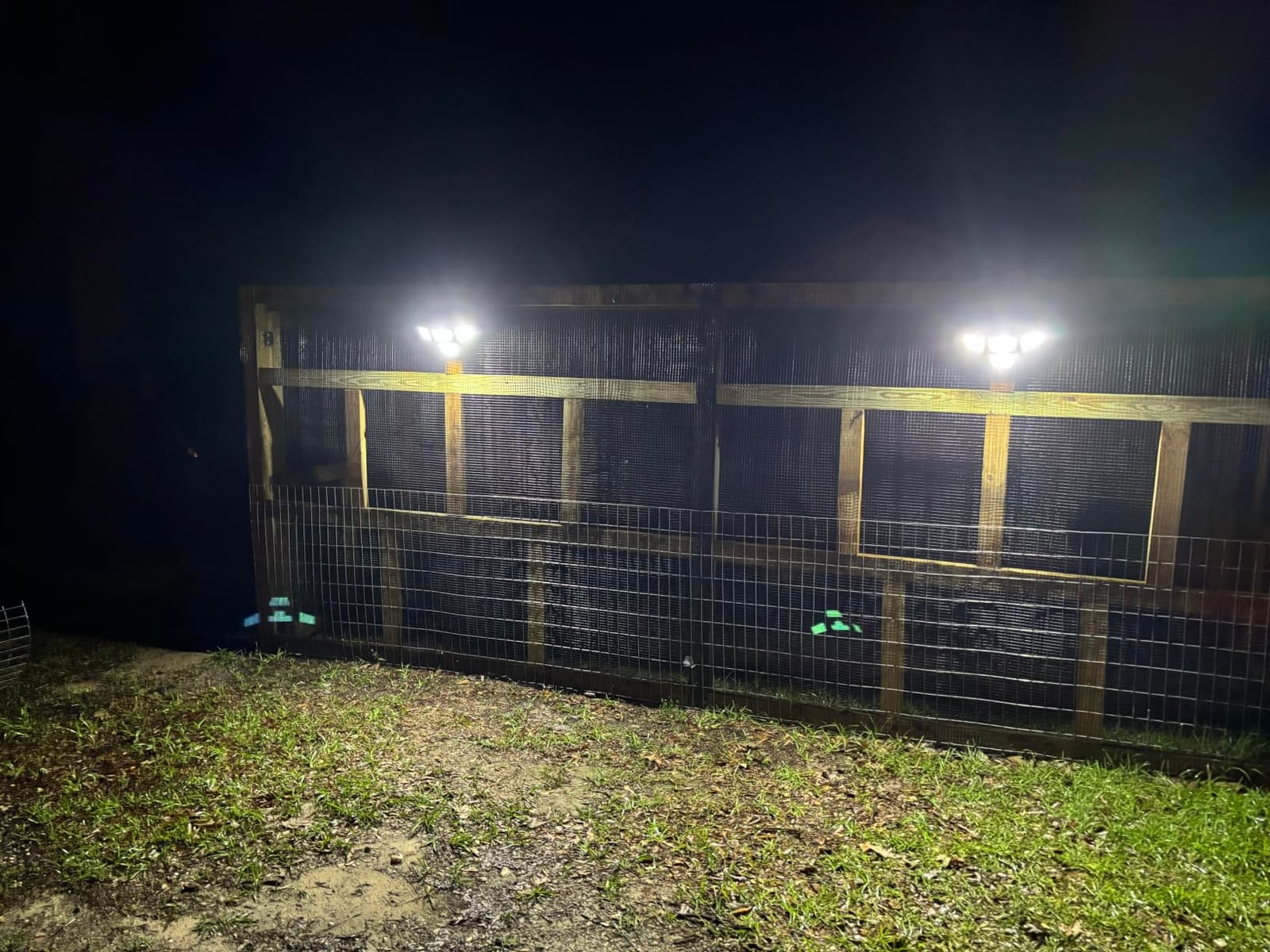
The 2500mAh battery and 35 percent conversion panel work together well. Reviewers in rainy regions report that runtime holds up better than expected, and the extra-large panel surface charges faster than the smaller panels on two-head competitors.
Three modes cover the usual ground: motion only, an 8-hour 10 percent always-on, and a 3 percent dim setting that boosts on motion. The low modes are the neighbor-friendly choice, and they are also the ones that make a solar light practical on a nightly basis.
What to check before you mount it
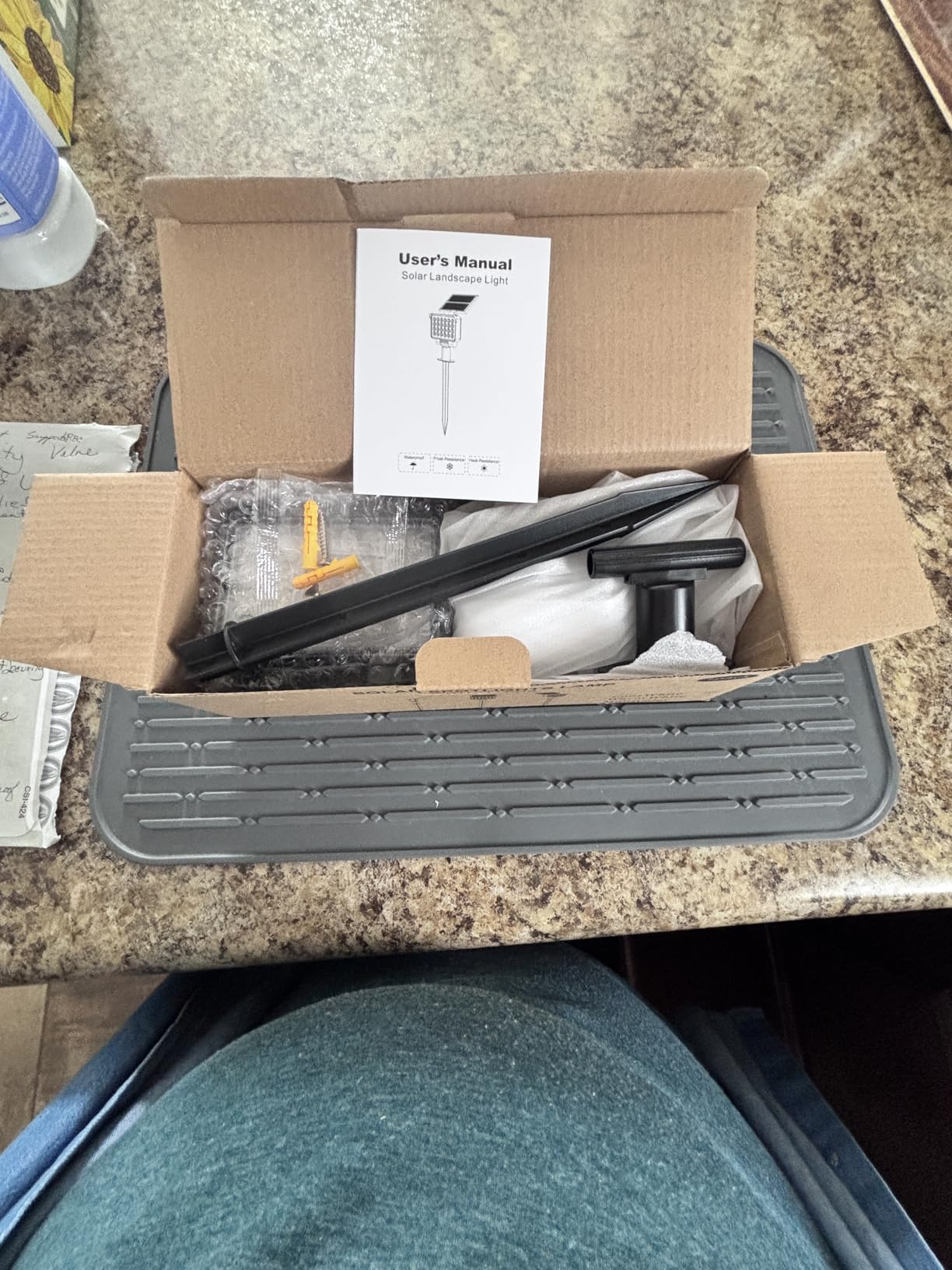
Height matters with four heads. Mounted at the usual fence height, two of the beams land on the ground a few feet out and do nothing; mounted higher, the same fixture covers a genuinely large area.
Ask the installer, or yourself, where the panel will sit. This is a wide, heavy unit and the panel is on the same body as the lights, so solar position and lighting position cannot be separated.
Where it falls short
The base is tight around the mounting screw, which owners mention as a small but real annoyance during install. Budget a longer driver bit than you think you need.
Eight hours of always-on then darkness is a hard stop, not a fade. If you want a steady low glow all night, the 3 percent dim mode is the setting to use, and even that depends on how full the battery started the night.
5. Onforu 75W 7000 lm 3-Head Flood Light – Best Value Hardwired Fixture
Onforu 75W Flood Lights Outdoor, 7000LM Brightness Security Lights Switch Controlled, 3 Adjustable Heads, IP65 Waterproof, 6500K Wall Mount Exterior LED Flood Light
7000 lm at 75W, 112 LEDs
Hardwired, 3 adjustable heads
270 degree coverage
Die-cast aluminum
IP65
Pros
- 7000 lumens from 112 LEDs lights a full yard on one unit
- Circular mounting plate fits existing boxes quickly
- Double-sided foam gasket seals the junction box
- Compact die-cast aluminum body
- 270 degree coverage from three heads
Cons
- Switch controlled only with no motion or dusk-to-dawn mode
- Hardwired install needs a junction box
- Very high output spills into neighboring yards
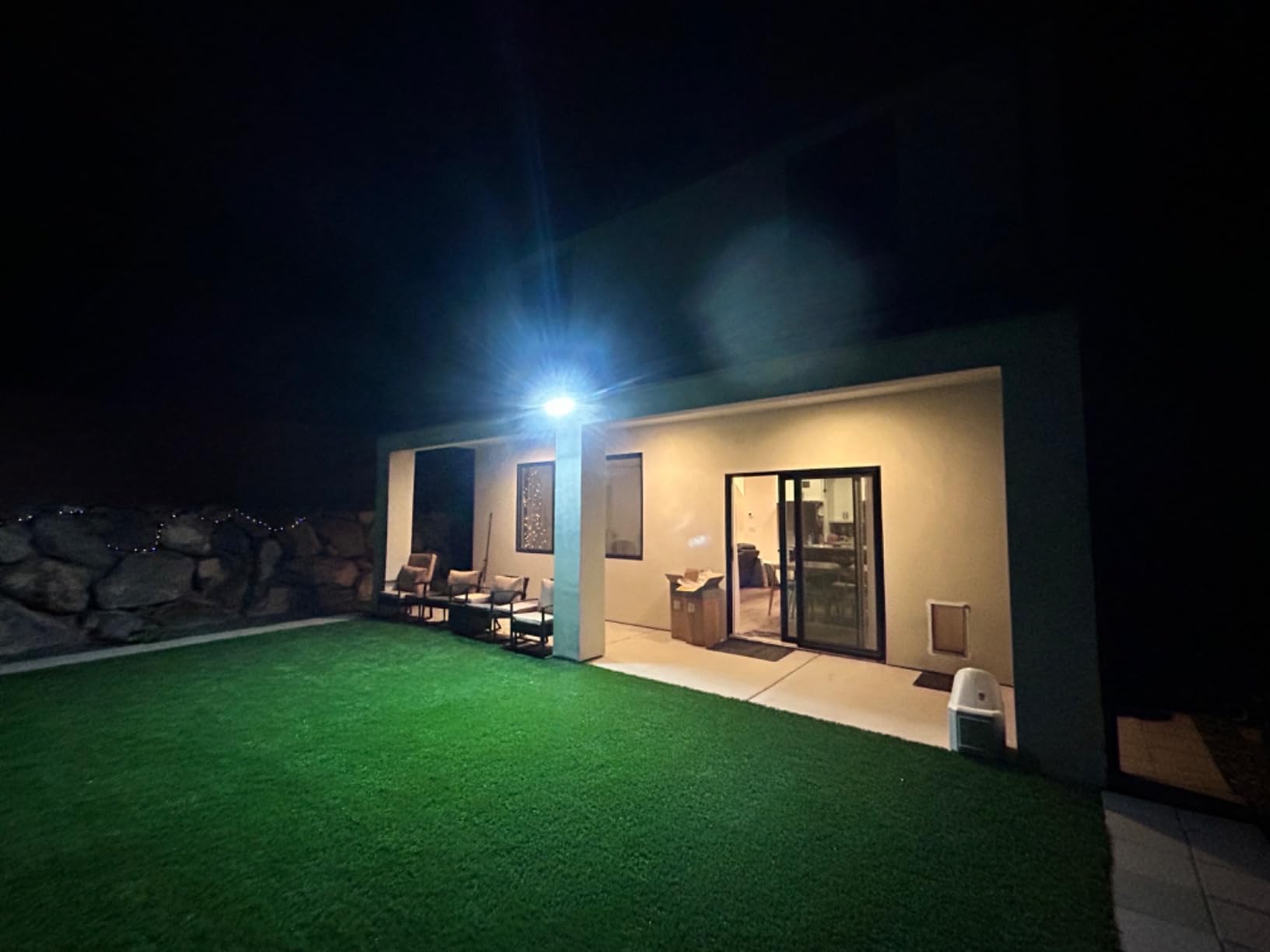
Some people want a flood light that behaves like a very bright porch bulb: on when the switch is on, off when it is off. That is exactly what this is, and at 4.6 stars across nearly 6,000 reviews, the simplicity is clearly working for a lot of people.
The mounting hardware is the underrated part. The circular plate uses a universal hole and slot pattern that lines up with most existing boxes, and the double-sided foam gasket compresses against the box to keep water out of the wiring cavity. Installers repeatedly single out both details as better than what they used on cheaper fixtures.
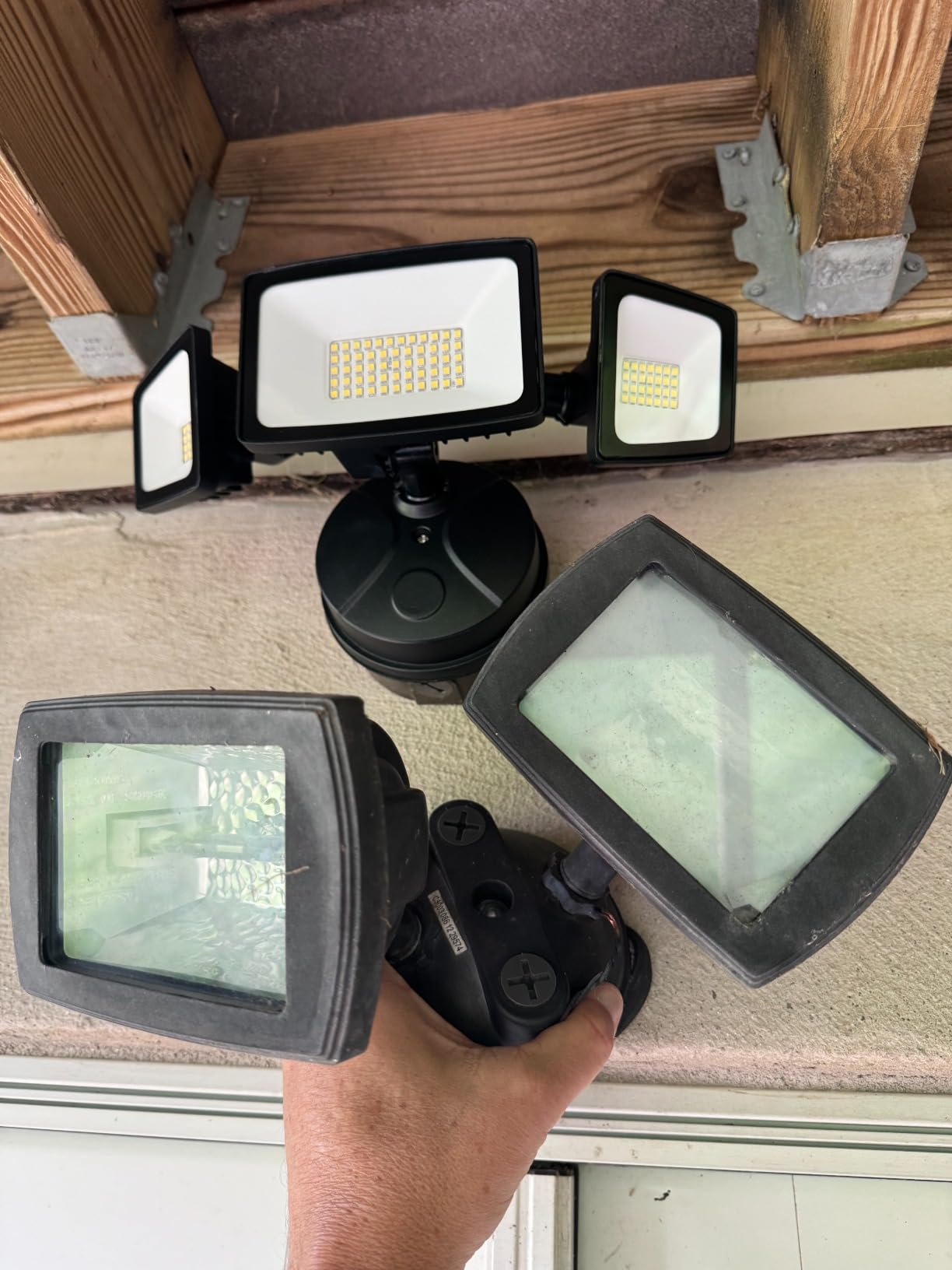
At 75W and 7000 lumens the output is comparable to a 400W traditional bulb, with more than 85 percent less electricity use. That is enough light to cover a driveway apron and a back fence from a single garage wall mount.
Three heads on a 270 degree arc means you can light the yard, the side passage and the gate from one position, which is the layout most suburban backyards actually need.
What to check before you mount it
There is no motion sensing and no photocell, so you need a switch. If your plan depended on the light coming on by itself at dusk, this is the wrong fixture and the LUTEC models further down cover that need.
Check the direction of each head before tightening. Aiming all three at the same spot wastes most of the 7000 lumens and leaves the rest of the yard dark.
Where it falls short
The output is not dimmable, and at full power the spill is the main complaint. Mount it high and aim it down, or a neighbor’s window will be lit as brightly as your patio.
It is hardwired, so a new install needs a junction box and wiring. That cost is the same on any hardwired fixture here and is worth factoring in before you choose a power source.
6. daphino Solar 2500 lm 3-Head 2-Pack – Best for Adjustable Solar Panels
daphino 2500LM Solar Lights, Motion Sensor Outdoor Lights, 3-Head, 2 Pack
2500 lm from 156 LEDs
Solar, 2-pack
90 degree adjustable panel
PIR to 40 ft
Up to 12 hr dim
Pros
- Longest advertised runtime here at up to 12 hours in dim mode
- Solar panel adjusts 90 degrees
- Three swiveling heads plus adjustable panel
- Returns to normal operation after cloudy days automatically
- IP65 ABS and polycarbonate body
Cons
- No remote in this non-remote variant
- 130 degree detection arc is narrower than competing sensors
- Shade reduces runtime even though the light still turns on
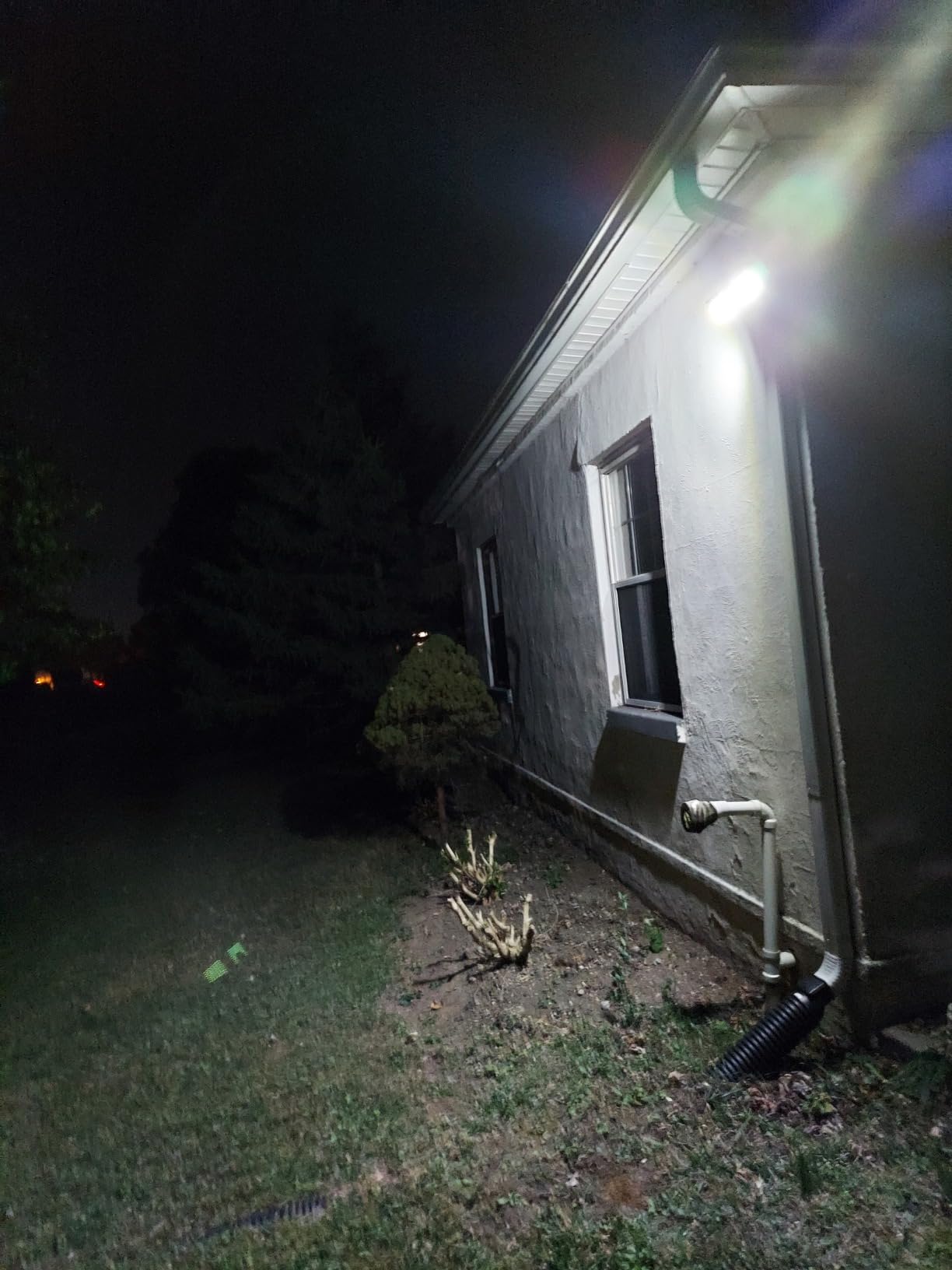
The adjustable panel solves the most common solar complaint. On most solar flood lights, the panel is fixed relative to the light, so you are forced to choose between a good lighting angle and a good charging angle. Here you can tilt the panel up toward the sun and point the heads down at the yard independently.
Owners also report that this unit returns to normal operation after a cloudy stretch without anyone walking out to the wall and cycling the switch. Several cheaper solar lights need a manual on and off to reset the charge controller, and that is the failure that ends up in complaint threads.
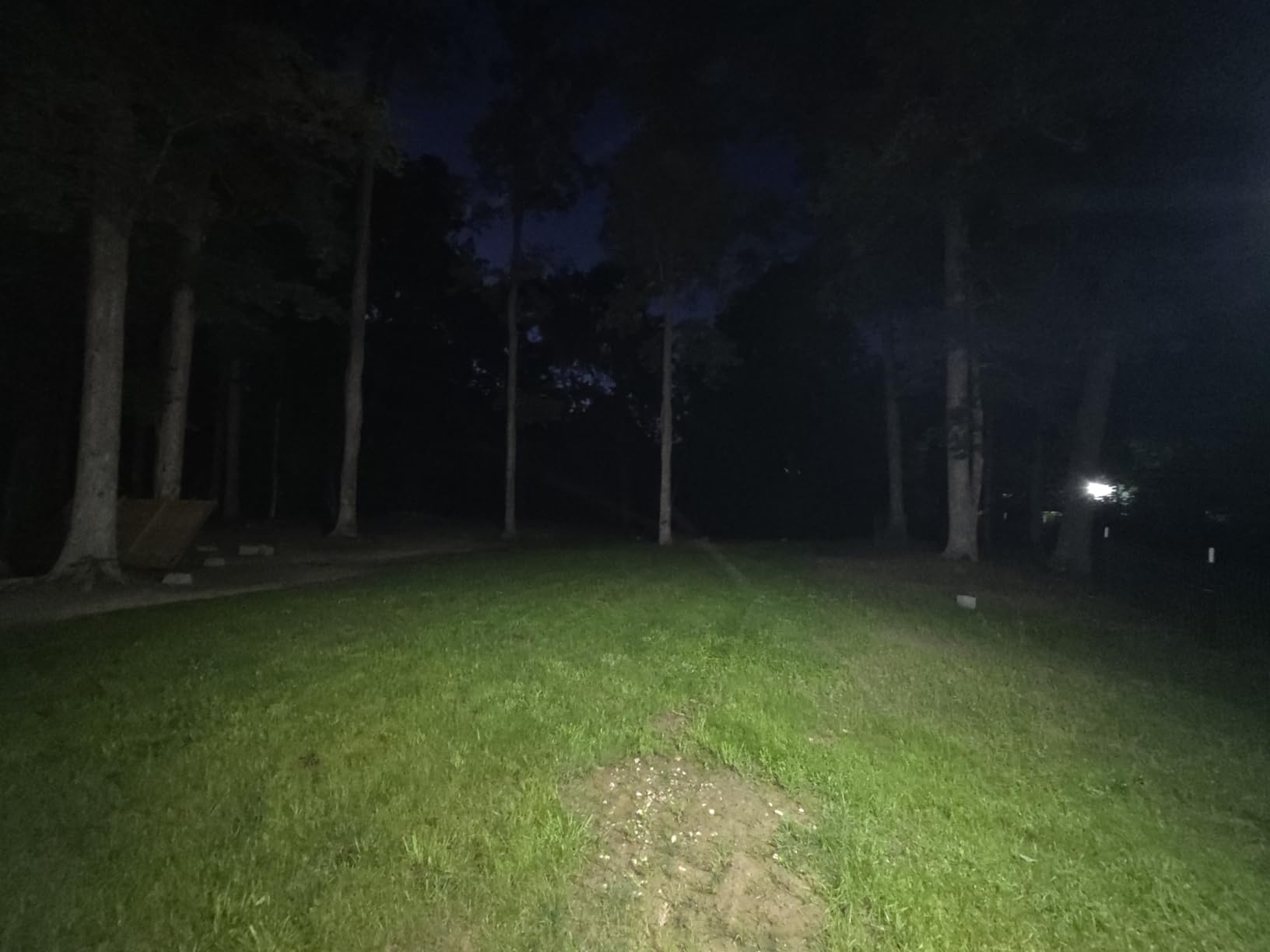
The 12 hour dim-mode runtime is the longest claimed here, and reviewers describe it as realistic after a full day of charging. That figure is for dim mode, not for full output, but it is exactly the number that decides whether a light is useful every night.
156 LEDs producing 2500 lumens is a sensible design point. Higher LED counts on paper do not mean more light, and this one uses fewer beads than several competitors while landing in the same brightness band.
What to check before you mount it
Tilt the panel before you fix the bracket, not after. A panel aimed at the fence will charge slowly all summer, and the light will underperform no matter what the listing says.
Set the mode to dim or standby and leave it there for the first three nights. Solar lights often look weak on night one simply because the battery shipped uncharged.
Where it falls short
The 130 degree detection arc is the narrowest in this roundup. It is more than enough aimed at a gate or a path, but it will miss a fast-moving target crossing the far corner of a wide yard.
No remote means mode changes happen at the unit. That is fine once the setup is right and irritating every time you want to switch to all-night before a cookout.
7. LUTEC 32W 3500 lm Four-Mode Security Light – Best for Mode Flexibility
LUTEC 32W 3500 Lumen LED Security Lights Motion Sensor Light Outdoor, 5000K Daylight, IP65 Waterproof, Dusk to Dawn, Motion Detector Flood Light for Garage, Yard, Porch-Black
3500 lm at 32W
5000K daylight
Hardwired aluminum
69 ft range
Test, security, dusk-to-dawn
Pros
- Four modes including true dusk-to-dawn and manual override
- 3500 lm from 32W is about 88 percent energy saving
- 69 ft detection with 1
- 3 and 10 minute timers
- Aluminum housing with IP65 rating
- 3-year warranty and fast replacement service
Cons
- Shallow housing leaves little room for wire nuts on shallow boxes
- Default on-time can feel short for a long driveway
- US-style wiring colors are not compatible with UK fittings
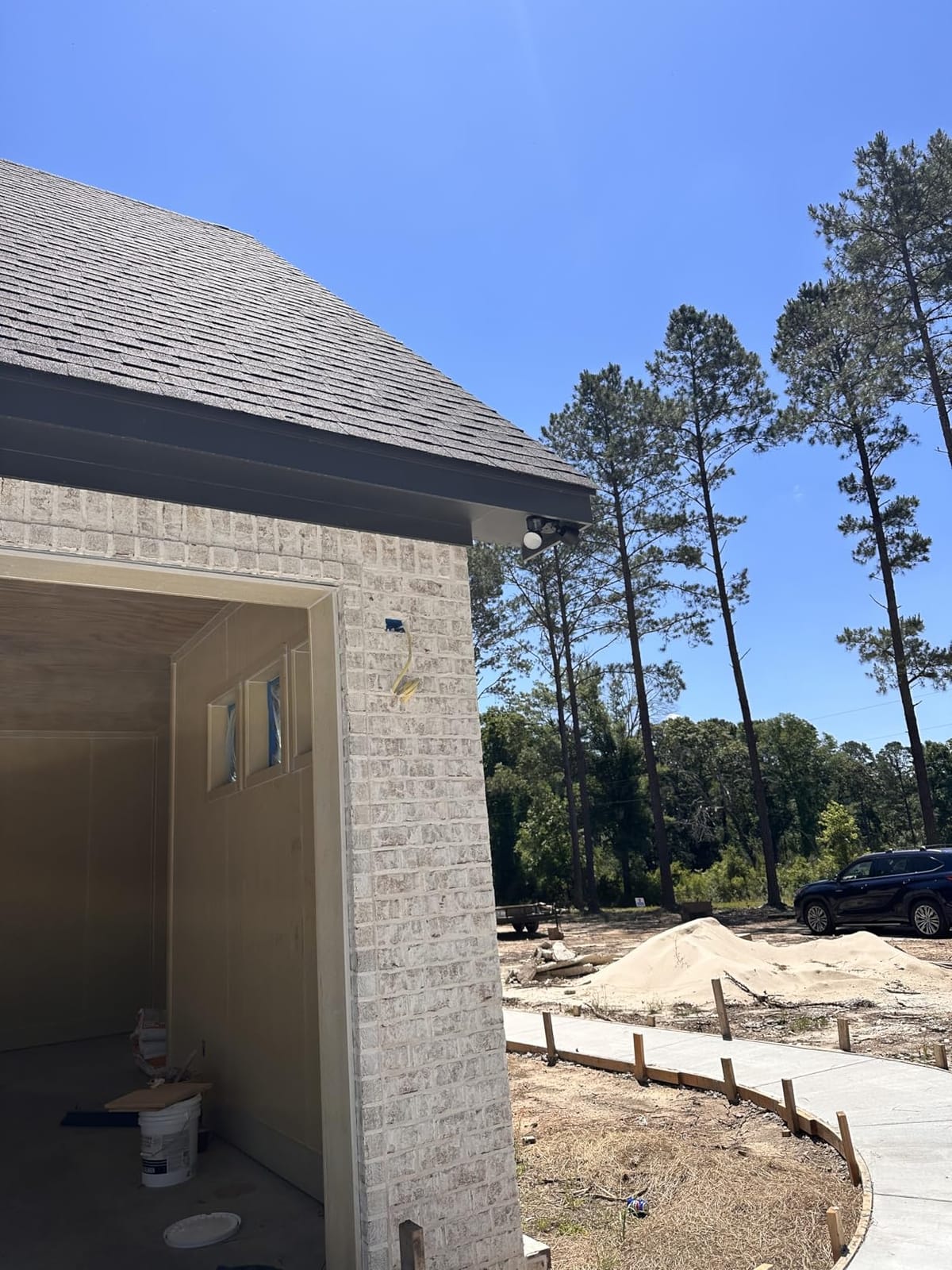
This is the fixture to buy if you cannot decide what you want. Dusk-to-dawn mode lights the yard all night without a switch, security mode uses the motion sensor, and manual override means you can force it on. Test mode, which ignores the photocell so you can aim the sensor in daylight, completes the set.
Dusk-to-dawn is the mode that changes behavior. Users on r/homeowners describe running it through the summer to keep raccoons, skunks and opossums out of the garden, then switching to motion mode in winter when they want the full beam only when something moves.
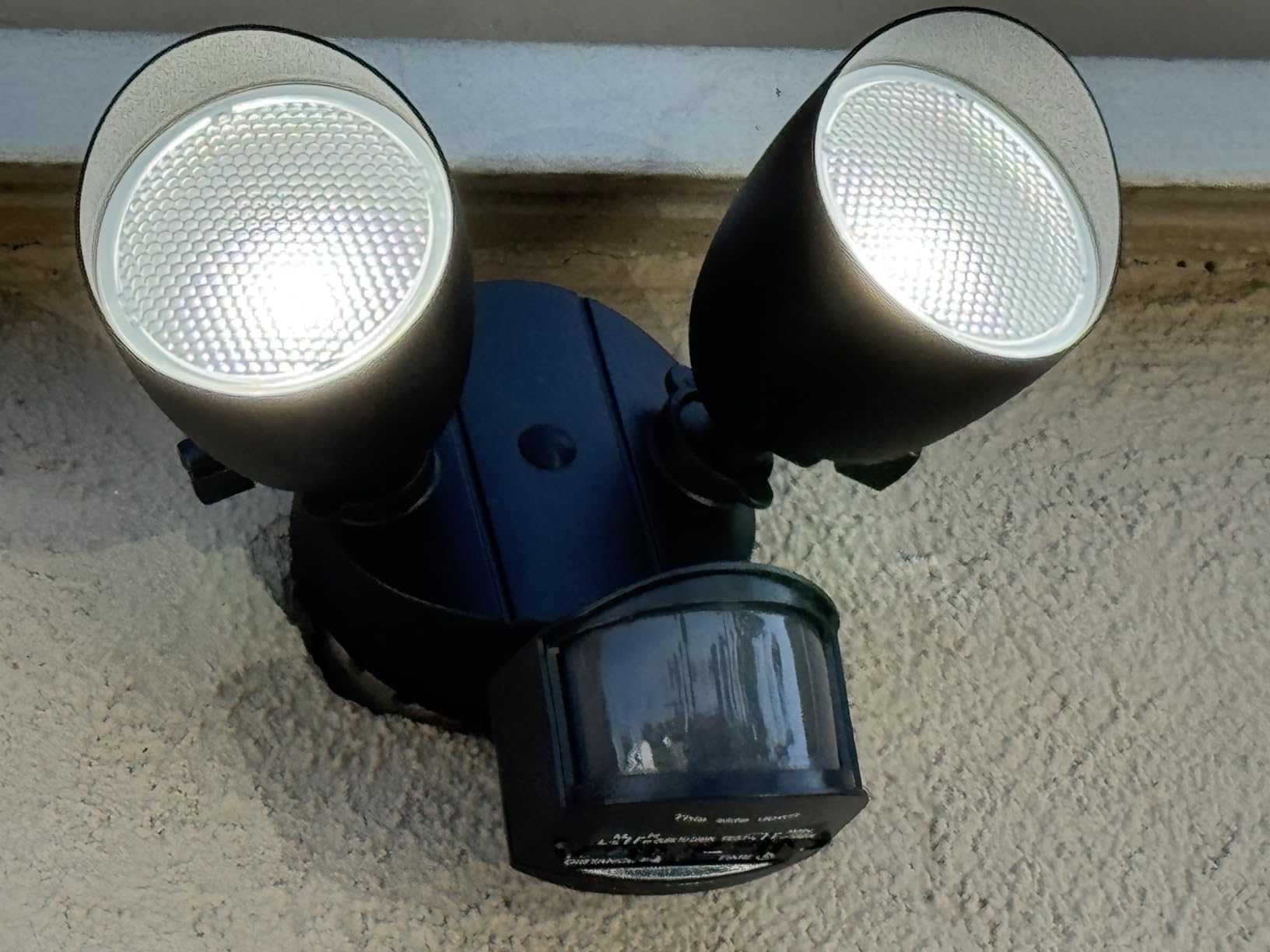
At 3500 lumens from 32W, the efficiency works out to roughly 109 lumens per watt, which is strong for a fixture that also carries a sensor and driver. The 69 ft range at 180 degrees is a well-judged compromise between reach and pickup false triggers from the street.
The three-year warranty matters more than usual in this category, and owners report that LUTEC sends replacements within days rather than making them argue with a support line.
What to check before you mount it
Measure your box depth first. The housing is shallow, and on shallow boxes the wire nuts crowd behind it, which is the most common install complaint for this model.
Use test mode when you mount it. It disables the photocell so you can walk the detection arc in daylight and set the range before the light is actually needed at night.
Where it falls short
The default on-time is short for a large property. Owners with long driveways set it to 10 minutes, and a timer buried behind a screw-on cover takes a few extra seconds to change.
The dusk-to-dawn standby level is brighter than most people expect from a night light. If you want a soft glow, this is not it; if you want a genuinely lit yard all night, it is exactly right.
8. LUTEC 6222W 3500 lm Dual-Head All-Metal Floodlight – Best All-Metal Build
LUTEC 6222W 3500 Lumen 32 Watt 28 LED Dual-Head Floodlight Outdoor, Full Metal Design, Waterproof Exterior Security Wall Light for Patio, Garden, Yard-White
3500 lm at 32W
111 lumens per watt
5000K daylight
Full metal aluminum body
3-year warranty
Pros
- Full metal and polycarbonate body outlasts plastic fixtures outdoors
- 3500 lumens at 111 lumens per watt
- 360 degree adjustable dual heads
- Compact 9.29 by 6.14 inch footprint
- 3-year warranty with responsive support
Cons
- Switch controlled only on this variant
- A small number of reports of water ingress at the lens seam
- Hardwired install needs a junction box and wiring
Material is the reason to pick this one. The body is aluminum and polycarbonate rather than the ABS plastic used by most fixtures at this brightness, and in an exterior application that shows up in how the light handles heat and how it looks after a few seasons of sun and rain.
111 lumens per watt is an honest efficiency figure that manufacturers rarely print, and it tells you the driver and LED array are working properly. Two heads on a 360 degree adjustment cover a deck wall or a patio door without a second fixture.
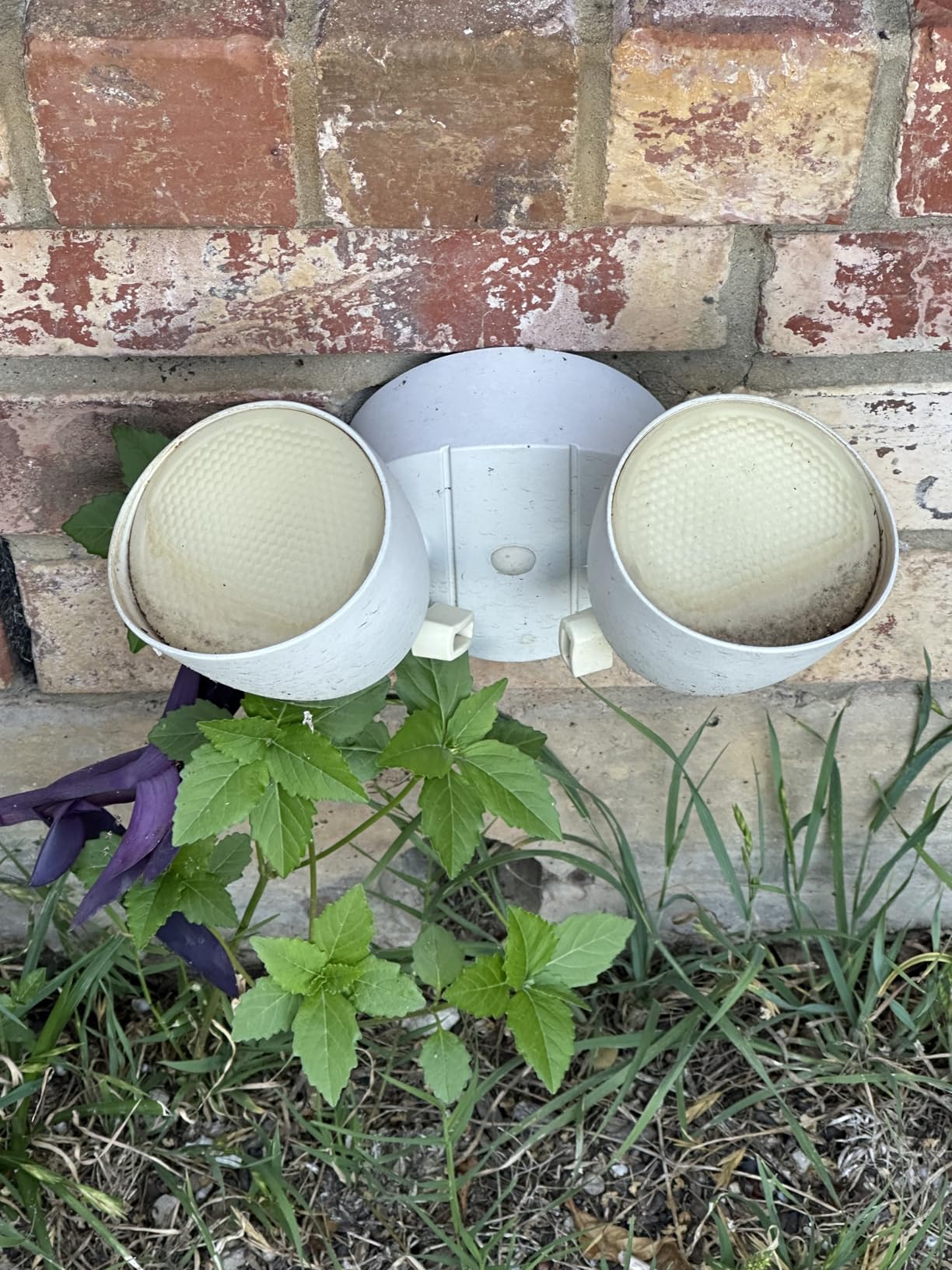
The footprint is small for the output, which makes it easier to mount between a garage door and a window where a bulkier three-head unit will not fit. That physical constraint is the reason many owners end up with a two-head fixture instead of a bigger one.
Owners also mention the appearance. A metal fixture with clean lines reads as intentional on a finished wall, where a black plastic housing with visible seams reads as a security add-on.
What to check before you mount it
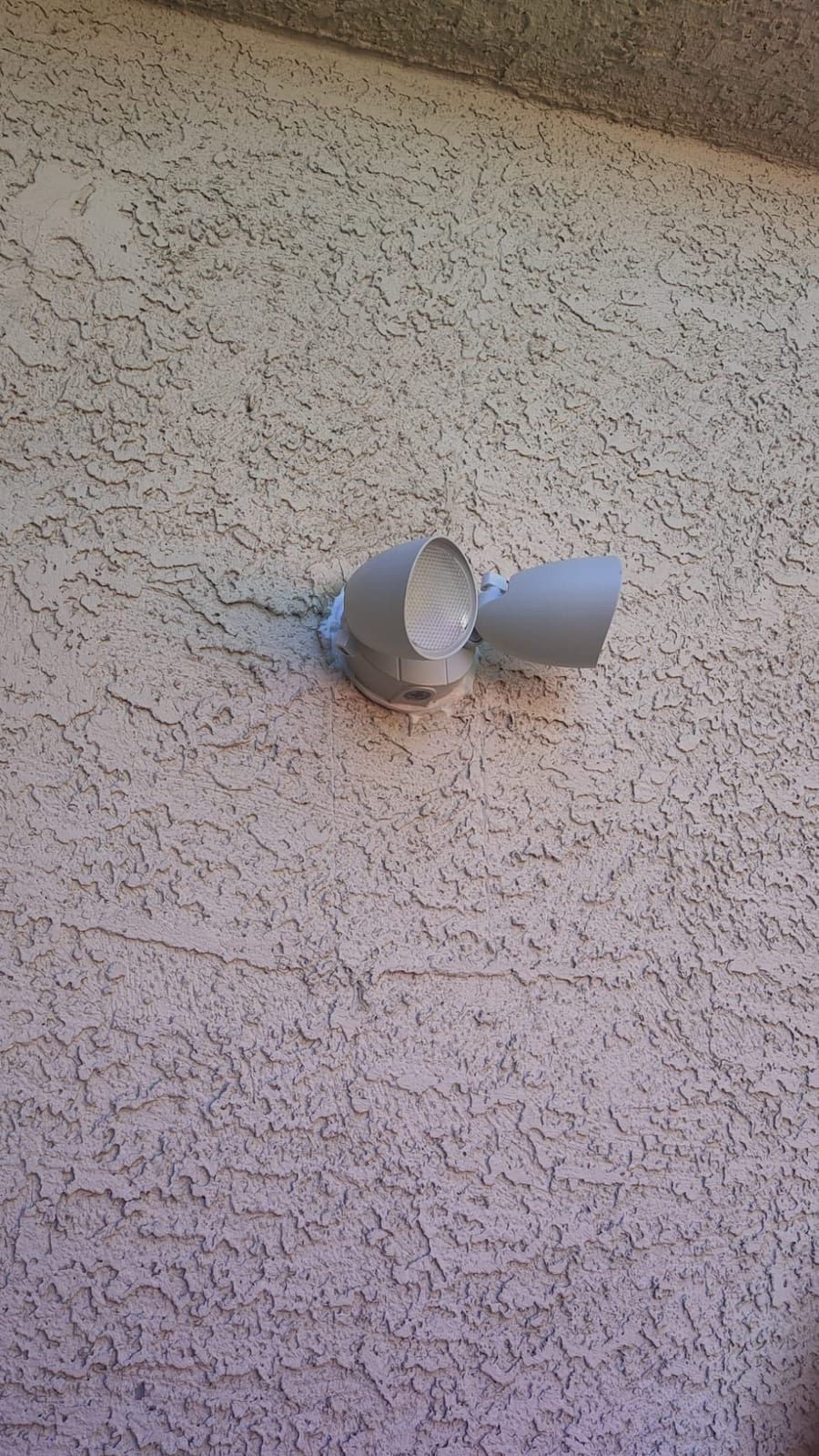
Look at the seam where the lens meets the housing. This is the joint a small number of owners report water reaching under prolonged exposure, so a fixture mounted on a wall that gets driven rain should still be sealed with exterior-grade sealant at the lens edge.
Confirm you are getting the switch-controlled version. Similar-looking LUTEC models include motion sensing, and the model number is the only reliable way to tell them apart.
Where it falls short
Switch controlled means it is off when the switch is off, which is fine but worth confirming if you expected automatic dusk operation.
Two heads produce two beams rather than the three-way wash of the larger units. Very large yards usually need a second fixture, so budget for two rather than planning on one covering everything.
9. LUTEC 72W 7500 lm 3-Head Security Light – Best for Driveways and Wide Yards
LUTEC 72W 7500LM LED Security Lights Motion Sensor Light Outdoor, 5000K Daylight, IP65 Waterproof, Dusk to Dawn, 3-Head Motion Detected Flood Light for Garage, Yard, Porch(Black)
7500 lm at 72W
5000K daylight
69 ft motion range
Four modes incl. dusk-to-dawn
Aluminum, IP65
Pros
- 7500 lumens across three adjustable heads
- Sensor range and on-time timer both adjustable
- Dusk-to-dawn mode removes the need for a switch
- All mounting hardware included
- Rated 50000 hour lifespan with a 3-year warranty
Cons
- Dusk-to-dawn standby level is brighter than a night light and cannot be dimmed
- Base plate is plastic on an otherwise aluminum fixture
- Wire routing is awkward on shallow junction boxes
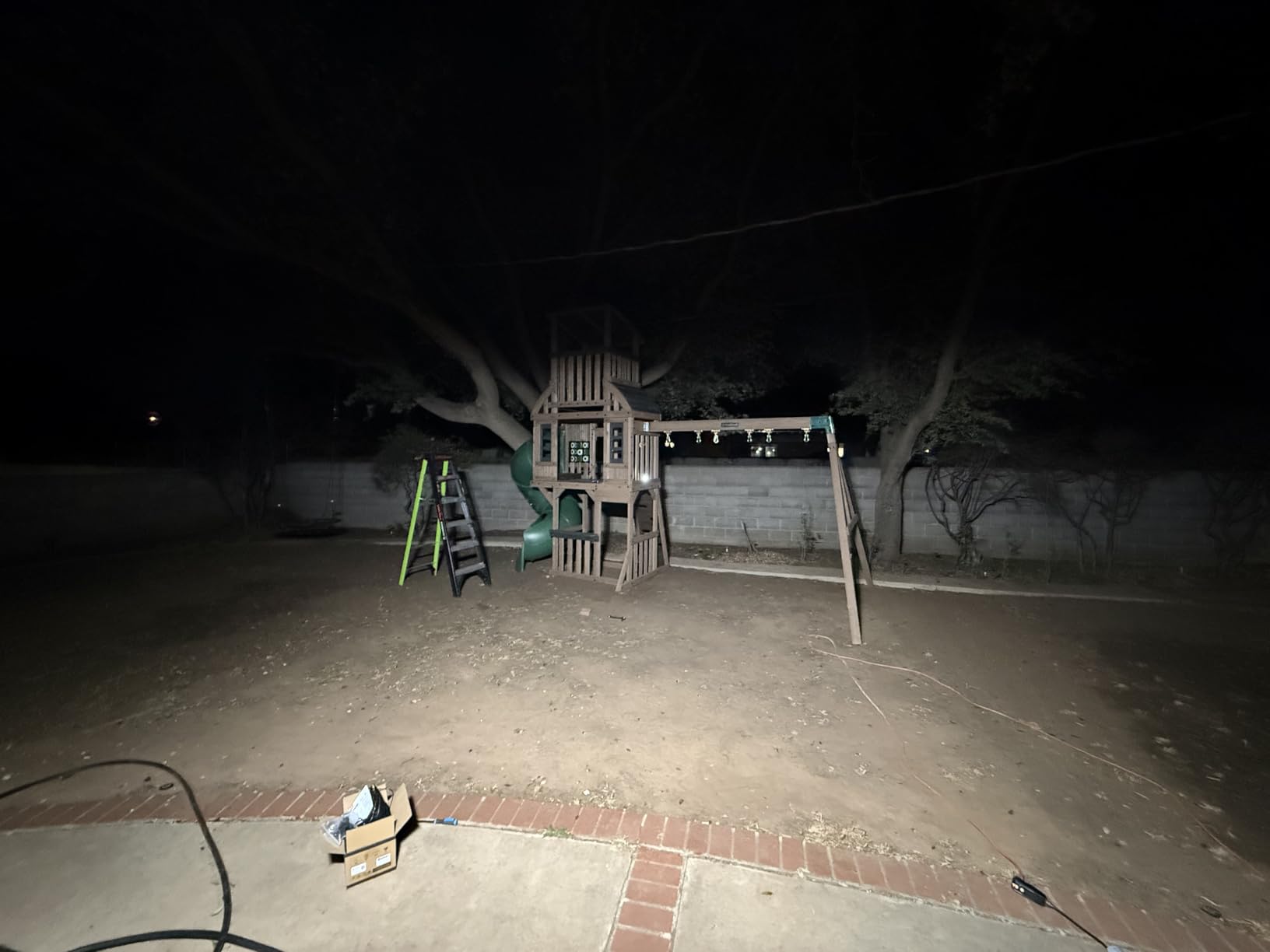
This is the one to pick for a long driveway or a yard with a trailer parked in it. Seven thousand five hundred lumens across three heads covers an area that a single 3500 lumen fixture leaves with visible dark bands, and the adjustable sensor lets you set the detection boundary at the property line rather than the street.
Reviewers repeatedly describe it as a safety upgrade rather than a convenience, particularly for a rural property where the driveway is the only route home after dark. Several mention a single fixture replacing two smaller ones that never lit the far end.
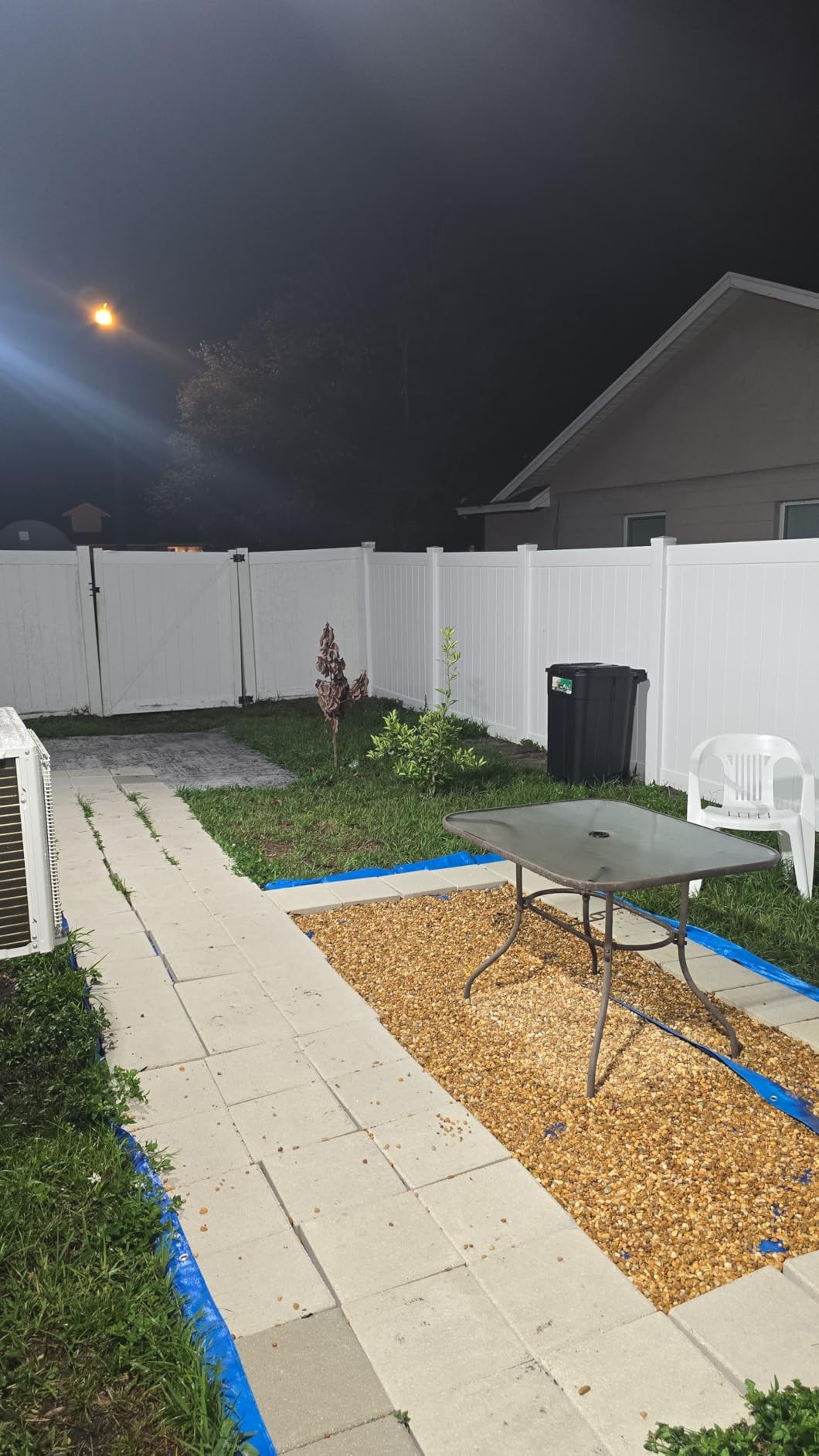
At 72W it draws more than the smaller hardwired units, but LED efficiency means that is still a fraction of what a metal halide fixture of that output consumed. The rated 50,000 hour lifespan at the manufacturer’s usage pattern translates to well over a decade of normal operation.
Same four-mode control as the smaller LUTEC, which means dusk-to-dawn, security, test and manual override, with a 1, 3 or 10 minute timer on the detection modes.
What to check before you mount it
Set the detection range to the yard, not the road. A 69 ft sensor at the default sensitivity will pick up passing traffic, and constantly resetting lights are the fastest way to make neighbors dislike your backyard.
Check the mounting surface. At 2.4 pounds on a full bracket, this is a heavier unit and a soft-sided soffit or thin vinyl siding is not the right substrate.
Where it falls short
The dusk-to-dawn standby level is fixed and cannot be dimmed. If you want a soft night light, you will need the sensor modes instead, which means no light unless something moves.
The base plate is plastic even though the body is aluminum, and it is the part most likely to discolor. It does not affect function, but it is visible on a light-colored wall.
10. MELPO 8000 lm RGB 4-Pack – Best for Color-Changing Deck Lighting
MELPO LED Flood Light Outdoor 800W Equivalent 8000LM RGB Landscape Lighting
8000 lm at 2700K
CRI above 85
16 million colors, 12 modes
App and Bluetooth mesh
4-pack
Pros
- 8000 lumens at a warm 2700K tone with CRI above 85
- 16 million colors and 12 dynamic modes
- Bluetooth mesh links several lights with no Wi-Fi or hub
- Scheduling runs colors and modes automatically
- Group control and DIY scene presets
Cons
- App control only with no physical switch
- Rated water resistant rather than IP65 or IP66
- Four-pack costs far more than plain white flood lights
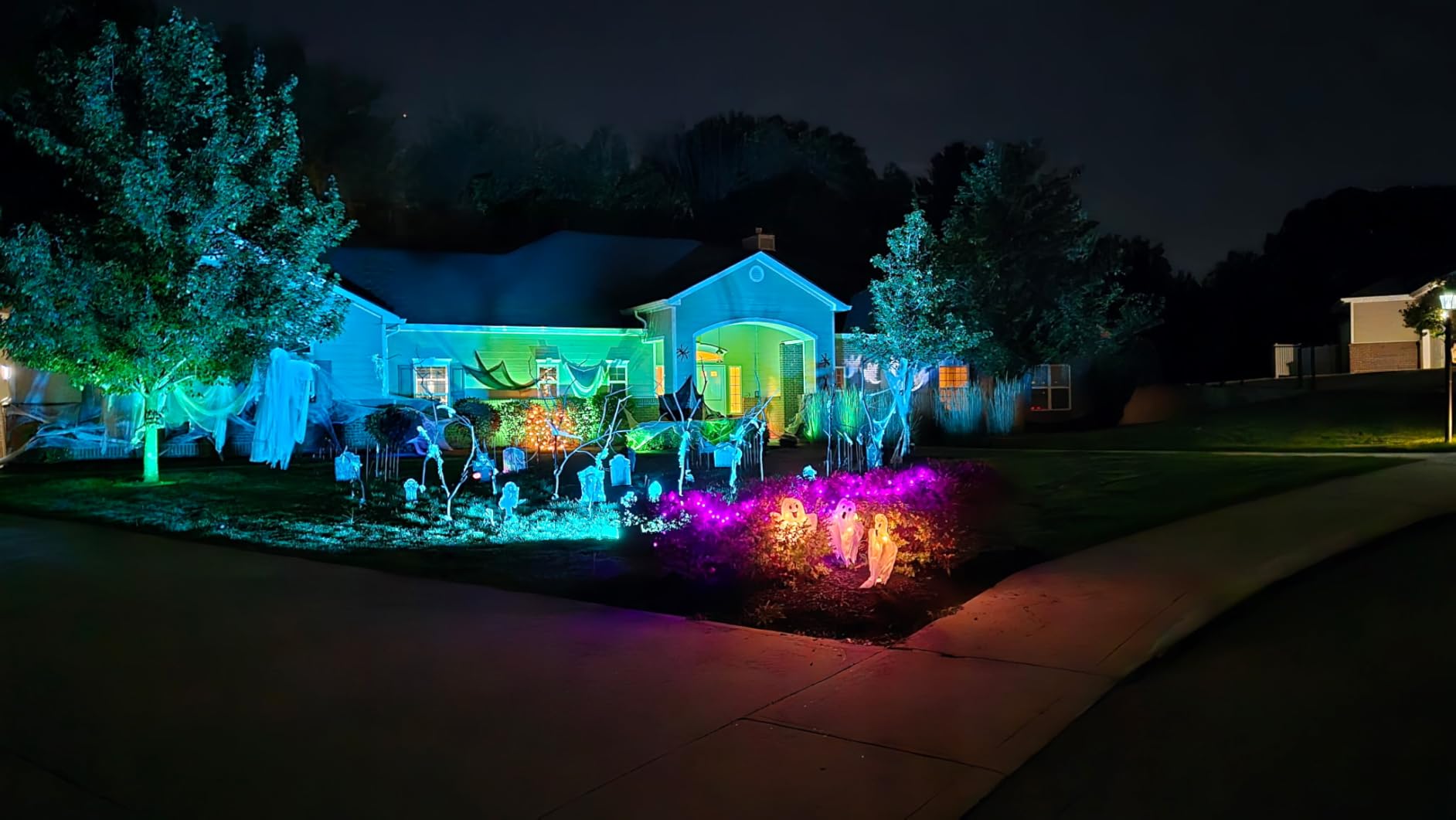
Every other light in this roundup is white. This one is the exception, and if the goal is a deck or a garden bed that looks good for a cookout rather than a yard that is safe to cross at night, the difference is immediate. Sixteen million colors and twelve dynamic modes is more than most people need, and the four-pack is what makes it a system rather than a gadget.
The 2700K warm white setting is the part that surprises buyers. Out of the box the color-changing modes get the attention, but the warm white at CRI above 85 is what makes trees and shrubs look natural rather than washed out, and it is a genuinely good ordinary fixture.
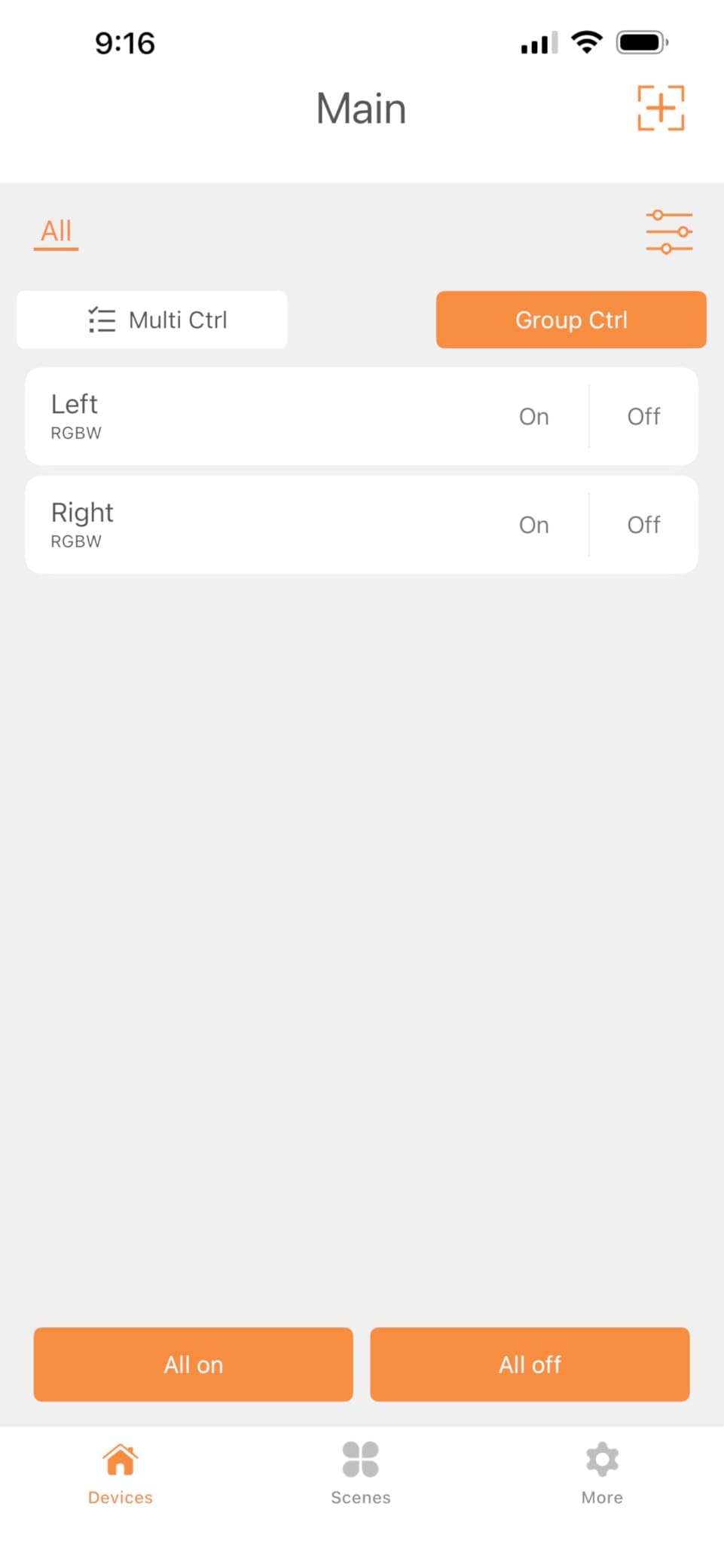
Control is through an app over Bluetooth, with mesh networking so lights can be grouped without a Wi-Fi network or a hub. Scheduling keeps the daily on and off cycle automatic and keeps the dynamic modes in sync across the group, which matters more than it sounds when four lights are mounted on separate walls.
No registration or internet connection is required, so the lights keep working when your network does not, and the two-year warranty is shorter than the three years on the hardwired models here.
What to check before you mount it
Look at the water resistance rating carefully. This fixture is rated water resistant rather than IP65, so it belongs under an eave or on a wall sheltered from direct rain, and it is the only product here that is not a full outdoor-weather rating.
Decide whether color-changing light is appropriate on your street. Full-saturation RGB at 8000 lumens is a lot of visible color spilling into neighboring yards at night, and it is the fastest way to prompt a complaint.
Where it falls short
There is no physical switch and no manual brightness control. If the app is not available, the light is effectively unusable, which is a real problem for anyone who prefers not to grant a phone app control of their home’s devices.
The cost per fixture is several times that of an equivalent white flood light, and that gap is the main reason buyers treat these as a set for a specific deck rather than whole-yard lighting.
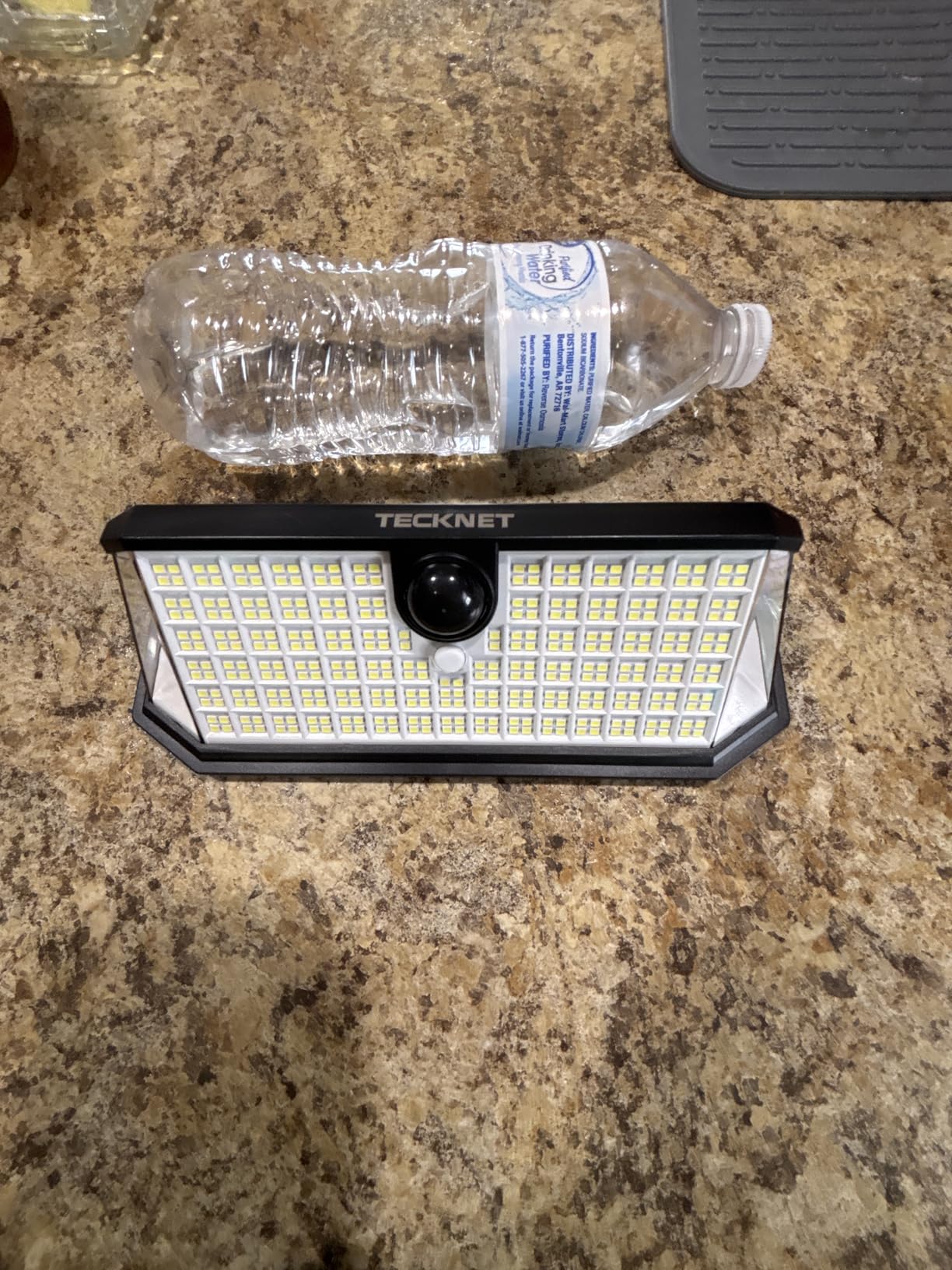
11. TECKNET 4200 lm Solar 2-Pack – Best for Compact and Narrow Spaces
TECKNET 416 LED Solar Lights Outdoor Motion Sensor Waterproof 4200lm,2 Pack
4200 lm, 416 LEDs
300 degree three-sided beam
Solar, 10 to 12 hr runtime
IP66, 36-month warranty
Pros
- Highest solar lumen output here at 4200 lm
- 300 degree beam is wider than the 270 degree norm
- Three-sided LED layout lights areas a forward fixture leaves dark
- Reported to hold up in sub-zero cold and heavy rain
- Screw
- tape or rope mounting fits almost any surface
Cons
- Motion mode cuts out after about 15 seconds
- Brightest mode falls well short of the 4200 lm claim
- Supplied tape may not suit rough exterior surfaces
This is a different shape from everything else here. Rather than three or four adjustable heads on a wall bracket, it is a single tall unit with a three-sided reflective LED layout and a 300 degree beam, and it can be screwed, taped or roped almost anywhere. That makes it the pick for a shed, a gazebo post, a fence panel without a wall, or a side passage with no place to hang a conventional flood light.
Owners in northern states specifically report that these kept working through sub-zero winters, which is the single most common failure report for solar lights in colder climates.
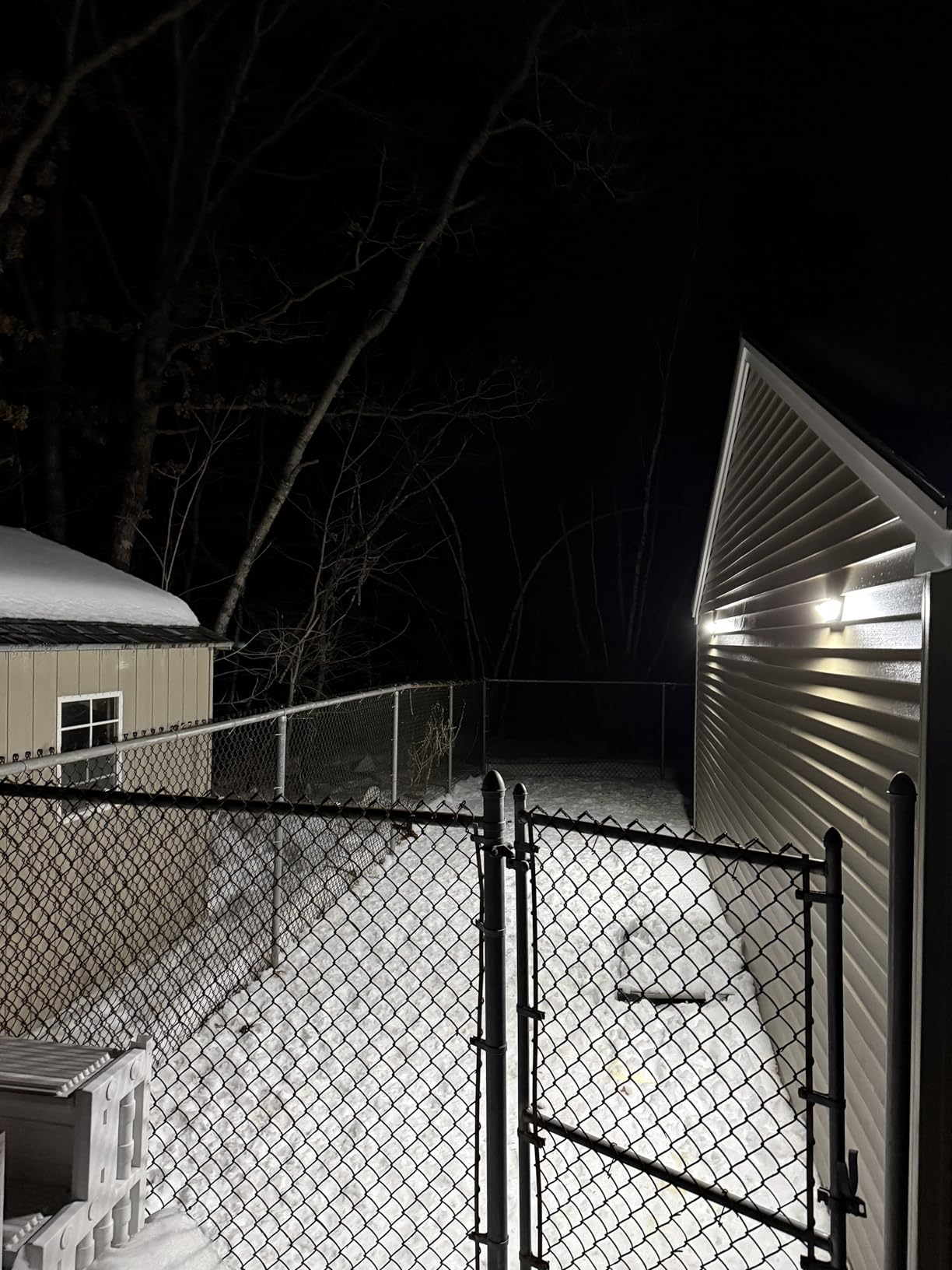
Four thousand two hundred lumens is the highest solar figure in this roundup by a wide margin, and owners in unlit rural yards describe it as adequate for a work area rather than just path lighting. The 27 percent conversion panel gives 10 to 12 hours from a full day of sun.
The 36-month warranty is the longest here, and for a sealed battery product that covers the failure point people worry about most, which is the battery degrading before the LEDs do.
What to check before you mount it
Read the 15 second motion timeout as a design choice, not a defect. This light flashes on briefly and cuts out, which is right for a path or a doorway and wrong if you were expecting a sustained flood.
If you are mounting on stucco, brick or a rough post, buy your own screws and anchors. The supplied tape is convenient on smooth surfaces and inadequate on most textured ones.
Where it falls short
Owners consistently report that the brightest mode falls short of the 4200 lm claim in practice. Treat that number as a ceiling rather than a typical reading, which is a good habit with solar lights generally.
Detection is limited to 13 to 20 ft across 120 degrees, the shortest range here. For a long approach you will want a second unit or a hardwired fixture with real reach.
12. Onforu 150W 15000 lm 3-Head Flood Light – Best for Maximum Brightness
Onforu 150W LED Security Light, 15000LM Outdoor Flood Light Switch Controlled, IP65 Waterproof LED Exterior Floodlight, 6500K White Wall Mount Security Lighting for Entryway, Garage, Yard, Eave
15000 lm at 150W
154 LEDs, 6500K
Die-cast aluminum, matte lens
270 degree beam, 3 heads
IP65
Pros
- Brightest fixture in this roundup at 15000 lm
- Owners report one unit lighting half an acre
- Matte anti-glare lens softens the output
- Three independently aimable heads
- Multiple buyers report units still working after five years of service
Cons
- At 150W the light can be dazzling and spill to neighbors
- Junction box not included
- A few reports of water ingress behind the lens
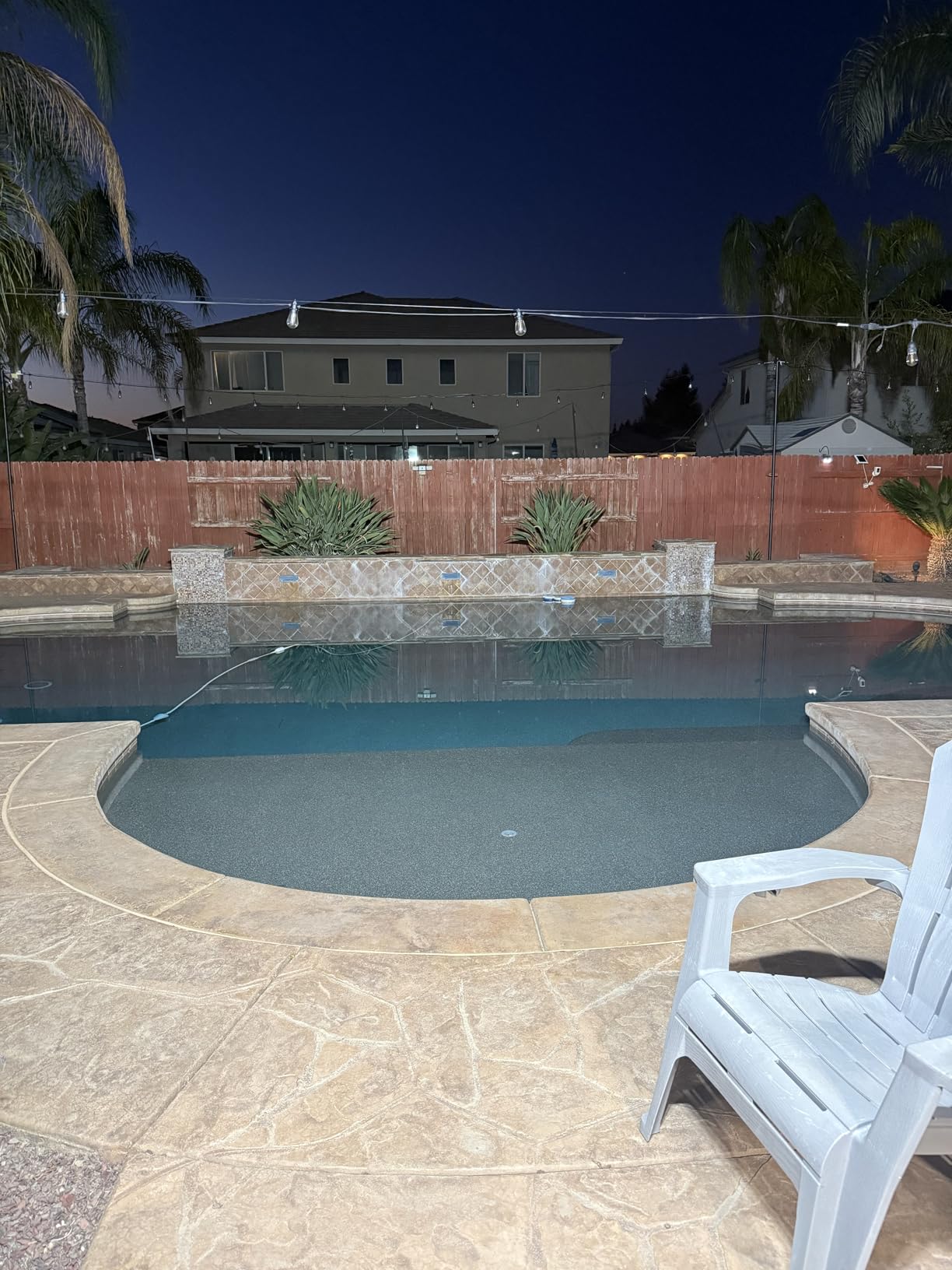
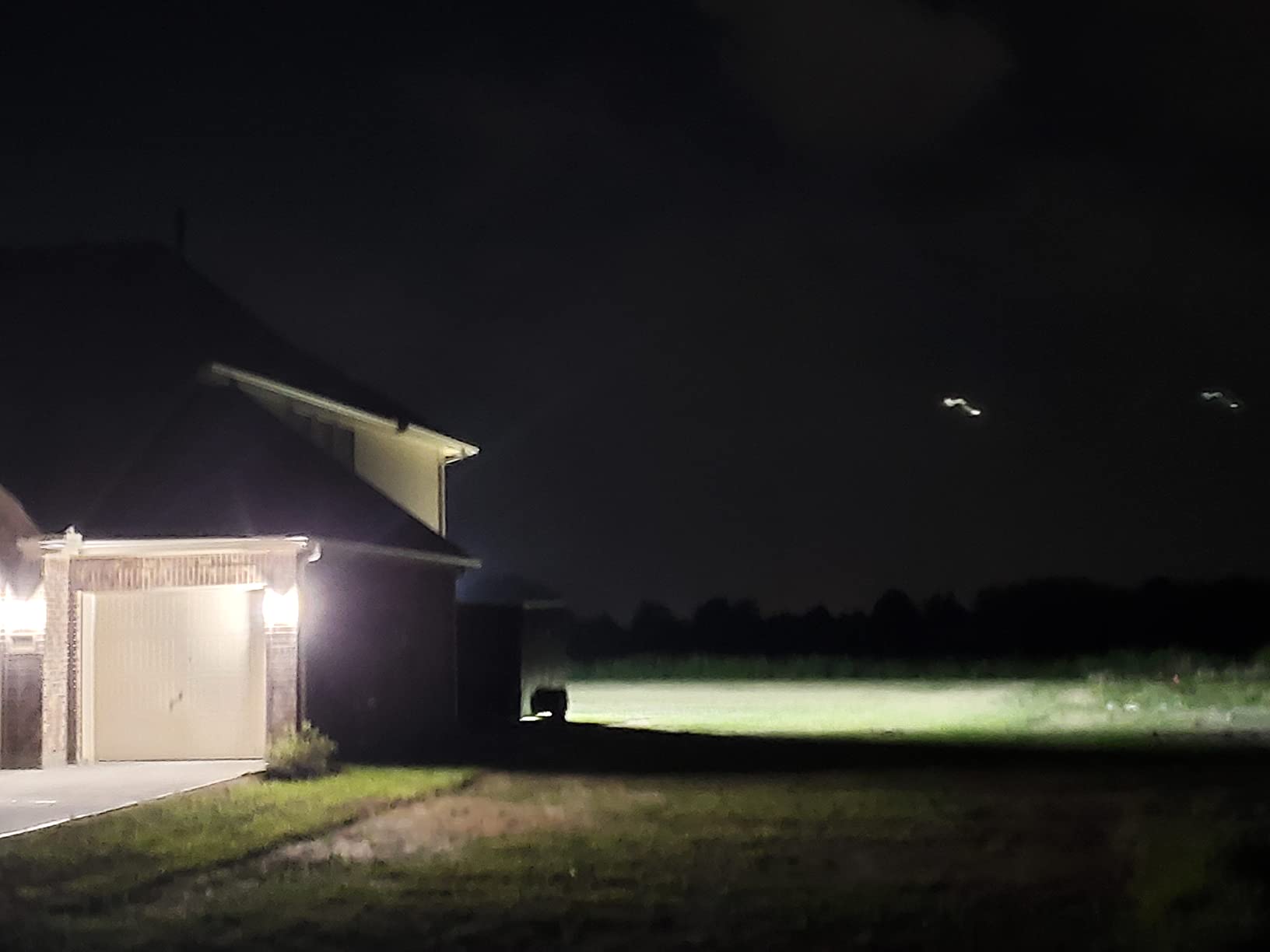
This is the only light here that is genuinely brighter than the next tier, and reviewers compare it to stadium lighting more than to a residential flood. If you have a large open yard, a workshop, a court or an RV pad, this is the one that covers it from a single eave mount. For a typical suburban backyard, it is far more light than you need and it is the hardest one to aim politely.
The matte anti-glare lens is the detail that makes it usable. A clear lens on a 150W output produces harsh points and deep shadows; a matte one spreads the same light more evenly, which is the difference between usable and dazzling at this level.
Several buyers report units that have been running for five years or more, which is meaningful evidence about the die-cast aluminum housing doing its job as a heat sink. Reported failures are rare and mostly relate to the lens seal rather than the electronics.
Power draw is 150W, roughly five times a typical 32W fixture. That is a real operating cost difference, and it is worth weighing against buying two smaller lights if your goal is coverage rather than output.
What to check before you mount it
Buy a junction box. It is not included, and the mounting screw that ships with the unit is too short for many eave installs, so plan to pick up both before you start.
Test the aim at dusk with a neighbor’s permission. At this output there is no such thing as a discreet setting, and the difference between a light aimed down at the yard and one aimed across it is the difference between no complaint and one.
Where it falls short
Glare is the consistent complaint. A few owners add a shield or aim the heads lower, and others simply report that the light reaches the neighbor’s bedroom window across the fence.
The die-cast aluminum housing is 17 inches tall in this configuration, so it needs real clearance under an eave. Smaller fixtures fit into tighter soffits where this one will not.
Outdoor Flood Light Buying Guide for Backyards
How many lumens do you need in a backyard?
For security lighting, aim for 1,200 to 2,000 lumens per fixture. For general yard, deck and patio lighting, 700 to 1,300 lumens is the right band. Anything beyond 3,000 lumens is rarely necessary for a residential backyard unless you are lighting a court, a large driveway or an open lot.
The practical rule is that one 3,500 lumen fixture beats two 1,500 lumen fixtures only if you can position it correctly. Coverage depends on beam width and mounting height as much as on raw output, and a wide flood mounted too low leaves a bright pool with dark edges around it. Most of the dark spots people complain about are placement problems, not lumen problems.
What does IP65 mean, and what rating do you actually need?
IP65 means the fixture is dust tight and protected against water jets from any direction. That is the minimum for a light mounted on a backyard wall. IP66 adds protection against powerful water jets, and IP67 means it can be briefly submerged, which matters for ground-level fixtures near a pool or a pond.
Every product in this roundup is IP65 or higher, with the TECKNET at IP66. Anything at IP44 is a covered-location rating and is fine under an eave but not on an exposed wall. Buyers on r/HomeImprovement describe a lot of water ingress complaints that trace back to a light installed above its rating.
Solar vs corded vs hardwired: which power source fits your yard?
Choose solar when there is no route to power and the mounting spot gets direct sun. Choose corded or hardwired when the wall already has a box, when the area is shaded, or when you need consistent output every night regardless of the previous day’s weather.
Solar lights have no running cost and no wiring, which is their whole appeal, and the ones here hold up well in sun. The limit is charging: a shaded panel produces less, so a north-facing or tree-covered wall is a poor solar site. Users report that a solar light left off during the day does not recharge properly on some models, so a manual switch cycle can be needed after a long cloudy stretch.
Hardwired fixtures are the most consistent and usually the brightest, because they draw from the grid rather than a battery. The cost is installation. If there is no junction box, the electrician bill can exceed the price of several solar units combined, which is the trade-off the LEPOWER and LUTEC models are worth it for.
Motion sensor vs dusk-to-dawn: which mode stops wildlife?
Motion detection is a security tool. It keeps the yard dark when nothing is happening, which neighbors prefer, and it lights instantly when someone crosses the yard. The trade-off is that it does nothing to deter animals that are already inside your fence.
Dusk-to-dawn keeps a low level of light on all night, and that is what deters raccoons, skunks and opossums. Owners in wooded areas use it through summer for the vegetable garden and switch to motion mode in winter. A combined fixture with both modes, like the 32W LUTEC, avoids having to choose.
To stop false triggers, set the range to the shortest setting that still covers the area, aim the sensor below the line of nearby shrubs, and remember that microwave sensors pick up moving foliage where PIR sensors mostly do not.
Color temperature and beam angle
Most of these fixtures ship at 5000K to 6500K, which is cool daylight white. That reads as bright and clinical, and it is the right choice for security lighting where you want movement to be visible from a window.
For a deck or a patio, 2700K to 3000K warm white is far more comfortable and makes most people choose to sit outside longer. The MELPO is the only fixture here with a warm white option, and it is the one worth considering if ambience matters more than visibility.
Beam angle is the overlooked spec. A 270 degree or 300 degree spread from three or four heads covers a wide area evenly. Narrower beams concentrate light into a hot spot, which is a common reason buyers end up needing more fixtures than they planned for.
How to plan a backyard lighting layout
Start by walking the yard at night and listing the dark spots that matter: the gate, the steps, the path from the back door, the driveway end, the deck seating area. Lighting design is mostly triage.
Then match a fixture type to each zone. A wall-mounted flood covers the widest area per unit. A path or step needs far less light, and a light aimed at the surface rather than across the yard will do the job at a fraction of the output. A tree or a shrub wants a light aimed upward from a distance, which is a different job again.
Users report that three or four smaller lights spaced within about 15 feet of each other produce better overall coverage than one large fixture. That matches the multi-zone approach above, and it is also the arrangement that survives a single unit failing.
Finally, aim everything down and slightly outward, and keep beams off neighboring windows and off the street. Dark-sky awareness matters in practice because the fastest route to a light complaint from a neighbor is a fixture at head height pointed sideways.
Replaceable bulb vs integrated LED fixture
This is the reliability question that matters most and almost nobody asks. Every fixture in this roundup uses an integrated LED array with a built-in driver, and when that driver fails, the whole fixture is replaced. An electrician means a service call, and that cost is the single loudest complaint in homeowner lighting forums.
The economics are simple: an integrated LED is cheaper to buy and far more expensive to fail. For most people, a three-year warranty covers the early failure window, and LED arrays rarely die before that. For a rental, an exterior fixture in a hard-to-reach spot, or anyone who plans to own the house for a long time, a standard lamp base or a replaceable module is worth paying more for upfront.
Check the warranty length as a proxy. The two-year and three-year fixtures here signal that the manufacturer expects the electronics to last at least that long, and the three-year LUTEC warranties are the strongest commitment in the group.
Installation basics and winter care
For a hardwired fixture, switch off the breaker, verify with a tester, and use a 4 inch junction box. The gaskets and silicone rings supplied with these fixtures are there for a reason, and the most common install mistake is leaving the box off-center so the gasket cannot seal.
For a solar fixture, give it a full day of sun on the wall before you judge it. Panel angle toward the equator, heads angled down, and a clean lens every few months make more difference to runtime than any spec on the listing.
In winter, clear snow off solar panels after a storm, since a snow-covered panel will not charge and a battery that hits zero repeatedly loses capacity permanently. For wired fixtures, the annual job is a visual check of the gasket at the box and a rinse of the lens, which keeps the photocell on dusk-to-dawn models reading darkness correctly.
If the yard doubles as a play space, our backyard playset guide for small yards covers how lighting interacts with a play area, where glare matters more than output.
Frequently Asked Questions
How many lumens for a backyard flood light?
For backyard security lighting, aim for 1,200 to 2,000 lumens per fixture. For general yard, deck and patio lighting, 700 to 1,300 lumens is the right range. Coverage depends on beam width and mounting height as much as output, so a wide flood light mounted at the right height beats a brighter narrow one.
What are the best hardwired outdoor motion sensor flood lights?
The LEPOWER 7000 lm fixture reaches 72 ft with a 180 degree arc and offers 1, 5 and 10 minute on-time settings. The LUTEC 32W model adds dusk-to-dawn and manual override modes with a 69 ft range, and the LUTEC 72W unit delivers 7,500 lumens for larger driveways.
What is IP65 in a flood light?
IP65 is an ingress protection rating meaning the fixture is dust tight and protected against water jets from any direction. It is the minimum rating for a light mounted directly on an exterior backyard wall. IP66 adds powerful jet protection and IP67 allows brief submersion.
What is the best IP rating for outdoor lighting?
IP65 is the practical minimum for any light exposed to rain on a backyard wall. Use IP66 or IP67 for fixtures mounted low near a pool or pond, or in a location exposed to pressure washing. Anything rated IP44 is a covered-location rating and should stay under an eave.
Should I choose solar or hardwired outdoor lighting?
Choose solar when there is no route to power and the mounting spot gets several hours of direct sun. Choose hardwired when a junction box already exists, the wall is shaded, or you need consistent output every night. A hardwired install without an existing box can cost more in labor than several solar units combined.
Are LED flood lights good for outdoor use?
Yes. LED flood lights are the standard for outdoor use because they use a fraction of the electricity of halogen or metal halide fixtures, run cool, and last far longer. The main disadvantage is that most are integrated units, so a failed driver means replacing the whole fixture rather than swapping a bulb.
Is a 50W LED flood light bright?
A 50W LED flood light is in the mid range for residential outdoor use. Most modern equivalents output roughly 4,000 to 7,000 lumens, which is plenty for a backyard or driveway. For a typical deck, gate or path, a much smaller fixture will do the same job.
What are the disadvantages of LED flood lights?
The main disadvantages are glare at high output, the inability to dim many fixtures, and the integrated LED array, which cannot be replaced when the driver fails. On solar models, output also depends on how much direct sun the panel receives and can drop sharply in shade or bad weather.
Conclusion: Which Outdoor Flood Light Fits Your Backyard
For most backyards in 2026, the Tuffenough solar three-head fixture is the best outdoor flood light for backyards pick we found: it needs no wiring, aims in three directions and has more verified owner feedback than anything else here. If you have a junction box and want real detection reach, the LEPOWER covers more ground from one position than anything in the solar group.
Pick the Onforu 75W for straightforward switch-controlled brightness, the LUTEC models when you want dusk-to-dawn plus motion sensing or an all-metal body, and the MELPO only when color-changing light on a deck is the actual goal. Check the IP rating against where you are mounting, aim everything downward, and give any solar unit a full day of sun before you judge it.