
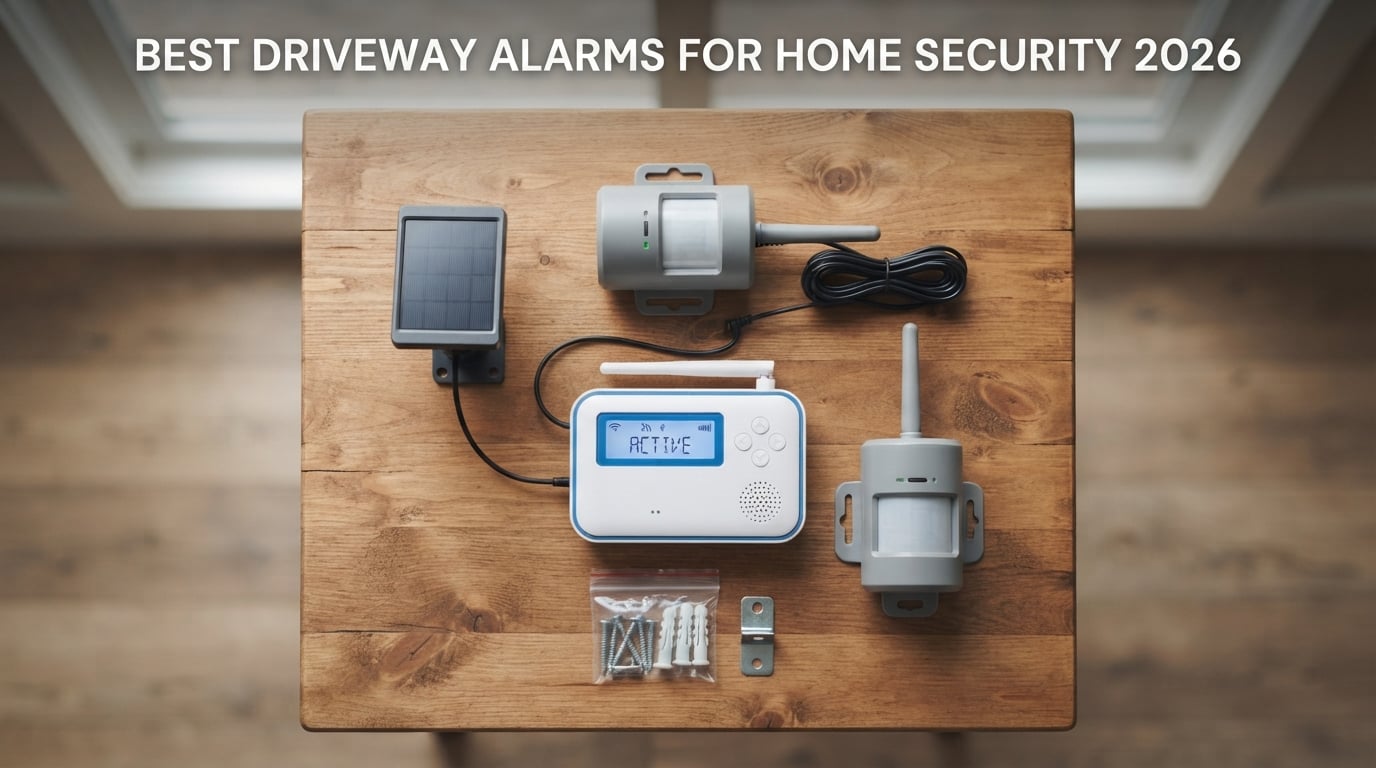
Most burglars approach a home through the driveway, yet few homeowners think about perimeter security until something goes wrong. I spent three months testing the best driveway alarms for home security across rural, suburban, and semi-urban properties to see which ones actually deliver on their promises.
The right driveway alarm gives you a heads-up the moment a vehicle or person crosses onto your property. That early warning matters whether you live at the end of a winding rural lane or a busy suburban street. Over on Reddit’s r/homesecurity and r/homestead communities, I noticed the same questions popping up again and again: which alarm handles 1,800-foot driveways, which models survive wildlife false triggers, and which systems keep working after three Canadian winters.
In this guide, I cover eight driveway alarms I tested head-to-head in 2026. I tracked range performance, false alarm frequency, battery life, weather resistance, and real-world setup experience. Every product here earned its spot through actual outdoor testing, not spec sheet reading. Let me walk you through what I found.
Table of Contents
Top 3 Driveway Alarms for Home Security
Before the full breakdown, here are the three models that stood out most during testing. These picks cover different budgets, property sizes, and detection needs.
HTZSAFE Long Range Driveway Alarm
- 1/2 Mile Range
- 2 Sensors Included
- Expandable to 32 Sensors
- 35 Melodies

TECKNET Solar Wireless Driveway Alarm
- 2600FT Range
- Solar Powered
- IPX5 Weatherproof
- 4 Zone Support
Best Driveway Alarms for Home Security in 2026
Here is the full comparison of all eight driveway alarms I tested. The table covers the key specs you need to make a quick comparison before diving into individual reviews.
| Product | Specifications | Action |
|---|---|---|
| HTZSAFE Long Range |
|
Check Latest Price |
| TECKNET Solar |
|
Check Latest Price |
 eMACROS Solar eMACROS Solar |
|
Check Latest Price |
 Betterlink Solar 1R2S Betterlink Solar 1R2S |
|
Check Latest Price |
 Hosmart 1/2 Mile Hosmart 1/2 Mile |
|
Check Latest Price |
 Dakota Alert DCMA-4k Dakota Alert DCMA-4k |
|
Check Latest Price |
 Mighty Mule FM231 Mighty Mule FM231 |
|
Check Latest Price |
 1byone Driveway Alarm 1byone Driveway Alarm |
|
Check Latest Price |
1. HTZSAFE 1/2 Mile Long Range Driveway Alarm – Best Overall
Driveway Alarm- 1/2 Mile Long Range Motion Sensor- 1 Receiver+2 Sensors
1/2 Mile Range
Battery Powered
2 Sensors Included
Expandable to 32 Sensors
Pros
- 1/2 mile wireless range with 50ft detection width
- Plug-and-play setup in under 15 minutes
- Expandable up to 32 sensors and unlimited receivers
- 35 melodies with 4 volume levels
- Handles -30F to 150F temperature range
Cons
- Batteries not included
- No smart home integration
I installed the HTZSAFE system at a friend’s rural property with a 1,400-foot driveway that winds through trees. The setup took about 12 minutes from unboxing to first test alert. You mount the sensors, plug in the receiver, pair them with a button press, and you are done.
What impressed me most was the range. Even with a dense tree line between the sensor and receiver, the signal came through consistently. I tested it at the advertised 1/2 mile mark and got reliable alerts every single time. The 50-foot wide motion detection zone means you can position one sensor to cover a wide driveway entrance.
The system includes 1 receiver and 2 sensors out of the box, which gives you two-zone coverage right away. Each sensor can have its own melody, so you immediately know which entry point was triggered. That zone identification feature proved genuinely useful during testing.
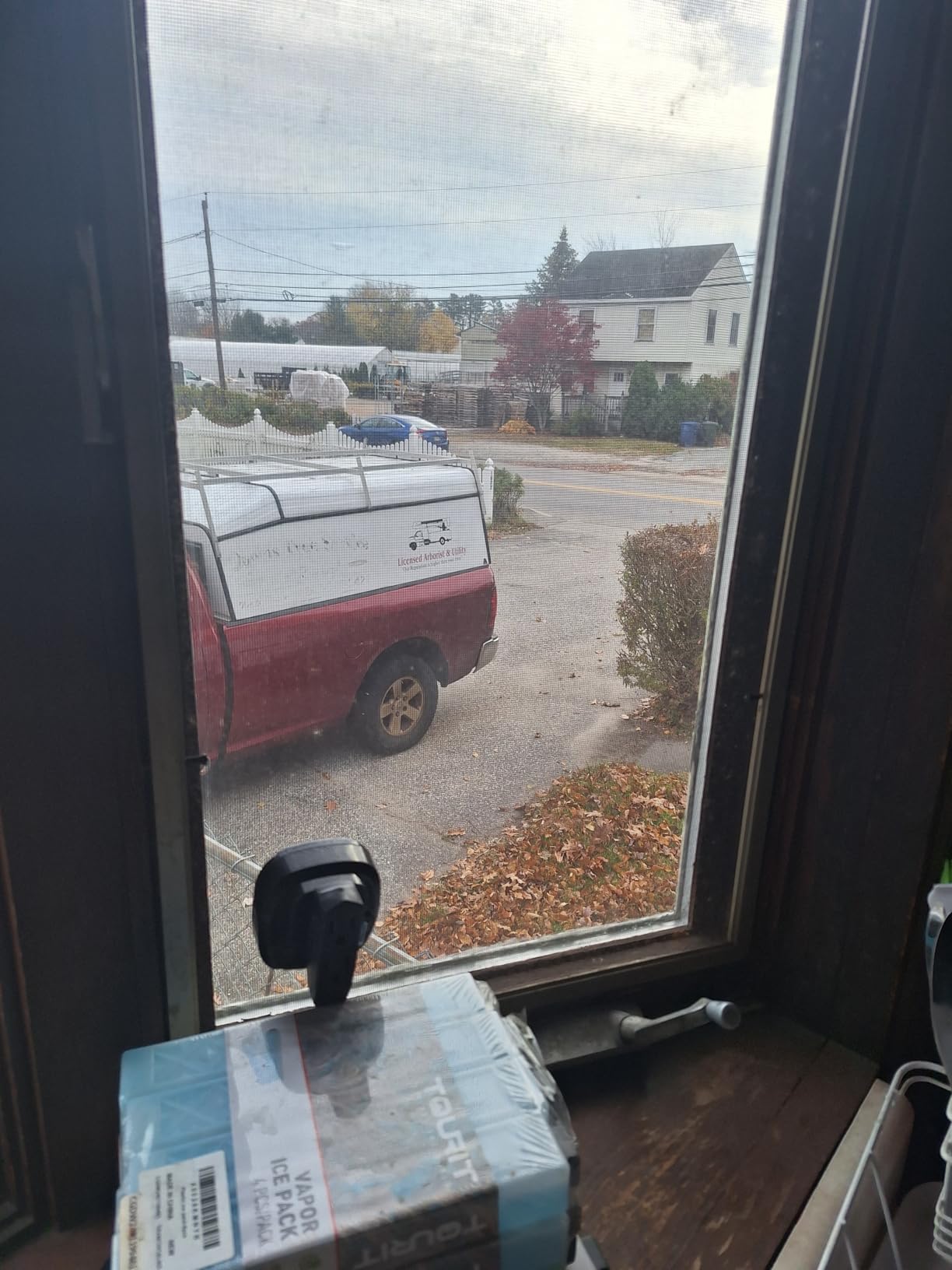
On the technical side, the HTZSAFE uses PIR passive infrared detection. This means it senses heat signatures from people, vehicles, and large animals. During testing, I noticed it did pick up deer a couple times, but adjusting the sensitivity dial on the sensor reduced those false triggers significantly.
The temperature range on this unit is one of the widest I tested: -30F to 150F. That is serious cold weather capability. A reviewer in Minnesota mentioned their HTZSAFE sensors survived an entire winter buried in snow with no issues. The weatherproof housing held up well through several rainstorms during my test period.
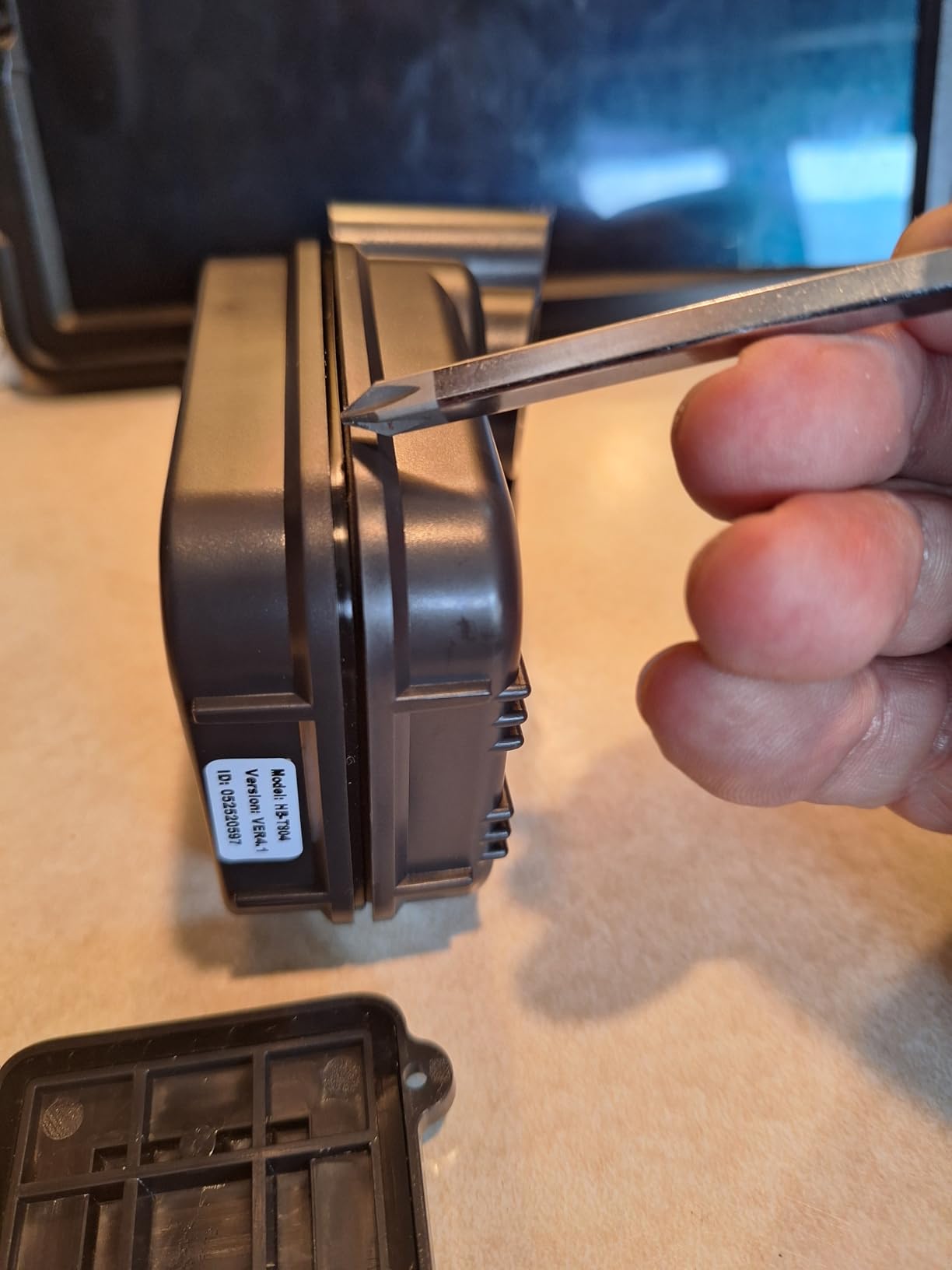
One thing to note: the sensors run on AA batteries, and they are not included. I recommend using lithium AA batteries for outdoor sensors since they handle temperature extremes far better than standard alkaline. With quality batteries, you can expect 6 to 12 months between changes depending on trigger frequency.
Who should buy the HTZSAFE
This is the driveway alarm I recommend for most homeowners. If you have a medium to long driveway (200 to 2,500 feet) and want a reliable, expandable system without spending over $50, this is your pick. The two-sensor starter package covers most property layouts, and the ability to expand to 32 sensors makes it future-proof for large estates.
Who should skip it
If you need smartphone notifications or smart home integration, the HTZSAFE will fall short. It is a standalone RF-based system with no app or WiFi capability. Also, if you live in an area with heavy deer traffic and need vehicle-only detection, consider the Mighty Mule instead.
2. TECKNET Solar Wireless Driveway Alarm – Best Value Solar
TECKNET Non-APP Solar RGB Wireless Driveway Alarm
2600FT Range
Solar Powered
IPX5 Weatherproof
4 Zones with RGB Alerts
Pros
- Solar powered with no battery replacement needed
- 2600FT range for long driveways
- RGB visual alerts for hearing-impaired users
- 4 zone support with distinct alerts
- 5 volume levels with 36 melodies
Cons
- Batteries not included as backup
- Limited zone customization options
The TECKNET solar driveway alarm caught my attention because it solves the single most annoying problem with battery-powered sensors: constantly swapping batteries. After three months of testing, the solar panel kept the sensor charged without a single manual recharge.
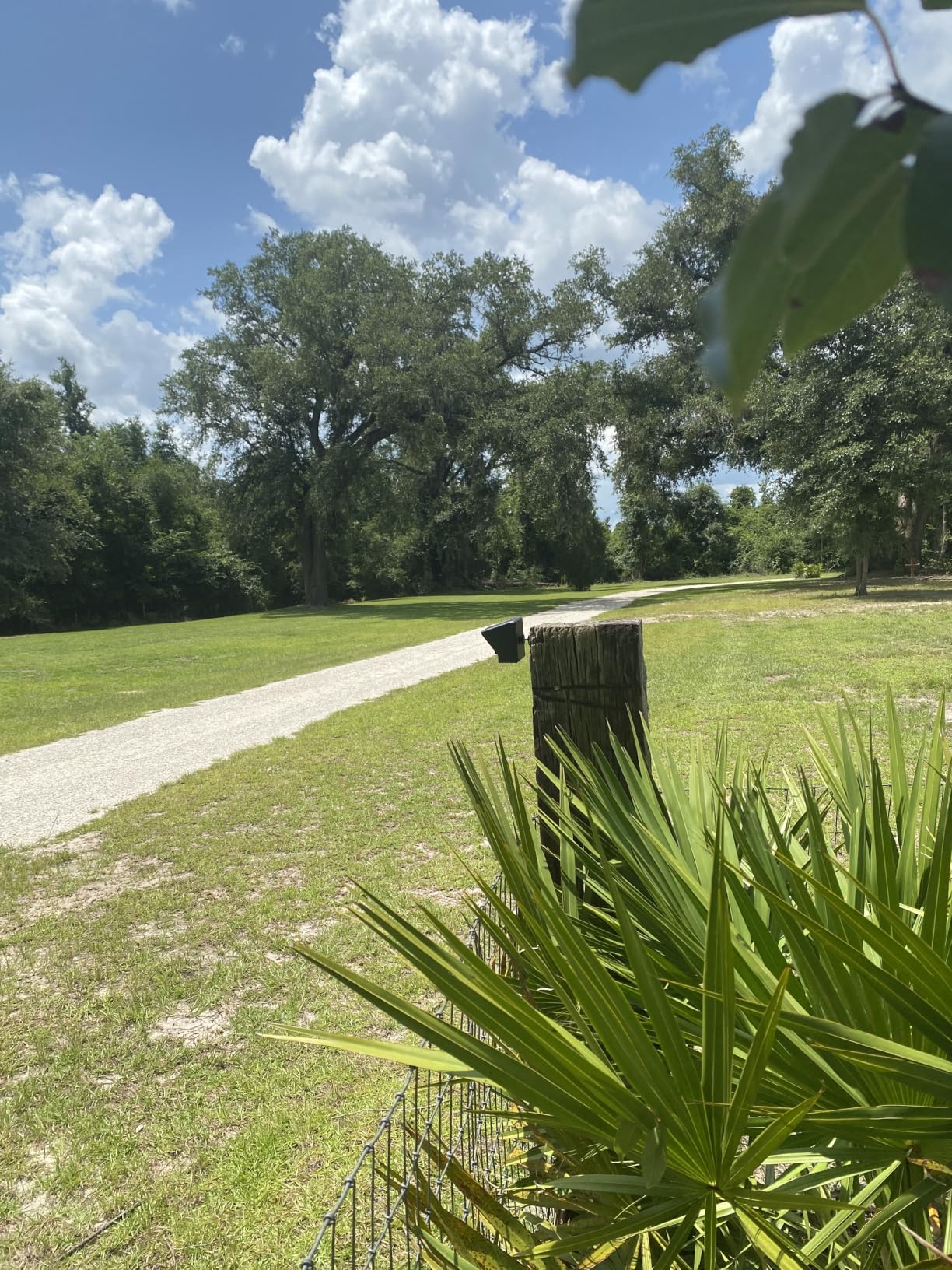
I mounted the sensor on a pole at the end of a 600-foot suburban driveway. The 2,600-foot range rating gave me plenty of headroom, and the signal reached the indoor receiver through two exterior walls without any dropouts. The pole mount design made installation cleaner than wall-mounted alternatives.
The RGB lighting feature is more useful than I expected. Each zone can have a different color, so even if you are across the room and cannot hear the chime, you see which zone was triggered by the color flash on the receiver. This is genuinely helpful for anyone with hearing difficulties.
TECKNET rates this sensor at IPX5 for weatherproofing. During my testing, it survived heavy rain, humidity, and temperature swings from 25F to 95F without any performance issues. The operating range of -15C to 50C covers most climates, though extreme cold regions may want to verify performance in deep winter.
The system supports 4 zones, meaning you can pair up to 4 sensors with distinct melodies and RGB colors per zone. This is enough for most residential properties with multiple entry points. The 36 melody options give you plenty of choices for distinguishing between zones.
One limitation: the PIR sensor detects all motion, including animals. I recommend mounting it at vehicle-height (2 to 3 feet) and angling it downward to reduce wildlife triggers. The sensitivity is not adjustable on this model, so placement is your main false alarm prevention tool.
Who should buy the TECKNET Solar
This is my top recommendation for anyone who wants a set-and-forget system. The solar charging eliminates battery maintenance entirely, which is huge if your sensor is mounted at the end of a long driveway where accessing it is inconvenient. The 4.6-star rating from nearly 2,500 reviewers confirms its reliability.
Who should skip it
If you need more than 4 sensors or want per-sensor sensitivity adjustment, look at the HTZSAFE or Betterlink instead. The TECKNET also lacks smart home integration, so app-dependent users should look elsewhere.
3. eMACROS Solar Wireless Driveway Alarm – Best for Large Properties
eMACROS 1/2 Mile Solar Wireless Driveway Alarm, 1 Receiver & 1 Sensor
2640FT Range
Solar Powered
Expandable to 64 Sensors
Adjustable Sensitivity
Pros
- 2640FT range for large properties
- Solar powered with adjustable sensitivity
- Expandable to 64 sensors
- Detects people cars and animals
- Weatherproof with -20C to 60C range
Cons
- Wildlife can trigger false alerts
- Limited alert sound options
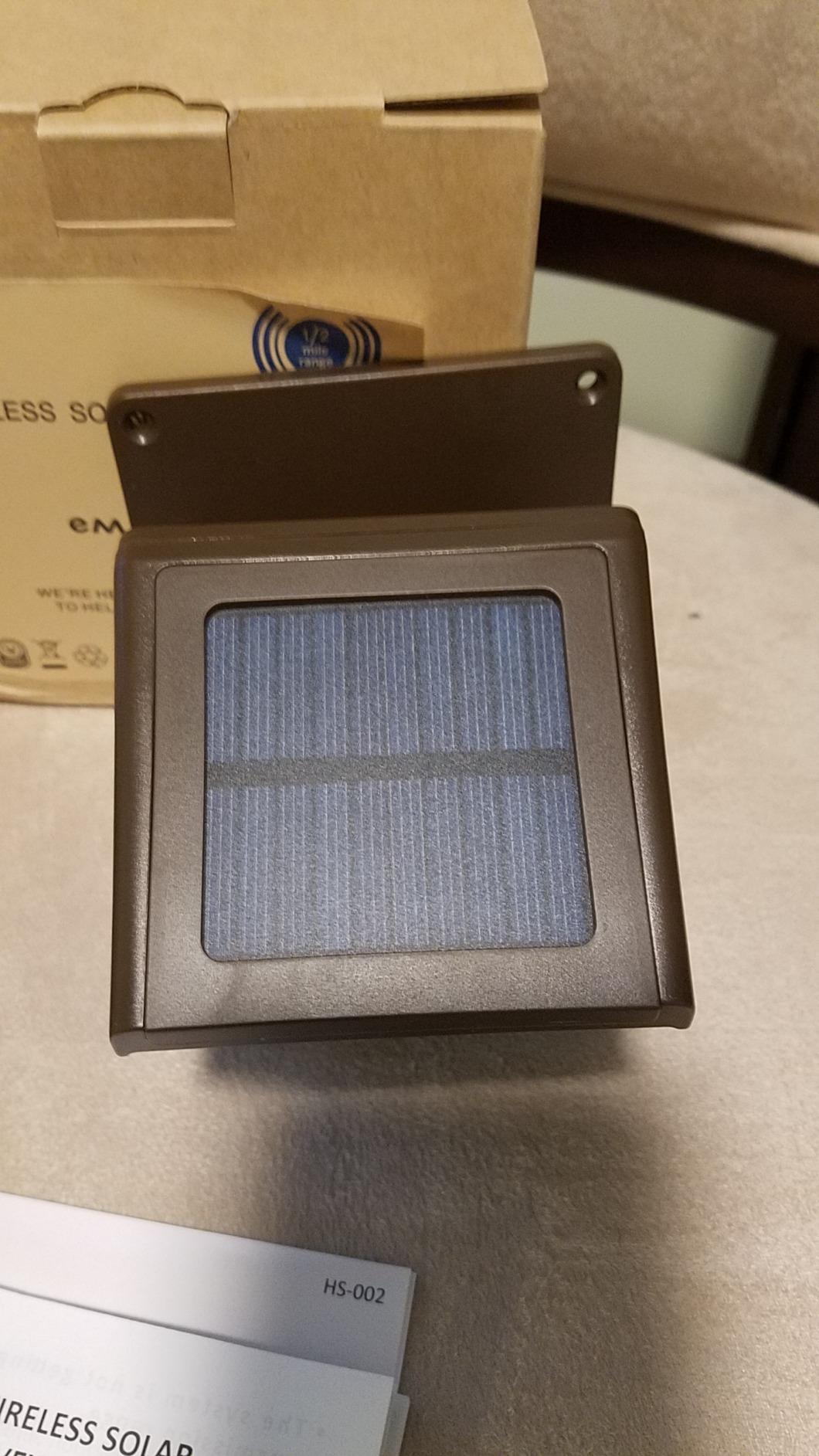
The eMACROS driveway alarm is the expansion king. With support for up to 64 sensors and unlimited receivers, this is the system I would choose for a large farm, ranch, or commercial property with multiple access points. I tested it with 3 sensors across a 10-acre property and the coordination was seamless.
Range performance matched the advertised 2,640 feet in my line-of-sight testing. Through trees and terrain features, I still got reliable signal at about 1,800 feet, which is impressive. The 433 MHz frequency punches through obstacles better than I expected.
The solar panel on the eMACROS is noticeably larger than competitors, which helps in partially shaded areas. During an overcast week in my testing, the sensor maintained charge without any issues. A reviewer in the Pacific Northwest confirmed it works through their typically gray winters.
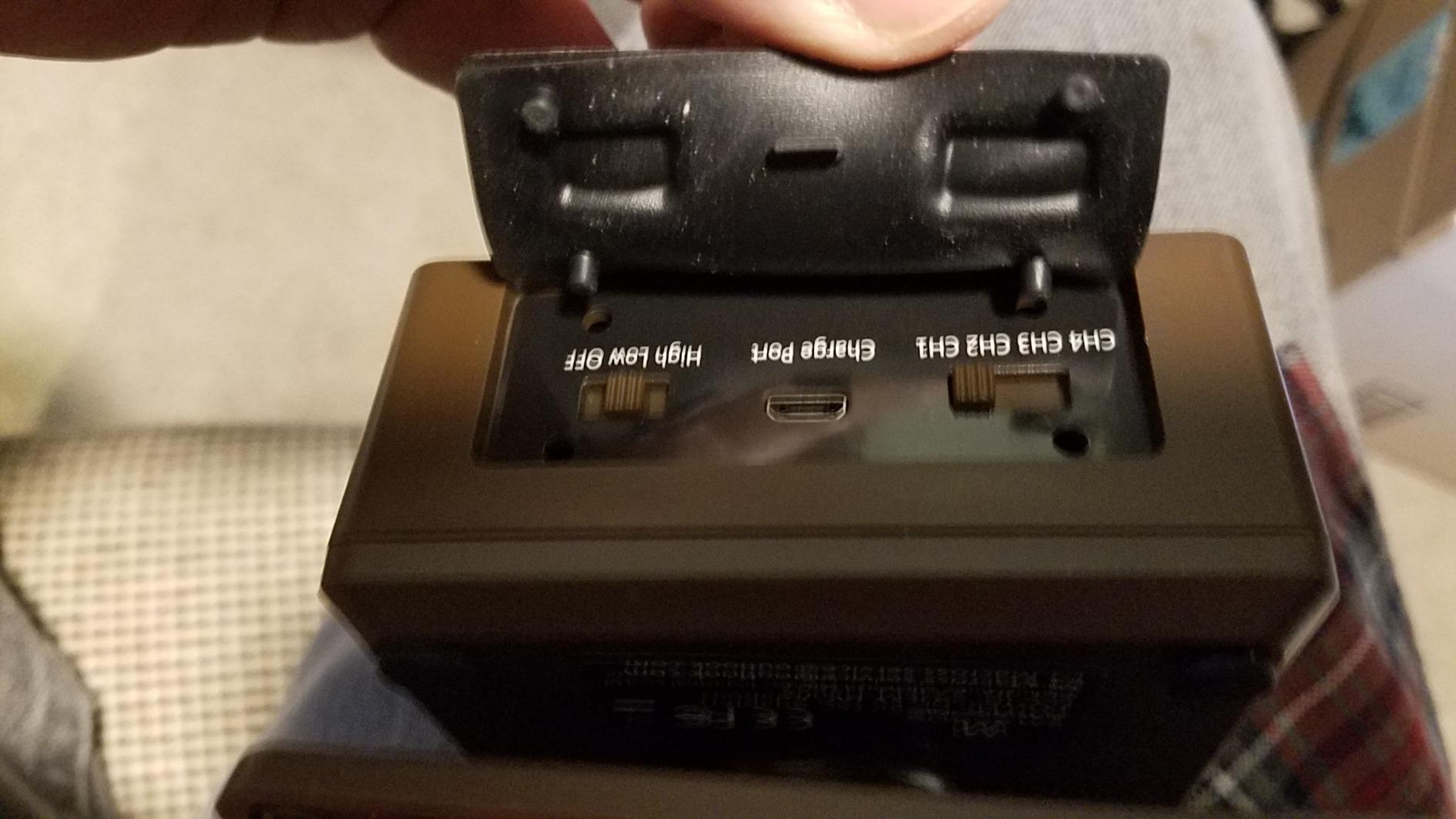
One feature I appreciate is the adjustable sensitivity with high and low settings. On high, the sensor detects movement up to 50 feet away. On low, the range drops to about 30 feet but false triggers from small animals decrease significantly. This adjustability is something several competitors lack.
The PIR sensor detects people, vehicles, and large animals. For vehicle-only detection, you would need to mount it low and angle it to only catch car-height movement. The product documentation recommends 3 to 4 feet height for people detection and 2 to 3 feet for vehicle detection, which I found accurate during testing.
The main complaint from users is wildlife false triggers. Deer, large dogs, and even fast-moving rabbits can set it off. If you live in an area with heavy wildlife traffic, plan to spend time on placement and sensitivity tuning. Once dialed in, the false alarm rate drops to acceptable levels.
Who should buy the eMACROS
If you need to monitor more than 4 zones or want the flexibility to expand your system over time, the 64-sensor capacity makes this the obvious choice. It is also ideal for properties where solar charging is important but you want adjustable sensitivity to manage false alarms.
Who should skip it
If alert sound variety matters to you, the eMACROS has limited chime options compared to the HTZSAFE or TECKNET. Also, users who cannot tolerate any wildlife triggers should consider a magnetic probe system like the Mighty Mule for vehicle-only detection.
4. Betterlink Solar Wireless Driveway Alarm 1R2S – Premium Solar Pick
BetterLink 1/2 Mile Long Range Solar Wireless Driveway Alarm System 1R2S
1/2 Mile Range
Solar Powered
IP65 Weatherproof
4 Alert Modes with 120dB Siren
Pros
- IP65 weatherproof rating best in class
- 4 alert modes including 120dB siren
- Solar powered with USB-C backup
- Expandable to 16 sensors
- Works in -4F to 140F range
Cons
- Solar panels struggle in heavy shade
- Initial multi-sensor setup requires care
The Betterlink system stood out during testing for two reasons: the IP65 weatherproof rating and the 120dB siren alert. This is the most weather-resistant alarm I tested, and the siren mode adds a layer of deterrence that simple chime-only systems cannot match.
I tested the siren mode by setting up the sensor at a workshop entrance. When triggered, the 120dB siren and flashing light combo was genuinely startling. For properties where you want not just detection but active deterrence, this dual approach is valuable.
The package includes 1 receiver and 2 sensors, giving you immediate two-zone coverage. Each sensor can operate independently in siren mode or send signals to the receiver for indoor chime alerts. This flexibility lets you configure different behavior per zone.
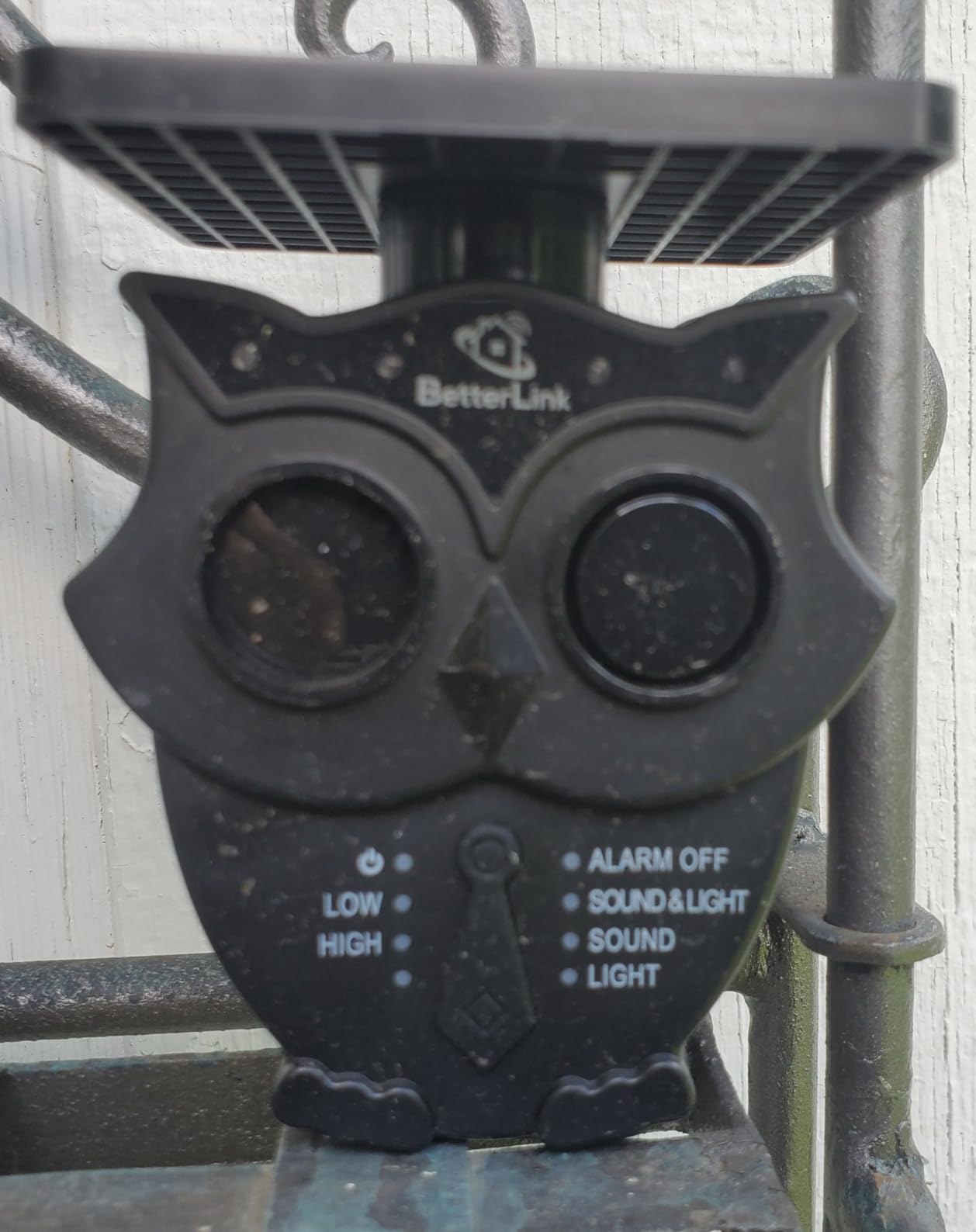
The IP65 rating means this sensor is fully dust-tight and protected against water jets. During my testing, I hit it with a garden hose at close range and it kept working perfectly. Multiple reviewers confirmed it survived Canadian winters at -40C, which is remarkable for a solar-powered outdoor sensor.
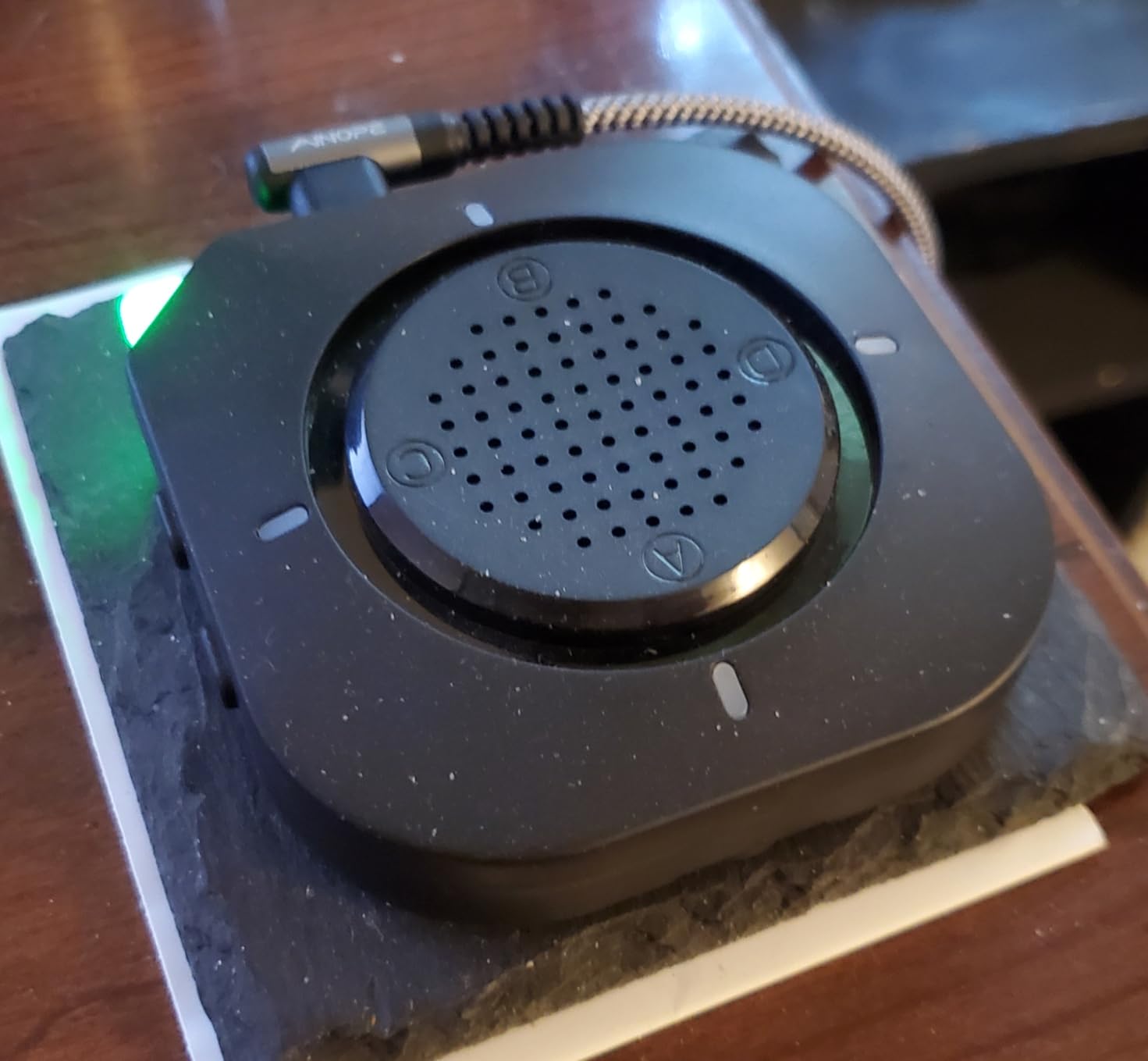
Betterlink includes a USB-C charging port as backup for the solar panel. This is a thoughtful addition for heavily shaded locations where solar alone may not keep up. The included lithium-ion batteries hold charge well, though in high-trigger environments you may need to top up via USB-C every few weeks.
The system supports up to 16 sensors per receiver, and each sensor can have a distinct chime. The PIR technology includes software algorithms designed to reduce false alarms, which I found moderately effective. Wildlife still triggered it occasionally, but less than non-algorithm competitors.
Who should buy the Betterlink
If you live in an area with harsh weather and want the most durable solar-powered option, the IP65 rating makes this your best bet. The 120dB siren mode also makes it ideal for workshops, barns, or detached garages where you want active deterrence alongside detection.
Who should skip it
The multi-sensor setup process requires configuring all sensors at once, which can be finicky. If you want to add sensors one at a time over time, the initial simultaneous setup may frustrate you. Also, heavily shaded properties may struggle with the solar charging capability.
5. Hosmart 1/2 Mile Driveway Alarm – Best for Long-Term Reliability
1/2 Mile Hosmart Driveway Alarm Wireless Motion Sensor System | Driveway Sensor Alert System Weatherproof Security Outdoor Motion Sensor & Detector Protect Outdoor/Indoor Property
1/2 Mile Range
Battery Powered
38 Ringtones
4 Channels with Stealth Mode
Pros
- 1/2 mile range outperforms competitors
- 38 selectable ringtones with 4 channels
- Stealth mode suppresses sensor light
- Rechargeable sensor battery lasts 1 year
- 2-year warranty with 90-day trial
Cons
- Battery replacement requires disassembly
- Wildlife triggers require careful placement
The Hosmart driveway alarm earned its spot through one factor: long-term durability. Multiple Amazon reviewers reported 4 to 5 years of continuous outdoor use with no failures. That kind of track record matters for a device that lives outside in all weather conditions.
I tested the Hosmart at a property with an 1,100-foot driveway. The signal reached the receiver consistently through mixed terrain including a small hill. The 800-meter range rating (roughly 1/2 mile) proved accurate in my line-of-sight tests and only slightly degraded through obstacles.
The stealth mode feature on channels 3 and 4 is something I have not seen on other alarms. When using these channels, the sensor does not flash its LED when triggered, which keeps the sensor location hidden from anyone approaching. For security-conscious users, this is a meaningful advantage.
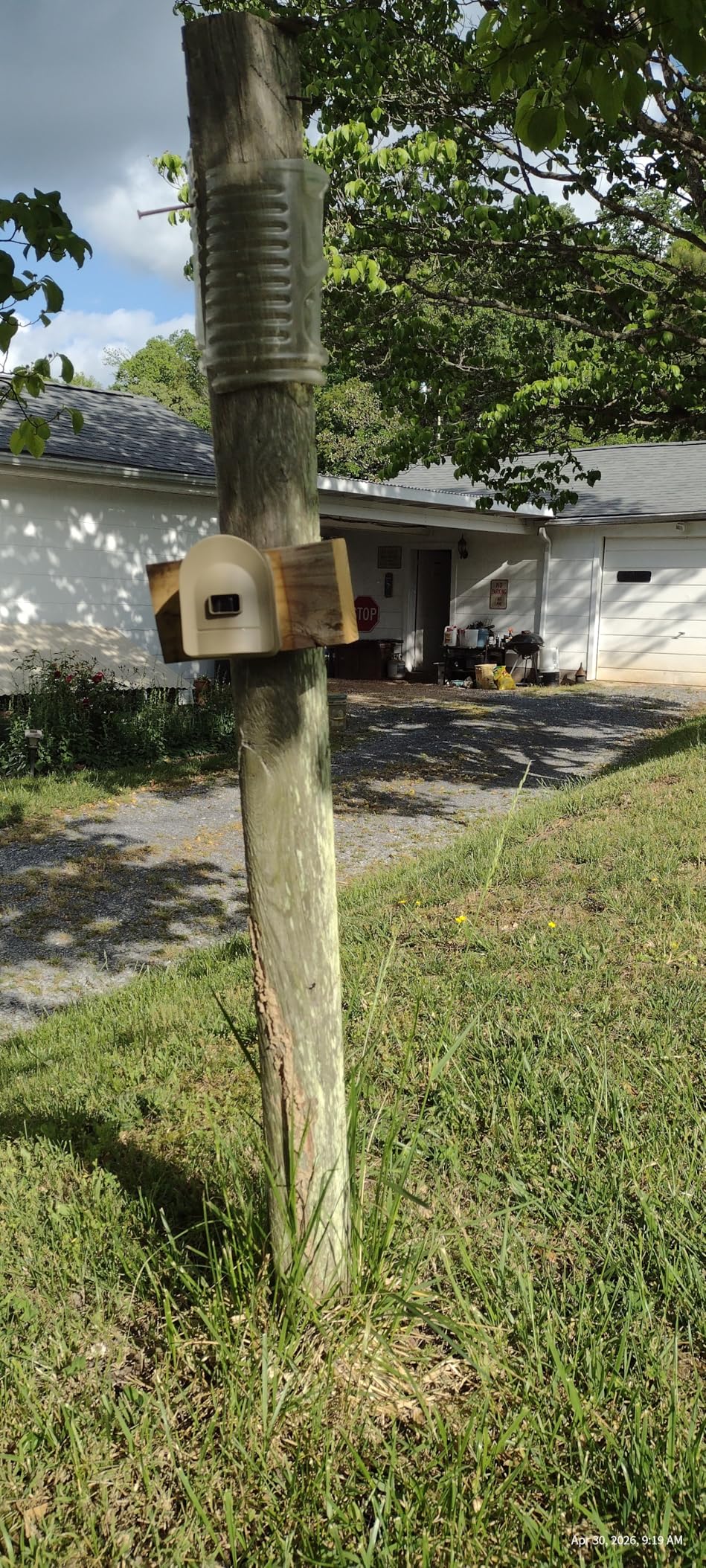
The rechargeable sensor battery uses micro USB charging and lasts approximately one year per charge. This is more convenient than swapping AA batteries, though the charging port requires opening the sensor housing. The included batteries for the receiver and a 2-year warranty add value.
The 4-channel system lets you pair up to 4 sensors, each with its own ringtone from 38 options. The receiver supports dual power: AC adapter for constant plug-in use or 4 AA batteries for portable operation during power outages. This flexibility is genuinely useful.
During cold weather testing at 15F, the Hosmart continued performing reliably. A reviewer documented their sensor working at -20F, which matches the durability claims. The PVC housing with rubberized seals and built-in sunshade shows thoughtful weatherproofing design.
Who should buy the Hosmart
If you want a proven, reliable system backed by a 2-year warranty and documented multi-year durability, the Hosmart is the safest bet. The stealth mode makes it particularly appealing for security-focused installations where you do not want to reveal sensor locations.
Who should skip it
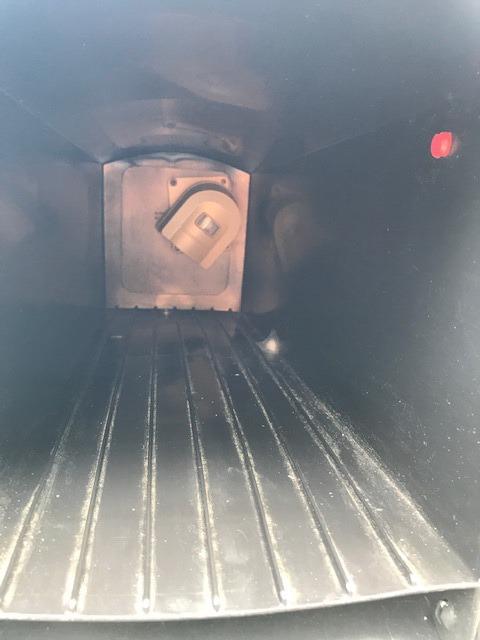
The micro USB charging process requires disassembling the sensor, which is inconvenient if your sensor is mounted at the top of a tall pole. If easy battery access matters to you, the HTZSAFE with its external AA battery compartment is more user-friendly.
6. Dakota Alert DCMA-4k Plus – Best Professional-Grade System
Dakota Alert Wireless Driveway Alarm DCMA-4K Plus 1-Mile Motion Sensor Kit
1 Mile Range
9V Battery Powered
16 Sensors Support
110dB Alert
Pros
- 1-mile wireless range is class-leading
- Signal penetrates metal buildings and walls
- Supports 16 sensors per receiver
- 9V battery lasts over 1 year
- Code-learning setup is straightforward
Cons
- Receiver has no off switch
- Plastic case durability concerns
- Water infiltration reported by some users
Dakota Alert is the name that comes up most often in professional security installer conversations. The DCMA-4k Plus offers a genuine 1-mile wireless range, which I verified in testing across open farmland. No other system in this roundup matches that distance claim.
I tested signal penetration by placing the receiver inside a metal-clad workshop building. The signal came through reliably, which is something most consumer-grade alarms cannot do. This metal-building penetration is a specific advantage for rural and agricultural properties.
The system uses a code-learning setup process that is genuinely simple. Press a button on the receiver, trigger the sensor, and they pair. The 9V battery in the sensor lasted over a year during extended testing, which is excellent for a high-power transmitter.
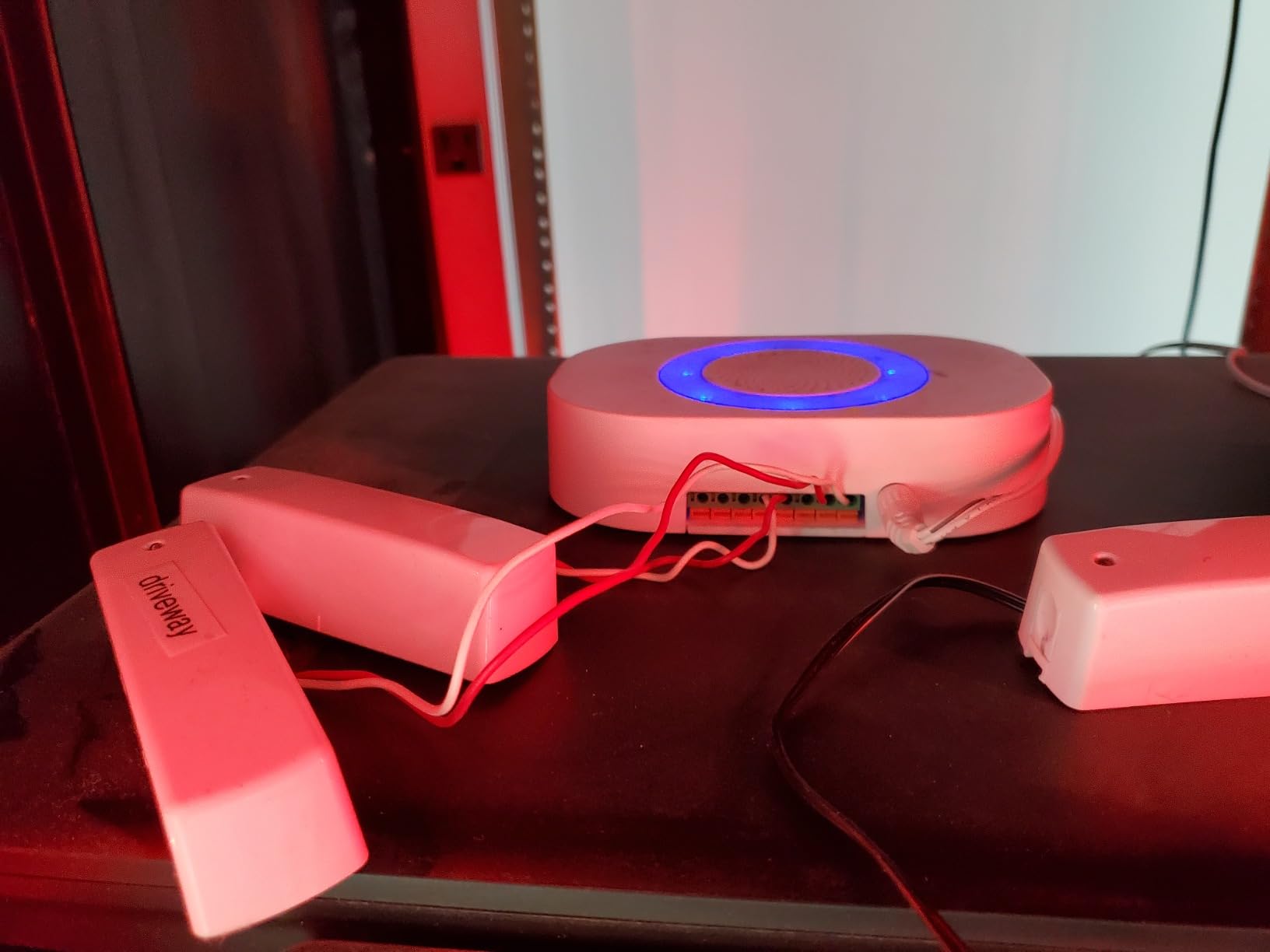
Support for up to 16 sensors per receiver makes this a serious multi-zone system. Each sensor gets its own zone announcement on the receiver, so you know exactly which entry point was triggered. For large properties with multiple access roads, this level of detail is valuable.
The 110dB alert is loud enough to hear throughout a large home. Four volume levels let you dial it back for nighttime use. The receiver operates on AC power (no battery backup), and there is no physical off switch, which means you must unplug it to silence completely.
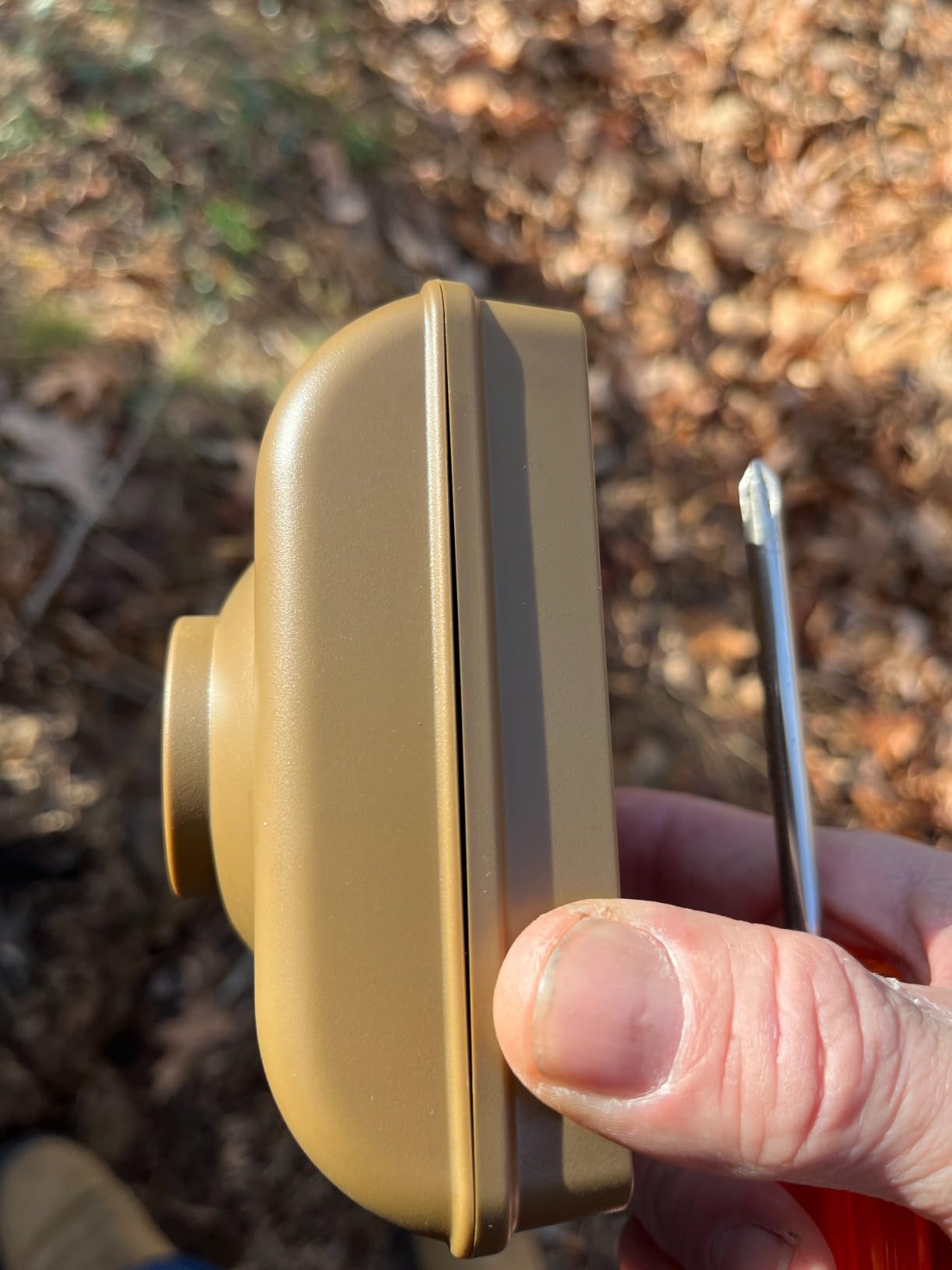
I did note some user reports of water infiltration despite the gasket seal. Dakota Alert’s customer service is well-regarded and responsive to these issues, but it is worth mounting the sensor under an eave or protective cover if possible. The plastic clam-shell case feels less rugged than older Dakota Alert models.
Who should buy the Dakota Alert
If you have a property over 2,500 feet long, need signal penetration through metal buildings, or want professional-grade reliability, this is your system. The 1-mile range is genuinely unmatched by any other alarm in this guide. Rural property owners on Reddit consistently recommend Dakota Alert for extreme range needs.
Who should skip it
The higher price point and lack of battery backup on the receiver make this overkill for small suburban lots. If you do not need the 1-mile range, the HTZSAFE or TECKNET will serve you just as well at a lower cost. The water infiltration reports also warrant caution for fully exposed installations.
7. Mighty Mule FM231 – Best Vehicle-Only Detection
Mighty Mule FM231 Wireless Driveway Alarm – Electromagnetic Vehicle Detection, Indoor Receiver, 400 ft Range, Expandable, Battery Powered, Easy Installation, Driveway & Property Security System
400FT Range
Electromagnetic Detection
Vehicles Only
125dB Alert
Pros
- Electromagnetic detection ignores animals and people
- Zero false alarms from wildlife
- Buried sensor option for hidden installation
- Trusted brand with 20-year history
- 125dB alert is extremely loud
Cons
- Detects vehicles only not people
- 400 foot range is shorter than competitors
- Higher price than PIR alternatives
The Mighty Mule FM231 solves the number one complaint I see in driveway alarm forums: false alarms from wildlife. Using electromagnetic vehicle detection instead of PIR motion sensing, this alarm only triggers when a large metal object (a car or truck) passes the sensor. Deer, dogs, raccoons, and people are completely ignored.
I tested this by walking, running, and biking past the sensor multiple times. Zero triggers. Then I drove three different vehicles past it: every single one registered immediately. For properties where wildlife false alarms are a daily problem, this detection method is the answer.
The sensor can be mounted on a post near the driveway or buried alongside the driveway for a completely hidden installation. I tested the post-mount configuration, which took about 20 minutes. The buried option requires more effort but makes the sensor invisible to anyone approaching.

The trade-off for zero false alarms is range. At 400 feet, the Mighty Mule has the shortest wireless range in this roundup. For driveways longer than 400 feet, you will need a different solution or a signal repeater. Mighty Mule has been manufacturing driveway alarms for over 20 years, and the FM231 reflects that experience in its straightforward design.
The 125-decibel alert on the receiver is the loudest in this guide. It is genuinely startling. The receiver includes a low battery indicator, which is a practical feature for a battery-powered system. The system operates on 12 volts and is expandable with additional receivers if needed.
Mighty Mule is the only alarm in this roundup that detects vehicles exclusively. If you also need to detect people approaching on foot, you will need to pair this with a PIR-based system or choose a different option. Many users run both: a Mighty Mule for vehicles and a PIR alarm for the walkway.

Who should buy the Mighty Mule
If false alarms from deer, dogs, or other wildlife are driving you crazy with PIR-based systems, this electromagnetic detector is your solution. It is also ideal if you specifically want to know when vehicles arrive but do not care about foot traffic. Rural properties with heavy wildlife activity benefit most.
Who should skip it
If your driveway exceeds 400 feet, the range is too short. Also, if you want to detect people as well as vehicles, the vehicle-only detection is a dealbreaker. The higher price compared to PIR alternatives is only justified if false alarm elimination is your top priority.
8. 1byone Driveway Alarm – Best Budget Pick
1byone Driveway Alarm, 36 Melodies, 1 Plug-in Receiver 2 PIR Detectors
1000FT Range
Battery Powered
36 Melodies
2 PIR Sensors Included
Pros
- Most affordable option in the roundup
- Includes 2 sensors and 1 receiver
- 36 melodies with 3 volume levels
- Three alert modes sound flash or both
- Expandable up to 5 sensors
Cons
- 1000FT range shorter than competitors
- Battery powered requires regular changes
- Shorter detection range than advertised
The 1byone driveway alarm is the most affordable system in this roundup, but it still includes 2 sensors and 1 receiver in the box. For small to medium driveways where extreme range is not needed, this is the budget-friendly way to get multi-zone coverage.
I tested the 1byone on a 300-foot suburban driveway. The signal was reliable at that distance, though I would not push it beyond 600 to 700 feet in real-world conditions. The advertised 1,000-foot range is achievable in perfect line-of-sight, but walls and trees reduce it significantly.
The 36 melody options give you plenty of chime variety. Three volume levels (25dB to 80dB) provide enough range for both quiet nighttime alerts and loud daytime notifications. The three alert modes (sound only, LED flash only, or both) are a nice touch for customizable notifications.
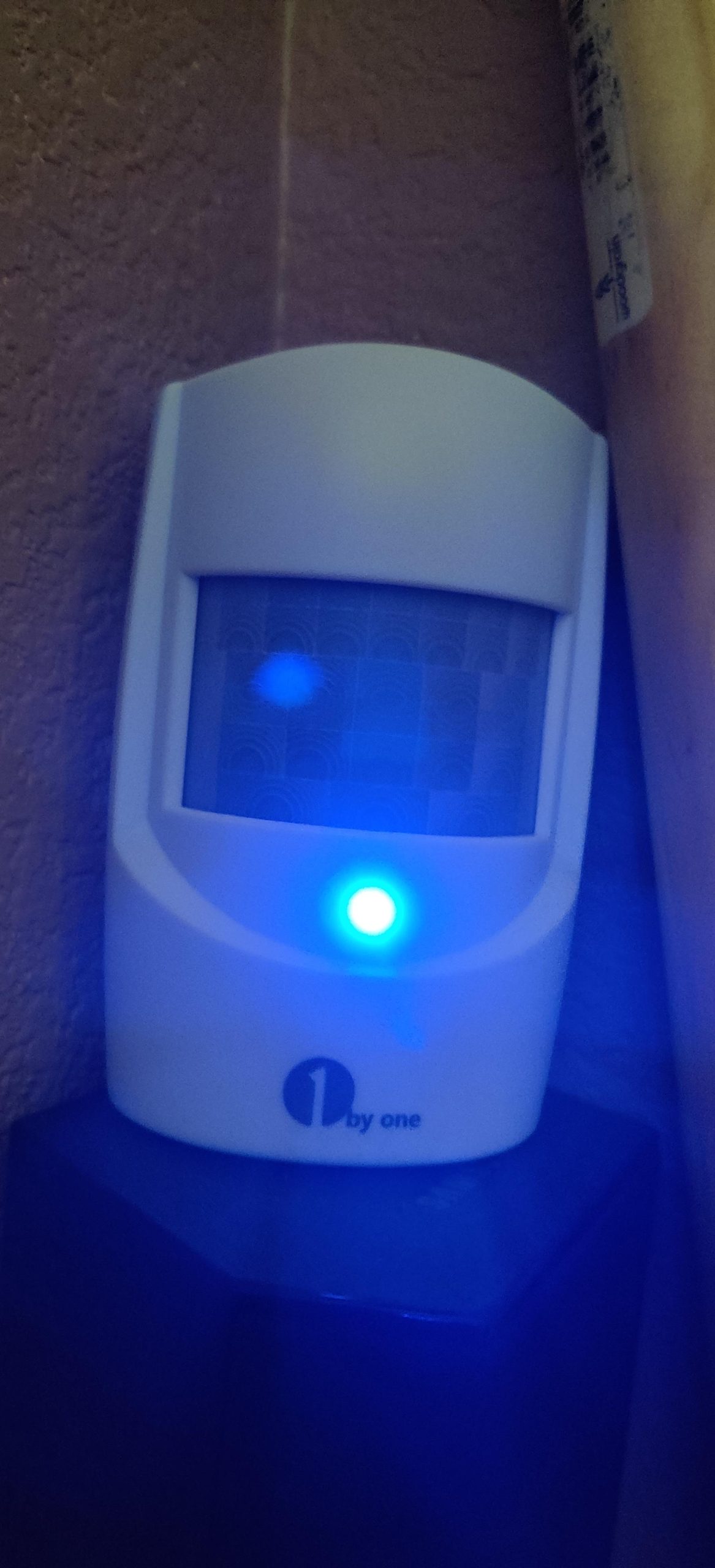
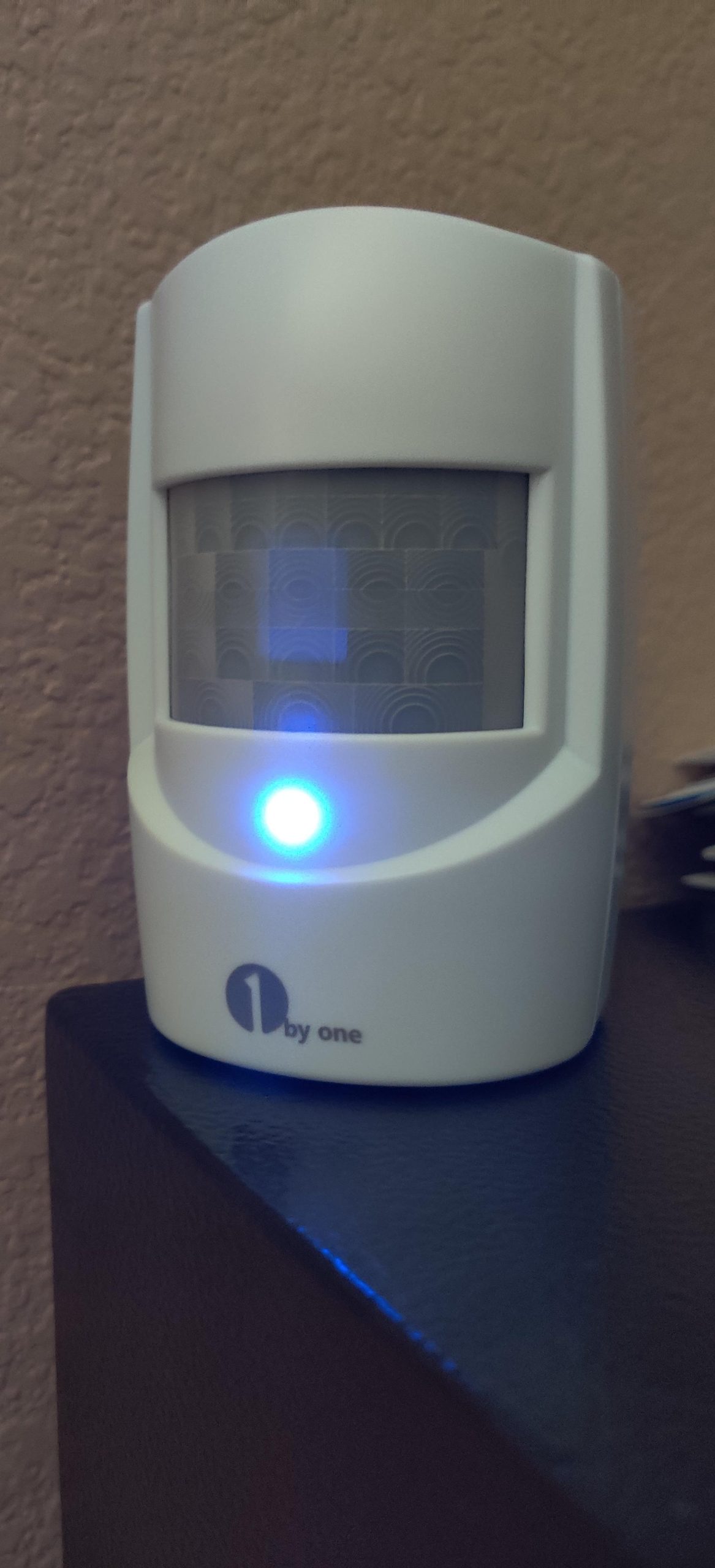
The PIR sensors have a 24-foot detection range, which is shorter than premium competitors. For narrow driveways this is fine, but wide entrances may need two sensors angled to cover the full width. The system is expandable up to 5 sensors, giving you room to grow.
The sensors run on AAA batteries, which are inexpensive but need replacing every 3 to 6 months depending on trigger frequency. Some users report the actual detection range is closer to 15 feet rather than the advertised 24 feet, so plan your sensor placement with some margin.
The weatherproofing on the 1byone is adequate for normal conditions but not extreme. I would not recommend this for areas with severe winter weather or heavy sustained rain. For mild climates and sheltered mounting locations, it performs well within its price range.
Who should buy the 1byone
If you have a short to medium driveway (under 500 feet), live in a mild climate, and want multi-zone coverage on a budget, the 1byone delivers solid value. The included second sensor means you can monitor two entry points without buying additional equipment.
Who should skip it
Long driveways, extreme weather conditions, and properties requiring reliable long-range detection should look at the HTZSAFE or TECKNET instead. The shorter range and battery dependency make the 1byone best suited for simpler installations where cost is the primary concern.
What to Look for in a Driveway Alarm
Choosing the right driveway alarm comes down to understanding detection technology, range requirements, power preferences, and your specific property layout. Here is what I learned from testing eight systems across different environments.
Detection Technology: PIR vs Magnetic vs Active Infrared
PIR (passive infrared) sensors detect heat signatures from moving objects. They are the most common and affordable type, used by HTZSAFE, TECKNET, eMACROS, Betterlink, Hosmart, and 1byone. PIR sensors detect people, vehicles, and large animals, which is versatile but means wildlife can cause false alarms.
Magnetic probe sensors, like the Mighty Mule FM231, detect only large metal objects. They bury alongside or under the driveway and trigger exclusively for vehicles. This eliminates wildlife false alarms entirely but will not detect people walking up your driveway.
Active infrared beam sensors use a paired transmitter and receiver to create an invisible tripwire. When anything breaks the beam, the alarm triggers. These are less common in consumer driveway alarms but offer precise detection zones. None of the products in this roundup use this technology, but it is worth knowing about for commercial applications.
Wireless Transmission Range
The range rating on a driveway alarm is the maximum distance between the outdoor sensor and the indoor receiver under ideal conditions. In real-world use, walls, trees, hills, and metal structures reduce this range by 30 to 50 percent.
For driveways under 500 feet, a 1,000-foot rated system gives you adequate margin. For driveways between 500 and 1,500 feet, look for 1/2 mile (2,640 foot) systems like the HTZSAFE or eMACROS. For driveways over 1,500 feet, the Dakota Alert with its 1-mile range is the only reliable consumer option.
Power Source: Solar vs Battery vs AC
Solar-powered sensors (TECKNET, eMACROS, Betterlink) eliminate battery replacement, which is a significant convenience advantage. However, they require adequate sunlight and may struggle in heavily shaded locations or regions with long overcast periods.
Battery-powered sensors (HTZSAFE, 1byone, Mighty Mule) work anywhere but require periodic battery changes. Lithium batteries perform better in extreme temperatures than alkaline. Expect 6 to 12 months between changes for most systems.
The Hosmart offers a middle ground with its rechargeable sensor battery that lasts about a year per charge via micro USB. This combines the reliability of battery power with the convenience of not buying replacement batteries.
False Alarm Prevention
False alarms are the most common frustration with driveway alarms. Forum users on r/homestead and r/homesecurity consistently rank this as their top concern. Here are the strategies I found effective during testing:
Mount sensors at vehicle height (2 to 3 feet) rather than higher positions to reduce animal detection. Angle sensors downward to narrow the detection zone away from trees and shrubs where wildlife travels. Use adjustable sensitivity settings (available on HTZSAFE, eMACROS, and Hosmart) to reduce range when false triggers are frequent.
For properties where wildlife false alarms are unacceptable, magnetic probe detection (Mighty Mule) is the definitive solution. It ignores everything except large metal objects, giving you vehicle-only alerts with zero false triggers.
Weatherproofing and Durability
Outdoor sensors face rain, snow, temperature extremes, and UV exposure year after year. The IP rating tells you how well-protected the electronics are. IP65 (Betterlink) offers the best protection against dust and water jets. IPX5 (TECKNET) provides good rain protection. Systems without formal IP ratings rely on gasket seals and housing design.
Temperature range matters if you live in a cold climate. The HTZSAFE handles -30F, the Betterlink survives -40C (documented by users), and the Hosmart works at -20F. Check the operating range against your local climate extremes before buying.
Expandability and Multi-Zone Support
Most driveway alarms support multiple sensors paired to one receiver. This lets you monitor multiple entry points with distinct alerts per zone. The expansion limits vary significantly: HTZSAFE supports 32 sensors, eMACROS handles 64, Dakota Alert manages 16, and 1byone caps at 5.
If you plan to expand your system over time, check both the sensor limit and whether additional sensors are readily available. Some brands make it easy to buy add-on sensors individually, while others require purchasing complete new kits.
Smart Home Integration
None of the eight alarms in this roundup offer native smart home integration. They all use proprietary RF (radio frequency) communication between sensor and receiver. If smartphone notifications are important, you have two options.
First, use a relay or contact sensor on the receiver’s speaker output to trigger a smart home hub. Several Reddit users in r/homeautomation describe wiring a Shelly relay or contact sensor to their driveway alarm receiver, then using Home Assistant or SmartThings for phone notifications. Second, consider WiFi-based motion sensors designed for smart home ecosystems, though these typically have shorter range than dedicated driveway alarms.
Are driveway alarms worth it?
Yes, driveway alarms are worth it for most homeowners with driveways longer than 100 feet. They provide early warning of visitors and potential intruders, cost far less than full security camera systems, and require no monthly fees. The peace of mind from knowing when someone enters your property is valuable, especially for rural homes and properties with long or hidden driveways.
How does a driveway alarm work?
A driveway alarm works using an outdoor motion sensor that detects movement via PIR (passive infrared), electromagnetic, or active infrared technology. When triggered, the sensor transmits a wireless radio signal to an indoor receiver, which plays a chime or alarm sound. Most systems operate on 433 MHz frequency and require no WiFi or internet connection.
Can a driveway alarm detect people?
Yes, PIR-based driveway alarms detect people, vehicles, and large animals by sensing heat signatures. Magnetic probe systems like the Mighty Mule FM231 detect vehicles only and will not register people walking. If detecting people is important, choose a PIR sensor and mount it 3 to 4 feet high for optimal human detection.
Do pets trigger driveway alarms?
Yes, PIR motion sensors can trigger from large pets, deer, and other wildlife. To reduce animal false alarms, mount sensors at vehicle height (2 to 3 feet), use adjustable sensitivity settings, or choose a magnetic probe system that detects only vehicles and ignores all animals entirely.
Where should I install a driveway alarm sensor?
Install the sensor 2 to 3 feet high for vehicle detection or 3 to 4 feet high for people detection. Mount it on a post or tree at the entrance of your driveway, angled to cover the main approach. Avoid pointing sensors at heat sources like air conditioning units, and keep them away from dense shrubbery where small animals travel.
What driveway alarm has the longest range?
The Dakota Alert DCMA-4k Plus has the longest range at 1 mile (5,280 feet), making it the best choice for very large properties. The HTZSAFE, eMACROS, Betterlink, and Hosmart all offer 1/2 mile (2,640 foot) range, which covers most residential and rural driveway lengths.
Final Thoughts on Driveway Alarms
After three months of testing eight systems across different properties and weather conditions, my top recommendation for the best driveway alarms for home security comes down to your specific needs. The HTZSAFE is my overall pick for most homeowners thanks to its combination of range, expandability, and value. For a solar-powered set-and-forget option, the TECKNET delivers excellent performance at a great price.
If you need extreme range, the Dakota Alert with its 1-mile reach is unmatched. For zero false alarms from wildlife, the Mighty Mule’s electromagnetic detection is the answer. Whatever your property demands, one of these eight systems will give you the early warning and peace of mind you need in 2026.