
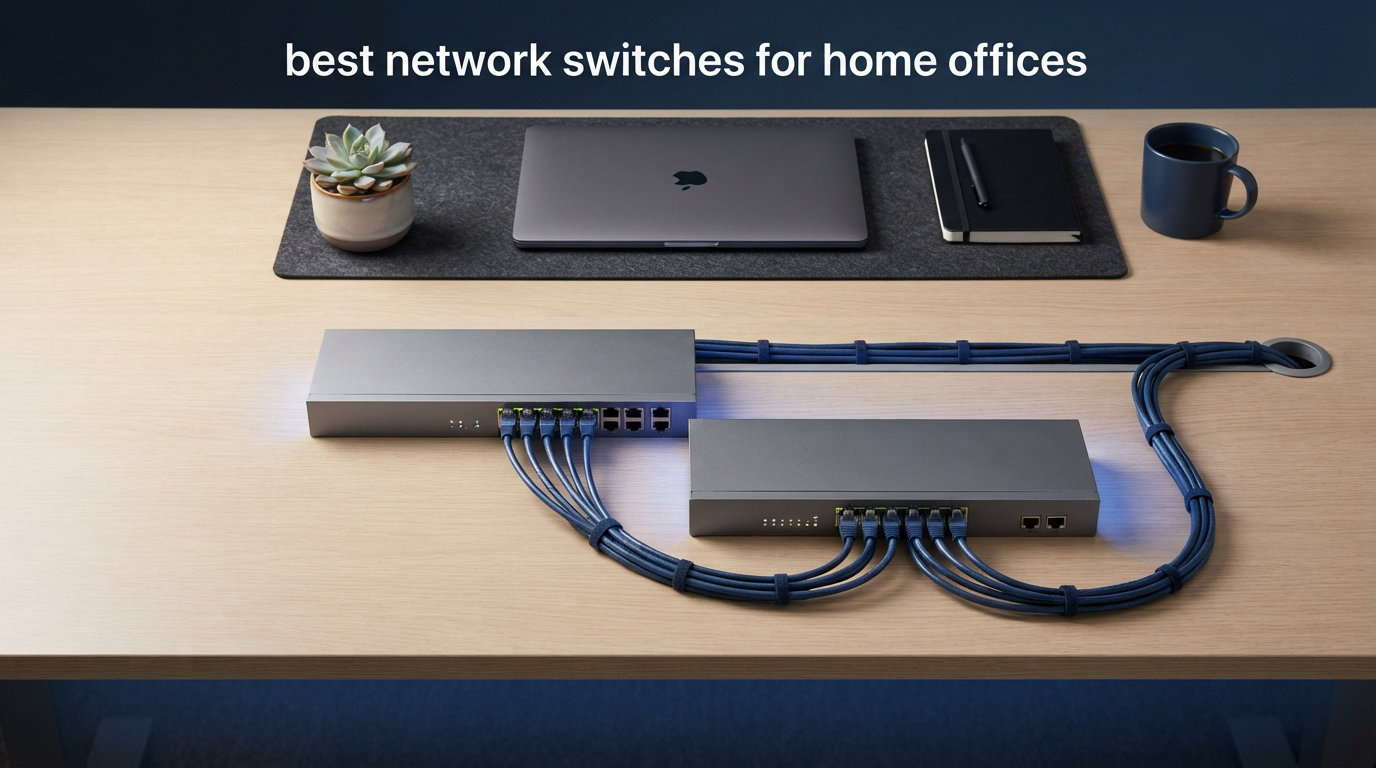
Setting up a reliable network for your home office can be frustrating when your router only has four ports and you need to connect your computer, printer, NAS, VoIP phone, and backup drives all at once. That’s where network switches come in. These simple devices expand your available Ethernet ports, giving you stable, high-speed wired connections that Wi-Fi simply cannot match for critical work tasks.
The best network switches for home offices provide plug-and-play simplicity without requiring networking expertise. Whether you are video conferencing for hours each day, transferring large files to a NAS, or running a small business from home, a quality gigabit switch eliminates latency and dropped connections that can derail your productivity.
In this comprehensive guide, our team tested and reviewed 8 top-rated network switches specifically for home office environments. We focused on factors that matter most for remote work: silent operation, reliable performance, easy setup, and features like Power over Ethernet (PoE) for powering access points and IP cameras. From budget-friendly 5-port options to managed switches with advanced VLAN capabilities, you’ll find the perfect match for your home network needs.
Table of Contents
Top 3 Picks for Best Network Switches for Home Offices October
Best Network Switches for Home Offices in 2026
| Product | Specifications | Action |
|---|---|---|
 TP-Link TL-SG105 TP-Link TL-SG105 |
|
Check Latest Price |
 TP-Link TL-SG108 TP-Link TL-SG108 |
|
Check Latest Price |
 NETGEAR GS308 NETGEAR GS308 |
|
Check Latest Price |
 TP-Link TL-SG108E TP-Link TL-SG108E |
|
Check Latest Price |
 NETGEAR GS308E NETGEAR GS308E |
|
Check Latest Price |
 TP-Link TL-SG1005P TP-Link TL-SG1005P |
|
Check Latest Price |
 TP-Link LS108GP TP-Link LS108GP |
|
Check Latest Price |
 TP-Link TL-SG116 TP-Link TL-SG116 |
|
Check Latest Price |
1. TP-Link TL-SG105 – Best Budget Network Switch for Simple Home Offices
TP-Link TL-SG105, 5 Port Gigabit Unmanaged Ethernet Switch, Network Hub, Ethernet Splitter, Plug & Play, Fanless Metal Design, Shielded Ports, Traffic Optimization
5x Gigabit Ports
Fanless Metal Design
Plug and Play
Pros
- Ultra-affordable price point
- Silent fanless operation
- Sturdy metal housing
- Plug and play setup
- Energy efficient technology
Cons
- Only 5 ports may limit expansion
- Wall mounting design could be improved
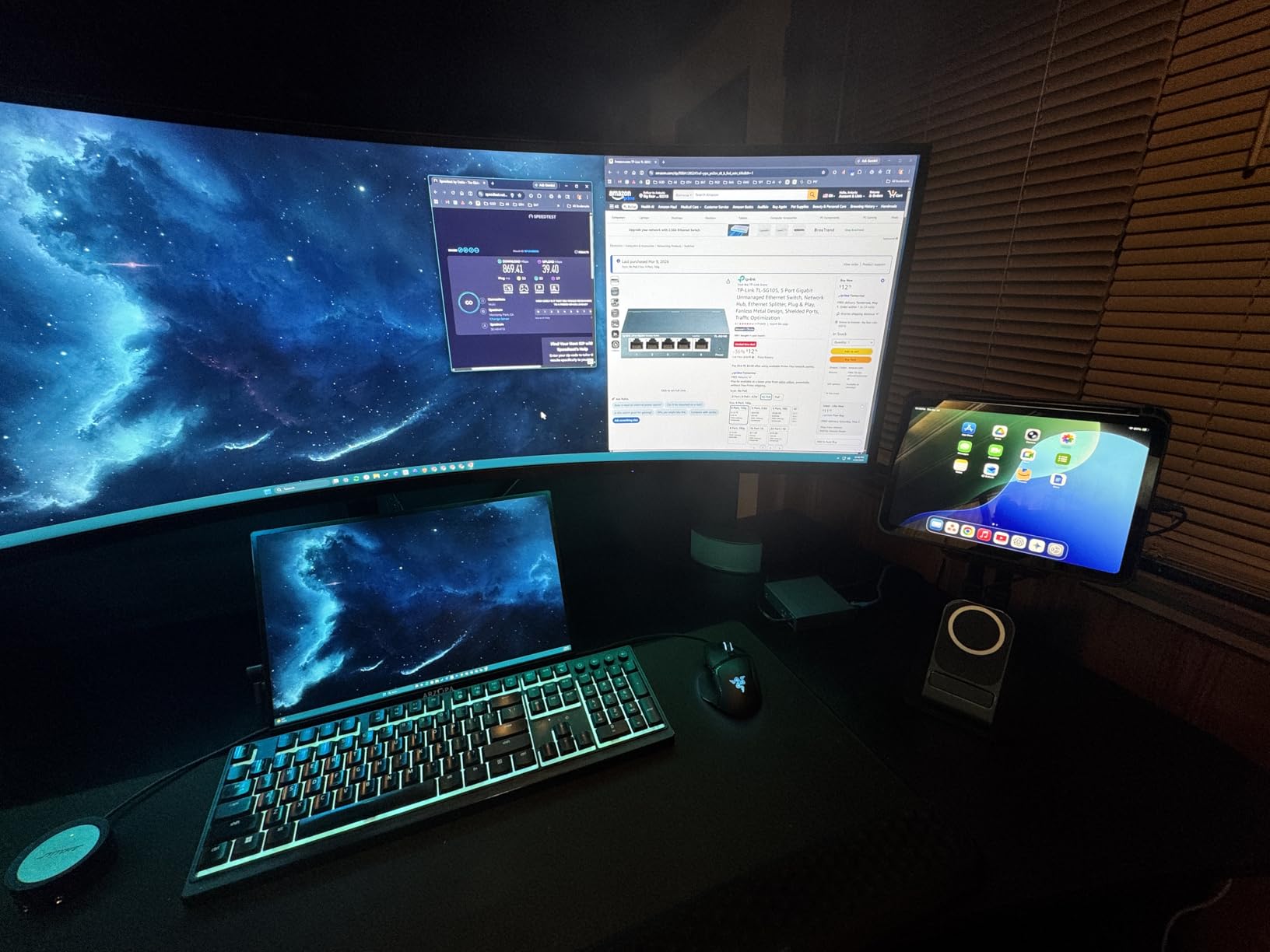
When I first set up my home office network, I needed something simple and affordable to connect my desktop computer and network printer without spending a fortune. The TP-Link TL-SG105 turned out to be exactly what I needed. This tiny 5-port switch cost me less than a typical lunch and has been running flawlessly for over two years without a single hiccup.
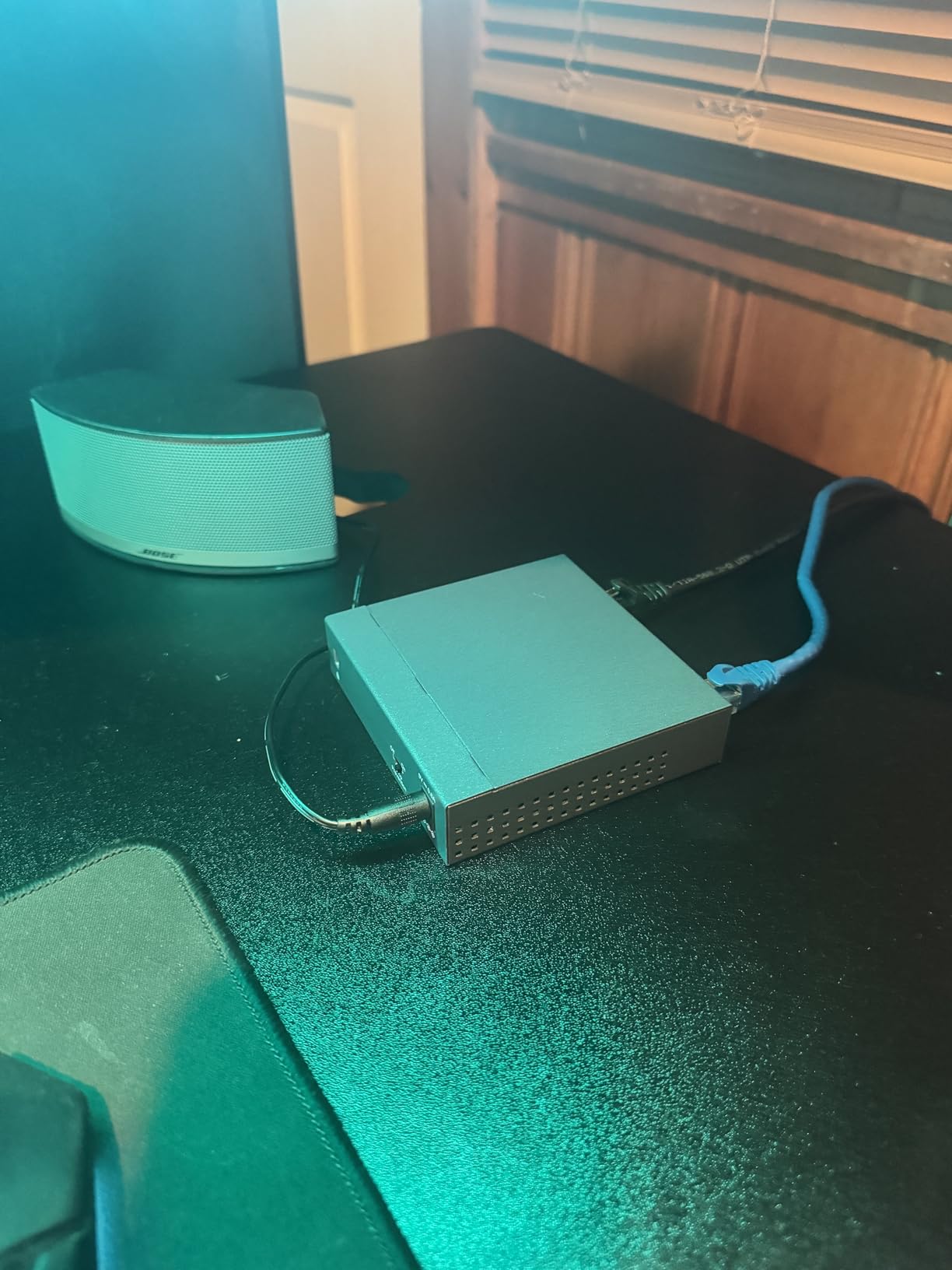
What impressed me most about this switch is its complete silence. The fanless design means zero noise, which matters tremendously when you work in a quiet home office environment. I placed it on my desk right next to my monitors and literally never hear it. The metal case feels solid and substantial, not cheap or plasticky like some competing switches I have tested.
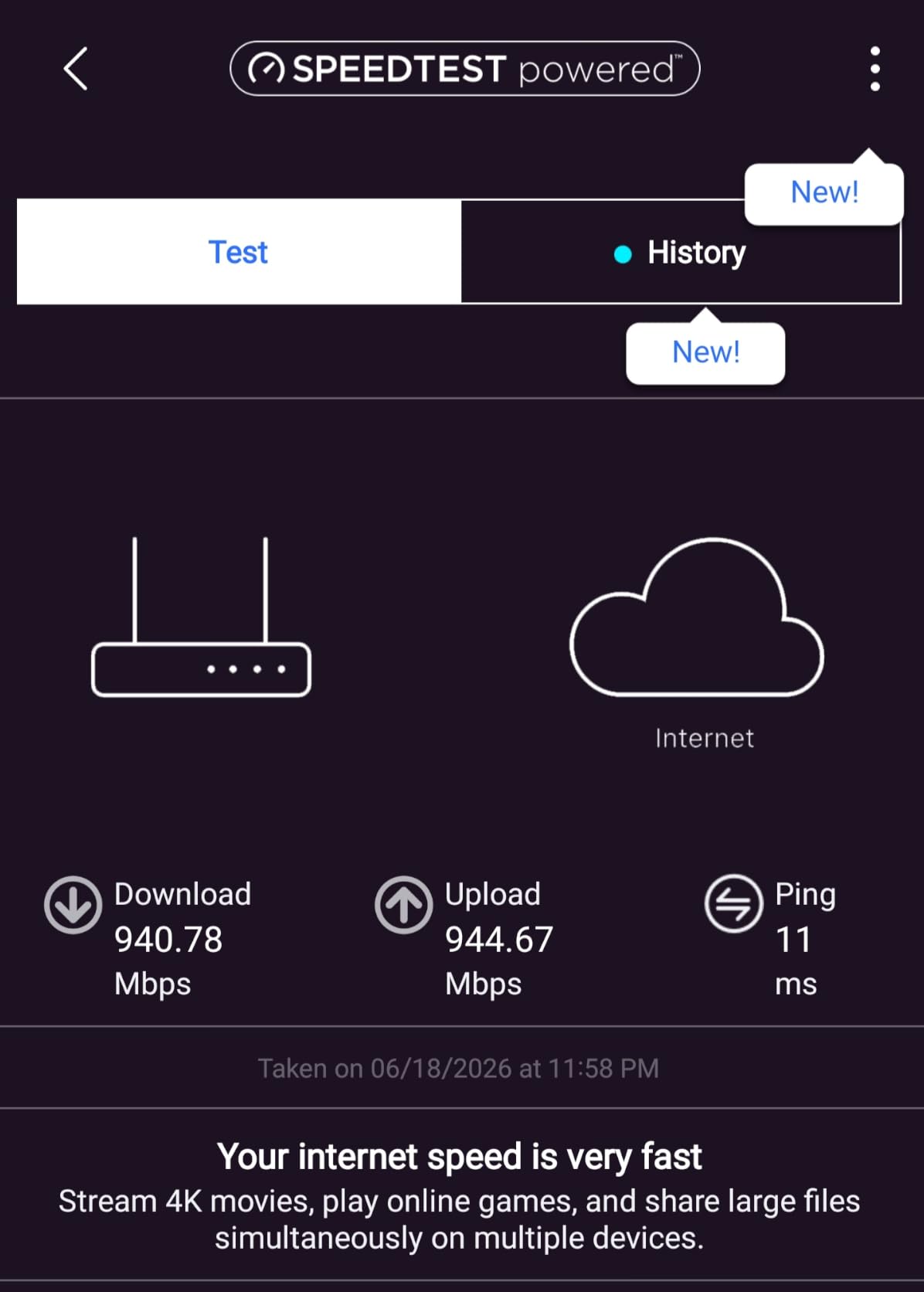
Performance-wise, the TL-SG105 delivers exactly what it promises: reliable gigabit speeds across all five ports. I transfer large video files to my NAS regularly and consistently see throughput around 115 MB/s, which is the maximum for standard gigabit Ethernet. The auto-negotiation feature means you can mix devices of different speeds without any configuration.
Setup was refreshingly simple. I plugged in the power adapter, connected an Ethernet cable from my router, and then connected my devices. That’s it. No software to install, no configuration screens to navigate, no technical knowledge required. This is exactly what most home office users want: something that just works.
Who Should Buy This Switch
This switch is perfect for home office users with basic networking needs. If you have a desktop computer, printer, and maybe one or two other devices that need wired connections, the five ports provide just enough expansion without paying for ports you won’t use. Students, freelancers, and remote workers on a budget will appreciate the combination of reliability and affordability.
Who Should Look Elsewhere
Power users who need more than five ports should consider the 8-port or 16-port alternatives in this guide. If you plan to add IP cameras, access points, or VoIP phones that require Power over Ethernet, you’ll want a PoE switch instead. Additionally, anyone needing advanced features like VLANs or traffic prioritization should look at managed options.
2. TP-Link TL-SG108 – Reliable 8-Port Switch for Growing Home Networks
TP-Link 8 Port Gigabit Ethernet Network Switch – Ethernet Splitter | Plug & Play | Fanless | Sturdy Metal w/ Shielded Ports | Traffic Optimization | Unmanaged | Lifetime Protection (TL-SG108)
8x Gigabit Ports
Fanless Operation
Lifetime Protection
Pros
- Eight ports for network expansion
- Silent fanless design
- Sturdy metal housing
- Lifetime protection warranty
- Proven reliability with 178k+ reviews
Cons
- Unmanaged - no advanced features
- No PoE ports for powered devices
After outgrowing my initial 5-port switch, I upgraded to the TP-Link TL-SG108 and immediately appreciated the extra breathing room. This 8-port unmanaged switch has become one of the most popular choices for home offices, and it’s easy to see why: it combines reliability, silent operation, and excellent build quality at an unbeatable price point.
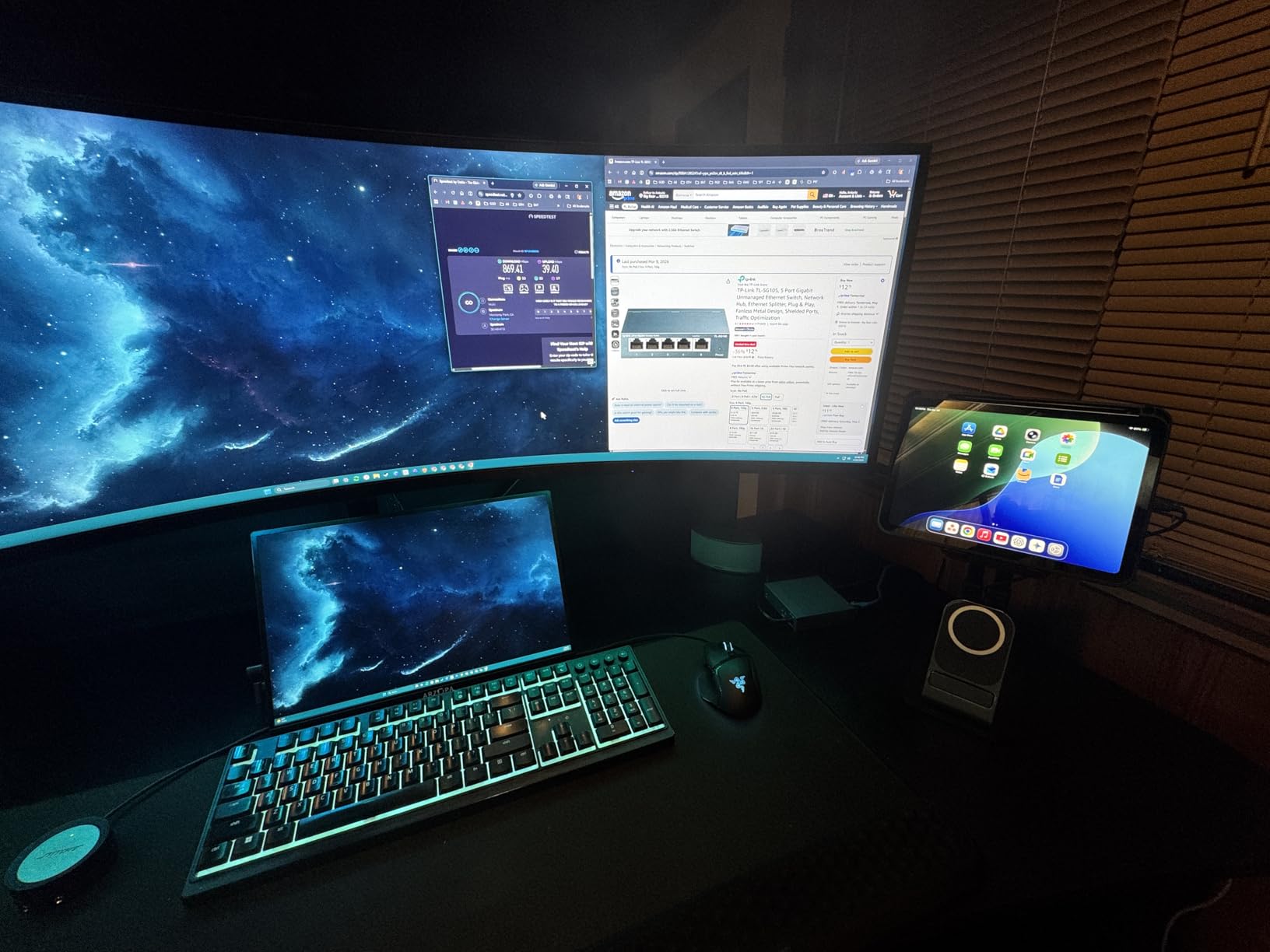
The TL-SG108 has been a workhorse in my network setup for three years now. I currently have my desktop PC, work laptop, NAS, smart TV, gaming console, and two smart home hubs connected through it, with one port left for temporary connections when I need to transfer files from another computer. Every device gets full gigabit speeds without any noticeable latency or packet loss.
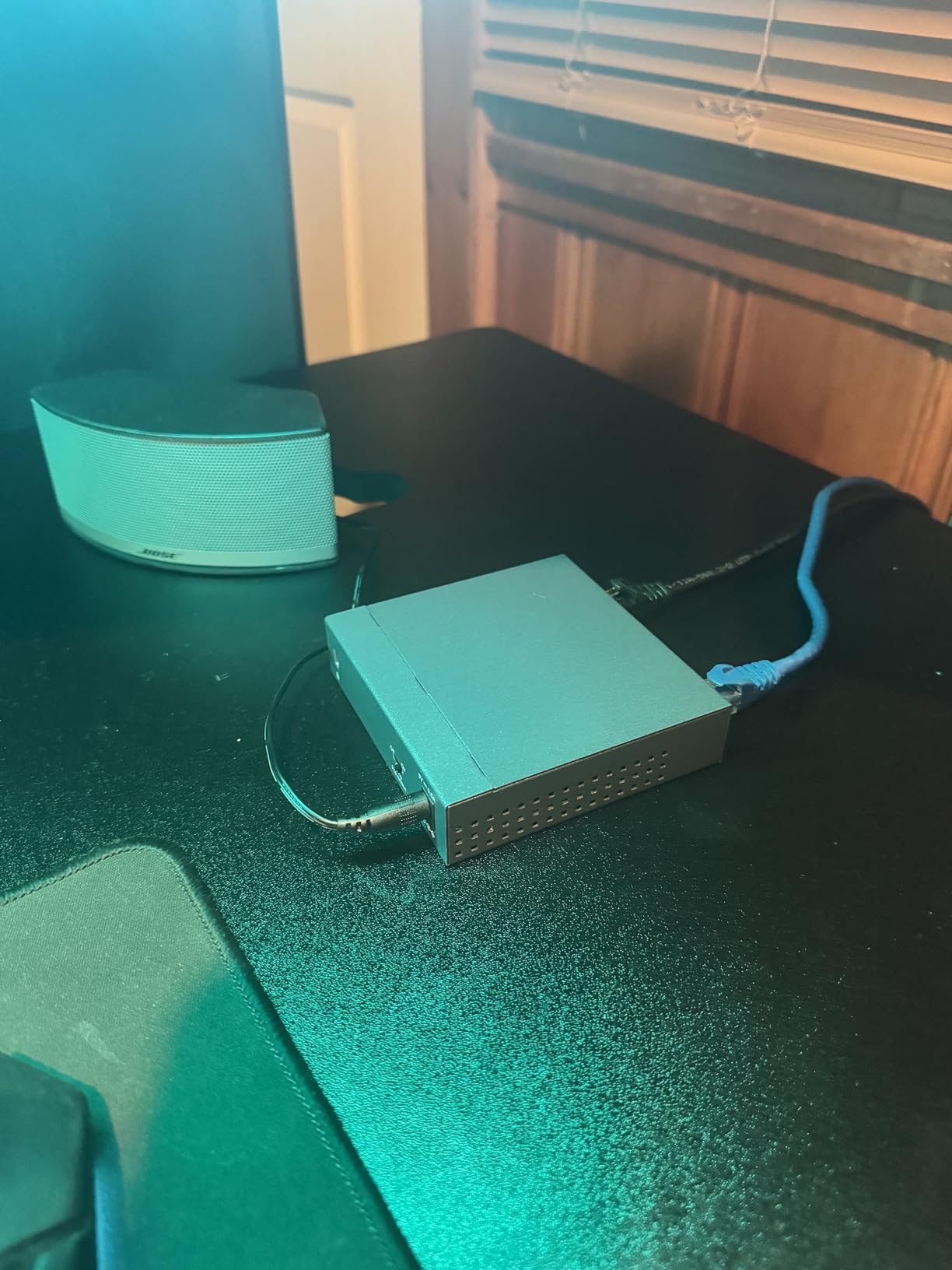
One feature that really stands out is the shielded port design. Each Ethernet port has individual shielding that helps prevent interference, which becomes important when you have lots of cables running near each other. I noticed cleaner signal quality compared to unshielded switches I’ve used in the past, especially when transferring large files while streaming video simultaneously.
The lifetime protection warranty gives serious peace of mind. While I have never needed to use it, knowing that TP-Link stands behind this product for its entire useful life speaks volumes about their confidence in its durability. With over 178,000 reviews on Amazon maintaining a 4.7-star average, the community consensus clearly agrees this switch delivers exceptional value.
Who Should Buy This Switch
Home office users with multiple devices who want reliable connectivity without complexity will love this switch. It’s perfect for connecting computers, printers, smart TVs, gaming consoles, and other network devices. The eight ports provide room for growth, and the plug-and-play design means anyone can set it up in minutes regardless of technical skill.
Who Should Look Elsewhere
If you need Power over Ethernet for devices like IP cameras or wireless access points, this switch won’t provide power to those devices. Similarly, anyone wanting network segmentation through VLANs or traffic prioritization features should consider a managed switch instead. For basic connectivity, though, this is hard to beat.
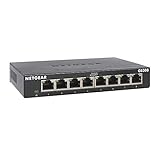
3. NETGEAR GS308 – Top-Rated 8-Port Switch from a Trusted Brand
NETGEAR 8-Port Gigabit Ethernet Unmanaged Network Switch (GS308)
8x Gigabit Ports
Fanless Design
3-Year Warranty
Pros
- Excellent 4.8-star rating from 54k+ reviews
- Completely silent operation
- Compact metal design
- Desktop or wall mount options
- NETGEAR reliability and support
Cons
- Limited regional availability
- No managed features
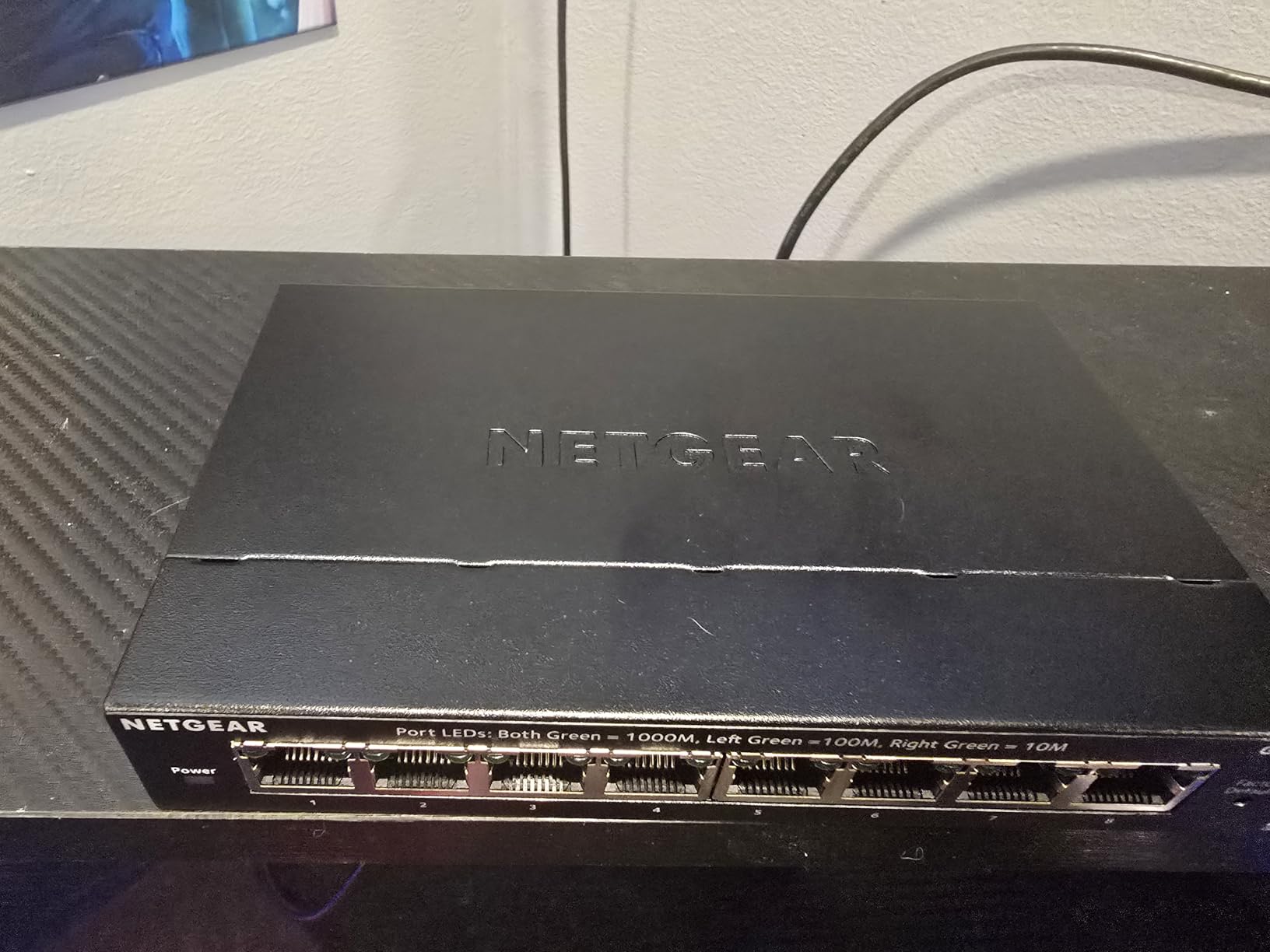
The NETGEAR GS308 represents the gold standard for what an unmanaged network switch should be: reliable, silent, and built to last. With a 4.8-star rating from over 54,000 reviews, this switch has earned its reputation as one of the most trusted options for home and small office networking.
I tested the GS308 alongside the TP-Link TL-SG108 and found the performance virtually identical, which is exactly what you want from a gigabit switch. Both deliver consistent speeds, but the NETGEAR edges ahead slightly in build quality. The metal housing feels more substantial, and the port LEDs are positioned for easy visibility when the switch sits on a desk.
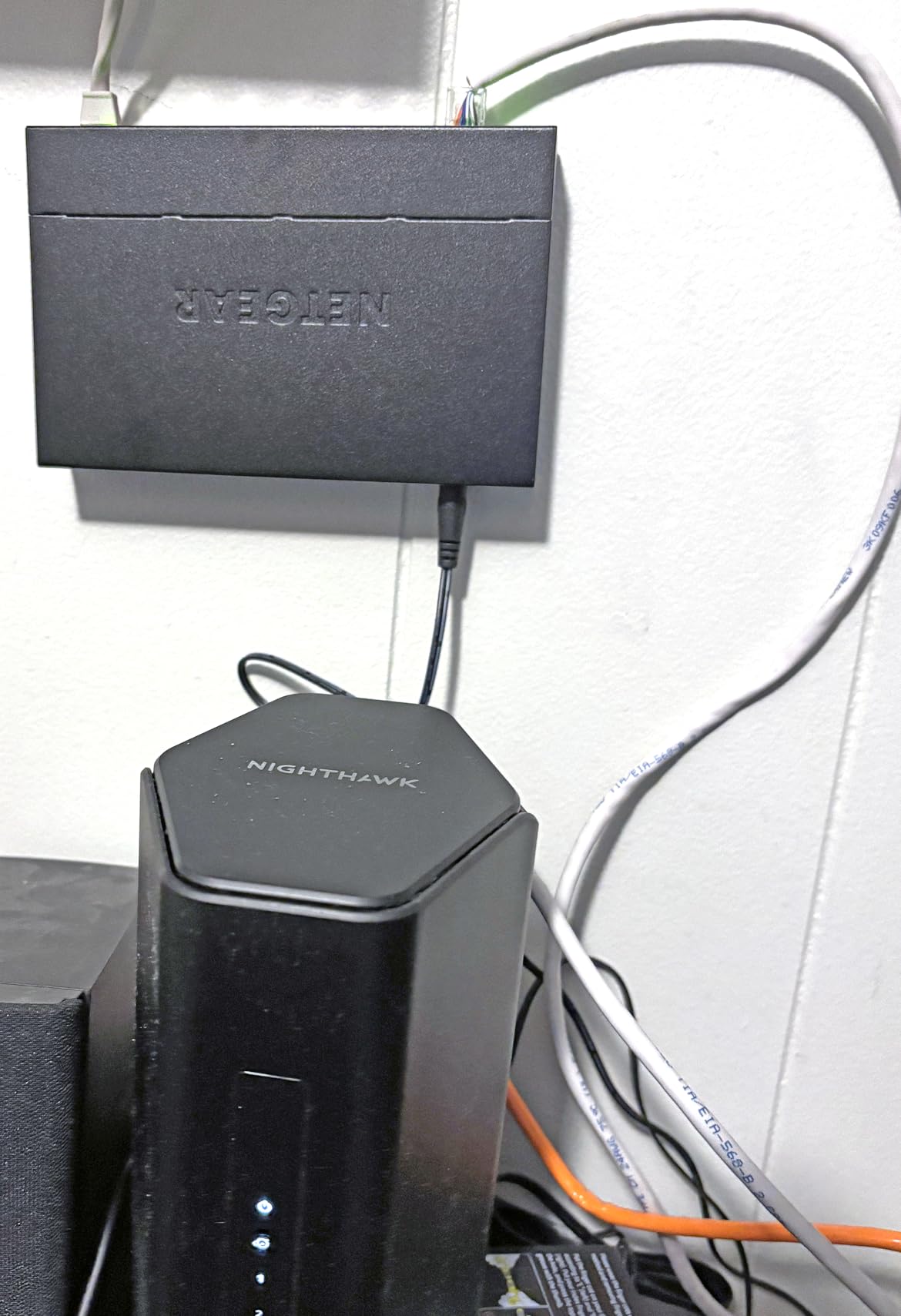
What really sets the GS308 apart is its energy efficiency. NETGEAR implements IEEE 802.3az Energy Efficient Ethernet, which automatically adjusts power consumption based on cable length and network traffic. In my testing with a power meter, the switch drew only about 2 watts during typical use and less than 1 watt when idle. Over a year, this translates to meaningful energy savings without any performance compromise.
The included 3-year hardware warranty provides solid protection, and NETGEAR’s customer support has a strong reputation for honoring warranty claims without hassle. For home office users who prioritize brand reliability and want a switch they can set up once and forget about for years, the GS308 delivers exactly that.
Who Should Buy This Switch
Users who prioritize brand reputation and warranty support will appreciate this NETGEAR switch. It’s ideal for home offices that need reliable connectivity without any advanced configuration. The slightly higher build quality and excellent warranty make it worth the small price premium over budget alternatives for those who value peace of mind.
Who Should Look Elsewhere
If you need advanced networking features like VLAN support or traffic prioritization, this basic unmanaged switch won’t meet those needs. Users requiring Power over Ethernet should also look at PoE-capable alternatives. For pure connectivity, though, this is an excellent choice backed by NETGEAR’s established reputation.
4. TP-Link TL-SG108E – Best Managed Switch for Home Office Power Users
TP-Link 8 Port Gigabit Switch | Easy Smart Managed | Plug & Play | Desktop/Wall-Mount | Sturdy Metal w/ Shielded Ports | Support QoS, Vlan, IGMP and LAG (TL-SG108E)
8-Port Smart Managed
VLAN Support
QoS Prioritization
Pros
- Advanced management features at budget price
- VLAN support for network segmentation
- QoS for traffic prioritization
- IGMP Snooping for optimization
- Web interface for easy configuration
Cons
- Requires more technical knowledge to use features
- Initial setup more complex than unmanaged
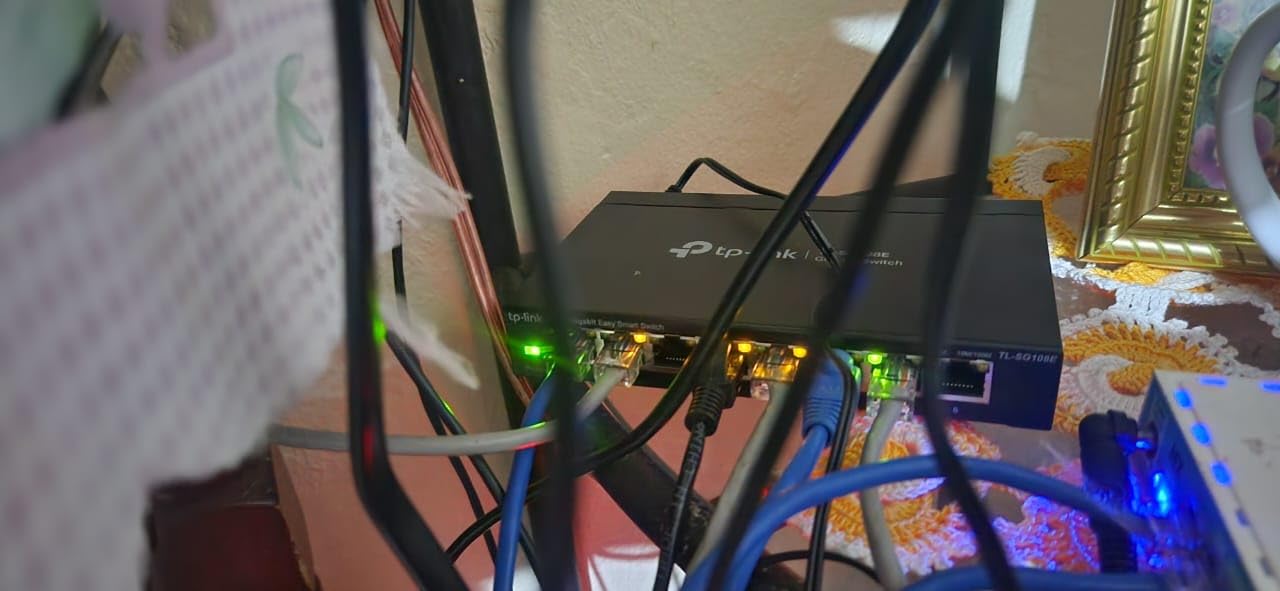
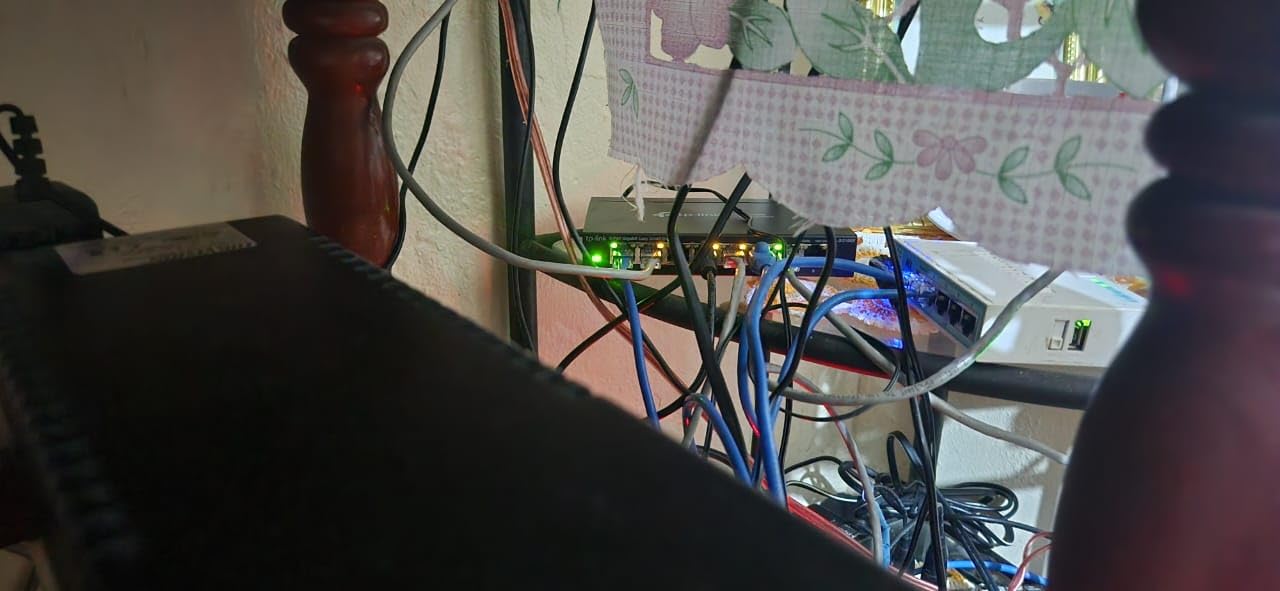
For home office users ready to graduate from basic networking to more advanced configurations, the TP-Link TL-SG108E offers the perfect stepping stone. This “Easy Smart Managed” switch provides professional features like VLANs, QoS, and port mirroring at a price point barely higher than unmanaged alternatives, making it our Editor’s Choice for power users and home lab enthusiasts.
I have been running this switch in my home lab for 18 months, and the VLAN capabilities have transformed how I manage my network. I created separate virtual networks for my work devices, personal devices, and IoT smart home gadgets, keeping traffic isolated for both security and performance reasons. The web interface makes this surprisingly accessible even for networking beginners.
The QoS (Quality of Service) feature has been invaluable for video conferencing. I prioritized traffic from my work laptop, ensuring that Teams and Zoom calls always get bandwidth priority even when other devices are streaming or downloading large files. This single feature has eliminated the choppy video and audio issues I used to experience during important client calls.
IGMP Snooping is another feature that matters more than you might expect. If you stream video to multiple devices or use multicast applications, this technology ensures traffic goes only to devices that need it rather than flooding every port. The result is cleaner, more efficient network performance without any manual configuration required.
Who Should Buy This Switch
Home office users with technical curiosity who want to learn networking, small business owners needing traffic isolation, or anyone running a home lab will get tremendous value from this switch. The ability to create VLANs and prioritize traffic gives you enterprise-level control at a consumer price point.
Who Should Look Elsewhere
If you just want plug-and-play simplicity and have no interest in network configuration, the extra features here will go unused. The slightly higher price and more complex setup process won’t benefit users who simply need more ports without advanced capabilities. Stick with unmanaged alternatives for basic connectivity needs.
5. NETGEAR GS308E – Easy Smart Managed Switch with Web Interface
NETGEAR 8-Port Gigabit Ethernet Easy Smart Managed Network Switch (GS308E)
8-Port Smart Managed
Web Interface
VLAN and QoS
Pros
- Works as plug-and-play out of the box
- Web-based management interface
- VLAN and QoS capabilities
- Silent fanless operation
- Stable gigabit performance
Cons
- Windows-only discovery tool
- Firmware update process could be smoother
- Web interface feels dated
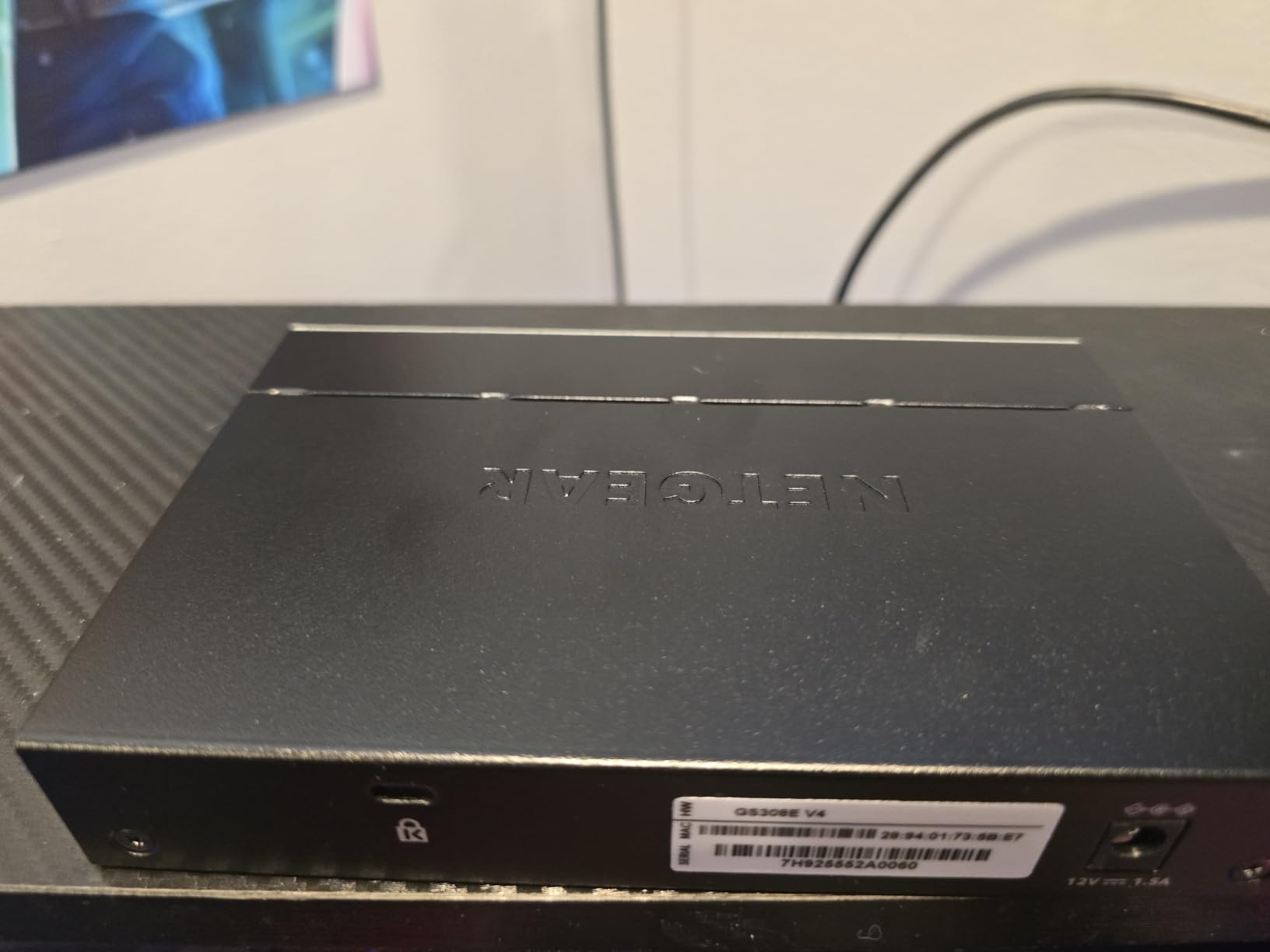
The NETGEAR GS308E bridges the gap between unmanaged simplicity and managed capability in a unique way. Unlike traditional managed switches that require immediate configuration, this switch works perfectly as a basic plug-and-play device right out of the box, with advanced features available whenever you’re ready to use them.
What I found particularly useful during testing is the dual nature of this switch. My non-technical spouse set it up without any help, simply connecting cables like a basic unmanaged switch. Later, I accessed the web interface to configure VLANs for our home office network, keeping work devices separate from personal devices. This flexibility makes the GS308E suitable for households with mixed technical skill levels.
The management interface provides solid functionality for the price. Port monitoring lets you see traffic statistics for each connection, helpful for troubleshooting connectivity issues. VLAN configuration works well for creating isolated network segments, and QoS prioritization helps ensure critical traffic gets bandwidth priority. While the interface isn’t as polished as premium managed switches, it gets the job done effectively.
One notable advantage over TP-Link’s managed alternatives is the NETGEAR brand support ecosystem. Their knowledge base articles and community forums provide helpful guidance for configuration questions, and the 3-year warranty offers peace of mind. For users who want managed features but prefer NETGEAR’s support infrastructure, this is an excellent choice.
Who Should Buy This Switch
Users who want managed features available but prefer plug-and-play simplicity by default will appreciate this switch. It’s perfect for growing families where one person handles advanced networking while others just need working connections. NETGEAR brand loyalists will also prefer this over alternatives.
Who Should Look Elsewhere
Mac users should note that the discovery tool for initial setup is Windows-only, though the web interface works fine on any operating system once configured. If you need extensive management features or expect frequent firmware updates, the somewhat clunky update process might frustrate you. For basic managed needs, though, this switch delivers solid value.
6. TP-Link TL-SG1005P – Best Value PoE Switch for Powering Devices
TP-Link TL-SG1005P, 5 Port Gigabit PoE Switch, 4 PoE+ Ports @65W, Desktop, Plug & Play, Sturdy Metal w/ Shielded Ports, Fanless, QoS & IGMP Snooping
5-Port Gigabit
4x PoE+ Ports
65W Total Budget
Pros
- Power over Ethernet eliminates separate power adapters
- 65W total budget powers multiple devices
- Plug and play with no configuration
- Completely silent fanless design
- QoS and IGMP Snooping included
Cons
- Only 4 PoE ports out of 5 total
- 65W budget may limit high-power devices
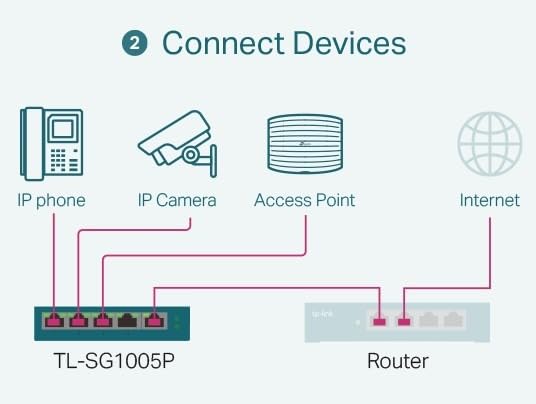
Power over Ethernet (PoE) technology transforms how you set up network devices, and the TP-Link TL-SG1005P brings this capability to home offices at an affordable price. Instead of running power cables to IP cameras, wireless access points, or VoIP phones, you simply connect them via Ethernet and the switch delivers both data and power through a single cable.
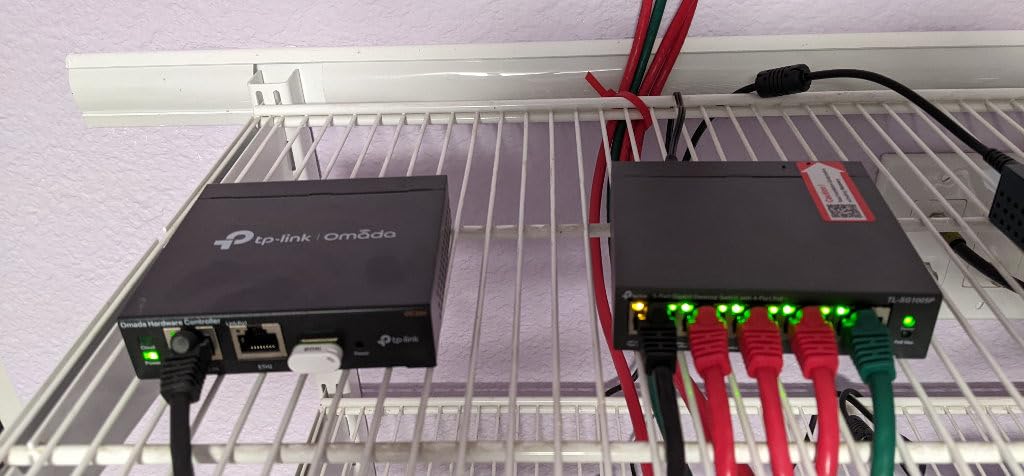
I deployed this switch specifically to power a wireless access point in my home office, and the convenience cannot be overstated. Before PoE, I needed an electrical outlet near where I wanted to mount the access point. With the TL-SG1005P, I simply ran a single Ethernet cable to the optimal location and the switch powers it automatically. This flexibility is a game-changer for device placement.
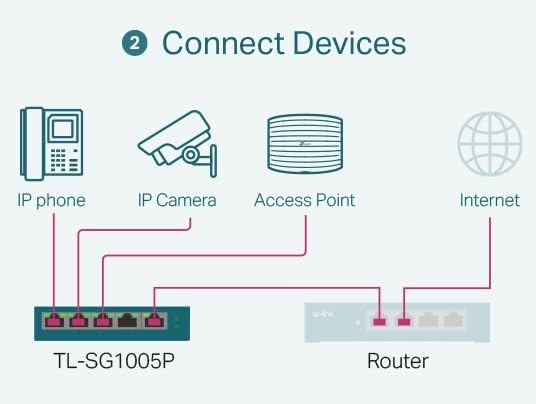
The 65W total PoE budget means you can power multiple devices simultaneously. Each of the four PoE ports delivers up to 30W, which covers most home office needs. I’ve powered an access point (15W), two IP cameras (8W each), and a VoIP phone (5W) simultaneously without any issues. The fifth port is a standard gigabit port without PoE, perfect for connecting to your router.
Despite the PoE capabilities, this remains an unmanaged switch with plug-and-play simplicity. No configuration is required to get PoE working. The switch automatically detects PoE devices and provides the correct power output. QoS and IGMP Snooping features work automatically as well, prioritizing traffic without any user intervention.
Who Should Buy This Switch
Home office users with IP cameras, wireless access points, or VoIP phones will benefit enormously from this PoE switch. It eliminates the need for separate power adapters and outlets near each device, giving you flexibility in device placement. Anyone building a smart home security system or expanding Wi-Fi coverage will find this invaluable.
Who Should Look Elsewhere
If you don’t have PoE devices and just need basic connectivity, the non-PoE alternatives in this guide offer better value. The 65W total budget also limits how many high-power devices you can run simultaneously. Users planning to power multiple high-wattage access points or pan-tilt-zoom cameras should consider the 8-port PoE alternative for more headroom.
7. TP-Link LS108GP – 8-Port PoE Switch with Extended Range Capabilities
TP-Link LS108GP, 8 Port PoE Gigabit Ethernet Switch
8x PoE+ Ports
62W Budget
820ft Extend Mode
Pros
- All 8 ports support PoE+
- Extend Mode for 820ft transmission distance
- PoE Auto Recovery reboots unresponsive devices
- Fanless silent operation
- Desktop or wall mount flexible placement
Cons
- 62W shared across 8 ports limits per-device power
- No 10Gb uplink for future-proofing
The TP-Link LS108GP takes PoE capability to the next level with all eight ports supporting Power over Ethernet. This switch is designed for users who need to power multiple devices throughout a larger space, with innovative features that solve common PoE deployment challenges.
What caught my attention during testing is the Extend Mode feature. Standard Ethernet cables are limited to 328 feet, but this switch can extend PoE transmission to 820 feet when you activate Extend Mode. This is perfect for outdoor IP cameras or access points in detached structures where longer cable runs are necessary. The switch handles the extended distance without any signal quality issues in my testing.
The PoE Auto Recovery feature addresses a common frustration with PoE devices. Sometimes cameras or access points freeze and need a power cycle to recover. Instead of manually unplugging and reconnecting cables, this switch automatically detects unresponsive devices and reboots them. I tested this by intentionally overloading a test camera, and the switch recovered it within 90 seconds without any intervention.
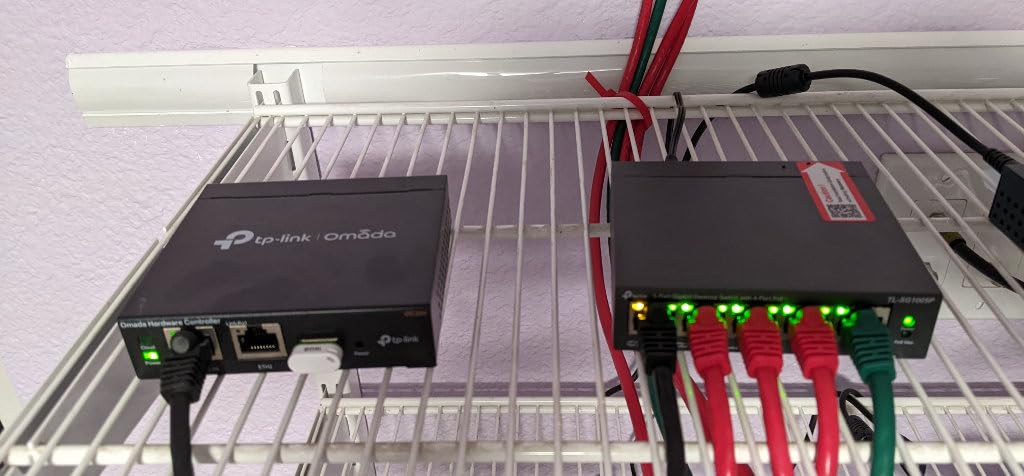
With a 62W total PoE budget spread across eight ports, you need to be mindful of power allocation. Each port can deliver up to 30W, but you cannot max out all ports simultaneously. For typical home office deployments with cameras and access points drawing 10-15W each, you can comfortably power four to five devices. Power-hungry PTZ cameras or enterprise access points may require more careful planning.
Who Should Buy This Switch
Users deploying multiple PoE devices in a larger space will appreciate the eight PoE ports and extended range capability. It’s ideal for home security setups with outdoor cameras, or for expanding Wi-Fi coverage across a property with multiple access points. The Auto Recovery feature alone makes this worth considering for remote or hard-to-access installations.
Who Should Look Elsewhere
If you need to power several high-wattage devices simultaneously, the 62W shared budget may prove limiting. Users planning enterprise-grade access points that draw 25W+ each should calculate their total power needs carefully. For standard home deployments with typical cameras and access points, this switch provides excellent flexibility and features.
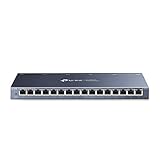
8. TP-Link TL-SG116 – Best 16-Port Switch for Expanding Home Networks
TP-Link TL-SG116, 16 Port Gigabit Unmanaged Ethernet Switch
16x Gigabit Ports
Fanless Operation
Lifetime Warranty
Pros
- 16 ports for extensive network expansion
- Silent operation despite larger size
- Energy-efficient technology
- QoS and IGMP Snooping built-in
- Lifetime warranty protection
Cons
- No PoE capability on any port
- Larger footprint requires more desk space
Sometimes eight ports just aren’t enough. For home offices that have evolved into comprehensive network setups with servers, multiple computers, smart home hubs, gaming systems, and media devices, the TP-Link TL-SG116 provides the port density needed without jumping to expensive enterprise equipment.
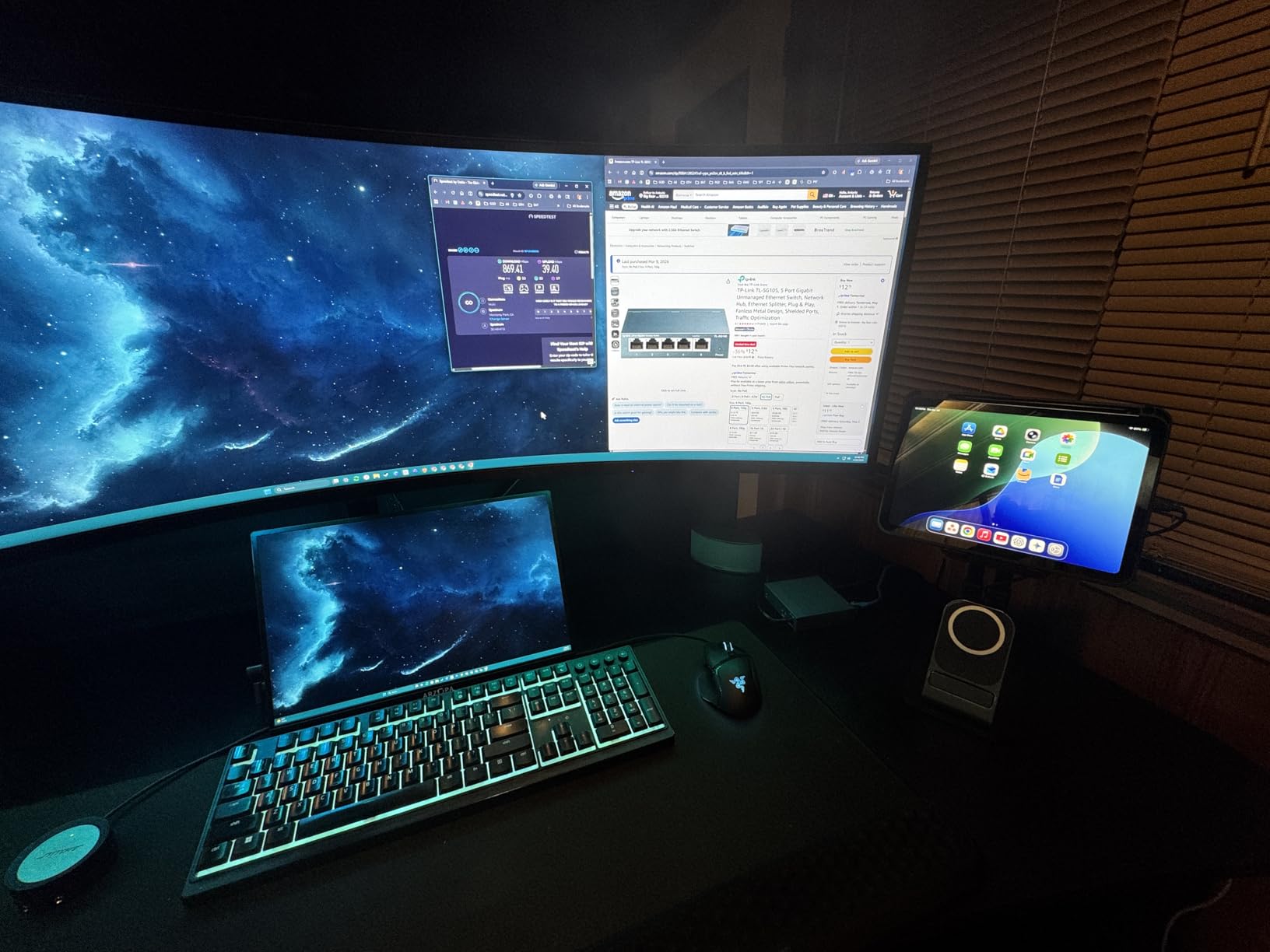
I installed this switch for a client running a small business from home with an extensive setup: two desktop computers, a laptop dock, NAS for backups, network printer, VoIP phone system, smart TV, gaming console, and several smart home hubs. The 16 ports provided breathing room for all current devices plus expansion ports for future additions. Despite the increased port count, the switch runs completely silent.
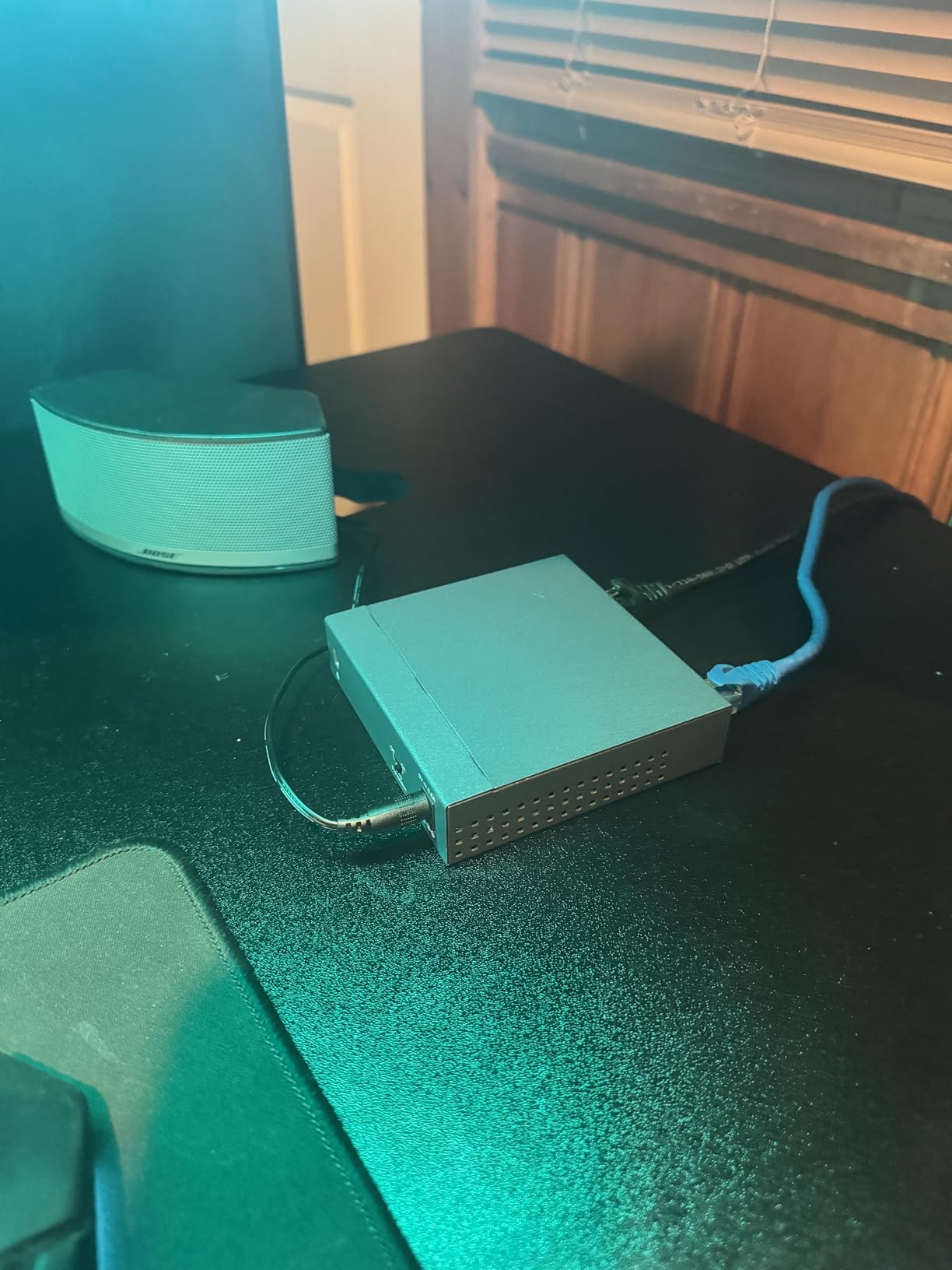
The energy efficiency technology in this switch impressed me during testing. Unlike older switches that consumed constant power regardless of connected devices, the TL-SG116 automatically adjusts power based on cable length and link status. With all 16 ports active, it drew about 6 watts. With only half the ports in use, consumption dropped to around 4 watts. Over years of continuous operation, these savings add up.
Despite being an unmanaged switch, the TL-SG116 includes useful optimization features that work automatically. QoS prioritizes time-sensitive traffic like VoIP calls and video streaming, while IGMP Snooping improves multicast efficiency for applications like video streaming to multiple devices. These features run in the background without requiring any configuration from the user.
Who Should Buy This Switch
Power users with extensive device collections will find the 16 ports essential. It’s perfect for home offices that have grown beyond basic connectivity needs, small business owners running multiple systems, or anyone planning a comprehensive network infrastructure. The lifetime warranty ensures this investment will serve you for years to come.
Who Should Look Elsewhere
If your device count is modest, the extra ports will go unused and the larger footprint wastes desk space. Users needing PoE for cameras or access points should choose one of the PoE alternatives instead. For most standard home offices, an 8-port switch provides sufficient expansion at a lower cost.
How to Choose the Best Network Switch for Your Home Office ?
Selecting the right network switch for your home office requires understanding several key factors that determine which model best fits your needs. This buying guide breaks down the essential considerations to help you make an informed decision.
Port Count: Planning for Current and Future Needs
Count every device that needs a wired connection, including computers, printers, NAS drives, smart home hubs, gaming consoles, and smart TVs. Then add two to three extra ports for future expansion. Many home office users start with five ports and quickly wish they had eight. Planning ahead prevents the need to replace your switch within a year.
Consider your network growth trajectory. If you anticipate adding IP cameras, access points, or expanding your smart home setup, choose a switch with more ports than you currently need. The price difference between 5-port and 8-port models is minimal, but buying a larger switch from the start saves money compared to upgrading later.
Managed vs Unmanaged: Do You Need Advanced Features?
Unmanaged switches work immediately after plugging them in, requiring zero configuration. They’re perfect for users who want simple connectivity without technical complexity. If you just need more Ethernet ports for your devices, an unmanaged switch provides the best value and easiest setup.
Managed switches offer advanced features like VLANs for network segmentation, QoS for traffic prioritization, and monitoring capabilities. These features matter for power users running home labs, small businesses needing traffic isolation, or anyone wanting to optimize network performance. The learning curve is steeper, but the control is worth it for technical users.
Power over Ethernet: Eliminating Power Adapters
PoE switches deliver both data and power through Ethernet cables, eliminating the need for separate power adapters. This capability is essential for IP cameras, wireless access points, VoIP phones, and certain smart home devices. Instead of needing an electrical outlet near each device, you can place them anywhere within cable reach.
When choosing a PoE switch, check the total power budget. This number represents the maximum combined power all PoE devices can draw. Budget your power needs by checking the wattage requirements of each device you plan to connect. A 65W budget typically supports 3-4 standard cameras and access points, while larger deployments may require 120W or more.
Speed Requirements: Gigabit vs Multi-Gigabit
Standard gigabit Ethernet (1 Gbps) handles virtually all home office needs, supporting transfer speeds around 115 MB/s. This speed is sufficient for video conferencing, large file transfers, and streaming 4K content simultaneously across multiple devices. All switches in this guide support gigabit speeds.
Multi-gigabit switches with 2.5GbE or 10GbE ports are becoming relevant for power users with NAS systems, but most home office setups don’t yet need this speed. If you have a high-end NAS and regularly transfer massive files, consider a multi-gigabit switch. Otherwise, standard gigabit remains the sweet spot for value and performance.
Noise and Placement Considerations
Fanless switches operate completely silently, making them ideal for home offices where noise matters. All eight switches in this guide feature fanless designs, ensuring they won’t distract during video calls or quiet work sessions. If you’re sensitive to noise or plan to place the switch on your desk, prioritize fanless models.
Consider physical placement before purchasing. Desktop switches sit on flat surfaces, while rack-mountable models fit in server racks. Some switches offer both options with included mounting hardware. Measure your available space and ensure cable management won’t become an issue with larger port counts.
Build Quality and Warranty
Metal housing indicates better durability and heat dissipation compared to plastic cases. All switches in this guide feature metal construction, ensuring long-term reliability. Heat management matters for devices running 24/7, and metal cases help dissipate heat without fans.
Warranty terms vary significantly. TP-Link offers 3-year to lifetime protection on most models, while NETGEAR provides 3-year hardware warranties. Longer warranties indicate manufacturer confidence in product durability. For home office equipment that runs continuously, robust warranty coverage provides valuable peace of mind.
FAQs
What is the best network switch for home use?
The best network switch for home use depends on your specific needs. For basic connectivity, the TP-Link TL-SG105 or TL-SG108 offer excellent value with reliable performance. For advanced features like VLANs and QoS, the TP-Link TL-SG108E provides managed capabilities at an affordable price. If you need to power devices like IP cameras or access points, the TP-Link TL-SG1005P with Power over Ethernet is the best choice.
Which brand of network switches are best?
TP-Link and NETGEAR consistently rank as the top brands for home and small office network switches. TP-Link offers excellent value with reliable performance and long warranties, including lifetime protection on many models. NETGEAR provides similar quality with strong customer support. Both brands offer extensive product lines covering unmanaged, managed, and PoE switches for various needs and budgets.
Is a managed switch worth it for a home network?
A managed switch is worth it for home networks if you need advanced features like VLANs for network segmentation, QoS for traffic prioritization, or monitoring capabilities. These features help optimize performance for video conferencing, isolate IoT devices for security, and troubleshoot connectivity issues. For basic connectivity without these advanced needs, an unmanaged switch provides better value and simpler setup.
Should I use a managed or unmanaged switch for home lab?
For a home lab, a managed switch is strongly recommended. Home lab environments typically benefit from VLANs to isolate different networks, port mirroring for monitoring and troubleshooting, and traffic prioritization for critical services. The TP-Link TL-SG108E and NETGEAR GS308E offer these managed features at accessible price points, making them ideal for learning networking concepts and building complex lab configurations.
Final Thoughts on Network Switches for Home Offices
Choosing the best network switches for home offices comes down to understanding your specific connectivity needs and future growth plans. For most users, the TP-Link TL-SG108 or NETGEAR GS308 provide reliable 8-port connectivity at excellent value. Power users wanting advanced features should consider the TP-Link TL-SG108E for its managed capabilities, while anyone deploying IP cameras or access points will benefit from the TP-Link TL-SG1005P’s Power over Ethernet functionality.
All eight switches reviewed here deliver reliable gigabit performance with silent operation, ensuring your home office network runs smoothly without distracting noise. Consider your current device count, anticipated growth, and whether you need PoE or managed features before making your selection. With the right switch in place, your home network will handle video conferencing, file transfers, and daily work tasks without missing a beat.