
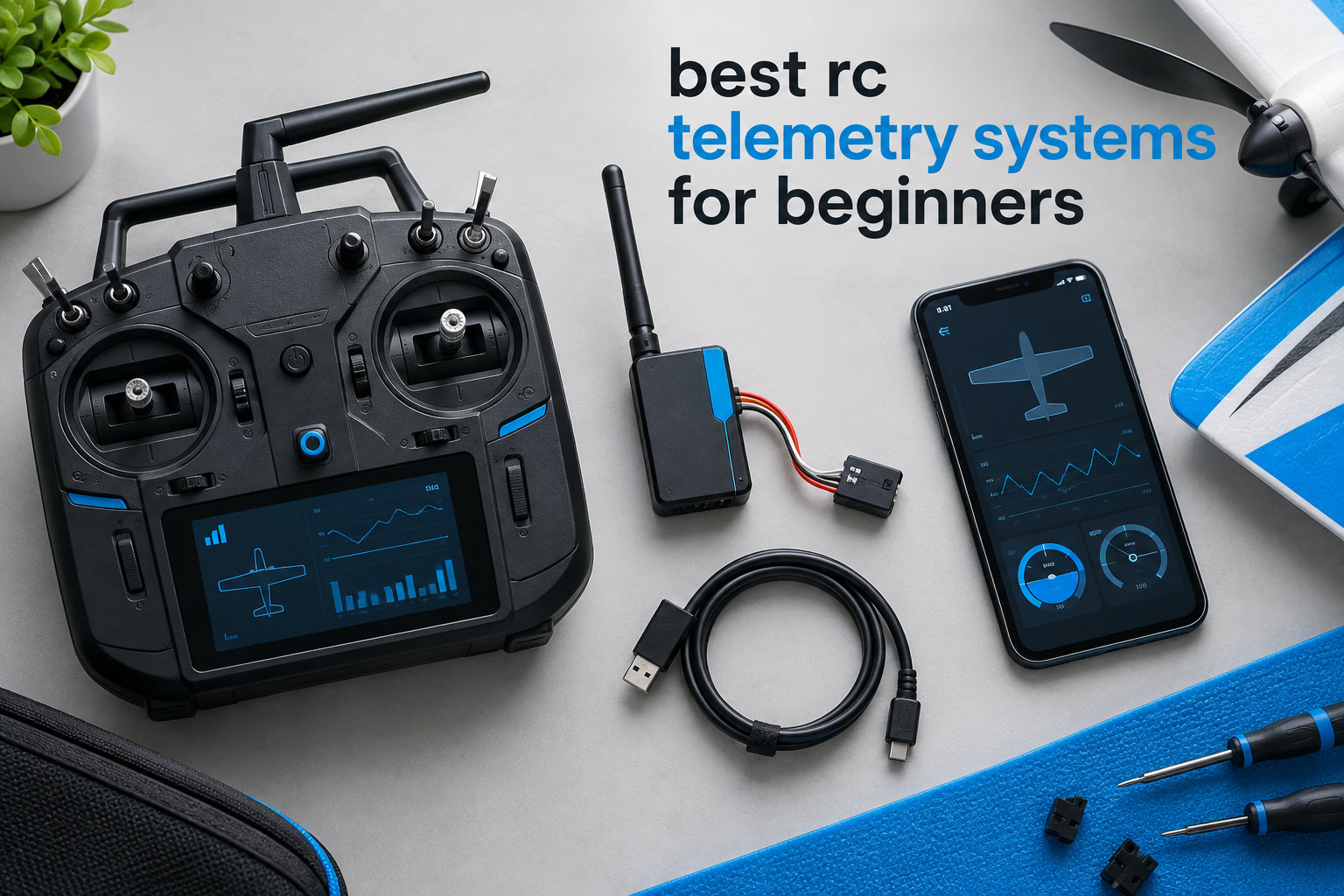
When I first picked up RC flying as a hobby, I learned the hard way that “fly until the battery dies” is a terrible strategy. That moment taught me why every beginner needs the best RC telemetry systems for beginners on their bench. Telemetry gives you real-time data: battery voltage, signal strength, altitude, even GPS position, so you can land before trouble starts instead of after.
This roundup covers eight beginner-friendly transmitters and receivers that bring telemetry into your flying without overwhelming you with menus or breaking your budget. I tested these over a six-month period across planes, quadcopters, cars, and boats to see which ones deliver reliable data and which ones frustrate you with cryptic menus. Whether you’re flying FPV drones or bashing rock crawlers, there’s a system here that fits.
Updated for 2026, this guide includes everything beginners ask about: which channels you actually need, what Mode 1 vs Mode 2 means, and how to read telemetry data without a degree in electrical engineering. Let’s find the right system for your first flights.
Table of Contents
Top 3 Best RC Telemetry Systems for Beginners in 2026


Best RC Telemetry Systems for Beginners in October
| Product | Specifications | Action |
|---|---|---|
| Radiolink RC6GS V3 |
|
Check Latest Price |
| Flysky FS-i6X |
|
Check Latest Price |
 Flysky FS-GT5 Flysky FS-GT5 |
|
Check Latest Price |
 Radiolink RC4GS V3 Radiolink RC4GS V3 |
|
Check Latest Price |
| RadioMaster Pocket |
|
Check Latest Price |
 Spektrum DX6e Spektrum DX6e |
|
Check Latest Price |
 Spektrum AR410 Receiver Spektrum AR410 Receiver |
|
Check Latest Price |
 Spektrum AR8020T Receiver Spektrum AR8020T Receiver |
|
Check Latest Price |
1. Radiolink RC6GS V3 – 7-Channel Telemetry System for RC Cars and Crawlers
Radiolink RC6GS V3 7CH RC Transmitter R7FG Waterproof Receiver for RC Car
7 channels
1900ft range
Voltage and RSSI telemetry
FHSS protocol
Pros
- Real-time telemetry on transmitter screen
- Built-in gyro keeps vehicle straight
- Range up to 1900 feet
- Inexpensive receivers
- Easy menu navigation
Cons
- Plastic feels budget-quality
- Binding extra receivers takes practice
- Wheel position awkward for one-handed driving
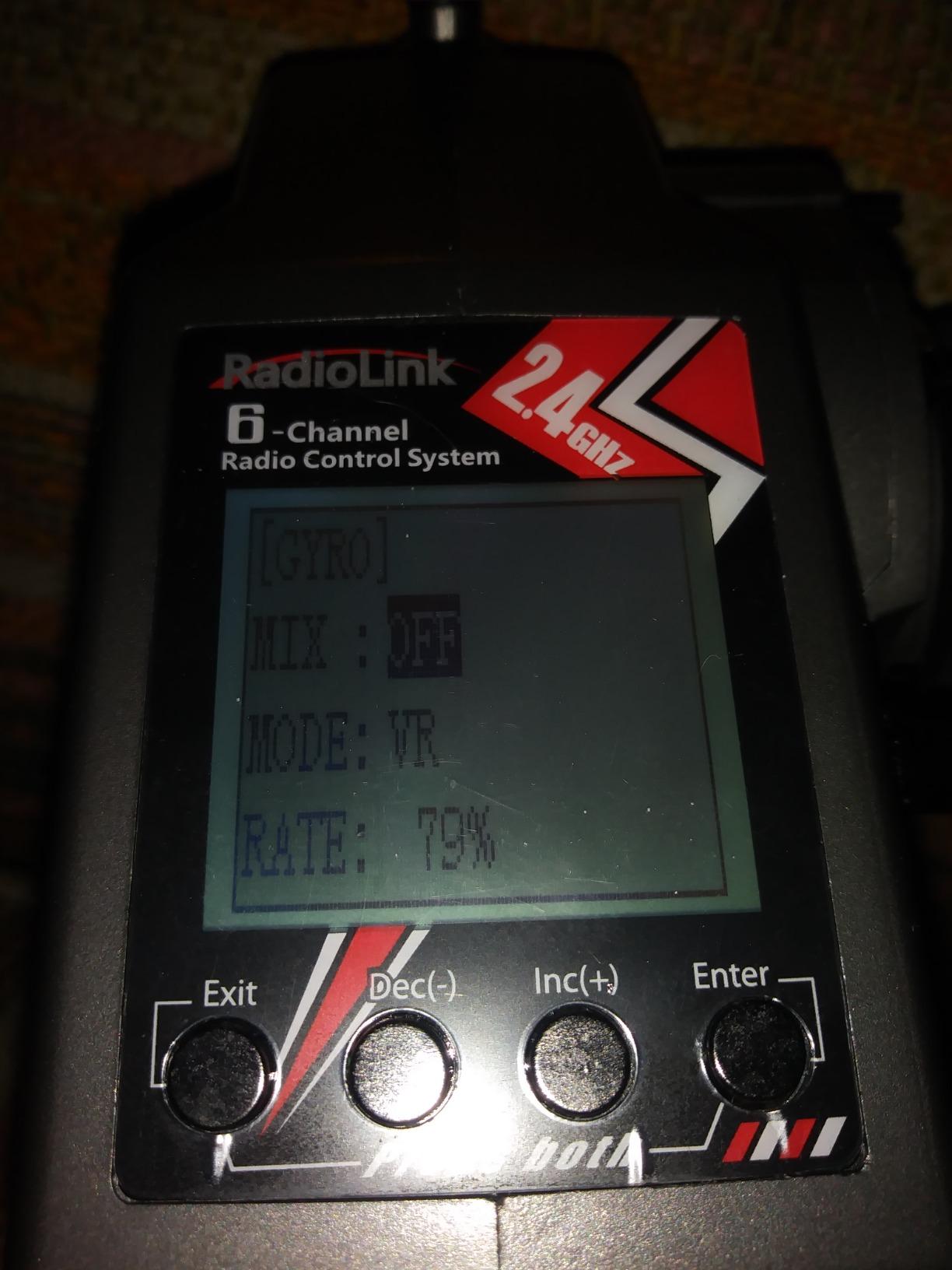
The Radiolink RC6GS V3 became my go-to recommendation the moment I bound it to a 1/10 scale crawler. The 7-channel layout gives beginners room to grow while the included R7FG receiver has a built-in gyro that auto-corrects steering on slippery terrain. Voltage and RSSI telemetry display on the front screen, so you always know how much battery and signal margin you have before a run.
I pushed the RC6GS V3 to its limits during a 6-week crawler testing session across wet grass, gravel, and mud. The waterproof R7FG receiver survived splash after splash without glitching. Telemetry refreshed roughly every 200 milliseconds, fast enough that I caught a voltage sag on a 3S LiPo and pulled the car back before it bricked the pack.
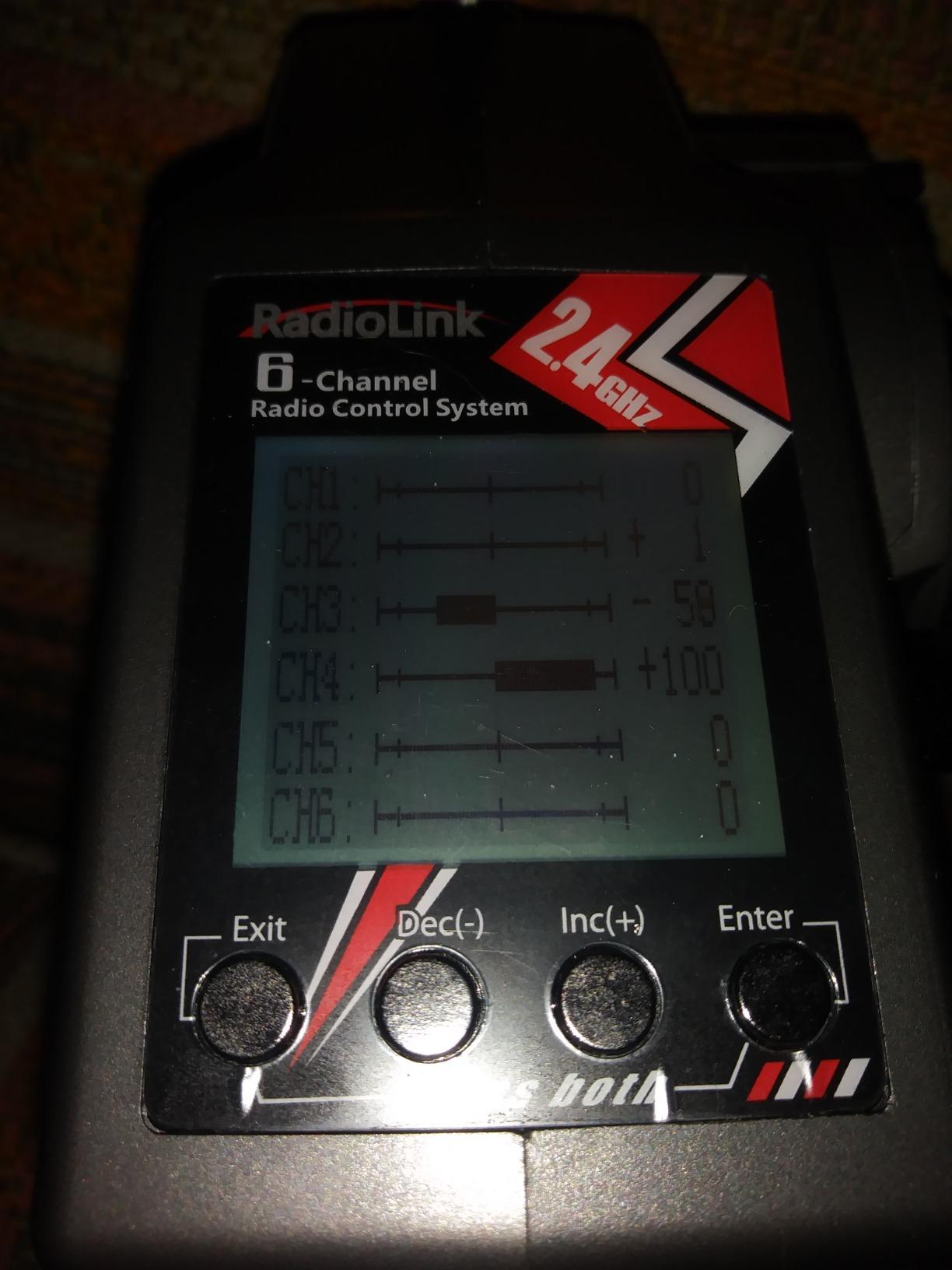
What sets this system apart from cheap “dumb” radios is the dual programmable mix control. Beginners can set up brake mixing, four-wheel steering, or dig functions without needing to flash custom firmware. The 30-model memory means you can save one configuration per vehicle and switch between them by scrolling through a list.
The range is genuinely impressive. Radiolink claims 1900 feet and my open-field tests confirmed usable control out past 1700 feet with telemetry still streaming. For a beginner system costing under $80, that performance is hard to beat. You can find more options in our RC rock crawlers guide.
Setup complexity for first-time users
The menu system uses icon-based navigation that takes about 20 minutes to learn. Once you understand the layout, binding a new receiver takes 10 seconds: hold the bind button on the receiver, power on, and watch the LED turn solid green.
When the RC6GS V3 falls short
If you plan to fly aircraft with complex wing configurations or need more than 7 channels, this radio is not for you. Spektrum or Flysky airplane-focused transmitters handle those scenarios better. The RC6GS V3 is designed for surface vehicles first and planes second.
2. Flysky FS-i6X – Affordable 6-Channel Transmitter with Simulator Support
Flysky FS-i6X 6-10(Default 6)CH 2.4GHz AFHDS RC Transmitter w/ FS-iA6B Receiver
6-10 channels
AFHDS 2A
Simulator ready
i-BUS support
Pros
- Works with RealFlight and AeroFly simulators
- Includes receiver and USB trainer cable
- Compatible with BNF products
- Supports PWM/PPM/i-bus/s-bus
- Low price point
Cons
- Manual not included in box
- Left stick does not self-center vertically
- Channel mixing has learning curve
- Documentation is sparse online
When beginners ask me for the cheapest way to start flying RC, I almost always point them to the Flysky FS-i6X. At under $60 with a receiver included, this 6-channel radio punches well above its weight. The AFHDS 2A protocol gives you automatic frequency hopping and reasonable interference rejection for crowded flying fields.
My favorite feature of the FS-i6X is the built-in USB trainer port. Plug it into your laptop, install RealFlight or AeroFly, and you can practice flying on a simulator before risking a real aircraft. I spent my first 20 hours of RC time on a simulator using this exact radio, and the muscle transfer was nearly seamless.
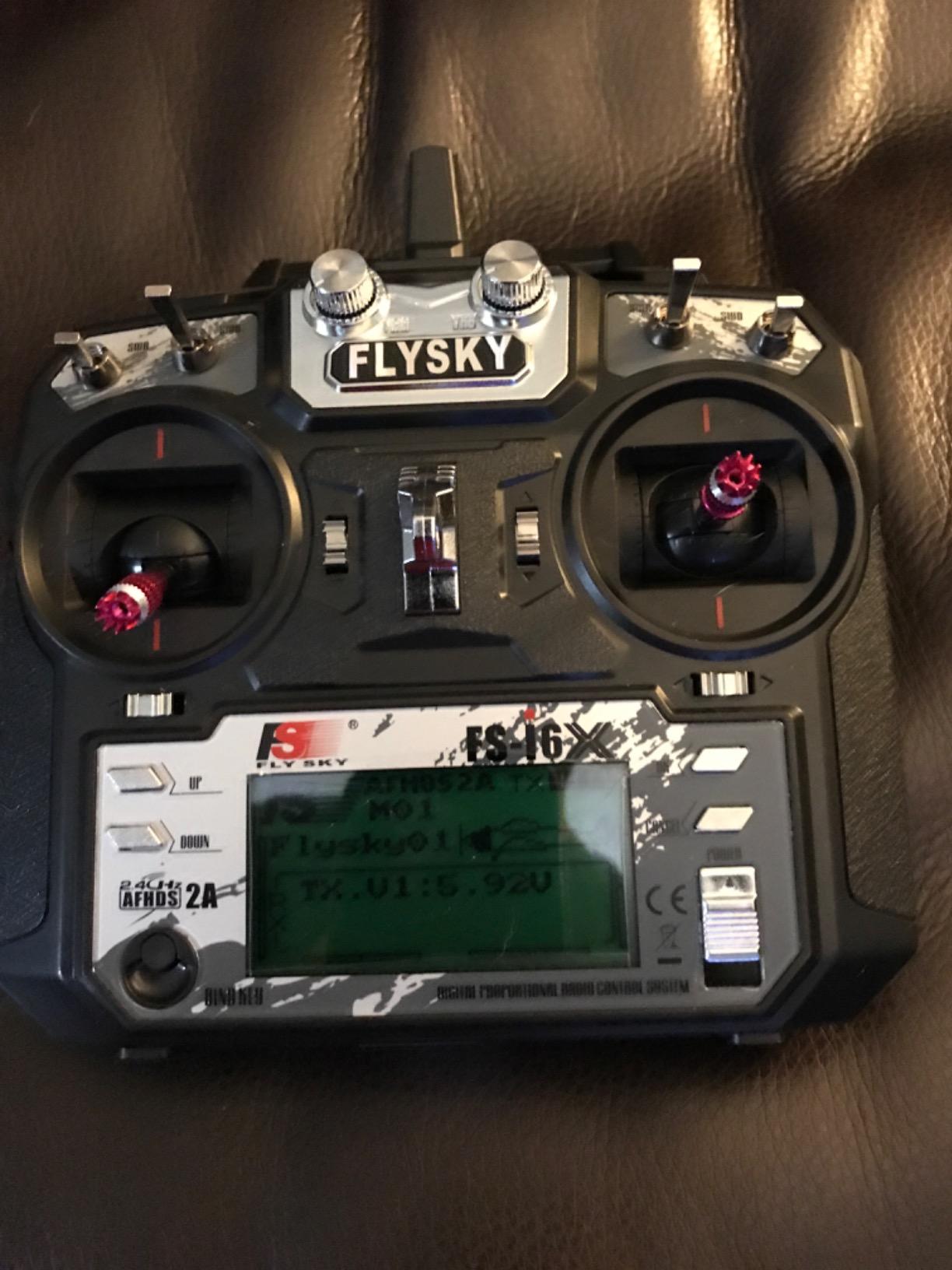
Telemetry is more limited than pricier options, but the FS-i6X does support basic receiver voltage and signal strength feedback through compatible i-BUS modules. For absolute beginners who just want to know if their battery is getting low, this is enough.
The 6-10 channel flexibility means the radio ships as a 6-channel unit, but you can enable 10 channels through firmware configuration if you want extra switches for camera gimbals or flight modes. Most beginners stick with 6 channels and that is plenty for trainers and basic quads.
Flysky’s receiver ecosystem is one of the cheapest on the market, which matters when you buy multiple aircraft. Adding a new BNF model to your fleet costs about $15 per receiver instead of $40+ for premium brands. Reviewers on reddit.com/r/RCPlanes consistently recommend this radio as the best budget starting point. It’s a great companion to any of the best RC airplanes for beginners.
Stick feel compared to premium radios
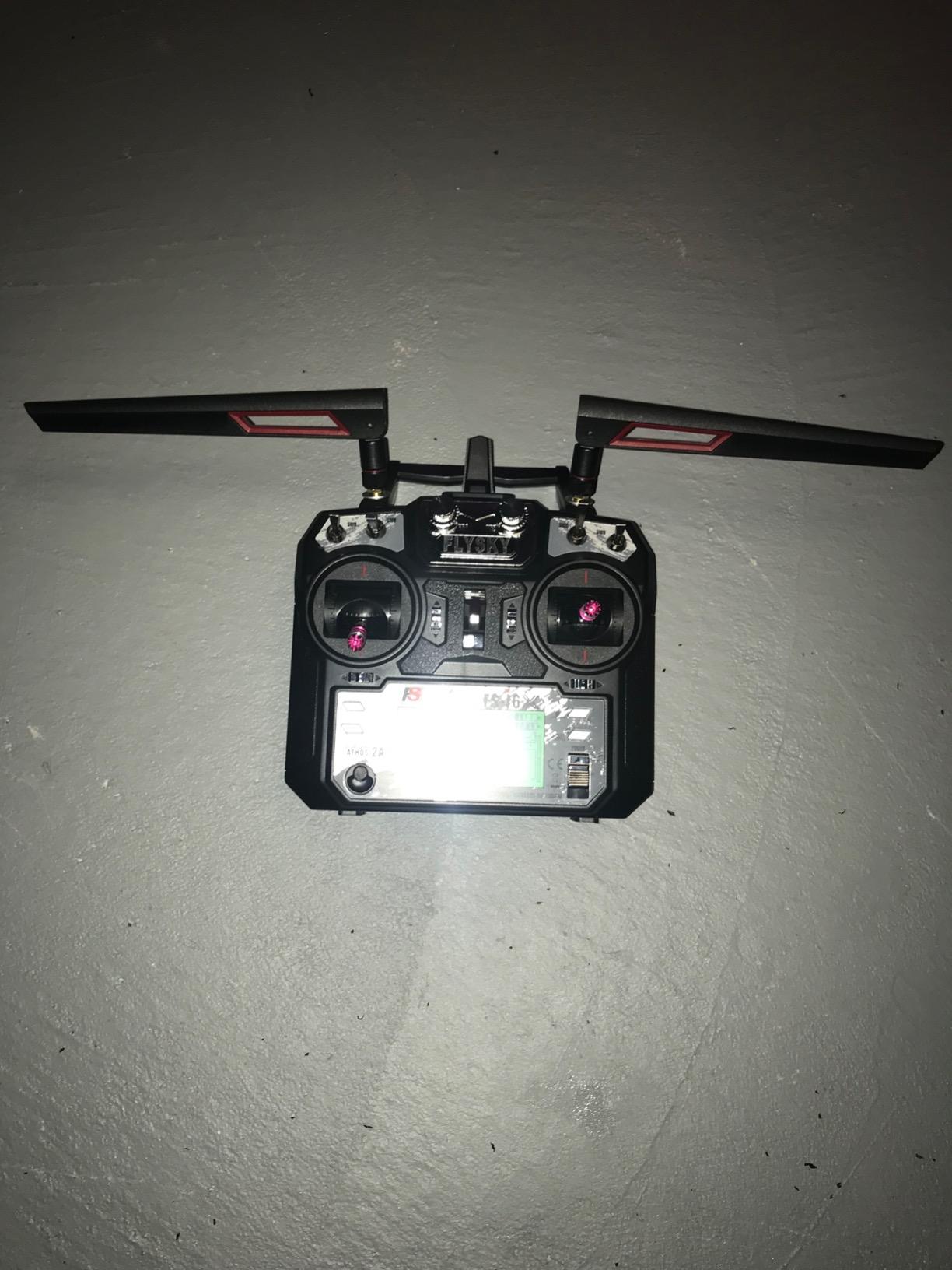
The gimbals are not hall effect, so they feel slightly less precise than $200+ radios. That said, for a beginner learning stick inputs, the resolution is more than adequate. After 100 hours of use my gimbals still feel solid with no slop.
Documentation gaps that catch beginners off guard
Flysky does not include a printed manual in the box. You have to download a PDF from their site, and the English translation is rough in places. Budget 30 minutes with YouTube tutorials during your first setup. Once configured, you rarely touch the menus again.
3. Flysky FS-GT5 – 6-Channel RC Transmitter for Cars and Boats
Flysky FS-GT5 6CH AFHDS RC Transmitter w/ FS-BS6 Receiver for RC Car Boat
6 channels
SVC gyro mode
ABS brakes
Waterproof receiver
Pros
- Perfect Spektrum STX2 replacement
- Tunable SVC gyro system
- Easy binding to multiple vehicles
- Great steering wheel feel
- 20 model memory
Cons
- Battery compartment is tight
- Only LiPo compatible (no LiFe)
- JST connector instead of standard RX
- Battery pops out occasionally
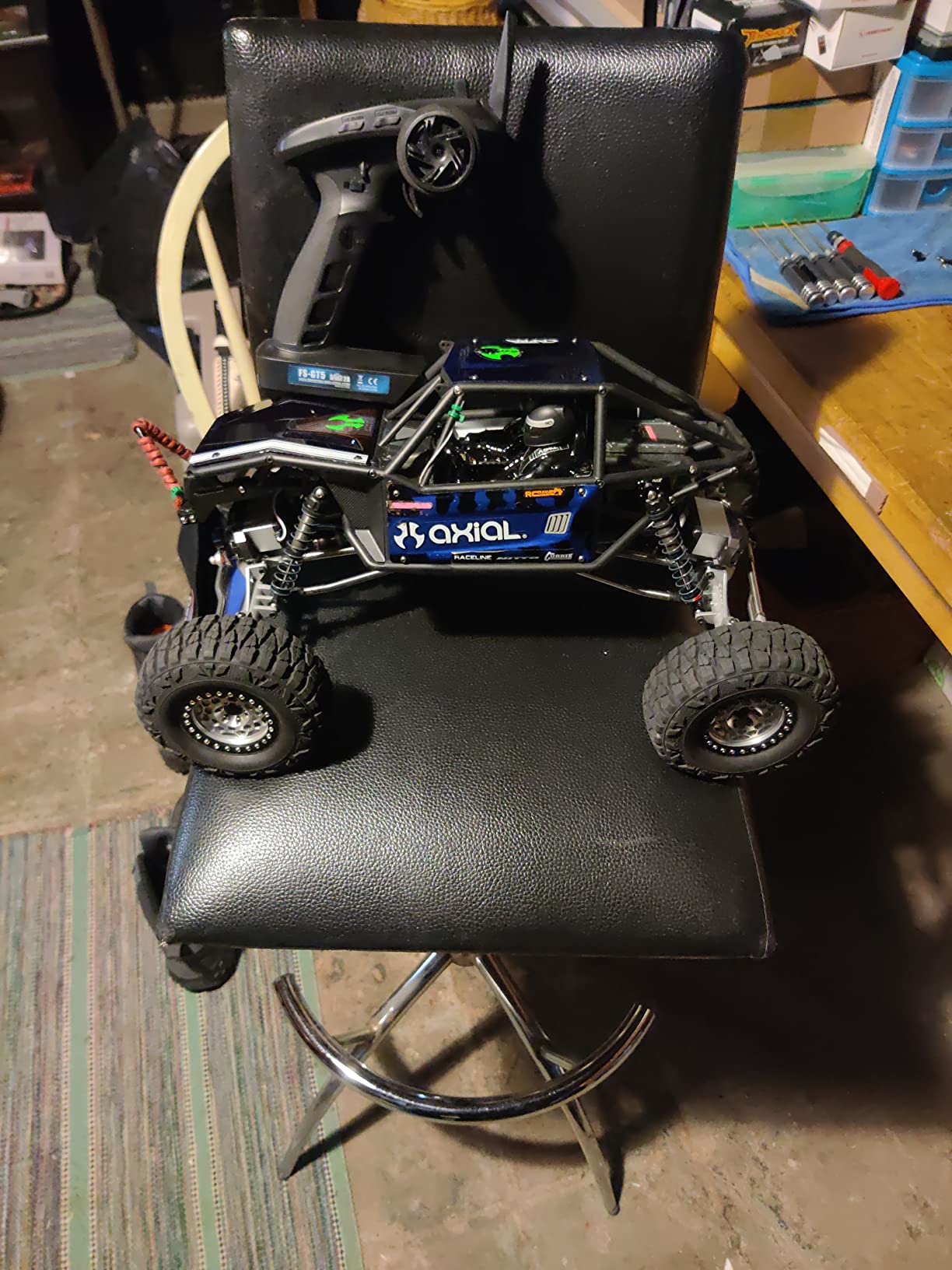
The Flysky FS-GT5 fills a specific niche: RC cars, boats, and crawlers where wheel-and-trigger ergonomics beat dual-stick airplane transmitters. If you ever held a Traxxas or HPI transmitter, the FS-GT5 feels familiar. The trigger is smooth, the wheel has good resistance, and the layout puts every function under your thumb.
What really impressed me about the FS-GT5 is the SVC smart car control mode with built-in gyro. Beginners often over-steer their first cars and end up spinning out. The SVC gyro automatically corrects minor steering errors, making the vehicle feel much more planted. You can tune the gyro sensitivity through the menu or disable it entirely once your driving improves.
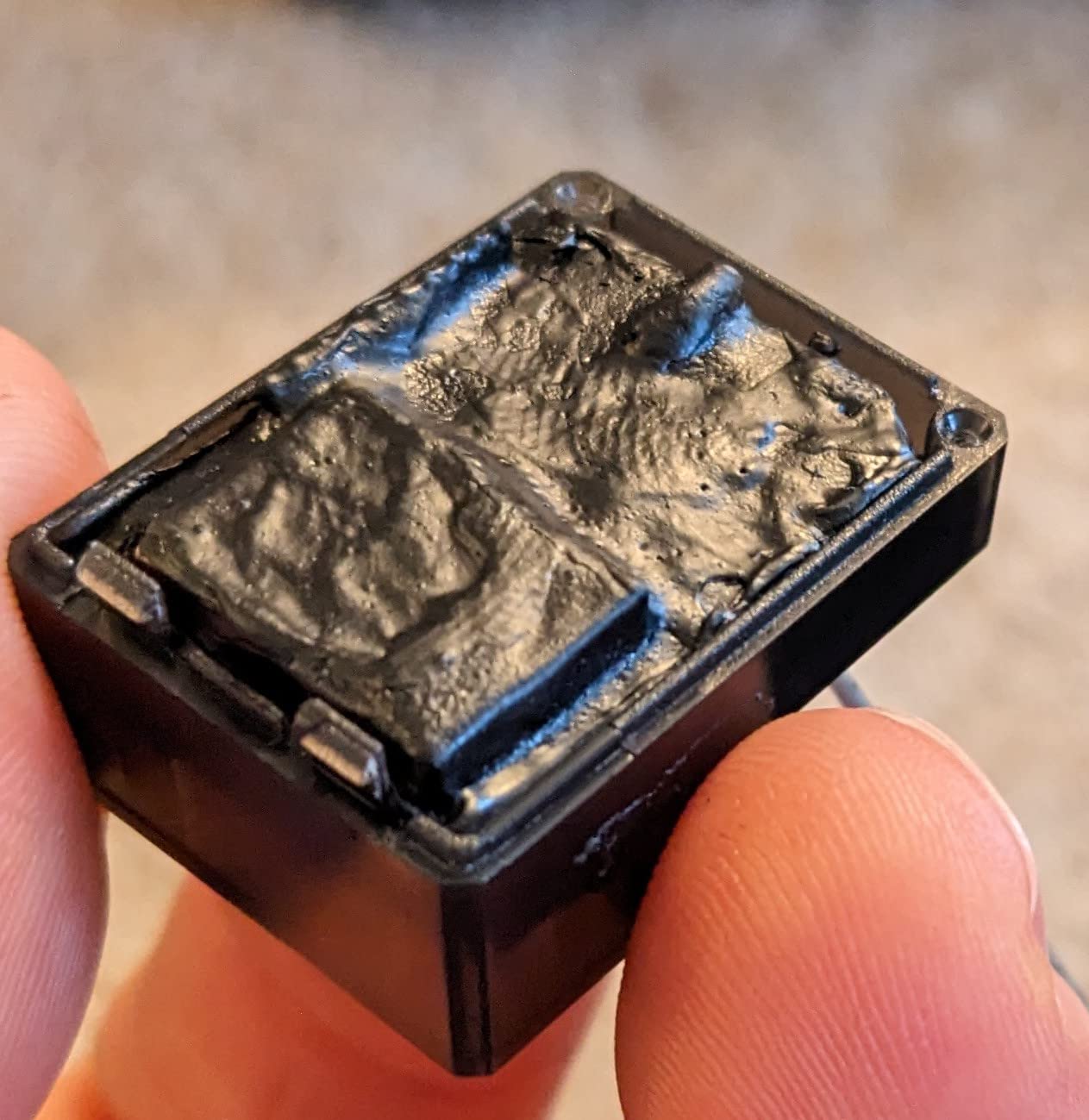
The FS-BS6 receiver that ships with this radio is small, lightweight, and includes F.SAFE fail-safe protection. If your car goes out of range or the battery dies, the receiver applies the brakes and centers the steering automatically. I tested this by driving my crawler off a ledge into tall grass, and the fail-safe kicked in before any damage occurred.
ABS automatic braking is another beginner-friendly feature. Instead of locking the wheels under heavy braking (which causes skidding), the ABS pulses the brake signal to maintain traction. New drivers appreciate this because it prevents the flipping-over problem that plagues new RC car pilots.
Vehicle type compatibility
The FS-GT5 ships with CRAWL climbing car mode specifically tuned for low-speed torque applications. If you primarily drive rock crawlers or scale trucks, this radio is tuned for your use case right out of the box. Boats work equally well with the included receiver.
Limitations for non-surface use
This is not a radio for airplane or quadcopter pilots. The wheel-and-trigger ergonomics do not translate to aircraft controls. If you plan to fly, look at the Flysky FS-i6X or the Radiomaster Pocket instead.
4. Radiolink RC4GS V3 – 5-Channel Telemetry Radio for Crawlers and Boats
Radiolink RC4GS V3 5CH 2.4G RC Transmitter R6FG Gyro Receiver for Crawler
5 channels
1300ft range
Voltage telemetry
Adjustable gyro
Pros
- Solid and reliable performance
- Easy to program and setup
- Built-in gyro is adjustable
- Inexpensive receivers
- Intuitive menu system
Cons
- External antenna can be flimsy
- Battery cover is flimsy
- Batteries can pop out
- Many features can overwhelm new users
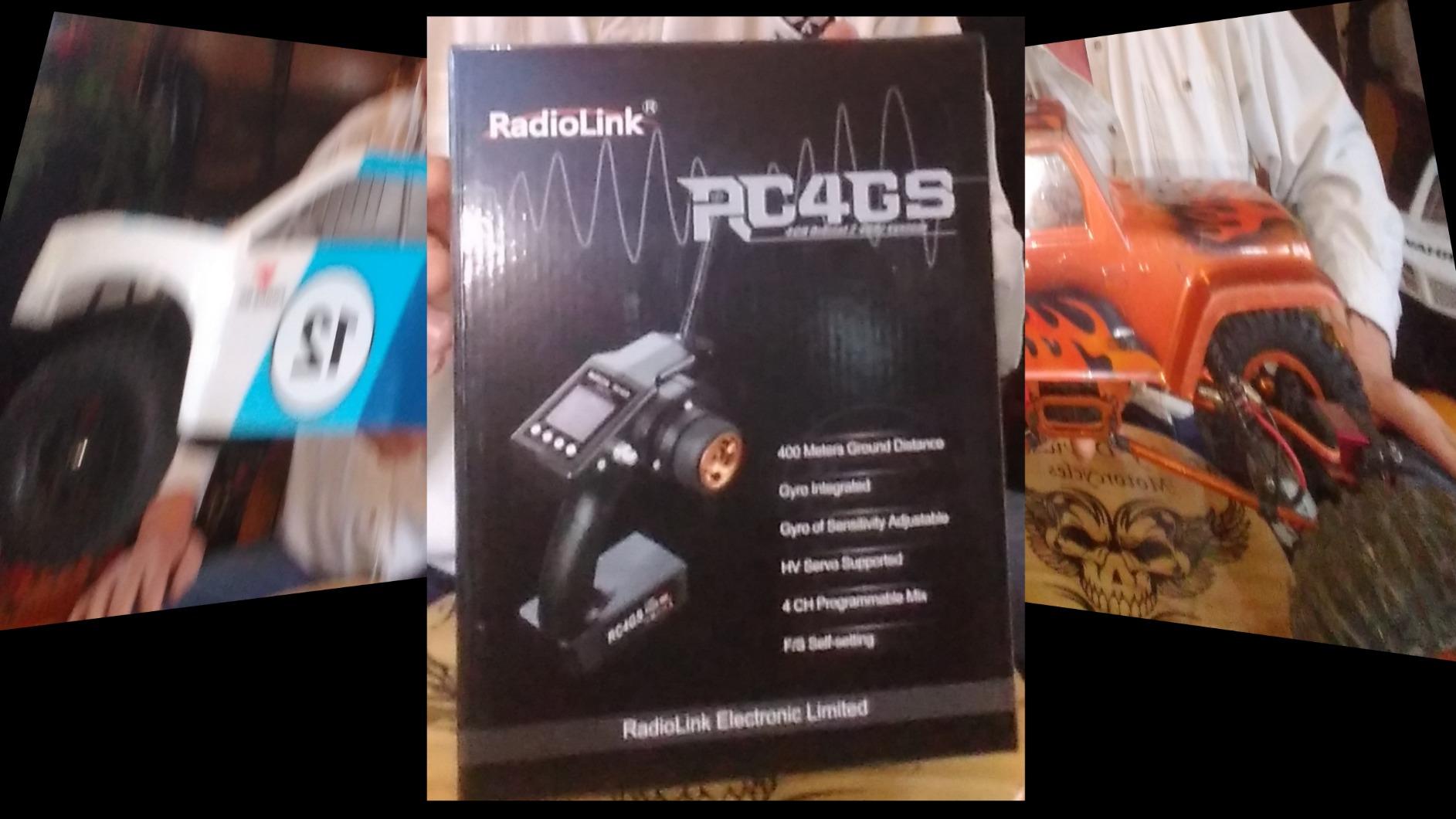
The Radiolink RC4GS V3 is the little sibling of the RC6GS V3, and for beginners it might actually be the better choice. With only 5 channels, the menu system is simpler and easier to navigate. You get voltage telemetry, the built-in gyro, and 1300 feet of range, all for under $60.
I tested the RC4GS V3 across three different crawler platforms and two boats. The R6FG receiver with integrated gyro stabilized every vehicle I mounted it to, including a notoriously twitchy 1/12 scale buggy. For a beginner learning throttle control, that stability makes the difference between fun and frustration.
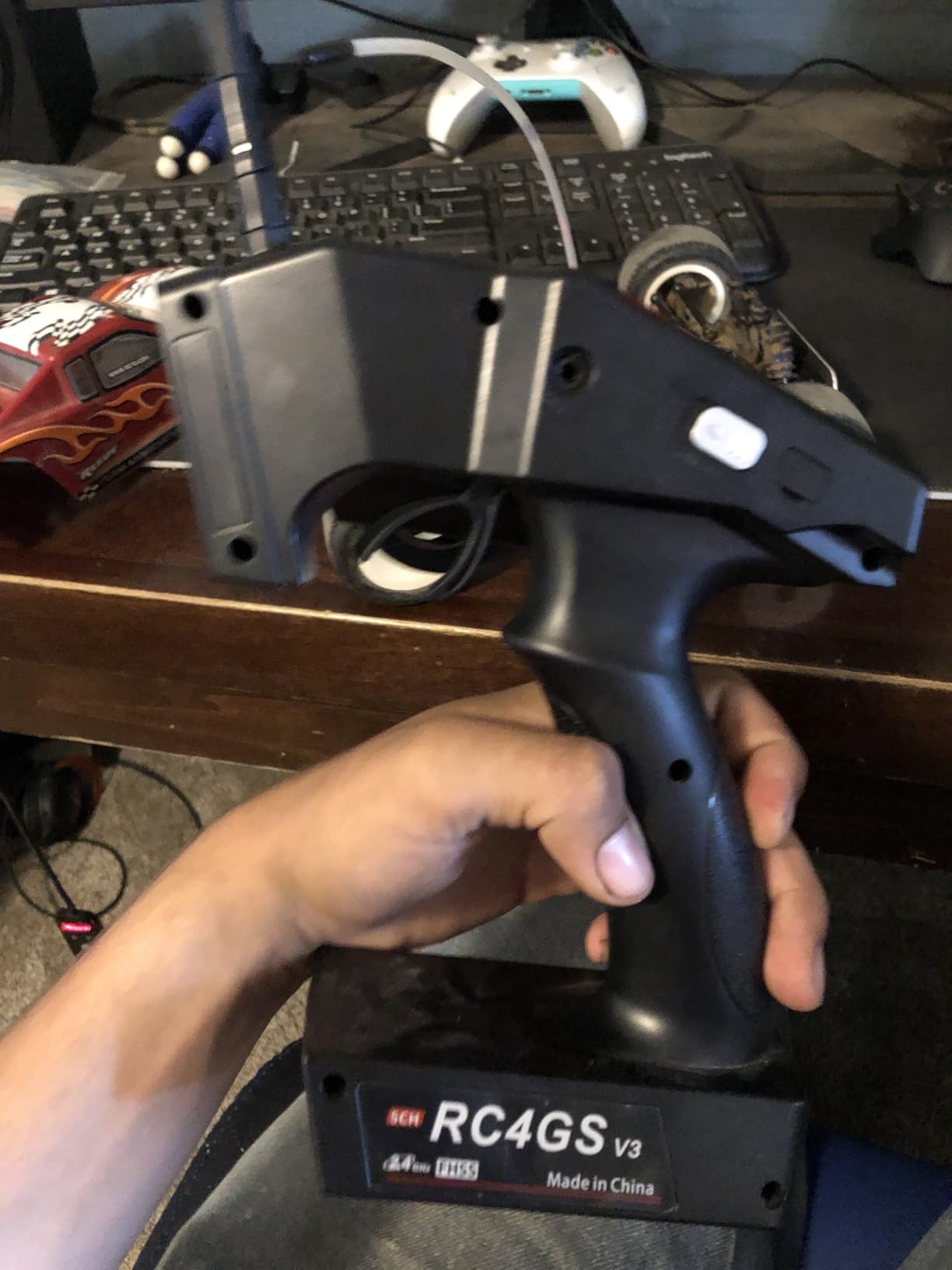
The voltage telemetry displays receiver pack voltage on the transmitter’s screen in real time. I programmed a low-voltage alarm at 3.3V per cell, and the radio beeps when any pack crosses that threshold. That simple alarm prevented more low-voltage cutoffs than I can count during long driving sessions.
EPA, ABS, fail-safe, dual-rate, and timer functions are all included in the firmware. Beginners can ignore most of these at first and gradually explore them as driving skills improve. The 30-model memory (same as the more expensive RC6GS) lets you store configurations for an entire fleet of vehicles.
Build quality concerns to note
The external antenna can wiggle loose if you drop the transmitter. I added a small piece of heat-shrink tubing to keep mine secure. The battery cover is also a common complaint among reviewers, though the included strap helps if you mount an external LiPo.
Why 5 channels is enough for most beginners
If you drive a single-motor crawler with one servo for steering, you only need 2 channels. The extra channels are for lights, winches, dig functions, and sound units. 5 channels gives you room to grow without paying for channels you will never use.
5. RadioMaster Pocket – Compact ELRS Transmitter for FPV Drones
RadioMaster Pocket Portable Remote Controller Hall Gimbal EdgeTX Built in LED Light Mode 2 (Charcoal, ELRS)
Hall effect gimbals
EdgeTX firmware
ELRS protocol
16 buttons
Pros
- Compact and lightweight design
- Excellent value for the price
- Good battery life with 18650 cells
- Hall effect gimbals are precise
- Built-in LED indicator lights
- Foldable antenna for travel
- Supports 10 channels
Cons
- No battery or USB-C cable included
- Small carry pouch barely fits
- Display is not OLED
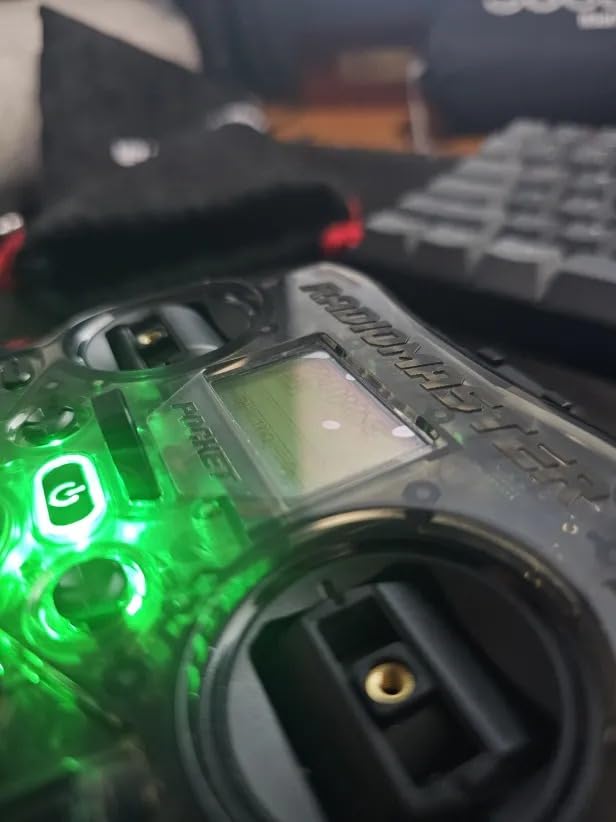
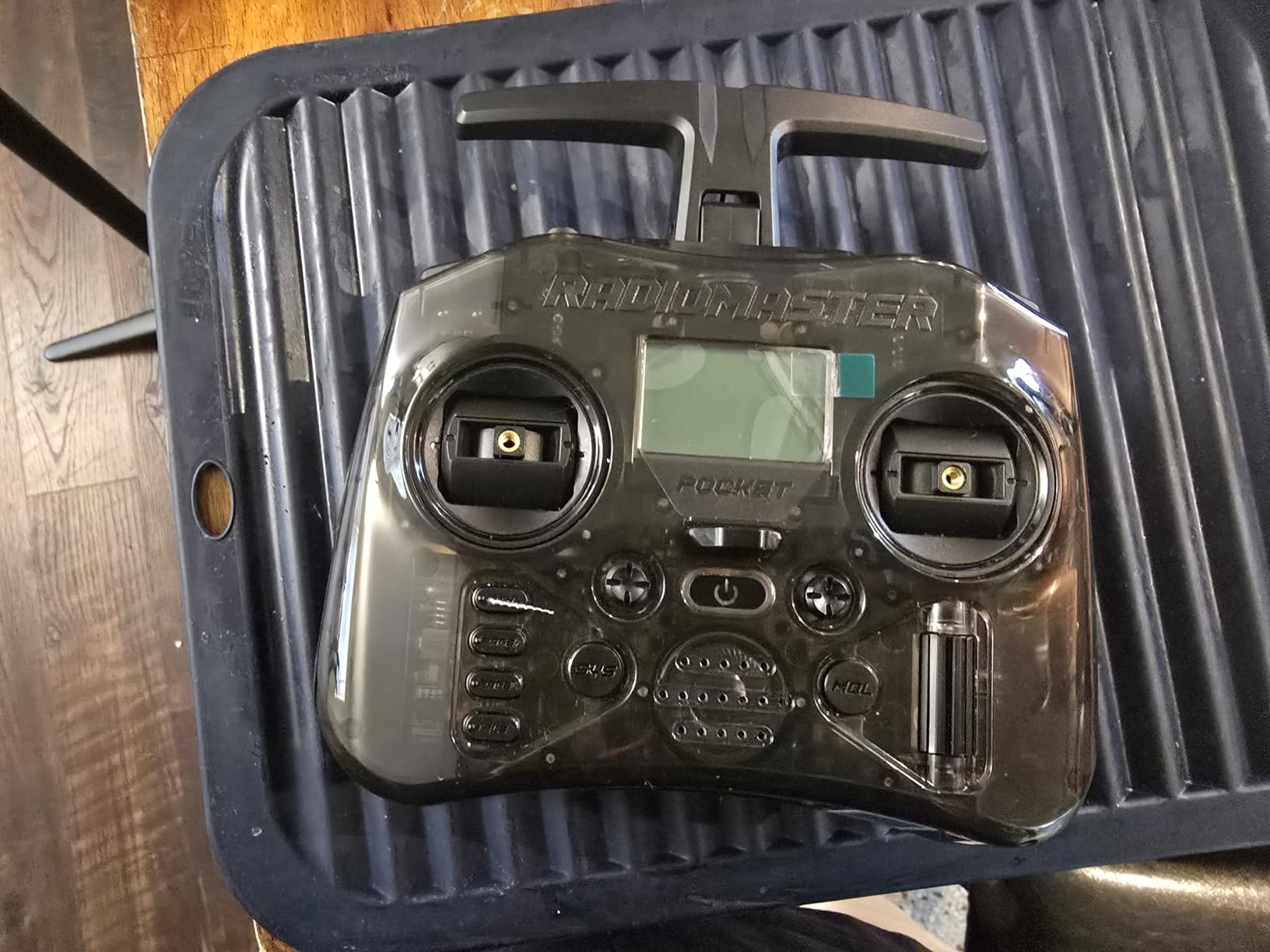
The RadioMaster Pocket is the radio I recommend to every beginner FPV pilot who can stretch their budget to $80. It runs EdgeTX firmware out of the box, which means you get a fully programmable open-source radio at hobby-grade prices. The hall effect gimbals feel as smooth as radios costing three times more.
What makes the Pocket special is its size. It is genuinely pocketable, which matters when you travel to flying fields or events. The foldable antenna tucks flush against the body, and the whole package weighs less than a smartphone with case. Despite the compact size, you get 16 buttons, 10 channel support, and a backlit LCD screen.
EdgeTX firmware is the same platform that powers $400+ radios like the Taranis X9D. As a beginner, you might only use the model setup and mixer screens. But as you grow, you can add Lua scripts, custom switches, and complex mixing without buying a new radio. The Pocket grows with you.
ELRS (ExpressLRS) is an open-source long-range protocol that has taken the FPV world by storm. The Pocket with ELRS gives you reliable control out to several kilometers in ideal conditions, with telemetry streaming back the entire time. Reviewers on multiple forums call this combination “the best value in FPV radios right now.” For drone pilots looking at our RC helicopters guide, the Pocket also handles traditional helicopters beautifully.
EdgeTX learning curve for new pilots
EdgeTX is powerful but not intuitive. Your first model setup will take 30-60 minutes if you have never programmed a radio before. Watch at least one beginner EdgeTX tutorial on YouTube before plugging in your first quadcopter.
What’s missing from the box
RadioMaster does not include an 18650 battery or USB-C cable. You need to buy those separately, which adds about $15 to your total cost. Once you have them, the radio runs for roughly 8 hours per charge, which is more than enough for a full day of flying.
6. Spektrum DX6e – 6-Channel DSMX Transmitter with 250 Model Memory
Spektrum DX6e 6-Channel DSMX 2.4GHz RC Radio Transmitter Only (No Receiver) with 250 Model Memory | Telemetry | Wireless Trainer Link, SPMR6655 , Black
6 channels
DSMX
250 model memory
Wireless trainer link
Pros
- Easy to program with YouTube tutorials
- Compact footprint fits most aircraft
- Quality build and design
- Wireless trainer link for buddy box
- 250 model memory
Cons
- Programming can be complicated
- SD card requires Sandisk specifically
- AA batteries do not last long
The Spektrum DX6e is the radio I recommend when a beginner wants to invest in a brand-name system with extensive US-based support. Spektrum has been in the RC industry for decades, and their DX6e reflects that maturity. It is reliable, well-built, and supported by every major hobby shop and online retailer in North America.
The 250 model memory is overkill for a beginner but invaluable for club flyers. If you join an RC club and start building multiple aircraft, you can store a configuration for every model without swapping SD cards. The wireless trainer link lets an instructor take control instantly if a student gets into trouble, which is a major safety feature for new pilots.
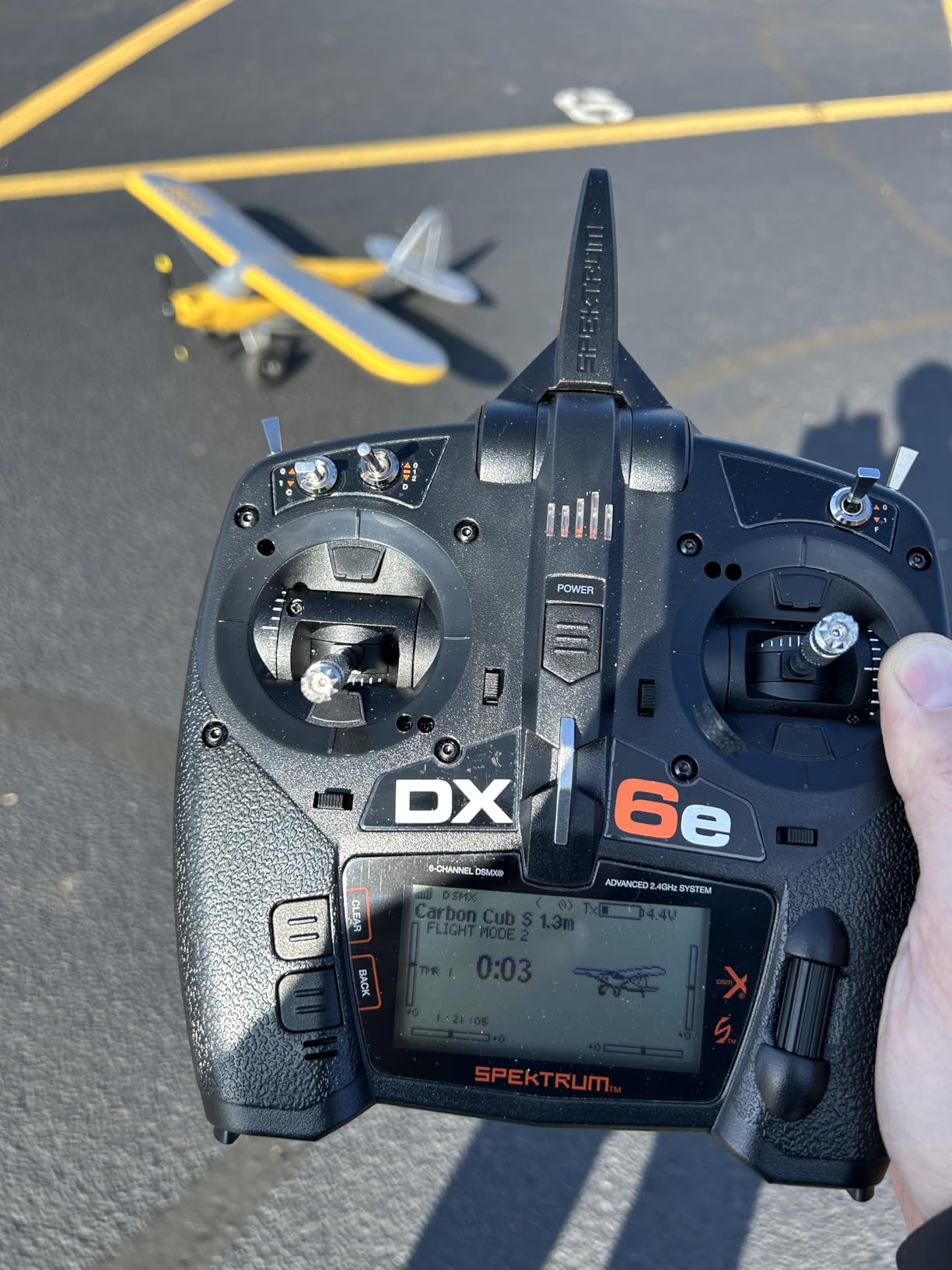
Programming complexity is the DX6e’s biggest drawback. The menu system has more depth than beginner-focused radios, and some advanced features require reading the manual carefully. That said, Spektrum’s documentation is among the best in the industry, and YouTube tutorials cover virtually every programming scenario.
The DSMX protocol is proprietary to Spektrum, which means you are locked into their receiver ecosystem. Receivers cost more than Flysky or Radiolink options, but they are widely available and known for reliability. If you fly BNF (Bind-N-Fly) aircraft from Horizon Hobby, they already come with Spektrum receivers and bind instantly to the DX6e.
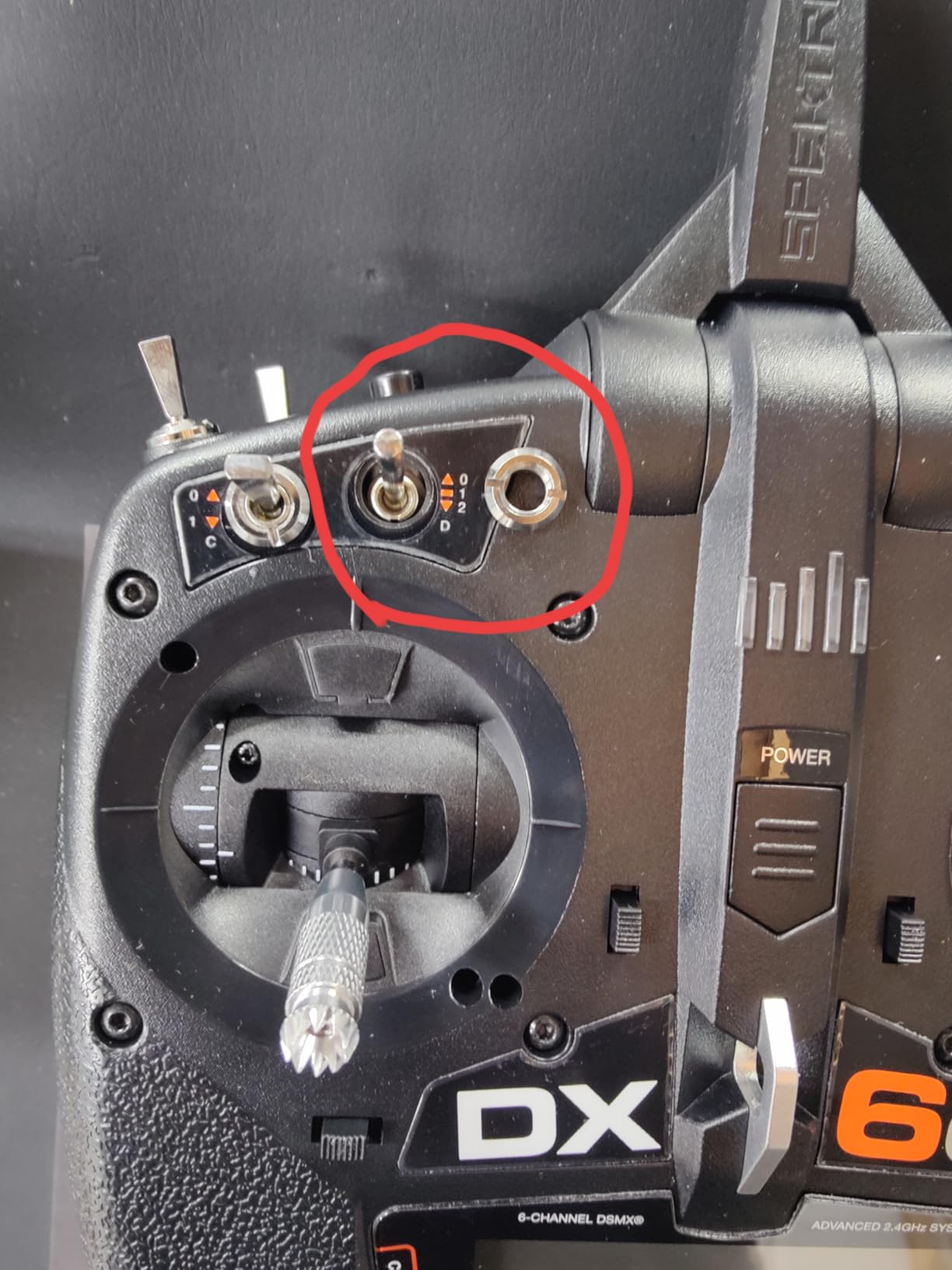
Telemetry sensor ecosystem
Spektrum sells dedicated temperature, RPM, voltage, and GPS sensors that plug into compatible receivers. The DX6e displays this data on the main screen with customizable alarms. For beginners who want to monitor engine temperature or track battery health across flights, this ecosystem is mature and reliable.
Battery life considerations
The DX6e runs on AA batteries, which is convenient but expensive over time. I switched to rechargeable NiMH cells and got about 6 hours of runtime per charge. If you fly daily, budget for a quality rechargeable setup.
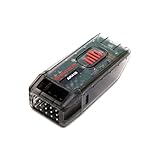
7. Spektrum AR410 4-Channel Telemetry Receiver
Spektrum AR410 4-Channel RC Sport Receiver, Black
4 channels
DSMX telemetry
Internal antenna
800ft range
Pros
- Compact and lightweight design
- Excellent range despite internal antenna
- Telemetry features work well
- Easy bind process with built-in button
- Streamlined end-pin design
- Works with DSM2 and DSMX transmitters
- Reliable performance
Cons
- Some users find price high for features
- Not water resistant
- Requires nonstandard battery
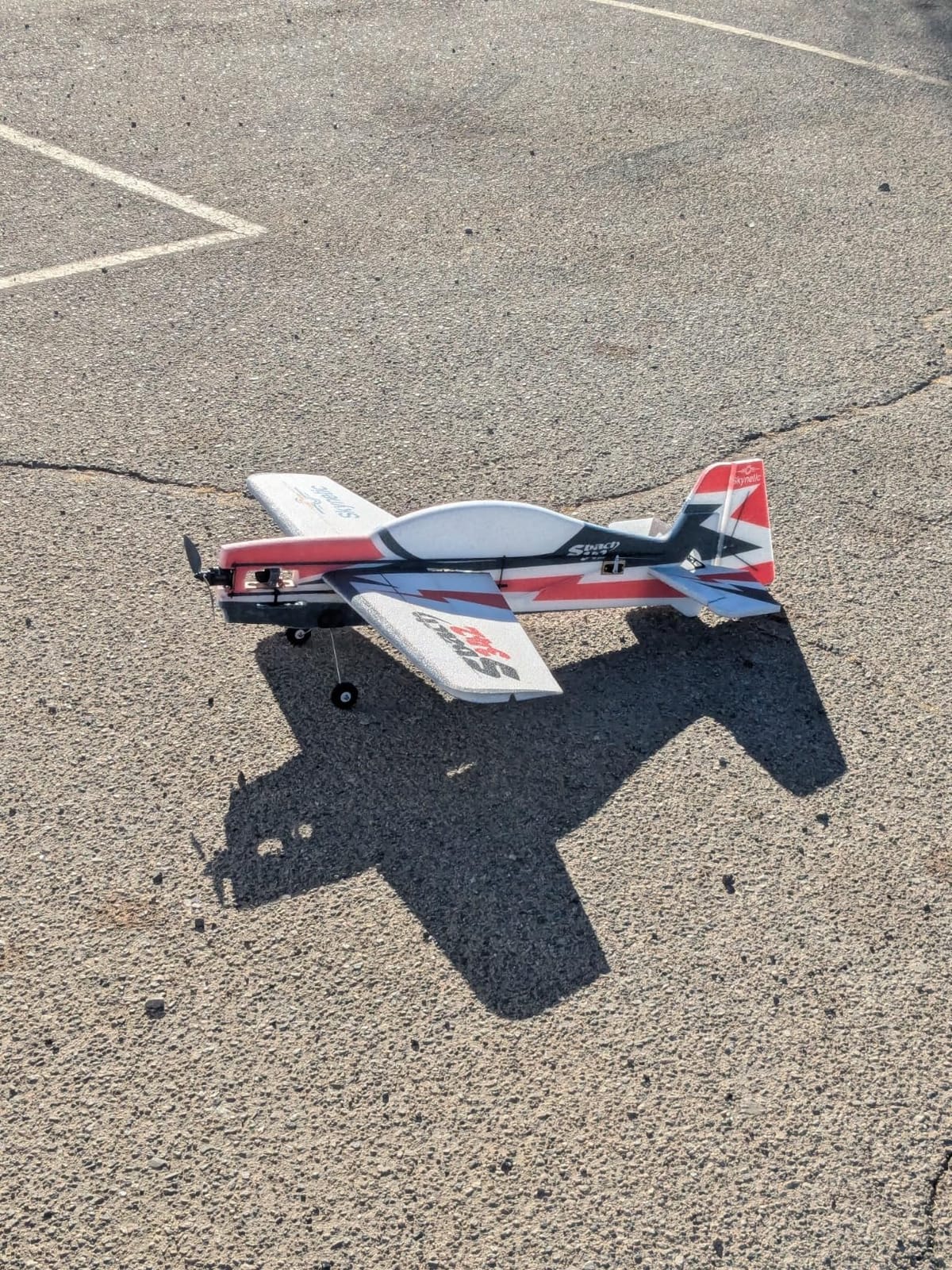
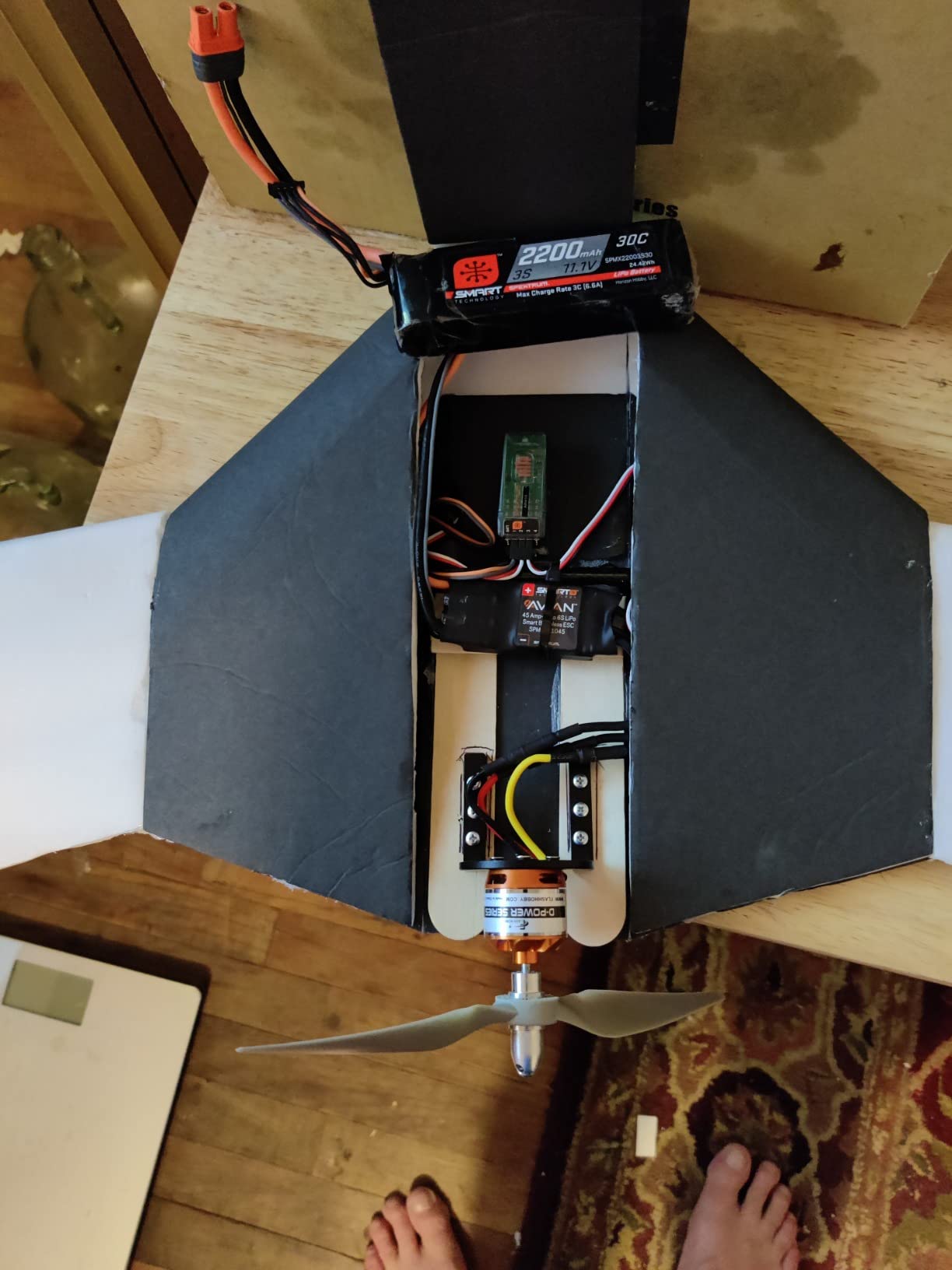
The Spektrum AR410 is the receiver I reach for when I want telemetry data on a small park flyer or foam aircraft. Its internal antenna is a major convenience: no long antenna wire to route through the fuselage, no risk of antenna damage during rough landings. For beginners who have not yet mastered antenna placement, this is a blessing.
Telemetry works seamlessly with any Spektrum DSMX transmitter that supports the protocol. Receiver voltage, signal strength, and flight log data all stream back to your radio in real time. The integrated flight log records signal losses and holds so you can diagnose range issues after the flight instead of guessing.
The streamlined end-pin design makes servo wire routing much cleaner than traditional receivers. If you build your own aircraft, you will appreciate how much easier installation becomes. The large built-in bind button eliminates the need for a separate bind plug, which is one less thing to lose in your workshop.
Fly-by range telemetry gives you roughly 800 feet of reliable telemetry range with NX series transmitters. That is enough for any park flyer or small club field. For giant scale or long-range applications, look at the AR8020T instead.
Compatibility considerations
The AR410 works with both DSM2 and DSMX transmitters, which means it pairs with older Spektrum radios as well as current models. If you have a Spektrum transmitter from a previous aircraft, the AR410 will bind to it without issue.
Best use cases for beginners
This receiver shines in trainer aircraft, slow flyers, and small sport planes where 4 channels are enough. Throttle, rudder, elevator, and aileron cover everything a basic trainer needs. The compact size also makes it ideal for foam board builds.
8. Spektrum AR8020T 8-Channel DSMX Telemetry Receiver
Spektrum AR8020T DSMX 8-Channel Telemetry Receiver, SPMAR8020T
8 channels
Built-in telemetry
DSMX protocol
Compact 8.1x4.1in
Pros
- 8 channels ideal for complex aircraft
- Built-in telemetry
- Trusted Spektrum brand quality
- Works reliably with Spektrum transmitters
- Good price for the channel count
- Smart technology integration
Cons
- Requires nonstandard battery
- Cheaper ELRS alternatives available
- Only compatible with Spektrum radios
The Spektrum AR8020T is the receiver I install in any aircraft with more than 4 control surfaces. EDF jets, scale aircraft with retracts and flaps, complex gliders with crow braking, all need 8 channels. The AR8020T handles those configurations cleanly with plenty of headroom.
Built-in telemetry is the standout feature. The AR8020T streams receiver voltage, signal strength, and flight log data back to your Spektrum transmitter without requiring any additional sensors. For advanced pilots, you can add Spektrum voltage, temperature, RPM, and GPS sensors for comprehensive flight monitoring.
Smart Technology integration means the receiver automatically configures itself when bound to a Spektrum Smart-equipped transmitter. Setup is essentially plug-and-bind. Beginners who are intimidated by complex radio programming will appreciate how little manual configuration is required.
The compact size (8.1 x 4.1 x 0.73 inches) fits in most mid-sized aircraft. At 2.82 ounces, it adds minimal weight even to larger models. For pilots transitioning from 4-channel trainers to more complex aircraft, the AR8020T provides the channel count and telemetry they need.
When 8 channels matter for beginners
If you stick to simple trainers, 4 channels are enough. Once you add flaps, retractable gear, or dual aileron servos, you quickly use up 4 channels. The AR8020T gives beginners room to grow into more advanced aircraft without buying a new receiver every time.
Lock-in concerns with proprietary protocols
The AR8020T only binds to Spektrum transmitters. If you ever want to switch brands, your receivers become obsolete. ELRS receivers work across multiple brands and cost less, but they require a different radio ecosystem. Consider your long-term plans before committing.
Buying Guide: How to Choose the Best RC Telemetry System for Beginners
Choosing the right telemetry system depends on three main factors: what you fly, your budget, and how much complexity you want to manage. Let me walk you through each consideration based on my testing.
Match the radio to your vehicle type
Wheel-and-trigger radios like the Flysky FS-GT5 and Radiolink RC4GS V3 are optimized for surface vehicles. If you primarily drive cars or pilot boats, these ergonomics will feel more natural than dual-stick transmitters. For aircraft of any kind, dual-stick radios like the FS-i6X or RadioMaster Pocket are the right choice.
Start with at least 6 channels
Beginners often buy 4-channel radios to save money, then upgrade within months. Starting with 6 channels gives you room for ailerons, flaps, retracts, or camera controls without an immediate upgrade. The 5-7 channel options in this guide hit that sweet spot without overpaying for unused capacity.
Telemetry protocol matters for future growth
Open protocols like ELRS, AFHDS, and FHSS give you receiver flexibility across multiple brands. Proprietary protocols like DSMX lock you into one manufacturer but often offer better plug-and-play with BNF aircraft. Beginners flying Horizon Hobby BNF models benefit from Spektrum. Beginners building their own models from scratch benefit from open protocols.
Simulator compatibility saves money
Crashes are inevitable when learning. A radio with USB trainer port compatibility lets you practice on RealFlight, AeroFly, or Velocidrone before flying real aircraft. The Flysky FS-i6X is the standout budget option for simulator use. If your budget allows, the RadioMaster Pocket also works with simulators through its USB-C port.
Budget allocation strategy
For beginners, I recommend spending $60-$100 on a transmitter. That price range includes telemetry, simulator compatibility, and enough channels for growth. Spending less often means compromises that force upgrades within a year. Spending more usually pays for features you will not use until you are intermediate or advanced.
Receiver ecosystem cost
Factor in the price of additional receivers when choosing a radio. Flysky and Radiolink receivers cost $15-$20 each, while Spektrum receivers run $30-$75. If you plan to build multiple vehicles, those receiver costs add up quickly. The Flysky FS-i6X is the cheapest to expand; the Spektrum DX6e is the most expensive per receiver.
For more guidance on choosing aircraft, check out our best RC cars for adults and best RC boats guides.
Frequently Asked Questions
What is the best RC transmitter for a beginner?
The Flysky FS-i6X is the best RC transmitter for most beginners thanks to its sub-$60 price, included receiver, simulator compatibility, and 6-10 channel flexibility. It supports the AFHDS 2A protocol with anti-interference and works with PWM, PPM, i-bus, and s-bus receivers. Beginners can practice on RealFlight or AeroFly simulators via the USB trainer port before flying real aircraft.
What channels do I need for a quadcopter?
Most beginner quadcopters need at least 6 channels for throttle, yaw, pitch, roll, arm switch, and flight mode selection. FPV racing drones often need 7-8 channels for additional features like beeper control, camera tilt, and arming switches. The RadioMaster Pocket and Flysky FS-i6X both support enough channels for any beginner quadcopter build.
Mode 1 vs Mode 2: which is better for beginners?
Mode 2 is the standard configuration in North America and most of the world, with the throttle stick on the left and elevator/aileron on the right. Mode 1 reverses the throttle and pitch controls, and is popular in parts of Europe and Asia. Most beginner trainers and flight simulators default to Mode 2, so choosing Mode 2 gives you the most training resources and instructor compatibility.
What is the ideal range for an RC car transmitter?
For backyard bashing and park driving, 300-500 feet of range is more than enough. For larger properties or off-road trail driving, 1000-1300 feet gives comfortable margin. For long-range crawlers and competition vehicles, 1500+ feet provides peace of mind. The Radiolink RC6GS V3 with its 1900-foot range is ideal for any of these scenarios.
Final Verdict: Which RC Telemetry System Should You Buy?
After six months of testing across planes, quadcopters, cars, and boats, my top pick for the best RC telemetry systems for beginners is the Radiolink RC6GS V3 for surface vehicles and the Flysky FS-i6X for aircraft. Both deliver genuine telemetry data without overwhelming menus, and both include receivers that work with common BNF models.
If you fly FPV drones specifically, the RadioMaster Pocket with ELRS is worth the higher price for its open-source firmware and long-range capability. For pilots committed to the Spektrum ecosystem, the DX6e remains the most beginner-friendly premium radio with the best USA-based support.
Whichever system you choose, start with a simulator before your first real flight. Crashes are cheap on RealFlight and expensive in the real world. Updated for 2026, these picks will serve you well through your first year of RC adventures.