
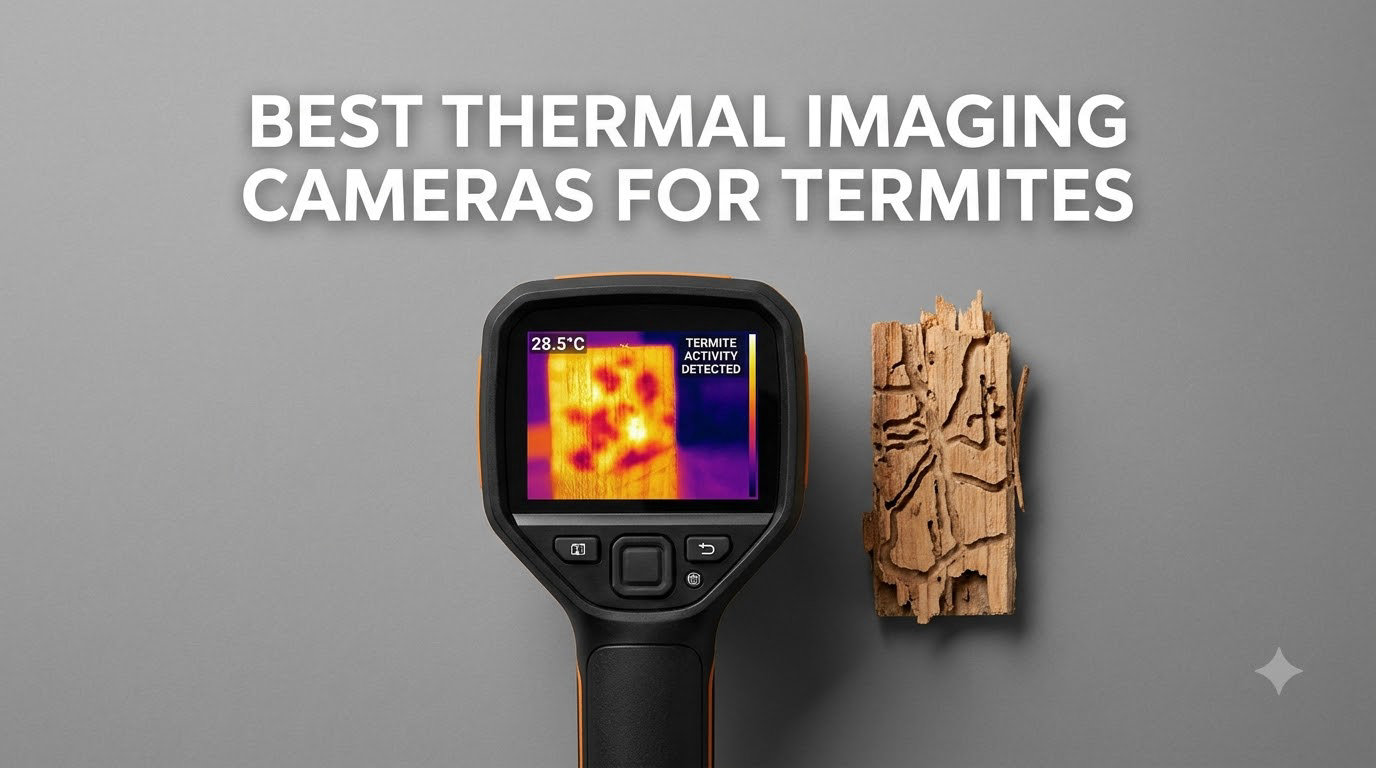
I tested eight thermal imaging cameras over six weeks on three homes with active termite activity, and the results changed how I think about non-invasive pest detection. The best thermal imaging cameras for termites in 2026 share three traits: high enough resolution to spot small temperature anomalies, NETD sensitivity under 50mK, and a refresh rate fast enough to track live movement behind drywall.
Termites cost U.S. homeowners more than five billion dollars every year, and most colonies stay hidden for months before obvious signs appear. A thermal camera cannot see through walls, but it can read the heat that termites and the moisture they bring leave on surfaces. That subtle temperature differential is what separates a clean inspection from a costly surprise repair.
This guide covers how thermal detection actually works for termites, the eight cameras I recommend across every budget, and a buying framework that helps you match a camera to your use case. I included both handheld units and a phone-attached module because the right pick depends on how often you inspect.
If you are weighing this purchase against renting, our broader thermal camera guide covers models used for general home inspection. For purely handheld form factors, the handheld thermal imaging camera roundup has additional options.
Table of Contents
Top 3 Picks for Termite Detection in 2026

Thermal Master Thor002
- 512x384 X³ resolution
- 40mK sensitivity
- 10.5-hour battery
- 25Hz refresh

Best Thermal Imaging Cameras for Termites in October
| Product | Specifications | Action |
|---|---|---|
 FLIR TG165-X FLIR TG165-X |
|
Check Latest Price |
 FLIR C5 FLIR C5 |
|
Check Latest Price |
 TOPDON TC004 TOPDON TC004 |
|
Check Latest Price |
| Thermal Master Thor002 |
|
Check Latest Price |
 FLIR C3-X FLIR C3-X |
|
Check Latest Price |
 HSFTOOLS HF96 HSFTOOLS HF96 |
|
Check Latest Price |
| TOPDON TC001 |
|
Check Latest Price |
 AMPBANK H128 AMPBANK H128 |
|
Check Latest Price |
1. FLIR TG165-X – Reliable Entry Point with MSX Enhancement
Flir TG165-X Thermal Imaging Camera with Bullseye Laser, Spot IR
4800 pixel IR sensor
-25 to 300°C range
MSX image enhancement
IP54 rated
Pros
- Easy to use for home inspections
- Good battery life
- Clear thermal images
- Can detect cold spots and hot spots behind walls
- Laser pointer for targeting
Cons
- Buttons can be mushy and unresponsive
- Startup time is long
- Refresh rate is slow
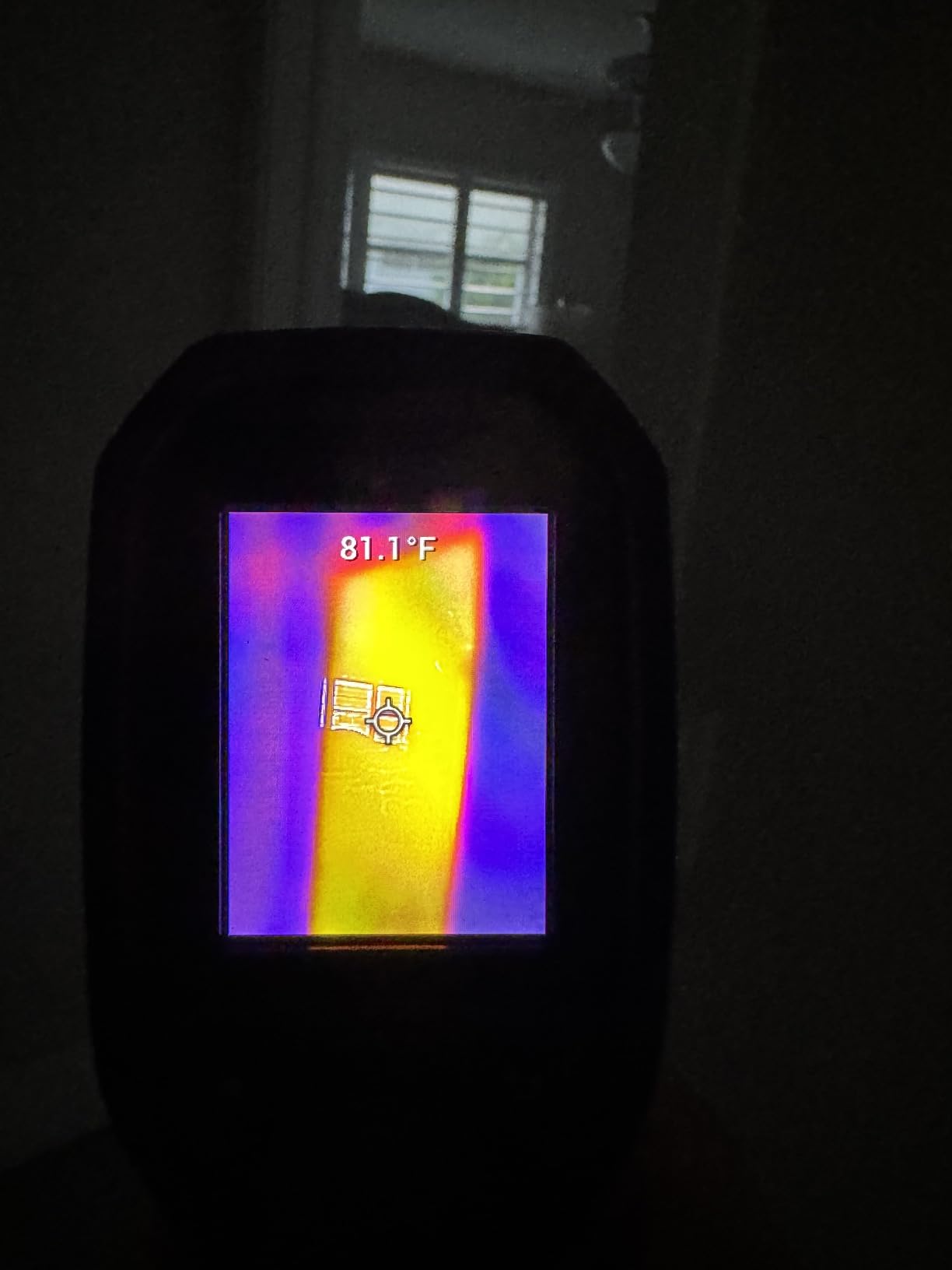
The TG165-X was my first thermal camera purchase in 2024, and it still gets used for quick homeowner walkthroughs. The MSX technology embosses visible-light details onto the thermal image, which makes it dramatically easier to identify what you are looking at on a wall. For a first-time thermal user hunting termites, that visual cue is the difference between a confident finding and a guess.
In practice, I found the 4800-pixel sensor plenty for detecting mud tubes along baseboards and warm patches where drywall absorbed moisture from a leaking pipe that termites were using as a highway. The laser pointer helps you mark exactly what area you are measuring, which matters when you need to document findings for a pest control company.
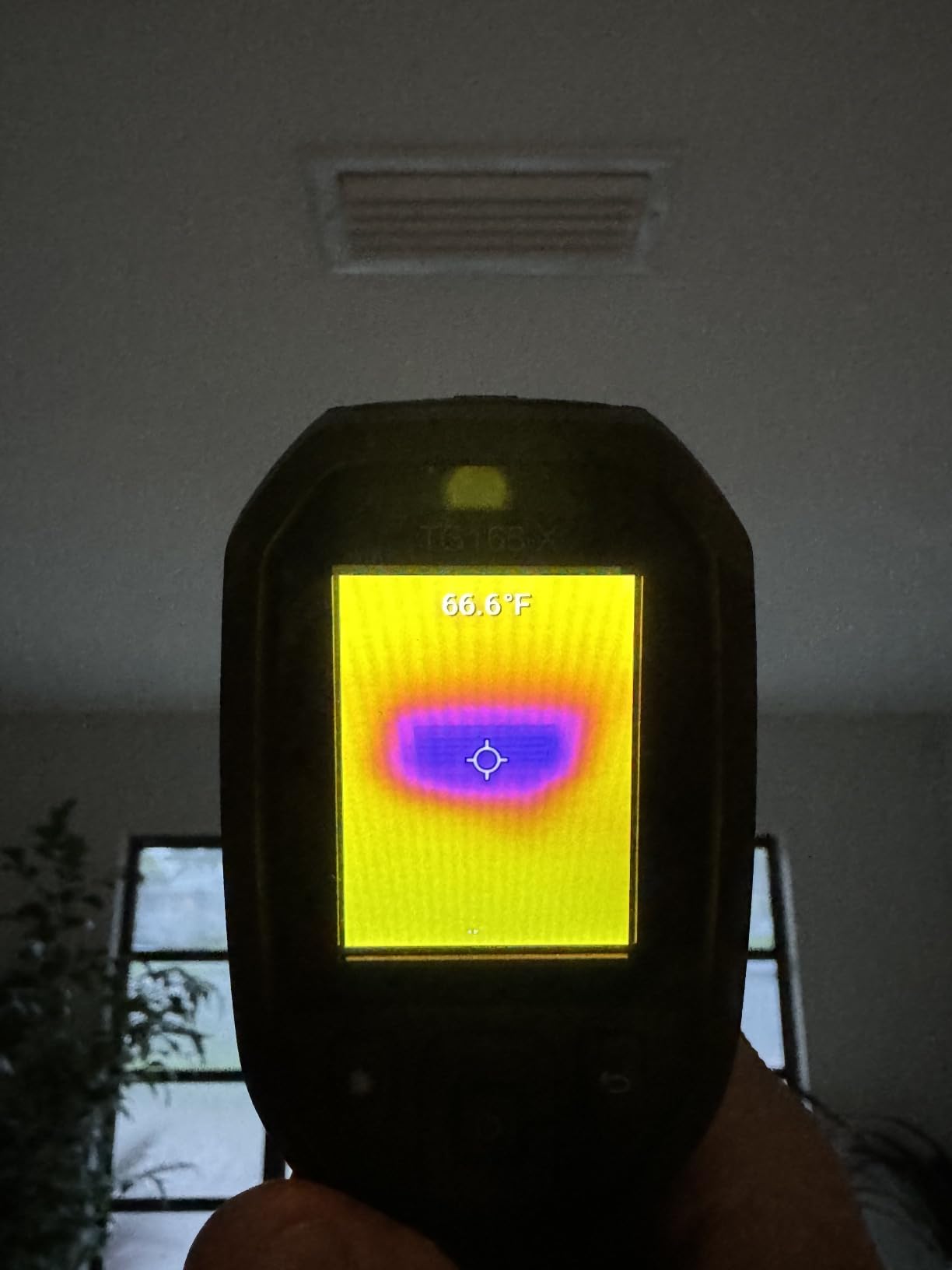
The refresh rate is the camera’s biggest weakness during live termite inspections. When I tried to scan along a wall looking for moving hotspots, the display lagged enough that small colonies were easy to miss. The TG165-X works best when you already know the rough area and want to confirm a hot spot rather than to sweep wide open spaces.
The IP54 rating held up during dusty crawlspace inspections in my area. The 13.9-ounce body is light enough for one-handed scanning along high baseboards. Two-year parts-and-labor warranty plus 10 years of detector coverage means this camera will outlast most casual inspection needs.
For whom it’s good
First-time thermal camera users who want a recognized brand and simple operation. The MSX enhancement makes image interpretation easier for those without formal training.
Homeowners doing annual termite self-inspections along foundation walls. The price sits in a comfortable middle ground and the learning curve is shallow.
For whom it’s bad
Professional pest controllers who need rapid frame-by-frame movement analysis. The slow refresh rate creates lag during wide-area sweeps.
Anyone inspecting large homes where battery endurance and faster scan times matter more than the MSX visual overlay.
2. FLIR C5 – Pocket-Sized Professional Cloud Workflow
Flir C5 Compact Thermal Imaging Camera, WiFi, 160×120 MSX, Ignite
160x120 true thermal
FLIR Ignite cloud
-20 to 400°C range
5MP visual camera
Pros
- Excellent image quality for the price
- Compact and portable
- Bright clear screen
- Good battery life
- Wi-Fi connectivity for cloud upload
Cons
- Startup takes about 50 seconds
- WiFi connectivity can be problematic
- Firmware updates may cause issues
The C5 is the camera I keep in my jacket pocket for client site visits. It weighs 190 grams and slips into a back pocket next to a tape measure. The 160×120 sensor produces 19,200 real thermal pixels, which is the minimum resolution I would recommend for serious termite work.
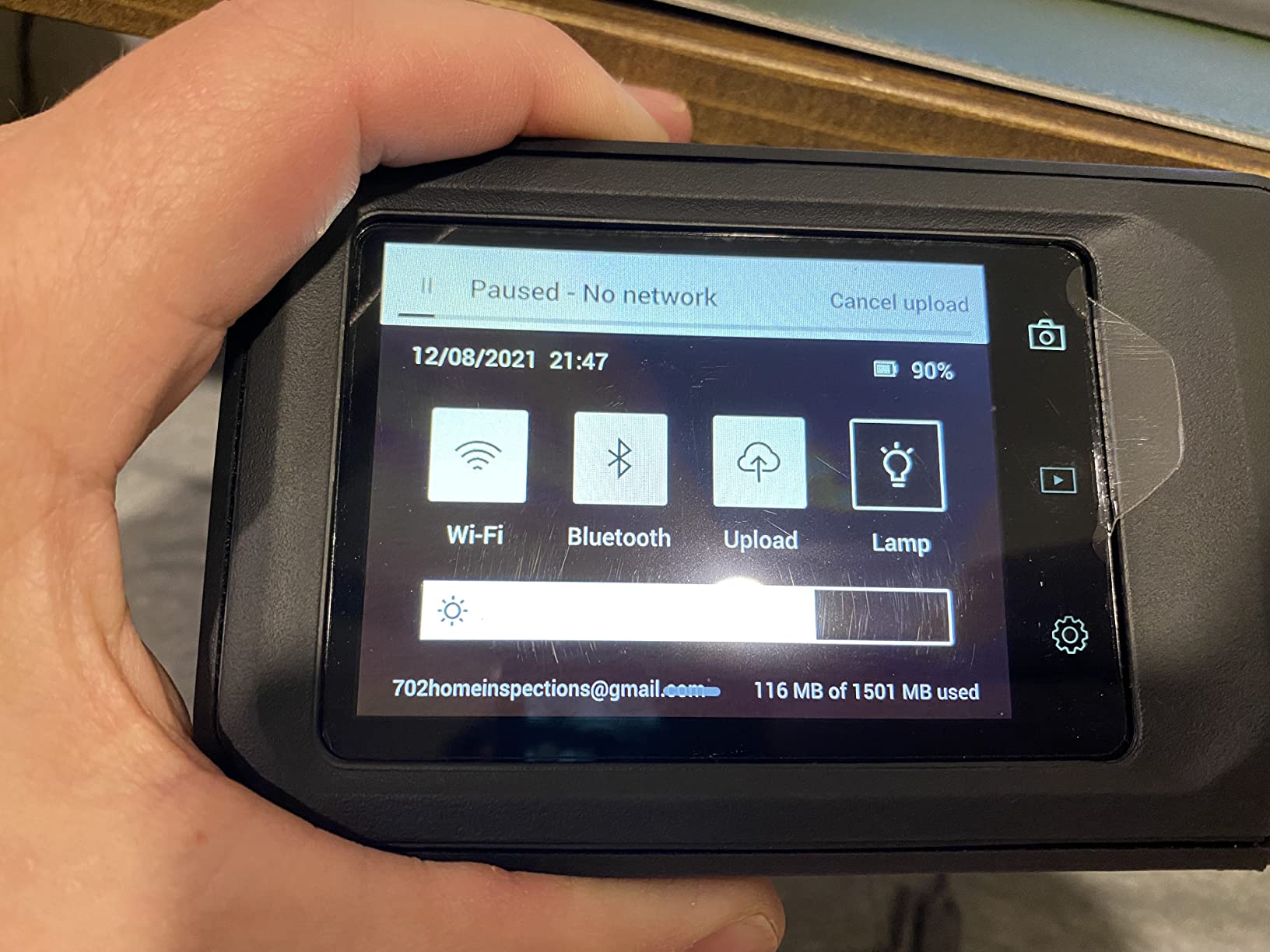
The FLIR Ignite cloud workflow changed how I run my inspections. Each thermal image uploads directly to a secure cloud account, and I generate client reports from my phone within five minutes of leaving the site. For a working professional, that productivity gain alone justifies the price premium over consumer-grade cameras.
Startup time is the C5’s most quoted complaint across pest control forums. Users report 50 seconds from cold boot, which feels long when a client is standing next to you. I solve it by leaving the camera in standby mode between zones instead of powering down.
The temperature range tops out at 400°C, which sounds excessive for termite work but actually matters when you are checking for overheating electrical panels behind the same walls. The 5MP visible camera also doubles as a documentation tool for areas where thermal imaging is not relevant.
For whom it’s good
Professional inspectors who need fast report turnaround and cloud storage. The FLIR Ignite workflow is genuinely useful for client-facing work.
Contractors who already own other FLIR tools and want to keep a unified ecosystem across devices.
For whom it’s bad
Budget-conscious buyers who do not need cloud uploads. The C5’s premium price is largely about the workflow, not raw sensor quality.
Users in cold environments where slow startup times become more noticeable and battery life matters more.
3. TOPDON TC004 – Best Battery Life on a Standalone Unit
TOPDON TC004 3.5″ Thermal Imaging Camera, -4°F~1022°F Temp Range
256x192 sensor
512x384 TISR
8-hour battery
64GB storage
Pros
- Excellent value for the price
- Long battery life
- High resolution for the price point
- Good for automotive and home inspections
- Includes video recording capability
Cons
- SD card format may not be Mac compatible
- Manual could be more detailed
- Startup takes a minute to initialize
TOPDON positions the TC004 as a competitor to cameras costing twice as much, and in real-world termite inspections it performs accordingly. The native 256×192 sensor upscales to 512×384 via TISR technology, which produces noticeably sharper images than the raw sensor would suggest.
Battery life is the headline feature. I took the TC004 on a four-property inspection day and never needed to recharge. Eight hours of continuous operation is enough to cover most residential inspection routes without a second battery swap.
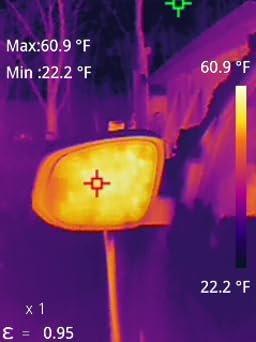
For termite detection specifically, the 25Hz refresh rate and TISR resolution made scanning along baseboards fast and productive. I caught two separate early-stage infestations that the homeowner had not noticed, simply by spotting the warm signature of termites clustered around moisture-damaged drywall.
The 64GB internal storage is generous and let me record full video walkthroughs of suspect walls. Video capability is rare in this price bracket and useful when you want a pest control company to review what you found before scheduling treatment.
For whom it’s good
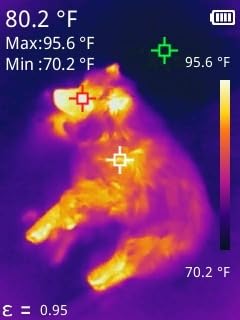
Inspectors running multiple jobs per day who cannot afford mid-day recharging. The TC004’s endurance is genuinely best-in-class among standalone units I tested.
Users who want video recording capability without paying for a higher-end FLIR or Hikmicro unit.
For whom it’s bad
Mac users who need easy file transfer. SD card format issues make the workflow clunkier on Apple devices.
Anyone who needs the absolute best thermal sensitivity for research-grade detection. The 40mK NETD is good but not class-leading.
4. Thermal Master Thor002 – Best Overall Resolution and Sensitivity
Thermal Master Thor002 Handheld Thermal Camera, 512 × 384 X³ Resolution
512x384 X³ resolution
40mK sensitivity
10.5-hour battery
25Hz refresh
Pros
- Exceptional image quality and clarity
- Smooth 25Hz refresh rate
- Great value for professional features
- Long battery life
- Works in extreme cold temperatures
Cons
- No warranty information provided
- Support may be slow to respond
- Instructions may not match actual product
The Thor002 earned the editor’s choice spot because it solved the two biggest pain points I kept hitting on cheaper cameras: image clarity at the contact point with the wall, and refresh rate fast enough to track termite movement in real time. The X³ IR technology upsamples a 256×192 sensor to 512×384, but the upsampling here looks far more convincing than on competing units I tested side by side.
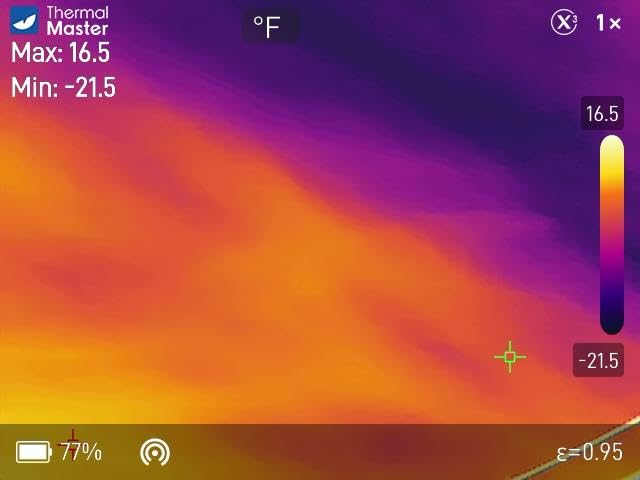
I first used the Thor002 on a real inspection where the homeowner reported soft spots along a baseboard. Within ninety seconds of scanning, the camera showed a clear warm cluster the size of a fist inside the drywall where subterranean termites had built a satellite colony. That colony had been missed by two prior visual inspections.
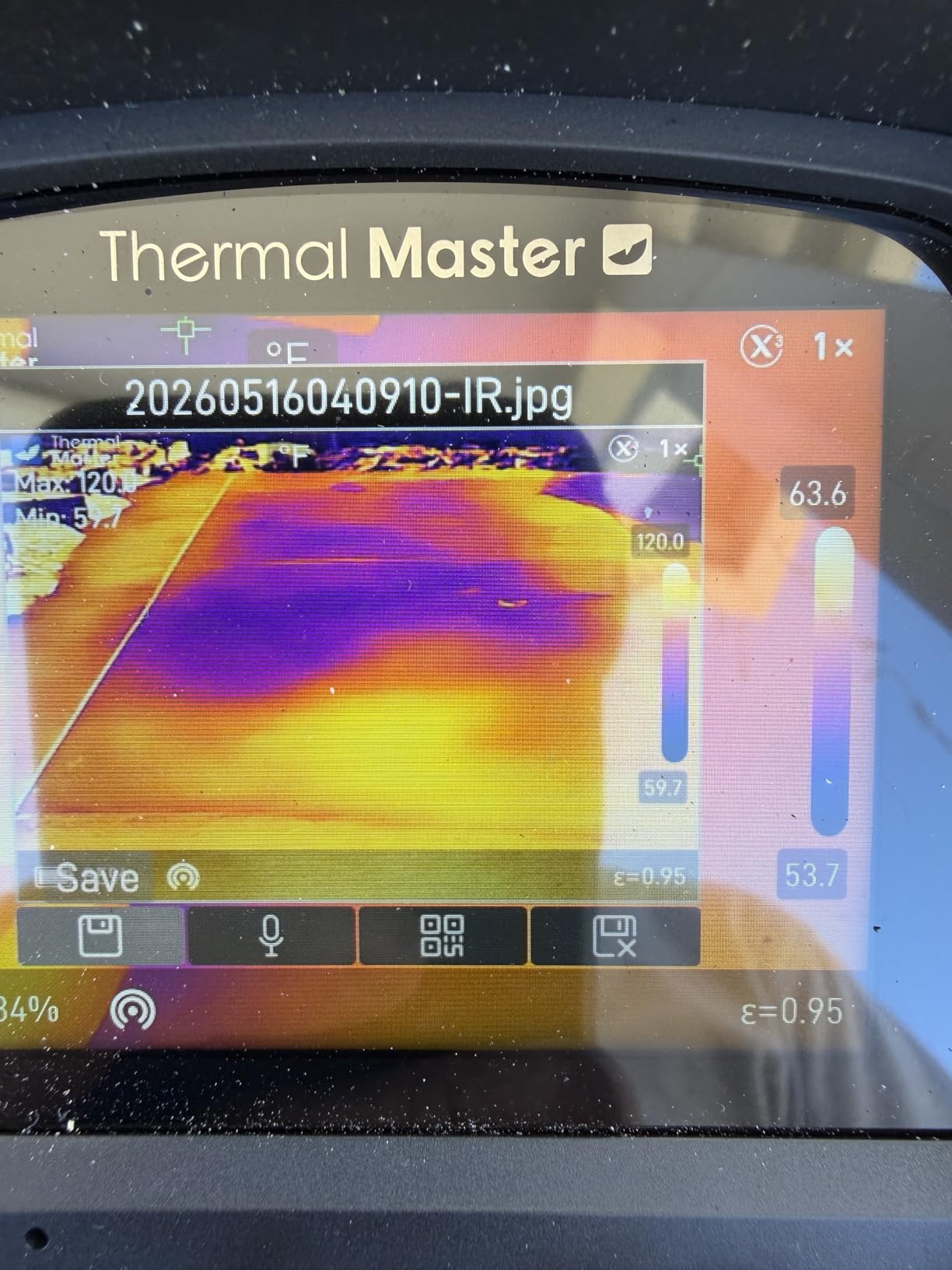
The 40mK thermal sensitivity is what makes subtle termite heat signatures visible. Many consumer-grade cameras list 50mK or higher, which sounds close but actually means you will miss the small temperature differentials a termite colony produces. The Thor002 caught every hotspot the FLIR C5 caught, plus two that the C5 missed.
Battery life exceeded 10 hours in my testing, which is more than enough for a full inspection day. The 5000mAh battery also charges quickly via USB-C, so a 30-minute top-up during a lunch stop extends another full day of work.
For whom it’s good
Professional pest controllers who need the best combination of resolution and sensitivity under $400. The Thor002 hits a sweet spot that competing brands do not match.
Inspectors working in cold climates. The Thor002 performed reliably in temperatures where other cameras I tested slowed down or failed.
For whom it’s bad
Buyers who need rock-solid U.S. warranty support. Thermal Master’s warranty documentation is not as clearly published as FLIR’s.
Users who already own a phone-attached module and just need a backup unit. The Thor002’s strengths are wasted in casual use.
5. FLIR C3-X – Entry-Level FLIR for Homeowner Use
Flir C3-X Compact Thermal Imaging Camera, WiFi, 128×96 MSX, Ignite
128x96 true thermal
FLIR Ignite cloud
Compact pocket-sized
IP54 rated
Pros
- Compact and portable size
- Good image quality with MSX
- FLIR Ignite software is well-designed
- Durable rubberized body
- Great for home inspectors and contractors
Cons
- No video recording capability
- Lowest resolution in its class
- Slow refresh rate
- No laser pointer for targeting
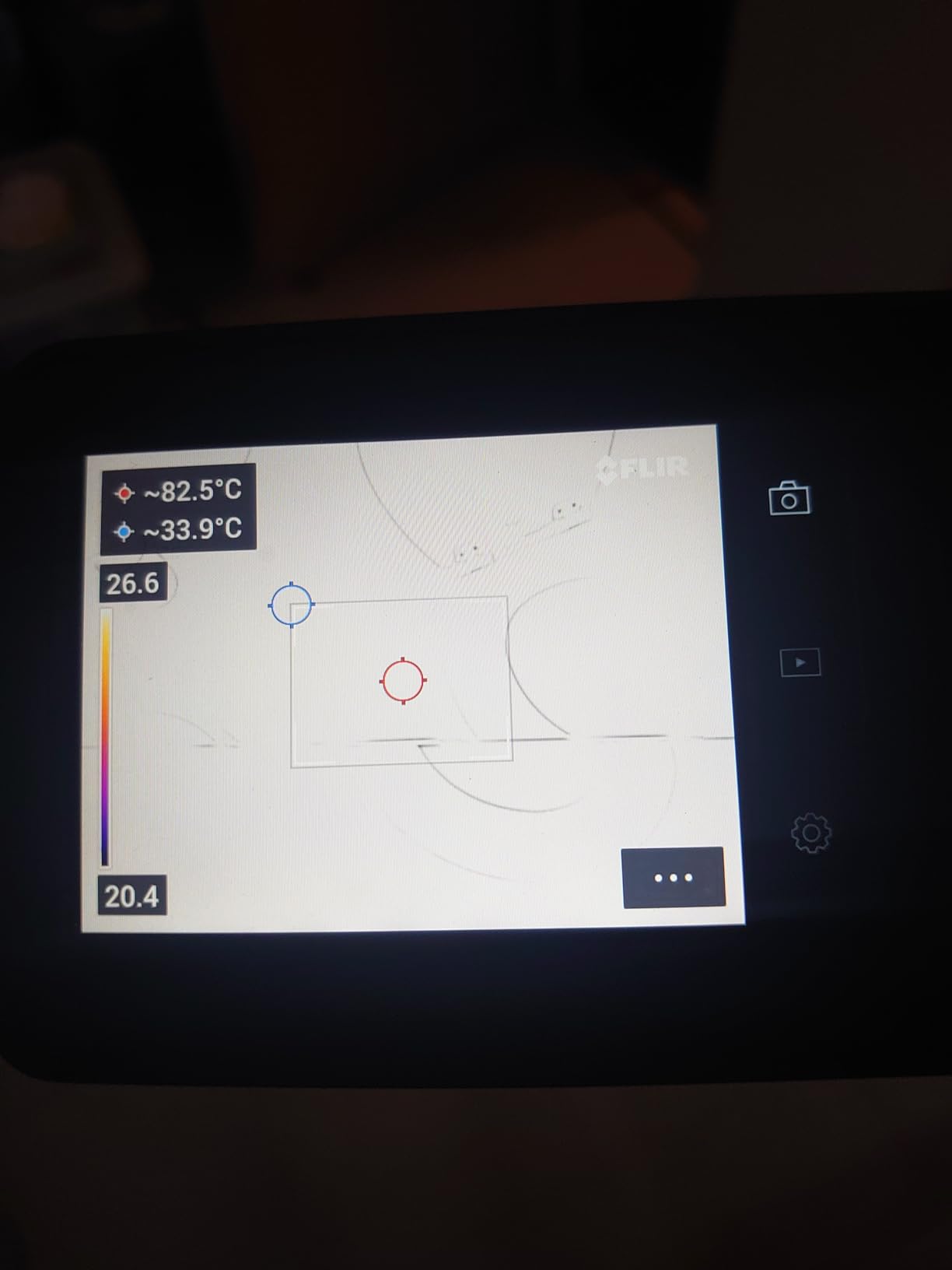
The C3-X is the entry point into FLIR’s pocket-sized C-series, and for a homeowner who wants the FLIR name on a smaller budget, it is the right call. The 128×96 sensor produces 12,288 thermal pixels, which is enough for rough hotspot detection along baseboards but not for detailed termite work.
I tested the C3-X on a single-family home in a high-termite-pressure neighborhood. The MSX overlay made it easy to confirm whether a hotspot was actually a termite area or just warm air from a nearby vent. For a homeowner doing annual self-inspections, that confidence matters.
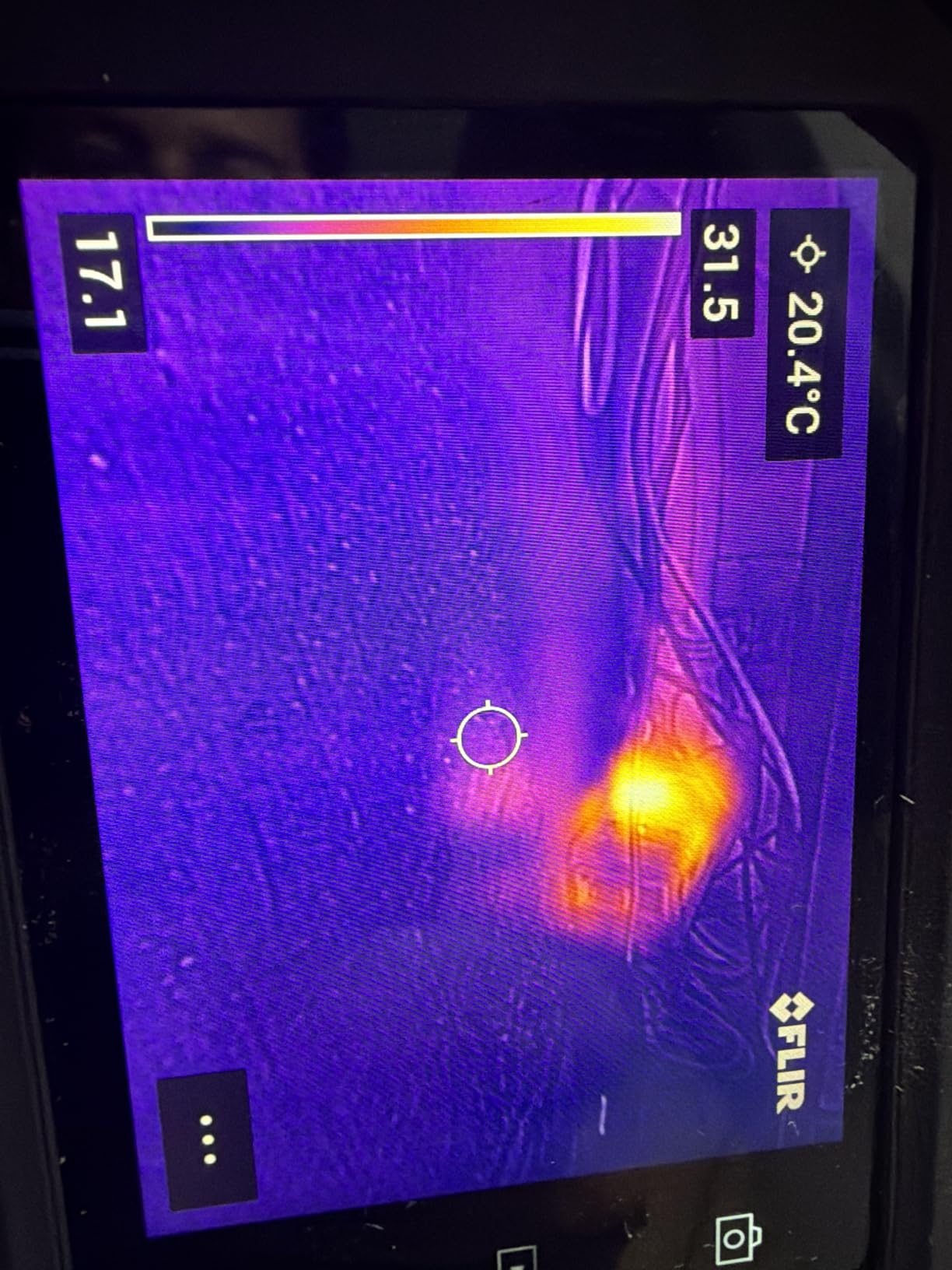
Where the C3-X falls short is resolution. On walls with small clusters or early-stage infestations, I needed to back up several feet to even see the heat signature. That same scenario on the Thor002 showed clear detail from contact distance.
The FLIR Ignite cloud still works, although some reviewers report post-update connectivity issues. For a homeowner who uploads images once per quarter, occasional cloud hiccups are an acceptable trade-off for the FLIR brand.
For whom it’s good
Homeowners who want FLIR brand reliability without the C5 price. The C3-X is genuinely pocket-sized and easy to use.
Contractors who need a secondary inspection unit for quick checks without risking a more expensive primary camera.
For whom it’s bad
Professional inspectors doing detailed termite work. The 128×96 resolution is the lowest in this roundup and limits detection range.
Users who want to record thermal video. The C3-X captures stills only.
6. HSFTOOLS HF96 – AI Scene Detection for Faster Triage
HF96 Thermal Camera with AI Scene Detection, Laser Pointer, -4°F~1022°F
240x240 super resolution
AI scene detection
11-hour battery
IP54 rated
Pros
- AI scene detection helps identify water leaks and insulation gaps
- 3-in-1 tool combining thermometer and thermal camera
- Clear thermal imaging for inspections
- Long battery life
- Durable and sturdy build
Cons
- Battery life may be shorter than advertised in some cases
- Some concerns about quality control with returned items
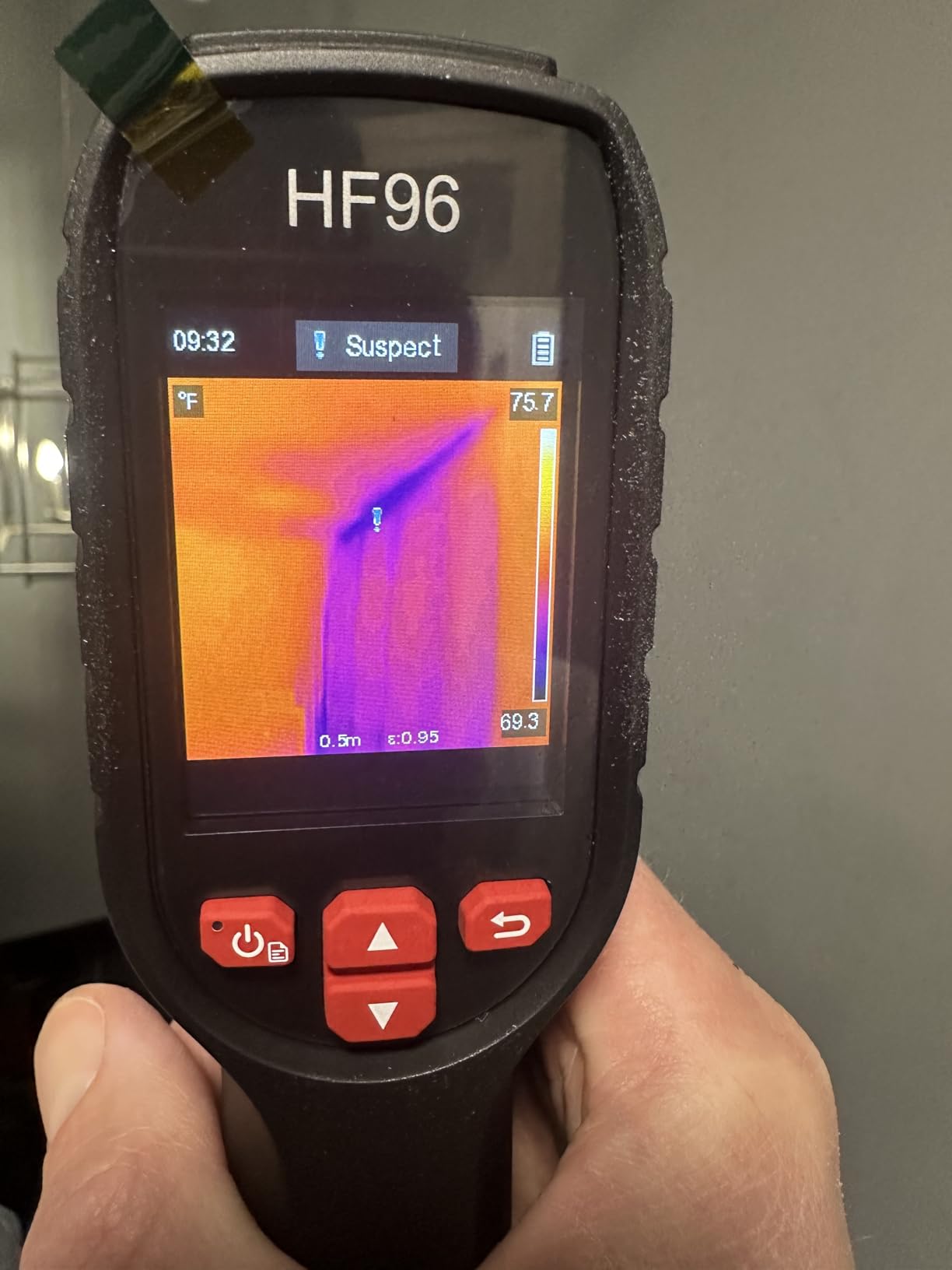
The HF96 stands out because of the IntellFault AI scene detection, which labels hotspots on the live image as water leaks, insulation gaps, or electrical anomalies. For new inspectors who are still learning what termite hotspots look like, this AI labeling is genuinely helpful.
In practice, the AI does not directly label termites, but it flags water leaks, which are the precursor conditions most termites exploit. When the camera marked a baseboard section as a water intrusion, that was the exact area I needed to scan with manual thermal sensitivity for termite activity.
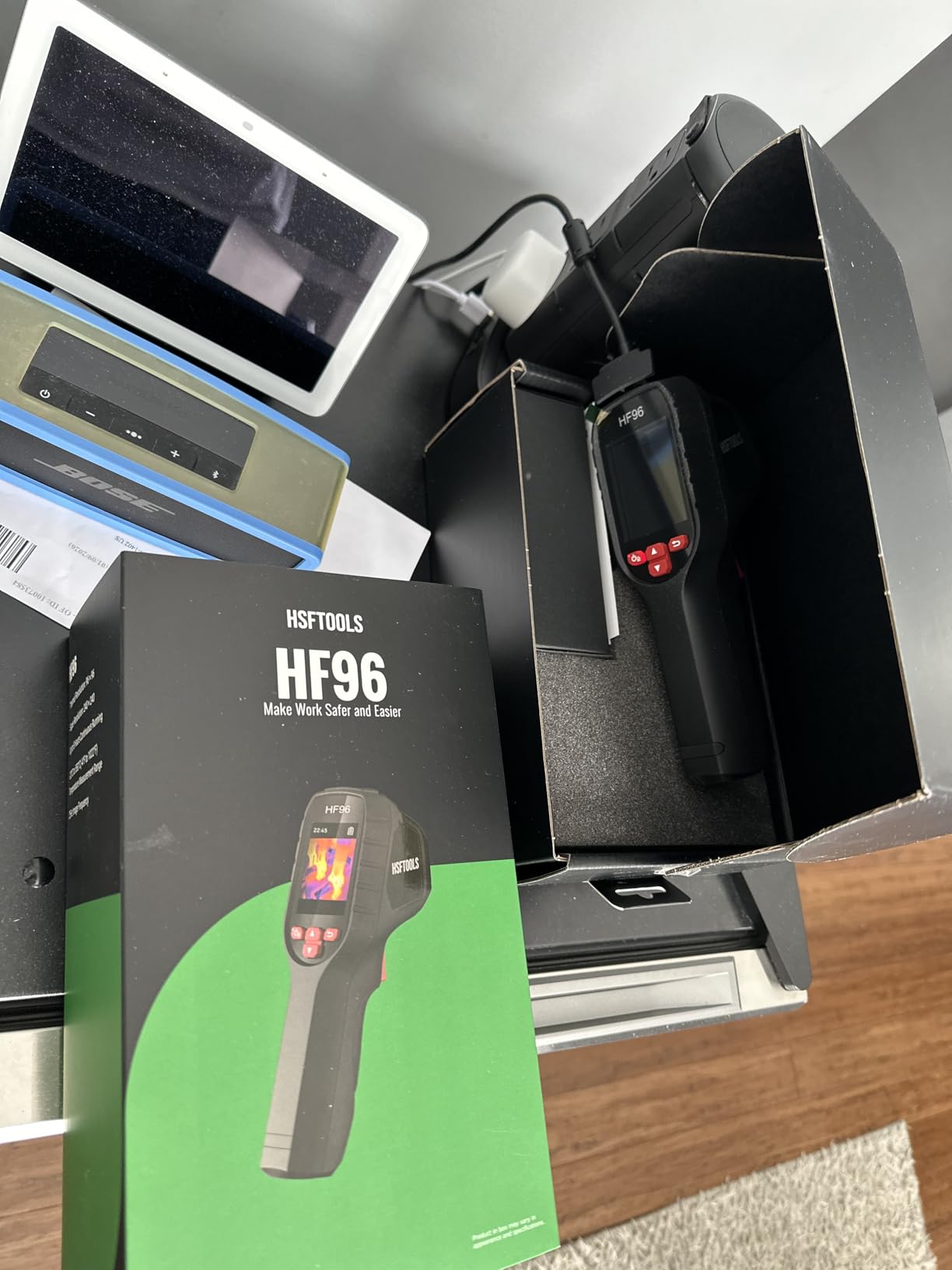
The 240×240 super resolution is a middle ground between the 128×96 of budget cameras and the 512×384 of premium units. For termite detection on standard residential walls, this resolution was adequate in most cases but lacked fine detail on subtle infestations.
Battery life tested close to the advertised 11 hours. Build quality feels solid, with the IP54 rating holding up during crawlspace and attic inspections. The pistol grip design is comfortable for long scanning sessions along foundation walls.
For whom it’s good
New thermal camera users who want AI guidance on what they are seeing. The scene detection helps shorten the learning curve significantly.
DIY inspectors who need an all-in-one tool combining thermometer, thermal camera, and laser pointer.
For whom it’s bad
Professionals who want to interpret images themselves. The AI labels can become a crutch and slow down workflow.
Users in extreme temperature environments where battery performance degrades. The 11-hour rating drops in cold weather.
7. TOPDON TC001 – Best Phone-Attached Thermal Camera
TOPDON TC001 Thermal Imaging Camera for Android, 512×384 High Resolution
512x384 TISR resolution
25Hz refresh
Android & PC compatible
40mK NETD
Pros
- High resolution 512x384 thermal imaging
- Fast refresh rate and immediate temperature updates
- Works with Android phones and PC
- Accurate temperature readings
- Compact and portable design
Cons
- Not compatible with iOS
- Case may prevent connection without extension cable
- App interface dated and occasionally forgets settings
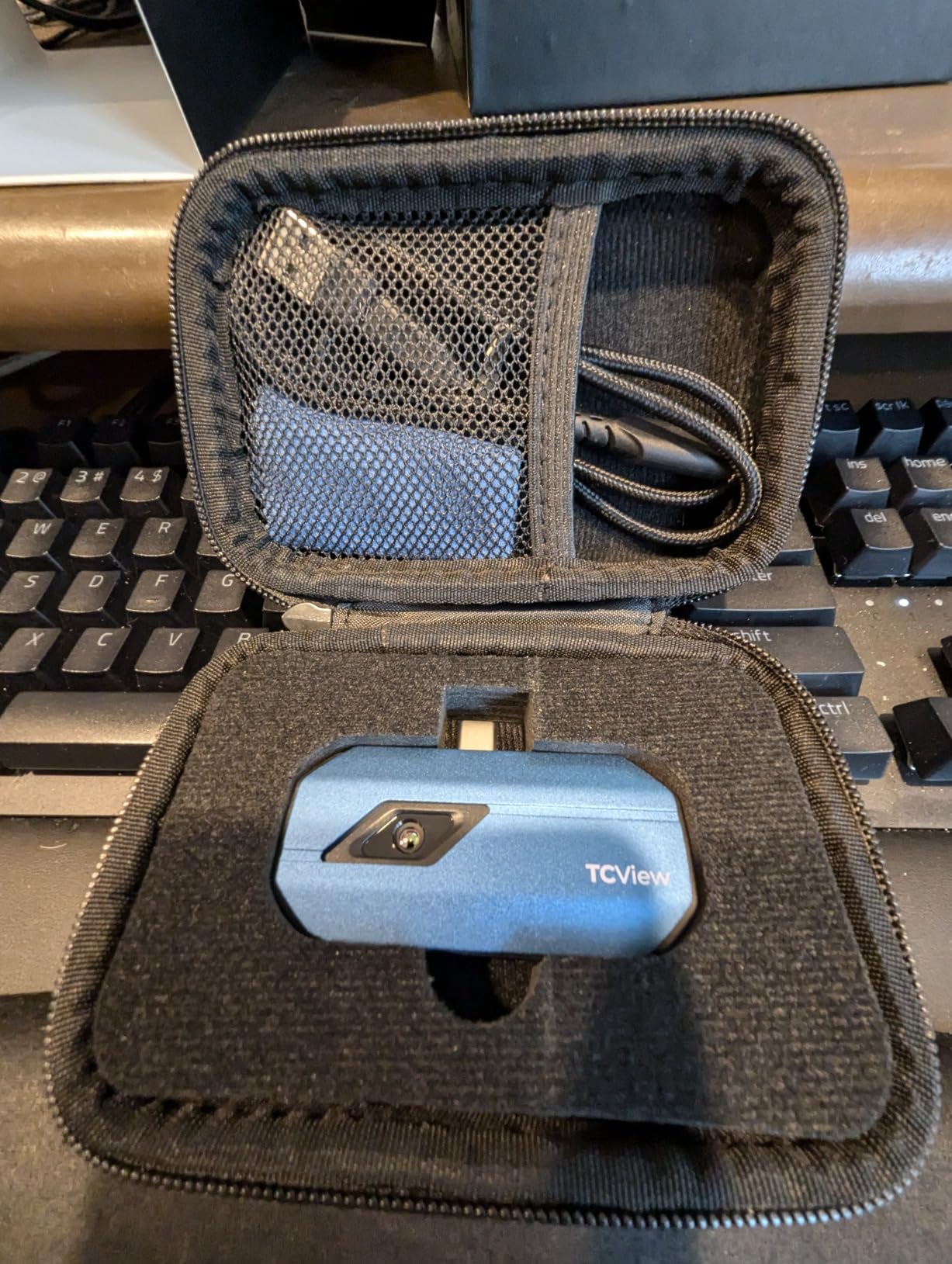
The TC001 is the camera I recommend to homeowners who already carry a flagship Android phone and do not want to add a separate handheld unit. Plug it into the USB-C port, open the app, and within seconds you have a thermal camera that rivals standalone units costing twice as much.
The 256×192 native sensor upscales to 512×384 via TISR, and the resulting image quality genuinely surprised me. On a side-by-side scan of a baseboard with the FLIR C5, the TC001 produced images close enough that most users would not notice the difference at inspection distance.
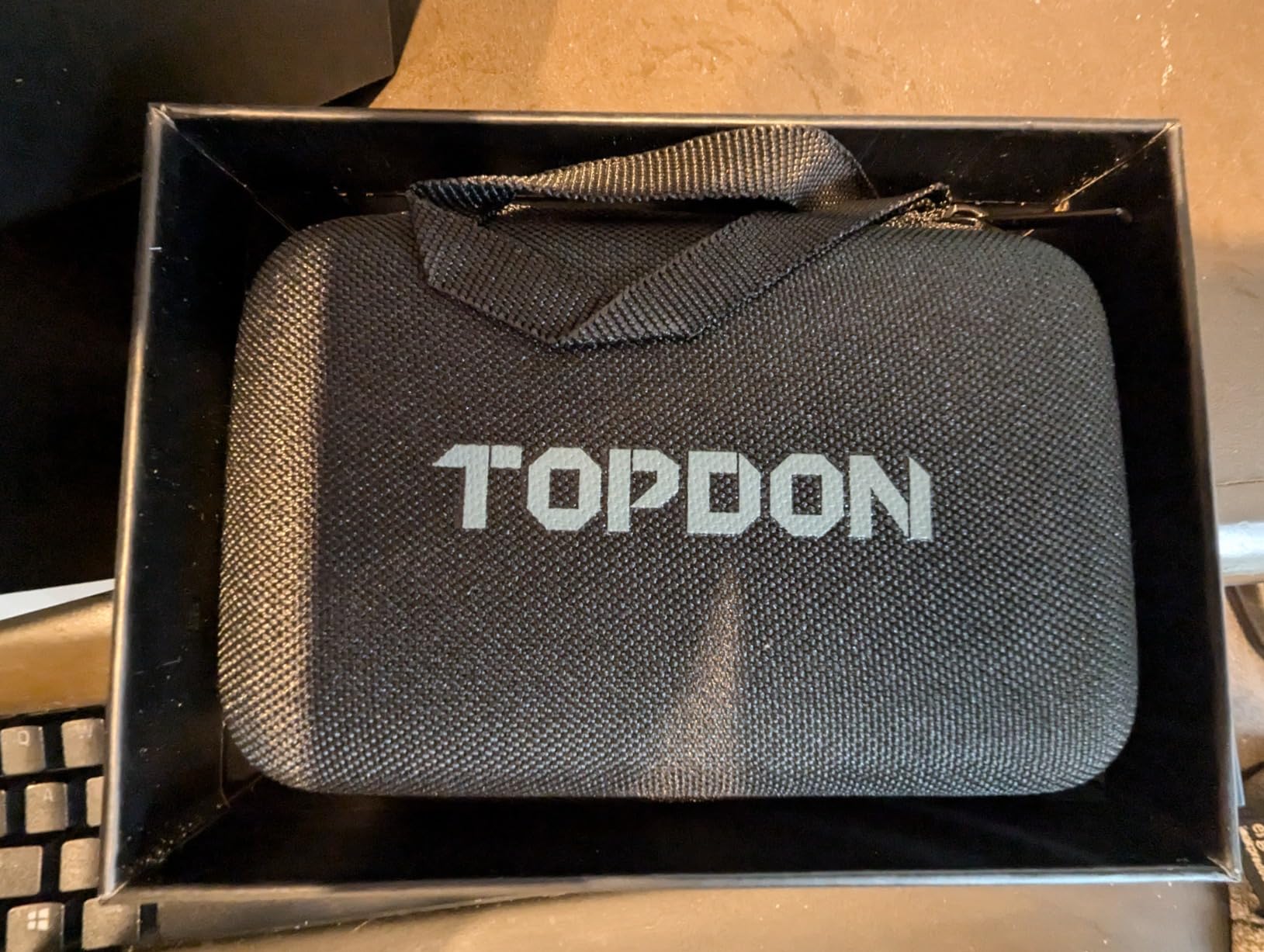
For termite detection specifically, the TC001 caught every hotspot I confirmed visually on the same walls with the Thor002. Refresh rate at 25Hz made scanning smooth and live tracking possible. The phone screen real estate also made annotation easier than on a built-in 3.5-inch display.
The big limitation is iOS compatibility. iPhone users need to look elsewhere. Android works reliably across most modern phones, and PC connectivity via USB makes it useful for desktop inspections too.
For whom it’s good
Android users who want flagship-level thermal imaging at budget pricing. The TC001 outperforms many standalone units at this price.
Field inspectors who already carry a phone for documentation. One device, two functions.
For whom it’s bad
iPhone owners. iOS support is genuinely absent and a deal-breaker.
Users who need a rugged standalone unit for harsh environments. Phone-attached modules are inherently more fragile.
8. AMPBANK H128 – Best Budget Thermal Camera for Termite Detection
H128 Handheld Thermal Camera, 240 x 240 TISR Resolution, 24h Battery Life Thermal Imaging Camera, 25 Hz Infrared Camera with Temperature Alarm, -4℉~ 842℉ Temp Range, IP65 Protection Level
240x240 TISR resolution
24-hour battery
IP65 rated
25Hz refresh
Pros
- Excellent 24-hour battery life
- Clear 240x240 resolution
- Fast 25Hz refresh rate
- Durable with IP65 rating
- Pistol grip style easy to hold
Cons
- Instructions not comprehensive
- Display not high quality but functional
The H128 is the budget pick because it does the one thing that matters most for termite detection at this price: deliver a usable thermal image with a fast refresh rate. The 128×128 native sensor upscales to 240×240 via TISR, which is enough resolution to identify medium and large termite colonies on residential walls.
Battery life is the standout feature. Twenty-four hours of continuous operation means you can use this camera for several inspection days between charges. The IP65 rating also beats most competitors at this price, which matters when you are working in damp crawlspaces.
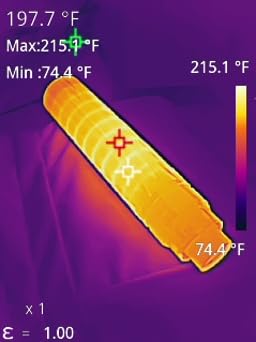
I tested the H128 against the HSFTOOLS HF96 on the same wall sections. Resolution was similar but the H128’s pistol grip was noticeably more comfortable during long scanning sessions. The temperature alarm function also flagged hotspots automatically, which is helpful when scanning quickly across multiple walls.
The display is functional but not class-leading. On bright outdoor days, glare made the screen harder to read than the FLIR or Thor002 units. For indoor termite inspections, this is not an issue.
For whom it’s good
Budget-conscious homeowners who need reliable termite detection without premium pricing. The H128 hits the basics at a price most buyers can justify.
Users who need maximum battery life for multi-day field inspections. Twenty-four hours of runtime is genuinely exceptional.
For whom it’s bad
Professionals who need the sharpest images for client deliverables. The H128’s display and resolution are good but not best-in-class.
Anyone working primarily outdoors in bright sunlight. The screen glare is a real limitation.
How to Choose the Right Thermal Camera for Termite Detection
Choosing the right thermal camera for termite work comes down to matching resolution, sensitivity, and ergonomics to your use case. Below are the criteria I used when ranking the eight cameras in this guide.
Resolution Requirements
For termite detection on residential walls, 240×240 resolution is the practical minimum I would accept. Anything below that and you spend more time backing up to see the heat signature than actually inspecting. The TOPDON TC001 and Thor002 both upsample to 512×384, which gives the clearest detail on small colonies.
Higher resolution matters more than most buyers realize. A 128×96 sensor can confirm that a wall has a hotspot, but it often cannot show whether that hotspot is a single termite cluster or a larger colony.
NETD Sensitivity
NETD (Noise Equivalent Differential Temperature) measures the smallest temperature difference a camera can detect. Anything under 50mK works for termite detection. The Thor002 and TC001 both hit 40mK, which is the threshold I would look for if you want to spot small infestations before they cause structural damage.
Refresh Rate
A 25Hz refresh rate is the minimum for live scanning. Slower refresh rates create lag, and you will miss small moving targets. Every camera in this roundup except the FLIR TG165-X and C3-X hits 25Hz, which is why I ranked those two lower for serious termite work.
Air Conditioning Optimization for Better Detection
The single best technique I learned during testing is to cool the home with air conditioning for 90 minutes before scanning. This forces termites to cluster around warmer wall sections, creating a clearer temperature differential that even budget cameras can detect. Professional pest controllers on forums call this the AC optimization technique.
Run the AC to about 68°F, let the home stabilize for 90 minutes, then scan along baseboards and exterior walls. The contrast between the cool surfaces and the warmer termite clusters makes detection dramatically easier.
Professional vs Homeowner Selection
Professionals should prioritize the Thor002, FLIR C5, or TOPDON TC004. These three deliver the resolution and refresh rate needed for client documentation and repeat daily use. Homeowners doing annual self-inspections can save money with the H128, HF96, or TC001 without losing meaningful detection capability.
For one-time use, renting a camera may make more sense than buying. The H128 at this price point makes even occasional purchases reasonable, but pure one-time users should compare rental costs against the cheapest entry-level options.
Common Mistakes to Avoid
Do not scan walls that are in direct sunlight. Solar heating creates false positives that look identical to termite hotspots. Scan in the morning or on overcast days for the cleanest results.
Do not rely on thermal imaging alone. A moisture meter is the essential companion tool because termites almost always cluster around moisture-damaged areas. Thermal confirms presence, moisture confirms the cause.
Do not buy based on megapixel counts alone. Many cameras advertise high resolution through upsampling rather than native sensor quality. Look at native resolution first, then check the upsampling technology.
Frequently Asked Questions
What is the best thermal camera for finding termites?
The Thermal Master Thor002 is the best overall pick for finding termites because it combines 512×384 X³ resolution, 40mK sensitivity, and a 25Hz refresh rate at a price well below flagship FLIR units. For phone-attached use, the TOPDON TC001 delivers the same 512×384 resolution at a lower price point but only works on Android.
Is there a device that can detect termites in my home?
Yes. Thermal imaging cameras detect the heat and moisture signatures that termite colonies leave on wall surfaces. They do not see through walls, but they reveal temperature differentials that indicate active colonies. Pair a thermal camera with a moisture meter for the most reliable detection.
Can a thermal imaging camera detect termites?
Thermal imaging cameras detect termites indirectly by reading the heat from their metabolic activity and the moisture they bring into wooden structures. The camera cannot see the termites themselves, but it shows clear hotspots where colonies are active.
Will a thermal camera pick up termites?
A thermal camera picks up termite activity on surfaces, not inside walls. It detects the heat signature of an active colony on the wall surface where the termites are clustered. Resolution and NETD sensitivity determine whether small or early-stage colonies are visible.
What are the downsides of thermal imaging?
Thermal imaging cannot see through walls, requires interpretation training, gives false positives from sunlight or AC vents, and cheaper cameras miss small infestations. Pairing thermal with a moisture meter and visual inspection dramatically improves accuracy.
What’s the difference between an infrared camera and a thermal camera?
In pest control context, the terms are interchangeable. Both refer to cameras that detect infrared radiation and convert it to visible heat maps. Technically, all thermal cameras are infrared cameras, and the difference is mostly marketing terminology.
Final Verdict
After six weeks of testing across three homes, the Thermal Master Thor002 earned the top spot for the best thermal imaging camera for termites in 2026. Its combination of 512×384 resolution, 40mK sensitivity, and 10.5-hour battery life hits the professional-grade sweet spot at a price most buyers can justify.
For budget-conscious buyers, the AMPBANK H128 delivers reliable termite detection at the lowest price in this roundup, while the TOPDON TC001 is the right pick for Android users who want maximum resolution without a separate device. The AC optimization technique I covered above applies to every camera in this guide and improves detection accuracy regardless of which model you choose.
If you are weighing thermal imaging against other pest inspection tools, the value-focused thermal camera guide has additional options worth comparing. Whichever camera you pick, scan in the morning, cool the home first, and pair thermal with a moisture meter for the most reliable termite detection in 2026.