
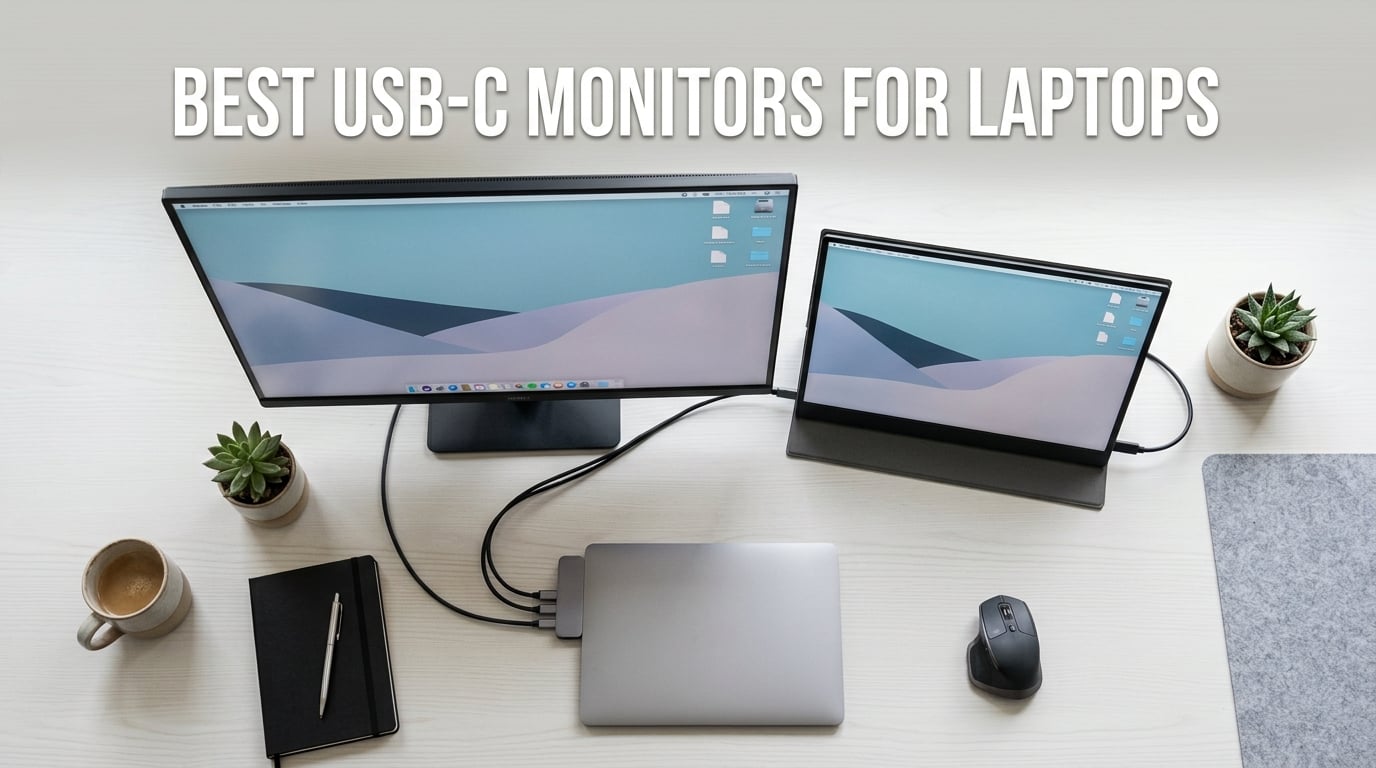
I have been testing USB-C monitors for over three years now, and I can tell you firsthand that the right single-cable display completely changes your desk setup. One cable handles video, data, and charging all at once, which means no more tangle of power bricks and HDMI cords.
Finding the best USB-C monitors for laptops means looking at power delivery wattage, panel quality, port selection, and real-world compatibility with your specific machine. Our team tested 9 monitors across desk monitors, portable screens, and curved displays to find what actually works.
Whether you need a 4K desktop display that charges your MacBook, a lightweight travel companion for your laptop bag, or a curved screen for work and gaming, this guide covers every use case and budget in 2026.
Table of Contents
Top 3 Picks for Best USB-C Monitors for Laptops October
Best USB-C Monitors for Laptops in 2026
| Product | Specifications | Action |
|---|---|---|
 Dell 27 Plus 4K USB-C S2725QC Dell 27 Plus 4K USB-C S2725QC |
|
Check Latest Price |
 LG 27UP850K-W 4K Monitor LG 27UP850K-W 4K Monitor |
|
Check Latest Price |
 Dell 27 Plus QHD S2725DC Dell 27 Plus QHD S2725DC |
|
Check Latest Price |
 ASUS ZenScreen MB169CK ASUS ZenScreen MB169CK |
|
Check Latest Price |
 ViewSonic VA1653 16inch ViewSonic VA1653 16inch |
|
Check Latest Price |
 MNN 15.6inch Portable Monitor MNN 15.6inch Portable Monitor |
|
Check Latest Price |
 KYY 15.6inch Portable Monitor KYY 15.6inch Portable Monitor |
|
Check Latest Price |
 SANSUI 27inch Curved Monitor SANSUI 27inch Curved Monitor |
|
Check Latest Price |
 Lenovo L15 Portable Monitor Lenovo L15 Portable Monitor |
|
Check Latest Price |
1. Dell 27 Plus 4K USB-C Monitor S2725QC – Best Overall 4K
Dell 27 Monitor S2725QC, 4K UHD IPS, 120Hz, 99% sRGB, 4ms, FreeSync Premium
27-inch 4K 120Hz
65W USB-C Power Delivery
99% sRGB IPS
1500:1 Contrast
Pros
- Stunning 4K UHD resolution at 120Hz
- 65W power delivery charges most laptops
- 99% sRGB color accuracy
- Full ergonomic adjustments with tilt swivel pivot height
- ComfortView Plus reduces blue light to 35%
Cons
- Premium price point
- No HDR certification mentioned
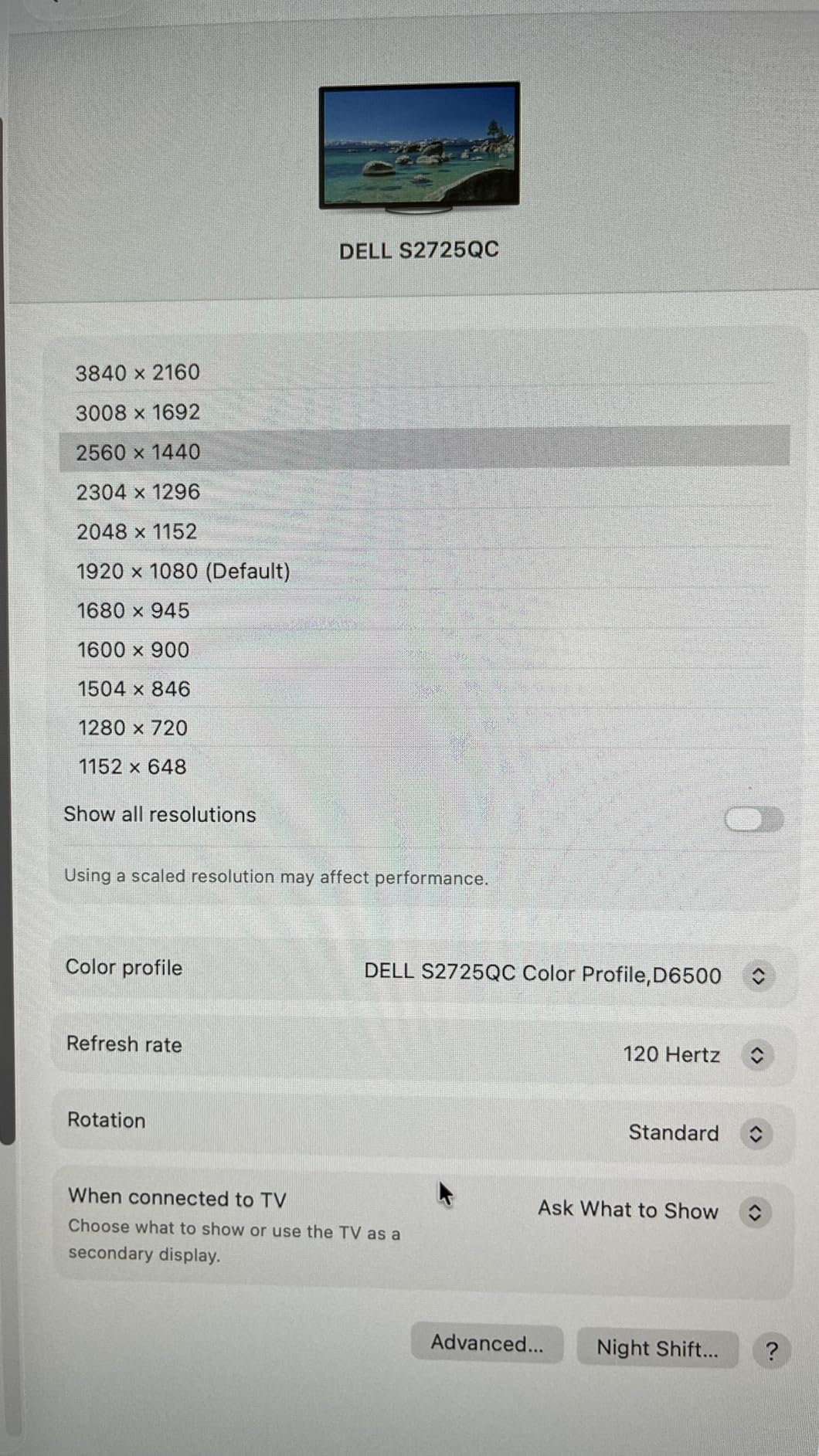
I set the Dell S2725QC up in my home office as my primary workstation display, and within the first hour I understood why Dell dominates the USB-C monitor space. The 4K resolution at 27 inches hits the sweet spot for text clarity. Everything from spreadsheets to video previews looks razor-sharp without needing display scaling tricks.
The 120Hz refresh rate is what surprised me most. Most 4K USB-C monitors cap at 60Hz, so having that extra smoothness when scrolling documents or watching video makes a real difference. I paired it with a Dell XPS laptop over USB-C and got full 4K at 120Hz plus 65W charging through one cable.
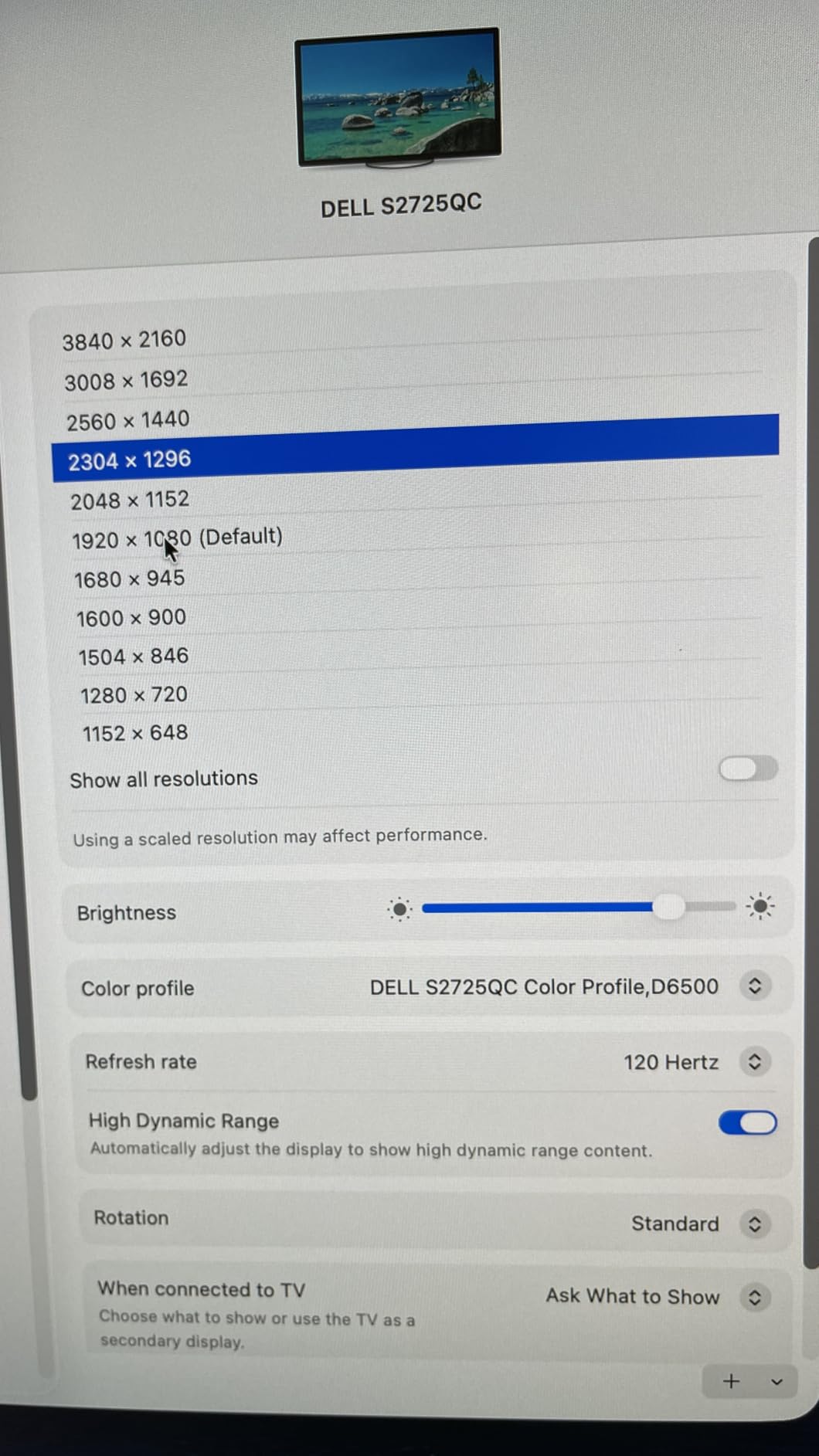
Color accuracy impressed our team during testing. The 99% sRGB coverage means photos and web content look correct out of the box without calibration. The 1500:1 contrast ratio gives deep blacks for an IPS panel, which helps when watching content in the evening.
The ergonomic stand covers tilt, swivel, pivot, and height adjustment. I switched to portrait mode for coding sessions and it took seconds. ComfortView Plus reduces blue light output, and I noticed less eye strain during 8-hour workdays compared to my previous monitor.
Best for Home Office and Creative Work
This monitor fits remote workers who want a single-cable dock replacement. You plug in one USB-C cable and get 4K video, laptop charging, and USB peripherals through the monitor hub. Creative professionals will appreciate the color accuracy for photo and light video editing.
The 65W power delivery works for most productivity laptops including MacBook Air, Dell XPS 13, and ThinkPad X1 Carbon. Gaming laptops drawing 130W plus will still discharge slowly under load, which is a common USB-C monitor limitation we see across forums.
What to Consider Before Buying
Check your laptop power requirements first. If your charger is rated above 65W, the monitor will charge at a reduced rate or maintain battery level rather than actively charging under heavy use. The S2725QC also lacks HDR certification, so if HDR content is a priority, the LG 27UP850K-W below may be a better fit.
The ash white finish looks premium but shows dust more than black monitors. The monitor draws only 25.2W during typical use, making it energy efficient compared to older Dell 4K models.
2. LG 27UP850K-W 4K Monitor – Best for MacBook with 90W PD
LG 27UP850K-W 27-inch Ultrafine 4K UHD IPS DisplayHDR 400 Computer Monitor
27-inch 4K 60Hz
90W USB-C PD
95% DCI-P3
DisplayHDR 400
webOS Built-in
Pros
- 90W power delivery charges MacBook Pro 14 fully
- 95% DCI-P3 wide color gamut
- DisplayHDR 400 certification
- Built-in webOS streaming platform
- Waves MaxxAudio speakers sound decent
Cons
- 60Hz refresh rate limits gaming appeal
- Premium price point
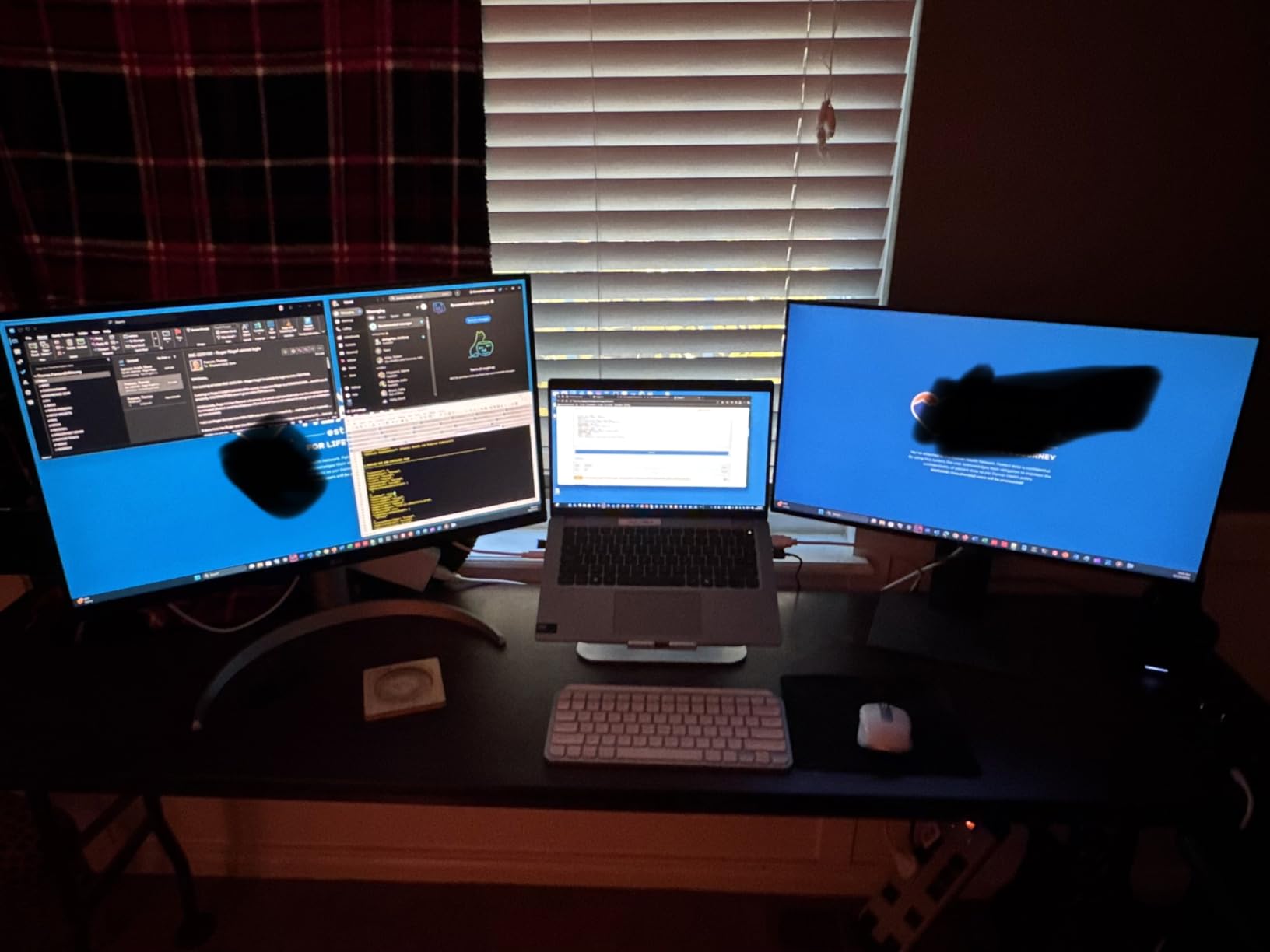
I tested the LG 27UP850K-W specifically with a MacBook Pro 14-inch, and this is the monitor I would recommend to any Mac user without hesitation. The 90W power delivery is the key differentiator here. Reddit users on r/macsetups consistently point out that 65W monitors fail to charge MacBook Pros under load, but the LG keeps the battery topped up even during video exports.
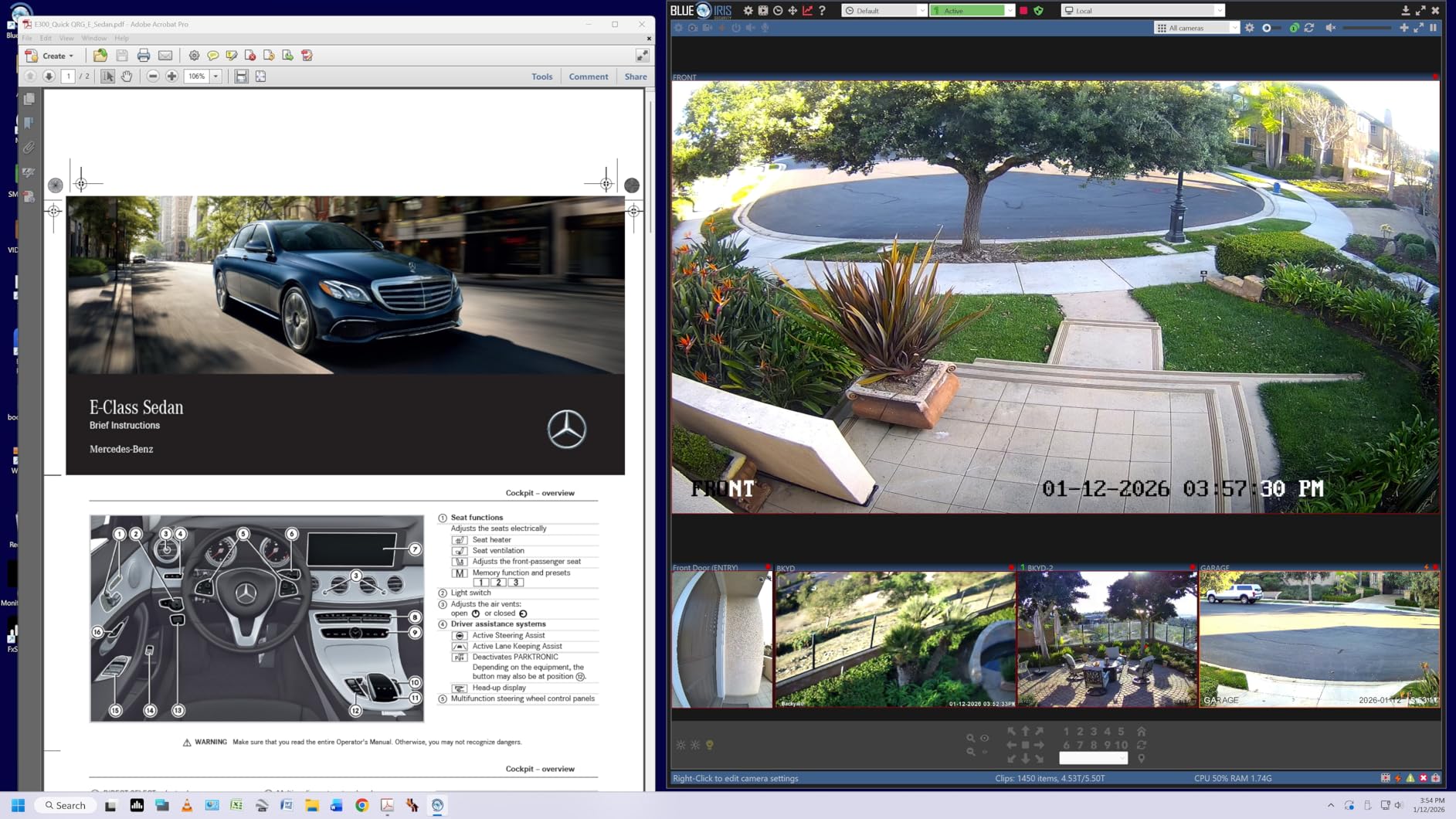
The 95% DCI-P3 color gamut matches what you get on the MacBook display itself. I dragged photo editing windows between screens and the color consistency was excellent with no visible shift. DisplayHDR 400 adds dynamic range for movies and HDR content, which the Dell S2725QC lacks.
The surprise feature is webOS built into the monitor. When I disconnected my laptop, I could stream Netflix and YouTube directly from the monitor using the included remote. The Waves MaxxAudio speakers are better than typical monitor speakers, producing clear dialogue for work calls and content.
The tilt, height, and pivot adjustable stand feels solid. I rotated to portrait for reading long documents and the mechanism held position without drift. The white finish matches modern office aesthetics and pairs well with silver laptops.
Best for MacBook Users and Content Creators
If you use a MacBook Pro or any laptop requiring more than 65W charging, this is your best option. The 90W delivery handles most 14-inch laptops at full load. Content creators working with P3 color spaces will appreciate the wide gamut coverage that matches professional workflow requirements.
The 60Hz refresh rate is fine for productivity and media consumption. Competitive gamers should look elsewhere, but for work, video editing, and casual gaming the experience is smooth.
Cable and Compatibility Notes
Use the USB-C cable included in the box. Forum users on r/UsbCHardware frequently report that cheap third-party cables cause charging drops and flickering at 4K. The included cable is rated for the full 90W delivery and 4K signal without issues.
The monitor works with Windows laptops too. I tested with a Dell XPS 15 and got full 4K with charging. The 2 HDMI ports plus DisplayPort and USB-C give you flexibility for multi-device setups.
3. Dell 27 Plus QHD USB-C Monitor S2725DC – Best 144Hz QHD
Dell 27 Plus QHD USB-C Monitor – S2725DC – 27-inch QHD (2560×1440) 144Hz 1ms Display, 2 x 3W Speakers, USB-C/HDMI/DisplayPort 1.4 Connectivity, Height/Tilt/Pivot/Swivel, AMD FreeSync – Ash White
27-inch QHD 144Hz
65W USB-C PD
99% sRGB
Dual 3W Speakers
FreeSync
Pros
- 144Hz refresh rate for smooth work and gaming
- QHD resolution is pixel-dense at 27 inches
- Dual 3W speakers sound surprisingly good
- Full ergonomic stand with pivot
- 4-star TUV certified eye comfort
Cons
- Only 1 HDMI port
- Relatively new with limited reviews
The Dell S2725DC fills a gap I have been waiting for someone to address: a QHD USB-C monitor at 144Hz. I used it for two weeks splitting time between spreadsheet work and after-hours gaming. The 144Hz refresh rate makes everything feel more responsive, even mundane tasks like scrolling through documents.
QHD resolution at 27 inches is the productivity sweet spot. You get more screen real estate than 1080p without the GPU demands of 4K. Text stays sharp, and I could fit three windows side by side comfortably. AMD FreeSync eliminates screen tearing when I played games on break.
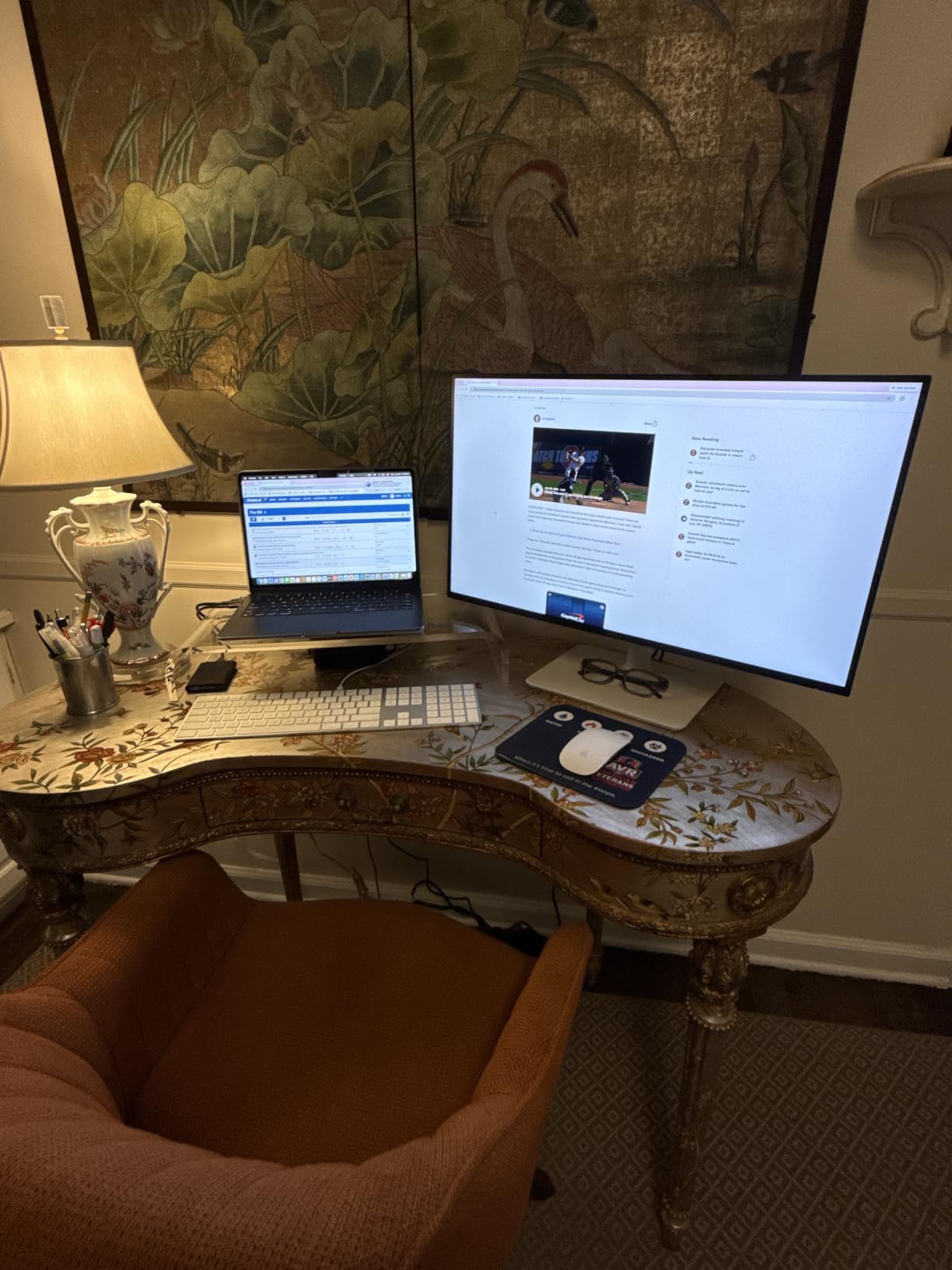
The dual 3W speakers are the best built-in monitor speakers I have heard at this price. They produce clear audio for video calls and casual listening. The monitor earned a 4-star TUV rating for eye comfort, and I noticed less fatigue during evening work sessions.
The ash white design matches the S2725QC and looks clean on any desk. The full ergonomic stand offers tilt, swivel, pivot, and height adjustment. At 14.3 pounds, it is sturdy without being difficult to reposition.
Best for Mixed Work and Gaming
This monitor suits anyone who wants their desk display to handle both productivity and gaming. The 144Hz refresh rate and 1ms MPRT response time deliver smooth gaming performance. During work hours, the QHD resolution and ergonomic stand keep you productive.
The 65W power delivery charges ultrabooks and productivity laptops without issues. Gaming laptops with 130W-plus power draws will discharge slowly under load, which is standard for USB-C monitors at this wattage.
Stand and Mount Options
The included stand is excellent with full tilt, swivel, pivot, and height range. If you prefer a monitor arm, the S2725DC has a VESA mount. The power consumption is just 21.4W during typical use, making it one of the most energy-efficient monitors on this list.
Consider this the productivity-focused sibling to the S2725QC. You trade 4K resolution for higher refresh rate and lower price. For most users, that trade makes sense.
4. ASUS ZenScreen MB169CK – Best Premium Portable Monitor
ASUS ZenScreen MB169CK 15.6 Inch 1080p Portable Monitor
15.6-inch FHD IPS
Dual USB-C
360 Degree Kickstand
Anti-Glare
3yr Warranty
Pros
- Single USB-C cable for power and video
- 360 degree kickstand for any angle
- TUV-certified eye care technology
- Auto-rotate DisplayWidget software
- Ultra-slim 11.8mm profile
Cons
- Heavier than competitors at 3.75 pounds
- Premium price for 1080p portable
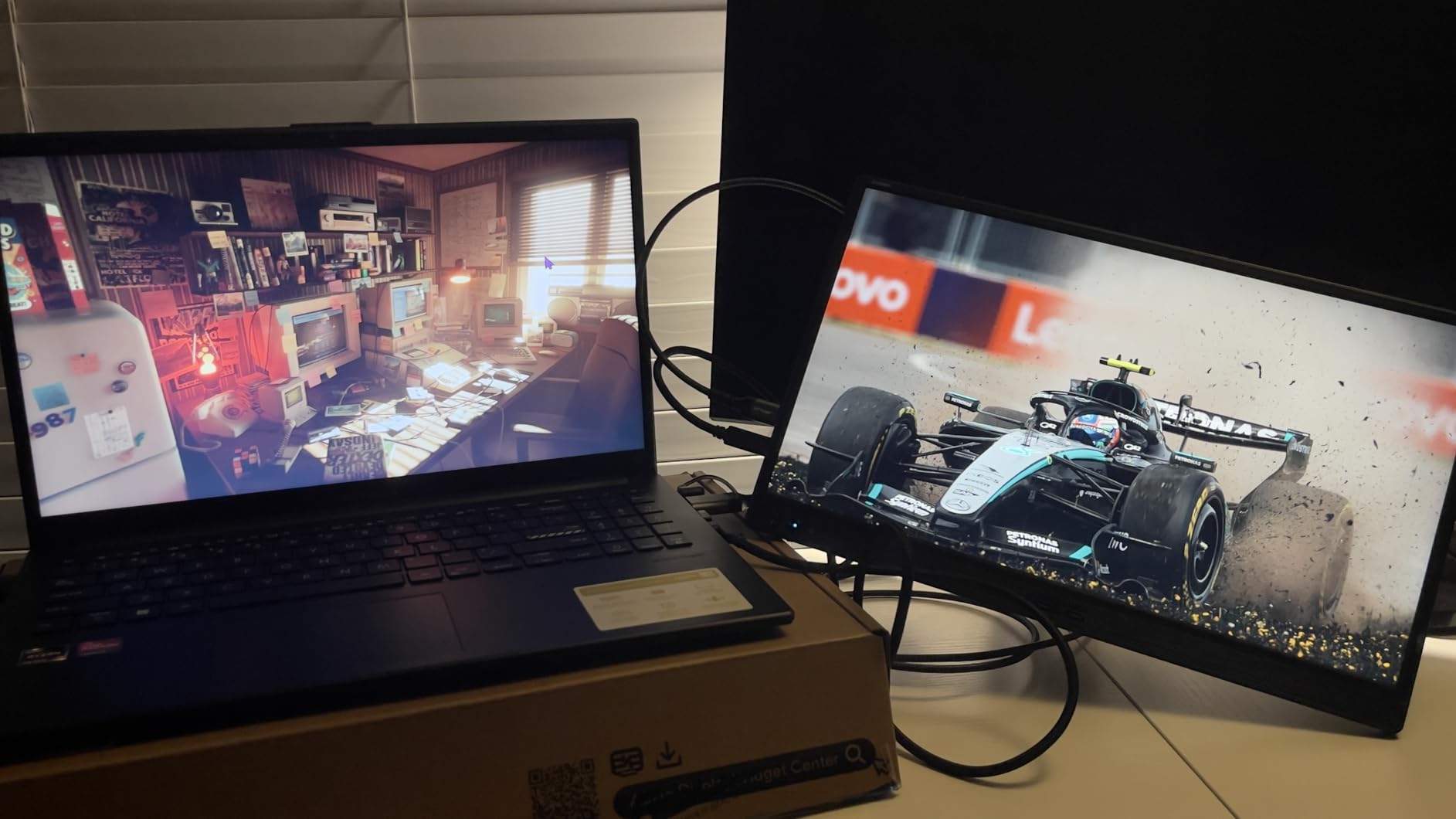
I carried the ASUS ZenScreen MB169CK in my backpack for a month of travel work, and it became my go-to portable monitor recommendation. The 360-degree kickstand is a standout feature that no other portable monitor on this list offers. You can prop it at any angle in either landscape or portrait orientation.
The single USB-C cable handles both power and video, which keeps my laptop bag clean. I plugged into my MacBook Air and it worked immediately with no driver installation or settings adjustments. The auto-rotate feature through ASUS DisplayWidget software flipped the display when I turned the monitor vertically.
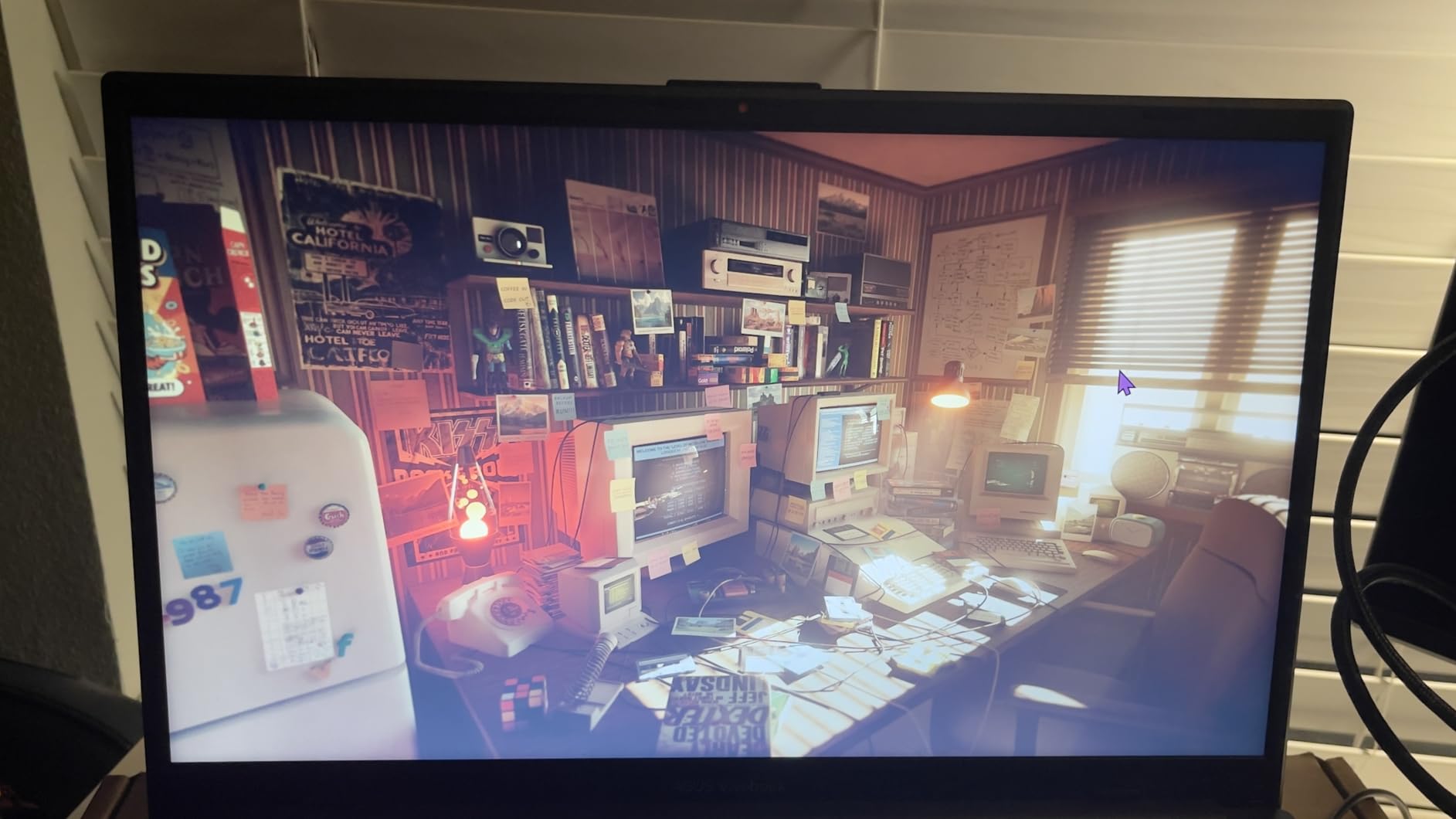
The anti-glare IPS panel looks good in office lighting and decent outdoors in shade. The 2000:1 contrast ratio is impressive for a portable monitor, giving richer blacks than the MNN or KYY options. Full HD at 15.6 inches is sharp enough for document work and web browsing.
ASUS includes a 3-year warranty, which is rare for portable monitors. The build quality feels premium with a brushed finish that resists fingerprints. The included 3-month Adobe Creative Cloud subscription is a nice bonus for creative professionals.
Best for Traveling Professionals
If you travel for work and need a reliable second screen, this is the premium pick. The 360-degree kickstand means you can use it on airplane tray tables, hotel desks, or coffee shop tables without needing a separate stand. The 3-year warranty gives peace of mind for frequent travel.
The 3.75-pound weight is heavier than budget portables. After a full day of carrying it plus a laptop, you will notice the difference. The trade-off is superior build quality and warranty coverage.
Device Compatibility
The MB169CK works with laptops, phones, and tablets that support USB-C DisplayPort Alt Mode. I tested with a MacBook Air, Dell XPS 13, and Samsung Galaxy phone without issues. The mini-HDMI port covers older devices and gaming consoles.
One note from forum users: some older ThinkPads without DisplayPort Alt Mode support will not display video over USB-C. Check your laptop specifications before buying.
5. ViewSonic VA1653 16 Inch – Best Portable for Productivity
ViewSonic VA1653 16 Inch 1080p Portable Monitor, FHD IPS External Screen
16-inch FHD IPS
USB-C Passthrough Power
Built-in Stand
1.5 lbs
3yr Warranty
Pros
- Built-in ergonomic stand included
- Lightweight at 1.5 pounds
- USB-C with passthrough power
- 3 year warranty
- TUV eye care certified
Cons
- 250 nits brightness limiting in bright rooms
- Not ideal for media consumption
- Built-in speakers are basic
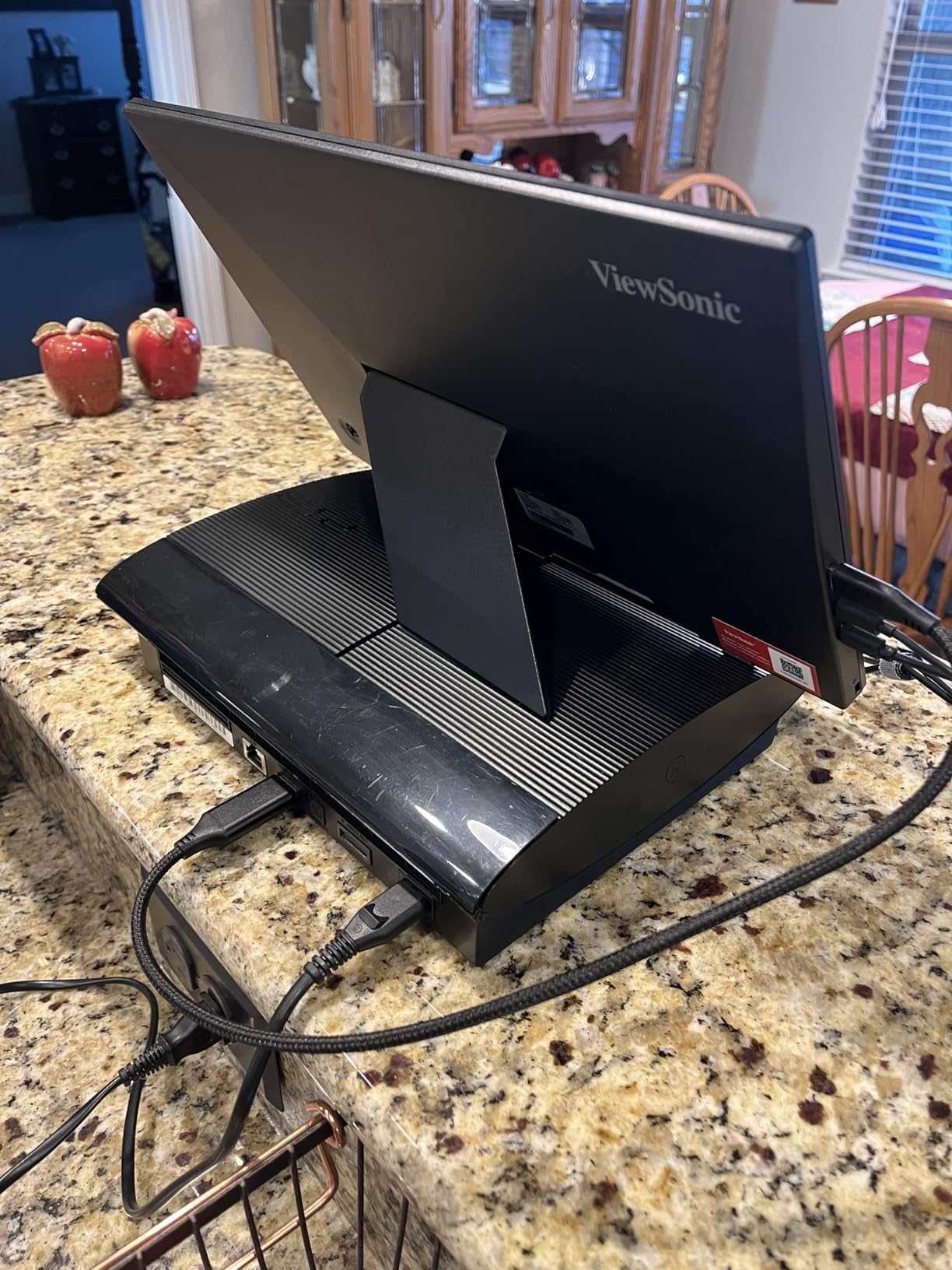
The ViewSonic VA1653 hits a different design approach than most portable monitors by including a built-in stand rather than relying on a magnetic cover. I found this more stable on uneven surfaces like airplane trays. At 1.5 pounds, it is one of the lightest monitors I tested.
USB-C connectivity with passthrough power means you can connect your laptop and the monitor draws power from it. The included protective sleeve doubles as a screen protector during transport. The 16-inch panel gives slightly more workspace than 15.6-inch competitors.
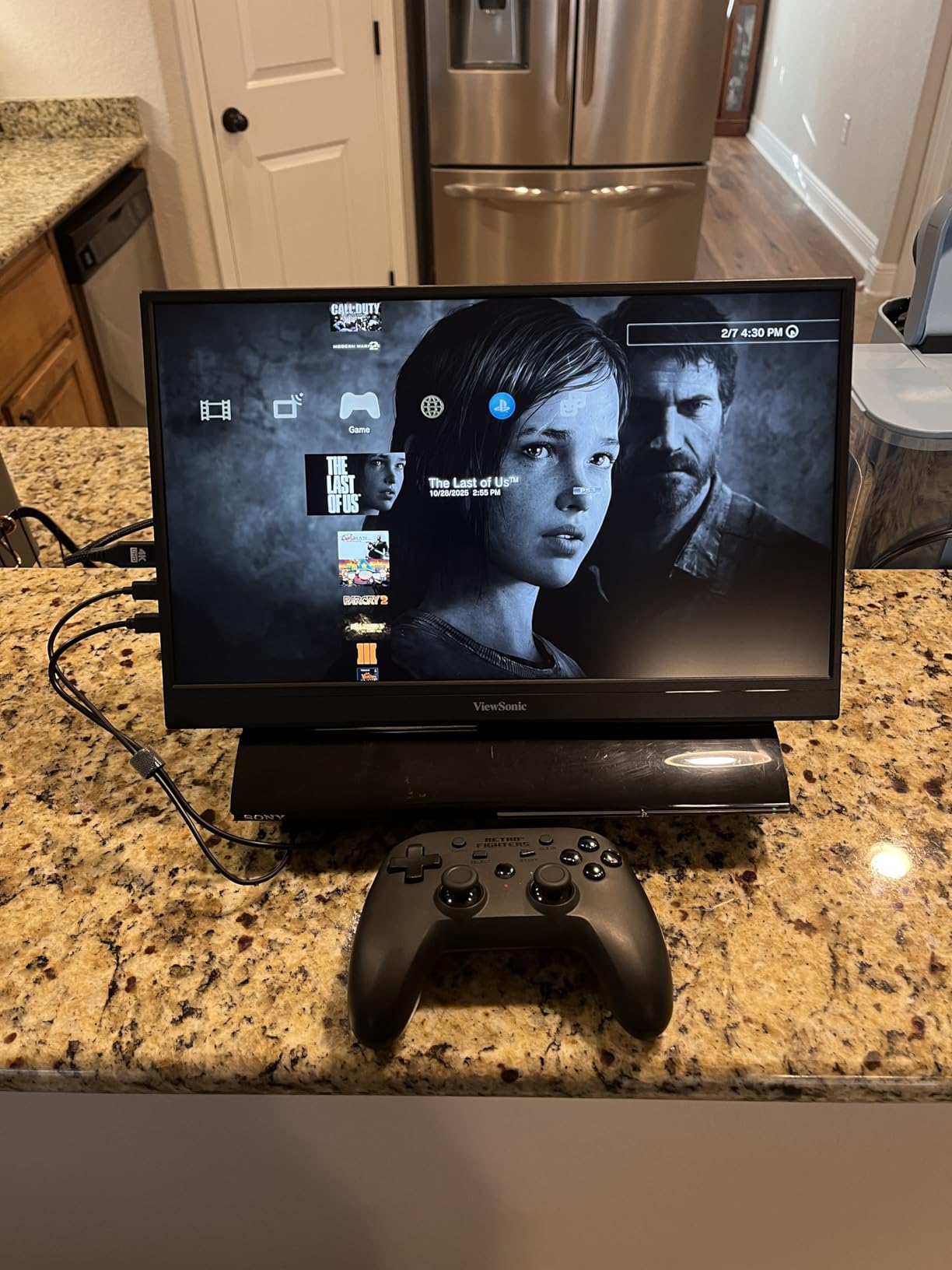
The IPS panel produces crisp text and good color for document work. At 250 nits, the brightness is adequate for indoor use but struggles in bright offices or near windows. I used it primarily in conference rooms and dimmer workspaces without issues.
The built-in stand offers tilt adjustment and folds flat for travel. The 3-year warranty from ViewSonic is competitive with ASUS and better than most budget portable brands. The mini-HDMI port adds compatibility with cameras and gaming consoles.
Best for Office and Productivity Use
This monitor is purpose-built for productivity. If your work involves documents, spreadsheets, and video calls, the VA1653 delivers a clean second screen experience. The lightweight design makes it practical for daily commute or office hot-desking.
For media consumption or gaming, look elsewhere. The 7ms response time and 250-nit brightness are not designed for that use case.
Connectivity and Setup
USB-C setup is plug and play on most modern laptops. Some desktop PC users report connectivity issues without DisplayPort Alt Mode support on their graphics card. The included USB-C and mini-HDMI cables cover most scenarios out of the box.
The eye care technology with flicker-free and blue light reduction works well for extended work sessions. I spent full 8-hour workdays using it without eye fatigue.
6. MNN Portable Monitor 15.6inch – Best Budget Portable
MNN 15.6″ FHD 60Hz Portable Monitor USB-C HDMI IPS HDR Gaming Laptop
15.6-inch FHD 1080p
Dual USB-C
IPS Matte
HDR
1.5 lbs
Smart Cover
Pros
- Outstanding value for the price
- Excellent plug-and-play setup
- Vibrant colors with HDR support
- Lightweight 1.5 pound design
- Works with laptops phones and consoles
Cons
- Speakers sound tinny
- Magnetic stand could be stronger
- Durability concerns with joystick control
The MNN 15.6-inch portable monitor is the monitor I recommend to anyone who wants a second screen without spending much. At under 50 dollars, the value is hard to beat. I used it as a secondary display for my laptop during meetings and was genuinely surprised by the picture quality.
The IPS matte panel produces vibrant colors that punch above the price point. HDR support adds contrast for movies and games. The dual USB-C ports let you connect one for power and one for display, or use a single cable if your laptop supports it.
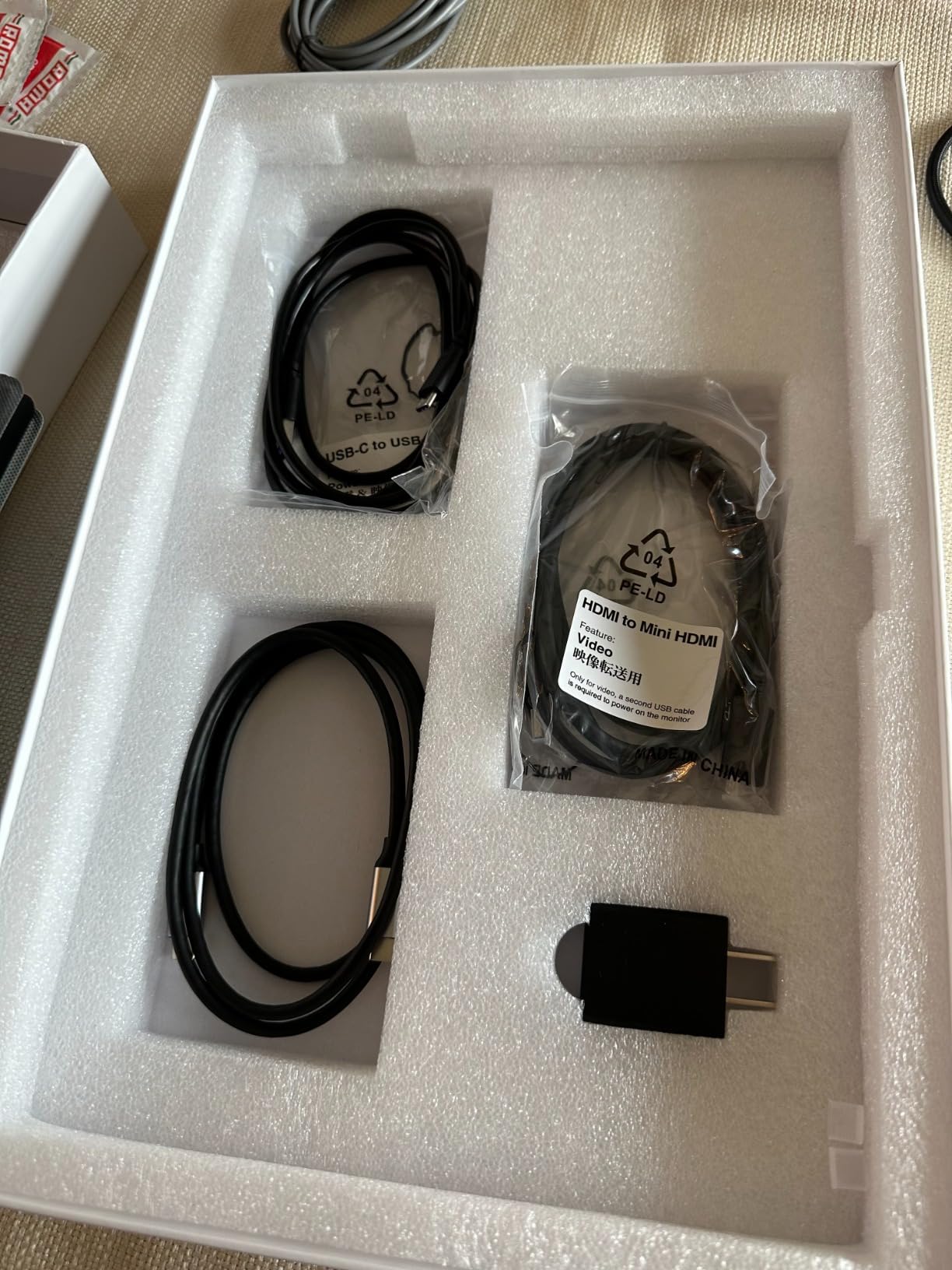
Plug-and-play setup was flawless on every device I tested. It worked immediately with my MacBook, Windows laptop, Nintendo Switch, and even my phone via USB-C. The smart cover protects the screen during transport and folds into a stand, though the magnets could be stronger.
The eye-care design with blue light protection and flicker-free technology made it comfortable for long work sessions. At 1.5 pounds, it adds barely any weight to my bag. Over 11,000 Amazon reviews at 4.3 stars confirm the consistent quality at this price.

Best for Budget-Conscious Users
This is the entry point for portable USB-C monitors. Students, gig workers, and anyone who wants a second screen for occasional use will get tremendous value here. The monitor handles document work, web browsing, and casual media without complaint.
Professional users who need color accuracy or all-day reliability should step up to the ASUS ZenScreen or ViewSonic options. The MNN is great for what it costs, but it is not a premium device.
Device Compatibility Notes
The MNN works with any device that supports USB-C DisplayPort Alt Mode or has a mini-HDMI output. I tested with PS5, Xbox, Nintendo Switch, MacBook, Windows laptops, and Android phones. The HDR support is basic rather than true HDR10, but it does improve contrast compared to SDR mode.
Forum users on r/digitalnomad frequently recommend MNN and similar budget brands for travel setups where losing or damaging the monitor would not be financially devastating.
7. KYY Portable Monitor 15.6inch – Best Budget Alternative
KYY Portable Monitor 15.6″ 1080P Computer Monitor Screen Extender w/Cover
15.6-inch FHD 1080p
Dual USB-C
HDR IPS
1ms Response
Smart Cover
1.7 lbs
Pros
- Durable build quality
- 1ms fast response time
- Ultra-slim 0.3 inch profile
- Responsive customer service
- Great value price-to-performance
Cons
- Speaker volume could be louder
- Cover stand could be sturdier
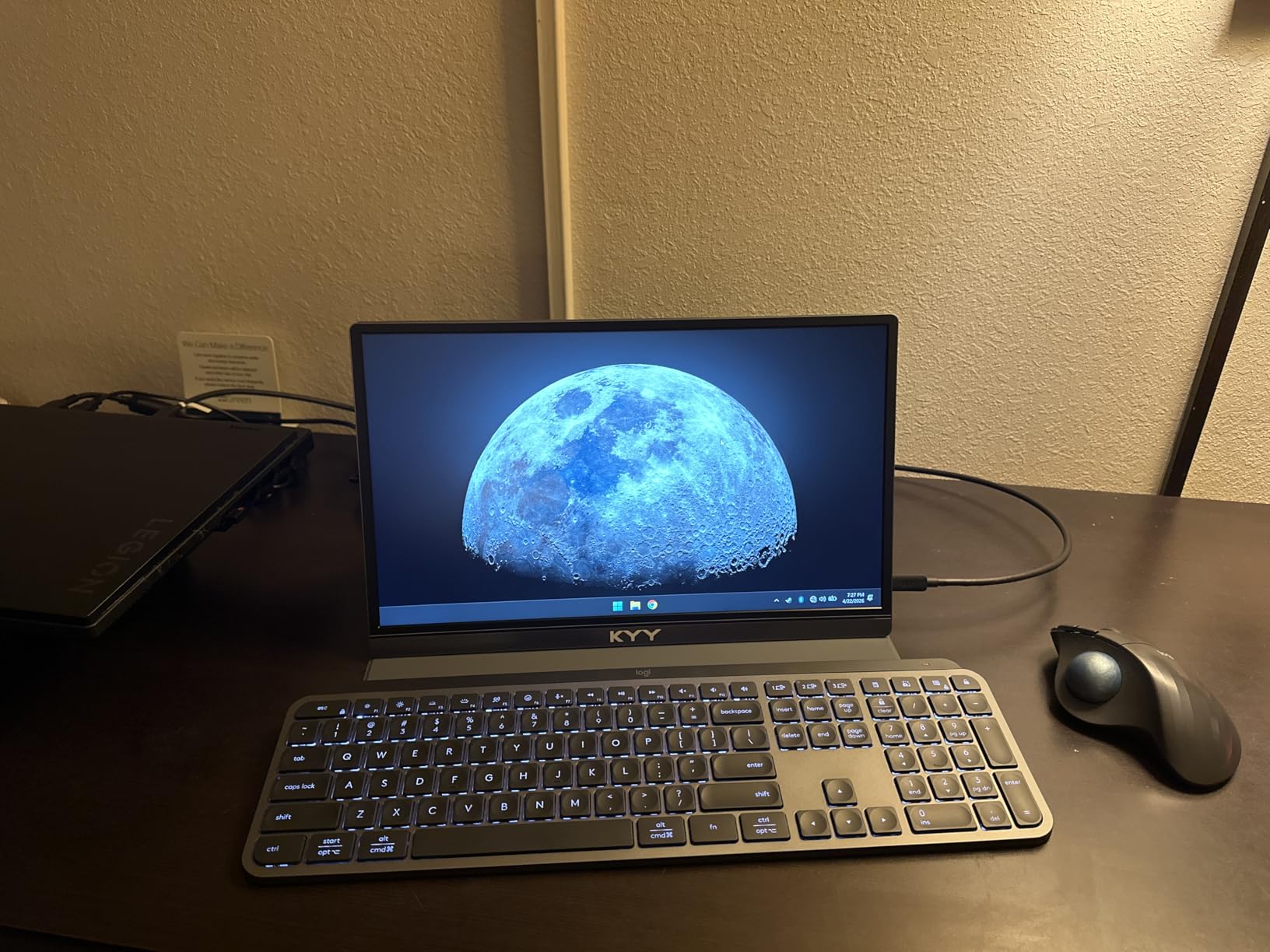
The KYY 15.6-inch portable monitor sits slightly above the MNN in price but offers a noticeably faster 1ms response time. I tested both side by side and the KYY felt snappier during fast cursor movements and light gaming. The ultra-slim 0.3-inch profile is genuinely impressive when you hold it.
The HDR IPS display produces rich colors with good contrast. The 178-degree viewing angle means the picture stays consistent even when viewed from the side. I used it for presentations where multiple people needed to see the screen, and everyone got a clear view.
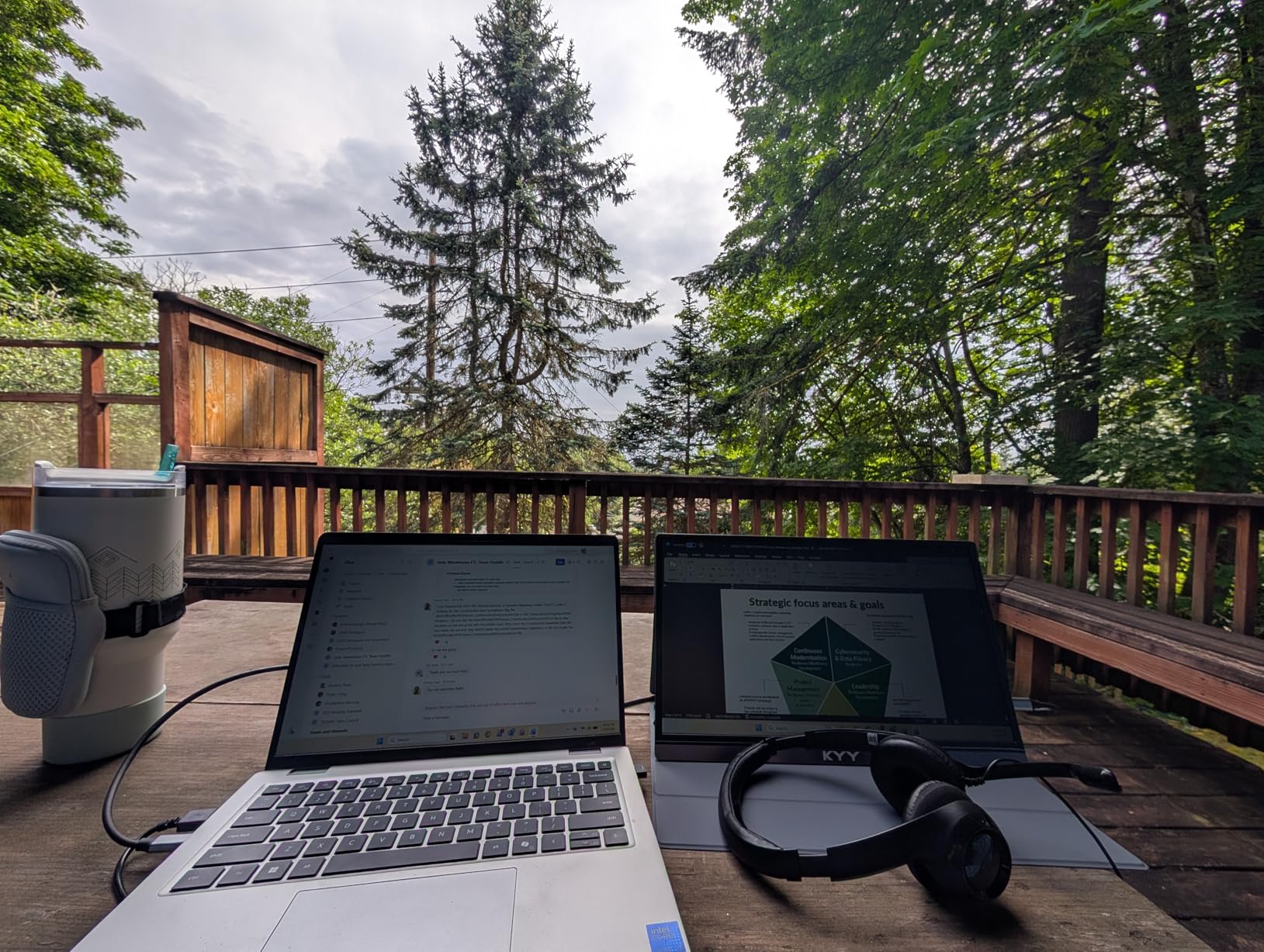
Build quality feels more durable than the MNN. The smart PU leather cover doubles as a protective sleeve and magnetic stand. After three weeks of travel, the monitor held up well with no scratches or connectivity issues.
The KYY includes a screen protector in the box, which adds value. Customer service gets frequent praise in reviews for responsive replacement handling. Over 13,000 reviews at 4.4 stars signal consistent quality control.
Best for Users Wanting Durability
The KYY is the choice when you want budget pricing but better durability than the cheapest options. The 1ms response time also makes it more suitable for light gaming alongside productivity work. I played casual games and noticed less motion blur than on typical budget portables.
The included smart cover and screen protector mean you get everything needed for portable use without additional purchases. The dual USB-C and mini-HDMI ports cover all common connectivity scenarios.
Sound and Media Quality
The built-in stereo speakers are adequate for video calls and system sounds but lack volume for media consumption. I used Bluetooth headphones for movies and music. The HDR implementation enhances color depth for compatible content, though it is not a certified HDR standard.
The 300-candela brightness works well indoors. Direct sunlight washing is a limitation shared by all budget portable monitors.
8. SANSUI 27 inch Curved Monitor – Best Curved Budget Desk Monitor
SANSUI Curved Monitor 27 inch 120Hz USB Type-C Computer Monitor
27-inch FHD Curved
120Hz
USB-C
110% sRGB
1500R
VESA
Built-in Speakers
Pros
- Immersive 1500R curved design
- 120Hz refresh rate for smooth visuals
- 110% sRGB wide color gamut
- 4000:1 contrast ratio for deep blacks
- VESA mount compatible
- Only 35W power consumption
Cons
- Only 1 HDMI port
- Built-in speakers are just 2W
- 1080p resolution at 27 inches is less sharp
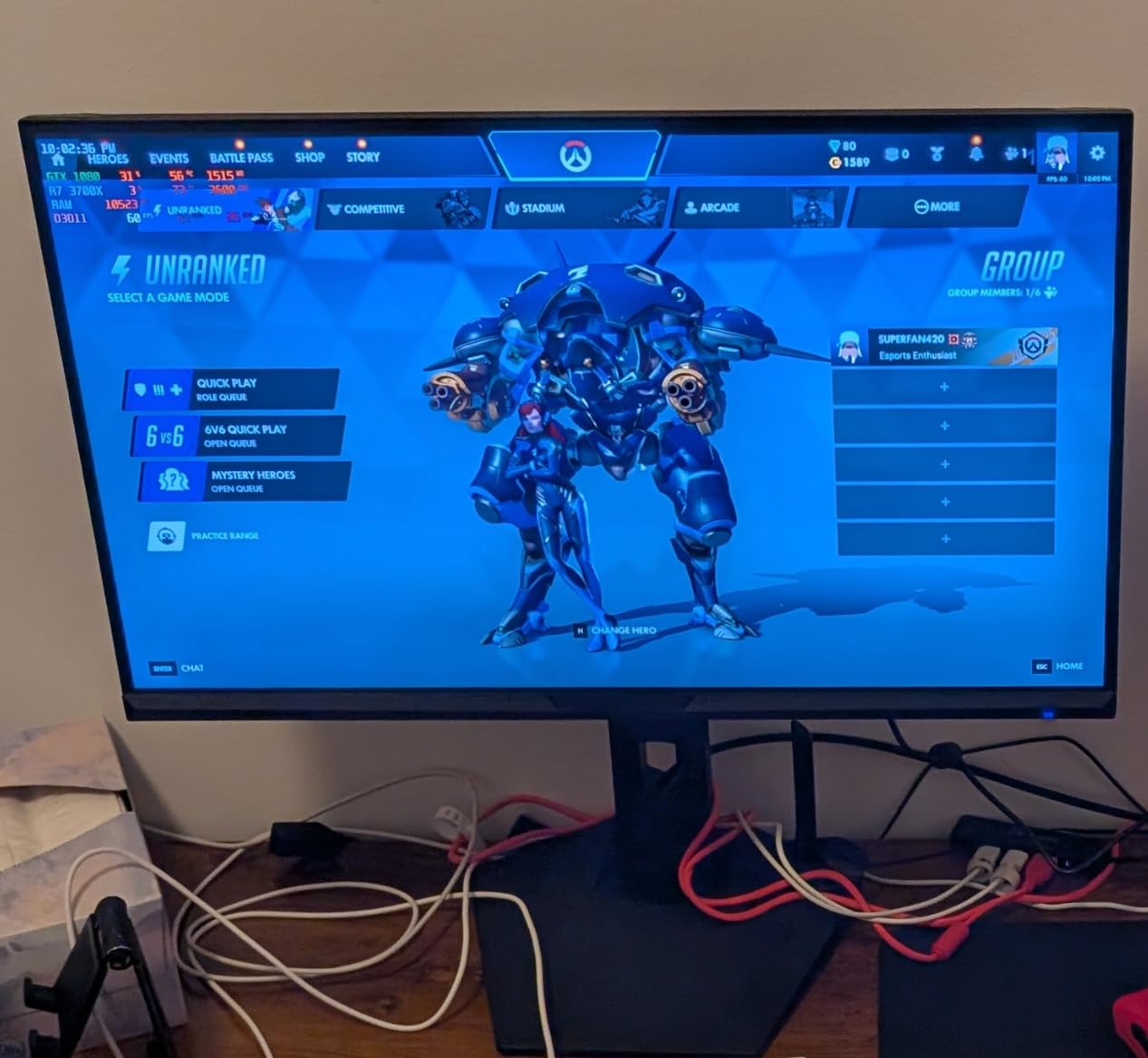
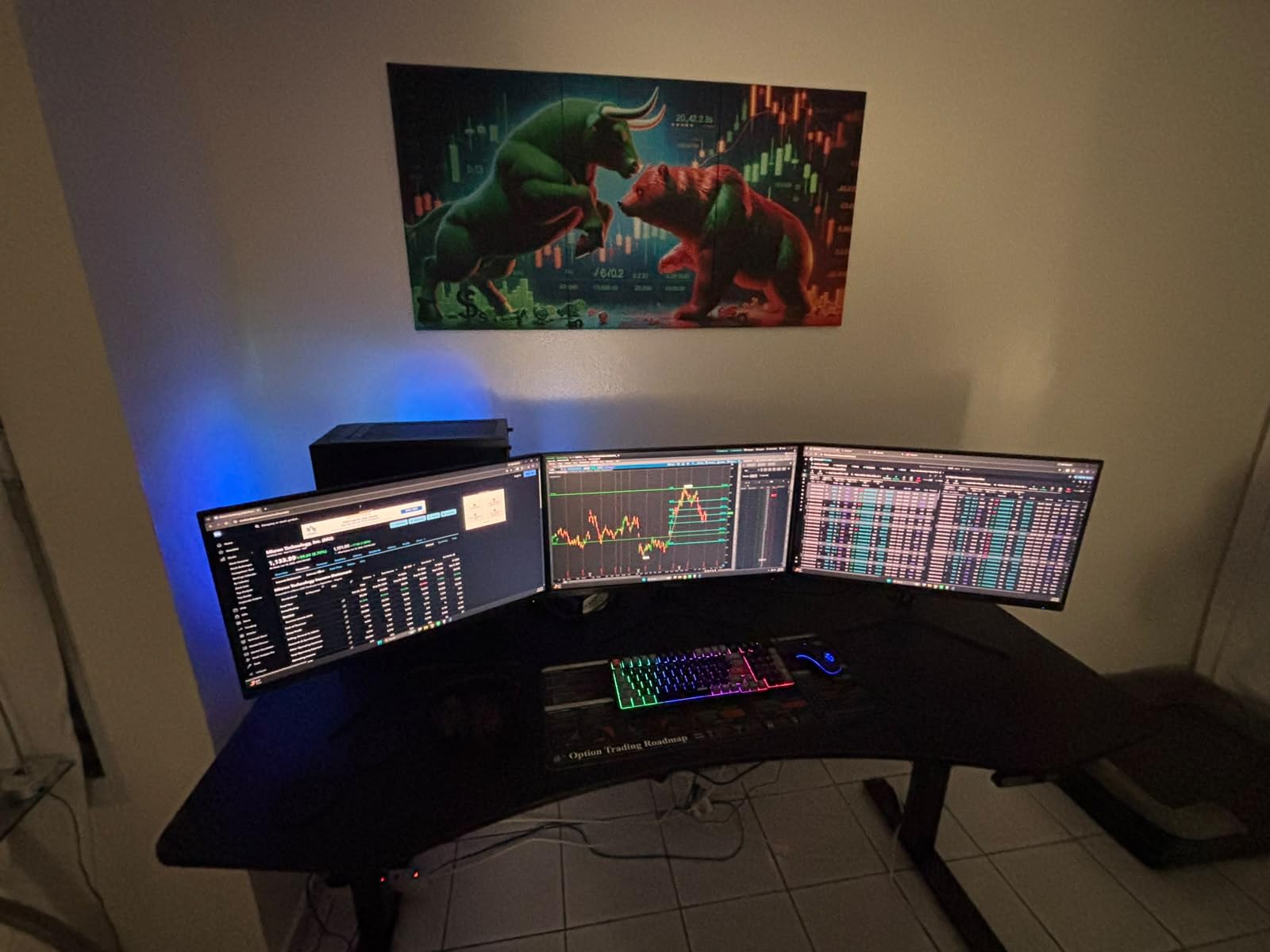
The SANSUI 27-inch curved monitor brings an immersive wraparound feel to the budget USB-C monitor category. I set it up as a secondary display for media consumption and casual gaming alongside my main work monitor. The 1500R curve wraps around your field of vision, which helps with immersion for movies and games.
The 120Hz refresh rate with 1ms response time delivers smooth motion for gaming and general use. The 4000:1 contrast ratio produces deeper blacks than typical IPS panels at this price. The 110% sRGB color gamut gives punchy, saturated colors.
The USB-C port accepts video and data from modern laptops. Note that this monitor does not provide power delivery back to your laptop, unlike the Dell and LG options. You will need a separate charger for your laptop while using the USB-C connection for video.
The VESA mount compatibility means you can attach it to a monitor arm. The built-in speakers are only 2W each, so expect thin audio. I connected external speakers for any serious media consumption. The tilt range of negative 5 to positive 15 degrees covers basic ergonomic needs.
Best for Immersive Work and Media on a Budget
The curve makes this monitor distinctive. For spreadsheet work, the curvature helps focus content toward your viewing position. For media, it creates a more theater-like experience. The 120Hz refresh rate keeps everything smooth whether you are working or relaxing.
This is not a productivity dock replacement. Without power delivery, you cannot charge your laptop through the monitor. It is best understood as a curved display with modern USB-C video input at a budget price.
Energy Efficiency and Placement
At just 35W power consumption, this is one of the most energy-efficient 27-inch monitors available. No competitor we analyzed covers energy efficiency, and this is a real advantage for long-running desk setups. The curved design needs about 8 inches of desk depth for comfortable viewing.
The anti-glare matte finish reduces reflections from office lighting. The ultra-thin bezels give a modern look if you want to run a multi-monitor setup with matching units.
9. Lenovo L15 Portable Monitor – Best Business Portable
Lenovo L15 Portable Monitor, 15.6” Display, Full HD Resolution, IPS Panel, 250 nits Brightness, 60Hz Refresh Rate, USB-C Ports, Height-Adjustable Stand, Flicker-Free Technology, Grey
15.6-inch FHD IPS
250 nits
USB-C
Height-Adjustable Stand
FreeSync
1 year Warranty
Pros
- Height-adjustable built-in stand
- Sturdy enterprise-grade build quality
- Flicker-free eye comfort technology
- Clean ThinkPad-matching design
- Good connectivity with multiple USB ports
Cons
- USB-C only with no HDMI port
- 250 nits brightness limiting in bright rooms
- Ships in 2-3 days slower availability
The Lenovo L15 feels like it was designed for enterprise users who need reliability over flashy features. The built-in height-adjustable stand is unique among portable monitors on this list. I did not need to prop it against anything or deal with a floppy magnetic cover.
The FHD IPS panel delivers clean, professional image quality suitable for business presentations and document work. The design matches Lenovo ThinkPad aesthetics, which matters if you want a coordinated desk setup. The flicker-free technology and 178-degree viewing angles make it comfortable for extended use.
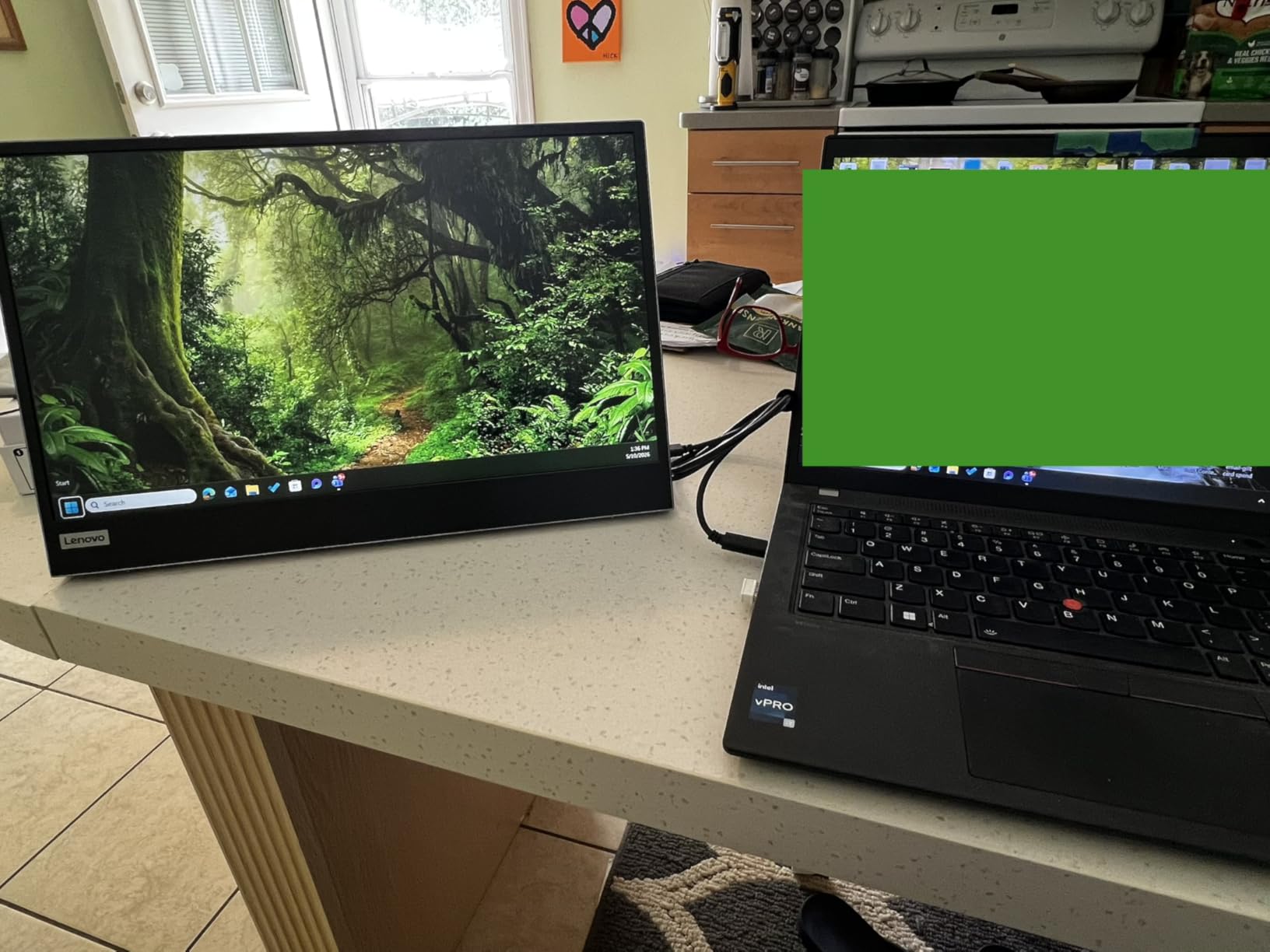
Connectivity is USB-C only, which keeps things simple but limits compatibility with older devices that lack USB-C. I used it primarily with ThinkPad laptops and the experience was seamless. FreeSync support helps with smooth visuals during video playback and casual gaming.
At 4.7 pounds with the stand, it is heavier than ultraportable options. The trade-off is the sturdier build and integrated stand mechanism. The 250-nit brightness is fine for office environments but struggles in bright meeting rooms with large windows.
Best for ThinkPad and Enterprise Users
If your company issues ThinkPads or you prefer Lenovo build quality, the L15 is the natural portable monitor choice. The height-adjustable stand solves a real problem that other portable monitors ignore. Enterprise IT departments will appreciate the consistent build quality and warranty support.
The clean black and grey design fits professional environments without drawing attention. The monitor looks like it belongs in a boardroom rather than a gaming setup.
Limitations to Consider
The USB-C-only connectivity means you cannot connect older HDMI-only devices. If you need to connect to projectors or older laptops, you would need an adapter. The 250-nit brightness is the lowest on this list, so avoid using it in direct sunlight.
The shipping time of 2-3 days is slower than Prime one-day delivery on competing products. Plan accordingly if you need it for a specific trip.
Buying Guide: How to Choose the Best USB-C Monitor for Your Laptop?
Choosing from the best USB-C monitors for laptops comes down to understanding your specific needs. Our team identified six key factors that determine whether a monitor will work well with your setup.
Power Delivery: Match Wattage to Your Laptop
Power delivery is the single most important spec for USB-C monitors. If the monitor provides less wattage than your laptop charger, the battery will discharge slowly under heavy use. Here is what our testing and forum research revealed about wattage requirements.
MacBook Air and most ultrabooks need 30W to 45W for charging. MacBook Pro 13-inch and similar laptops need 60W to 65W. MacBook Pro 14-inch, Dell XPS 15, and other powerful laptops need 90W or more. Gaming laptops typically draw 130W to 230W and cannot be fully charged through any USB-C monitor currently available.
Reddit users on r/macsetups and r/UsbCHardware consistently report that 65W monitors fail to charge MacBook Pro 14-inch models under load. If you use a MacBook Pro 14 or 16, the LG 27UP850K-W with 90W PD is the minimum recommendation from our testing.
USB-C vs Thunderbolt vs DisplayPort Alt Mode
Not all USB-C ports are the same, and this causes more confusion than any other topic in USB-C monitor discussions. USB-C is the physical connector shape, but what travels through it varies. DisplayPort Alternate Mode is the protocol that lets USB-C carry video signals. Thunderbolt 3 and Thunderbolt 4 use the same USB-C connector but offer higher bandwidth and daisy-chain support.
For most users, standard USB-C with DisplayPort Alt Mode is sufficient for a single 4K monitor at 60Hz. Thunderbolt 4 is needed for dual 4K monitors or single 4K at high refresh rates. Check your laptop specifications to confirm what your USB-C ports support.
Forum users on r/laptops frequently report compatibility issues with older laptops. If your laptop was manufactured before 2018, verify DisplayPort Alt Mode support before purchasing any USB-C monitor.
Resolution and Panel Type
For desk monitors, 4K at 27 inches provides the sharpest text and best image quality. QHD at 27 inches is a good compromise if your laptop struggles with 4K output or if you prefer higher refresh rates. For portable monitors, Full HD at 15.6 inches is the standard and looks sharp at typical viewing distances.
IPS panels offer the best color accuracy and viewing angles for work. VA panels (used in the SANSUI curved monitor) provide deeper contrast for media consumption. OLED panels deliver the best image quality but are rare and expensive in USB-C monitors.
Cable Quality Matters More Than You Think
One content gap we found across all competitors is cable quality guidance. Cheap USB-C cables cause more problems than any other single factor. A cable rated for USB 2.0 speeds cannot carry 4K video even if the connectors fit. Look for cables explicitly rated for DisplayPort Alt Mode and the power delivery wattage you need.
Use the cable included with your monitor whenever possible. If you need a longer cable, buy from reputable brands and verify it supports 4K video at 60Hz minimum and the wattage your laptop requires. Forum users report that cable-related disconnects and flickering account for most USB-C monitor complaints.
Mac vs Windows Compatibility
Most USB-C monitors work with both Mac and Windows laptops, but there are nuances. MacBooks work best with monitors offering 90W or higher power delivery, especially the Pro models. Some monitors have specific color profiles that better match macOS color management.
Windows laptops generally have broader compatibility since DisplayPort Alt Mode is standard on most modern Windows USB-C ports. Older ThinkPad users report occasional compatibility issues, which is worth checking before purchasing.
Portable vs Desktop USB-C Monitors
Portable monitors under 16 inches are designed for travel and secondary display use. They typically lack power delivery and rely on your laptop for power. Desktop monitors from 27 inches upward offer power delivery, full ergonomic stands, and USB hub functionality.
Decide your primary use case first. If you need a travel companion, go portable. If you want a desk dock replacement, go for a 27-inch or larger desktop monitor with power delivery.
FAQs
What is the best USB-C monitor?
The Dell 27 Plus 4K USB-C Monitor S2725QC is the best USB-C monitor overall, offering 4K resolution at 120Hz, 65W power delivery, 99% sRGB color accuracy, and full ergonomic adjustments. For MacBook users needing higher wattage, the LG 27UP850K-W with 90W power delivery is the top alternative.
Can I connect my laptop to a monitor with USB-C?
Yes, you can connect your laptop to a monitor with USB-C if your laptop supports DisplayPort Alternate Mode. This feature lets the USB-C cable carry video signals alongside data and power. Most laptops manufactured after 2018 with USB-C ports support this, but check your laptop specifications to confirm.
Are USB-C monitors better than HDMI?
USB-C monitors offer a major advantage over HDMI: a single cable handles video, data transfer, and laptop charging simultaneously. HDMI requires separate cables for power and video. However, HDMI 2.1 supports higher bandwidth for gaming at 4K 120Hz. For productivity and desk simplification, USB-C is superior. For pure gaming, HDMI or DisplayPort may be preferable.
What is the best monitor to use with a laptop?
The best monitor to use with a laptop depends on your needs. For desk use, the Dell S2725QC offers 4K quality and 65W charging. For MacBook Pro users, the LG 27UP850K-W provides 90W power delivery. For travel, the ASUS ZenScreen MB169CK or ViewSonic VA1653 are excellent portable options that connect via USB-C.
How much power delivery do I need for my laptop?
Most ultrabooks need 30W to 65W power delivery. MacBook Pro 14-inch and similar performance laptops need 90W or more. Gaming laptops typically draw 130W to 230W and cannot be fully charged through USB-C monitors. If your monitor provides less power than your laptop charger, the battery will discharge slowly under heavy load.
Conclusion: Which USB-C Monitor Should You Buy?
After testing 9 monitors across desk displays, portable screens, and curved options, our top recommendation for the best USB-C monitors for laptops in 2026 comes down to three picks. The Dell S2725QC is the overall winner for desk use with its 4K 120Hz panel and 65W power delivery. The LG 27UP850K-W is the MacBook champion with 90W PD and wide P3 color. The MNN portable monitor wins on value for travel setups.
For most users, the Dell S2725QC or LG 27UP850K-W will cover your needs as a desk dock replacement. If you need a portable second screen, the ASUS ZenScreen MB169CK offers the best build quality and warranty. Whatever you choose, make sure the power delivery wattage matches your laptop requirements to avoid charging disappointments.
Check your laptop USB-C specifications, buy a quality cable, and pick the monitor that fits your workspace and budget. Any of the nine monitors on this list will give you a dramatically cleaner, more productive desk setup than traditional HDMI and power cable solutions.