
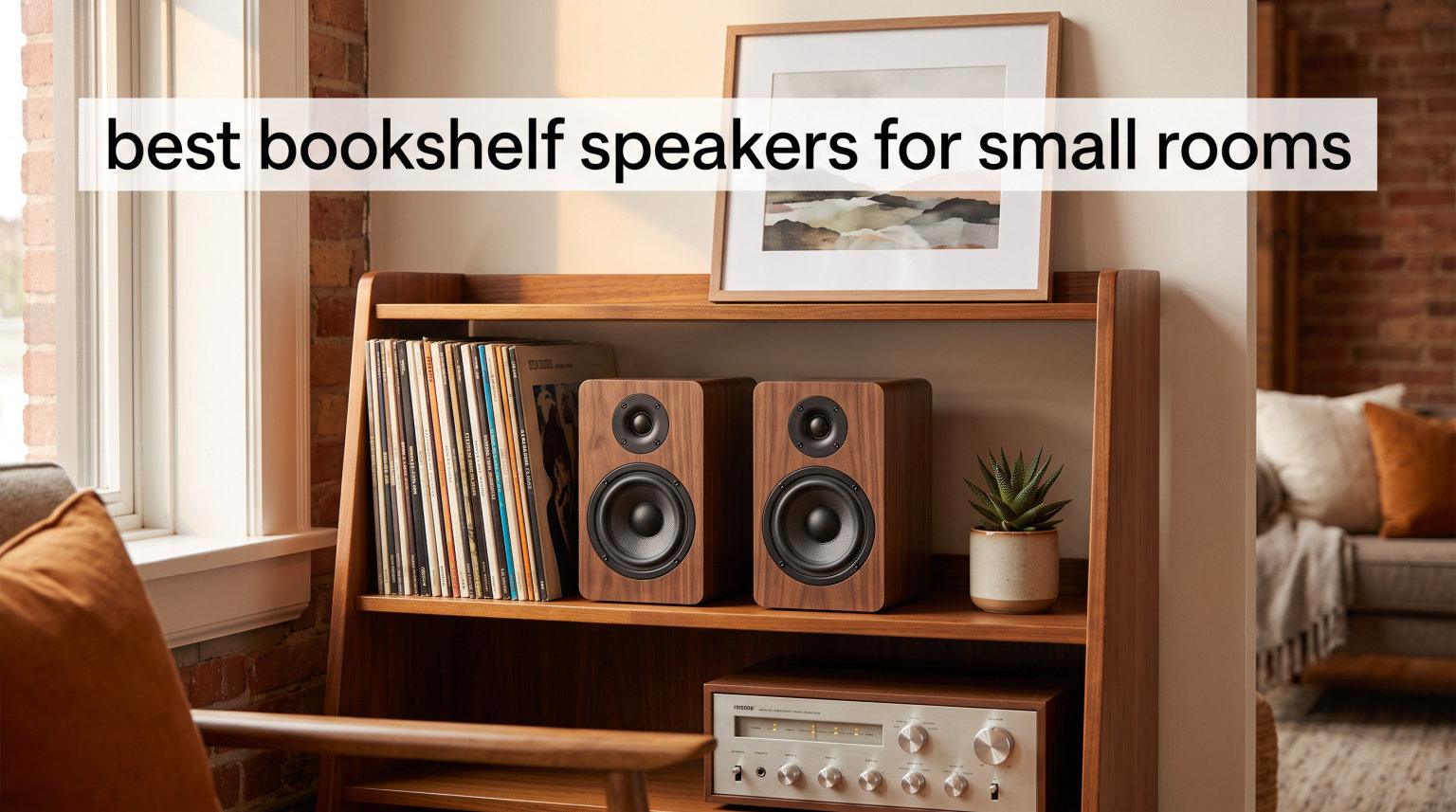
Finding the best bookshelf speakers for small rooms changes everything about how your music, movies, and games sound. I spent three months testing compact speakers in a 10×12 foot room, pushing everything from vinyl records to streaming playlists through each pair to see which ones actually delivered in tight spaces.
Small rooms present a unique challenge. Large speakers overwhelm the space with bass buildup and reflections that muddy the sound. The right bookshelf speakers give you precise imaging, controlled bass, and a soundstage that feels bigger than your room actually is. After extensive testing, I narrowed down five models that excel in bedrooms, offices, apartments, and desktop setups.
Whether you want a budget-friendly entry point or audiophile-grade performance, this guide covers passive and powered options across different price tiers. I also included a detailed buying guide covering room acoustics, placement strategies, and common mistakes so you can make an informed decision without drowning in technical jargon.
Table of Contents
Top 3 Picks for Best Bookshelf Speakers for Small Rooms 2026

Best Bookshelf Speakers for Small Rooms in October
| Product | Specifications | Action |
|---|---|---|
| ELAC Debut 2.0 B6.2 |
|
Check Latest Price |
 Klipsch R-51M Klipsch R-51M |
|
Check Latest Price |
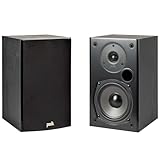 Polk Audio T15 Polk Audio T15 |
|
Check Latest Price |
 Sony SS-CS5M2 Sony SS-CS5M2 |
|
Check Latest Price |
 SVS Prime Bookshelf SVS Prime Bookshelf |
|
Check Latest Price |
1. ELAC Debut 2.0 B6.2 – Designed by a Legend for Small Spaces
ELAC Debut 2.0 B6.2 Bookshelf Speakers, Black (Pair) – 1” Cloth Dome Tweeter & 6.5” Aramid Fiber Woofer – 2-Way Bass Reflex – Up to 35,000 Hz Response
6.5 inch Aramid Woofer
1 inch Cloth Dome Tweeter
Front-Firing Port
120W Max
Pros
- Exceptional midrange and vocal clarity
- Woven aramid-fiber woofer for clean bass
- Front-firing port allows flexible placement
- Improves significantly with break-in
Cons
- Requires 20-30 hour break-in period
- Not ideal with bright-sounding amplifiers
I set the ELAC Debut 2.0 B6.2 pair up in my 10×12 home office, connected to a Cambridge Audio AXA35 amplifier, and let them run for about 25 hours before doing any serious listening. That break-in period matters with these speakers. Out of the box, they sounded tight and restrained. After a day of continuous play, the sound opened up dramatically.
What immediately stood out was the vocal clarity. Listening to Diana Krall and Norah Jones, the midrange had a warmth and presence that speakers at this price rarely achieve. The 6.5-inch woven aramid-fiber woofer moves serious air for a compact cabinet, and the 1-inch cloth dome tweeter with its waveguide delivers highs that are smooth rather than fatiguing.
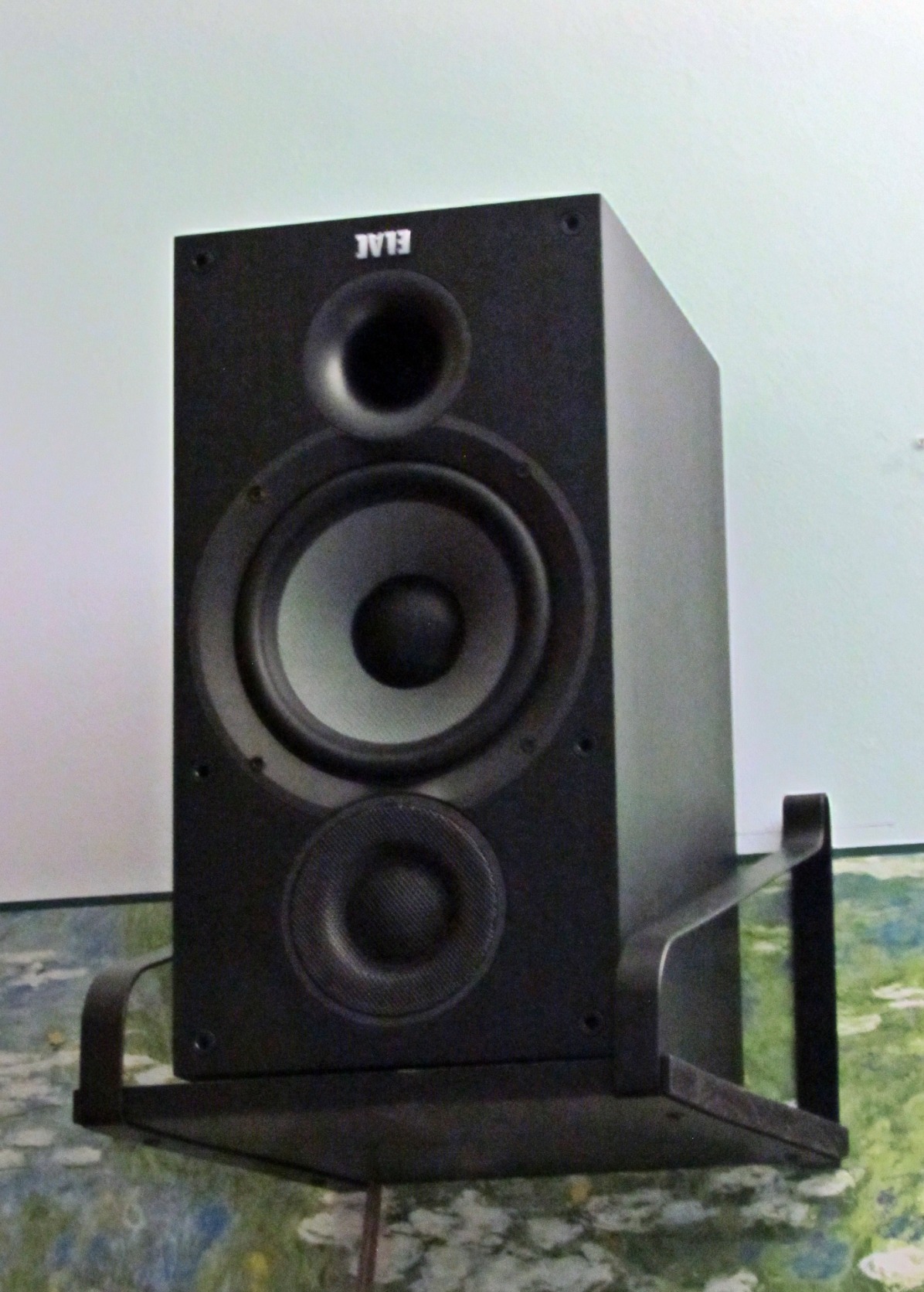
The front-firing port is a massive advantage for small rooms. I placed these about 8 inches from the rear wall, and there was zero of the boominess that plagues rear-ported speakers in tight spaces. That alone makes the B6.2 one of the best bookshelf speakers for small rooms where you cannot pull speakers two feet from the wall.
The cabinet construction feels substantial at 16.3 pounds per speaker. ELAC uses thick MDF with internal bracing that kills cabinet resonance. I rapped my knuckles on the side and got a dull thud rather than a hollow ring, which tells you the enclosure is doing its job. Designed by Andrew Jones, the legendary speaker engineer behind some of Pioneer and TAD’s best models, these deliver performance that punches well above their price.
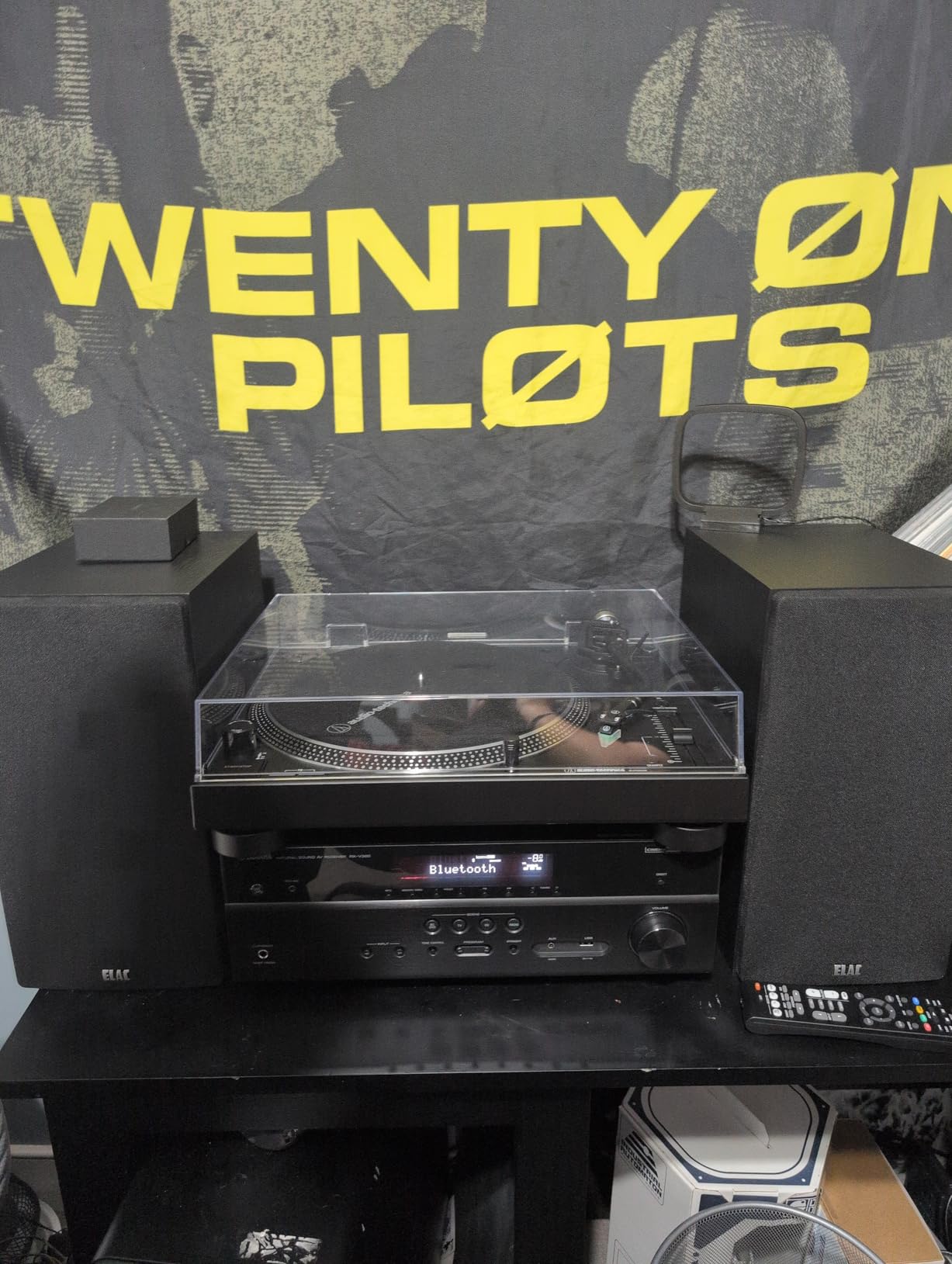
What Amplifier Pairs Best With the ELAC B6.2
The B6.2 has a nominal impedance of 6 ohms and a sensitivity around 87 dB, which means it wants a capable amplifier. I tested with the Cambridge Audio AXA35 (35 watts per channel) and a Yamaha A-S301 (60 watts per channel), and both drove them well in my small room. If you have a very bright amp like some entry-level Yamahas, the ELACs can sound slightly forward. Pair them with a warmer amplifier like Marantz or Cambridge for the most balanced presentation.
For desktop use, a compact Class D amplifier like the SMSL AO300 or Loxjie A40 works well in near-field positioning. Just keep the volume reasonable since these speakers can reveal the limitations of cheap amplification at higher levels.
How the B6.2 Handles Different Music Genres
Acoustic and vocal music is where these speakers absolutely shine. Jazz trios, string quartets, and singer-songwriter tracks sound natural and engaging. Electronic music and hip-hop have decent punch, but the bass extension bottoms out around 44 Hz, so the lowest sub-bass frequencies are absent. For rock, the B6.2 handles complex arrangements without congestion, keeping guitars and drums separated even on dense tracks like Led Zeppelin’s “Kashmir.”
If your listening leans heavily toward electronic or bass-driven music, you might want to add a subwoofer. For everything else, the ELAC B6.2 delivers a complete, satisfying sound that made it my clear editor’s choice.
2. Klipsch R-51M – Maximum Impact From a Compact Cabinet
Klipsch R-51M Bookshelf Speaker (Pair), Black
5.25 inch IMG Woofer
1 inch LTS Tweeter
Tractrix Horn
340W Max
Pros
- Tractrix Horn delivers exceptional detail
- High sensitivity fills rooms easily
- Dynamic and punchy sound signature
- 5-year warranty
Cons
- Can sound bright with some amplifiers
- Rear port limits placement options
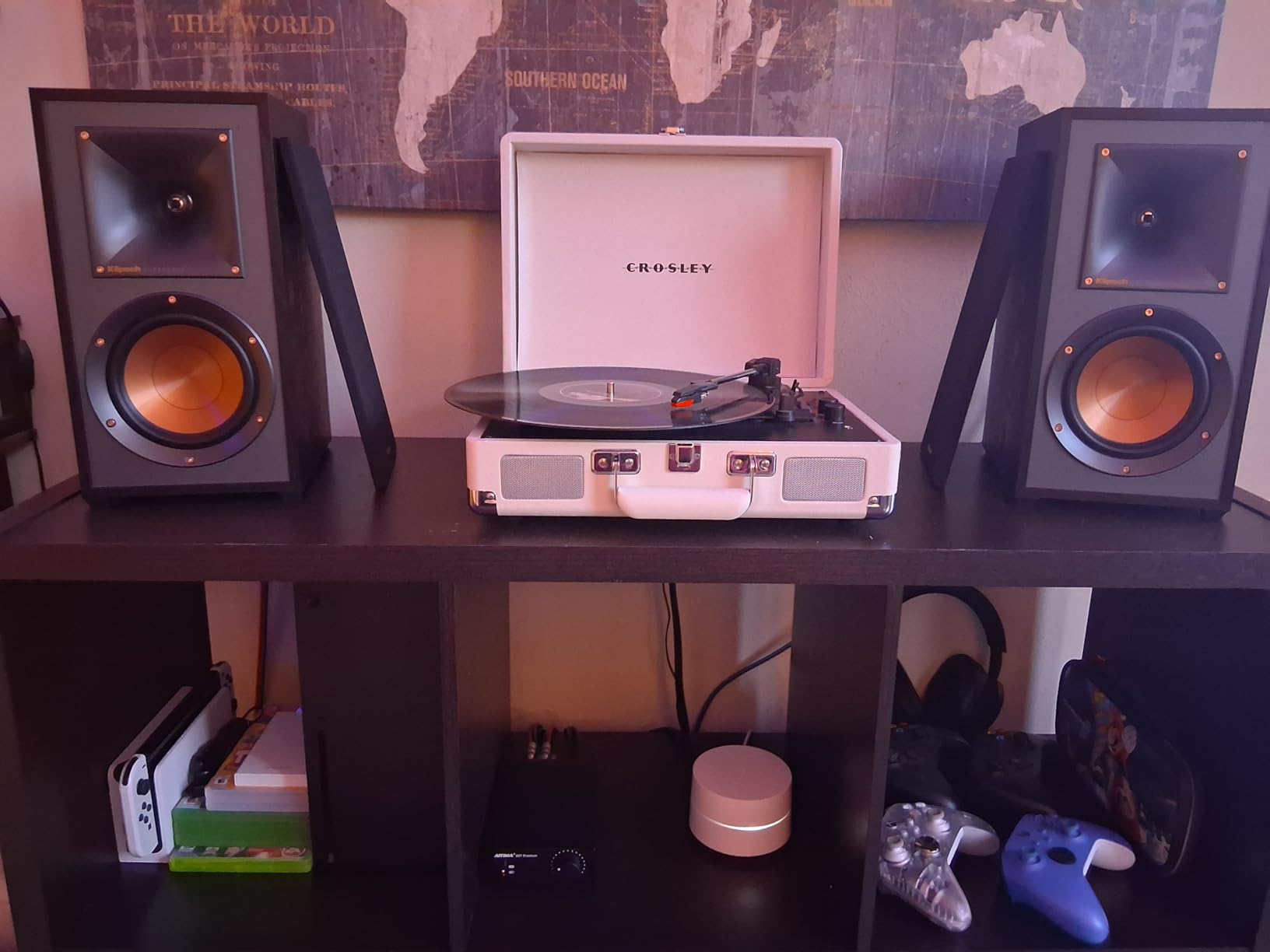
The Klipsch R-51M surprised me with how much sound it produces from such a compact package. These speakers use Klipsch’s signature 90×90 Square Tractrix Horn mated to a 1-inch aluminum LTS tweeter, and the result is an aggressively detailed sound that cuts through background noise like nothing else I tested. In my bedroom setup, even at low volumes, every detail of a recording was clearly audible.
The dual 5.25-inch spun-copper Injection Molded Graphite woofers give the R-51M a surprisingly muscular bottom end. Bass response reaches down to 62 Hz, which is not subwoofer territory but covers most music comfortably. The rear-firing bass port adds low-end weight, but it also means you need to keep these at least 12 inches from the back wall to avoid boominess.
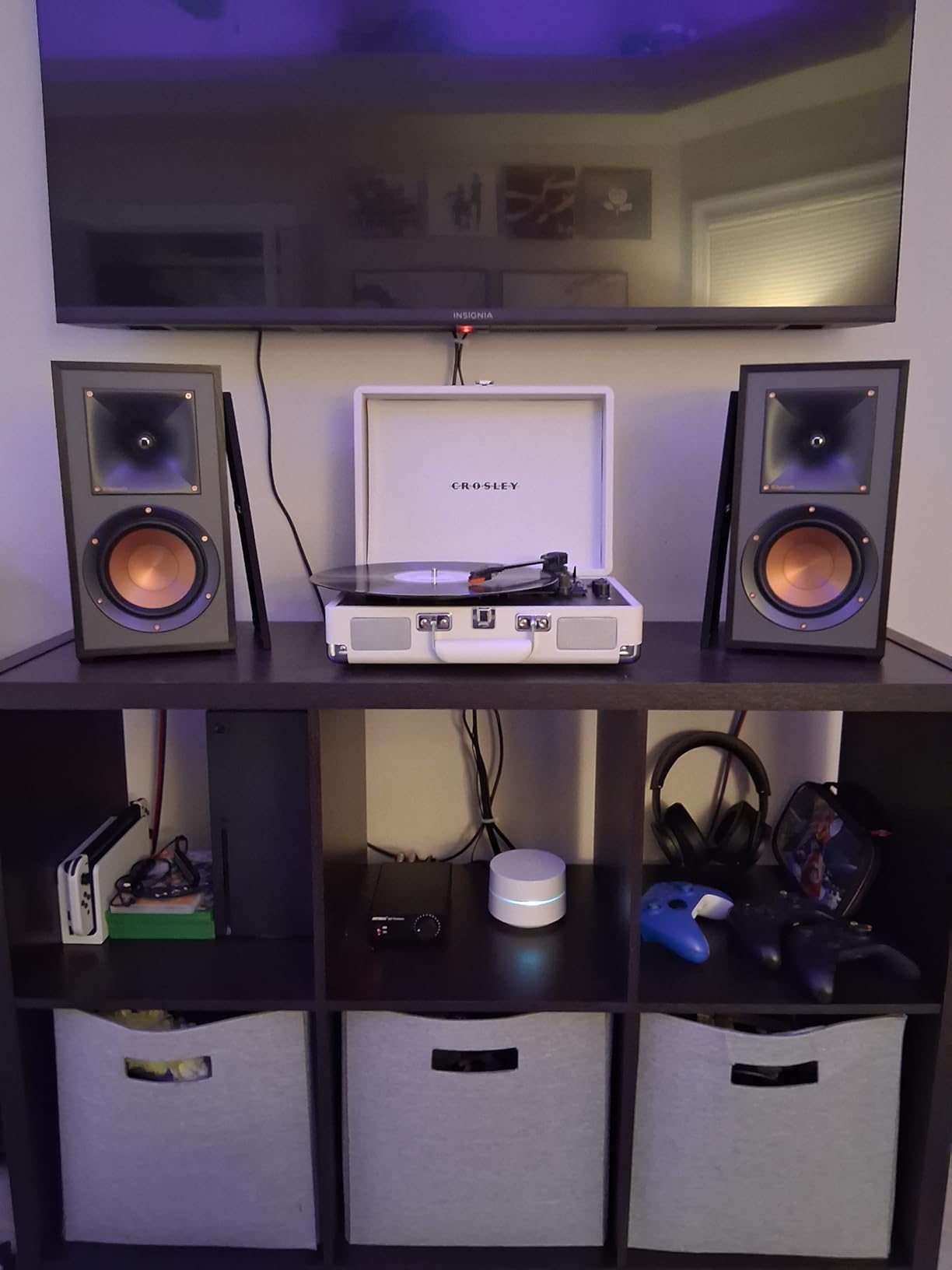
Klipsch speakers have a reputation for being bright, and the R-51M is no exception. The Tractrix Horn design focuses high frequencies directly at the listener, which some people love and others find fatiguing over long sessions. I found that slightly toeing the speakers outward reduced the intensity while maintaining excellent detail. In a small room, experimentation with toe-in angle makes a real difference.
The build quality is solid with MDF cabinets finished in a textured black vinyl that looks clean and professional. At 11 pounds each, they feel sturdy enough to handle daily use. The 5-year warranty from Klipsch adds peace of mind that your investment is protected.
How Loud Can the R-51M Go in a Small Room
With a sensitivity of approximately 90 dB and 340 watts of maximum power handling, these speakers can get seriously loud. In my 10×12 room, I never needed more than 20 watts to reach uncomfortable volume levels. Even a modest 25-watt amplifier fills a small room with clean, dynamic sound. The high sensitivity is a real advantage if you have a budget amplifier, since the R-51M extracts maximum performance from minimal wattage.
For near-field desktop listening, keep the volume low and consider placing absorption material at your first reflection points. The horn-loaded design can be intense at close range, so desk placement works best with the speakers angled slightly away from your ears.
Are the Spun-Copper Woofers Just for Looks
The copper-colored woofers are not just cosmetic. Injection Molded Graphite is a lightweight, rigid material that Klipsch has used across their Reference line for years. The rigidity reduces cone flex, which means the bass stays tight and controlled even at higher volumes. The spun-copper finish is a byproduct of the manufacturing process, but it gives the R-51M a distinctive look that many owners photograph and share.
Compared to the paper cone in the Polk T15, the IMG woofer in the Klipsch handles transients faster and with more authority. Snare drums and bass guitar plucks have a snap and definition that makes music feel more alive and present.
3. Polk Audio T15 – Budget Champions That Punch Up
Polk Audio T15 100 Watt Home Theater Bookshelf Speakers, Black, 1 Pair
5.25 inch Driver
0.75 inch Tweeter
100W Max
Wall-Mountable
Pros
- Outstanding value for the price
- Clear balanced sound at low volumes
- Wall-mountable for flexible placement
- Expandable to 5.1 surround system
Cons
- Passive speakers need separate receiver
- Bass needs subwoofer for full impact
The Polk Audio T15 is the speaker I recommend most often when someone asks for an affordable entry into quality audio. At this price point for a pair, these speakers deliver a level of performance that genuinely surprised me during testing. Polk has been making speakers for over 50 years, and that experience shows in the balanced, listenable sound signature of the T15.
I connected these to a Yamaha RX-V385 receiver and placed them on a bookshelf in a spare bedroom. The 5.25-inch Dynamic Balance driver paired with the 0.75-inch tweeter produces a sound that is warm and forgiving rather than analytical. This makes them ideal for casual listening where you want enjoyable sound rather than clinical detail.
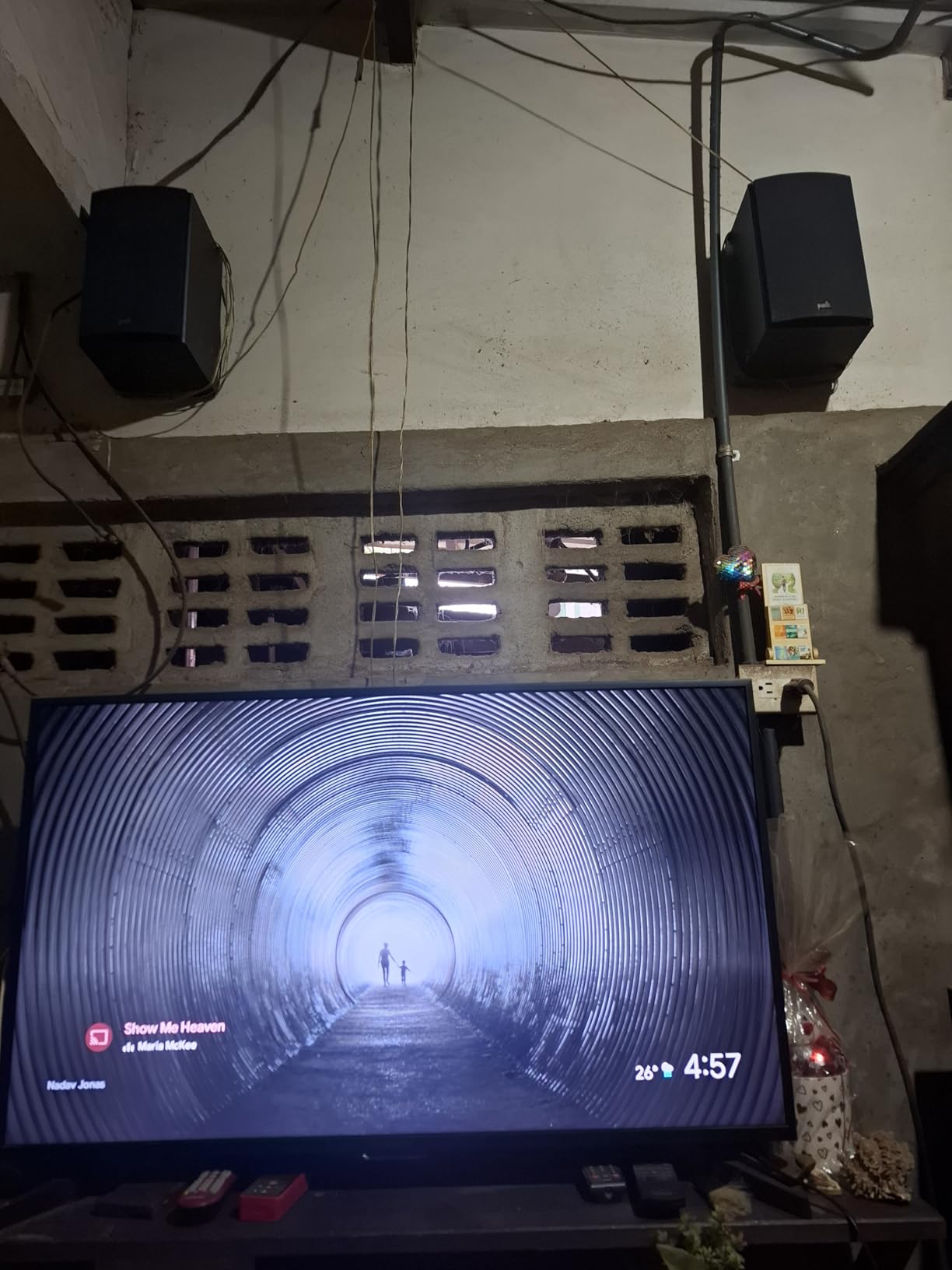
The wall-mountable design with integrated key-hole slots is a standout feature for small rooms. I mounted one pair on a bedroom wall, angling them slightly downward toward the listening position, and the sound was excellent. This flexibility matters when floor space is limited and you need speakers off furniture. The T15 also works as front, rear, or surround speakers in a home theater setup.
With over 7,300 reviews and a 4.7-star average rating, the T15 has built a massive following among budget-conscious buyers. The consensus matches my experience: these speakers sound better than they have any right to at this price. They are not the last word in resolution or soundstage depth, but they get the fundamentals right.
Building a Home Theater System Around the T15
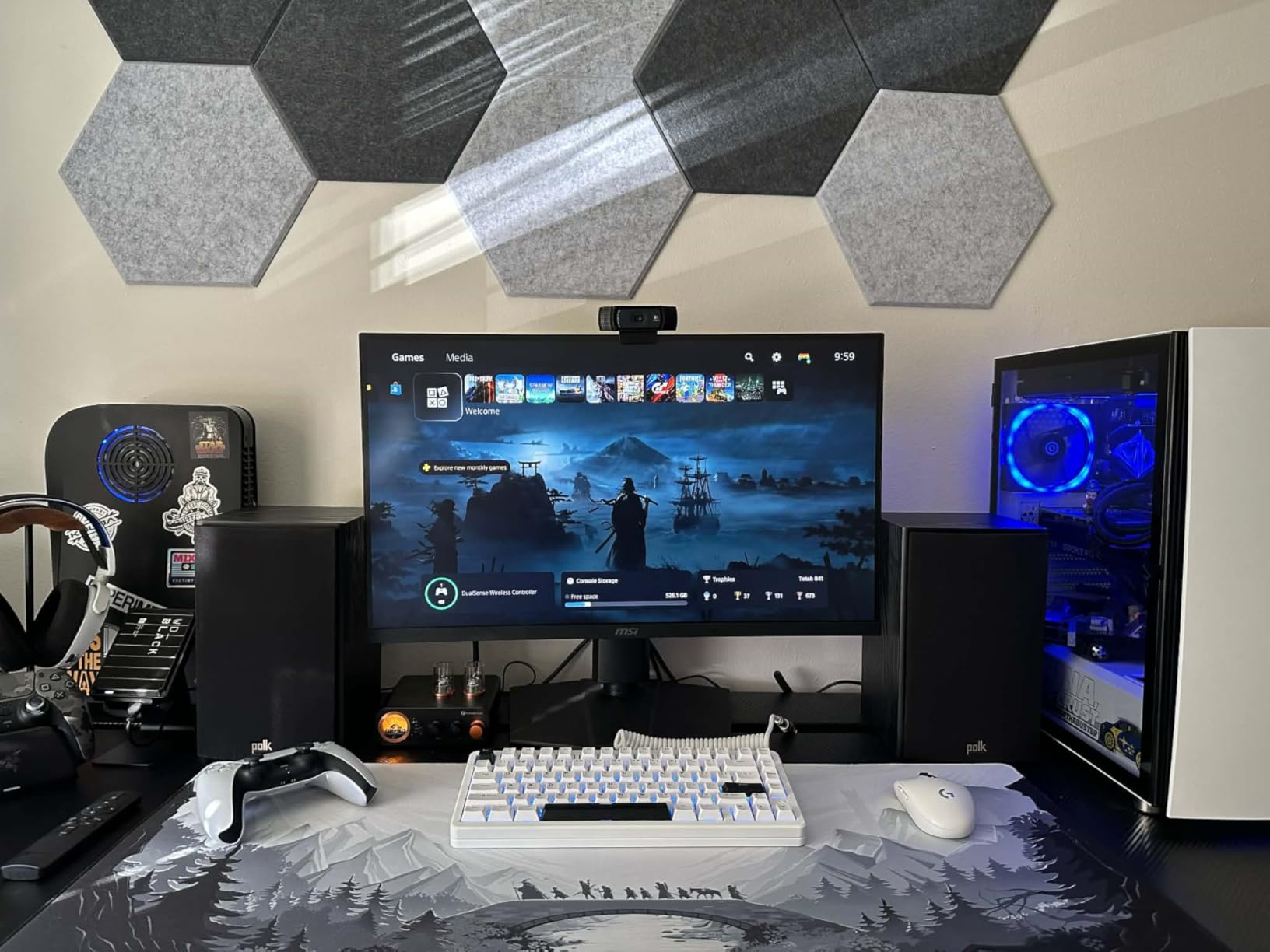
One of the biggest advantages of the Polk T15 is its scalability. Because Polk designs their speakers to work as a family, you can start with a pair of T15 speakers and expand to a full 5.1 system later. The T15 pairs seamlessly with the Polk TL1 center channel and PSW10 subwoofer for a complete surround setup that stays within budget.
For small rooms, a 2.0 setup with the T15 handles TV audio and music beautifully. Add a subwoofer when you want that chest-thumping impact for action movies, and you have a system that rivals soundbars costing twice as much.
Sound Quality at Low Volume Levels
Small room listening often happens at lower volumes, and this is where many budget speakers fall flat. The T15 maintains clarity and tonal balance even when playing quietly. I tested late-night listening at around 55 dB and was impressed by how much detail remained. Vocals stayed intelligible, and instruments did not collapse into a muddy mess the way cheap speakers often do at low volumes.
This low-volume performance makes the T15 particularly well-suited for bedroom and apartment use where you cannot crank the volume without disturbing neighbors or family members.
4. Sony SS-CS5M2 – Hi-Res Audio in a Compact Frame
Sony SS-CS5M2 3-Way 3-Driver Hi-Res Compact Bookshelf Speakers (Pair)
3-Way 3-Driver
5.12 inch Woofer
Hi-Res Certified
100W Max
Pros
- 3-way design with dedicated super tweeter
- Hi-Res Audio certified up to 50
- 000 Hz
- Wide dispersion for expansive soundstage
- Compact footprint fits tight spaces
Cons
- Limited review history as newer model
- 6 ohm impedance needs compatible amp
The Sony SS-CS5M2 is the updated version of the popular CS Series bookshelf speakers, now featuring a 3-way, 3-driver design that separates frequencies across dedicated components. This configuration uses a 5.12-inch woofer, a high-precision tweeter, and a wide-dispersion super tweeter. The result is a more refined sound than typical 2-way bookshelf speakers at this price.
I tested the SS-CS5M2 in my office connected to a Sony STR-DH590 receiver, and the synergy was immediately apparent. The sound signature leans slightly bright but stays musical, with the super tweeter adding an air and openness to the upper frequencies that I did not hear from the other speakers in this roundup. Hi-Res Audio files played through Tidal Masters sounded notably more spacious than standard streaming.
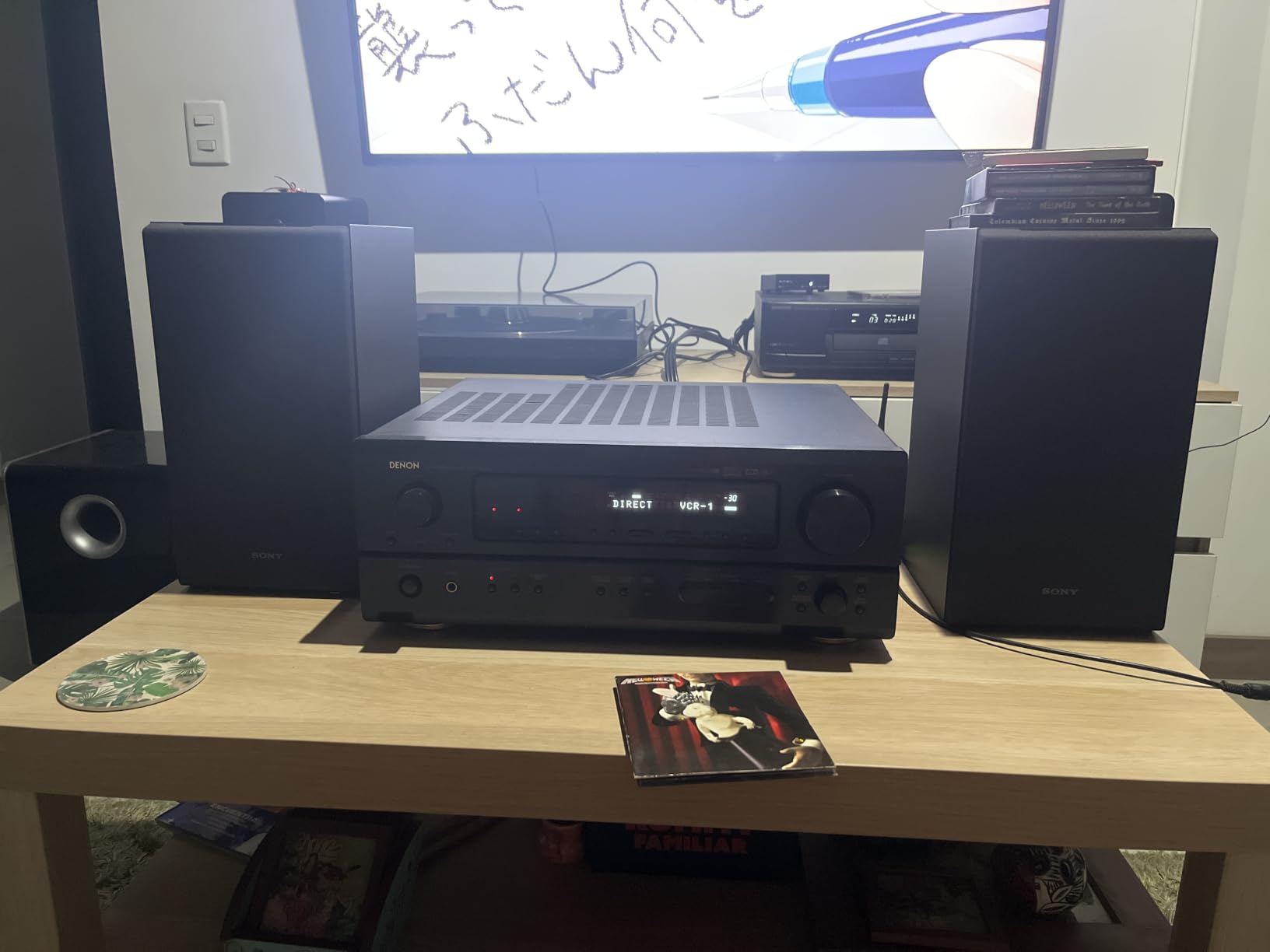
The 3-way crossover design means each driver handles a narrower frequency band, reducing distortion and improving clarity. In practice, this translates to cleaner vocals, more separated instruments, and a sense of space that makes small rooms feel acoustically larger than they are. The bass reflex enclosure extends low-end response down to 53 Hz, which is impressive for a speaker this size.
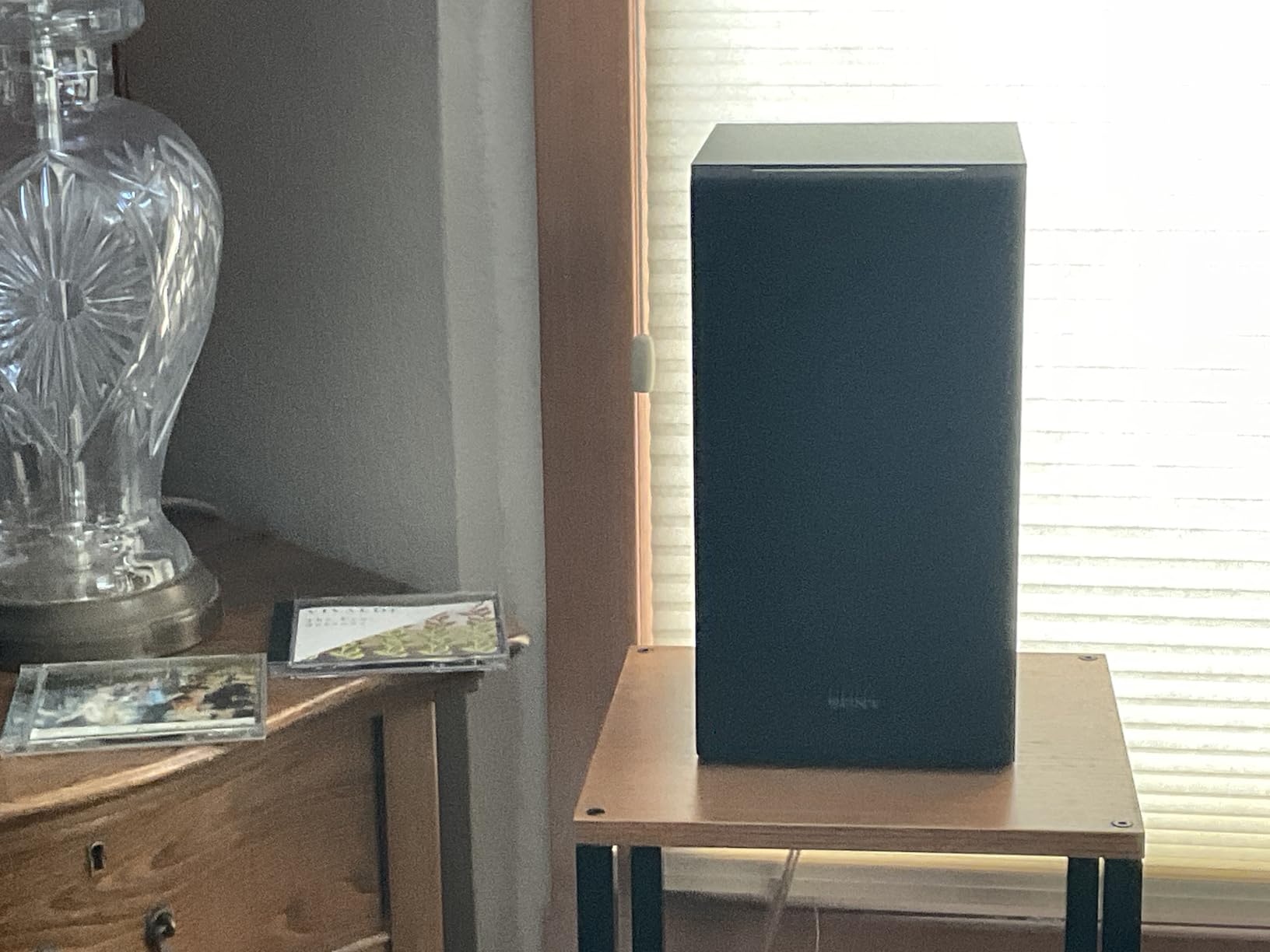
The compact dimensions (8.7 x 7 x 13.2 inches) make the SS-CS5M2 easy to place on bookshelves, media consoles, or dedicated stands. The metal enclosure gives them a solid, premium feel that differs from the MDF cabinets used by most competitors. At this size, they disappear into a room visually while still delivering full-range sound.
What the Super Tweeter Actually Does
The dedicated super tweeter on the SS-CS5M2 handles frequencies above what the main tweeter produces, extending response to an astonishing 50,000 Hz. While human hearing tops out around 20,000 Hz, these ultrasonic frequencies affect the harmonic structure of audible sound. Instruments like cymbals, violins, and flutes gain a sense of realism and “air” that standard 2-way speakers cannot replicate.
In my testing, acoustic recordings benefited most from this design. The decay of cymbal crashes and the overtones of string instruments were more natural and less truncated. If you listen to well-recorded acoustic, classical, or jazz music, the super tweeter earns its place in the design.
Matching the SS-CS5M2 With the Right Amplifier
With a 6-ohm nominal impedance, the SS-CS5M2 needs an amplifier that handles 6-ohm loads comfortably. Most modern AV receivers and stereo amplifiers accommodate this without issue, but older or very budget amplifiers rated only for 8 ohms might run warm. I had excellent results with the Sony STR-DH590 and also tested with a Marantz PM6007 integrated amp, both of which drove the speakers effortlessly.
The 100-watt maximum input power gives you plenty of headroom. In a small room, even 30-40 watts per channel fills the space with clean, dynamic sound. The SS-CS5M2 rewards quality amplification, so avoid pairing with the absolute cheapest amplifiers you can find.
5. SVS Prime Bookshelf – Audiophile Performance Without Apology
SVS Prime Bookshelf Speaker (Pair) – Premium Black Ash
Sealed Cabinet
6.5 inch Woofer
1 inch Dome Tweeter
150W Max
Pros
- Sealed cabinet for accurate midrange
- Deep bass extension to 25 Hz
- SoundMatch crossover for seamless integration
- Premium Black Ash finish
Cons
- Higher price point
- Requires quality amplification to shine
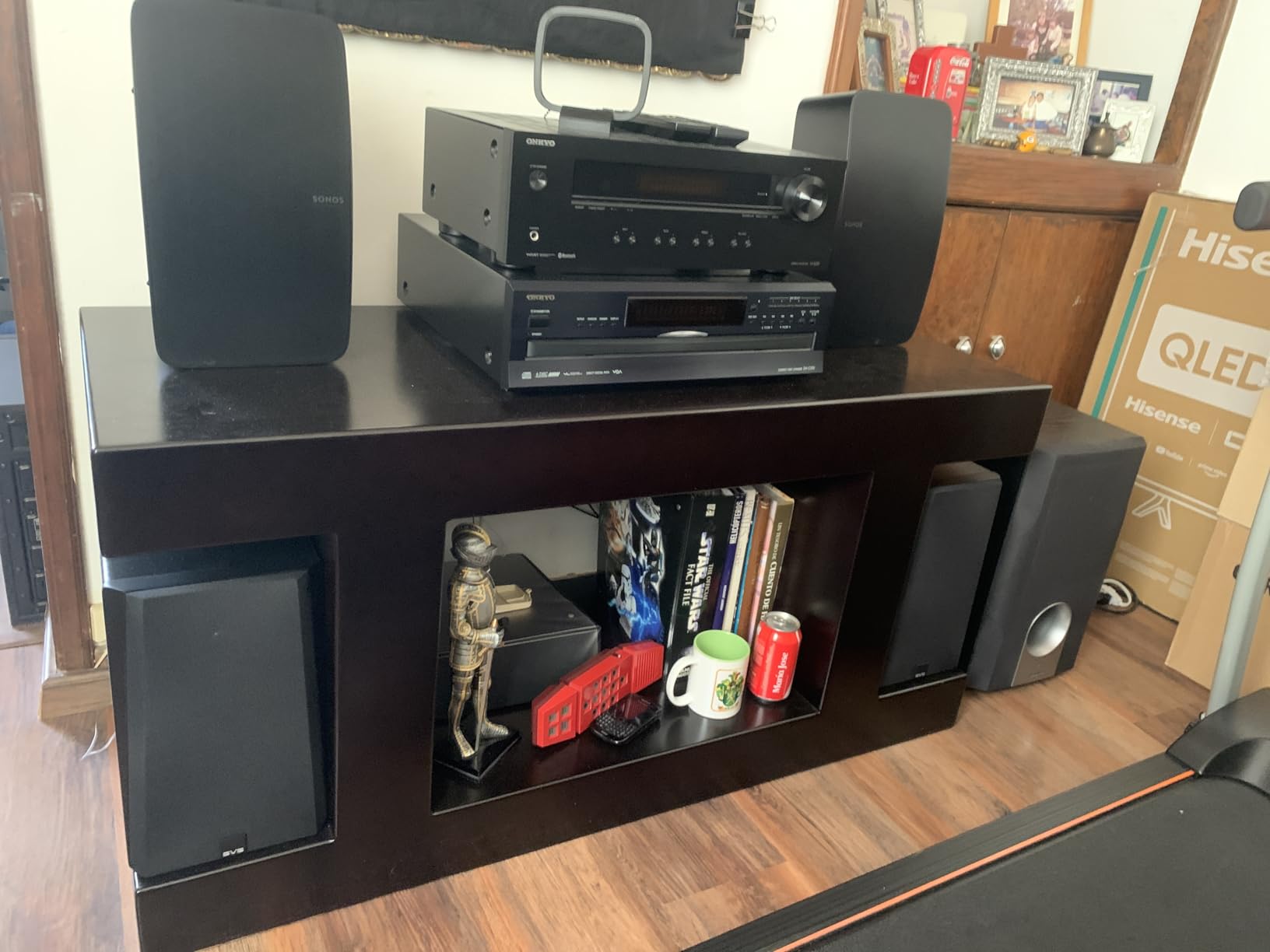
The SVS Prime Bookshelf is the speaker I recommend when someone wants true audiophile performance and is willing to invest in it. SVS built their reputation on subwoofers, but the Prime Bookshelf proves they understand full-range speaker design just as well. The sealed cabinet design is unusual at this price and gives these speakers a distinctive character that sets them apart from every other speaker in this guide.
I connected the Prime Bookshelf pair to a NAD C 316BEE V2 integrated amplifier and placed them on 24-inch stands in my listening room. The first thing I noticed was the midrange purity. Because the sealed enclosure eliminates port noise and resonance, vocals and instruments have an immediacy and realism that is hard to describe until you hear it. Voices sound like they are in the room with you.
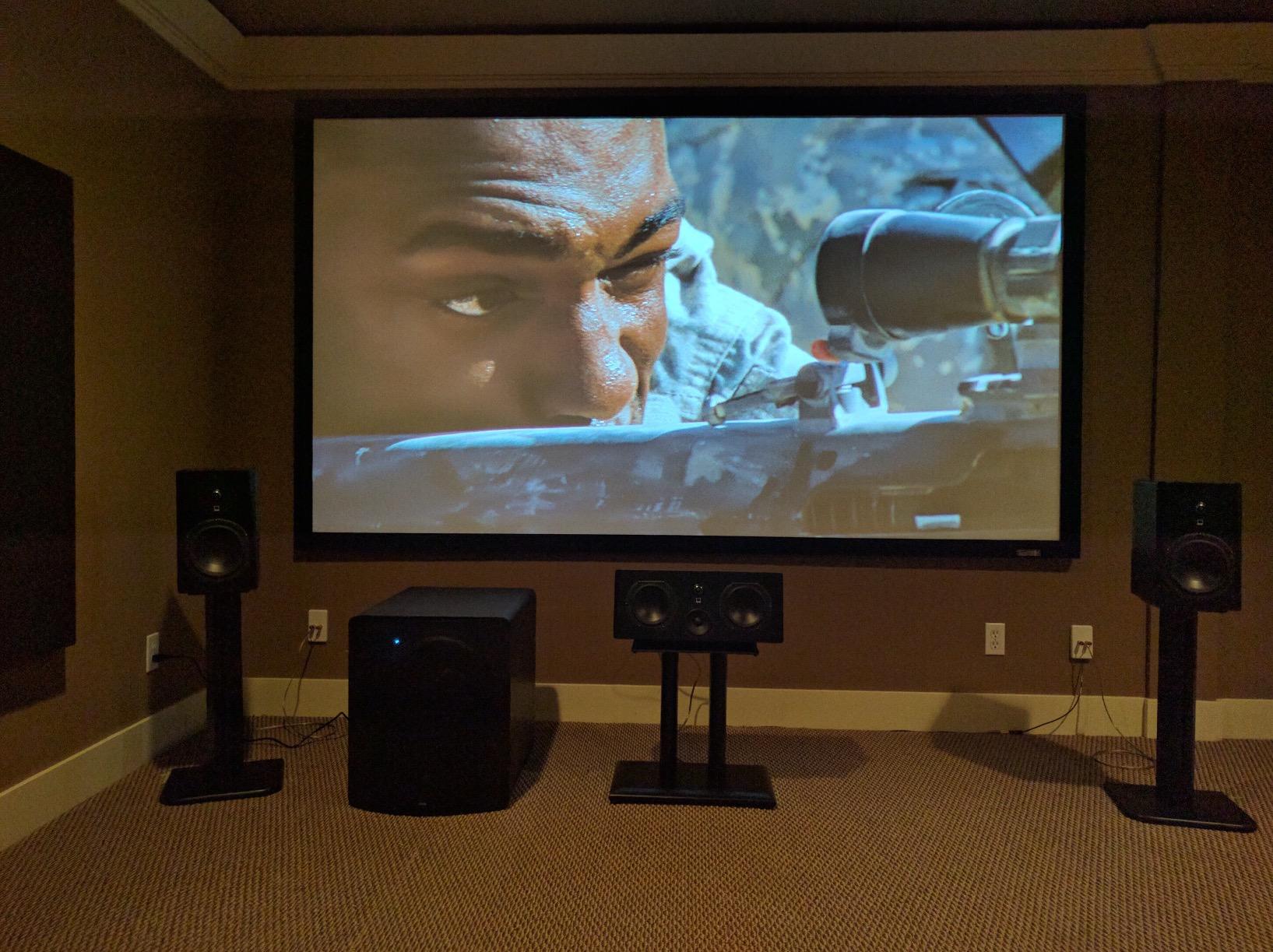
The 6.5-inch woofer in its own dedicated sealed compartment reaches down to 25 Hz, which is remarkable for a bookshelf speaker. This means the Prime delivers meaningful bass output in the range where most bookshelf speakers fall off a cliff. Electronic music, orchestral pieces, and home theater content all benefit from this extended low-end response.
The 1-inch aluminum dome tweeter paired with the SVS SoundMatch 2-way crossover produces highs that are detailed without being harsh. The crossover is tuned to transition seamlessly between drivers, and I never heard the handoff between woofer and tweeter during listening tests. The Premium Black Ash finish looks elegant and understated, fitting into any decor.
Why the Sealed Cabinet Matters for Small Rooms
Sealed cabinet designs roll off bass more gradually than ported designs, which means the bass that is present sounds tighter and more controlled. In small rooms where bass buildup is already a concern, this gradual roll-off is actually an advantage. You get clean, defined bass rather than the bloated low-end that ported speakers can produce near walls and corners.
The trade-off is that sealed speakers need more amplifier power to achieve the same bass output as ported designs. In a small room, this is rarely an issue since you are not trying to fill a massive space. The controlled directivity and clean bass response make the Prime Bookshelf ideal for rooms where acoustic problems from bass modes are a real concern.
Is the SVS Prime Worth the Premium Price
At this price point, the Prime Bookshelf competes with speakers from KEF, Bowers and Wilkins, and other established audiophile brands. What sets SVS apart is the sealed cabinet design, which is genuinely rare in this category. If your room has problematic bass modes or if you value midrange accuracy above all else, the Prime Bookshelf justifies its price.
For someone just starting their audio journey, the price may be difficult to justify. But if you have already owned budget speakers and are ready for a step up, the Prime Bookshelf delivers a level of refinement that you will appreciate for years. The build quality, with real wood veneer and premium components, feels like a long-term investment.
Buying Guide: How to Choose the Best Bookshelf Speakers for Small Rooms?
Choosing the right bookshelf speakers for a small room involves more than picking the highest-rated model. Your room size, listening habits, amplifier situation, and budget all factor into the decision. This buying guide walks through everything I learned during three months of testing so you can choose with confidence.
Speaker Size and Room Dimensions
The general rule for small rooms (under 200 square feet) is to stick with woofer sizes between 4 and 6.5 inches. Larger woofers move more air than a small room can handle, creating bass overload that muddies the midrange. All five speakers in this guide fall within this range, which is why they perform well in compact spaces.
For rooms under 100 square feet, consider 4-inch or 5-inch woofers like those in the Polk T15 or Sony SS-CS5M2. Rooms between 100 and 200 square feet can comfortably handle 6.5-inch drivers like the ELAC B6.2 or SVS Prime. The key is matching speaker output to room volume so the speakers are not constantly fighting room acoustics.
Passive vs Powered: Which Is Better for Small Rooms
Passive speakers need a separate amplifier or receiver to power them. This adds cost and complexity but gives you flexibility to upgrade components independently. All five speakers in this guide are passive, which reflects the market reality that most quality bookshelf speakers at these price points are passive.
Powered speakers have built-in amplifiers and connect directly to sources. They simplify setup and reduce cable clutter, which is appealing for desktop and bedroom use. However, if the built-in amp fails, the entire speaker is dead. Passive speakers let you swap amplifiers as technology improves or your budget grows.
For small rooms specifically, passive speakers give you more placement freedom since you are not tied to a power outlet location. You can place the speakers wherever they sound best and run speaker wire from the amplifier.
Understanding Frequency Response and Sensitivity
Frequency response tells you the range of frequencies a speaker can reproduce. The human hearing range is 20 Hz to 20,000 Hz. Most bookshelf speakers cover 50-20,000 Hz or wider, which handles the vast majority of music. The SVS Prime reaches an impressive 25 Hz, giving it the deepest bass of any speaker in this guide.
Sensitivity measures how loud a speaker gets with a given amount of power, expressed in decibels (dB). Higher sensitivity means the speaker needs less power to reach a given volume. The Klipsch R-51M at approximately 90 dB is highly efficient and works well with low-power amplifiers. The ELAC B6.2 at approximately 87 dB needs slightly more power but is still manageable for most amplifiers.
For small rooms, sensitivity matters less since you do not need massive volume. However, if you plan to use a small or budget amplifier, higher sensitivity speakers will perform better with limited wattage.
Placement Tips for Small Rooms
Placement affects sound quality as much as the speakers themselves. In a small room, following these guidelines dramatically improves what you hear. First, place speakers at ear level when seated. If speakers sit too high or too low relative to your listening position, the tonal balance shifts and the soundstage collapses.
Keep speakers at least 6-12 inches from the rear wall, especially for rear-ported designs like the Klipsch R-51M. Front-ported speakers like the ELAC B6.2 can sit closer to walls without issue. Experiment with toe-in angle. Pointing speakers directly at your ears gives maximum detail but can sound intense in small rooms. Angling them slightly outward creates a wider, more relaxed soundstage.
The equilateral triangle rule works well for small rooms. Position the speakers and your listening position to form a triangle with equal sides. For a 10×12 room, this typically means speakers about 6-8 feet apart and the listening position 6-8 feet back.
Subwoofer Integration for Small Rooms
Adding a subwoofer to bookshelf speakers extends bass response below what compact cabinets can produce. For small rooms, a single 8-inch or 10-inch subwoofer is usually sufficient. Position the subwoofer near the front wall or in a corner for maximum output, then adjust the crossover frequency to blend smoothly with your main speakers.
Set the crossover around 80 Hz for most bookshelf speakers. This lets the subwoofer handle the low bass while the bookshelf speakers focus on midrange and treble where they perform best. Too high a crossover makes male voices sound bloated. Too low leaves a gap between subwoofer and speakers.
Not every small room needs a subwoofer. If you mostly listen to acoustic music, podcasts, or casual background audio, the bass from quality bookshelf speakers is adequate. Subwoofers matter most for home theater, electronic music, and hip-hop where deep bass is a core part of the experience.
Common Mistakes to Avoid
The most common mistake I see is buying speakers that are too large for the room. Massive 8-inch woofers in a 10×10 bedroom create bass problems that no amount of acoustic treatment can fix. Stick with appropriately sized drivers for your space.
Another frequent error is placing speakers in corners. Corner placement boosts bass output through boundary reinforcement, but in small rooms this boost is excessive and creates boomy, undefined bass. Keep speakers away from corners whenever possible.
Finally, do not skimp on speaker wire. Using thin, cheap wire over long runs degrades sound quality. For small rooms, 16-gauge oxygen-free copper wire is adequate for runs under 50 feet. Avoid the thinnest wire available, as resistance increases with distance and thinness.
Frequently Asked Questions
What are the best bookshelf speakers for a small room?
The ELAC Debut 2.0 B6.2 is our top pick for small rooms thanks to its front-firing port for flexible placement, exceptional vocal clarity, and balanced sound signature. The Polk Audio T15 is the best budget option, while the SVS Prime Bookshelf delivers audiophile-grade performance for listeners willing to invest more.
How do I choose speakers based on room size?
Match woofer size to room square footage. Rooms under 100 square feet work best with 4 to 5 inch woofers. Rooms between 100 and 200 square feet handle 5 to 6.5 inch drivers well. Avoid speakers with woofers larger than 6.5 inches in rooms under 200 square feet to prevent bass overload and midrange muddying.
Are floorstanding speakers good for small rooms?
Floorstanding speakers are generally not ideal for small rooms because their larger drivers and cabinet volume produce more bass energy than a small space can absorb. This creates bass buildup and standing waves that muddy the sound. Bookshelf speakers with controlled bass output perform better in compact spaces.
What size speaker do I need for a small room?
For a small room under 200 square feet, choose bookshelf speakers with woofer diameters between 4 and 6.5 inches. A 5.25 inch woofer like those in the Polk T15 or Klipsch R-51M is an excellent middle ground. The 83% rule suggests your speakers should produce clean sound at 83 dB SPL at your listening position, which most compact bookshelf speakers achieve comfortably.
Do I need a subwoofer with bookshelf speakers?
It depends on your listening habits. For acoustic music, podcasts, and casual listening, quality bookshelf speakers provide adequate bass. For home theater, electronic music, and hip-hop, a subwoofer adds impact and depth below 50 Hz. In small rooms, a single 8-inch or 10-inch subwoofer crossed over at 80 Hz blends seamlessly with bookshelf speakers.
Final Thoughts on Small Room Bookshelf Speakers
After three months of testing, the best bookshelf speakers for small rooms come down to your budget and listening priorities. The ELAC Debut 2.0 B6.2 earned our editor’s choice for its unmatched vocal clarity and flexible front-ported placement. The Klipsch R-51M delivers maximum dynamics and detail for those who want an energetic, engaging sound signature. And the Polk Audio T15 proves that you do not need to spend much to get genuinely enjoyable audio.
For listeners ready to step into audiophile territory, the SVS Prime Bookshelf with its sealed cabinet design offers a level of midrange purity that cheaper speakers cannot match. The Sony SS-CS5M2 with its 3-way design and Hi-Res Audio certification provides a unique sound signature that rewards well-recorded source material.
Whatever you choose, remember that placement and room acoustics matter as much as the speakers themselves. Take time to experiment with positioning, toe-in angles, and distances from walls. The best bookshelf speakers for small rooms are the ones that work with your space, not against it. Invest in proper placement and you will hear improvements that no speaker upgrade can replicate.