
I have spent the better part of the last decade mixing on headphones, and if there is one thing I can tell you with certainty, it is that your monitoring chain decides the quality of every track you release. When you are searching for the best open back headphones for mixing, you are not just buying a listening device. You are investing in a surgical instrument that lets you hear into a mix, spot masking in the low mids, and catch sibilance before it reaches a streaming platform.
Open back headphones give you something closed-back models simply cannot: a natural, airy soundstage that closely mimics listening on a pair of studio monitors. That sense of space is exactly what you need when setting reverb decay times, panning background vocals, or deciding whether a bass part is fighting with a kick drum. Closed-back cans trap bass and create artificial buildup, which leads to thin-sounding mixes when you play them in the real world.
Our team compared 10 models across a wide price range, from the $169 Audio-Technica ATH-R50X all the way up to the $1,598 Audeze MM-500. We tested each pair on three reference tracks, checked low-end translation on both monitors and consumer earbuds, and wore them for full mixing sessions to evaluate long-term comfort. We also looked at impedance, amplification requirements, build quality, and repairability, because a pair of mixing headphones should last you years, not months.
Whether you are mixing in a treated home studio, working late at night when turning on monitors is not an option, or producing immersive Dolby Atmos content, there is a model below that fits your workflow. Let us get into the picks.
Table of Contents
Top 3 Picks for Best Open Back Headphones for Mixing October
Out of the 10 models we tested, three stood out clearly from the rest. These are the headphones we would personally recommend to anyone mixing music right now, each serving a different budget and use case.

Sennheiser HD 490 PRO
- Dual ear pad system
- Uncolored frequency response
- Wide dimensional soundstage


Audio-Technica ATH-R50X
- Extended bass response
- Lightweight 207g design
- Dual detachable cables
The Sennheiser HD 490 PRO earned our Editor’s Choice spot because of its unique dual ear pad system, uncolored frequency response, and remarkably wide soundstage for a dynamic driver headphone. The beyerdynamic DT 900 PRO X takes Best Value with its easy-to-drive 48 ohm impedance and neutral tuning that translates well across systems. For budget-conscious producers, the Audio-Technica ATH-R50X delivers professional-grade transient response at just $169.
Best Open Back Headphones for Mixing in 2026
Here is the complete comparison of all 10 models we reviewed. Use this table to quickly compare key features before diving into the individual reviews below.
| Product | Specifications | Action |
|---|---|---|
| Sennheiser HD 490 PRO |
|
Check Latest Price |
| beyerdynamic DT 900 PRO X |
|
Check Latest Price |
| Sennheiser HD 650 |
|
Check Latest Price |
 Sennheiser HD 600 Sennheiser HD 600 |
|
Check Latest Price |
 beyerdynamic DT 1990 PRO MKII beyerdynamic DT 1990 PRO MKII |
|
Check Latest Price |
 beyerdynamic DT 990 PRO beyerdynamic DT 990 PRO |
|
Check Latest Price |
 Audeze MM-500 Audeze MM-500 |
|
Check Latest Price |
| Sony MDR-MV1 |
|
Check Latest Price |
 beyerdynamic DT 990 Pro X beyerdynamic DT 990 Pro X |
|
Check Latest Price |
| Audio-Technica ATH-R50X |
|
Check Latest Price |
1. Sennheiser HD 490 PRO – Dual Pad System for Producing and Mixing
HD 490 PRO Open-Back Professional Headphone
Impedance: 130 ohms
Driver: Dynamic
Weight: 200g
Dual ear pad sets
Frequency: 5-36,000 Hz
Pros
- Dual ear pads for producing or mixing
- Uncolored honest frequency response
- Extremely wide dimensional soundstage
- Washable replaceable pads
Cons
- 130 ohm impedance requires headphone amp
- Wired only no wireless option
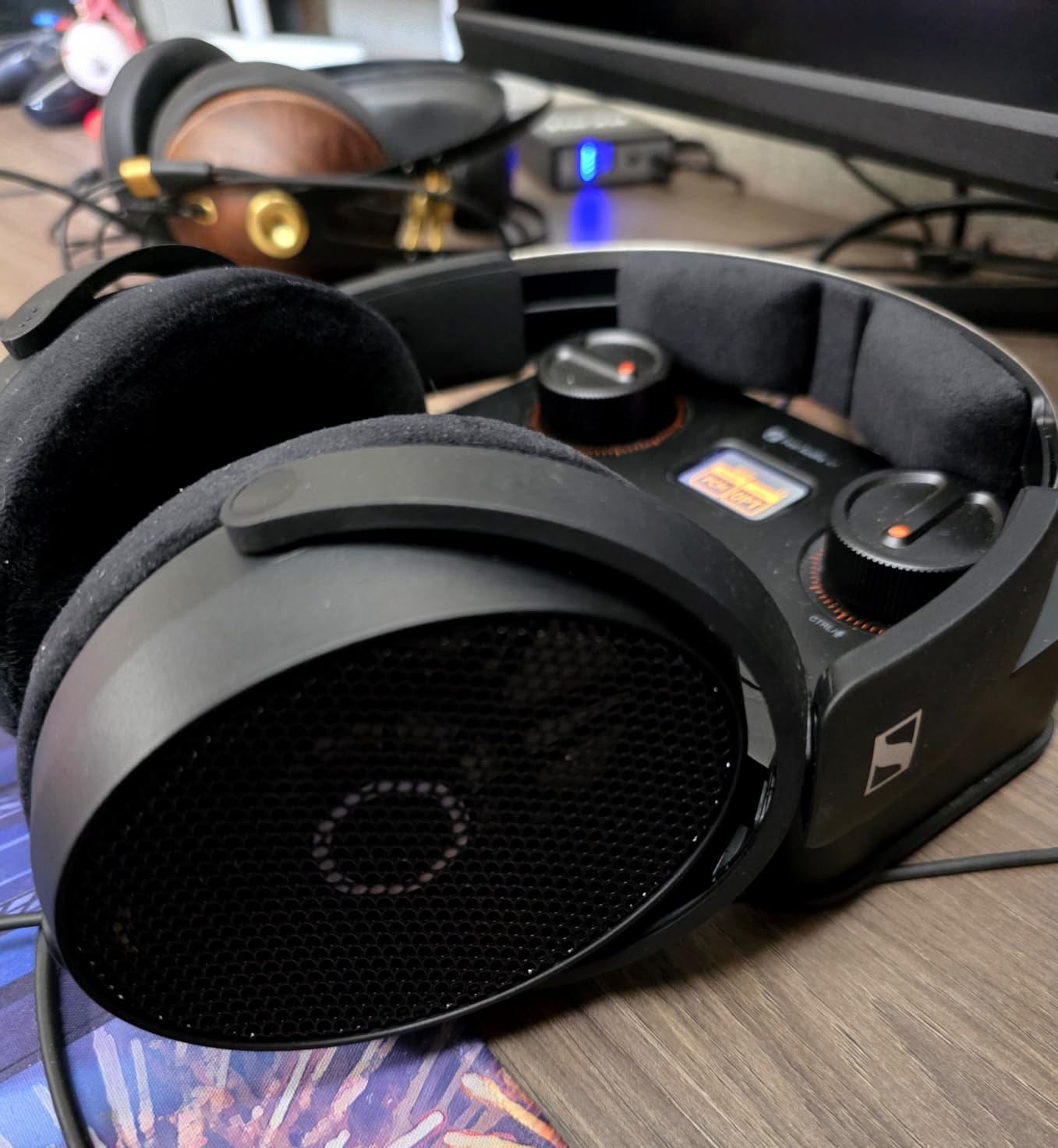
I have been using the HD 490 PRO for about six months now, and it has become my primary mixing headphone. The standout feature is the two sets of ear pads that ship with it: one labeled “producing” and one labeled “mixing.” The producing pads give a slightly more flattering sound with a bit more bass warmth, while the mixing pads deliver an uncolored, honest response that helps you hear exactly what is in your mix without any hype.
The soundstage on these is genuinely impressive for a dynamic driver headphone. I was able to pick out individual reverb tails, identify masking in dense vocal stacks, and set panning positions with a confidence I usually only get from my studio monitors. The low-frequency cylinder system Sennheiser designed for these gives a defined, accurate low end that translates well to monitors and consumer earbuds alike.
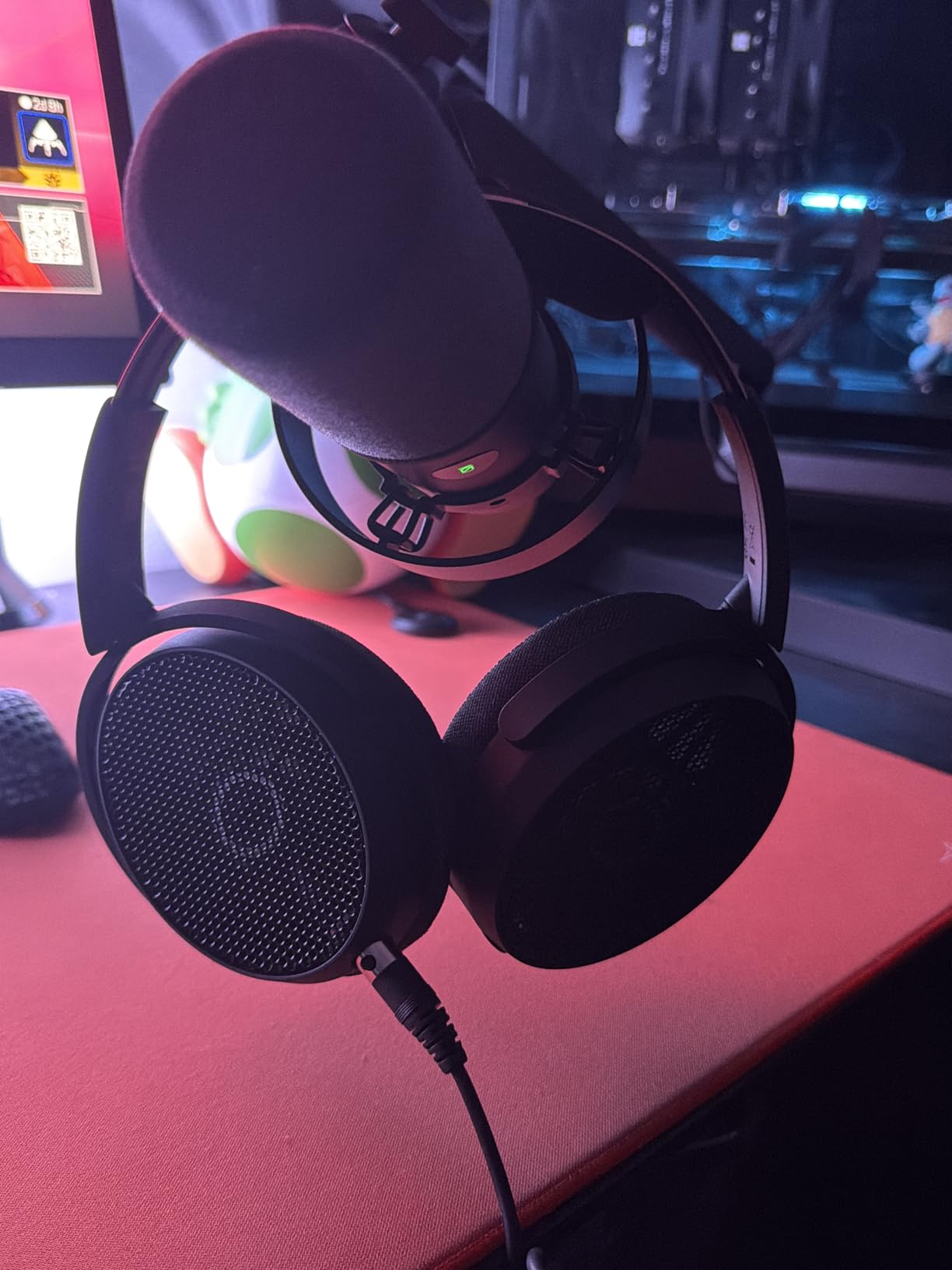
At just 200 grams, these are among the lightest professional headphones I have worn. I regularly do four-hour mixing sessions in them without any ear fatigue, and the breathable open-back design prevents the heat buildup that closed-back cans suffer from during long sessions.
The 130 ohm impedance is the one thing to keep in mind. You will want a decent headphone amp or an audio interface with strong headphone output to drive these properly. My Focusrite Scarlett 4i4 handles them fine, but a dedicated amp like the Topping L30 opens them up even more.
Who Should Buy the HD 490 PRO
Producers and mixers who want one headphone that can switch between creative work and critical mixing will love the dual pad system. The uncolored response makes these ideal for anyone working in genres where mix translation across systems matters most, from pop and rock to electronic and orchestral.
Amplification and Connectivity Notes
The HD 490 PRO has right and left ear jacks, so you can plug the cable into either side depending on your studio routing. You will want an audio interface or headphone amp capable of delivering enough current for the 130 ohm impedance. If your interface has weak headphone output, consider a dedicated amp.
2. beyerdynamic DT 900 PRO X – Neutral Workhorse with Easy Impedance
beyerdynamic DT 900 PRO X Studio Mixing Open Back Headphones
Impedance: 48 ohms
Driver: STELLAR.45
Weight: 345g
Detachable mini-XLR
Frequency: 5-40,000 Hz
Pros
- 48 ohm impedance easy to drive
- Neutral balanced tuning
- Detachable cables multiple lengths
- All parts serviceable for longevity
Cons
- Headband cushioning may peel over time
- Slightly elevated treble can be sibilant
The DT 900 PRO X is the headphone I recommend most often when someone asks for a single pair that can do everything. The 48 ohm impedance means you can drive it from a laptop, phone, or any audio interface without needing a dedicated amp. That alone makes it one of the best open back headphones for mixing if you are working on a budget or in a mobile setup.
What impressed me most during testing was how balanced the frequency response is. Unlike the classic DT 990 PRO, which has a V-shaped signature with boosted bass and treble, the DT 900 PRO X is much more neutral. The bass is present but controlled, the mids are clear and forward, and the treble is detailed without being harsh for most material.
The STELLAR.45 drivers deliver excellent instrument separation. I tested these on a dense rock mix with twelve guitar tracks, and I could still pick out individual amp tones and pick out panning positions. The imaging is precise enough for spatial mixing tasks.
Comfort-wise, the velour ear pads are soft and breathable, though I did notice the headband cushioning material can start to peel after extended use. All parts are serviceable, which means you can replace pads, cables, and even the driver when needed. This is a headphone built to last.
Who Should Buy the DT 900 PRO X
Home studio owners, podcasters, and anyone who wants a professional mixing headphone without investing in a separate headphone amplifier. If you work across multiple locations or devices, the easy 48 ohm impedance is a major advantage.
Cable and Accessory Details
The DT 900 PRO X ships with two detachable mini-XLR cables: a 1.8m straight cable for desktop use and a 3m cable for more flexibility. It also includes a drawstring carry bag. Unfortunately, there are no customer images available for this model at the time of our review.
3. Sennheiser HD 650 – The Warm Reference Legend
Audio-Technica ATH-R50X Open-Back Headphones
Impedance: 300 ohms
Driver: Dynamic
Weight: 9.12 oz
Matched drivers
Frequency: 10-41,000 Hz
Pros
- Exceptional clarity across all frequencies
- Wide natural soundstage
- Lush warm mids ideal for vocals
- Detachable Kevlar-reinforced cable
Cons
- Requires headphone amplifier
- High impedance limits portability
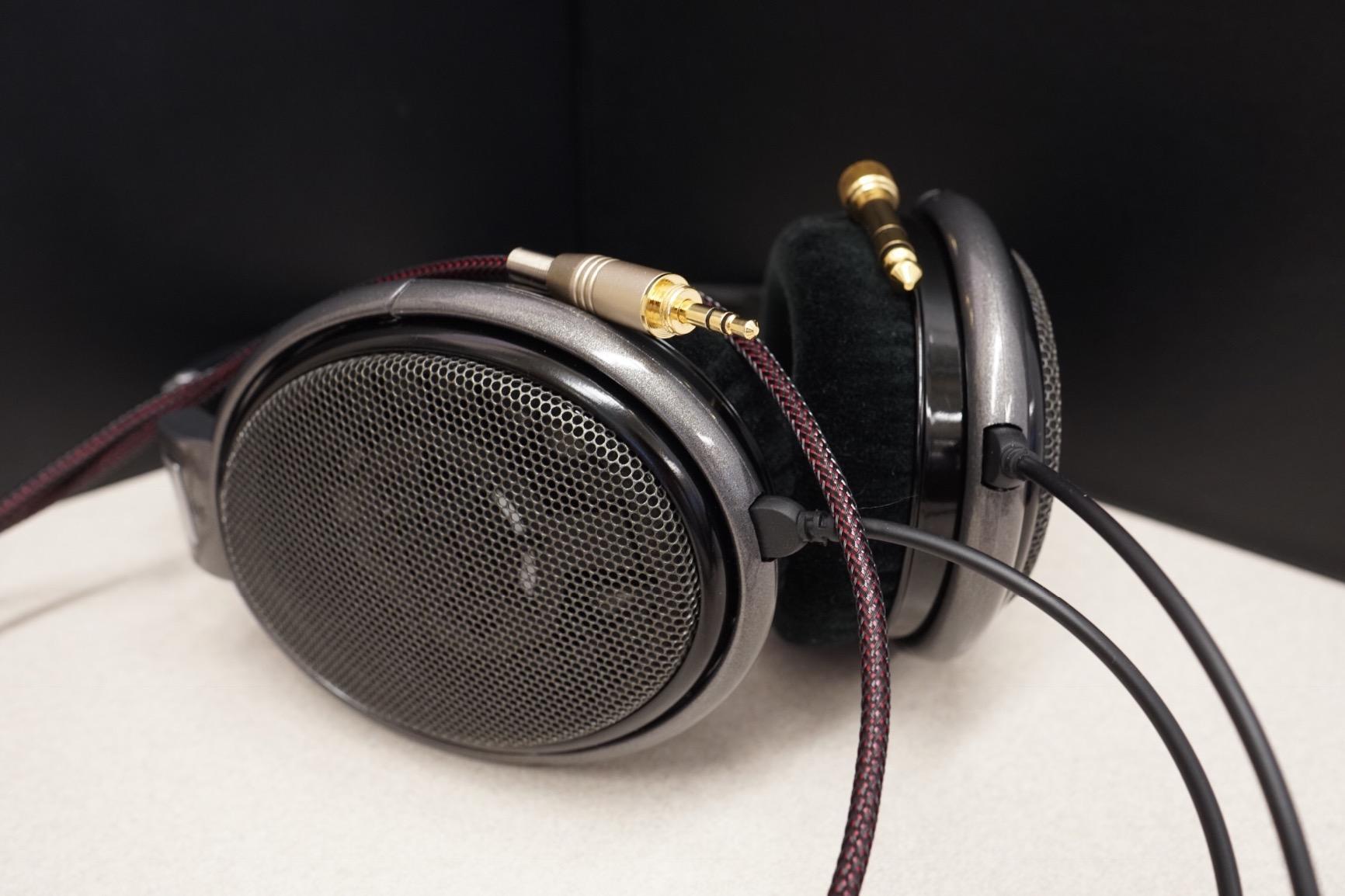
The HD 650 is arguably the most famous mixing headphone ever made, and for good reason. I have owned a pair for over five years, and they remain my go-to for vocal mixing and checking midrange detail. The warm, slightly laid-back signature makes long sessions comfortable, and the hand-selected matched drivers give you consistency that matters when you are making critical EQ decisions.
The midrange is where the HD 650 truly shines. Vocals, acoustic guitars, and snare drums sit perfectly in the mix with a natural timbre that is easy to judge. The acoustic silk damping Sennheiser uses keeps the treble smooth and non-fatiguing, which means you can work for hours without needing to take breaks to rest your ears.
On forums like r/mixingmastering, the HD 650 paired with Sonarworks SoundID Reference is one of the most frequently recommended setups for headphone mixing, and I can confirm it works beautifully. The correction software tightens up the slightly soft low end and adds the last bit of treble air, making these a genuinely accurate mixing tool.
The 300 ohm impedance is the catch. You absolutely need a headphone amplifier to hear what these can do. Plugged directly into a phone or laptop, they sound thin and quiet. With a quality amp, they transform into one of the most revealing headphones in this price range.
Who Should Buy the HD 650
Vocal-centric mixers, audiophiles who want a reference standard, and anyone who values midrange accuracy above all else. If you mix indie, folk, jazz, or any genre where vocals and acoustic instruments are front and center, the HD 650 is hard to beat.
Amplification Requirements and Pairing
The 300 ohm impedance means you need a dedicated headphone amplifier. Good budget options include the Fiio E10K or Schiit Magni. The Kevlar-reinforced detachable cable is durable and replaceable, and the build quality has held up for decades for many users.
4. Sennheiser HD 600 – The Analytical Reference Standard
Sennheiser HD600 Headphones
Impedance: 300 ohms
Driver: Dynamic
Weight: 9.1 oz
Neodymium magnets
Frequency: 12-40,500 Hz
Pros
- Neutral analytical sound signature
- Natural wide soundstage
- Extremely comfortable
- Premium metal mesh build quality
Cons
- Requires amplification for best performance
- High impedance limits portability
The HD 600 is the headphone that audio professionals have trusted for decades as a neutral reference. Where the HD 650 is warm and forgiving, the HD 600 is analytical and honest. If a mix has problems, the HD 600 will tell you without any sugarcoating, which makes it one of the best open back headphones for mixing when accuracy is your top priority.
I tested the HD 600 on several reference tracks and was struck by how linear the midrange is. There is no bass boost, no treble lift, just an honest representation of what is in the mix. This makes it easier to make confident decisions about EQ, compression, and levels because you are hearing the unvarnished truth.
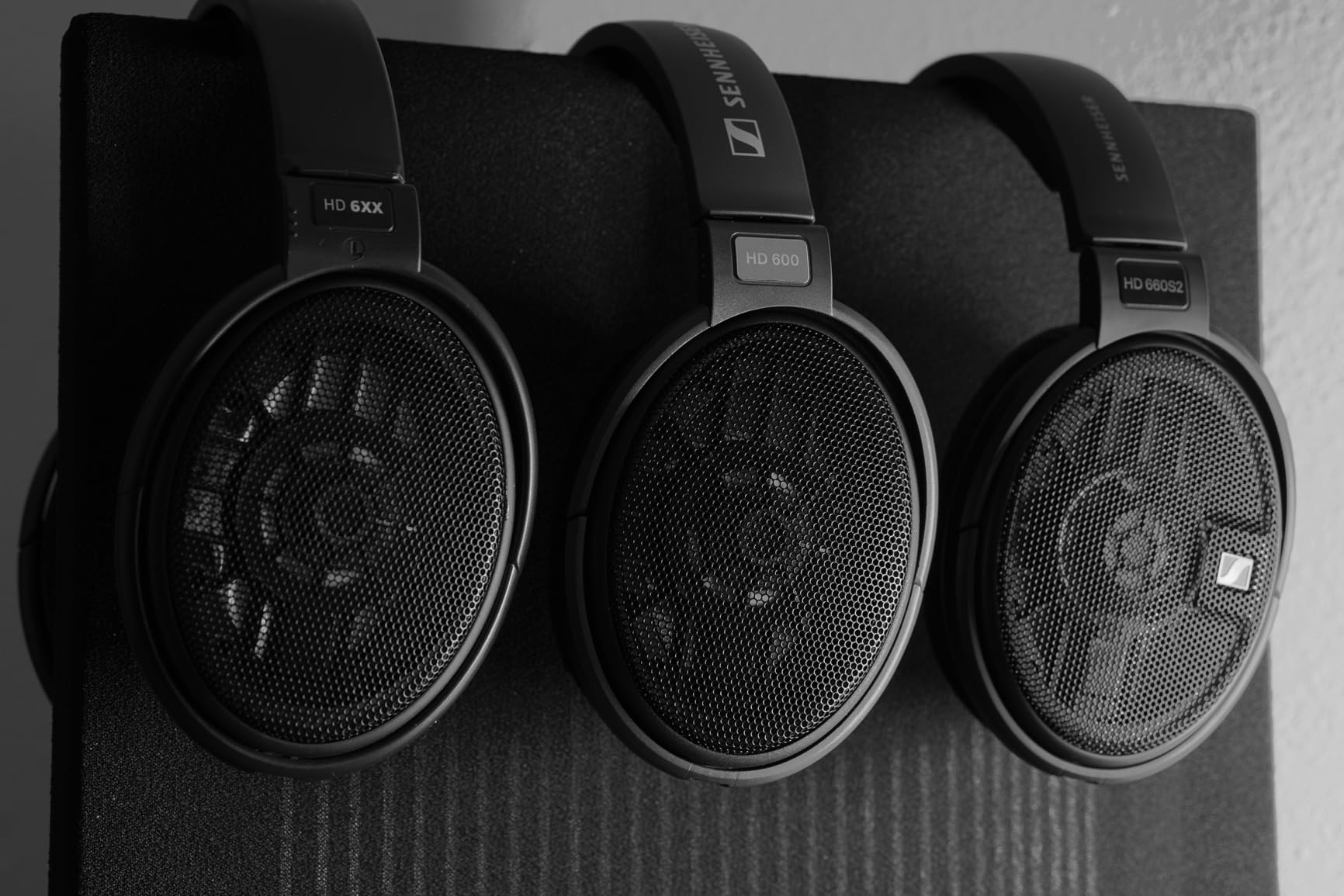
The open metal mesh earpiece covers give the HD 600 a premium look that has aged remarkably well. The build is light at 9.1 ounces, and the plush ear pads distribute pressure evenly across the ears. I can wear these for an entire workday without any discomfort.
Like the HD 650, the 300 ohm impedance means you need amplification. The HD 600 actually scales beautifully with better amplification, so if you invest in a quality tube or solid-state amp, these headphones will continue to reward you with improved detail retrieval and dynamics.

Who Should Buy the HD 600
Mastering engineers, critical listeners, and anyone who wants a genuinely neutral reference headphone. If you do not want any coloration in your monitoring chain and need to hear every flaw in a mix, the HD 600 is the gold standard.
How the HD 600 Differs from the HD 650
The HD 600 is more neutral and analytical, while the HD 650 is warmer and more laid-back. Both use the same frame and cable system. The HD 600 is slightly better for mastering and clinical work, while the HD 650 is better for long, creative mixing sessions where listener fatigue is a concern.
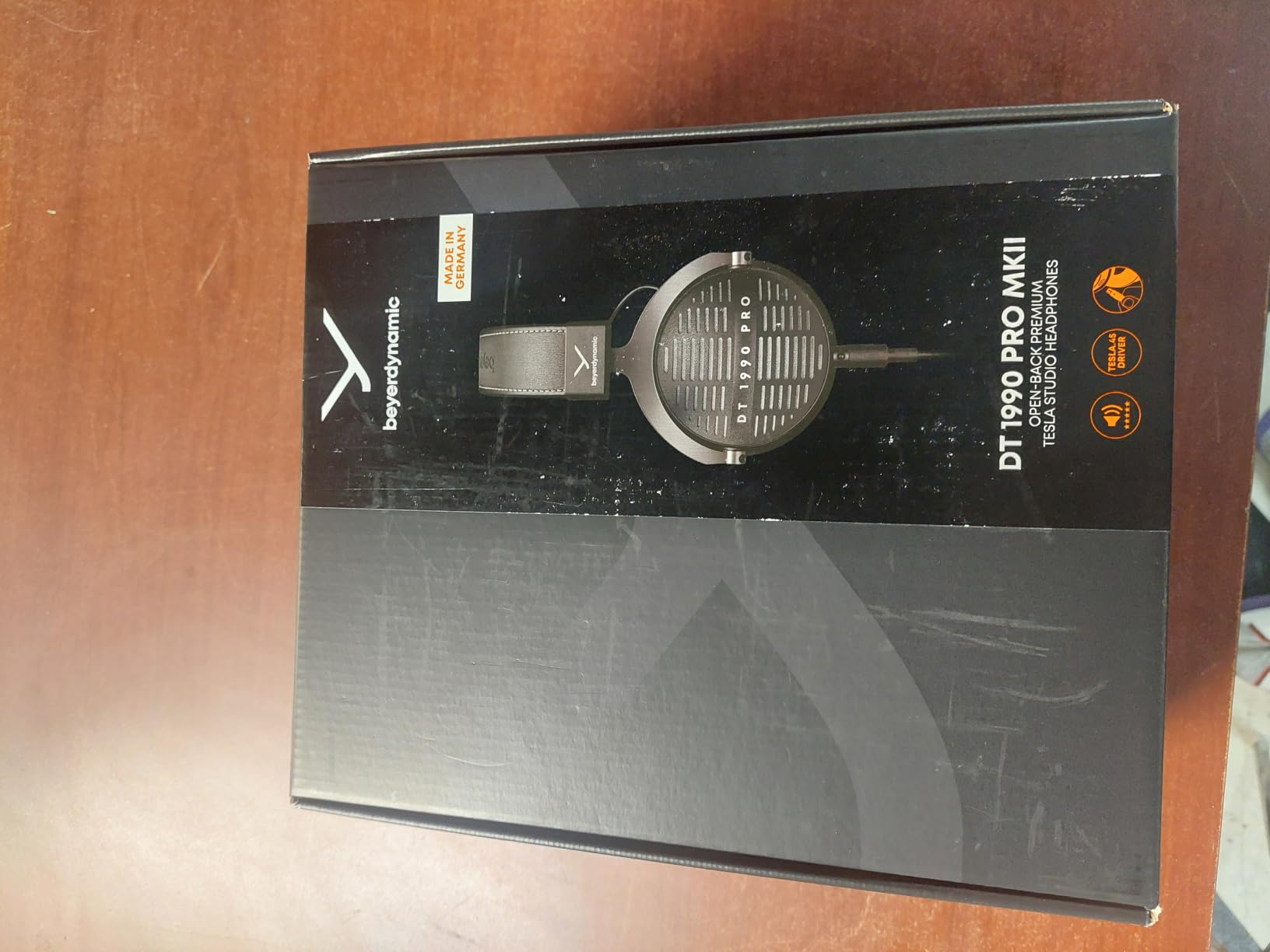
5. beyerdynamic DT 1990 PRO MKII – Flagship Tesla Drivers with Low Impedance
beyerdynamic DT 1990 Pro MKII (30 Ohm), Open-Back Studio Headphones
Impedance: 30 ohms
Driver: TESLA.45
Weight: 454g
Two ear pad sets
Hard case included
Pros
- TESLA.45 drivers with exceptional clarity
- 30 ohm impedance easy to drive
- Two interchangeable ear pad sets
- Premium hard case and multiple cables included
Cons
- Premium price point
- Plastic slider plates may be a durability concern
The DT 1990 PRO MKII is beyerdynamic’s flagship studio headphone, and the MKII version brings a major change: the TESLA.45 drivers with only 30 ohms of impedance. This means you get the detail and clarity of Tesla driver technology without needing a dedicated headphone amplifier, which was the biggest limitation of the original DT 1990 PRO.
During my testing, the soundstage was the widest and most precise of any dynamic driver headphone in this lineup. I could place instruments in three-dimensional space with accuracy that approached what I get from studio monitors. The transient response is fast, giving you clear attack on drums, bass, and percussive elements.
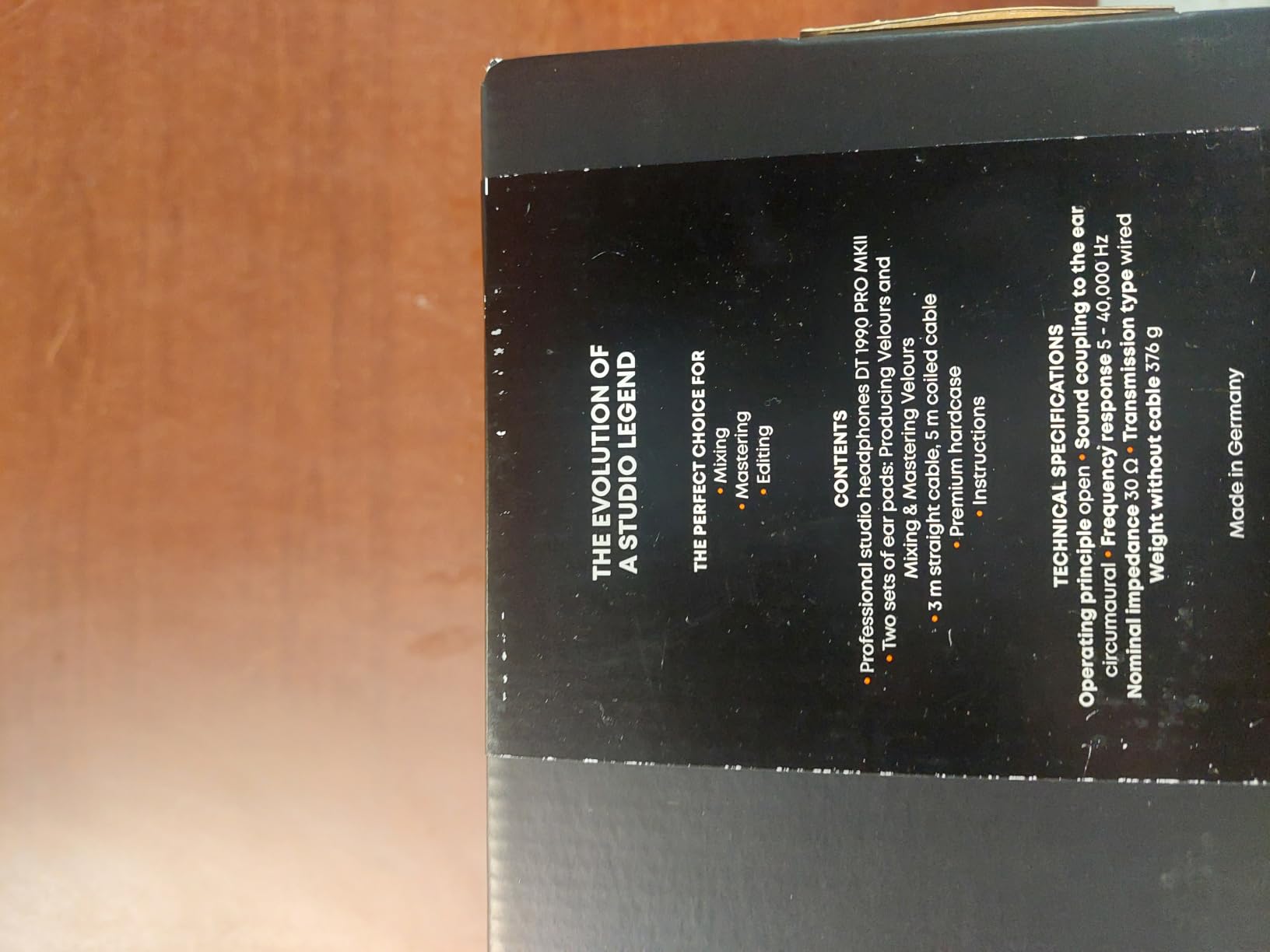
The package is generous. You get two sets of velour ear pads that offer slightly different sound signatures, a premium hard case, and two detachable mini-XLR cables (a 3m straight and a 5m coiled). The memory foam headband adds comfort for long sessions, and the whole headphone feels substantial and well-built at 454 grams.
The one concern I have is the plastic slider plates, which some users have reported as a potential durability issue. For this price, I would expect metal sliders. That said, all parts are replaceable, and beyerdynamic stands behind their German craftsmanship with a two-year warranty.
Who Should Buy the DT 1990 PRO MKII
Professional mixing and mastering engineers who want flagship performance without amplification headaches. If you work in multiple studios and need a headphone that sounds great plugged into any interface, the 30 ohm impedance is a game-changer.
Ear Pad Tuning Options Explained
The two included ear pad sets change the sound signature. One set gives a more analytical, reference-oriented response for critical mixing decisions, while the other adds a slight bass warmth for more enjoyable listening during production. This flexibility makes the DT 1990 PRO MKII two headphones in one.
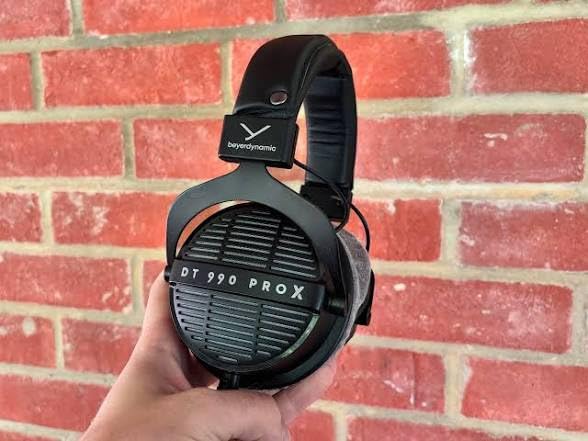
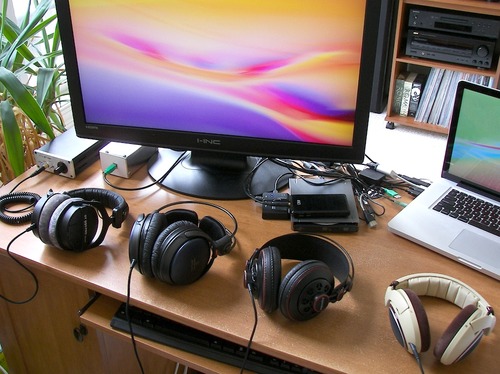
6. beyerdynamic DT 990 PRO – The Studio Classic
beyerdynamic DT 990 Pro (250 Ohm), Open-Back Studio Headphones, Black
Impedance: 250 ohms
Driver: Dynamic
Weight: 0.38 kg
Velour pads
Frequency: 5-35,000 Hz
Pros
- Wide open soundstage ideal for mixing
- Comfortable velour ear pads
- Handcrafted in Germany
- Great value for studio headphones
Cons
- Bright analytical treble may be fatiguing
- Requires amplifier for best performance
The DT 990 PRO is the headphone that countless engineers started on, and with over 20,000 reviews on Amazon, it remains one of the most popular studio headphones ever made. I have used these extensively for tracking and mixing, and they offer remarkable value at under $200.
The sound signature is what beyerdynamic is known for: a V-shaped curve with boosted bass and elevated treble. The bass extension is impressive for an open-back design, giving you a solid sense of what is happening in the low end. The treble is detailed and revealing, though it can be fatiguing on bright material or during marathon sessions.
For mixing, I recommend pairing the DT 990 PRO with Sonarworks SoundID Reference to tame the treble peaks and flatten the response. With correction software, these transform into a genuinely accurate mixing tool that punches well above its price point. Many forum users on r/audioengineering swear by this exact combination.
The velour ear pads are replaceable and comfortable for hours of use. The build is all spring steel and durable plastic, handcrafted in Germany. The 250 ohm impedance means you need a decent audio interface or headphone amp, but most interfaces handle them without issue.
Who Should Buy the DT 990 PRO
Beginners building their first home studio, producers on a budget, and anyone who wants a proven workhorse. If you are willing to add EQ correction software, these deliver performance that rivals headphones costing twice as much.
Managing the Bright Treble Signature
The elevated treble is the DT 990 PRO’s most polarizing feature. Some engineers love the detail it reveals, while others find it fatiguing. Using Sonarworks or a custom EQ to reduce the 8-10 kHz region makes these far more comfortable for long mixing sessions while preserving their excellent imaging and bass response.
7. Audeze MM-500 – Professional Planar Magnetic Mixing Reference
Audeze MM-500 Professional Over-Ear Headphones
Impedance: 20 ohms
Driver: Planar Magnetic
Weight: 495g
Aluminum chassis
Frequency: 20-20,000 Hz
Pros
- Extraordinary clarity and accuracy
- Vast frequency extension
- Designed for mix translation
- Lightweight aluminum chassis
Cons
- Small ear pads may be uncomfortable
- Premium price point
The Audeze MM-500 is the most expensive headphone in this roundup, and it is designed specifically for professional mix engineers. Audeze built these to deliver mixes that consistently translate across all playback systems, and in my testing, they delivered on that promise. The planar magnetic drivers provide a level of detail and speed that dynamic drivers simply cannot match.
What sets the MM-500 apart is its ability to reveal detail comparable to treated studio monitors. I tested these on a complex electronic mix and could hear low-level artifacts, reverb decay tails, and stereo width information that other headphones in this lineup obscured. The frequency extension is vast, with crisp air in the highs and defined bass down to the lowest registers.
The 20 ohm impedance is remarkably easy to drive for a planar magnetic headphone. You can plug these into virtually any audio interface or console and get full performance without a dedicated amp. Audeze explicitly designed these to be compatible with the gear you already own.
The trade-off is comfort. The ear pads are smaller than other Audeze models, which may cause discomfort for users with larger ears during extended sessions. At 495 grams, they are also on the heavier side, though the machined aluminum and spring steel chassis distributes weight reasonably well.
Who Should Buy the Audeze MM-500
Professional mix engineers, sound designers, and anyone who needs the absolute highest level of detail retrieval. If your mixes need to translate perfectly across every playback system and budget is not a concern, the MM-500 is the planar magnetic reference to get.
Why Planar Magnetic Drivers Matter for Mixing
Planar magnetic drivers use a flat diaphragm with embedded conductors rather than a cone attached to a voice coil. This design gives faster transient response, lower distortion, and more accurate bass reproduction. For mixing, this means you hear attacks and decays with precision, making it easier to set compression and gate thresholds.
8. Sony MDR-MV1 – Spatial Audio and Immersive Mixing Specialist
HD 490 PRO Open-Back Professional Headphone
Impedance: 24 ohms
Driver: Dynamic 40mm
Weight: 226g
Spatial audio ready
Frequency: 5-80,000 Hz
Pros
- Supports Dolby Atmos and spatial audio
- Ultra-lightweight at 226g
- Flat neutral response for mixing
- Low 24 ohm impedance easy to drive
Cons
- Cable prone to tangling and microphonics
- Quarter inch termination requires adapter
The Sony MDR-MV1 is built for a modern mixing challenge that most other headphones in this roundup were not designed for: spatial and immersive audio. If you are mixing in Dolby Atmos, Sony 360 Reality Audio, or any immersive format, these headphones give you the soundstage and imaging accuracy you need to place objects in three-dimensional space.
Even for traditional stereo mixing, the MDR-MV1 delivers a flat, neutral response that I found translates well across playback systems. The frequency response extends from 5 Hz to 80,000 Hz, which covers the full range of human hearing and beyond. The newly developed HD driver units are specifically optimized for the open-back acoustic structure.
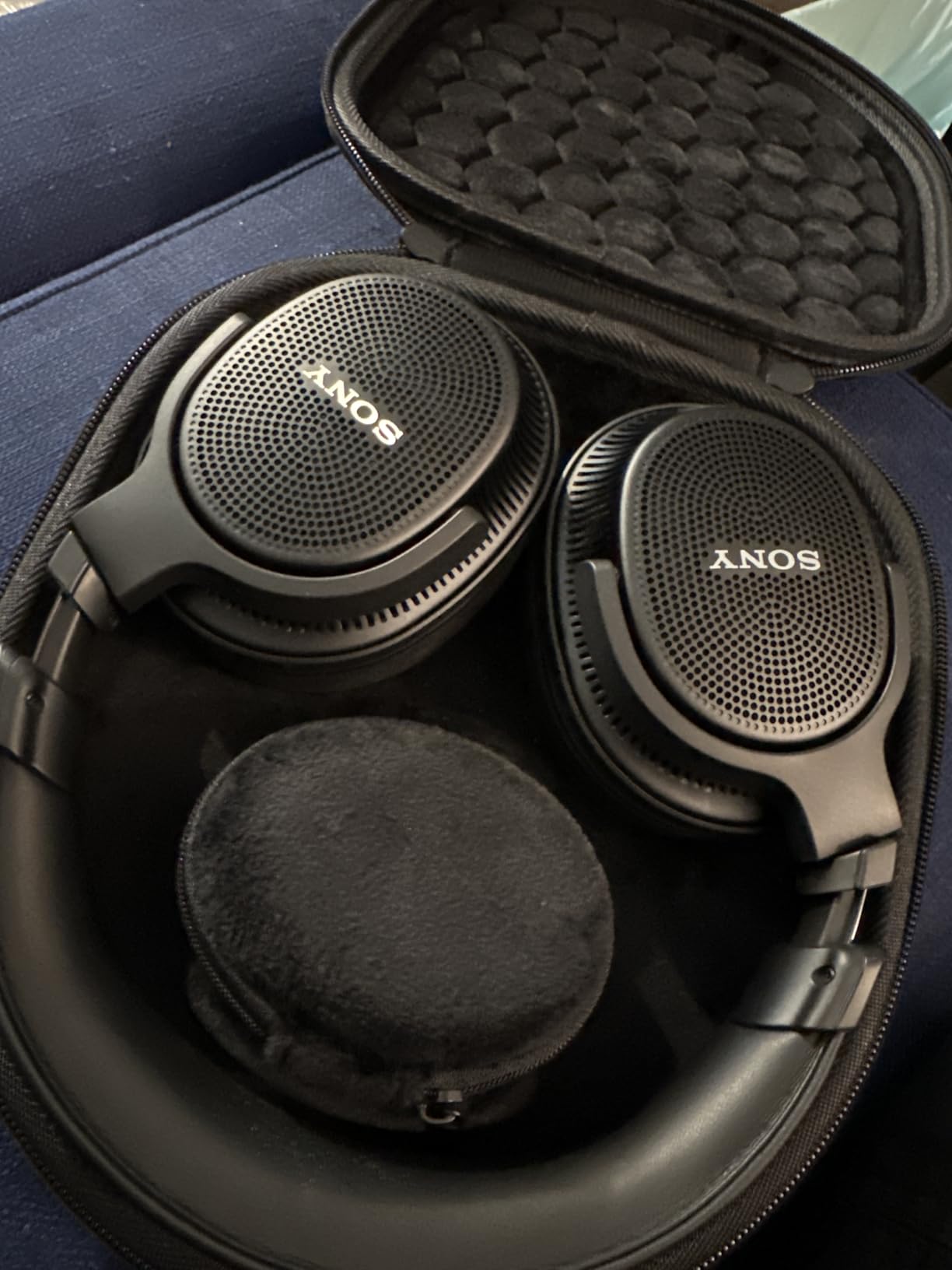
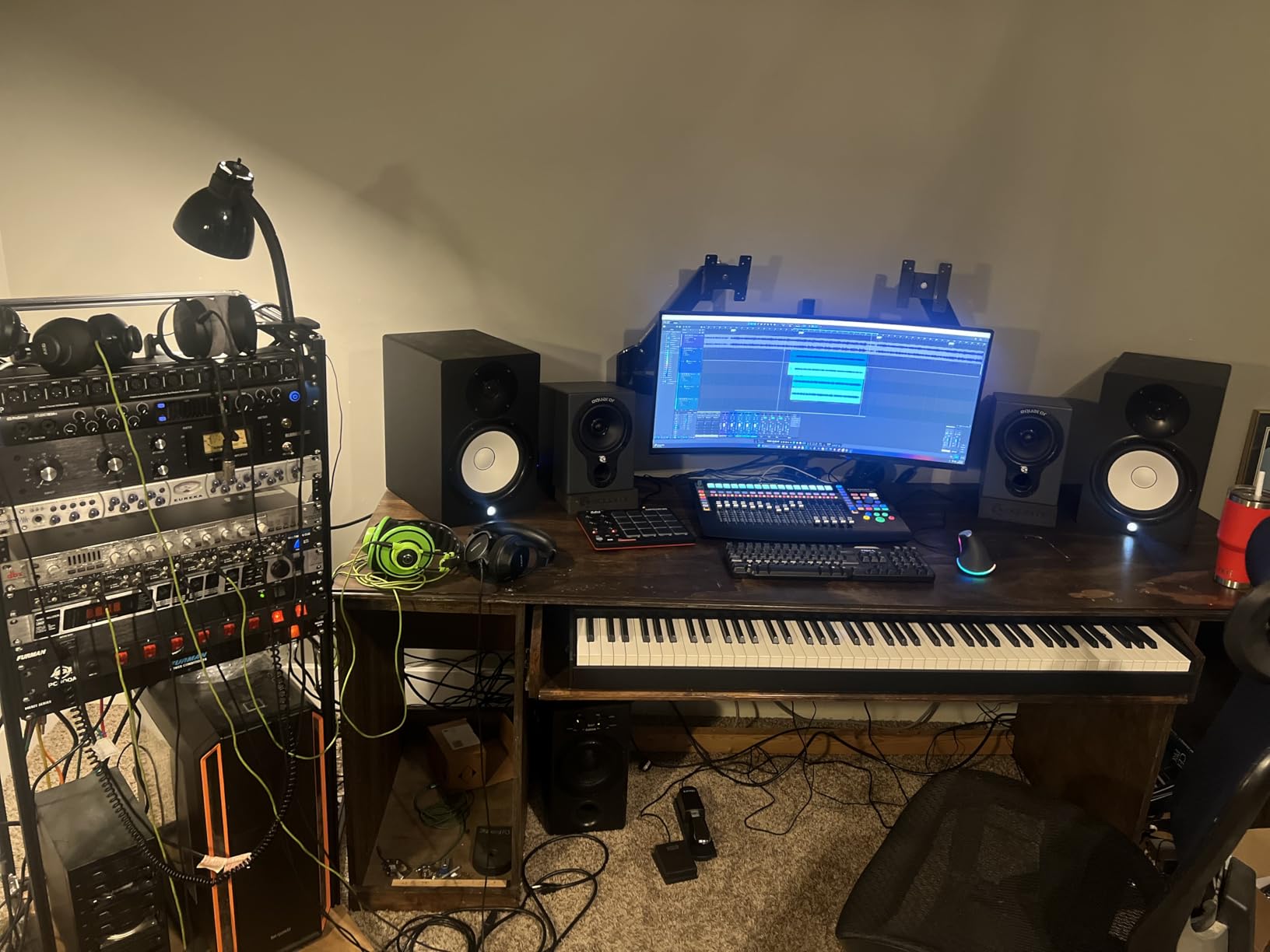
At just 226 grams, these are among the lightest professional headphones available. I can wear them for hours without any neck strain or ear fatigue. The suede ear pad material is soft and breathable, and the clamping force is gentle without being loose. The open-back design prevents overheating during long sessions.
The main weakness is the stock cable, which is prone to tangling and has unpleasant microphonics. The quarter-inch termination also requires an adapter for 3.5mm devices, and the included adapter is bulky. I would recommend upgrading the cable as soon as possible.
Who Should Buy the Sony MDR-MV1
Anyone working in spatial audio, immersive formats, or Dolby Atmos mixing. Also a strong pick for engineers who want an ultra-lightweight, comfortable headphone with a flat response and low impedance for portable or mobile mixing setups.
Using the MDR-MV1 for Dolby Atmos Work
The MDR-MV1 is one of the few headphones explicitly designed to support mixing and mastering of immersive and spatial sound. Sony provides a headphone optimization plugin that calibrates the MDR-MV1 for accurate binaural monitoring of Atmos and 360 Reality Audio mixes, making these a serious tool for modern post-production work.
9. beyerdynamic DT 990 Pro X – Refined Classic with Easy Impedance
beyerdynamic DT 990 Pro X (48 Ohm), Open-Back Studio Headphones, Black
Impedance: 48 ohms
Driver: STELLAR.45
Weight: 0.39 kg
Detachable mini-XLR
Frequency: 5-40,000 Hz
Pros
- 48 ohm impedance easy to drive
- Wide natural soundstage
- Detachable mini-XLR cable
- Serviceable parts for longevity
Cons
- Bass present but not overwhelming
- Out-of-box sound described as boring by some
The DT 990 Pro X is a refined version of the legendary DT 990 PRO, updated with the STELLAR.45 driver and a lower 48 ohm impedance. I was excited to test these because the original DT 990 PRO has been my budget recommendation for years, and the Pro X addresses its biggest limitation: the high impedance that required amplification.
The sound signature is noticeably different from the original DT 990 PRO. The Pro X is more neutral and balanced, with the V-shaped bass and treble boost toned down significantly. Some users describe the out-of-box sound as “boring” compared to the original, but for mixing purposes, this neutrality is actually an advantage. You hear exactly what is in your mix.
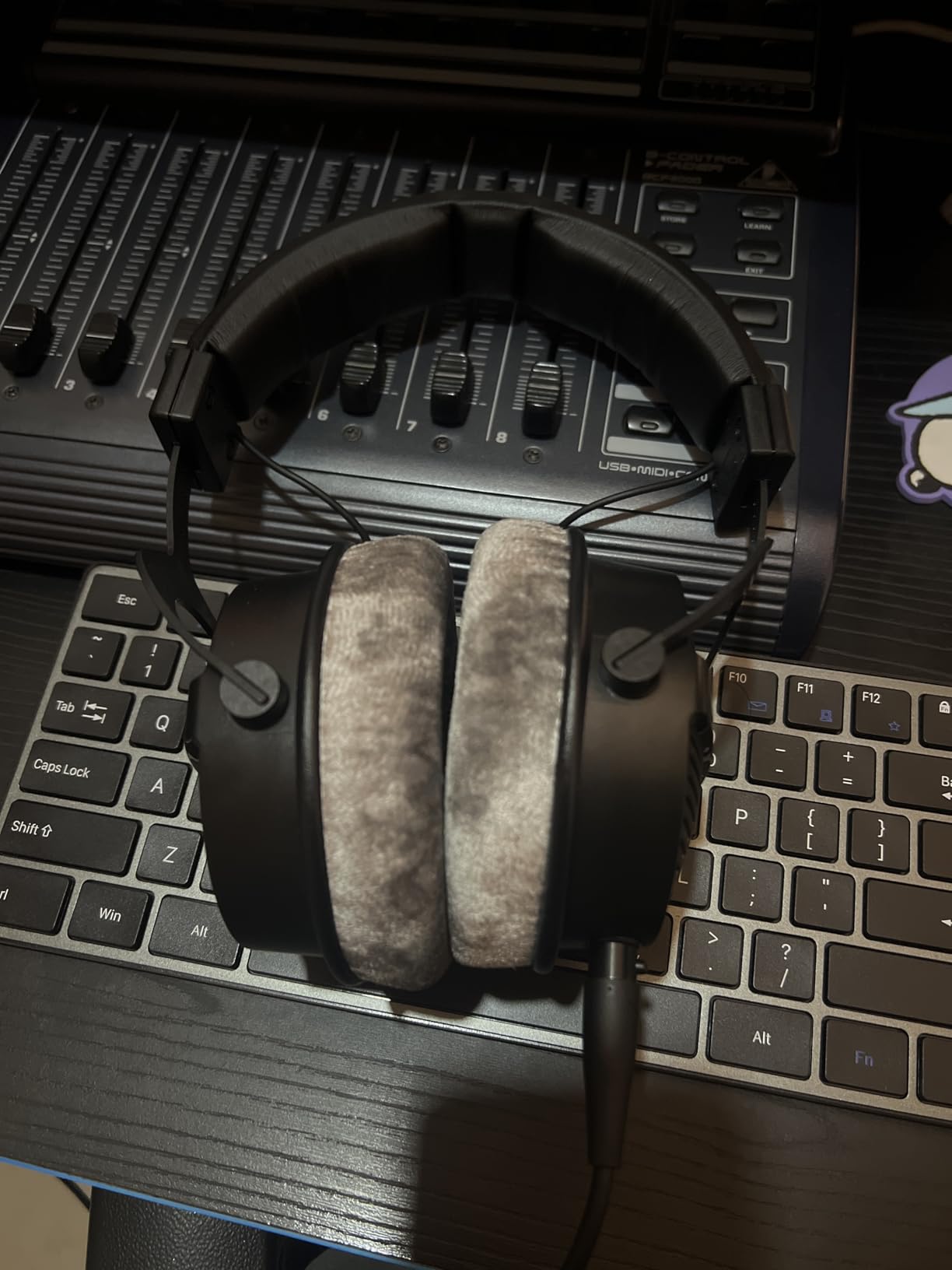
The detachable mini-XLR cable is a major quality-of-life upgrade over the original’s fixed coiled cable. You get a 3m locking mini-XLR cable with 3.5mm and 6.3mm adapters included, so you are covered for any interface or device. The soft velour ear pads are replaceable and comfortable for extended sessions.
At just 0.64 pounds, these are lightweight and comfortable. The build quality feels premium with a combination of plastic, steel, and velour. All parts are serviceable, which means you can replace anything that wears out over time. This is a headphone designed to last for years.
Who Should Buy the DT 990 Pro X
Anyone who loved the original DT 990 PRO but wanted easier amplification and a detachable cable. Also a great pick for producers who want a neutral, balanced sound without the V-shaped coloration of the original. The 48 ohm impedance makes these perfect for mobile and home setups.
DT 990 Pro X vs Original DT 990 PRO
The Pro X has lower impedance (48 vs 250 ohms), a detachable cable, and a more neutral sound signature. The original has more bass and treble energy, which some users prefer for casual listening. For mixing, the Pro X’s neutrality makes it easier to make accurate decisions without EQ correction.
10. Audio-Technica ATH-R50X – Budget Reference with Extended Bass
Audio-Technica ATH-R50X Open-Back Headphones
Impedance: 50 ohms
Driver: Dynamic
Weight: 207g
Dual cables
Frequency: 20-20,000 Hz
Pros
- Excellent balance of fun and accurate sound
- Tight punchy bass
- Clear mids for vocals
- Very lightweight at 207g
Cons
- Bass may be too quiet for some listeners
- Proprietary 2.5mm twist-lock connector
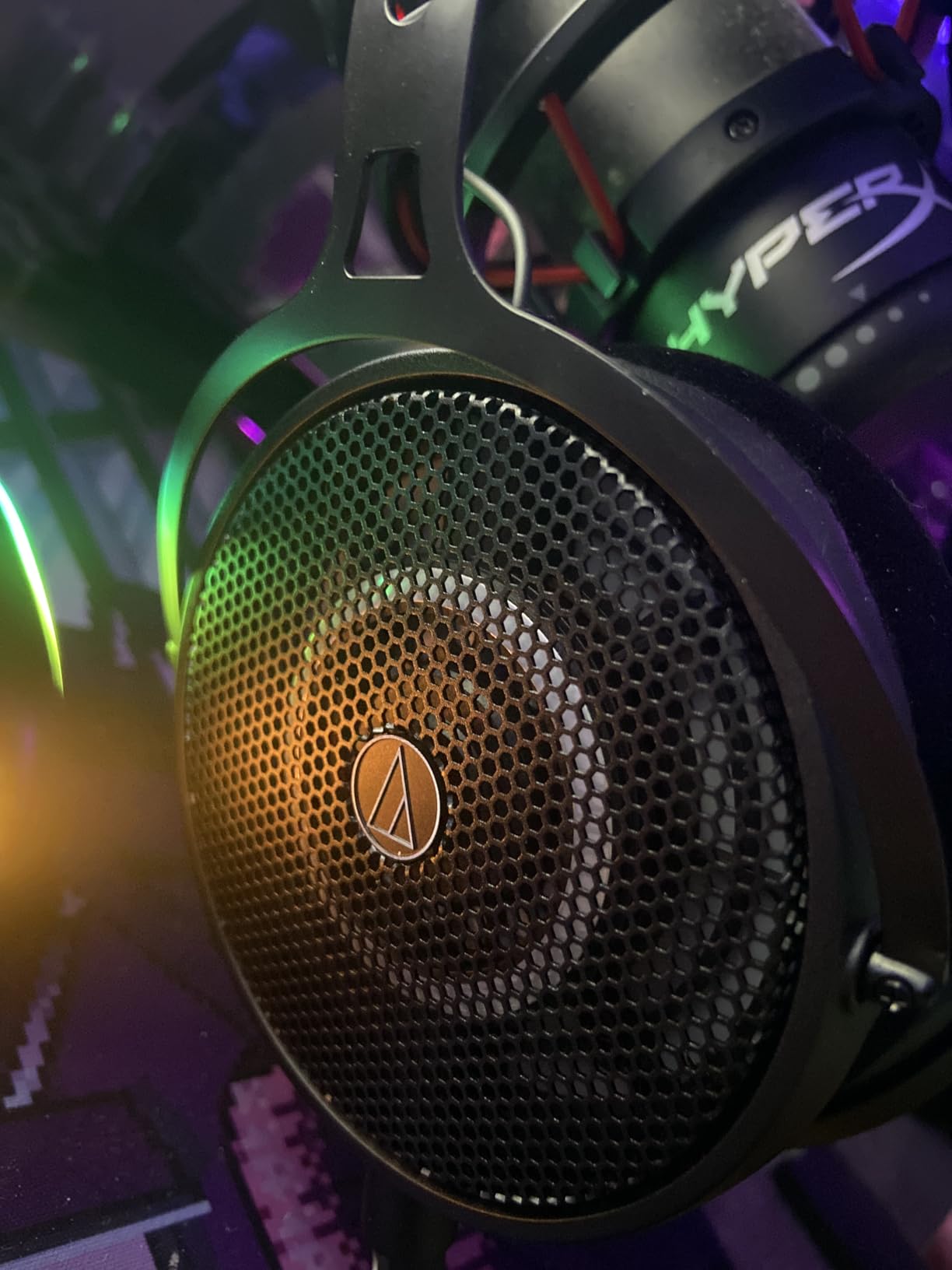
The ATH-R50X is the most affordable headphone in this roundup at $169, and it punches far above its weight class. Audio-Technica designed these as professional open-back reference headphones, and they deliver a sound signature that balances accuracy with enjoyment. I was genuinely surprised by how good these sound for the price.
The fully open-back design eliminates internal resonance, which gives you a quick transient response and a wide, realistic soundstage. The bass is tight and punchy without being boomy, which is exactly what you want for mixing kick drums and bass guitars. The mids are clear and natural, making vocal level decisions straightforward.
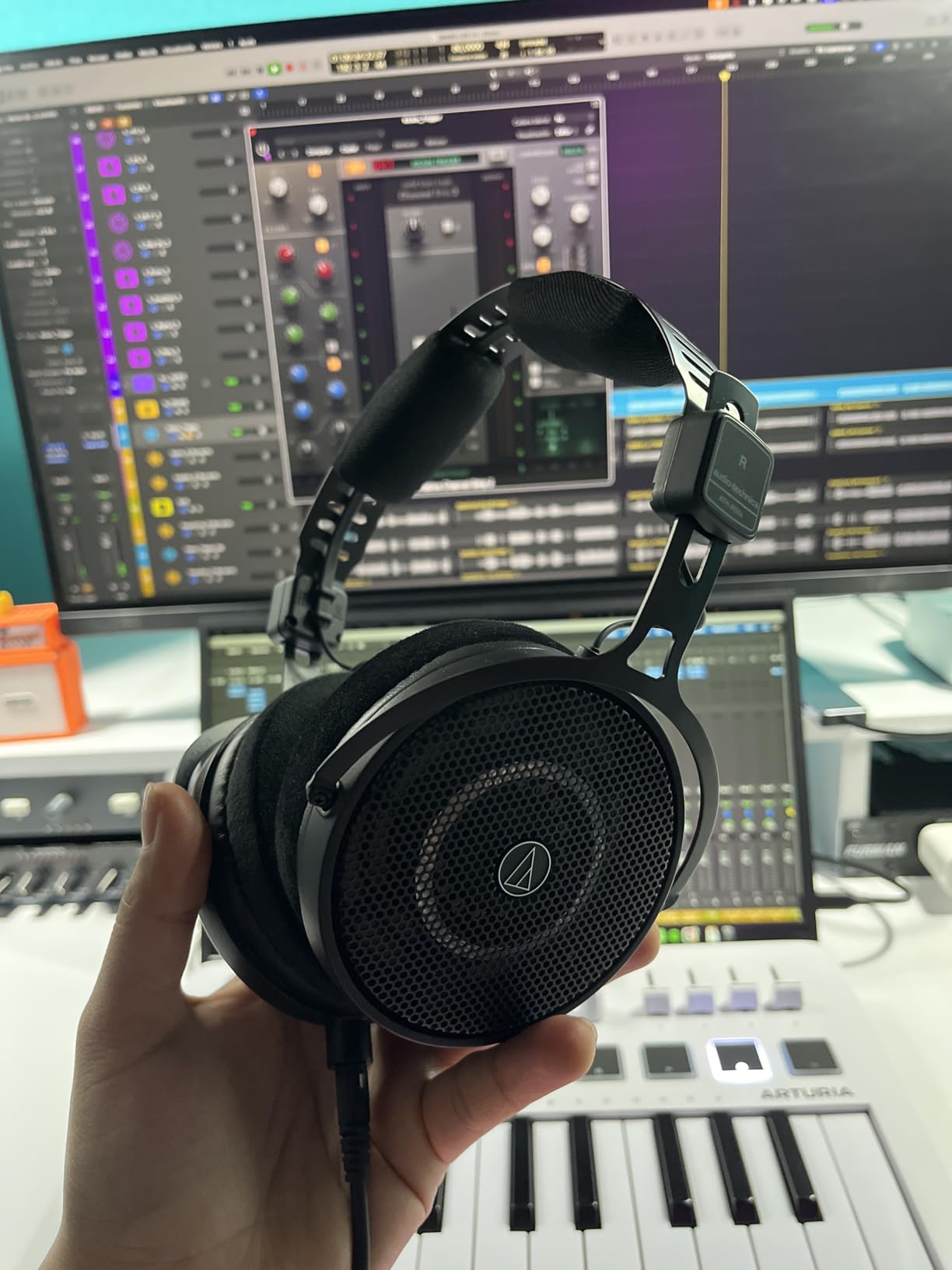
At 207 grams, these are among the lightest headphones I tested. The new headband design distributes weight evenly, and I found them comfortable for sessions lasting several hours. The metal headband and yokes give the chassis a sturdy feel that belies the affordable price point.
The package includes two detachable cables: a 3.0m cable for studio use and a 1.2m cable for portable applications. Both use a proprietary 2.5mm twist-lock connector, which limits aftermarket cable options. You also get a 6.3mm adapter and a carrying pouch.
Who Should Buy the ATH-R50X
Students, beginners, and budget-conscious producers who want professional reference sound without breaking the bank. At $169, these are the best entry point into serious headphone mixing available right now. They also take EQ well if you want to customize the sound signature.
Getting the Most from the Reference Tuning
The reference tuning means the bass is intentionally honest rather than hyped. Some listeners find this initially disappointing if they are used to consumer headphones with boosted low end. Give your ears a week to adjust, and you will start appreciating how accurately these reveal bass levels and timing in your mixes.
How to Choose the Best Open Back Headphones for Mixing?
Choosing the right mixing headphone comes down to understanding your specific needs, your studio setup, and your budget. Here is what I have learned matters most after testing dozens of models over the years.
Open Back vs Closed Back for Mixing
Open back headphones let air and sound pass through the ear cups, creating a natural soundstage that resembles listening to speakers in a room. This makes it easier to judge stereo width, reverb decay, and spatial positioning. Closed back headphones seal the ear cups, trapping sound and creating a more isolated but artificial listening environment.
For mixing, open back is generally the better choice because the natural soundstage translates better to real-world listening on speakers. Closed back headphones can make bass feel louder than it actually is, leading to thin mixes when played on other systems. Use closed back for tracking when you need isolation and bleed prevention, but switch to open back for mixing decisions.
Impedance and Amplification Requirements
Impedance, measured in ohms, determines how much power a headphone needs to reach proper volume and sound quality. Low impedance headphones (under 50 ohms) can be driven by laptops, phones, and most audio interfaces without a dedicated amp. The beyerdynamic DT 1990 PRO MKII at 30 ohms and the Audeze MM-500 at 20 ohms are prime examples.
High impedance headphones (250-300 ohms) like the Sennheiser HD 600 and HD 650 require dedicated headphone amplifiers to perform at their best. Without proper amplification, high impedance headphones sound thin, quiet, and dynamically compressed. If you do not already own a headphone amp, factor that cost into your decision.
Frequency Response and Sound Signature
For mixing, you want a relatively flat, neutral frequency response. Headphones with significant bass or treble boosts can mislead you into making incorrect EQ decisions. The Sennheiser HD 600 and HD 490 PRO are among the most neutral options in this roundup.
That said, many successful mix engineers use slightly colored headphones like the DT 990 PRO and compensate with EQ correction software like Sonarworks SoundID Reference. This software measures your headphone’s frequency response and applies corrective EQ to flatten it, giving you the accuracy of a neutral headphone with the comfort and build of your preferred model.
Comfort and Weight for Long Sessions
Mixing sessions can last four, six, or even eight hours. A headphone that is uncomfortable will force you to take breaks more frequently and can introduce ear fatigue that affects your mixing decisions. Look for lightweight designs (under 300 grams when possible), soft ear pad materials like velour or suede, and gentle but secure clamping force.
The Sony MDR-MV1 at 226 grams and the Audio-Technica ATH-R50X at 207 grams are the lightest models in this roundup. The Audeze MM-500 at 495 grams is the heaviest, though the aluminum chassis distributes weight reasonably well. Replaceable ear pads are also important, as pads compress and wear out over time.
Cable Quality and Detachability
A detachable cable is essential for mixing headphones because cables are the most common point of failure. If a non-detachable cable breaks, you may need to replace the entire headphone. With a detachable cable, you simply swap in a replacement.
Look for locking connectors like the mini-XLR used by beyerdynamic or the twist-lock used by Audio-Technica. These prevent accidental disconnection during use. Multiple cable lengths are also useful: a short cable for desktop work and a longer cable for more flexible positioning.
Build Quality and Repairability
Professional mixing headphones should last years, not months. Look for models with metal components in stress areas (headband, yokes, sliders), replaceable ear pads, and serviceable parts. beyerdynamic and Sennheiser both design their professional headphones with replaceable parts, extending the lifespan significantly.
Check the warranty terms as well. Most professional models come with a one to three year manufacturer warranty. Audeze offers a three-year warranty on the MM-500, while beyerdynamic covers their Pro models for two years. The DT 990 PRO comes with only a one-year warranty, which is the shortest in this roundup.
Room Correction Software Integration
No headphone is perfectly flat, and room correction software like Sonarworks SoundID Reference can improve any headphone’s accuracy. This software measures your headphone against a reference target curve and applies corrective EQ. It works with most DAWs as a plugin, making it easy to A/B between corrected and uncorrected monitoring.
Sony also offers a free headphone optimization plugin for the MDR-MV1 that calibrates it specifically for Dolby Atmos and spatial audio work. If you are investing in headphones primarily for mixing accuracy, budgeting $100-250 for correction software alongside your headphone purchase is worth considering.
FAQs
What open back headphones should I get for mixing?
The Sennheiser HD 490 PRO is our top overall pick for mixing due to its uncolored frequency response and dual ear pad system. For budget-conscious buyers, the Audio-Technica ATH-R50X at $169 delivers excellent reference sound. If you want flagship detail, the Audeze MM-500 with planar magnetic drivers is the professional choice.
Are open back headphones better for mixing than closed back?
Yes, open back headphones are generally better for mixing because they provide a natural soundstage that mimics listening on speakers. This helps you judge stereo width, reverb decay, and spatial positioning accurately. Closed back headphones are better for tracking when you need isolation, but their sealed design can create artificial bass buildup that leads to thin-sounding mixes.
What is the best budget open back headphones for mixing?
The Audio-Technica ATH-R50X at $169 is the best budget option, offering reference-tuned sound with tight bass, clear mids, and a lightweight 207g design. The beyerdynamic DT 990 PRO at $199 is another excellent value choice, especially when paired with Sonarworks correction software to tame its bright treble.
Do I need a headphone amplifier for mixing headphones?
It depends on the impedance. Low impedance models under 50 ohms (like the DT 900 PRO X, DT 1990 PRO MKII, and ATH-R50X) work fine with most audio interfaces. High impedance models like the Sennheiser HD 600 and HD 650 at 300 ohms require a dedicated headphone amplifier to reach their full potential.
What is the difference between open back and closed back headphones for mixing?
Open back headphones have perforated ear cups that let air and sound pass through, creating a wider natural soundstage and reducing ear fatigue. Closed back headphones seal the ear cups for isolation, which prevents sound leakage during recording but creates a more confined sound. For mixing decisions, open back provides more accurate stereo imaging and frequency representation.
Final Thoughts
Finding the best open back headphones for mixing comes down to matching the headphone to your specific workflow, budget, and amplification situation. If I had to pick just one, the Sennheiser HD 490 PRO would be my choice for its unmatched dual pad system, uncolored response, and lightweight comfort. For those who want flagship detail retrieval without amplification headaches, the beyerdynamic DT 1990 PRO MKII with its 30 ohm TESLA.45 drivers is a remarkable engineering achievement.
On a budget, the Audio-Technica ATH-R50X at $169 proves that you do not need to spend a fortune to get professional reference sound. And for anyone mixing in spatial audio formats like Dolby Atmos, the Sony MDR-MV1 is purpose-built for that modern workflow. Whatever you choose, invest in a headphone that will serve your mixing decisions accurately for years to come, and consider pairing it with room correction software like Sonarworks for maximum accuracy.
Take your time with the choice, because the right pair of mixing headphones will improve every track you release in 2026 and beyond.