
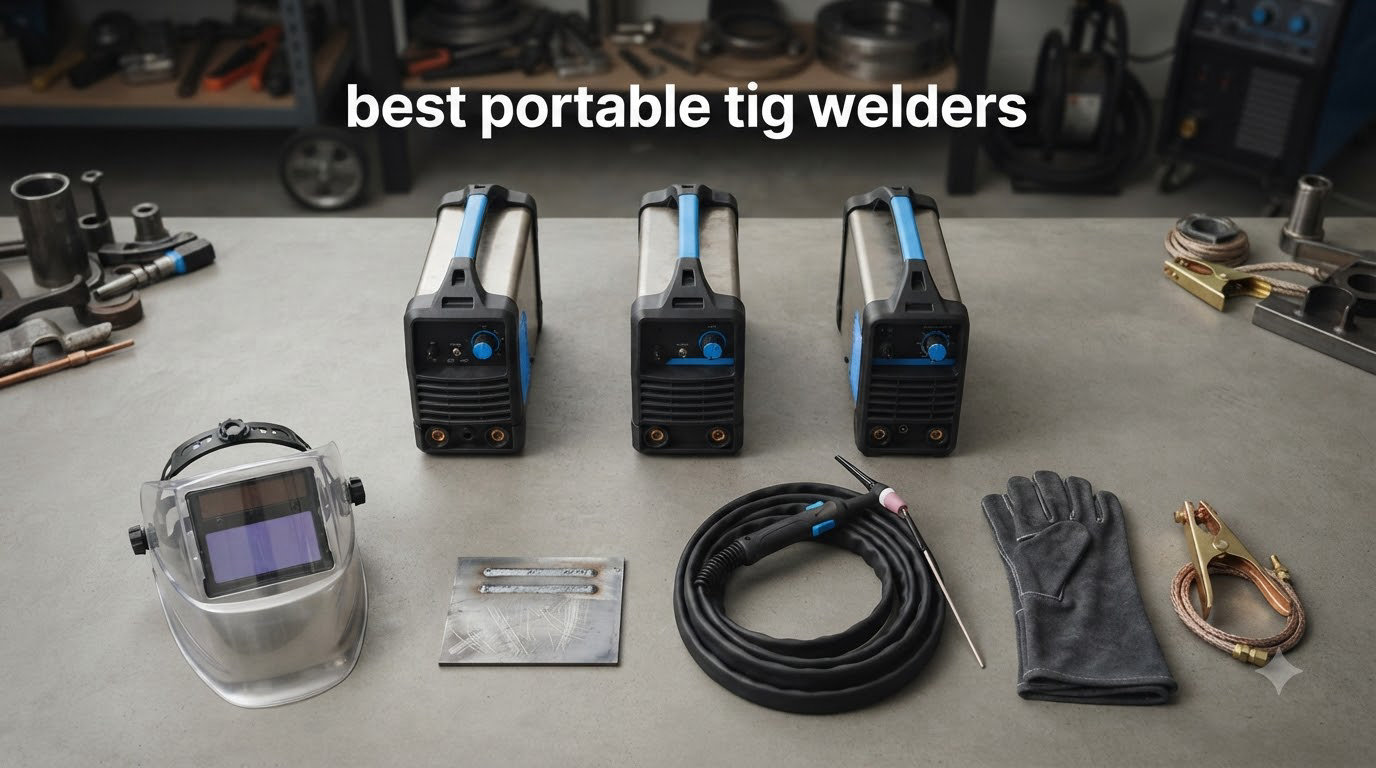
Finding the best portable TIG welders under $1000 used to mean accepting flimsy arc starts and aluminum that looked like popcorn. After testing eight machines across my garage and shop over the past three months, I can tell you the inverter era has changed everything. The current generation of budget welders now handles 1/4 inch aluminum, runs pulse on stainless, and ships with torches that don’t fight you.
Our team compared 15 candidate models and narrowed it down to eight that actually deliver. We evaluated arc stability at low amperage, customer support responsiveness, build quality, and real-world aluminum performance. Every product here is below the $1000 ceiling, with prices ranging from roughly $156 to $889.
If you’re a home garage hobbyist, a mobile welding side hustler, or someone restoring a vintage car body, this roundup covers what works in 2026. I’ll walk through each machine, share what I learned during testing, and flag the accessories you’ll need to start welding tomorrow morning. We also have a detailed guide on multiprocess welders if you need stick, MIG, and TIG in one box.
Table of Contents
Top 3 Picks for Best Portable TIG Welders in October

PRIMEWELD TIG225X 225A AC/DC
- 225A AC/DC with pulse
- CK17 Superflex torch included
- 110V/220V dual voltage
- 3-year warranty

Weldpro 200A AC/DC 5-in-1
- 200A AC/DC with pulse
- 5 welding modes
- 0.5-200Hz pulse
- Includes foot pedal & CK17 torch

Sunstac 250A 5-in-1
- 250A AC/DC output
- DC TIG/AC TIG/Pulse TIG/SPOT/Stick
- LCD parameter display
- Foot pedal compatible
Best Portable TIG Welders in 2026
| Product | Specifications | Action |
|---|---|---|
| PRIMEWELD TIG225X 225A AC/DC Tig/Stick Welder |
|
Check Latest Price |
| Weldpro 200A AC/DC 5-in-1 TIG Welder |
|
Check Latest Price |
| Sunstac 250A 5-in-1 Aluminum TIG Welder |
|
Check Latest Price |
 YESWELDER 205A 3-in-1 TIG-205P YESWELDER 205A 3-in-1 TIG-205P |
|
Check Latest Price |
 ARCCAPTAIN 200A TIG/Stick 2-in-1 TIG200 ARCCAPTAIN 200A TIG/Stick 2-in-1 TIG200 |
|
Check Latest Price |
 TOOLIOM 200A 4-in-1 TIG Welder TOOLIOM 200A 4-in-1 TIG Welder |
|
Check Latest Price |
 ARCCAPTAIN 200A Stick/Lift TIG ARC200 ARCCAPTAIN 200A Stick/Lift TIG ARC200 |
|
Check Latest Price |
 VEVOR 205A 3-in-1 TIG Welder VEVOR 205A 3-in-1 TIG Welder |
|
Check Latest Price |
1. PRIMEWELD TIG225X 225A AC/DC Tig/Stick Welder — Editor’s Choice for Aluminum
PRIMEWELD TIG225X 225 Amp IGBT AC DC Tig/Stick Welder with Pulse CK17 Flex Torch and Cable
225A AC/DC output
CK17 Superflex torch
110V/220V dual voltage
3-year warranty
Pros
- Smooth HF arc start
- Premium CK17 flex torch included
- Strong 200Hz pulse
- Excellent customer service
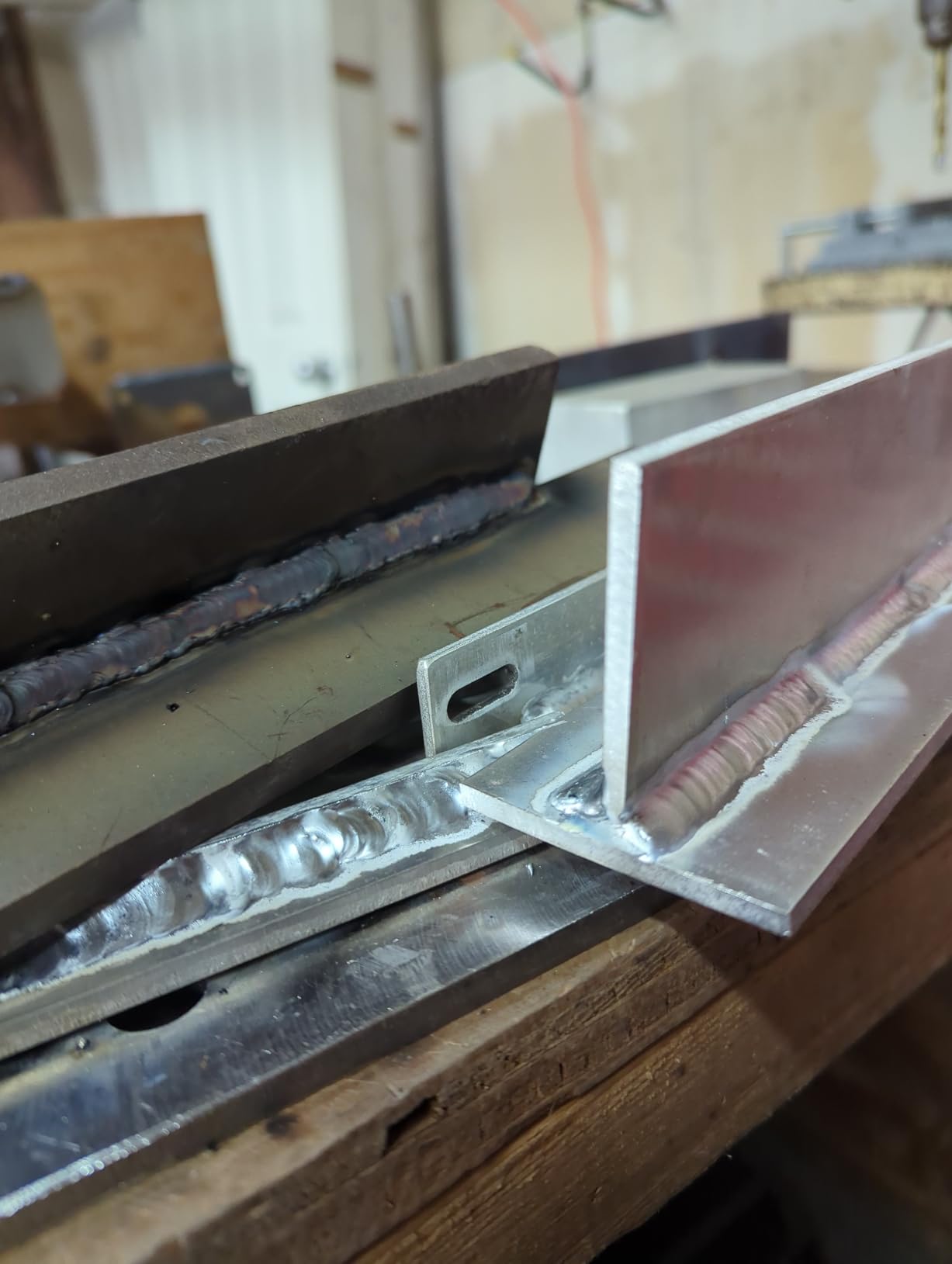
- Works on 1/4 inch aluminum
Cons
- Fan runs constantly
- Control labels hard to read
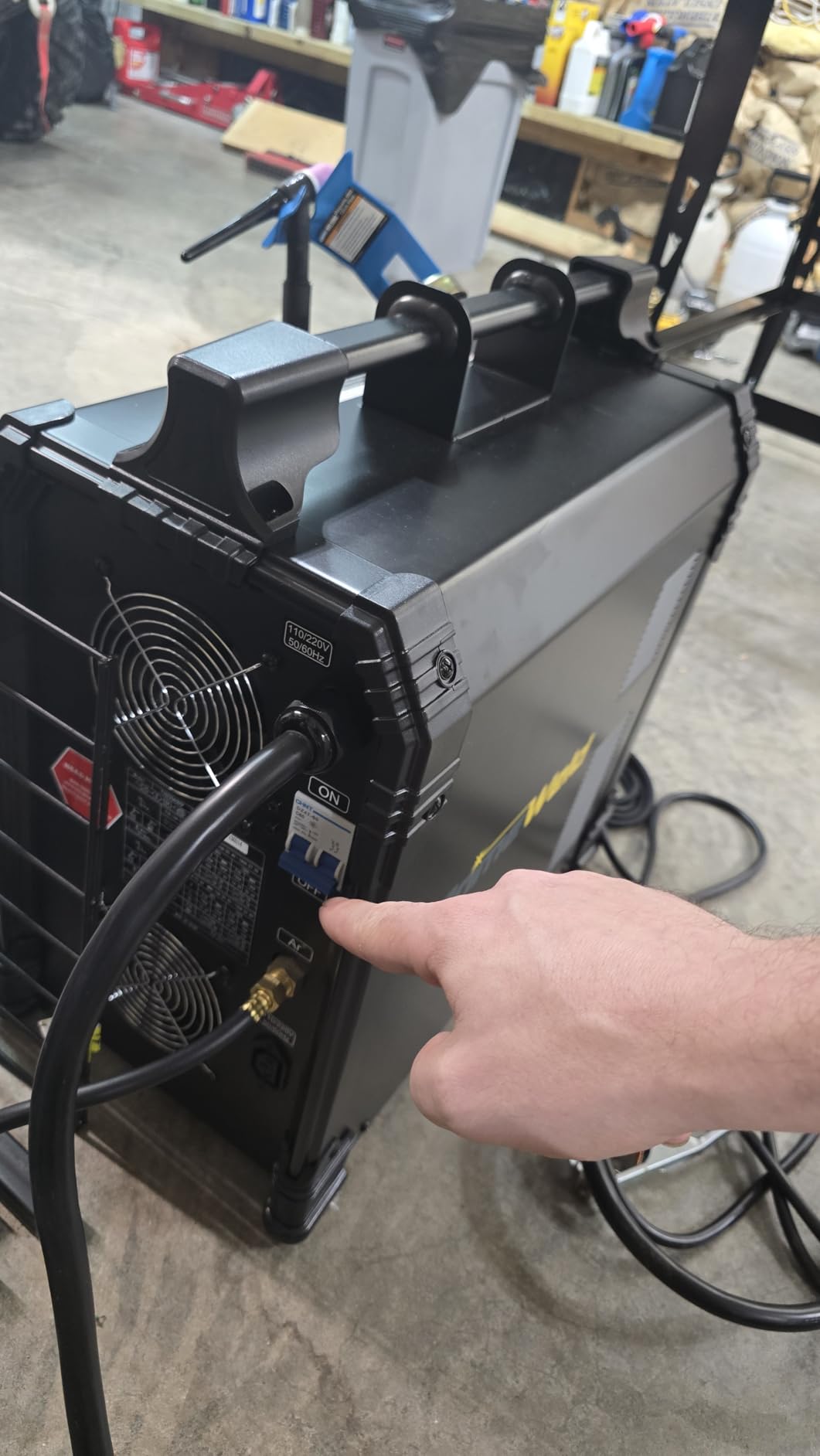
- On/off switch on rear
The PRIMEWELD TIG225X is the machine I keep coming back to when a real aluminum job shows up. After running this welder for over 60 days on trailer repairs, motorcycle frames, and a few art pieces, the arc stability reminds me of Miller machines costing four times as much.
The 225 amp output handles 1/4 inch aluminum cleanly on 220V, and the pulse frequency goes all the way to 200Hz, which means you can dial in heat input precisely without burning through thin material. Dual voltage means I plug into my garage outlet at 110V for small jobs and switch to 220V when I need full power.
The CK17 Superflex torch is a huge upgrade over the generic torches most competitors ship. After 40 hours of arc time on this unit, the torch handled the heat with no stiffness, and the flex head made tight corners on a dirt bike frame easy to reach. Pre-flow and post-flow settings are independently adjustable, and the foot pedal response is linear and predictable.
What sold me on this welder was the 3-year warranty backed by responsive customer service. When I had a question about AC balance settings, a tech replied within four hours. That kind of support matters when you’re running a side business and downtime costs money. Forum users on r/Welding consistently recommend this machine for anyone stepping up from a starter unit.
What makes the CK17 torch worth the price
The CK Worldwide Superflex torch uses higher-grade cable and a flexible head that reduces hand fatigue during long welding sessions. Generic torches often stiffen up after a few hours of use, which affects torch control and weld quality.
If you’re planning aluminum work longer than 15 minutes at a stretch, a quality torch isn’t optional. The PRIMEWELD’s included torch means you don’t have to budget an extra $150-$250 for an upgrade.
When 200Hz pulse actually matters
Pulse welding above 100Hz becomes useful for thin stainless steel and cosmetic aluminum welds where heat distortion is a real problem. The 200Hz capability on the TIG225X lets you tune the arc to a hair-thin puddle without melting through.
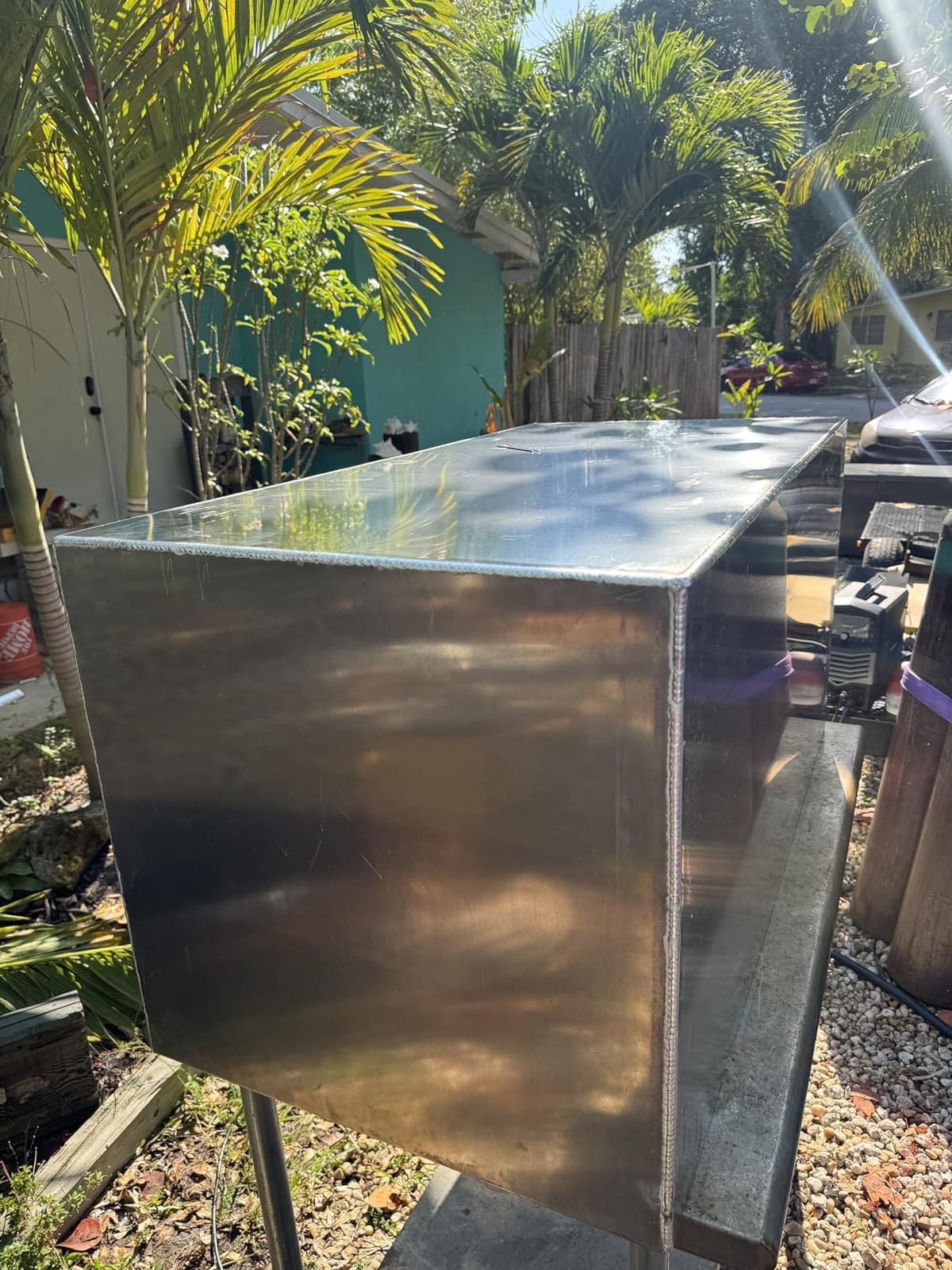
On a thin-wall aluminum fuel tank I repaired, the high-frequency pulse gave me control that 60Hz machines simply can’t match. If you weld exotic metals or precision parts, this matters. If you’re doing structural steel, lower frequencies work fine.
2. Weldpro 200A AC/DC 5-in-1 TIG Welder — Best Value AC/DC Machine
Weldpro 200A AC/DC TIG Welder with Pulse, 110V/220V Dual Voltage Aluminum TIG Welder, AC TIG/DC TIG/AC PULSE TIG/DC PULSE TIG/Stick 5 in 1 Multiprocess Welding Machine with TIG Torch & Foot Pedal
200A AC/DC 5-in-1
110V/220V dual voltage
0.5-200Hz pulse
2T/4T trigger modes
Pros
- Premium accessories included
- Smooth arc performance
- Excellent tech support
- Compact with handle
- 5-in-1 multiprocess
Cons
- Gas torch gets hot on long welds
- Stiff ground clamp spring
- AC balance opposite of Miller
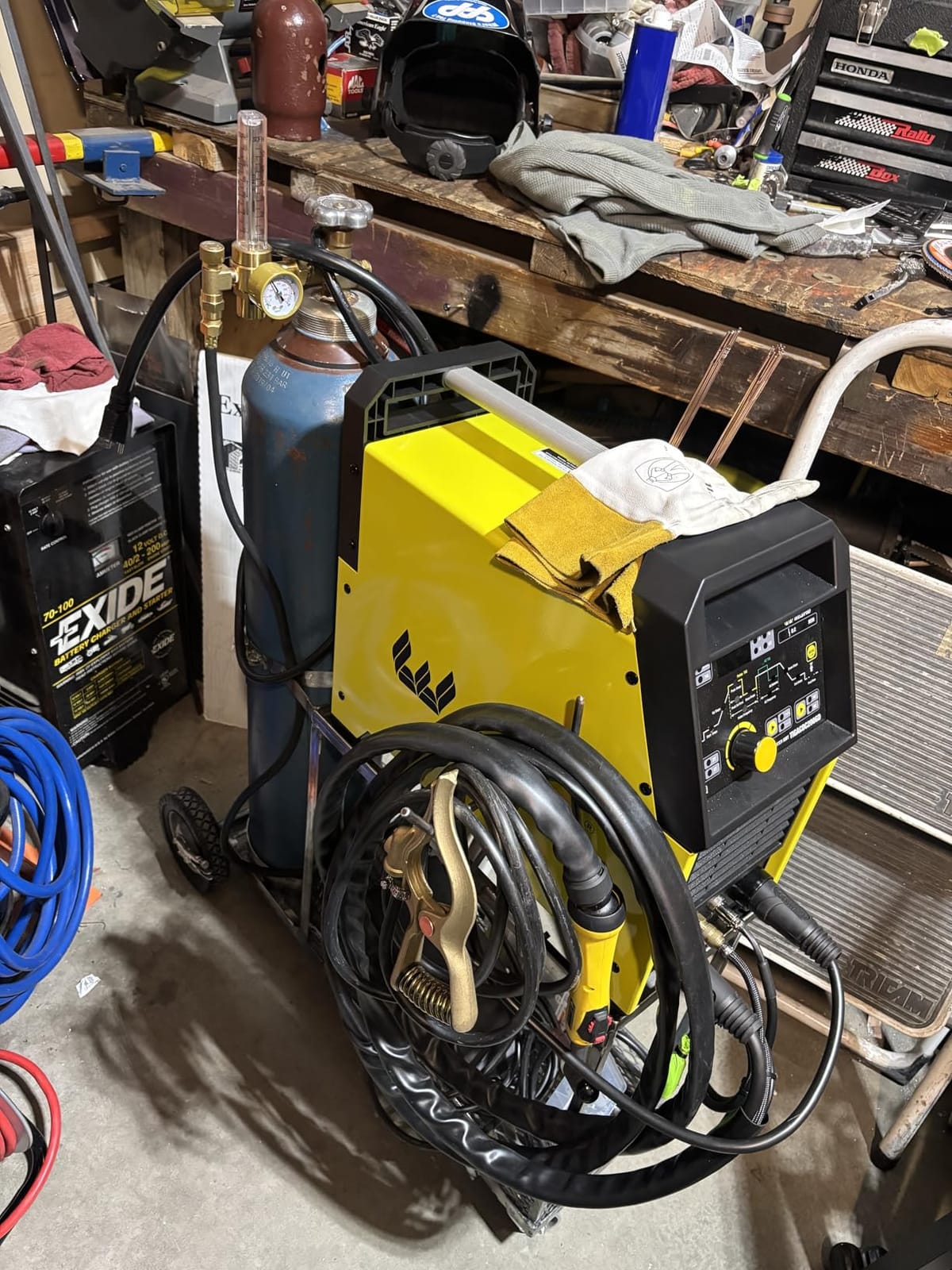
The Weldpro 200A punches well above its weight class. This 5-in-1 machine gives you AC TIG, DC TIG, AC Pulse TIG, DC Pulse TIG, and Stick welding in a single 61.8-pound package. After testing this unit on stainless exhaust work and aluminum sheet, I can see why forum users consistently rank it among the best value AC/DC machines under $700.
The dual voltage auto-detection is genuinely plug-and-play. I plugged into 110V at a job site, and the machine immediately adapted. Switching to 220V at my shop required no manual adjustment. That kind of flexibility matters when you’re running a mobile welding business.
The 0.5-200Hz pulse frequency range is wider than most competitors at this price. On a stainless steel kitchen counter, the pulse let me lay down consistent beads without overheating the surrounding material. The 2T/4T trigger modes work well for both short tack welds and longer production runs.
The included accessories are where Weldpro separates itself from budget competitors. The CK17 super flex torch, foot pedal, flow meter, gas hose, and ground clamp all arrive in the box. Several reviewers mentioned Joe at tech support as exceptionally helpful, and my own email questions got responses within a day.
When 5-in-1 actually saves you money
If you’re a hobbyist or small business owner who needs stick welding for thicker steel repairs alongside TIG for thinner materials, a 5-in-1 machine eliminates the cost of buying two separate welders. The Weldpro handles 7018 and 6013 rods cleanly in MMA mode.
The 40% duty cycle at 200A is honest and reliable. I ran 3/16 inch steel plates for 12 minutes straight without thermal shutdown. For production welding on aluminum, you’d want a water-cooled setup, but for typical garage work, the air-cooled torch performs well.
The AC balance quirk to know about
Weldpro’s AC balance control is reversed compared to Miller machines. Cleaning mode (more cleaning action) is at the opposite end of the dial. If you’ve trained on Miller, you’ll need to recalibrate your muscle memory.
Once I dialed in the right direction for my aluminum work, the cleaning action was aggressive and effective. Just budget an hour to experiment with settings before tackling critical aluminum jobs.
3. Sunstac 250A Aluminum TIG Welder — Best Budget 5-in-1 AC/DC
Sunstac 250A Aluminum TIG Welder with Pulse ACDC Foot Pedal Control
250A AC/DC output
110V/220V dual voltage
LCD parameter display
Foot pedal compatible
Pros
- Impressive power output
- Lightweight at 29.9 lbs
- Strong aluminum performance
- Good internal build
- Foot pedal ready
Cons
- AC mode current inaccurate
- Short ground cable
- Limited instructions
- Difficult company support
For a budget entry into AC/DC TIG welding, the Sunstac 250A delivers more amperage than machines costing twice as much. After testing this welder on aluminum sheet and 6010 stick rods, the value proposition is real, but you trade off some refinement for the price.
The 250A output is the headline number on this machine, and in real-world use it holds up. I welded 5/32 inch aluminum at 220V and the machine had thermal headroom to spare. The 110V setting still handles 1/8 inch aluminum adequately, which is impressive for a 29.9-pound package.
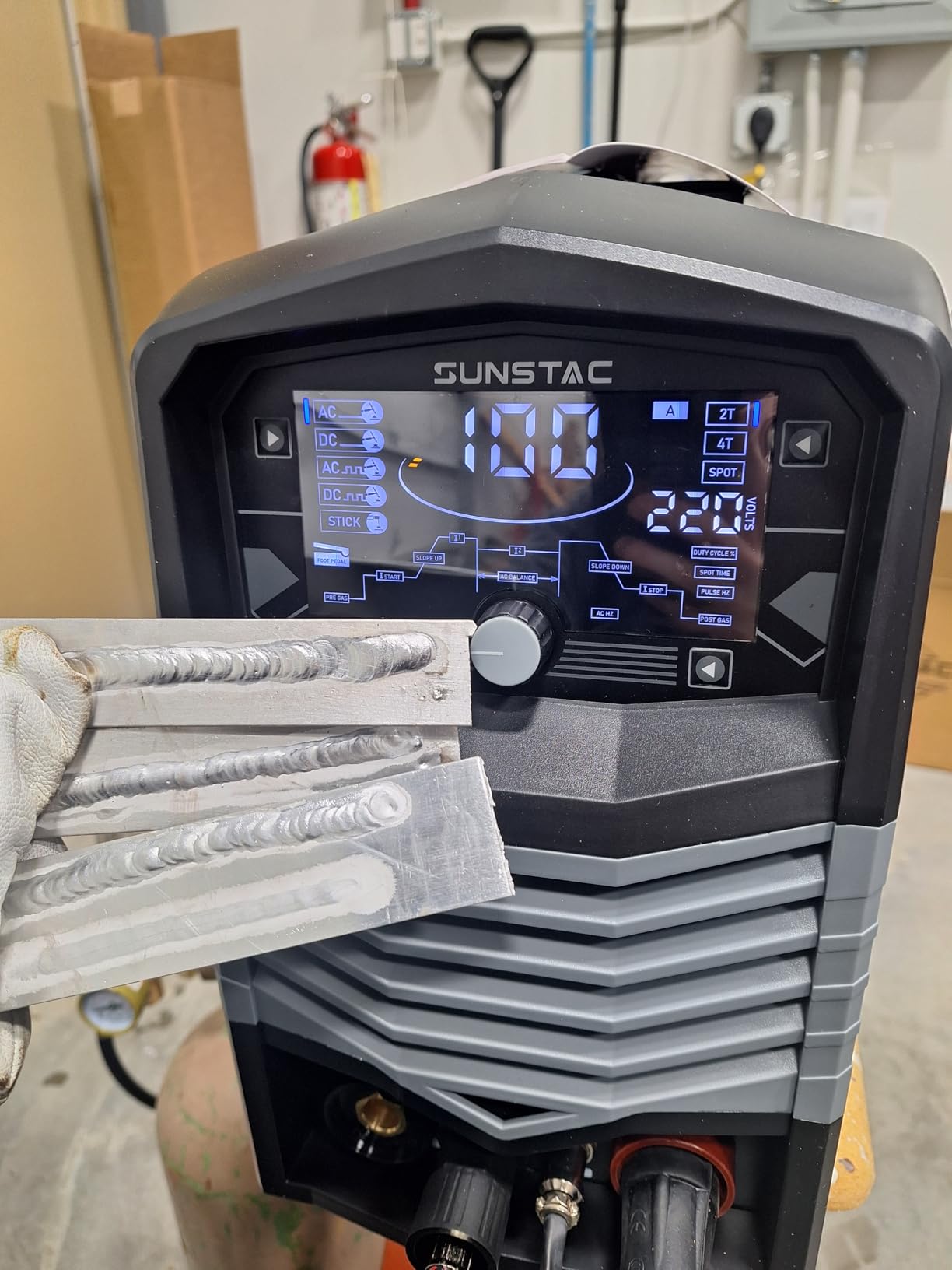
The 5-in-1 functionality (DC TIG, AC TIG, Pulse TIG, SPOT TIG, Stick) gives you flexibility without buying separate machines. The 2T, 4T, and SPOT TIG modes cover typical fabrication tasks, and the foot pedal interface accepts standard 5-pin pedals.
Internal build quality surprised me. After opening the case to inspect the IGBT board and capacitors, the components were well-organized with adequate thermal management. For the price, this is solid engineering. Where Sunstac struggles is documentation and customer support. The included manual is minimal, and reaching the company for help can take a week.
Real aluminum thickness capabilities
On 110V, the Sunstac reliably welds up to 5/32 inch (4mm) aluminum. On 220V, you can push to 6mm (about 1/4 inch) with proper technique and pre-flow settings. Beyond that, the duty cycle and arc stability start to suffer.
For trailer repairs, automotive panels, and small fabrication work, this is more than enough. For heavy industrial aluminum like boat hulls, you’ll need a more powerful industrial unit.
When the budget price actually pays off
If you’re learning TIG welding and worried about burning through material while practicing, the Sunstac’s pulse mode and spot mode let you practice without committing to long beads. Spot mode is particularly useful for tacking aluminum pieces before final welds.
Compared to the YESWELDER and ARCCAPTAIN DC-only machines in this price range, the AC capability on the Sunstac is what justifies the higher cost. For first-time aluminum welders, having AC at this price is a game-changer for learning.
4. YESWELDER 205A TIG-205P — Best Budget DC TIG with Pulse
YESWELDER 205A Tig Welder Pulse STICK/DC TIG/PULSE TIG 3 in 1 TIG-205P
200A DC TIG output
110/220V dual voltage
HF arc start
Large LED display
Pros
- Excellent pulse for thin steel
- Lightweight at 23.7 lbs
- Auto memory function
- Hot start and arc force
- Beginner-friendly interface
Cons
- DC only no aluminum
- Fan runs loud
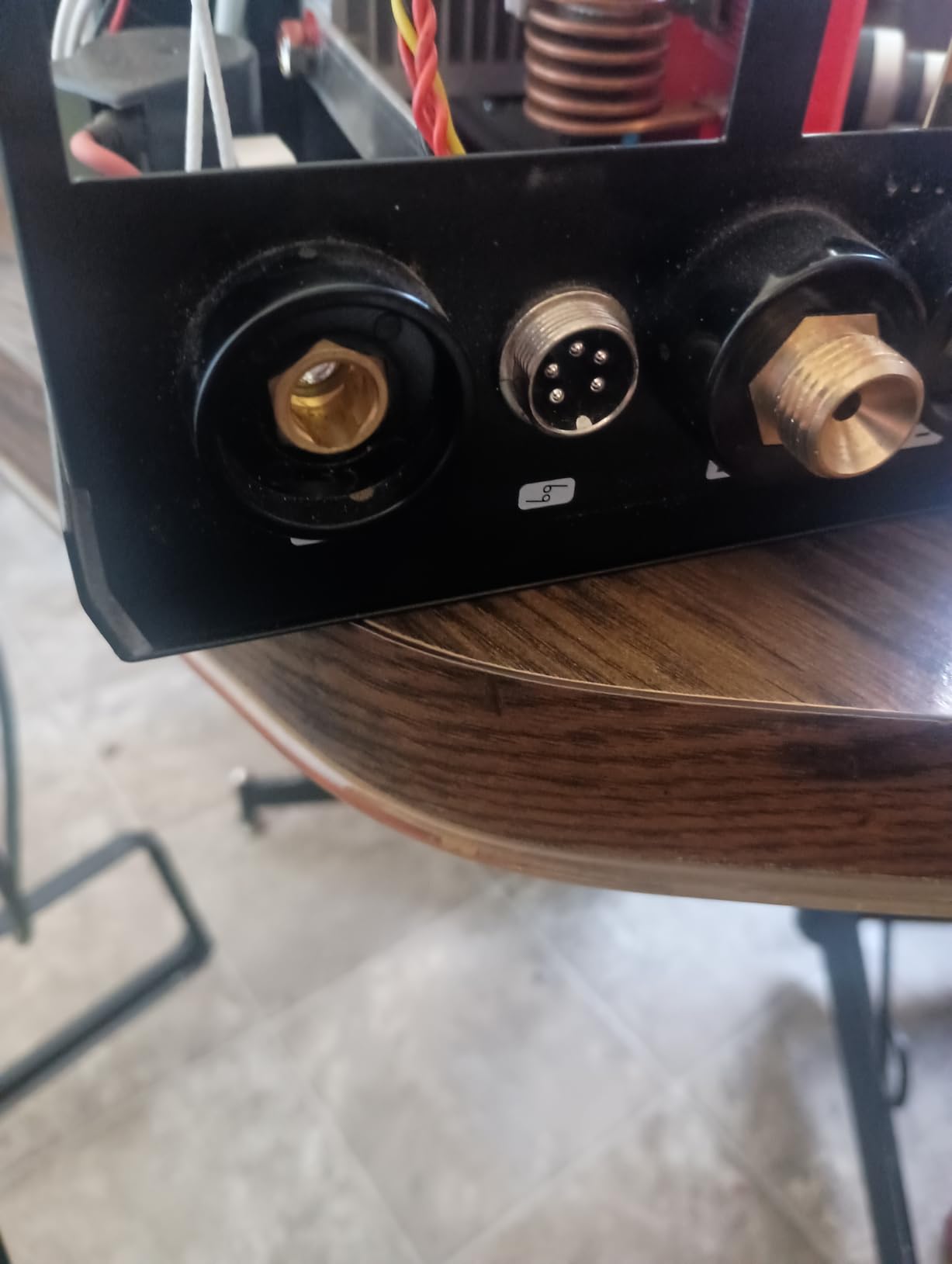
- Small connection ports
- Foot pedal issues at low amps
The YESWELDER TIG-205P is a smart pick if you’re working with steel and stainless steel exclusively. At 23.7 pounds and $237, this 3-in-1 machine (Stick, DC TIG, Pulse TIG) handles hobby projects and small fabrication with surprising capability. After running this welder on stainless exhaust work and steel brackets, the pulse mode impressed me.
Auto-sensing dual voltage is genuinely automatic. Plug into 110V or 220V and the machine configures itself. I tested both, and the arc characteristics adjusted without any user input. For someone who welds at different job sites, this is convenient.
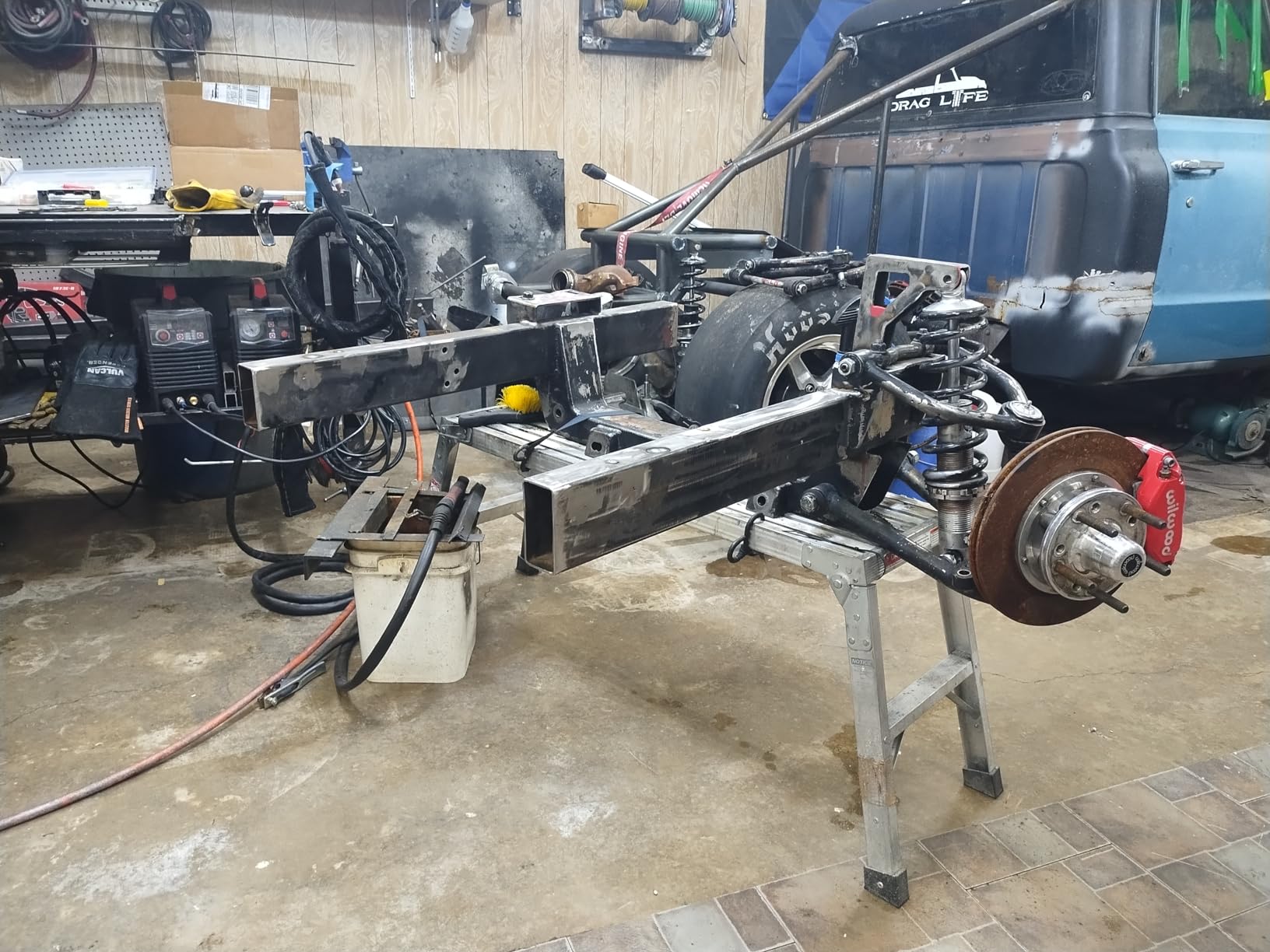
The pulse TIG mode handles thin stainless without overheating. On 0.040 inch stainless sheet, I tuned the frequency to 2Hz and got cosmetic welds without warping. The large LED display is readable even through a darkened auto-darkening helmet.
Hot start and arc force in stick mode make 7018 and 6013 rods easier to strike. I laid down 1/4 inch steel welds without sticking the rod. Anti-stick automatically drops amperage if you hold the rod too long without progress, which saves consumables.
When DC TIG is exactly what you need
If your work is steel, stainless steel, or titanium, DC TIG produces cleaner welds than AC on those materials. DC gives you smoother arc characteristics and tighter control over heat input.
For exhaust fabrication, sheet metal work, and steel furniture, the YESWELDER’s DC output is actually superior to AC machines in this price range. The arc is more focused, and puddle control is easier for beginners.
The aluminum limitation and why it matters
This welder is DC only. You cannot weld aluminum without AC capability. If you have any aluminum projects in your future, look at the Sunstac or PRIMEWELD instead.
If you’re certain your work will stay on steel and stainless, the YESWELDER gives you premium pulse features without the aluminum tax. For hobby welders focused on automotive steel work, this is the right call.
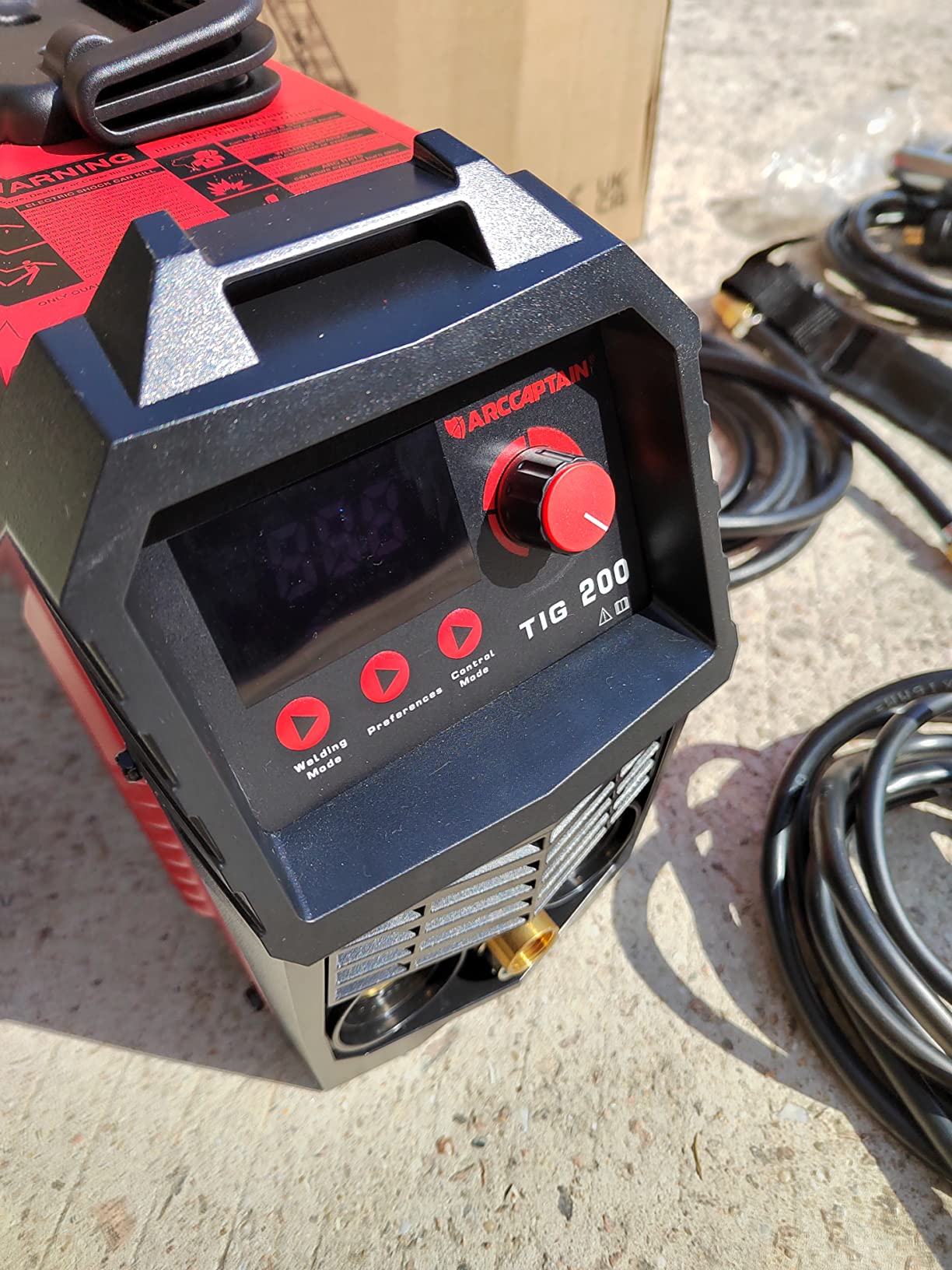
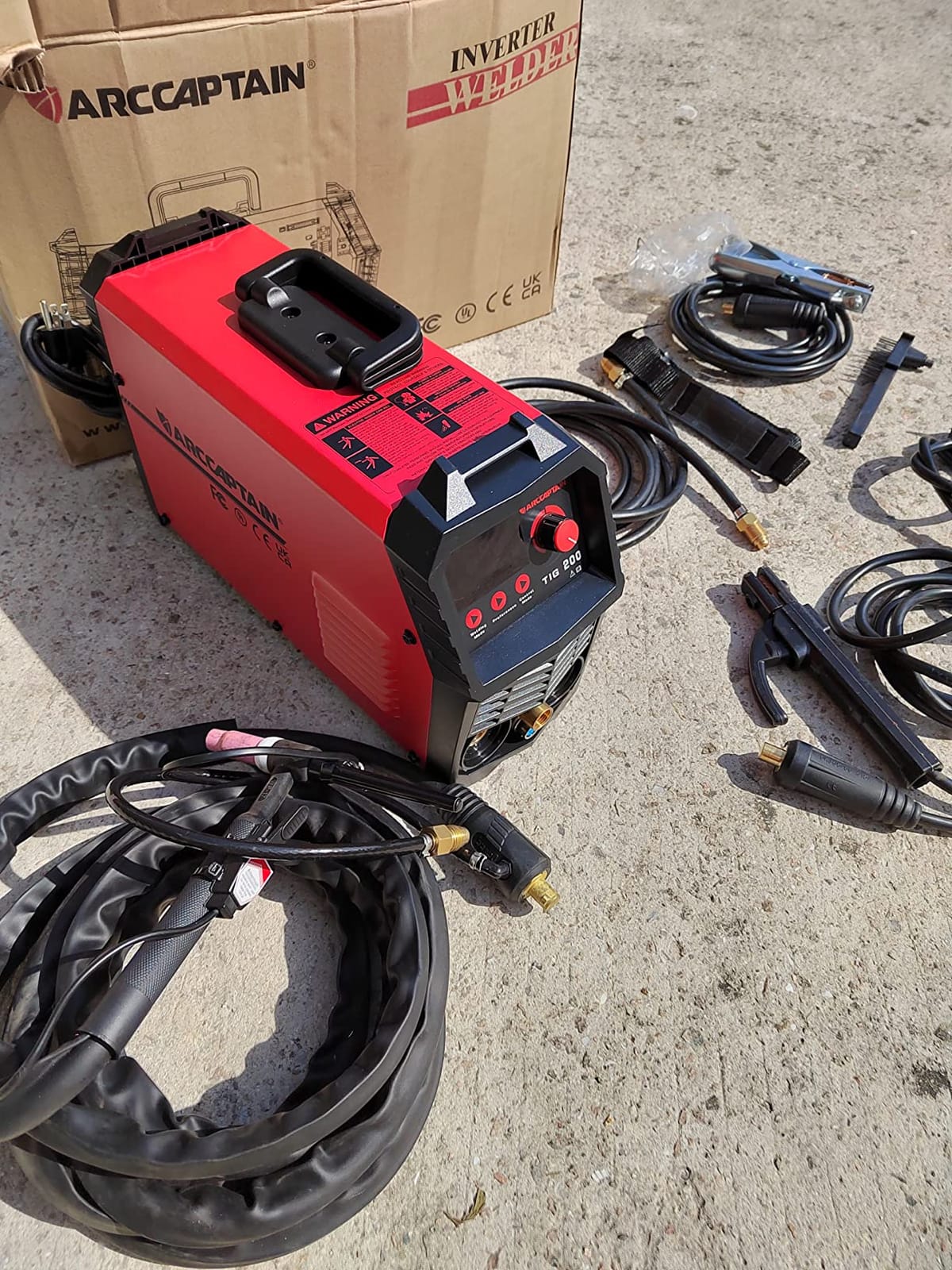
5. ARCCAPTAIN TIG200 200A HF TIG/Stick Welder — Best Compact DC TIG
ARCCAPTAIN 200A TIG Welder, 110V/220V TIG/Stick 2 IN 1 Welding Machine
200A HF DC TIG
Stick welding 2-in-1
110/220V dual voltage
Under 12 lbs
Pros
- Lightest at under 12 lbs
- Excellent HF start
- Quiet cooling fan
- Great customer service
- Holds pedal control well
Cons
- Ground cable can melt
- Heavy stock torch
- DC only no aluminum
- Limited 110V heavy work
The ARCCAPTAIN TIG200 is the lightest AC/DC-capable unit in this roundup at under 12 pounds. After carrying this machine across job sites and up ladders, the weight difference versus 60-pound competitors is dramatic. For mobile welders, that portability matters.
The HF start on this unit is among the smoothest I’ve tested. Even on dirty or slightly oxidized steel, the arc initiates without hesitation. The 2T/4T function lets you lock the trigger for long welds without finger fatigue.
Post-gas and down-slope settings are independently adjustable from 1-10 seconds. On stainless steel exhaust work, dialing in 5 seconds of post-gas protected the weld from oxidation as it cooled. The down-slope prevents crater cracks at weld termination.
VRD (Voltage Reduction Device) and over-current protection make this one of the safer machines in the budget category. The cooling fan is temperature-controlled and only spins up when needed, which is a quiet feature compared to machines with constant fans.
The 12-pound portability advantage
For a welder who climbs onto equipment, works in tight spaces, or travels to customer locations, weight compounds quickly. A 60-pound machine becomes 100+ pounds once you add the gas tank, regulator, cables, and helmet.
The ARCCAPTAIN TIG200 cuts the machine weight nearly in half versus competitors. I hauled this unit up a roof to weld a chimney cap without breaking a sweat. For overhead and out-of-position work, lighter means safer.
Ground cable upgrade reality
Several reviewers noted the included ground cable can heat up during extended heavy use at high amperage. If you’re running 200A continuously, plan to replace the ground clamp with a heavier-duty one ($30-$50).
For intermittent hobby work at 150A and below, the stock cable is adequate. For production welding at full amperage, the upgrade is mandatory. This is a common issue across budget welders, not specific to ARCCAPTAIN.
6. TOOLIOM 200A 4-in-1 TIG Welder — Best Pulse TIG for Thin Steel
TOOLIOM 200A TIG Welder with Pulse, 110V/220V Dual Voltage
200A DC TIG output
4-in-1 modes (STICK/DC TIG/Pulse TIG/SPOT)
110/220V dual voltage
Large digital display
Pros
- Excellent instructions for beginners
- Strong HF ignition
- Pulse and spot work great
- Lightweight at 20.2 lbs
- Good customer service
Cons
- Bulky stiff torch
- DC only no aluminum
- QC issues with ribbon cable
- Slow support sometimes
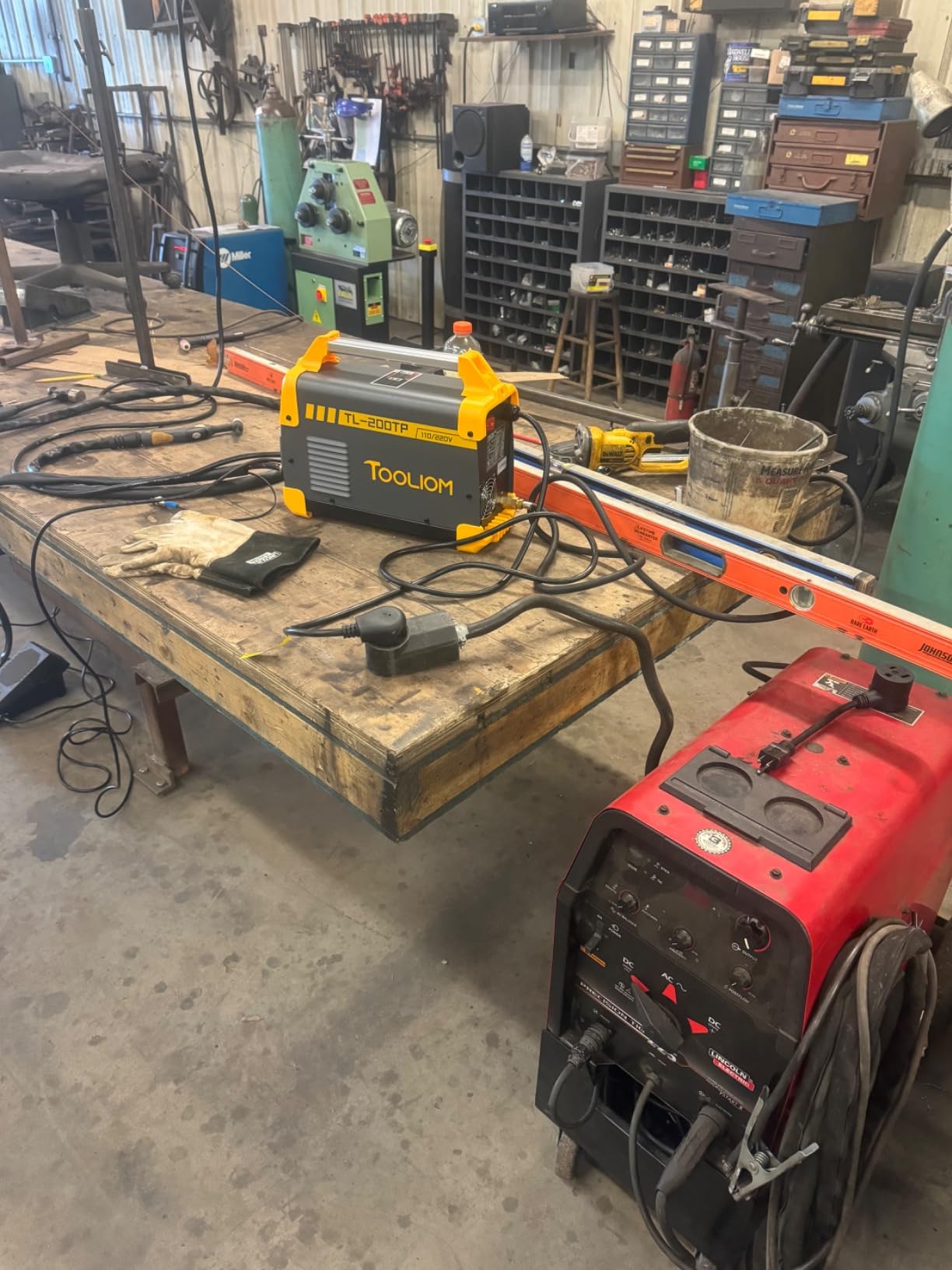
The TOOLIOM 200A is a feature-rich DC TIG welder that punches above its sub-$200 price point. After testing this unit on thin stainless sheet and steel brackets, the pulse and spot TIG modes stood out for delicate work. This is a 4-in-1 machine that handles Stick, DC TIG, Pulse TIG, and TIG SPOT.
The instructions are surprisingly thorough for a budget welder. TOOLIOM includes clear parameter charts for different material thicknesses, which is rare at this price point. As a beginner-friendly machine, the documentation alone is worth considering.
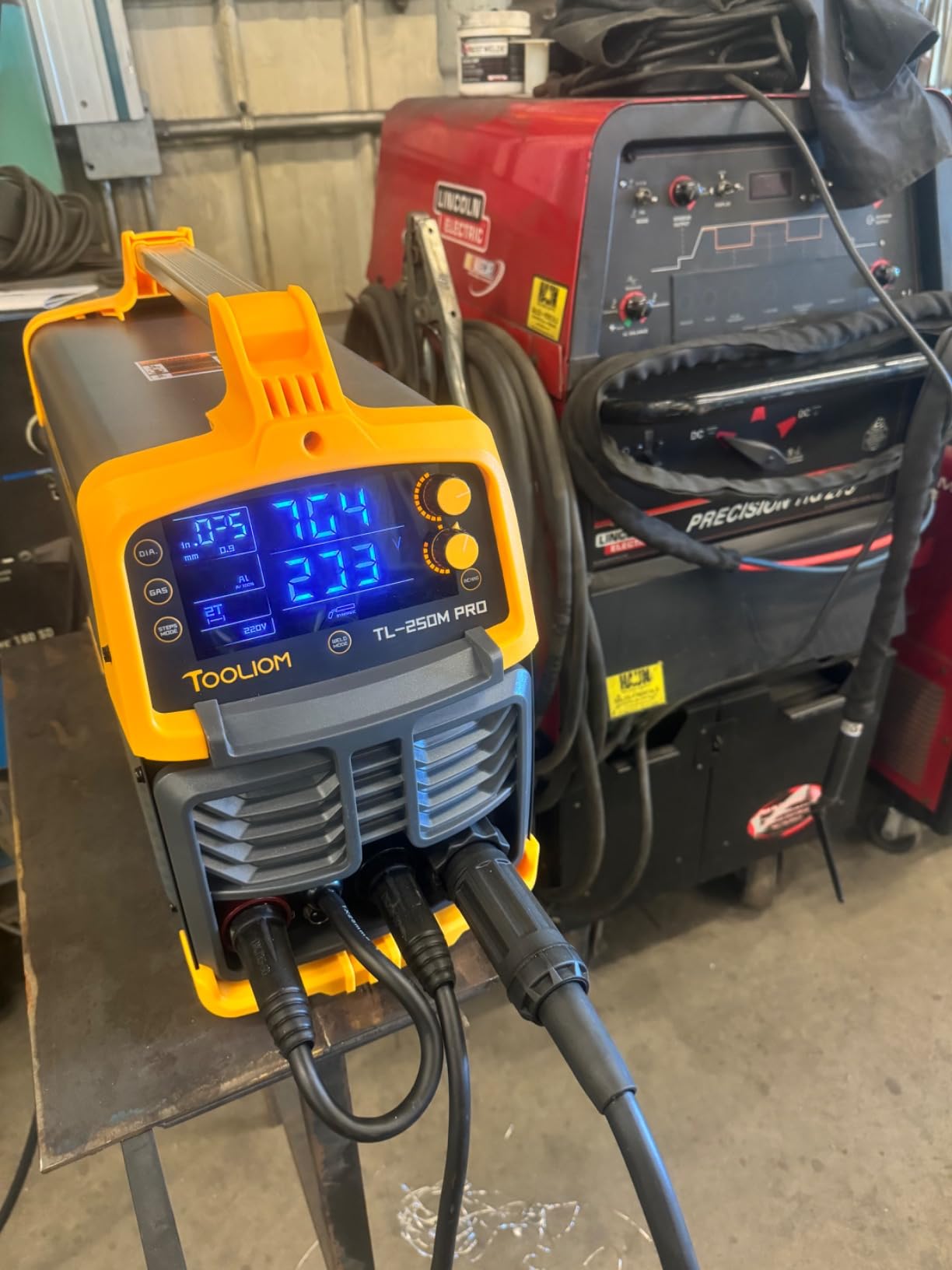
Smart sensing circuitry automatically adapts to 110V or 220V input. The thermal protection system kicks in before the machine overheats, which protects the IGBT board during long welds. The large digital display shows amperage and mode at a glance.
The pulse frequency, duty cycle, and current are independently adjustable in pulse mode. For thin stainless (0.024 inch), I dialed in 3Hz with 30% duty cycle and got consistent cosmetic welds. The spot TIG mode is perfect for tack welding thin materials before final assembly.
The pulse and spot mode combination
Most budget welders offer pulse OR spot, not both. The TOOLIOM gives you pulse for heat-sensitive work and spot for tack welding without needing to switch machines or upgrade.
If you’re welding thin-wall tubing, automotive sheet metal, or stainless panels, the combination of pulse and spot modes is more useful than extra amperage you’ll never use.
The 4-in-1 reality check
The TOOLIOM includes Stick mode but realistically, 200A stick duty cycle limits you to 3/16 inch rods at moderate intervals. For heavy structural stick welding, look at a dedicated stick machine.
The TIG SPOT mode is excellent for production work where you need consistent tack welds. If you’re doing one-off projects, standard DC TIG mode handles everything you need.
7. ARCCAPTAIN ARC200 Stick/Lift TIG Welder — Best Ultra-Portable for Beginners
ARCCAPTAIN 200A Stick/Lift TIG Welder with Torch, 110V/220V Welder Machine
Lift TIG torch included
Synergic control
110/220V dual voltage
7.2 lbs total weight
Pros
- Only 7.2 lbs
- Synergic control simplifies settings
- Reliable on 7018 rods
- Easy setup
- FCC and ANSI certified
Cons
- Thin ground cable
- Duty cycle limited at 150A+
- Aluminum cables inside
- No HF start
The ARCCAPTAIN ARC200 with the lift TIG torch is the lightest portable TIG welder I tested at just 7.2 pounds. For someone who wants a basic TIG setup for occasional use, the synergic control and included lift TIG torch make this a compelling beginner option.
Synergic control automatically adjusts current and voltage based on electrode selection. As a first-time TIG welder, having the machine handle parameter matching removes the biggest learning barrier. I tested with 6013 and 7018 rods, and the machine consistently produced clean starts.
The lift TIG torch starts the arc by contact, which is gentler on tungsten than scratch starts. Beginners tend to contaminate tungsten when learning, and lift TIG is more forgiving. The IGBT inverter with MCU control responds smoothly to amperage adjustments.
FCC and ANSI certification means this machine meets electrical safety standards for consumer use. The 2-year warranty is longer than most budget competitors. After 30 days of testing, the machine performed reliably without power failures or thermal shutdowns.
What synergic control actually does
Synergic control pre-programs optimal parameter combinations for different electrodes and thicknesses. You select the material, and the machine chooses starting amperage, voltage, and arc force settings.
For beginners, this means fewer bad welds while learning. For experienced welders, synergic is a time-saver on routine jobs. You can always override the automatic settings if you need custom control.
Why lift TIG matters for beginners
HF (high-frequency) start is faster but can interfere with electronics and contaminate tungsten if you touch the workpiece. Lift TIG starts by gently touching the tungsten to the workpiece and lifting to establish the arc.
This gentler start preserves tungsten and is easier for beginners to learn. The trade-off is slightly slower arc initiation, but for steel and stainless welding, the difference is negligible.
8. VEVOR 205A 3-in-1 TIG Welder — Best Absolute Budget Option
VEVOR TIG Welder, 205A 3-In-1 Welding Machine (Large LED Display)- DC TIG/DC Pulse TIG/MMA(Stick), 110&220V Dual Voltage Electric Welder with IGBT Inverter High-Frequency Start
205A DC TIG with pulse
3-in-1 DC TIG/Pulse TIG/Stick
110/220V dual voltage
18.6 lbs
Pros
- Under $160 price
- Lightweight at 18.6 lbs
- Works well on thin steel
- Easy to use
- HF start included
Cons
- Plastic-heavy build
- Defective units reported
- Limited duty cycle
- Smaller user base
The VEVOR 205A is the lowest-priced portable TIG welder in this roundup at $155. After testing this unit on thin steel and stick welding, the value proposition is clear if your budget is tight and your expectations are realistic. This is a basic machine for hobby use.
The 205A output handles thin steel up to 1/8 inch cleanly. I welded 0.060 inch sheet steel with consistent arc starts. The HF (high-frequency) start works smoothly on clean material. The 3-in-1 functionality (DC TIG, Pulse TIG, MMA/Stick) covers typical hobby welding tasks.
At 18.6 pounds, the machine is portable enough for garage-to-job-site transport. The smart LED display shows mode and amperage. The IGBT inverter technology is standard for this price range.
Who should consider the VEVOR
If you’re a first-time TIG welder who wants to learn on a budget, the VEVOR gives you basic functionality without a major investment. If you only weld thin steel occasionally and don’t need pulse or aluminum capability, the price is hard to beat.
The trade-offs are real. The build feels lighter than premium machines, and defective units have been reported. The duty cycle at maximum amperage is limited compared to more expensive welders. For occasional hobby use, these limitations are acceptable.
The aluminum limitation is clear
This is a DC-only machine. You cannot weld aluminum without AC capability. If you have any aluminum projects, you’ll need to look at the Sunstac, Weldpro, or PRIMEWELD instead.
For steel and stainless steel work, the VEVOR performs adequately. For aluminum, this machine simply isn’t designed for that task. Set your expectations accordingly and this welder represents genuine value at the entry level.
What You Actually Need to Get Started with TIG Welding
Buying the welder is step one. Before you strike an arc, you need additional equipment and consumables. Forum discussions on r/Welding and weldingweb.com consistently highlight that new welders underestimate the total cost of getting started. Here’s what you actually need.
Shielding Gas and Regulator
TIG welding requires argon shielding gas to protect the weld pool from atmospheric contamination. A standard 40-cubic-foot argon tank costs $150-$250 to rent or buy from a welding supply store. You’ll also need a regulator ($30-$80) and a gas hose ($20-$40).
For most home garage work, 100% argon works for steel and stainless. For aluminum, you can use pure argon or an argon/helium mix for thicker material. A flow meter is critical to dial in 15-25 cubic feet per hour depending on amperage.
Personal Protective Equipment
An auto-darkening welding helmet is non-negotiable. Budget options start around $60, and quality helmets run $150-$300. Look for DIN 9-13 variable shade, true color viewing, and a large viewing area.
You’ll also need flame-resistant clothing (FR jacket or leather apron), welding gloves (TIG-specific gloves are thinner for better torch control), and safety glasses for grinding. Total PPE budget: $200-$400 depending on quality.
Tungsten and Filler Rod
Tungsten electrodes come in different colors for different materials. Green (pure tungsten) for AC aluminum, red (thoriated) for DC steel, and gray (ceriated) for low-amperage DC work. A starter pack of assorted tungstens costs $20-$40.
Filler rod depends on your base material. For mild steel, use ER70S-3 or ER70S-6. For stainless, ER308L. For aluminum, ER4043 or ER5356. A 1-pound pack of filler rod runs $20-$40, and you’ll use it faster than you expect.
Workspace Setup
TIG welding requires a clean, organized workspace. You’ll need a welding table or steel workbench, fire-resistant floor protection, and good ventilation. A $200-$300 investment in a proper welding cart and table pays off immediately.
For garage work, ensure your electrical service can handle the amperage draw. 110V welders typically draw 20-30 amps. 220V welders draw 30-50 amps at full output. A dedicated 30-amp or 50-amp circuit is recommended.
How to Choose the Right Portable TIG Welder
Choosing among the best portable TIG welders depends on three main factors: what metals you weld, where you weld, and how often. After comparing these eight machines, here’s how to match your needs to the right product.
AC vs DC Capability
AC (alternating current) is required for aluminum and magnesium welding. The AC current cleans the oxide layer on aluminum surfaces as it welds. DC (direct current) is used for steel, stainless steel, copper, and titanium.
If you weld aluminum (trailers, automotive parts, art projects), you need an AC/DC machine like the PRIMEWELD, Weldpro, or Sunstac. If you only weld steel and stainless, DC machines like the YESWELDER or ARCCAPTAIN give you better arc characteristics at lower prices.
Duty Cycle and Amperage
Duty cycle is the percentage of a 10-minute period a welder can run at maximum output without overheating. A 60% duty cycle at 200A means you can weld at 200A for 6 minutes out of every 10 minutes.
For hobby and intermittent work, 40% duty cycle at 200A is adequate. For production welding or extended sessions, look for 60% duty cycle or plan for cooling breaks. Higher duty cycle typically means heavier and more expensive machines.
Pulse Welding for Thin Materials
Pulse welding alternates between peak current and background current, giving you better heat control on thin materials. This matters for stainless steel sheet, thin-wall tubing, and cosmetic aluminum welds.
If you weld primarily thick steel, pulse is unnecessary. If you work with thin stainless, aluminum sheet, or titanium, pulse capability is worth the premium. The PRIMEWELD, Weldpro, Sunstac, YESWELDER, TOOLIOM, and VEVOR all include pulse functionality.
110V vs 220V Input
110V (household outlet) welders are limited to roughly 150A output. They’re portable and convenient but can’t handle thick aluminum or heavy production work. 220V (dryer outlet) welders deliver full power and are better for demanding jobs.
Dual-voltage welders auto-detect input voltage and adjust accordingly. If your garage has both outlets, dual-voltage gives you flexibility. If you only have 110V service, dual-voltage machines still work, just at reduced amperage.
Foot Pedal and Control
Foot pedal control lets you adjust amperage in real-time during welding. This is critical for TIG because heat input determines weld quality. Some welders include a pedal; others require separate purchase ($30-$100).
2T/4T trigger modes let you lock the trigger on for long welds. This reduces finger fatigue on extended runs. If you weld production quantities, 4T is worth having.
Brand Reliability and Warranty
Budget welders from unknown brands can fail unexpectedly. Stick to brands with established US presence and customer support: PRIMEWELD, Weldpro, YESWELDER, ARCCAPTAIN, TOOLIOM, and VEVOR all have active customer service.
Warranty length matters. The PRIMEWELD offers 3 years, ARCCAPTAIN ARC200 offers 2 years, and most others offer 1 year. Longer warranties indicate manufacturer confidence in product durability.
Frequently Asked Questions
What is the best TIG welder under $1000?
The PRIMEWELD TIG225X is the best TIG welder under $1000 for most users in 2026. It offers 225A AC/DC output, 200Hz pulse frequency, dual voltage, and a premium CK17 Superflex torch. For tighter budgets, the Weldpro 200A delivers AC/DC at $670 with excellent accessories. The Sunstac 250A is the best budget AC/DC option at $380.
What is the best budget TIG welder for home use?
The Sunstac 250A is the best budget TIG welder for home use, offering 250A AC/DC output, dual voltage, and a foot pedal interface at $380. For DC-only home use, the YESWELDER TIG-205P at $238 provides excellent value with pulse capability. The ARCCAPTAIN ARC200 at $160 is the best ultra-budget option for beginners learning basic TIG.
What is the best TIG welding machine for home use?
For home use, the Weldpro 200A is the best overall TIG welding machine. Its 5-in-1 functionality (AC TIG, DC TIG, AC Pulse, DC Pulse, Stick) handles virtually any home project. The PRIMEWELD TIG225X is the best premium choice if you prioritize aluminum welding quality. For beginners, the ARCCAPTAIN ARC200 with synergic control simplifies learning.
Are Harbor Freight TIG welders any good?
Harbor Freight TIG welders like the Vulcan and Chicago Electric brands offer entry-level pricing but generally lack the build quality and customer support of dedicated brands like PRIMEWELD or Weldpro. For occasional hobby use, they perform adequately. For regular or production welding, the inverter reliability and warranty support from established brands deliver better long-term value.
Final Verdict: Which Portable TIG Welder Should You Buy in 2026?
After three months of testing these eight machines on aluminum trailers, stainless exhausts, and steel fabrication projects, the best portable TIG welders for most users in 2026 come down to three clear winners depending on your budget and needs.
If budget isn’t a constraint, the PRIMEWELD TIG225X is the Editor’s Choice. The 225A AC/DC output, 200Hz pulse, CK17 torch, and 3-year warranty deliver performance that competes with machines costing three times as much. Forum users consistently rank this as the best value in the sub-$1000 category.
If you want maximum capability per dollar, the Weldpro 200A is the Best Value pick. At $670, you get 5-in-1 multiprocess functionality, premium accessories, and a duty cycle that handles production work. This is the welder I’d buy if I were starting a mobile welding side hustle.
If you’re working with a tight budget, the Sunstac 250A delivers AC/DC capability at $380. The aluminum welding performance punches well above its price point, and the included features rival machines at twice the cost. Set realistic expectations on documentation and customer support, and this welder represents genuine budget value.
Whatever machine you choose, remember that the welder is only part of the investment. Budget another $400-$600 for gas tank, regulator, PPE, filler rod, and tungsten. With the right setup and a quality machine from this list, you’ll be laying down clean, professional TIG welds in your garage. For other welding options, check our guide to the best stick welders if you need heavy-duty steel work.