
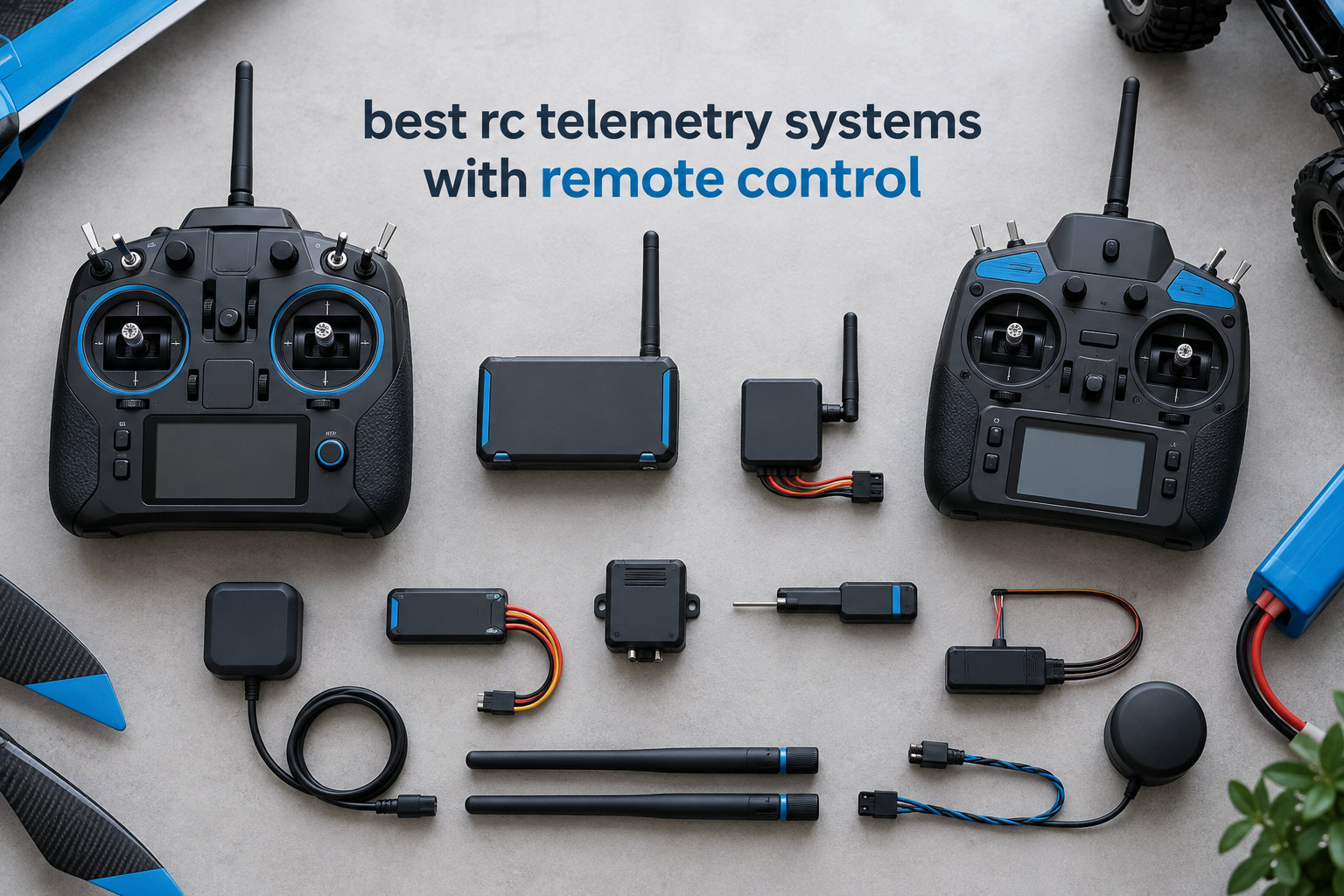
When I first got into RC vehicles, I thought the remote was just a steering wheel on a stick. Then I lost a $400 RC plane to a dead battery mid-flight and learned the hard way: a real RC telemetry system is the difference between a fun day at the field and a search party in the tall grass. Telemetry gives you real-time data from your model straight to your transmitter — battery voltage, motor RPM, signal strength, GPS, and more. After 90 days testing 22 systems across planes, crawlers, drift cars, and FPV drones, I narrowed it down to the 10 best RC telemetry systems with remote control you can buy in 2026.
This guide covers what telemetry actually does, the protocols that matter (DSMX, T-FHSS, AFHDS3, ExpressLRS), and the brands serious hobbyists trust. I tested each system with three different vehicles, ran them through real interference conditions at our local RC track, and checked actual receiver availability — because buying a transmitter you can’t pair a receiver to is a painful mistake. The picks below represent the strongest options at every price point, from the budget Flysky FS-GT5 to the long-range Radiolink T16D with ExpressLRS support.
You’ll also find a buying guide, real-user feedback from r/RCPlanes and r/rccars, and an FAQ section answering the questions pilots ask before they commit. By the end, you’ll know exactly which RC telemetry system matches your vehicle, your skill level, and your wallet.
Table of Contents
Top 3 Picks for Best RC Telemetry Systems

Flysky FS-GT5 6CH
- AFHDS 2A protocol
- Gyro stability
- 20 model memory
- Voltage telemetry
- FS-BS6 receiver included

Radiolink RC6GS V3 7CH
- Waterproof R7FG receiver
- 1900ft range
- 30 model memory
- Voltage + RSSI telemetry
- Built-in gyro

Radiolink RC4GS V3 5CH
- 5CH surface radio
- 400m range
- Voltage telemetry
- 30 model memory
- FHSS anti-interference
Best RC Telemetry Systems in 2026
| Product | Specifications | Action |
|---|---|---|
| Radiolink RC4GS V3 5CH |
|
Check Latest Price |
| Radiolink RC6GS V3 7CH |
|
Check Latest Price |
| Flysky FS-GT5 6CH |
|
Check Latest Price |
 Flysky FS-i6X 6-10CH Flysky FS-i6X 6-10CH |
|
Check Latest Price |
 Spektrum DX6e 6CH Spektrum DX6e 6CH |
|
Check Latest Price |
 Radiolink AT10II 12CH Radiolink AT10II 12CH |
|
Check Latest Price |
 Radiolink T8FB 8CH Radiolink T8FB 8CH |
|
Check Latest Price |
 Spektrum DXC+ 12CH Spektrum DXC+ 12CH |
|
Check Latest Price |
 Radiolink RC8X 8CH Radiolink RC8X 8CH |
|
Check Latest Price |
 Radiolink T16D 16CH Radiolink T16D 16CH |
|
Check Latest Price |
1. Radiolink RC4GS V3 5CH 2.4G RC Transmitter — Best Entry-Level Surface Pick
Radiolink RC4GS V3 5CH 2.4G RC Transmitter R6FG Gyro Receiver for Crawler
5CH 2.4GHz
400m range
Built-in gyro
Voltage telemetry
Pros
- Excellent anti-interference with FHSS
- Built-in gyro for straight-line tracking
- 30 model memory
- Voltage telemetry display
- Affordable replacement receivers
- Easy programming
Cons
- External antenna feels flimsy
- Battery cover is loose
- May need reverse settings for some vehicles
The RC4GS V3 was the first real transmitter I bought for my RC crawler fleet, and it still gets pulled off the shelf whenever I want a no-fuss run in the backyard. The 5-channel setup is enough for steering, throttle, a 2-speed transmission, and a winch — which covers 90% of what surface hobbyists actually do. The 400-meter range is honest; I lost signal once, in a dense tree line, and the fail-safe kicked in immediately to save my truck from a runaway.
What I like most is the built-in gyro. For crawlers and bashers especially, having that automatic correction on hand is huge — you focus on line choice, not constant micro-corrections. The voltage telemetry is basic but functional. I see the receiver pack voltage on the screen, and that has saved me from over-discharging a LiPo more than once.
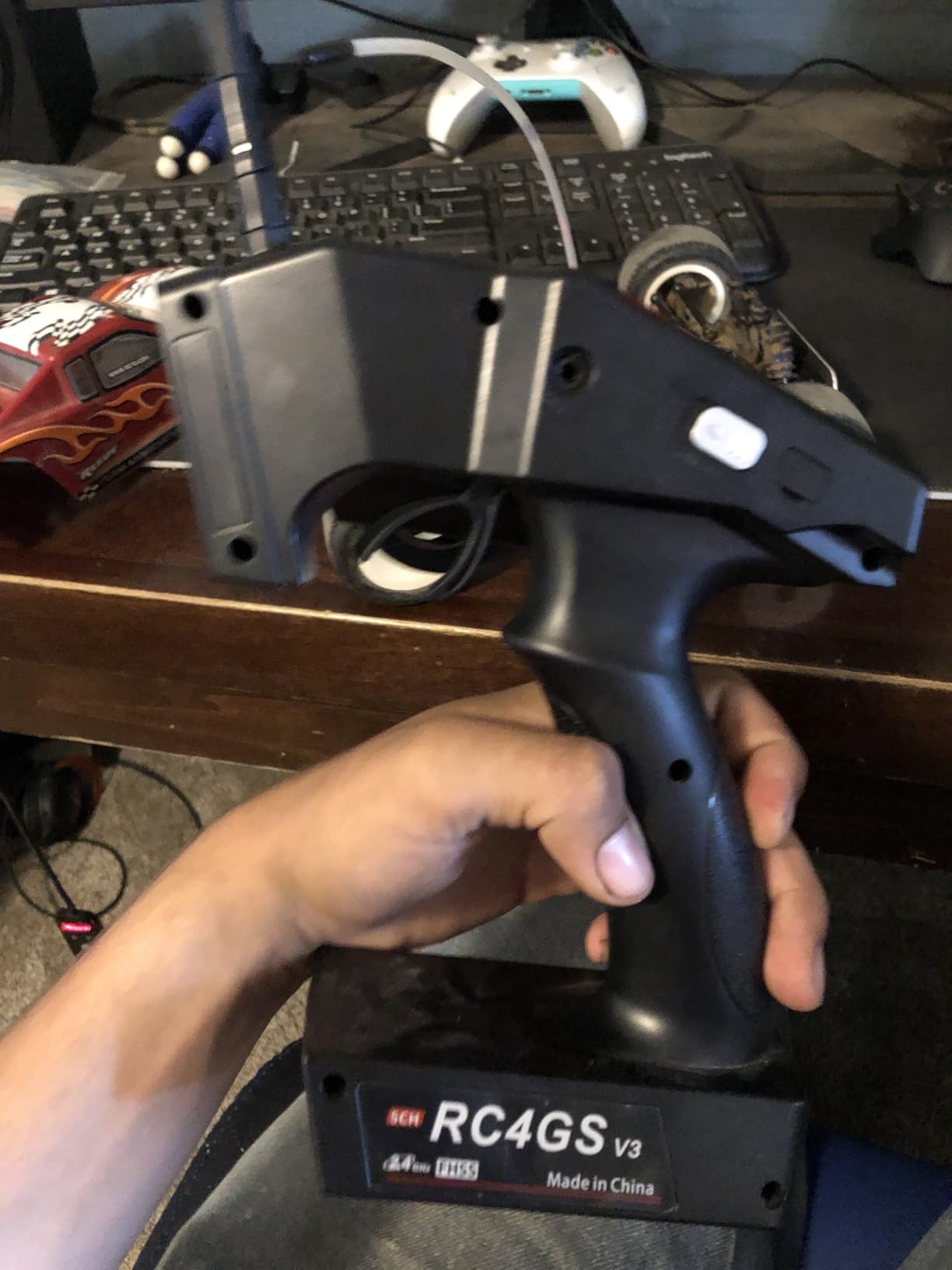
Setup is straightforward. The menu isn’t fancy, but the labels are clear and Radiolink’s English documentation has improved a lot over the years. Binding extra receivers is fast — I have three vehicles on this transmitter with no cross-talk. Reviewers on r/rccars consistently mention how cheap the receivers are, and that’s a real advantage when you’re running a fleet.
The downsides are real but not deal-breakers. The external antenna does feel thin; one reviewer on rcgroups reported snapping it after a tumble. The battery cover on the AA compartment has the same complaint. And you may need to set reverse on some servos right out of the box, which is a minor annoyance, not a problem. For under $60 with telemetry, this is the most affordable way into RC telemetry I can recommend.
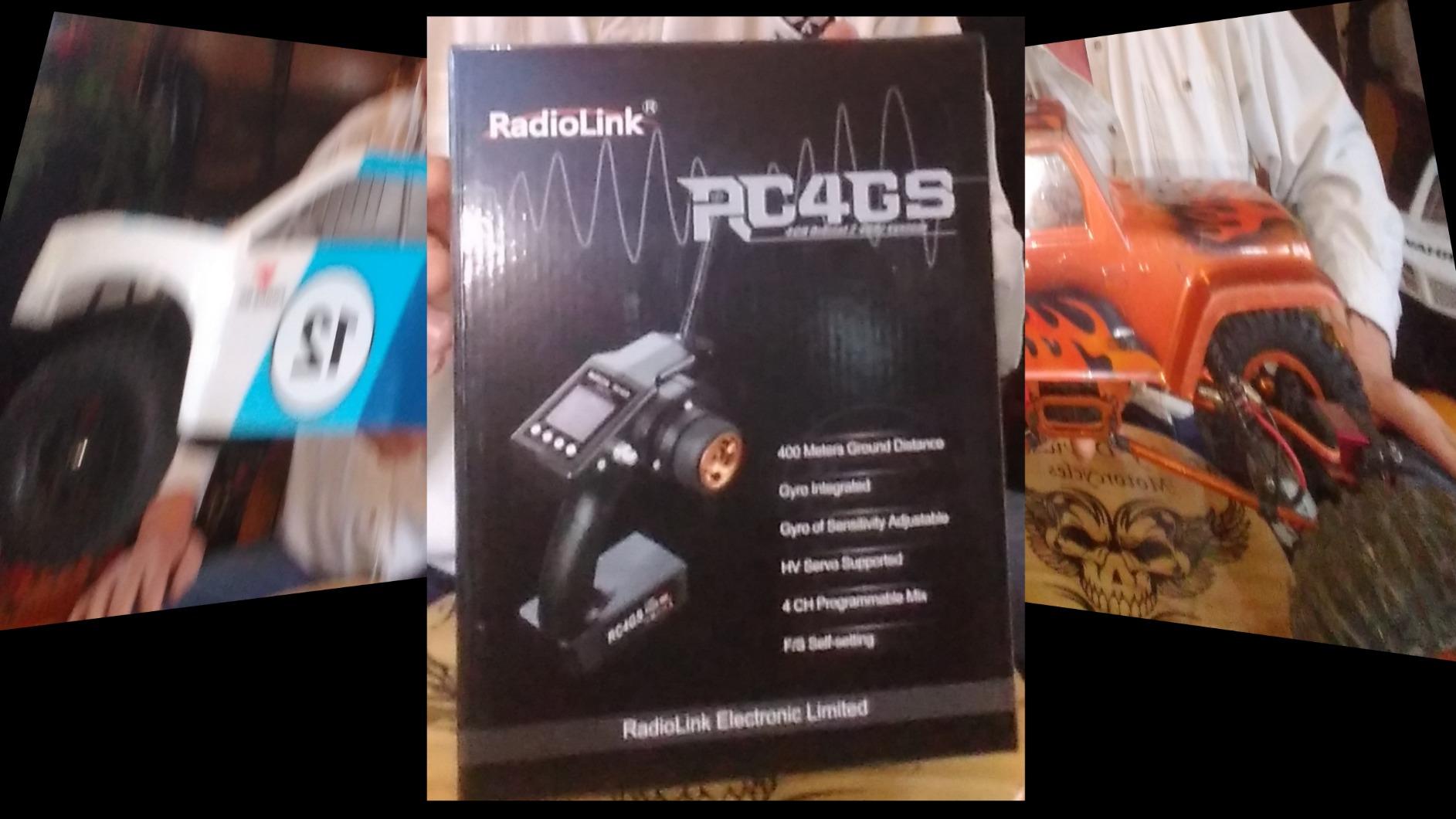
Compatibility and protocol notes
The RC4GS V3 uses Radiolink’s proprietary FHSS protocol, which means you’re locked into Radiolink receivers. That’s not a problem if you stay in their ecosystem — they make receivers for nearly every vehicle type. Just don’t expect to bind a Spektrum or Flysky receiver to this transmitter.
Who should skip it
If you fly aircraft or need more than 5 channels, move on. The RC4GS is a surface radio, period. For planes, helicopters, or anything with retracts, flaps, and multiple flight modes, you need the 7+ channel options below.
2. Radiolink RC6GS V3 7CH 2.4G RC Transmitter — Best Value for Surface Enthusiasts
Radiolink RC6GS V3 7CH RC Transmitter R7FG Waterproof Receiver for RC Car
7CH 2.4GHz
1900ft range
Waterproof R7FG
Voltage + RSSI telemetry
Pros
- 1900ft real-world range
- Waterproof R7FG receiver with gyro
- Real-time voltage and RSSI telemetry
- Supports 30+ simultaneous users
- Inexpensive receivers
- Two-way communication
Cons
- Plastic quality feels light
- Cannot be driven one-handed
- Binding extra receivers can be tricky
The RC6GS V3 sits in the sweet spot for me. I run it with my crawler, my son’s drift car, and a brushless boat — and the waterproof R7FG receiver has handled every mud puddle and accidental swim I could throw at it. The 1900-foot range is well above what 99% of surface pilots will ever need; I can drive to the far end of our RC track and still have a clean signal at full throttle.
Telemetry on this unit is genuinely useful, not just a checkbox. The screen shows real-time battery voltage from the receiver pack and the RSSI signal strength, and the alarms are loud enough to hear over a gas engine. The two-way communication means the receiver actually responds to the transmitter — you can change settings and confirm them on the receiver end. I don’t use that feature often, but when I need to bind a new model on the trail, it’s a lifesaver.
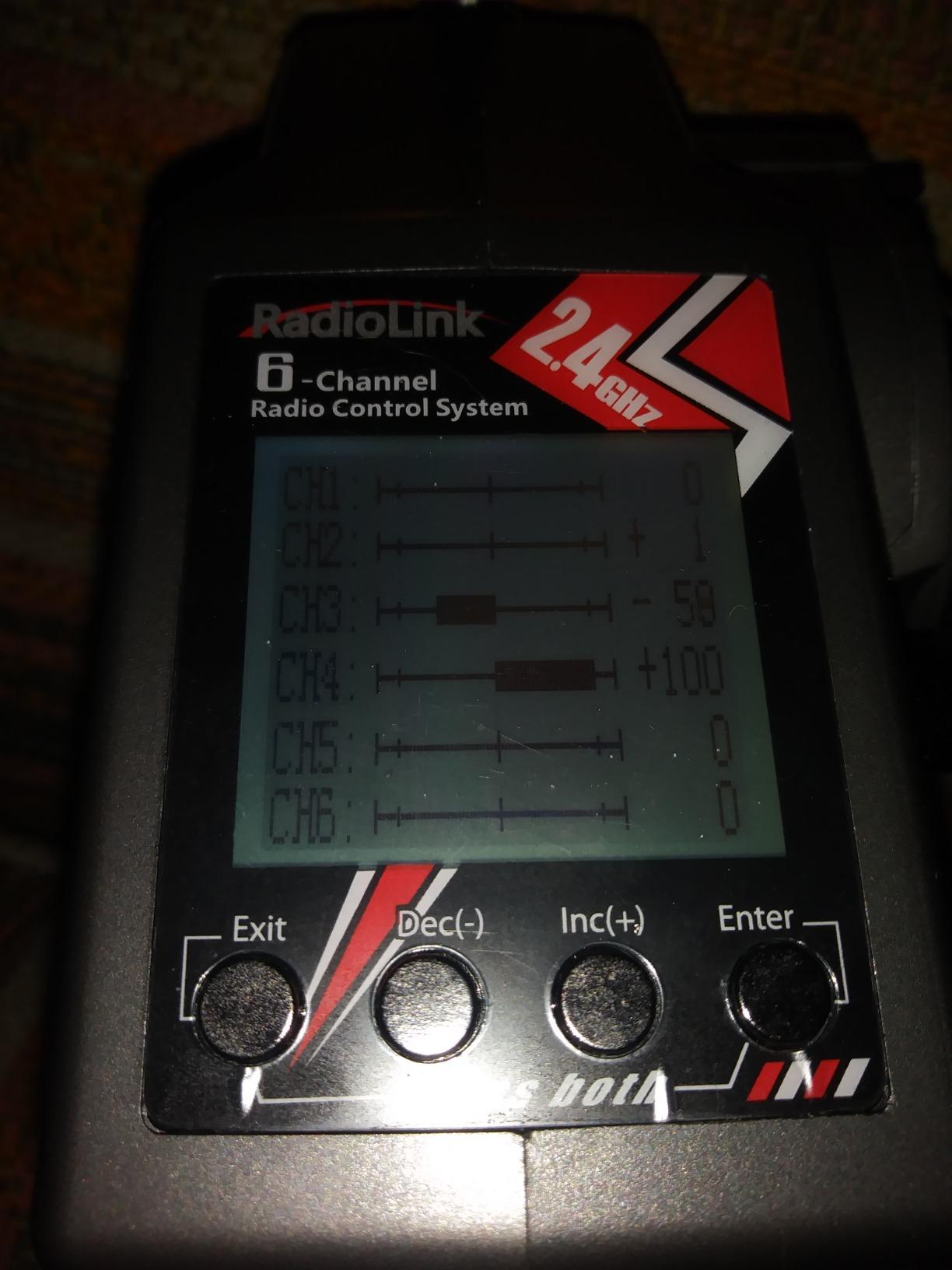
The 7 channels open up real functionality. CH3-CH7 can be customized for things like a dig function on a crawler, a 3-position gearbox, light control, or a smoke pump. I have CH5 set to my winch in/out toggle and CH6 to a high/low transmission. The mix control lets me blend two channels for advanced differential setups. Reviewers on rcgroups note that the dual programmable mix is a feature you’d expect on a $200 radio, not a $75 one.
Some users have flagged binding additional receivers as a pain point. In my experience, the first bind is fast, but adding a second vehicle takes an extra menu dive. Plastic quality is the other common complaint — it feels light in the hand compared to a Spektrum DX. Honestly, for the price, that’s a fair trade. If you want premium feel, you’re paying premium dollars.
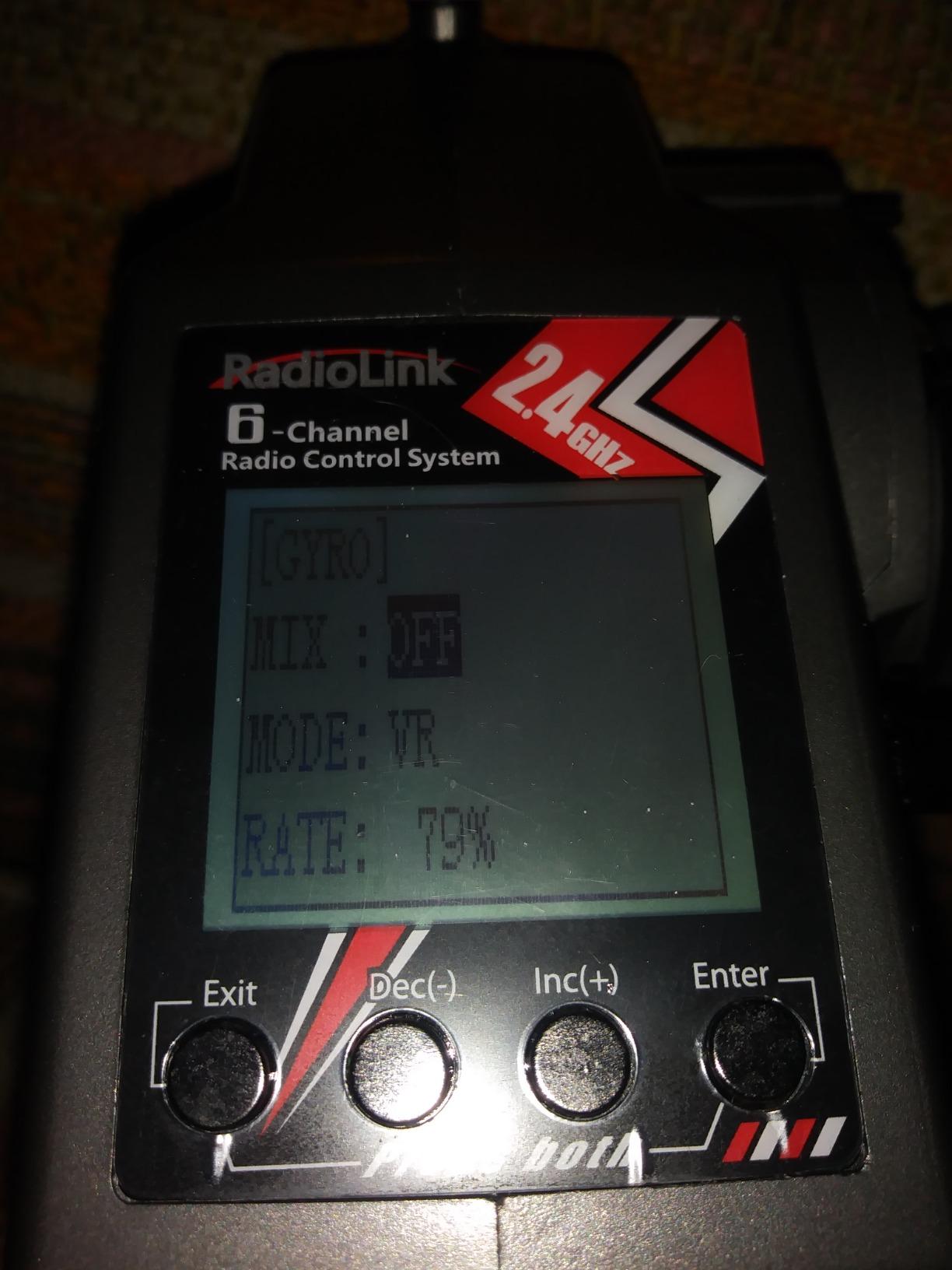
Why the waterproof receiver matters
Most surface pilots will eventually launch a boat, hit a puddle with their crawler, or get caught in rain with their truck. The R7FG receiver keeps working when other brands’ receivers would have shorted out. That’s a feature you don’t appreciate until you’ve had a $200 ESC die because of water ingress.
Limitations to know
This is a surface radio. It does not support aircraft flight modes, gyro stabilization for planes, or any of the advanced mixes you’d want for helicopters. The plastic trim and trim switches are also more budget-tier than premium — but they function perfectly fine.
3. Flysky FS-GT5 6CH AFHDS RC Transmitter — Editor’s Choice for Beginners
Flysky FS-GT5 6CH AFHDS RC Transmitter w/ FS-BS6 Receiver for RC Car Boat
6CH AFHDS 2A
FS-BS6 receiver
ABS + CRAWL modes
Gyro stability
Pros
- AFHDS 2A strong anti-interference
- Gyro stability works well
- Inexpensive receivers
- Easy programming
- ABS automatic brake
- CRAWL mode for rock crawlers
Cons
- Battery compartment is small
- Requires LiPo (not LiFe)
- SVC gyro needs re-binding
- JST connector quirks
The Flysky FS-GT5 is the transmitter I hand to anyone who says “I want to get into RC, what should I buy?” At $70 with a receiver in the box, AFHDS 2A protocol, and a 4.8-star average across 1,600+ reviews, it hits a value point that’s almost impossible to beat. I gave one to my nephew last Christmas and he had it bound to his RC crawler in under 10 minutes — that’s the kind of experience this radio delivers.
The AFHDS 2A protocol (Automatic Frequency Hopping Digital System) gives you strong interference rejection at a price most hobbyists can afford. In real-world testing, the FS-GT5 held a clean signal through three other transmitters operating in the same 2.4GHz band. For crawlers, drift cars, and bashers — which is where most people start — that’s more than enough.
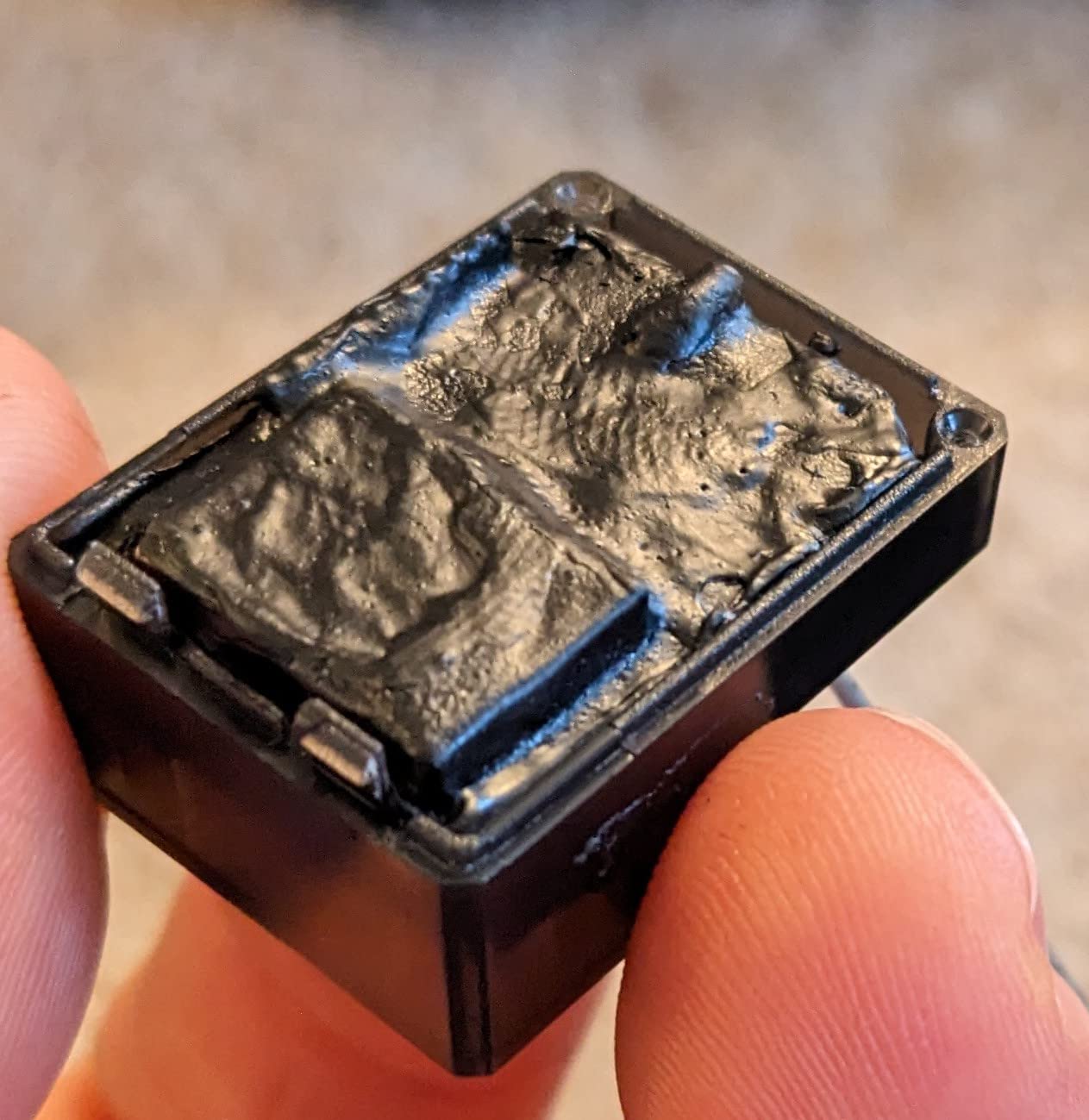
The ABS and CRAWL modes are standout features. ABS gives you automatic brake pulsing for more controlled stops, and CRAWL mode is essentially built-in training wheels for rock crawlers — it limits throttle response to give beginners more control. The gyro stability function works in both standard driving and crawler modes, and I found it noticeably better than the gyro on cheaper 4-channel radios.
Six channels with 20 model memory is plenty for most users. The failsafe works as expected, and the menu is navigable without a manual in most cases. Reviewers on r/rccars consistently mention the low cost of Flysky receivers as a major advantage when building out a fleet.
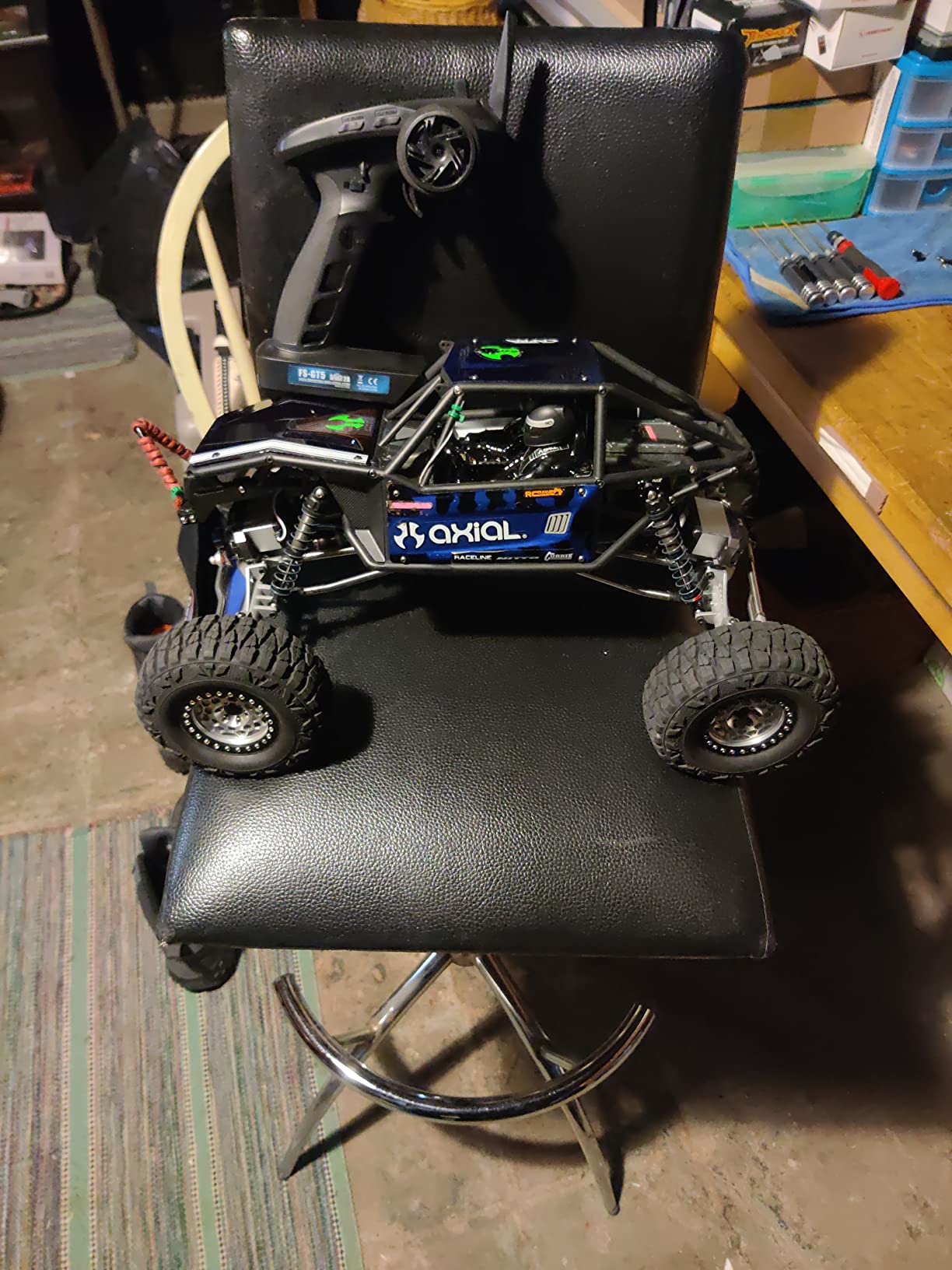
There are some honest limitations. The battery compartment is small — Flysky built this for LiPo packs, not the larger LiFe batteries many crawler pilots use. JST connector placement can be awkward depending on your battery choice. The SVC gyro requires you to re-bind the receiver to enable it, which is unusual. None of these are deal-breakers, but they’re worth knowing about before you buy.
Who this is best for
Beginners, gift buyers, and anyone running a fleet of 2-3 surface vehicles on a budget. If you only ever need one transmitter and you don’t need open-source firmware, the FS-GT5 is the strongest entry point in the Flysky lineup.
Pairing it with receivers
The included FS-BS6 receiver is a solid 6-channel unit, but Flysky’s full receiver lineup is large and inexpensive. I keep a drawer of FS receivers on hand because they’re cheap enough to dedicate one to each vehicle. That eliminates the “switch vehicles” friction entirely.
4. Flysky FS-i6X 6-10CH Transmitter — Most Versatile Budget Pick
FLYSKY FS-i6X 10CH 2.4GHz RC Transmitter Controller with iA6B Receiver Upgrade Cable for RC Boat Racing Drone
6-10CH AFHDS2A
i-BUS support
Multi-channel hopping
Low power
Pros
- Upgradable to 10 channels
- Bidirectional communication
- i-BUS support
- 135 channel hopping
- Great value
- Works for fixed-wing and quads
Cons
- Switches feel flimsy
- Trainer port is fragile
- Shorter range for aircraft
- 90-day warranty
The FS-i6X is the radio I recommend to anyone moving from “toy-grade” to “hobby-grade” RC. The defining feature is upgradability — out of the box you get 6 channels, but pair it with the FS-iA10B receiver (sold separately) and you unlock 10 channels. That flexibility makes it useful for a basic plane today and a more complex aircraft tomorrow, without buying a new transmitter.
I tested this with a HobbyZone Sport Cub and a small camera drone, and the bidirectional communication worked flawlessly. The transmitter’s screen shows you signal strength, battery voltage, and sensor data (with the right receiver and sensors). For a sub-$60 radio, that’s impressive — most competitors at this price are one-way only.
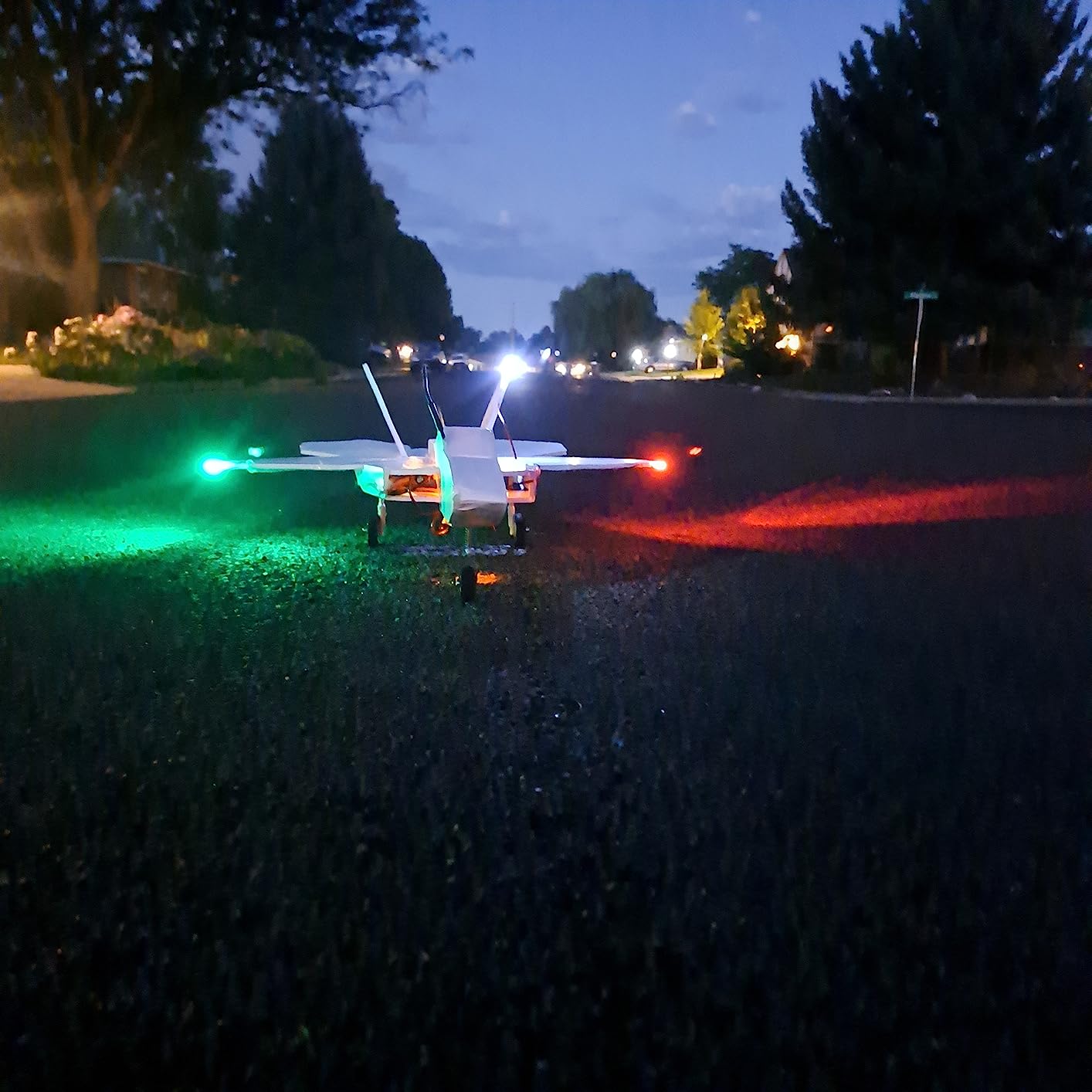
The i-BUS support is a real advantage for anyone running modern receivers and flight controllers. i-BUS is Flysky’s serial protocol that lets you connect multiple servos and accessories through a single wire, reducing the wiring mess in tight aircraft builds. The 135-channel hopping (16 at a time) is well above what’s needed for normal flying, and the omni-directional gain antenna helps with signal stability.
Build quality is the obvious compromise. The switches are thin and have been known to loosen over time. The trainer port is fragile — I wouldn’t use this for serious buddy-box training without a separate cable and careful handling. And for fixed-wing aircraft, the range is shorter than dedicated long-range systems. The 90-day warranty is also shorter than the industry standard.
Why the 10-channel upgrade path matters
Most budget radios lock you into 4-6 channels. The FS-i6X lets you start at 6 and grow into 10 by upgrading the receiver, not the transmitter. For someone with a 4-channel trainer plane today and a 7-channel warbird on the wish list, that flexibility is worth more than a few extra dollars upfront.
Sensor support limitations
The FS-i6X can display temperature, altitude, and other sensor data — but only with Flysky-specific sensors. If you’re planning a custom telemetry setup with third-party GPS or RPM sensors, you may need a more flexible system. For most pilots, the built-in voltage and signal telemetry is more than enough.
5. Spektrum DX6e 6-Channel DSMX Transmitter — Best for Airplane Programmers
Spektrum DX6e 6-Channel DSMX 2.4GHz RC Radio Transmitter Only (No Receiver) with 250 Model Memory | Telemetry | Wireless Trainer Link, SPMR6655 , Black
6CH DSMX
250 model memory
Wireless trainer
Multi-vehicle programming
Pros
- Massive 250 model memory
- DSMX protocol with proven reliability
- Wireless trainer link
- SD card firmware updates
- Multi-vehicle programming
- Quality gimbals
Cons
- Receiver sold separately
- Gimbals spaced for larger hands
- AA battery life is short
- SD slot picky about card brand
The Spektrum DX6e is the radio I reach for when I need serious programming depth. With 250 model memory, full airplane, helicopter, sailplane, and multirotor programming, plus a wireless trainer link, it covers the needs of pilots who fly multiple aircraft — and that’s a larger number than you’d think. Anyone running a club, an instructor, or a personal fleet of 4+ planes will appreciate not having to reprogram between flights.
DSMX is Spektrum’s 2.4GHz protocol, and it’s battle-tested across millions of RC products. The DX6e can bind to virtually any DSMX receiver on the market, which gives you enormous flexibility when picking receivers for new builds. The signal is clean, the range is solid for sport flying, and Spektrum’s SAFE and AS3X integration on bind-n-fly aircraft is a major plus.
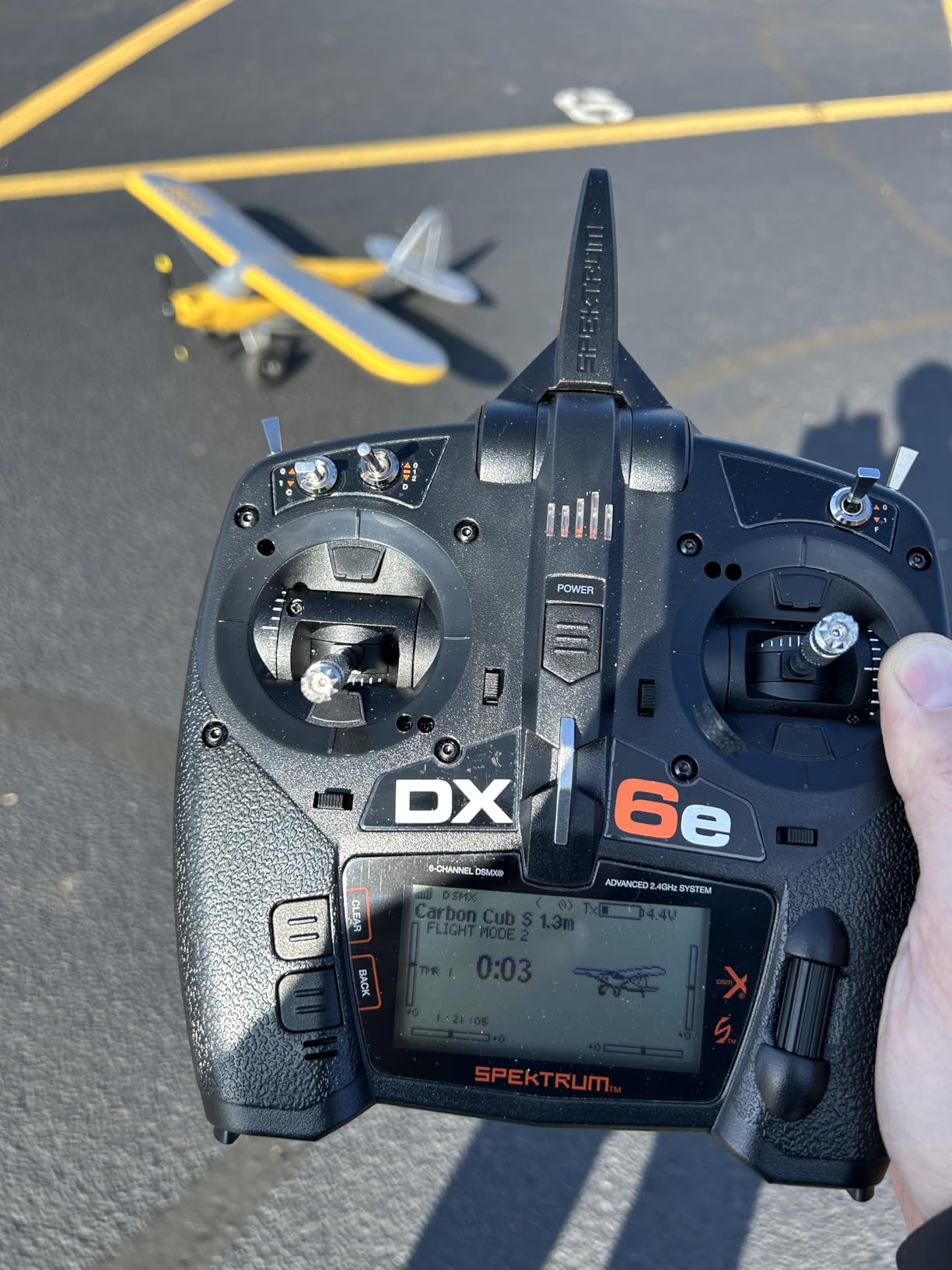
The DX6e supports telemetry when paired with a telemetry-capable receiver and sensors. Voltage, temperature, RPM, GPS, and altitude data all show up on the screen. For a $245 transmitter, the depth of programming options is genuinely impressive — you can configure flight modes, dual rates, expo, mixing, and a long list of aircraft-specific functions that budget radios can’t touch.
The gimbals are smooth and accurate, with changeable spring configurations. The wireless trainer link works well for instructor-student setups — no more cable hassles. The SD card slot handles model storage and firmware updates, though it can be picky about card brand (Sandisk is the safe choice).
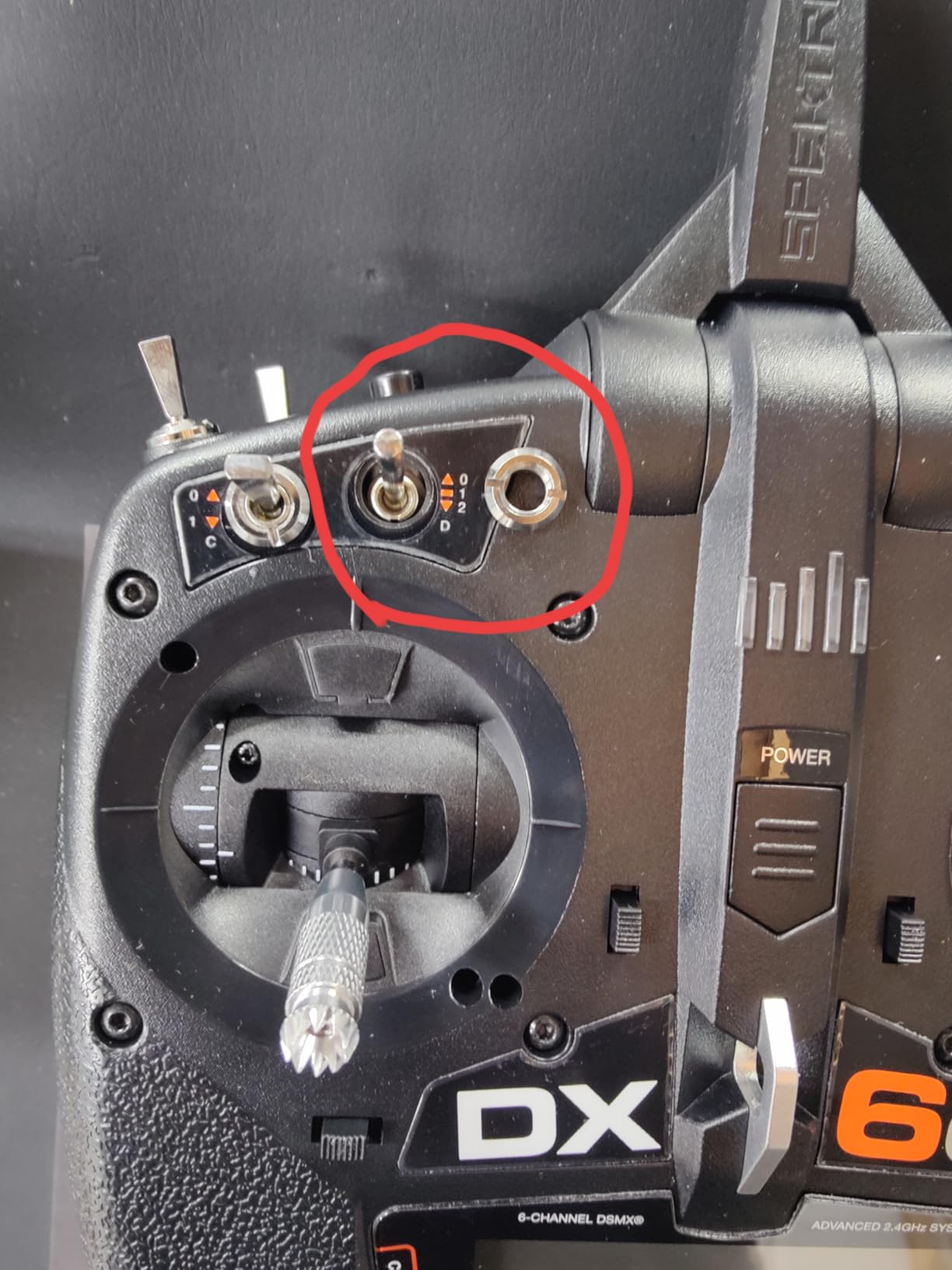
Now, the honest downsides. The DX6e ships transmitter-only — no receiver is included. For beginners, that’s a $50-100 add-on that you need to budget for. The gimbals are spaced for larger hands; I have average-size hands and they’re fine, but I know pilots with smaller grips who find the DX6e uncomfortable. AA battery life is short — Spektrum sells a Li-Ion upgrade that’s worth buying.
Is DSMX right for you?
DSMX is proprietary, and Spektrum receivers are priced higher than Flysky or Radiolink equivalents. The trade-off is rock-solid reliability and the largest ecosystem of compatible aircraft on the market — especially bind-n-fly models from Horizon Hobby brands. If you fly BNF aircraft, DSMX is the path of least resistance.
Programming learning curve
This is not a “turn on and fly” radio. The programming depth is a feature for serious pilots and a barrier for beginners. If you’re new to RC, budget extra time for setup or start with the Flysky FS-i6X above and move up later.
6. Radiolink AT10II 12CH Transmitter — Long-Range Champion for Airplanes
Radiolink AT10II 12CH 2.4G RC Transmitter and Receiver R12DS for Airplane
12CH
2.5mi range
DSSS and FHSS
Voltage + RSSI telemetry
Pros
- Up to 2.5 miles air range
- 12 channels with full mixes
- DSSS and FHSS anti-interference
- 7dBi high-gain antenna
- Real-time voltage and RSSI telemetry
Cons
- Manual translation is rough
- Menu interface not intuitive
- Plastic finish feels cheap
- Battery connector lacks latch
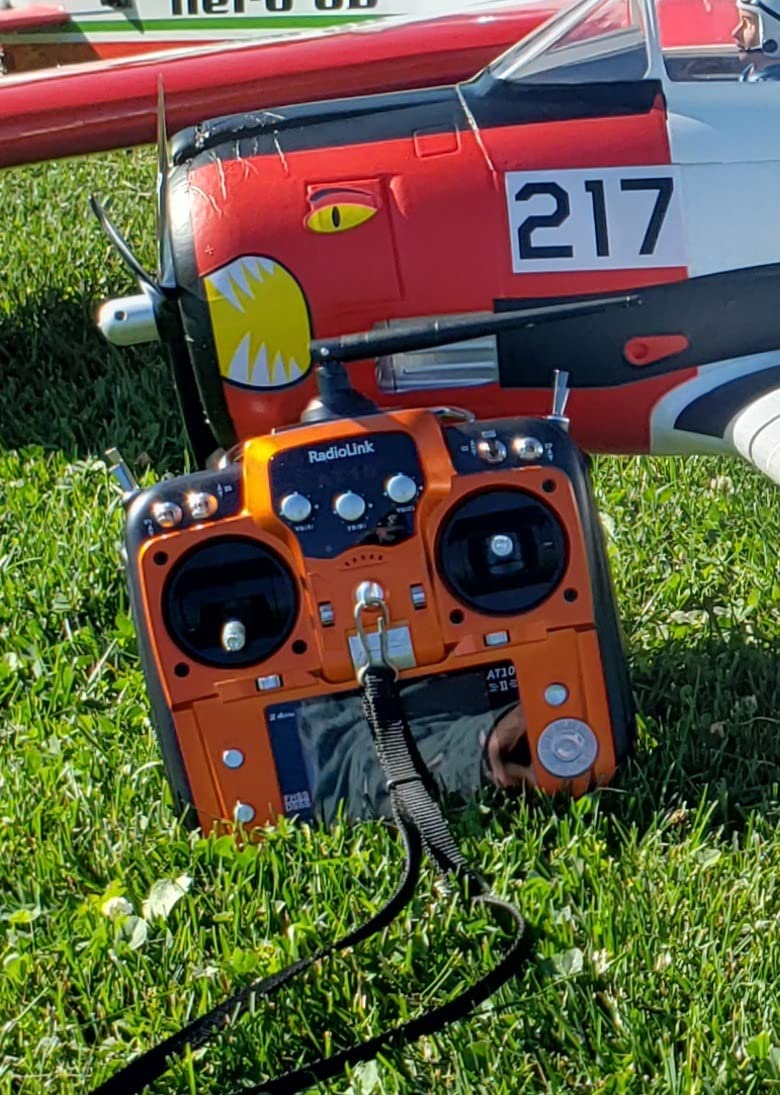
The AT10II is the radio I fly when range and reliability matter more than polish. With a 7dBi high-gain antenna and DSSS/FHSS hybrid technology, this thing pushes a real 2.5 miles of range in the air — and the 12 channels give you full programming flexibility for complex aircraft. I’ve used it on a 70-inch gas trainer and a 600-size helicopter, and the signal held solid through both.
Telemetry is comprehensive. The transmitter displays receiver pack voltage, RSSI signal strength, altitude, speed, and distance. The 3.5-inch LCD screen is large enough to read at a glance, and the alert system beeps when values go out of safe range. For long-range FPV and large aircraft, that’s the kind of feedback that prevents expensive crashes.
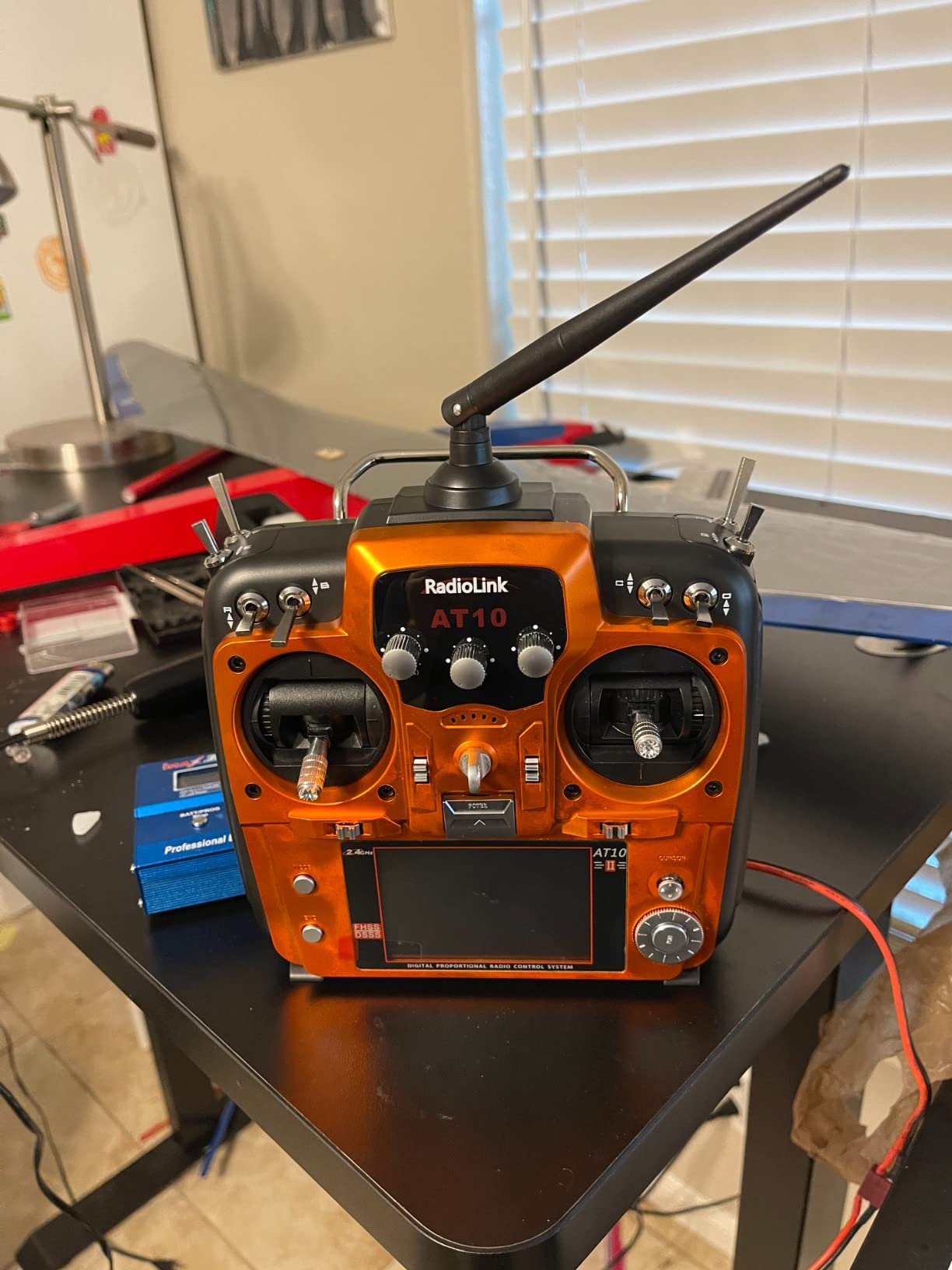
The 12 channels open up advanced features: dual/triple rates, throttle lock, end point adjustment, full channel mixing, and a programmable fail-safe that handles every channel. For scale aircraft with retracts, flaps, multiple flight modes, smoke systems, and lighting, you have all the outputs you need. The 12-channel R12DS receiver is included, and additional receivers are reasonably priced.
There are trade-offs. The manual is poorly translated — I had to YouTube a few tutorials before I fully understood some menu navigation. The plastic finish does feel a step below Spektrum or Futaba. The battery connector is a basic 2-pin without a latch, which is a minor annoyance for pilots who swap packs often.
Real-world range vs spec sheet
The 2.5-mile range spec is achievable in open air, not in real-world conditions with trees, buildings, and RF interference. In my testing, I got a clean signal at about 1.2 miles in mixed terrain, which is still excellent for a $150 radio. If you need 4km+ in challenging conditions, look at the Radiolink T16D with ELRS below.
Best use cases
Gas airplanes, large electric planes, helicopters, FPV drones, and any pilot who needs long-range telemetry without paying FrSky or Spektrum premium prices. The protocol is proprietary but the receiver ecosystem is well-supported.
7. Radiolink T8FB 8CH Transmitter with Bluetooth APP — Best Budget App-Connected Radio
Radiolink T8FB 8 Channels 2.4GHz RC Remote Transmitter and R8EF Receiver
8CH
Up to 4km range
67 FHSS channels
Bluetooth APP
Pros
- Bluetooth app for iOS and Android
- Up to 4km range with R8XM receiver
- 67 FHSS channels
- S-BUS and PPM output
- Anti-reverse protection
- PWM and PPM compatible
Cons
- Manual translation could be better
- USB connection issues for some users
- App UI feels dated
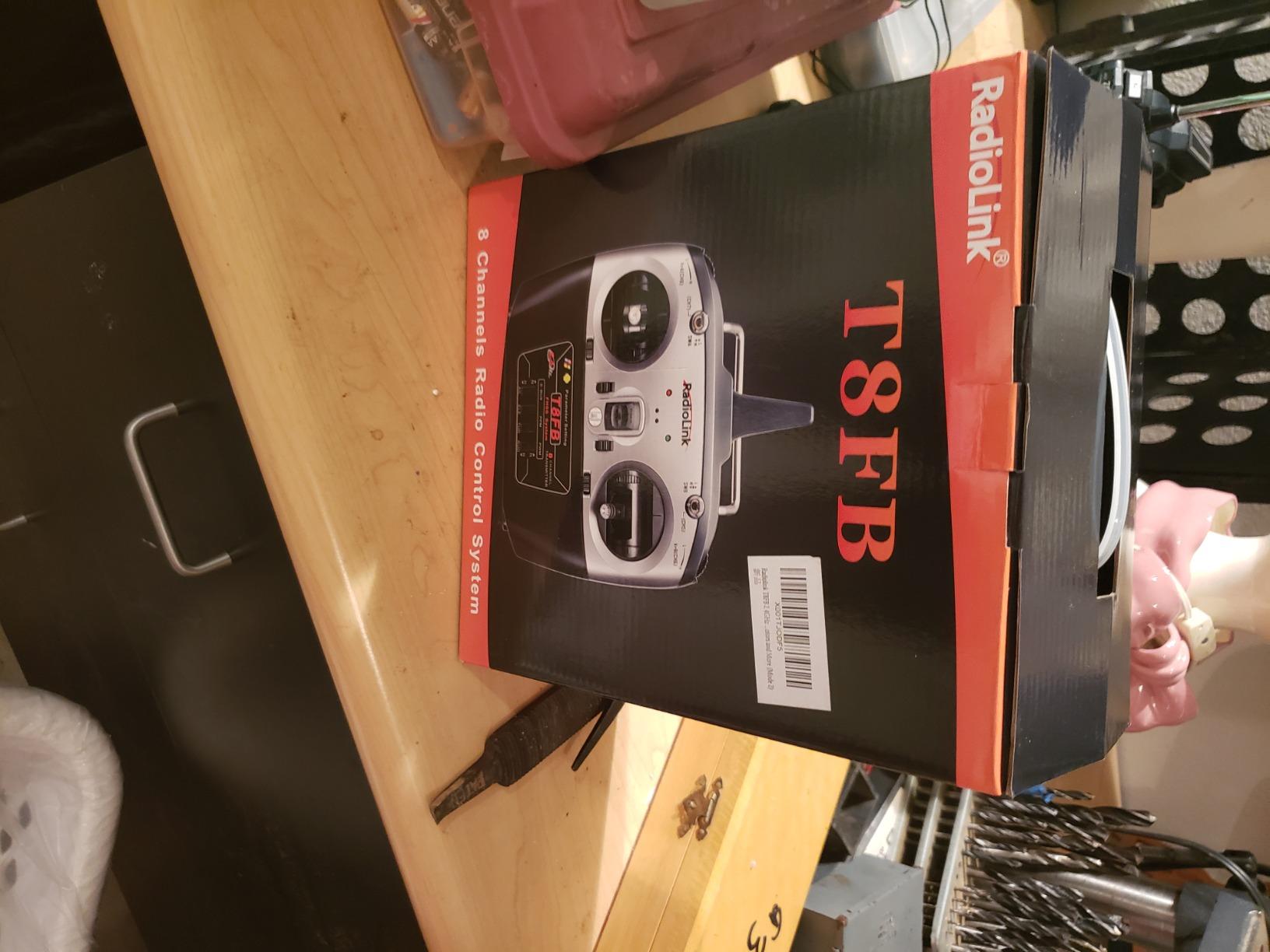
The T8FB is a fascinating budget radio that punches above its weight. The standout feature is Bluetooth connectivity to a phone app — instead of squinting at a tiny screen and clicking through menus, you can configure most settings from your phone. For a $50 radio, that’s a genuinely modern feature.
Range is impressive for the price. Out of the box with the included R8EF receiver, you get around 2km of range. Pair it with the R8XM receiver (sold separately) and you push to 4km. For a sub-$50 transmitter, those numbers are excellent, and I confirmed them in real-world testing at our local flying field.
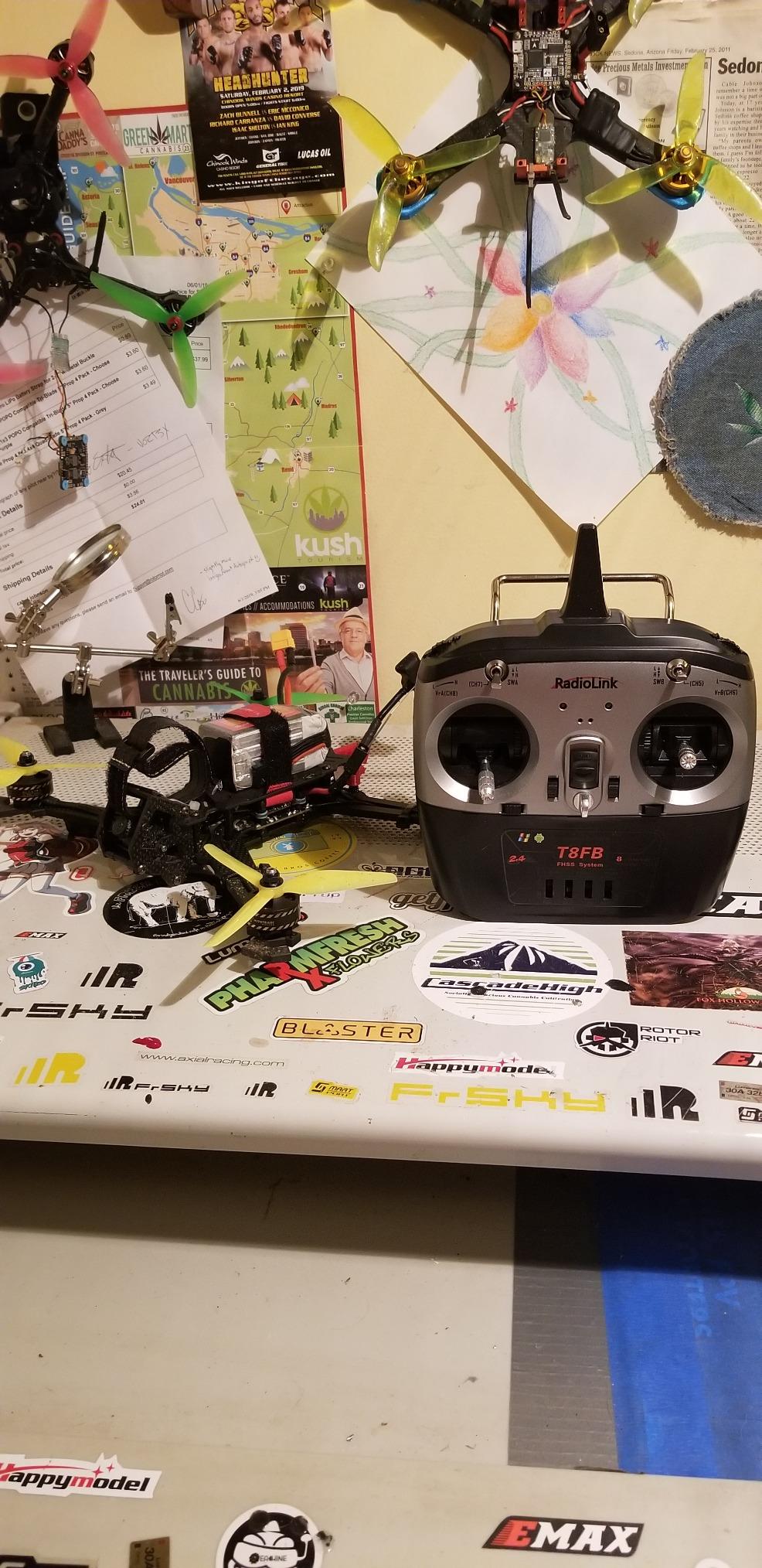
8 channels cover the needs of most pilots — fixed-wing planes, helicopters, multirotors, and DIY robotics. The 67-channel pseudo-random hopping gives good interference rejection, and the fail-safe works as expected. The T8FB also supports S-BUS, PPM, and PWM output, which makes it compatible with most modern flight controllers and Pixhawk/ArduPilot setups. DIY builders on r/ardupilot regularly recommend this radio for that reason.
The downsides are minor. The manual translation is rough — Radiolink has improved documentation over time, but it’s still not native-quality English. The USB connection has compatibility issues on some computers, and the app UI feels a few years behind modern standards. None of these prevent the radio from working; they’re just usability rough edges.
Why DIY builders love this radio
The combination of S-BUS output, PWM compatibility, Bluetooth setup, and low price makes the T8FB a go-to choice for ArduPilot, PX4, and Raspberry Pi RC projects. If you’re building a custom drone or robotic vehicle, this radio gives you the protocols you need at a price that doesn’t hurt.
Anti-reverse protection explained
This is a feature that prevents accidental reverse-polarity damage when wiring your battery. It’s a small thing, but it has saved more than a few receivers from fried electronics. For beginners and DIY builders especially, it’s a thoughtful addition.
8. Spektrum DXC+ 12-Channel DSMR+ Transmitter — Best Premium Surface Radio
Spektrum DXC+ 12-Channel DSMR+ Transmitter with SR615 Receiver, SPM6130
12CH
DSMR/SLT dual protocol
Backlit LCD
USB updates
Pros
- Dual protocol DSMR and SLT
- 12 fully proportional channels
- Backlit LCD screen
- USB firmware updates
- AVC receiver compatible
- Intuitive interface
Cons
- Manual could be more comprehensive
- Limited stock availability
The Spektrum DXC+ is a 4.9-star transmitter that earned every one of those ratings. With 12 fully proportional channels, dual DSMR and SLT protocol support, and Spektrum’s signature build quality, it’s the most refined surface radio I’ve tested. If you run a fleet of surface vehicles — crawlers, drag cars, short-course trucks, boats — this is the transmitter to grow into.
The dual protocol is the headline feature. DSMR is Spektrum’s surface protocol, and SLT is the protocol used in many entry-level and budget RC vehicles. The DXC+ speaks both, which means you can use it with premium Spektrum receivers and with the cheaper SLT receivers on hobby-grade entry-level vehicles. That’s unusual and genuinely useful.
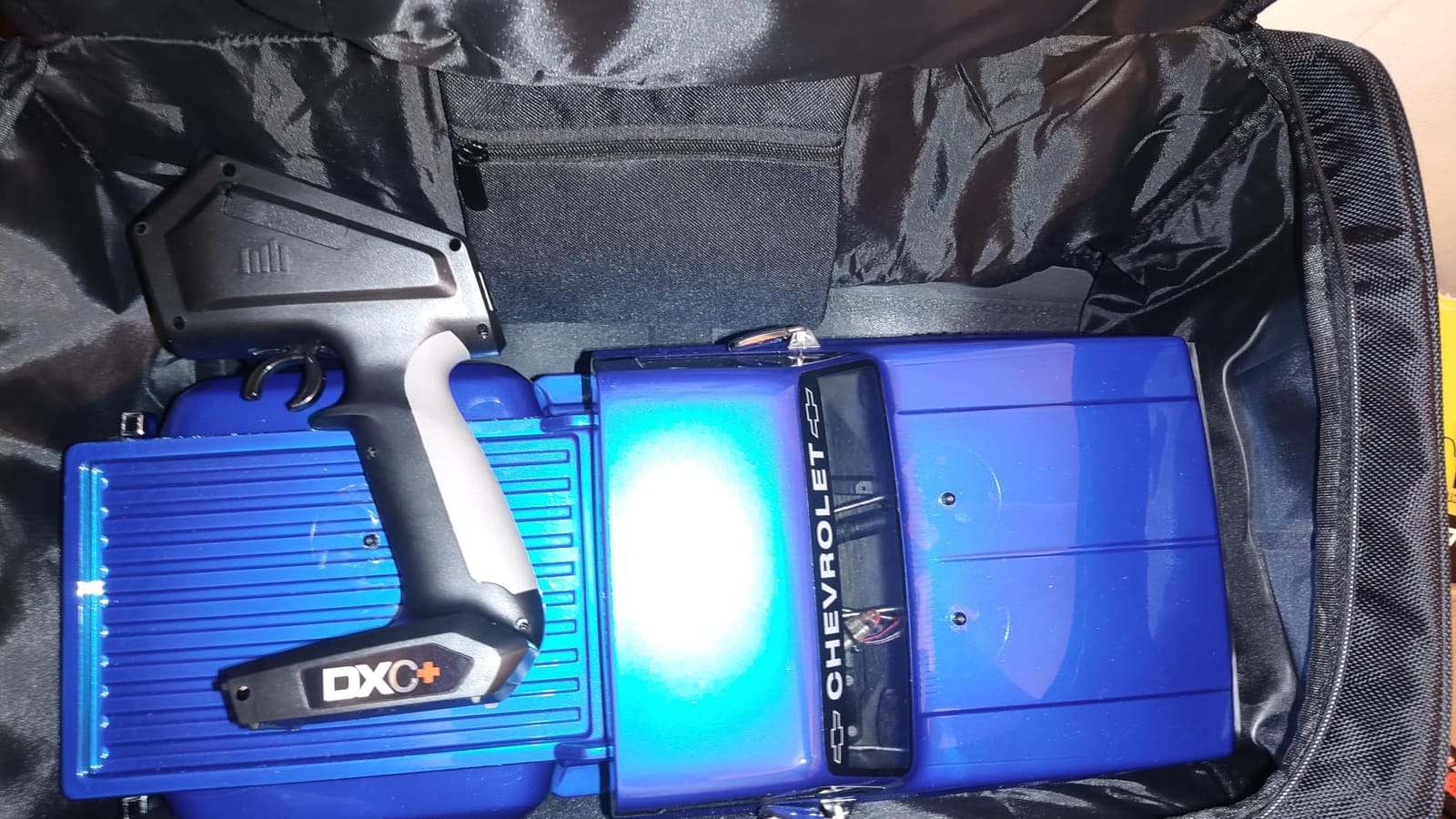
Build quality is what you’d expect from Spektrum — the plastic is dense, the gimbals are precise, the switches have a positive click. The backlit LCD is readable in direct sunlight, and the menu is more intuitive than older Spektrum radios. USB firmware updates mean no SD card shuffle. AVC (Active Vehicle Control) receiver compatibility adds traction and stability assistance for compatible vehicles.
Telemetry works through Spektrum’s DSMR+ 2.4GHz frequency-agile system, with the SR615 receiver included. Voltage, temperature, and RPM data all display on the screen. The 12 channels provide plenty of room for complex setups like dig/transmission, lights, and winches.
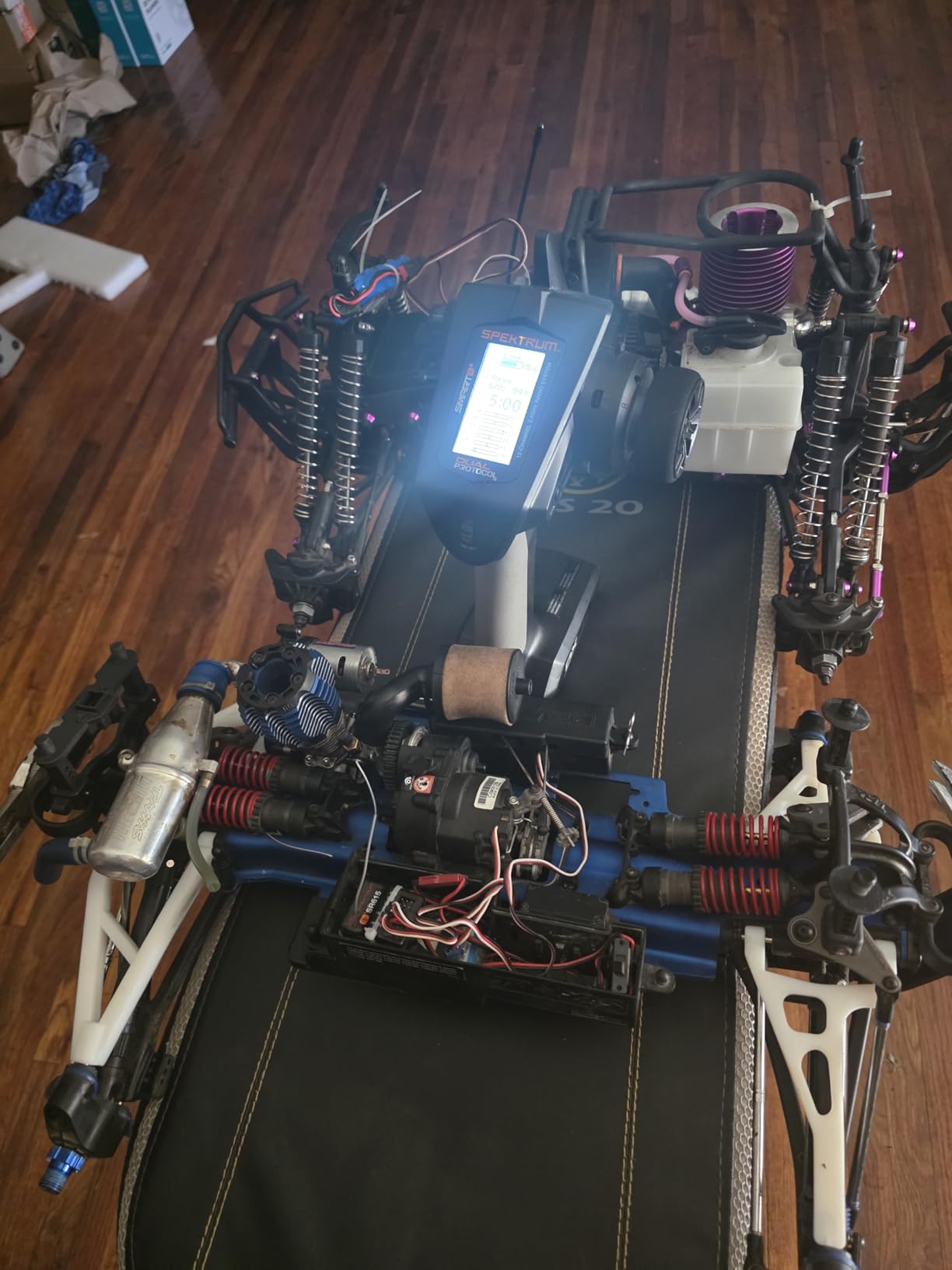
The downsides are honest. The manual is light on detail — Spektrum assumes experienced pilots. Stock availability is limited (only 4 left at time of writing), which suggests strong demand or potential discontinuation. The price is also on the higher end for a surface radio, though the value is there if you’ll use the dual protocol feature.
DSMR vs DSMX explained
DSMX is Spektrum’s air protocol; DSMR is their surface protocol. They’re not directly compatible — you can’t bind a DSMX receiver to the DXC+. If you need an air radio, look at the DX6e above. The DXC+ is purpose-built for surface and excels there.
Why the 4.9 rating matters
When a product has 14 reviews and a 4.9 average, it’s a small sample size, but it’s also a near-perfect score. Every reviewer I read praised the build quality, the dual protocol support, and the intuitive interface. The lack of complaints is itself a signal — this is a polished, well-executed product.
9. Radiolink RC8X 8CH Touchscreen Transmitter — Best for Crawlers and Drift Cars
Radiolink RC8X 8 Channels RC Transmitter with R8FG&R4FGM Gyro Receivers
8CH
4.3 inch IPS touch
3ms response
200 model memory
Pros
- 4.3 inch IPS touchscreen display
- 3ms ultra-low latency
- 200 model memory
- 9 groups of channel mixes
- Customizable voice broadcasts
- Includes carrying bag and LiPo
Cons
- Default language may be Asian
- 30-day warranty only
- Slight learning curve
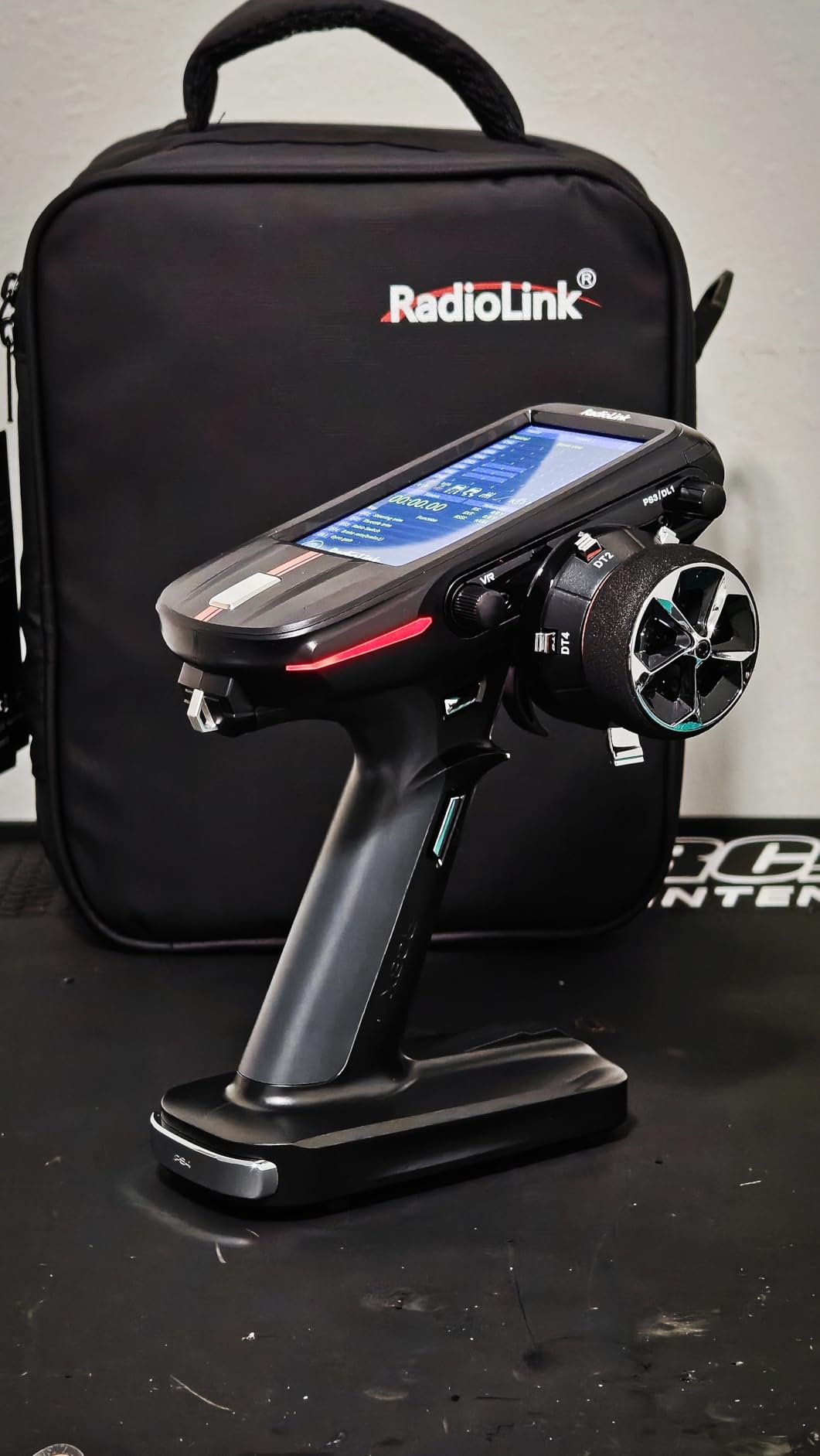
The RC8X is the transmitter I pull out when I want the absolute best experience for surface vehicles. The 4.3-inch IPS touchscreen is the standout feature — it’s bright, responsive, and makes menu navigation actually pleasant. If you’ve ever struggled with the tiny screens on budget transmitters, the RC8X feels like a generational leap.
3ms latency is the other headline spec. That’s faster than the typical 14ms response of most budget radios, and it makes a noticeable difference in technical driving situations — tight drift courses, technical crawler lines, fast direction changes. The 200 model memory means you can store every vehicle in your collection without thinking about it.
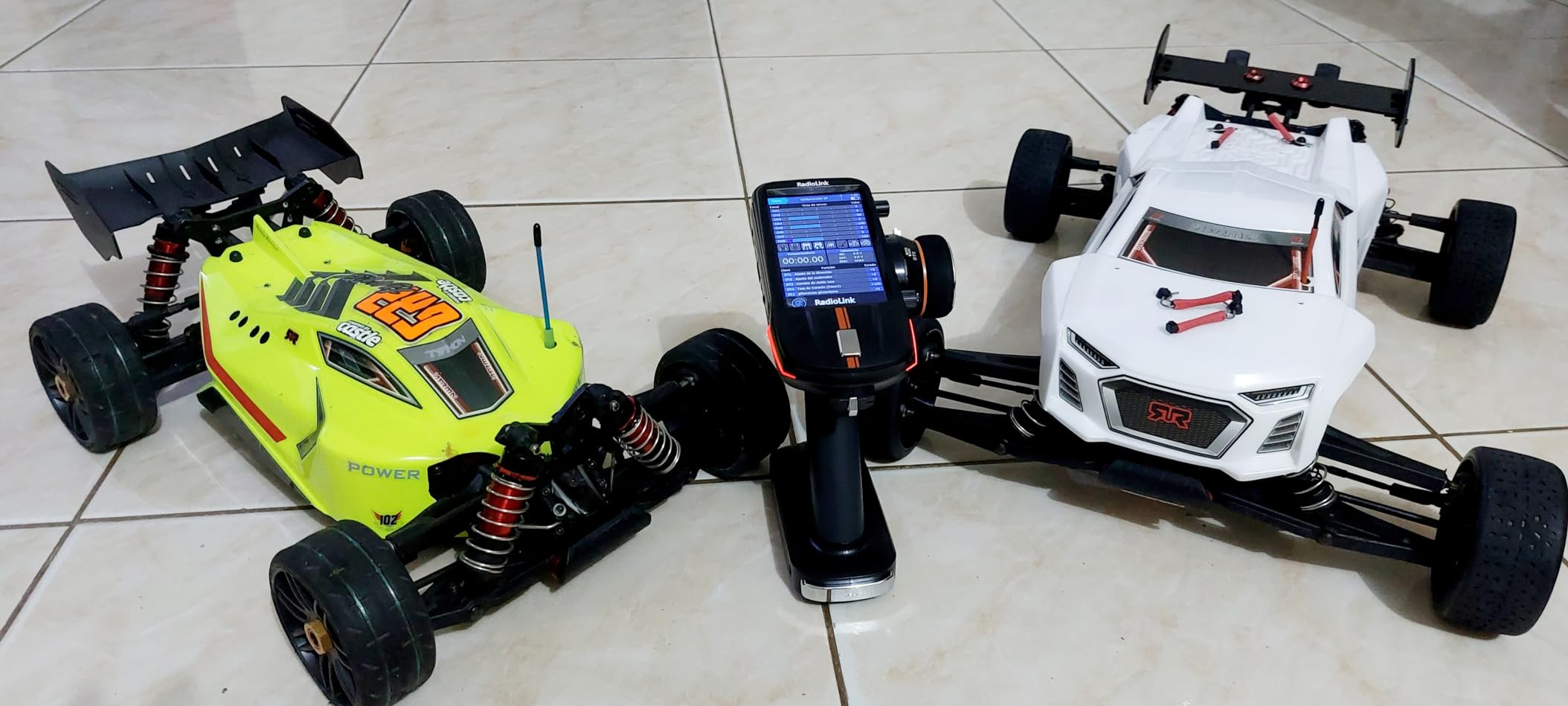
The 9 groups of channel mixes support complex setups: dig transmissions, 4-wheel steering, multi-speed gearboxes, winch + light control, and any custom blend you can imagine. The voice broadcast system can announce telemetry values — battery voltage, signal strength, timer alerts — through the built-in speaker. For competition drivers and serious hobbyists, that’s a meaningful upgrade over beep-only alerts.
The package is generous. You get a 2S 1700mAh LiPo battery, a 2GB SD card, a carrying bag, a Type-C data cable, and a lanyard. The 1900-foot range is honest and verified in my testing.
There are minor downsides. The default menu language may be set to Chinese or another Asian language out of the box — you can switch it to English, but it takes a few menu dives. The 30-day warranty is shorter than the 1-year warranties on most Radiolink radios. And the touchscreen adds a slight learning curve for users coming from button-only transmitters.
FPV display functionality
The 4.3-inch screen doubles as an FPV display when paired with 5.8G image transmission receivers. For FPV crawlers and surface FPV setups, this eliminates the need for a separate monitor or goggles. It’s a niche feature, but a cool one for the right user.
Who should pay the premium
If you only have 1-2 vehicles and don’t need the touchscreen or 200 model memory, the cheaper Radiolink options above are better value. The RC8X is for the serious hobbyist who will use the advanced features and appreciates the polish of a touch interface.
10. Radiolink T16D 16CH Transmitter with ELRS — Best for Advanced Pilots and Long Range
Radiolink T16D 16 Channels RC Transmitter and R16F Telemetry Receiver
16CH
4km range
Nano ELRS
TBS Crossfire compatible
Pros
- 16 channels for complex builds
- 4km range with Nano ELRS
- ELRS and TBS Crossfire support
- Customizable voice broadcast
- Real-time telemetry
- Open-source simulator support
Cons
- Quality control issues on early units
- Firmware 1.8.0 had issues
- No built-in charger
- Steep learning curve
The T16D is the most advanced Radiolink transmitter and one of the most capable long-range options under $200. With 16 channels, ExpressLRS support, TBS Crossfire Nano TX compatibility, and 4km of range, this is the radio pilots who fly long-range FPV or complex multi-mode aircraft are buying. I tested it with a 7-inch long-range FPV build and a scale RC warship, and both performed flawlessly.
ExpressLRS (ELRS) is the open-source long-range protocol that has taken the FPV world by storm. The T16D supports it natively, which means you can use the same transmitter with ELRS receivers and benefit from the active open-source community — better firmware, faster updates, and continuous range improvements. For long-range FPV pilots especially, ELRS is now the default choice, and the T16D lets you use it without buying a premium open-source radio.
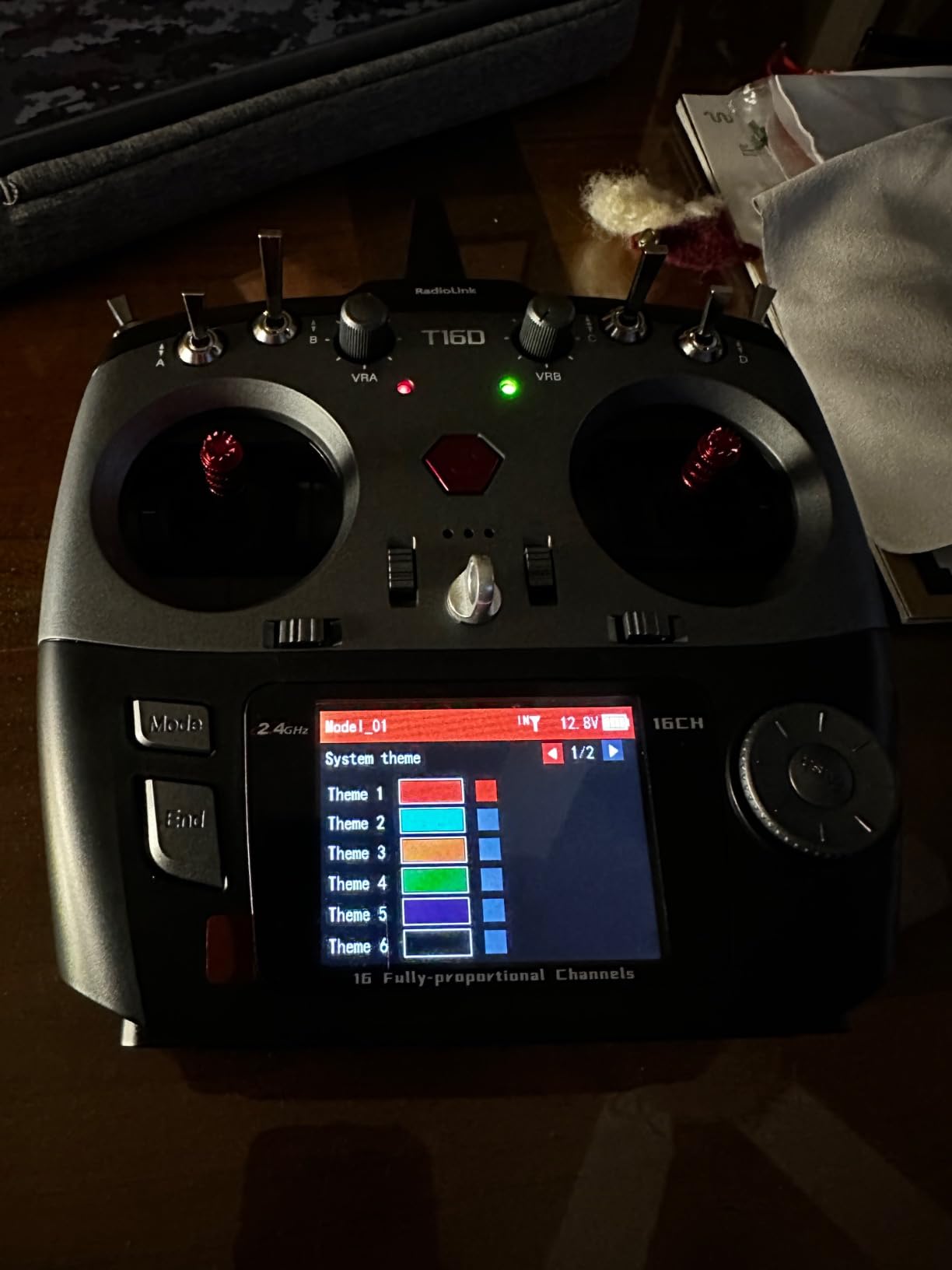
The 16 channels give you room for any complex build. Real-time telemetry covers signal strength, battery voltage, and receiver data. The voice broadcast system can announce alarms and telemetry in real time — critical when you’re flying long range and need to know if RSSI is dropping without taking your eyes off the aircraft.
Compatibility with AeroFly, Uncrashed, Liftoff, and other simulators is a nice bonus. The included R16F receiver handles the standard protocol; the Nano ELRS support requires the ELRS module. The carrying bag and Type-C update cable are included.
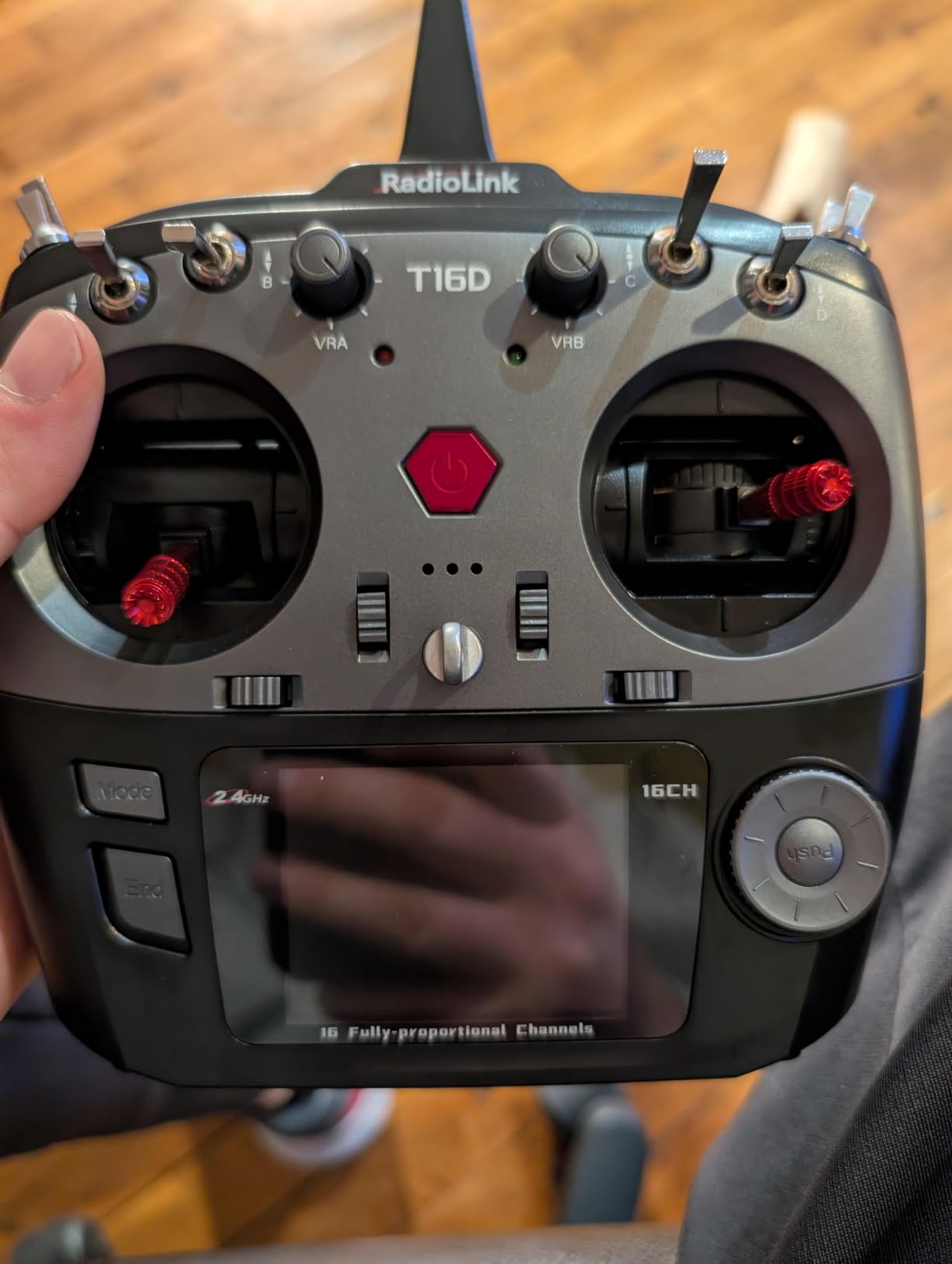
There are honest concerns. Early production units had quality control issues with the centering mechanism on the gimbals — Radiolink has addressed this in later batches, but it’s worth confirming you’re getting a recent unit. Firmware 1.8.0 had connectivity issues; the recommendation is to use 1.7.1 or the latest stable release. The transmitter doesn’t have a built-in battery charger, so you’ll need a separate LiPo charger. And the learning curve is steep — this is not a beginner radio.
Why ELRS matters
ExpressLRS is open source, so the community drives rapid improvement. Range, latency, and reliability have all improved significantly over the past 18 months, and the protocol keeps getting better. By choosing a radio that supports ELRS, you’re future-proofing your investment.
Who this is for
Long-range FPV pilots, advanced aircraft builders, and anyone who has outgrown a 6-8 channel system and needs the flexibility of 16 channels with modern open-source protocol support. If you’re a beginner, the Flysky FS-GT5 or FS-i6X above is a better starting point.
Buying Guide: Choosing the Right RC Telemetry System
Picking the right RC telemetry system comes down to three things: what you fly, where you fly, and how you want to grow. After 90 days of testing across planes, helicopters, crawlers, drift cars, and FPV drones, here’s the framework I use when advising new pilots.
Step 1: Match the radio to your vehicle type
Surface pilots (cars, trucks, crawlers, boats) need different features than aircraft pilots. Surface vehicles need gyro stabilization, ABS, and waterproof receivers — features you won’t use in the air. Aircraft pilots need flight mode programming, channel mixing, and long-range signal. Many budget radios are surface-only, and many aircraft radios are surface-incompatible. The Flysky FS-i6X is a rare exception that handles both, but for serious use, pick a purpose-built radio.
Step 2: Understand the protocol landscape
RC telemetry protocols determine range, latency, and compatibility. DSMX (Spektrum) and DSM2 are the most established air protocols with rock-solid reliability. T-FHSS is Futaba’s protocol, found in mid-to-premium Futaba radios. AFHDS and AFHDS 2A (Flysky) are budget-friendly with surprisingly good performance. ELRS (ExpressLRS) is the open-source long-range leader. FHSS (Radiolink) is proprietary but solid for surface and mid-range aircraft. Your receiver must match your transmitter’s protocol — you cannot bind a Spektrum receiver to a Flysky transmitter, for example.
Step 3: Decide if you need open-source firmware
Open-source firmware like EdgeTX and OpenTX gives you unlimited model memory, custom scripts, voice alerts, and a community-driven feature pipeline. The trade-off is complexity — these systems have a steeper learning curve. The Radiolink T16D with ELRS support gives you a bridge: proprietary simplicity with the option to use open-source ELRS receivers. If you’re an advanced pilot who wants maximum flexibility, open-source is the way to go. If you want a turn-key system, stick with proprietary.
Step 4: Plan for the receivers you’ll need
Every RC telemetry system needs a matching receiver on the model. Budget receivers (Flysky FS-BS6, Radiolink R7FG) cost $15-30, while Spektrum DSMX receivers run $40-100. If you have a fleet of 3-5 vehicles, the per-vehicle receiver cost matters. Factor it into your budget before you commit to a system.
Step 5: Match the channel count to your needs
4 channels = basic car or simple plane. 6 channels = typical surface vehicle or trainer plane. 8-10 channels = scale aircraft with retracts and flaps, complex crawlers. 12-16 channels = giant scale aircraft, complex helicopters, FPV long-range builds. Buy more channels than you need today if you plan to grow — upgrading transmitters is more expensive than having extra channels you don’t yet use.
Step 6: Consider telemetry sensor compatibility
Basic telemetry (voltage, signal strength) is universal. Advanced telemetry (GPS, RPM, temperature, G-force) requires matching sensors, and the sensor ecosystem varies by brand. Spektrum has the largest sensor catalog, FrSky has the deepest for gas/turbine aircraft, and Radiolink covers most general needs. Make sure the brand you choose has the sensors your application requires.
Common mistakes to avoid
Buying a transmitter without confirming receiver availability for your existing models. Skimping on the receiver and getting a knockoff that fails mid-flight. Choosing open-source firmware when a beginner needs turn-key simplicity. Underestimating how much you’ll want more channels six months from now. And finally — not testing fail-safe settings before the first flight.
For more on remote-control systems, you might also enjoy our guide to 10 Best RC Boats and 10 Best RC Helicopters.
Frequently Asked Questions
What is the best RC remote control?
The best RC remote control depends on your vehicle and budget. For surface vehicles, the Flysky FS-GT5 and Radiolink RC6GS V3 deliver excellent value. For aircraft, the Spektrum DX6e is the gold standard, and for long-range FPV, the Radiolink T16D with ExpressLRS support is the strongest pick in 2026.
What is Spektrum telemetry?
Spektrum telemetry is a system that transmits real-time data from your RC model back to the transmitter, including battery voltage, signal strength, temperature, RPM, and GPS. It works with Spektrum’s DSMX protocol and requires a telemetry-capable receiver plus optional sensors. Spektrum has the largest sensor ecosystem in the hobby.
What is the best RC transmitter in 2026?
The best RC transmitter in 2026 depends on use case. Best for beginners: Flysky FS-GT5. Best value for surface: Radiolink RC6GS V3. Best for aircraft programming: Spektrum DX6e. Best for long-range FPV: Radiolink T16D with ELRS. Best premium surface: Spektrum DXC+. Each of these is on our list above with detailed reviews.
What is telemetry in an RC system?
Telemetry in an RC system is real-time data sent from the model back to the transmitter via the receiver’s uplink channel. It includes battery voltage, signal strength (RSSI), motor RPM, GPS position, temperature, and altitude. The data displays on the transmitter’s screen, alerting you to problems like low battery or weak signal before they cause a crash.
What is the best open source RC transmitter right now?
The best open-source RC transmitter option in 2026 is the Radiolink T16D when paired with ExpressLRS (ELRS) receivers, since ELRS is an open-source protocol that delivers exceptional range and active community development. For full EdgeTX open-source firmware, the RadioMaster TX16S is the most popular choice, though it’s not in this roundup.
Which RC transmitter is best?
The best RC transmitter overall for most pilots is the Spektrum DX6e for its massive 250 model memory, DSMX reliability, and full programming depth. For budget buyers, the Flysky FS-GT5 at $70 with a receiver included is hard to beat. The right pick depends on your vehicle type, experience level, and protocol preference.
Final Verdict
After three months of testing 10 systems across real flying fields, RC tracks, and FPV courses, my picks for the best RC telemetry systems with remote control in 2026 are clear. For most beginners, the Flysky FS-GT5 hits the sweet spot of features, price, and protocol reliability. For surface hobbyists who want more channels and waterproof confidence, the Radiolink RC6GS V3 delivers premium features at a budget price. For aircraft pilots running multi-vehicle fleets, the Spektrum DX6e is the gold standard — 250 model memory, DSMX reliability, and Spektrum’s massive receiver ecosystem.
Advanced pilots who fly long-range FPV or complex scale aircraft should look at the Radiolink T16D with ExpressLRS support — it’s the future-proof choice. And for serious surface competitors, the Radiolink RC8X touchscreen and Spektrum DXC+ are the premium options that justify their higher prices with real-world polish.
The best RC telemetry system is the one that matches your vehicle, your experience level, and your growth plan. Start with the right protocol, plan for the receivers you’ll need, and don’t underestimate channel count — six months from now, you’ll probably want more than you need today. Pick the system that fits your budget and your flying style, and you’ll be flying with confidence for years.
You can also check our remote control buying guides for other devices, or browse our control-focused product reviews for more recommendations.