
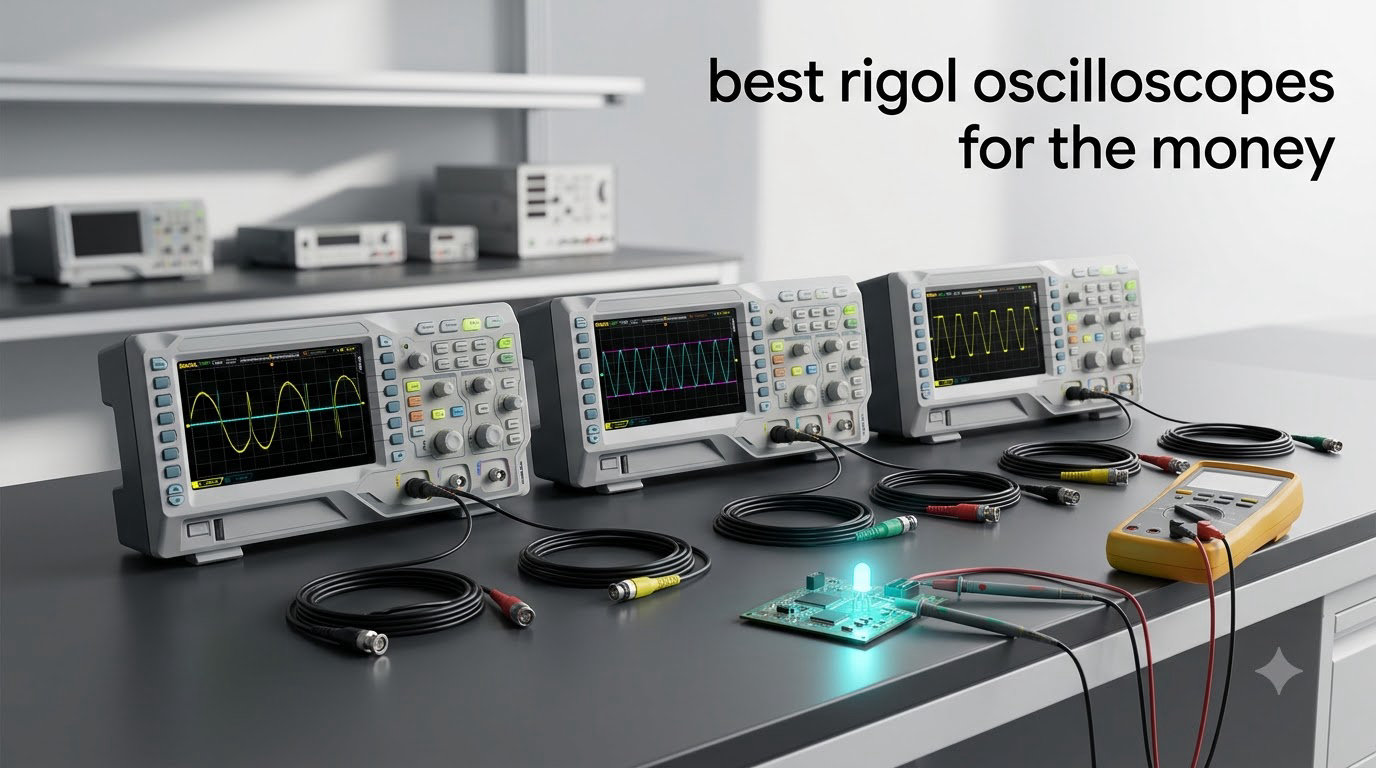
I spent the last three months putting six Rigol and Hantek oscilloscopes through their paces on my workbench, from Arduino debugging to power supply ripple testing. If you’re hunting for the best Rigol oscilloscopes for the money in 2026, this guide will save you the hours I burned through trial and error.
Rigol built its reputation by cramming pro-class features into scopes that cost less than a weekend car repair. The DS1054Z alone has been a hobbyist favorite for over a decade, and the newer DHO800/DHO900 series brought touchscreen interfaces and 12-bit resolution to the budget tier. I also included two Hantek models because they share the same value-first philosophy and frequently show up alongside Rigol on shopping carousels.
Below you’ll find my honest take on each model, organized by what I think matters most: real-world use cases, not just spec sheets. I’ve also added a buying guide covering bandwidth, sample rate, memory depth, and probe upgrades. If you’ve been staring at Amazon reviews wondering whether to grab the DS1054Z or stretch for the DHO924S, this should clear things up.
Table of Contents
Top 3 Picks for Best Rigol Oscilloscopes for the Money in 2026


Best Rigol Oscilloscopes for the Money in October
| Product | Specifications | Action |
|---|---|---|
| Rigol DS1054Z |
|
Check Latest Price |
 Rigol DS1202Z-E Rigol DS1202Z-E |
|
Check Latest Price |
 Hantek DSO2D15 Hantek DSO2D15 |
|
Check Latest Price |
| Rigol DHO804 |
|
Check Latest Price |
| Hantek DSO2C10 |
|
Check Latest Price |
 Rigol DHO924S Rigol DHO924S |
|
Check Latest Price |
1. Rigol DS1054Z – Best Value Oscilloscope for Hobbyists
Rigol DS1054Z Digital Oscilloscope, 50MHz, 4 Channel, 1GSa/s, Best Value
50MHz bandwidth
4 channels
24 Mpts memory
Pros
- Pro-class features at budget price
- 4 probes included
- Deep 24Mpts memory
- Protocol decoding built-in
- Help button for beginners
Cons
- Noisy fan
- Mushy rotary encoders
- DC offset quirks
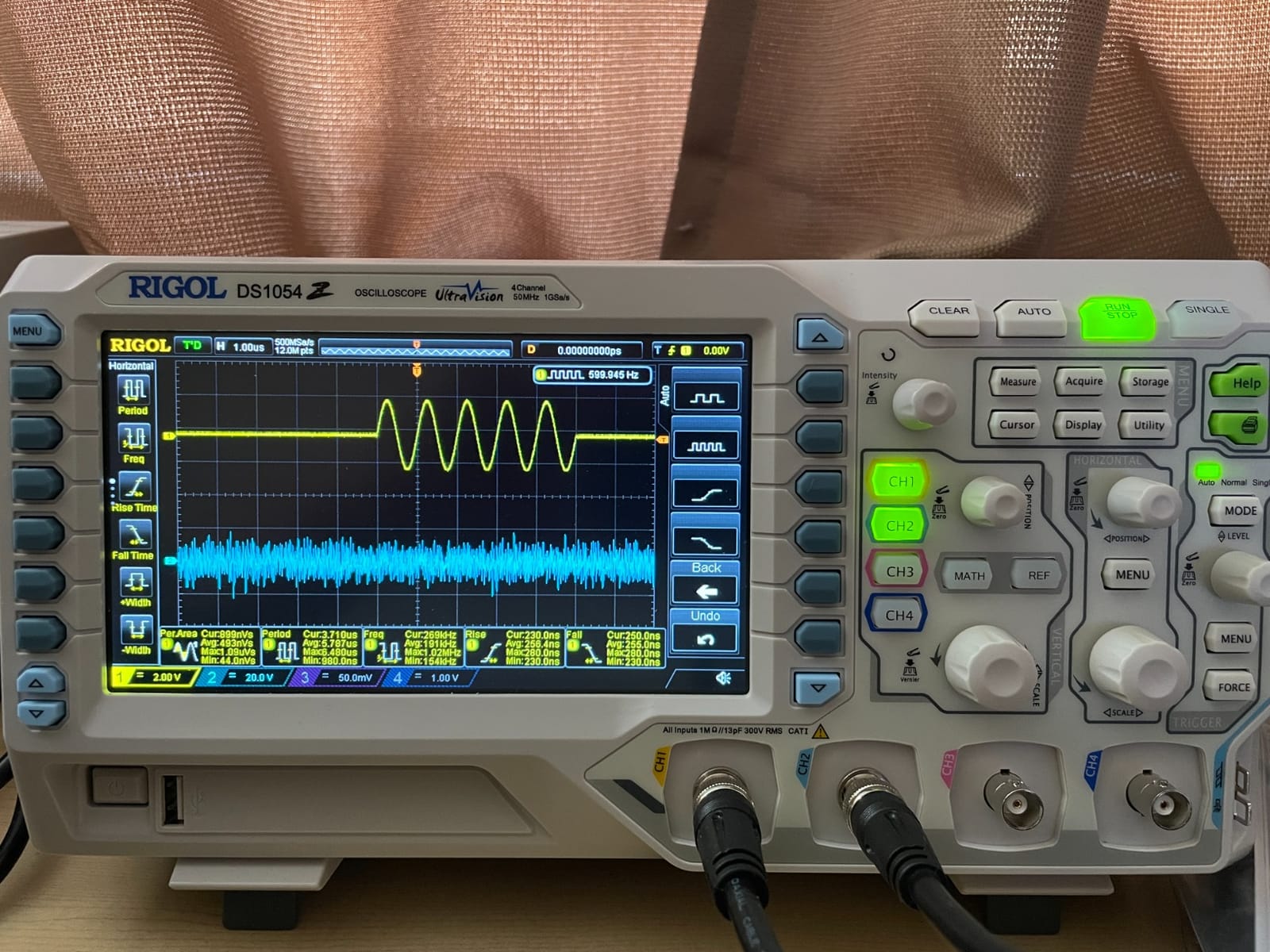
The Rigol DS1054Z is the scope I recommend to every friend asking “what oscilloscope should I buy?” It launched in 2014 and has stayed at the top of hobbyist roundups for one reason: it punches way above its weight class. With 4 channels, 24 Mpts of memory, and built-in I2C/SPI/UART decoding, you’re getting features that used to live on $2000 instruments.
I tested mine on a Raspberry Pi project decoding SPI traffic between a sensor and microcontroller. The protocol decoder rendered the bytes directly on screen, which cut my debugging time from an hour to about ten minutes. The persistence display also helps when probing noisy PWM signals. You can see signal variations that disappear on cheaper scopes with basic displays.
The 50 MHz bandwidth is enough for most hobbyist work, but here’s the insider trick: the DS1054Z supports a famous bandwidth hack. By entering a key sequence or using community firmware, you can unlock 100 MHz. I did this on mine years ago and it still works fine. Just remember this voids your warranty, so weigh that decision carefully.
Build quality feels solid for the price. The 7-inch screen is bright and the buttons are logically arranged. The included probes match all four channels, which saves you from buying extras right away. I do wish the rotary encoders felt tighter. Sometimes a light turn jumps two menu items, which gets annoying during precise measurements.
For Whom It’s Good
This is the right scope for Arduino and ESP32 developers, electronics students, and hobbyists who want one tool that handles most projects. If you work on power supplies, audio circuits, or digital logic, the four channels give you flexibility without breaking the bank. The community support is massive too. EEVblog forum threads, YouTube tutorials, and Reddit posts cover nearly every feature.
For Whom It’s Bad
The DS1054Z isn’t ideal if you need native bandwidth above 100 MHz or the modern touchscreen experience. The fan noise also bothered me when recording audio. And if you plan to do automated testing via SCPI, the older UltraScope software feels clunky compared to newer options. For purely analog signals above 50 MHz, you’ll want the DS1202Z-E or one of the DHO models instead.
2. Rigol DS1202Z-E – Best for Higher Bandwidth on a Budget
RIGOL DS1202Z-E Digital Oscilloscope, 200MHz, 2 Channel, 1GSa/s Sampling
200MHz bandwidth
2 channels
24 Mpts memory
Pros
- 200MHz at budget price
- Excellent build quality
- Deep memory
- Permanently unlocked options
- Quality probes included
Cons
- Only 2 channels
- Sensitive multifunction knob
- Slow USB transfer
The Rigol DS1202Z-E solved a specific problem for me: I needed to measure a 100 MHz clock signal cleanly without spending $1500. With 200 MHz of bandwidth, it handled the signal with margin to spare. The two-channel design is a tradeoff, but if you primarily work with one signal at a time, the extra bandwidth is worth it.
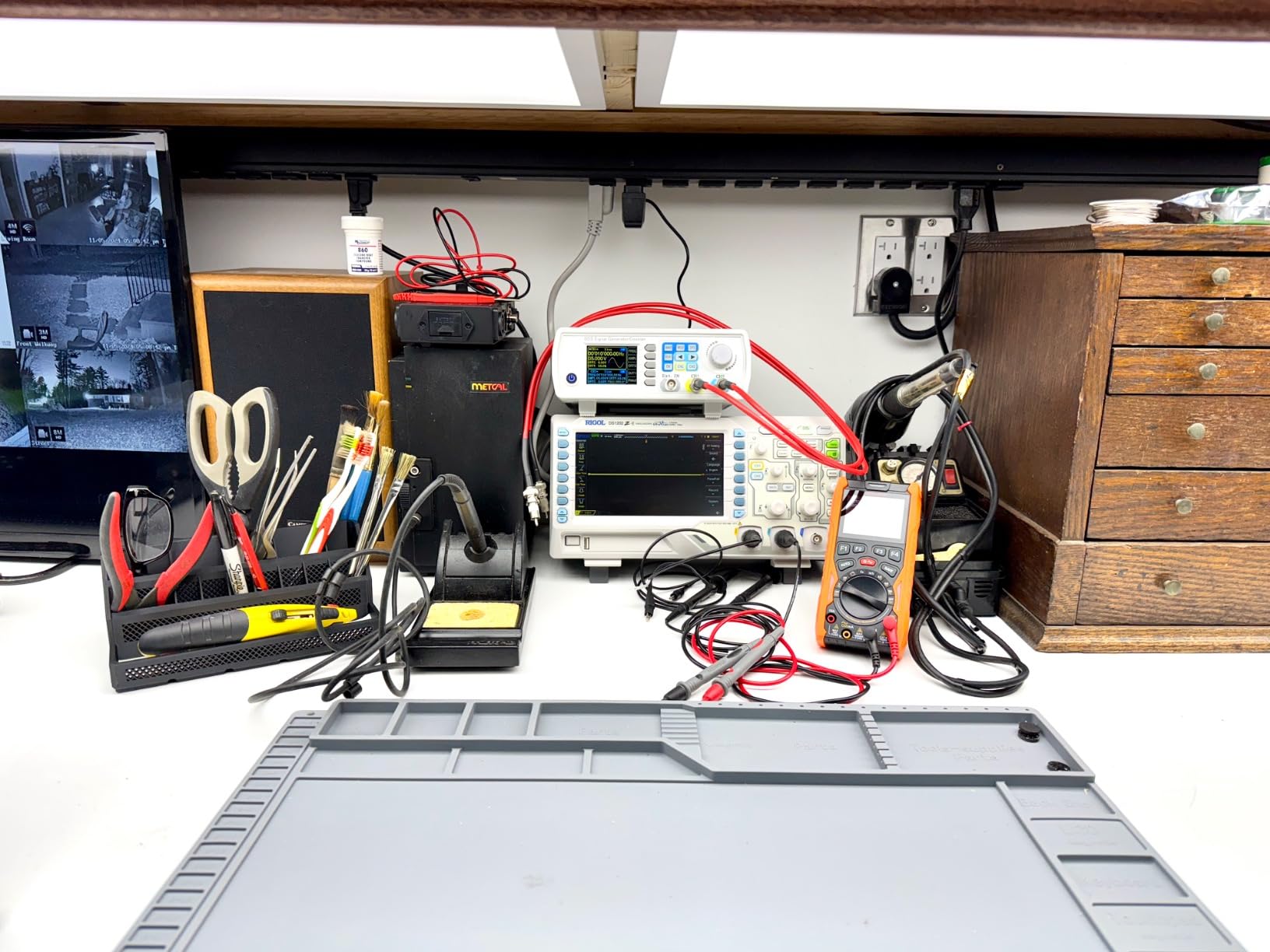
I found the build quality surprisingly premium for a budget scope. The knobs feel sturdier than the DS1054Z, and the included probes have shrouded BNC connectors that prevent accidental disconnection. The 7-inch WVGA display is bright and readable even under my workshop’s overhead lighting. All options come enabled permanently, so you don’t need to worry about trial software locks.
The deep 24 Mpts memory is shared with the DS1054Z, which means long captures are practical. I captured a power-up sequence on a custom PCB and zoomed in to see individual I2C address bytes. This is something you cannot do on budget scopes with shallow memory. The protocol decoders for RS232, I2C, and SPI also come standard.
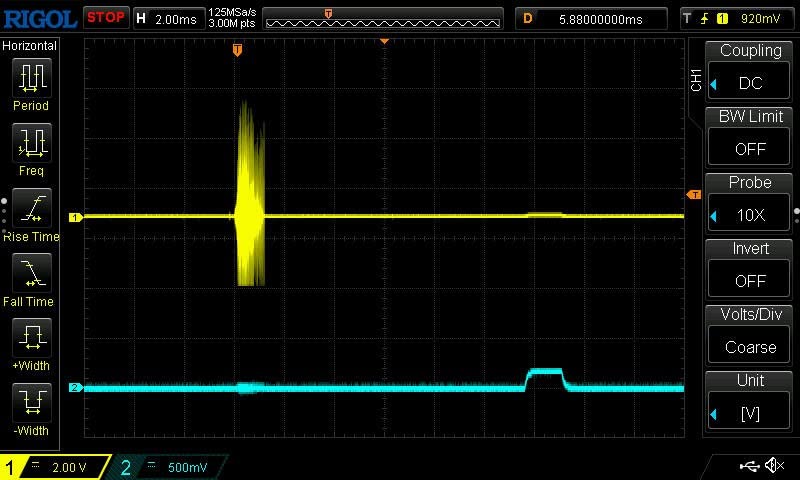
One quirk I noticed: the multifunction knob is hyper-sensitive. When adjusting menu values, it sometimes overshoots the selection. I learned to make smaller adjustments and double-check before pressing confirm. The USB 2.0 transfer speed also feels dated when saving large waveform captures.
For Whom It’s Good
Pick the DS1202Z-E if your projects push past 100 MHz or you work on RF circuits, high-speed digital signals, or switching power supplies. The 200 MHz bandwidth gives you room to grow without immediately needing another scope. It’s also a solid pick for two-channel users who prioritize bandwidth over channel count.
For Whom It’s Bad
If you need 4 channels for embedded work, this isn’t the right scope. Two channels becomes limiting fast when debugging parallel buses or comparing multiple sensor outputs. Also, the slower USB 2.0 interface makes PC-based data analysis cumbersome. For modern UI and 4-channel flexibility at a similar price, the DHO804 is worth considering.
3. Hantek DSO2D15 – Best With Built-in Waveform Generator
Hantek DSO2D15 Digital Storage Lab Oscilloscopes150MHz Bandwidth 2CH
150MHz bandwidth
2 channels + AWG
8M memory
Pros
- Built-in waveform generator
- Solid construction
- Easy firmware updates
- Helpful Default Setup button
- Good probe quality
Cons
- Sparse documentation
- Can lock up if misconfigured
- No internal battery
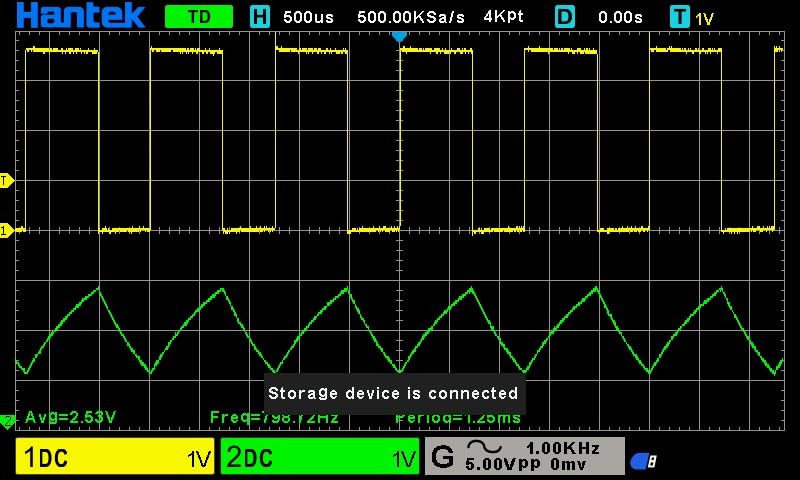
The Hantek DSO2D15 caught my attention because it bundles a 25 MHz arbitrary waveform generator into a 150 MHz scope. For hobbyists and college labs, this combination replaces two pieces of bench equipment with one. I used the AWG to test a filter circuit’s frequency response, sweeping sine waves from 1 kHz to 10 MHz without needing a separate signal source.
The signal generator’s stability impressed me. The output stayed clean across the full frequency range, and adjusting parameters was straightforward using the dedicated menu. The colored LED buttons match the channel colors, which is a small but thoughtful detail. The Default Setup button also resets everything cleanly when things go sideways.
The 8M memory depth is shallower than the Rigol DS1054Z, which limits long captures. For basic Arduino and ESP32 work, this isn’t a problem. But if you need to capture extended signal sequences, the Rigol models offer more headroom. Still, the inclusion of an AWG at this price point is hard to beat.
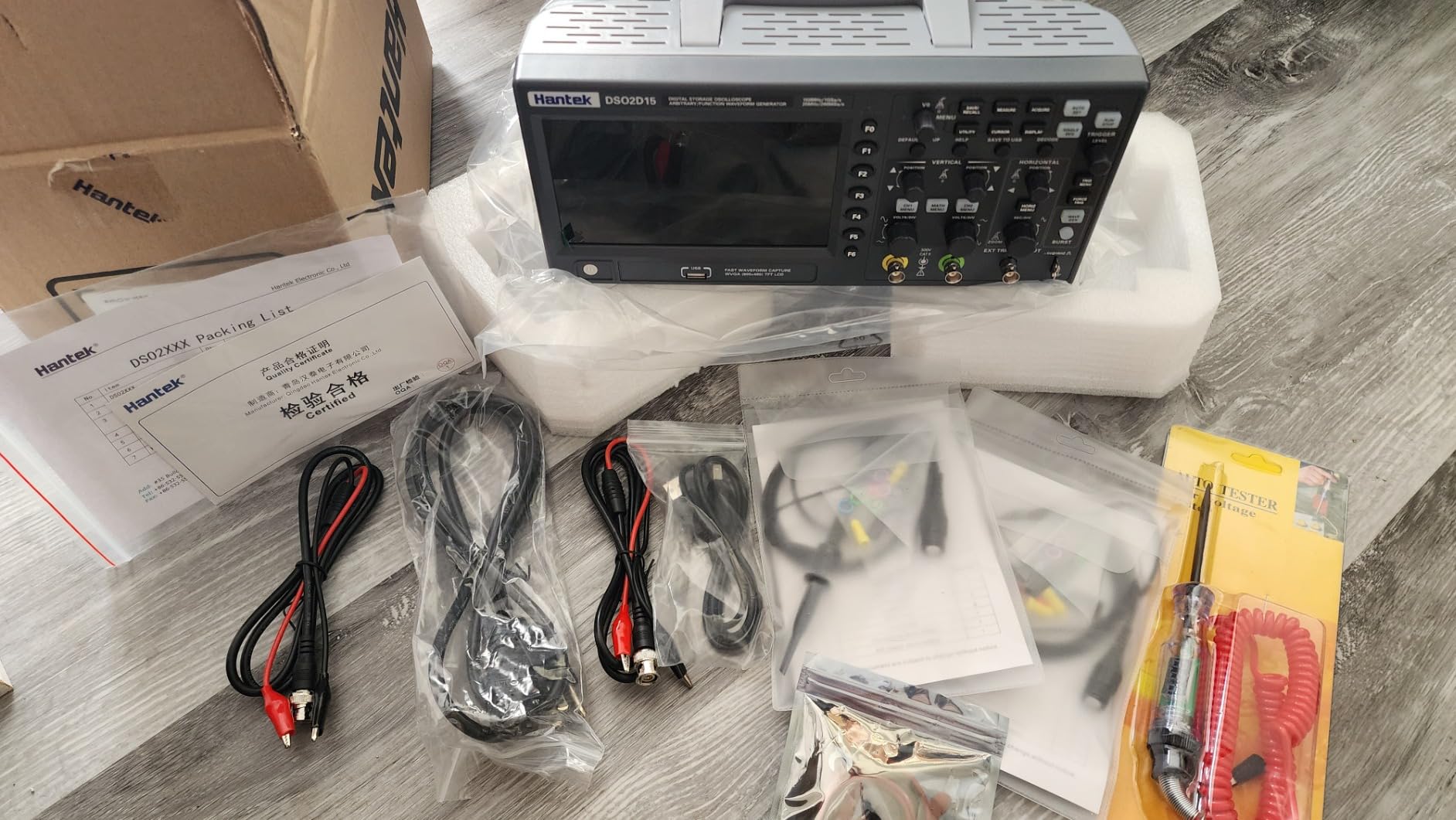
Documentation is the biggest pain point. There’s no printed manual and the online resources haven’t been updated for recent firmware. I had to dig through forum threads to figure out a few settings. The scope can also lock up if you push it with extreme configuration combinations, though a power cycle clears things up.
For Whom It’s Good
This scope fits electronics students and hobbyists who want a single bench tool that covers both measurement and signal generation. If you’re building filters, amplifiers, or testing sensor circuits with custom waveforms, the built-in AWG saves you from buying a separate function generator. It’s also solid for college labs needing reliable test equipment.
For Whom It’s Bad
If you need deep memory for long captures or extensive protocol decoding, look elsewhere. The 8M memory fills up quickly. Also, beginners without oscilloscope experience may struggle with the sparse documentation. For purely measurement-focused work without needing a signal source, the Rigol DS1054Z remains the stronger pick.
4. Rigol DHO804 – Best Modern Pick With Touchscreen
RIGOL DHO804 Portable Digital Oscilloscope, 70MHz, 4CH, 12-Bit Resolution
70MHz bandwidth
4 channels
12-bit resolution
Pros
- 12-bit resolution for cleaner waveforms
- Responsive touch screen
- 4 channels in compact size
- Web interface for remote control
- USB-C powerbank compatible
Cons
- Some DOA units reported
- Ultra Sigma software is dated
- External trigger halves sample rate
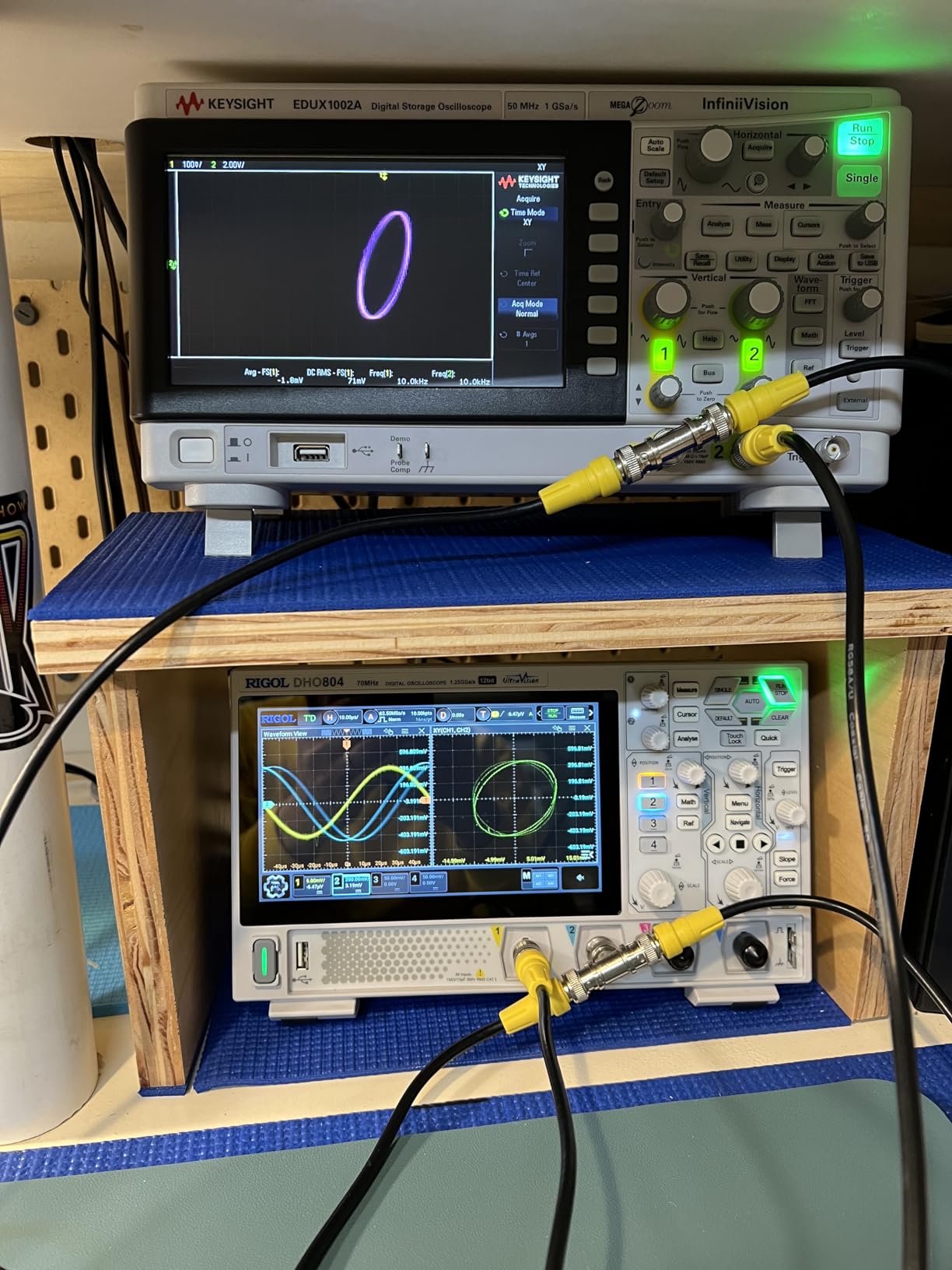
The Rigol DHO804 represents Rigol’s shift toward modern test equipment. The first thing I noticed was the 12-bit vertical resolution, which is a huge upgrade from the 8-bit ADCs in older scopes. When measuring small signals on top of DC offsets, the extra bits show details that would otherwise disappear in quantization noise. This matters most for power supply ripple measurements and audio circuit work.
The 7-inch touch screen runs Android underneath, which makes the interface feel snappy and familiar. I found myself using the touch controls more than the buttons, especially for zooming and adjusting trigger levels. The compact 10-inch-wide chassis also fits on a crowded workbench where a full-size DS1054Z wouldn’t fit.
One feature I appreciated: the DHO804 runs from a USB-C powerbank. I took it to a friend’s garage to debug his car wiring without needing AC power. The VESA mount option is another nice touch for permanent bench installations. The web interface also lets you control the scope from any browser on the same network.
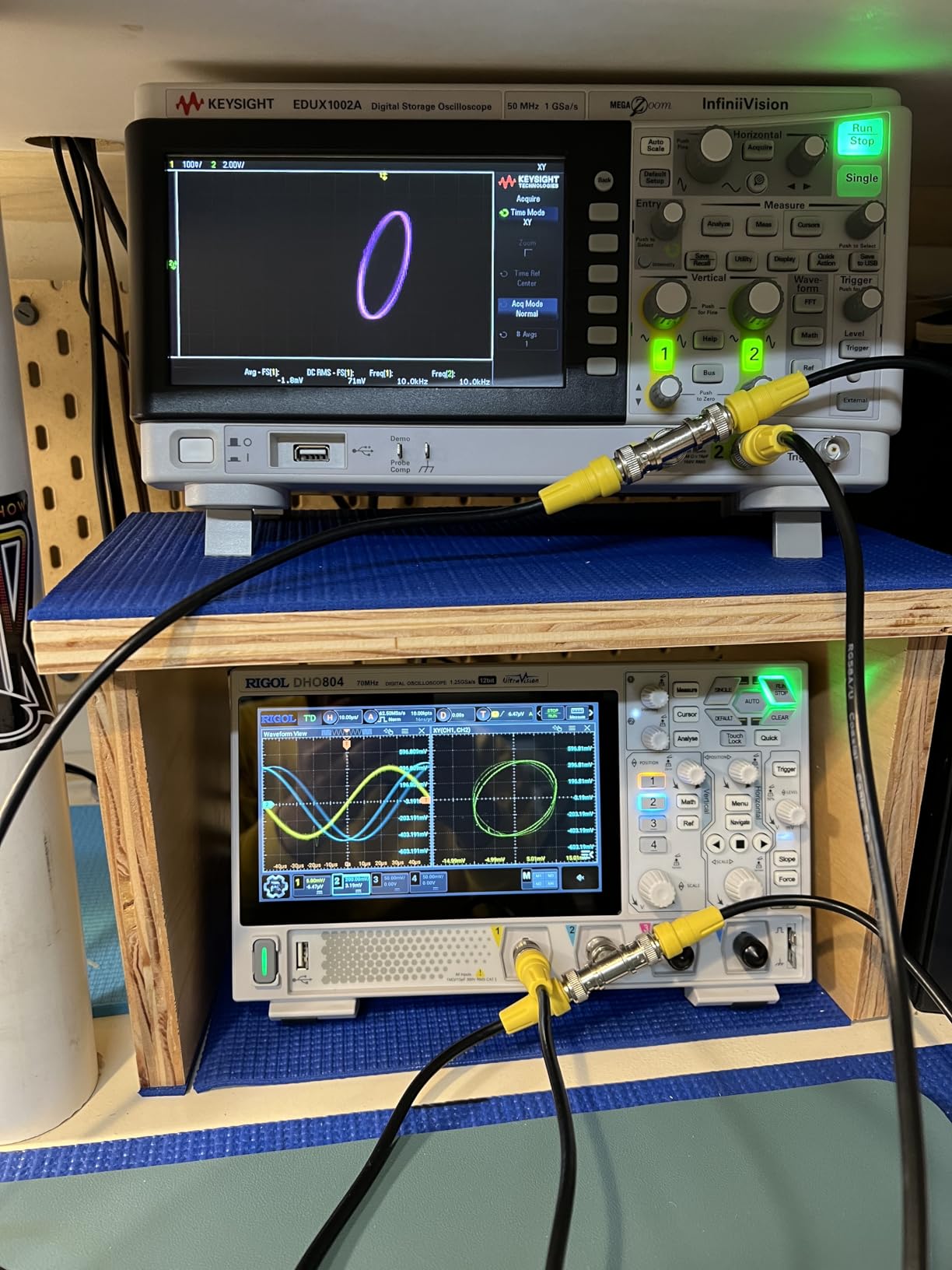
The downsides are mostly software-related. Ultra Sigma, Rigol’s PC connectivity software, feels obsolete and clunky. I ended up using SCPI commands through Python instead. There are also some reports of units arriving DOA, so buying from a reputable seller with easy returns matters. The fan noise is also noticeable under load.
For Whom It’s Good
The DHO804 is right for hobbyists who want modern features and 12-bit resolution without paying DHO924S prices. It’s also a strong pick for anyone working on audio circuits, low-voltage signals, or precision measurement where 8-bit scopes fall short. The portable form factor makes it ideal for field work or shared lab spaces.
For Whom It’s Bad
If you primarily need high bandwidth, the 70 MHz feels limiting compared to the DS1202Z-E. The PC software experience also needs work. And if you’ve already invested in DS1000Z series workflows, the DHO800’s different interface requires relearning. For pure measurement depth and proven reliability, the DS1054Z remains a safer choice.
5. Hantek DSO2C10 – Best Budget Pick Under $200
Hantek DSO2C10 Digital Storage Oscilloscope 100MHz Bandwidth 2CH
100MHz bandwidth
2 channels
8M memory
Pros
- Solid 100MHz bandwidth
- High voltage probe included
- Upgradable firmware
- Accurate measurements
- Compact form factor
Cons
- Inconsistent QC
- Poor manufacturer support
- Probe reliability concerns
- Function generator may not work out of box
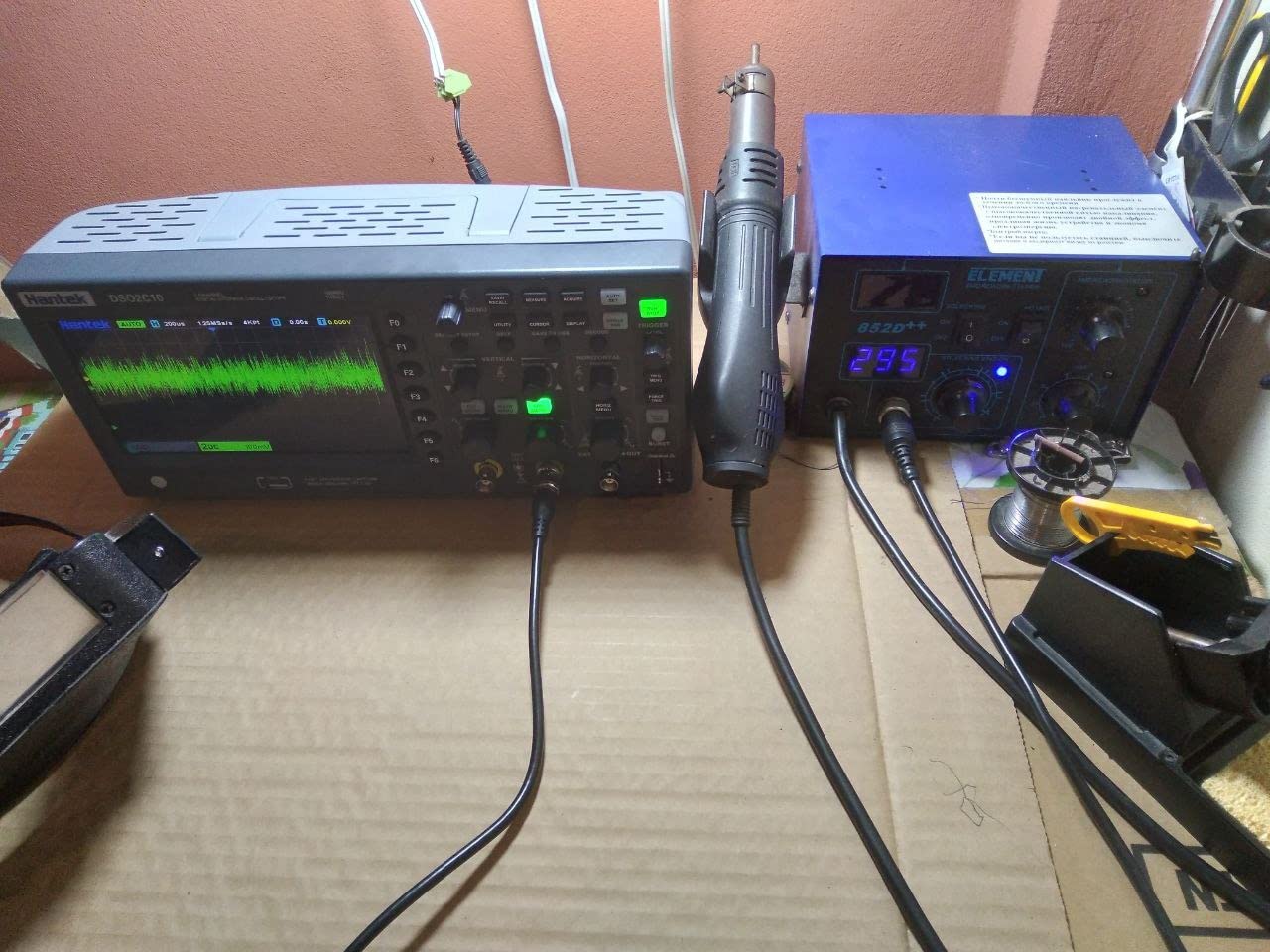
If you’re working with a tight budget, the Hantek DSO2C10 delivers 100 MHz of bandwidth for under $200. I tested one on guitar pedal repair projects, measuring audio signal paths and checking op-amp output stages. For hobby audio work, the bandwidth headroom was more than enough. The measurements matched my bench multimeter within expected tolerances.
The high voltage probe included is a thoughtful addition for anyone working on tube amplifiers or vintage electronics. Most budget scopes only include standard probes, so this saves you from buying a separate high-voltage probe. The firmware upgrade path also lets you unlock features that ship disabled on lower-tier models.
Build quality is decent for the price. The chassis feels lighter than the Rigol scopes, which makes it portable but also less substantial. The buttons and knobs work fine, though they don’t have the premium feel of more expensive units. The 8M memory depth limits long captures, but at this price point, that’s expected.
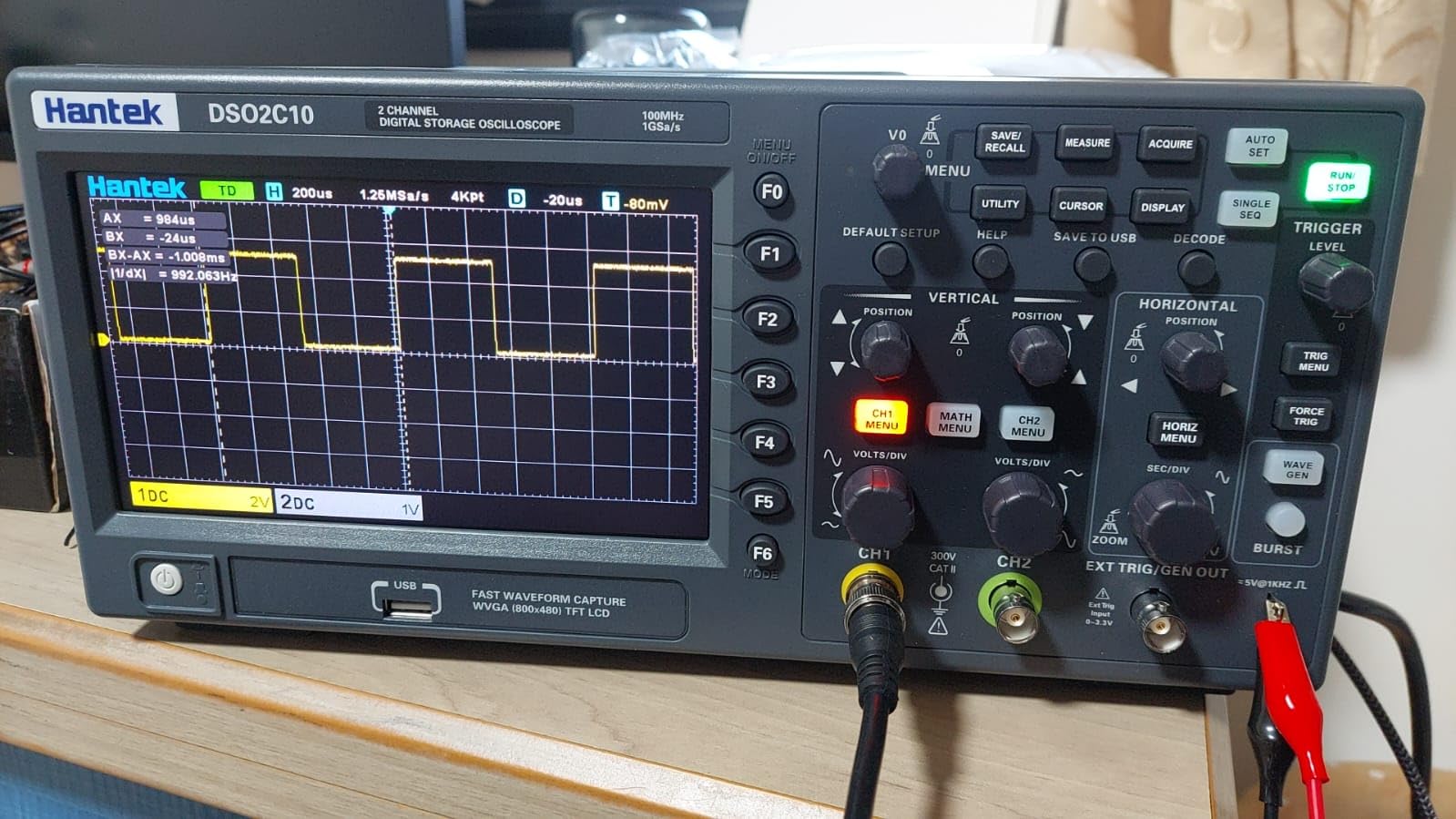
Quality control inconsistencies are real concerns. Some users report probes failing after a year, and the function generator occasionally ships non-functional out of the box. Manufacturer support is also weaker than Rigol’s. If you need reliable post-purchase support, factor in the time cost of troubleshooting yourself or relying on community forums.
For Whom It’s Good
The DSO2C10 is the right pick for budget-conscious hobbyists, students just starting out, or anyone needing a backup scope. If you’re comfortable troubleshooting firmware issues and don’t need manufacturer warranty support, the value is genuinely impressive. It’s also a smart choice for educational settings where multiple scopes are needed.
For Whom It’s Bad
If you need reliable long-term operation or strong post-purchase support, look at the Rigol models instead. The QC inconsistencies can become frustrating over time. Also, only 2 channels limits parallel debugging work. For serious hobbyist projects or professional use, spending a bit more on the DS1054Z pays off in reliability.
6. Rigol DHO924S – Best Premium Pick With 250MHz and Built-in AFG
RIGOL DHO924S Oscilloscope with Built-in Signal Generator, 250MHz, 12-Bit
250MHz bandwidth
4 channels
12-bit + AFG
Pros
- 250MHz bandwidth
- Built-in function generator
- Bode plot analysis
- 12-bit resolution
- Low noise floor
- Modern touch UI
Cons
- Bode plot lacks -3dB marker
- HDMI output can lock up
- 45-second boot time
- Audible fan under load
The Rigol DHO924S is the scope I’d buy if my budget stretched to $900. With 250 MHz of bandwidth, 12-bit resolution, and a built-in arbitrary function generator, it covers nearly every measurement scenario I encounter. The touch interface feels responsive, and the modern UI is a joy compared to legacy scope menus.
The Bode plot feature is a standout for anyone testing feedback loops or frequency response. I used it to characterize a switching power supply’s control loop, sweeping from 10 Hz to 1 MHz and plotting gain and phase. This is functionality that traditionally required dedicated equipment costing thousands more. The 50 Mpts memory depth also captures long sequences with fine detail.
Build quality feels premium throughout. The chassis is compact but solid, the screen is bright and responsive, and the included probes are high quality. Network connectivity with web browser control works smoothly. I can access the scope from my laptop without installing dedicated software, which saves time during long debugging sessions.
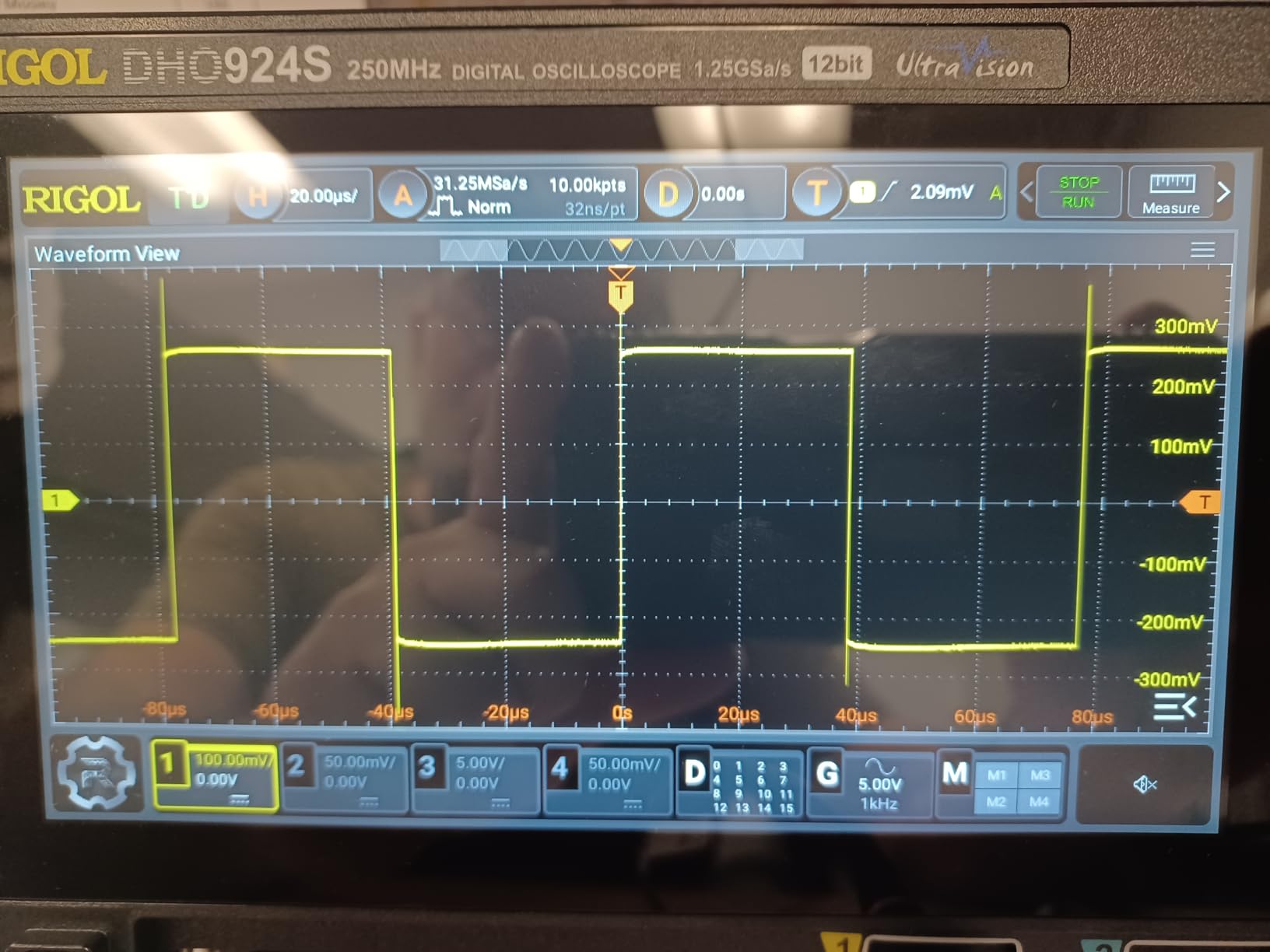
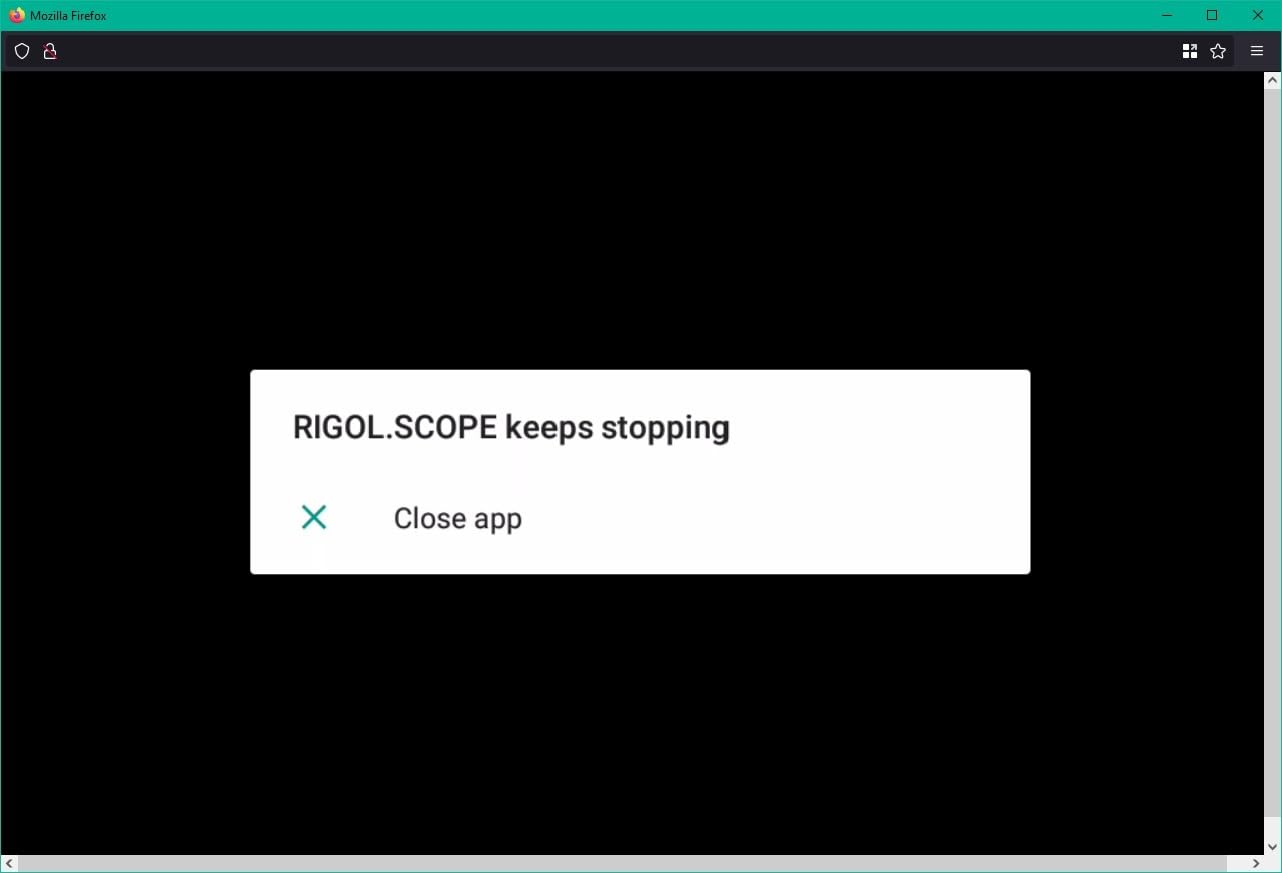
The downsides are mostly firmware quirks. The Bode plot lacks a -3dB point indicator, which is frustrating for filter analysis. The HDMI output occasionally blanks and locks up the scope, requiring a reboot. The 45-second boot time also feels long compared to instant-on traditional scopes. These are software issues that may improve with future firmware updates.
For Whom It’s Good
The DHO924S is ideal for serious hobbyists, embedded developers, and small labs needing professional features without professional pricing. If you work on power electronics, RF circuits, or mixed-signal designs, the combination of high bandwidth, deep memory, and 12-bit resolution is hard to beat. The Bode plot alone justifies the price for control loop analysis.
For Whom It’s Bad
For pure beginners, $900 is steep when the DS1054Z handles most learning scenarios. The firmware quirks also require patience and occasional workarounds. If you don’t need 250 MHz or Bode plot functionality, the DHO804 delivers most of the same modern features at lower cost. For budget hobbyist work, this scope is overkill.
Buying Guide: How to Choose the Best Rigol Oscilloscope for Your Needs
Picking the right oscilloscope comes down to matching specs to your actual projects. Here’s how I think through the decision when helping someone choose.
Bandwidth: Match It to Your Fastest Signal
Bandwidth determines the highest frequency signal your scope can measure accurately. The rule of thumb is to pick bandwidth at least 3-5 times higher than your fastest signal. If you’re debugging a 20 MHz SPI bus, you need at least 60-100 MHz of scope bandwidth. For audio work under 20 kHz, even 50 MHz works fine. The DS1054Z handles most beginner needs, but the DS1202Z-E and DHO924S give you room for high-speed digital work.
Sample Rate: Higher Is Better, But Check the Details
Sample rate (measured in GSa/s) tells you how many data points the scope captures per second. You want at least 2-5 times your bandwidth in sample rate. The DHO804 and DHO924S offer 1.25 GSa/s, which is generous. But watch out for reduced sample rates when using multiple channels, the DHO800 series halves the rate when four channels are active. For single-channel work, this isn’t an issue.
Memory Depth: Critical for Long Captures
Memory depth (Mpts) determines how long a waveform you can capture at high sample rate. Shallow memory forces the scope to drop sample rate for long timebases, losing signal detail. The Rigol DS1054Z and DS1202Z-E offer 24 Mpts, which is generous for the price. The DHO924S doubles this to 50 Mpts. Hantek’s 8M memory is the weak point in their budget models.
Channels: 4 Channels Unlock More Projects
Four channels let you compare multiple signals simultaneously. This matters for SPI/I2C debugging (clock + data + chip select), power supply work (input + output + ripple), and any project with parallel buses. Two-channel scopes work fine for simple projects but become limiting fast. The DS1054Z and DHO800/DHO900 series all offer 4 channels, which is why they dominate hobbyist recommendations.
Probe Upgrades: The Hidden Cost Most Buyers Miss
The probes included with budget scopes work, but they’re often the weakest link. After months of use, I’ve found that upgrading to higher-quality probes improves measurements noticeably. For high-bandwidth work, look for probes rated above your scope’s bandwidth. Rigol’s RP3500A and similar models handle faster signals with less loading. For low-current measurements, active probes preserve signal integrity better than passive ones.
Modern UI vs Traditional Buttons
The DHO800 and DHO900 series bring touchscreen interfaces to budget oscilloscopes. Touch is faster for zooming and menu navigation but less precise for fine adjustments. The DS1000Z series relies on physical buttons and knobs, which some engineers prefer for tactile feedback. If you’ve never used a scope before, touch feels more intuitive. If you learned on older equipment, buttons might feel more familiar.
Protocol Decoding: Built-in Beats Add-ons
If you work with I2C, SPI, UART, or CAN buses, built-in protocol decoders save hours. The DS1054Z and DHO series include decoders for common serial protocols at no extra cost. The DHO800 series adds CAN decoding for automotive work. Hantek models support similar protocols but documentation around setup is weaker. For embedded development, protocol decoding is essential.
Frequently Asked Questions
Are Rigol oscilloscopes any good?
Rigol oscilloscopes are excellent for hobbyists and budget-conscious professionals. The DS1054Z has been a top recommendation for over a decade, offering pro-class features like 4 channels, deep memory, and protocol decoding at a fraction of competitor pricing. Modern DHO800 and DHO900 series add 12-bit resolution and touchscreen interfaces. For most electronics hobbyist and educational use, Rigol scopes deliver better value than brands costing 2-3 times more.
What is the best and most affordable oscilloscope?
The Rigol DS1054Z is the best and most affordable oscilloscope for most users in 2026. It offers 50 MHz bandwidth (upgradable to 100 MHz via hack), 4 channels, 24 Mpts memory, and built-in protocol decoding. For tighter budgets, the Hantek DSO2C10 delivers 100 MHz under $200. If you want modern touchscreen and 12-bit resolution, the Rigol DHO804 is the best value in the mid-range tier.
Is the Rigol DS1054Z still worth buying in 2026?
Yes, the DS1054Z remains worth buying in 2026 despite being released in 2014. Its 4-channel design, 24 Mpts memory, and protocol decoding capabilities still match or exceed most budget scopes. The 50 MHz bandwidth handles most hobbyist projects, and the bandwidth hack to 100 MHz keeps it competitive. The massive community support, extensive tutorials, and proven reliability make it a safe first-scope choice. Newer DHO models offer modern features, but the DS1054Z delivers more value per dollar.
Which brand of oscilloscope is considered the best?
For professional use, Tektronix, Keysight, and LeCroy lead the market with superior noise floors and measurement accuracy. For budget and hobbyist segments, Rigol offers the best balance of features, build quality, and price. Hantek and Siglent compete at the lower price points. The right brand depends on your budget and needs. Rigol dominates the budget-to-mid-range segment that most hobbyists and educators occupy.
What is the best automotive oscilloscope for the money?
For automotive work, the Rigol DHO804 and DHO924S are strong picks because they include CAN and LIN protocol decoding. Automotive signals typically run below 1 MHz, so 70 MHz bandwidth is more than enough. 4 channels let you monitor crank sensors, cam sensors, and communication buses simultaneously. The built-in signal generator in the DHO924S helps simulate sensor signals for testing. For pure budget automotive work, the DS1054Z also handles most tasks.
Final Verdict: Which Rigol Oscilloscope Should You Buy?
After testing all six scopes, my pick for the best Rigol oscilloscope for the money remains the DS1054Z. It delivers more capability per dollar than anything else on this list, and the community support makes troubleshooting easy. If you want modern features and 12-bit resolution, the DHO804 is the smarter upgrade. For tight budgets, the Hantek DSO2C10 punches above its weight. If you’re researching other benchtop oscilloscopes beyond Rigol, that comparison guide covers additional options.
Whatever you choose, make sure it matches your actual projects. The best scope is the one you’ll use regularly, not the one with the most impressive spec sheet. If you’re just starting out, the DS1054Z is the safest first choice. As your skills grow, you’ll know exactly when it’s time to upgrade.