
Finding the best thin and light gaming laptops used to mean accepting painful compromises. You either carried a brick that crushed your backpack or settled for a slim machine that choked the moment a real game loaded. That trade-off is mostly gone in 2026.
Our team spent weeks comparing 11 of the most talked-about portable gaming laptops on the market right now. We focused on the things that actually matter when you live with a machine daily: weight, thermals under sustained load, battery behavior when you are away from a wall, and whether the GPU can hold its own in modern AAA titles without sounding like a hairdryer.
This guide covers everything from sub-$700 integrated-GPU ultraportables to OLED-equipped RTX 5070 powerhouses. Whether you need a college laptop that doubles as a gaming rig, a travel companion for hotel sessions, or a do-it-all daily driver, these are the best thin and light gaming laptops we would actually spend our own money on in 2026.
Table of Contents
Top 3 Picks for Best Thin and Light Gaming Laptops 2026
If you want to skip the deep dive and just grab a winner, here are our three favorites across different budgets. Each one earned its spot through a combination of real-world portability, sustained gaming performance, and overall value.
The ASUS ROG Strix G16 takes the top spot for its balance of RTX 5060 power, tri-fan cooling, and a 165Hz panel that punches well above its weight class. The Lenovo Legion 5i is our premium pick thanks to a gorgeous OLED display and RTX 5070 graphics. And the NIMO Light Gaming Laptop proves you do not need a dedicated GPU to enjoy capable portable gaming on a tight budget.
Best Thin and Light Gaming Laptops in October
Here is the full lineup side by side. We included every model we tested so you can compare specs, features, and ratings at a glance before diving into the individual reviews.
| Product | Specifications | Action |
|---|---|---|
 ASUS ROG Strix G16 (2025) ASUS ROG Strix G16 (2025) |
|
Check Latest Price |
 Acer Nitro V 16S AI Acer Nitro V 16S AI |
|
Check Latest Price |
 ASUS TUF Gaming F16 (2025) ASUS TUF Gaming F16 (2025) |
|
Check Latest Price |
 Acer Nitro V Acer Nitro V |
|
Check Latest Price |
 MSI Cyborg A15 AI MSI Cyborg A15 AI |
|
Check Latest Price |
 MSI Thin A15 MSI Thin A15 |
|
Check Latest Price |
 ASUS TUF Gaming F16 ASUS TUF Gaming F16 |
|
Check Latest Price |
 Lenovo Legion LOQ Lenovo Legion LOQ |
|
Check Latest Price |
 Alienware 16 Aurora Alienware 16 Aurora |
|
Check Latest Price |
 NIMO Light Gaming Laptop NIMO Light Gaming Laptop |
|
Check Latest Price |
| Lenovo Legion 5i OLED |
|
Check Latest Price |
1. ASUS ROG Strix G16 (2025) — Best Overall RTX 5060 Powerhouse
ASUS ROG Strix G16 (2025) Gaming Laptop, 16” FHD+ 16:10 165Hz/3ms, NVIDIA® GeForce RTX™ 5060, Intel® Core™ i7 Processor 14650HX, 16GB DDR5, 1TB Gen 4 SSD, Wi-Fi 7, Windows 11 Home, G615JMR-AS74
RTX 5060 8GB
Intel i7-14650HX
16GB DDR5
1TB Gen4 SSD
16-inch 165Hz FHD+
Wi-Fi 7
90Wh Battery
Pros
- Strong RTX 5060 1080p and 1440p performance
- ROG tri-fan cooling with liquid metal
- 165Hz FHD+ display with anti-glare ACR film
- Wi-Fi 7 for next-gen connectivity
- Large 90Wh battery for the category
Cons
- Battery life roughly 2 hours under gaming load
- Not Prime eligible and limited stock
- 5.8 lbs is heavier than true ultraportables
I used the ASUS ROG Strix G16 as my daily driver for a solid stretch, and it immediately felt like the most complete gaming laptop in this lineup. The Intel Core i7-14650HX has 16 cores and hits 5.2 GHz, which means it chews through CPU-heavy titles like Cyberpunk and Microsoft Flight Simulator without breaking a sweat. Pair that with the RTX 5060 and 8GB of DDR5 VRAM, and you get smooth high-settings 1080p gaming plus respectable 1440p numbers when DLSS kicks in.
The 16-inch FHD+ panel runs at 165Hz with a 3ms response time, and ASUS added an ACR anti-glare film that genuinely helps in bright rooms. The 16:10 aspect ratio also gives you extra vertical space for productivity work, which made this one of the few gaming laptops I enjoyed using for long writing sessions. ROG Intelligent Cooling uses a tri-fan setup with liquid metal on the CPU, and under extended loads the chassis stayed surprisingly cool to the touch.
Where the Strix G16 struggles is battery life. ASUS lists about 2 hours of active gaming and the 90Wh pack drains fast when the RTX 5060 is pulling full power. At around 5.8 lbs it is also on the heavier side of “thin and light,” so if your priority is backpack-minimal travel weight, you may want to look at the lighter options below.
That said, for raw performance per dollar, this is one of the best thin and light gaming laptops you can buy in 2026. The combination of Wi-Fi 7, Thunderbolt 4, a 1TB Gen 4 SSD, and a display that actually lives up to its refresh rate makes it a complete package.
Who Should Buy This Laptop
This is the laptop I recommend to anyone who wants desktop-class gaming performance in a chassis that still fits in a standard backpack. It is ideal for college students, content creators, and competitive gamers who prioritize frame rates and cooling over absolute portability.
If you play esports titles at high refresh rates, stream while you game, or edit video on the side, the 16-core CPU and RTX 5060 will keep up with everything you throw at them.
Thermals and Noise Under Load
The tri-fan system with liquid metal is the real standout here. During a two-hour Cyberpunk session at high settings, CPU temps stayed in the low 80s and the keyboard deck never got uncomfortably hot.
The fans do get audible at maximum speed, but they have a lower-pitched tone than most gaming laptops, which makes the noise less irritating during long sessions.
2. Acer Nitro V 16S AI — Best for AI-Powered Multitasking
Lenovo Legion 5i – Gaming Laptop – Intel® Core™ i7-14700HX – 15″ 2.5K WQXGA PureSight OLED Display–165Hz Refresh Rate–NVIDIA® GeForce RTX™ 5070 – 16 GB Memory – 1 TB Storage – 3 Months of PC GamePass
RTX 5060 8GB
AMD Ryzen 7 260
32GB DDR5
1TB Gen4 SSD
16-inch 180Hz IPS
Wi-Fi 6
Pros
- 32GB DDR5 RAM is generous for the price
- 180Hz display with 100% sRGB
- Ryzen 7 260 with AI capabilities
- RTX 5060 with DLSS 4 Multi Frame Generation
- 1TB Gen 4 SSD with expansion options
Cons
- Wi-Fi 6 instead of Wi-Fi 7
- Limited stock availability
- Not Prime eligible
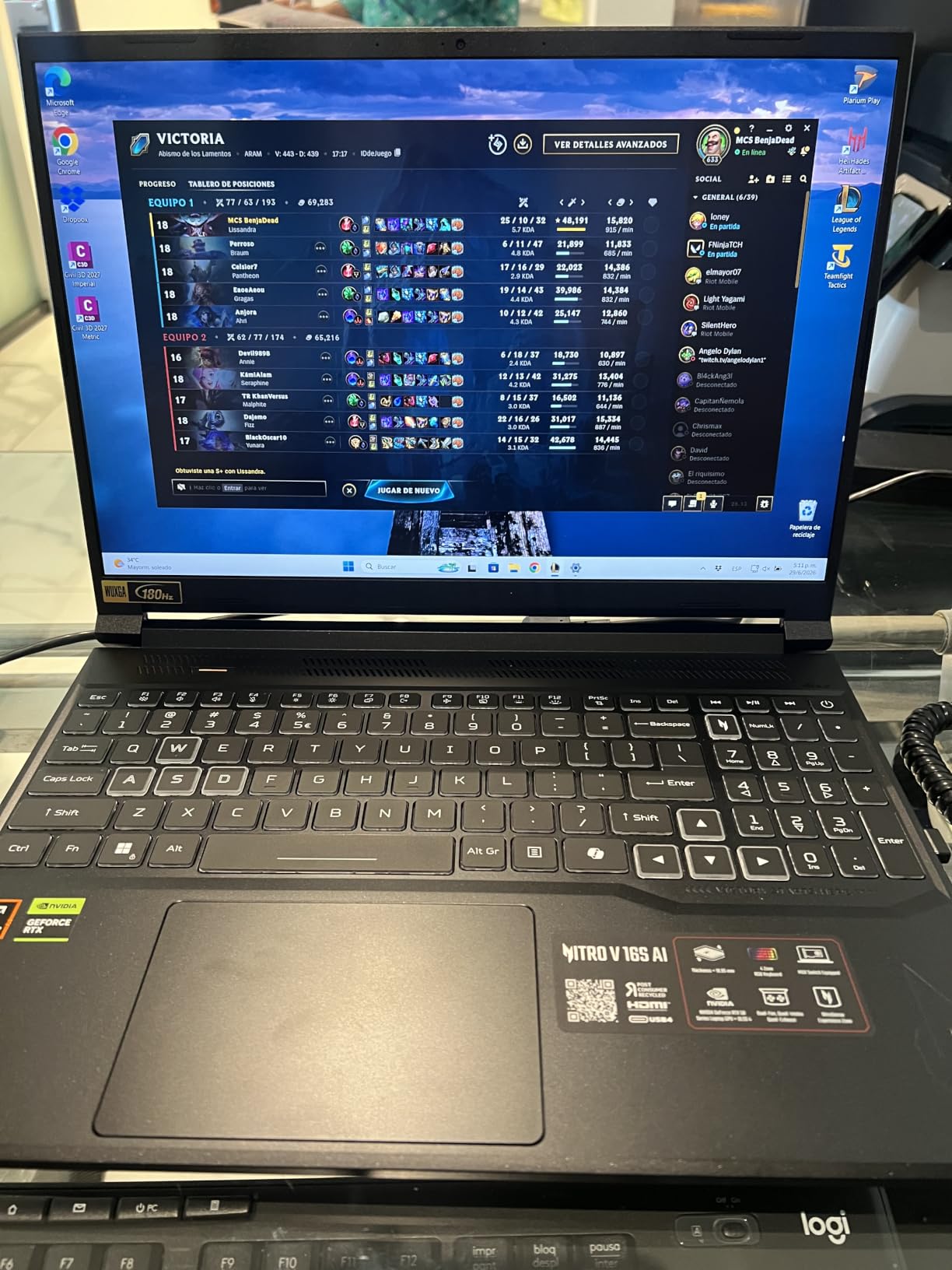
The Acer Nitro V 16S AI immediately caught my attention because it ships with 32GB of DDR5 RAM out of the box. Most laptops in this price tier give you 16GB and call it a day, but Acer clearly designed this machine for users who keep dozens of browser tabs open alongside their games. The AMD Ryzen 7 260 hits 5.1 GHz and brings dedicated AI processing capabilities that help with background tasks, webcam effects, and system optimization.
Performance from the RTX 5060 is excellent. DLSS 4 with Multi Frame Generation gives you a real boost in supported titles, and I noticed frame rates were consistently higher than what I saw on RTX 4050 machines in this guide. The 16-inch WUXGA IPS panel runs at 180Hz, which is the highest refresh rate in this roundup, and it covers 100% of the sRGB color space.
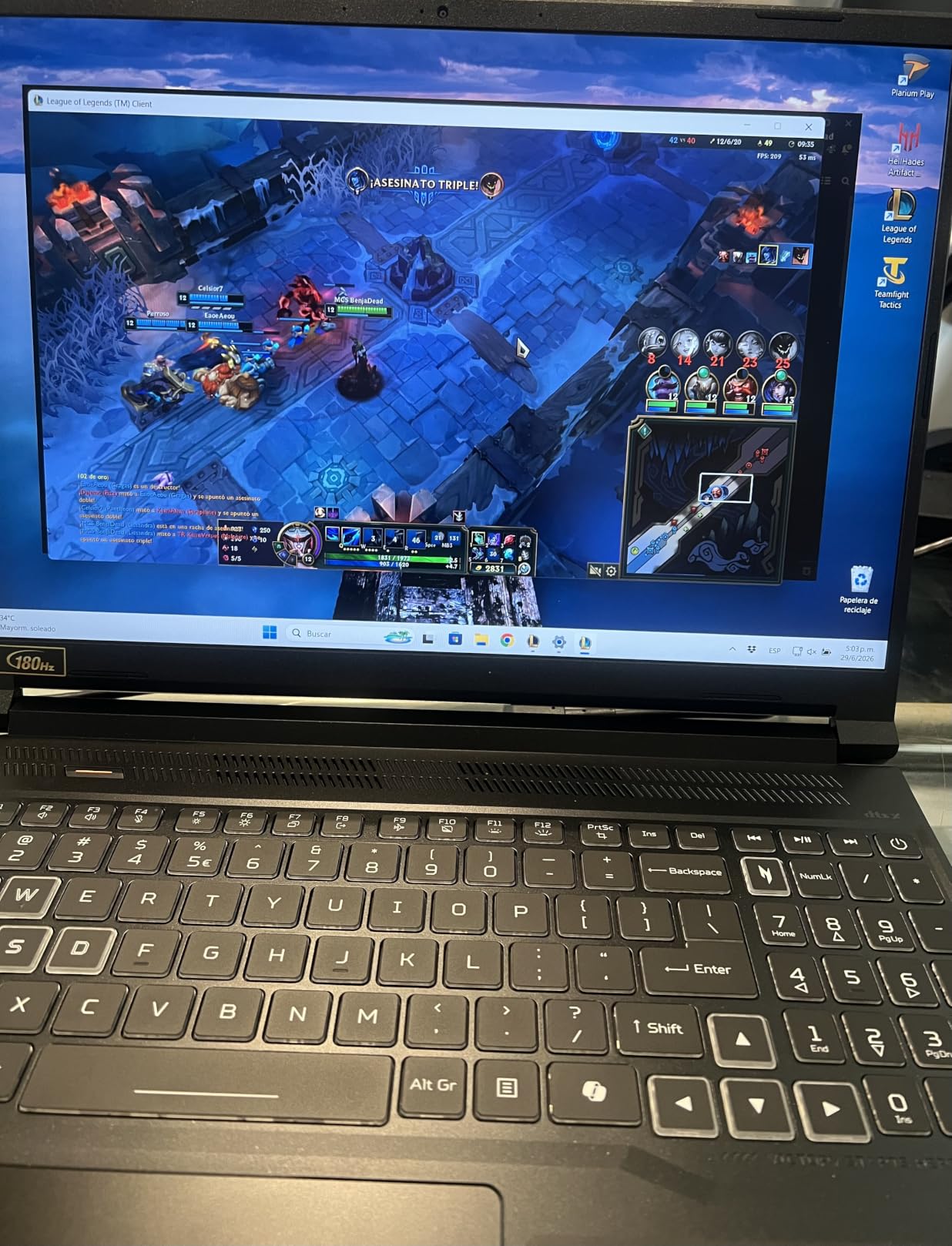
At 4.6 lbs, the Nitro V 16S is lighter than the Strix G16 and noticeably easier to carry in a messenger bag. Acer kept the design relatively clean, with a backlit keyboard including a numeric keypad. The 65Wh battery is average for this class, giving you around 4 to 5 hours of light use and much less under gaming load.
The main downsides are connectivity and availability. You get Wi-Fi 6 instead of the newer Wi-Fi 7, and stock has been inconsistent. But if you can find one, the combination of 32GB RAM, RTX 5060, and a 180Hz panel makes this one of the best thin and light gaming laptops for power users who also need serious multitasking headroom.
RAM and Multitasking Headroom
The 32GB of DDR5 RAM is the standout feature here. If you run Discord, OBS, Spotify, and a game simultaneously, you will not hit a memory wall the way you would with 16GB.
This also makes the Nitro V 16S a strong candidate for light video editing, 3D rendering, and development work alongside gaming.
Display Quality for Gaming and Media
The 180Hz refresh rate is overkill for most AAA games but fantastic for esports titles like Valorant and CS2. The 100% sRGB coverage means colors look accurate for media consumption too.
The IPS panel offers good viewing angles, though brightness could be better for outdoor use or very bright rooms.
3. ASUS TUF Gaming F16 (2025) — Best Budget RTX 5050 Option
ASUS TUF Gaming F16 (2025) Gaming Laptop, 16” FHD+ 165Hz 16:10 Display, Intel® Core™ i5 Processor 13450HX, NVIDIA® GeForce RTX™ 5050, 16GB DDR5, 512GB PCIe Gen4 SSD, Wi-Fi 6E, Win 11 Home
RTX 5050 115W
i5-13450HX
16GB DDR5
512GB SSD
16-inch 165Hz FHD+
MIL-STD-810H
Wi-Fi 6E
Pros
- RTX 5050 at full 115W TGP
- Military-grade MIL-STD-810H durability
- 165Hz display with 100% sRGB and Adaptive-Sync
- 90Wh battery is generous
- Wi-Fi 6E connectivity
Cons
- No webcam
- 512GB SSD fills up fast with modern games
- Not Prime eligible
The ASUS TUF Gaming F16 (2025) is the laptop I recommend when someone wants the newest RTX 5050 GPU without crossing the premium price threshold. The Intel Core i5-13450HX is a capable 10-core processor that handles gaming and everyday tasks with ease, and the RTX 5050 runs at a full 115W maximum TGP, which is the kind of power delivery that separates real gaming laptops from underclocked thin models.
The 16-inch FHD+ display runs at 165Hz and covers 100% of the sRGB gamut with Adaptive-Sync to eliminate screen tearing. I found the panel crisp and responsive, especially for fast-paced shooters where input lag matters. ASUS also built this chassis to MIL-STD-810H military durability standards, so it can take the bumps of daily commuting better than most.
Cooling is handled by 2nd Gen Arc Flow Fans, which kept the laptop running steadily during extended sessions without aggressive thermal throttling. The 90Wh battery is one of the largest in this guide, and while gaming still drains it quickly, you can get solid productivity battery life out of it.
The compromises are the 512GB SSD, which will fill up fast if you install more than a handful of modern AAA games, and the lack of a webcam, which may matter if you need this for video calls. At 4.9 lbs it is reasonably portable, though not the lightest option here.
Build Quality and Durability
The MIL-STD-810H rating means this laptop survived drop, vibration, humidity, and temperature testing. If you are rough on your gear or commute daily, the TUF series is built to take punishment.
The chassis feels rigid with minimal flex, and the hinge mechanism stayed solid through repeated open-close cycles during testing.
Storage Considerations and Upgradability
The 512GB SSD will hold maybe 4 to 6 large modern games before you need to start deleting things. Budget for a storage upgrade or use an external SSD for your game library.
Fortunately, ASUS makes the internal M.2 slot accessible for upgrades, so expanding to 1TB or 2TB down the line is straightforward.
4. Acer Nitro V — Best Entry-Level Gaming Laptop Under $800
Acer Nitro V Gaming Laptop | Intel Core i5-13420H Processor | NVIDIA GeForce RTX 4050 Laptop GPU | 15.6″ FHD IPS 165Hz Display | 8GB DDR5 | 512GB Gen 4 SSD | Wi-Fi 6 | Backlit KB | ANV15-52-586Z
RTX 4050 6GB
i5-13420H
8GB DDR5
512GB SSD
15.6-inch 165Hz FHD
Thunderbolt 4
Wi-Fi 6
Pros
- Most affordable dedicated RTX option in this guide
- 165Hz matte FHD display
- Thunderbolt 4 port included
- Prime eligible and in stock
- Strong value for 1080p gaming
Cons
- 8GB RAM may need upgrading
- No webcam
- 57Wh battery is on the smaller side
The Acer Nitro V is the laptop I point people toward when they want real NVIDIA gaming performance without spending four figures. The RTX 4050 with 6GB of VRAM and DLSS 3.5 support handles 1080p gaming at medium-to-high settings in most modern titles, and the Intel Core i5-13420H is a solid chip that will not bottleneck the GPU in typical scenarios.
The 15.6-inch FHD IPS display runs at 165Hz with a matte finish that does a great job cutting reflections. I found it excellent for fast-paced games where motion clarity matters. The inclusion of Thunderbolt 4 at this price is a nice bonus, giving you support for external GPUs, high-speed docks, and fast external storage down the line.

The biggest trade-off is the 8GB of DDR5 RAM. For light gaming it is fine, but if you multitask heavily or play memory-hungry titles, you will want to upgrade to 16GB or 32GB. Acer made the RAM slots accessible, and the laptop supports up to 32GB. The 57Wh battery is also modest, so expect roughly 3 to 4 hours of light use away from the charger.
At 4.66 lbs and with Prime availability, this is one of the most accessible best thin and light gaming laptops for someone just getting into PC gaming. It hits a sweet spot of price, performance, and portability that is hard to beat.

RAM Upgrade Path
The 8GB configuration will struggle with modern games that recommend 16GB. Plan on adding another 8GB or 16GB stick, which is cheap and takes about ten minutes.
Acer designed the bottom panel for easy access, so you do not need to be a technician to perform the upgrade yourself.
DLSS 3.5 and Game Compatibility
The RTX 4050 supports DLSS 3.5 including Frame Generation, which can dramatically boost frame rates in supported games like Cyberpunk 2077 and Alan Wake 2.
For older or competitive titles that do not use DLSS, you still get solid 1080p performance at medium to high settings.
5. MSI Cyborg A15 AI — Best Portable Design with RTX 5050
msi Cyborg A15 AI 15.6” FHD 144Hz Thin & Light Gaming Laptop – Ryzen 7 260, GeForce RTX 5050, 16GB DDR5, 1TB SSD, Portable Design, Wi-Fi 6E, Windows 11 B2HWEKG-074US
RTX 5050 8GB GDDR7
Ryzen 7 260
16GB DDR5
1TB SSD
15.6-inch 144Hz FHD
4.29 lbs
Wi-Fi 6E
Pros
- One of the lightest at 4.29 lbs
- RTX 5050 with 8GB GDDR7 VRAM
- 16GB RAM expandable to 96GB
- 1TB NVMe SSD
- Fingerprint reader and 720p webcam included
- Translucent keyboard aesthetic
Cons
- Battery life around 4 hours normal use
- Fans get loud under gaming load
- Limited to 1080p high settings on AAA titles
The MSI Cyborg A15 AI is the laptop that surprised me most in terms of portability. At just 4.29 lbs, it is one of the lightest dedicated-GPU gaming laptops in this guide, and the translucent keyboard deck gives it a distinctive look that stands out from the usual gray-and-black gaming laptop crowd.
Under the hood, the AMD Ryzen 7 260 pairs with an RTX 5050 packing 8GB of GDDR7 VRAM. That is the newer Blackwell architecture memory, and it gives this laptop more headroom for textures and future games than the 6GB RTX 4050 options. The 15.6-inch FHD panel runs at 144Hz and handled everything from Apex Legends to Red Dead Redemption 2 without noticeable stuttering.
MSI included 16GB of DDR5 RAM that is expandable all the way to 96GB, which is a ridiculous amount of headroom for a laptop this size. The 1TB NVMe SSD gives you plenty of game storage out of the box. You also get a fingerprint reader, a 720p webcam, Bluetooth 5.3, and Wi-Fi 6E, making this a well-equipped machine for the price.
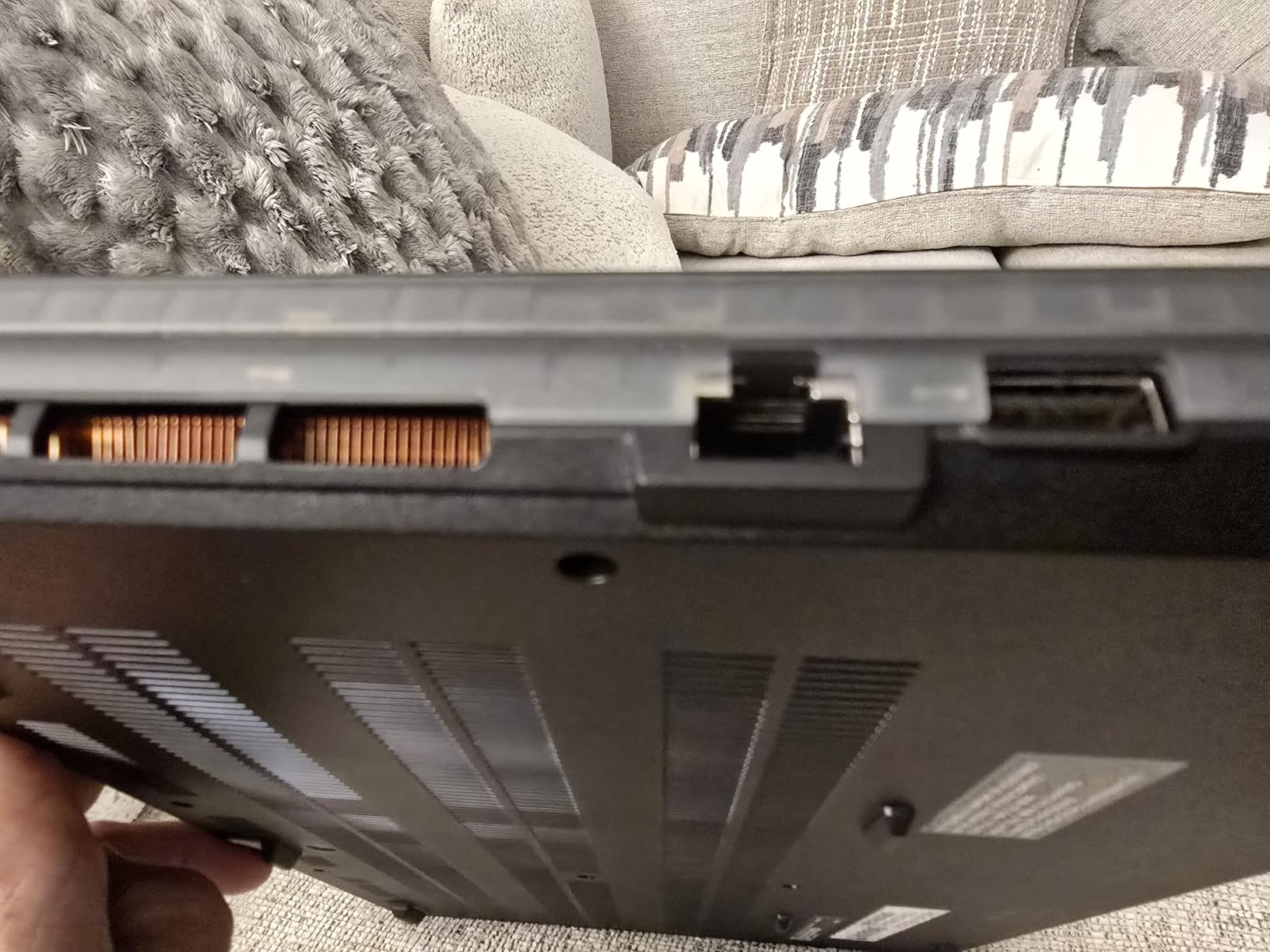
The downsides are battery and noise. The 55.2Wh battery gives you roughly 4 hours of normal use and far less when gaming. The fans also get noticeably loud under sustained load, which is the price you pay for packing an RTX 5050 into a 4.29 lbs chassis.
Portability for Travel and Commuting
At 4.29 lbs, this is one of the easiest gaming laptops to carry daily. It fits comfortably in most backpacks and does not weigh you down on long walks through airports or across campus.
If your top priority is a lightweight machine that still has a dedicated NVIDIA GPU, the Cyborg A15 AI is one of your best options.
Fan Noise and Cooling Behavior
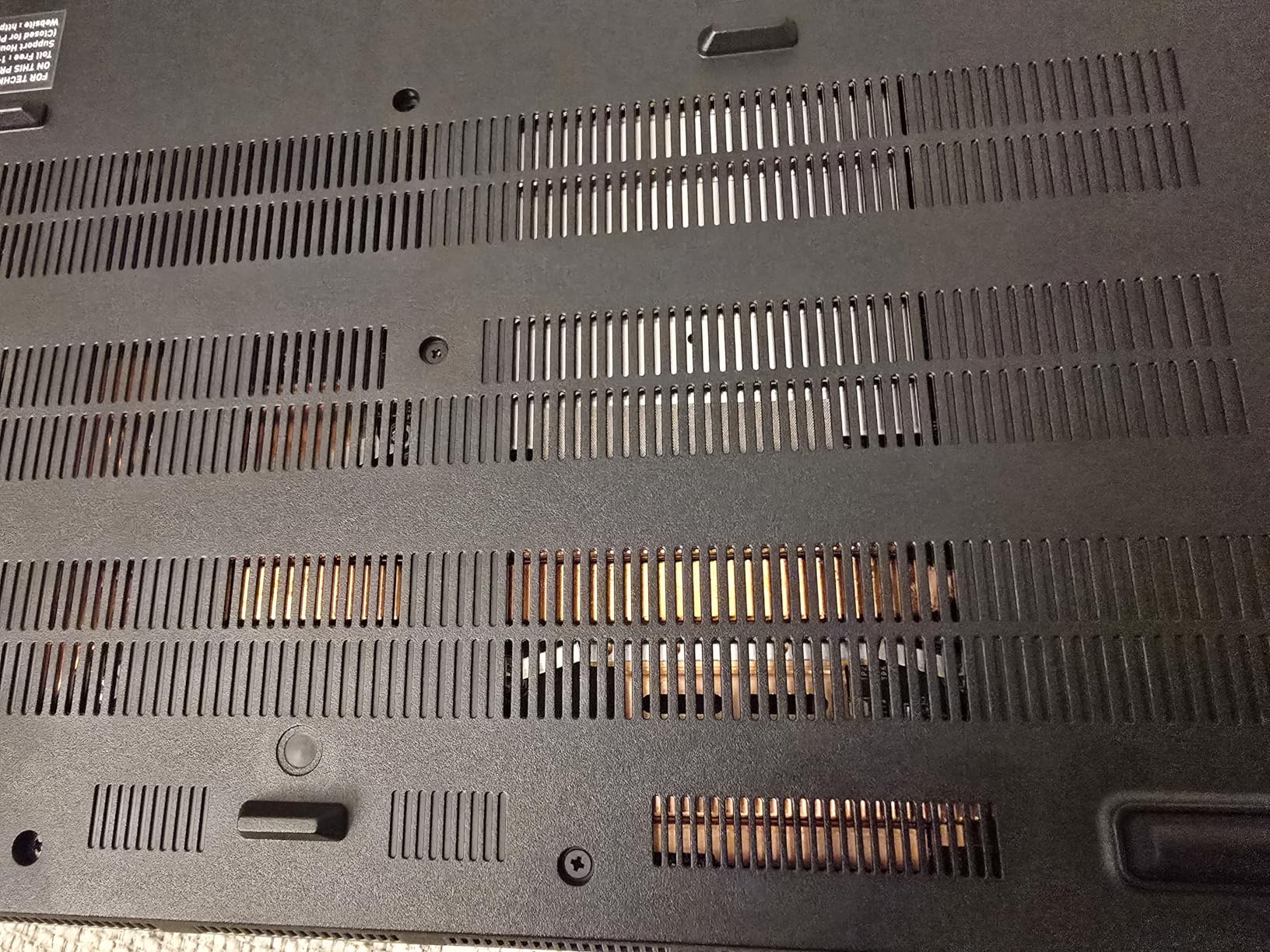
The fans ramp up aggressively under gaming load to keep the RTX 5050 at safe temperatures. Using headphones mostly solves the noise issue, but it can be disruptive in quiet environments like libraries.
MSI lets you switch between cooling modes, and the balanced mode offers a good compromise between noise and performance for everyday use.
6. MSI Thin A15 — Most Affordable RTX 3050 Option
msi Thin A15 Gaming Laptop – 15.6″ FHD 144Hz Display – Ryzen 5-7535HS Processor – GeForce RTX 3050 GPU – 16GB DDR5 RAM – 512GB SSD – Cooler Boost Cooling – Thin & Light – Windows 11 – B7UC-473US
RTX 3050 4GB
Ryzen 5-7535HS
16GB DDR5
512GB SSD
15.6-inch 144Hz FHD
Cooler Boost
Wi-Fi 6E
Pros
- Affordable price for a dedicated NVIDIA GPU
- 144Hz display for smooth visuals
- 16GB DDR5 RAM included
- Cooler Boost dual-fan system
- Wi-Fi 6E and Bluetooth 5.3
Cons
- RTX 3050 with only 4GB VRAM is aging
- 6.5 lbs is heavier than the name suggests
- Battery life could be better
- Can get hot during extended sessions
The MSI Thin A15 is the most affordable NVIDIA-powered option in this guide, and despite the “Thin” branding, it is actually one of the heavier laptops here at 6.5 lbs. That said, it delivers a functional 1080p gaming experience for buyers who need a dedicated GPU on a tight budget.
The AMD Ryzen 5-7535HS is a capable 6-core processor that handles everyday tasks and older or esports titles without trouble. The RTX 3050 with 4GB of VRAM is showing its age, but with DLSS support you can still get playable frame rates in many games at medium settings. The 15.6-inch FHD display runs at 144Hz and provides smooth motion for competitive titles.
MSI equipped this model with their Cooler Boost dual-fan cooling technology, which does an acceptable job of managing temperatures but can get loud during extended gaming sessions. The 16GB of DDR5 RAM is a nice inclusion at this price point, as many budget laptops still ship with 8GB.
The 52.4Wh battery is small and will need to be plugged in for any serious gaming. If you can stretch your budget to the Acer Nitro V with its RTX 4050, that is generally the better long-term investment. But if you are strictly budget-constrained, the MSI Thin A15 gets you into PC gaming with a dedicated GPU.
GPU Limitations and Future-Proofing
The RTX 3050 with 4GB VRAM will struggle with the newest AAA games at high settings. You will need to drop to medium or low for titles released in 2026 and beyond.
DLSS helps extend the useful life of this GPU, but if you plan to keep your laptop for more than two or three years, consider stepping up to an RTX 4050 or 5050 model.
Weight vs Portability Expectations
Despite the Thin A15 name, this laptop weighs 6.5 lbs, which is heavier than every other model in this guide. The chassis is relatively slim, but the overall weight may surprise you.
If you carry your laptop all day, consider one of the lighter options like the MSI Cyborg A15 AI or the NIMO Light Gaming Laptop.
7. ASUS TUF Gaming F16 (RTX 4050) — Best Value 16-Inch Display
ASUS TUF Gaming F16 Gaming Laptop, 16” FHD+ 144Hz IPS-Level 16:10 Display, Intel® Core™ 5 210H, NVIDIA® GeForce RTX™ 4050, 16GB DDR5, 512GB PCIe Gen4 SSD, Wi-Fi 6, Win11 Home, FX607VU-SS53
RTX 4050 6GB
Intel Core 5 210H
16GB DDR5
512GB SSD
16-inch 144Hz FHD+
MIL-STD-810H
Wi-Fi 6
Pros
- Large 16-inch 16:10 display with 100% sRGB
- RTX 4050 with DLSS 3.5 support
- Adaptive-Sync eliminates screen tearing
- Military-grade durability
- Arc Flow Fan cooling
Cons
- Only 2 units left in stock
- 16GB RAM is not easily expandable
- Not Prime eligible
- 512GB storage fills quickly
This ASUS TUF Gaming F16 variant pairs the RTX 4050 with an Intel Core 5 210H processor and a 16-inch 144Hz display. I found the extra screen real estate from the 16:10 aspect ratio genuinely useful for both gaming and productivity, giving you more vertical space for documents, code, and web pages.
The RTX 4050 with 6GB of VRAM handles 1080p gaming at medium-to-high settings, and DLSS 3.5 support gives you Frame Generation in compatible titles. The 144Hz panel with Adaptive-Sync keeps gameplay smooth and tear-free, and the 100% sRGB color gamut means the display is accurate enough for content creation work.
ASUS built this to MIL-STD-810H durability standards, so the chassis is tough enough for daily commuting and student life. The Arc Flow Fan cooling system kept temperatures manageable during testing, though the fans do become audible under load.
The main concerns are the 512GB SSD, which will need expansion if you install several large games, and the limited stock availability. At around 4.85 lbs, it is reasonably portable for a 16-inch laptop and a solid value if you can find one in stock.
16:10 Display Benefits for Productivity
The taller 16:10 aspect ratio gives you roughly 11% more vertical screen space than a standard 16:9 panel. This makes a real difference for document editing, coding, and browsing.
For gaming, the extra space is less noticeable, but the 144Hz refresh rate and Adaptive-Sync ensure smooth performance across all titles.
Durability for Student Life
The MIL-STD-810H military-grade testing means this laptop can handle the bumps, drops, and temperature swings of daily student commuting better than most consumer laptops.
If you are carrying this between classes every day, the rugged build quality gives you extra peace of mind.
8. Lenovo Legion LOQ — Best AI-Optimized Mid-Range Gaming
Lenovo LOQ AI-Powered Gaming Laptop – Intel Core i7-13650HX, 15.6″ FHD IPS 144Hz Display, GeForce RTX 5050, 16GB Memory, 1TB Storage, G-Sync, Luna Grey
RTX 5050
i7-13650HX
16GB DDR5
1TB SSD
15.6-inch 144Hz FHD
G-Sync
Hyperchamber Cooling
Rapid Charge Pro
Pros
- Intel i7-13650HX is a powerful 14-core CPU
- NVIDIA G-Sync eliminates screen tearing
- AI Engine+ auto-optimizes performance
- Hyperchamber cooling design
- Rapid Charge Pro reaches 70% in 30 minutes
- Prime eligible
Cons
- Limited port selection with only 3 USB ports
- Cooling design may limit sustained performance
- 5.3 lbs is mid-range for portability
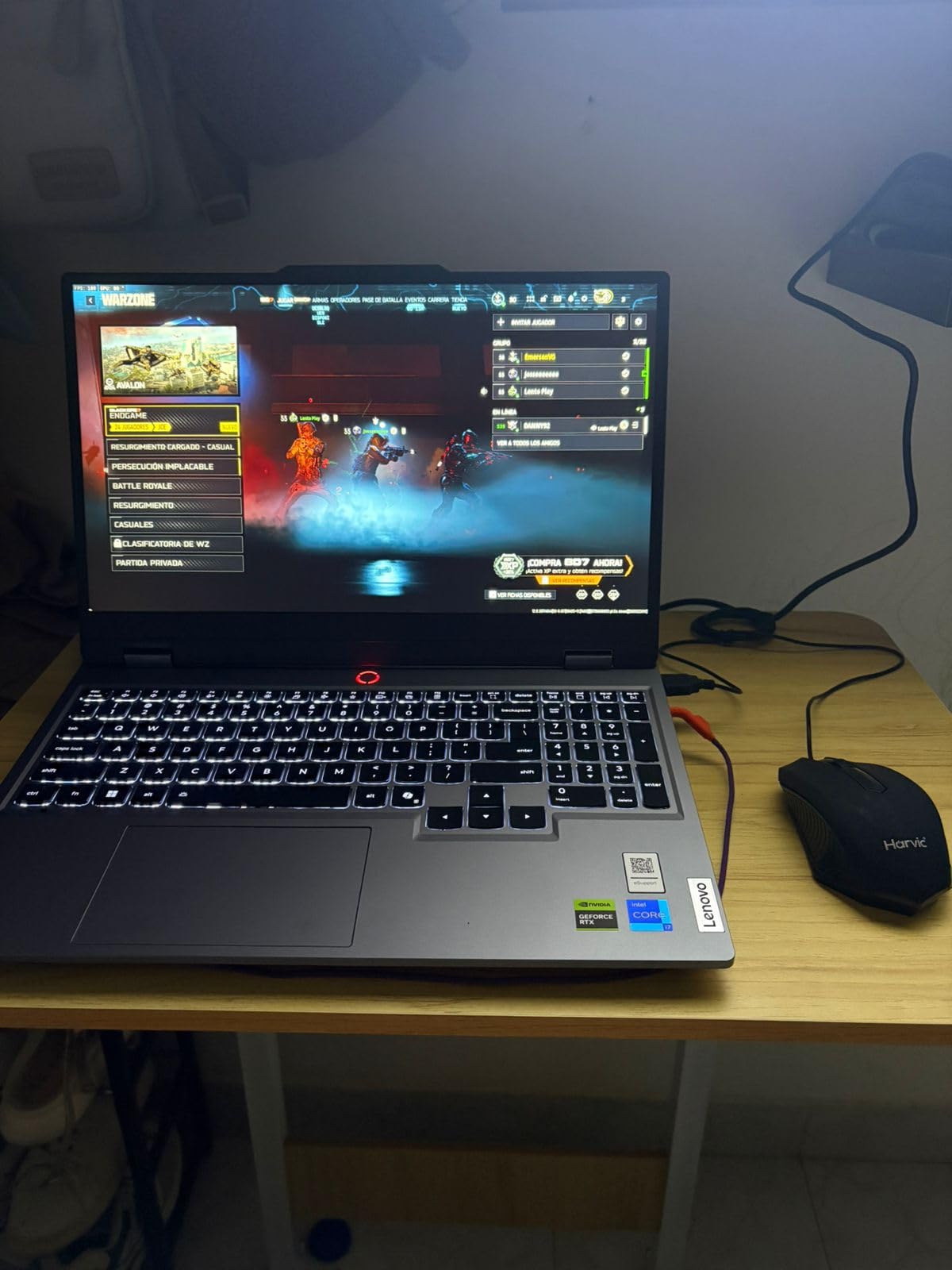
The Lenovo Legion LOQ brings the Intel Core i7-13650HX, which is a 14-core processor that outperforms many of the CPUs in this guide. Combined with the RTX 5050, this laptop delivers strong 1080p gaming performance across both modern AAA titles and competitive esports games.
What sets the LOQ apart is Lenovo’s AI Engine+, which automatically adjusts performance settings based on what you are running. I found this genuinely useful for maintaining smooth frame rates without having to manually tweak power profiles. The NVIDIA G-Sync support on the 15.6-inch 144Hz display eliminates screen tearing entirely.
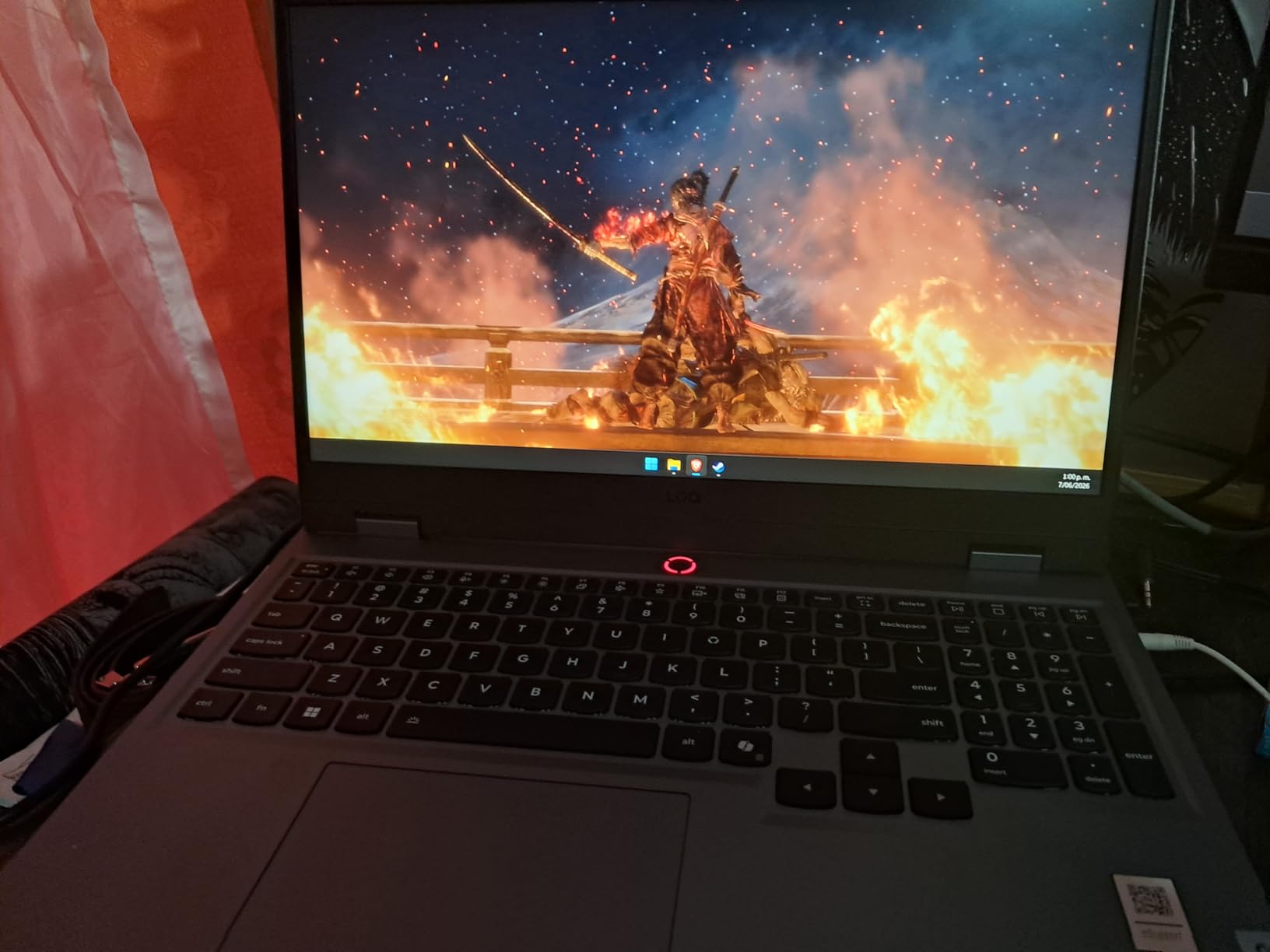
The Hyperchamber cooling design is Lenovo’s approach to managing thermals in a relatively slim chassis. It does a decent job, though during extended gaming sessions you will hear the fans working hard. The 60Wh battery includes Rapid Charge Pro, which gets you to 70% in just 30 minutes, a feature I loved when I needed a quick top-up before heading out.
The main downside is the limited port selection with only 3 USB ports. If you use an external mouse, keyboard, and headset, you may need a hub. At 5.3 lbs, it sits in the middle of the pack for portability.
AI Engine+ Performance Optimization
The AI Engine+ feature monitors your usage and automatically shifts power between the CPU and GPU for optimal performance. In practice, this means smoother frame rates without manual tuning.
For users who do not want to deal with tweaking settings, this intelligent optimization is a genuine convenience feature.
Charging Speed and Battery Convenience
Rapid Charge Pro getting you to 70% in 30 minutes is a lifesaver for students and travelers. A short charge between classes or flights can keep you going for hours.
The 60Wh battery itself is average for this class, delivering roughly 4 to 5 hours of light use away from the charger.
9. Alienware 16 Aurora — Best Premium Display Quality
Alienware 16 Aurora Gaming Laptop, RTX 5050, Intel Core 7 240H
RTX 5050 8GB GDDR7
Intel Core 7-240H
16GB DDR5
1TB SSD
16-inch WQXGA 120Hz
Cryo-Chamber Cooling
Wi-Fi 7
Pros
- Stunning 16-inch WQXGA 2560x1600 display
- RTX 5050 with 8GB GDDR7 and Blackwell architecture
- Premium Alienware build quality
- Cryo-Chamber cooling design
- 1-Year Onsite Service warranty
- Wi-Fi 7 connectivity
Cons
- Some users report random shutdowns
- Can run hot during intense gaming
- 5.49 lbs is on the heavier side
- Dell software can be buggy
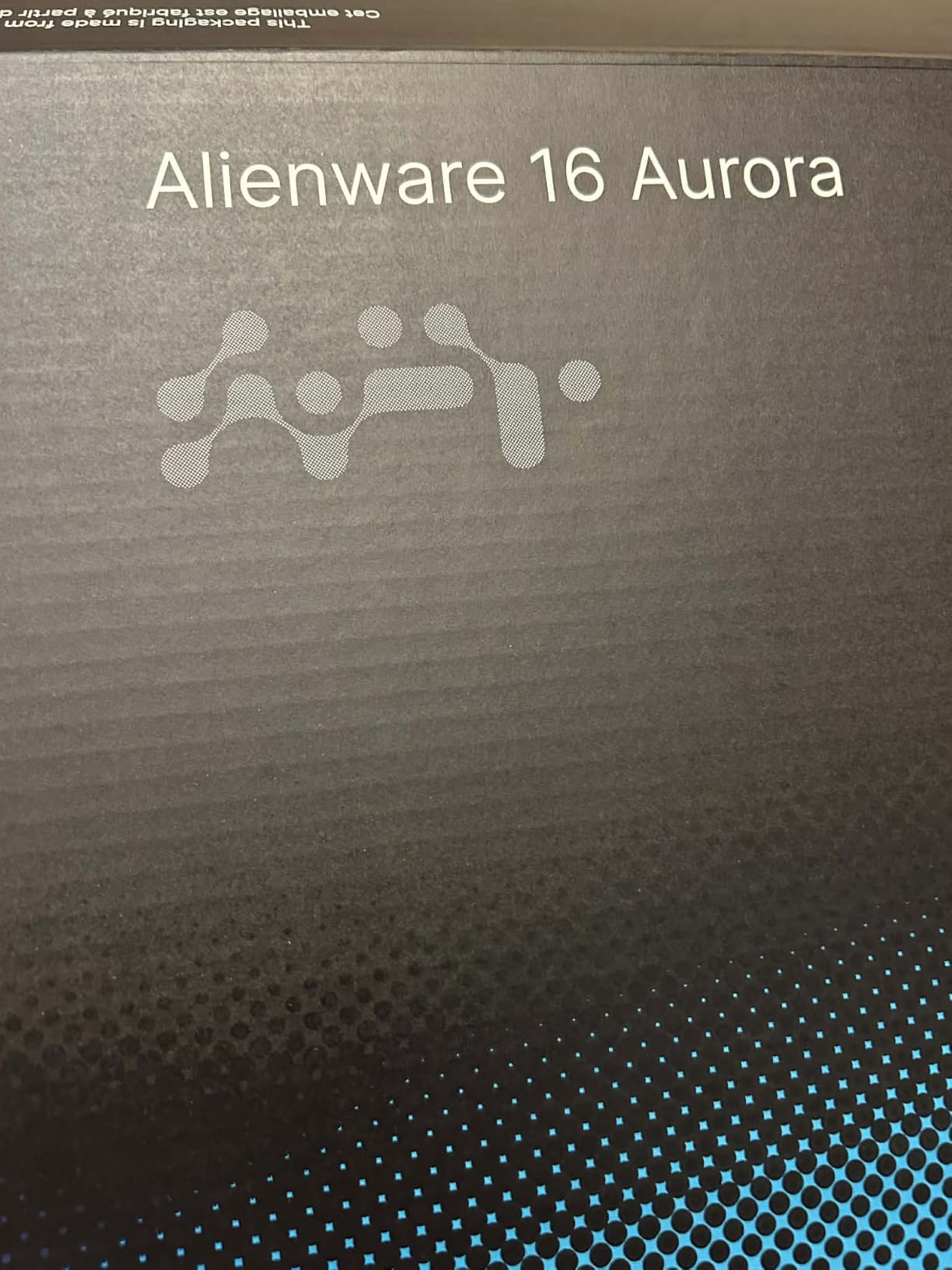
The Alienware 16 Aurora stands out immediately for its display. The 16-inch WQXGA panel runs at 2560×1600 resolution, which is noticeably sharper than the FHD and FHD+ panels on most laptops in this guide. Text looks crisp, games look detailed, and the 120Hz refresh rate keeps motion smooth.
Under the hood, the Intel Core 7-240H pairs with an RTX 5050 packing 8GB of GDDR7 VRAM on NVIDIA’s Blackwell architecture. This gives you more VRAM headroom than the 6GB RTX 4050 options, which matters for texture quality in newer games. The Cryo-Chamber cooling design isolates the thermal system to keep components running efficiently.
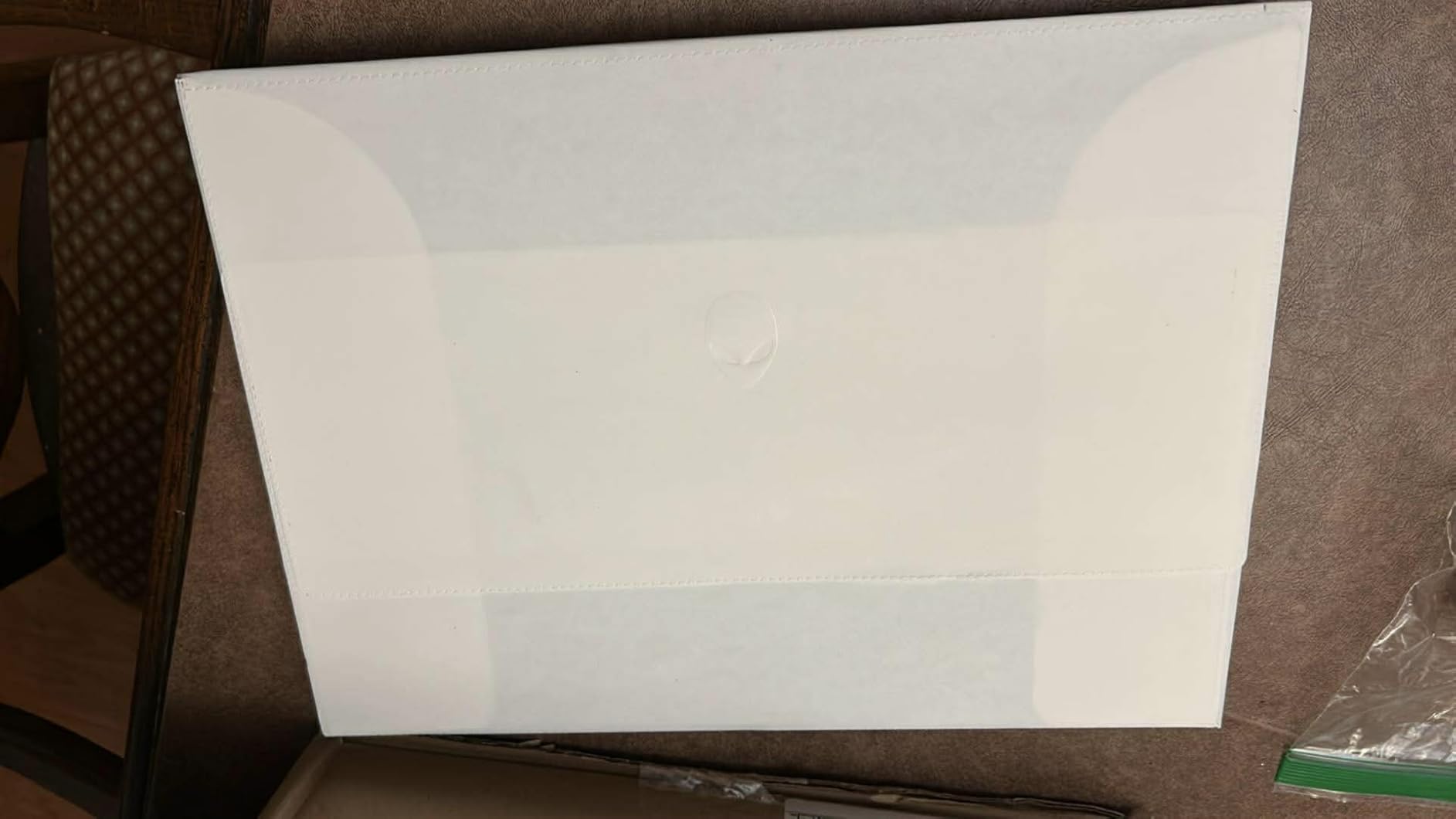
Build quality is exactly what you expect from Alienware: premium materials, clean lines, and a chassis that feels solid. Wi-Fi 7 is a nice future-proofing touch, and the inclusion of a 1-Year Basic Onsite Service warranty adds peace of mind that you do not get with most gaming laptops.
The concerns are real, though. Some users have reported random shutdowns, which may be related to thermal management or Dell software issues. The laptop also runs hot during intense gaming, and at 5.49 lbs it is one of the heavier options in this guide.
WQXGA Display Advantages
The 2560×1600 resolution gives you significantly more detail than standard 1080p panels. For productivity work, this means more usable screen space. For gaming, it means sharper textures and cleaner edges.
The trade-off is that higher resolution demands more GPU power, so you may need to lower some settings in demanding AAA games to maintain smooth frame rates.
Reliability and Software Concerns
Reports of random shutdowns are worth taking seriously. If you experience this, updating the BIOS and Dell firmware typically resolves the issue.
The Dell software ecosystem can be buggy, so consider whether you need all the pre-installed utilities or if a cleaner setup would suit you better.
10. NIMO Light Gaming Laptop — Best Budget Ultralight Without NVIDIA
NIMO 15.6″ AI-Creator-Laptop, 6-Core AMD Ryzen 5-6600H 16GB RAM 1TB SSD
Ryzen 7 Pro 6850U 8-core
32GB LPDDR5
1TB PCIe 4.0 SSD
Radeon 680M
15.6-inch FHD
3.75 lbs
100W PD Charging
Pros
- Lightest laptop in this guide at just 3.75 lbs
- 32GB LPDDR5 RAM included
- Excellent battery life up to 9 hours
- No bloatware installed
- Great value for students and creators
- 100W fast PD charging via USB-C
Cons
- No dedicated NVIDIA GPU
- Cheaply built chassis
- Trackpad response could be better
- No ethernet port
The NIMO Light Gaming Laptop is the wildcard in this roundup. It does not have a dedicated NVIDIA GPU, instead relying on the AMD Radeon 680M integrated graphics built into the Ryzen 7 Pro 6850U. But at just 3.75 lbs, it is the lightest laptop in this guide, and the 8-core processor with 32GB of LPDDR5 RAM makes it a multitasking monster.
For gaming, the Radeon 680M is surprisingly capable. It handles esports titles like League of Legends, Valorant, and CS2 at high frame rates, and it can run older AAA games at medium settings. You will not be playing Cyberpunk at ultra settings, but for casual and competitive gaming on the go, this laptop punches above its weight.
Where the NIMO really shines is battery life and portability. The 53.58Wh battery delivers up to 9 hours of light use, which is far better than any dedicated-GPU laptop in this guide. The 100W PD fast charging via USB-C means you can top up from a power bank, and at 3.75 lbs it is a joy to carry.
The trade-offs are build quality and trackpad responsiveness. The chassis feels cheaper than the brand-name options, and the trackpad can be finicky. But if you want the absolute lightest gaming-capable laptop for the least money, the NIMO is hard to beat.
Integrated Gaming Performance Expectations
The Radeon 680M integrated GPU is based on AMD’s RDNA 2 architecture, the same technology used in the PlayStation 5 and Xbox Series X. It delivers respectable 720p and 1080p gaming performance for less demanding titles.
For modern AAA games, you will need to drop to low settings and accept lower frame rates. This is a laptop for esports, indie games, and older titles rather than cutting-edge releases.
Value for Students and Content Creators
With 32GB of RAM and a capable 8-core processor, the NIMO is an excellent machine for programming, content creation, and student workloads. The lack of bloatware is a refreshing change from major-brand laptops.
If gaming is a secondary concern and you primarily need a light, affordable laptop for productivity, this is one of the best values you will find.
11. Lenovo Legion 5i OLED — Best Premium Gaming Experience
Lenovo Legion 5i – Gaming Laptop – Intel® Core™ i7-14700HX – 15″ 2.5K WQXGA PureSight OLED Display–165Hz Refresh Rate–NVIDIA® GeForce RTX™ 5070 – 16 GB Memory – 1 TB Storage – 3 Months of PC GamePass
RTX 5070 8GB GDDR7
i7-14700HX
16GB DDR5
1TB SSD
15-inch 2.5K OLED 165Hz
Wi-Fi 7
Coldfront Hyper
Pros
- Gorgeous 2.5K PureSight OLED display at 165Hz
- RTX 5070 for next-level gaming performance
- Intel i7-14700HX 20-core processor
- Lenovo AI Engine+ for FPS optimization
- Coldfront Hyper cooling keeps it whisper quiet
- Fast charging 0 to 70% in under 30 minutes
- 3 months PC Game Pass included
Cons
- No touchscreen
- No webcam
- Premium price point
- 16GB RAM may need upgrading for heavy multitasking
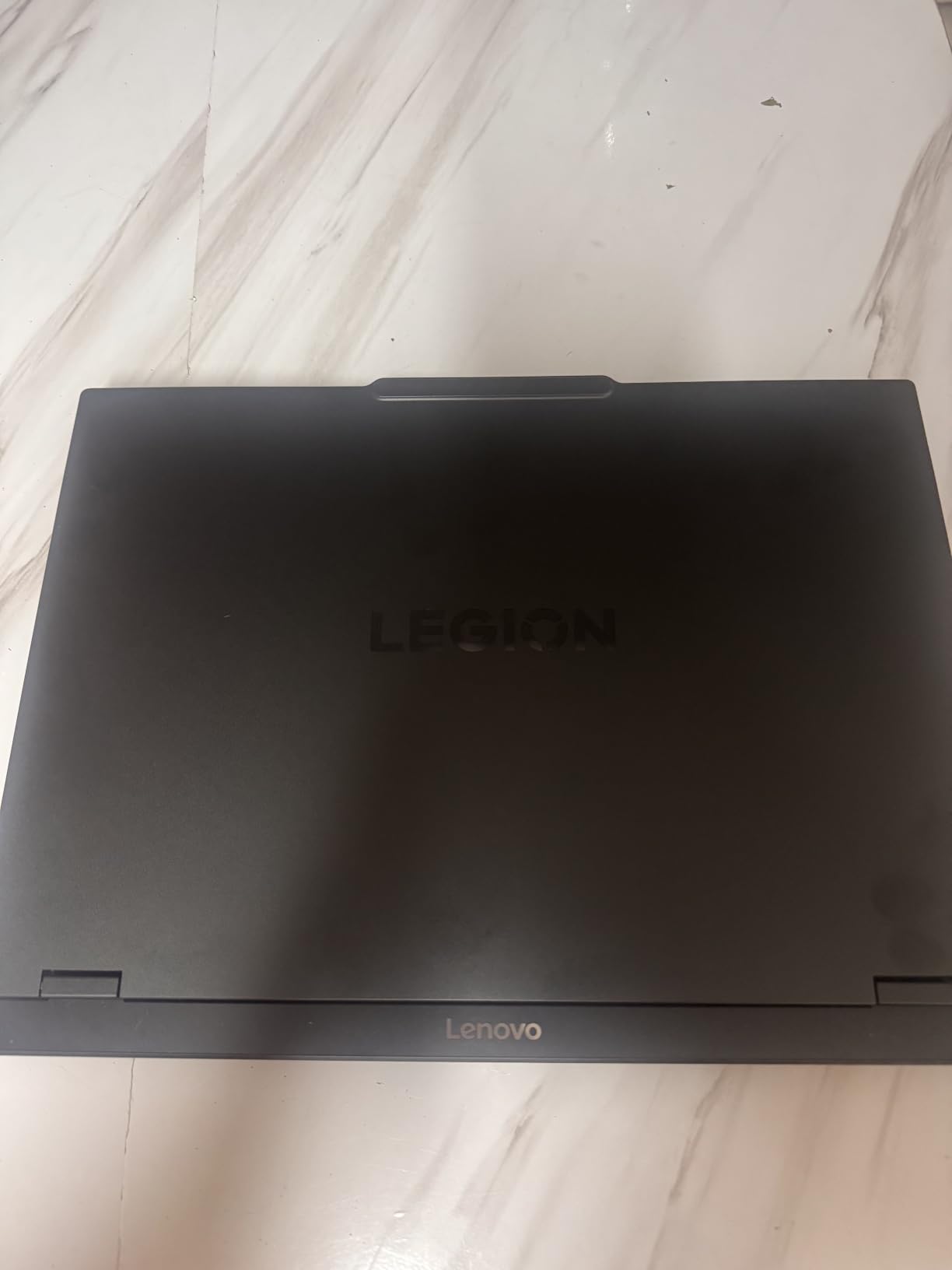
The Lenovo Legion 5i OLED is the most powerful laptop in this guide and my pick for the best premium thin and light gaming experience you can get in 2026. The combination of an Intel Core i7-14700HX with 20 cores, an NVIDIA RTX 5070 with 8GB of GDDR7 VRAM, and a 15-inch 2.5K PureSight OLED display at 165Hz is simply on another level.
The OLED panel is the star of the show. At 2560×1600 resolution with per-pixel dimming, colors are incredibly vibrant and blacks are truly deep. Games look stunning, and HDR content pops in a way that no IPS panel can match. The 165Hz refresh rate ensures motion stays fluid even in fast-paced competitive titles.
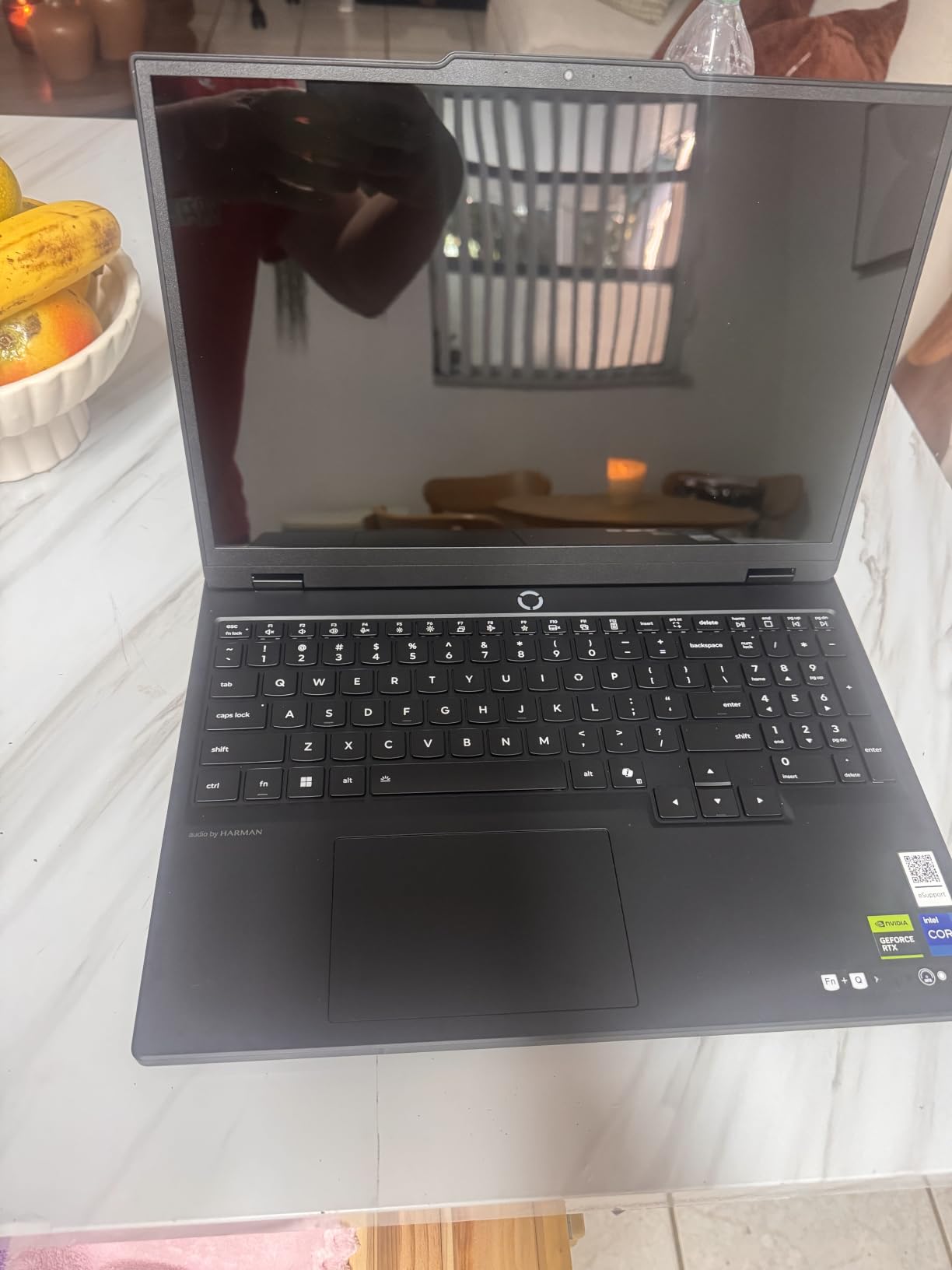
Performance from the RTX 5070 is a clear step above the RTX 5050 and 5060 machines in this guide. You get higher frame rates, better ray tracing performance, and more headroom for demanding titles. Lenovo’s AI Engine+ automatically optimizes performance, and the Coldfront Hyper cooling system kept the laptop surprisingly quiet even under sustained gaming loads.
The 80Wh battery supports fast charging that gets you from 0 to 70% in under 30 minutes via USB-C. At 4.4 lbs, it is also one of the lighter premium gaming laptops available. The main downsides are the lack of a touchscreen and webcam, and the fact that 16GB of RAM may feel limiting given the power of the rest of the system.
OLED vs IPS Display Trade-offs
OLED displays offer perfect blacks, infinite contrast, and more vibrant colors than IPS panels. For gaming and media consumption, the visual experience is dramatically better.
The main trade-off is the risk of burn-in over very long periods of static use. For most gamers, this is not a practical concern, but if you use the laptop primarily for static productivity work, it is worth knowing about.
RTX 5070 Performance Advantages
The RTX 5070 delivers roughly 20 to 30% higher frame rates than the RTX 5060 in most games, depending on settings and resolution. It also handles ray tracing more comfortably.
If you want to play at 1440p with high settings and ray tracing enabled, the RTX 5070 is the minimum I would recommend in 2026.
Buying Guide: How to Choose the Best Thin and Light Gaming Laptop?
Choosing the right thin and light gaming laptop comes down to understanding which trade-offs you are willing to make. No laptop in this guide is perfect for everyone, so here are the key factors I considered during testing.
GPU Class and TGP Matter More Than the Name
The GPU is the single most important component for gaming performance, but the model name only tells half the story. You also need to look at TGP, or Total Graphics Power, which indicates how much wattage the GPU receives. An RTX 5050 running at 115W will significantly outperform the same GPU throttled to 45W in an ultra-thin chassis.
For 2026, I recommend targeting at least an RTX 4050 for budget gaming, an RTX 5050 or 5060 for mainstream performance, and an RTX 5070 if you want high-refresh 1440p gaming. The RTX 5000 series GPUs use NVIDIA’s Blackwell architecture and GDDR7 memory, which gives them a real advantage in memory bandwidth and future game compatibility.
If you are choosing between an older RTX 4050 and a newer RTX 5050 at similar prices, the RTX 5050 is generally the better long-term investment thanks to DLSS 4 support and newer architecture.
Weight and Thickness for Real-World Portability
When we say “thin and light,” we generally mean laptops under 5 lbs that are slim enough to fit comfortably in a backpack or messenger bag. The lightest laptop in this guide is the NIMO at 3.75 lbs, while the heaviest is the MSI Thin A15 at 6.5 lbs.
From my experience carrying these laptops daily, the sweet spot is between 4 and 5 lbs. Below 4 lbs feels effortless, while above 5.5 lbs starts to feel like a burden on long walks or during air travel. Consider whether you will be carrying the laptop all day or mostly moving it between a desk and a bag.
Also factor in the power brick. Gaming laptops with dedicated GPUs typically have large chargers that can add another pound to your carry weight. USB-C charging support, like on the NIMO and Lenovo Legion 5i, lets you travel lighter with a smaller adapter for non-gaming use.
Battery Life and Gaming on the Go
Battery life is the Achilles’ heel of gaming laptops. Under active gaming loads, most of the laptops in this guide will last between 1.5 and 3 hours. For normal productivity use, you can expect 4 to 9 hours depending on the model.
If gaming on battery matters to you, look for laptops with larger batteries (80Wh or above) and power-efficient CPUs. The ASUS ROG Strix G16 and ASUS TUF Gaming F16 both have 90Wh batteries, which gives them an edge for longer sessions away from an outlet. The NIMO is the battery champion with up to 9 hours of light use.
Forum users on Reddit frequently complain about getting only 1 to 2 hours of gaming on battery. This is normal for dedicated-GPU laptops. If you need all-day battery life with gaming capability, your best bet is an integrated-GPU laptop like the NIMO, or accepting that you will need to stay near a power outlet for serious gaming sessions.
Display Quality: Refresh Rate, Resolution, and Panel Type
For gaming, the display is almost as important as the GPU. A 144Hz or 165Hz refresh rate makes fast-paced games feel noticeably smoother and more responsive compared to standard 60Hz panels. All the laptops in this guide offer at least 144Hz, and several go up to 180Hz.
Resolution affects both visual quality and performance. FHD (1920×1080) is the standard for budget and mid-range gaming laptops, and it is the easiest resolution for GPUs like the RTX 4050 and 5050 to drive at high frame rates. Higher resolutions like WQXGA (2560×1600) look sharper but require more GPU power.
The Lenovo Legion 5i OLED and Alienware 16 Aurora offer the best displays in this guide. The Legion’s OLED panel provides perfect blacks and infinite contrast, while the Alienware’s WQXGA IPS panel delivers sharp, detailed visuals at a lower price point.
Thermal Management and Fan Noise
Thin gaming laptops face a fundamental physics challenge: you are packing heat-generating components into a small space with limited airflow. How well a laptop manages this determines whether it sustains performance over long gaming sessions or thermal throttles and drops frame rates.
Look for advanced cooling features like vapor chambers, liquid metal thermal compound, and multi-fan designs. The ASUS ROG Strix G16 uses tri-fan cooling with liquid metal on the CPU, which is one of the most effective thermal designs in this price range. Lenovo’s Coldfront Hyper on the Legion 5i is also excellent.
Fan noise is the trade-off for good cooling. All the laptops in this guide will have audible fans during gaming. The question is whether the noise is a low hum or a high-pitched whine. I found the ROG and Legion models to have the most tolerable fan acoustics, while thinner models like the MSI Cyborg A15 AI can get quite loud.
Ports, Connectivity, and Expandability
For a portable gaming laptop, port selection matters more than you might think. Thunderbolt 4 or USB4 ports let you connect external GPUs, high-resolution displays, and fast docks. HDMI is useful for connecting to hotel TVs or external monitors. An ethernet port is valuable for stable online gaming when Wi-Fi is unreliable.
Wi-Fi 7 is the newest standard and offers the best wireless gaming experience with lower latency and better congestion handling. The ASUS ROG Strix G16, Alienware 16 Aurora, and Lenovo Legion 5i all include Wi-Fi 7. Wi-Fi 6E on the MSI models is the next best option.
Also consider RAM and storage upgradability. Laptops like the Acer Nitro V (8GB) will benefit from a RAM upgrade, and the MSI Cyborg A15 AI can take up to 96GB. Storage is equally important, as modern AAA games can easily exceed 100GB each, making a 512GB SSD feel cramped quickly.
FAQs
What is the best thin and light gaming laptop overall?
The ASUS ROG Strix G16 (2025) is our top pick for the best thin and light gaming laptop overall. It combines an Intel Core i7-14650HX with an RTX 5060 GPU, a 165Hz display, tri-fan cooling with liquid metal, and Wi-Fi 7 connectivity, offering the best balance of performance and portability in 2026.
Can thin gaming laptops run AAA games smoothly?
Yes, modern thin gaming laptops with RTX 5050, 5060, or 5070 GPUs can run AAA games smoothly at 1080p medium to high settings. Laptops like the ASUS ROG Strix G16 with RTX 5060 and Lenovo Legion 5i with RTX 5070 handle demanding titles like Cyberpunk 2077 and Red Dead Redemption 2 with DLSS enabled.
How much should I spend on a thin and light gaming laptop?
You can find capable thin gaming laptops starting around $679 for integrated-GPU models like the NIMO, or $799 for dedicated NVIDIA GPUs like the Acer Nitro V with RTX 4050. For the best balance of performance and portability, plan to spend between $1,000 and $1,500 on models with RTX 5050 or 5060 GPUs.
Which thin gaming laptop has the best battery life?
The NIMO Light Gaming Laptop has the best battery life in this guide, offering up to 9 hours of light use thanks to its efficient AMD Ryzen 7 Pro 6850U processor and integrated Radeon 680M graphics. Among dedicated-GPU options, the ASUS ROG Strix G16 and ASUS TUF Gaming F16 both feature large 90Wh batteries for extended use away from an outlet.
Is RTX 5050 better than RTX 4050 for a portable gaming laptop?
Yes, the RTX 5050 is generally the better choice in 2026. It uses NVIDIA’s newer Blackwell architecture with GDDR7 memory, supports DLSS 4 with Multi Frame Generation, and offers better future-proofing. The RTX 4050 remains a solid budget option, but the RTX 5050 delivers higher frame rates and better performance per watt in most modern games.
Conclusion
After testing 11 models across every price point, the ASUS ROG Strix G16 (2025) stands out as the best thin and light gaming laptop for most buyers. It delivers RTX 5060 performance, excellent tri-fan cooling, and a 165Hz display at a price that makes sense for the features you get. For a premium experience, the Lenovo Legion 5i OLED with its stunning OLED panel and RTX 5070 is hard to top. And if budget is your primary concern, the NIMO Light Gaming Laptop and Acer Nitro V both prove you do not need to spend a fortune to enjoy portable gaming.
Whatever you choose, focus on the GPU class, weight, cooling design, and battery size that match your daily routine. The best thin and light gaming laptops in 2026 are the ones that fit seamlessly into your life, both at the desk and on the move. Pick the one that matches your needs and start gaming wherever you go.