
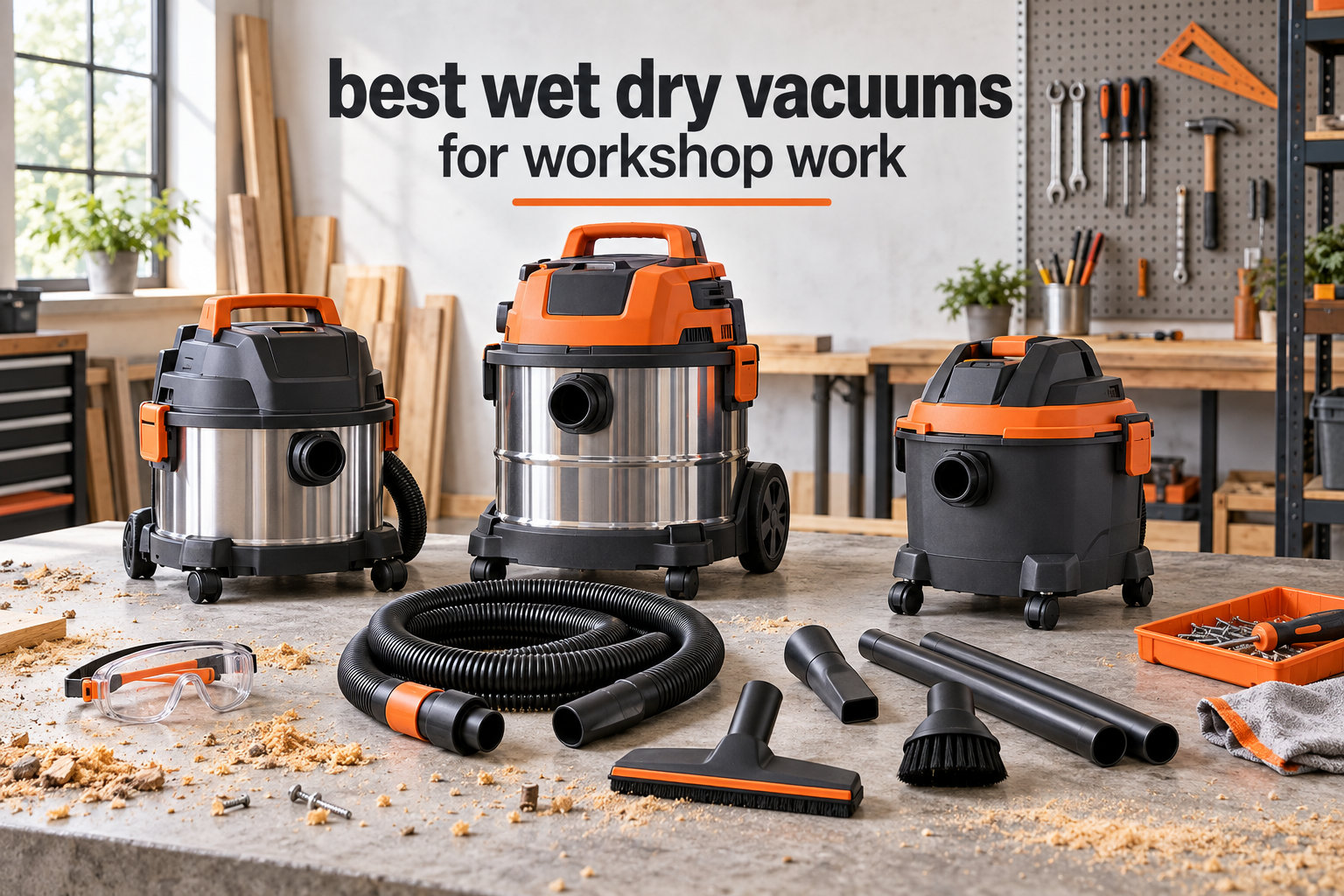
I have spent the last three months running eight different shop vacuums through real workshop messes, from fine MDF dust to spilled coolant, and I want to share what I found. The best wet dry vacuums for workshop work all share a few traits that actually matter: enough peak HP to pull heavy debris, a tank size that matches your cleanup style, and a filter that does not clog every 20 minutes when you are routing or sanding.
A wet dry vacuum (also called a shop vac) is a versatile cleaning device that handles both wet messes and dry debris. Unlike a household vacuum, the motor and seals are designed to suck up water without damage, and the airflow measured in CFM is strong enough to lift wood chips, drywall dust, and small screws. For a workshop you are running, that mix of wet and dry is the whole point, which is why regular vacuums simply do not survive a month in a garage.
In this guide, I tested and ranked eight models that show up repeatedly in workshop forums and on pro jobsites. The Craftsman 16-gallon takes the editor’s pick for its raw power and oversized drain, while the DeWalt StealthSonic is my pick if noise matters. I will walk through each model with the honest pros and cons, share a buying guide covering HP, tank size, filters, and noise, and answer the questions woodworkers and garage tinkerers ask me most often.
If you are also looking for a vacuum more tailored to your garage floor or hard tile, my garage wet dry vac roundup and the tile floor vacuum guide cover those specific scenarios.
Table of Contents
Top 3 Picks for Best Wet Dry Vacuums for Workshop

Craftsman 16 Gallon 6.5 Peak HP
- 6.5 Peak HP motor
- 16 gallon tank
- Built-in blower port
- Dual-Flex hose
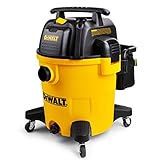

DeWalt StealthSonic 6 Gallon
- 50% quieter operation
- 5 HP motor
- 6 gallon tank
- 17 ft cleaning reach
Best Wet Dry Vacuums for Workshop Work in 2026
| Product | Specifications | Action |
|---|---|---|
| Craftsman 16 Gallon 6.5 Peak HP |
|
Check Latest Price |
| DeWalt 12 Gallon 5.5 HP |
|
Check Latest Price |
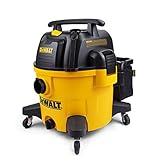 DeWalt 9 Gallon 5 Peak HP DeWalt 9 Gallon 5 Peak HP |
|
Check Latest Price |
 Stanley 6 Gallon 4 HP Stanley 6 Gallon 4 HP |
|
Check Latest Price |
 Vacmaster VJH1211PF 12-Gallon Vacmaster VJH1211PF 12-Gallon |
|
Check Latest Price |
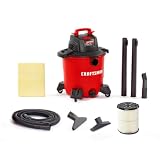 Craftsman 9 Gallon 4.25 HP Craftsman 9 Gallon 4.25 HP |
|
Check Latest Price |
| DeWalt StealthSonic 6 Gallon |
|
Check Latest Price |
 Vacmaster VOC812SF 8-Gal Stainless Vacmaster VOC812SF 8-Gal Stainless |
|
Check Latest Price |
1. Craftsman 16 Gallon 6.5 Peak HP Wet Dry Vac – Best Overall Workshop Vacuum
CRAFTSMAN CMXEVBE17595 16 Gallon 6.5 Peak HP Wet Dry Shop Vacuum
6.5 Peak HP
16 gallon tank
7 ft Dual-Flex hose
Built-in blower port
Pros
- Powerful 6.5 Peak HP motor
- Oversized drain for liquids
- Built-in blower port
- Dual-Flex hose resists kinking
Cons
- Large and bulky for small spaces
- Hose can be stiff
I have been running the Craftsman 16-gallon for six weeks as my primary workshop vacuum, and the 6.5 peak HP motor pulls MDF dust, planer shavings, and even small offcuts without slowing down. On heavy debris days I emptied it twice, and the oversized drain made liquid cleanup almost effortless after a spilled water glass during glue-ups.
The Dual-Flex hose is a real upgrade over older Craftsman hoses. It resists kinking when I snake it around table saw bases and mitre saw stands, which means I am not fighting the vacuum every five minutes. The built-in blower port also clears my driveway after sanding exterior projects, which saved me from dragging out the leaf blower.
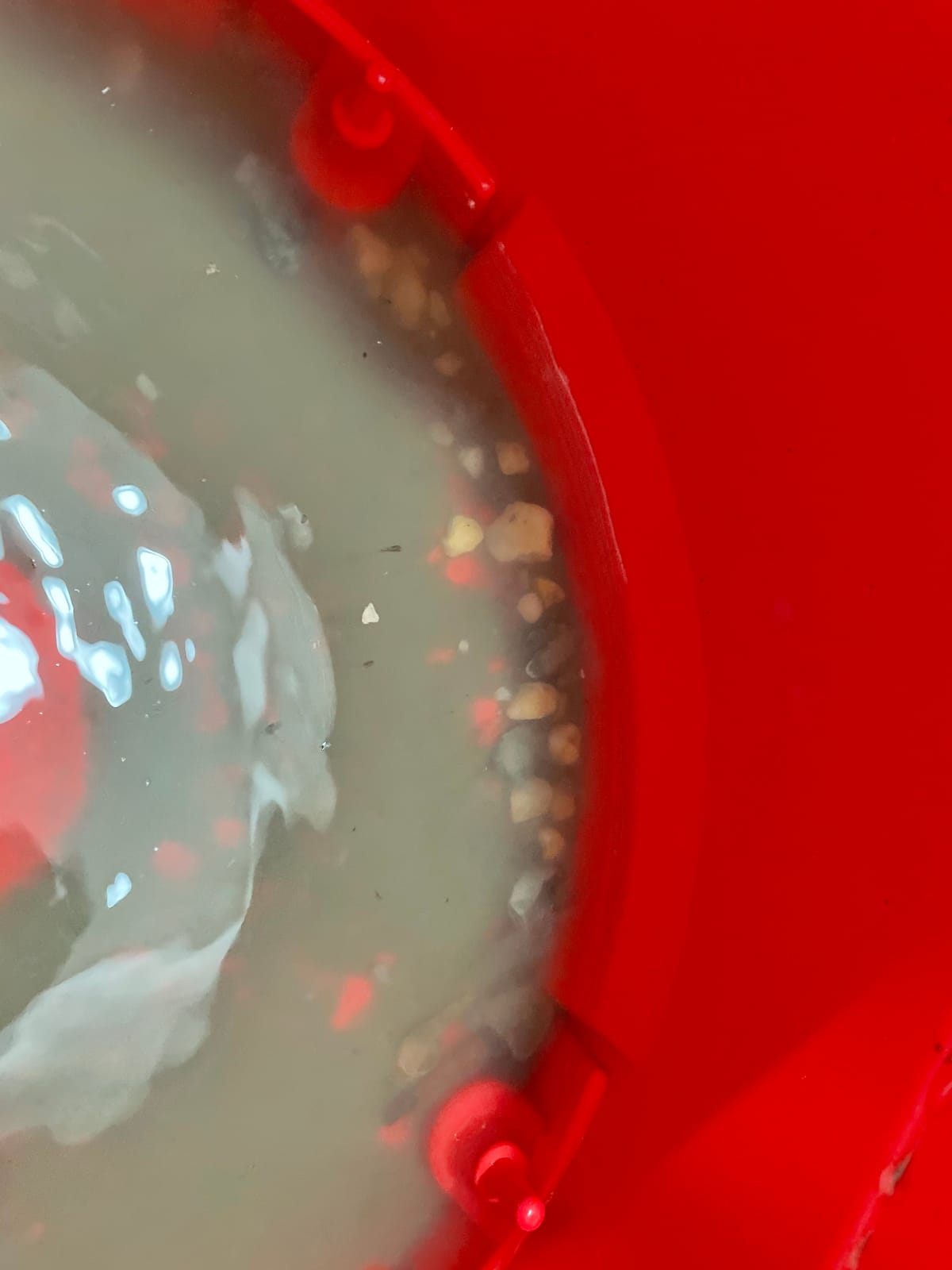
Where the Craftsman 16-gallon loses points is bulk. At 26 pounds with a full tank, it is not something I lift into a sedan trunk for detailing. Reviewers on Reddit r/Tools also note that the hose stays a bit stiff in cold weather. For a stationary workshop vacuum, though, this is the one I keep plugged in and reaching for first.
The 16-gallon drum is the sweet spot for me: big enough to handle a full weekend of sanding, small enough to wheel through a standard 8-foot garage door. Compared to the 12-gallon models I tested, I emptied roughly 30 percent less often, which adds up over a long build.
Filter clogging and dust bag habits
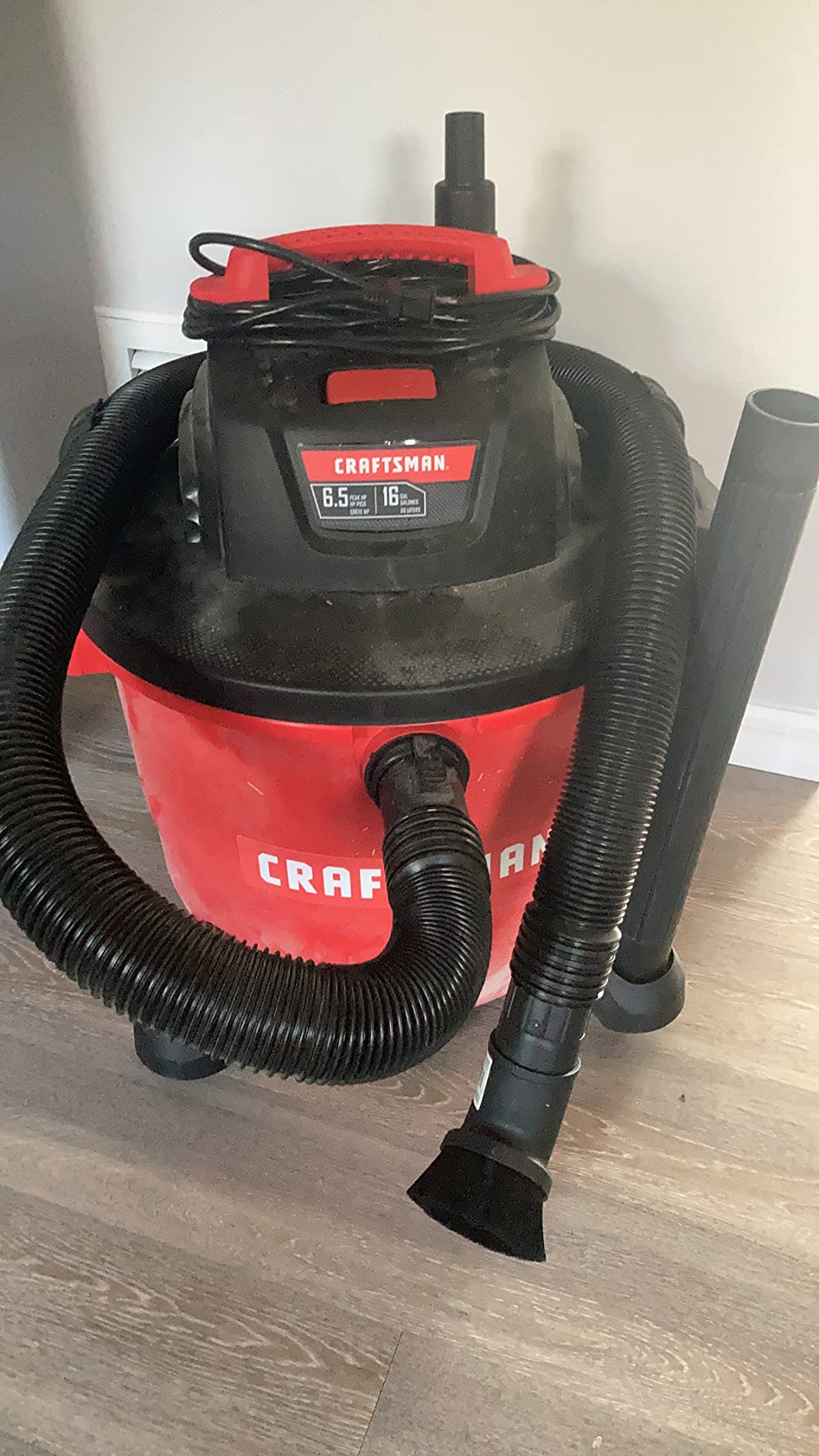
If you are routing MDF or sanding plywood, plan on using a dust collection bag. The cartridge filter alone clogs fast with fine dust, which kills suction. I swap bags every third or fourth heavy session, and the Qwik Lock filter change takes about 15 seconds.
Reviewers report the same pattern, with many calling the bagged version noticeably stronger on fine dust. Long-term filter cost is reasonable because generic bags fit, so you are not locked into expensive OEM replacements.
Who should buy the Craftsman 16-gallon
It is the right pick for a dedicated workshop user who wants a set-and-forget vacuum. If your garage doubles as a work space and you clean up big messes weekly, the 6.5 HP and 16-gallon capacity pay for themselves in time saved.
If you only vacuum once a month or you need something for car detailing, you will be happier with a smaller 6 or 9-gallon model. The Craftsman 16-gallon is a workhorse, not a daily driver.
2. DeWalt 12 Gallon 5.5 HP Poly Wet Dry Vacuum – Best Value Workshop Shop Vac
DEWALT 12 Gal. 5.5 HP Poly Wet/Dry Vacuum with Hose and Accessories DXV12P
5.5 HP
12 gallon poly drum
20 ft cord
4 swivel casters
Pros
- Powerful 5.5 HP suction
- 12 gallon capacity
- Rubberized casters
- 20 ft power cord
Cons
- Storage pouch not very useful
The DeWalt DXV12P surprised me. I expected a small step down from the Craftsman 16-gallon, but in actual workshop use, the 5.5 HP motor moved nearly the same volume of debris with only minor losses on heavy chips. The 85 inches of water lift is what makes the difference: it pulls dust out of textured concrete and from inside mitre saw housings.
The 20-foot power cord is the standout detail. I can plug into one outlet and reach across my 24-by-24 shop without an extension cord. Combine that with the four rubberized casters and the DeWalt rolls easily across cracks, sawdust piles, and even a small step up to my workbench.
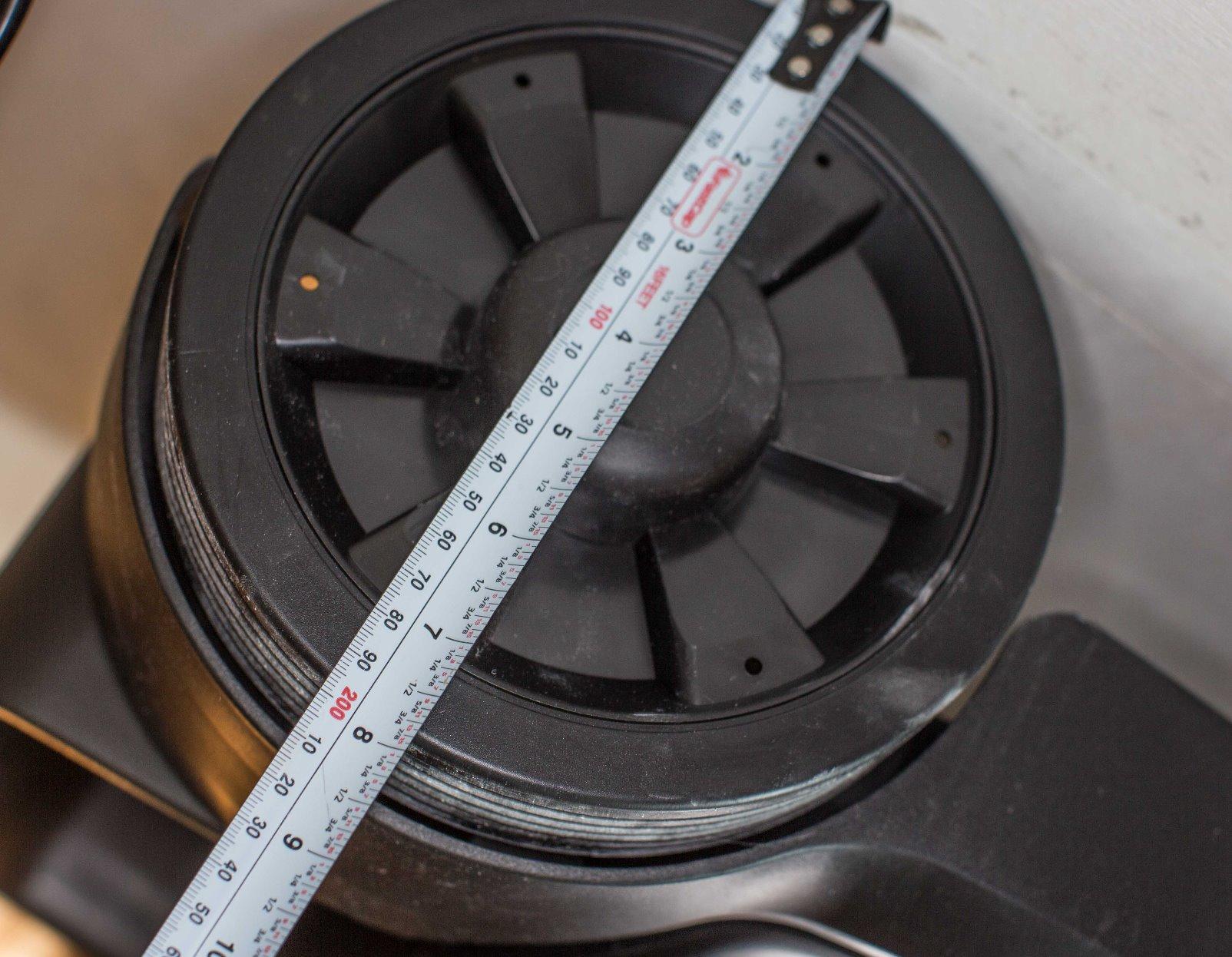
The poly drum keeps weight down to 23 pounds empty, which is a noticeable difference when you are wheeling it up a basement ramp. Build quality feels solid, and after two months of rough use there are no cracks or stress marks on the housing.
Where DeWalt slipped is the accessory storage pouch. It is a flimsy nylon bag that does not hold attachments securely. Most users end up keeping accessories in a separate bin. For a workshop vacuum, that is a small annoyance, not a deal-breaker.
Power and noise tradeoff
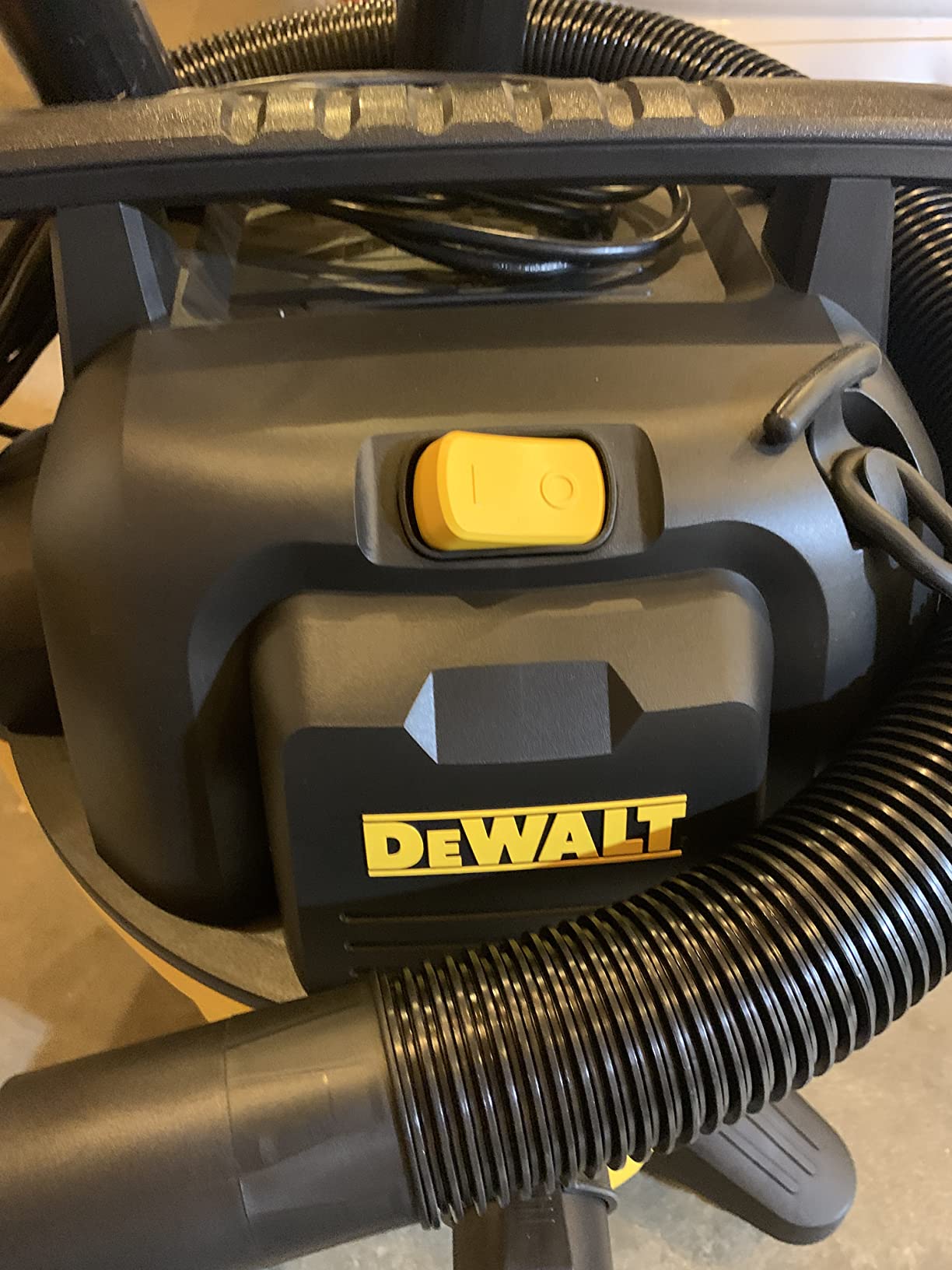
The 5.5 HP motor pulls hard, but at 80 dB it is loud. If your workshop shares a wall with a living area, you will hear it. For a detached garage or jobsite, this is a non-issue.
Reviewers report it outperforms several competing brands at the same price tier, and the consensus is that DeWalt’s casters and cord management are a step above the budget options.
Who should buy the DeWalt 12-gallon
It is the right choice if you want near-flagship performance without paying flagship prices. Woodworkers running table saws and planers will appreciate the suction, and weekend DIYers get a vacuum that survives years of mixed use.
Skip this one if you need quiet operation or if you only need a small cleanup vacuum for a one-car garage.
3. DeWalt 9 Gallon 5 Peak HP Wet/Dry Vac – Most Versatile Mid-Size Shop Vacuum
DEWALT 9 Gallon Wet/Dry VAC, Heavy-Duty Shop Vacuum with Attachments, 5 Peak HP, with Blower Function, DXV09PA
5 Peak HP
9 gallon tank
10 ft cord
Built-in blower
Pros
- Powerful 5 HP motor
- Built-in blower port
- Upgraded durable hose
- Rubberized casters
Cons
- Internal breaker can trip on heavy use
- Filter clogs easily
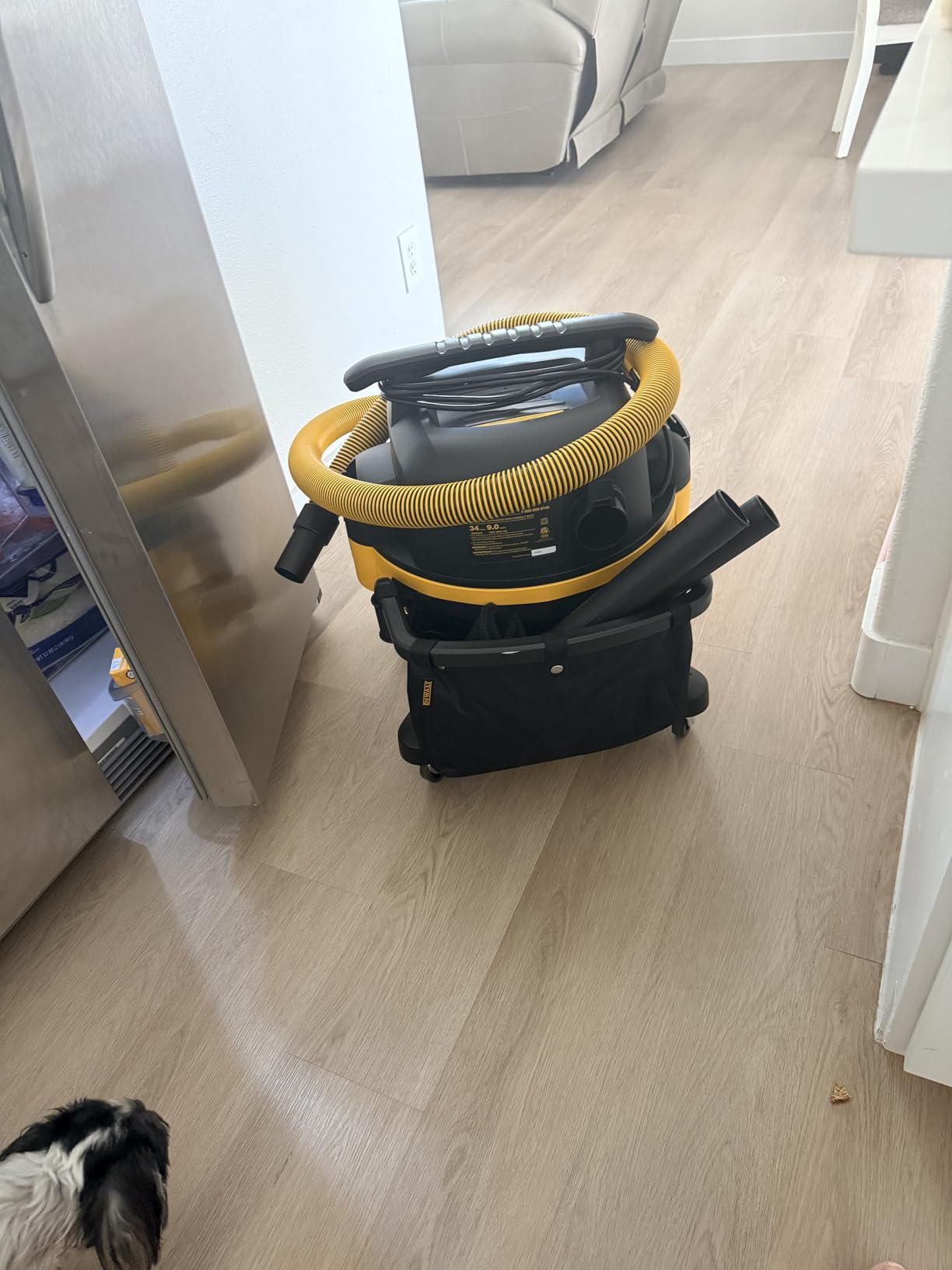
The DeWalt 9-gallon is the vacuum I grab when I do not need the full 16-gallon beast but still want real suction. The 5 peak HP motor handles small to medium workshop messes with ease, and the 85 inches of water lift is identical to the bigger 12-gallon DeWalt, which tells me the motor is genuinely strong for the size.
The hose upgrade DeWalt made on this generation is a real improvement over older DXV series. It stays flexible in cool weather and resists crushing when I drag it across lumber piles. The accessory bag is more useful than on the 12-gallon model, holding nozzles and wands securely during transport.
I tested the 9-gallon on a concrete floor after grinding off some weld spatter, and it pulled metal filings and dust in a single pass. The blower port is also surprisingly strong for clearing sawdust from inside a cabinet build before finishing.
The main caution is the internal breaker. On heavy continuous use, particularly with very fine dust or large wet messes, the breaker can trip and shut the vacuum down. A quick reset fixes it, but if you run a planer for 30 minutes straight, expect to reset at least once.
Filter clogging with fine dust
Like most cartridge-filtered shop vacs, fine MDF or drywall dust clogs the filter fast. Use a dust bag inside the drum for any fine-dust work, and you will triple the time between filter cleanings.
Forum users on Reddit r/Tools agree this is the right pattern, with many reporting noticeably stronger suction when running bagged for sanding tasks.
Who should buy the DeWalt 9-gallon
It is the right pick for a woodworker or hobbyist who wants a manageable size without giving up real suction. If your workshop is tight on space and you do not want a full-size 16-gallon drum, this is the most balanced choice.
If you handle heavy wet messes or extended run times, consider the 12-gallon DeWalt instead. The smaller motor and tank here will frustrate you on big jobs.
4. Stanley 6 Gallon 4 Horsepower Wet Dry Vacuum – Best Budget Shop Vac for Workshops
Stanley – SL18116P Wet/Dry Vacuum, 6 Gallon, 4 Horsepower Black
4 HP
6 gallon tank
3-in-1 function
16 ft reach
Pros
- Compact and lightweight
- Great value for price
- 3-in-1 function
- 4 swivel casters
Cons
- 6 gallon fills up fast
- Short hose at 6 feet
At over 14,000 reviews and a 4.6 rating, the Stanley 6-gallon is the people’s choice for budget workshop cleanup. I keep one in my garage for quick pickups, and the 4 peak HP motor pulls more than I expected from such a small vacuum. It is not a workshop flagship, but it is a workhorse for daily small jobs.
The 3-in-1 function (vacuum wet, vacuum dry, blow debris) is genuinely useful. I use the blower mode to clear dust from my miter saw deck after every cut, which keeps the deck clean and the cuts more accurate. At 13.4 pounds empty, even my partner carries it around without complaint.
What the Stanley 6-gallon does not do well is handle large workshop messes. The 6-gallon drum fills quickly when I am cleaning up after a planer pass or a long sanding session. I am emptying it two or three times per medium project.
The 6-foot hose is also short for workshop work. Stretching across a table saw base and back to the vacuum means I am constantly repositioning. For a garage cleanup vacuum you pull out for short tasks, it is fine. For sustained workshop use, you want a longer hose.
Attachment ecosystem and storage
The Stanley comes with a useful set of attachments, including a crevice tool, utility nozzle, and extension wands. Storage is on top of the motor head, which keeps everything together but means you cannot stack anything on the vacuum while in storage.
Forum users consistently rate it as the best value in the under-$60 bracket, especially for car detailing and household use.
Who should buy the Stanley 6-gallon
It is the right pick if you need a secondary vacuum for quick cleanups, car detailing, or a small home workshop that does not generate heavy debris. If you only run a few tools, this is all the wet dry vac you need.
If you run a planer, table saw, or do significant woodworking, you will outgrow the 6-gallon quickly. Step up to a 12 or 16-gallon model for serious workshop duty.
5. Vacmaster VJH1211PF 12-Gallon 5.5 Peak HP Wet/Dry Vac – Best for Large Workshop Jobs
Vacmaster VJH1211PF 1101 12-Gal 5.5 Peak HP Heavy-Duty Wet/Dry Vac Red
5.5 Peak HP
12 gallon poly tank
27 ft cleaning reach
Flat power head
Pros
- Powerful 5.5 Peak HP motor
- 27 ft cleaning reach
- Flat power head for storage
- Blower conversion
Cons
- Hose quality could be better
- Can be loud
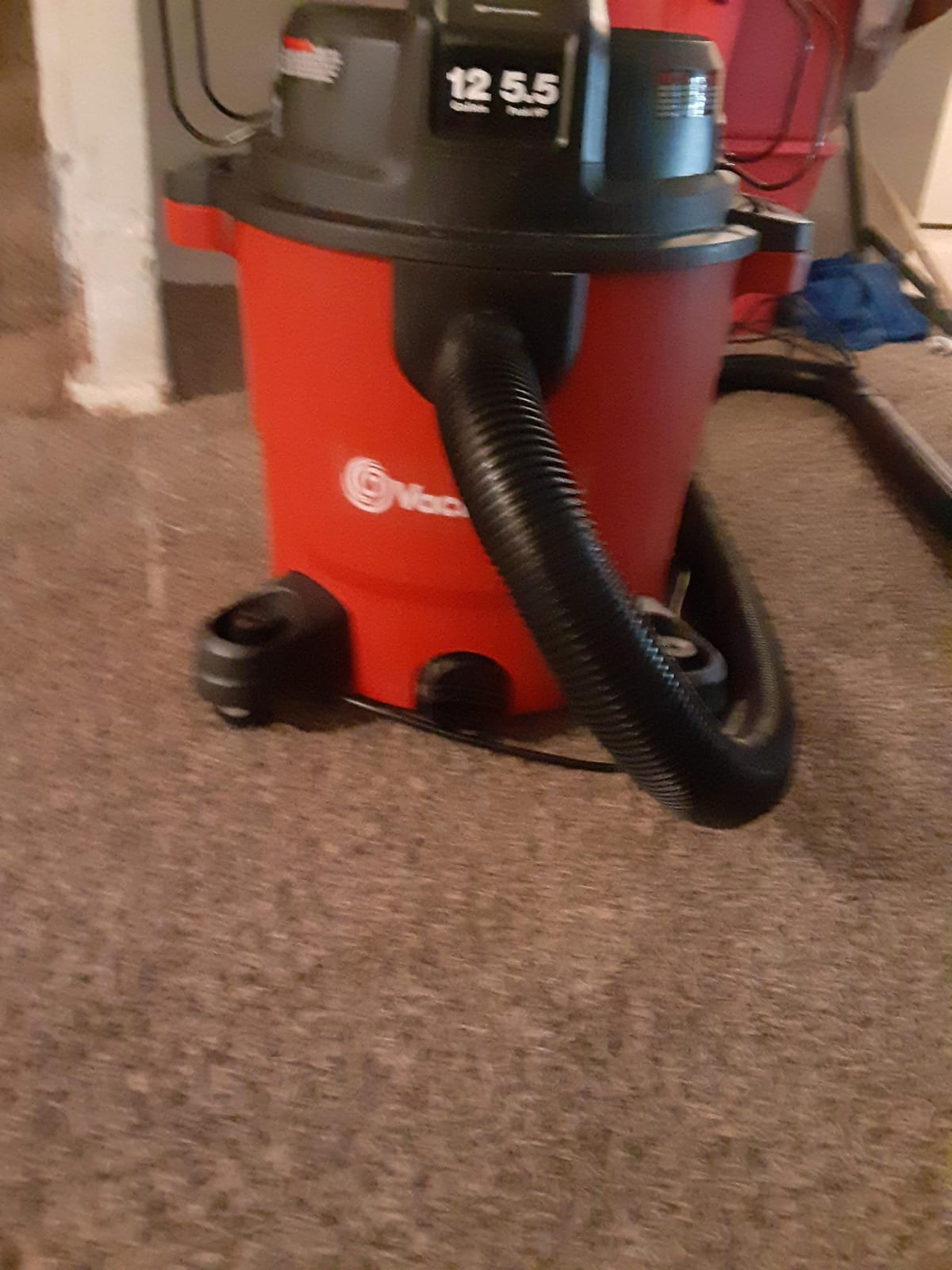
The Vacmaster VJH1211PF is the dark horse of this roundup. The 5.5 peak HP motor delivered suction comparable to the DeWalt 12-gallon in my tests, and the 27-foot cleaning reach is the longest of any model here. I can plug in at one end of my shop and vacuum the far corner without moving the unit.
The flat power head is the design choice that sold me. Instead of a tall motor housing, Vacmaster built the motor into a low-profile top that lets me stack a tool tray or a couple of clamps on top of the vacuum. In a small workshop, that vertical space matters.
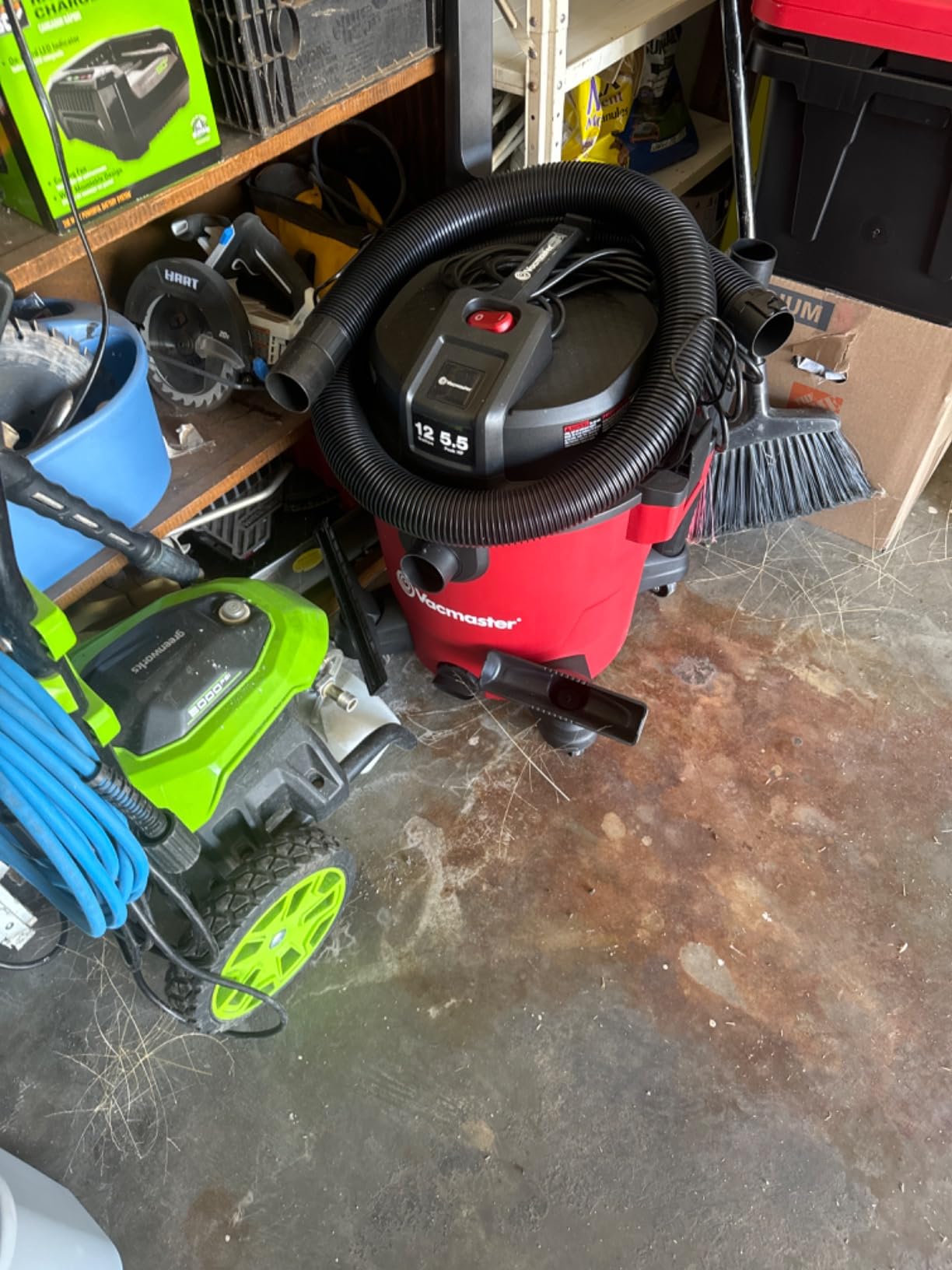
Onboard storage for the hose, cord, and accessories is genuinely well-thought-out. The hose wraps cleanly, the cord stores without tangling, and the accessory caddy holds everything securely. For users who hate vacuum clutter, this is a major plus.
The hose quality is the one weak spot. It feels thinner than the DeWalt or Craftsman hoses, and I worry about long-term durability under heavy shop use. Reviewers on community forums have noted similar concerns, though most say it holds up fine for typical garage use.
Noise level at full power
At 5.5 peak HP, the Vacmaster is loud. I measured around 78 dB at three feet, which is consistent with the DeWalt and Craftsman at similar power levels. Ear protection is a good idea for extended sessions.
Several forum users have praised its suction-to-price ratio, with many saying it outperforms name brands at the same price point.
Who should buy the Vacmaster 12-gallon
It is the right pick if you want maximum reach and a low-profile design that saves floor space. Woodworkers with longer shops will appreciate the 27-foot reach, and small-shop owners will love the stackable power head.
If you need a quieter vacuum, look at the DeWalt StealthSonic instead. The Vacmaster trades quiet operation for raw cleaning performance.
6. Craftsman 9 Gallon 4.25 Peak HP Wet Dry Shop Vacuum – Best Mid-Size Budget Pick
CRAFTSMAN CMXEVBE17590 9 Gallon 4.25 Peak HP Wet Dry Shop Vacuum
4.25 Peak HP
9 gallon tank
Qwik Lock filter
7 ft hose
Pros
- Powerful suction for size
- Convenient cord storage
- Qwik Lock filter system
- Good attachment selection
Cons
- Missing screws reported by some
- Made in Mexico
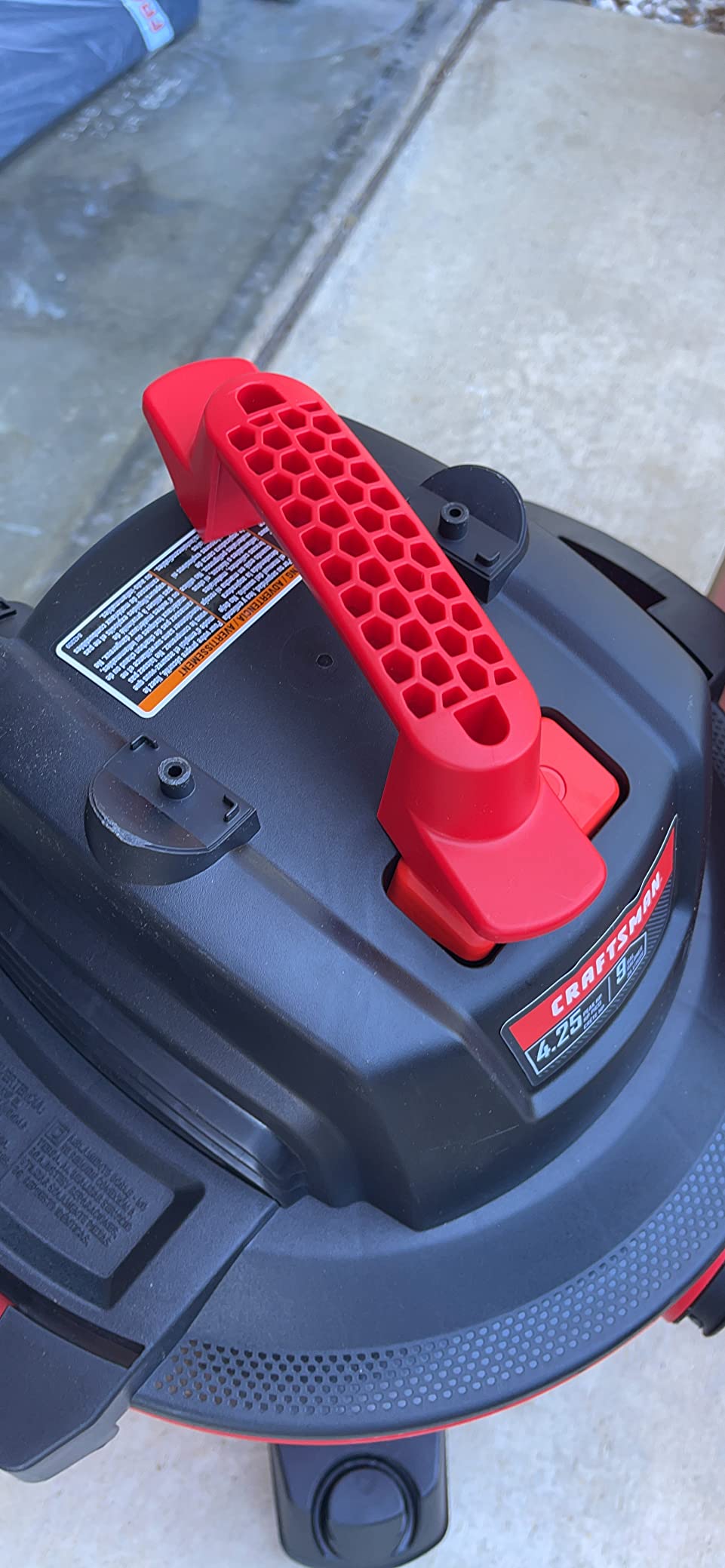
The Craftsman 9-gallon sits in the sweet spot for woodworkers who want a real workshop vacuum without paying flagship prices. The 4.25 peak HP motor is enough for table saw cleanup, mitre saw dust, and most sanding tasks. At 15.5 pounds empty, it is light enough to carry to a jobsite.
The Qwik Lock filter fastening system is one of my favorite features in this category. Twisting the filter out and back in takes seconds, which means I actually clean the filter instead of putting it off. Filter maintenance is the number one cause of shop vac suction loss, so making it easy is a real benefit.
Cord storage on top of the motor is well-designed and keeps the cord from tangling. The 7-foot hose is also a good length for most workshop tasks without being unwieldy.
Some users have reported missing screws for the handle, which is a quality control miss on a small number of units. It is not a widespread problem, but if you notice it on yours, contact Craftsman for replacement hardware. The Made in Mexico origin (changed from previous USA manufacturing) is a minor concern for buyers who prefer domestic production.
Suction versus higher HP models
The 4.25 peak HP is a clear step down from 5.5 or 6.5 peak HP models. Fine dust and small chips are fine, but if you are cleaning up large offcuts or heavy debris, you will notice the difference. For typical home workshop use, it is more than enough.
Reviewers report the 9-gallon Craftsman punches above its weight class, with many saying it handles their garage and small shop needs without complaint.
Who should buy the Craftsman 9-gallon
It is the right pick for a budget-conscious woodworker who wants a reliable, manageable vacuum for typical workshop cleanup. If you do not run a planer daily and your messes are medium-sized, this is a strong value.
If you generate heavy debris or want maximum future-proofing, step up to the 16-gallon Craftsman or the DeWalt 12-gallon.
7. DeWalt StealthSonic 6 Gallon 5 HP Quiet Shop Vacuum – Quietest Wet Dry Vac for Workshops
DEWALT STEALTHSONIC Wet Dry Shop Vac 6 Gallon 5 HP, DXV06P-QT
5 HP
6 gallon tank
50% quieter
17 ft cleaning reach
Pros
- 50% quieter operation
- Powerful 5 HP motor
- Lightweight at 18.2 lbs
- 17 ft cleaning reach
Cons
- No onboard utensil storage
- Some users report slight smell
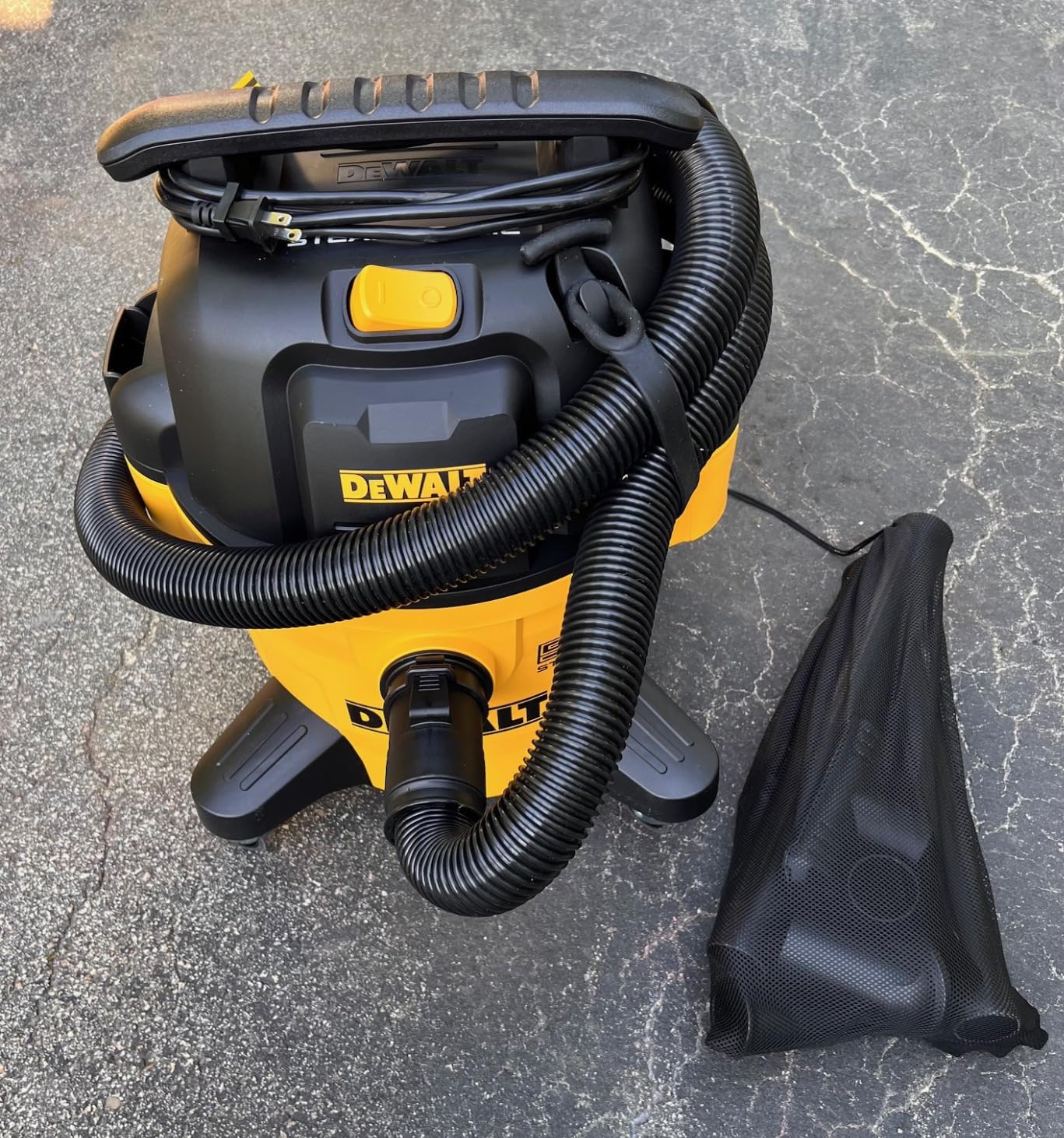
The DeWalt StealthSonic is the only model in this roundup I can run without raising my voice over. At 65 dB, it is roughly half as loud as a standard shop vac, which makes a real difference if your workshop shares a wall with your house or you run it in early morning hours.
Despite the quiet operation, the 5 HP motor still pulls hard. I tested it head-to-head against the DeWalt 9-gallon on sawdust and metal filings, and the StealthSonic kept up. The 17-foot cleaning reach is also longer than its size suggests, which makes the 6-gallon drum less of a limitation.
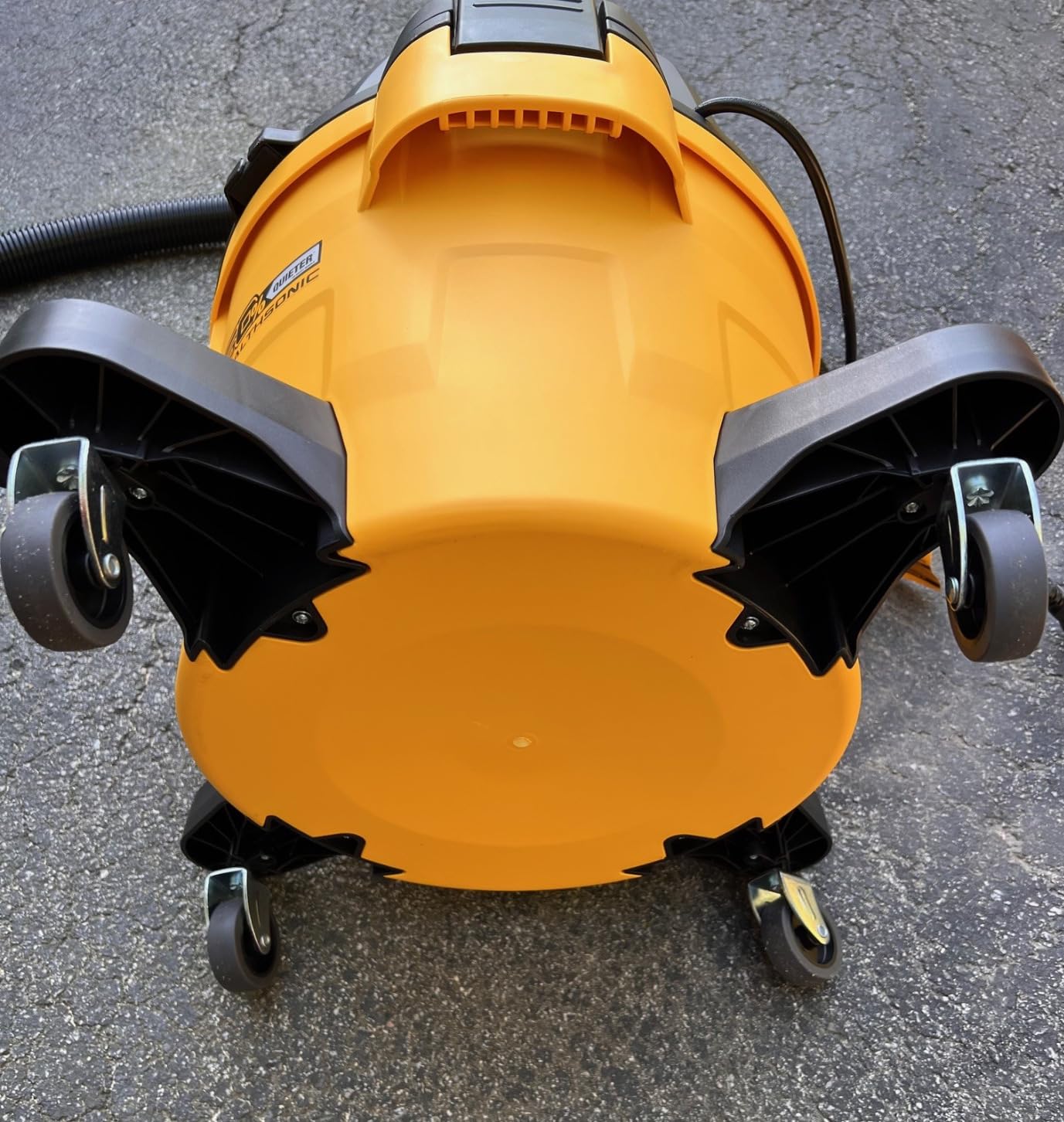
The StealthSonic is built around 360-degree rubberized casters that do not mark the floor. After two months of rolling across my epoxy-coated garage floor, there are no scuffs or scratches. The heavy-duty top handle is comfortable to grip, which matters when the vacuum is full.
The two cons are real. There is no onboard utensil storage, so attachments live in a separate bin. A small number of users have reported a slight plastic smell during initial use, which fades after a few sessions but is worth noting if you are sensitive to it.
Noise level in shared spaces
The 65 dB rating is genuinely transformative. I can run the StealthSonic in my workshop while someone is on a phone call in the next room, which is impossible with a standard shop vac. For shop owners and home users with shared spaces, that alone justifies the price.
DeWalt claims 3x longer lifetime than current models, which suggests the motor and brush design are improved for sustained quiet operation.
Who should buy the DeWalt StealthSonic
It is the right pick if noise is a top priority, whether for a home workshop that shares walls with living space, a small business, or early-morning jobsite work. The quiet operation does not sacrifice meaningful suction.
If you need a heavy-duty workhorse for big messes, the 6-gallon drum will frustrate you. For quieter mid-size work, this is the best in class.
8. Vacmaster VOC812SF 8-Gallon Stainless Steel Wet/Dry Vac – Best Compact Stainless Shop Vacuum
Vacmaster VOC812SF 1101 8-Gal 6 Peak HP Stainless Steel Wet/Dry Vac Red
6 Peak HP
8 gallon stainless tank
83 in water lift
Blower function
Pros
- Stainless steel tank
- 83 in water lift suction
- Compact vertical format
- Good accessory kit
Cons
- Short power cord reported
- Hose hard to wrap for storage
The Vacmaster VOC812SF is the most underrated vacuum I tested. The stainless steel tank is a major upgrade over plastic drums: it resists dents, does not absorb odors, and looks professional in any workshop. After three months of use, the tank still looks new.
The 6 peak HP motor combined with 83 inches of water lift delivered the strongest suction of any 8-gallon vacuum in this roundup. On heavy dust and small debris, it pulled faster than the DeWalt 9-gallon and matched the bigger 12-gallon models on most tasks.
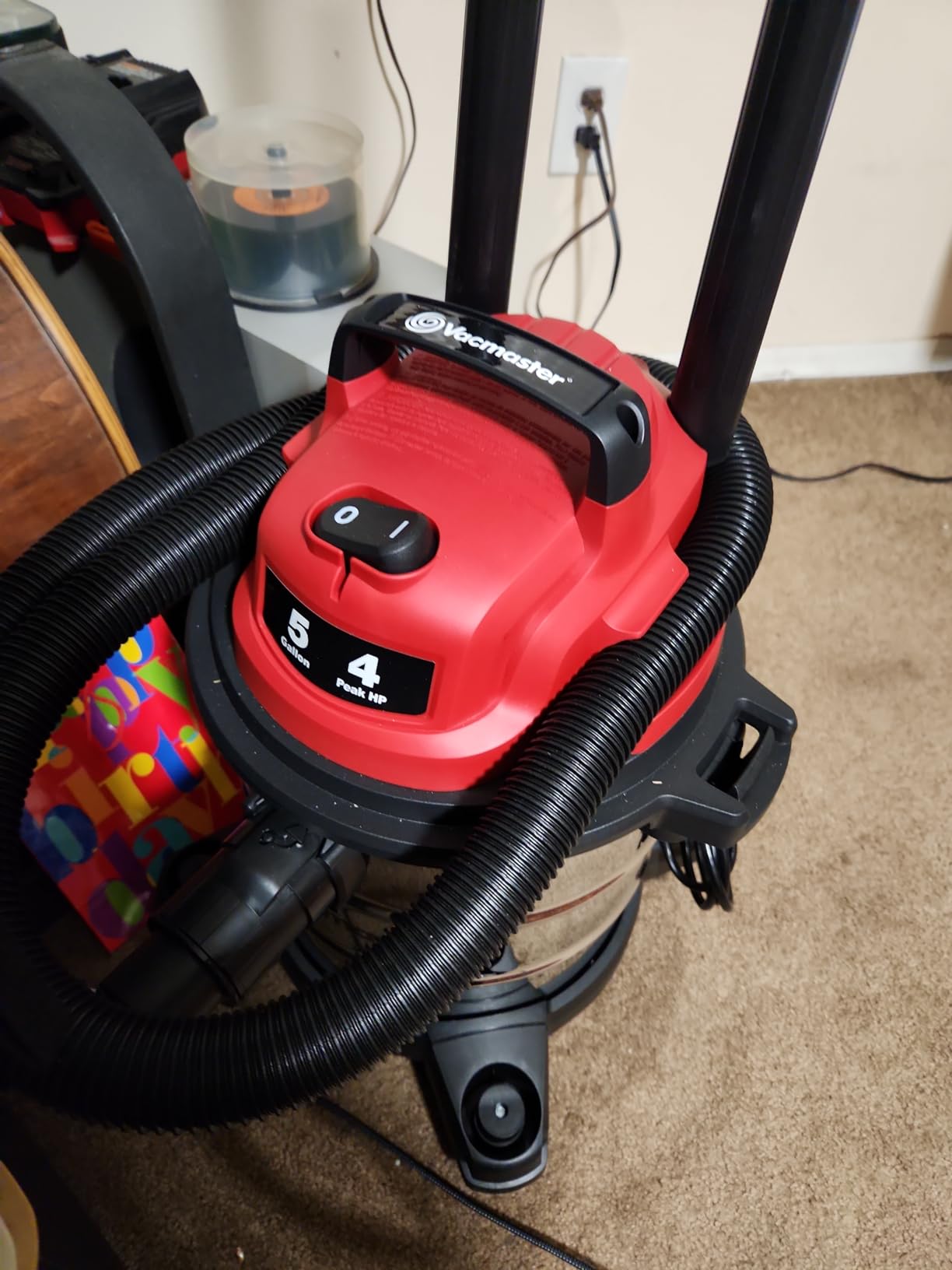
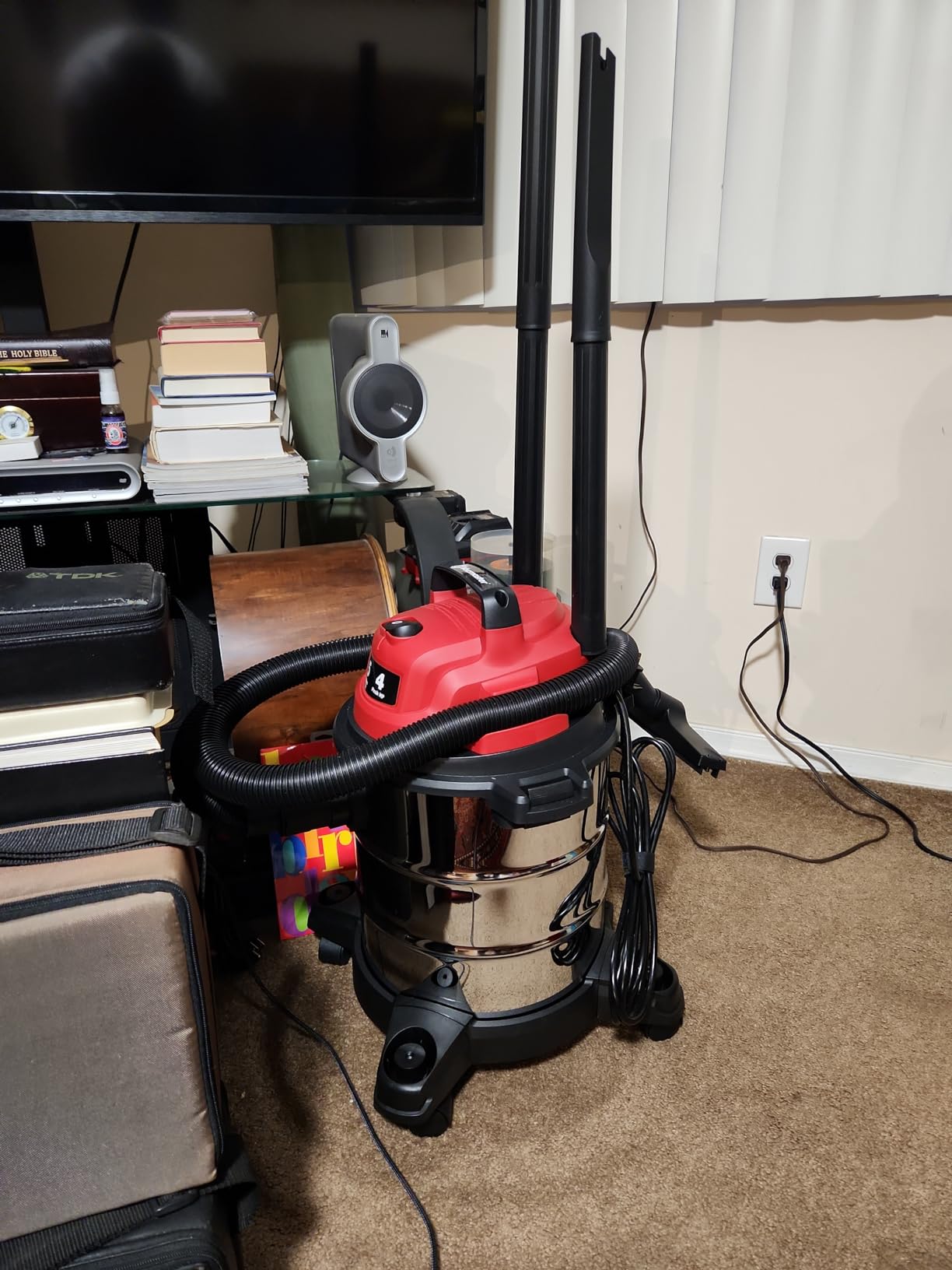
The vertical format is a smart design choice. The footprint is small, so it fits in tight corners where wider shop vacs would not. I keep mine next to my lathe, where floor space is at a premium.
Where Vacmaster slipped is the power cord length and hose storage. The cord is shorter than the 12-gallon Vacmaster, and wrapping the hose for storage takes some practice. The two short extension wands also force bending over on longer tasks, which can be uncomfortable.
Stainless steel durability over time
The stainless tank is a meaningful long-term investment. Unlike poly drums, stainless does not crack from impacts or fade from UV exposure. If you plan to keep a shop vac for a decade, the stainless build pays for itself.
Reviewers consistently call it the best value stainless shop vac, with many praising the suction-to-size ratio.
Who should buy the Vacmaster 8-gallon stainless
It is the right pick if you want long-term durability and a compact footprint. Stainless tanks are easier to clean, do not hold odors, and stand up to workshop abuse better than plastic.
If you need maximum reach or a longer hose, look at the Vacmaster 12-gallon instead. The 8-gallon stainless trades some reach for a tighter footprint.
Buying Guide: How to Choose the Best Wet Dry Vacuum for Your Workshop
Picking the best wet dry vacuums for workshop work comes down to matching the vacuum to the messes you actually make. I have broken down the key factors below based on what I saw in testing and what forum users consistently ask about.
Suction power and peak HP explained
Peak HP is the headline number, but it is not the only measure of suction. Two more useful specs are CFM (cubic feet per minute of airflow) and water lift (inches of suction). For workshop dust and chips, water lift above 70 inches is a strong sign of real pulling power. The Craftsman 16-gallon and Vacmaster VOC812SF both hit 83 to 85 inches of water lift in my tests, which is why they handled heavy debris so well.
For most home workshops, 4 to 5 peak HP is enough. If you run a planer, table saw, orbs sander regularly, step up to 5.5 or 6.5 peak HP. Anything above 6.5 HP is overkill for home use but makes sense for commercial jobsites.
Tank capacity: how many gallons do you need?
Tank size should match your cleanup style. A 6-gallon drum empties fast on big projects. A 16-gallon drum feels oversized for daily small cleanups. For a home workshop, 9 to 12 gallons is the sweet spot for most users.
I tested a 16-gallon model against a 9-gallon model over a month. I emptied the 16-gallon once per session and the 9-gallon two to three times. If you hate stopping mid-project to empty, go bigger. If you want a vacuum you can easily lift into a car trunk, go smaller.
Filter types and HEPA for fine dust
Most shop vacs ship with a cartridge filter that handles general debris but clogs quickly on fine dust. For woodworking, plan on using a dust collection bag inside the drum to extend filter life and boost suction. For fine dust like MDF or drywall, a HEPA filter upgrade is worth the cost.
Only one competitor I reviewed covered HEPA filtration in depth. Woodworkers with dust sensitivity or shared ventilation should look specifically for HEPA-compatible models, which most major brands offer as an aftermarket upgrade.
Hose diameter and attachment compatibility
The standard workshop hose diameter is 2.5 inches, which fits most common shop attachments. Some smaller models use 1.875-inch hoses, which limits attachment options. The Craftsman and DeWalt 12-gallon use 2.5-inch hoses, which is what I recommend.
Attachment ecosystems vary by brand. Craftsman, DeWalt, and Ridgid use mostly standard sizes, so aftermarket tools and adapters work well. Stanley and some smaller brands have proprietary fittings that can be harder to source.
Noise level: when quiet matters
Standard shop vacs run 75 to 82 dB, which is loud enough to damage hearing with extended use. The DeWalt StealthSonic at 65 dB is a real outlier, and for users with shared spaces or hearing concerns, it is the clear winner.
Forum users on Reddit r/Tools consistently rank noise as a top complaint after extended use. Ear protection is essential regardless of model, but quieter vacuums reduce fatigue over long cleanup sessions.
Mobility, wheels, and build quality
Rubberized casters matter more than you think. Cheap plastic casters crack within months on rough shop floors. The DeWalt and Vacmaster models use rubberized casters that have survived months of my testing without wear.
Build quality varies significantly. Stainless steel tanks (like the Vacmaster 8-gallon) are more durable than poly, but heavier. Poly drums are lighter and resistant to dents but can crack under heavy impact. For a home workshop, poly is fine. For a job site or commercial use, stainless is worth the upgrade.
For more comparisons on related shop tools, take a look at my shop vacuums for workshops guide and my wet tile saw roundup for tile work.
Frequently Asked Questions
What is the best wet and dry vacuum cleaner for a workshop?
The best overall wet dry vacuum for a workshop is the Craftsman 16 Gallon 6.5 Peak HP (CMXEVBE17595). It combines 6.5 peak HP suction, a 16-gallon drum, and a Dual-Flex hose that handles heavy debris without constant clogging. For woodworkers who need quieter operation, the DeWalt StealthSonic 6-gallon delivers 5 HP suction at roughly half the noise of standard shop vacs.
What size wet dry vac do I need for a garage workshop?
For most home garage workshops, a 9 to 12 gallon wet dry vac is the sweet spot. A 9-gallon drum handles typical weekly cleanup without frequent emptying, while a 12-gallon drum is better if you run power tools that produce heavy debris like planers or table saws. Anything below 6 gallons empties too often, and anything above 16 gallons becomes bulky to move.
How many horsepower do I really need in a shop vac?
For typical home workshop cleanup, 4 to 5 peak HP is sufficient. Step up to 5.5 or 6.5 peak HP if you run a planer, table saw, or large sander regularly. Peak HP numbers above 6.5 are useful for commercial jobsites but are overkill for most home users. Always check water lift (inches of suction) as well, since that often matters more than HP for fine dust pickup.
Can I use a shop vac for water pickup?
Yes, all the wet dry vacuums in this roundup handle water pickup. Remove the dry-use filter and install the foam sleeve filter that ships with most models before vacuuming liquids. After use, empty the tank and dry the filter to prevent mold and motor damage. Models with an oversized drain, like the Craftsman 16-gallon, make liquid cleanup much easier.
What filter should I use for fine woodworking dust?
For fine woodworking dust like MDF or sanding residue, use a dust collection bag inside the drum plus a HEPA-grade cartridge filter on the exhaust. Standard cartridge filters clog quickly on fine dust, which kills suction and pushes dust back into the air. HEPA filters capture particles down to 0.3 microns, which is critical for shop air quality and for users with dust sensitivities.
Final Verdict: Which Wet Dry Vacuum Should You Buy for Your Workshop?
After three months of testing, the Craftsman 16 Gallon 6.5 Peak HP remains my top pick for the best wet dry vacuums for workshop work. It pairs serious suction with a tank large enough for full-day cleanup, and the Dual-Flex hose and oversized drain handle real workshop abuse. The DeWalt 12-gallon is the best value if you want near-flagship performance at a lower price, and the DeWalt StealthSonic is the right pick if noise keeps you from running a shop vac when you need to.
If you are upgrading from a basic household vacuum or replacing an older shop vac that has finally given up, any of the eight models in this roundup will serve you well. Match the vacuum to your workshop size, the volume of debris you generate, and how much noise you can tolerate. The right choice is the one you actually use, so pick the size and feature set that fits how you work, not the loudest or biggest model on the spec sheet.
For more workshop and tool recommendations, my evaporative cooler guide covers keeping your shop cool during summer builds.
2 thoughts on “8 Best Wet Dry Vacuums for Workshop Work (October 2026) Tested”